
Spend enough mornings in a deer stand and you’ll hear the same tired wisdom passed around like gospel. Bucks only move at night. A full moon kills the hunt. Shoot the spike or you’ll ruin the herd. Most of it got repeated so often nobody bothered to check. Then GPS collars, trail cameras and real population studies showed up, and a lot of old campfire certainty fell apart. Some of these myths are harmless, and some cost you deer and cost the herd good animals. Here are the ones biology has quietly demolished.
Please note that some of the images in this article were created with the assistance of AI.
37. Wild Turkeys Don’t Actually Drown by Staring at the Rain
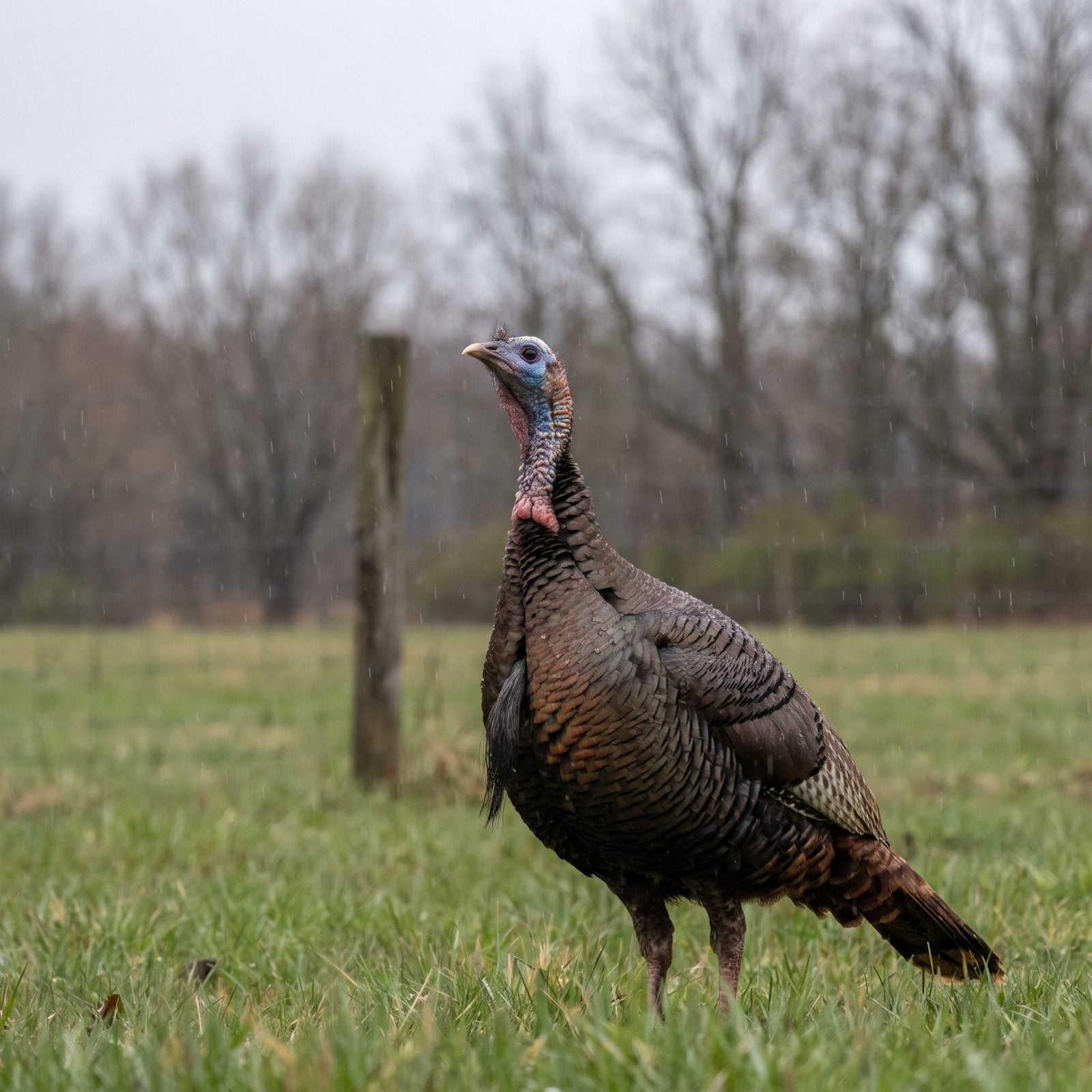
You’ve heard it your whole life. Turkeys tip their heads back in a downpour, water runs down their throats, and they drown standing in the yard. Great story. Also nonsense.
Turkey nostrils point downward, and a quick tilt of the head sheds water just fine. The myth probably traces back to a rare genetic condition that leaves some domestic birds unable to swallow properly. Meanwhile, wild turkeys stand out in the rain for hours, feed in it, and roost through it. They do it better than you do.
Explaining why rain can kill young poults even though it doesn’t drown them, a state turkey program leader with 16 years of field experience says “It’s not that they are drowning; it’s that they can’t properly maintain their body temperature.”
36. Bucks Move in Daylight More Than You Think
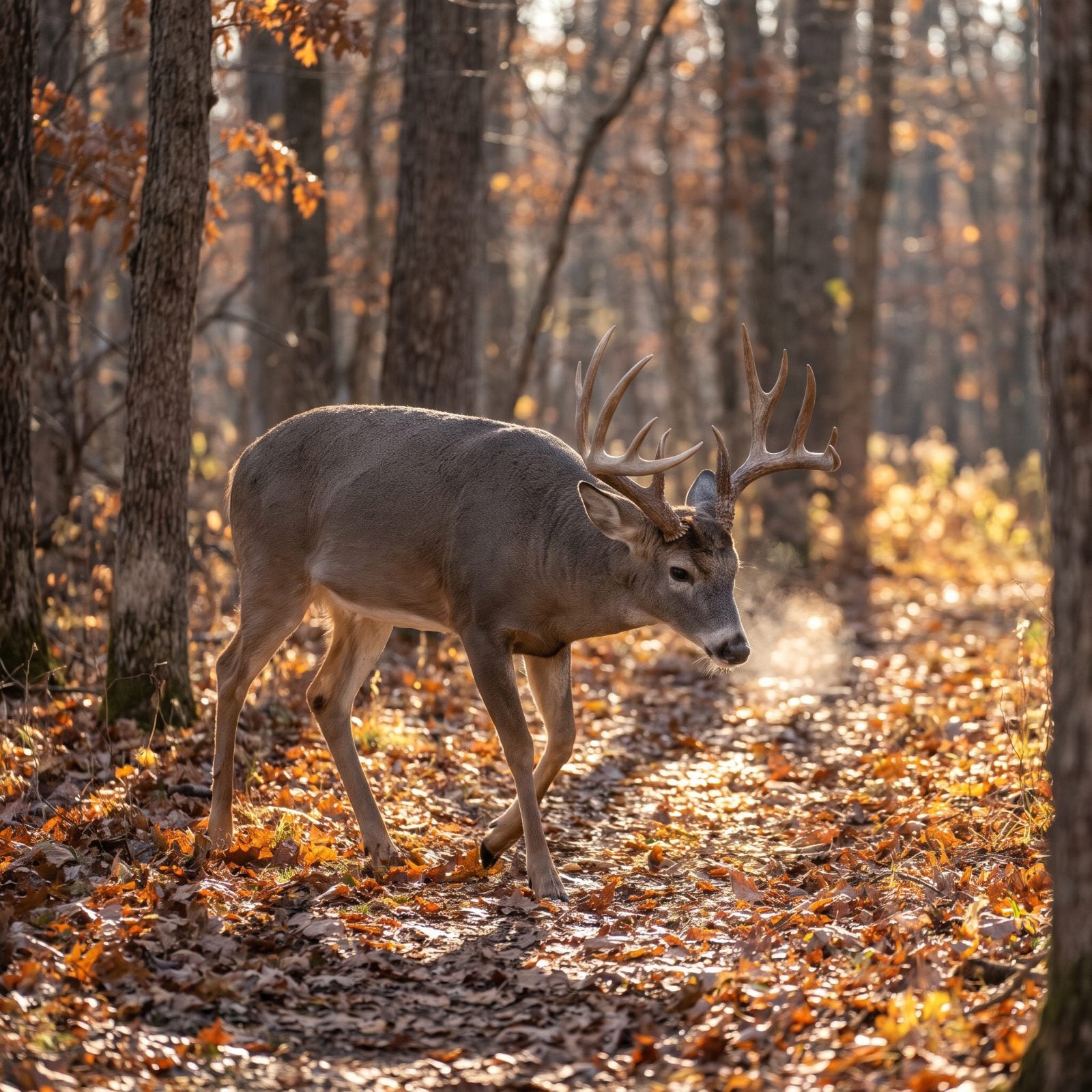
This one dies hard, especially among guys who gave up and started hunting only the last light. GPS collar studies across multiple states tell a different story. Mature bucks absolutely move during daylight, just not on your schedule.
During the rut, daytime movement spikes as bucks cruise for does. Weather fronts, hunting pressure and testosterone all push them onto their feet when the sun’s up. The real lesson? Heavily pressured bucks go nocturnal near the stuff humans touch. Hunt the quiet, hard-to-reach cover and daylight movement shows up again.
35. Bears Run Downhill Just Fine, Thanks
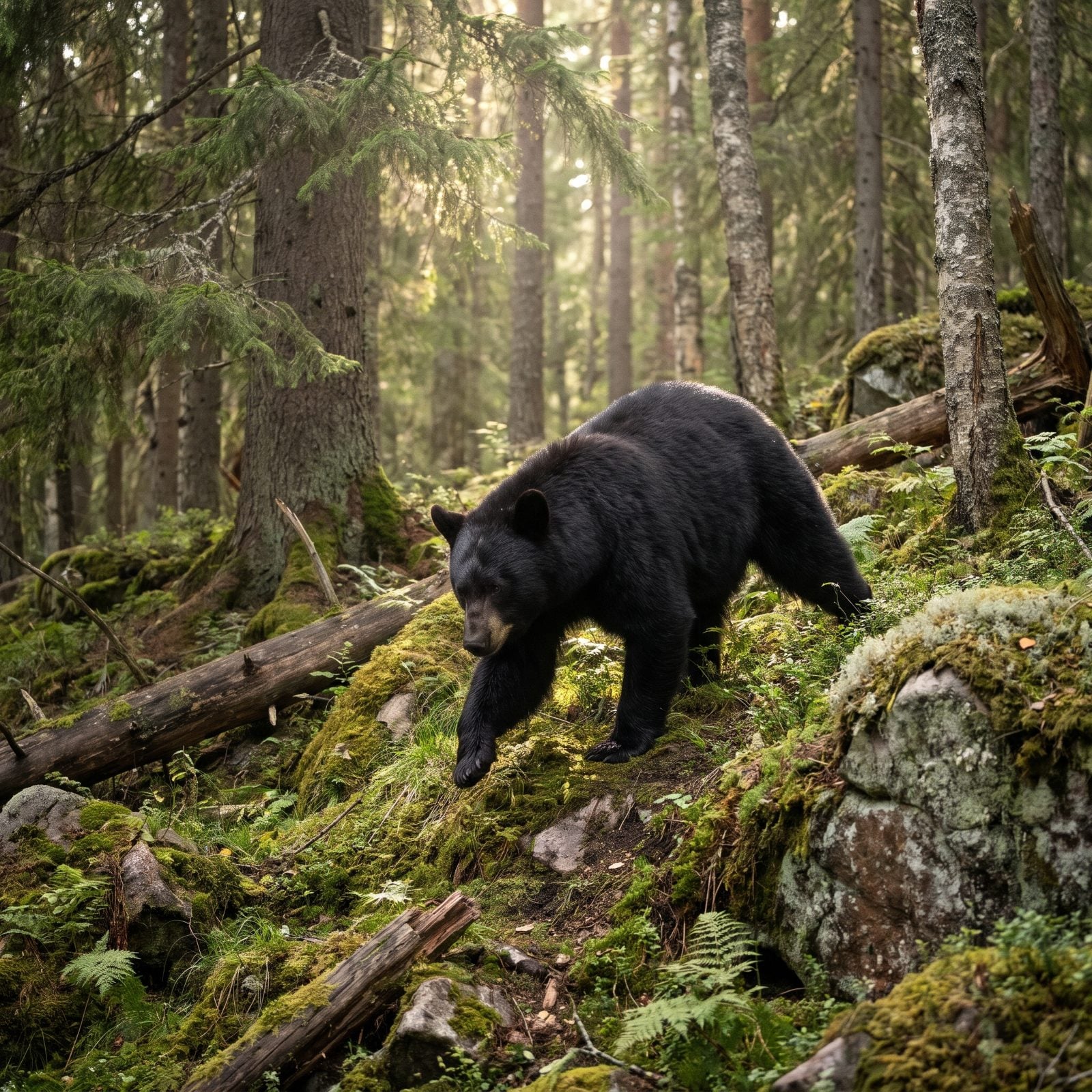
Somewhere along the way someone decided that a bear’s front legs are shorter than its back legs, so running downhill sends it tumbling. If you’re ever close enough to test this, I’m sorry for you, because it’s flatly false.
Bear legs are proportioned normally, and they run uphill, downhill and flat at speeds north of 30 miles an hour. A black bear or grizzly will chase you down any grade it pleases. The whole “run downhill to escape” idea has gotten people hurt. Don’t run from a bear at all, in any direction.
34. A Cold Front Doesn’t Flip the Rut Switch
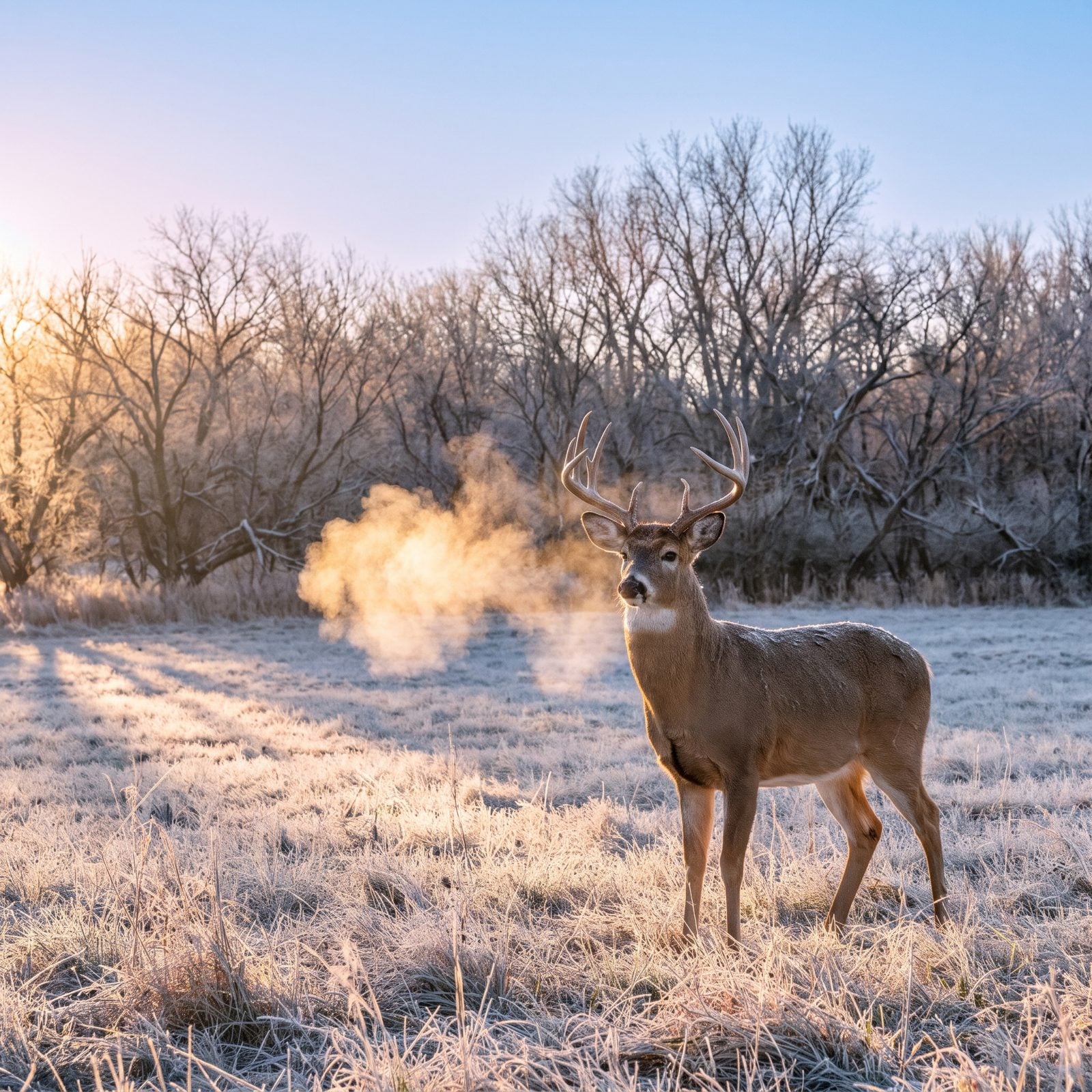
Every November the forums light up. A cold snap’s coming, so the rut’s about to explode, and deer hunters start treating the thermometer like a starting gun.
But the whitetail rut runs on photoperiod, the shortening daylight, not temperature. The timing is locked to the calendar within a fairly tight window year after year. What a cold front actually does is get deer moving more during daylight because they’re comfortable and hungry. So you see more deer, and you credit the cold with starting the rut. The breeding was happening anyway.
33. Deer See Color, Just Not the Way You Do
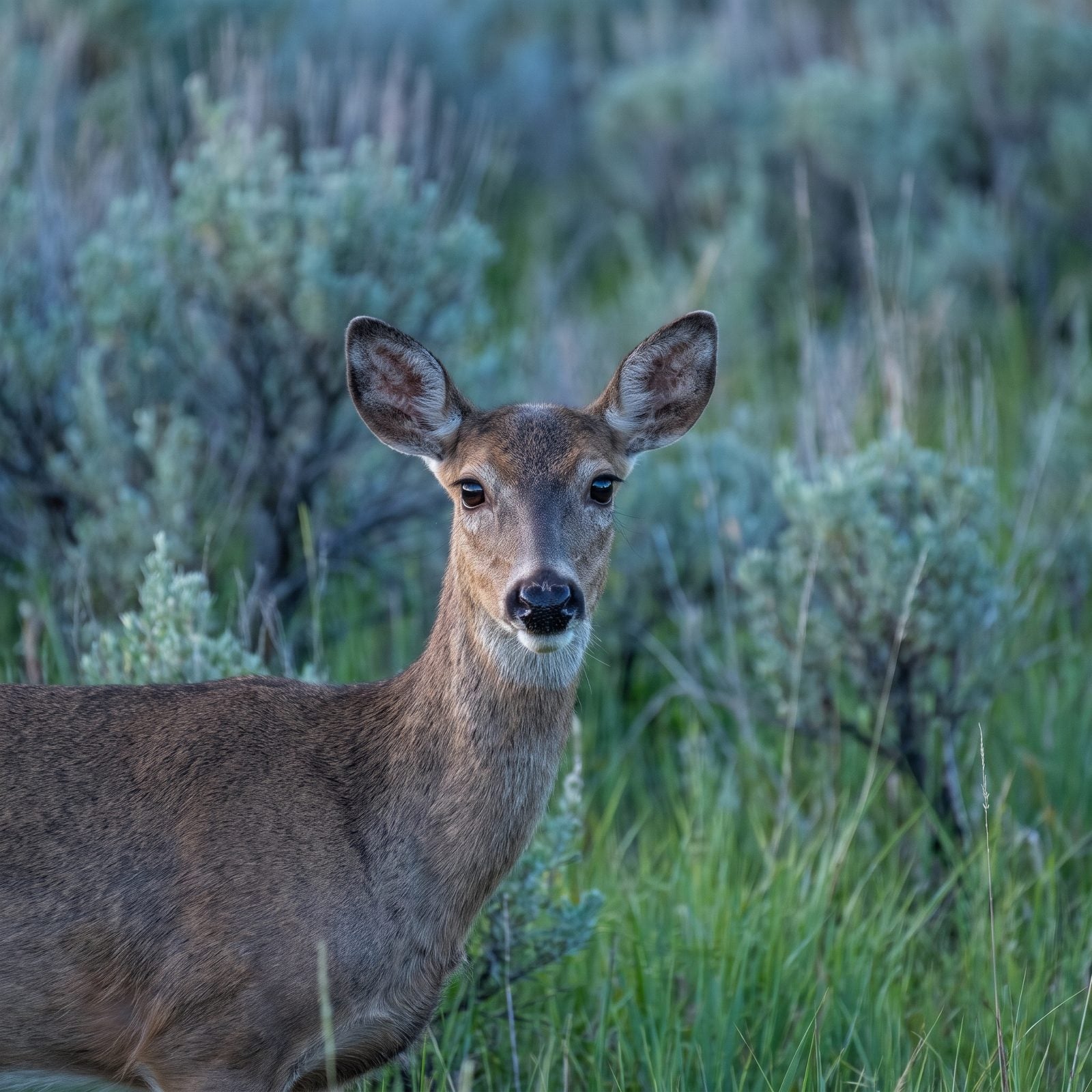
The old line is that deer live in a gray world and your clothing color doesn’t matter. Half right at best.
Research out of the University of Georgia nailed this down. Deer are dichromats. They see blues and yellows well, reds and greens poorly, which is exactly why blaze orange keeps you legal and safe without lighting you up to a deer. But here’s the catch. They’re intensely sensitive to blue and ultraviolet, so those bright-white detergent brighteners in your camo can glow to a deer like a porch light. Color matters. You were just worried about the wrong end of the spectrum.
32. The Full Moon Isn’t Grounding Your Deer
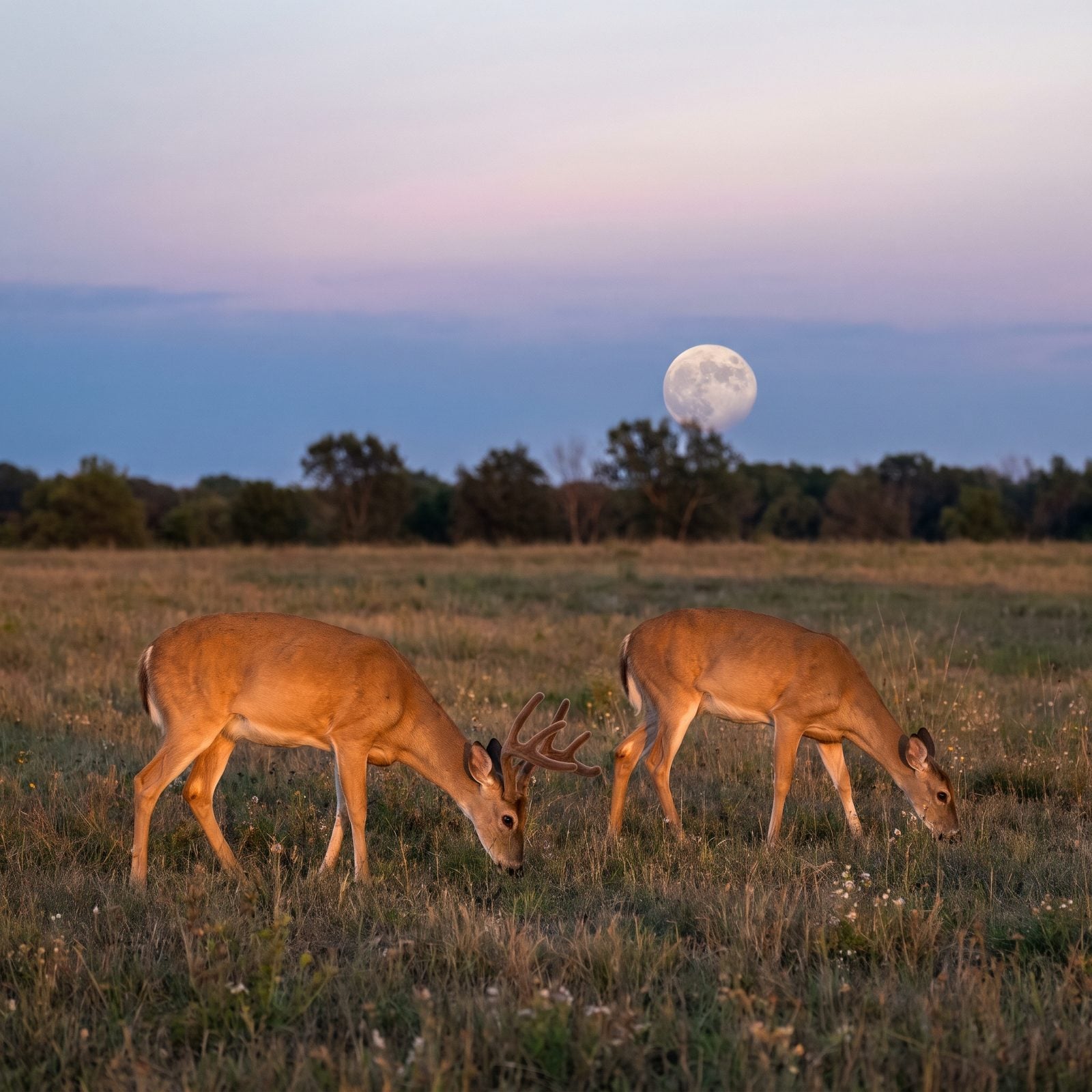
Plenty of hunters sleep in on a bright full moon, convinced the deer fed all night and won’t budge come daylight. Tidy theory. The data doesn’t back it.
Multiple collar studies have looked hard for a moon-phase effect on deer activity and come up mostly empty. Movement varies far more with temperature, pressure, food and the rut than with whatever the moon’s doing up there. Some research even suggests slightly more midday movement around the full moon, not less. Hunt the days you can. The moon is not keeping deer in bed.
31. You Can’t Age a Buck by Counting Points
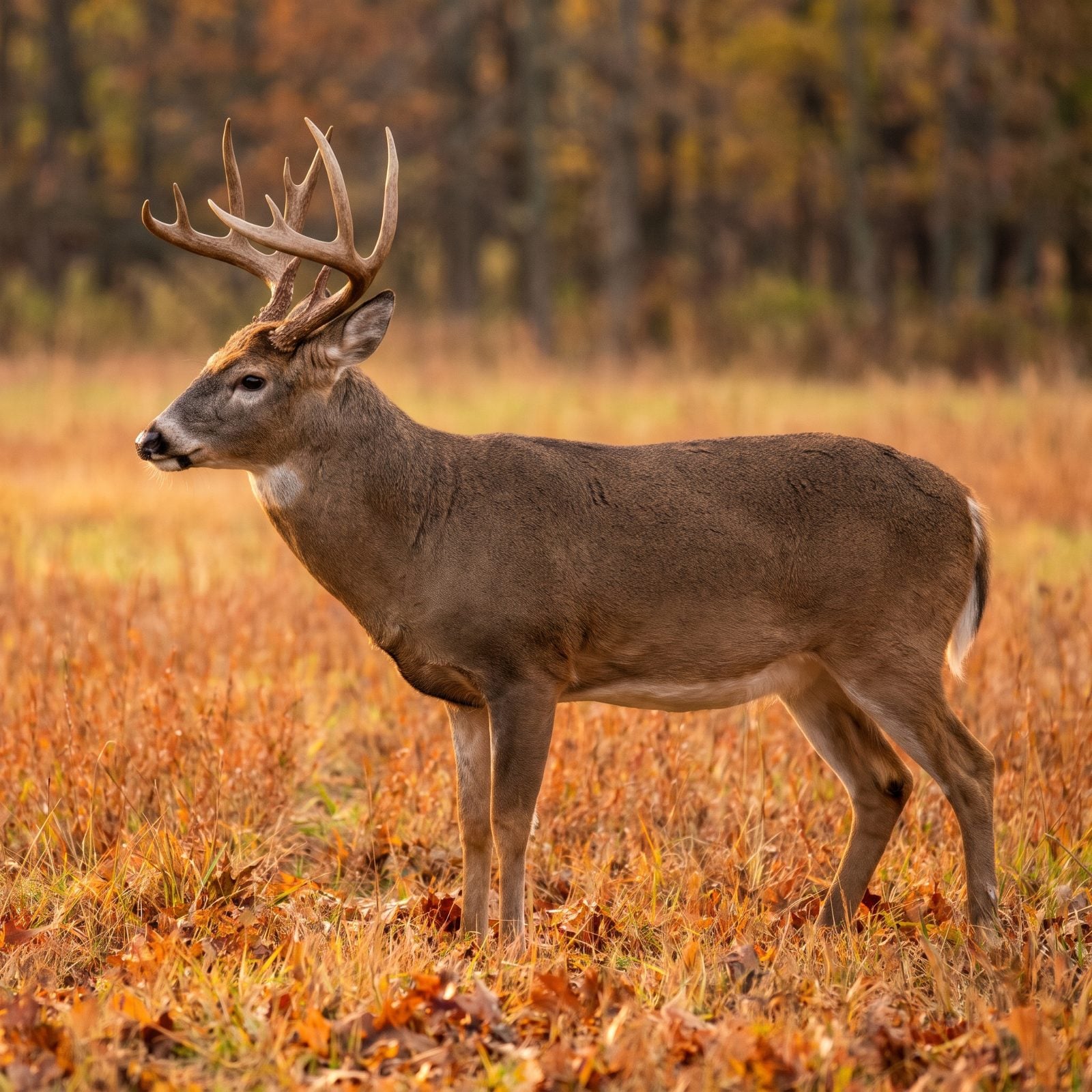
Grandpa said count the points and add a year, or some version of it. A ten-pointer is five years old. Nice and simple. Also wrong.
Point count tracks age poorly. A well-fed yearling can sport eight or ten points, while a gnarly old warrior can carry a modest frame long after passing his prime. Biologists age live deer by body shape, not antlers: the sagging belly, the thick swollen neck, the short-looking legs, the Roman nose. Tooth wear on a harvested deer gets you closer. Antler points tell you about nutrition and genetics, not birthdays.
30. The Dominant Buck Doesn’t Breed Every Doe Around
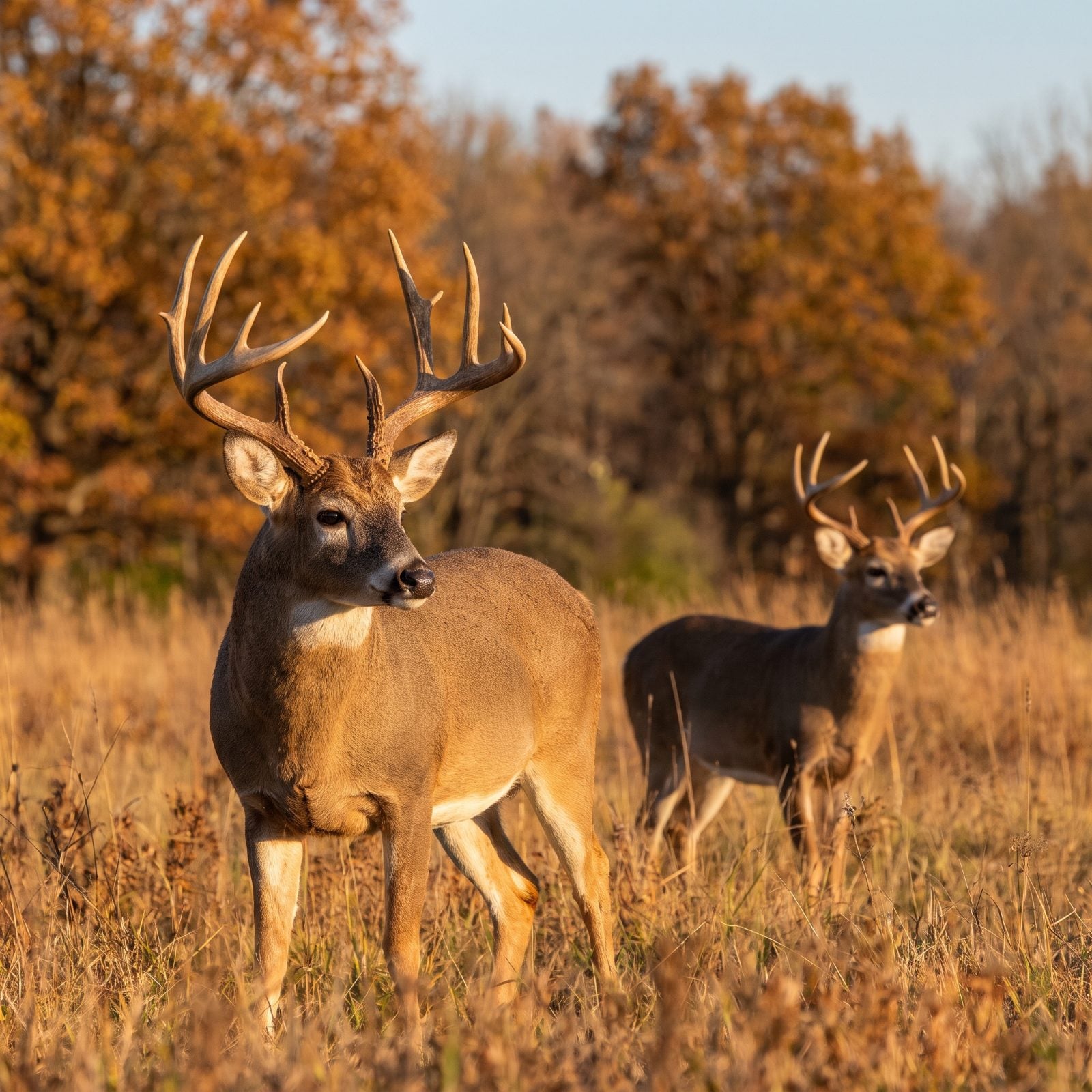
Picture the hierarchy everyone describes. One monster buck rules the woods and services every doe in the neighborhood while the lesser bucks sulk. DNA paternity studies blew that apart.
Researchers at Mississippi State and elsewhere ran genetic fawn-paternity work and found breeding spread widely across many bucks, including young ones. Multiple sires even show up within a single doe’s set of twins. Sure, dominant bucks breed more than their share, but they can’t be everywhere during a short, frenzied rut. The woods are busier and more democratic than the legend admits. Those two-year-olds get their chances.
29. A Monster Rub Doesn’t Guarantee a Monster Buck
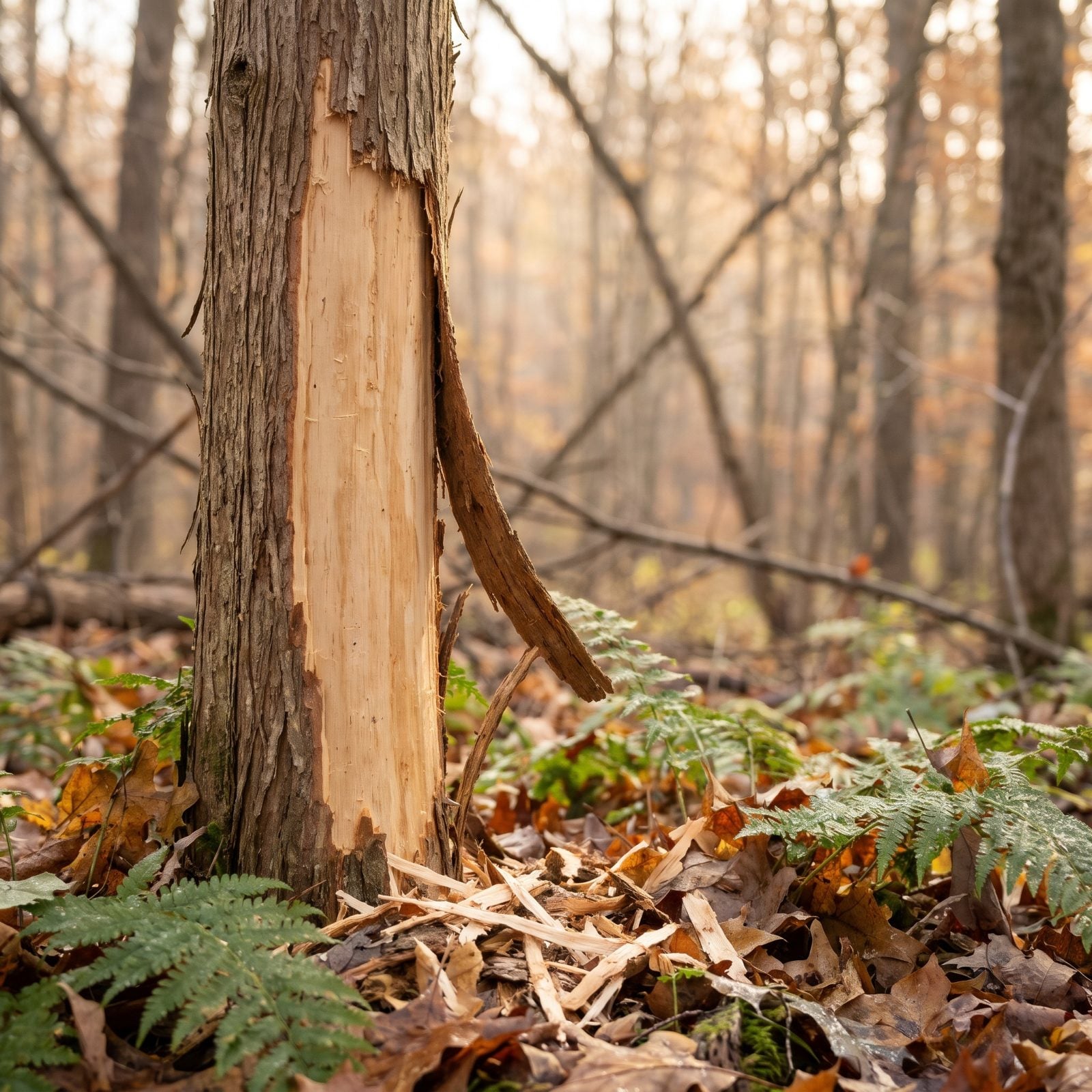
You find a thigh-thick cedar shredded down to pale wood and your heart jumps. Has to be a giant, right? Not necessarily.
Tree size doesn’t equal buck size. A fired-up two-year-old will thrash a big trunk for all he’s worth, and a true bruiser will sometimes work a skinny sapling instead. What rub size does hint at is intensity and the kind of cover a buck favors. What actually tells you a mature buck’s in the area is a line of rubs on larger trees, worked year after year, often pointing the way he travels. Read the pattern, not the single tree.
28. Bucks Make and Visit Scrapes Only Under Cover of Darkness
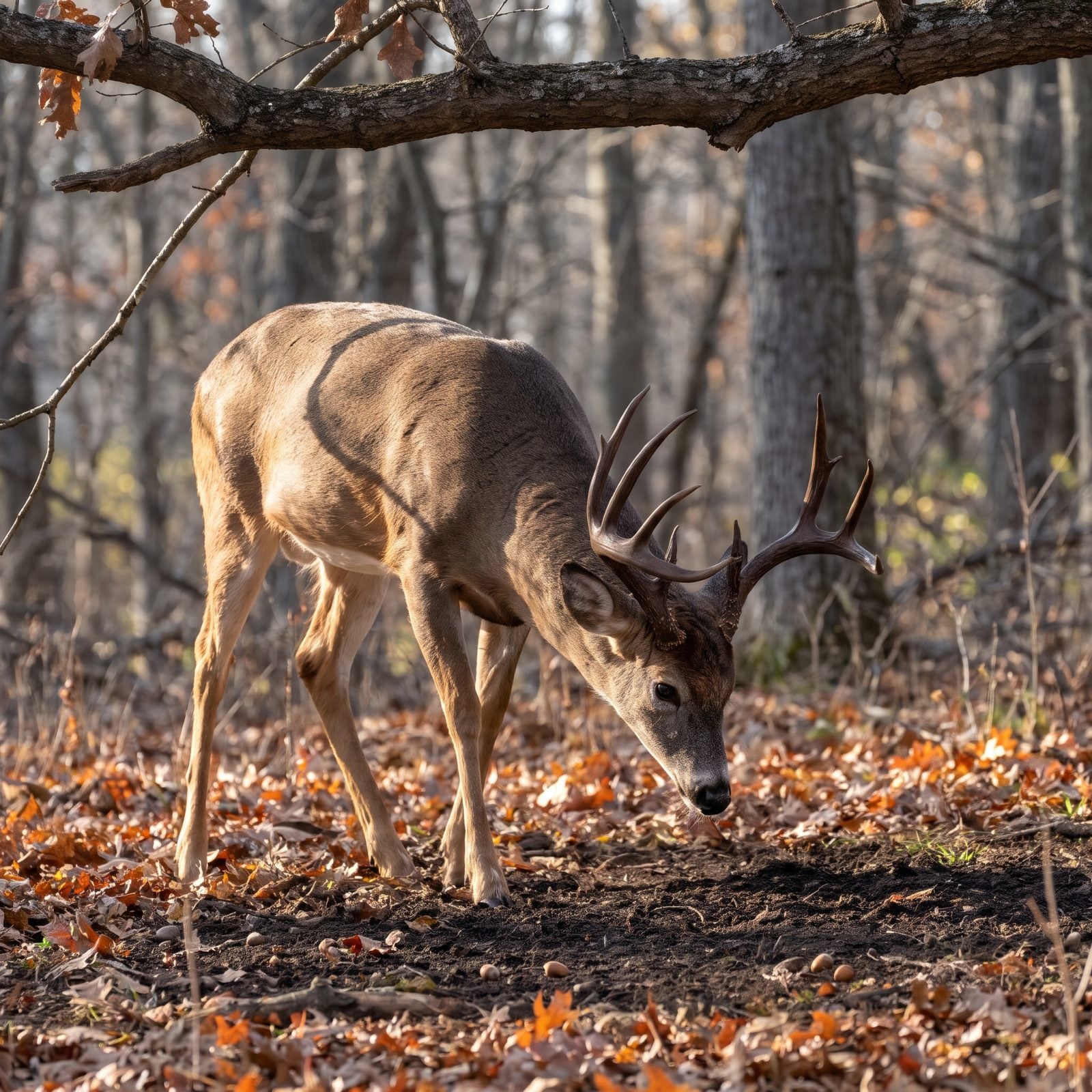
The night-only scrape became accepted wisdom because old film cameras caught so many bucks working scrapes after dark. Thousands of trail cam datasets later, the picture is more honest. Bucks absolutely hit scrapes in daylight, especially during the pre-rut buildup and on cool, high-pressure mornings when activity spikes.
What’s true is that mature bucks go more nocturnal under heavy hunting pressure, and daylight scrape visits drop once does come into estrus and bucks shift to following receptive females. So it’s not that they avoid daylight. Your scrape line just gets quiet right when the rut peaks, and people blame the clock instead of the biology.
27. Scent-Elimination Products Make You Invisible to a Deer’s Nose
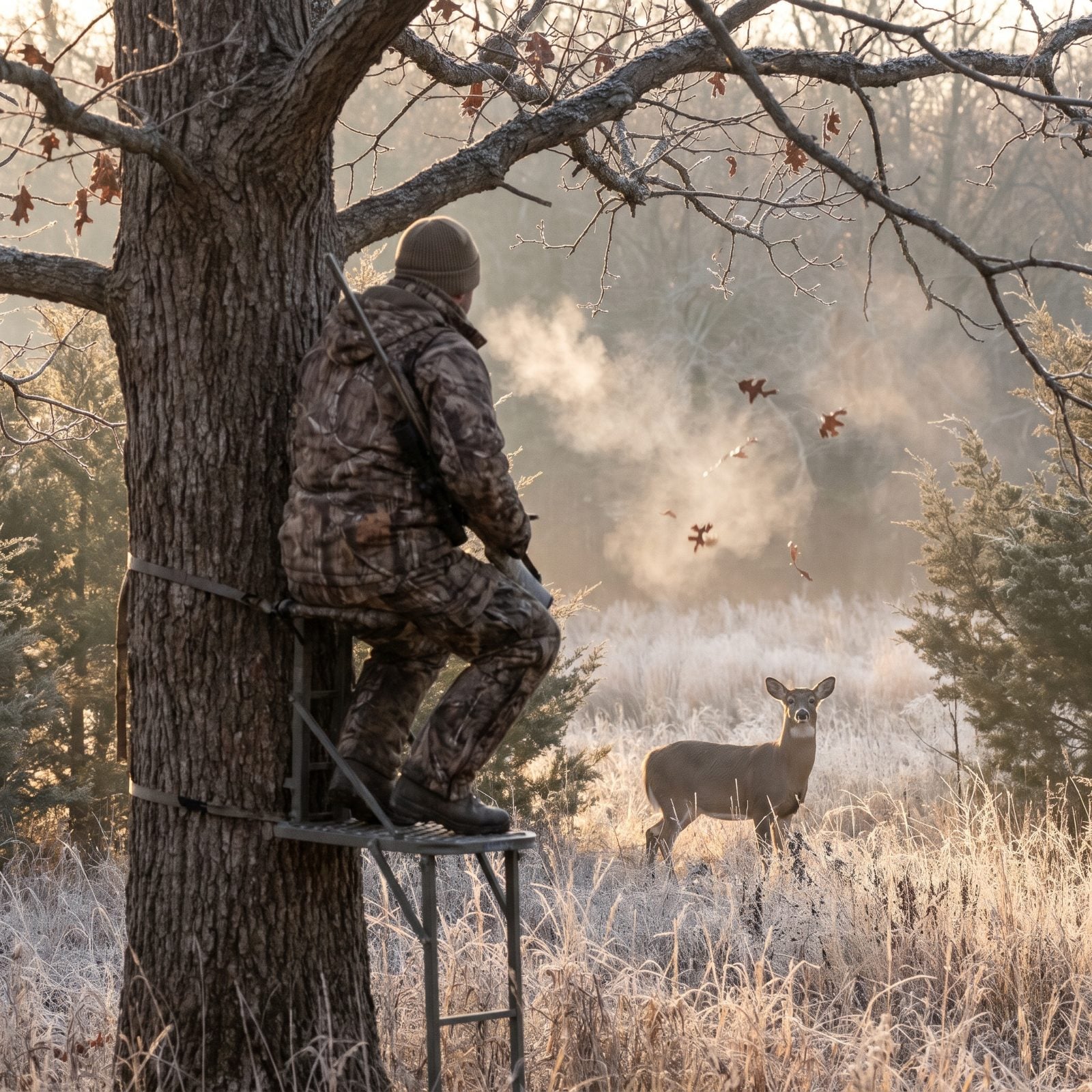
A deer’s nose is one of the sharpest instruments in the North American woods, with far more olfactory receptors than a human and the ability to pick apart scent streams the way you’d read separate instruments in a song. No spray shuts that off.
Field testing with trained scent-detection work and controlled deer studies keeps landing in the same place: scent products reduce odor, but they don’t erase it. A deer directly downwind of you is going to know. Carbon suits, sprays and ozone units help at the margins. They buy you a little grace. They do not beat the wind, and hunting into the wind still outperforms every product on the shelf. Plenty of hunters have wasted years and real money believing otherwise.
26. Every Wounded Deer Runs Straight for Water
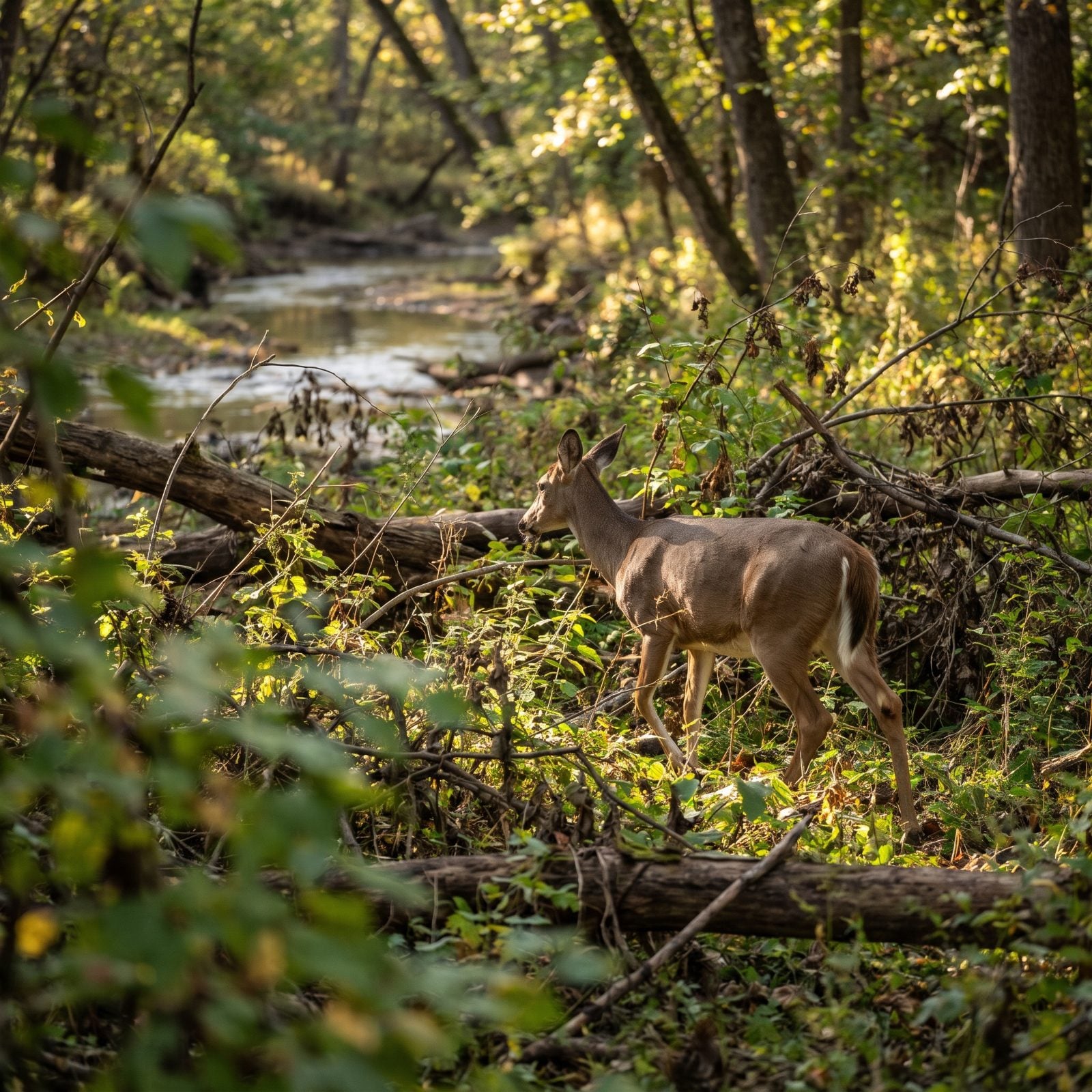
This belief has sent more hunters stumbling down the wrong drainage than almost any other. The truth is simpler and less comforting: a hit deer runs where the cover is, where it feels safest, and often straight back toward the bedding area it trusts.
Tracking research and recovery data show deer favor the path of least resistance and the terrain they know, not some universal water instinct. A gut-shot deer may bed near water because fever drives thirst, which is probably where the myth started. But betting your recovery on a creek instead of reading the actual sign, the blood, the tracks, the direction of travel, is how good animals get lost.
25. A Deer Hit in One Lung Always Pulls Through
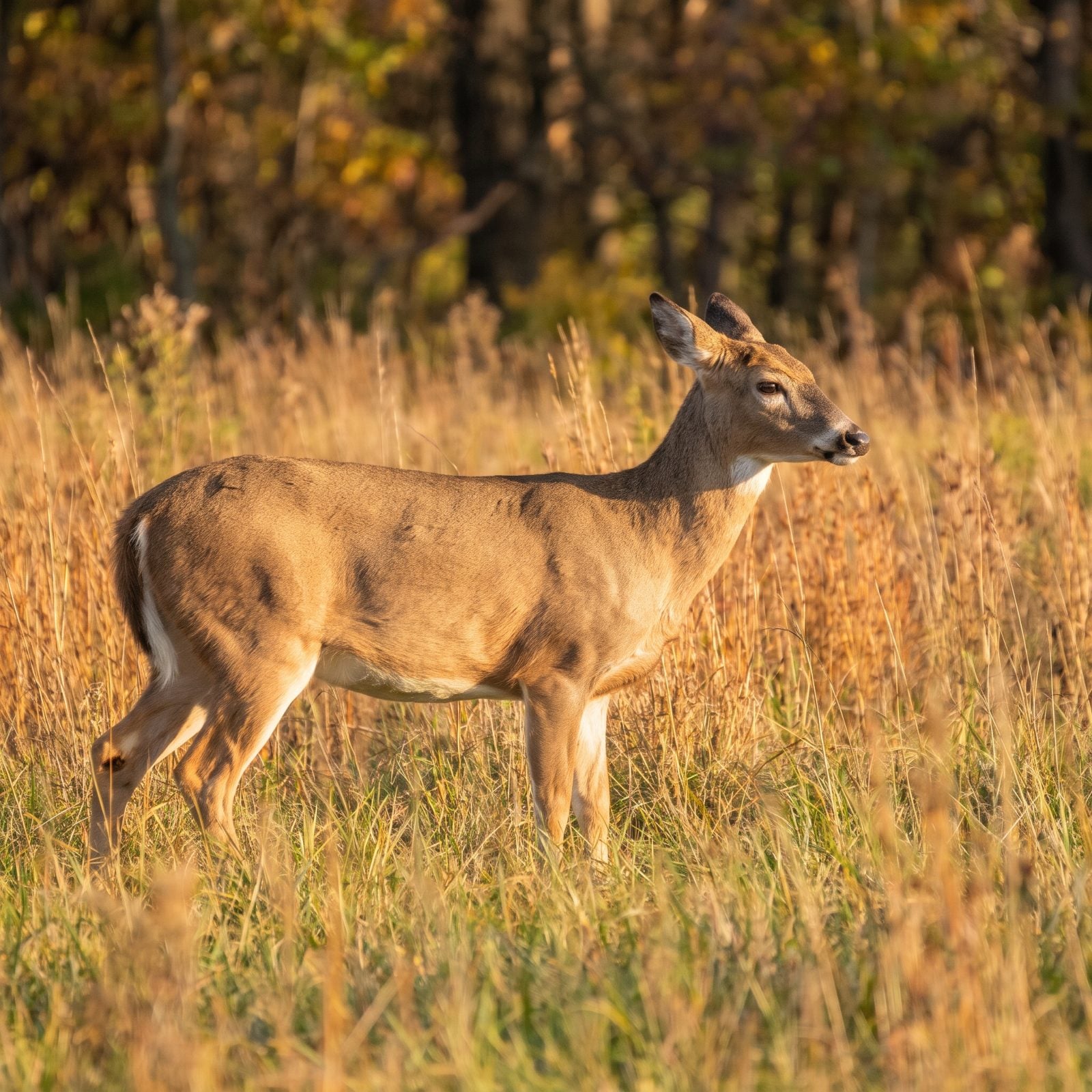
Lungs are vital for a reason, and a single-lung hit kills far more often than it spares. This myth probably comes from hunters who made a marginal hit, waited too long or jumped the deer early, then assumed a tough animal would simply recover.
Necropsy and recovery studies tell a different story. A deer that loses one lung and bleeds into the chest cavity often expires, just not always quickly and not always close. What modern research really reinforces is patience and good tracking. A single-lung or liver hit kills, but it can take time and distance, which means backing out and giving it hours instead of writing the deer off as a miracle survivor.
24. Blood Color Alone Tells You Exactly Where You Hit the Deer
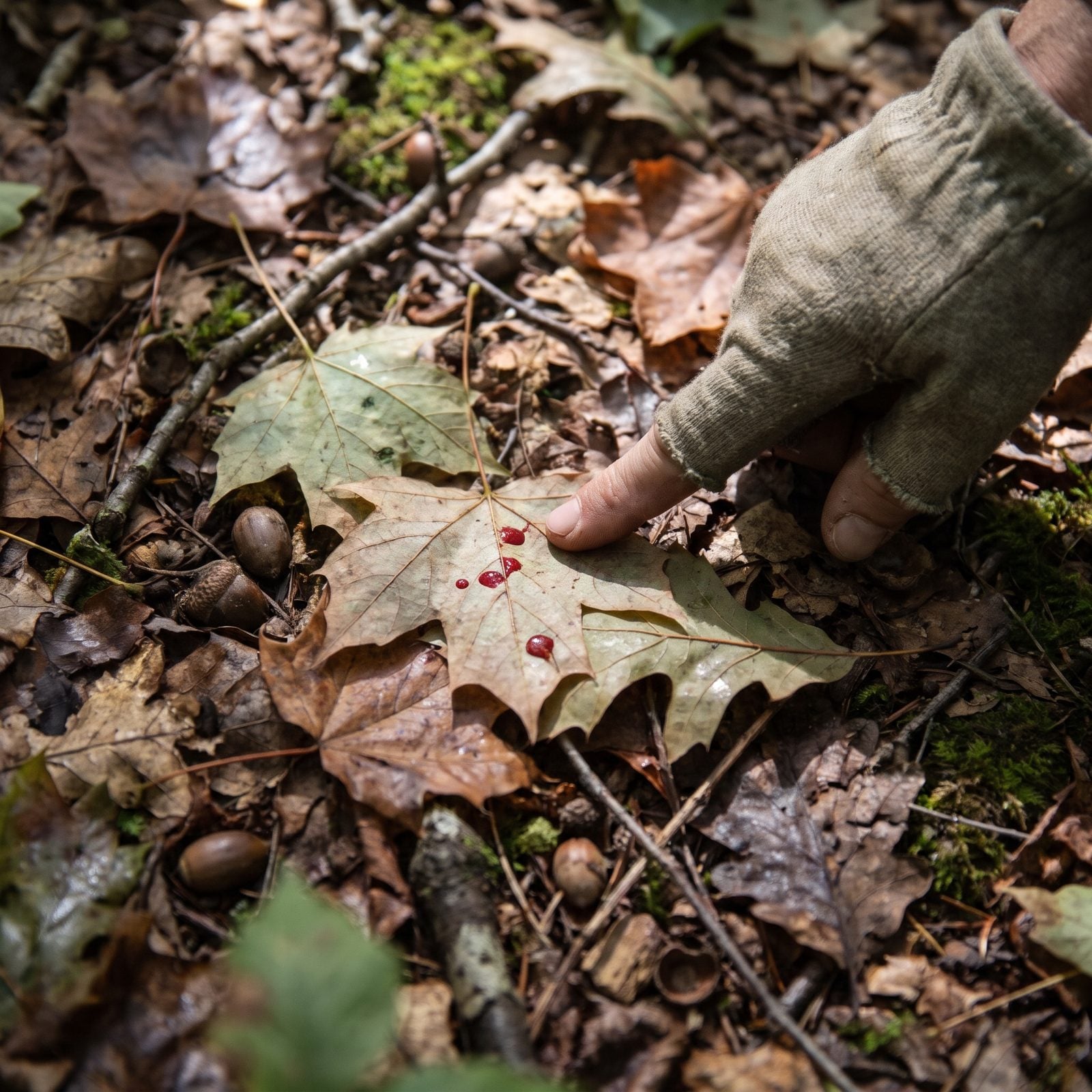
Pink and frothy means lungs, dark means liver, bright red means muscle. You’ve heard the chart recited like scripture at deer camp. It’s a useful starting read, not a verdict.
Trackers and biologists who’ve opened up a lot of recovered deer will tell you blood lies constantly. Lighting, how long the blood sat, rain, dirt and the angle of the shot all shift the color on the ground. A liver hit can start bright. A lung hit can look dark on dry leaves. Treat blood color as one clue among many, alongside hair, stomach contents, the shot angle you actually saw and the deer’s reaction. Reading one drop and declaring a hit location is how people quit tracking a deer they could have found.
23. Corn Alone Carries Deer Through a Hard Winter
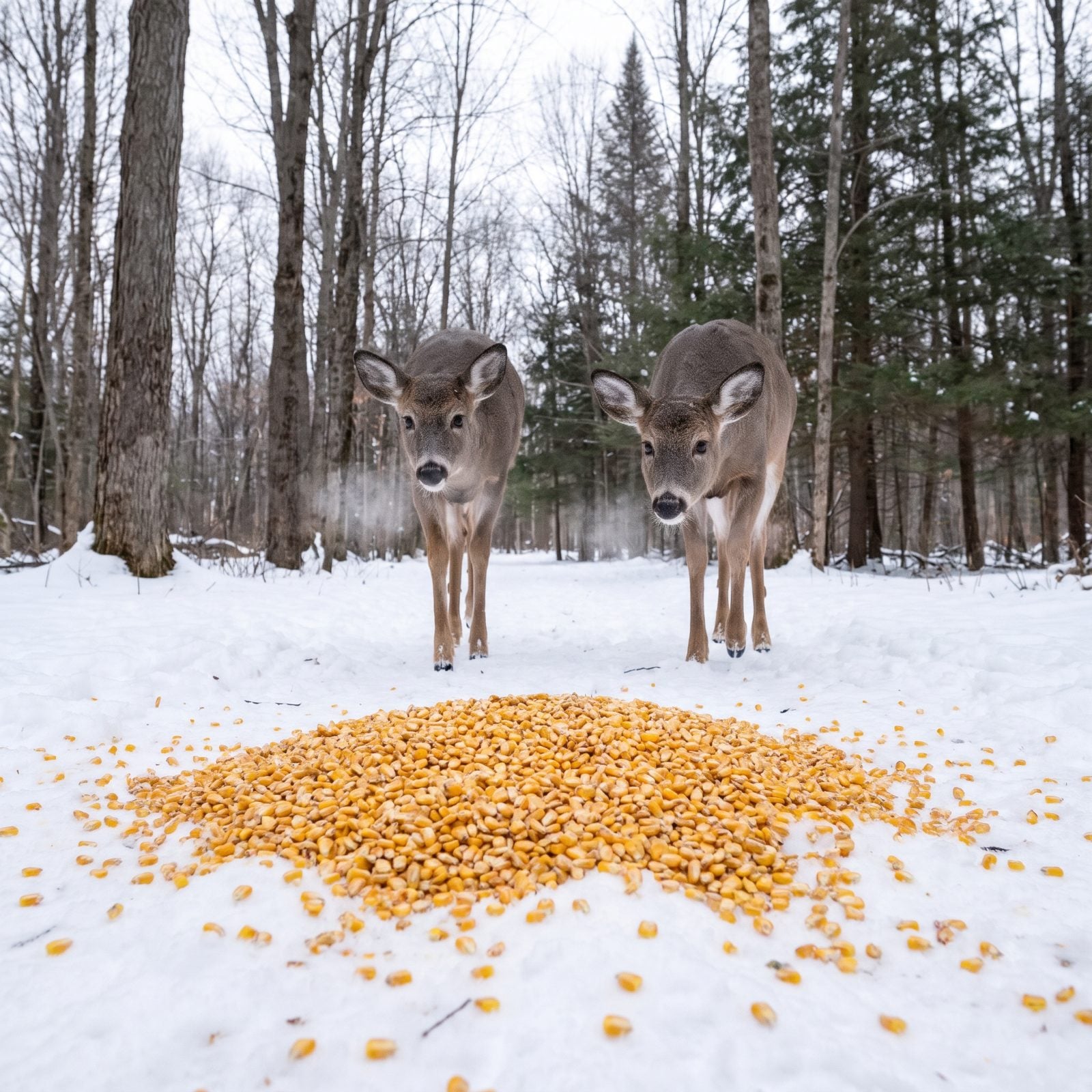
Corn looks like salvation in January. It’s cheap, deer pile onto it, and a full feeder feels like you’re doing good. But the nutrition story is more complicated, and in the worst cases corn does harm.
Wildlife veterinarians have documented deer that died with full stomachs of corn during severe winters. A deer’s gut microbes shift seasonally, and a browse-adapted animal suddenly gorging on starchy corn can suffer rumen acidosis, a dangerous drop in gut pH. Corn is energy, sure, but it’s low in protein and missing the fiber deer rely on in cold months. Concentrating deer at feed also spreads disease and draws predators.
22. Whitetail Does Never Grow Antlers
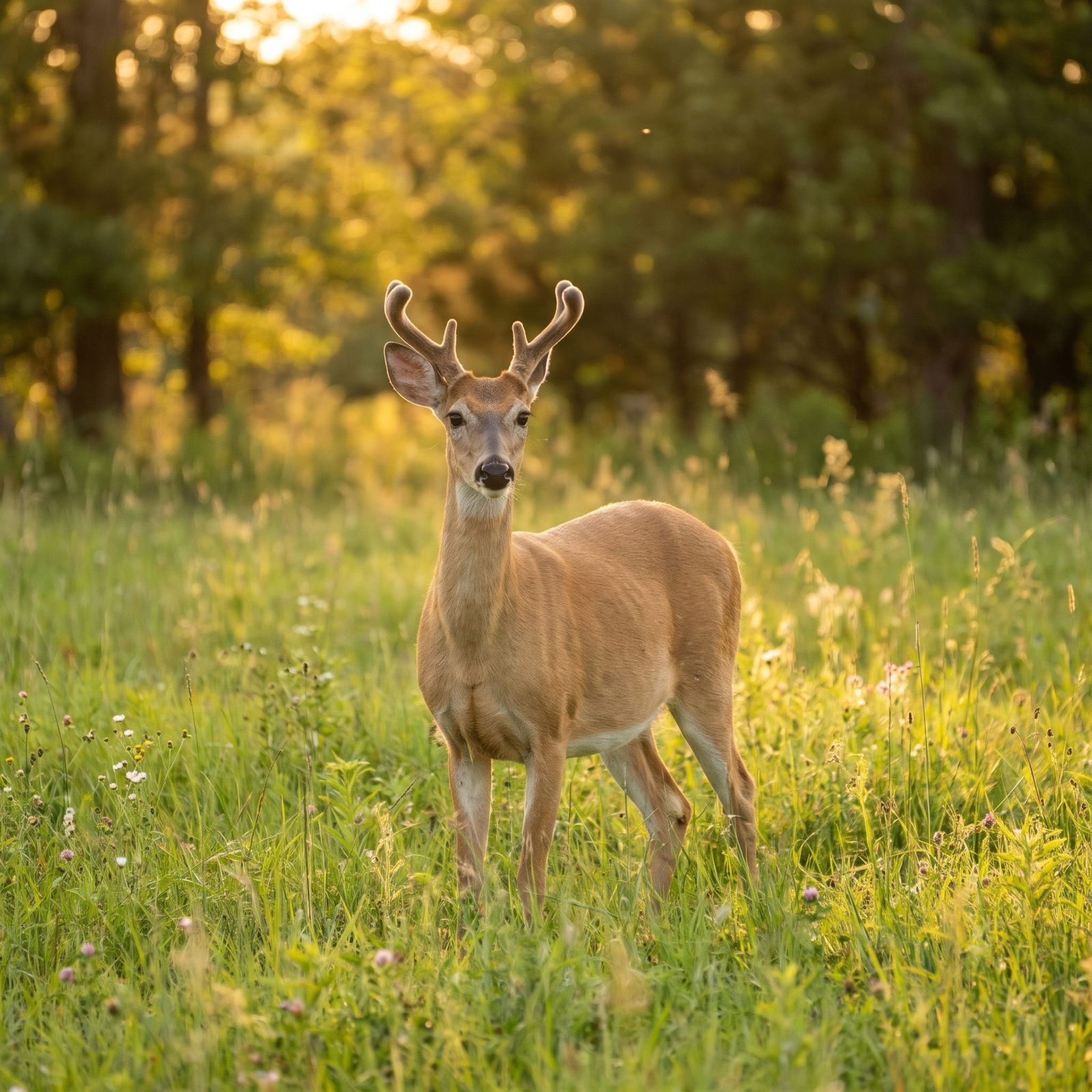
Mostly true, with an asterisk big enough to matter. The overwhelming majority of antlered whitetails are bucks. But antlered does exist, and biologists see them often enough that they’re a known phenomenon, not folklore.
It usually comes down to hormones. A doe with elevated testosterone, often from an adrenal or ovarian condition, can grow antlers, frequently small and in permanent velvet because she lacks the testosterone surge that hardens and sheds a buck’s rack. Some antlered does are reproductively normal and still raise fawns. So the blanket statement fails. Tag a small-antlered deer that field-dresses as a female and you haven’t seen a ghost. You’ve seen biology doing something uncommon.
21. Every Wounded Elk Bolts Downhill
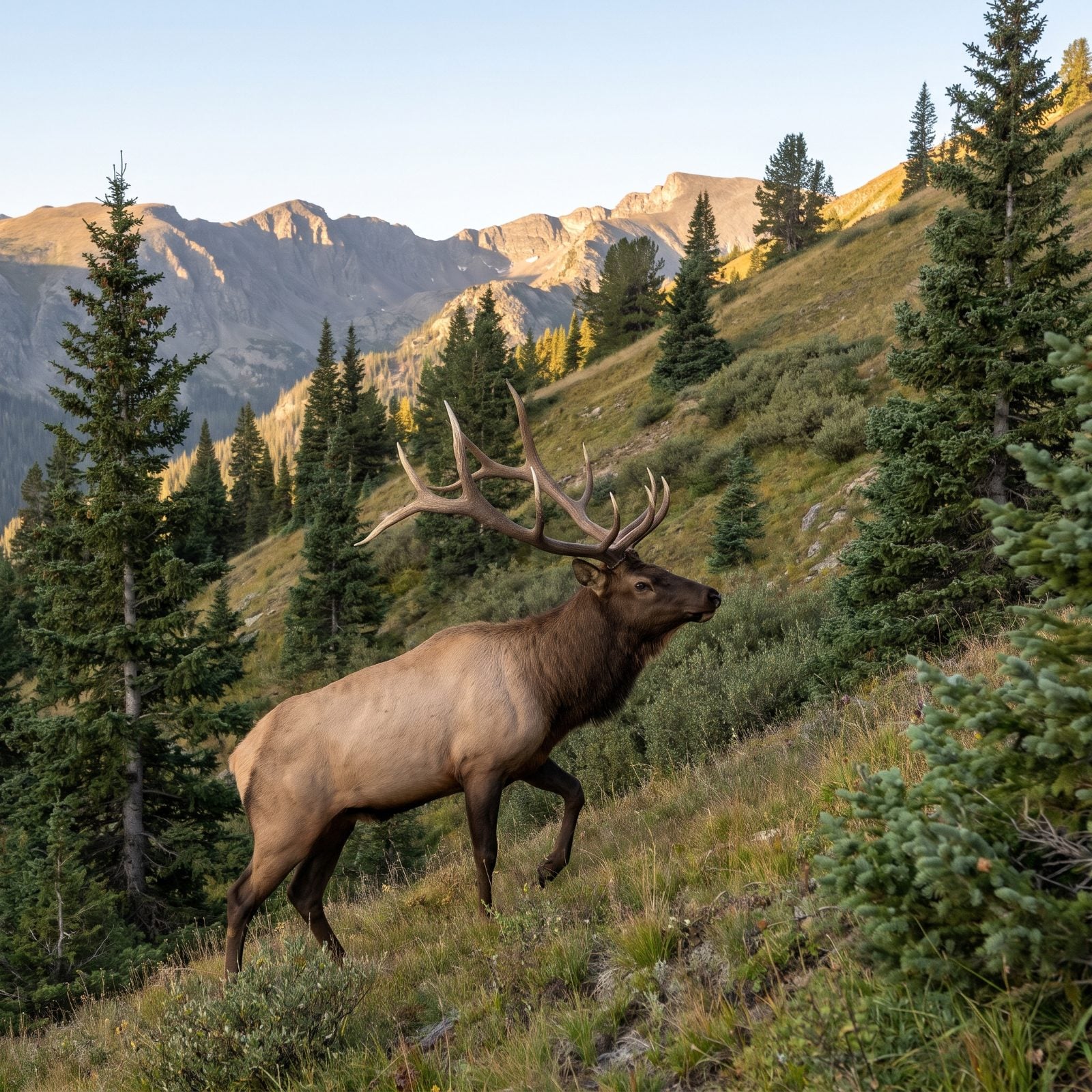
Elk hunters repeat the downhill rule like it’s gravity, and sometimes a hit elk does drop into a drainage. But guides and trackers in elk country will tell you that a wounded bull just as often climbs, cuts along a contour, or heads for the thickest timber on the mountain.
Elk run toward security cover and familiar escape terrain, which in steep country can mean straight up. Assuming downhill and only grid-searching the bottom has cost plenty of hunters their animal. Read the actual sign, the blood, the tracks, the hair, and follow where the elk went, not where a tidy rule says it should have gone. The mountain doesn’t care about your shortcut.
20. Wolves Wiped Out Elk Everywhere They Were Reintroduced
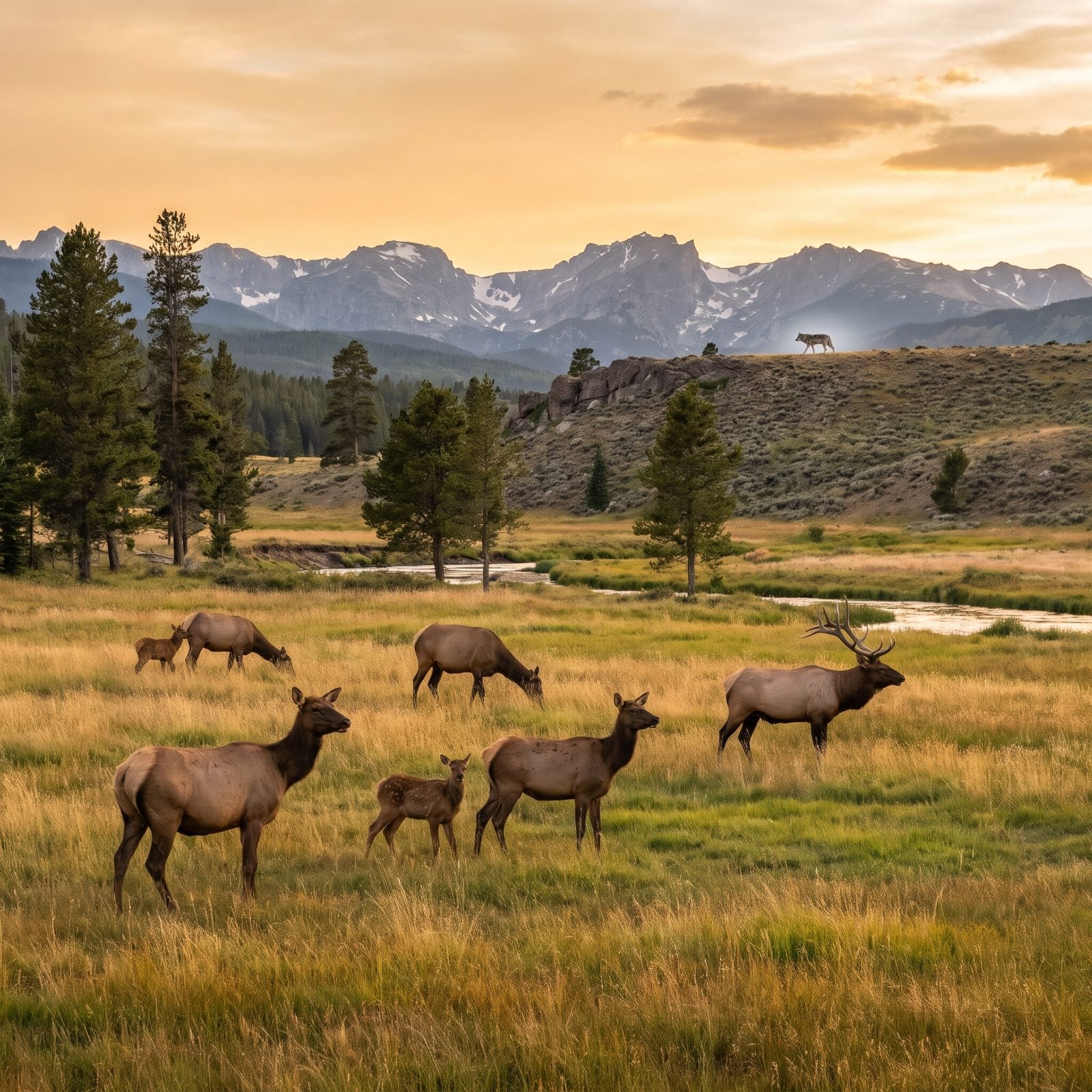
After wolves returned to places like Yellowstone and the Northern Rockies in the mid-1990s, the loudest prediction was that elk were finished. Decades of monitoring tell a far more interesting story.
Some herds did decline, and wolves genuinely affect elk numbers and movement. But the animals weren’t eliminated. Populations shifted, dispersed and adapted, and across many areas elk remain abundant and huntable. Researchers also credit returning wolves with changing elk behavior in ways that let overbrowsed willows and aspen recover along streams, which rippled out to beavers, songbirds and riverbanks.
19. Wild Turkeys Can’t Actually Fly
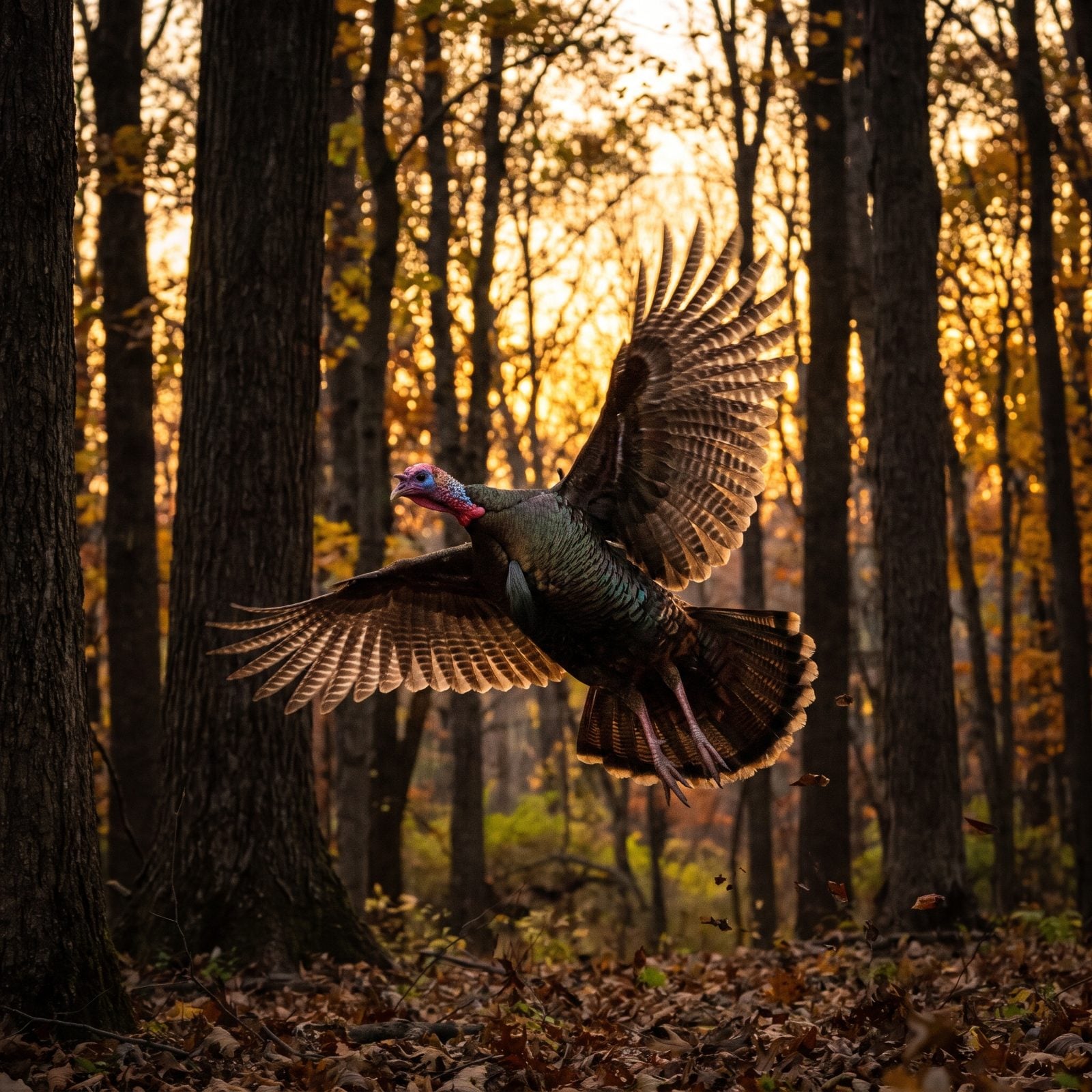
This one’s easy to disprove and people still argue it. Wild turkeys fly, and they’re genuinely fast in short bursts, clocked flushing well over thirty miles an hour.
Every evening across turkey country, toms and hens launch up into trees to roost, which is pure flight, not an awkward hop. They can’t soar for miles, and they won’t migrate on the wing, but a spooked wild turkey rocketing off a ridge is a sight that ends this myth fast. The confusion comes from domestic broad-breasted turkeys, bred so heavy they truly can’t leave the ground. Put a wild bird next to a farm bird and the difference is the whole argument. Wild ones were built to vanish into the treetops.
18. Myth: Turkeys Can’t Smell You in the Blind
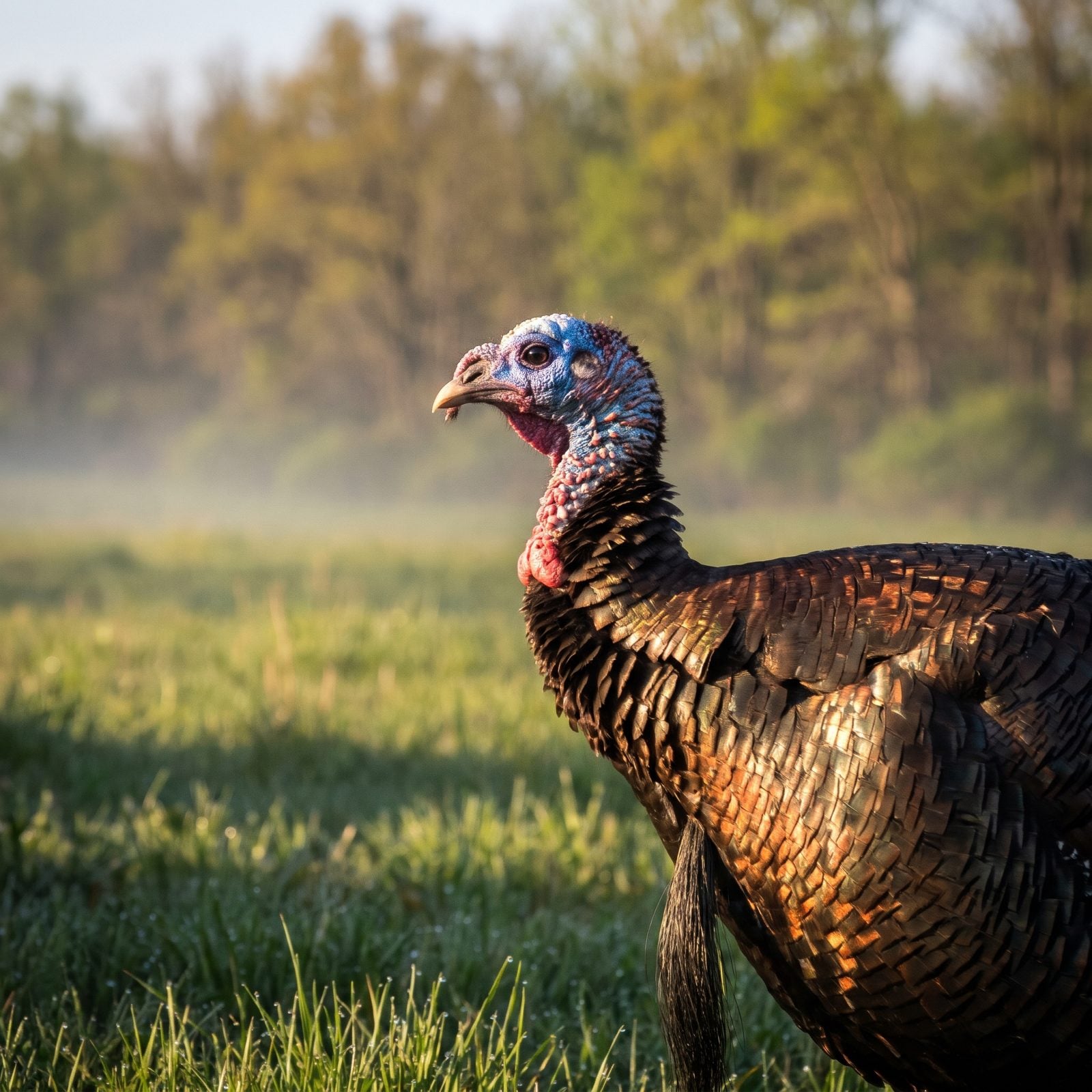
The turkey’s eyes do the work, and that part is true. A turkey can pick out your blink at a hundred yards and sees color besides, which is why your pale face and fidgeting hands get you busted long before your scent ever would.
But “no sense of smell” was always sloppy shorthand. Turkeys have functional olfactory anatomy, and research on birds generally has shrugged off the old idea that they’re scent-blind. A turkey isn’t tracking you by nose like a whitetail does, so fuss over cover scent all you want, it won’t change much. Just don’t take that to mean the bird smells nothing at all.
17. Myth: You Can Read a Gobbler’s Age Off Its Beard
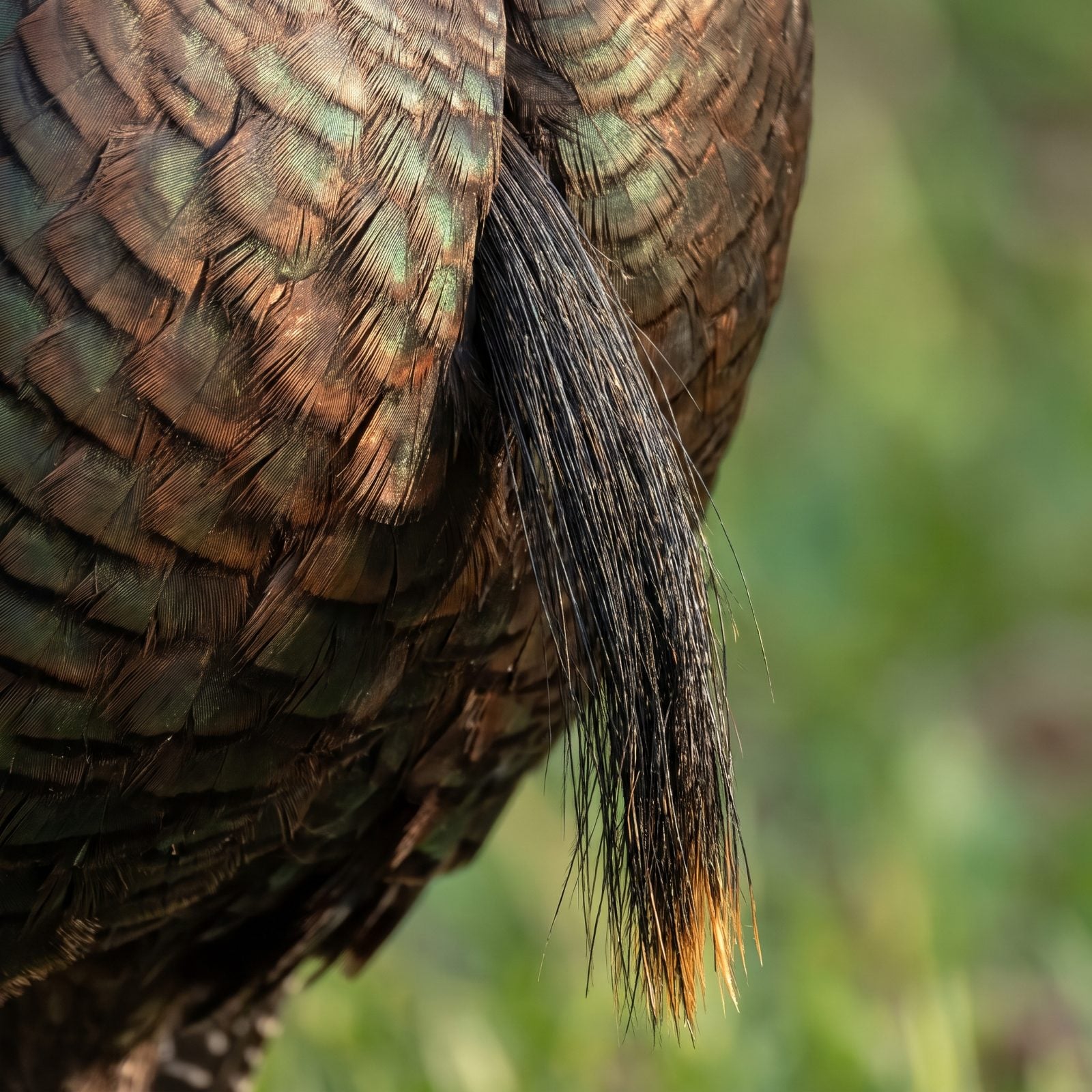
A long beard means an older bird, roughly. That’s about as far as the correlation honestly goes.
Beards grow at an uneven rate, and they break. They drag on frozen ground, ice up, snap off, then keep growing. A three-year-old living in rough country can carry a shorter beard than a two-year-old that coasted through an easy winter. Want a real read on age? Biologists go by spur length and shape instead, and even that gives you a range, not a birthday. The beard tells you “mature, probably.” It won’t tell you three versus five, and anybody who claims otherwise is guessing with a straight face.
16. Myth: Jakes Are Too Young to Breed Hens
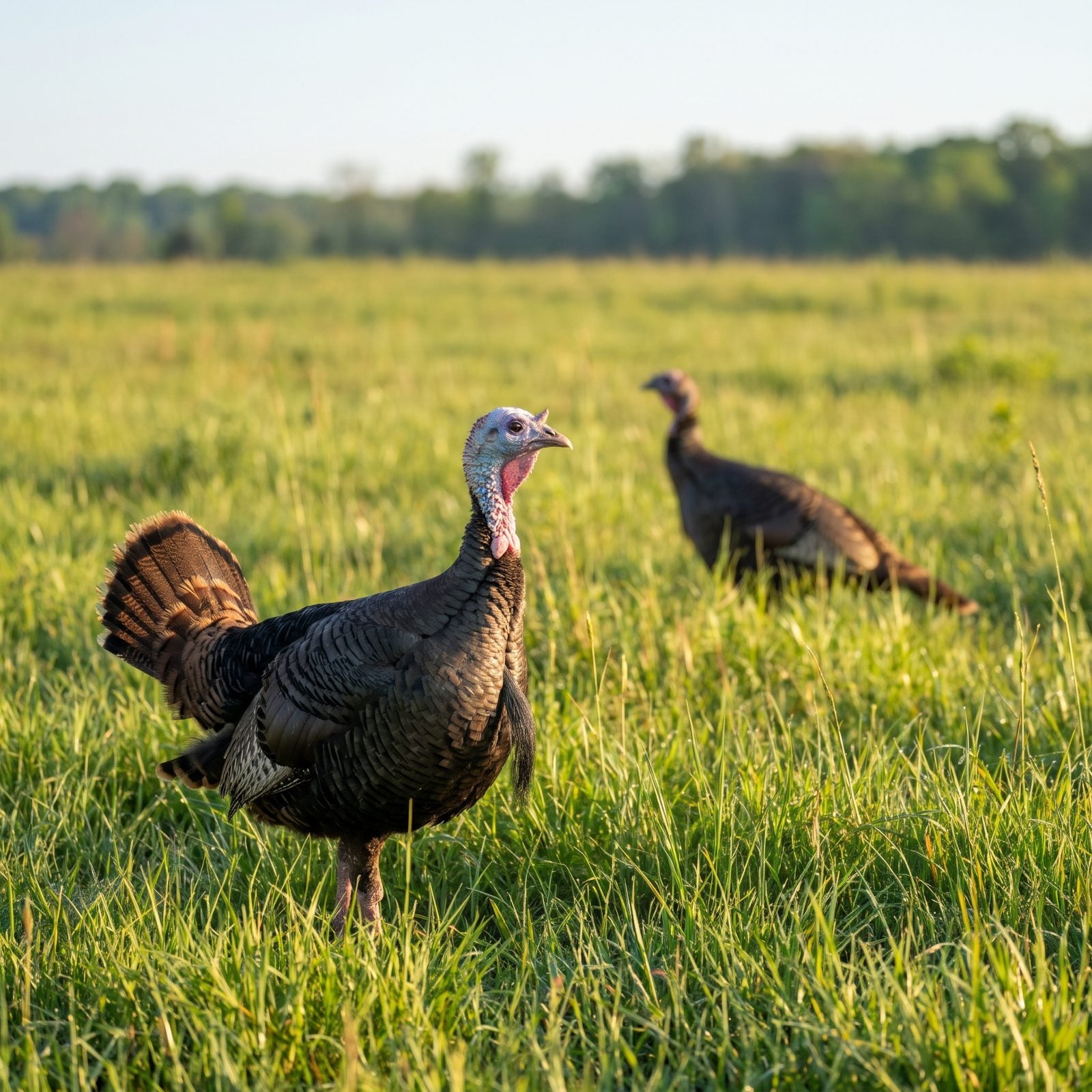
This one trips up a lot of hunters. A jake is a year-old male, and plenty of folks assume he’s shooting blanks until he grows into a proper tom.
He isn’t. Jakes are sexually mature, and they do fertilize hens, especially where dominant toms run thin or hunting pressure has cleared out the older birds. In gang situations young males breed opportunistically. The old toms win most of the encounters, sure, but not all of them. So when people argue that shooting jakes “doesn’t hurt the flock” because they can’t reproduce, the biology simply doesn’t back the premise.
15. Myth: A Gobbling Tom Is on His Way In
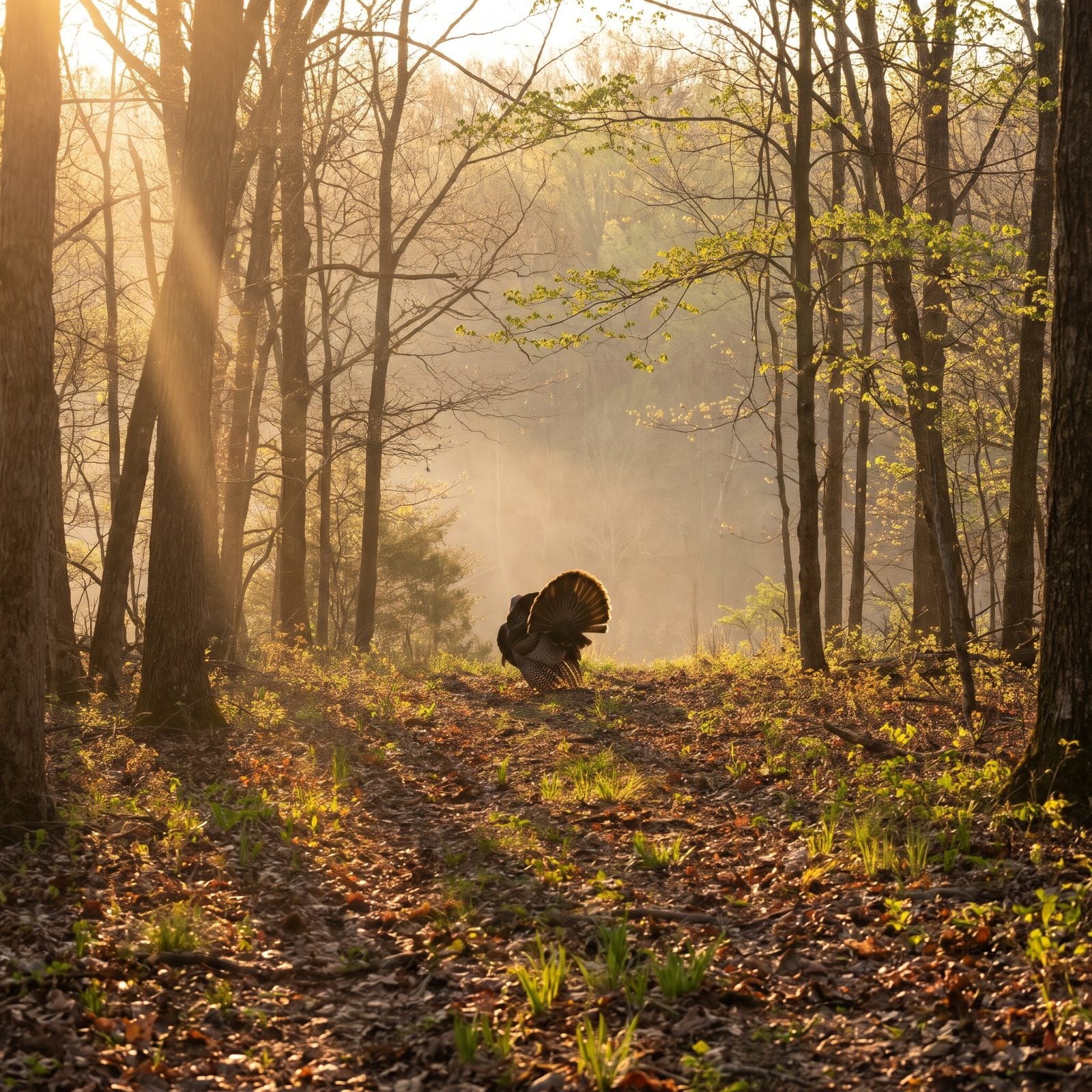
A gobble is an answer, not a promise. Every spring somebody sits forty-five minutes on a hammering tom that never takes a single step closer, then blames the call.
The call was probably fine. In the natural order, the hen walks to the gobbler. A tom standing on his strut zone expects exactly that, so he’ll gobble his head off and wait you out. He’s not ignoring you. He’s following a script you keep trying to rewrite. Toms with live hens already, toms that caught a load of shot last week, toms that are just plain lazy, every one of them will answer and stay put. All the gobble confirms is that he’s there.
14. Myth: Fall Turkeys Won’t Come to a Call
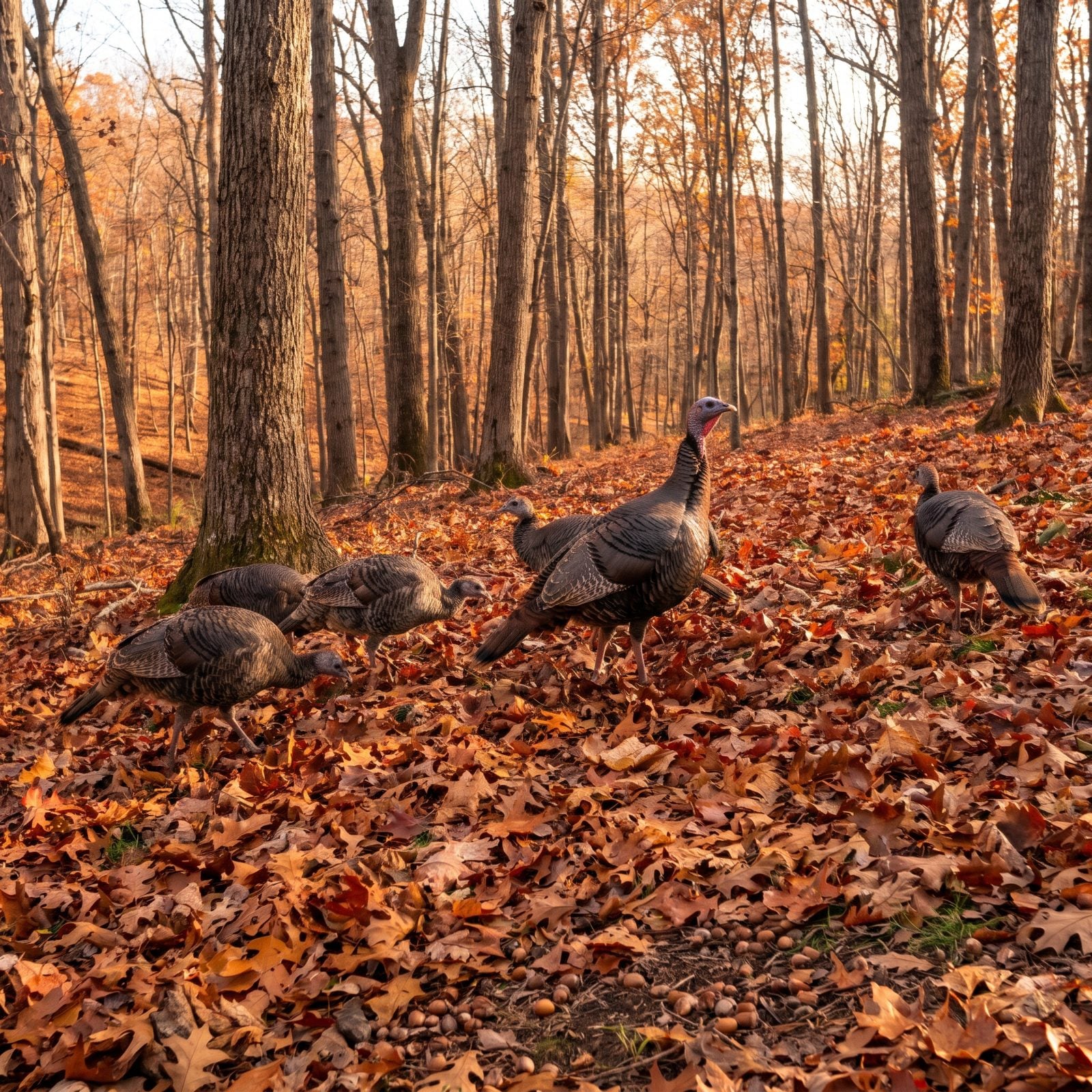
Spring callers own the mystique, so fall turkeys picked up a reputation for being deaf to a call. Nonsense. They’re just answering a different conversation.
Fall hunting runs on flock talk, not breeding. You scatter a flock, then call the birds back to each other with kee-kees and assembly yelps. These are social animals that want to regroup, and that regrouping instinct is the whole lever you pull. Young birds in particular can’t help themselves. Different vocabulary, different season, same willing bird.
13. Myth: Ducks Only Head South When Northern Water Freezes Over

You hear it every November: “They won’t come down till the water locks up north.” Cold snaps do push birds, and a hard freeze can move a lot of ducks at once. But freeze-out isn’t the trigger people think it is.
Migration runs first on photoperiod, the shortening day length that sets the whole clock in motion. Weather just fine-tunes the timing. Plenty of ducks leave rich open water weeks before it freezes because their internal calendar says go, and banding and tracking show birds staging and moving right on schedule, cold or not. The freeze only speeds up a migration that was already rolling.
12. Myth: Ducks Mate for Life
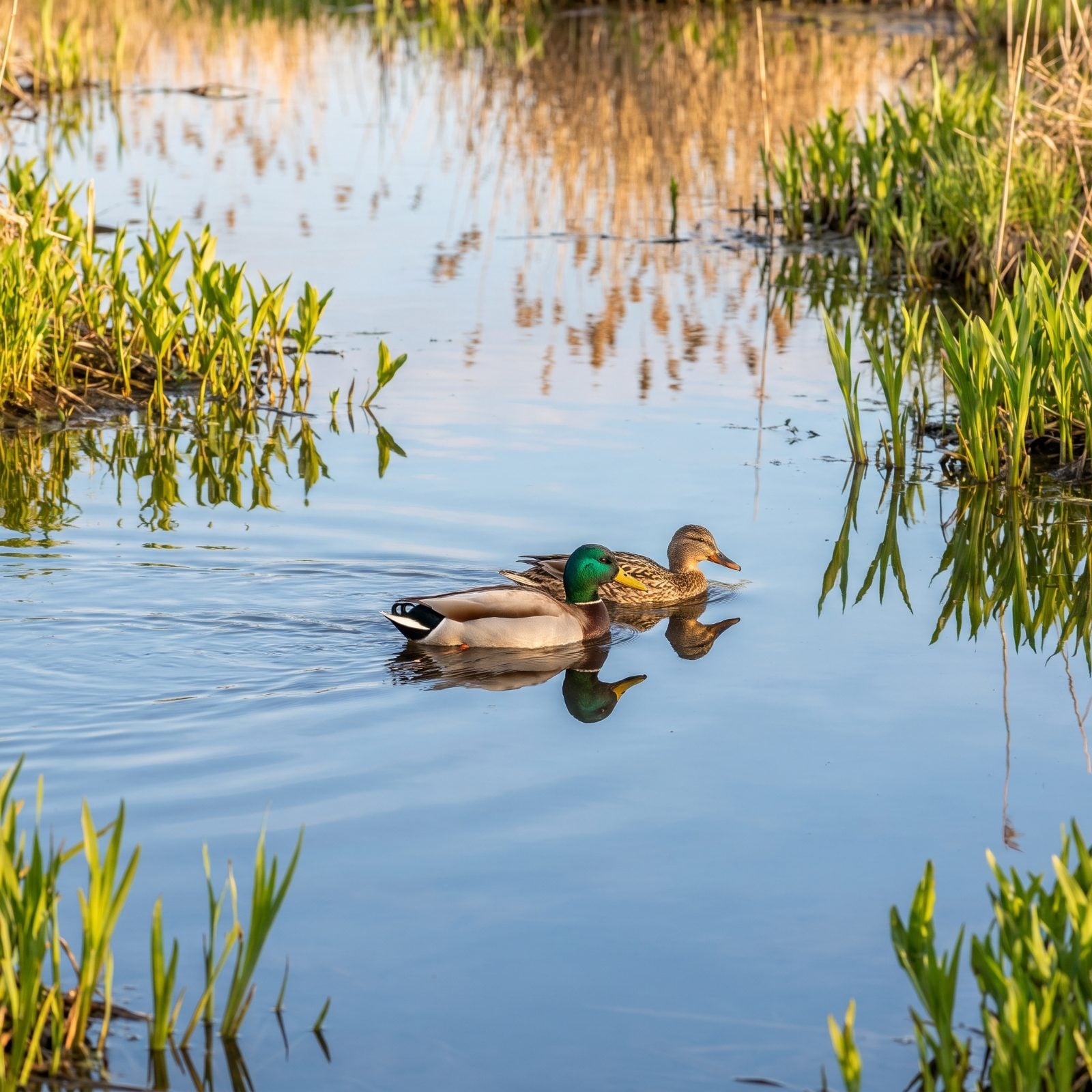
Geese and swans carry the lifelong-romance reputation, and ducks got lumped in by association. The truth is a good deal less sentimental.
Most ducks are seasonally monogamous. A drake pairs with a hen for one breeding season, sticks around through laying, then clears out, leaving her to incubate and raise the brood alone. Come next year, new pairings form on the wintering grounds all over again. Fresh partner most seasons, not a decades-long marriage. Geese, on the other hand, really do tend to pair for years, which is probably where the duck confusion got its start.
11. Myth: Tossing Bread Is a Treat Wild Ducks Need
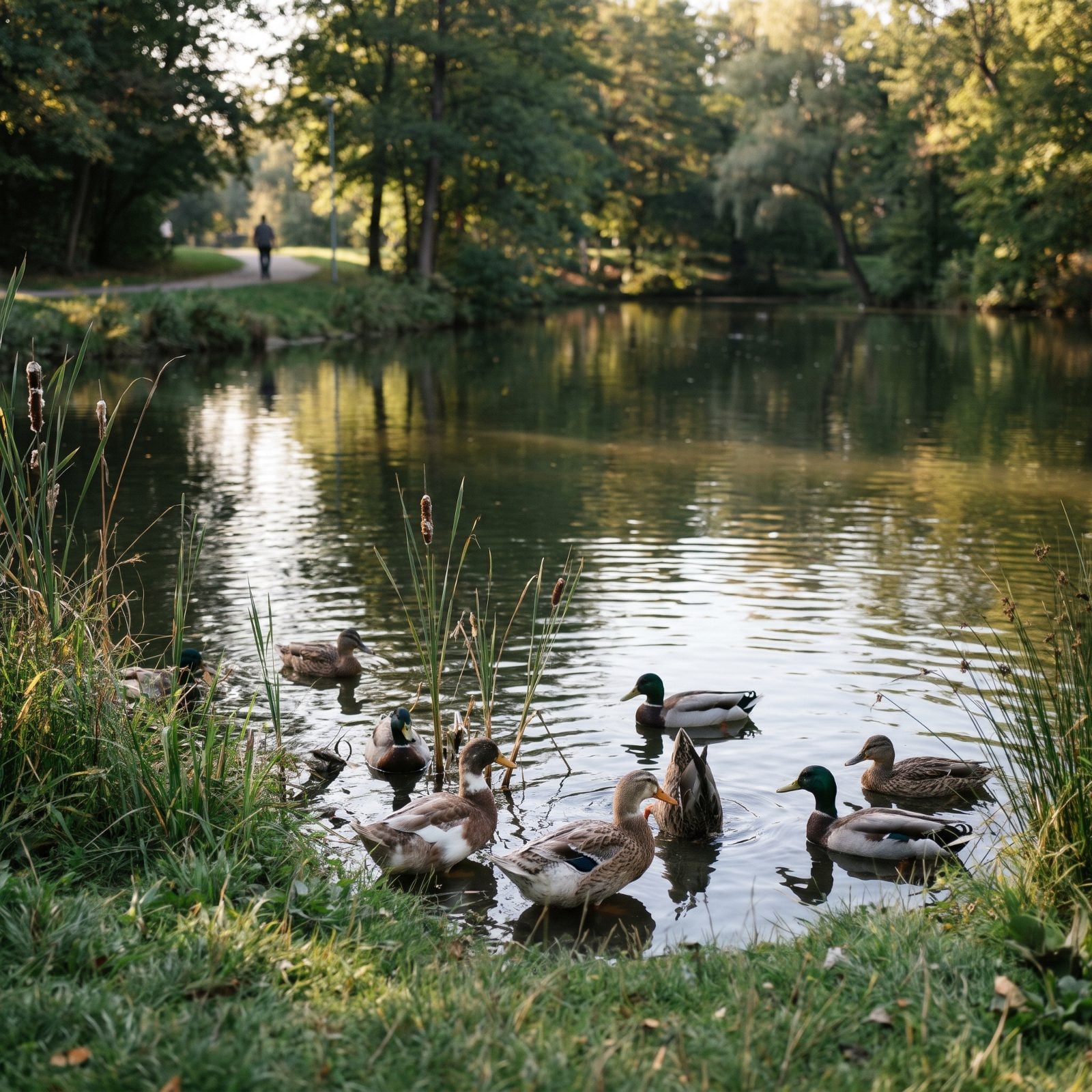
Feels kind. Does harm. Bread is the fast food of the pond, and ducks fill up on it instead of the aquatic plants and invertebrates their bodies actually need.
The damage piles on from there. Malnutrition, a wing deformity sometimes called angel wing in young birds, water fouled by rotting leftovers, and crowds of birds that quit migrating because a free handout keeps turning up. Moldy bread can be flat-out toxic. If you’ve got the itch to feed something, cracked corn, oats, or chopped greens beat a sandwich loaf by a mile. Honestly, though? The best gift is leaving them to forage.
Describing the angel wing cases her hospital takes in every fall, a certified wildlife rehabilitator says “It’s not necessarily painful, but it is a result of malnutrition, which can often happen when people are feeding animals things like bread or breadcrumbs”
10. Myth: Waterfowl Only Get Lead Poisoning From Being Shot
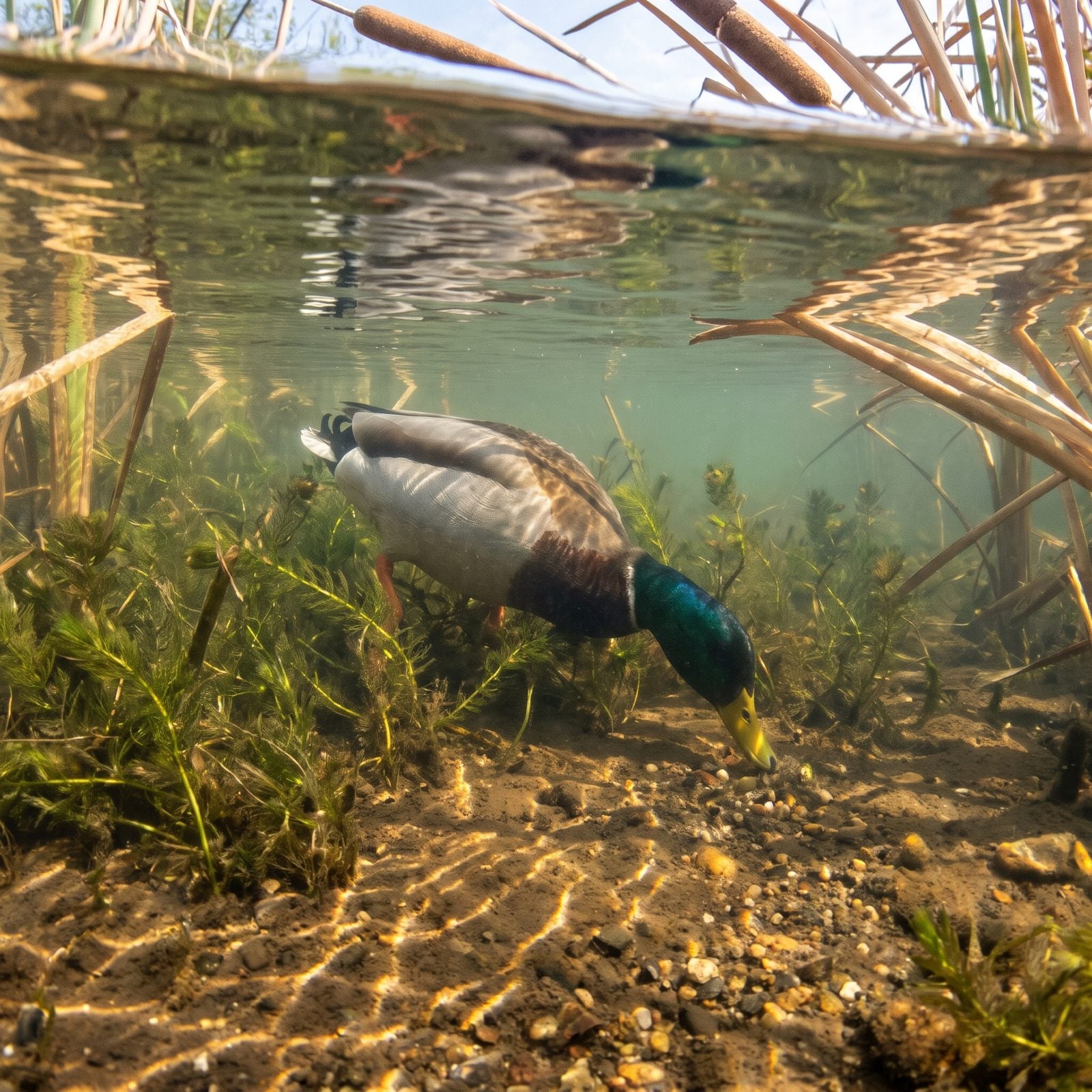
This is the one that changed the law. For decades the harm came not from pellets in the bird but from pellets in the mud.
Ducks swallow grit to grind food in the gizzard, and in heavily hunted wetlands they’d pick up spent lead shot off the bottom and grind it right up, slowly poisoning themselves. Millions died this way, out of sight, nowhere near a hunter’s gun. That research drove the U.S. ban on lead shot for waterfowl, phased in through the late 1980s and fully in force by 1991. Steel and other non-toxic loads are the rule now. And it worked.
9. Myth: A Brown Bear Is Always a Grizzly
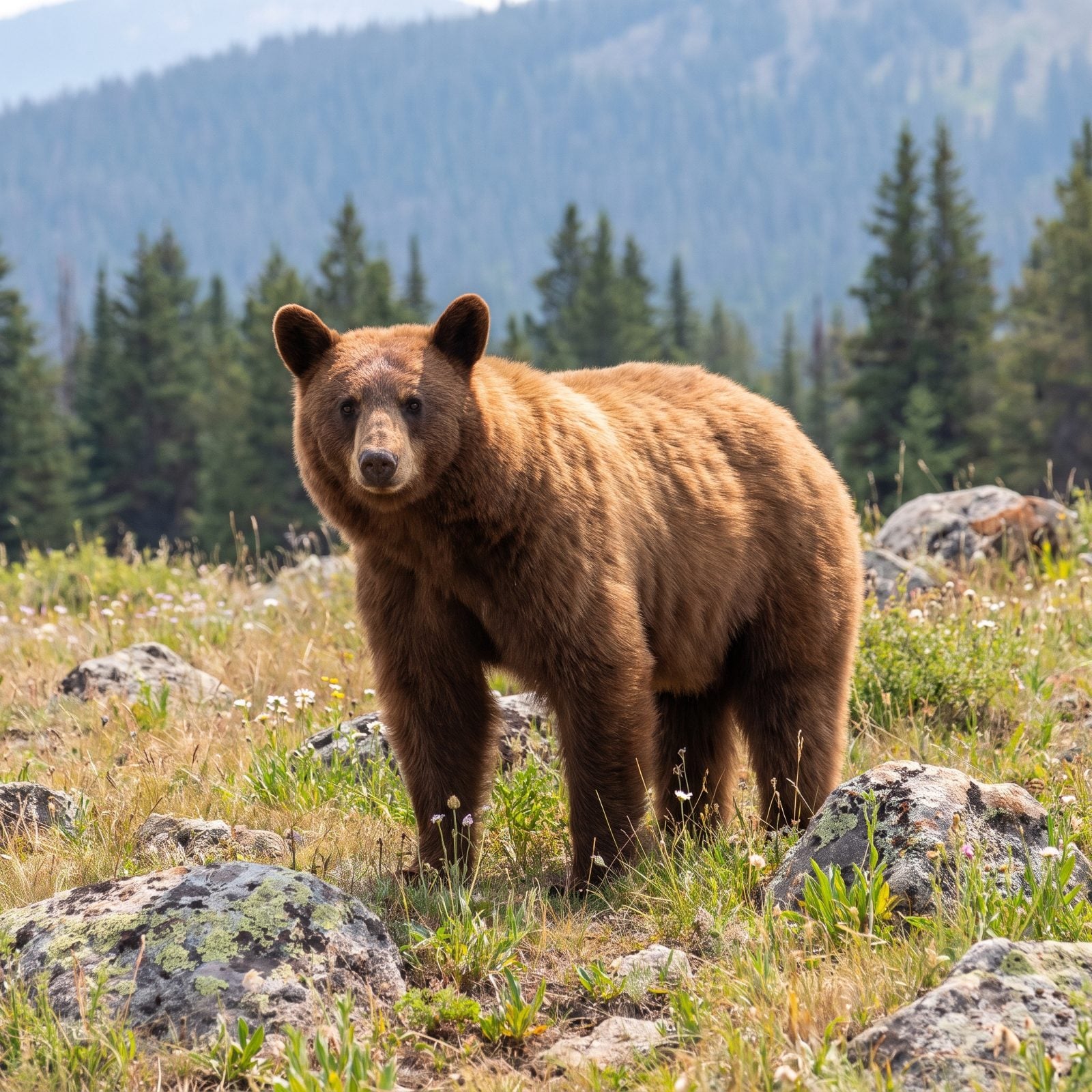
Color is the worst way to tell these two apart, and it lands people in trouble, legally and otherwise.
Black bears come in black, brown, cinnamon, blond, even a rare white one. A brown-coated black bear is common across the West and gets mistaken for a grizzly all the time. Grizzlies run the other way, from near-blond to nearly black. The honest tells are shape, not shade. A grizzly carries a prominent shoulder hump, a dished face, and long front claws, while a black bear has taller ears, a straight facial profile, and no hump at all. In grizzly country that distinction isn’t trivia. It’s the whole ballgame.
8. Hibernating Bears Never Wake Up Until Spring
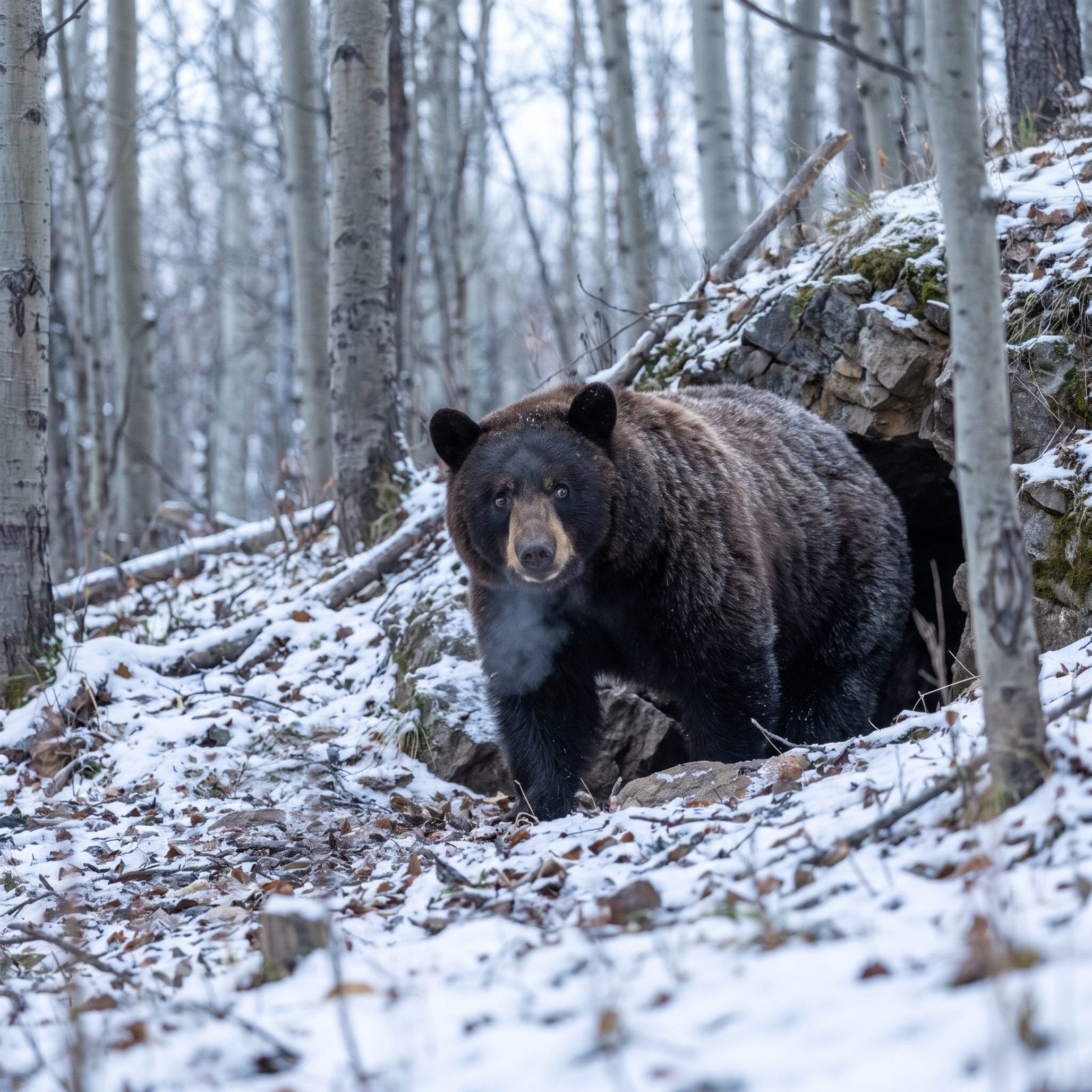
Call it hibernation if you want, but a denned bear is closer to a light sleeper than a shut-down machine. Black bears and grizzlies drop their heart rate and metabolism, yet they can rouse in minutes if a den collapses or something crowds them. Sows do more than drowse — they wake mid-winter to give birth, clean their cubs, nurse them, then settle back down into the dark.
Biologists now call it torpor instead of true hibernation, because the body temperature barely falls. The animal that staggers out of a den in March isn’t booting up from zero. It was listening the whole time.
7. Bears Stumble Around Half-Blind
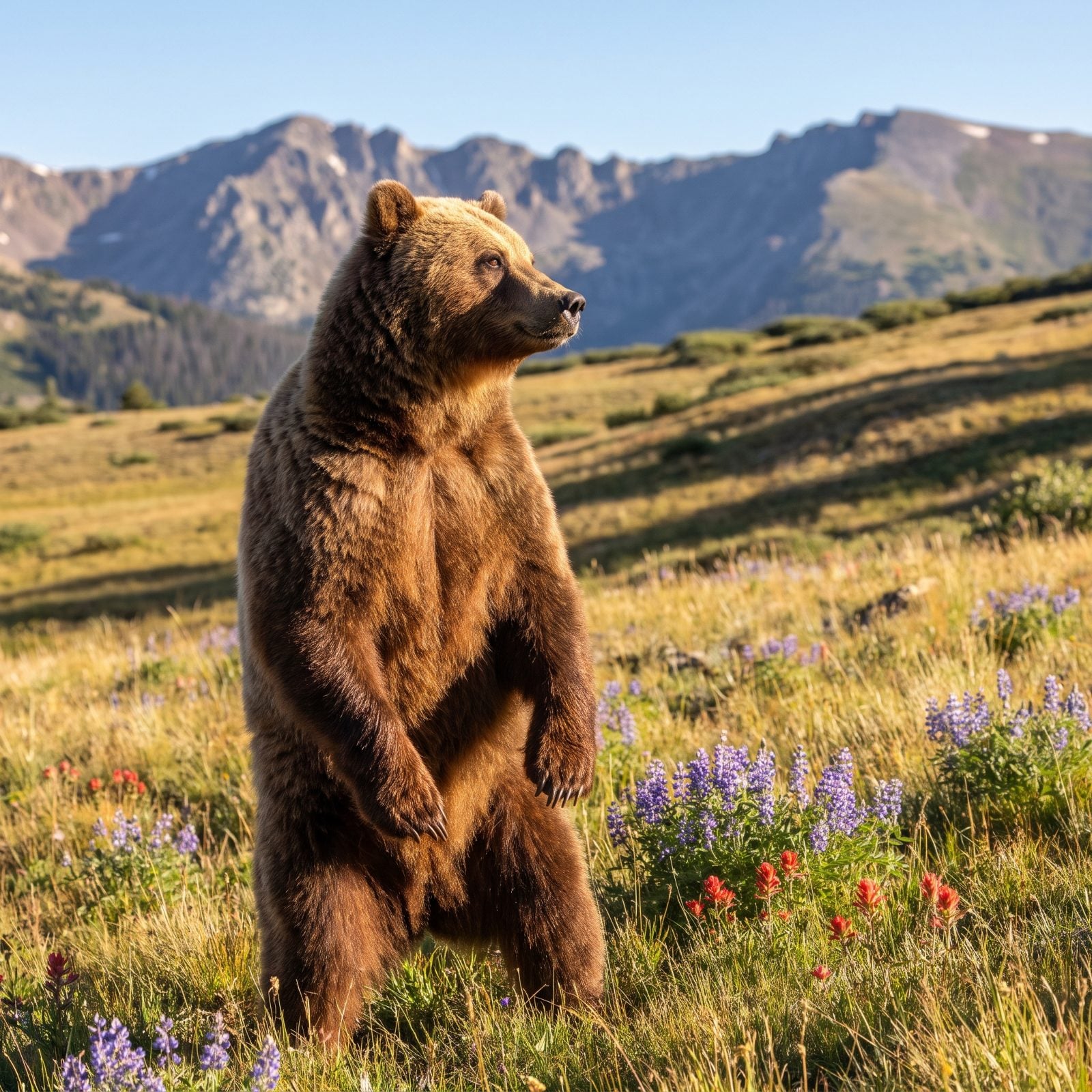
The old line that a bear can barely see past its own nose has been quietly retired. Studies on captive and wild black bears show vision roughly comparable to ours, with good color perception and the ability to pick out shapes at a distance.
What earned bears the reputation was that nose. Their sense of smell is so overwhelming that eyesight looks lazy by comparison — and it isn’t. A bear that stands up and stares at you across a clearing is reading you with every tool it owns, eyes included, and they’re pulling real weight.
6. Bears Are Drawn to Menstruating Women
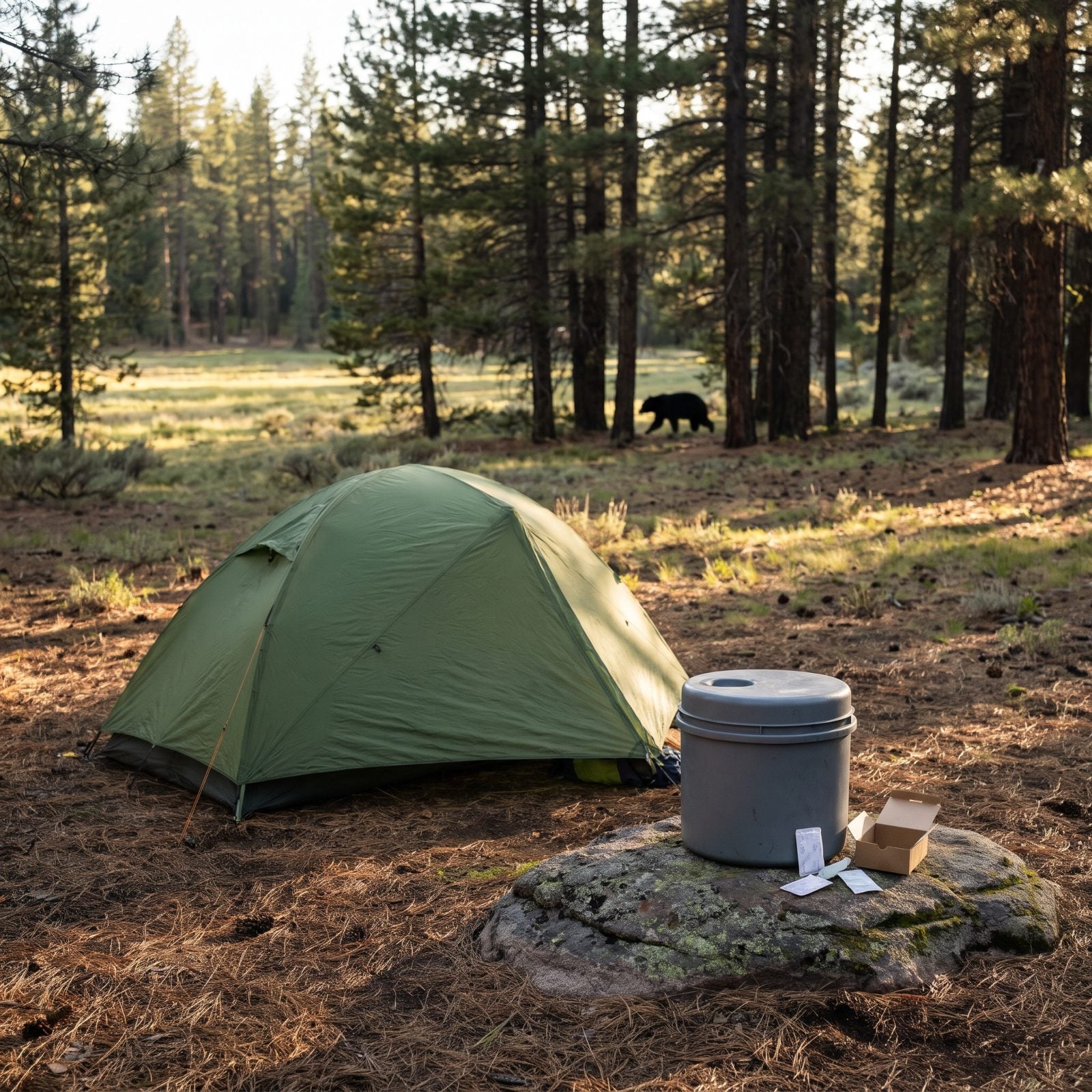
This one has scared a lot of people off the trail for no reason. The myth traces partly to a single polar bear study decades ago, and a polar bear is an entirely different animal with an entirely different diet.
Research on black bears and grizzlies has turned up no link between menstruation and bear encounters, and the National Park Service has said so for years. What actually pulls a bear in is food smell — grease, toothpaste, scented soap, a sloppy camp.
Reporting on its own field trials in Minnesota, a team of bear researchers notes that “In field tests conducted near Ely, black bears ignored menstrual odors regardless of the bears’ age, sex, or reproductive status.”
5. Coyotes Run in Big Hunting Packs
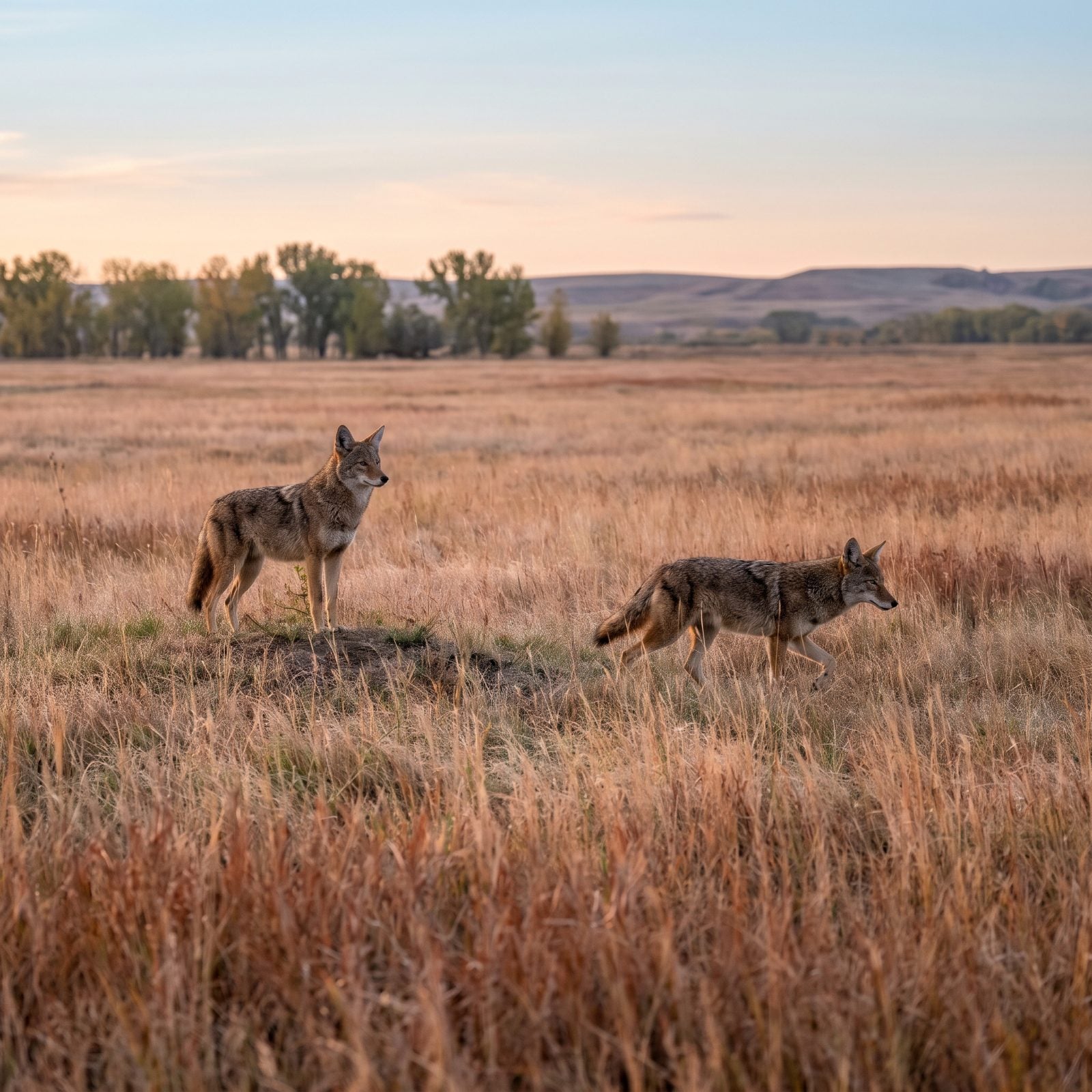
Picture the howling in the dark and you picture a mob. The reality is smaller, more domestic. Coyotes live as mated pairs or small family groups, and most of their hunting is solo or in twos, chasing mice, rabbits, and whatever else fits in the mouth.
They’ll group up to pressure a larger animal, and family packs form around pups. But the chorus you hear at night is often just two animals throwing their voices around — a trick of acoustics, not a horde closing in.
4. Mountain Lions Scream a Warning Before They Pounce
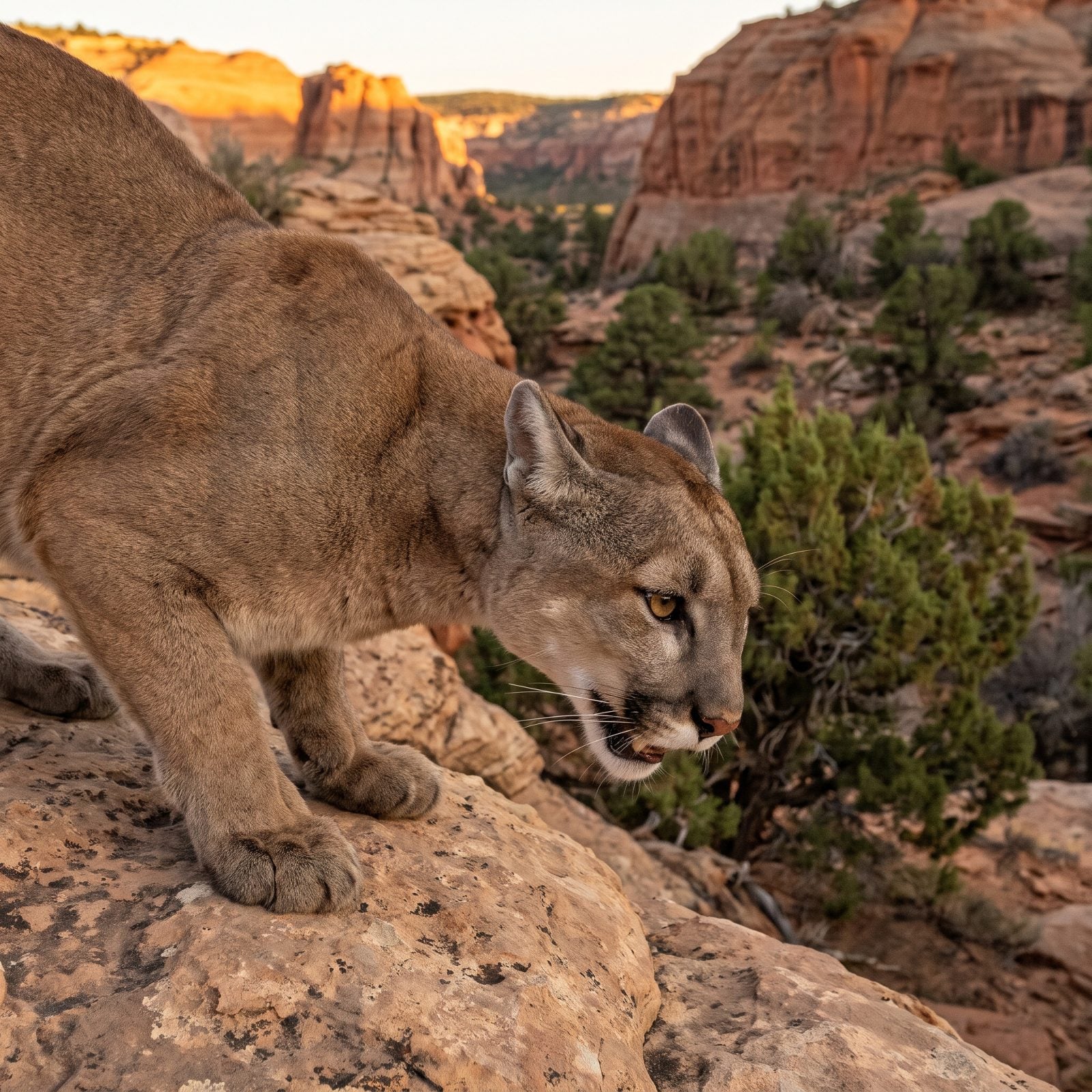
Hollywood handed cougars a battle cry they don’t own. A hunting mountain lion is the opposite of loud. The whole strategy is silence — a stalk that ends in an ambush you never heard coming.
Those blood-curdling screams people swear they’ve heard out in the woods? Usually a female in estrus, a fox, or a bird. Cougars do vocalize, just not as a prelude to an attack. A cat that means business never announces it.
The dangerous one is the cat you never saw. That’s true of almost every predator worth respecting.
3. Predators Only Take the Sick, Old, and Weak
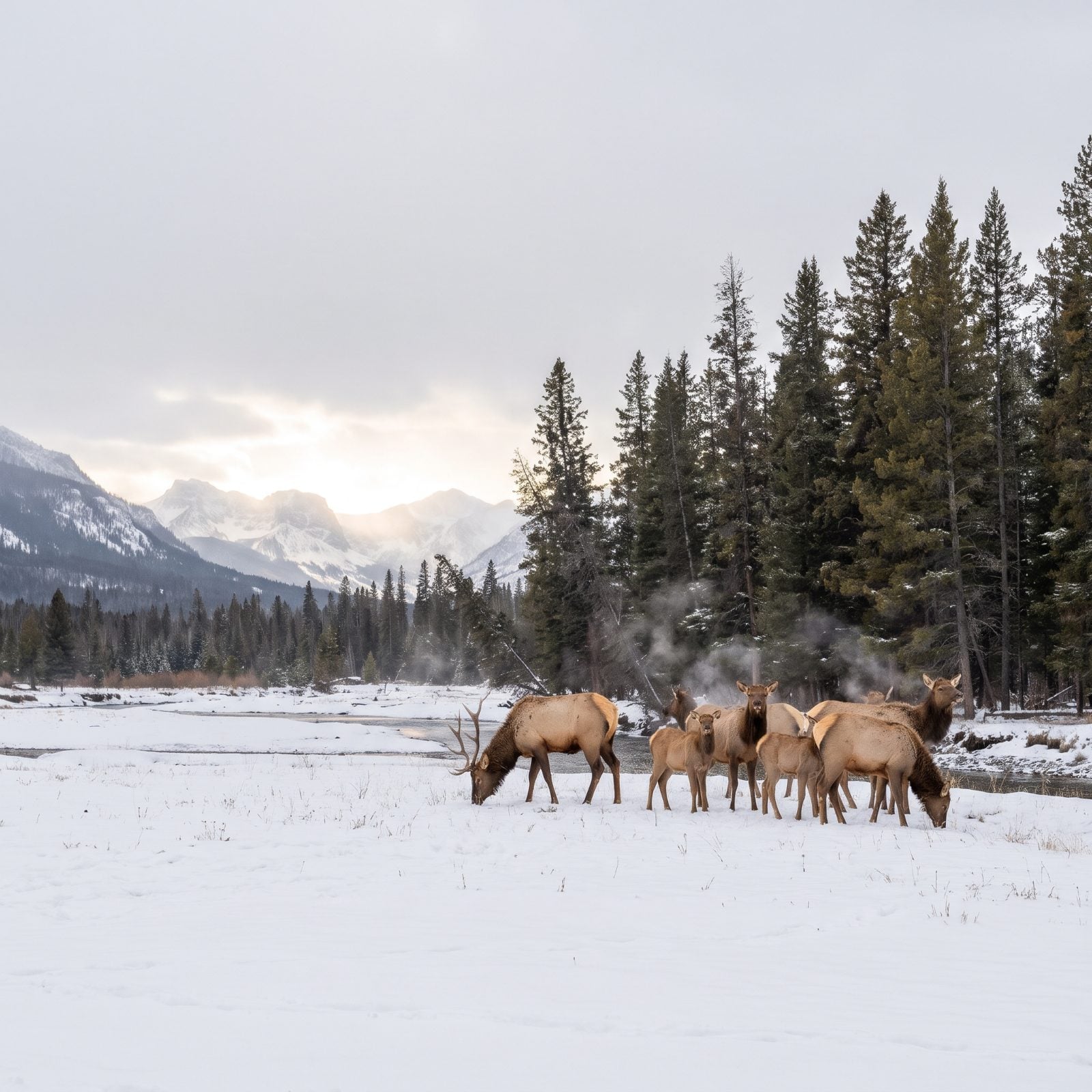
It’s a comforting idea — nature as a tidy nurse, culling only the doomed. Field research doesn’t back it up that cleanly. Predators take what they can catch, and sometimes that’s a prime, healthy animal that simply made a bad decision near a riverbank.
Vulnerability matters more than health. A fawn, a lone calf, something caught in deep snow or crowded against a fence. Age and sickness tilt the odds, sure, but a wolf or a lion isn’t running a health screening. It’s doing arithmetic on effort against reward, and that’s a colder, more honest thing than the fairy tale suggests.
2. Wolves Kill for Sport and Fun
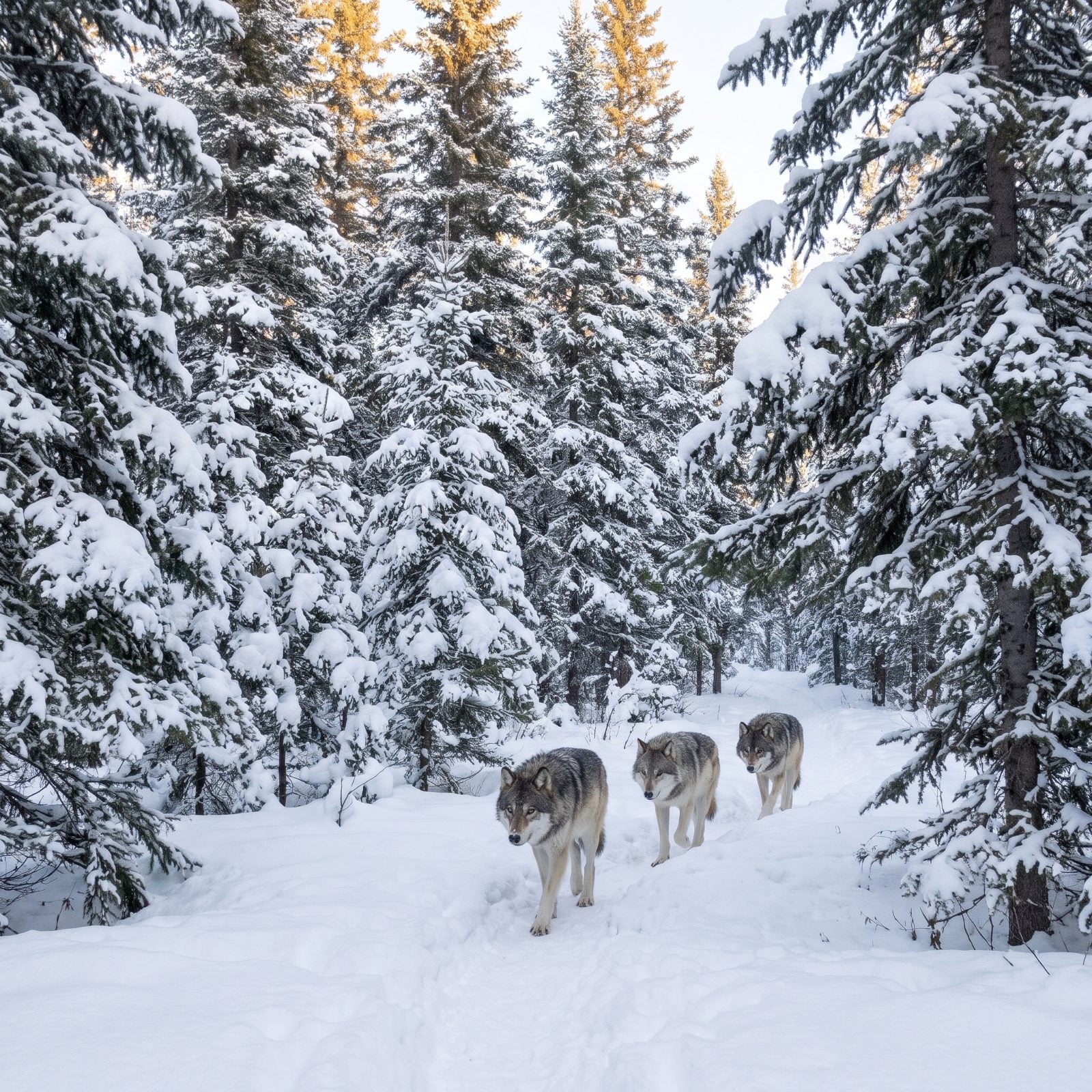
The charge of senseless slaughter follows wolves everywhere, usually right before a call to shoot more of them. The thing people point to is surplus killing — a pack dropping more than it eats in one event.
It happens. It’s also rare, and it’s tied to specific conditions: deep snow, or confused, bunched-up prey that can’t scatter. The wolves don’t just walk away laughing, either. They come back to feed on the cached carcasses over days or weeks, which makes “sport” a lousy word for what is really food storage read wrong.
1. Porcupines Can Fire Their Quills Like Darts
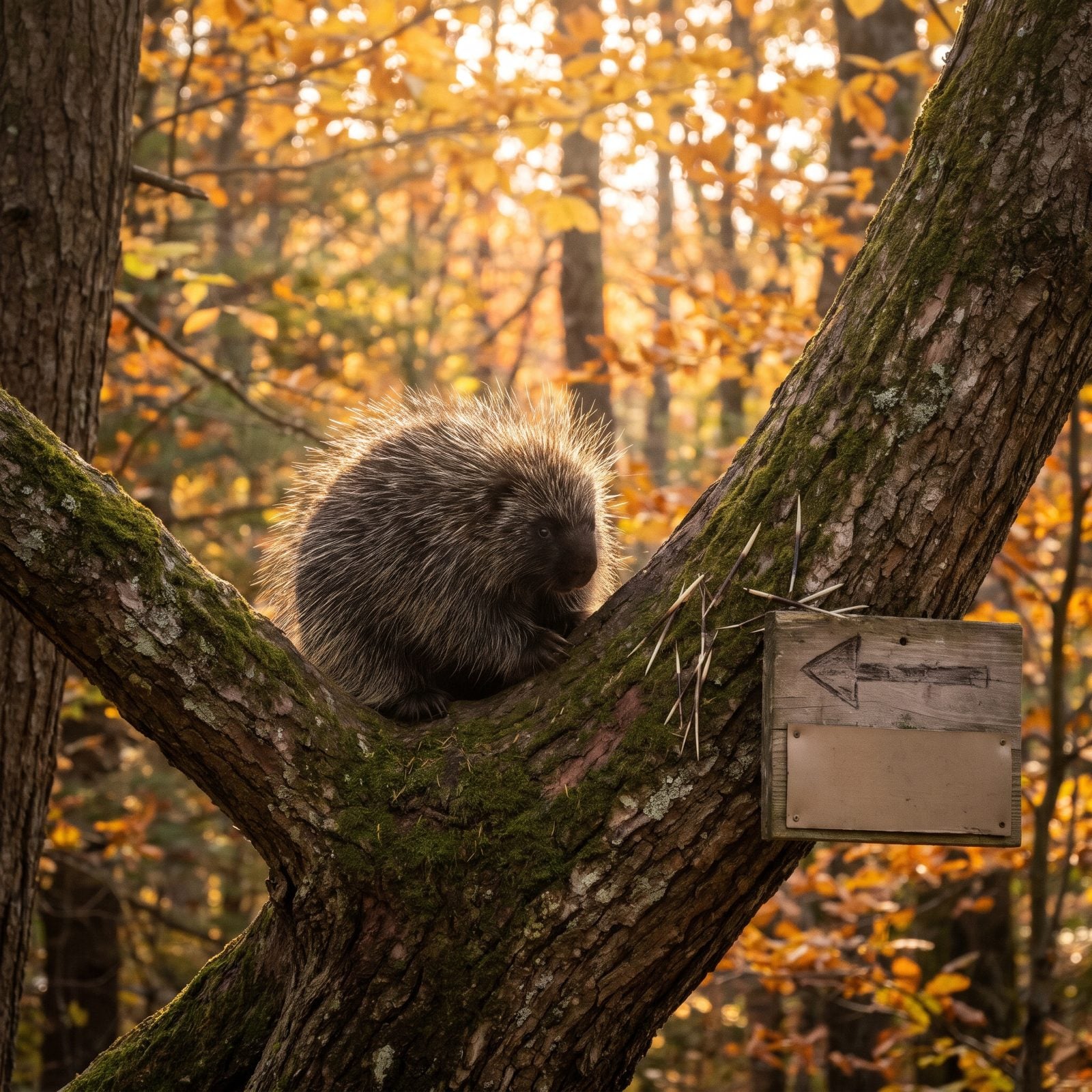
No. A porcupine cannot throw a quill at you, and it never could. The quills aren’t ballistic — they’re loosely attached barbs that detach on contact, which is why your dog comes home with a muzzle full of them after getting too curious.
A threatened porcupine turns its back, raises the quills, and lashes with its tail. Fast, and plenty effective, but strictly a close-range defense. The image of a spine zinging through the air is one of those campfire facts that just won’t die. And those loose quills stuck in tree bark? They weren’t fired there. Quills shed and snag on whatever brushes past them, so finding them in a tree is no evidence of darts.
Speaking from the daily porcupine encounters they lead for visitors, naturalists at a wildlife sanctuary put it plainly: “Porcupines can’t shoot their quills. If they could, there’s no way we’d let people anywhere near them!”