
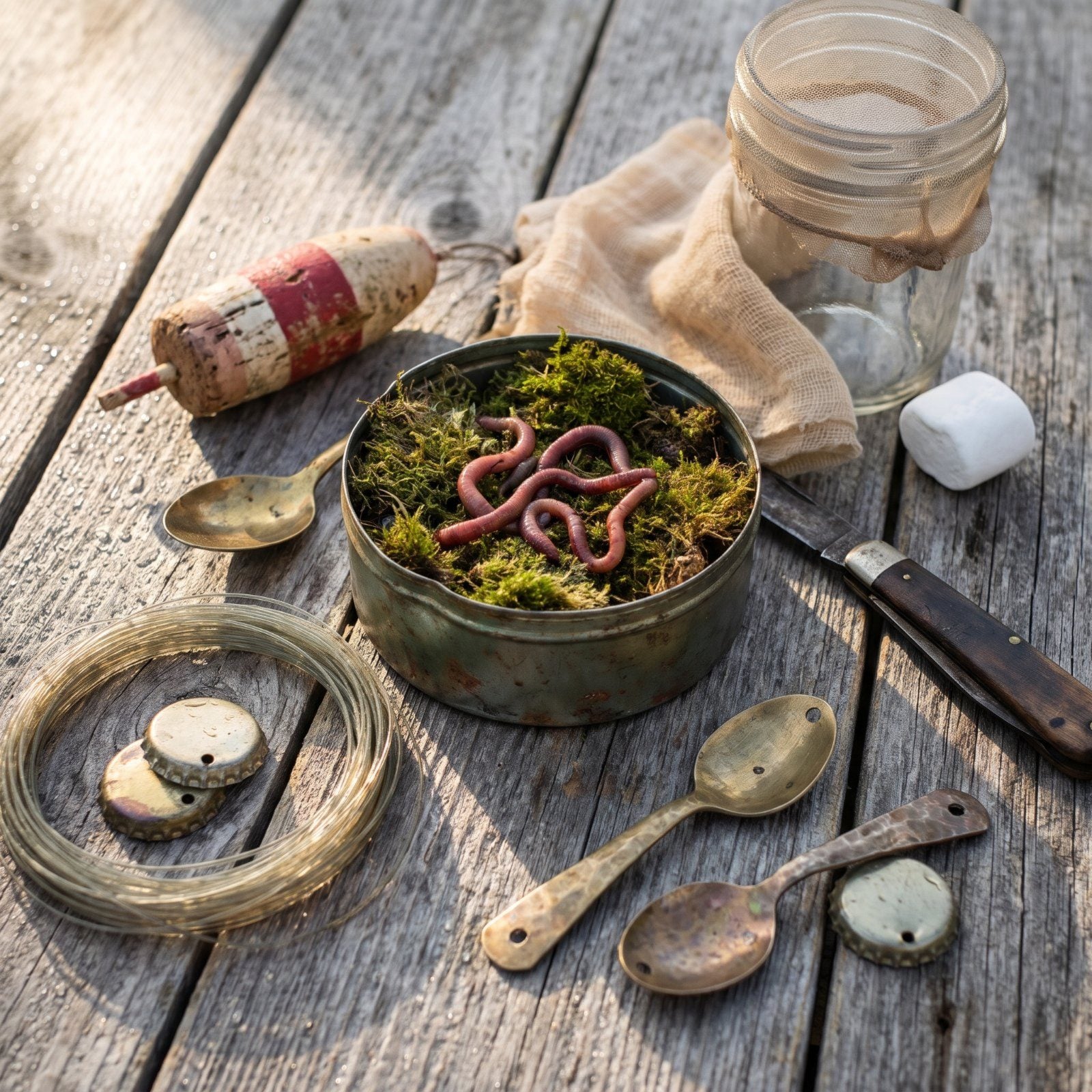
A granddad somewhere is laughing at your tackle box — the one with twelve crankbaits you’ve never tied on and a scent spray that smells like a chemistry accident. He caught more trout with a coffee can of worms and a spoon bent from a soup lid. These tricks come from the days before electronics and overpriced fly selections, back when reading water and respecting a spooky fish mattered more than what you spent. Most still beat the stuff hanging on the pegboard. A few are nearly forgotten. All of them cost almost nothing and ask you to pay attention.
Please note that some of the images in this article were created with the assistance of AI.
32. Turn a Bottle Cap Into a Wobbling Trout Spoon
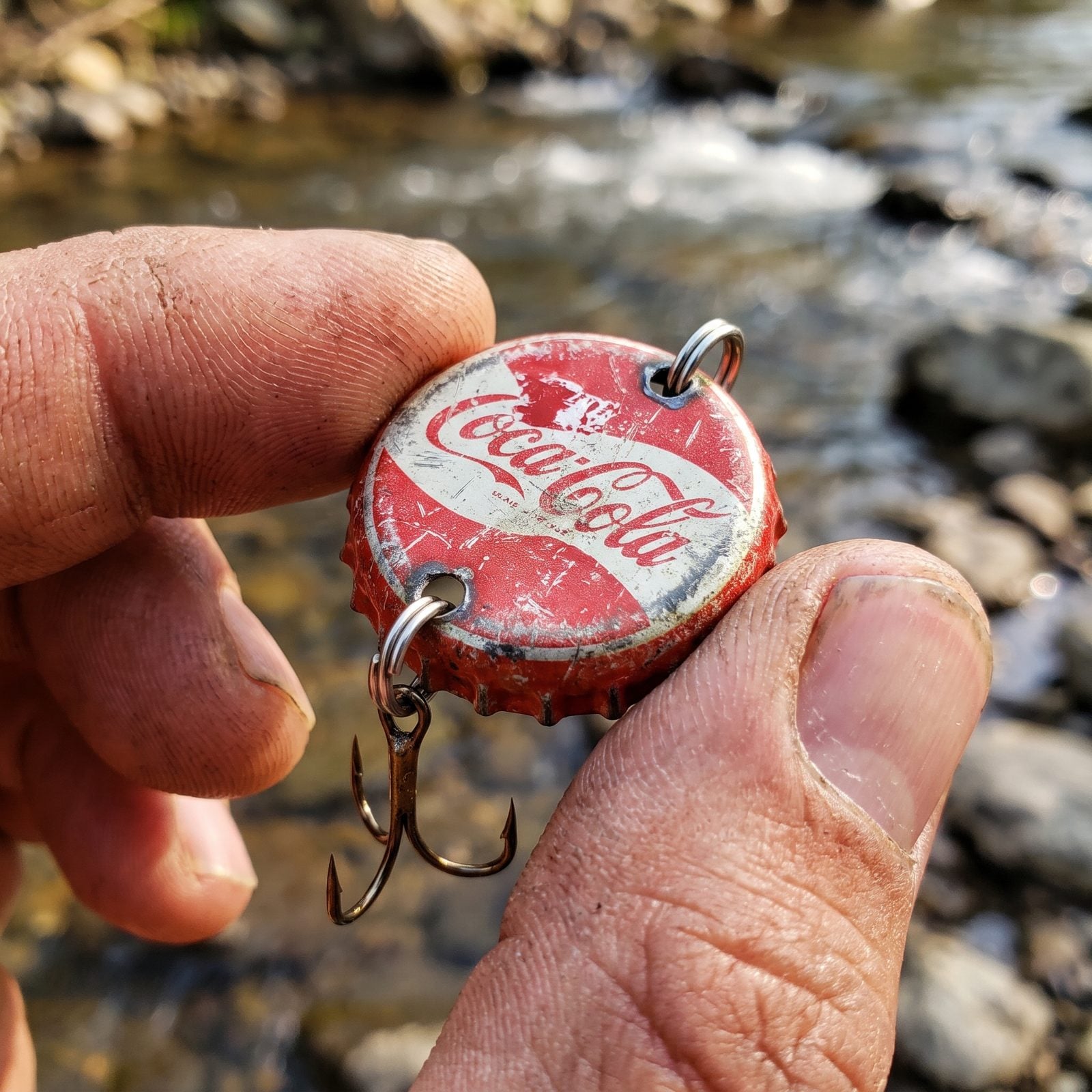
A soda cap wobbles because it’s imperfect, and trout love imperfect. Leave the cap whole, crimped skirt and all, and drill or punch a hole at each end. Split ring to a small treble, split ring to your line. That cupped, off-balance shape makes it flutter and flash on a slow retrieve, which is what a spoon is supposed to do in the first place.
I made a dozen of these one winter out of boredom. Three of them out-fished a store spoon that ran me nine bucks. Flash off bare scratched metal reads like a wounded minnow, and it works best in moving water, where the current does half the wobbling for you.
31. Thread a Nightcrawler in Loose Accordion Folds
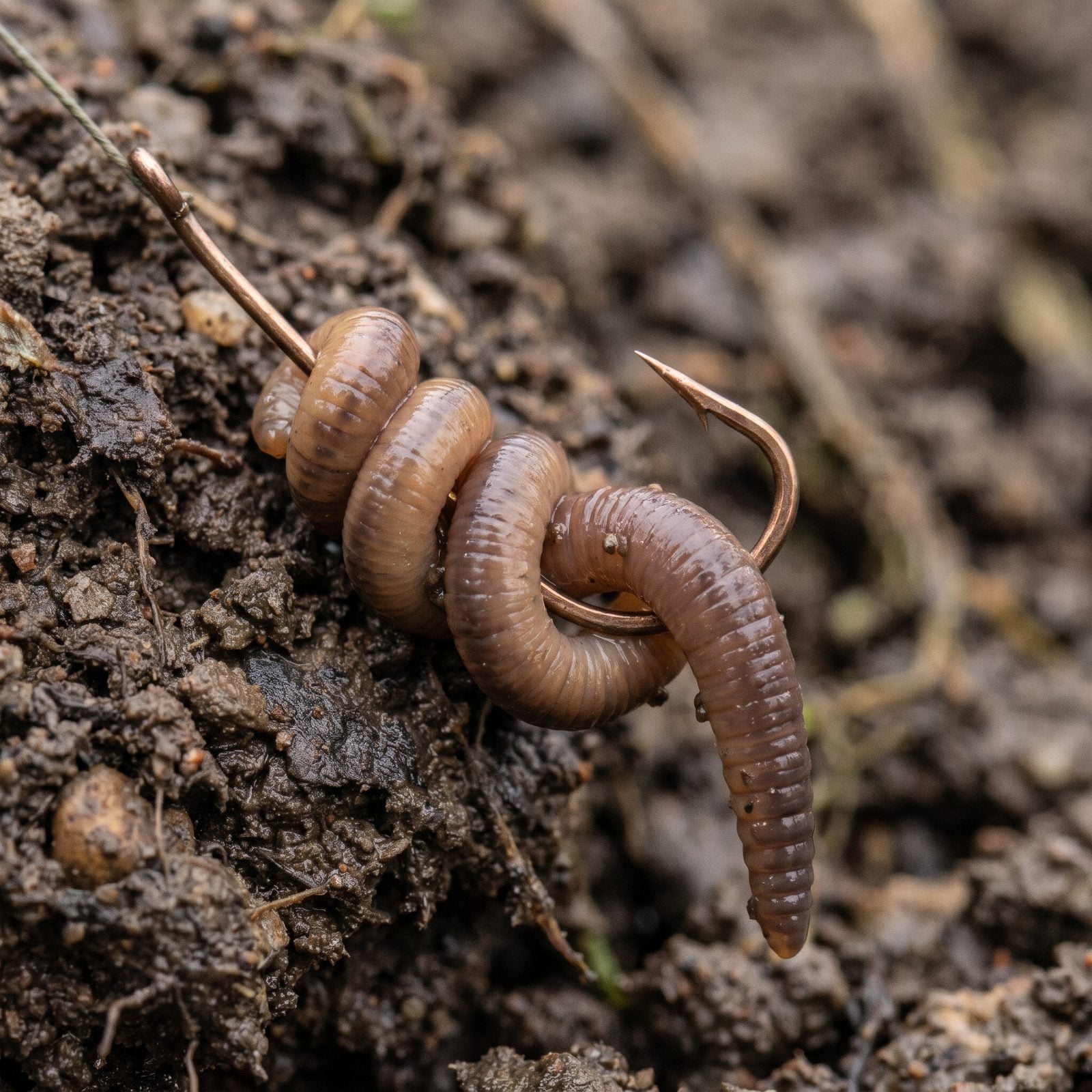
Most people stretch a crawler down the shank until it’s a tight, dead-looking string. Don’t. Loop it around the wire in two or three loose coils, leaving the point bare, so it hangs in loose folds and keeps moving with the current.
Trout key on that wiggle. A worm pinned flat looks like a shoelace, while a worm left to curl and pulse looks alive — and a drifting live worm is about the most natural thing a hungry trout will see all day. Leave a little tail free to do the dancing.
30. Purge Worms in Damp Coffee Grounds
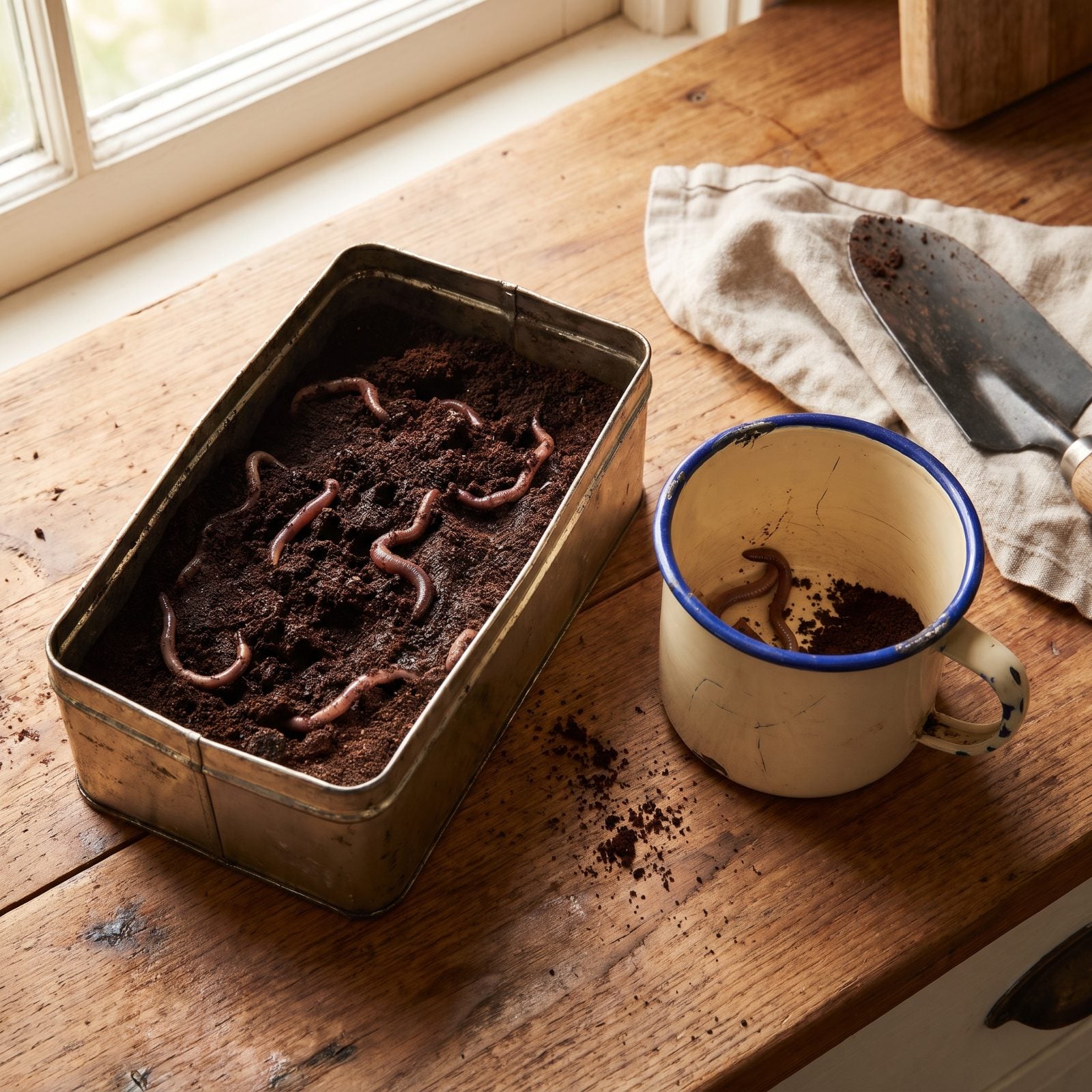
Leave worms in damp coffee grounds for a day or two before you fish. They clean out their gut, firm up, and come out livelier and tougher on the hook.
Old-timers swore the coffee toughened the skin so the worm stayed on through more casts. Maybe. What’s certain is a purged worm wiggles longer and doesn’t turn to mush the second it hits the water. Keep the grounds just moist, never soaked, and stash the tin somewhere cool.
29. Line the Bait Tin With Streamside Moss
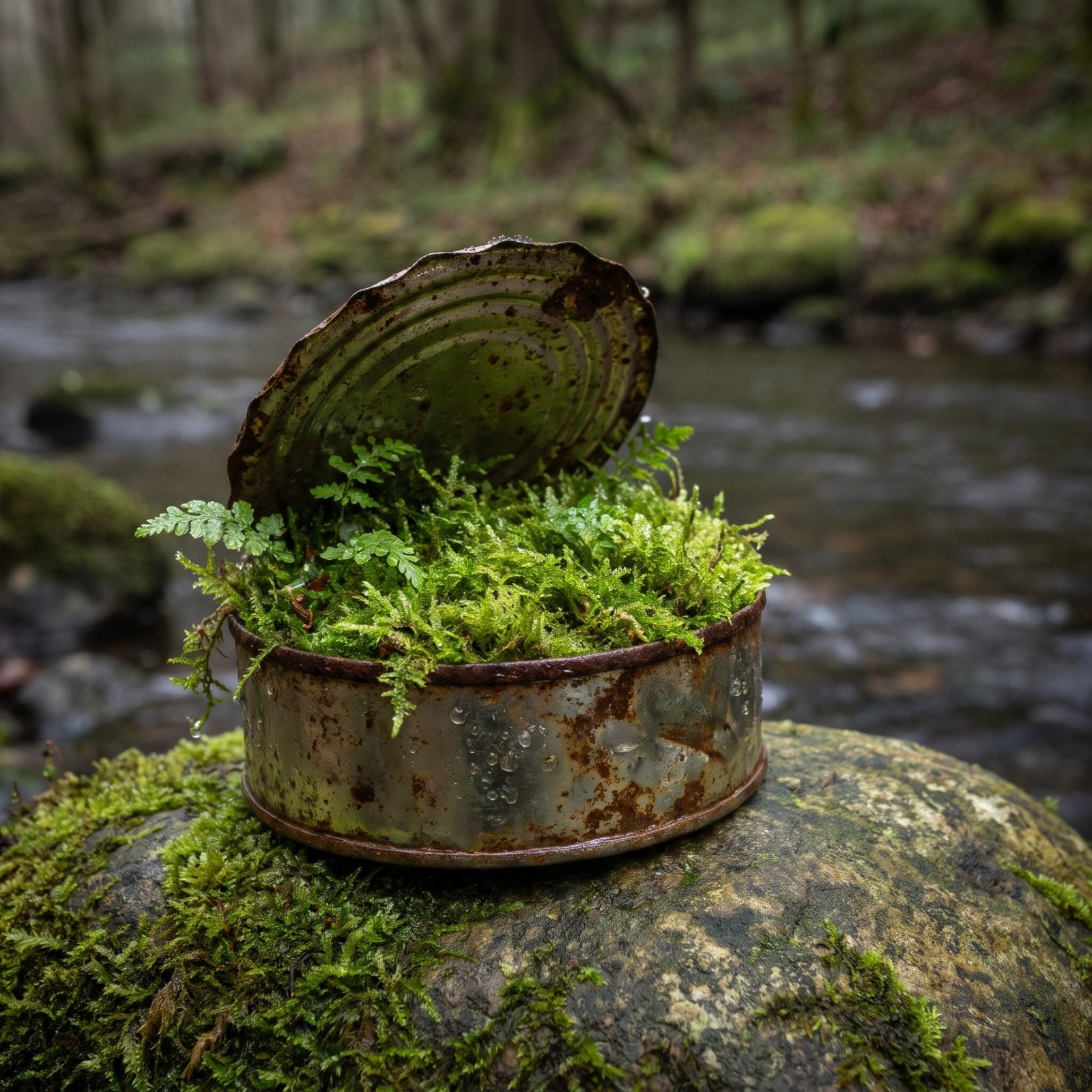
Grab a handful of damp moss from near the water and line your bait tin with it. It holds cool moisture far better than dry dirt, so your worms stay firm and active instead of going limp in a hot tin by noon.
Moss also keeps them from balling up and tangling. You reach in and there’s a cool, living bed instead of a dried-out knot. Costs nothing, takes ten seconds, and your bait lasts twice as long on a warm afternoon.
28. Chill Grasshoppers Briefly So They Stay on the Hook
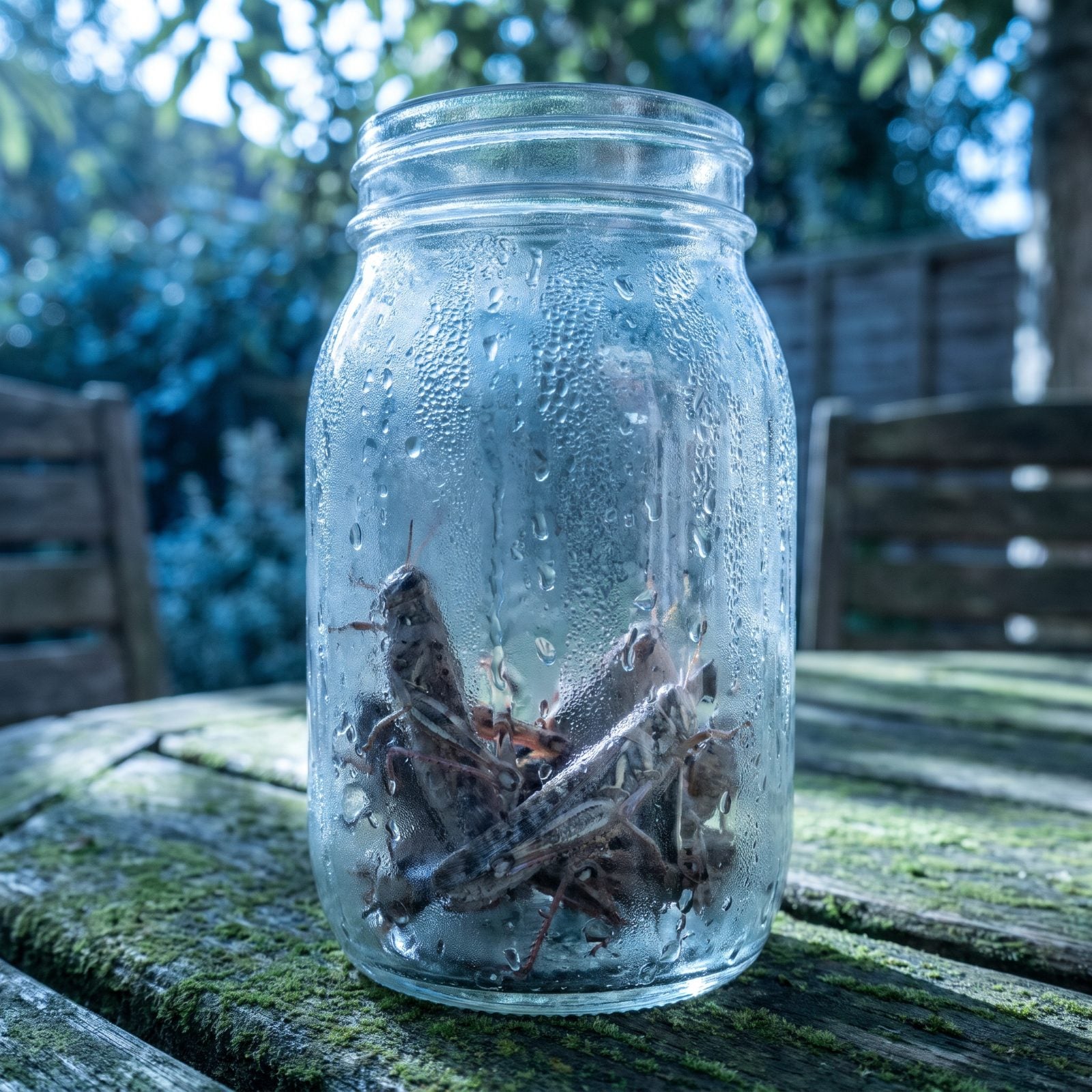
A grasshopper fresh off the stem fights the hook and jumps the second you reach for it. Drop a few in a jar, set it in the shade or a cooler for a couple minutes, and they slow right down.
Cold makes them sluggish and easy to hook without crushing them. They warm back up in the water and start kicking again, which is exactly the twitch a trout wants to see on the surface. Don’t freeze them. You want them dozy, not dead.
27. Carry Grasshoppers in a Stocking-Covered Jar
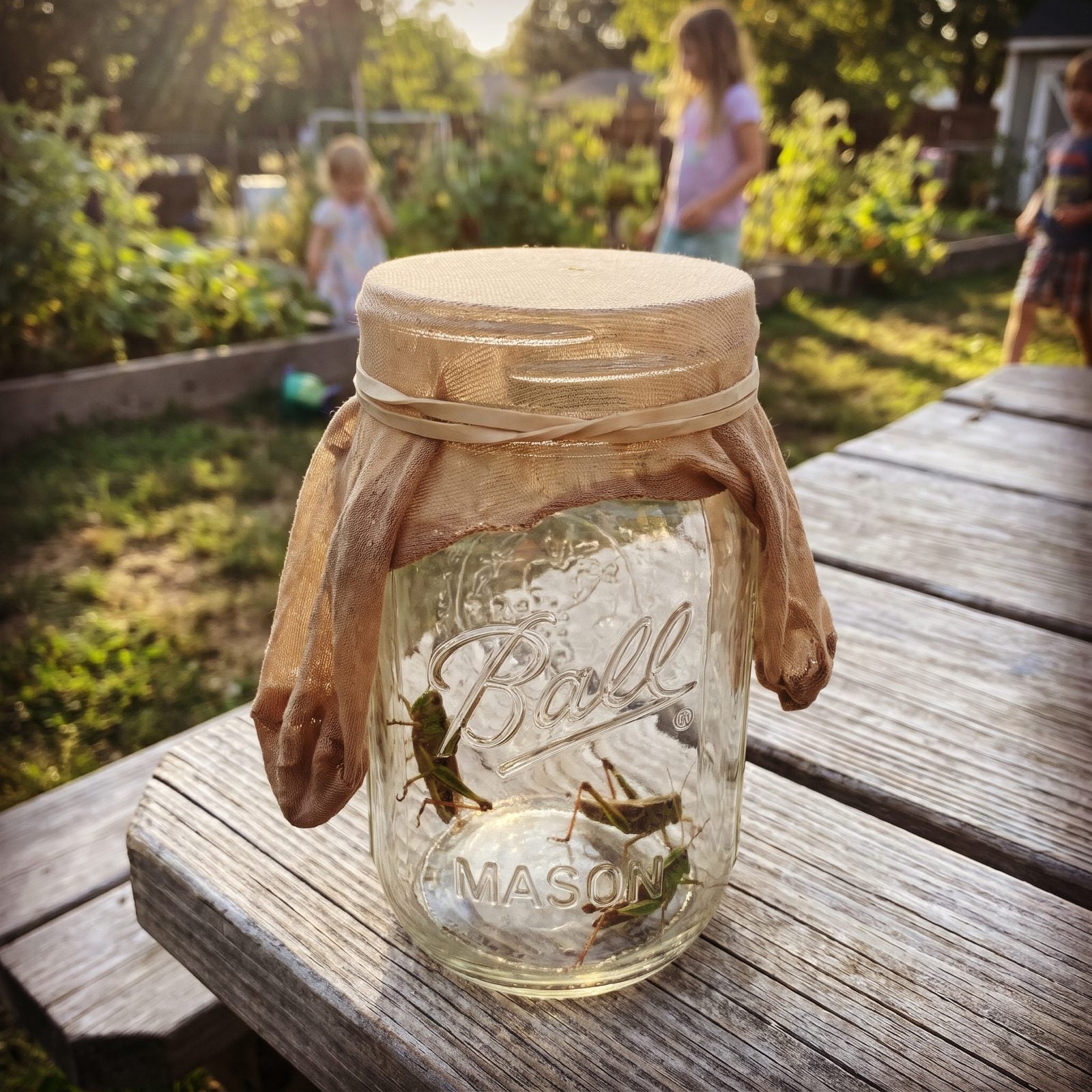
Stretch an old stocking or a piece of nylon over a jar mouth instead of a solid lid. The hoppers get air, they don’t cook, and — this is the whole reason — you can pull one out through the stretchy mesh one at a time without the rest escaping.
Pop the lid off a regular jar and you lose half your bait to the wind. The nylon lets you reach in with two fingers, grab one, and let the fabric snap shut behind your hand. Simple. Cheap. The kind of thing nobody tells you until you’ve already chased grasshoppers across a field in your socks.
26. Gather Caddis Larvae From Their Rock Cases Where Legal
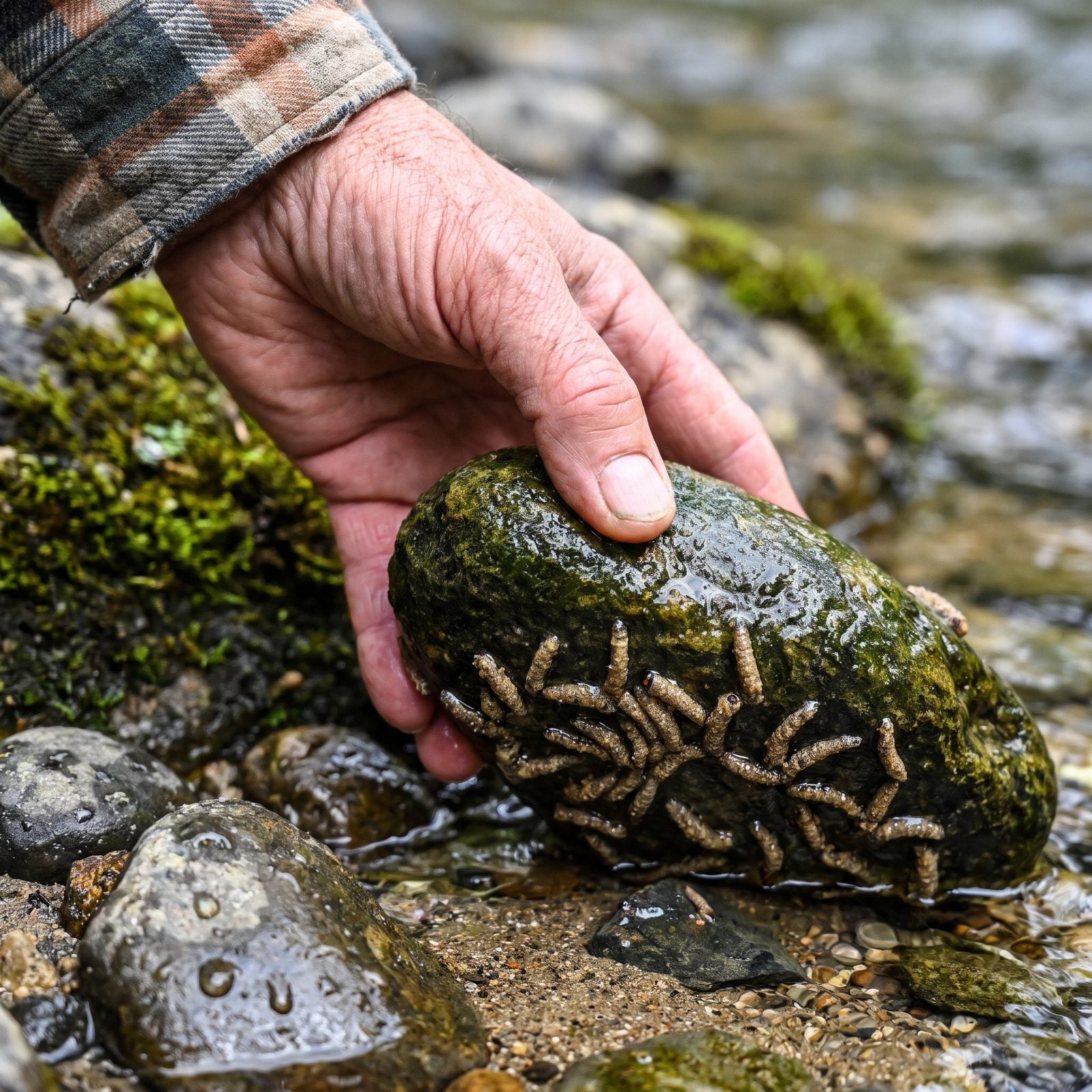
Flip a rock in a clean riffle and you’ll often find caddis larvae tucked inside tiny cases they build from sand and pebbles. Trout eat them year-round, which makes them killer bait where the rules allow it.
Check your state regs first. Collecting aquatic insects and turning over rocks is restricted on some water and flat-out banned on others. Where it’s legal, pull the larva from its case and hook it gently — it’s the exact bug trout are already feeding on under the surface. Put the rocks back where you found them.
25. Bundle Loose Eggs in a Cheesecloth Sack
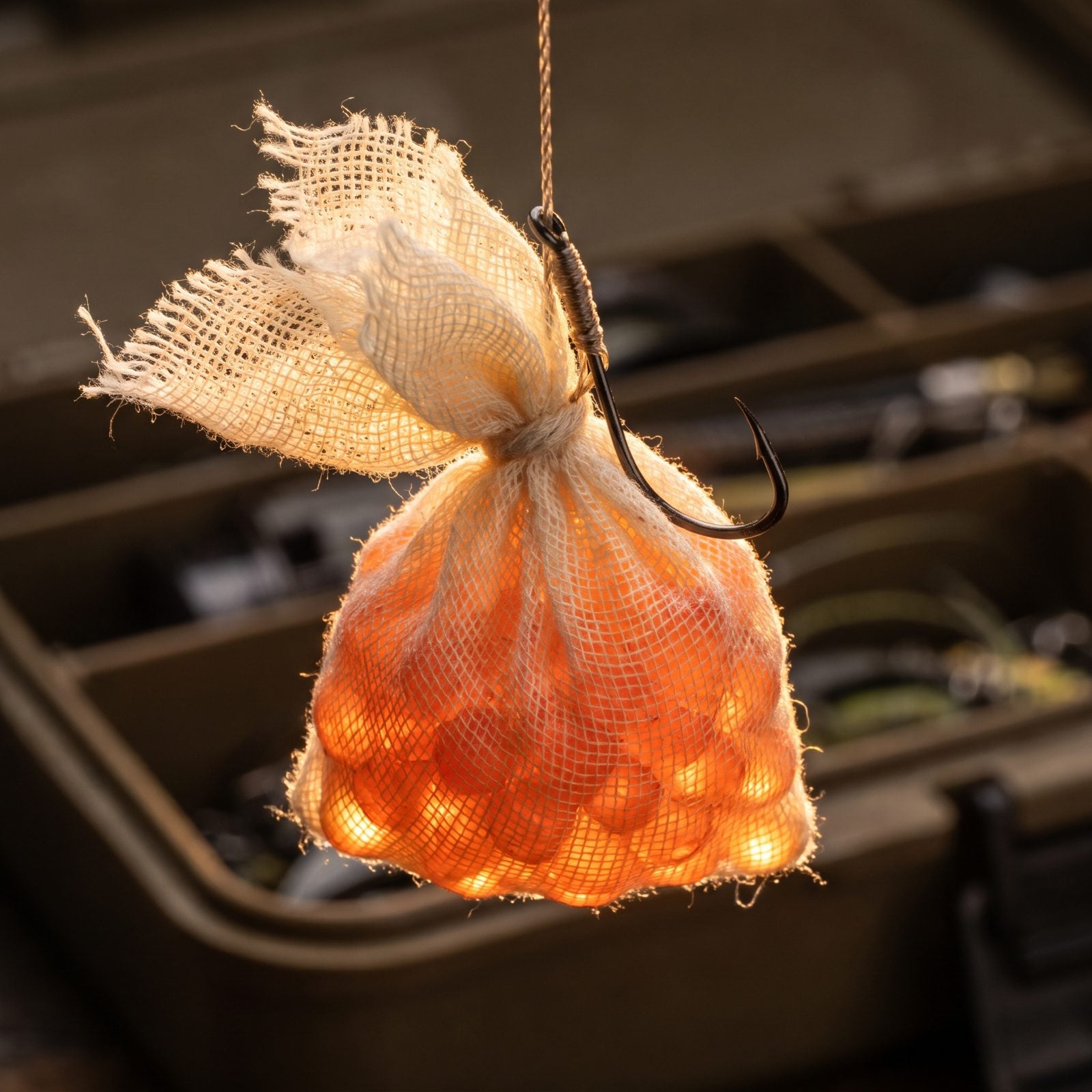
Loose eggs are deadly on trout and impossible to keep on a bare hook. Wrap a small cluster in a square of cheesecloth, twist it tight, and tie it off into a little sack you can thread onto your hook.
The mesh holds the eggs together through the cast and still lets scent seep into the drift. Steelhead and trout anglers have done this forever, long before pre-tied spawn bags showed up at the counter for real money. Where egg bait is legal, this is the cheap way to fish it.
Explaining how he ties egg sacs by hand from small squares of mesh, a steelhead and trout angler writes “Then grab each corner of the netting and start to rotate it to form an egg sac. You want the egg sac to have a round shape.”
24. Add a Thin Bacon-Rind Trailer for Extra Wiggle
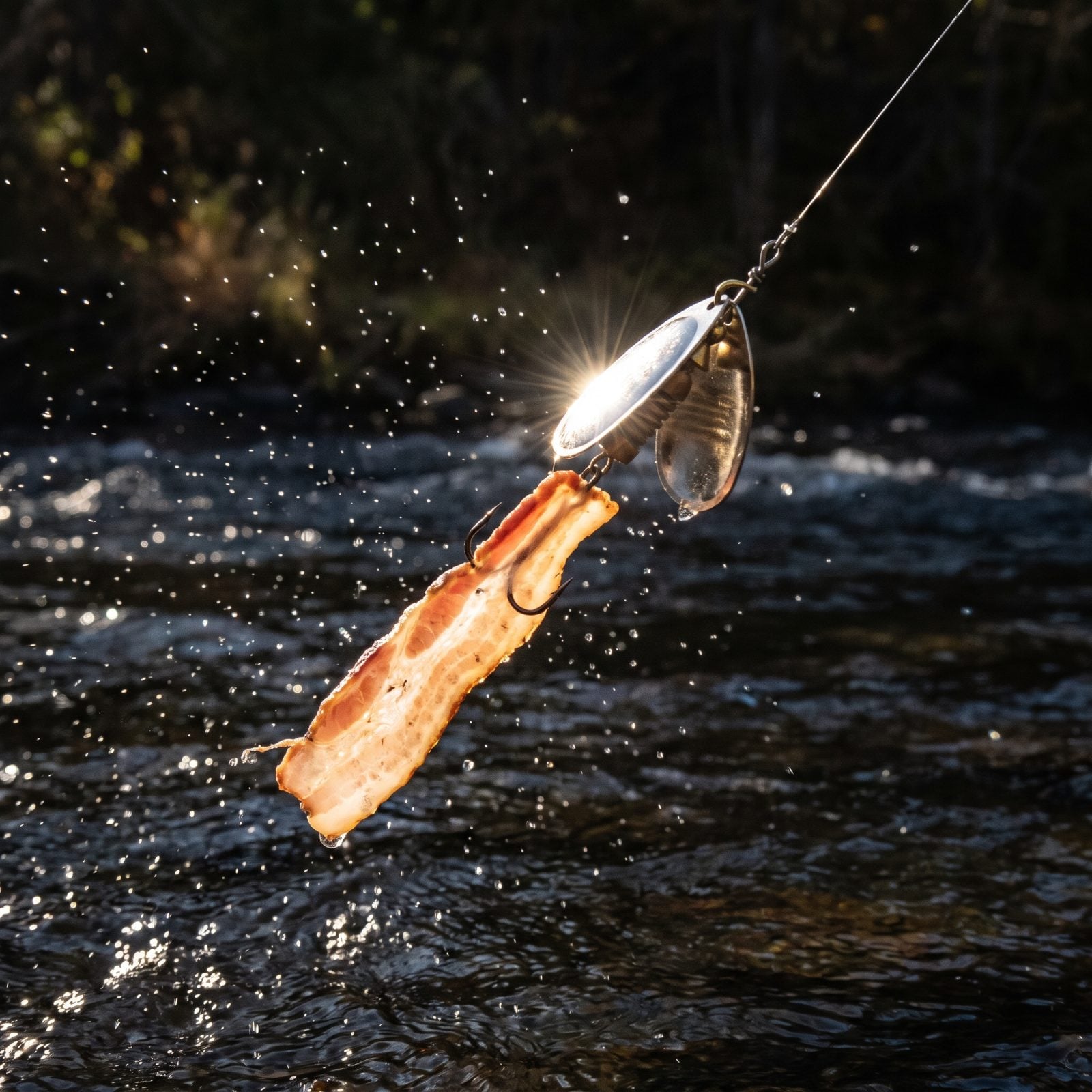
A plain spinner catches on flash. Add a trailer and you get flash plus movement, and that second thing closes the deal when trout follow but won’t commit. Crispy is the whole game here. Cook a full strip of bacon until it’s firm and rippled, and it’ll flutter behind the blade like something wounded.
Limp, raw bacon just drags and kills the action. I ruined a good afternoon once learning that. Cut the strip thin, hook it once through the end, and let it trail.
23. Knead Soft Cheese Around a Small Hook
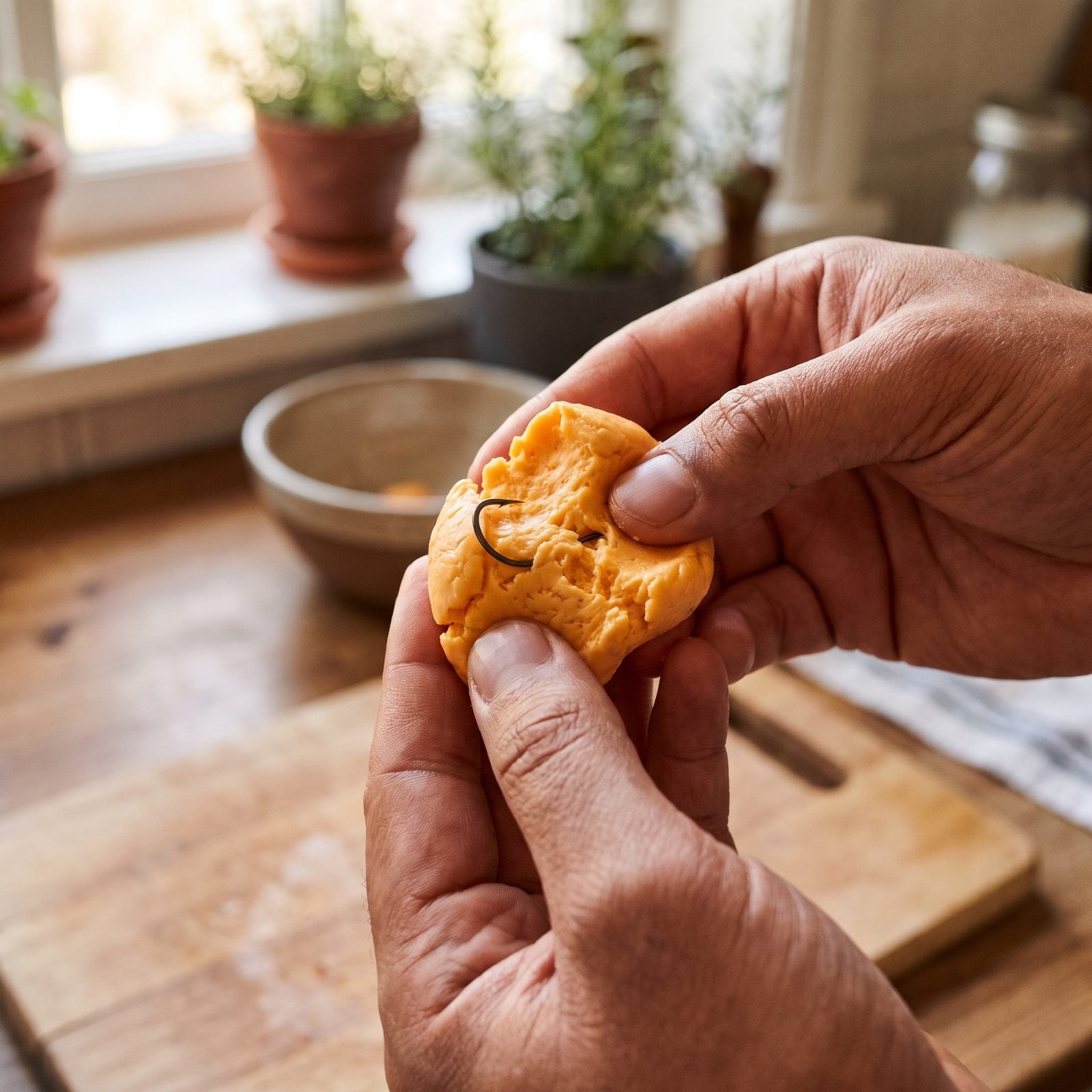
Stocked trout grow up on pellet feed, and processed cheese smells closer to that than any worm does. That’s the quiet reason this trick refuses to die. Knead a soft ball around the hook so it holds in current, and leave the point barely proud of the surface so you still get a solid set. Keep it small. A pea-sized dab holds up in current far better than an oversized glob that tears loose.
22. Cut Salted Minnow Skin Into Flashing Strips
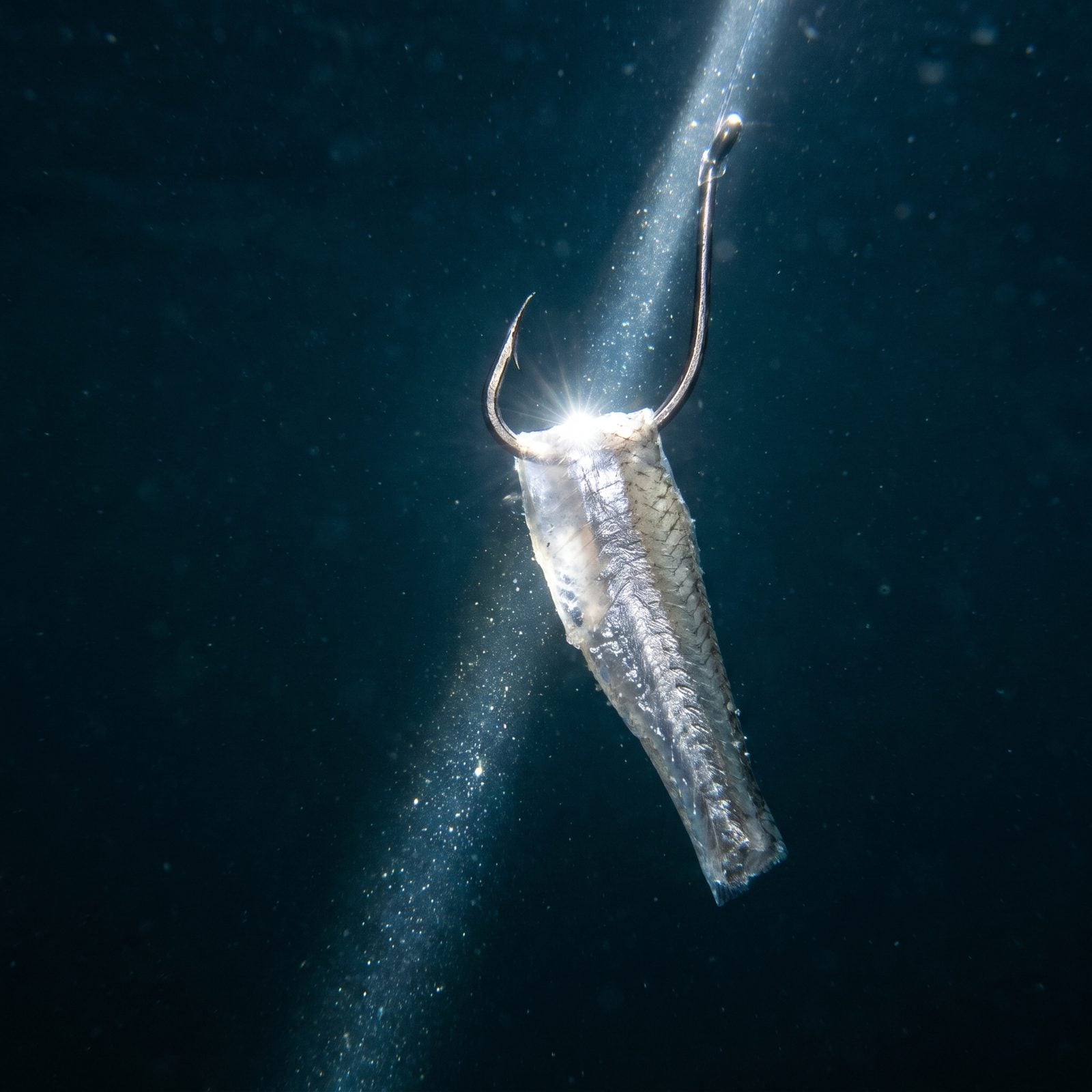
A strip of minnow skin does two things at once: it throws the hard metallic flash of a real baitfish, and it undulates in current in a way no spinner blade can fake. Cut it thin, mostly skin, a little flesh left on the back for scent. Salt the strips ahead of time and they toughen up, stay on the hook through cast after cast, and hold their shine.
Check your regs. Some waters restrict baitfish and where you can source them, so don’t go dipping a net anywhere that’s posted or protected.
21. Tip a Fly With One Tiny Worm Segment
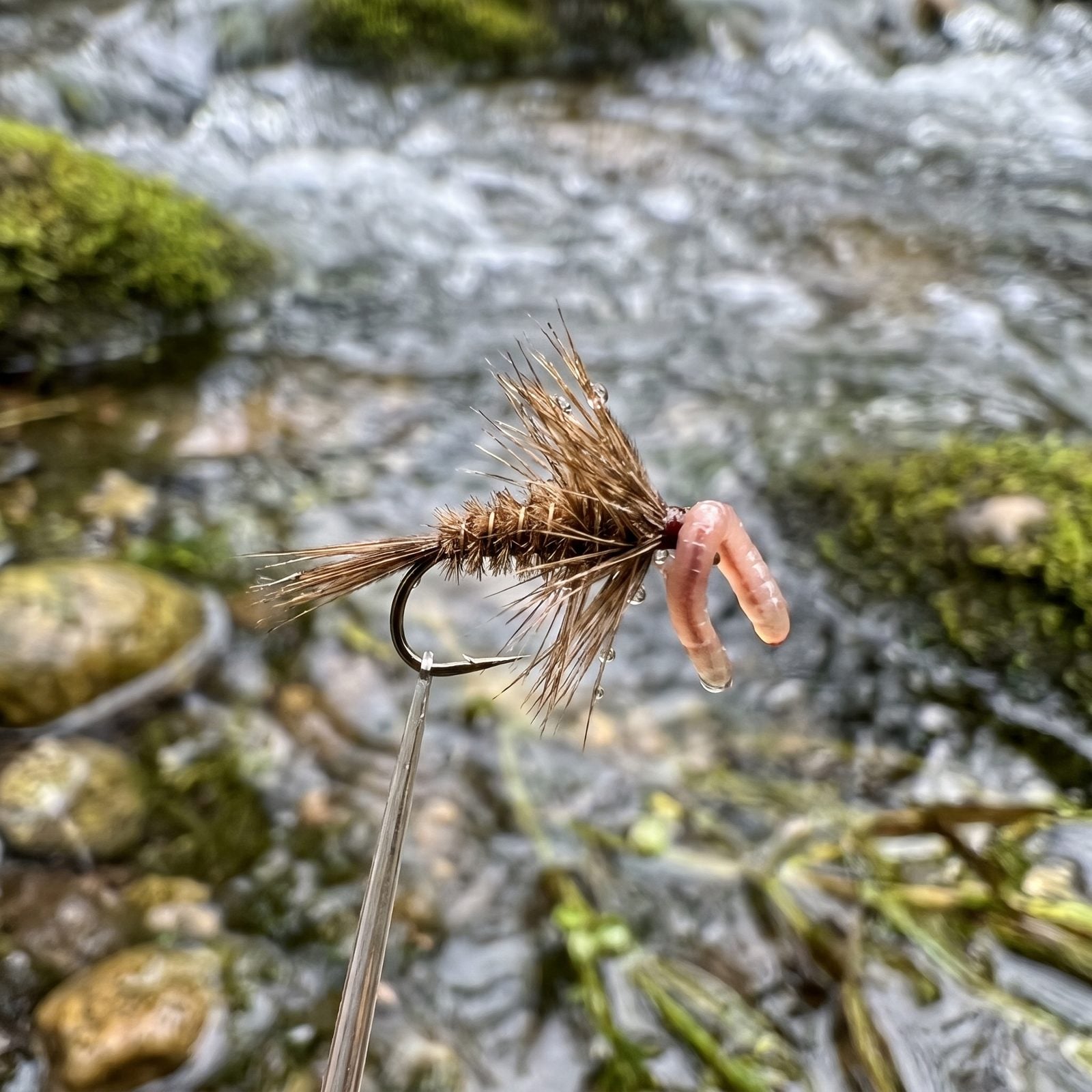
Purists will wince. The trout won’t. On tough days, when a nymph drifts past a dozen fish and none commit, a single short worm segment tucked behind the eye at the head adds the scent a bare fly can’t carry.
Keep it tiny. One pinch, not a whole crawler dangling off the front, or you’ve just turned a delicate drift into a clumsy bait rig. The fly still does the visual work. The worm just gives a hesitant trout a reason to close its mouth.
20. Grease All but the Last Foot of Leader
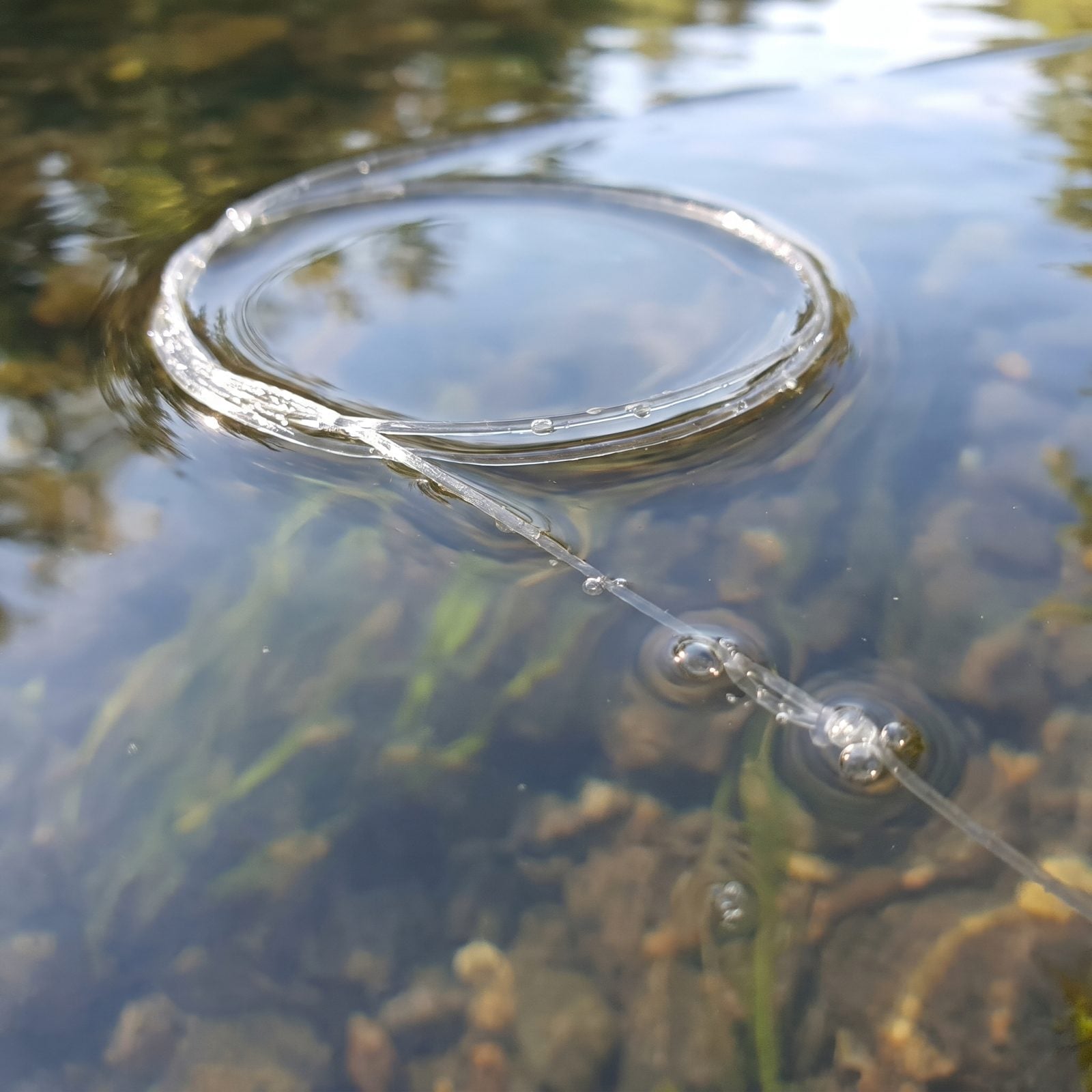
Here’s a trick almost nobody talks about anymore. Grease your leader so it floats, but leave the last foot bare so it sinks just below the surface film. Now your fly or bait drifts naturally in the zone where trout feed, while the floating section keeps it from dragging and doubles as a strike indicator you can watch.
The ungreased foot is the detail everyone skips. Grease the whole leader and your bait rides too high, looks unnatural, and the trout ignore it.
19. Wrap a Dull Spinner Blade With Candy Foil
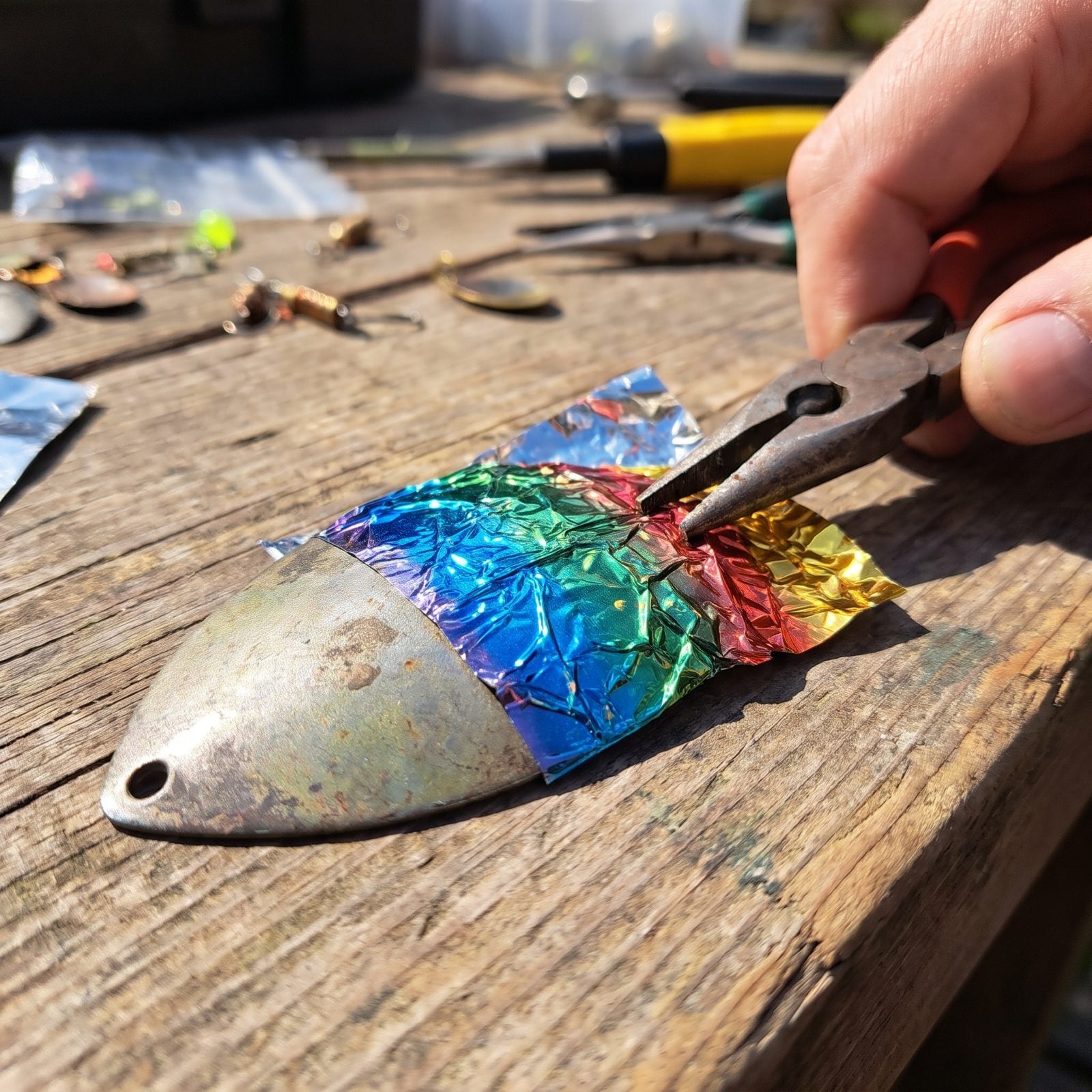
Your old spinner blades go dull, scratched, tarnished, and a dead blade catches dead fish. Before you toss them, sit one in a crumpled square of rainbow holographic foil off a candy wrapper and fold the torn edges up around its rim. Suddenly it throws light again, and in stained or low-light water that extra flash can be the difference between a bite and a long, quiet morning.
Then fold the foil over the bare face and smooth it tight so it doesn’t foul the spin. It won’t last forever. It’ll get you through a morning, though, and some mornings that’s all you need.
18. Deepen a Spoon’s Cup for a Slower Wobble
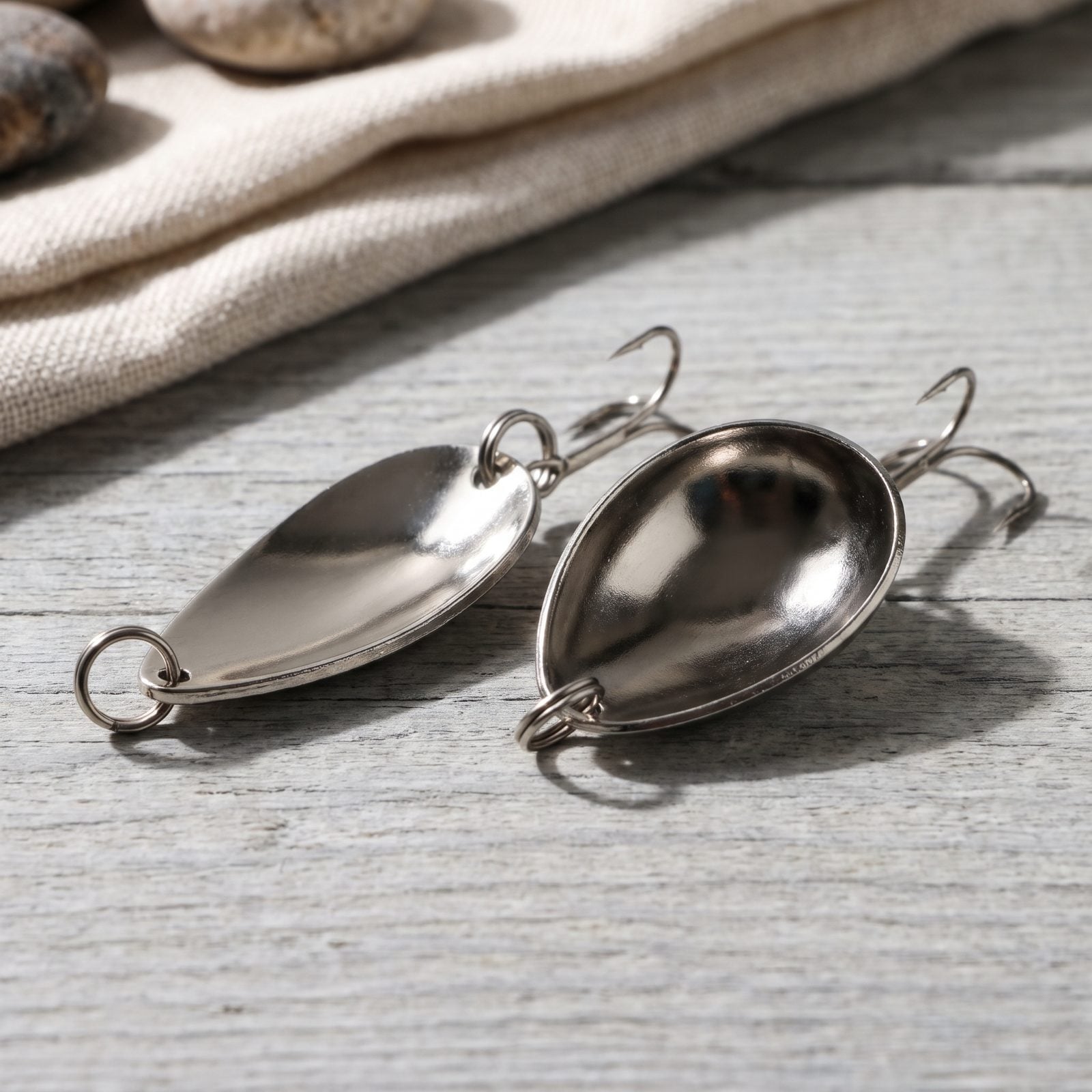
A spoon with a shallow cup zips through the water fast and tight. Deepen that cup even slightly and the whole action changes. It catches more water, wobbles wider, and crawls slower, which is exactly what you want for cold, sluggish trout that won’t chase a fast lure.
Work it gently over something rounded so you don’t crease the metal. A hard kink and you’ve got a spoon that spins instead of wobbles, which tangles your line and catches nothing. Small change, big difference in how the lure swims.
17. Smoke a Shiny Blade Over a Candle Flame

Factory spinners come polished like jewelry. Great for the tackle shop wall, terrible for a clear low creek. Hold the blade in the flame a few seconds and the soot knocks that mirror finish down to a dull bronze flash — you keep the wobble and the vibration while losing the strobe-light glare that sends a pressured trout bolting under the cutbank.
Wipe off the loose carbon with your thumb. What stays is a muted gleam that looks a lot more like a fleeing minnow than a shop-floor giveaway.
16. Tie a Short Red-Wool Tag Just Above the Hook
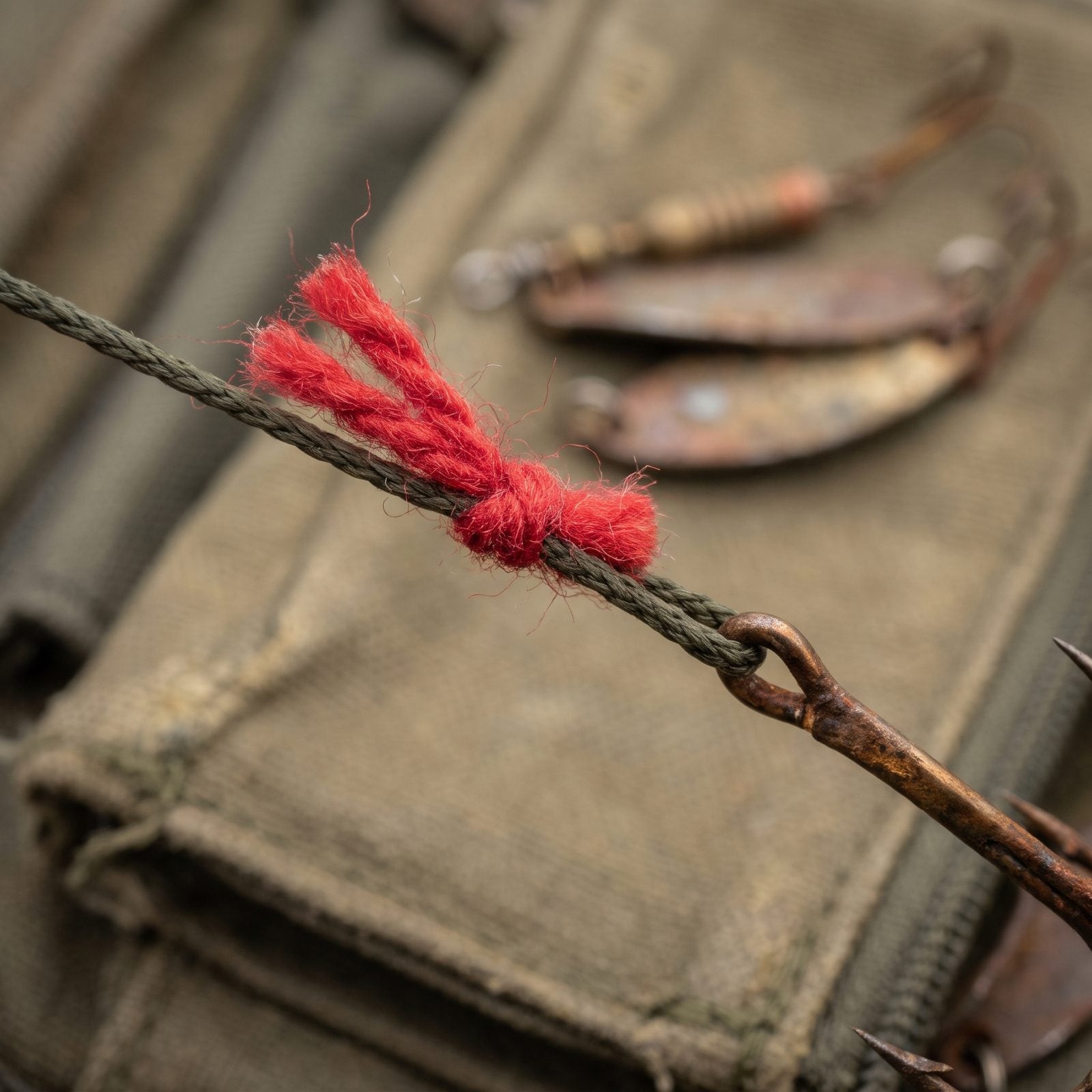
A bushy tuft of red is one of the oldest attractors in the book. Tie a short tag of red wool a finger-width above the hook and it pulls double duty: it gives a curious trout a target to home in on, and in moving water the fibers pulse and breathe like something alive.
Red reads as blood, as a gill, as a wound, as food. Don’t skimp, though. A few thin strands vanish in the current, while a full, bushy tuft about as long as the hook shank looks like a reason to eat.
15. Trail a Single Worm Segment Behind a Bare Spinner
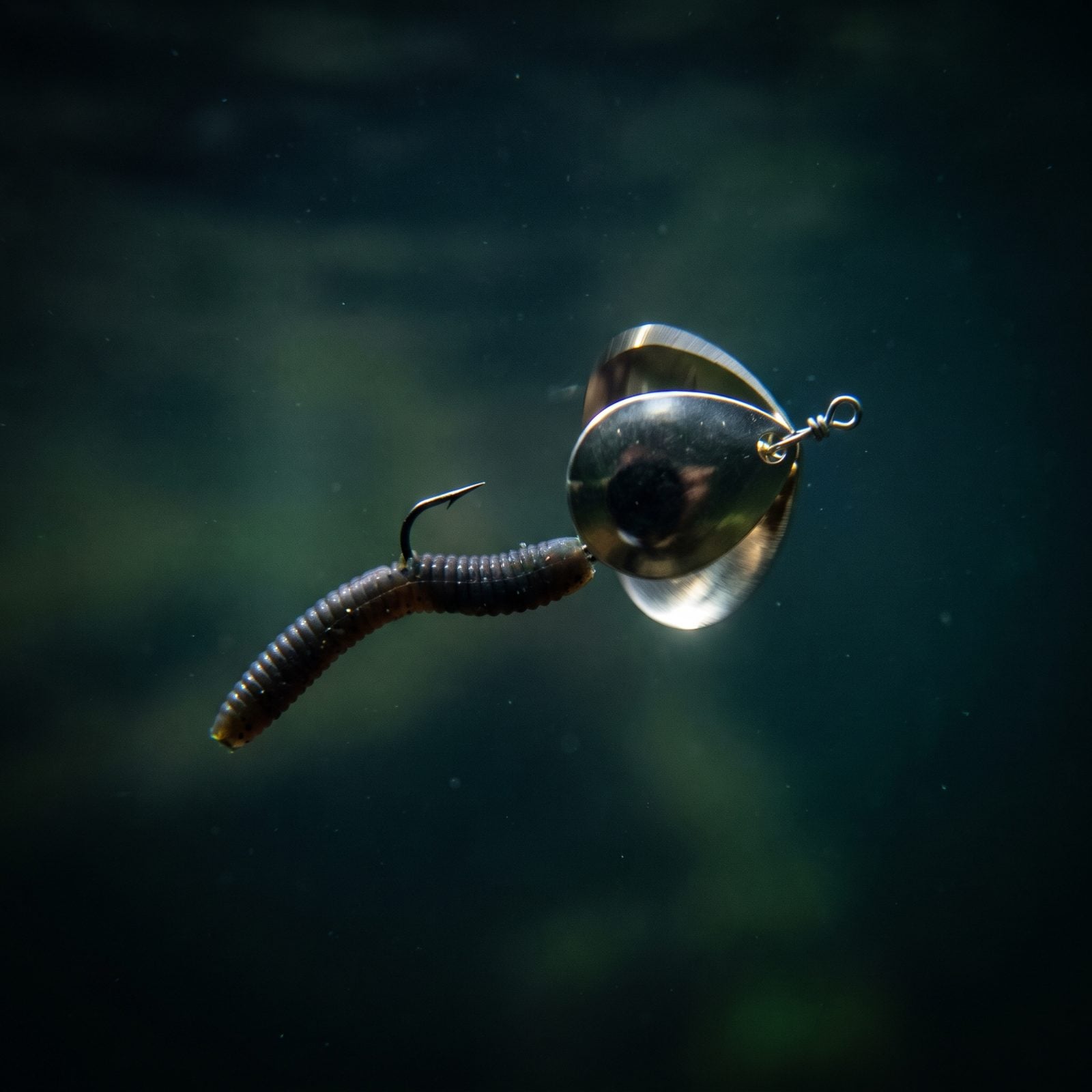
Most anglers fish a spinner bare and then wonder why trout slap at it and leave. A single worm segment is the better call. Pick a short piece, about the length of the blade, and thread it onto the spinner’s hook below the blade, letting the hook points poke through the worm.
The spinner brings the flash and the thump. The worm brings smell and taste, which is what makes a trout hold on that extra half-second instead of slapping and leaving. Fish it slow, almost drifting, letting the blade barely turn.
14. Slide a Mother-of-Pearl Button Ahead of the Bait
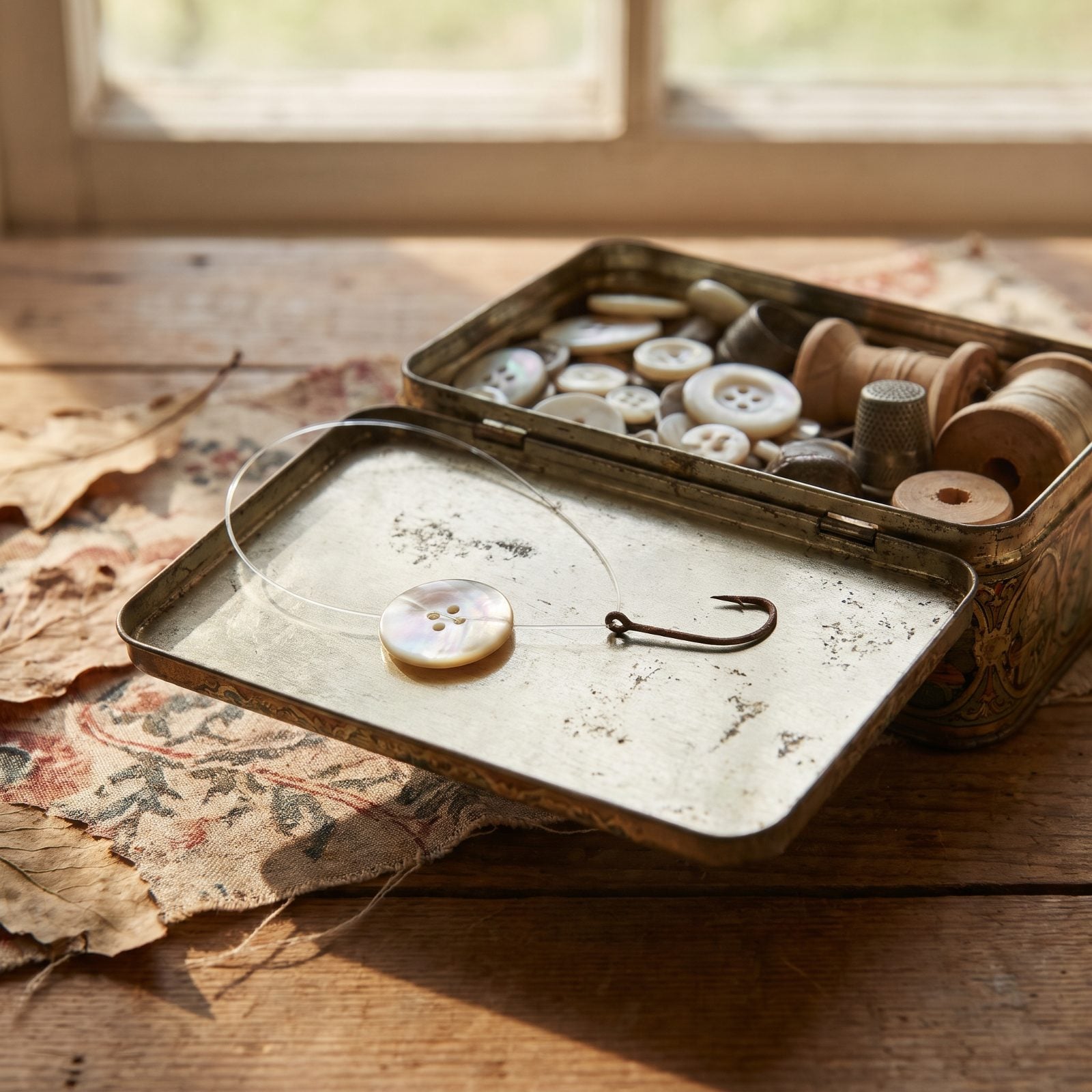
Before anybody sold a bag of spinner beads, people robbed the sewing tin. A small mother-of-pearl button, slid onto the line above the hook, throws a soft iridescent flash that mimics scales far better than plastic ever will. The glow is subtle, shifting pink to blue as it rolls in the current.
Pick a four-hole button, lay the line across its face, and it sits flat and spins instead of sliding down onto the bait. Quieter than a spinner, brighter than nothing — exactly the range where wary trout live.
13. Mark Your Exact Fishing Depths on the Line With Black Thread
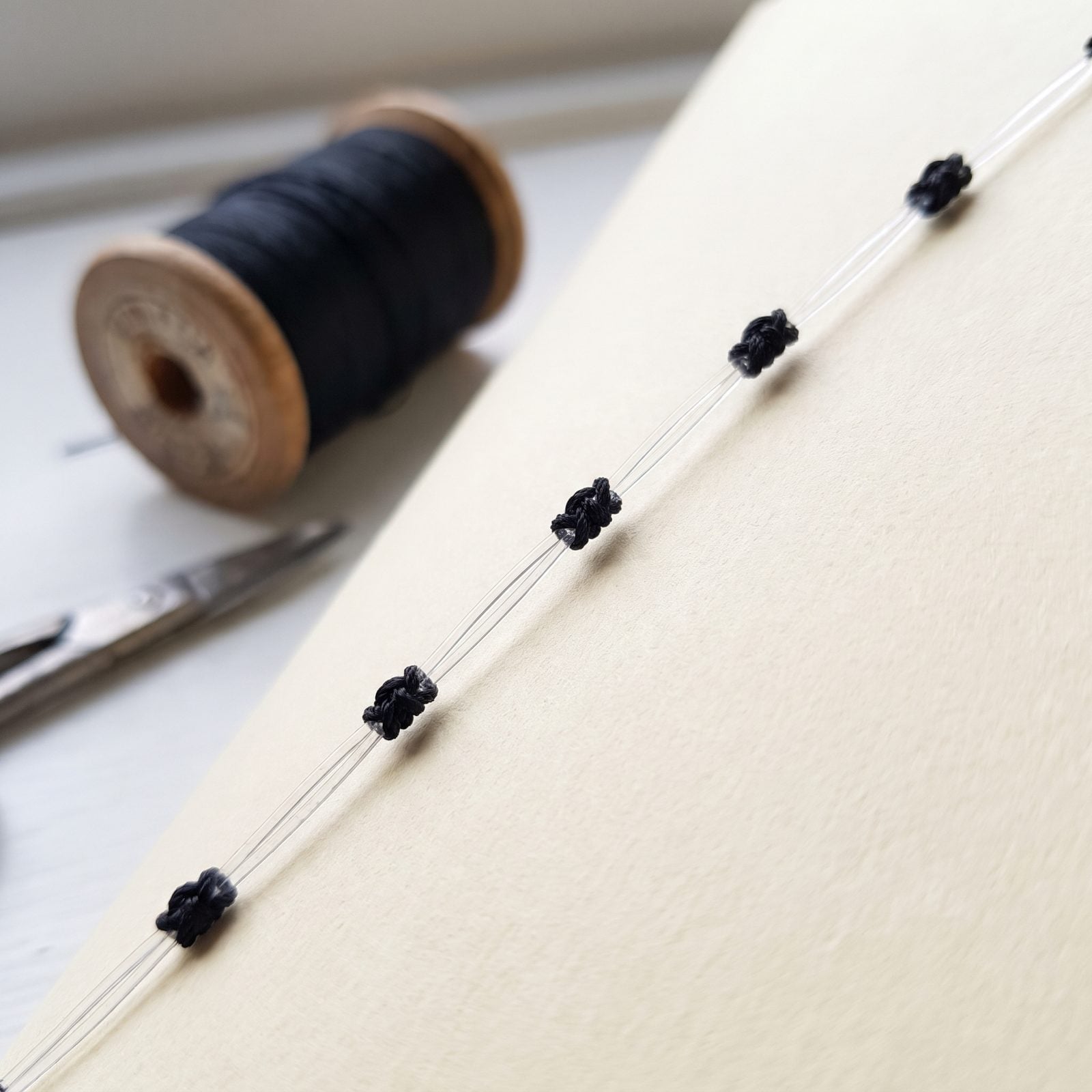
You find the depth where trout are holding. Then you lose it on the next cast because you have no idea how far down your bait actually ran. Fix it with a few whips of black sewing thread tied around the line at set intervals — a foot apart, or marking two feet, four feet, six.
When the fish come off a six-foot ledge, you count the markers as the rig goes down and you put the bait back in the zone every single cast. A depth counter that costs you a thread end and never needs a battery. Clip them off when the day changes.
12. Stagger Three Tiny Split Shot Instead of One Fat Lump
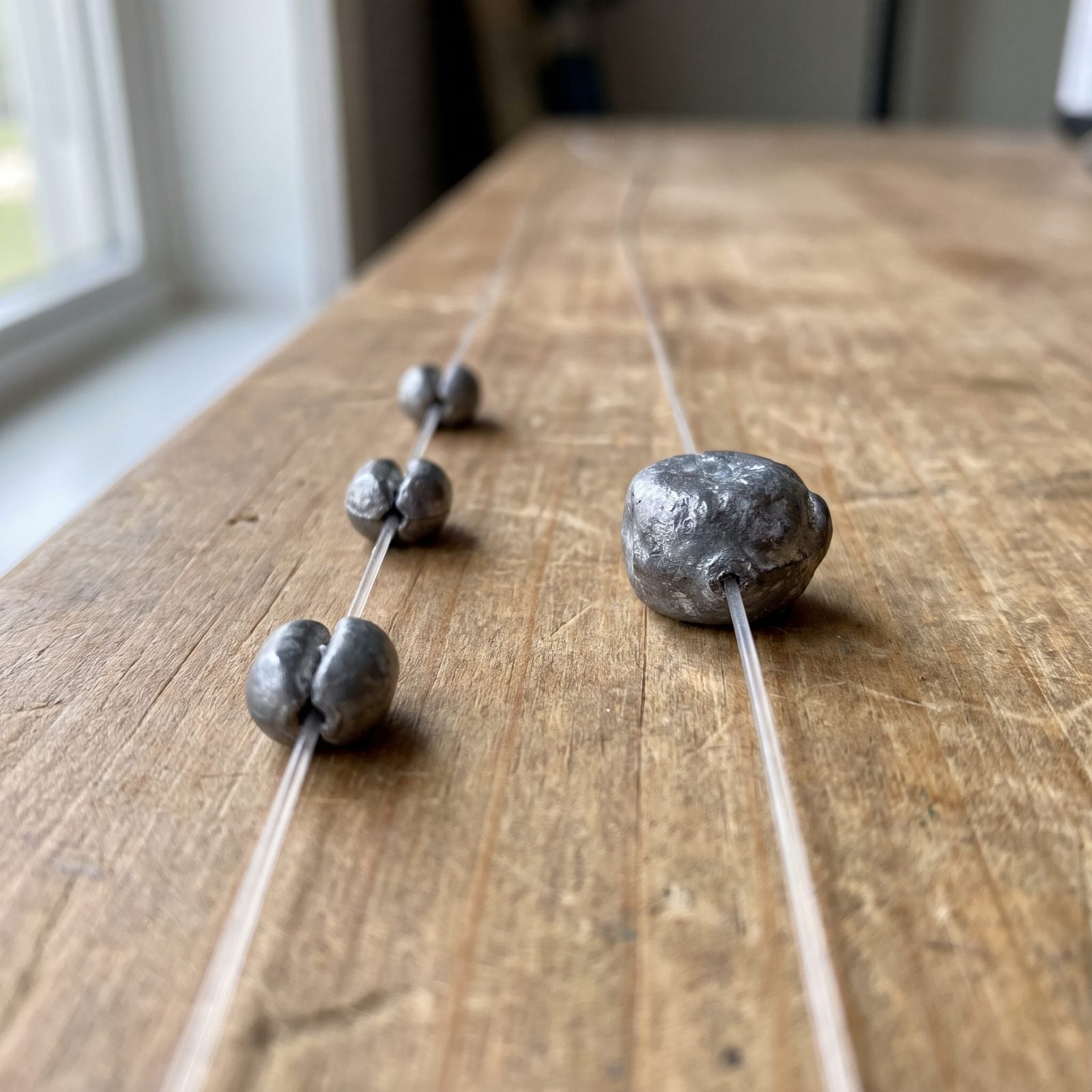
One big split shot drops like a stone and drags your bait straight to the bottom in an ugly, unnatural plummet. Three small ones spread a few inches apart do something better — they let the bait sink in a slower, tumbling, lifelike way, and they ride over rocks instead of wedging between them.
You also get a softer presentation into the strike zone, which matters on a creek where the trout have seen every clumsy rig in the county. Space them out, lightest shot nearest the hook, and watch how much more naturally the whole thing drifts.
11. Touch Up a Dull Hook Point on a Matchbox Striker
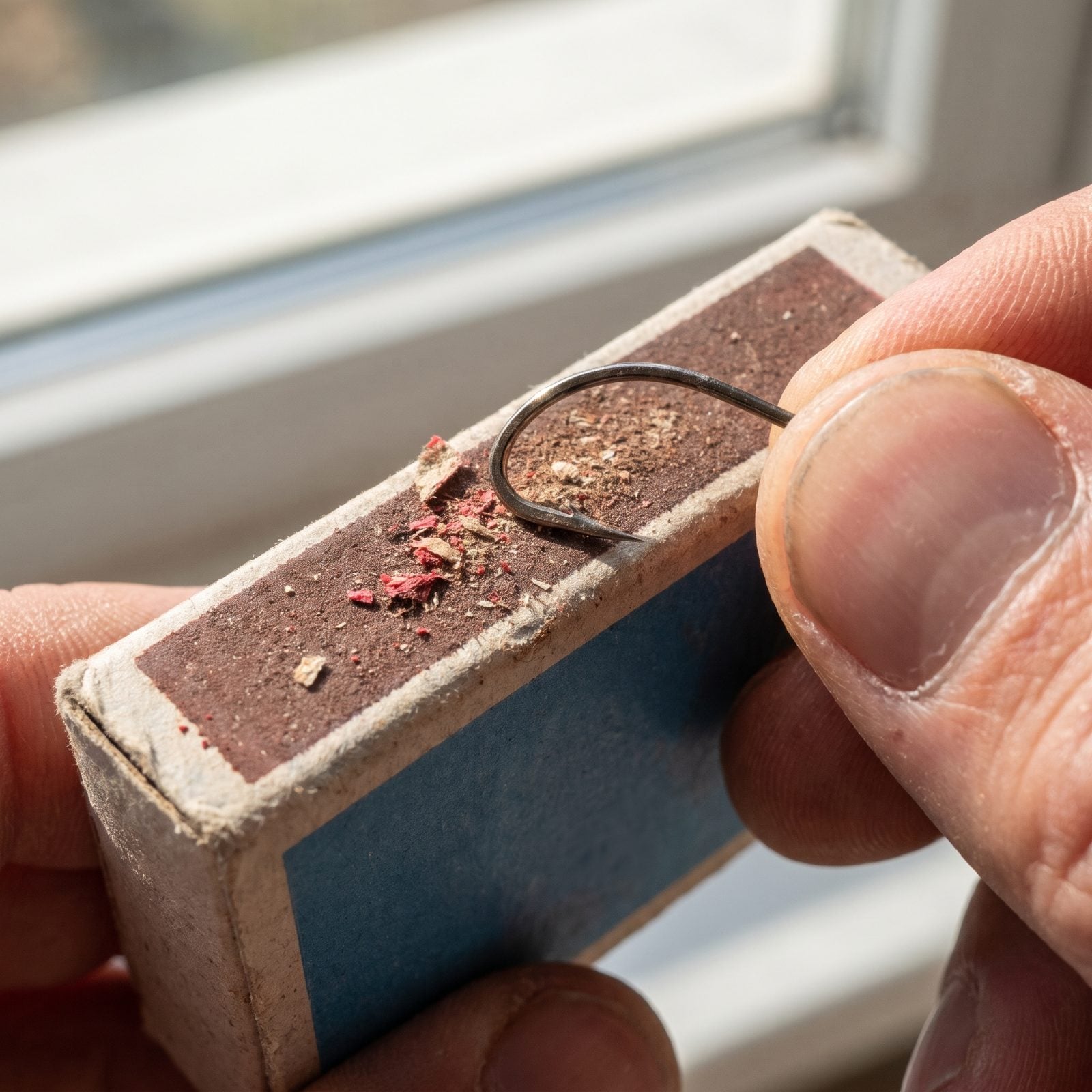
A hook point goes dull from rocks, from stumps, from a dozen missed sets, and most people never check. The striker strip on a matchbox makes a passable field sharpener in a pinch — a few light passes at an angle puts enough of an edge back on the point to bite.
Run your thumbnail across it. A sharp hook catches and drags on the nail. A dull one slides right off, and that slide is the fish you felt but never hooked.
10. Store Your Rigged Hooks in a Wine Cork
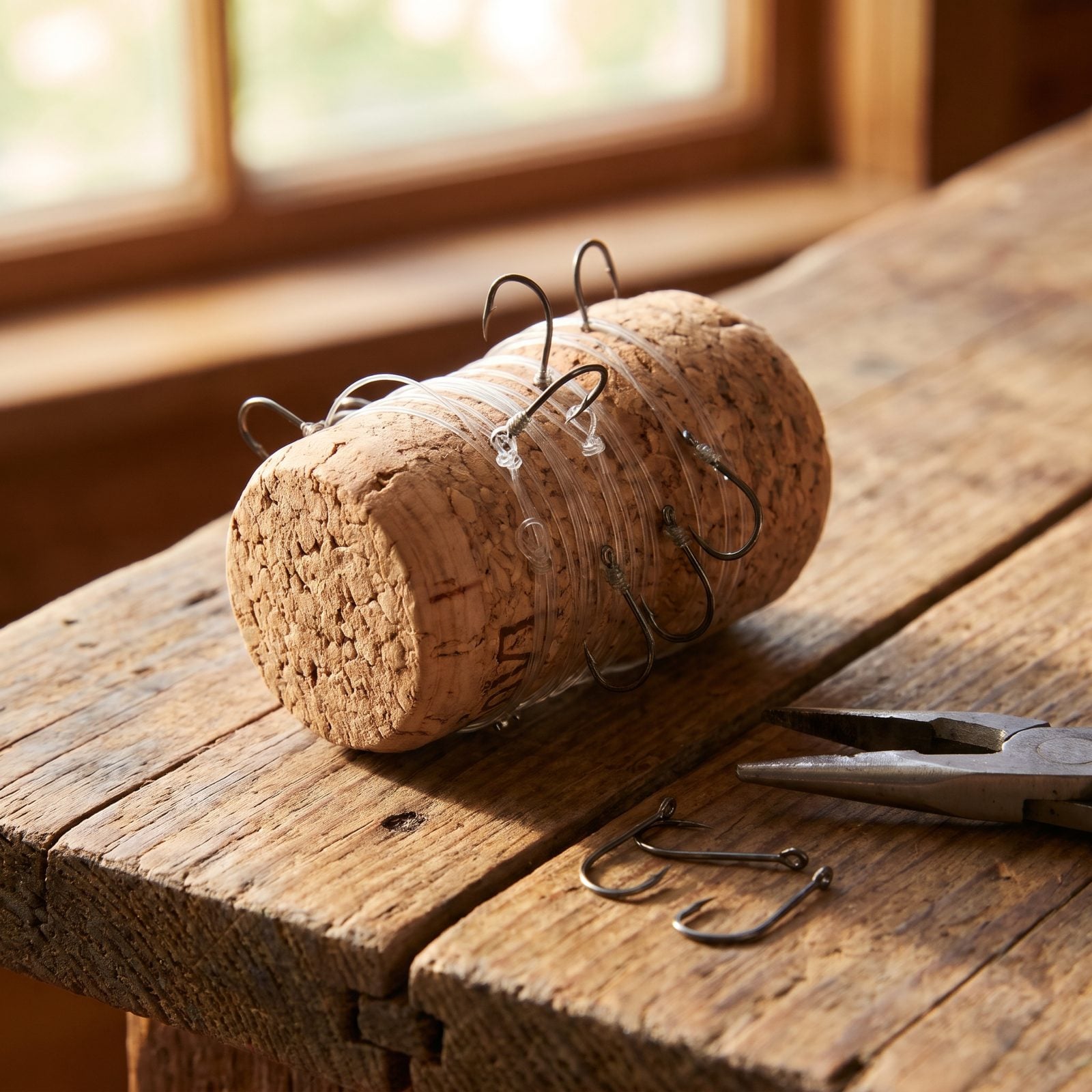
Pre-tie your hooks and leaders the night before, lay the hooks along a wine cork, and wind the leader around the body to hold them in place. Next morning you are not fumbling with knots at the water’s edge while the light comes up and the fish go off the bite.
The cork keeps the hooks from tangling with each other, though the points stay exposed, so mind your fingers when you reach in the bag. Pull one, unwind, tie it on, fish. One cork holds a half-dozen rigs and floats if you drop it in the drink.
9. Rub Beeswax on Sticky Rod Ferrules
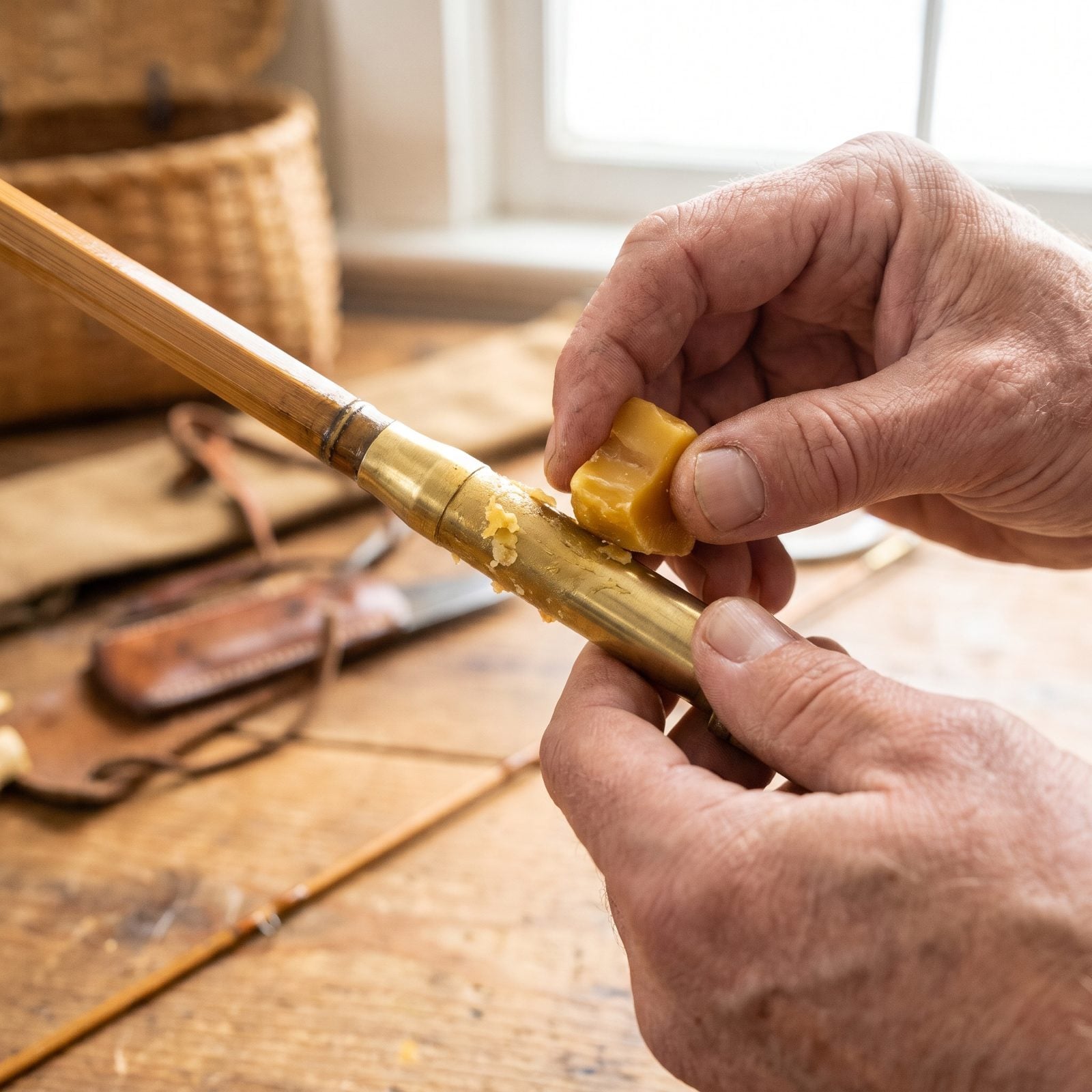
A ferrule that squeaks and sticks when you break the rod down is on its way to seizing up for good — usually on a cold morning when you least want a fight. Rubbing a block of beeswax over the brass ferrule fixes it.
The wax lets the sections seat smoothly and come apart clean, and it keeps moisture out of the joint. Don’t worry if it goes on in crumbly lumps and smears at first; work it in, then wipe off the excess before you assemble the rod. A greasy slick makes the ferrule slip loose mid-cast, which is worse than sticky.
8. Wipe Candle Wax on Your Guides in Freezing Weather
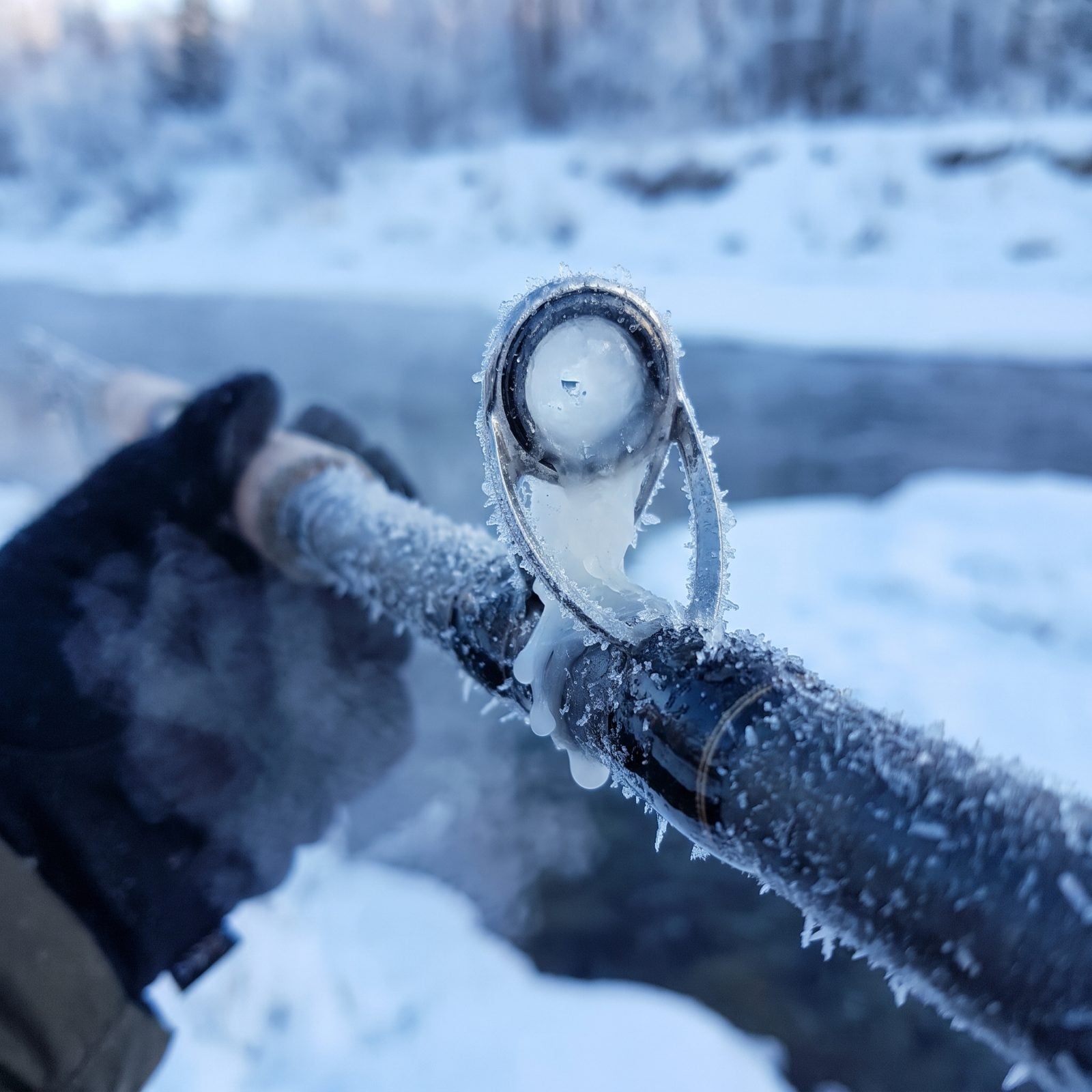
Winter trout fishing has one maddening problem. Water freezes in the guides, your line jams, and every cast turns into a scraping, cursing ritual. A nub of plain candle wax rubbed over each guide buys you real time before the ice builds up again.
The wax sheds water so it beads and runs off instead of freezing solid in the ring. You will still have to clear them eventually on a hard-frost day, but you go from clearing every cast to clearing every ten or so. On a creek in January, that is the difference between fishing and quitting.
For below-freezing days, a winter fly angler recommends rubbing chapstick on the fly rod guides to help hold off ice buildup that makes casting hard.
7. Dry a Soaked Fly on an Amadou Patch
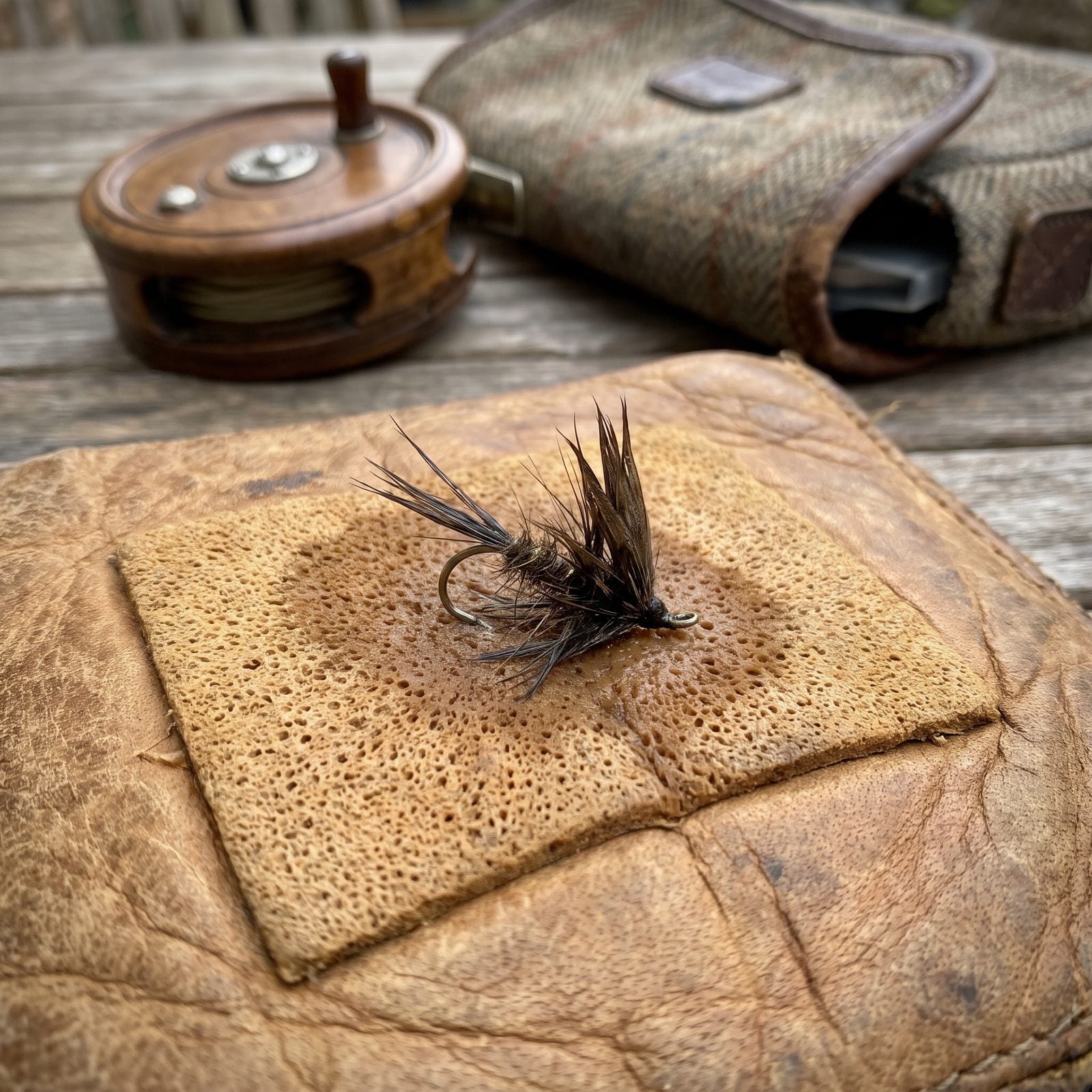
You drift a dry fly through one good riffle and it comes back drowned. Most people false-cast it dry, which takes a dozen whips and sprays water the whole time. Amadou does it in one press — a fungus-based felt, spongy and thirsty, and a squeeze between two patches pulls the water clean out of the hackle in a second.
A soggy fly floats low and wrong. A dried one sits up on its hackle tips the way a real bug does, and that difference is the difference between a refusal and a take.
6. Keep a Small Magnet in the Tackle Tin for Dropped Hooks
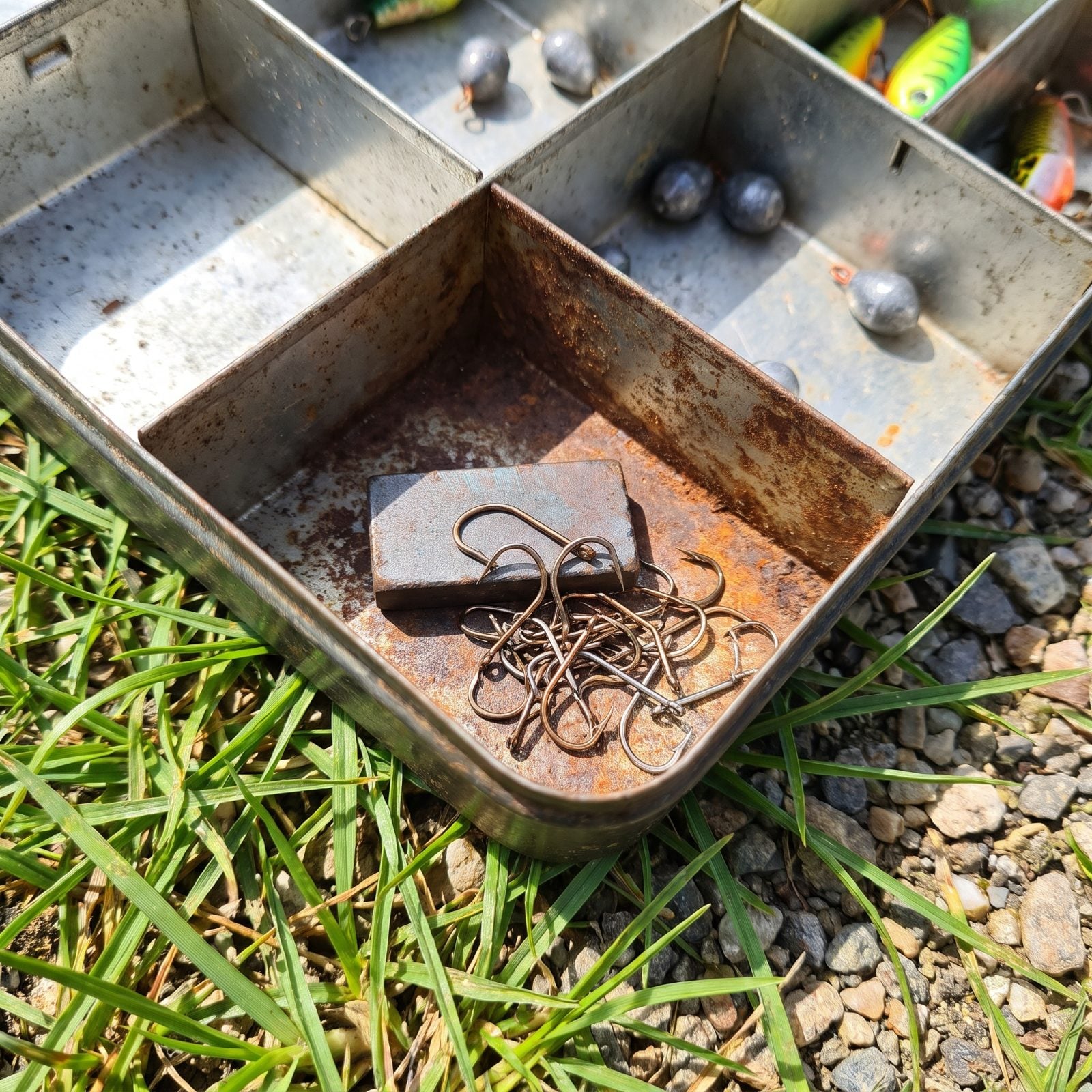
Cold fingers drop hooks. It happens on every trip, usually the smallest ones, usually onto gravel or into the grass where they vanish. A little magnet in the bottom of your tin fixes two problems at once.
Sweep it over the ground and it finds the hook you dropped. Leave it in the tin and your loose hooks cling to it instead of migrating into every corner. Cheap, flat, forgotten until you need it. I’ve lost more #18s to numb hands than to fish, and the magnet earned its keep the first morning I carried one.
5. Mark the Rod Handle to Measure Leader Lengths
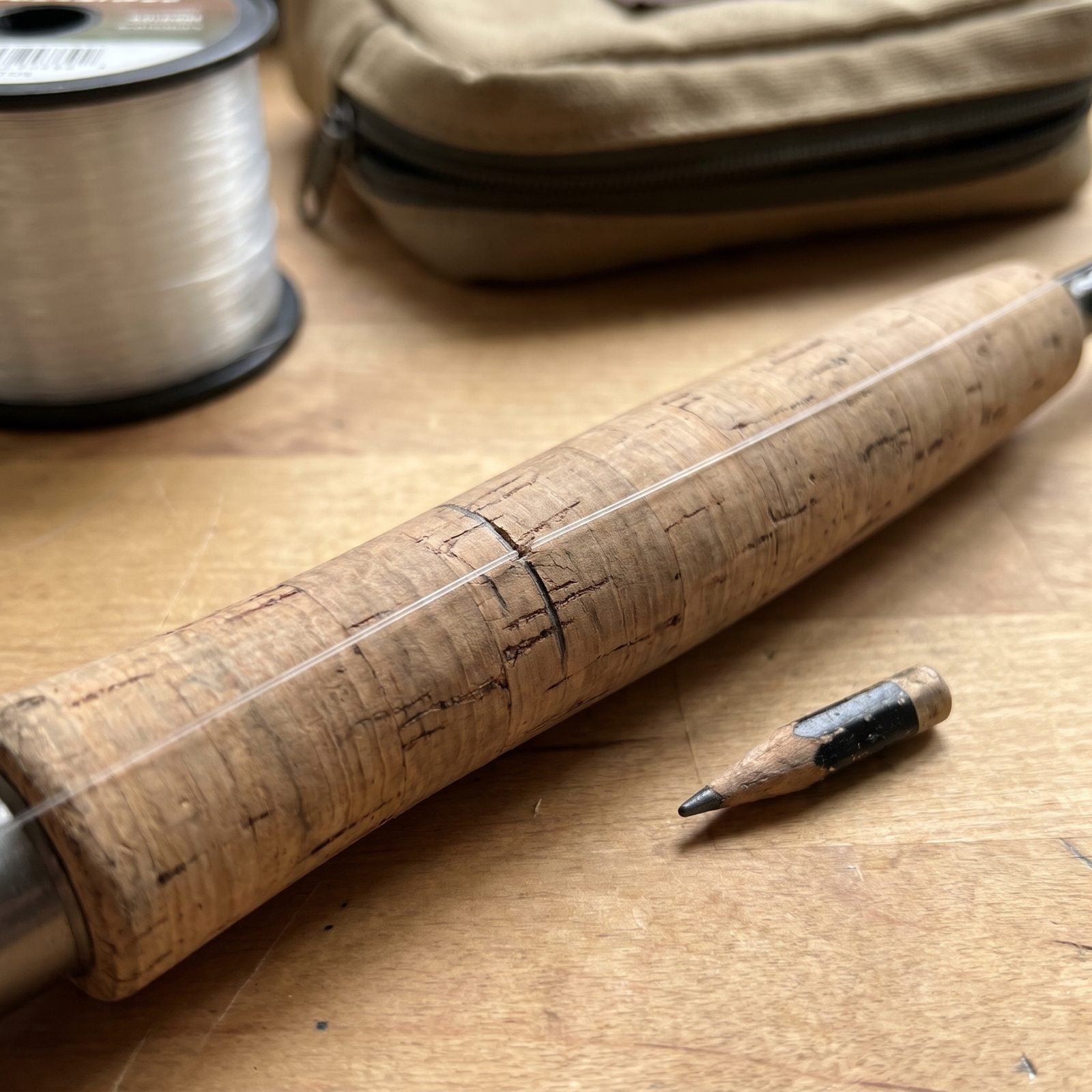
Your rod is already a ruler. Use it.
Pencil or notch a mark on the cork a known distance from the reel seat — a foot works well — and you can measure tippet and leader without hunting for a tape you’ll never find in a vest pocket. Build a knotted leader streamside, check it against the handle, trim to length.
It sounds fussy. It isn’t. When the fish are keying on a specific drift and you need to drop from 4X to 5X and add eighteen inches, you want that done in seconds, not by eye and a prayer.
4. Rub Stream Mud on Your Hands Before Baiting Up
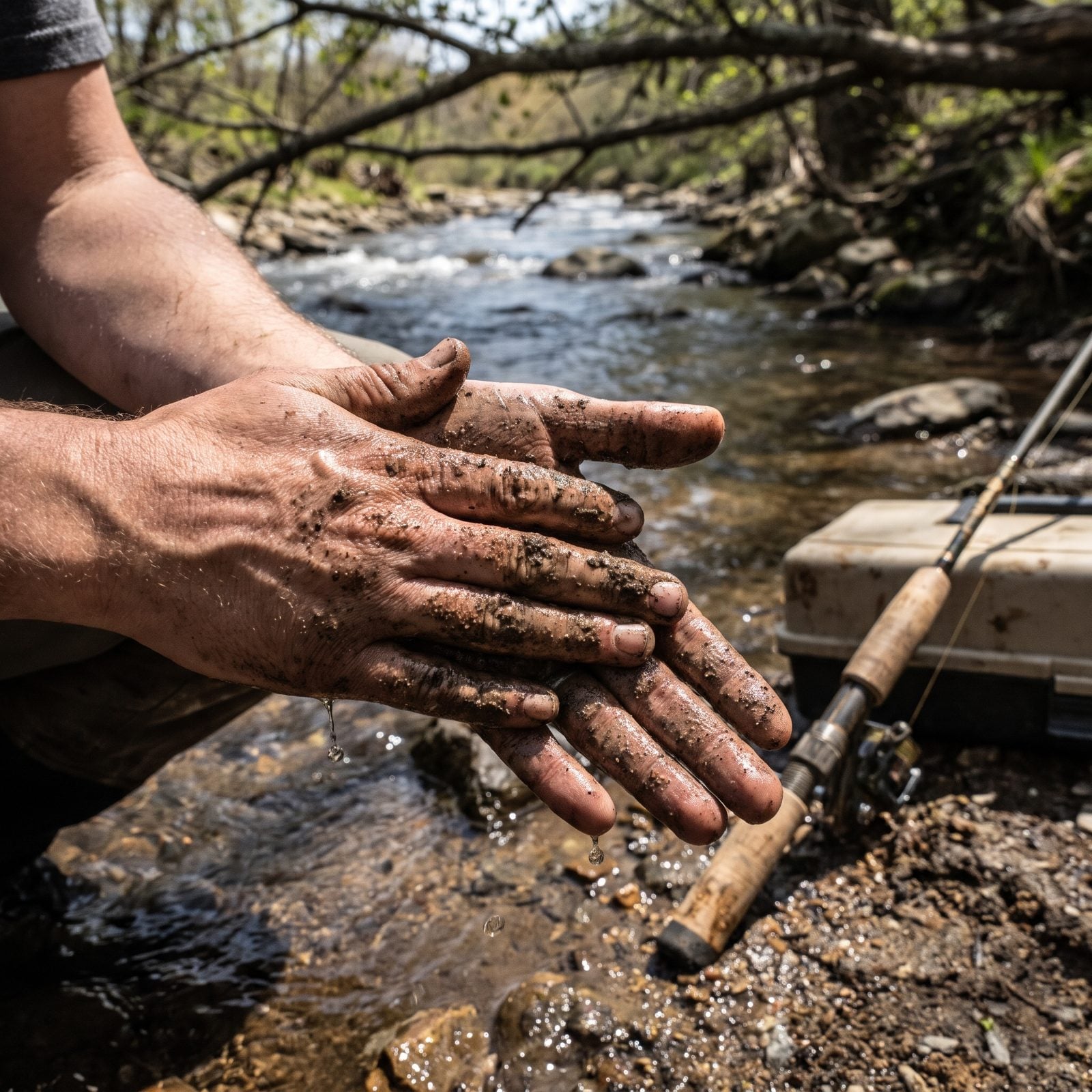
Trout smell better than you’d like to believe. Sunscreen, bug spray, gasoline from the pump, the sandwich you ate — all of it transfers to your bait off your hands. Old bait fishermen scrubbed their hands with streambed mud before touching the hook.
The mud strips the foreign scent and leaves your hands smelling like the river. Is it a guarantee? No. But on a hard-fished pool where the fish have seen everything, cutting the human smell off your bait is a free edge, and free edges add up.
3. Rest a Spooked Pool Before Casting Again
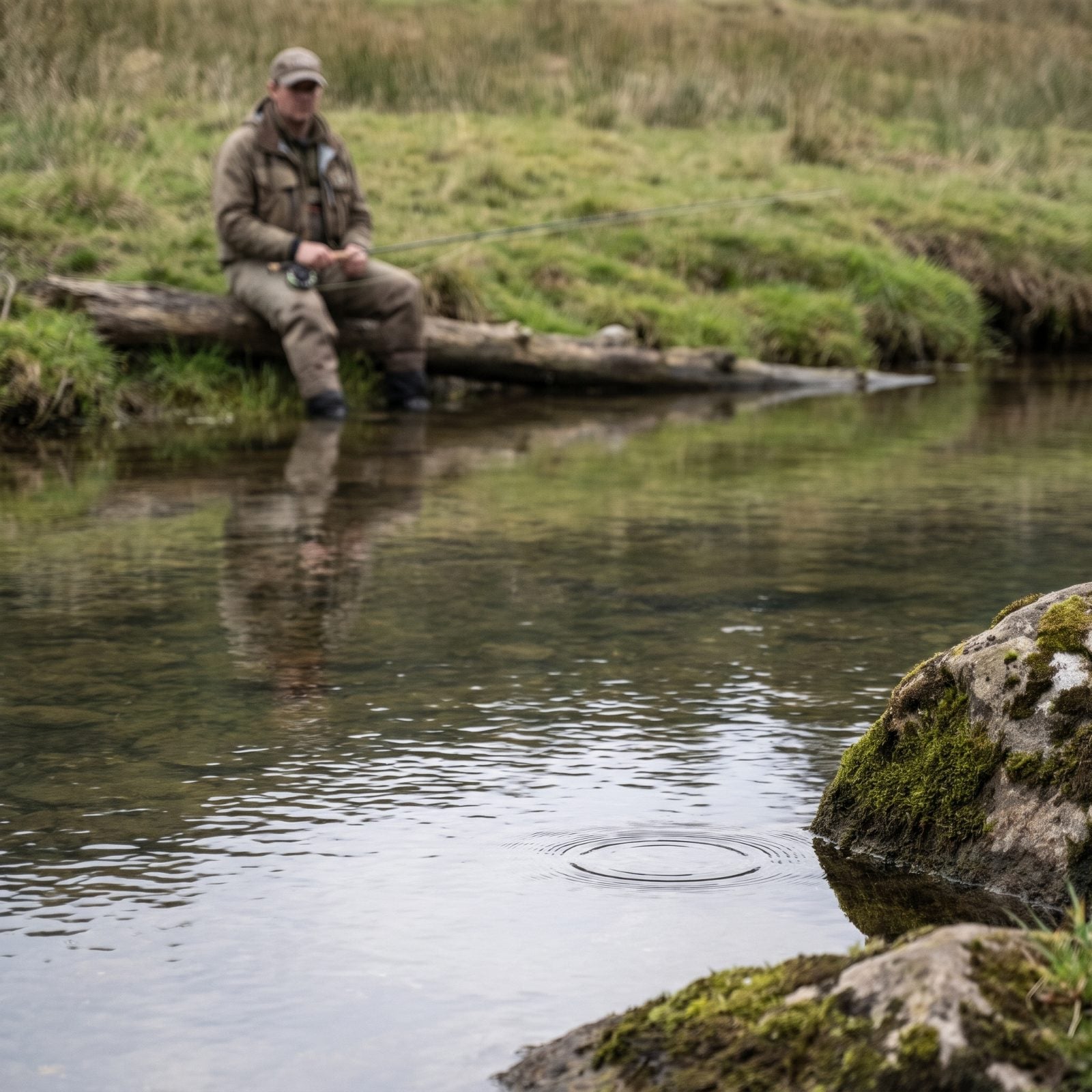
You put a bad cast over a good fish and it bolts. Most people keep flogging the water, which just teaches the pool you’re there. The better move? Sit down.
Give a spooked pool fifteen or twenty minutes. The alarm passes, the fish settle back onto their stations, and the surface goes quiet again. Trout have short memories for danger but a clear read on movement. Let the place forget you, then come back with one good drift instead of twenty desperate ones.
The angler who catches the big fish in the pool is usually the one who waited the longest to make the first cast.
2. Listen for Feeding Rises After Dark
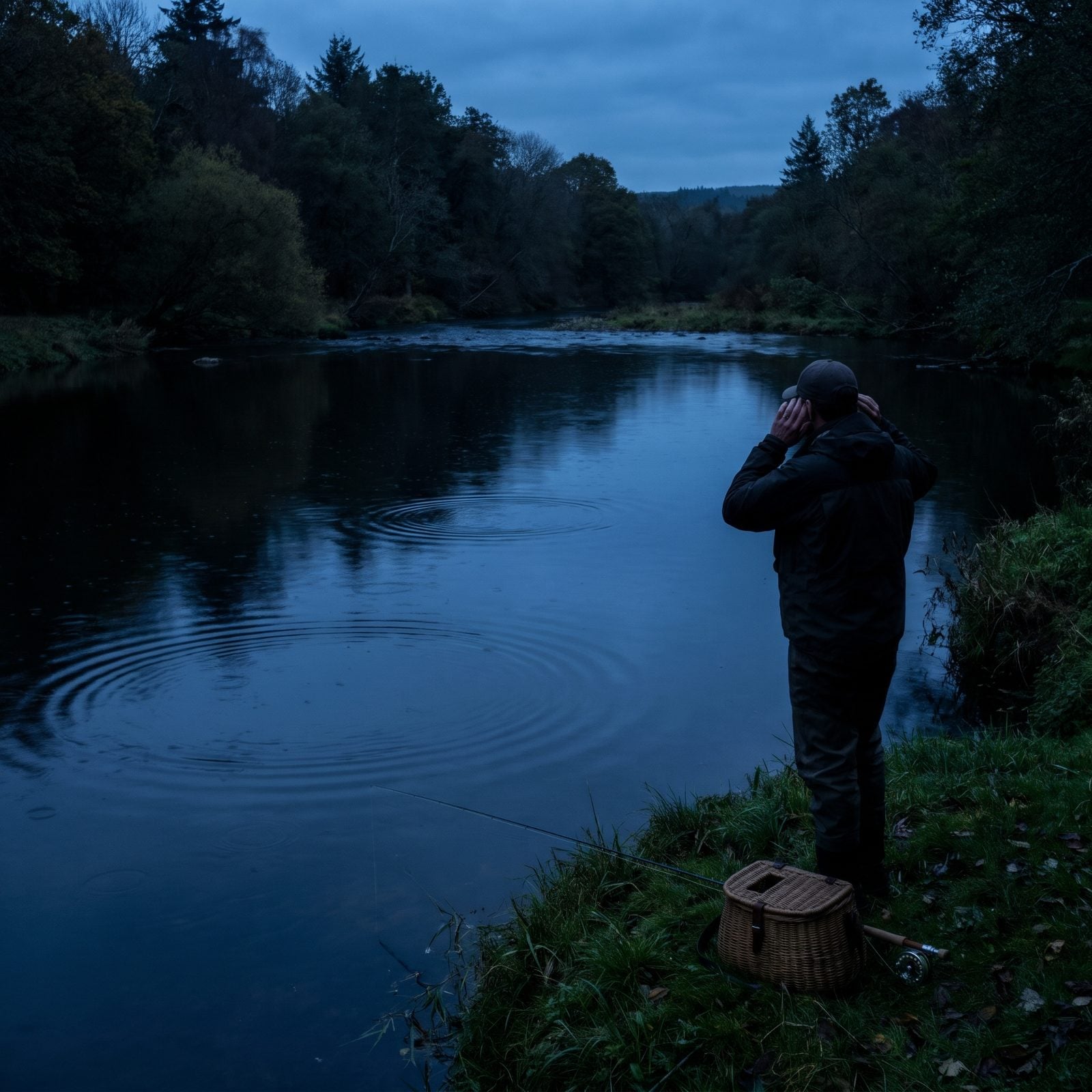
The biggest trout in the river often won’t feed in daylight. They wait for dark, and after sunset a slow pool you’ve written off comes alive with the soft sucking sound of fish rising. You can’t see the rises. You hear them.
Stand still, let your ears take over, and locate a feeding fish by the sound of its take. Then cast to the sound. Night fishing for trout is its own skill — slower, more patient, run by feel instead of sight.
Writing about summer evenings on the river as darkness falls, a longtime fly-fishing columnist says “It’s time to be vigilant, to look and listen for the subtlety of night-feeding trout. That means not just looking for rises in low light, but listening for rises too.”
1. Inspect Streamside Spiderwebs to Identify the Hatch

The trout already know what’s hatching. You’re the one guessing, and the answer is usually hanging three feet off the bank in a spiderweb nobody thinks to check.
Spiders set their nets in the same air the bugs fly through. Whatever has been coming off the water in the last day or two gets tangled and held there, wings and all, like a little inventory you can read at your own pace. Walk the bank and look at the webs in the brush, especially the low ones tucked under overhanging willows. You’ll see the real size, the real color, the real silhouette, instead of matching to whatever your memory insists was working last June.
Match your fly to what’s actually in the silk, not what the calendar says should be hatching. One evening I stood in a river dead certain it was a caddis night. Checked three webs. Nothing but tiny pale mayflies. Changed flies, started catching. Bugs don’t read the hatch charts, and neither should you.
Asked how to work out the hatch on an unfamiliar stream, a longtime fly-fishing magazine editor writes “Other great places to find evidence include streamside spider webs, the screens of nearby buildings, and even the front grilles of the cars in the parking lot at the fishing access.”