
Spend enough mornings in a treestand and you collect a head full of rules passed down from someone who swore they worked. Half of them are wrong. Not fairy-tale wrong, just outdated, misunderstood, or built on how things feel instead of how they measure. Science caught up to a lot of woodlore over the last twenty years, and some of what we were taught as gospel turns out to be guesswork wearing a confident hat. Believing any of it doesn’t make you worse at this. But knowing the truth sharpens the decisions that actually fill a tag. Here’s where the old beliefs cracked.
Please note that some of the images in this article were created with the assistance of AI.
32. Myth: Deer See Blaze Orange the Same Way You Do
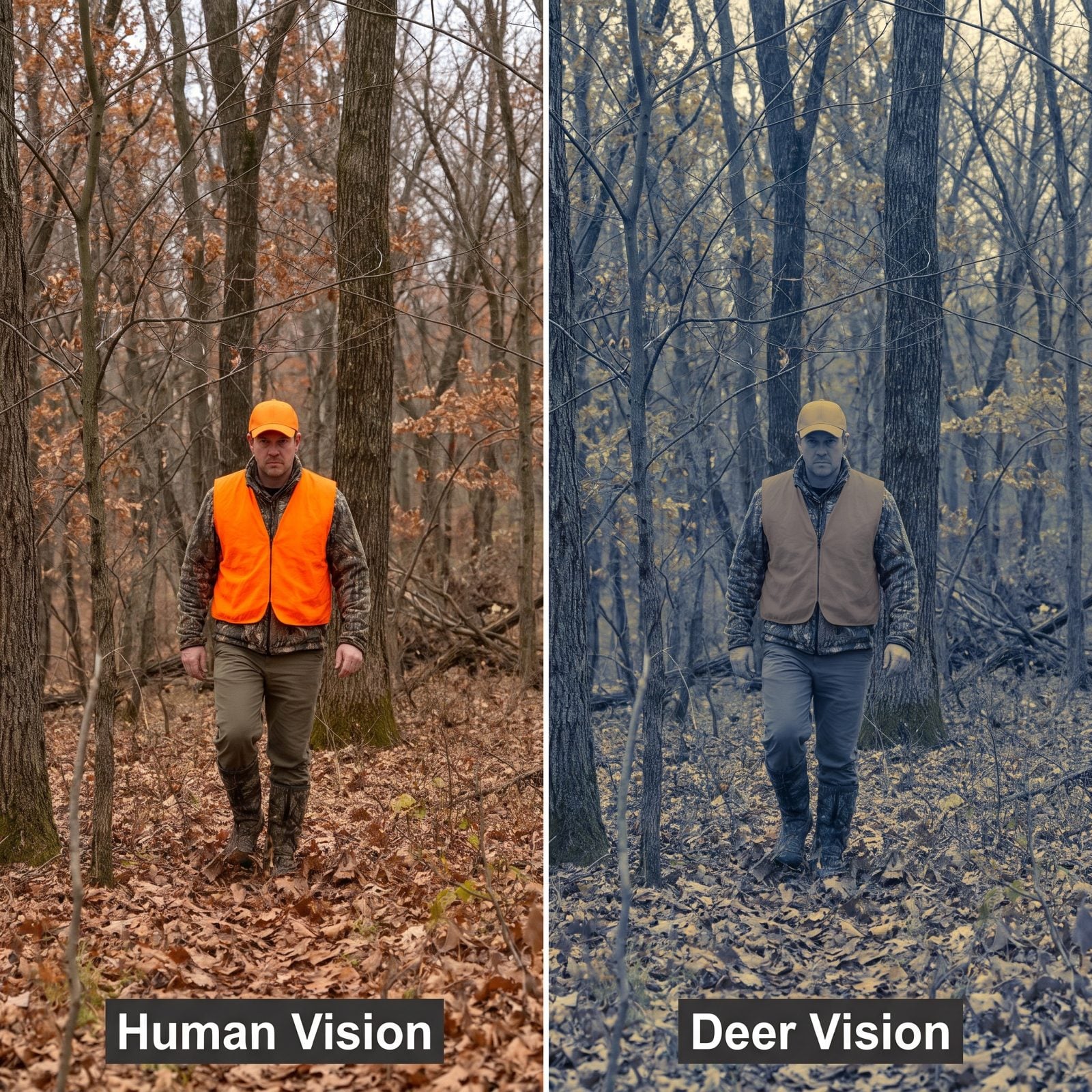
Deer aren’t colorblind, but they’re close to what we’d call red-green colorblind. Their eyes lack the cone that registers long wavelengths, so blaze orange doesn’t light up for them the way it does for you. To a whitetail it reads as a muted brownish-gray.
What they do catch is movement, and they see blue and UV light far better than we do. That’s the catch. The dyes in a lot of camo and the brighteners in laundry detergent can glow to a deer under low light. Your orange vest is fine. Your freshly washed base layer might be the thing lighting you up like a billboard.
Describing how a hunter in orange looks to a whitetail, a pair of deer researchers wrote that “Deer would not perceive the longer wavelengths of color, so the oranges and reds have turned to brown or gray.”
31. Myth: Scent-Control Gear Turns You Invisible to a Deer’s Nose
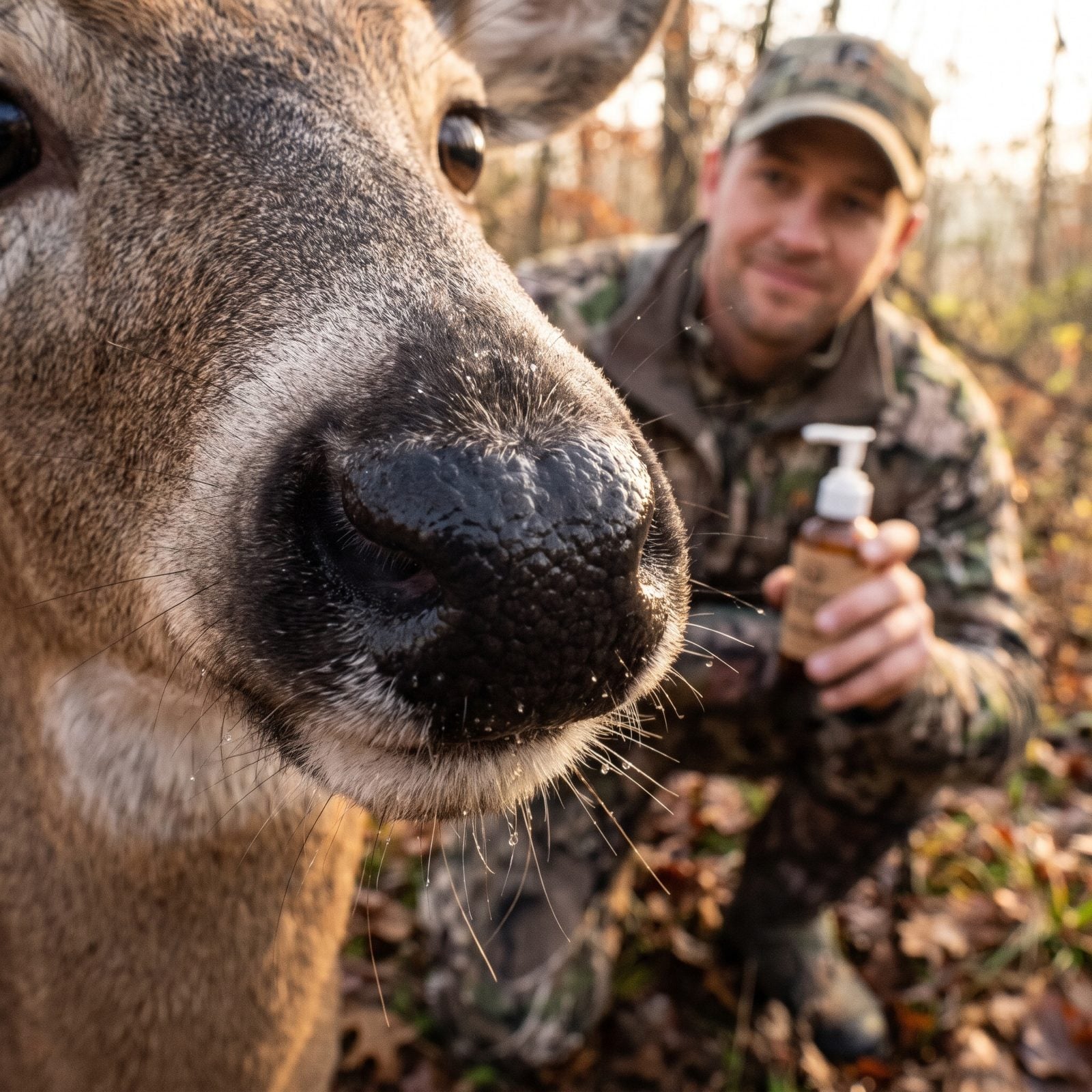
Here’s the uncomfortable truth: nothing makes a human odorless to a deer. A whitetail’s nose runs rings around the best ozone generator or carbon suit on the market. They don’t sniff the air so much as read it like a newspaper.
Scent-control products can reduce your signature, and reducing beats nothing. But the hunters who tag mature deer aren’t trusting a spray — they’re playing the wind like it’s the only rule that matters. Because it is.
30. Myth: Rifle Bullets Rise After They Leave the Barrel
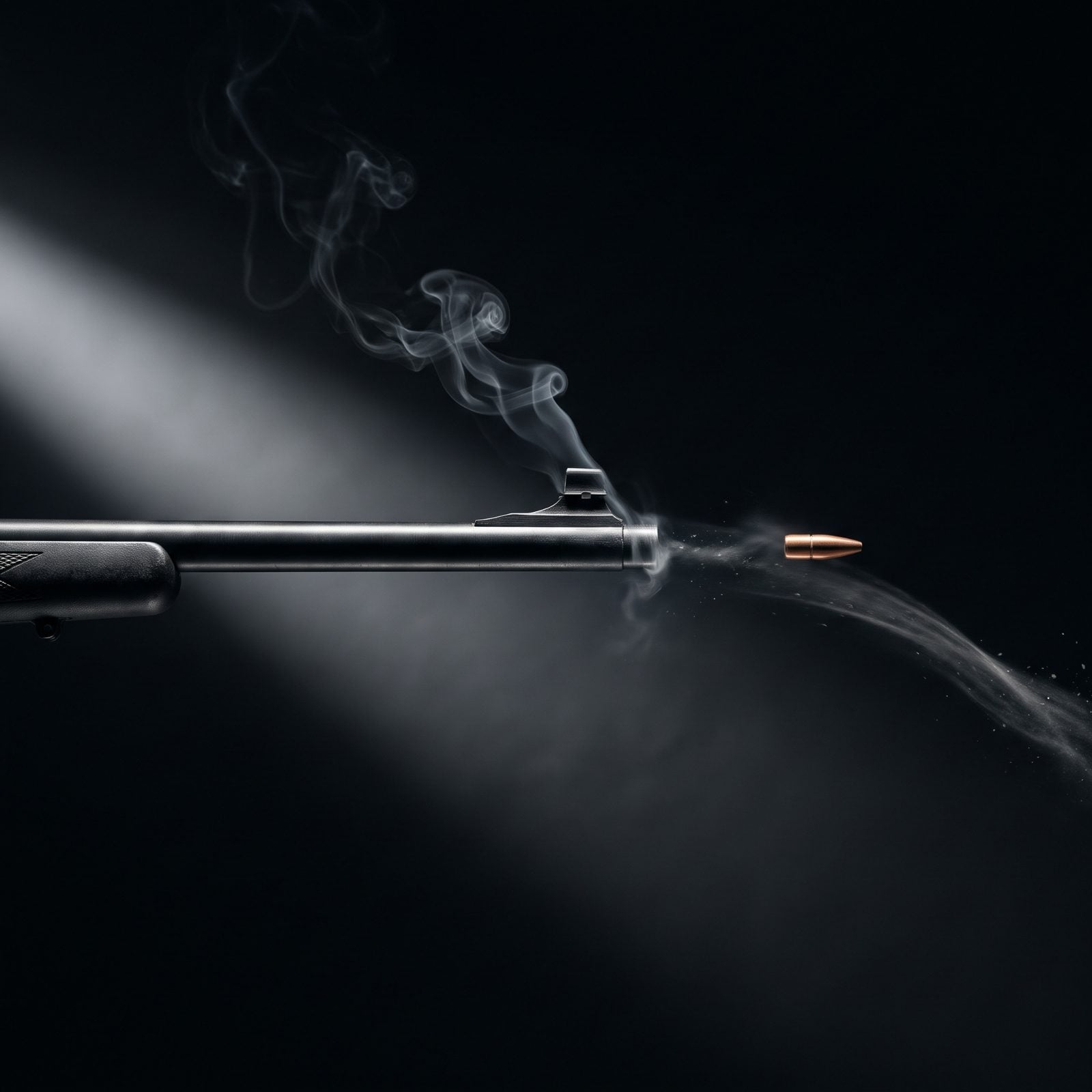
Gravity gets no exceptions. A bullet starts dropping the instant it leaves the muzzle, period — though far more gradually than the dramatized trail in this photo, which bends sharply downward just past the muzzle. Real drop is slow and gentle over the first hundred yards. The old belief that it climbs comes from a real thing that got misunderstood.
You angle the barrel slightly upward so the bullet’s arc crosses your line of sight on the way up, peaks above it, then falls back through it at the far zero. That arc looks like a rise. It isn’t. The bullet never climbs above the bore line — it just climbs above your sightline, because the sight is pointed slightly down into the rising path.
29. Myth: Old Bucks Go Fully Nocturnal and Vanish by Daylight
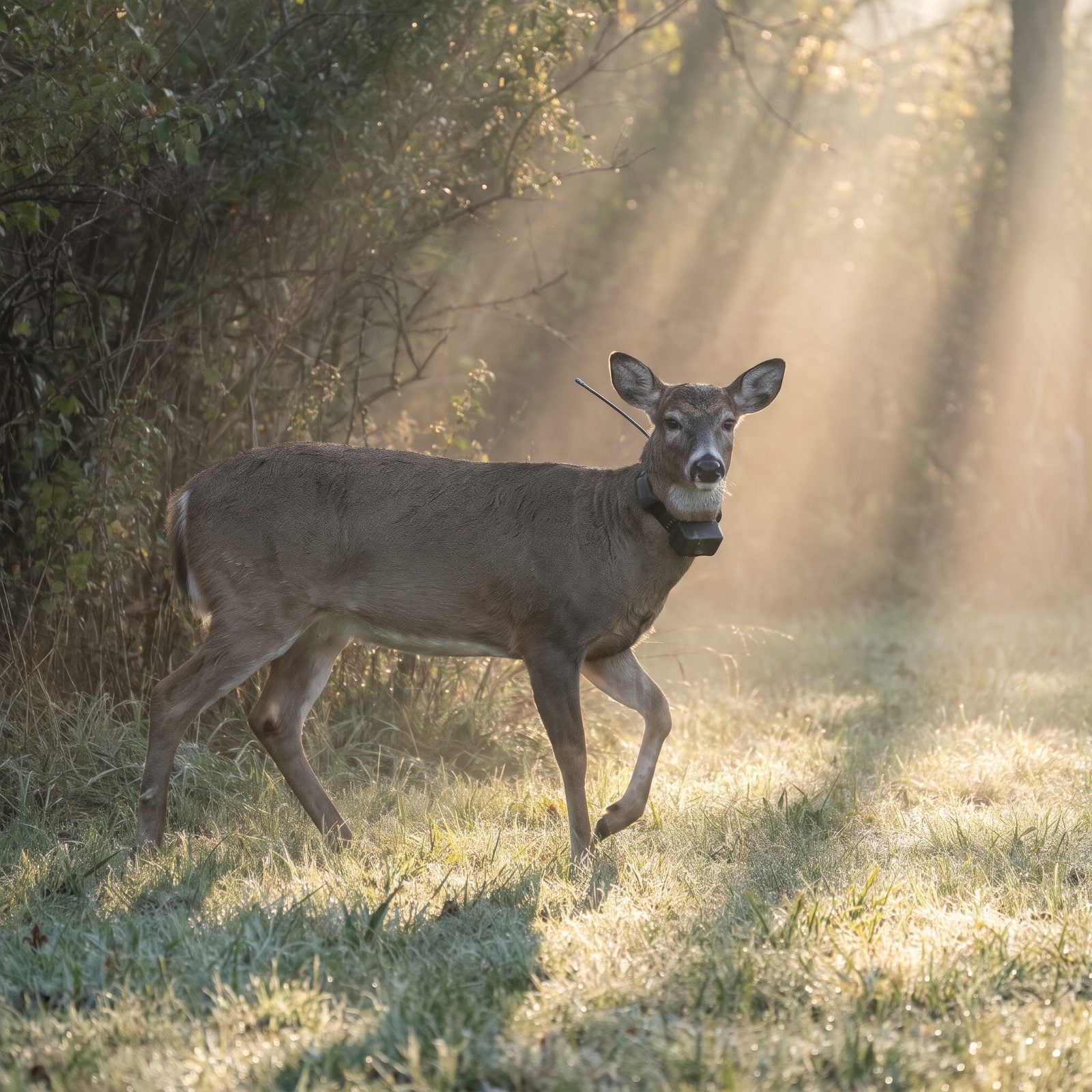
GPS-collar studies keep denting this one. Mature deer don’t flip a switch and become creatures of pure darkness. They become creatures of caution, shifting movement toward low-light edges, thick cover, and the margins of legal shooting light, and traveling less when the sun is up.
From a treestand, that reads as nocturnal. The collar data tells a different story: short daytime movements buried inside security cover where you can’t see them. They’re not gone. They’re just living somewhere you aren’t watching.
28. Myth: A Suppressor Makes a Rifle Nearly Silent
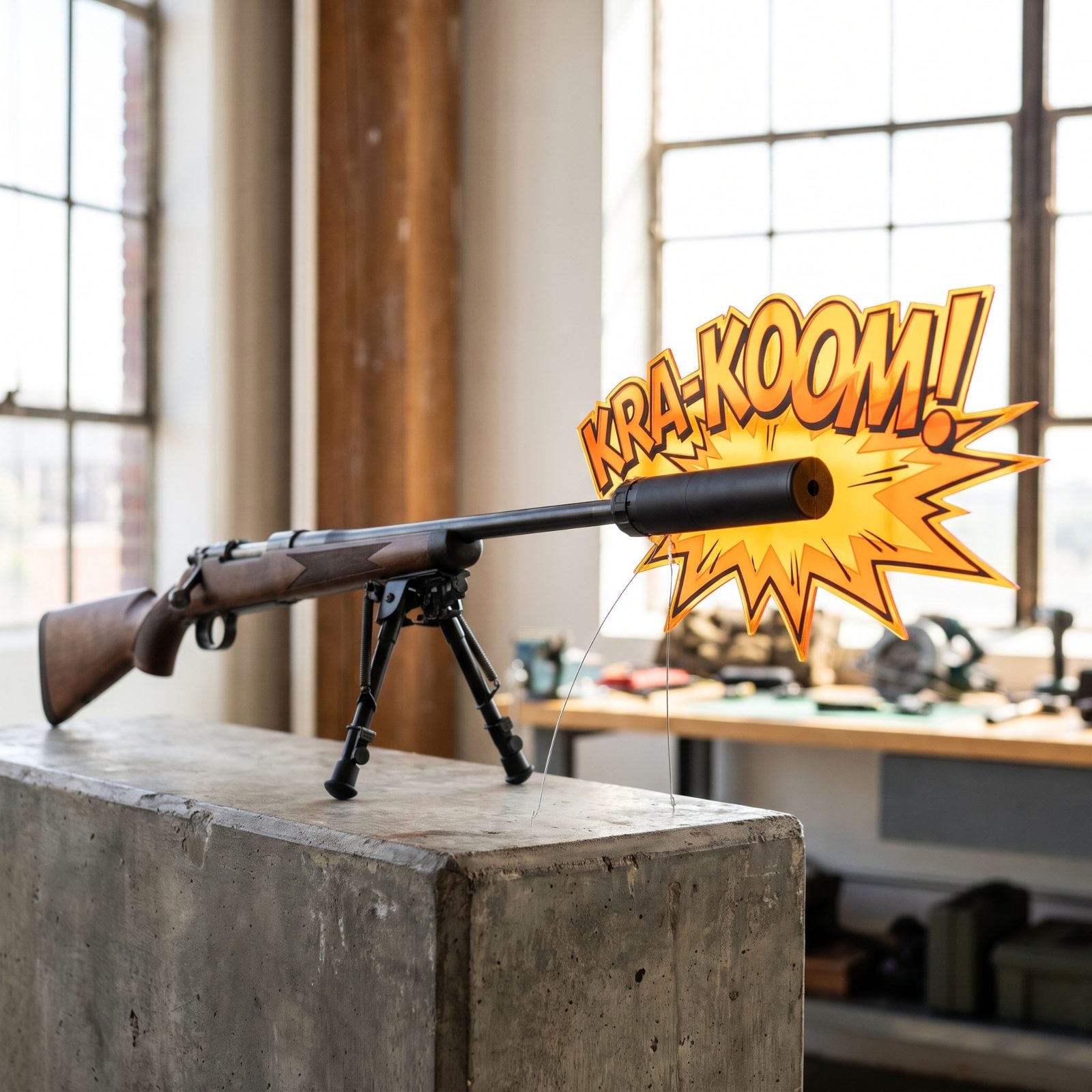
Hollywood owes us an apology for the whisper-quiet pew. A real suppressor on a centerfire rifle doesn’t erase the sound — it knocks the peak down, roughly into the range of a loud jackhammer on a typical hunting round. Loud enough to respect, just no longer the kind of blast that costs you your hearing in one shot.
With a supersonic bullet you also still get the crack of the round breaking the sound barrier downrange, and a suppressor can’t touch that. The real value is protecting your ears and cutting recoil and muzzle blast. Quieter, yes. Silent, no chance.
27. Myth: The Right Camo Pattern Makes Your Movement Invisible
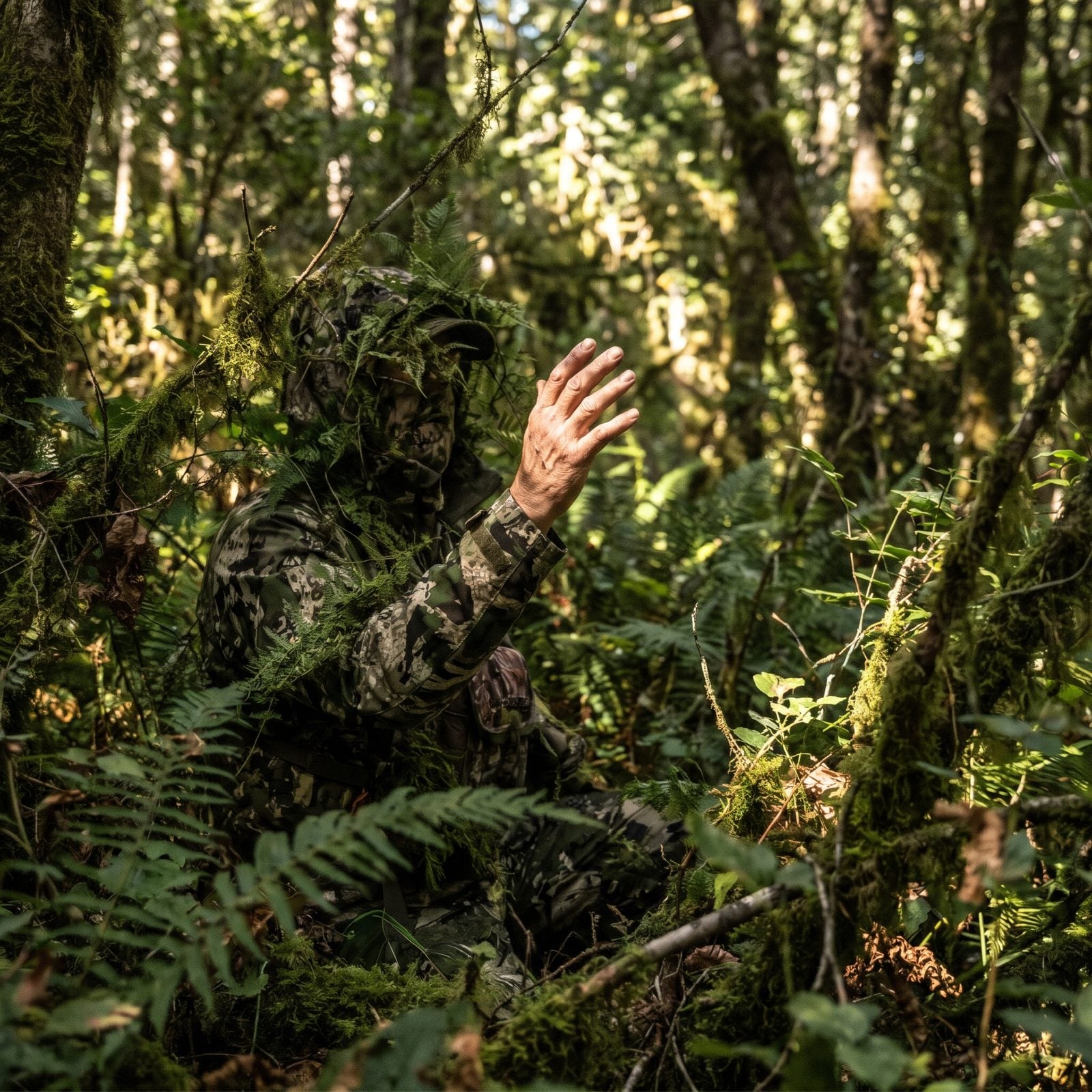
Camo breaks up your outline. It does not cloak you. A deer’s eye is built to catch motion long before it ever processes a pattern, so the slickest print on earth gets blown the second you lift a hand too fast.
Think about what actually busts hunters — a head swivel, a drawn bow, a cough. Stillness is the real camouflage. The pattern just buys you margin while you’re already doing the hard part, which is not moving at all.
26. Myth: A Hit Deer Always Runs for Water
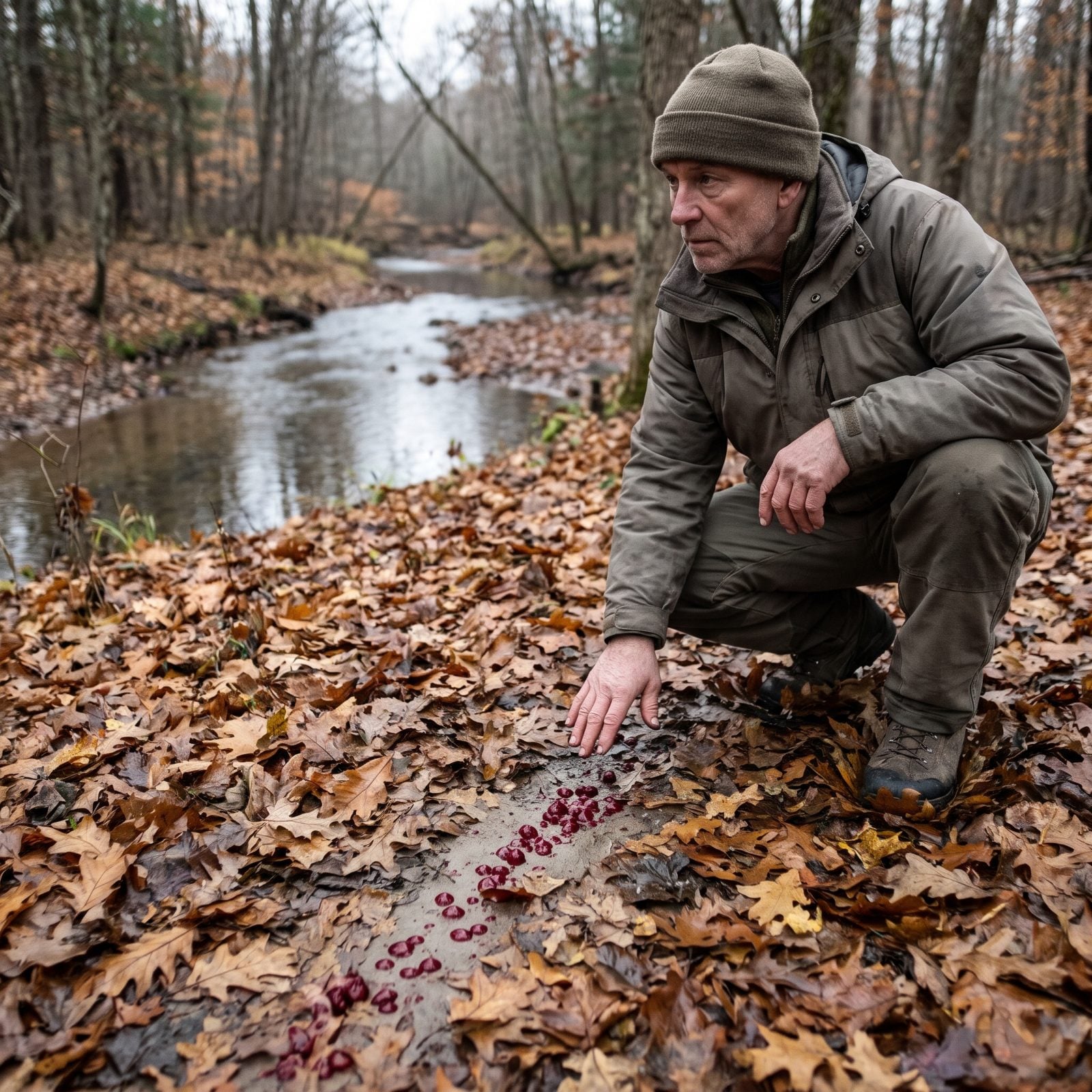
Plenty of hunters track by this rule, and it costs them time. The idea that a hit deer heads straight for water sounds logical, and sometimes it happens. But a deer under stress mostly does one thing: it runs toward whatever cover and terrain it already knows and feels safe in.
Sometimes that’s a creek bottom. More often it’s a thicket uphill, or the same trail it walked in on. Bet the water hole first and you’ll send yourself the wrong direction. Read the actual sign on the ground instead of the folklore.
25. Myth: Brush-Busting Bullets Punch Straight Through Branches
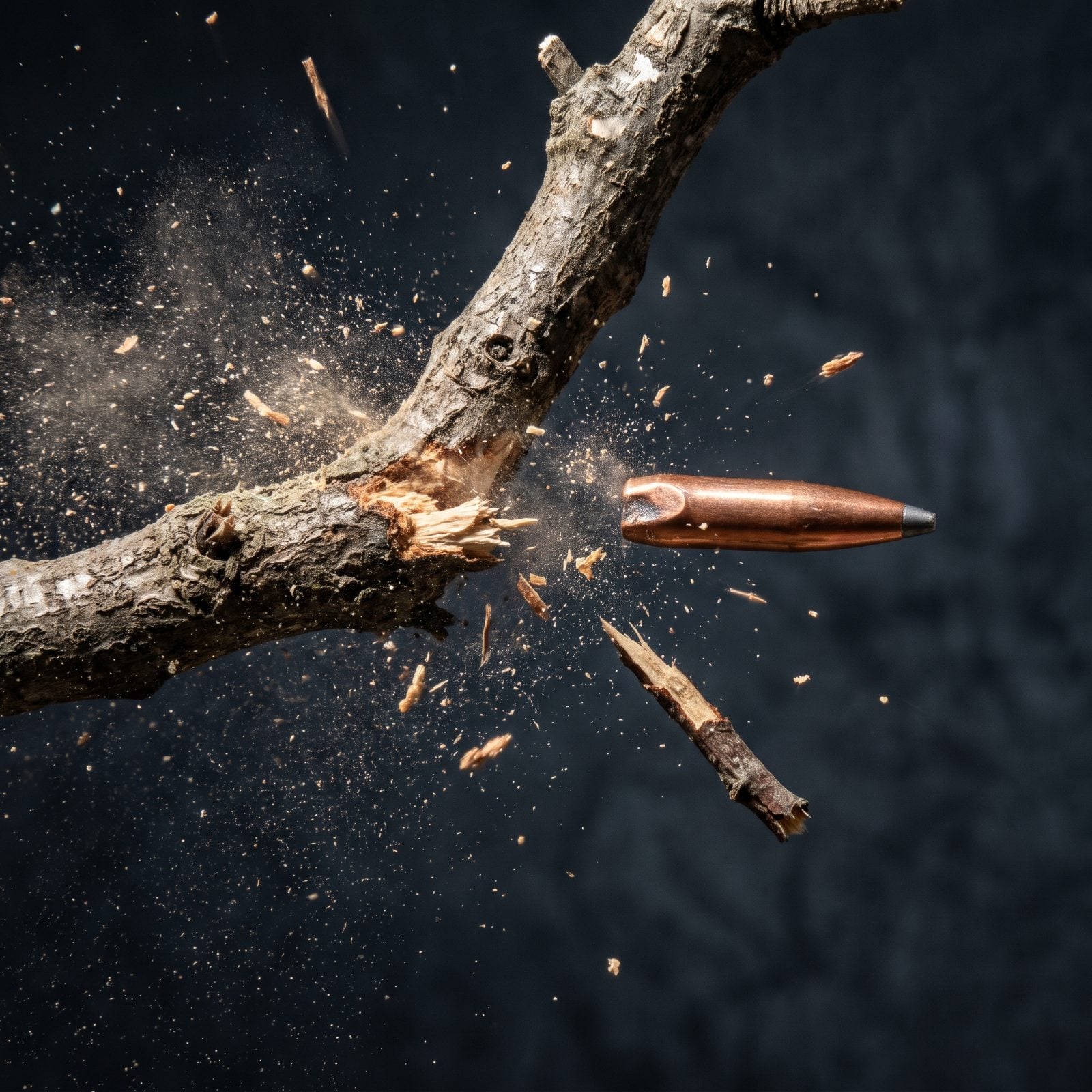
No bullet is brush-proof. Heavy, slow, round-nosed rounds got a reputation for plowing through twigs, but controlled testing has embarrassed that idea again and again. Hit a branch and the bullet deflects, tumbles, or deforms — and it does it unpredictably.
Maybe the heavy slug deflects less than the light speedster. But “less” is not “reliably on target.” You cannot shoot through cover and trust what comes out the other side. If there’s a branch in the way, there’s a branch in the way. Wait for the clear lane or let the shot go.
24. Myth: Turkeys Have No Sense of Smell at All
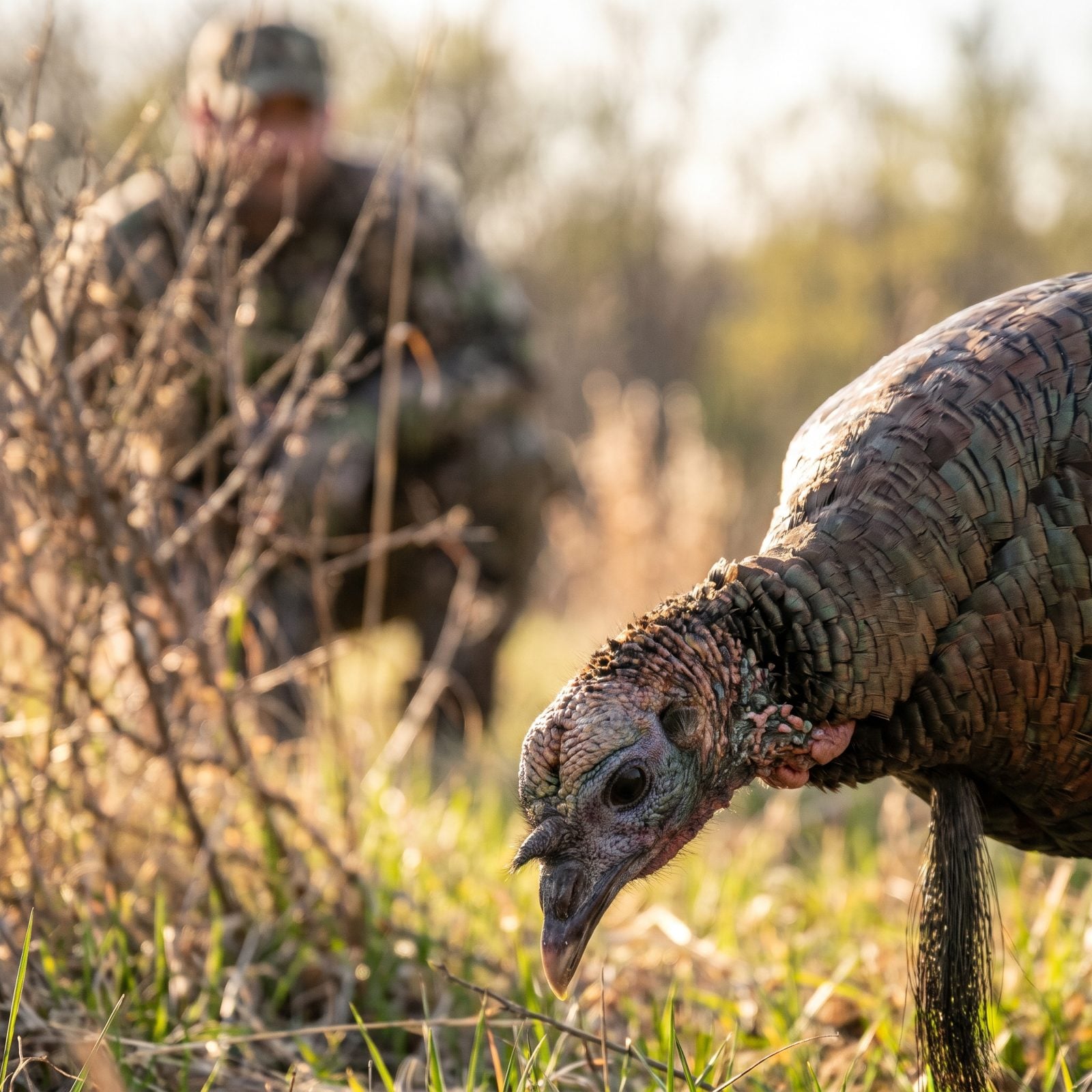
Turkey hunters repeat this like a mantra because it holds up in practice, but it oversells the biology. Wild turkeys have the anatomical structures for smell and some real olfactory capacity. Their eyesight and hearing are so dominant that scent barely factors into how they survive, which is why we get away with sloppy scent discipline that would torch a deer hunt.
Research on birds in general has quietly upended the old “birds can’t smell” assumption across the board. So don’t build your setup around a turkey being noseless. Build it around those absurd eyes, which are the real reason you lose.
23. Myth: The Biggest Buck Does All the Breeding

Camp logic says the dominant buck claims the does and the rest wait their turn. DNA fawn-parentage studies blew that apart. Across multiple whitetail populations, researchers found that young bucks sire a surprising share of fawns, and a single doe’s twins often turn out to have two different fathers.
Here’s what actually happens. During peak rut the big boy can’t be everywhere. Does cycle on their own schedule, the breeding scatters, and the yearlings sneak in while the mature bucks are busy fighting or tending someone else.
After using DNA to identify the parents of more than 200 fawns, a wildlife graduate researcher says “Even when the buck age structure was very mature, younger bucks still had opportunities.”
22. Myth: You Can Age a Buck by His Antlers

A giant rack means an old deer, right? Not reliably. Antler size tracks three things — age, nutrition and genetics. A well-fed three-year-old on good soil can out-grow a hungry five-year-old on worn-out ground, and spikes aren’t always young deer either.
Biologists age deer by tooth wear and replacement, not by counting points. A jawbone tells a story the antlers only hint at. Guess age off the headgear alone and you’re guessing, plain and simple.
21. Myth: Wind Blows Your Scent One Steady Direction
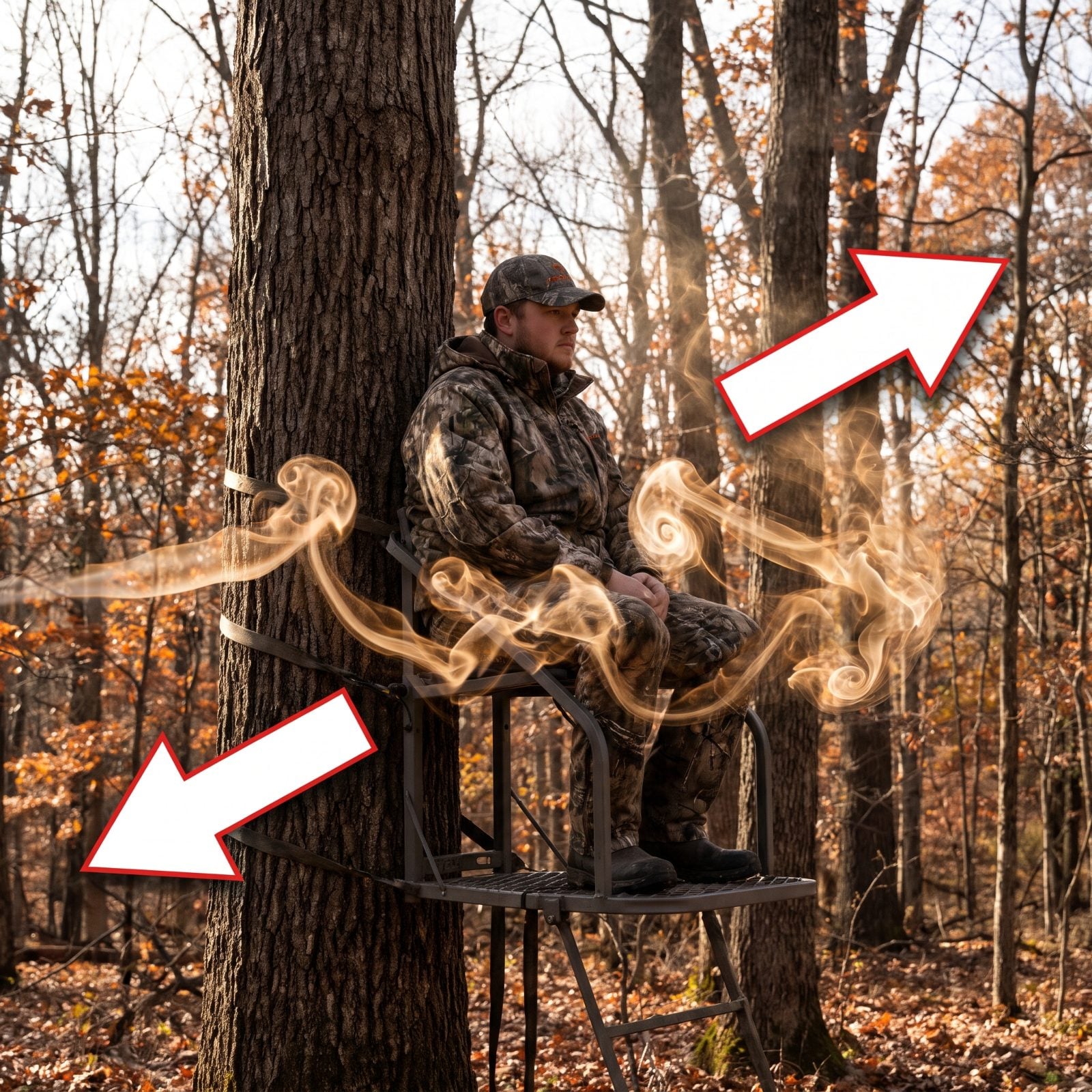
The wind app says northwest, so you set up accordingly and feel safe. Then a deer blows at you from the one direction that made no sense. Welcome to thermals.
Scent doesn’t travel in a tidy line. Cold morning air sinks and pours downhill like water, warm afternoon air rises, and terrain bends the whole business — hollows pool it, a creek bottom pulls it one way while the ridge above sends it another. Prevailing wind is the big picture. Thermals are the fine print, and the fine print is what busts you.
20. Myth: A Magnum Fixes Bad Marksmanship
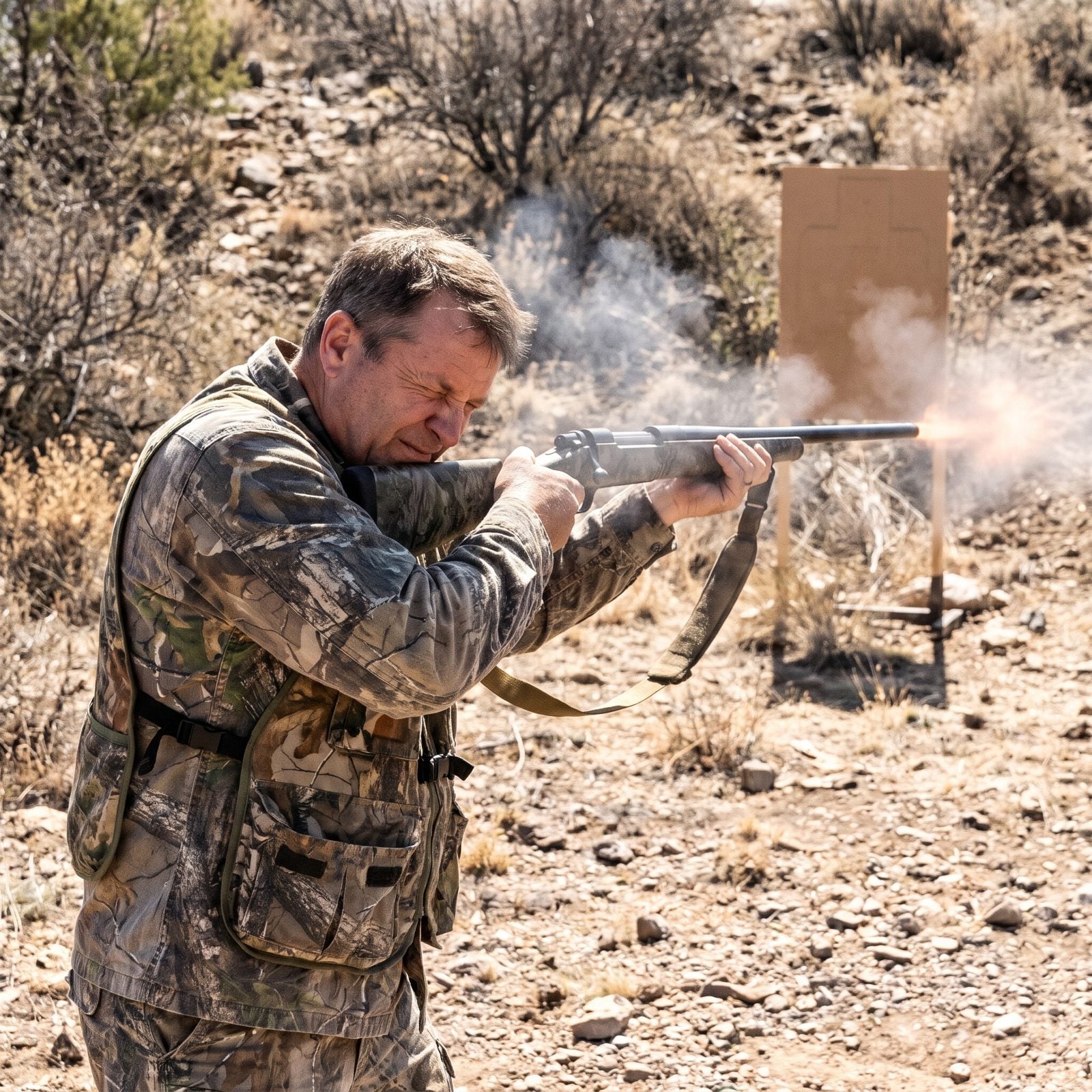
There’s an old belief that enough horsepower covers a sloppy shot. A bigger cartridge doesn’t aim for you. It kicks harder, it costs more, and it makes most shooters flinch — which puts the bullet in worse places, not better ones.
Shot placement is king, and it isn’t close. A well-placed hit from a modest deer cartridge beats a poorly-placed magnum every time. Honest truth? A lot of hunters shoot a mild round far more accurately than the thumper they bought to feel safer. Recoil you can’t manage is recoil working against you.
19. Myth: Human Urine Always Spooks Deer
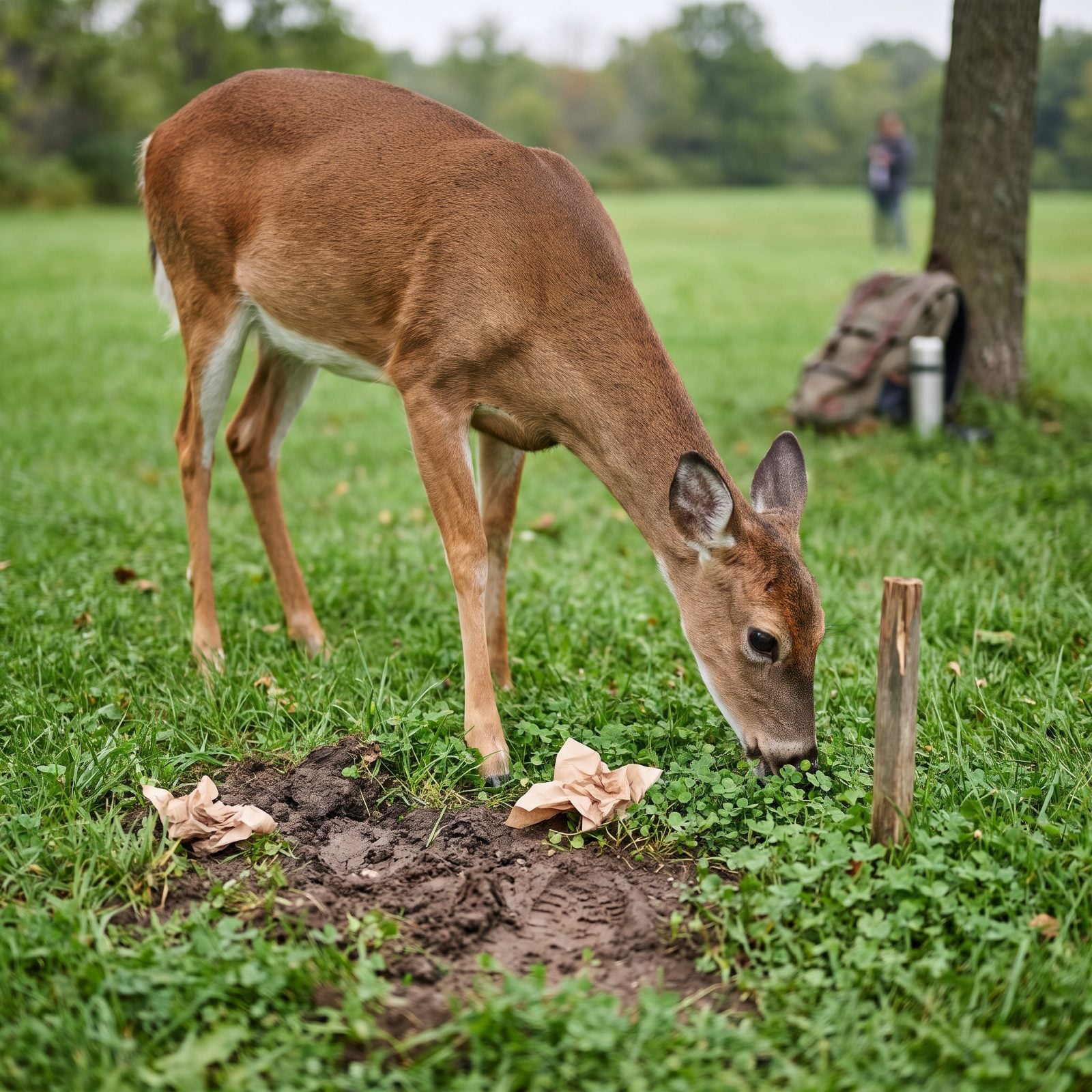
The rule was simple: never pee near your stand, deer will smell human and vanish. Then hunters and researchers started watching mock scrapes hit with plain human urine, and the deer kept coming. Some bucks worked those scrapes anyway. Curiosity, not panic.
Deer react to novelty and context more than to any single scent label. A fresh human bed-smell under a tree reads as threat. A spot of urine in a woods full of animal urine often reads as nothing at all. It’s not a free pass. It’s just not the deal-breaker it got made out to be.
After testing mock scrapes treated with human urine and other scents, a university deer researcher wrote “I believe any strange, nonthreatening scent placed in the mock scrape will elicit the same investigative behavior by deer”
18. Myth: A Hit Animal Always Leaves Instant Blood
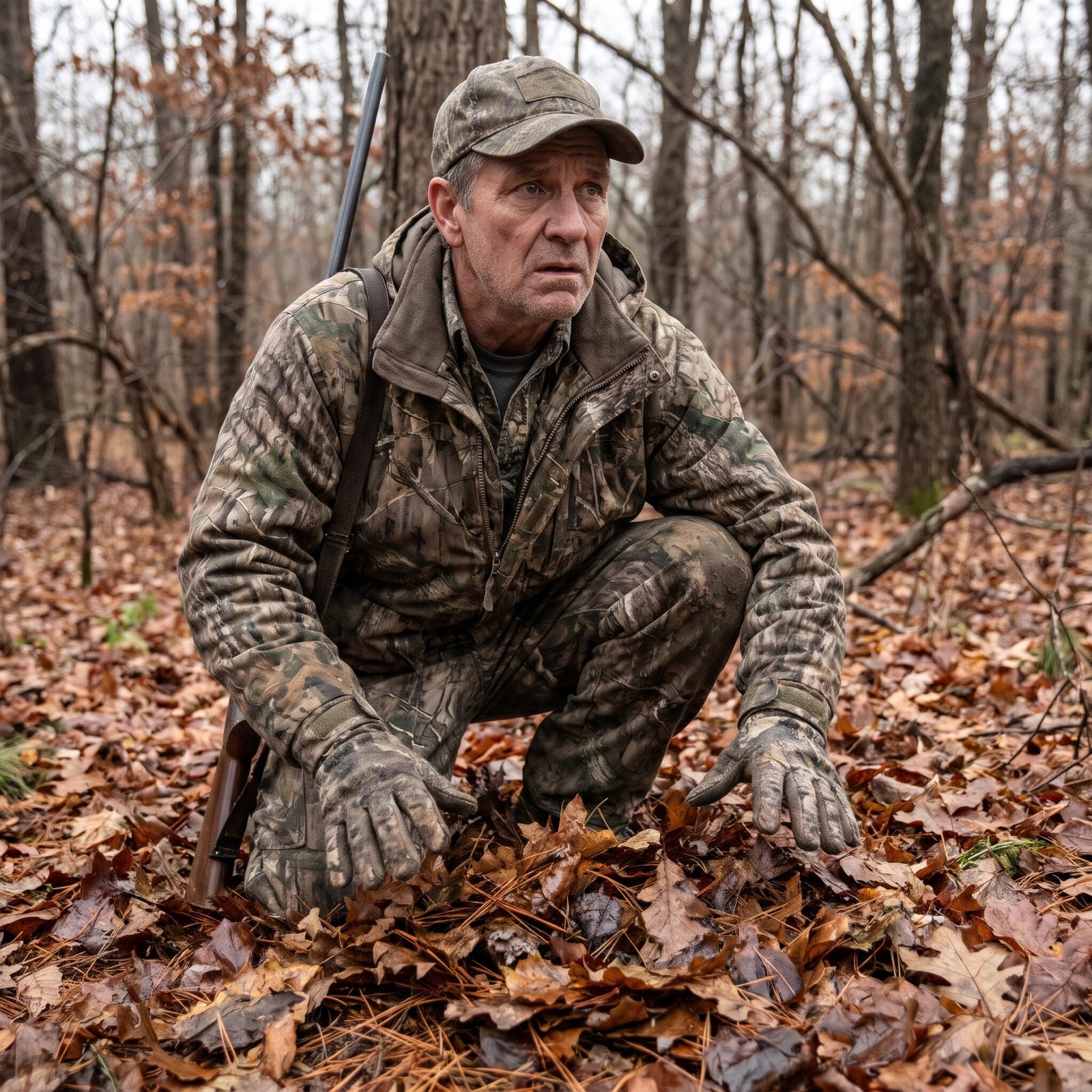
You watch the animal run, you walk to the spot, and there’s nothing. No blood, no hair, no obvious sign. Panic sets in and bad decisions follow.
An animal hit high, or on a single-lung or liver shot, can leave almost nothing at the point of impact. Internal bleeding takes time to reach the ground, fat can plug the hole, and the sign may not start for forty, sixty, a hundred yards. No blood at the shot does not mean a miss, and it does not mean you failed.
Mark your last-seen spot, back out when the shot warrants it, and track slow with a light low to the ground. Patience pays here. Hurry gets punished.
17. Myth: More Deer on the Land Means Better Hunting
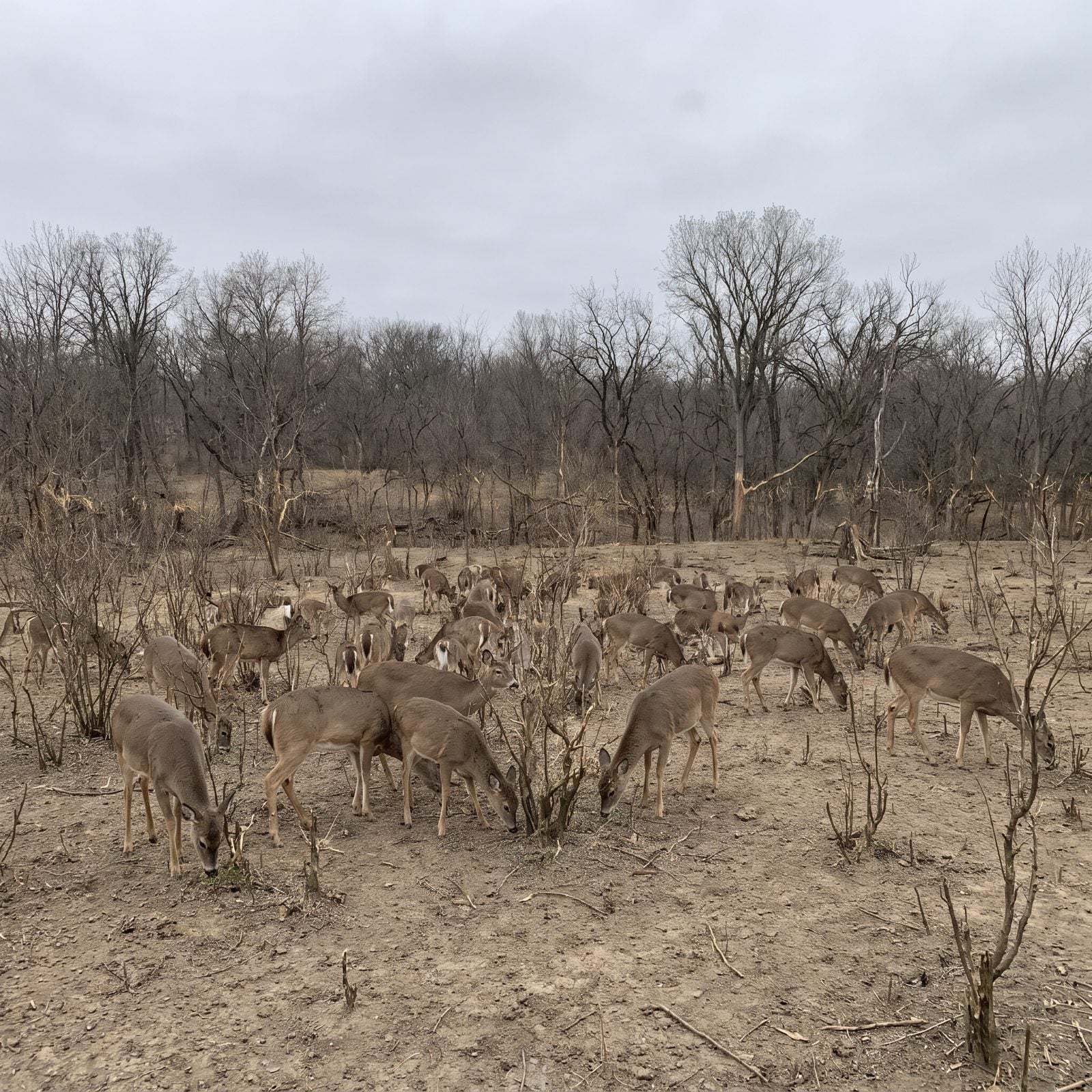
A property crawling with deer feels like a good problem. It’s often the opposite. Too many mouths strip the understory, flatten the forage, and leave a browse line you can read from the road. Bodies shrink, bucks grow less antler, and the whole place runs on empty.
Wildlife managers have known this for decades. Habitat holds a ceiling, and a herd over it starves slowly and breeds poorly. Fewer, healthier deer on rich ground beat a mob on exhausted land. Quality is the game, not headcount.
16. Myth: Factory Boresight Is Close Enough to Hunt
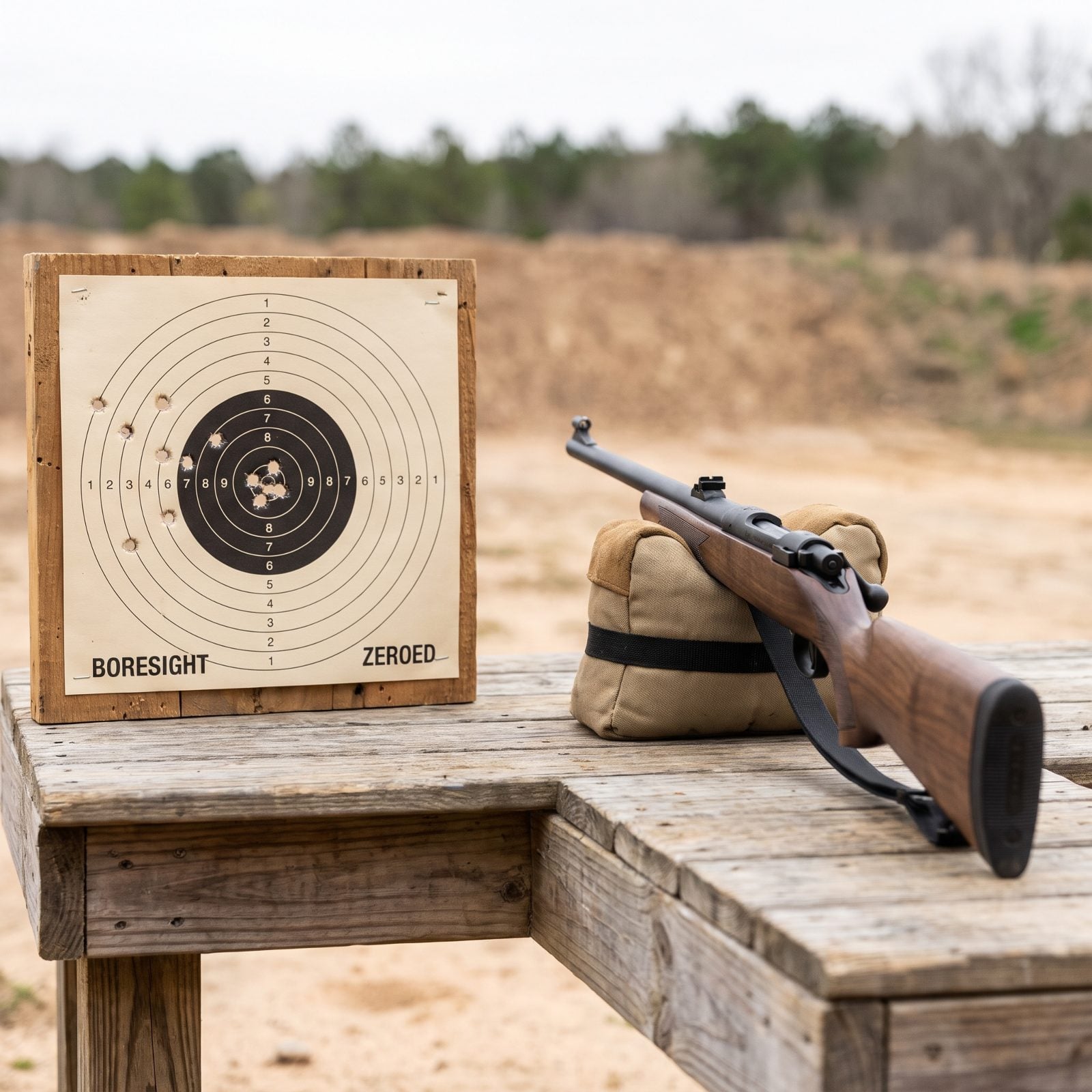
The shop boresighted it, so you figure you’re good to go. Boresighting only gets the bullet somewhere on paper at close range. It doesn’t account for your ammo, your load, or the distance you’ll actually shoot.
Picture it. A factory boresight that’s an inch off at twenty-five yards becomes a four-inch miss at a hundred, and a gut shot way out there. Nobody ever regretted confirming zero from a solid rest with the exact ammo they’ll carry. One range trip against the whole season — do the math.
15. Myth: Every Large Rub Was Made by a Large Buck
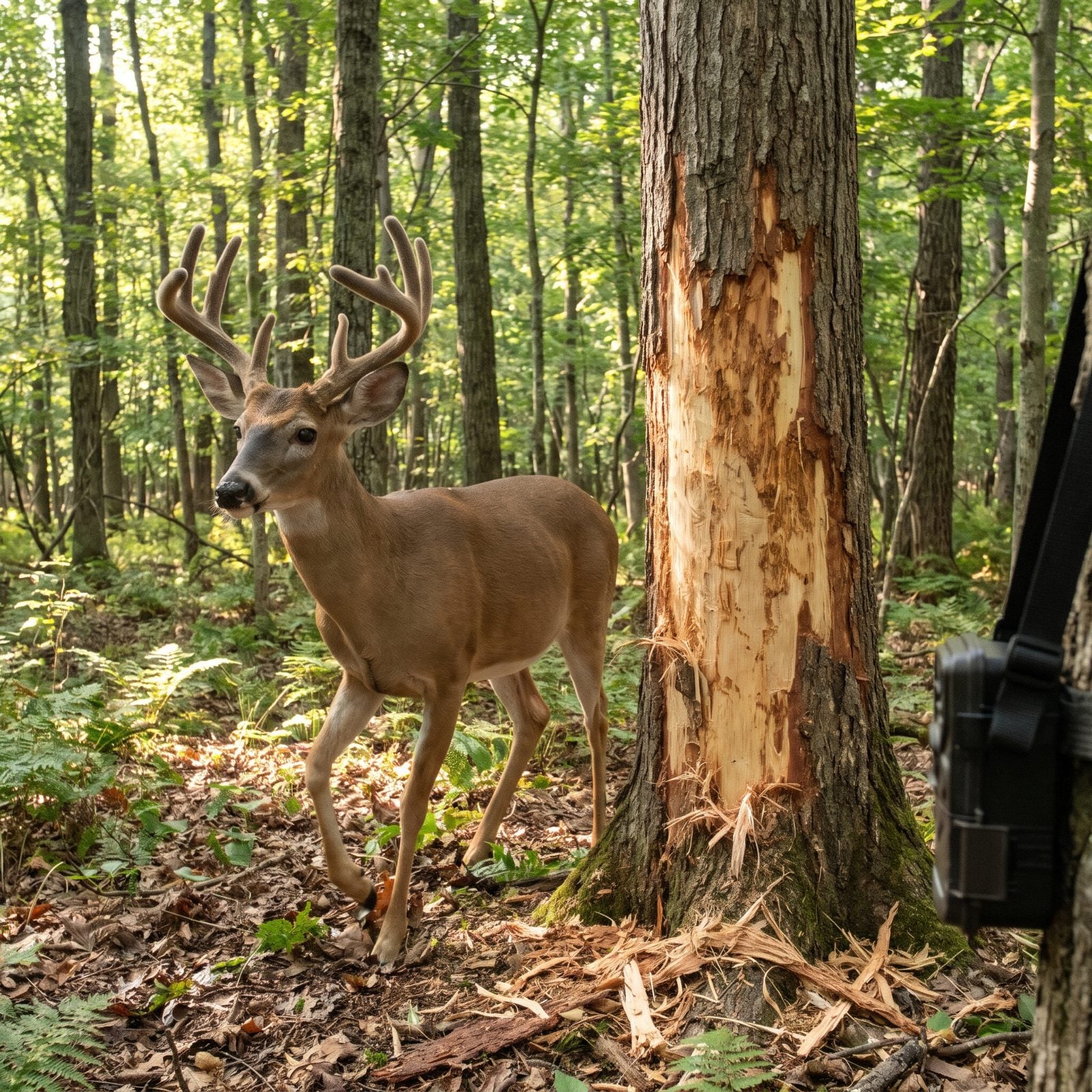
Big tree, big buck — that’s the old shorthand, and it’s shaky. Trail-camera studies that pair rubs with the deer who made them have caught plenty of young bucks working wrist-thick cedars, and plenty of heavy old bucks scuffing pencil-sized saplings. Rub size tracks motivation and whatever happened to be handy far more than headgear.
So what does hint at an older animal? The height of the gouging, scars from previous seasons on the same trunk, and rub lines that hold a consistent direction. And first make sure it’s a rub at all: bark stripped from knee height to well above any deer’s reach, like the scar on this trunk, points to lightning or bark loss, not antlers. Even a genuine shredded tree only tells you a deer passed through angry. It doesn’t tell you his age. Read the pattern, not the single post.
14. Myth: Deer Abandon an Area Forever After One Human Encounter
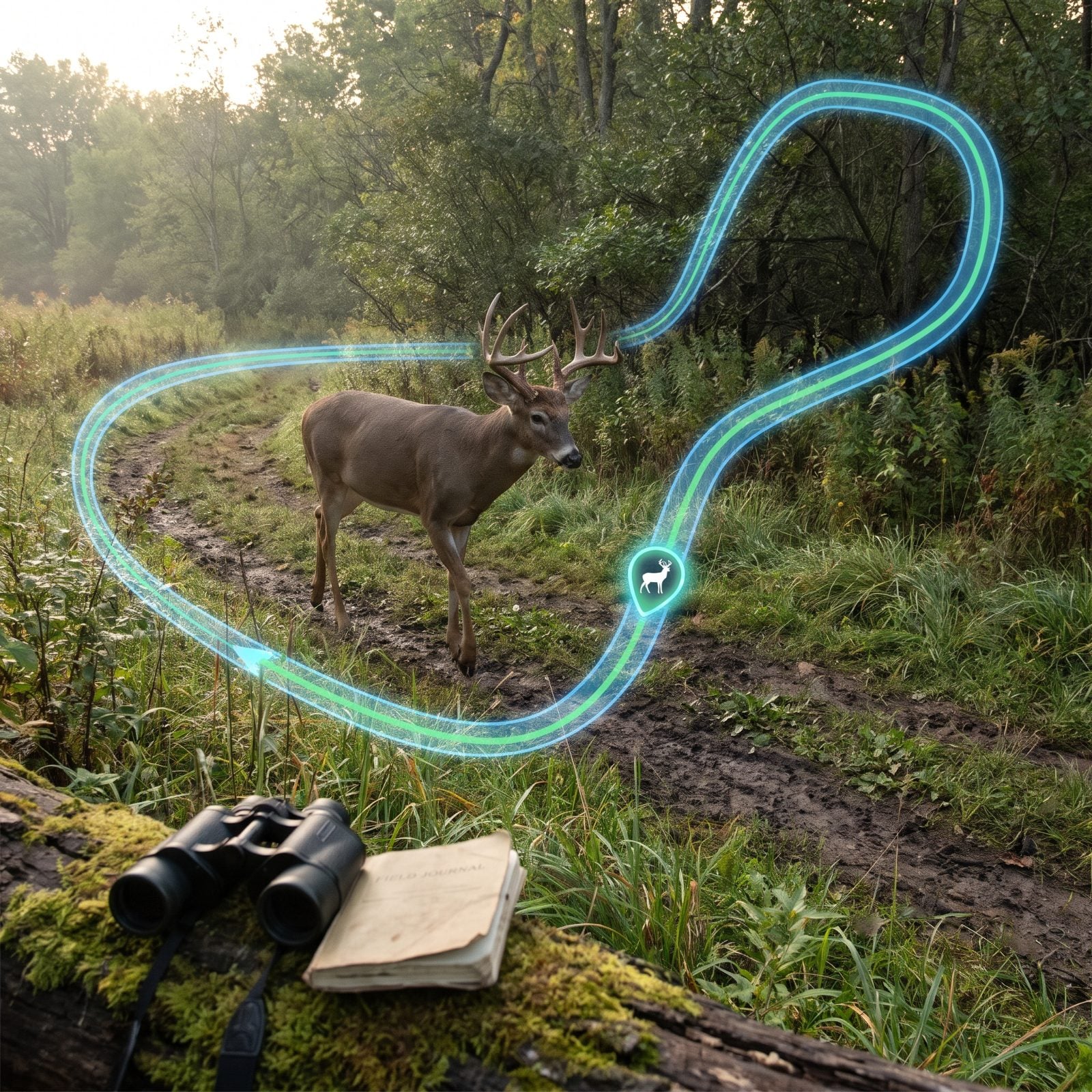
Deer have better math than that. GPS-collar research out of several universities shows mature bucks often shift their movement for a few days after a spook, then drift back toward the same core area. They don’t pack up and leave the county. They adjust timing, lean on thicker cover, and go more nocturnal near the pressure point.
The real damage isn’t one bump. It’s repetition. Walk the same noisy route to the same stand every single morning and you’ve taught a buck a schedule. One careful blunder, recovered quietly, costs you far less than a steady pattern of sloppy access.
13. Myth: Scrapes Are Only Visited at Night
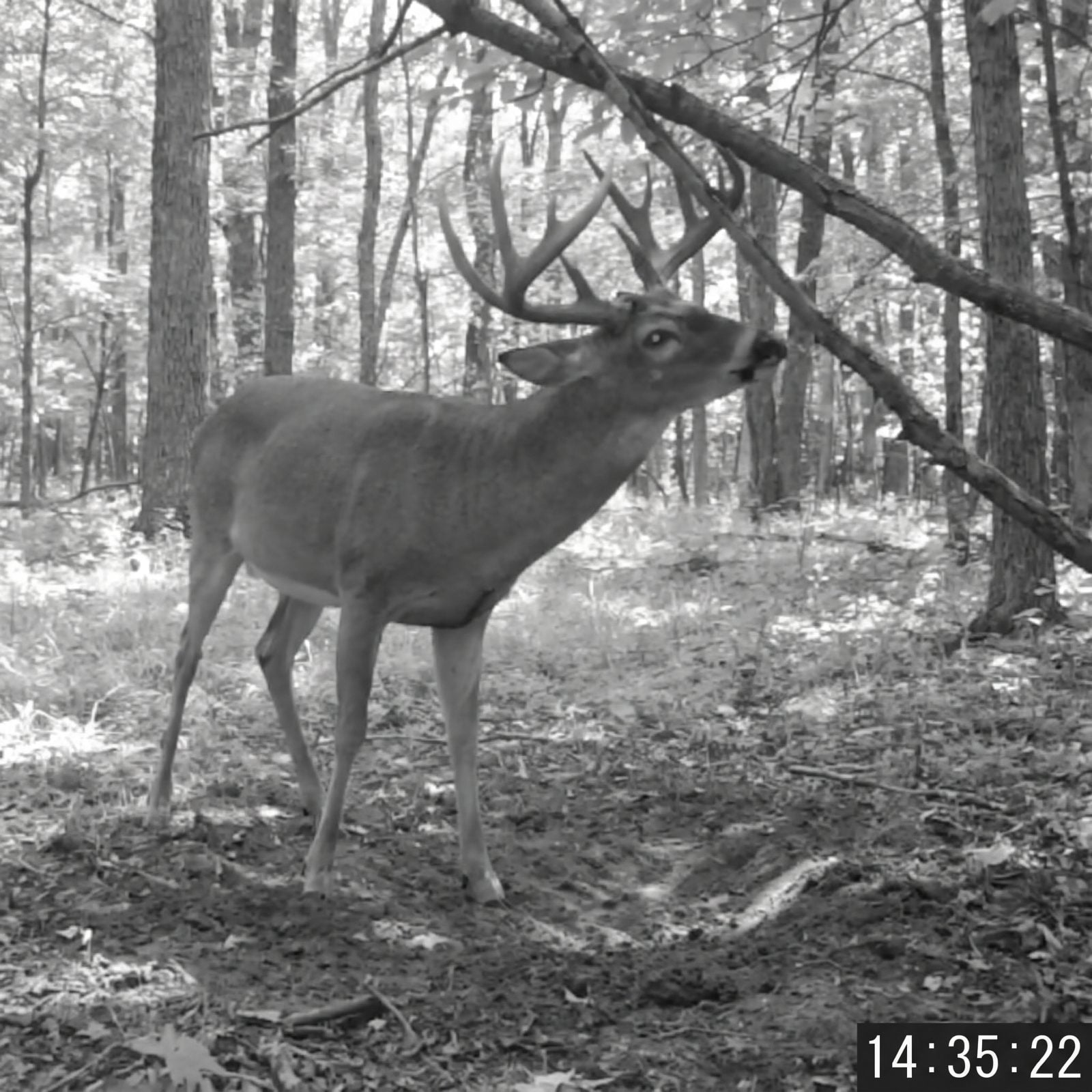
The old rule says scrapes are a nighttime affair, so why bother hunting them. Camera data complicates that tidy story. Scrapes — and especially the overhanging licking branch above them — pull daytime traffic too, from bucks and does alike, with the branch getting worked right through the year.
Nighttime scrape visits are real and common. But the licking branch is a community signpost, checked in daylight far more often than the old wisdom allowed. Hunt the branch, not just the dirt. Set up where travel funnels toward it and you’ll see the kind of action the all-nocturnal crowd swears doesn’t happen.
12. Myth: Waiting Overnight Is Always Best After a Questionable Shot
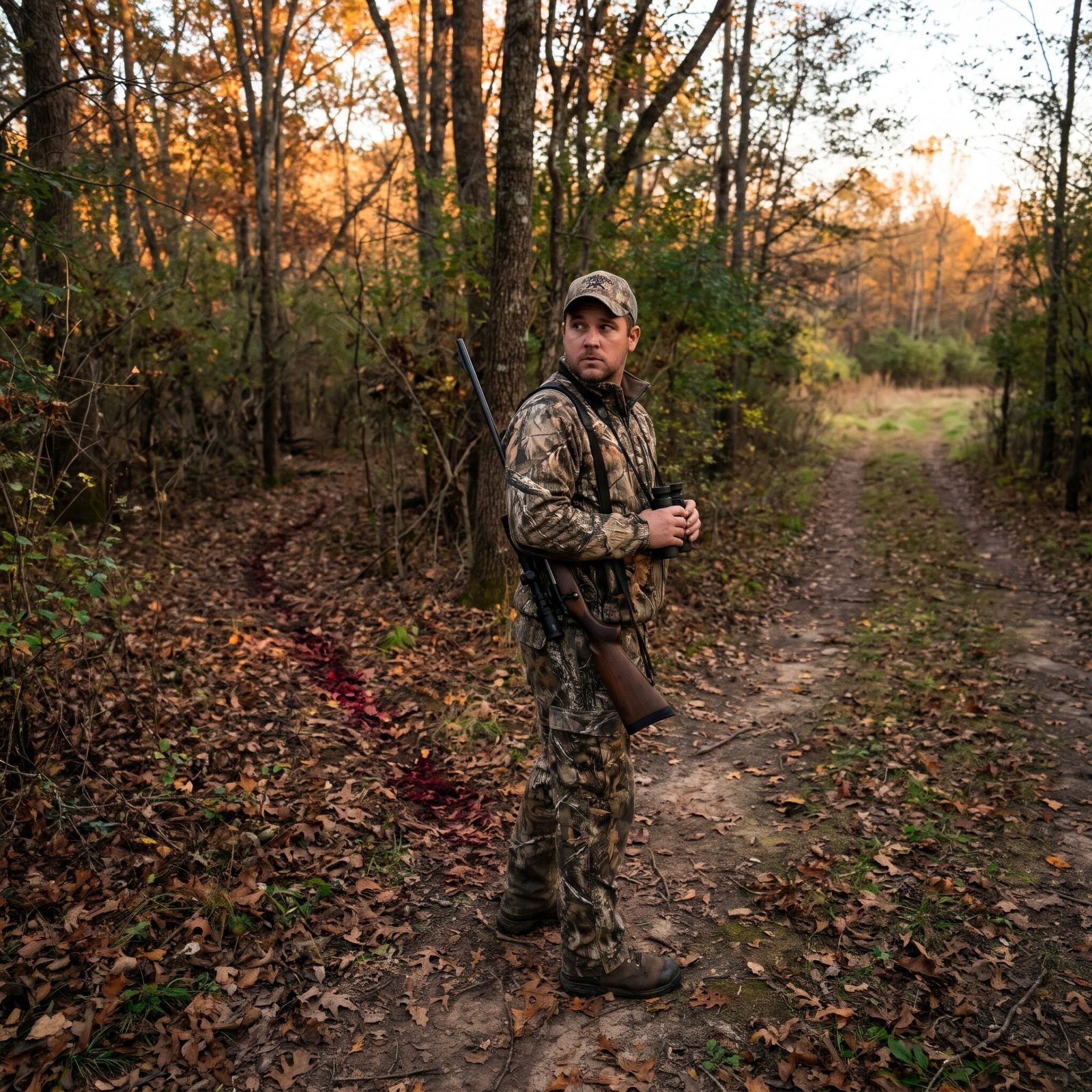
“Back out and wait till morning” is good advice applied wrong. It’s the right call for a suspected gut shot, where pushing the animal only sends it farther and a long wait lets things settle. It is flat-out the wrong call in warm weather, with coyotes in the country, or when rain is rolling in to wash out your sign.
Good trackers now talk about shot placement, temperature and scavenger pressure before they ever glance at the clock. A liver hit might want a few hours, not twelve. Match the wait to the evidence in front of you. Blind loyalty to “always overnight” hands recovered game straight to the heat and the predators.
11. Myth: Heavier Draw Weight Guarantees Better Penetration
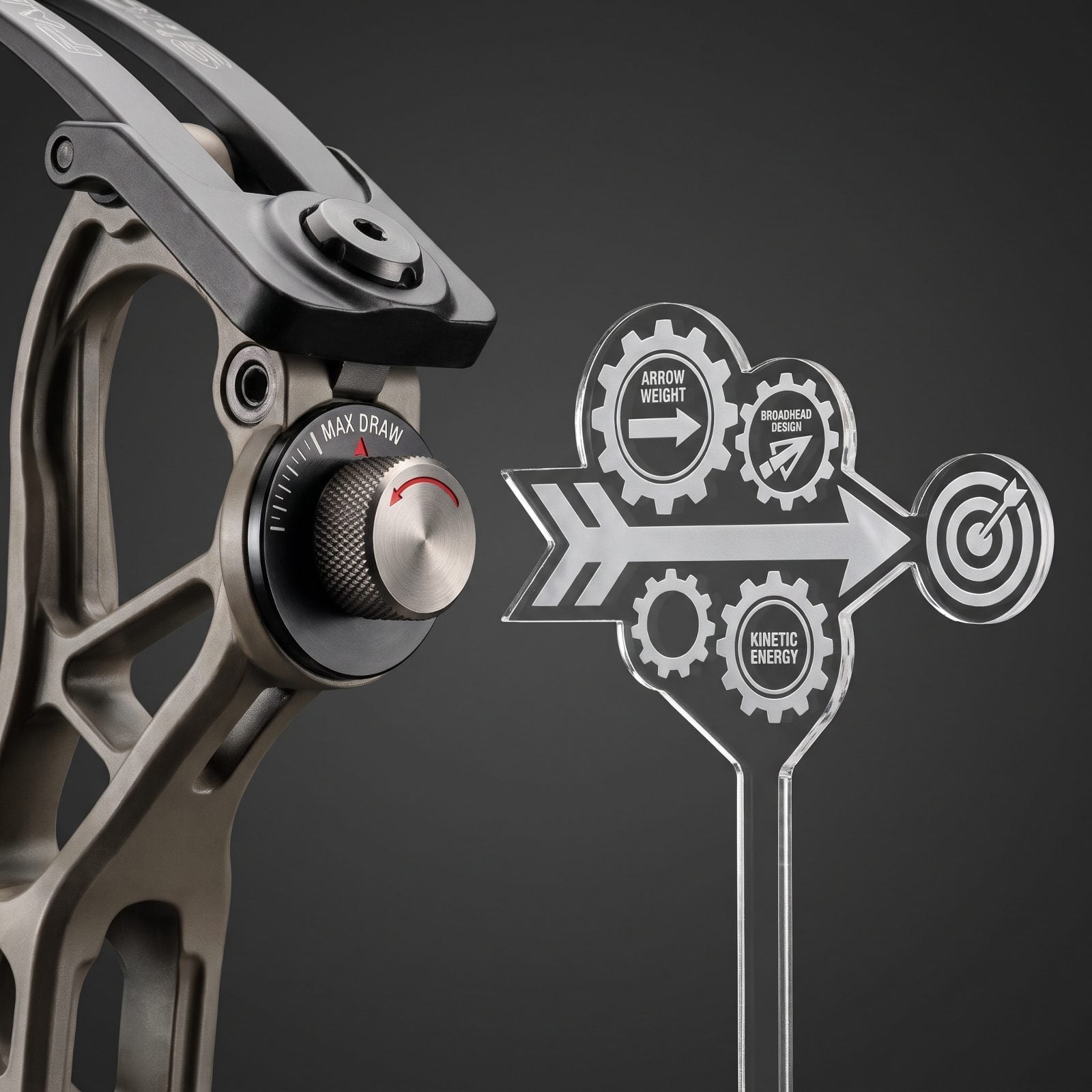
Crank it to seventy pounds and you’ll punch through anything. That’s the garage-talk version, and it skips most of what matters. Penetration is a system — arrow mass, front-of-center balance, broadhead sharpness and design, and spine all pull their weight alongside raw poundage.
A well-tuned 55-pound setup throwing a heavy, high-FOC arrow with a razor-sharp cut-on-contact head routinely outpenetrates an overbowed 70-pound rig flinging a light arrow with a dull mechanical. A blade that doesn’t fly true bleeds its energy off on impact. And more weight than you can hold steady wrecks your form, which wrecks the shot. Tune the whole arrow. The number on the limbs is one variable, not the answer.
10. Myth: Tracking Dogs Only Work With Visible Blood
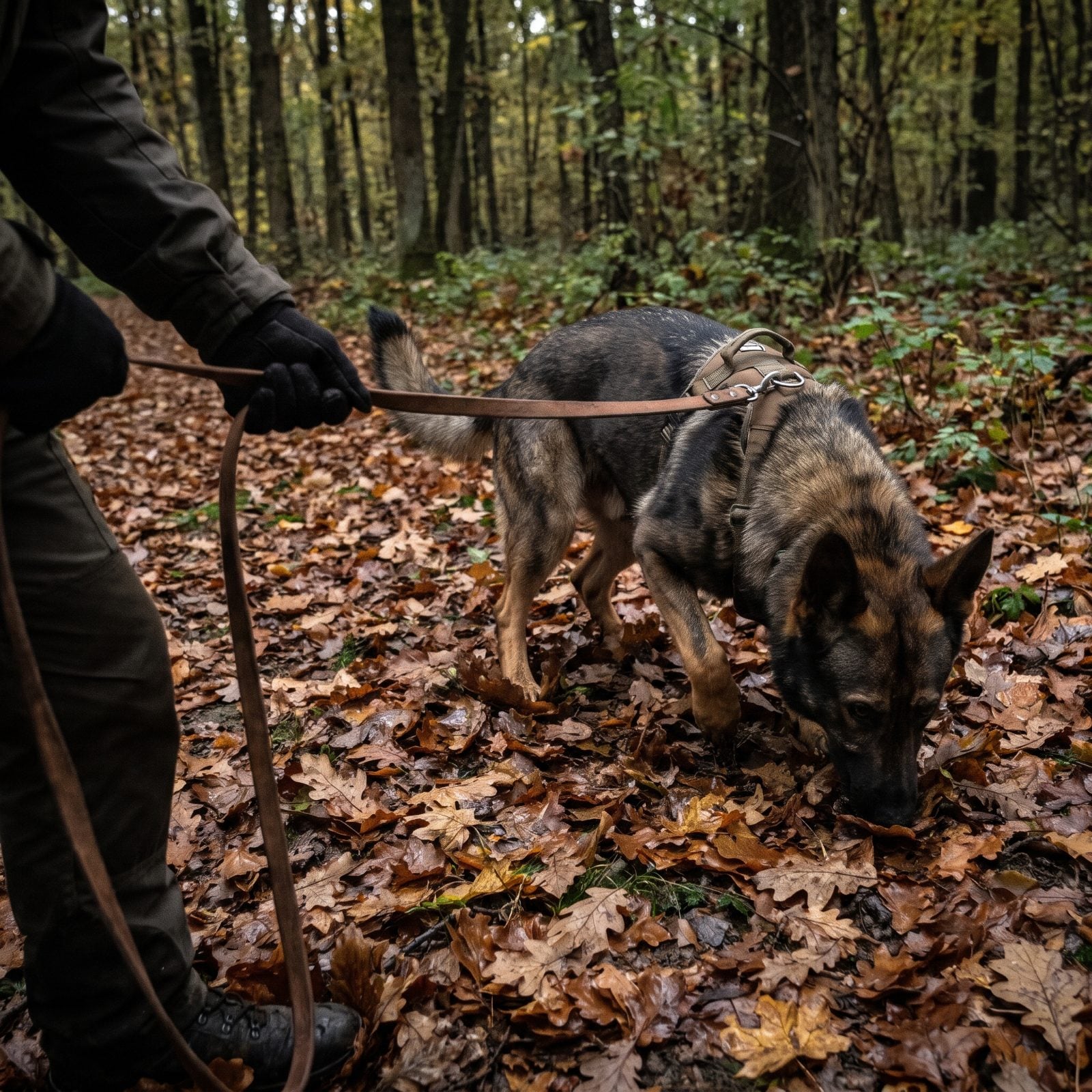
No blood, no track — right? Wrong, and it’s the belief that loses the most game. A trained tracking dog follows the scent of the wounded animal itself: interdigital gland odor, disturbed ground, the whole trail, not just the droplets you can pick out with a flashlight.
That’s precisely why they shine on the hits that stop bleeding externally, the ones you’d stroll right past in daylight. Handlers in the growing network of blood-tracking groups recover animals every season on trails a human eye reads as stone cold. Make a marginal shot and lose sign? Don’t quit because the ground looks clean. Call a dog. The nose finds what your flashlight can’t.
9. Myth: Kill the Coyotes and the Deer Will Follow

The logic sounds airtight. Fewer predators, more fawns survive, better hunting next fall. Then researchers actually ran the numbers.
Studies on coyote removal and deer recruitment keep landing in the same frustrating place. Sometimes it helps, sometimes it does nothing, and the effect fades fast because coyotes pour back in from the surrounding ground inside a single season. Habitat quality, fawning cover and winter severity usually push deer numbers around harder than any predator does. Trapping coyotes can move the needle in one spot during one narrow window. Treat it as a guaranteed deer machine and you’ll be disappointed, and probably out a stack of trapping hours for the trouble.
8. Myth: A Deer That Drops at the Shot Is a Dead Deer
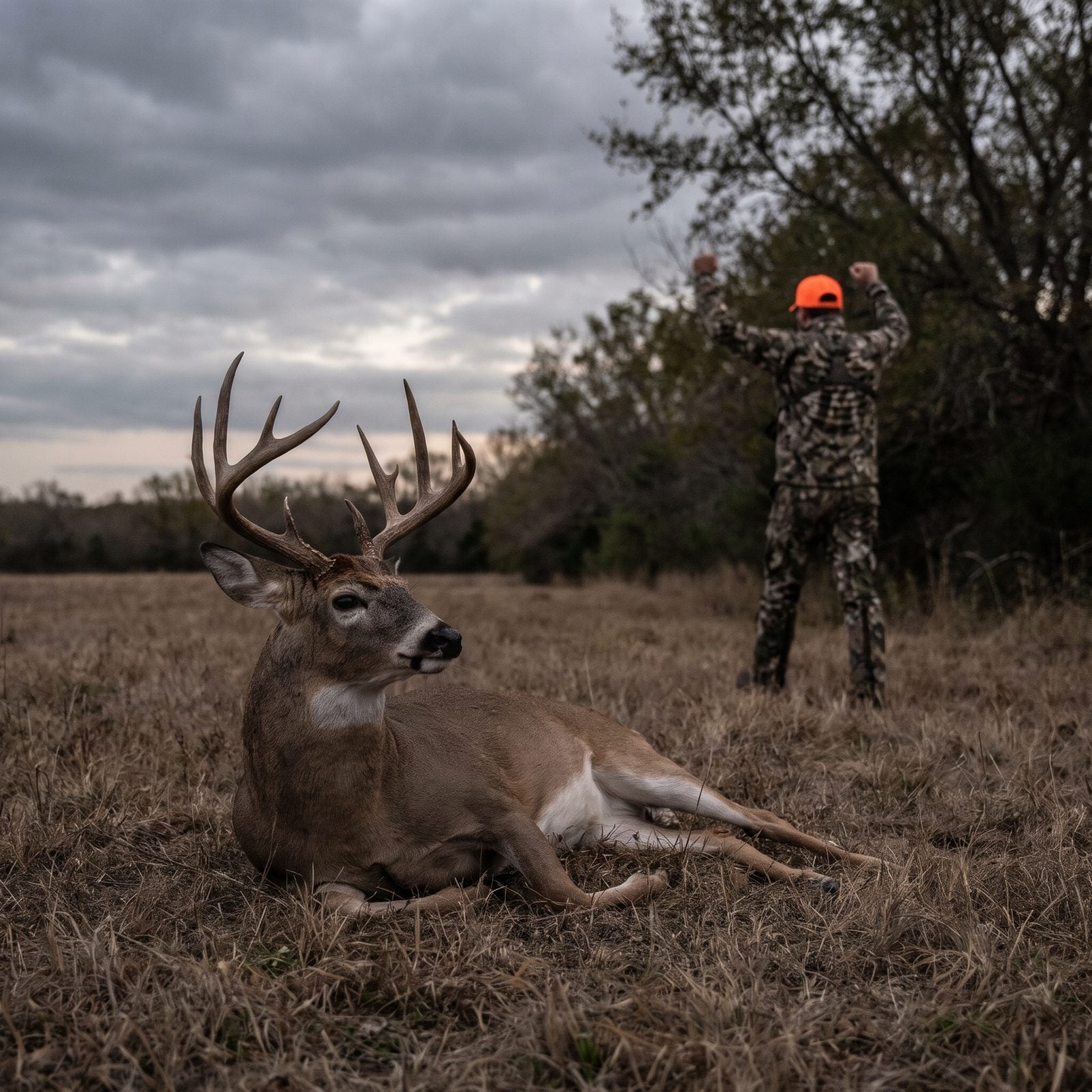
Every seasoned hunter has a story about the buck that folded at the crack of the rifle, then stood up and vanished while everyone was busy high-fiving.
A deer that drops instantly often isn’t heart-shot at all. A bullet or shock near the spine can trigger a temporary nervous collapse. The animal goes down hard, recovers in seconds, and is gone. A genuinely fatal hit frequently does the opposite, sending the deer running hard before it crashes within sight or a short distance off, dying on the move. The ethical move never changes. Watch where it goes, give it time, and be ready to follow up calmly instead of celebrating early.
7. Myth: A Sharp Broadhead Fixes a Bad Shot
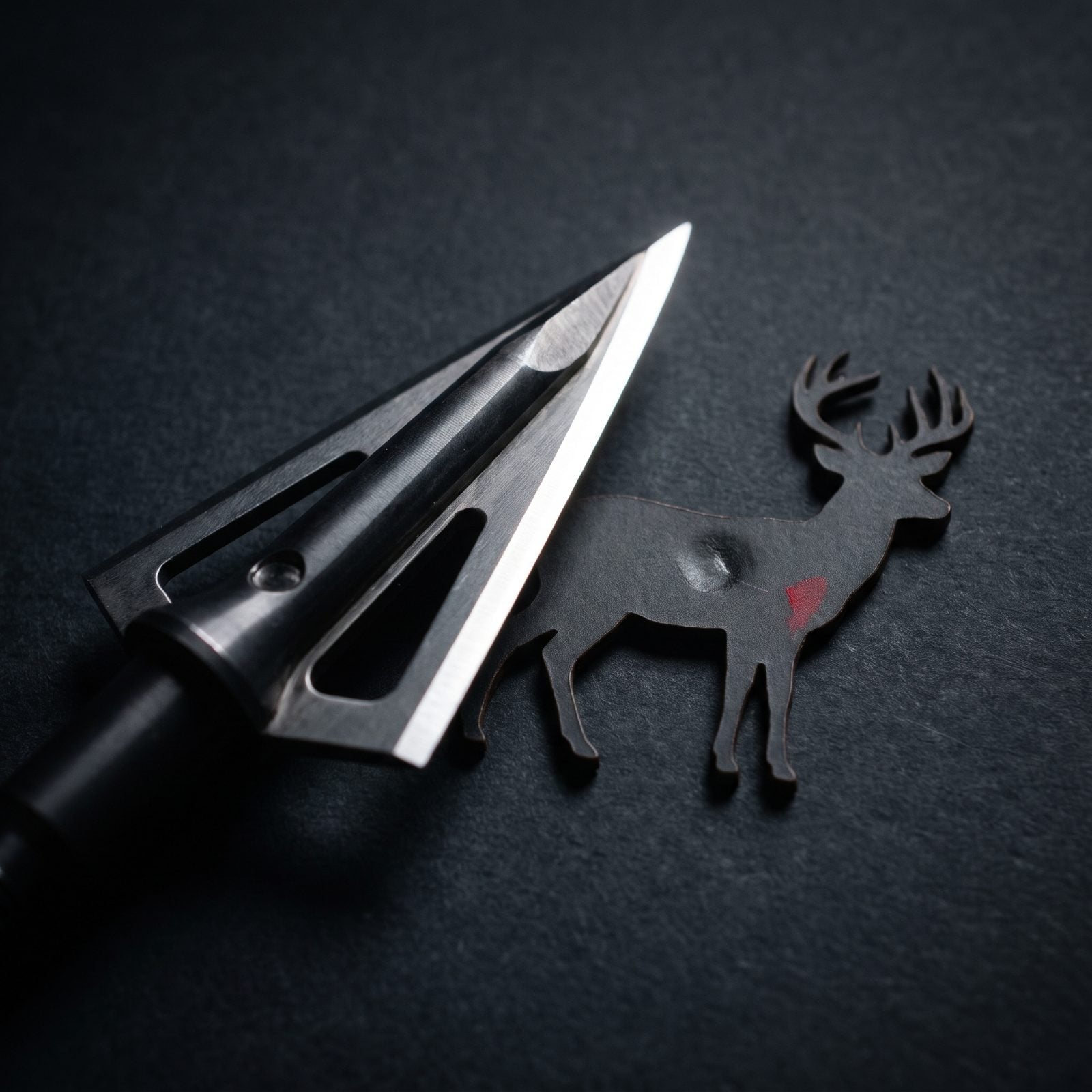
Sharpness matters. It does not perform miracles.
A premium broadhead widens your margins on a good hit. It won’t turn a gut shot into a clean kill or make up for drawing on an animal that’s quartering wrong. The blades cut what they pass through, and if they pass through liver, paunch or one lung high and back, no edge on earth changes that outcome. Placement is everything. Arrow speed, kinetic energy and head design are supporting actors. The hunters who recover game year after year are the ones who pass on the marginal angle, not the ones toting the most aggressive broadhead in the quiver.
6. Myth: Cold Air Doesn’t Change Where Your Bullet Lands
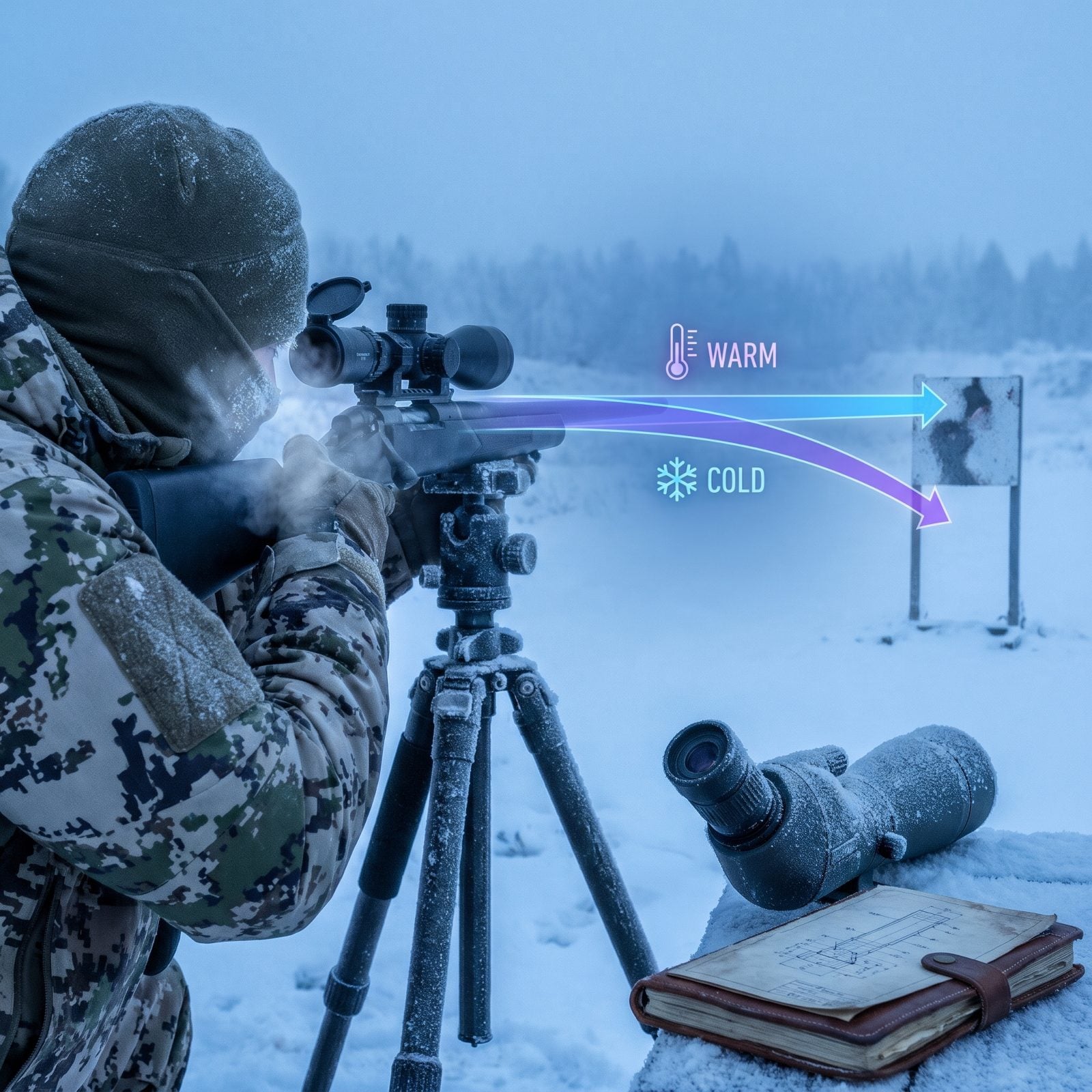
Shooters love to say a bullet doesn’t care about the weather. The bullet doesn’t. The air it flies through absolutely does.
Cold air is denser, so it drags harder and drops your bullet lower at distance than a warm-weather zero ever predicted. Powder temperature plays its own part, and the same cartridge often leaves the muzzle slower on a frigid morning than it did at summer sight-in. At fifty yards nobody notices. Stretch it to four hundred in single-digit cold and that difference turns into a clean miss, or worse. Serious long-range hunters check a ballistic app or dope card against the actual conditions in front of them. Close range? Forget it. Far range, the air is part of the equation whether you account for it or not.
5. Myth: The More You Call, the Closer the Tom Comes
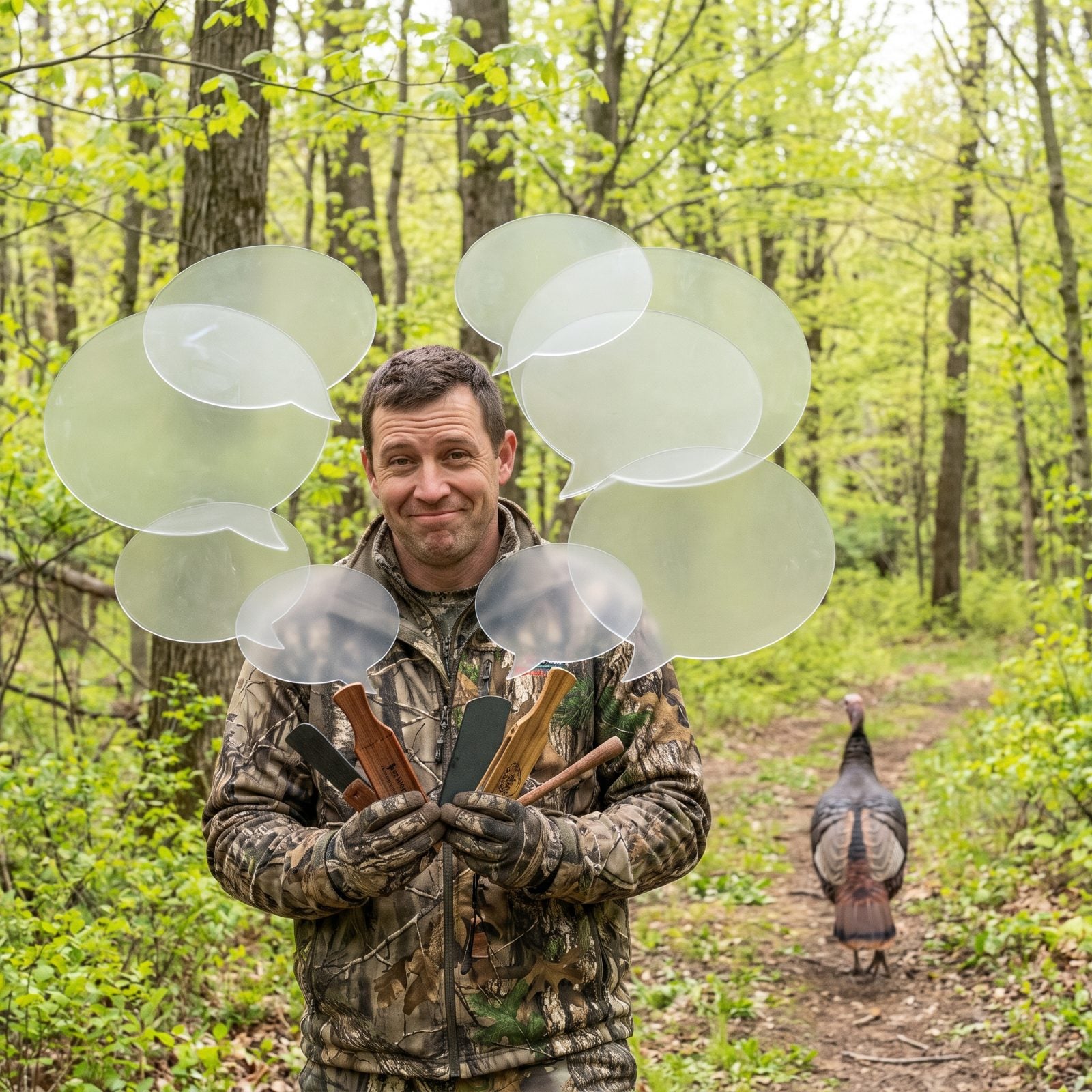
New turkey hunters cut and yelp like the woods owe them money. Now and then a tom struts in close anyway, and that lucky bird is what keeps the myth alive. Far more often he hangs up, confused, and eventually drifts off, tail down and walking away like this one.
Real hens don’t run their mouths nonstop. A henned-up gobbler expects the female to come to him, and a hunter sawing away constantly is just playing a role nothing in nature follows. Often the thing that actually works is silence. A few soft yelps, then nothing, which nags the tom into coming to look for himself. Overcall and you educate birds, especially on pressured public ground where every one of them has heard a mouth call that rings a little off. Less is frequently the smarter play. Sometimes the best call is the one you swallow.
4. Myth: Ducks Are Basically Colorblind
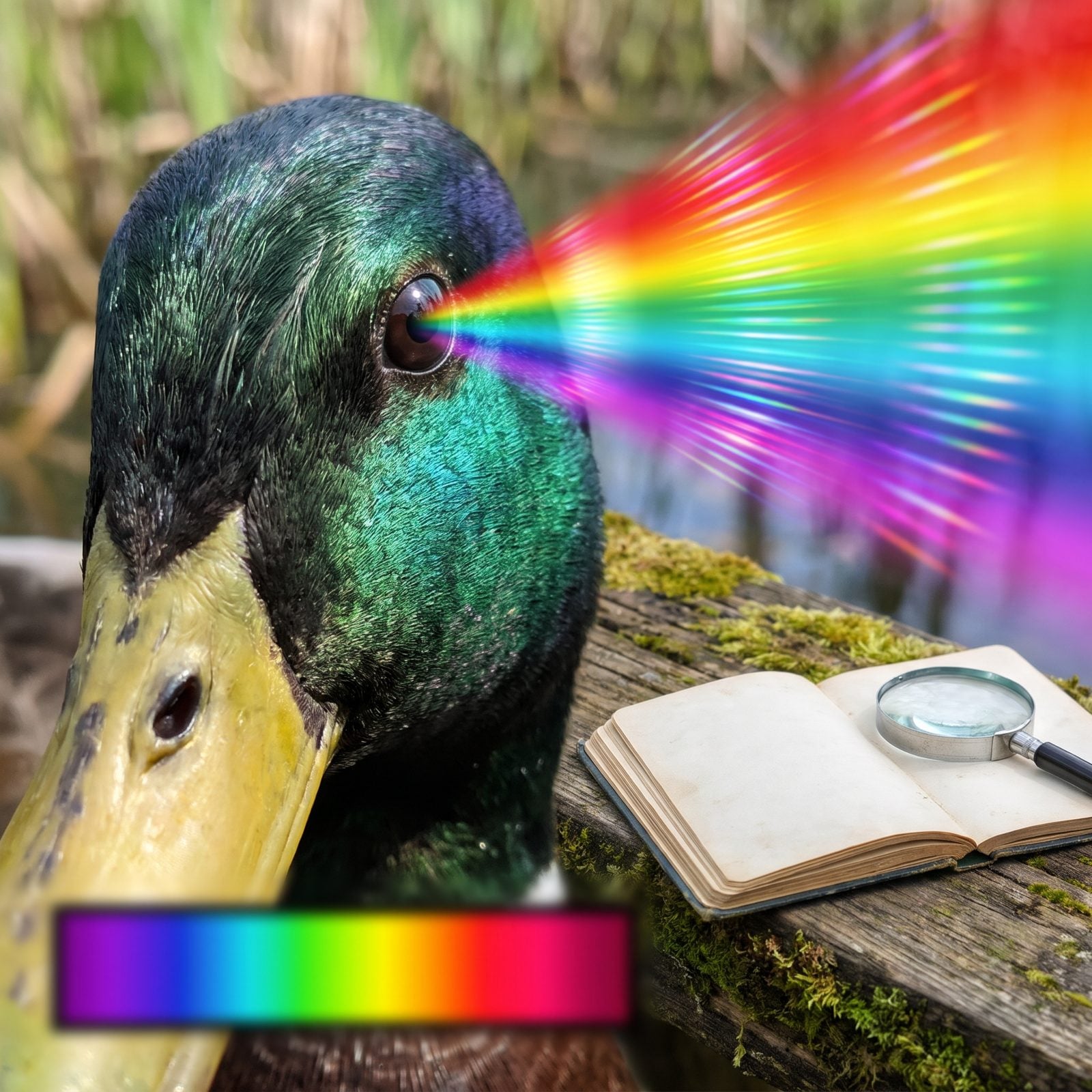
Here’s one the old-timers had exactly backwards.
Ducks don’t just see color, they see it better than we do. Waterfowl carry four types of color-sensing cones against our three, and that fourth one reaches into the ultraviolet range we can’t perceive at all. A face that looks still and shaded to you can glow like a signal flare to a mallard circling overhead. That’s why head cover and matte, UV-dead clothing matter more than people assumed, and why a shiny new face mask or a glint off your gun can flare a committed flock in the last second before they drop. These birds are not fooled easily. Give them the respect their eyes deserve.
Asked about waterfowl eyesight, a veteran bird ecologist says “Almost all birds have UV vision, we know that, but nobody has done anything comprehensive about how they use it”
3. Myth: Waterfowl Can’t Tell Your Static Decoys From the Real Thing
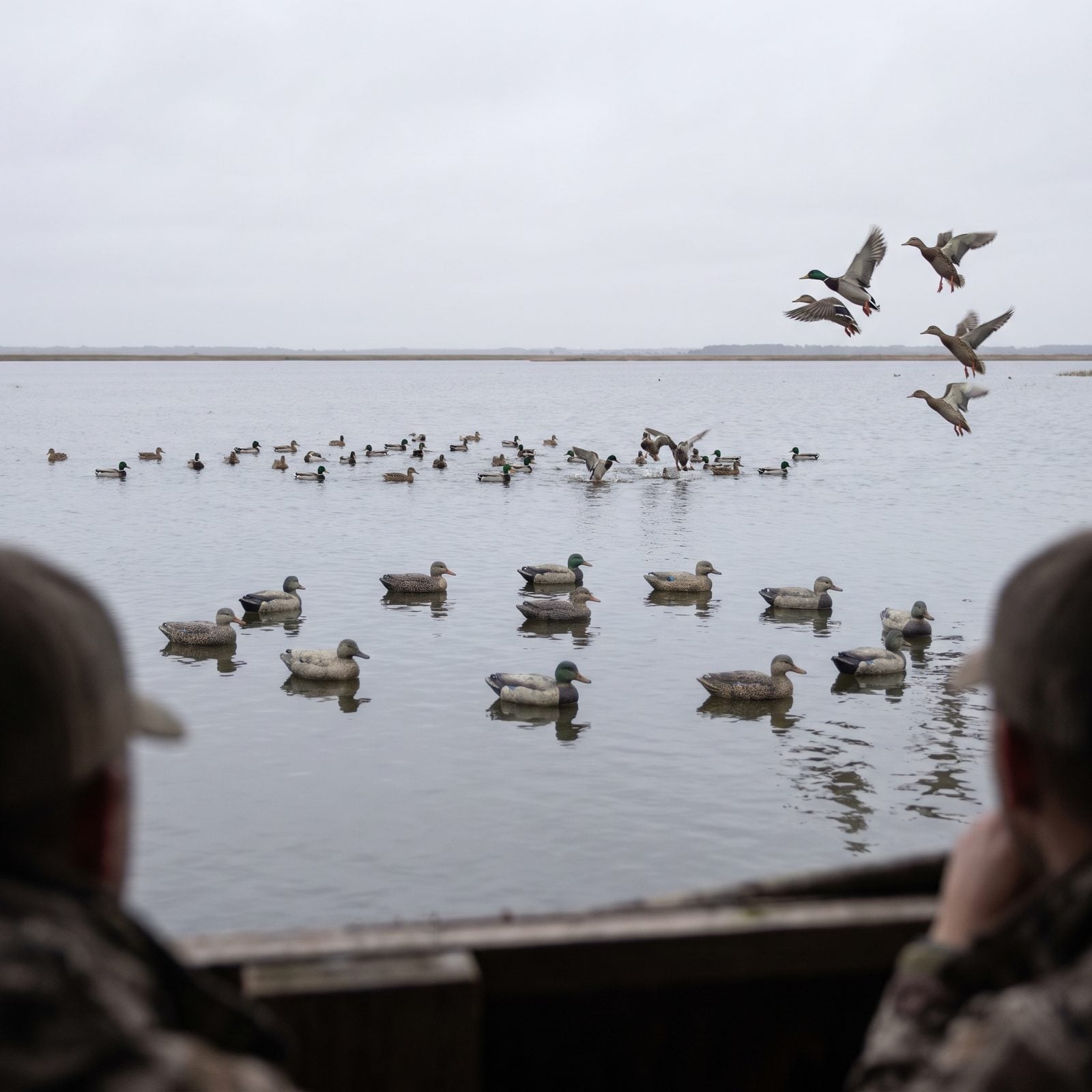
A spread of decoys sitting dead still on flat water reads as wrong to birds that have seen a thousand real rafts.
Live ducks move. They preen, tip up, swim, ripple the surface, never stop fidgeting. Pressured waterfowl, especially late-season birds that survived the gauntlet, clock an unnaturally frozen spread and slide off without committing. That’s the reason motion decoys, jerk cords and spinning-wing setups caught on. Research and plain field experience both agree that movement closes birds a static spread never could. And here’s the catch: come late season, educated ducks sometimes flare from the mechanical sameness of a spinner, so the rig that killed in October can push birds away in December.
2. Myth: Wild Game Always Tastes Strong and Gamey

Gamey is usually a handling problem, not a species problem.
That off flavor people pin on wild meat traces back to what happened before it ever hit the pan. Adrenaline from a long chase, a gut shot that taints the meat, warm temperatures during field dressing, poor cooling, sloppy trimming, all of it pushes flavor sour. Cool it fast, keep it clean, trim the silver skin and fat, and a venison backstrap lands closer to beef than to anything wild. Fish work the same way. A trout bled and iced the moment it’s caught tastes nothing like one that baked in a cooler all afternoon. The animal rarely tastes bad. The treatment makes it taste bad.
Having cooked everything from young deer to rutting bucks, a longtime home venison processor insists “Properly handled and processed venison rarely has an objectionable flavor, regardless of the deer’s age, sex or rut status.”
1. Myth: Bright Red Blood Means You Hit the Heart
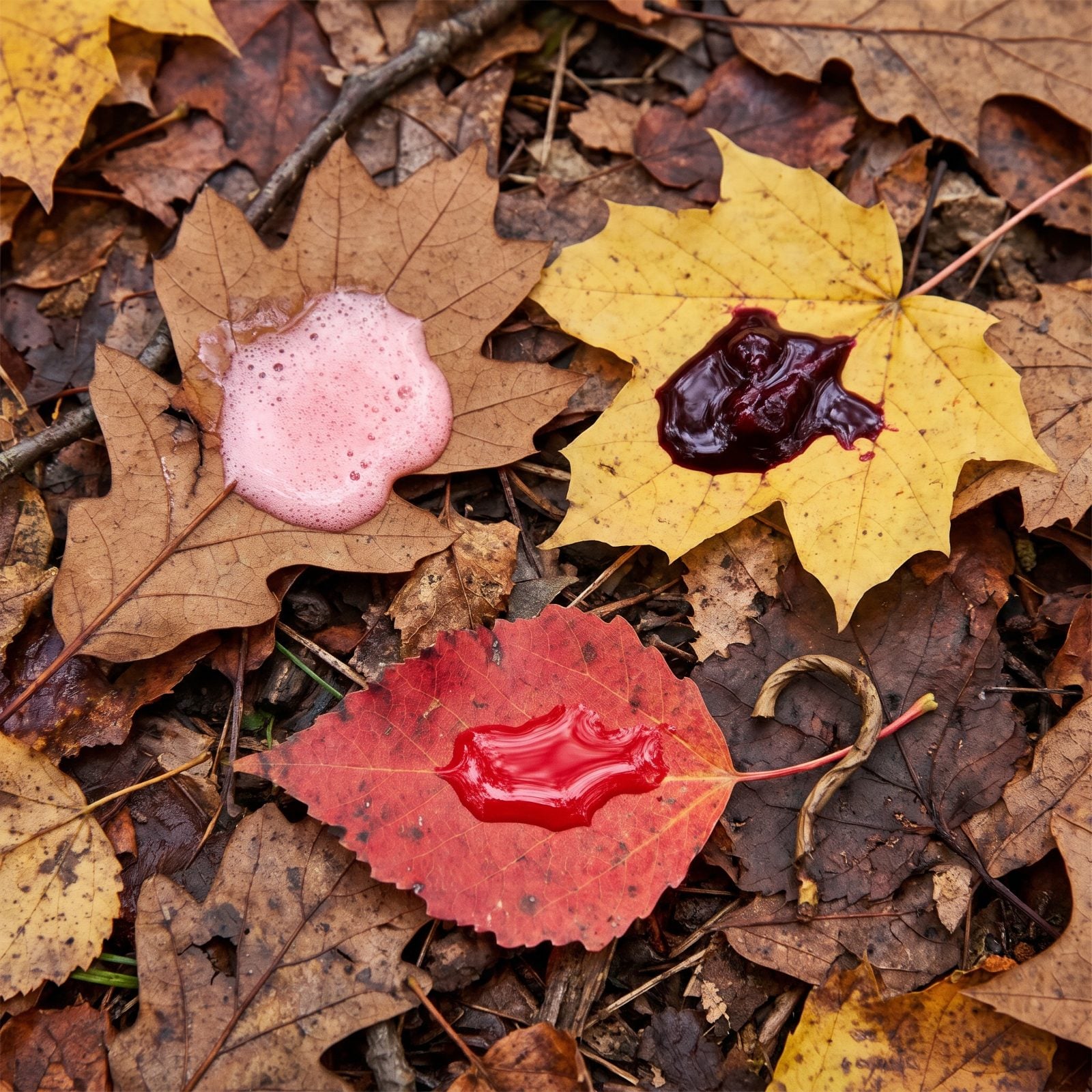
Camp lore says pink and frothy is lung, dark means liver or muscle, and bright red means heart. Mostly useful. Not always reliable.
Blood color shifts with the lighting, how long it’s been exposed to air, and whatever it mixes with on the way out. Bright red can come from an artery, a muscle hit high in oxygenated tissue, or simply fresh blood that hasn’t darkened yet. A heart-shot deer and a leg-muscle graze can both paint the leaves crimson. The color gives you a hint, nothing more. What actually tells the story is the whole picture: the shot you saw, how the deer reacted, the consistency of the trail, and the patience to follow it slowly. Don’t let one red leaf write the ending for you.