Open the garage of anyone who’s spent thirty years chasing fish and following deer tracks, and you’ll find a graveyard. Lures still in the box. A survival gadget that opened once and never again. A scent spray that cost more than the fillets it was supposed to help catch. Experience teaches you two things the catalogs never will: most of it doesn’t work, and the stuff that does rarely costs what they’re asking. So here’s what the people who’ve been at it longest have learned to walk right past, and why that money belongs in your pocket or in the gas tank on the way to a better spot.
Please note that some of the images in this article were created with the assistance of AI.
23. Celebrity-Endorsed Lures That Catch Anglers, Not Fish
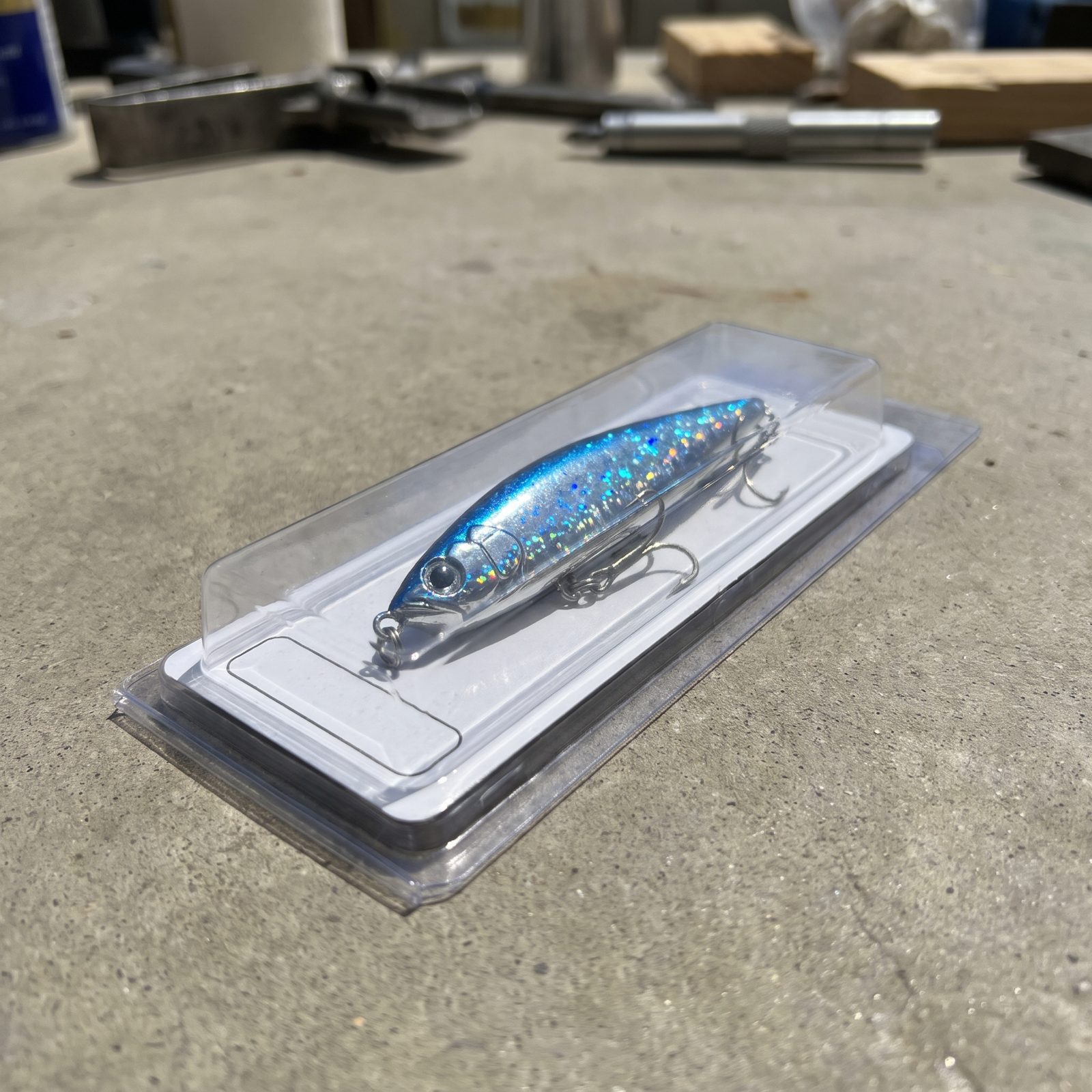
A bass has never once cared who endorsed the lure. It cares about profile, movement, and whether the thing looks edible. That’s the whole list.
The pro’s name on the package adds markup, not fish. That same action lives in a plain crankbait at a third of the price, and half the time the budget version runs truer because nobody gussied it up with extra flash the fish never asked for.
I bought into this harder than I’d like to admit. A whole tray of signature baits, barely scratched. The confidence they sold me was real. The advantage wasn’t.
22. Scent-Eliminating Sprays and the Wind You Can’t Fool
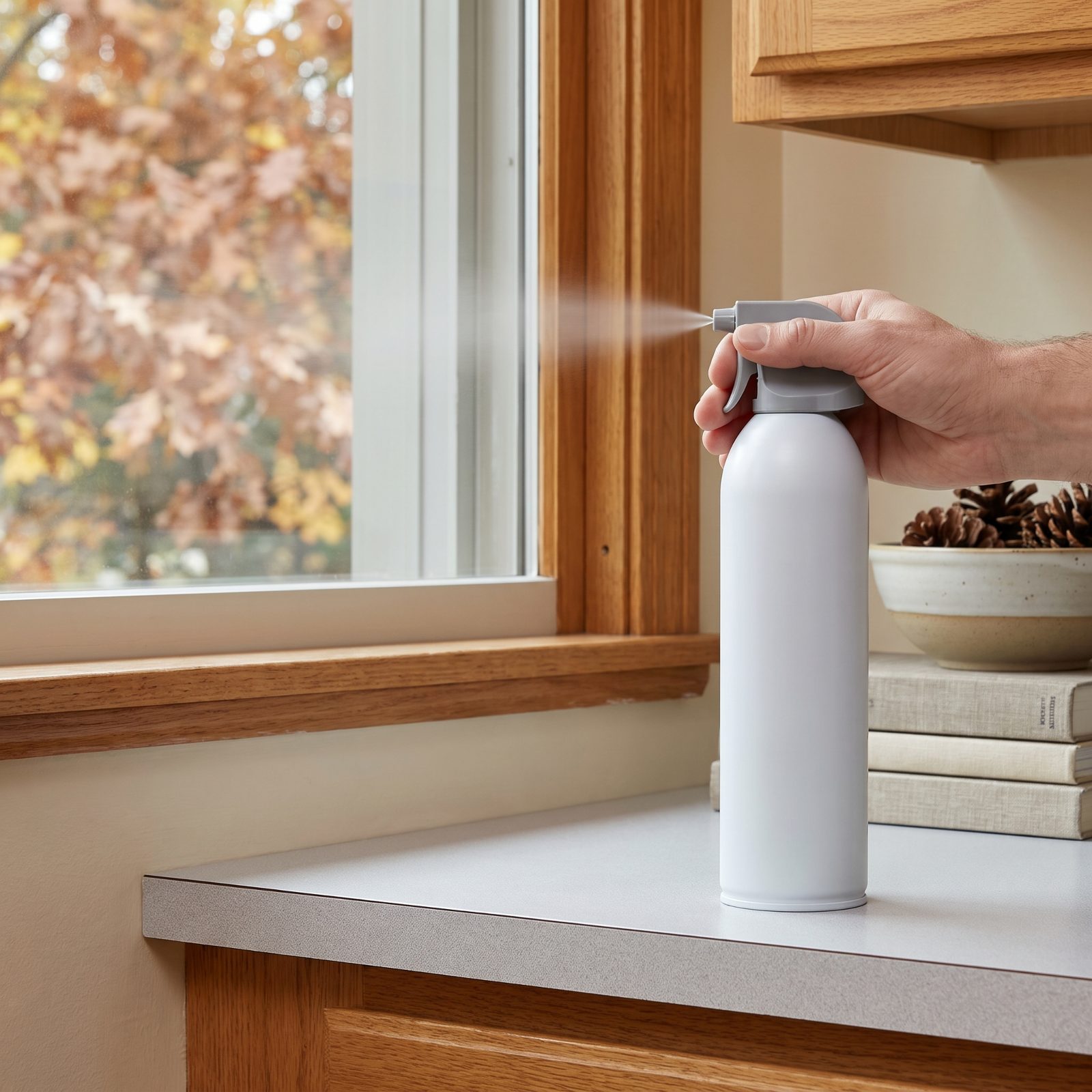
Nobody at the counter mentions it, but a deer’s nose is one of the best detection systems in the woods, and no spray makes you invisible to it.
Knock your scent down some? Sure. Erase it? Never. The hunters who consistently put mature bucks on the ground aren’t the ones dousing themselves in the parking lot — they’re the ones who checked the wind before picking the stand and then had the patience to sit it out.
Wind discipline costs nothing. The bottle costs plenty and hands you false confidence, which is worse than no confidence at all.
21. The 18-in-1 Survival Tool You’ll Use Zero of 18 Ways
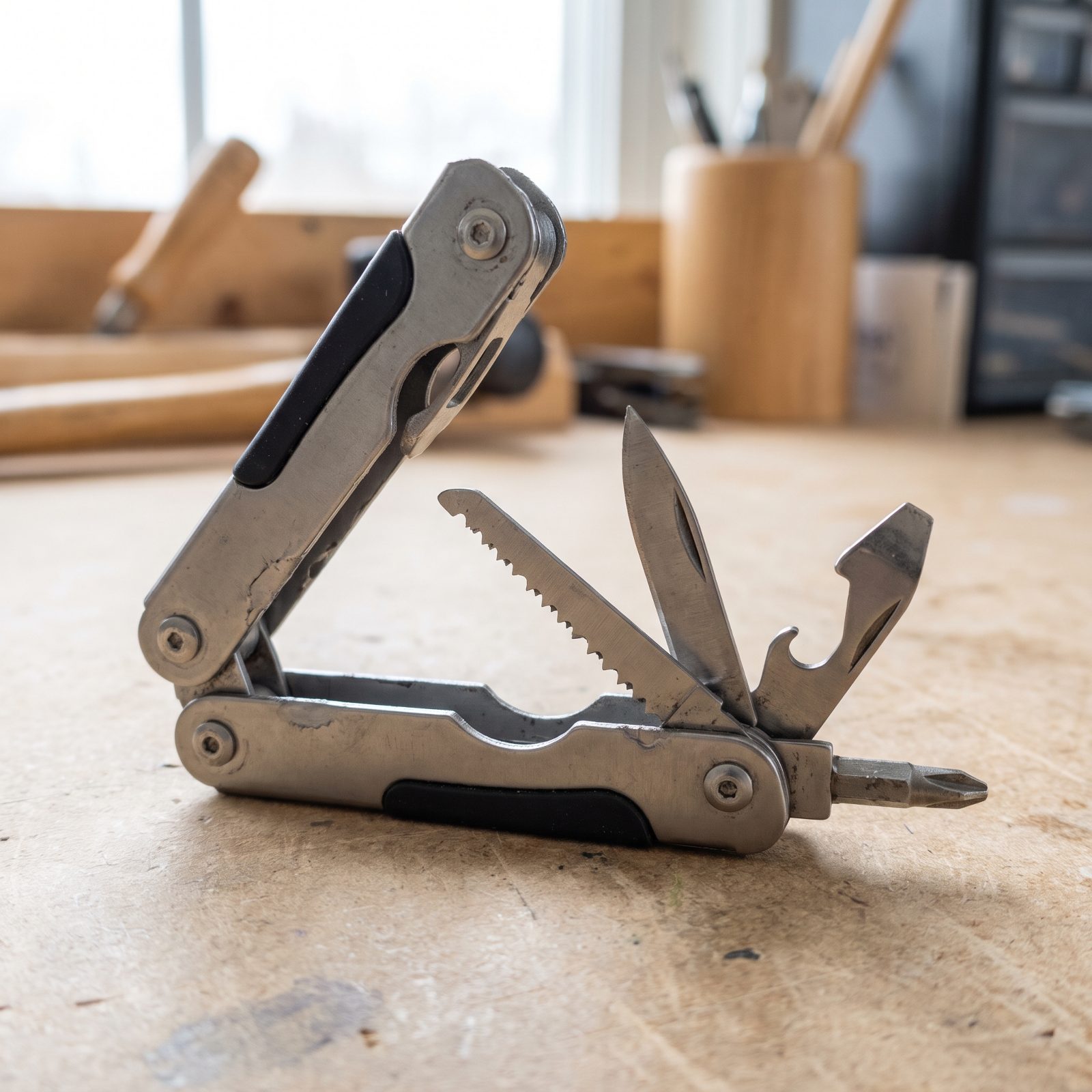
Eighteen functions, each one slightly worse than a dedicated tool. The saw won’t cut, the knife won’t hold an edge, and the little pliers bend if you look at them wrong.
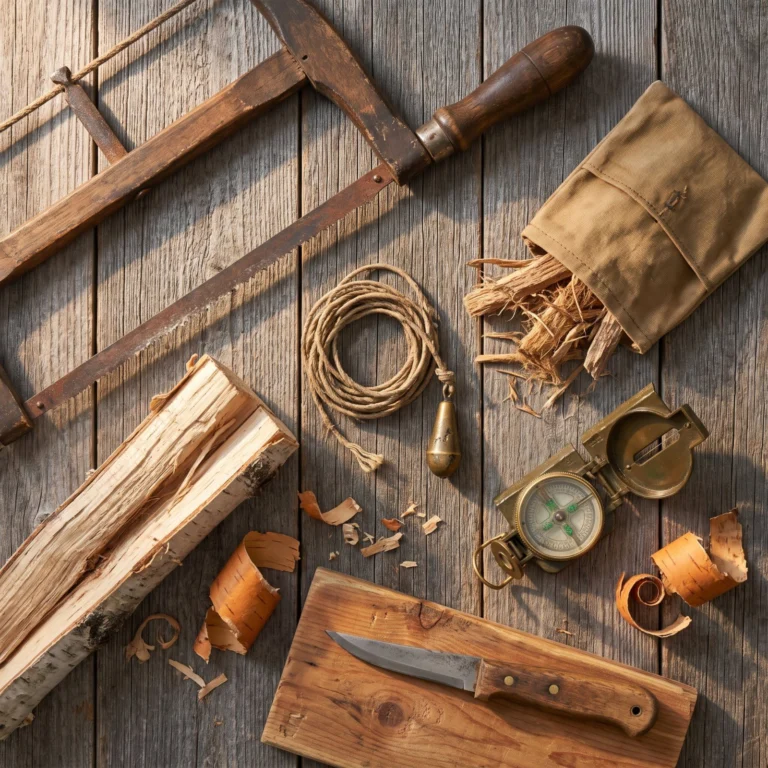
What actually rides in an experienced pack is boring and short: a real fixed-blade knife, a decent lighter, maybe a compact multitool with pliers that work. Three things that each do their job all the way.
The gimmick survives exactly one trip before it rattles to the bottom of a drawer. I will die on this hill.
20. Factory-Tied Leader Packs at Boutique Prices
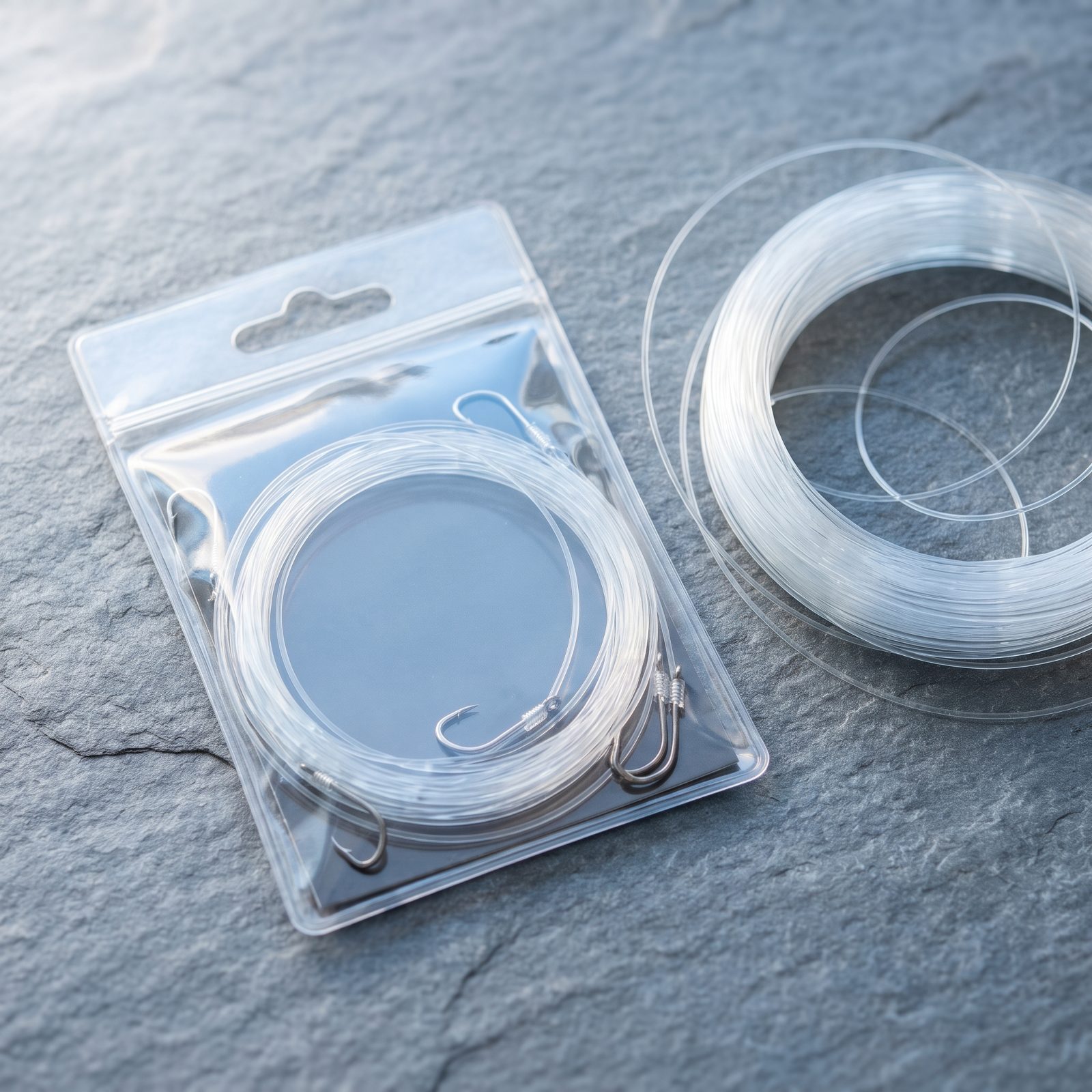
A good leader is line and a knot. You’re paying five or six dollars for maybe forty cents of material and somebody else’s thirty seconds of work.
Learn one solid knot. A uni-to-uni or a surgeon’s loop covers most of what you’ll ever rig, and twenty minutes on the couch one evening will have you tying leaders faster than you can tear open the fancy packet — custom to the exact length and pound test you want.
Then one breaks off at dusk and you aren’t rationing your supply like it’s gold.
19. A Camo Pattern for Every Species, Season, and Zip Code
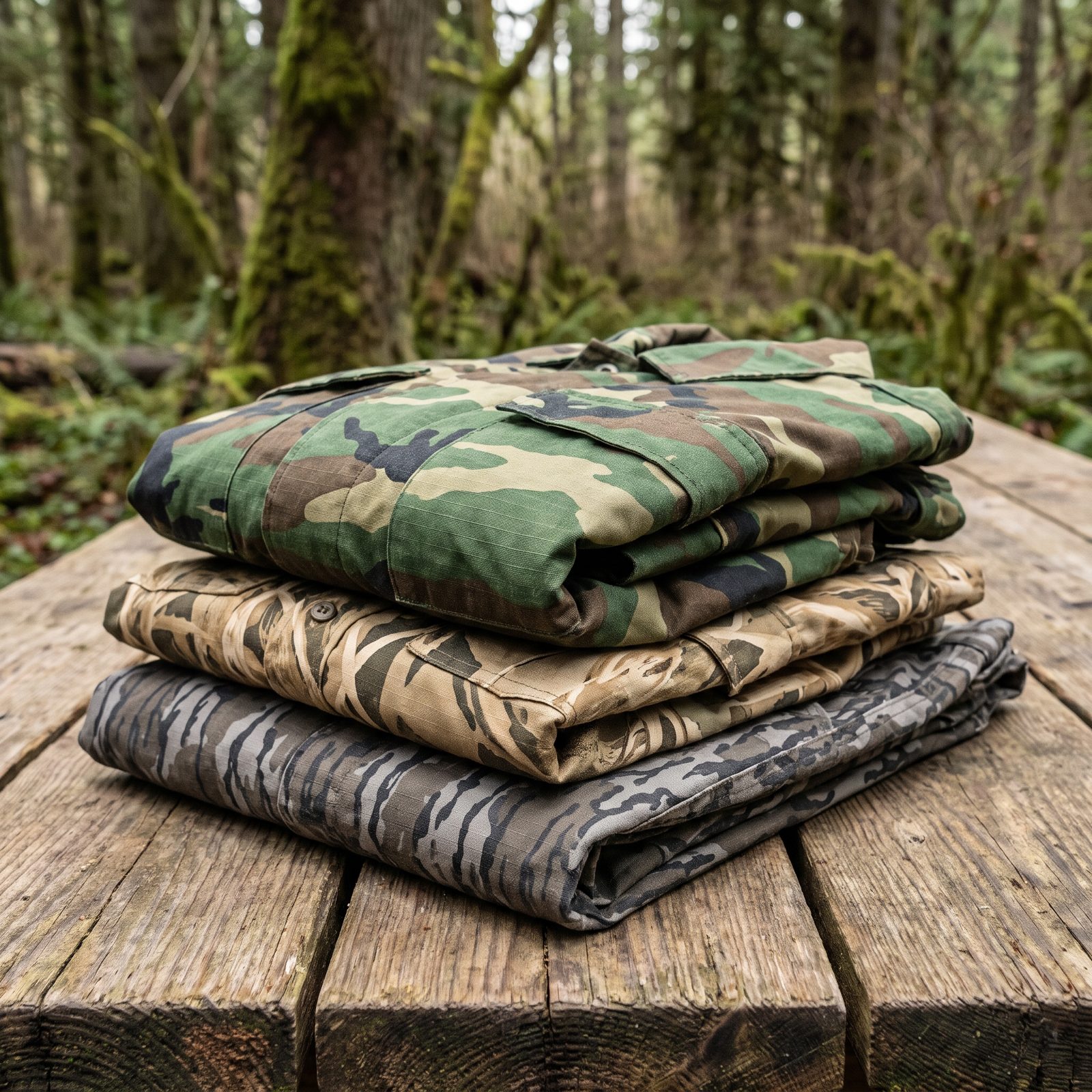
The industry wants you believing spring turkey demands a different pattern than fall deer, which demands yet another pattern than early-season squirrel.
Game animals read movement and silhouette far more than they parse your exact print. A deer busts you because you shifted at the wrong moment, not because your camo said “fall hardwoods” instead of “mid-autumn transition.”
Two patterns cover nearly everything: something green for leafy cover, something tan or gray for bare and brushy. Breaking up your outline matters. Owning nine patterns does not.
18. The Big-Box Combo That Grenades on Fish Number Three
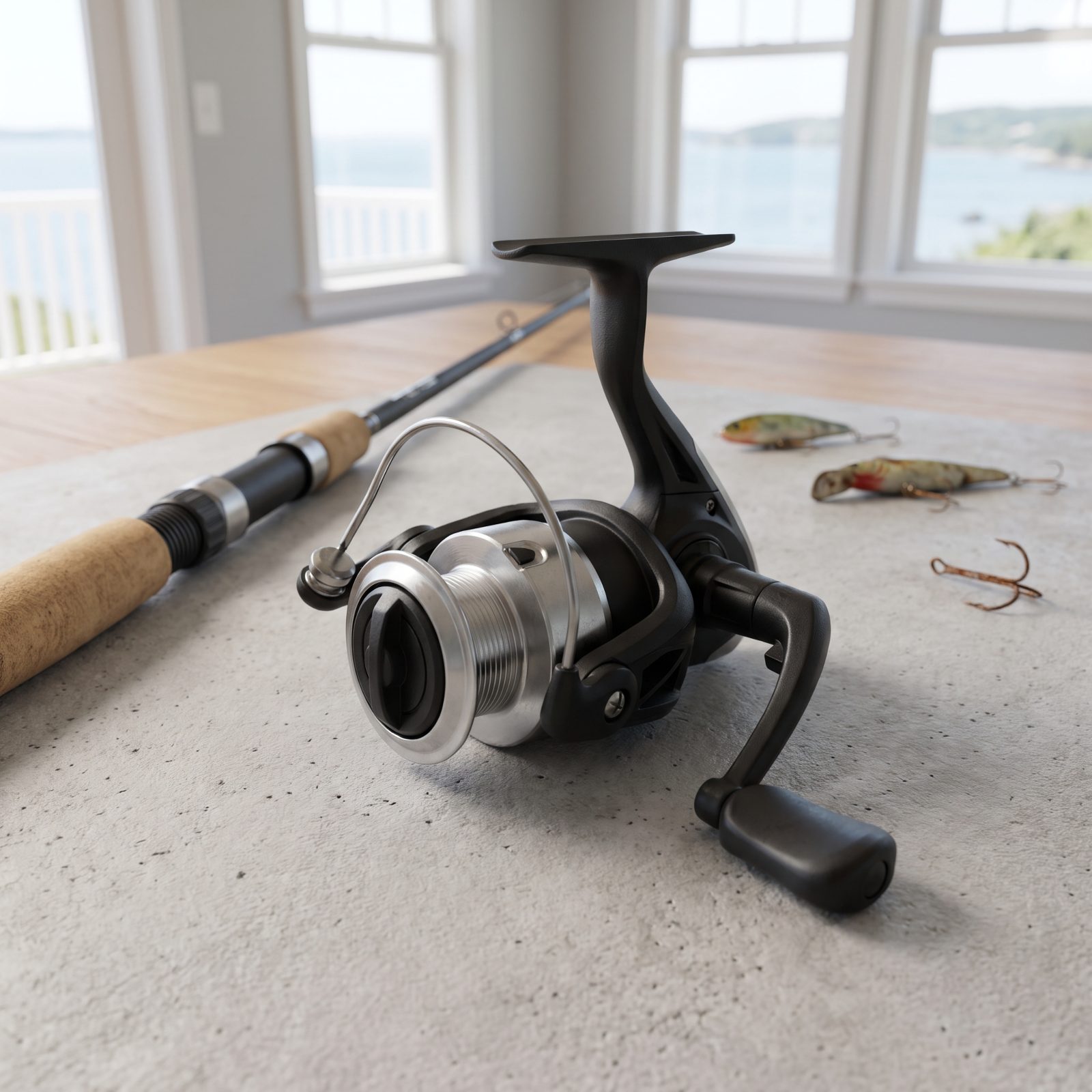
You know the one. Rod and reel bundled cheap, hanging in a wall of identical packages near the register.
It casts fine until the drag sticks, the bail spring gives out, or the gears strip on the first real fish that doesn’t want to come in — and then you’re buying a second combo, which is the whole reason cheap gear turns out expensive. A mid-tier reel paired with a rod you chose on purpose costs more up front and lasts a decade. You’ll feel the difference the first time a fish actually pulls back. There’s no mistaking that moment, the way a good drag sings against a bad one that just quits.
17. Top-Shelf Waders for the Four Days a Year You Wear Them
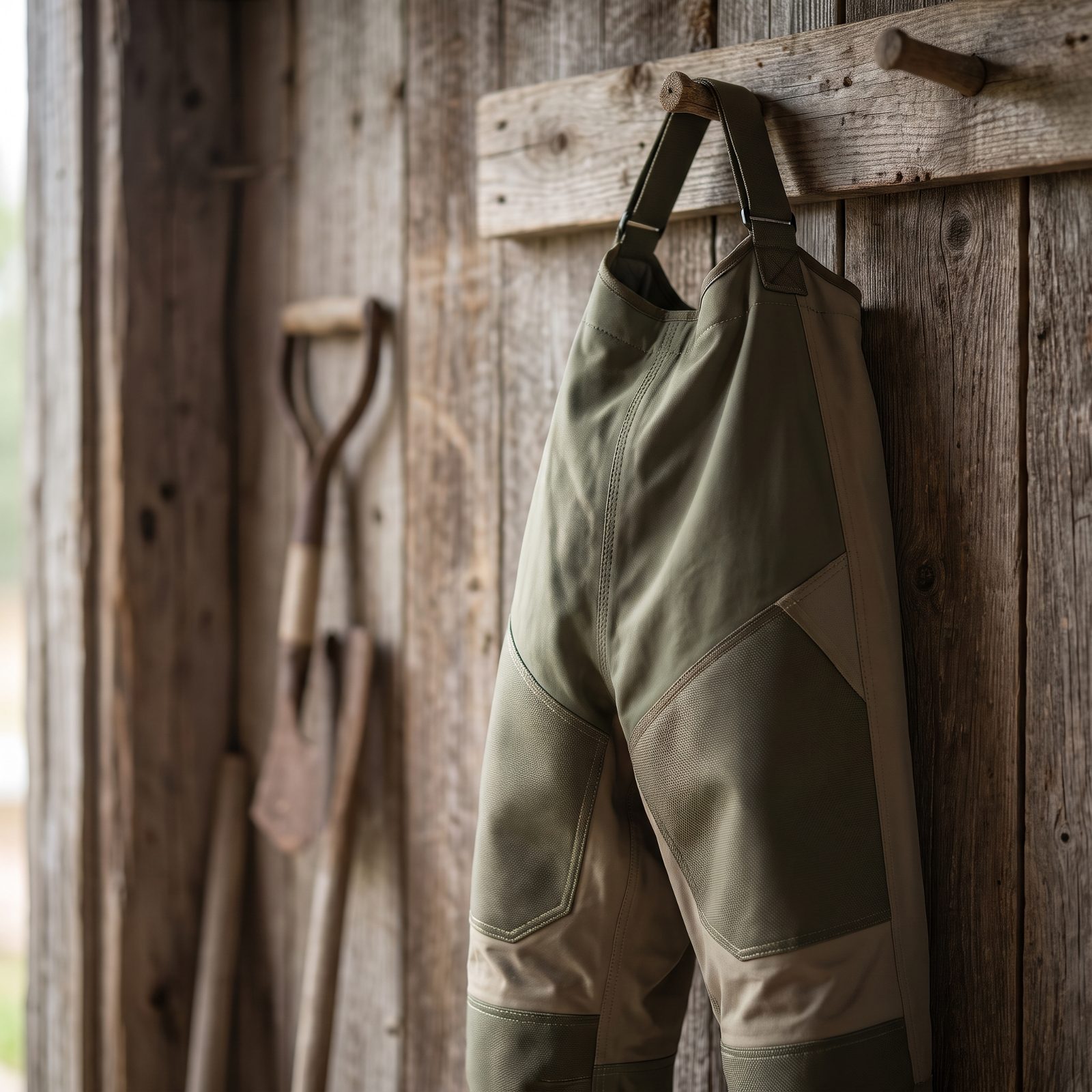
Premium waders earn their keep when you’re standing in cold water most of the season. Wade a handful of times a year and you’re paying for durability you’ll never wear out.
A solid mid-range breathable pair handles occasional trips for years, and the money saved buys a lot of other gear. The expensive sets really do shine for guides and die-hards grinding through brush and gravel day after day.
Match the wader to your actual hours on the water, not the fantasy version of yourself who fishes every weekend. We’ve all met that guy. Three-hundred-dollar boots, a two-day-a-year schedule.
16. The Dollar Poncho That Becomes Trash by Lunch
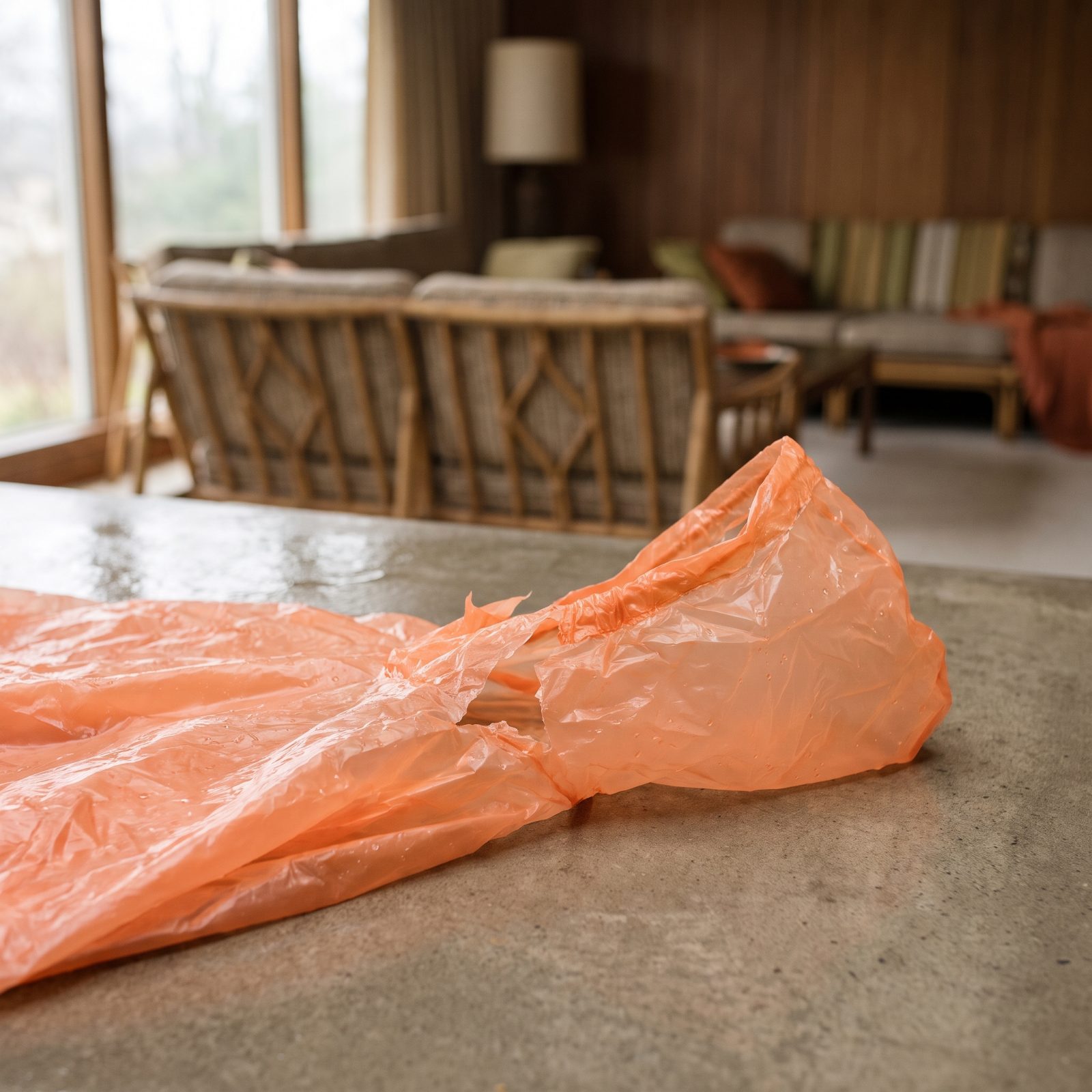
It tears at the first snag, traps your sweat like a bag, and splits down a seam the moment you reach for something. Then it’s a wet, torn mess in your pack and a little pile of plastic headed for the landfill.
A real rain shell costs more and keeps costing less. One jacket outlasts a hundred of these, keeps you drier, and won’t flap itself to shreds in the first gust on an exposed ridge.
15. Electronic Fish Attractants That Attract Your Wallet
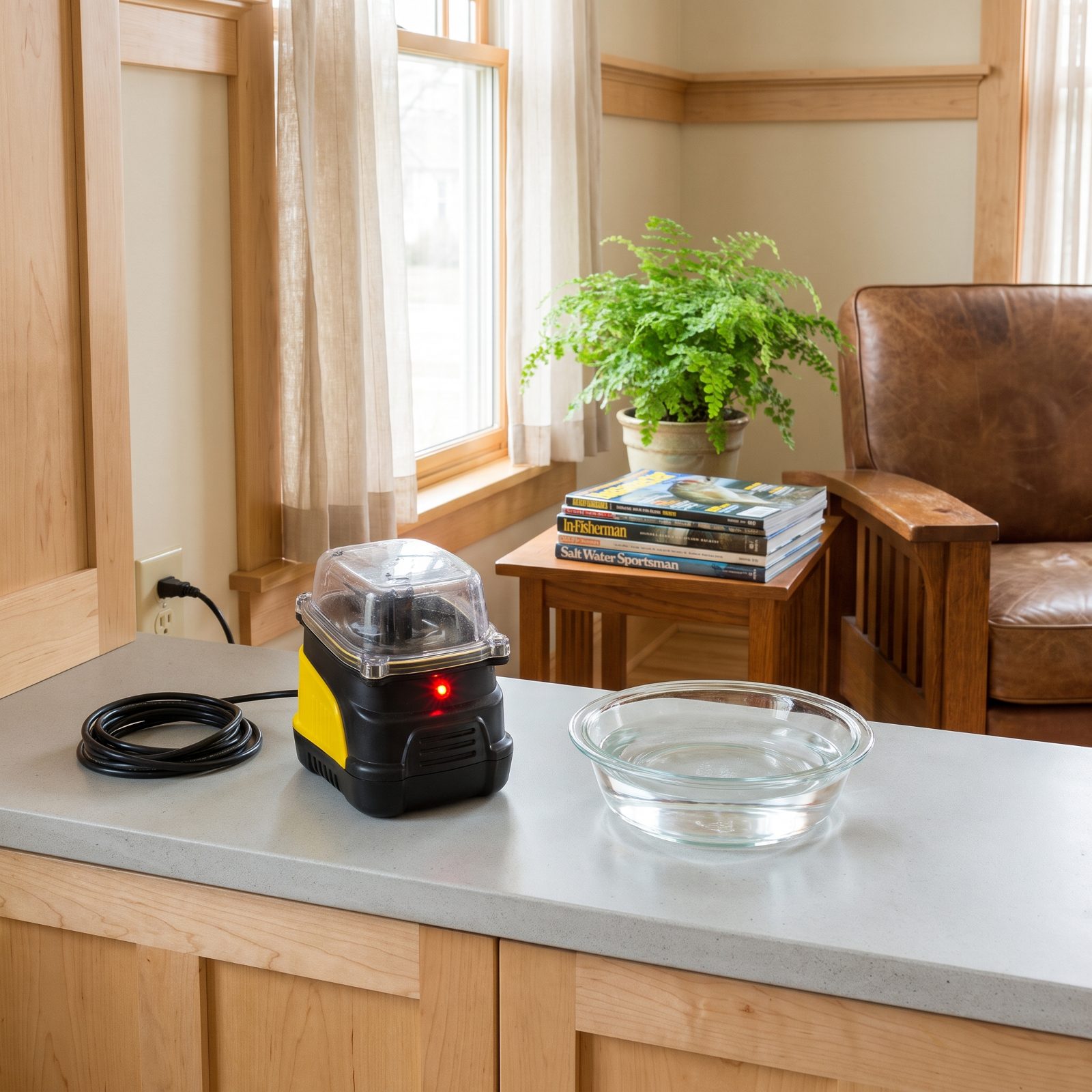
Plug-in gizmos that promise to pulse out sounds or lights no fish can resist. If they worked as advertised, every tournament angler on the circuit would have one bolted to the gunwale.
They don’t. The real fish-finding tool is sonar — it tells you where structure and bait sit — plus the old-fashioned skill of reading water. Those put fish in the boat. Honestly, learning to find the thermocline and trailing the baitfish beats any corded box with a glowing red light you can plug into the wall. Put the gadget money toward a better depth finder, or better yet, hours spent learning your lake.
14. Jarred Pre-Ground Chum at a Steakhouse Markup

A pint jar of chum costs what a whole flat of frozen bait does. Boutique prices for ground-up fish parts in glass.
Where it’s legal, a bag of frozen menhaden or a block from the bait shop does the same job for a fraction. Thaw it, chop it, mash it into a mesh bag, and you’ve got a slick that works just as hard.
Check your local rules first. Chumming is restricted or outright banned in plenty of waters and for plenty of species, and the regulations shift by state and by fishery, so don’t guess. The jar won’t warn you. A fine will.
13. Pre-Packaged Dehydrated Meal Kits
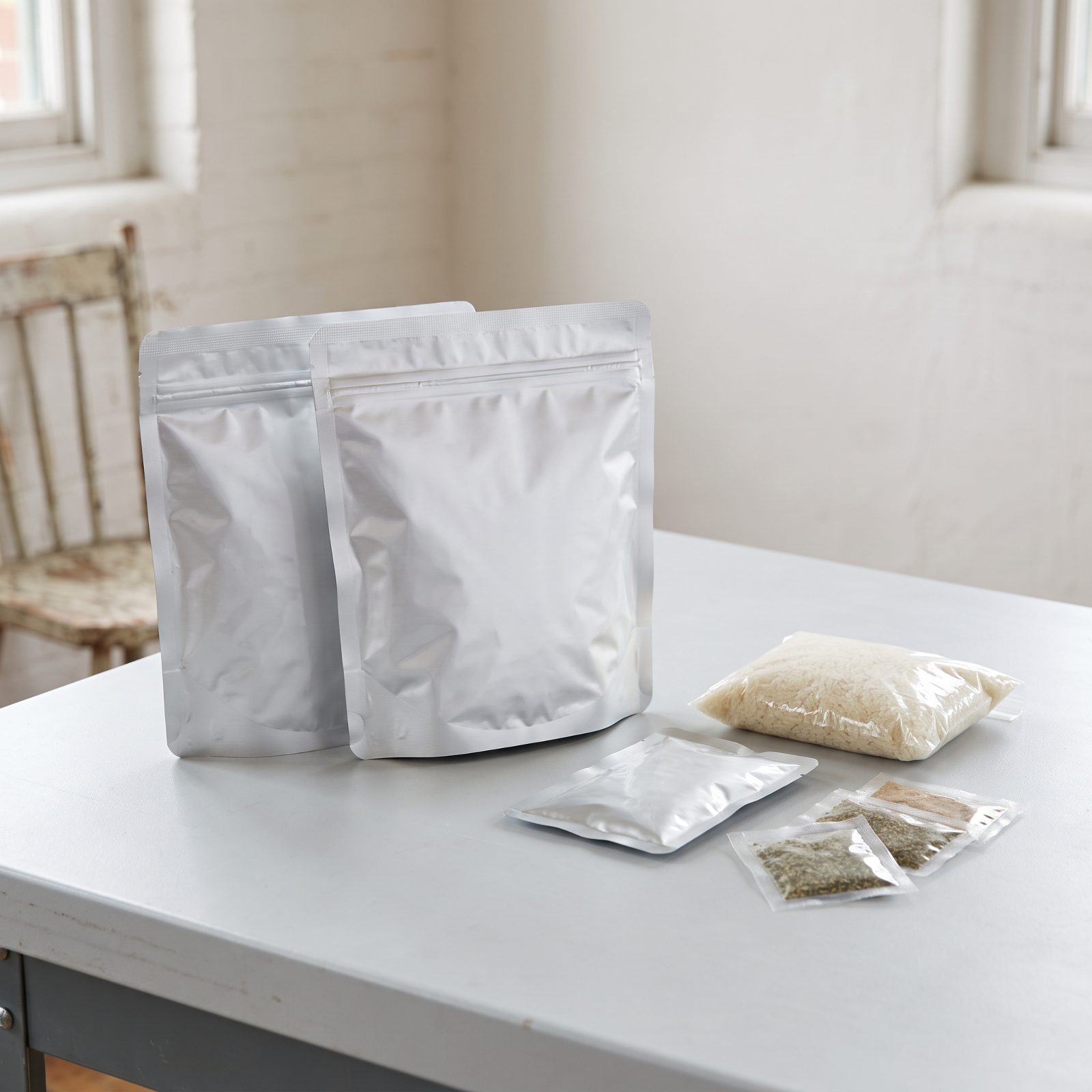
Ten bucks or more a pouch, and most of that is paying for the privilege of adding hot water. The sodium alone will have you chasing your water bottle all night.
I ate enough of these on early trips to know the truth. They all taste like the same brown. Beef stroganoff, chicken teriyaki, chili mac — close your eyes and you can’t tell them apart.
A bag of instant rice, a foil pouch of tuna, and your own spice jar does the job for a couple of dollars. Weighs the same. Tastes like food you actually chose.
12. Bluetooth Everything for the Campsite
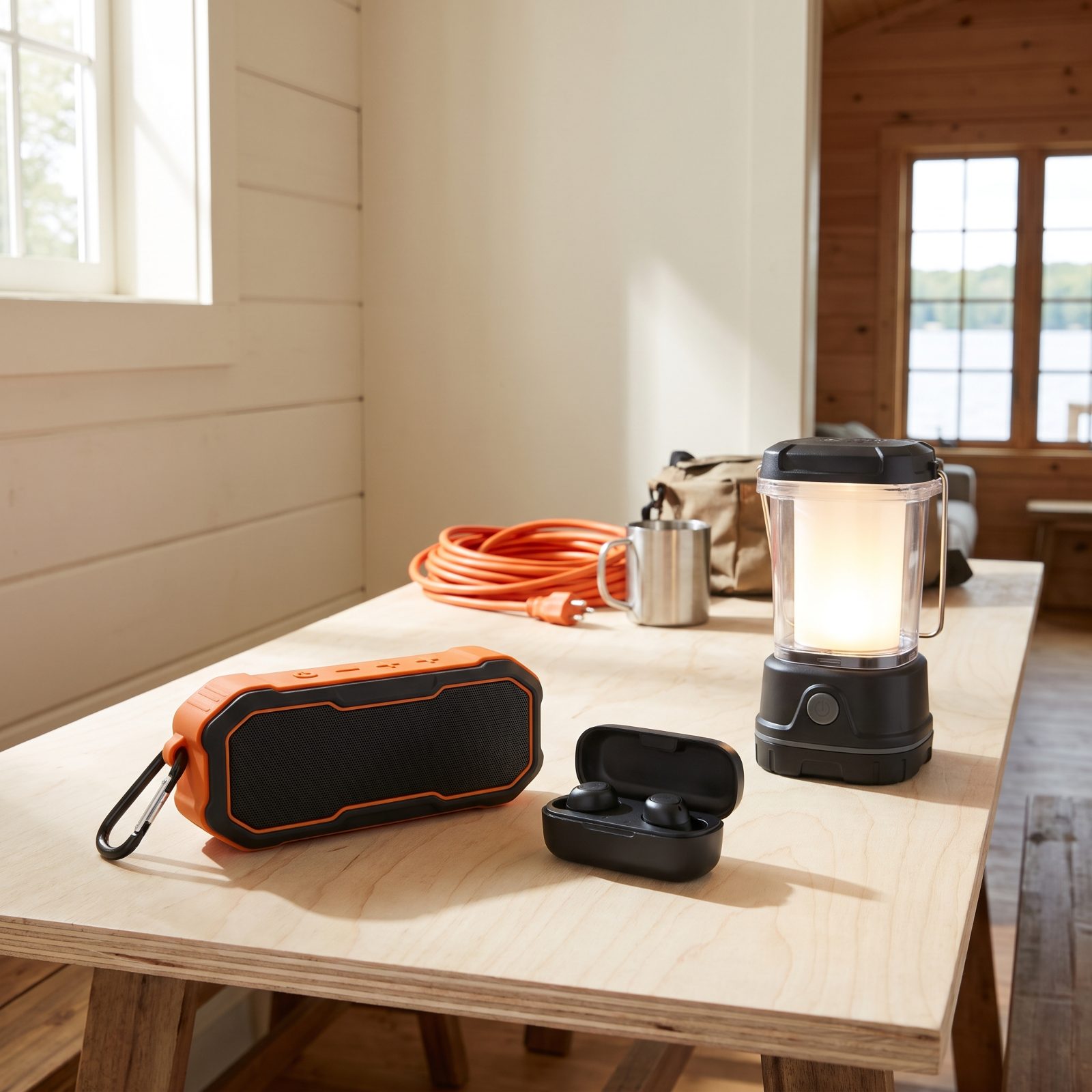
You went out there to hear the loons, not somebody’s playlist. The Bluetooth lantern, the speaker that pairs to an app, the cooler with a built-in sound system — all of it needs charging, all of it dies in the cold, and all of it replaces something a dumb version handled fine for decades.
Here’s the cost nobody mentions. Every one of these is a single dead battery away from useless. A plain lantern with a fresh set of AAs has never let me down at 2 a.m. The app-controlled one has.
11. Over-Engineered GPS Units When Your Phone Works
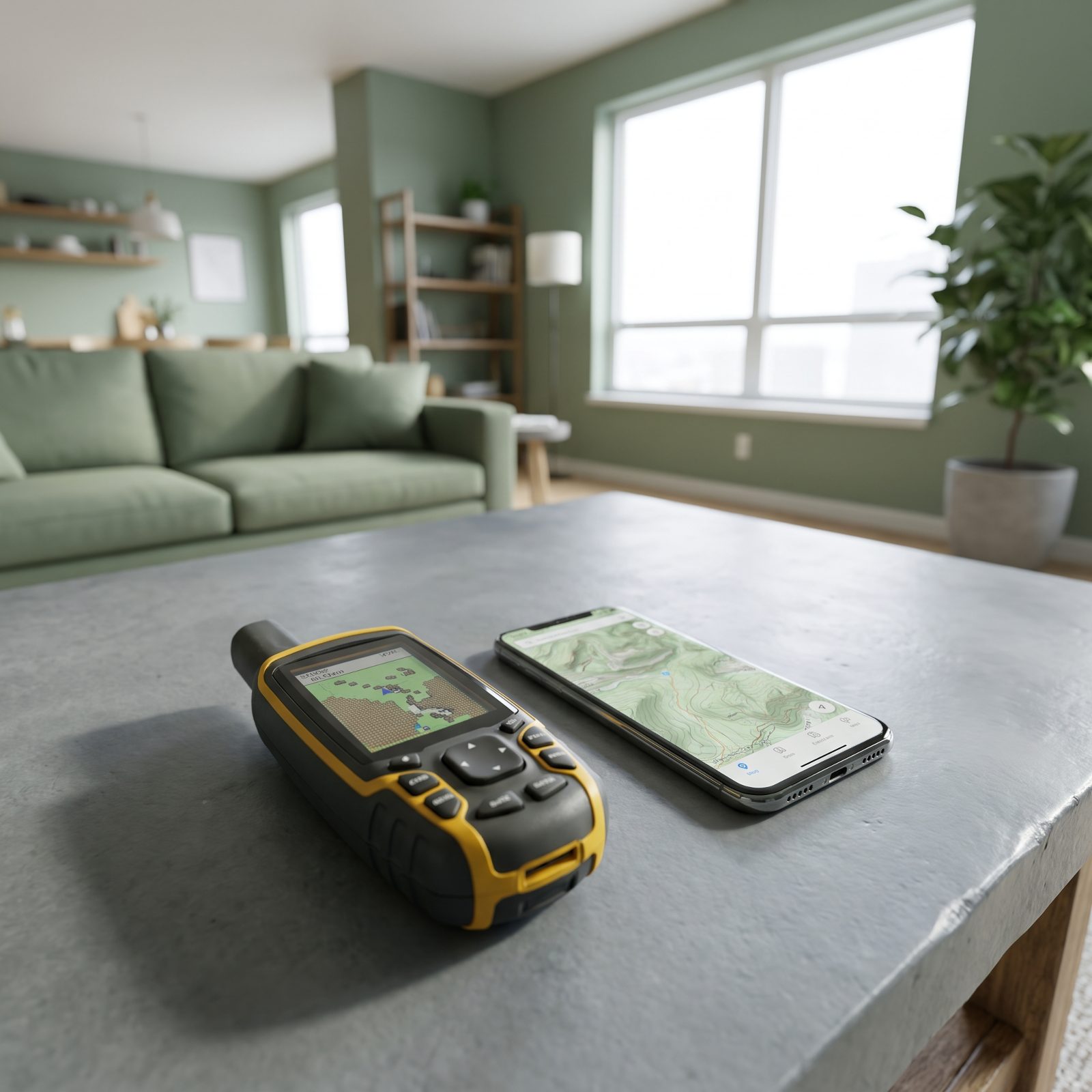
Hundreds of dollars for a dedicated unit that does, for most weekend trips, exactly what the phone already in your pocket does. Download your maps offline, drop it into airplane mode, and a modern phone can hold a GPS fix for a full day or more on one charge.
Now, if you’re going truly remote — country with no bail-out and no signal for a week — a dedicated satellite communicator is a different conversation. That’s safety gear, and I’d never talk you out of it.
But a pricey handheld to walk familiar trails? You’re buying a backup for a backup.
10. Tactical Flashlights for Jobs a Headlamp Handles
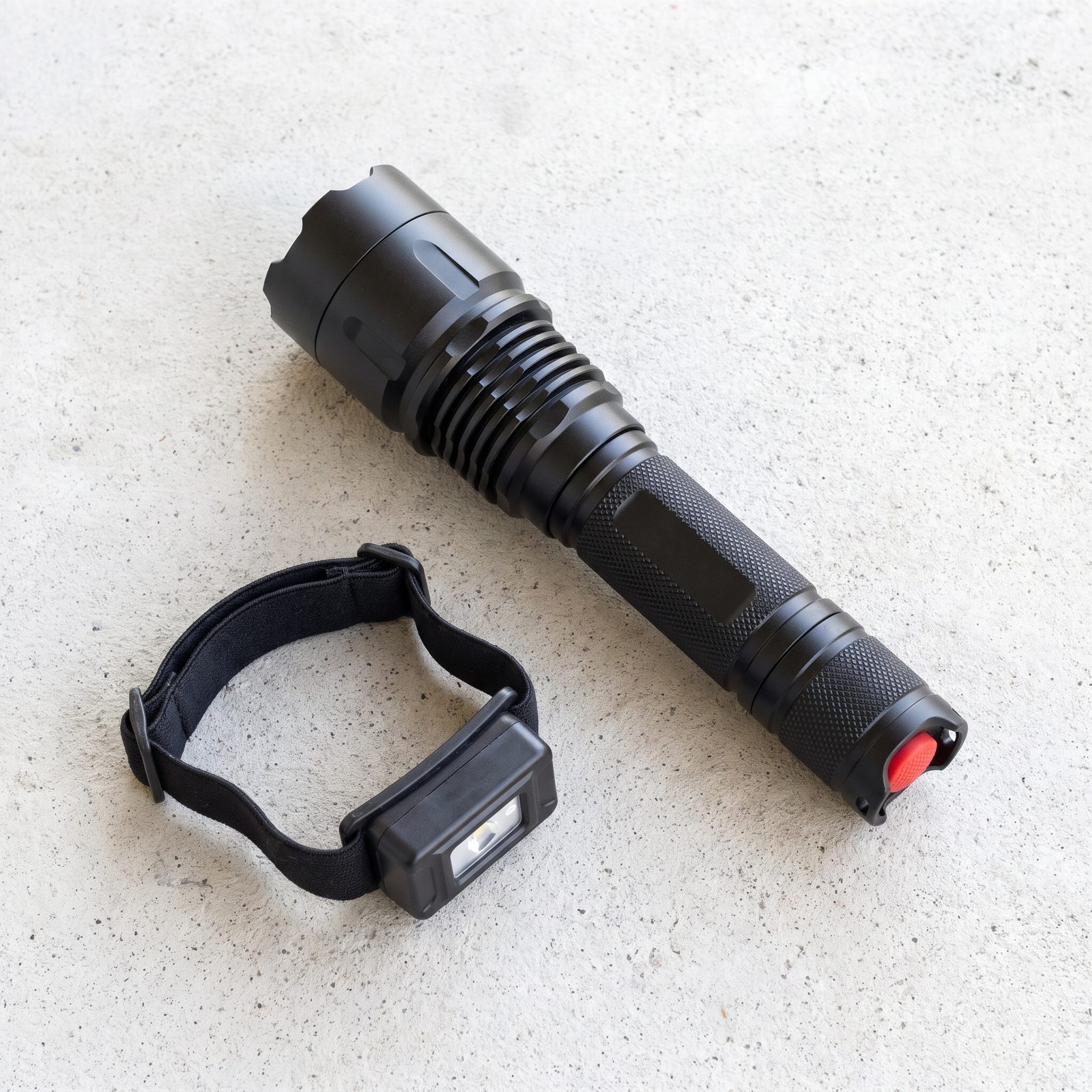
The crenellated strike bezel. The eye-searing turbo mode. The aircraft-grade aluminum body built to survive a fall you will never put it through while gathering firewood.
You need both hands in camp, every single time. That’s the whole case for a headlamp, and the whole case against the fist-sized tactical light that lives in a drawer once the novelty wears off.
I bought one. It’s heavy, it blinds everyone at the table, and it has never once needed to double as a self-defense tool. A cheap headlamp has out-earned it a hundred to one.
9. Gimmicky Pull-Through Knife Sharpeners
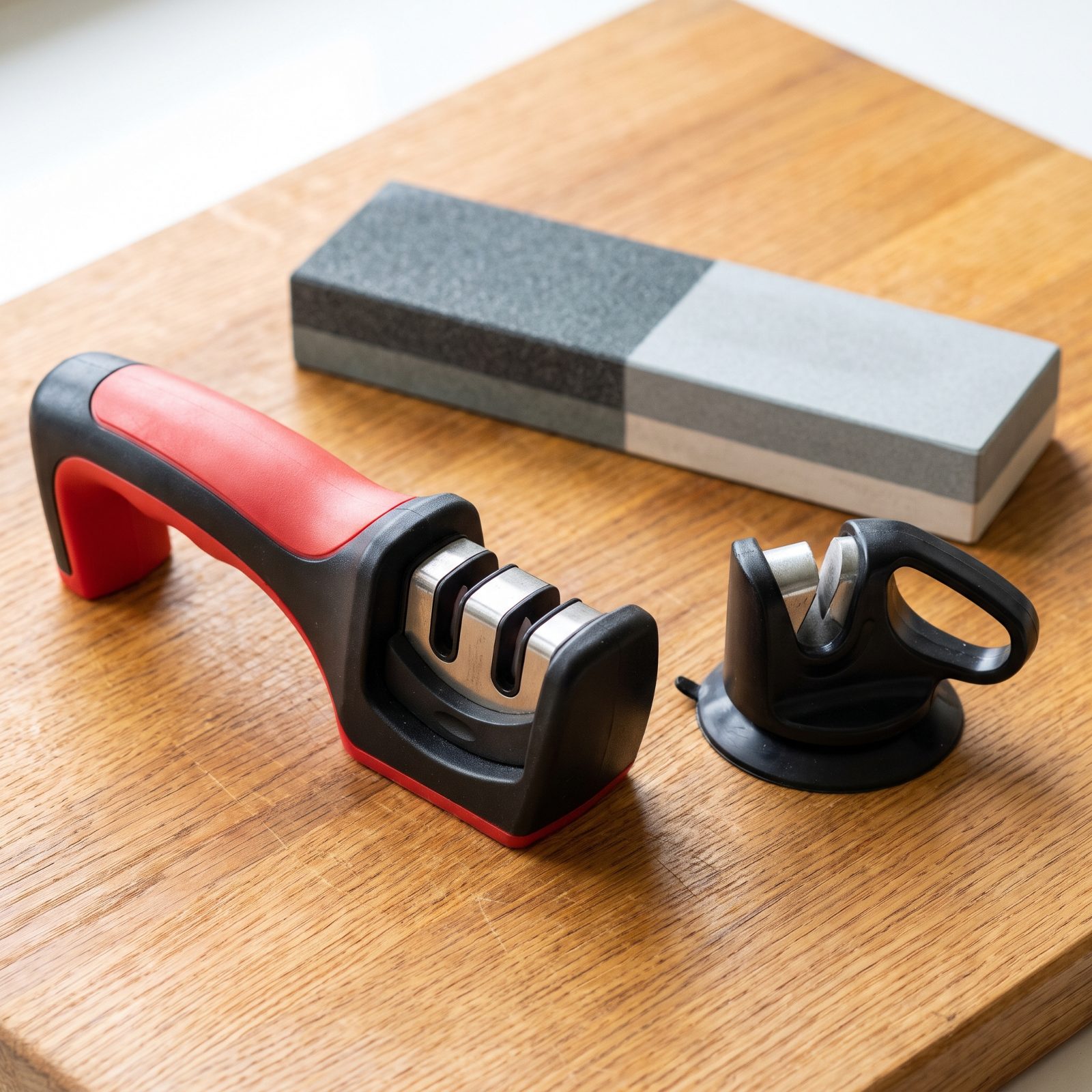
The little carbide pull-through gadgets feel satisfying. Drag the blade, hear the scrape, see the shavings pile up. What they’re actually doing is tearing metal off your edge and chewing up your knife a little more every pull.
A twenty-dollar whetstone and ten minutes on the porch gives you an edge that lasts, on the same knife, for years.
The gadget sharpens fast and ruins slow. The stone does the opposite, and the stone is the one your grandfather still owns.
8. Novelty Folding Camp Furniture
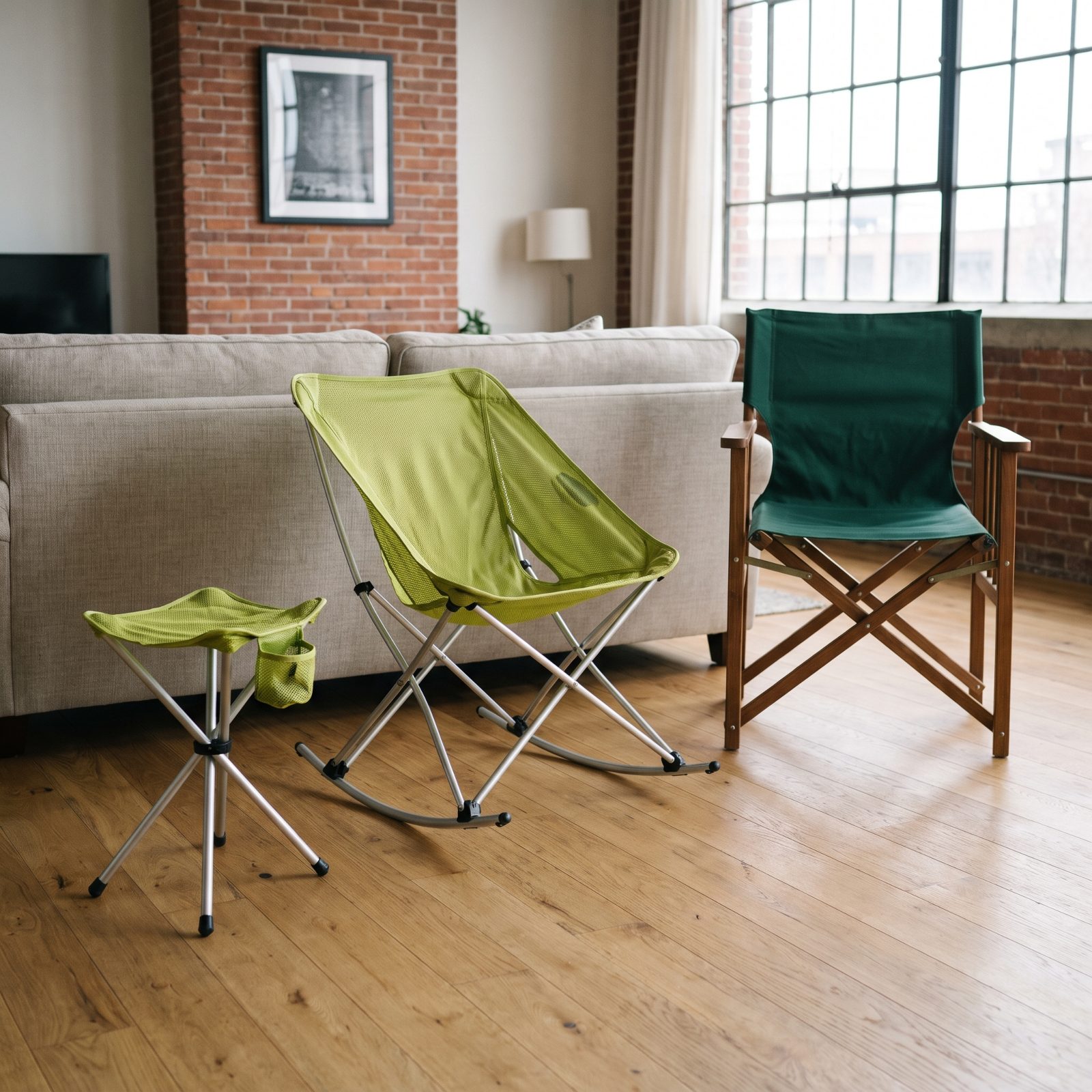
The rocking camp chair. The stool that folds down to the size of an umbrella. The hanging chair that needs a tripod stand heavier than the chair itself. They look brilliant in the catalog photo.
Then you sit in one. The thin aluminum flexes, a leg sinks into soft ground, and by the second trip the mesh has stretched into a hammock for your backside.
One solid chair you actually trust beats three clever ones that fail you. Buy the heavy one.
7. Single-Task Camp Kitchen Gadgets

The collapsible silicone kettle. The rechargeable personal blender. That dedicated silicone mold shaped to freeze exactly six ice balls. Each one solves a problem you didn’t have until the packaging invented it.
A single cast-iron pan or a plain pot cooks the eggs, boils the water, sears the fish, and heats the beans. One tool, endless jobs, and it’ll outlive you.
Camp cooking rewards the generalist. The more a tool does, the fewer you haul.
6. Branded Cooler Accessories and Add-Ons
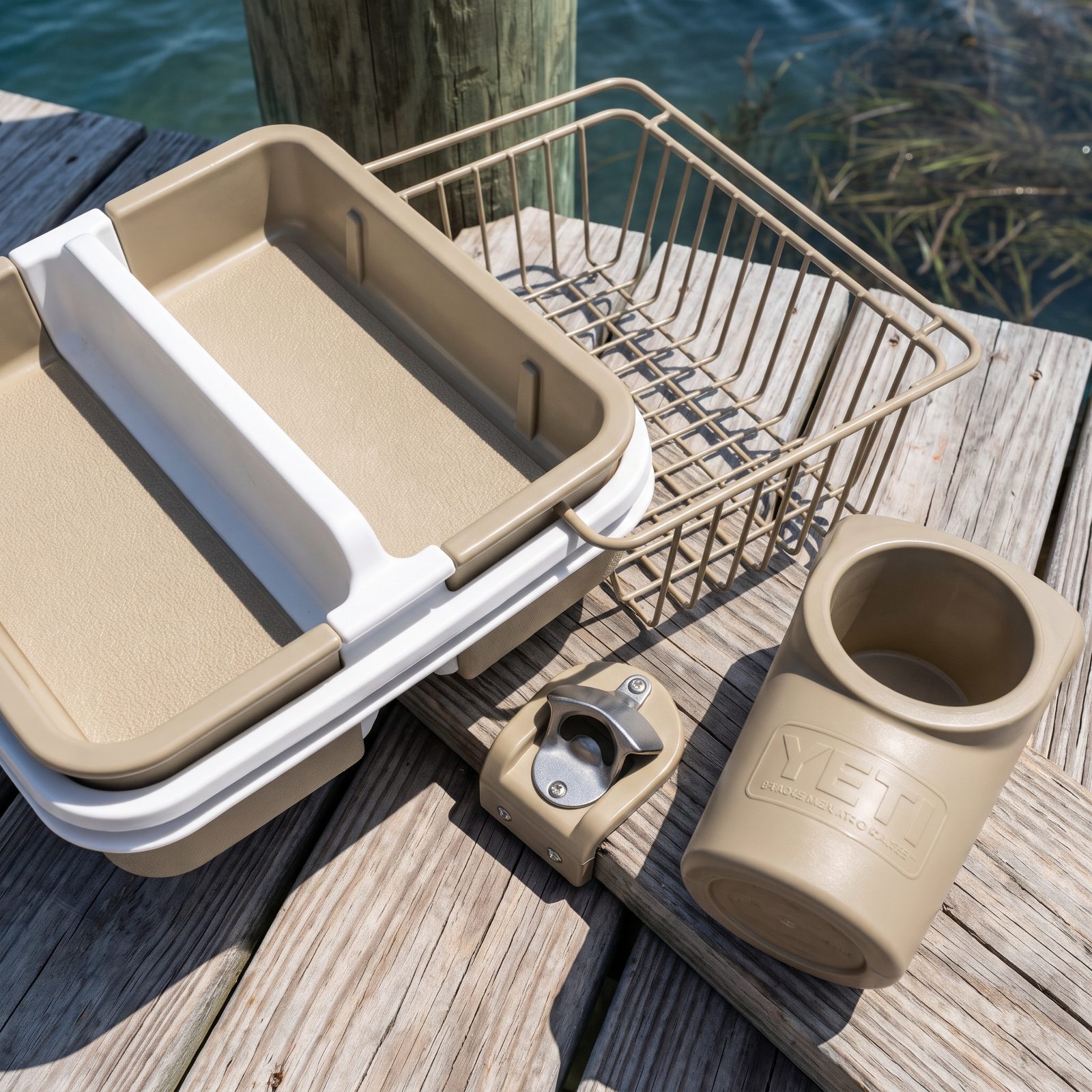
So you bought the expensive rotomolded cooler. Fair enough — those genuinely keep ice for days. Then the catalog starts suggesting the divider tray, the dry-goods basket, the tie-down kit, the cup holder, each one priced like it’s cut from the same bear-proof plastic as the cooler.
A plastic shoebox does the divider’s job for a few bucks. A bungee cord does the tie-down. None of it keeps ice any longer, which is the only thing you paid the premium for in the first place.
5. Designer Fishing Apparel Lines

The hooded sun shirt at seventy-five dollars does the same job as the one at twenty-two. UPF fabric, long sleeves, quick-dry. What you’re paying extra for is the fish logo on the chest and whatever that logo tacks onto the tag.
Fish have never once refused my hook on account of my shirt brand. The sun cares about the fabric rating and nothing else.
Buy for the UPF number and the fit, skip the badge, and put the saved money toward a reel that won’t quit mid-fight.
4. Single-Use Hand Warmers Bought by the Case
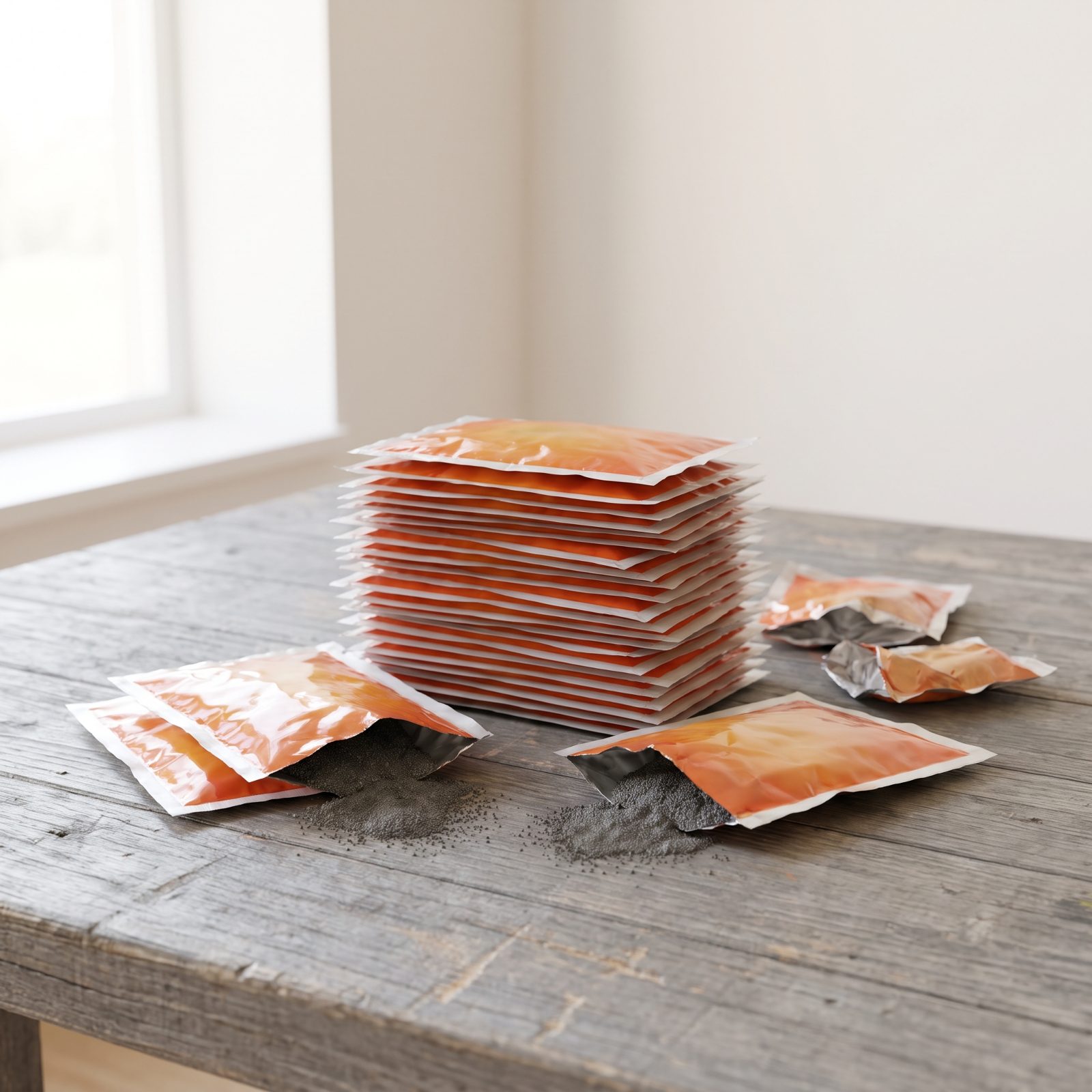
Buy a case of these and do the math later. A single warmer runs you most of a dollar, lasts one cold morning, then ends up in the trash half-spent because you stuffed it in a glove and forgot it was there. Across a season of deer stands and ice shacks, that’s real money spent on a bag of warm garbage.
A rechargeable electric warmer costs more up front and earns it back inside two winters. Bonus: it’ll jump your phone to life when your truck won’t start. I kept buying the throwaways for years out of pure habit, and habit is the only thing keeping that aisle stocked.
3. Bottled Fire-Starter Sticks That Cost More Than a Lighter
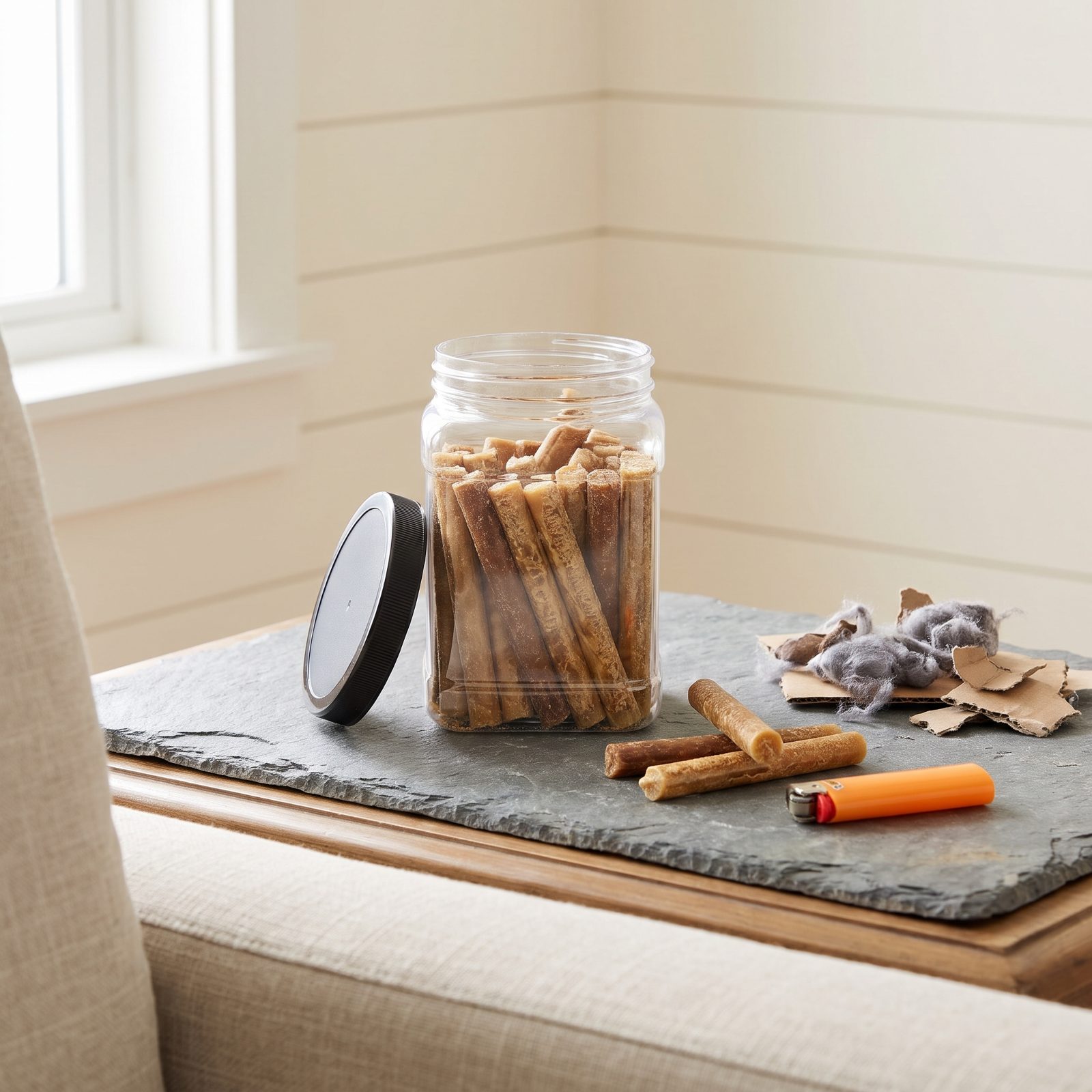
The marketing sells you a miracle: waterproof, burns for twelve minutes, lights in any wind. What it actually is? Wax soaked into sawdust, marked up to a price that’d make a gas station blush.
You can make the same thing at home. Pack dryer lint into an empty egg carton, pour melted candle stubs over it, done. Costs nothing and burns just as long. A cotton ball smeared in petroleum jelly works too, and it tucks neatly into a film canister.
None of this means the sticks are useless. They’re a convenience you’re overpaying for. Keep a real ferro rod and a baggie of lint in your pack and you’ll never reach for the jar.
2. Paracord Bracelets Priced Like Survival Gear
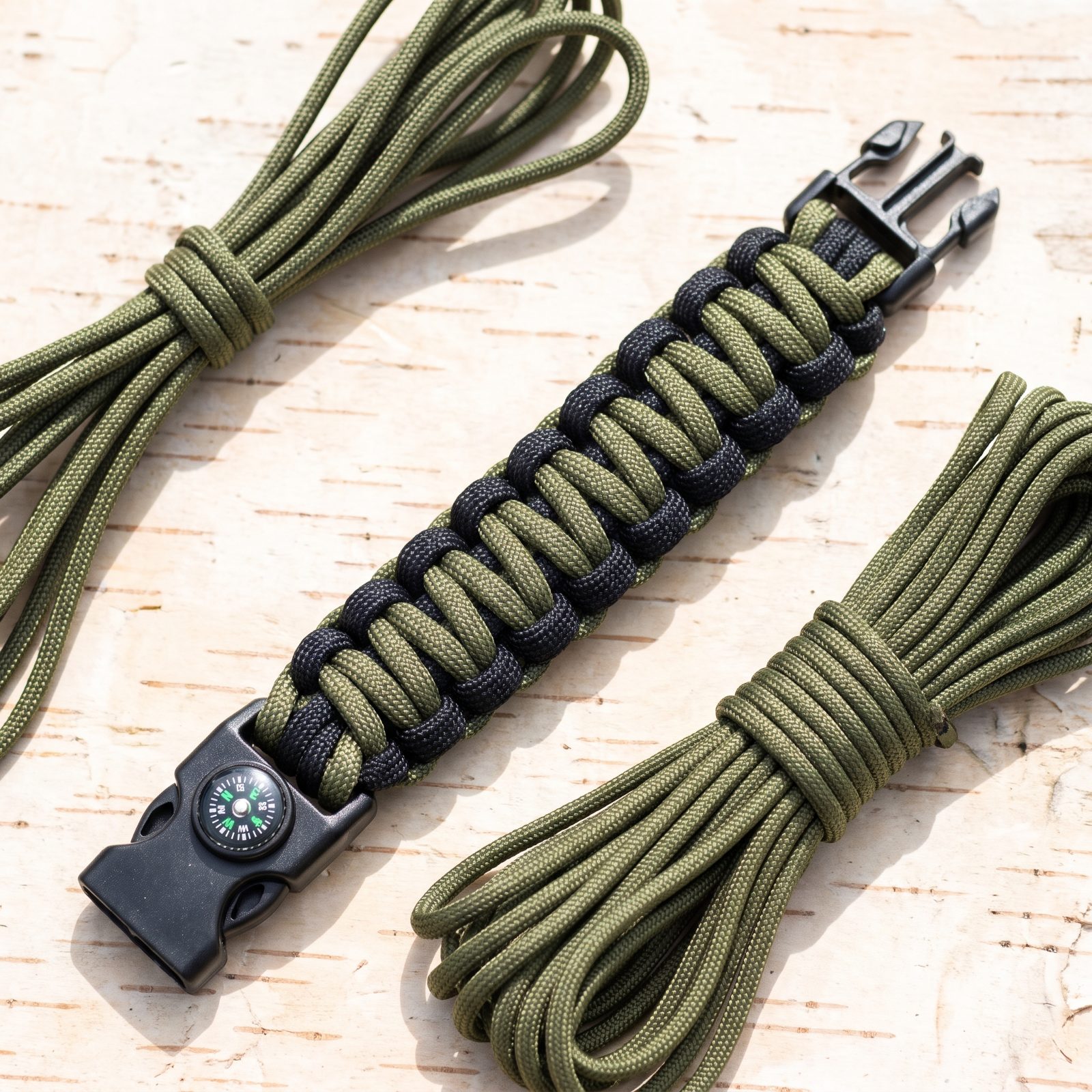
Ten feet of cord woven into a wristband, then sold for fifteen dollars. That’s the whole product. The cord inside is worth about a buck, and the little compass glued into the buckle points vaguely toward disappointment.
Price isn’t even the real problem. It’s the premise. When you actually need rope, you need to grab it fast and use a long run of it. Picking apart a sweaty bracelet while your tarp flaps loose in the wind is not the moment anybody plans for.
Buy a hank of real paracord, clip a loop of it to your pack, and skip the jewelry.
1. Logo-Branded Water Bottles With the Brand Tax Baked In

A bottle is a bottle. Double-wall steel, vacuum seal, screw lid — that problem got solved years ago, and the fix sits inside every bottle on the shelf, the twenty-dollar one included.
So what’s the extra money buying? A name etched on the side. The premium versions keep your coffee hot the same number of hours as the no-name sitting right beside them. I’ve run both on the same canoe trip and couldn’t have told you which was which by lunch.
Spend where the difference actually shows up. Boots. Optics. A good rod. A water bottle isn’t that, and on these the logo is the priciest part of the whole thing.