There’s a cove on every lake that owes you nothing and gets a visit anyway. You know the one. Pretty water, easy parking, maybe a hickory leaning out over a good shade line, and a catch rate that would embarrass a bucket of chum. You keep going back, not because it produces but because it feels like yours.
Please note that some of the images in this article were created with the assistance of AI.
Nobody says this at the tackle counter: the same wiring that keeps us circling a bad spot keeps people circling the wrong person. Hope outruns evidence, memory sands off the bad trips, and a single good morning two seasons ago becomes the whole story. What follows are the quiet mental tricks that keep good anglers loyal to water that doesn’t love them back. You’ll see yourself in here somewhere. I did, more than once.
12. You Fall for the View Before Testing the Water
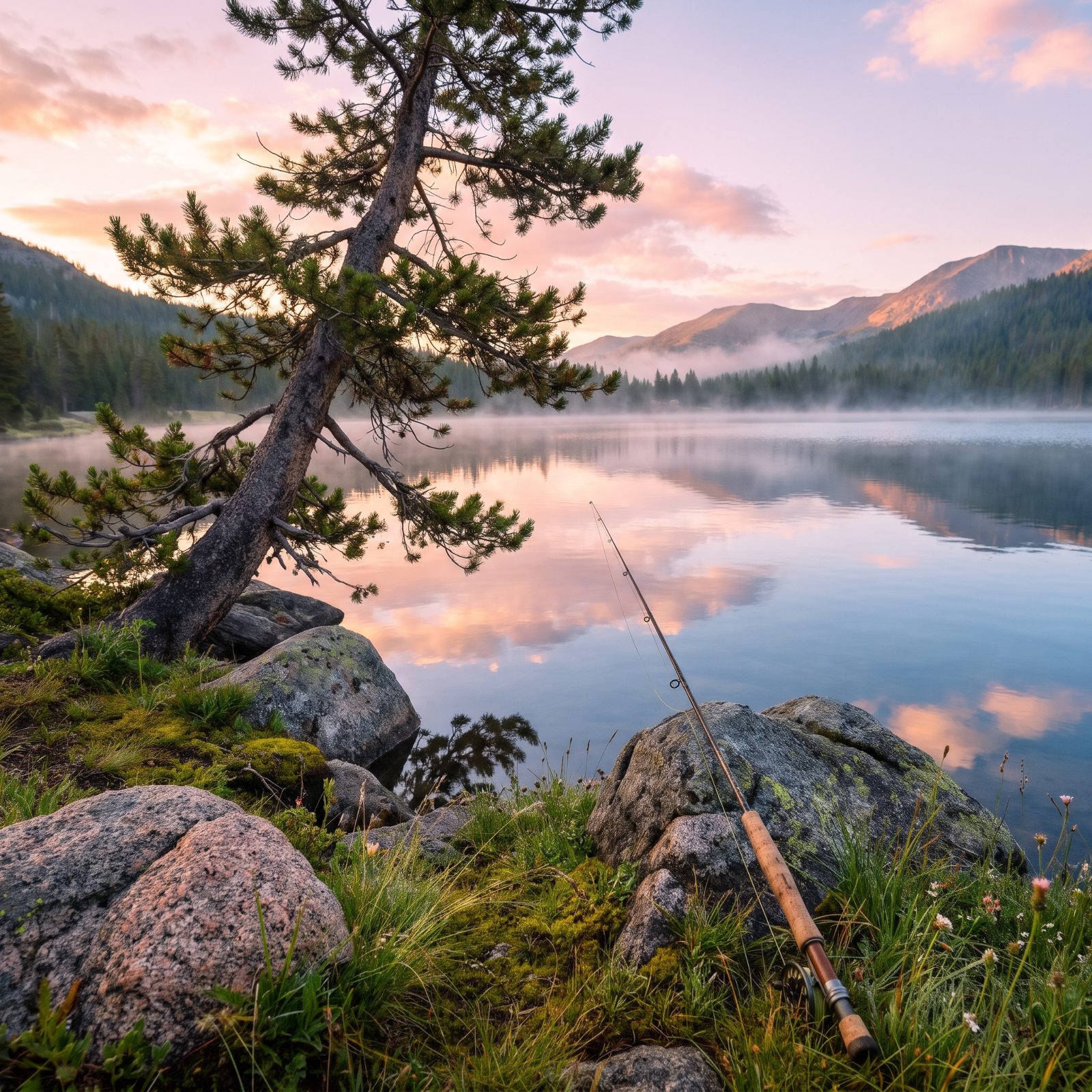
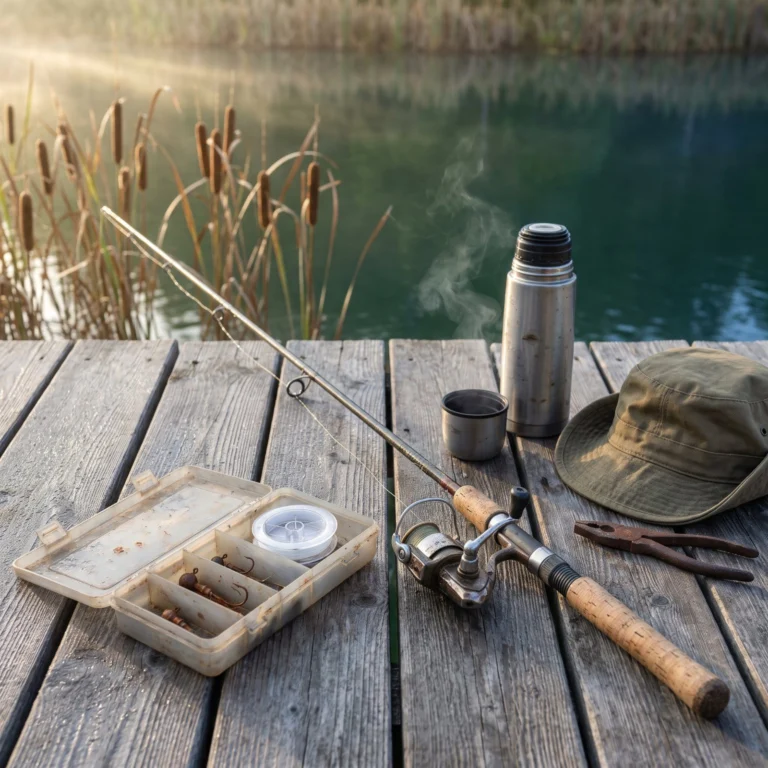
The spot sells itself before the first cast. Clear water, a backdrop like a calendar page, a dock angle that catches the morning light just right, and you’re sold before the lure ever hits the surface. Trip’s a success in your head already.
This is the halo effect doing what it always does. One attractive trait — the view — bleeds into every other judgment you make. Pretty water must hold fish. A person with a good smile must be kind, patient, and employed. The brain takes a shortcut and your logic follows it off the dock.
Beauty and productivity aren’t related. Some of the ugliest water I’ve fished — a stained farm pond behind a feed store — flat out hammered. The postcard cove gave me a sunburn and a story.
11. A Crowded Ramp Makes the Lake Look More Desirable
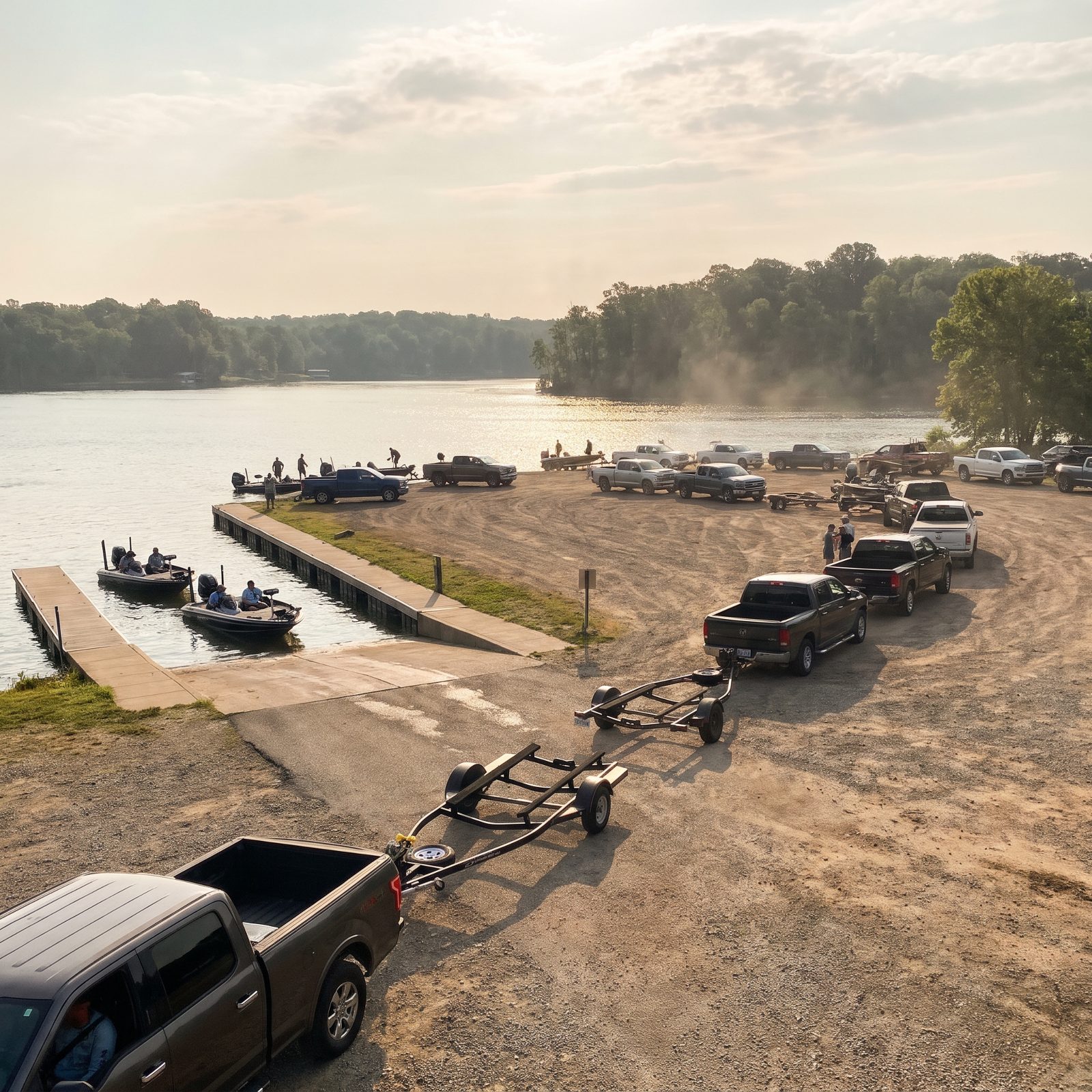
Pull up to a ramp with eight trailers already parked and something shifts in your gut. Must be on. Everyone knows something you don’t, so you unload faster, pick your lane, and feel that itch to not miss out.
Social proof, plain and simple. When we’re unsure, we read other people’s behavior as information. A full parking lot says fish here the same way a packed restaurant says eat here — even when the crowd is just following the crowd that followed a crowd.
A full ramp tells you the lake is popular. It tells you nothing about whether it’s biting.
It’s the exact mechanism that makes people chase the partner everyone else wants. Demand feels like proof of value. Usually it’s just proof of visibility.
10. You Call It Your Spot After One Good Morning
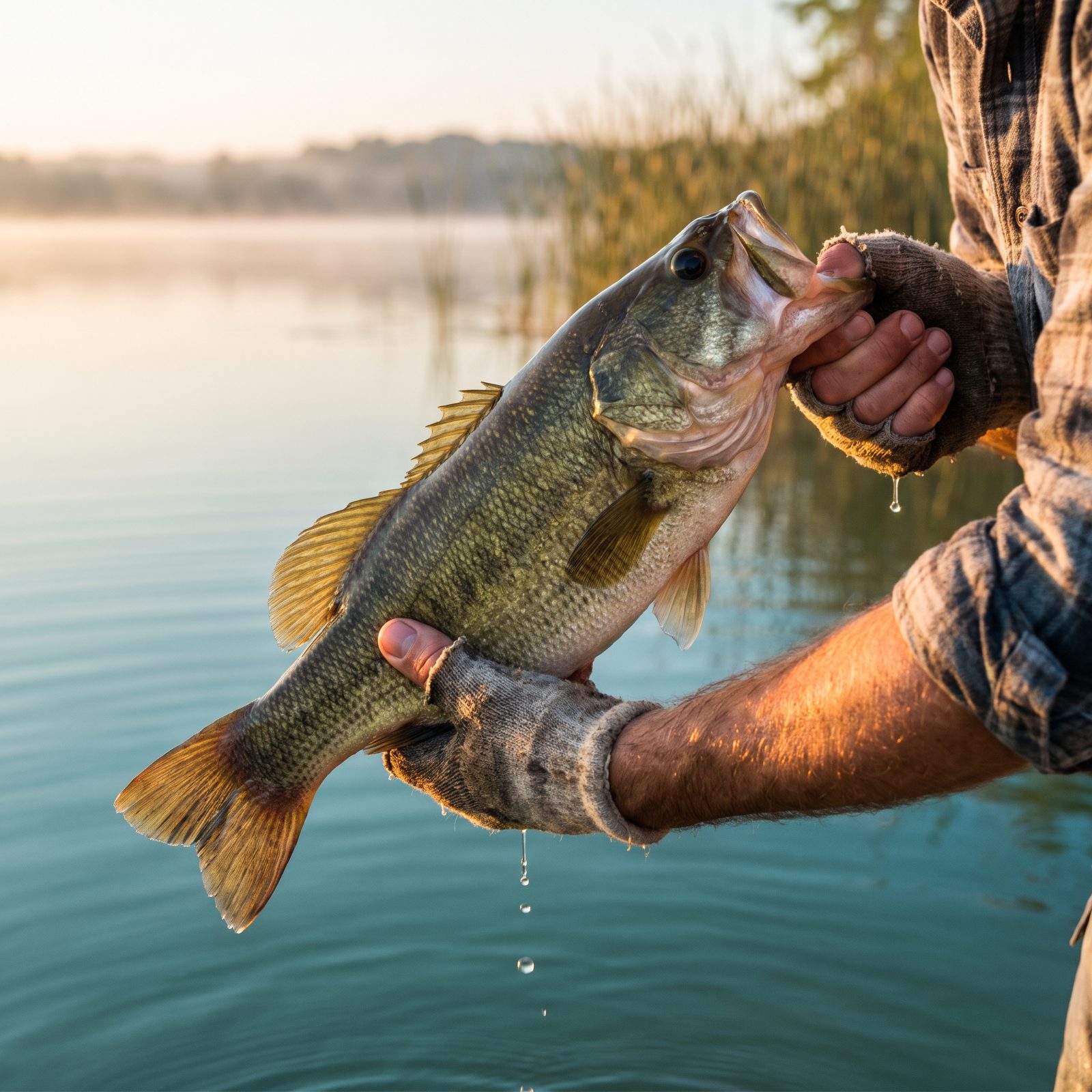
One clean morning and the deed is signed. The fish cooperated, the light was right, and suddenly it’s your spot — possessive, loyal, something you’ll defend against a buddy who had the nerve to suggest trying somewhere new.
Welcome to the endowment effect. The moment we feel ownership of something, we value it far past what it’s actually worth. Nobody sells the starter house for what it’d fetch, and people stay attached to a relationship they’d never choose fresh today, purely because it’s already theirs.
The water didn’t get better after that morning. Your grip on it did. And grip is a terrible way to judge a lake.
9. One Surprise Strike Keeps You Coming Back for Weeks
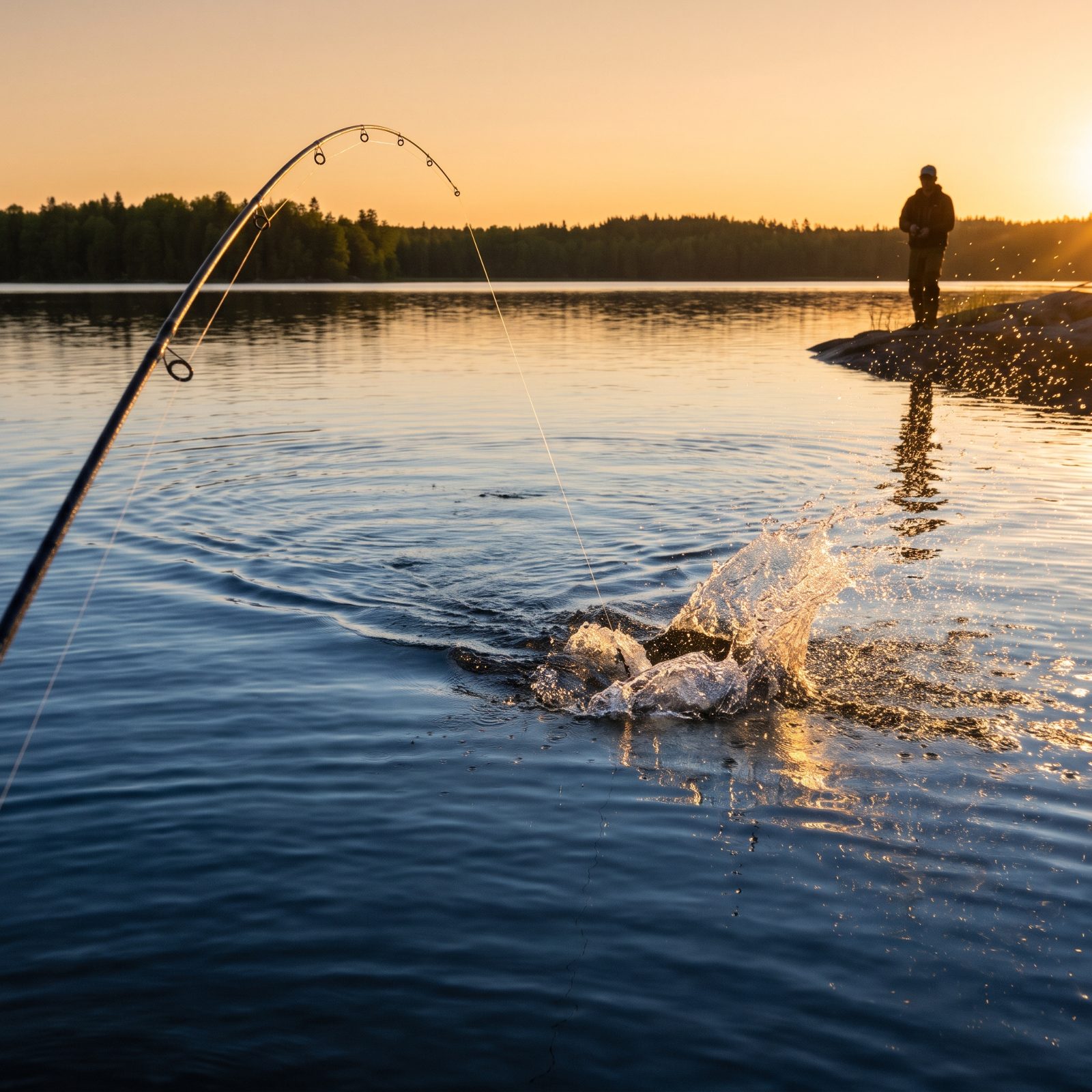
This is the cruelest one on the list. You fish a spot five times for nothing, then on the sixth a rod loads up out of nowhere and your whole brain lights up. You’re back Saturday. And the Saturday after that.
That’s intermittent reinforcement, the same reward schedule that makes slot machines so hard to walk away from. Unpredictable payoffs hook us harder than reliable ones. A fish every cast would get boring. A fish you can’t predict becomes a compulsion.
It’s the identical pull of the person who’s warm one day and absent the next. The inconsistency isn’t a flaw in the attraction. It is the attraction.
8. You Check the Fishing Report Like It’s a Text
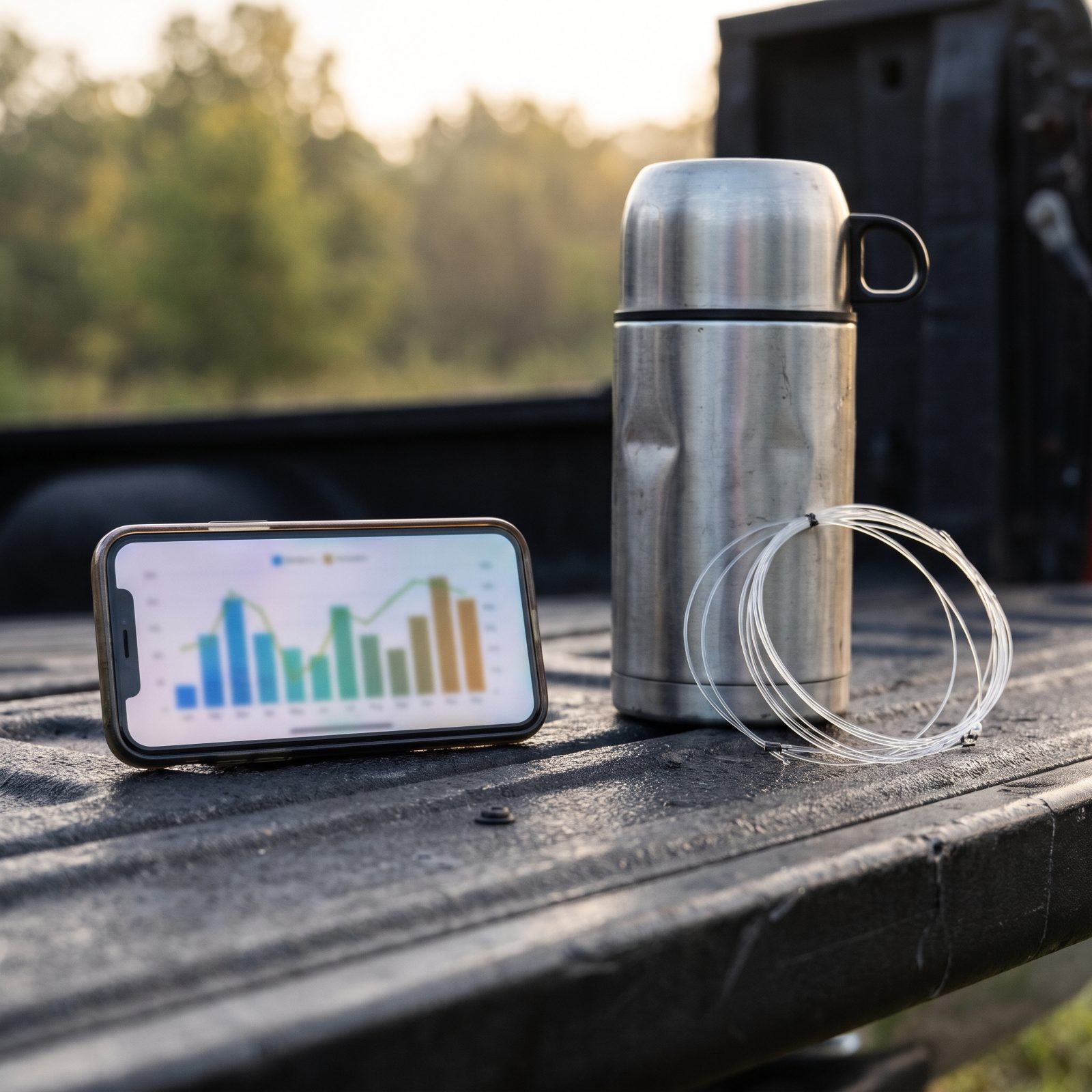
Refresh. Refresh again. Water temp, barometric trend, the stocking update, that one forum thread where somebody swore it turned on last Tuesday — you’re reading it the way a person checks their phone after a date that maybe went well.
This is hope wearing the costume of research. We mine neutral information for any signal that confirms what we already want to believe. Confirmation bias doesn’t look for the truth. It shops for evidence.
The report says conditions are “fair.” You read “promising.” Another angler reads “skip it.” Same data, two moods, and the mood decided the reading before you ever opened the page.
7. You Remember the Trophy and Forget Ten Empty Trips
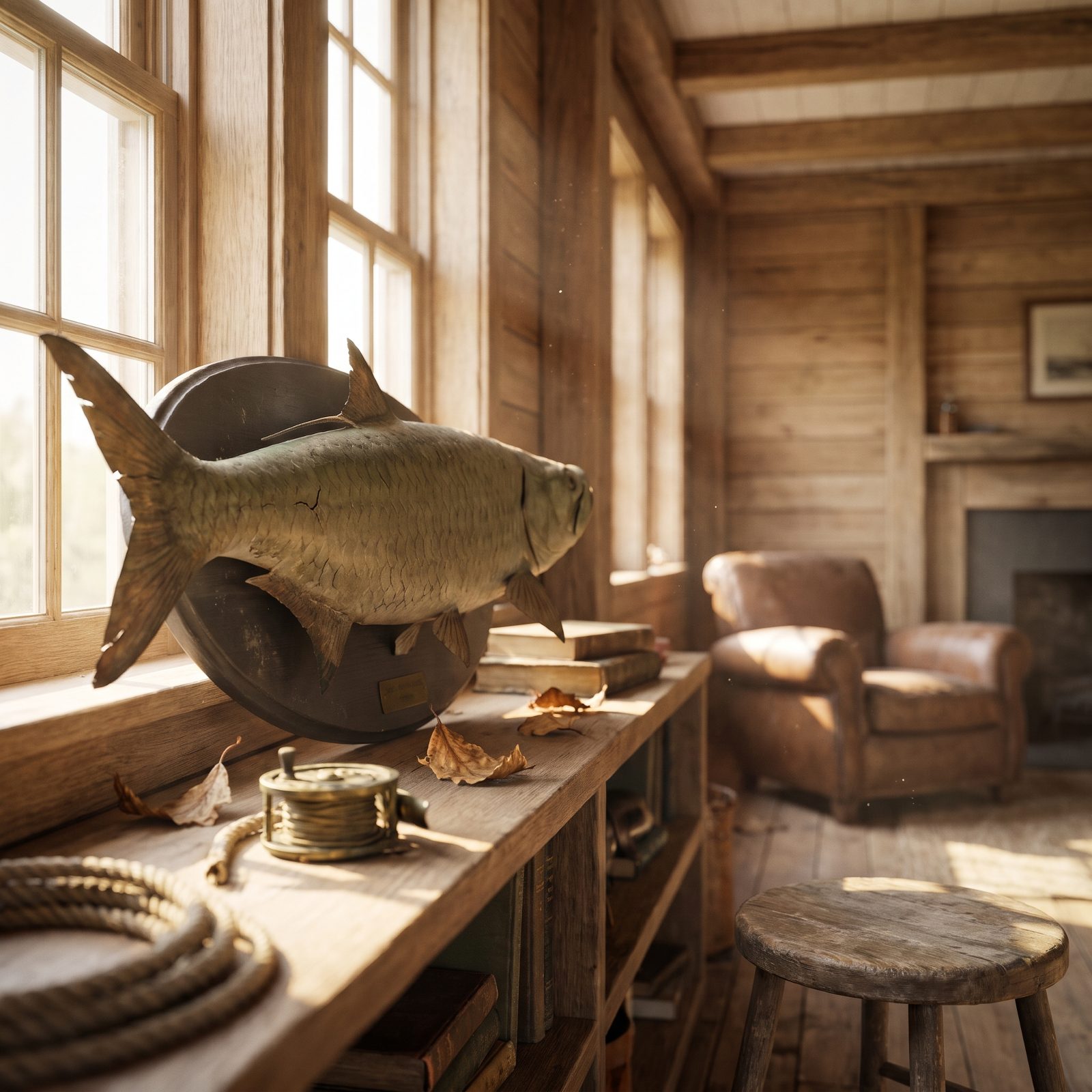
Ask about the spot and you tell the trophy story. The eight-pounder. The way the rod doubled over. You’ve told it so many times it’s smooth as a river stone. What you don’t mention, because you genuinely don’t remember, are the ten mornings you drove home with dry hands.
Memory is a liar with good intentions. The peak-end rule means we judge an experience by its highest moment and how it finished, not by the long gray middle. One great fish rewrites a whole frustrating season into a win.
People do this with relationships that ended badly. They remember the trip to the coast and the good year, and the hundred ordinary disappointments quietly vanish from the ledger. The highlight reel is not the full tape.
6. You Blame Every Skunk on Wind, Pressure, or Moon

Skunked again, and the excuses line up before the truck door shuts. Cold front. High pressure. Full moon. Too much wind, or not enough. The water’s always innocent. The conditions always did it.
Self-serving bias, textbook. Good trips are proof of our skill, bad trips are the universe’s fault, and that one move protects both the ego and the spot. The spot never has to answer for itself.
Same reflex that keeps a person loyal to someone who keeps letting them down. It wasn’t them, it was a hard week, bad timing, the stress. The pattern sits right there in plain sight, and the excuses paint over it every single time.
5. You Buy New Lures Instead of Questioning the Spot
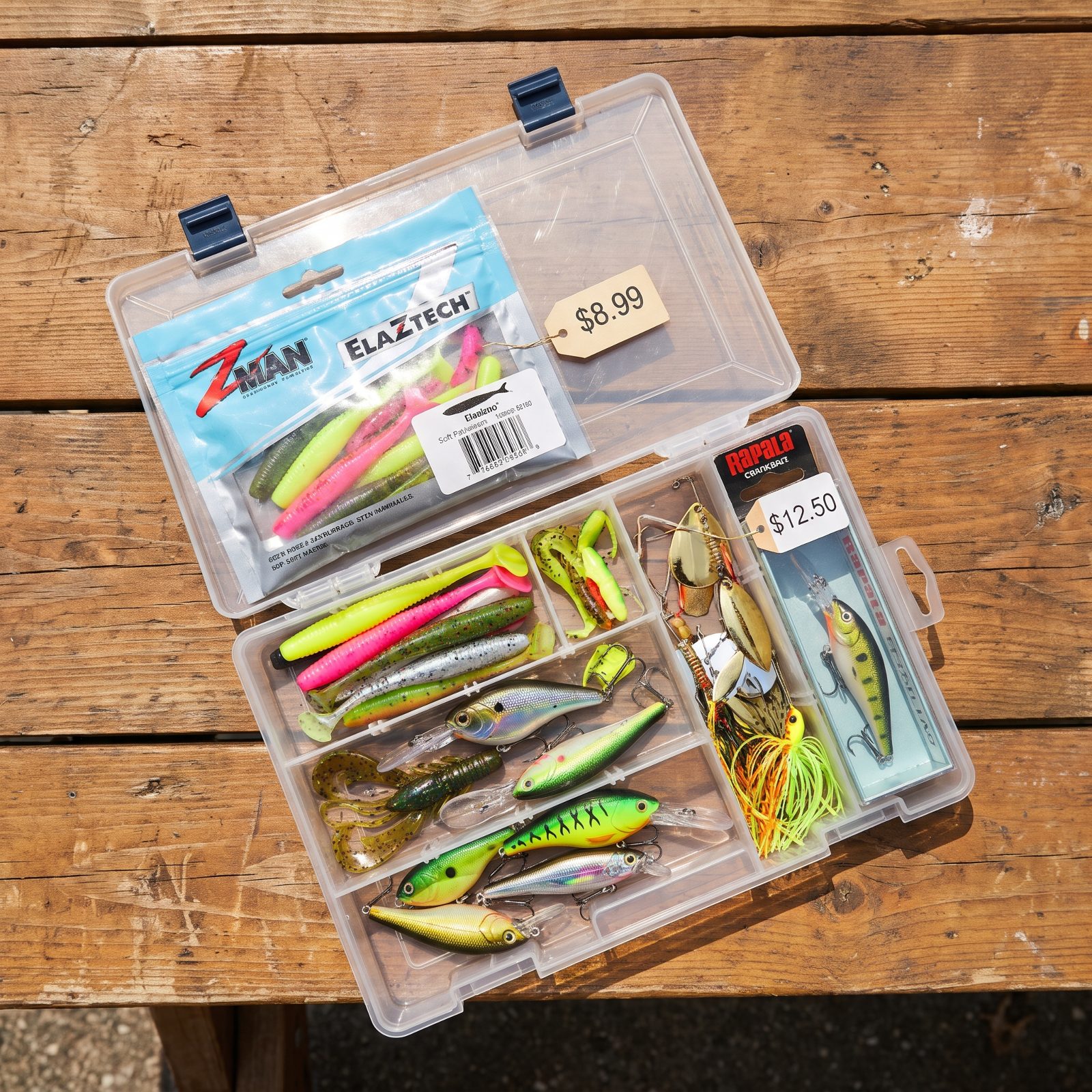
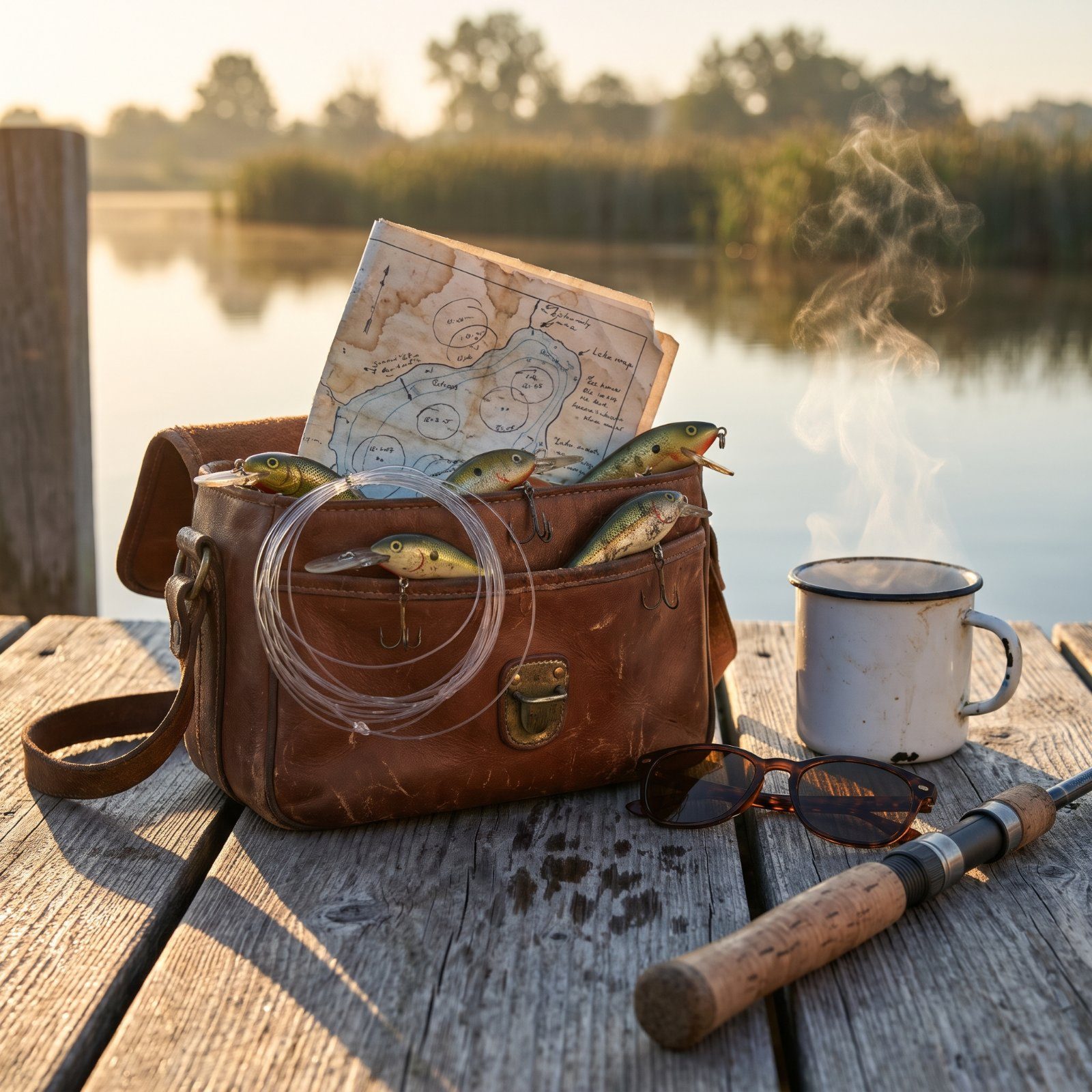
The spot’s been dead for a month, so obviously the problem is you don’t own the right crankbait yet. Twenty-some dollars later you’ve got a new color you’ll throw twice. The spot stays. The tackle box grows.
Sunk-cost thinking crossed with misplaced effort. Rather than question the thing that isn’t working, we double down on fixable-feeling small stuff because it beats admitting the whole choice was wrong.
People renovate the kitchen before they’ll admit the marriage is the issue. New lure, new throw pillows, same unexamined decision underneath.
4. The Harder the Hike, the Better It Must Be
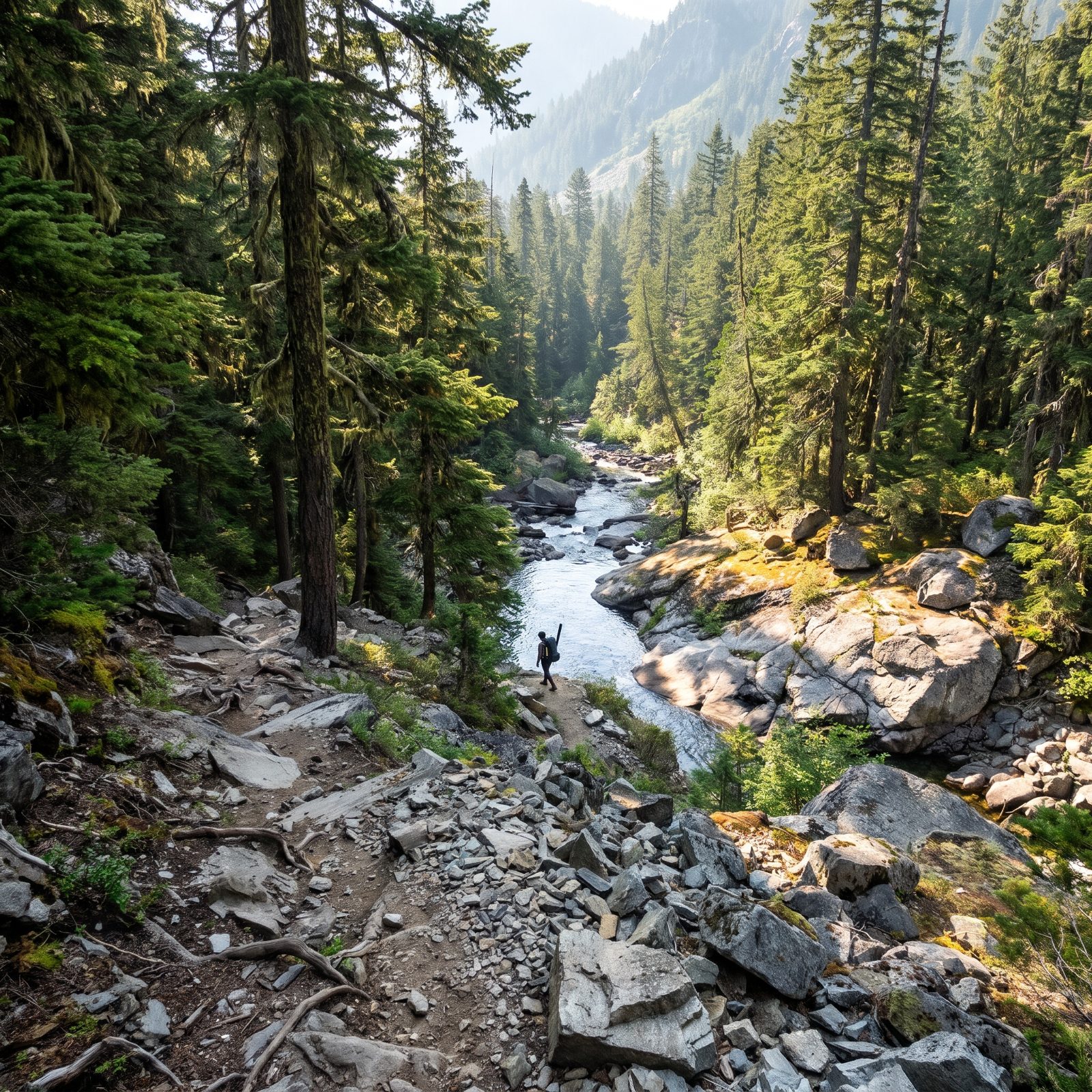
Two miles down a brutal grade, scrambling over deadfall, sweating through your shirt to reach a creek you’re sure must be untouched. It has to be good. Nothing this hard could be mediocre.
Meet the IKEA effect, the way effort inflates value. We prize what we build and what we suffer for, often past what the thing is worth. The harder we worked, the better we need the payoff to feel, or the work was wasted.
It’s the logic of staying in something difficult because of how much you’ve already put into it. Pain gets reframed as worth. Sometimes the hard-to-reach creek is a gem. Sometimes it’s a mud puddle you talked yourself into. The effort has no idea which.
3. You Fish Longer Because You’ve Already Burned the Gas
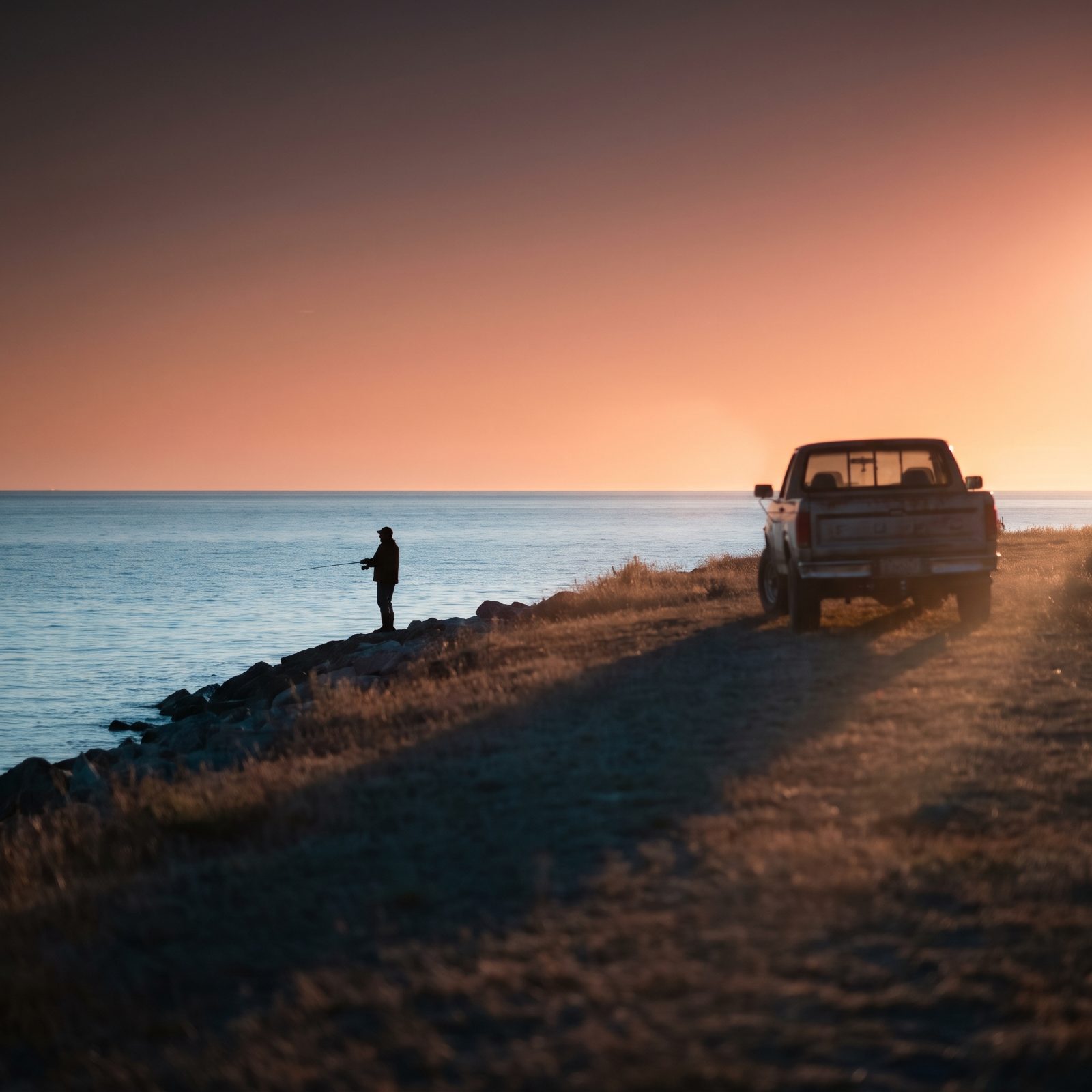
You drove ninety minutes, dumped a chunk of a paycheck into the tank, and the bite never happened. Smart move is to pack up and go home. Instead you fish two more hours into the dark, because leaving now would mean the whole day was for nothing.
Pure sunk-cost fallacy. The gas is spent whether you stay or leave. It’s gone, it can’t be un-spent, and yet it quietly runs your decision anyway. We throw good time after bad because quitting feels like saying the loss out loud.
Same math that keeps people years into things they knew to leave much earlier. The time’s already invested, so they invest more, as if volume could rescue a bad position.
The best anglers I know have a ruthless gift. They’ll leave fish they can’t catch, and they’ll leave empty water even faster. The gas is gone either way. The only live question is where the fish are now.
2. You Drive Past Better Water Because This Place Knows You
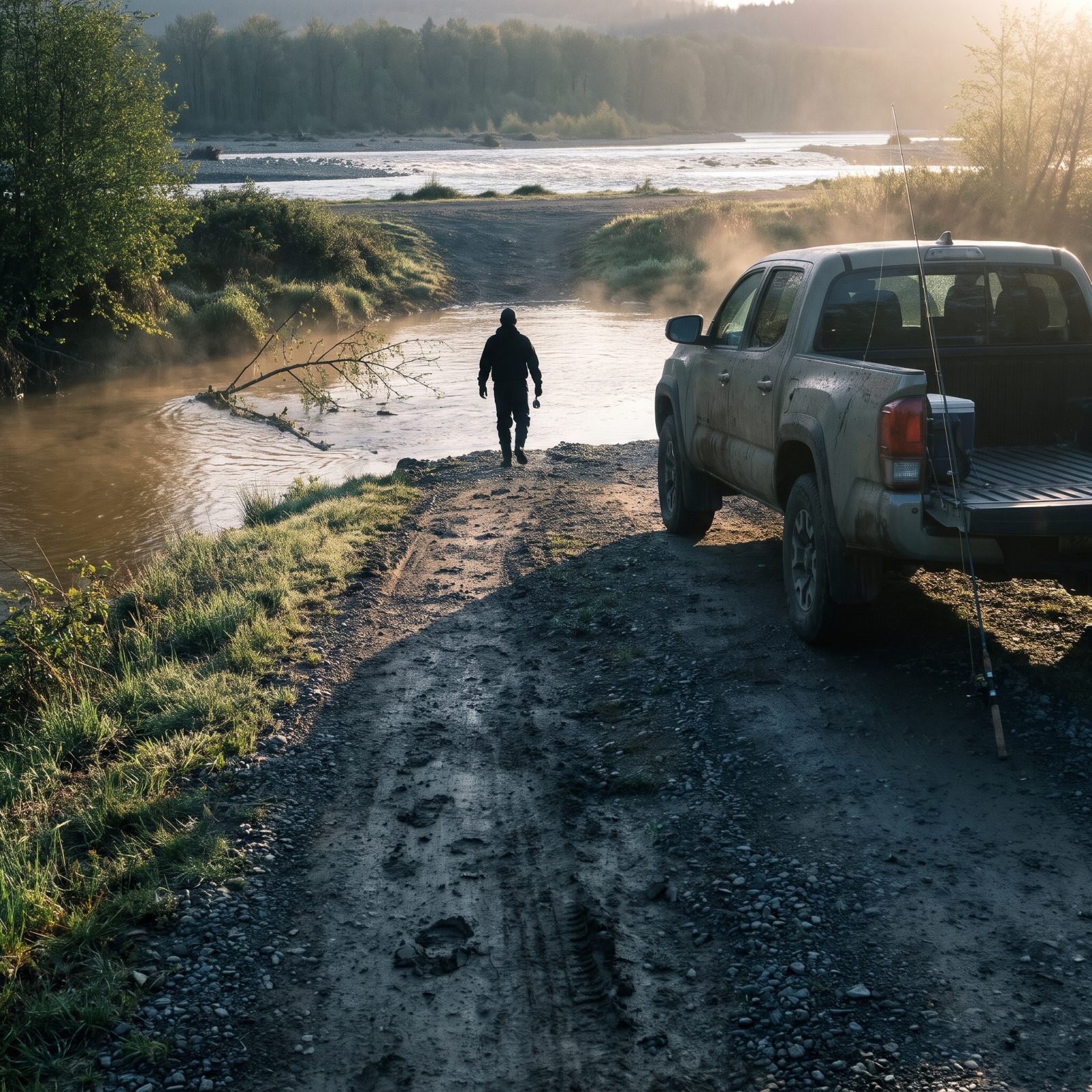
There’s a turnoff you could take, and you know it’s there. Everybody knows the river two ridges over fishes cleaner, holds bigger fish, and doesn’t blow out every time it sprinkles. You drive past it anyway. You park at the same gravel pull-off you’ve used for fifteen years, walk the same path, and stand in the same seam like you’re keeping an appointment.
People do this with each other too. Not the best match — the familiar one, the one whose moods you can read from the driveway. There’s a mechanism under it called the mere-exposure effect, and it’s simple enough: the more we’re around something, the more we like it, whether or not it’s good for us. Familiarity gets mistaken for rightness.
Comfort has real value on the water, and that’s the honest part. You know where the fish sit, so you don’t waste the morning reading new current. But be clear with yourself about the trade. You’re not fishing the best spot. You’re fishing the one that feels like yours.
1. You Keep Comparing New Lakes to Your First Favorite
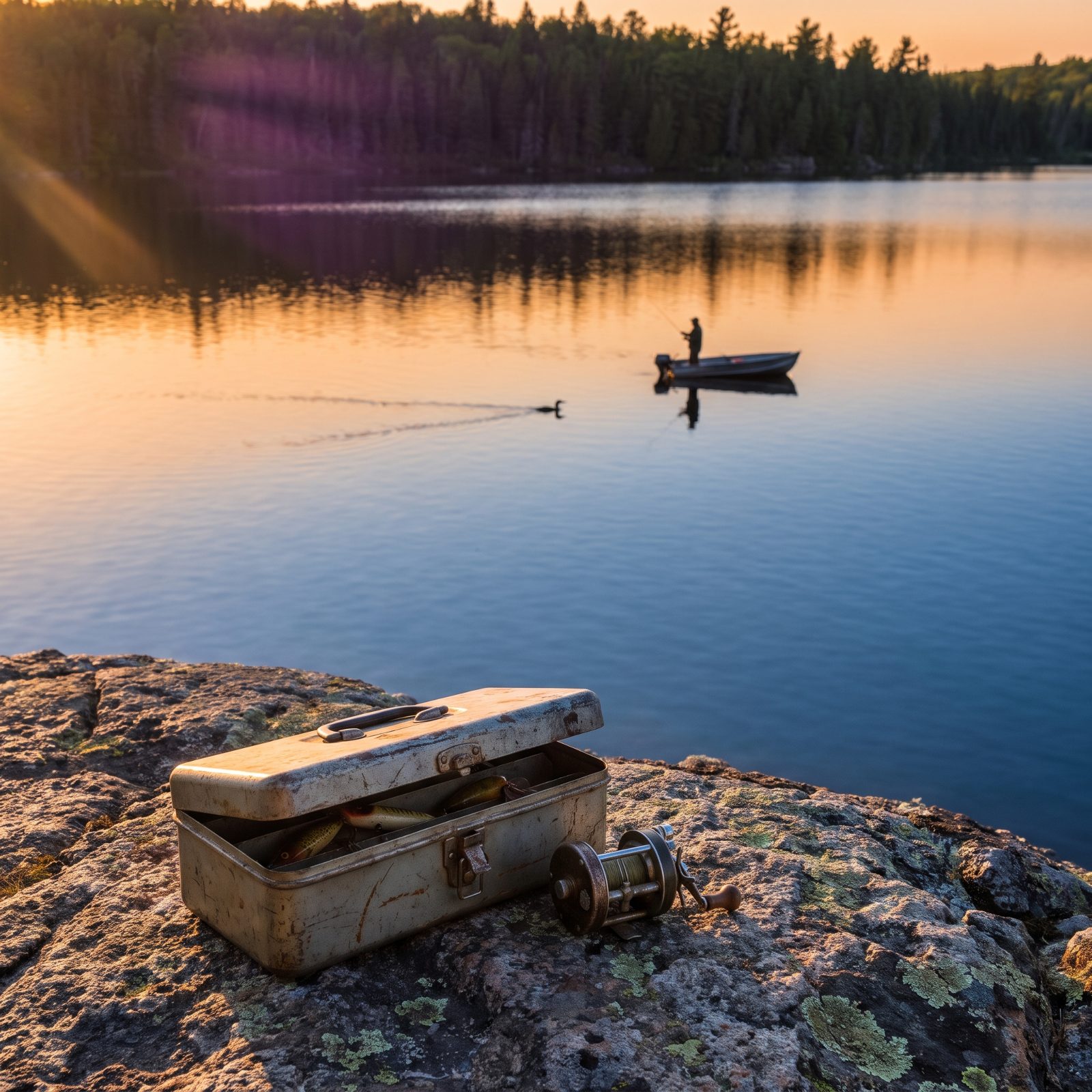
Somebody takes you to a new lake. Stocked right, clear water, fish that fight. By every measure it beats the little pond where you learned to cast — and you stand there feeling almost nothing, because it isn’t the pond. You catch yourself thinking the shoreline’s wrong, the light’s wrong, it doesn’t smell the way yours did in July.
First water sets the ruler you measure everything else against. Anchoring bias in waders. That original morning becomes the baseline, and every lake after gets scored against it whether the comparison’s fair or not. Nostalgia does the rest, sanding down the slow days on the old pond until only the golden ones remain.
I did this for years without noticing. I fished gorgeous country and kept feeling vaguely let down, like the new place owed me something it was never going to pay. Wasn’t the lake’s fault. I was holding it up next to a memory, and memories don’t have skunk days.
People carry a first love the same way, scoring every later partner against someone they remember better than that person actually was. The fix isn’t forgetting the pond. It’s letting the new lake be a new lake instead of an audition.