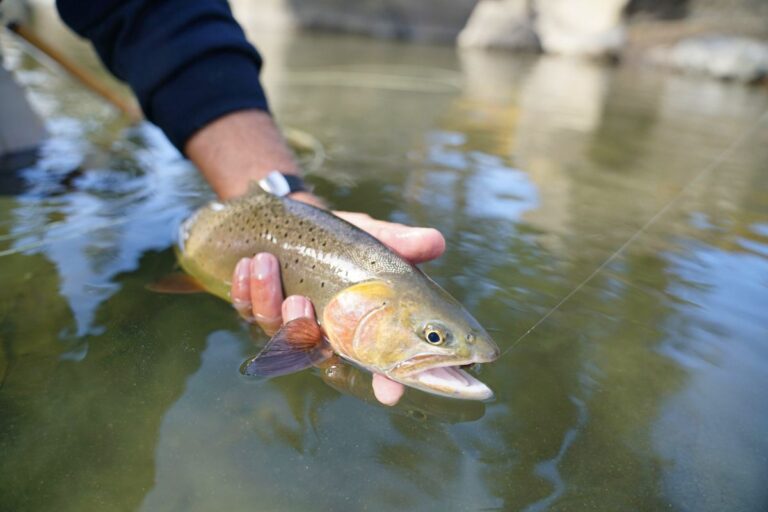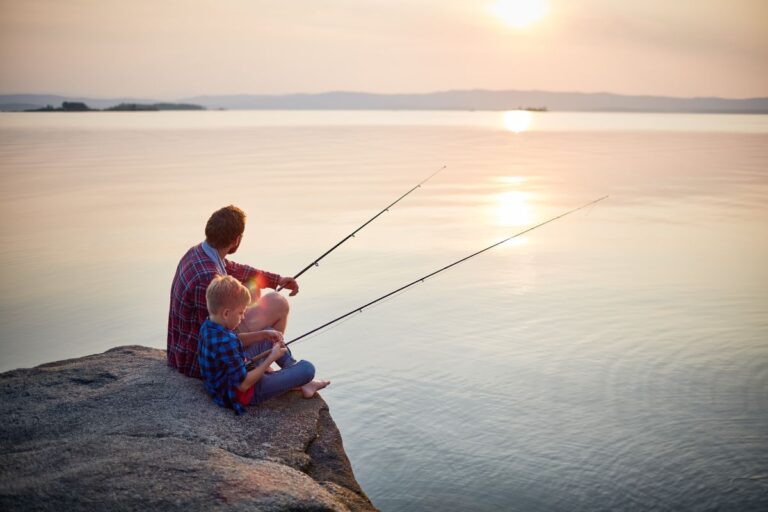
There’s a bend in a creek somewhere that has given you nothing in two years. You still park there, wade in at the same angle, cast to the same submerged log, and wait for the water to apologize.
Please note that some of the images in this article were created with the assistance of AI.
It won’t. It never does. And yet you keep showing up, because something in you has decided this spot owes you.
Turns out the brain that keeps you anchored over barren water is the same one that keeps people circling back to relationships that quit working years ago. Same hope. Same selective memory, same stubborn refusal to read the obvious signs. Below are the biases that keep us casting at ghosts, and why they feel so reasonable in the moment.
17. That One Old Lunker Outvotes Twenty Fishless Saturdays
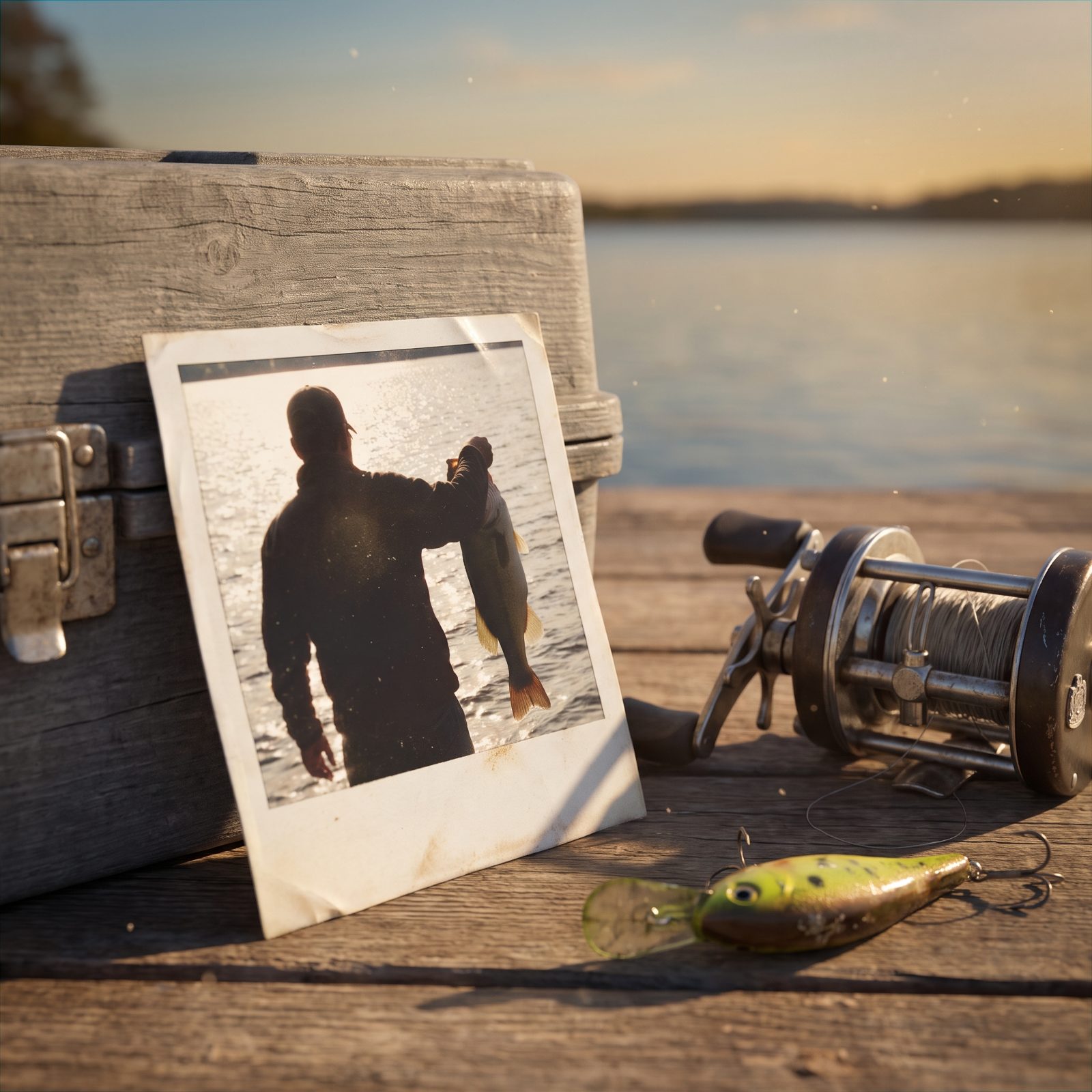
Years ago that spot gave up a true giant. Shoulders like a catcher’s mitt, a fight that bent the rod to the cork. You still tell the story, and the story still works.
So the math gets scrambled. One great day erases twenty blank ones, because the brain doesn’t weigh wins and losses evenly, and a single intense memory shouts louder than a long string of quiet nothings. Psychologists call it the peak-end rule: we remember the high point and the finish, not the dull middle.
It’s the exact reason people reread old texts from a relationship that mostly made them miserable. The one perfect weekend becomes the whole history. The two bad years get filed under rounding error.
16. A Single Follow Keeps the Whole Spot Technically Alive
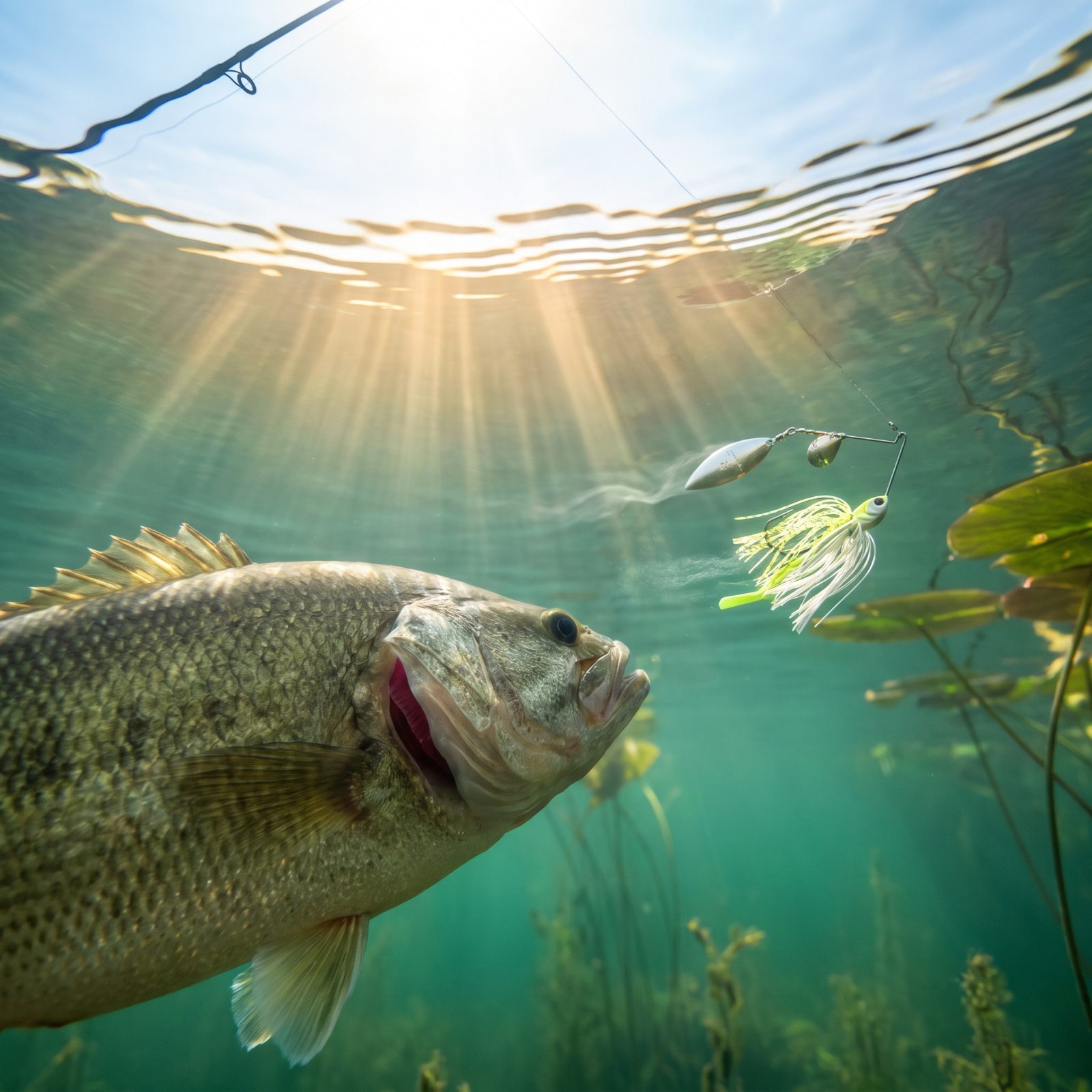
No bite. But there were fish — one big bass, lit gold-green in the clear shallows, gliding up right behind your chartreuse spinnerbait, eyeing it the whole way before turning off. Your heart did the thing.
And just like that the spot earns another month of probation. A near-miss registers as proof that fish are present, that the dream is intact, that next time is the time. Intermittent reward is the most addictive schedule there is. Ask any slot machine.
People do this with a text left on read, then a thumbs-up two days later. The scrap of attention rebuilds the whole case. We’re wired to chase the almost harder than we’d ever chase a clean yes.
15. You Blame the Wind, Never the Waypoint
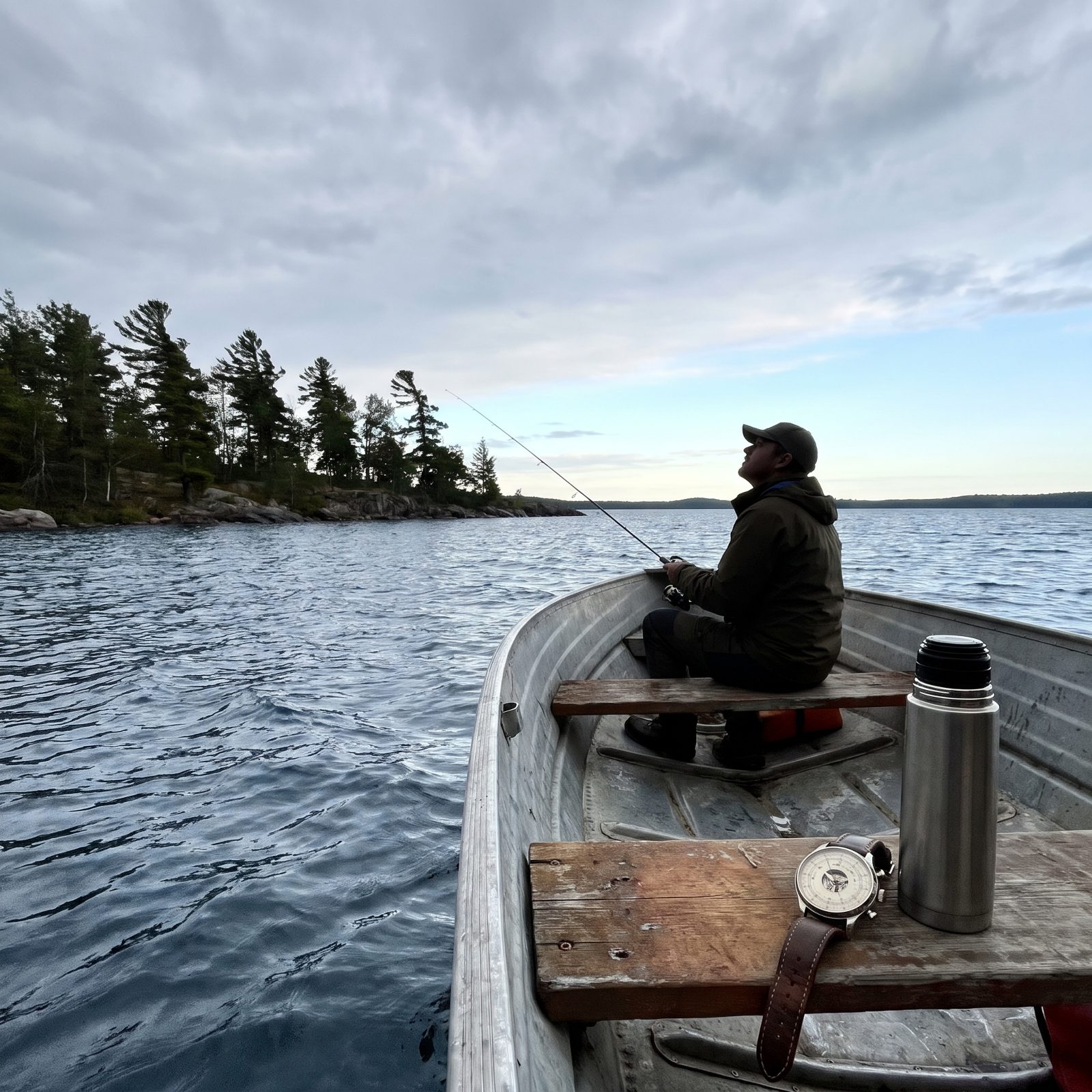
Flat day? Barometer’s falling. Too hot? Fish went deep. Wind from the east? Everybody knows what wind from the east does. The spot is never the problem. The spot is sacred. The variables are always the ones that got away.
This is the self-serving bias standing in waders. When things go wrong, we reach for the explanation that protects our judgment, never the one that indicts it. The location can’t be bad, because you chose it, and you’re not a fool.
It’s the same shrug that keeps a bad pairing limping along. He was tired. She’s stressed. The timing’s off. Anything but the quiet truth that the thing itself doesn’t work.
14. The Tackle You Bought for It Demands Another Chance
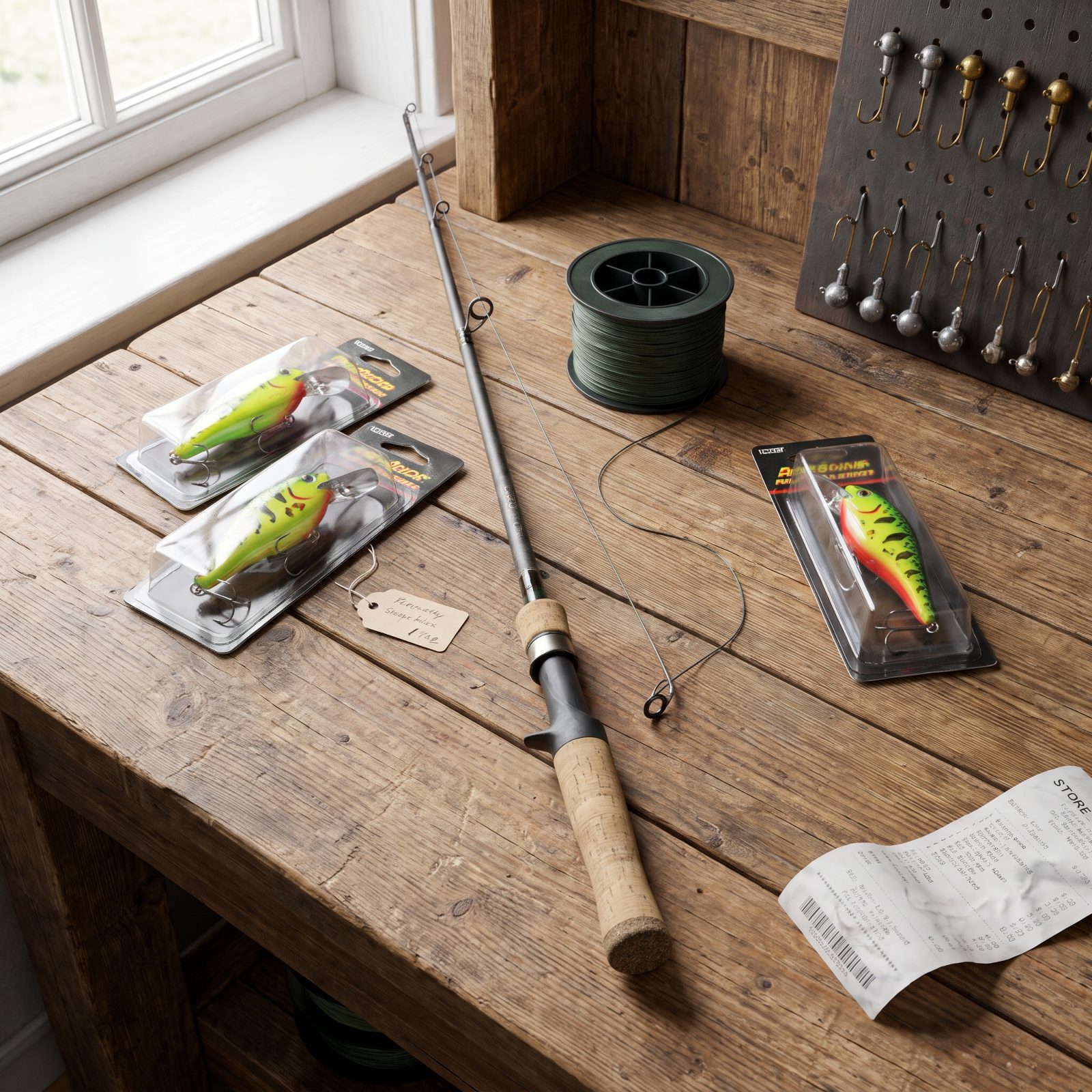
You bought the deep-diver specifically for that ledge. The heavy flipping stick, the braid, the whole kit, matched to one piece of water that has since rewarded you with precisely nothing.
So now the gear itself argues to go back. You’ve invested, and quitting the spot means admitting the purchase was a mistake — which the brain hates more than it hates another blank day. That’s the sunk-cost fallacy: throwing good time after bad money, because walking away feels like waste.
Same logic keeps people in relationships they’ve poured years into. Not because it’s good now, but because leaving would mean all that investment was for nothing. The irony is cruel. The more you’ve spent, the harder it is to stop spending.
13. Known Snags Somehow Feel Safer Than Unfamiliar Water
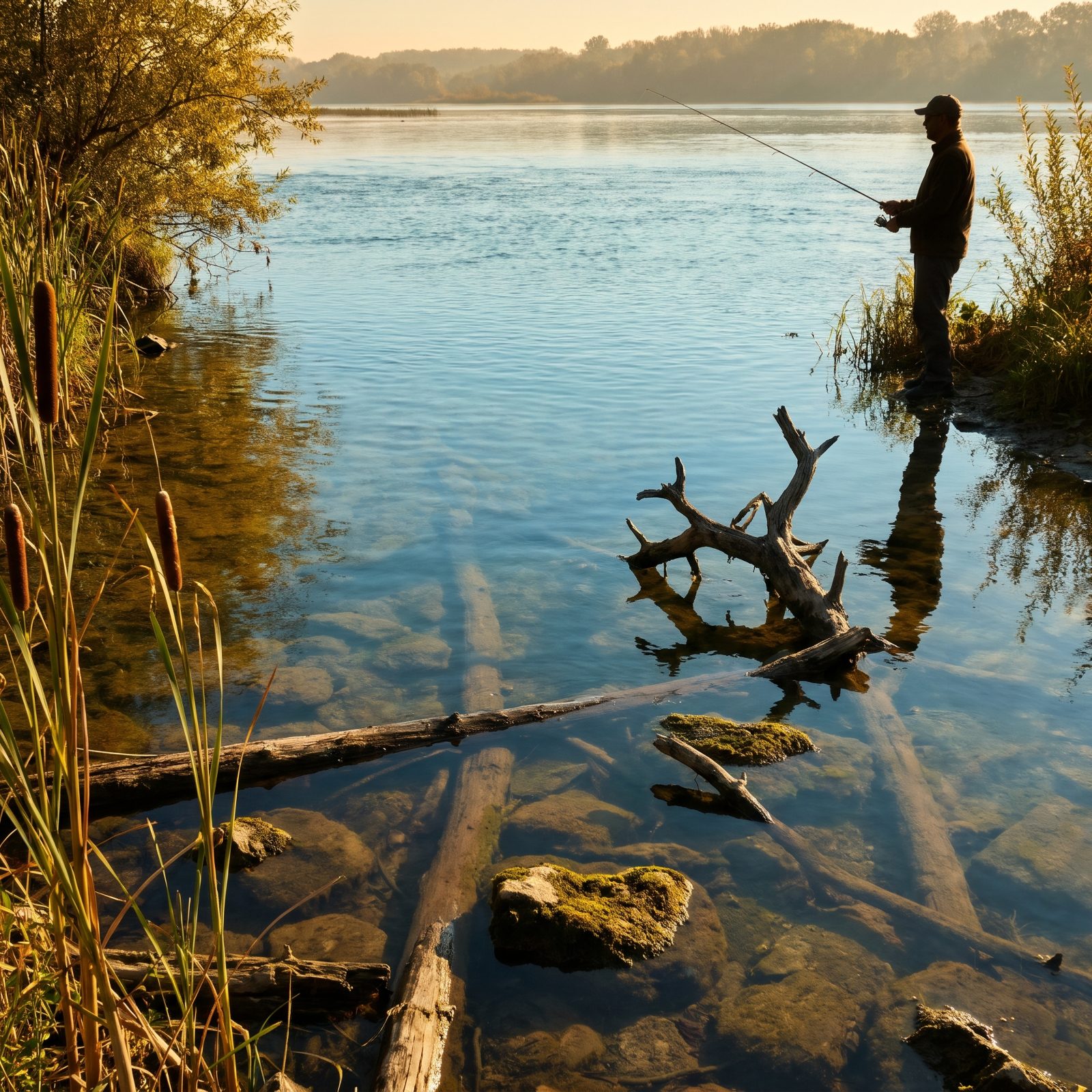
You know every stump in that run — where the line hangs, how to pop it free, which rock eats a jig. The water’s barren, but it’s familiar barren, and familiar barren feels safer than open unknown.
The devil you know wins. Uncertainty reads as threat to a brain built for survival, so a predictable disappointment beats an unpredictable one every time. At least here you know exactly how you’ll be let down.
We’ll choose a known dead end over an unknown door, because the dead end never surprises us.
It’s why people return to the comfort of a bad fit. Not because it’s good. Because they’ve already mapped all the snags, and starting over somewhere new means learning a whole lake’s worth of heartbreak from scratch.
12. Your Boat Turns Toward That Cove Without Asking
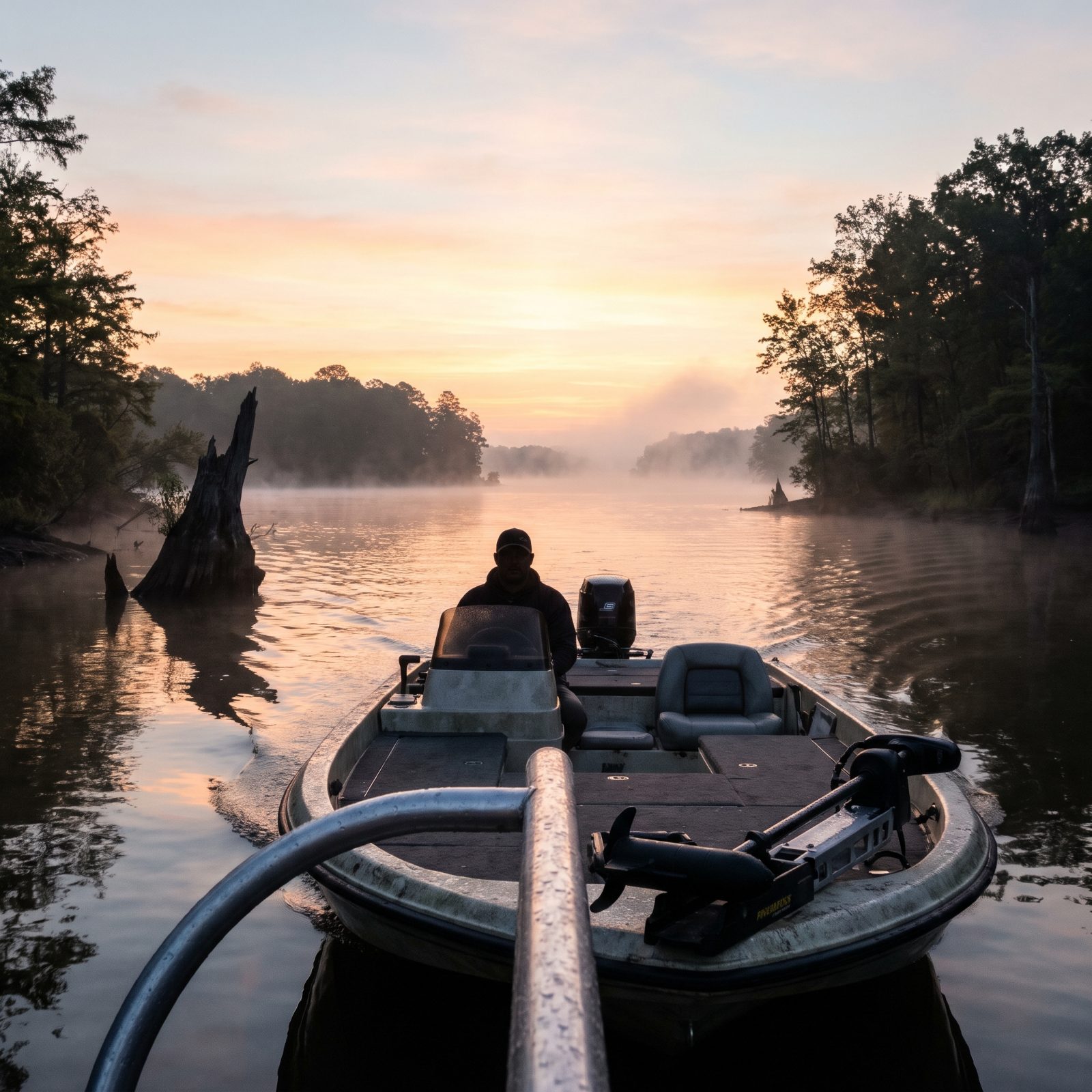
You didn’t decide. You launched, settled in, looked up, and the bow was already pointed at the same cove. Autopilot. The trolling motor hummed toward a disappointment your hands had memorized.
Habits run deeper than intentions. Repeat a path often enough and it carves a groove in the brain, and the body follows that groove before the conscious mind weighs in. Neuroscientists call these automatic loops basal-ganglia habits. You call it muscle memory. The water calls it Tuesday.
People drive to the same door, dial the same number, drift back to the same person long after they’ve sworn off it, carried there by a route they stopped choosing a long time ago. First step to breaking the loop is noticing you’re already in it.
11. Dad Called It His Honey Hole, So It Stays Sacred
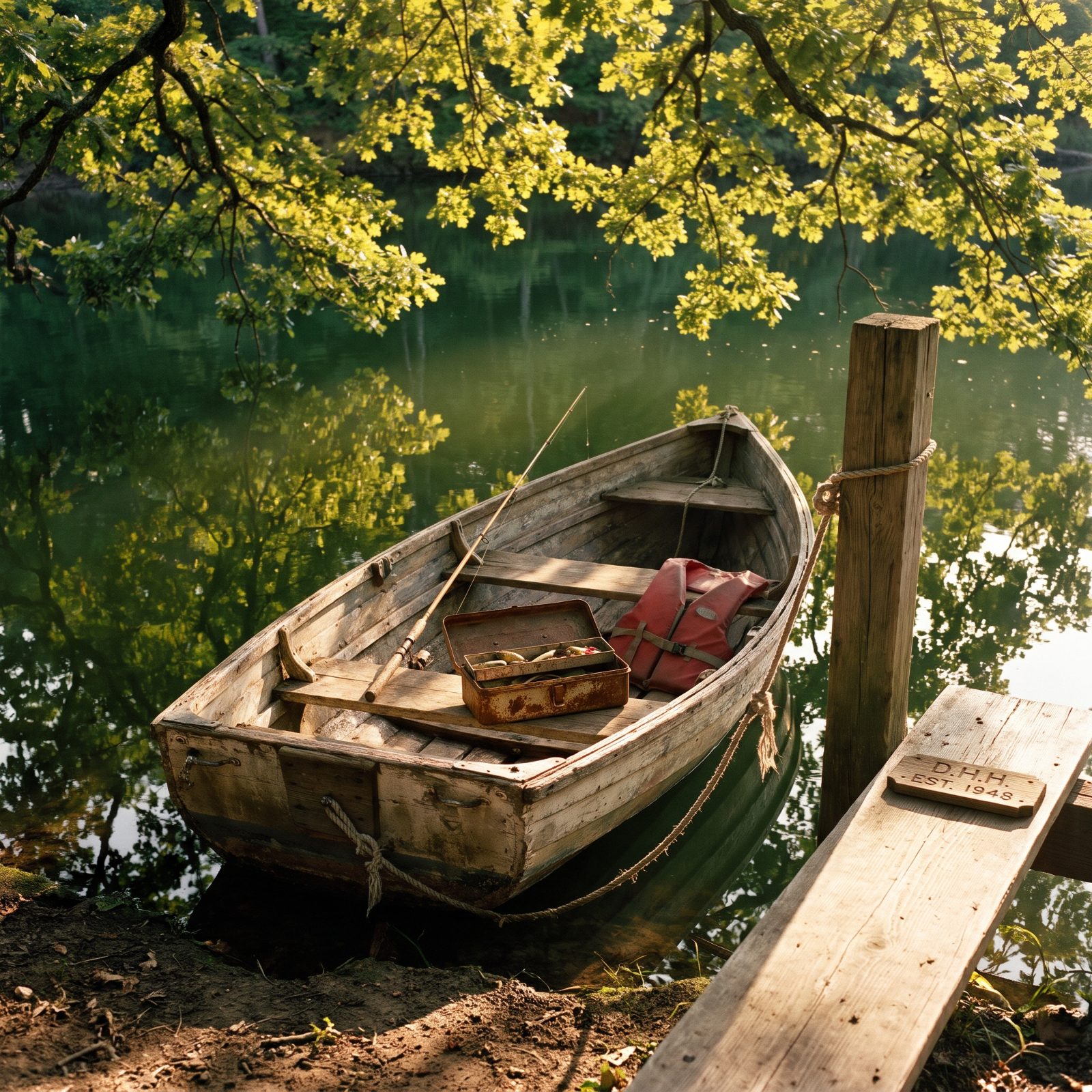
Your old man swore by that bend. Called it his honey hole, stood there with a cane pole and a cigar and a bucket that was always full, or so the story goes. You fish it now like a church you can’t skip.
The problem is that honey holes don’t last forever. Dams change, timber rots, forage shifts, and a spot that boiled with fish decades ago can go flat and stay flat. But the sentiment overrides the sonar. You’re not fishing water anymore. You’re fishing a memory of him.
We inherit loyalties the same way in families and relationships, holding fast to what we’re supposed to value long after it stopped giving anything back.
10. Your Buddy Caught One There, Which Apparently Counts Forever
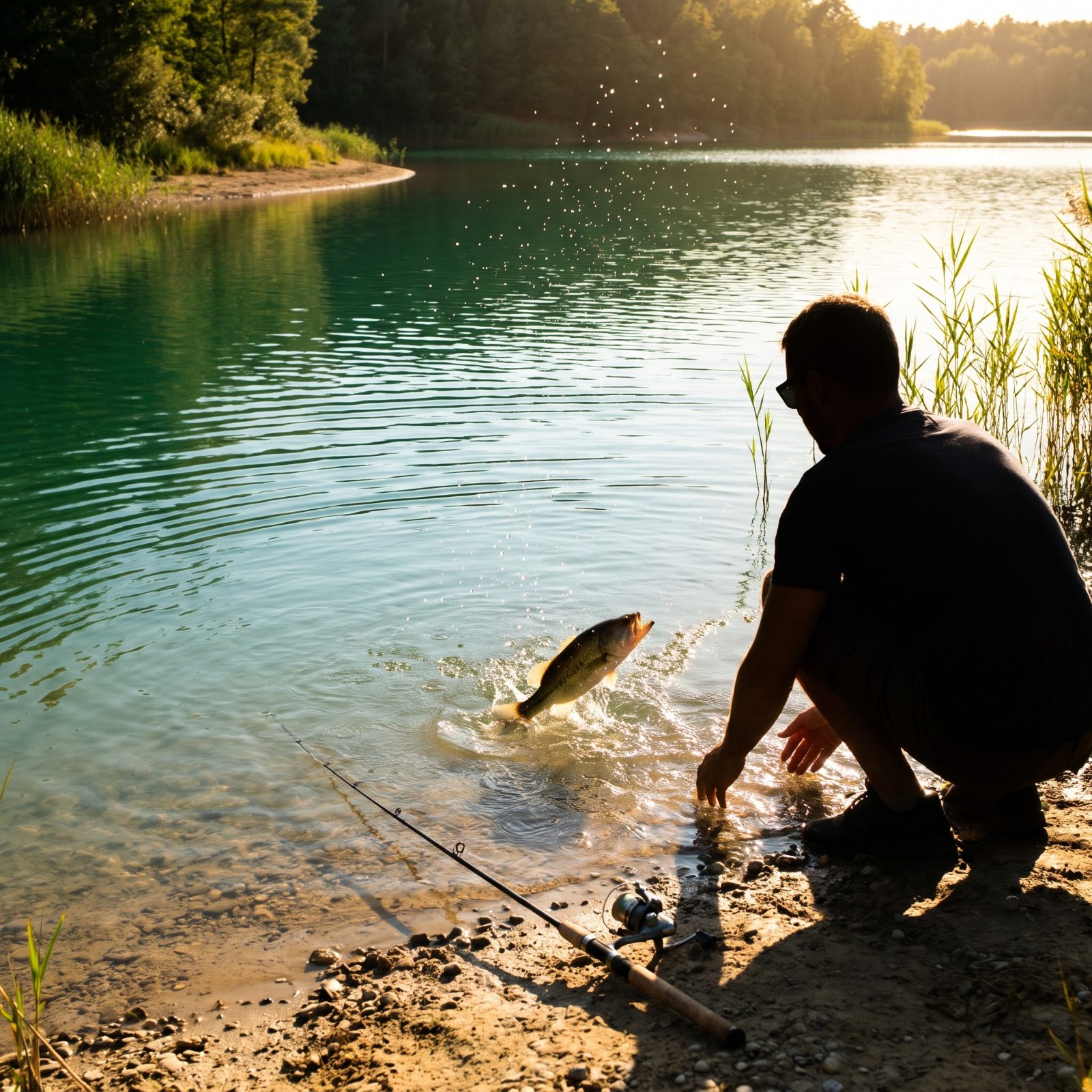
One afternoon, one buddy, one fish. He landed a decent keeper off that point while you two were mostly drinking coffee, and the spot got canonized on the spot. A permanent reputation built on a single data point.
That’s the availability heuristic, where one vivid example stands in for a trend that doesn’t exist. His catch is easy to recall, so your brain treats it as typical. It wasn’t. It was Tuesday luck. But it’s the story you’ve got, so it becomes the rule.
People vouch for a terrible relationship the same way. One good anecdote from someone and the whole thing earns a pass it never deserved. A sample size of one is no sample size at all, but it sure feels like a reason.
9. The Empty Bank Makes It Feel Like Insider Knowledge

Nobody else fishes it. Not a single other boat, not a footprint on the bank. In your head that reads as a secret, a private hole only you had the wits to find.
The uncomfortable alternative: maybe nobody fishes it because there’s nothing there. The empty bank isn’t exclusivity. It’s an answer. But feeling like an insider is a nice feeling, and we’ll twist plain evidence to keep it.
Scarcity signals value to us, even when the scarcity is just absence. People do this with hard-to-reach partners, mistaking unavailability for being chosen. Rare and good are not the same thing, no matter how much the quiet convinces you otherwise.
8. You Keep Tweaking Lures Instead of Changing Locations
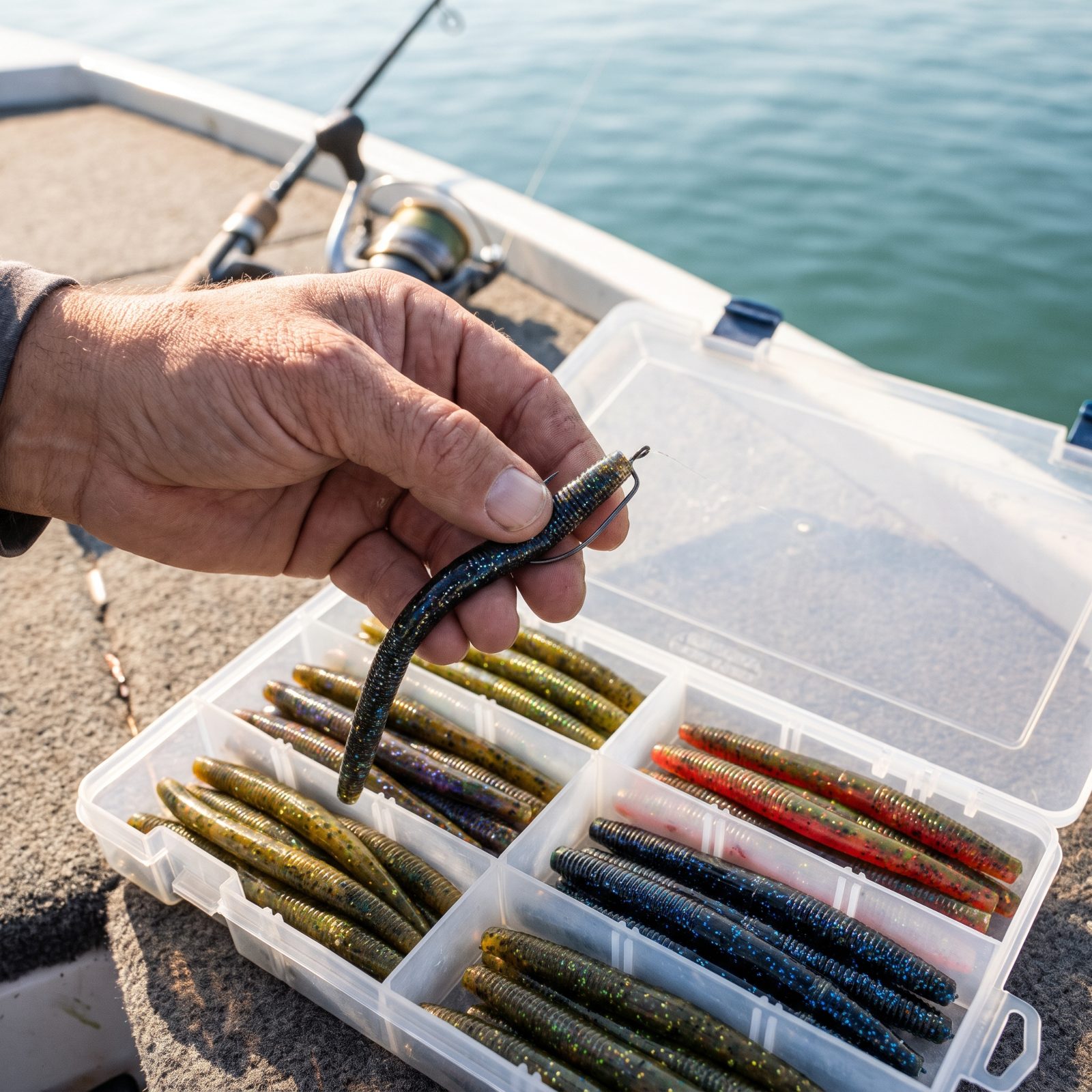
Green pumpkin didn’t work, so you try junebug. Then watermelon red. Then you downsize, then upsize, then change the weight, then the leader. Four hours of fine-tuning, zero thought given to simply pulling anchor and leaving.
This is effort misdirected to feel like progress. Fiddling with the lure gives you something to do, a lever to pull, the sensation of problem-solving, while the actual problem — wrong water — sits untouched. Motion mistaken for movement.
It’s the relationship equivalent of changing how you communicate, trying a new approach, reading another book about it, doing everything except the one thing that would fix it. Sometimes the honest move isn’t a better cast. It’s a different lake entirely. Reel in, crank the motor, go find fish that actually exist.
7. The Harder the Hike, the Better You Insist It Is

You bushwhacked twenty minutes through poison ivy to reach this pond, picked up a tick for your trouble, and a scratch across your forearm that’s still healing. So the pond must be worth it. It has to be. Nobody suffers like that for a place that doesn’t produce.
Except the suffering is the point you’re missing. The effort you spent getting there has nothing to do with the fish in the water, but your brain does the math backward — it sees the cost you paid and assumes there must be a reward hiding somewhere to justify it. That’s effort justification, the same thing that makes people defend a relationship precisely because it was hard to build. We confuse what something cost us with what it’s worth.
We have a pond like this. We will die on the hill that it holds a giant, and we have no evidence for that hill except the mud we ruin our boots in every spring.
6. You Told Everyone It’s Loaded, So Now It Must Be
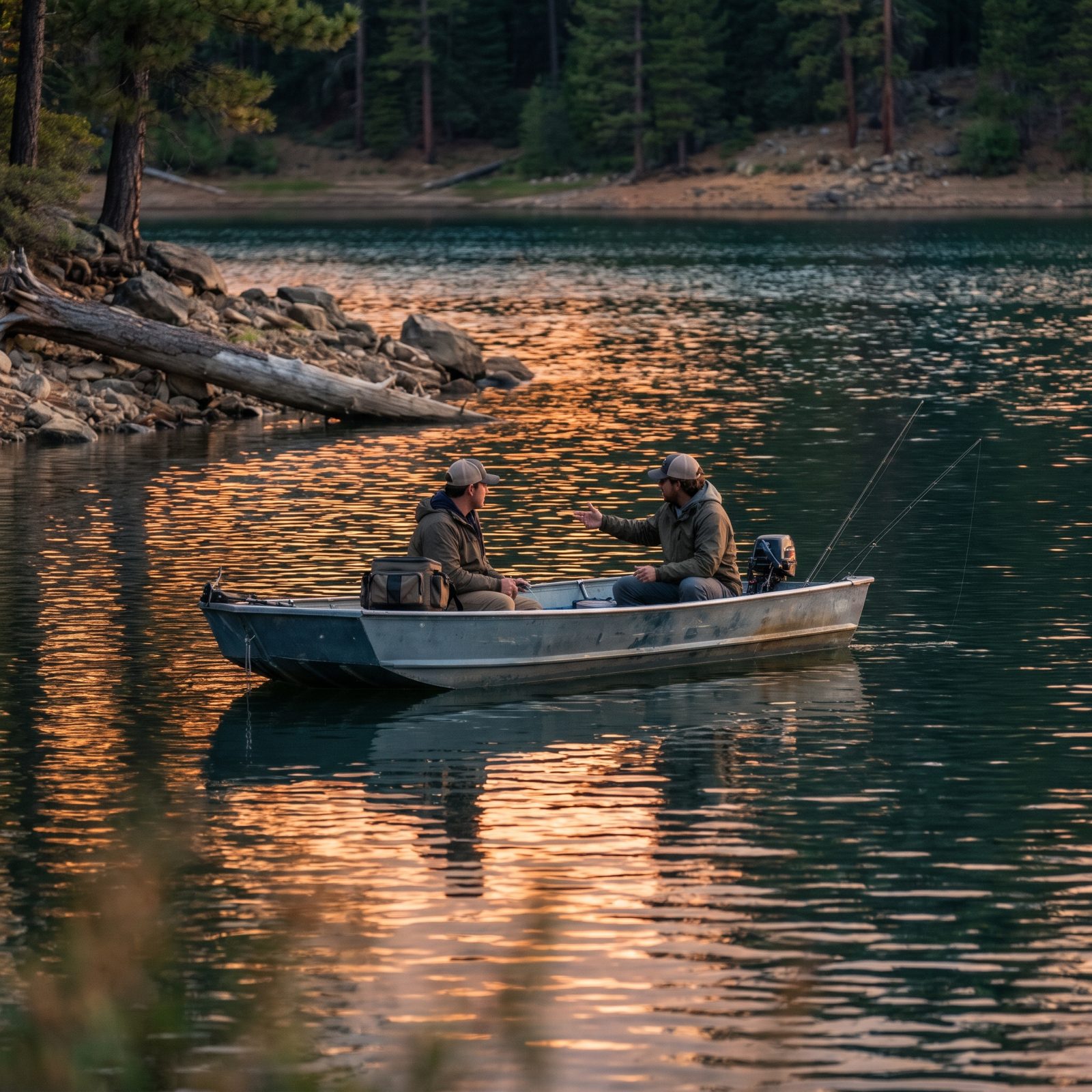
At some point you stood in the bait shop and told a buddy this spot was loaded. You described the point, the structure, the one July you boated a dozen before noon. You said it out loud, with conviction, to a person whose opinion you care about.
Now you’re stuck. Going back and admitting the spot is mediocre means admitting you were wrong in public, so you keep fishing it, partly to prove your own words true. This is commitment and consistency. Once we’ve declared a position to other people, we’ll bend reality to keep it consistent rather than take the small sting of correcting ourselves.
Same reason someone defends a partner everyone else can see is a problem. They’ve told the story too many times to the wrong crowd, and the retraction costs more than the lie.
You’re not fishing the spot anymore. You’re fishing the version of yourself who swore it was good.
Honestly, the cure is just shutting up about your spots. Say less, owe less.
5. Leaving Before the Bite Feels Worse Than Staying

Six hours in. Nothing. The light is going and every instinct says load the truck, but the thought of pulling off the water right before the bite finally turns on is unbearable, so you give it another thirty minutes. Then another. You’d rather sit through a skunk than risk missing the payoff you’re sure is coming.
That dread has a name — loss aversion. The pain of a missed opportunity hits us roughly twice as hard as the pleasure of an equal gain, so walking away feels like losing even when staying has produced nothing all day.
People do this inside relationships that stopped working years ago. They stay through the flat stretch because leaving the week before things might turn around feels like a crime against themselves. The turnaround rarely comes. The waiting always does.
4. The Fish Finder Shows Arches, and Hope Does the Rest

The screen lights up with arches. Fish. Marks stacked over the brush pile you’ve fished a hundred times, and your pulse jumps — this is it, this is the day, they’re home and they’re hungry. Two hours later you’ve thrown everything in the box and those arches never opened their mouths. But you’ll be back, because the screen promised you something.
Here’s the catch. A fish finder shows you fish. It says nothing about whether those fish are feeding, or even that they’re the species you want, and your brain fills the gap with the story it wants to hear. Confirmation bias at work: you treat the one piece of evidence that supports hope as proof, and quietly discard the hours of silence as a fluke.
People read a single warm text from someone who’s hurt them the same way. One good signal, and the whole hopeful narrative reboots. The arches are real. The promise you heard in them was never there.
3. You Return to Prove the Spot Didn’t Beat You
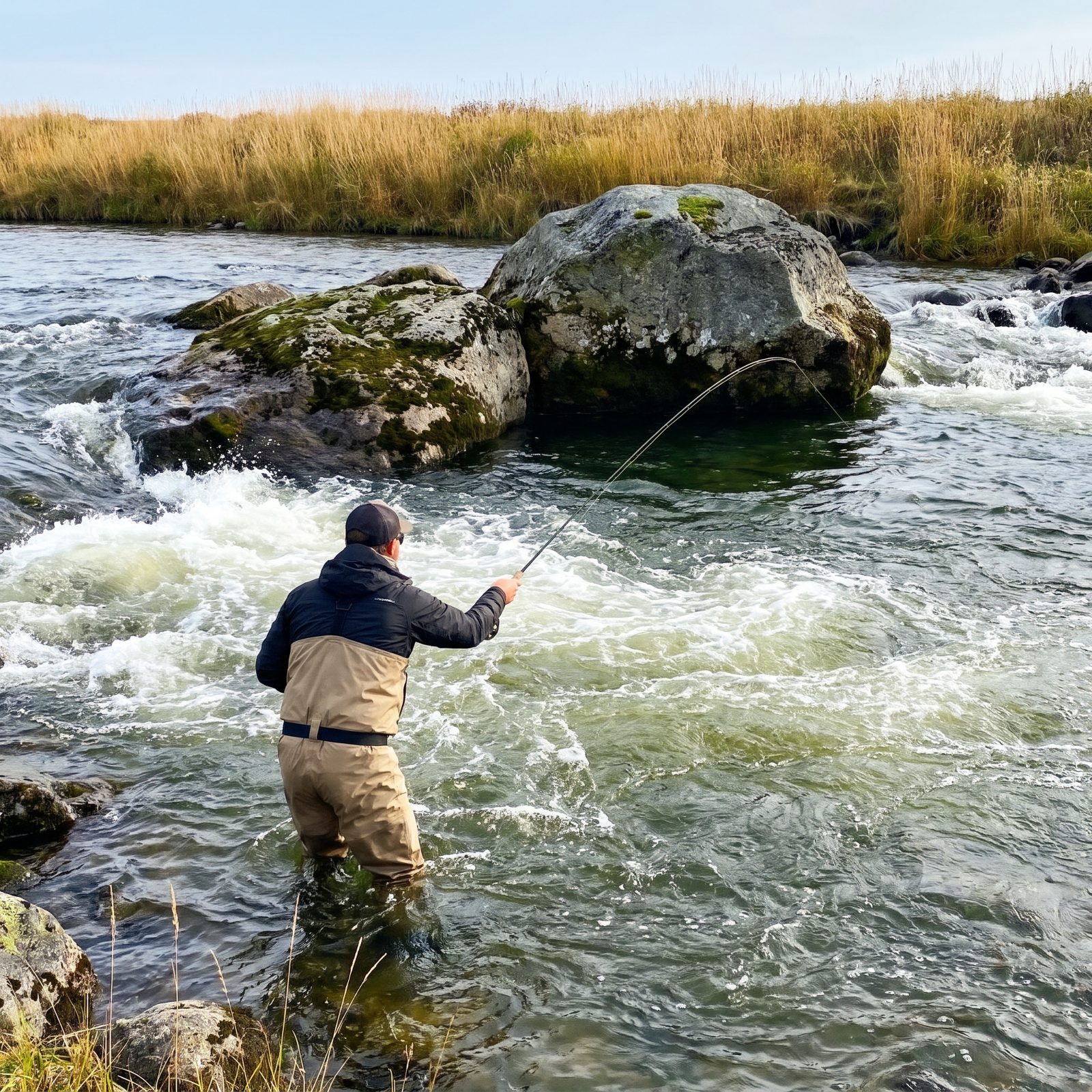
This one stopped being about fish a while ago. The spot has skunked you so many times that catching something there has become a matter of personal honor. You go back not for a cooler of fillets but to settle a score with a bend in the river, and you will crack it if it takes you a decade.
That’s commitment escalation — the slow creep where the goal quietly shifts from the original reward to simply winning. Each failed trip raises the stakes, so quitting now would mean all the earlier trips were wasted. So you double down. And down again.
People do this with a relationship nobody enjoys anymore. It becomes a project, a thing to fix, a defeat they refuse to accept rather than two people who’d be happier apart. The point stopped being happiness. The point became not losing.
There’s no shame in a worthy nemesis. There’s a lot of shame in a bend of river that’s secretly just mediocre and knows you can’t let it go.
2. The Familiar Launch Has Your Routine Down Cold
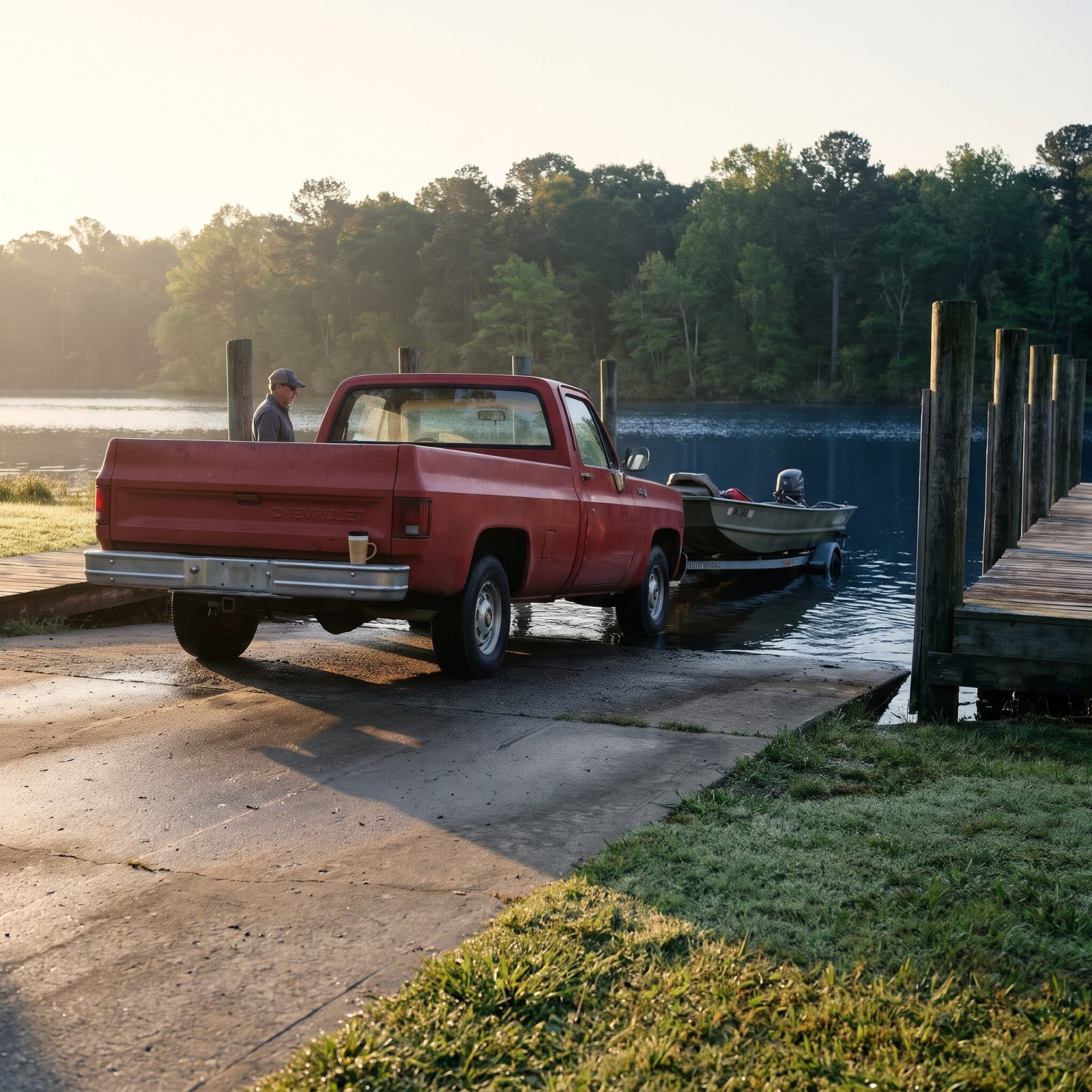
You could launch here blind. You know which plank on the dock is loose, where to back the trailer down the ramp without the tires slipping, which corner of the lot stays open at dawn. The whole ritual runs on autopilot, and there’s a deep, animal comfort in that. The fishing is lousy. The process is flawless.
We underrate how much we keep returning somewhere just because the friction is gone. A new launch means reading unfamiliar water, guessing at the ramp angle, fumbling the routine — and your brain weighs that small hassle heavily, so the familiar ease wins even when it delivers nothing.
Which is why people stay in a partnership that’s comfortable and empty. The shared routines, knowing where things are kept, the absence of awkwardness. Comfort masquerading as contentment.
1. Too Many New Lakes Make the Old One Win

You researched a stack of new lakes over the winter. Bookmarked ramps, read reports, saved waypoints. Come spring, the sheer weight of all those options froze you, and you drove to the same old reservoir you’ve fished since the Clinton administration. Again.
Choice overload does this. Give a person too many options and they often pick nothing new at all, defaulting back to the known even when something better sits right there among the choices. The possibilities don’t free you up. They lock you up, and the old familiar spot becomes the escape hatch from having to decide.
It’s the dating-app paradox — endless profiles, infinite potential, and somehow the person circles right back to the ex whose number they never deleted. Too much choice sends us running to what requires no choosing.
The fix isn’t more research. It’s picking one new water and committing, before the pile of options talks you out of all of them. A handful explored beats a long list bookmarked and never touched.