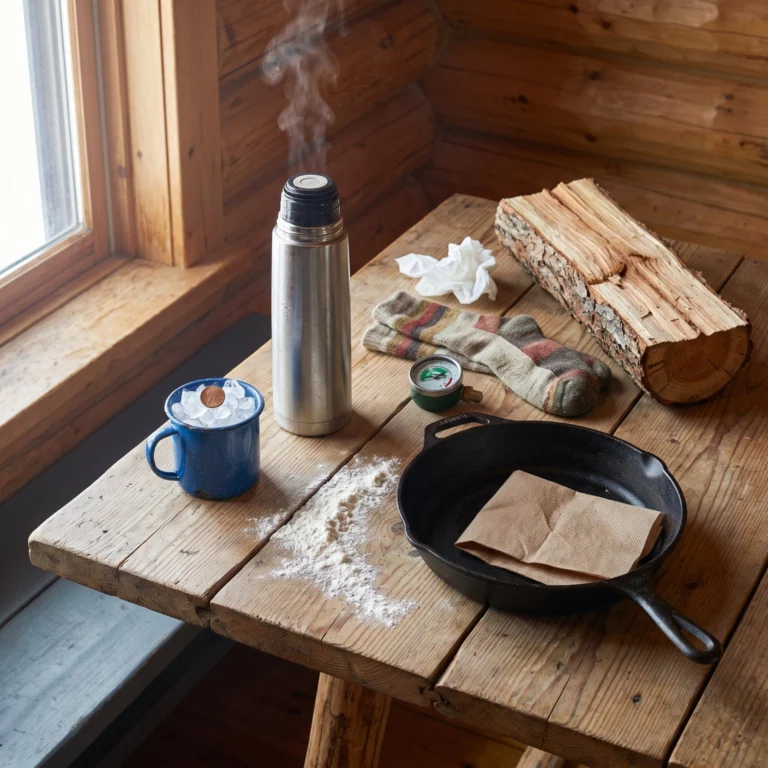
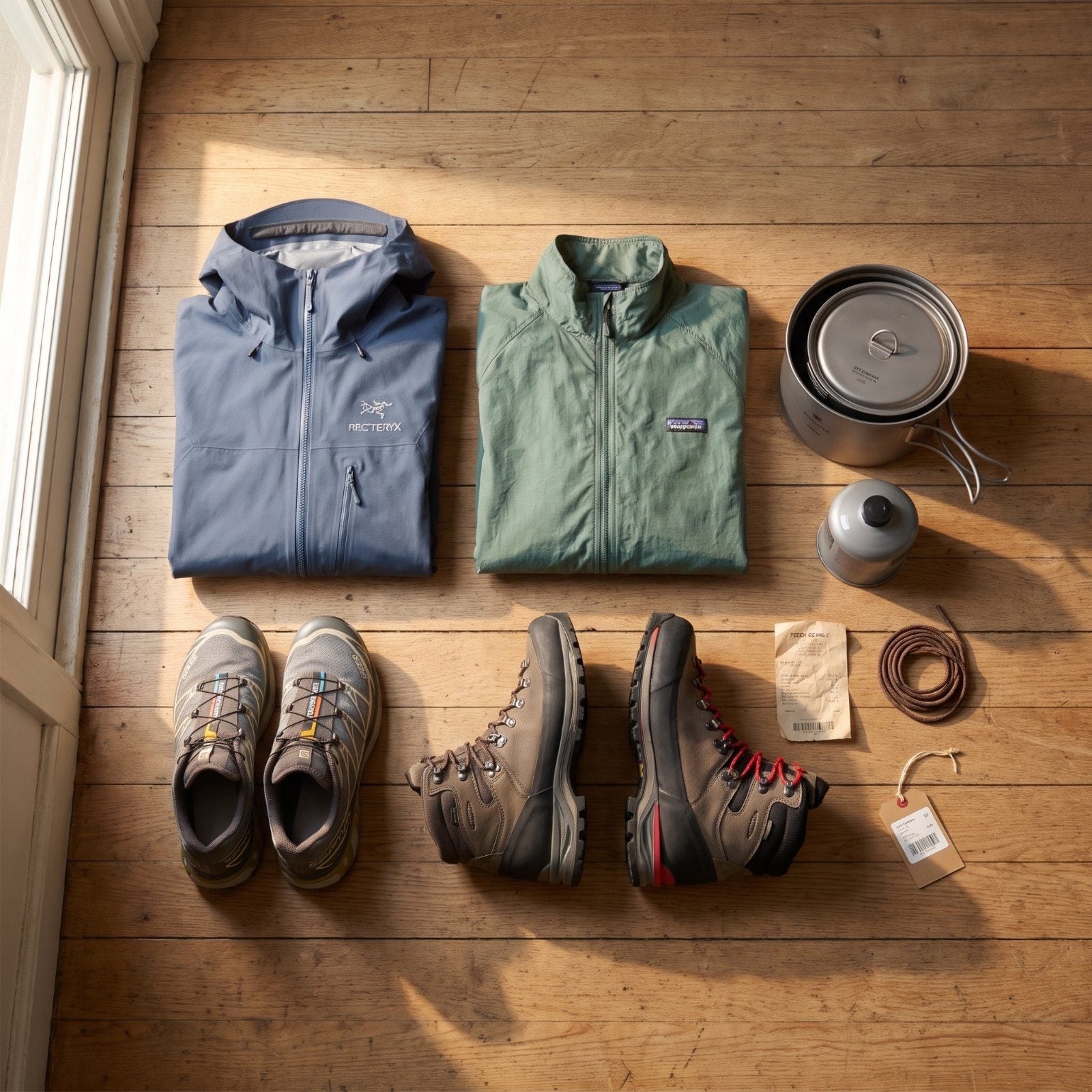
The gear shop on a Saturday morning sounds like a locker room before a game. Zippers tested, soles flexed, somebody flipping a price tag over with a thumb and sucking air through their teeth. Underneath all of it runs a current you’d swear you felt once before, standing in a gymnasium doorway with a name tag and a drink you didn’t want. Same racing pulse, same quick math on everyone around you. Buying a backpack and walking into a reunion shouldn’t have anything in common, yet the nervous system can’t tell the difference. The things below are the proof — every one a scene you’ve lived in a shop, mirrored by one you lived at a reunion, driven by the same old wiring that never really grew up.
Please note that some of the images in this article were created with the assistance of AI.
15. You Scan Everyone’s Packs Before Opening Your Own
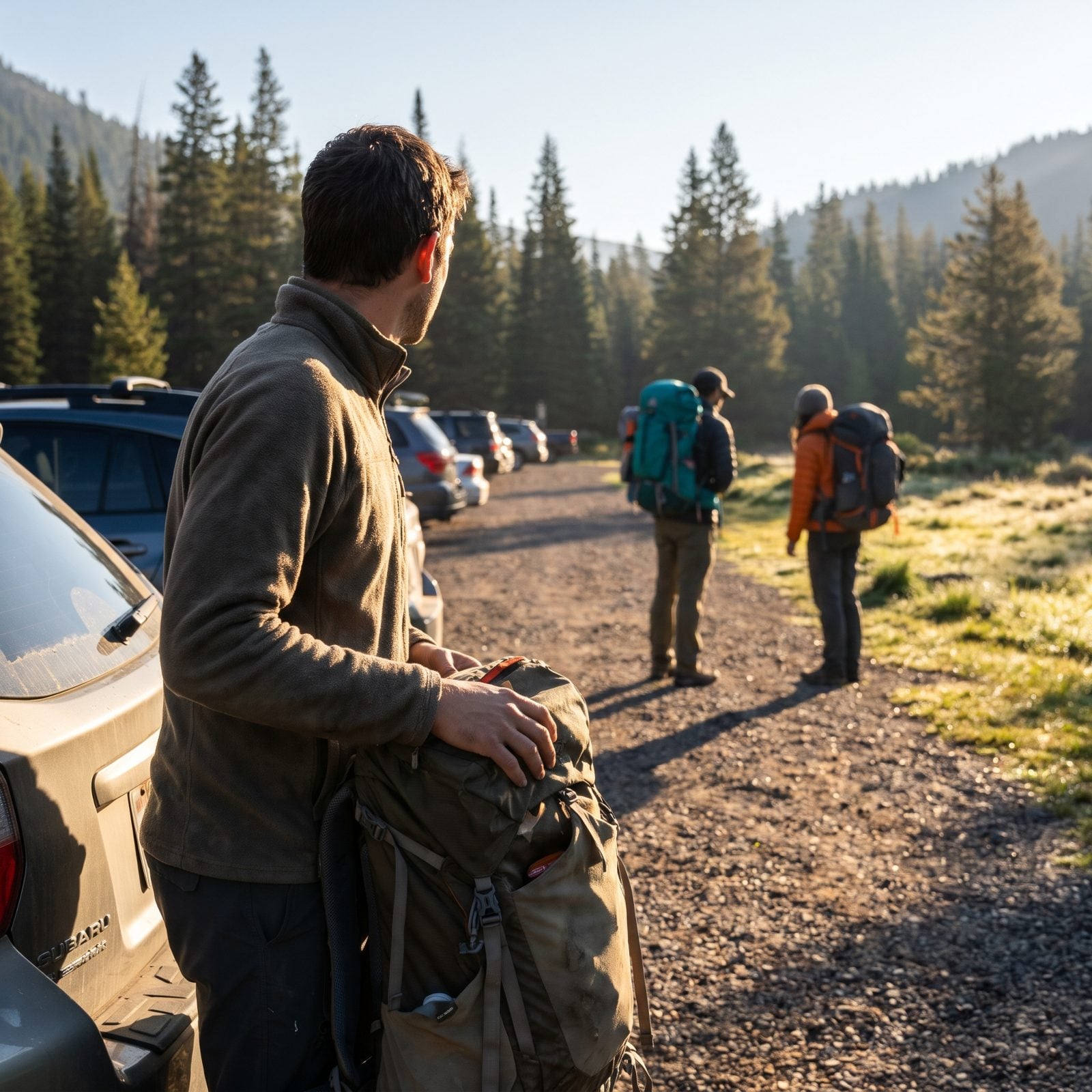
Before your zipper even moves, your eyes have already done a full lap of the lot. Whose pack is bigger. Whose straps look dialed. Who clearly knows something you don’t. Only after the survey do you crack your own bag open, a little slower than you would if nobody were watching.
You did this at the reunion too, scanning the gym for who got taller, who got married, who looks like life went easy. Same reflex. Psychologists call it social comparison — the brain’s habit of figuring out where you stand by measuring against the people nearest you. It’s involuntary and fast, which is why you can’t stop it any more than you can stop blinking.
14. The Logo Gets Bigger When the Trailhead Gets Busier
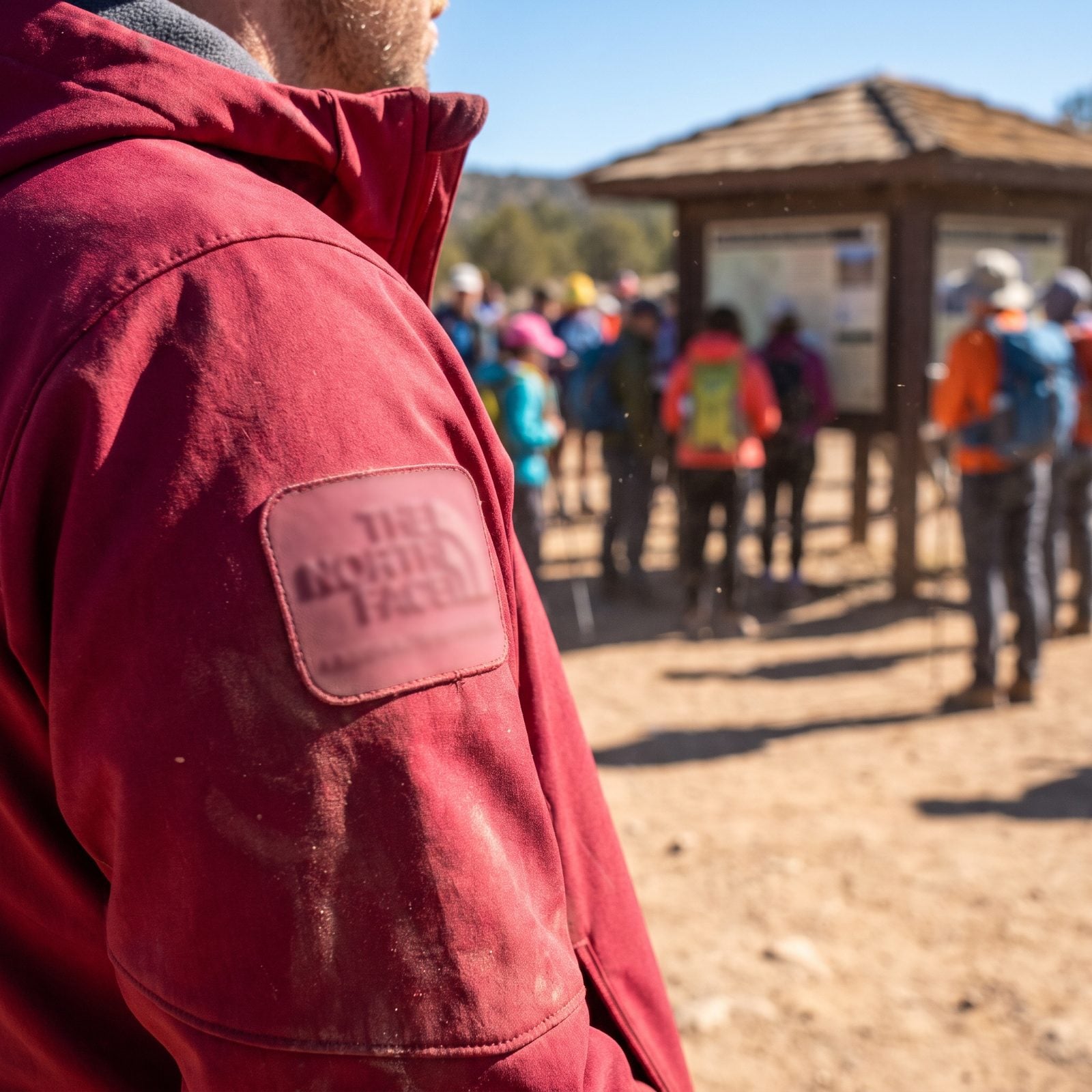
On an empty forest road, the jacket is just a jacket. Drive to the famous overlook on a holiday weekend and suddenly you notice yourself turning the branded sleeve patch outward, standing a touch straighter at the kiosk. Nobody asked. You’re dressing for the crowd.
Same instinct ran the reunion. You wore the thing that said something, and you wore it bigger when the room was fuller. The audience sets the volume.
Status signaling, plain and simple. Gear brands know a logo is a shortcut for belonging, a way of telling strangers “I’m one of the serious ones” without saying a word. The quieter the trail, the less you care. The bigger the audience, the louder the badge.
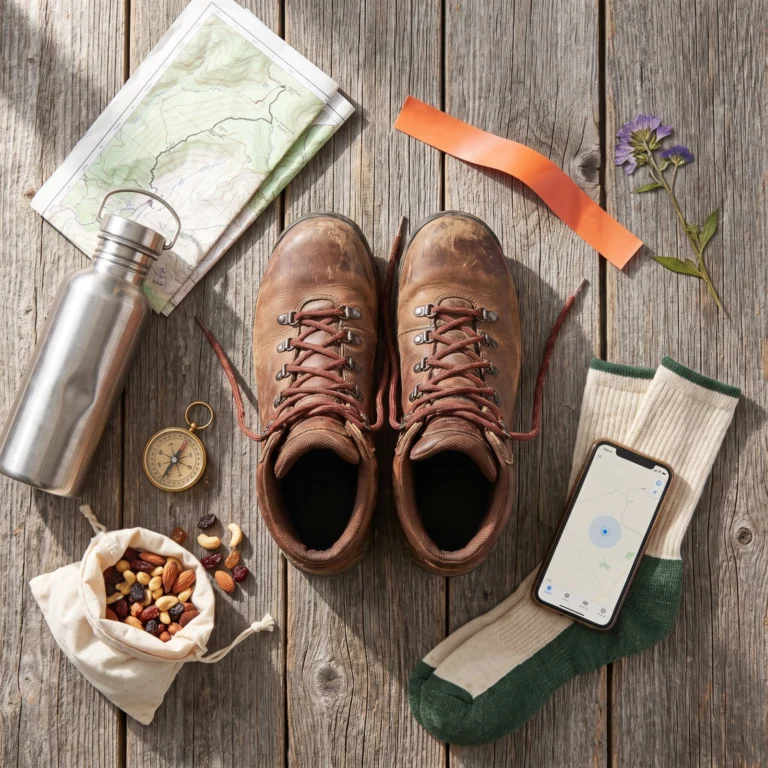
13. You Buy Expedition Boots for a Two-Mile Loop
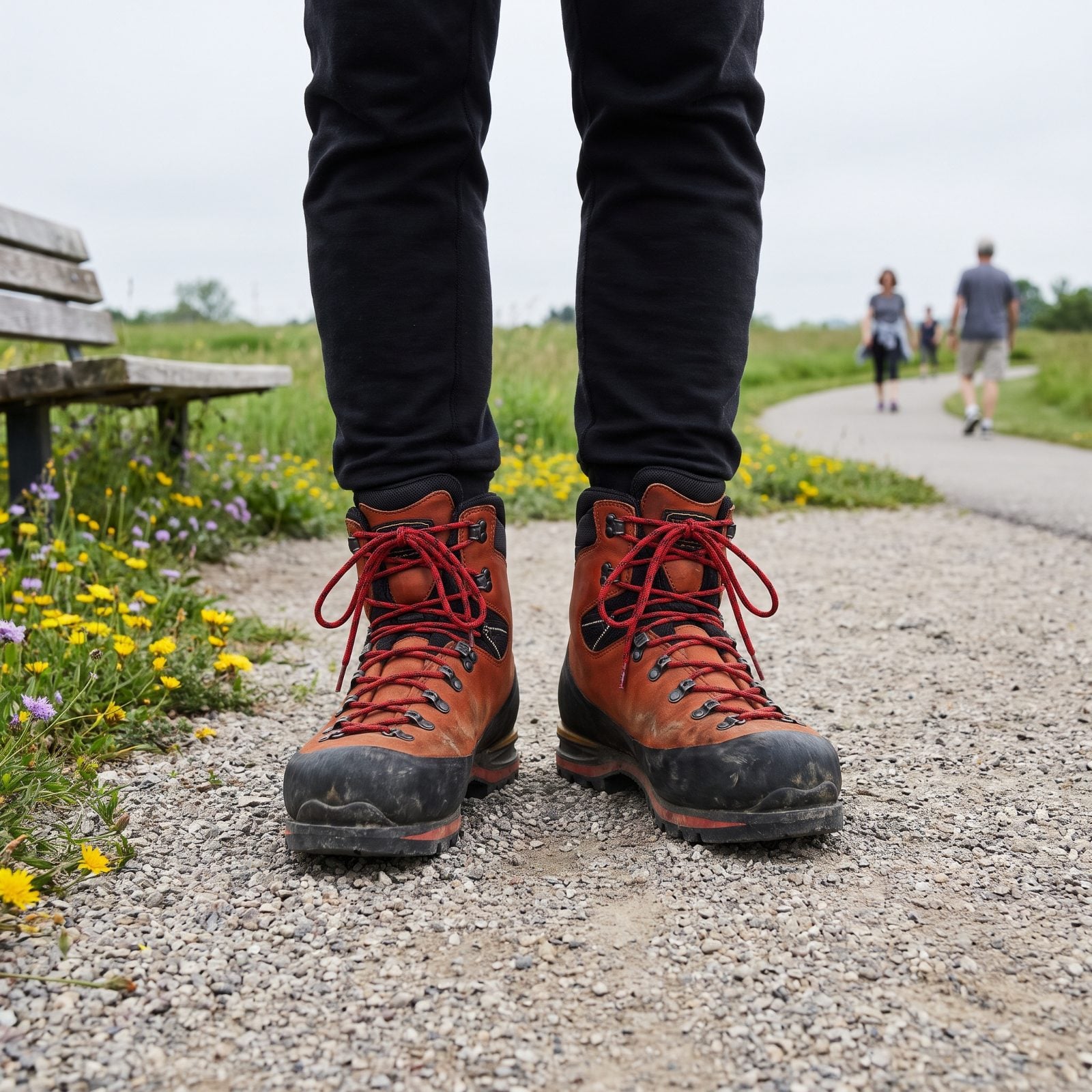
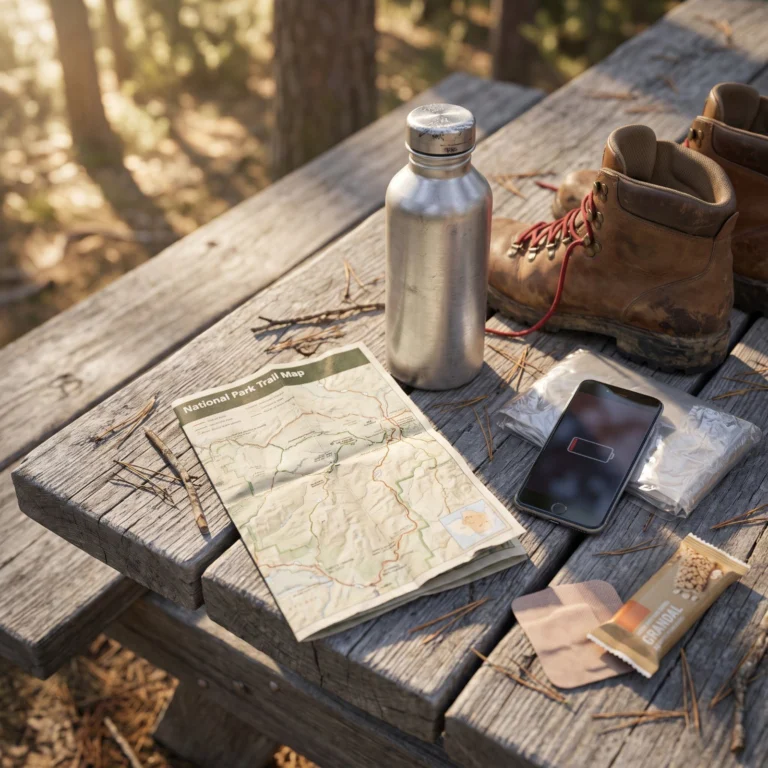
The loop is flat, paved in places, done in forty minutes. Your boots are rated for ice fields. They weigh more than your lunch and need a week to break in, and here they are, carrying you past a picnic bench and a duck pond.
You’ve bought for the person you imagine becoming, not the person walking today. It’s the reunion suit a size too aspirational, the one that assumes the better version of you shows up.
12. You Choose the Famous Label Over the Better Fit
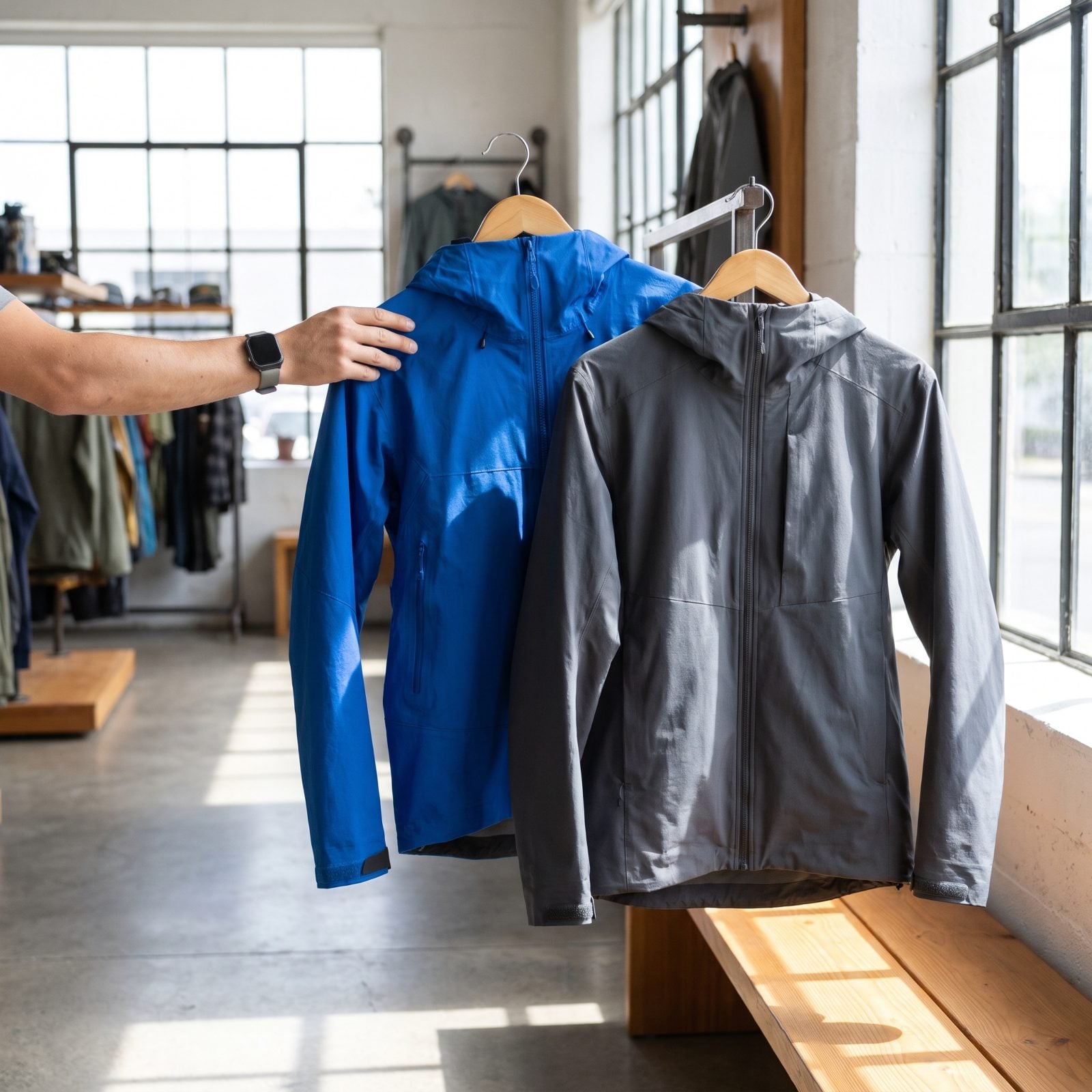
One shell fits like it was cut for your shoulders. The other bunches a little at the arm, but it’s the name everyone knows, so you take that one to the register. You even tell yourself the fit will “relax.”
At the reunion you did the equivalent, choosing the impressive answer over the honest one. The job title that sounded better than it felt. Call it the halo effect: a respected name makes us assume the whole package is good, so we let the brand vouch for things it can’t actually deliver, like how it sits across your back.
Here’s the flat truth, and I’ll die on this hill. A perfect-fitting no-name jacket will keep you warmer and happier than a famous one that pinches. Fit is function. The logo is just the label stitched to the outside of your insecurity.
11. Last Season’s Jacket Suddenly Looks Ten Years Old
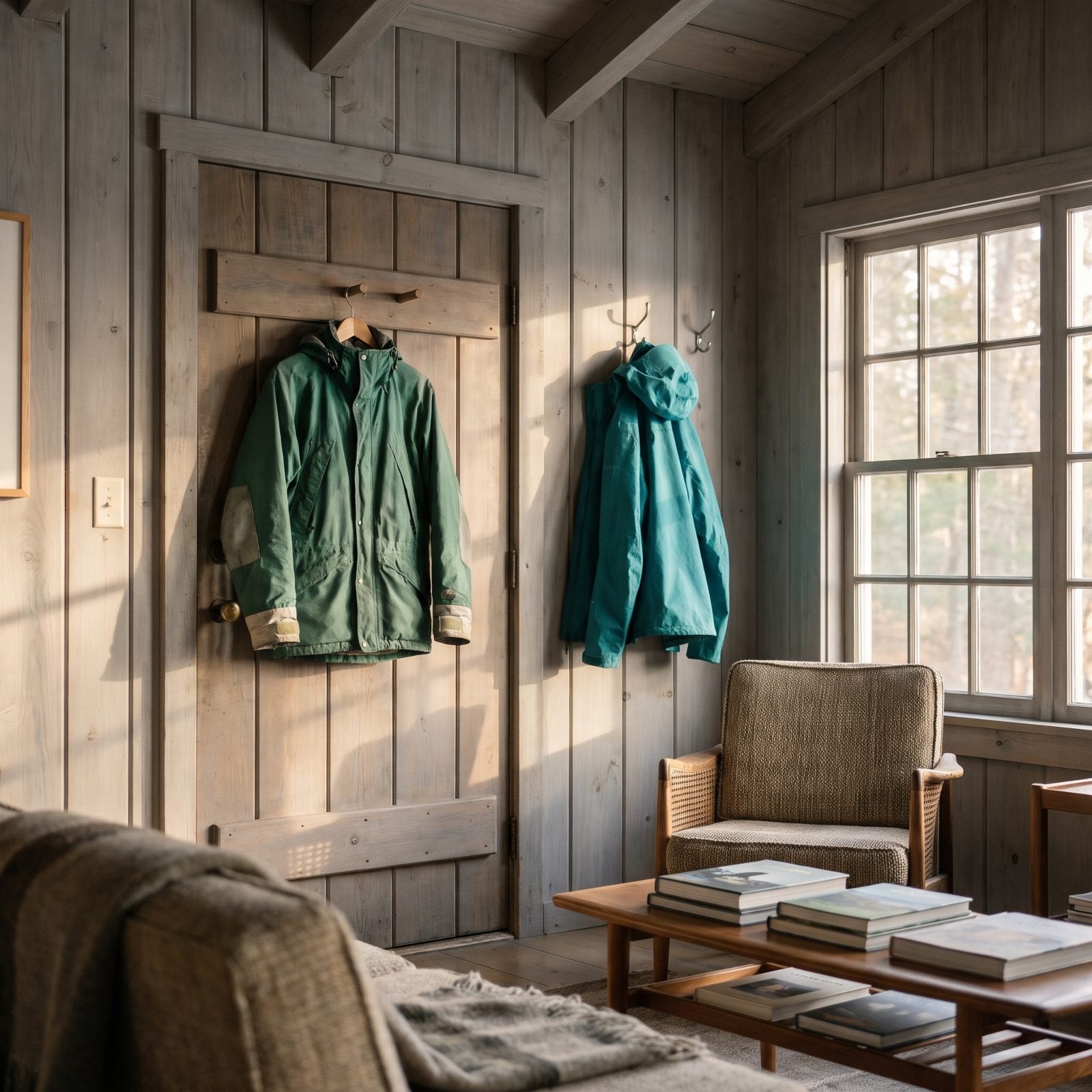
The jacket felt fine last fall, faded shell and all. Then the new colorway dropped, your buddy showed up in it, and overnight yours looks tired to you — the frayed cuffs and loose threads suddenly all you can see, even though it still does its job. You start eyeing an upgrade for a garment that owes you nothing.
Reunions do this to a whole wardrobe at once. Everything you own feels a year behind the second you see what the room is wearing. That sinking “mine’s outdated” reflex is hedonic adaptation plus comparison, the way a thing you loved loses its shine the moment a newer thing enters the frame.
10. Technical Pants Become a Report Card on Your Body
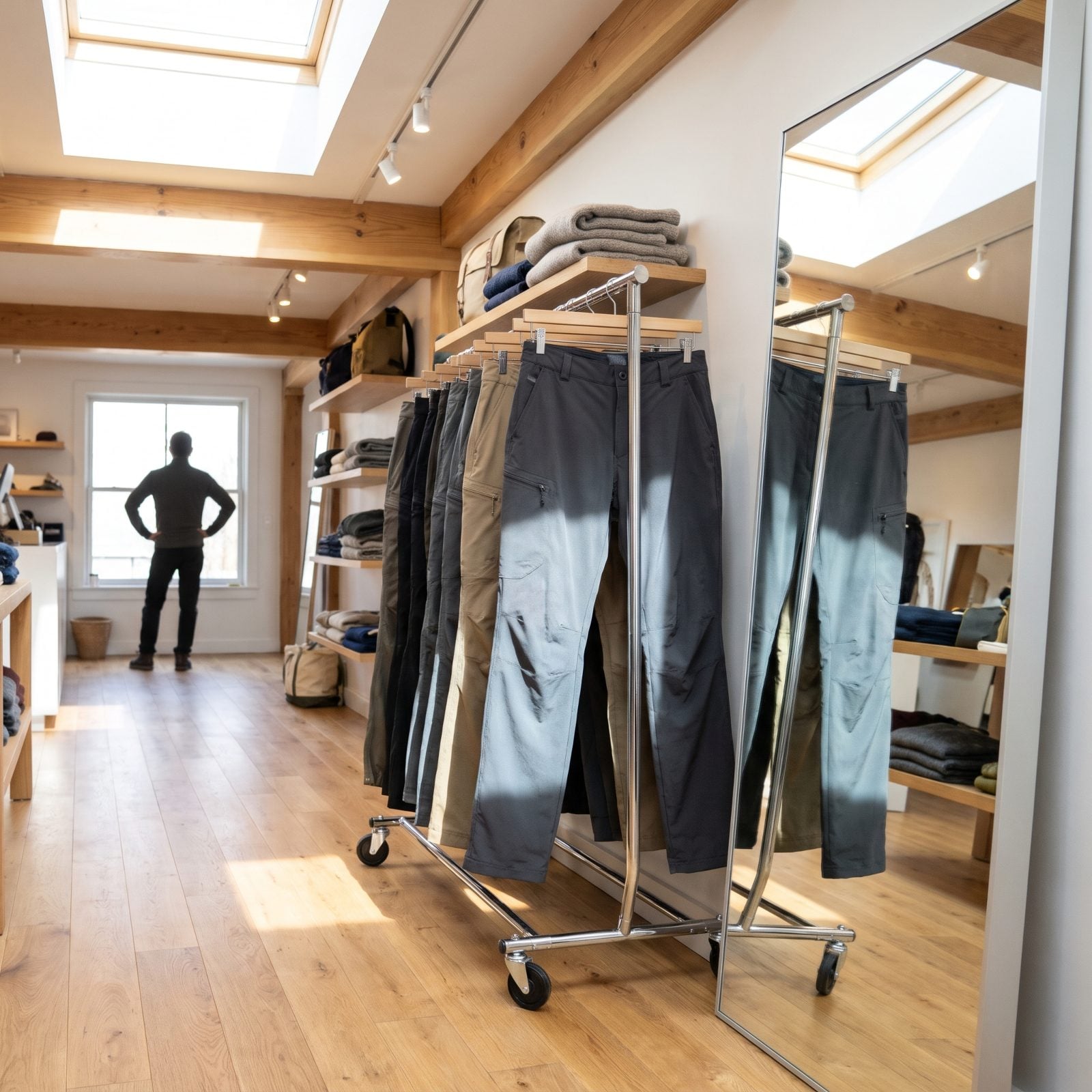
You pull on the trim stretch-woven pants, catch yourself in the long mirror, and somewhere between the hip and the knee the whole thing stops being about hiking. Now it’s a verdict. The pants didn’t change size; your opinion of yourself did.
Fitting-room mirrors and reunion name tags share a cruelty — both turn a neutral moment into judgment day. What’s happening is the spotlight effect, the belief that everyone is scrutinizing you as hard as you’re scrutinizing yourself. Nobody in the shop is thinking about your thighs. They’re worried about their own.
Buy the pants that let you move. The trail doesn’t grade you, and neither does the mountain. Only the mirror pretends to.
9. You Hide the Budget Stove Behind the Titanium Cookset
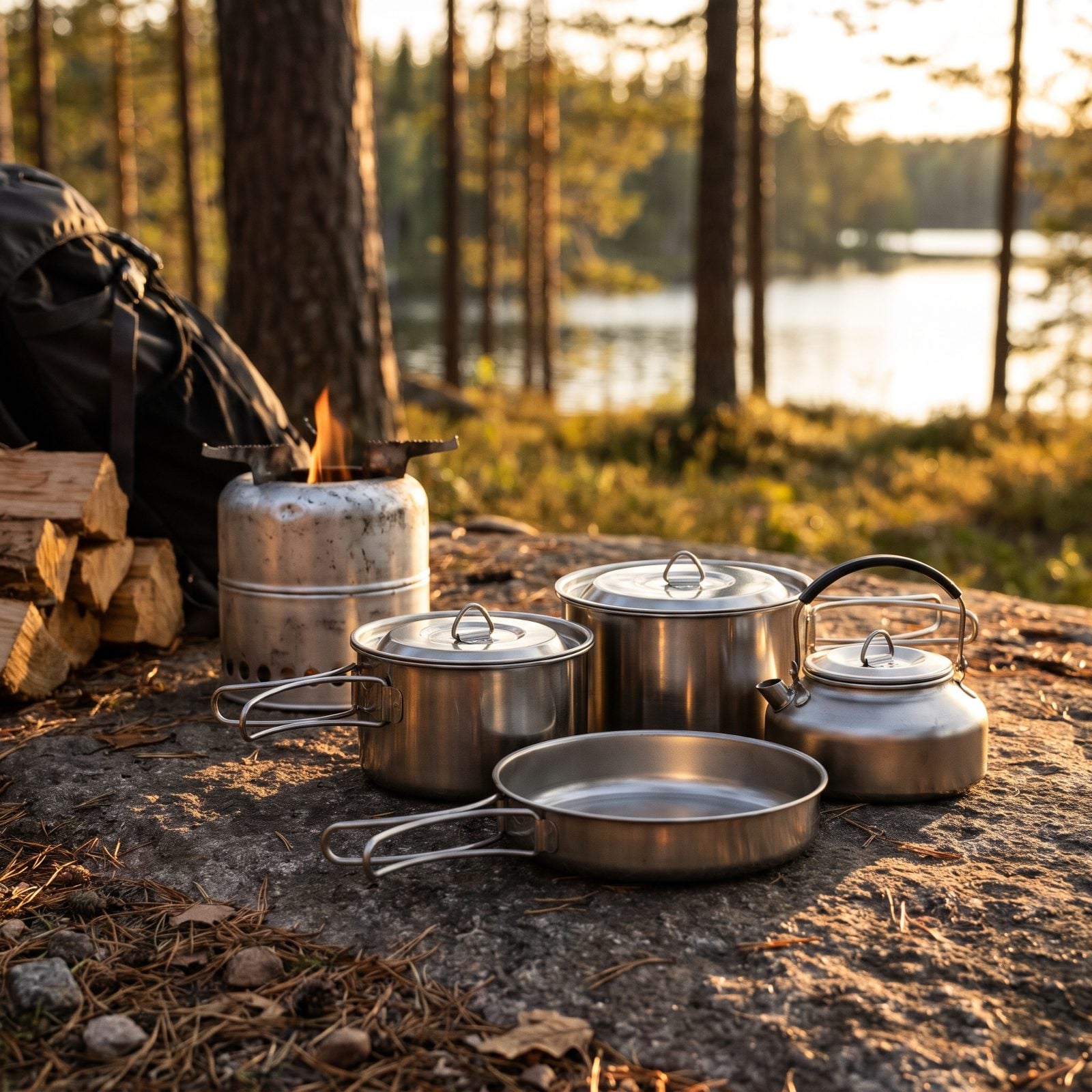
The titanium pot catches the firelight and gets set front and center at camp. The little aluminum stove that actually does the cooking? Nudged behind it, out of the photo, where nobody can price it. You’re curating the shot.
You’ve met the reunion version of this a hundred times. The impressive detail up front, the ordinary truth tucked out of view. That’s impression management, the small daily theater of controlling what others get to see. We all run it; most of us just don’t admit how much staging goes into a casual campsite.
Nobody tastes the difference between titanium soup and aluminum soup. The pot is for the people, not the broth.
8. You Stop Asking Beginner Questions in Expert-Level Waders
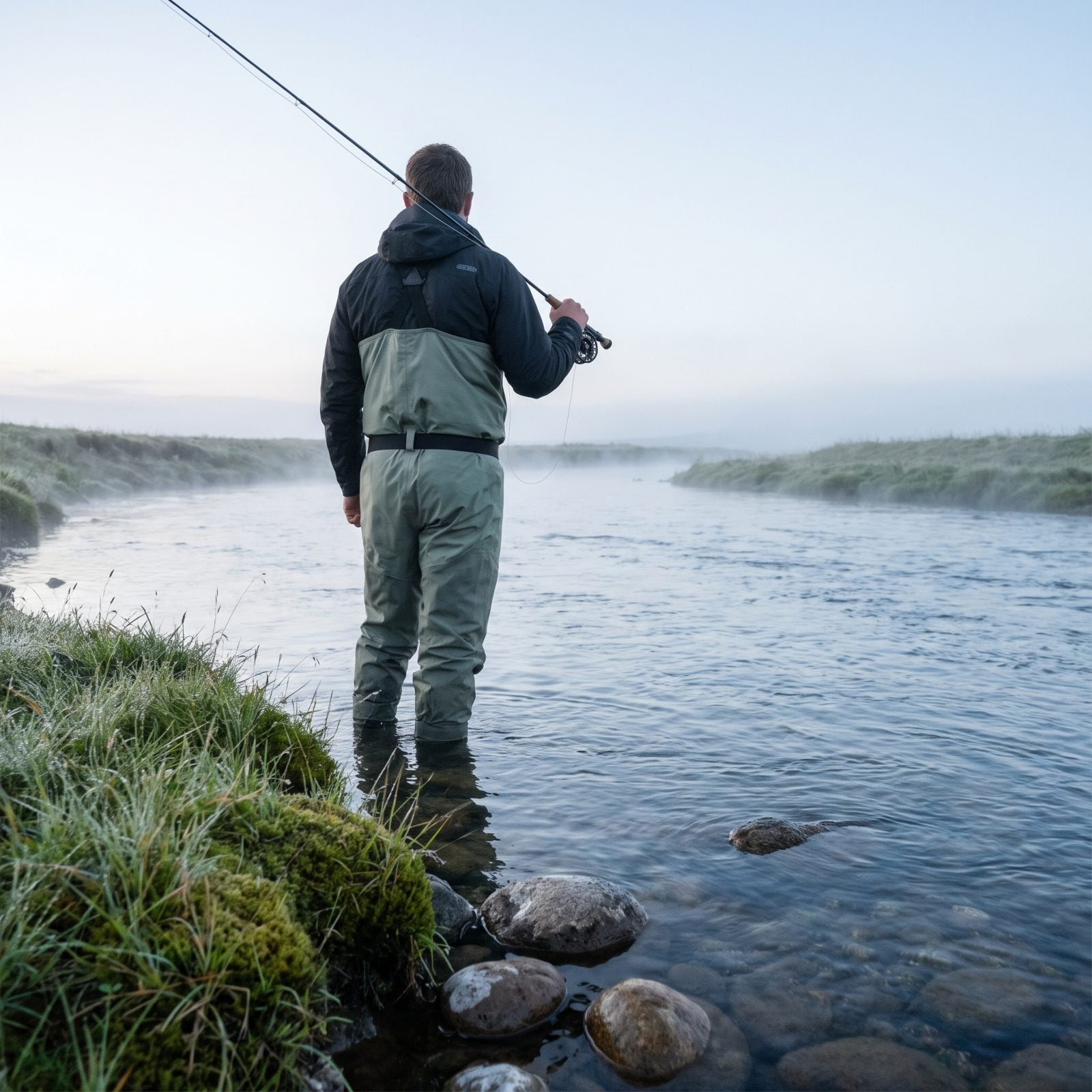
In your old gear you’d have walked right up to the shop guy and asked which fly, which knot, which run. Zip into the premium waders and suddenly the questions dry up. You’d rather fumble than look like you don’t belong in what you’re wearing.
It’s the reunion math exactly. The fancier you look, the less you can afford to seem lost. The gear raised the stakes on your own ego.
7. You Rehearse Why the Tent Cost That Much
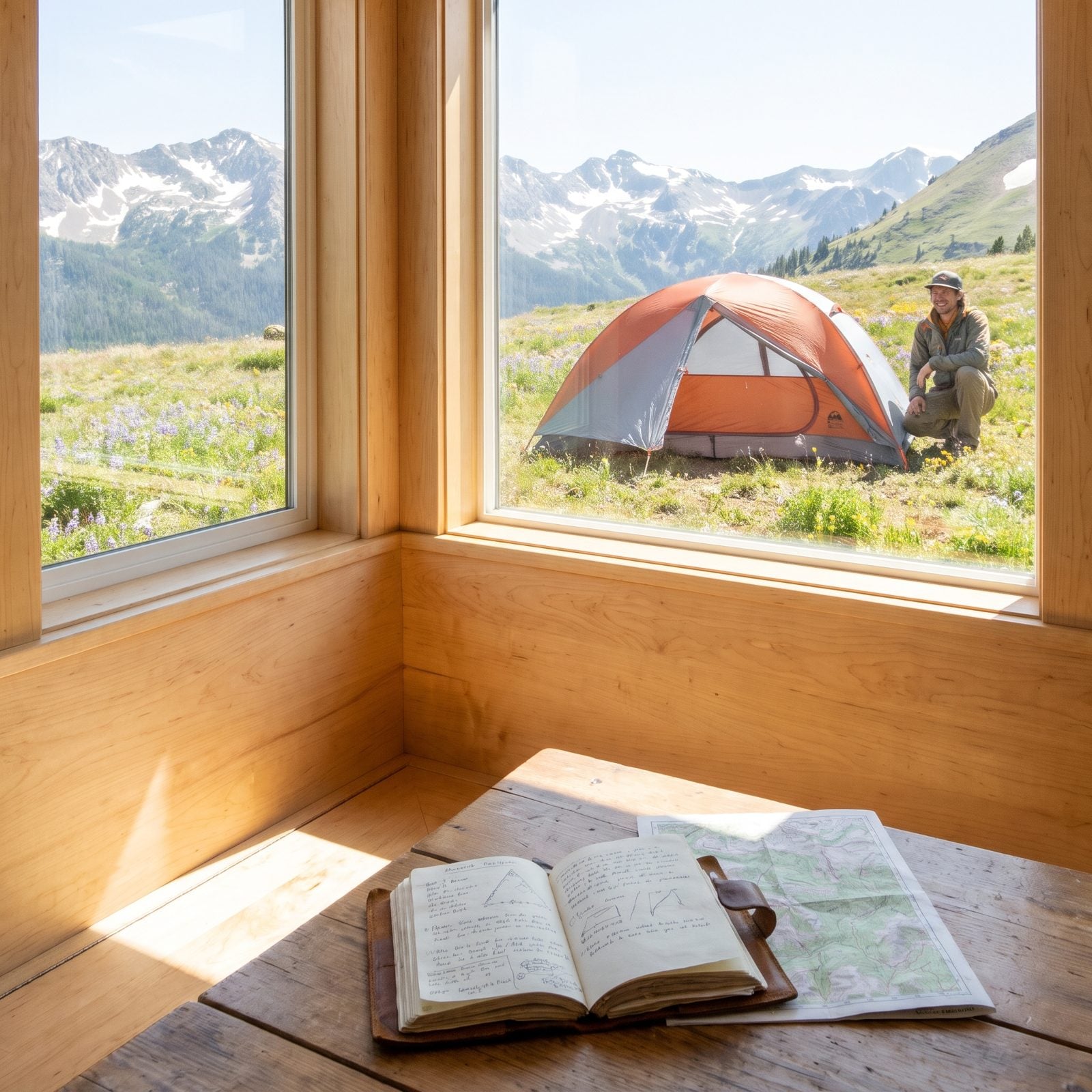
Before anyone’s even asked, you’ve got the speech loaded. The weight savings. The denier. The three-season rating. You can recite the tent’s resume faster than your own, all of it ready to fire the instant a camp neighbor glances over.
This is the exact answer you had polished for “so what have you been up to?” at the reunion. Pre-built, defensive, a little too eager. Anticipatory justification — rehearsing a defense for a judgment that hasn’t arrived and probably never will.
Here’s the kicker. The people around the fire bought their own pricey tents and are busy rehearsing their own speeches. Nobody’s keeping score but you.
6. You Scuff Brand-New Boots Before Their First Hike
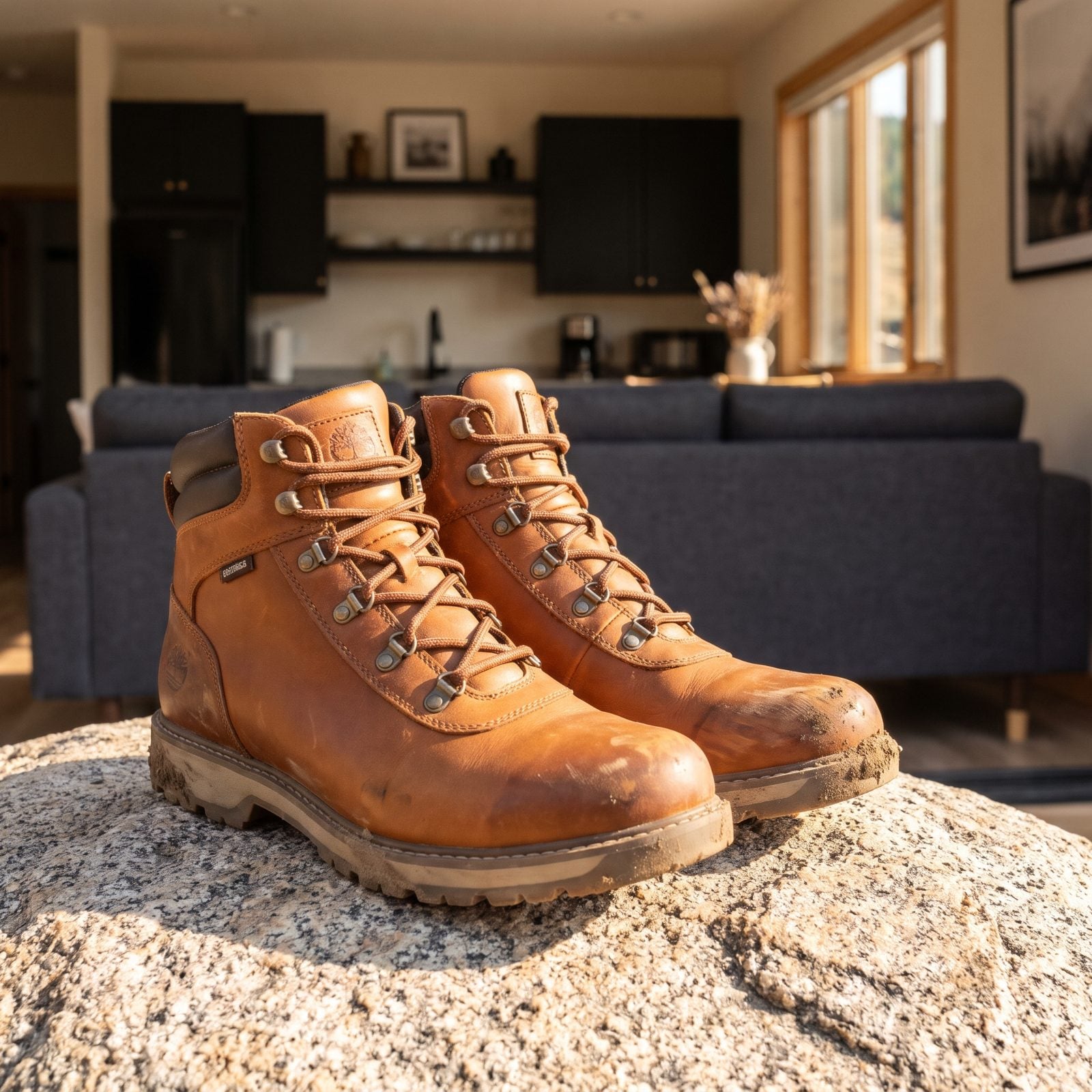
The boots are an hour out of the box and you’re already dragging a toe across gravel, rubbing dust into the pristine leather. Shiny new says rookie. A little honest wear says you’ve been places. So you manufacture the wear.
It’s the reunion move of downplaying the fresh haircut, roughing up the too-polished version of yourself so you read as effortless instead of trying. We’ll fake the evidence of experience to skip the part where we admit we’re new.
5. You Photograph the Pack Before It Gets Dirty
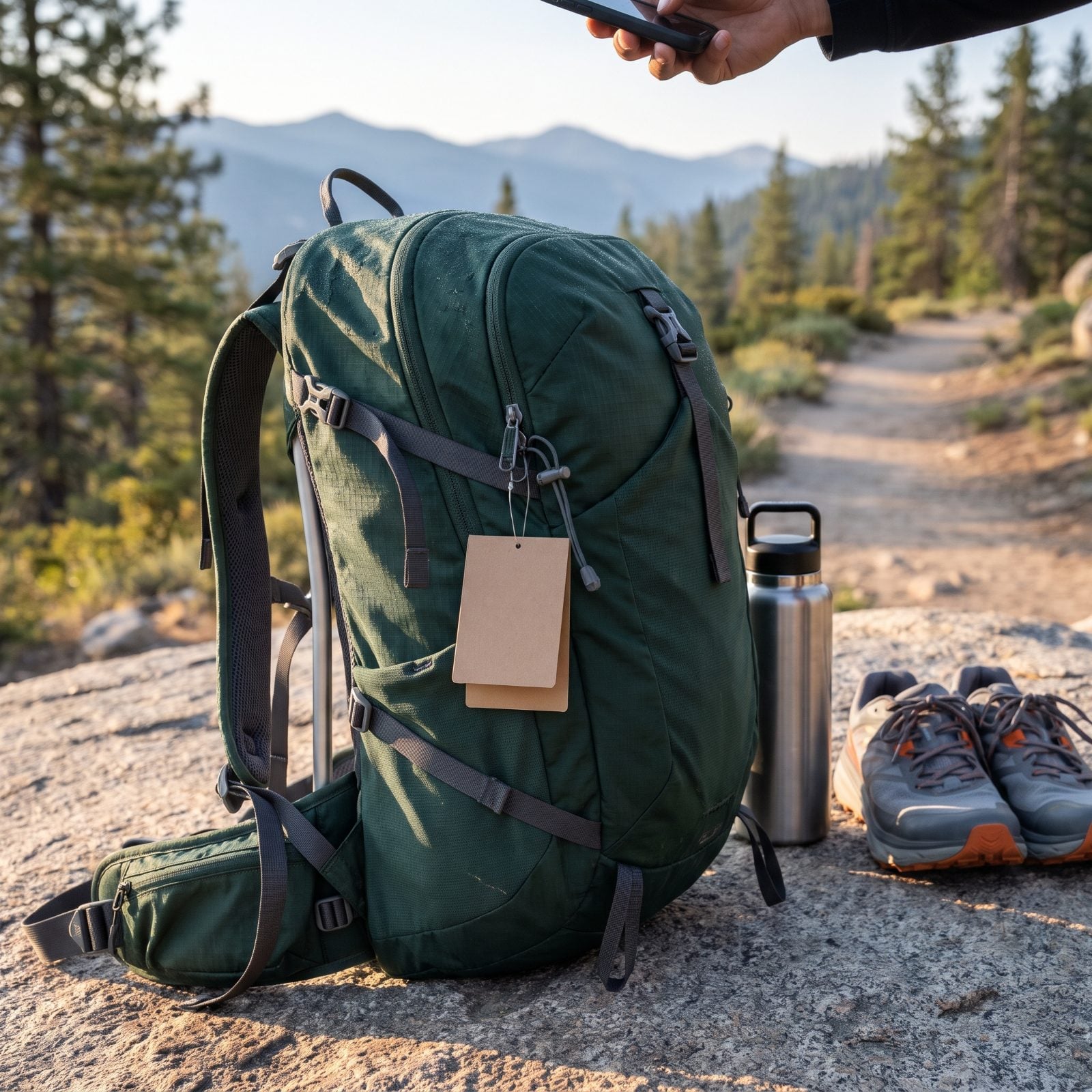
The pack comes out of the box and the first thing that happens isn’t a hike — it’s a photo. Morning light, a clean rock, tags tucked out of frame but not yet cut, three angles before anyone’s broken a sweat. Admit it. You’ve done this.
It’s the mirror moment. The night before some big gathering, somebody stands in front of a closet trying on the version of themselves they want the room to see, and the gear photo runs on that exact same wiring. We’re curating the before. The clean version. The one that hasn’t been tested yet.
Psychologists call it impression management, and it kicks in hardest right before we face a crowd we think is watching. The irony is that a pack photographed spotless has done nothing at all. The scuffs are what matter — a worn hipbelt and a faded lid say more about you than any product shot ever could. But we photograph the clean one anyway, because clean is safe and used is earned, and earned takes time we haven’t spent yet.
4. Cooler Compliments Feel Suspiciously Like Personal Compliments
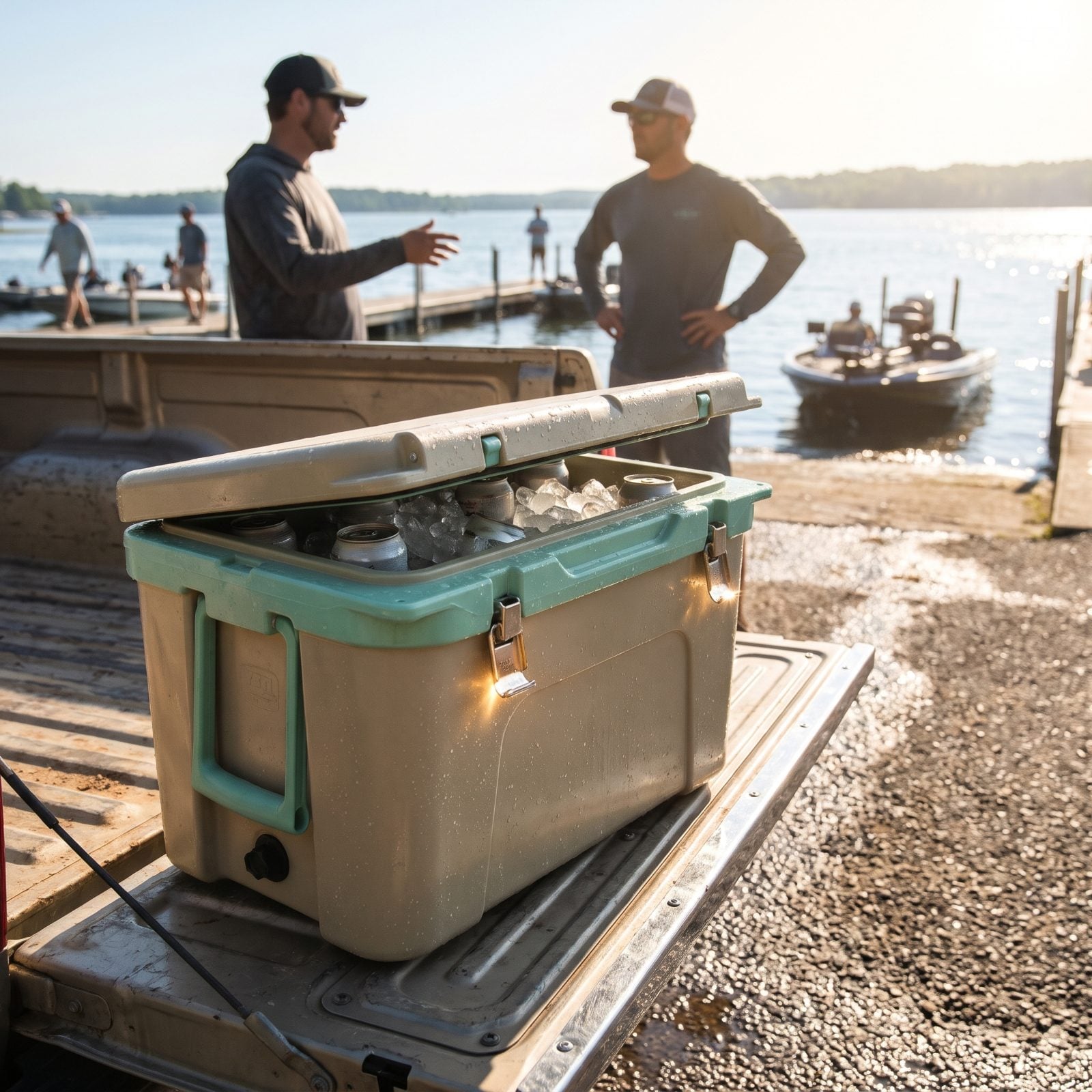
Somebody at the boat ramp nods at your cooler and says it’s a good one. Something warm happens in your chest, and it has nothing to do with the weather. You didn’t build the cooler. You didn’t design the latches. You bought it — and the compliment still lands like a word about your character.
This is the parking-lot version, where an old classmate clocks your watch or your truck and you feel seen in a way you didn’t plan on caring about. Psychologists call it the extended self. The stuff we own gets stitched into how we think of who we are, so praise for the object reads as praise for the person.
None of this makes you shallow. It makes you human. Just notice the trick. The cooler keeps ice cold either way, and the warm feeling is a bonus the marketing already charged you for.
3. You Keep Reading Reviews After the Box Arrives
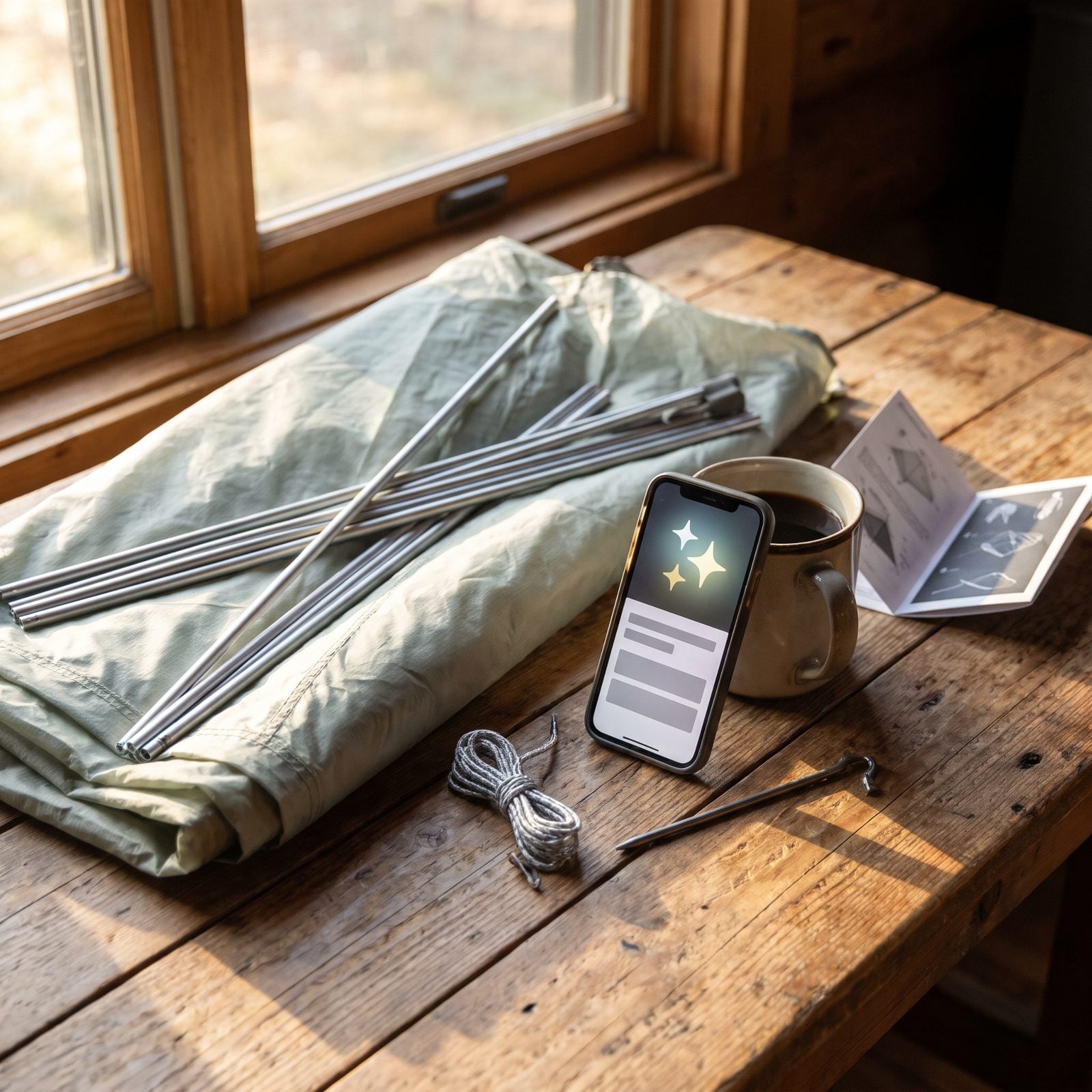
The box is already open. The tent is already yours. And there you are at the table, still scrolling the one-star reviews, hunting for the person who regretted it. Why? The decision’s made. The money’s gone. You’re reading the reviews backward now — not to choose, but to be reassured you chose right.
Picture the drive home from a party, replaying one conversation, texting a friend to ask how you seemed. The event’s over. The replaying continues anyway.
This is post-purchase rationalization, cousin to the dissonance we feel after any big commitment. The brain hates the gap between what it did and whether it was smart, so it goes hunting for evidence to close that gap. Four-star reviews become proof you’re brilliant. The one bad review becomes a person who clearly set the tent up wrong.
I do this every single time, and I know better. Stop reading. Go sleep in the thing. A tent tells you more about itself in one wet night than a thousand strangers ever will.
2. The Gear Closet Proves You Still Have Adventures
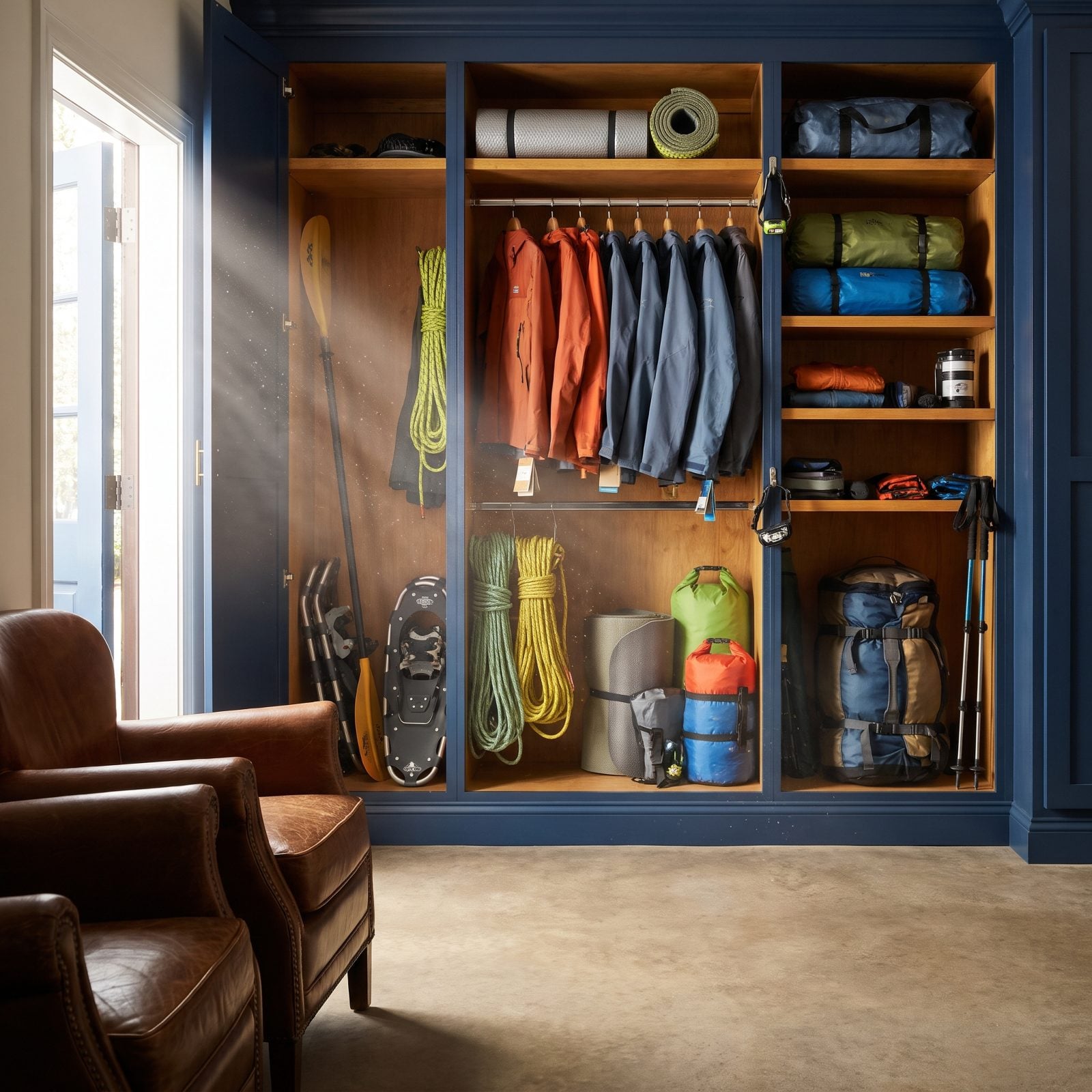
Open the gear closet and there it is. The snowshoes you’ve used twice. The kayak paddle leaning in the corner since two summers back. The burnt-orange shell with the tag still half attached. You don’t see idle equipment — you see proof that you’re the kind of person who does things.
The gear isn’t for the trip you’re taking. It’s for the identity you’re protecting.
Think of the small talk at a get-together, where you fill the gaps with everything you’ve been up to, maybe a little heavier on the highlight reel than the actual Tuesdays. We build a story about ourselves and then buy the props that back it up. A stocked closet is an argument you make to yourself every time you walk past it.
Psychologists talk about the self we aspire to versus the self we actually live. Gear sits right in that gap. Buying the dry bags feels like doing the river trip, minus the cold water and the shuttle logistics. That’s no crime. Just know which one you bought — the adventure, or the feeling of being someone who has them.
1. You Name-Drop Remote Trails Before Discussing the Day Hike
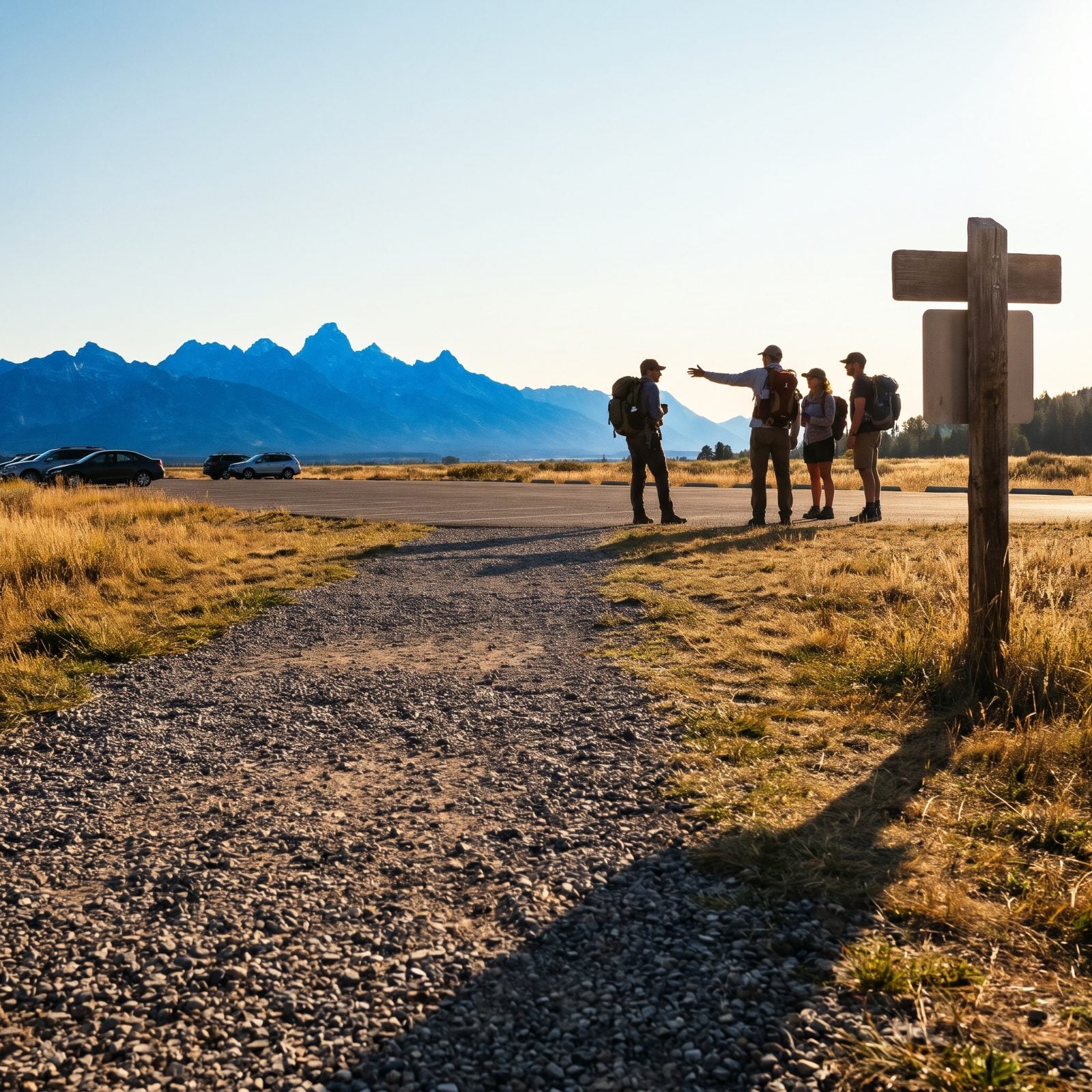
The group is standing at the trailhead for a mellow three-mile loop. Somehow the conversation is about a backcountry route in another state — the one with the river ford and the permit lottery. Nobody’s lying. But the big trail comes up first, and the loop you’re actually about to walk barely registers, usually as a shrug.
You know this move. Someone asks how you’ve been, and the answer somehow arrives via the one impressive thing, delivered early and a little rehearsed. We lead with our résumé when we think we’re being measured.
Here’s what I’ll stand on, though: the day hike is the real life. The remote trail is the three days a year. Most of what we love about being outside happens on the easy loop with the good coffee afterward. No shame in the short walk. The shame is pretending it’s beneath you while you’re clearly enjoying it.