You will defend a stretch of water you have no business defending. You’ll drive past three good holes to reach the one you fished as a kid, the one that quit producing around the time gas hit two dollars a gallon, and you’ll tell yourself there’s a reason. There’s always a reason. The truth is messier than that, and funnier. The same wiring that keeps people in the wrong relationship, chasing the one who got away and ignoring every red flag flapping in the breeze, is exactly what governs how an angler picks water. We watched the way men choose, judge, and commit to a spot. It reads like a dating profile. Here’s the part where you see yourself.
Please note that some of the images in this article were created with the assistance of AI.
14. You Ignore Posted Warnings When the Water Looks Perfect
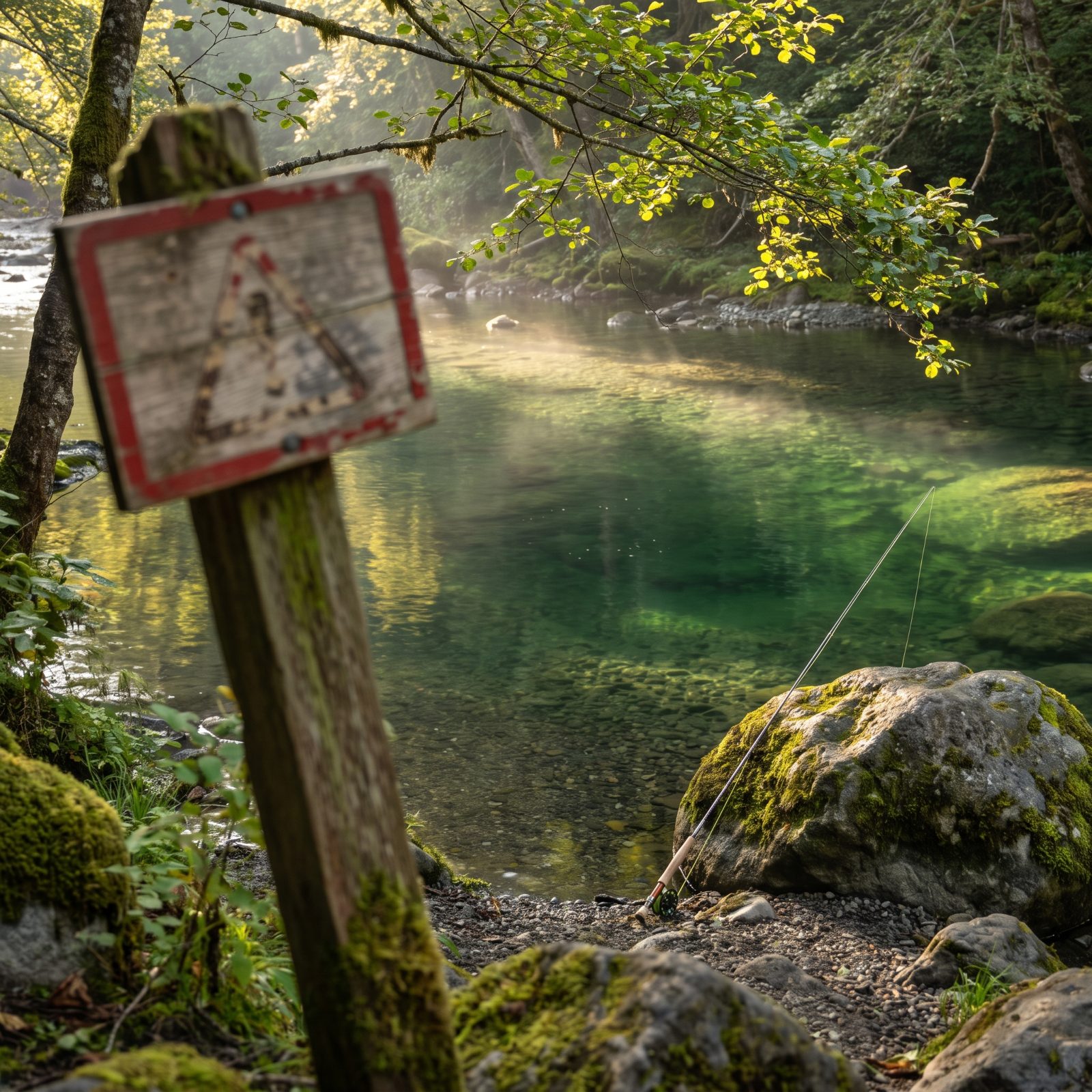
The sign is half rotted, the paint on the warning triangle has flaked down to bare wood, and you can barely read whatever it was trying to tell you. Behind it sits a pool so clear and green you can count the stones on the bottom. Morning light is coming through the trees, the mist is lifting off the water, and before you’ve decided anything your rod is already leaning against a mossy boulder at the edge. The sign never stood a chance.
Posted warnings exist for real reasons: sudden water releases, undercut banks, slick rock, closed seasons, fish you shouldn’t eat. But a beautiful spot has a way of making the fine print feel like it was written for somebody else. Psychologists call this optimism bias, the steady belief that bad outcomes happen to other people. It’s the same reason we wave off the red flags in someone gorgeous on a first date. They were rude to the waiter, sure, but look at that smile.
Read the sign anyway. Read it twice if it’s faded. The prettiest water is not always the safest or the legal water, and the angler who checks the warning first gets to keep coming back to the pretty places for a long time.
13. You Trust a Packed Pier More Than Your Fish Finder
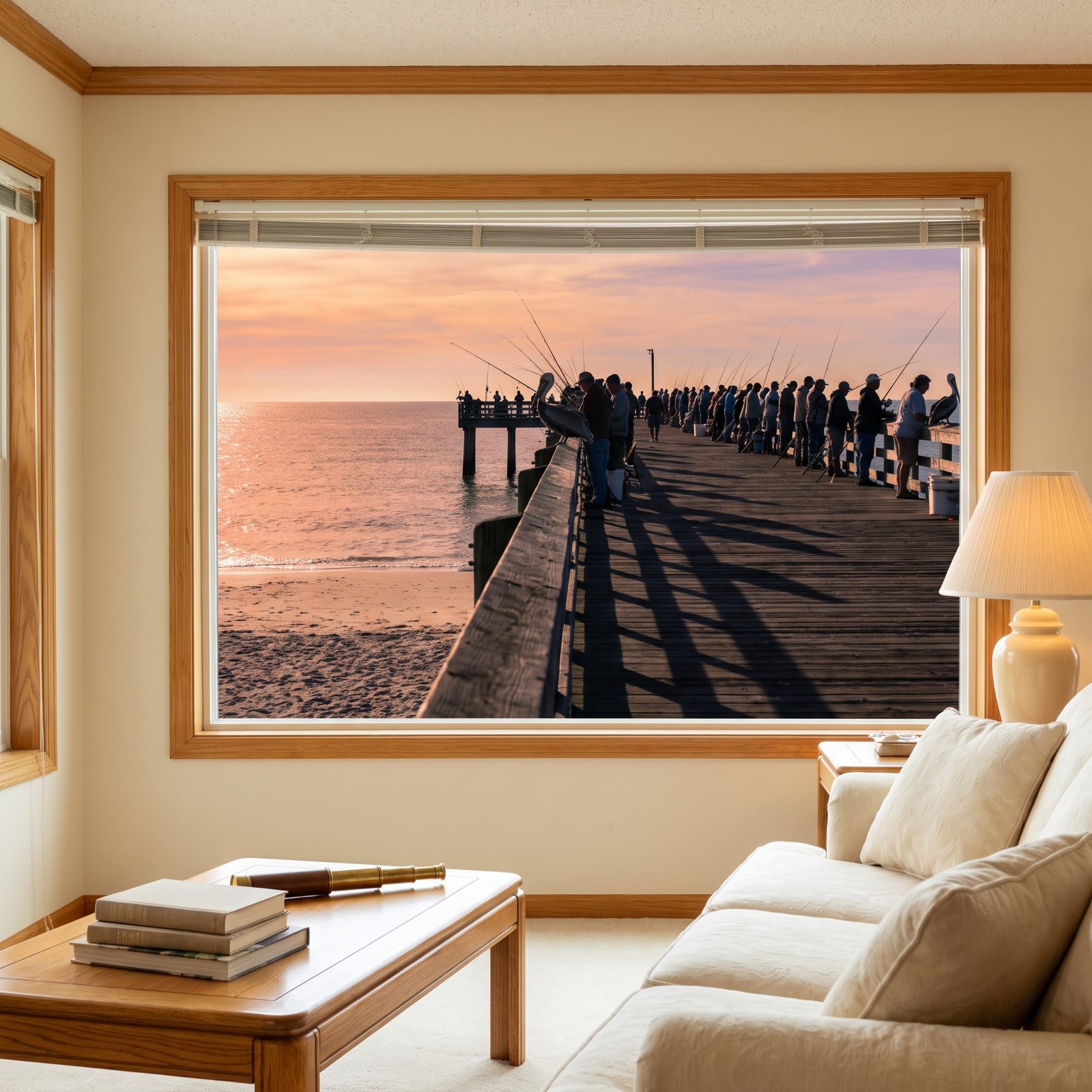
You can see it from the window before you’ve even had coffee: the pier lined rail to rail with rods, silhouettes shoulder to shoulder against a pink sunrise, a couple of pelicans perched on the railing like they own the place. Your fish finder showed you a promising drop-off somewhere else entirely last week. Doesn’t matter. All those people can’t be wrong, so you grab your gear and squeeze in at the end of the line.
This is the bandwagon effect, and it does just as much damage in romance as it does on the water. We lean toward whoever everyone else seems to want, whoever the friends approve of, whoever looks good on paper in a crowd. A packed pier tells you something real, but what it mostly tells you is that the pier is easy to reach, has a parking lot, and was crowded yesterday too. Crowds follow crowds. Fish follow bait, structure, and temperature.
Sometimes the masses are right, and the pelicans are a decent hint that baitfish are around. But you bought electronics for a reason. When your own data points somewhere less popular, give it a fair morning. The best spot you ever find is likely to be the one nobody was standing on.
12. You Choose Water That Matches How You Actually Fish
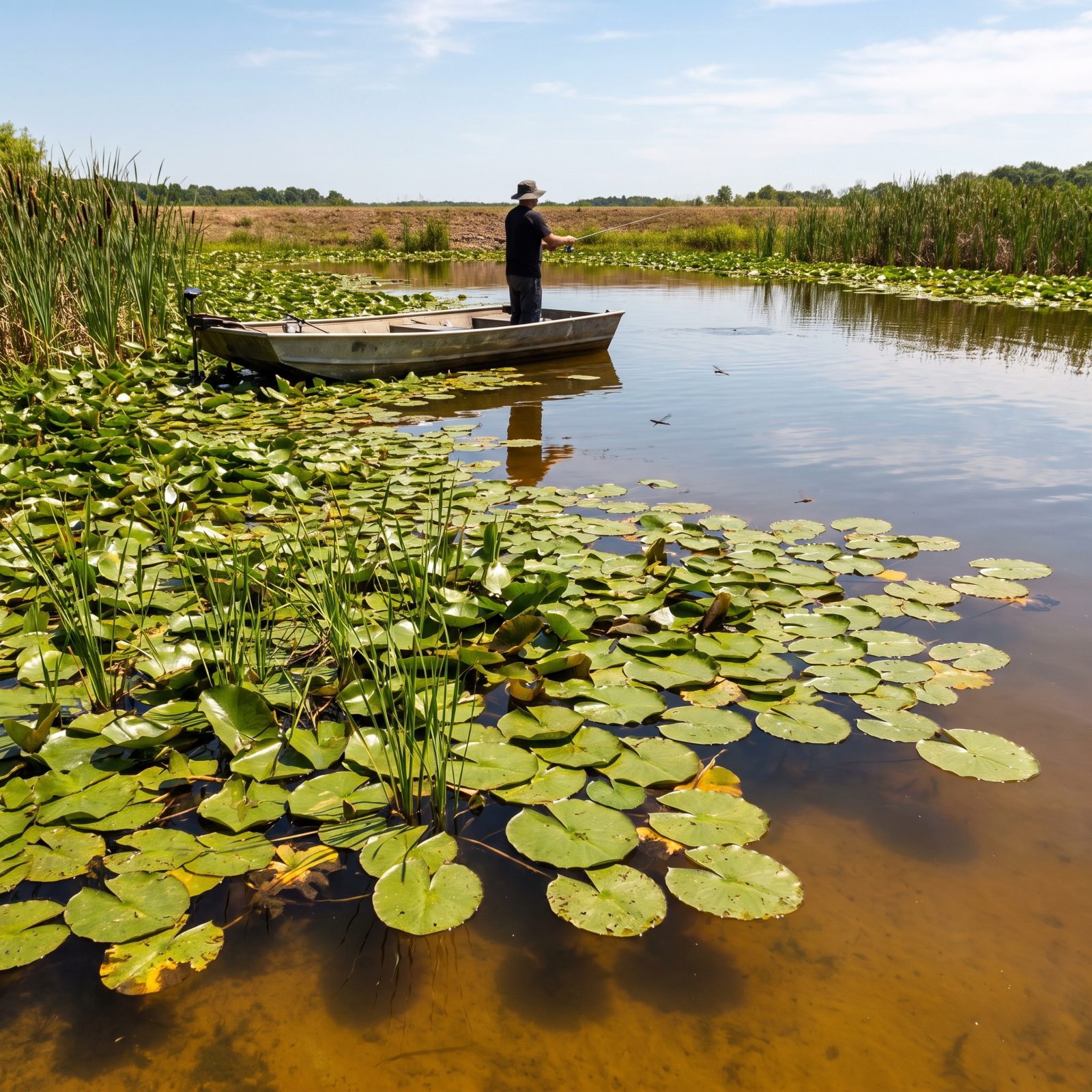
Here’s the one that goes right. You stop chasing the famous deep lake you’ve seen in magazines and admit what you actually love: a flat-bottomed jon boat, a shallow marshy backwater full of lily pads and cattails, and the slow, patient work of throwing a frog over the pads and waiting for the water to explode. You’re not a trolling guy. You’re not a deep-water guy. You know it, and you finally fish like it.
Healthy relationships tend to start the same way. Not with the person who looks most impressive from across the room, but with the one whose daily rhythm actually fits yours. Compatibility is less glamorous than chemistry, and it lasts a lot longer. The angler who matches his water to his real habits, the gear he owns, the hours he has, the way he likes to spend a morning, catches more fish and has more fun doing it.
Largemouth bass love that kind of cover, the shade and the ambush points under the pads, and an angler who loves fishing it will learn every pocket over time. That’s the trade. You give up the trophy water you’d only ever visit, and you get water you’ll truly know. Pick the place that suits who you are on an ordinary Saturday, not who you’d like to be on a postcard.
11. You Fish the Same Dock Because Your Dad Did
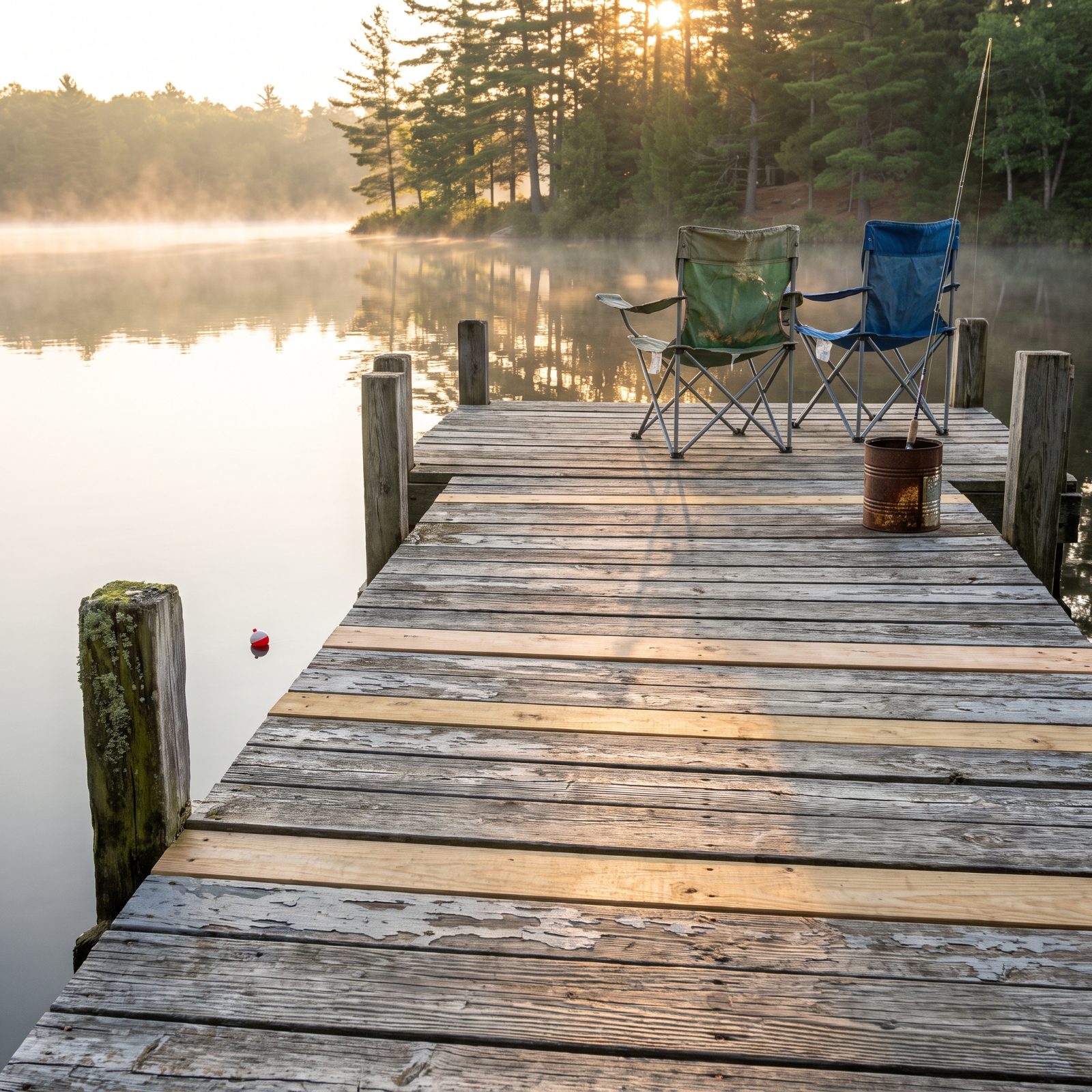
The dock has seen better decades. The old gray boards are peeling, and someone, probably you, has nailed in fresh pale planks where the worst ones gave out. Two folding chairs sit at the end, one green and one blue, the same colors as always. There’s a rusty coffee can holding a rod and a red-and-white bobber floating off the corner post. The lake barely gives up a fish here anymore. You come anyway, every season, because this is where your dad sat.
Familiarity is a powerful pull. Psychologists have long noted the mere-exposure effect, where we tend to like things more simply because we’ve encountered them often. Add childhood memories on top and a stretch of water stops being a fishing spot and becomes a kind of home. In relationships, people often find themselves drawn to what feels familiar from the way they grew up, whether or not it’s actually good for them.
There’s nothing wrong with loving the old dock. Some mornings the fish are beside the point and the second chair is the whole reason you came. Just be honest about which trip you’re taking. If you want memories, sit on the dock. If you want fish, it’s okay to go find new water and bring the old habits with you.
10. You Keep Fishing Yesterday’s Hot Spot Long After It Cools
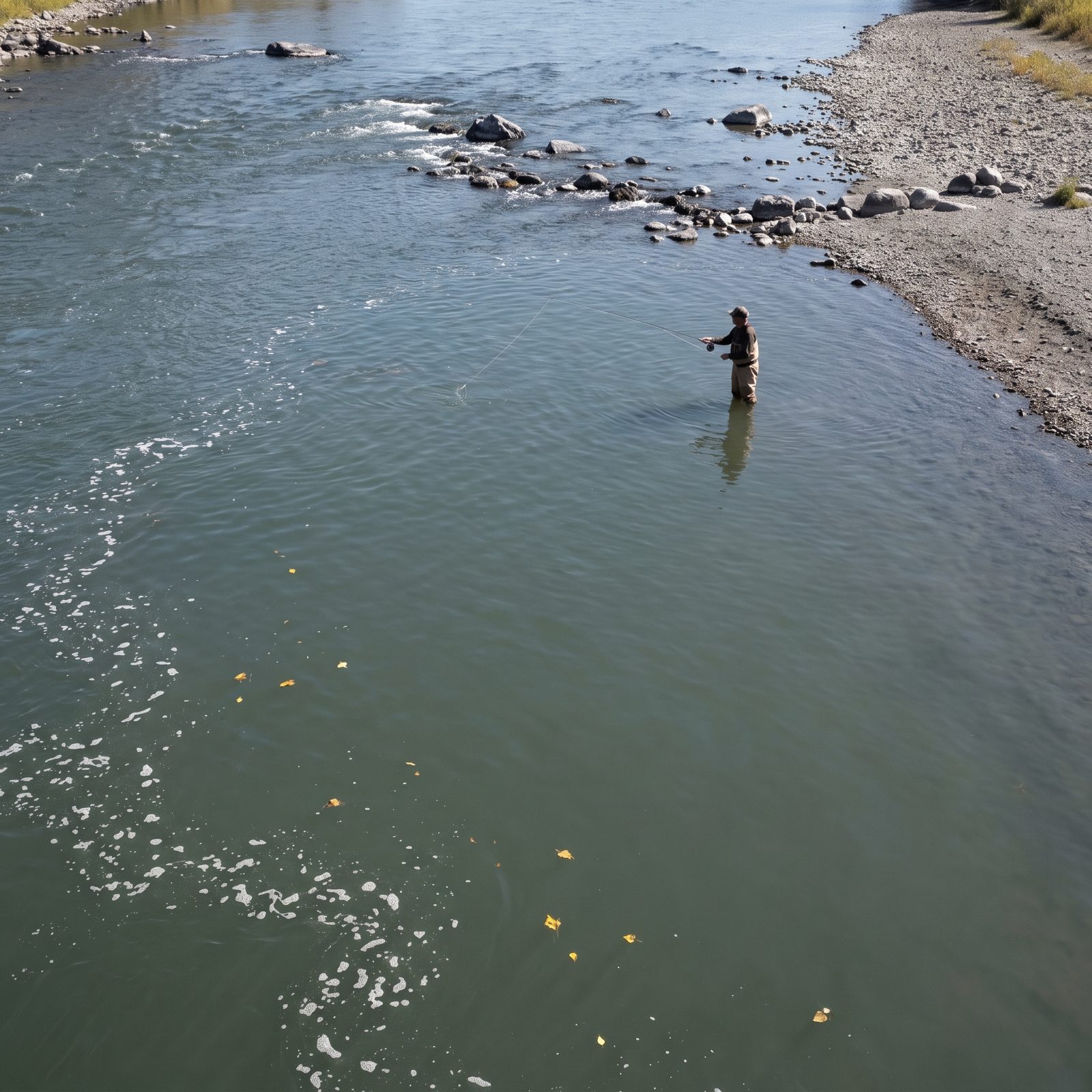
Yesterday this run was electric. Fish rising along the seam, a hookup every few casts, the kind of afternoon you replay on the drive home. So today you wade right back into the same spot, stand in the same place, and throw the same fly. An hour later the only thing moving is a scatter of yellow leaves drifting past on the current. You keep casting, because yesterday was so good.
Fish move. Water temperature shifts, light changes, a hatch ends, the bait slides downstream. The spot didn’t betray you; conditions changed and you didn’t. Anchoring bias explains a lot of this. The first strong piece of information we get becomes the reference point, and everything after gets measured against it. Yesterday’s hot bite becomes the anchor, and today’s empty water feels like a temporary glitch rather than the new reality.
Relationships fall into the same trap. People hold onto the early months, the honeymoon stretch, and keep waiting for the person to go back to being who they were then. Sometimes they do. Often the season simply changed. Give the old spot a fair look, then read the water in front of you, not the water you remember. The fish left you a message. They’re somewhere else now.
9. One Surprise Strike Makes You Forgive Hours of Nothing
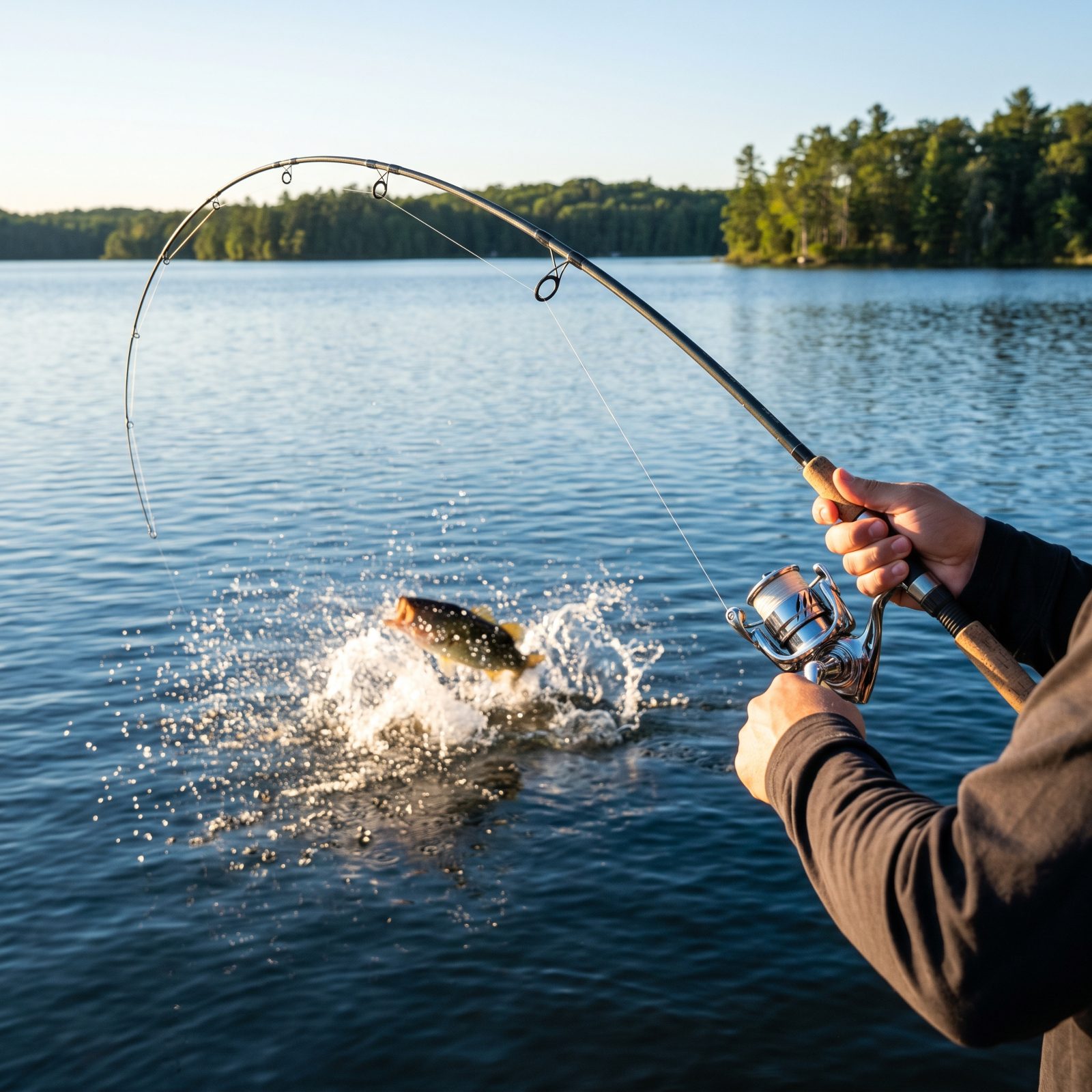
Four hours. Four hours of casting, retying, checking the line, changing lures, eating a sandwich, staring at the treeline. Nothing. You’re halfway to packing up when the rod suddenly doubles over and a bass comes flying out of the water, shaking its head in a spray of droplets. In about ten seconds the whole miserable morning is forgiven. You’ll be back here next weekend, and you’ll tell everyone it’s a great spot.
This is intermittent reinforcement, and it is one of the stickiest patterns in human behavior. Rewards that show up unpredictably keep us hooked far longer than rewards that come on schedule. It’s the same machinery behind slot machines and behind the partner who’s cold for weeks and then suddenly wonderful for one perfect evening. That single bright moment erases the memory of all the dull or painful ones.
Keep a simple log if you want the truth. Hours fished, fish caught. One great strike feels like a pattern. Ten trips written down will tell you whether it really is.
8. You Stay Because Moving All That Tackle Feels Exhausting
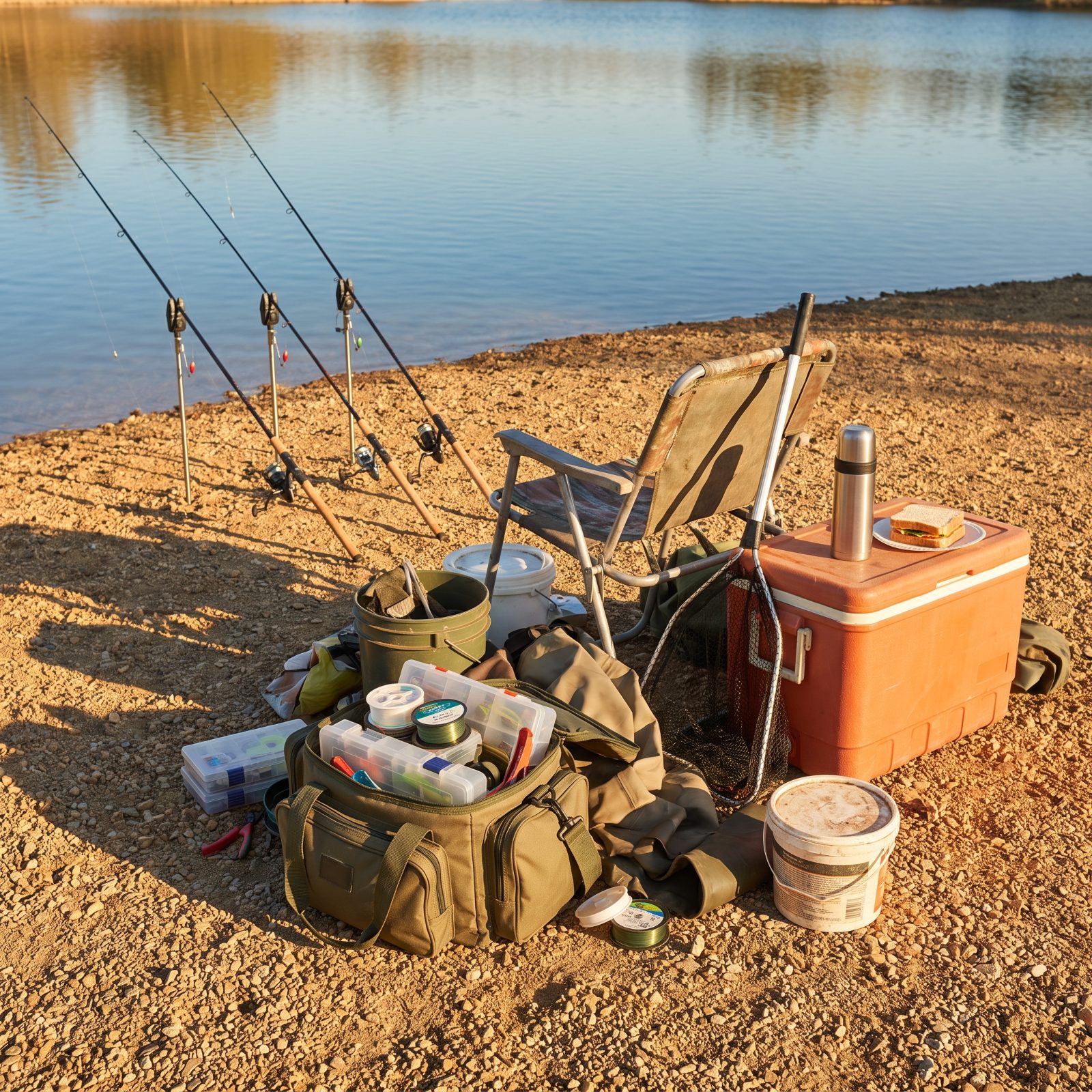
Look at the setup. Three rods on their rests with bite alarms clipped on, the folding chair positioned just right, the orange cooler with a thermos and half a sandwich on top, two buckets, a tackle bag spilling line spools and boxes, waders slumped on the gravel, a landing net leaning on the cooler. Nothing has touched a bait in hours. Down the bank, you watched someone pull two fish in twenty minutes. And you’re not moving, because moving means packing all of this up.
That’s status quo bias doing the thinking. The current situation gets an unfair advantage simply because it’s the current situation, and the effort of change looms larger than the reward on the other side. People stay in stale relationships for the same reason. Not because it’s good, but because leaving means untangling the apartment, the friends, the routines, the whole camp you’ve built around another person.
The irony is that the gear piles up precisely because we expect to settle in. The more we bring, the harder it is to go. Pack a little lighter next time. A setup you can break down in five minutes keeps your options open, and an angler who can move is an angler who goes where the fish are.
7. You Need a Backup Spot Before Leaving the Wrong One
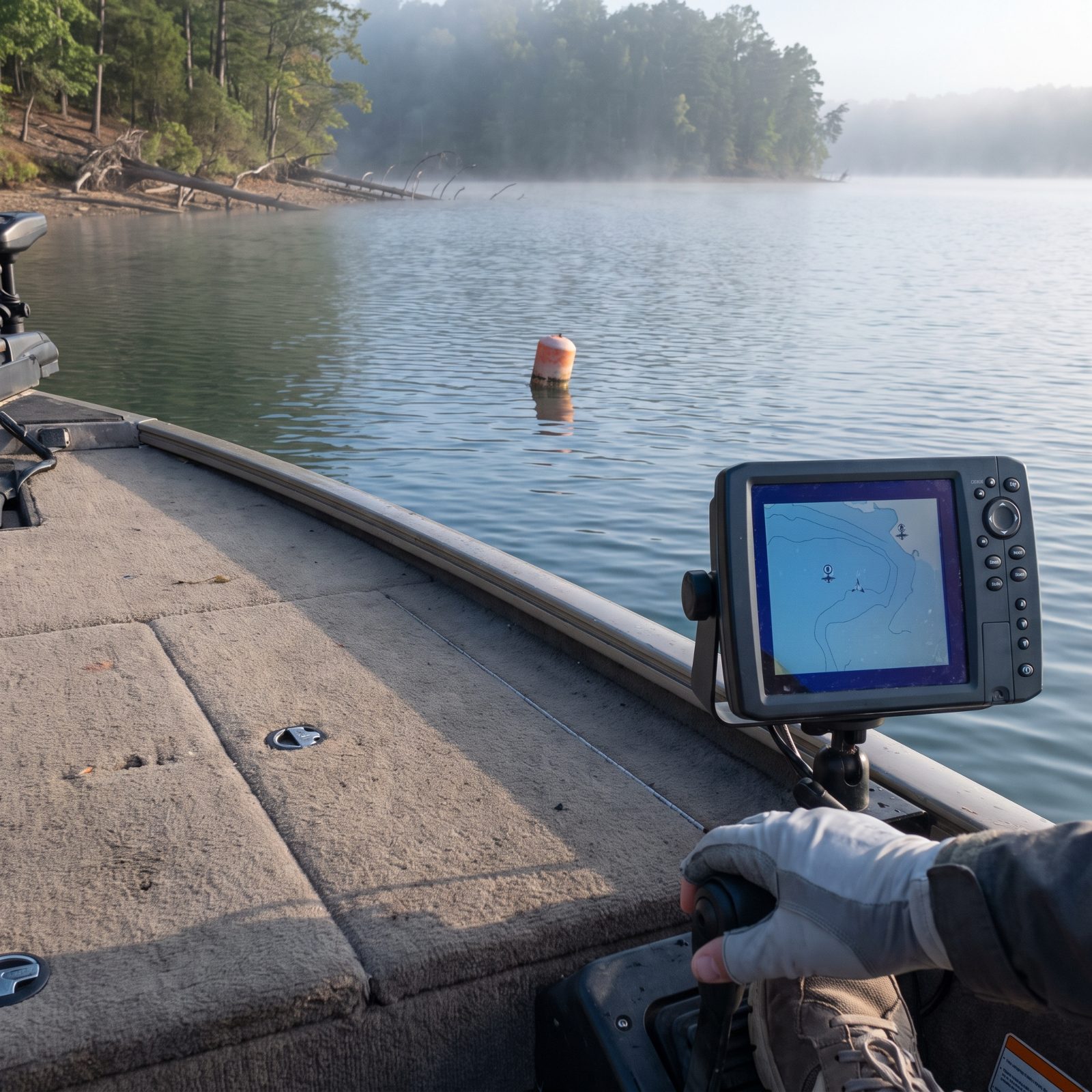
The morning is gray and misty, the spot is dead, and you know it. But before you’ll touch the throttle, you’re scrolling the chart on your unit, checking waypoints, making sure there’s somewhere marked and ready before you abandon the place you’re sitting on. Leaving for open water with no plan feels worse than staying on water that isn’t working.
Some of this is just smart fishing. A good angler always has a next spot in mind, and running around a big lake aimlessly burns fuel and daylight. But there’s another layer underneath, and it’s loss aversion. Losses tend to feel heavier than equal gains feel good, so giving up a spot, even a bad one, registers as a cost. A lot of people treat relationships this way too, refusing to leave until someone new is already lined up, because the gap in between feels unbearable.
The trouble is that waiting for the perfect backup can keep you anchored to the wrong water for far too long. The marked waypoint is a comfort, not a guarantee. Sometimes the right move is just to pull up and go learn something, trusting that a lake this size has more than one good place in it. Empty water you’re exploring beats familiar water that’s giving you nothing.
6. You Ask Three Locals, Then Choose the Answer You Wanted

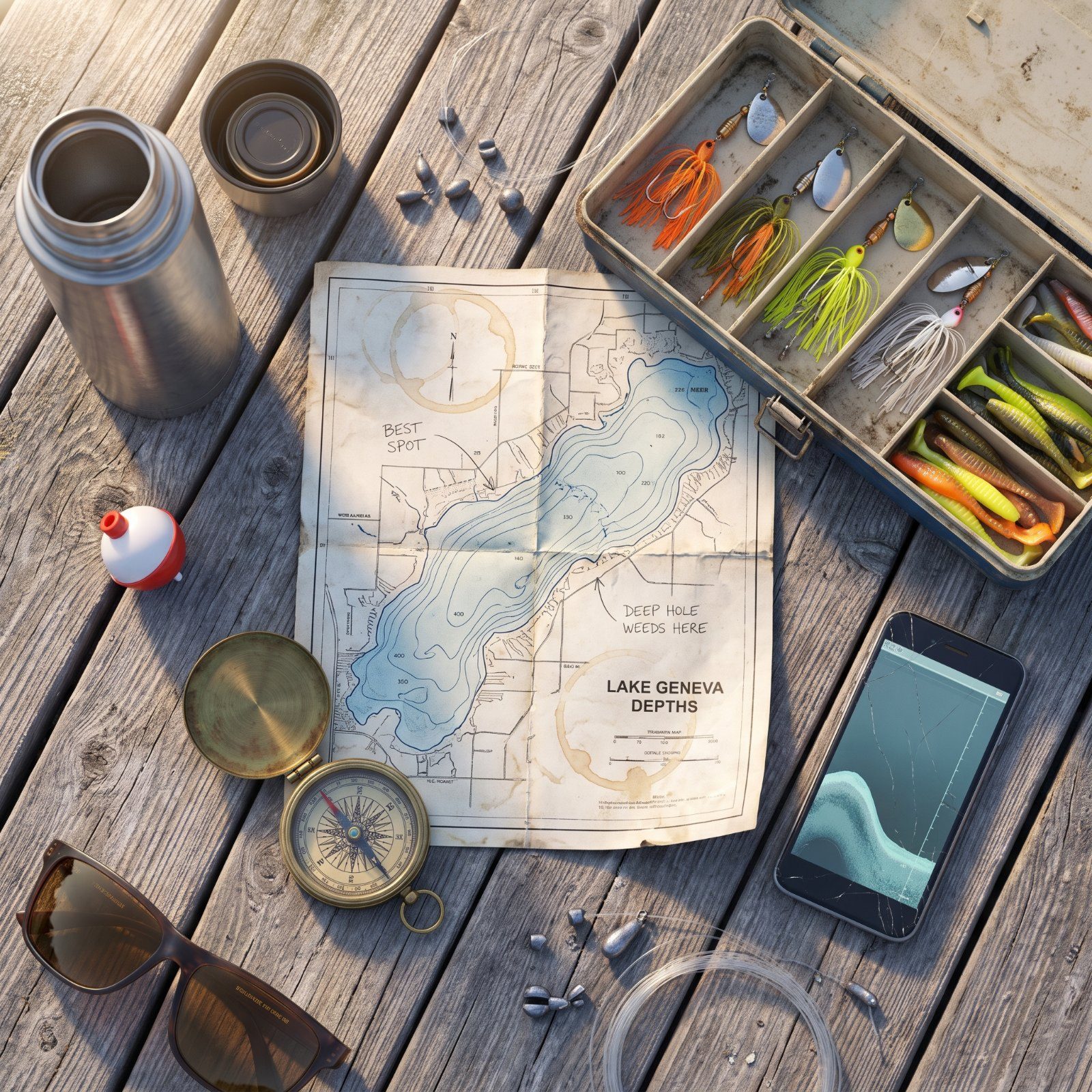
You spread the map across the kitchen table, lemons in a bowl at one end, and start making calls. The bait shop guy says the north arm. Your neighbor says the creek mouth near the bridge. The old-timer at the diner says the south shore, and that happens to be the spot you were already dreaming about. Guess which advice turns out to be the most reliable?
That’s confirmation bias, and it’s tireless. We say we’re gathering information, but often we’re shopping for permission. The answers that line up with what we already wanted feel smart and well informed, and the ones that don’t get filed under “he doesn’t really know that lake.” It’s exactly what happens when someone asks every friend about a new relationship and only really hears the one who says go for it.
Asking locals is one of the best habits an angler can have. They know where the fish were last week and which ramps are a nightmare at low water. The trick is listening for the answer you didn’t want. If two out of three people point you somewhere you hadn’t considered, that’s not noise. That’s the map trying to tell you something, and it might be worth a morning to find out.
5. You Keep Scouting Because the Next Bend Might Be Better
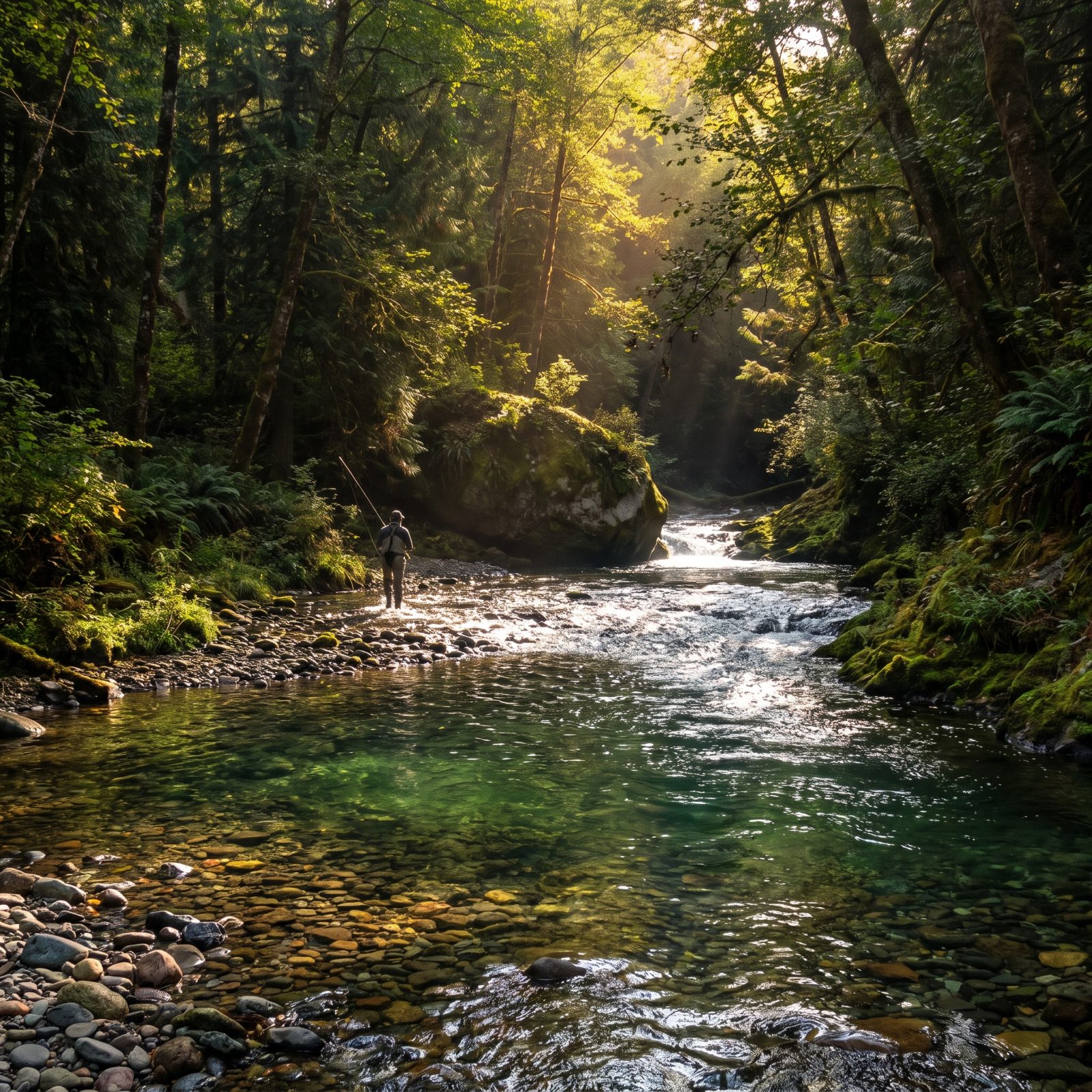
You arrive at a good pool. Fish are rising, the light is right, and within twenty minutes you’re already wondering what’s around the next bend. So you hike up past perfectly fishable water, because the stretch you haven’t seen yet feels like it has to be better. The one you can’t see is the one that owns you.
This is the fishing version of the person who spends every date half-looking over your shoulder. The grass-is-greener loop runs on a simple glitch: your brain scores known rewards against imagined ones, and imagination never has to show its work. The pool in front of you is real, with real flaws you can see. The next bend is pure potential, and potential wins a rigged fight every time.
Sometimes the next bend really is better. More often it’s the same water you left, and you’ve burned your best light hiking instead of fishing. The anglers who catch the most aren’t the ones who covered the most ground — they’re the ones who stopped, worked a spot hard, and gave it a fair chance to prove itself before moving.
4. You Call It Your Spot Before Learning the Tides
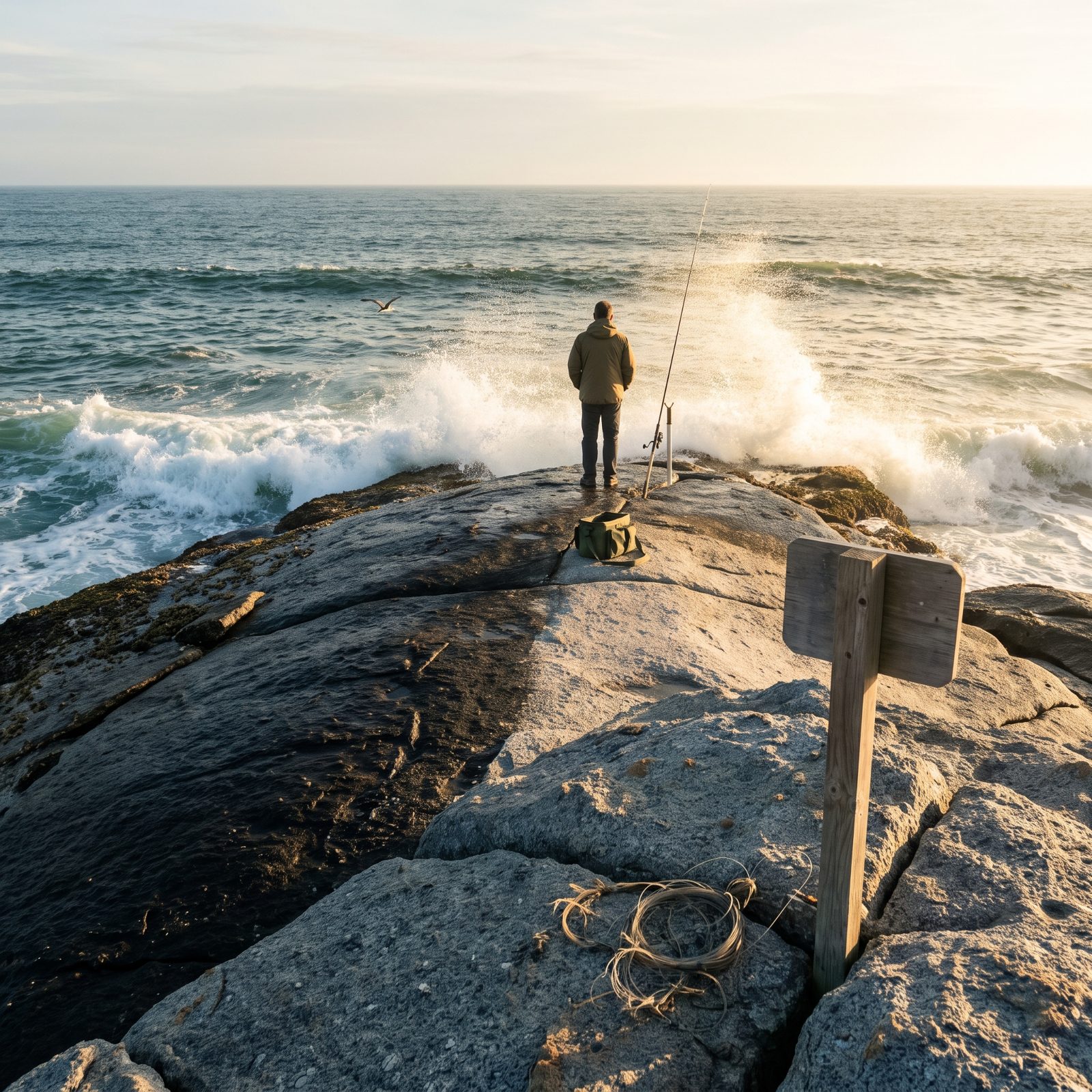
You find it on a Tuesday evening when the light is perfect and a fish hits on your third cast, and by the drive home it already has a name in your head. Your spot. You tell a buddy about it like you discovered a country you plan to annex. You haven’t checked a tide chart, you don’t know what this rock does at low water, and you have no idea the fish were only there because the current shoved bait into that corner for maybe forty minutes before moving on.
We do the same thing with people. One good night and the whole future gets penciled in. Psychologists call it the halo effect, where a single strong first impression bleeds into everything else and we patch the gaps with hope instead of evidence. The one great cast becomes proof the place is great, when really it was proof of one great cast and nothing more.
Learn the tide before you learn to love it. The water tells you what it really is around the third visit. Not the first.
3. You Blame the Spot When You Brought the Wrong Lure
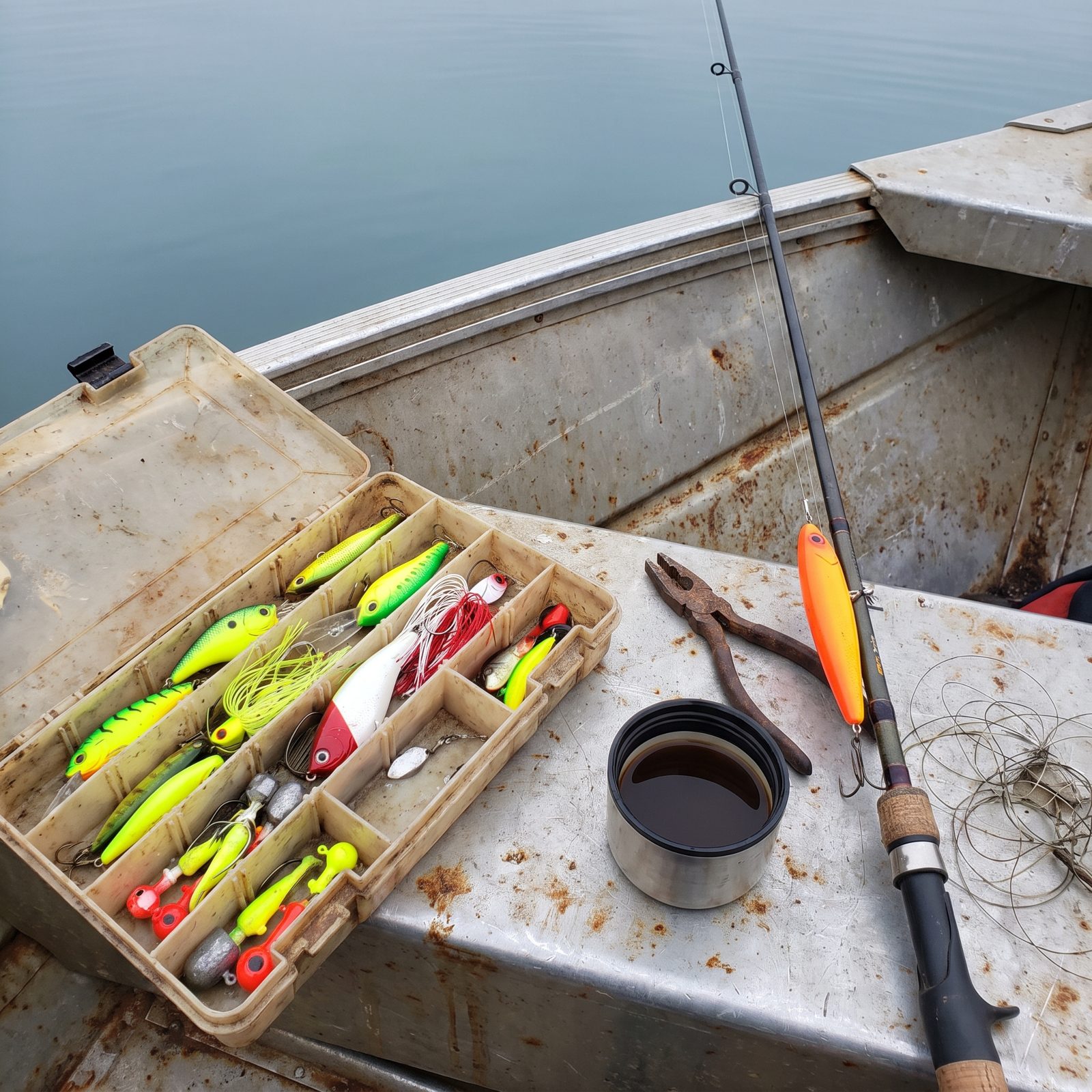
Slow morning, and nothing wants what you’re throwing. The fish are down there — you can mark them — and they ignore everything in your box. So you decide out loud that the spot is dead. Fishing pressure. Water got too warm. Somebody must have hammered it last weekend. Anything but the obvious: you tied on the loud crankbait when the fish wanted a quiet little worm fished slow.
Call it the self-serving bias. It runs the same in a boat as it does in a bad week at work. When it goes well, it was us; when it goes badly, it was the conditions, the tackle, the luck, the other guy. The ego protects itself by shipping the blame somewhere outside our own hands, and the spot can’t defend itself, so the spot takes the fall.
We’ve all done this more times than we’ll admit. Cursed a honey hole that produced beautifully two weeks later for a friend who simply downsized. The water hadn’t changed. We had. Before you write a place off, change your lure, then change your attitude. Usually in that order.
2. You Make the Long Drive Because Hard-to-Reach Feels Special
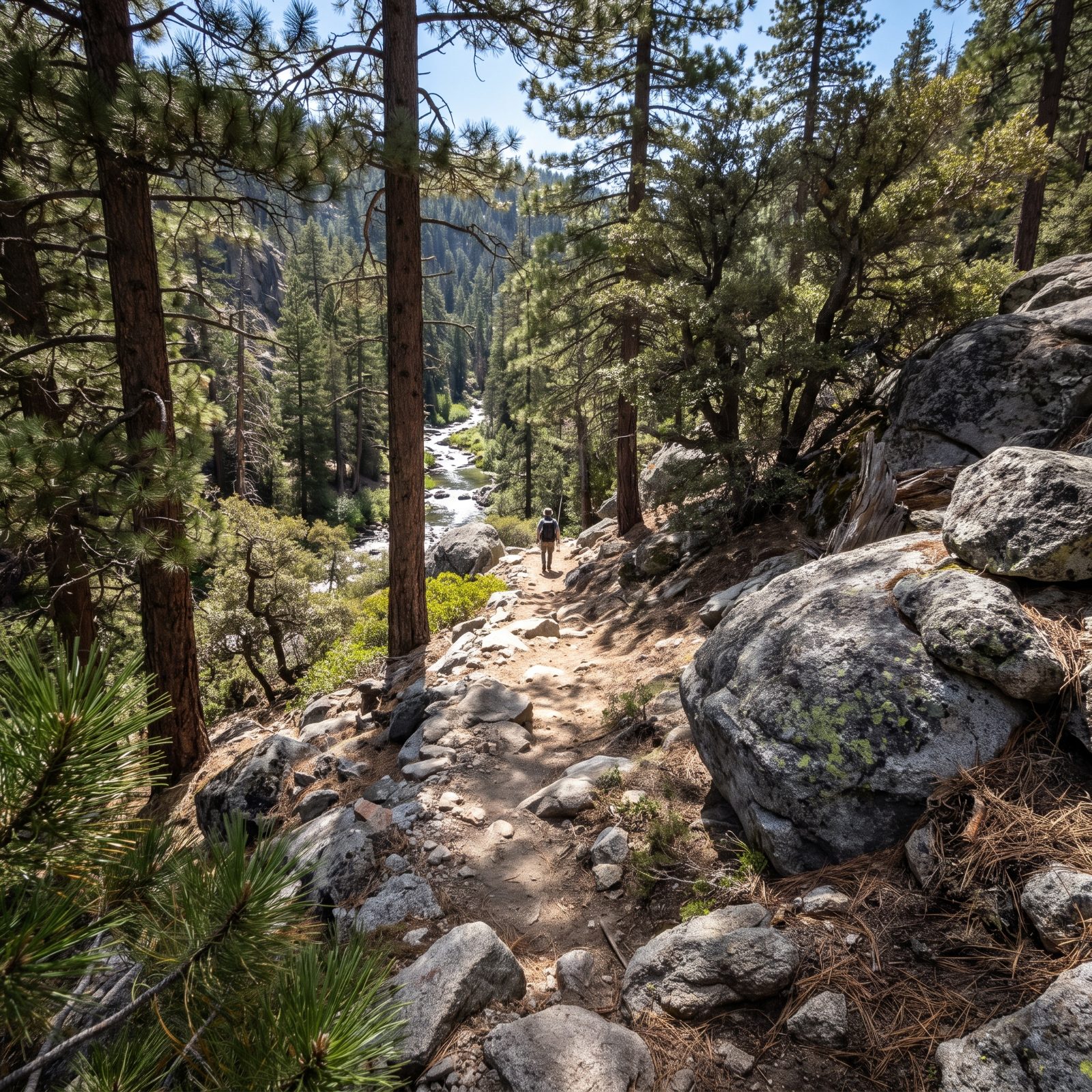
There’s a creek you can park beside and fish in slippers, and you almost never go. Instead you drive two hours, hike forty minutes over bad rock, and fish water that — if you’re honest — holds the same trout as the easy spot, maybe fewer. But it feels better. It feels earned. You caught these the right way.
The harder you work for the water, the better the fish tastes, even when it’s the same fish.
That’s effort justification at work, cousin to the IKEA effect. We value what cost us something. A fish from the hard-won spot isn’t bigger — it’s heavier in the part of the brain that keeps score. We tell ourselves the difficulty is the quality, when often the difficulty is just difficulty.
None of this is bad, mind you. The walk in is half the point, and some of the best mornings we’ve had were the ones that half-killed me getting there. Just know you’re buying solitude and a story — not necessarily more fish.
1. You Love a Spot More Once Another Angler Finds It
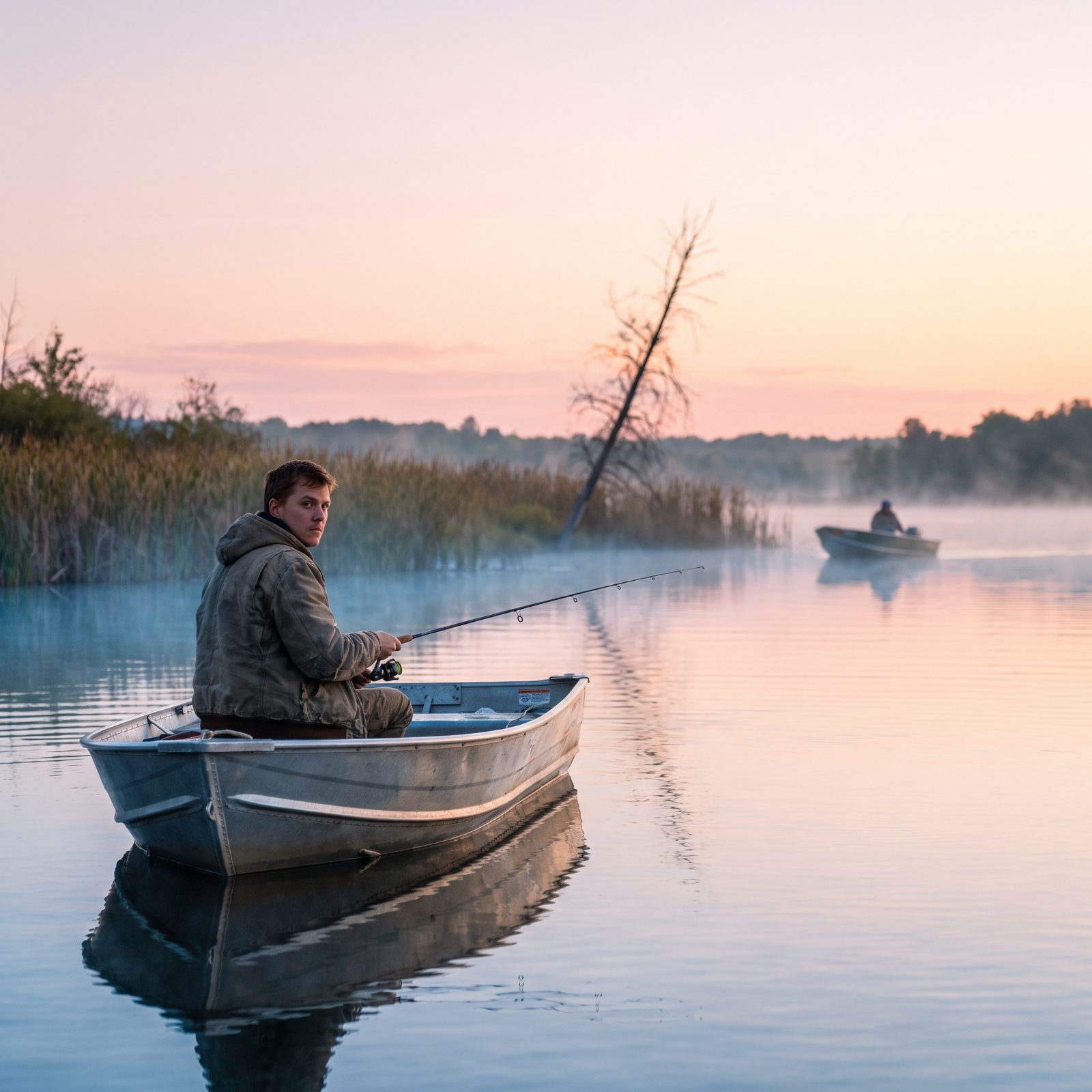
You had the cove to yourself for months and it was fine. Good, even. Then one morning a second boat slides in and starts working your shoreline, and something odd happens inside you. Not just annoyance — a little surge of pride. See, somebody else knows. I wasn’t wrong about this place. The spot you half took for granted suddenly feels like prime real estate, precisely because someone else wants it.
Social proof flips the switch. We read other people’s desire as information, and if a stranger drove all the way out here too, the water must be worth it — and by extension our judgment must be sharp. A little scarcity sneaks in behind it. The moment a thing can be lost, the moment it’s shared, it gets more precious. The empty cove was just a cove. The contested cove is a trophy.
So next time a boat crowds your quiet cove, catch the feeling before the irritation does. That little glow is your own wiring, telling on you.