A man will spend forty dollars on a lure he saw a stranger using at a boat ramp. He has never seen that water. He doesn’t know what’s feeding. He buys it anyway, because it was shiny and somebody who looked like they knew what they were doing had one tied on.
Please note that some of the images in this article were created with the assistance of AI.
We do the same thing with people. We fall for the flash before we read the conditions, then wonder why nothing’s biting.
Here’s the uncomfortable part. The brain that hunts fish and the brain that hunts love are running the same creaky old software — sunk cost, social proof, that itch to keep casting after one small nibble. Spend enough mornings on the water and you start recognizing your own romantic history in the tackle box, right there between the busted spinnerbaits and the lures you never should’ve bought. These are the ones that hit closest to home.
14. You Buy the Flashy Lure Before Checking the Water
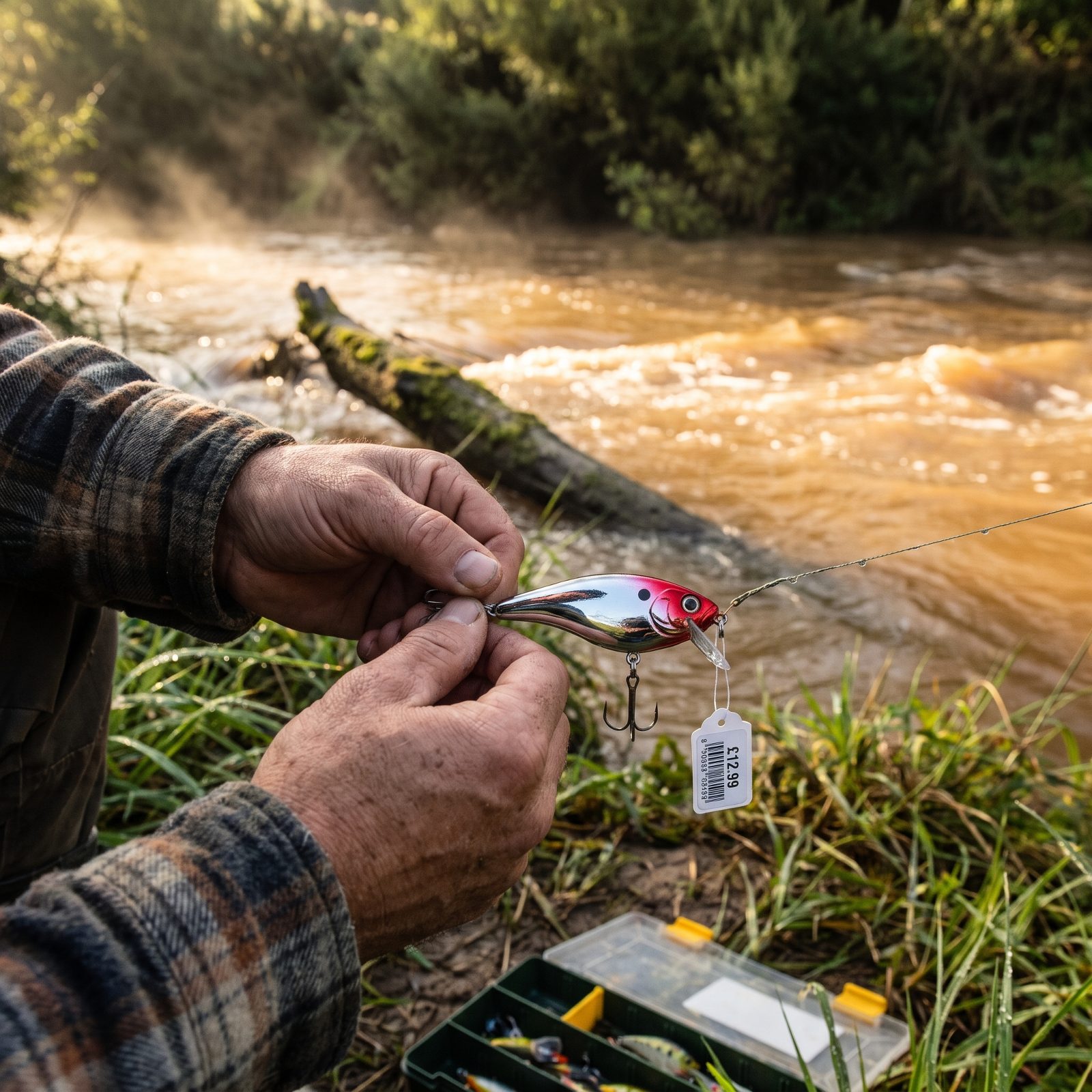
The lure that sold you was never designed for the water you fish. It was designed for the shelf. Big flash, loud color, the kind of thing that catches an angler from across the aisle long before it catches anything with fins. You tie it on without once asking what the water is doing, what’s actually feeding, whether a chrome bait makes any sense in coffee-colored current. It just looked like it would work.
This is the halo effect wearing waders. One attractive trait, shiny and obvious, and the brain fills in the rest — good-looking must mean good at its job. We do it with people the second someone walks in looking the part, assuming the attractive stranger is also kind, funny, and worth three months of our life, on the evidence of exactly nothing.
13. A Crowded Pier Makes the Spot Look Better
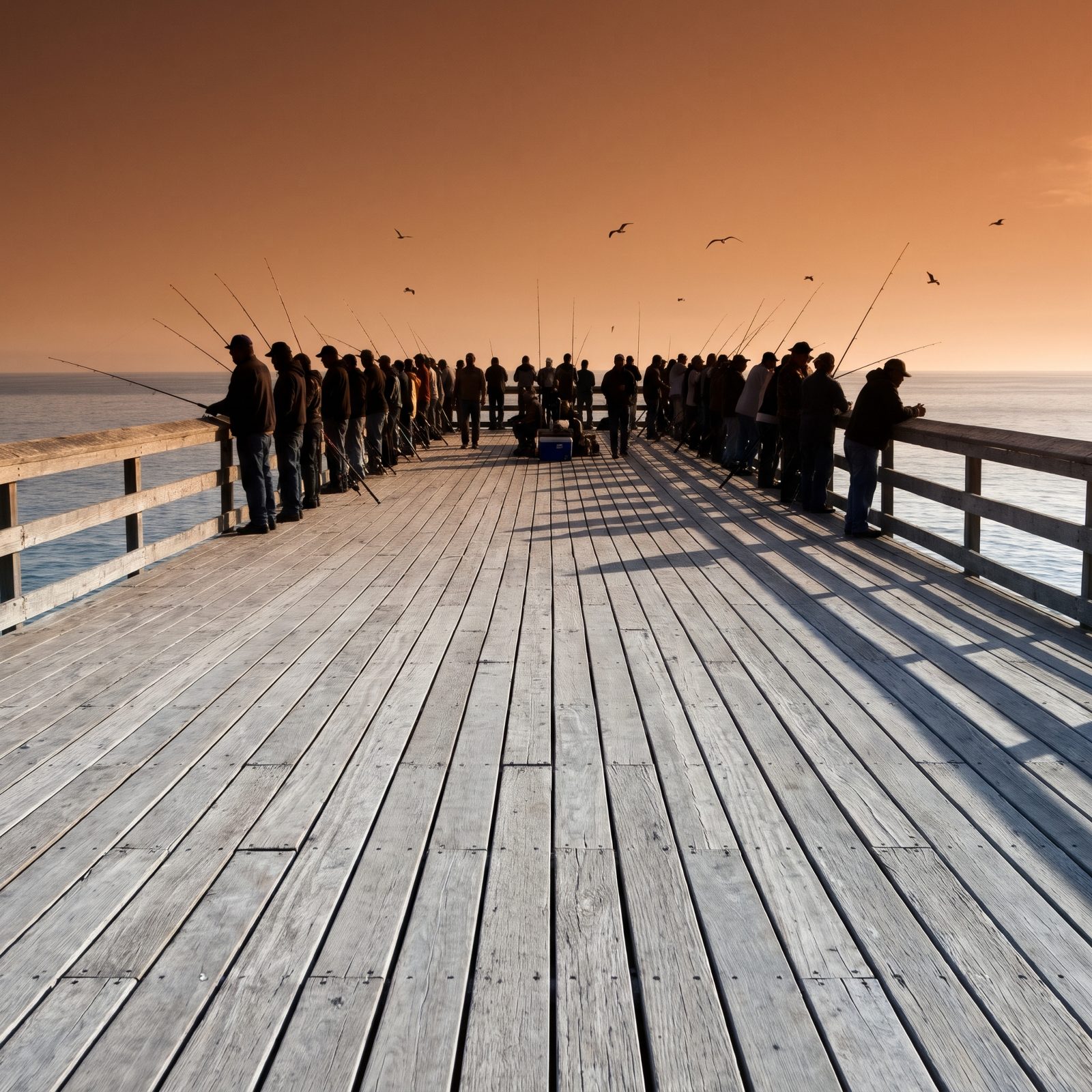
You roll up to a pier and the end is packed — twenty guys crammed into forty feet, rods tangling, nobody willing to leave. And where do you go? Straight for the crowd. The empty stretch sits right there, plenty of room, maybe better water, but you shoulder in next to strangers because surely all these people know something.
That’s social proof, plain and simple. When we don’t trust our own read on a situation, we outsource the decision to the crowd and figure the mass can’t be wrong.
Dating runs on the identical fuel. The person everyone wants suddenly looks irresistible, and the quiet one off to the side gets skipped — not because the crowded choice is better, but because a crowd feels like proof. Usually it just means the fish moved an hour ago and nobody told the pier.
12. One Tiny Nibble Keeps You Casting for Hours
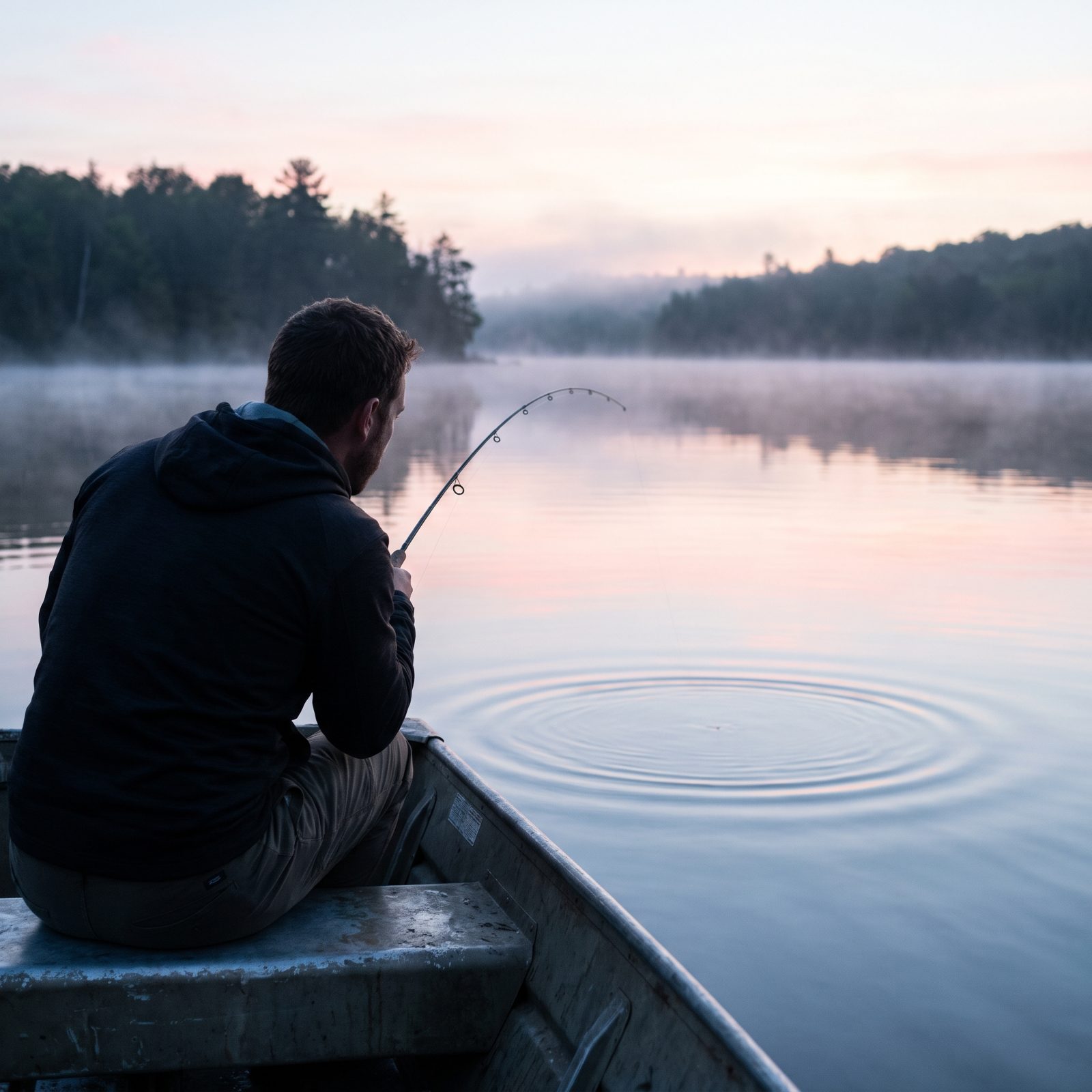
One tap. That’s all it takes. A single soft bump on the line at dawn and you’ll stand in that spot till noon, rebaiting, recasting, convinced the big one is right there under the boat. You got a hint of interest, and the hint is enough to hold you hostage.
Intermittent reinforcement is the cruelest hook in the box. A reward that comes sometimes, unpredictably, grips us harder than one that arrives every single time. It’s why slot machines work. It’s why steady, reliable attention bores us half to death.
We’ve all chased the person who texts back brilliantly once a week and goes dark otherwise. The occasional nibble keeps us casting long after a steady biter would’ve landed us. The inconsistency isn’t a flaw we tolerate. For the brain, it’s the entire draw.
11. Too Many Lures Leave You Switching Every Cast
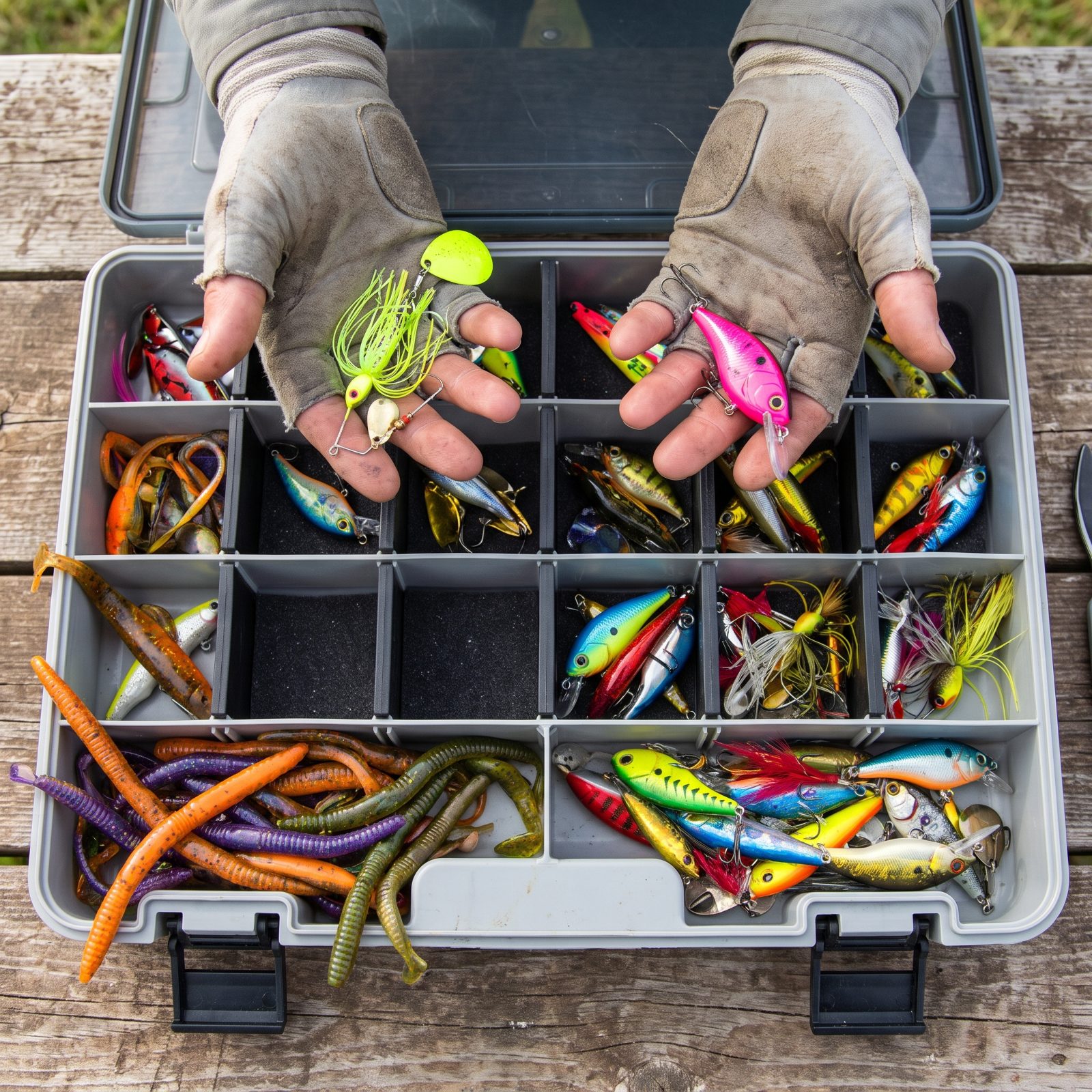
The tackle box with three hundred lures is not an advantage. It’s a trap. You tie one on, give it four casts, lose faith, cut it off, try another. By lunch you’ve worn through a dozen baits and never once let any of them actually work. The guy with five lures and a little patience outfishes you every time.
Choice overload does this. More options don’t make us happier — they make us restless. We second-guess every pick because another, better one is sitting right there in the tray.
Abundance doesn’t satisfy. It just raises the suspicion that something better is one swap away.
Dating apps handed us the biggest tackle box in history, and now nobody can commit to a single lure for more than four casts. The problem was never the bait. It was the belief that the next one would’ve been perfect.
10. You Mistake a Violent Strike for a Good Match
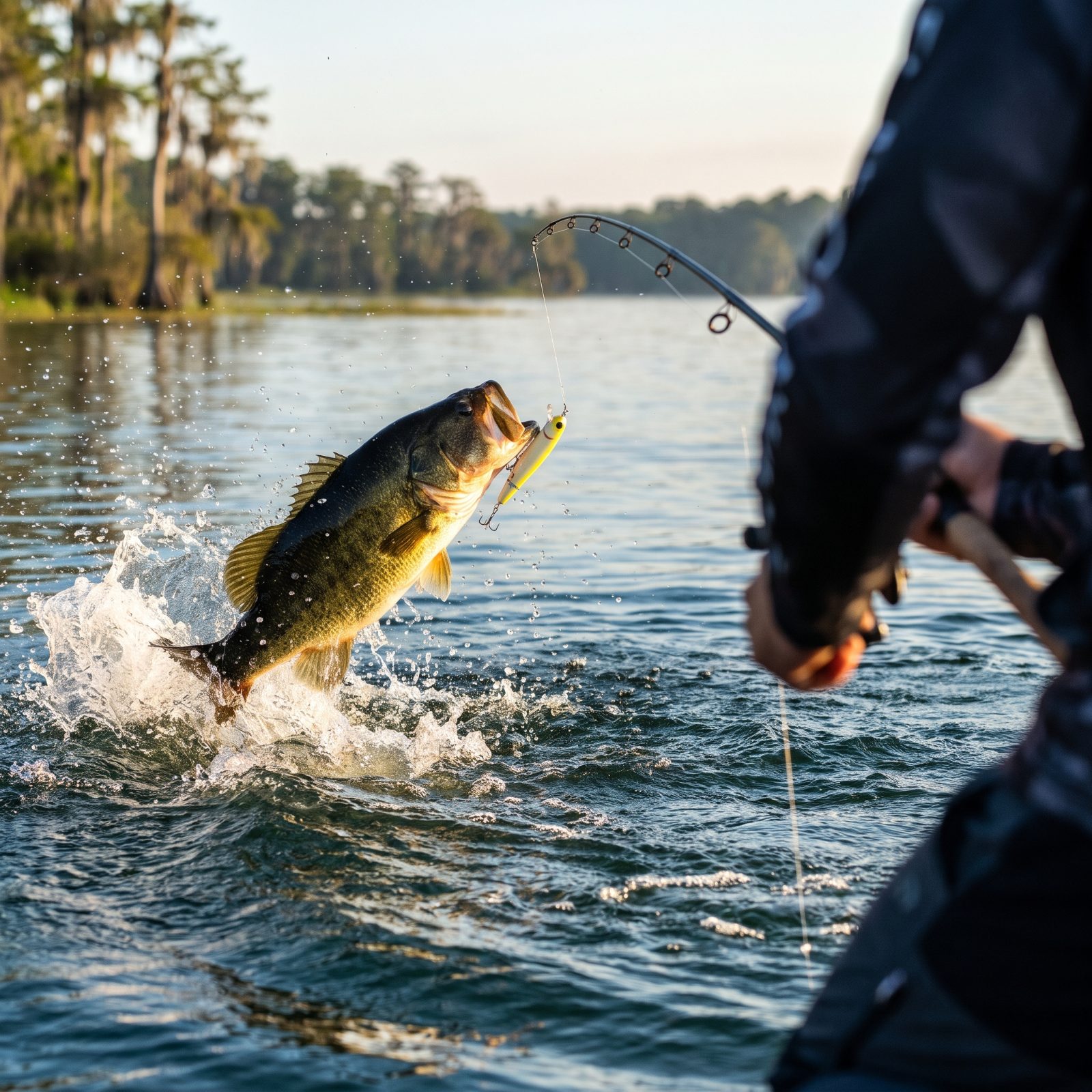
A savage, rod-doubling strike feels like destiny. The water explodes, the drag screams, your heart’s in your throat, and you’re sure this is the fish of the year. Then you get it boat-side and it’s a small, hyped-up striker that fought way above its weight. The fury wasn’t quality. It was just aggression.
We read intensity as compatibility — the whirlwind romance, the fireworks, the person who hits like a freight train in week one. The nervous system can’t tell excitement from alarm, so it files both under chemistry and calls it a day.
The hardest strikes often come from the smallest, angriest fish. The steady, confident takes, the ones that actually last, barely register at first. Drama is loud. Rarely is it deep.
9. You Stay at a Dead Spot Because You Invested the Morning
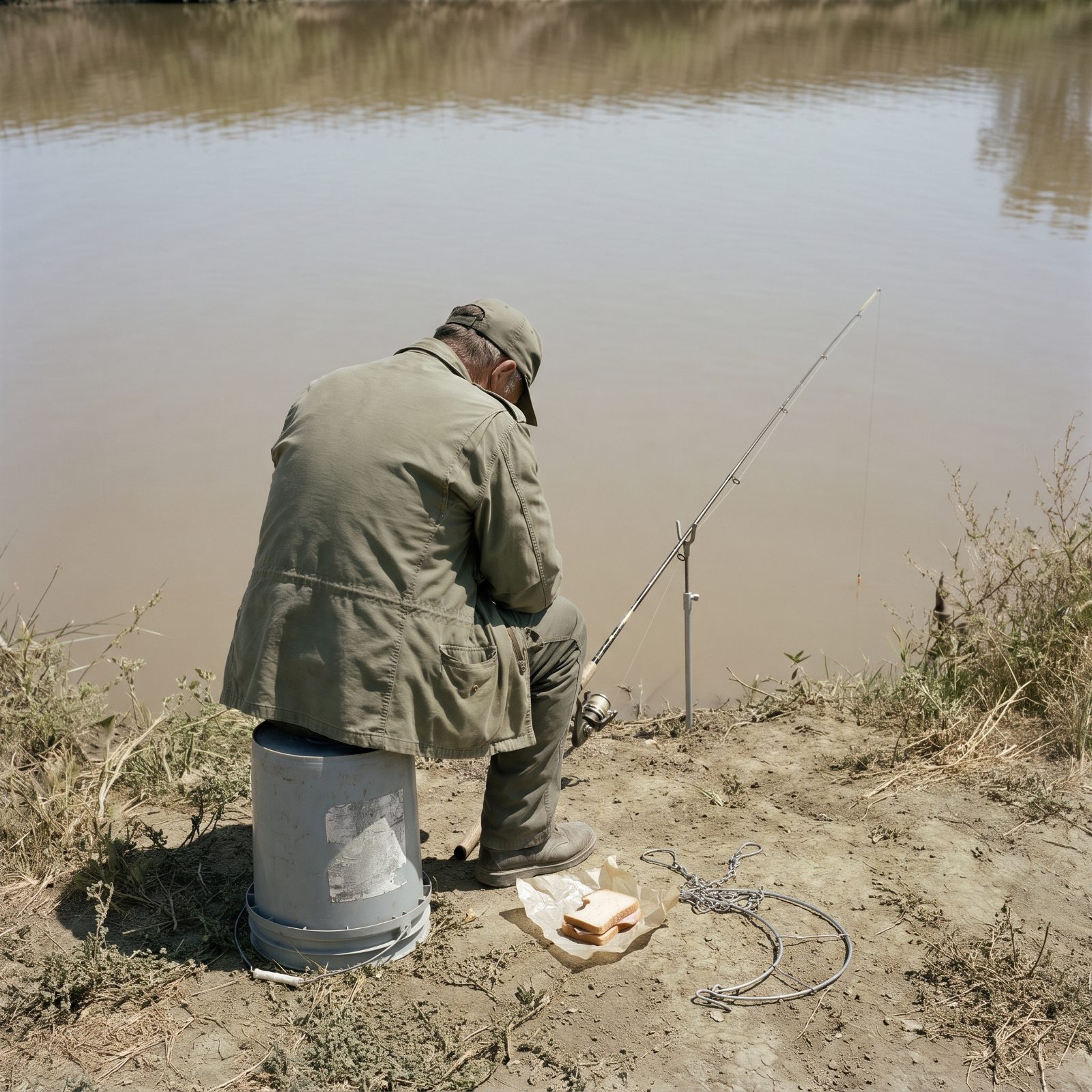
You’ve been planted in the same cove since sunup and nothing’s biting, nothing’s going to bite, and you know it deep down. But you’ve already burned the morning, drank the coffee, unwrapped the sandwich, and packing up to try elsewhere feels like admitting the whole thing was wasted. So you stay. And you catch nothing, longer.
The sunk-cost fallacy keeps more anglers in dead water than bad weather ever did. We weigh what we’ve already poured in, not what’s actually ahead, and the hours spent start to feel like a reason to spend more.
People stay in dead relationships over the exact same accounting error. Three years in, you don’t leave, because leaving means those three years were a loss. But the morning’s already gone. Sitting there longer doesn’t bring it back. It just costs you the afternoon too.
8. You Ask the Dock Regulars Then Ignore Their Advice
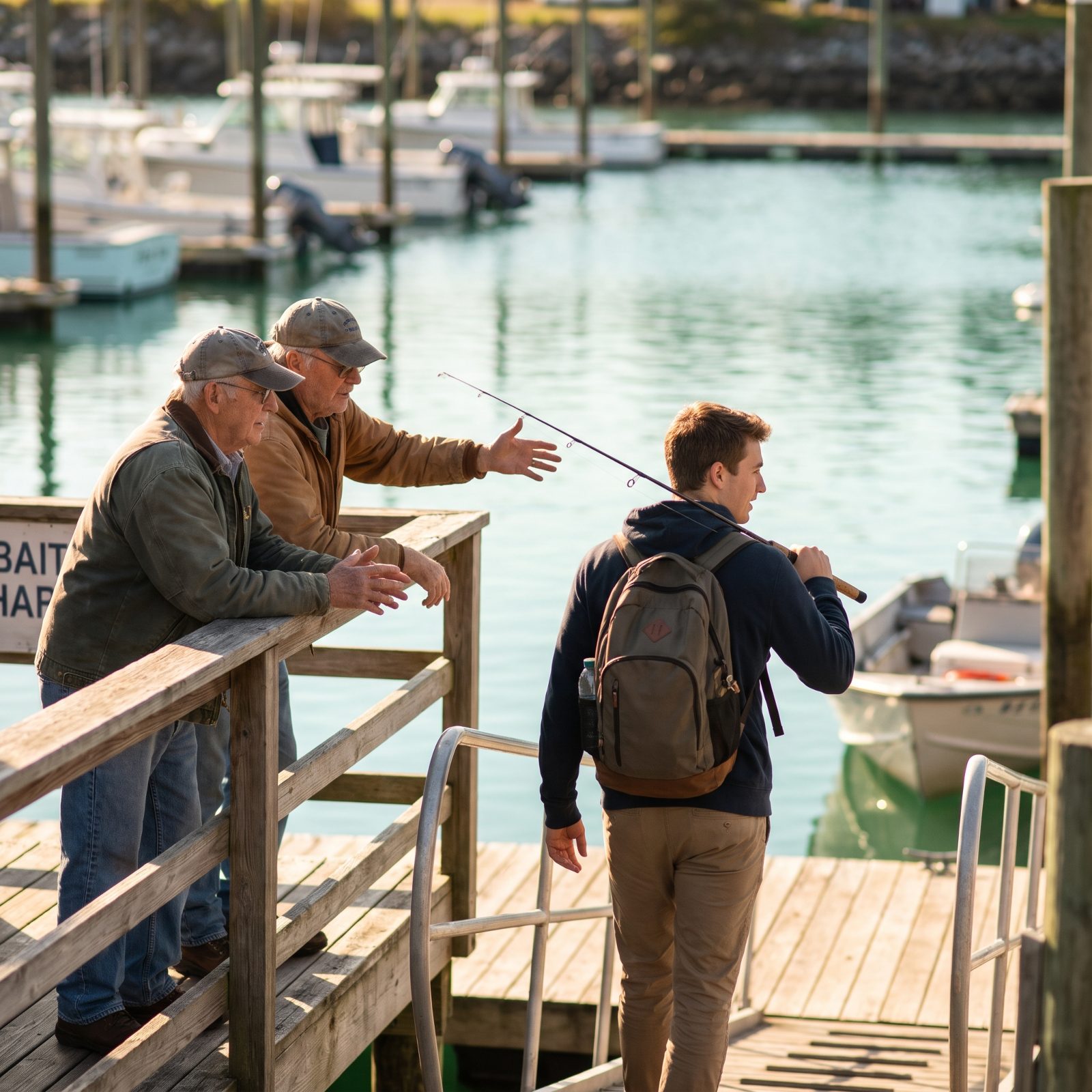
The old-timers at the bait shop tell you flat out — they’re not hitting the spinnerbait today, go slow, fish deep, stay off the main point. You nod. You thank them. Then you walk straight to the main point and throw a spinnerbait fast and shallow, because that’s what you came planning to do all along.
We don’t ask for advice to change our minds. We ask to be confirmed. Confirmation bias quietly filters out everything that doesn’t match the plan we already made.
Friends do this with us constantly. They lay out exactly why that new flame is trouble, kindly and correctly, and we smile and go do the thing anyway. The counsel was never the point. We just wanted company for a decision we’d already locked in.
7. You Change Lures to Become What the Fish Wants
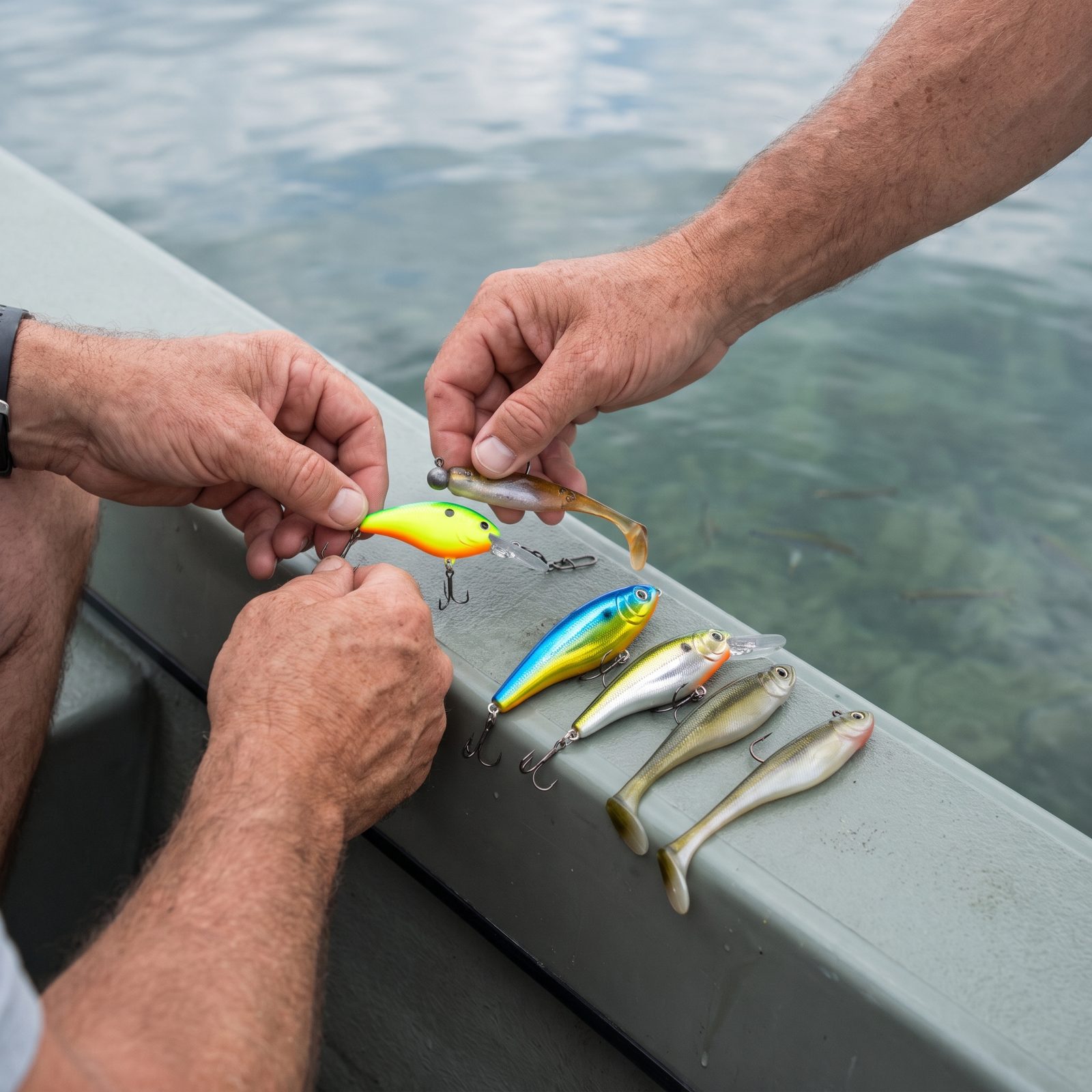
The fish won’t touch your confidence bait, so you start adapting. Smaller profile. Natural color. Slower retrieve. Match the hatch, downsize, go subtle, until the lure in the water looks nothing like what you actually wanted to throw. You’ve quietly reshaped your whole approach into whatever the fish seems to want.
Sometimes that’s smart fishing. Sometimes it’s self-erasure. Somewhere between adjusting your presentation and abandoning the angler you are runs a line, and it’s easy to cross it without noticing.
Early in a relationship we pull the same costume change — new music we don’t love, opinions we quietly shelve, whole personalities tailored to match what we think the other person is biting on. The trouble is the fish eventually lands a version of you that isn’t you. And then you have to keep being that lure forever.
6. Trophy Photos Make Your Own Catch Feel Smaller

You’re back at the dock, still holding up the solid bass you just landed by the lip. A good one, honestly — the kind that would’ve made the whole day an hour ago. Then you open your phone and the feed is wall-to-wall giants, every buddy holding a double-digit lunker out toward the lens. Suddenly your fish shrinks in your own hands and you don’t even want the picture anymore.
Social comparison steals the joy right out of a real moment. We stop judging our catch by what it is and start ranking it against a highlight reel built to look bigger than life.
The same feed logic poisons how we see our own relationships. Everyone else’s partner looks more romantic, more fun, more whatever, because nobody posts the dead mornings. Your good fish is still a good fish. The feed is just a wall of other people’s best casts, lined up to make yours look like nothing.
5. You Blame the Weather When the Chemistry Never Arrives
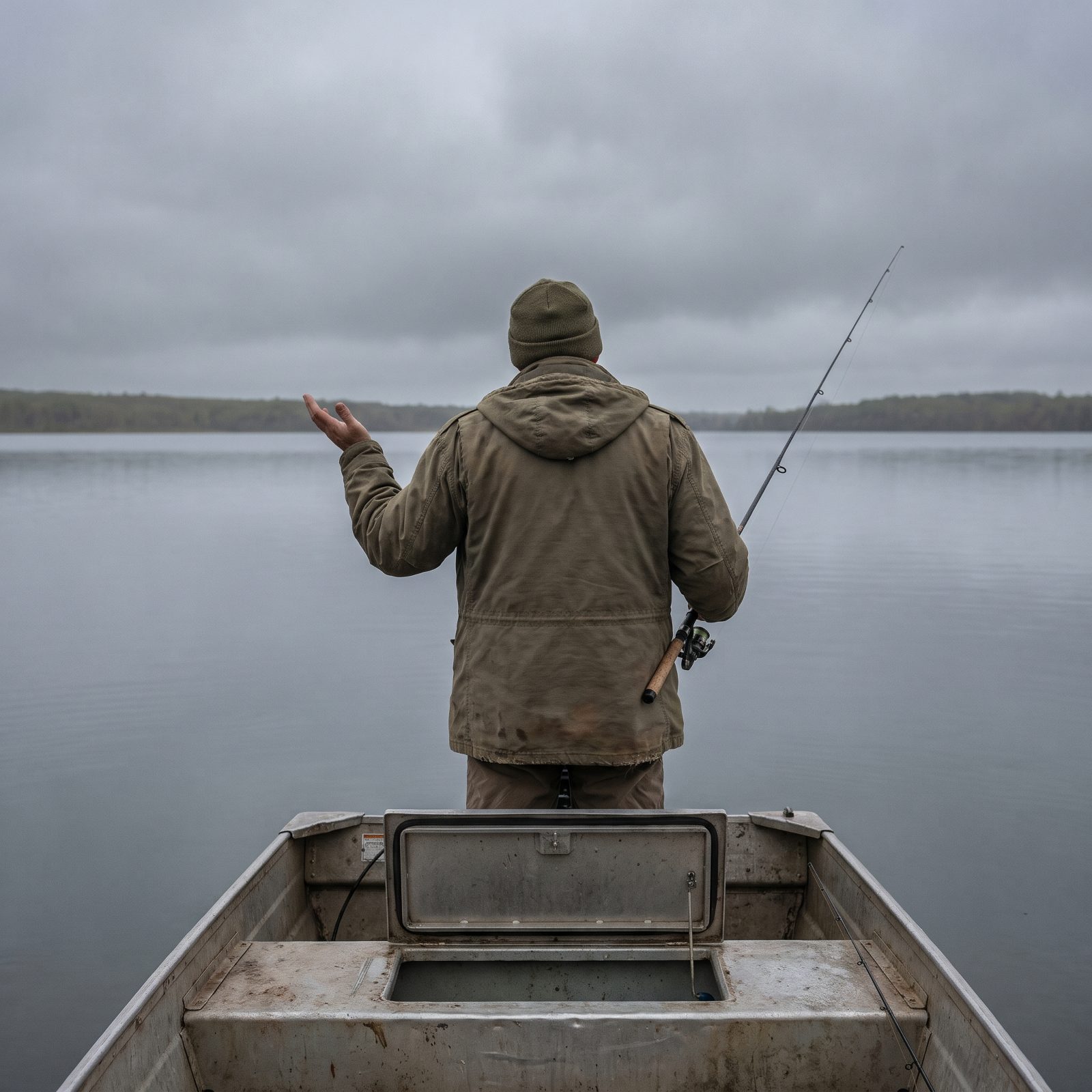
Skunked again, and the first words out of your mouth are about the weather. Cold front moved through. Barometer dropped. Water’s too warm, too cold, too clear, too stained. The fish weren’t biting and it had nothing to do with how you fished. The sky took the fall.
Self-serving bias protects the ego by shoving every failure onto outside forces. Good days are skill. Bad days are the barometer.
After a date fizzles, same reflex — the timing was off, they were coming out of something, Mercury’s in retrograde. Anything but the plainer truth that two people can be perfectly fine and the connection just never showed up. Sometimes the front really did shut the bite down. And sometimes you were fishing a dead spot with the wrong lure, blaming clouds for a problem that was never in the sky.
4. After a Skunked Weekend Even Bluegill Looks Tempting
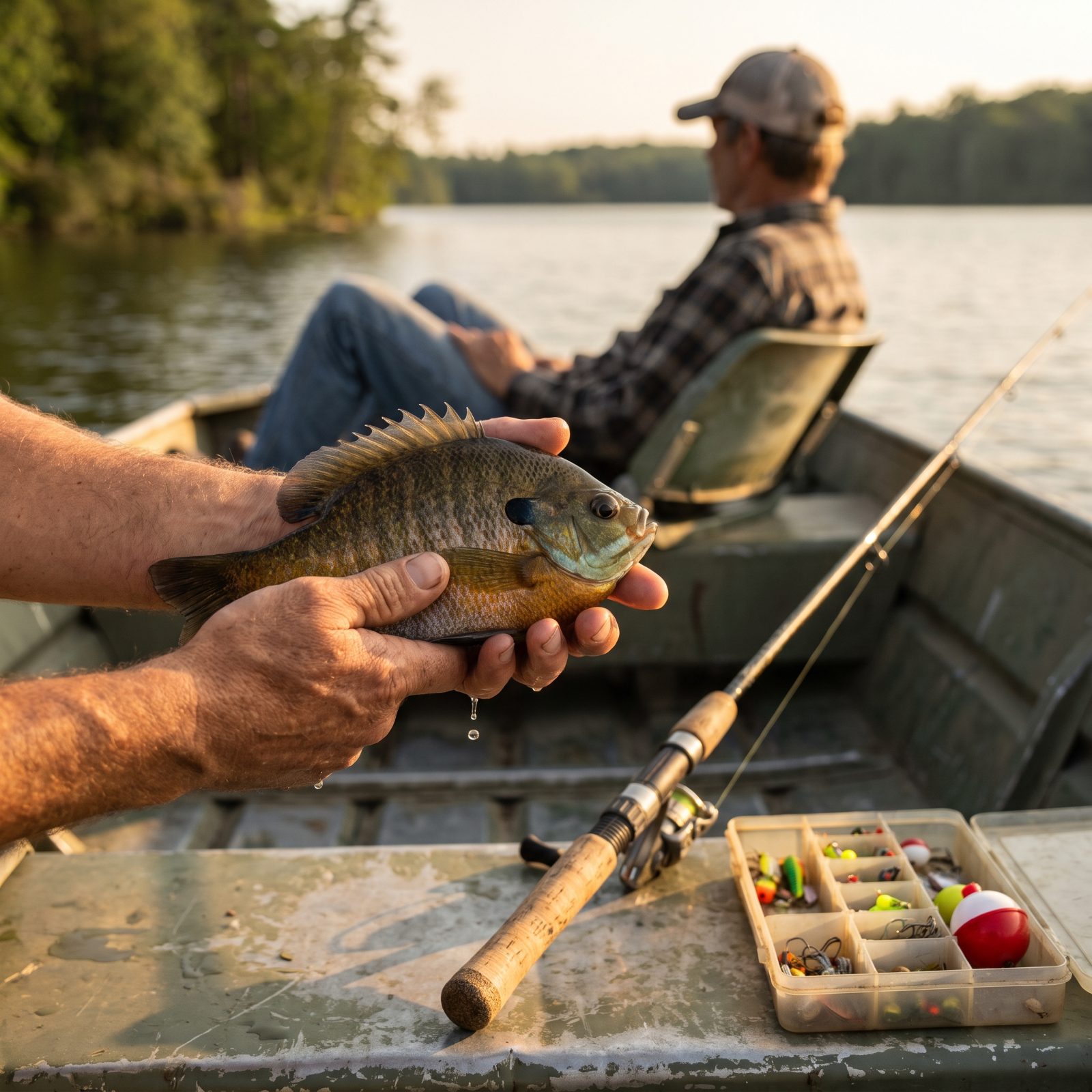
Two days of throwing everything in the box at bass that refused to open their mouths. By Sunday afternoon your standards have quietly collapsed, and a six-inch bluegill hammers the worm you were reeling in out of pure boredom. Suddenly you’re grinning like it’s a tournament fish. You’ll even take a photo — and you never photograph bluegill.
Call it the rebound in bait form. The thing you’d have ignored a week ago now looks like salvation, except the bar didn’t move because the fish got better. It moved because you got hungry for any win at all.
No shame in it. A tight line is a tight line, and a fish that fights is a fish that fights. Just notice how fast your definition of “worth it” bends once you’ve been humbled, because come Monday morning you’ll be back to wanting the giant. Funny how that works.
3. You Keep Chasing Species That Never Bite Nearby
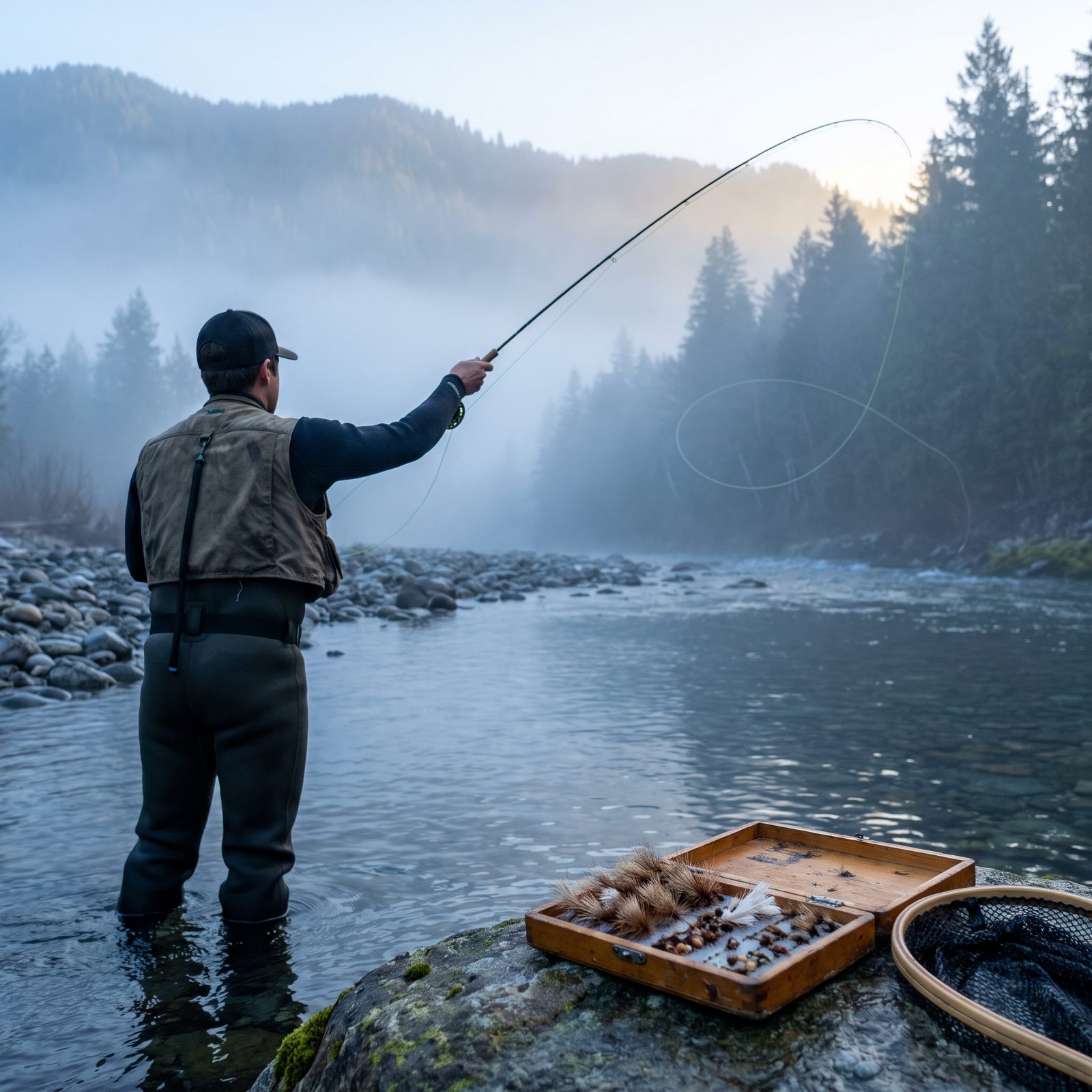
You’ve got a reliable pond ten minutes away stacked with cooperative panfish. Instead you drive two hours to a trout stream that has broken your heart six trips running, because this is the water you’ve decided matters. The easy fish feel beneath you. The hard fish feel like destiny.
It’s the same wiring that makes someone pine for the person across the room while ignoring the one who actually texts back. Distance and difficulty get mistaken for value. We want what resists us, and we talk ourselves into believing the chase is the whole point.
The harder something is to catch, the more we convince ourselves it was worth catching.
Scarcity does strange things to judgment. A fish you can’t reliably land gets wrapped in meaning the bluegill never earns, even though the bluegill shows up every single time you ask. Nothing wrong with a worthy target — just be honest about whether you love the species or you love the difficulty. Sometimes the trout is just a trout, and the real catch was the frustration you kept driving back for.
2. The Fish That Got Away Grows Every Retelling

The first time you tell it, the fish that snapped your line was maybe four pounds. By the third telling it’s pushing eight and it nearly pulled you in, and a year later it’s a creature of local legend you’ve started half-believing yourself. The one that got away never shrinks. It only grows.
Memory pulls the same trick with old flames. The breakup fades, the boring nights vanish, and what’s left is a highlight reel that never actually aired. We don’t store the past as footage — we store a story, and the story gets edited every time we touch it.
Keep telling it. The lie is harmless and the smile is real. Just know that the monster on your line lives mostly in the retelling, same as that person you’ve decided was the one who slipped the hook.
1. You Swear You’re Done Fishing Until Next Weekend
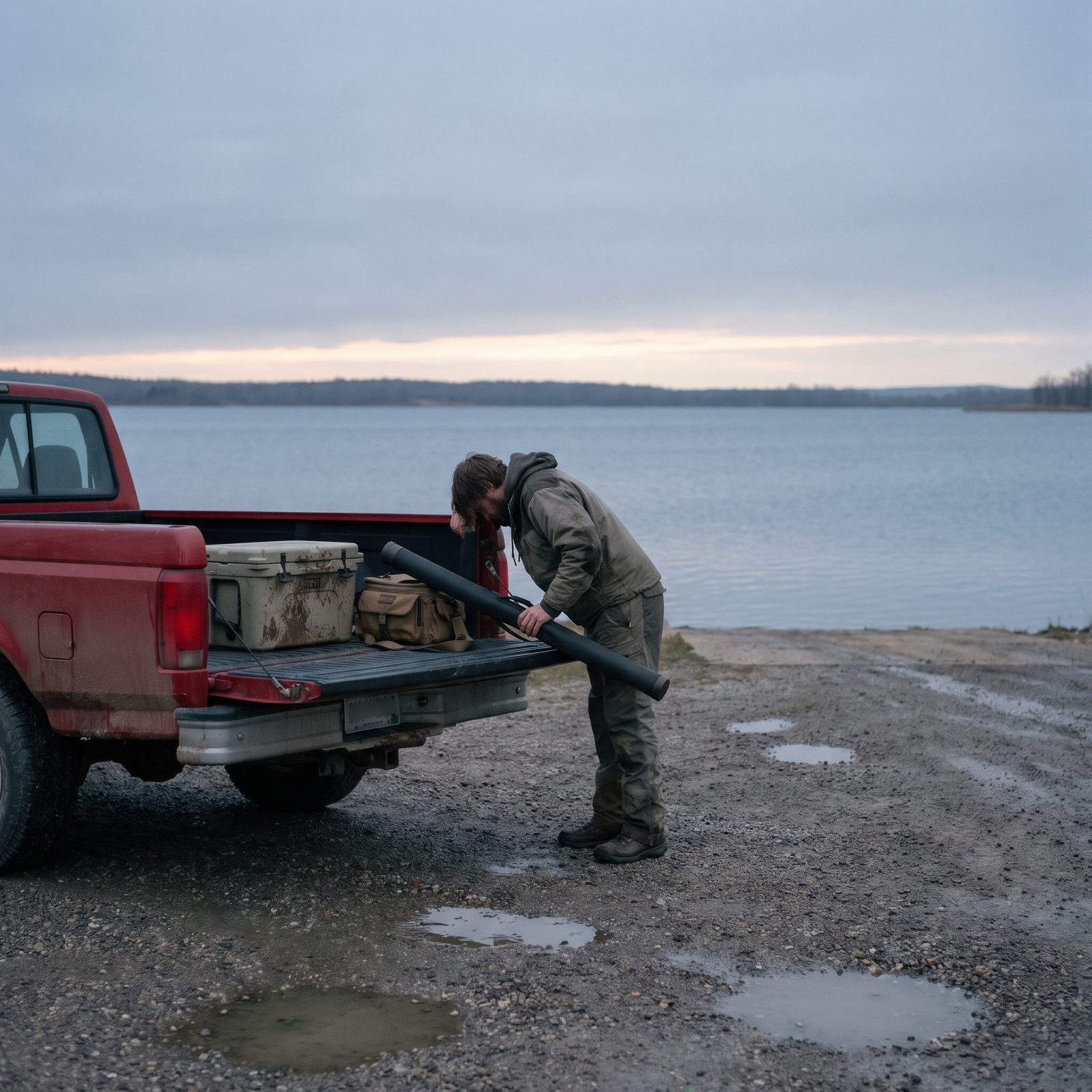
Flat tire on the way out, a snapped line on the only hit of the day, a cooler of warm drinks because the ice bag leaked. You slam the tailgate and announce, out loud, that you’re done with this nonsense for good. Then Thursday rolls around and you’re checking the weather and pricing a new reel.
Anyone who’s ever sworn off love has made this exact speech. The declaration isn’t really a decision — it’s the sound of a bad day hunting for an exit. Loud, certain, and gone by the weekend.
We’re terrible at guessing how long a mood will last. Miserable at the ramp, you genuinely believe future-you will feel the same. Future-you, it turns out, has an extremely short memory and a brand-new lure already picked out.