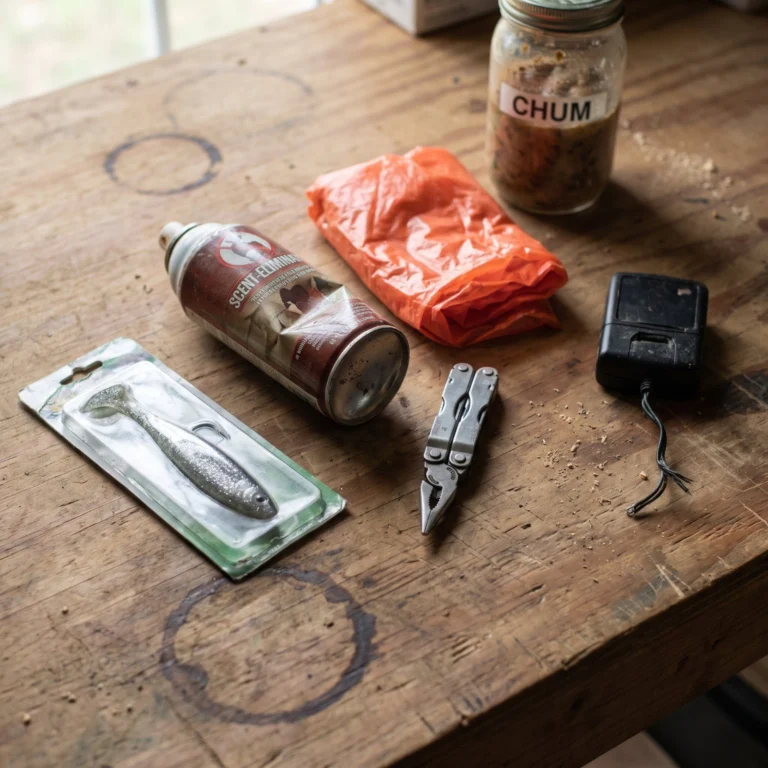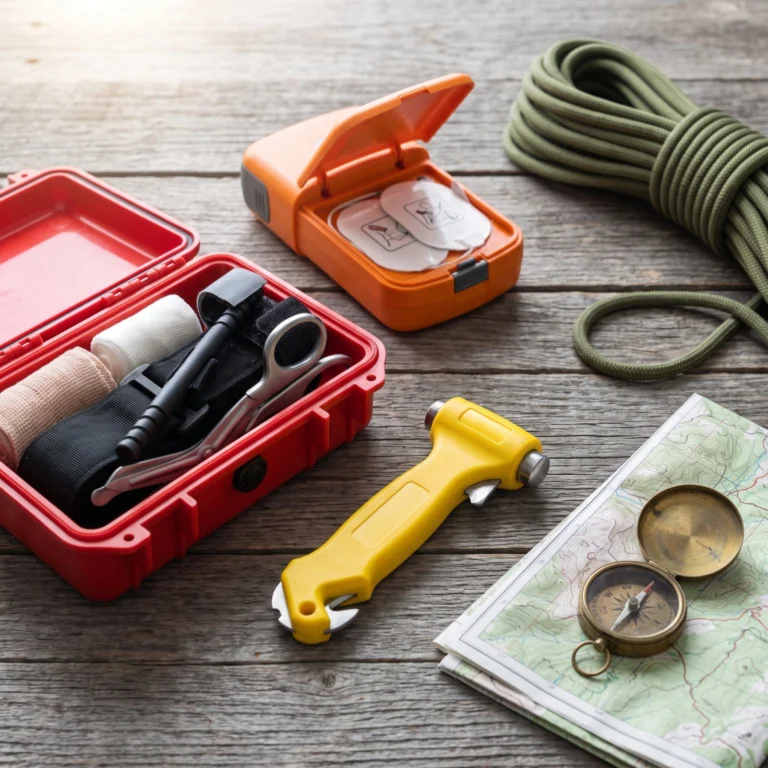
There’s a cart somewhere with three things in it you don’t need, and a browser tab open to a trailhead you’ve never hiked. Different screens, same tired brain hunting for the same exit.
Please note that some of the images in this article were created with the assistance of AI.
We like to think the person who drives four hours to stand on a ridge is nothing like the person who fills an online basket at 11pm. One’s wholesome, the other’s a little embarrassing. But peel back the behavior and the wiring underneath is nearly identical: distraction, control, a hit of reward, the chance to feel like somebody new for a weekend. The woods just hand it over with better air and no return policy. Here’s where the two overlap, and why you’ve probably been doing both without noticing.
11. You Book a Wilderness Weekend After One Bad Tuesday
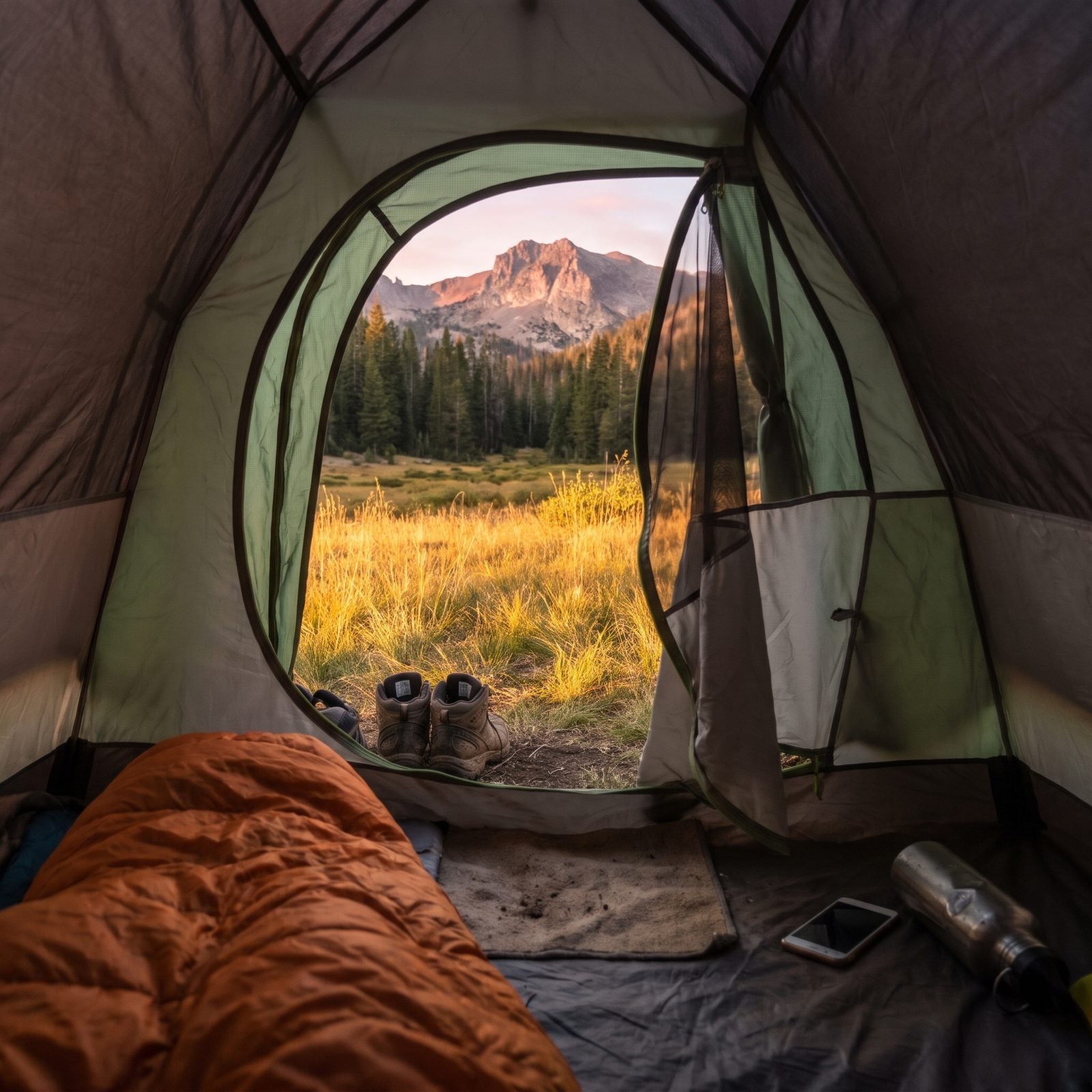
One meeting goes sideways, one comment lands wrong, and by lunch you’ve got a campsite reservation and a half-packed duffel. The decision takes four minutes. The problem that caused it takes a lot longer, and it’ll be right where you left it Monday.
Same reflex that turns a rough day into a shopping spree. Psychologists call it emotional regulation through action, and the action matters more than the object. Booking the trip is the purchase. The relief hits the second you commit, long before your boots touch dirt.
10. You Browse Trail Maps Instead of Answering That Email
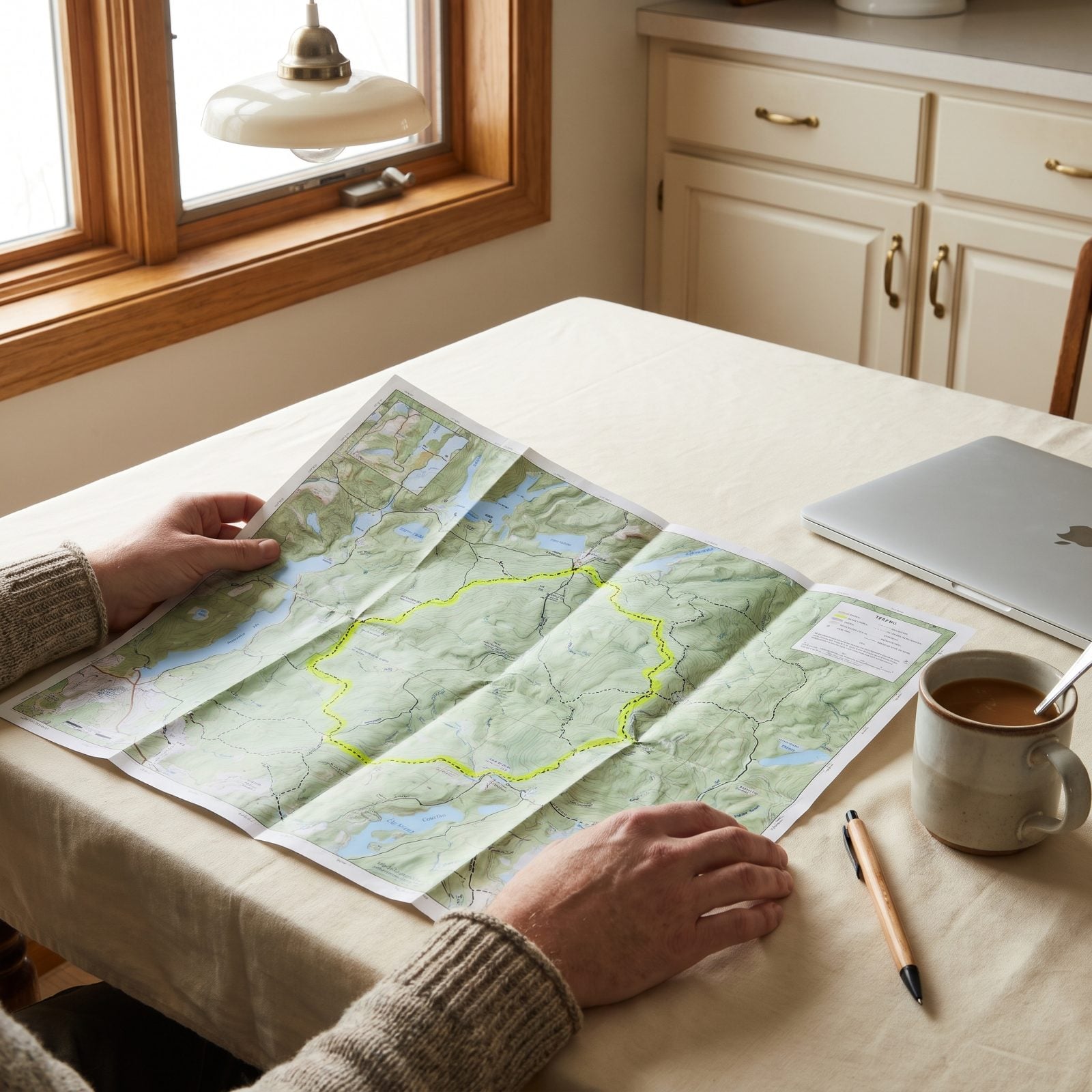
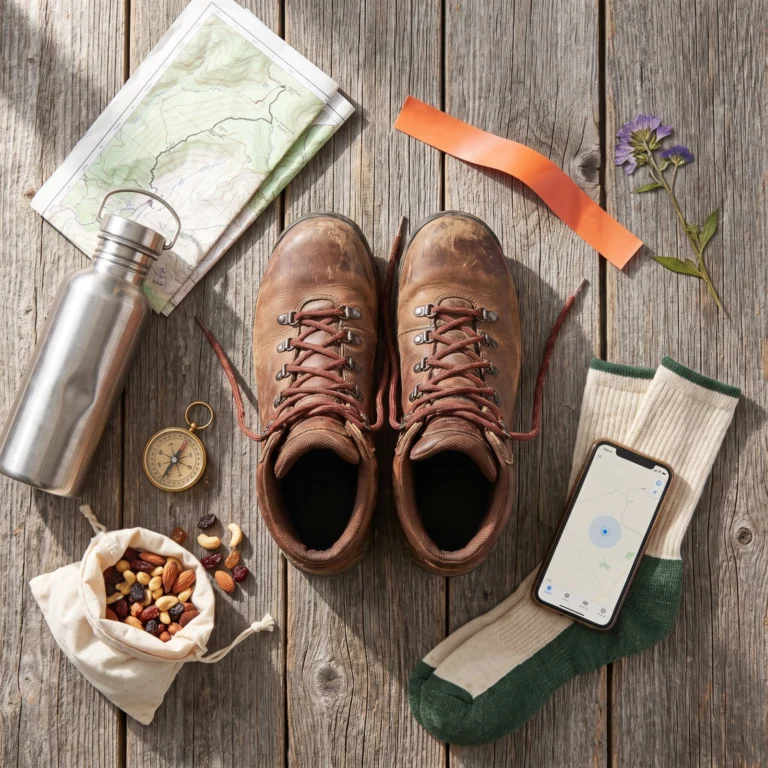
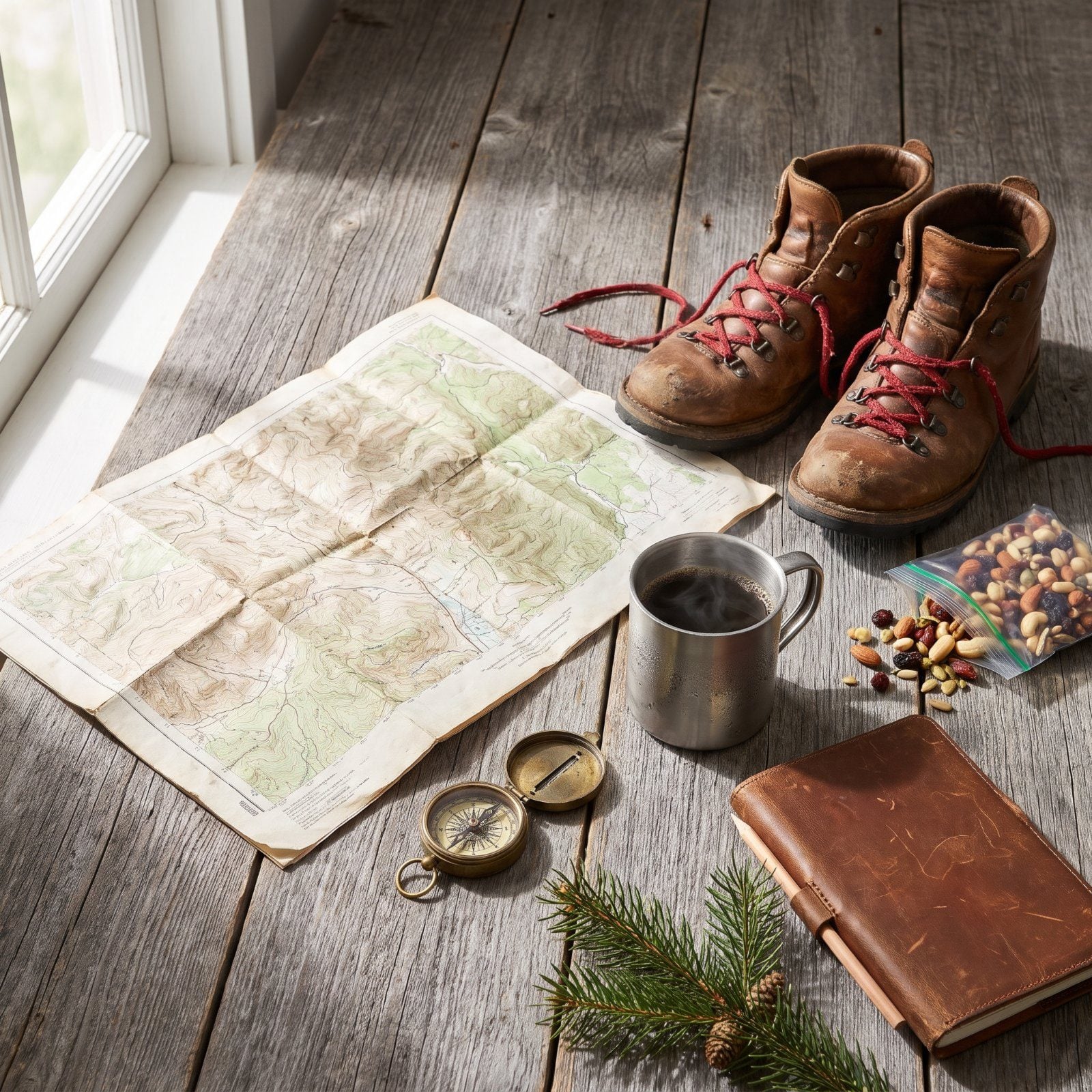
The email’s been sitting unread for three days. You know roughly what it says. You also now know every switchback on a loop you have no immediate plans to hike, plus the mileage, the elevation gain, and which overlook catches the best morning light.
That’s not research. That’s productive procrastination, the exact cousin of reorganizing your closet to dodge a hard phone call. Both give your brain a sense of accomplishment without making you touch the thing you’re actually dreading.
Planning a trip feels like progress because it is progress, just toward the wrong goal. A trail map will never be the hard conversation. Which is exactly why it’s so soothing to stare at.
9. New Hiking Boots Make a Fresh Start Feel Real
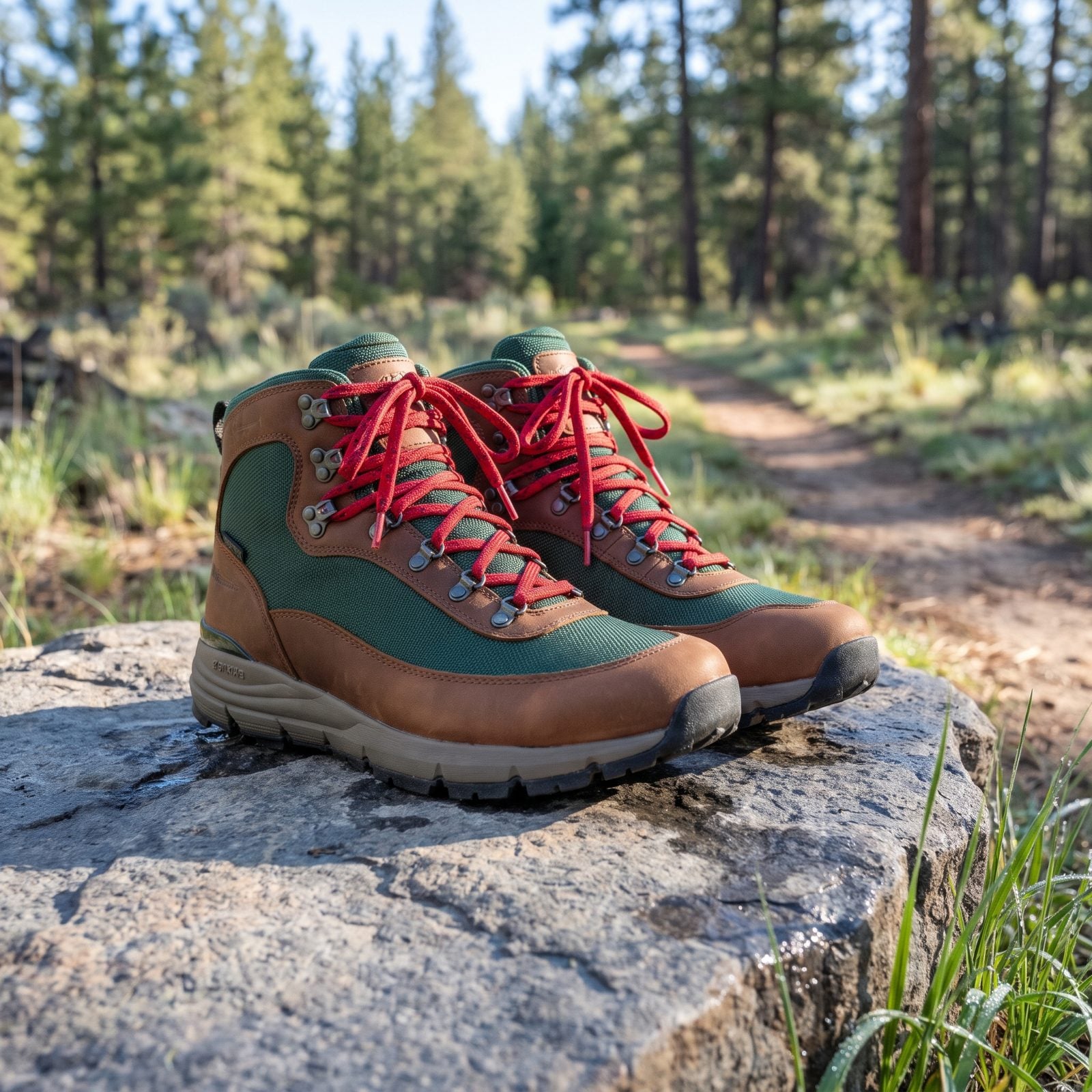
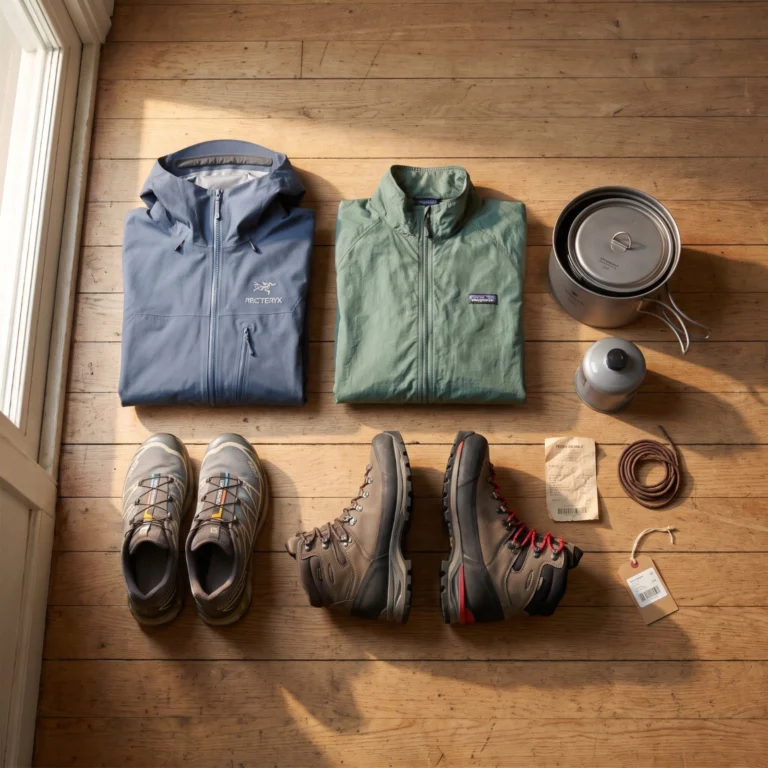
The old boots were fine. A little worn at the heel, maybe, but fine. You bought the new ones anyway, and lacing them up felt less like replacing footwear and more like becoming the kind of person who hikes seriously now.
Call it the fresh-start effect in Vibram soles. We buy the running shoes to become runners, the planner to become organized, the boots to become someone who belongs in the backcountry. The object is a down payment on an identity we haven’t lived into yet.
New gear is a promise to your future self, and your future self rarely reads the fine print.
Sometimes the boots just sit in the closet. But the moment you bought them, you got to feel like someone who’d already changed.
8. You Choose the Route When Everything Else Feels Decided
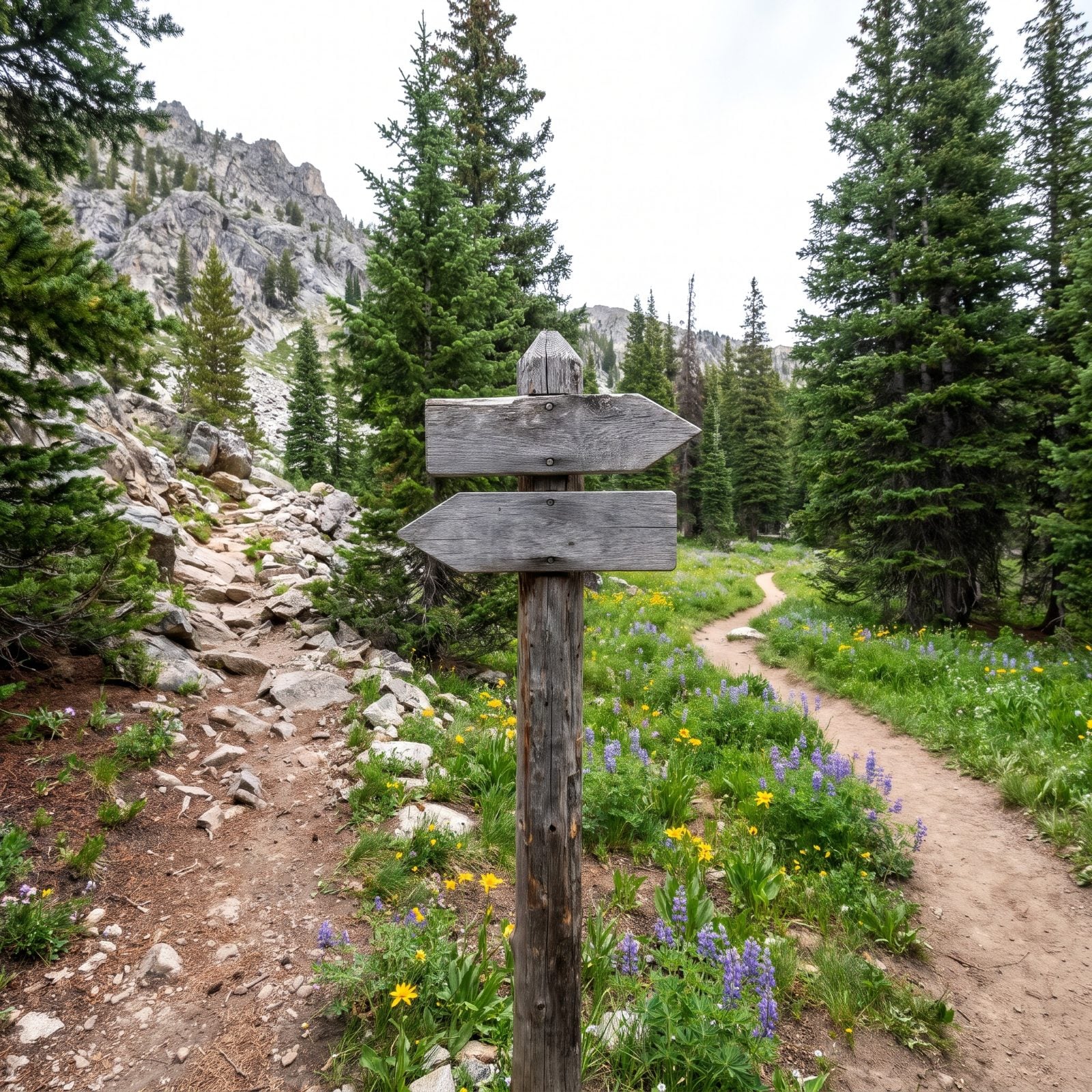
Your schedule is somebody else’s. Your calendar fills itself. But standing at a trail fork, nobody on earth gets a vote on which way you turn. Left or right, hard or easy, it’s entirely yours.
That hunger for control drives a lot of midweek purchases too. When life feels decided for you, the smallest act of choosing, a color, a size, a path, hands back a sliver of authority. Researchers tie this to our deep need for autonomy, one of the few psychological needs that, starved long enough, reliably makes us miserable.
7. A Hard Climb Drowns Out the Mental Replay
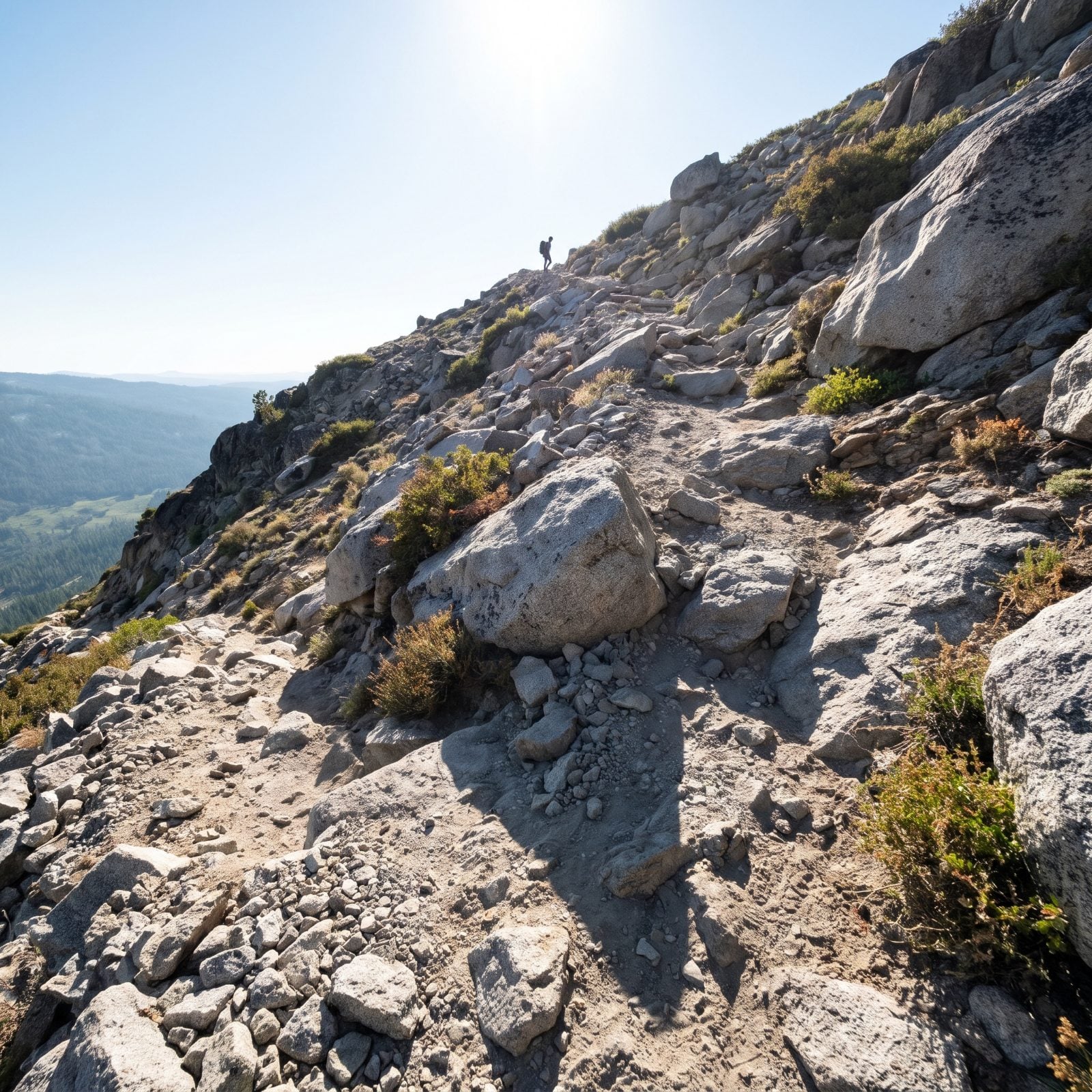
Three miles into a steep grade, lungs burning, legs arguing, you realize you haven’t thought about Thursday’s argument once. There’s no room. Your whole brain is busy picking the next foothold.
That’s the appeal of a brutal climb, and it’s kin to the way a demanding task can quiet a racing mind. When effort gets hard enough, it crowds out rumination, that mental loop that replays problems without ever solving them.
Retail therapy chases the same silence from the opposite direction. Scrolling and comparing and clicking occupies the mind just enough to mute the loop. The climb does it through the body instead, which is why it tends to work better and last longer. Harder to fake a summit than a checkout.
6. The Campfire Lets You Try On a Different Self
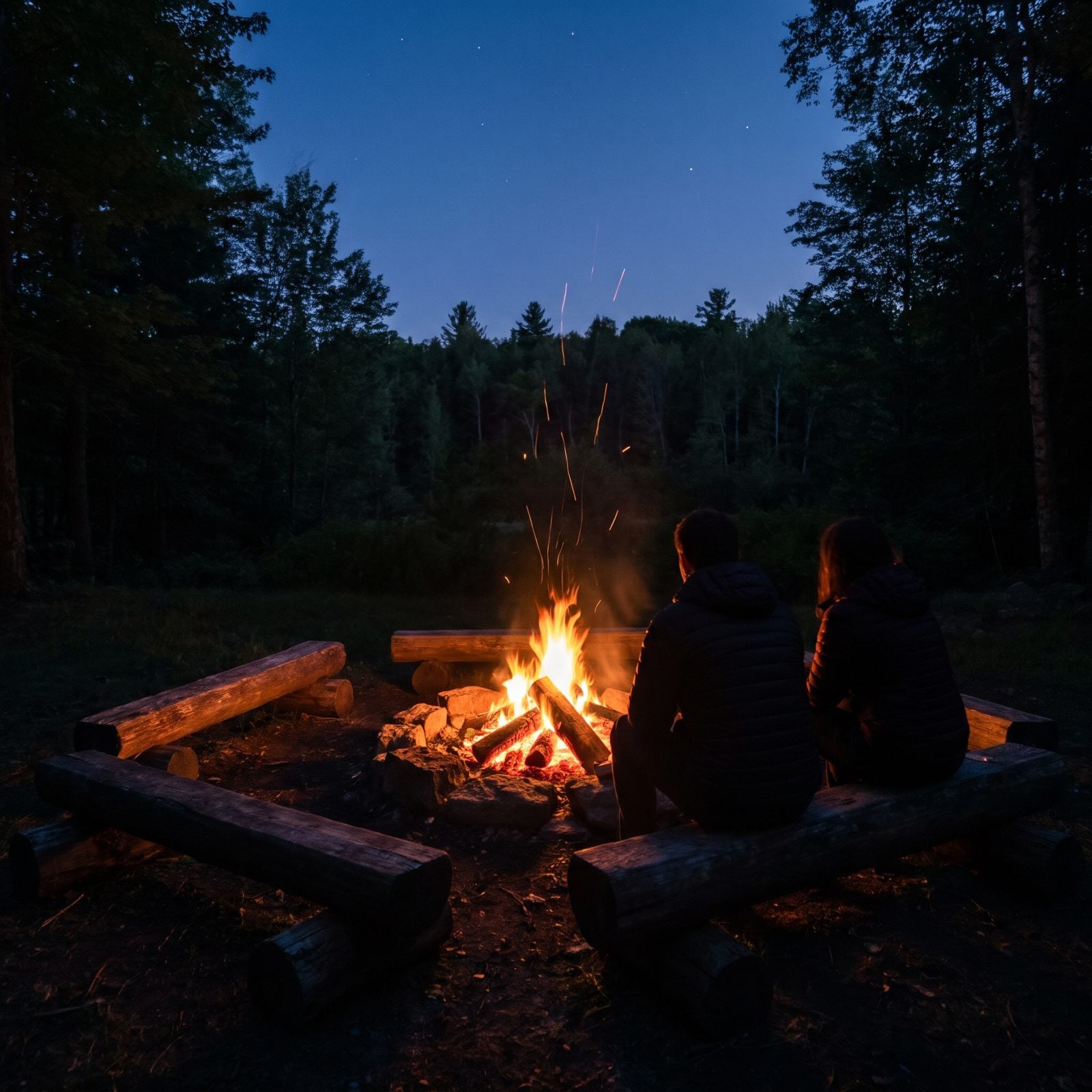
Around a fire, miles from anyone who knows your job title, you tell a story a little bigger than usual. You’re funnier out here. Looser. The version of you who showed up to this campsite isn’t quite the one who sat in traffic yesterday.
This is reinvention on a weekend lease, and it’s what we chase in a fitting room too. New surroundings hand us permission to behave like a slightly different person, and sometimes we like that person better.
5. Trail Snacks Become Rewards for Surviving the Week
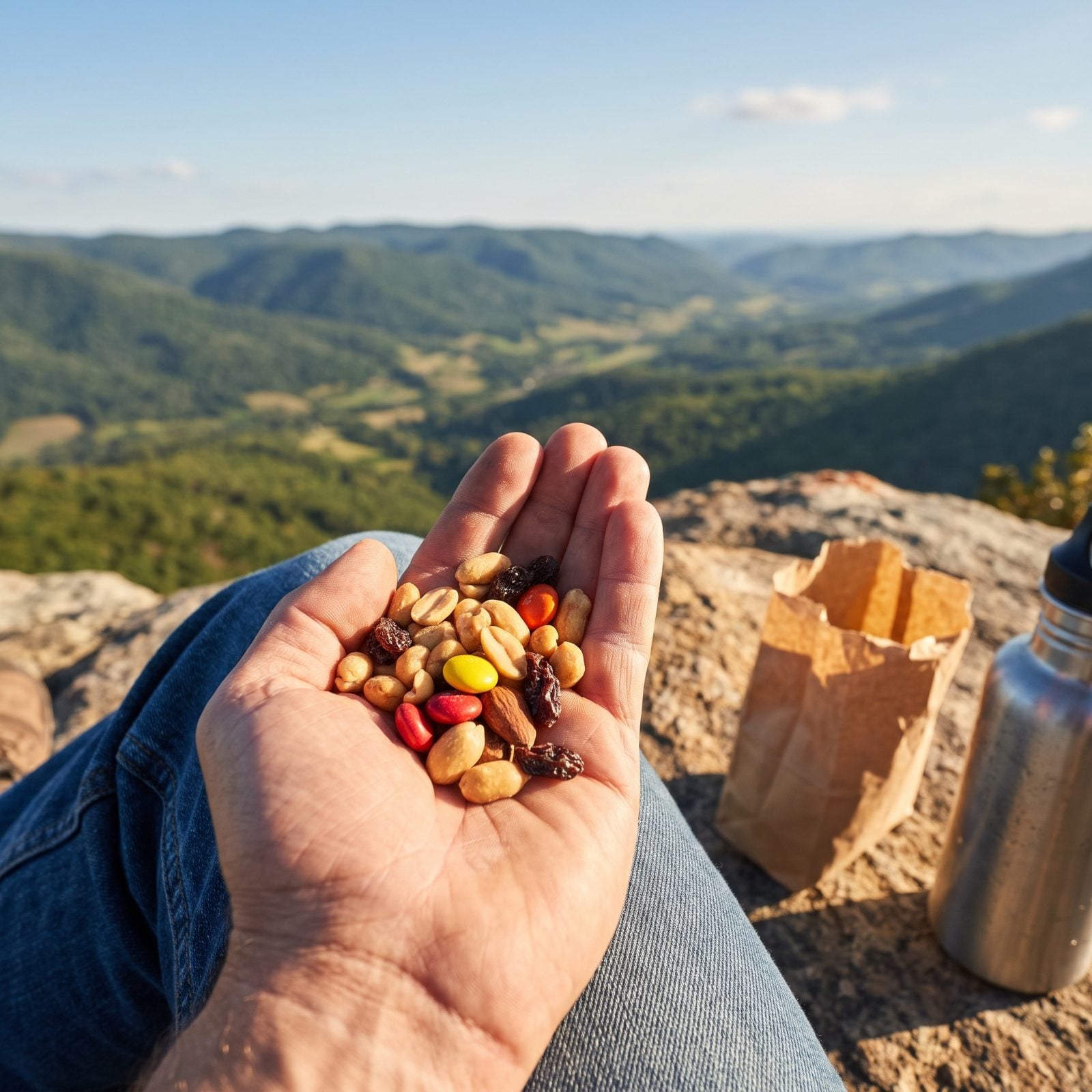
Nobody eats trail mix because it’s exquisite. You eat it because you climbed something to get to it, and that first handful at the overlook tastes like a medal.
We pull this trick with purchases constantly. “I had a terrible week, I earned this.” The treat becomes a reward for enduring rather than a response to actual hunger. Behavioral scientists call it licensing, and the trail just makes the math honest. You really did burn the calories. You really did earn the chocolate.
And that’s the quiet advantage of the outdoor version. The reward is proportional to the effort, so it rarely leaves you with the small hollow regret that trails a cart you cleared out of pure fatigue.
4. Familiar Trails Become Comfort Buys With Better Views
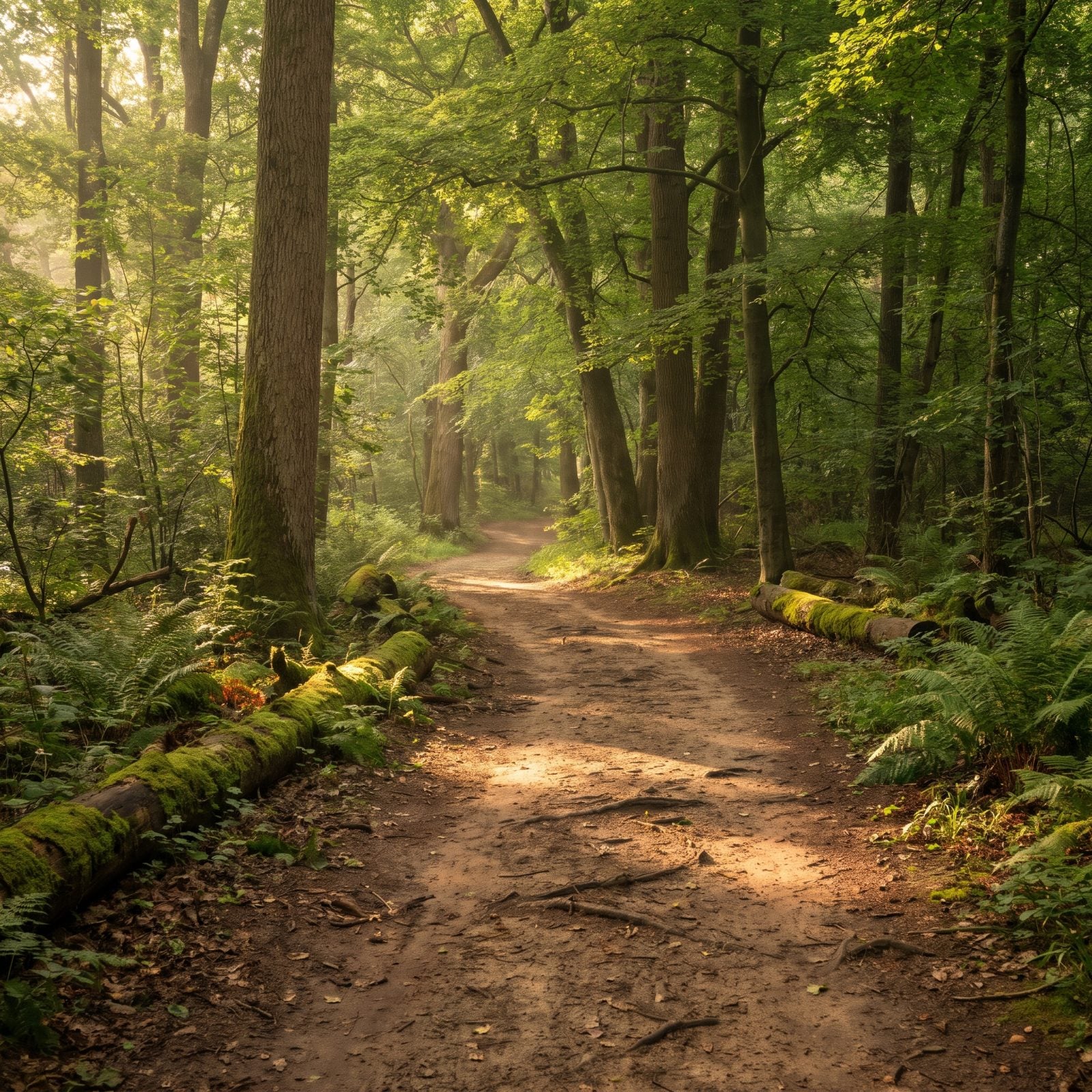
You’ve got a dozen new trails bookmarked. You drive to the same old loop anyway, the one you could walk blindfolded, because tonight you don’t want a challenge. You want a known quantity.
That’s the comfort buy, the repeat purchase: same mug, same brand, same safe sweater in a fourth color. When the rest of life feels uncertain, familiarity pays its own dividend. The brain reads the known as the safe, and safety feels like rest.
3. The Summit Photo Proves You Are Doing Great
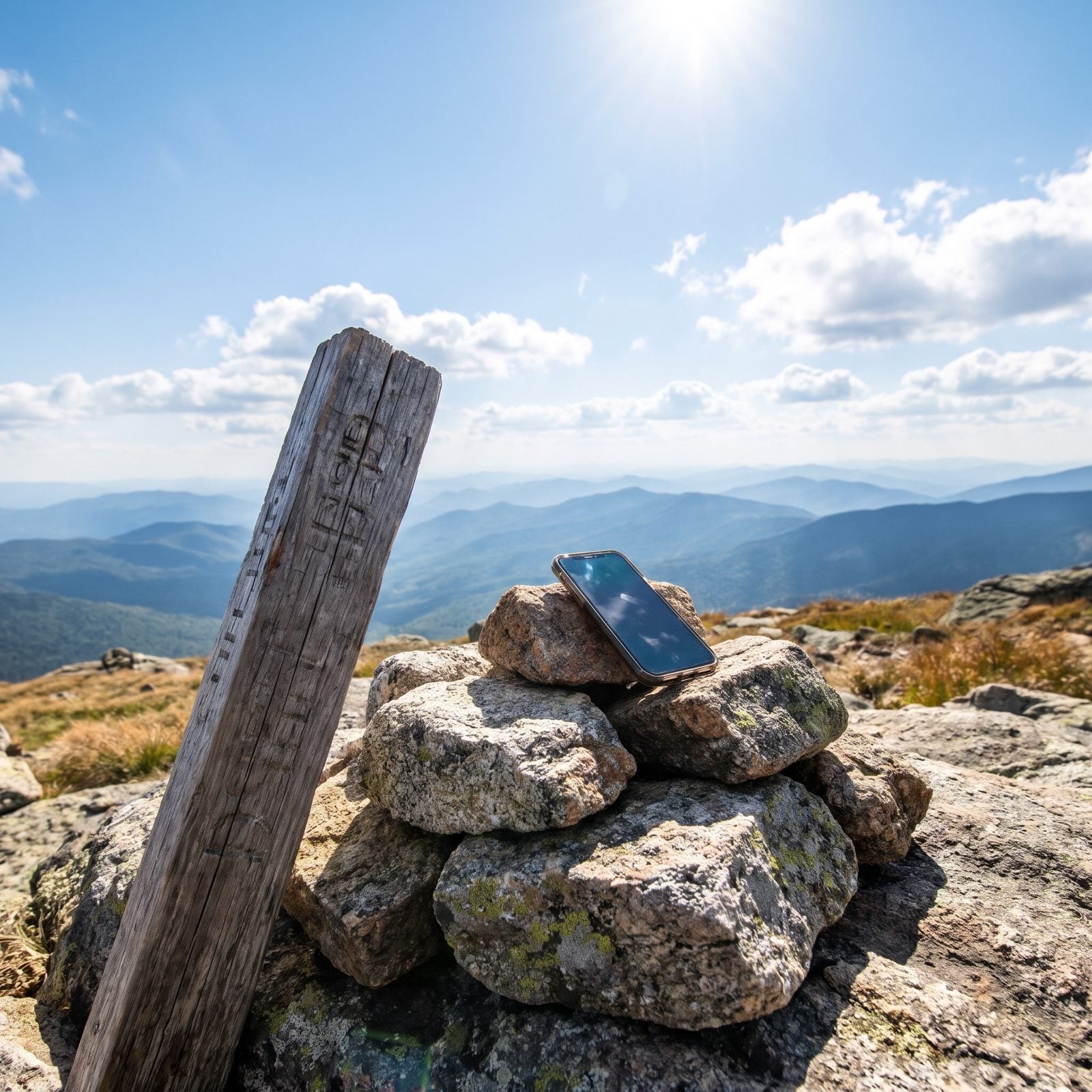
The view is breathtaking and you barely look at it, because you’re too busy getting the shot. A summit photo isn’t just a memory. It’s evidence, posted or saved, that your life is going somewhere good.
This is identity signaling, the same impulse behind the unboxing post and the new-car-in-the-driveway photo. We curate proof of a life worth envying, partly for others and, honestly, partly for ourselves.
Half the reason we reach the top is to have a picture of the top.
Nothing wrong with it. But notice that a summit you don’t photograph feels oddly incomplete, which tells you the photo was pulling more weight than the view.
2. Bigger Rapids Replace the Rush That Wore Off
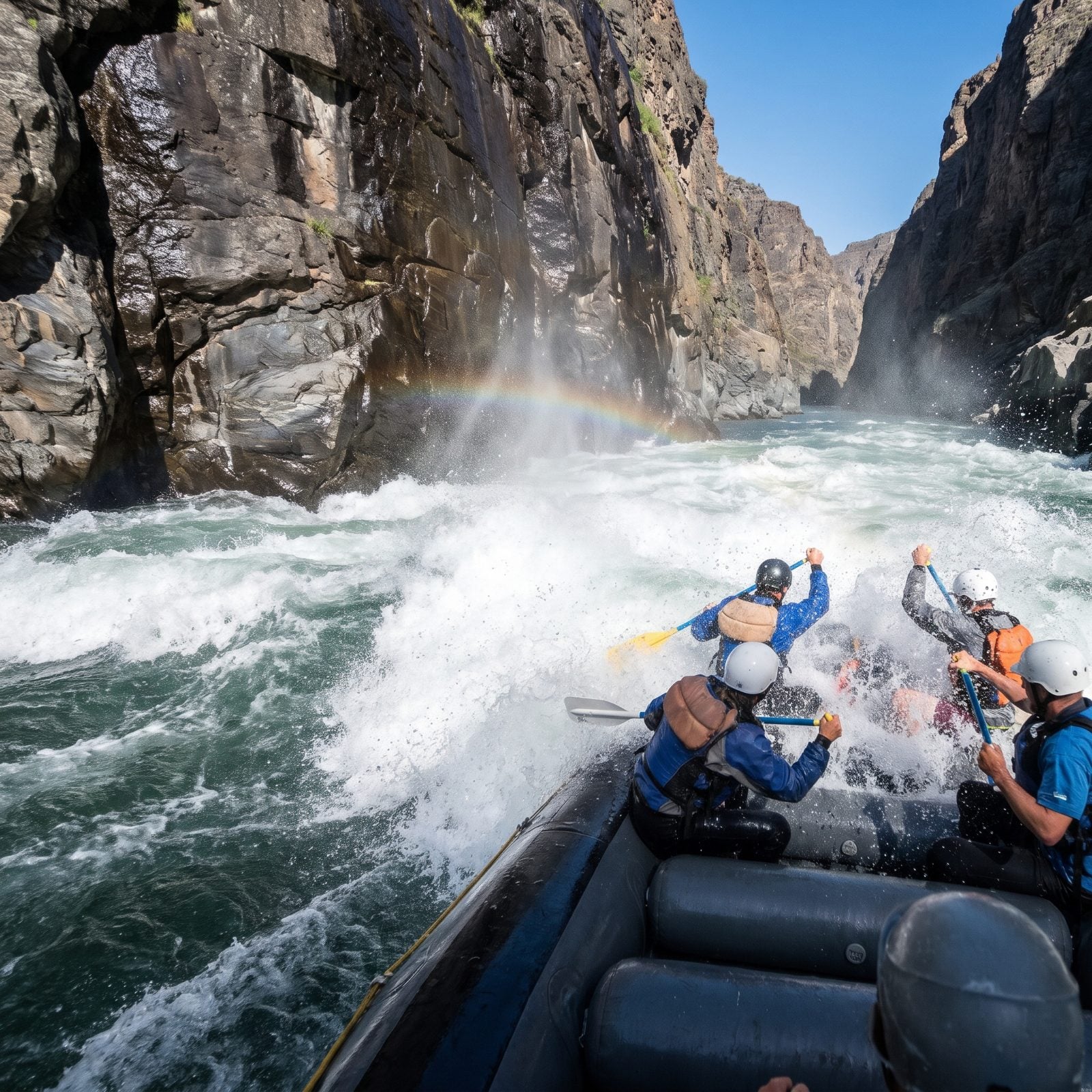
The Class II that terrified you last year feels tame now. So you book the Class III, then start eyeing the IV. The float trip that once set your heart pounding can’t quite manage it anymore.
That’s hedonic adaptation, the treadmill that drains the thrill out of anything repeated until you need a bigger dose to feel the same spark. It’s the exact force that turns a satisfying purchase into the baseline, then nudges you toward the next, pricier one.
The outdoors offers an endless upgrade path, bigger rapids, higher peaks, longer routes, and like any upgrade cycle, the glow burns off faster each time. Worth remembering when the thing that thrilled you a year ago barely registers now. The problem was never the river. It’s the same brain, forever recalibrating. Chasing the next rush is human. Noticing you’re doing it is the rare part.
1. You Return Exhausted and Mistake That for Relief
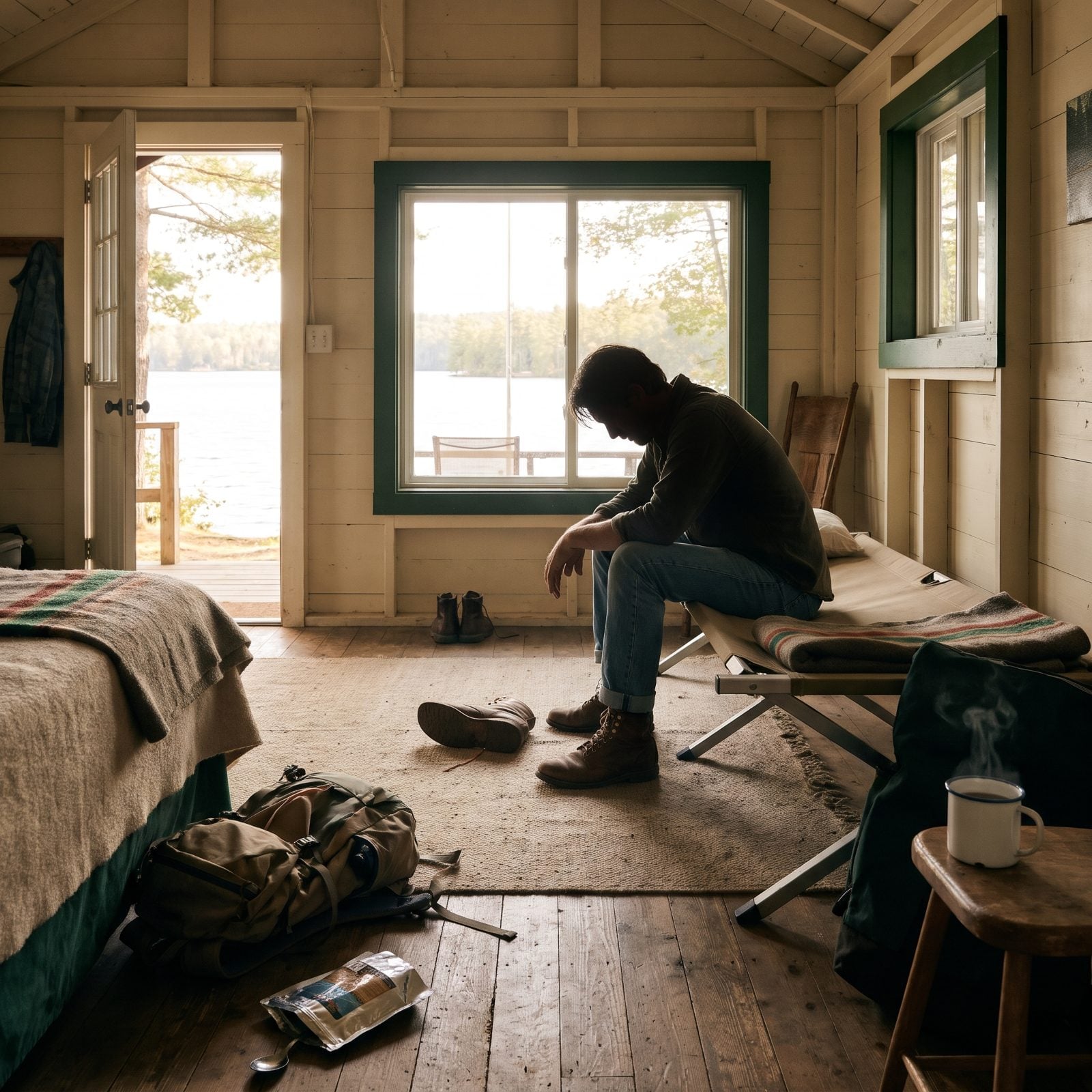
You drop into the car seat after four days in the backcountry and feel something you’d swear is peace. Quiet mind. Loose shoulders. That good, hollowed-out feeling of a body that worked hard, where for a few hours nothing nags at you — not the mortgage, not the thing you said to your brother, not the project rotting on your desk. All of it gone.
Here’s the catch. That calm isn’t resolution. It’s depletion. You’re too tired to worry, which is a different animal from having nothing to worry about.
Same quiet follows a long afternoon at the mall or a cart full of stuff clicked at midnight. Spending tires out the part of your brain that chews on real problems, so for a stretch the chewing stops, and we read that silence as proof the problem shrank. It didn’t. We just ran out of gas to think about it.
Being too tired to worry feels a lot like being at peace. They are not the same thing, and the difference shows up Monday.
We’ve all driven home convinced we’d finally sorted our heads out, only to find every worry waiting in the driveway, rested and ready. The woods don’t fix what you drove away from. They give it a few days off. And a few days off is worth something — real value, honestly. Just don’t go confusing the break with the repair.