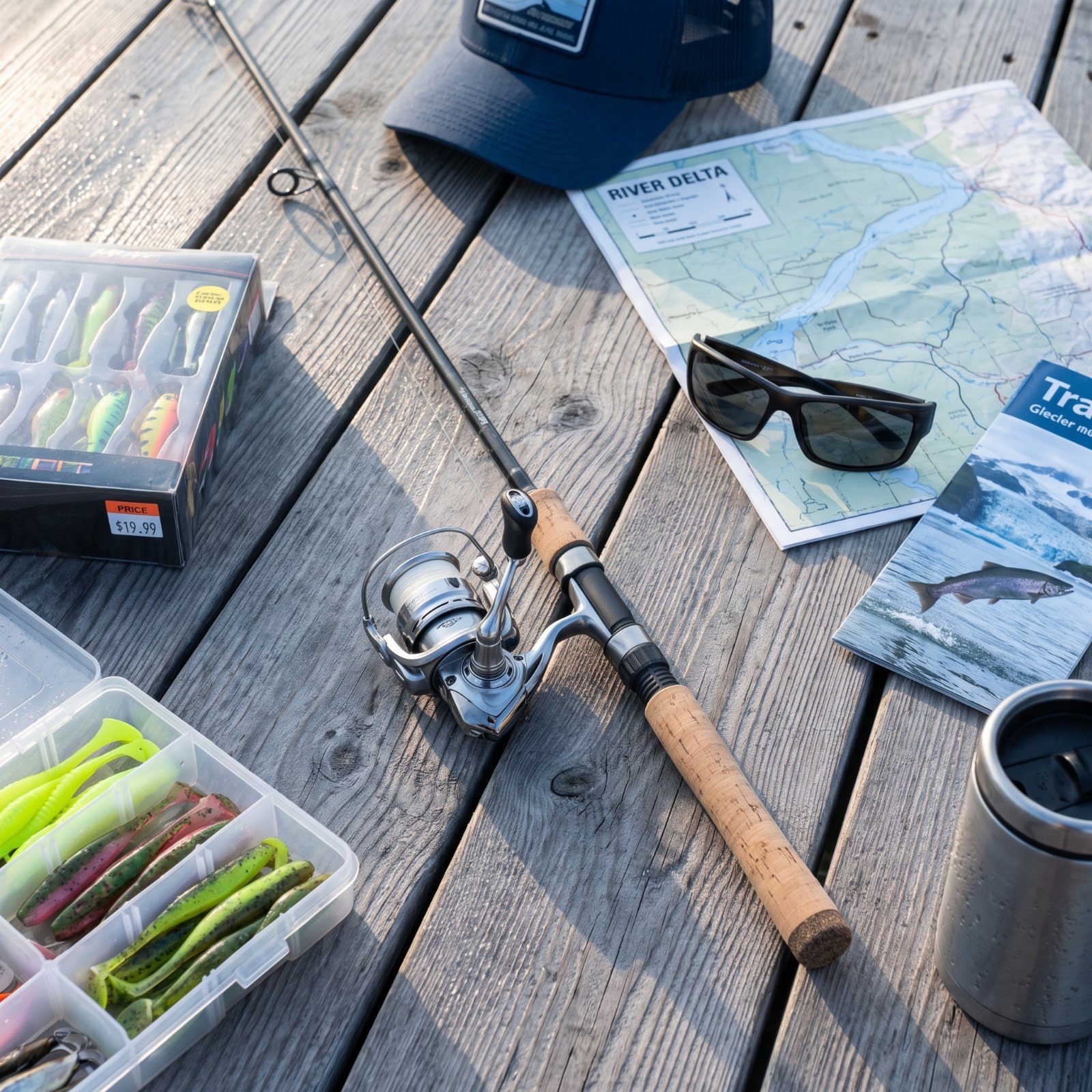
Nobody buys a sports car anymore. They buy a seven-foot medium-heavy spinning rod and tell their spouse it was on sale. The sports car was too obvious. This one is quieter, smells like sunscreen and cut bait, and nobody asks follow-up questions.
Please note that some of the images in this article were created with the assistance of AI.
The pull toward a new boat, a dawn alarm, and a trip to Alaska you cannot quite afford runs on the exact same wiring as any classic midlife reckoning. Same hunger for a do-over, same need to prove you’ve still got it, same quiet arithmetic about how many good seasons are left. You’ll laugh reading these because you’ve either done them or watched a friend do them with a dead-straight face. So let’s name the impulses out loud.
17. You Buy the Rod Before Learning Any Knots
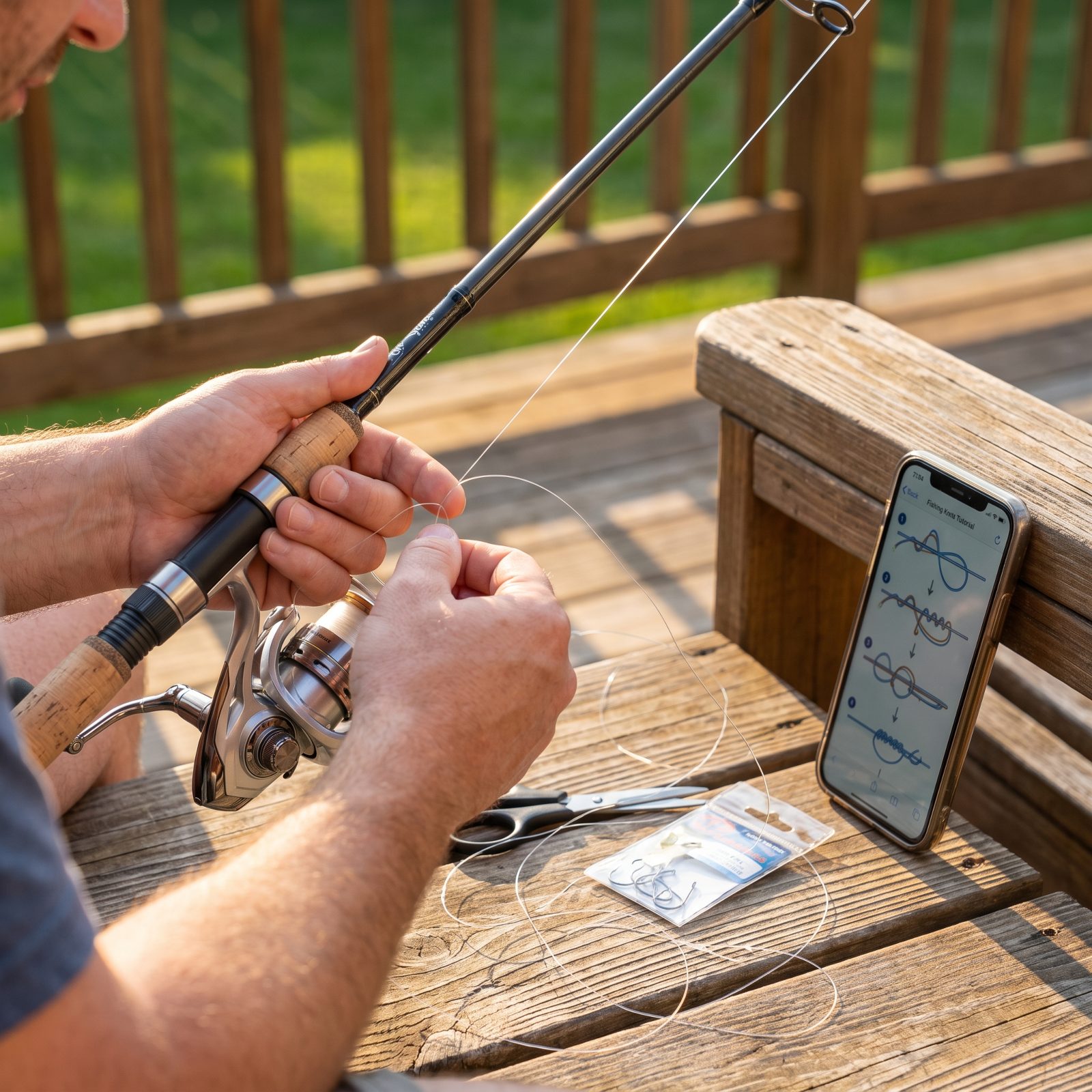
The rod arrives before you’ve got any clue how to use it. You own a reel that cost more than your first car payment, and there you are on the deck at dusk, watching a phone tutorial on the improved clinch knot for the fourth time. Gear first. Skill scrambling to catch up.
Same order of operations as the guitar bought before the first lesson, the running shoes bought before the first mile. Buying the thing feels like becoming the person. Psychologists call it the endowment effect leaning hard on identity — owning the object convinces you the transformation already happened, and the hard part gets quietly postponed.
16. You Dress Like a Guide on Day One
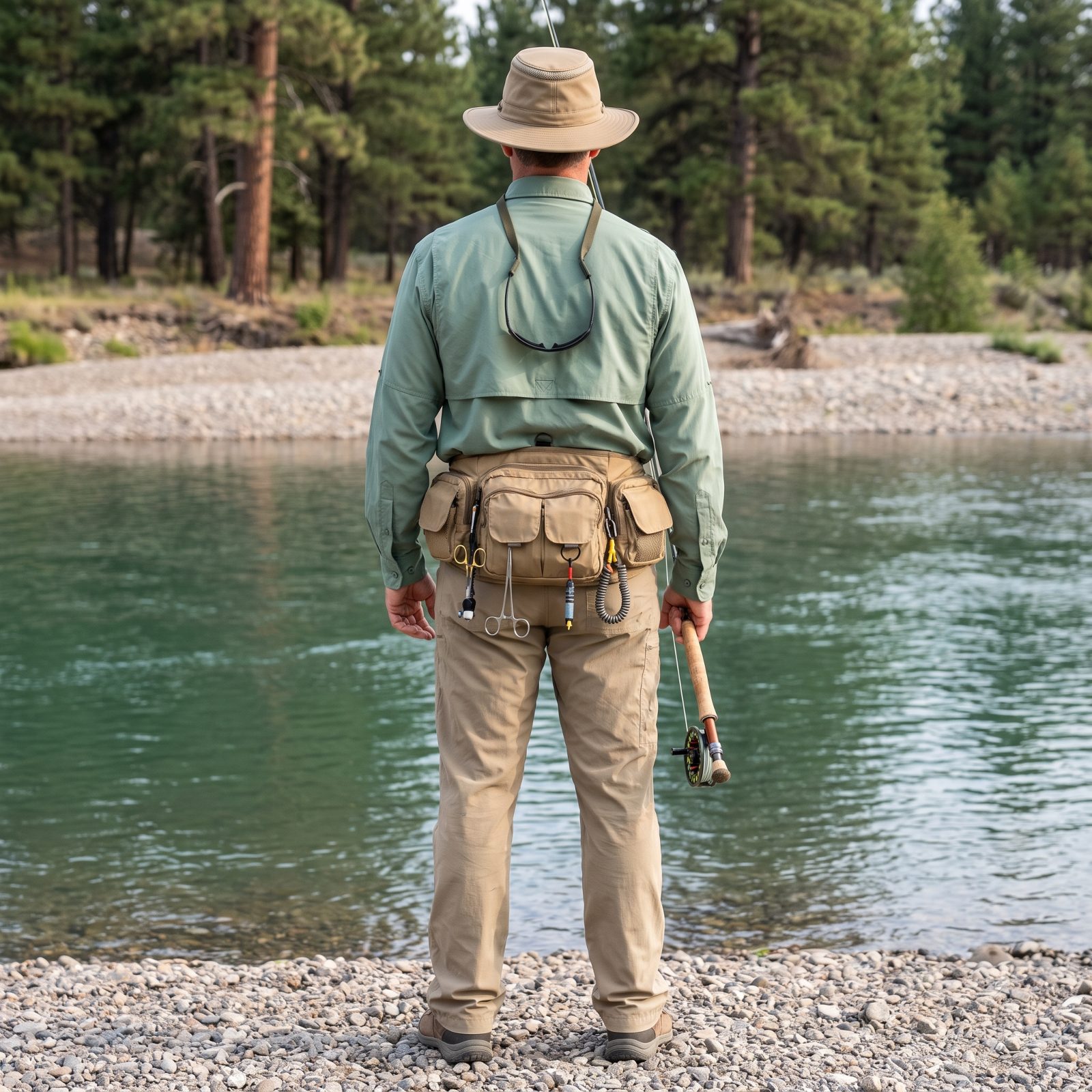
Day one, and you’re kitted out like a man who’s run a lodge for twenty years. The sun shirt still has fold lines in it. The hip pack holds nippers, forceps, floatant, and a water thermometer you will never once use. You look like the cover of a catalog, and you haven’t landed a single fish.
Picture the brand-new golfer in the full argyle kit, or the first-day cyclist already wearing the pro team jersey. The costume comes before the game. That’s enclothed cognition — dressing the part genuinely makes you feel more capable, which is why we reach for the uniform. Trouble is, everyone else can read it too.
15. A Bass Boat Suddenly Looks Financially Defensible
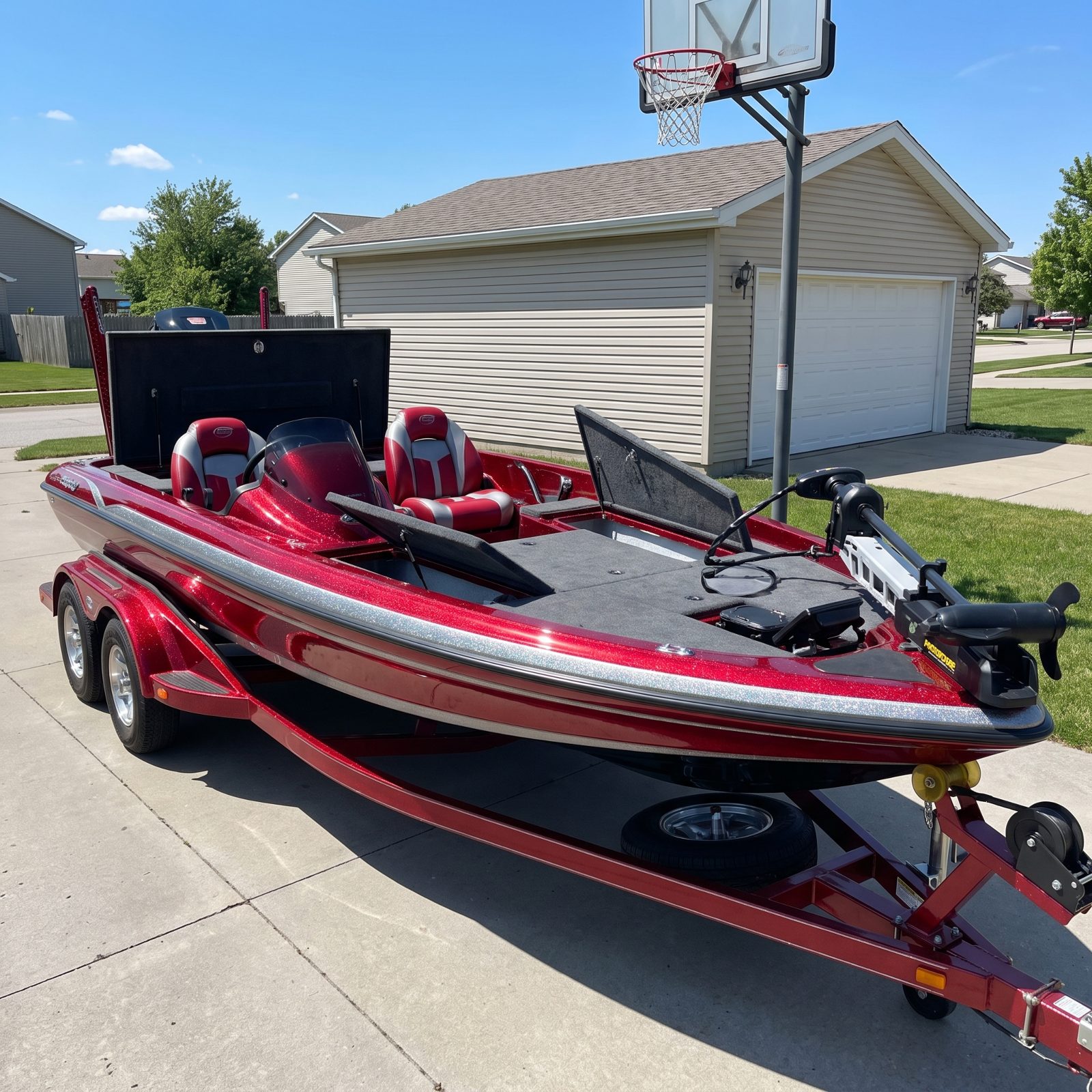
The spreadsheet appears out of nowhere. Cost per outing, resale value, how much you’d save not renting. Suddenly a bass boat with a flake paint job and twin livewells reads like a sensible decision — thrifty, even.
This is the convertible of the water, and the math behind it is the same math people use to justify the convertible. We build a story to make a want feel like a need. Behavioral folks call it motivated reasoning: the desire comes first, the justification gets reverse-engineered to fit. Nobody sits down cold and concludes they need a boat. They decide they want one, then let the brain play defense attorney.
Nobody reasons their way into a bass boat. They want one, then hire their own brain to argue the case.
14. You Chase the Fish You Missed at Twenty
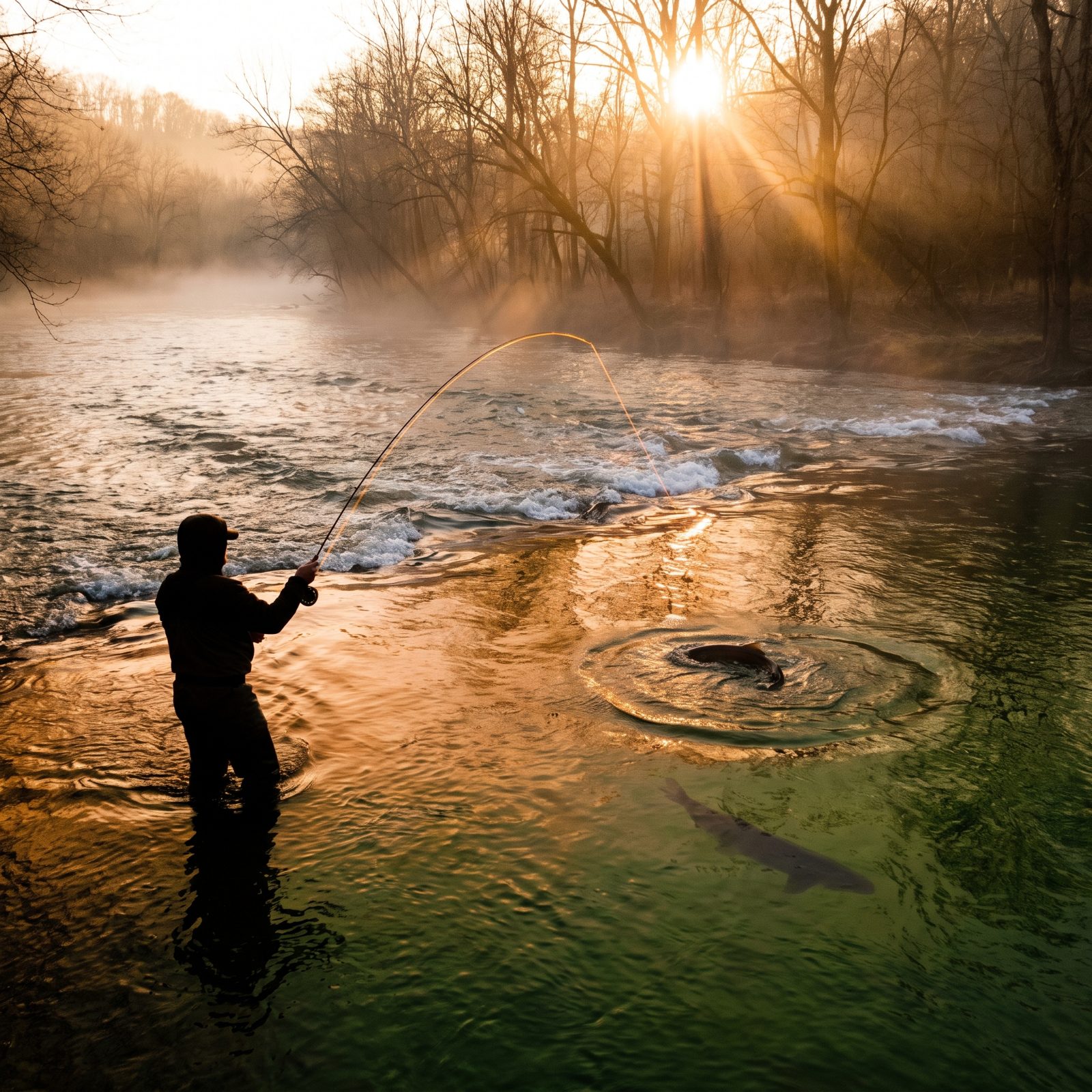
There’s a specific fish. The one that broke you off on a summer day decades ago, or the species you always meant to target before life got in the way. Now you’re back, hunting a ghost as much as a fish.
It’s the old flame you look up online, the sport you quit that you suddenly ache to play again. Nostalgia isn’t gentle — it’s a tractor beam. Research keeps showing it spikes when we feel time running short, and it drags us toward the unfinished business of younger years. You’re not just fishing. You’re settling a score with the person you used to be.
13. You Book the Alaska Trip Before “Someday” Wins

The Alaska trip stops being a daydream and turns into a deposit. Float plane, remote lodge, a week of salmon you’ve only seen on screens. The number is real and you paid it anyway, because “someday” was starting to sound like a word for never.
This is the bucket-list booking — the same impulse that sends people up Kilimanjaro at fifty-five. Mortality awareness does strange, clarifying things. Feel the clock and you stop deferring the big experiences and start cashing them in. The deposit isn’t really about fish. It’s about refusing to let the good trips pile up unlived.
12. Dawn Launches Replace the Sleep-Ins You Once Protected
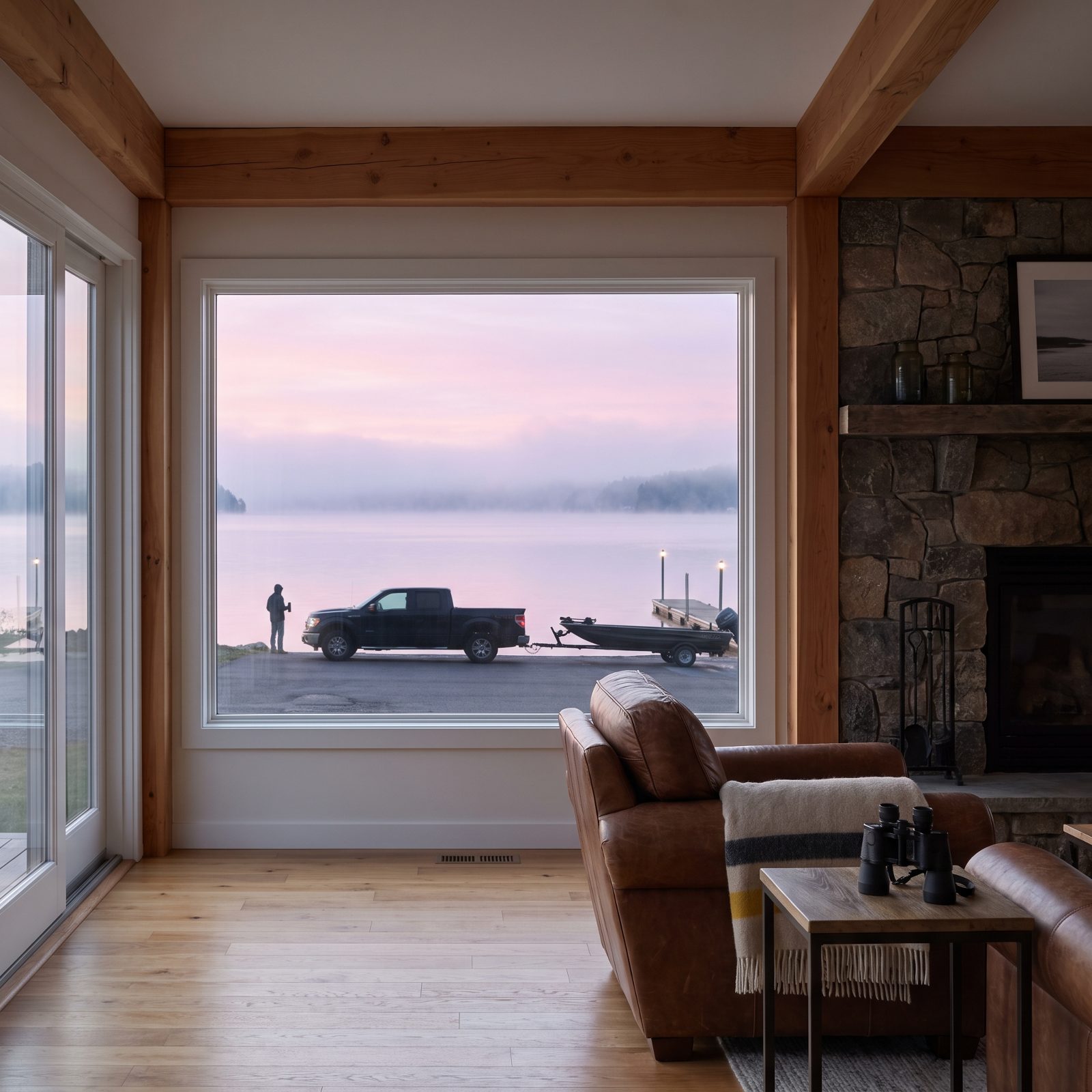
For years you guarded weekend mornings like treasure. Now you’re backing a trailer down a dark ramp at 4:30, cheerful about it, thermos in hand, while the lake steams in the half-light. The man who once refused to rise before nine? Gone.
It’s the same reinvention as the person who takes up marathon training and suddenly loves the pre-dawn alarm. The identity shift rewrites what counts as sacrifice. Once a behavior becomes part of who you are, the cost stops feeling like a cost. You’re not giving up sleep — you’re spending it on the thing that now defines you, and that trade feels like a steal.
11. You Rename Three Hours Alone “Serious Fishing”
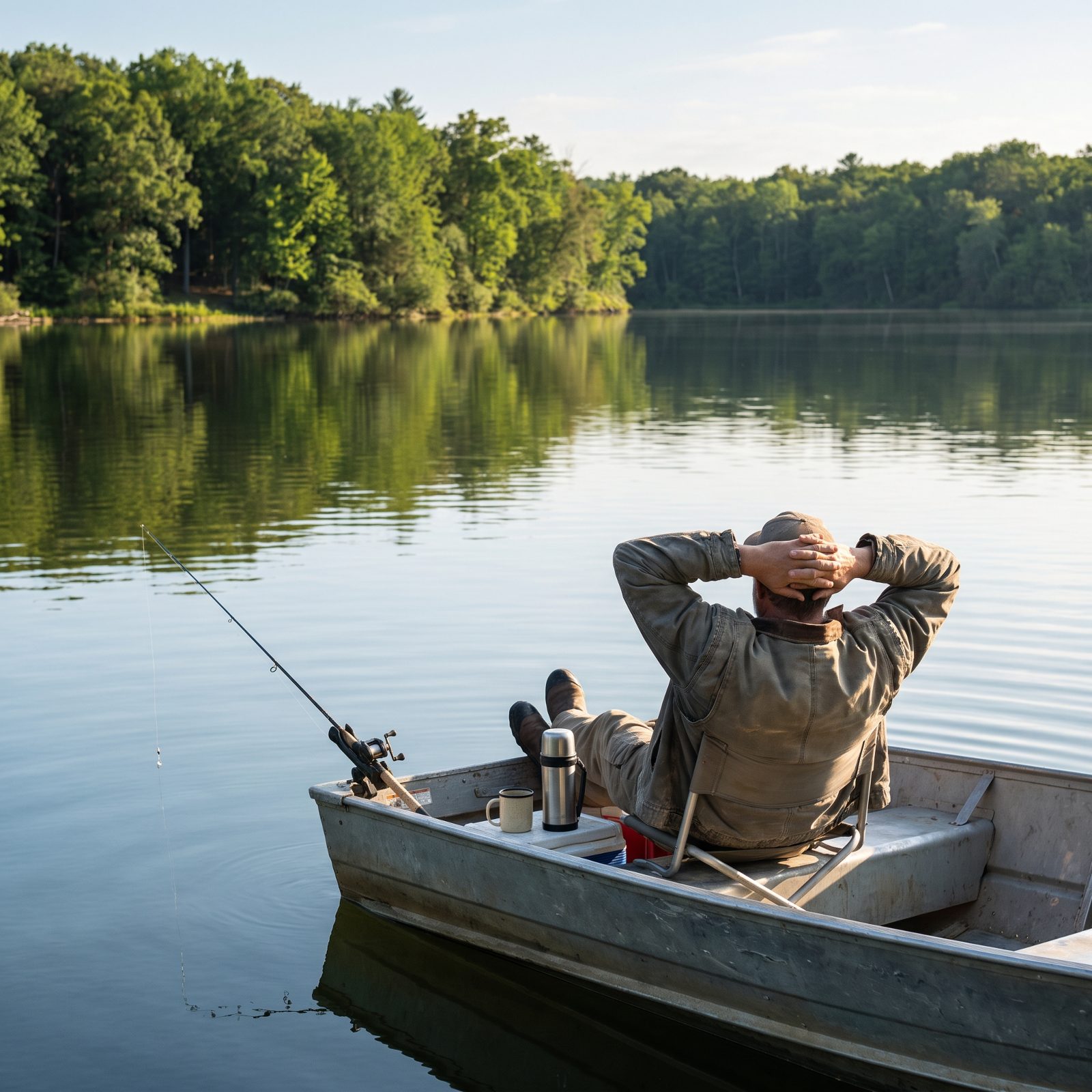
Here’s what the trip actually is sometimes. Three hours of sitting on the water alone, barely checking the line, perfectly content if nothing bites. And you call it “serious fishing” to anyone who asks, because that phrase buys you the time with no negotiation required.
The angling is the permission slip. It’s the garage workshop that’s really about being left alone, the long drive that’s really about the quiet. We dress solitude up as productivity because pure solitude sounds selfish and a hobby sounds responsible. The fish are cover for a deeper need — a few hours where nobody wants anything from you.
10. Solunar Tables Start Running Your Entire Calendar
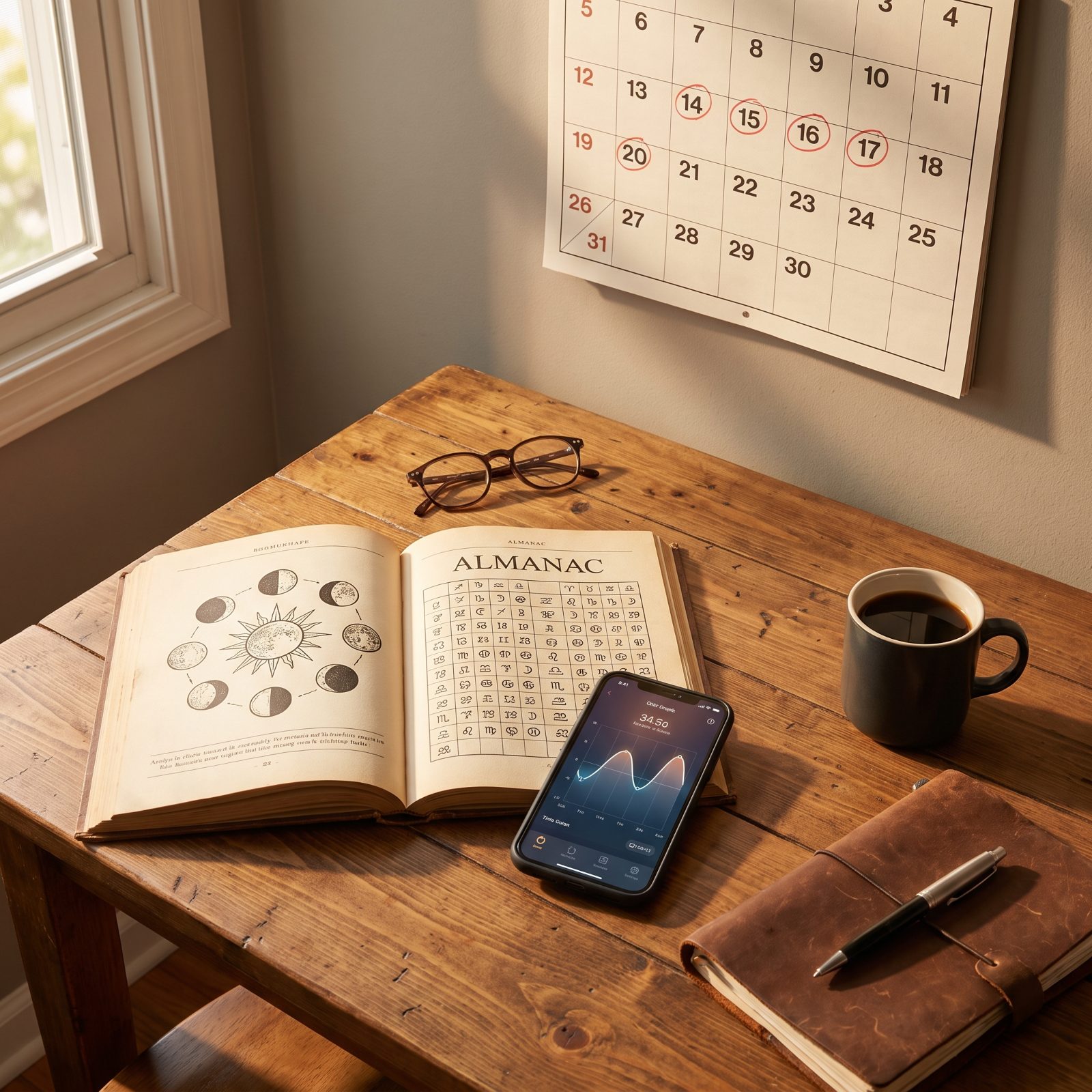
At some point the moon phases moved into your planner. You’re consulting solunar tables, checking major and minor feeding windows, quietly declining a dinner invitation because it collides with a peak period. A chart about lunar pull now steers your whole week.
It feels like science, and there’s a kernel of truth buried in it, but the grip it takes on you is really about control. When so much of life refuses to cooperate, a system that promises the right time to act is deeply soothing. Confirmation bias seals the deal. The days you catch fish prove the table right; the blank days get blamed on something else. Either way the ritual survives.
9. You Stay One More Cast Past Common Sense
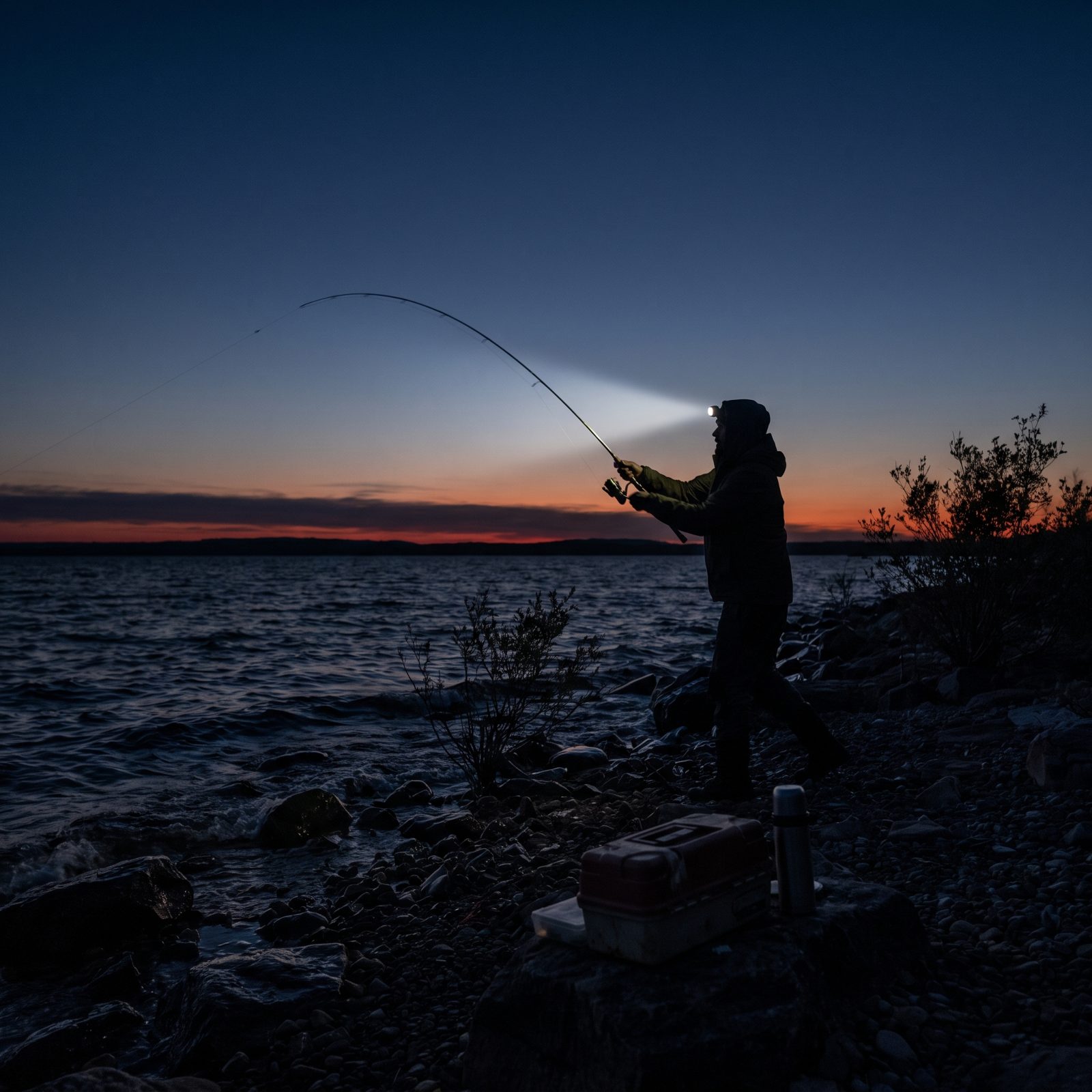
Sun’s gone. Back aches. You said three casts ago you were done. And still you tell yourself just one more, because the next one could be the one. Out comes the headlamp, and common sense goes to bed without you.
This is the gambler feeding one more pull into the machine, running on the exact same circuit. Intermittent reward — the unpredictable payoff — is the most addictive pattern the brain knows. You can’t predict which cast connects, so every single cast carries a flicker of maybe, and the near-misses hook you harder than the catches ever do. One more cast is the most honest phrase in the sport. Also the most dangerous.
8. One Skunked Afternoon Somehow Requires a New Reel
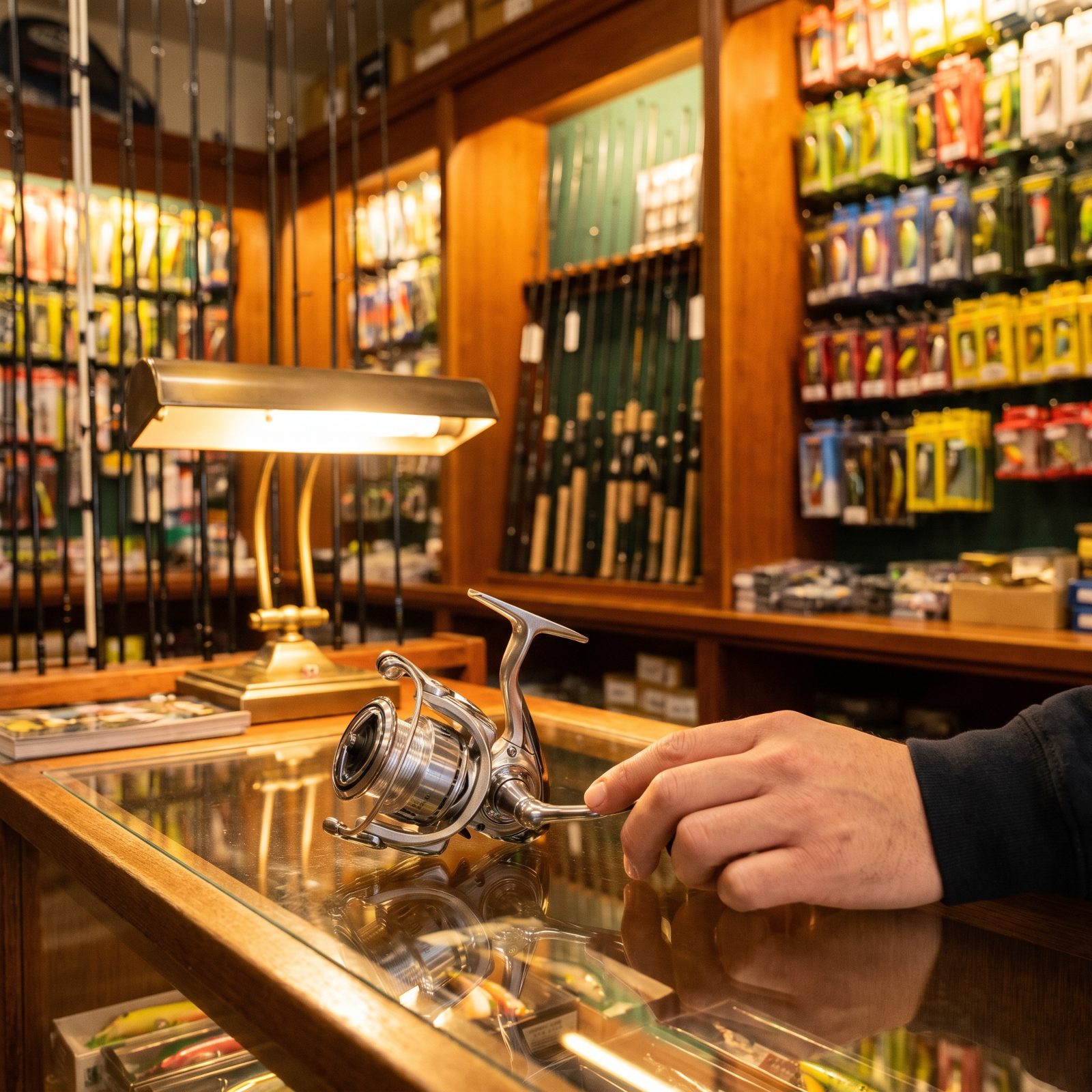
You got skunked. Not one fish, not even a solid bite — four hours of nothing. And somehow the lesson your brain settles on is that the gear was the problem. By evening you’re in the tackle shop, fondling a new reel, convinced this is the missing piece.
It’s the diet that failed, so you buy the pricier program. The slump at work, so you upgrade the laptop. We blame the tools because blaming the tools lets us off the hook, and because buying something restores a sense of control after a lousy day. The new reel won’t fix your casting. But the purchase fixes the mood, and that’s what you were really shopping for.
7. Bluegill Get Boring, So You Start Chasing Muskie
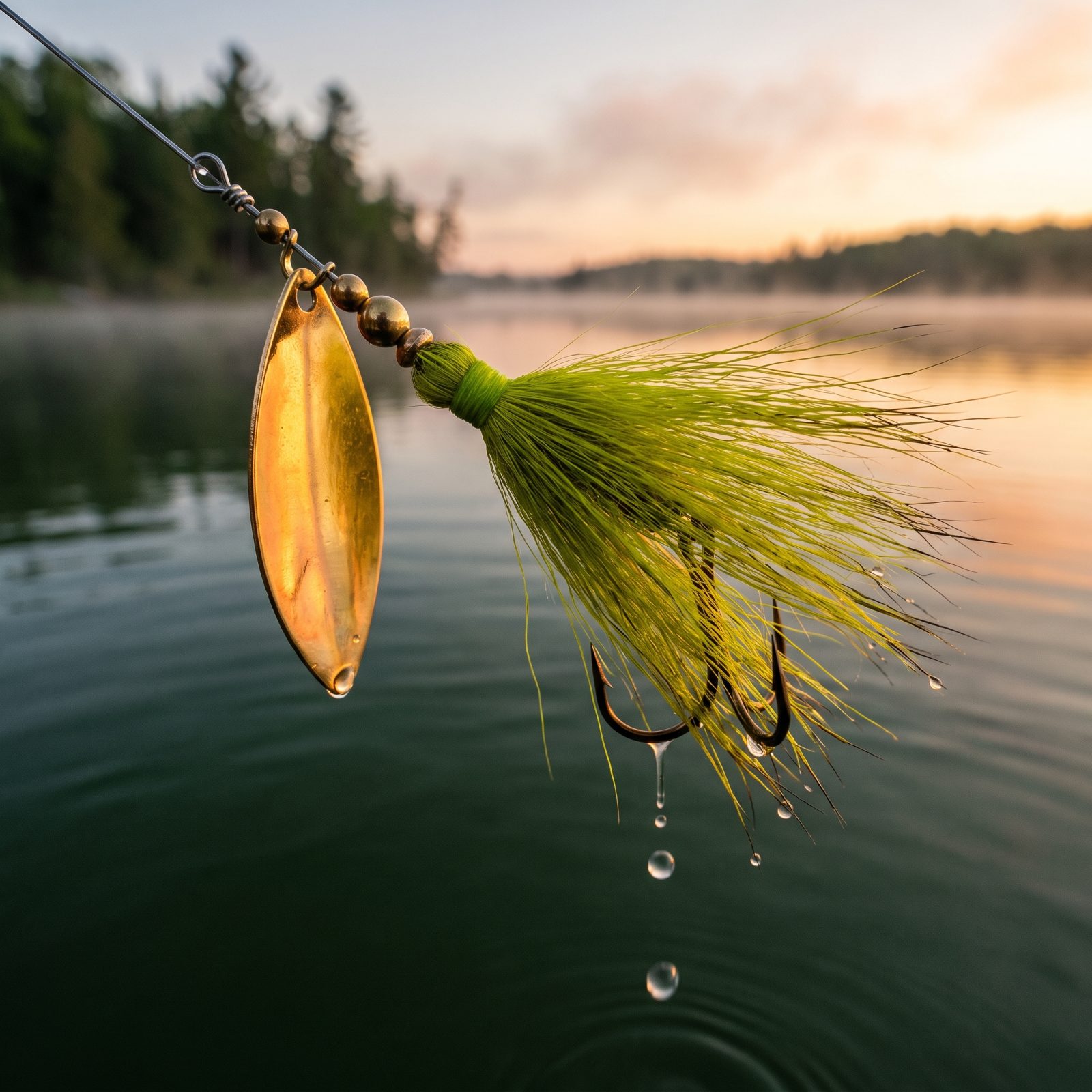
It starts innocent. A bobber, a worm, a bluegill the size of your palm, and a grandkid who thinks you’re a genius. Then one winter night you’re deep in an article about fifty-inch muskie, the fish of ten thousand casts, a species that will ignore you for an entire summer out of what feels like personal spite.
Same arc as the red convertible. The safe, known pleasure stops producing the hit it used to. Psychologists call it hedonic adaptation: whatever thrilled you last year becomes baseline this year, so you keep raising the stakes to feel the same jolt. The bluegill didn’t get worse. Your tolerance went up.
Chasing the hardest fish in freshwater is a way of telling yourself the story isn’t over, that there’s still a big, difficult, defining thing left to do. As crises go, it beats most. Nobody files for divorce over a bucktail.
6. Your New Best Friends Know Every Local Lure
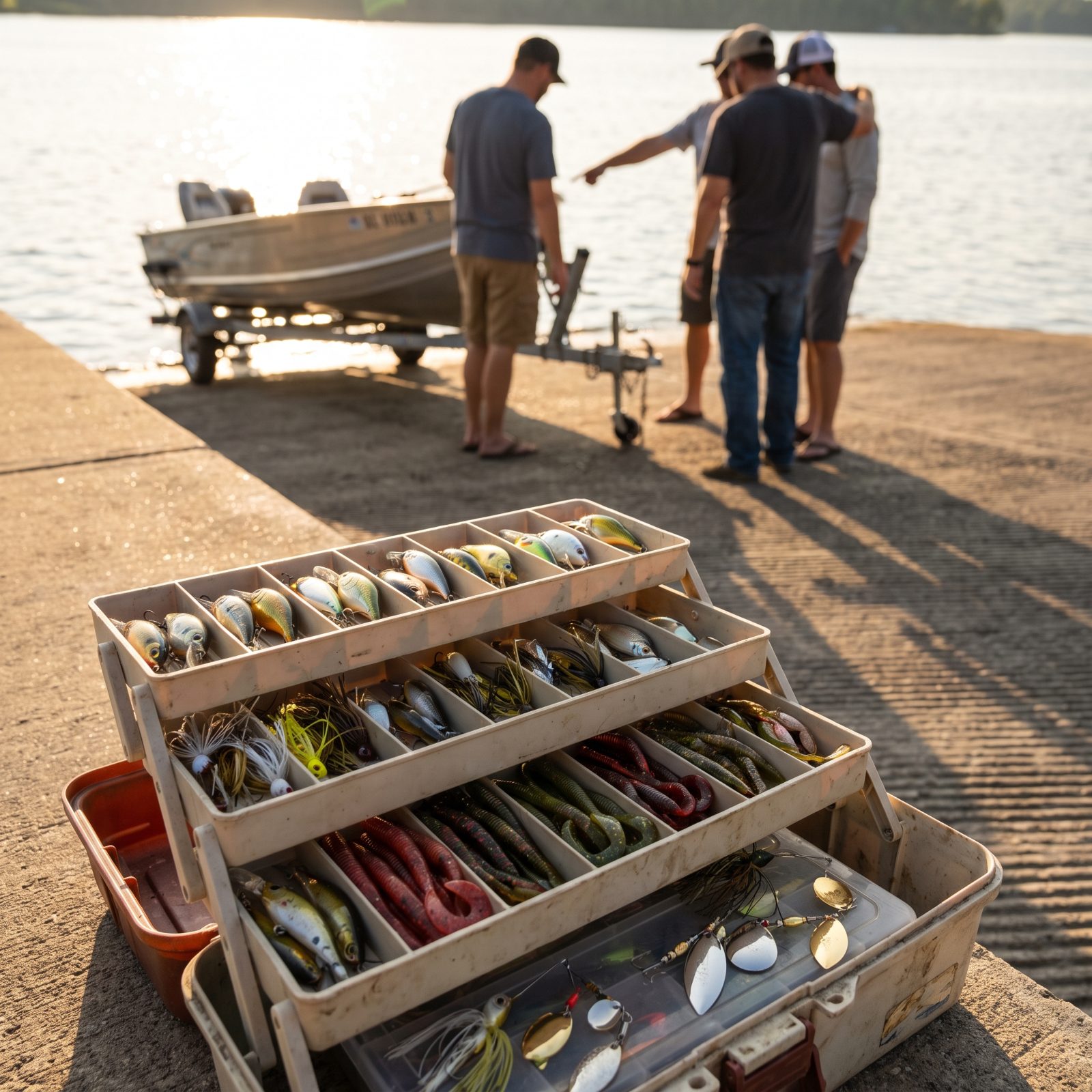
Suddenly you have friends you’ve never had dinner with, whose last names you’re hazy on, but who know exactly which color jig the walleye wanted last Tuesday. You text them at five in the morning. You take their advice over your own brother’s, and you feel understood in a way that catches you off guard.
Midlife loneliness is quiet and common, and a shared obsession is one of the fastest cures for it. A new hobby in your fifties almost always arrives with a new tribe attached, because the hobby is partly an excuse to go find the tribe. You’re not just learning to read a drop-off. You’re rebuilding a social circle that thinned out somewhere between the career and the kids.
That’s the real catch of the day. The fish are an alibi; the friends are the point.
5. You Post the Catch Before Cleaning the Fish
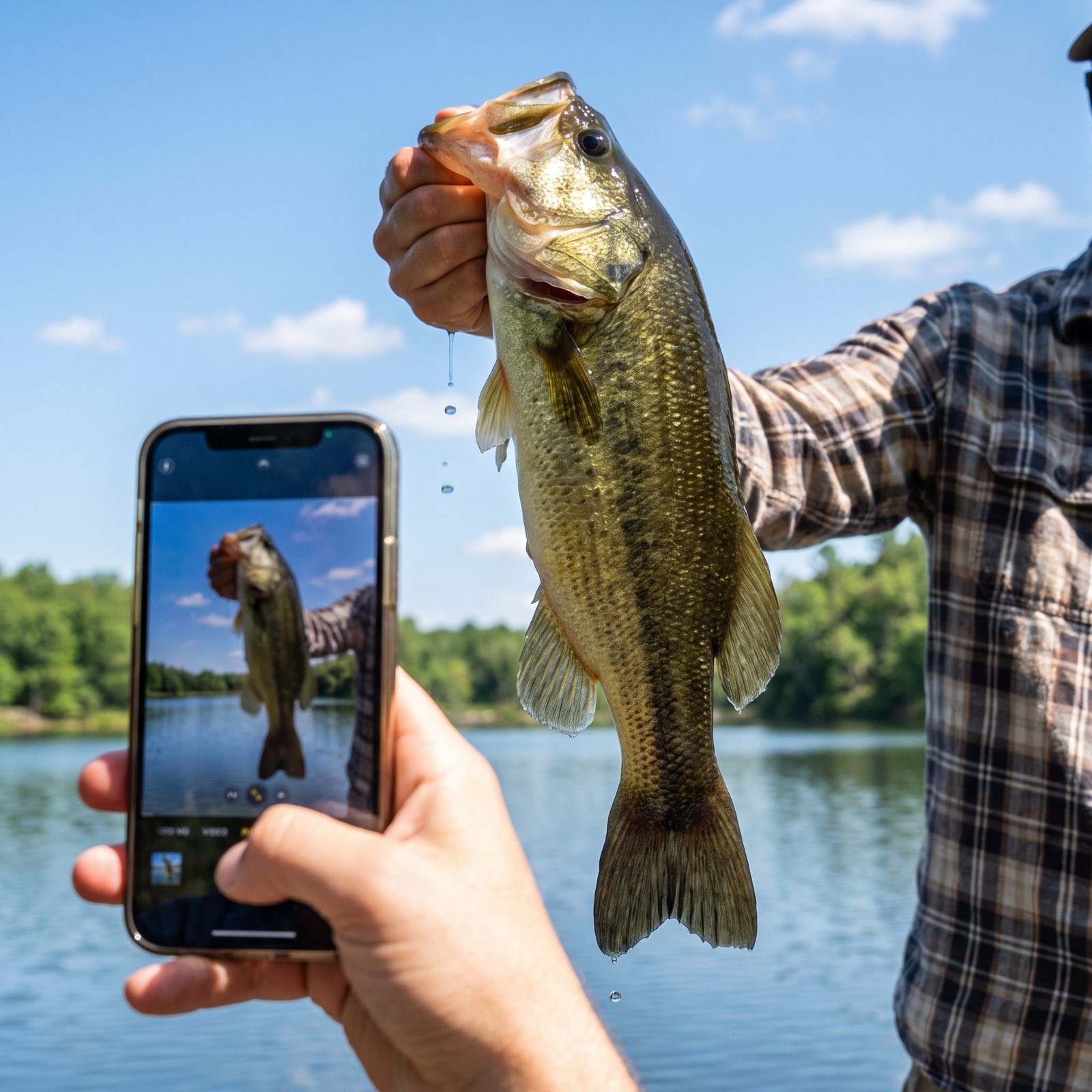
The fish is barely out of the net and the phone is already out of the pocket. You hold it at arm’s length toward the camera, the old forced-perspective trick that turns a decent bass into a trophy, and you post before you’ve even decided where to clean it.
Same impulse as the new haircut, the new wardrobe, the suddenly curated life that shows up online during a reinvention. Status signaling, plain and simple. The catch is proof you’re doing something interesting, that you’re not just aging quietly in a recliner, and the likes are a small vote of confidence from people who used to only see you at work.
No shame in it. We’re wired to broadcast the wins. Just maybe crop out the bait bucket.
4. You Measure Reinvention in Personal-Best Inches
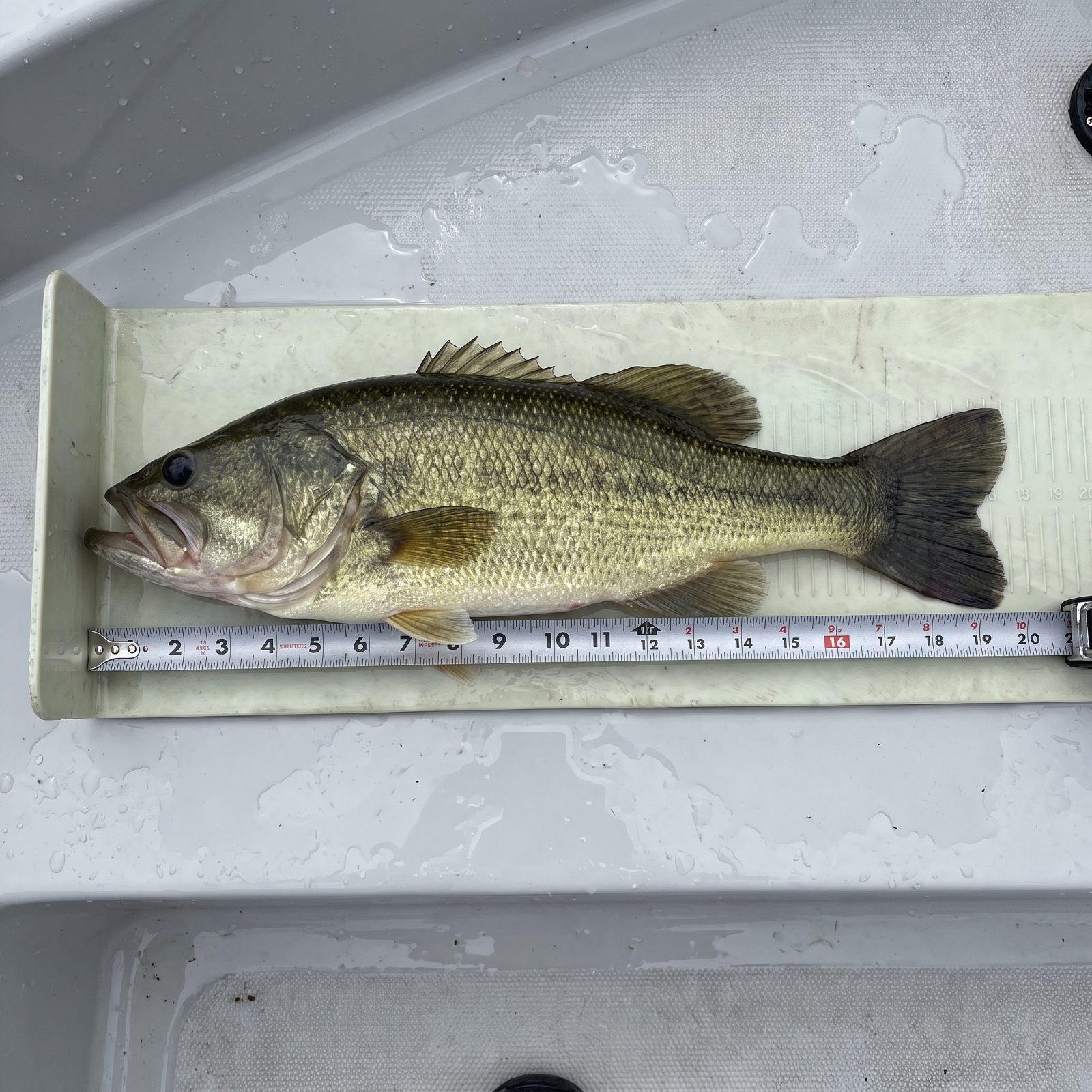
There’s a number now. A personal best. You know it to the quarter inch, you remember the date, and you’ve quietly filed it somewhere between your kids’ birthdays and your anniversary.
Reinvention needs a scoreboard, and fish come pre-loaded with one: length, weight, species, count. That personal best becomes the way you measure the new you against the old you, proof you’re progressing and not just passing time. Call it the midlife marathon finisher’s medal, scaled and slimy.
3. The Fish Gains Weight With Every Retelling
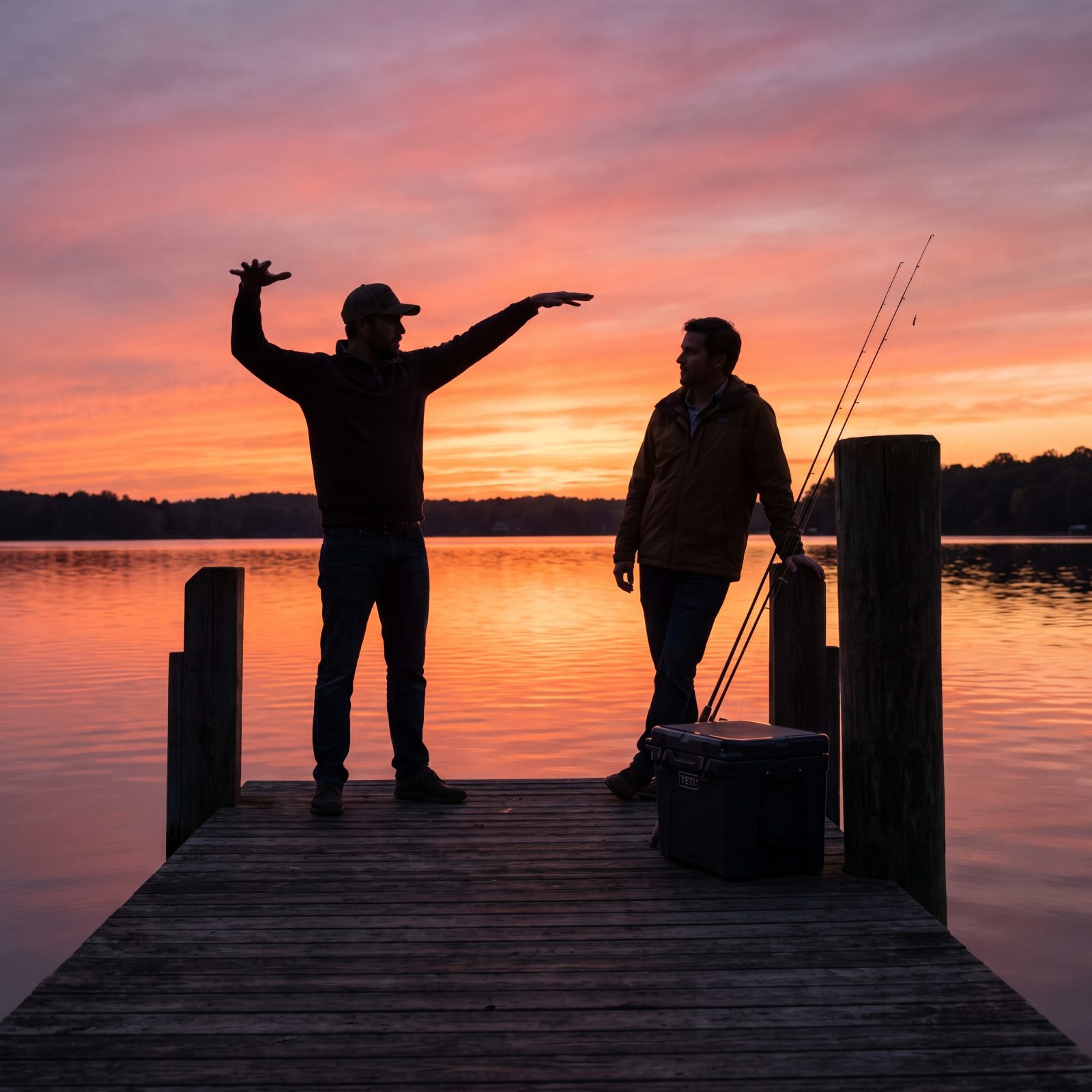
The fish you caught Saturday was a solid three pounds. By Wednesday it’s pushing four. By the time it reaches your brother-in-law at the holidays, it fought you for twenty minutes and nearly pulled you overboard.
Everybody does this, and nobody means to lie. Memory isn’t a recording, it’s a reconstruction, and each time you retell a story your brain quietly edits it toward the better version. The more you reinvent yourself, the more the retelling tilts toward the man you’re trying to be. The fish grows because the self-image is growing.
It’s the same engine that turns a modest youth into a legend at every high school reunion. We’re all the hero of the story we tell, and the story keeps getting a little bigger. Let it. The water never argues back.
2. Family Vacations Suddenly Need a Fishable Shoreline
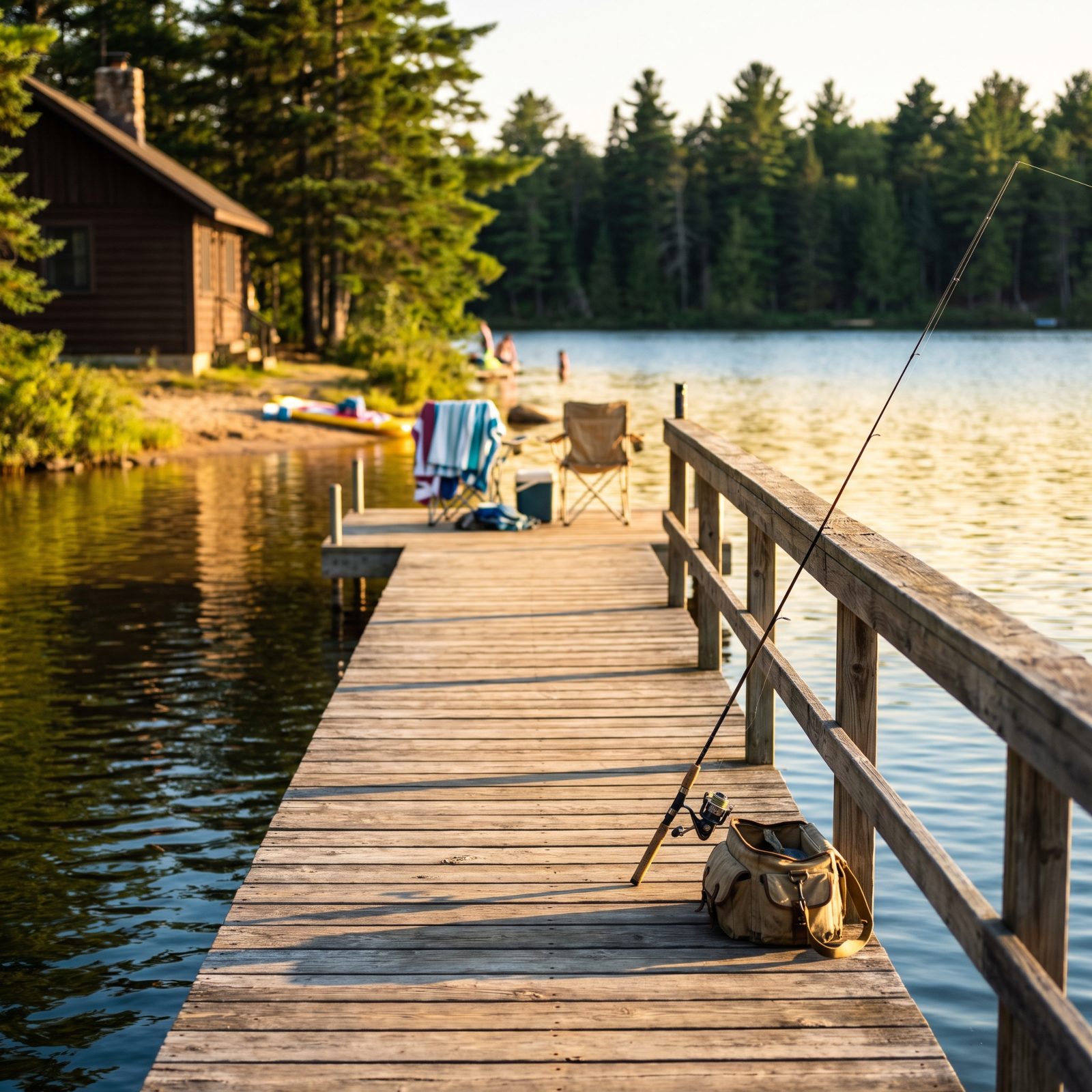
The family wants a beach. You want a lake with a reputation. Somehow every trip now gets vetted for water access, the hotel with a dock beats the one with a pool, and you’ve started saying things like “well, it’s close to some great smallmouth water” as if that settles it.
A new passion quietly reorganizes the whole life around itself. Identity signaling — the way a reinvention insists on being accommodated by everything you already had. The vacation isn’t just a vacation anymore. It’s a chance to be the new you, somewhere new, catching something new.
1. Your Knees Protest While the Waders Keep Moving
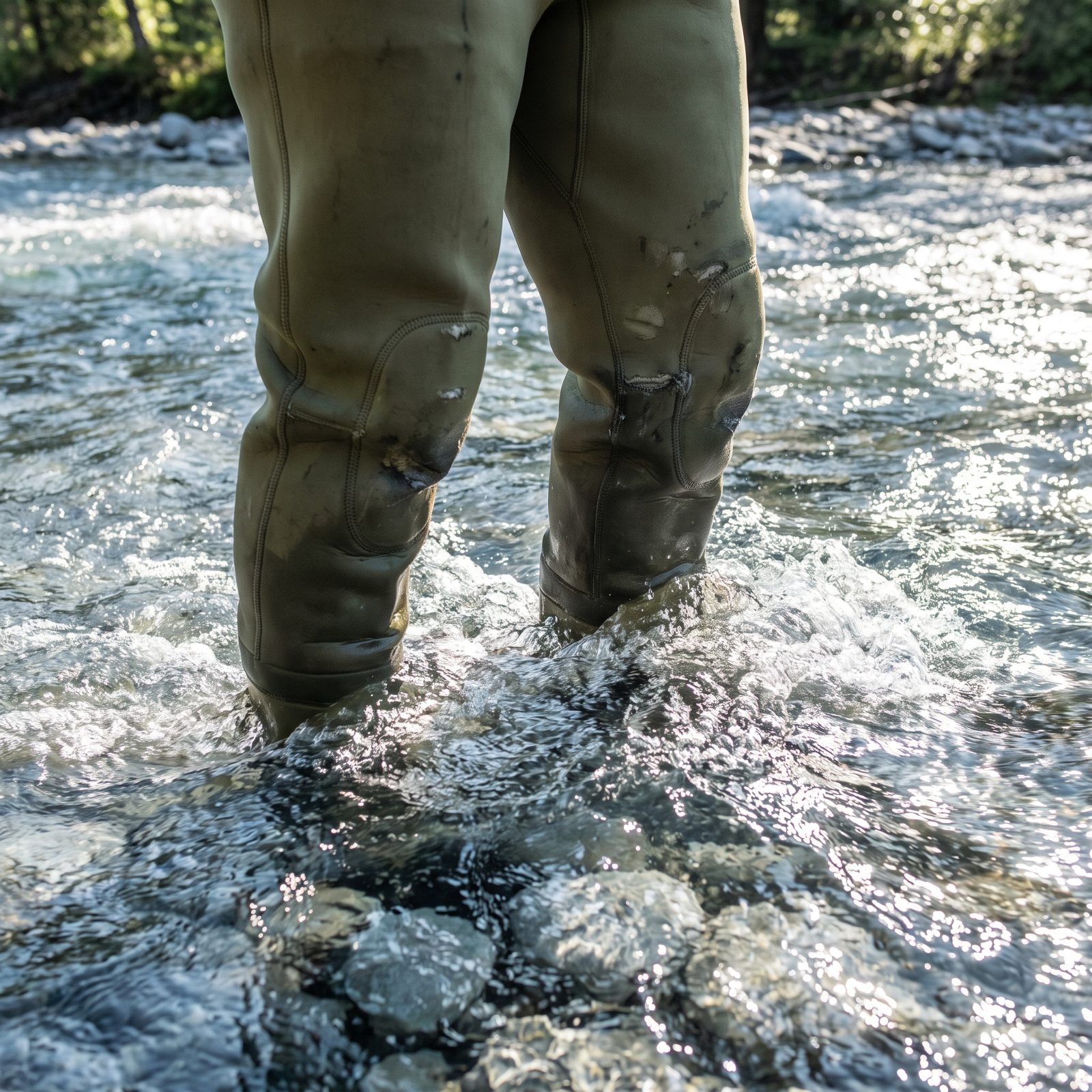
The knees filed a complaint somewhere around the third hour. The hips joined in. And yet there you are, wading another hundred yards of cold river because the next pool looks better than the last one, and the waders don’t care how old the legs inside them are.
Here’s what nobody warns you about: the crisis outlasts the body by a good margin. The drive to prove you’ve still got it runs on youthful fuel, but the chassis is middle-aged. You’ll feel it tomorrow. You went anyway.
That gap between what you want to do and what your body will allow is the whole quiet tension of this age, and fishing happens to be a gentler way to feel it than most. Nobody blows out an ankle buying a sports car. Ice the knees, take the ibuprofen, go again Saturday. The fish aren’t getting any younger either.