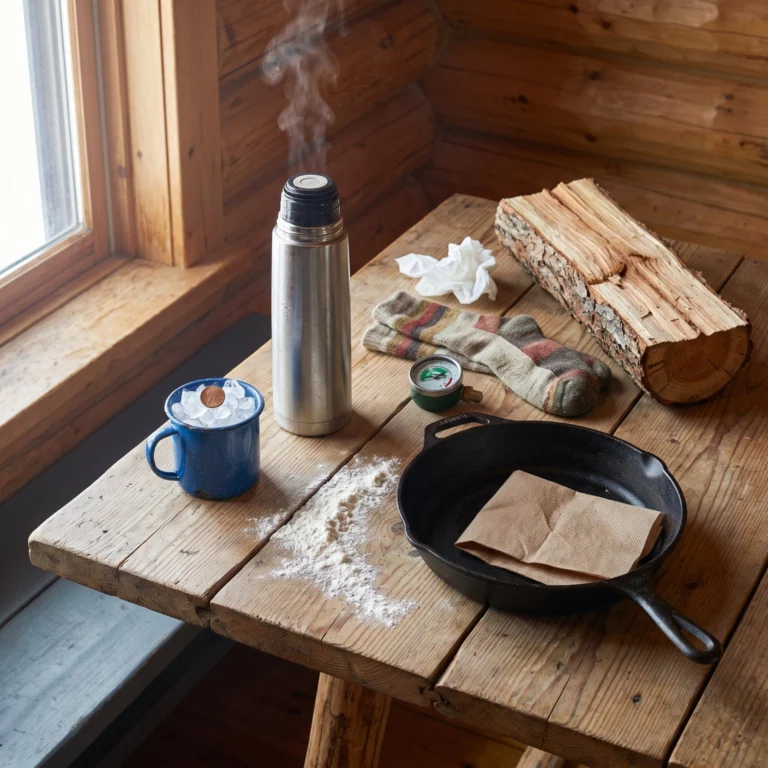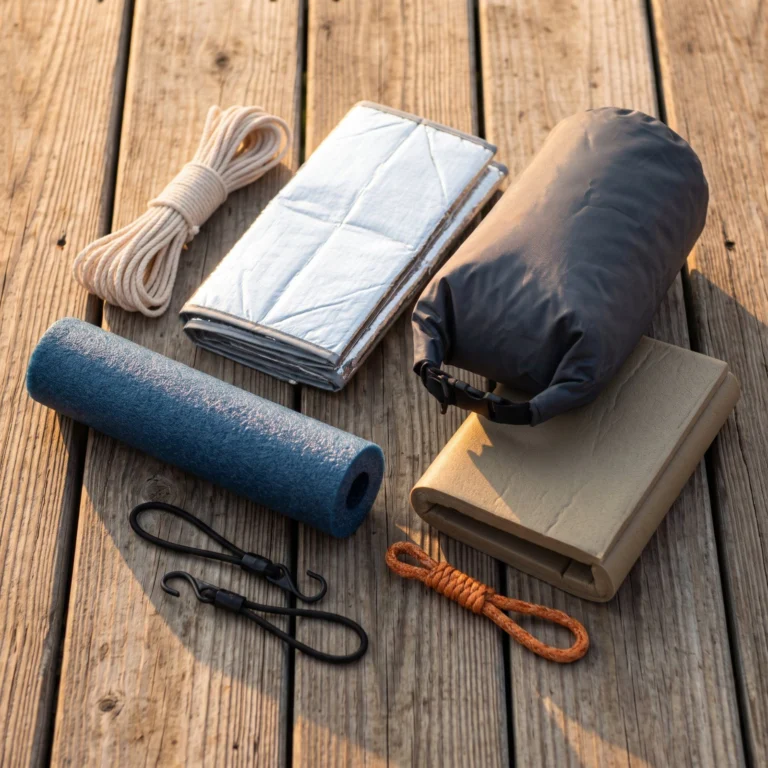
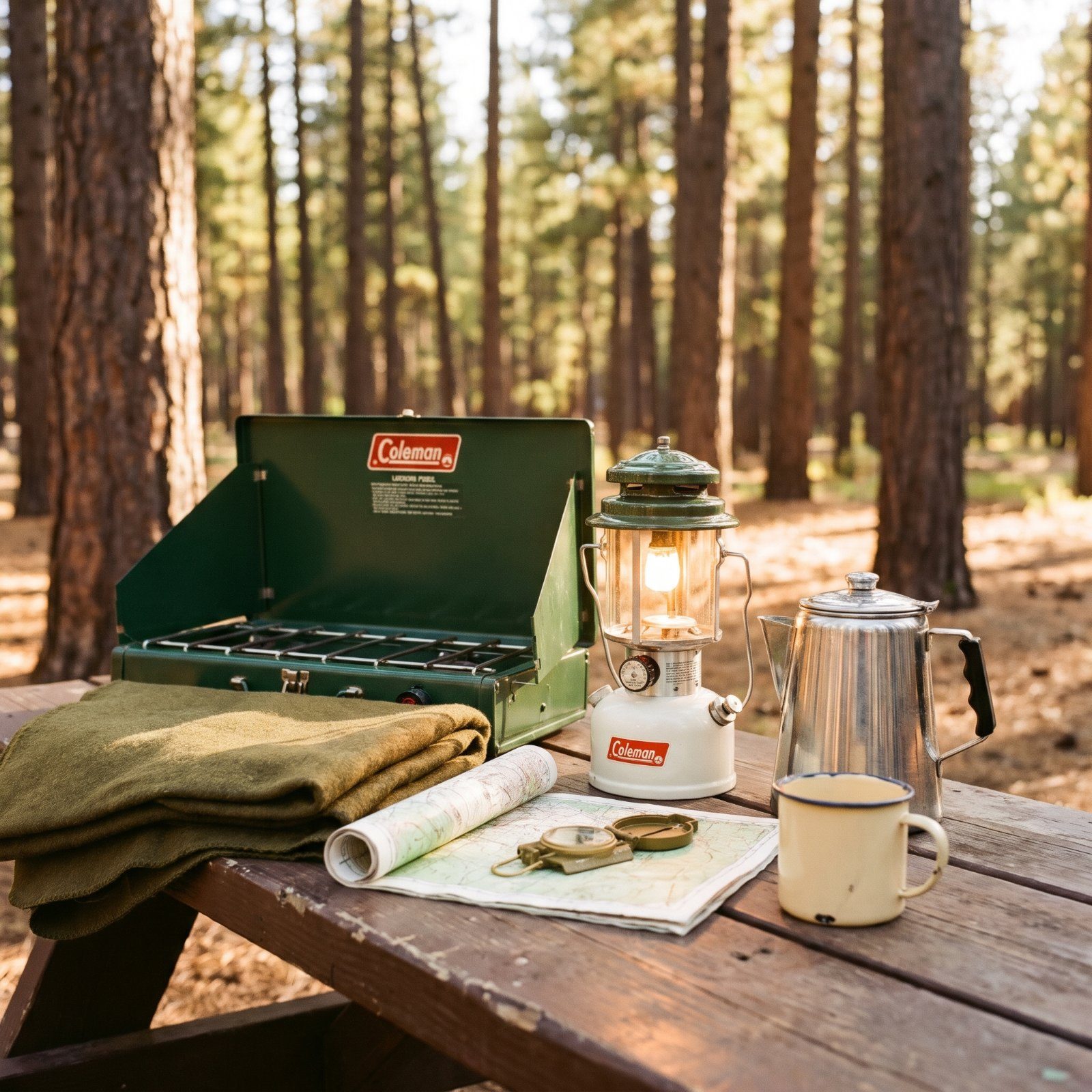
The smell gives it away first — white gas, canvas that spent all winter in a garage, coffee boiled too long over a grate. Camp in the 1970s and that smell lives somewhere in the back of your skull and never leaves. Camping back then was heavier, slower, a lot more physical. You carried steel, not titanium, and you read a map instead of staring at a glowing screen. Gear lasted decades because it had to and because nobody expected it to be light. Here’s a look back at what filled the station wagon, and how far the whole business has drifted since.
Please note that some of the images in this article were created with the assistance of AI.
24. The Heavy Canvas Tent That Needed Two Backs to Raise
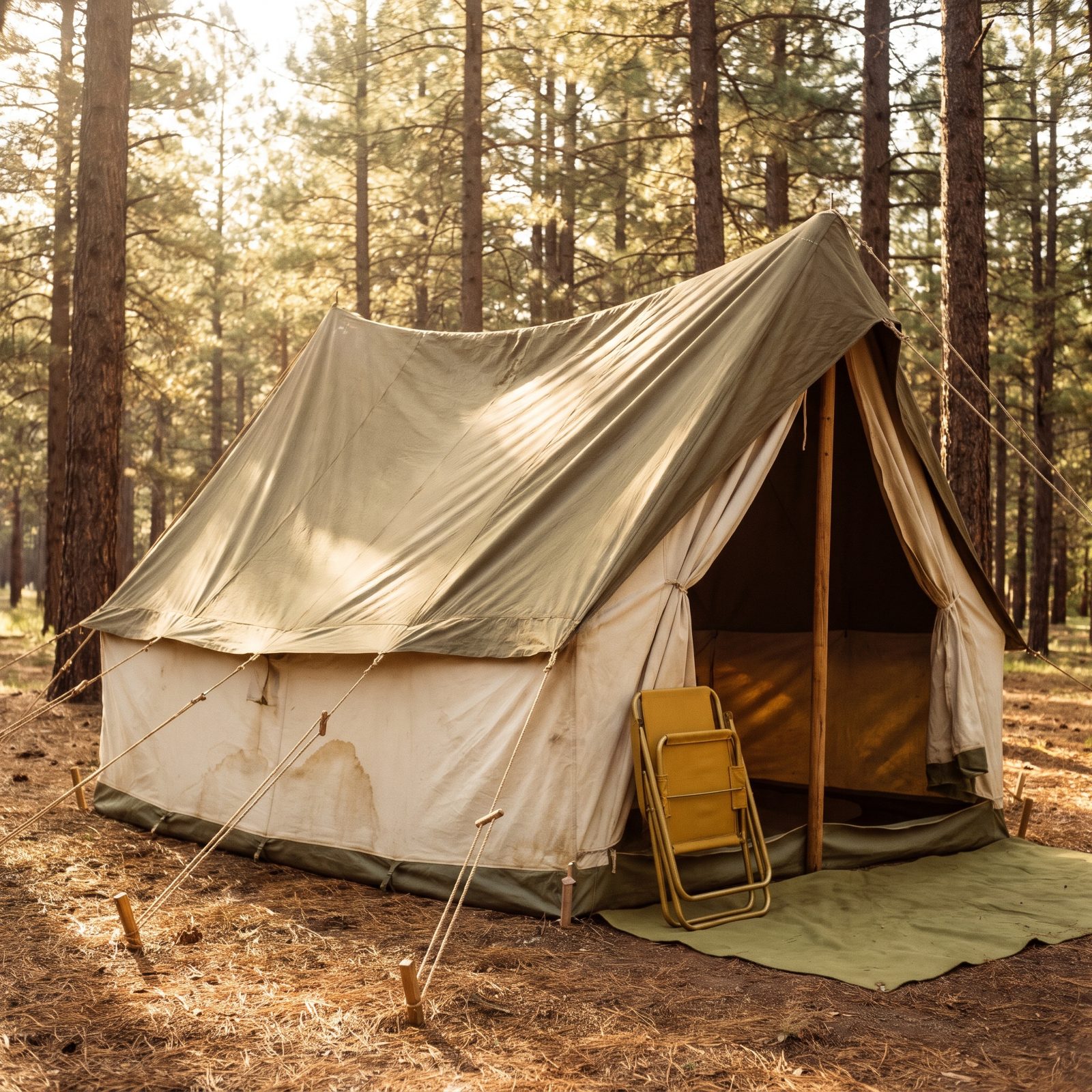
Twelve pounds was a light one. The big canvas wall tents ran closer to forty, and soaked through they could push sixty, so you didn’t pitch one alone unless you enjoyed defeat. One person held the center pole upright while the other ran around staking guy lines, and the whole operation ended in at least one argument.
Canvas breathed in a way modern nylon still can’t match. It also drank rain like a sponge the second you brushed the inside wall during a storm — a rule every kid learned exactly once.
23. External-Frame Aluminum Packs That Rode High and Proud
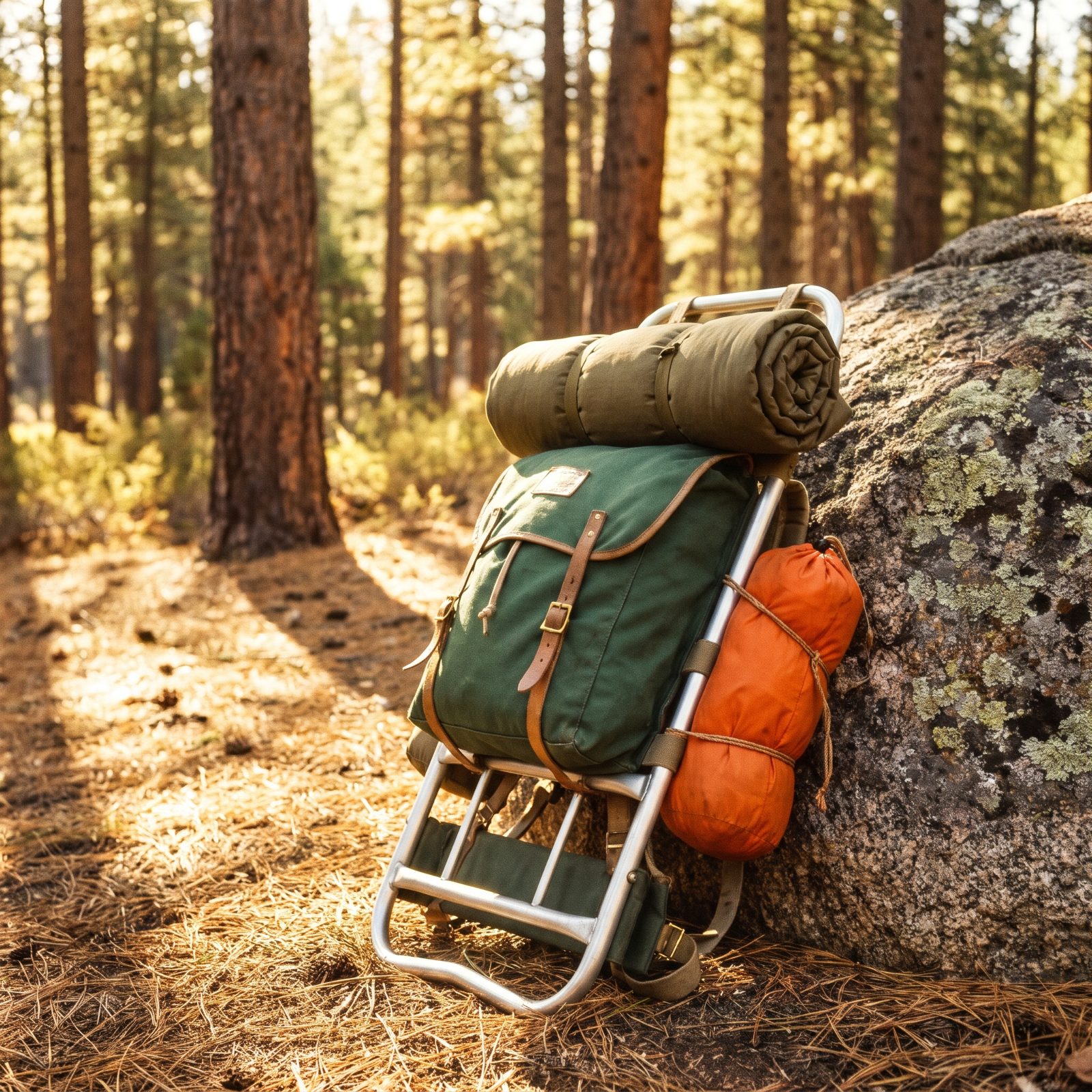
The external frame rode your load high and away from your spine, which felt like genius on a flat logging road — and like a sail the moment the trail turned steep and the wind came up. That high center of gravity bit you hard on scree and stream crossings.
But you could lash anything to that aluminum ladder. A cast-iron skillet, a folding shovel, a kid’s bicycle if you were determined enough. Internal-frame packs took over in the 80s for stability and most of us never looked back. The old Kelty frames, though, are still out there in garages, still working.
22. Flannel-Lined Cotton Sleeping Bags Soft as an Old Shirt
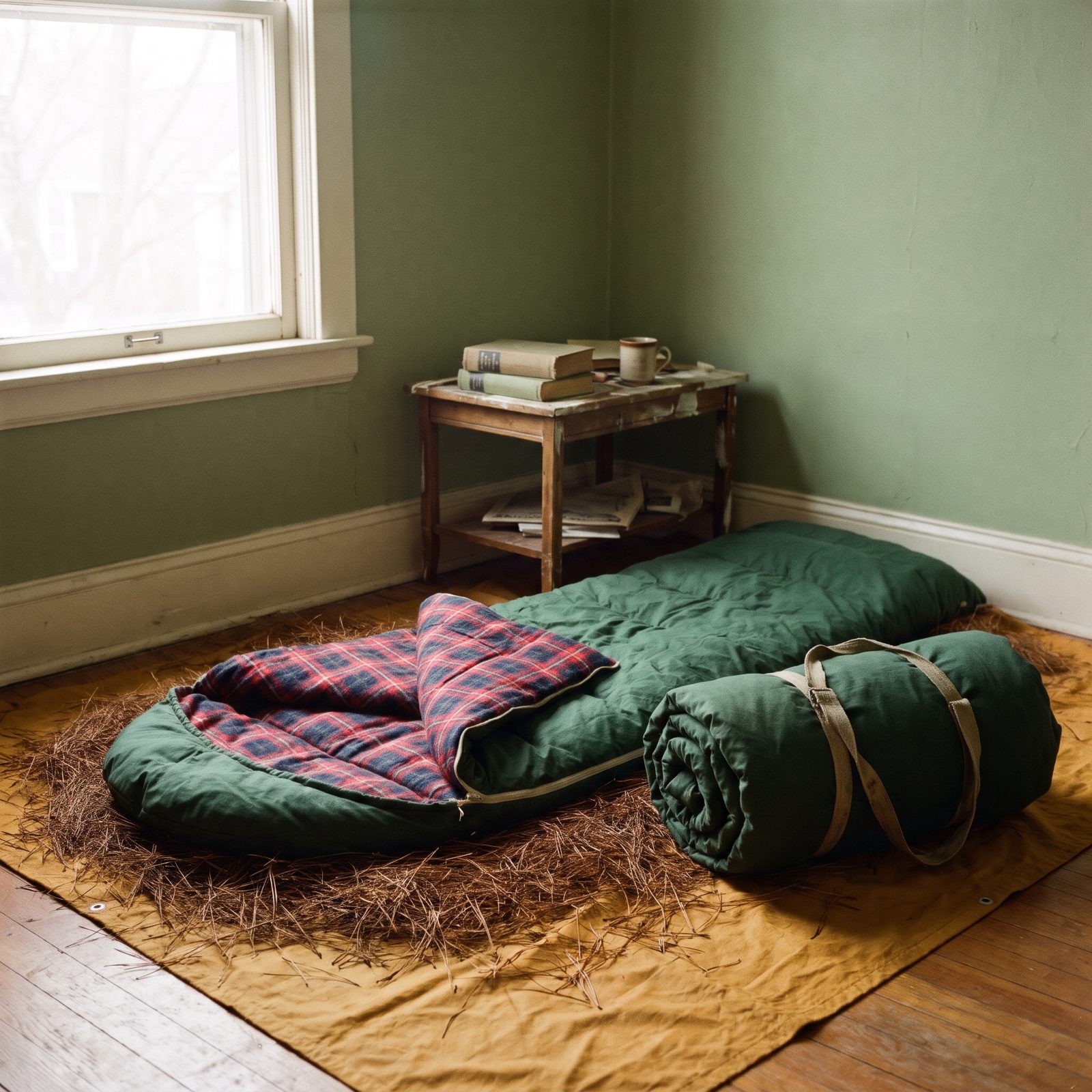
Nothing cost more warmth and weighed more doing it. Those cotton bags with the soft plaid flannel lining felt wonderful crawling in and useless the second the temperature dropped or the morning dew soaked through. Cotton holds water, water steals heat, and you learned both facts at three in the morning.
Still, the flannel felt like home — red and navy tartan with a thin yellow stripe, soft from a hundred washings. Modern synthetic fill and down do the job far better and dry overnight. But I’d be lying if I said anything since has felt quite as cozy going to sleep.
21. Coleman White-Gas Lanterns Hissing the Campsite to Life

That hiss is the sound of a whole decade.
You pumped the tank, opened the valve, and watched the little mantle flicker and settle into a steady golden glow. Bright enough to read by, warm enough to draw every moth in the county. The mantle was the catch — knock it and the fragile ash would crumble, so you carried spares and learned patience.
LED lanterns run all weekend on four batteries now and nobody loses their eyebrows. Safer, sure. But a cold electric panel never made a campsite feel awake the way that hiss did.
20. The Green Coleman Two-Burner Stove That Outlived Its Owners
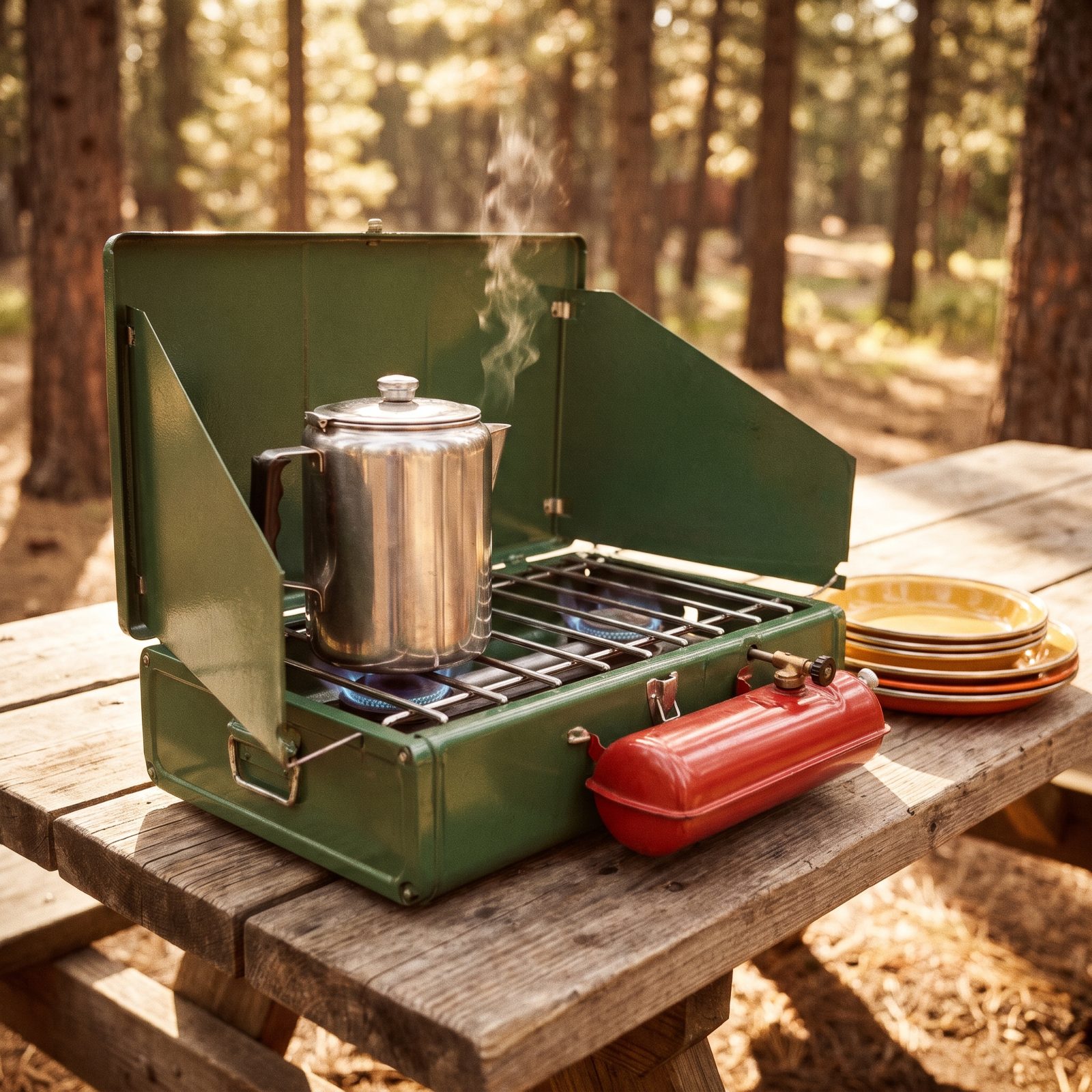
Pour in the white gas, pump forty strokes, light it, and that green box fed a family of six for two weeks straight. The things were close to indestructible. Plenty built in the 70s still fire up today after a new generator and a cleaning, which tells you everything about how they were made.
Propane canisters are cleaner and simpler now. But liquid fuel burned hot in the cold and never clogged in the wind.
19. Paper Topo Maps and a Compass You Actually Trusted
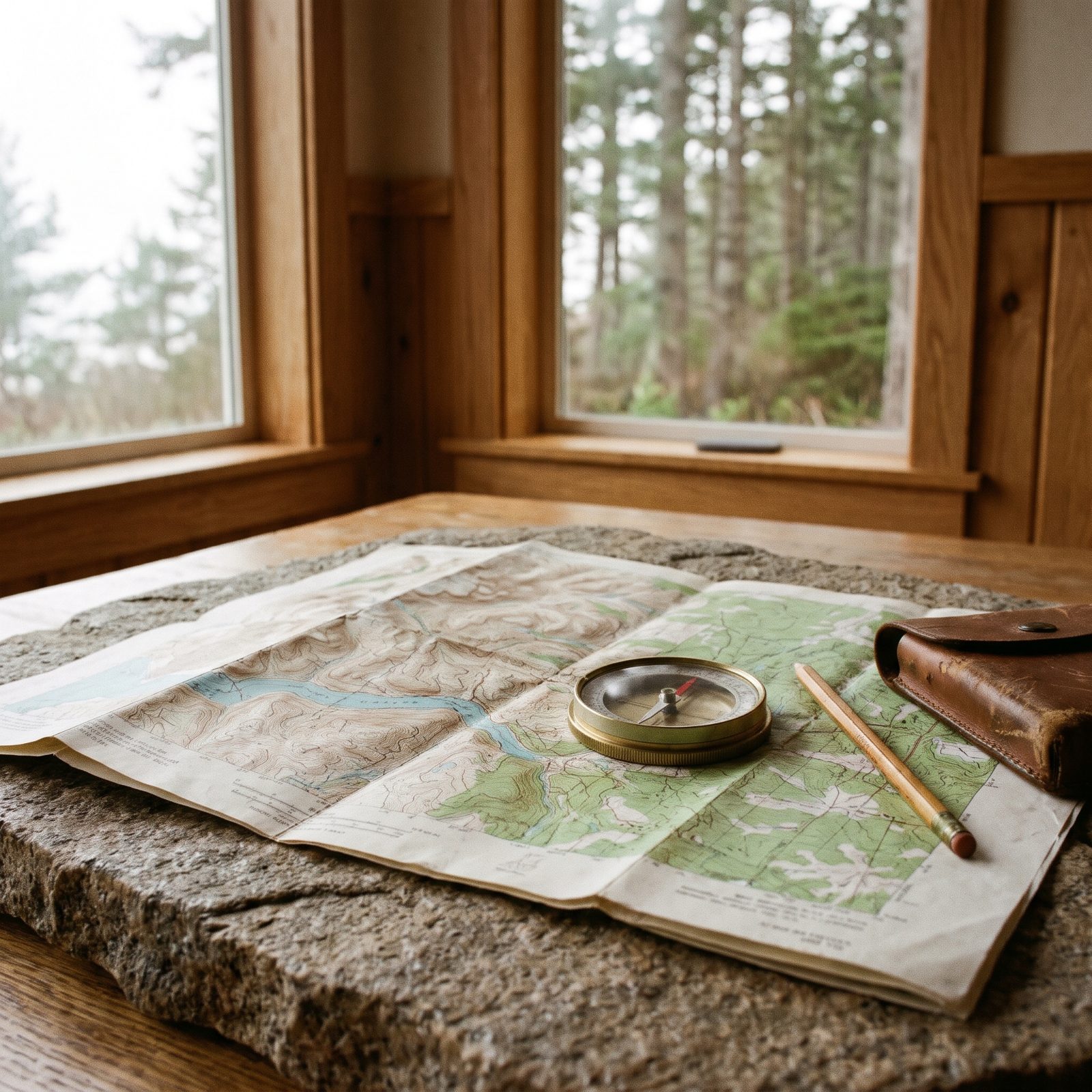
No blue dot told you where you were. You figured it out.
A USGS quad folded in your pocket, a compass on a lanyard, and the skill to match contour lines to the ridge in front of you. You oriented the map to north, picked a landmark, took a bearing, and walked it. Get it wrong and nobody came to find you fast.
GPS and phone apps are genuine miracles — I use them. But a dead battery turns a smartphone into a paperweight, and a paper map has never once failed to boot up. The good ones still carry both.
18. Steel Scout Mess Kits That Clanged in Every Pack
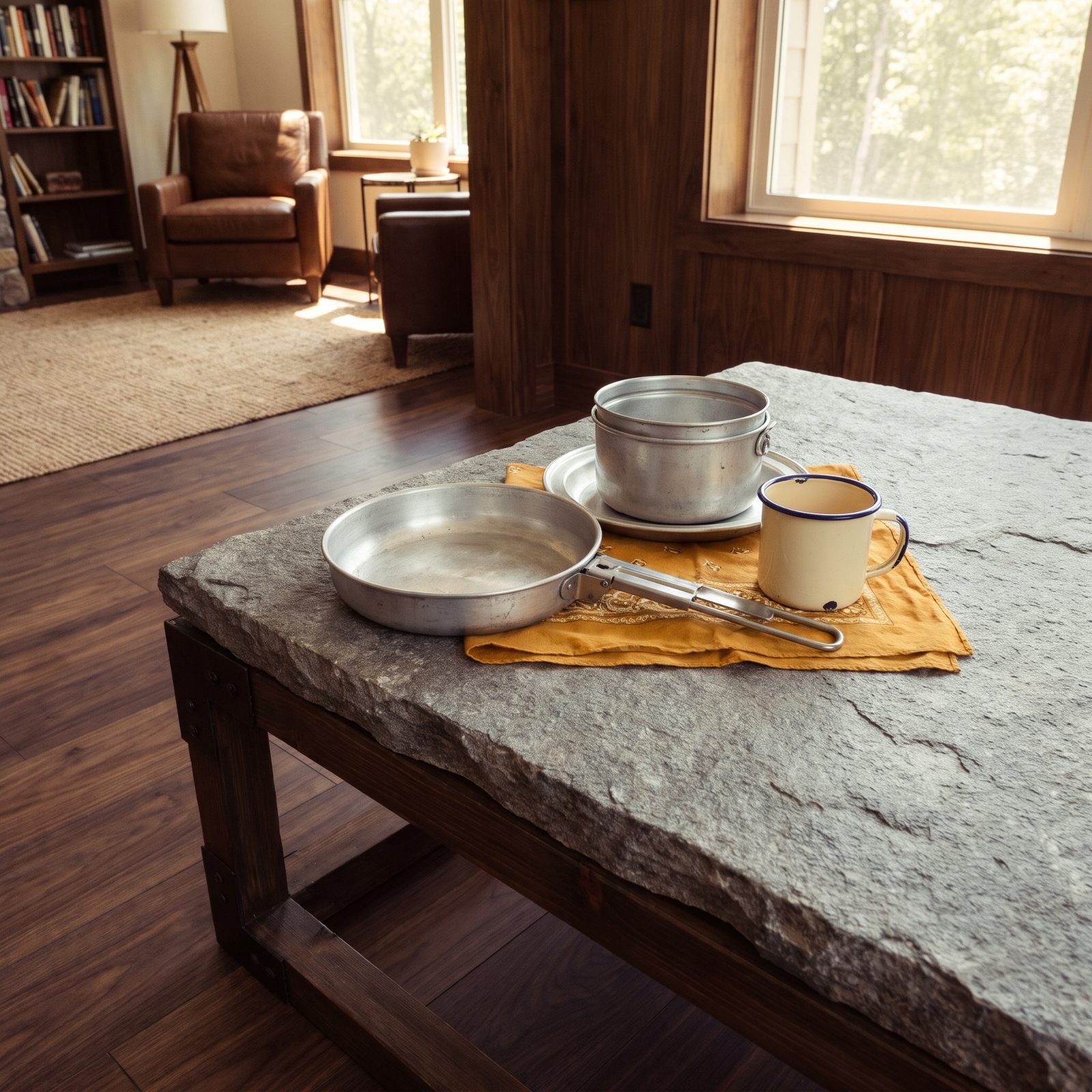
Everything nested inside everything else and rattled the whole hike. That little steel or aluminum kit held a pan, a plate, a pot, and a folding handle that pinched your fingers if you let it.
The enamel cookware was the real heirloom — speckled blue or cream with a dark rim, chipping a little more each season, impossible to kill. It conducted heat badly and your eggs stuck every time, but that mug kept your coffee hot and survived being dropped on rocks. Lightweight titanium cooks circles around it. The enamel just has more soul.
17. Army-Surplus Wool Blankets Heavy Enough to Anchor a Boat
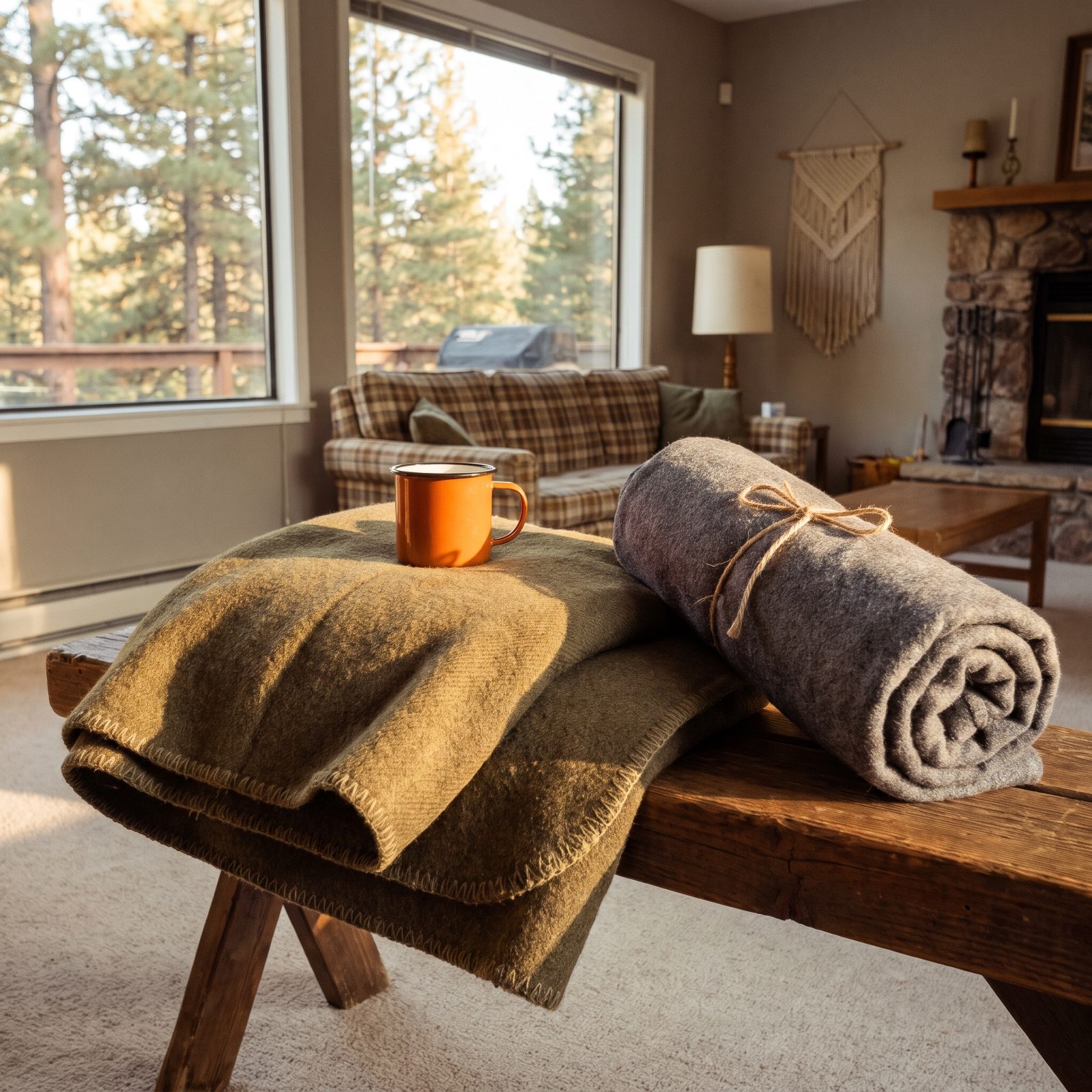
Cheap, scratchy, and nearly indestructible. An army-surplus wool blanket cost a few dollars and outlasted the decade. Wool kept you warm even damp, which cotton never managed, so the smart campers slept with one under the sleeping bag and one over.
They weighed a ton. Nobody backpacked with wool unless they hated themselves. But for car camping and sitting around the fire, nothing beat it — and a stray spark just left a tiny hole instead of melting through the way nylon does.
16. Transistor Radios Pulling the Ballgame Out of Thin Air
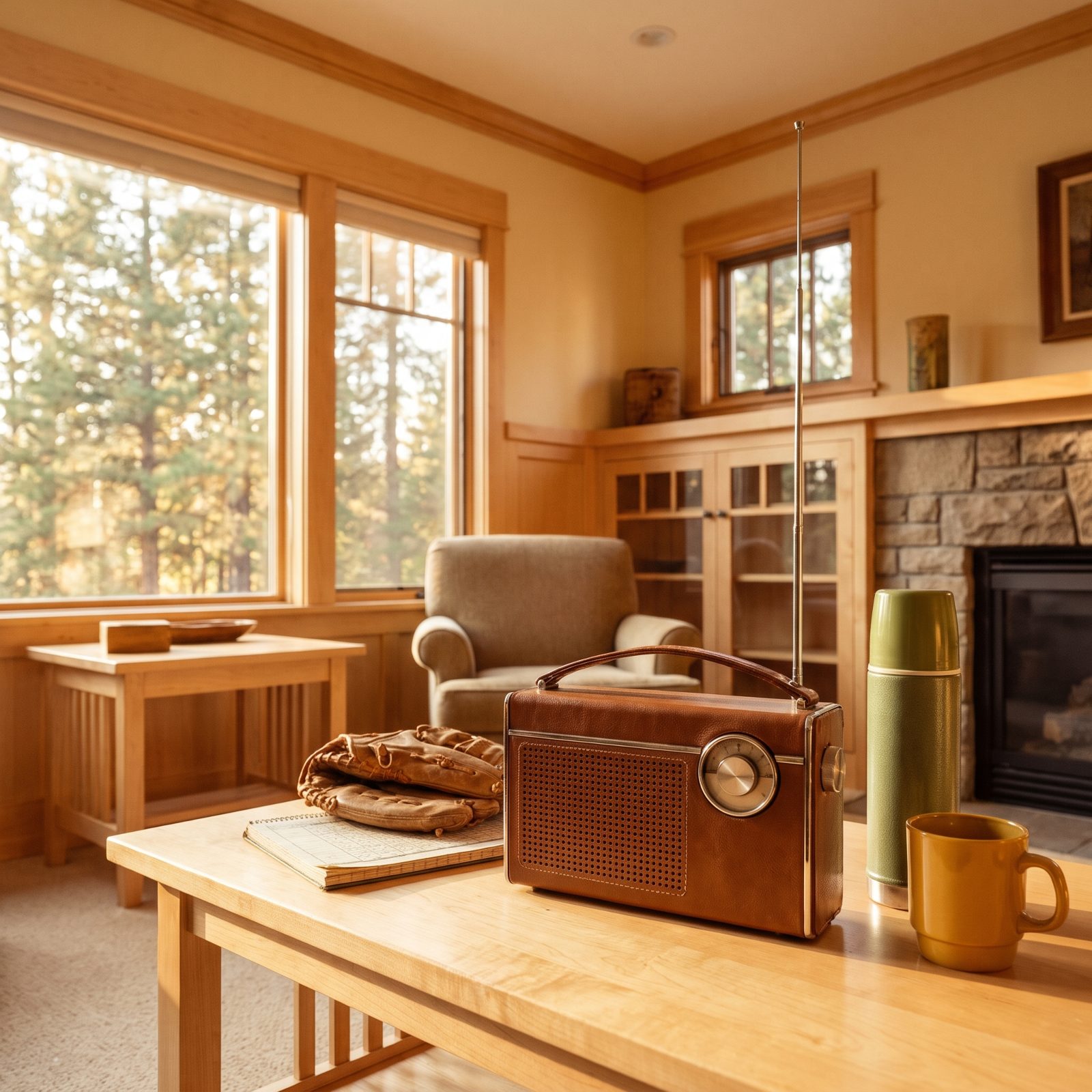
Static, then a voice, then your team.
A transistor radio the size of a sandwich ran all weekend on a nine-volt battery and pulled AM stations from a hundred miles off once the sun went down. You’d angle the antenna, turn it slow, and chase the signal until the play-by-play came clear. The whole campsite leaned in during the late innings.
Now the ballgame streams in your pocket wherever there’s a bar of signal, which is most everywhere. That’s the trade. The old way, you earned that broadcast, and losing it in the ninth to a passing cloud hurt in a way streaming never will.
15. Percolator Coffee Pots Bubbling on the Fire Grate
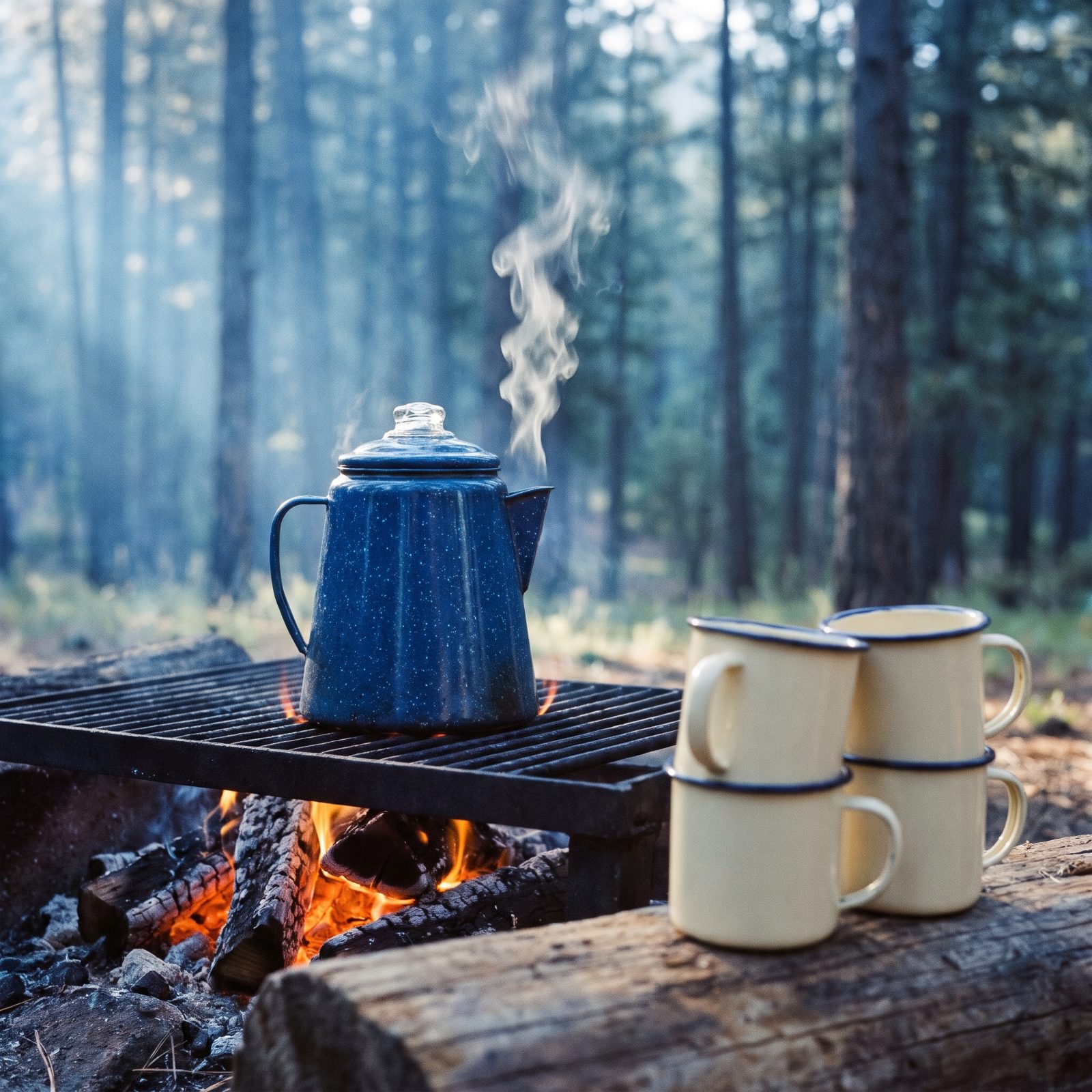
You knew it was ready by the sound and by the little glass knob on the lid, bubbling amber every few seconds. The percolator sat right on the fire grate, cycling water up through the grounds until the coffee ran strong enough to strip paint.
Was it good coffee? Honestly, no. Bitter, with grounds in the last swallow more often than not. But drinking it at dawn with cold hands wrapped around an enamel mug, fog on the lake, nobody else awake yet — it tasted better than anything a machine produces now.
14. The Metal Coleman Cooler and Its Block of Ice
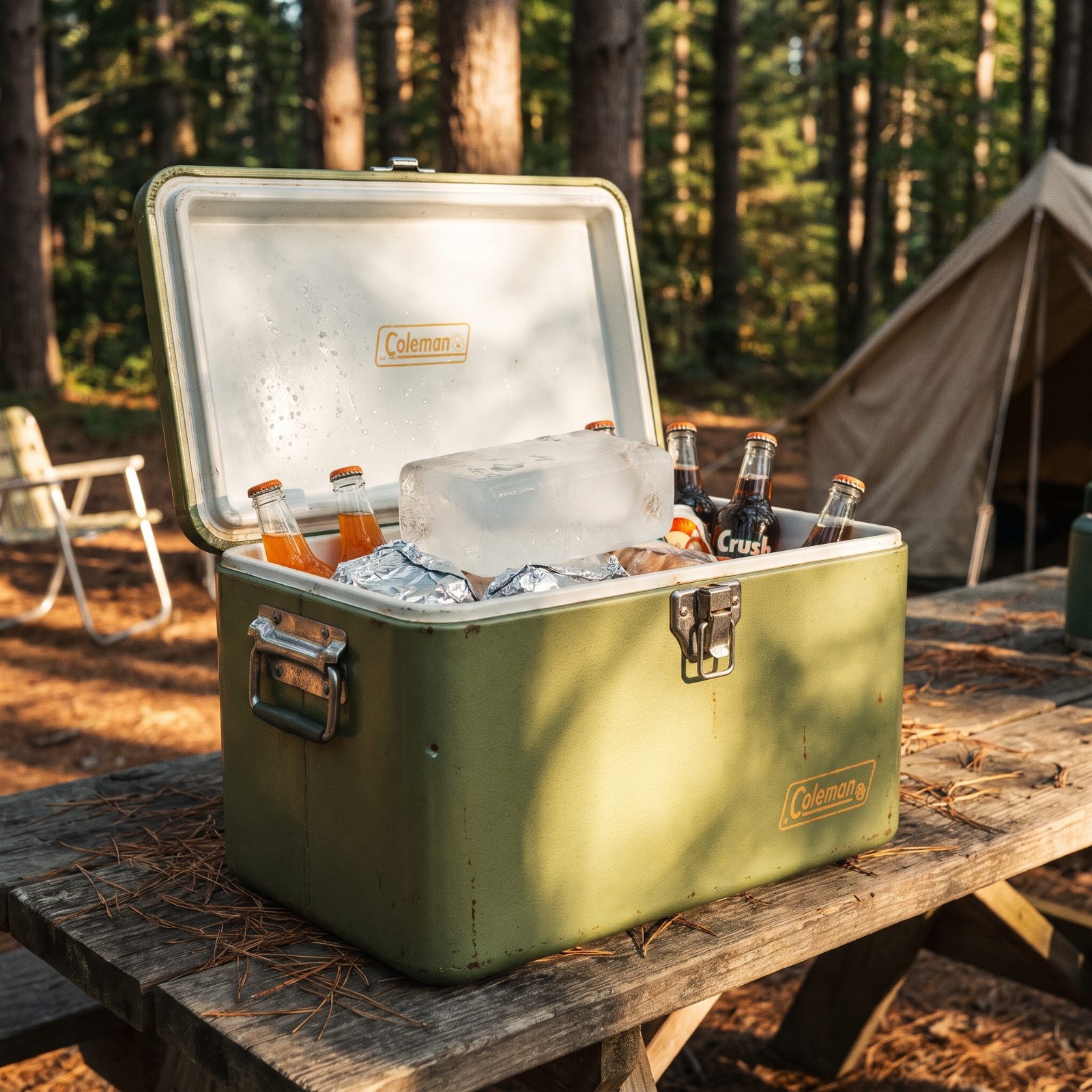
Block ice, not cubes. That was the whole trick, and plenty of people never figured it out. A solid block has less surface area touching the warm air, so it lasts two or three days where a bag of cubes turns to soup by lunch.
The cooler weighed a ton empty, and once you’d loaded a block of ice and a weekend of food, it took two people to heave it into the wagon. Steel dented, enamel chipped, and the thing lasted thirty years anyway.
13. The Station Wagon With Everything Lashed to the Roof
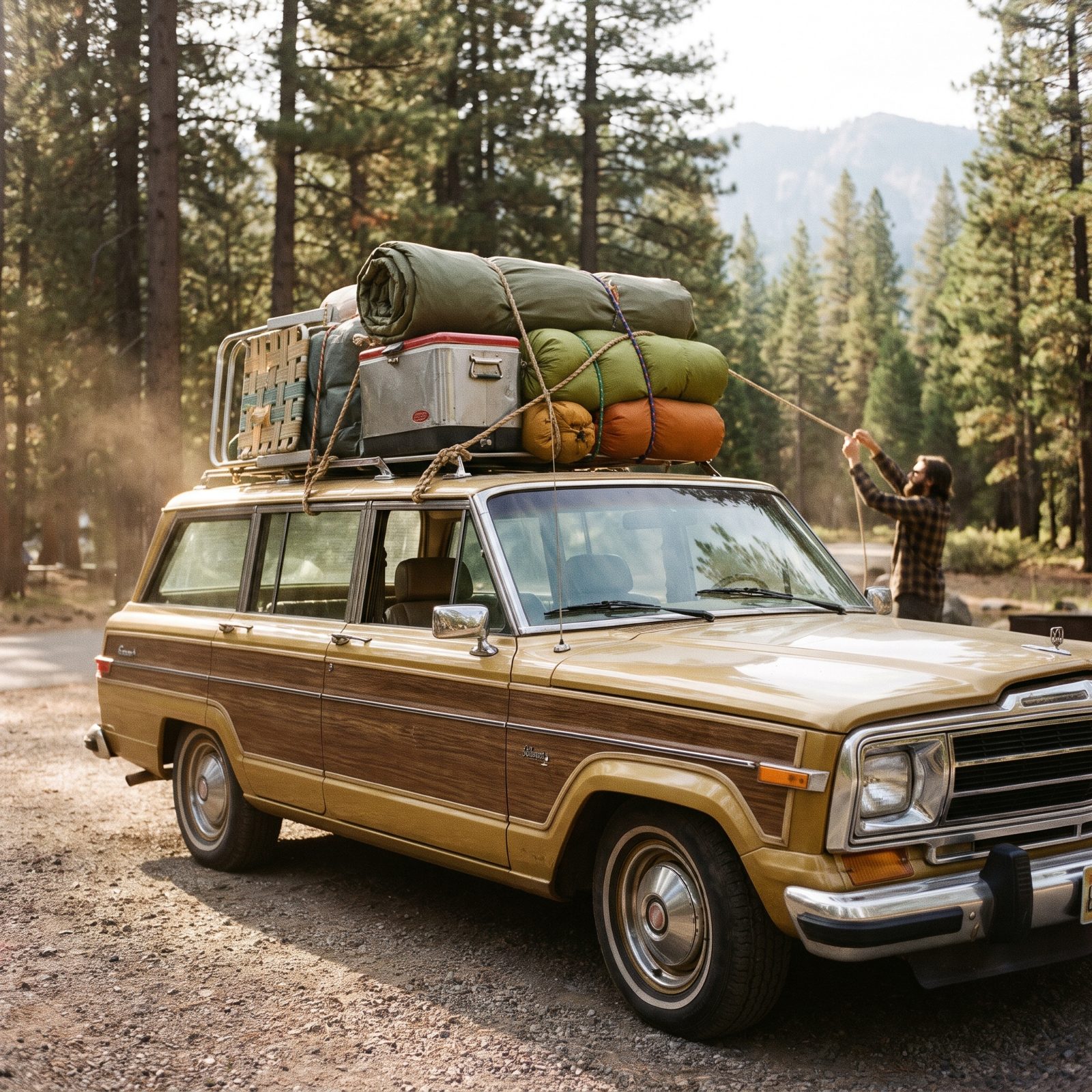
No rooftop boxes with hydraulic locks. Just rope, a couple of bungees, and a prayer the knot held through the mountain passes.
The family wagon did everything — hauled the tent, the cooler, four kids, and a dog, three on the bench seat with no seatbelt argument because nobody was buckling up anyway. You packed by feel and by fight over who got the way-back. And half the fun was the stop forty miles in to re-tie the whole load after the first bag shifted, which is how a lot of us learned our knots on the shoulder of a two-lane highway.
12. The Hand-Crank Can Opener and a Pantry Made of Cans
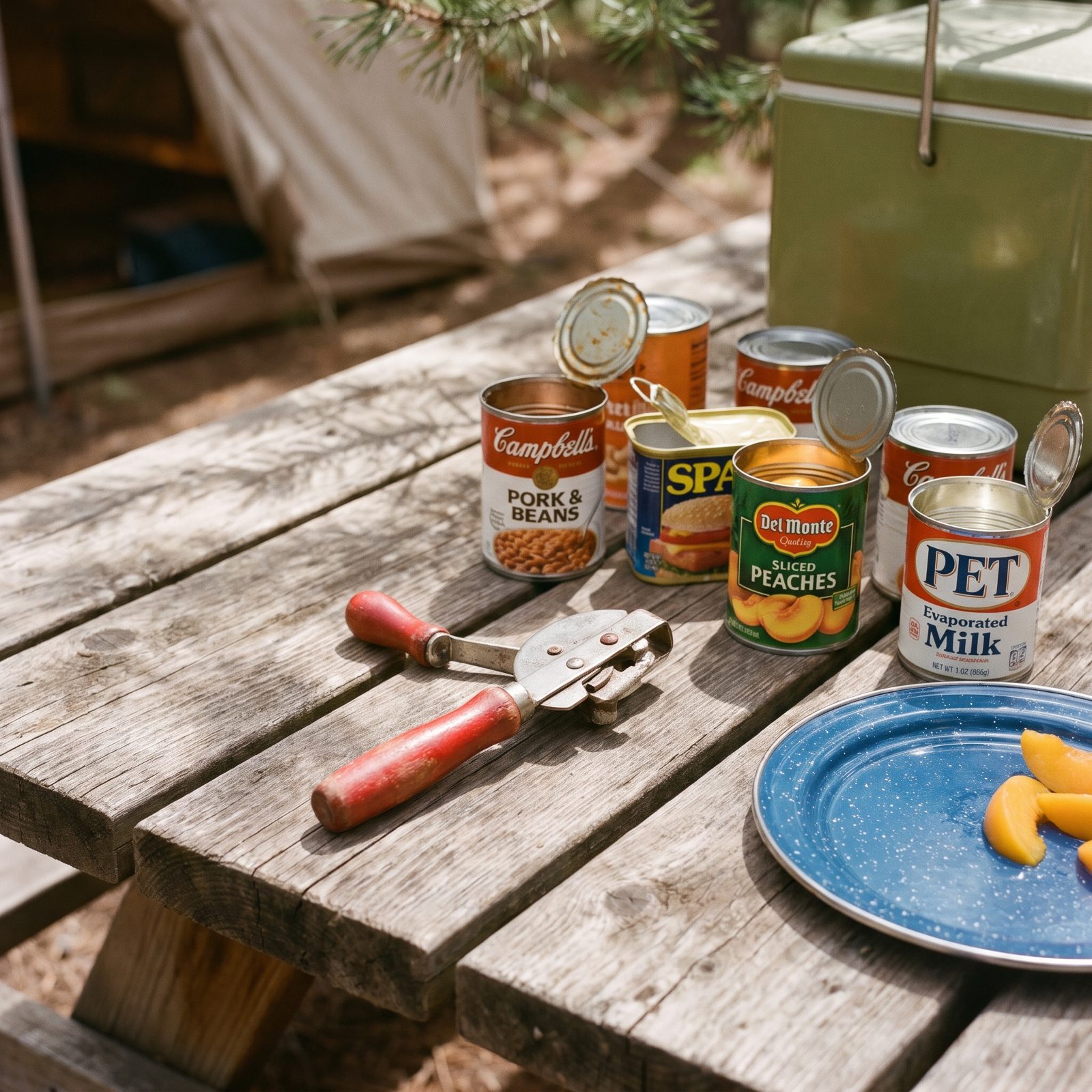
Everything came in a can. Beans, stew, peaches, that gelatinous ham product nobody admits to loving. Fresh food couldn’t survive three days in a cooler, so the menu was whatever would sit on a shelf for a year.
The opener was a heavy contraption of riveted steel plates with two red wooden handles that you squeezed together, and it jammed often enough that most people kept a backup. I’ve opened a can with a pocketknife and a rock more than once. It works. It also ruins your afternoon.
11. The D-Cell Flashlight That Dimmed Before Midnight
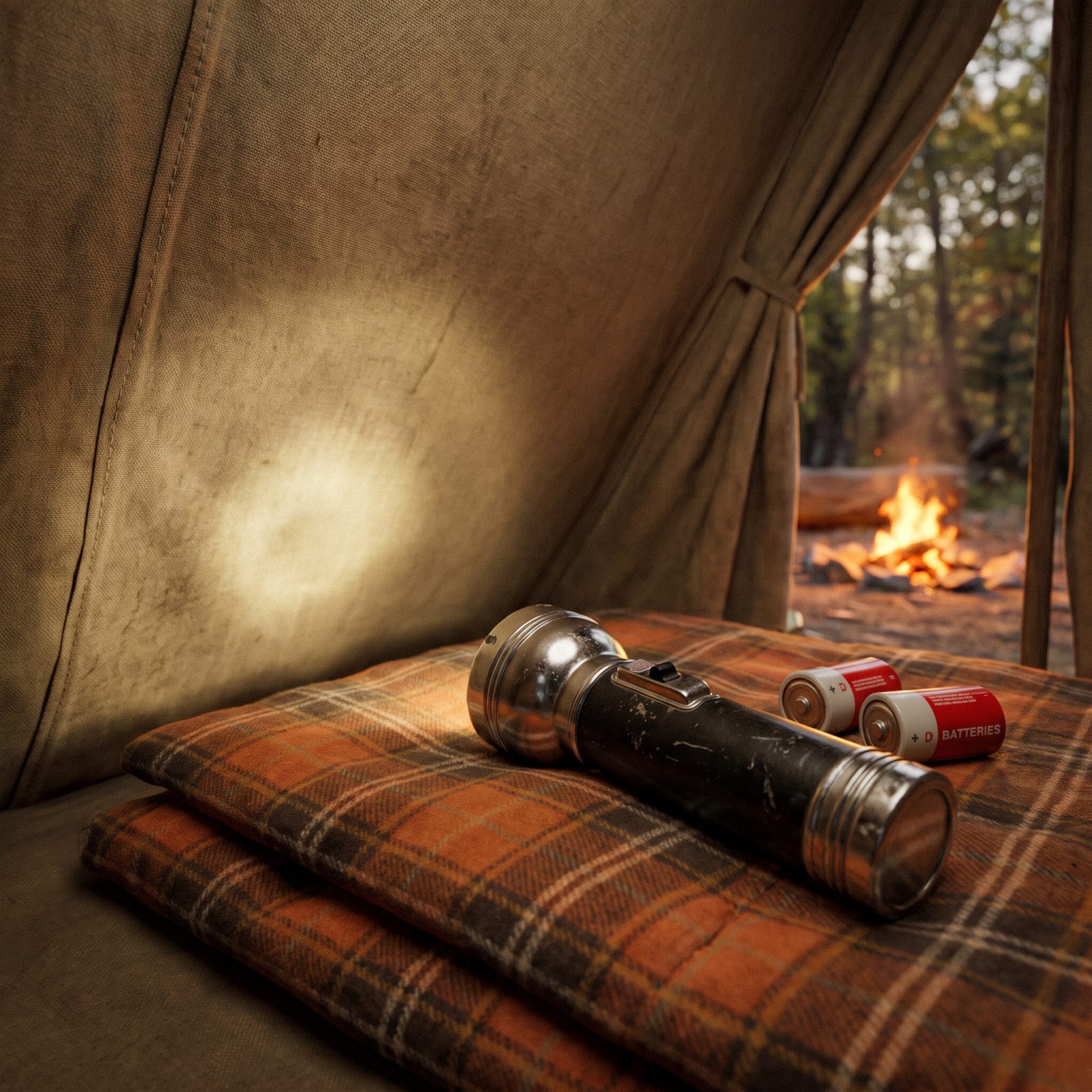
You got maybe an hour of good light before the beam went from white to the color of weak tea. Then you shook it, which did nothing, and reached for the spare batteries you’d forgotten to pack.
Those old incandescent bulbs burned through D-cells like candy. A single LED headlamp today outlasts a whole drawer of seventies flashlights and leaves your hands free. Still, the trade-off was real — a heavy chrome flashlight doubled as a club if a raccoon got ideas about the cooler.
10. Leather Boots You Had to Break In the Hard Way
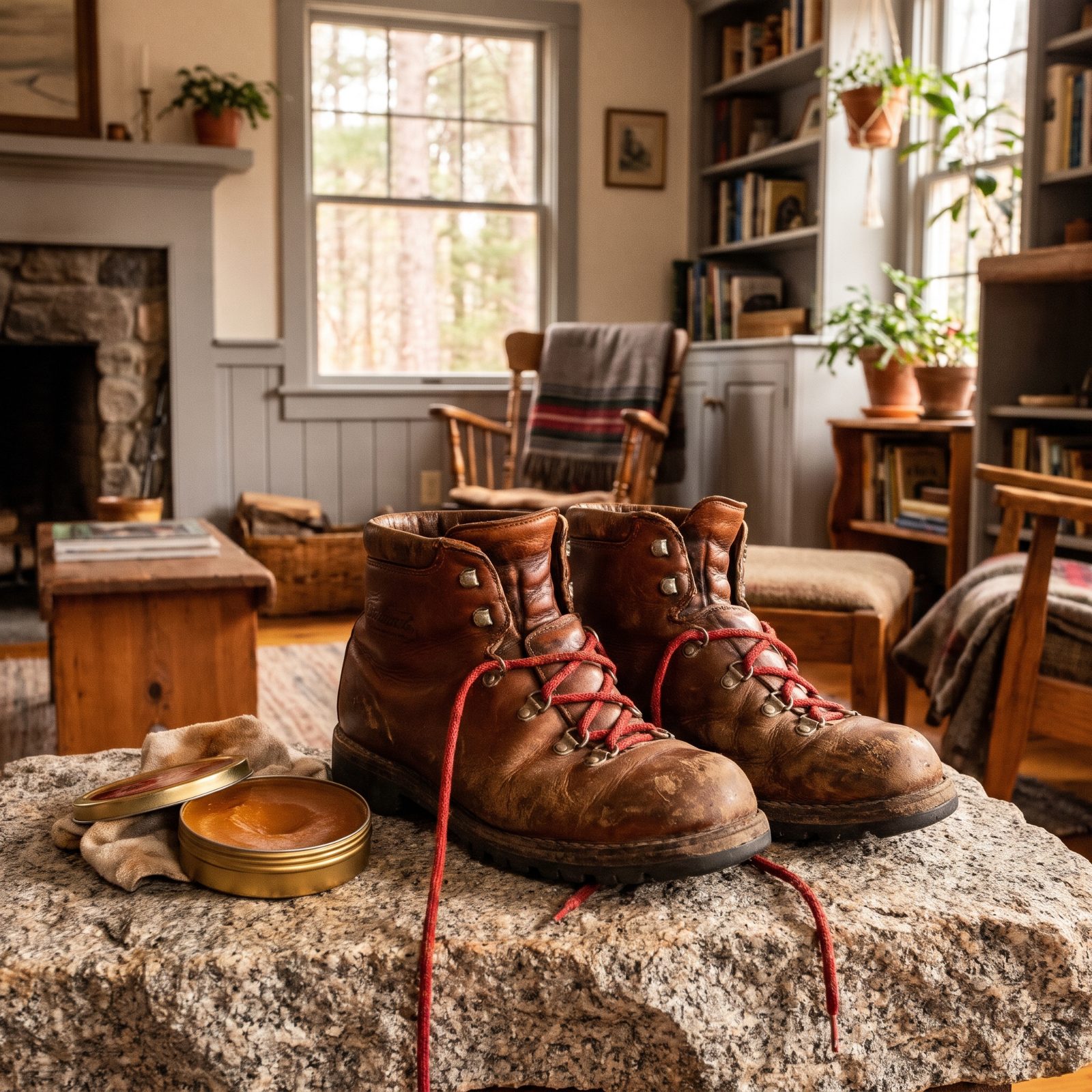
New boots meant blisters. Not might mean. Would mean. The leather was stiff as a board out of the box, and you earned every soft crease with raw heels and a lot of moleskin.
Breaking them in was a ritual — you wore them around the house, soaked them, treated them with dubbin, walked the neighborhood until the leather gave. By the time they fit right they looked like they’d been through a war.
9. The Dog-Eared Guidebook and the Ranger’s Evening Talk
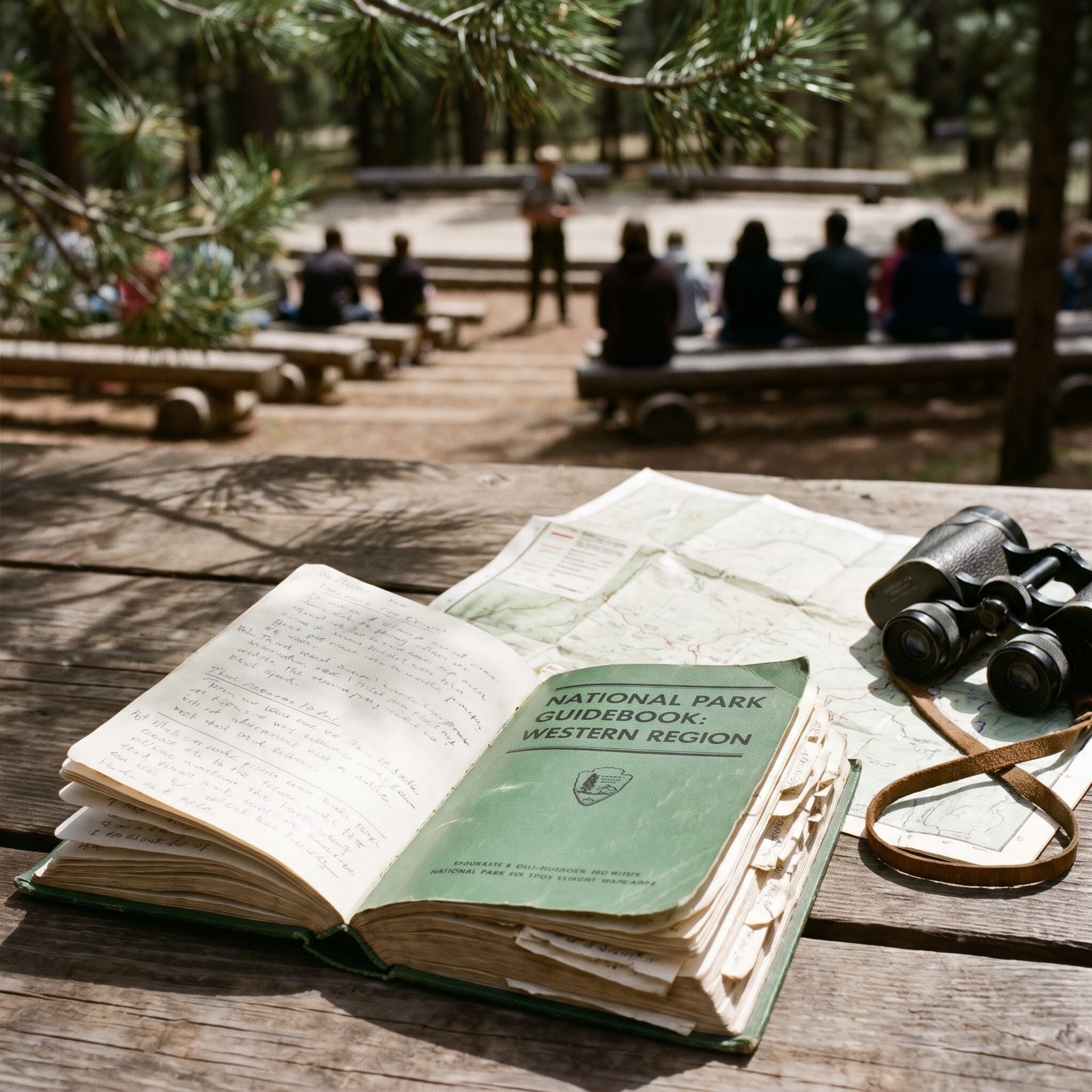
No phone told you which bird that was or where the trail split. You bought the guidebook at the visitor center, folded the pages, and figured it out.
The evening ranger talk was the main event. Everyone walked down to the amphitheater, sat on log benches, and listened to someone in a flat hat explain the geology or the bears while the kids poked the fire pit. You learned the park from a person who loved it, not an algorithm that recommended it.
A ranger who’s spent twenty summers in the same valley knows things no app will ever tell you.
8. Cooking Over the Fire Because There Was No Other Way
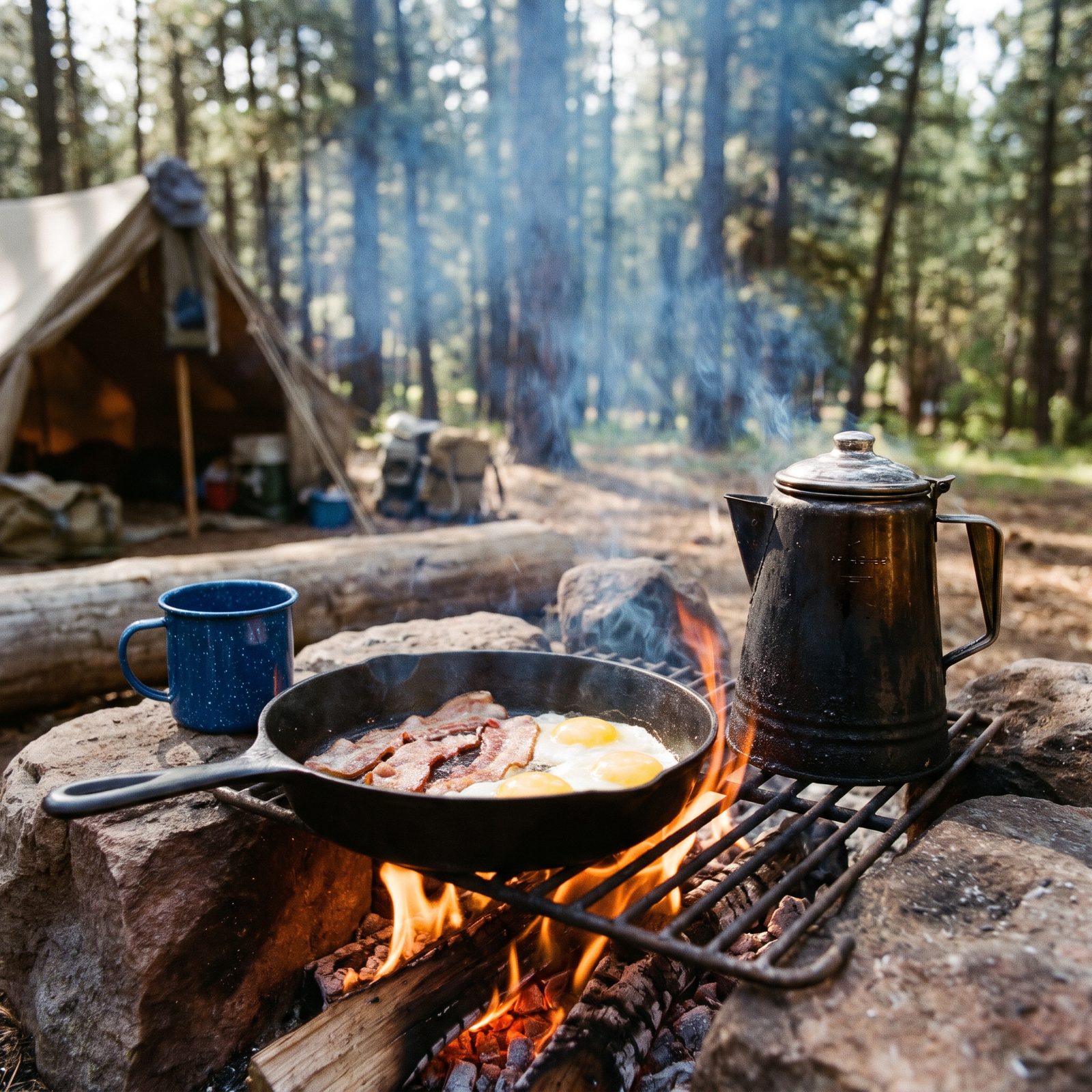
No propane two-burner. No pump stove with a wind screen. If you wanted hot food, you built a fire and you got good at it or you ate cold beans.
Everything tasted a little like smoke and a little like the last thing you’d cooked in that skillet. The coffee came out gritty from a percolator that had never once been fully clean, and it was, somehow, the best coffee of the year.
Fire cooking was slow and fussy and weather-dependent, and losing it to a convenient little camp stove is one of the few trades I’m not sure we came out ahead on.
7. The Woven Nylon Folding Lawn Chair
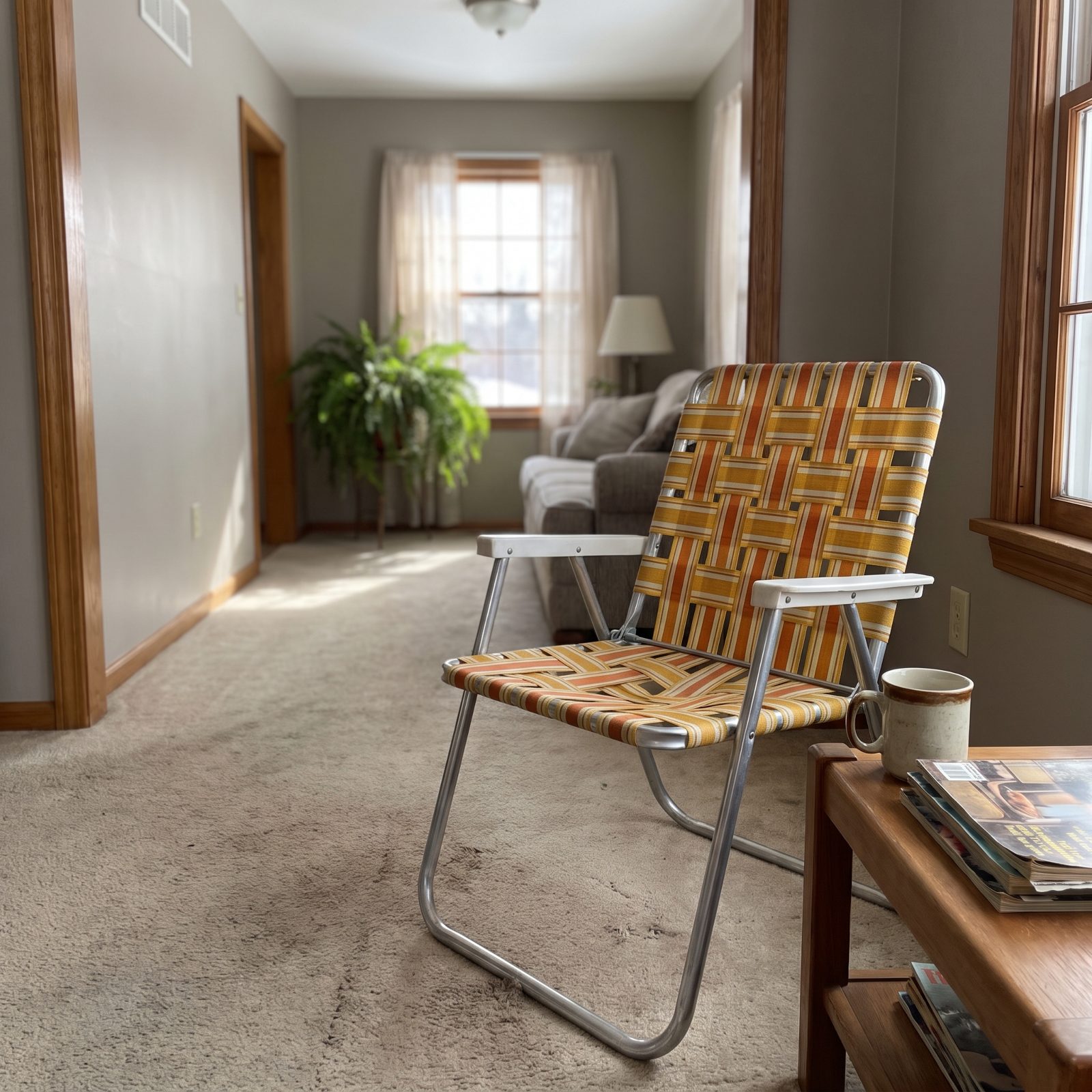
You know the chair. Aluminum frame, woven plastic straps in orange and gold, the one that pinched the back of your thigh when you shifted wrong.
The webbing frayed and snapped after a few seasons, and there was always one strand gone that you learned to sit around. They folded flat, weighed almost nothing, and cost a few bucks. Every family had four of them and at least one was broken.
6. Kerosene Lamps and the Citronella Haze
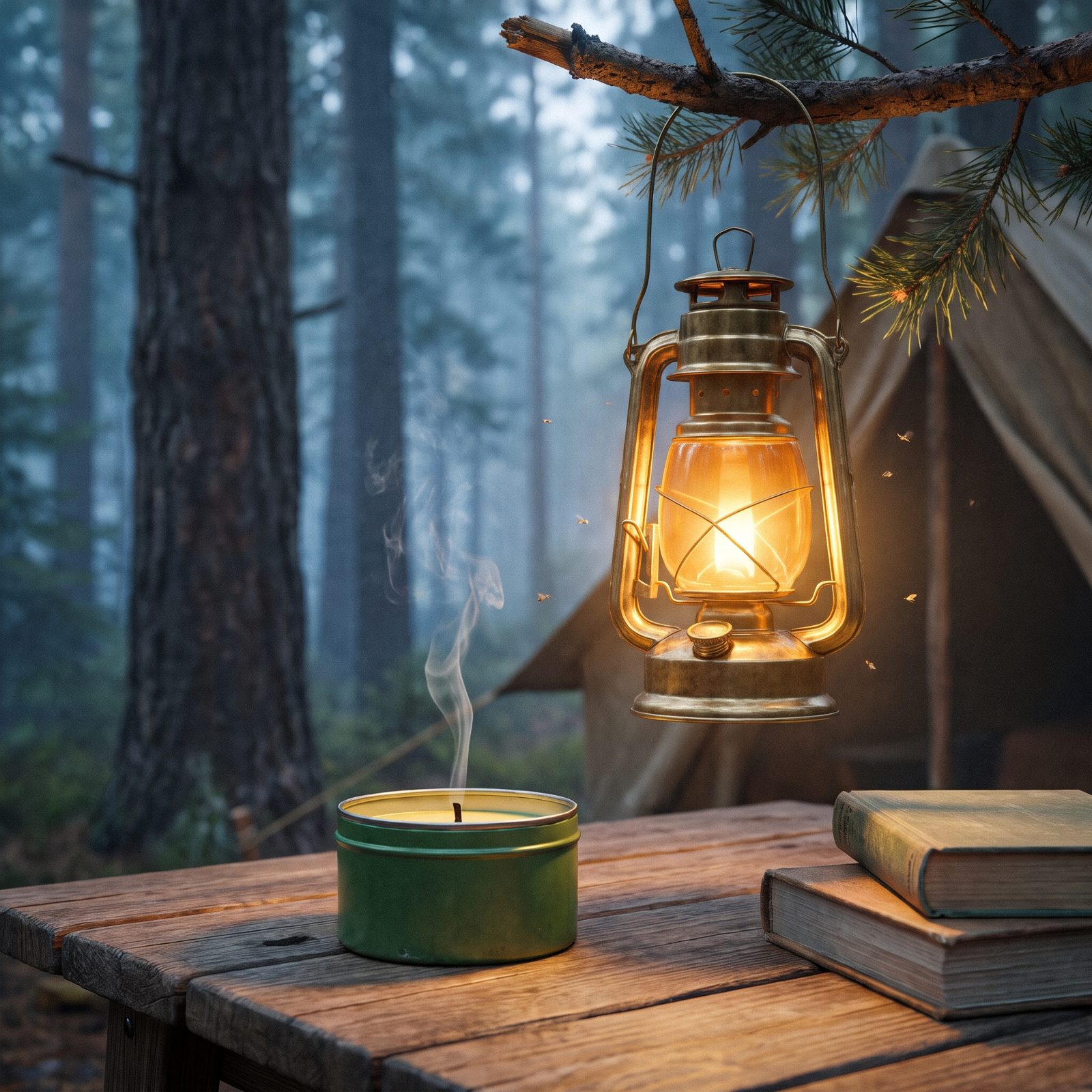
Bug spray existed, but the real defense was smoke and smell. A single citronella candle smoked on the table, the kerosene lantern glowed from a pine branch above it, and the whole camp smelled faintly of a hardware store.
Did it work? Sort of. The mosquitoes still found you around the ankles, but the haze kept the worst of them at arm’s length. The kerosene lamp doubled as the night light, hissing softly and drawing every moth in the county to the glass.
There’s a smell your brain files under summer forever, and for a lot of people it’s citronella and lamp oil on a warm evening.
5. The Film Camera and Twenty-Four Shots to Last the Trip
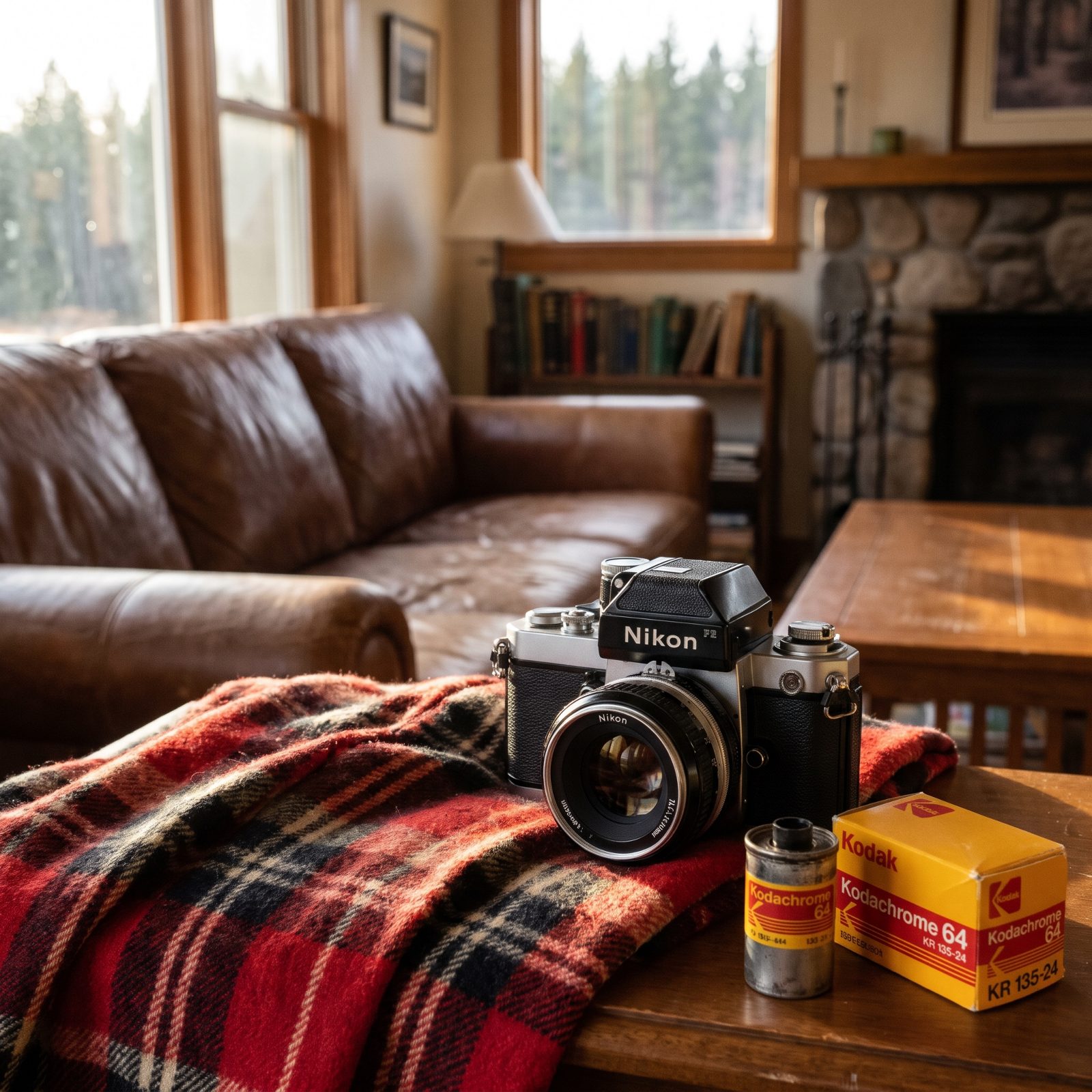
Twenty-four exposures. Maybe thirty-six if you splurged. Every shot cost money to buy and money to develop, so you didn’t waste one on your thumb or a blurry squirrel.
You framed the picture, waited for the moment, pressed once, and moved on. No chimping at a screen to check it. You wouldn’t know if you got it until a week after you got home, when the envelope came back from the drugstore and you flipped through two decent shots and the rest a parade of disappointments.
4. A Pocketknife and Hatchet on Every Belt
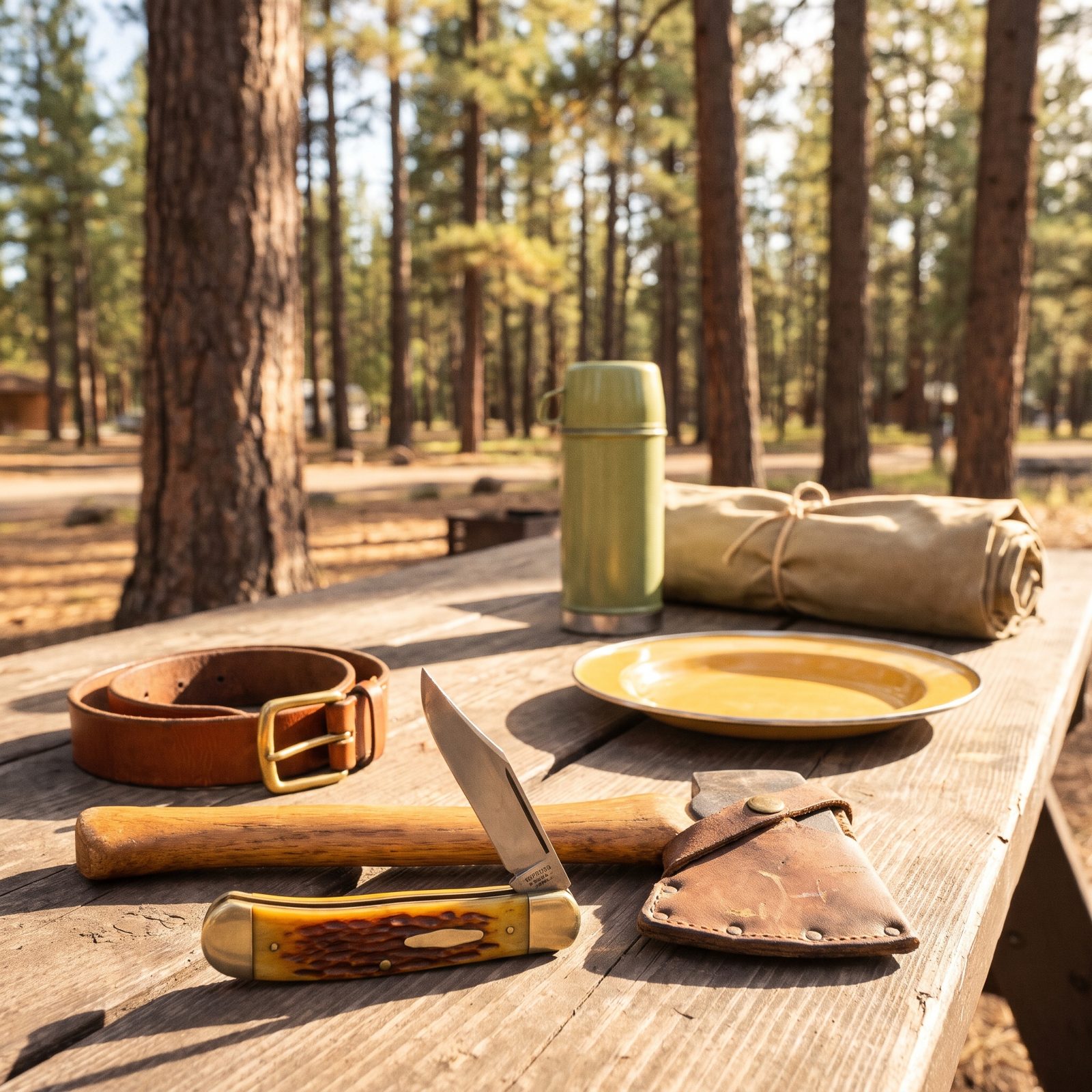
Every kid at a 1970s campground wanted one thing on their hip: a knife. Dads carried a folder in the pocket, and Scouts wore a sheath knife like a badge. The hatchet lived in the car or hung off the pack, and it did real work — splitting kindling, pounding tent stakes, trimming a green stick for marshmallows.
We treated blades as tools, not toys, and most of us learned young that a sharp one is safer than a dull one. You carved your initials in the table leg. Whittled a point onto a stick for no reason at all.
3. The Tin Cup and Canteen Clipped to the Pack
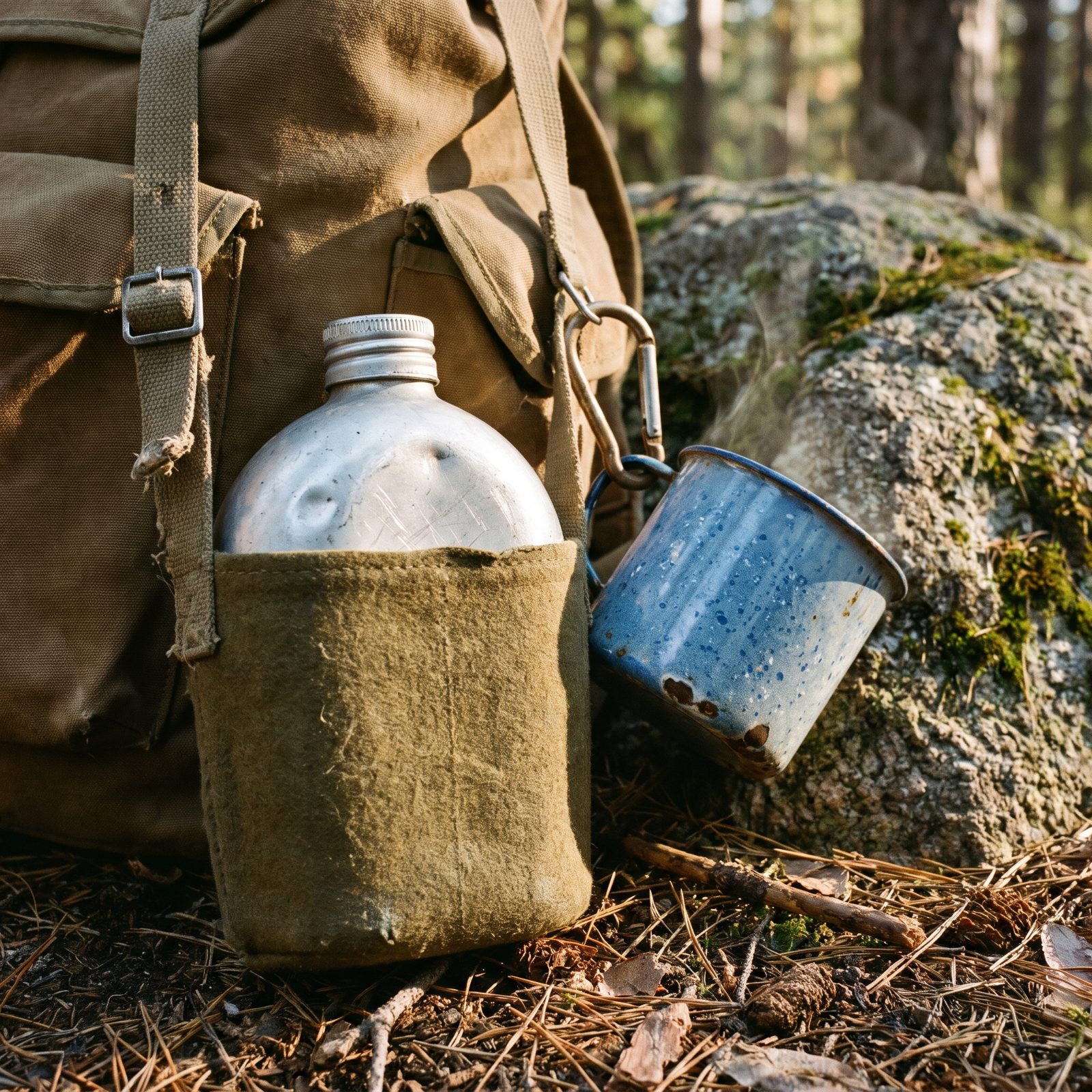
Nobody carried a double-walled stainless tumbler that kept coffee hot all day. You had a tin cup. It burned your lip on the first sip, went stone cold by the third, and you drank it anyway.
Half the time the canteen was army surplus, wrapped in olive felt, clipped to a web belt or the pack frame. It sloshed when you walked. The water tasted faintly of metal and whatever the previous summer had left behind. We refilled from the campground spigot or, if we’re being honest, straight from the creek — a habit nobody should copy now.
2. First-Come, First-Served Sites and the Friday Night Scramble
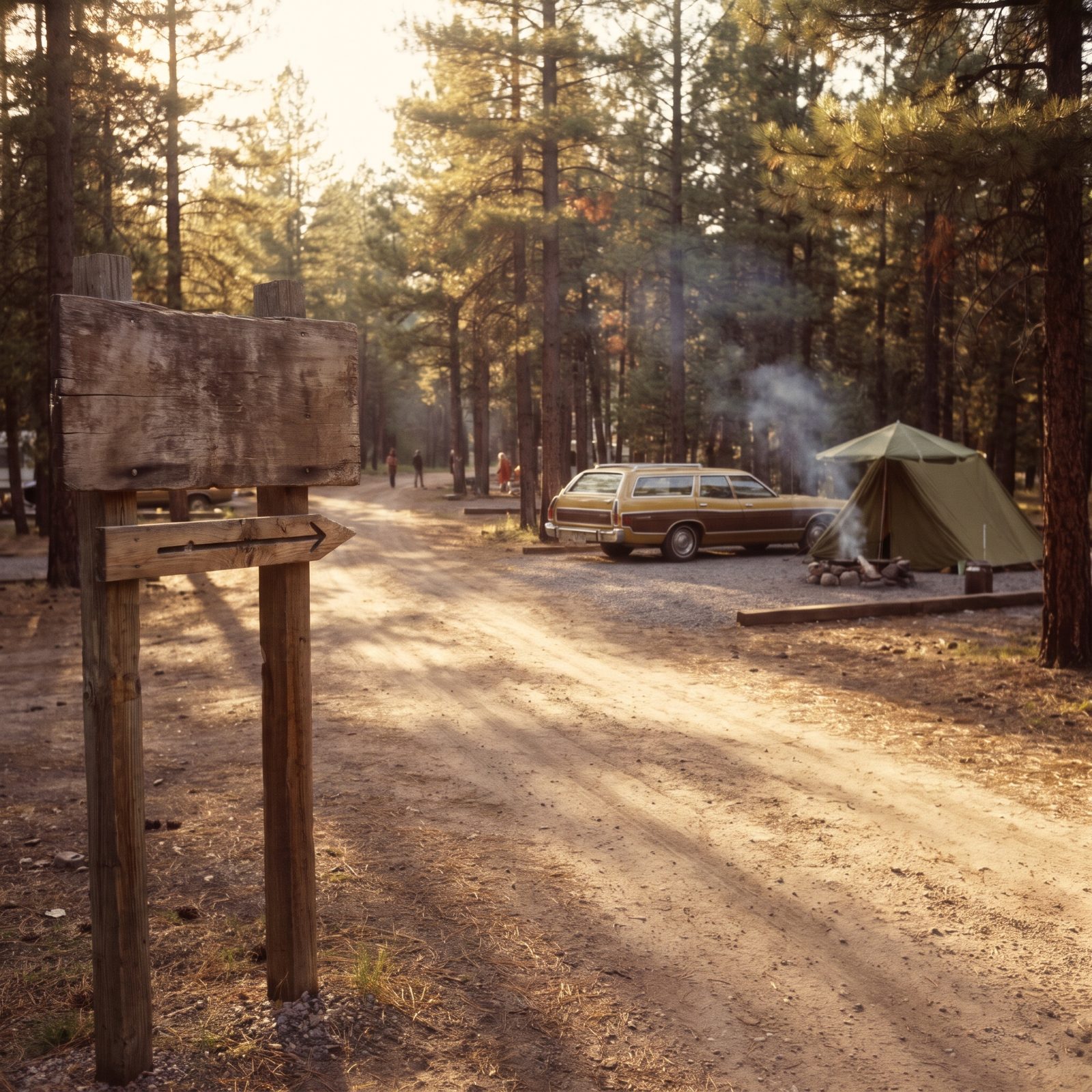
No app. No six-month booking window opening at 8 a.m. sharp while you hammered the refresh button. You drove, and you hoped.
Friday afternoons meant a race — you left work early, pointed the wagon at the mountains, and prayed the good loop still had an open site when you rolled through the gate. Sometimes you got the spot by the creek. Sometimes you got the one wedged next to the dumpster and the pit toilet, and you made peace with it.
But the trade was real freedom. Decide Thursday night, go Friday. No deposit, no cancellation fee, no plan locked in before the snow even melted. I’ll admit the reservation systems are fairer now. Still, something got lost when camping started requiring a calendar and a credit card.
1. The Vinyl-Canopy Pop-Up Camper
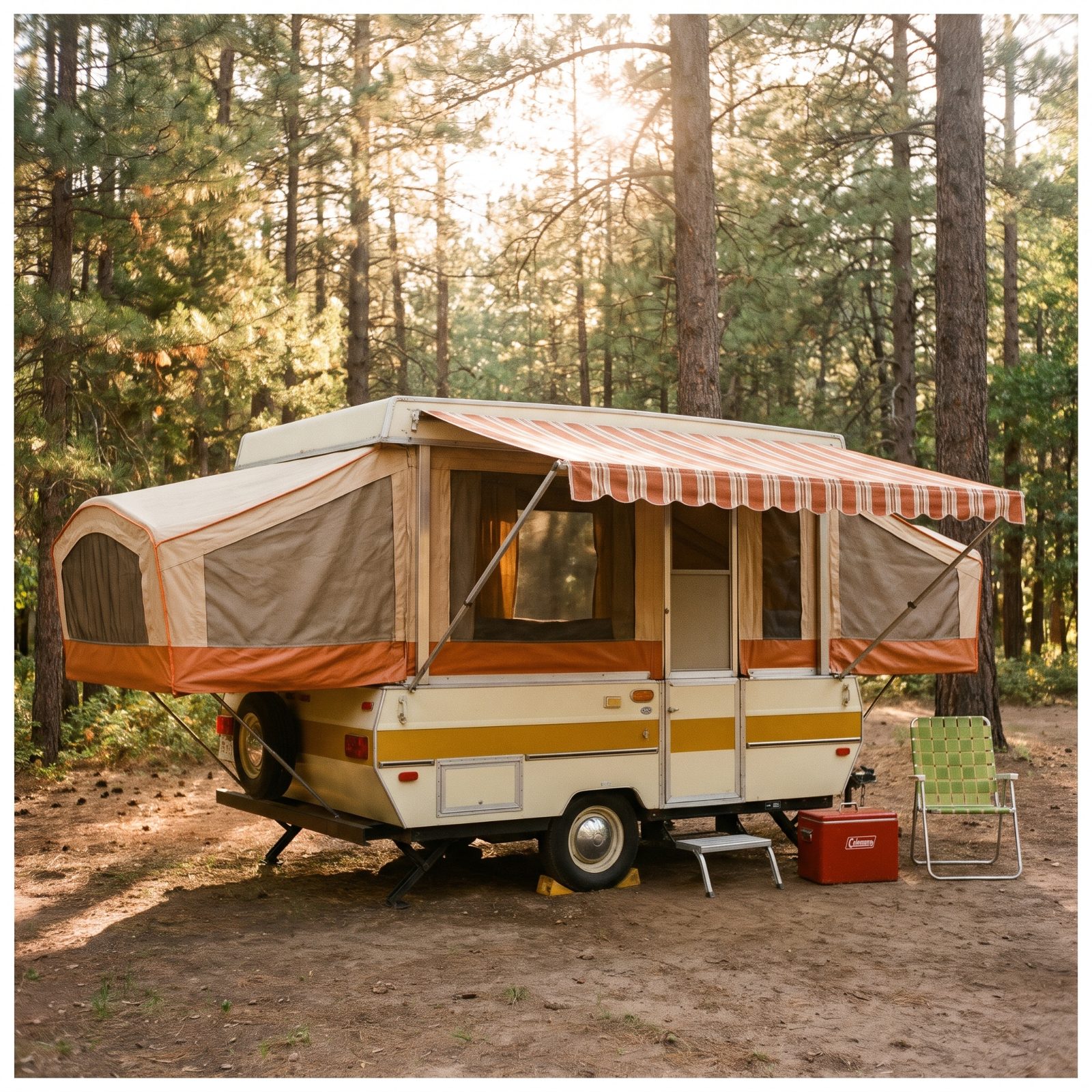
The pop-up was the family upgrade, the step between a tent on the ground and a real trailer. You cranked the roof up by hand, pulled out the bunk ends, and watched a flat box on wheels turn into something that would sleep four.
The canvas never dried fast enough. You folded it damp on Sunday, drove home, and found a faint mildew smell come July that no amount of airing out ever fully killed. The vinyl cracked along the fold lines after a few seasons. Rain drummed on that roof loud enough to wake the dead.
None of it stopped anyone. The pop-up got families off the ground and out the door, and for plenty of us it was the first camper that ever felt like ours.