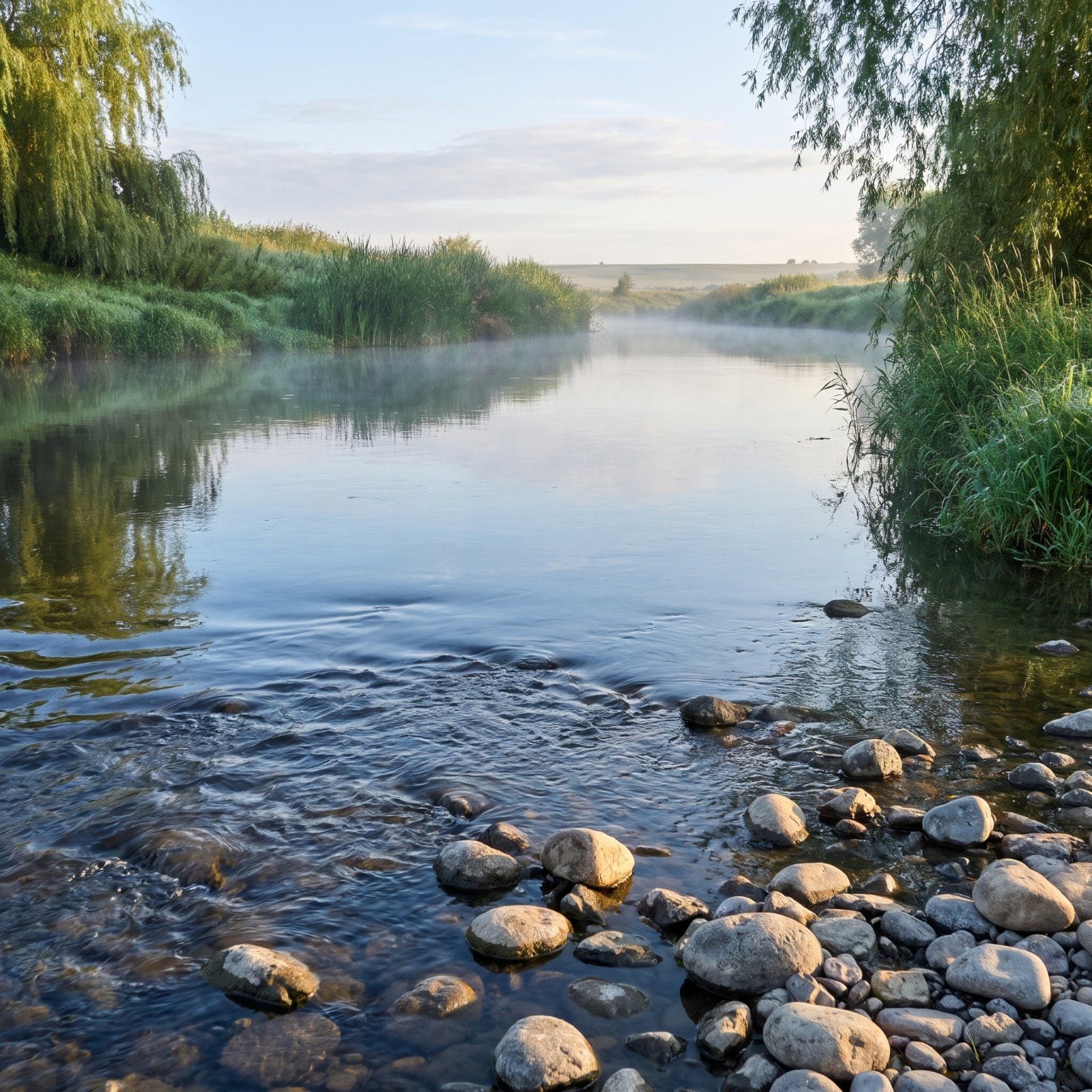
You hear it before you see it. That low hush through the trees, steady and going somewhere, and your shoulders drop two inches on their own. Nobody told them to. A river does that. You walk up tired and wound tight, sit on a rock for twenty minutes, and walk away feeling like someone reset a dial in the back of your skull. It isn’t magic and it isn’t your imagination. There are real reasons moving water works on a person — some of them in your ears, some in your lungs, some older than you can name. Here’s what’s actually going on.
Please note that some of the images in this article were created with the assistance of AI.
15. The Steady Hush of Moving Water Quiets a Racing Head
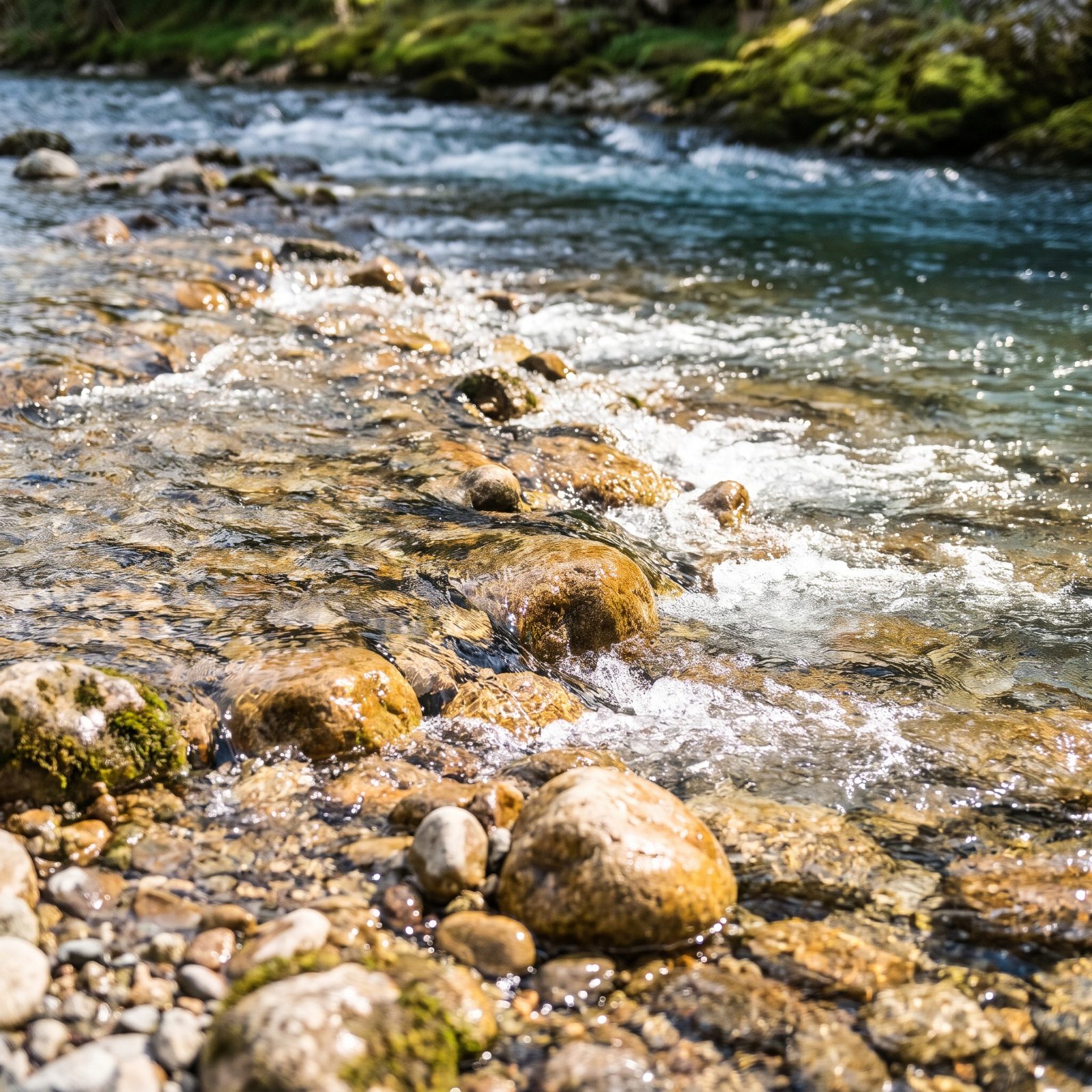
A river doesn’t make one sound. It makes a thousand small ones blended into a wall, and that blend is the trick. Scientists call it broadband noise, which just means it covers the whole range of frequencies at once, like television static but friendly. Your brain can’t pick a single thread out of it to latch onto, so it stops trying.
That’s the difference between a river and, say, a dripping tap. The tap gives your mind one thing to fixate on. The river gives it everything, which amounts to nothing to chase. Your racing thoughts lose their handholds.
14. Flowing Water Never Repeats, So It Holds You Without Grabbing
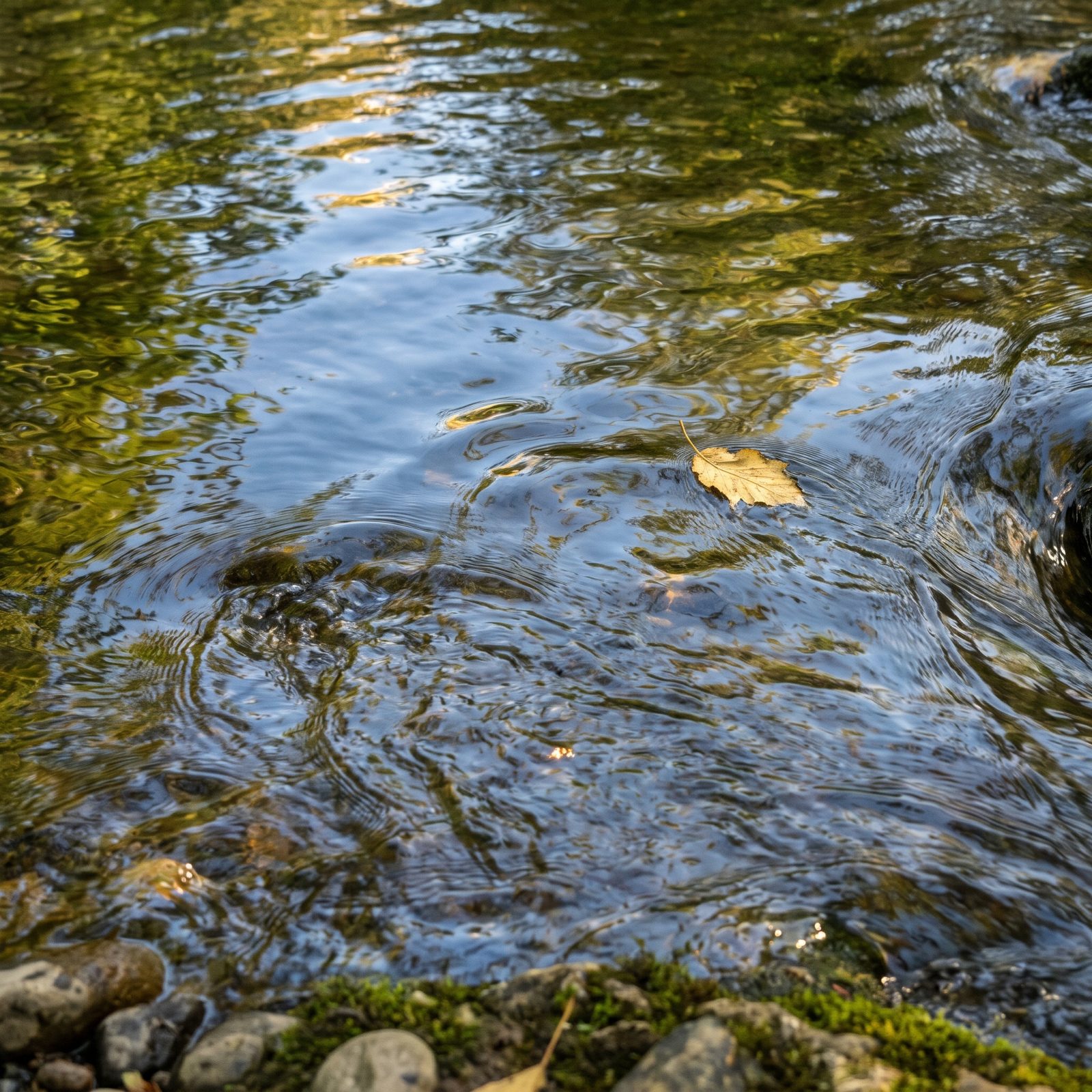
Watch a river for five minutes and you’ll notice you never see the same thing twice. The eddies curl and vanish, a ripple forms and folds, a swirl you were following is gone. There’s no loop. Nothing repeats.
Psychologists have a name for the kind of attention this pulls from you: soft fascination. It’s the opposite of the hard, effortful focus a spreadsheet demands. The river holds your eye but asks nothing back. You can look away anytime, and you don’t want to. That gentle, no-strings attention lets the tired part of your brain rest while the rest of you stays pleasantly occupied.
13. Cooler, Humid Riverside Air Feels Fresher in Your Lungs
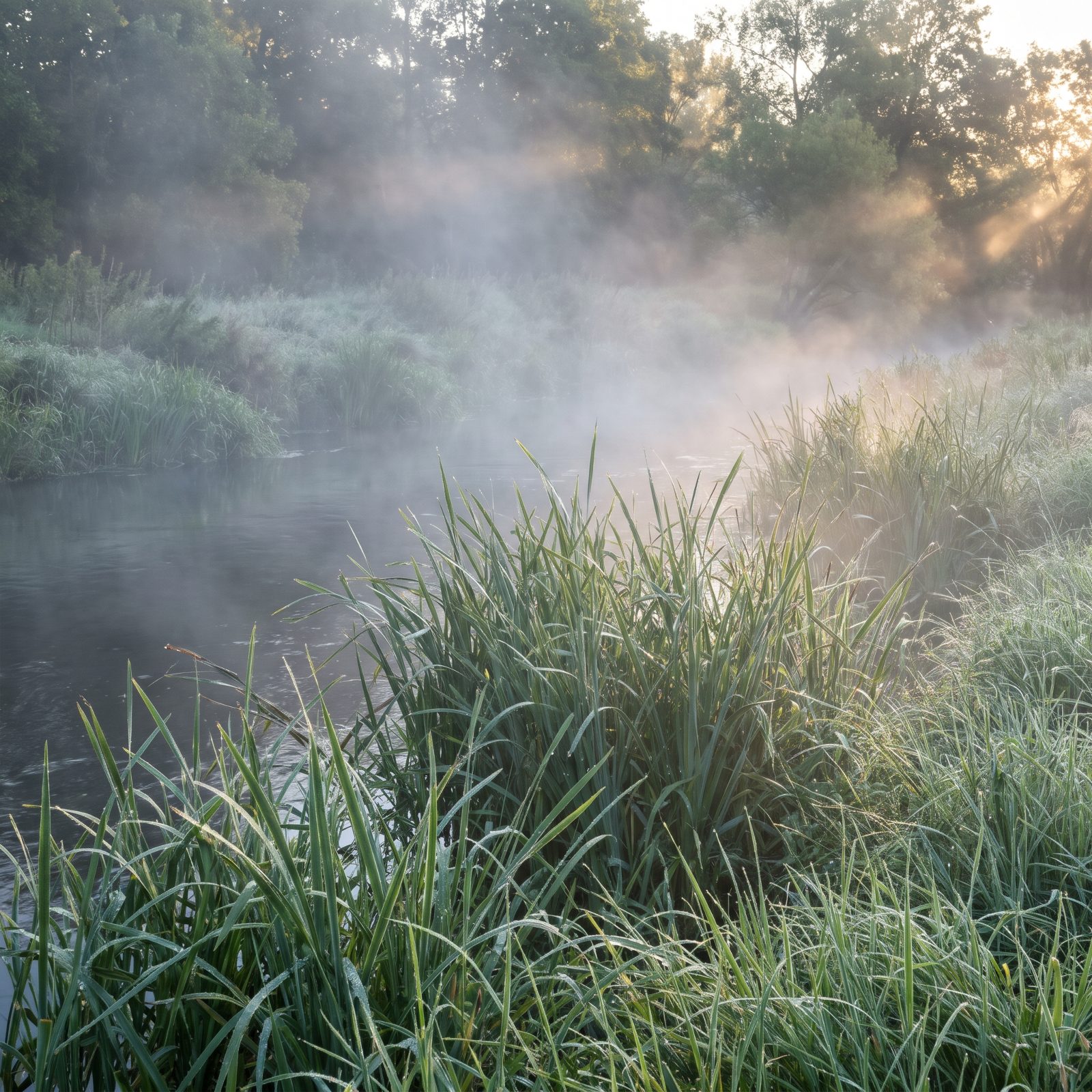
Step down to a river on a warm day and you feel it before you think it. The air drops a few degrees, heavier with moisture, cooler, and your first breath lands differently.
Moving water cools the air around it and lifts the humidity, and that combination reads to your body as clean. Dry, hot, still air makes you sluggish. Cool, moist, moving air near a river wakes you up gently instead. It’s one of the oldest reasons people built towns on riverbanks, and the same reason you’ll take a deeper breath without deciding to.
12. Dappled Light on the Current Puts You Into a Soft Trance
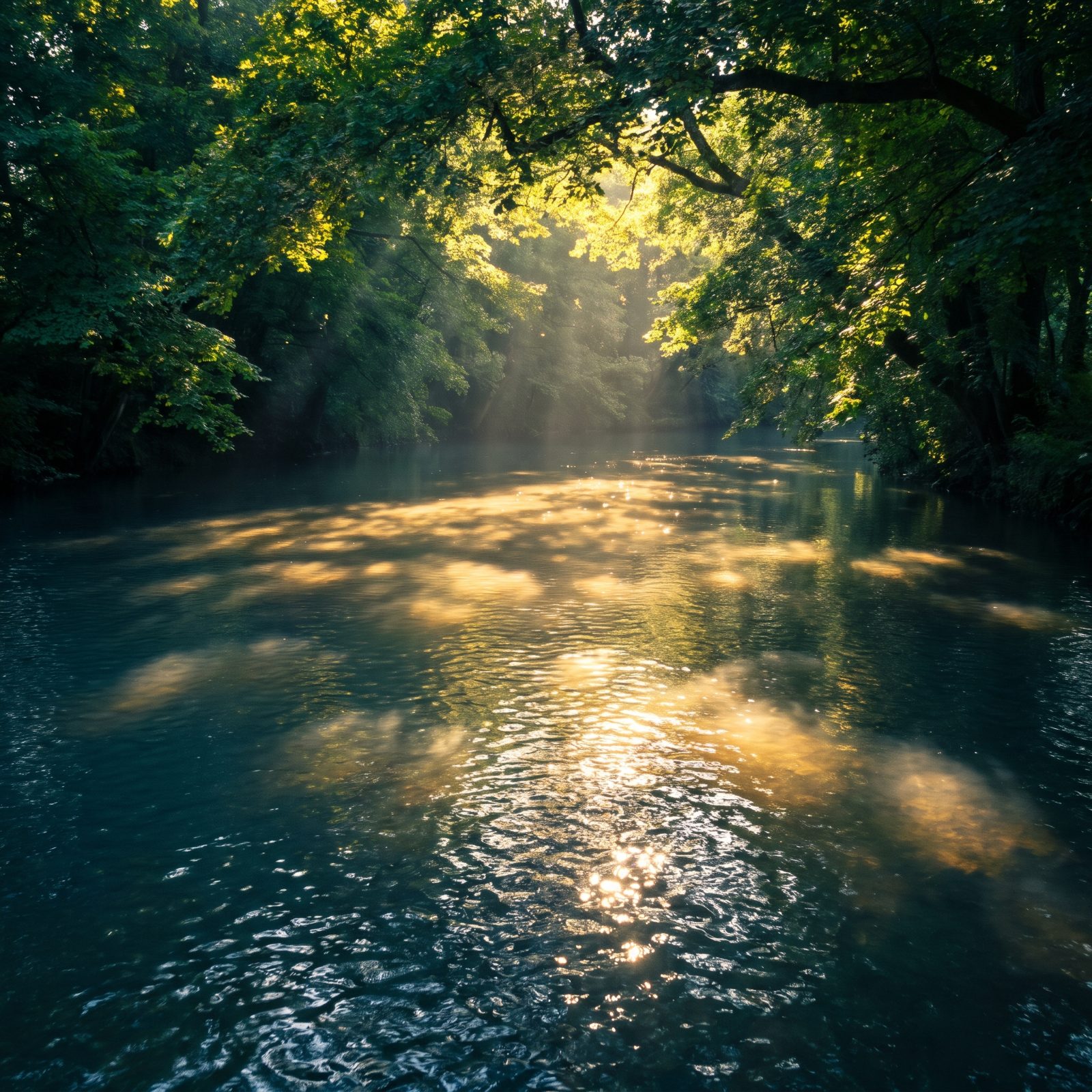
Light on moving water is the original screensaver. Sun comes through the leaves, hits the current, and shatters into hundreds of flickering points that drift and wink and never hold still.
Your visual system is built to notice movement — a survival thing — but this movement is harmless and endless. So you watch. The flicker happens at a rhythm slow enough to soothe rather than alarm, and after a minute or two you realize you’ve stopped thinking about anything at all. We’ve lost whole afternoons to this and called it fishing.
11. A River Marks Time Passing Without Nagging You to Hurry
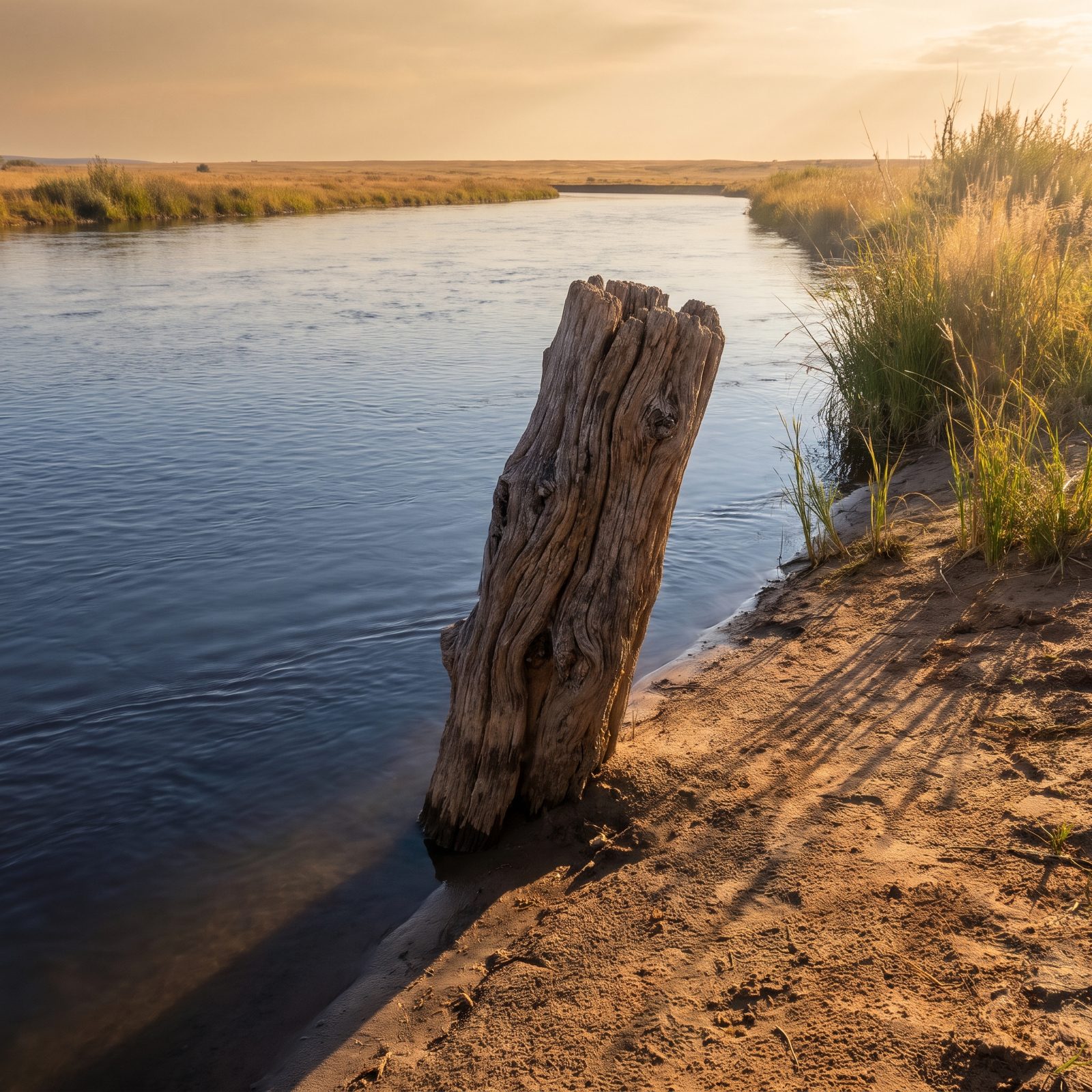
A clock makes you anxious because it counts against you. A river does the opposite. Always moving, always carrying something past, so you know time is passing — but it never once suggests you should be doing more with yours.
That’s a rare thing. Most reminders of time are also demands. The river just flows, indifferent and steady, and sitting beside something that patient takes the pressure off. You stop checking your phone. You let the afternoon be as long as it is.
10. Soft Ground and Reeds Swallow the Harsh Edges of the World
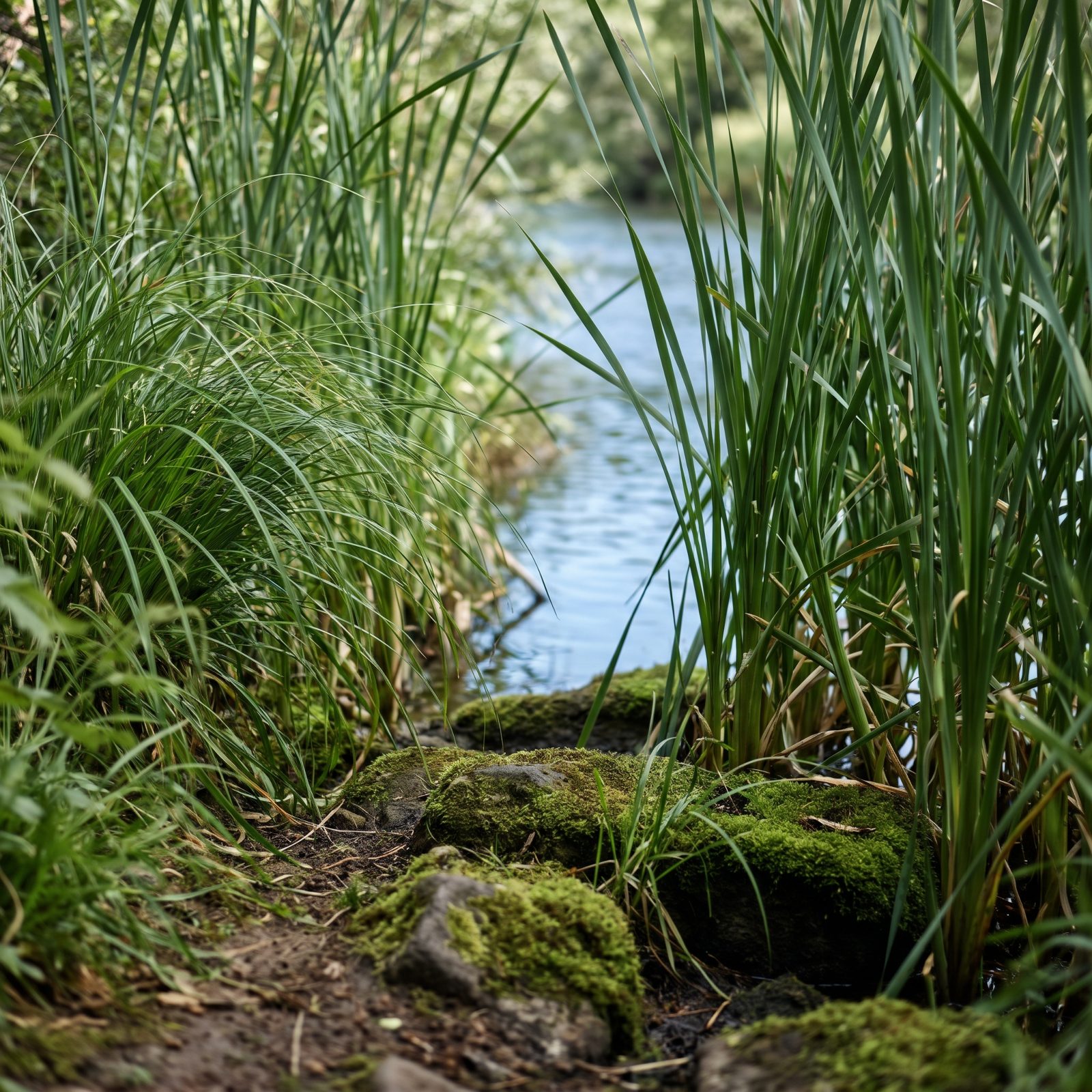
Notice how quiet it gets down by the water, and not just because of the river. Soft mud, thick grass, reeds, and leaf litter don’t bounce sound the way pavement and brick and glass do. They absorb it.
The city is loud partly because every hard surface throws noise back at you. A riverbank does the reverse. The reeds and the soaked ground soak up the harsh high frequencies, the ones your nervous system reads as threat. What’s left is the low, steady voice of the water and not much else. Your ears finally get to stand down.
9. Watching the Current Carry Things Off Teaches You to Let Go
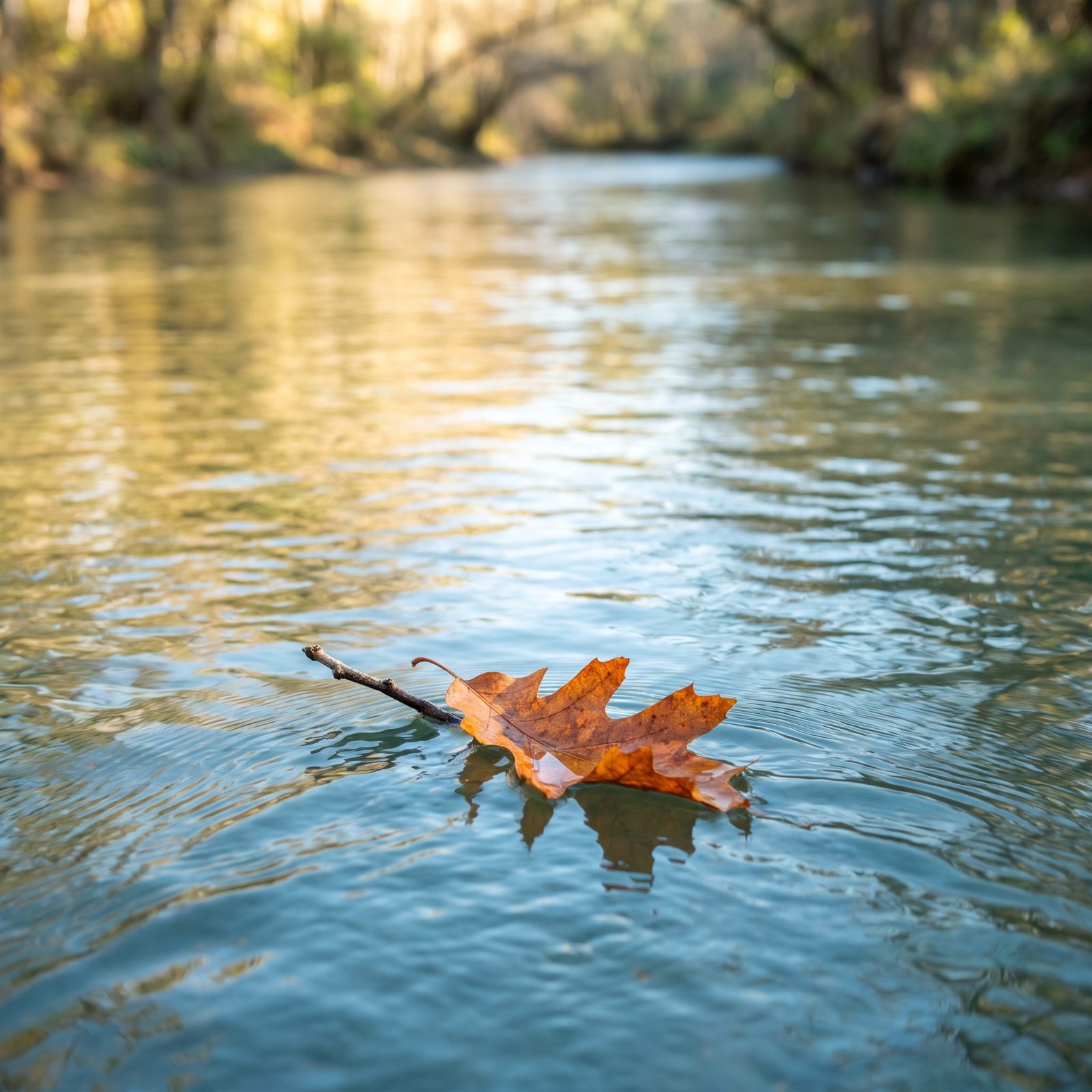
Drop a leaf in the water and watch it go. It bobs, catches an eddy, straightens out, and then it’s gone around the bend and you’ll never see it again. And that’s fine. That’s the whole lesson, really.
There’s a reason therapists reach for the river when they talk about intrusive thoughts. You picture setting the worry on a passing leaf and watching the current take it. The river does this literally, in front of you, all day long. It carries everything downstream and keeps nothing. Sit with that long enough and some of your own grip loosens.
8. Negative Ions Near Rushing Water May Lift Your Mood
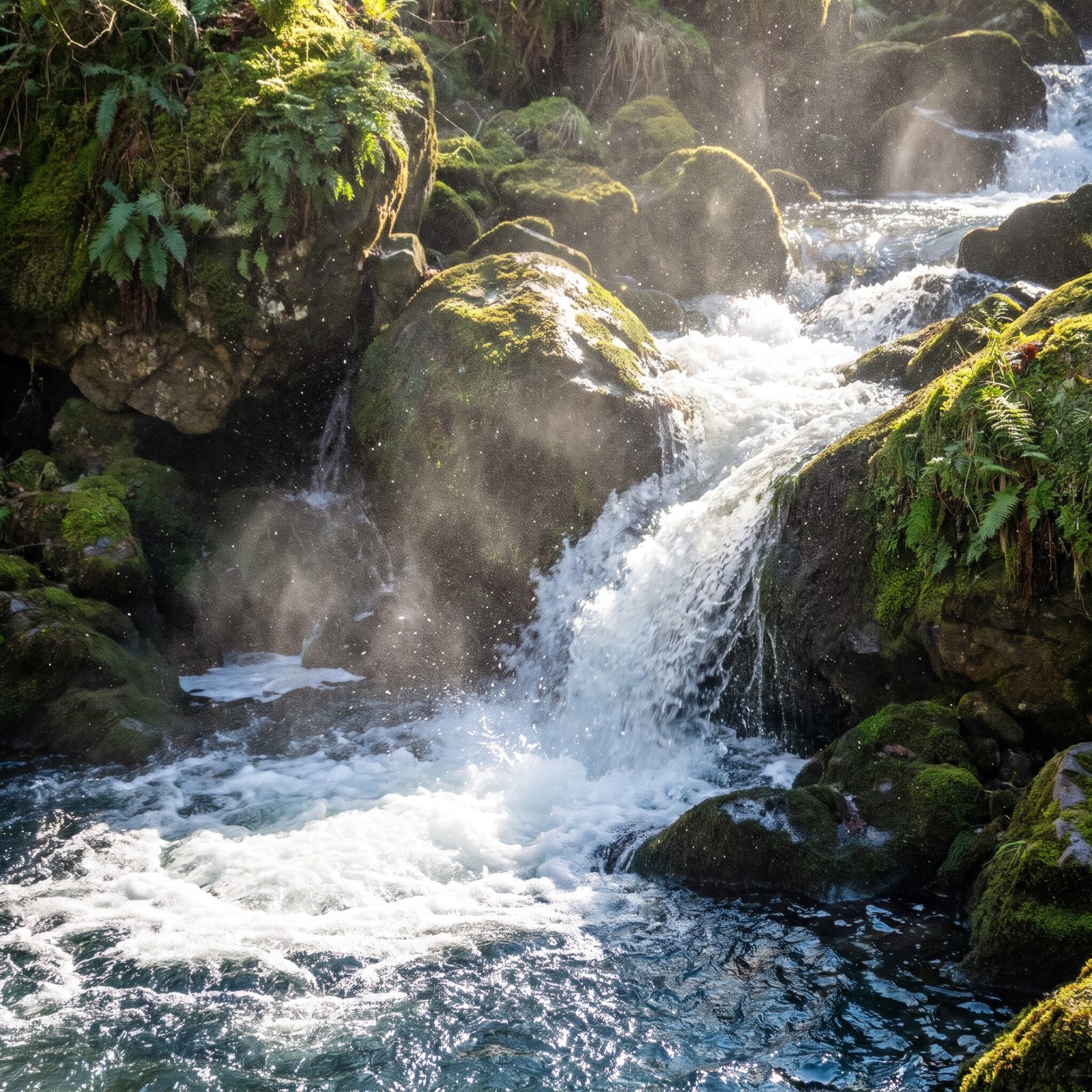
Where rushing water breaks and sprays over rocks, it throws a fine mist into the air, and that churning is thought to charge the surrounding air with negative ions. People report feeling brighter and steadier around waterfalls and rapids, and the ion theory is the popular explanation.
Fair warning: the research here is thinner than the enthusiasts suggest, and anyone promising you a fixed mood boost from ions is getting ahead of the science. What’s not in doubt is that standing by broken water feels good. The fresh, charged, slightly electric air near a rapid is real whether or not we’ve fully nailed down why.
7. An Open Riverbank Gives a Crowded Head Somewhere to Breathe
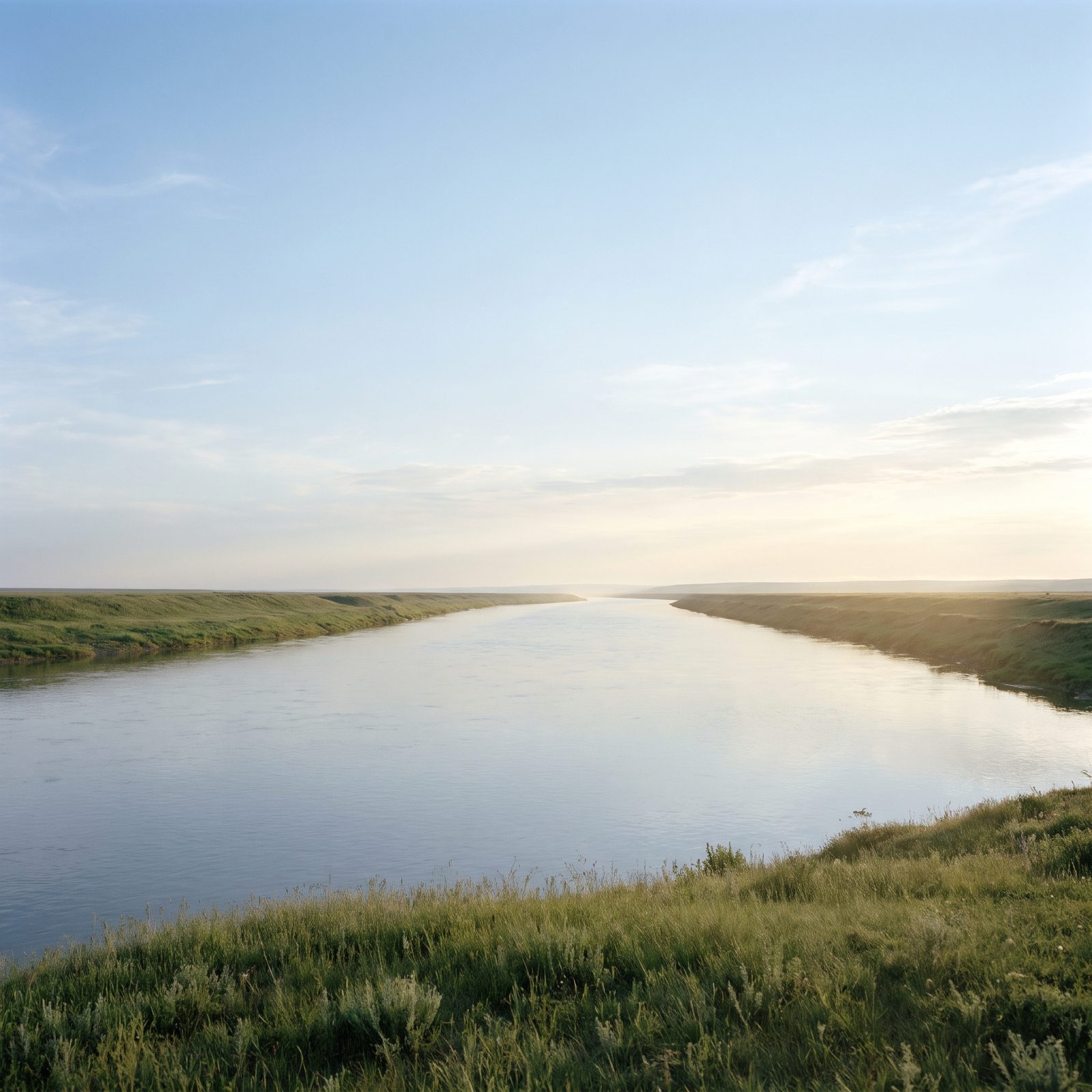
Cities press in. Walls, ceilings, the car ahead of you, the screen six inches from your face. Everything’s close. A riverbank hands you the opposite: a long open view downstream, sky overhead, room to look at nothing in particular.
There’s a documented effect where distant, open views lower stress and give the mind space to wander productively. Your eyes relax when they can finally focus on something far away. After a week of staring at things within arm’s reach, a wide river view is like cracking a window in a stuffy room.
6. The Rhythm of Ripples Slows Your Breathing Almost by Itself
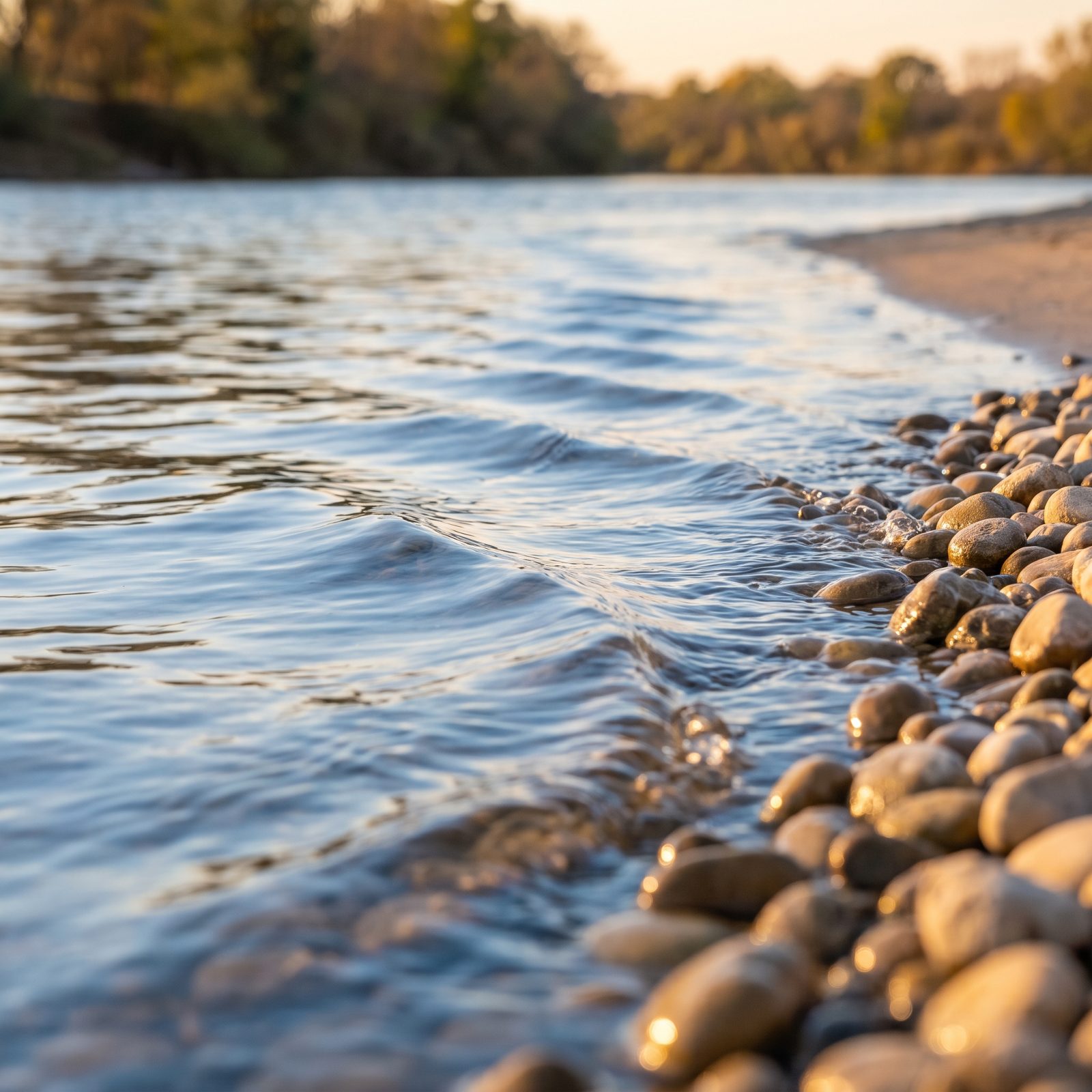
Sit by a river long enough and your breath starts keeping time with it. You don’t plan it. The steady roll of the water, the rise and fall of it against the bank, acts like a metronome your body quietly follows.
Breathwork teachers spend whole sessions coaching people to slow their breathing down. The river does it for free. That calm, repeating rhythm pulls your breath longer and deeper without you managing a thing, and a slower breath is the fastest route your body has to telling itself everything’s okay.
5. Birdsong and Rustling Leaves Add a Living, Grounding Soundtrack
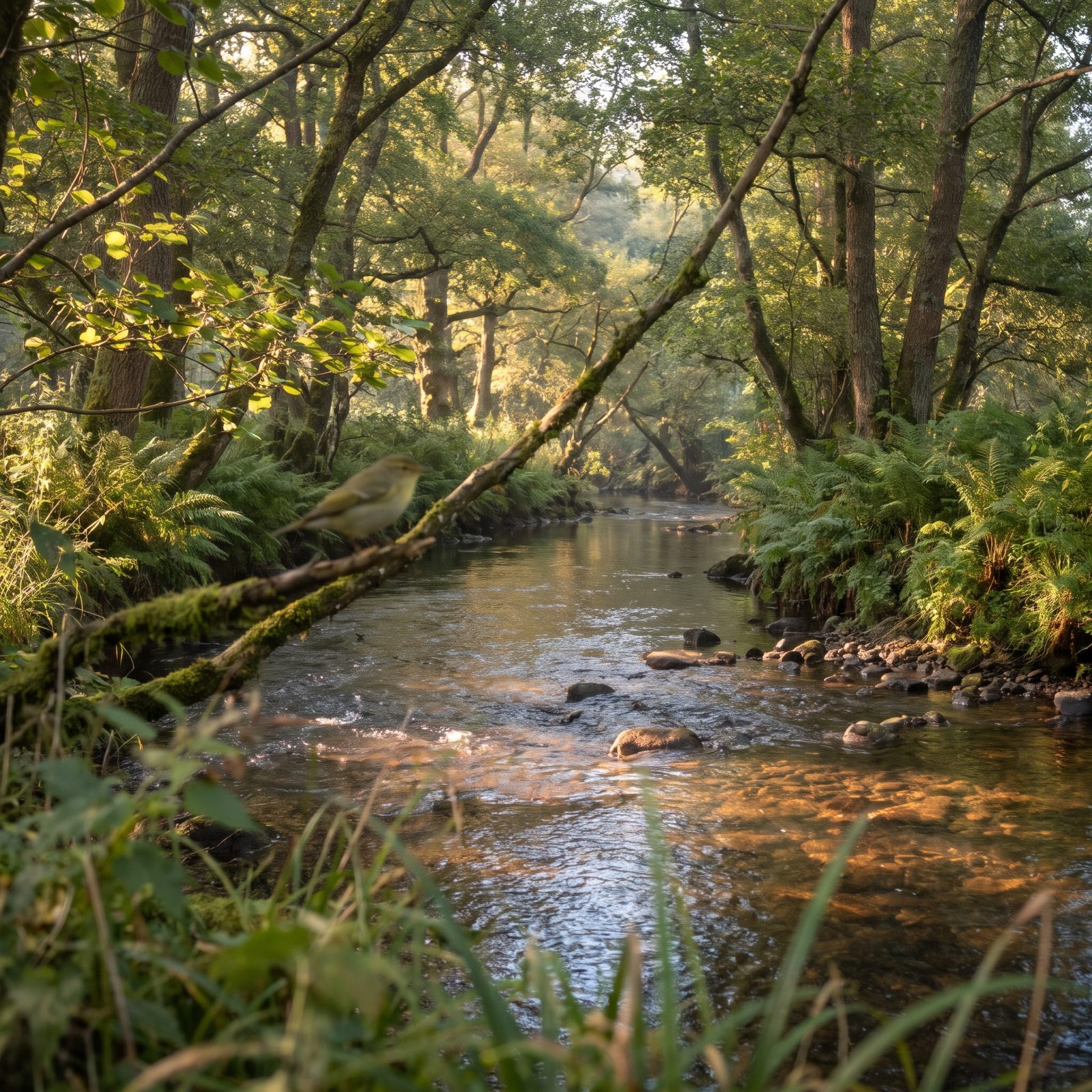
Pure silence actually puts people on edge, because the brain starts hunting for threats in a vacuum. But the noise near a river isn’t noise at all. It’s layered, soft, and predictable in the best way: water over stone underneath, a chickadee somewhere to your left, wind working through the cottonwoods above.
Acoustics researchers call these sounds non-threatening and broadband, which is a dry way of saying your nervous system reads them as safe. No sudden spike. No reason to flinch. Your attention stops bracing and starts drifting.
4. Fishing or Skipping Stones Gives Idle Hands a Quiet Purpose
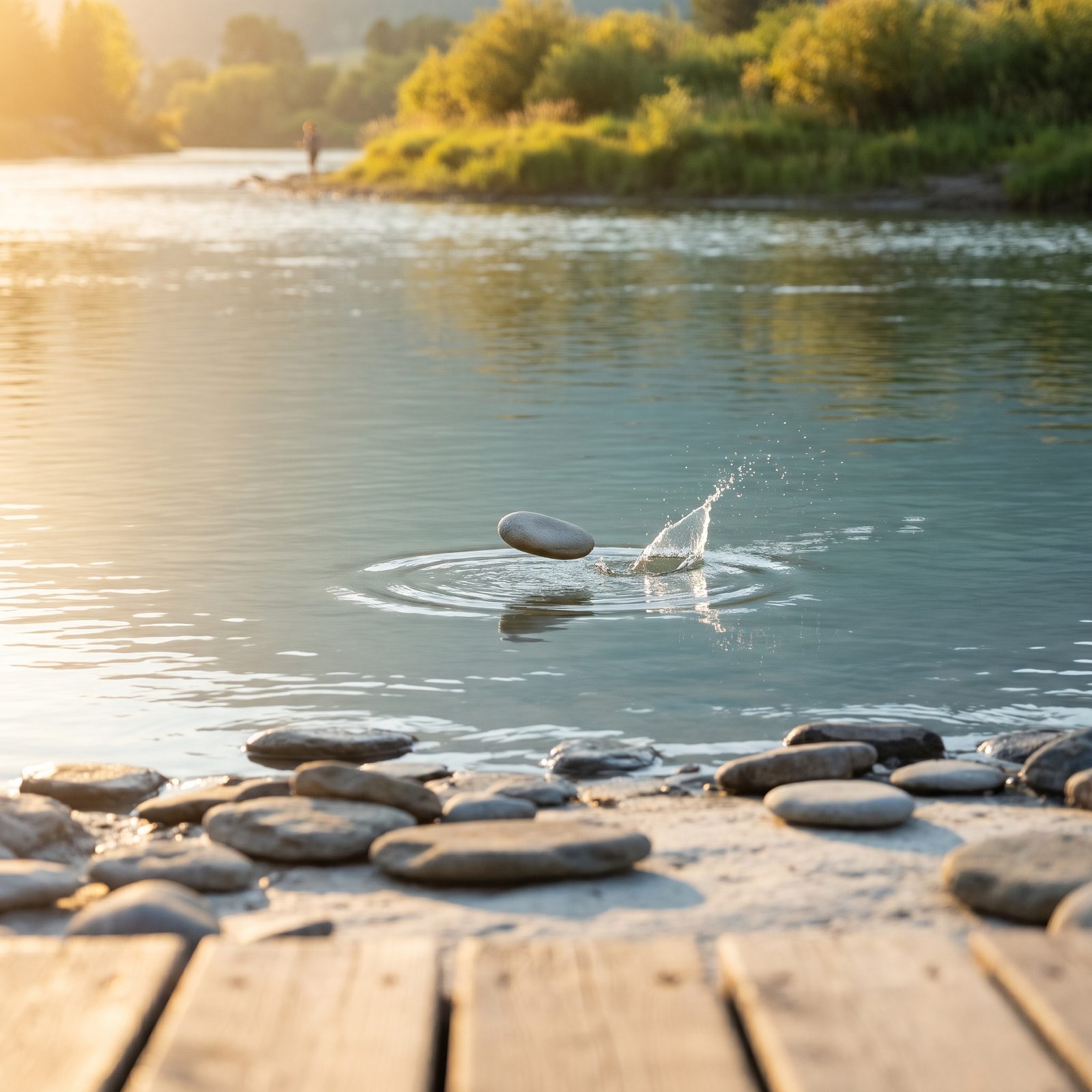
There’s a reason people fidget. The hands want something to do while the mind sorts itself out, and a phone is the worst possible answer because it drags your attention right back into the thing you came to escape.
A fly rod or a pocketful of flat stones solves this cleanly. You give the hands a small, repeatable task with just enough skill involved to hold your focus, and not an ounce more. Cast, mend, watch the drift. Pick a stone, feel for the flat edge, throw. Real task, zero stakes.
That gap — occupied but not pressured — is where the good kind of thinking happens. Half the problems we’ve ever solved got solved with a rod in hand and no idea we were even working on them.
3. The Cool Touch of River Water Resets a Tired, Overheated Body
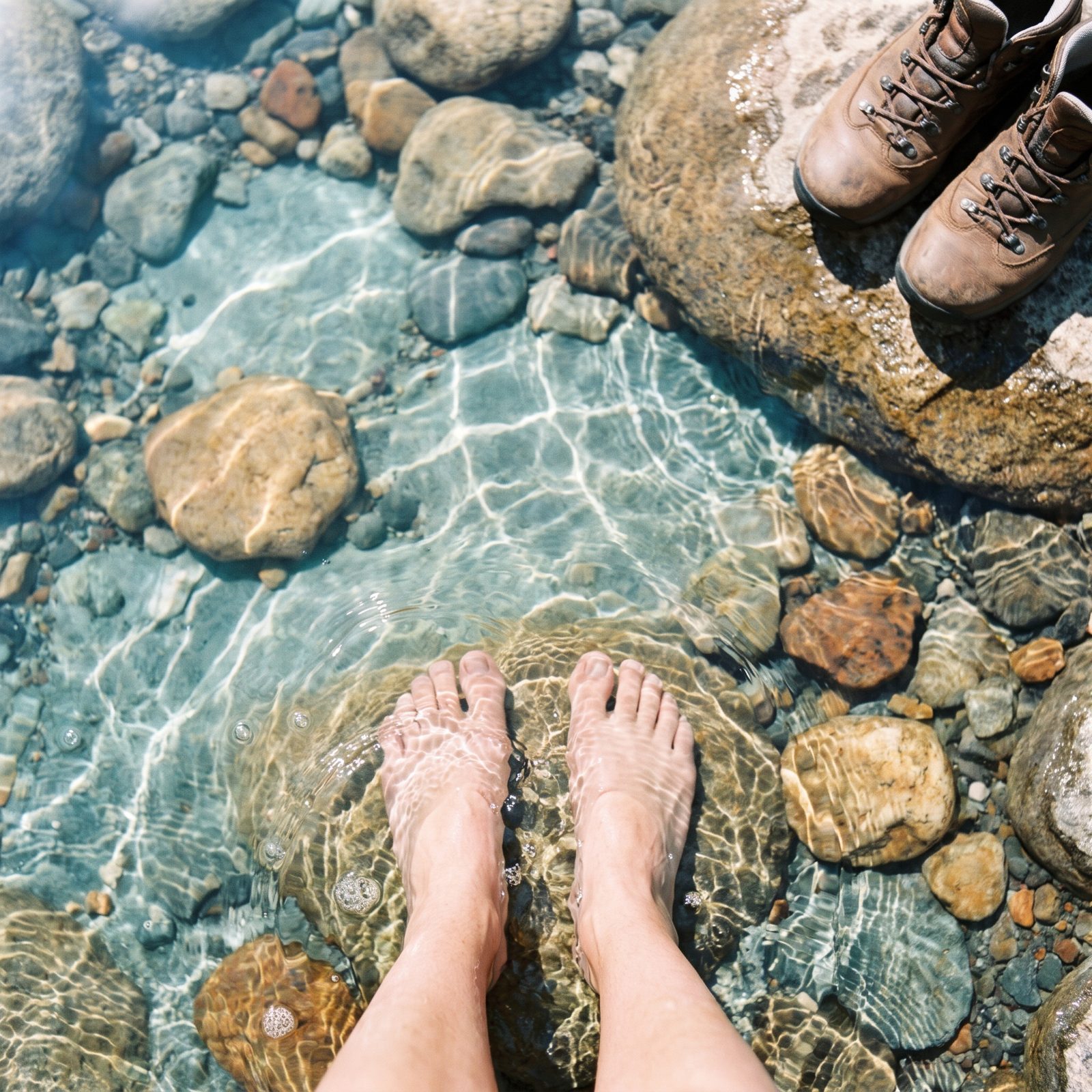
Cold water on hot skin does something immediate and almost embarrassingly simple. Wrists, ankles, the back of the neck — spots where blood runs close to the surface, and a few minutes in a cool river pulls real heat out of you.
The jolt matters too. A sharp shift in temperature snaps you into the present tense, so you stop stewing about tomorrow because your whole body is busy reporting on right now: that water is cold, those stones are smooth, your feet have gone slightly numb and it feels great.
2. Early Mist Rising Off the Surface Feels Still and Almost Sacred
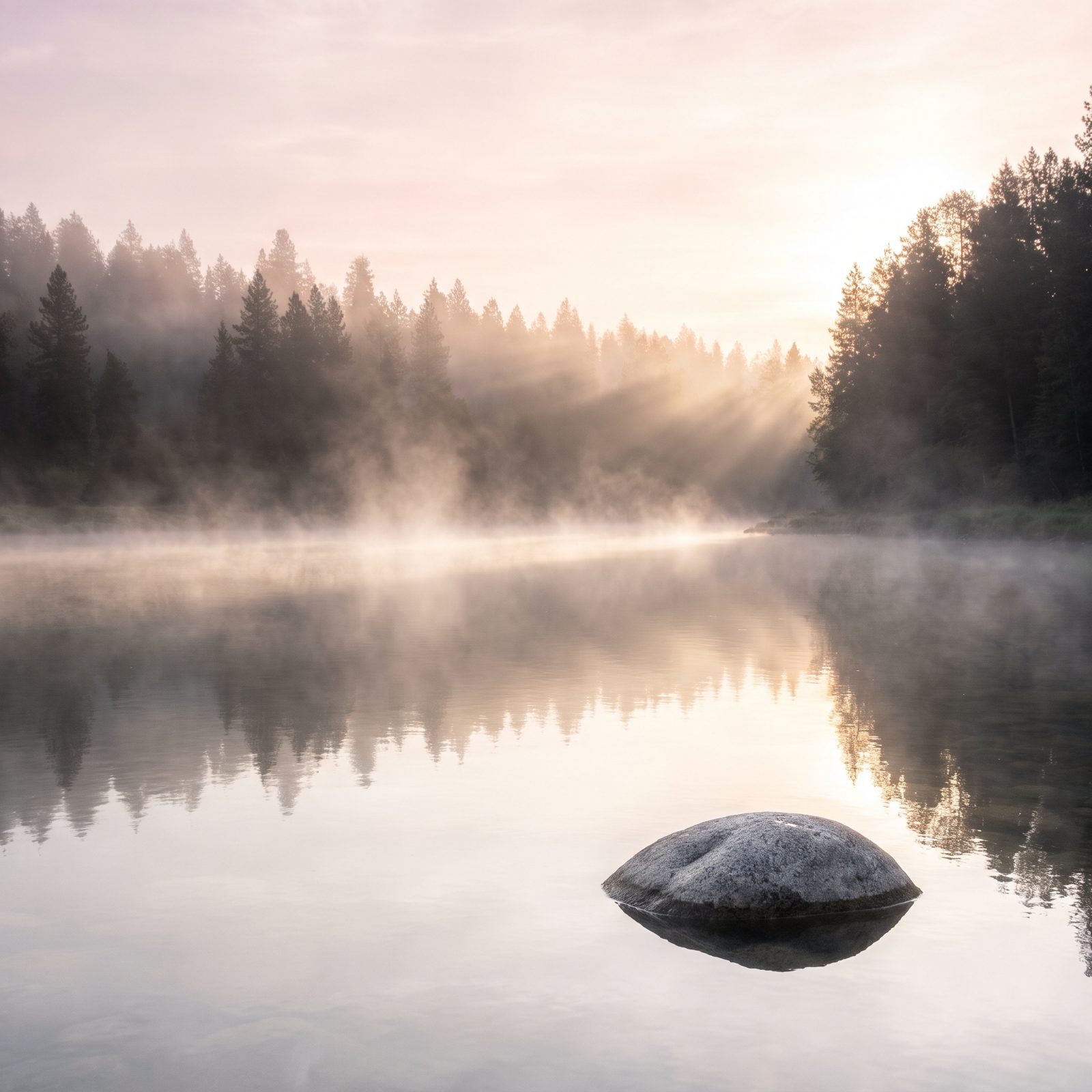
Get to a river before the sun clears the trees and the whole place feels like it’s holding its breath. Mist sits on the water where the cool night air meets water still warm from yesterday. It doesn’t last — twenty minutes of real light and it’s gone.
That short window does something to people. The light is soft, the sound is low, and the fog hides the far bank so the world shrinks to just the stretch in front of you. No wonder old cultures put temples by water and called mornings holy.
1. Sitting by a River Asks Nothing of You and Gives Space to Simply Be
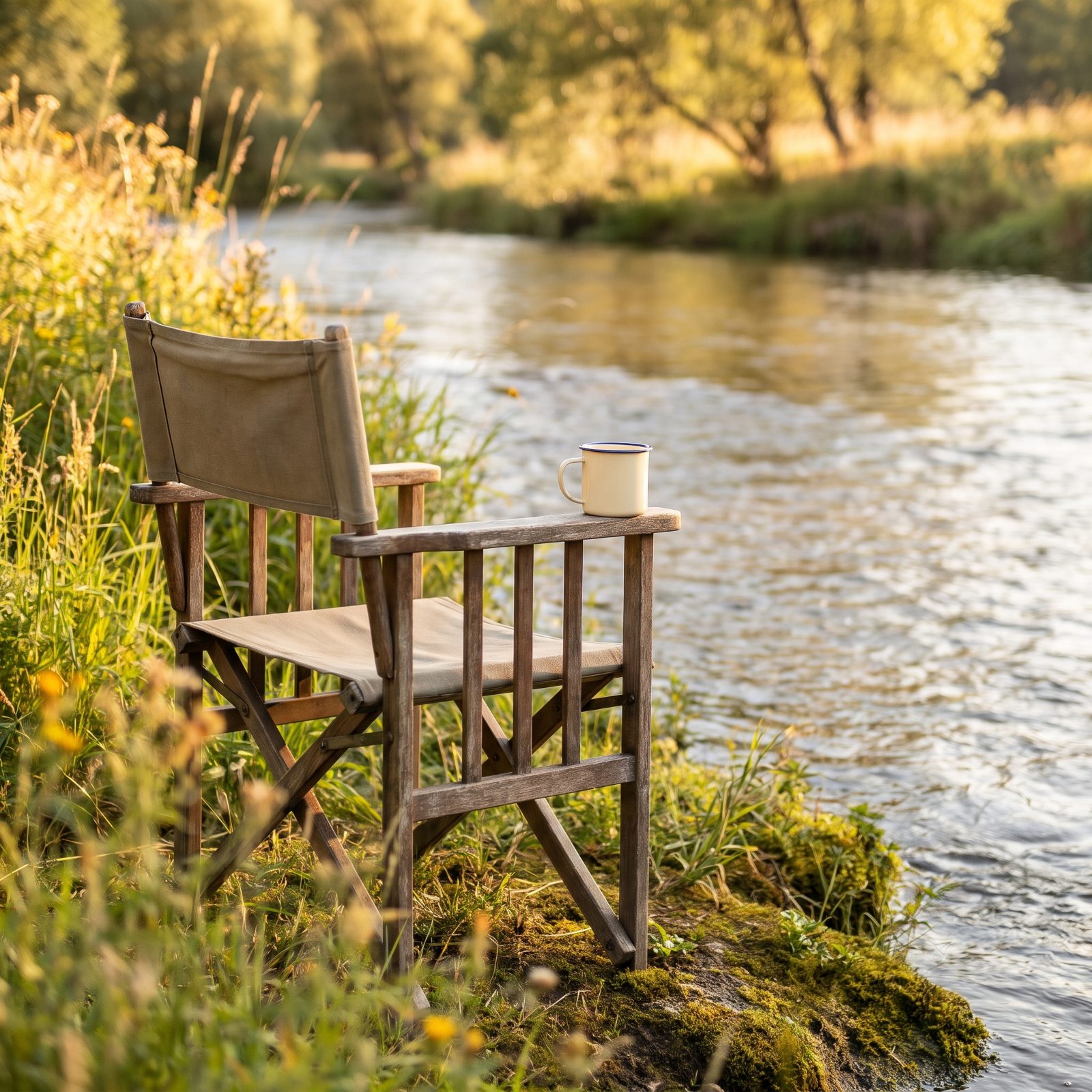
Almost everything else wants something from you — the job, the phone, the list on the counter. A river wants nothing. Show up, sit down, contribute absolutely nothing to it, and it carries on exactly as it would have.
That lack of demand is rarer than it should be. No one’s keeping score on the bank. You don’t have to be productive, you don’t have to have an opinion, you don’t even have to catch anything.
We’ve sat by water for an hour and done nothing we could report back to anyone, and come home feeling like we’d finally gotten something done. Took us years to stop feeling guilty about it. Now it’s the reason we go. Go find a bank and sit on it.