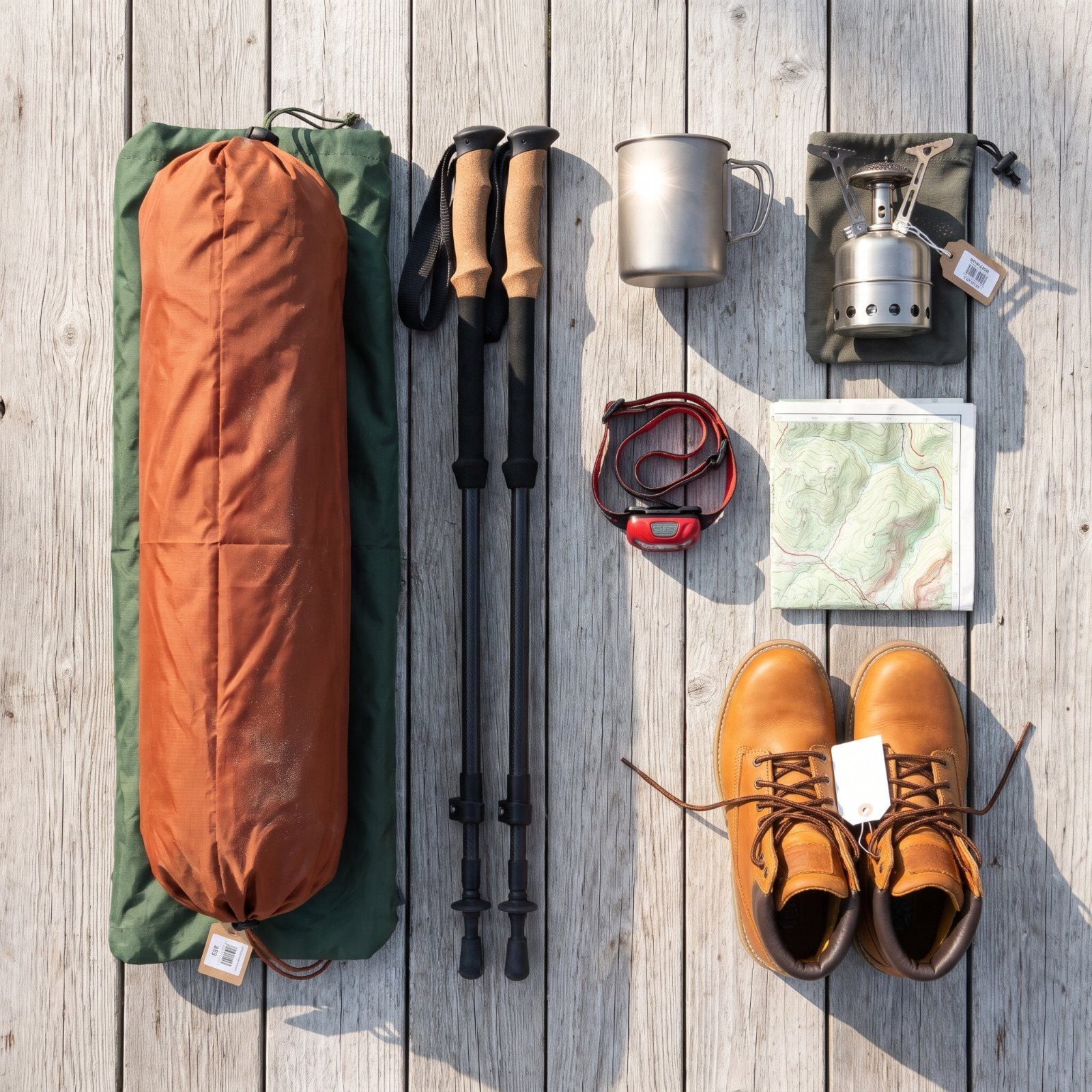
There’s a tent in the garage that has never seen rain. Four-season rated, built for a storm it will never meet, bought during a week when sitting at a desk felt unbearable. We’ve all got one. Maybe yours is trekking poles, or a stove system that could boil water on a glacier and has done it twice, both times in the backyard.
Please note that some of the images in this article were created with the assistance of AI.
Buying the gear feels like buying the life. The expedition parka whispers that you’re the kind of person who summits things, and the titanium mug promises mornings you haven’t had yet. What follows is a plain look at why the credit card comes out before the boots ever hit dirt — and why the ache behind it is so stubbornly, deeply human.
16. You Buy the Four-Season Tent for Your Future Self
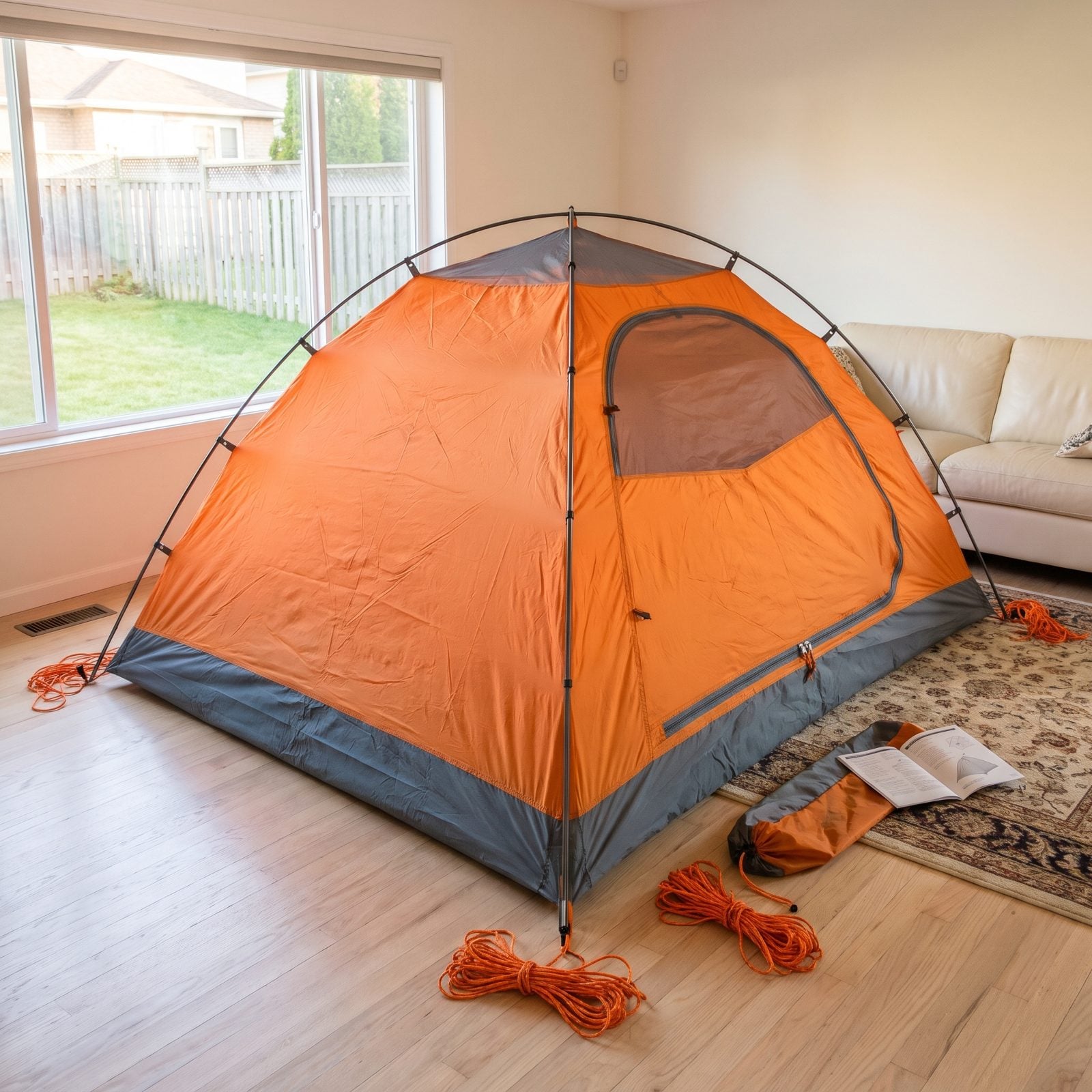
The tent is rated for wind that would peel the roof off a house. You bought it for a Denali trip you’ve mentioned to exactly one friend, once, after two beers. Now it sits in the closet, a monument to a man who exists mostly in the plan.
Call it future-self bias, and it’s a sweet one. We buy for the person we intend to become, not the one filling out the order form in pajamas, so the purchase feels like a down payment on that identity. Clicking “buy” delivers a hit of the achievement before any trail does the work.
Nothing wrong with aiming high. Just notice that the tent is standing in for the trip, and a tent will wait patiently for years while the trip quietly refuses to book itself.
15. A Bad Tuesday Somehow Ends With Carbon Trekking Poles
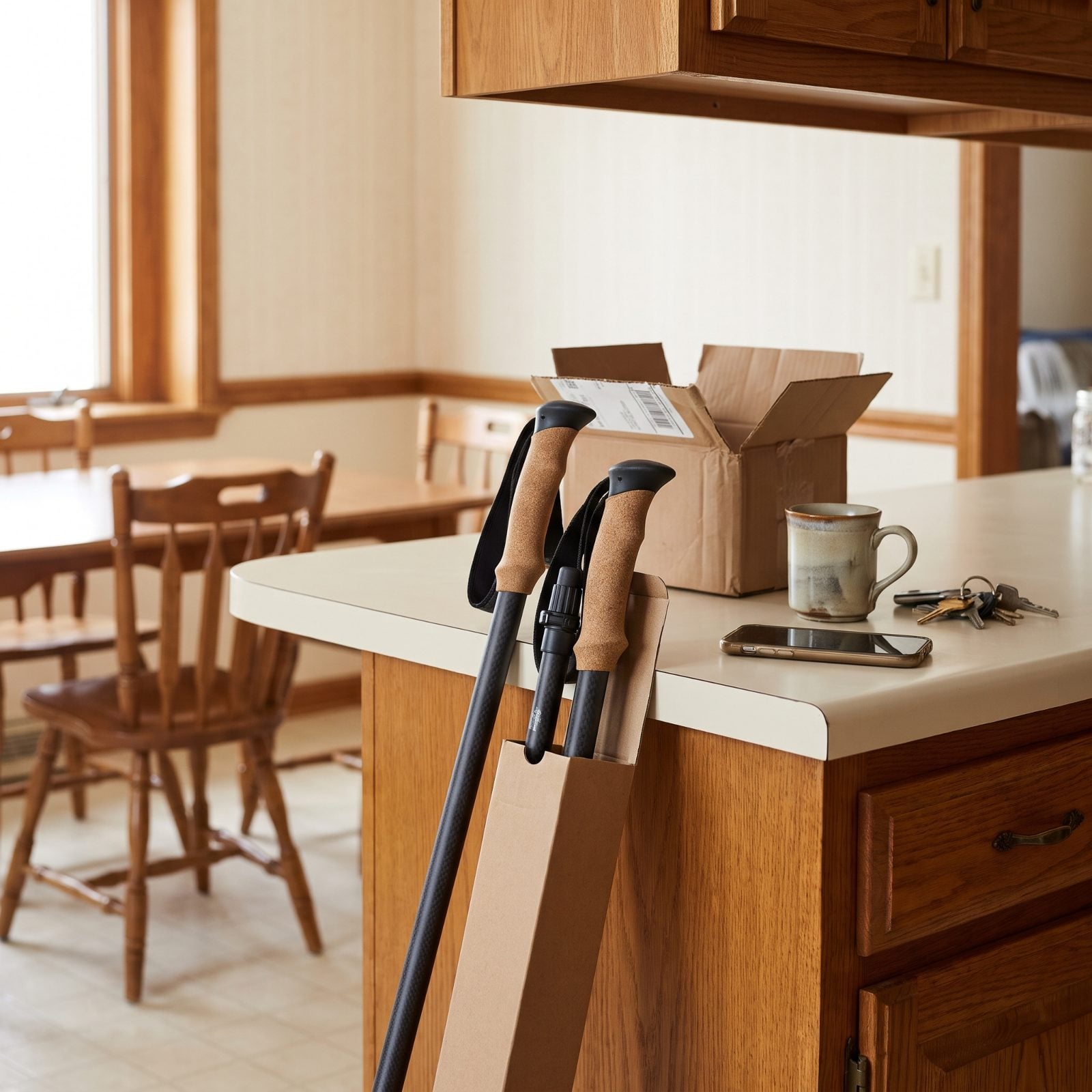
Rough day. The meeting went sideways, the inbox refused to empty, and somewhere around 9pm you were holding a credit card and a cart with $180 worth of carbon trekking poles in it. Poles. For hiking you haven’t scheduled.
That’s retail therapy wearing boots. A bad mood narrows the world down, and buying gear widens it back out — it promises a future where you’re striding up a ridge instead of refreshing email, and the dopamine lands at checkout, well before the box ships.
The poles are rarely the point. The point is buying a different Tuesday.
14. The Packed Gear Closet Feels Like Adventures Already Taken
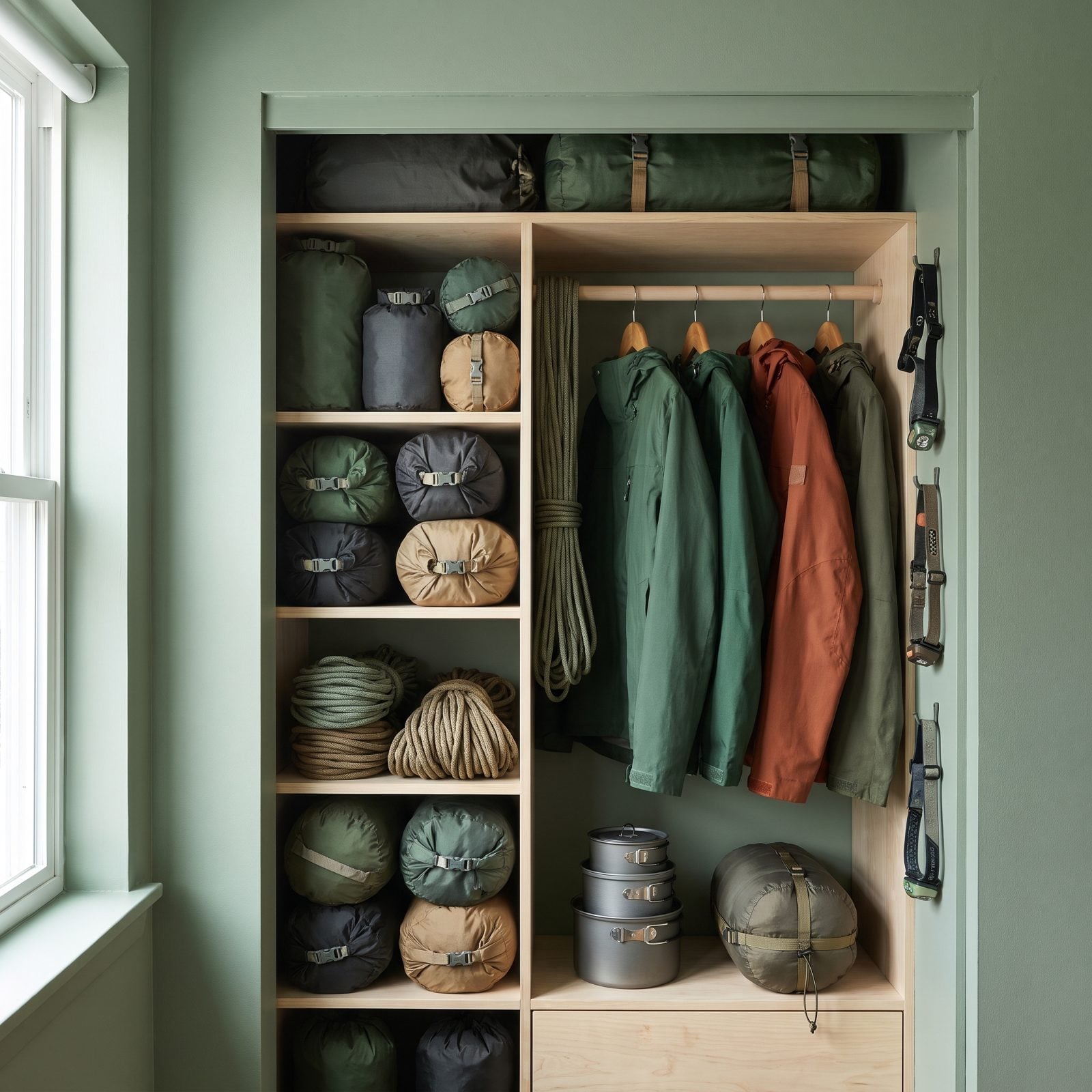
You open the closet and feel something close to satisfaction. The sleeping bags stacked by season, the cook set nesting like a Russian doll — it reads like the inventory of a well-lived outdoor life.
Except most of it is clean. The abundance itself has become the reward, because owning the capability to do a thing feels, to the brain, suspiciously like having done it. A full closet hands you a small sense of accomplishment that an empty one never could.
We’ve all caught ourselves doing this. Reorganizing the gear feels productive, like prep. It isn’t. It’s tidying a trophy case for trophies we haven’t won.
13. The Brand Logo Matters More Than the Trail Ahead
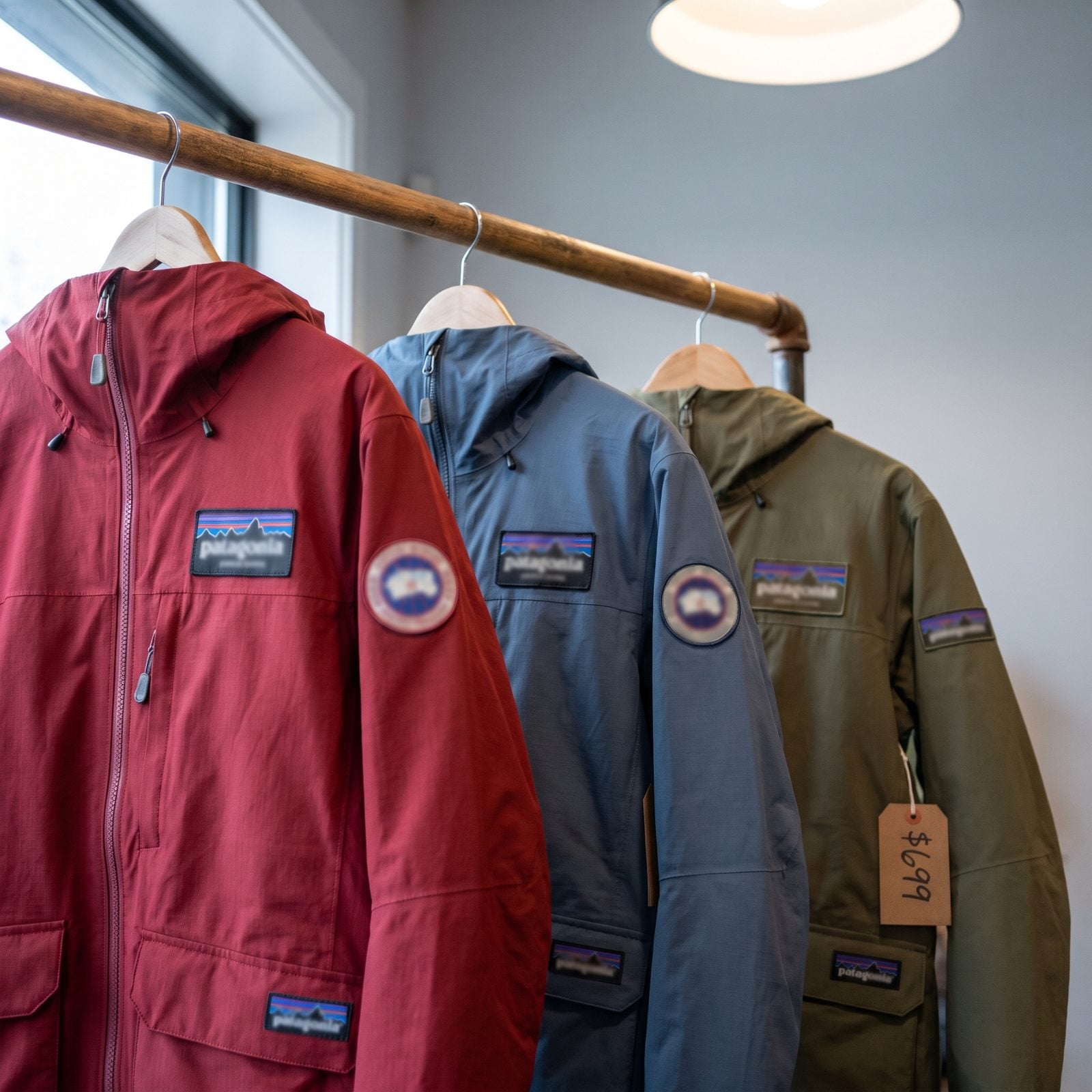
Three shells on the rack — red, slate blue, olive. Similar cut, but not identical: the red one adds a zippered chest pocket, the red and blue wear a round badge on the sleeve, and the olive has a rectangular sleeve patch instead. Each carries little woven patches on the chest and lower pocket that everyone at the trailhead recognizes, and those patches are part of what you’re paying for.
Those patches are doing quiet social work. Gear is a tribal signal out there — the right logo says you belong, that you’re serious, that you’ve done the miles. It’s status dressed as function.
But the mountain doesn’t care. It would treat any of these jackets and a budget one without the patches exactly the same. Those patches only ever talk to other people.
12. YouTube Camp Tours Turn Your Reliable Tent Into an Embarrassment
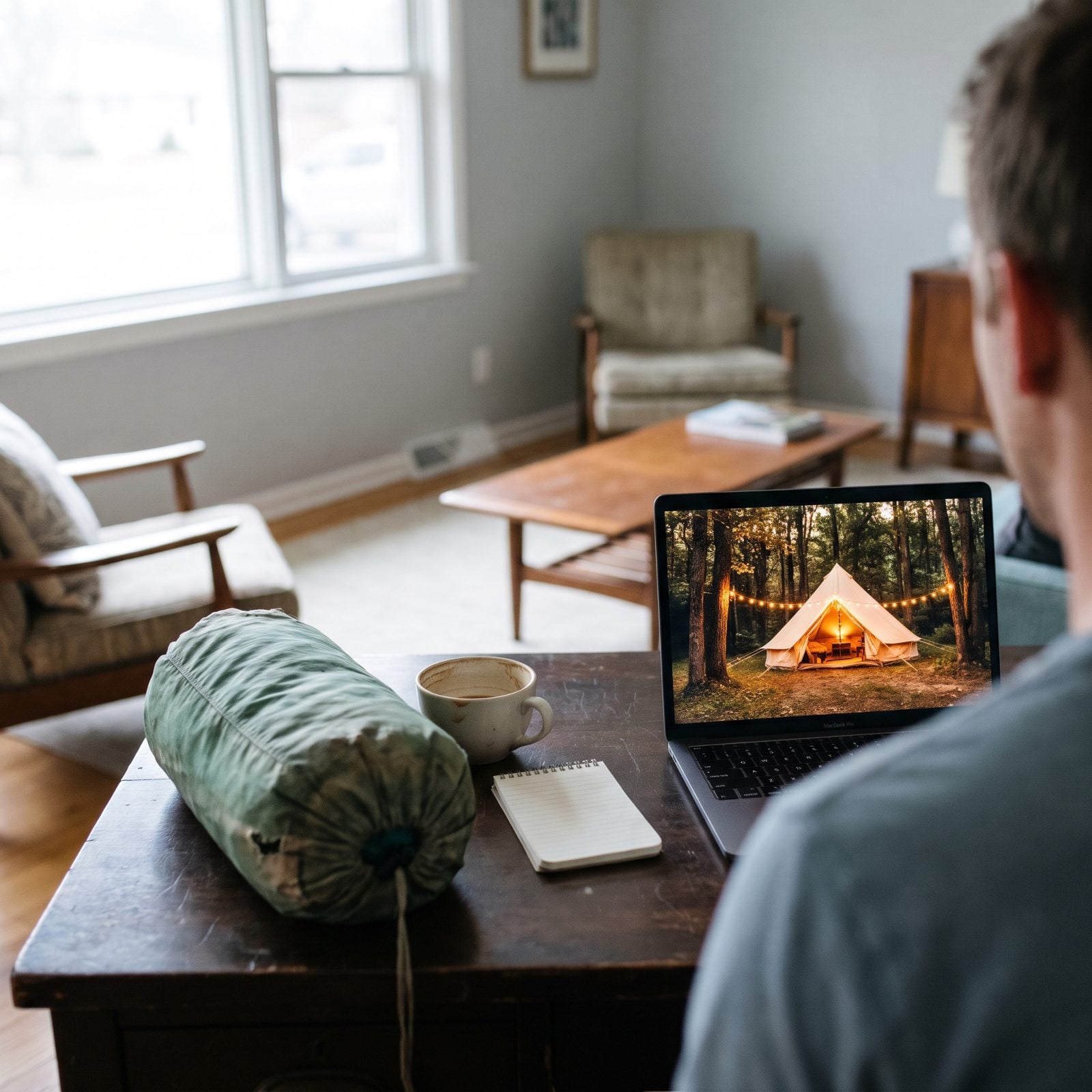
Your tent is fine. It kept you dry for years, pitches in four minutes, and you know every pole by feel. Then you watch forty minutes of camp-setup videos and suddenly it looks like something a stranger abandoned at a landfill.
That’s the comparison trap, and the algorithm feeds it on purpose. You’re measuring your real, lived-in gear against a curated highlight reel built to make you want. The ache isn’t about shelter — it’s about keeping pace with people you’ll never meet.
The fix is older than the internet. Pitch the tent you own. Sleep in it. A tent that works beats one that photographs well, every single time.
11. You Upgrade the GPS Instead of Learning the Route
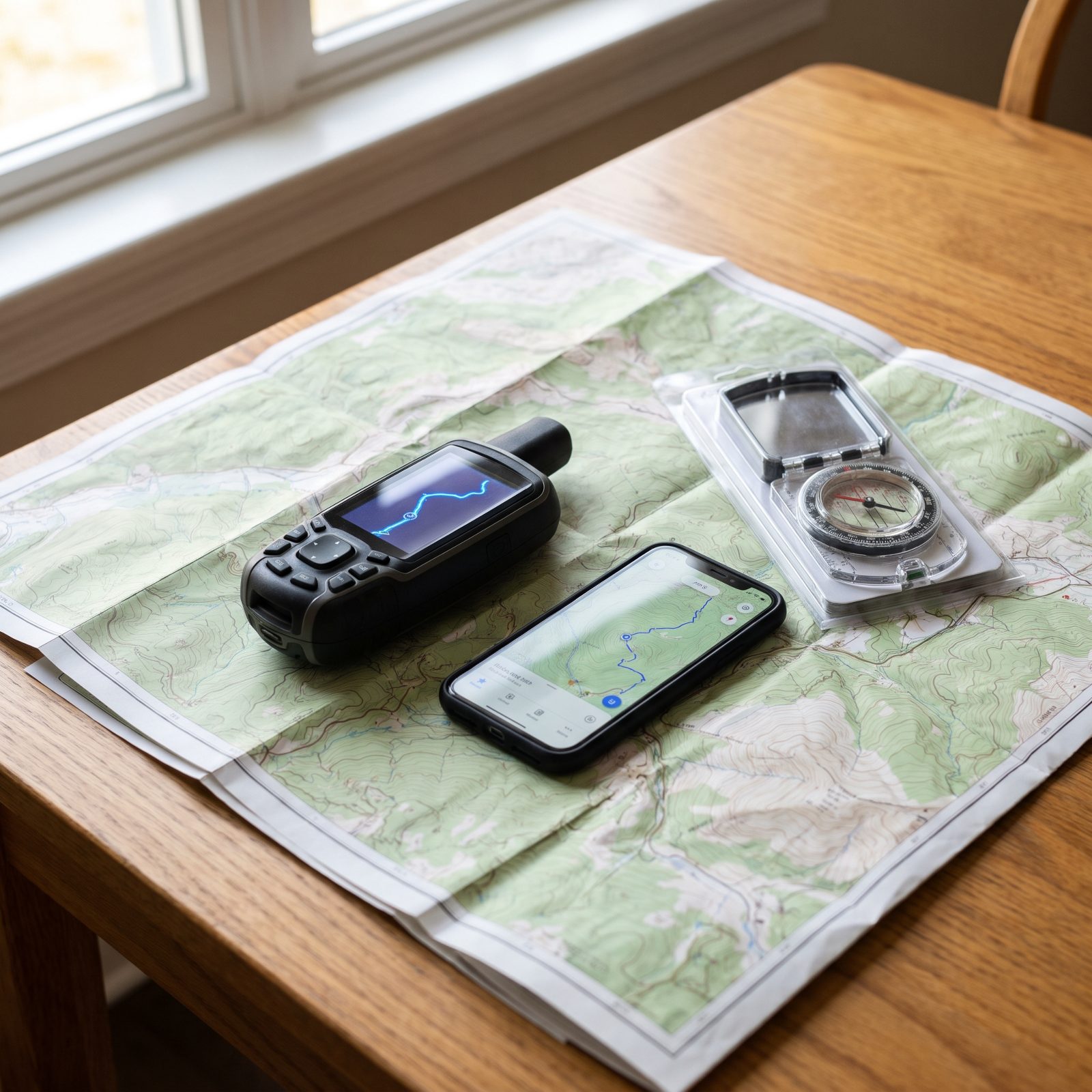
There’s a route you’ve wanted to do. But instead of sitting with the map, tracing the contours, learning where the water is and where the climb bites, you bought a six-hundred-dollar GPS that does all of it for you.
Buying a tool feels like gaining a skill. It isn’t. The device promises competence you can own instead of earn. One is a purchase that takes ten minutes. The other is work that takes real attention and comes in no shiny box.
Skills don’t ship in packaging. They come from the slow, unglamorous hours nobody films.
10. You Research Headlamps Longer Than You Spend Outside
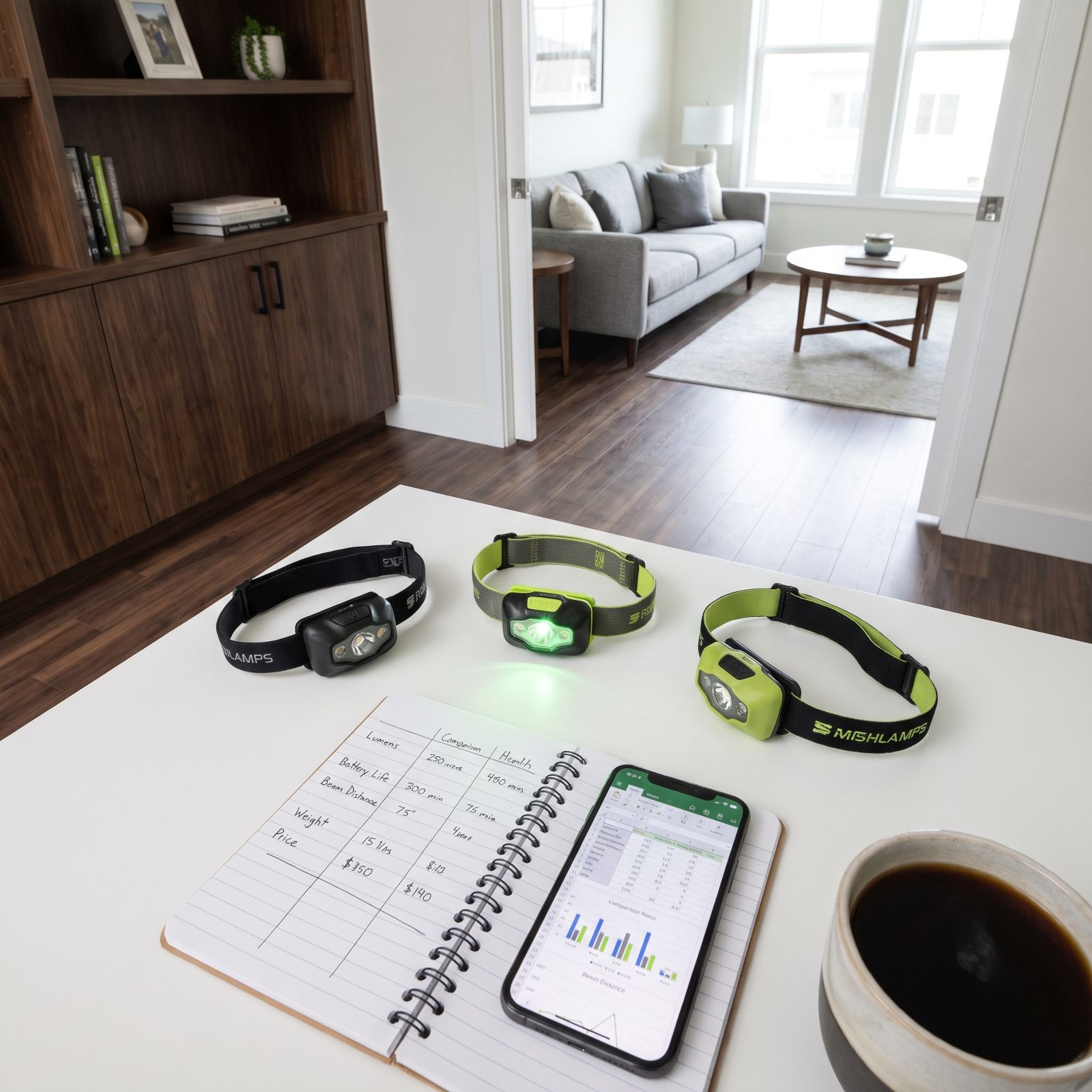
Lumens. Burn time. Red-light mode. Beam distance. You’ve read eleven reviews, three forum threads, and a spreadsheet someone made comparing nine models — and your total time spent outside in the dark this year hovers near zero.
Welcome to the research trap, which is weirdly comforting. Comparing options feels like progress while committing to none of the risk, so you get the satisfaction of expertise without ever stepping into the woods at night.
At some point the research stops being preparation and becomes the hobby itself. Pick a decent one. Turn it on. Walk a dark trail. That’s the actual test.
9. One Titanium Mug Suddenly Needs a Matching Camp Kitchen
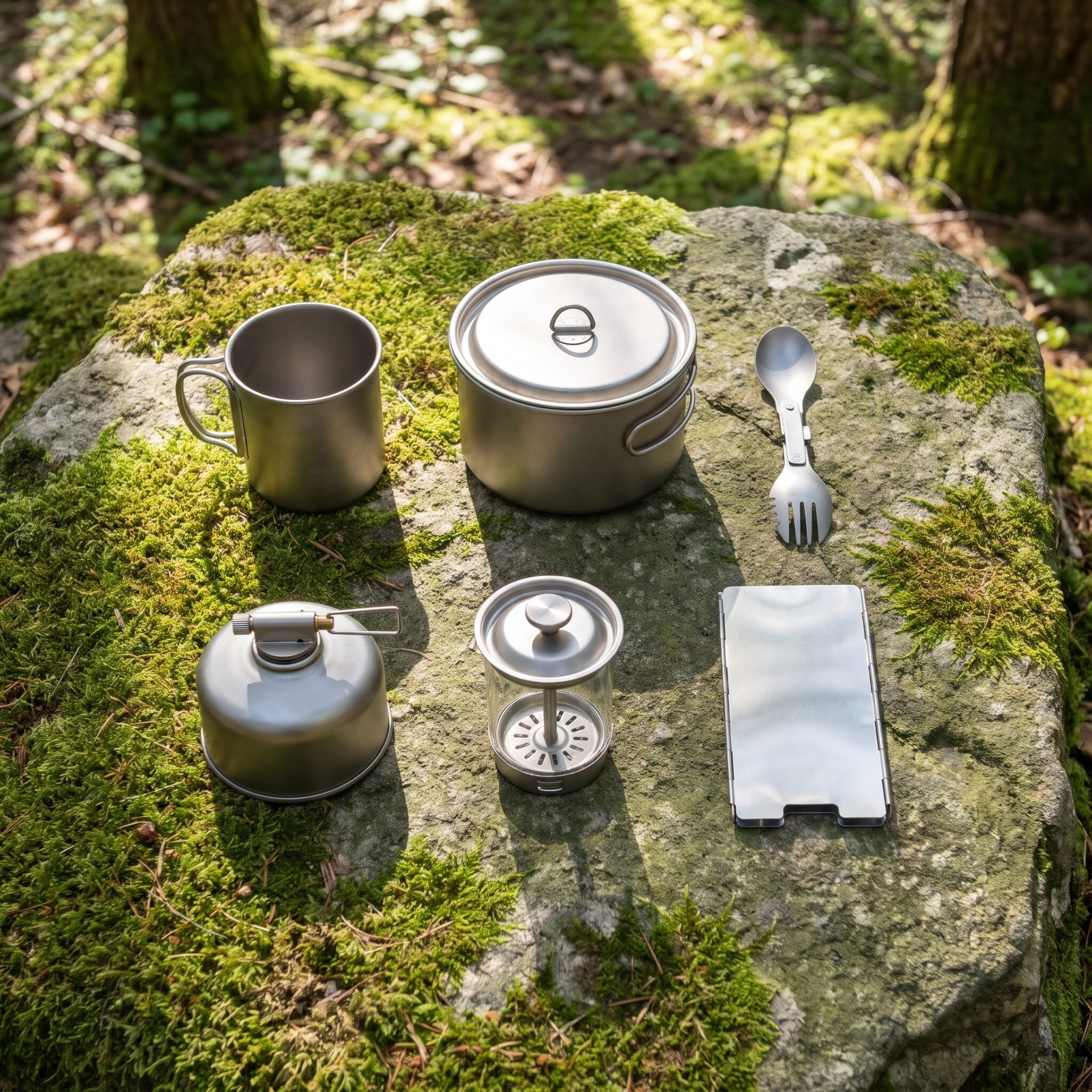
It started innocently. One titanium mug, light as a secret, bought because it was beautiful. Then the mug needed a matching pot, the pot wanted the folding spork, and before long you owned an entire ultralight camp kitchen that has never once boiled water in the backcountry.
This is the Diderot effect, named for a philosopher who got a fancy robe and ended up replacing his whole study to match it. One nice thing makes everything near it look shabby, and so the set must be completed. The mug was a doorway, not a destination.
Completeness feels like virtue. Really it’s just one purchase quietly recruiting the next.
8. Monthly Payments Make the Rooftop Tent Feel Almost Free
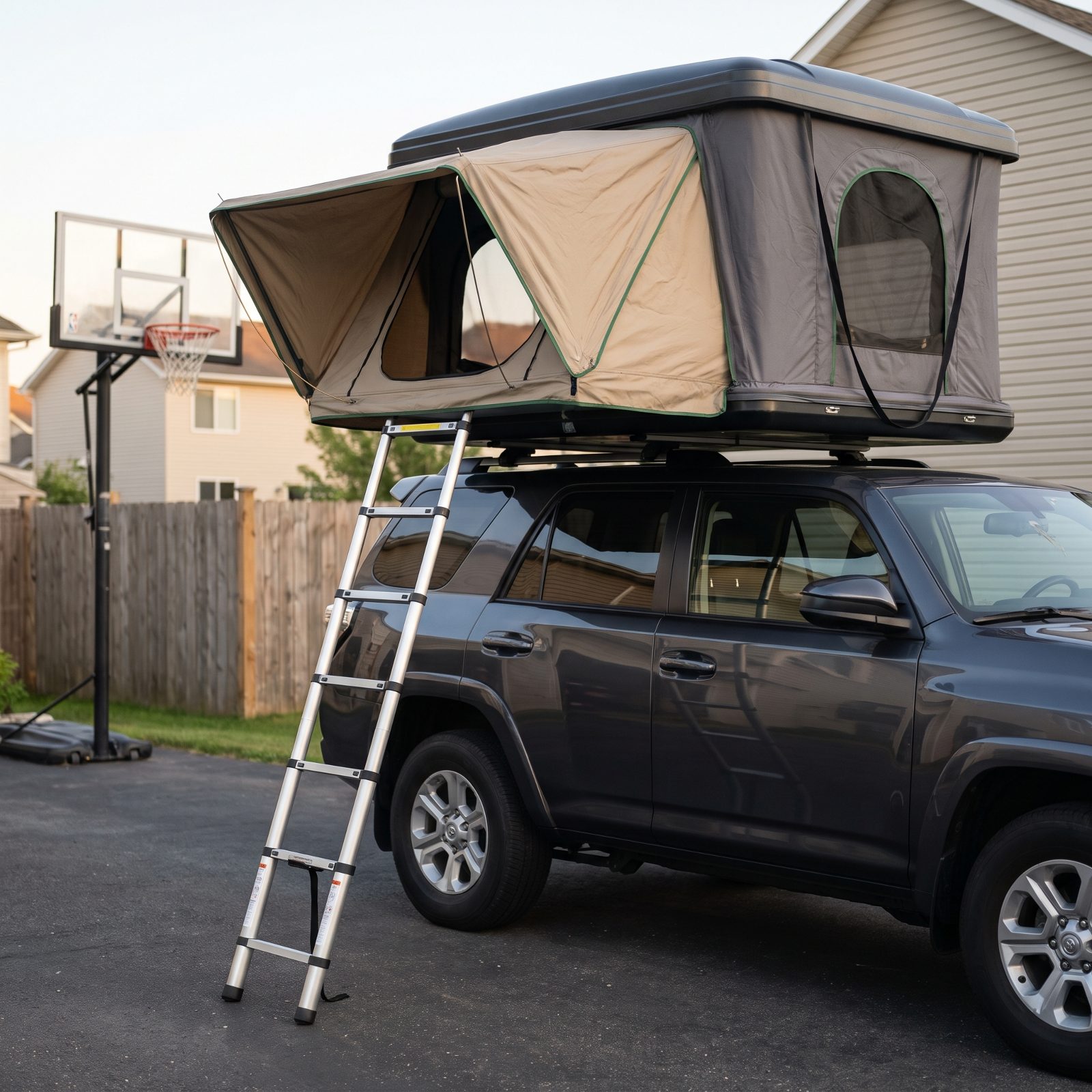
Three thousand dollars for a rooftop tent is a gulp. But eighty-nine a month? That barely registers — a nice dinner out, spread thin enough to disappear into the background noise of your bank statement.
Financing rewires how the brain reads cost. Splitting a big number into small ones makes the total feel almost imaginary. You stop asking “is this worth three grand” and start asking “can I swing eighty-nine a month,” which is a much easier yes.
Meanwhile the tent pops open on the roof in the driveway, ladder down, a basketball hoop and wooden fence beside it, a weekend adventure staged a few feet from the neighbors’ houses.
7. Limited-Edition Boots Make an Ordinary Hike Feel Urgent
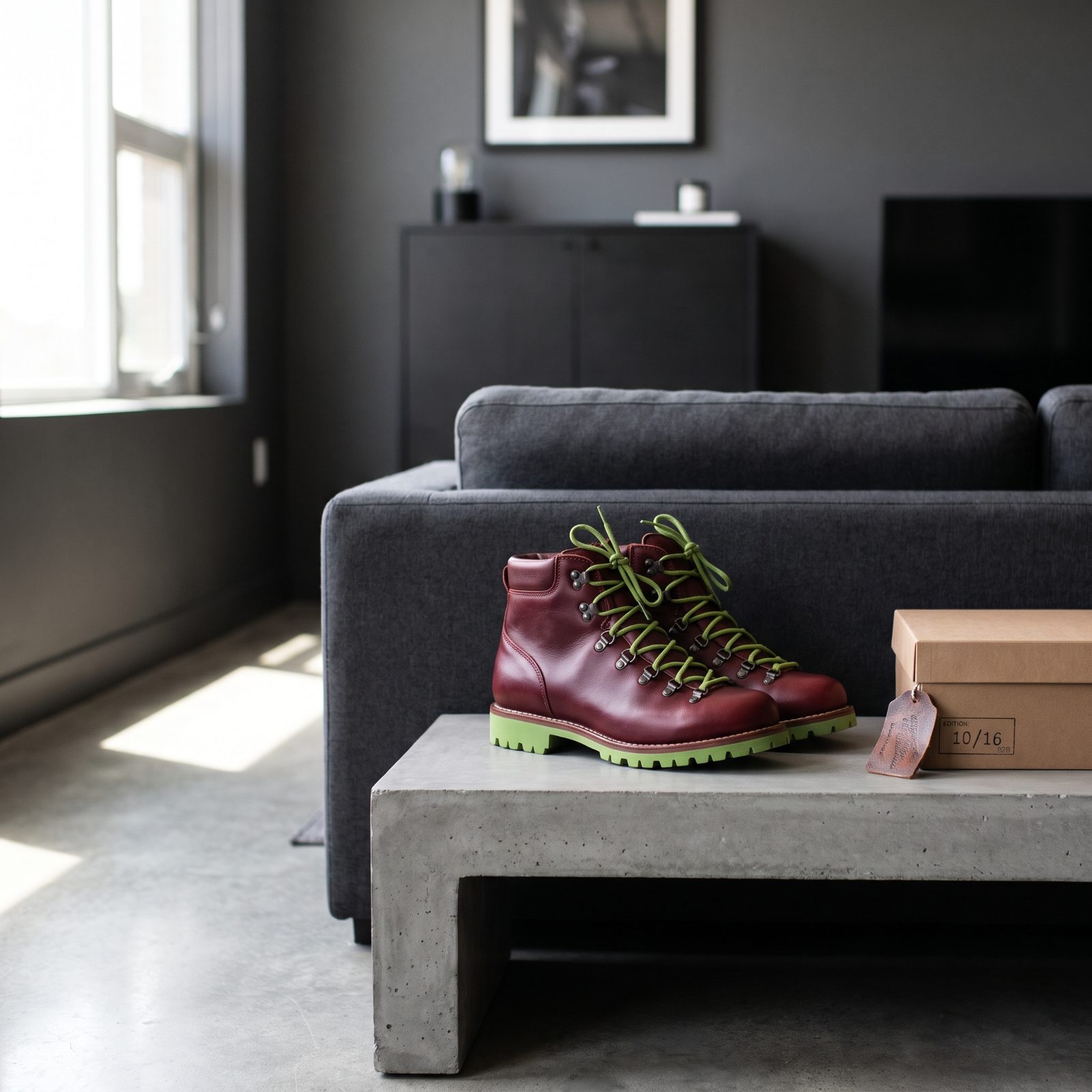
The email says “limited run, 300 pairs.” Suddenly a boot you weren’t thinking about an hour ago feels like something you might regret missing forever. So you buy them. And the hike you’ll do in them is the same flat local loop you always do.
Scarcity hijacks judgment. The moment something might run out, the brain reclassifies it from “want” to “need now.” A limited edition doesn’t make the trail more interesting — it makes the buying feel urgent, and urgency is a terrible financial advisor.
The boots will scuff the same as any other pair. The number stamped on the box means nothing to the dirt. Buy boots that fit, and let the limited runs sell out without you.
6. Five-Star Reviews Become Essential Right After You Click Buy
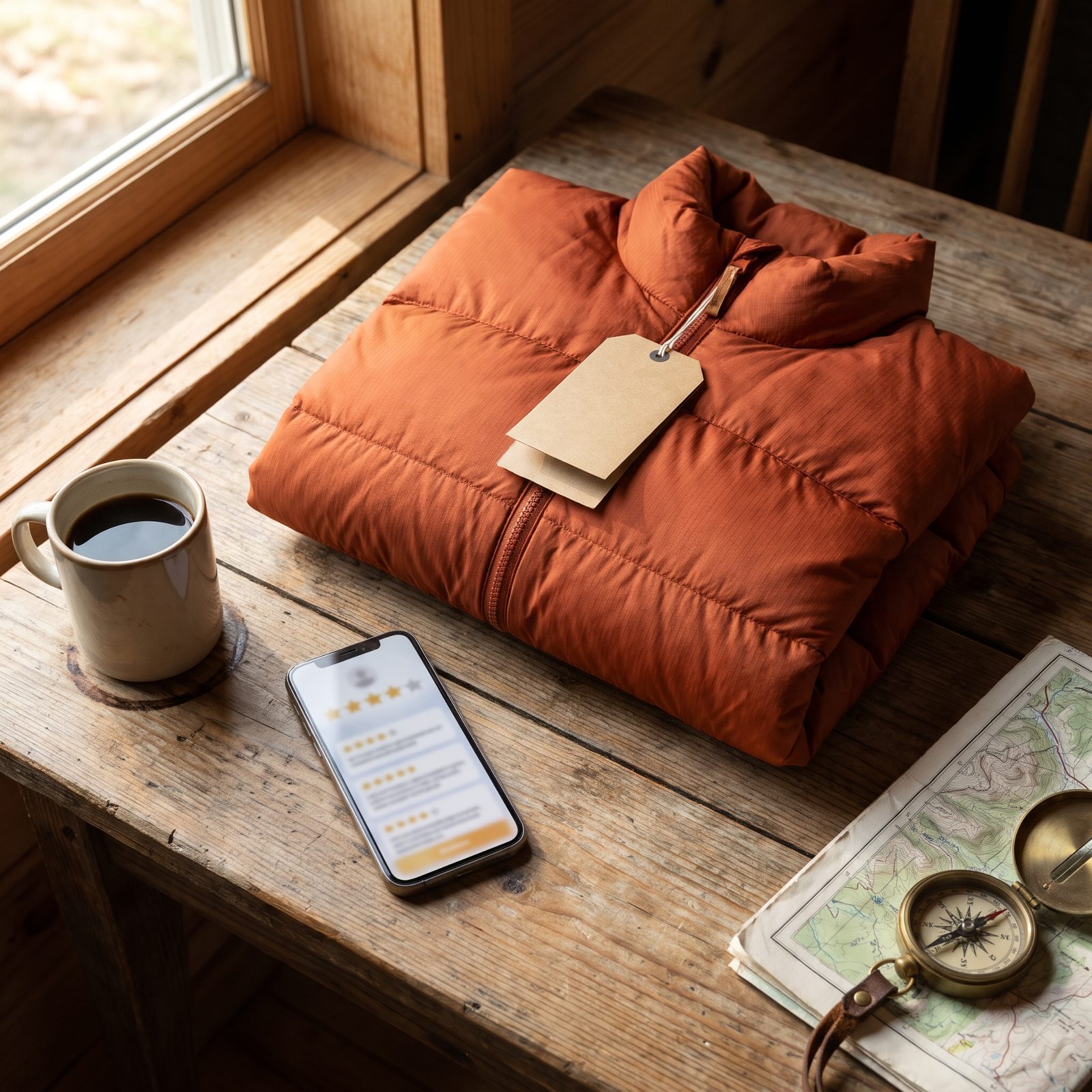
You know the feeling. The order confirmation lands, the money’s gone, and only then do you crawl back through every review you breezed past on the way to the cart — not to decide anymore, because the deciding is done, but to hunt down proof you chose right.
That’s the mind tidying up after itself. Once we commit, we go looking for evidence that the commitment was smart, and we quietly skim past anything that says otherwise. The one-star gripe about the broken zipper? Probably a fluke. The glowing four-paragraph writeup from a guy who summited something gnarly? That’s the real data now.
The gear doesn’t change between checkout and delivery. Only your reading of it does. You’ve gone from shopper to defender, and defenders read differently.
5. Last Year’s Premium Jacket Already Feels Weirdly Ordinary
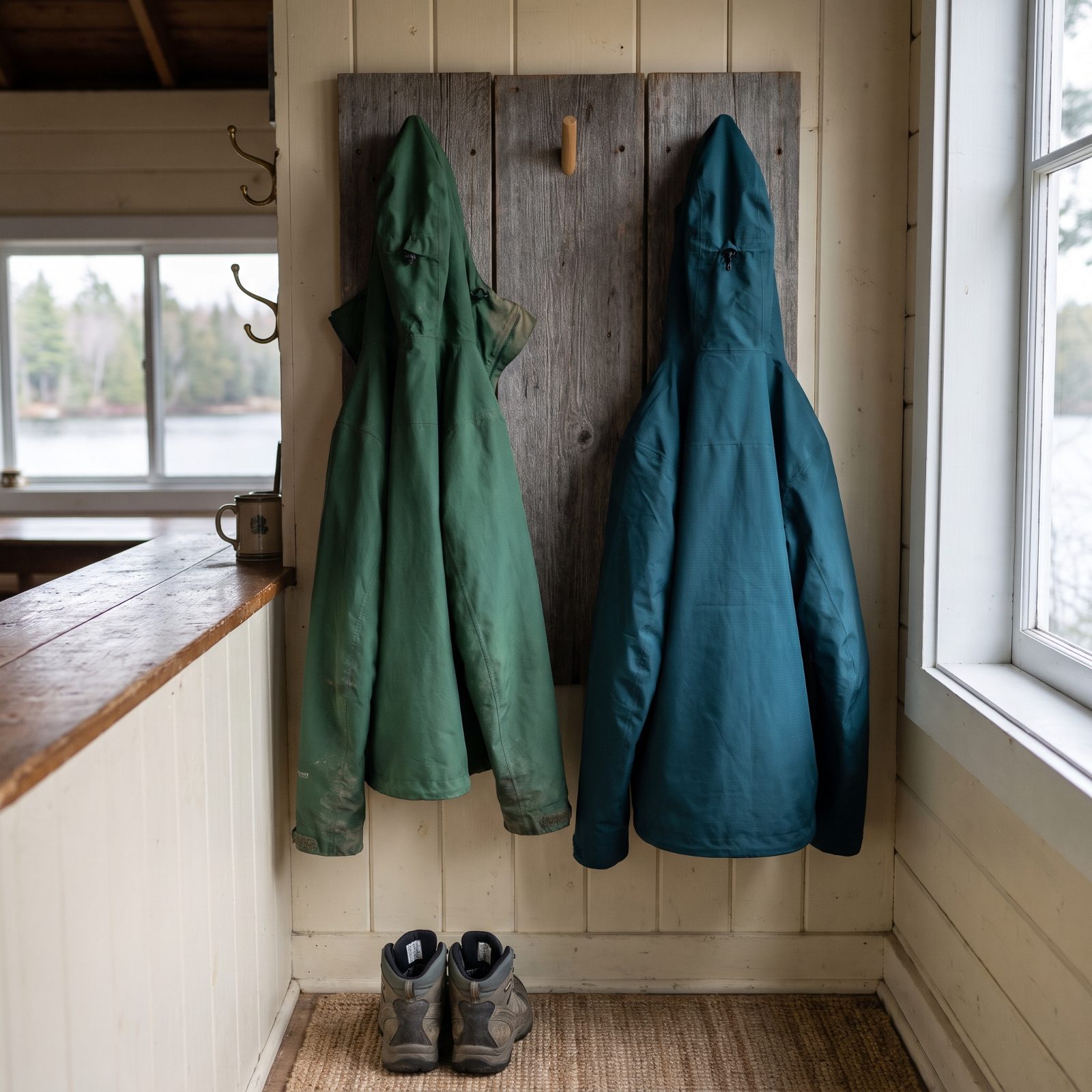
The jacket that once felt like the best thing you’d ever owned is now just… your jacket. It still blocks wind, still beads rain, and nothing about it has failed. But the thrill flattened out somewhere around the fourth or fifth wear, and now a newer model with a slicker face fabric is tugging at you from a browser tab you keep not closing.
We adapt to good things fast. The brain treats a new possession as thrilling for a short window, then resets it to normal and starts scanning for the next hit. The gear didn’t get worse. Your baseline moved.
We’ve done this more times than we’d care to admit, which is exactly why the old jacket is usually the better jacket. It’s proven. It’s quiet. And it’s the one you stopped seeing.
4. The Ultralight Scale Turns Every Gram Into a Moral Failing
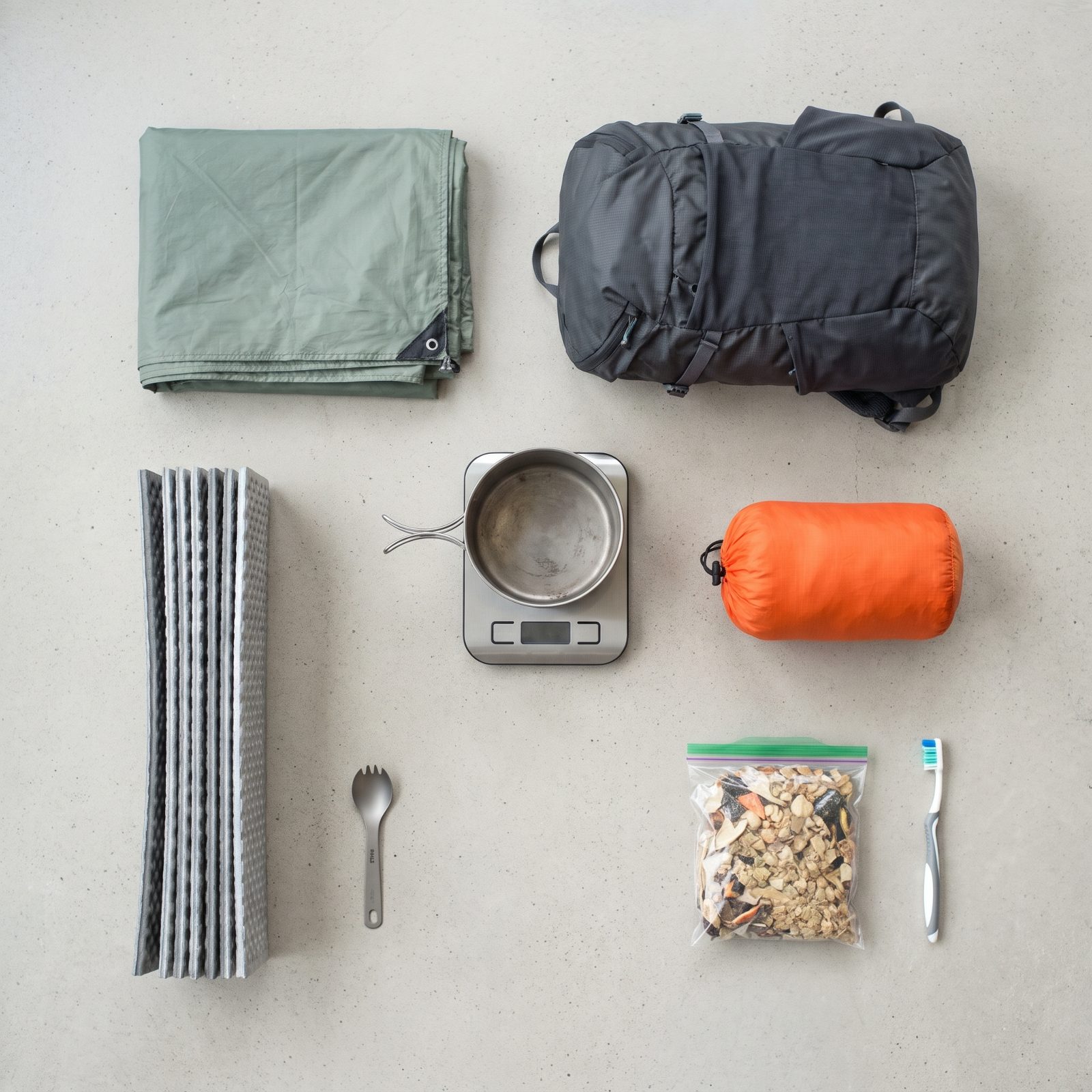
Somewhere in the garage, there’s a sawed-off toothbrush. Maybe a knife with the handle scales pried off. A spork weighed against a slightly lighter spork, the heavier one exiled to a drawer in disgrace. Welcome to the ultralight rabbit hole, where comfort gets rebranded as weakness and every ounce on your back becomes a tiny failure of discipline.
Here’s the trap. Once you buy the scale and start counting, the counting becomes the point. Each gram you shave delivers a little jolt, so you chase the next gram, then the next, long after the pack weight stopped mattering to your knees or your mileage.
It’s any hobby that slides from useful into ritual. The spreadsheet replaces the trail. You’re optimizing a trip you might take twice a year, and the optimizing has quietly become its own trip.
3. The Emergency Beacon Makes Risk Feel Safer Than It Is
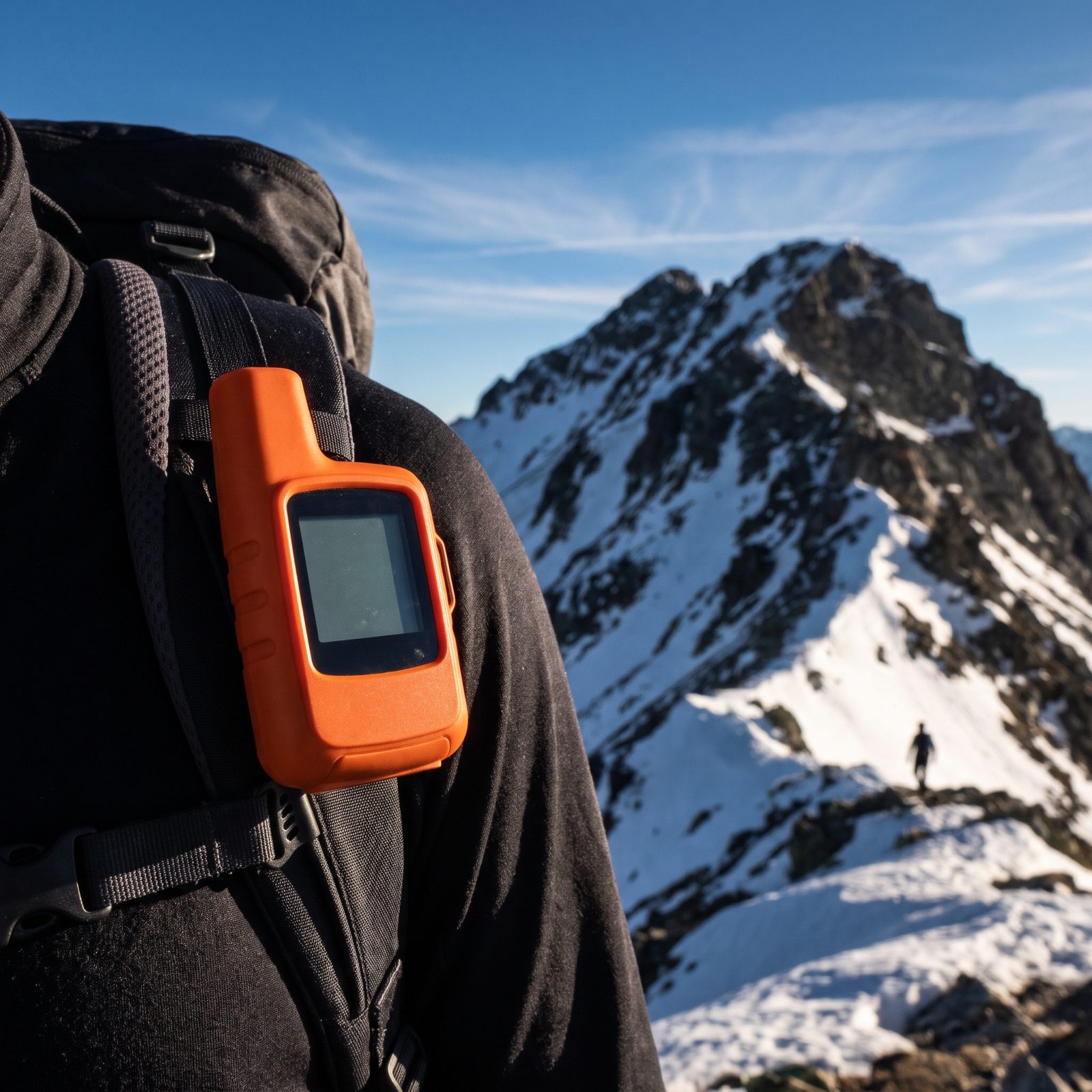
Clip a satellite beacon to your pack and something shifts. The route you’d have skipped suddenly looks doable. The forecast you’d have respected feels like a suggestion. You’ve got a button that calls for help now, so the margin feels wider than it did yesterday.
The beacon didn’t make the mountain safer. It changed how you feel about the mountain, and the feeling is the problem. When a safety device shows up, people tend to spend the new sense of security on bigger risk instead of banking it. Seatbelts, antilock brakes, climbing ropes — same pattern every time.
Carry the beacon. Just don’t lean on it. Rescue is hours away in the best case, and the weather doesn’t care that you’ve got a subscription.
2. Vintage Camp Lanterns Let You Borrow Someone Else’s Childhood
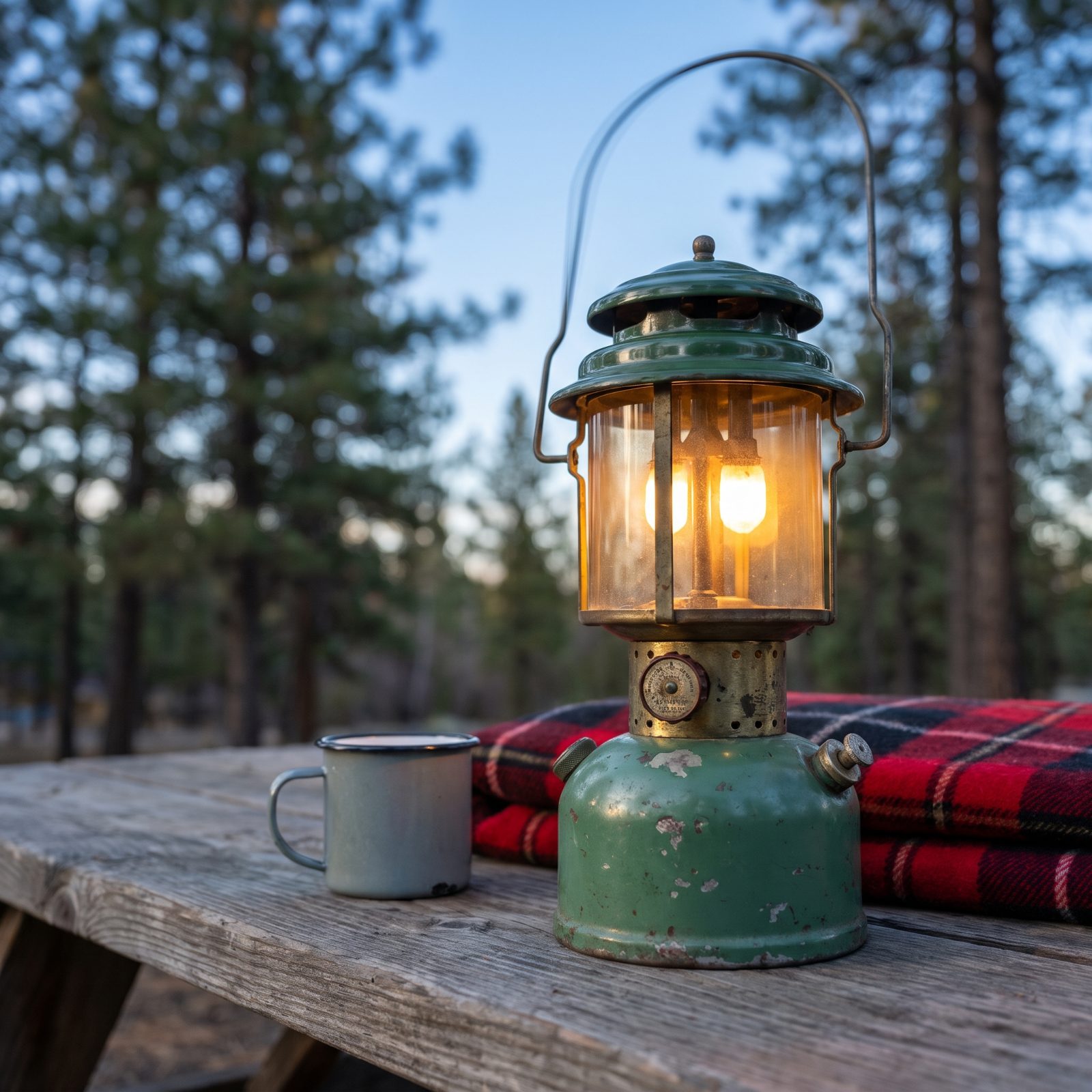
A new LED lantern lights the campsite better, weighs less, and never needs a mantle. Yet the chipped green double-mantle lantern on the collector’s shelf is the one people actually reach for, hissing softly, throwing that amber glow that smells faintly of white gas and summer.
You’re not buying light. You’re buying a feeling that may not even be yours. Maybe your dad ran one. Maybe you just remember a campground that did, decades back, when the grown-ups stayed up late and the night felt enormous.
Nostalgia is a potent buying drug, and it moves things that make no practical sense whatsoever. The old lantern wires you back to a version of camping — and a version of yourself — the LED can’t touch. That’s worth real money to a lot of us.
1. You Save the Best Hiking Boots for the Perfect Trail
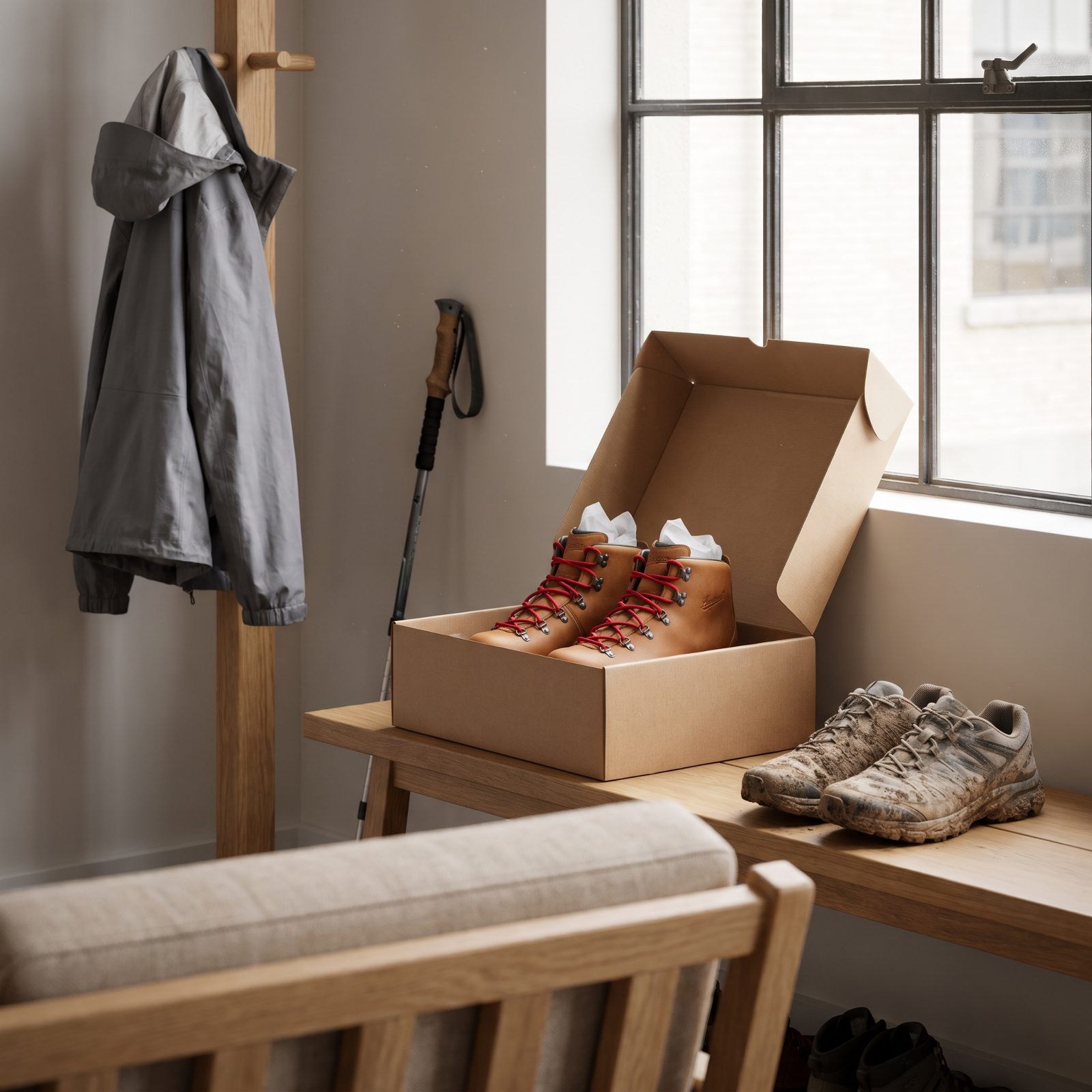
There’s a box in the mudroom with boots too good to wear. Full-grain leather, broken in once around the yard, then set aside for the trip that would finally deserve them. And every actual weekend, you lace up the beat-up trail runners instead, because those boots are being saved.
Saved for what, exactly? The perfect trail — the one that hasn’t happened yet and maybe never will. So the good gear ages in the closet while the idealized hike stays stubbornly in the future.
We treat prized things as too precious for ordinary days, and in the hoarding we never claw back the value we paid for. The boots want mud. The best trail is usually the one you can reach this weekend.
The boots want mud. The trip you’re saving them for keeps not arriving.
Wear the good boots. The perfect trail is a story we tell ourselves to avoid scuffing the leather.