
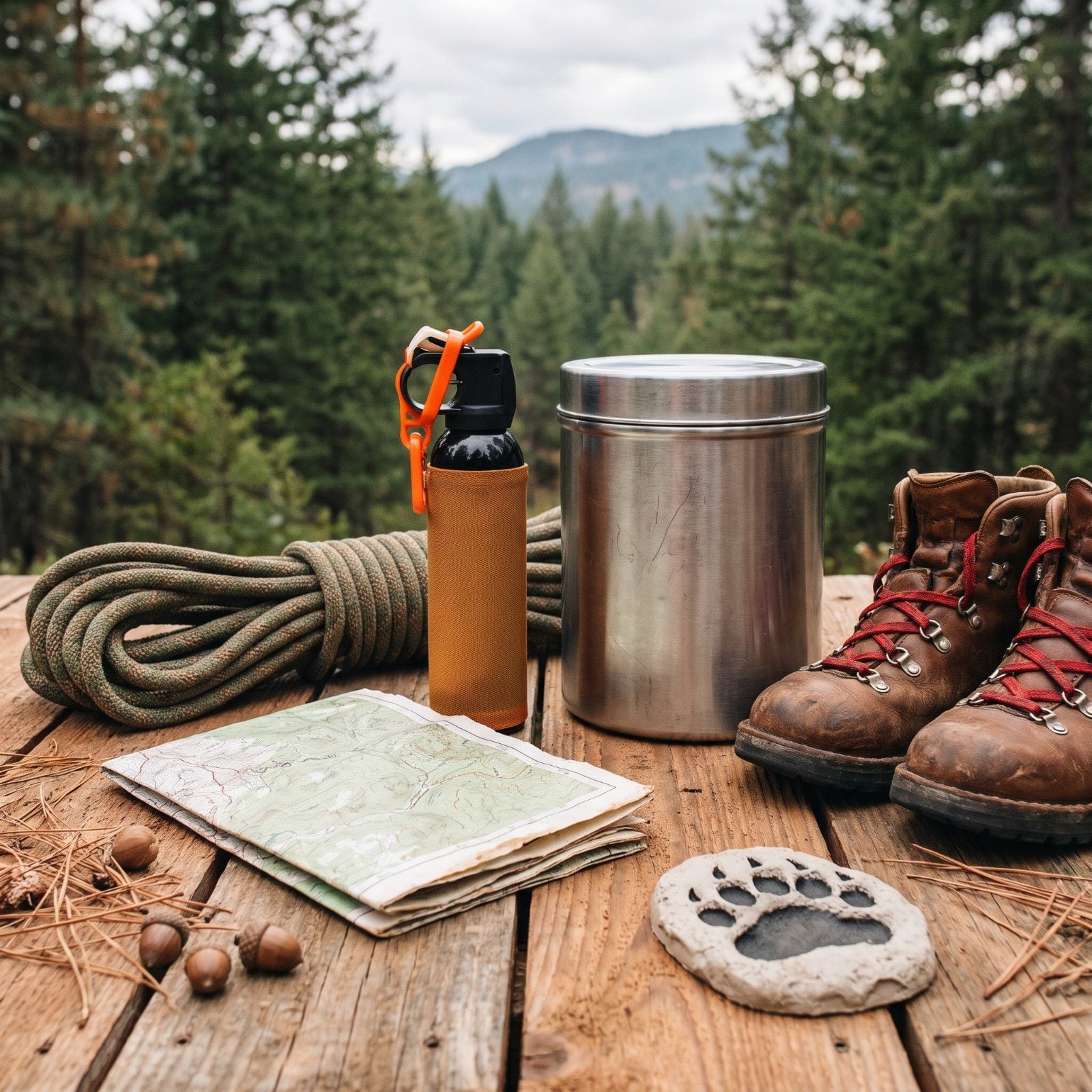
The worst advice about bears gets passed around campfires like it’s gospel. Outrun them, play dead, climb a tree, make yourself big. Some of it works in one situation and gets you killed in another. The real problem isn’t ignorance. It’s people knowing the wrong thing with total confidence. A black bear and a grizzly want different things from you, and treating them the same is how a manageable encounter turns ugly. Here’s what’s worth unlearning before your next trip into bear country, with the real behavior behind each one.
Please note that some of the images in this article were created with the assistance of AI.
44. Myth: You Can Outrun a Bear
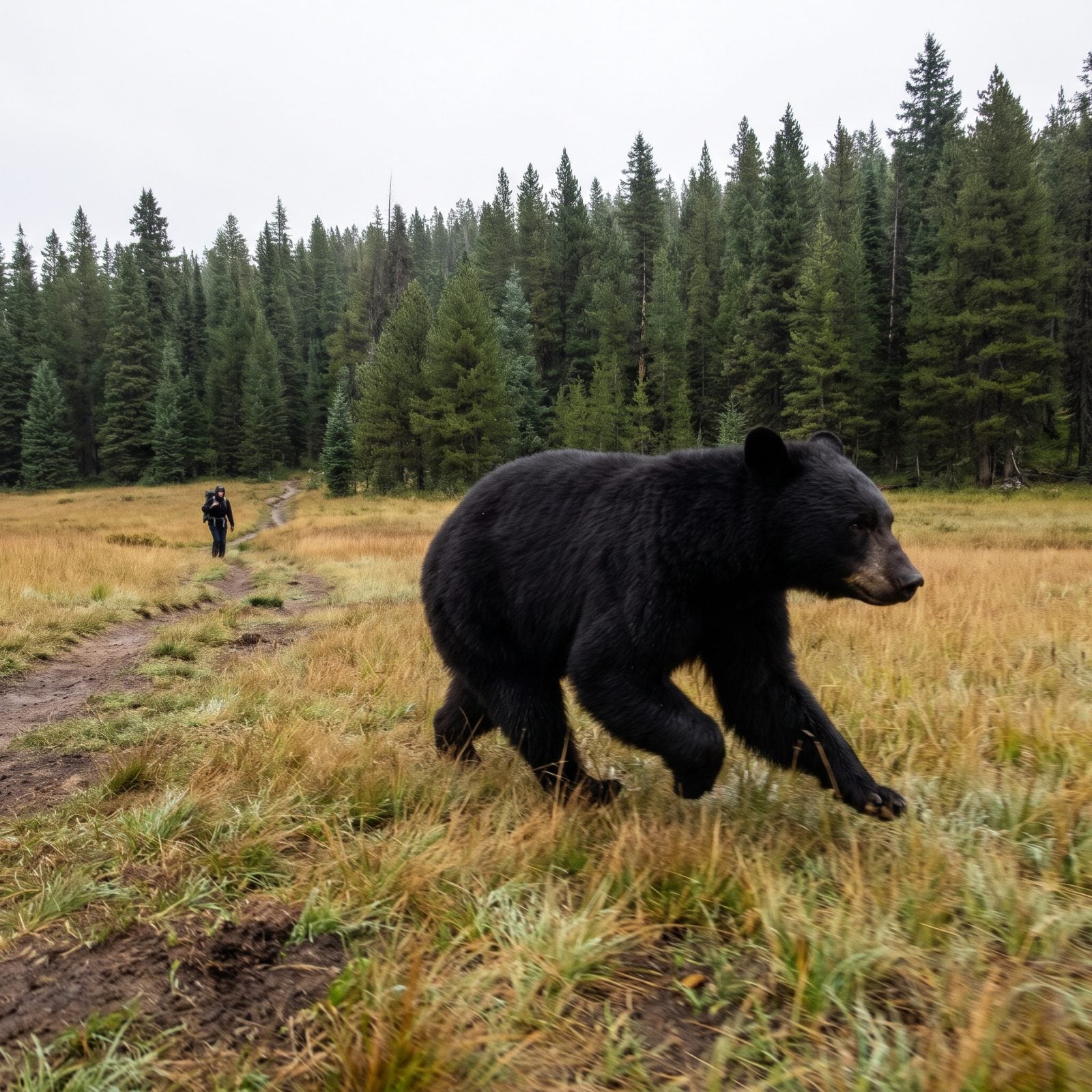
A bear moves fast — well past what any sprinter manages, and that sprinter has spikes, a flat track, and about ten seconds in him. You, in boots, on a slope, carrying a pack, are not that man.
Running does something worse than fail. It flips a switch. Bears are predators, and a fleeing shape reads as prey. You go from curious animal to chase object in the time it takes to turn your back.
43. Myth: Running in a Zigzag Will Confuse a Bear

This one comes from alligators, and it’s shaky advice even for those. Bears are not slow to turn. They cut through brush, roots and deadfall better than you do, because it’s their living room and your obstacle course.
Zigzagging just slows you down while the bear takes the inside line, and you lose ground on every turn. The whole idea assumes a lumbering, clumsy animal. Watch one actually move and you’ll drop that assumption fast.
42. Myth: Every Bear Species Requires the Same Response
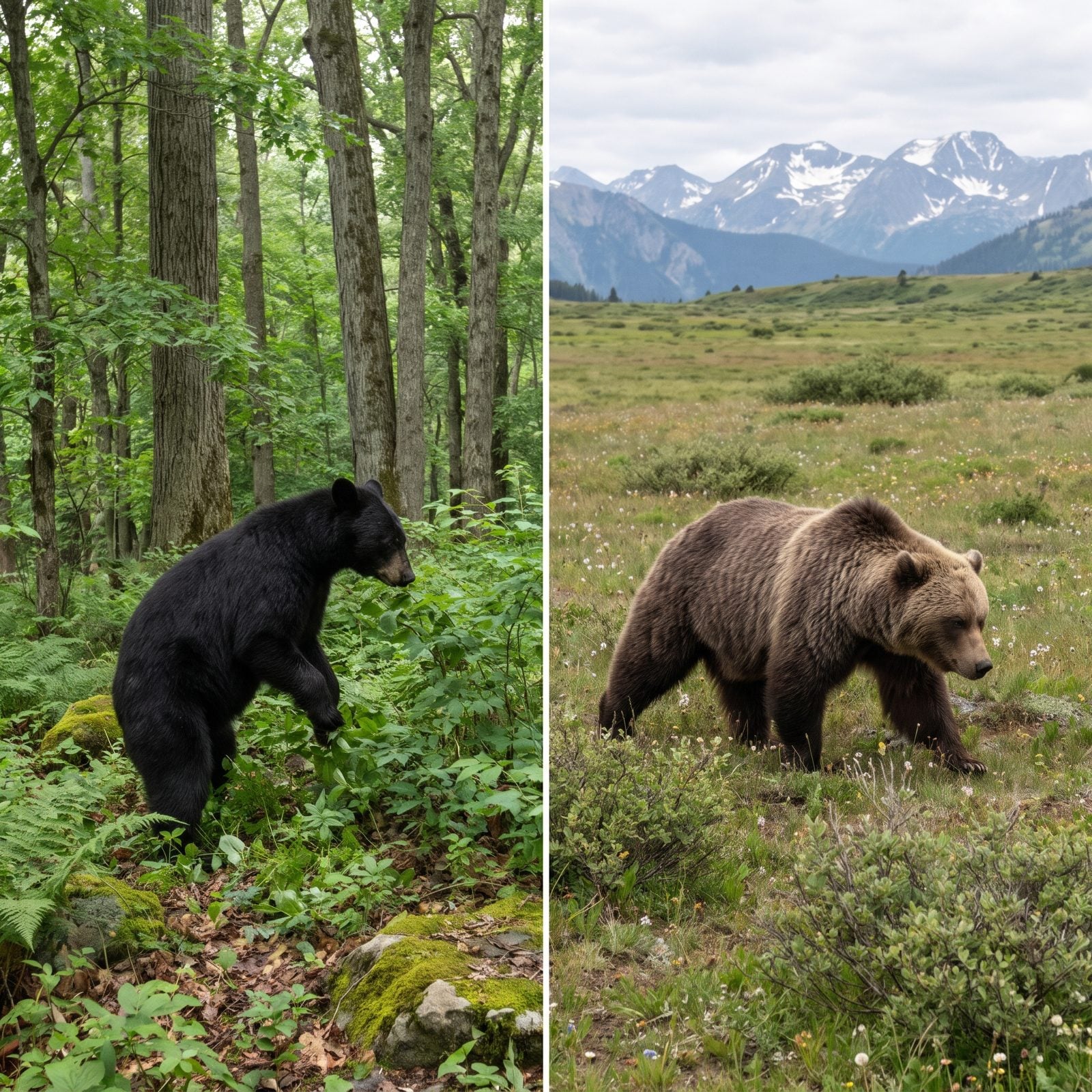
The single most dangerous idea on this list. A black bear and a grizzly are not the same animal with different paint jobs.
With a grizzly that charges, you generally play dead, protect your neck, and let it decide you’re not a threat. Do that with a black bear that’s genuinely attacking and you may have just laid down for a predator. Black bears that press an attack want a fight, so give them one. Polar bears are a third category entirely, and they treat you as food by default.
41. Myth: Climbing a Tree Guarantees Safety
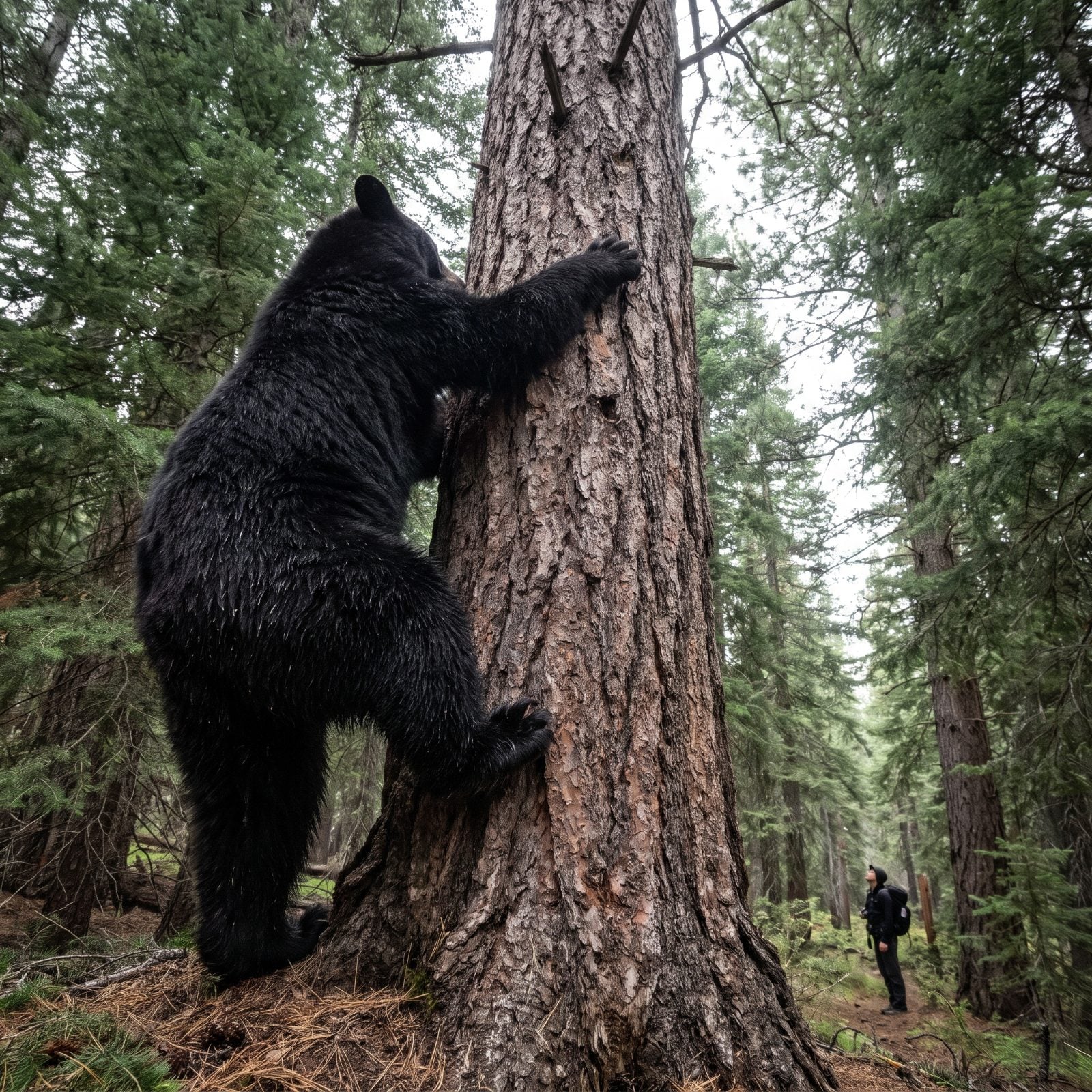
Black bears climb trees better than squirrels. Cubs go up at the first sign of trouble, and an adult will follow you up without much effort — now you’re stuck on a branch with nowhere to go.
Grizzlies climb less, but less isn’t never, and a motivated one can still reach you on the lower trunk. The tree bought you nothing except a worse position. Keep your feet on the ground where you can use spray and read the situation.
40. Myth: A River or Lake Forms a Reliable Barrier Against Bears
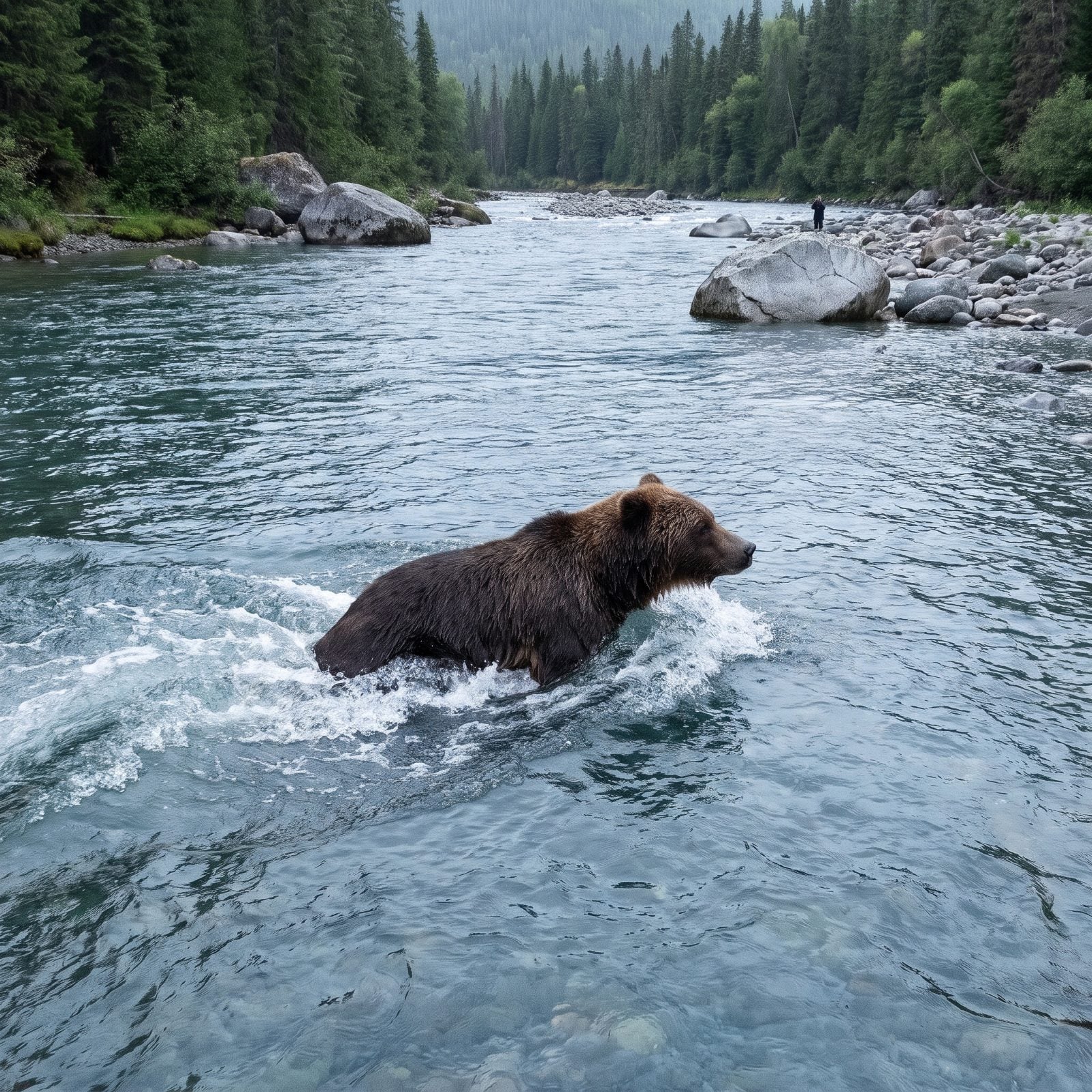
Bears swim. Comfortably, for miles, in cold water. Polar bears cover distances that would kill a strong human, and grizzlies cross rivers to reach salmon runs as part of the daily grind.
So wading or paddling across to put water between you and a bear just leaves you slow, cold and exposed in the middle of the current. The water isn’t a wall. At best it’s a brief head start, and often not even that.
39. Myth: Standing Completely Still Is Always the Safest Response
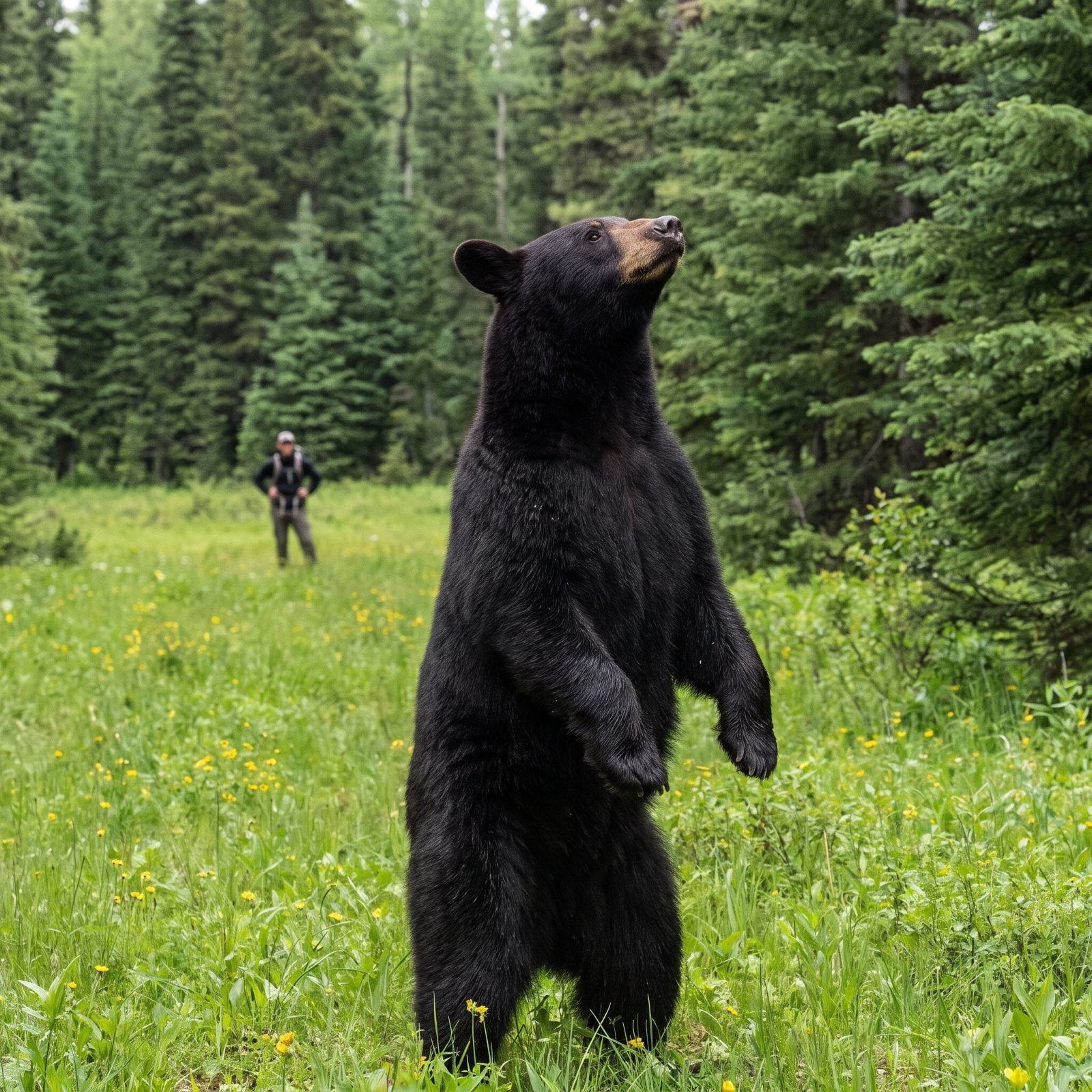
Freezing works for exactly one moment: a bear hasn’t decided what you are yet, and you don’t want to startle it. After that, standing like a statue reads as weakness or indecision.
What you do next depends on what the bear’s doing. A bear up on its hind legs is usually just trying to smell and see you better — curiosity, not a threat. That’s your cue to talk calmly, back away slowly, and keep your spray ready. Don’t lock up and wait.
38. Myth: Direct Eye Contact Shows a Bear Who Is Boss
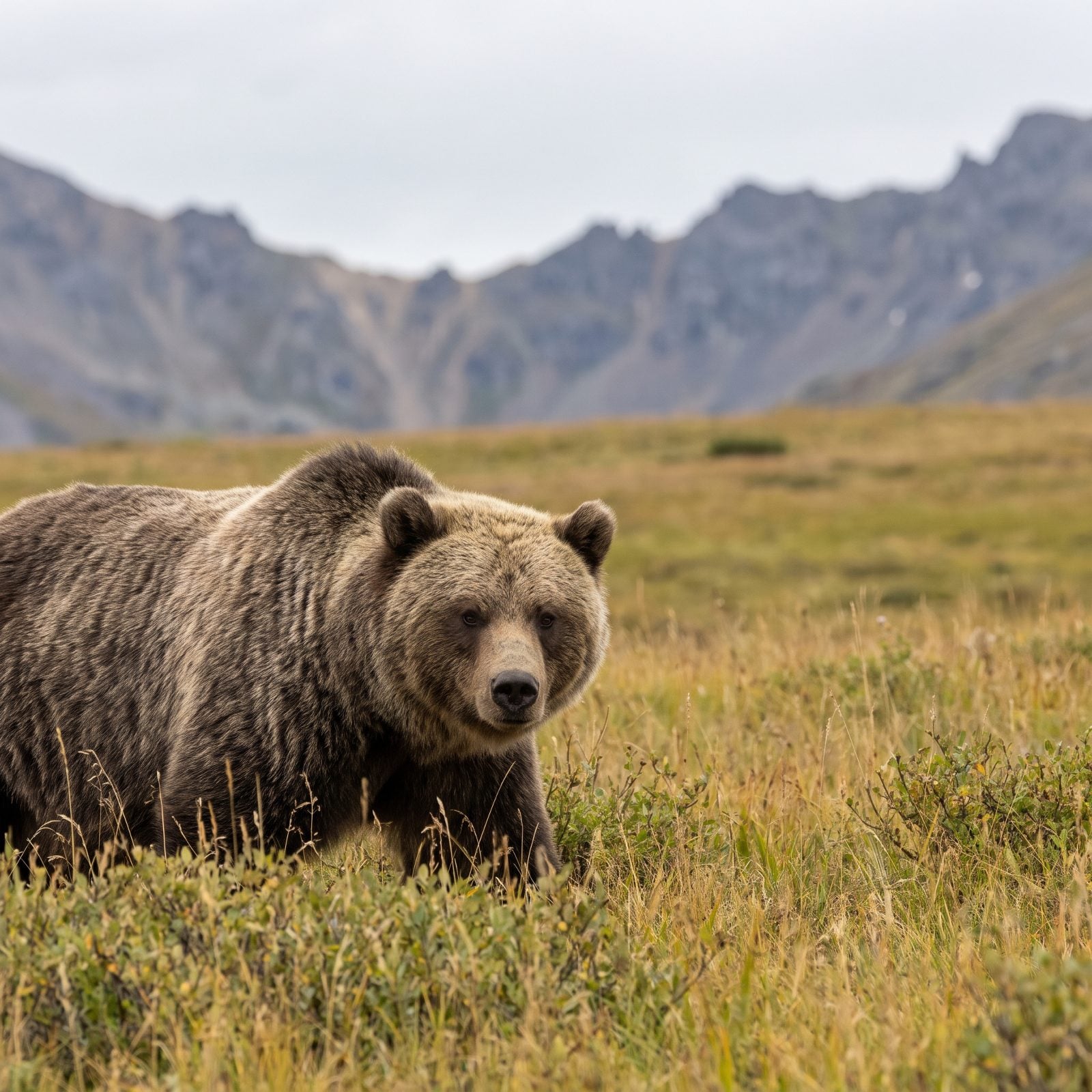
Hard, direct eye contact is a challenge in bear language, same as it is between two dogs sizing each other up. You are not going to win a dominance contest with a 400-pound animal, and starting one is a bad plan.
Keep the bear in your vision without staring it down. Angle your body slightly and glance instead of glare. You want to say “I see you and I’m leaving,” not “let’s fight.” That runs straight against the tough-guy instinct — which is exactly why the instinct is wrong.
37. Myth: Turning Your Back Helps You Look Nonthreatening
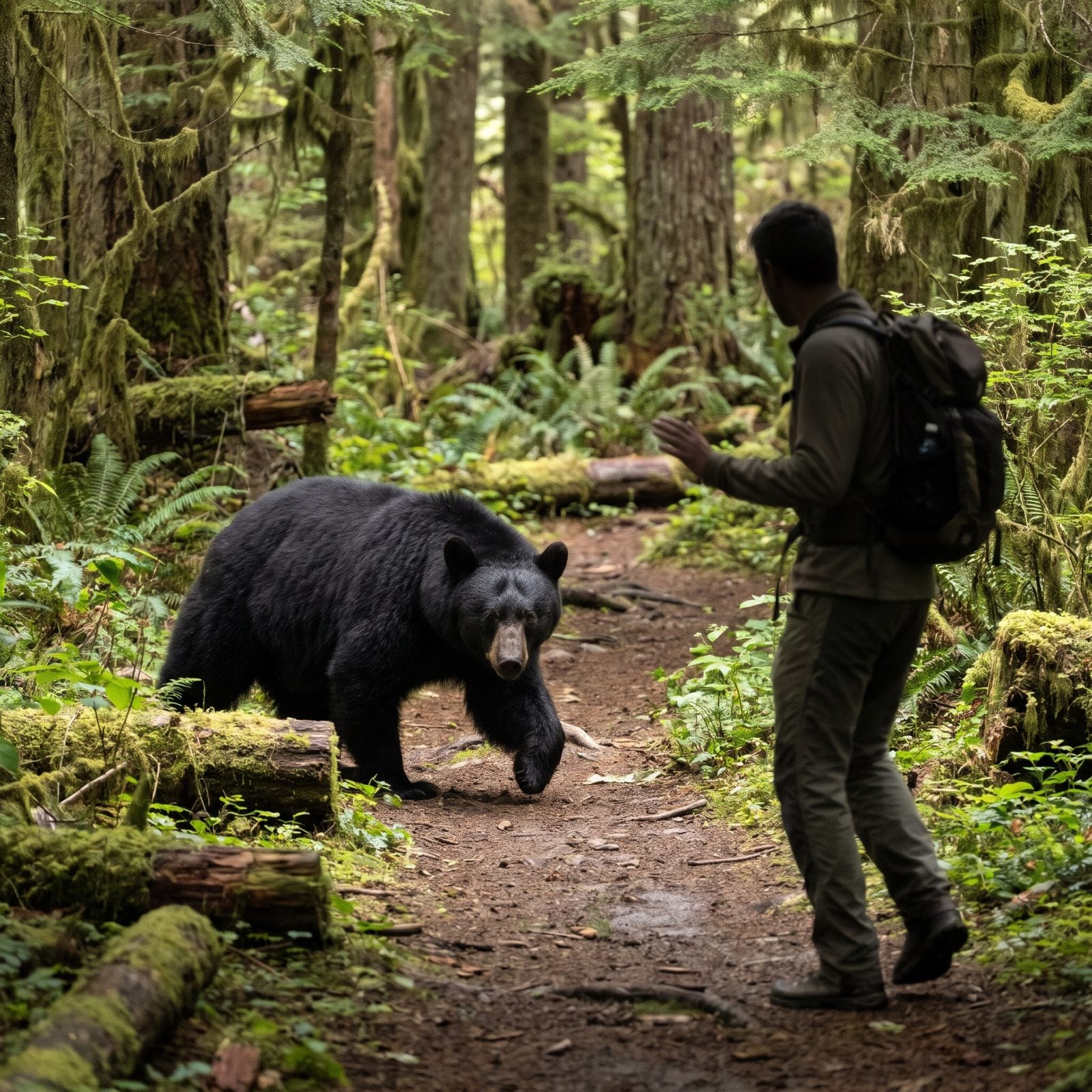
Turning your back does two things, both bad. It hides your face, the one feature that marks you clearly as human, and a back turned and moving away looks a lot like prey fleeing.
Back away facing the bear instead. Watch it. Keep your spray in hand. Move slow, keep talking in a low, even voice. You throw all of that away the second you spin around and walk off blind.
36. Myth: Screaming at Full Volume Always Scares Bears Away
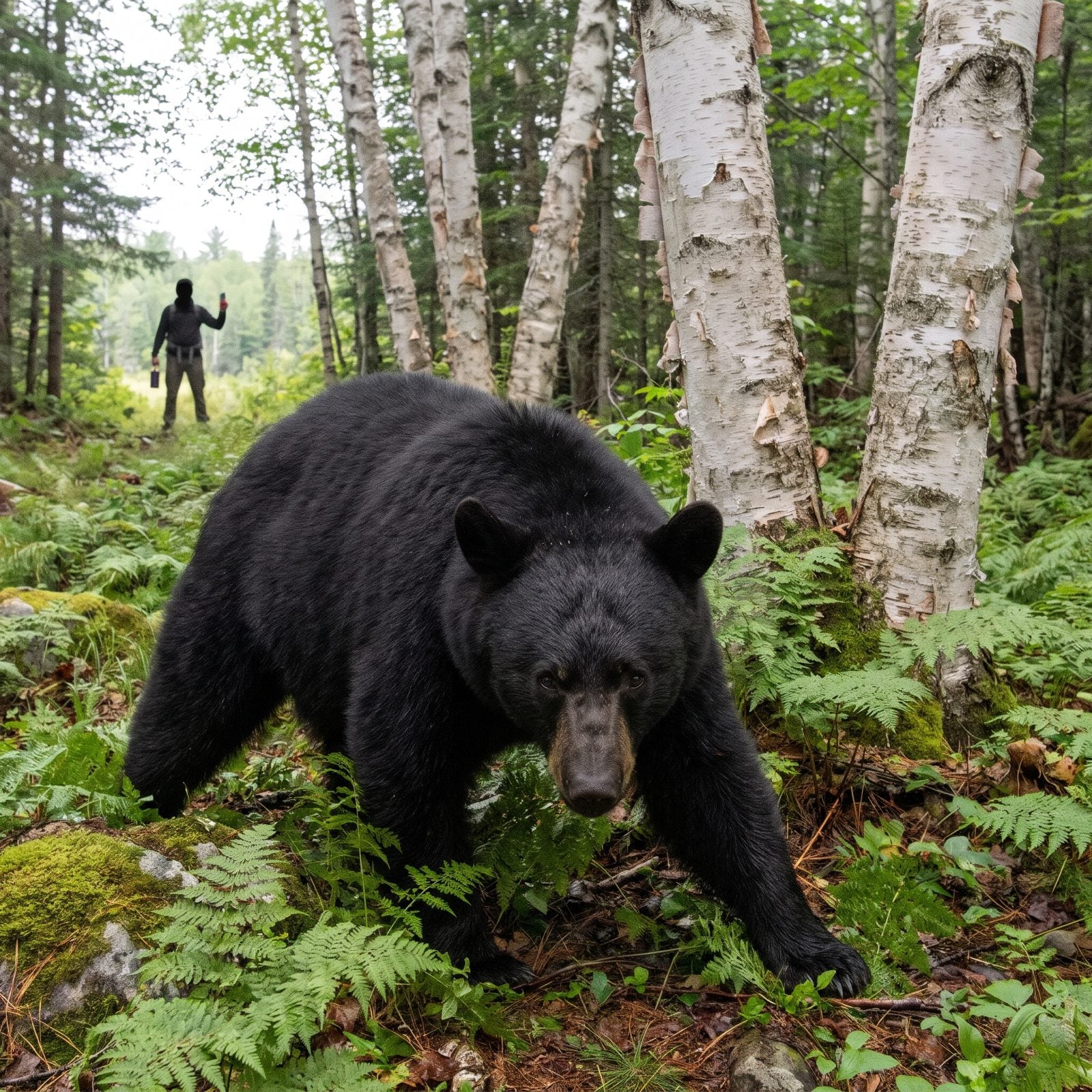
Loud, panicked screaming can escalate a defensive bear instead of sending it running. A high-pitched shriek sounds like distress, and distress draws interest more than it repels it.
There’s a real difference between yelling and panicking. Firm, deep shouting paired with making yourself large works against a black bear pressing an attack. But a surprised mother grizzly isn’t hunting you — she’s defending cubs, and shrieking at her just pours on fuel. Match your response to the situation, not to your adrenaline.
35. Myth: Staying Silent Prevents a Nearby Bear From Noticing You
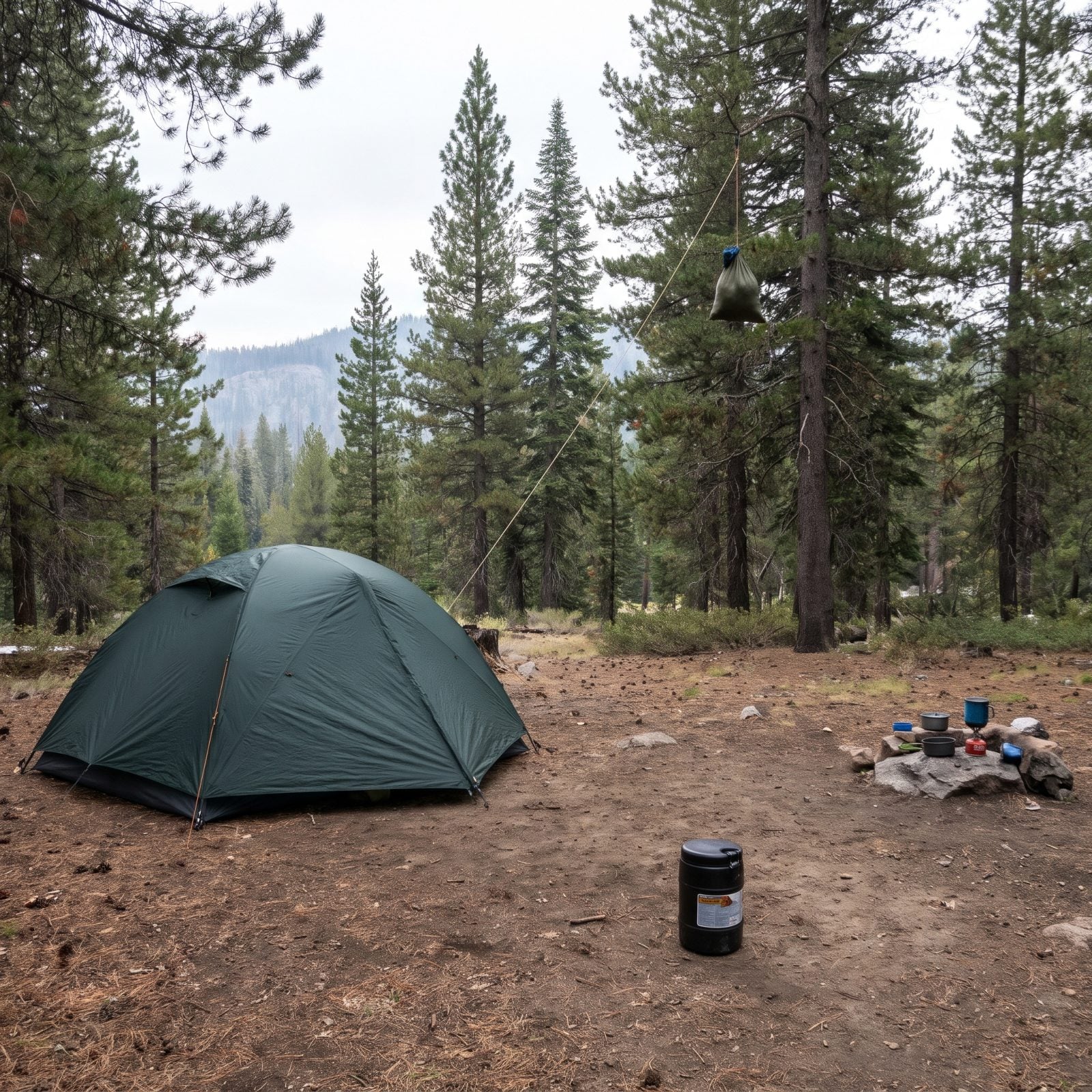
Sneaking quietly through thick brush is how you surprise a bear at close range, and a surprised bear is a dangerous one. Most serious encounters start with a bear that never heard you coming.
Noise is a tool. Talk, call out, clap in blind corners and dense cover where sound dies fast. You want the bear knowing you’re human and coming long before you’re in its space, so it has time to clear out. Silence doesn’t make you invisible — it just robs the bear of any chance to avoid you.
34. Myth: Making Yourself Look Bigger Works in Every Encounter
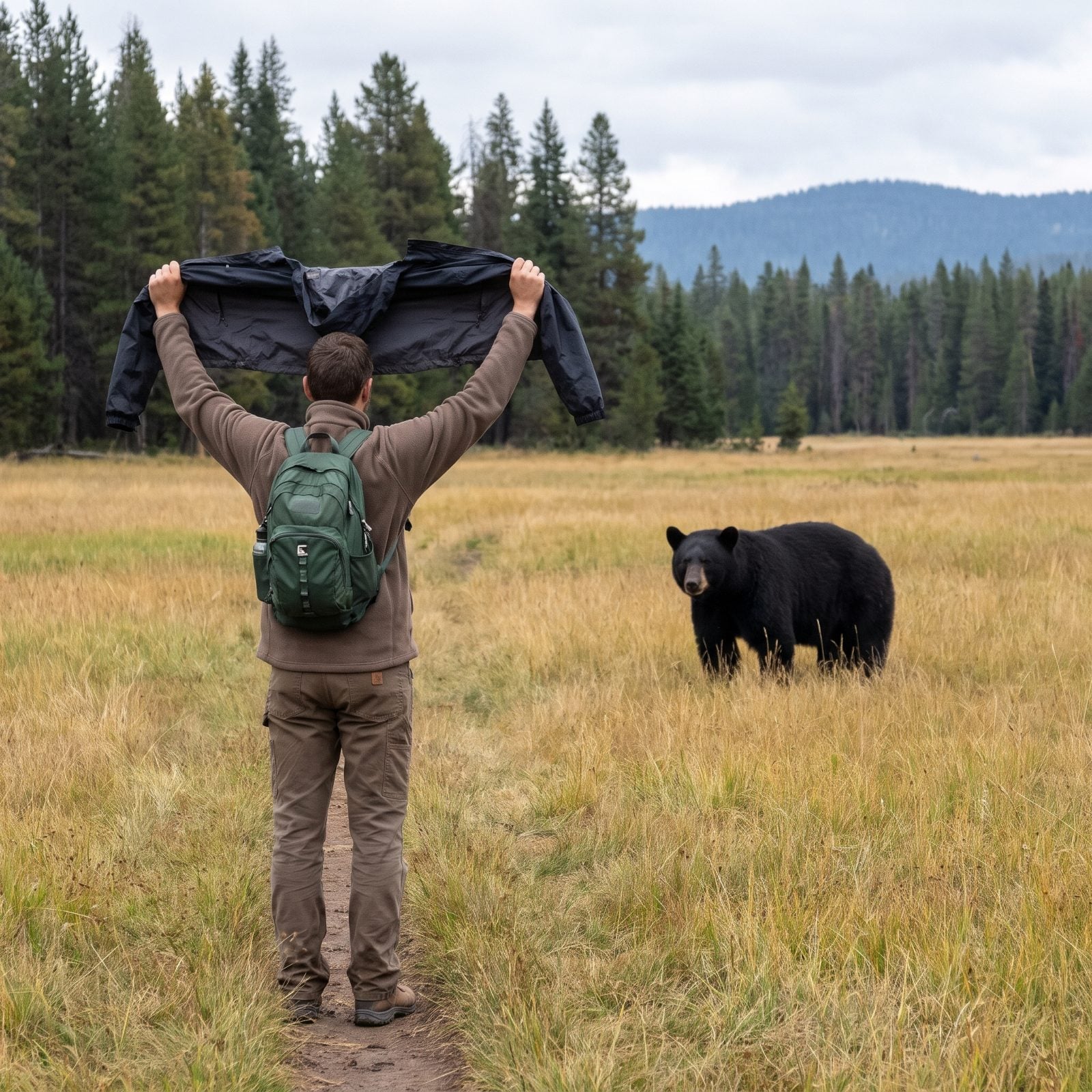
This one works for black bears and can get you killed with grizzlies. A defensive grizzly, especially a sow with cubs, is already stressed. Make yourself big and loud and you can push a warning bluff into a real charge.
For black bears, yes — standing tall, waving your arms, and making noise usually sends them off. A surprised grizzly wants the opposite read: stay calm, talk low, back away slowly, don’t act like a threat. The animal in front of you decides the playbook, not the rule you memorized.
33. Myth: A Lone Bear Cub Is Safe to Approach
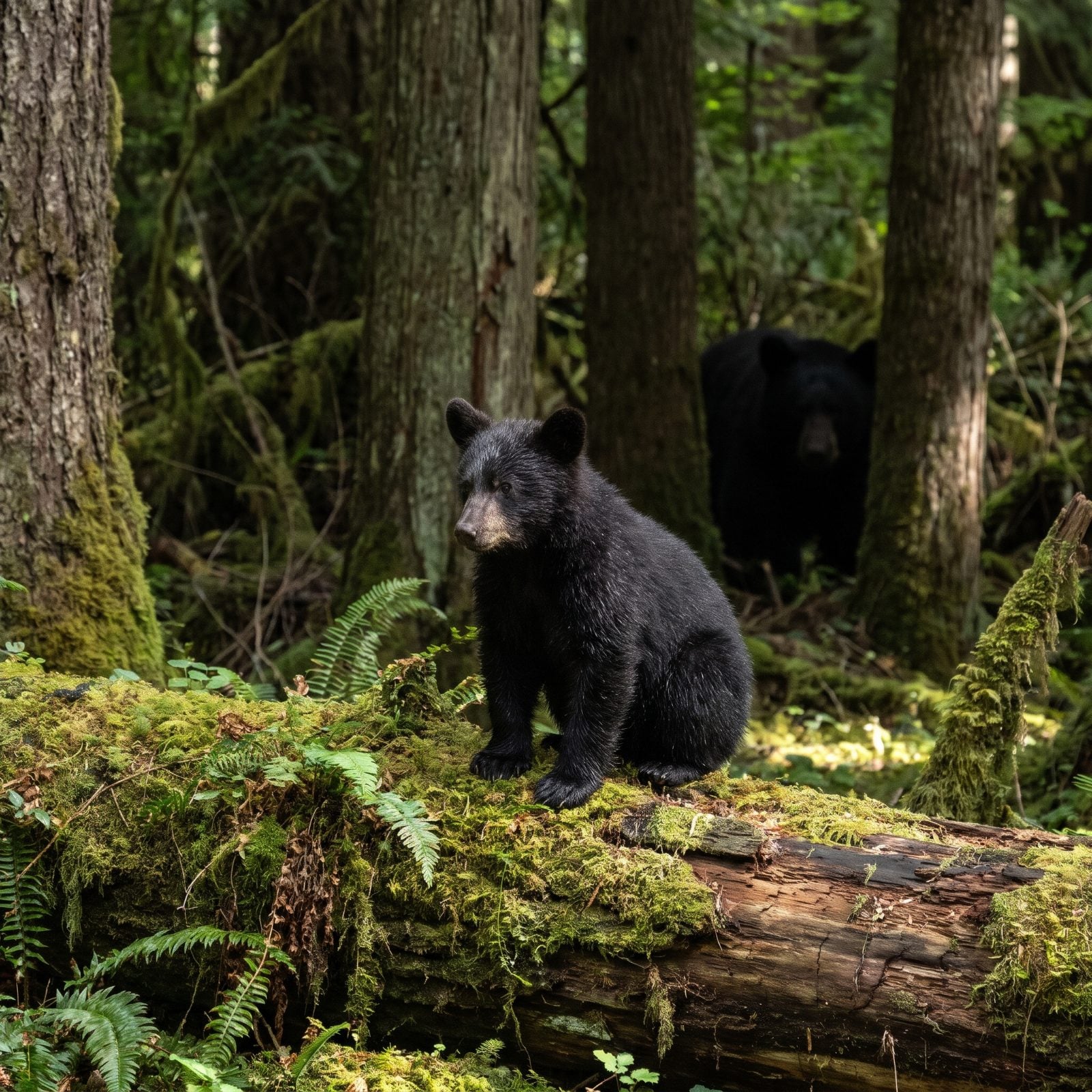
If you can see a cub, the mother can see you. That’s the rule that matters.
People spot a lone cub and their brain goes straight to abandoned, helpless, maybe a photo. The sow is almost always close, usually within sight, and she has exactly one job on this earth. Get between her and that cub — even by accident — and you’ve started something you cannot finish. Back out the way you came, quietly, and give the whole area a wide berth.
32. Myth: A Dog Will Protect Its Owner From a Bear
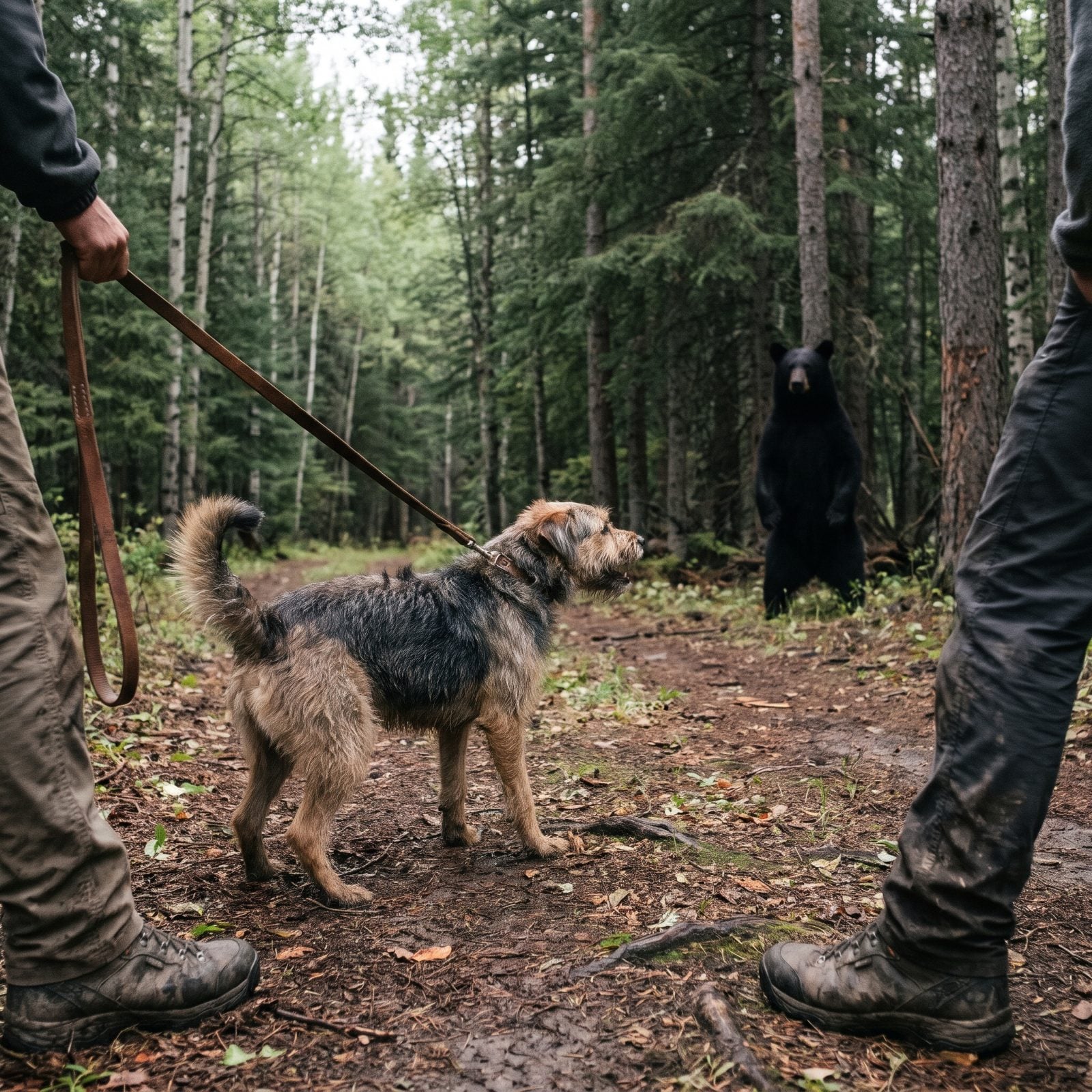
A barking dog is just as likely to bring the bear to you as chase it off.
Here’s how it actually plays out. The dog charges the bear, loses its nerve, and runs straight back to the one place it feels safe — your feet. Now you’ve got an angry bear following a terrified dog right into your lap. A leashed dog that alerts you early is genuinely useful. A loose dog that picks a fight is a liability with a tail.
31. Myth: Letting a Dog Off Leash Helps Everyone Escape
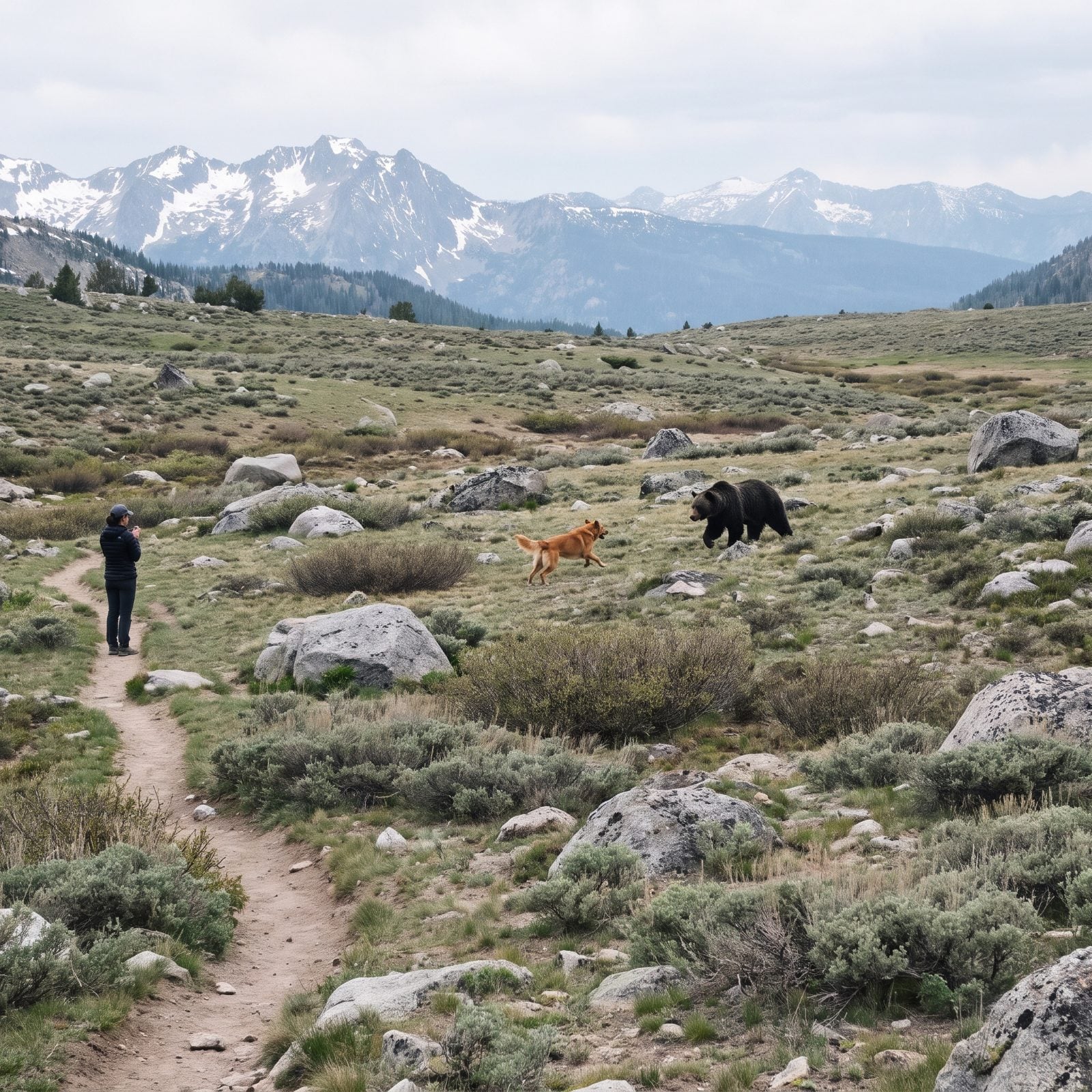
The thinking goes that an off-leash dog creates a distraction and buys you time to slip away. In reality it creates a pinball machine, and you’re standing in the middle of it.
The dog runs, the bear reacts, the dog loops back, the bear follows, and now the whole thing is moving fast and ugly with you as the fixed point. Keep the dog leashed and you keep the situation contained. Predictable is survivable. Chaos is not.
30. Myth: Carrying a Firearm Guarantees Protection
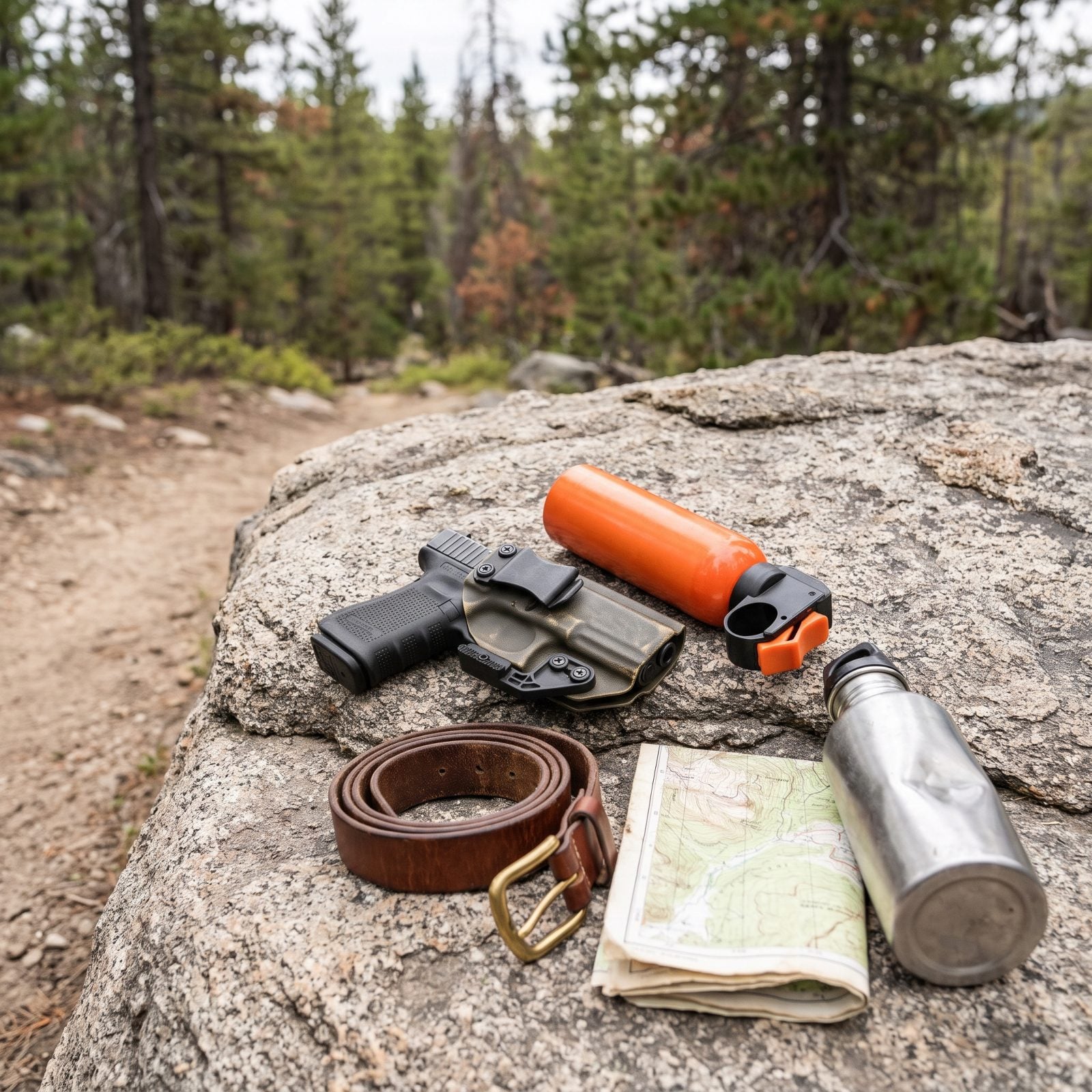
A gun feels like certainty. Under a real charge, it rarely delivers.
A charging bear closes ground faster than almost anything you’ve seen, and you get a shaking hand, maybe a second or two, and a target that’s low and moving. Wounding a bear can make a bad situation far worse. Studies out of bear country have repeatedly found that people using spray come out of encounters with fewer and less severe injuries than people relying on firearms. Carry the gun if you want and the law allows. Reach for the spray first.
Even for good shots, a wildlife sciences professor who has studied thousands of bear encounters warns “It takes a lot of skill to take out a massive animal when you’re frightened”
29. Myth: Bear Spray Should Be Applied to Clothing or Skin
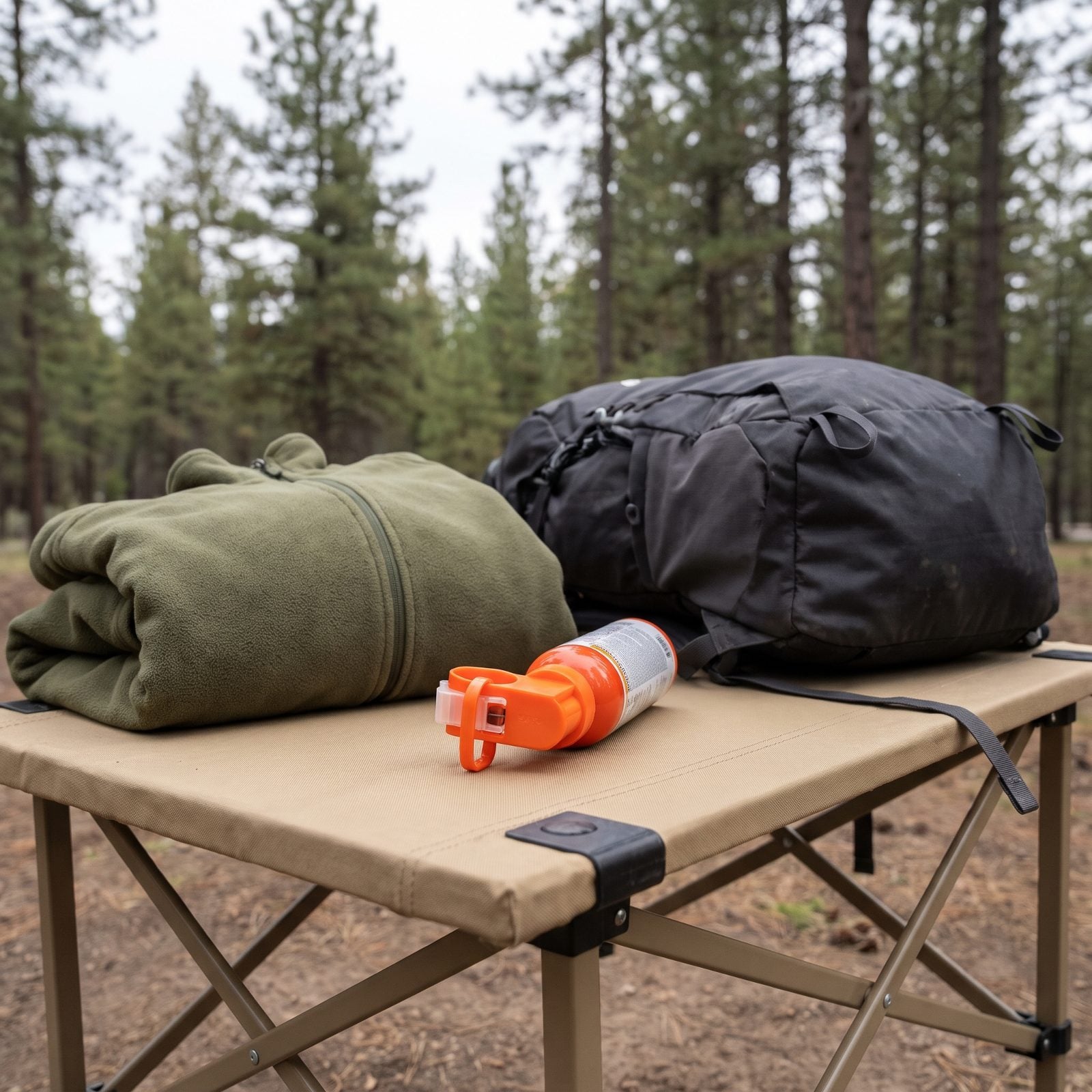
No. Please, no. This is the one that lands people in the emergency room over a myth.
Bear spray isn’t bug repellent. It’s a concentrated capsaicin deterrent meant to hit a bear’s eyes, nose, and lungs mid-charge. Put it on your skin or clothes and you’ve done nothing to stop a bear and plenty to blister yourself. The whole design is a short, powerful cloud fired at an animal — not a scent you wear. Read the canister once, calmly, at home. Not during an encounter.
28. Myth: Spraying Bear Deterrent Around a Tent Creates a Protective Barrier
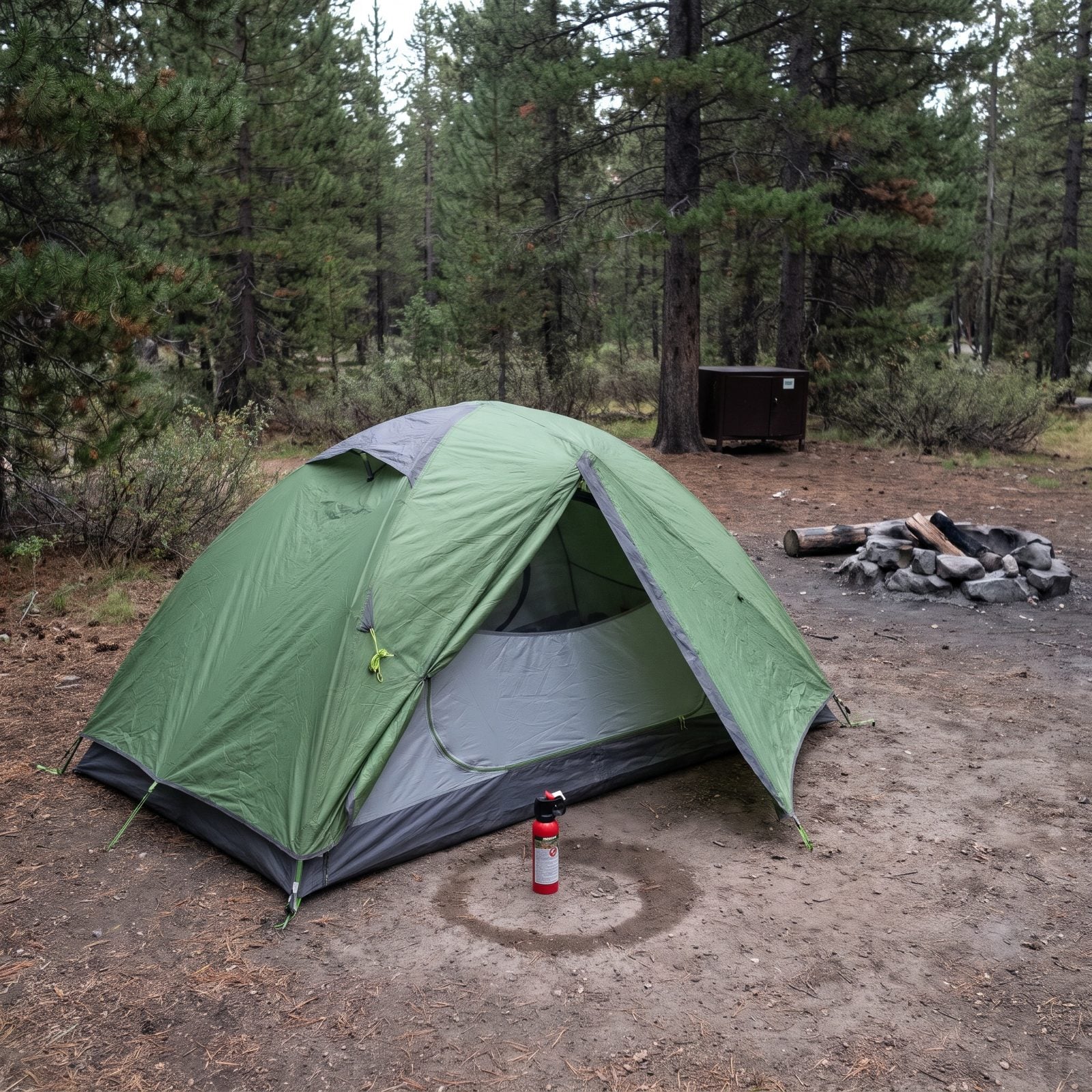
Spraying it around your tent like a perimeter does the opposite of what you want. The dried residue can actually draw curious bears in rather than push them off.
Spray only works as a cloud fired directly at an animal’s face. The second it settles on the ground it loses its punch and becomes just another interesting smell in the night. Want a real perimeter? A clean camp — food, trash, toothpaste, and cookware stored in a canister or hung well away from where you sleep. The smell you don’t leave is the barrier that works.
As a longtime bear researcher puts it, “At one point, I showed that bear spray could actually attract bears. I just demonstrated that if you’re stupid enough to spray it around a tent”
27. Myth: Bear Spray Should Be Saved Until the Bear Is Within Arm’s Reach
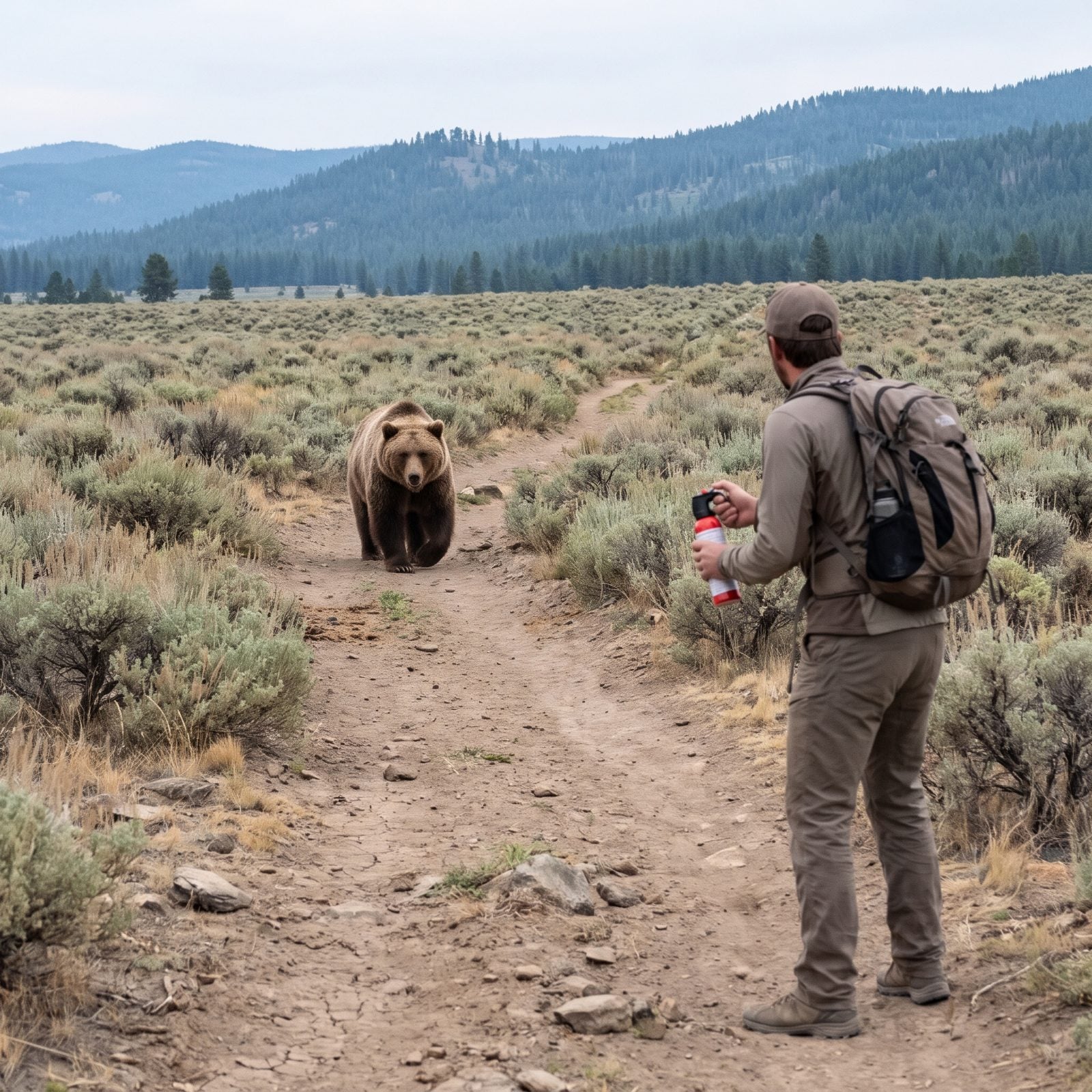
Wait until it’s close and you’ve already waited too long.
Most sprays throw an effective cloud out to roughly thirty feet, and you want that cloud hanging in the air for the bear to run through — not a last-second point-blank shot while it’s already on you. Start firing short bursts when a charging bear is still a good distance out, aiming slightly down so the cloud rises into its face. Panic says wait. Practice says fire early and build the wall it has to cross.
26. Myth: Wind Direction Does Not Matter When Using Bear Spray
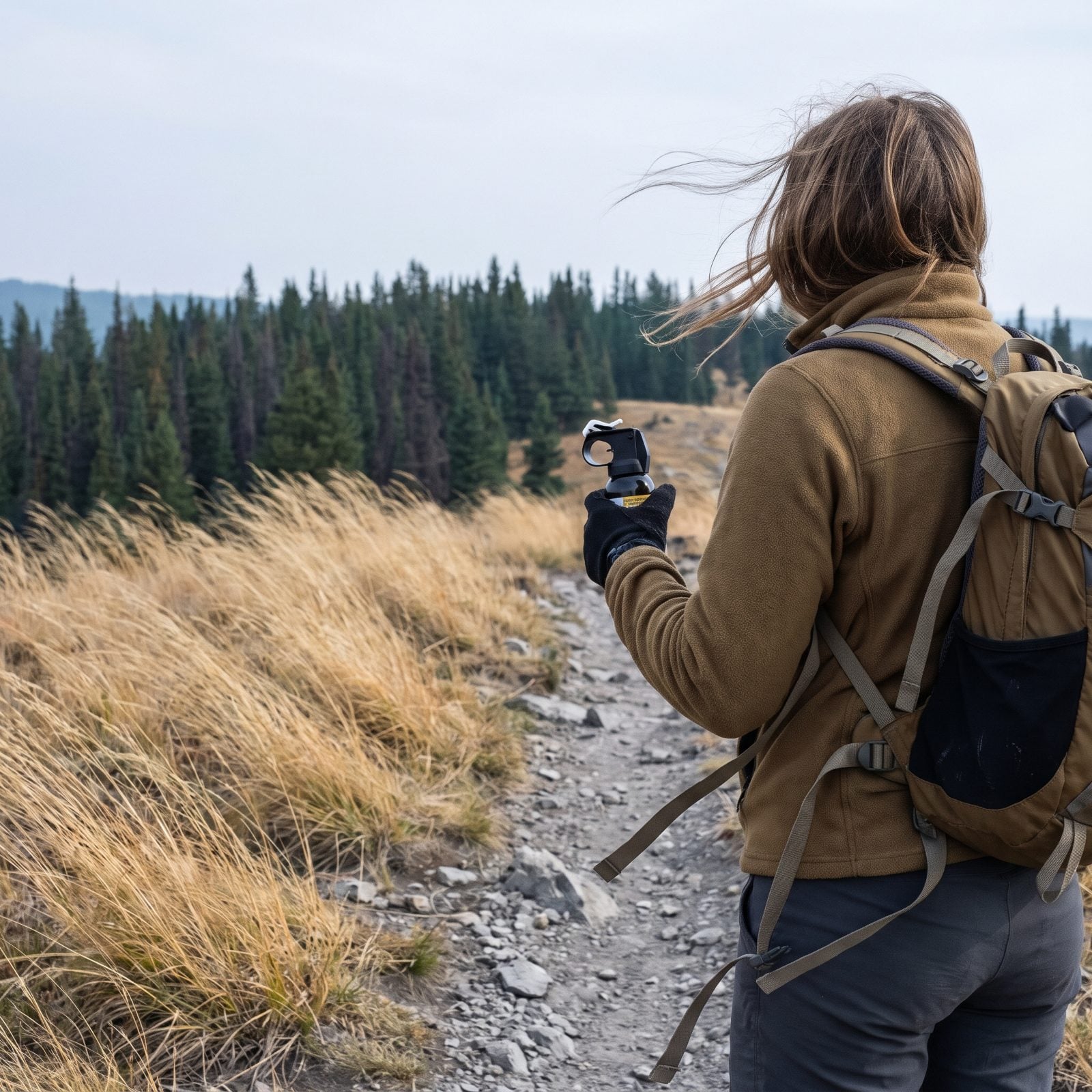
Fire into a headwind and you’ve just maced yourself at the worst possible moment.
Capsaicin doesn’t care who it blinds. A stiff wind blowing back at you will carry the cloud into your own eyes and lungs, and now you’re coughing and half-blind while the bear keeps coming. Distance matters too — a tailwind pushes your cloud farther, a crosswind drifts it off target. You can’t control the weather. But a two-second glance at which way the grass is leaning changes everything.
25. Myth: Bear Spray Is Useful Even When Buried in a Backpack
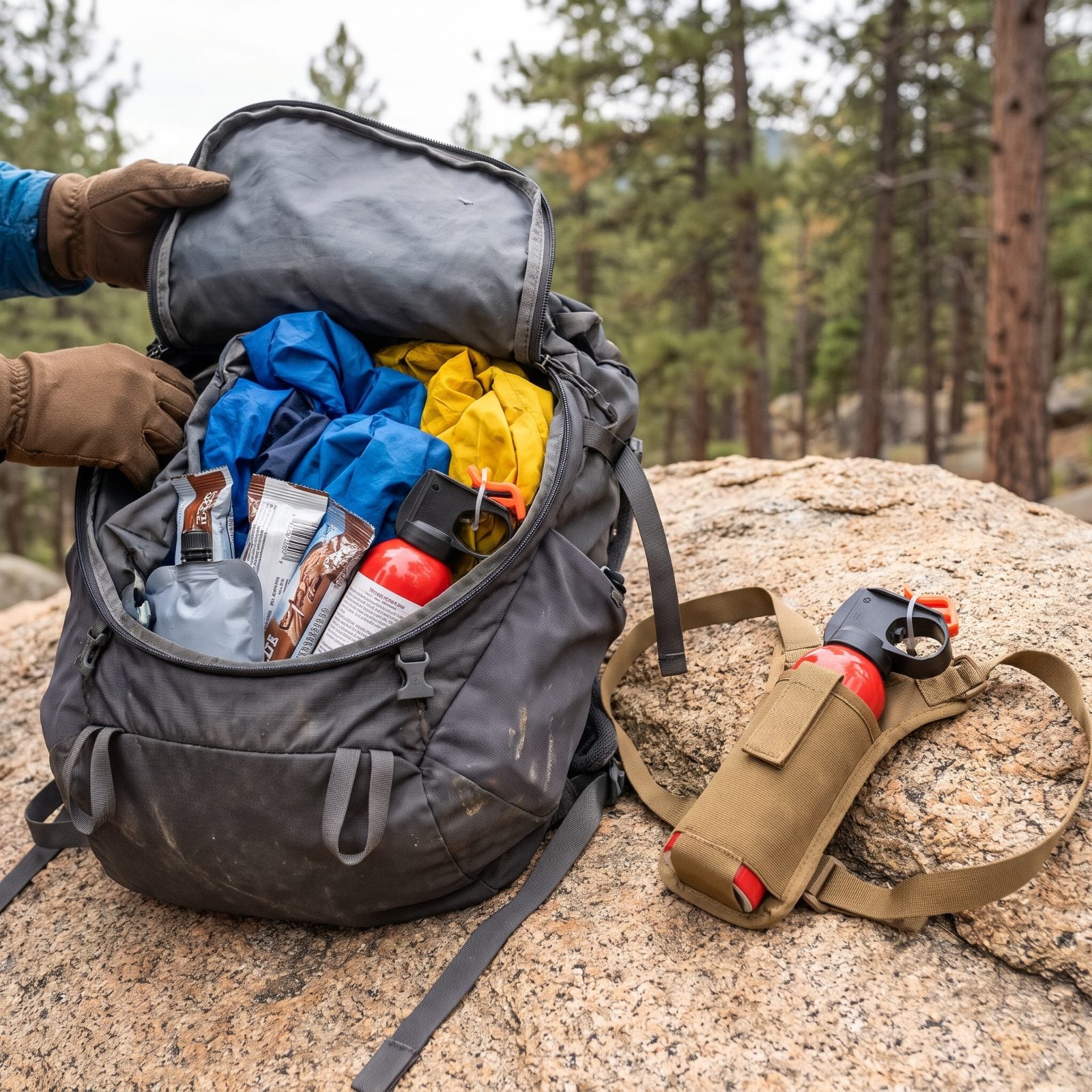
Bear spray in the bottom of your pack might as well be home on the kitchen counter.
You get seconds in a surprise encounter. Not enough time to shrug off a pack, dig past the rain shell and the sandwiches, and pop a safety clip with shaking hands. It belongs on a chest holster or hip belt where your hand already knows the way. Carry it in reach, learn how the safety works without looking, and run the draw once in your driveway. The spray you can’t get to isn’t protection — it’s dead weight you paid good money for.
24. Myth: Regular Pepper Spray Works Just Like Bear Spray
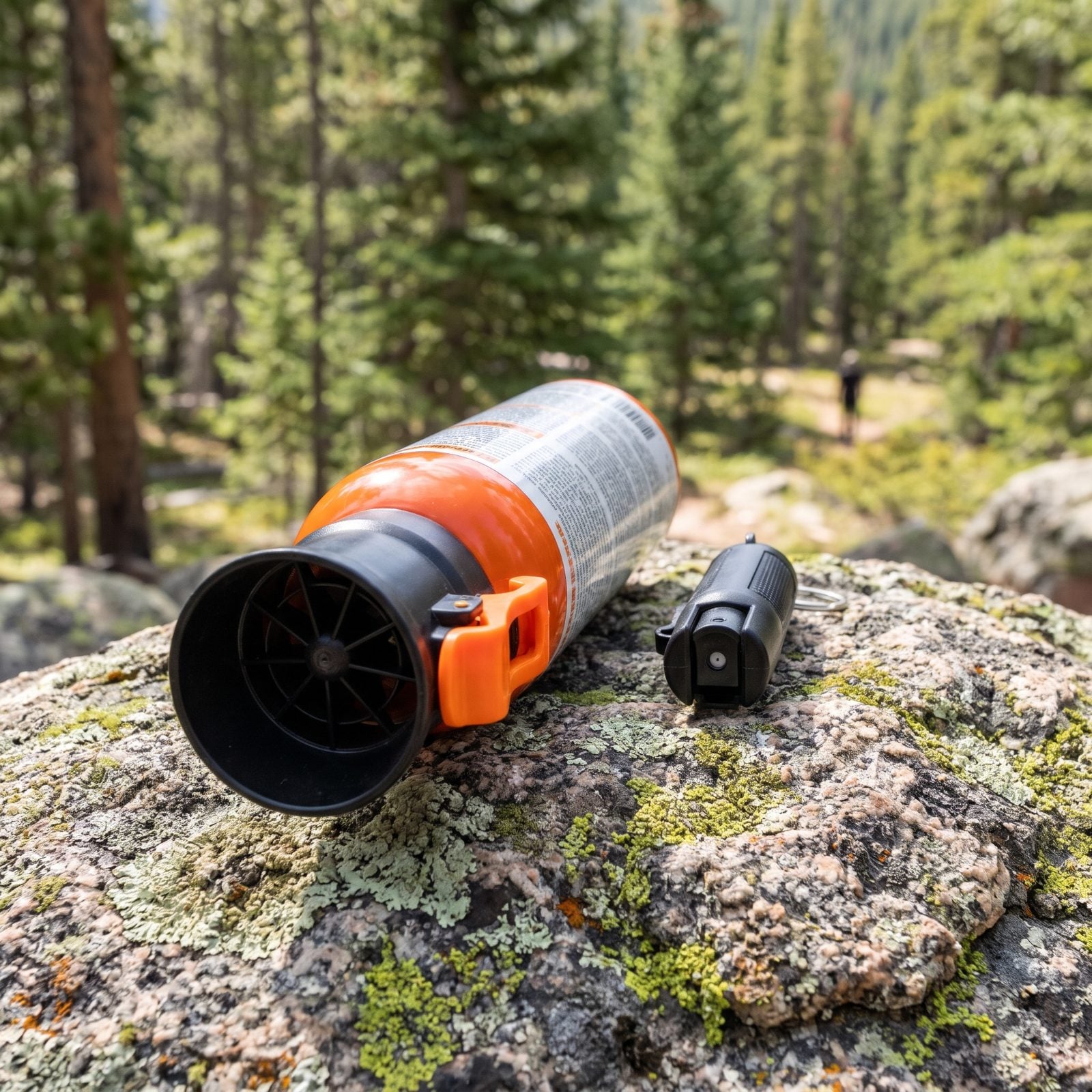
The little keychain pepper spray in your car console is built for a person, not a 300-pound animal. The difference comes down to spray pattern and volume. Bear spray throws a wide fog that hangs in the air, so a charging bear runs straight into it. Personal defense spray fires a thin stream you have to aim, and it runs dry in a second or two.
Check the label. If it doesn’t carry an EPA registration and the actual words “bear spray,” it doesn’t count.
23. Myth: Bear Bells Are All the Warning You Need
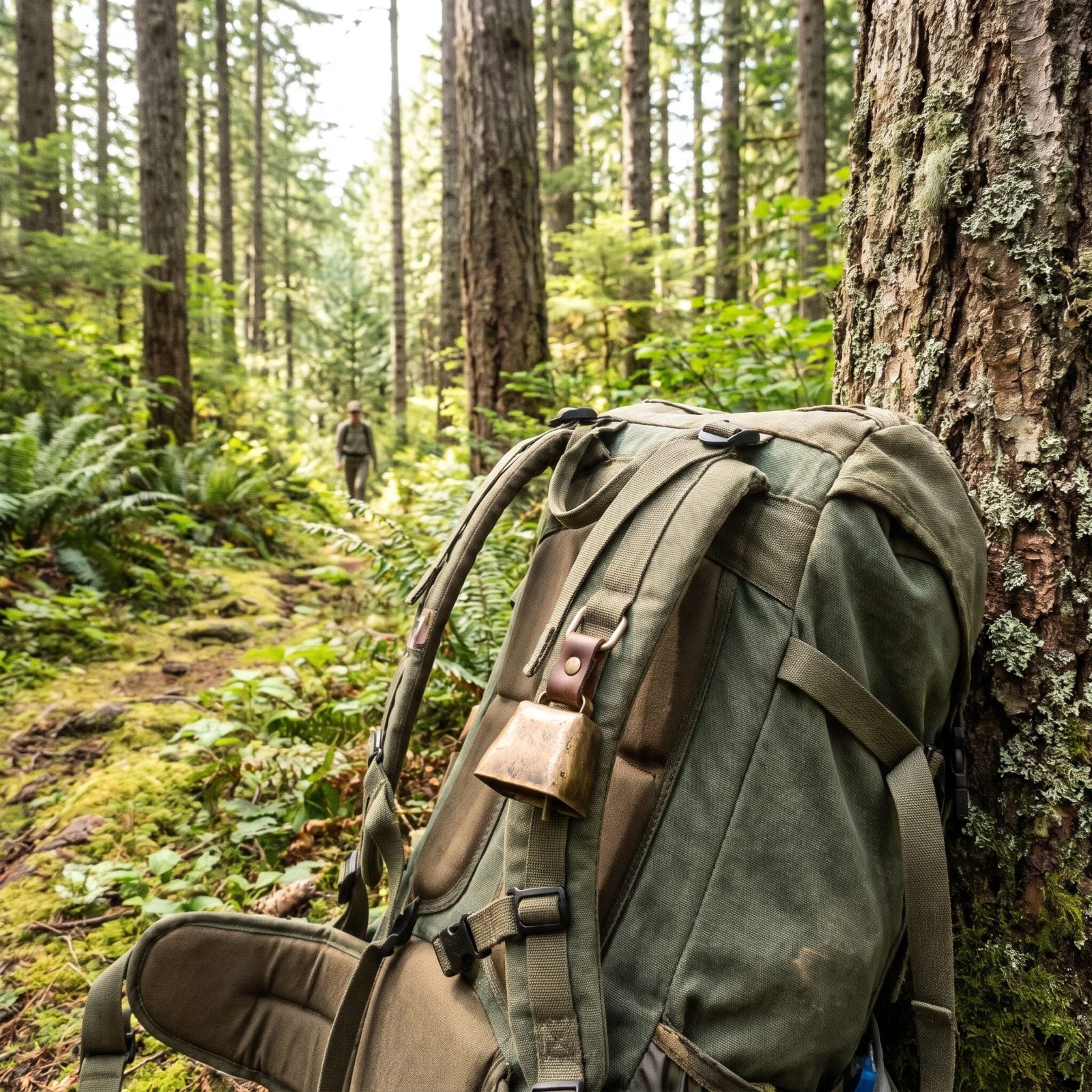
Bear bells feel reassuring because they jingle with every step. Trouble is, that soft tinkle gets swallowed by wind, rushing creeks, and dense brush, the exact places where you are most likely to surprise a bear up close.
Your voice carries further and sounds unmistakably human. So talk, call out, clap at blind corners. A bear that hears a person coming almost always slips away long before you see it. Treat the bell as backup, not the whole plan.
Explaining why bells fall short and a sharp clap or shout works better, a bear biologist says “From a biological perspective nothing in their world trains them that tinkling means anything”
22. Myth: A Campfire Keeps Every Bear Away
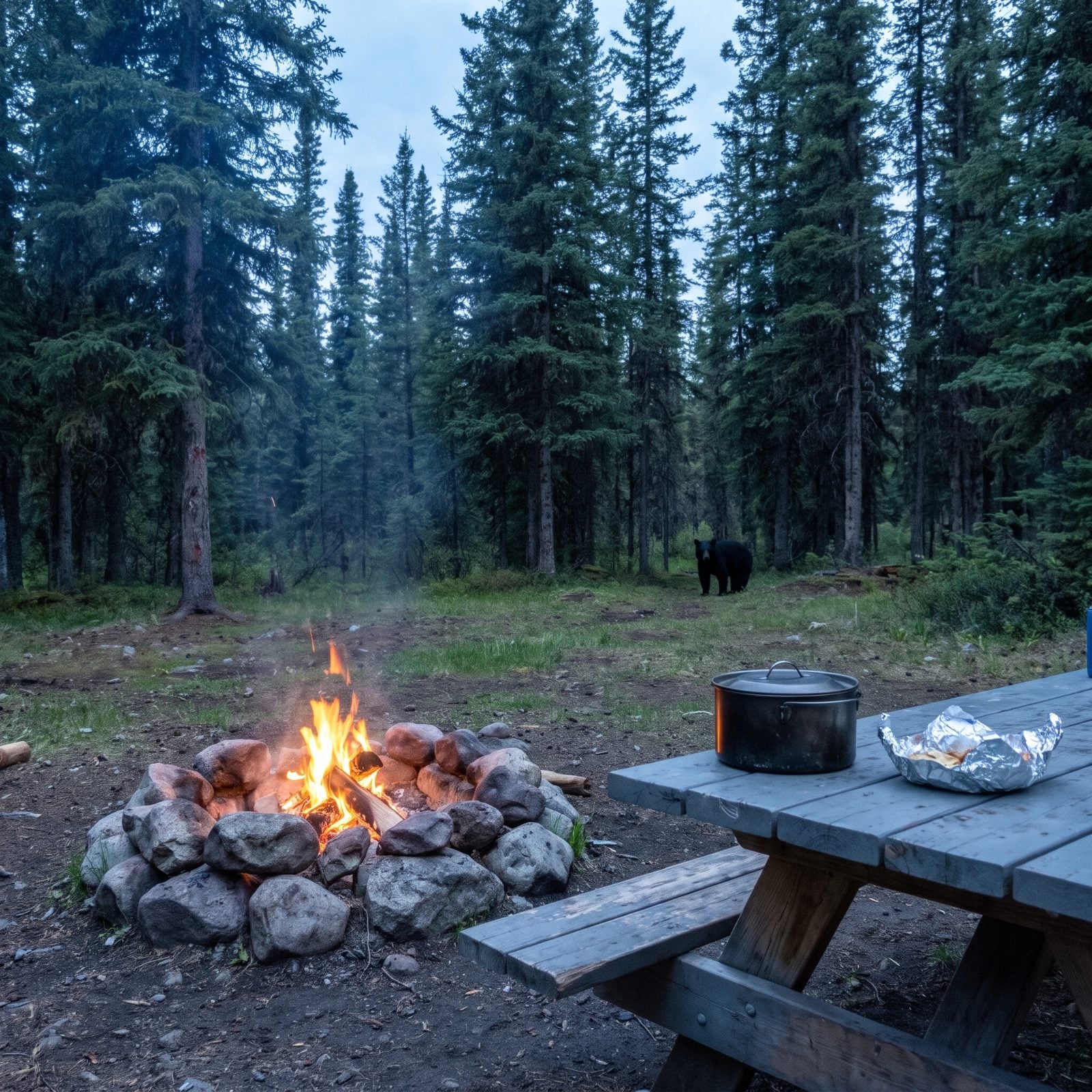
Nobody mentions the part that matters: the fire isn’t what draws the bear, the food smell around it is. A dying fire, a pile of grease-soaked ash, bacon fat spattered on the rocks. That’s an invitation, not a wall.
Bears walk right through active campsites with the flames still going. They’ve learned that fire usually means people, and people usually mean food left out. Don’t count on a few coals to patrol your camp while you sleep. Put the fire dead out and get every trace of food stored properly before dark.
21. Myth: A Zipped Tent Is a Bear-Proof Shelter
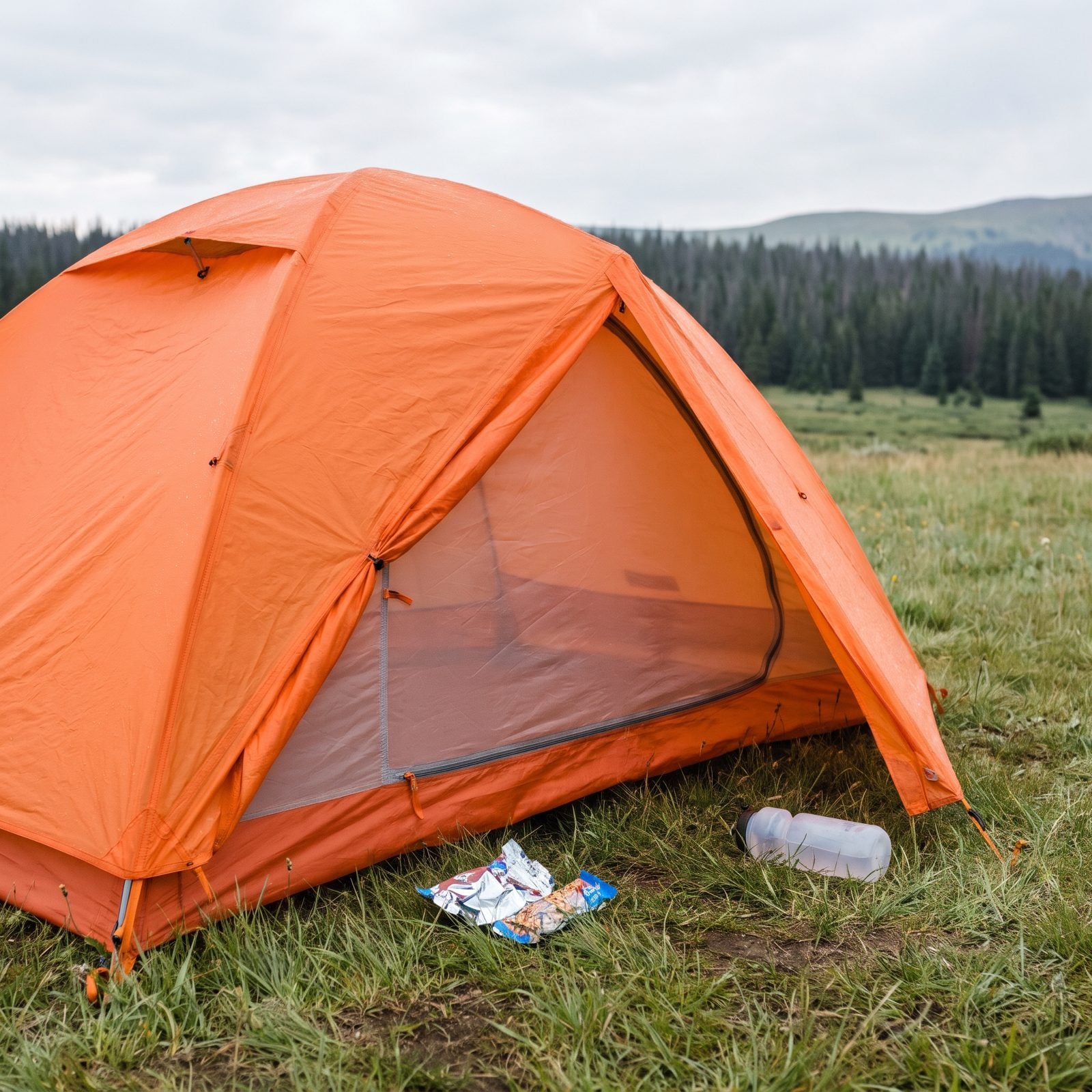
A tent wall is maybe 30-denier nylon. A bear’s claw goes through it like a letter opener through an envelope.
The zipper and the thin fabric keep bugs out and nothing else. What keeps a bear from investigating your tent is making sure it smells like nothing worth investigating. No food, no snacks, nothing scented inside.
The tent is where you sleep. It is not a safe. Keep those two jobs completely separate and you’ll be fine.
20. Myth: Sealed Food Is Safe to Keep Inside Your Tent
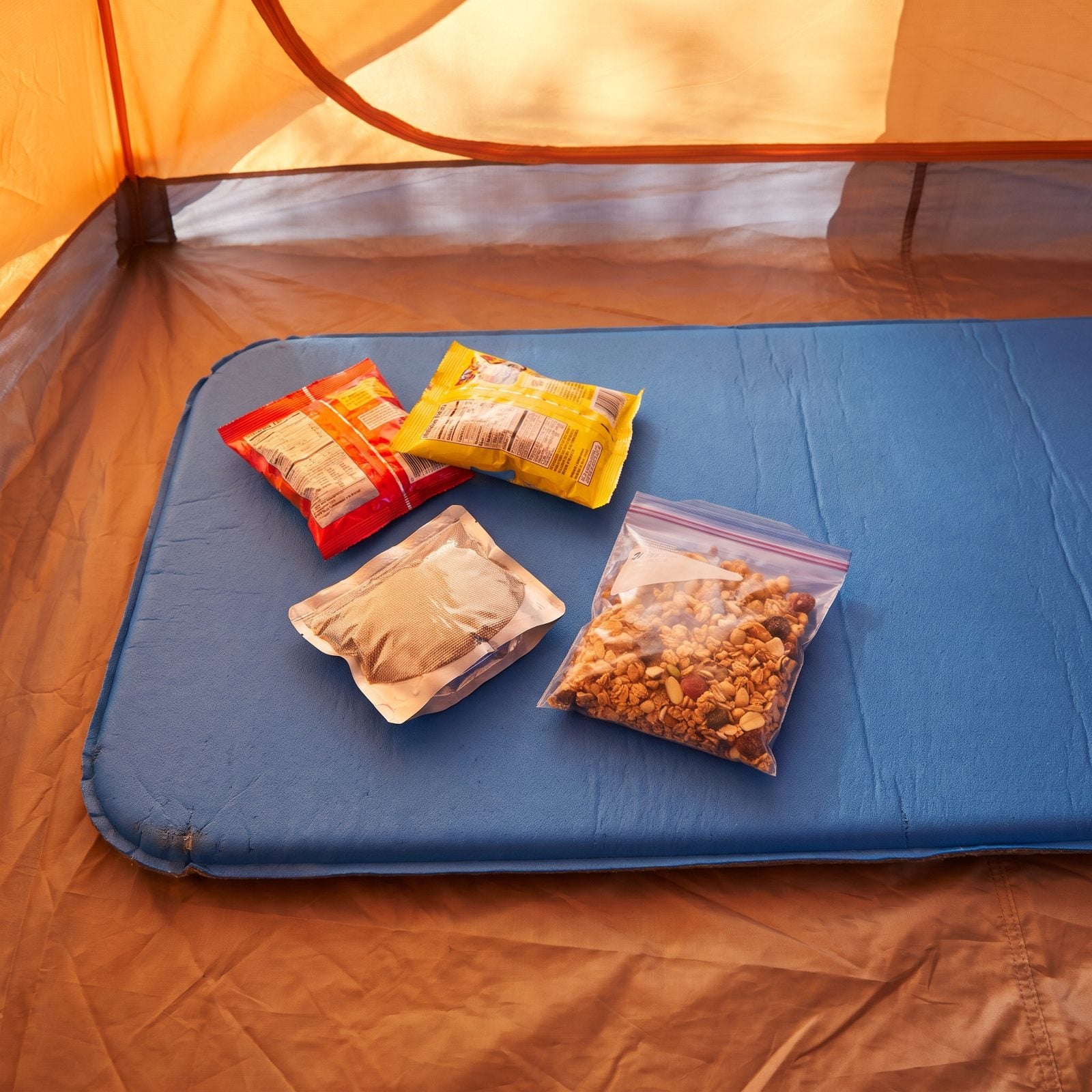
A bear’s nose is its whole world, far sharper than a bloodhound’s, which already dwarfs ours. That “airtight” wrapper you trust? The bear smells the residue on the outside of it, the oils on the hands that touched it, the memory of the candy bar you ate three hours ago.
Sealed does not mean scent-free. Keep all food, snacks, and anything with a smell out of the tent and in approved storage, which almost always means a canister, a locker, or a proper hang.
19. Myth: Any Food Bag on Any Branch Will Do
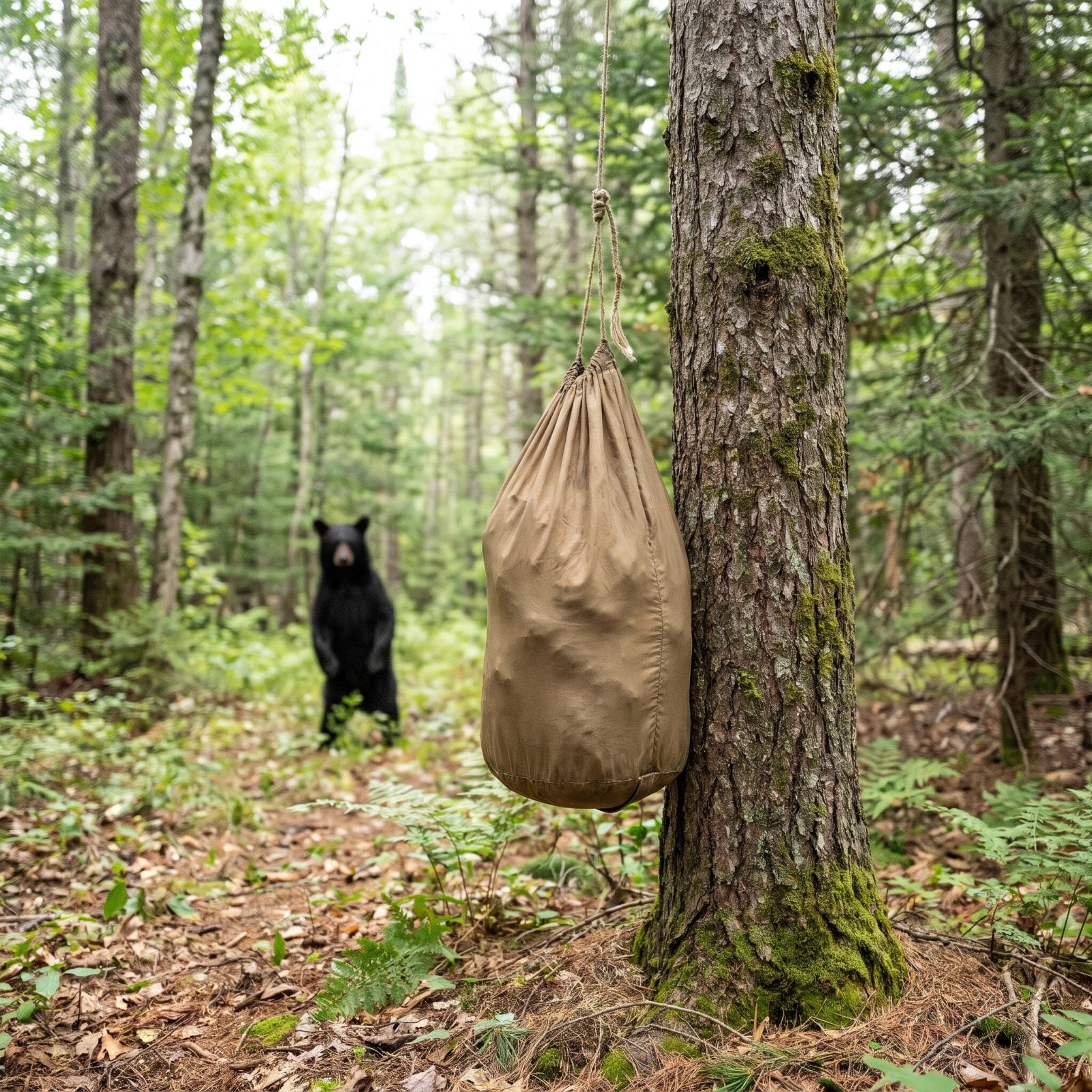
A sloppy bear hang is almost worse than no hang, because it fools you into relaxing. The classic targets: roughly 12 feet up, 6 feet out from the trunk, 6 feet below the branch. Miss any one of those and a motivated bear reaches it, climbs to it, or snaps the limb.
In a lot of popular areas the local bears have seen hundreds of hangs and figured out the whole game. Which is exactly why so many parks now require hard canisters instead.
18. Myth: Every Hard-Sided Cooler Keeps Bears Out
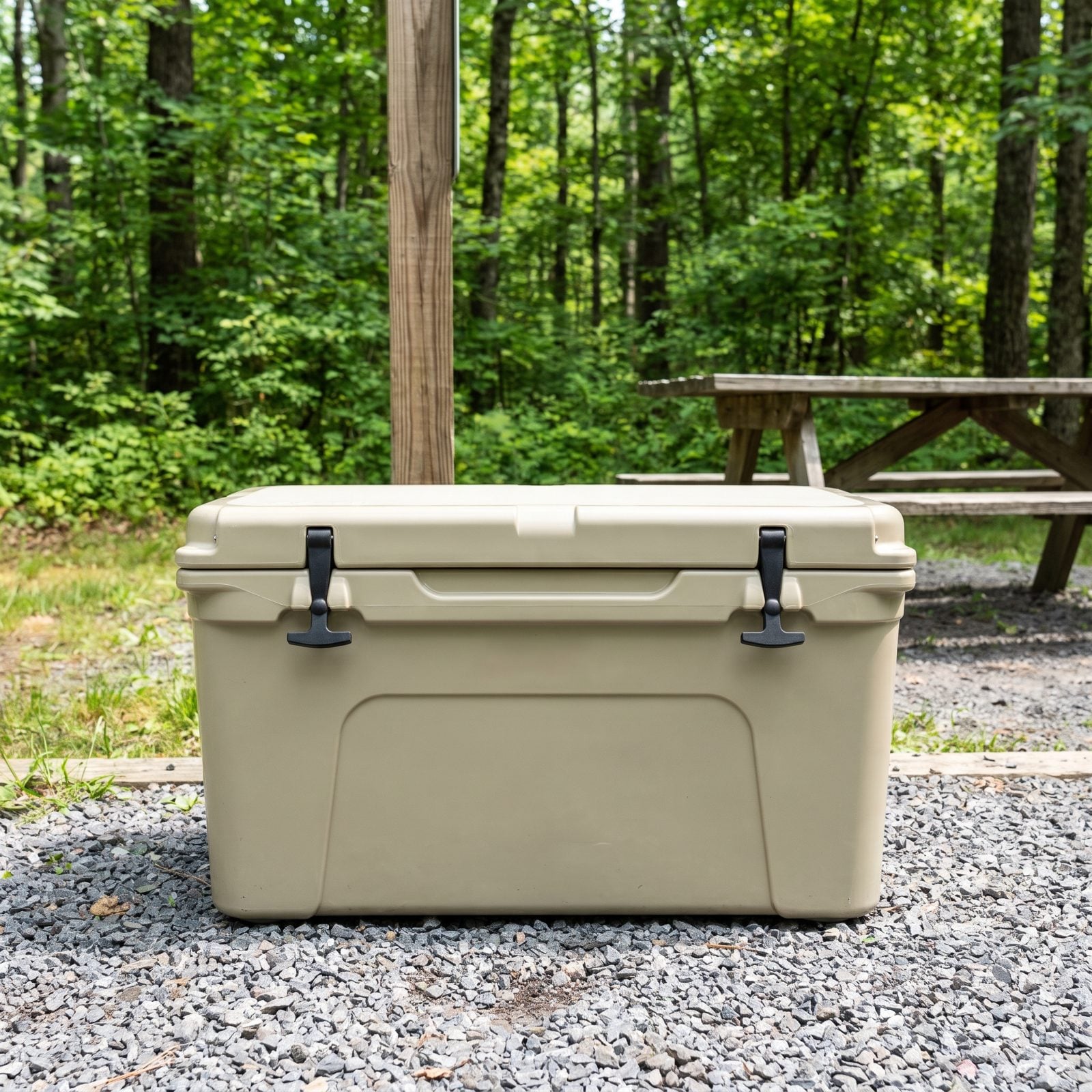
That tough rotomolded cooler is only bear-resistant when it’s actually certified and actually locked. The IGBC runs a certification program, and plenty of coolers that look identical never passed it.
Even a certified one does nothing with empty padlock holes, which is how most people run them. A bear doesn’t need to crush the shell. It pops the lid you left unsecured and helps itself.
So check for the IGBC certification. Then run two real locks through the holes. Both steps, every single time.
17. Myth: Food Is Always Safe Inside a Parked Car
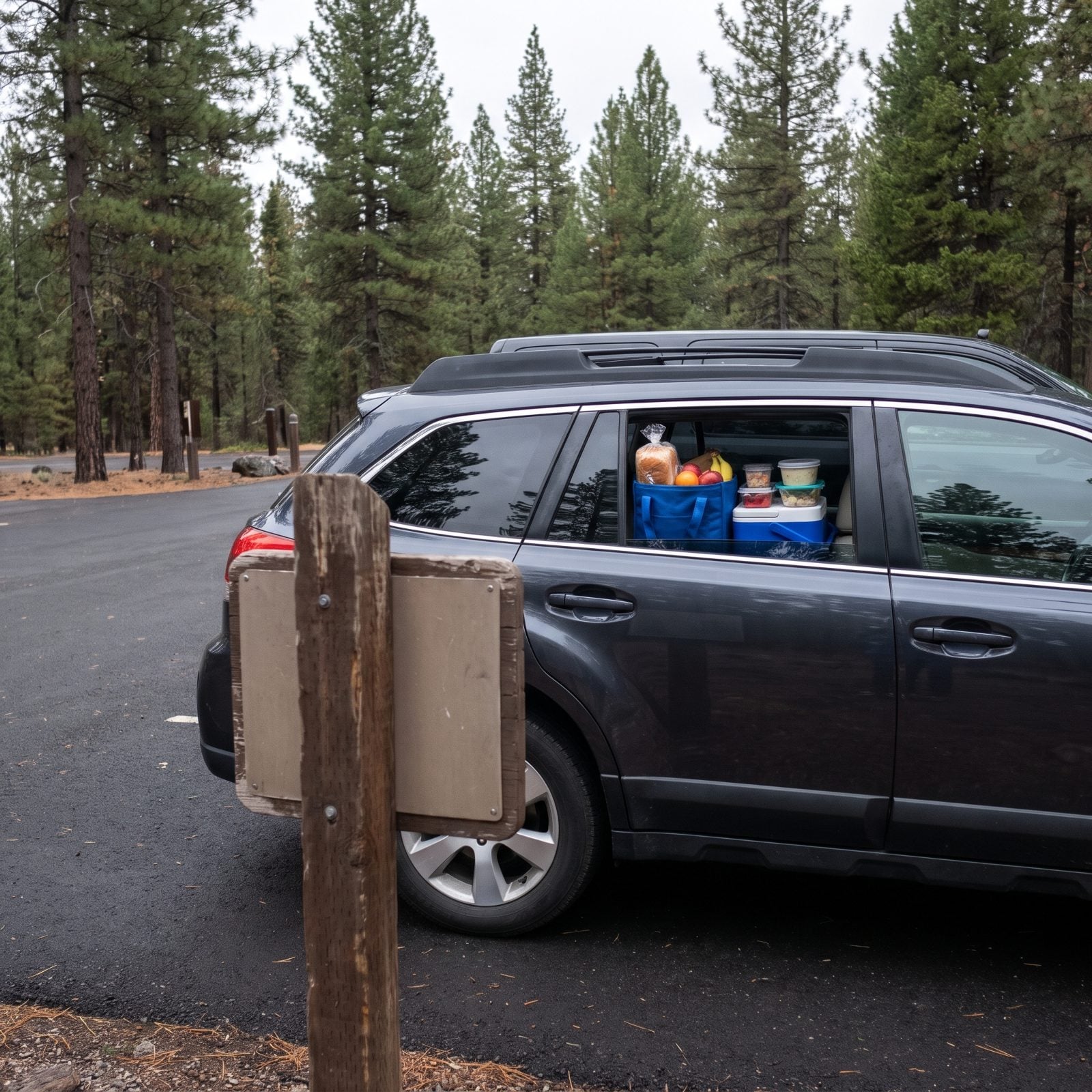
In most of the country, a car trunk is fine storage. In a handful of places, it absolutely is not. Yosemite’s black bears figured out decades ago how to peel car doors like sardine cans to reach a cooler on the seat.
Where park signs tell you to use the metal food lockers instead of your vehicle, believe them. Those rules exist because a bear already did the thing the sign is warning you about. Read the local regulations at every park you visit.
16. Myth: Burning Food Scraps Makes the Smell Vanish
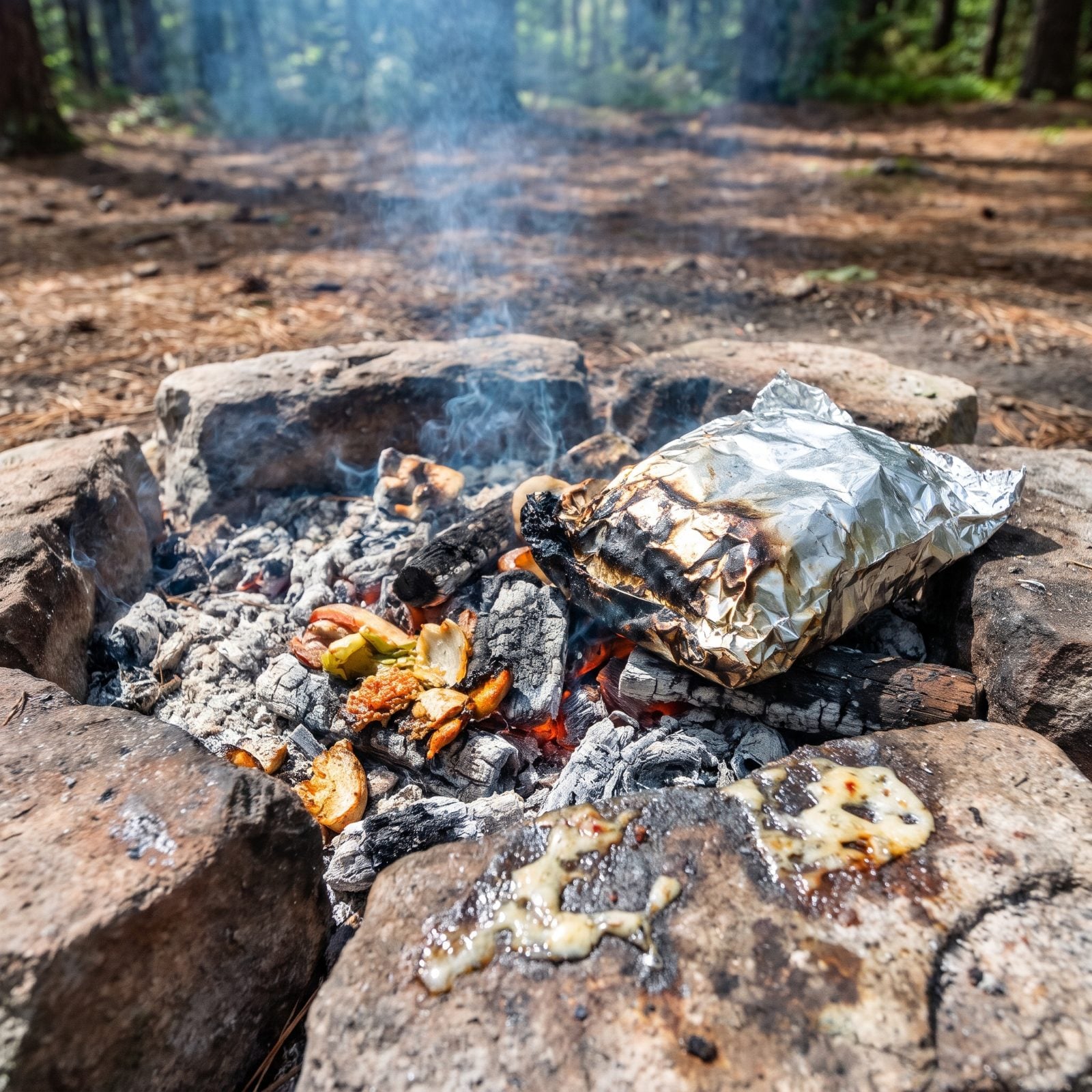
Fire does not erase smell. It concentrates it right where you sleep.
Scraps thrown in the fire rarely burn clean. You end up with greasy, half-charred chunks sitting in the ash, and that grease-soaked fire ring becomes the loudest scent magnet in camp. Foil and bones won’t burn at all, they just sit there smelling like dinner.
Pack out your trash and leftover food the same way you pack out everything else. The fire pit is not a garbage can, and a bear knows the difference even when we pretend not to.
15. Myth: Toothpaste and Toiletries Don’t Count as Bear Attractants
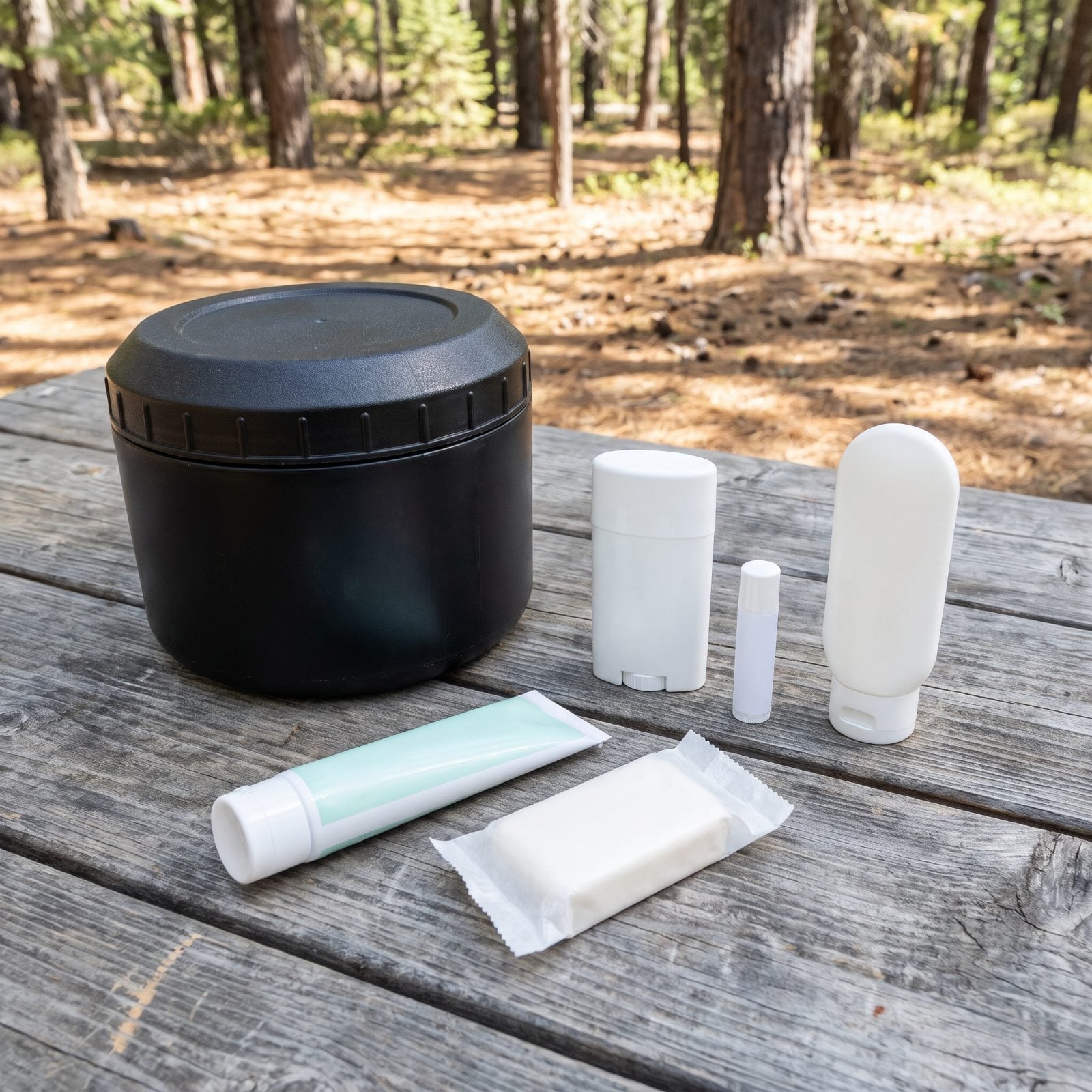
People stash their food perfectly and then sleep with a tube of mint toothpaste in the tent pocket. To a bear, that minty sweetness reads as food. So does soap, deodorant, sunscreen, lip balm, and bug spray.
The rule is simple, and most folks learn it the hard way. Anything with a scent goes in the same storage as your food. All of it, no exceptions.
14. Myth: Bears Only Want Your Meat
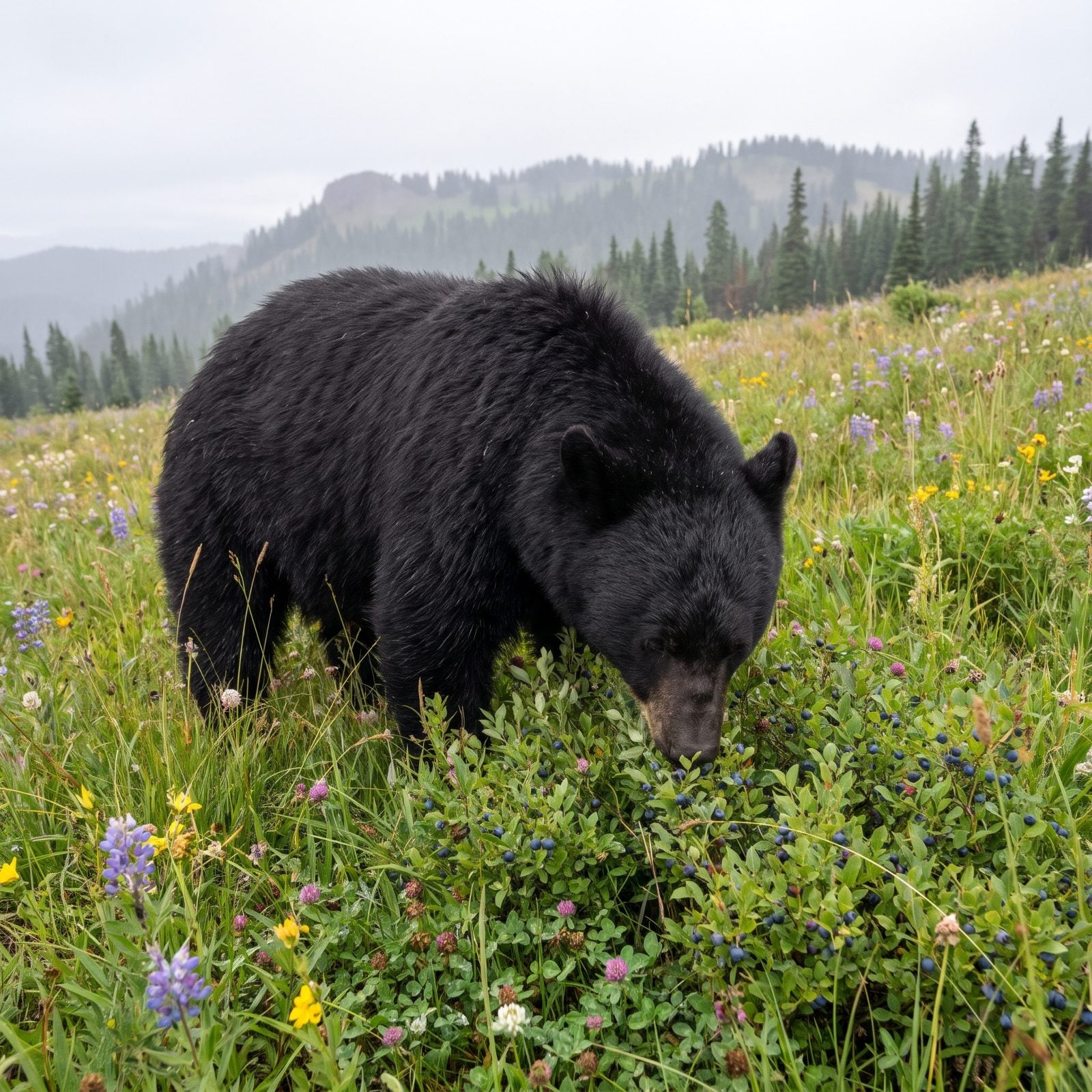
Most bears aren’t carnivores in any practical sense. Black bears eat berries, grasses, nuts, insects, and whatever easy calories they can find, and a grizzly will happily spend a whole summer stripping a hillside of huckleberries.
So hiding only your bacon misses the point. Sugar pulls them in — the honey packet, the hot cocoa mix, the fruit leather, that crushed granola bar at the bottom of your pack. A bear that learns a toothpaste tube smells interesting will come back for the toothpaste tube. Store all of it, not just the steak.
13. Myth: Menstruation Guarantees an Attack

This one has shadowed hikers for decades, and the evidence behind it is thin. Research, including work tied to the old scare around the 1967 Glacier incidents, never found that menstruation reliably draws bears or triggers attacks.
Treat scented products the way you treat food. Sealed, stored, kept out of the tent. That’s the real takeaway. The blanket warning to stay out of the woods was never backed by anything solid, and it kept a lot of people off good trails for no reason at all.
After running a statistical analysis of bear encounters as a graduate student, a former backcountry trail-crew worker found “it came out really strong that no, bears do not respond, or react, or in any way change their behavior based on the gender of the person they’re encountering”
12. Myth: Bears Only Move at Night
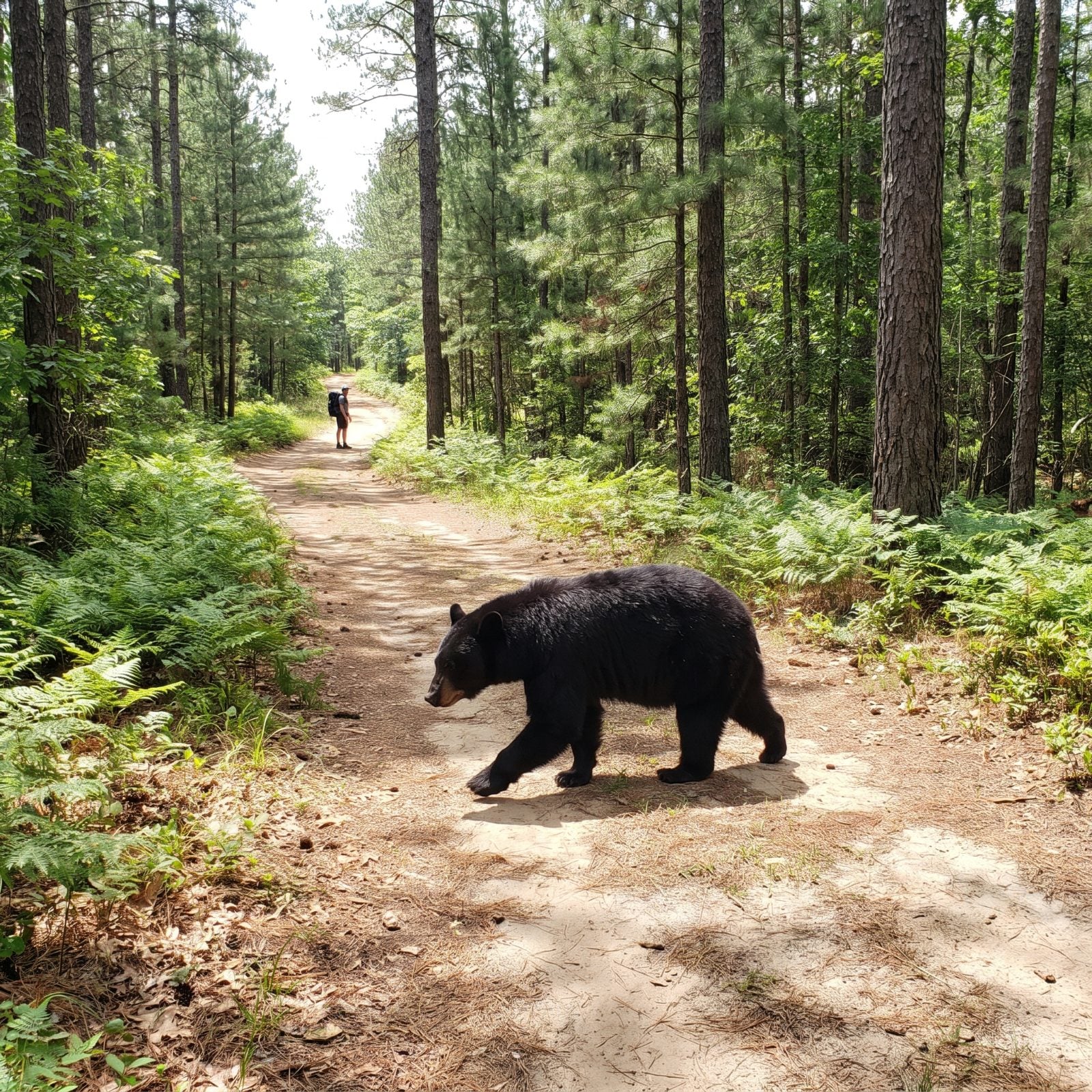
Plenty of bears are busy at high noon. They lean crepuscular by preference — most active at dawn and dusk — but hunger and season override preference every time. A bear bulking up for winter will eat on daylight’s schedule as readily as any other.
Where bears and people share ground, some do shift toward night to dodge us. That’s a response to pressure, not a rule. Assuming a trail is safe because the sun is up is exactly how folks round a bend and meet one face to face.
11. Myth: Cold Weather Means Every Bear Is Asleep
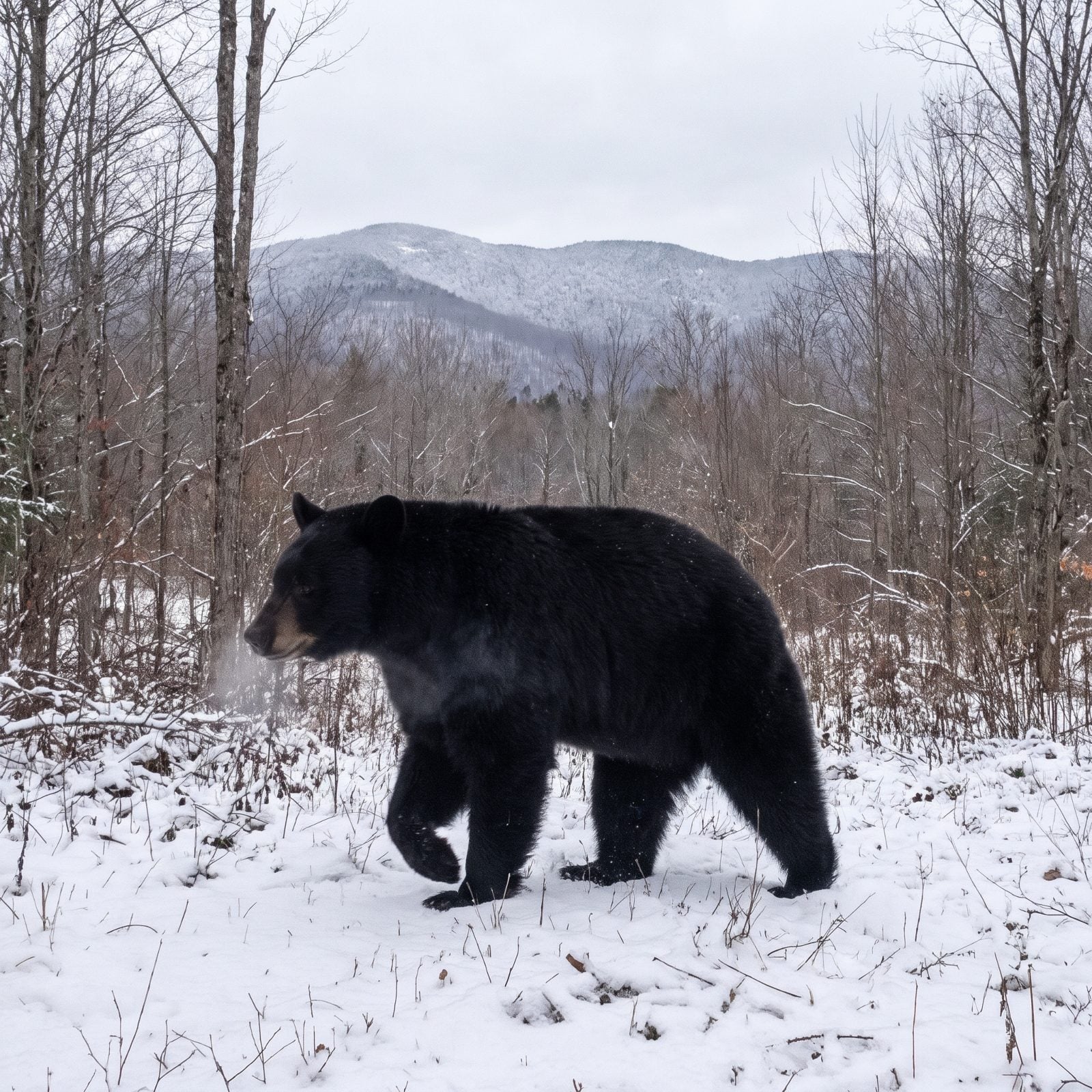
Hibernation isn’t a calendar event. It tracks food and temperature, so the timing swings hard from one region to the next. A bear in a mild coastal area might stay up through stretches of winter, and a warm spell can pull one out of its den weeks early.
Denned bears wake, too. Disturb one and it can rouse fast and cranky. So the safe assumption in late fall and early spring is simple: bears are out there. Pack your food and your deterrent like it’s July.
10. Myth: A Popular Trail Is a Bear-Free Trail
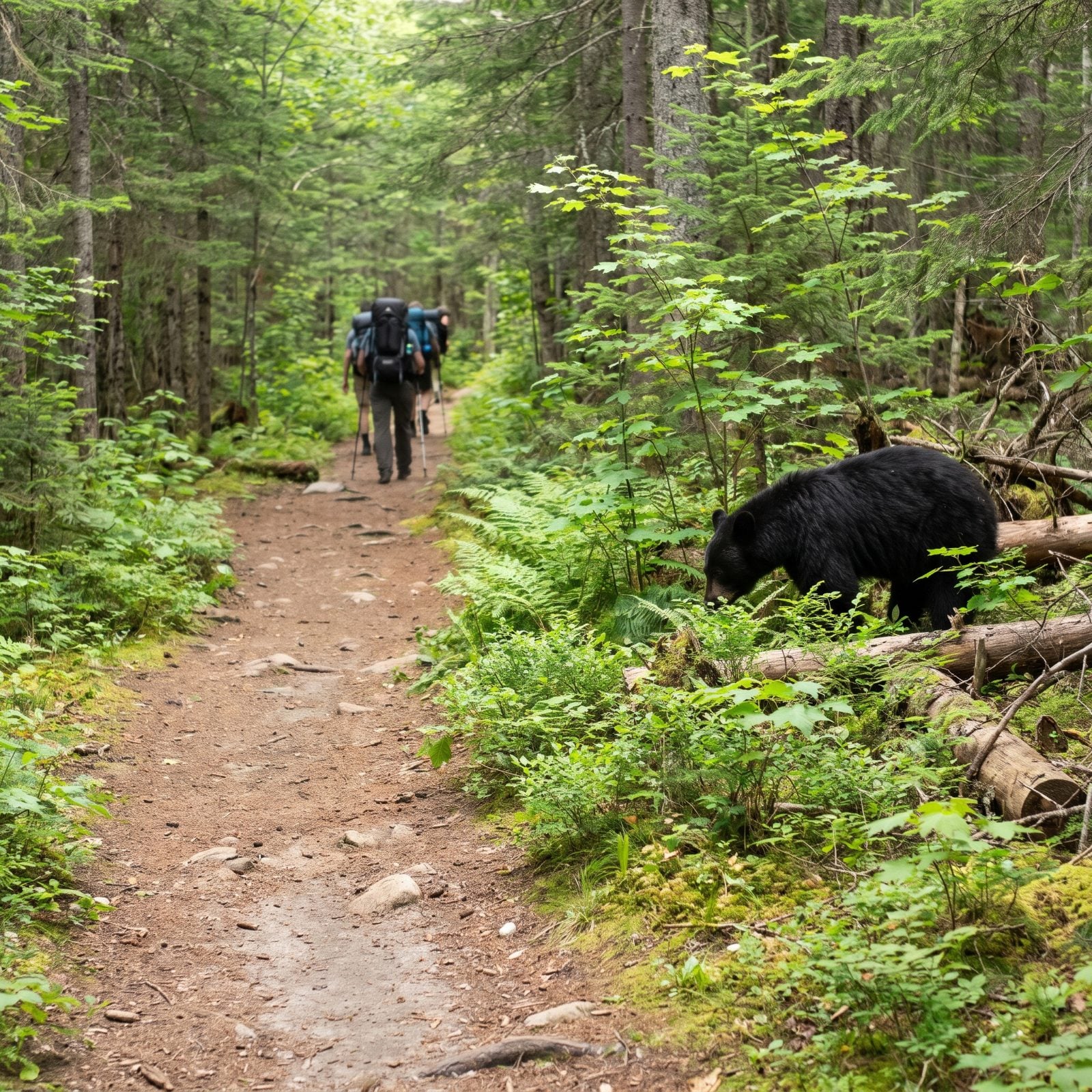
Foot traffic doesn’t push bears out. In the big parks it can do the opposite. Bears that learn hikers mean dropped snacks and unattended packs start hanging near the busy corridors on purpose.
A crowded trail lowers your guard and raises the odds that any bear nearby is already comfortable around people — the worst kind to meet. Make noise on blind corners, keep your food on you or stored, and don’t treat a parking lot full of cars as proof the woods are empty. Habituation is a people problem that bears inherit.
9. Myth: A Standing Bear Is About to Charge
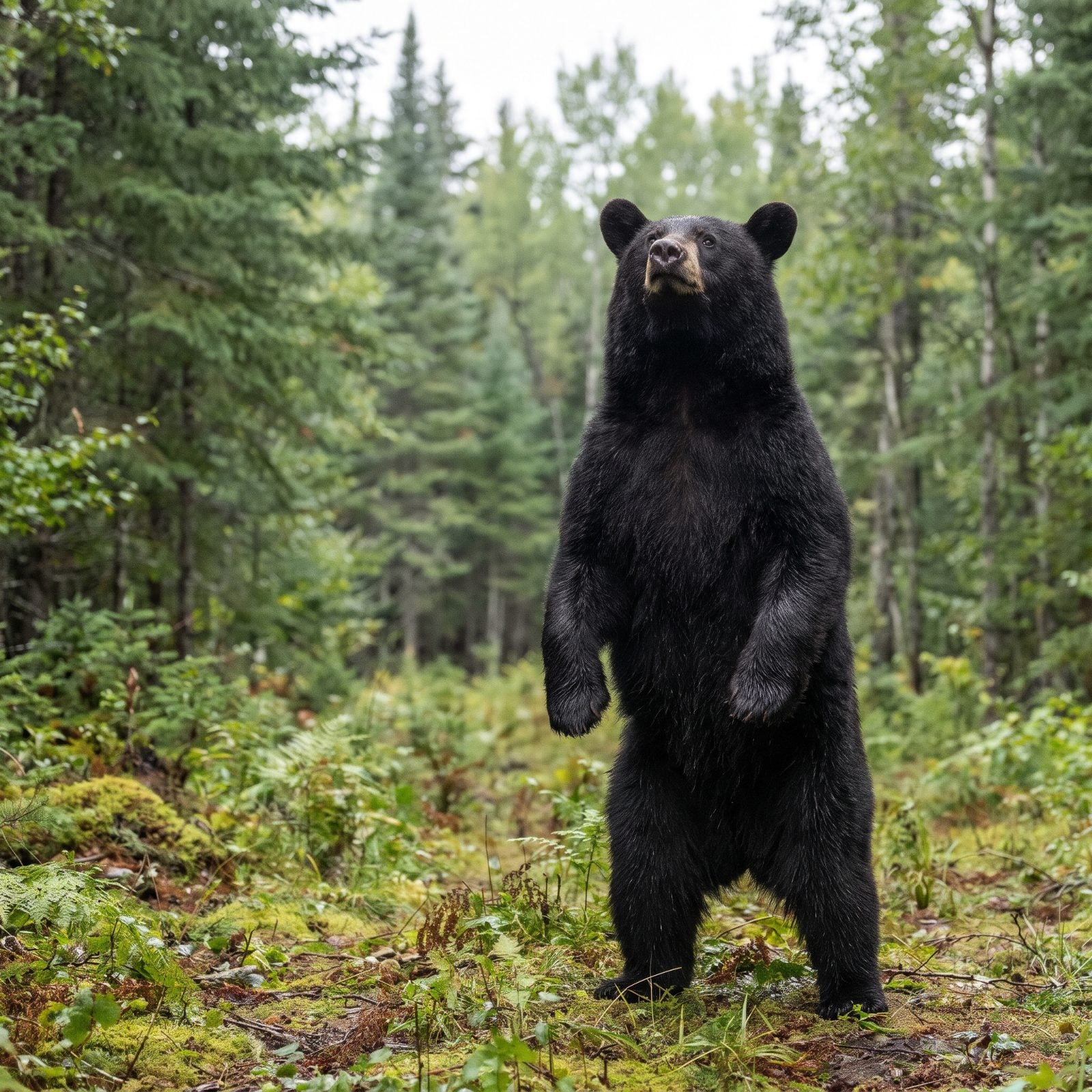
Standing up is the least aggressive thing a bear does. It isn’t a threat posture at all — it’s a bear getting a better look and a better sniff, trying to work out what you are. Eyes up, ears forward, body loose.
People see it and panic, then react in exactly the wrong ways, running or screaming. Back away slowly. Talk low and calm, and let the bear read you. A reared-up bear is curious, not committed. Save the alarm for the signals that actually mean trouble.
8. Myth: Huffing and Jaw-Popping Are Just Bluster
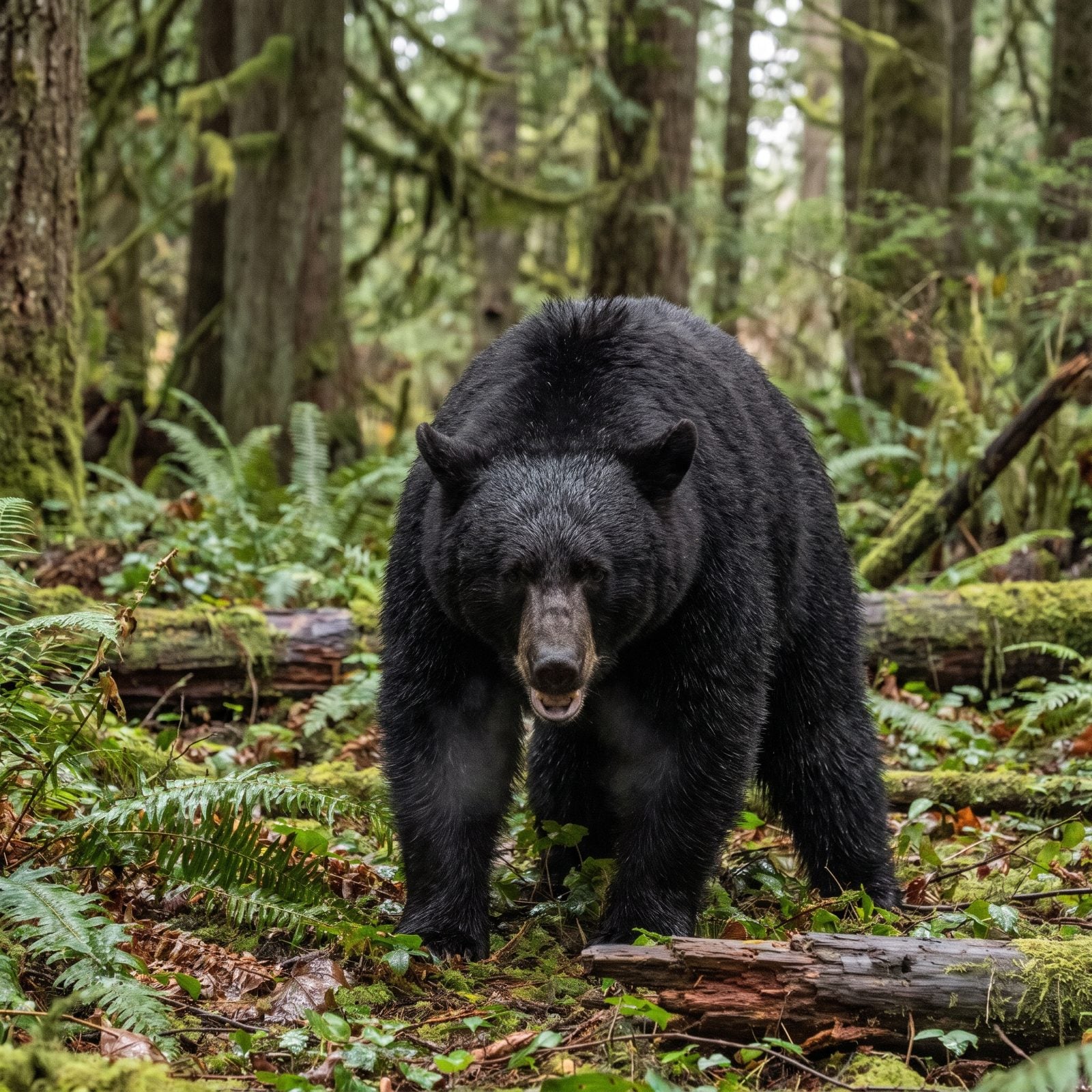
When a bear huffs, pops its jaw, slaps the ground, or swings its head low, it’s stressed and telling you so. That’s not harmless noise. That’s an animal at the edge of its comfort, asking you to back off.
Read it as a warning you still have time to answer. Stop crowding it. Don’t run, don’t turn your back, and give it space and a clear way out. The mistake is hearing all that as empty theater. It isn’t. It’s the last polite notice before things escalate.
7. Myth: A Bluff Charge Can’t Hurt You
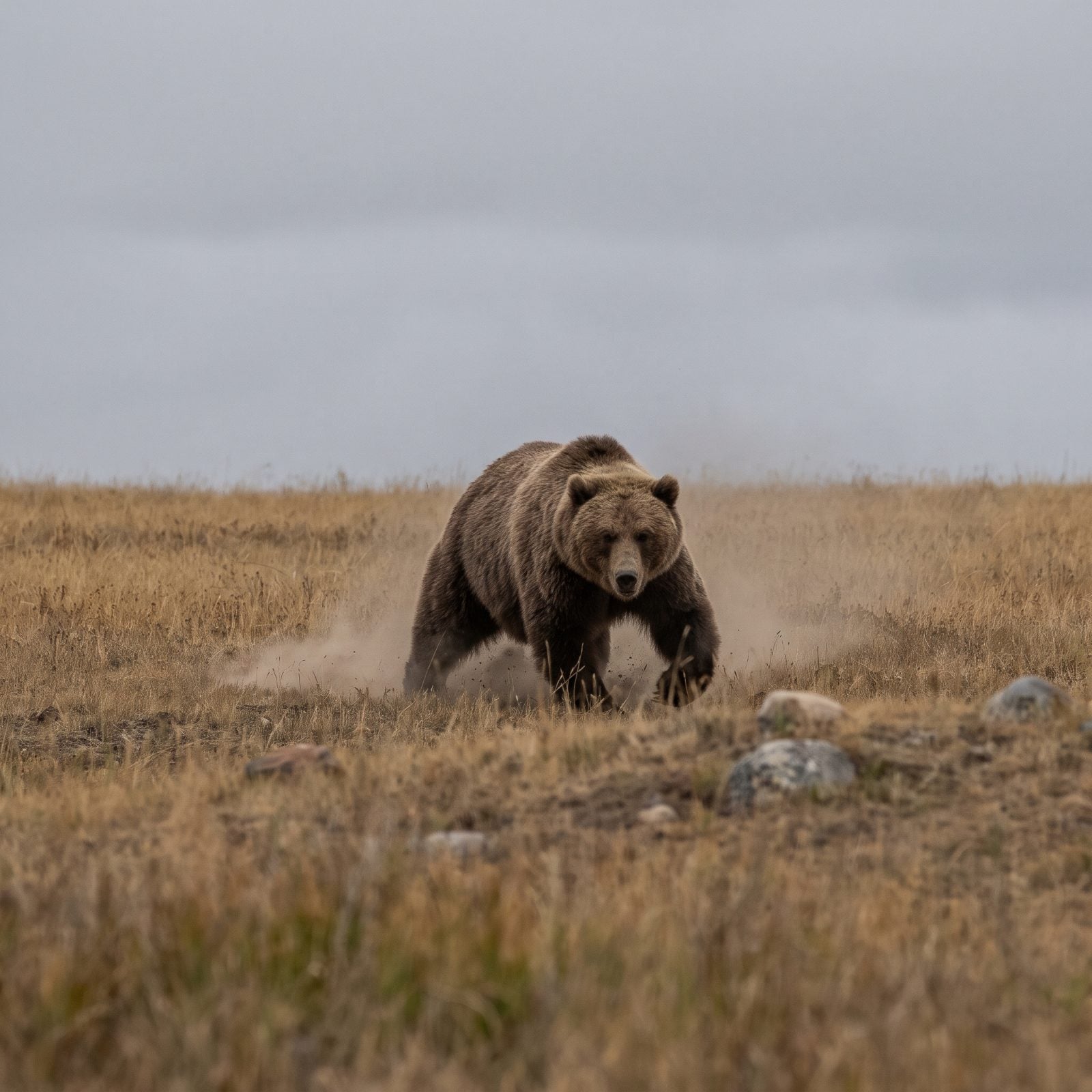
A bluff charge is terrifying by design. The bear runs hard, then veers off or stops short. It means to scare you, and it works beautifully.
But two things. You cannot know mid-charge whether it’s a bluff or the real thing, and a bluff can turn into contact if you run or react wrong. Holding your ground sounds impossible until you’ve practiced the plan: stay put, ready your spray, keep facing the bear, speak low. Take every charge seriously. The one time you assume bluff and guess wrong is the time that counts.
6. Myth: A Bear Trailing You Is Just Being Curious
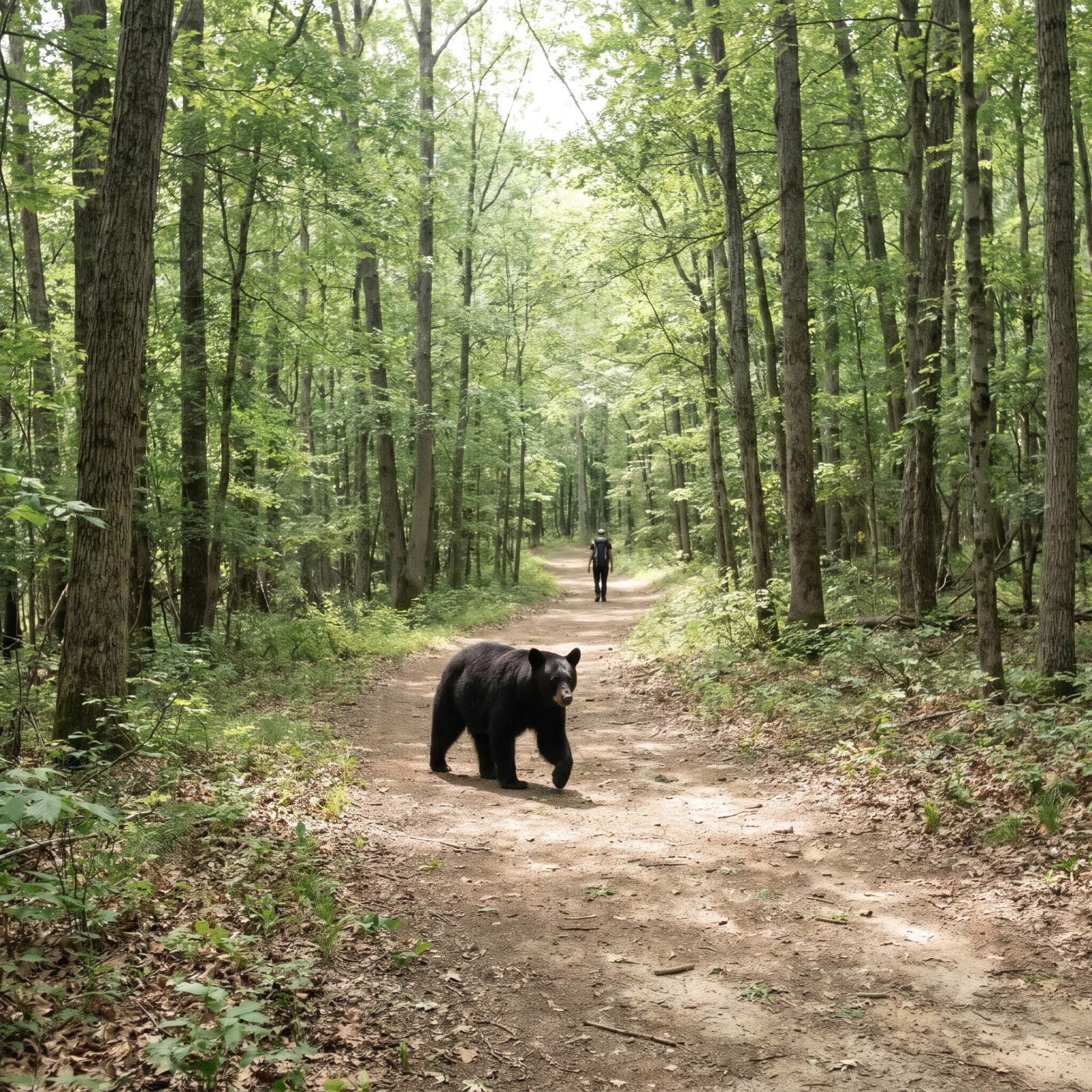
A bear that keeps following you — especially a quiet, focused black bear that won’t be scared off — is the scenario experts flag hardest. Curiosity usually fades. Deliberate, persistent following can signal predatory interest, and while that’s rare, it’s real.
Here’s where you flip the whole script. Don’t play dead. Get big, loud, aggressive. Throw things, shout, stand your ground, use your spray. A bear sizing you up as prey needs to learn fast that you’re a bad idea. The calm pursuer is the one that should raise every hair on your neck.
5. Myth: A Bear Guarding a Carcass Will Flee When You Shout
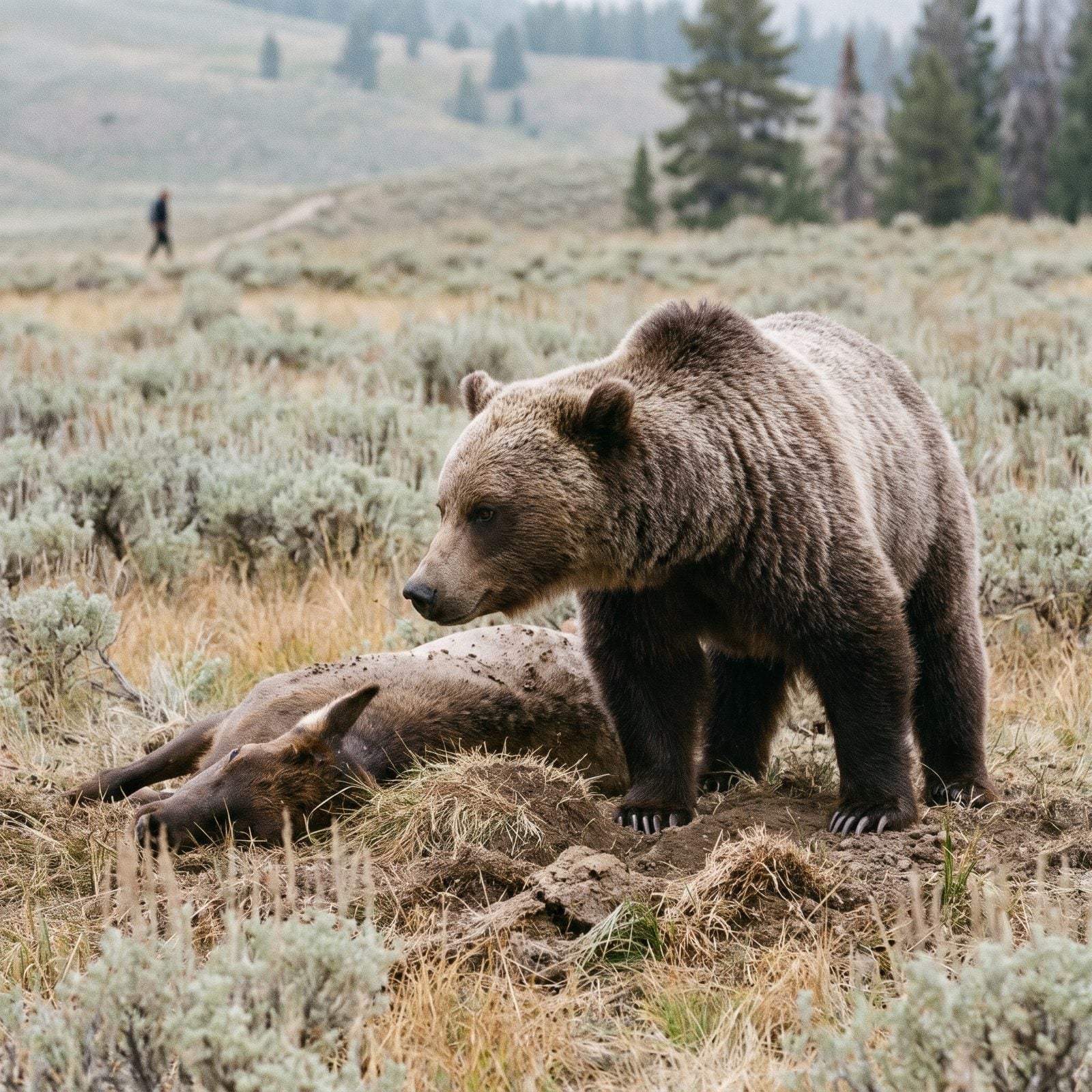
A bear on a kill is a different animal than a bear on berries. That carcass is food it will die defending, and your voice doesn’t read as a threat worth retreating from — it reads as competition.
Shouting works on a surprised bear that wants nothing to do with you. But a grizzly standing over a half-buried elk has already decided the ground is his. Pinned ears, a lowered head, a short lunge — those aren’t bluffs you argue with.
Smell something dead? Back out the way you came. The carcass is the warning.
4. Myth: Fur Color Tells You Which Bear You’re Looking At
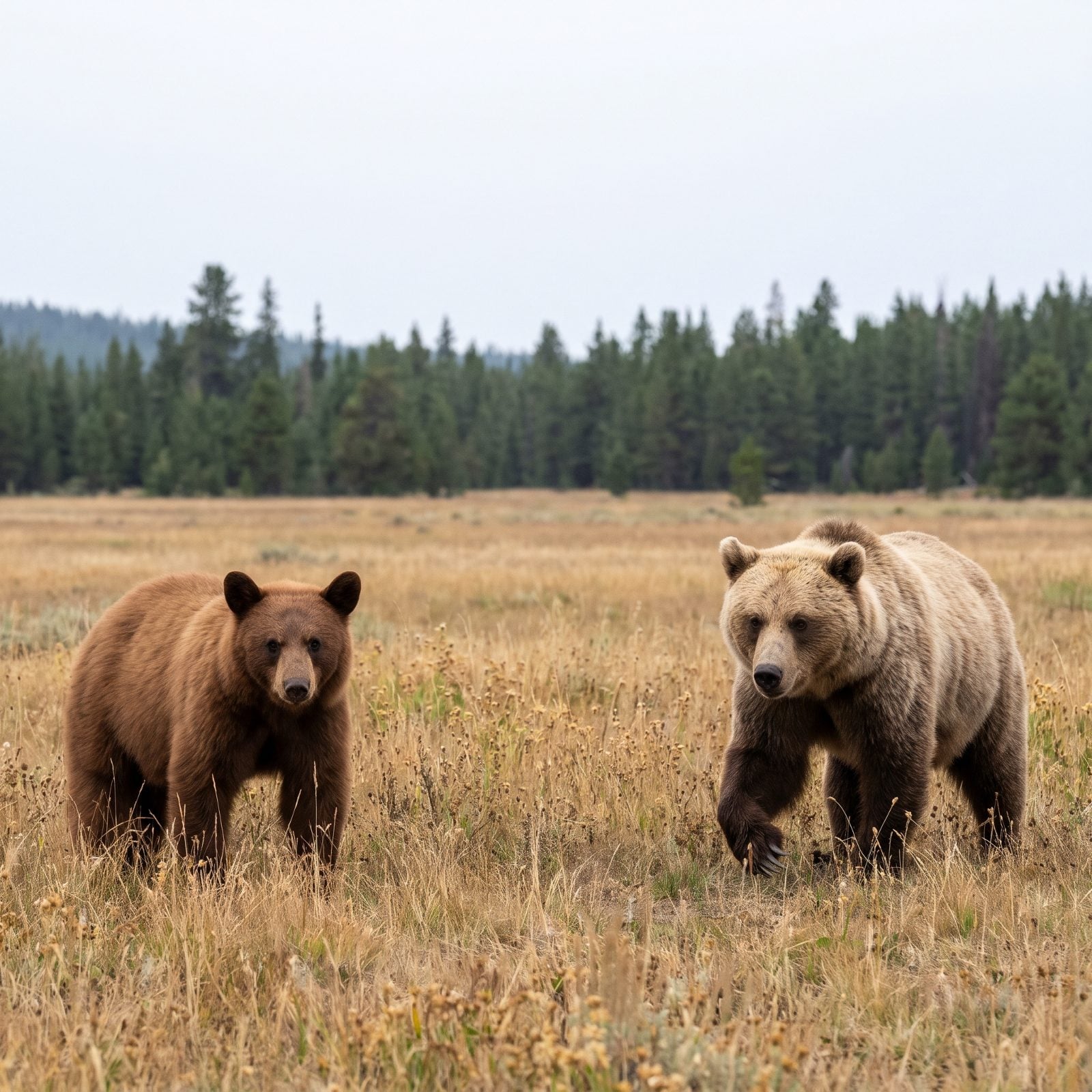
Color is the worst way to ID a bear, and it’s the one everybody reaches for first.
Black bears come in black, brown, cinnamon, blonde, and even a creamy white in parts of British Columbia. Grizzlies run from near-blonde to dark chocolate. Put a cinnamon black bear and a light grizzly in bad light and they can look nearly identical.
Read the build instead. The grizzly carries a shoulder hump, a dished face, short rounded ears, and long straight front claws. A black bear has a flat shoulder line, a Roman-straight profile, taller ears, and shorter curved claws.
3. Myth: Bears Have Lousy Eyesight and Don’t Recognize People
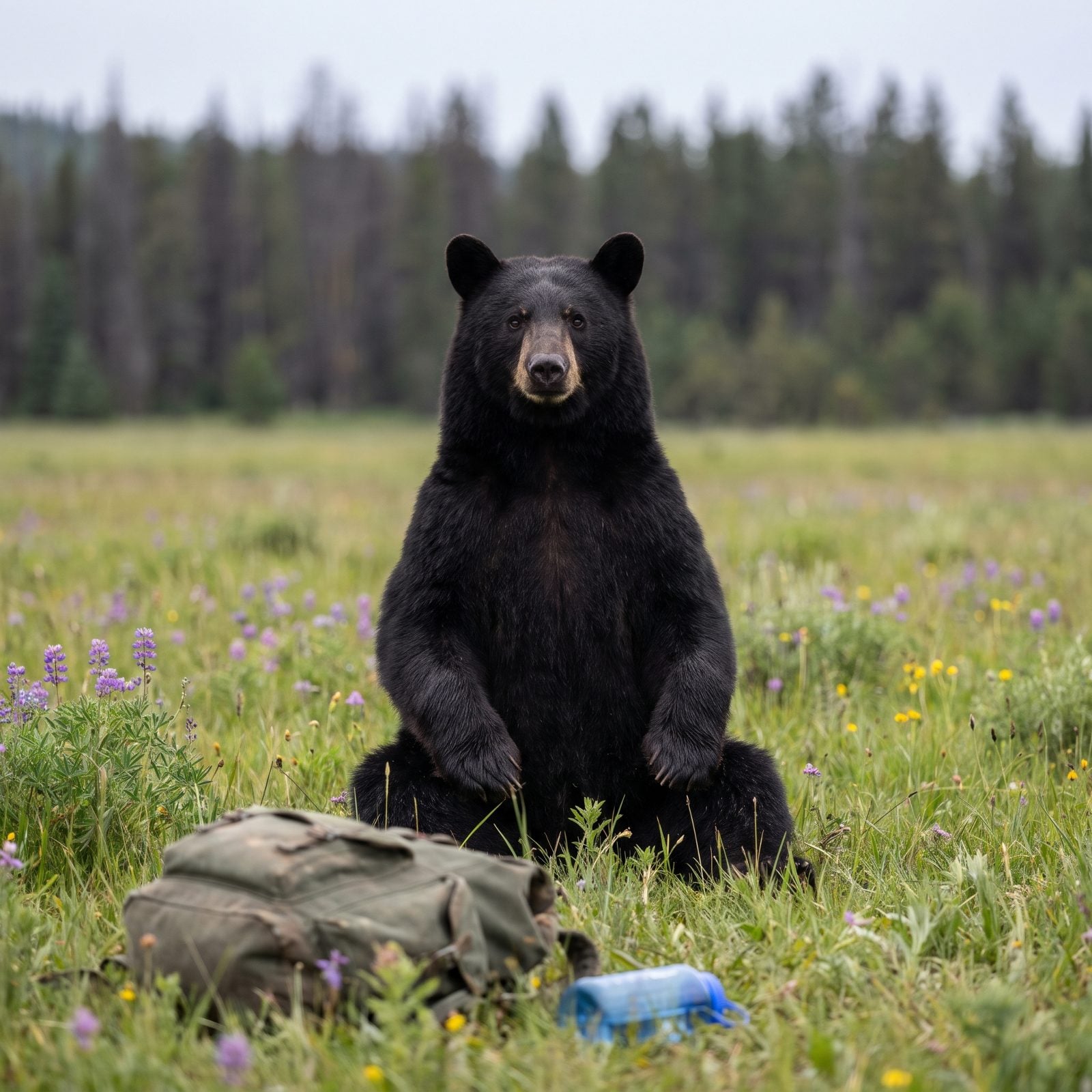
Bears see roughly as well as you do, color and all. That upright stand you read as aggressive is usually just a bear trying to see and smell better.
Here’s what actually matters: bears are smart and they remember. A bear that scored a sandwich from a cooler once will recognize the cooler, the car, and the habits of people who leave food out. That memory is the whole reason behind “a fed bear is a dead bear.” You’re not dealing with a dumb nose on legs — you’re dealing with an animal that learns fast and files you away for later.
2. Myth: A Hammock Hangs You Safely Out of a Bear’s Reach
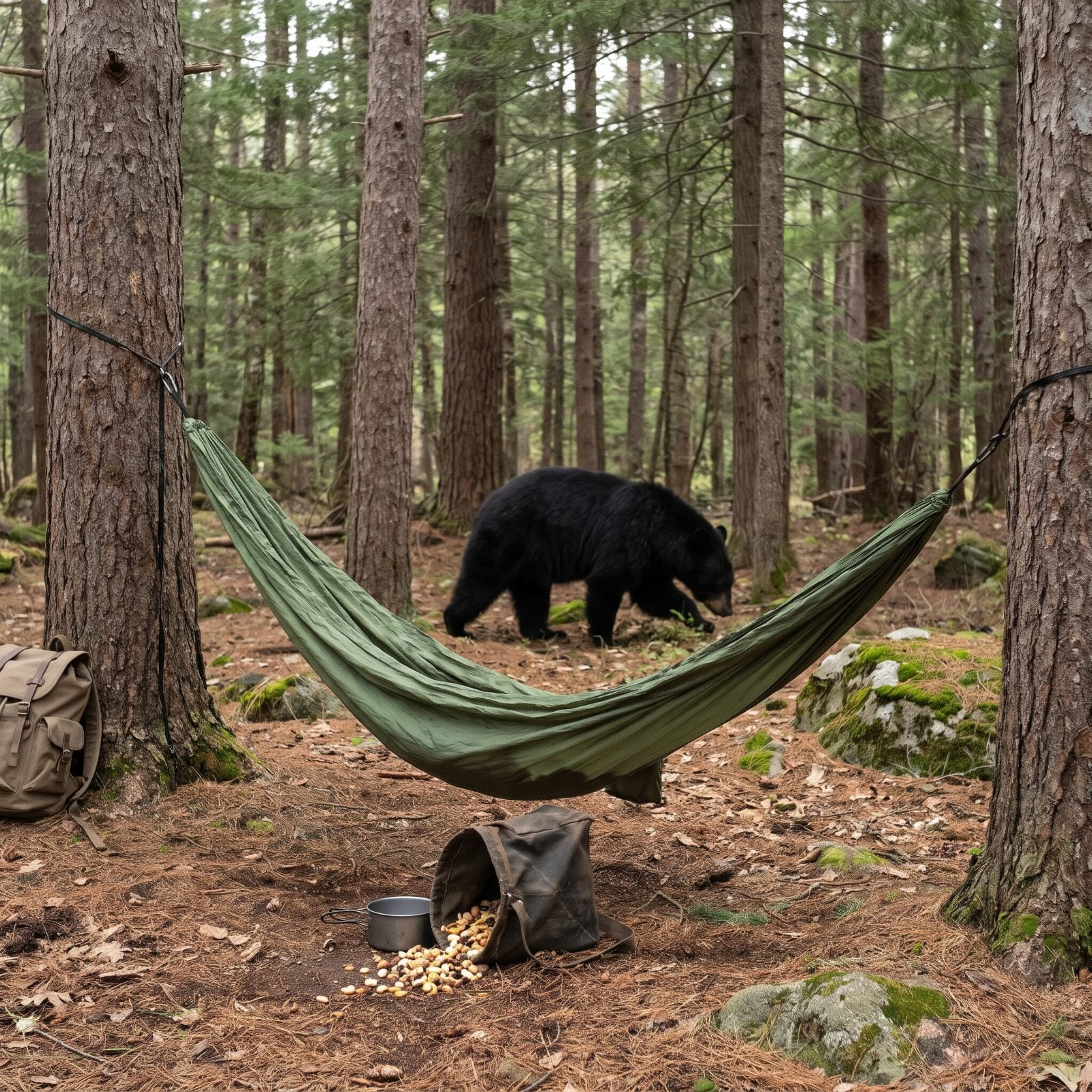
A hammock puts you maybe three or four feet off the ground. A standing black bear reaches higher than that without trying, and a curious one will bat a swaying hammock like a piñata.
The bigger problem is what’s underneath. People stash packs and food bags on the ground below, which turns the whole rig into a dinner bell with a human dangling over it. Height is not a food storage plan.
Hang a proper bear bag well away from where you sleep, or use an approved canister. The hammock is for comfort. Nothing more.
1. Myth: Playing Dead Is Always Right (or Always Wrong)
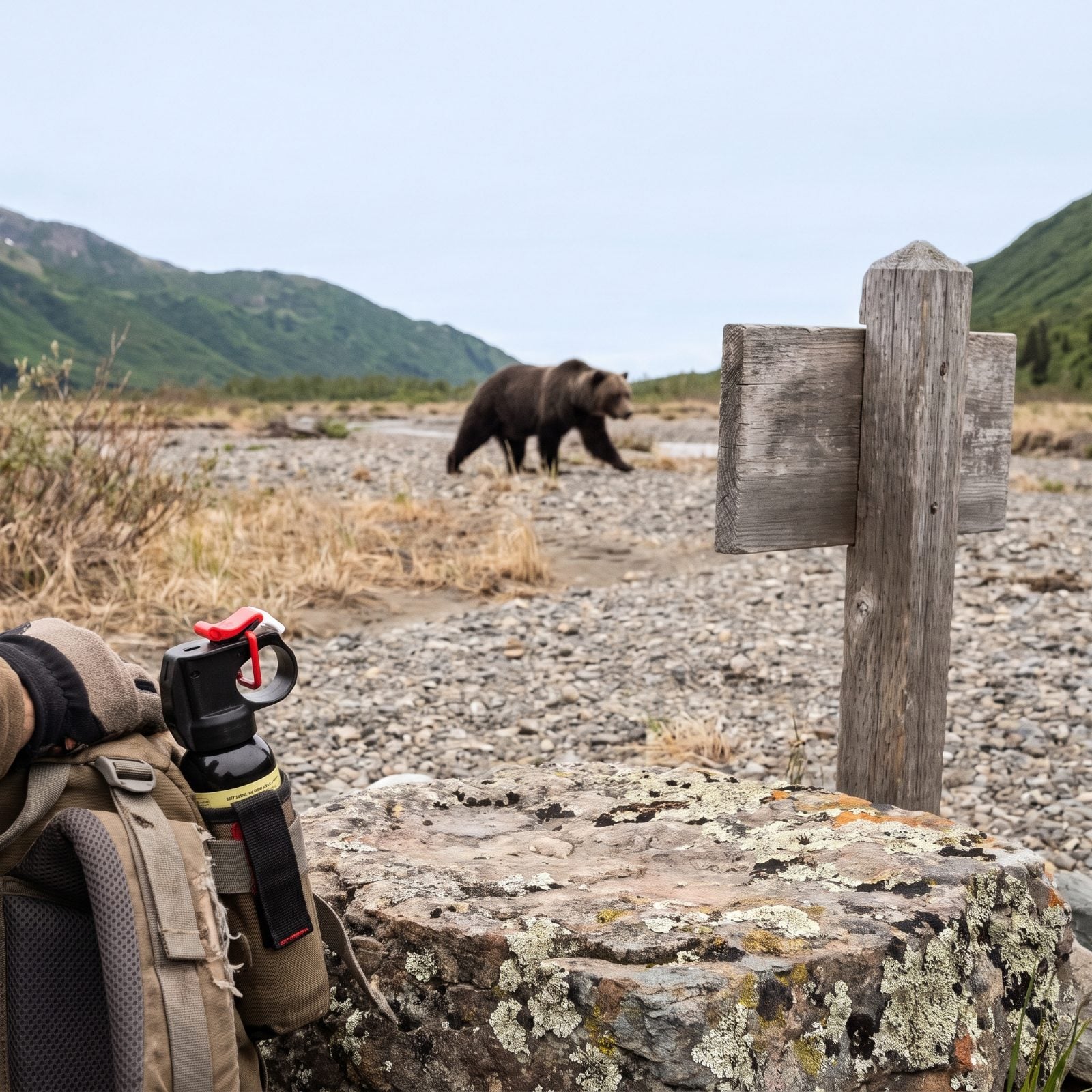
The advice splits by situation, and getting it backwards is the dangerous part.
A defensive grizzly — one you surprised, or one guarding cubs — wants you to stop being a threat. Lie flat on your stomach, cover the back of your neck, keep your pack on, and stay still until it leaves. Playing dead works here because the attack ends the moment the threat ends.
A predatory bear is another animal entirely, usually a black bear that’s following and stalking you. Playing dead for that one is an invitation to dinner. So you fight — fists, rocks, sticks, bear spray, whatever’s within reach, aimed at the face and nose.
Grizzly on defense, you drop. Black bear on the hunt, you fight. Mix those up and you’ve made the worst possible choice.