
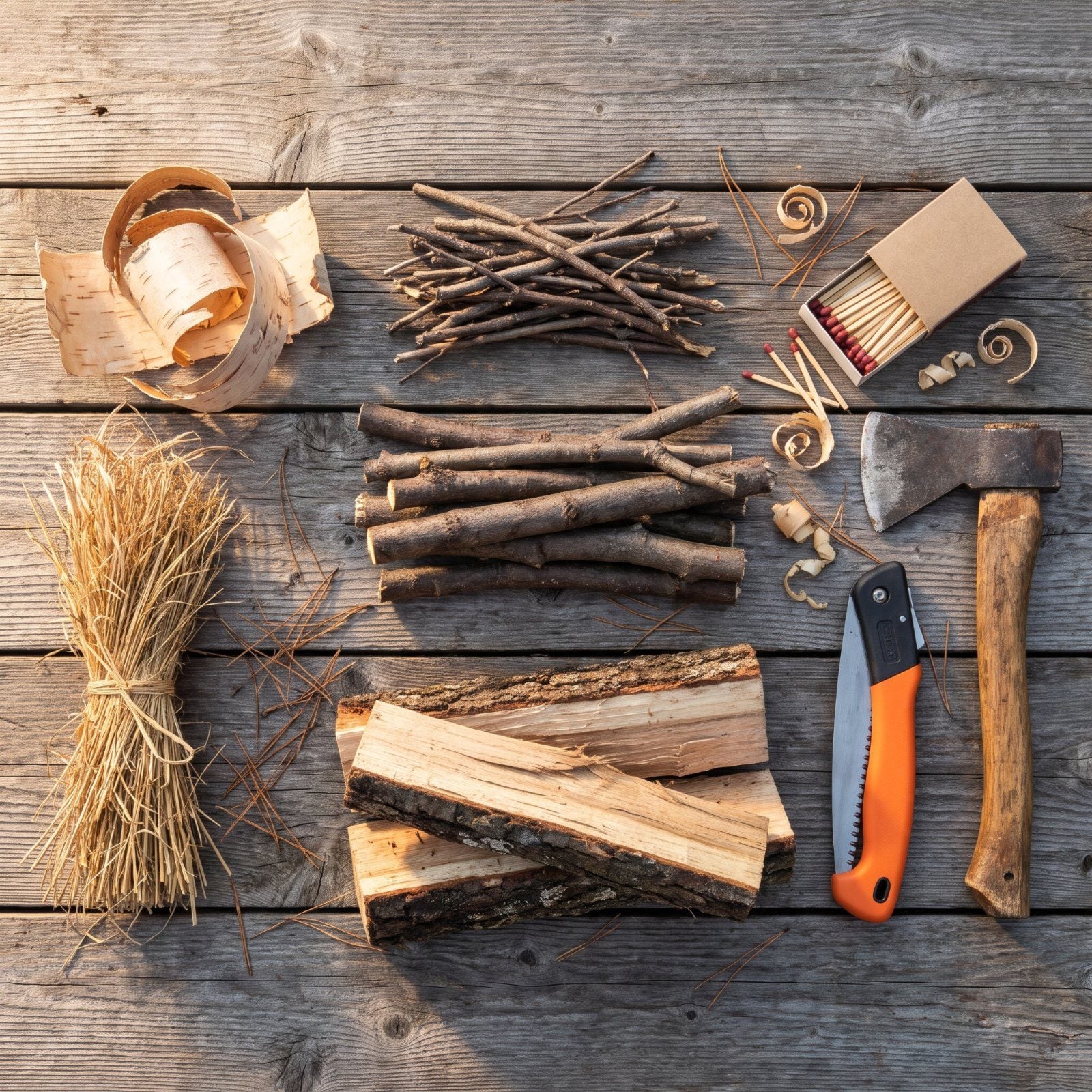
Watch someone build a fire out of frustration and you’ll see the same moves every time. A log the size of a forearm, a single match held to the bark like a prayer, then a disappointed shrug when nothing happens. Most failed campfires aren’t bad luck. They’re one or two bad assumptions, repeated until the person swears off fire-building entirely. The fixes cost nothing and take about two minutes to learn. Here are the stubborn beliefs that keep a flame from catching, and the plain truth that gets it going.
Please note that some of the images in this article were created with the assistance of AI.
40. Myth: One Match Should Light a Full-Sized Log
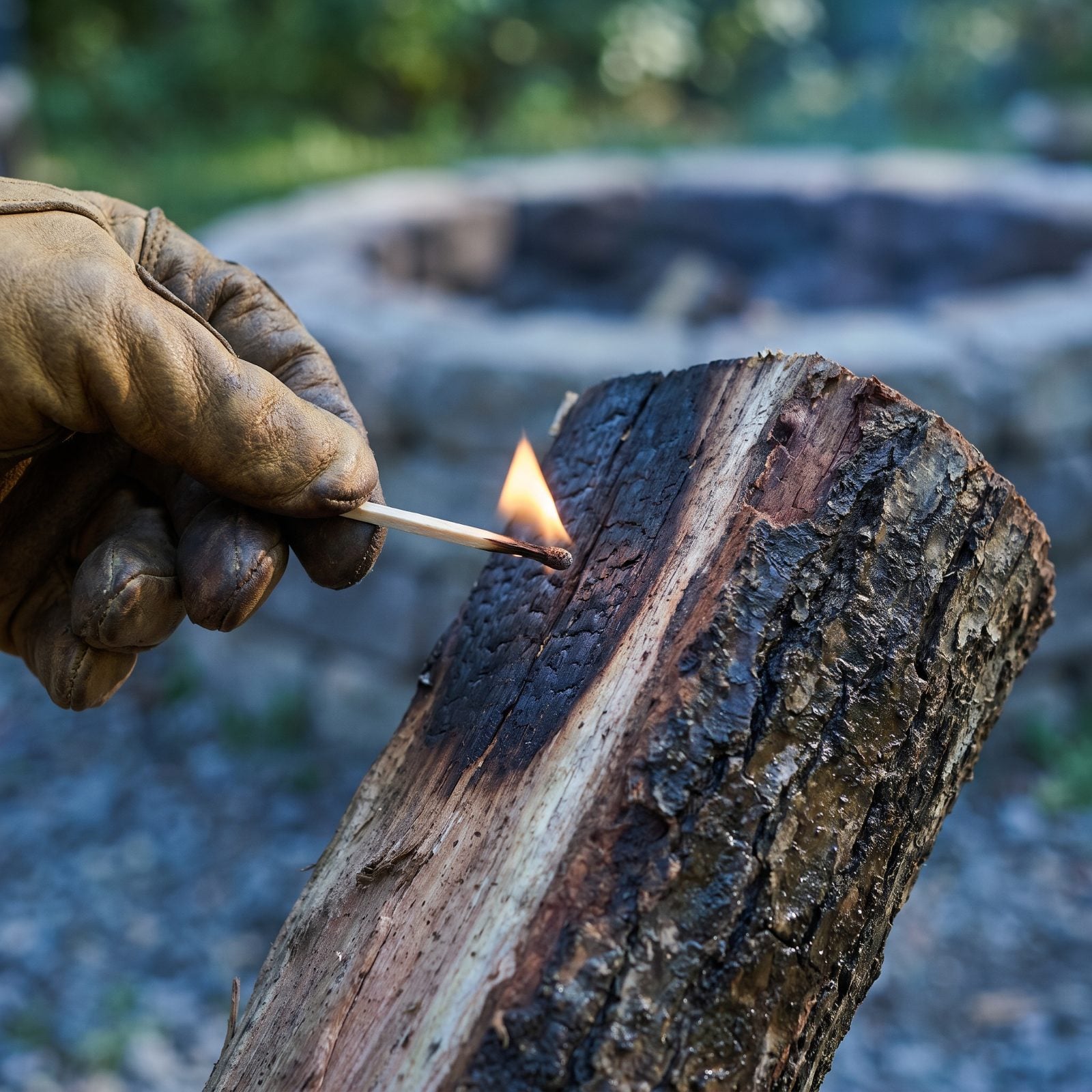
The classic move: hold a match to the flat side of a log and wait for magic. The log scorches, the match burns your fingers, and nothing catches. Then you blame the matches.
A single match puts out maybe ten seconds of small flame, and a solid log needs sustained, rising heat to reach its ignition point. One match cannot deliver it. You’re asking a birthday candle to melt a brick.
Build the ladder instead. Tinder lights first, tinder lights the kindling, kindling lights the split wood, and only then does a real log join the party. The match has exactly one job — light the tinder. Everything after that is the fire feeding itself.
39. Myth: Tinder Is Optional When the Wood Is Dry
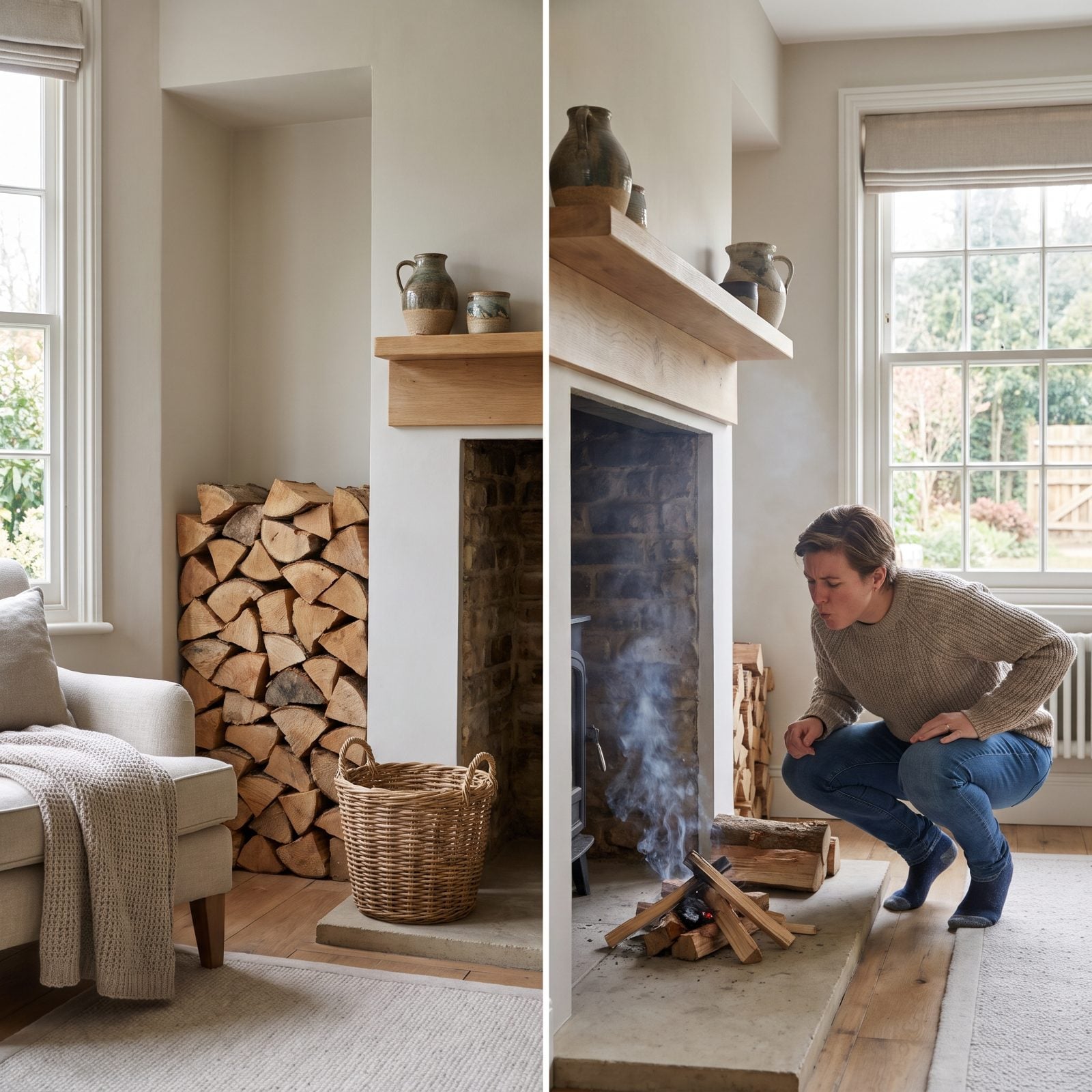
Dry wood feels like a shortcut. The logs split clean, so you skip the tinder and go straight to flame — then end up crouched by the fire ring, blowing on a lone smoking log that never commits.
Dry doesn’t mean flammable at the touch of a match. Even bone-dry split logs need a hot, flickering base beneath them, and tinder is that base. It catches instantly and burns long enough to warm the logs above into flame.
Gather a fist-sized bundle of fine stuff first: crumpled newspaper, shredded bark, pencil shavings, a crushed-up cotton ball if you have one. Light that, build over it, and the dry wood does exactly what you hoped it would.
38. Myth: Wrist-Thick Sticks Count as Kindling
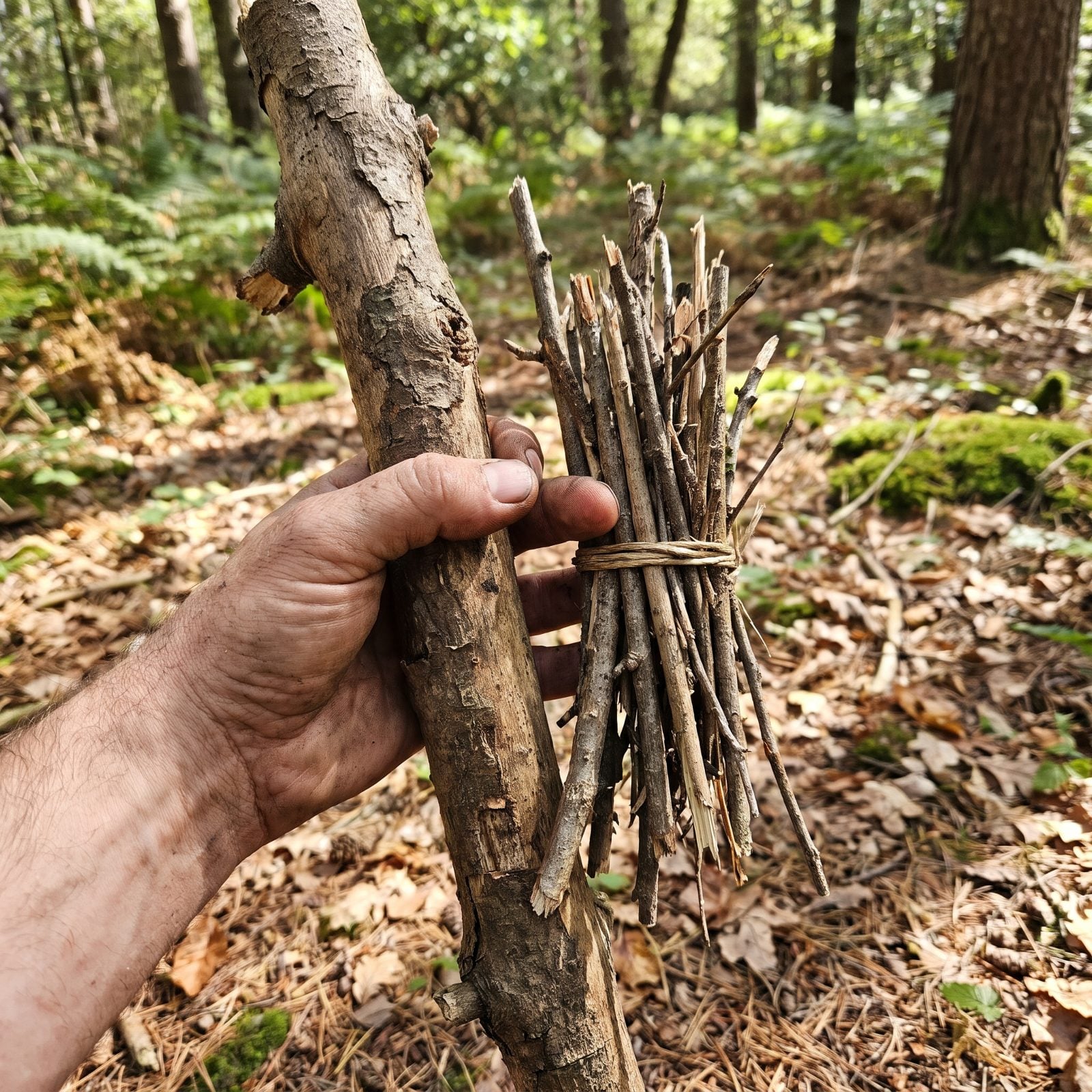
Kindling has a size, and wrist-thick isn’t it. People grab the sticks that are easy to find, pile them over the tinder, and watch the flame die under all that mass.
Here’s the rule I wish someone had told me years ago. Kindling should range from matchstick-thin up to about your thumb, no bigger, and you want a lot of it. Those wrist-thick branches are intermediate fuel — the stuff you add once the fire is already confident.
Collect it in grades. A handful of thin twigs, then pencil-width, then finger-width, then thumb. Add them in that order and the fire climbs without stalling.
37. Myth: One Spark Can Ignite Twigs Directly
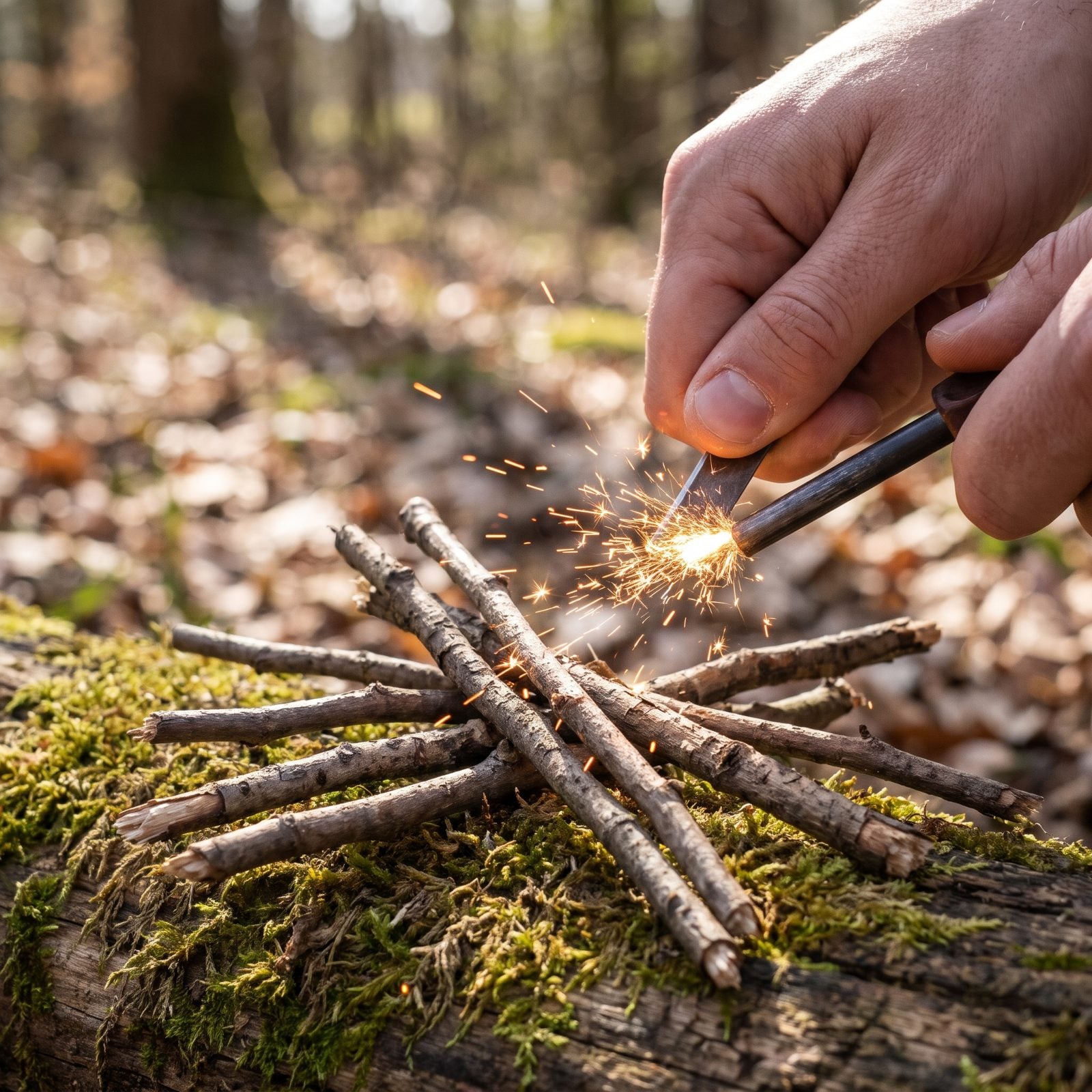
A ferro rod throws a gorgeous fountain of sparks, so it seems obvious — aim those sparks at your twigs and off you go. Strike after strike, the twigs just sit there wearing tiny black freckles.
A spark lives for a fraction of a second and carries almost no heat. Twigs need a sustained flame to ignite, not a flash. You want something in between that a single spark can catch and hold.
Fine tinder does that. Char cloth, a cotton ball, fluffed-up inner bark, a pinch of dry grass teased into a bird’s nest. The spark catches the fluff, the fluff grows a flame, and the flame lights the twigs. Skip that middle step and you’ll strike the rod until your arm aches.
36. Myth: Dense Hardwood Is the Best Starting Fuel
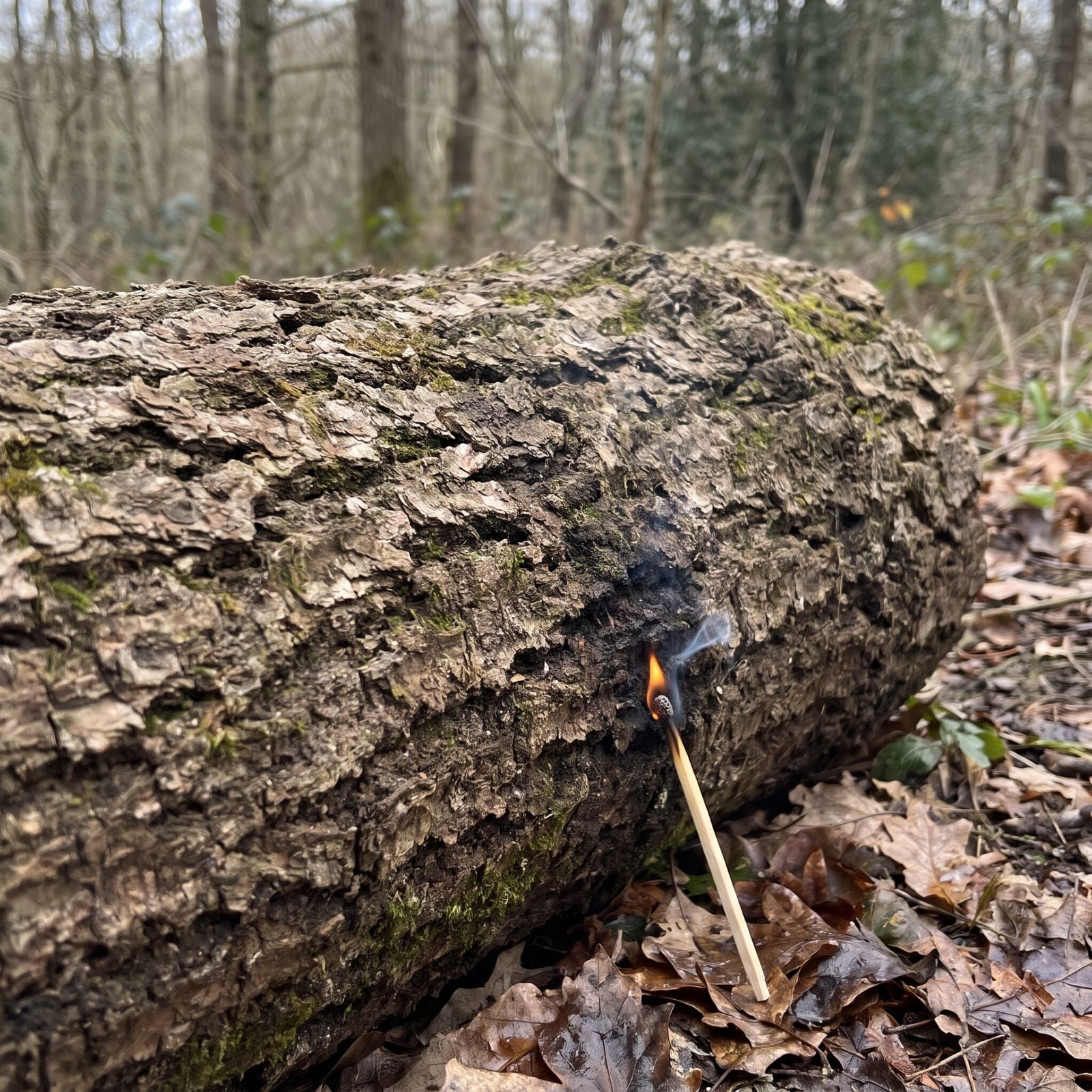
Oak and hickory are prized firewood, so folks reach for them right at the start. Then the match-size flame vanishes under all that density and you’re back to square one.
Dense hardwood is fantastic once a fire is roaring. It burns slow and hot, which is exactly why it’s terrible for starting — it takes serious heat to get going, heat your little flame doesn’t have yet.
Start soft. Pine, cedar, spruce, any lightweight softwood catches fast and builds a hot bed quickly. Lay your prized oak on top of that bed once it’s throwing real heat, and the hardwood finally does what it’s for: burning long into the night.
35. Myth: Split Wood Burns Worse Than Whole Rounds
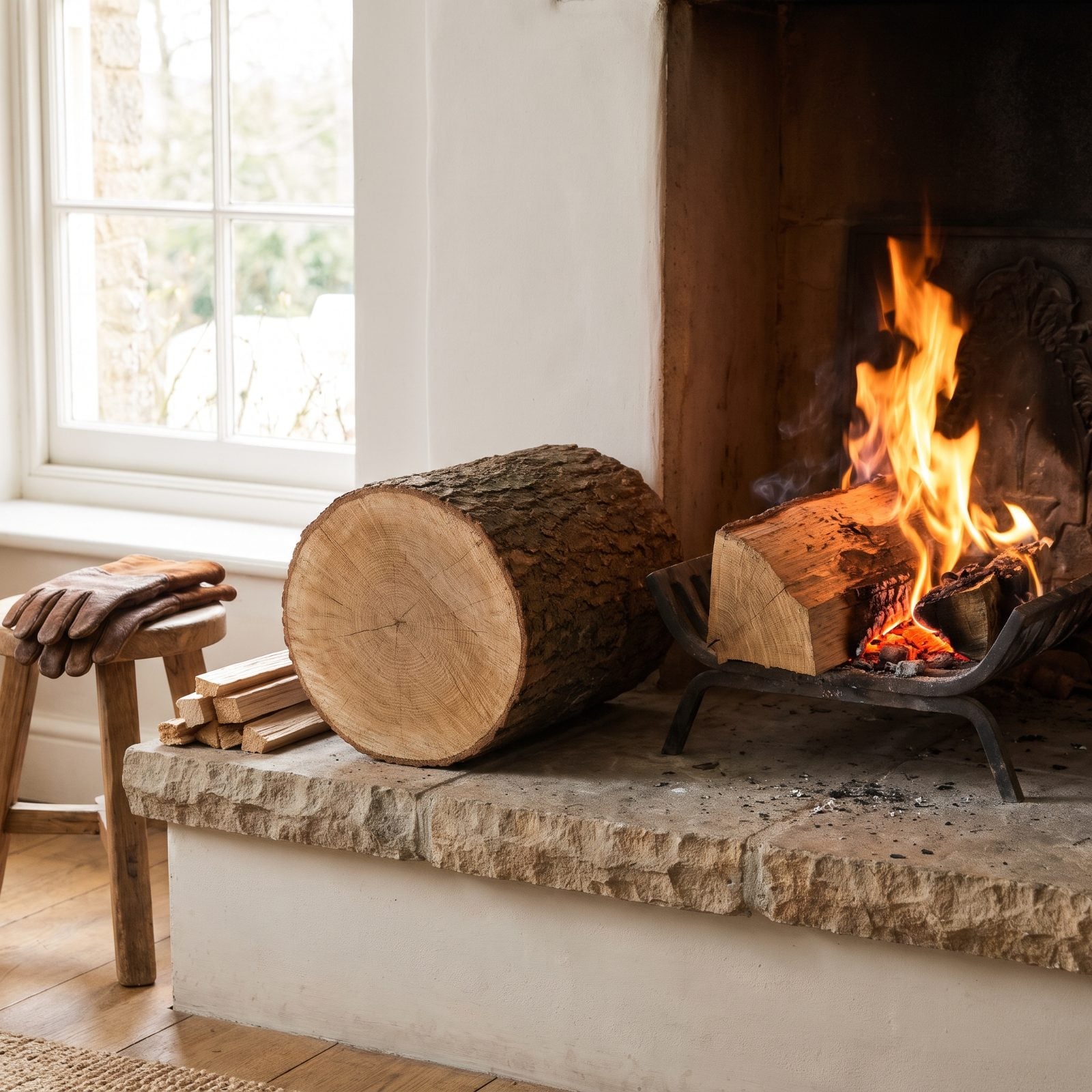
There’s a notion that a solid round holds its heat better, so why bother splitting it? Try lighting one. You’ll find out why.
A whole round is sealed inside its bark, and bark is nature’s raincoat. The flame can’t get a grip on that smooth outer surface. Split it open and you expose the dry inner wood and the ragged edges that catch fire easily.
Split your rounds down into quarters, then split a few of those into thinner wedges for building up to the big stuff. The exposed grain lights faster, burns cleaner, and gives the flame far more surface to climb.
In a guide to splitting firewood, a former backpacking trip leader explains that larger pieces take more energy to get burning, so splitting logs down helps a fire move up from fine tinder.
34. Myth: Fallen Deadwood Is Always Dry
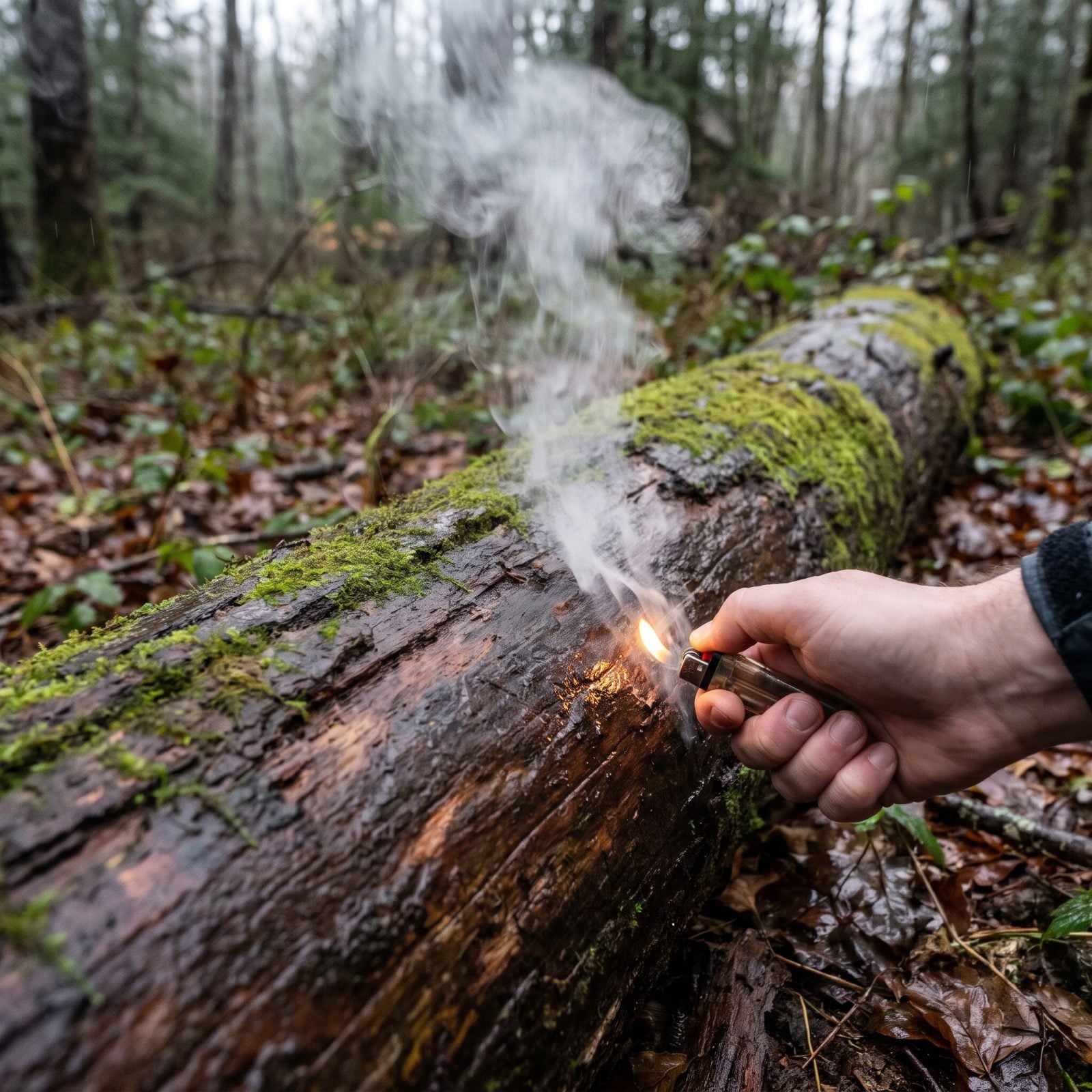
Dead wood on the ground looks like free dry fuel. It’s dead, right? Should be ready to burn. Then it hisses, steams, and refuses to flame.
Wood lying on the forest floor wicks moisture up from the damp earth and holds it. The bottom especially can be soggy even when the top looks fine, and that water has to boil off before anything catches — which steals heat and kills your fire.
So look up, not down. Dead branches still attached to standing trees, or hung up off the ground, dry in the air and wind. Snap one. A sharp, clean crack means it’s dry; a dull bend or thud means leave it.
33. Myth: Dry Bark Means the Wood Inside Is Dry
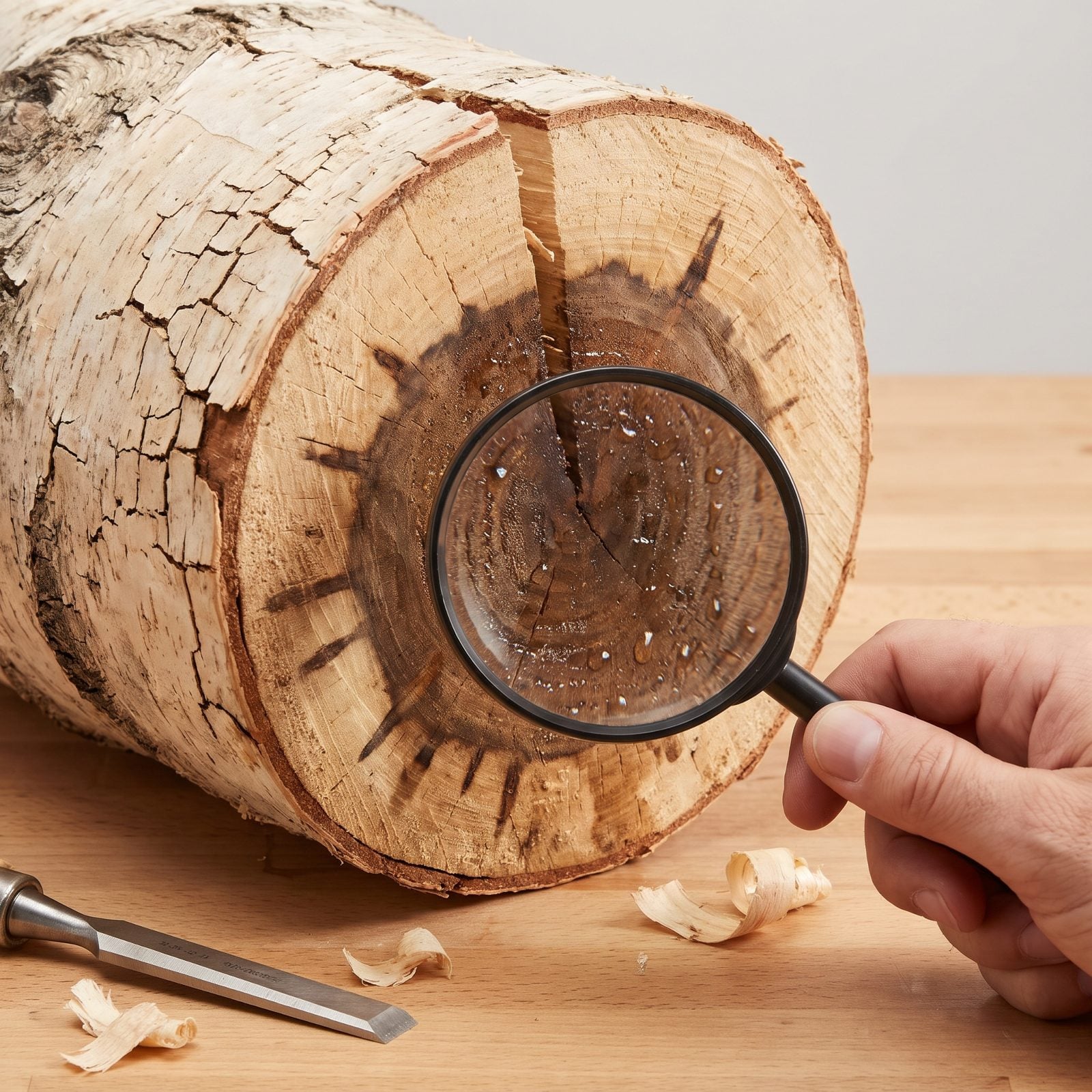
You pick up a log, the bark is crackly-dry, so you call it seasoned and toss it on. The fire chokes down to a smoky struggle. The bark lied to you.
Bark dries first and fastest because it’s exposed, while the heartwood inside can still hold plenty of water, especially in thicker pieces. A dry shell over a wet core is one of the most common reasons a fire won’t settle into a steady burn.
Split a piece and check the fresh face. Dry wood looks pale and faded, feels light for its size, and makes a hollow knock when you tap the halves together. A damp interior looks darker and feels cool and heavy. Trust the inside, never the skin.
32. Myth: Seasoned Firewood Cannot Absorb Moisture Again
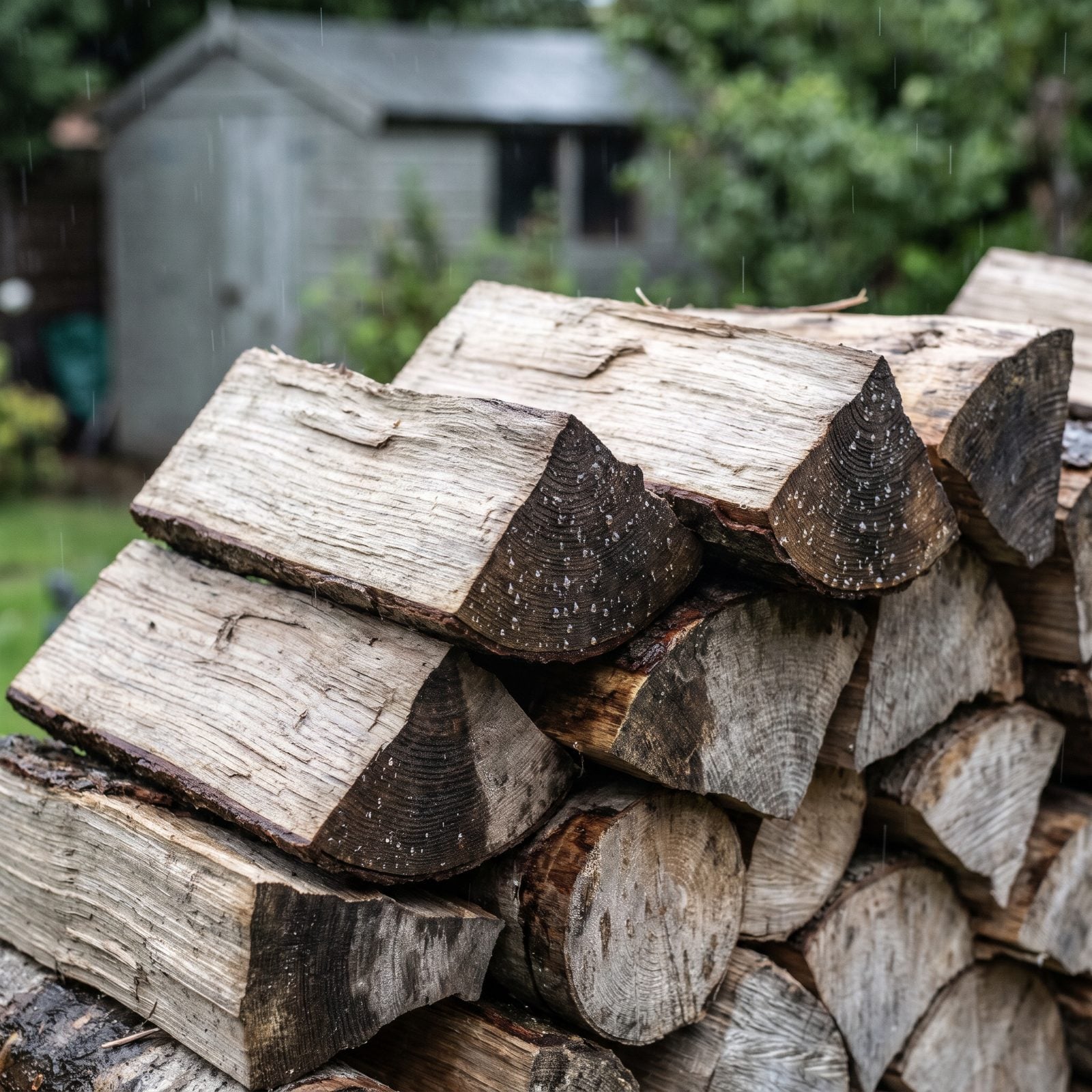
Season your wood for a year and it’s dry forever, so the thinking goes. Leave that same wood out under a weekend of rain and it’ll teach you otherwise.
Dry wood is thirsty. It pulls moisture right back out of humid air, wet ground, and rain, and a seasoned split left uncovered through one damp night can soak up enough water to turn stubborn by morning.
Keep your fuel off the ground and under cover. A tarp, the truck bed, a dry spot under a tree — anything that breaks the rain and lets air move. At camp, pull tomorrow’s wood under shelter tonight. Dry wood stays dry only if you help it.
31. Myth: Green Wood Helps Because It Burns Longer
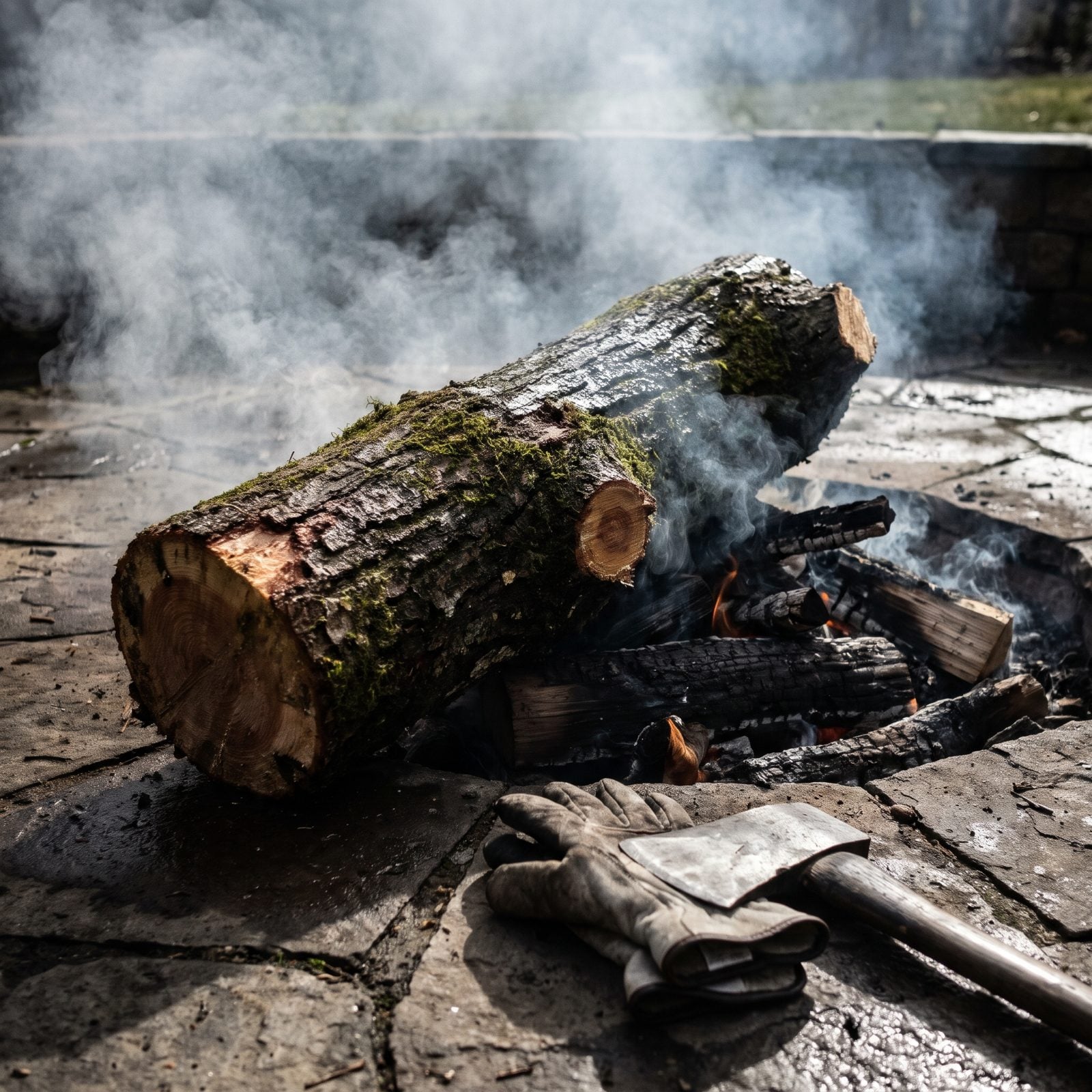
A fresh-cut log feels heavy and solid, so it seems like it’ll burn all night. People throw it on to stretch the fire, and what they get is a smoke machine.
Green wood can be half water by weight. The fire wastes its energy boiling that water off instead of making heat, so the flames shrink, the smoke billows, and the whole thing can snuff itself out. You stretched nothing except your patience.
Want a long, slow burn? Use seasoned hardwood. It’s dry, it’s dense, and it burns for hours without the steam show. Green wood has one honest use — a thin layer laid over hot coals to raise a smoke signal, if you ever need one.
In a firewood guide, a university forestry extension specialist notes “Green firewood may contain 50% or more water by weight. Green wood produces less heat because heat must be used to boil off water before combustion can occur.”
30. Myth: Wet Logs Will Dry Once Placed on the Flames
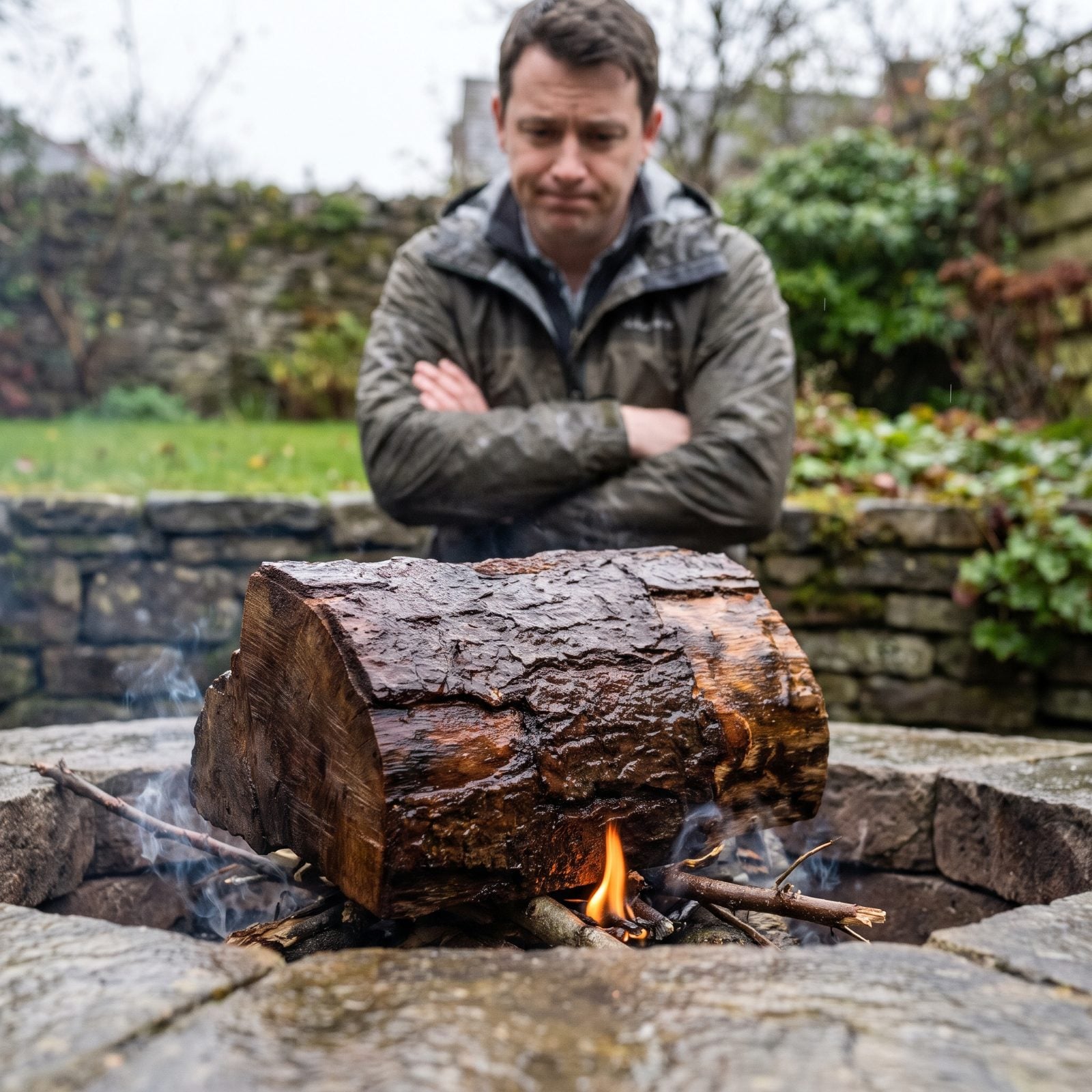
You’ve watched someone drop a soaked chunk of oak straight onto a baby flame and wait, sure the fire will dry it out. It won’t. A struggling fire can’t throw enough heat to boil off the water trapped in green or rain-soaked wood, so all that moisture turns to steam and smothers the flames you already have.
Split your wood first. After rain, the inside of a log stays far drier than the bark, and a hatchet gets you there. Start with pencil-thin dry pieces, build a real coal bed, then introduce the bigger stuff. Heat dries wood. A weak flame just drowns.
29. Myth: Every Kind of Bark Makes Good Tinder
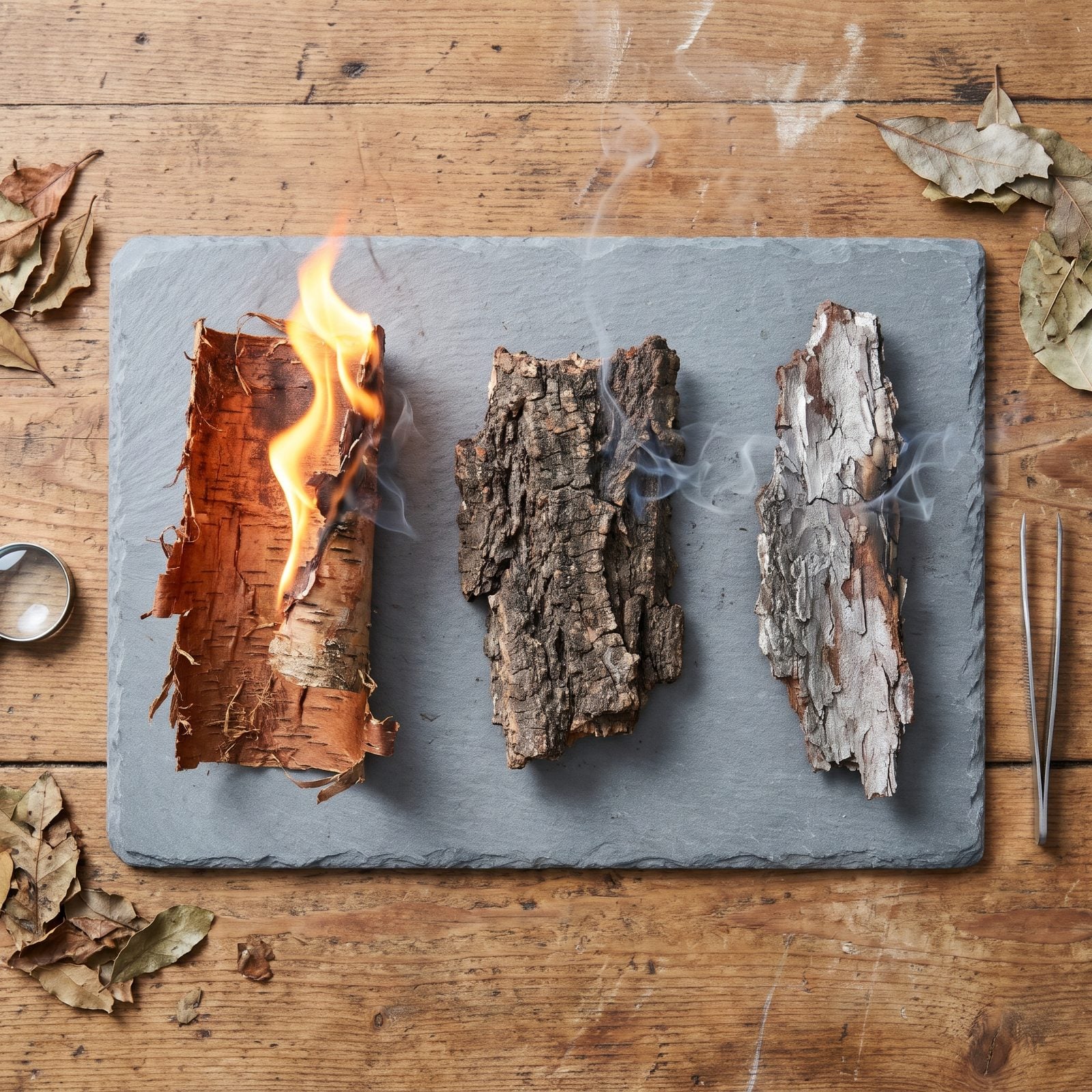
Bark is not interchangeable, and treating it that way is how people end up blowing on a smoldering nothing for ten minutes. Thick, dense bark from oak or maple holds moisture and fights ignition. It’s firewood, not tinder.
Birch is the exception worth knowing. Those papery outer curls carry natural oils that light even when wet, catching fast and burning hot. Cedar shreds into stringy fibers that take a spark beautifully. So learn the two or three trees in your area that actually help you, and leave the rest for the log pile.
28. Myth: A Handful of Leaves Is Ideal Tinder
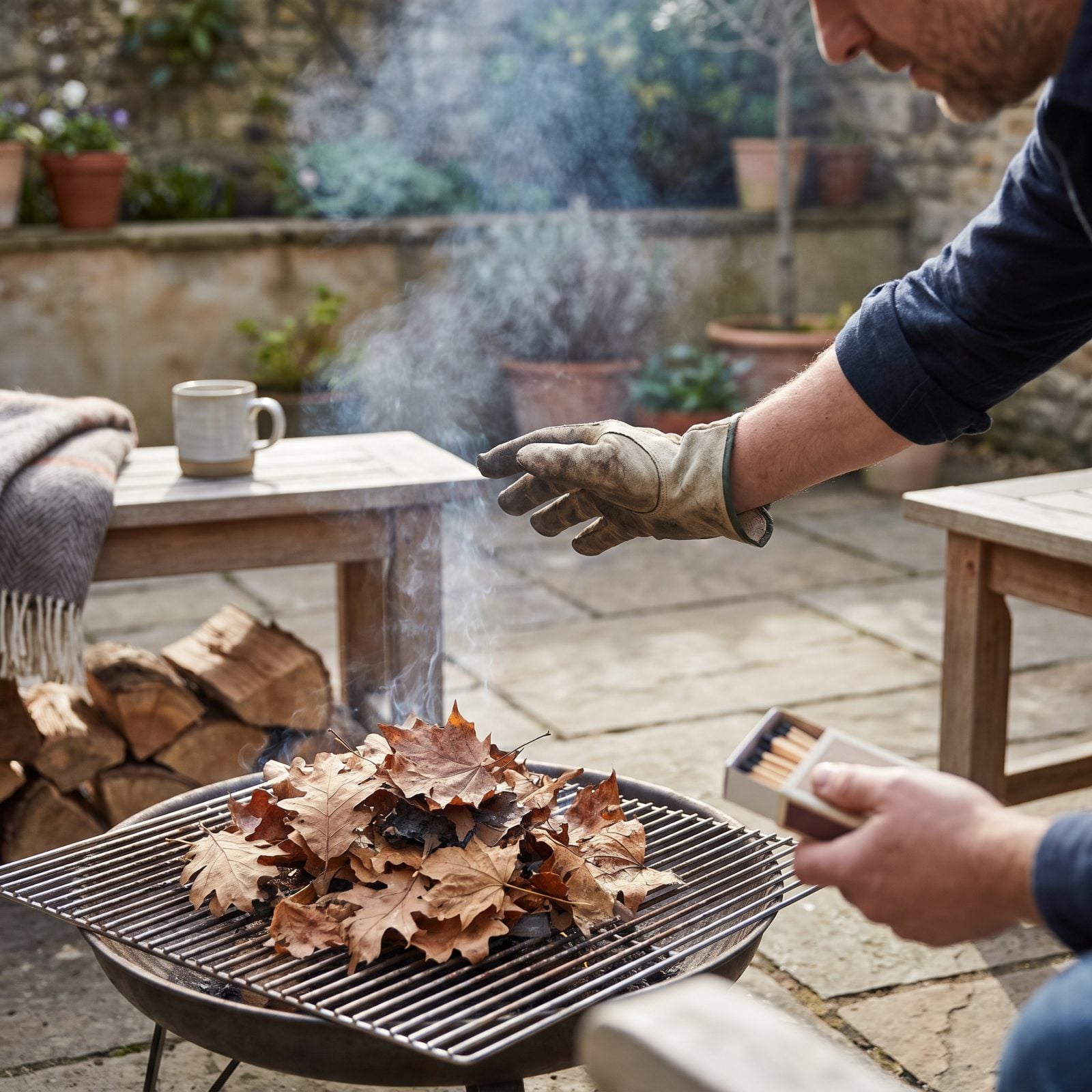
Leaves feel like the obvious grab. They’re everywhere, they’re dry, they crunch. And they’re almost useless.
Dry leaves flare for about two seconds and collapse into smoke and ash before your kindling ever catches. All flash, no staying power. What you want is tinder that holds a flame long enough to light the small stuff: fine dead grass, cedar bark shavings, pencil-thin dry twigs snapped from the underside of a conifer, or a fuzzy fistful of birch curls. Leaves can go on top as a bonus, sure, but don’t ask them to carry the whole operation.
27. Myth: Glossy Magazine Pages Burn Better Than Newspaper
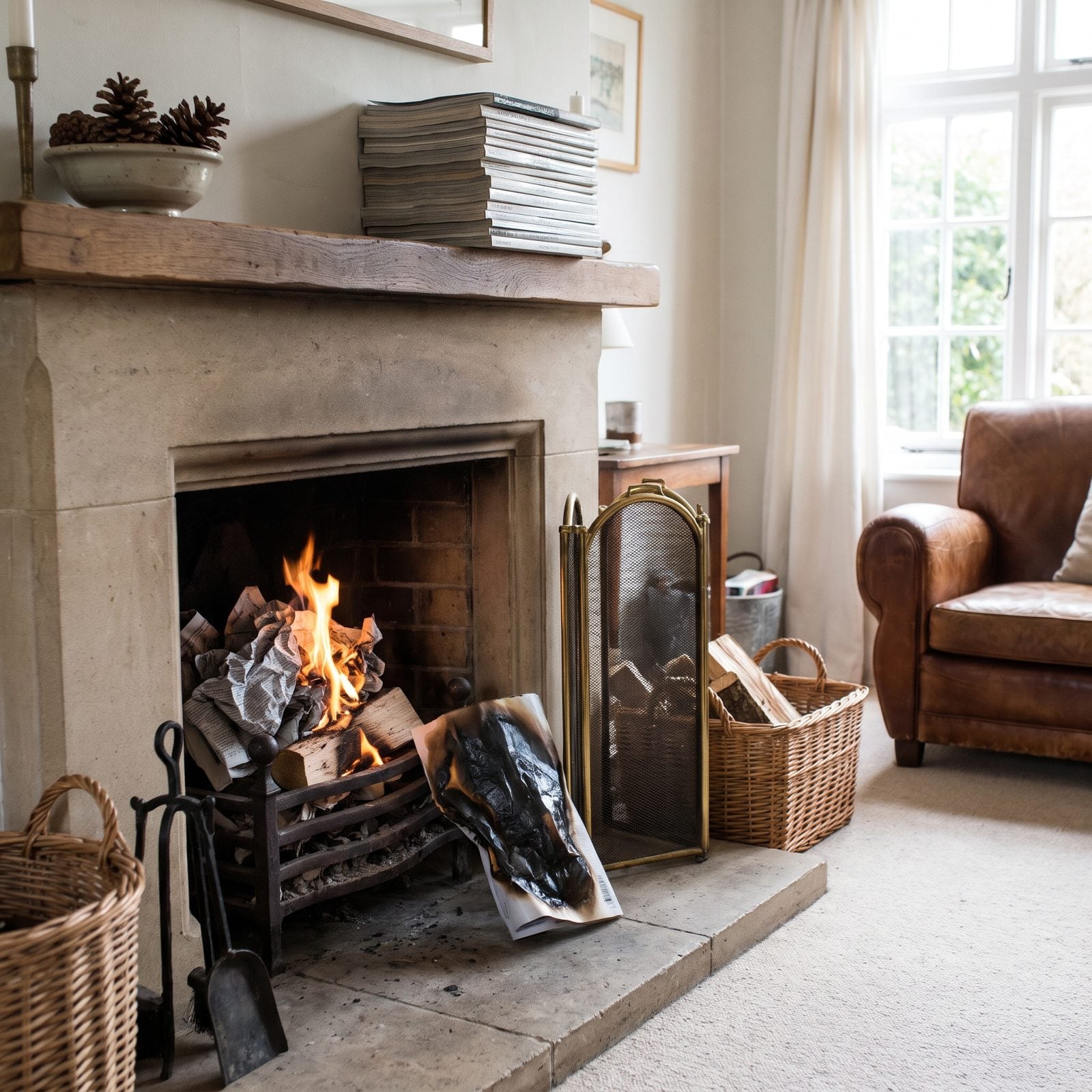
The thick, shiny magazine page looks like it should hold a flame longer than flimsy newsprint. It does the opposite. That gloss is a clay coating, and clay doesn’t burn — it smokes, smolders, and leaves a waxy, half-charred mess where your kindling should’ve caught.
Plain newspaper wins by a mile. Twist it loosely into knots or ropes and it catches fast, burns clean. Carrying paper for fire starting? Skip the catalogs and grab the sports section.
26. Myth: Dryer Lint Is Always Ideal Tinder
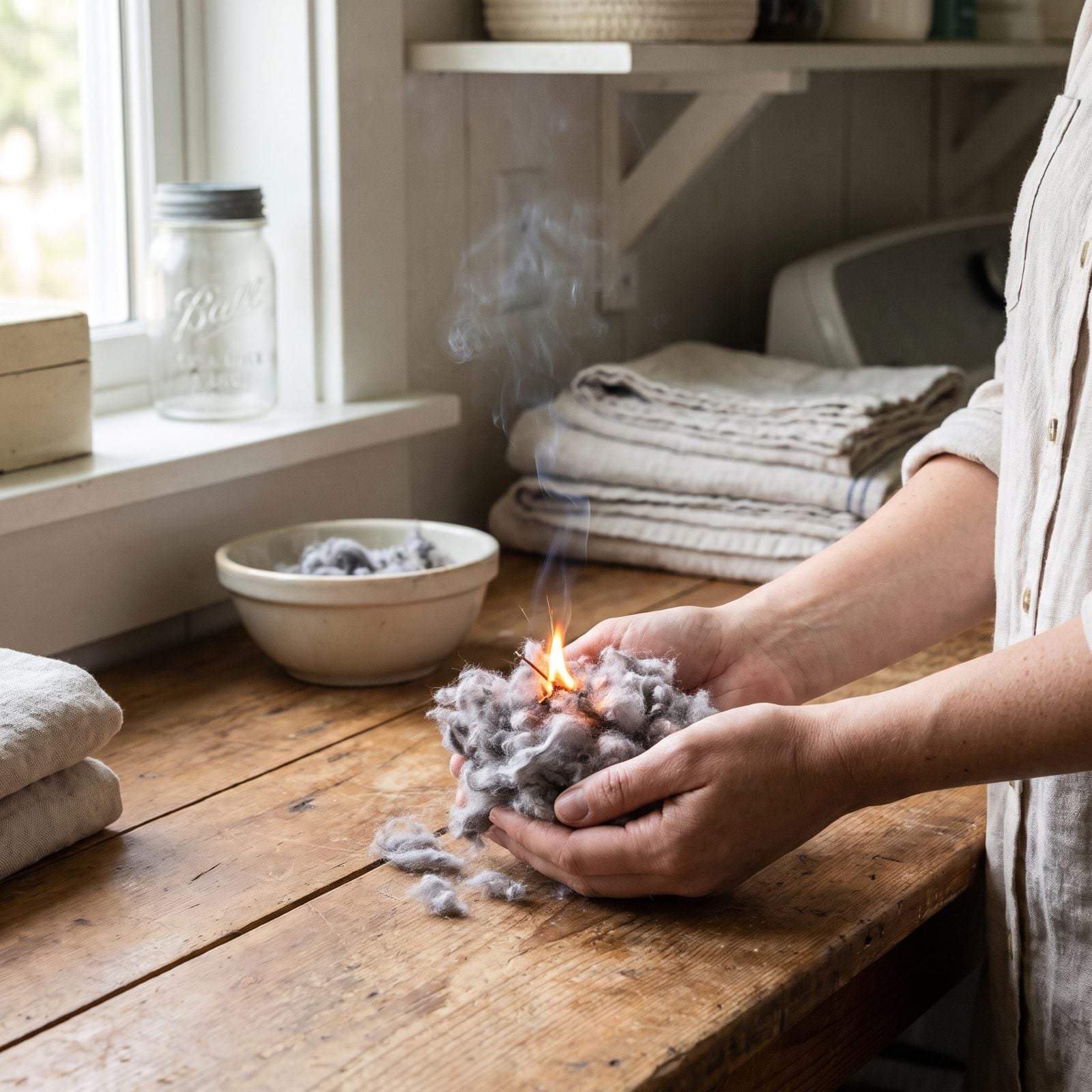
Dryer lint earned its reputation honestly. Pull a fluffy, teased-apart wad, touch a spark to it, and it goes up like a torch.
But lint comes with caveats people skip. Compressed tight in a bag, it barely catches. Loaded with synthetic fibers from polyester and fleece, it melts instead of flaming and throws off nasty smoke. And it burns out fast, so you’d better have kindling ready the second it lights. The trick worth stealing: pack lint into cardboard egg cartons and pour melted wax over it. Each cup then burns for several minutes, slow and steady, cheap and light to carry.
25. Myth: A Commercial Fire Starter Eliminates the Need for Kindling
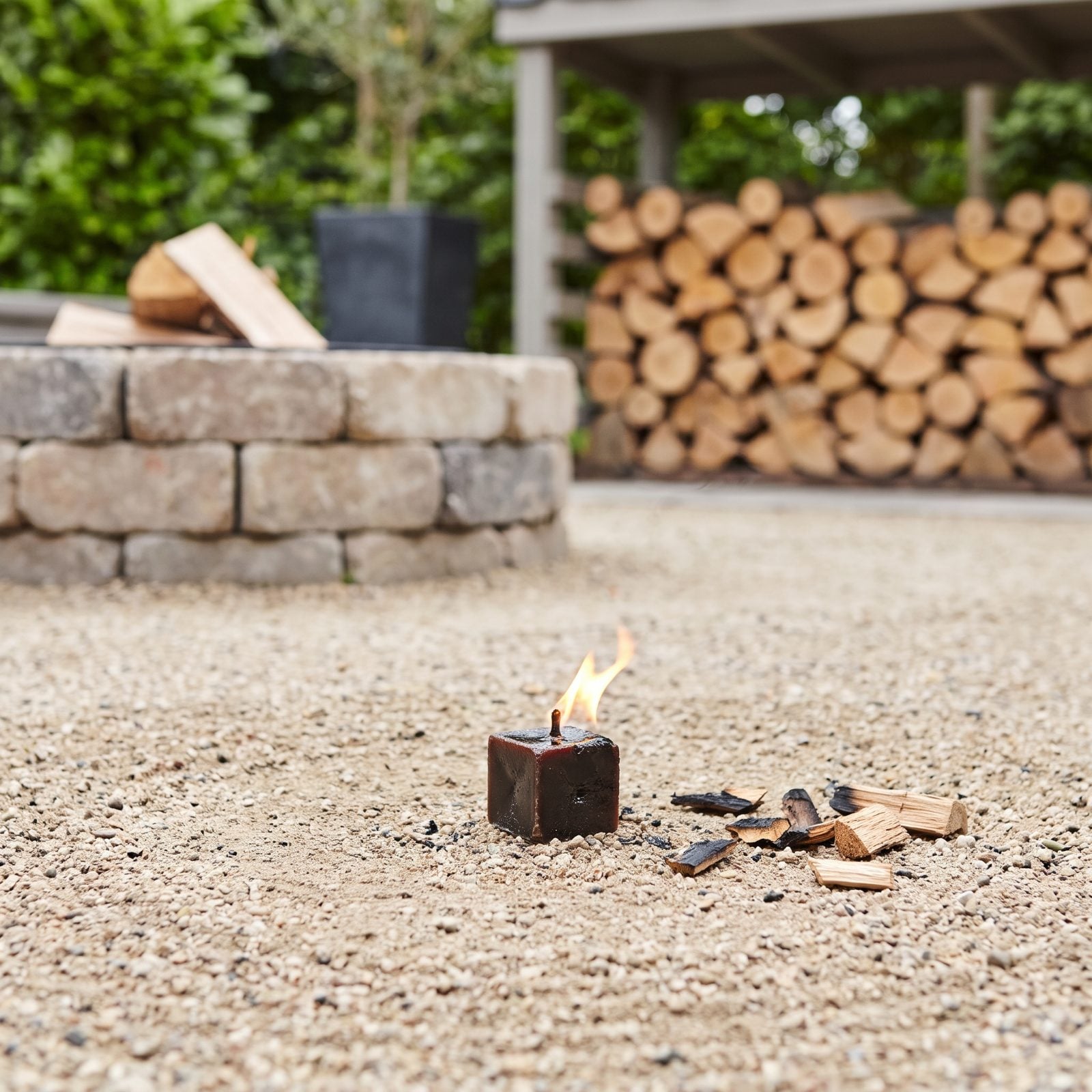
A fire starter is a bridge, not a destination. Those wax cubes and gel packs burn long and hot, which lulls people into skipping kindling and stacking logs straight on top. Then the starter burns out, the big wood never caught, and you’re back to square one with a wet stub of wax.
A flame can’t leap from a small source to a fat log. It needs the ladder in between. Let the starter light your pencil-thin twigs, let those light your finger-thick sticks, let those build the coals that finally take the logs. The starter just buys you time to climb. Build the ladder anyway.
24. Myth: Resin-Rich Wood Is Too Dangerous to Use as Kindling
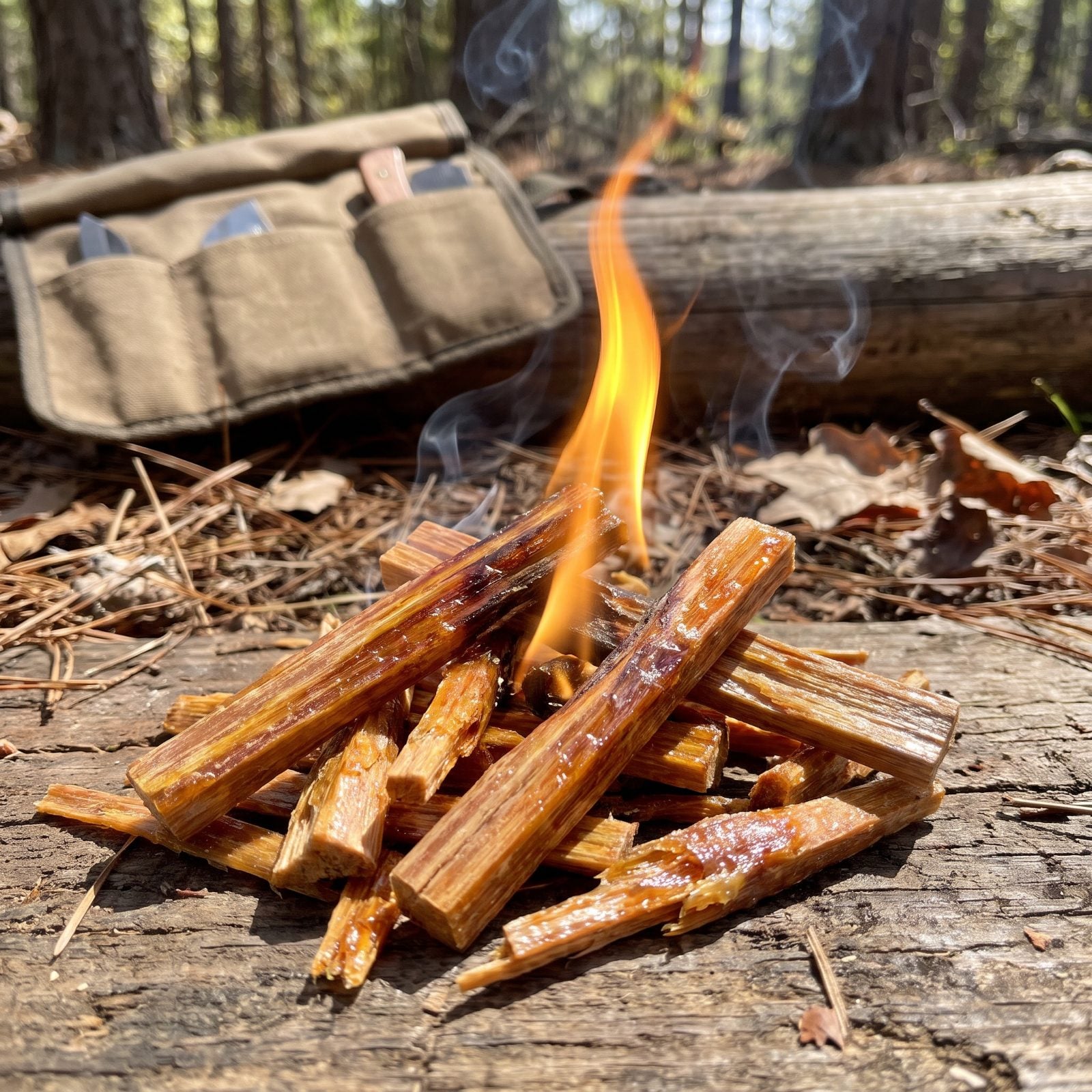
Somewhere along the line folks decided resin-rich wood was reckless, like it might flare up and take the tent with it. Used right, fatwood is one of the best fire-starting materials in the woods.
It’s the resin-saturated heartwood from pine stumps and the base of dead branches. That resin is why it lights off a single spark and burns hot even soaking wet. Shave off thin curls to catch the flame, use small slivers as kindling, and keep it well clear of anything you don’t want burning. Dangerous? Hardly. It’s a gift most people walk right past.
23. Myth: More Tinder Always Produces a Better Fire
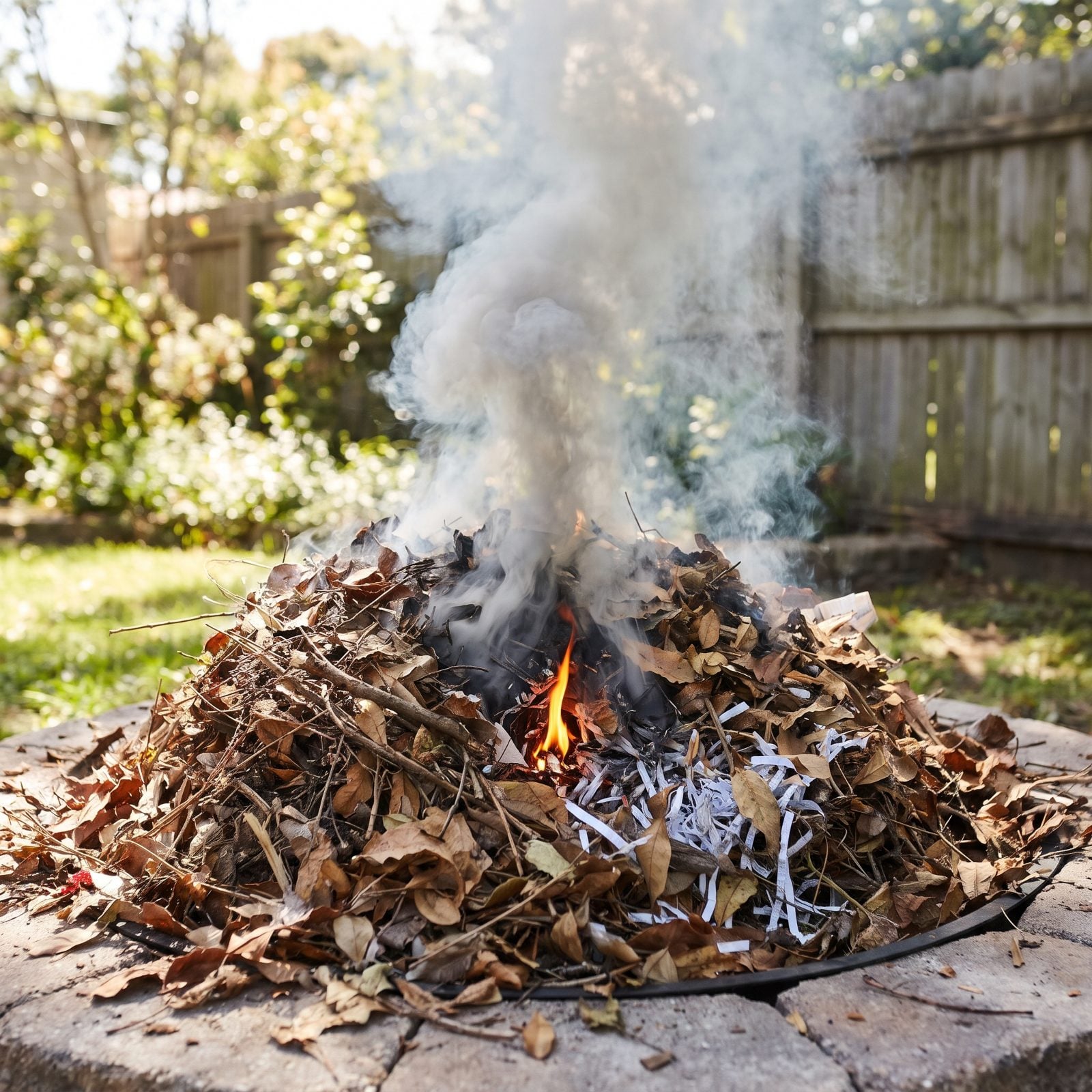
Piling on more tinder feels like insurance. Instead it smothers the thing you’re trying to grow.
A fire needs air as much as fuel, and a giant mound of packed tinder chokes off the oxygen while trapping moisture in the center. You get a lot of smoke and a flame that can’t breathe. Use a loose, modest bundle, light it, and feed more only once it’s burning. A fire built in stages beats a fire built all at once, every single time.
22. Myth: Tinder Should Be Packed as Tightly as Possible
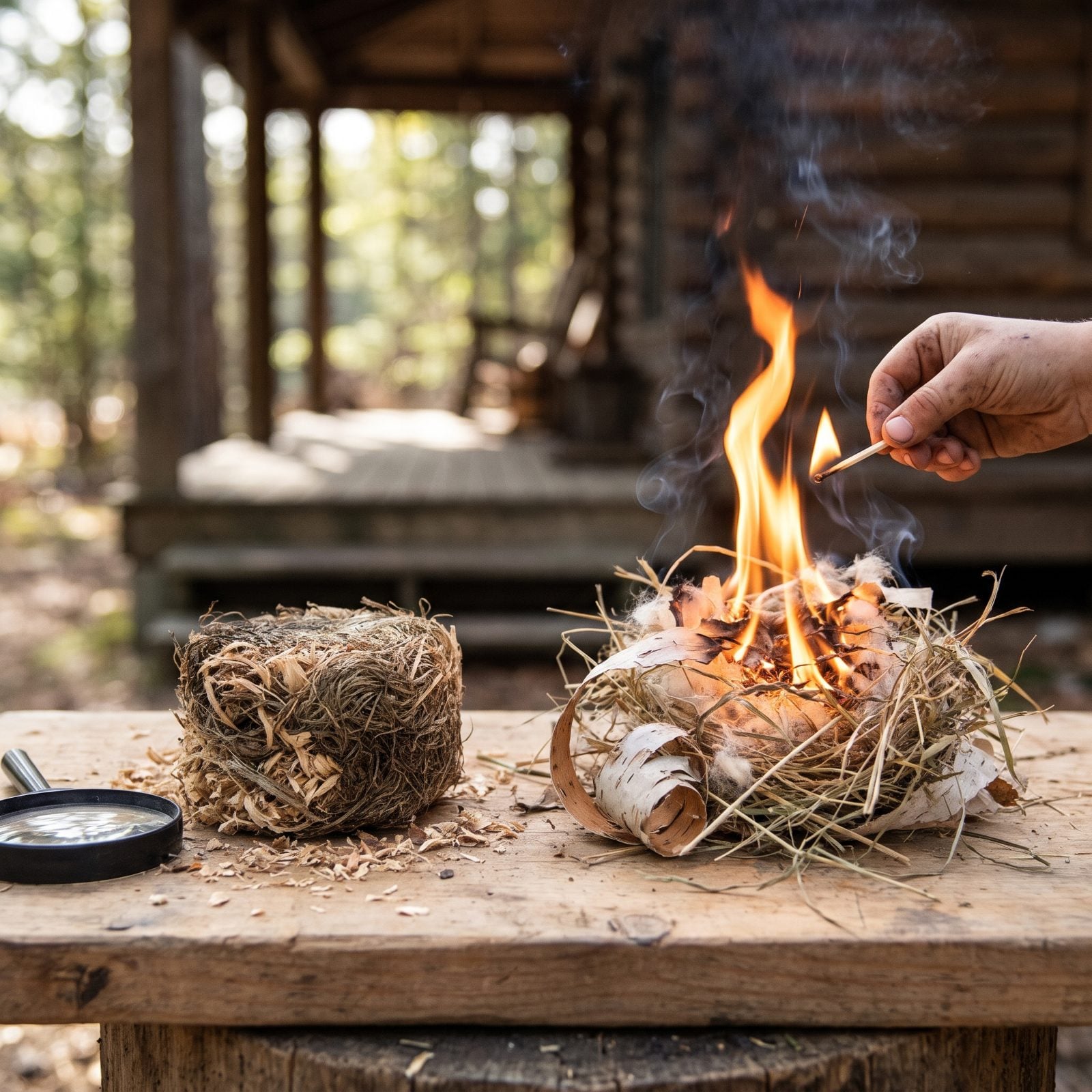
The instinct to compress tinder into a tight little wad makes sense if you figure density equals heat. It’s exactly backward.
Fire lives on oxygen, and a packed bundle leaves nowhere for air to flow, so the flame suffocates before it can spread. What you want is a loose, airy nest — fine fibers with gaps throughout, the way a bird builds one. Drop an ember into the center, cup it gently, and blow slow and steady. The air you add is what turns a glow into a flame. Loose catches. Tight smothers. That difference is the whole game.
21. Myth: All the Firewood Should Be Added at Once
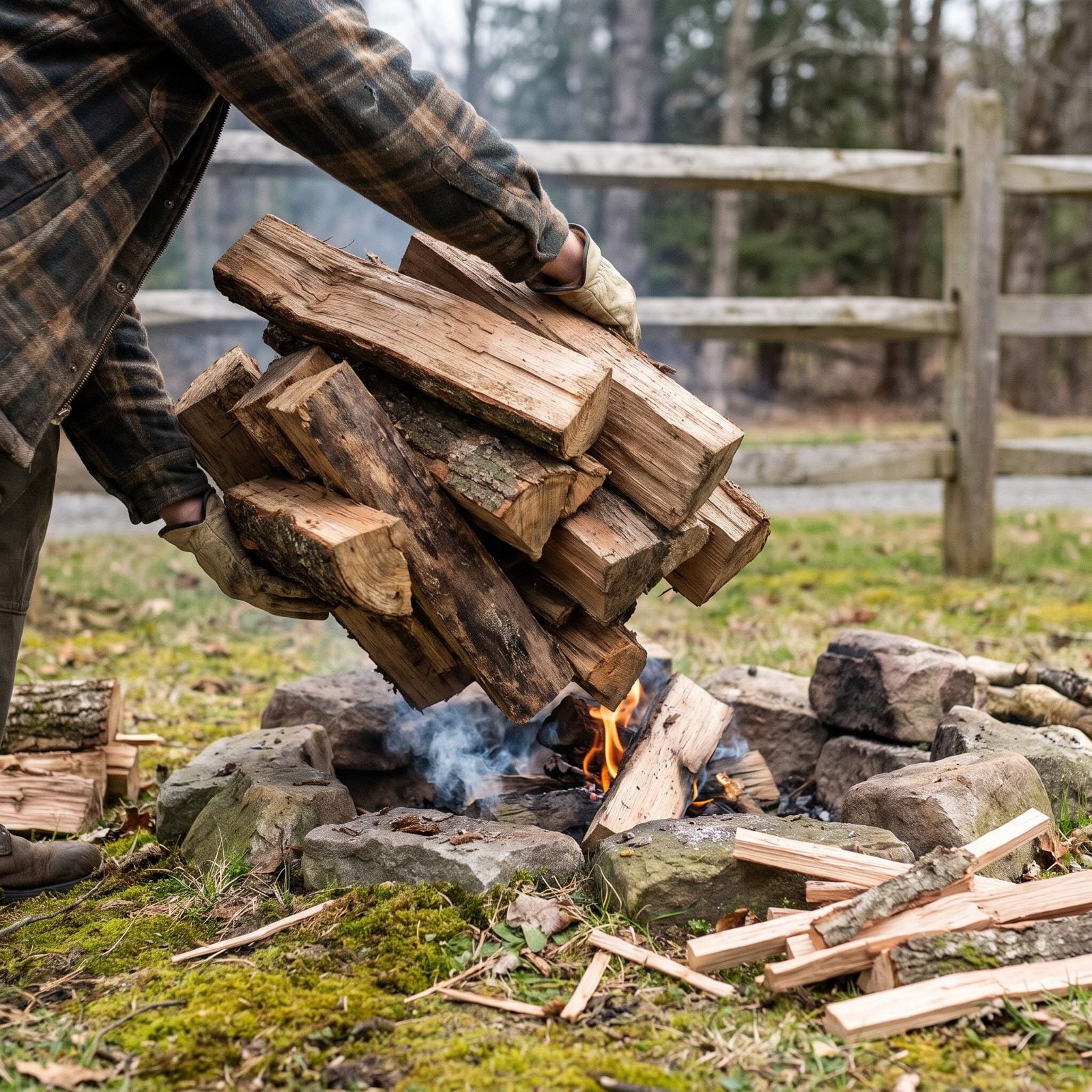
Dumping the whole armload on at once feels efficient, but what you’ve built is a woodpile, not a fire. Packed-tight logs block the air a young flame needs, and all that cold mass sucks heat away faster than the small flame can produce it. So the fire gives up.
Feed it the way you’d feed a stove, one or two pieces at a time, each placed once the last has caught. The fire tells you when it’s hungry. Listen to it.
20. Myth: The First Logs Belong Directly on Top of the Tinder
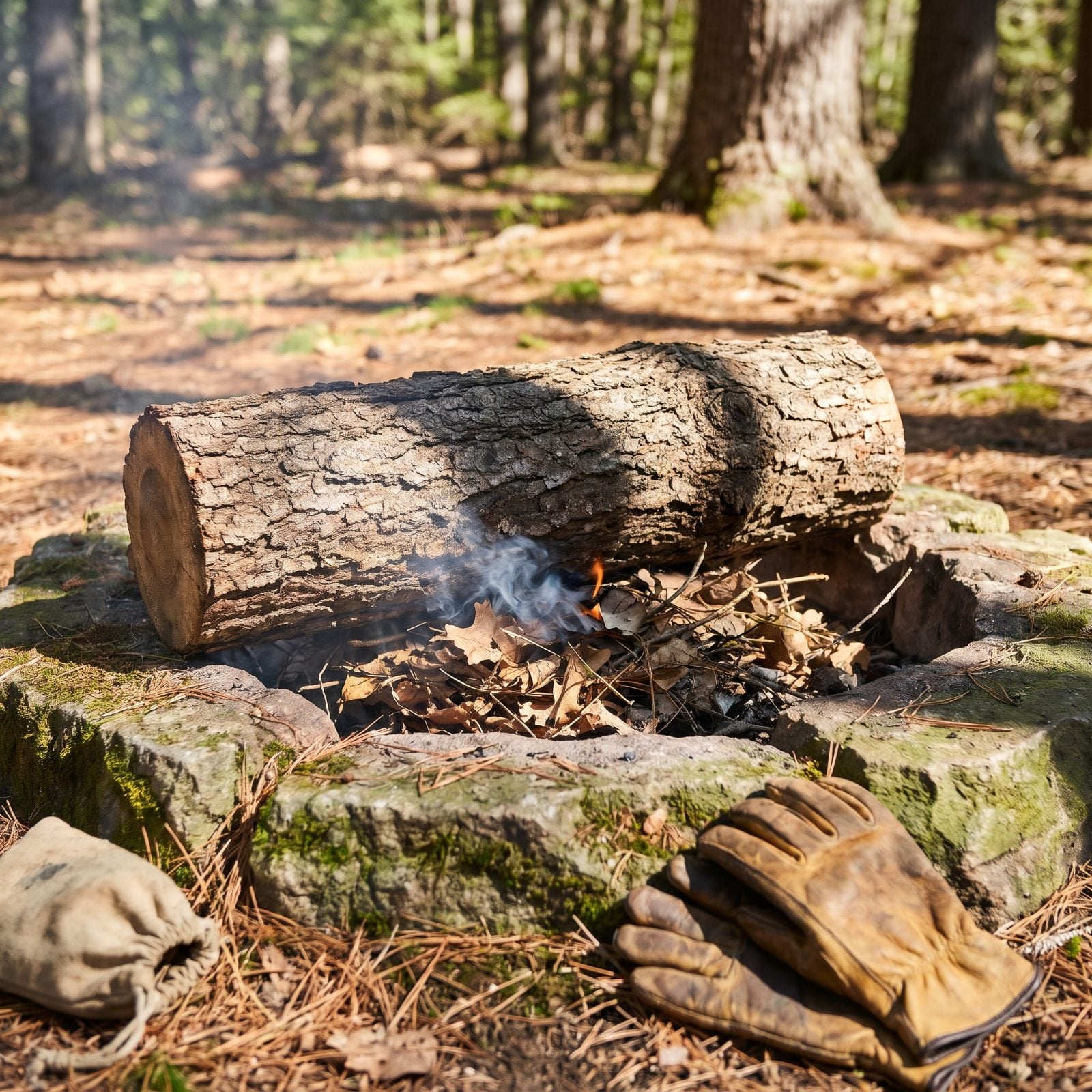
Laying a log straight on the tinder seems protective, like tucking it in, but you’re smothering it. Tinder needs oxygen pouring over it from all sides, and a log pressed down turns a bright little flame into a wisp of smoke in about ten seconds.
Build the small stuff first and leave the logs off entirely until you have real flame climbing through your kindling. The heavy fuel earns its place by waiting its turn.
19. Myth: A Taller Fire Lay Is Easier to Ignite
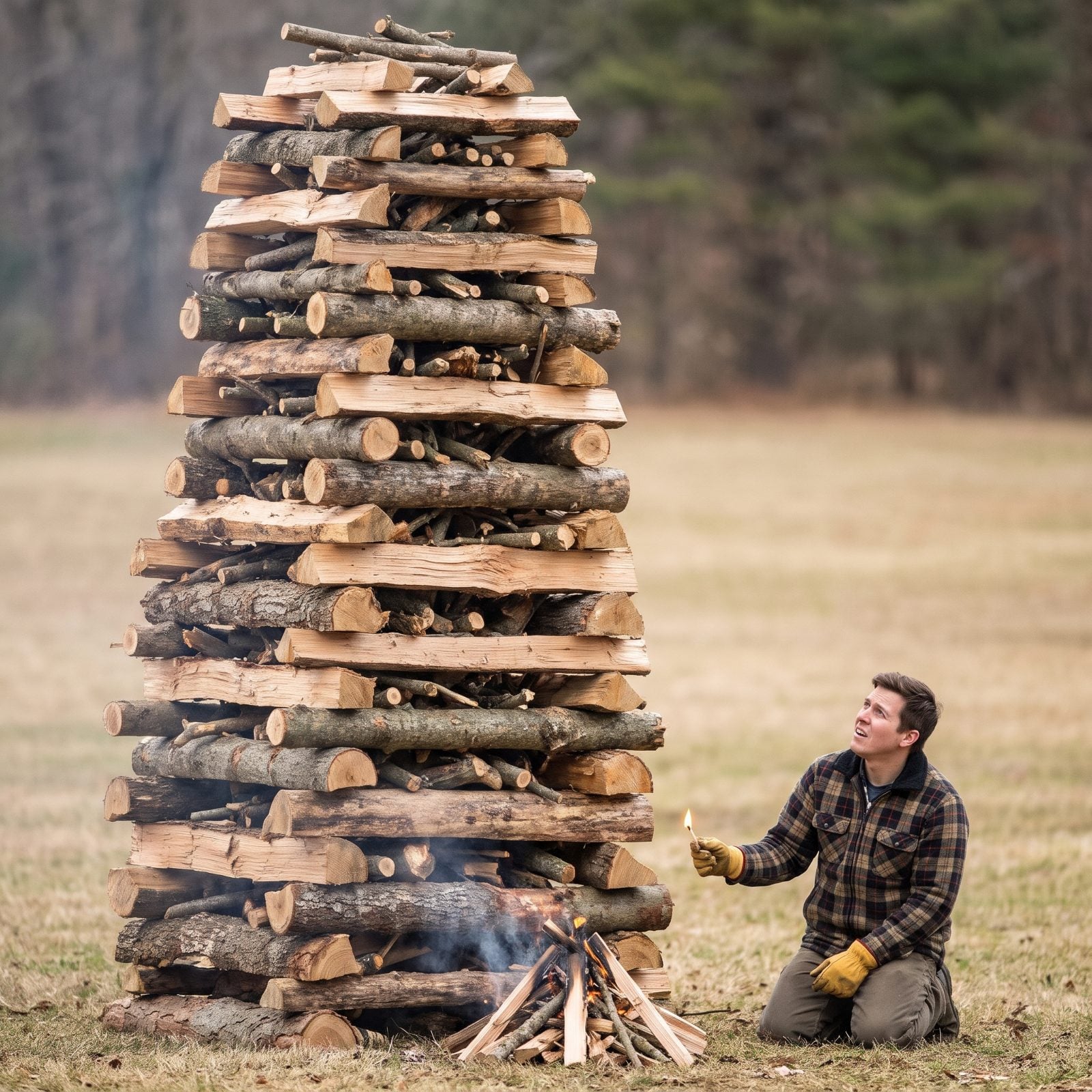
Building it tall and grand feels impressive. A big structure just means your little flame has a long, cold climb before it reaches the bulk of the fuel, and a fire that height tends to lean and topple before it ever establishes.
Start low and compact. Get a solid core of flame burning strong in a small footprint, then build height by adding fuel as it grows. Big fires are grown, not launched.
18. Myth: A Fire Can Start on Wet Ground Without a Dry Platform
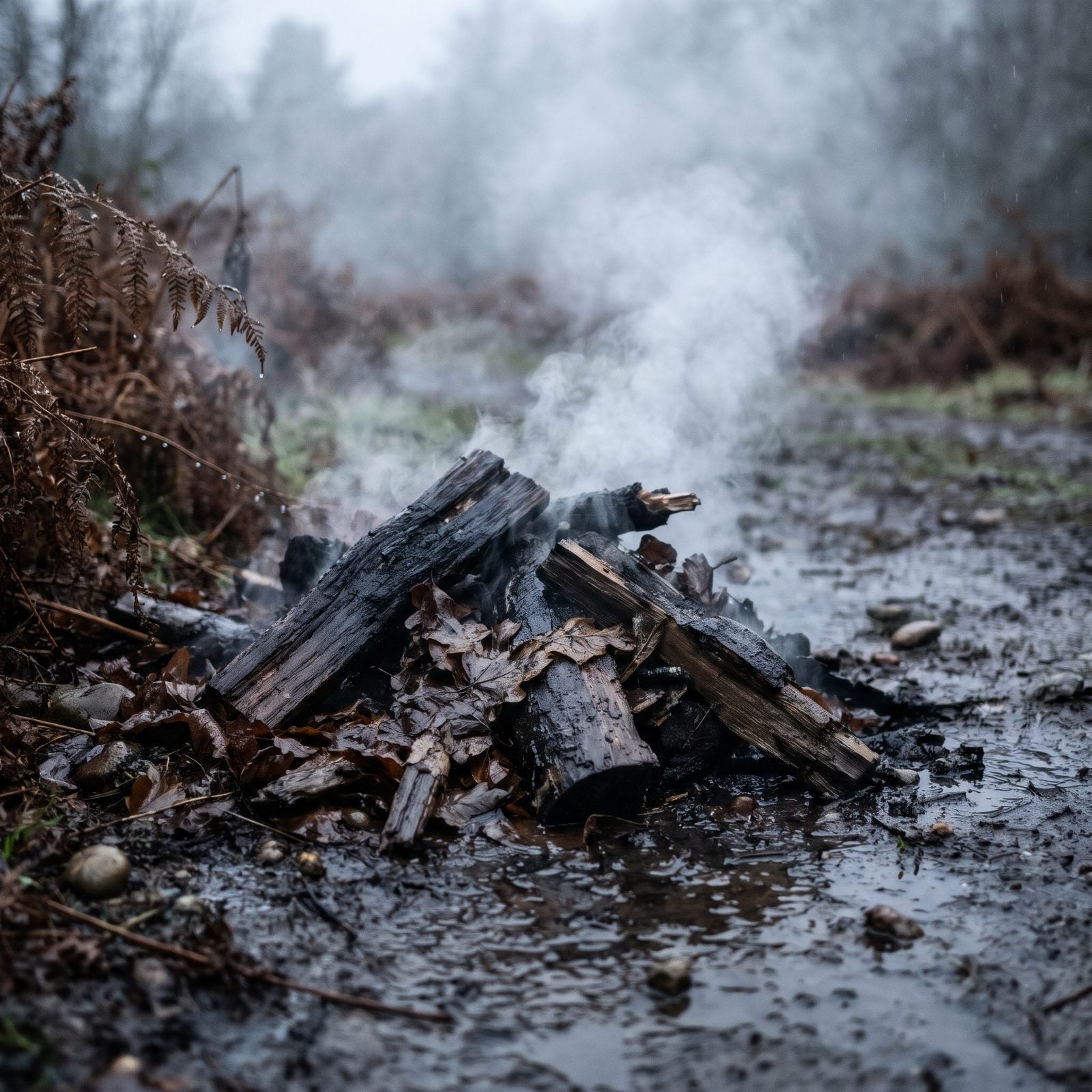
After rain, people light straight onto the damp ground and wonder why it fizzles. Cold wet earth pulls heat and moisture up into your fire from below, chilling the base before it can establish.
Build a platform. Lay down a flat raft of split wood or a bed of dry bark and get your fire going on top of that. It insulates the flame from the soaked ground and keeps the base dry long enough to catch. This one trick has saved more wet-weekend fires than any fancy firestarter.
17. Myth: Every Trace of Old Ash Should Be Cleared Away
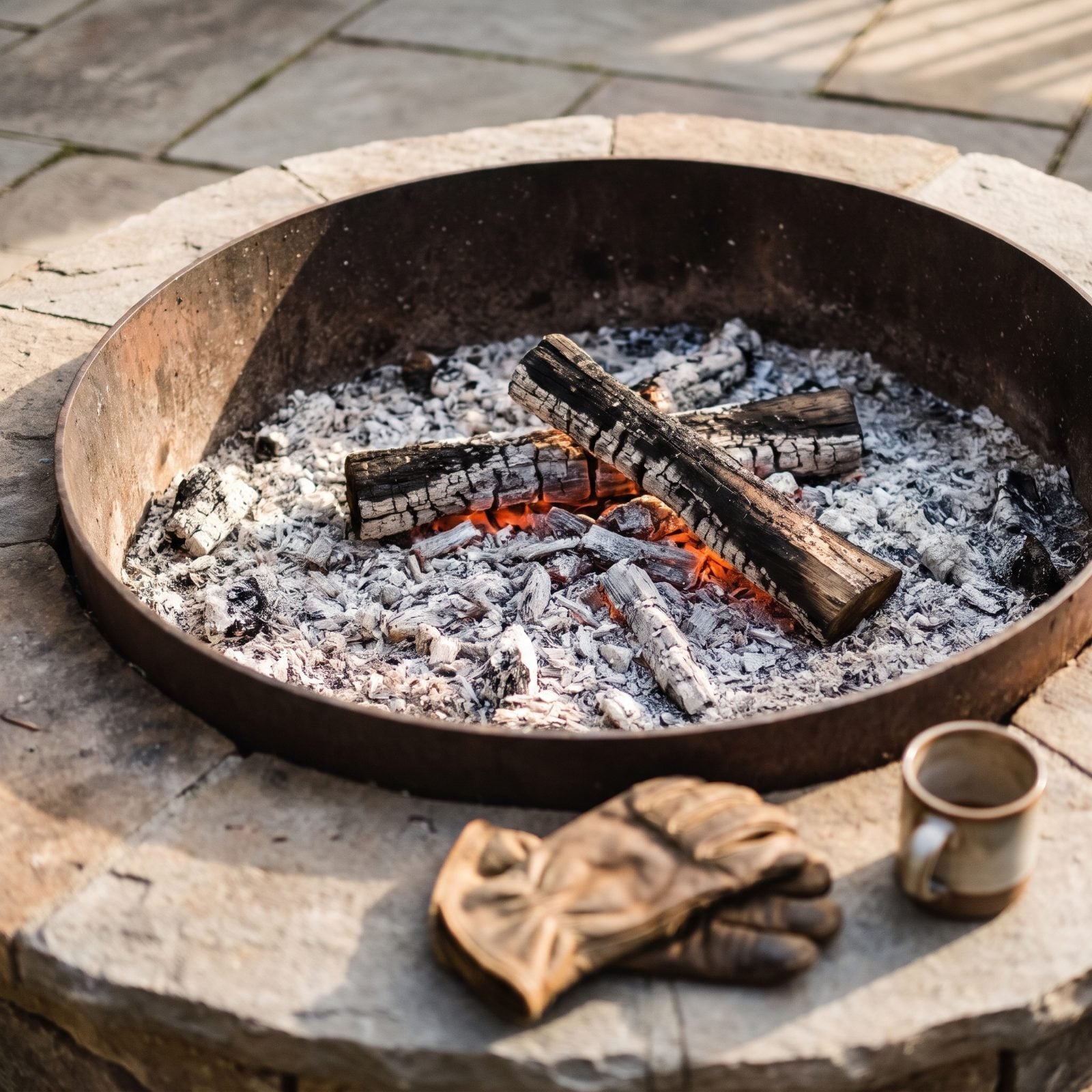
Scraping the ring down to bare stone every time isn’t the virtue it seems. A shallow bed of old ash insulates the ground beneath your new fire and holds reflected heat right where you want it, which helps the next fire catch faster.
Leave an inch or two of cold ash in the bottom. Clear out the big chunks of unburnt char and trash, sure, but don’t sweep it spotless. That said, haul out the deep buildup eventually, because a ring choked with old ash loses its airflow at the base.
16. Myth: A Tight Rock Ring Makes Any Fire Burn Better
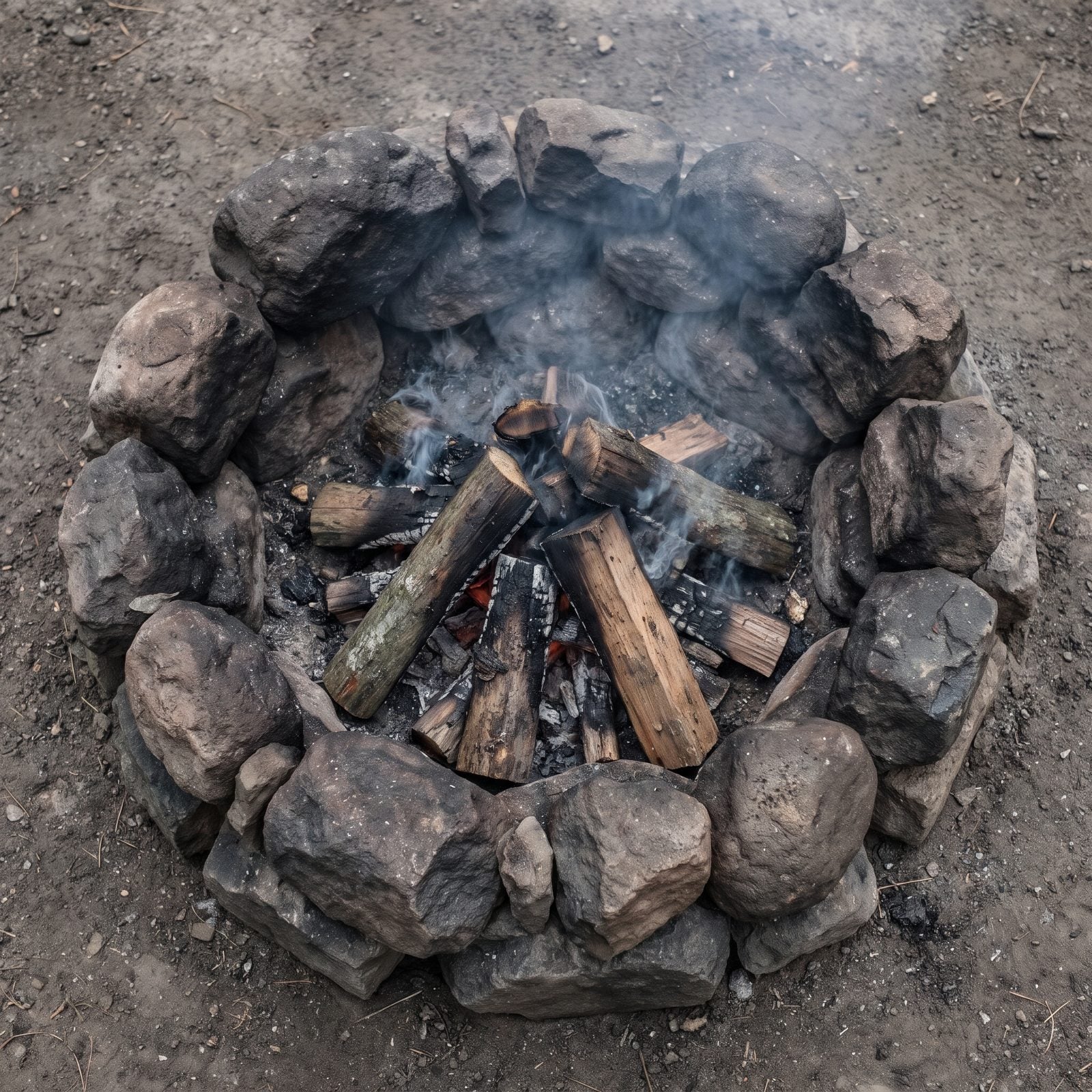
A ring packed tight with no gaps looks sturdy and safe. Seal it up completely, though, and you’ve built a wall against the one thing fire needs most: air at the base. The fire sits in dead air and never quite gets going.
Leave small gaps near the ground between your stones so air can draw in low and feed the coals. You want the ring to contain the fire, not suffocate it. One more thing about which rocks you pick. River rocks hold trapped water and can crack or pop when they heat, and that’s a nasty surprise nobody wants from a nice evening fire.
15. Myth: The Gaps at the Base of Your Fire Lay Don’t Matter
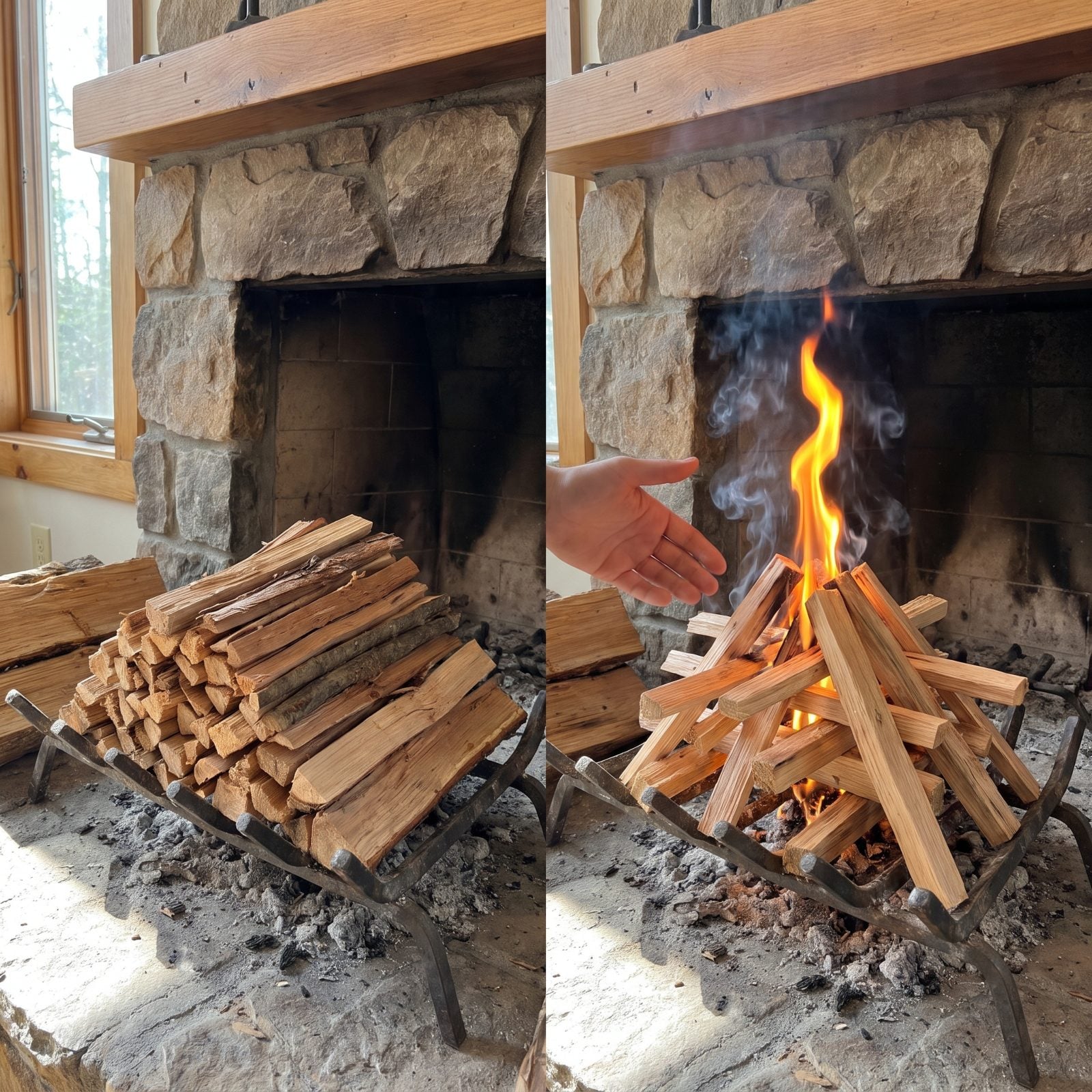
Pack your kindling shoulder to shoulder like a bundle of pencils and you’ve built a wall, not a fire. Flame needs room to breathe between every stick. Jam them together and the heat can’t climb, the oxygen can’t reach the coals forming underneath, and you get that sad thread of smoke and nothing else.
Leave deliberate gaps — enough that a pencil could roll through, not so much that nothing touches. Fire travels along surfaces and up through the channels you give it. No channels, no travel.
14. Myth: Wind Direction Doesn’t Change How You Build
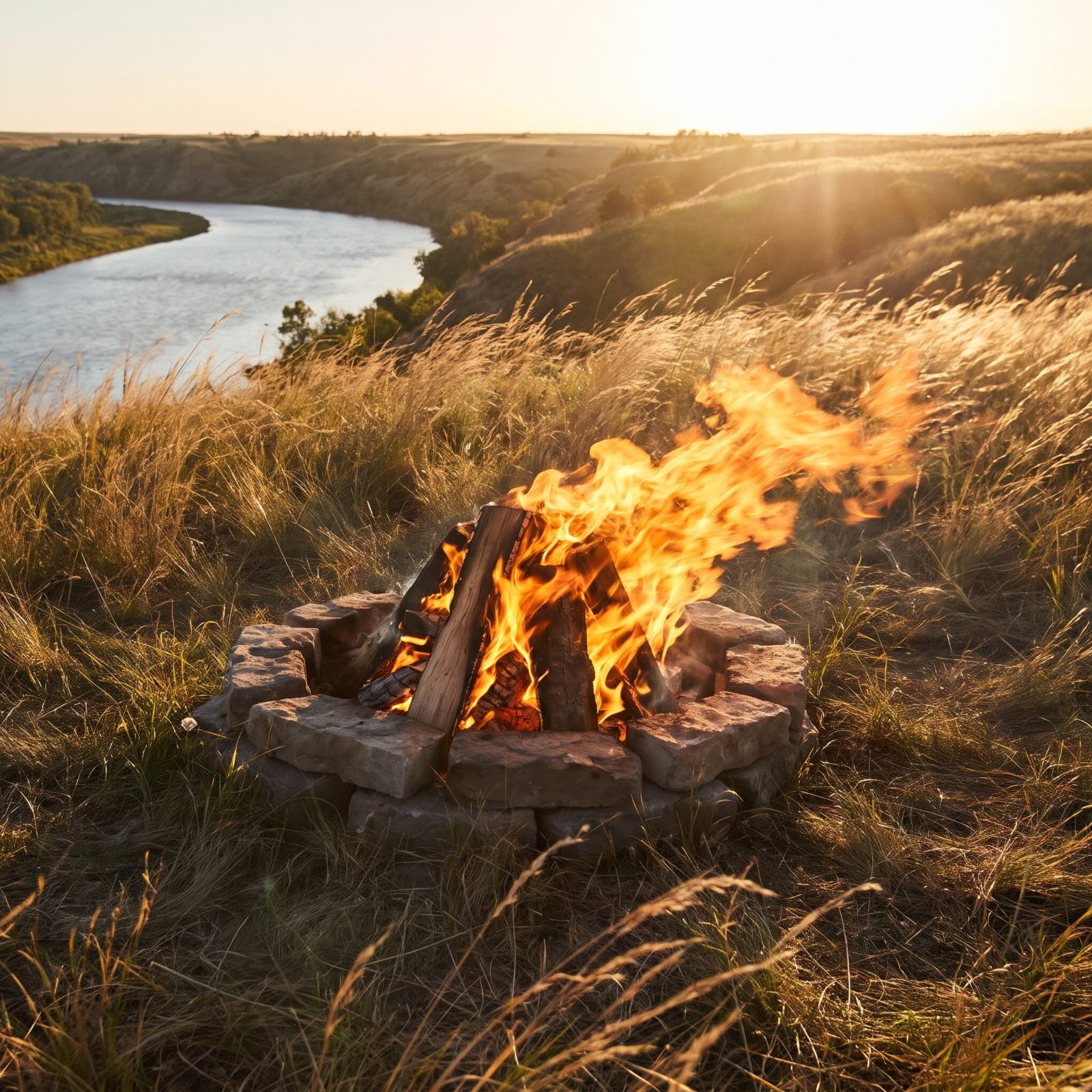
Wind isn’t your enemy. Ignoring it is. A steady breeze is free airflow, the best draft a fire can get, so long as you build with it rather than against it.
Open the low side of your lay toward the wind so it feeds the base, and put your tinder and your body on the upwind edge so the flame draws across the fuel instead of away from it. Build blind to the wind and it’ll flatten your young fire, blow your tinder apart, and smear smoke into your eyes all night. So read the direction before you strike anything: grass bending, smoke drift, the cool side of your cheek. If the grass and the smoke disagree, as gusts and rising heat often make them, trust your cheek at fire height. Point your opening at it.
13. Myth: Blowing as Hard as You Can Always Helps
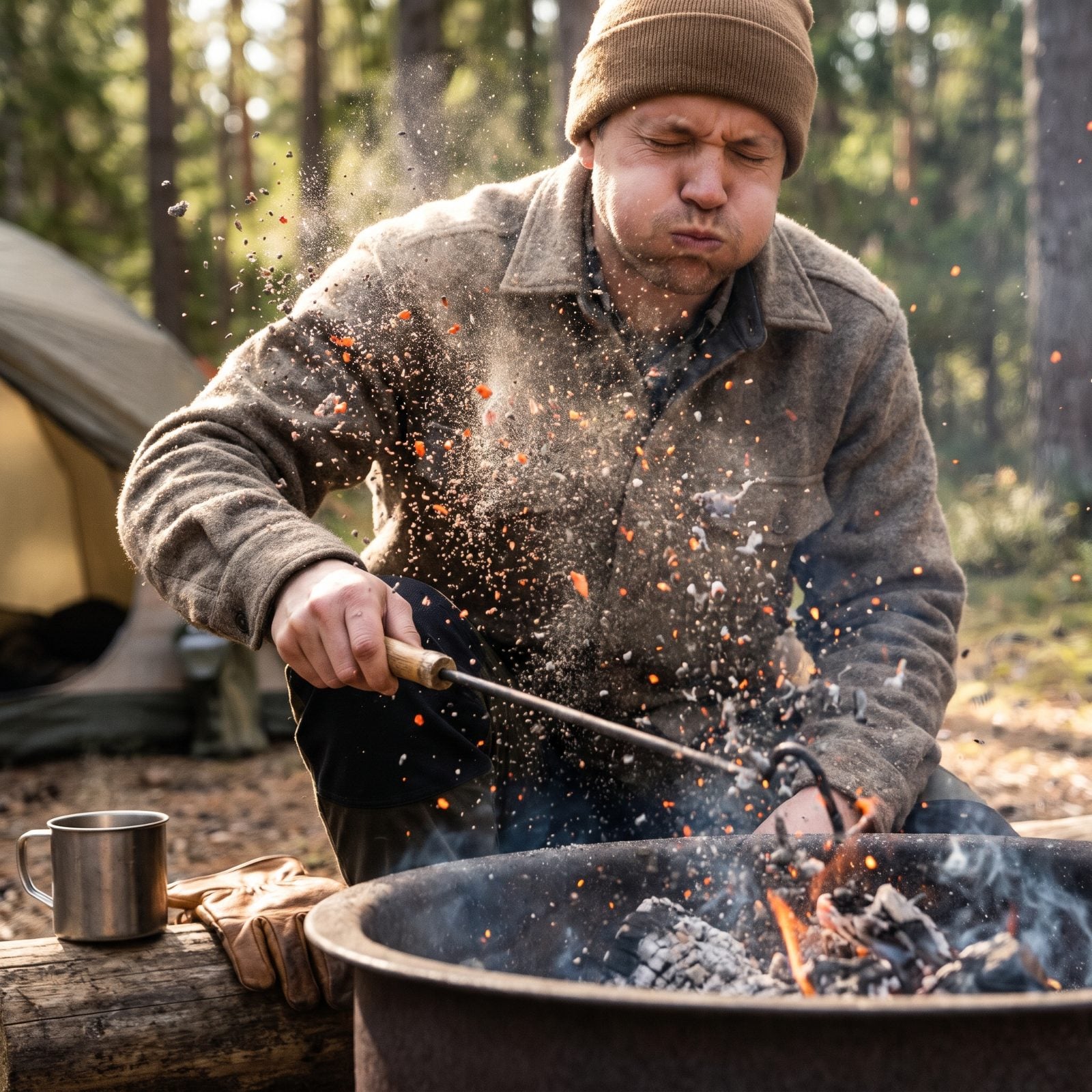
The instinct is to huff like you’re putting out birthday candles. Wrong direction entirely.
A hard blast scatters your glowing coals, blows apart the nest, and cools the ember with a rush of air faster than it can use it. What a young fire wants is a long, steady, low stream of breath aimed right at the brightest spot — slow and close. You’re feeding it oxygen at a pace it can actually convert, not sandblasting it. Watch the coal. When it brightens under your breath, hold that exact pressure until a flame appears, then back off and let it stand on its own.
12. Myth: You Push the Ferro Rod Forward Into the Tinder
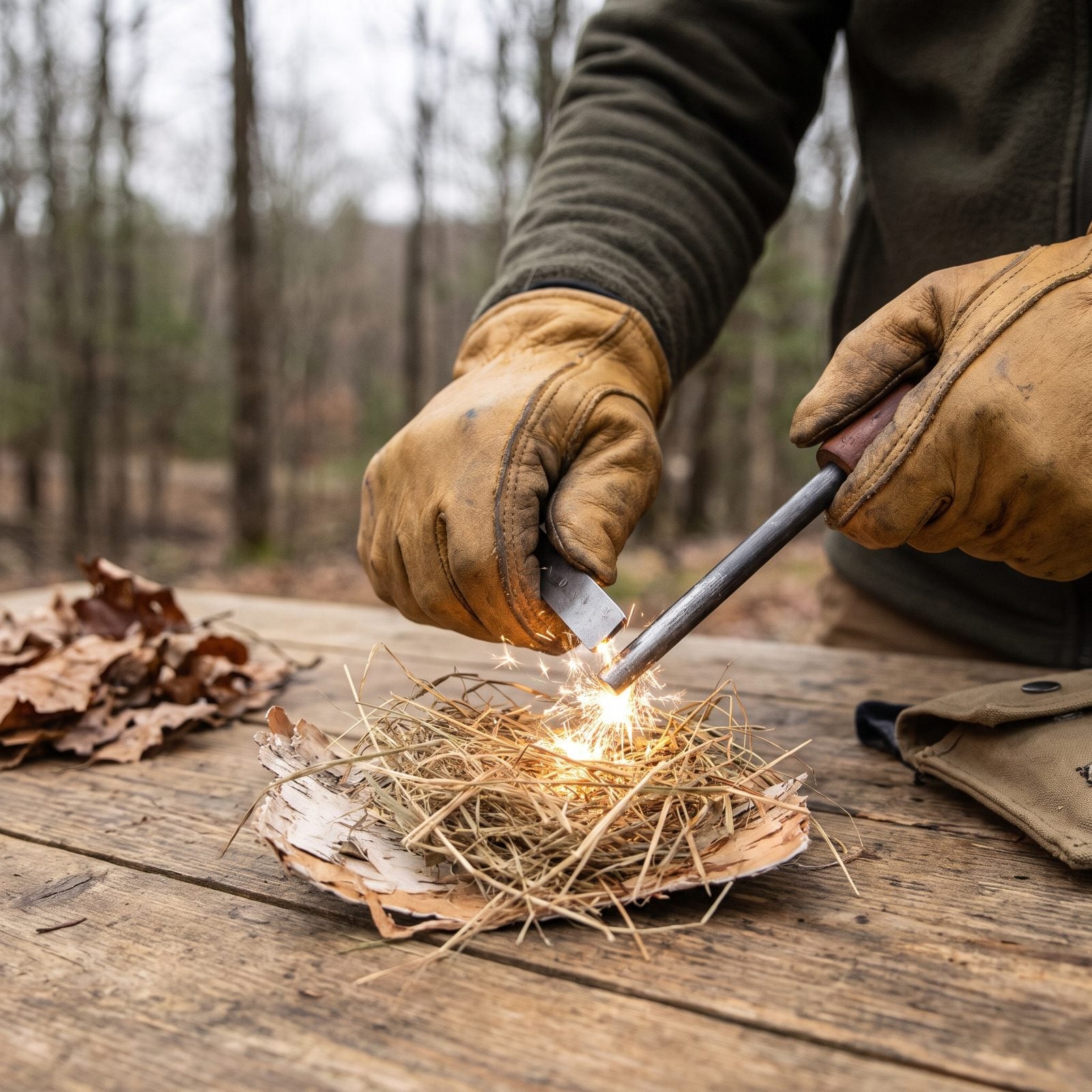
Shoving the rod forward into your tinder is the fastest way to flatten the little nest you just built. Sparks fly everywhere but where you want them, and your pile ends up scattered across the dirt.
Flip it. Plant the striker — or the spine of your knife — right at the tinder and pull the rod back toward you. The striker stays still, the sparks land in one tight spot, and the nest keeps its shape. It feels backward the first few times. Then it clicks, and you’ll never scatter a bundle again.
11. Myth: A Campfire Needs Constant Poking to Stay Alive
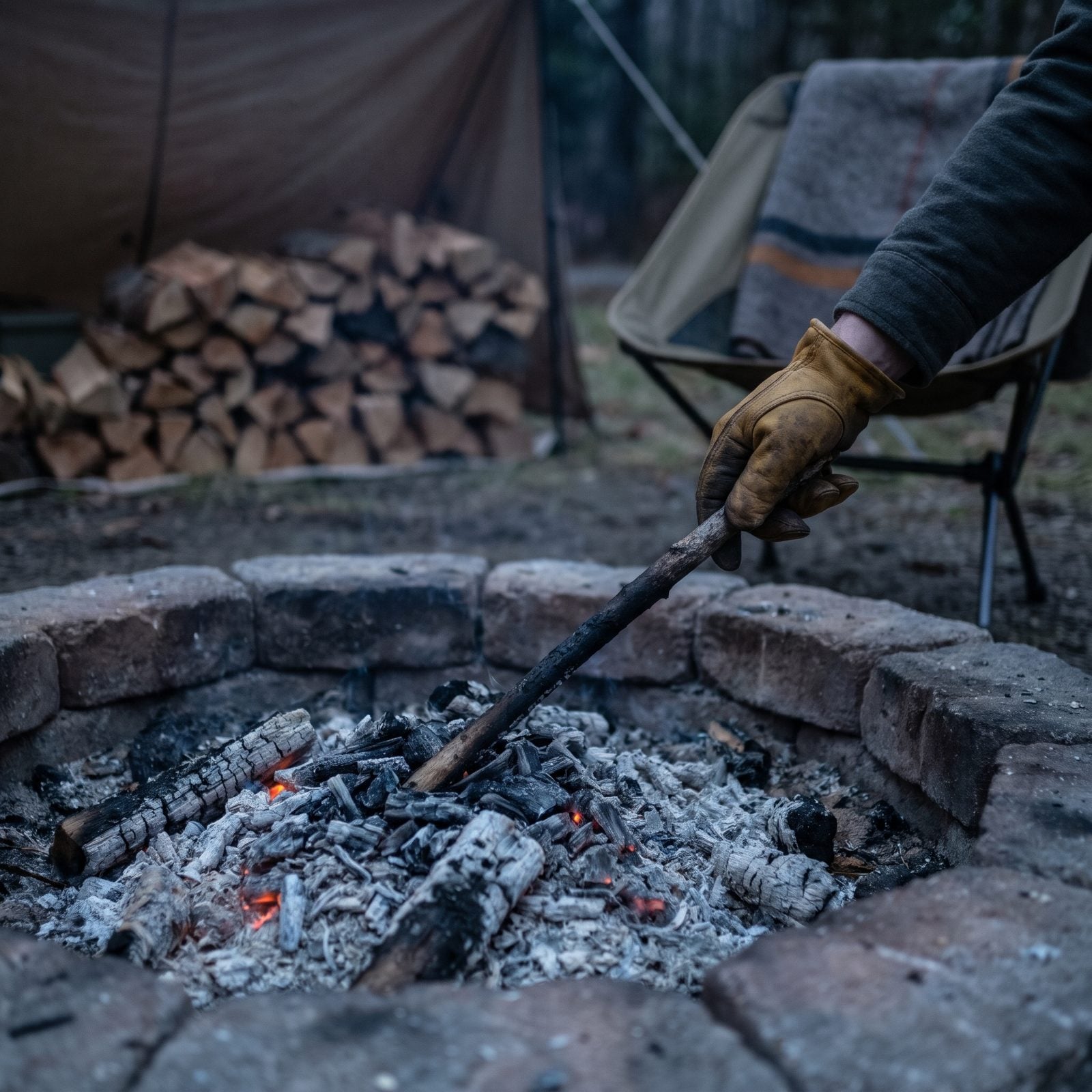
There’s a type who can’t leave a fire alone. Stir, jab, rearrange, repeat. Every poke collapses the structure, buries the coals, and disrupts the heat column that’s doing the actual work.
A good fire wants to be left mostly alone. Build it right, let the coal bed form, and touch it only when it genuinely needs reorganizing — fussing with it constantly knocks logs out of position and smothers the embers under ash. Set the stick down. Let it cook. Honestly, half the pleasure of a fire is watching it work without your help.
10. Myth: Spreading the Coals Out Builds Bigger Flames
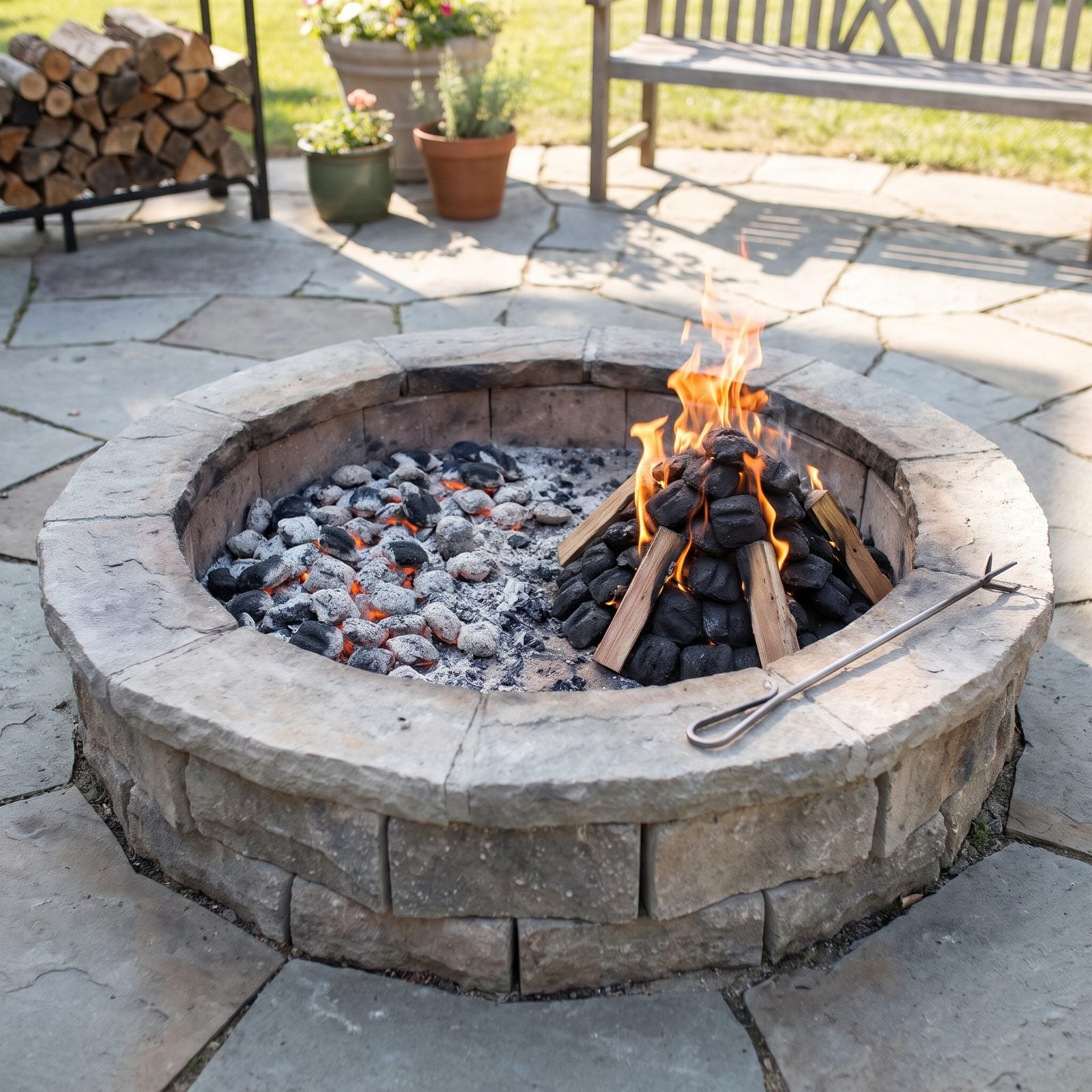
Spreading coals thin feels like you’re giving the fire more room. You’re actually bleeding away its heat.
Flames live on concentrated temperature. Pile the coals together and they feed each other, radiating heat inward and up, pushing the flame higher. Rake them out flat and each coal loses heat to the cold air around it, the base cools, and the whole thing weakens. Spreading coals is a cooking move — even low heat under a pan. For flame, keep them heaped.
Concentrated coals make flame. Scattered coals make dinner. Know which one you’re after before you start raking.
9. Myth: Smoke Means the Fire Is Hungry for More Wood
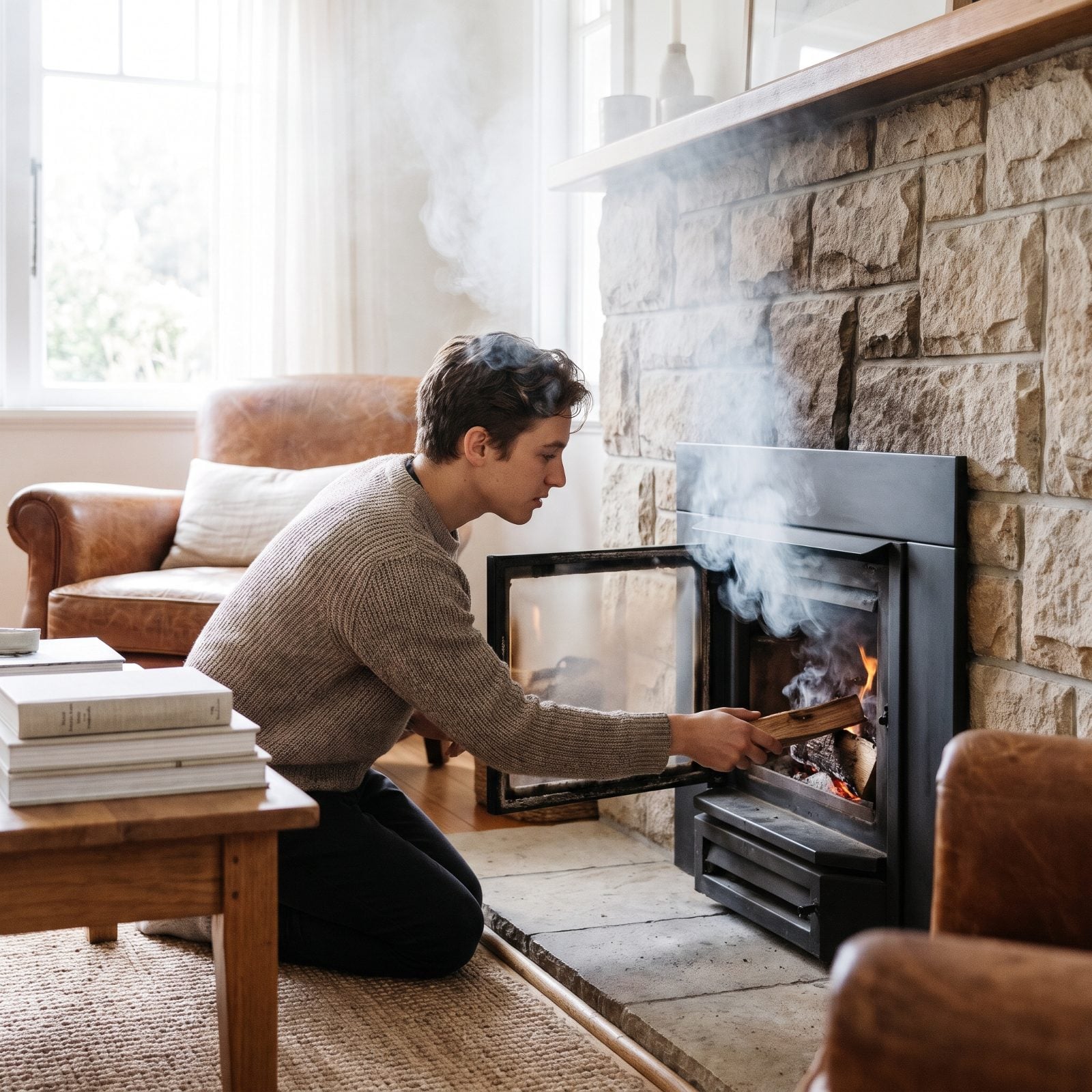
Lots of smoke, so people pile on more wood to “get it going.” That’s often the exact wrong move.
Heavy smoke usually means incomplete combustion — the wood is too wet, too green, or starved of air, so instead of burning clean it smolders and off-gasses. Dump more damp wood on top and you make it worse. What that fire needs is airflow and dry fuel, not volume.
Check your wood first. Dark, heavy cut ends mean it hasn’t seasoned. Pull the smoldering pieces apart, let air back in, feed it something dry. The smoke thins as the temperature climbs.
8. Myth: Flames Mean Your Big Logs Have Actually Caught
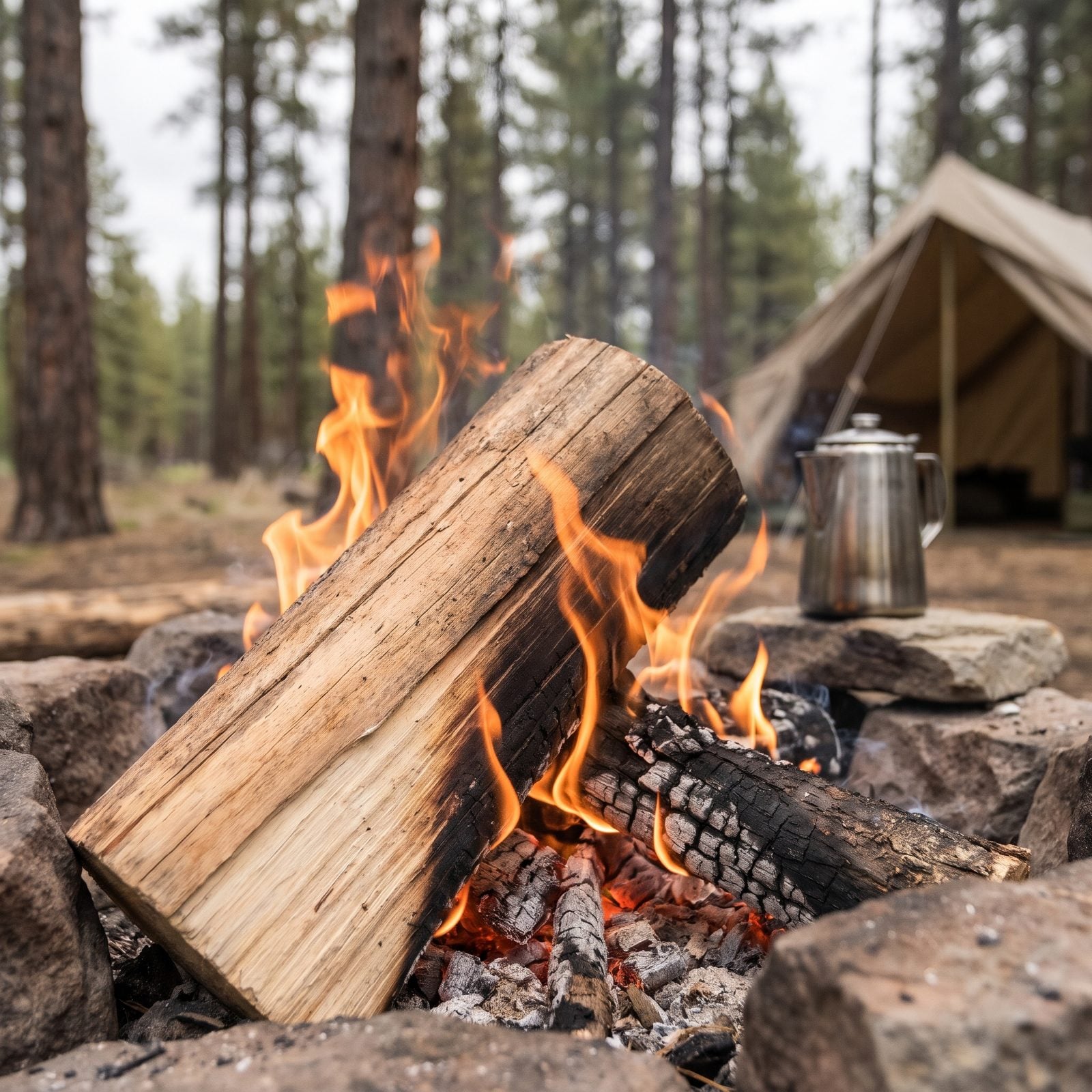
Flames dancing around a big log can fool you into thinking the job’s done. Walk away, come back, and the fire’s collapsed to cold coals with that log barely scorched.
Flame on the surface isn’t the same as the log catching. A large piece needs sustained heat from below — from a real coal bed — long enough for its core to reach combustion temperature. Those early flames are usually your kindling burning out underneath while the log just sits there warming its skin.
Bed the big logs down into the hot coals rather than perching them on top. Give it time. And don’t add the next one until the current one is burning on its own merit.
7. Myth: A Roaring Fire Is the Most Efficient Fire
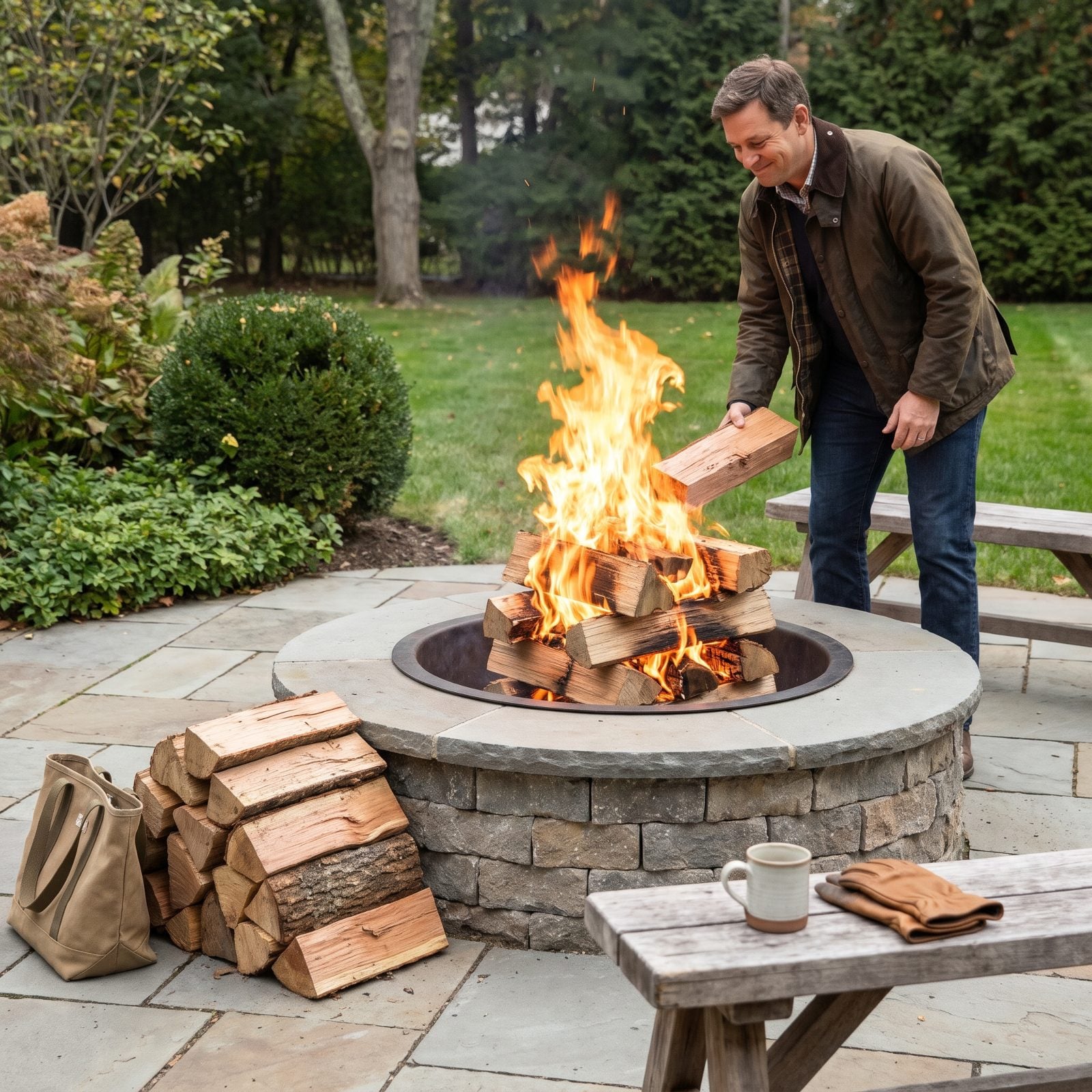
A towering blaze looks impressive and burns through your woodpile like it owes it money. Big flames mean big fuel consumption, and a lot of that heat shoots straight up past everyone standing around it.
The efficient fire is modest and steady, built on a deep coal bed, throwing heat outward where you actually sit. It burns less wood, smokes less, and holds longer, so you’re not getting up every ten minutes to feed it. A roaring fire is a short party; a steady one keeps you warm until you decide to turn in. I’ll take the second one every time.
6. Myth: Refueling Should Wait Until the Last Flame Dies
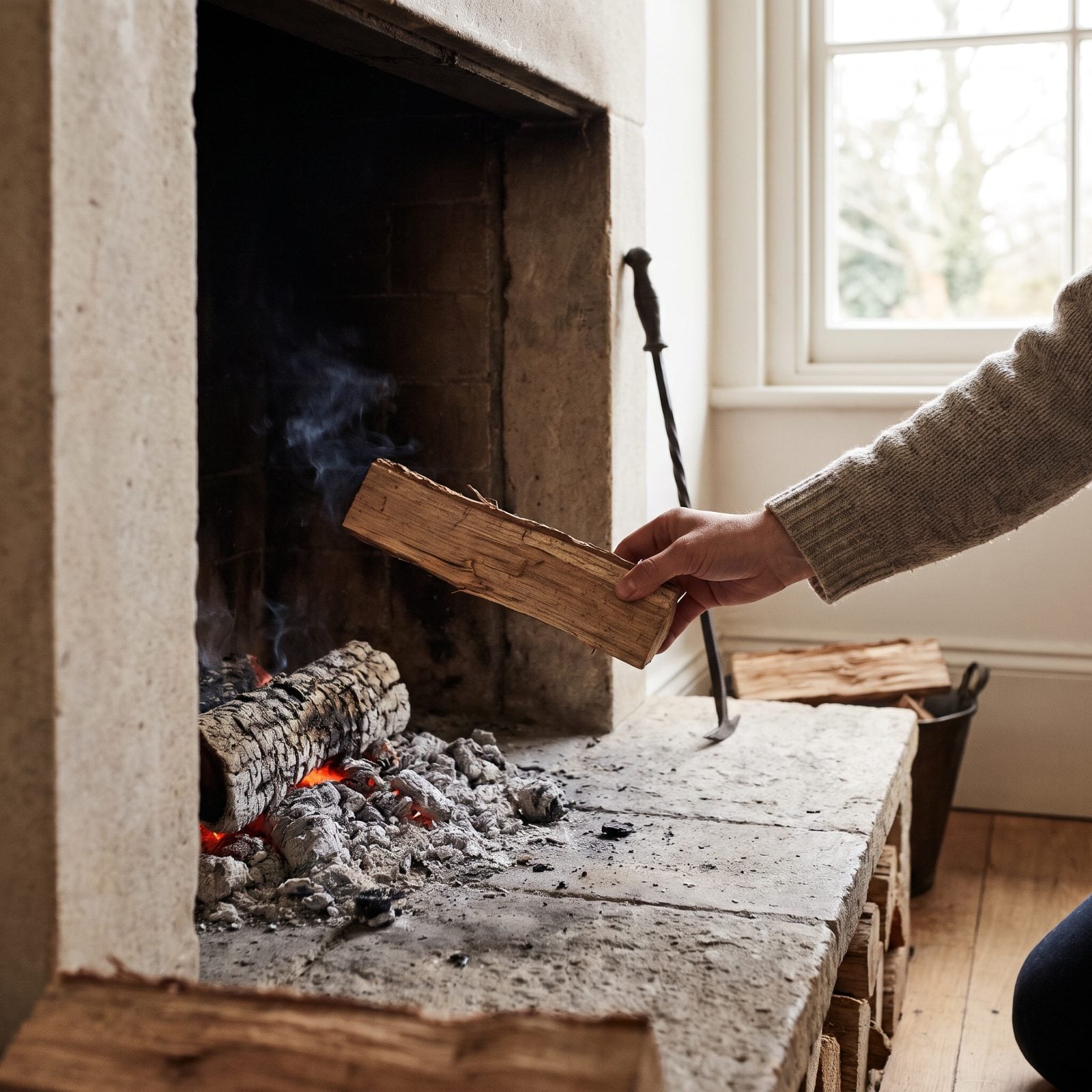
Waiting for the flames to vanish before you add wood is how you accidentally put your fire out. By the time the last flicker dies, the bed has lost most of its energy. You’re now trying to coax a fresh log into life from weak, cooling coals, and often it just sits there and sulks.
Feed the fire while it’s still working. Add the next piece when the current wood has burned down roughly halfway and the coals are hot and red. The new log catches off that heat almost immediately, and you never lose momentum.
I learned this the slow way, kneeling in the dark blowing on a half-dead pit when I could’ve just added a stick ten minutes earlier.
5. Myth: Glowing Coals Cannot Ignite Fresh Wood Without Flames
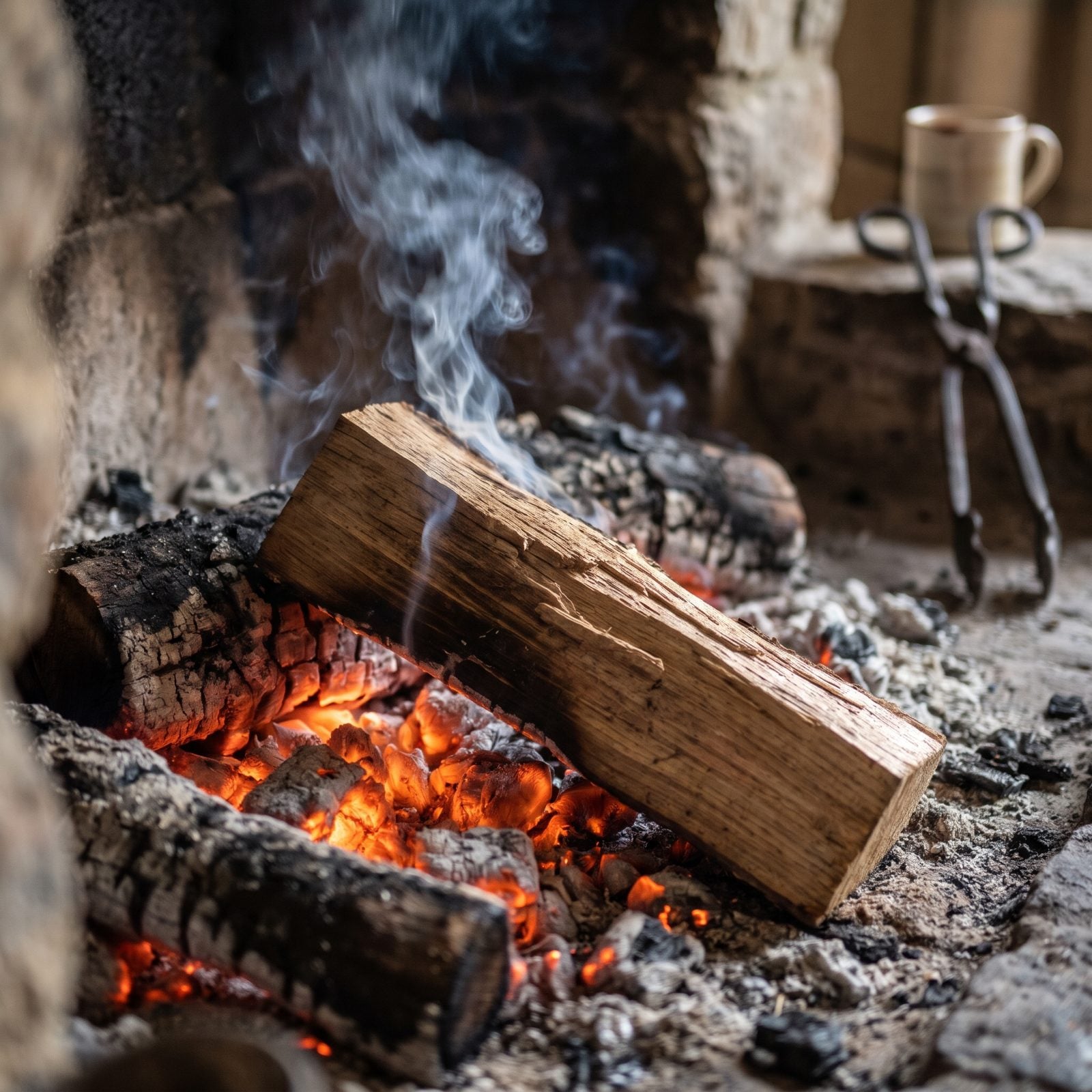
No flames, no fire. That’s the instinct, and it’s wrong. A deep bed of glowing coals runs hotter than open flame, and it will absolutely ignite fresh wood on its own. Flames are just the visible part of the burn, not the engine.
So treat your coal bed like the asset it is. Lay a dry split directly across the hottest glowing section, give it a minute, add a little airflow if it’s sluggish. It’ll smolder, then char, then flame.
The best campfire cooks happen over coals, not flames. Ask anyone who’s burned a steak over leaping fire.
Those coals are stored heat. Respect them and they’ll restart a fire you thought you’d lost.
4. Myth: Charcoal Briquettes Create an Instant Base for a Wood Fire
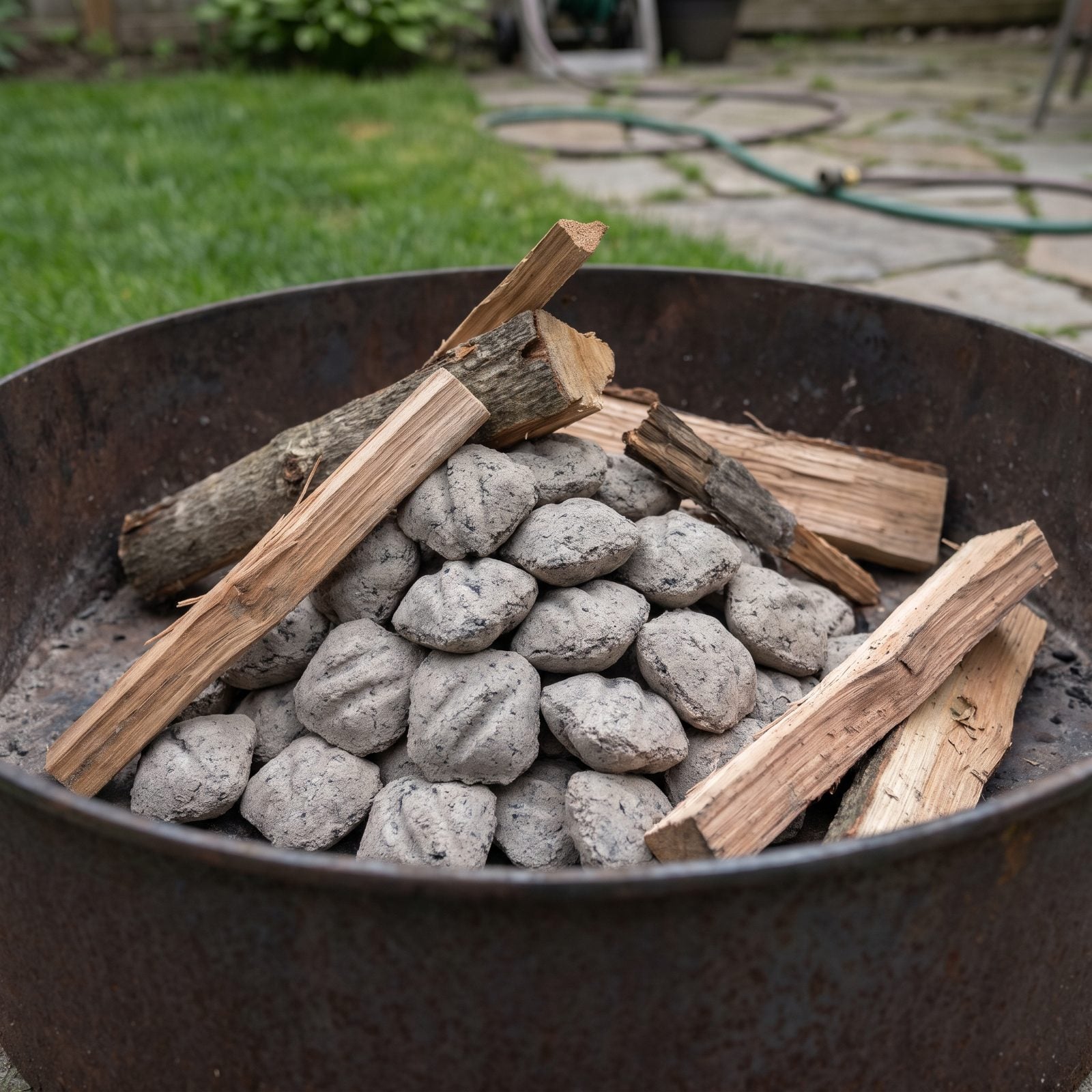
Dumping charcoal briquettes into the fire ring to “get a quick base” sounds clever and performs terribly. Briquettes are built for slow, low, even heat in a grill. Packed with binders, they take ages to light fully, and the mellow warmth they throw off struggles to push fresh wood into flame.
You end up with a sluggish gray pile and logs that won’t catch. Want a fast, reliable base for a wood fire? Use wood. Fine tinder, then pencil-thin kindling, then thumb-width sticks, then your splits — that ladder catches faster and burns hotter than any briquette shortcut.
3. Myth: Cold-Weather Fires Should Begin With Bigger Pieces
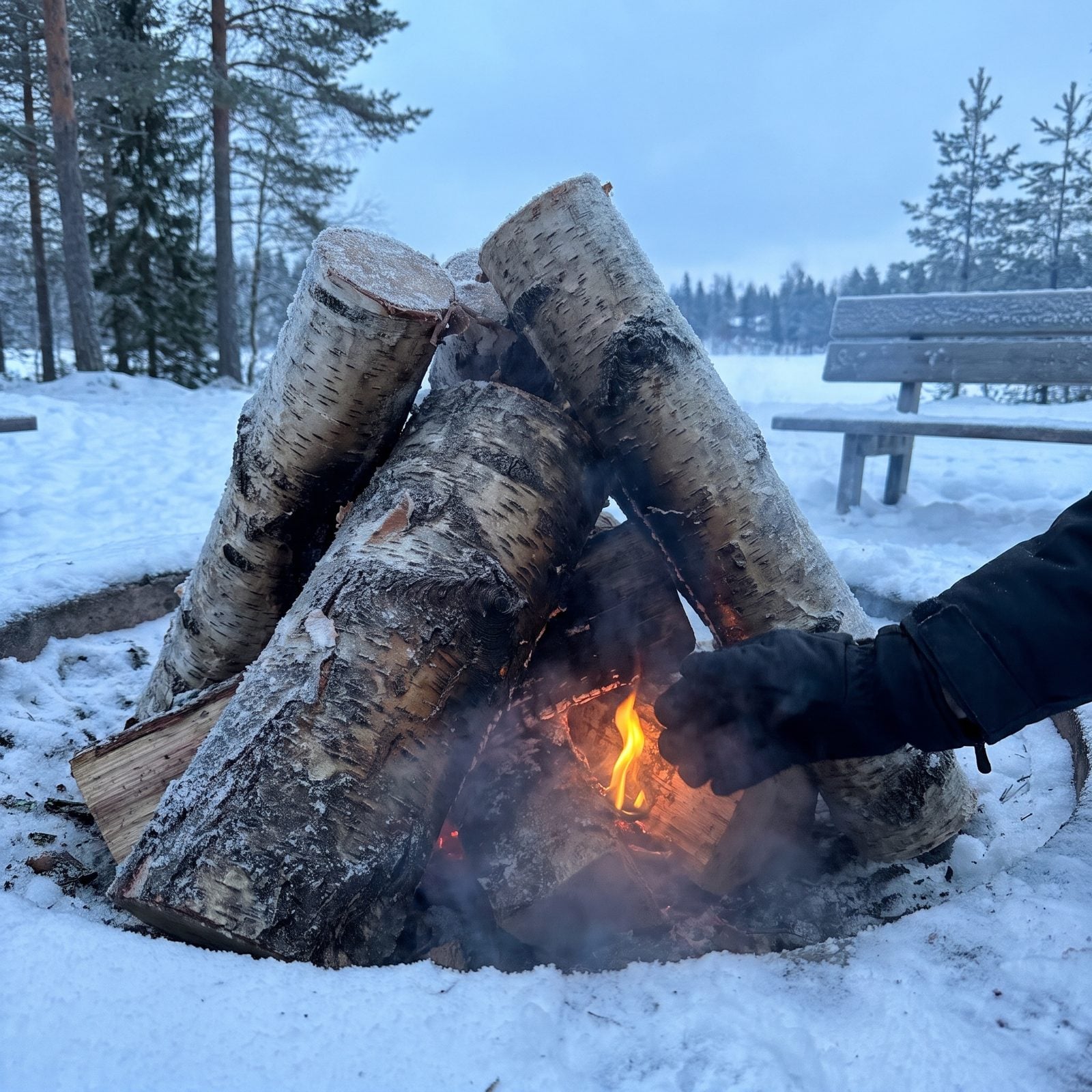
Cold air makes people want to pile on big logs right away, as if size will outmuscle the chill. It backfires. Cold weather means cold, often damp wood, and thick pieces take a mountain of heat before they’ll burn. Start big and the small flame underneath surrenders before the log ever warms.
Cold fires need more patience with the small stuff, not less.
Build the full ladder: fine tinder, fine kindling, then up through the sizes slowly, letting each stage establish real heat before you load the next. The cold is stealing your warmth from every direction, so give the fire a running start before you ask it to do heavy lifting.
2. Myth: Rain Means No Usable Dry Fuel Can Be Found
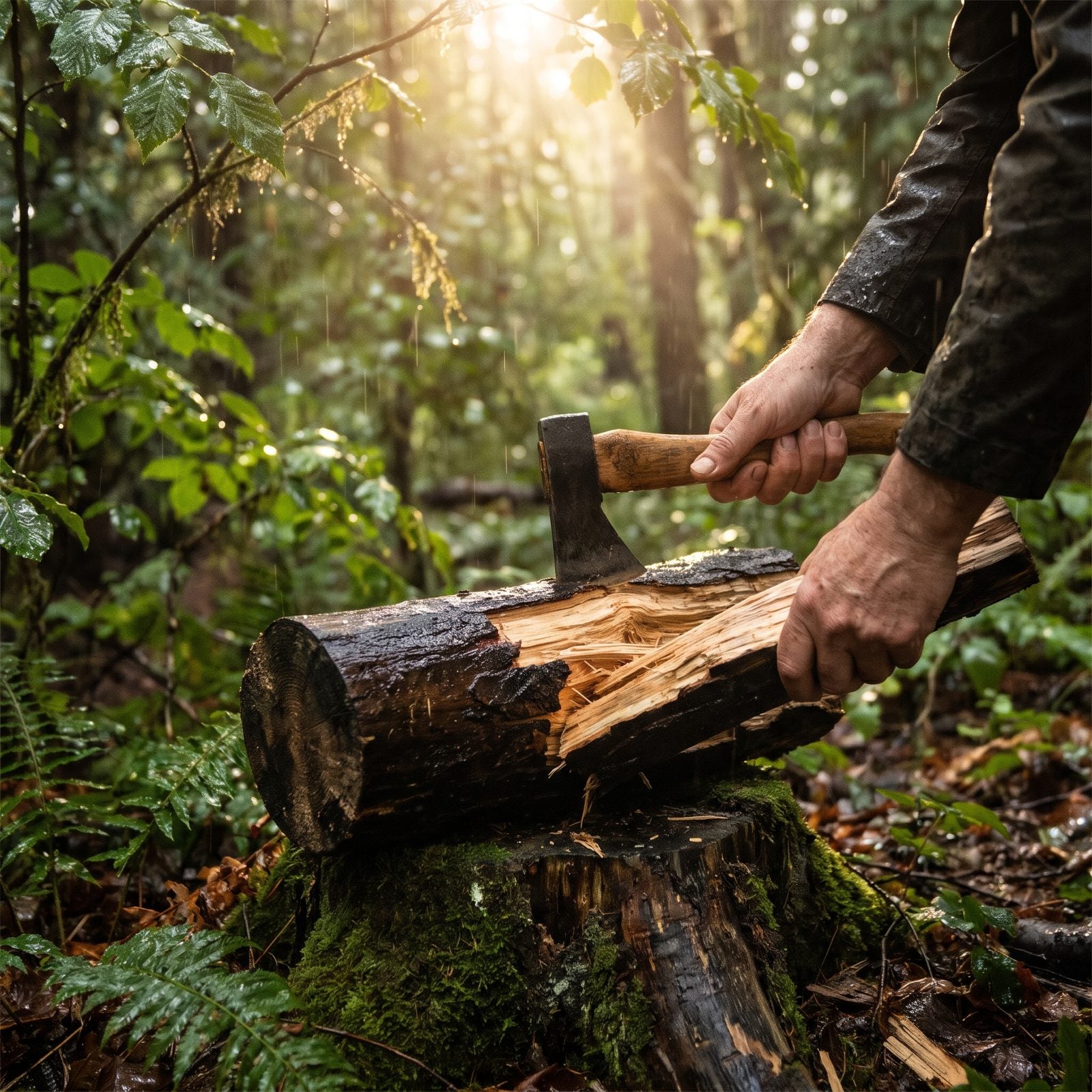
Give up in the rain and you’ll sit cold next to a forest full of dry wood you never found. Rain soaks the surface of everything, but it doesn’t soak through. The dry fuel is there. You just have to know where it hides.
Hunt for dead branches still attached to trees, especially the lower dead limbs tucked up under a conifer canopy — those stay drier than anything lying on the ground. Split a damp branch open and the inside is almost always dry enough to burn.
- Snap dead limbs off standing trees, not off the wet ground.
- Shave bark away and split pieces to expose dry interior wood.
- Gather far more fine tinder and kindling than you think you need.
Recalling week-long backpacking trips in soaking rain, one former camp counselor says “The best way to find dry wood in wet conditions is to look for water-resistant tree species, and look for wood up off the ground, either hung-up, still attached to trees, or dead standing.”
1. Myth: A Fire Can Be Built Directly on Snow Without a Platform
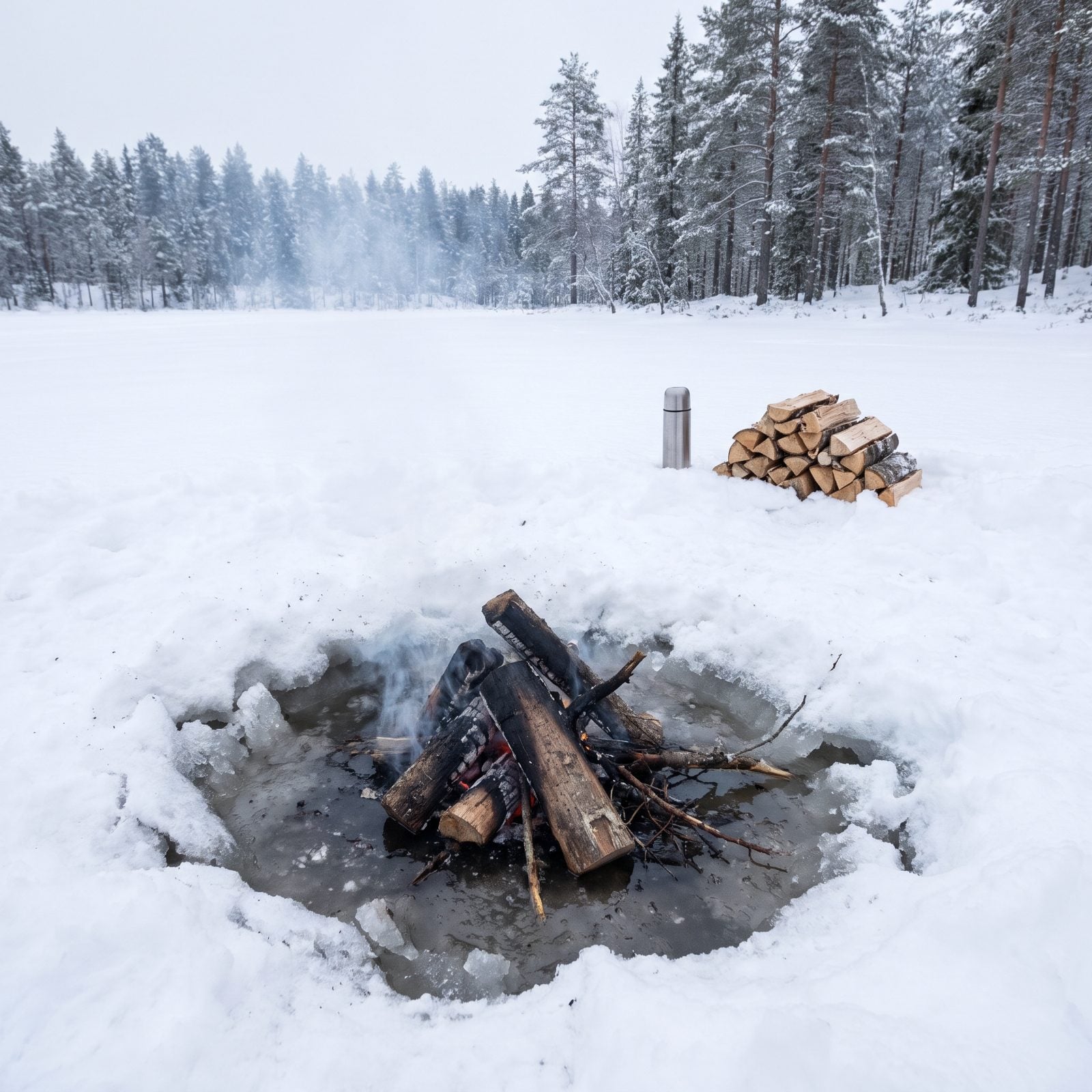
Lighting a fire straight on snow feels harmless. What actually happens is your fire melts a pit beneath itself, sinks, and drowns in its own meltwater — heat going down into the snow instead of out toward you, and you end up with a soggy, sputtering mess in a slushy hole.
Build a platform first. Lay a tight raft of green or wet logs, or a bed of flat rocks, across the snow and build your fire on top of that. The platform insulates the fire from the snow and gives it a stable, dry base to grow from.
Costs you five extra minutes. It’s also the difference between a warm night and a cold, wet one. Snow does not forgive shortcuts.