
A retired dairy farmer once pointed at a single strand of spiderweb across a deer trail and told us nobody had walked it since dawn. He was right. Technology keeps getting sharper at finding deer, yet the best hunters still read the woods the way their grandfathers did, through dew and dust and the chatter of a nervous squirrel. These tricks cost next to nothing and work in most places. More to the point, they sharpen the one skill no cell camera can replace: paying attention. Check your local regulations first, hunt legal and ethical, and let the ground tell you where the deer went.
Please note that some of the images in this article were created with the assistance of AI.
32. Let Milkweed Floss Reveal the Invisible Wind
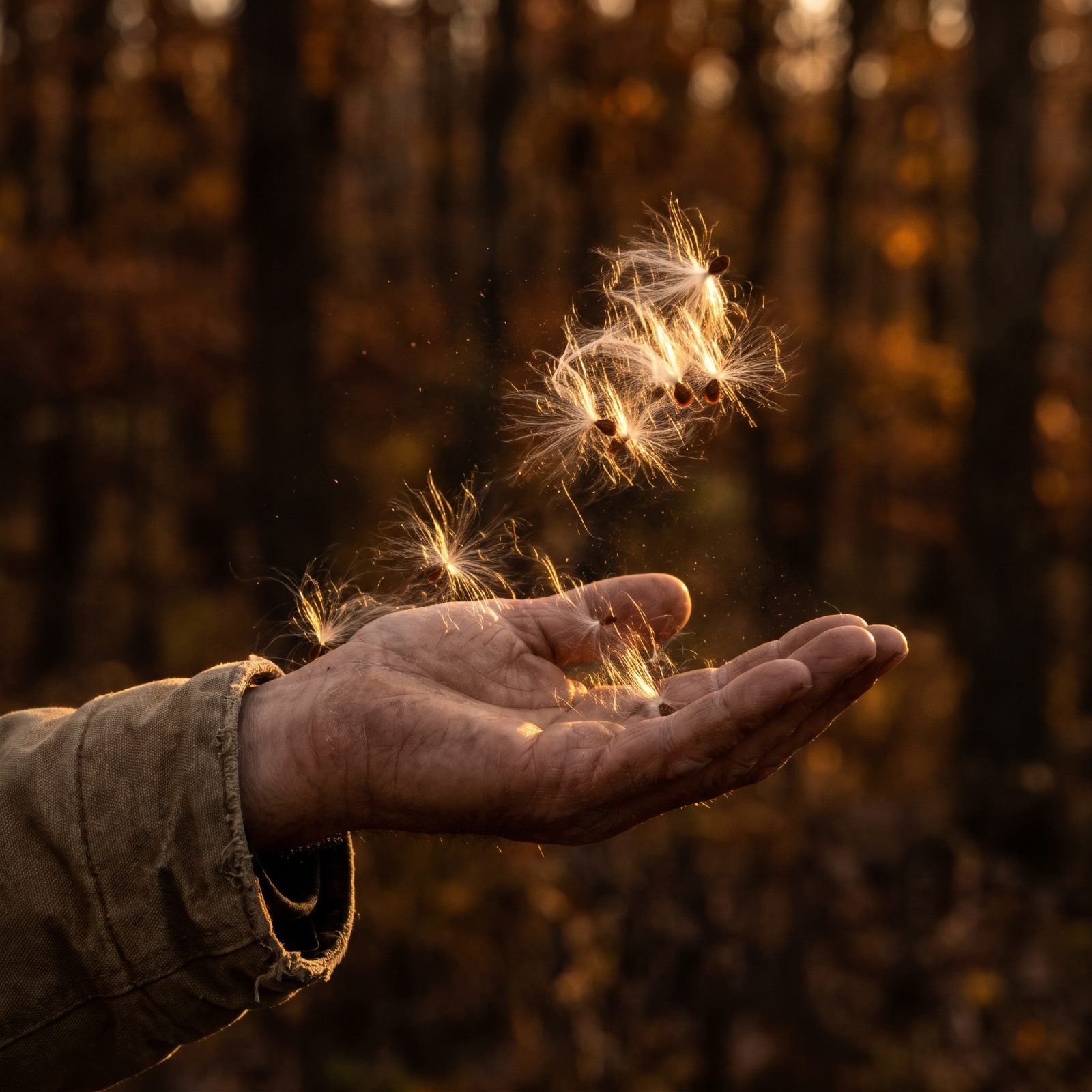
Your nose lies to you about wind. Deer don’t care about the breeze at your cheek; they care about the thermal current sliding down the creek bottom six feet off the ground. Milkweed floss shows you the truth.
Pull a few strands from a pod and let them go. They’re so light they ride the faintest drift, the kind a wet finger or a puff of powder won’t catch. Watch where they travel and you’ll see the real swirl, the eddy curling back behind you that would carry your scent straight to a bedded buck.
As one whitetail bowhunting writer puts it, “Milkweed seeds (or similarly buoyant fibers) ride real currents, thermals and eddies showing where your scent cone travels 10, 30, even 60 or more yards away.”
31. Use Intact Spiderwebs to Judge Whether a Trail Is Active
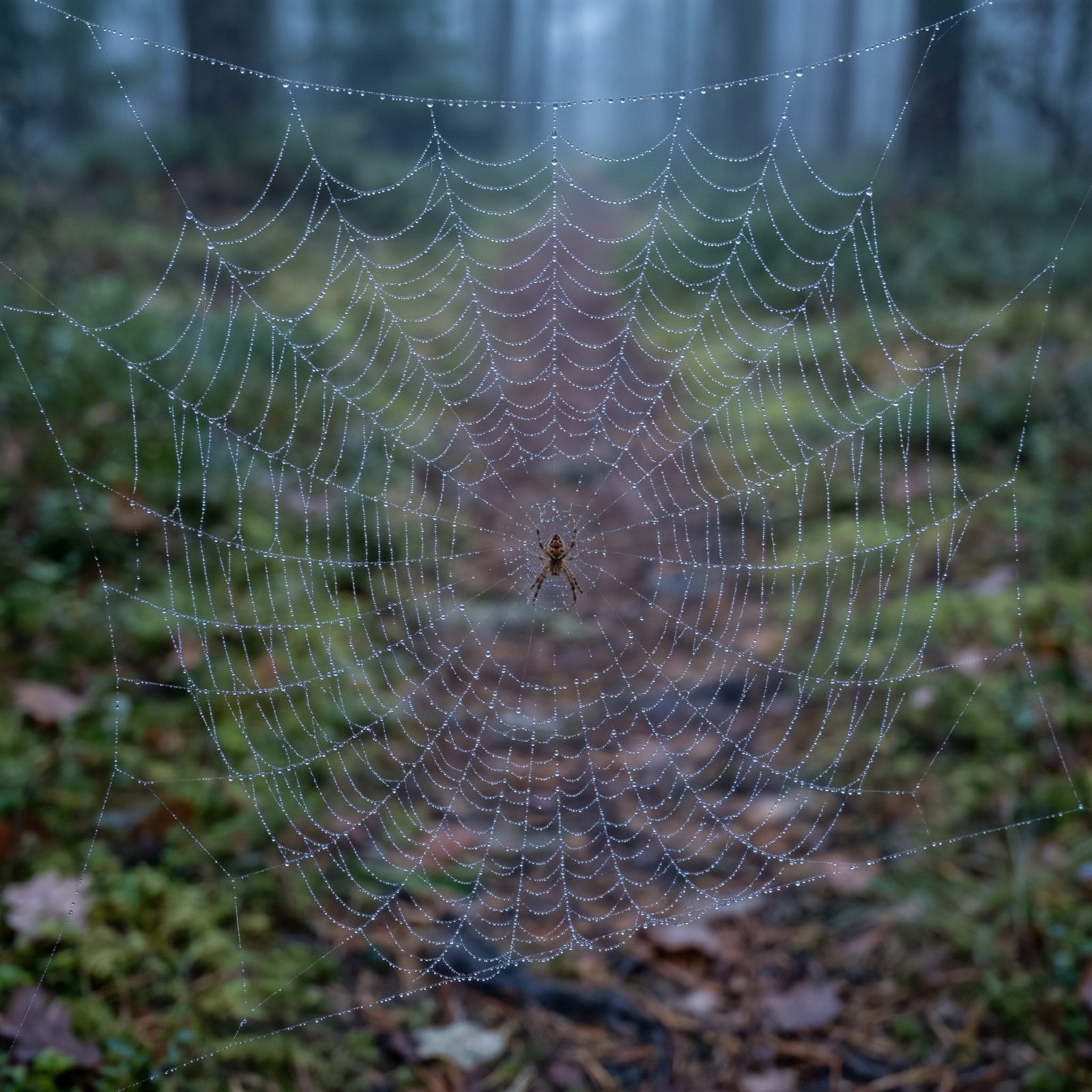
A spiderweb strung clean across a trail at first light is a quiet little report: nothing has come through here recently. Deer break those webs when they move, same as you do walking in.
So when you find a trail laced with intact overnight webs, cross it off your morning plan. Find a well-used path with webs torn low and ragged at deer height, though, and something passed through after the spider finished spinning. It’s the closest thing the woods will hand you to a timestamp, and it costs you nothing but a glance.
30. Crack Acorn Caps to Find the Oaks Deer Prefer
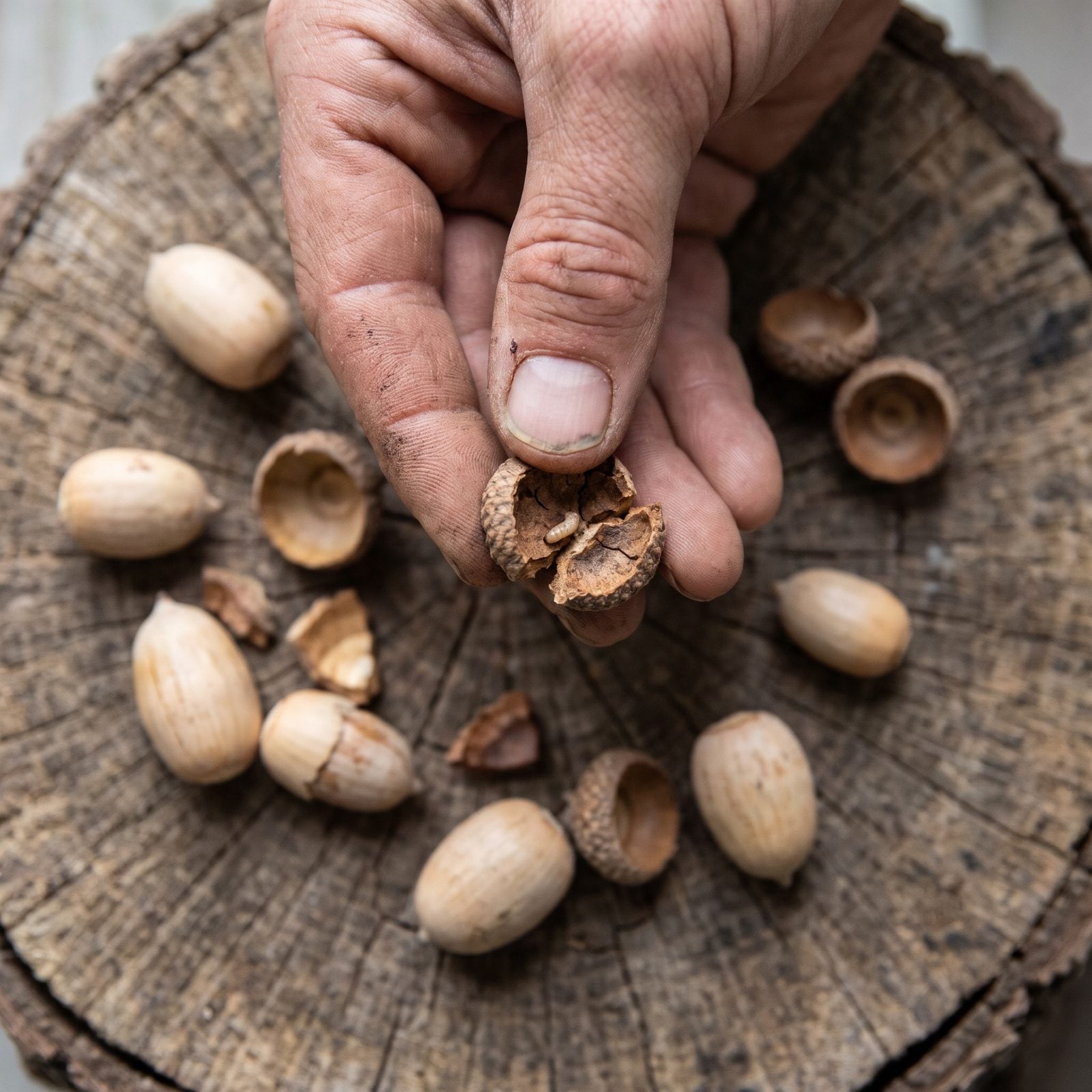
Not all oaks taste the same to a deer. White oak acorns are sweet and low in tannin, and a deer will walk past a dozen red oaks to get under one that’s dropping. Crack a cap open and look.
White oak caps are shallow and rough, the nut inside mild. Red oak acorns taste bitter, and deer leave them until the easy food is gone. Find a white oak raining acorns onto a chewed-up patch of ground and you’ve found a dinner table. Set up downwind and let them come to supper.
As a former state wildlife manager puts it, “White-tailed deer, for example, favor white oak acorns far more than the others.”
29. Let Chattering Squirrels Announce an Approaching Deer
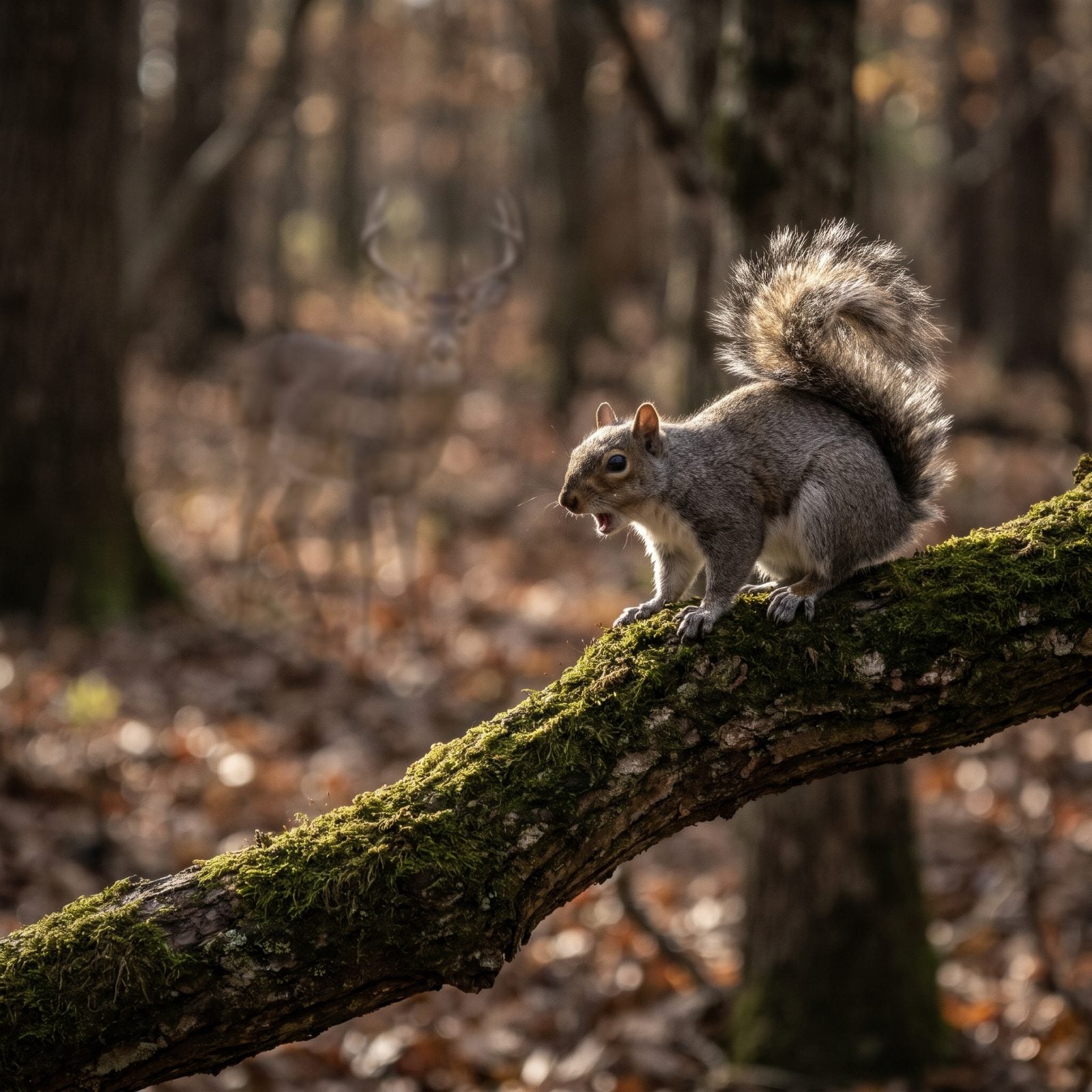
The woods have an alarm system, and squirrels run it for free. A squirrel that suddenly quits digging and launches into that sharp barking chatter has seen something move. Half the time it’s you. The other half, it’s a deer slipping through understory you haven’t spotted yet.
Learn the difference between a squirrel’s lazy daytime fussing and that urgent, repeated scold aimed in one direction. When a jay screams or a squirrel barks and then goes dead silent, turn your eyes that way and wait. Something is walking.
28. Check for Bright Leaf Undersides After a Rain
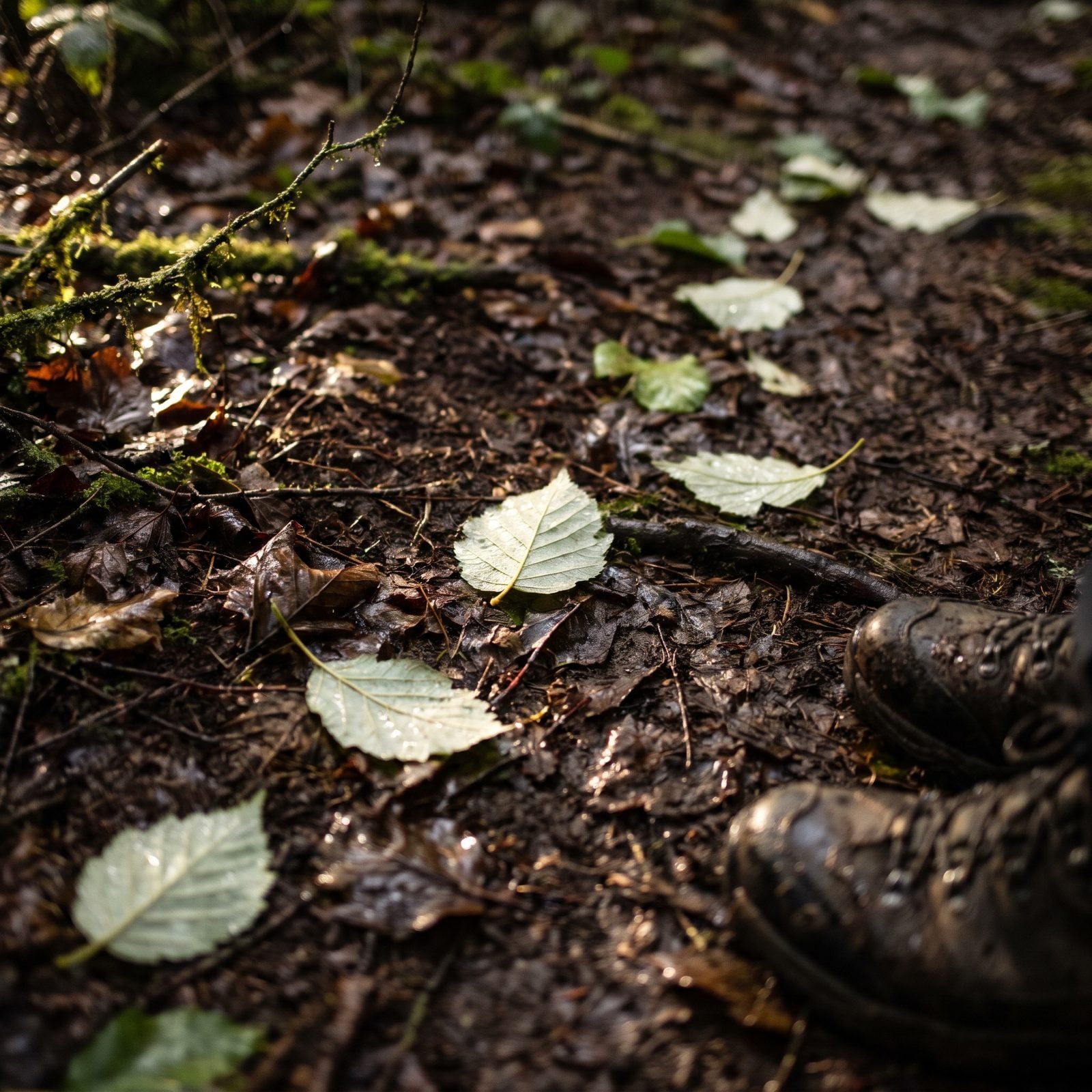
Walk a wet autumn woods and most of the fallen leaves lie dark side up, pasted down flat by the rain. A deer moving through kicks and flips them, turning up the pale, still-dry undersides.
Those flipped leaves catch your eye as a scattered trail of bright spots winding through the dull ones. Fresh after a rain means recent, because the undersides soak up moisture and darken fast. It’s a soft sign, easy to miss until you train your eye for it. Then you’ll see deer routes nobody else notices.
27. Look for Trails That Have Wiped Away the Morning Dew
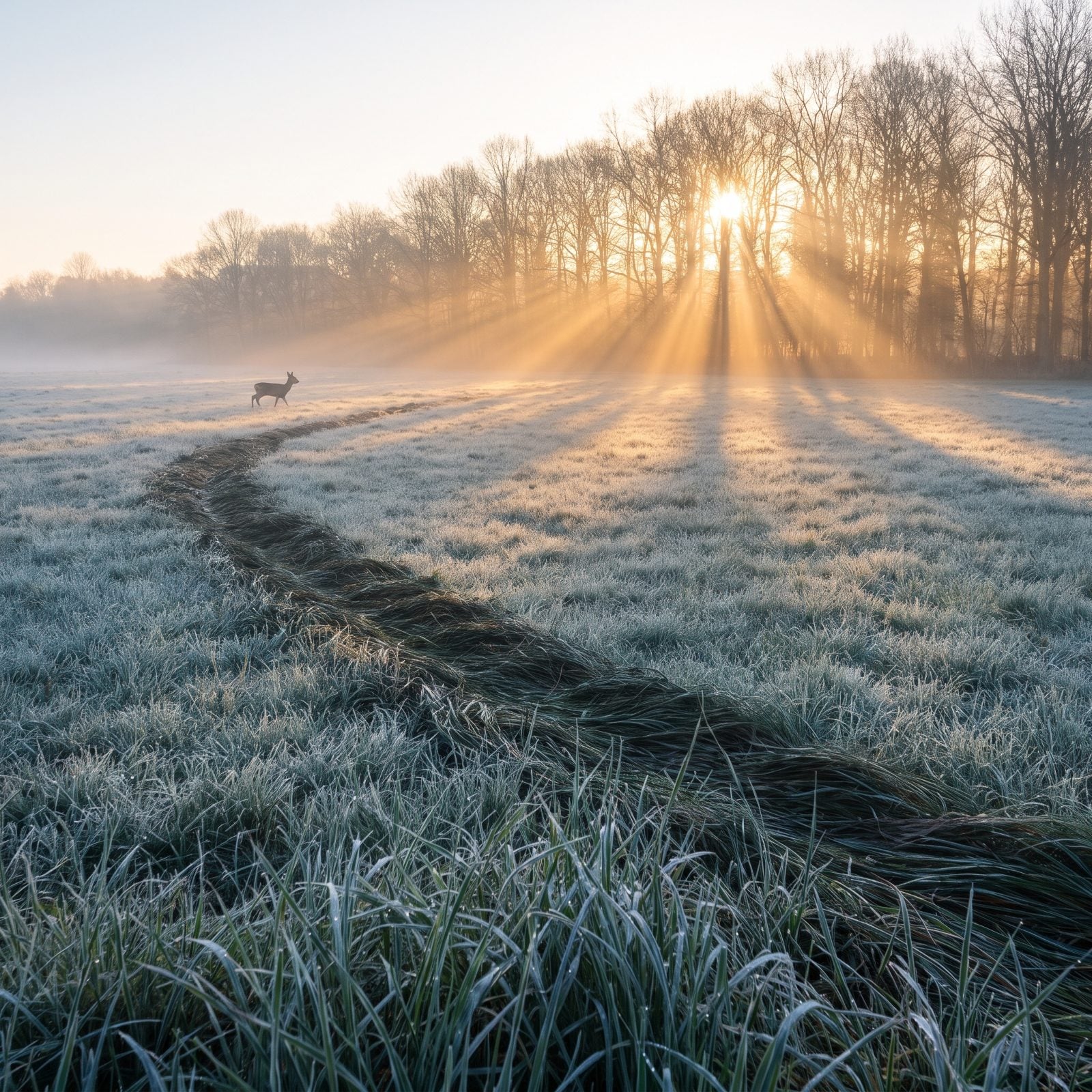
Dew is the best ink the woods ever hand you, and it only works for about an hour. At dawn, a field of wet grass holds a dark swept line wherever a deer has walked, the dew knocked off the blades into a visible drag.
Follow that darker lane with your eyes from the timber to wherever it leads. A trail that cuts the dew after sunrise was used minutes ago, not last night. Get out early enough to read it and you’ll know exactly where deer crossed to bed, while they’re still close enough to matter.
26. Check Mossy Logs for Fresh Mud From Deer Hooves
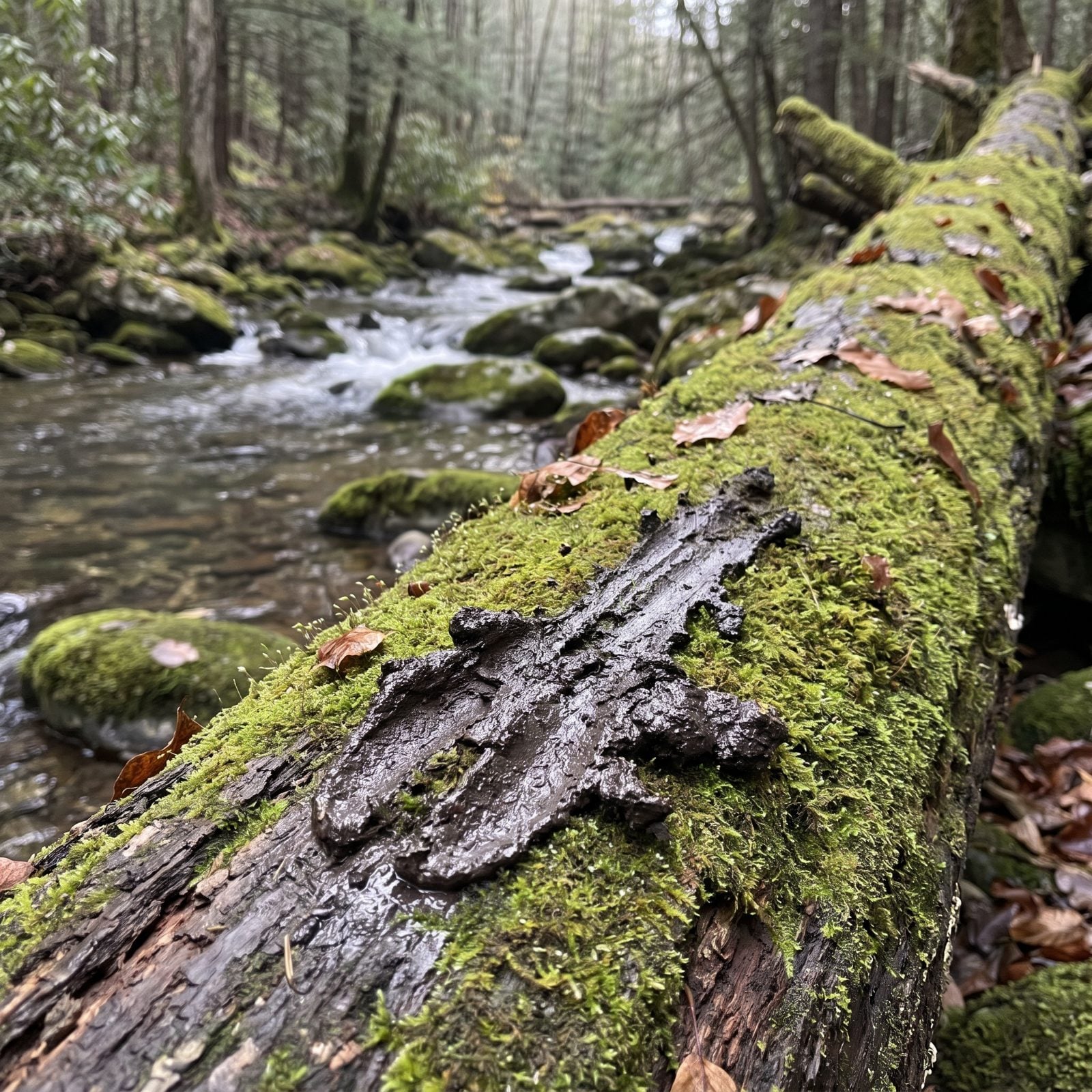
Deer don’t clear a log cleanly every time. In a creek bottom their hooves pick up mud, and when they step over a mossy deadfall they leave a smear of dark, wet earth across the green.
That fresh mud is gold. It sits raised off the ground where you can actually catch it at a glance, and it tells you both direction and freshness at once. Wet and glistening means minutes ago. Dried and crumbling means yesterday. Check every log that crosses a trail in low wet ground and you’ll start reading traffic like a ledger.
25. Touch a Rub’s Exposed Wood to Test Its Freshness
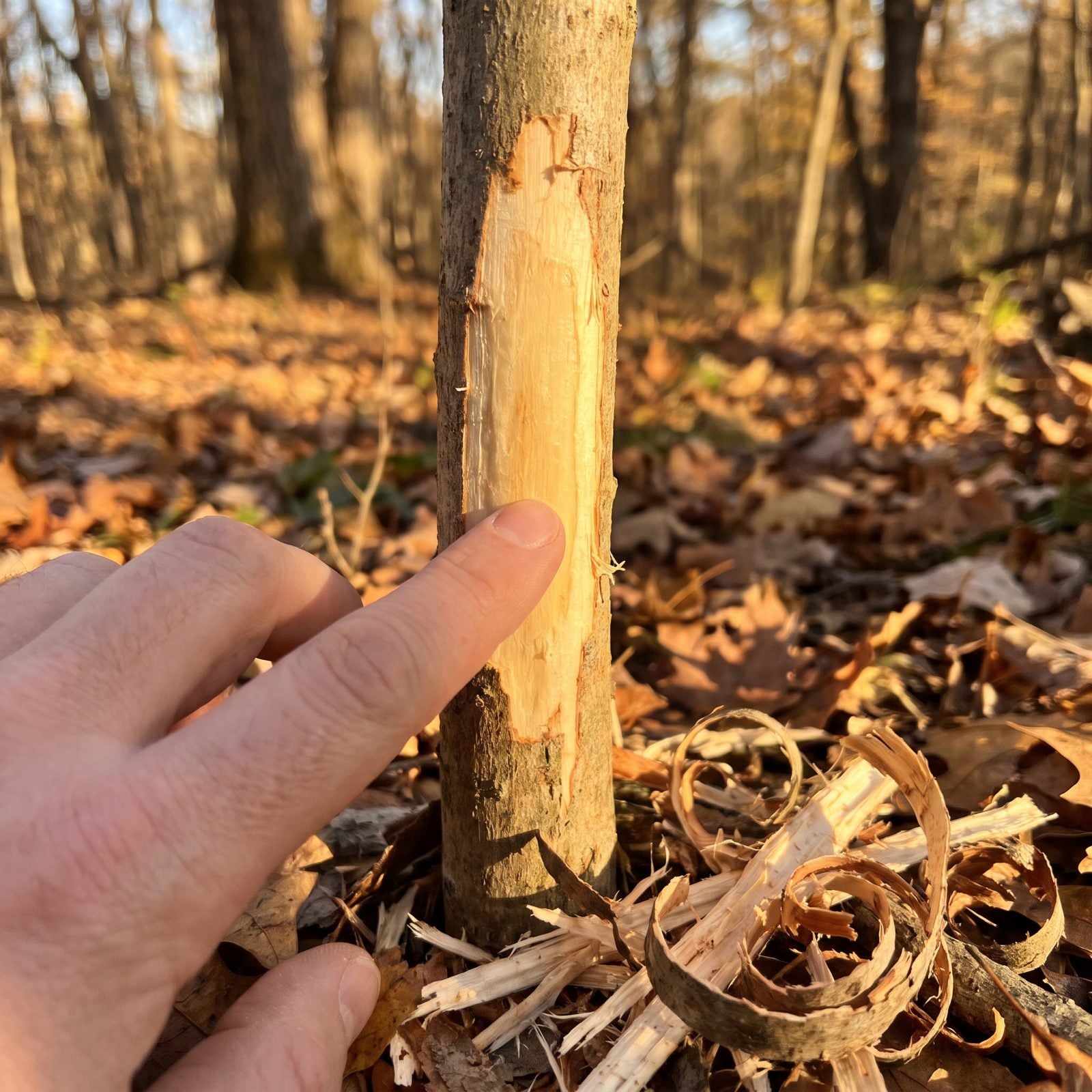
A buck rub is a billboard, but an old one is just history. The wood tells you which it is if you’ll put a finger on it.
Fresh-rubbed wood is pale, slightly damp, and still smells green when you lean in. Run your thumb over it and you’ll feel the sticky sap and catch loose shreds of bark that haven’t dried yet. An old rub goes gray, hard, and weathered, sometimes with new growth closing over the scar. One means a buck worked this tree days ago. The other means he might be two ridges over by now. Read it before you commit a stand to it.
24. Scan Behind You With a Small Pocket Mirror
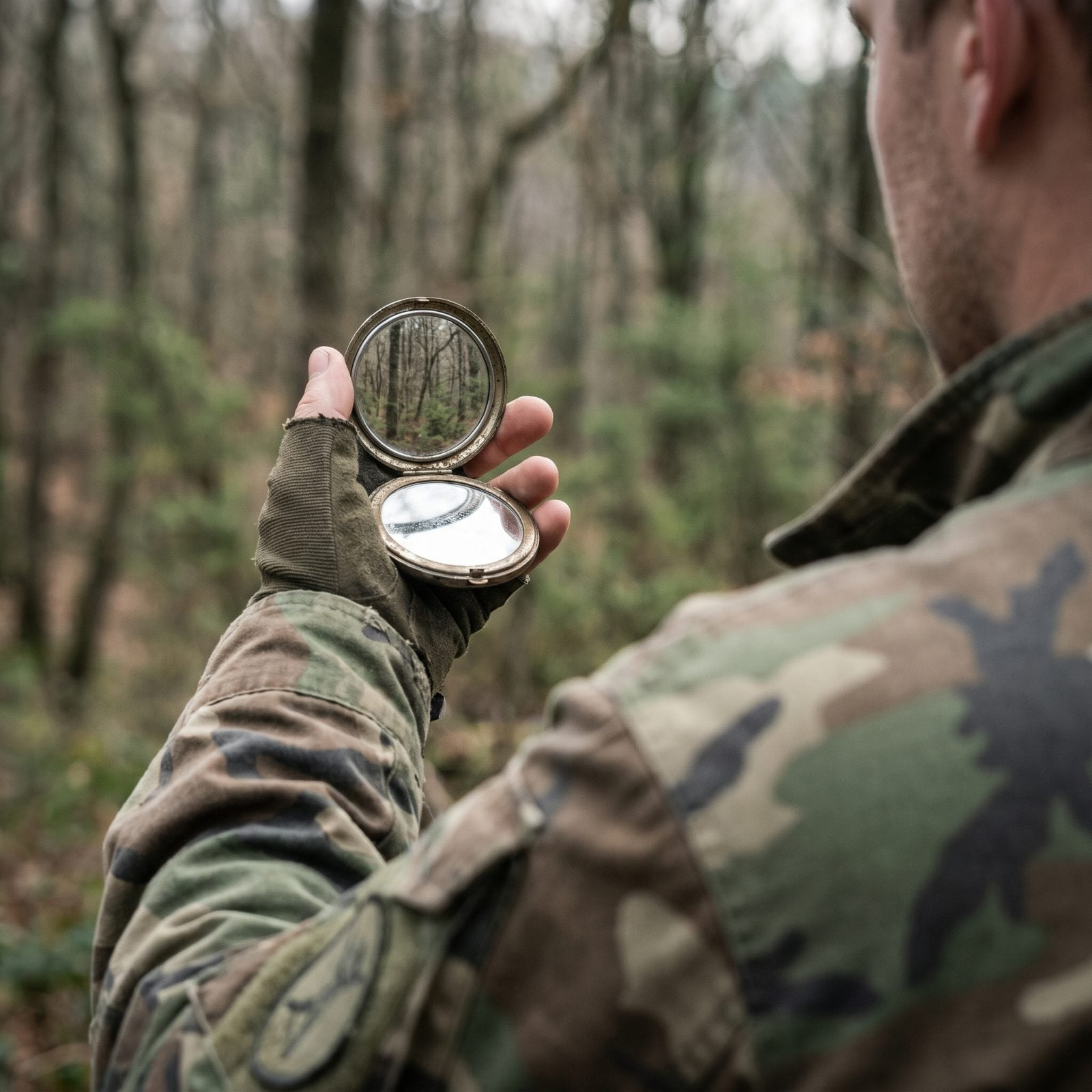
Deer have a maddening habit of coming in from exactly the direction you’re not watching: dead behind you. Turning your head to check means movement, and movement at twenty yards blows the whole morning.
A small mirror fixes it. Tuck a cheap compact into a pocket and hold it low to scan behind your tree without swiveling your shoulders. Sounds like a trick a kid would pull, and it is, which is exactly why it works. You get eyes on your blind spot while sitting still as a stump.
23. Hang a Cap at Eye Level to Test Your Blind’s Silhouette
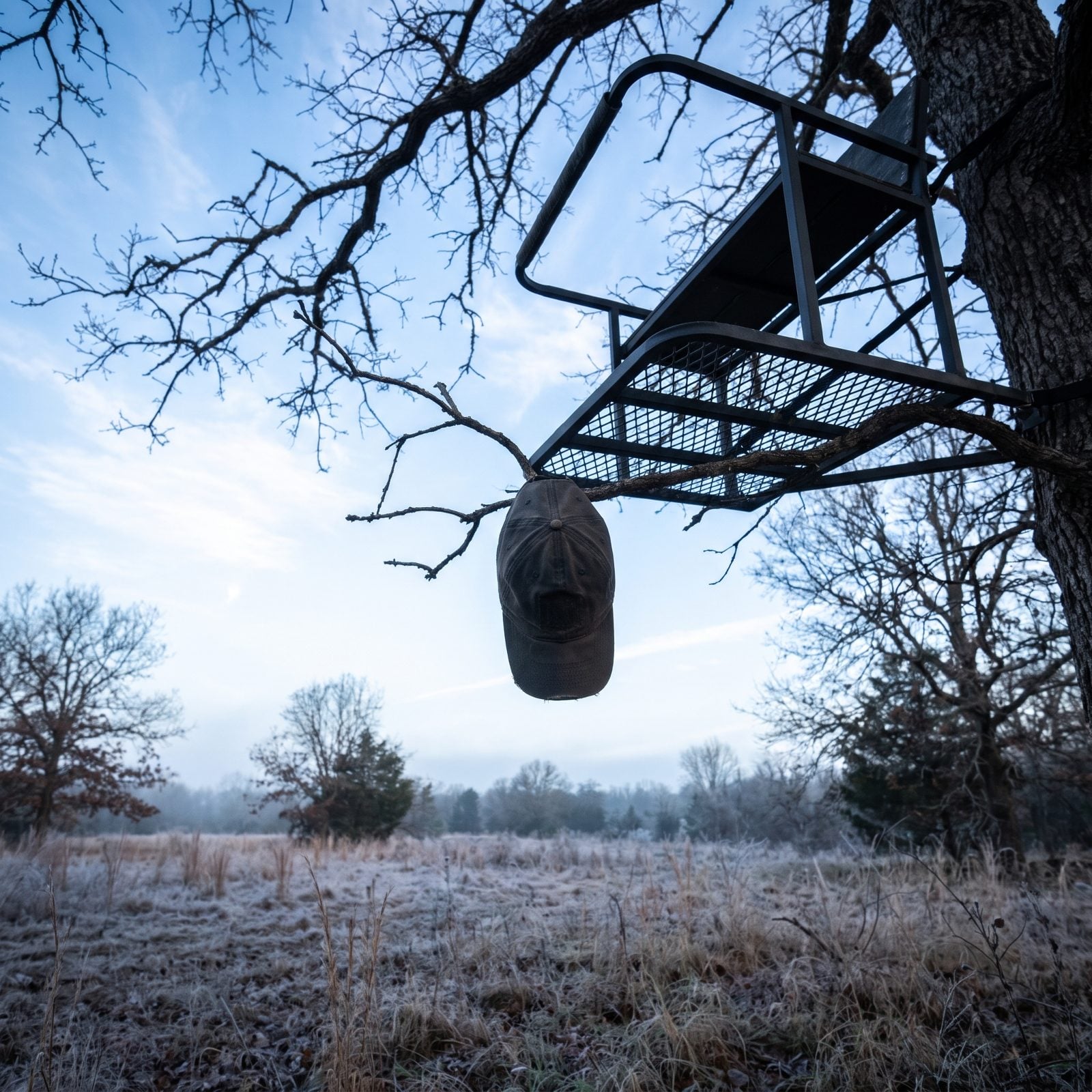
Before you ever sit, hang your cap from a branch right where your head will be when you sit and walk out to where you expect the deer to come from. Then look back. Half the blinds people build look fine from the inside and like a lighthouse from the trail.
Your head is the giveaway — it moves, it’s round, and it floats above everything natural in the woods. A cap hung at head height tells you in ten seconds whether your silhouette disappears into the brush or glows against the sky. Fix the backdrop now, not when a doe is stamping at you.
22. Rake Your Stand Path Weeks Before Opening Day
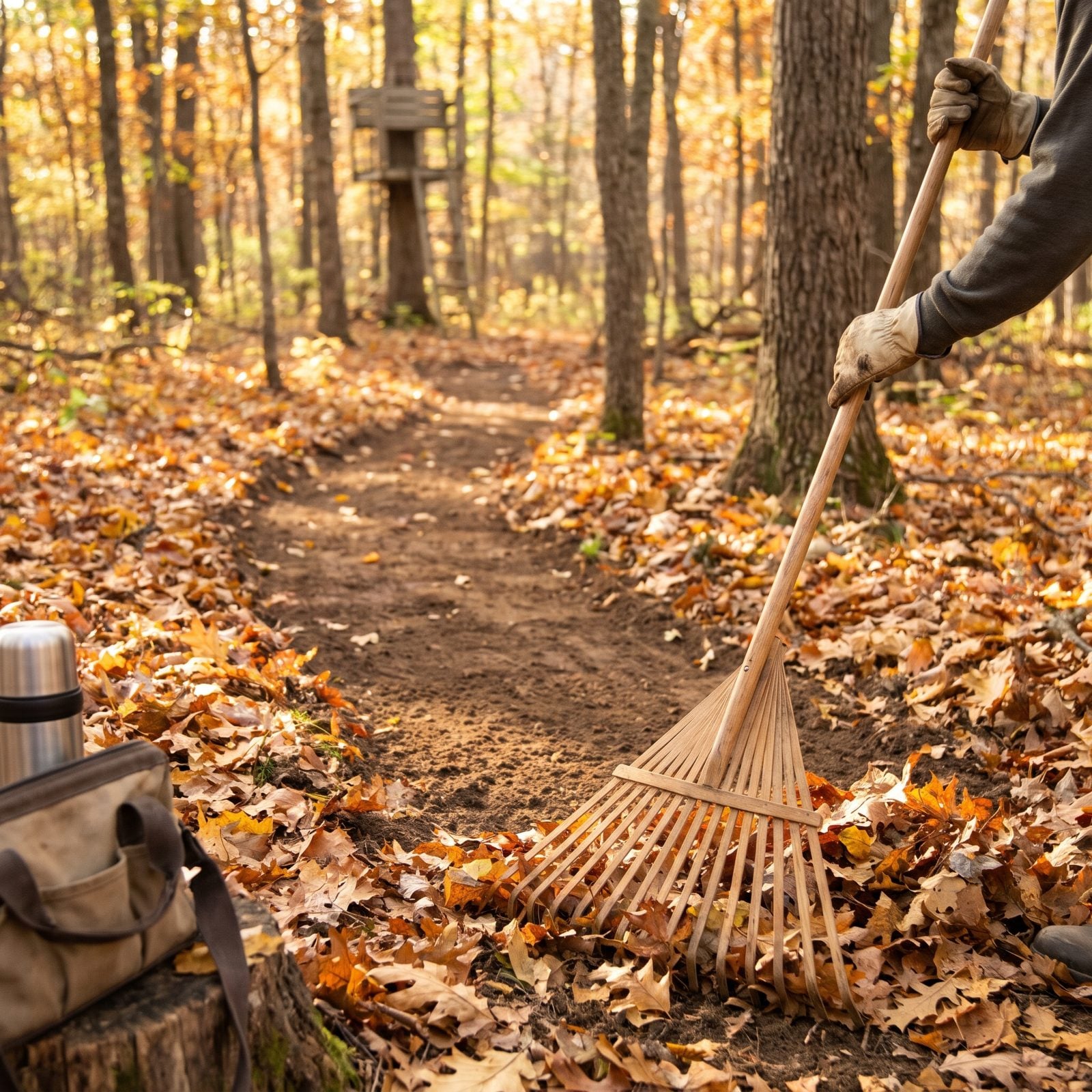
Crunching in across dry leaves at first light is the loudest thing you do all morning, and it happens right when deer are still moving. Rake a narrow lane down to bare dirt from your truck to your stand, and do it early. Weeks early.
Why the head start? Deer notice change, and a fresh scar in the woods reads as new the day you cut it. Give it time to gray out, let the soil settle and the edges soften, and by opening day it’s just part of the place. You walk in quiet and nobody’s the wiser.
21. Use a Shallow Creek as a Quiet Approach Route
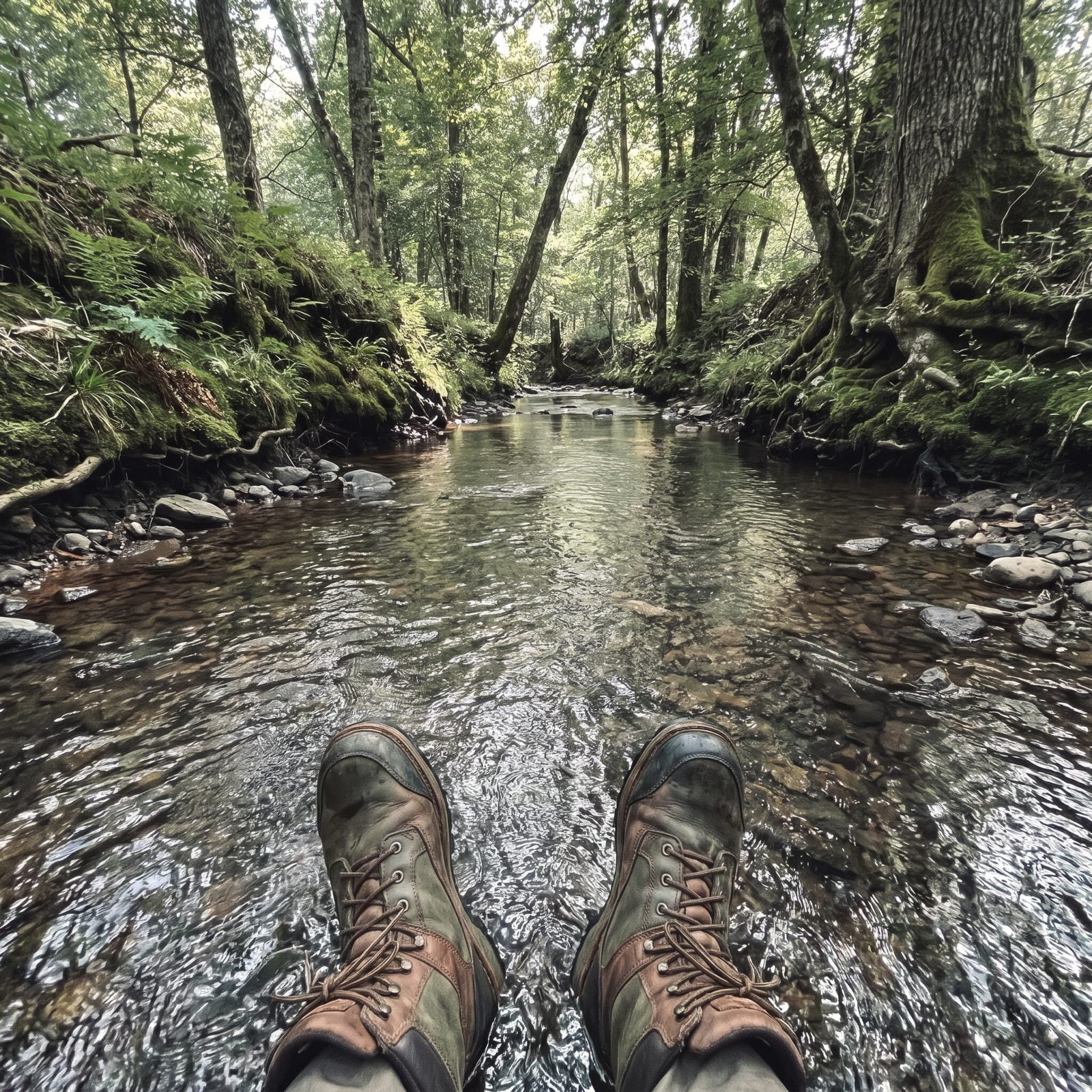
Running water covers your footsteps, your scent drifts downstream instead of across a bedding area, and the banks hide your outline. A shallow creek is the best approach trail most hunters never use.
Walk the gravel, not the mud, so you don’t leave sign and you don’t slip. Keep your muzzle controlled and your pace slow. I’ve slipped within bow range of feeding deer this way more times than any downwind sneak across dry ground ever got me. The woods are loud near moving water, and that works entirely in your favor.
20. Use a Beaver Dam as a Natural Deer Funnel
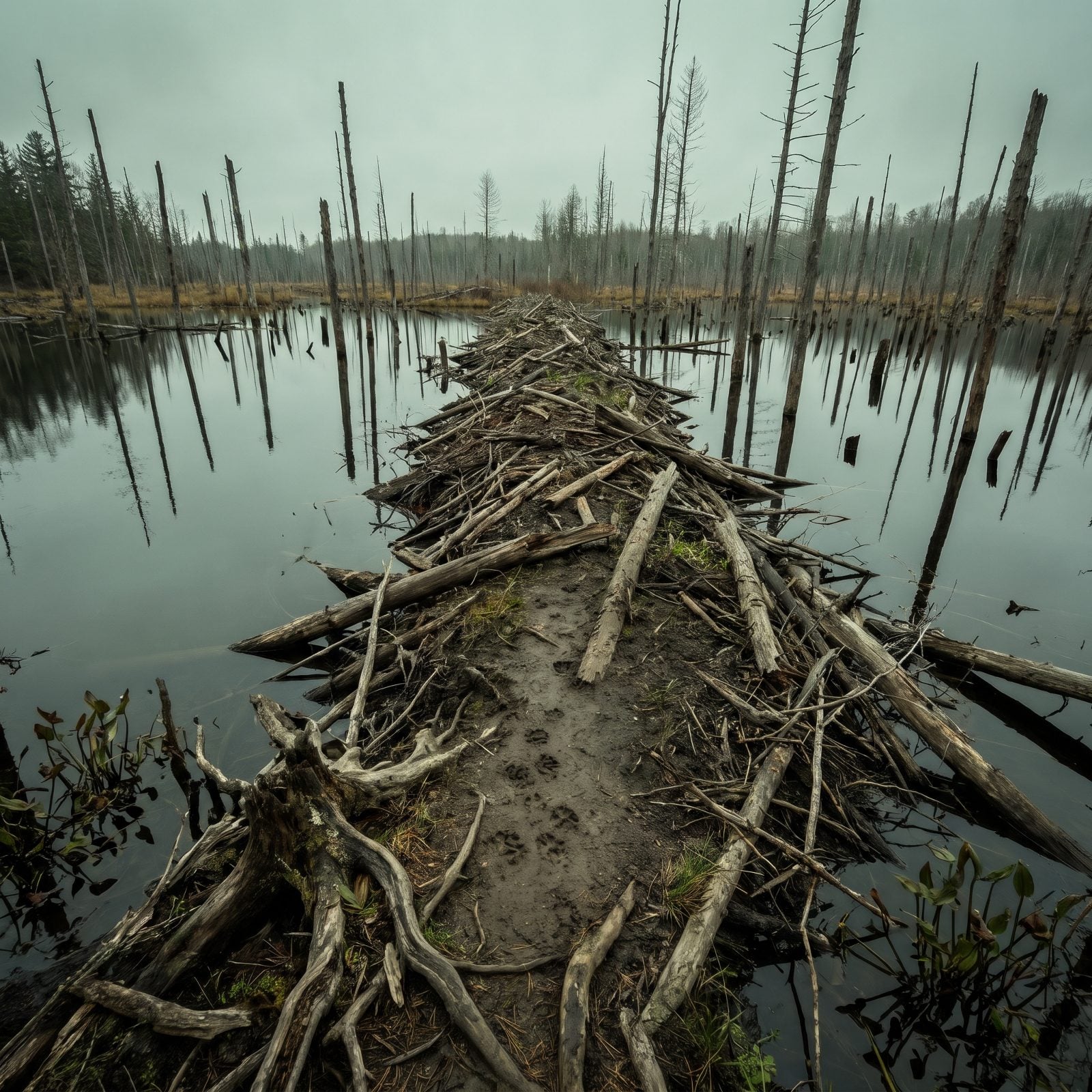
Deer hate wet feet as much as you do. Where a beaver pond spreads out and floods the timber, the only dry crossing for a quarter mile is often the dam itself.
That makes it a pinch point you didn’t have to build. Find the dam, read the trail worn across the top of it, and set up downwind of the dry crossing. The beavers do the work, the terrain does the funneling, and every deer working that bottom gets squeezed onto one narrow lane. Check the mud at both ends for tracks before you commit a stand to it.
As one deer hunter and writer puts it, “The area just downstream of a beaver dam can be a killer funnel. My experience has also been that on a winding river, deer are more likely to cross at a river bend.”
19. Watch the Forgotten Gap in an Old Fence
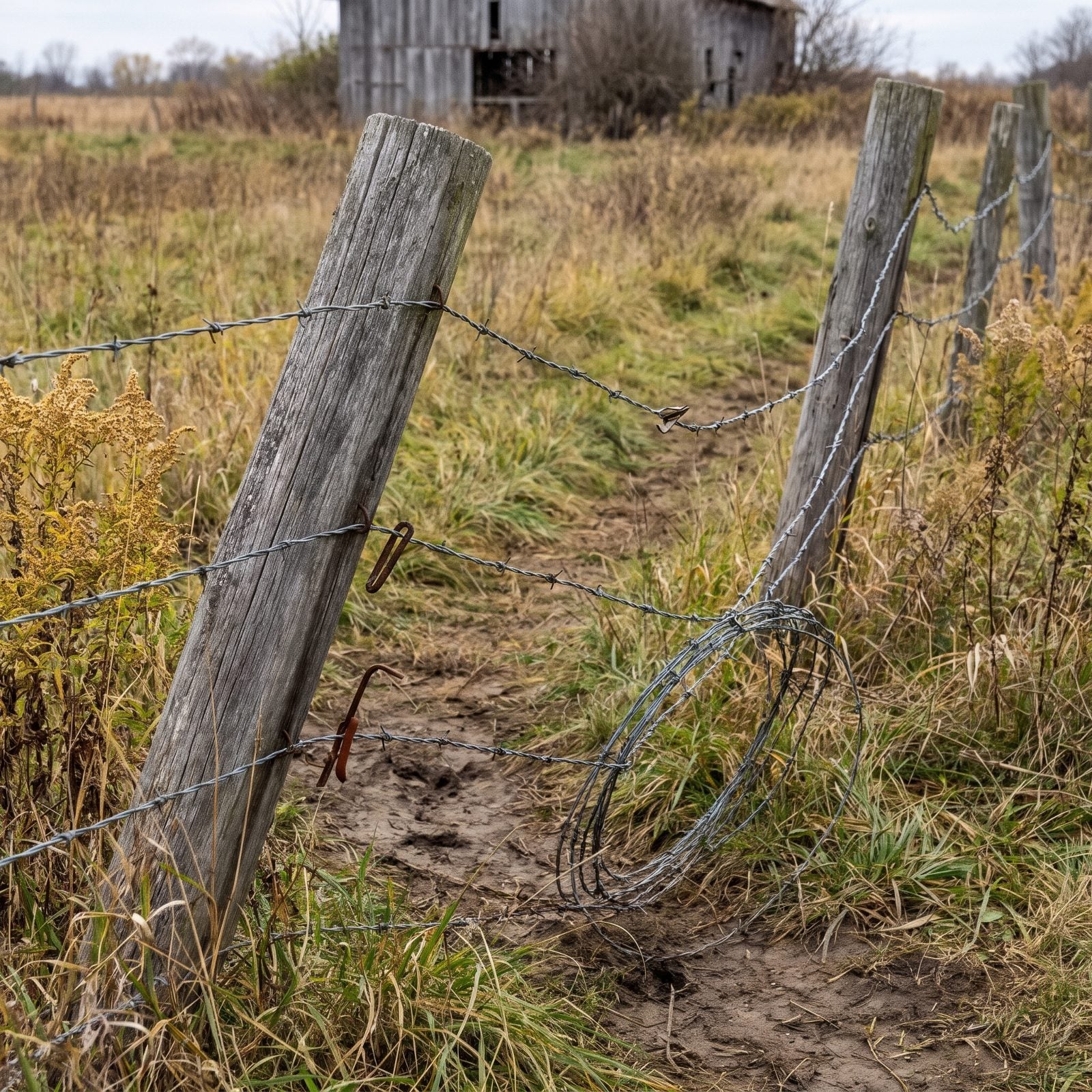
Deer are lazy in the smartest way. Given a mile of fence, they’ll cross at the one spot where a wire is down or a post has rotted and the top strand sags low enough to step over.
Walk the whole fence line once and you’ll find it: the worn dirt, the smoothed-down wire, the little tufts of gray hair snagged on a barb. That gap is a highway. Set up downwind of it and let the fence herd the deer to you. Make sure you’re hunting your own ground or have clear permission before you ever string a stand near somebody’s property line.
18. Revisit the Fruit Trees Around Abandoned Homesteads
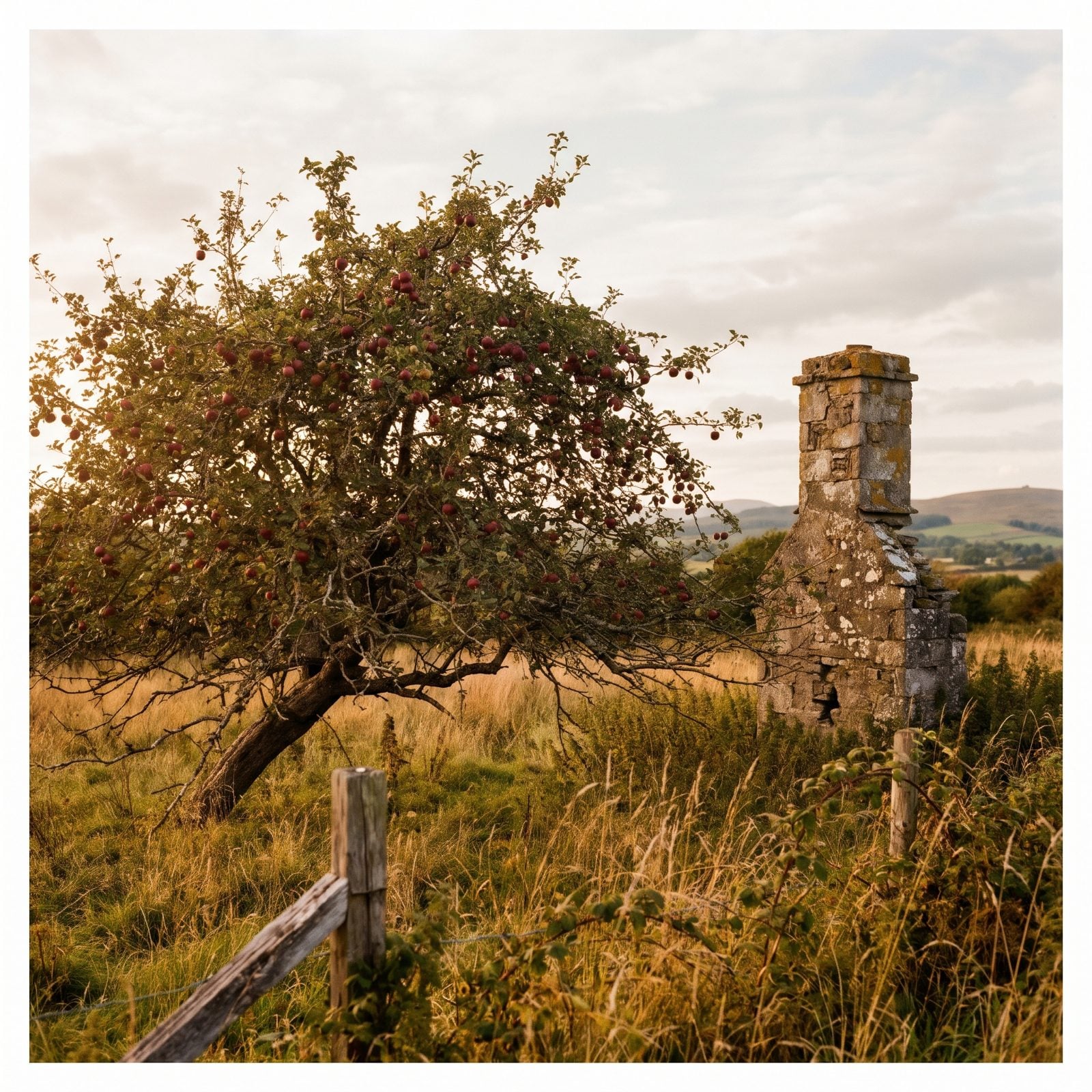
Every old farm place that went back to the woods left something behind: apple trees, pear trees, an overgrown orchard nobody’s pruned in fifty years. The house is a foundation now. The trees still drop fruit every fall, and deer have the calendar memorized.
Soft mast like old apples pulls deer the way nothing in a bag can, and it’s completely natural and legal where feeding is restricted. Find these spots on old plat maps or just by walking ridges nobody hunts. When the fruit starts falling, deer will be under it at last light, right on schedule.
17. Turn a Fallen Treetop Into a Natural Ground Blind
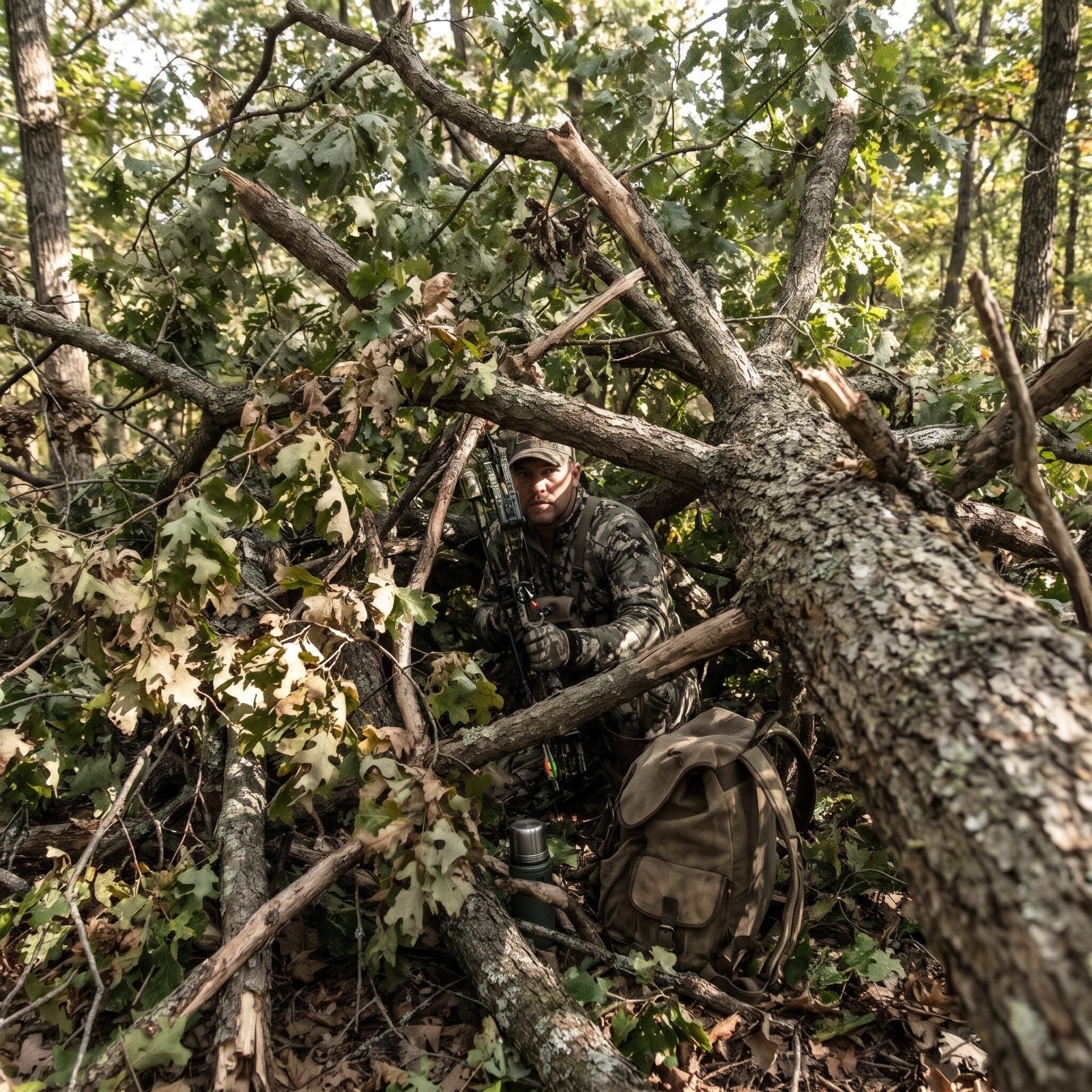
Why haul in a pop-up blind when the last big windstorm already built you one? A freshly fallen treetop is a ready-made screen. The branches break up your outline, the leaves hang on for weeks, and deer are already used to it lying there.
Sit back inside the tangle, not in front of it, so your movement happens behind a wall of brush. Clear a boot-sized spot for quiet foot shifts and cut a couple of shooting lanes. It smells like the woods because it is the woods, which solves a problem every fabric blind gives you for free.
16. Build Brush Blinds Early Enough to Become Ordinary
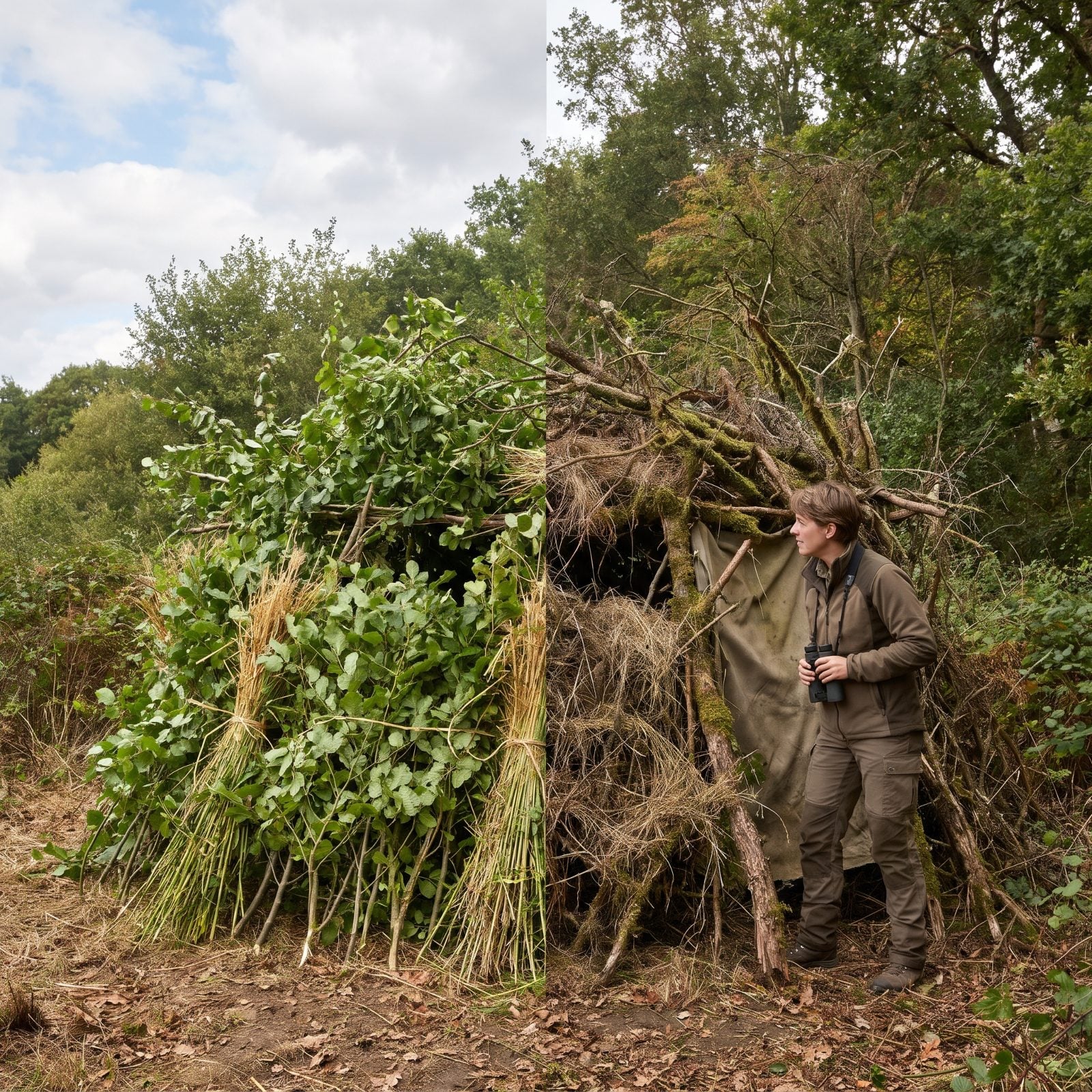
A brush blind built the week before season is a fresh scar. Deer clock it instantly. Build the same blind in late summer, give it a couple of months of rain and wind and squirrels, and it becomes a brush pile they’ve walked past a hundred times.
Let it gray out and settle in. The cut branch ends fade, the leaves brown, the whole thing stops shouting new. By the time you’re sitting in it, the deer filed it under furniture long ago.
15. Use an Old Feed Sack as a Dry, Silent Seat
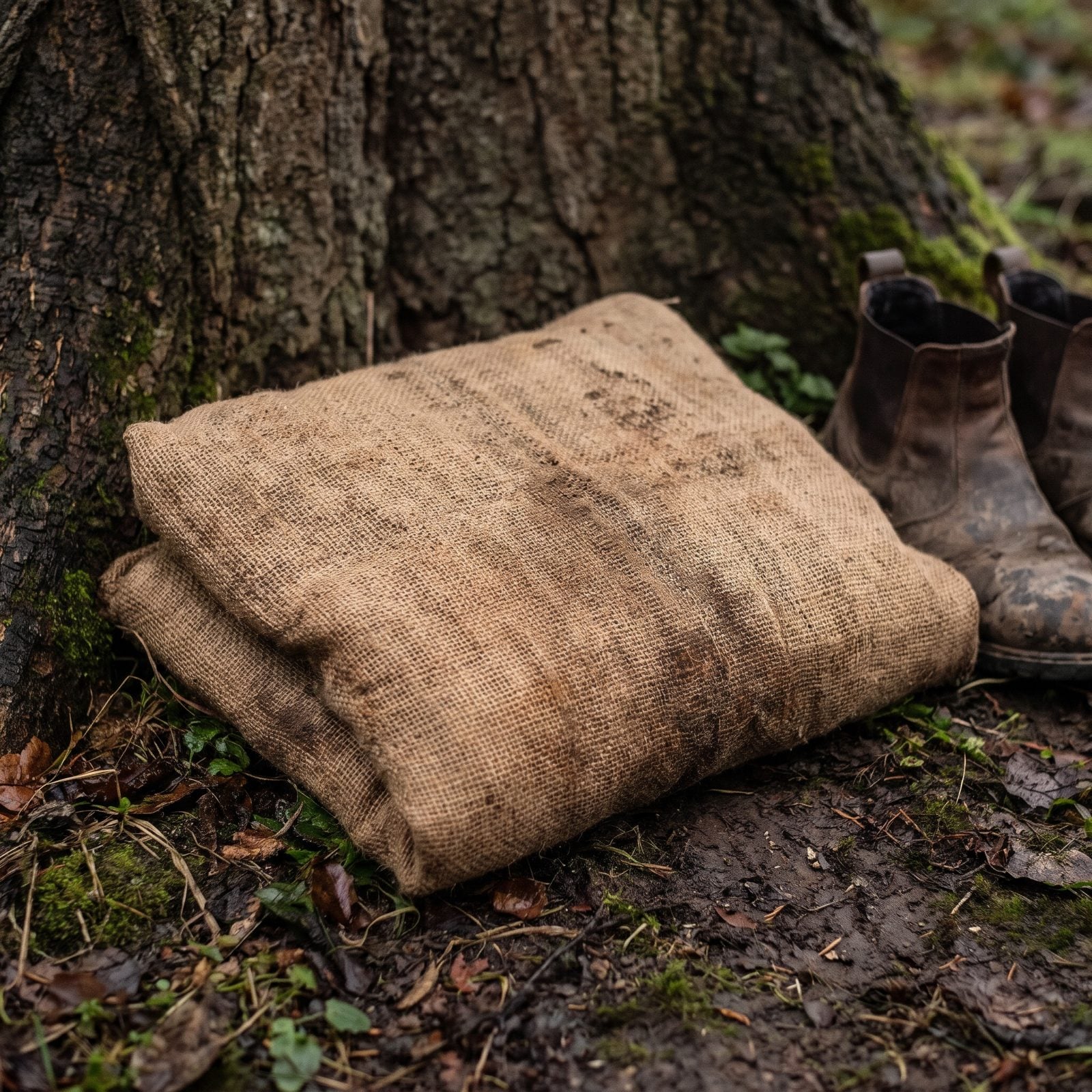
Cold wet ground drains the heat out of you by mid-morning, and that’s exactly when you start fidgeting — and fidgeting is what gets you caught. An old burlap feed sack stuffed loose with dry leaves fixes it for nothing.
It insulates your backside, it never squeaks or crinkles like a foam pad or a nylon cushion, and when it’s empty it folds into a jacket pocket. Stuff it fresh at the stand so your leaves are dry. Stay warm, stay still, stay in the woods an hour longer. That hour is usually the one that matters.
14. Wrap a Wool Sock Around a Noisy Thermos
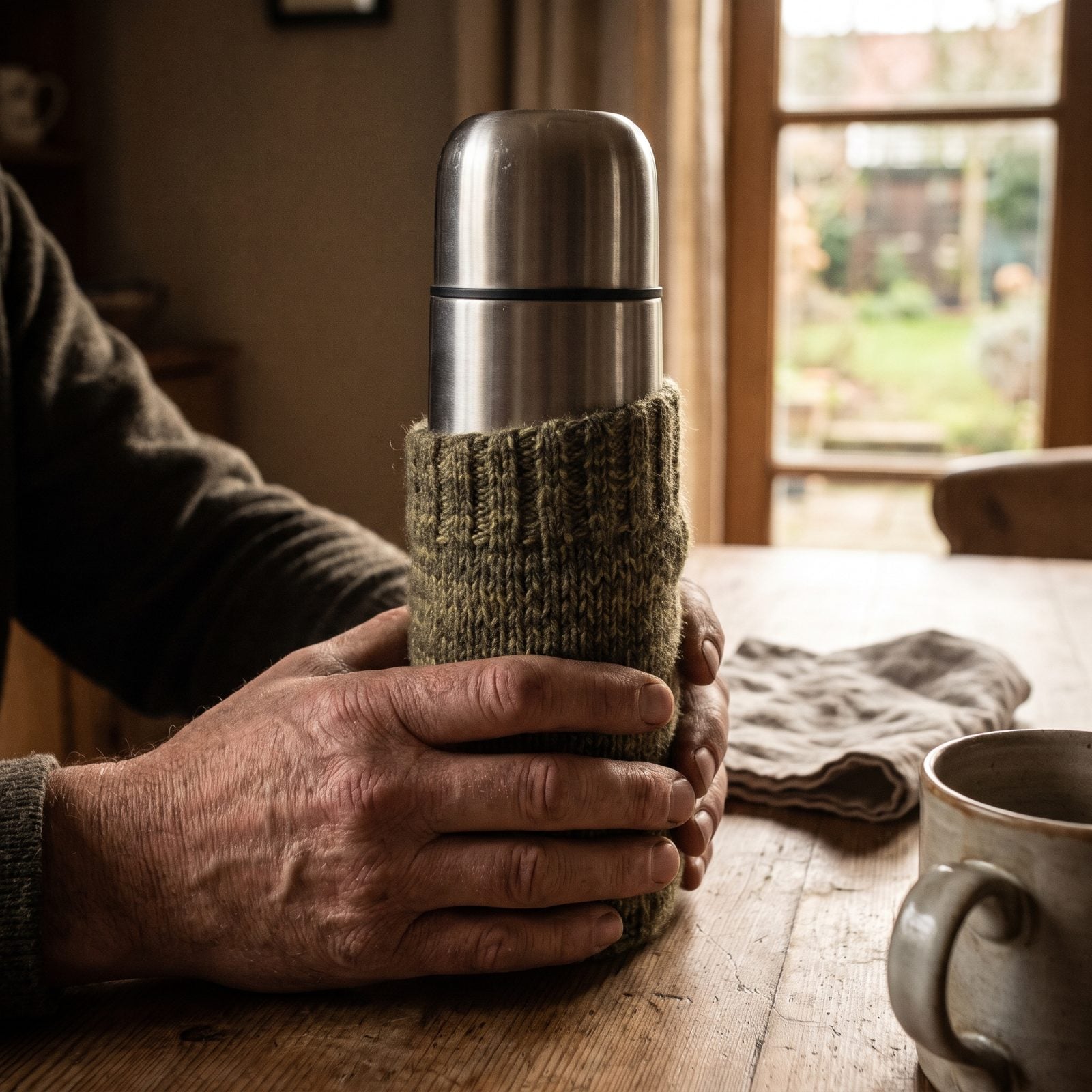
Metal on metal travels in cold still air. The clink of a thermos cup, the knock of it against your buckle, the squeak of the lid — every one of those carries farther than you’d ever guess at first light.
Pull a thick wool sock over the thermos body. It muffles the clinks, keeps your coffee hot longer, and gives you a grip that won’t slip in a cold glove. Costs you one sock out of a pair you already lost the match to.
13. Slip Bread Bags Between Your Sock Layers in Wet Weather
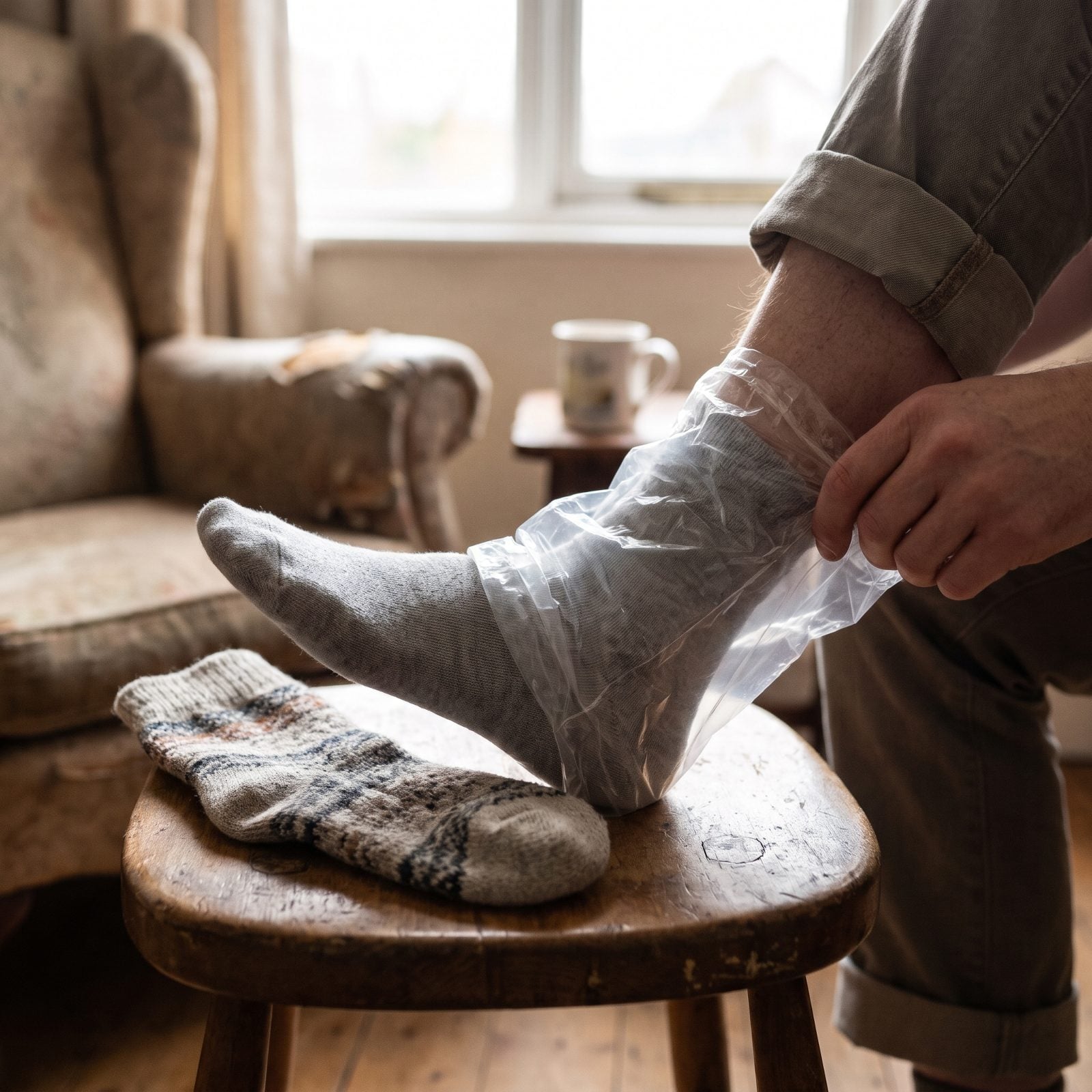
This one sounds like a joke until your feet are soaked at ten in the morning with four hours of sit left. A thin plastic bread bag pulled over a heavy wool sock is a cheap moisture barrier. Water seeping through your boots has nowhere to go, and your wool sock stays dry instead of turning into a cold wet sponge against your skin.
It’s not comfortable in a luxurious way. It’s comfortable in a “my toes still work at noon” way. Works best in genuinely cold, wet sits. Skip it on warmer days or your feet turn clammy fast.
12. Rub Beeswax Along a Stubborn Zipper Before Dawn
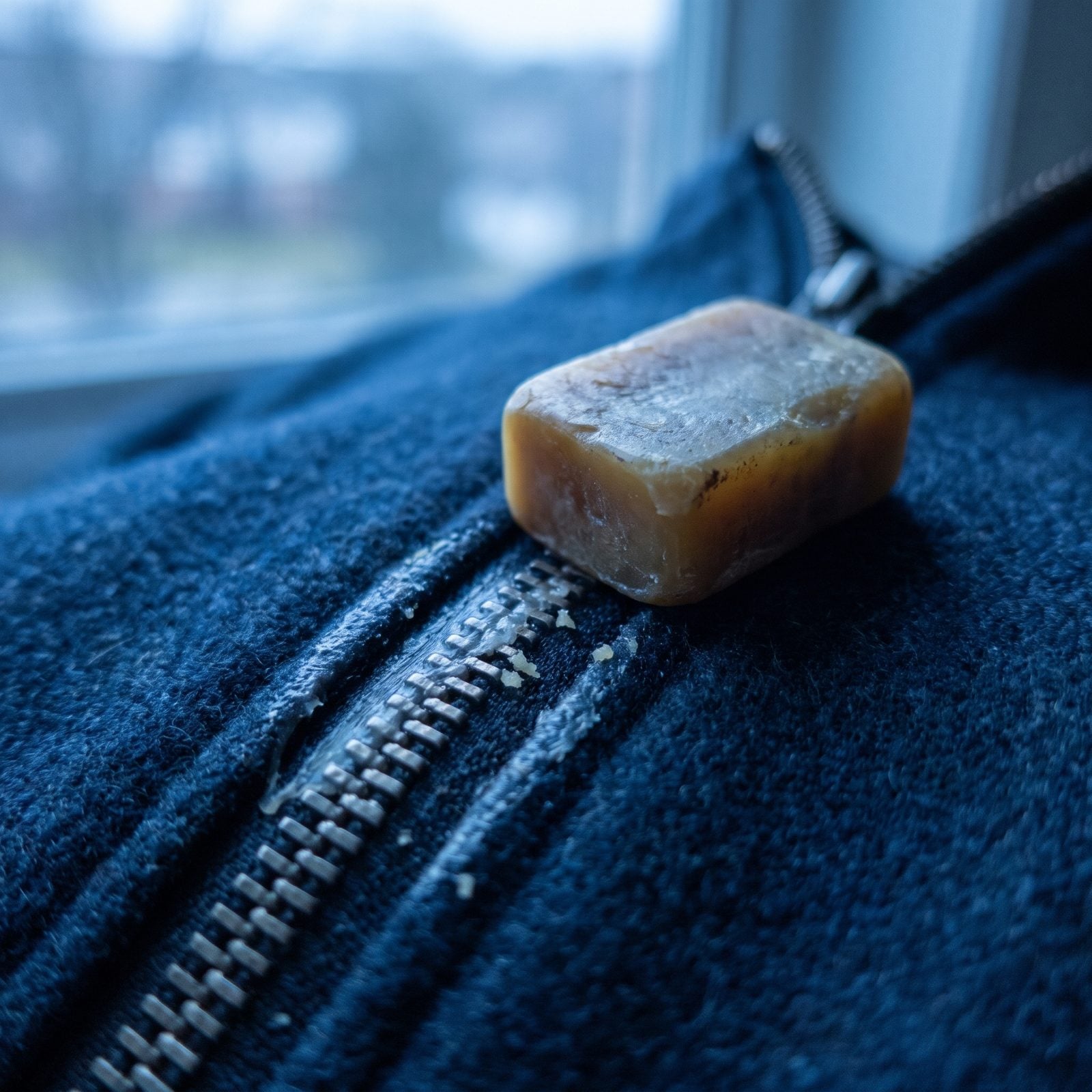
A zipper that screeches when you open it at first light has blown more deer than most folks admit. Cold stiffens the fabric, grit works into the teeth, and that long metallic zzzt carries clear across a quiet woodlot.
Run a little beeswax up and down the closed teeth, work the slider a few times, wipe the excess. Now it glides dead silent, and the wax sheds moisture besides. Candle stubs work in a pinch. Do it at home the night before, not with numb fingers in the dark.
11. Cover Your Flashlight Lens With Red Cellophane
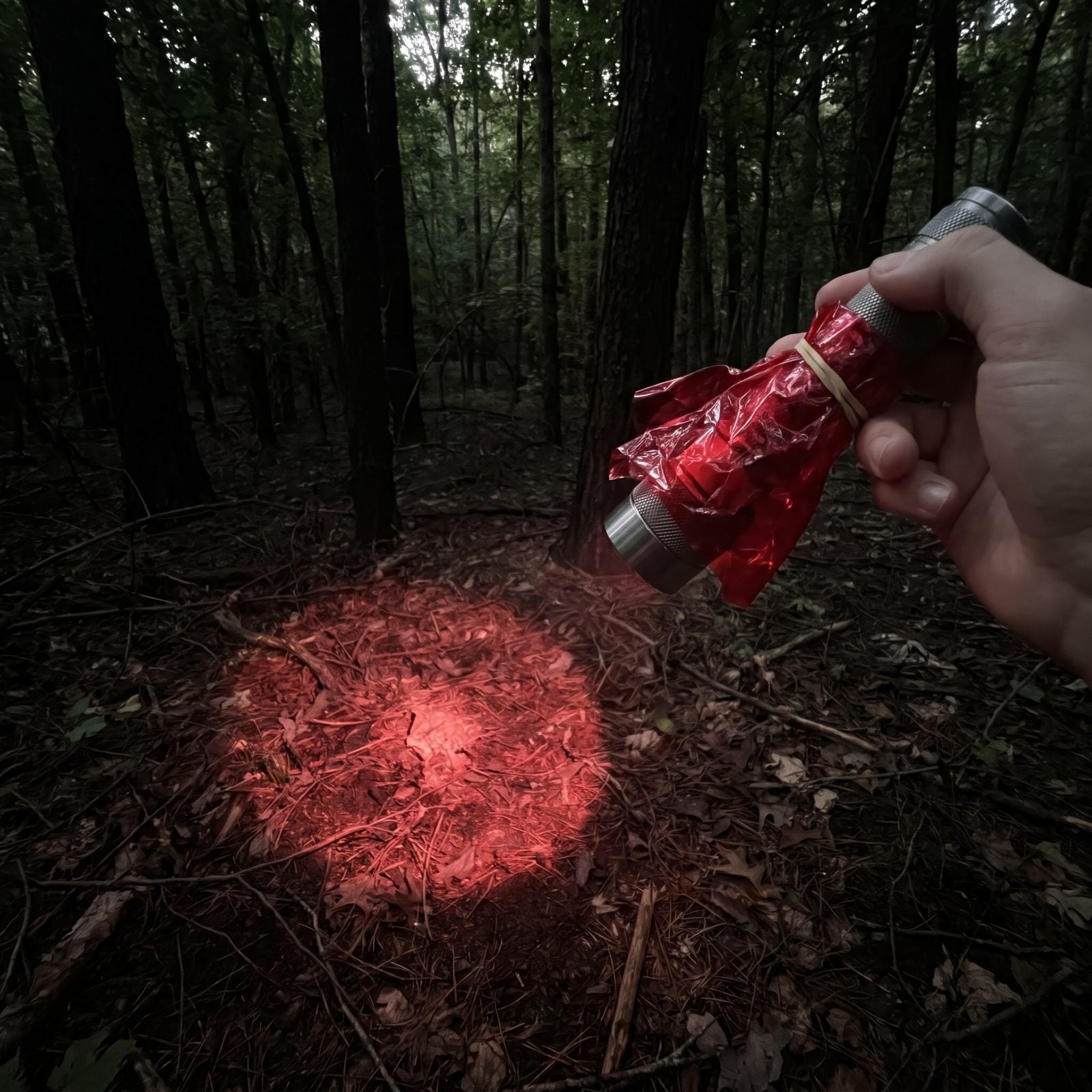
White light destroys your night vision and announces you to every deer within sight of the tree line. Red light does neither. Tape or rubber-band a piece of red cellophane around the barrel and you get just enough glow to find your stand, screw in a step, or pin a blood trail without blowing the morning.
Your eyes stay dark-adapted, so when the real light comes up you can actually see. Rig and test it in daylight first: even with sun filtering through the canopy, a covered beam still throws a clear red spot on the forest floor, so you know it’ll be plenty before dawn. Sure, a headlamp with a red setting does the same job. But a scrap of cellophane and an old flashlight cost nothing and never die on you mid-walk.
10. Smoke Your Hunting Clothes Lightly Over a Hardwood Fire
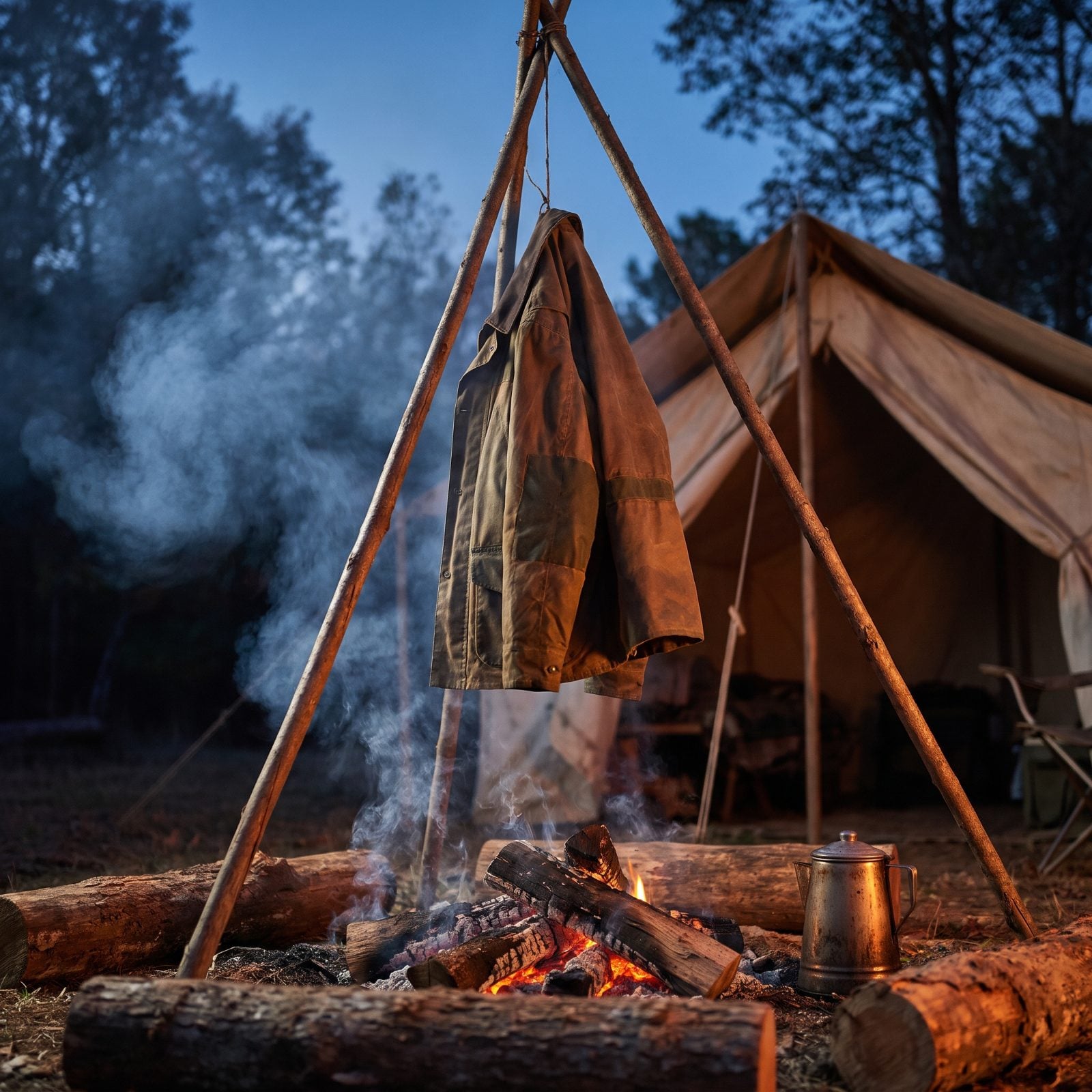
Old deer camps swore by this, and there’s sense in it. A deer’s nose reads human scent as alarm. Oak, hickory, or applewood smoke is a smell the woods already carry, so lightly smoking your outer wool knocks down the sterile soap-and-detergent odor that screams “person” to a cautious doe.
Hang the clothes from a pole tripod well above a small hardwood fire, let the thin smoke curl up around them, and keep them high enough that they don’t roast. You want a faint whisper, not a campfire bomb. And it’s no substitute for playing the wind, which beats every scent trick ever invented.
9. Still-Hunt Through Damp Leaves Right After a Steady Rain
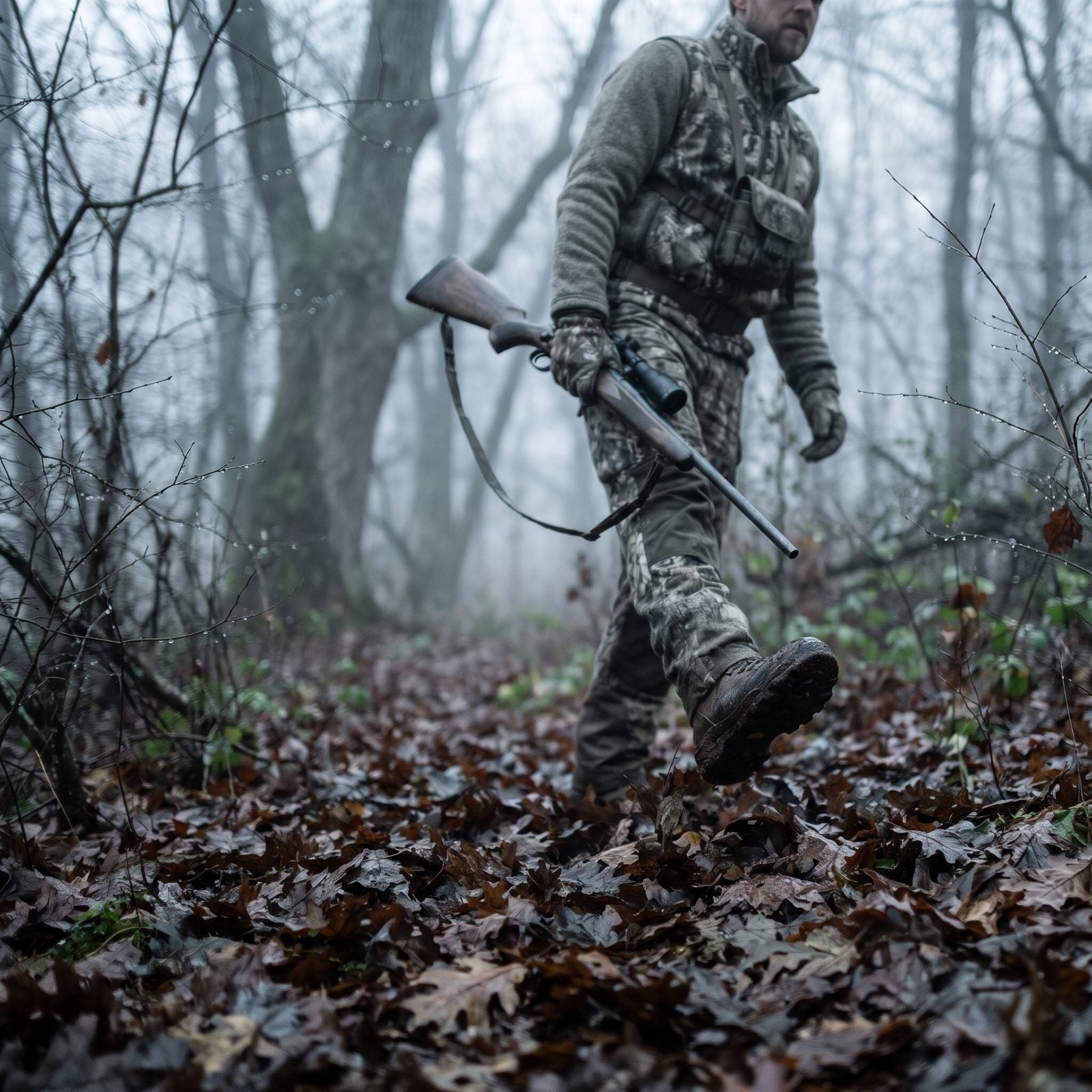
Crunchy dry leaves make a ghost of every sneak. The woods go quiet after a soaking rain, and that silence is a gift.
Wet leaves let you ease forward a few steps at a time, stop, look, and read the woods without broadcasting every footfall. Move slower than feels natural. The deer are up and about too once weather clears, feeding and freshening sign, and a patient still-hunter in soft leaves can close distance that would be flat impossible on a dry, brittle afternoon. Three steps and a long pause beats steady walking every time.
8. Walk With an Irregular Woodland Cadence, Not a Human March
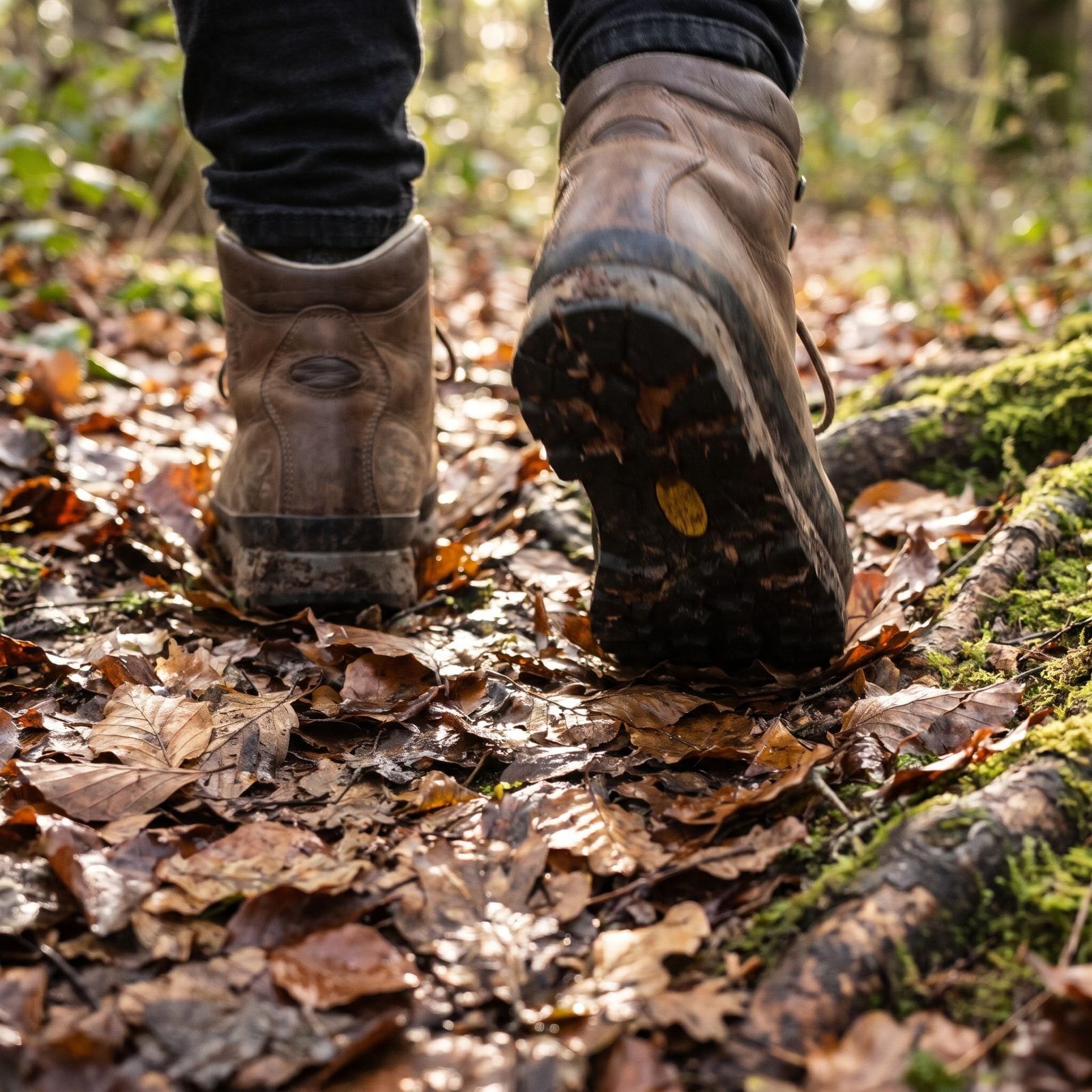
Deer know the sound of a man walking. Step, step, step, step, that steady even rhythm is a predator’s gait, and whitetails have heard it their whole lives.
Squirrels, turkeys, and feeding deer move in starts and stops. Two steps, pause. One step, pause. A shuffle, then a long stillness. Break your rhythm into something uneven and the woods stop reading you as a threat walking through. It feels silly and it slows you down. It also keeps deer bedded a lot longer than they’d otherwise stay.
7. Tie a White Feather to a Legal Decoy for Subtle Motion
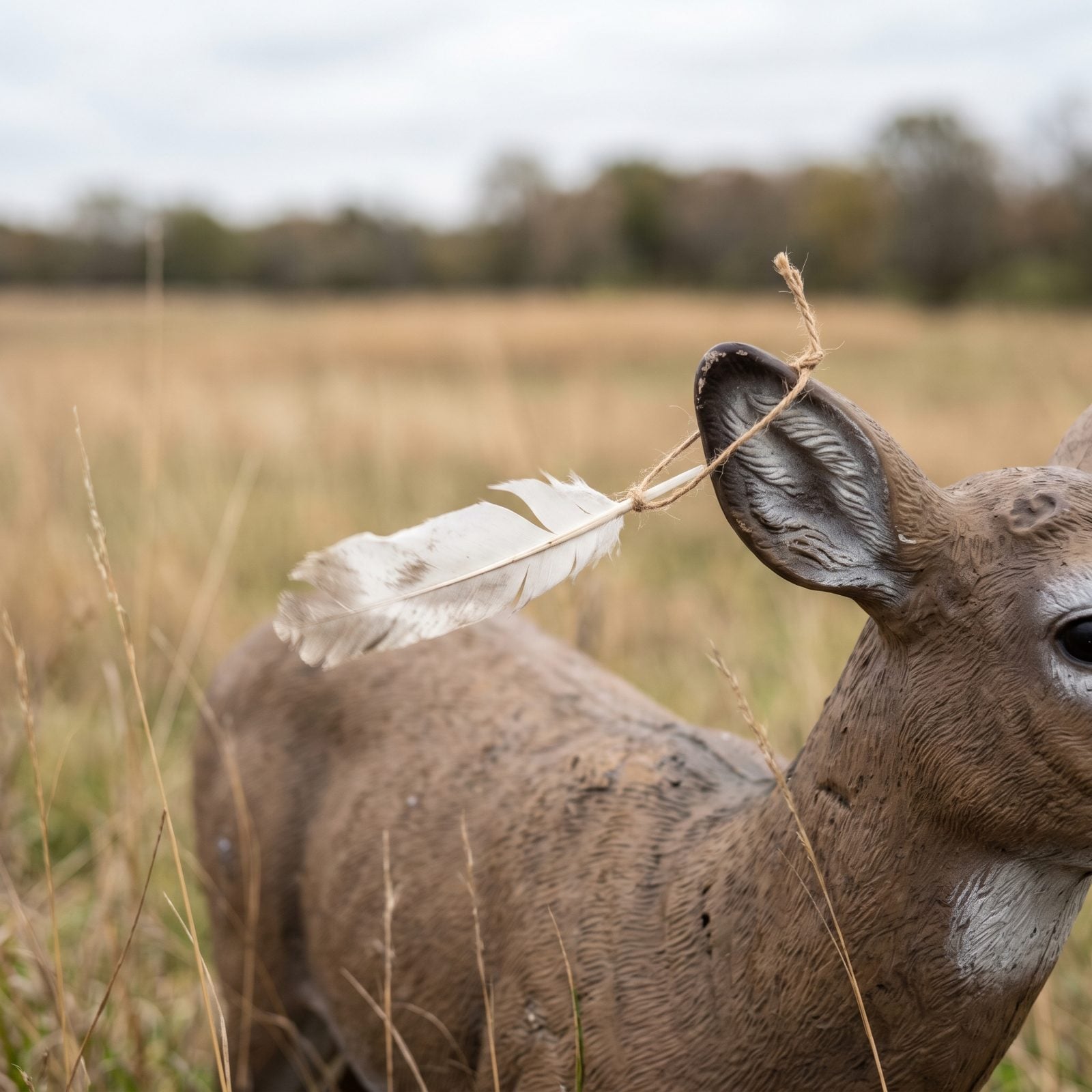
A decoy that never moves looks exactly like what it is, a hunk of plastic standing dead still in a breeze. The tiniest flicker of motion is what sells it.
A white feather tied to the ear or tail with light thread catches every stray puff of wind and twitches like a real deer flicking at flies. That little movement reads as a relaxed, feeding animal to a wary buck circling from a distance. Keep it subtle. A whole wind sock looks wrong.
6. Aim Soft Grunts Down Toward the Ground
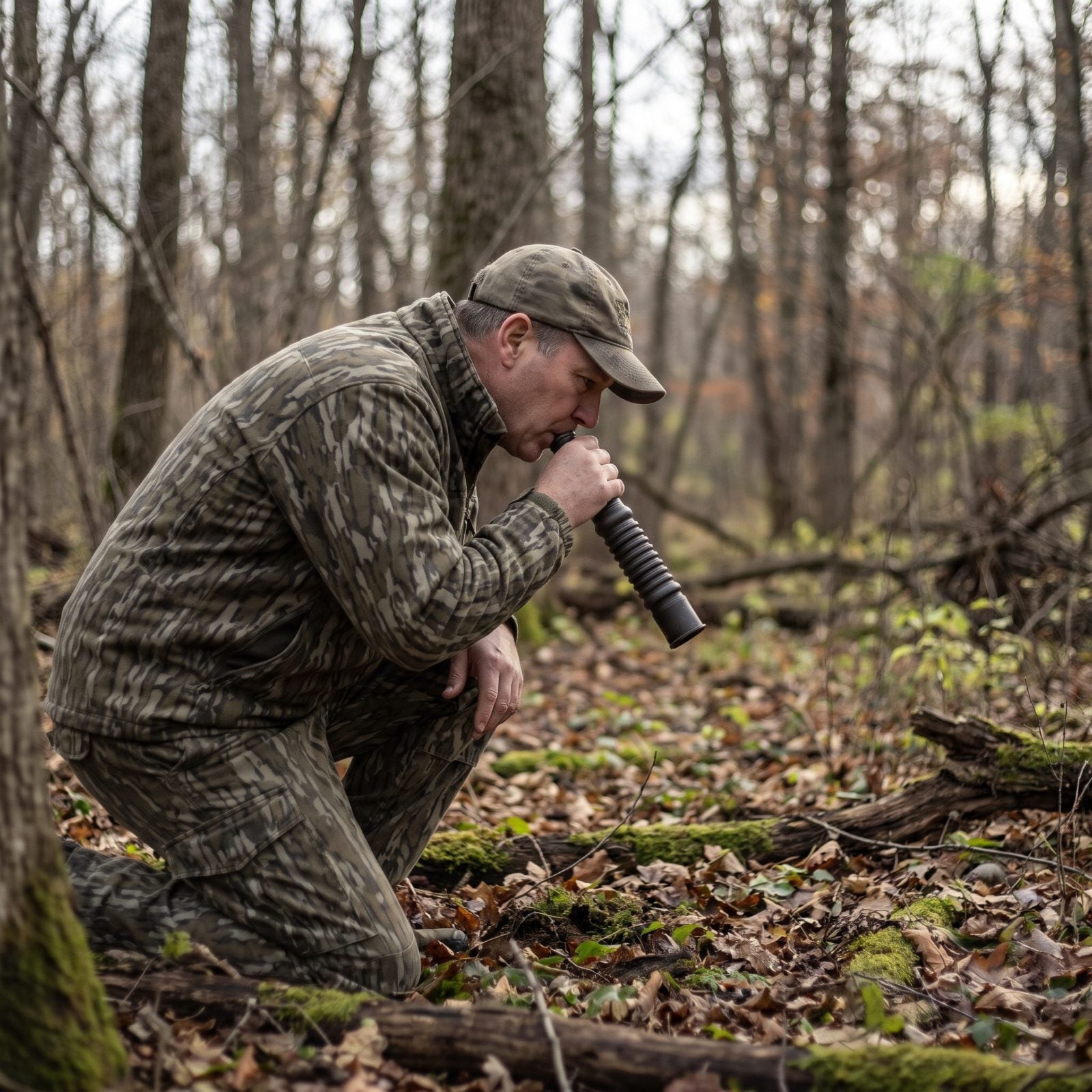
Most hunters call too loud and point the grunt tube straight out like a megaphone. Real deer don’t talk that way.
Soft grunts aimed down toward the leaves sound closer, lower, and more natural, like an unbothered deer muttering to itself a short way off. Point the call at the ground and it muffles the tone, so a buck hears a calm deer nearby instead of some loud mystery across the ridge. Fewer, quieter grunts pull curious bucks in slow. Blast away and you send them the other direction.
5. Rake Antlers Gently Along a Flexible Sapling
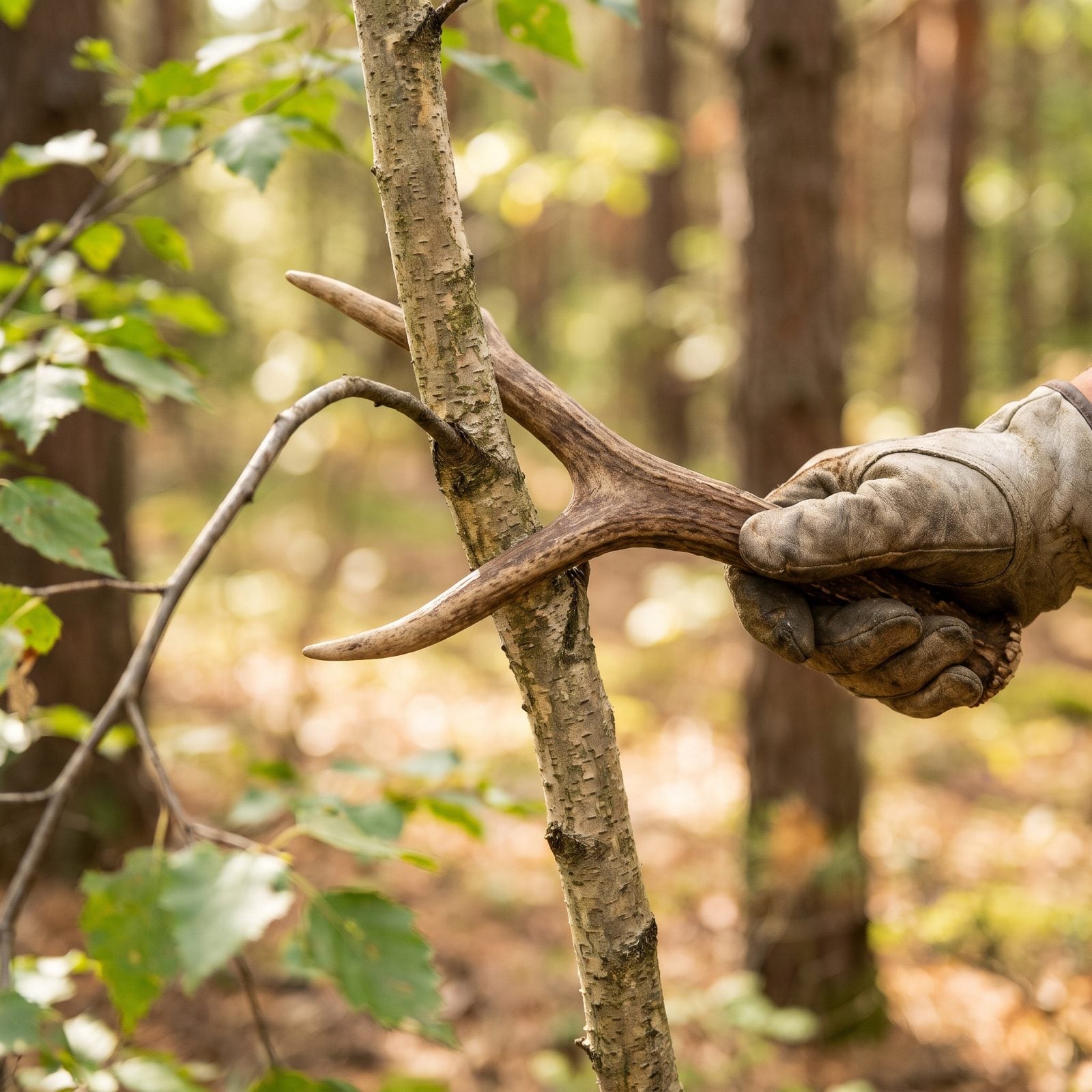
Everybody thinks rattling means slamming two antlers together like a car wreck. But during the pre-rut, a lot of what deer actually hear is a buck idly working his rack on brush and small trees, not a full-blown brawl.
Drag and rake one antler slow and light along a springy sapling. The soft tick and rustle mimics a buck just messing with branches, a sound that draws curious deer without the alarm a loud crash can trigger early on. Save the hard rattling for peak rut, when bucks are genuinely fighting. Match the volume to the calendar.
As one veteran deer hunter puts it, “I strive to duplicate what is happening with local bucks. During early pre-rut, I spend time rubbing my rattling horns against trees and bushes.”
4. Scratch Dry Leaves With a Stick to Mimic a Feeding Deer
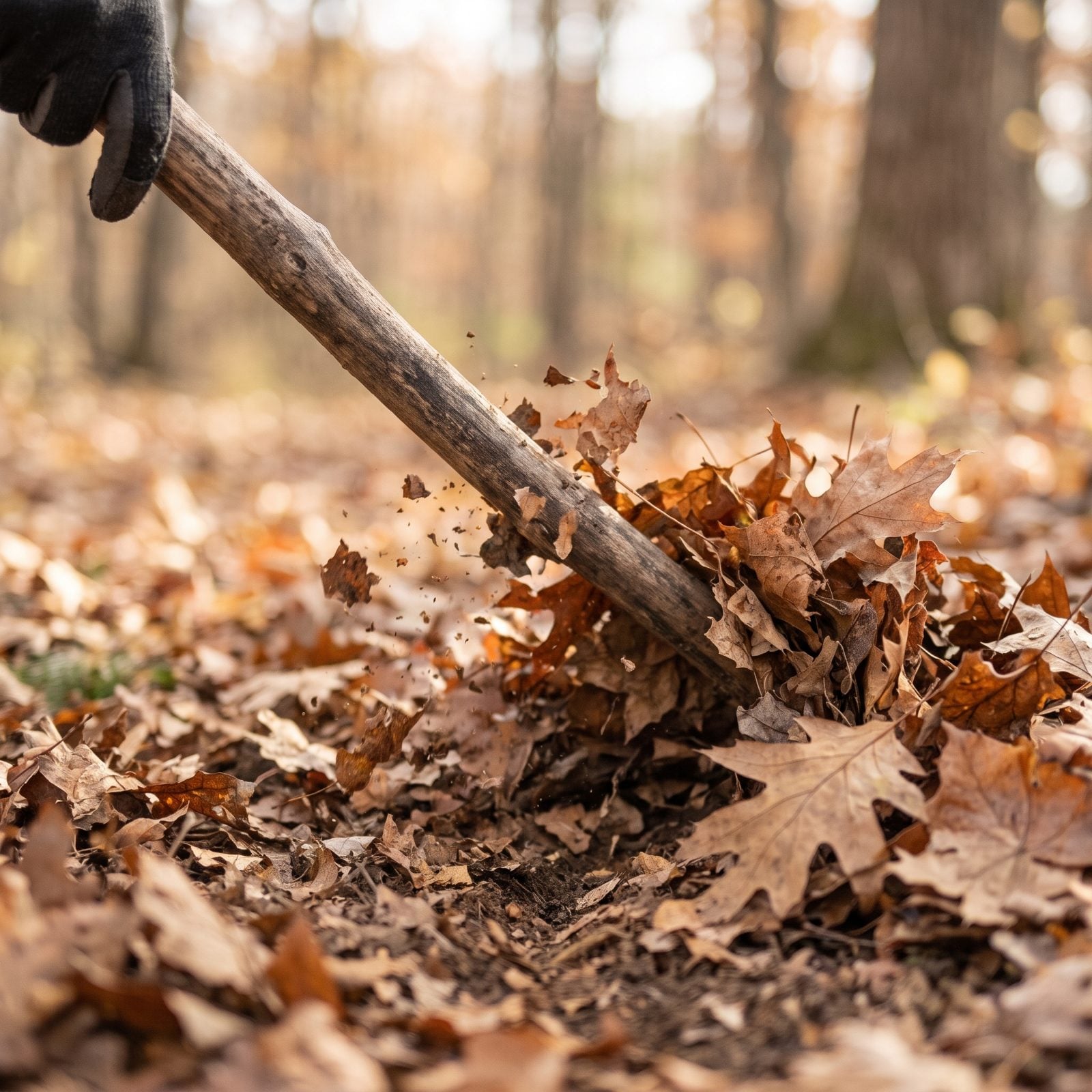
A deer feeding through the timber isn’t silent. It shuffles, paws at leaves to get at acorns, takes a few steps, and stops. Everything in the woods knows that sound, and it doesn’t alarm anything. A short stick dragged and flicked through dry leaves imitates it better than most people expect.
Use it two ways. On a still-hunt, a few soft scratches after you’ve misstepped on a crunchy patch can make the noise sound like a deer instead of a person. From a stand, a little leaf scratching between grunts or rattling sequences adds the background a real deer would make, and it can pull a curious buck the last few yards. Keep it irregular: scratch, pause, a step or two, then nothing for a while. Steady raking sounds like a squirrel with a grudge or a hunter with a stick.
3. Watch the Downwind Edge of a Scrape, Not the Scrape Itself
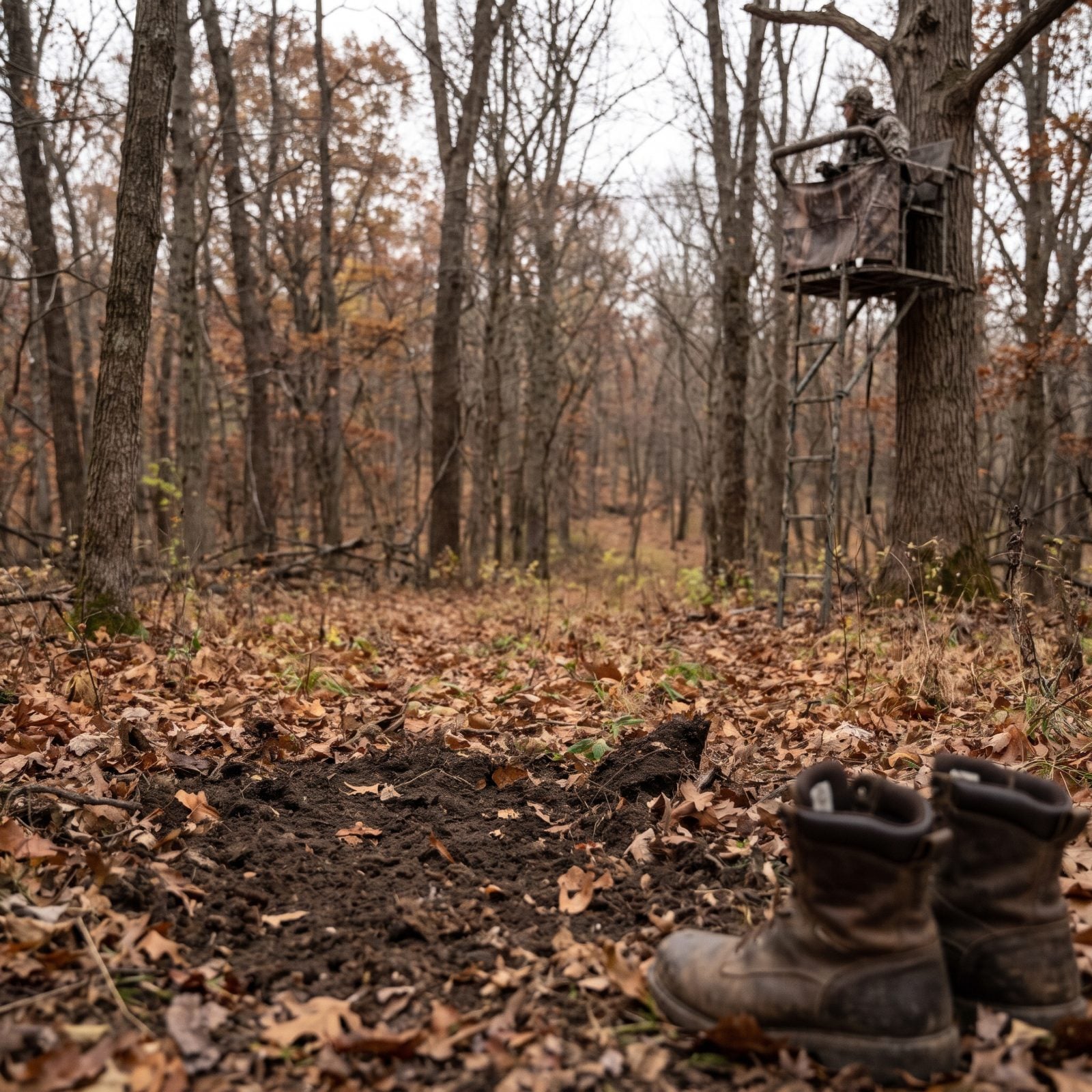
Plenty of hunters hang a stand right over a fresh scrape and wait for a buck to walk up and work it. Sometimes he does, mostly after dark. In daylight, a lot of bucks never touch the scrape at all. They swing past on the downwind side and let their nose do the checking from cover.
So look past the pawed dirt and find the trail or edge that runs downwind of it, often within bow range or a bit beyond. That’s the line a cruising buck uses to scent-check without exposing himself. Set up where you can cover that downwind path while your own scent drifts away from both it and the scrape. It takes more thought about wind than sitting on the scrape does, but it puts you where the buck actually walks.
As one whitetail hunting writer puts it, “Most bucks scent-check scrapes from downwind during daylight without stepping into the scrape.”
2. Carry Wooden Clothespins to Mark a Careful Tracking Line
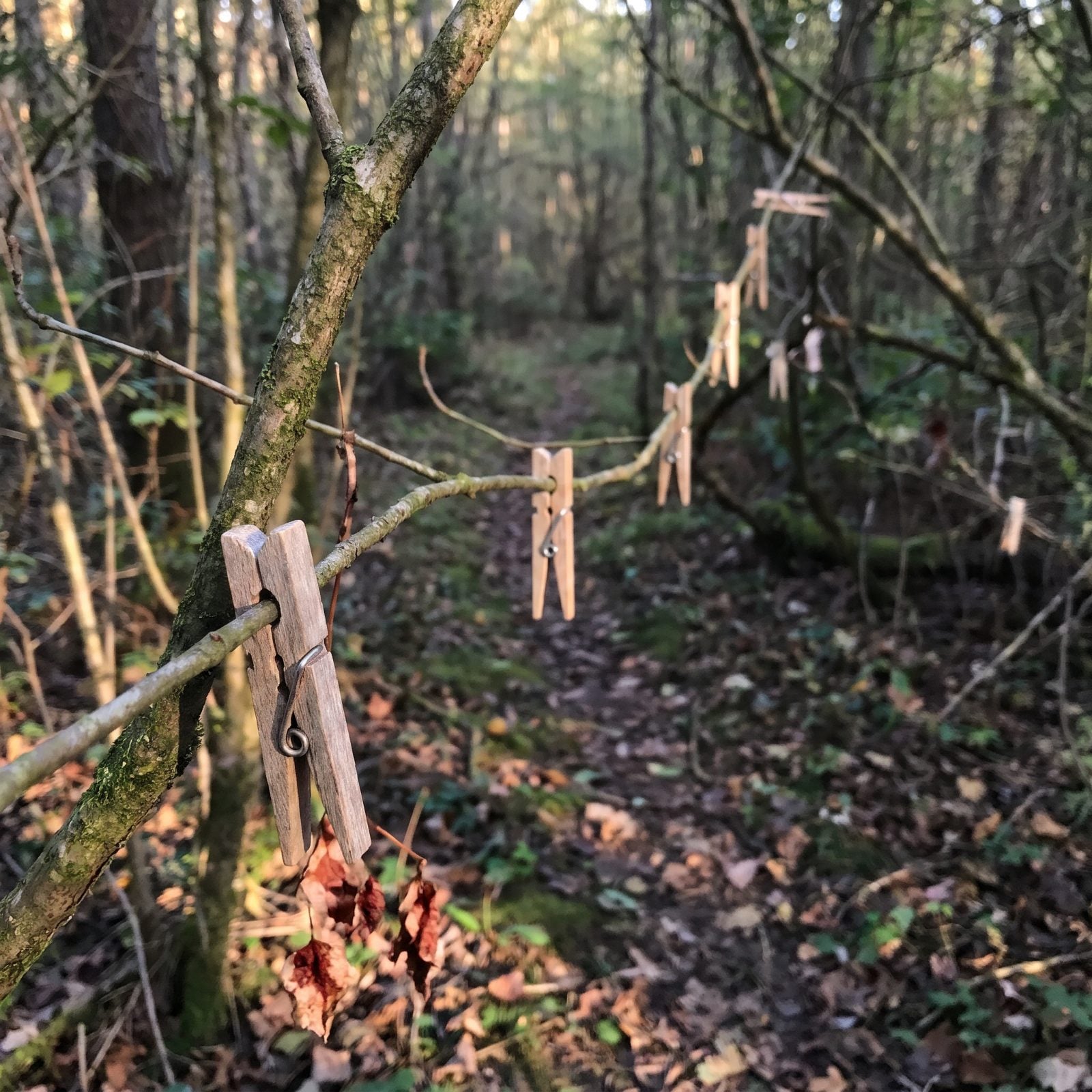
When the blood trail thins out to a drop here and a speck there, the worst thing you can do is lose your last good sign. A pocketful of wooden clothespins solves that. Clip one to a twig or branch at every spot of blood you find, and the trail stays marked behind you.
The real value shows up when you look back. A line of clothespins shows the direction the deer was traveling, so when the sign runs out you can extend that line and search the most likely ground first instead of wandering in circles. Unlike tissue or flagging tape, they don’t blow away in the wind or turn to mush in the rain, and you can pick them all up on the way out and use them again next season.
1. Follow the Direction a Whole Herd of Cattle Is Staring
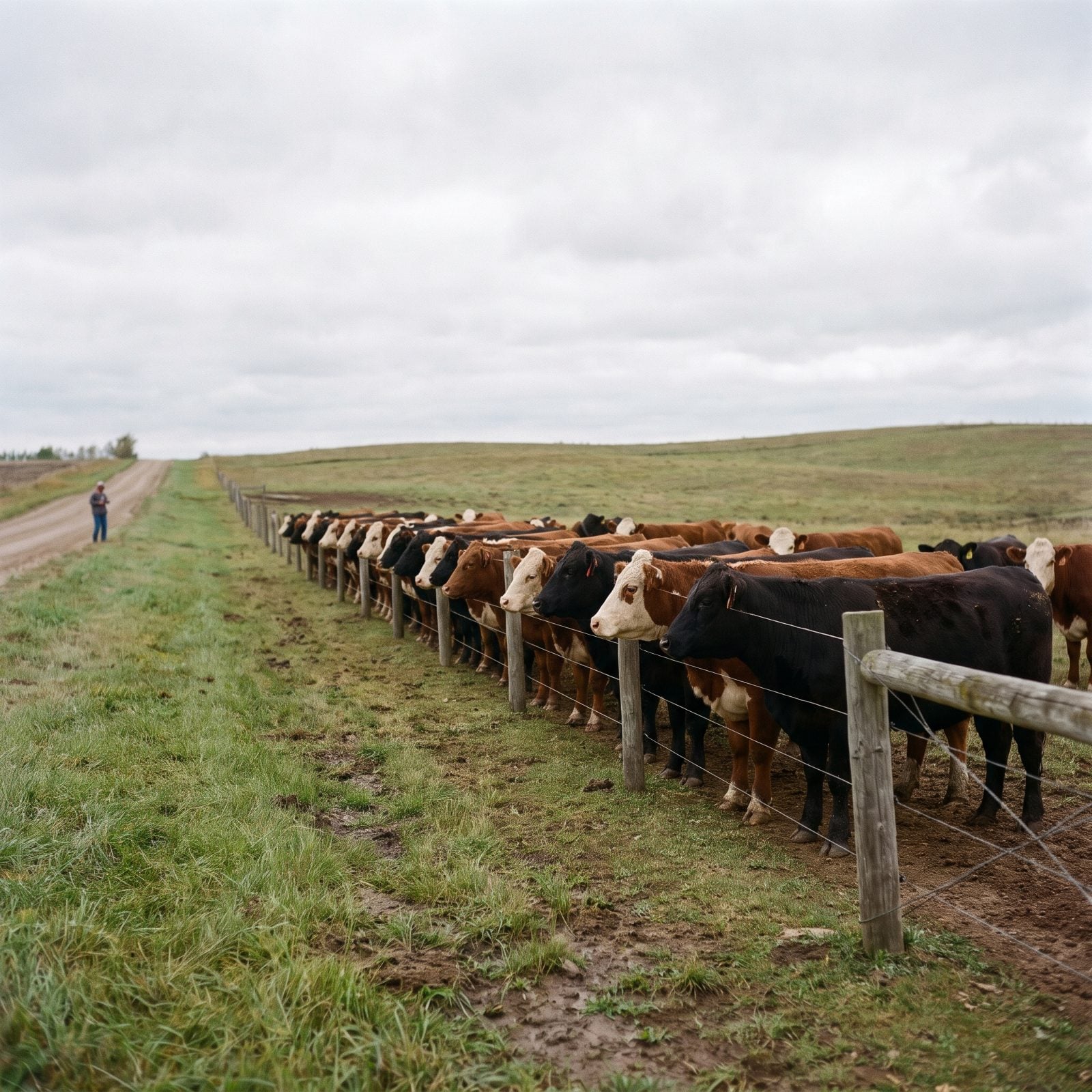
Cows are about the nosiest animals on any farm. When something moves along the pasture edge, whether a deer, a coyote, or a person, a whole herd will often stop chewing and turn to look at it. A line of heads all pointed one way is as good as a sign that something just showed up there.
If you hunt land that borders cattle pasture, keep glancing at the herd. When they all lock onto the same corner of the woods, glass that spot hard. You’ll catch deer slipping along fence lines and timber edges you’d have missed on your own. Just remember the obvious: get permission from whoever owns the cattle, know exactly where every animal is, and never take a shot with livestock anywhere in line with or beyond your target.