
Somebody at a boat ramp will tell you fish forget everything in three seconds. The guy next to him swears a full moon fills the livewell. Both of them have been fishing longer than you’ve been alive, and both of them are wrong. Fish lore gets passed down like a worn-out jig, repeated so often nobody checks whether it still holds. Biologists have checked, and underwater cameras have checked. The hard data keeps bumping into the campfire wisdom and winning. What follows are the beliefs that refuse to die, and what actually happens below the surface when you’re not looking.
Please note that some of the images in this article were created with the assistance of AI.
43. Fish Have Only a Three-Second Memory
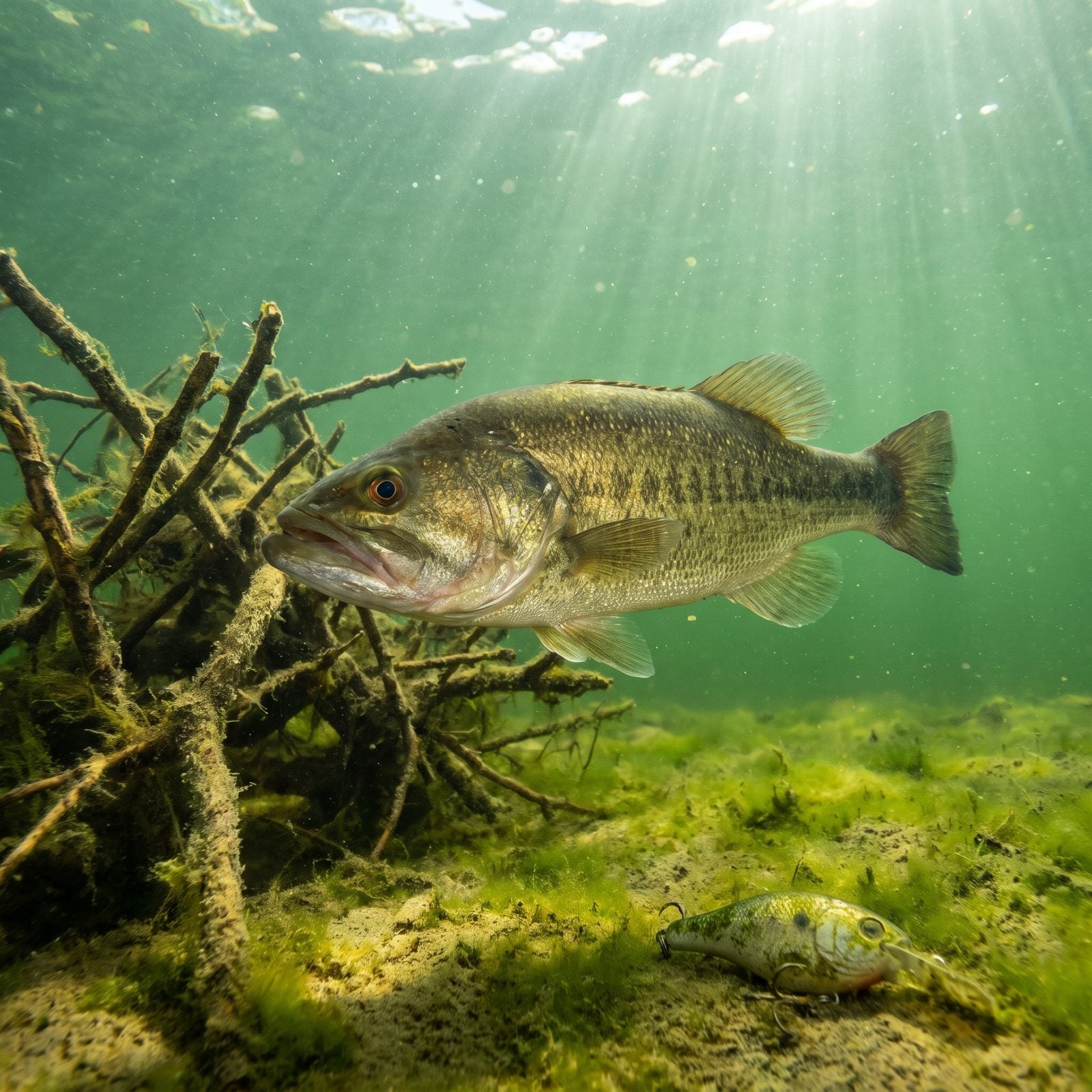
This one’s almost comforting, isn’t it? Release the fish, assume it forgets the whole ordeal by the time your bait hits the water again. Not even close. Studies on carp and bass show they remember and avoid specific lures for months, sometimes close to a year. A pressured fish in a popular lake gets harder to fool as the season wears on, which is why your confidence bait quits on you by August.
They learn the shape, the color, the vibration. Then they file it away and hold a grudge.
42. Fish Grow Only as Large as Their Container
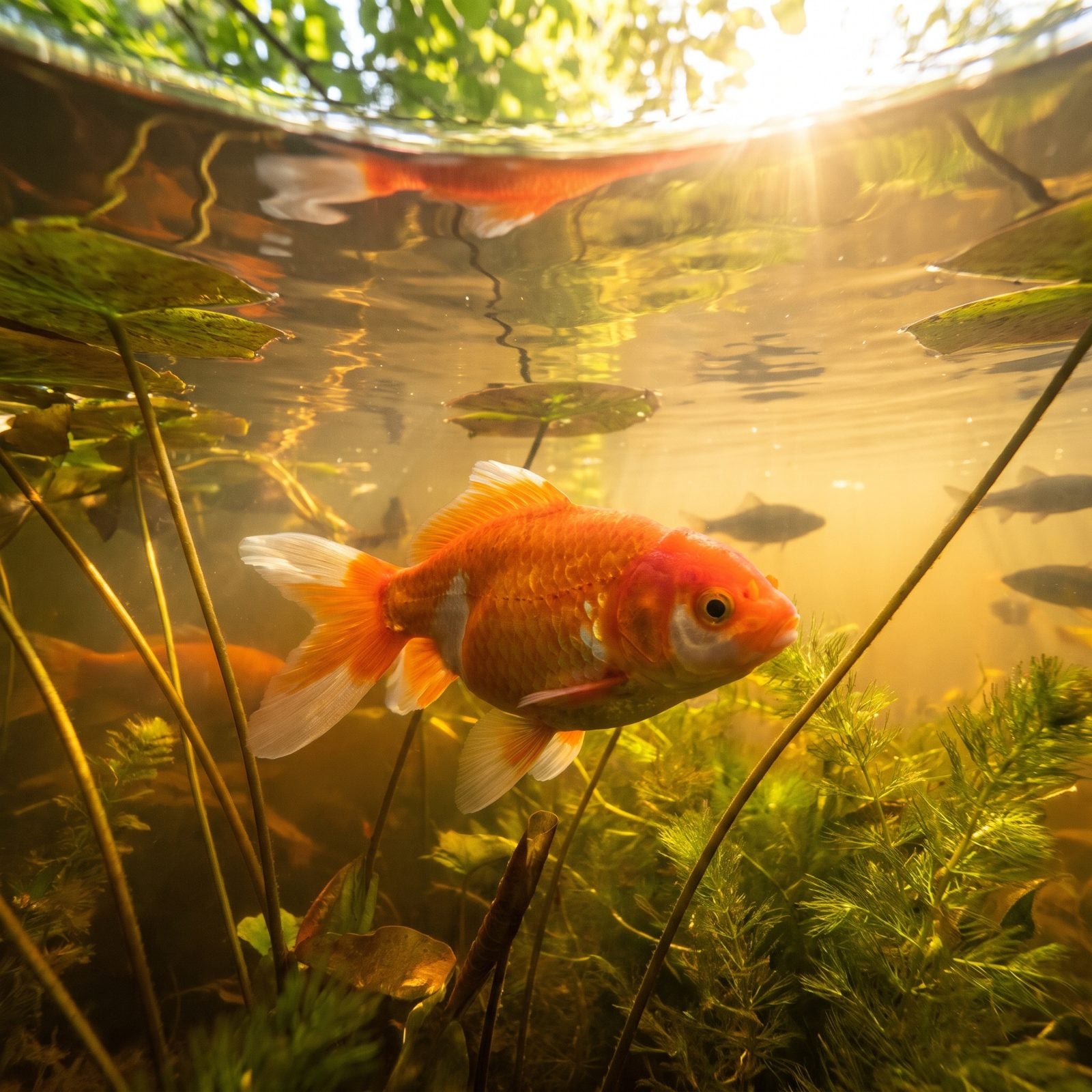
The betta bowl built this myth. People watch a goldfish stay tiny and conclude the tank politely tells it when to quit growing. But the container isn’t the cause. Stunting comes from poor water quality, cramped stress hormones, and limited food, not some magic ruler the fish respects.
Take that same bowl goldfish, drop it in a backyard pond, and it’ll surprise you. Pond goldfish regularly hit ten inches or more. The bowl was never a growth setting — it was a slow problem the fish was quietly suffering through.
41. A Catfish’s Whiskers Can Sting You
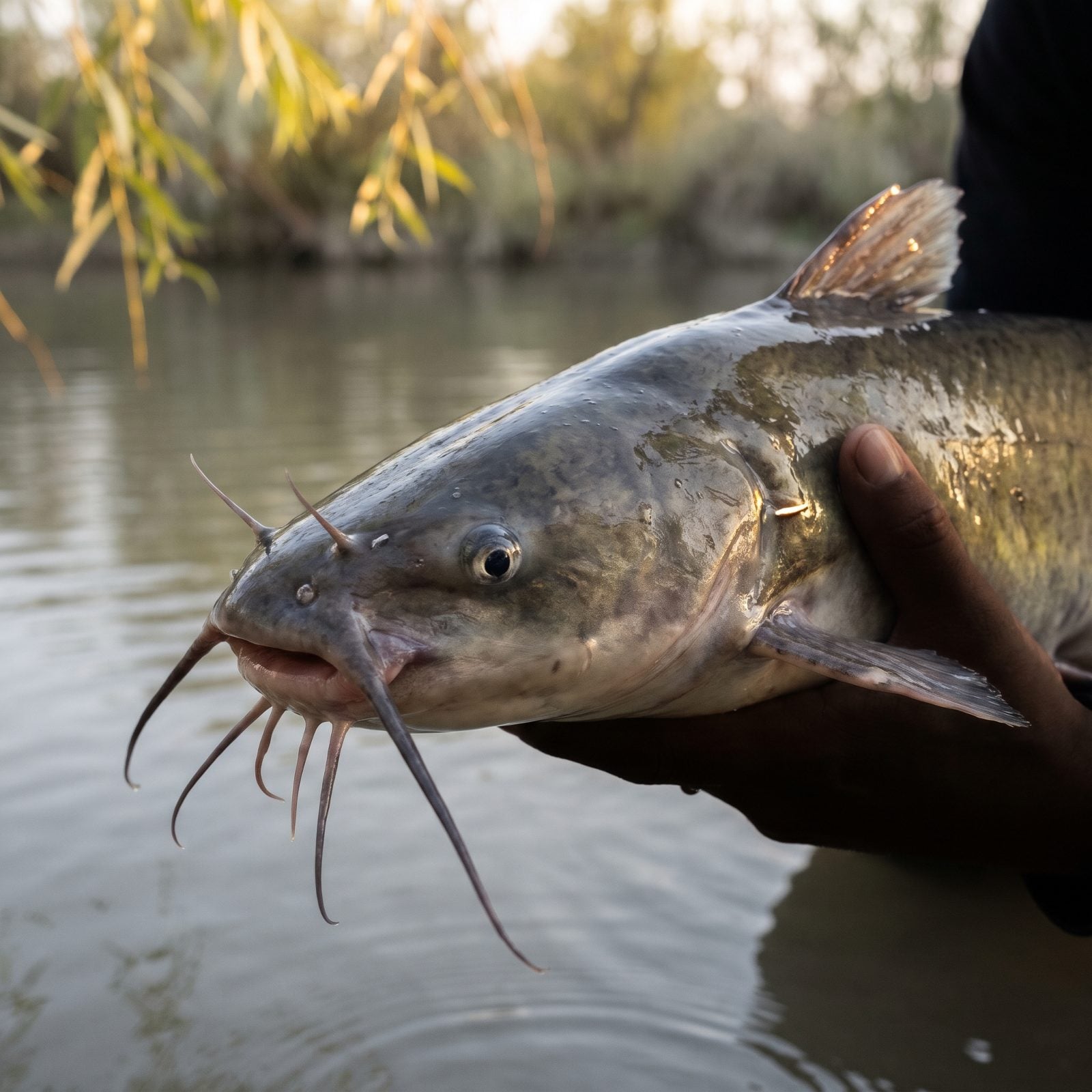
Grab a catfish wrong and you’ll get stuck. Blame the whiskers, though, and you’ve blamed the wrong end entirely. Even the soft barbels around its mouth are just feelers packed with taste buds, not weapons, and the fish uses them to find food in muddy water where its eyes are useless.
The real culprit is the spines. Channel and bullhead cats carry a serrated spine in the dorsal and each pectoral fin, and some species sheathe them in a mild venom that makes the puncture burn and swell.
40. Fish Cannot Hear Anglers or Boats
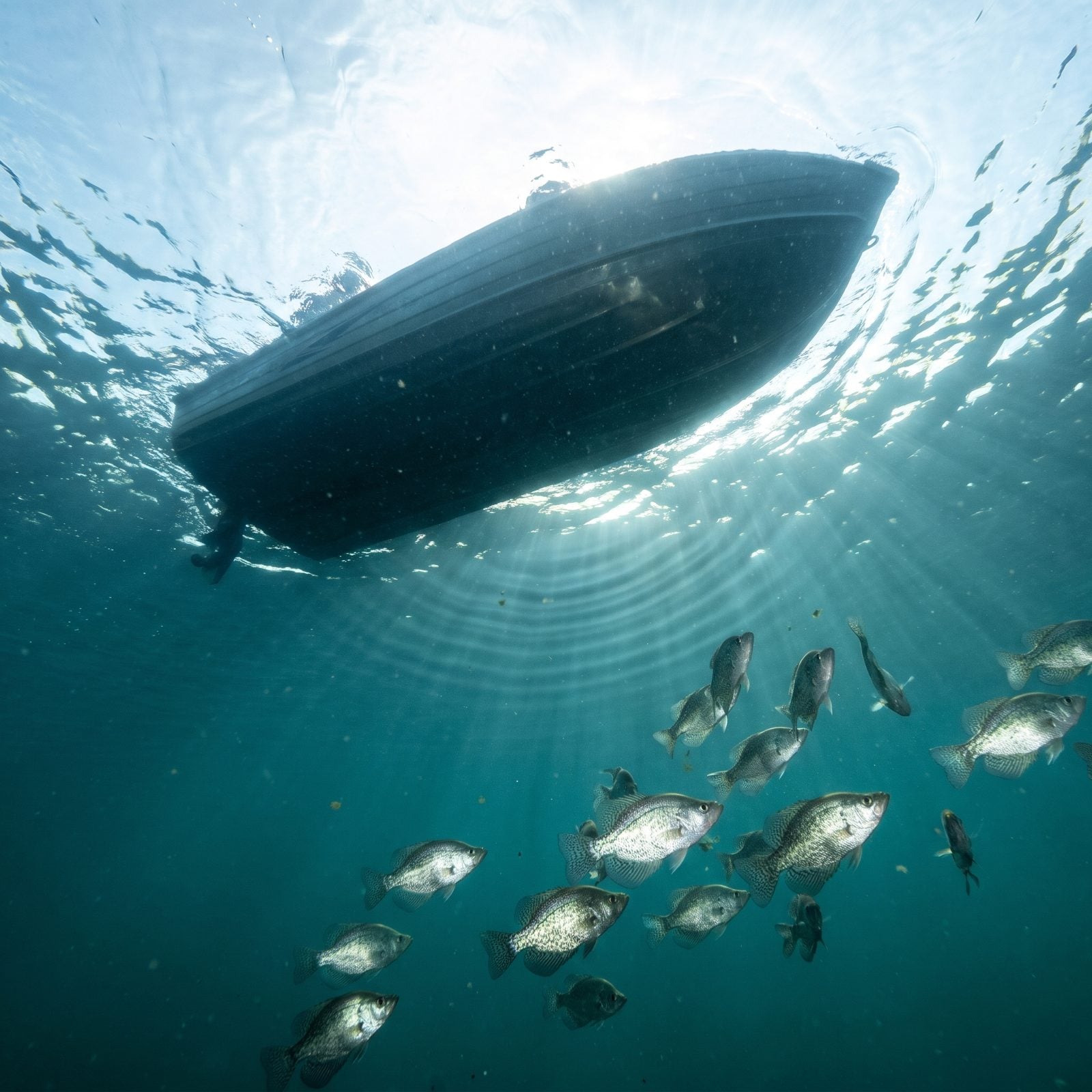
Fish don’t have ears you can see, so the assumption goes they’re deaf to the racket above. Wrong twice over. They hear with inner ears and a lateral line that reads pressure and vibration through the water, and water carries sound better than air does.
Drop a tackle box lid on an aluminum hull and the whole flat knows you’ve arrived. That clang travels farther than you’d ever guess. The careful anglers who kill the trolling motor and quit stomping around the deck aren’t being superstitious — they’ve just figured out the fish heard the loud ones leave empty-handed.
39. Fish See Only in Black and White
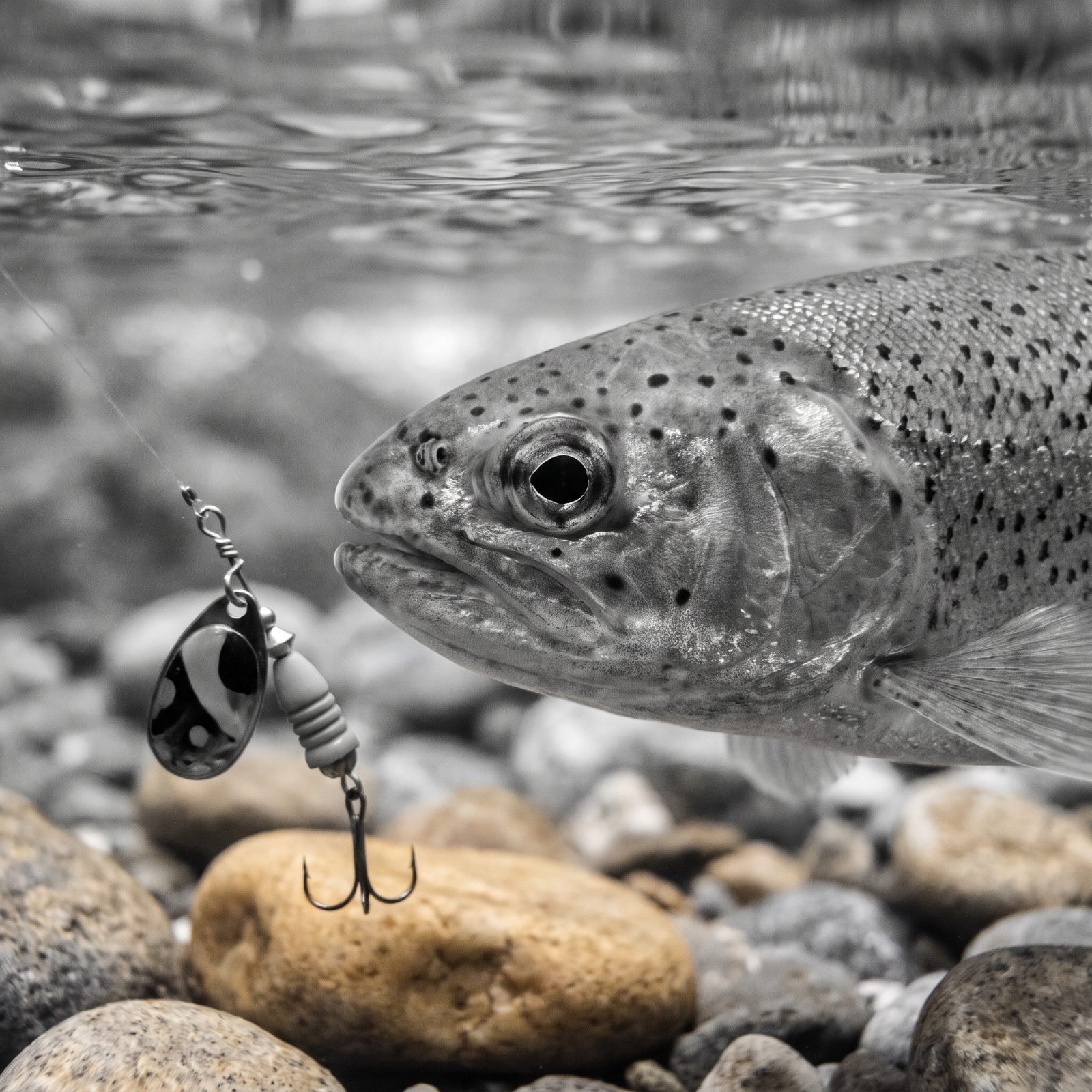
Fish see color better than you’d like to admit. Many freshwater species have cone cells for red, green, and blue, and some see into the ultraviolet range that stays invisible to us entirely.
This isn’t trivia. It’s the whole reason your tackle box holds forty shades of the same crankbait. Color matters because fish notice it, especially in clear water and good light. The myth probably took hold because fish behave differently in murky or deep water where color washes out — a water problem, not an eyeball problem.
The fish isn’t colorblind. It just can’t see your bright red bait once it’s forty feet down, because red’s the first color the water eats.
38. Bass Hibernate Until Spring
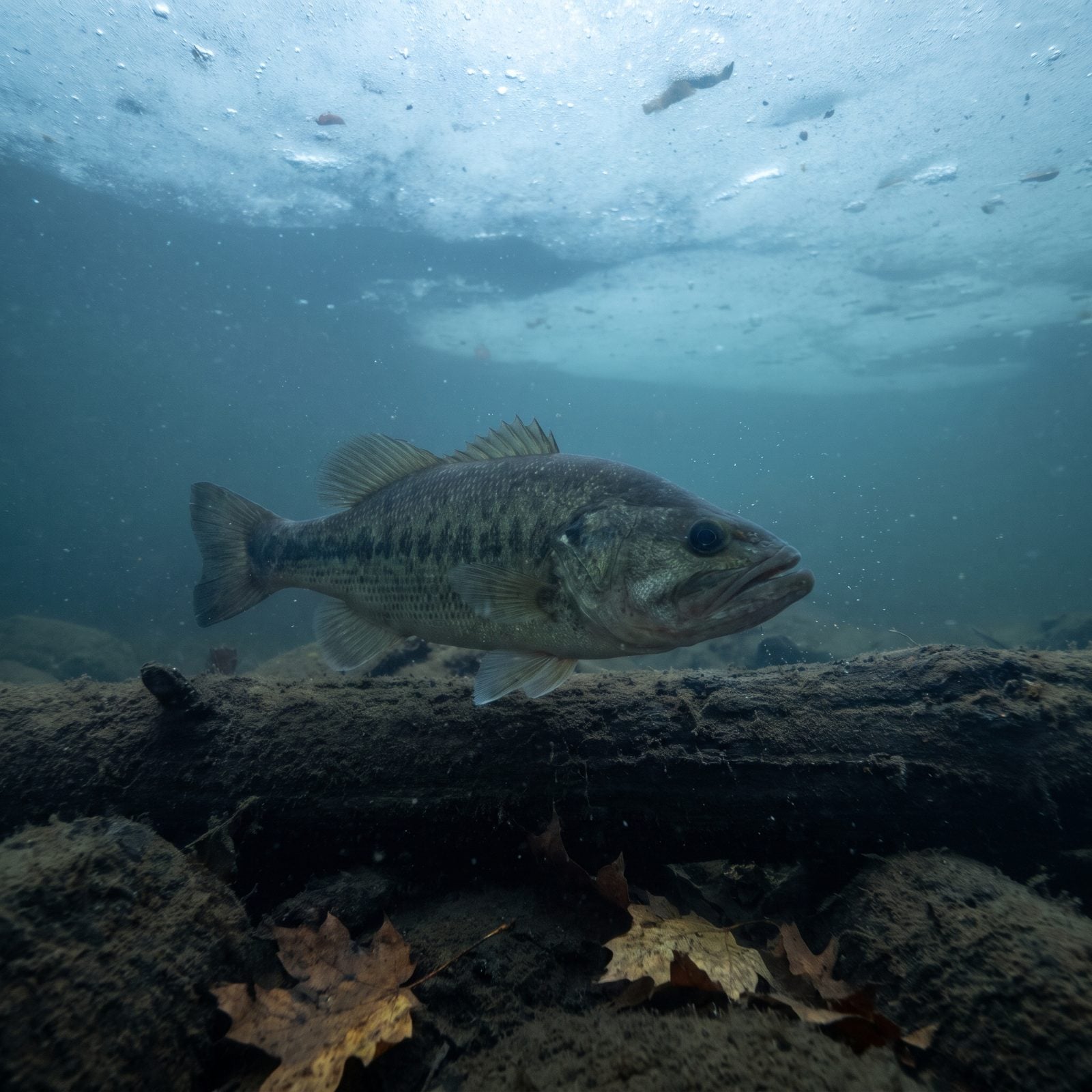
Put the rod away in December because the bass are all asleep? You’d be handing up some of the best fishing of the year. Bass don’t hibernate. They’re cold-blooded, so their metabolism crawls to a near-stop in frigid water and they slide off to deeper, more stable spots. But they still feed.
Winter ice anglers pull bass through holes all season long. The fish just want a slow, easy meal they barely have to chase. Work a jig at a sleepy pace along the bottom and you’ll find them. They never left.
37. A Full Moon Guarantees an Exceptional Bite

Full moon, hot bite. Everybody’s heard it, and half of everybody swears by it. The honest answer is messier. Moon phase does influence fish, mostly by changing light levels and tides, and some solunar patterns hold up loosely. A full moon guarantees nothing, though.
A bright full-moon night often lets fish feed straight through until dawn, which can actually slow the next morning’s bite because they’re already stuffed. Water temperature, weather fronts, and barometric pressure usually push the needle harder than the moon ever does. So treat the lunar calendar as one small variable, not the master switch.
36. Fish Cannot Smell Anything Underwater
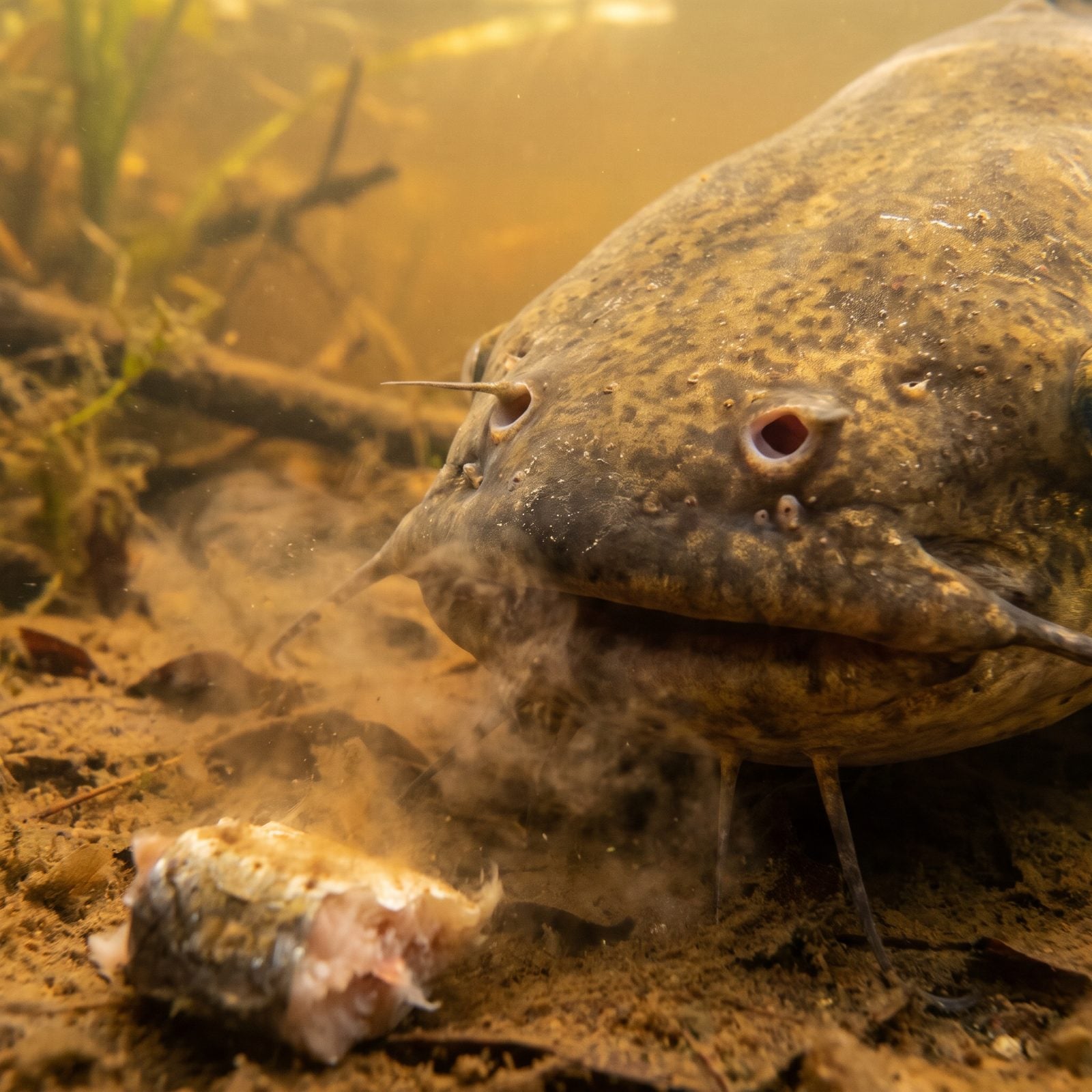
They’re underwater, so how could they smell anything? Easily. Fish have nostrils called nares that pump water across scent receptors, and some species have a nose that would embarrass a bloodhound.
Salmon find the exact stream they hatched in years later, from miles out in the ocean, by smell alone. Catfish are basically swimming tongues and noses. This is why scented soft plastics and cut bait outfish the plain stuff, and why smart anglers scrub sunscreen and gasoline off their hands before touching a lure. The fish can smell the difference, and it doesn’t like it.
35. A Fish’s Size Reveals Its Exact Age
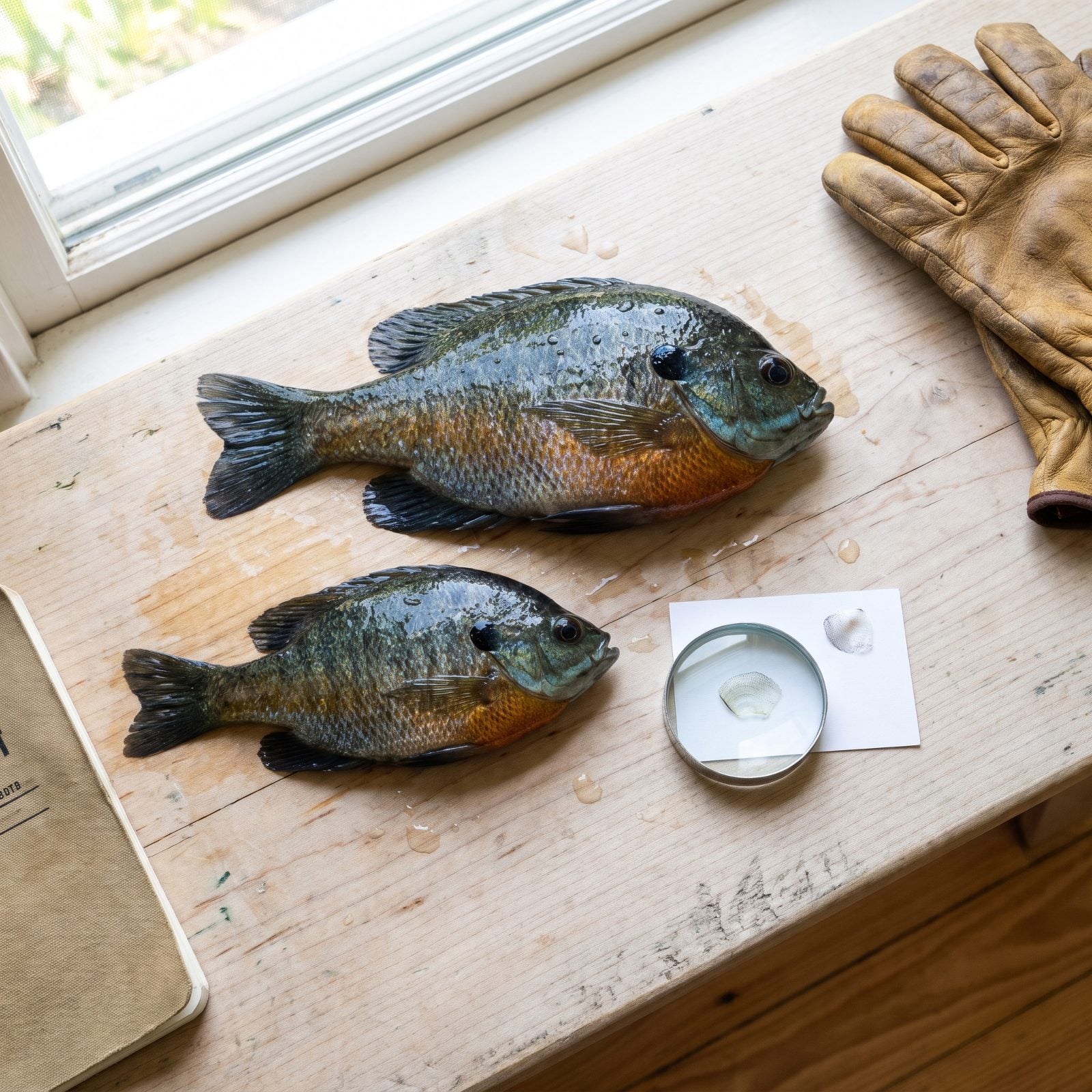
Big fish, old fish. Makes intuitive sense, and it’s wrong often enough to matter. Growth depends on food, water temperature, genetics, and how crowded the water is. A bass in a fertile southern lake can hit five pounds in a handful of years, while the same species up north might take twice as long to reach half that.
Biologists don’t guess age from size. They read growth rings in scales and in the tiny ear bones called otoliths, the same way you’d count rings in a tree stump. A stunted, overcrowded pond can be full of skinny old fish that look young, and nobody holding a tape measure would ever know.
34. Fish Cannot See an Angler Above the Surface
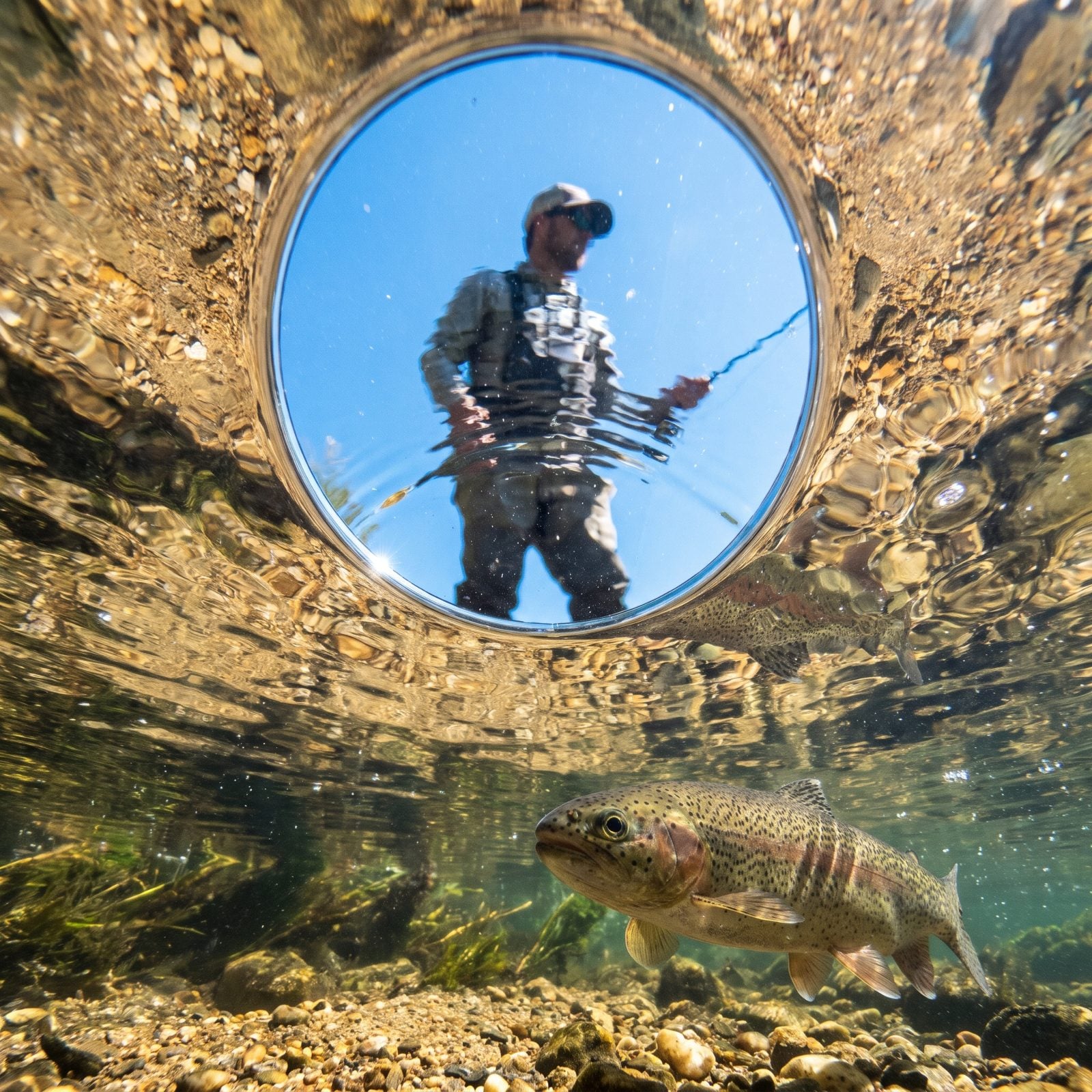
You’re standing on the bank, the fish is underwater, surely it can’t see you up here. It can, and there’s physics behind it. Light bends when it enters water, which gives a fish a cone of vision to the surface called Snell’s window. Through that window it sees everything above the waterline — you, your rod wave, and the shadow you just threw across the pool.
Fly anglers learned this the painful way, generations ago. It’s why they crouch, wear drab colors, and keep the sun in their faces so their shadow falls behind them. Spook a trout in clear water and you’ll watch it bolt before your fly ever lands. It saw you coming.
33. Myth: Fish Never Sleep
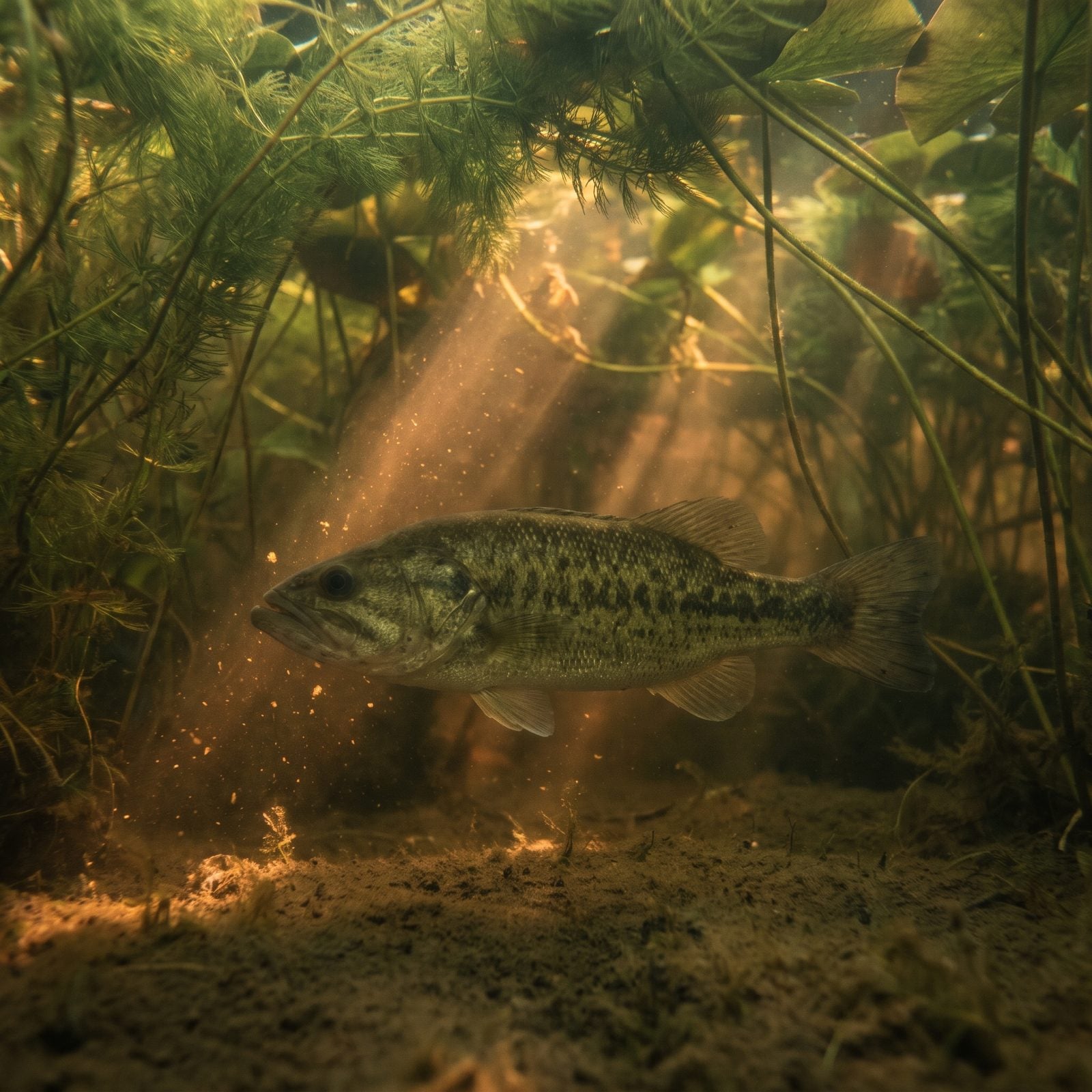
No eyelids, so people assume no sleep. That’s the whole logic, and it’s wrong. Fish drift into a reduced-activity rest state where the metabolism drops, movement slows, and reaction times stretch out. Watch a bass tuck into weeds at midday and hang there like it’s parked. The fish version of a nap.
Why should you care? Those rest periods line up with the dead hours when you’d swear the lake is empty. The fish aren’t gone — they’ve throttled down, and a slow presentation right in front of a dozing fish will usually beat burning across the whole water hunting for an aggressive one.
32. Myth: Fish Don’t Feel Stress When You Fight Them
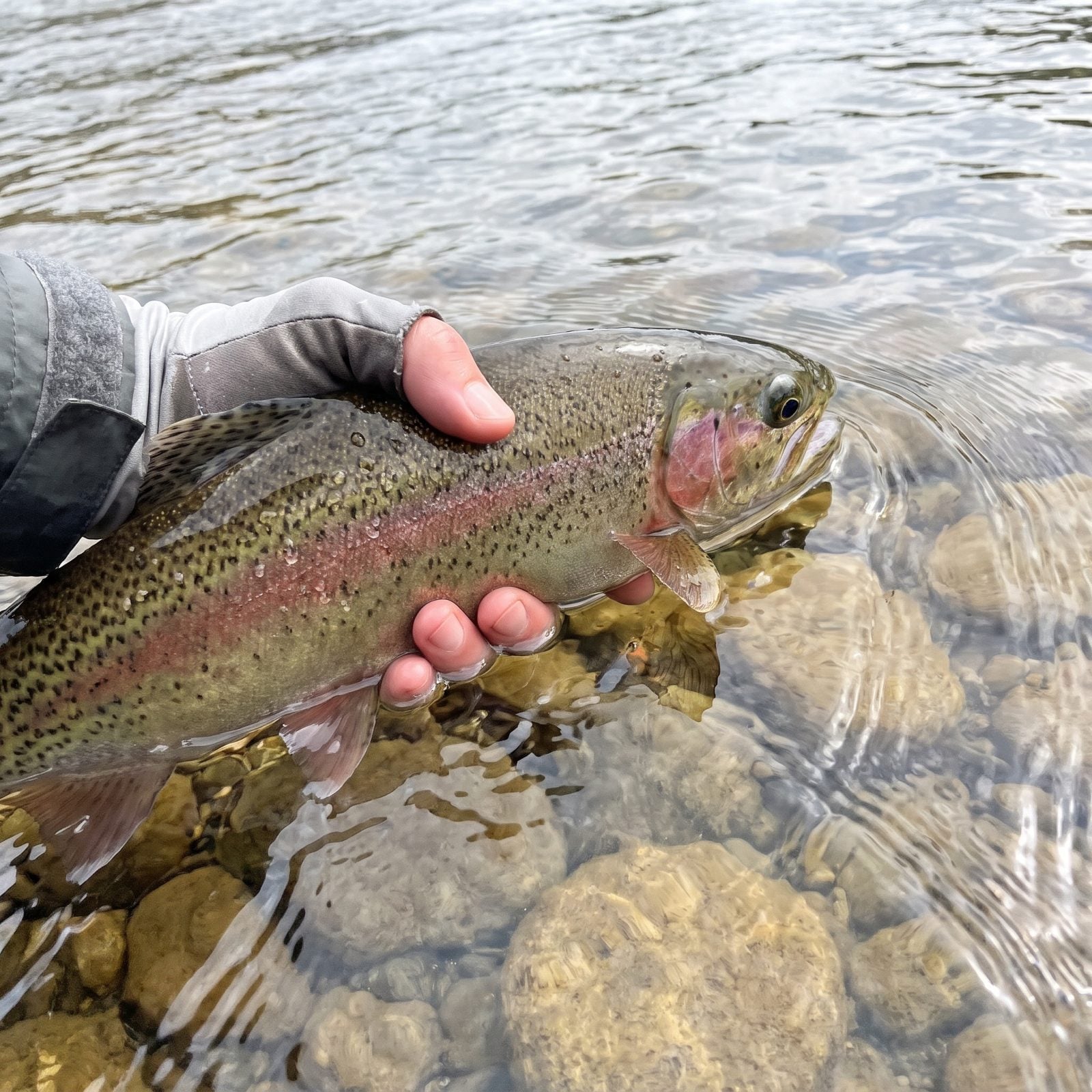
A fish on the line is not having a relaxed afternoon. The fight floods its system with cortisol and burns through muscle glycogen, dumping lactic acid into the blood. Stack a long battle onto warm water and a few seconds of air exposure and the fish swims off looking fine, then dies hours later where you’ll never see it. Delayed mortality is real, and badly underestimated.
Plenty of anglers ignore this for years, proud of hour-long fights on light tackle and calling it finesse. It isn’t. It’s slowly killing a fish they planned to release. Land it quick, keep it wet, send it back before it’s wrecked.
31. Myth: Trout Only Live in Cold, Pristine Mountain Streams
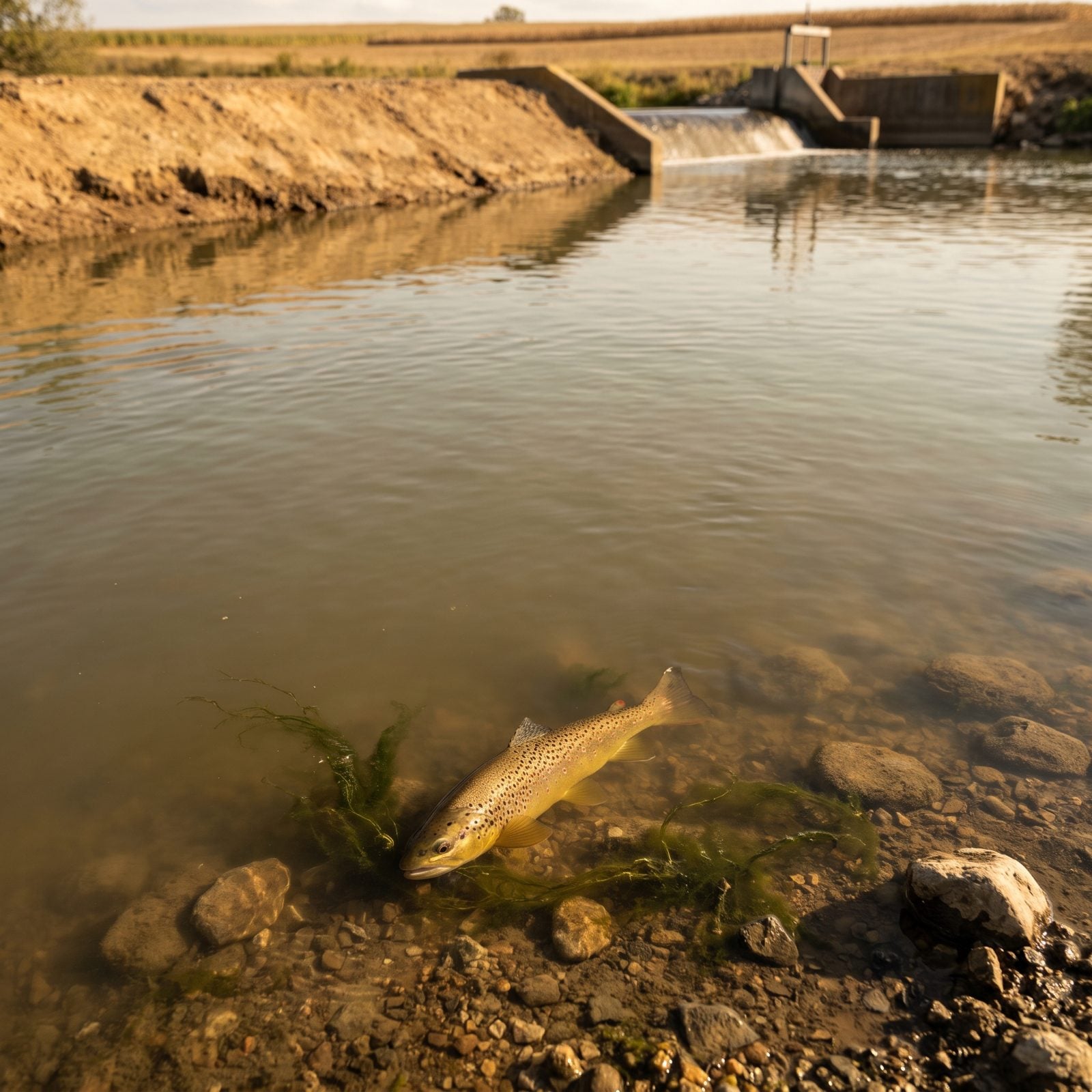
Trout are tougher and less picky than the postcard suggests.
Yes, they need cool, oxygenated water. But plenty of brown and rainbow trout thrive in tailwaters below dams, in spring creeks winding through farm country, in the slightly stained urban streams most anglers drive right past. Cold water released from the bottom of a reservoir can hold fat trout a mile from a parking lot.
The myth costs you fish. Chase only the alpine ideal and you skip genuinely productive water close to home. Some of the biggest browns in the country live in unglamorous tailraces, sipping sowbugs below a dam you’d never bother to photograph.
30. Myth: Catfish Only Feed After Sundown
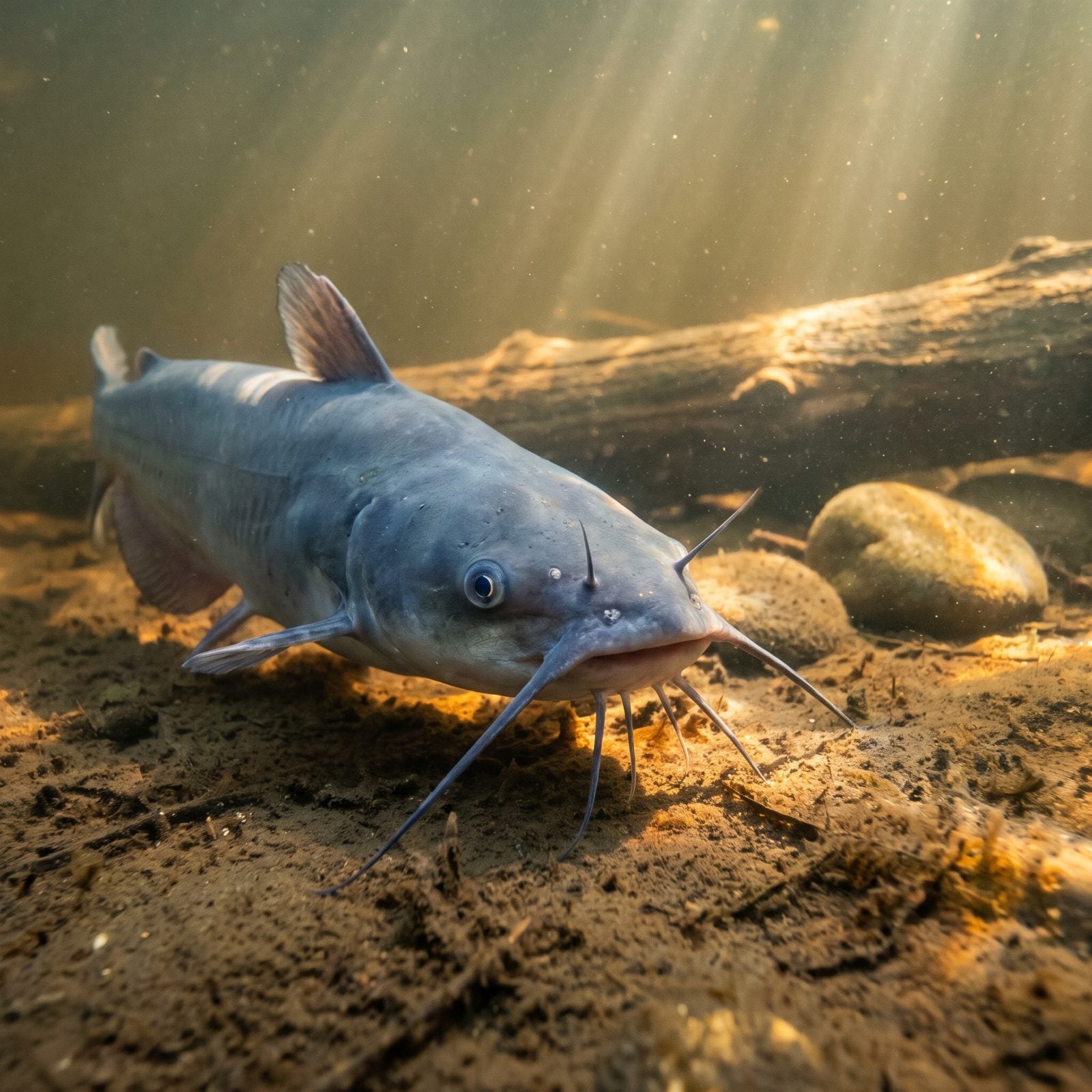
Catfish hunt by smell and taste, not light. Those barbels are covered in taste receptors, and the whole body works like a swimming tongue. Darkness isn’t required for any of it.
They feed hard during the day too, especially in stained water, after rain, or when a current line concentrates food. Summer afternoons produce big blues and flatheads for anybody willing to fish deep holes and moving water instead of sitting on their hands until dark.
29. Myth: Walleye Won’t Bite Until It’s Dark
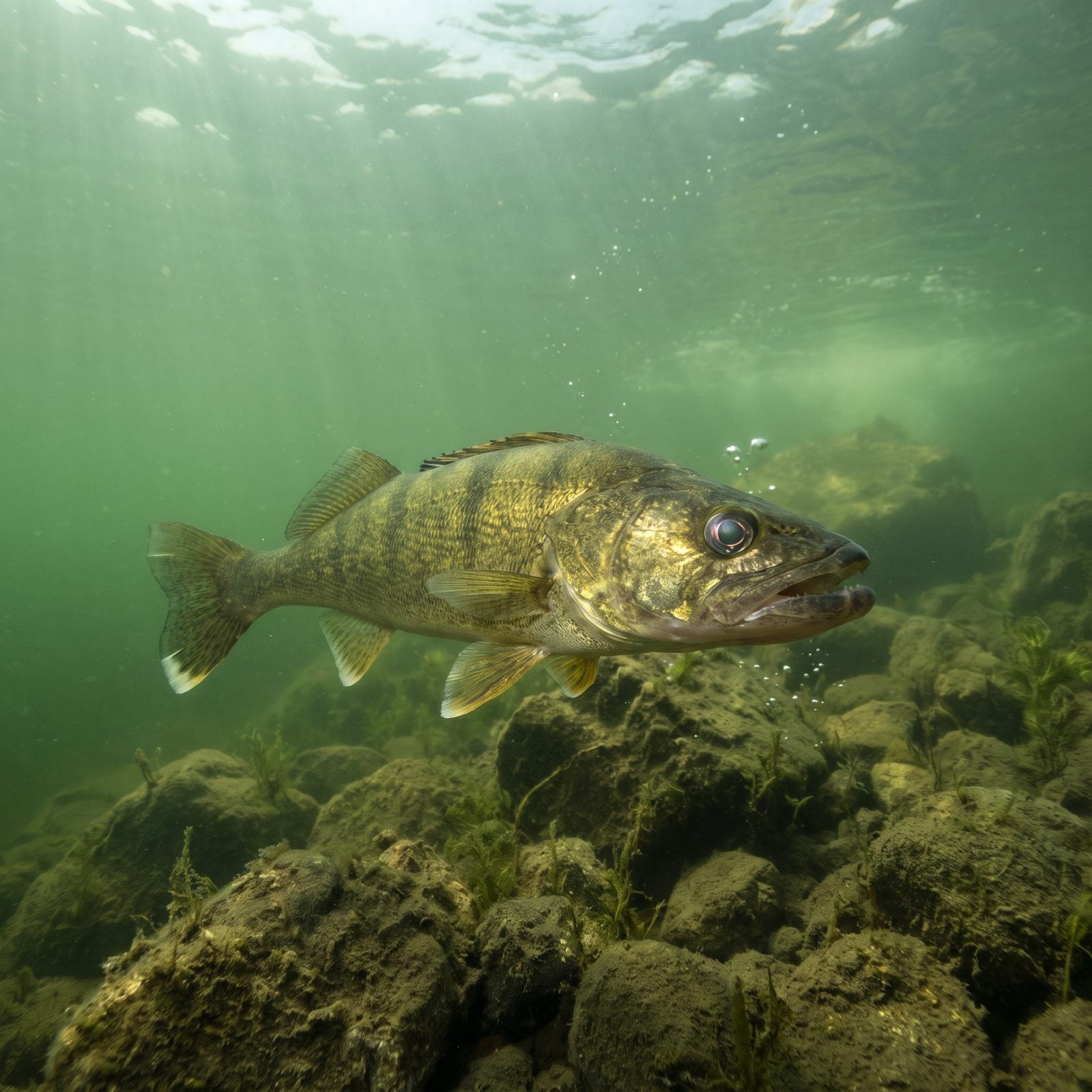
Walleye carry a reflective layer behind the retina, the tapetum lucidum, which gives them an edge in low light. That’s the seed of truth the myth grew from. But low light and night are not the same thing.
They feed through the day in stained water, under chop that breaks up the surface, on deep structure where it stays dim at noon, and during the low-angle windows at dawn and dusk. On a big murky reservoir, a cloudy windy afternoon can be prime time. Treat walleye as strictly nocturnal and you’ll sleep through some of the best bites of the year.
28. Myth: Carp Are Filthy, Diseased Trash Fish
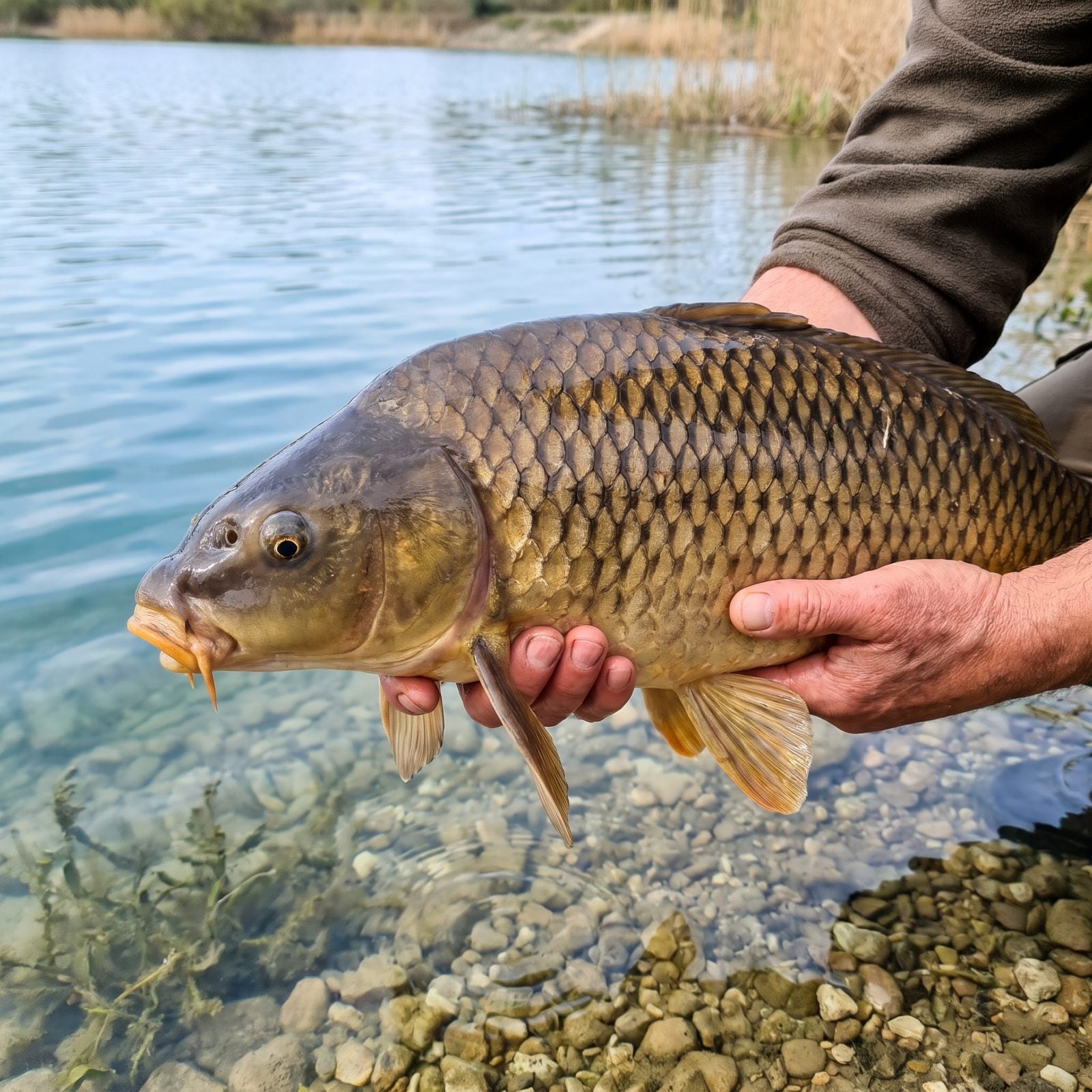
The reputation is cultural, not biological. Across much of Europe carp are a prized sport fish worth real money, fed, named, and carefully released. Same species. The exact fish Americans write off as garbage.
Carp aren’t dirtier than other freshwater fish. They just tolerate warm, low-oxygen, murky water better than most, so they survive in ugly places other species abandon — and then we blame the fish for the pond. Hook a big one on light line and it pulls harder than almost anything swimming in fresh water, testing tackle in ways a bass never will.
27. Myth: Bowfin Are an Invasive Pest Wherever You Catch Them
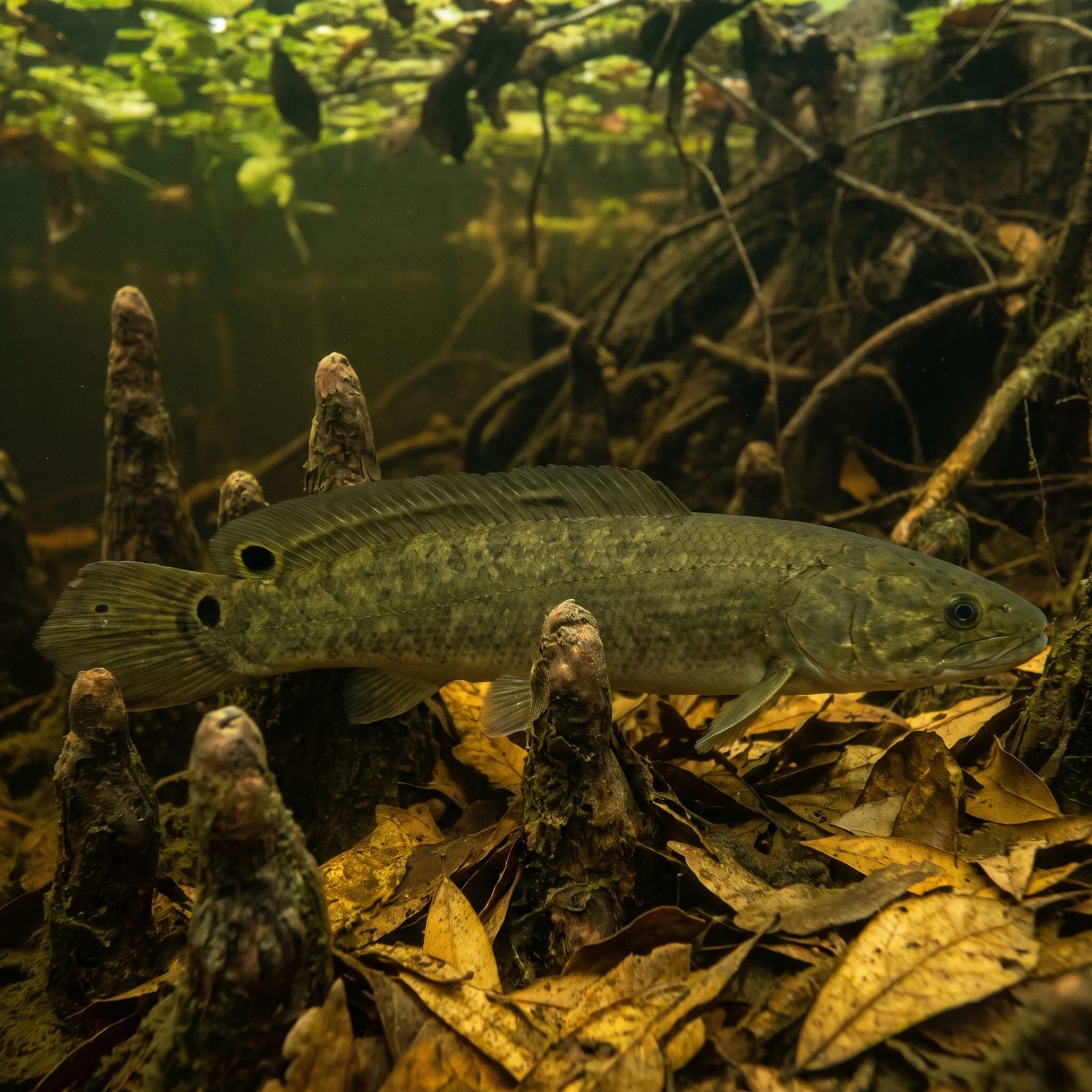
Bowfin get hacked up on docks all over the country by anglers convinced they’re invaders. They’re not. Bowfin are native to a huge swath of eastern and central North America, a living fossil whose lineage predates the dinosaurs that hog all the headlines.
People mistake them for snakeheads, panic, and club a native predator that belongs exactly where it is. Bowfin take prey other fish can’t catch and help hold sunfish and shiner numbers in check. Learn the difference before you swing. The eyespot, the long undulating dorsal, the tube nostrils — all native markers, if you bother to look.
26. Myth: Gar Wipe Out the Game Fish We Actually Want
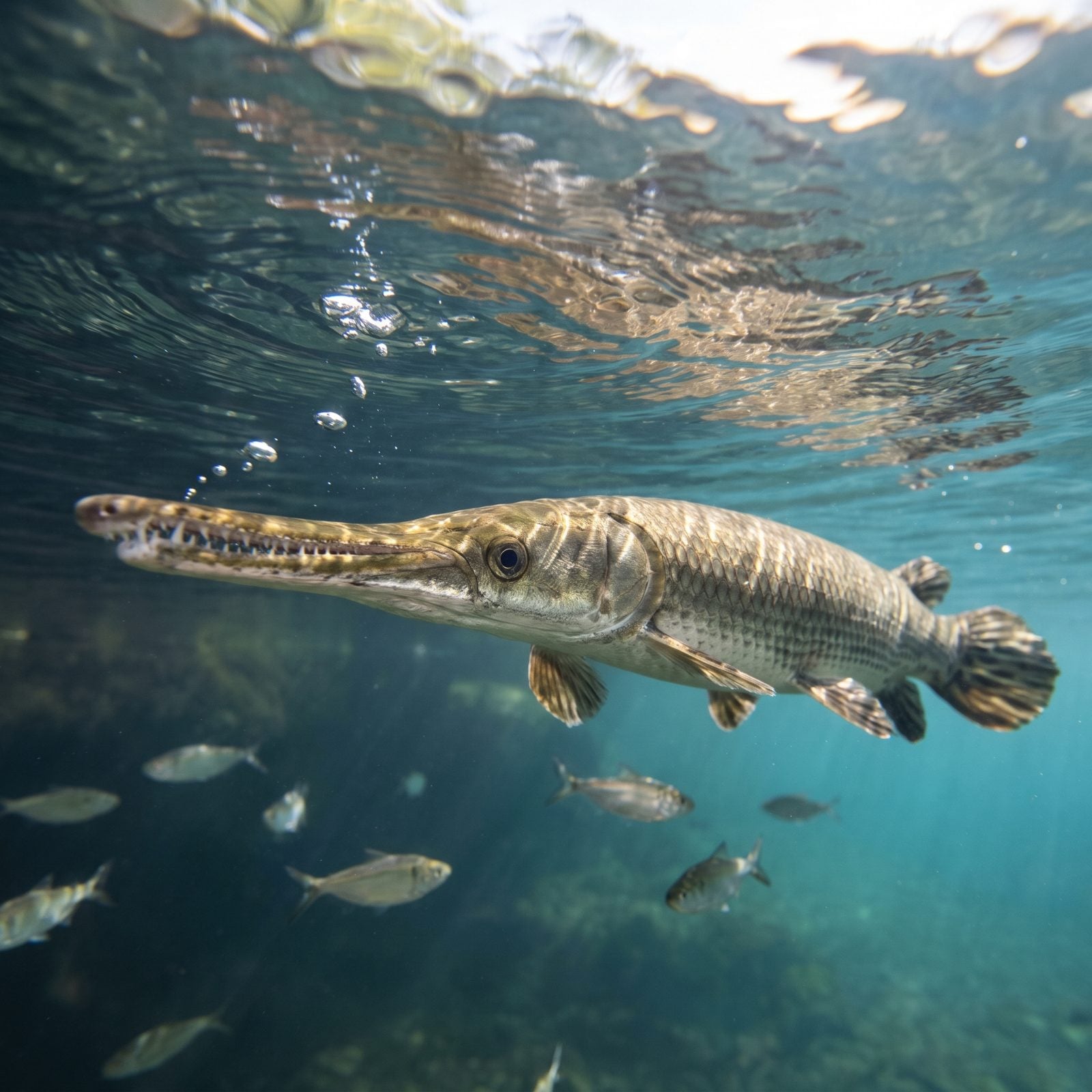
Gar got blamed, poisoned, and gigged for a crime they didn’t commit.
For decades, management agencies treated gar as vermin that destroyed bass and crappie fisheries. Then the research came in and told a different story. Gar are opportunists. They eat abundant forage fish, injured individuals, and a pile of species nobody fishes for, and they rarely dent a healthy game-fish population.
What they actually do is keep rough-fish and shad numbers from exploding. Pull out the big predators and the lake clogs up with stunted panfish. Alligator gar restoration programs exist now for exactly that reason — killing the fish off never fixed anything. It broke things.
25. Myth: Stocked Fish Can’t Reproduce in the Wild
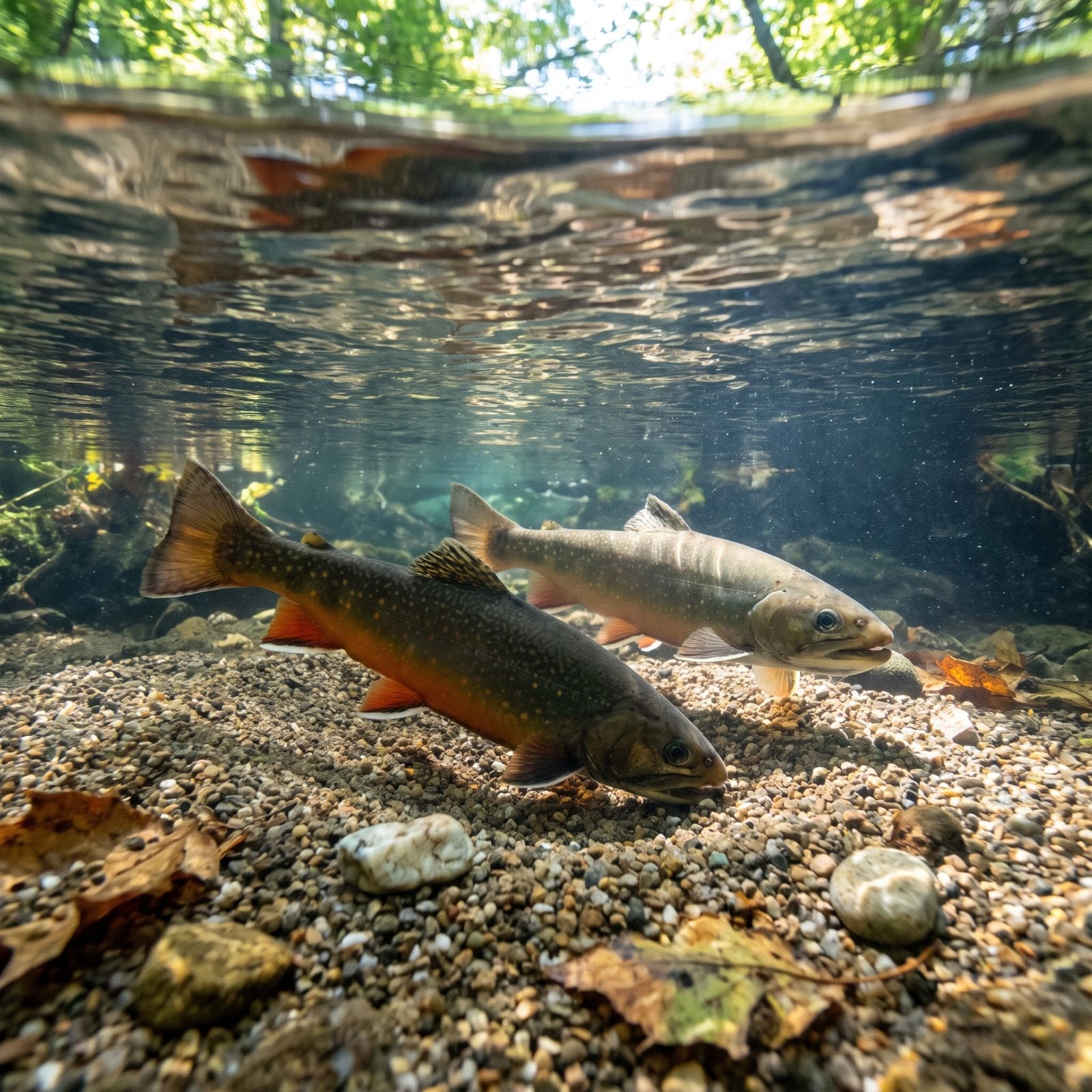
Plenty of stocked fish are fertile and spawn successfully once conditions suit them. The idea that every hatchery fish is sterile mashes together two completely different things: deliberately sterilized triploids and ordinary stocked fish.
Triploid trout are bred sterile on purpose, usually to protect native strains or control a population. But a lot of standard stockings aren’t triploid at all, and those fish breed where habitat allows. Some of today’s self-sustaining trout and salmon populations trace straight back to historical stockings. Ask your state agency which program you’re fishing. The answer changes how you think about every fish you release.
24. Myth: Every Freshwater Fish Spawns in Spring
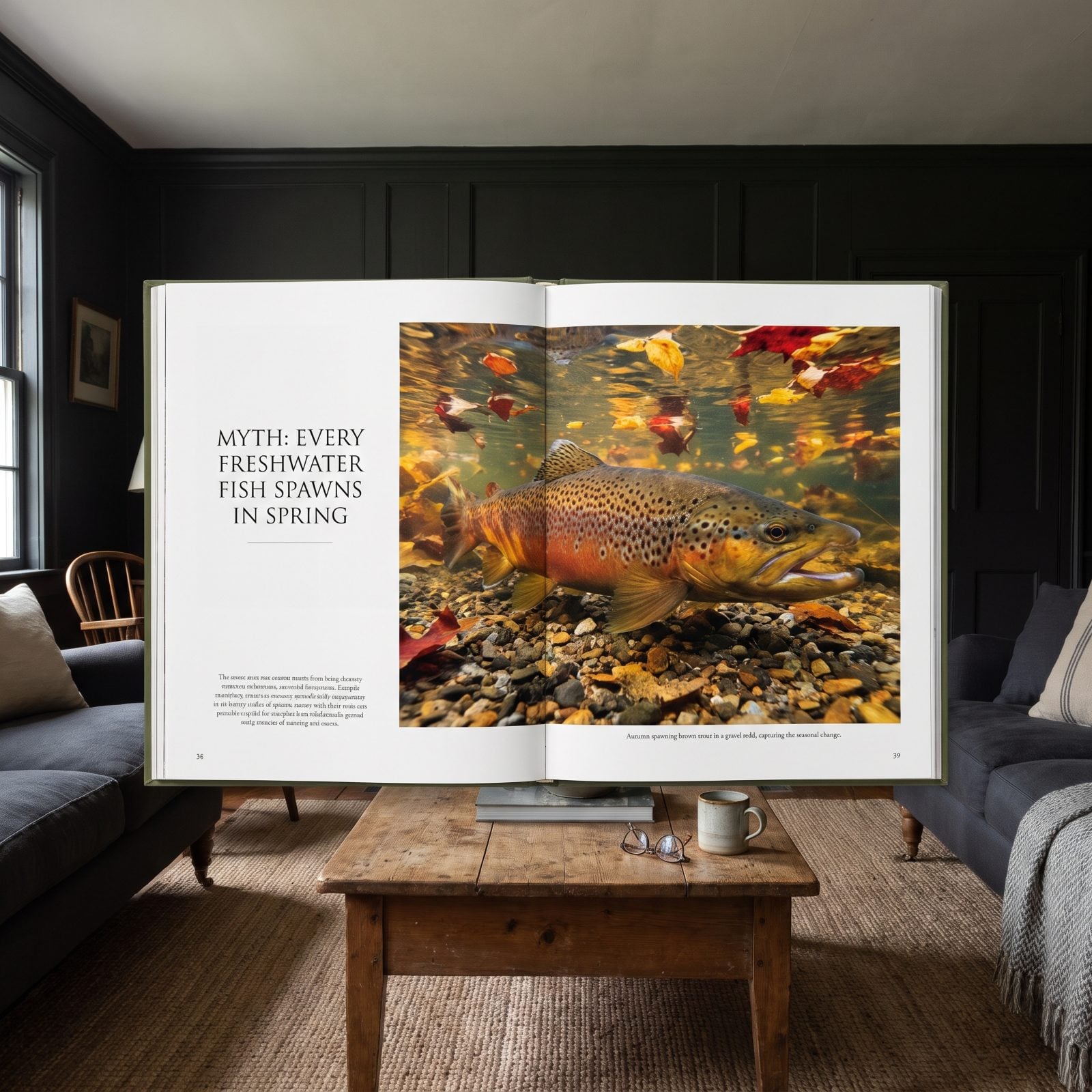
Spring gets all the credit, but the spawning calendar runs clean around the year. Brook trout, brown trout, and many salmon spawn in fall. Lake trout and some whitefish drop eggs on rocky shoals in late autumn. Burbot spawn under winter ice, which sounds made up until you’ve watched it happen.
This matters for more than trivia. Spawning fish are vulnerable fish, and some seasons close exactly when a species beds. Assume spring and you’ll trample a fall redd or keep hammering fish the regs just protected. Know what’s doing what, and when, on the water in front of you. Then fish it right.
23. Fish Stop Feeding Completely During the Spawn
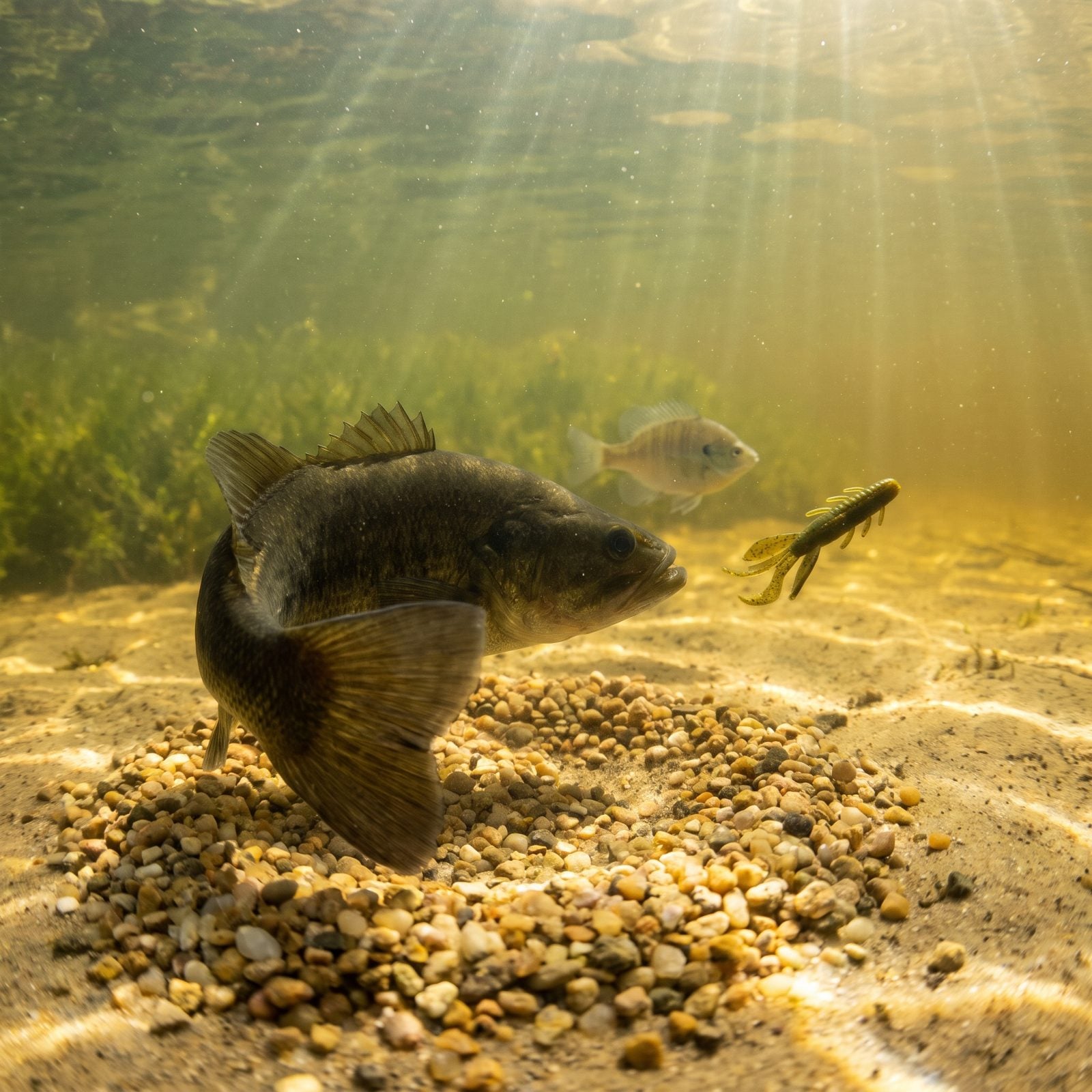
The idea that bedding fish go on a hunger strike falls apart the second you watch one. They don’t eat much, sure. But a bass fanning a nest will slam anything that threatens the eggs, and that’s exactly why spawn fishing works.
It’s aggression, not appetite. Drop a lizard or a craw on the bed and it gets attacked because it looks like an egg thief, not a meal. Bluegill raid nests constantly, so a guarding fish spends all day driving them off.
22. A Falling Barometer Automatically Turns the Bite On
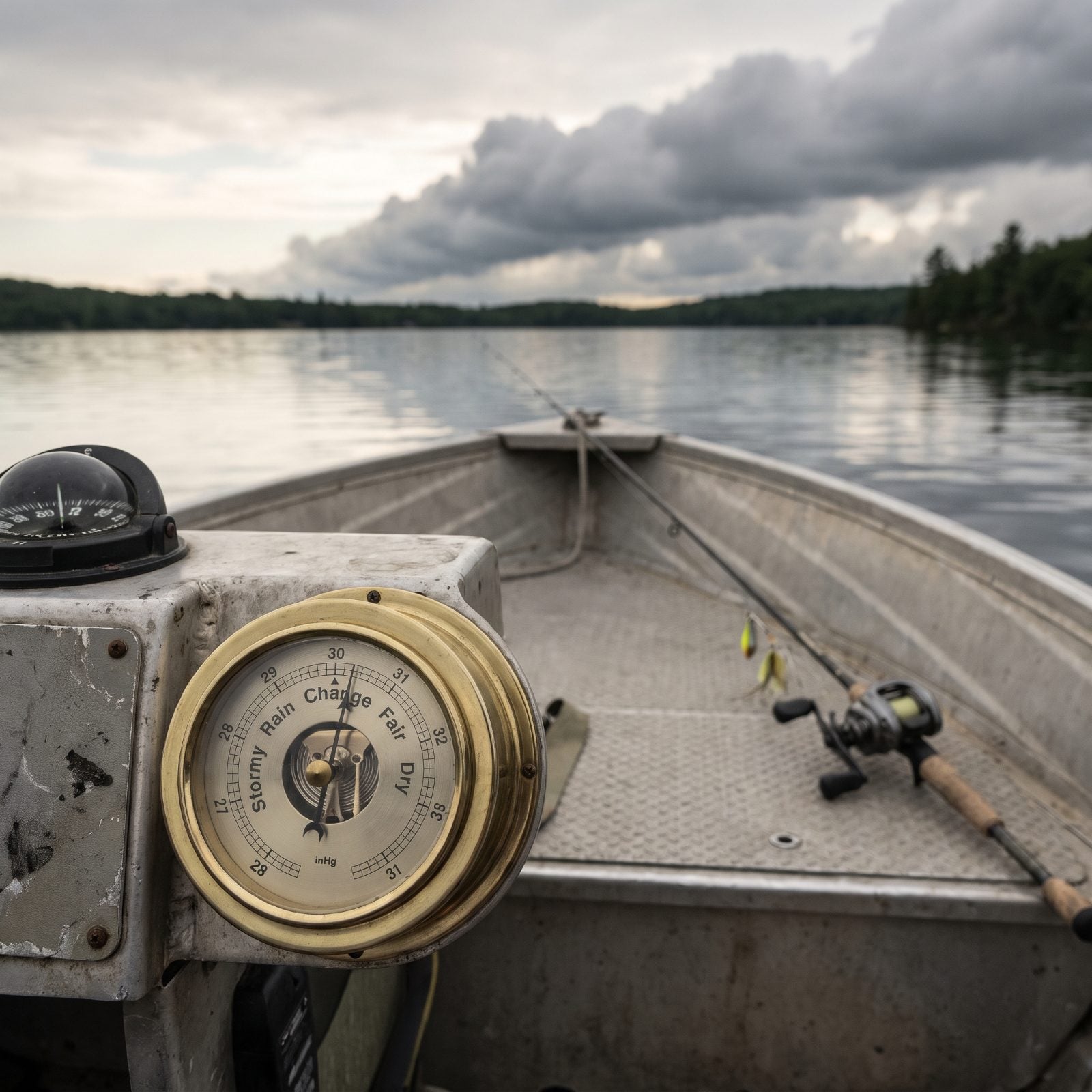
Anglers swear a dropping barometer flips a switch. The science is murkier than the lake after a storm.
Fish do respond to pressure change, but the barometer is usually a passenger, not the driver. Falling pressure rides along with wind, cloud cover, and incoming weather, and those three things change light and bait movement in ways fish react to directly. Research on swim bladder sensitivity suggests shallow fish barely register the pressure swing at all.
Plenty of anglers chase that theory for years before noticing they were really just fishing the cloudy, windy conditions that came with it. The gauge got the credit the weather earned.
21. Wind from the East Means Fish Bite Least
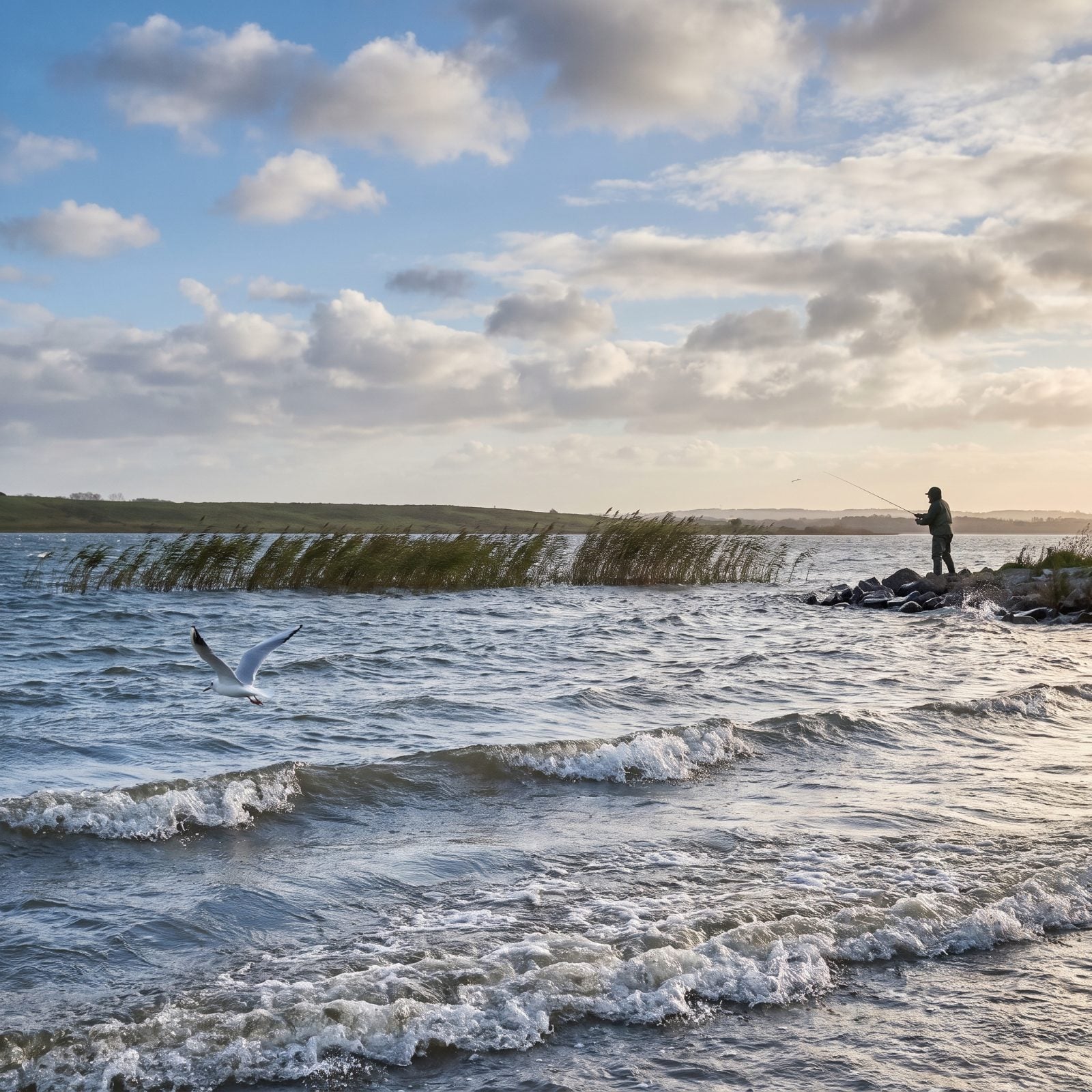
The old rhyme is catchy and mostly wrong.
An east wind doesn’t close fish mouths. What it often signals is an approaching or passing front, and it’s the frontal conditions, not the compass heading, that shift behavior. Wind direction is a clue, not a cause.
And here’s what the rhyme ignores. Wind from any quarter stacks baitfish and plankton against structure, and predators follow. A hard east wind blowing into a point can set up some of the best feeding of the day. The rhyme survives because it gives us something to blame on a slow afternoon.
20. Thunder Immediately Shuts Down Every Fish
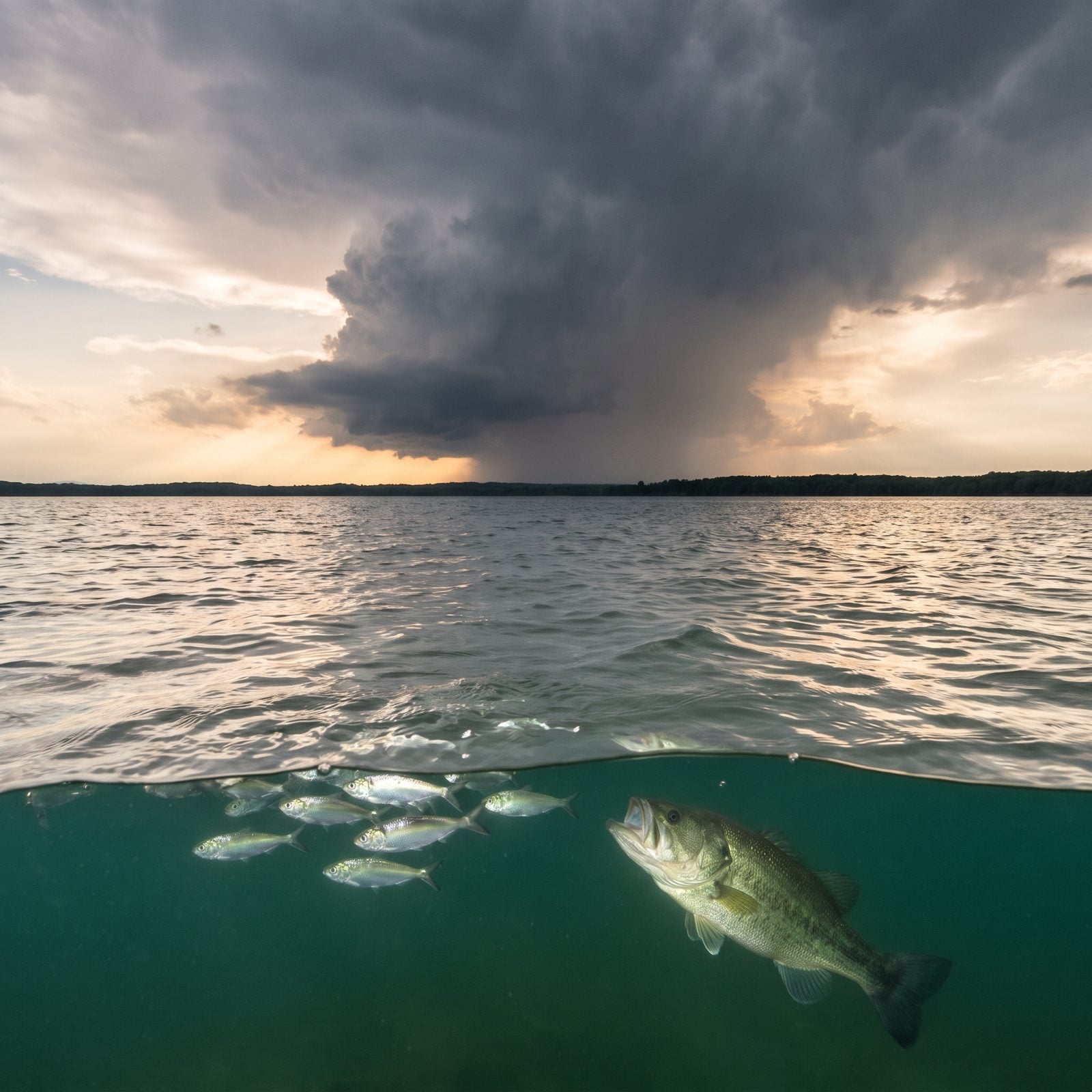
Thunder gets blamed for killing the bite, but the real story is about safety, not fish.
Sound travels differently through water, and there’s little evidence that distant thunder spooks feeding fish. The low-pressure, bait-stirring conditions right before a storm often trigger a frenzy instead. Fish feel pressure and vibration, but a rumble miles off doesn’t send them diving for cover.
19. Rain Always Ruins the Bite
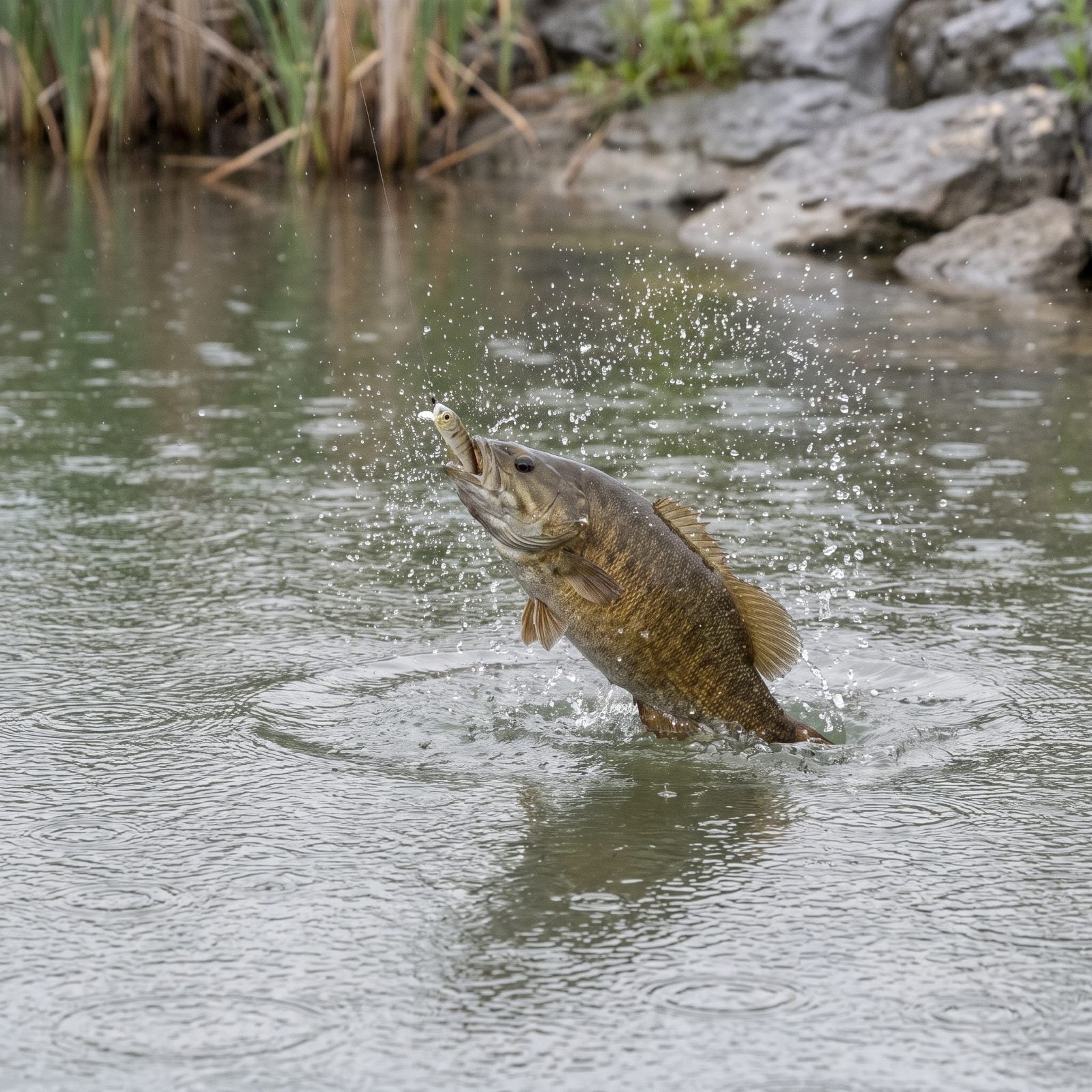
A light rain is often the best thing that happens to your day.
It breaks up the surface, cuts glare, and dims the light, which makes wary fish bolder and keeps them shallow longer. Insects and terrestrials wash into the water, baitfish get moving, and plenty of guides live for a steady drizzle.
Where people go wrong is confusing the storm with the shower. A violent downpour that muddies the whole system and crashes the pressure can slow things for a day. A soft gray rain usually does the opposite.
18. A Cold Front Makes Fish Completely Uncatchable
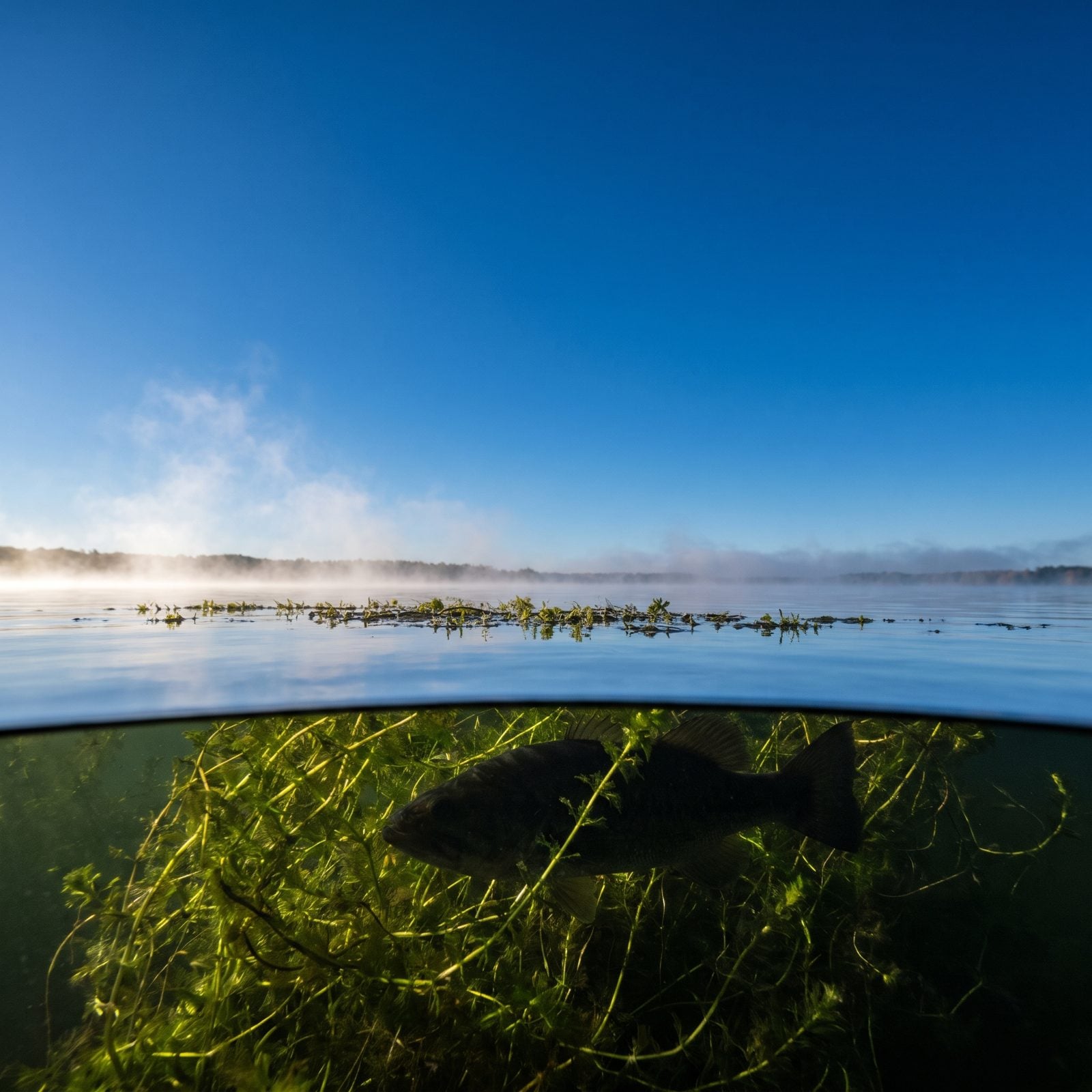
The classic post-front bluebird sky is real, and so is the tough bite. But uncatchable is a story we tell ourselves.
After a strong cold front, fish usually don’t leave. They pin tight to the thickest cover and get fussy. The water clears, the light turns harsh, and feeding windows shrink. That calls for slowing down, downsizing, and pitching into the junk a fish won’t chase out of.
We’ve watched an angler grind out a limit flipping a jig into matted grass on the exact bluebird day everyone else called hopeless. The fish were there. They just made us come to them.
17. Fish Never Bite in the Middle of the Day
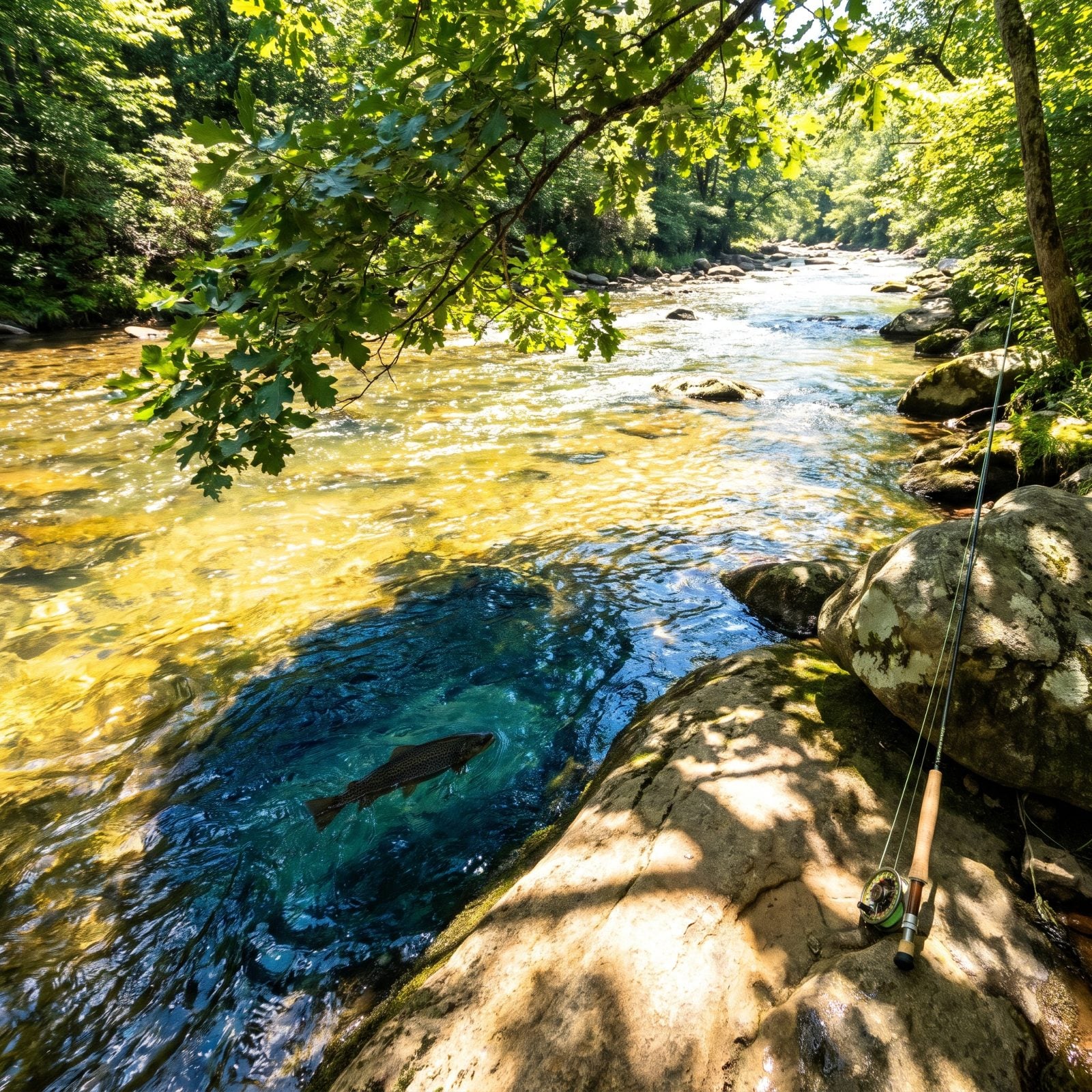
Dawn and dusk get all the glory. The midday hours quietly produce more than anyone admits.
Fish feed on opportunity, not a clock. In summer, strong overhead sun pushes them into shade lines, docks, deep weed edges, and bridge shadows, and those ambush spots turn into vending machines if you fish them right. Cold-water seasons flip it entirely, and midday becomes the warmest, most active stretch of the whole day.
That slow-midday reputation comes from anglers fishing the wrong water, not from fish taking a nap.
16. Topwater Lures Work Only at Dawn and Dusk
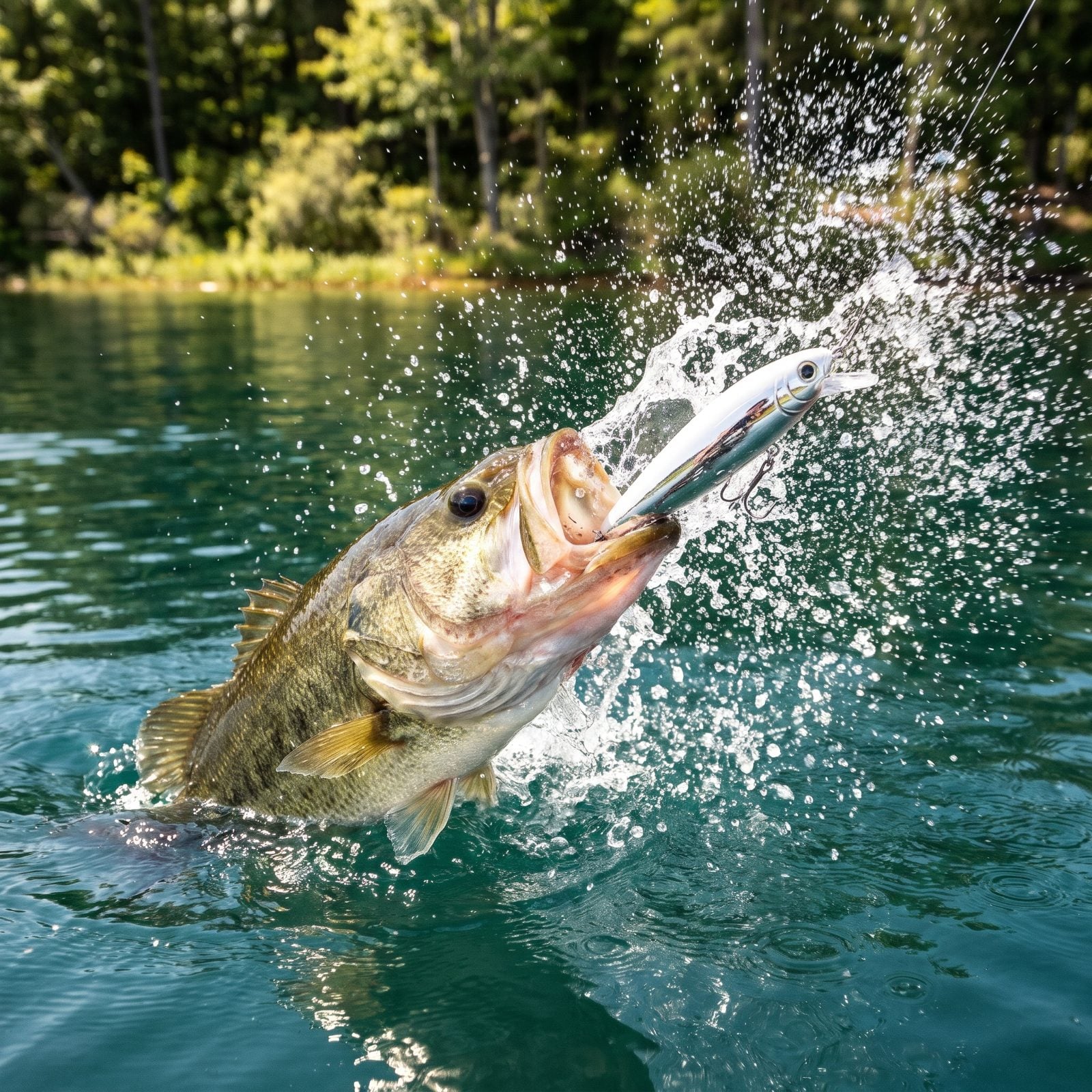
Put the frog away at sunrise and you’re leaving fish on the table.
Topwater draws strikes any time surface conditions line up: wind chop, cloud cover, overhanging shade, or active bait on top. A buzzbait at noon over a grass flat, or a popper worked along a shaded dock in bright sun, will get hammered.
15. All Fish Move to the Deepest Water in Summer
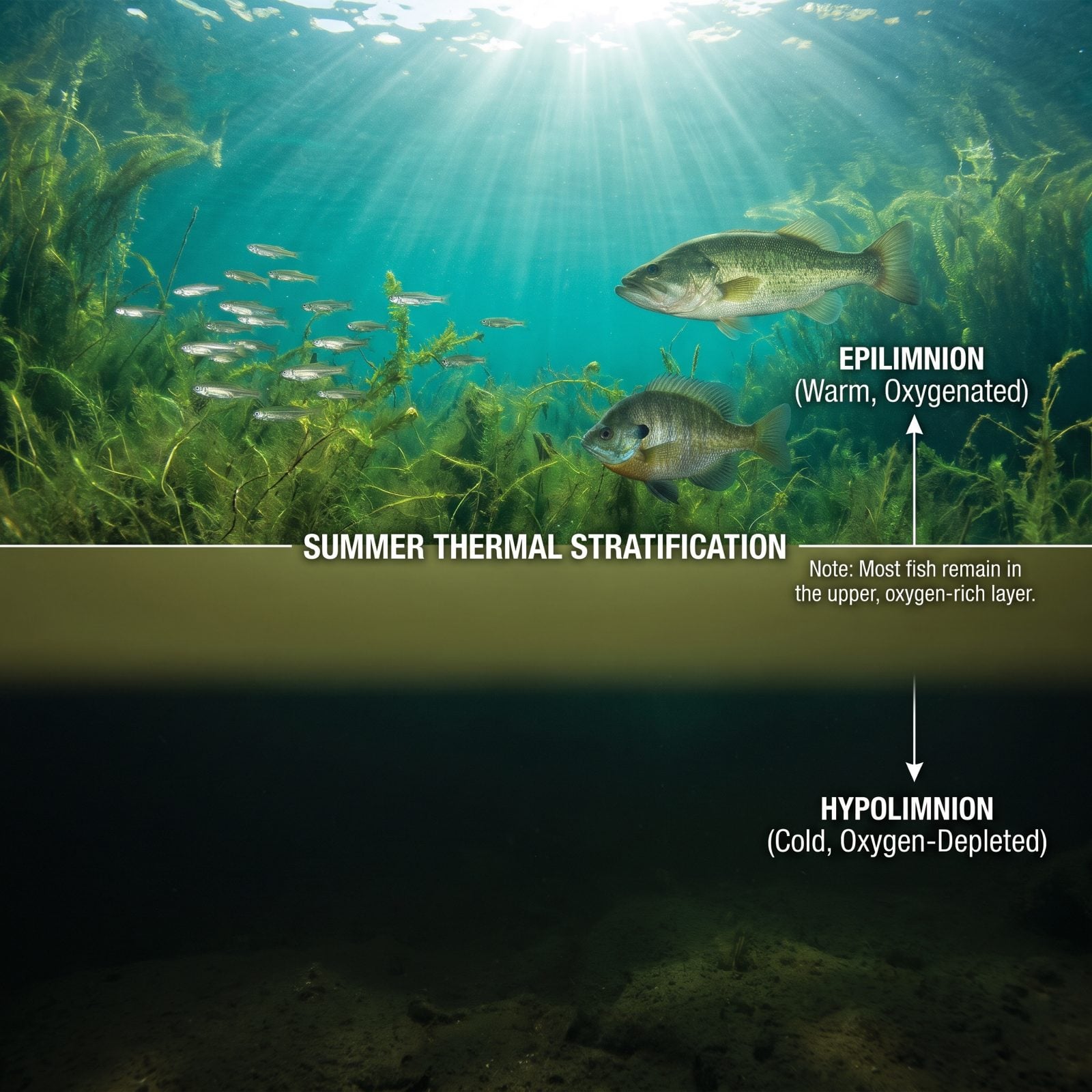
The deep-water summer rule ignores how a lake actually breathes.
Many lakes stratify in summer, and below the thermocline oxygen can drop to almost nothing. Fish won’t live in water they can’t breathe, no matter how cool it is. So a huge share of summer fish stay in or just above the oxygenated zone, relating to weed edges, points, and bait rather than the dark bottom.
Some fish do go deep. Plenty hold shallow all summer in shade and vegetation. Treat depth as the only answer and you’ll spend the day fishing dead water.
14. Fish Cannot Find Food in Muddy Water
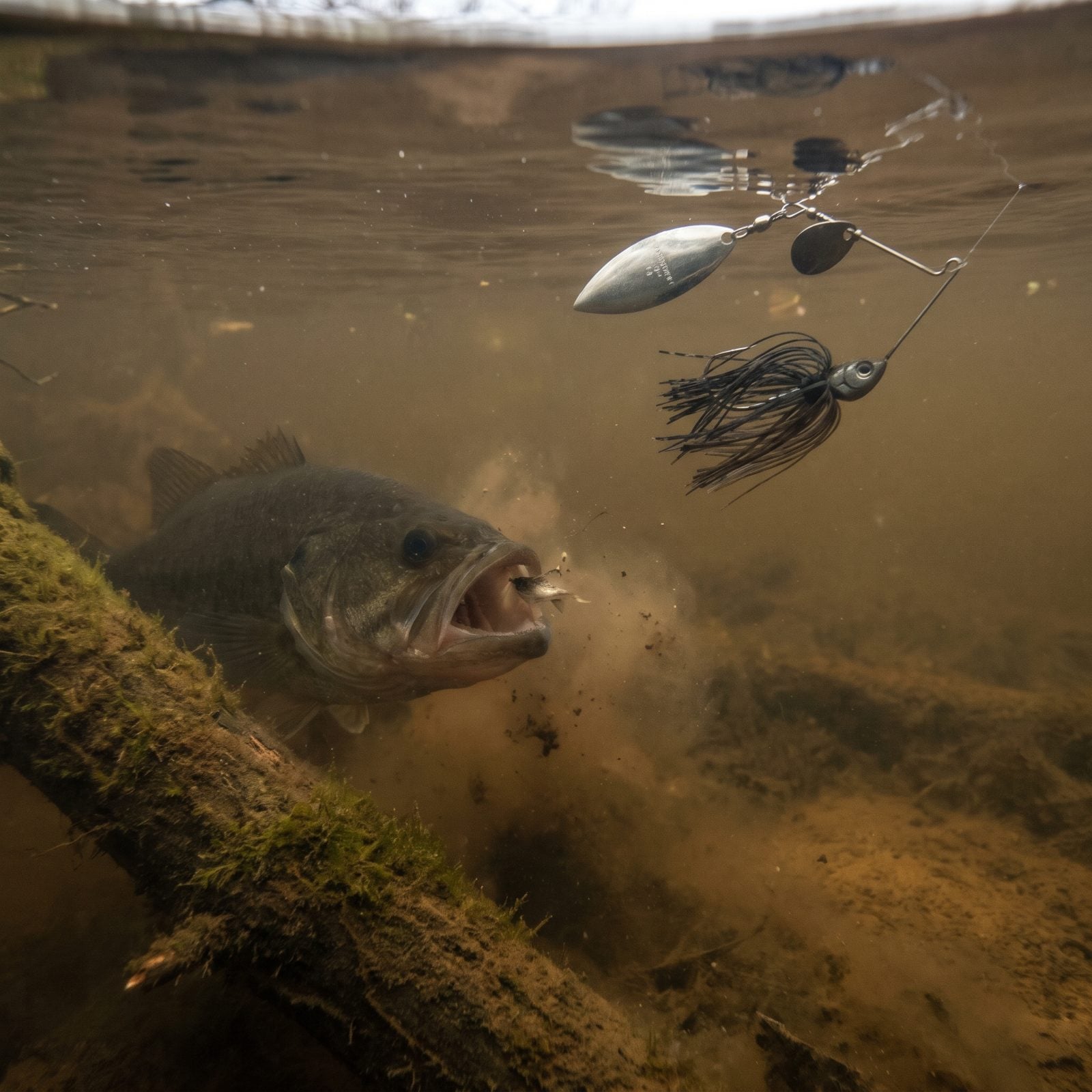
Muddy water scares anglers more than it bothers fish.
Fish don’t hunt by eyesight alone. The lateral line detects vibration and water displacement, and in stained water that sense does the heavy lifting. Catfish rely on smell and taste. Bass in chocolate-milk water key on sound and thump, which is why dark, bulky baits with rattles and big thumping blades shine when visibility drops.
There’s a bonus. Muddy water tightens fish against cover and makes them less spooky, so they’ll often let you get close and feed hard. The mud just rewrites which sense you need to trigger, and which baits do the triggering.
13. Lake Turnover Does Not Kill Every Fish in the Lake
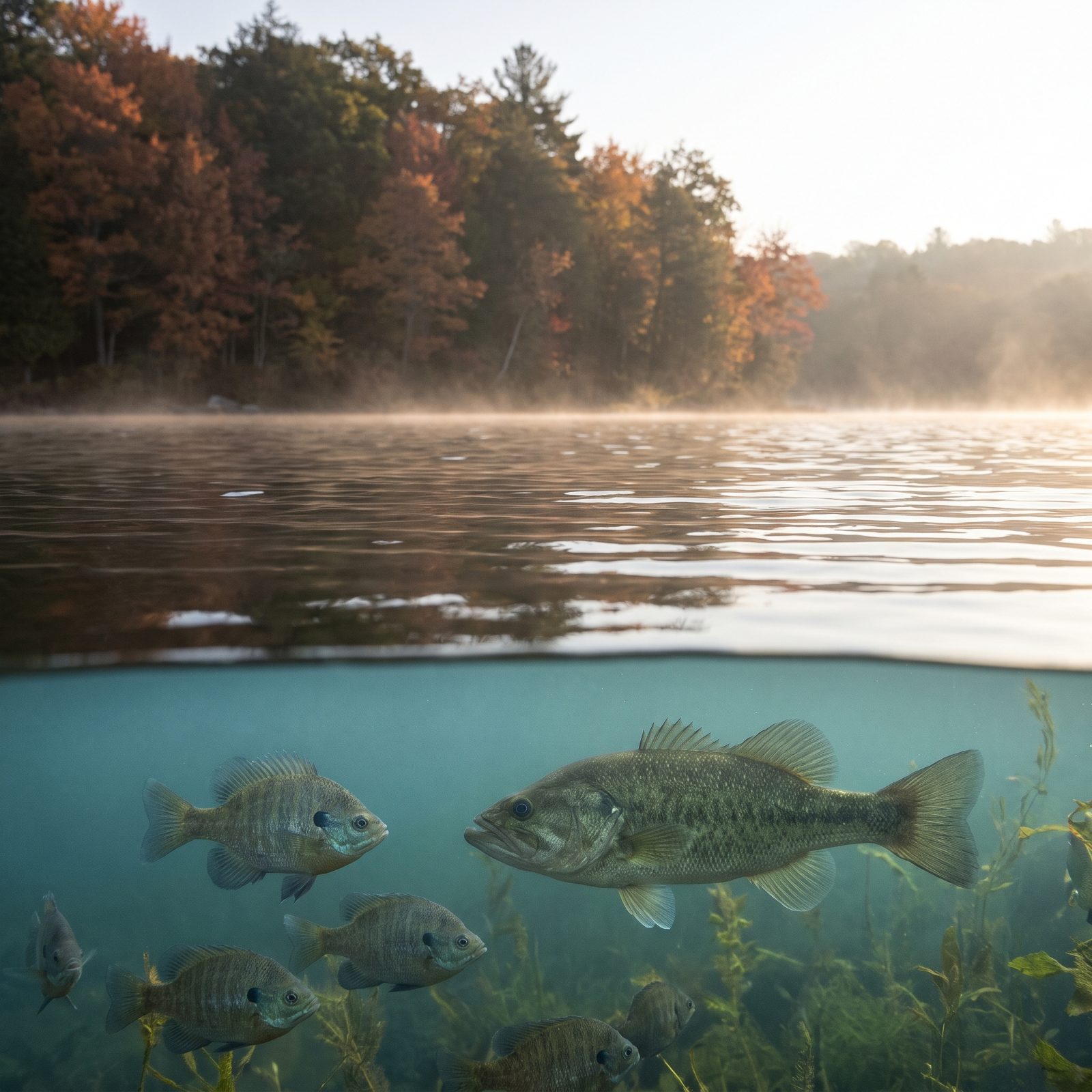
Every fall somebody at the ramp blames a slow day on “the lake turning over,” said like a death sentence. Turnover is real enough — it’s the seasonal mixing when surface water cools, sinks, and churns the layers together. Mostly it scatters fish and stirs up debris, which makes them harder to pattern for a few days. That’s it.
It does not wipe out a lake. Mass die-offs happen, but they come from oxygen crashes, usually in summer heat or under thick winter ice, not from the mixing itself. A fish that “disappeared” during turnover is almost always just somewhere you weren’t looking.
12. One Lightning Strike Will Not Electrocute an Entire Lake of Fish
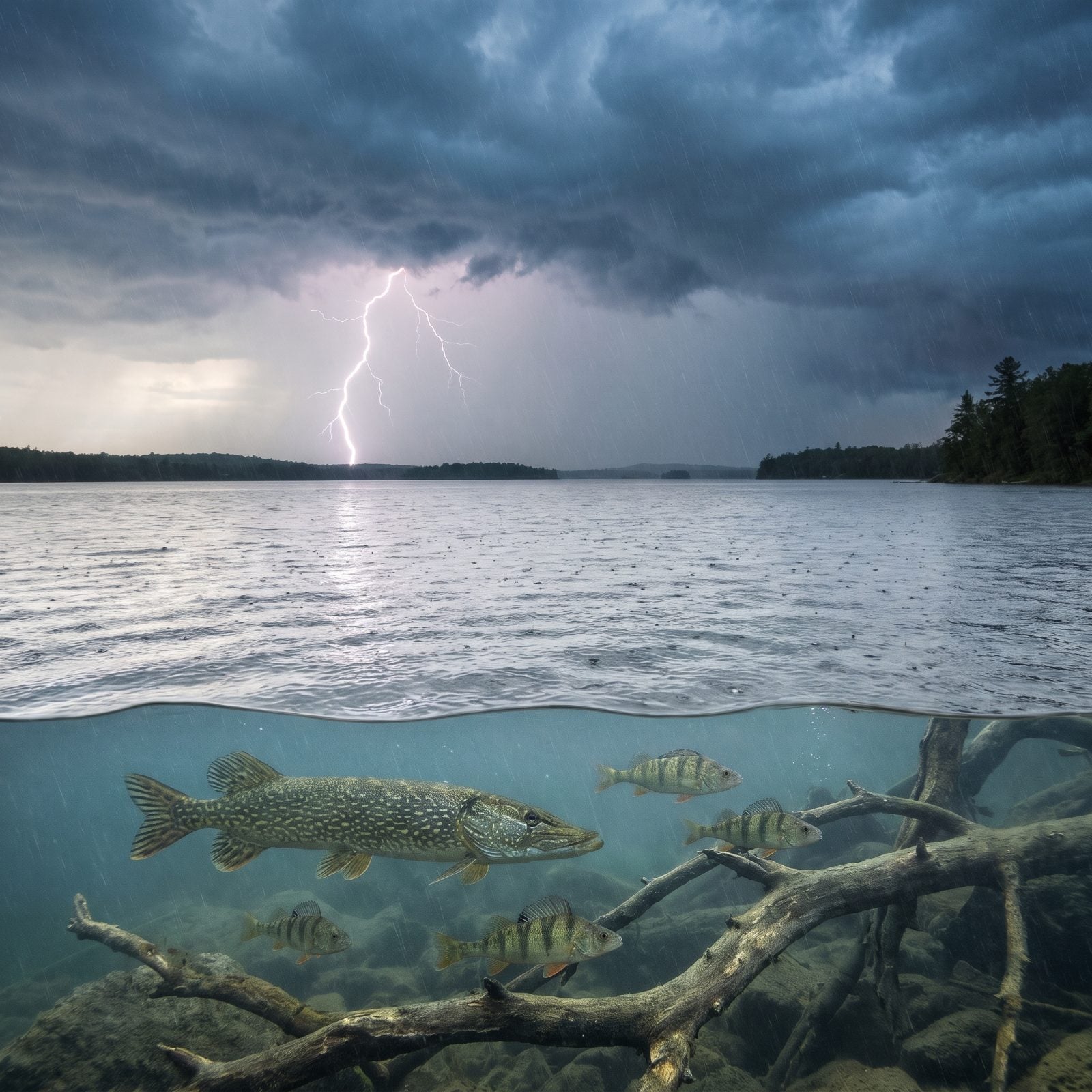
The picture in everyone’s head is dramatic: a bolt hits the water and every fish in the lake floats up belly-first. Doesn’t work that way.
Water conducts, so the current spreads out and dissipates fast. Fish near the surface at the strike point can die, sure. But a pike holding fifty yards down and out is fine, because the energy drops off quickly as it fans through the water and most fish sit well below the surface where the charge is weakest anyway.
Get yourself off the water in a storm. That’s not superstition — that’s the one part worth taking seriously.
11. Bananas on the Boat Do Not Jinx Your Fishing
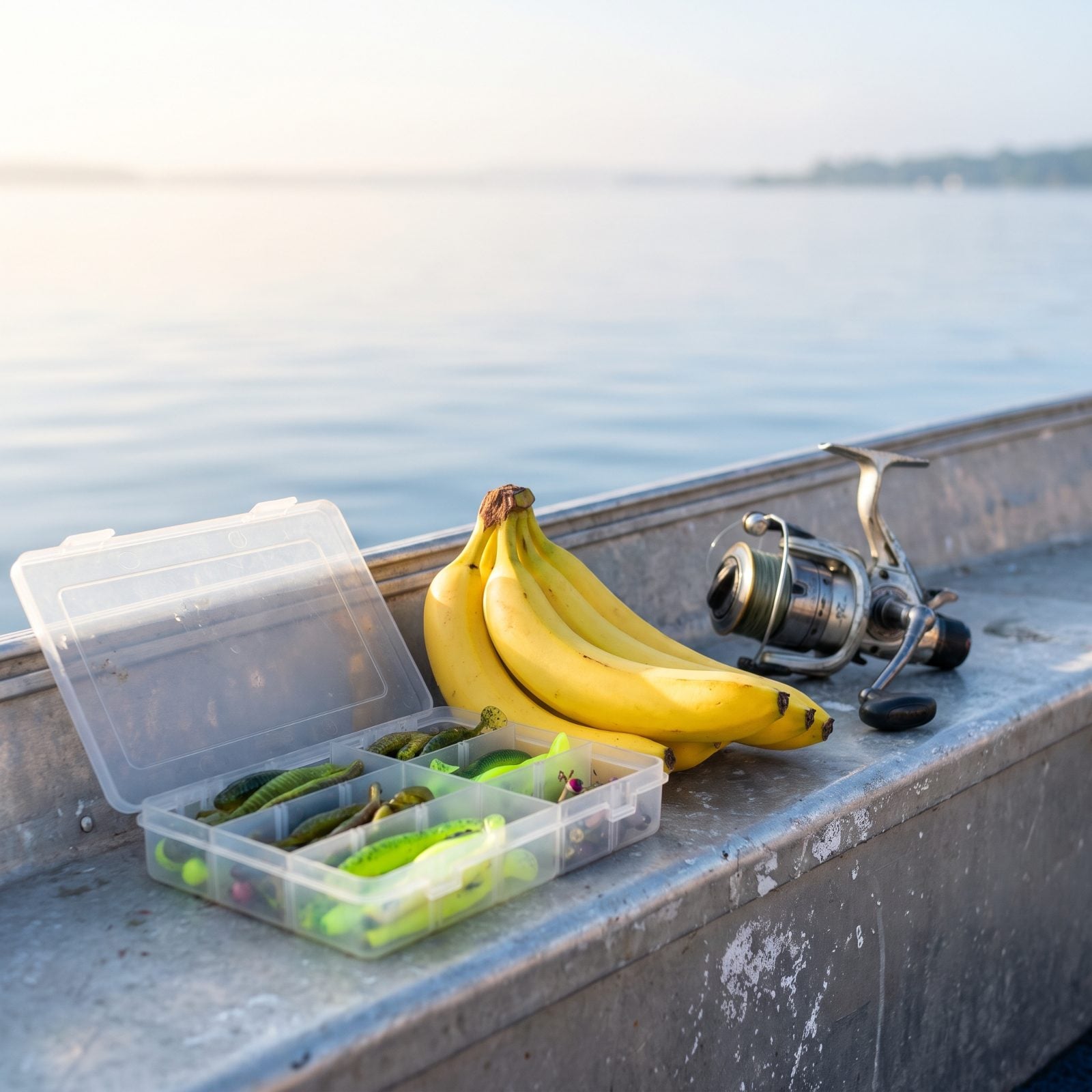
The banana ban is the most beloved curse in fishing, and it’s complete nonsense. Charter captains will physically remove them from your cooler.
The theories are entertaining. Bananas supposedly spoiled fast on old sailing ships, sped up the rot of other cargo, or hid venomous spiders in the bunches. Fun stories, every one of them. None of it has a thing to do with whether a fish eats your bait today.
You know what actually ruins a trip? Wind you didn’t check. A bite window you slept through. Bad water. Blame those, then eat the banana.
10. Human Scent Alone Does Not Make Fish Spit a Bait
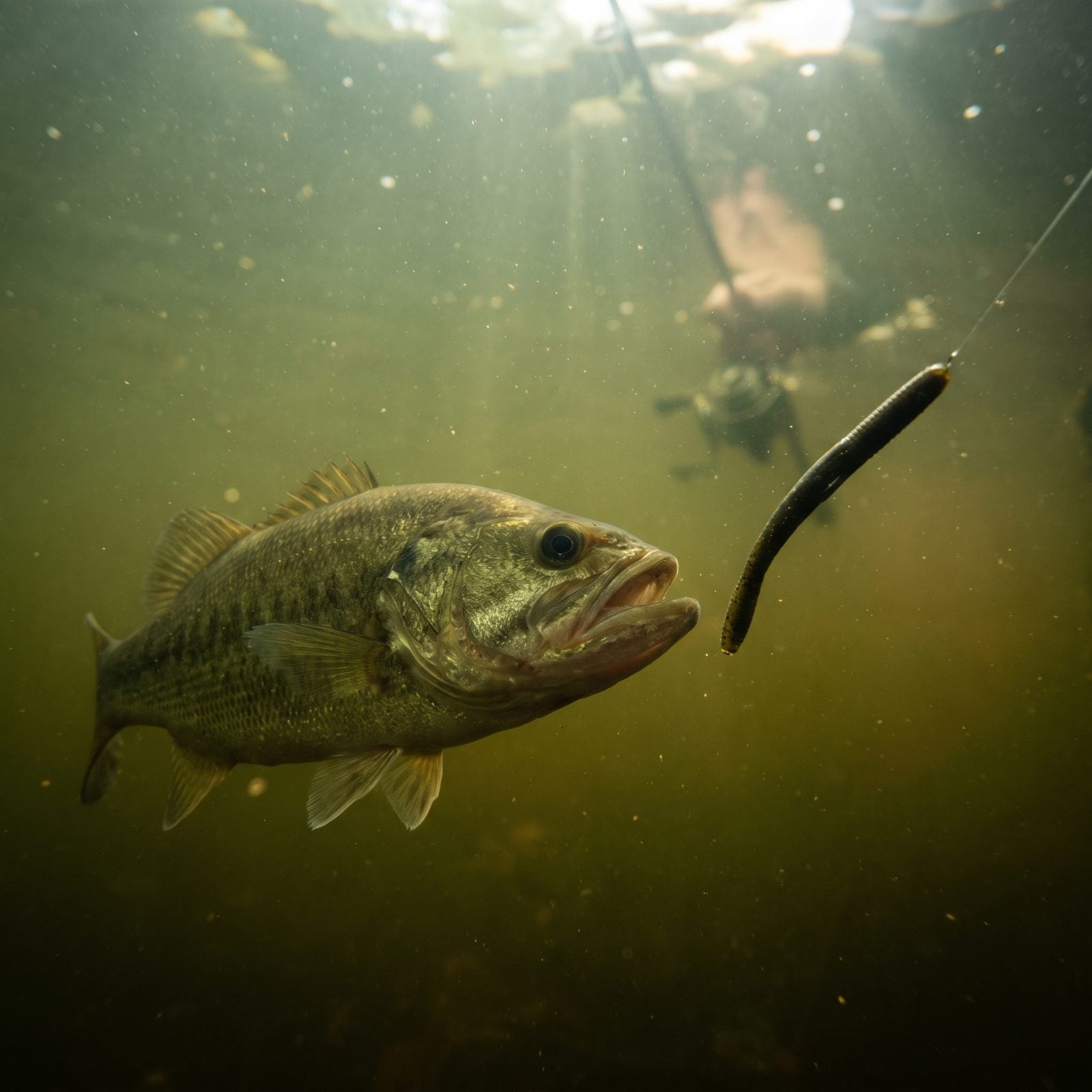
Fish smell well, no argument there. Salmon find their home river by scent. Catfish are basically swimming tongues.
But the notion that one touch of a human hand sends every fish fleeing has never held up. If it did, nobody would catch anything on a lure they handled bare-handed, which is most lures. What fish genuinely avoid are specific alarm compounds — the stuff bass release when they’re stressed — along with strong unnatural chemicals like sunscreen, bug spray, nicotine, or gasoline on your fingers.
9. WD-40 Is Not a Legal, Safe, or Proven Fish Attractant
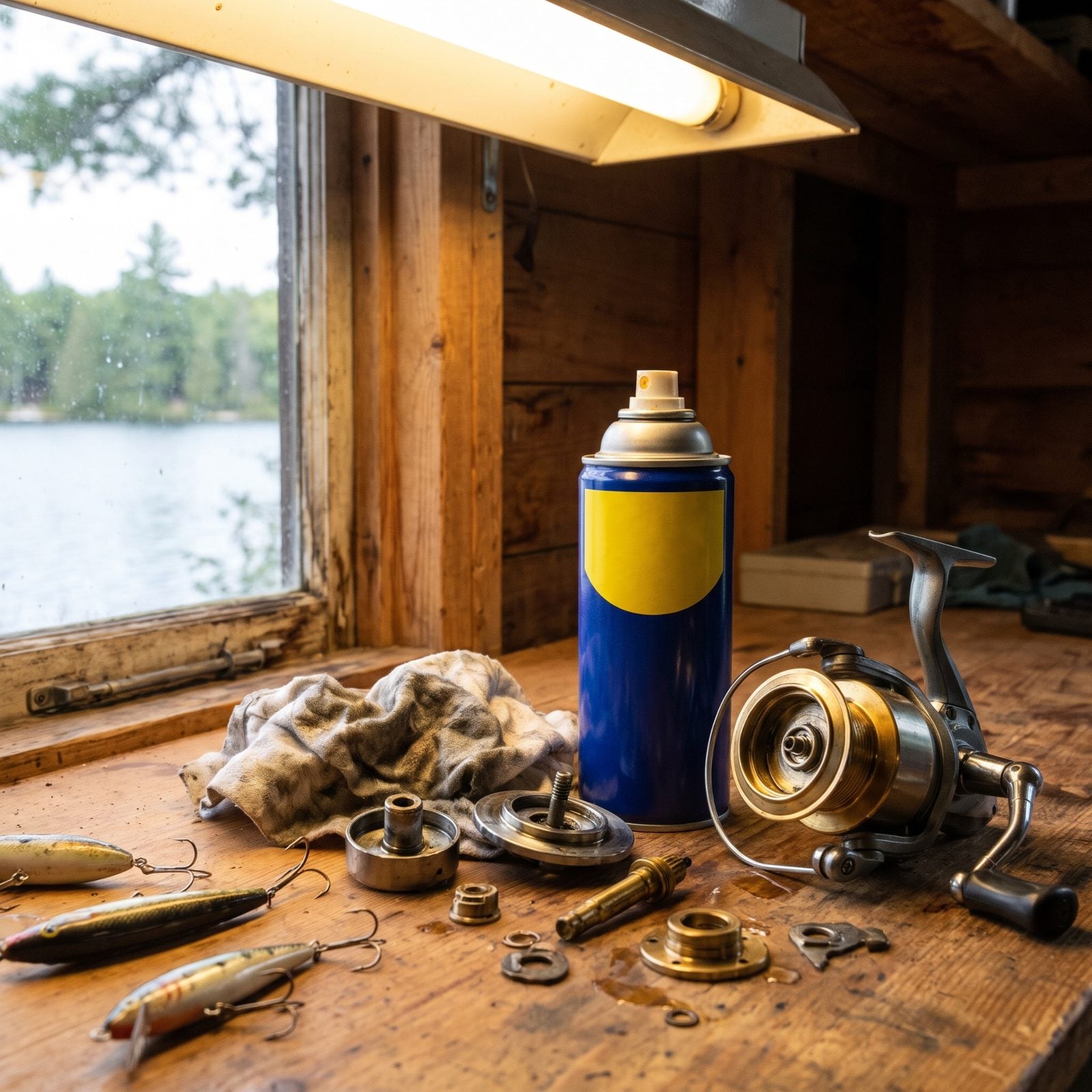
This one refuses to die. Someone always swears spraying WD-40 on a lure doubles their catch.
Here’s the problem. WD-40 is a petroleum-based solvent and lubricant, not food. There’s no solid evidence it attracts fish, and the company itself has stated it contains no fish oil. More to the point, spraying petroleum products into the water you fish is a pollution issue, and in plenty of places it’s flat-out against the rules.
Want scent that works? Buy an actual fish attractant made for the job. Save the WD-40 for your reel.
8. Fluorocarbon Line Is Low-Visibility, Not Invisible
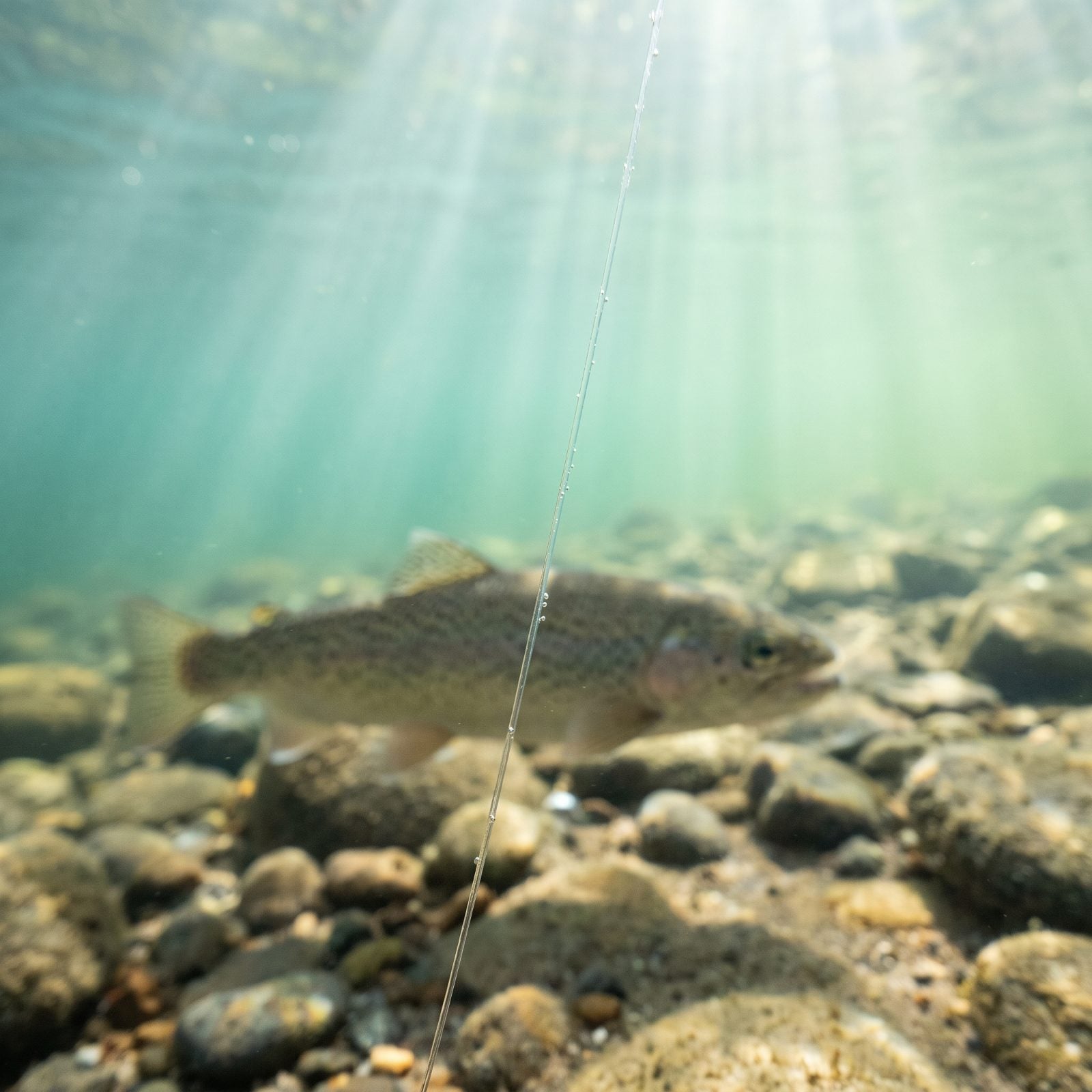
Fluorocarbon has a refractive index close to water, which is why it’s harder for fish to see than nylon mono. Harder. Not gone.
Drop a length in a glass of water and look for yourself. You’ll still spot it, especially where it bends light at angles, in moving current, or against a bright background — and so will the fish. The advantage is real, but it’s a matter of degree, not magic.
Honestly, fluoro’s bigger selling points are abrasion resistance and sensitivity. Buy it for those and treat the invisibility as a bonus, not a guarantee.
7. Braided Line Has Very Little Stretch, but Not Zero
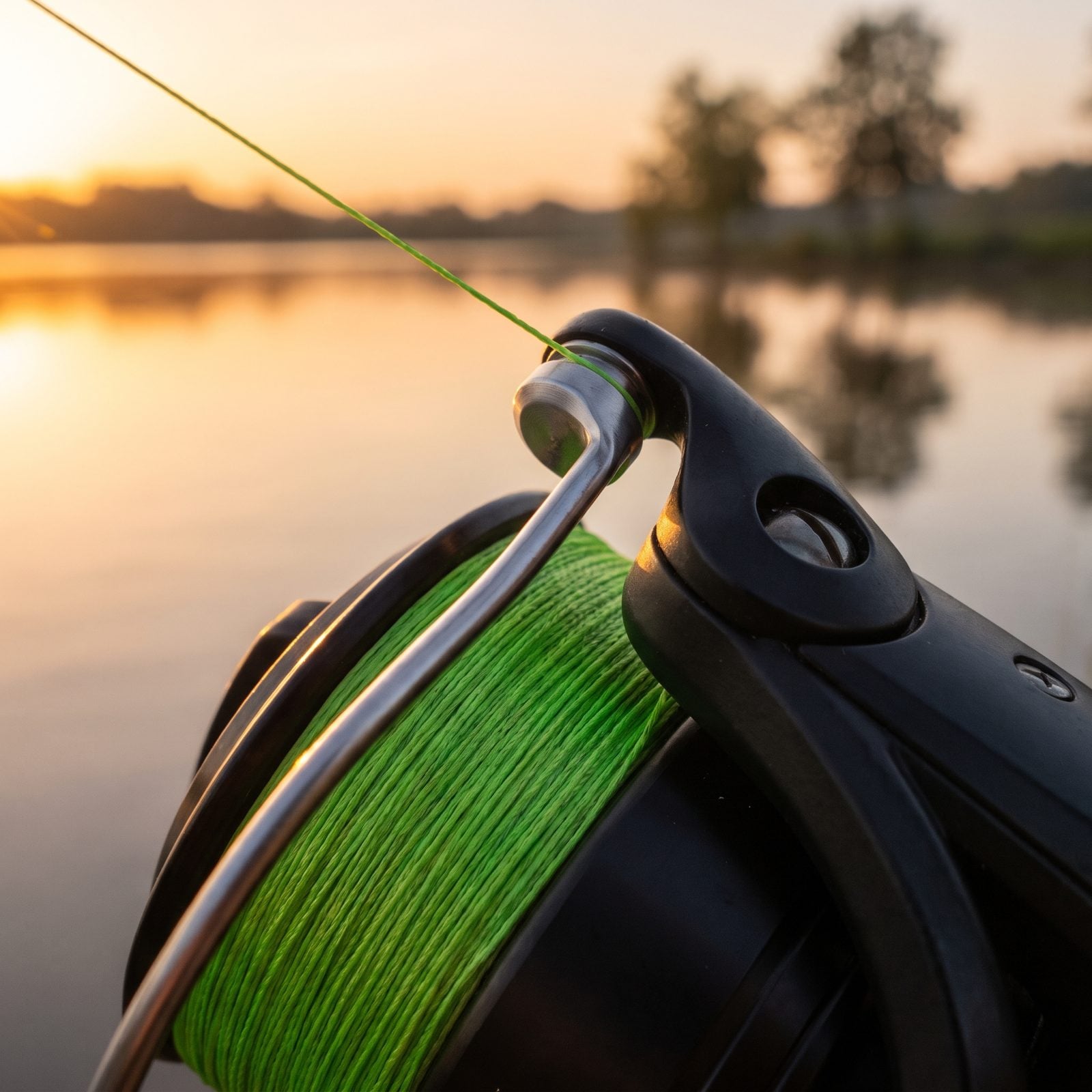
Braid gets sold as “zero stretch,” and that’s close enough that anglers repeat it like gospel. Still not quite true.
Modern braid stretches a little, usually in the low single digits as a percentage — far less than mono’s ten to thirty. That tiny amount is exactly why braid feels so direct and why it drives hooks home on a long cast. Under a hard load, though, it does give a hair, and the line can dig into itself on the spool in a way that mimics stretch.
Call it ultra-low stretch. That’s honest, and it still explains why you feel every tick on the bottom.
6. Pound-Test Is a Rating, Not the Exact Breaking Point
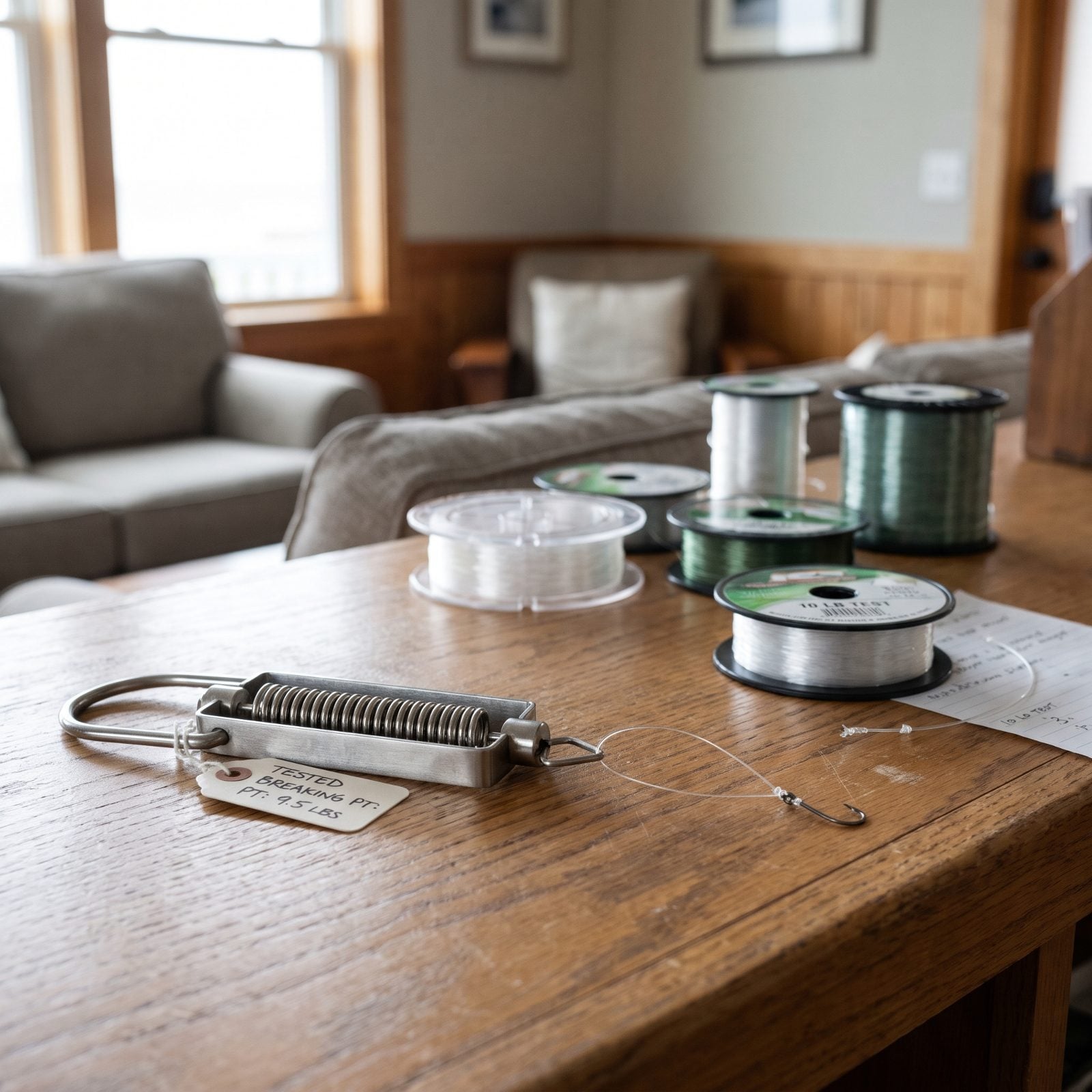
Twenty-pound line does not politely snap the instant you reach twenty pounds. Pound-test is a class rating, and real breaking strength wanders around that number.
Two standards are worth knowing. “Test” line is rated to break at or above the listed number, so a 20-pound line might actually hold 25 or more. “Class” line, the stuff used for records, is built to break at or below the rating. Then add a knot, a nick, UV damage, or a few seasons of age, and your true strength drops well under the label.
5. No Fishing Knot Keeps 100 Percent of the Line’s Strength
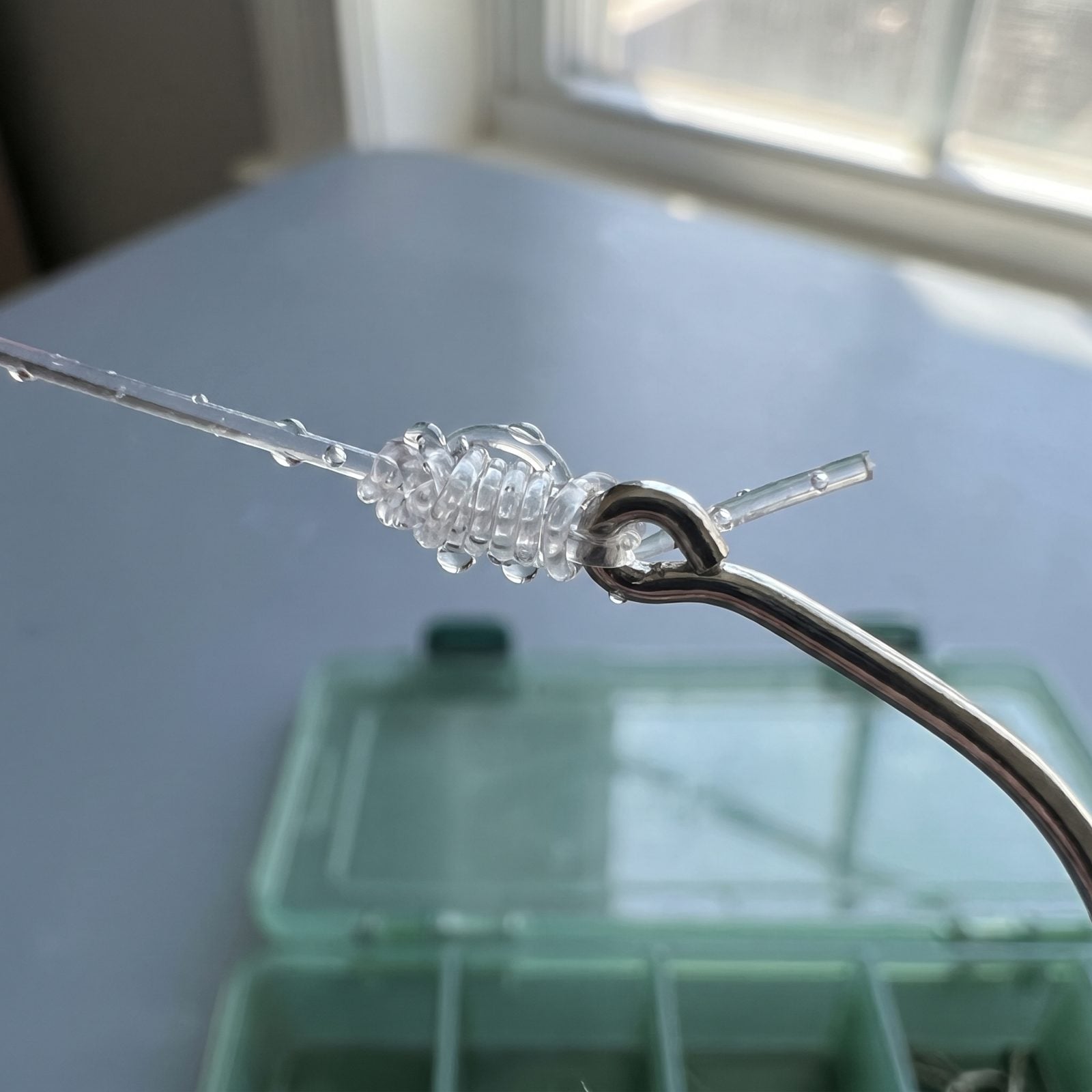
You’ll hear a certain knot called “a hundred percent knot.” Flattering, but physics says no.
Any knot bends the line against itself, and bending plus friction piles stress right onto the coils. That’s why a line almost always lets go at or near the knot rather than out in the open stretch. The good ones — a well-seated Palomar, an improved clinch tied right — hold most of the rated strength. Tie it sloppy, or pick a bad knot, and you hand away a big chunk.
Wet the knot before you cinch it. The friction heat from a dry pull is a quiet strength-killer most people never notice.
4. A Broken-Off Hook Does Not Just Rust Away Overnight
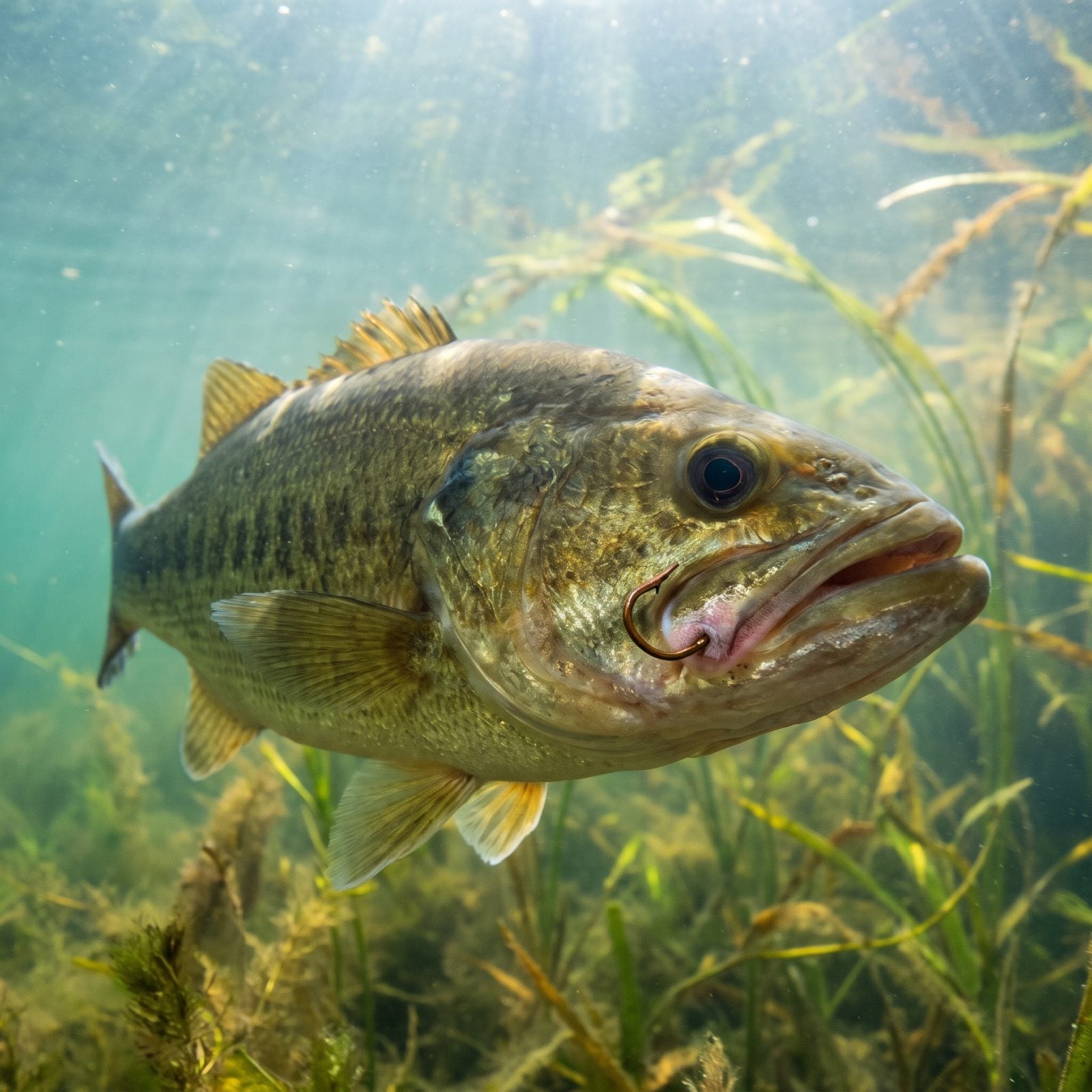
The comforting version goes like this: if you break off, the hook rusts out in a day or two and the fish is fine. Half right.
Fish often do survive a left-in hook, and over time the body can corrode it, dissolve it, or wall it off and shed it. But “over time” can mean weeks or longer, and it leans hard on which hook. A cheap bronze hook corrodes reasonably fast. Stainless steel barely rusts at all and can sit there for a very long stretch.
Which is the real reason to skip stainless for anything you plan to release. Use a plain or bronze hook, pinch the barb, and give the fish its best odds.
3. Big Lures Only Catch Big Fish
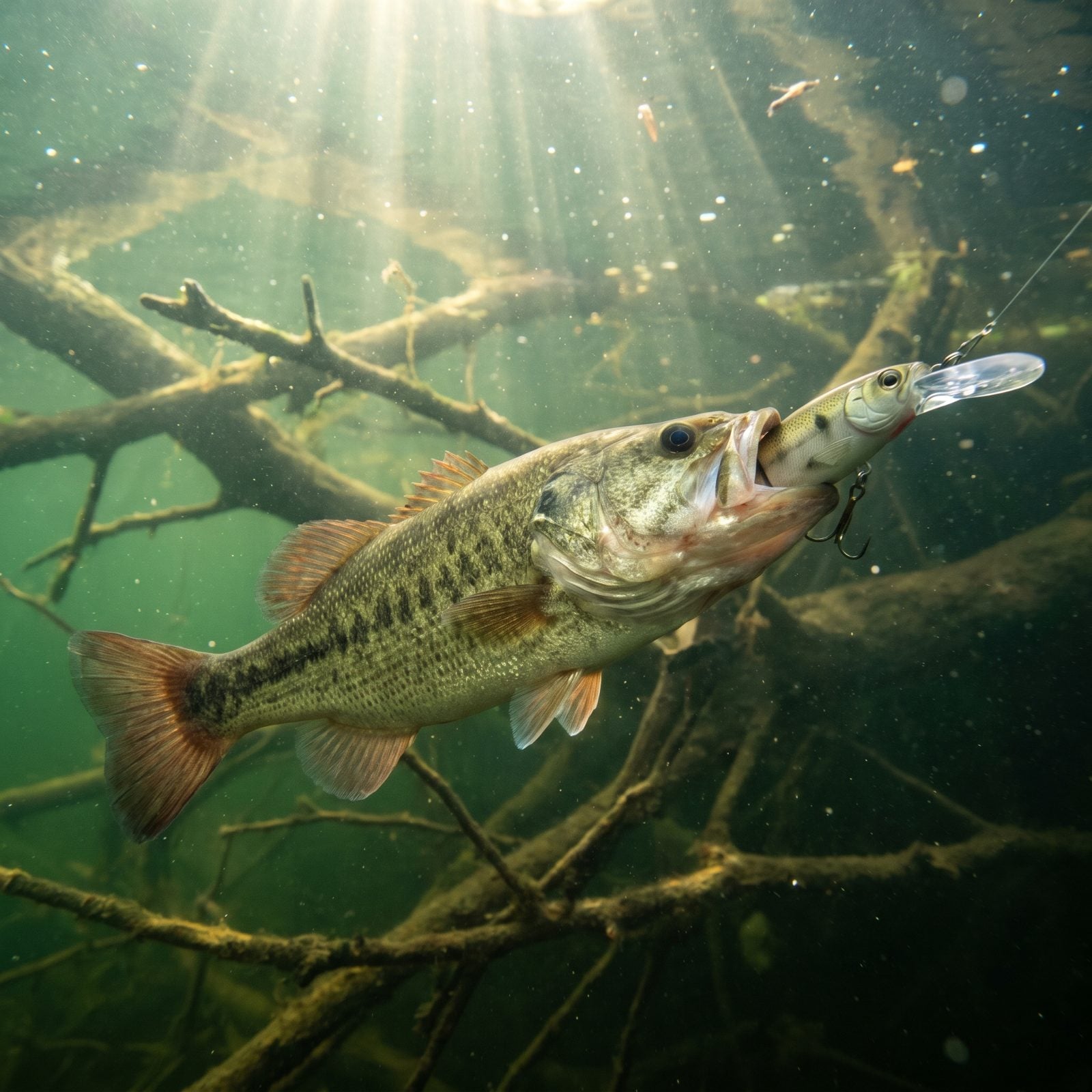
Throw a giant bait and you still catch runts. Anyone who has chucked an eight-inch swimbait all morning knows it. Small bass will tear after a lure longer than they are, out of territorial aggression or plain bad judgment.
Big baits do skew your odds toward bigger fish, a little. What they won’t do is filter out the little ones. A hungry eater is a hungry eater, and a bluegill-sized bass will attack prey it has no business swallowing. Anyone who throws big baits loses count of the dinks that hammer lures meant for double-digit fish.
2. Live Bait Always Beats Artificial Lures
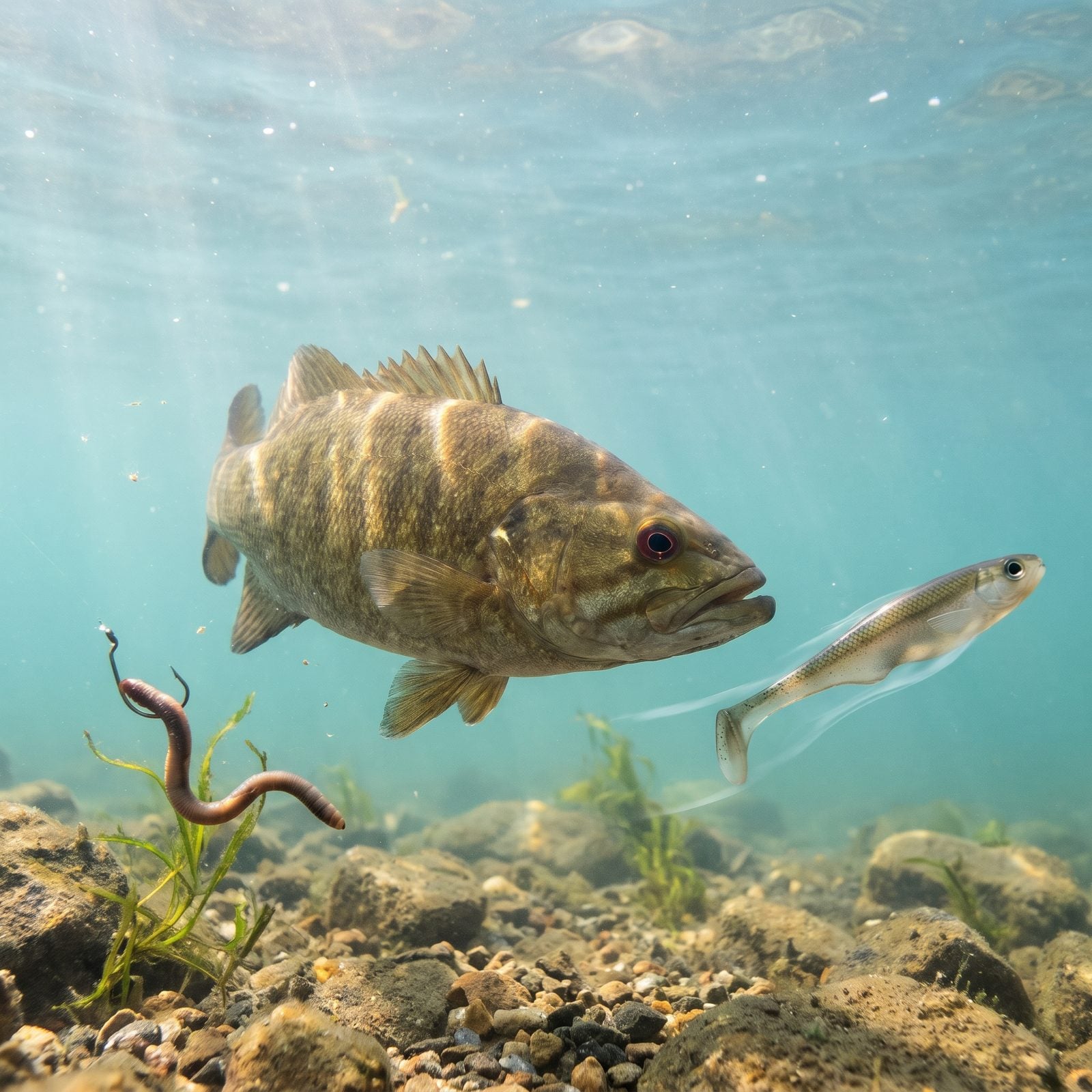
Live bait wins on a slow day. It loses on a fast one.
When fish are keyed on a specific baitfish and feeding hard, a well-worked soft plastic or crankbait covers more water and triggers more reaction strikes than a worm sitting still ever will. You can fish a long stretch of shoreline with a lure in the time it takes a minnow to get picked off by a passing perch.
Where live bait earns its reputation is with finicky fish, cold water, and spots that have seen too much pressure. That’s not a universal cheat code, though. Tournament anglers win national titles on artificials, and believe me, they’d dump a bucket of shiners on the deck if that bucket actually worked better. It doesn’t, often enough to matter.
1. Hanging a Big Fish Vertically by Its Jaw Does No Damage
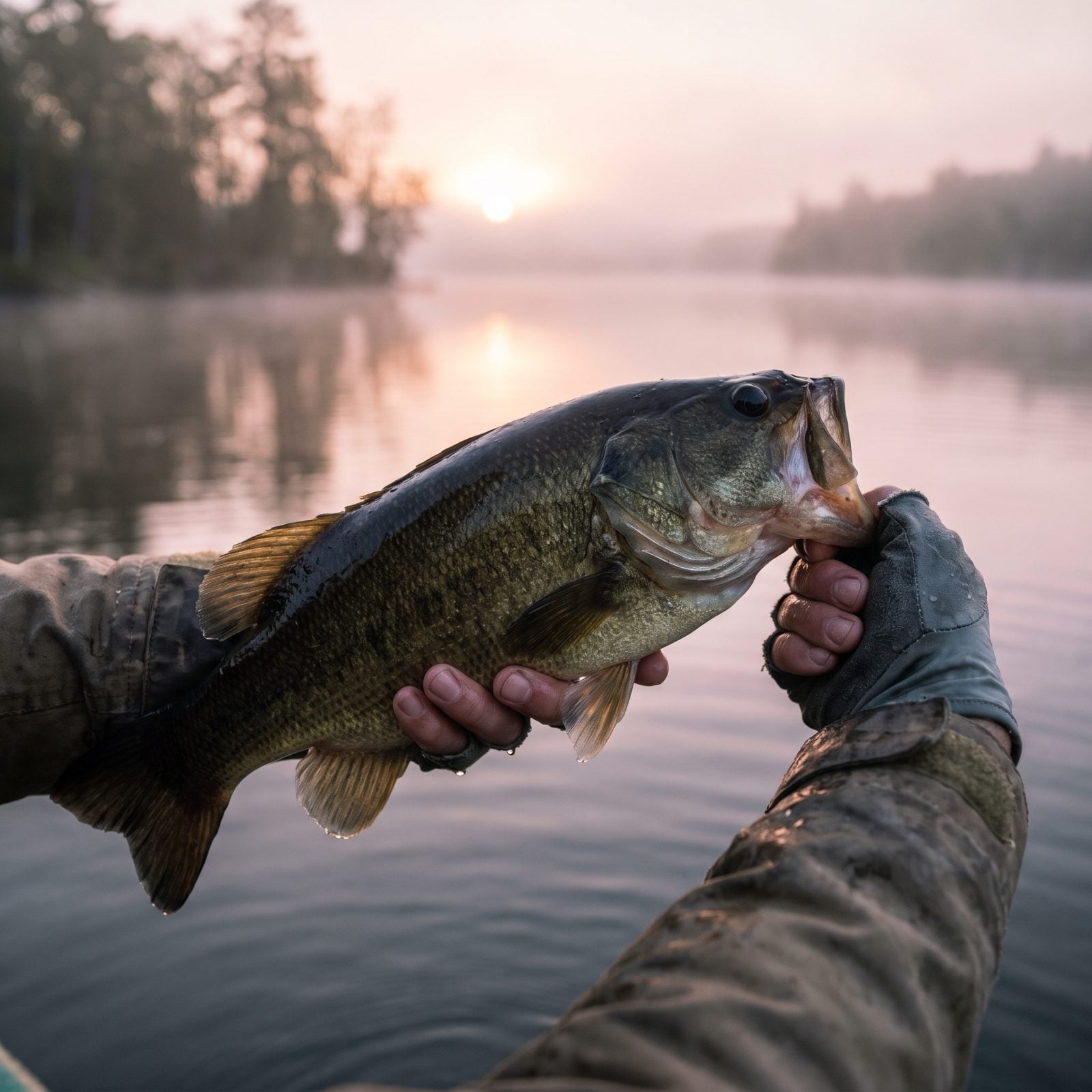
Hang a heavy fish straight down by the lip and you’re stressing joints that never evolved to carry that load.
Held vertically, a bass or pike puts its full body weight on the jaw and everything hanging behind it. For a small fish, no big deal. For a thick, heavy one, the research and the vets agree: you can damage the jaw structure and strain internal connective tissue. The fish swims off looking perfectly fine, then feeds poorly for days.
Support the belly. Hold it horizontal. Two hands. None of this is fussy — it’s just correct.