
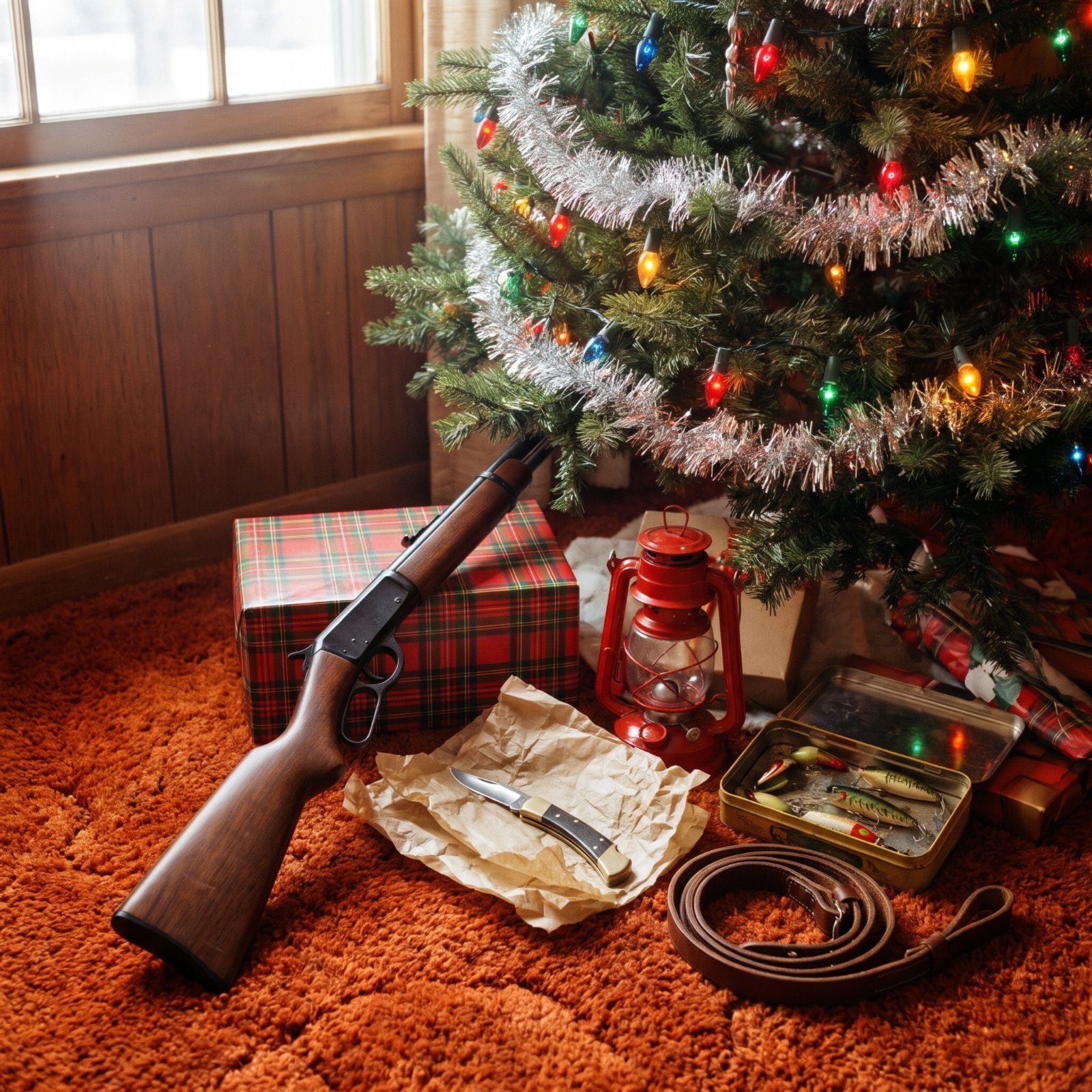
The catalog arrived in October, thick as a phone book, and the pages near the back got the most abuse. Fishing rods, pocket knives, that red Daisy with the wood stock. You folded the corner, circled things in pen, and left it open on the kitchen table where your dad couldn’t miss it.
Please note that some of the images in this article were created with the assistance of AI.
Some of those gifts were the first grown-up thing a kid ever held. A real knife. A real rifle. The first lantern that was yours to light. They taught safety and patience and the specific thrill of carrying something that could actually do a job, and a lot of them still work. Back then that mattered more than anything.
44. The Daisy Red Ryder BB Gun
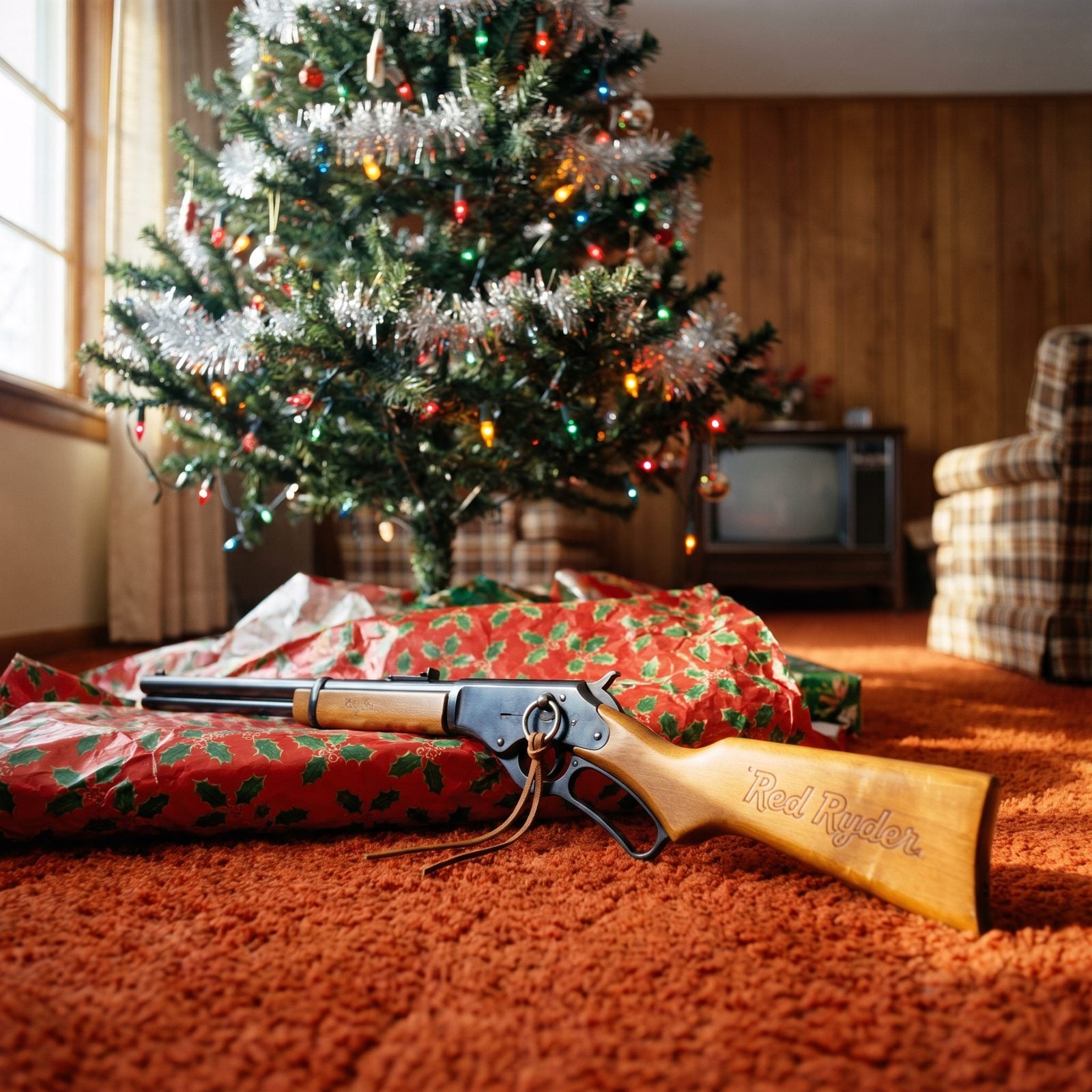
No single gift shows up in more holiday memories than this one. The lever-action Red Ryder has been around since 1938, and by the seventies it was the undisputed first gun of American boyhood, wood stock, saddle ring, leather thong and all.
It fires a .177 steel BB at modest speed, which is exactly why parents handed it over before anything with real powder. You learned to carry it muzzle-down, learned not to point it at your brother, and learned that a tin can only falls once you stop yanking the trigger.
43. A First .22-Caliber Rifle
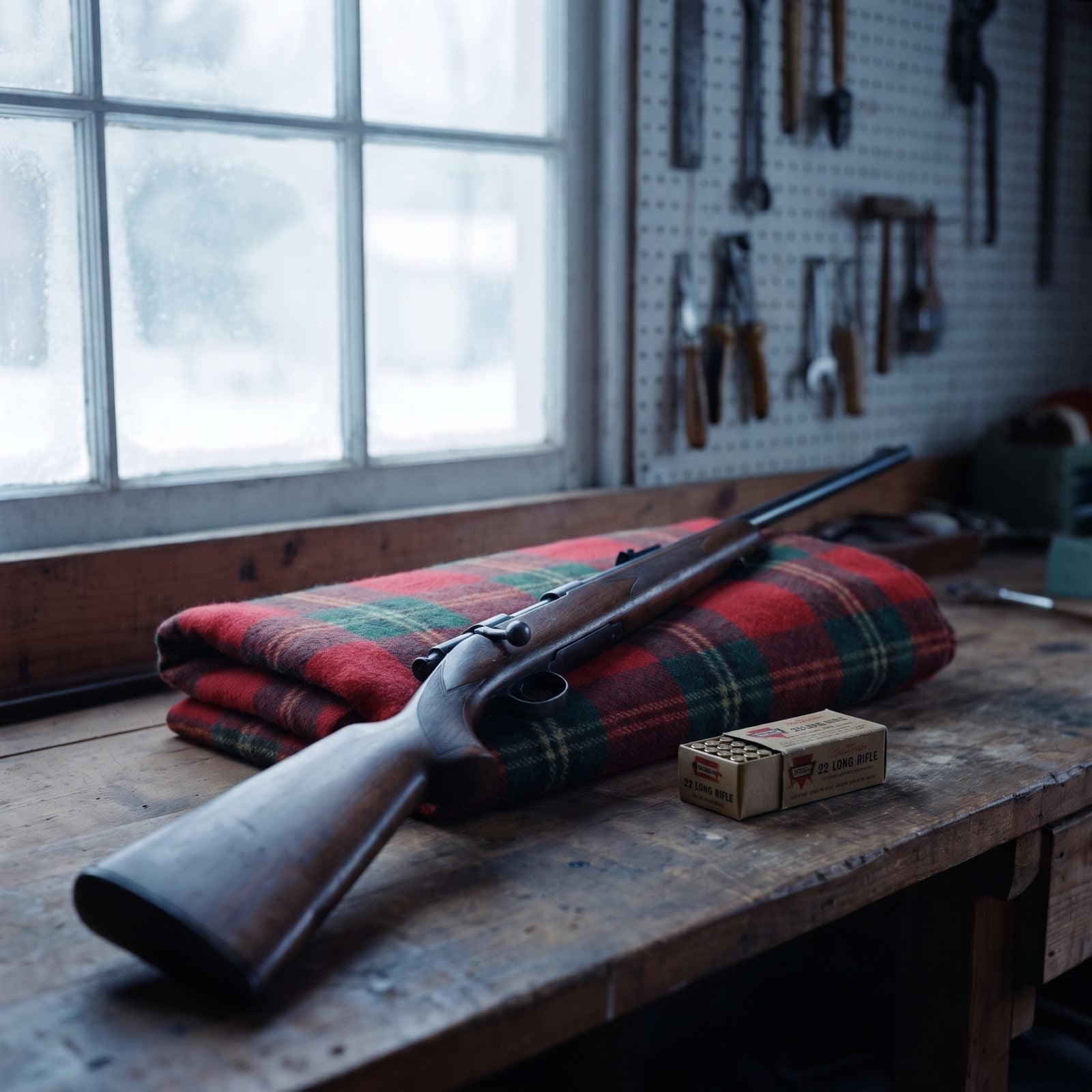
The .22 is where it got real. A rimfire rifle, usually a single-shot or bolt-action from Marlin, Remington or Winchester, meant someone had decided you were old enough to shoot live ammunition. That was a graduation.
Cheap to feed, quiet enough for a backyard range or a gravel pit, and accurate enough to teach fundamentals that stick for life. Nothing beats the .22 long rifle cartridge for drilling in sight picture, breath control and trigger squeeze.
You counted every round out loud before loading. Nobody taught better than the first adult who trusted you with it.
42. The Single-Shot .410 Shotgun
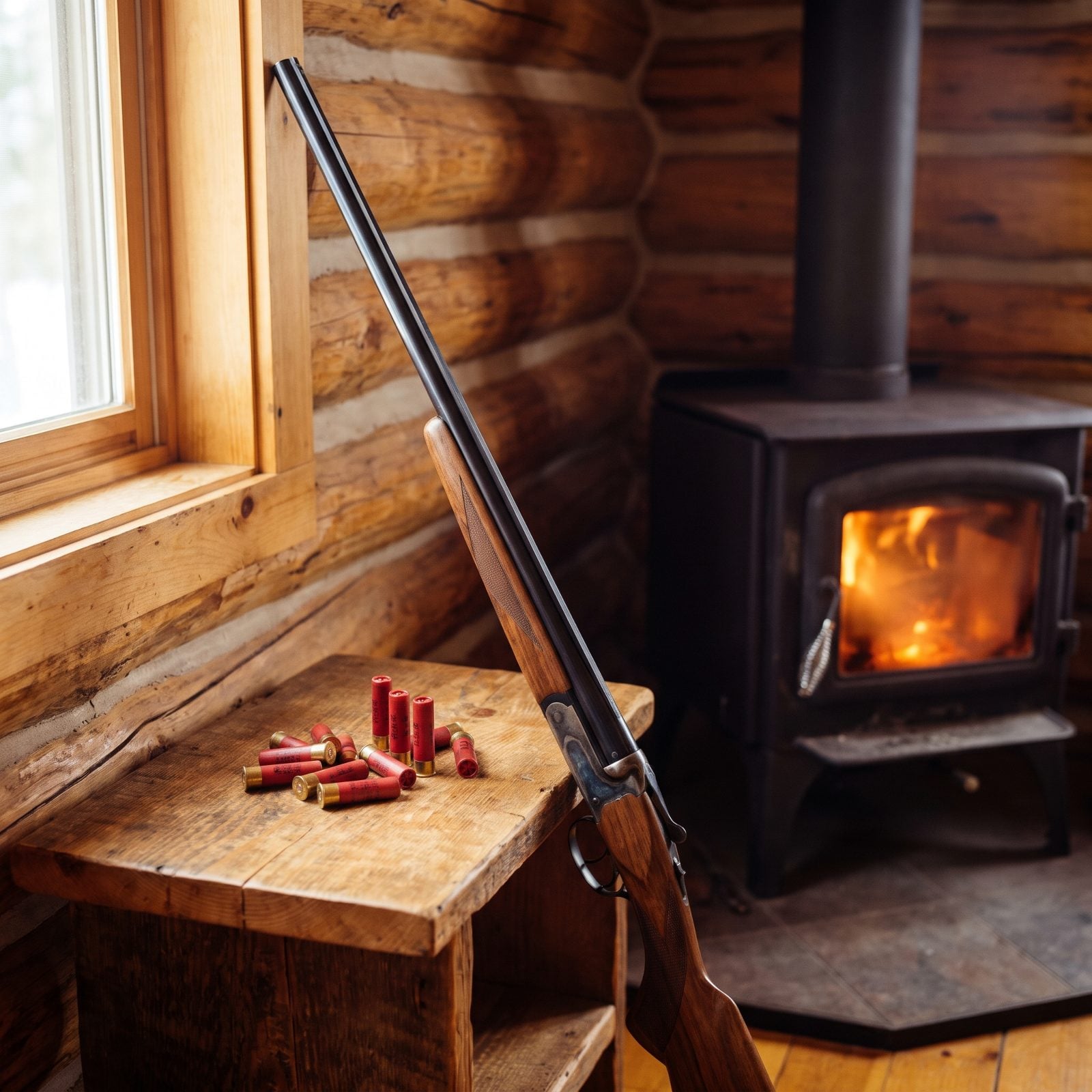
Smallest of the common shotgun bores, the .410 was built for small hands and small game. Light recoil, a slim barrel, and a break-action that forced you to open it, load it, and close it every single time. That deliberate rhythm was the lesson.
Next to fat red 12-gauge hulls like the ones on the table, its shells push a small shot charge, so it rewards getting close and getting your lead right rather than throwing a wall of pellets. Squirrels, rabbits, the occasional surprised grouse. Not an easy gun to shoot well, which made hitting something with it feel earned.
41. The Bear Archery Youth Bow Set
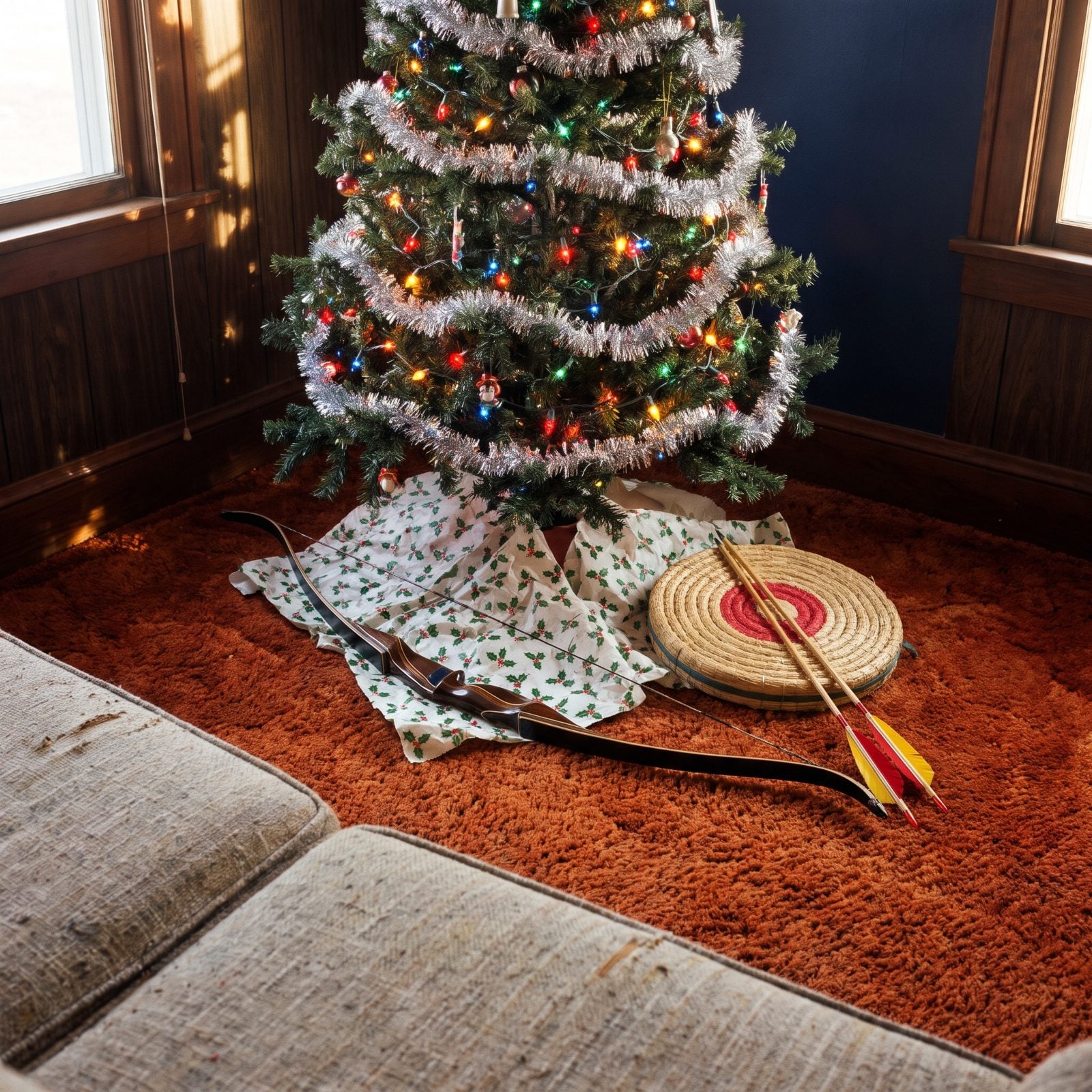
Fred Bear built bows for kids who’d never shoot a deer but would absolutely shoot at a hay bale until dark. The youth recurve was laminated wood, forgiving draw weight, and it came with a few feather-fletched arrows you lost in the tall grass within a week.
A recurve teaches you honesty. No sights worth mentioning, no release aid, just your anchor point and the string against your cheek. You missed a lot. Then one afternoon you didn’t, and the arrow buried in the straw with a thud you can still hear.
40. The Wrist-Rocket Slingshot
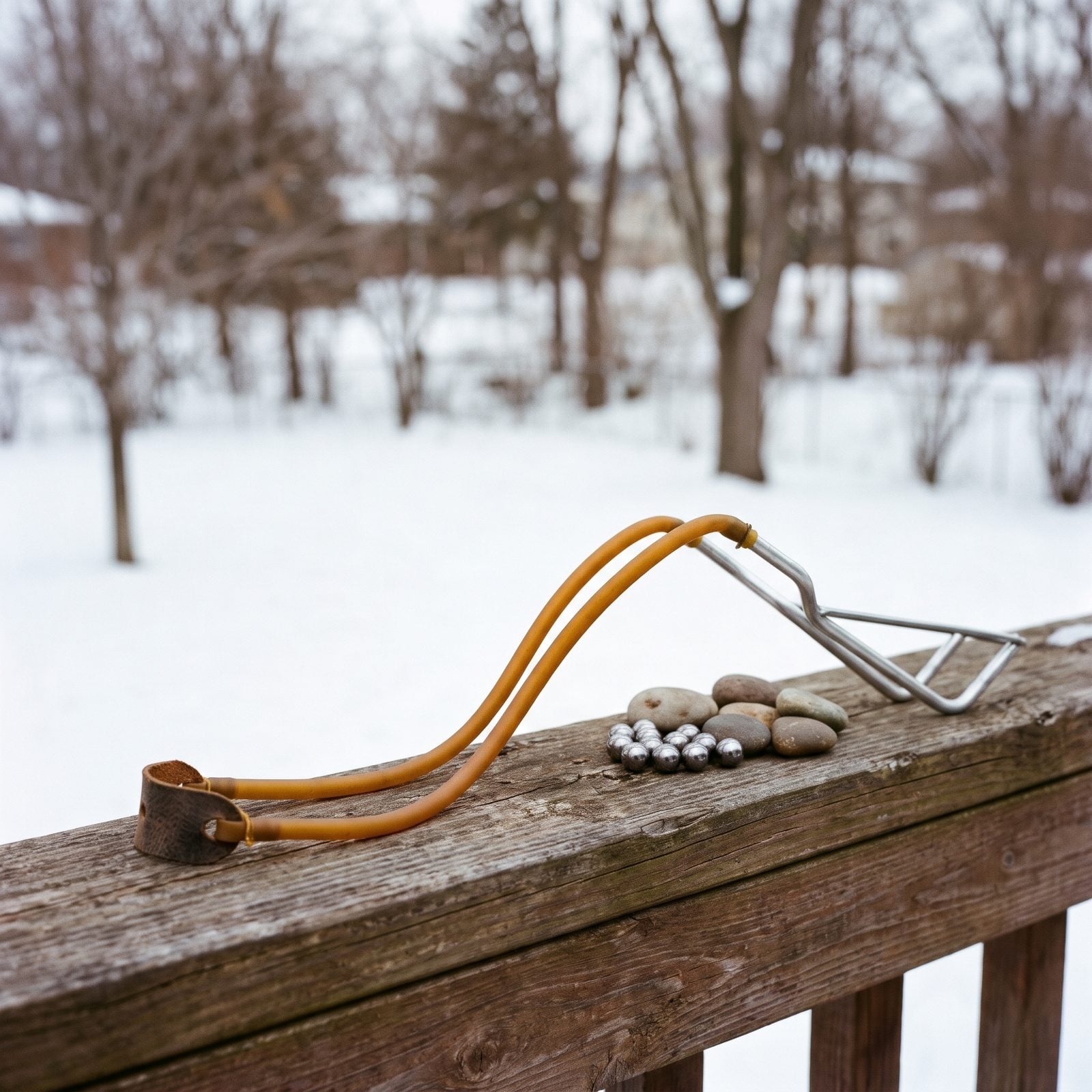
The Wrist-Rocket turned the slingshot from a forked stick into something with real range. That bent metal-wire frame sat in your fist, and the surgical-rubber bands snapped a steel ball or a creek pebble flat and fast.
Every kid who owned one aimed at a tin can and swore that was all. And every kid who owned one also knew it could do a lot more, which is exactly why the good ones got put away when a window broke. Cheap, pocketable, genuinely accurate once you stopped flinching.
39. The Buck 110 Folding Hunter Knife
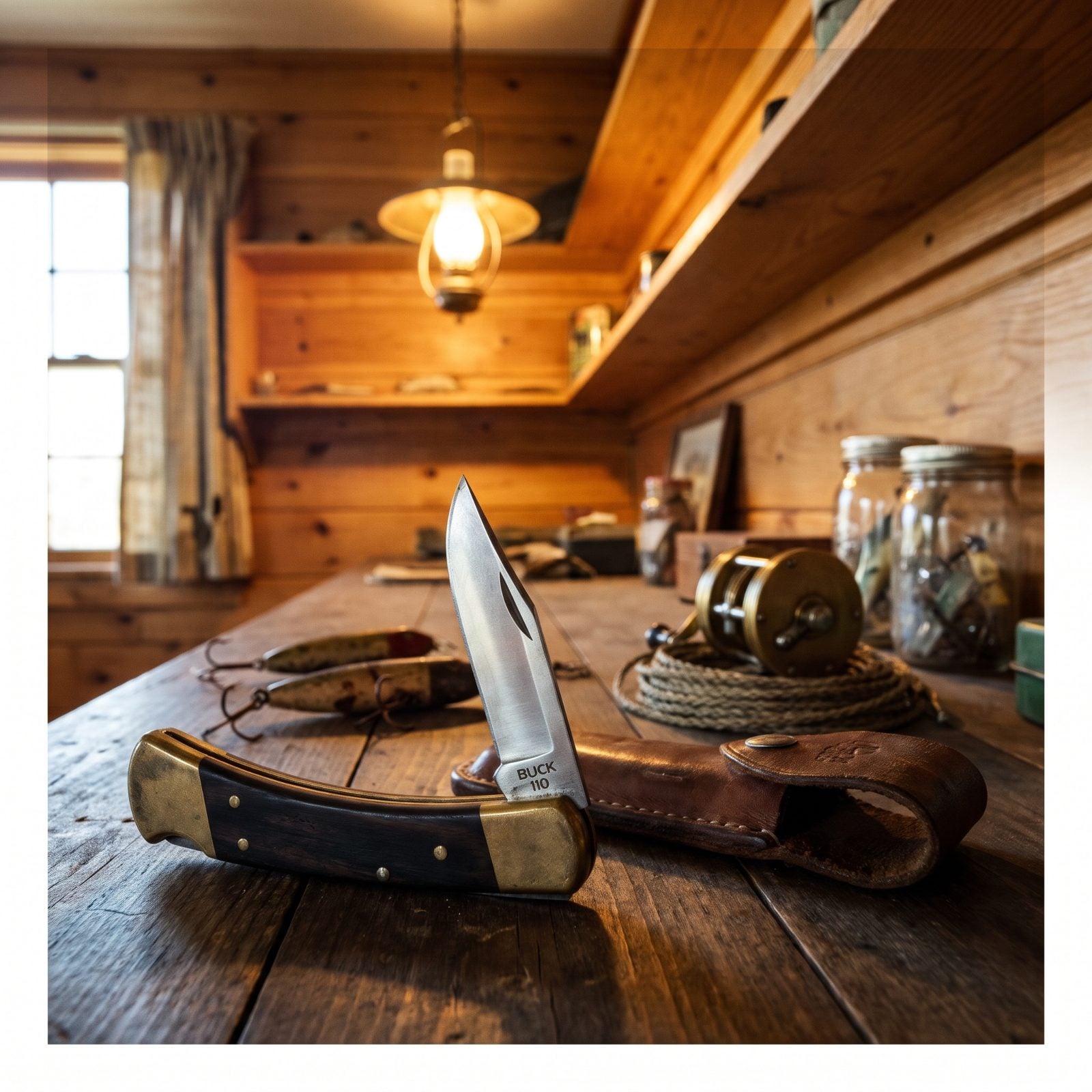
Introduced in 1964, the Buck 110 made the lockback folding knife a mainstream thing. Brass bolsters, a dark hardwood handle, a clip-point blade that locked open with a click you could feel through the handle. It rode on your hip in a leather belt sheath and announced you were taking the outdoors seriously.
Heavy for a folder, which is part of the appeal. It field-dresses game, splits kindling in a pinch, and cuts rope without complaint.
38. The Swiss Army Knife
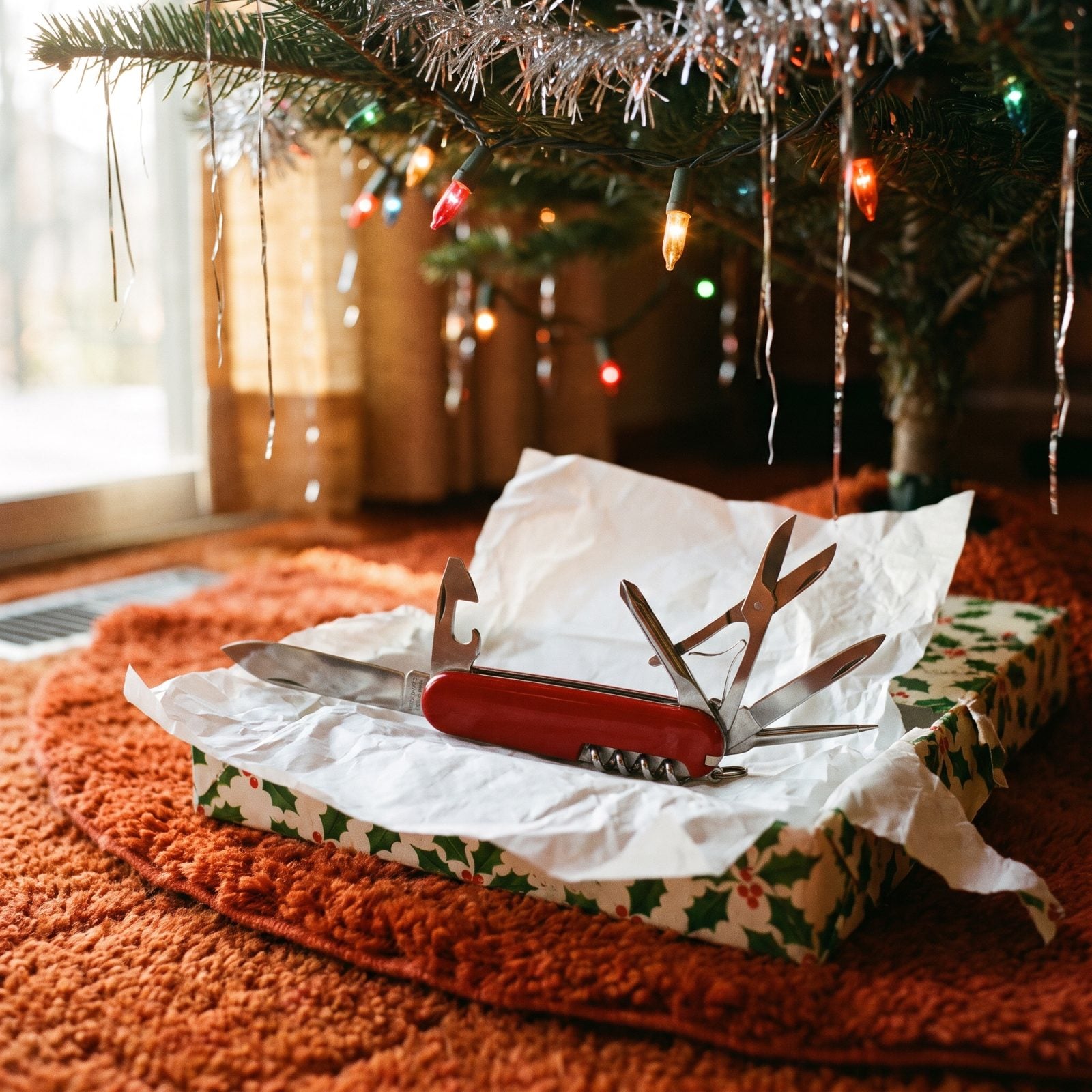
No gun, no sheath, just a red-handled block of usefulness that fit in a front pocket. The Swiss Army knife was the practical gift, the one an uncle gave when he wanted you equipped but your mother wasn’t ready for a fixed blade.
Blade, can opener, screwdriver, that little awl nobody quite understood, scissors if you got the good model. You used maybe four of the tools constantly and the rest once a year, and that one time felt like vindication.
37. The Estwing Sportsman’s Hatchet
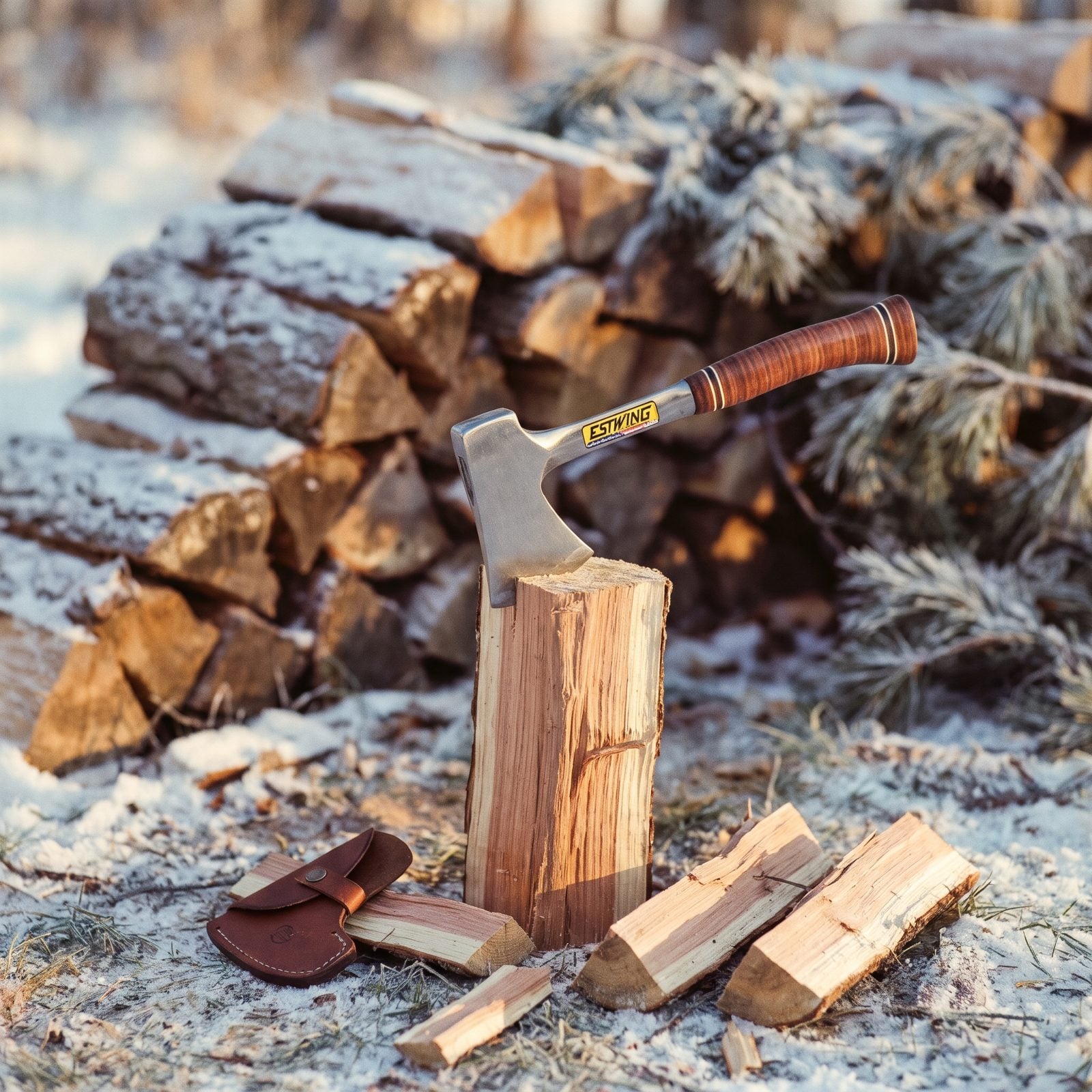
Forged in one piece, head and handle a single bar of steel, with a stacked-leather grip that fit the hand like it was made for yours. The Estwing hatchet said someone trusted you around a woodpile.
It splits kindling, drives tent stakes, and takes limbs off downed wood. The one-piece build means no loose head flying off at the worst moment, the way of lesser hatchets with wooden handles that shrink and rattle.
36. The Coleman Gas Lantern
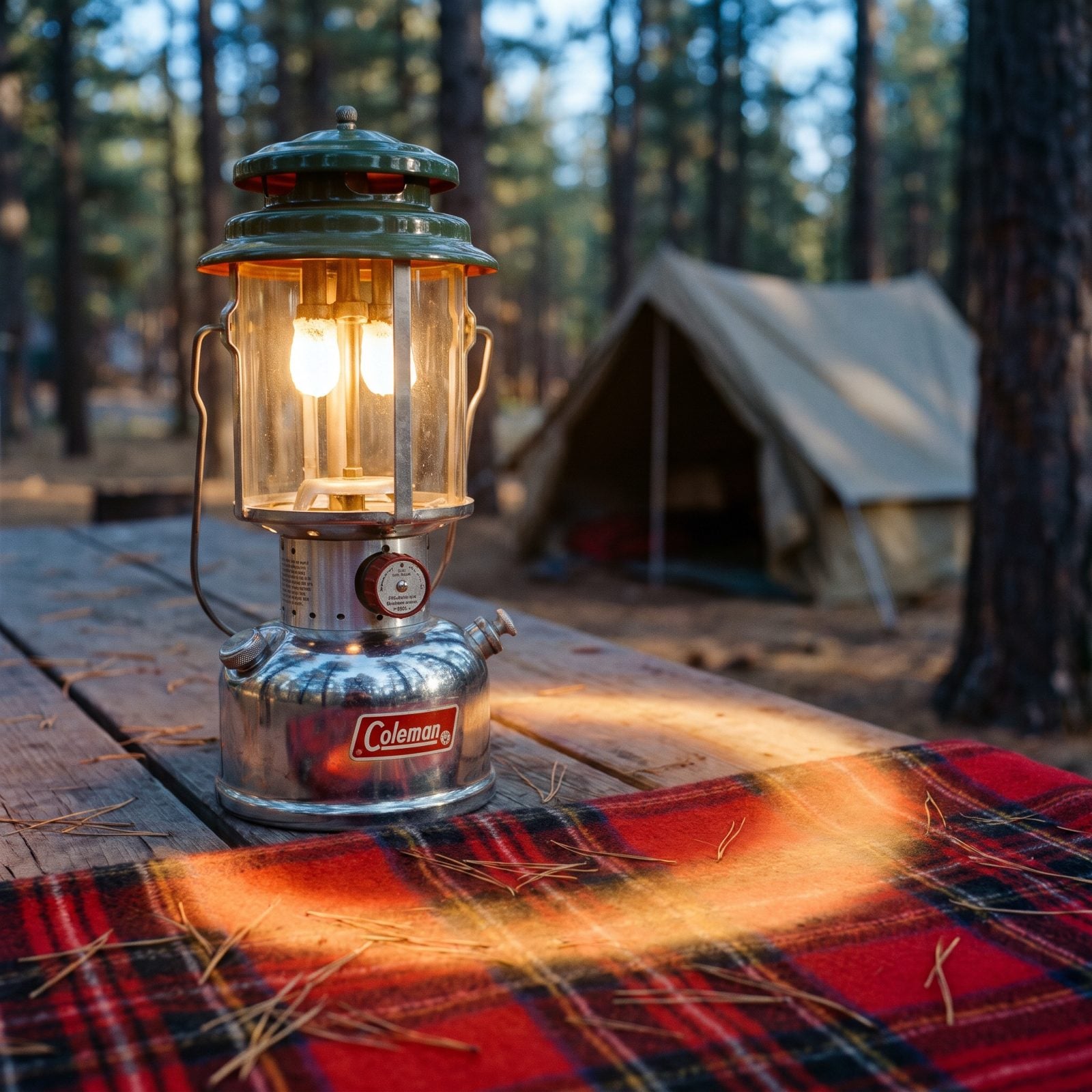
Before this showed up under the tree, dark meant dark. The Coleman lantern, green enamel body, chrome base, glass globe, two glowing mantles, turned a campsite into a room with walls of light.
You pumped the fuel tank to pressure, lit the mantles, and listened for that steady hiss that meant you were set for the night. The mantles crumbled to fragile ash after the first burn, so you handled the thing like it held something alive. It threw enough light to play cards, clean fish, or just sit in while the woods went black around you.
35. The Coleman Two-Burner Camp Stove
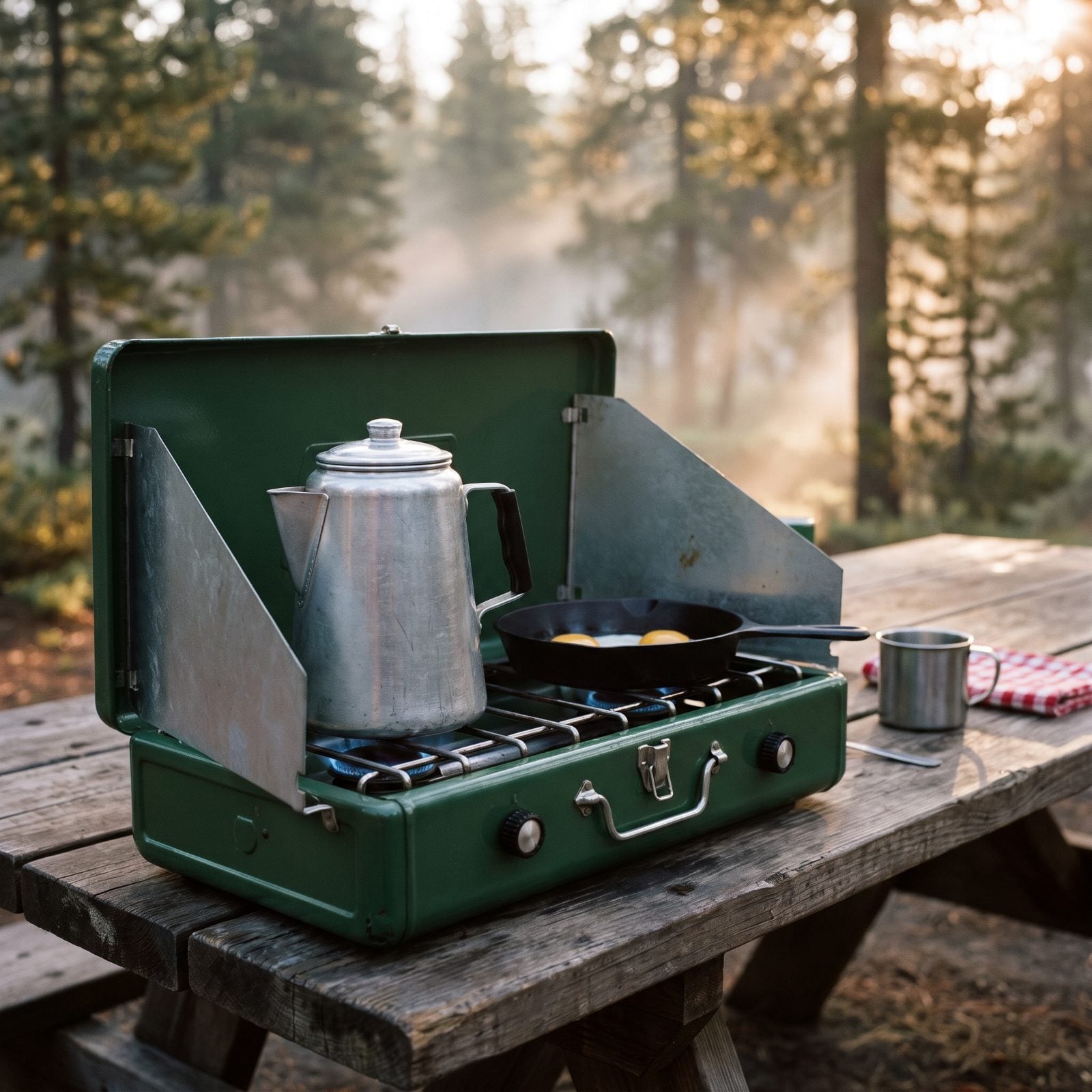
The green steel box that folded shut like a lunchbox and opened into hot breakfast. The Coleman two-burner ran on the same white gas as the lantern, and once you had the knack of lighting it, a real camp kitchen followed.
Fold-up panels blocked the wind. Two burners meant coffee on one side and eggs on the other, which is the whole argument for camping instead of staying home. Heavy, built from steel that would outlast the kid who got it, and the smell of that first percolator morning stuck around for life.
34. The Steel Coleman Cooler That Outlived Everyone
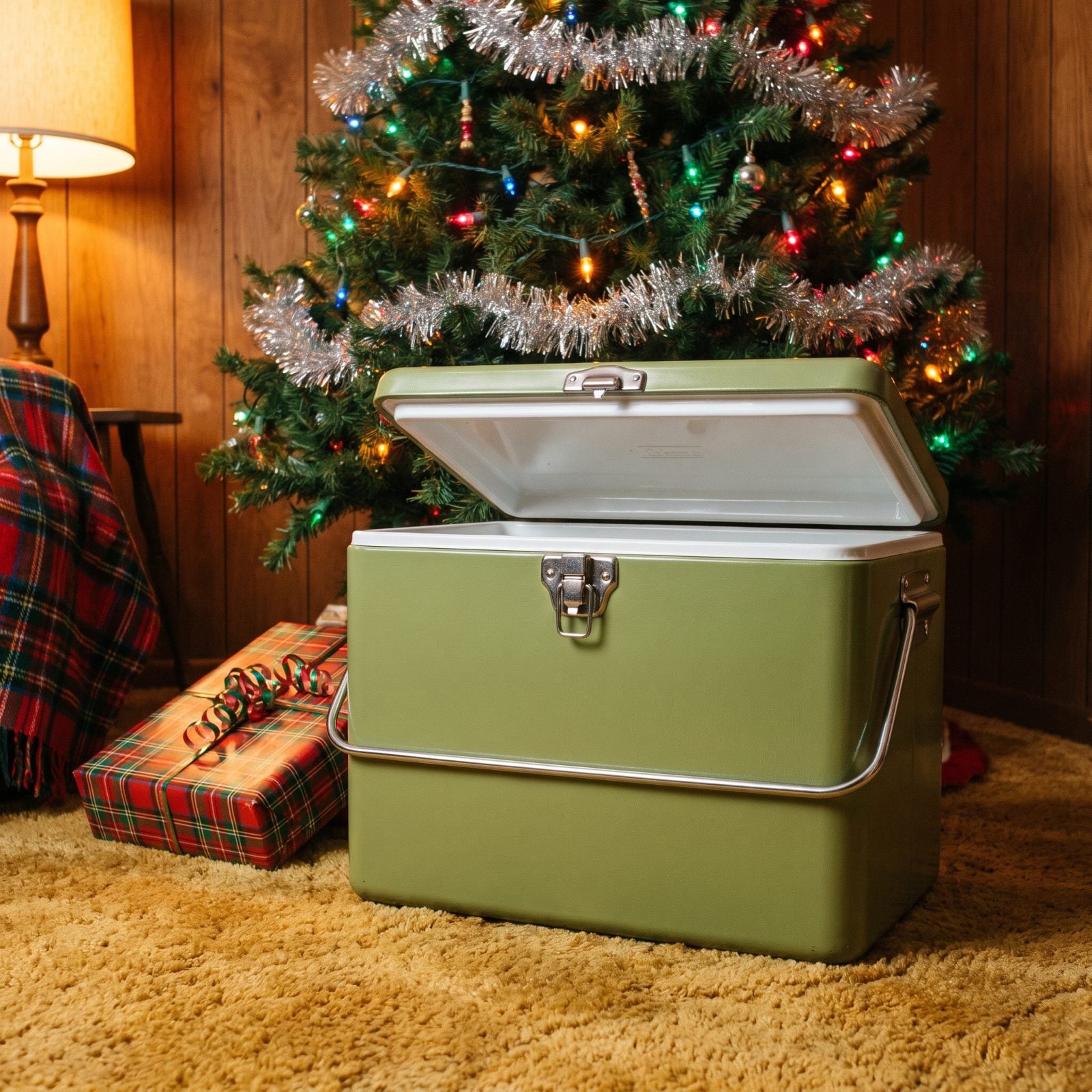
Heavy enough to double as a step stool. That was the point. The steel Coleman never asked for ice packs or gel inserts — you dumped block ice in it, latched the chrome lid, and it kept sandwiches cold through a long Saturday on the lake.
The paint chipped and the enamel inside stained from spilled soda, and nobody cared. These things lasted so long that plenty of them are still rattling around in garages, holding nails and extension cords now instead of beer.
33. The Flannel-Lined Sleeping Bag With the Duck Print Interior
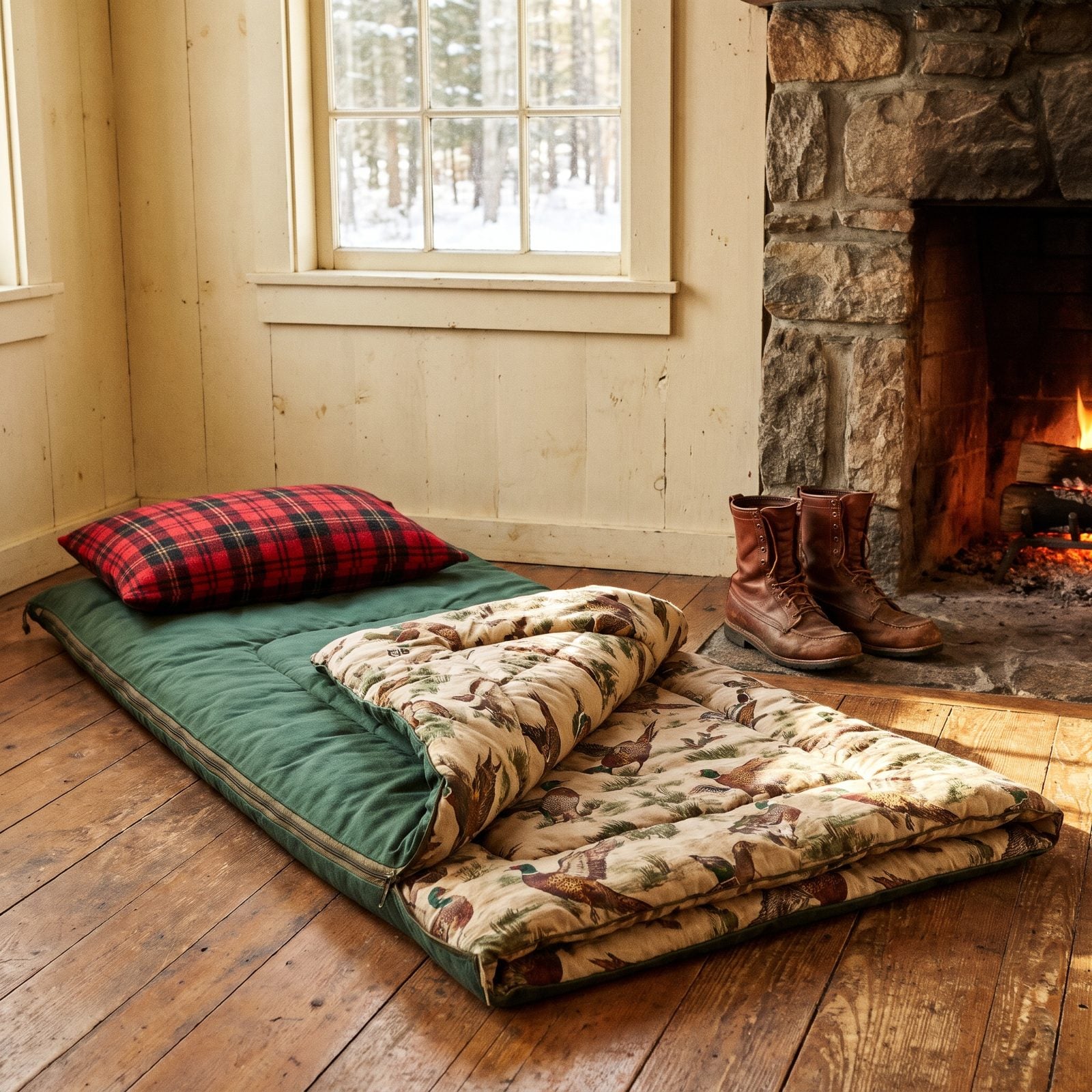
Pull the zipper and the whole thing smelled like the last campout — woodsmoke, a little mildew, the particular damp of a bag rolled up before it fully dried. You never minded.
The flannel lining was the whole magic. Cold nylon against your face versus soft cotton printed with mallards and pointing dogs? One of those made a kid want to sleep in the backyard in October. These bags weighed a ton and packed down to roughly the size of a hay bale, which is why no serious backpacker ever carried one and no kid ever cared.
32. The Eureka Timberline Tent That Pitched Itself in the Driveway First
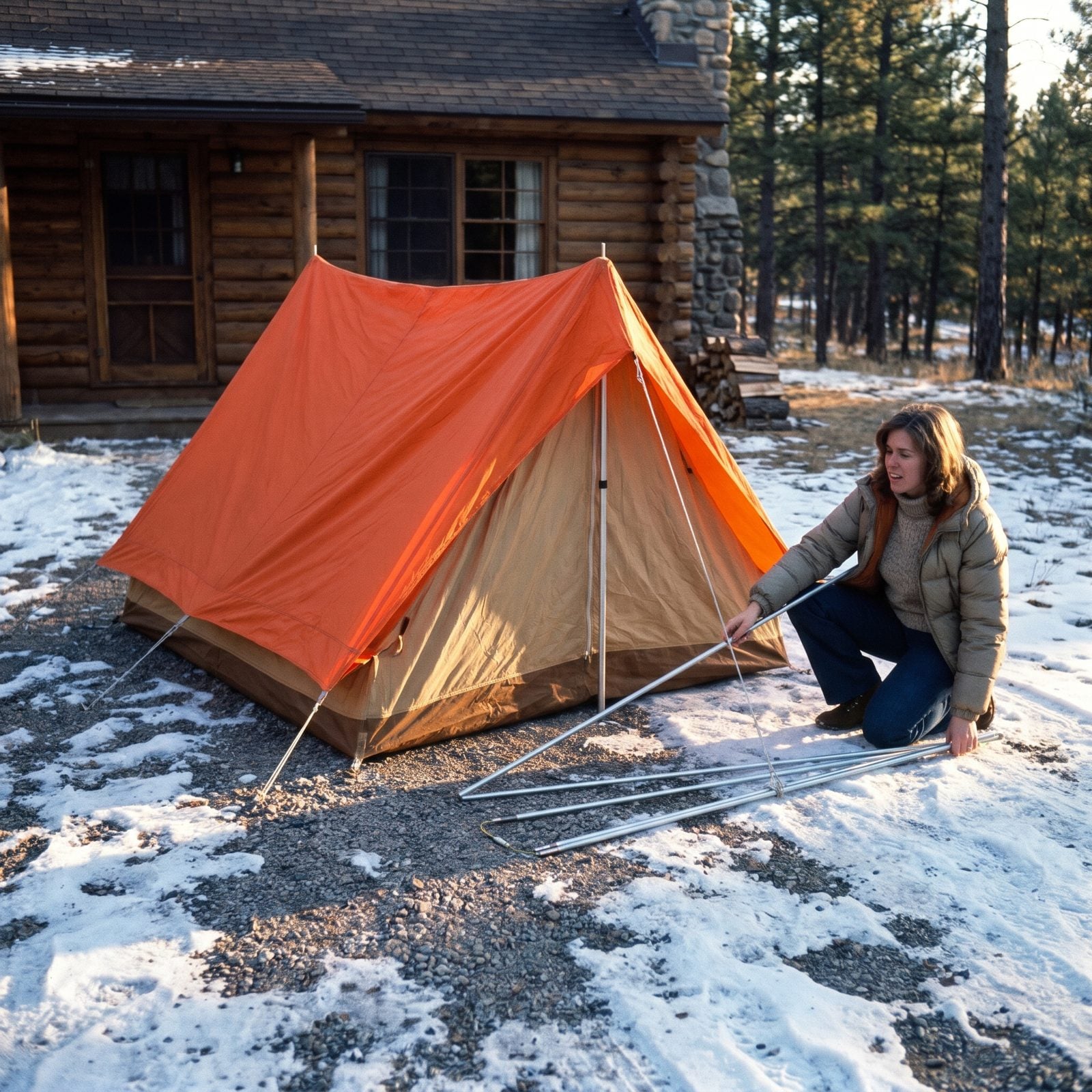
The one you learned to pitch in the driveway.
Pitching a tent was a business of center poles and guy lines, and done in the dark it meant a dad swearing at stakes. Eureka’s A-frame made it a Saturday job instead. Fit the aluminum poles together, stand the center pole at the door, stake out the guy lines, and the thing held its shape.
It leaked a little at the seams if you forgot to seal them. You learned that once. Eureka kept building versions of the design for decades, which tells you everything.
31. The External-Frame Backpack Built Like a Lawn Chair
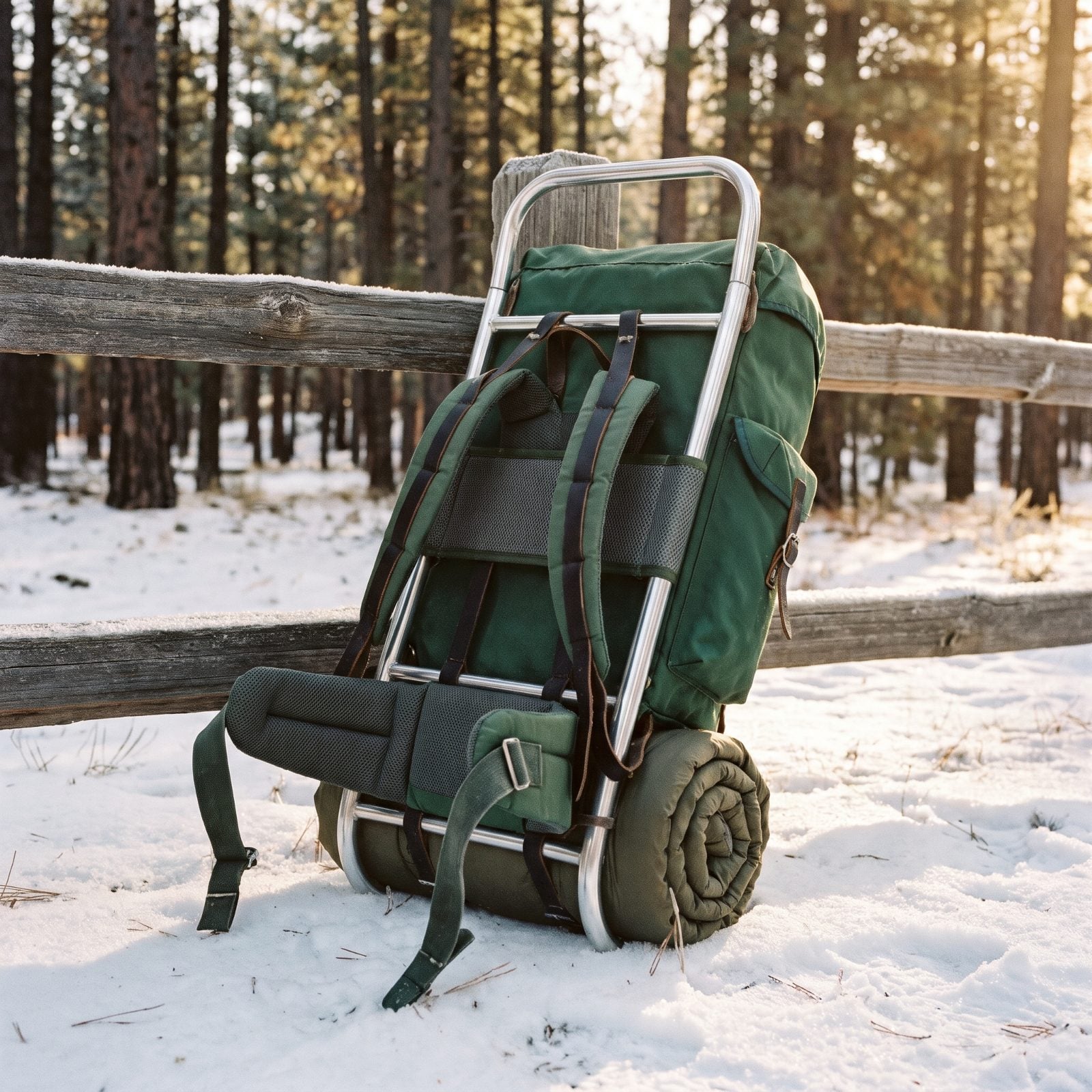
Tall, rigid, and proud of it. The external-frame pack rode high on your shoulders with that unmistakable aluminum skeleton holding the load away from your back. On a hot trail you could actually feel air moving between the pack and your shirt — a thing the internal-frame packs that replaced it gave up entirely.
Then you’d scramble over a boulder field and the top-heavy load would try to pull you backward. That was the downside, and you felt it the first time. For a straight walk up a maintained trail with a heavy load, though, nothing hauled gear more comfortably. These frames took serious abuse and kept their shape.
30. The Aluminum Mess Kit That Nested Into Itself
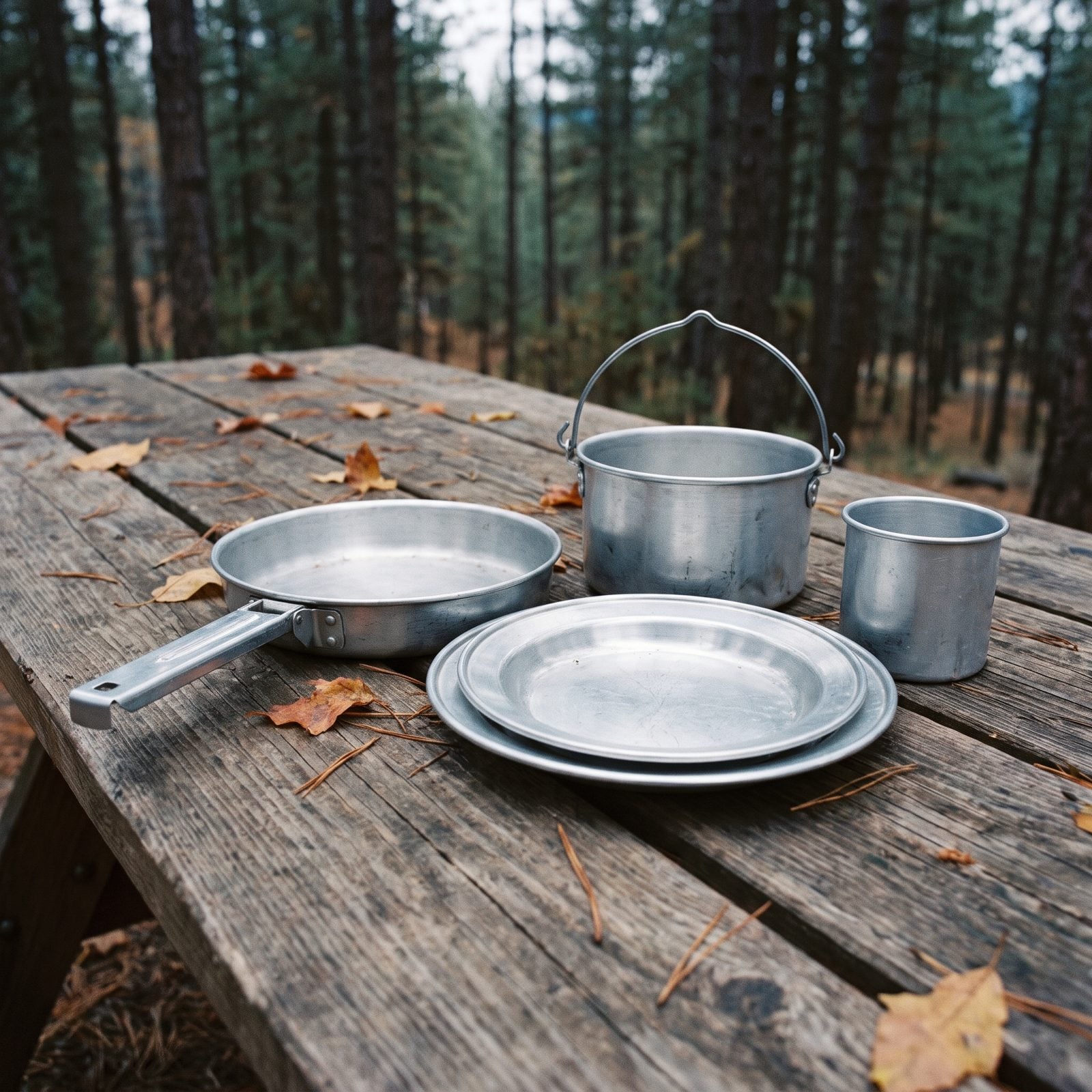
Everything clicked into a disc the size of a dinner plate — pan, pot, lid, plate, cup, all held together by a folding handle that pinched your fingers at least once per trip. That was the deal.
Aluminum heats fast and burns eggs faster. Every kid who got one learned to cook over a campfire the hard way, scrubbing scorched oatmeal off the pan with sand and lake water. Honestly, it still beats most modern kits on simplicity.
29. The Military-Style Canteen on a Webbed Belt
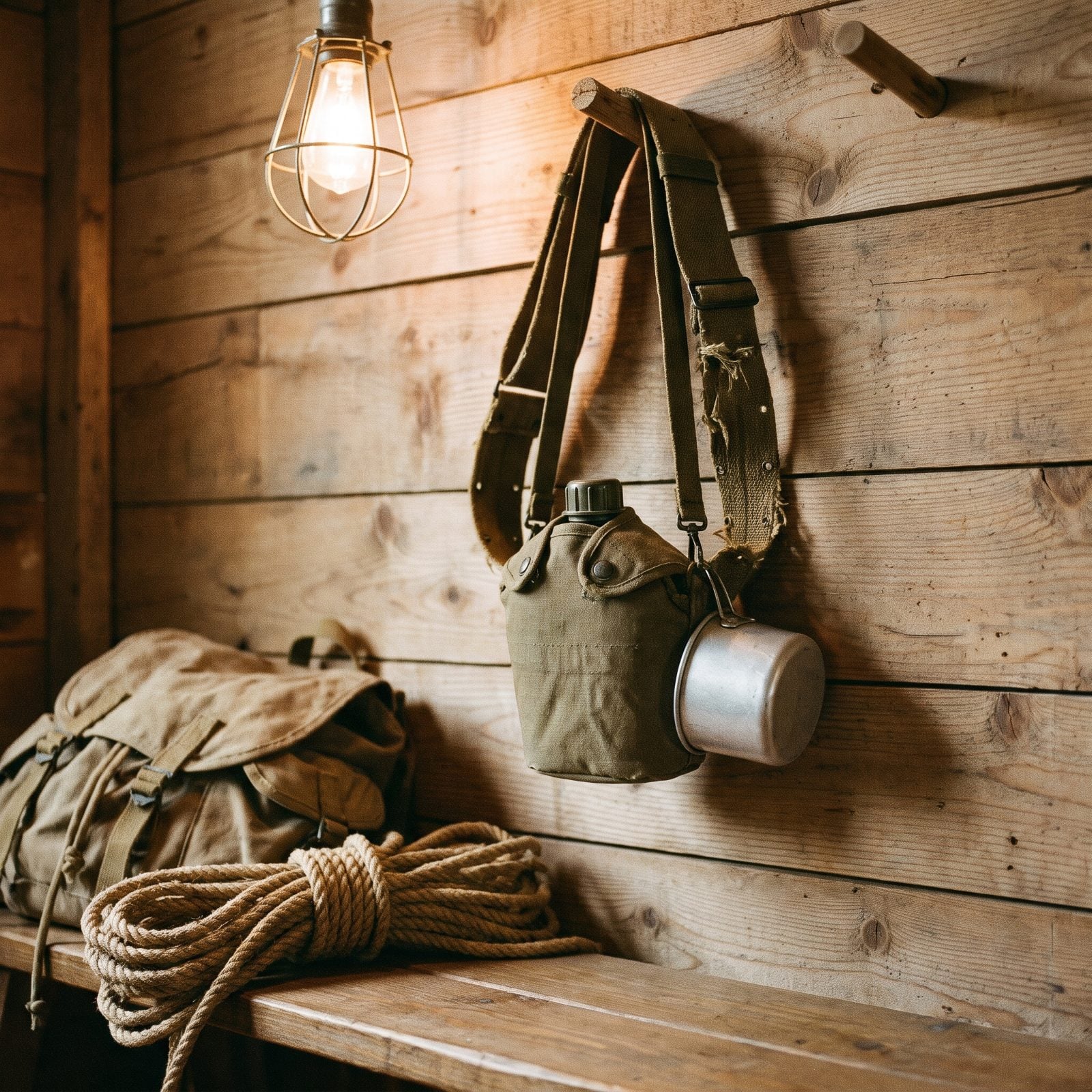
Surplus-store cool before anybody called it that. The olive-drab canteen with its canvas cover and snap-together aluminum cup made a kid feel like an expedition was imminent, even if the expedition was the woods behind the house.
The water always tasted faintly of metal and that cork-like plastic cap. You drank it anyway, and it was the best water you ever had — because you’d hiked a quarter mile to earn it.
28. The Lensatic Compass With the Fold-Down Sight
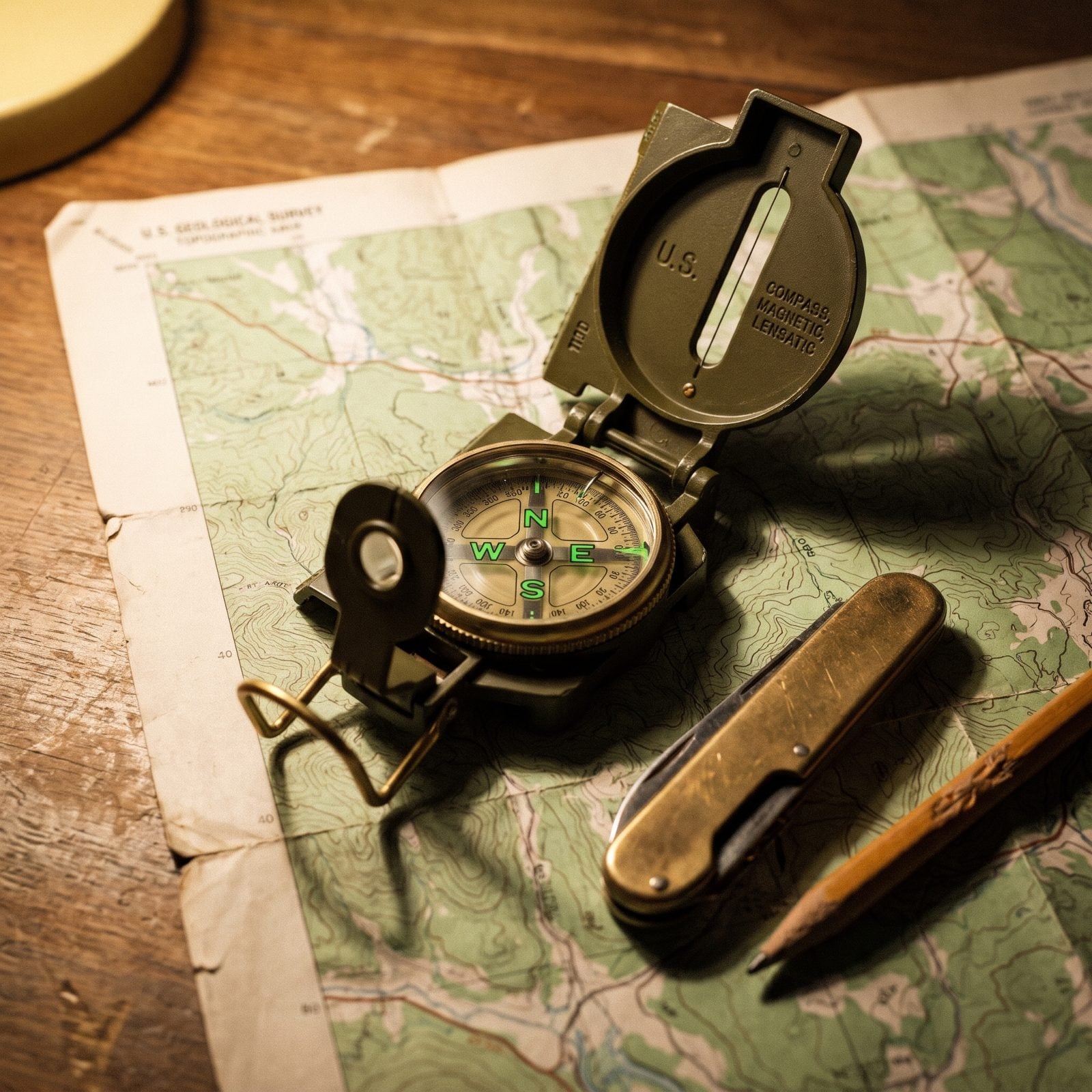
The grown-up gift disguised as a toy.
A lensatic compass felt serious in the hand — the metal case, the little magnifying lens, the fold-up sighting wire you lined up against a distant tree. You weren’t just finding north. You were taking a bearing, and that phrase alone was worth the whole Christmas morning.
Most of us never actually navigated anywhere with one. We pointed it at the mailbox and the neighbor’s garage and declared them accurately located. But the ones who did learn to shoot and follow a bearing carried a skill that still works when the batteries in everything else die.
27. The 7×35 Field Binoculars in a Hinged Leather Case
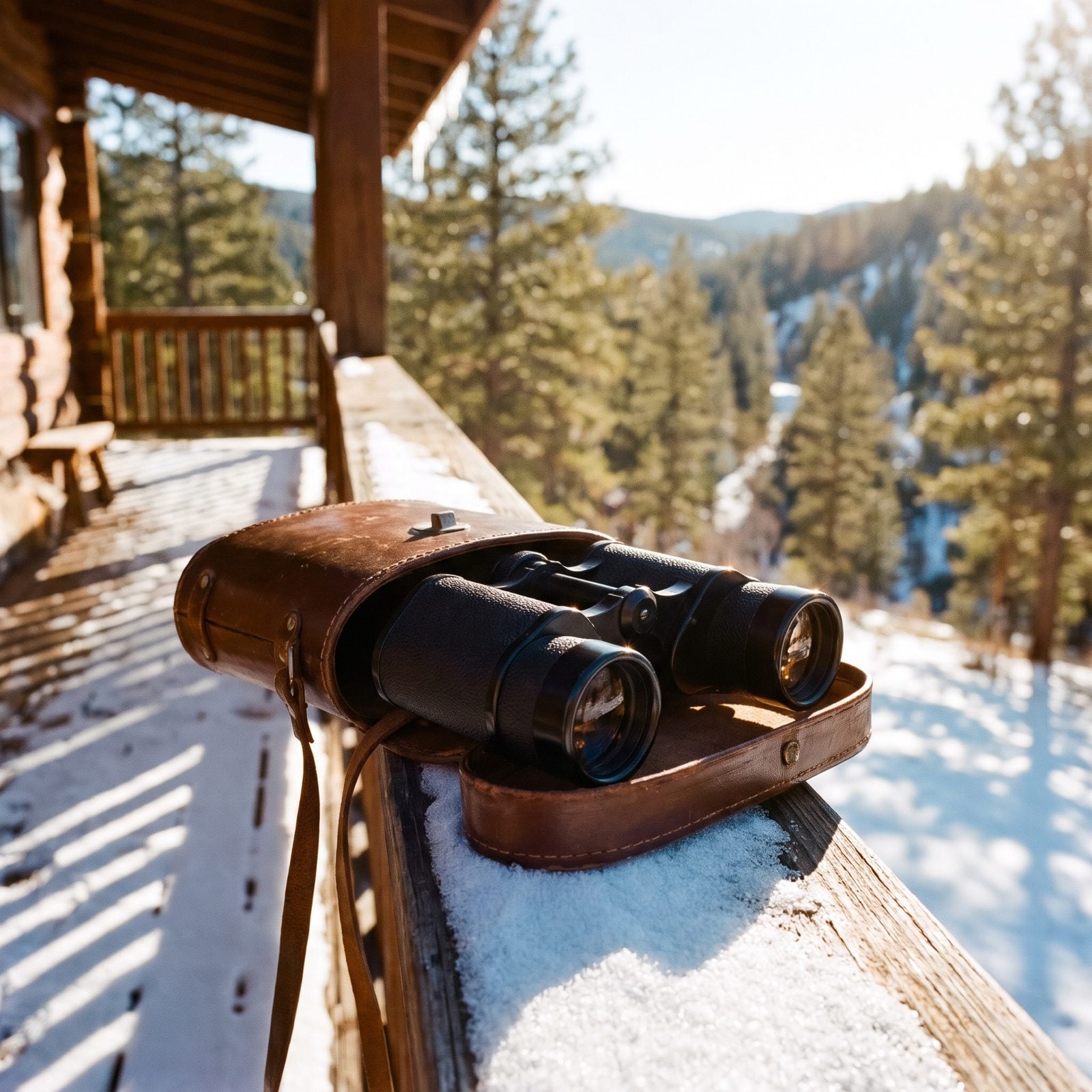
Seven-power, 35-millimeter objectives, and a leather case that smelled like a saddle. The 7×35 was the sensible middle of the binocular world: enough magnification to pull a deer across a field, enough light-gathering to still see something at dusk, light enough that a kid could hold them steady.
The leather case was half the gift. It snapped shut with a satisfying click and hung off your shoulder like you were on assignment. The optics were genuinely good, too — a well-kept pair from that era still outperforms a lot of cheap new glass.
26. The Chrome D-Cell Flashlight Heavy Enough to Hammer With
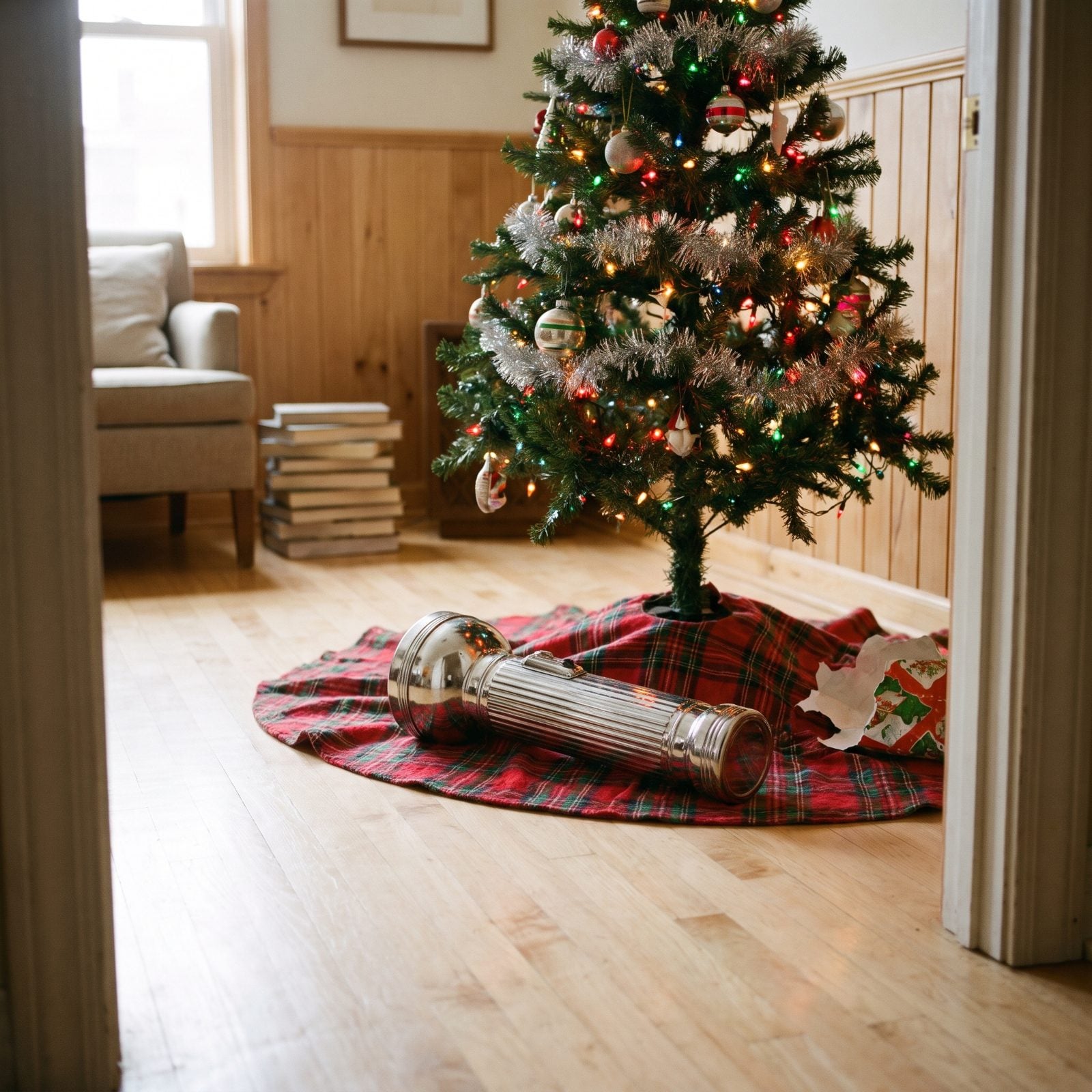
Cold in your hand on Christmas morning. The chrome D-cell flashlight weighed about as much as a brick and felt twice as permanent — four big batteries, a focused beam you could spot against a tree line, and a metal body that survived being dropped on concrete more times than anyone counted.
It doubled as a club in a pinch and a tent-pole mallet in a worse one. The beam was yellow and modest by today’s standards. Didn’t matter. When the power went out, this was the thing everyone reached for in the junk drawer.
25. The Walkie-Talkie Set With the Telescoping Antenna
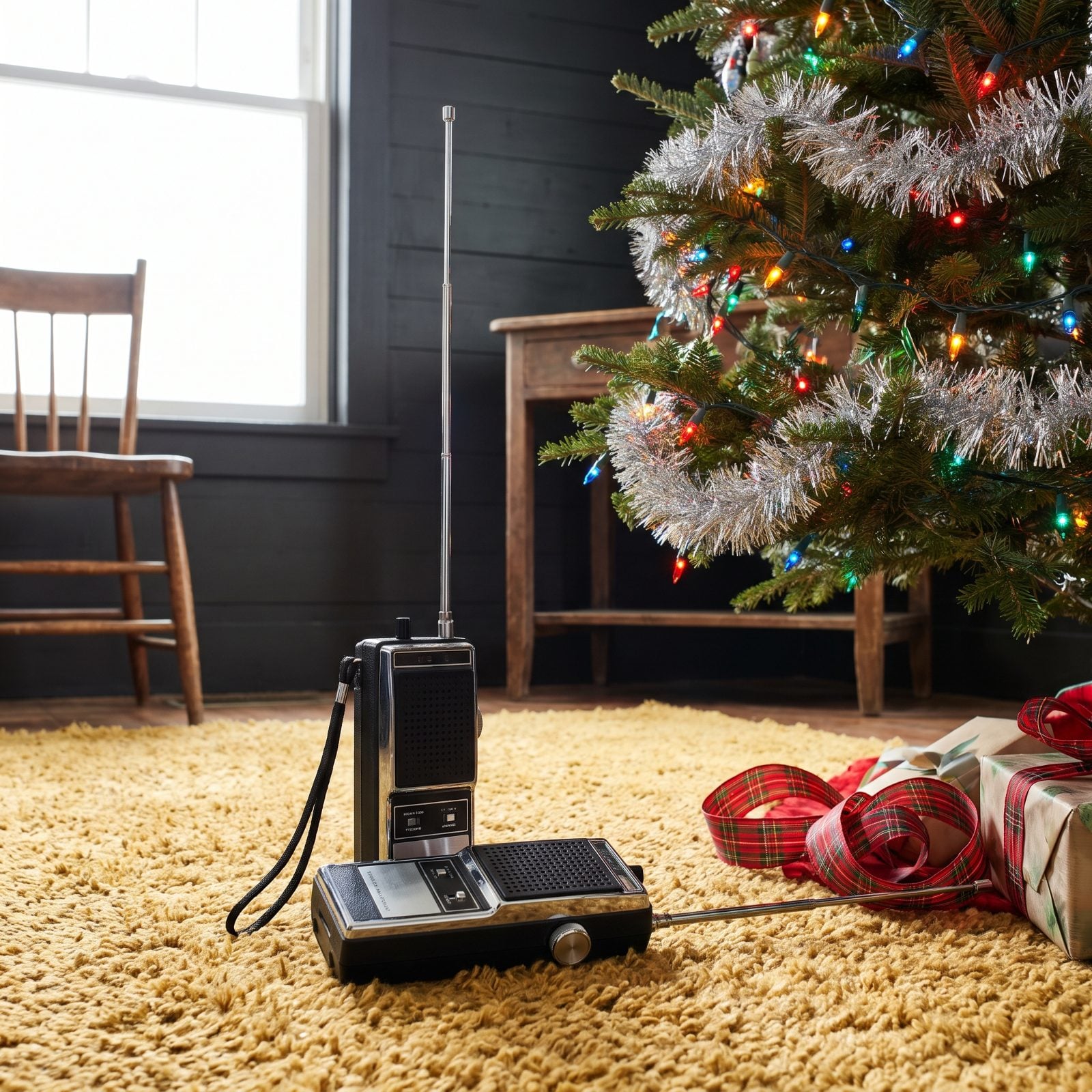
Static, a squelch of noise, and then a cousin’s voice from the far end of the backyard. The walkie-talkie set turned every family into a search party for no reason at all. You extended the chrome antenna, mashed the push-to-talk, and said “over” even when nothing was over.
Range was optimistic on the box and disappointing in practice. A couple hundred feet if a hill or a house got between you, and that was that. Nobody minded. Half the fun was finding the edge of the signal — walking until the other voice dissolved into hiss, then backing up one step to catch it again.
24. The Pocket Transistor Radio That Called the Weather
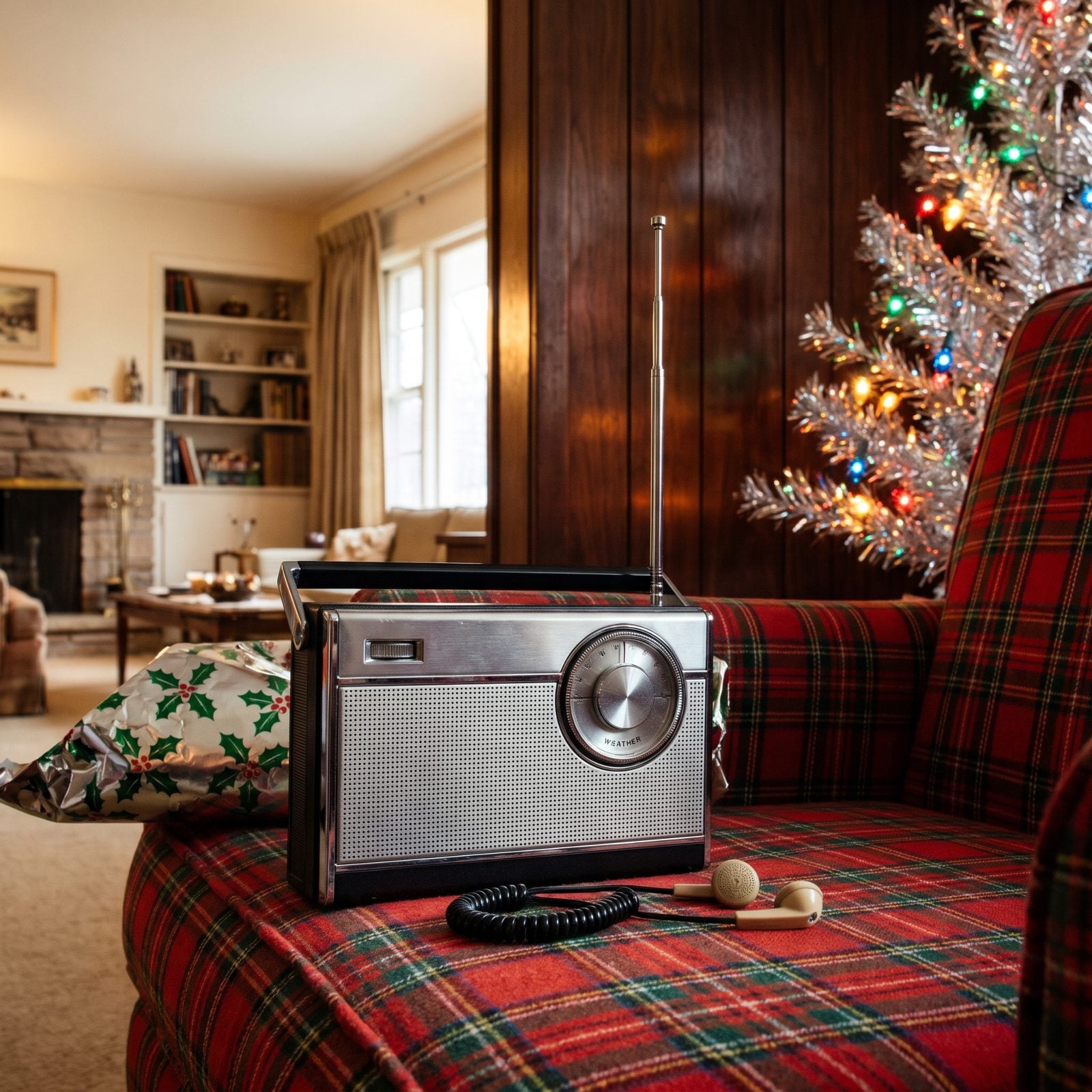
Before the smartphone did everything, the portable radio did one thing well: it told you whether the lake would hold or the sky would open on your tent by noon. A nine-volt battery, a telescoping antenna, and the AM dial crackling with a farm report nobody under forty understood.
You slipped it in your coat and carried the ballgame into the duck blind. The sound was tinny, and the reception died stone-dead the second you dropped into a creek bottom. Didn’t matter. It was yours, it fit in your coat pocket, and on Christmas morning it felt like holding a radio station in your hand.
23. A Kodak Instamatic to Prove the Fish Was That Big
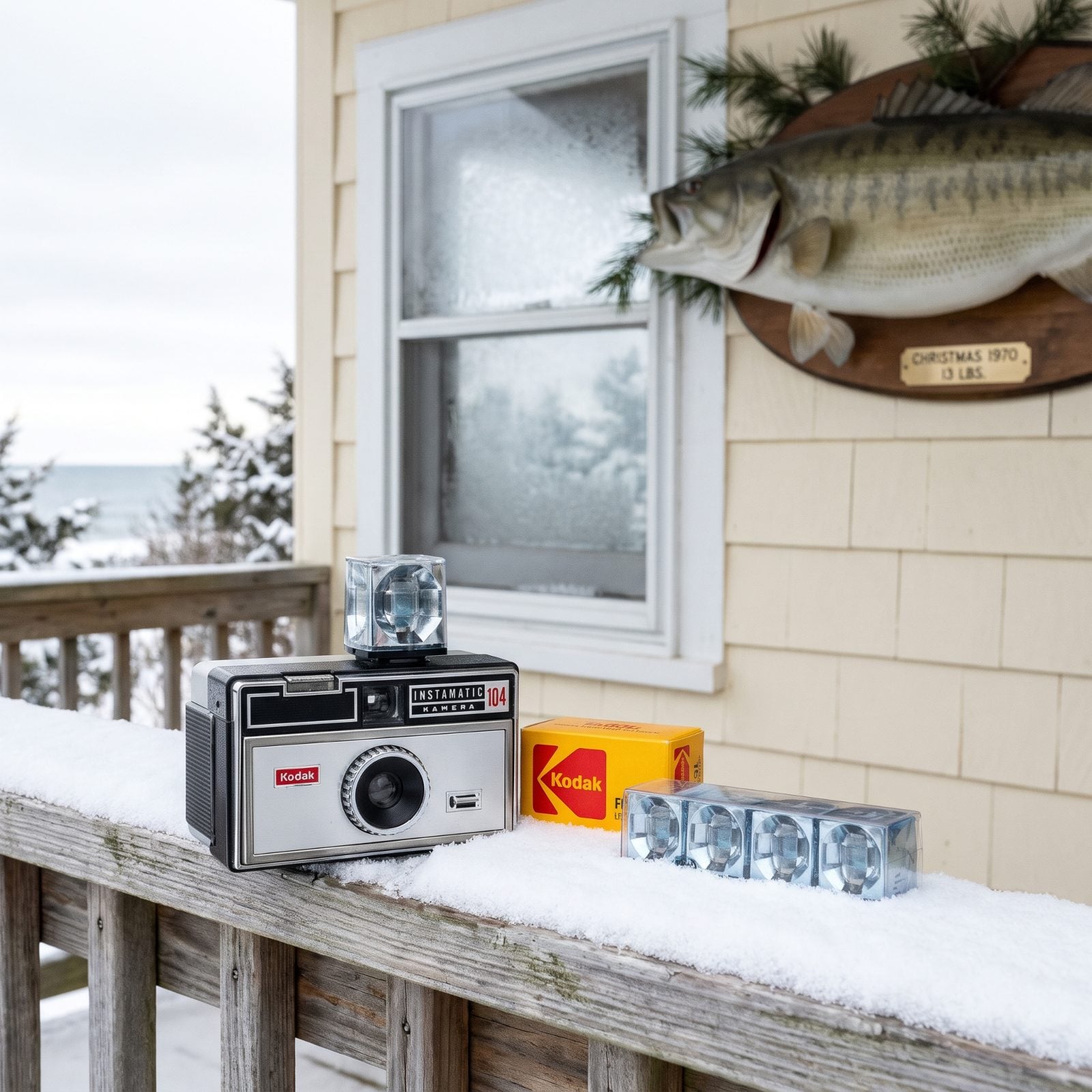
The flashcube popped once, rotated, and gave you four shots before you flung it in the trash. Film came in a drop-in cartridge, which meant even a kid with cold hands could load it in a rocking boat without losing the whole roll to the lake.
And here’s the part nobody mentions. You couldn’t see the photo for two weeks, so you held the stringer up a little longer, grinned a little wider, and prayed you hadn’t cut Dad’s head off. Half the fish stories in America survive because an Instamatic backed them up at the drugstore counter.
22. The Zebco 33 Combo Every Kid Unwrapped
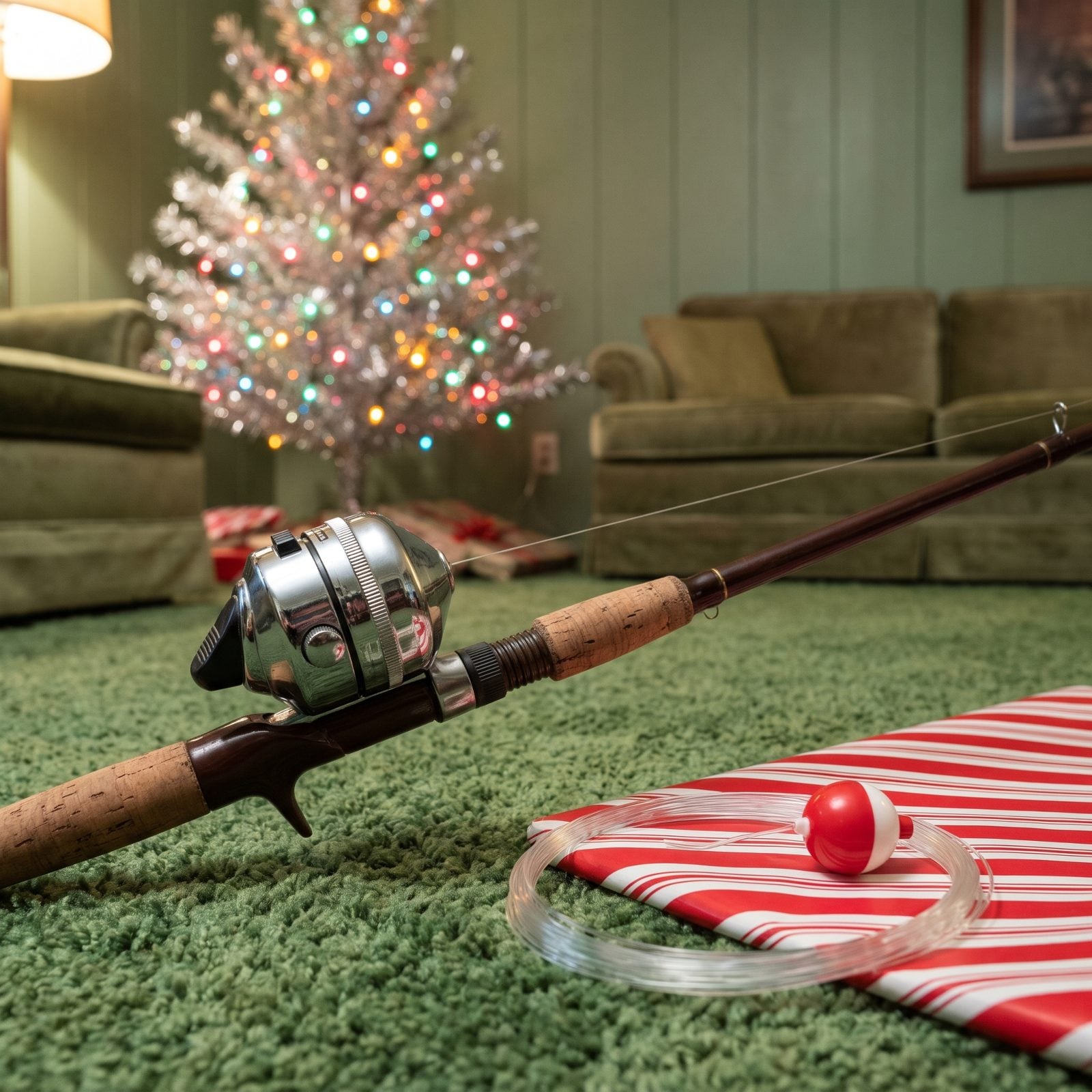
If one gift taught America to fish, this was it. The push-button spincast reel forgave every backlash a ten-year-old thumb could cause. You pressed the button, swung, let go, and the bobber sailed out over the farm pond.
The combo cost next to nothing even then, which is exactly why it ended up under so many trees. Durable to the point of stubborn. Plenty of folks over forty still have the original tucked in a garage somewhere, cork grip worn smooth, still spooling line for grandkids who are dead certain they invented catching bluegill.
21. A Fiberglass Fly-Fishing Outfit for the Trout Dreamer
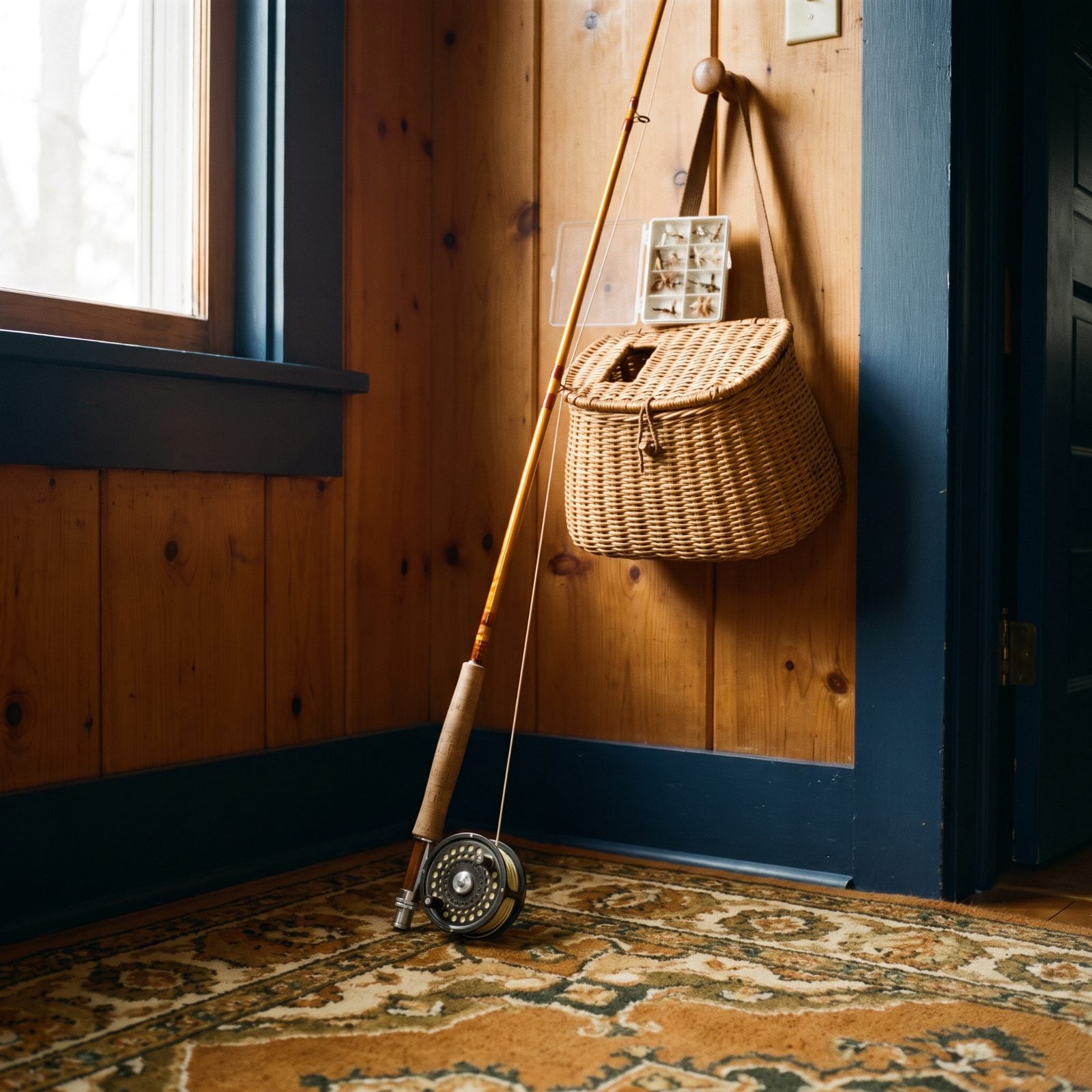
Fiberglass rods bent slow and deep, loading like a willow branch under a heavy bird. Casting one taught you patience whether you’d signed up for the lesson or not.
Opening this box meant somebody believed you were ready for moving water, for cold mornings standing in a riffle while the mist burned off a mountain stream and your fingers went numb on the cork. The reel clicked when it paid out line, a sound trout anglers chase their whole lives.
Modern graphite is lighter and faster and does more, no argument there. But ask anyone who learned on glass. They’ll tell you that slow rod made them a better caster, because it flat refused to let them rush.
20. The Short Ice-Fishing Rod Built for a Frozen Hole
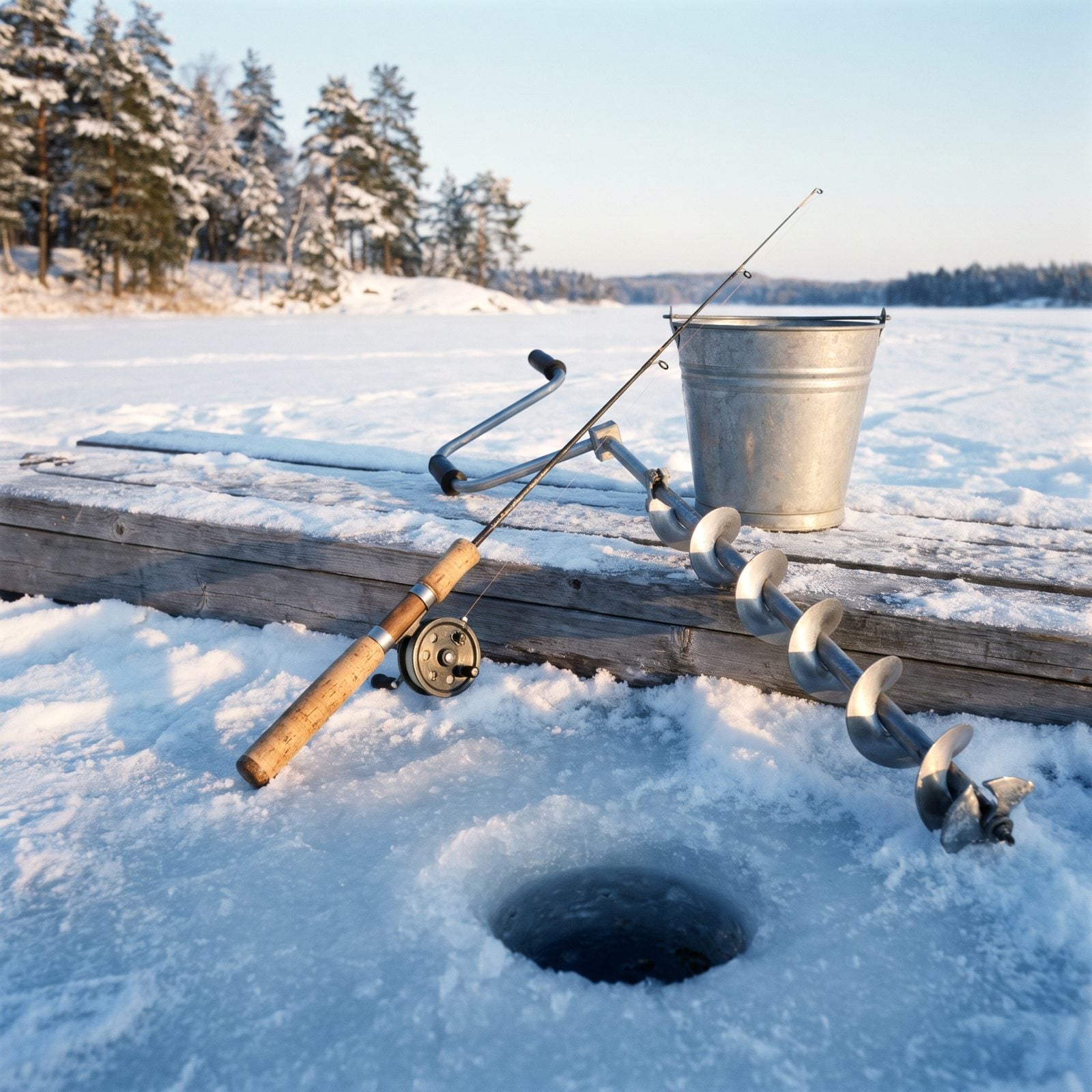
Everything about it looked wrong until you tried it. Two feet long, a reel the size of a yo-yo, a tip that twitched at the lightest nibble forty feet down.
You don’t cast an ice rod. You drop, you jig, and then you wait out in the cold until a crappie finally makes up its mind. For a kid raised on open water, unwrapping a short rod meant Dad was finally taking you out onto the hard stuff, and no summer gift ever matched that particular rite of passage.
19. The Cantilever Tackle Box That Opened Like an Accordion
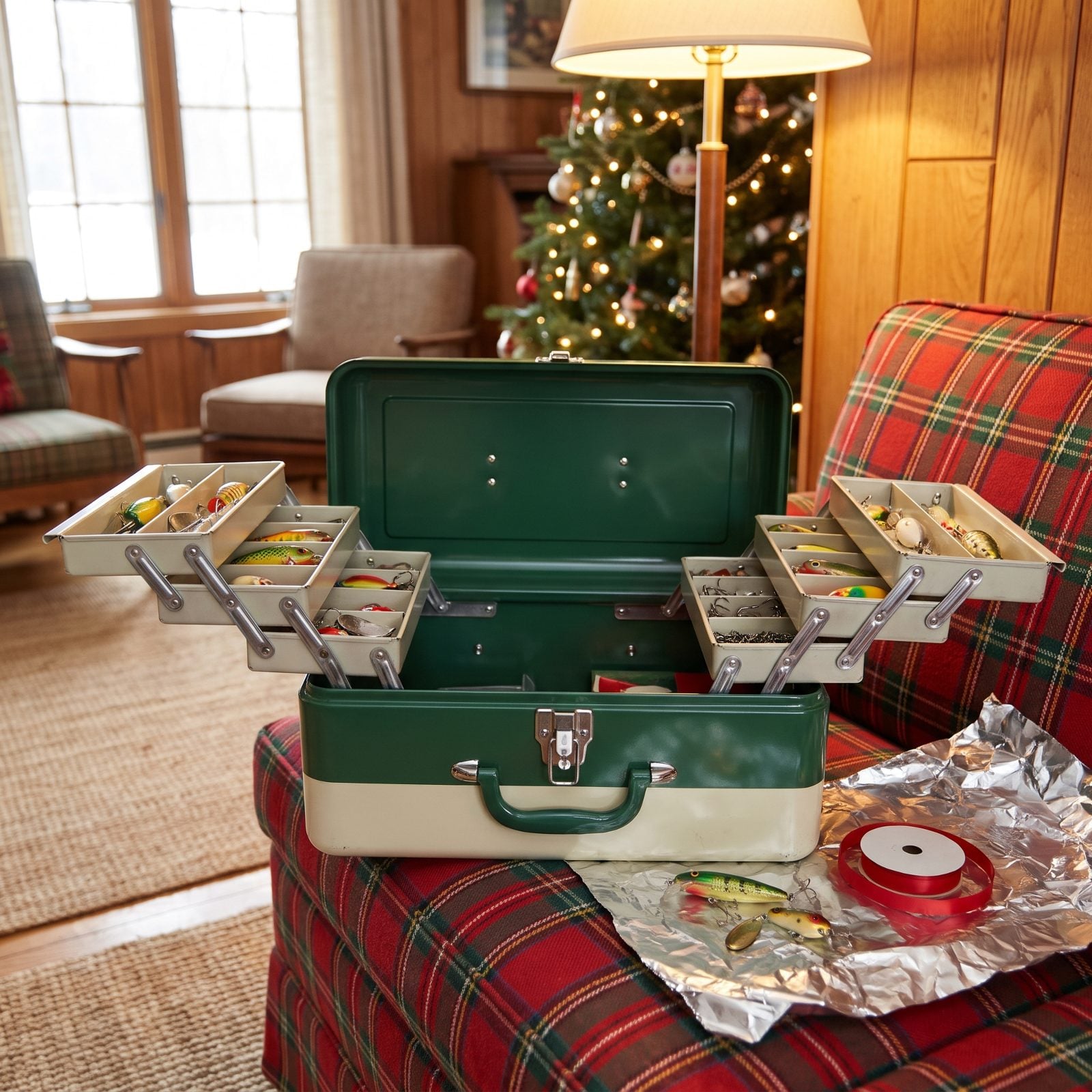
You flipped back the lid and swung the trays out on their hinged arms, tray stacked over tray, each cradling a tidy row of spoons and spinners in its own little slot. Steel, usually, with a latch that snapped shut like a screen door.
And here’s the truth of it. Half the joy was the sorting. Rainy afternoons spent arranging hooks by size, admiring lures you had no business owning yet, planning next summer in a box that smelled of oil and old worms.
18. An Assortment of Legendary Lures in One Boxed Set
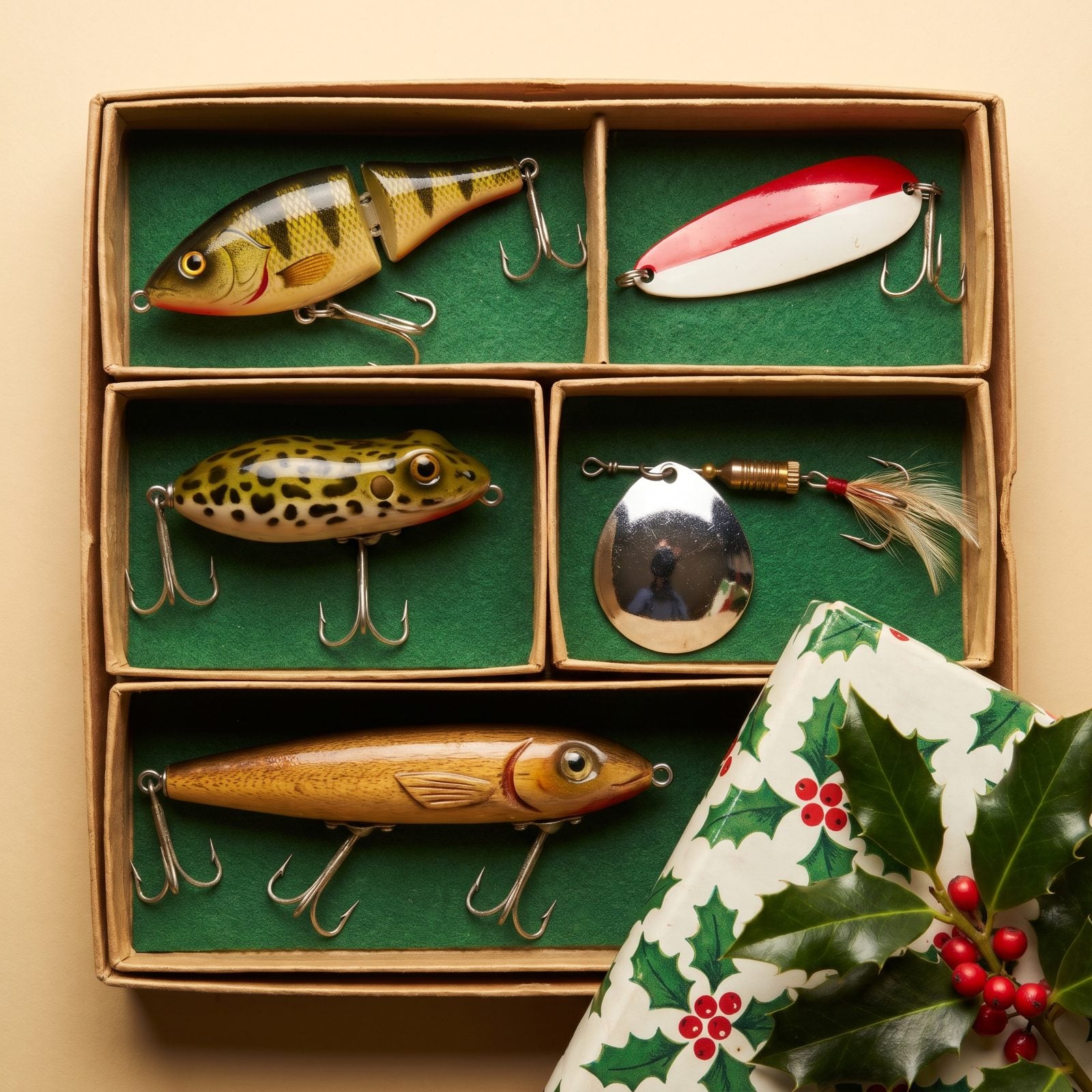
Some lures earn names. The red-and-white spoon that’s caught fish for a century. The jointed crankbait that wobbles like a wounded minnow. The topwater plug that explodes the surface at dawn and makes grown men yelp like kids.
A boxed assortment under the tree was a greatest-hits record for your tackle box. You didn’t know yet which one would become your confidence bait, and that was the whole gift — a dozen little promises, each a different way to fool something with gills.
17. The Fly-Tying Vise and Materials Kit for Long Winters
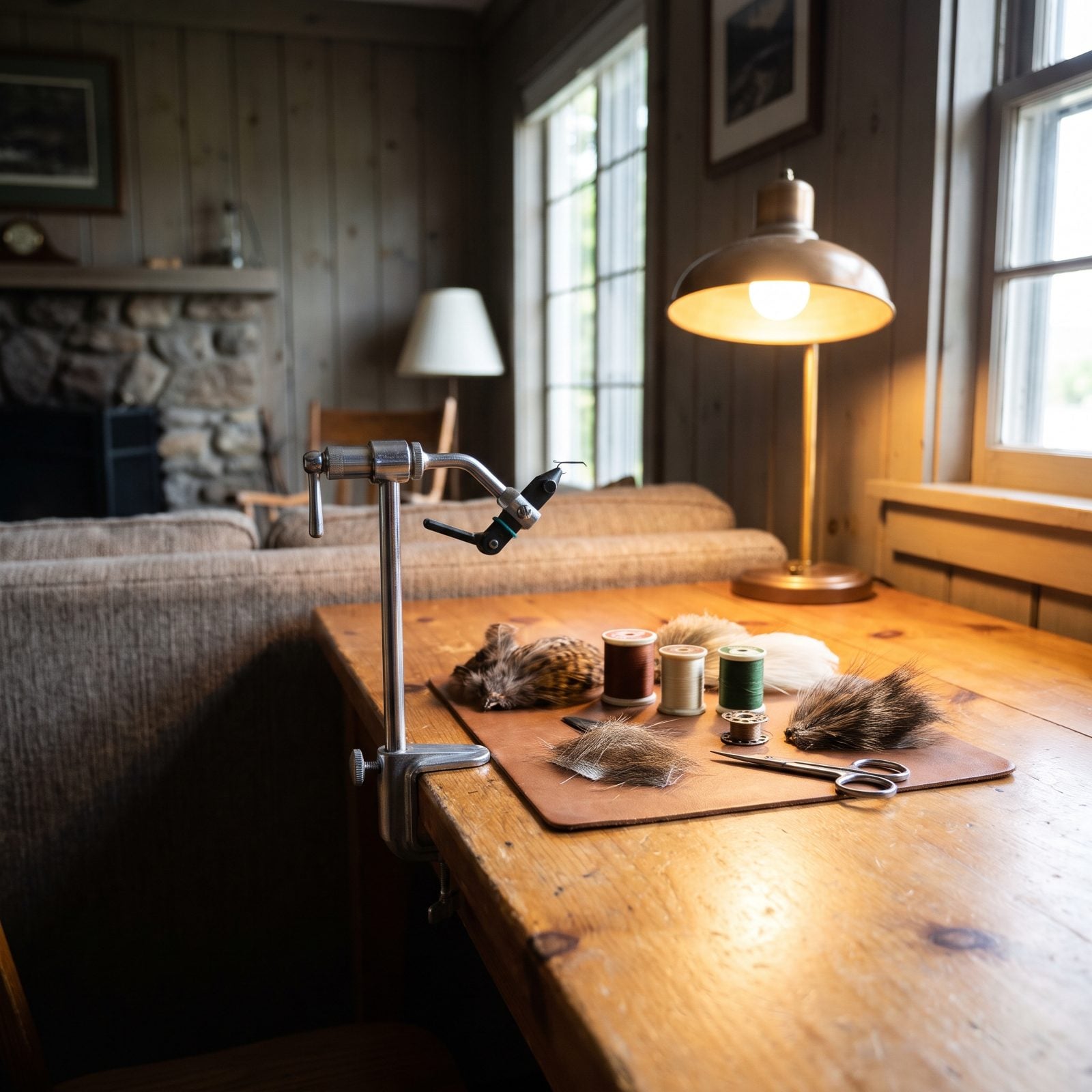
This was the gift that filled January. A little chrome vise, spools of thread, a tangle of hackle feathers and deer hair, and the quiet obsession of trying to make a size-16 Adams that didn’t look chewed.
Your first flies will look terrible. Everyone’s do. We tied a few that looked like roadkill scraped off a county road before one finally held together and, miracle of miracles, caught a trout.
The vise turned the dead cold months into a workshop at the kitchen table. By spring you had a box of lumpy, hand-tied flies and the strange pride that comes from fooling a fish with something you built yourself.
16. The Multi-Pocket Fishing Vest That Held Everything
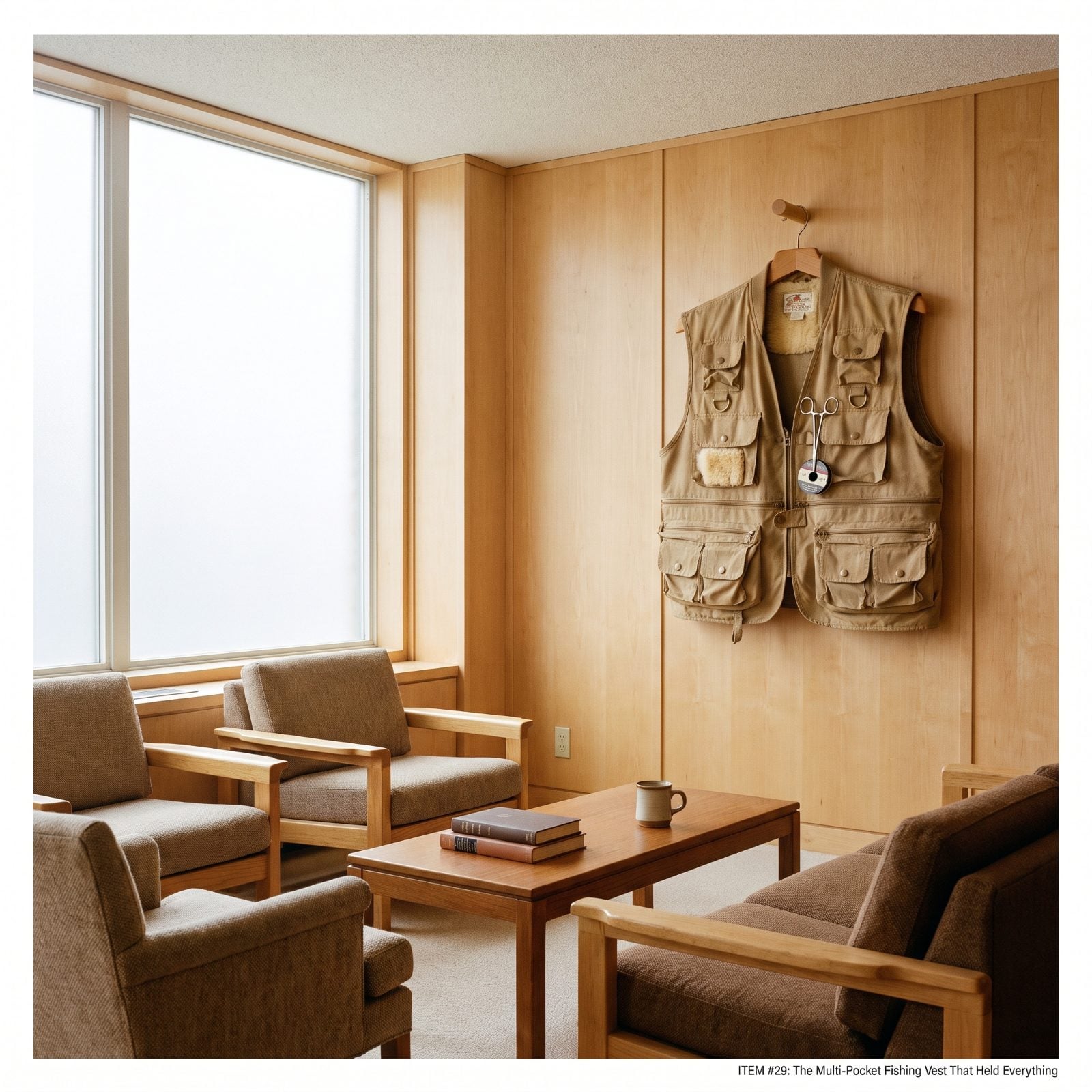
Count the pockets and you understood the appeal. Flaps and zippers and D-rings, each one a home for floatant, nippers, a fly box, a candy bar you forgot about until March.
The sheepskin patch on the chest held your drying flies and the back pocket swallowed a rain shell whole. Slip it on and you stopped being a guy standing at the water — you became an angler with a system, every tool within reach without ever opening a bag.
15. Rubber Chest Waders for Standing in the Current
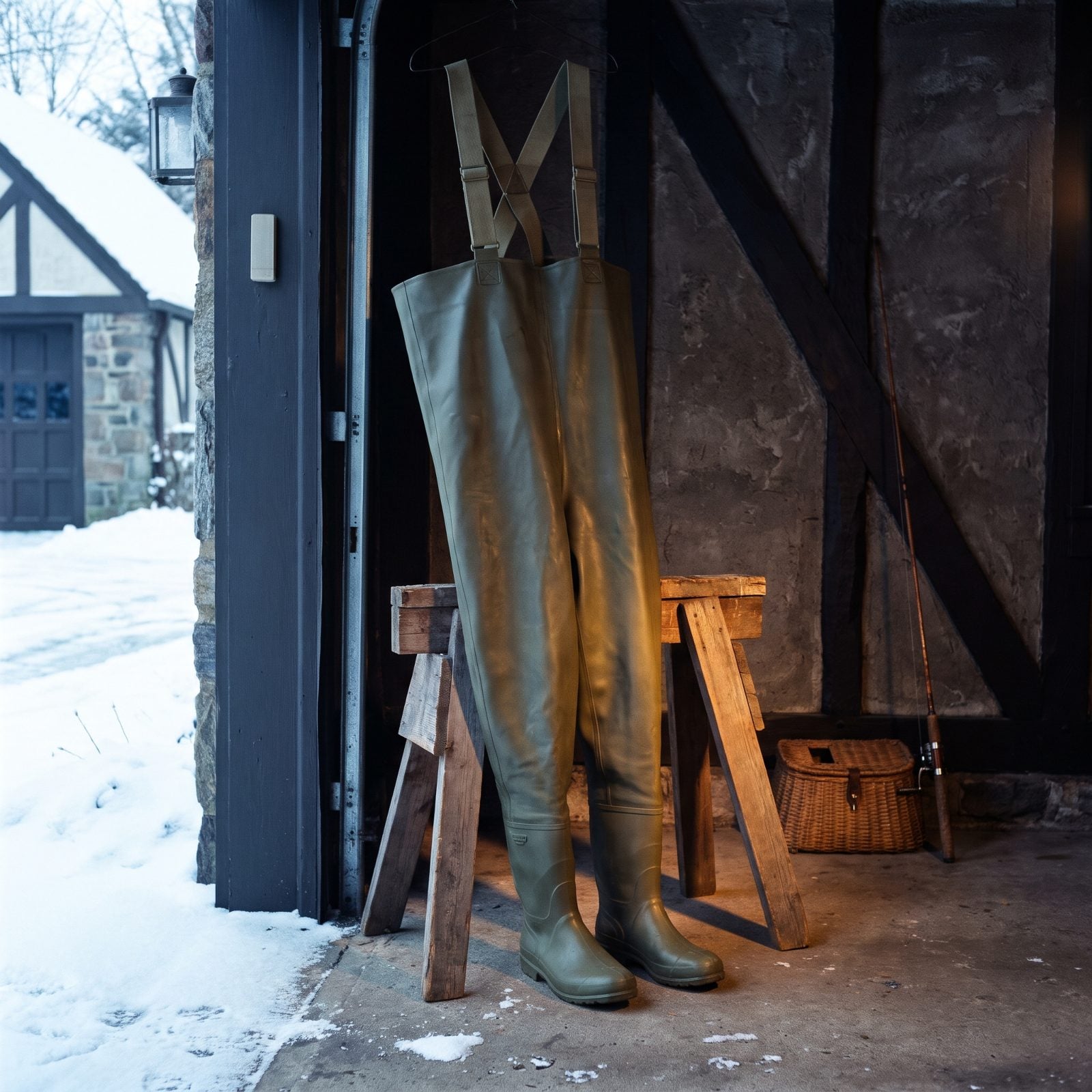
Heavy, hot in summer, cold in winter, and absolutely magic the first time you walked straight into a river that used to stop you dead at the bank.
Rubber waders had no breathability and no give. You sweated hiking in and froze standing still. And every one of us over forty remembers that particular dread of a slow leak at the knee — the creeping cold that told you the day was ending whether you liked it or not.
Still. Unwrapping chest waders meant the whole river opened up. You could wade out to the seam where the big trout held, get the drift just right, feel the current shoving against your legs. No gift said grown-up angler quite like a pair of boots you could stand in a stream with.
14. The Lowrance Fish Lo-K-Tor: The Green Box That Changed Everything
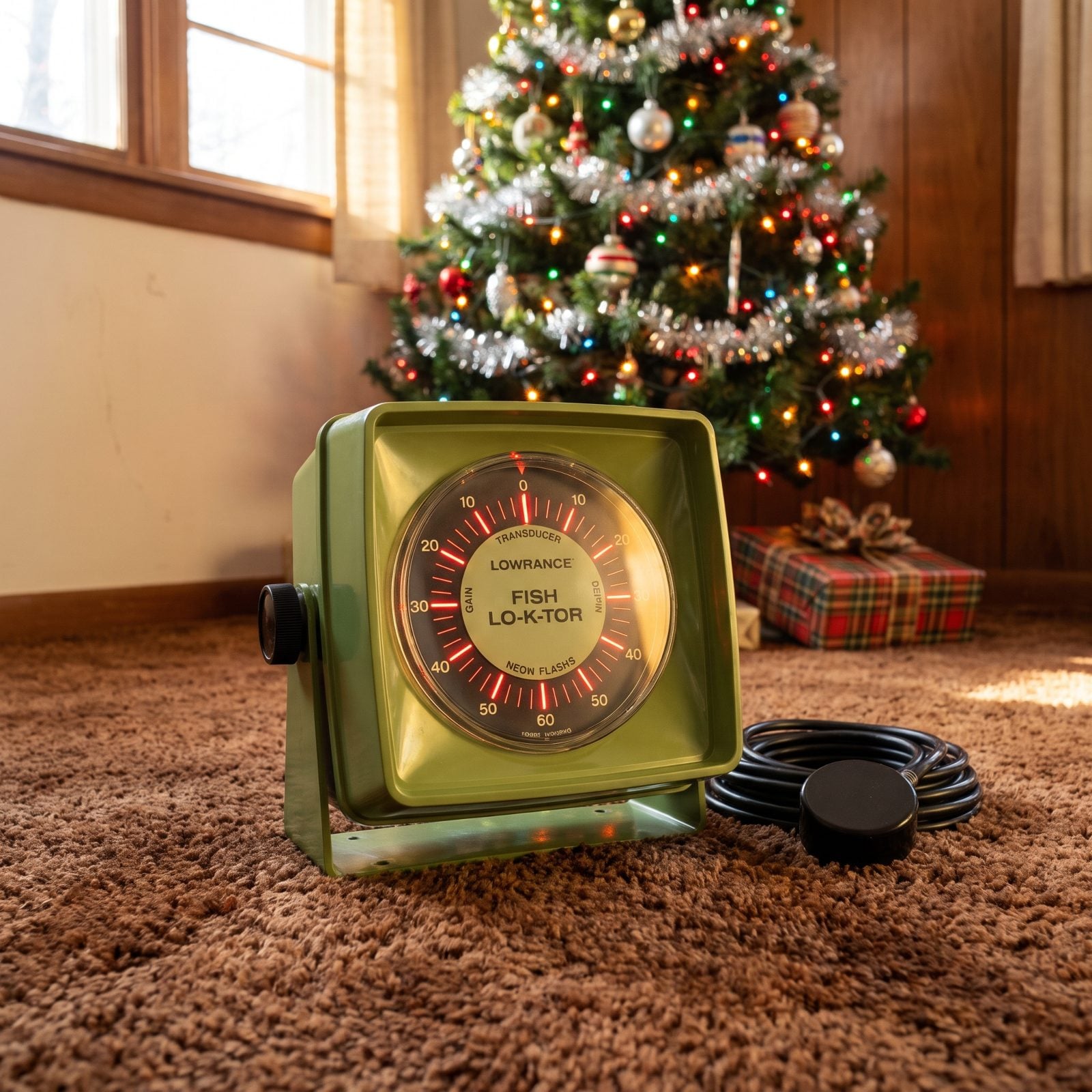
Before fish-finders had screens, they had a dial. The Lo-K-Tor read the bottom as a ring of red neon marks glowing around a circle, and learning to interpret that ring was a skill you earned over a hundred cold mornings.
This was the first time a regular guy with a small boat could see what was under him — rock, mud, baitfish, the arch of something worth casting at. For a kid who’d only ever dropped a line and hoped, finding one of these under the tree meant Dad trusted you with the real stuff now.
13. A Hand-Carved Wooden Duck Call on a Lanyard
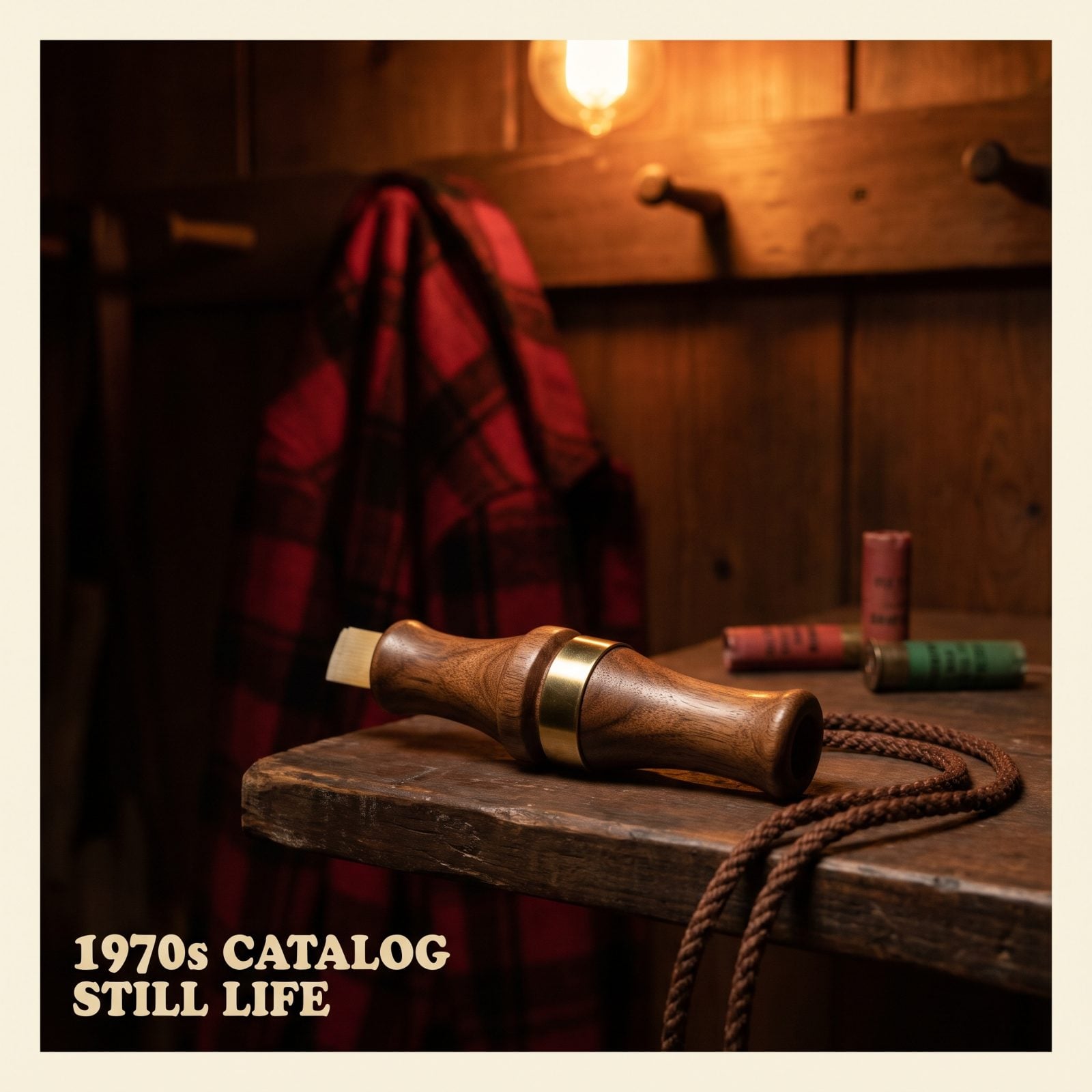
A good wooden call doesn’t make you a caller. It just hands you the instrument. The rest is a thousand ruined notes in the garage until your wife asks you to please take it outside.
Walnut or cedar, a single reed, a brass band to keep the barrel from splitting — you blew into it wrong for the first month and sounded like a kazoo with a cold. Then one morning it clicked, and a flight of mallards actually turned. That feeling is why these things ended up in stockings every December.
12. A Dozen Cork-Body Mallard Decoys
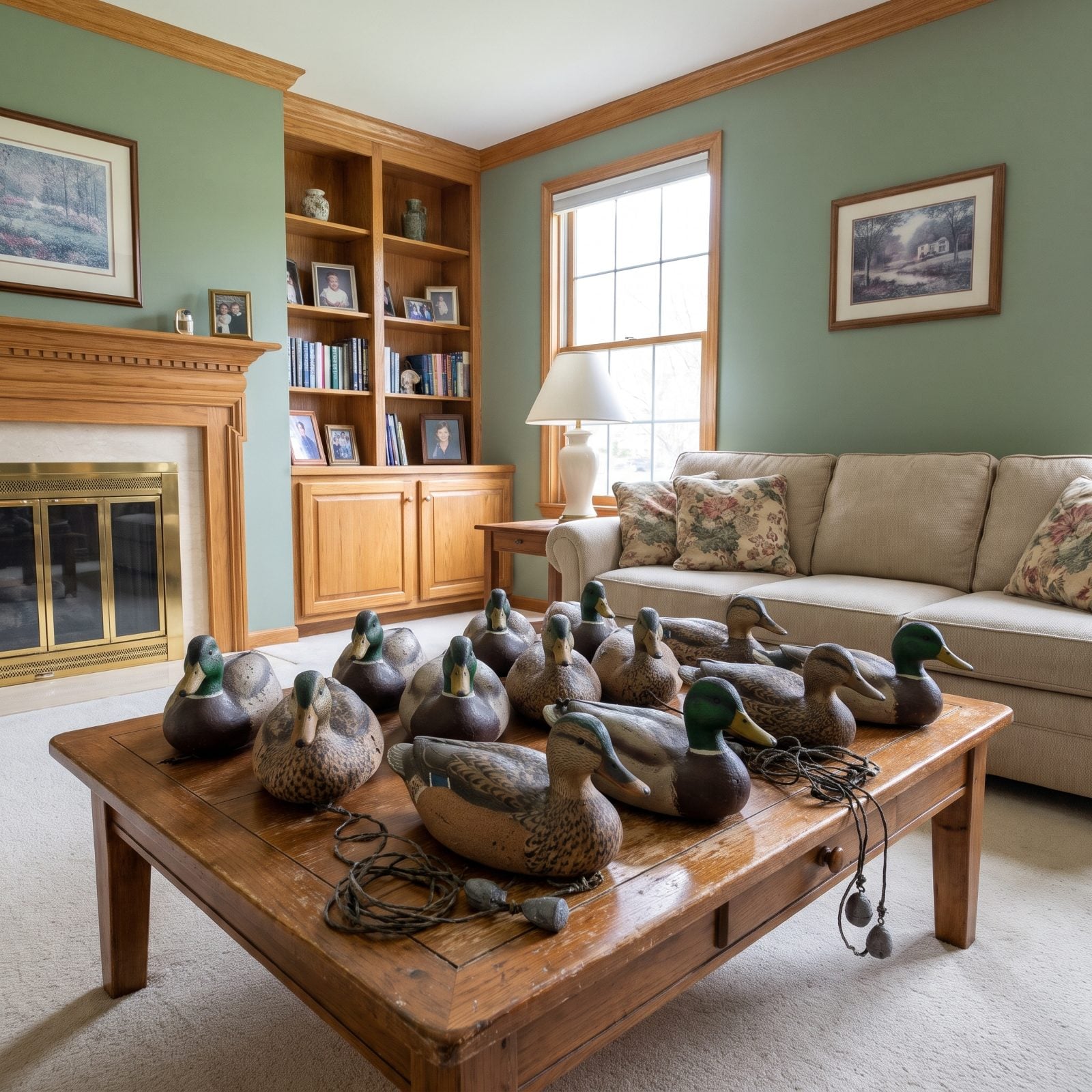
Opening a box of fresh mallard decoys on Christmas morning meant one thing: somebody had already planned next October with you.
Cork bodies in the better sets, cedar heads, paint that actually looked like a drake in good light. You’d spend the winter touching up the chipped ones, re-rigging anchor lines, sorting hens from drakes. A dozen was the starter spread. Real rigs ran bigger.
11. The Blaze-Orange Hunting Vest That Kept You Visible
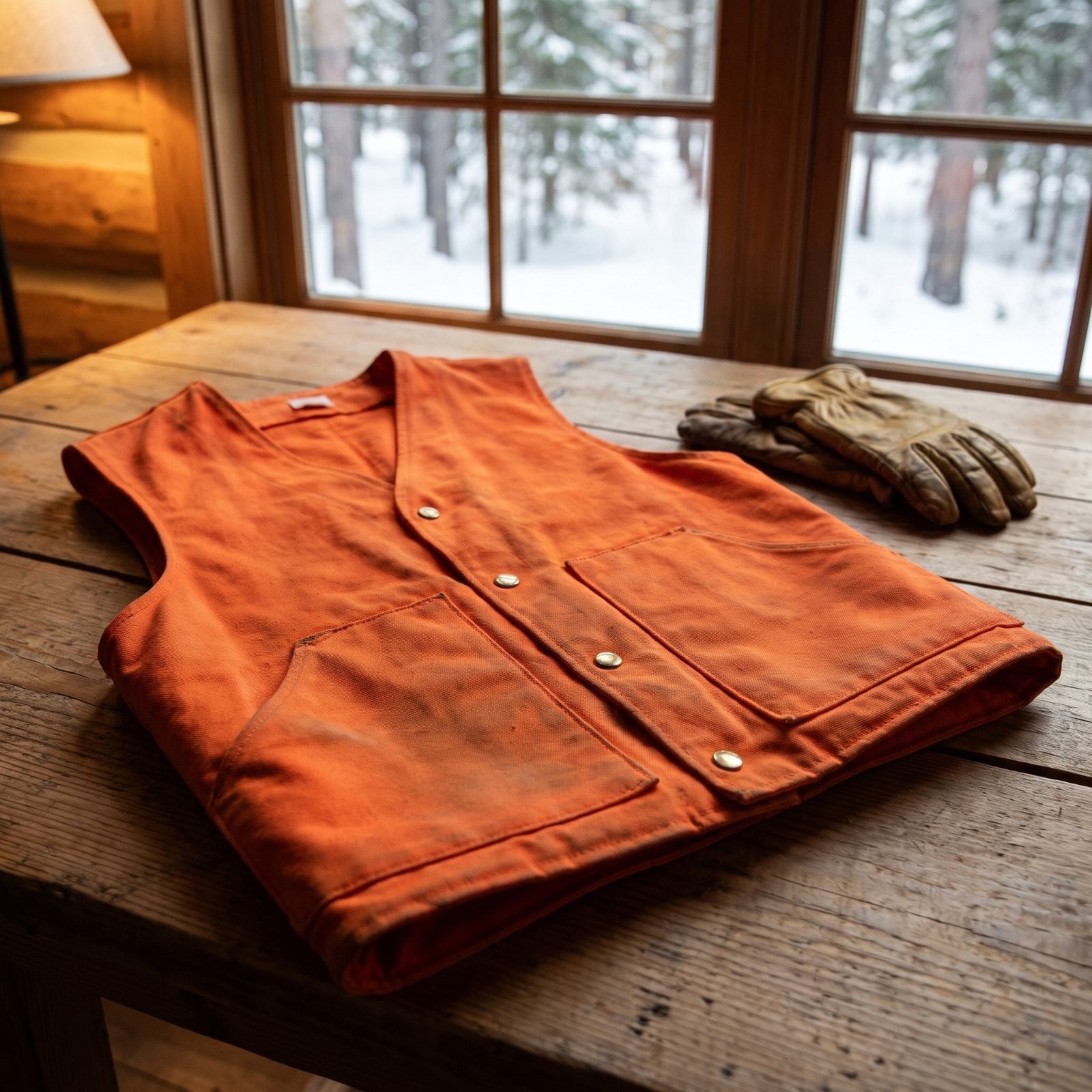
Not glamorous. Possibly the most important thing on this list.
Blaze orange became standard in deer country through the 1970s because the human eye catches it fast and deer essentially don’t. Heavy cotton duck, a big back pouch for birds, two deep patch pockets up front for shells. You wore it over the wool coat and ignored the fact that it clashed with everything you owned.
A kid getting one of these was being told, quietly, that he was coming to deer camp this year. That meant more than any toy.
10. The Red Plaid Wool Hunting Coat Built to Outlast You
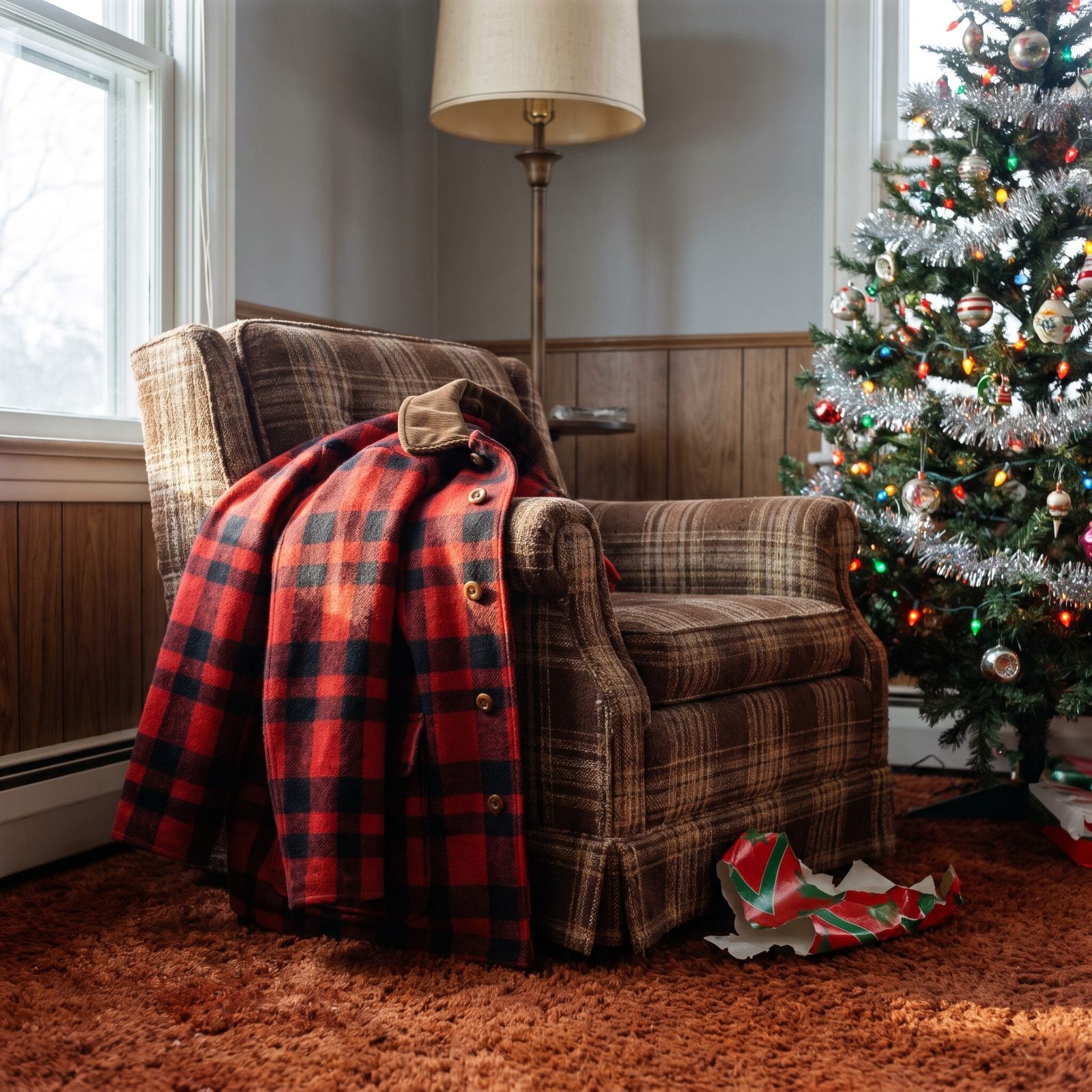
Pick one up and it tells you everything — dense wool with real weight, a coat that smells faintly of cedar and campfire smoke the second you lift it off the hanger.
Red buffalo plaid wasn’t a fashion choice. Wool stays warm when it’s wet, it’s quiet in brush, and it shrugged off decades of thorns and tailgate abuse. People handed these down. You’d see a coat on a son that his father wore first, patched at the elbow and still going strong.
A good wool coat doesn’t wear out. It just slowly becomes someone’s favorite thing.
9. Pac Boots With Felt Liners for the Deep-Cold Mornings
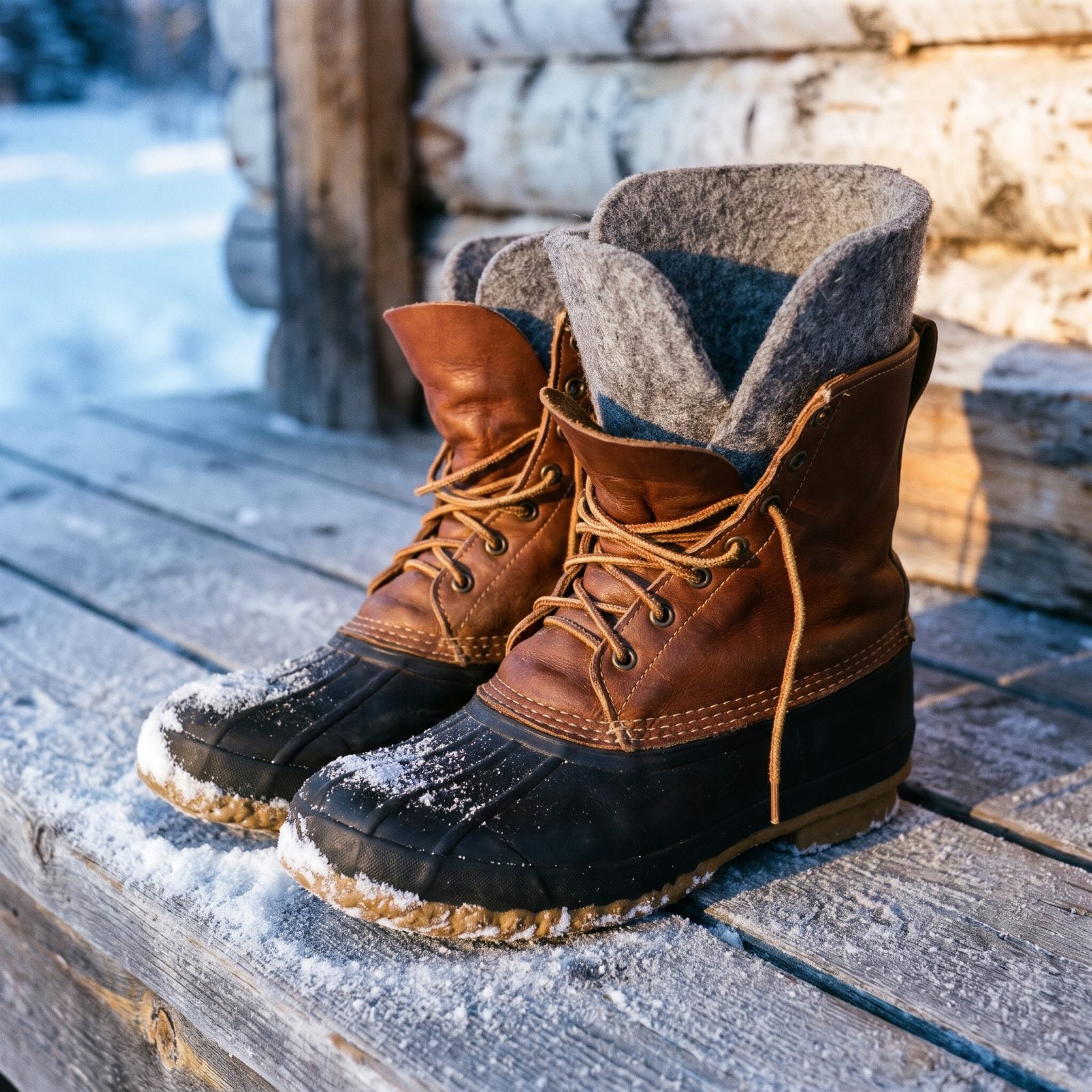
Leather up top, rubber on the bottom, and a thick wool-felt liner you could yank out and dry by the stove. That combination is why these boots became the default for anyone who stood still in the cold.
Ice fishing, deer stands, chores at thirty below — your feet stayed dry and warm while everyone in regular boots went home early. The trick nobody tells you: buy a size up so the felt has room, and keep a spare set of liners so you’re never stepping into a damp one at 5 a.m.
8. Classic Wooden Snowshoes Strung With Rawhide
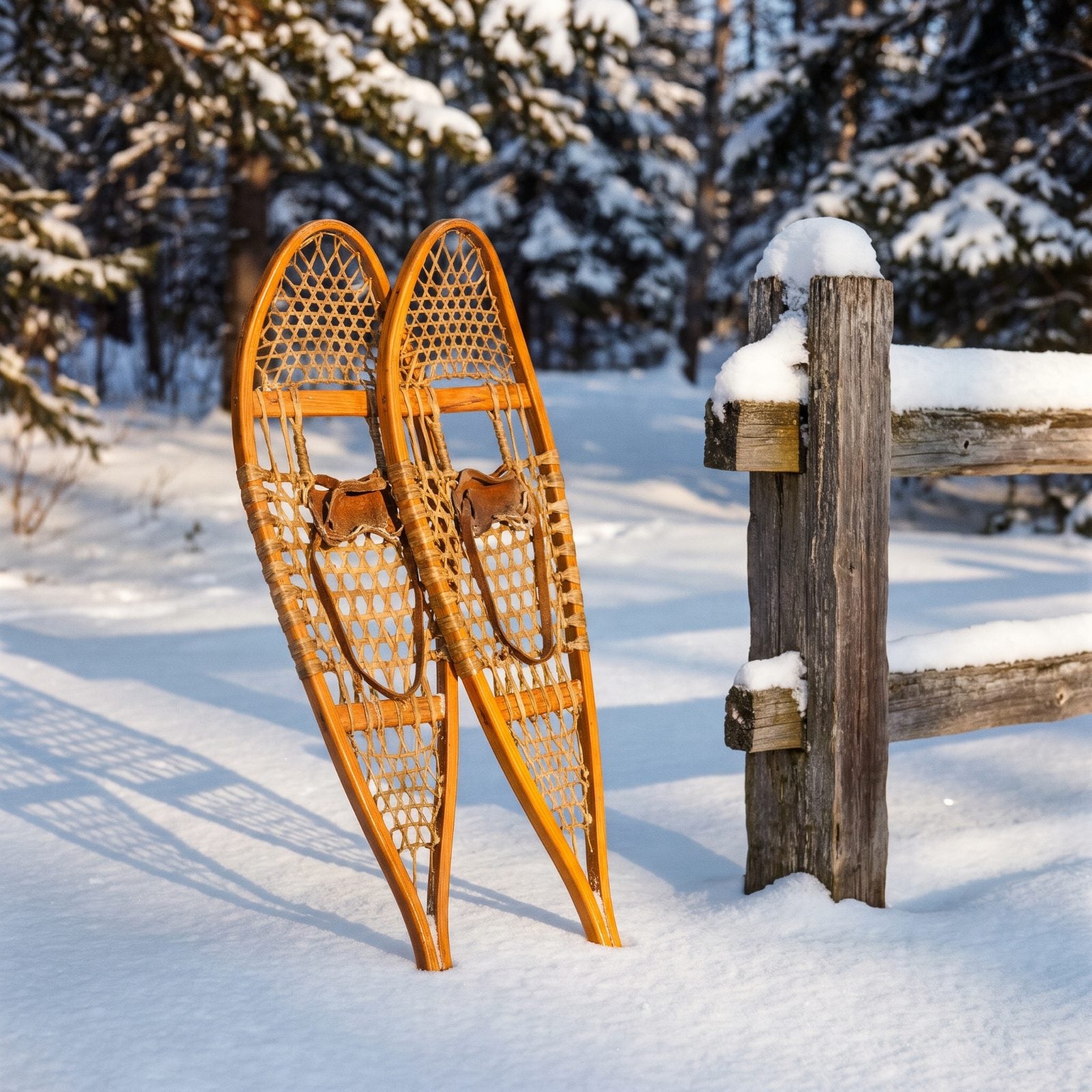
There’s a reason these hung on cabin walls long after people stopped using them. Bent ash frames, rawhide webbing laced by hand, leather bindings — furniture-grade beautiful before they’re ever useful.
And useful they are. On fresh powder, snowshoes turn a chest-deep slog into a walk. Trappers and rural mail carriers lived on them. Getting a pair meant the woods stayed open to you all winter, not just the plowed parts.
7. A Cross-Country Ski Set, Skinny and Waxable
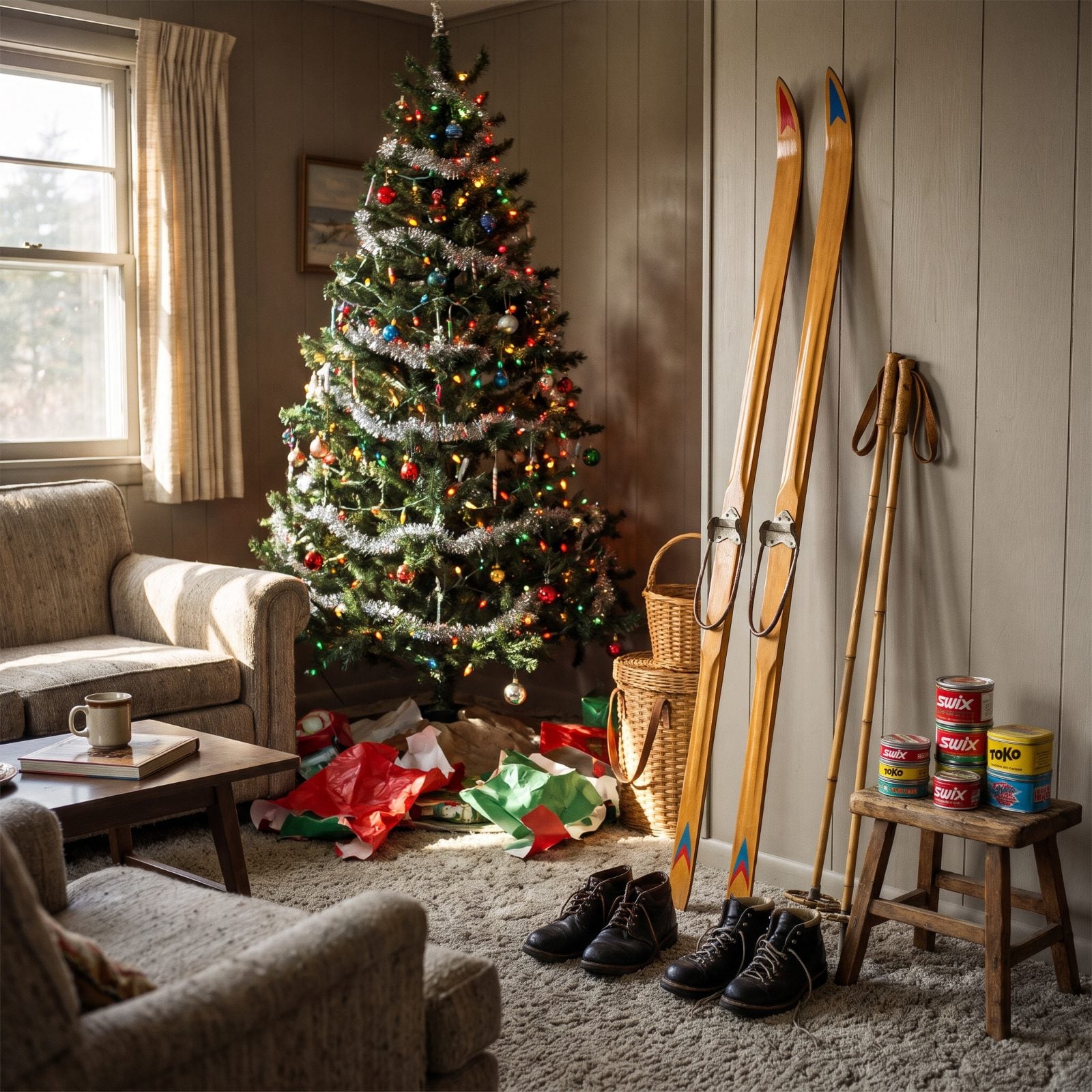
The 1970s fitness wave hit the snow hard, and all at once everyone wanted to glide across the golf course instead of staring at it frozen.
Early sets were skinny wooden skis you waxed by hand, matched to the day’s snow temperature — and that part drove beginners a little crazy. Too much grip wax and you shuffled. Too little and you slid backward uphill. But get it right, and you covered miles in silence, warm from the inside, the only sound your own breath and the hiss of the track.
6. The Zippo Hand Warmer That Saved Your Fingers
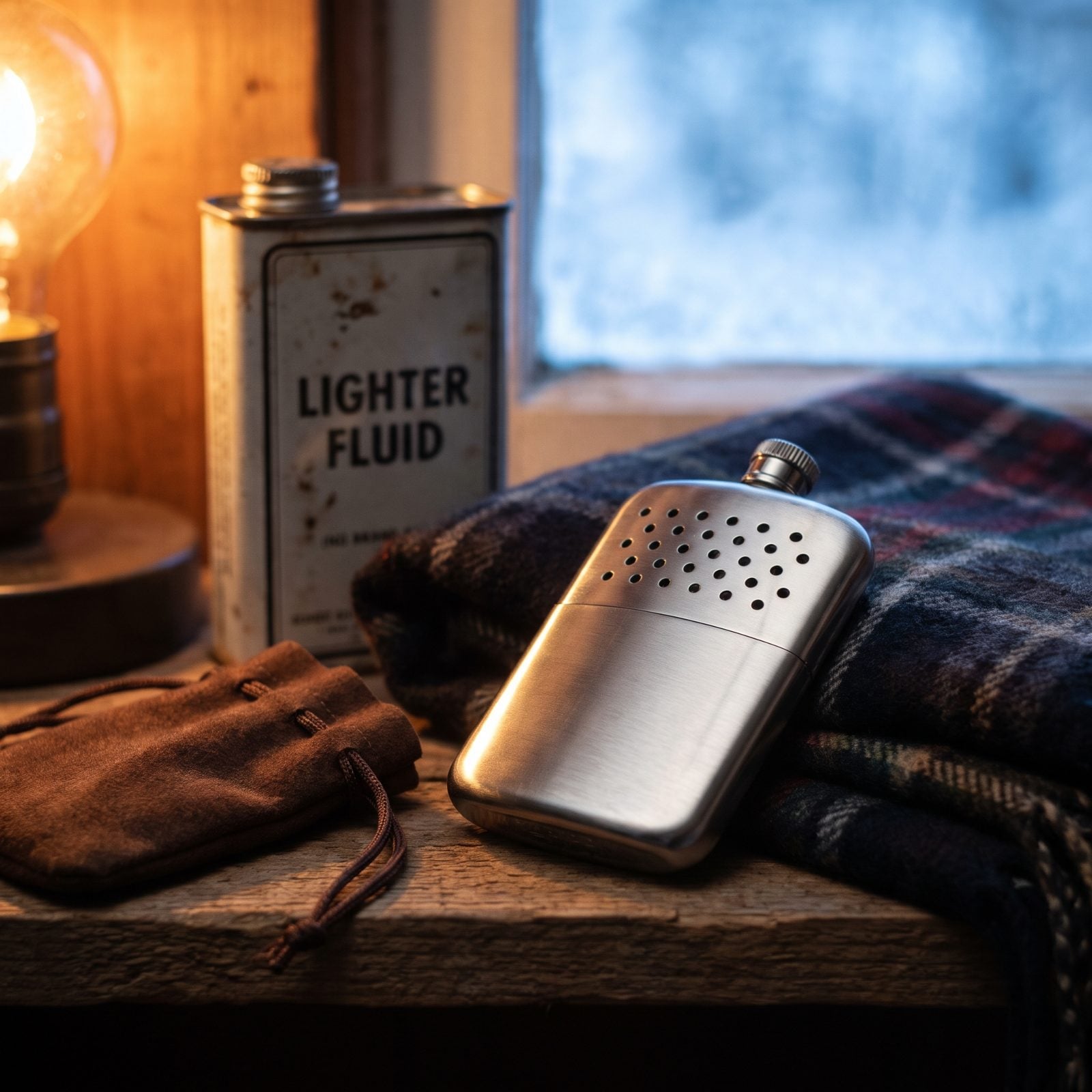
Small, metal, and worth its weight in gold on a January deer stand.
You filled it with a little lighter fluid through the screw cap, and it put out gentle heat through the perforated top. Dropped in a coat pocket or the felt pouch, it kept trigger fingers working long after bare hands would’ve quit. A stocking-sized gift that got used harder than almost anything else here.
5. The Boy Scout Handbook That Taught a Generation the Woods

Not gear. Better than gear.
This book taught knots, first aid, map and compass, how to pitch a tent and read weather and not poison yourself with the wrong berries. Half the men who fish and camp today learned the foundation from a dog-eared copy of this exact handbook, read under the covers with a flashlight.
It’s the one item here that cost almost nothing and gave back the most. A kid who got this at Christmas was getting handed the whole outdoors, one chapter at a time.
4. The Grumman Aluminum Canoe Lashed to the Family Wagon
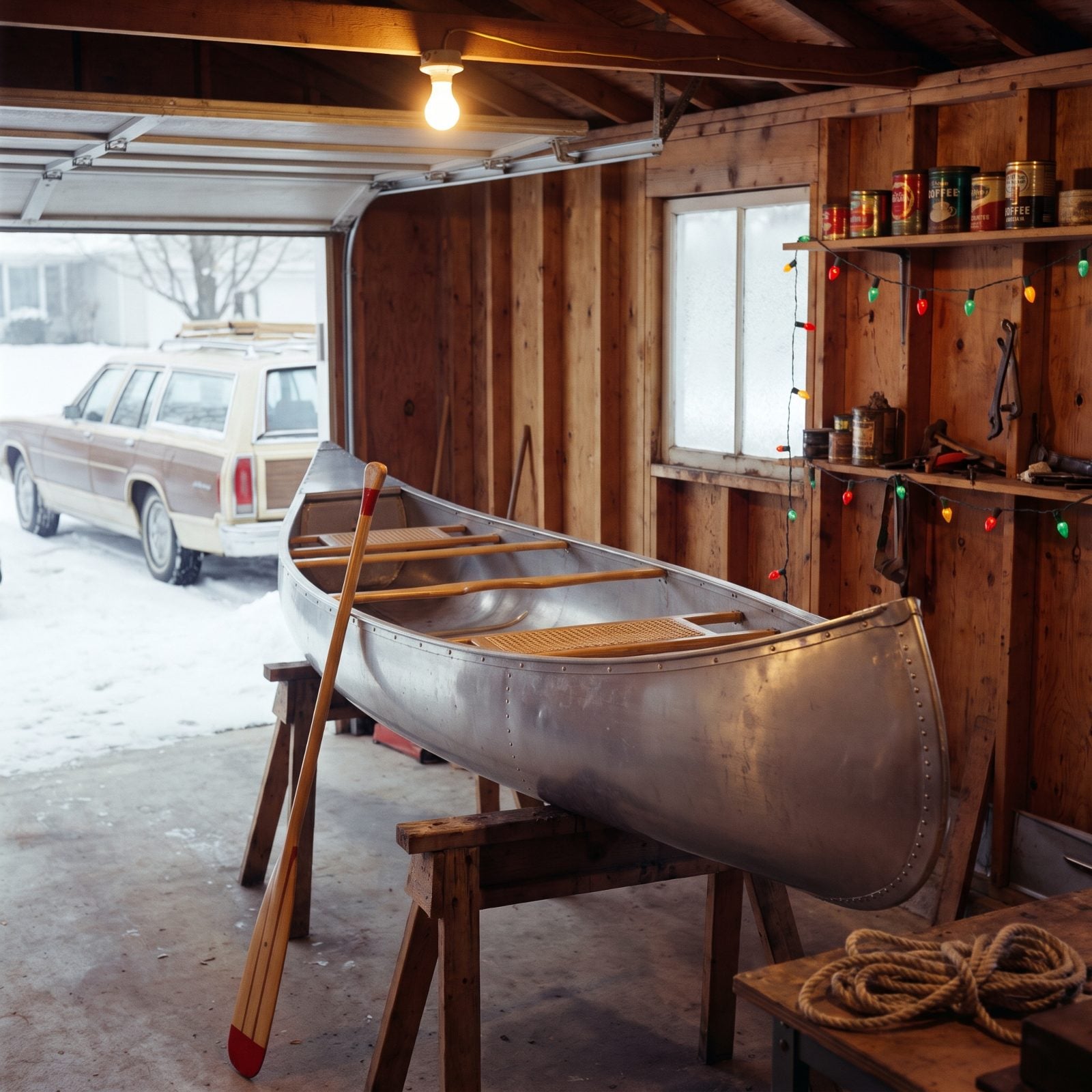
Aluminum was the whole pitch. It didn’t rot like canvas or crack like the fiberglass hulls that came later, and you could drag it across a gravel bar and it would just shrug the whole thing off. A dented aluminum canoe is a canoe with stories. A dented fiberglass one is a repair bill.
Grumman built them in the same plant that made aircraft, which is exactly the fact every dad repeated while wrestling one onto the roof rack. They weighed more than you’d want on a long portage, and you felt every pound on the second lift. But that same heft meant the thing sat dead steady under you, and for a family that fished panfish off the same pond every July, steady beat light every time.
3. The Two-Person Inflatable Raft in a Cardboard Box Under the Tree
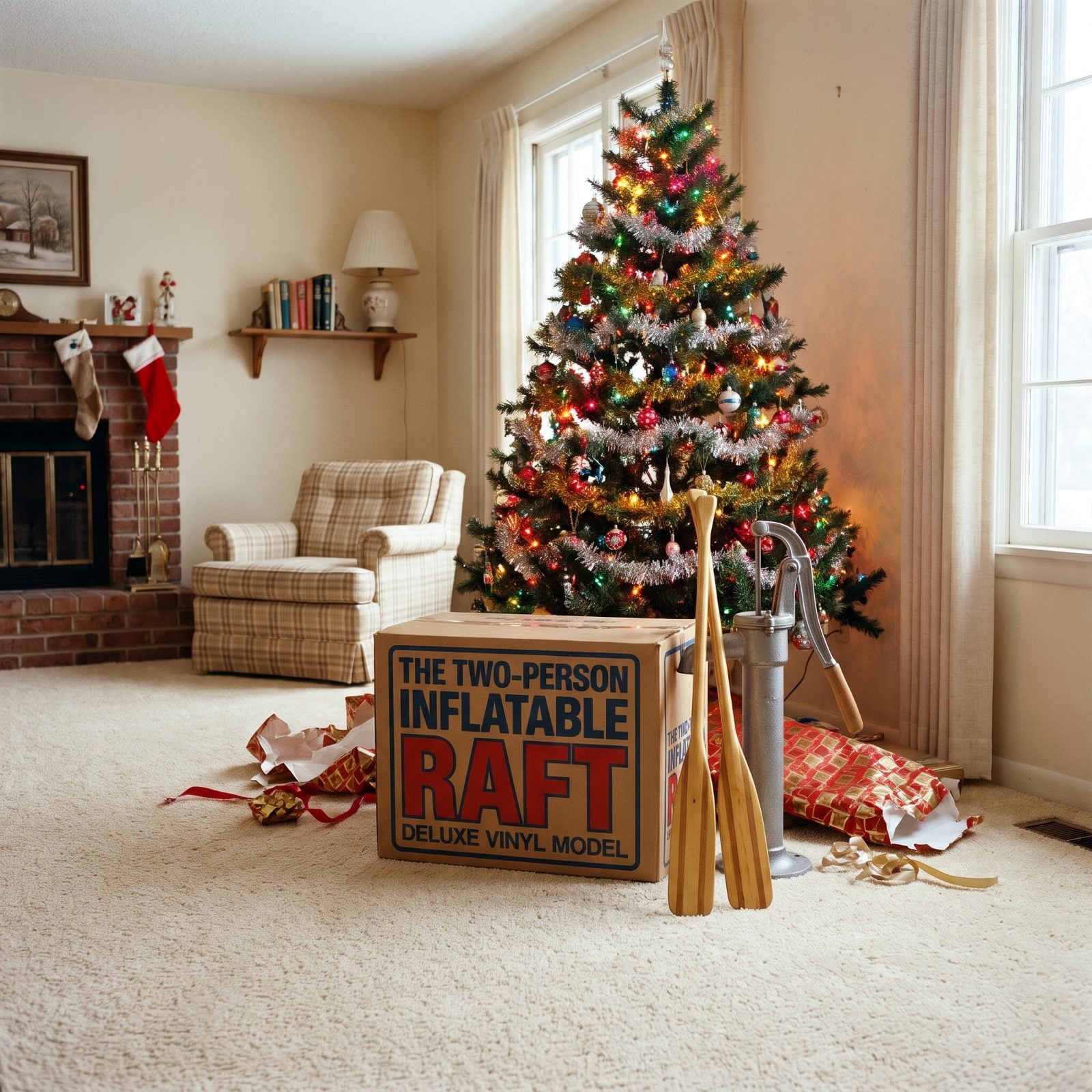
Every kid who unwrapped one thought it was a boat. Every dad knew it was a pool toy that could technically float on a farm pond. Both were a little right.
The thick-gauge vinyl ones held up. The thin drugstore ones sprang a seam by the Fourth of July, and you learned the difference the hard way — usually about forty yards offshore, with a bicycle pump that never quite kept up. Still, nothing on this list delivered more joy per dollar. A kid with a blue-and-yellow raft and a windless afternoon on a quiet cove didn’t need anything else the whole summer.
2. The Honda Trail 70 Minibike Parked by the Workbench
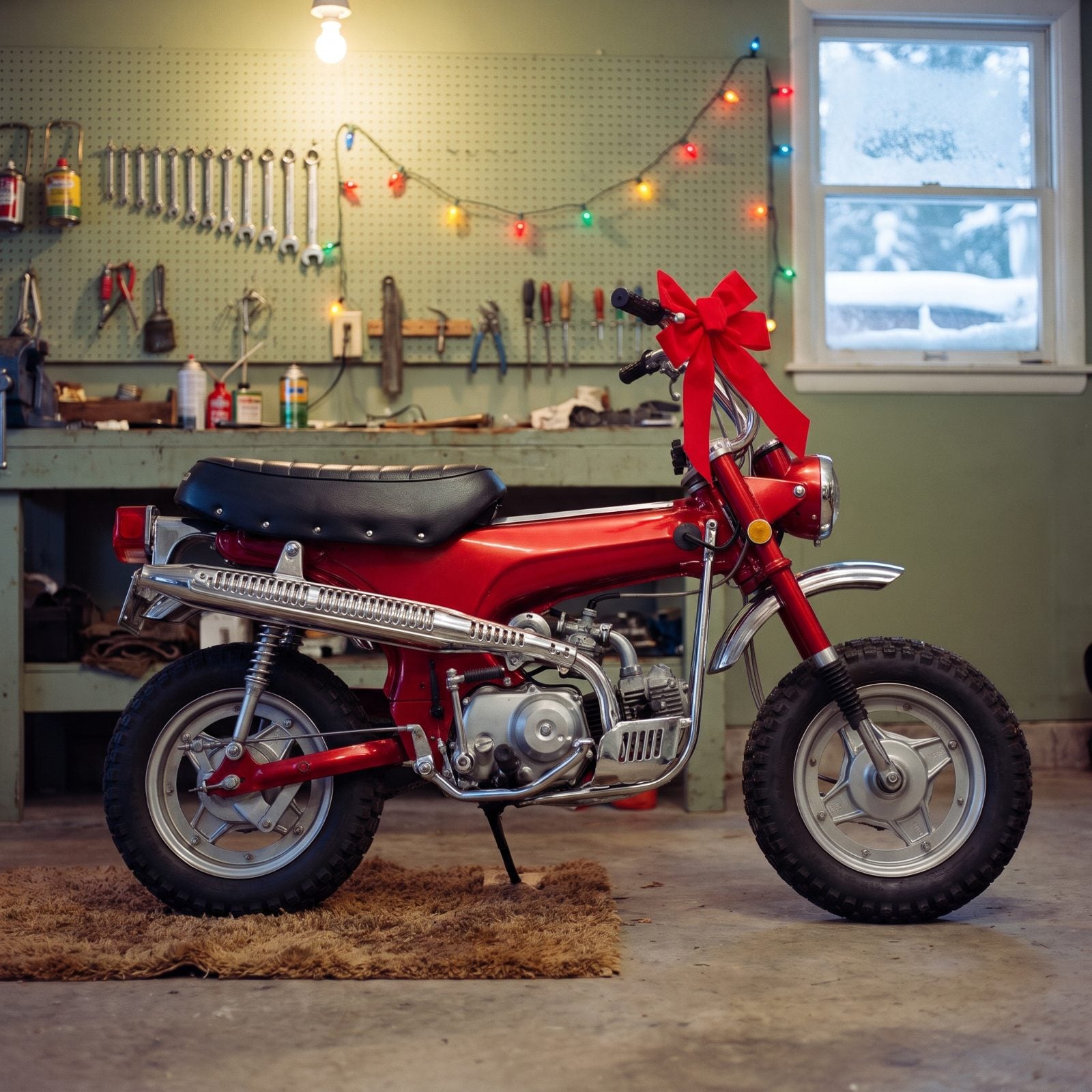
No single gift under a 1970s tree caused more commotion than a minibike with a bow on the bars.
The Trail 70 was small, red, and friendly looking, which fooled exactly nobody. Step-through frame a ten-year-old could handle, motor that would pull that same kid straight up a dirt bank at the back of forty acres. It got hauled to deer camp and used to check trap lines, then ridden around the pasture until the gas ran out and pushed home.
Let’s say it plainly: these things were loud, a little dangerous, and about the best thing that ever happened to a bored country kid. The ones that survived are worth real money now. Most didn’t survive. They got ridden like they were stolen.
1. The Ski-Doo Snowmobile Idling in the Driveway
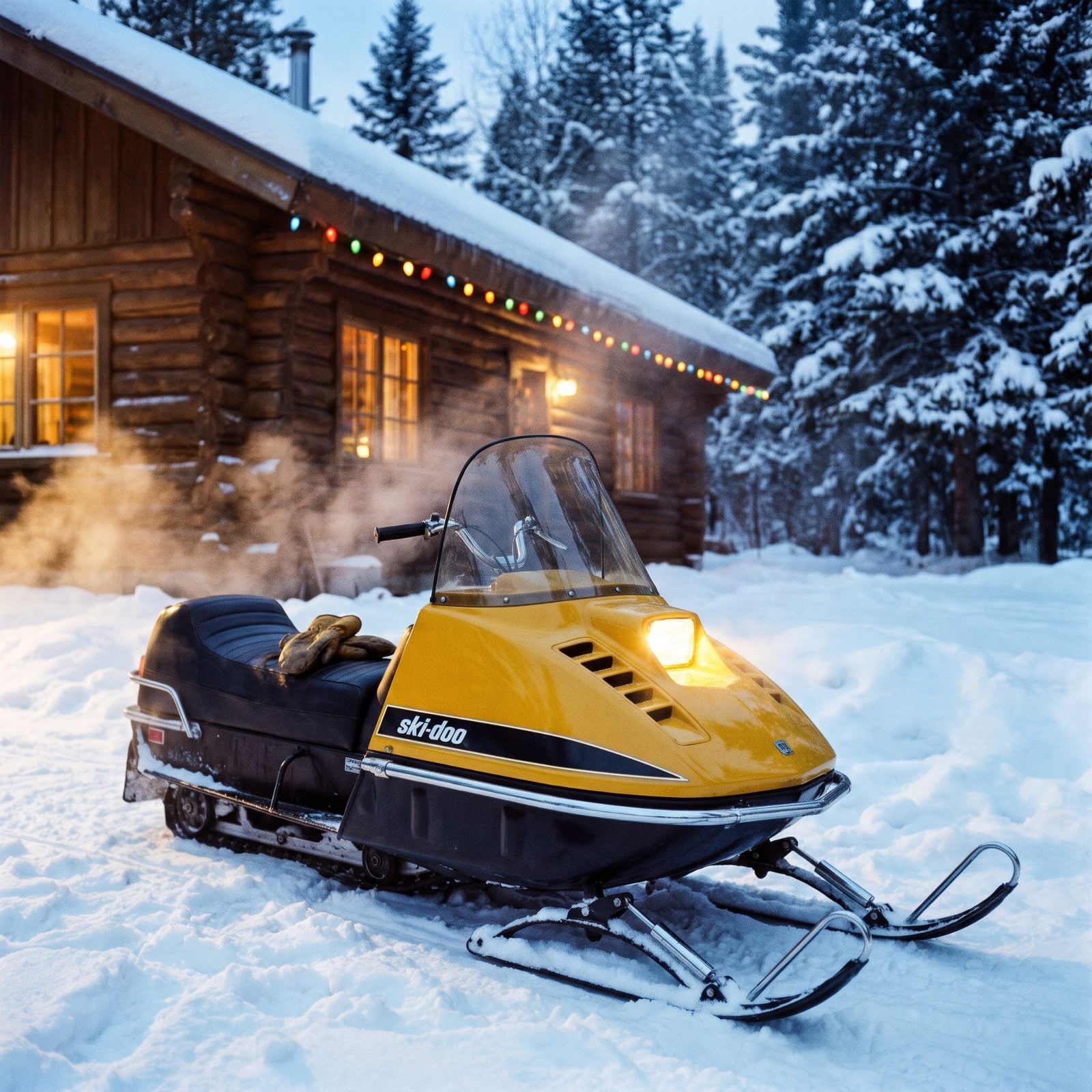
This was the big one. The gift that didn’t fit under any tree and arrived with a dealer’s handshake instead of wrapping paper.
A snowmobile turned a dead winter into a reason to go outside. Ice fishermen used them to haul shanties and augers across a frozen lake that would’ve taken an hour to cross on foot. Up north, a sled was less a toy than a tool that happened to be fun once the chores were done.
The early ones ran hot, smoked, and demanded you knew which end of a wrench to hold. You carried spare belts and spark plugs because you’d need them — count on it. But that first pull of the cord on a still, blue-cold morning, the two-stroke bark cutting the silence, the track biting into fresh powder off the back porch? No catalog ever had to work hard to sell that.