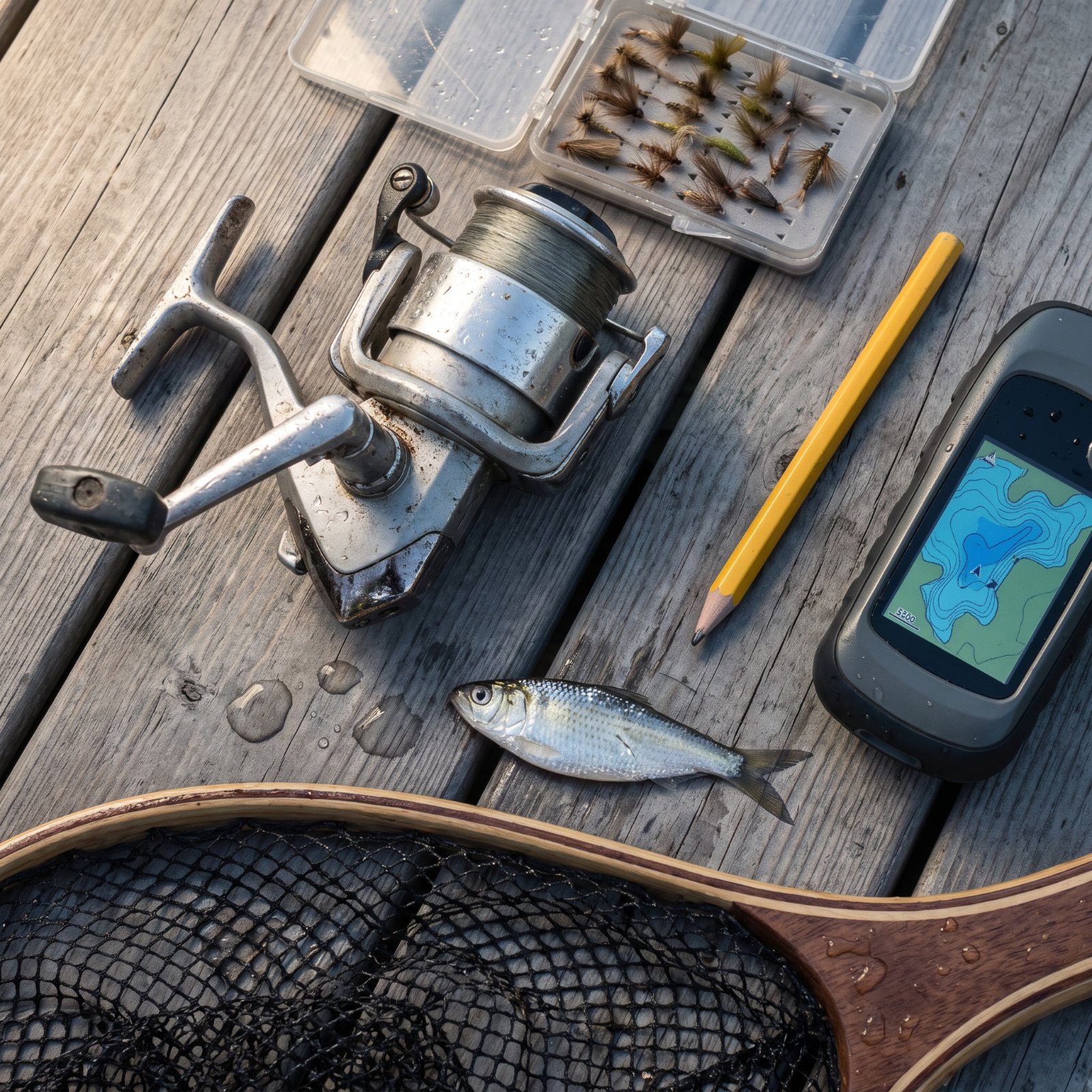
The best anglers notice things the rest of us walk right past. A smear of half-digested minnows on the deck. A spiderweb full of mayflies. The direction a heron happens to be facing while it hunts the same water you are. None of it looks like fishing, and all of it is. These are the small, odd habits that quietly stack the odds — the ones experienced hands do without thinking and rarely bother to explain. They cost nothing but attention. Pick up two or three and you’ll catch more fish, and you’ll finally understand why.
Please note that some of the images in this article were created with the assistance of AI.
44. Check the Deck for Regurgitated Forage After Landing a Predator
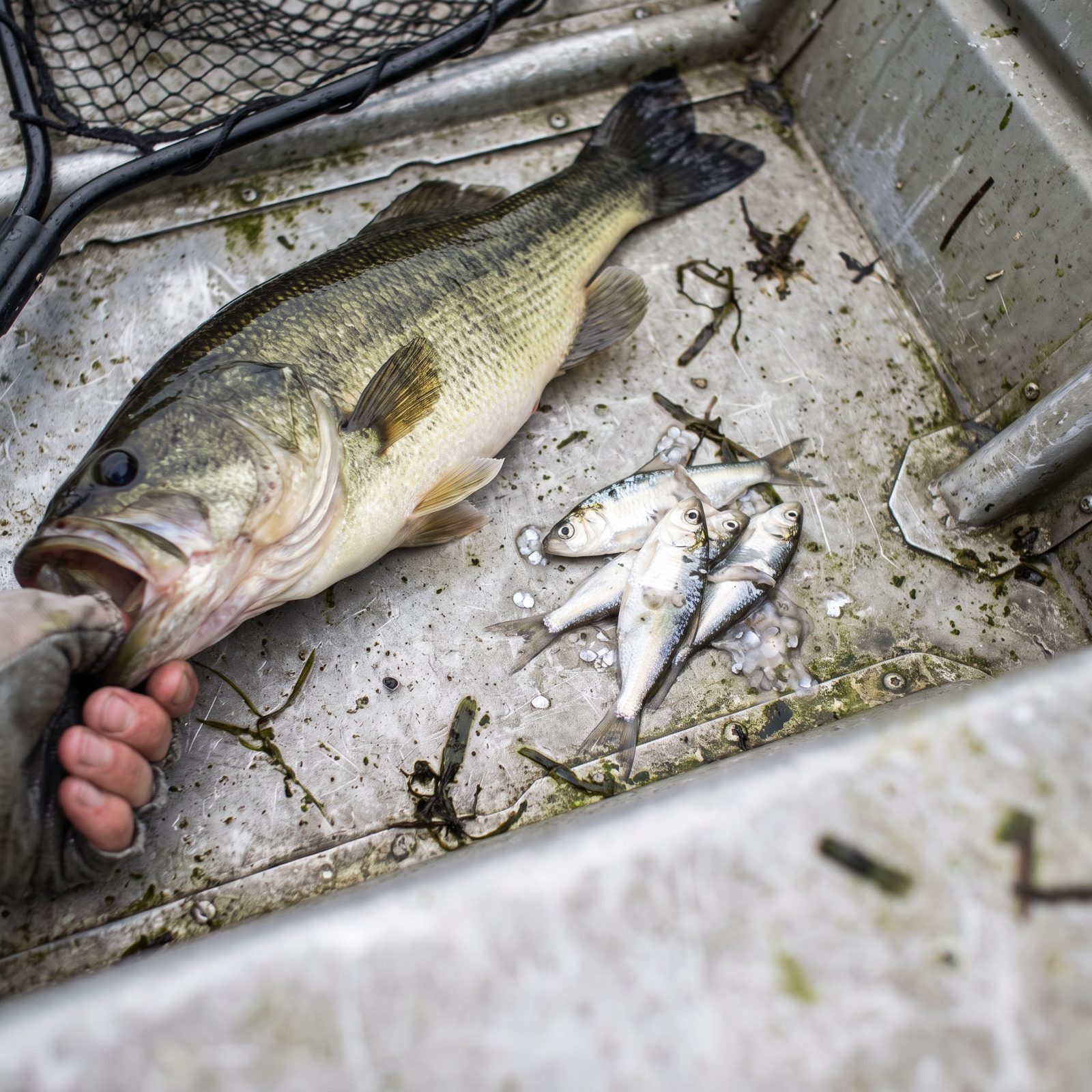
When a stressed fish hits the deck, it often throws up its last meal. That slick little pile is the most honest forage report you’ll ever get, because the fish already did the sampling for you. Three-inch shad? Crawfish shells? One fat bluegill? Match it before your next cast.
Most people hose it overboard without a glance. Look first — the size matters as much as the species, and that one detail sets your lure size for the rest of the day.
43. Inspect Streamside Spiderwebs to Learn Which Insects Are Hatching
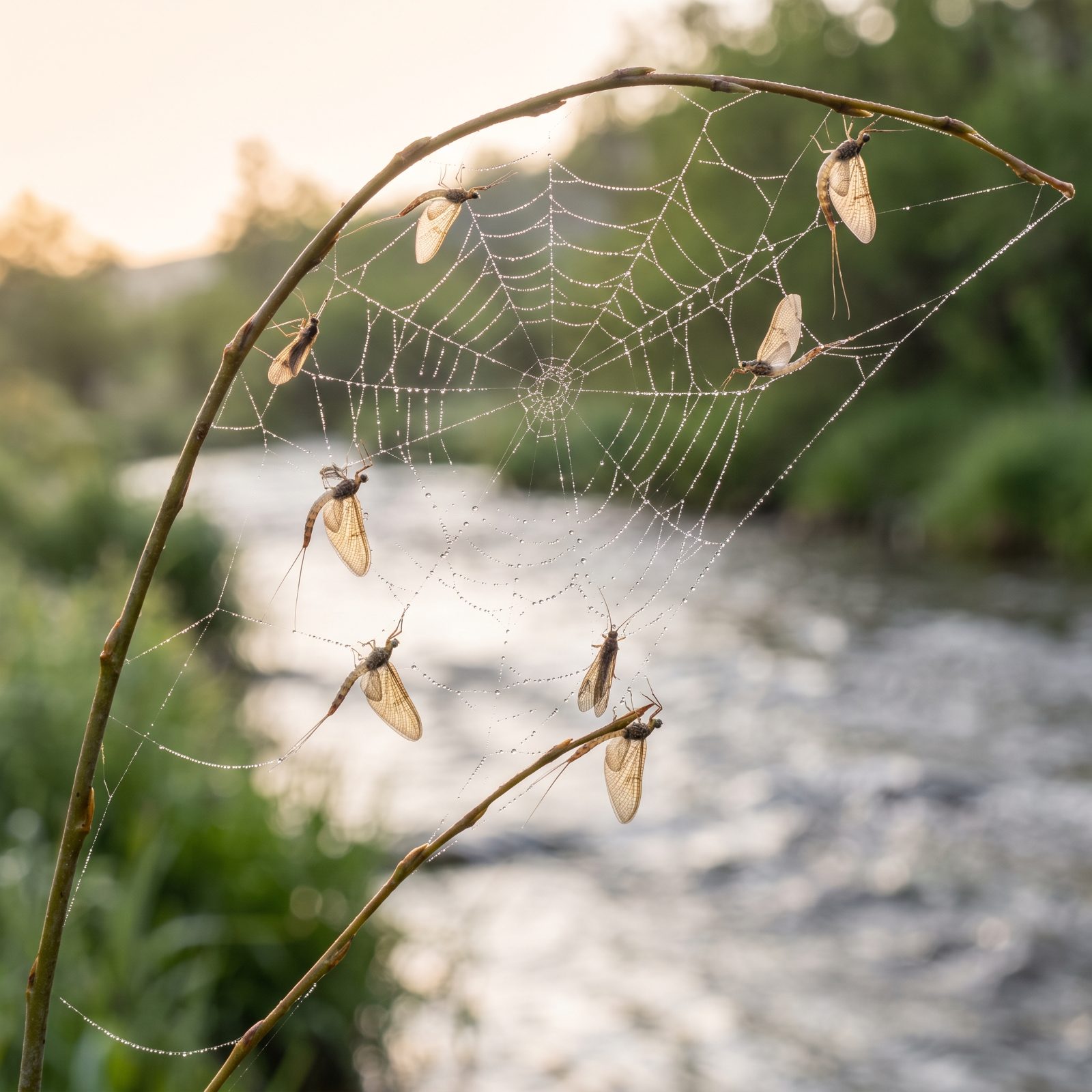
Trout fishermen have a trick worth stealing. The webs along the bank are a bug trap that’s been running all night, and whatever got stuck in them is probably what the fish have been eating — or are about to.
Walk the willows before you tie on a thing. A web full of size 16 mayflies tells you more than any fly-shop guess. Thirty seconds and a little bending over, which gets harder every year, but it beats cycling through six patterns while the hatch comes off without you.
42. Save a Waypoint for Each Bite Rather Than Waiting to Land a Fish
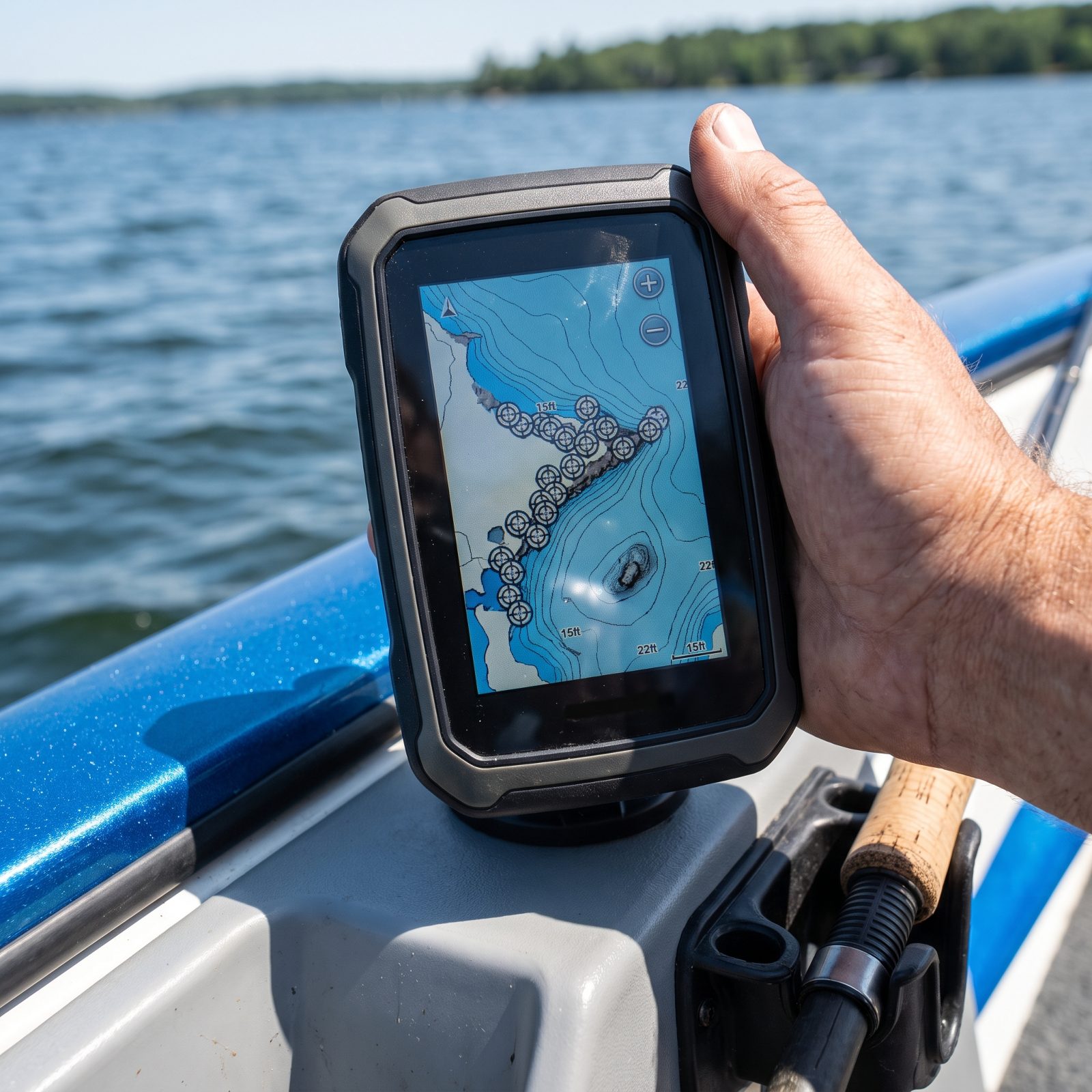
A bite is data. A landed fish is luck on top of data. If you only mark the fish you boated, you’re throwing away most of what the water told you.
Drop a waypoint the instant you feel a tap, even a short strike you never hooked. By afternoon the dots cluster, and the cluster is your spot. The fish you missed were still telling you where they live.
41. Park a Bobber Stop at the Last Bite Depth Before Changing Rigs
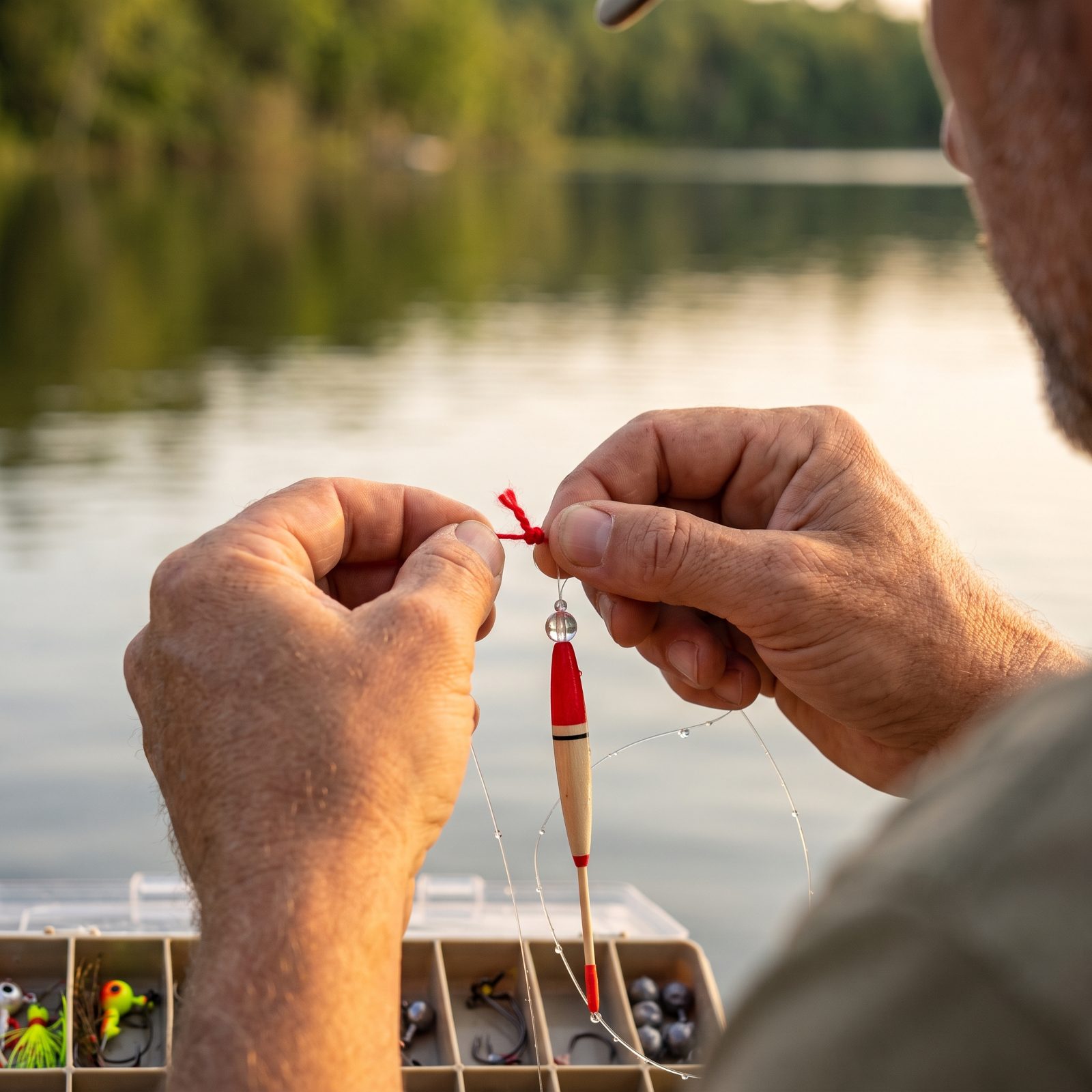
You dial in a depth, the bites start, and then you decide to swap lures. Smart move. The mistake is losing the number.
Leave the bobber stop right where it was producing. It becomes a physical bookmark on your line — the exact depth written into a knot. When the new rig goes down, you’re starting from a proven level instead of guessing all over again.
40. Turn Over One Submerged Rock to Identify Local Prey, Then Replace It
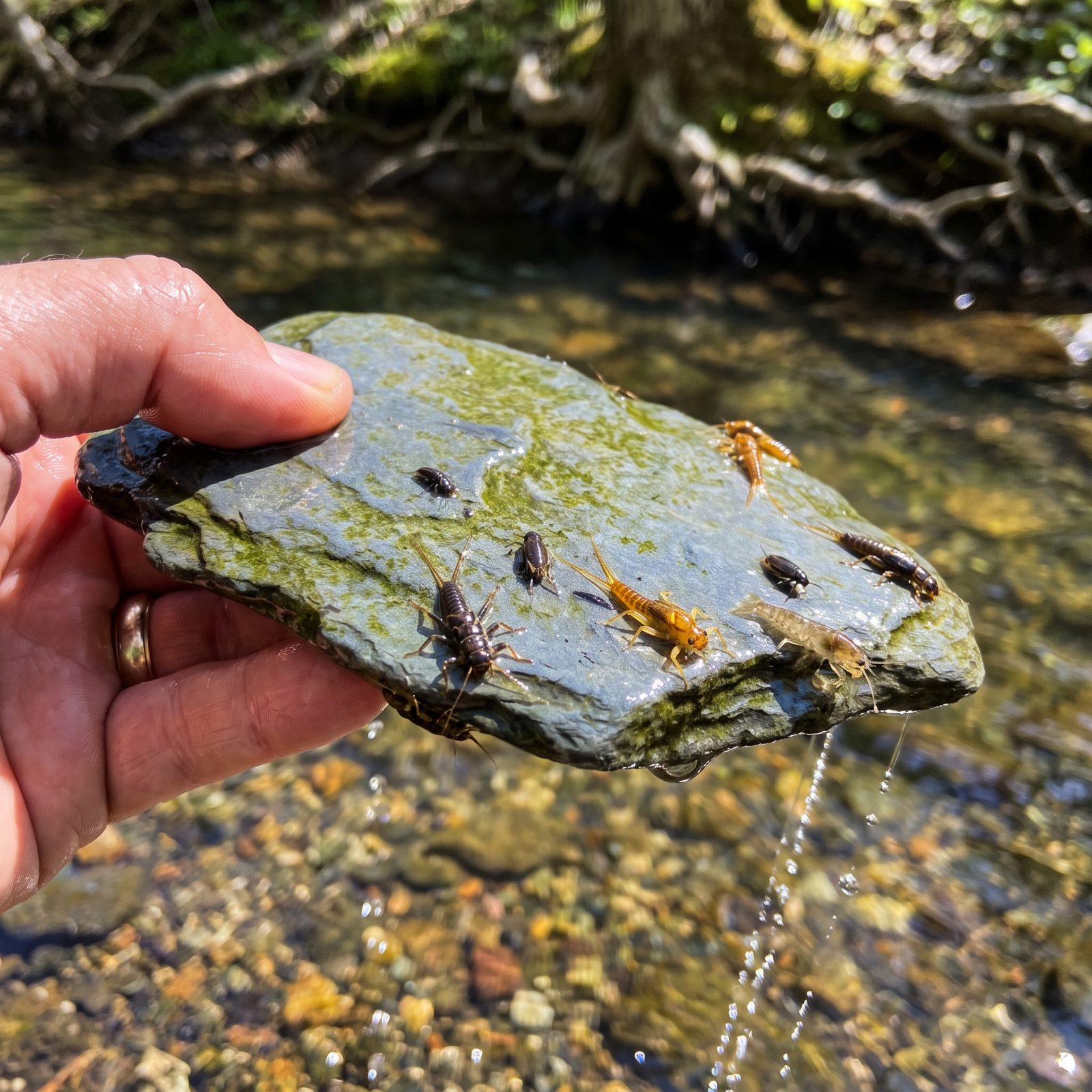
Flip a rock in the shallows and you’re reading the fish’s pantry. The nymphs, hellgrammites, and tiny crawfish clinging underneath are exactly what the trout have been grazing on, color and size included.
One rock is plenty. Put it back facing the way it was, because that gravel is habitat and the bugs under it are the whole food chain you’re trying to copy. Don’t strip a run of a dozen stones. That’s just vandalism with a fishing license.
39. Watch Which Way Wading Birds Face to Read Current Direction

Herons and egrets almost always hunt facing into the current, the same way baitfish line up nose to the flow. The bird is a free current gauge, standing right in your spot.
In tidal marsh, or a slow river where the surface gives nothing away, glance at where the wading birds point. It tells you which way the water is moving, which tells you where your bait should drift to look alive. The birds worked out the feeding lanes long before you showed up.
38. Cast Back Into the Boat’s Fading Wake to Find Stirred-Up Forage
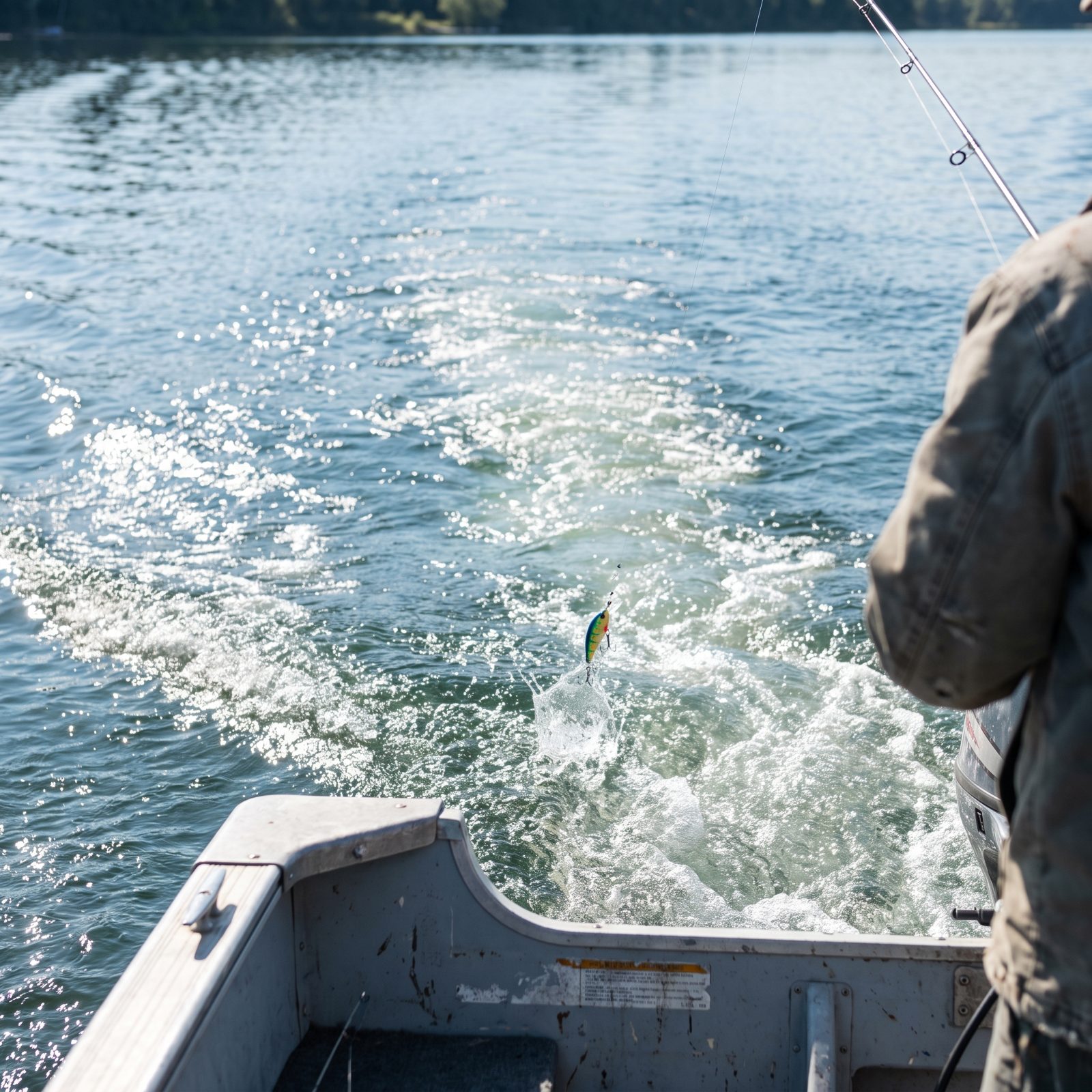
A boat passing over shallow water kicks up a buffet. Prop wash and hull turbulence tear loose grass shrimp, baitfish, and bottom bugs, and predators learn to follow the mess.
So instead of running off to the next spot, pitch a cast or two back into your own fading wake — especially over grass flats and sandbars in two to six feet. You stirred the pot. Something down there is already coming up to eat what you churned loose.
37. Return at the Exact Time of a Previous Bite Rather Than Simply the Same Day
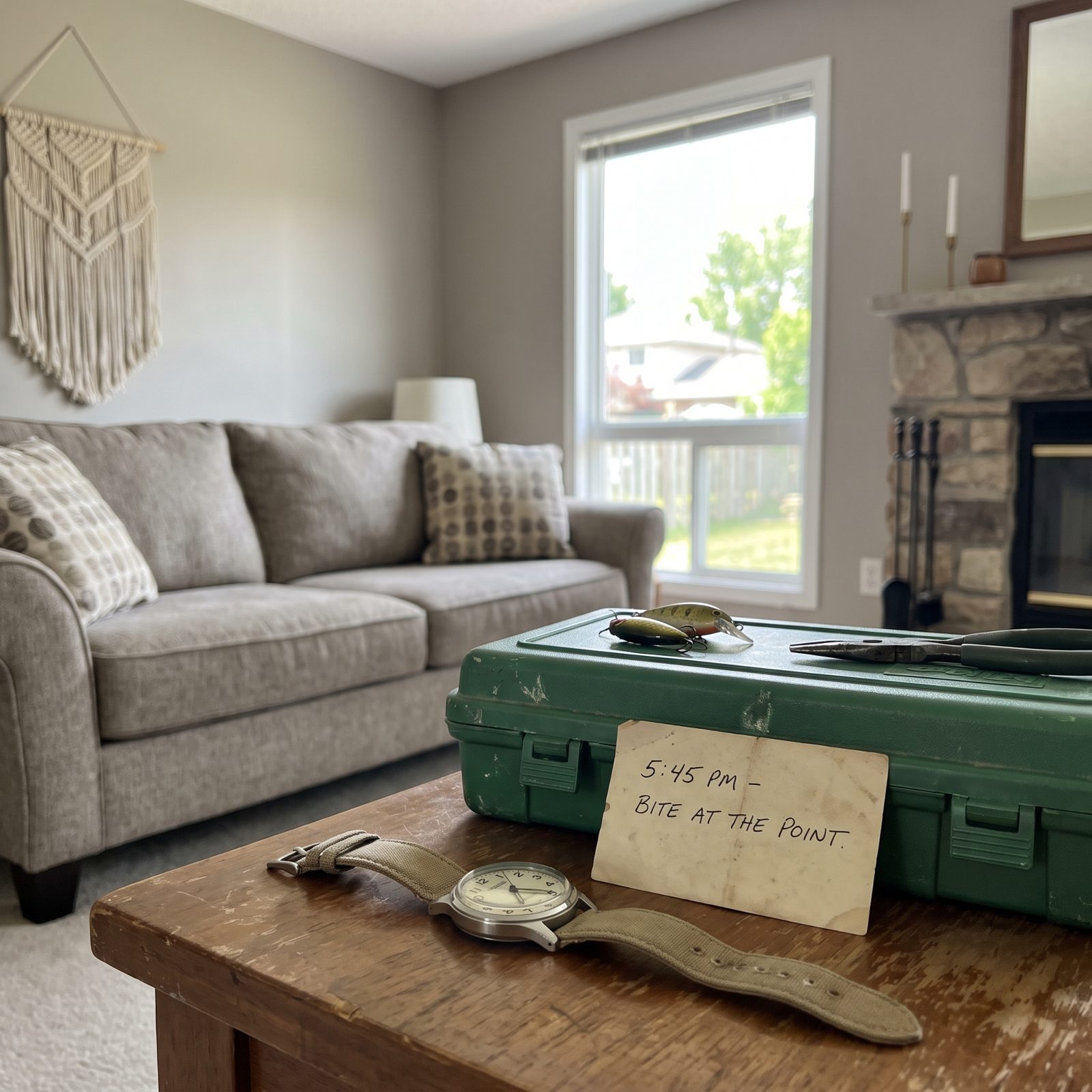
People remember the day they slayed them. Few remember the hour — and the hour is the real secret.
Feeding windows run on light and tide, not the calendar. A bite that fired at 6:40 one evening is far more likely to repeat at 6:40 than at some random afternoon on the same date. Log the clock, not just the trip, and show up when the fish do.
36. Carry a Grease Pencil to Mark the Exact Productive Setting on Electronics
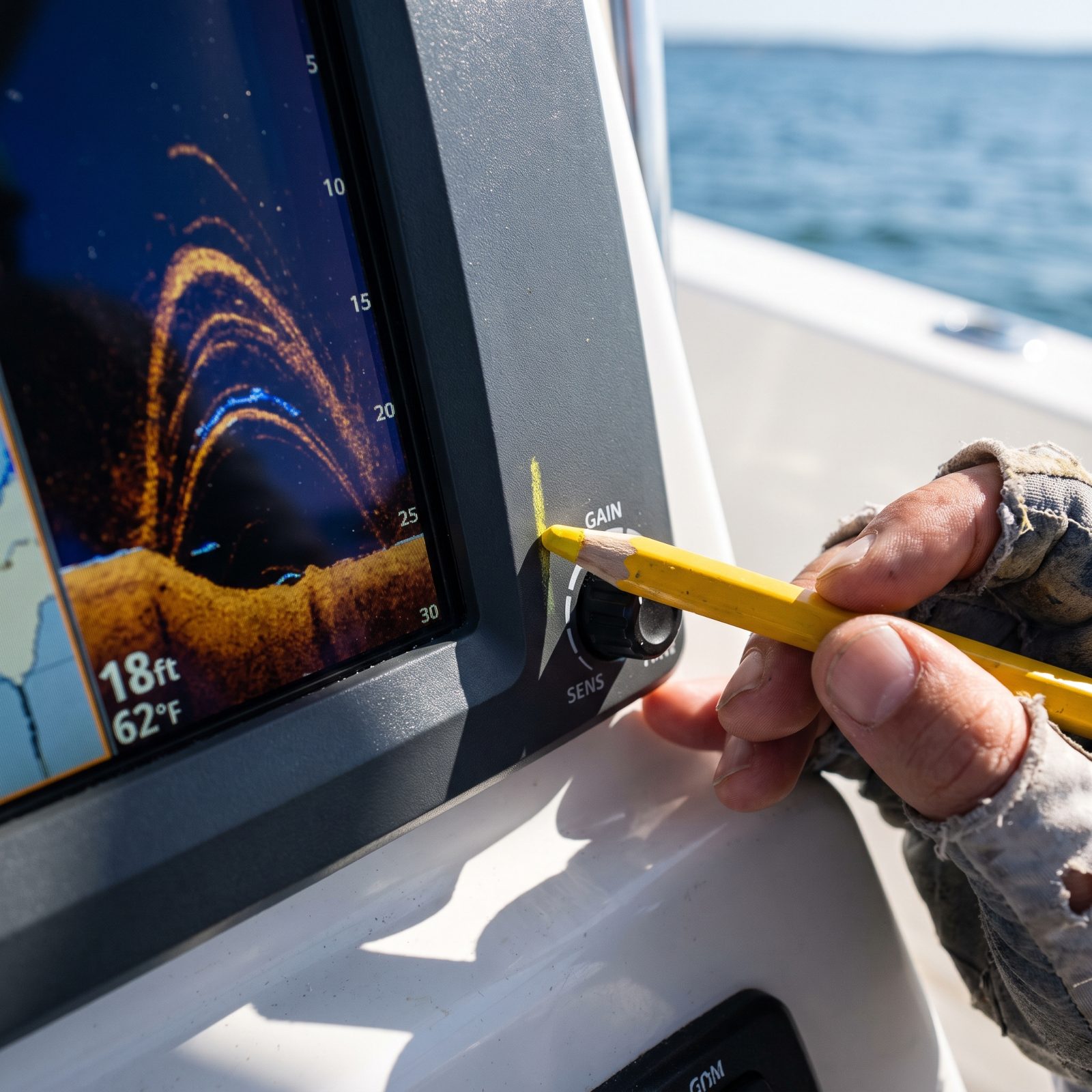
You finally nail the sensitivity and sonar settings that paint fish clearly. Then the trip ends, the menu resets, and next time out you’re second-guessing the whole thing again.
A grease pencil fixes it. Jot the productive setting right on the bezel — the gain number that lit up bait, the depth of a thermocline, whatever worked. It wipes off clean and never needs batteries. Low-tech scrawl backing up high-tech gear is one of the more underrated moves on the water.
35. Reserve One Hand for Lures So Sunscreen and Fuel Never Touch the Bait
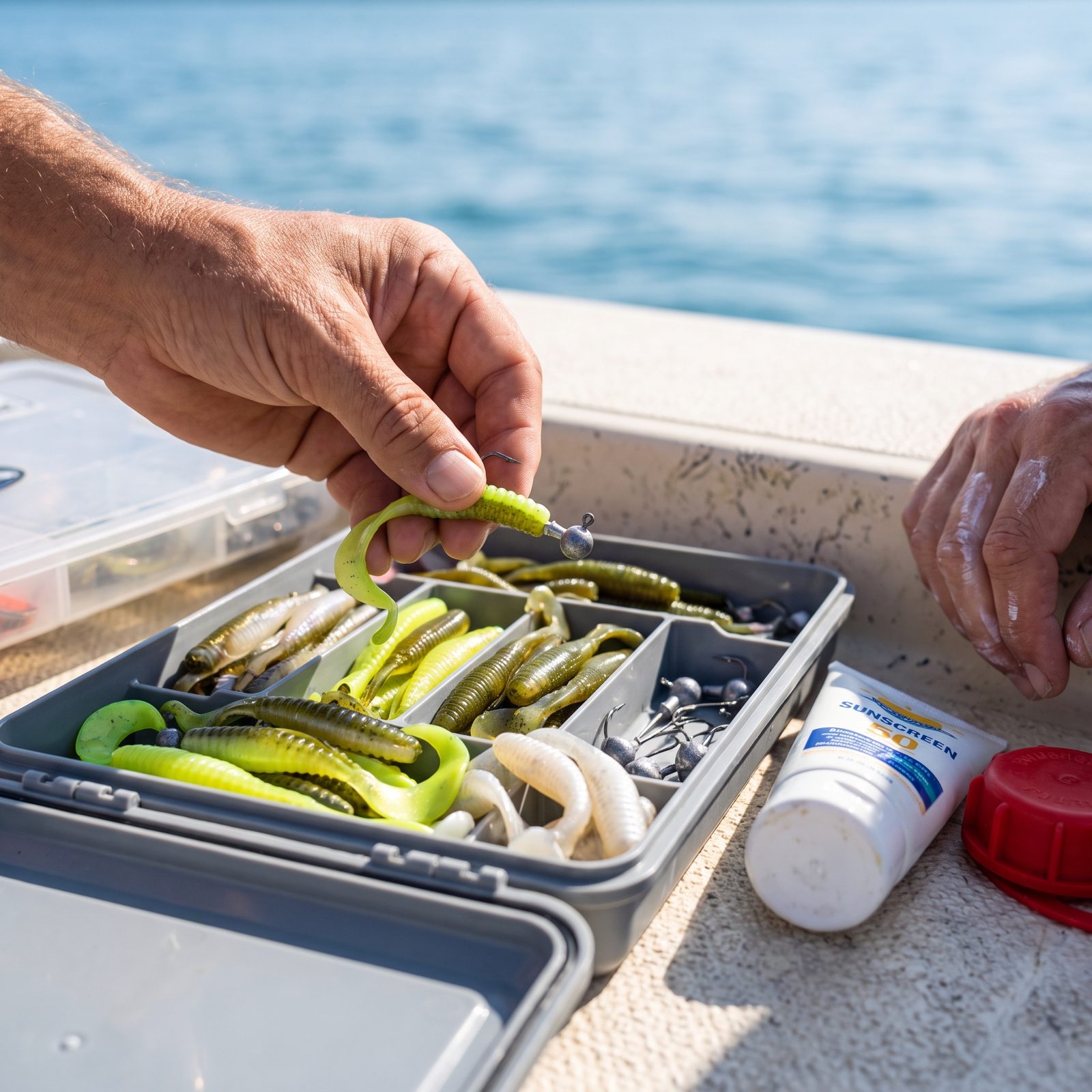
Fish smell far better than they see, and they’re repelled by the stuff we slather on all day. Sunscreen, bug spray, gasoline, two-stroke oil, coffee — all of it clings to soft plastics and live bait and sends a chemical warning straight down the line.
The fix is a habit, not a product. One hand for gear and bait, the other for sunscreen, fuel, and sandwiches. Forget and touch something? Scrub the lure hand with a pinch of dirt or a little unscented soap. Sounds fussy. Then you watch a pressured fish follow a clean bait and eat, and you stop thinking it’s fussy.
34. Sweep Rod Guides With a Cotton Swab to Reveal Line-Cutting Cracks
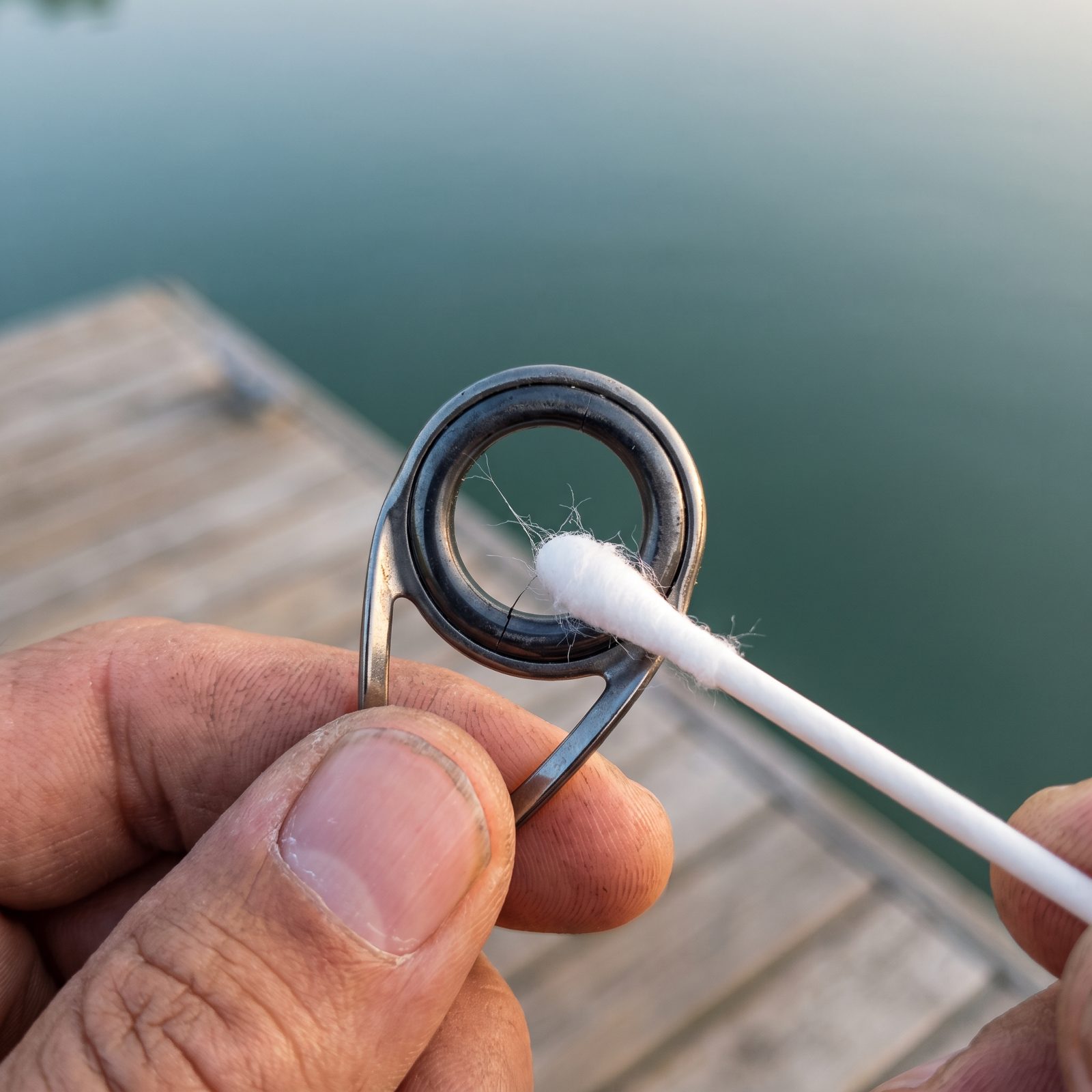
Most line failures don’t happen at the knot. They happen at a guide with a crack too small to see, one that files your line down on every cast until it lets go on the one fish that mattered.
A dry cotton swab finds what your eye misses. Run it slow around the inside of each ceramic insert. If a fiber snags or pulls loose, there’s a chip or a crack hiding in there, and that guide is quietly sawing your main line into a worn shoelace a few feet at a time.
33. Pinch the Last Few Feet of Line Between Two Fingers to Find Hidden Nicks
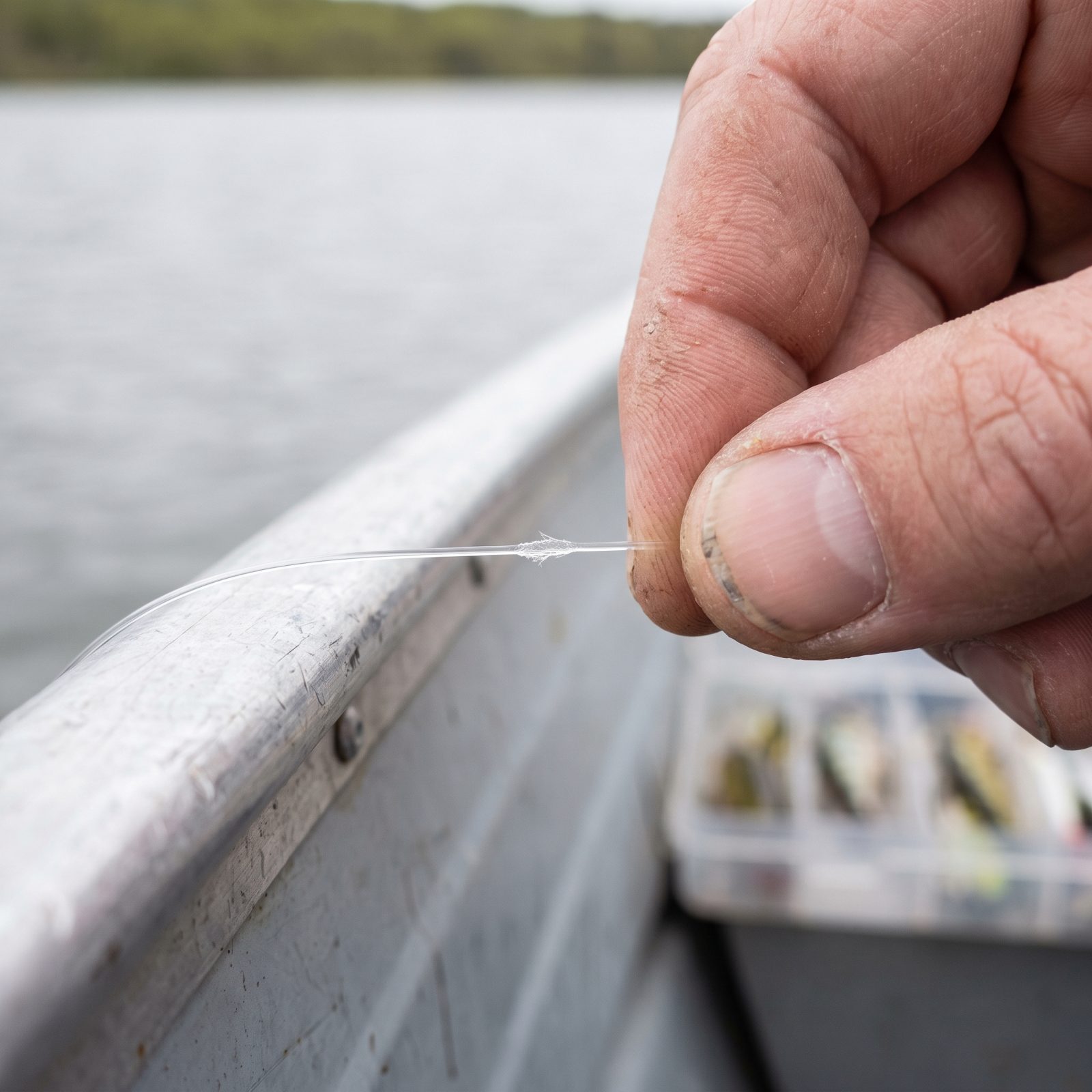
Your fingertips beat your eyes for this, especially in low light. Pinch the last six to ten feet of line between thumb and forefinger and pull it through slowly. A nick you’d never spot catches as a tiny rough tick against the skin.
That last stretch takes all the abuse — rock, dock piling, a toothy fish, the bottom. Any of them leaves a weak spot that holds fine until a hard run finds it. Pinch, feel the tick, cut above it, retie. Thirty seconds, and it saves the fish of the day.
32. Record the Water Temperature at Every Strike
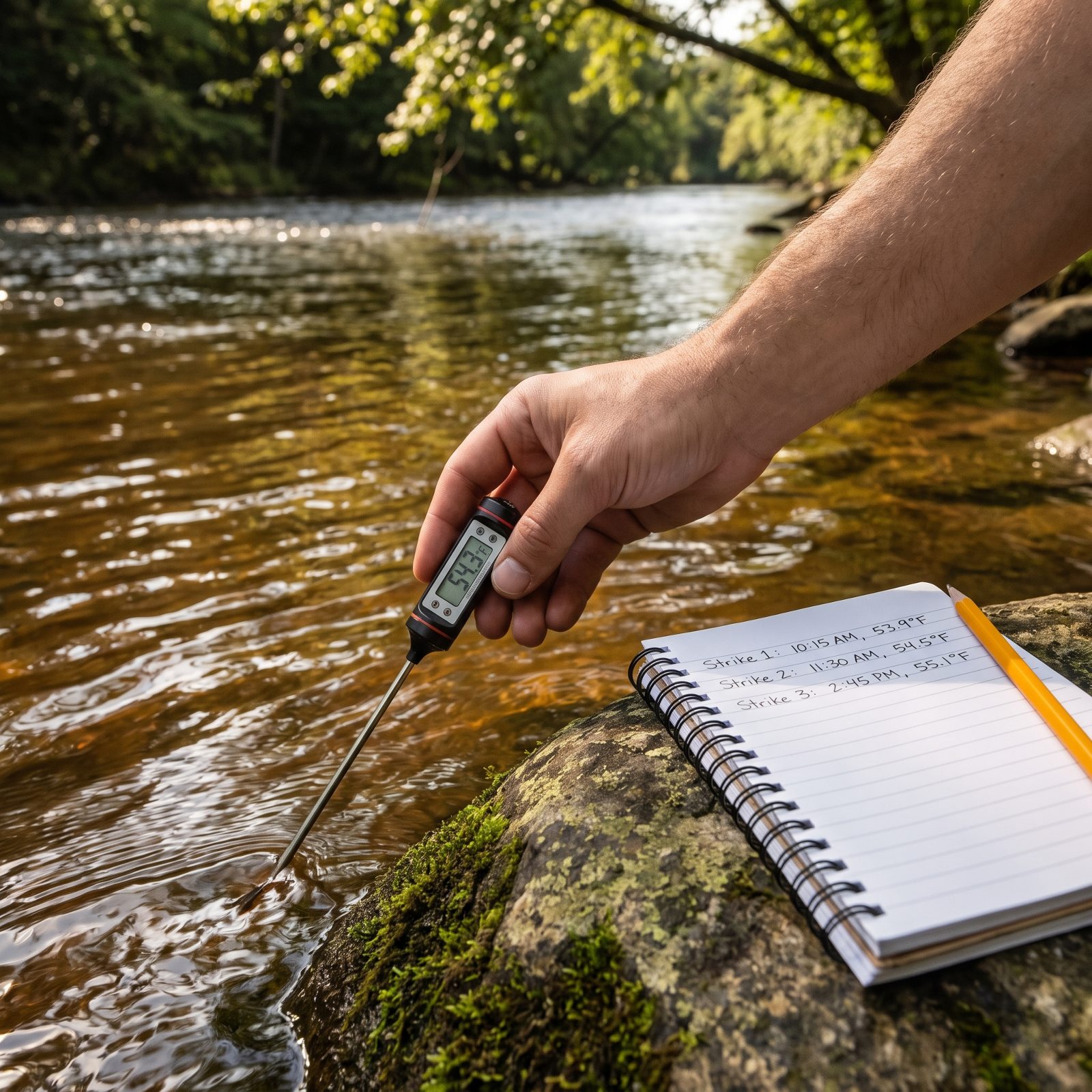
Fish live and die by a few degrees. A bass that ignores everything at 54 can turn into a wrecking crew at 58. Guides know this cold. Most weekend anglers never bother to measure it.
Jot the temperature the moment something hits. Do it for a season and a pattern appears that no magazine can hand you, because it’s true for your water and nobody else’s. Fish by the thermometer instead of the calendar, and the whole game shifts.
31. Count Every Lure’s Fall So the Productive Depth Can Be Repeated
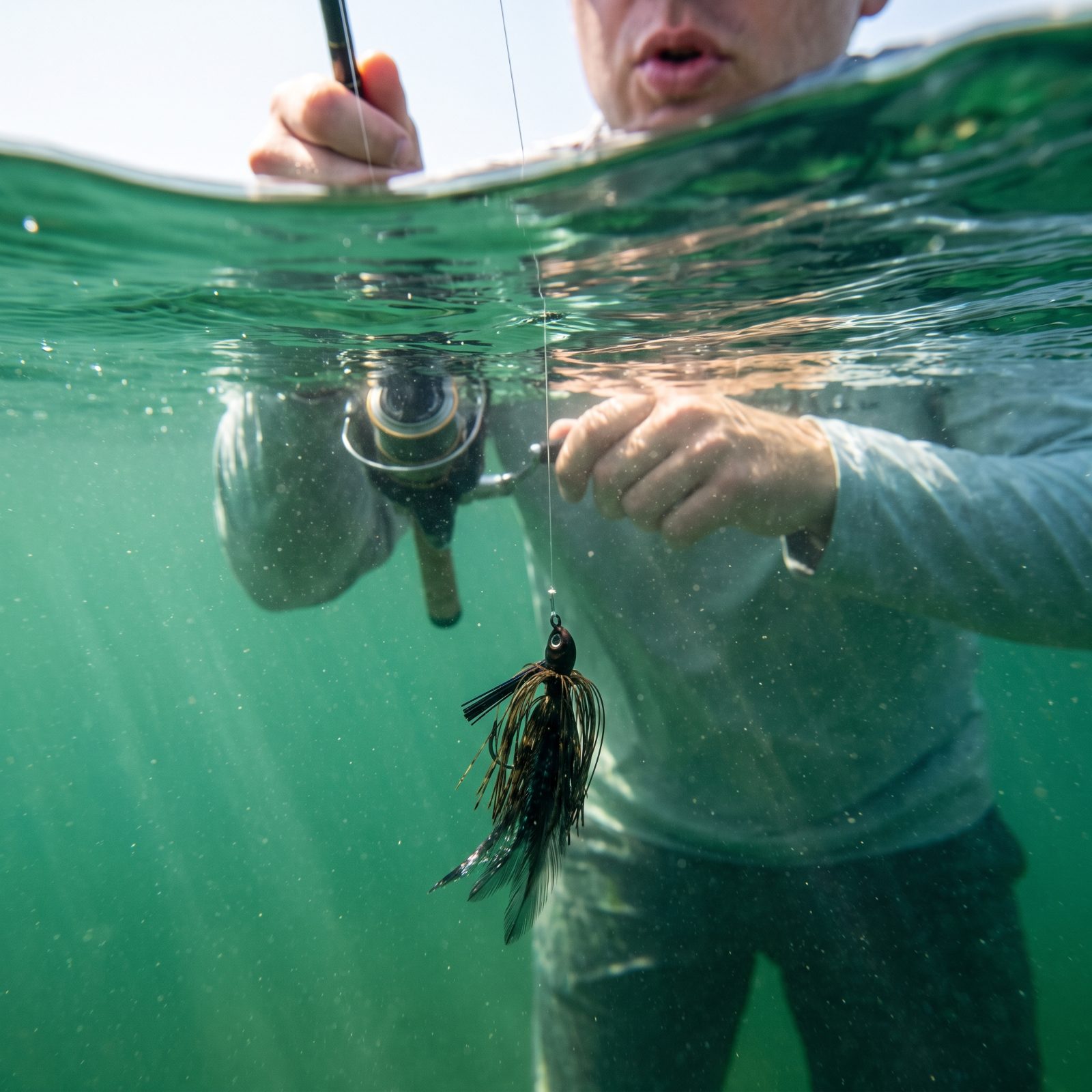
A sinking lure on a slack line drops at a steady rate, so counting it down turns open water into a ladder you can climb right back to.
Say the strike came on a count of seven. Now you can set the bait at that exact level cast after cast instead of guessing. Fish hold at a depth for a reason, and once you’ve found the shelf they’re sitting on, the count parks a lure there all afternoon. Count out loud or in your head — just pick one and stick with it. A steady rhythm is the whole trick.
30. Target the Lone Fish Outside a Visible School
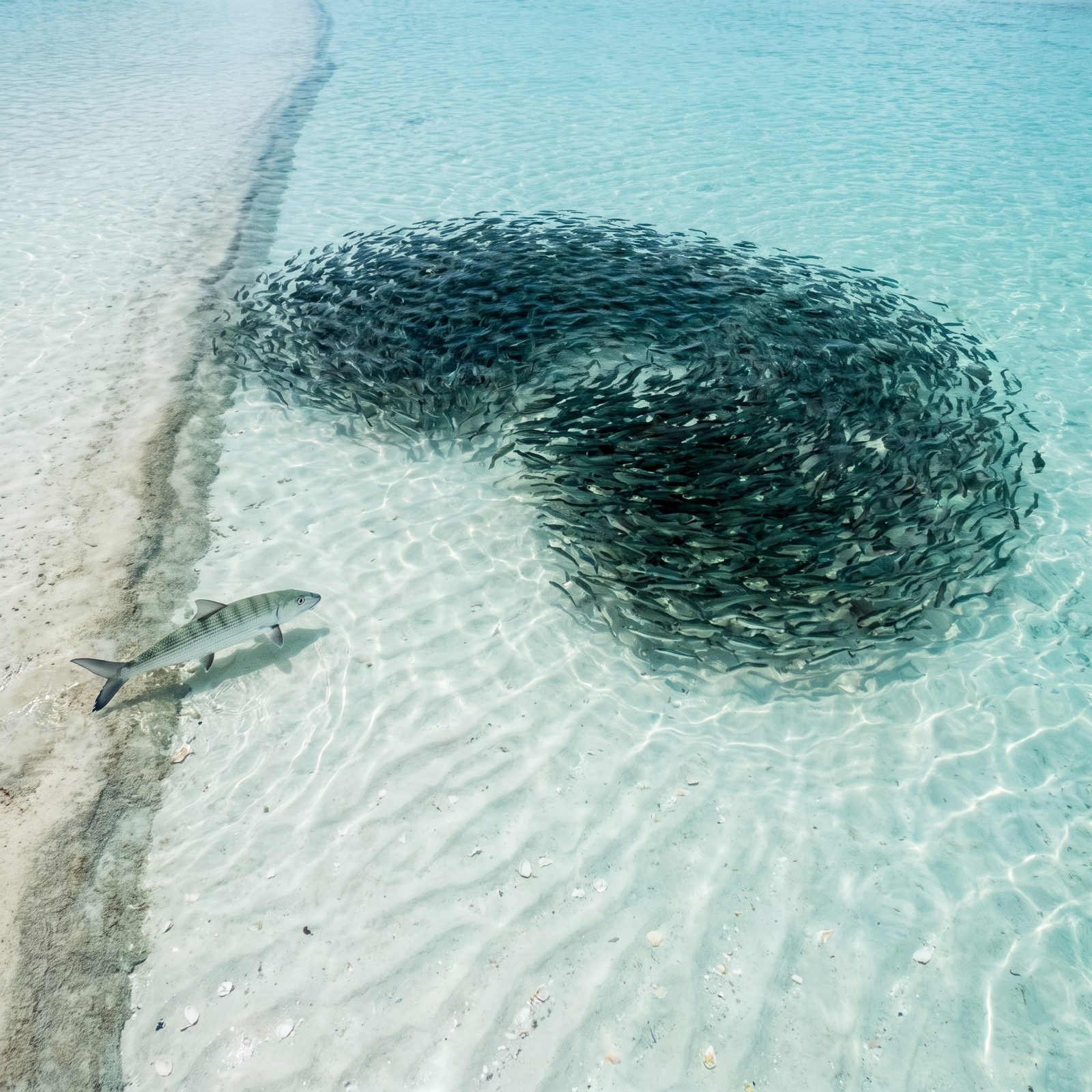
Everyone fires into the thick of a school. Trouble is, the school spooks as one, and a cast that lands wrong shuts down the whole area in a heartbeat.
The fish holding off to the side is almost always the better eat. Loners run bigger, more aggressive, or actively hunting the edge of the bait, and a cast to one fish doesn’t blow up the pack. Pick it off first, then work in toward the crowd. Fewer eyes to alarm, and better odds the hookup doesn’t scatter dinner.
29. Work the Dark Boundary Outside Marina Lights Rather Than the Bright Center
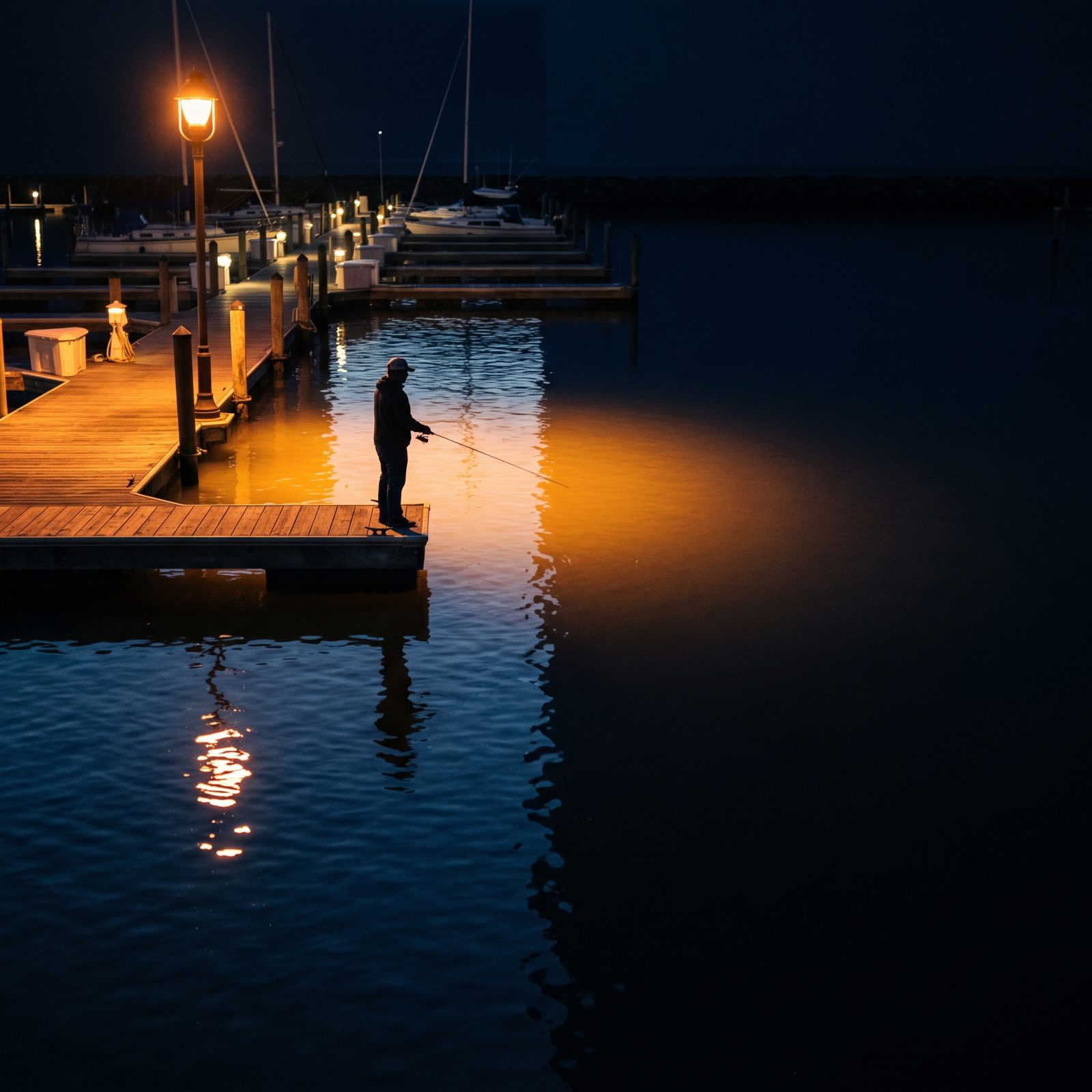
The light pulls the bait. The predators wait in the dark just outside it.
Beginners cast straight into the glow where they can see baitfish flicking. Fish with teeth know better. They hang on the shadow side of the light line, picking off anything that drifts out of the bright water — they get to see their prey while staying hidden. Put your bait on the dark edge and swim it toward the light, the way a disoriented minnow would move. That first foot or two outside the glow is where the ambush lives.
28. Choose the One Isolated Reed Instead of Casting Into the Whole Bed
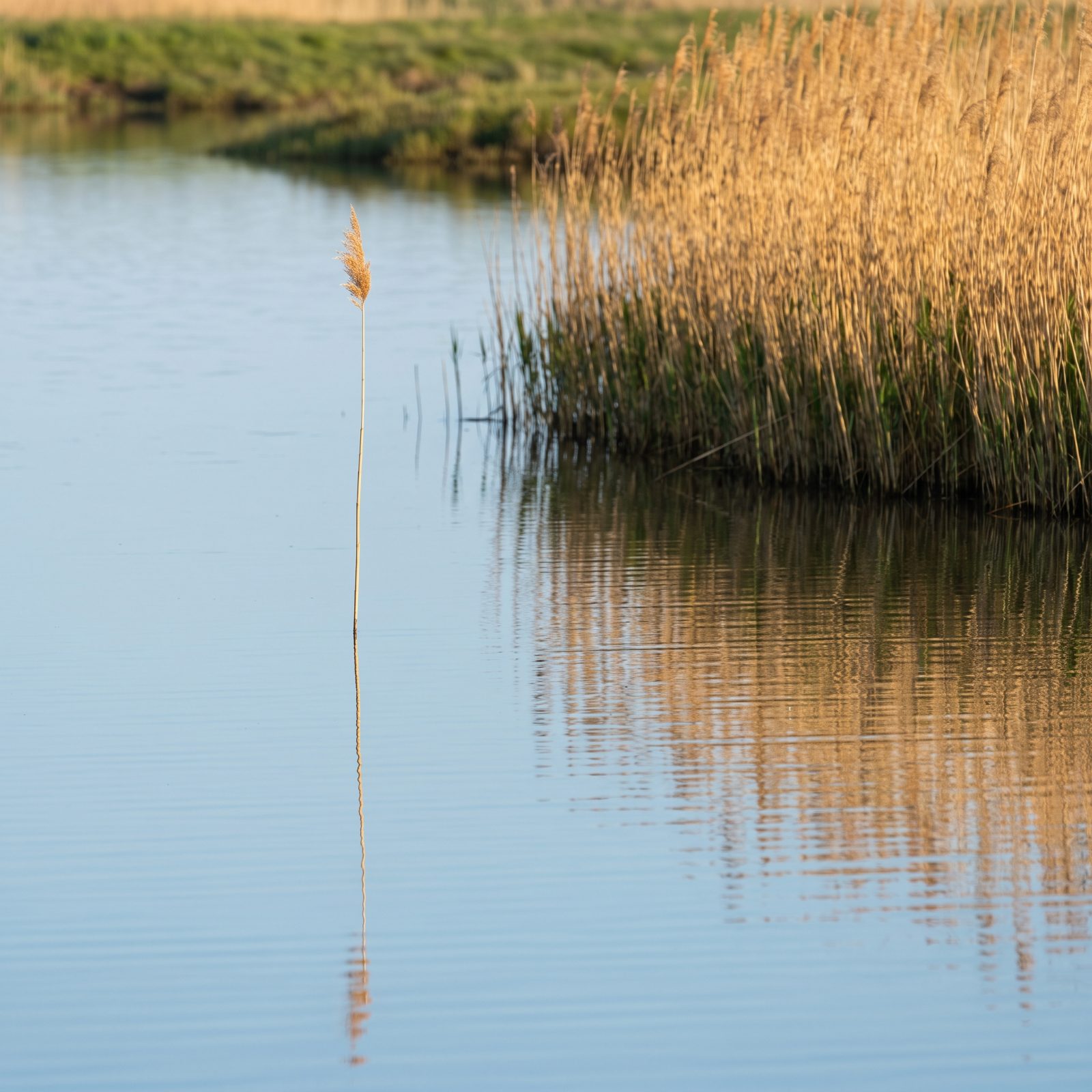
A reed bed is a wall of cover a fish can vanish into anywhere. Hard to pick a spot, harder still to pin a fish down.
The single reed standing out in open water is a different animal. Cover, shade, an ambush post — and the only one for yards. A fish that wants structure out there has exactly one address, so you know right where it’s sitting. Place the bait tight to that stalk and give it a second to settle. Precision beats carpet-bombing the whole bed every time.
27. Visit Storm-Drain and Culvert Outflows Soon After Fresh Rain
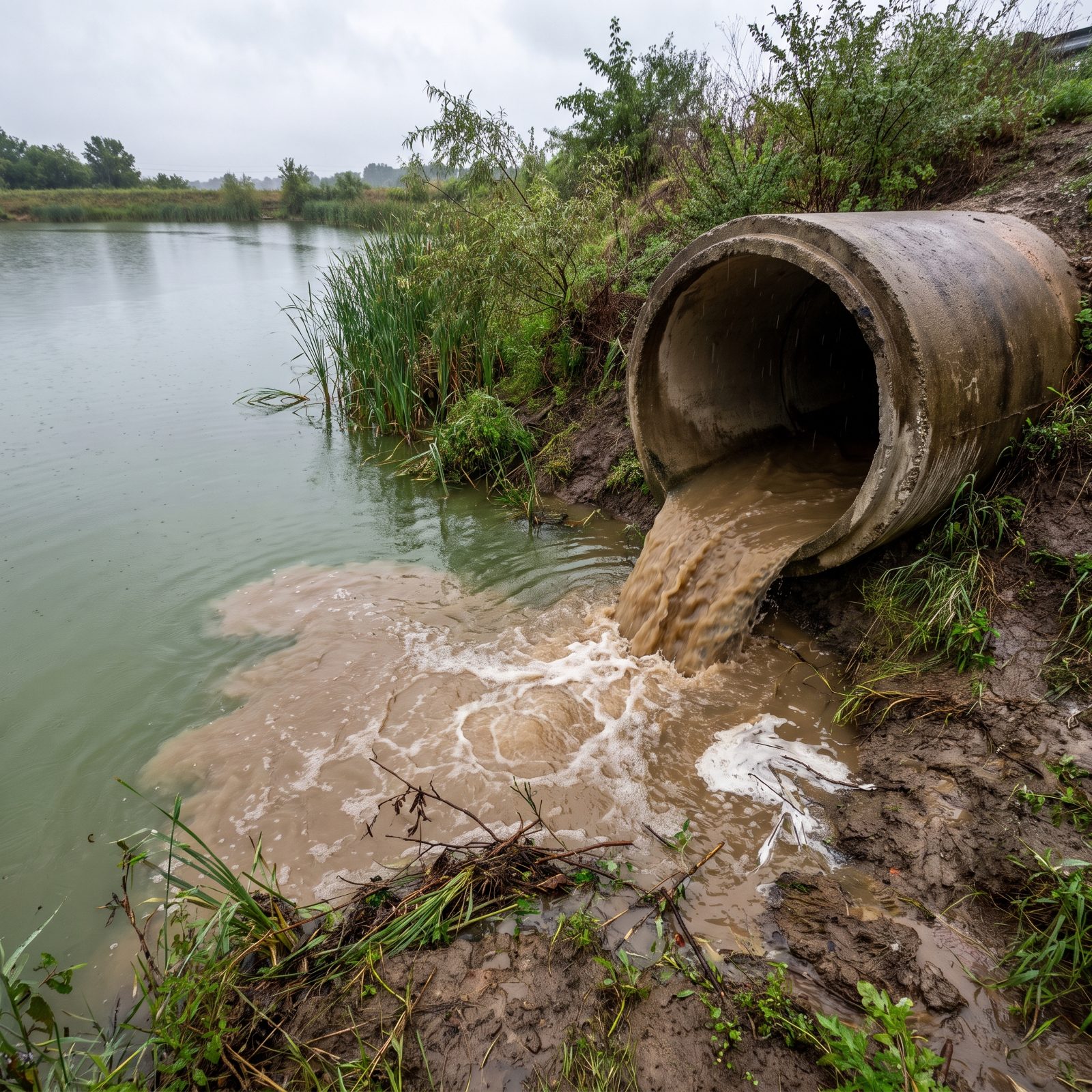
Fresh rain flushes a buffet through every drain and culvert — worms, insects, dislodged bait, the whole works washing out into the pond or canal at the outflow.
Fish learn this schedule fast. Within an hour of a good rain they’ll stack at the mouth of a culvert, waiting for the current to deliver dinner. Current, cover, food, and cooler oxygenated water, all in one spot. Hit it while the water’s still moving and stained. Once the flow quits and the water clears, the party breaks up and they scatter back out.
26. Follow Foam Lines Because They Collect Both Food and Feeding Fish
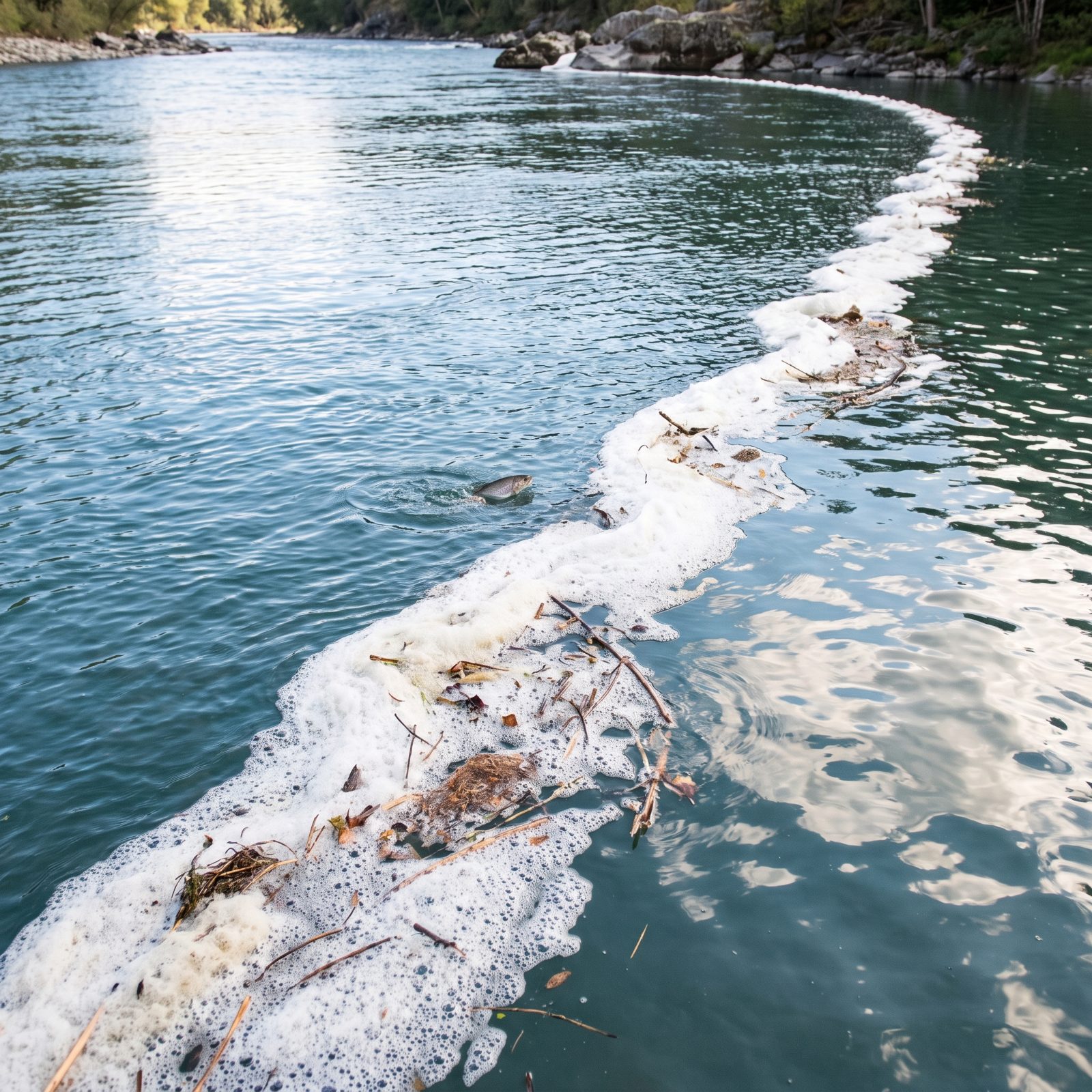
A foam line looks like scum. It’s actually a conveyor belt.
Where two currents meet, the seam gathers everything floating — bugs, spent baitfish, pollen, drifting food. That same seam concentrates fish, because they’d rather hold in one spot and let the current bring groceries than chase all day. Work your presentation right along the line, not across it, and keep the bait in the seam as long as you can. On a river especially, a foam line is one of the most reliable fish-finders going, and it costs nothing to read.
25. Work the Outer Edge of a Mud Line Where Predators Can Ambush Prey
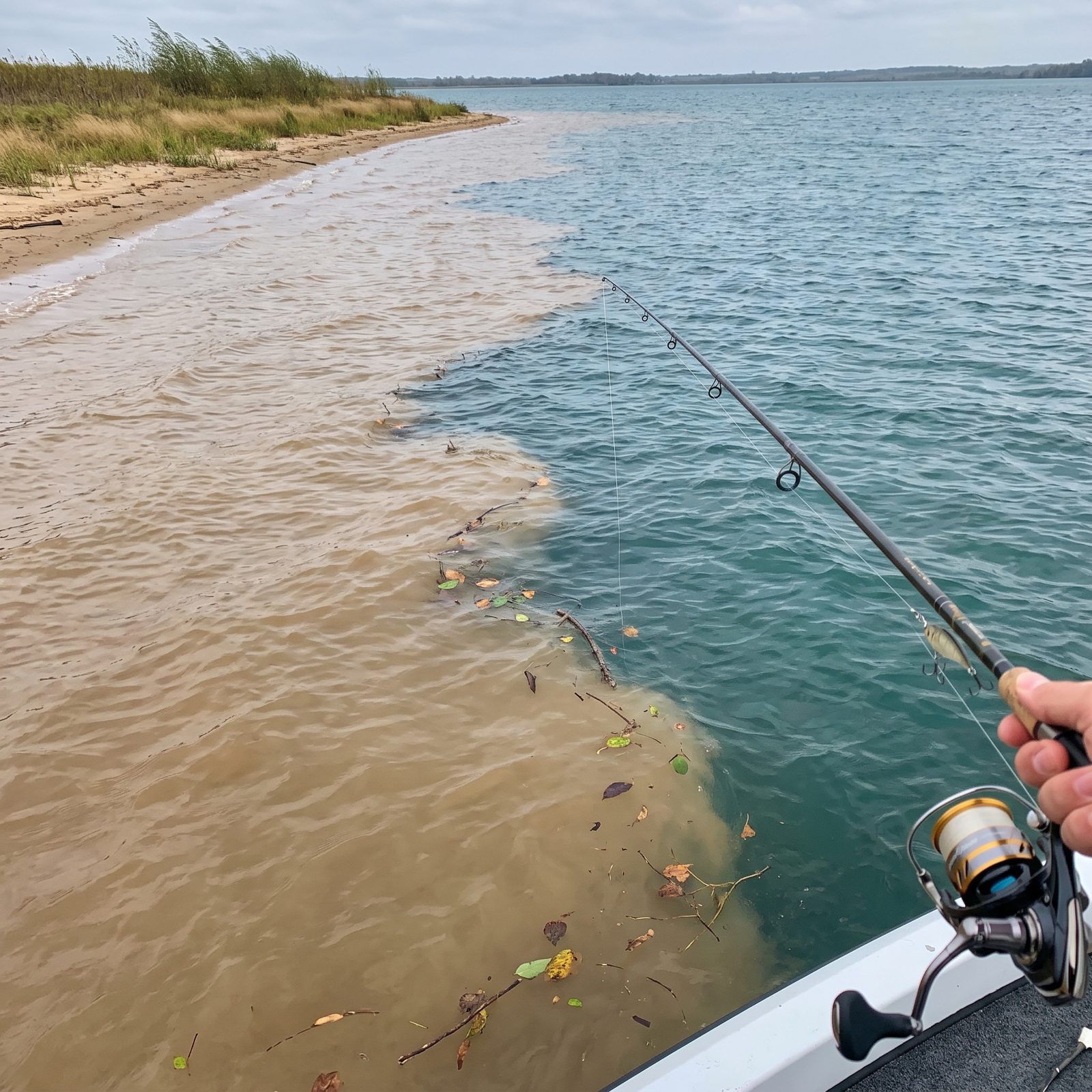
Wind, waves, and current stir up a wall of stained water, and that edge where cloudy meets clear is prime hunting ground.
Predators use the mud as a blind. They sit in the murk where baitfish can’t see them coming, then dart out to grab anything swimming along the clean side. You want your bait tracking the outer edge, on the clear water just off the stain, right in the path of an ambush. That’s the spot to hit: toss into the mud itself and you’re fishing where the fish can’t even find your lure. Fish the line, not the cloud.
24. Choose the Wind-Beaten Bank Even When the Sheltered Side Looks Nicer
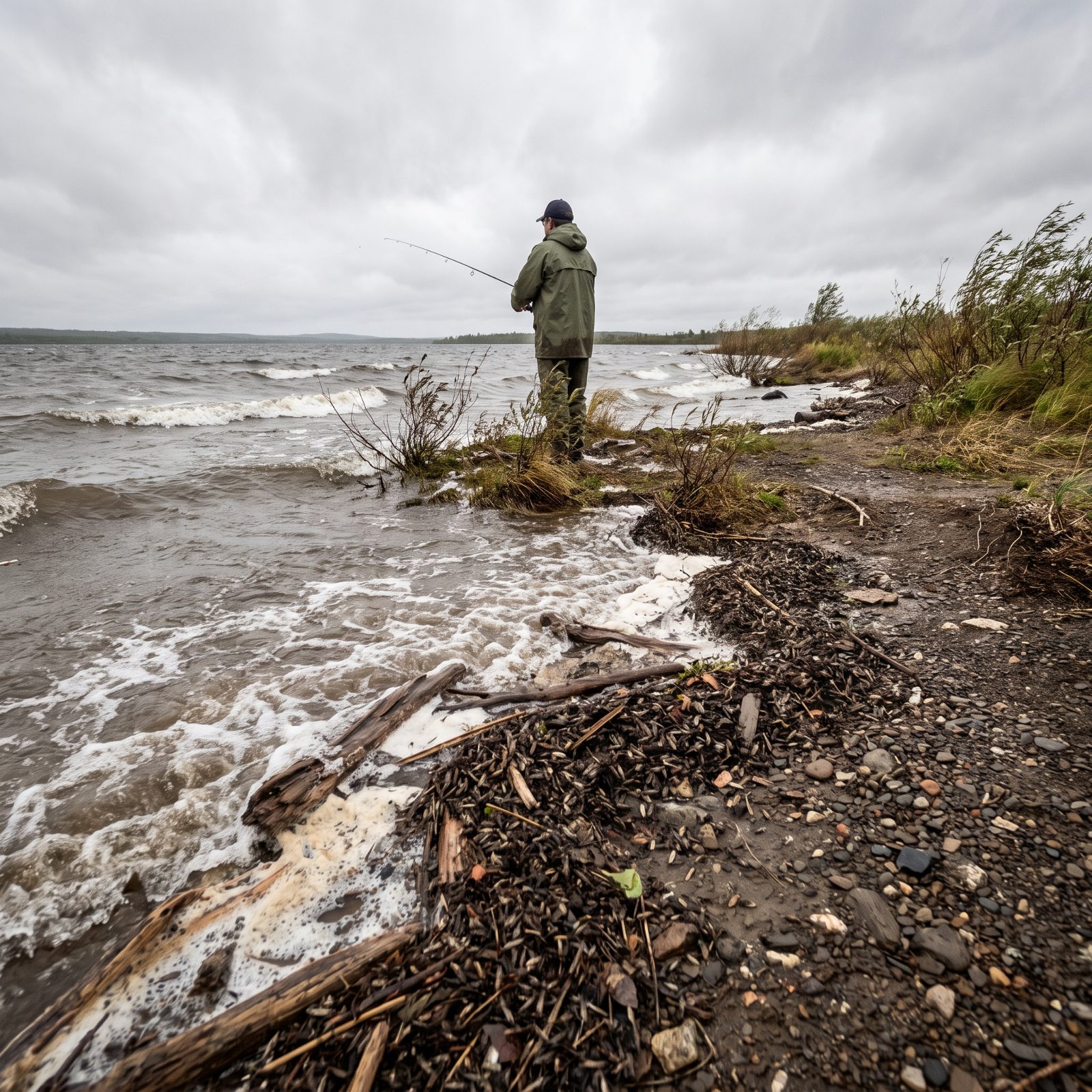
Everyone piles onto the calm, pretty side while the wind-beaten bank sits empty and holds the fish.
Wind pushes surface food, plankton, and the little baitfish that chase it straight into the churned-up shoreline, and the predators follow the groceries. That mud line and foam scum you’d rather avoid is a buffet with the lights on. The chop breaks up the surface too, so fish can’t see you clearly and you can creep in closer than you’d ever dare on glass.
Casting into the wind is a pain, no way around it. Shorten your stroke, keep the rod tip low, and let a heavier lure do the work. The discomfort is the toll, and most anglers won’t pay it.
23. Make the First Cast Before Stepping Into the Water
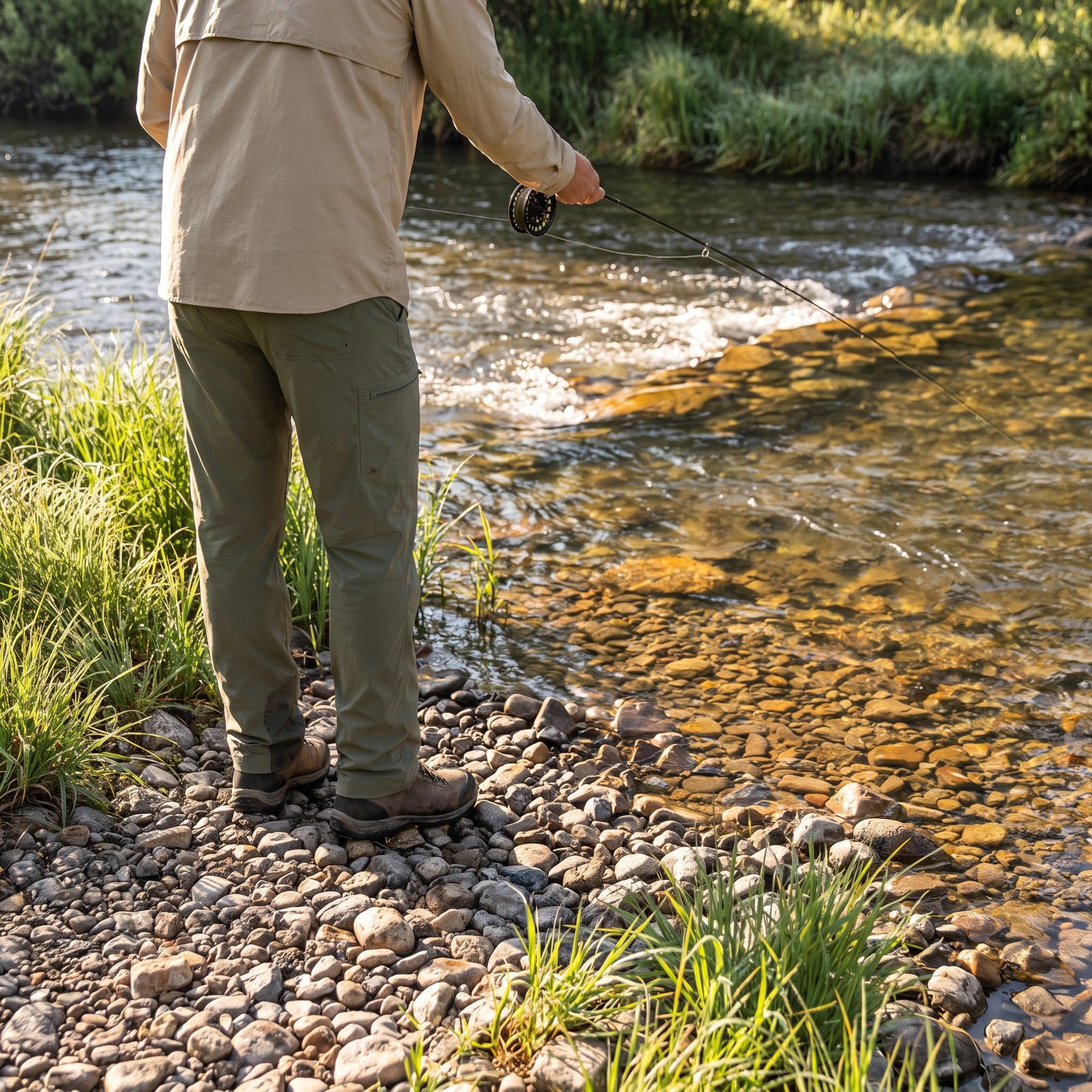
The closest water is the water you ignore, wading right through it on your way to the spot you’ve already decided is better.
Fish hold tight to the bank you’re standing on more often than you’d think, especially in the early light before anything has spooked. One quiet cast parallel to your own feet, before a single boot breaks the surface, costs you ten seconds. That fish three feet away never gets another chance once you step in and send a pressure wave down the shallows.
Treat the margin like real water. It usually is.
22. Track the Sun So a Moving Shadow Never Crosses the Target
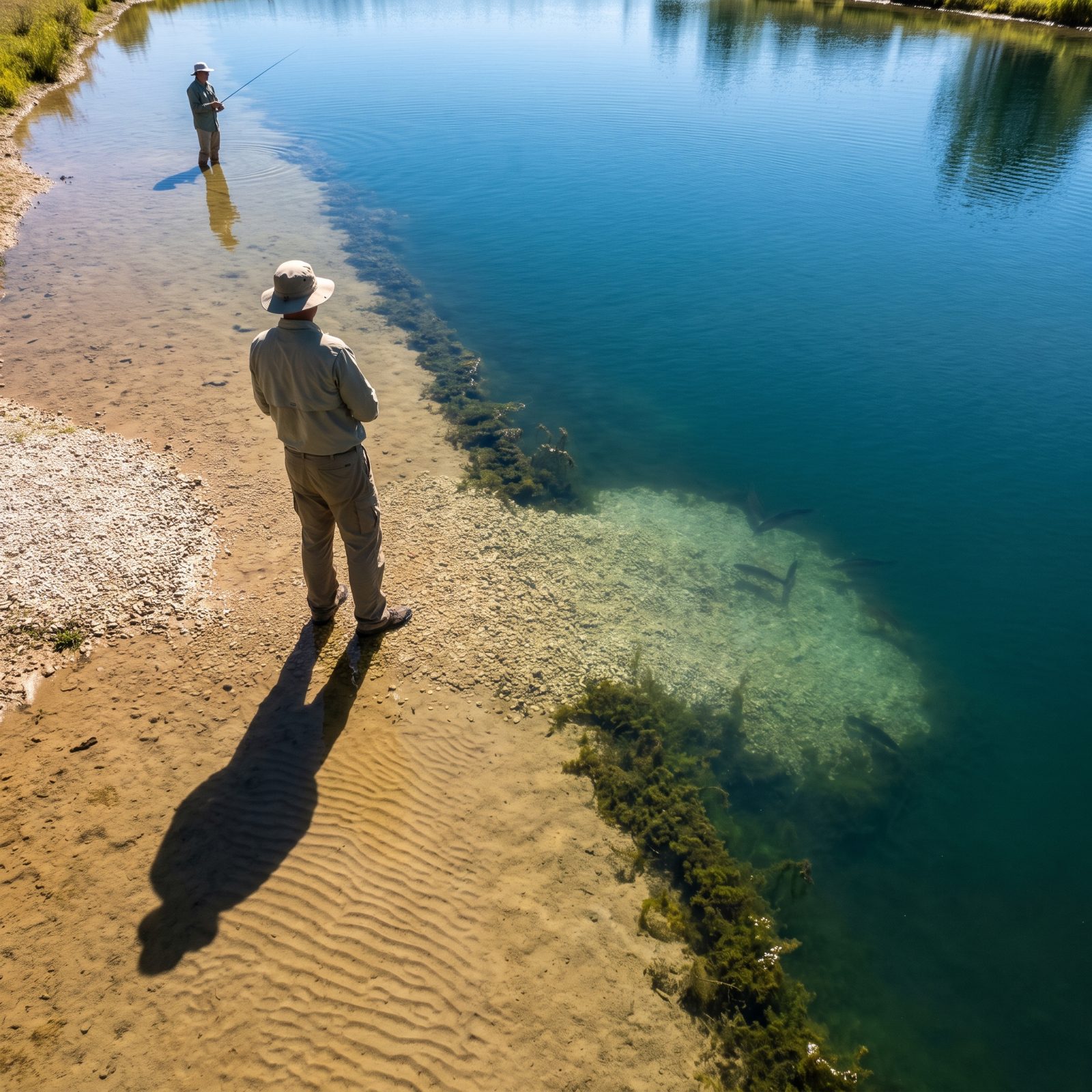
A shadow sliding across a fish will blow it out faster than a bad cast ever could.
Fish read a moving overhead shadow as a predator, usually a bird, and they bolt for cover on instinct. On sunny days in clear shallow water, your own shadow is a liability you drag around without ever thinking about it.
Before you set up, note where the sun sits. Then stand so your shadow, and your rod’s shadow on the cast, falls to the side of the target or behind you, never across it. Low morning and evening sun throws the longest shadows, which is exactly when the water is clearest and the fish are shallowest.
21. Retrieve Parallel to the Bank Before Casting Toward Open Water
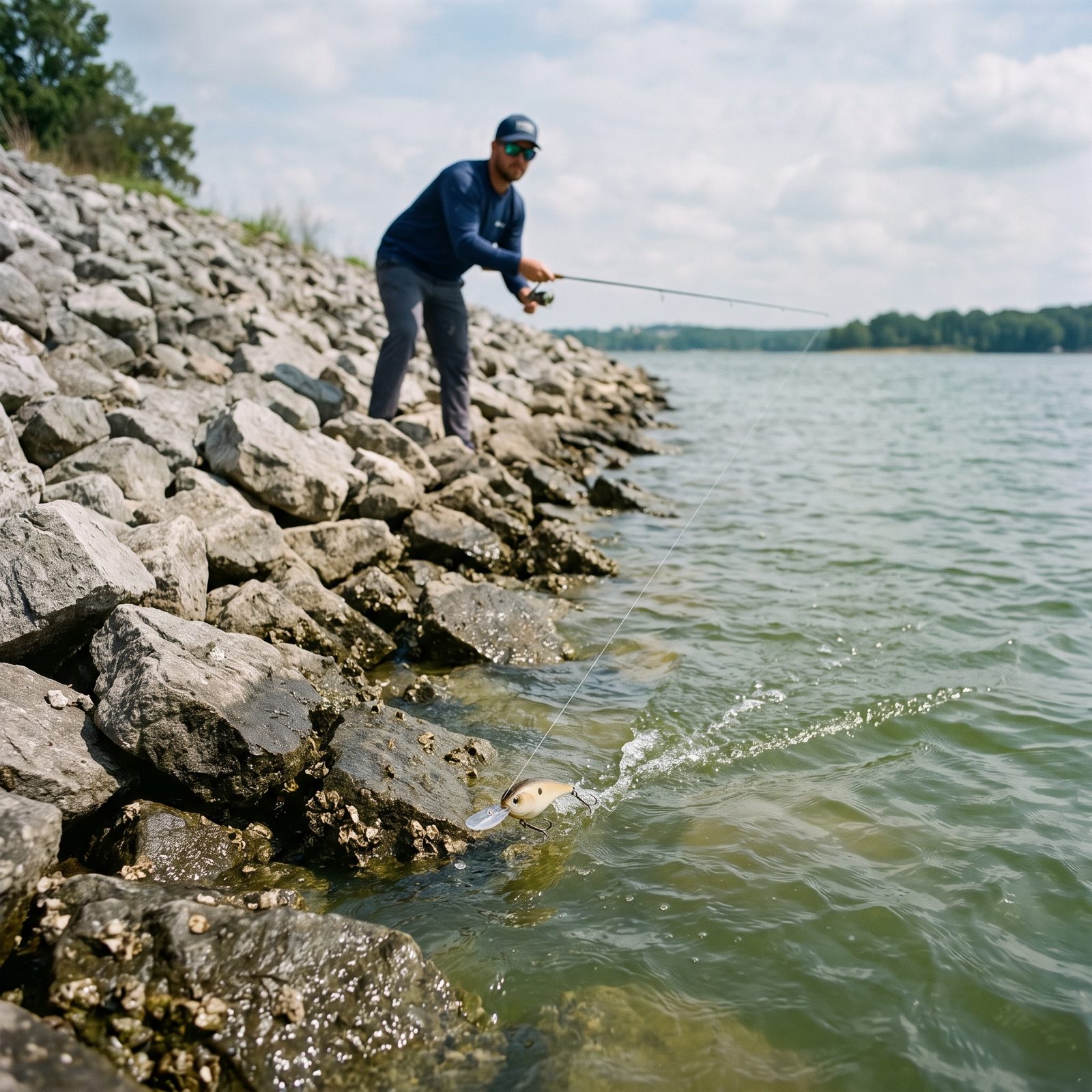
Most anglers chuck a lure straight out into the middle and reel it back across empty water, but the fish are living against the bank.
Riprap, a laydown log, a seawall, a weed edge, all of it is a highway that fish patrol. A cast parallel to that edge keeps your lure in the strike zone for the whole retrieve instead of swinging through it for two feet and then dragging home through nothing.
Fan the open water later if you want. But run that bank line first, while the fish are undisturbed and the whole length of the cover is working for you.
20. Approach Productive Cover From the Opposite Angle Before Leaving
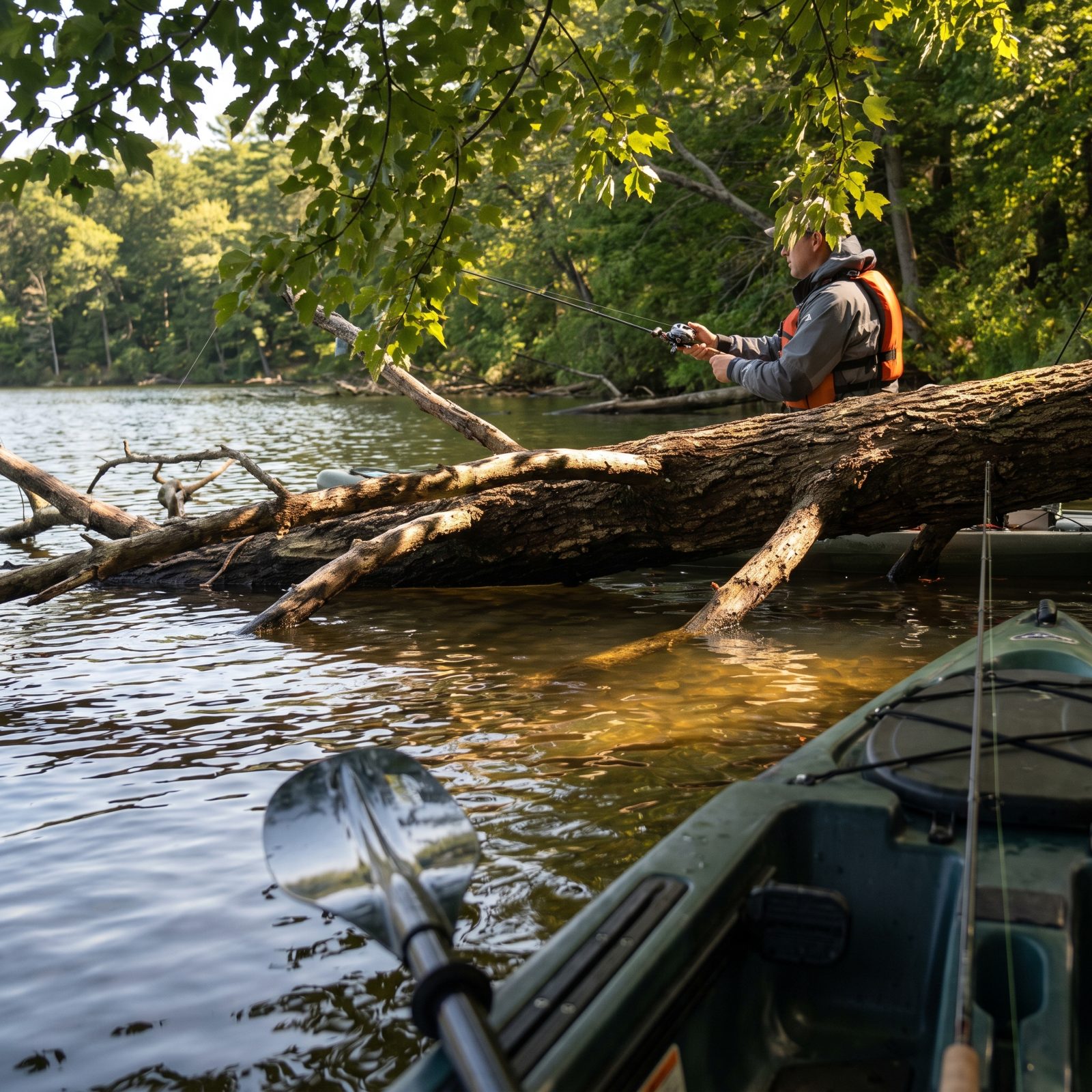
You fished the laydown. Caught one, maybe missed one. Before you move on, come at it from the other side.
A piece of cover looks completely different depending on where you stand. The shaded pocket under a branch, the gap you couldn’t reach, the darker side a fish was tucked against, half of it was invisible from your first position. Fish orient to the cover, not to you, so a bait sliding in from a new angle looks like a fresh chance to a fish that already shrugged off the same lure coming the other way.
19. Use a Counted Fan-Cast Grid Instead of Casting at Random
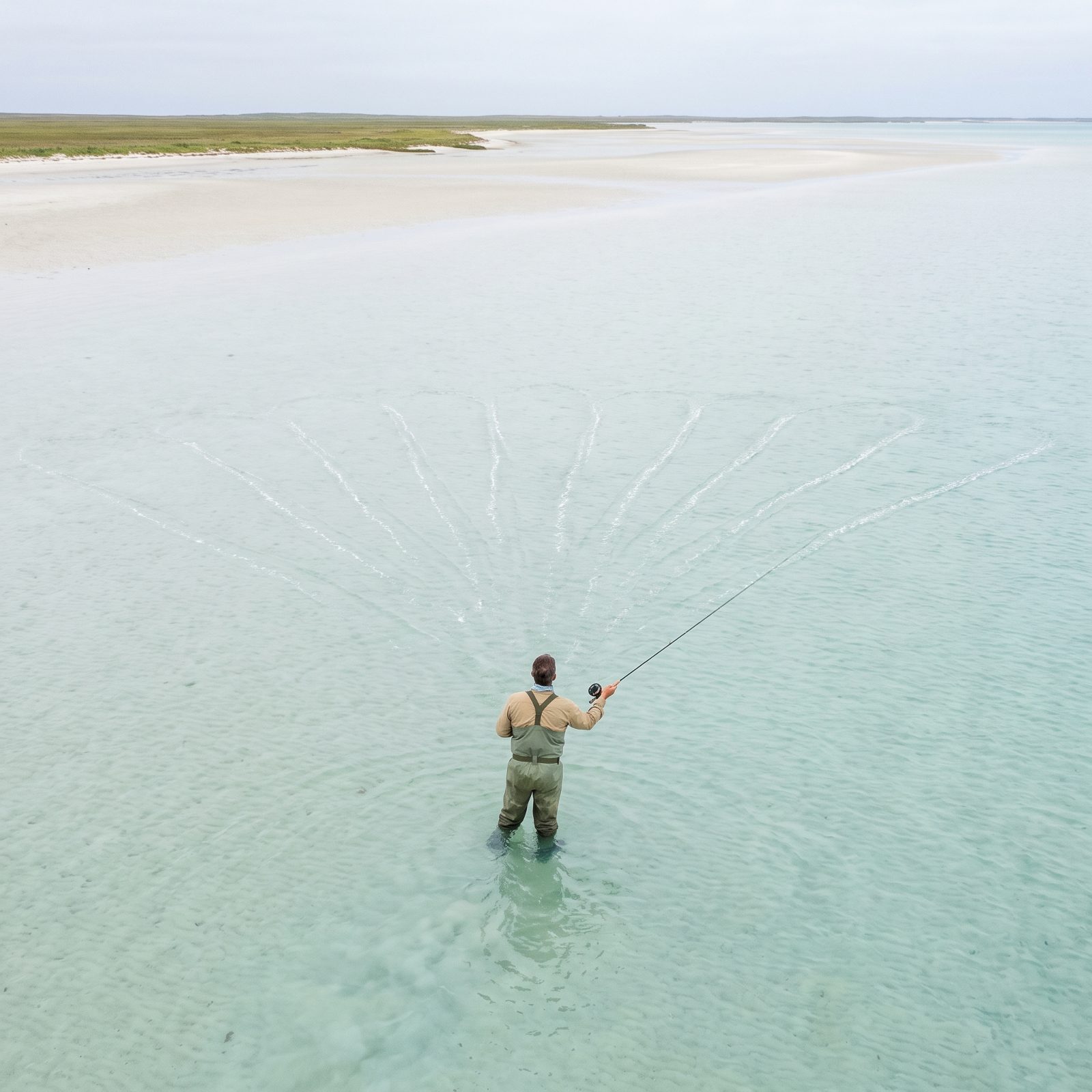
Random casting feels like fishing. Mostly it’s re-covering the same water while whole sections go untouched.
On a flat, a point, or any open structure where fish could be anywhere, break the water into a fan. Start short and to one side, cast, retrieve, then shift your angle a few degrees and lengthen slightly on each throw. Count your casts so you know you’ve actually swept the arc rather than just hammering the comfortable patch in front of you.
It’s dull. It’s also how you find the one strip of bottom that holds every fish in the area, the strip you’d skip on instinct.
18. Make One Cast Before Dropping the Anchor
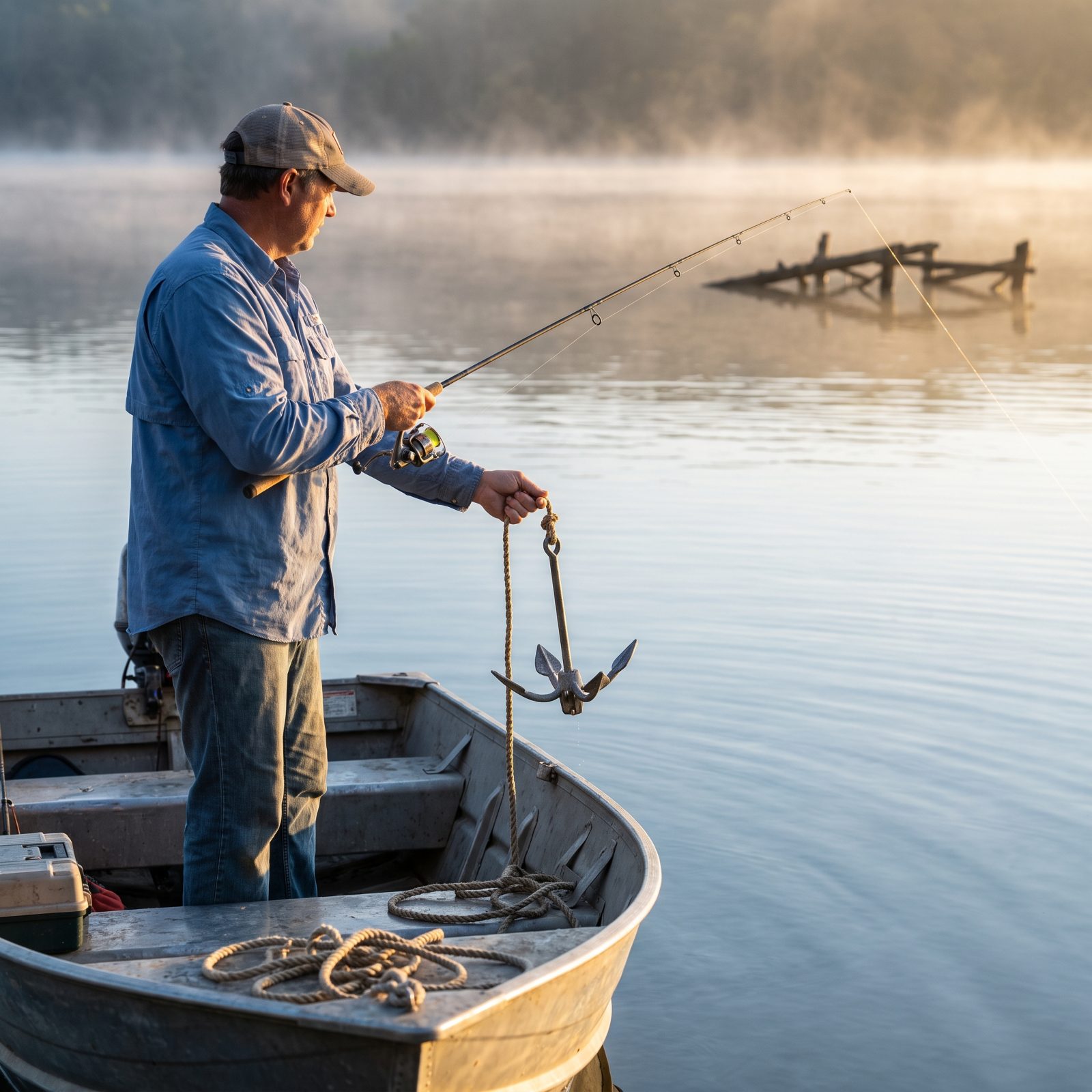
The anchor hitting bottom is a warning shot. The splash, the thump, the chain rattle, fish feel all of it.
Drift in on your spot and make one cast while you’re still gliding, before you commit the anchor. The fish sitting over the structure undisturbed are catchable for about three seconds. After the anchor lands, you’ve announced yourself and told every fish in the neighborhood to settle down and wait.
That first free cast off a drift catches more aggressive fish than the next twenty from a dead stop.
17. Swap Polarized Lens Colors as Clouds and Water Clarity Change
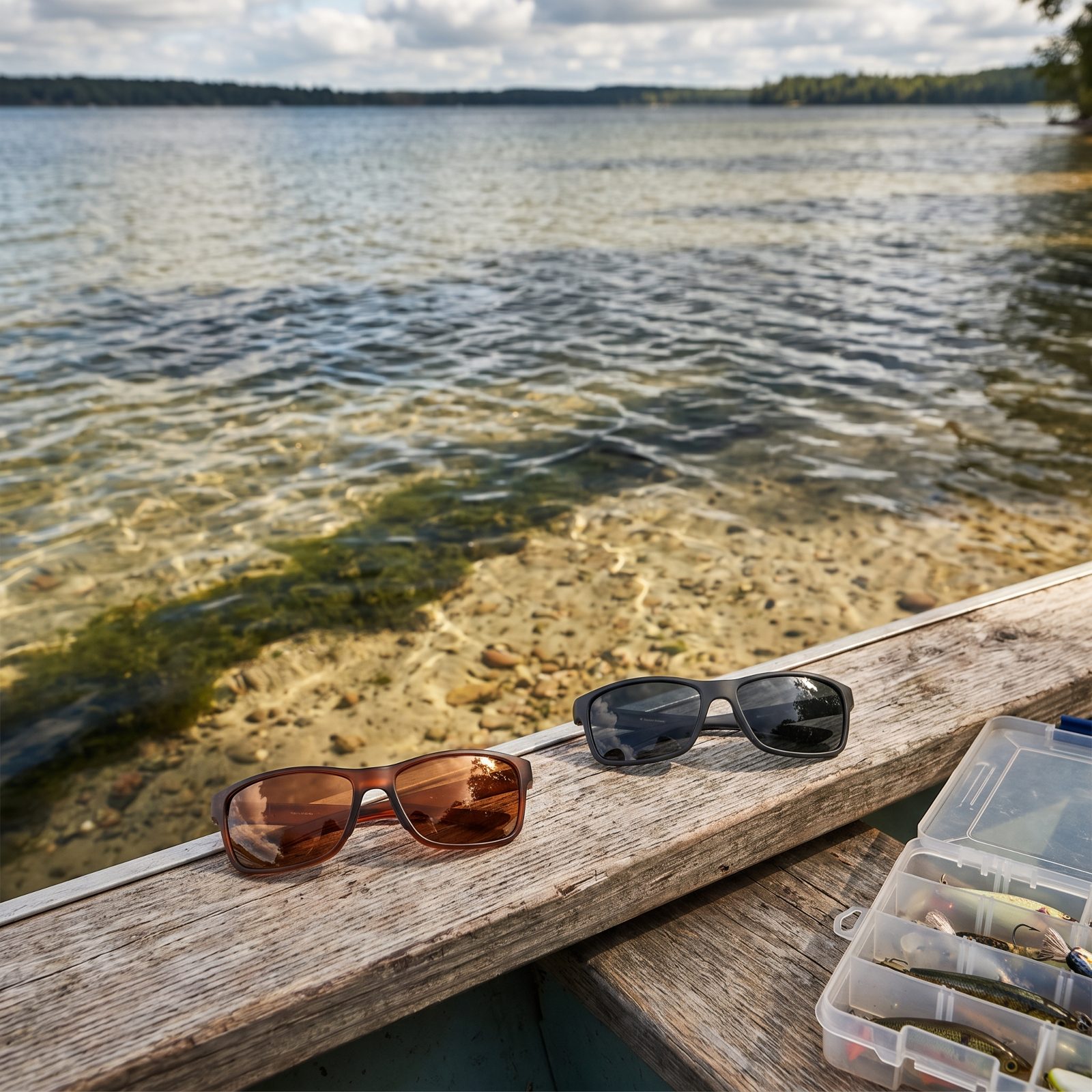
Seeing a bite often beats feeling it. The right lens color turns murky glare into a clear window on fish that would otherwise stay invisible.
Gray lenses cut brightness and work well on open, sunny saltwater flats. Amber, copper, and rose lenses crank up contrast, which is what you want in dim light, on overcast days, and in the stained water of rivers and ponds where you’re trying to pick a fish out against the bottom.
Carrying two pairs sounds fussy until the clouds roll in and the lens that let you spot cruising fish an hour ago goes flat and useless.
16. Try a Spot Immediately After Another Angler Leaves It
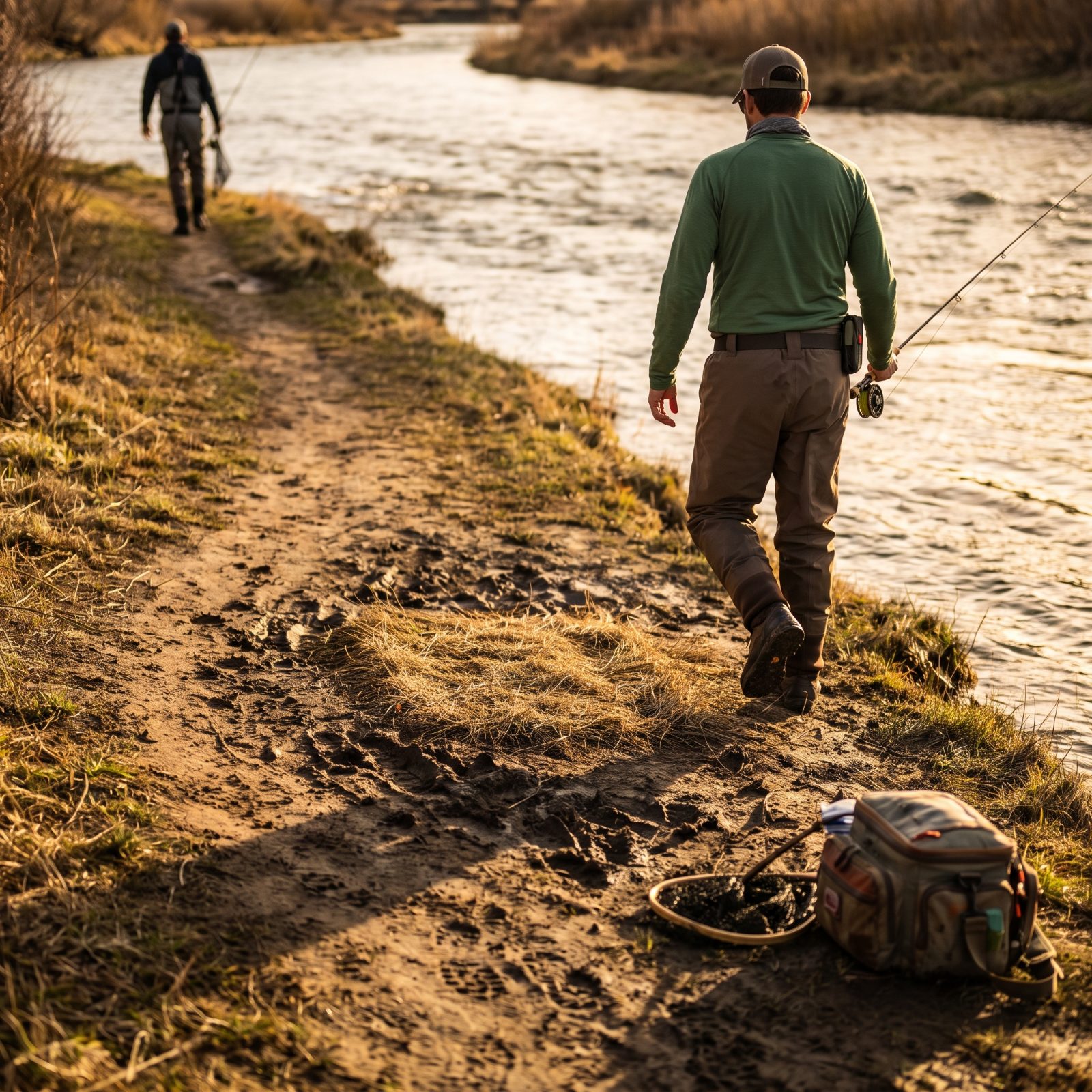
The spot an angler just abandoned isn’t fished out. It’s rested and primed.
Think about what actually happened there. Someone stood in that patch, caught a couple or struck out, pushed the fish down or out of position, then walked off. Within fifteen or twenty minutes those fish slide back to the structure they wanted all along, often hungrier than they were before the disturbance.
Walk the bank that others are walking away from. On pressured water, the leftover spots produce because everyone else assumes someone already cleaned them out.
15. Rest a Productive Pocket for 20 Minutes After a Missed Fish

You felt the hit, missed the hook set, and your first instinct is to fire right back in. Don’t.
A missed fish, and the thrashing of the lure back through the strike zone, puts the whole pocket on edge. Keep casting and you’re teaching a wary fish to link your bait with something wrong. Walk away, work another spot, and come back in twenty minutes.
That rest lets the water settle and lets the fish ease back toward feeding. The second presentation into a rested pocket gets eaten clean far more often than the frantic re-cast ever will.
14. Change Your Retrieve Cadence After Five Empty Casts, Not After One
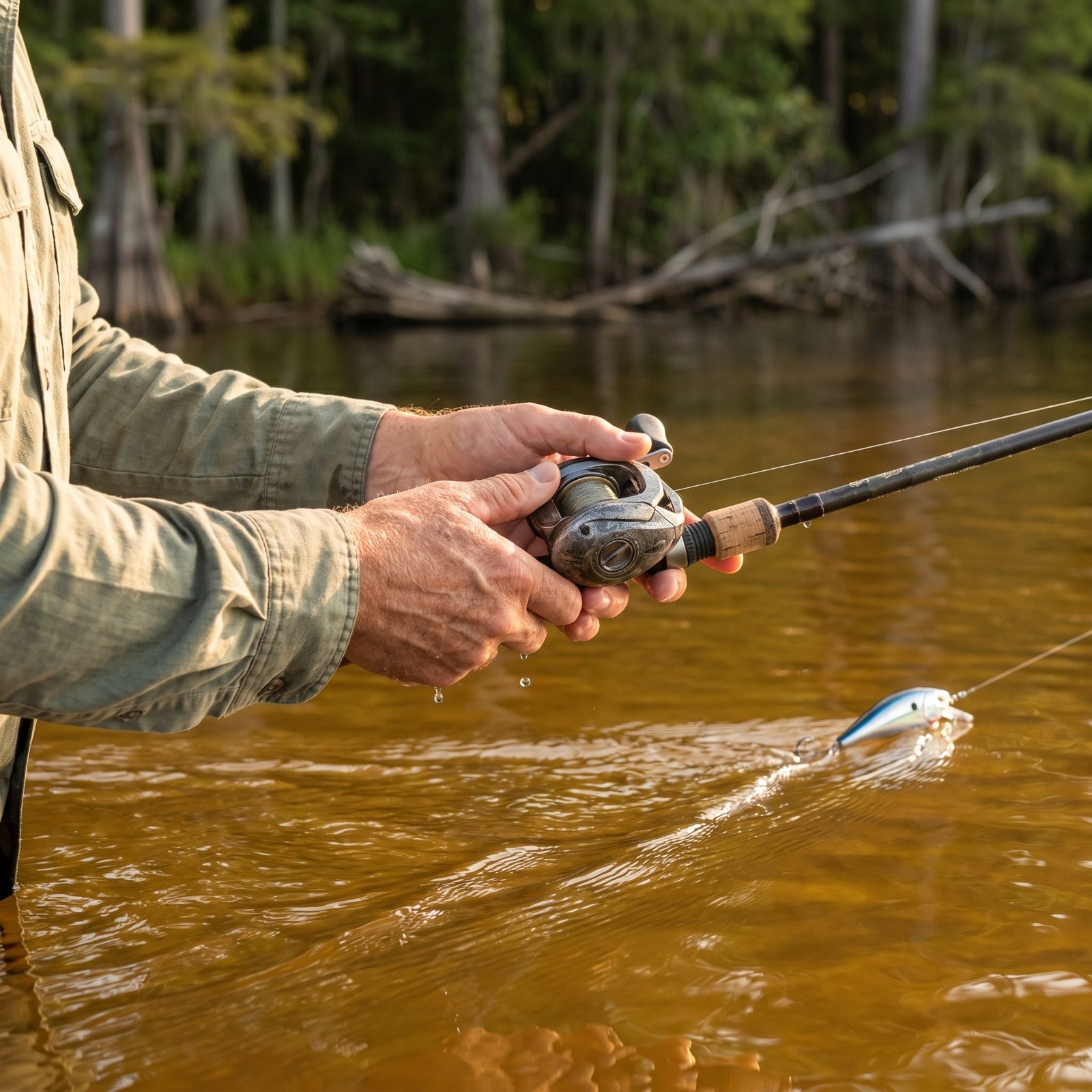
Most anglers panic too early. One cast comes back clean and they’re already changing speed, depth, color, the whole plan — and the fish never got a vote.
Give a cadence a real sample size. Five casts at the same speed tells you whether the fish want it; one cast tells you nothing except that nobody happened to be sitting where it landed. Patterns live in the water, not in a single throw. The folks who catch consistently are the ones who commit long enough to actually read the answer back.
13. Leave a Soft Plastic Dead Still Longer Than Feels Natural
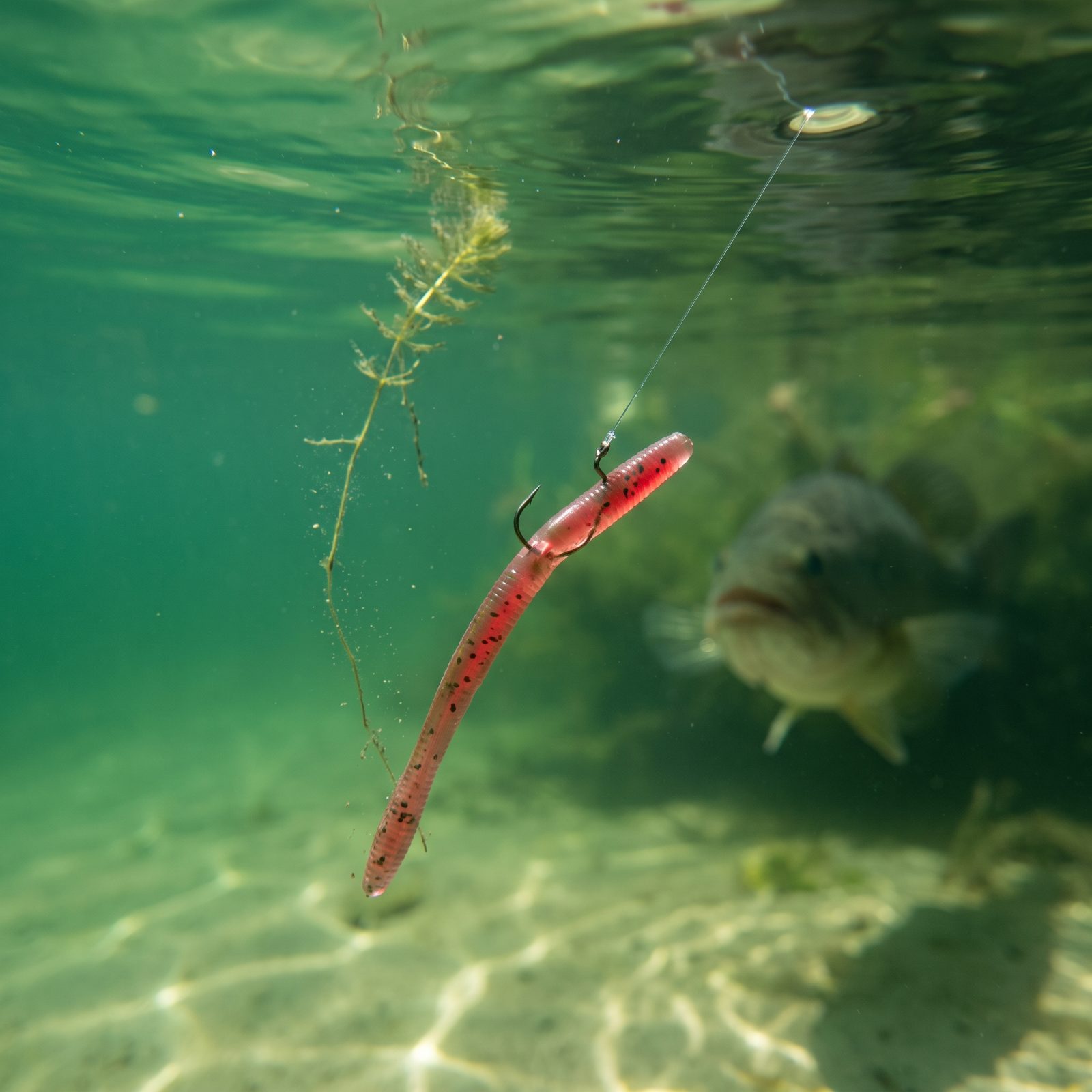
Watch a beginner fish a Texas-rigged worm and you’ll see constant motion — twitch, twitch, reel, twitch. They can’t stand the stillness.
But the still worm is the one that gets eaten. A soft plastic sitting dead on a slack line looks exactly like a dying baitfish, or a startled crawdad frozen in place, and that helplessness is what a bass reads as an easy meal. Count to ten before you move it. Then count to ten again. The strike almost always comes on the pause, not the pull — the part nobody tells you until you’ve burned a whole season learning it the slow way.
12. Speed Up the Lure When a Following Fish Refuses to Commit
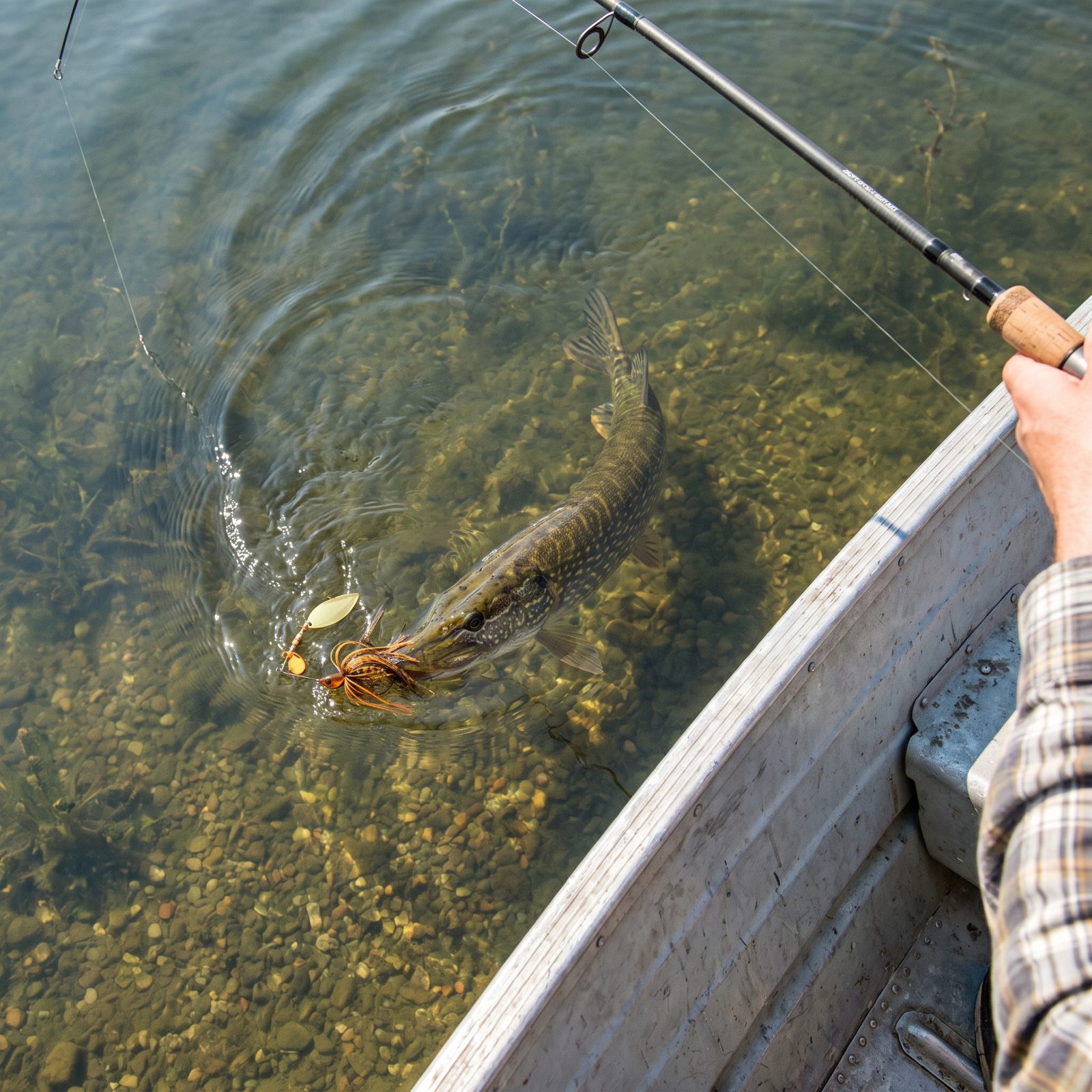
A fish following your lure but not eating is a fish doing math. It has time to inspect, time to doubt, time to peel off right at the boat.
So take away the math. Speeding up triggers the chase reflex, the one that fires before the brain gets a say. A bait that suddenly bolts looks like prey that just realized it’s being hunted, and nothing shuts off a predator’s hesitation faster than the thing it was eyeing trying to flee. Counterintuitive, sure — every instinct says slow down and tempt it. Do the opposite and watch.
11. Feather the Spool Just Before Splashdown to Straighten the Cast
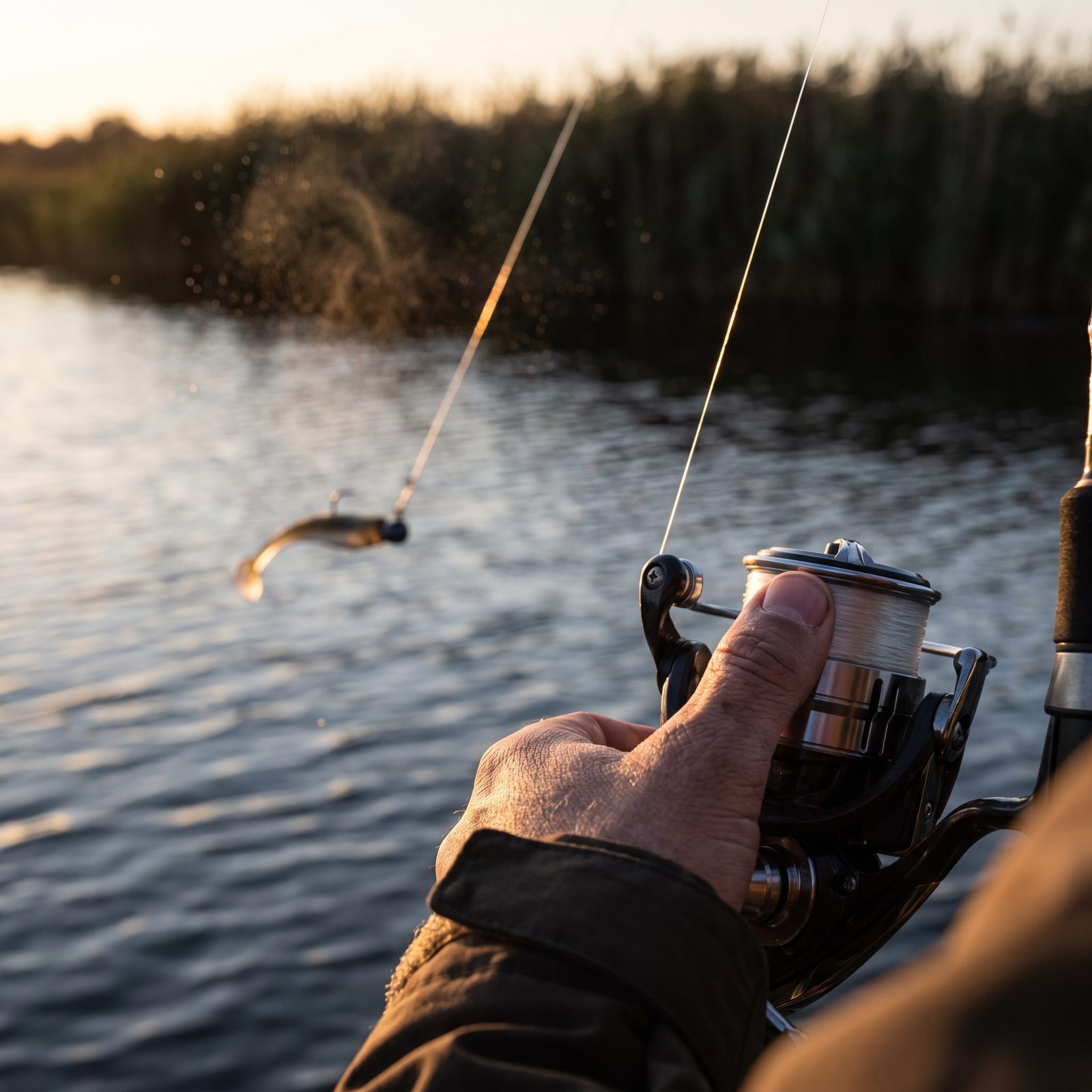
A lure that lands in a pile of slack line arrives looking like a wreck. The leader coils, the bait flops sideways, and that first critical second underwater is already gone.
Light thumb pressure on the spool just before the bait hits, then closing the bail so the line runs over the roller, fixes all of it. The line comes tight, the lure noses in clean, and your jig or plastic falls on a controlled line instead of a tangle. Picture a diver entering the water without a ripple versus one doing a belly flop. That’s the detail that separates people who land fish on the fall from people who never even feel those bites.
10. Add One Small Twitch While the Bait Falls on Slack Line
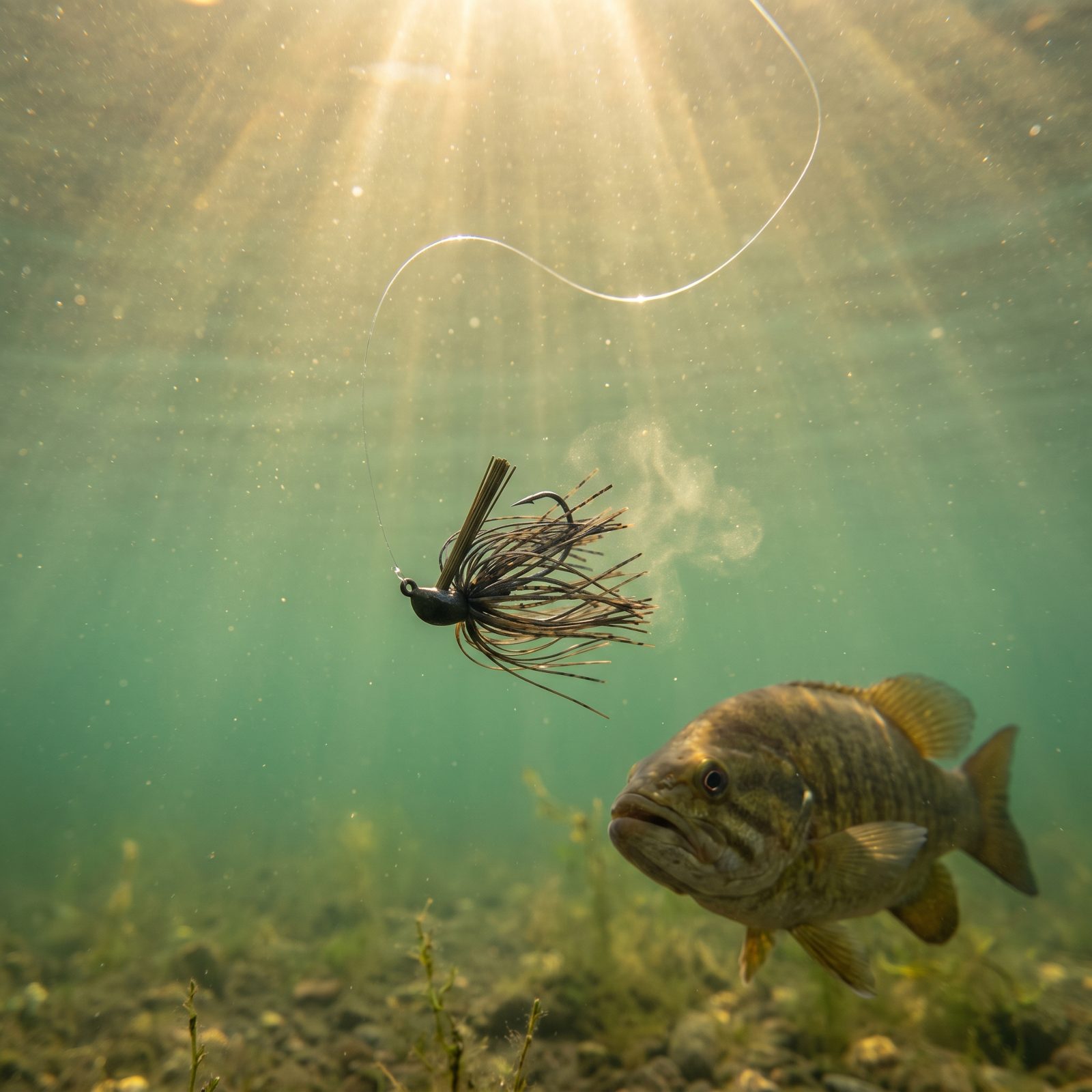
This is where most anglers lose fish without ever knowing it: on the fall. The bait is sinking, the line is slack, and they’re watching the water instead of the line. A fish eats, swims off, spits it, and they never felt a thing.
One gentle twitch on a falling bait does two jobs at once. It gives the lure a flicker of life at the exact moment a predator is deciding, and it keeps just enough feel in the line that a strike shows up as a tick or a jump instead of nothing at all. Slack-line bites are the ones that get away in silence. That little twitch turns silence into information.
9. Keep a Second Rod Rigged With a Follow-Up Lure for Fish That Miss
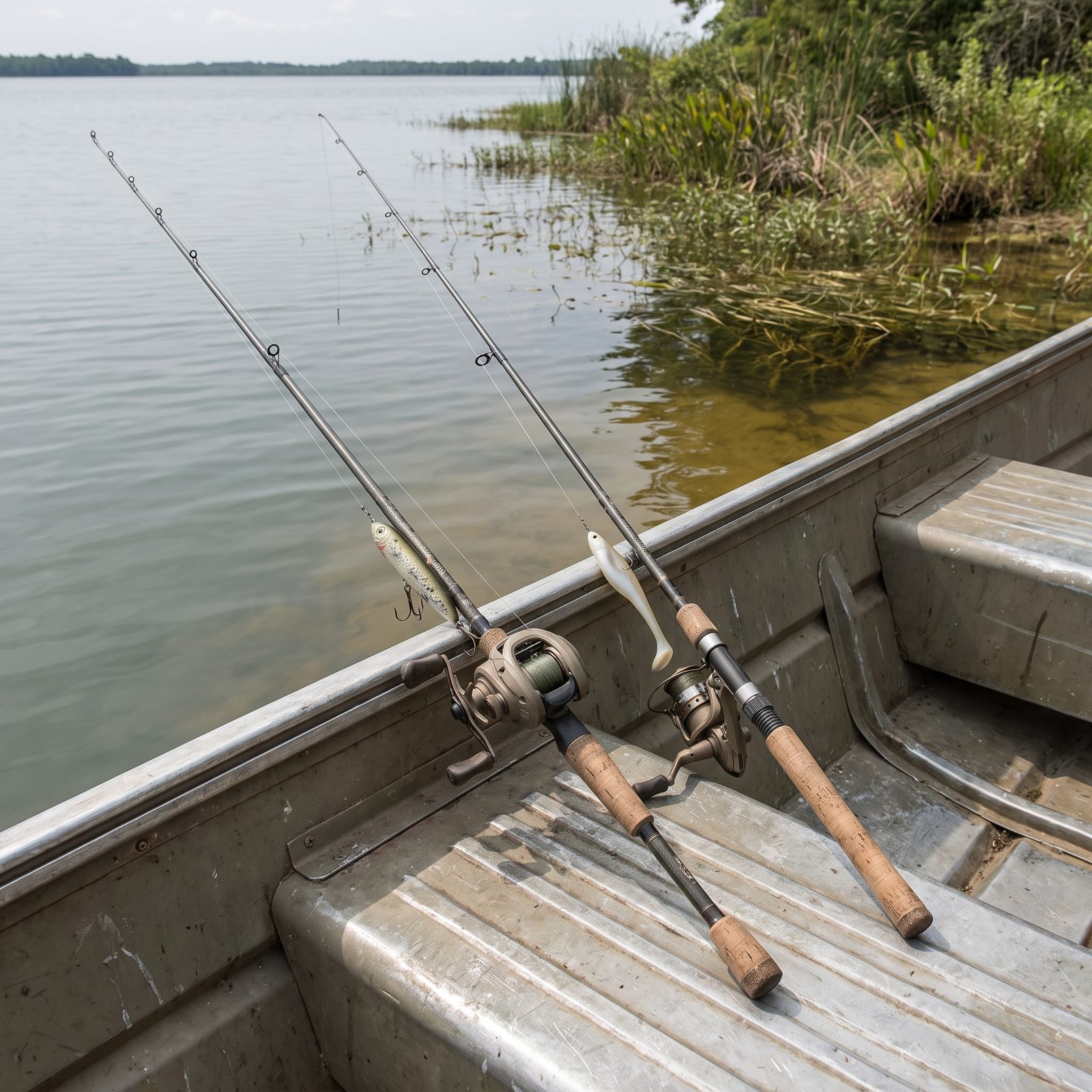
A bass that blows up on a topwater and misses is not a lost fish. It’s a located, fired-up fish that just told you exactly where it lives.
Have the follow-up ready and you turn a blown strike into a landed one. A bass that swipes and misses a buzzbait will often crush a soft jerkbait worked back through the same ring seconds later — but you only get that window if the second rod is already rigged and waiting. Fumbling to tie on a new bait while the fish cools off? That’s how a sure thing becomes a story about the one that got away.
8. Cast Past a Missed Strike Instead of Dropping It on the Splash
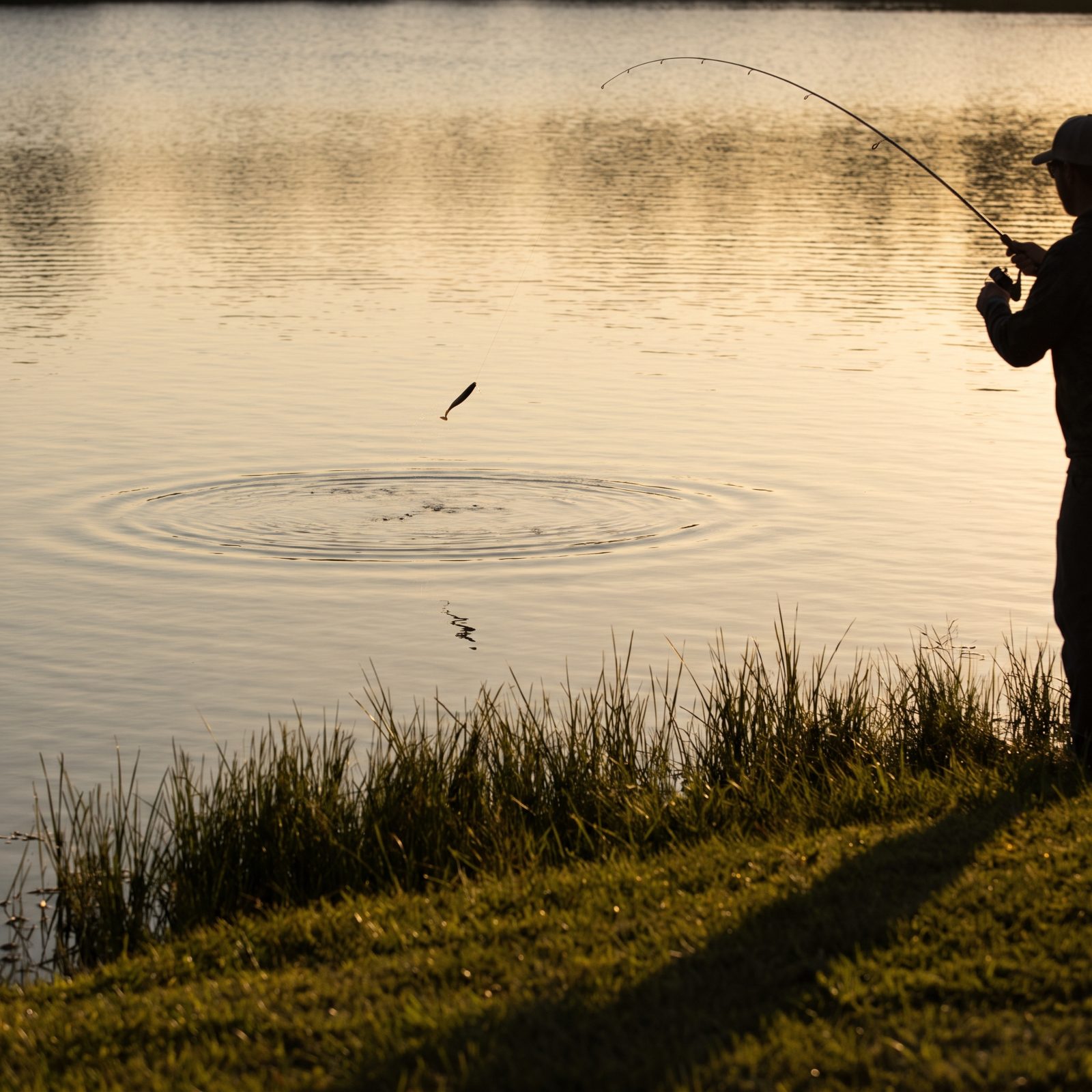
Instinct says drop the bait right on the swirl. Fire it straight back where the fish just was. Wrong move.
A lure landing hard on a spooked fish’s head looks nothing like prey — it looks like danger falling out of the sky, and a fish that just missed is already keyed up and jumpy. Cast a few feet past the ring instead and work the bait back through it. Now the lure arrives the way real food arrives, swimming into the zone rather than crashing onto it, and the fish gets a natural second chance instead of a reason to bolt for deep water.
7. Downsize Only the Hook, Weight, or Bait Instead of Changing Everything
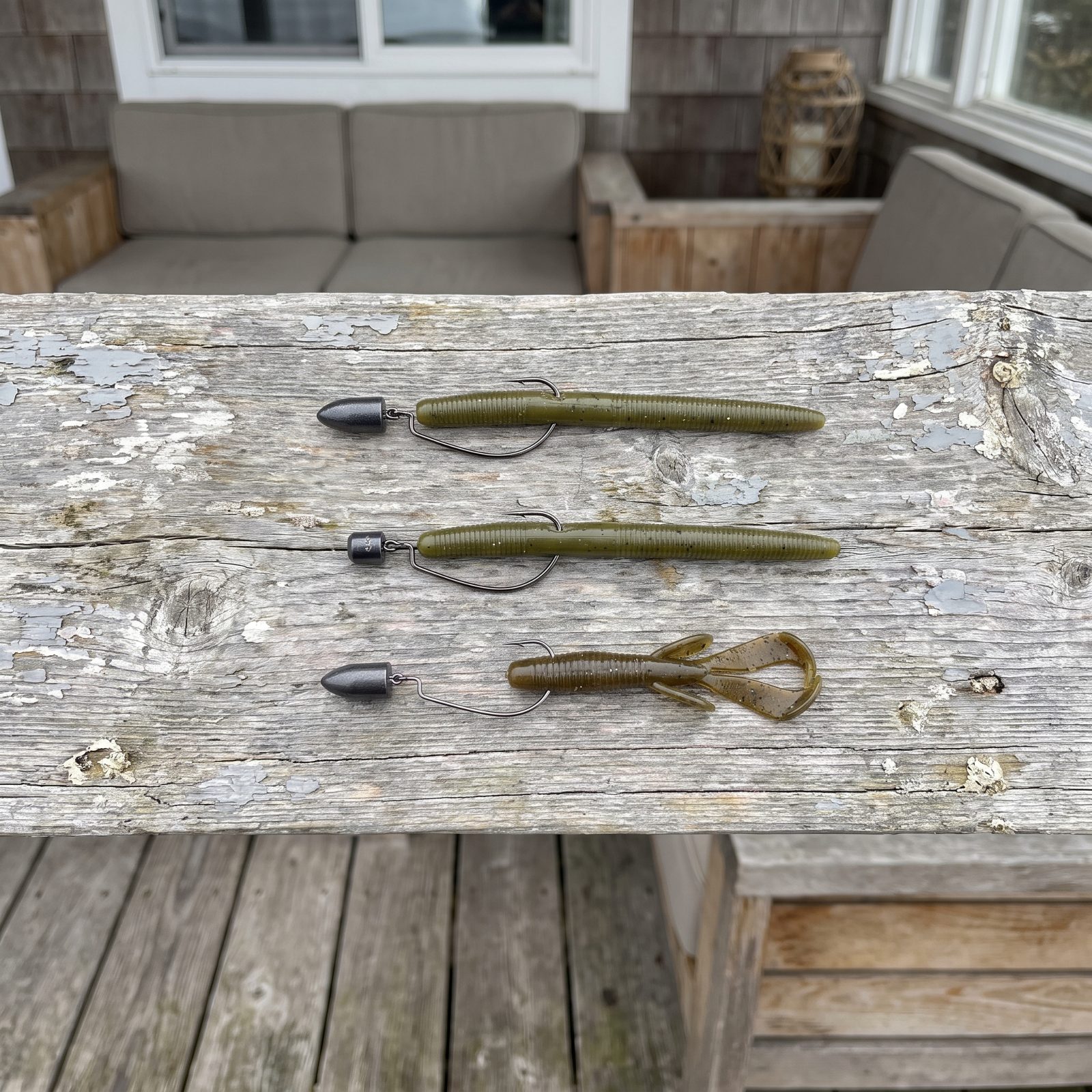
When fish go finicky, the panic response is to overhaul the whole rig — new lure, new color, new line, new everything. Then you’ve changed so much you can’t tell what fixed it or what broke it.
Change one thing. Drop to a lighter weight so the bait falls slower. Or swap to a thinner-wire hook. Or shorten the plastic by half an inch. Fish usually reject a rig for one specific reason, and finding it means isolating the variable rather than scrambling all of them at once. Honestly, this is less about tackle than it is about how you think out on the water.
6. Go Bigger and Slower After Dark
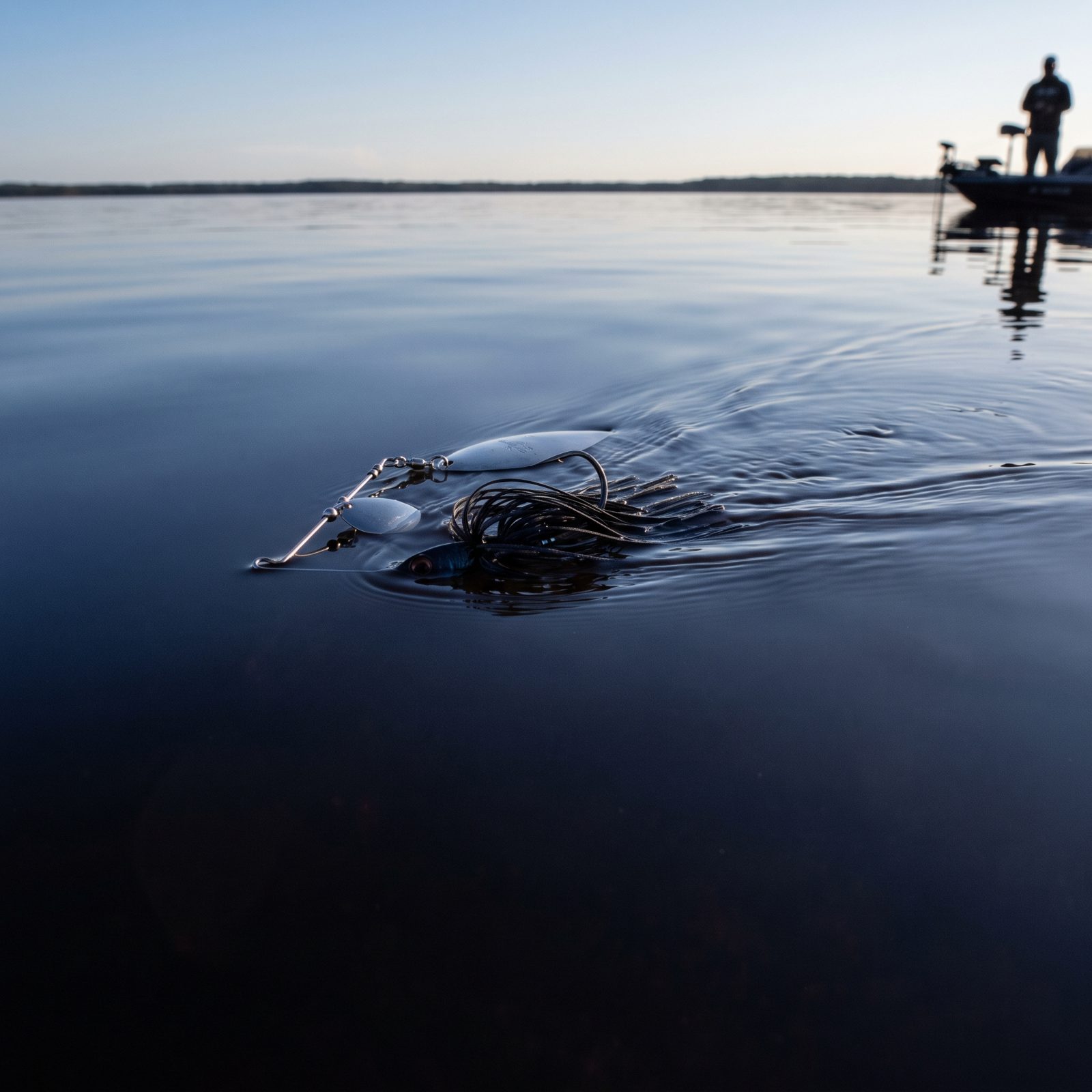
Daytime logic says natural colors, finesse, subtlety. Flip all of that after sundown.
At night a fish hunts by silhouette and vibration, not by sight. A big, dark, slow-moving bait throws a bold shadow against whatever light is left above and shoves more water a fish can feel through its lateral line. Go black — it reads as the clearest shape against a night sky. Go slow — a fish needs time to find what it can’t fully see. The bite comes less often after dark, but it comes a lot heavier, and anybody who’s felt a big bass inhale a black jig at midnight knows exactly why people lose sleep over it.
5. Test Every Hook Point on a Thumbnail Because New Hooks Can Still Be Dull
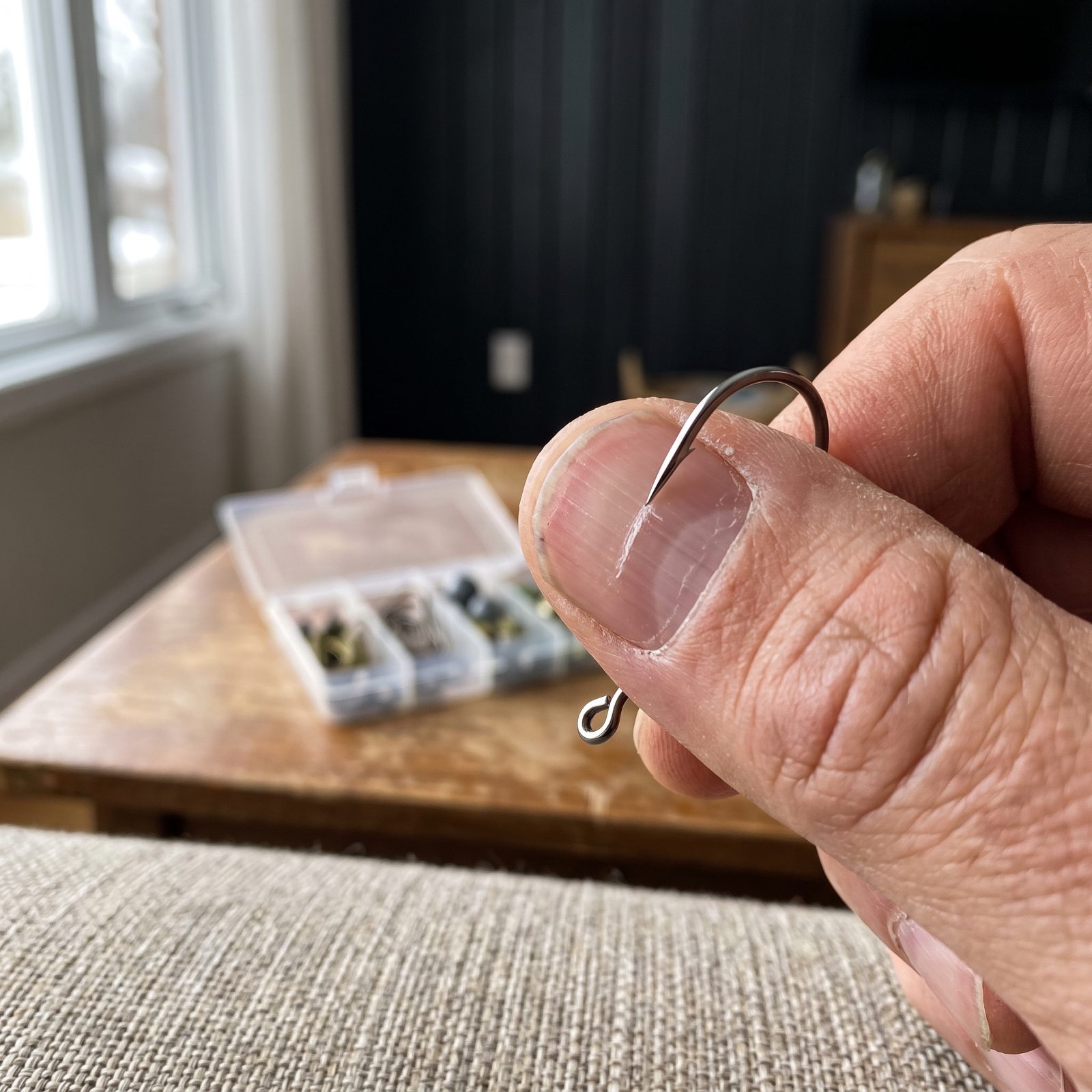
A sharp hook is the cheapest upgrade in fishing, and most people never check theirs. They assume new means sharp. It doesn’t always.
Press the point straight down into your thumbnail. A truly sharp hook bites in deep and stands upright on its own; a dull one slips right off, and that dull point is the reason a good hookset still comes back empty. Factory points vary wildly, rocks and dock pilings blunt them in a single trip, and a point that won’t bite your nail won’t bite past the tough corner of a bass’s jaw either. Thirty seconds of checking saves the fish that matters most — which is always the biggest one of the day.
4. Dip the Rod Tip Underwater When a Fish Jumps to Reduce Thrown Hooks
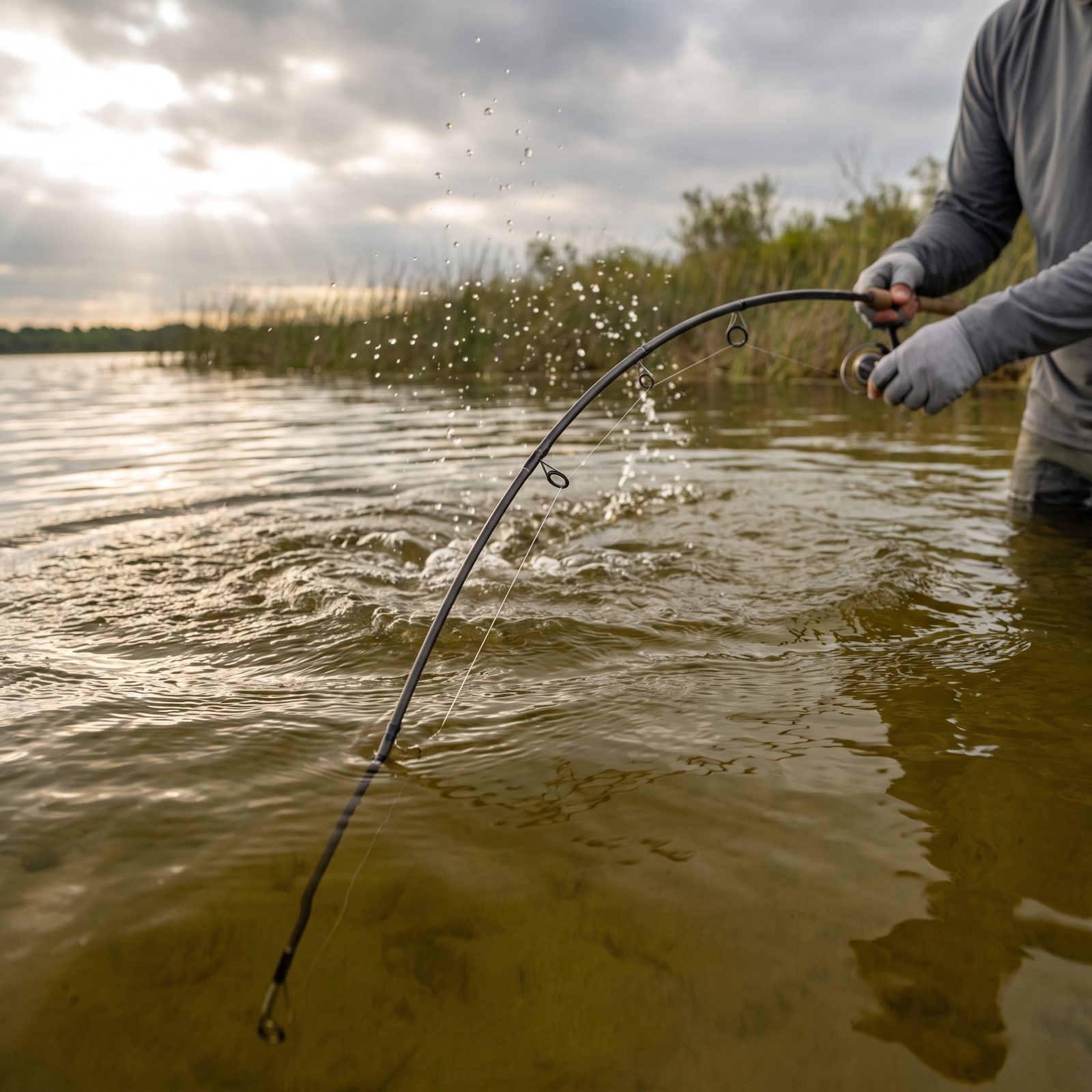
A jumping fish usually wins. It shakes its head, finds slack to work against, and the lure comes sailing back at your face. Push the rod tip under the surface and you pull the line down — and the fish’s head with it — killing the leverage it needs to clear the water and snap sideways.
Steelhead and smallmouth anglers have leaned on this for decades. It feels dead wrong the first time, because every instinct you have screams to lift and fight high. Do the opposite. Tip down, pressure even, and let the water do the arguing for you.
3. Finish Every Muskie Retrieve With a Boatside Figure Eight
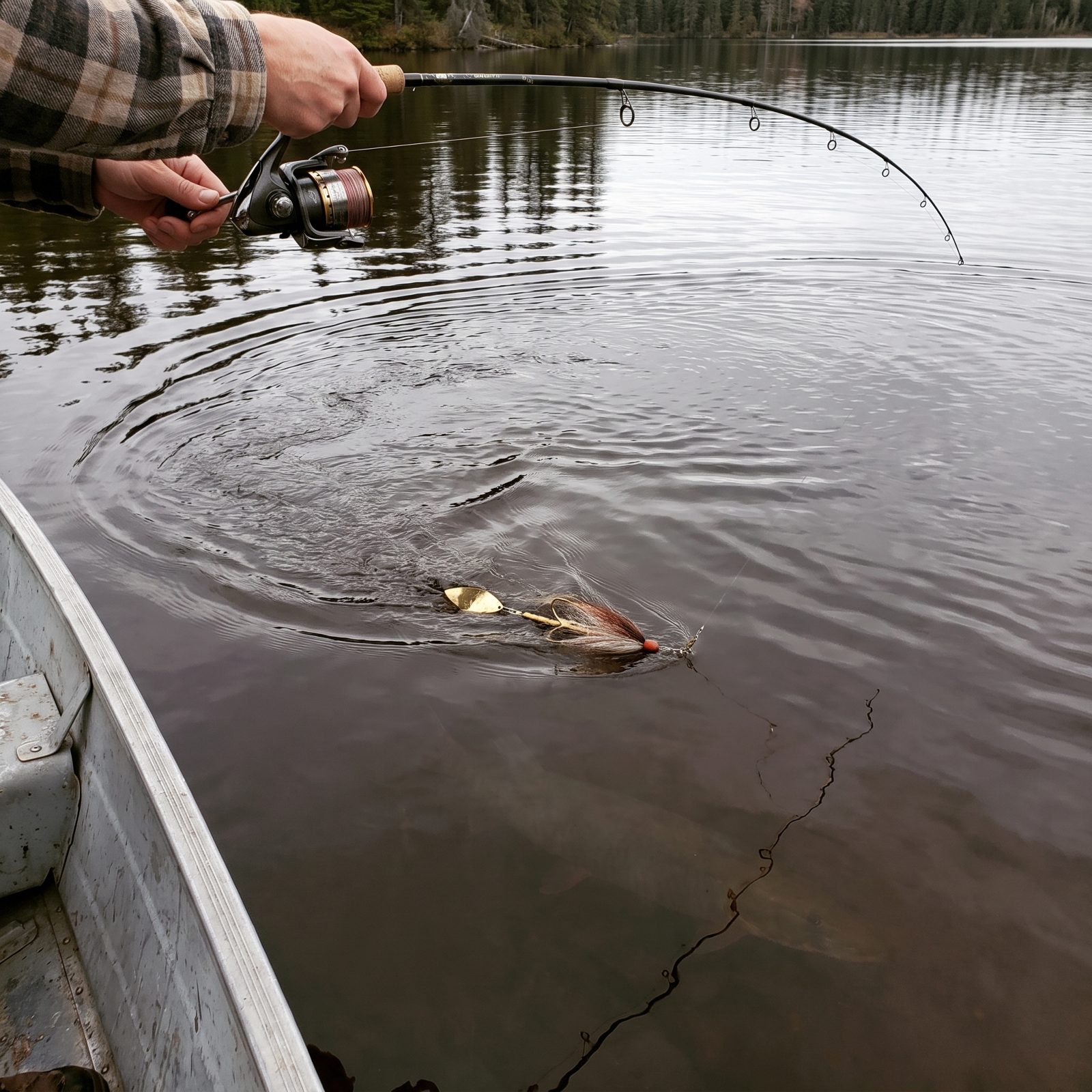
Half the muskies that eat don’t commit until the lure reaches the boat. They track it the whole way in, hanging back, deciding. Lift the bait straight out and you’ve taught a follower nothing. But carve a slow, wide figure eight with the rod tip pushed down into the water and the lure running just under the surface through rounded turns, and that same fish will often crush it on the second loop.
Beginners rush the whole thing. Tight little circles and a short rod spook more fish than they ever trigger. Go wide instead, and change speed and depth through the turns. This one habit is what separates people who see muskies from people who actually catch them.
2. Trim a Jig Skirt Unevenly to Create a More Natural Pulsing Profile
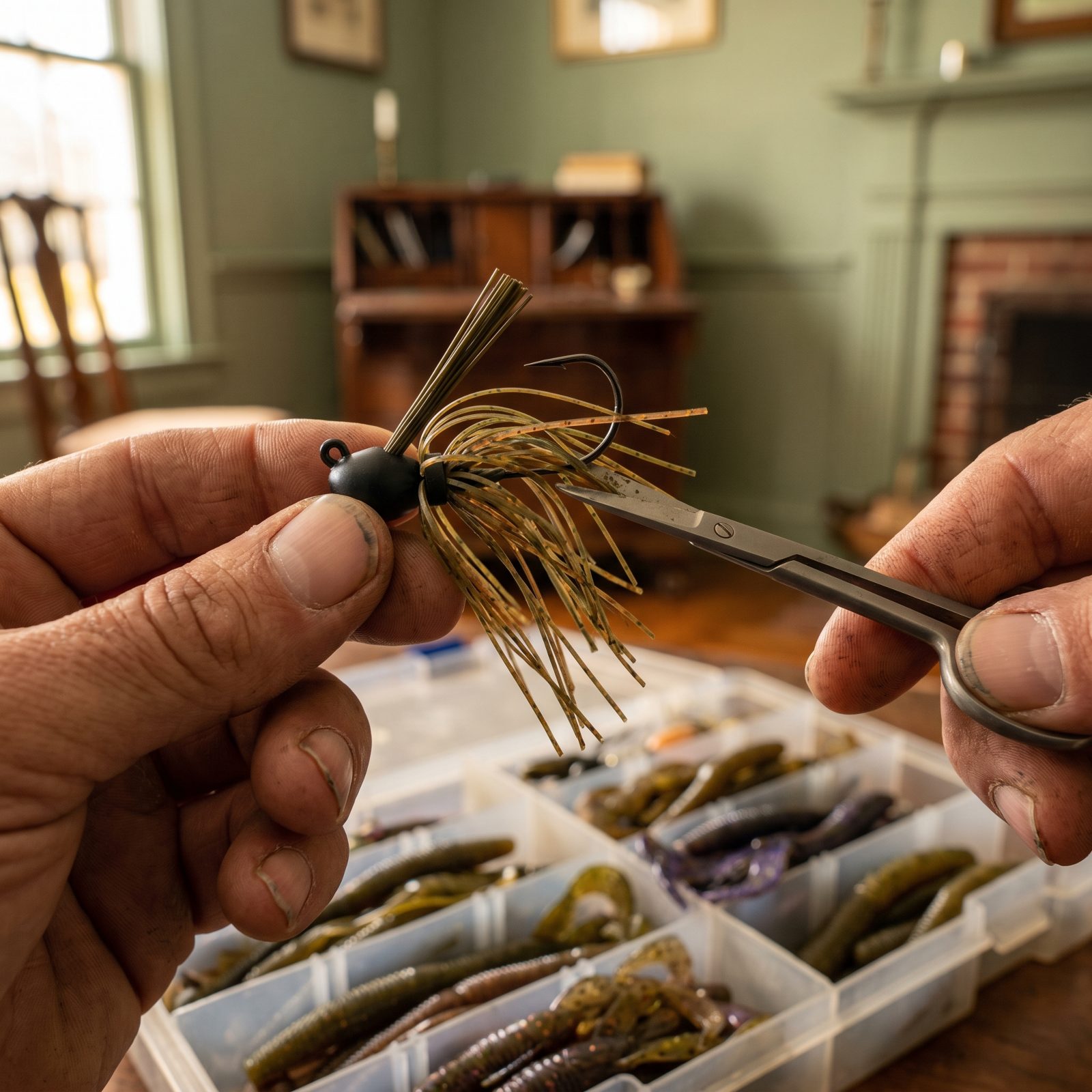
A factory jig skirt looks exactly like what it is. Perfectly even strands flare into a tidy ball that pulses like a pom-pom, not a crayfish. Snip a few strands short, leave others long, stagger the whole thing, and the skirt starts to breathe unevenly on the fall. That ragged, living flutter reads as legs and feelers instead of a uniform blob.
Costs nothing. Takes ten seconds. And most anglers never touch a skirt straight out of the pack — which is exactly why a trimmed one looks like nothing else drifting past a fish that’s already seen every bait in the county.
1. Rest an Index Finger on the Line to Feel Bites Before They Become Visible
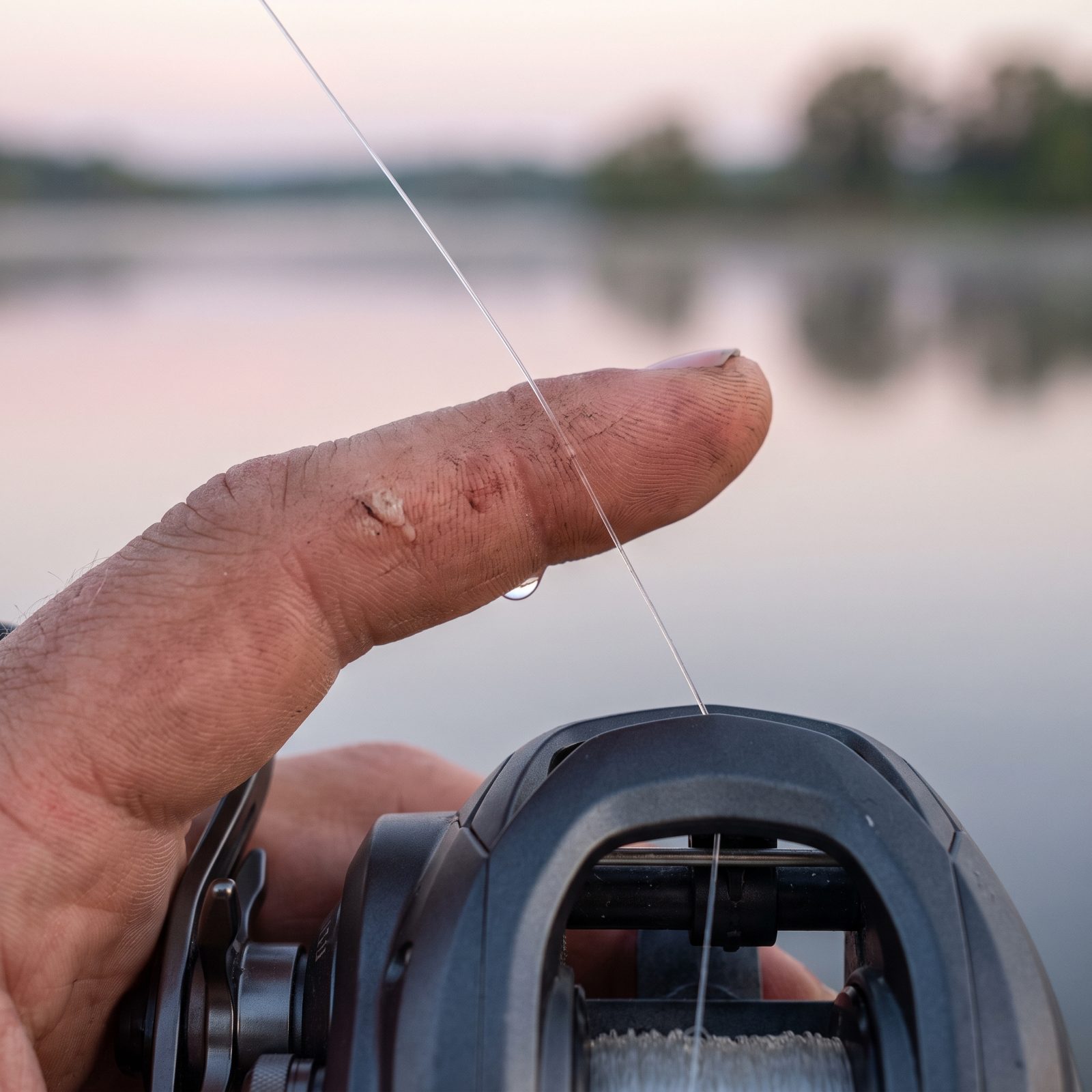
Your rod tip is the last thing to tell you a fish is there. By the time it twitches, the bite already happened and you missed the front of it. Lay a finger on the line instead, right above the reel, and you’ll feel the signal travel up the line before it ever bends the blank — a tick, a tap, a soft pressure like something breathing on the other end.
Walleye and crappie anglers working light jigs live by this. In cold water a strike becomes nothing more than weight that wasn’t there a second ago. A finger catches it. Eyes don’t.