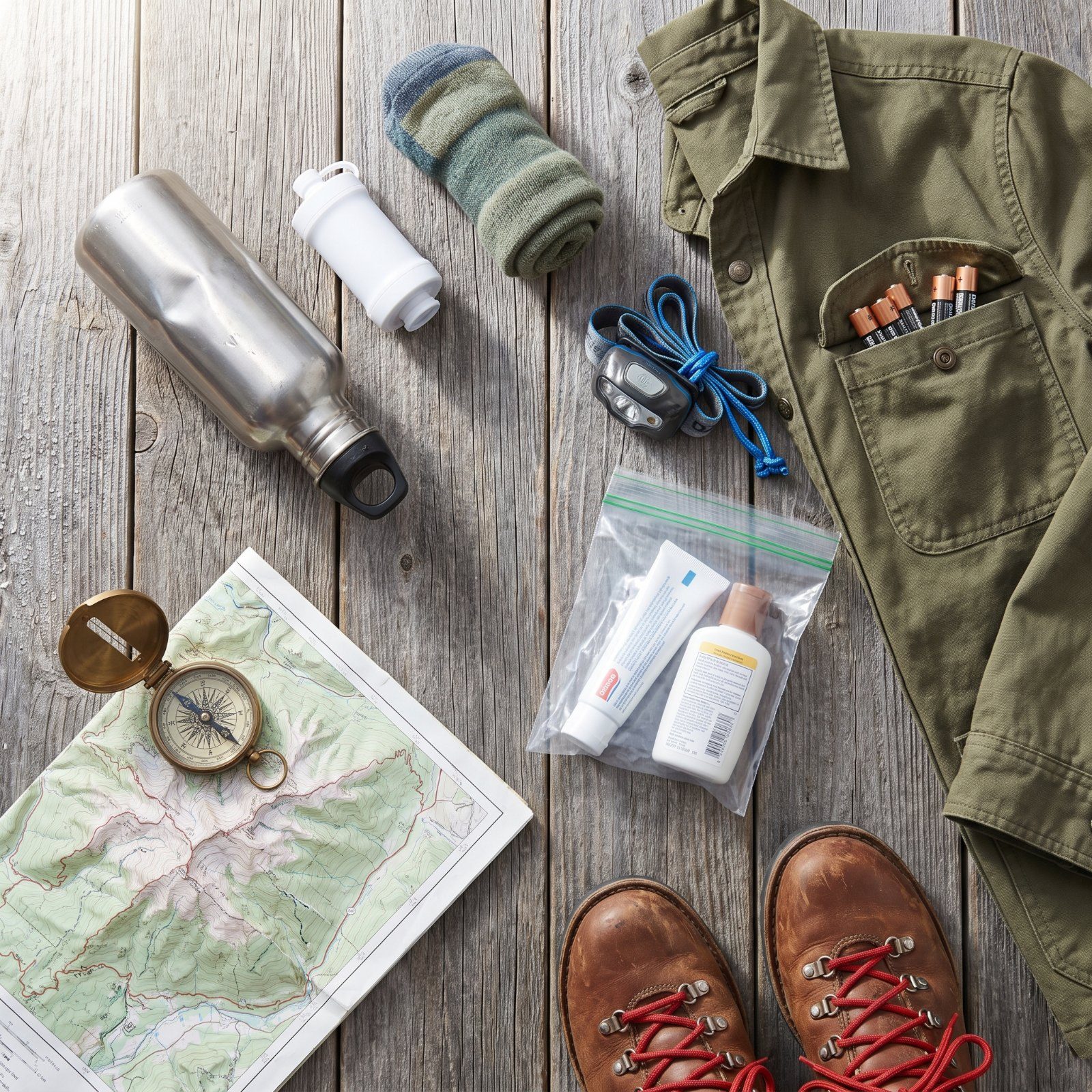
The water bottle froze solid overnight, the cap welded shut by a plug of ice right where you need to drink. It happens to people who’ve camped for decades, and it keeps happening because the fix sounds too dumb to bother with. The outdoors is full of these little tricks — small, strange habits that experienced folks do without thinking and never explain, because explaining them feels like explaining how to tie your shoes. Most cost nothing. Few require any special gear. Every one of them makes a cold morning, a long trail, or a dark campsite go a little smoother. Here are the ones worth stealing.
Please note that some of the images in this article were created with the assistance of AI.
42. Store Winter Water Bottles Upside Down So the Caps Stay Ice-Free
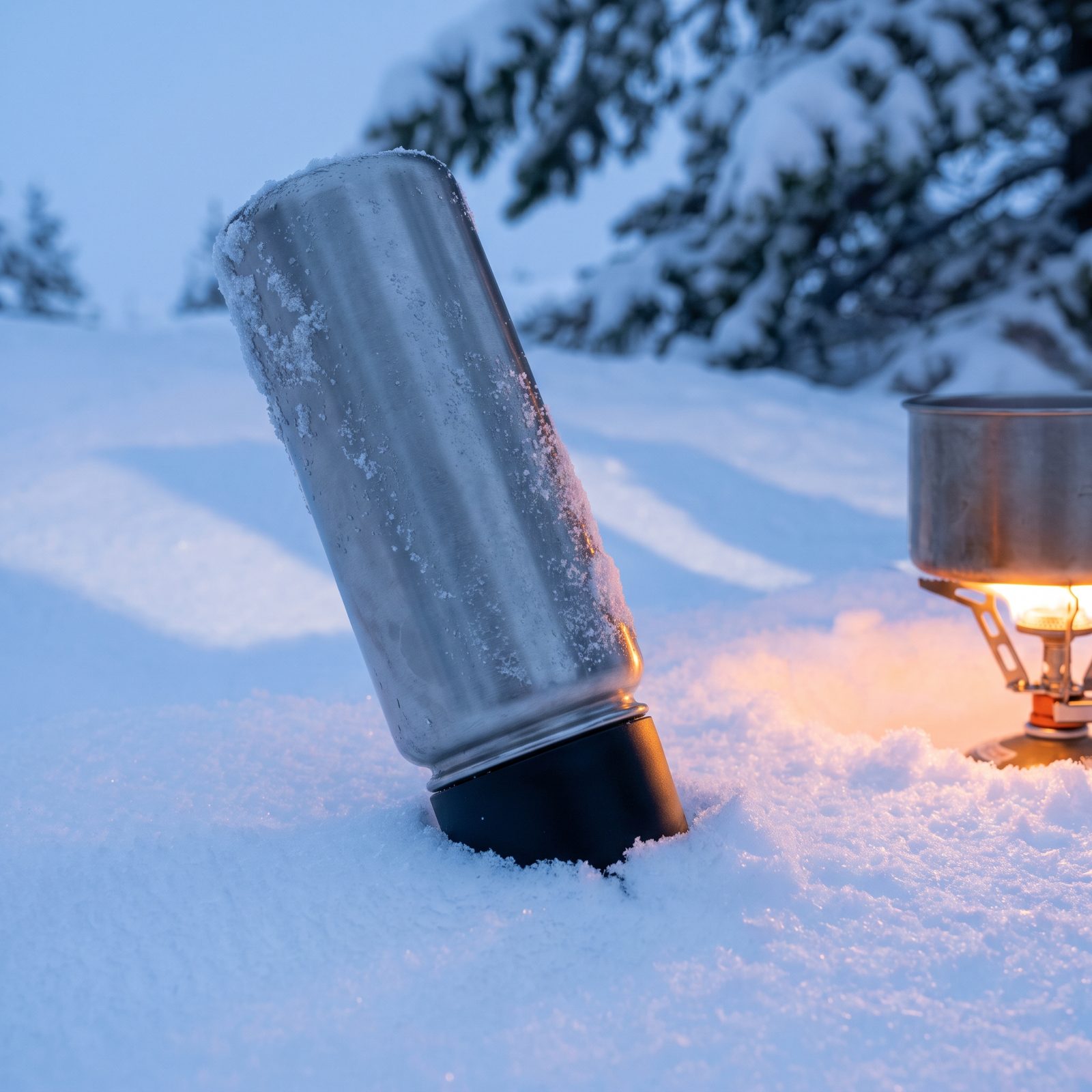
Water freezes from the top down. A bottle sitting upright in cold air grows a disc of ice right at the neck, so by morning the cap is sealed shut and the threads are useless. Flip the bottle before bed and the ice forms at what’s now the bottom, leaving the drinking end liquid and the cap free.
Works in a cooler, in a pack lid, half-buried in snow, anywhere it dips below freezing. Costs nothing. And it saves you from gnawing on a frozen cap with numb fingers at six in the morning.
41. Turn Around at Every Trail Junction to Learn the Return View
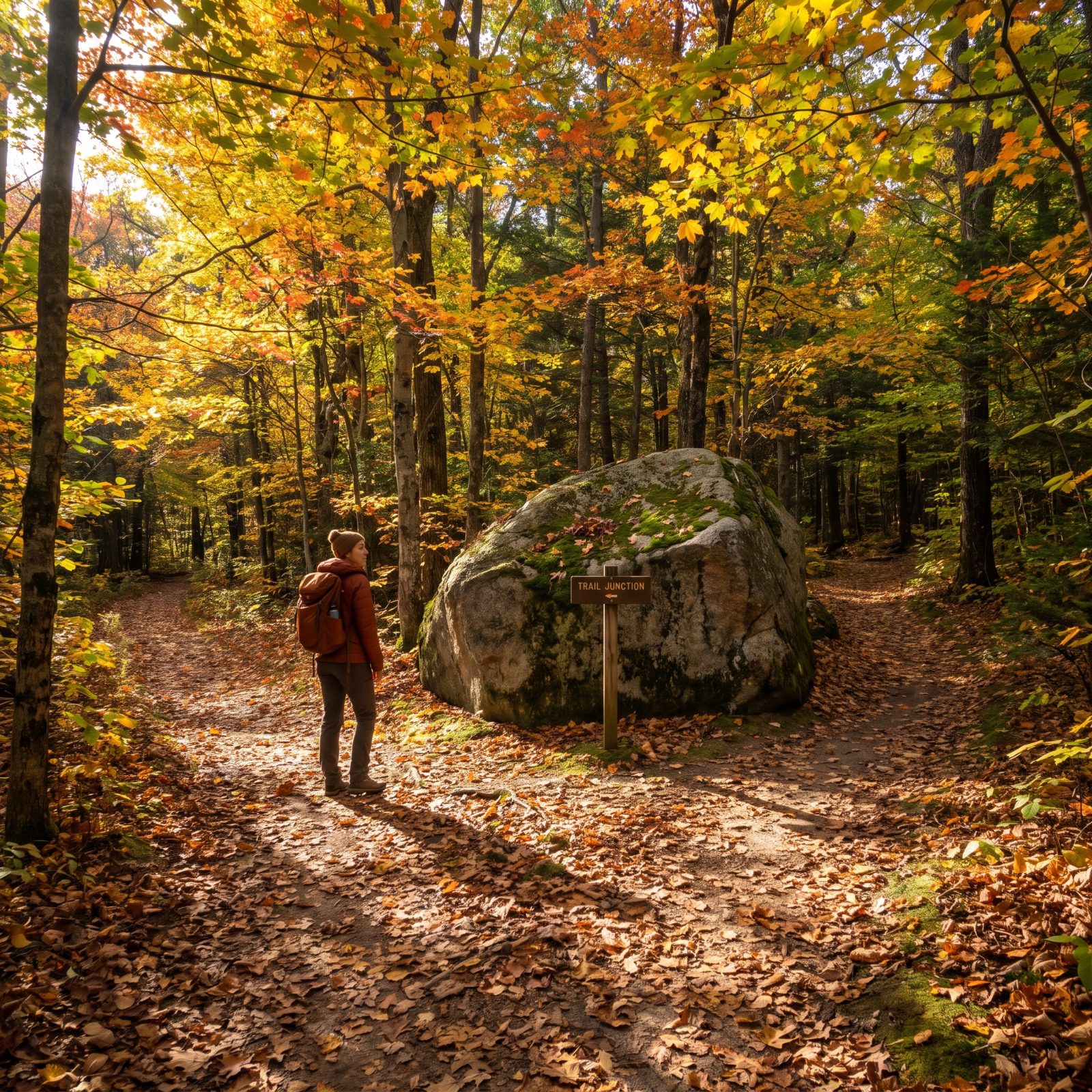
A trail looks like a completely different place when you walk it backward. That obvious rock from the way out just vanishes into the forest on the way home, because you only ever saw its other side.
So at each junction, stop and face the direction you’ll come back from. Five seconds. Burn the view into memory — the forked tree, the slanted boulder, the gap in the brush. People who get turned around on the way home almost always made every right turn going out and simply never looked at those turns from the return angle.
40. Sleep With Your Water Filter in Freezing Weather to Protect It
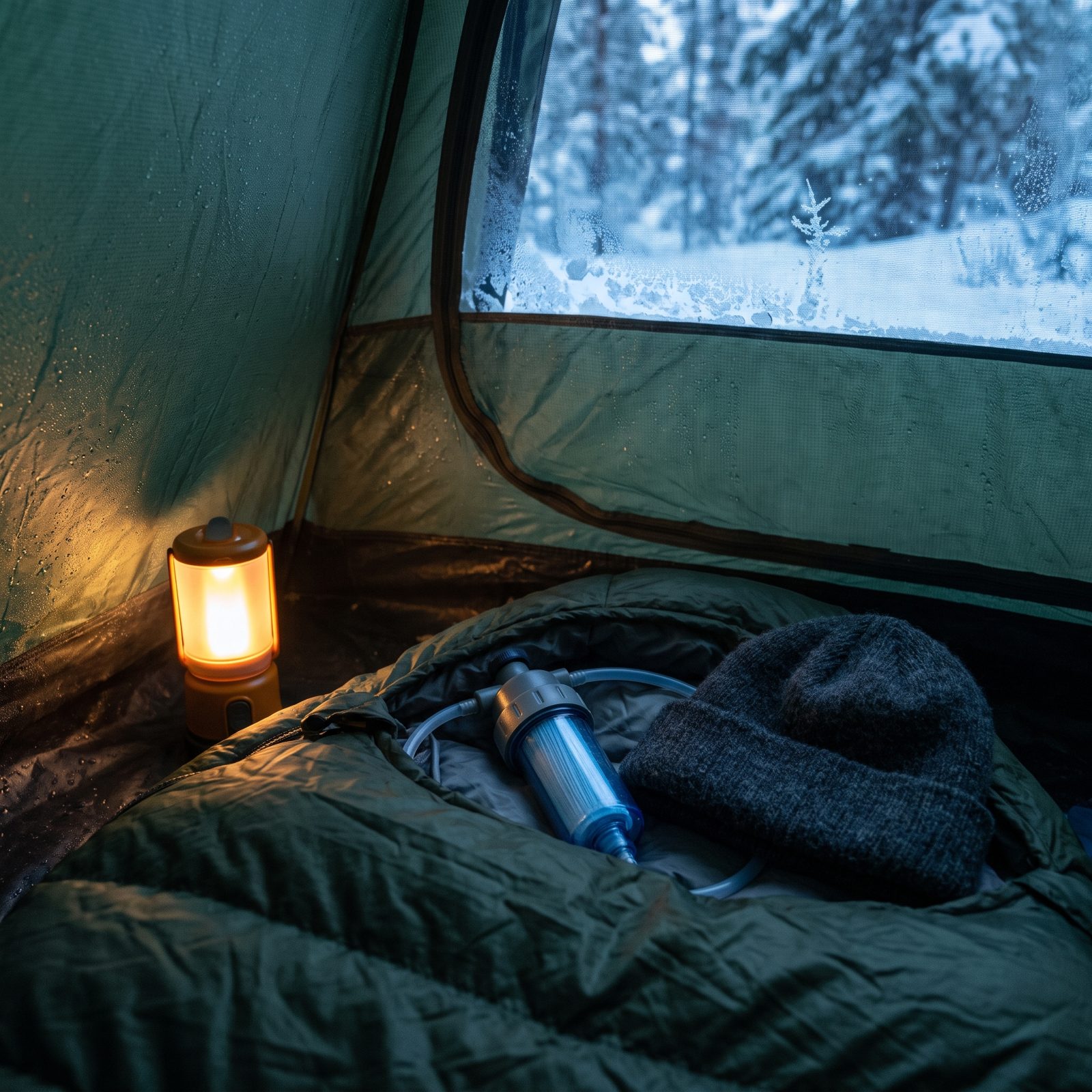
A frozen filter is a dead filter, and you won’t know until it’s too late. The hollow fibers inside most backpacking filters hold water even after you blow them out. When that water freezes it expands and cracks the fibers on a scale you can’t see — and a cracked filter passes the exact bacteria and protozoa it’s supposed to stop. No warning. No visible damage.
On freezing nights, pull it into the sleeping bag with you. Body heat keeps it above freezing until dawn. Toss your socks and tomorrow’s water in there too while you’re at it.
39. Bag Your Toiletries Before Driving to Higher Elevations
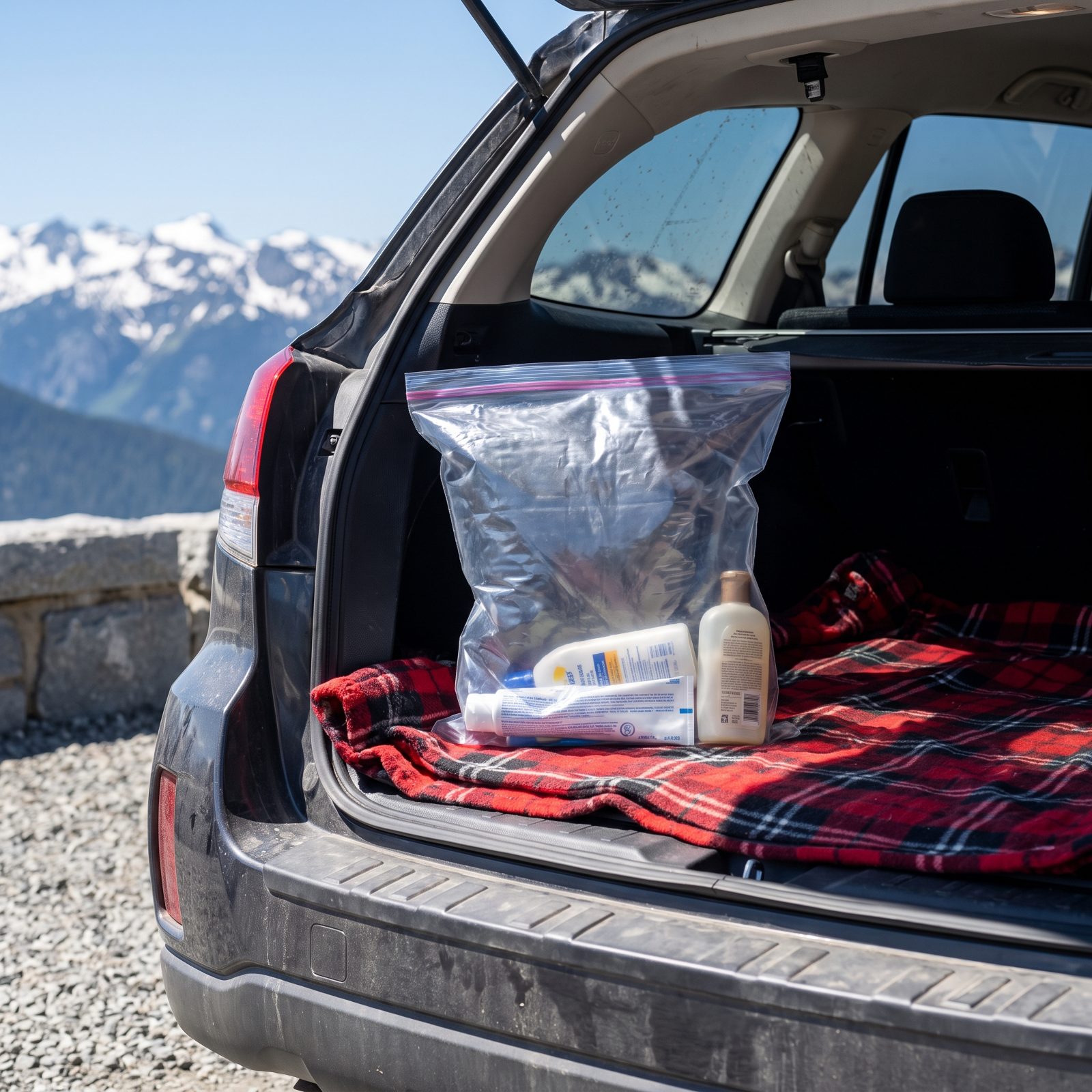
Pressure drops as you climb. Anything with air sealed inside — toothpaste tubes, sunscreen, lotion, soft bottles — starts pushing out through the cap. Drive from sea level up to a trailhead at 9,000 feet and you might open your dopp kit to a disaster.
Seal the squeezables in a zip-top bag before the drive. Simple. The bag catches whatever escapes instead of your clean clothes doing it. Same thing happens in a pressurized airplane cabin, which is why flight attendants have seen a thousand exploded shampoo bottles.
38. Keep Spare Batteries Inside Your Coat to Preserve Their Charge
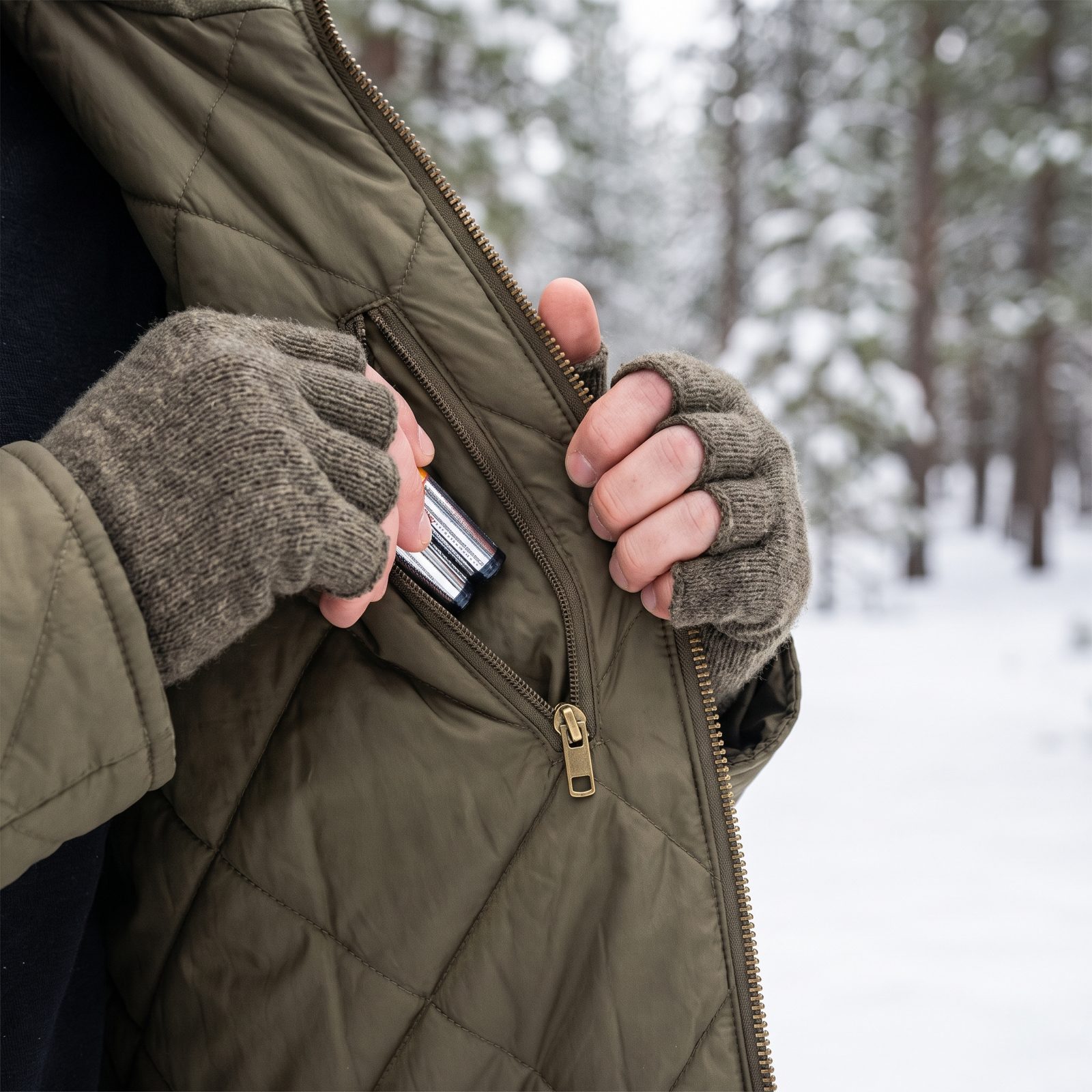
Cold saps batteries. A headlamp that goes dim and dies early in freezing weather usually isn’t broken — it’s just cold. Alkaline and lithium cells both lose capacity as the temperature drops, so a battery left in your pack overnight comes out barely able to do its job.
Carry your spares in an inside pocket, close to your body, and that warmth keeps them near full strength until you need them. Swap a dead cold battery for a warm one and the dead one often revives after an hour against your chest. That’s not a trick. It’s just chemistry waking back up.
37. Drink Treated Water at the Source Before You Refill Your Bottles
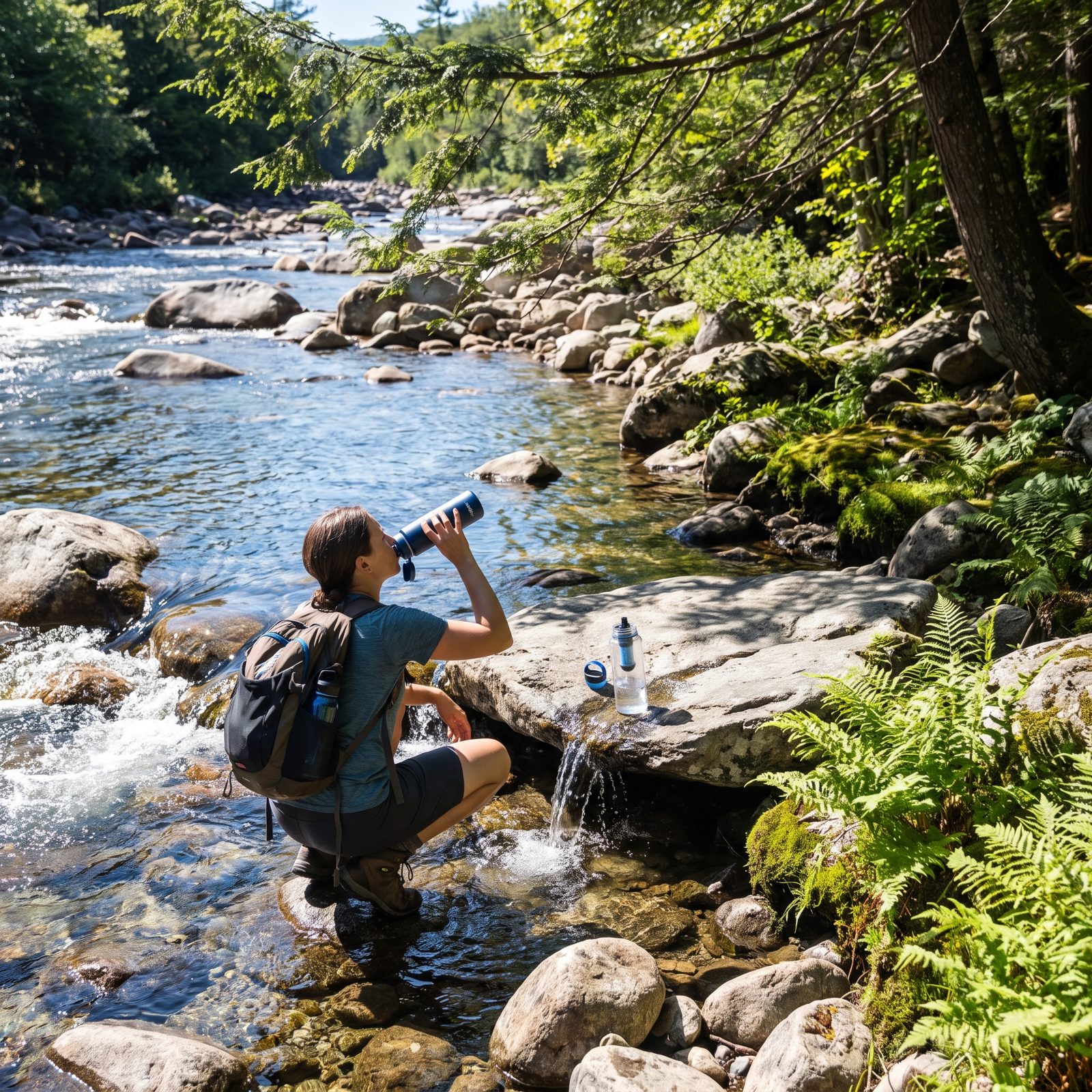
Camel up at the source. Before you fill your bottles and shoulder the load, drink a liter right there where the water is — free hydration you don’t have to carry.
Water is heavy, roughly two pounds a liter. Every mile you walk fully hydrated is a mile you’re not hauling extra water to stay that way, and you simply top off at the next reliable source. It’s how desert and long-distance hikers manage weight without ever running dry, and it flips the whole question of where to carry your water: in your body, not on your back.
36. Fasten Every Pack Buckle Before You Set the Pack Down
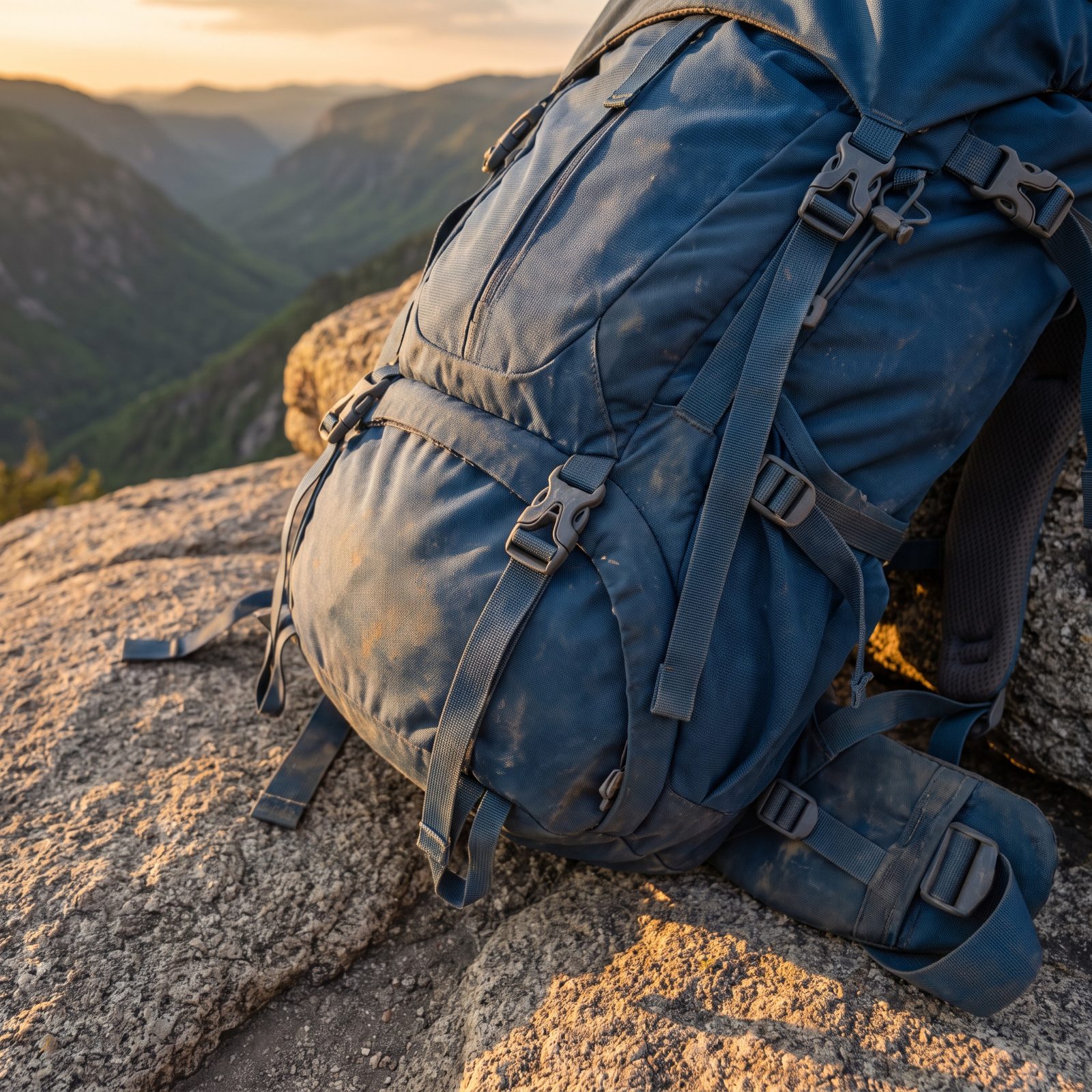
Clip it all shut before it leaves your shoulders. Lid buckle, hip belt, compression straps, sternum clip — every one.
Why bother? An unbuckled pack tips over, spills its lid contents down a slope, or lets a strap flap into the mud. Worse, a cluster of hanging buckles is just the thing a curious animal grabs and drags off. Clipped buckles also keep the pack holding its shape, so it stands upright instead of slumping into a puddle or a fire ring. The habit takes two seconds and saves you from chasing a water bottle down a ravine.
35. Park Your Zipper Pulls Together to Find Openings in the Dark
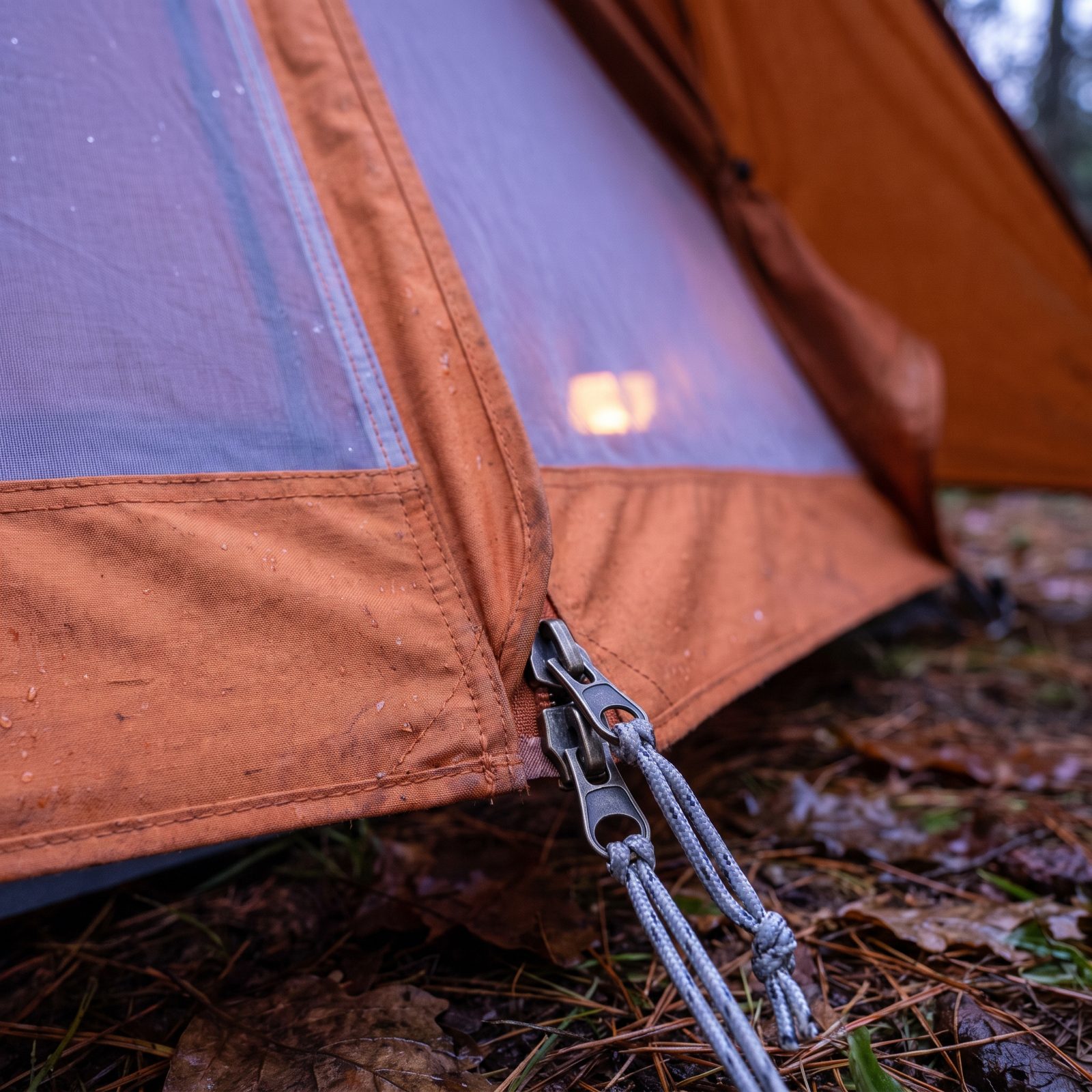
Every two-way zipper can live in two places. And fumbling for the pulls in a cold dark tent, gloves on, is a small misery that repeats every single night.
Fix it with one rule: always leave both pulls parked together in the same corner. Bottom of the tent door, one spot on your jacket, the same end of your sleeping bag. Now you reach straight for them without looking. Sounds trivial right up until you’ve spent two minutes pawing at nylon at two in the morning trying to get out to pee.
34. Air Out Your Feet at Every Long Break to Prevent Blisters
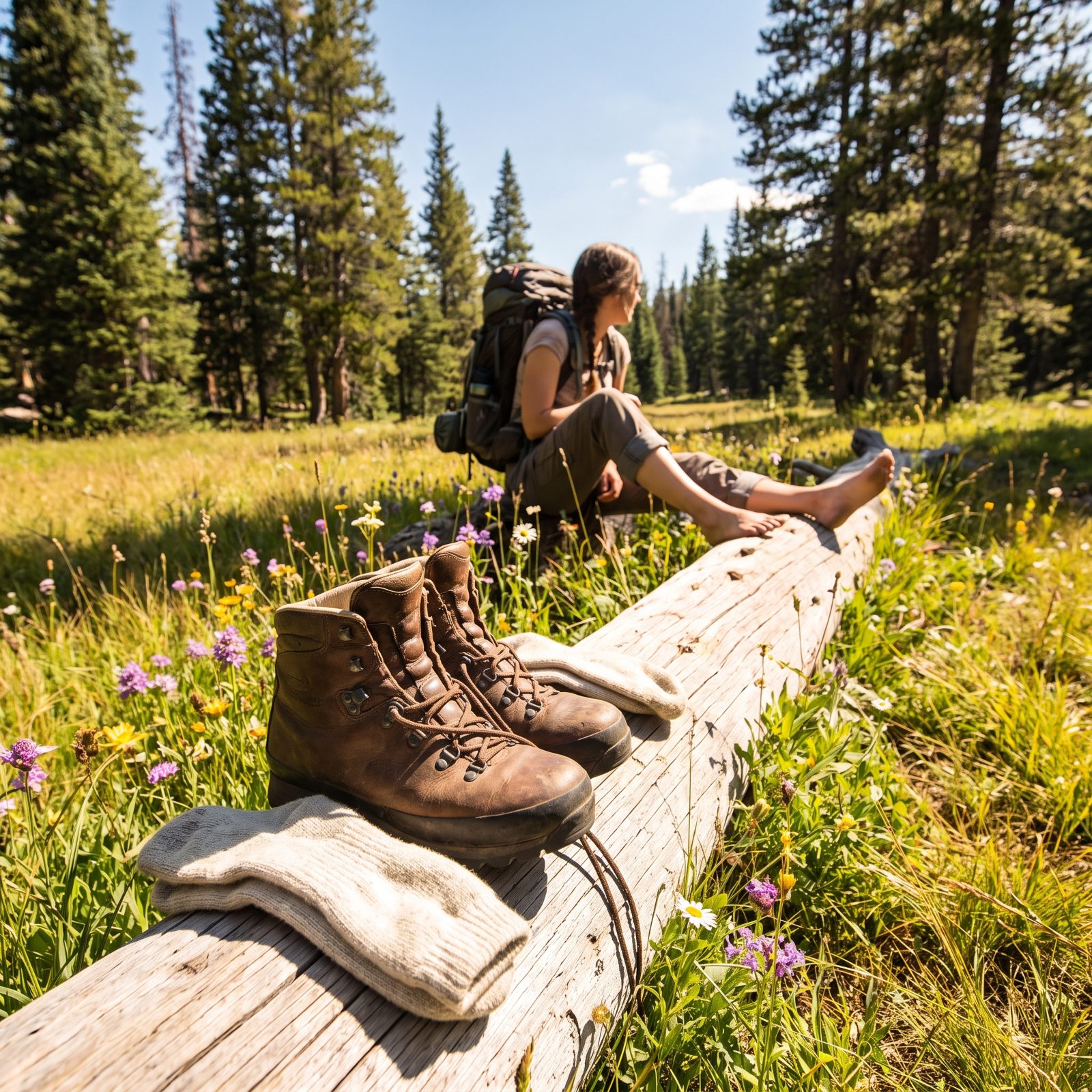
Blisters aren’t really about friction. They’re friction plus moisture plus heat, and wet soft skin tears far easier than dry. Keep your feet sealed in a boot for eight hours and you’re marinating them in the exact conditions that breed blisters.
So at every long break, pull the boots and socks off. Let your feet dry in the air and sun for ten minutes while you flip your socks inside out over a branch and eat lunch. Dry feet back into dry socks resets the whole system. It feels indulgent. It’s also the single biggest thing most people can do to finish a long day without raw heels.
33. Put Tomorrow’s Socks in Your Sleeping Bag to Warm and Dry Them
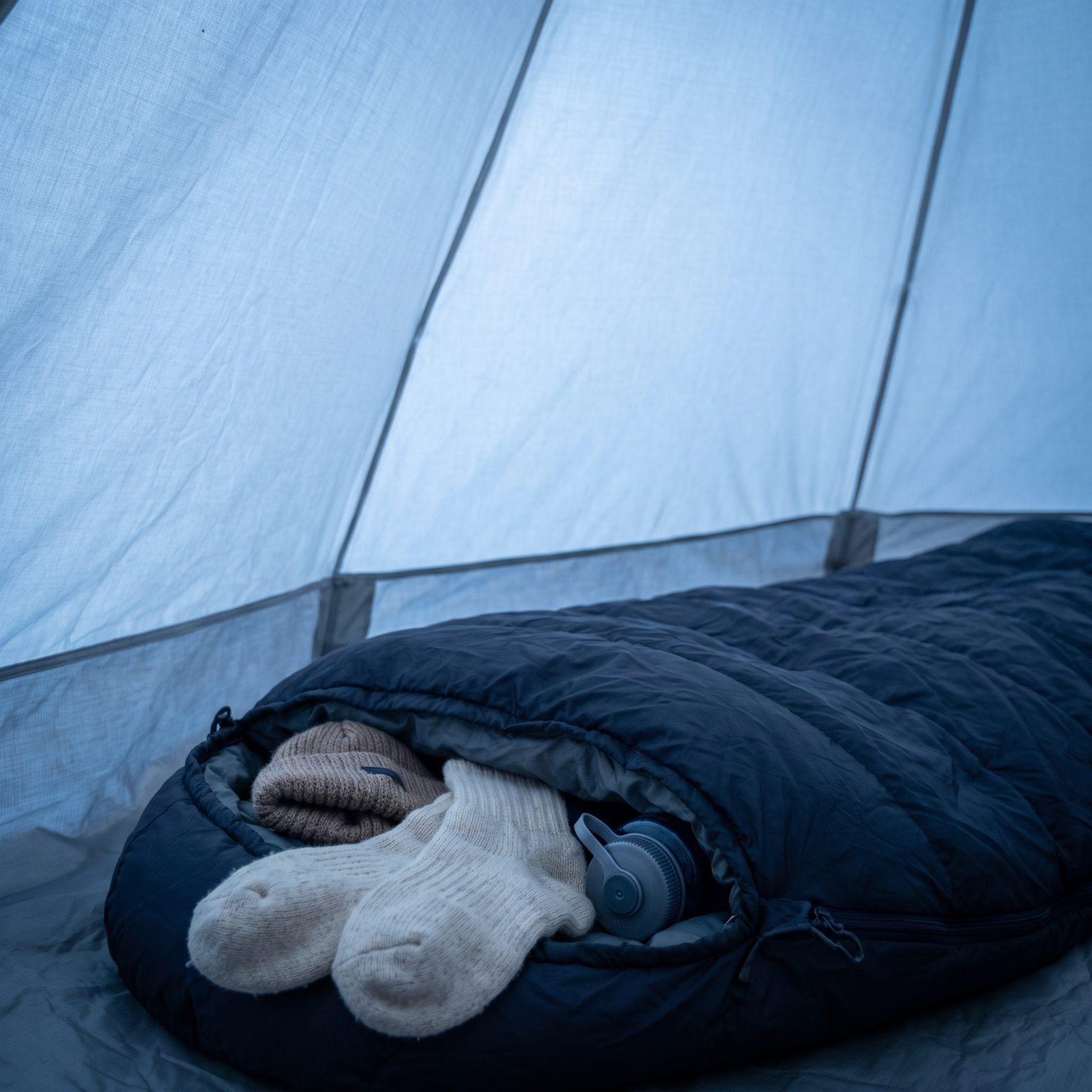
Pulling on cold, clammy socks is the worst part of a cold morning, and there’s no reason to do it. Stuff tomorrow’s pair down toward the foot of your sleeping bag before you sleep.
Your body heat warms them all night and drives out the last of the day’s dampness, so in the morning you slide your feet into something warm and dry instead of flinching into something cold and stiff. Same move works for a shirt you’ll wear, your boot insoles, even that frozen water filter. Warm socks on a cold dawn feel like a small gift you gave yourself the night before.
32. Use a Pencil for Field Notes That Survive Damp Weather
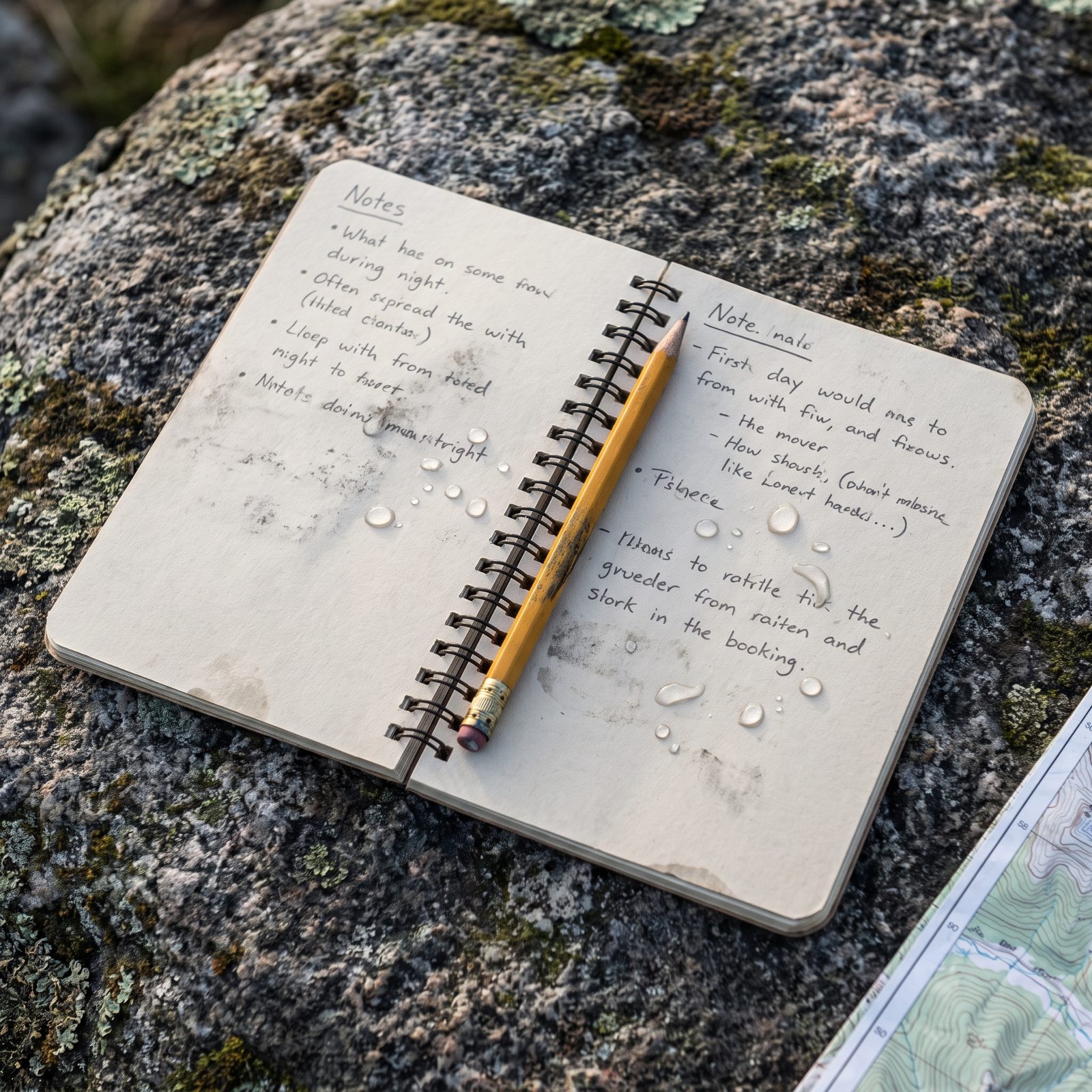
Ink quits the moment your notebook gets wet. The line blooms, feathers, and turns your trip log into a Rorschach test. Graphite doesn’t care — it writes on damp paper, writes upside down, works in the cold when a pen clogs, and never leaks in a pack.
The old-timers knew this. Foresters and surveyors carried pencils because fountain pens failed in the rain, and the weather hasn’t changed since. Keep a short carpenter’s pencil clipped inside the cover, or a cheap wooden one. Sharpen it with your knife if you have to.
31. Trim Toenails Two Days Before a Long Hike
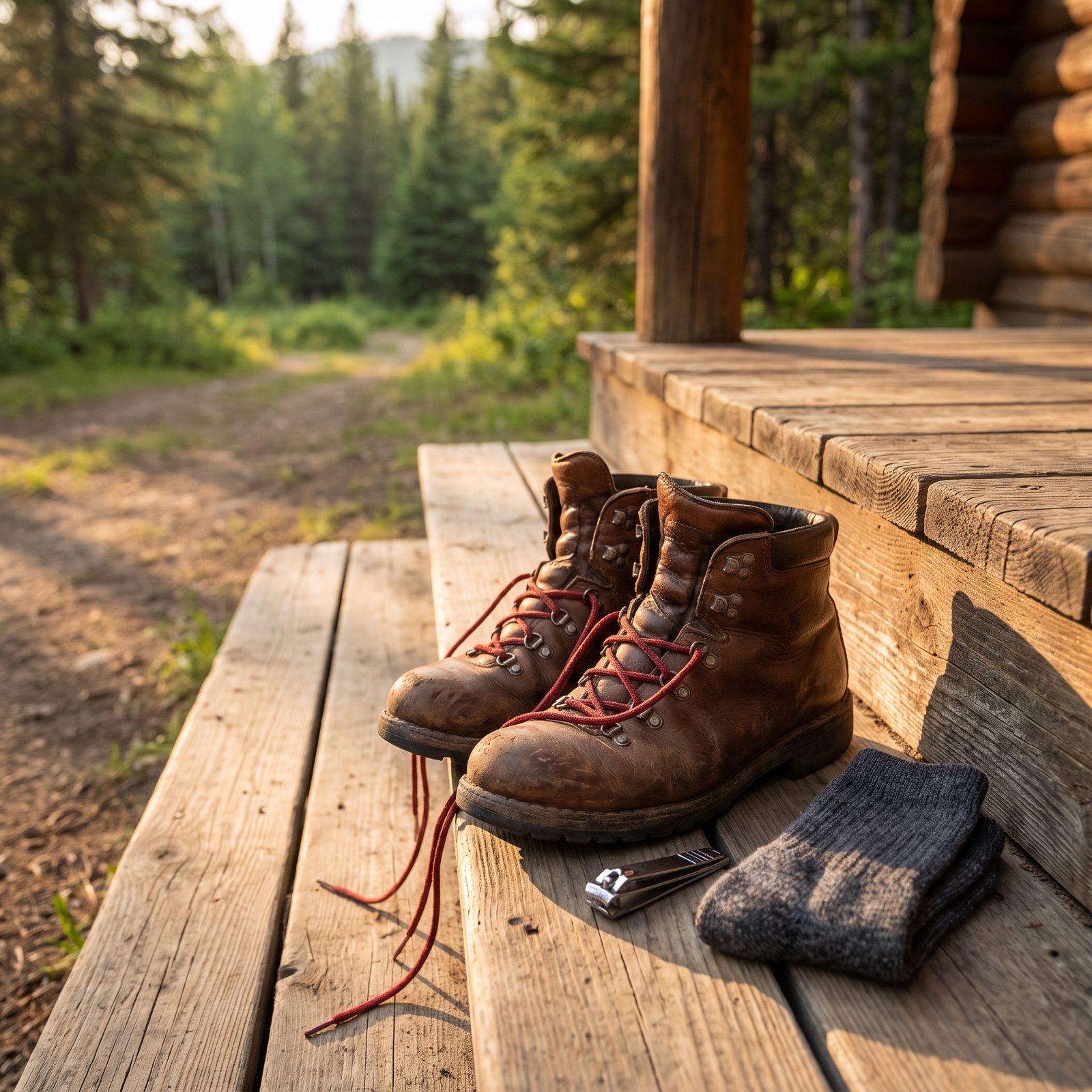
A toenail trimmed too short the night before a hike will punish you by mile three. Cut it the day of departure and the raw edge presses into the boot on every downhill step. Do it two days out instead, so the skin settles and the nail feels normal again.
And leave a hair of white at the tip. Cutting right to the quick, then hammering it downhill for eight miles, is how people lose a toenail to a black bruise. Ask anyone who’s walked the long descent off a summit — the downhills take the nails, not the climbs.
30. Reset Boot Lacing Whenever the Slope Changes
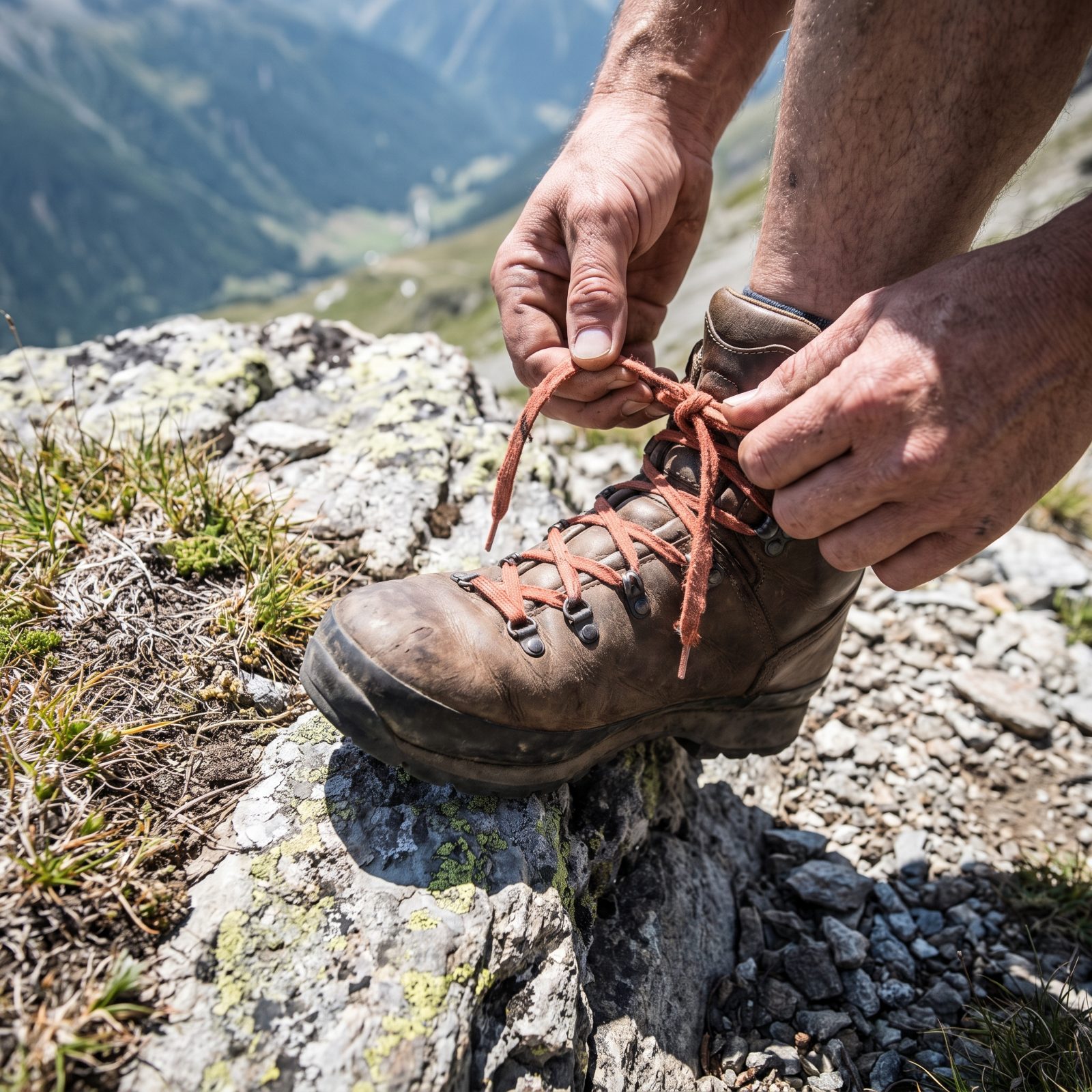
One lacing pattern does not fit a whole mountain. On the climb, you want the forefoot a touch looser so your foot can flex and breathe. The second the trail tips downhill, stop and crank the ankle. A heel-lock knot pins your heel back so your toes stop slamming the front of the boot.
Most blisters and black toenails come from the descent, and nearly all of them trace back to a foot sliding forward inside a boot laced for going up. Ninety seconds at the top of a descent. That’s the whole trade for not limping the afternoon away.
29. Store Shoes With Their Openings Facing Into the Vestibule
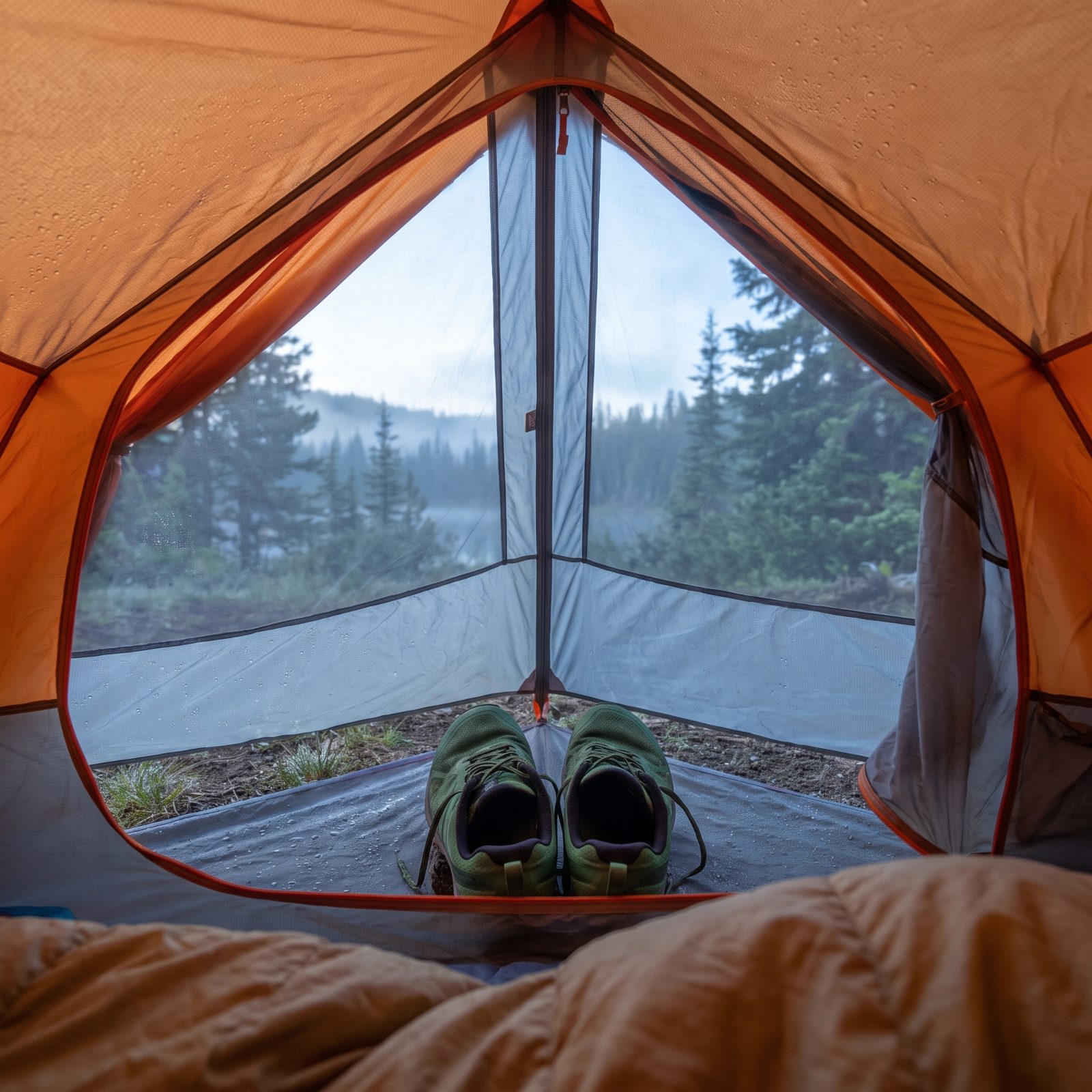
Point your shoes the wrong way in the vestibule and you’ll spend the first groggy minute of morning reaching out into the wet grass to flip them around. Face the openings toward the tent door and you slide your feet in from inside — dry, warm, before you ever step out.
There’s a second payoff. An opening that faces the mesh instead of open sky is far less likely to collect a scorpion, a mouse, or a puddle overnight. Shake them out anyway. But give the odds a nudge in your favor while you sleep.
28. Inspect the Underside of a Picnic Table Before Sitting
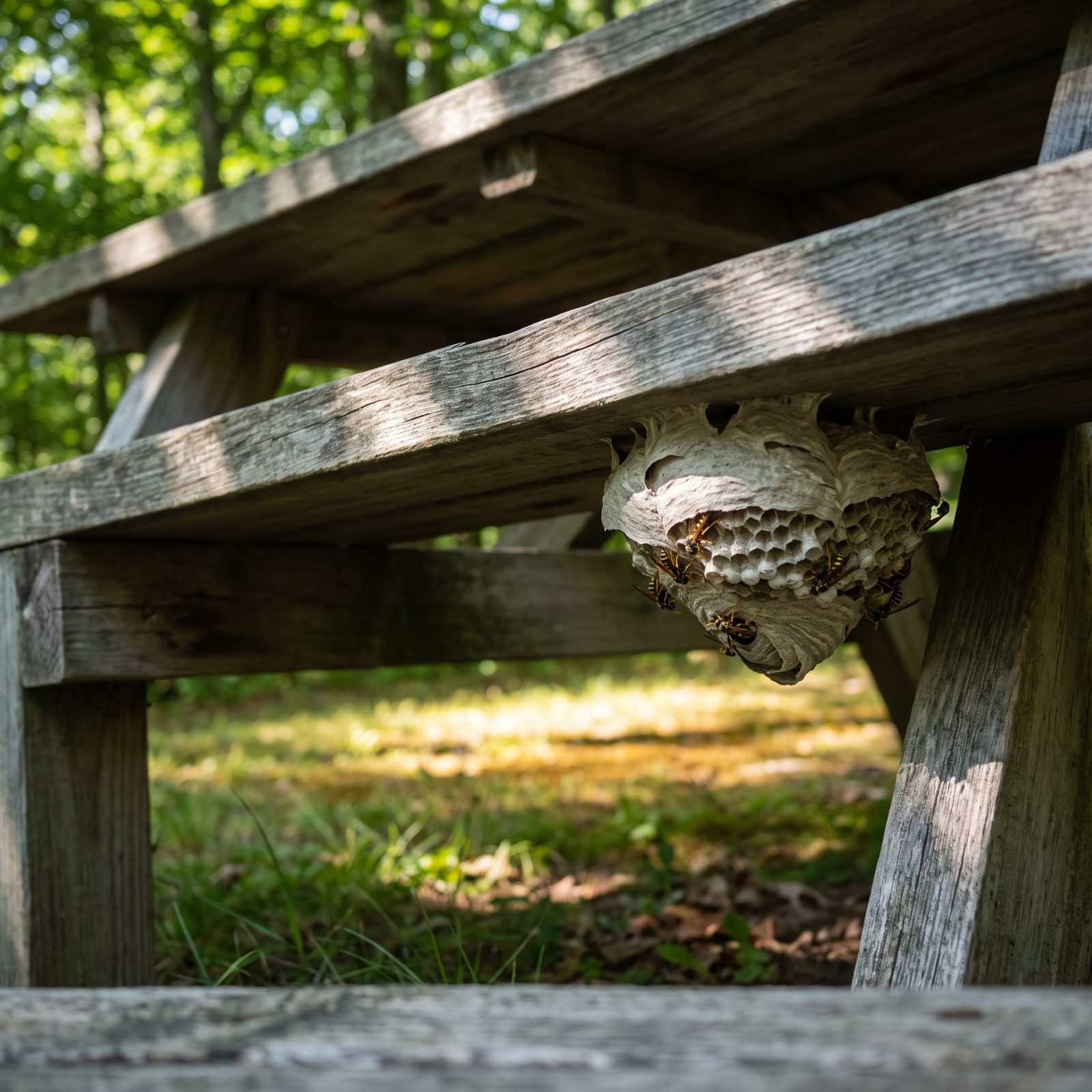
The spot nobody checks is the one underneath. Paper wasps love the shaded underside of a picnic table seat, spiders set up in the corners, and now and then a yellowjacket colony moves into the hollow of a bench leg. You find out the hard way, mid-sandwich, with a bare thigh against the wood.
A two-second look before you sit costs nothing. Glance under the seat and the lip of the tabletop. Do it without fail at the first warm table of spring, and at any shelter that’s been empty a while.
27. Dry Damp Socks Beneath External Pack Straps While Walking
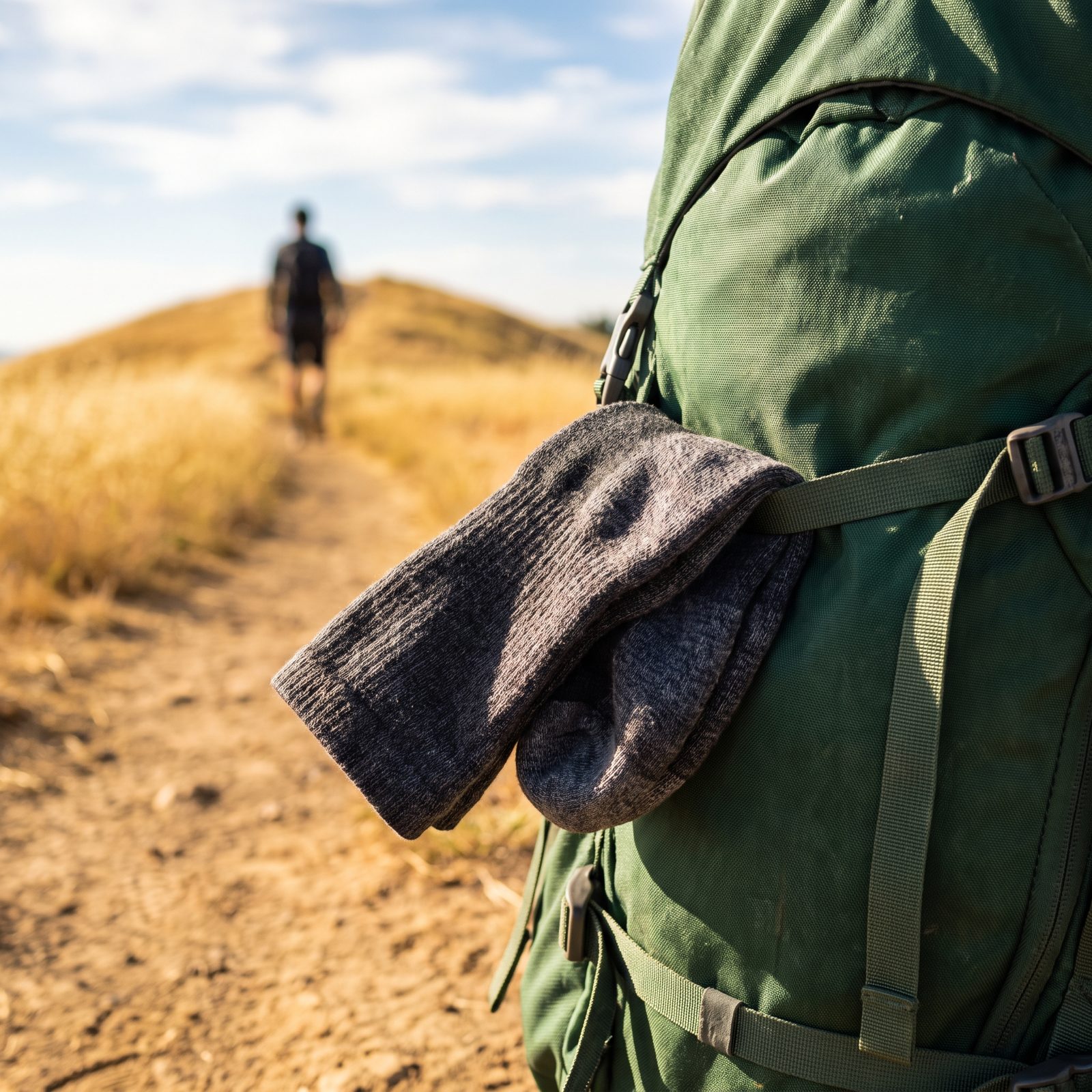
Wet socks dry faster slung on the outside of a moving pack than they ever will hanging in camp. Tuck a damp pair flat under the compression straps and let the walking breeze and sun do the work for three or four miles. By the next break they’re dry, or close enough.
Rotate two pairs this way and your feet stay happy across a multi-day trip. Dry feet are the whole ballgame on a long walk. Blisters, trench foot, hot spots — most of it starts with socks you never got dry.
26. Greet Passing Hikers and Remember Their Time and Direction
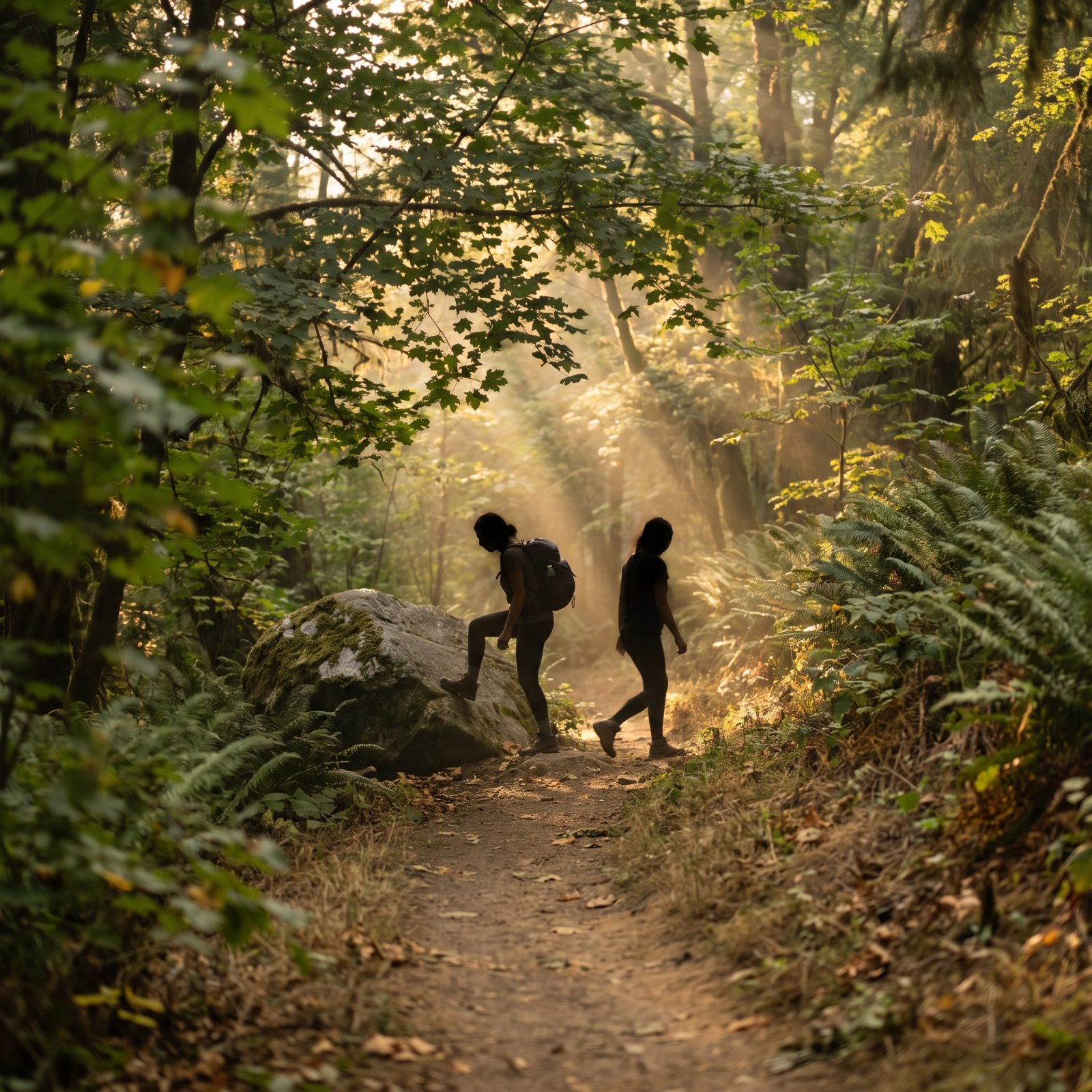
A nod and a hello on the trail isn’t only manners. File away the time and which way they were headed. If search and rescue ever needs to find someone, those casual sightings become the breadcrumbs that narrow a whole mountain down to a single drainage.
Say you pass a solo hiker heading up at two in the afternoon. Worthless detail, until the moment it isn’t. People have been found because a stranger remembered a red jacket going north near a stream crossing.
The hiker you greet today could be the last confirmed sighting someone searches for tomorrow.
25. Wear the Headlamp Around the Neck When Talking With Campmates
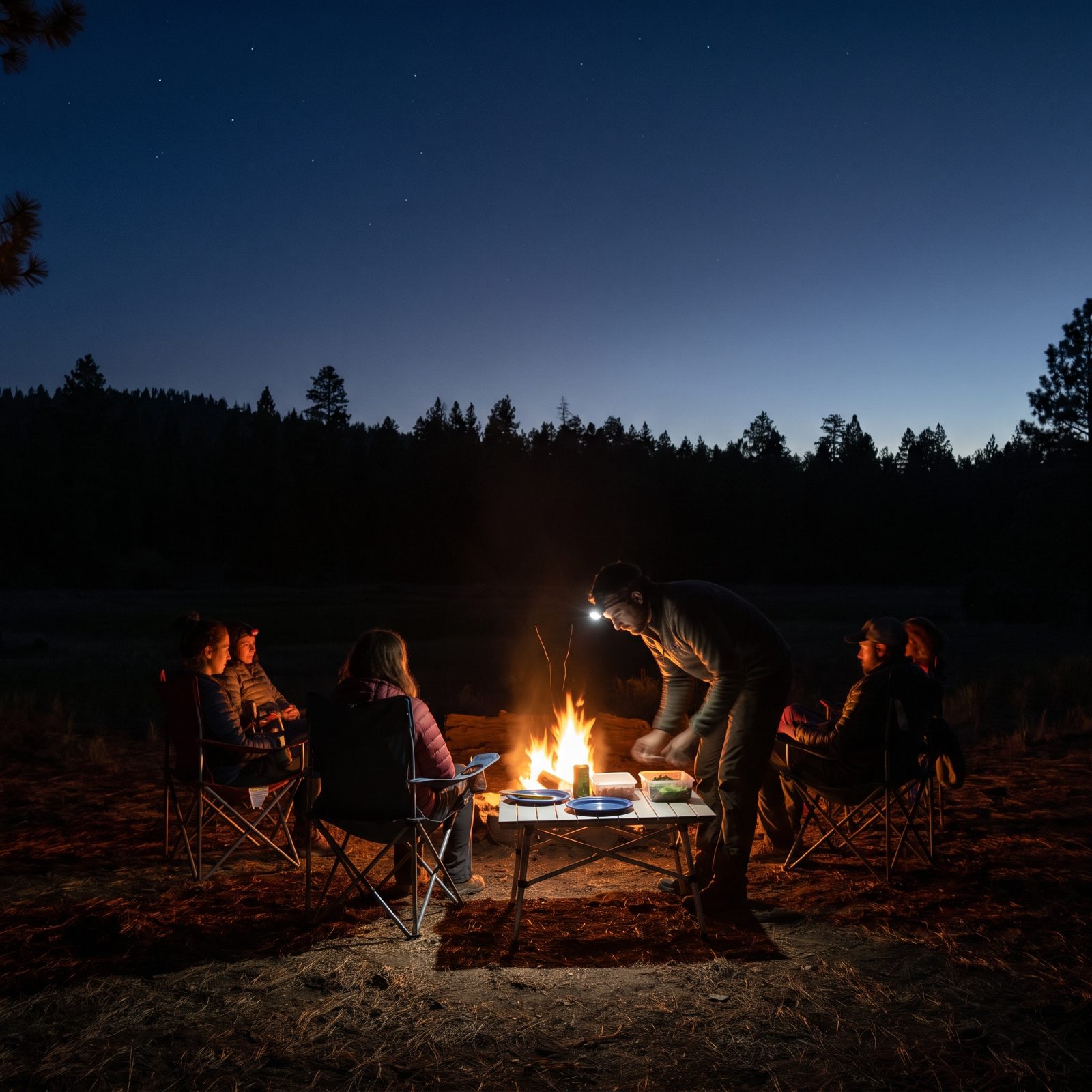
Nothing kills a camp conversation faster than getting blasted in the eyes every time someone turns their head. Slide the headlamp down around your neck. The beam falls on your hands, the cutting board, the cards on the table — and nobody’s night vision gets wrecked.
It’s the small courtesy that marks someone who’s spent real time in groups outdoors. Keep it on your forehead for the trail. Drop it to your neck the second you sit down to talk, and the whole camp relaxes.
24. Check for Ant Trails Before Setting Down a Pack
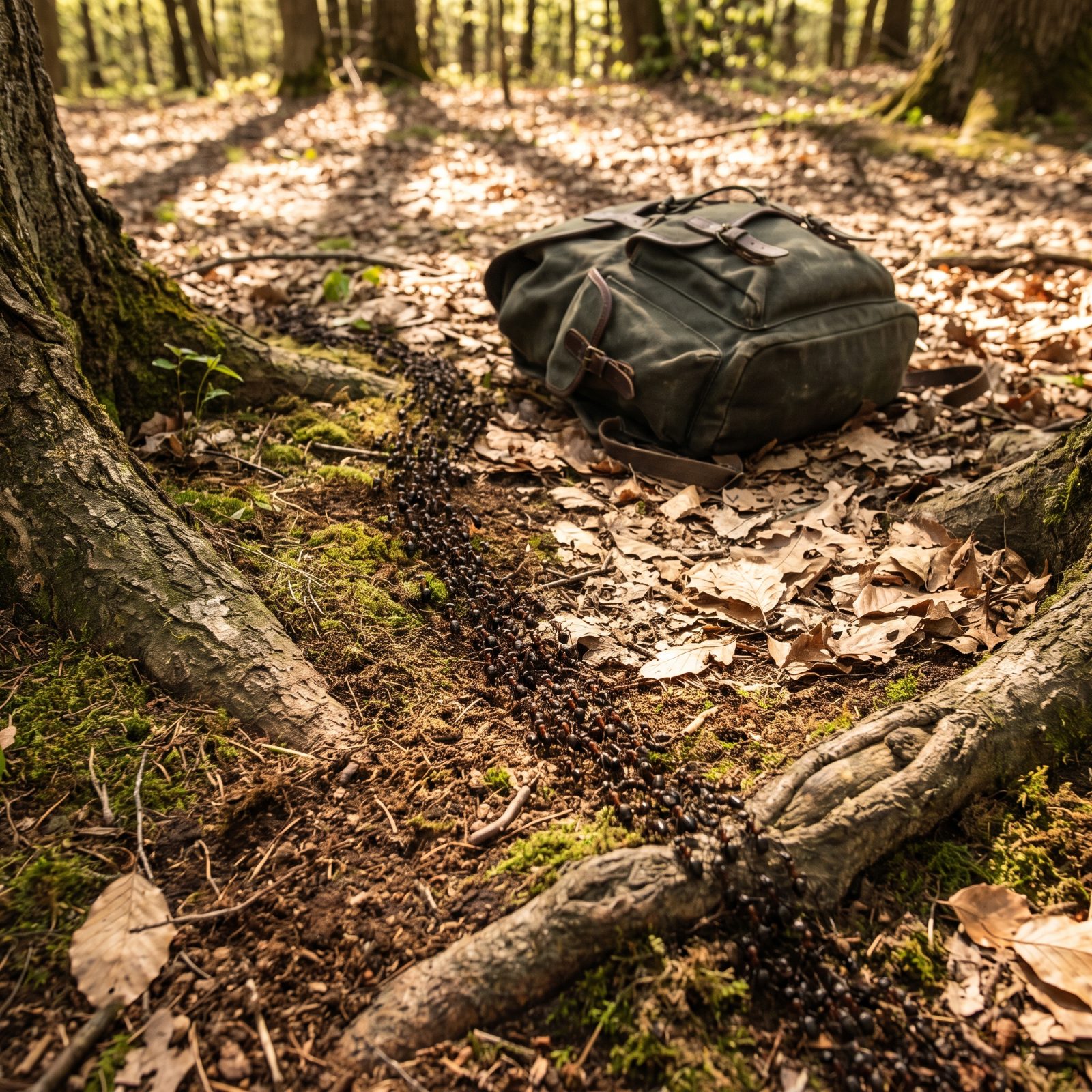
Drop your pack on an ant highway and you’ll be picking the stragglers out of your gear for the rest of the day. Worse if you set it on a mound and don’t notice until the lid is already open. A quick scan reads the real estate before you commit.
Look for the thin dark line between a log and a crack in the dirt. That’s the commute. Set your pack three feet off it and you’re fine. It’s also how you avoid putting a hand down on a fire ant mound in the Southeast, which is a lesson nobody forgets.
23. Carry a Small Foam Pad for Every Trail Break
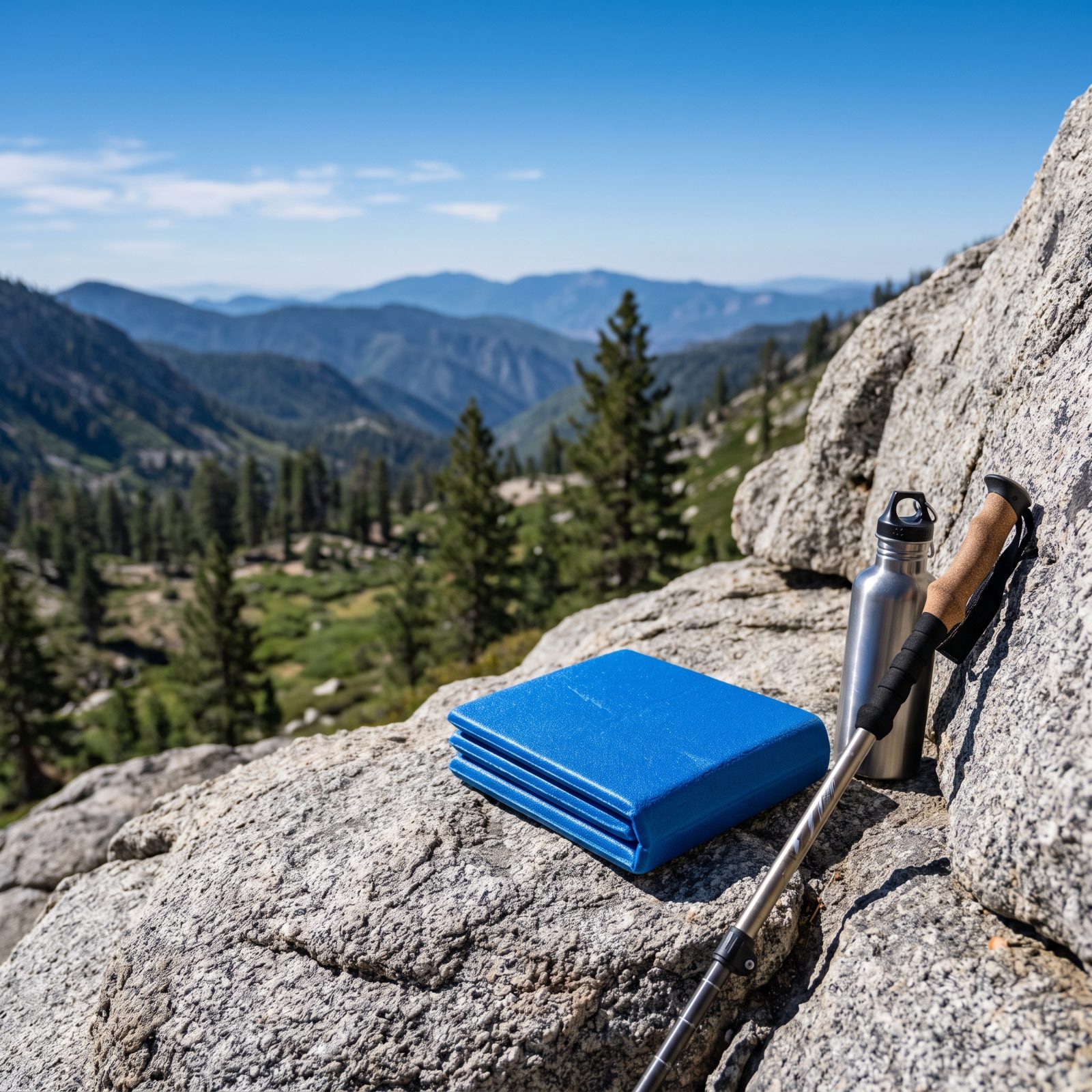
A scrap of closed-cell foam the size of a folded newspaper changes how often you actually rest. Without it, you skip the cold wet log and the sharp granite and keep grinding on tired legs. With it, you sit anywhere, anytime, and the breaks come easier and run longer.
It weighs almost nothing and earns its keep three ways over: insulation under your feet at a chilly lunch stop, a seat for camp chores, a splint pad in a pinch. Cut one from an old sleeping pad for free. Might be the most-used ounce in the whole pack.
22. Line the Backpack With a Waterproof Compactor Bag
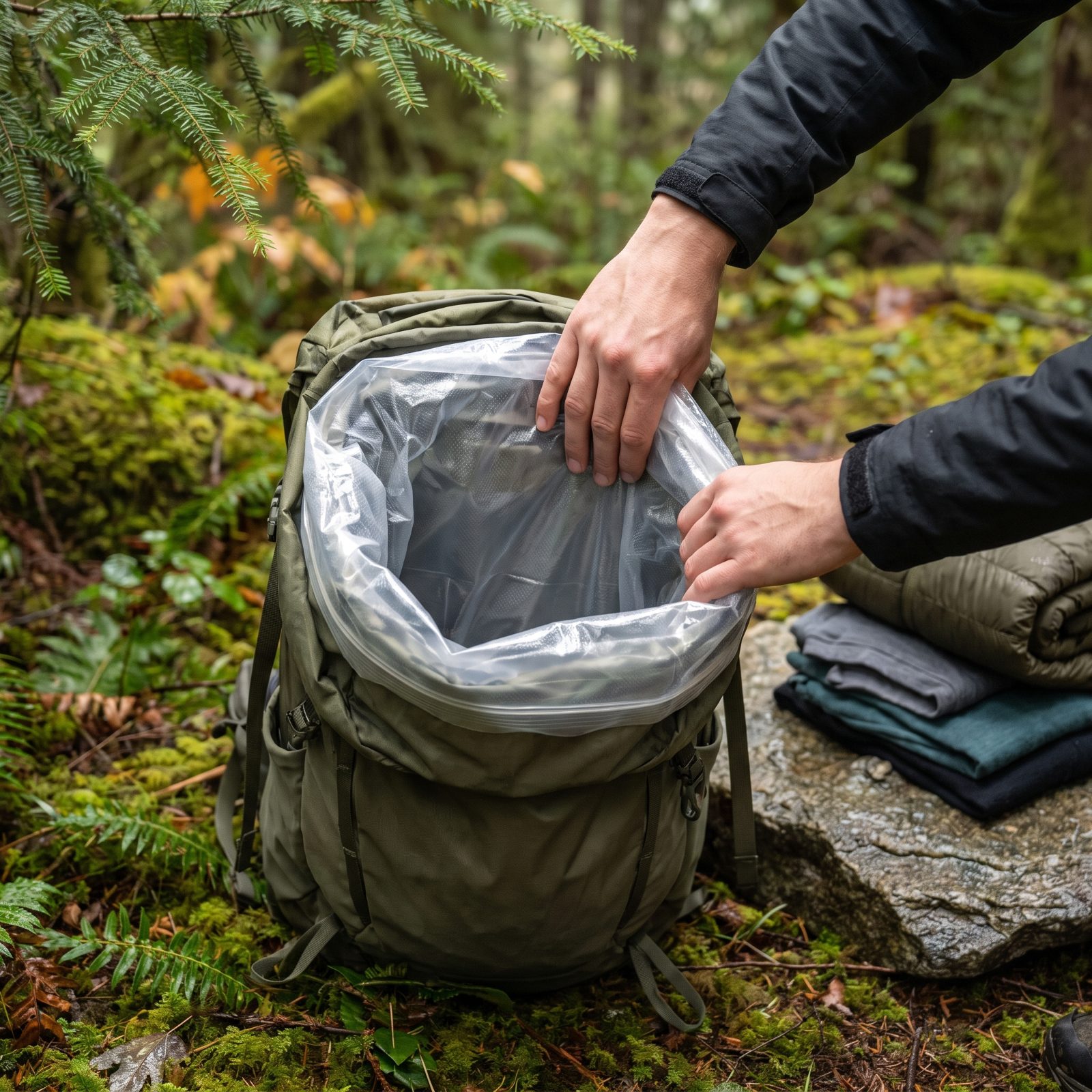
Pack covers lie to you. They keep the outside dry while rain tracks down your back, runs under the cover, and soaks everything through the seams. The fix is a cheap contractor-grade trash bag inside the pack: gear goes in the bag, top rolled and tucked.
A proper waterproof liner runs thirty dollars and weighs more. A compactor bag costs almost nothing and does the same job for a season. When a river crossing finds the bottom of your pack, or the tent floods at 2 a.m., the stuff that keeps you alive stays dry. That’s the whole game.
21. Unpack the Sleeping Bag Early So Its Insulation Can Loft
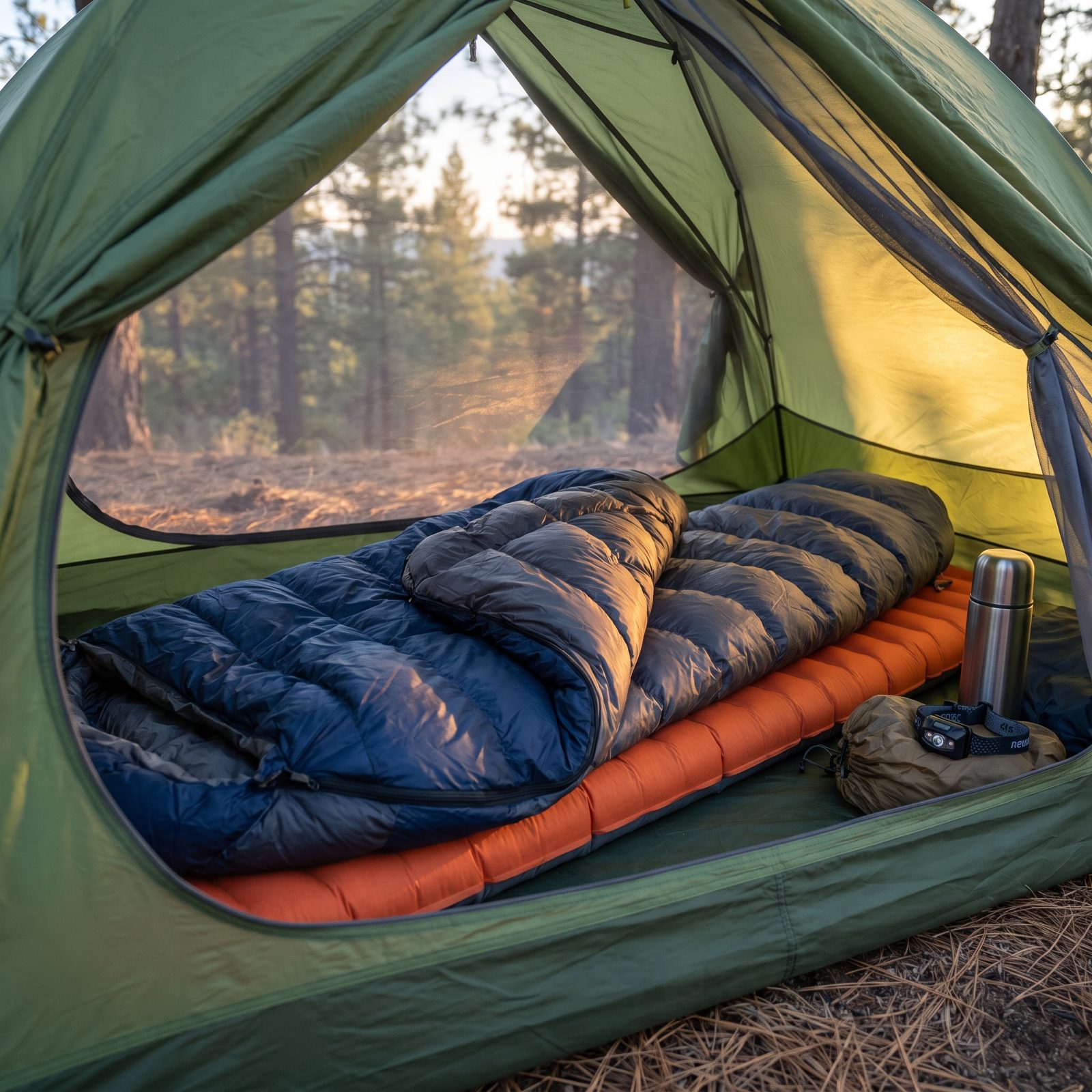
A bag that’s been crushed in a stuff sack all day is a cold bag. The insulation works by trapping air, and air needs time to come back into the fibers. Pull it out and spread it over your pad the minute camp is set, not at bedtime.
Give it an hour and it fills back out. Climb into a freshly lofted bag and you’ll notice the difference the first cold night you do it right. Most people learn this the night they don’t.
20. Seal Dedicated Sleep Clothes Away From Daytime Moisture
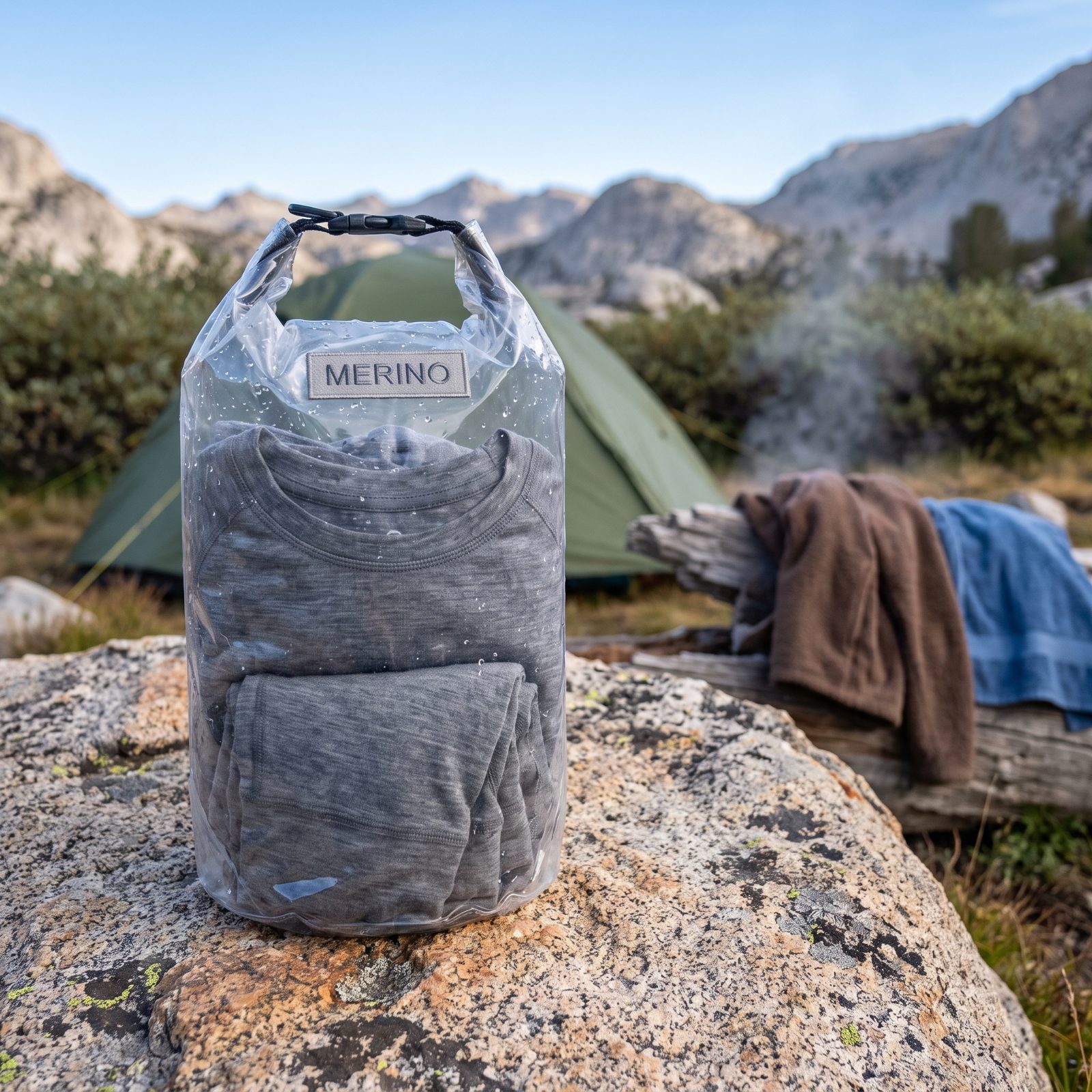
The clothes you hiked in are wet whether you can feel it or not. Sweat, humidity, river splash. Sleep in them and your body spends the night drying them with its own heat, which is why you wake up cold and clammy.
Keep one set of sleep-only layers sealed in a dry sack. They never touch daytime activity, and they stay bone dry. You change into them at bedtime, every night, and they’re the warmest thing you own for the simple reason that nothing has gotten them damp yet.
19. Freeze Water Jugs Instead of Using Loose Cooler Ice
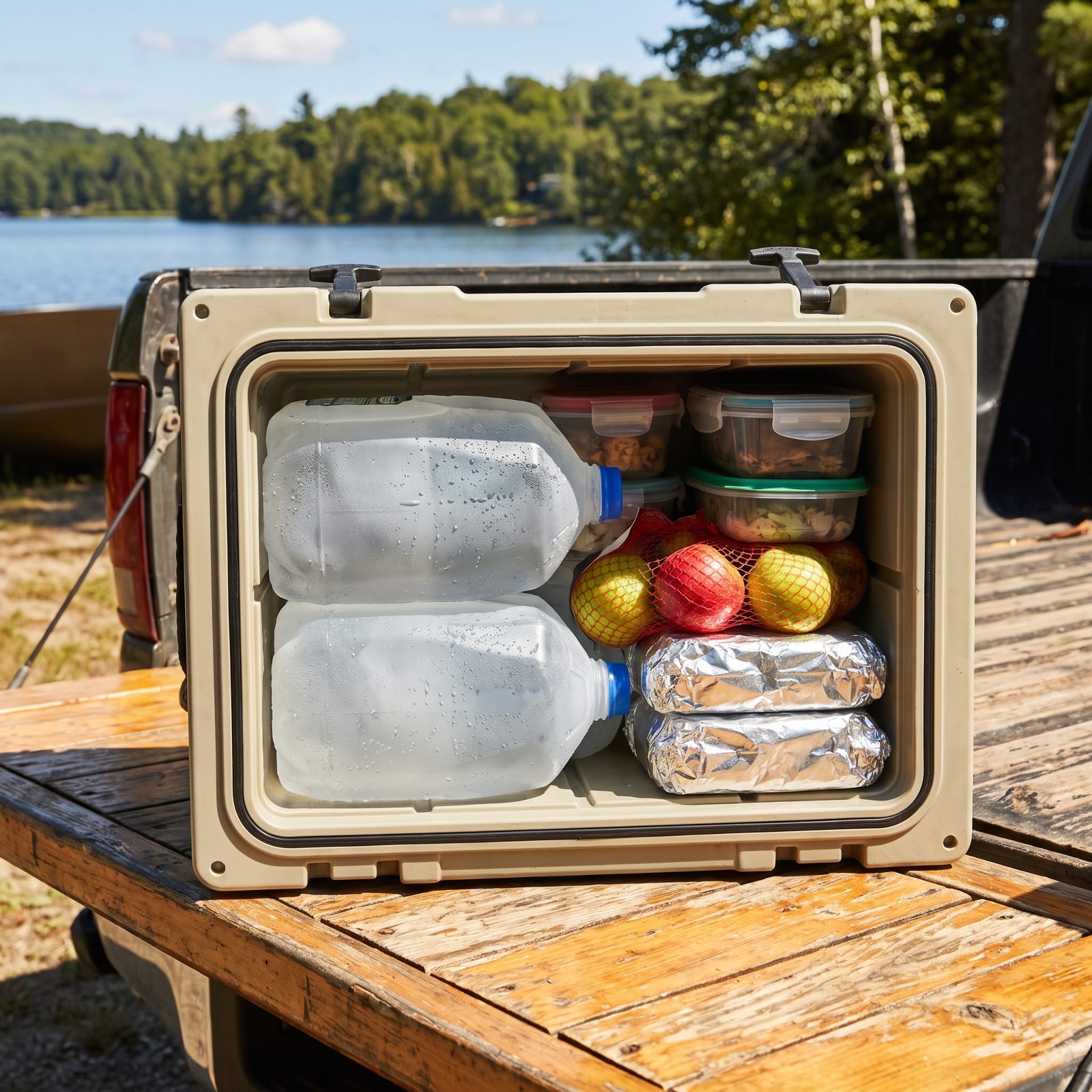
Loose ice gives you two things nobody wants: a soggy mess of waterlogged food and a cooler full of melt by day two. Freeze a couple of water jugs solid at home and use those instead.
They last longer than cubes because they’re one big mass, they keep everything dry, and when they finally melt you’ve got cold drinking water instead of a drowned sandwich. Costs nothing, and it’s the difference between a cooler you trust on day three and one you quit opening.
18. Drape a Damp Towel Over the Cooler in Dry Heat
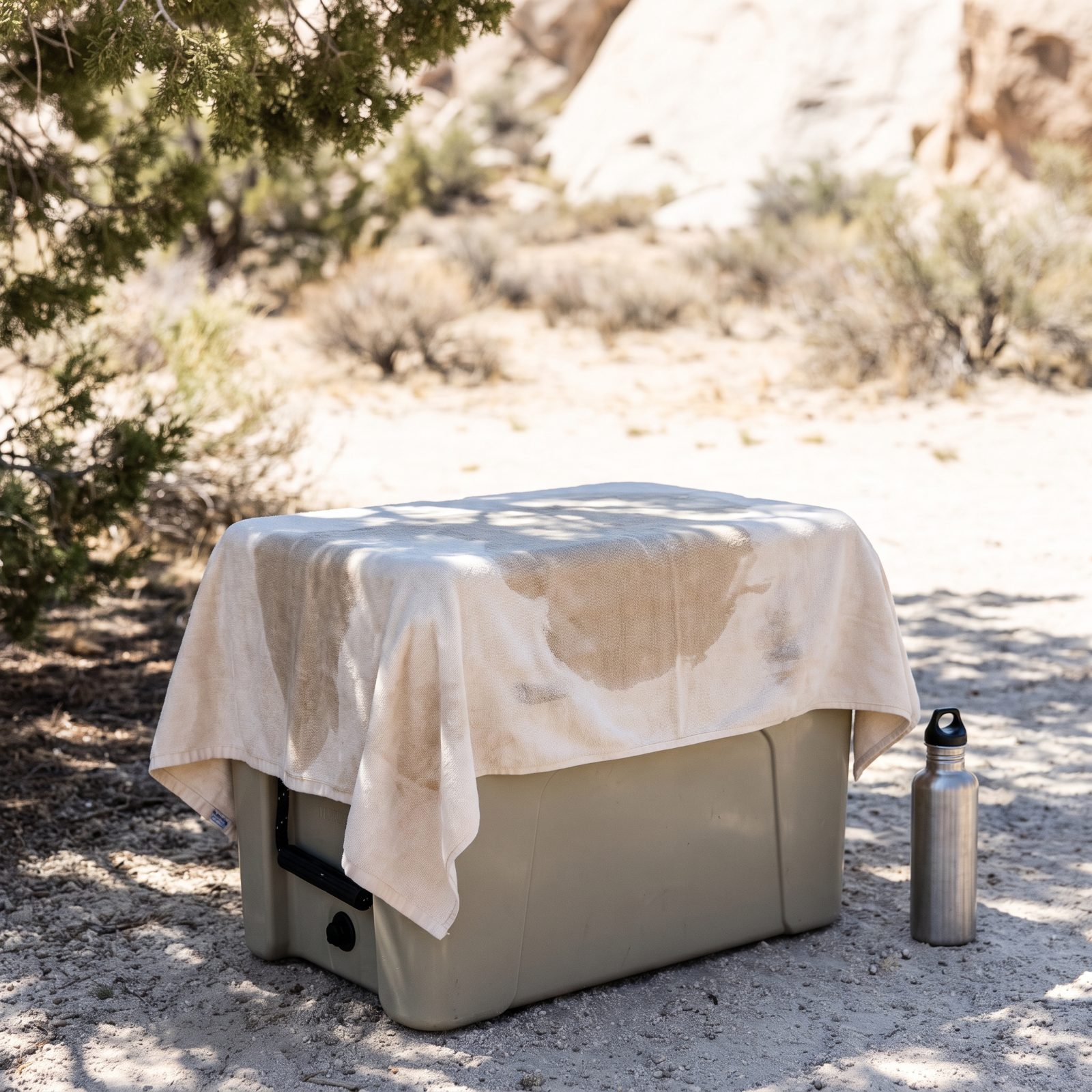
In dry heat, a wet towel over the cooler buys you real time. As the water evaporates it pulls heat off the surface, the same reason sweat cools your skin. Re-wet it when it dries out.
Only works where the air is dry, though. In Gulf Coast humidity the towel just sits there soaking and does absolutely nothing, so save it for the desert, the high plains, and anywhere the air feels like it wants your moisture back. Park the cooler in shade too, obviously. Shade and evaporation together outlast either one alone.
17. Release the Pack Belt Before Crossing Moving Water
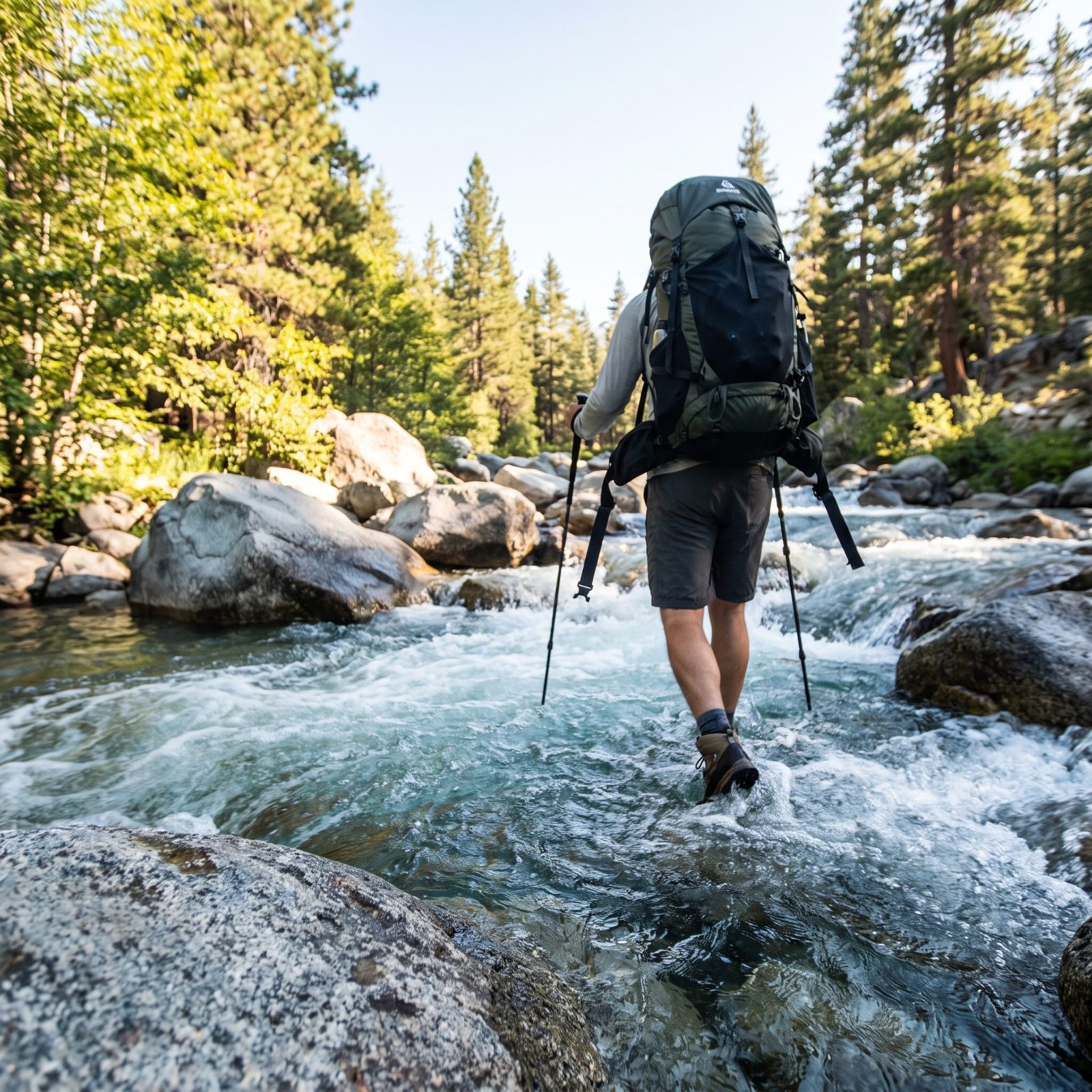
This is the one on the list that can save your life, so read it twice. Before you step into moving water, unbuckle the hip belt and the sternum strap.
Go down in a current with a buckled pack and it becomes an anchor pinning you face-down, and a full pack holds enough air to flip you. Loose straps mean you can shrug the whole thing off in a second and come up for air. A wet pack is a bad day. A pinned pack is a drowning.
16. Walk Through Trail Puddles Instead of Widening the Path
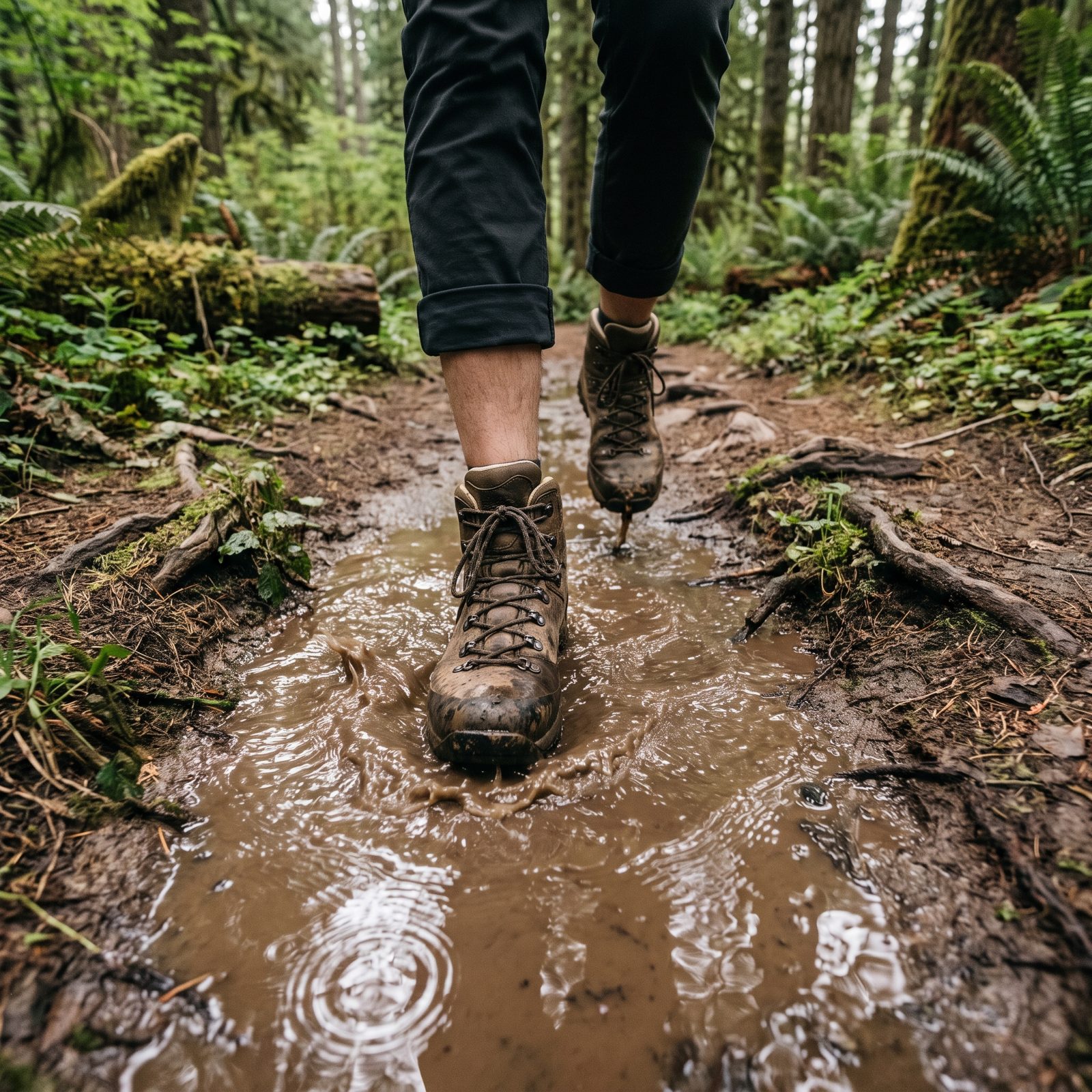
Every time a hiker steps around a puddle, the trail gets a little wider. Multiply that by a few thousand boots and a single-track path turns into a muddy six-foot scar with dead vegetation on both shoulders.
So walk straight through. That’s what waterproof boots and gaiters are for. The trail stays narrow, the surrounding plants survive, and you look like someone who’s done this a while instead of someone tiptoeing around a mud puddle in brand-new shoes.
15. Perform a Tick Check During Lunch Instead of Waiting Until Home
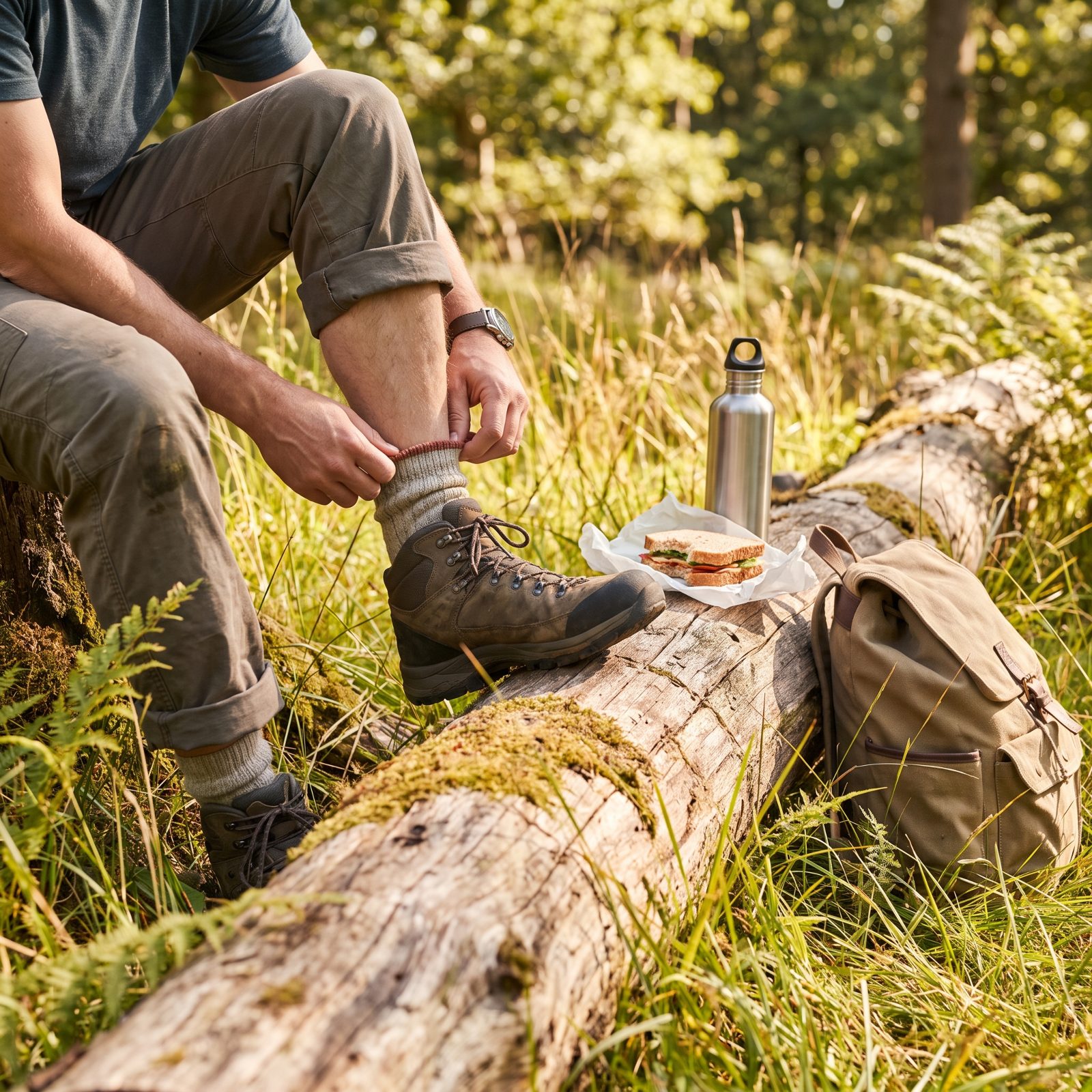
Ticks don’t bite the instant they land on you. Most crawl around hunting for a good spot before they dig in, which means a check at lunch catches a lot of them before they ever attach.
Roll up the pant legs, run a hand along the sock line, check behind the knees and the waistband. Thirty seconds, start to finish. The ones that transmit disease usually need hours attached to do it, so catching them early genuinely matters.
14. Raise Binoculars Before Moving Closer to Wildlife
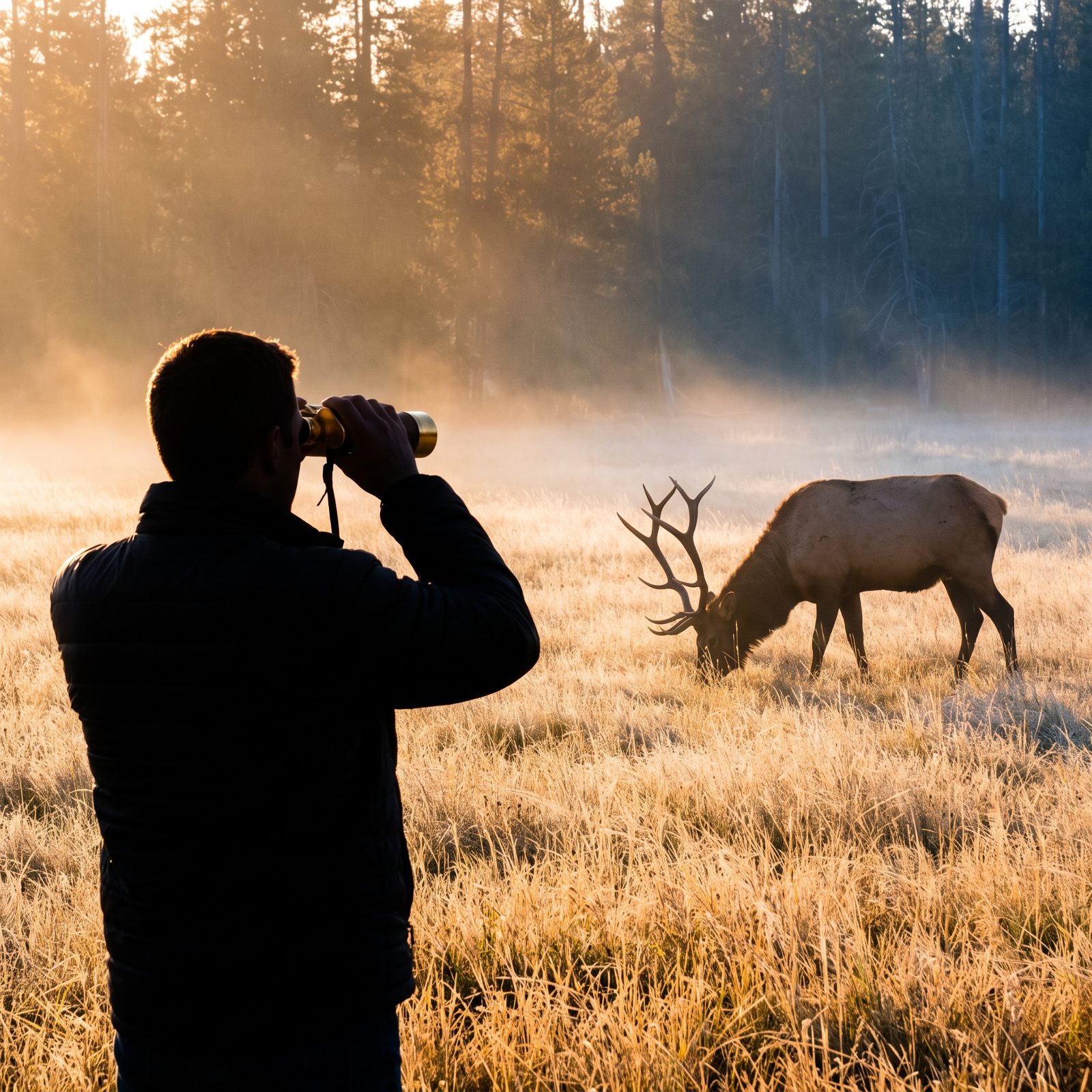
The instinct is to creep closer for a better look. But the better look is already in your pack. Glass the animal first, from right where you stand, before you take a single step toward it.
Half the time the binoculars are all the look you need, and the animal never knows you’re there. Move in and you spook it, you lose the sighting, and with big animals in rut you can turn a calm encounter into a dangerous one. Elk, moose, and bears don’t owe you a close-up. Keep your distance and watch longer.
13. Speak Before Rounding Blind Corners in Dense Brush
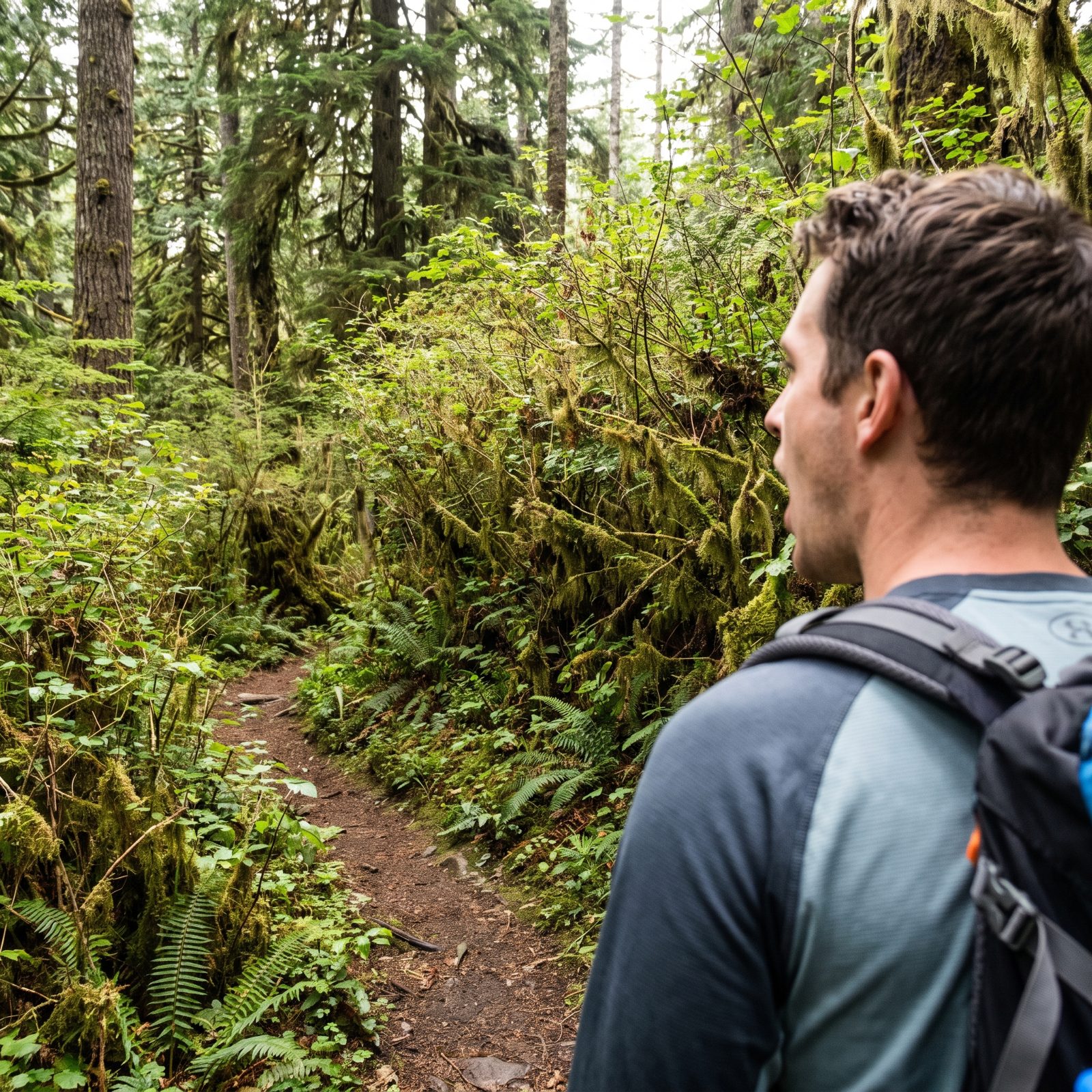
A surprised animal is a dangerous animal, and the worst way to meet a bear or a moose is to walk up on it without warning around a blind bend.
So talk. Clap. Call out an easy “hey bear” before you round thick corners and at the top of noisy stream crossings where your footsteps vanish under the roar of the water. Most animals want nothing to do with you and will clear out the moment they hear a person coming. The ones that turn defensive are almost always the ones you startled. Make noise, give them the chance to leave, and they usually take it.
12. Back Away the Moment Wildlife Changes Its Behavior
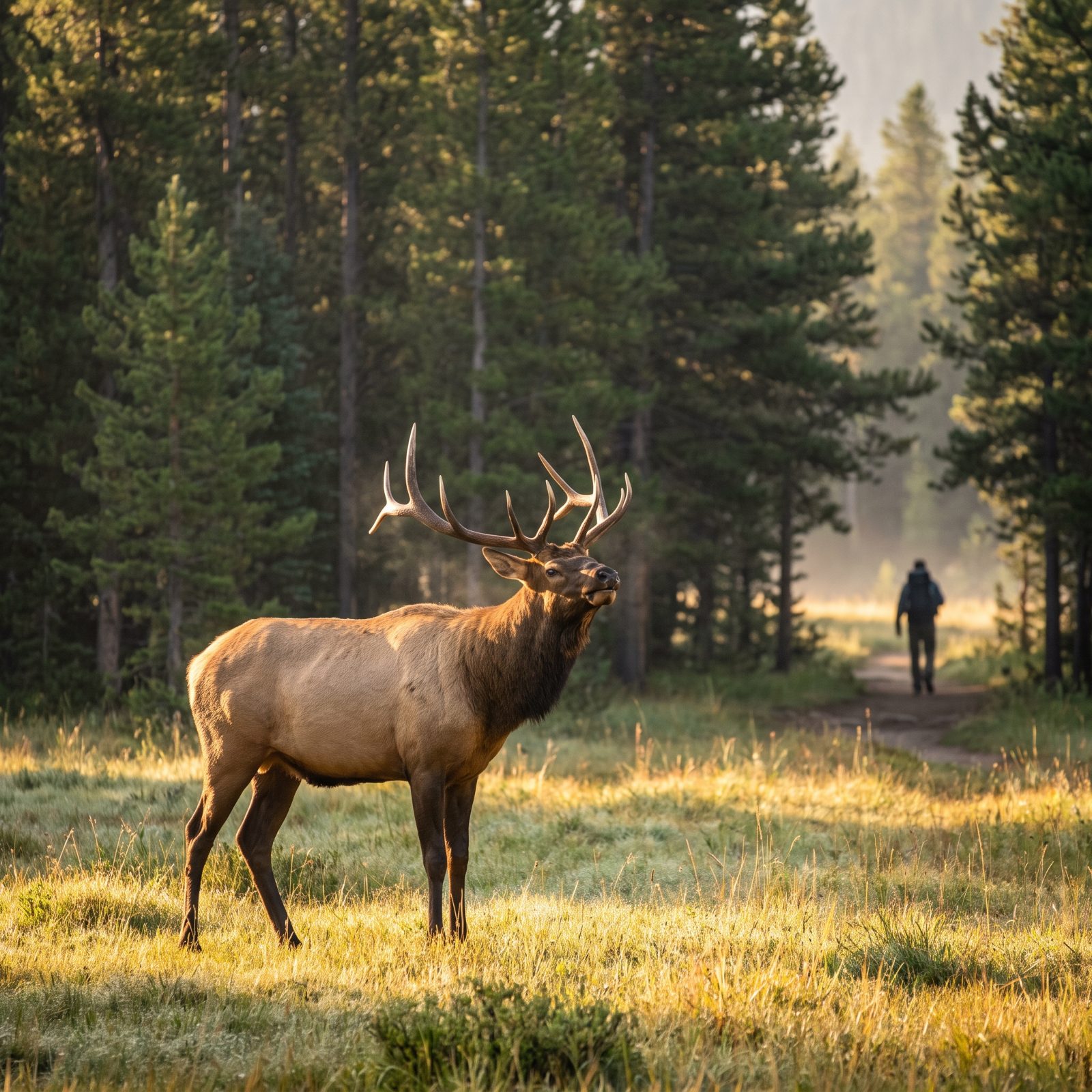
Most people watch for the charge. The real signal comes earlier. A moose that stops chewing and swivels its ears toward you, an elk that lifts its head and freezes, a bear that rises on its hind legs not to threaten but to read your scent — that shift in behavior is the animal telling you it has noticed you and doesn’t love it.
Leaving before things escalate is what keeps people whole. The second a wild animal quits what it was doing and starts paying attention to you, you’re already close enough. Back off slowly, keep facing it, and give it the exit it wants.
11. Make the First Ten Minutes Deliberately Slow
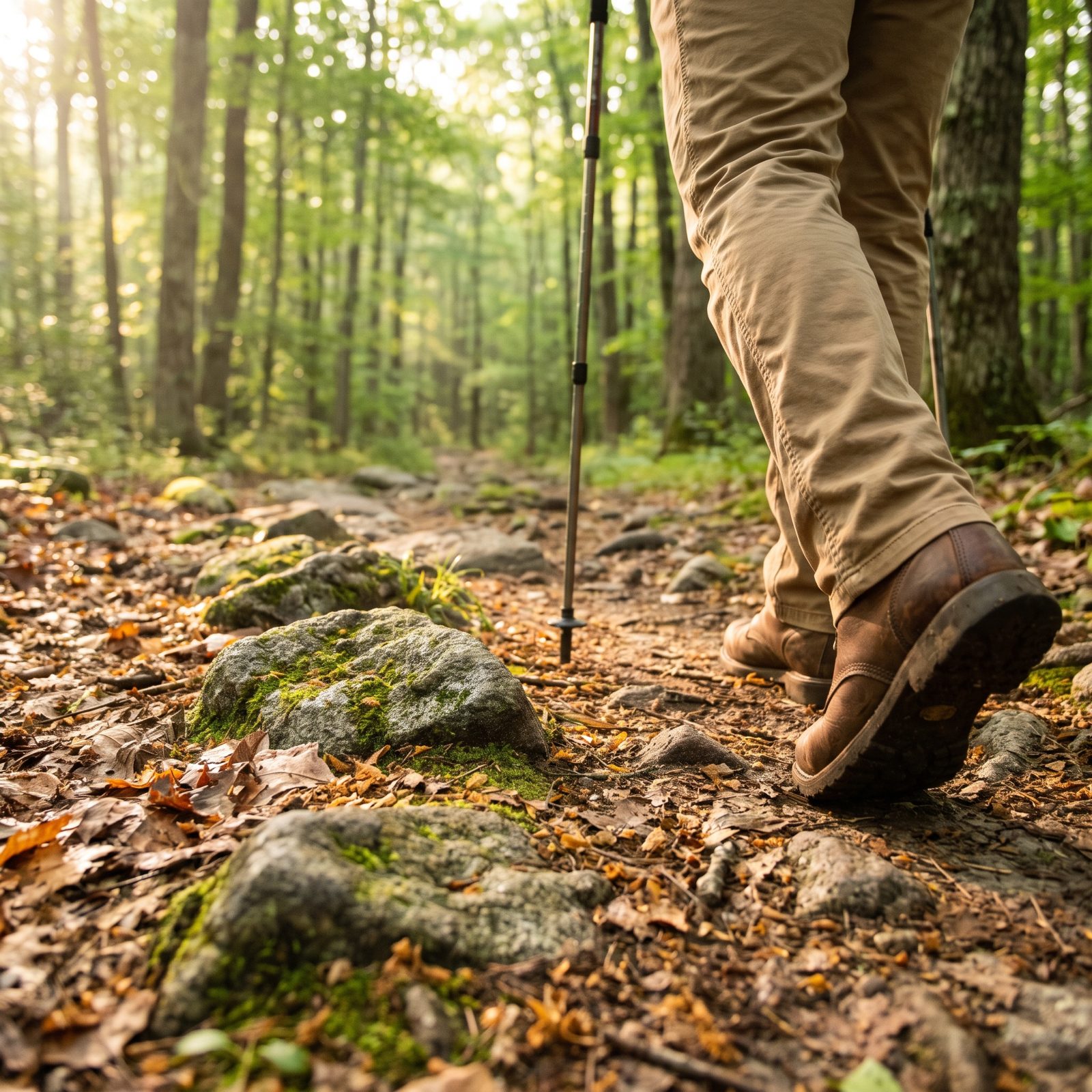
Start slow and the whole day goes better. Cold muscles, a full pack, lungs that haven’t woken up yet — charging off the trailhead at your eventual cruising pace is how people blow up two miles in and wonder why their knees ache by lunch.
Give the first ten minutes to your body. Let the heart rate climb gently, the shoulders settle under the straps, the ankles loosen on uneven ground. It feels like loafing. It pays off for the next six hours. Runners have known this forever and call it a warm-up, while hikers tend to skip it and then suffer quietly.
10. Reserve One Empty Pocket for Every Scrap of Trash
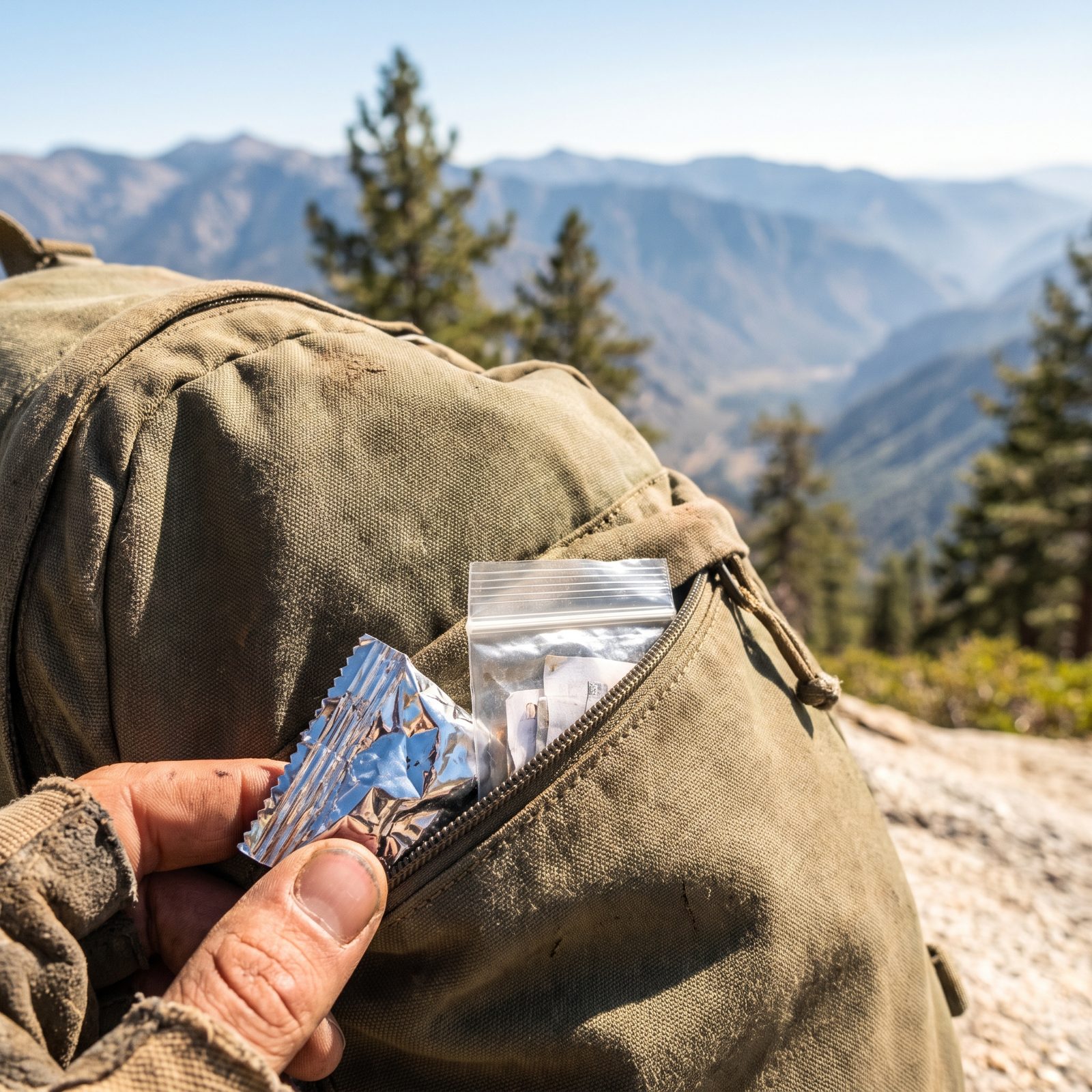
Pick one pocket. Make it the trash pocket. Nothing else goes in it, and every wrapper, every bit of foil, every orange peel lands there the instant it leaves your hand.
This works because of how we actually behave on a tired climb. Give trash a designated home and you never make the lazy call to stuff it loose in a hip pocket where it falls out somewhere on the switchbacks. A snack bag blows off a summit and now that’s your litter on the mountain. One dedicated pocket, zipped, removes the choice entirely.
9. Change Layers Before the Sweat Starts, Not After
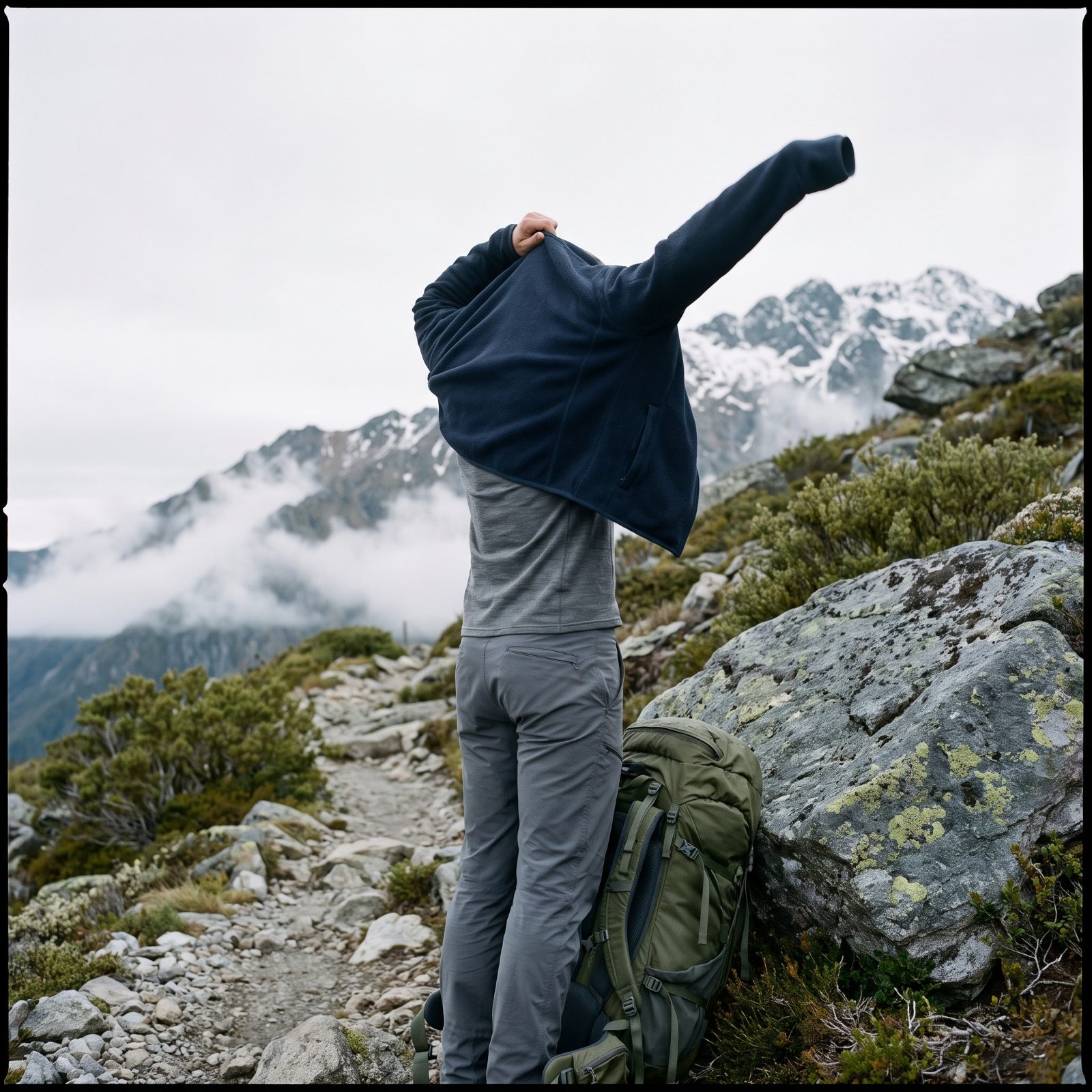
The mistake is waiting until you’re hot to peel off a layer. By then the base layer is already damp, and damp fabric against skin chills you the second you stop moving or the wind picks up.
Experienced cold-weather folks strip down just before a climb, while they still feel slightly cool at the trailhead. You’ll warm into it within minutes. Arrive at the top dry, not sweat-soaked — because wet clothes in cold air pull heat out of you fast, and that’s the real danger, not the temperature itself.
8. Cover a Hot Spot Before It Turns Into a Blister
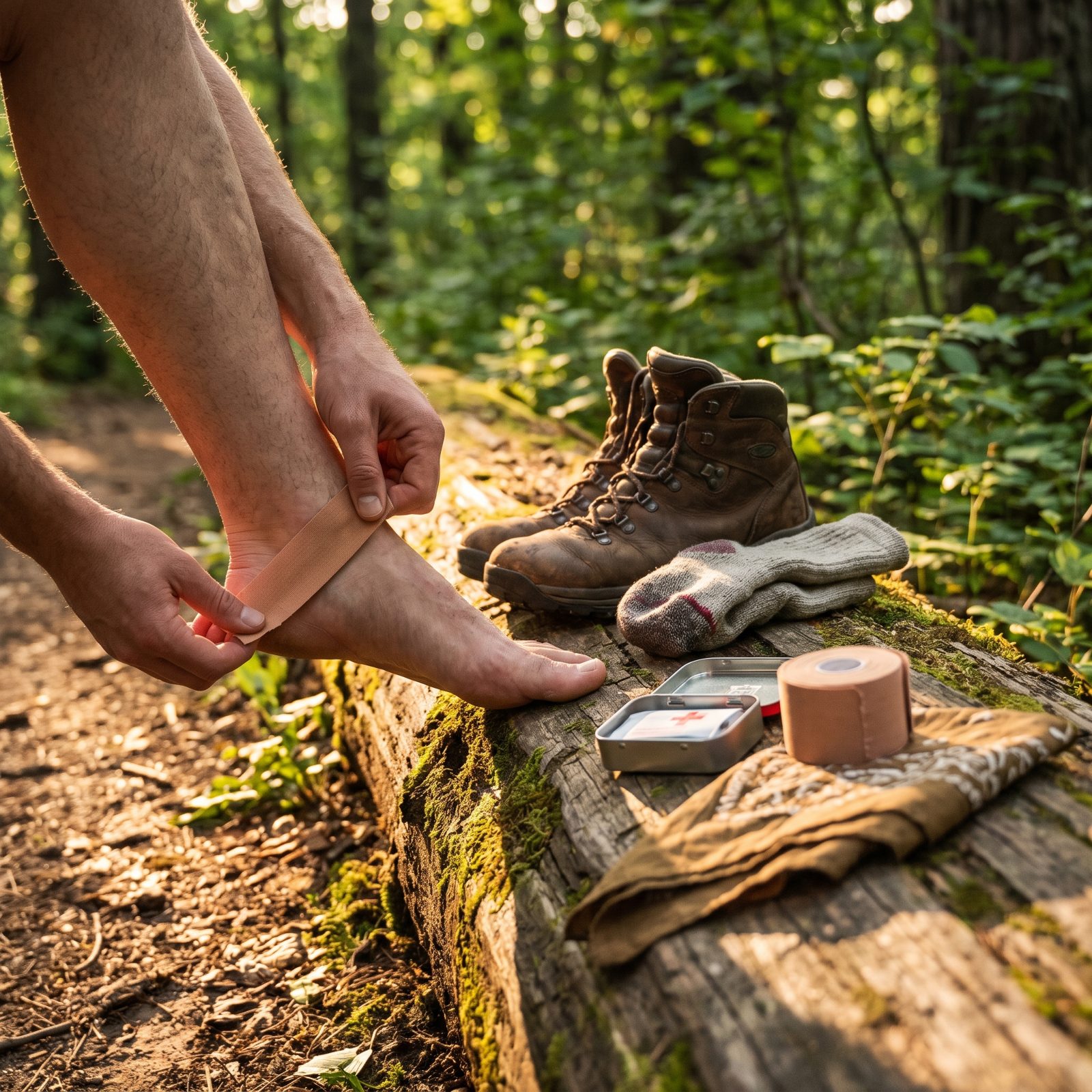
A hot spot is a warning. That small patch of heat and rubbing on your heel is skin telling you it’s about to fail. Ignore it for another mile and you’ve got a full blister that can end a trip and make every step for days a small misery.
Stop the moment you feel it. Dry the skin, slap on a strip of tape or moleskin, keep walking. Thirty seconds now saves you a limping afternoon and maybe an infected mess later. Nobody regrets the tape. Plenty of people regret the mile they pushed through.
7. Keep the Tent Vents Open in Cold Weather
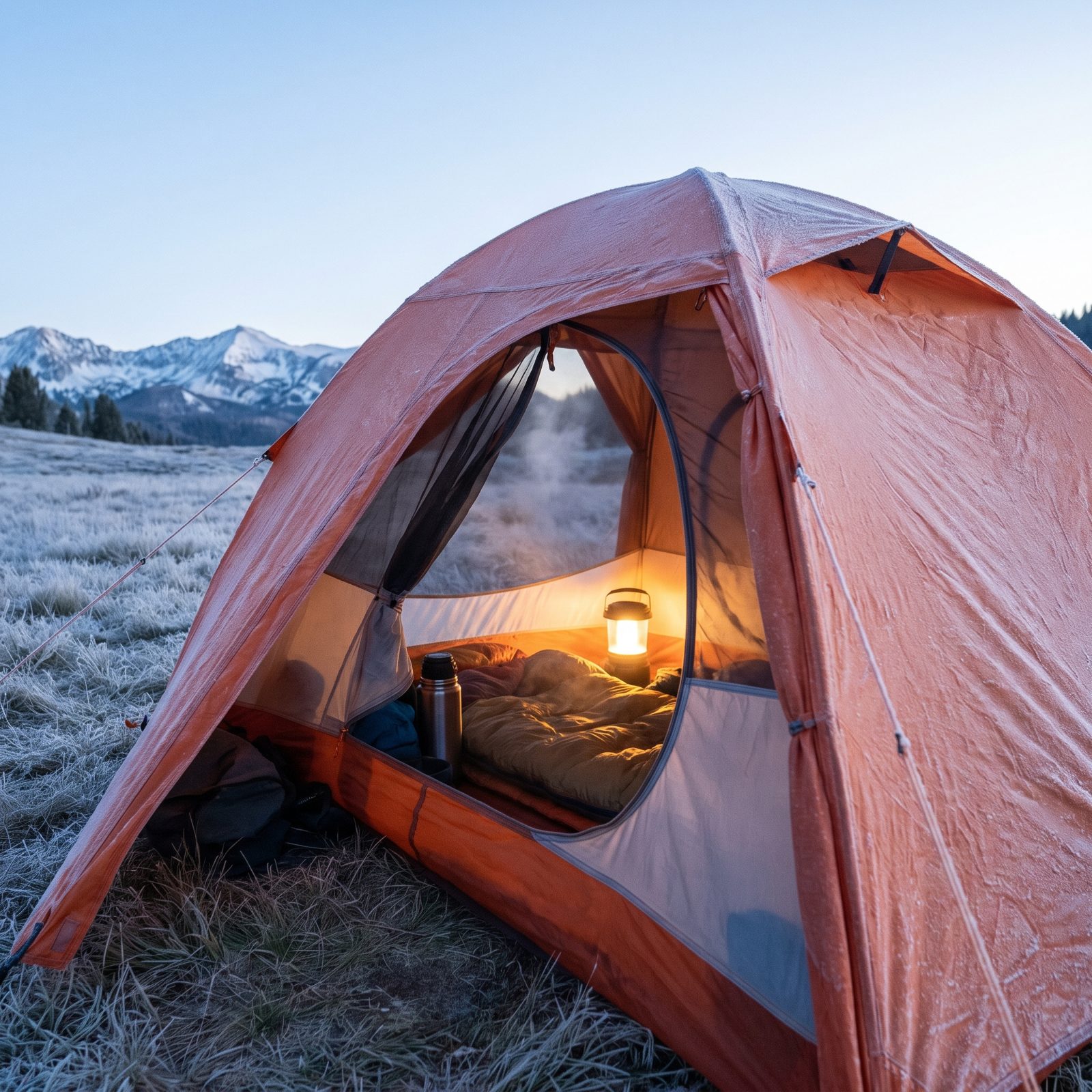
It feels wrong to open vents when it’s freezing out. You want the tent sealed and warm. Do it anyway.
Every breath you exhale overnight is moisture. Seal the tent up tight and all that water condenses on the cold inner wall, drips onto your bag, and you wake up damp and colder than when you turned in. A wet sleeping bag loses most of its warmth. Cracking the vents lets that humid air escape before it collects — you lose a tiny bit of heat and gain a dry bag, which is the better trade every single time.
6. Look Straight Up for Dead Limbs Before You Pitch the Tent
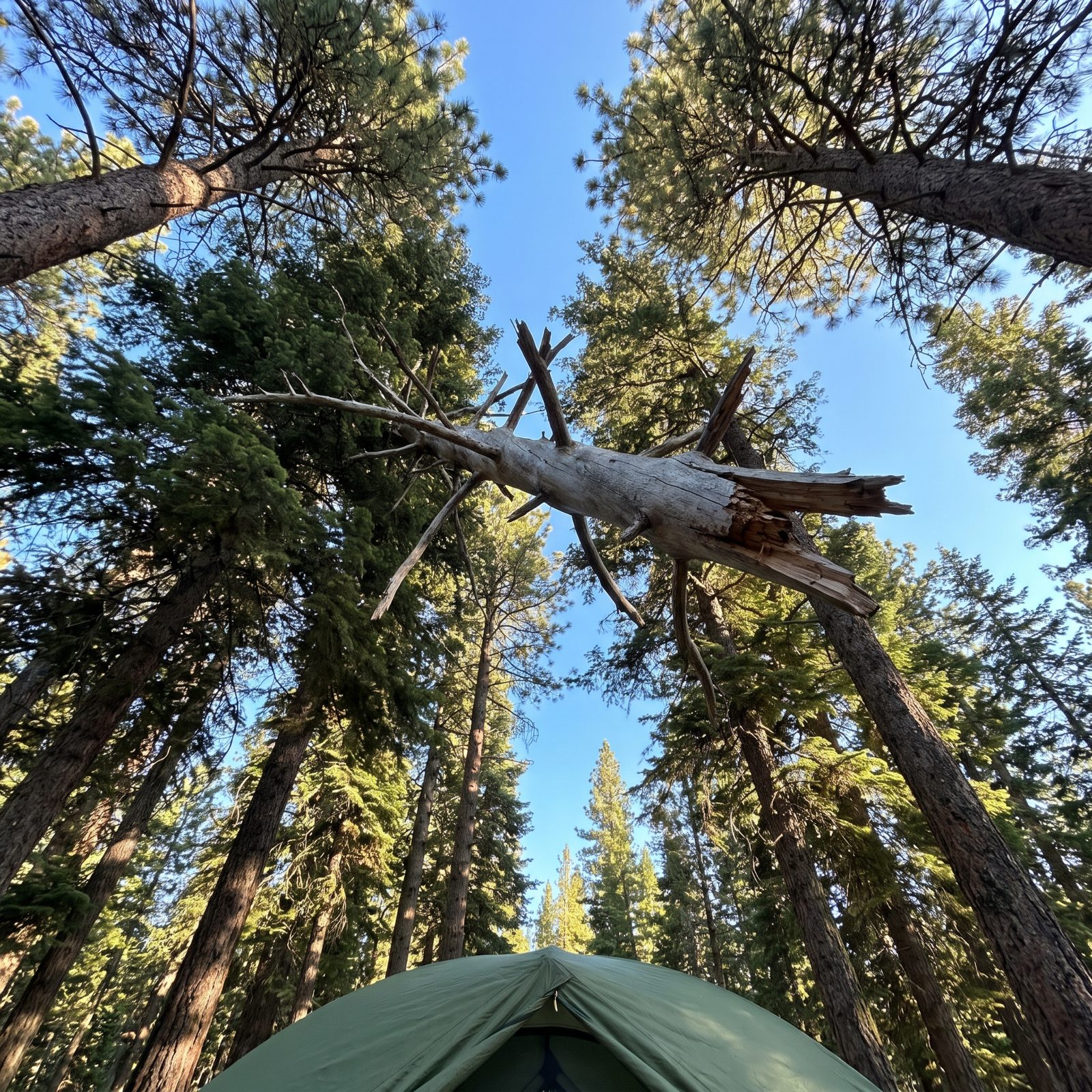
You picked the flat spot, the soft ground, the view. You almost certainly didn’t look up. And that’s the one direction that can kill you in your sleep.
Dead branches and whole dead trees come down without warning, usually in wind, sometimes on a dead-calm night for no reason at all. The old timber crews called them widowmakers, and the name isn’t a joke. Before you drive a single stake, stand where the tent will go and scan the canopy directly above — a grey limb with no needles, a leaning snag, a split trunk. Then move twenty feet. That’s the entire cost of the habit.
5. Set a Sunset Alarm Before Any Afternoon Outing
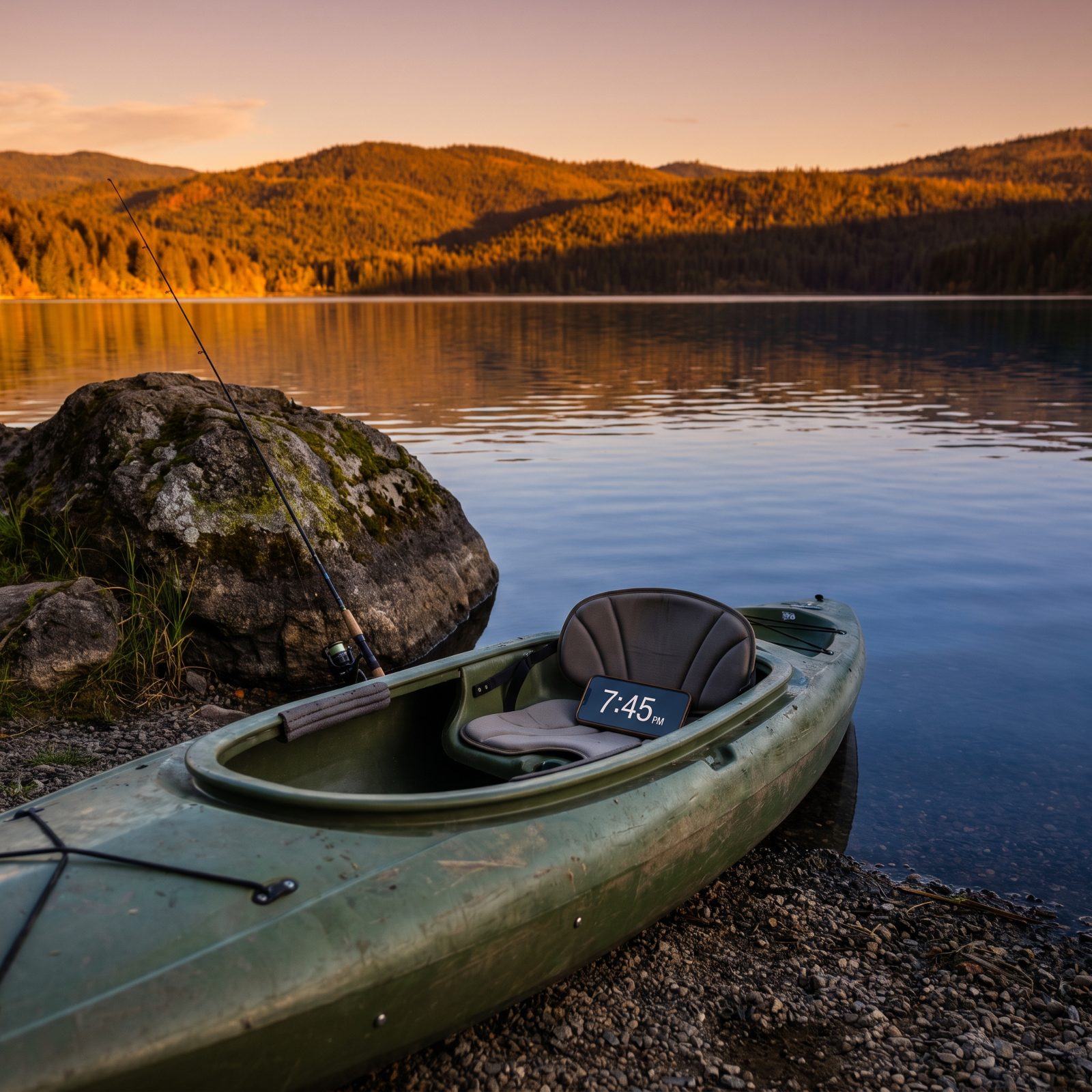
The light goes faster than you think, and it goes fastest right when you’re having the best time — great fishing at dusk, a ridge that begs for one more mile, a paddle that feels too good to turn around. Then the sun drops behind the hills and you’re an hour from the truck in the dark.
An alarm set to go off a half hour or so before actual sunset solves this. Not sunset itself. The buffer before it. When it chimes, you start heading back no matter how good things are, because twilight in the woods is short and nobody navigates faster by headlamp.
4. Check the Sky in Every Direction, Not Just Ahead
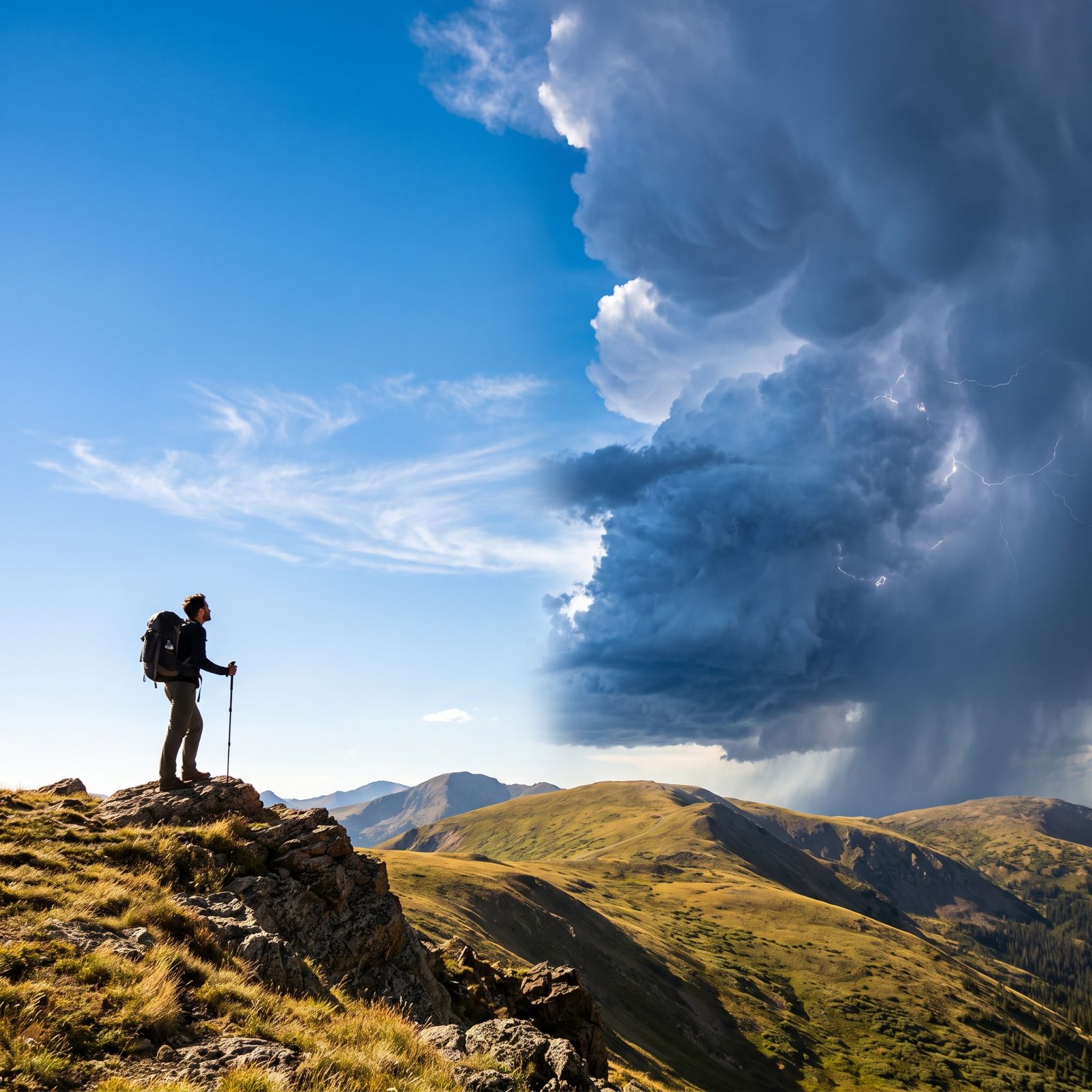
You face the direction you’re walking, so that’s the only sky you watch. Storms rarely play along. In mountain country the weather builds behind you and over your shoulder, and by the time you see it out front, it’s already on you.
Turn a full circle every so often. Look behind, check the ridgelines on both sides, watch what the clouds are doing where a walking posture keeps them hidden. Towering clouds that flatten at the top, a sky going green-grey, wind that suddenly swings direction — these show up in the quadrants you aren’t looking, which is exactly why you have to look.
3. Carry Bear Spray on Your Body, Never Buried in the Pack
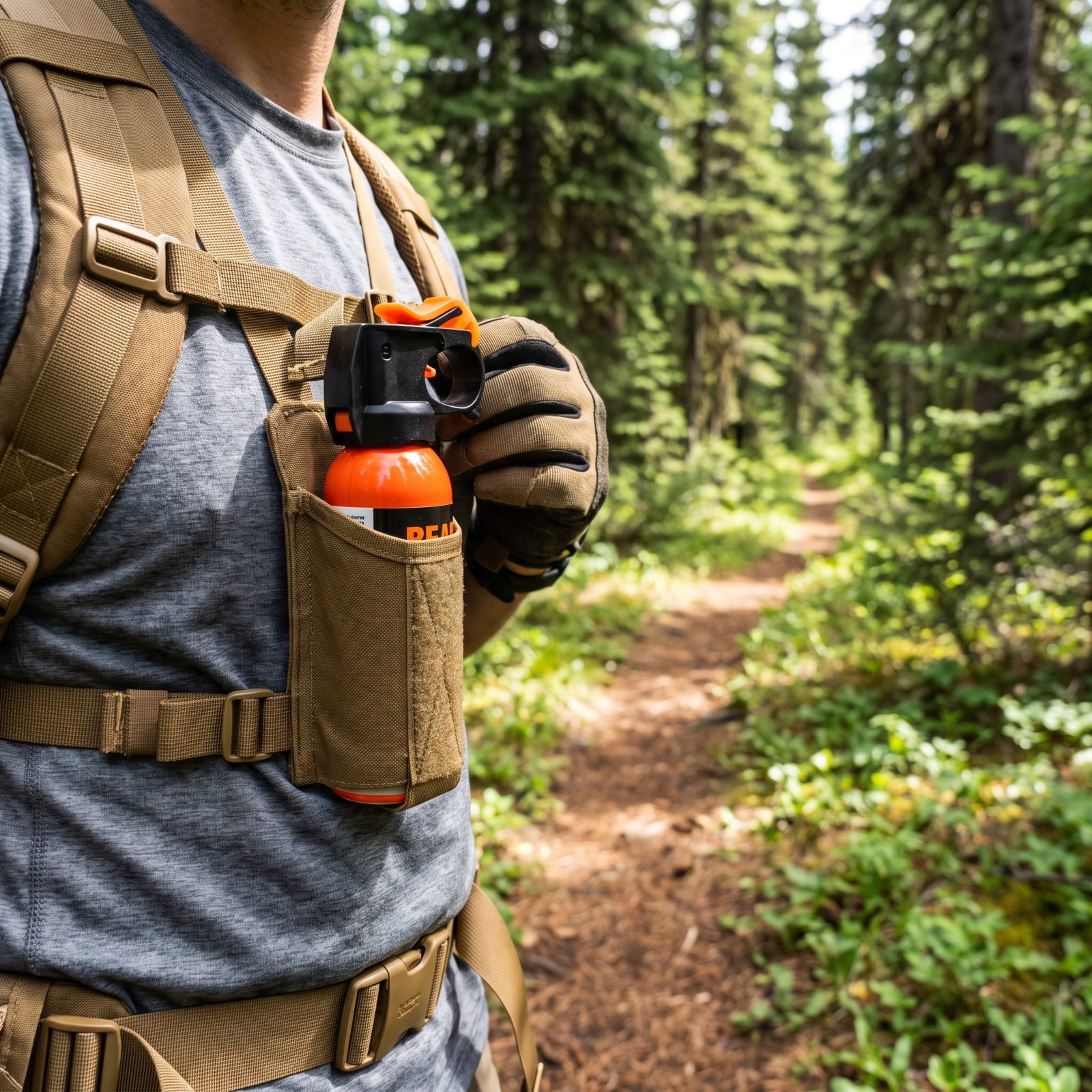
Bear spray zipped inside your pack is a paperweight. A surprised bear closes the distance in a couple of seconds, and you won’t have time to swing the pack off, dig past your lunch, and uncap the canister. It needs to live on your chest strap or hip belt, where your hand finds it without looking.
The case for bear spray is strong — in real charges, deployed in time, it stops bears more reliably than firearms do. The catch is always that “in time” part. On the body, ready, practiced once or twice so the cap comes off by feel. That’s the difference between carrying it and using it.
2. Photograph the Trailhead Map Before Leaving Cell Service
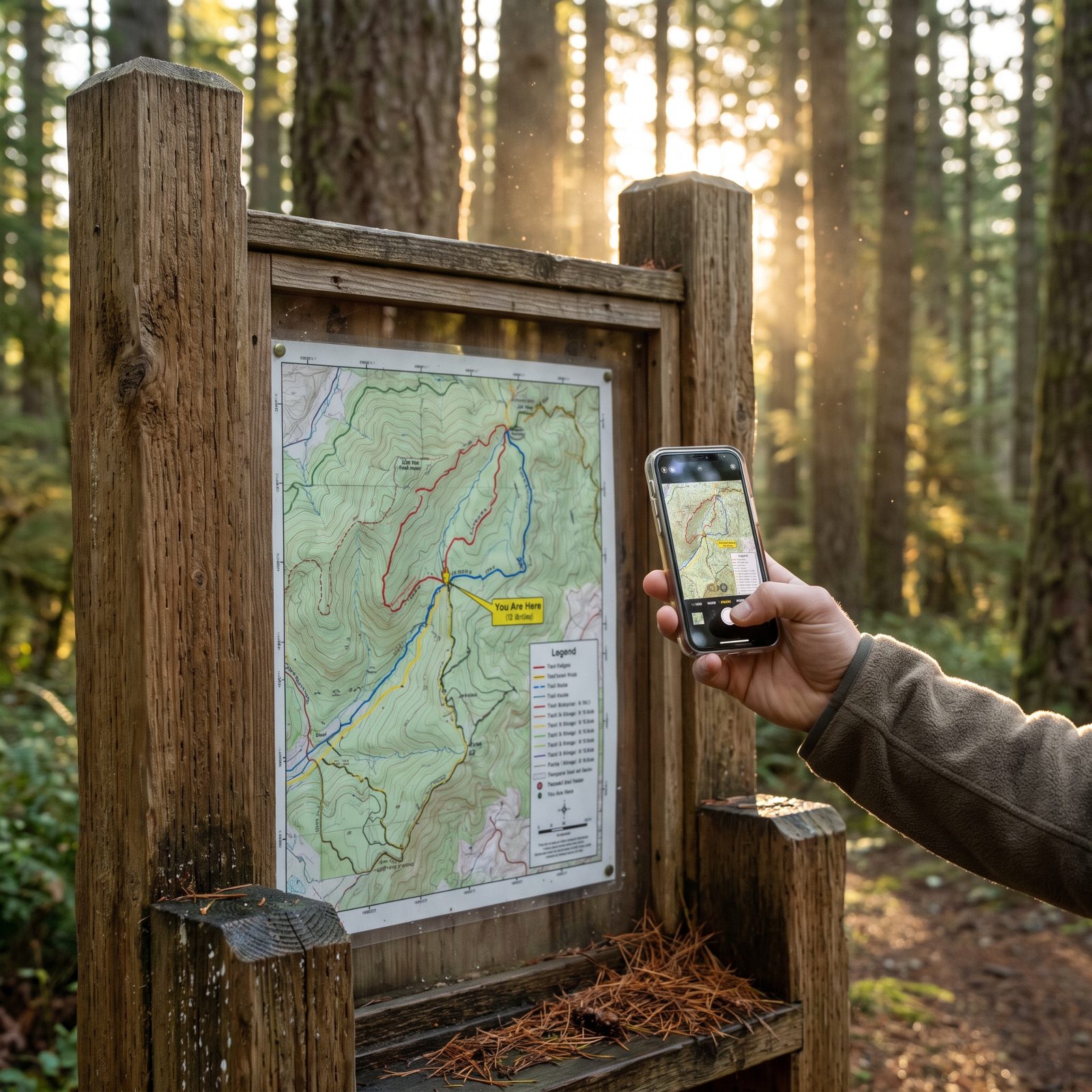
Cell signal dies at the parking lot more often than at the summit. So the smart move happens before your boots hit dirt: hold your phone up to that big laminated board at the trailhead and snap three or four photos — the full map, the trail junctions, the mileage legend, that little ‘You Are Here’ dot.
A photo doesn’t need bars to open, and that matters more than people expect. When you hit the fork two miles in and the painted blazes stopped matching anything an hour back, the saved image beats any app spinning forever trying to load. Zoom in. Read the distances, then confirm you want the left spur and not the right.
1. Shake Out Shoes Before Putting Them On
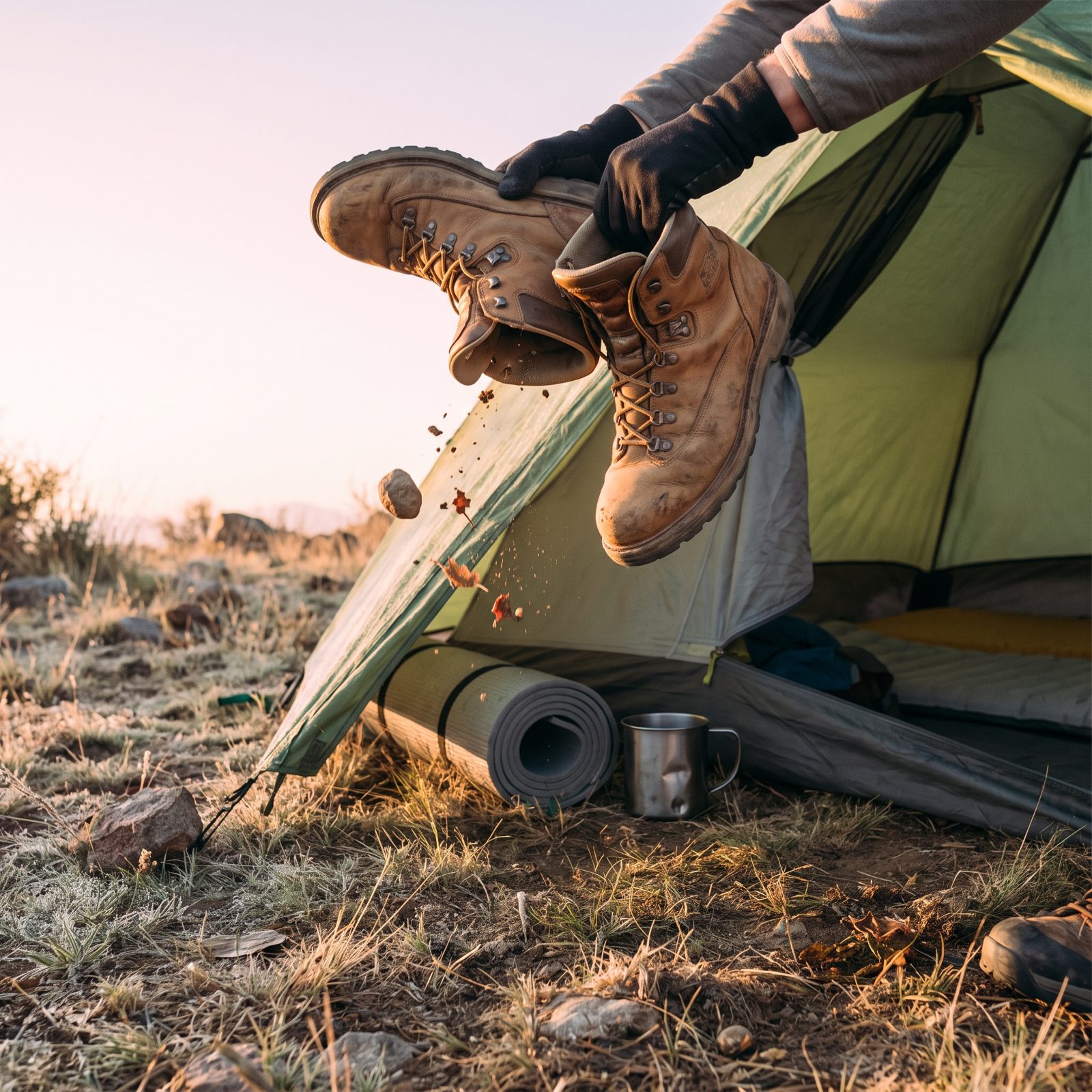
Scorpions, spiders, and the occasional centipede think a warm boot is a five-star hotel. So do yellow jackets hunting shade. Out in the desert Southwest and across most of the South, people who camp a lot will never slide a foot into a shoe left outside overnight without flipping it over and giving it a hard shake first.
The habit costs two seconds. A sting inside a boot, miles from the car, costs a whole lot more — and even where nothing wants to bite you, a shake clears the pebble that would’ve chewed your heel raw by lunch.
Stash boots in the tent vestibule, or hang them upside down on a stick if you’d rather skip the ritual. But leave them on the ground by the fire and forget about it? Sooner or later something moves in.