There is a bend in a river, or a point on a lake, that you keep going back to. You know the one. It gave you something once, maybe a long time ago, and you have been trying to collect on that debt ever since. Nine out of ten trips it stiffs you, and you go back anyway.
Please note that some of the images in this article were created with the assistance of AI.
Every angler has a spot like this. The water that owes us. We tell ourselves it’s about structure, about the baitfish, about timing — but mostly it’s about us, and the same wiring that makes people stay in bad jobs and hold losing stocks and drive past the exit they always take. These are the mind games the water plays, and the ones we play on ourselves.
18. You Caught One Giant There Eight Summers Ago
One fish rewrote the whole spot. A fish so big your hands still remember the weight of it, netted on some July evening you can replay frame by frame. Everything since has been a long attempt to prove it wasn’t luck.
This is the slot machine talking. The brain fixes hard on the big payout and quietly deletes the hundreds of pulls that paid nothing. Psychologists call it variable-ratio reinforcement, the same reason gamblers keep feeding the machine. You caught one giant there, so the spot got filed under proven — and no empty morning can revoke that file.
I have a spot like this and I know it’s mostly a shrine now. I go anyway. The trap, working exactly as designed.
17. A Single Bite Keeps You Casting Until Dark
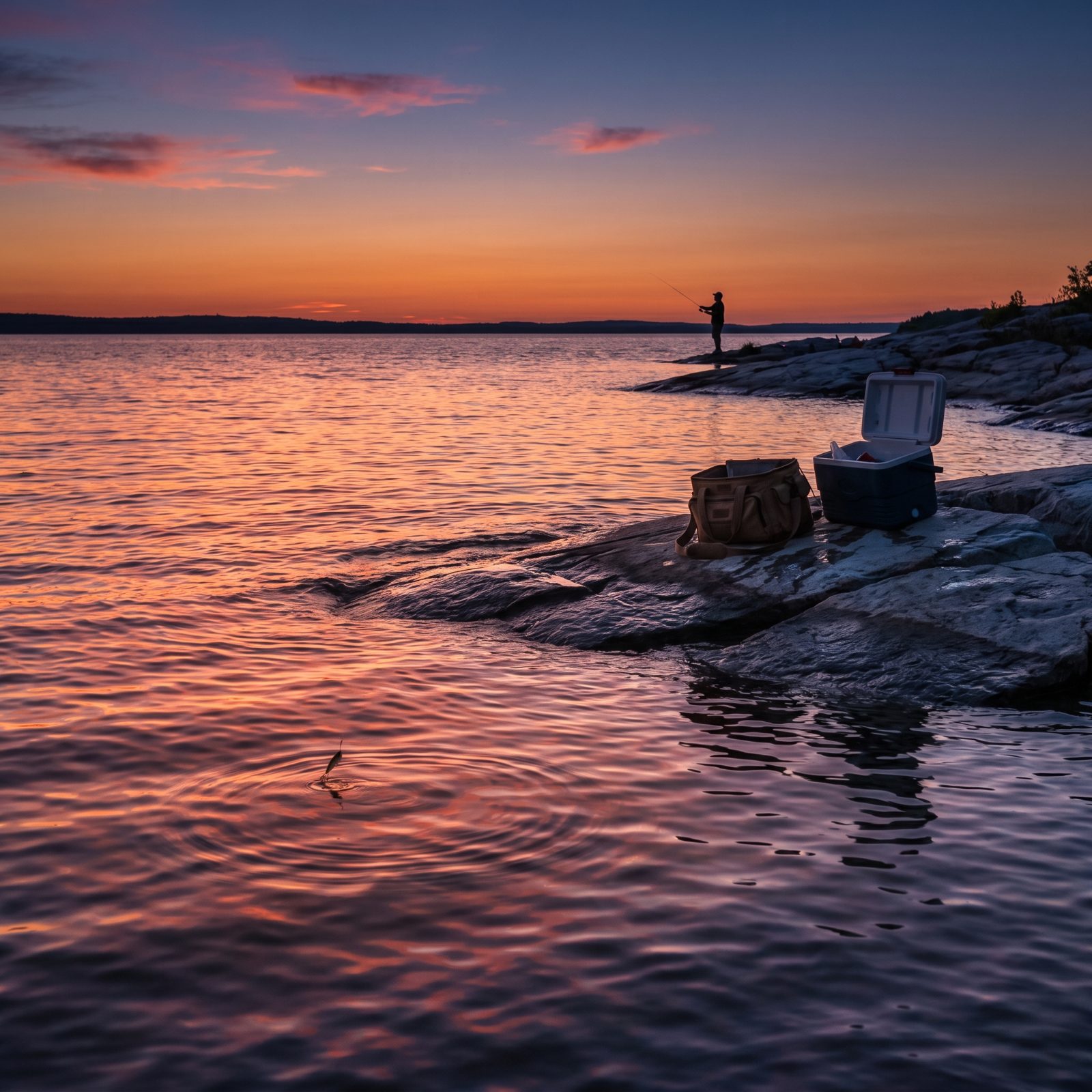
Six hours, nothing. Then a tap. Maybe a real bite, maybe a branch, maybe your imagination. Doesn’t matter. Now you’re staying until you can’t see your line.
That one small hit reset the clock. It felt like a signal that the fish are here and about to turn on, when it was just as likely a fluke. Behavioral folks call this the near-miss effect, the thing that makes a slot machine’s cherry-cherry-lemon feel like you almost won. And almost is more motivating than nothing. A single bite is the almost.
Then the sunk time piles on. You’ve already given the evening six hours, so leaving now would waste them — so you cast into the dark, chasing a maybe.
16. You’ve Burned Too Much Boat Fuel to Leave Now
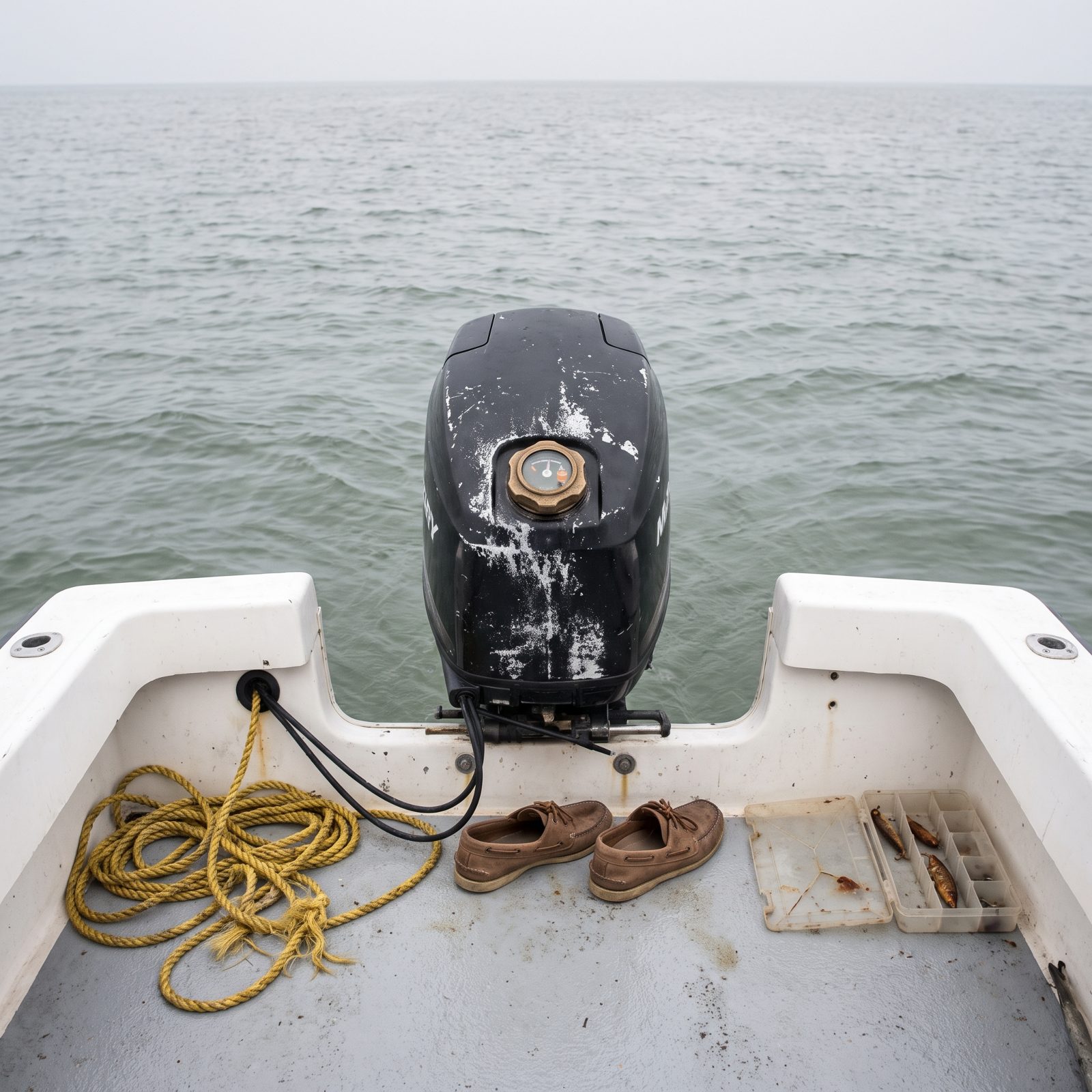
You ran a long way across the lake to get here and the fuel gauge dropped a good chunk doing it. The fish aren’t here. Logic says pick up and move to better water. You don’t.
Welcome to the sunk-cost fallacy in a life jacket. That gas is already burned, gone whether you stay or go. But the human mind refuses to treat spent money as spent, so it demands you justify the expense by sticking it out, which usually just burns more gas on the way back from a skunking.
The fuel you already burned can’t catch a single fish. Only the next good decision can.
So ask what you’d do if you’d teleported here for free. If you wouldn’t stay, don’t stay. Easy to say. I’ve ignored my own advice on this more times than I’ll admit.
15. You Blame the Weather Instead of the Water
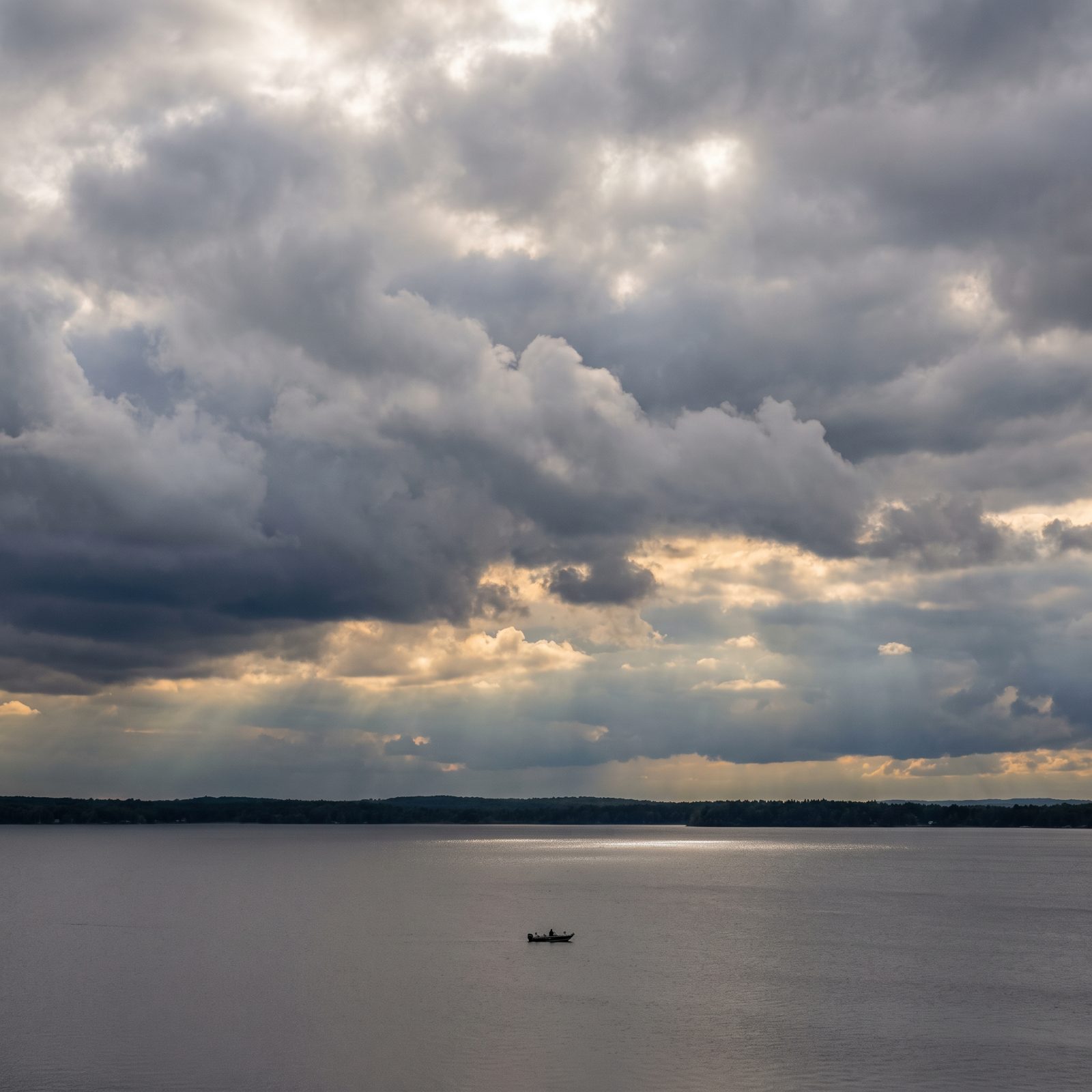
Cold front moved through. Pressure’s dropping. Too much sun, not enough. Full moon last night. There’s always a weather reason the spot didn’t produce, and it’s never the spot.
Classic self-serving bias. When things go well, it’s our skill and our hallowed honey hole. When things go badly, it’s forces beyond our control. The weather makes the ideal culprit because it’s real, it’s variable, and it conveniently lets the dead water off the hook. Fish do respond to weather, which is exactly why the excuse goes down so smooth.
The question nobody wants to ask: if this spot only produces in a perfect barometric window that happens a handful of days a year, is it a good spot or a lottery?
14. Your Truck Practically Steers Itself to That Ramp
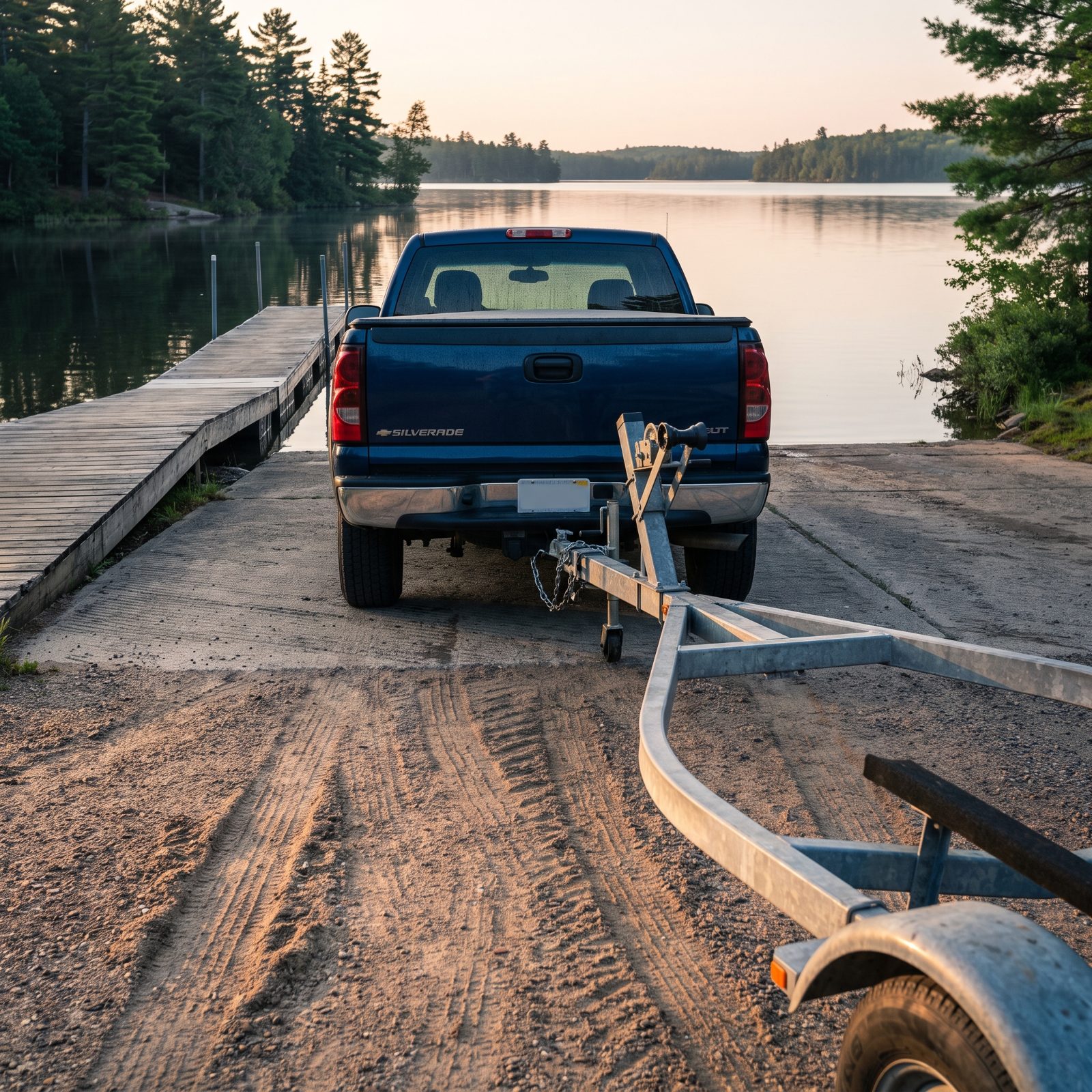
You didn’t really decide to come here. You woke up, hitched the trailer, and your hands took it from there — same coffee stop, same turn off the highway, same ramp you’ve used more times than you can count.
Habit is a groove worn deep, and the brain loves a groove because it costs almost no energy. Deciding where to fish is work. Driving to the familiar ramp is not. So the path of least resistance wins, and the spot gets chosen for you by a routine you never consciously signed off on.
13. An Unfamiliar Lake Feels Riskier Than Getting Skunked
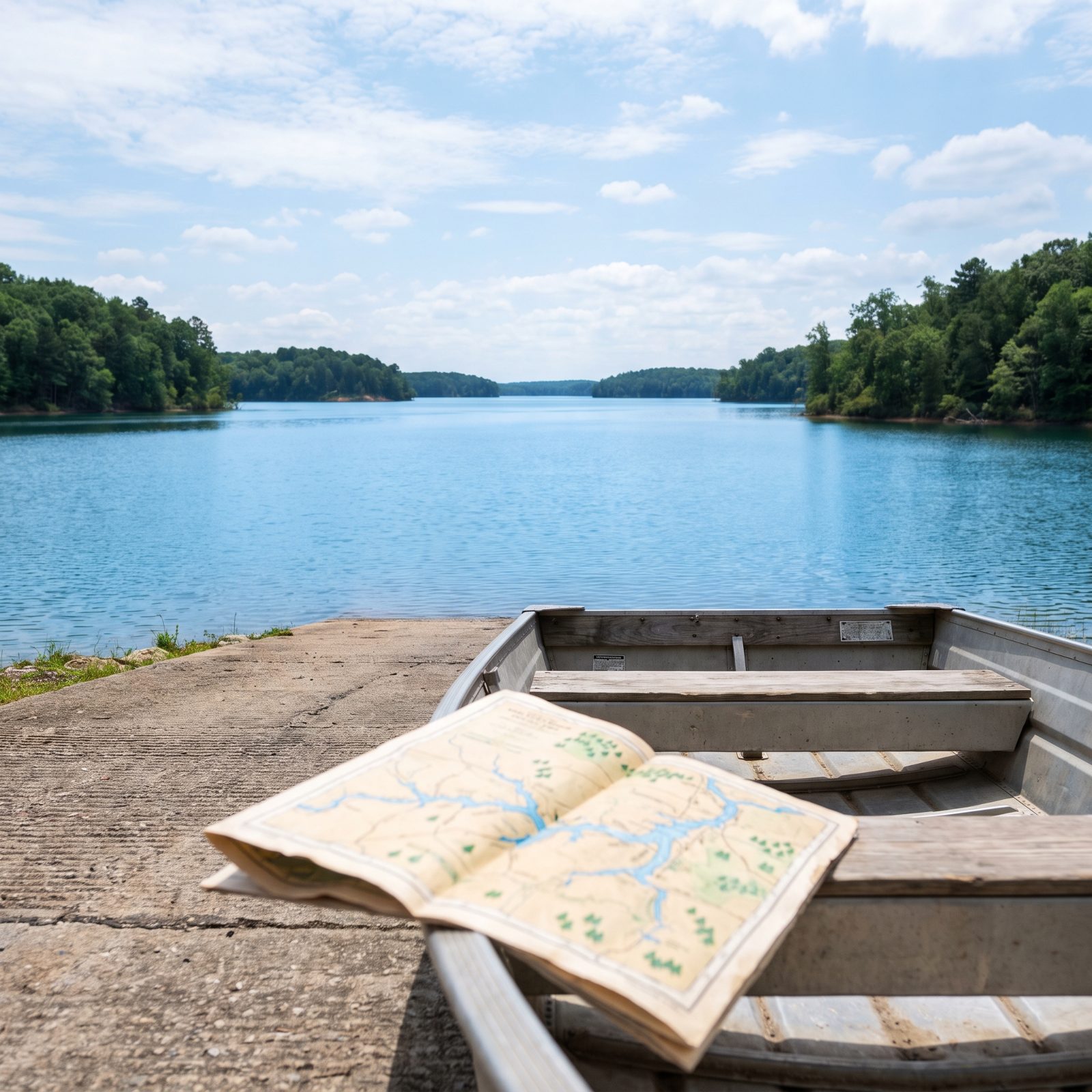
There’s a lake a little further out that everyone swears is loaded. You’ve never fished it. You don’t know the structure, the ramp, the hazards. So you go back to the water you know, even though you know it doesn’t produce.
Ambiguity aversion in a nutshell. A guaranteed mediocre day feels safer than an unknown that could be great or could be a wasted drive. The familiar skunking is a known loss, and the brain weirdly prefers a loss it can predict over a gamble it can’t — even when the gamble has better odds.
New water has a learning curve. But the only way that unfamiliar lake ever becomes a producing spot is if you eat a few blind trips first.
12. Calling It Your Secret Spot Makes It Feel Valuable
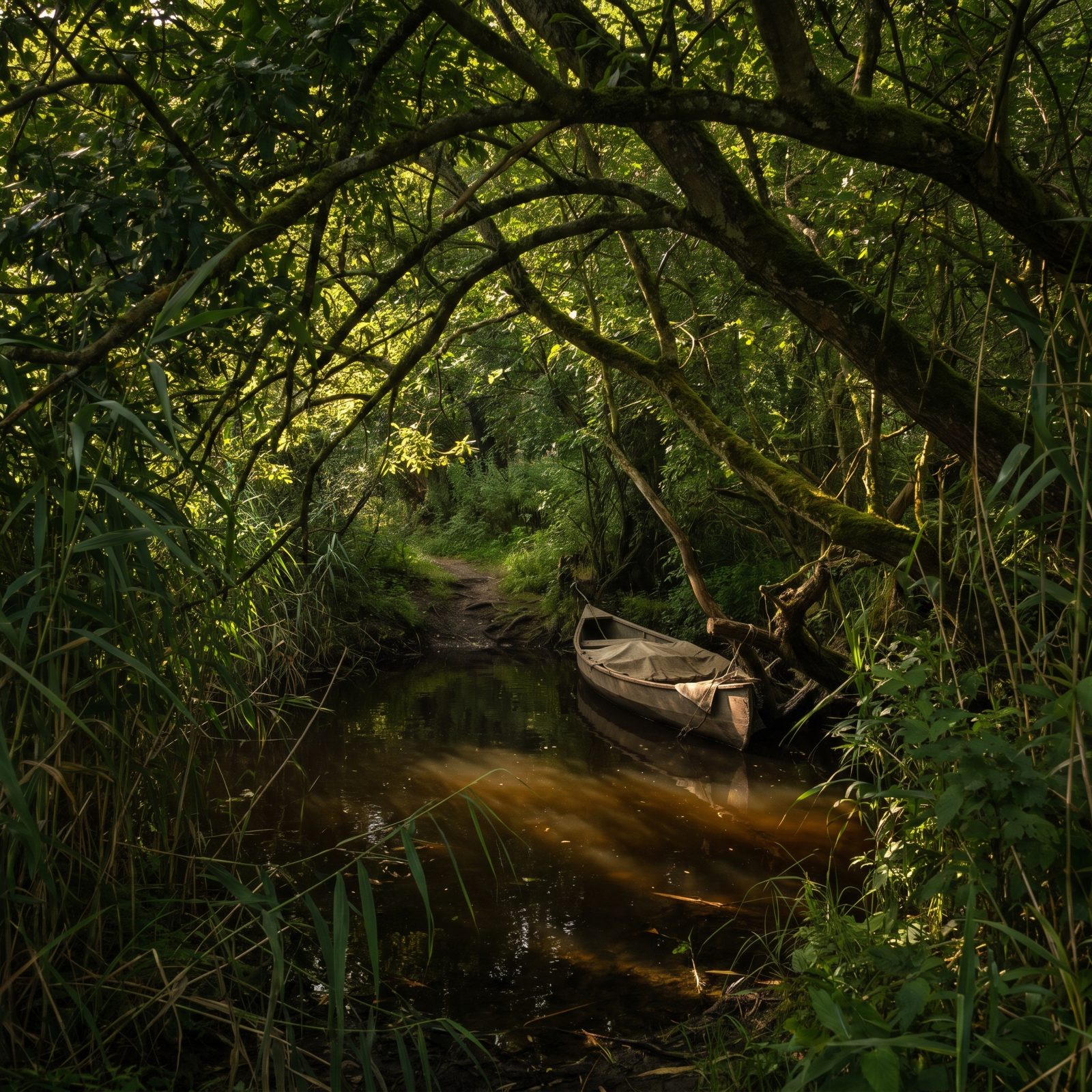
You don’t tell people where it is. You call it the secret spot, say it with a little grin, keep the location vague even with your buddies. And the secrecy makes it feel like treasure.
This is the endowment effect wearing camo. We overvalue what we own, and a spot you discovered and guard feels owned in a way public water never does. The effort to find it, the privacy, the little thrill of keeping it quiet — all of it inflates the worth in your head whether the fish agree or not.
Here’s the uncomfortable part. A spot that’s genuinely secret because nobody else bothers fishing it may be secret for a reason.
11. You Defend the Spot Harder When Friends Question It
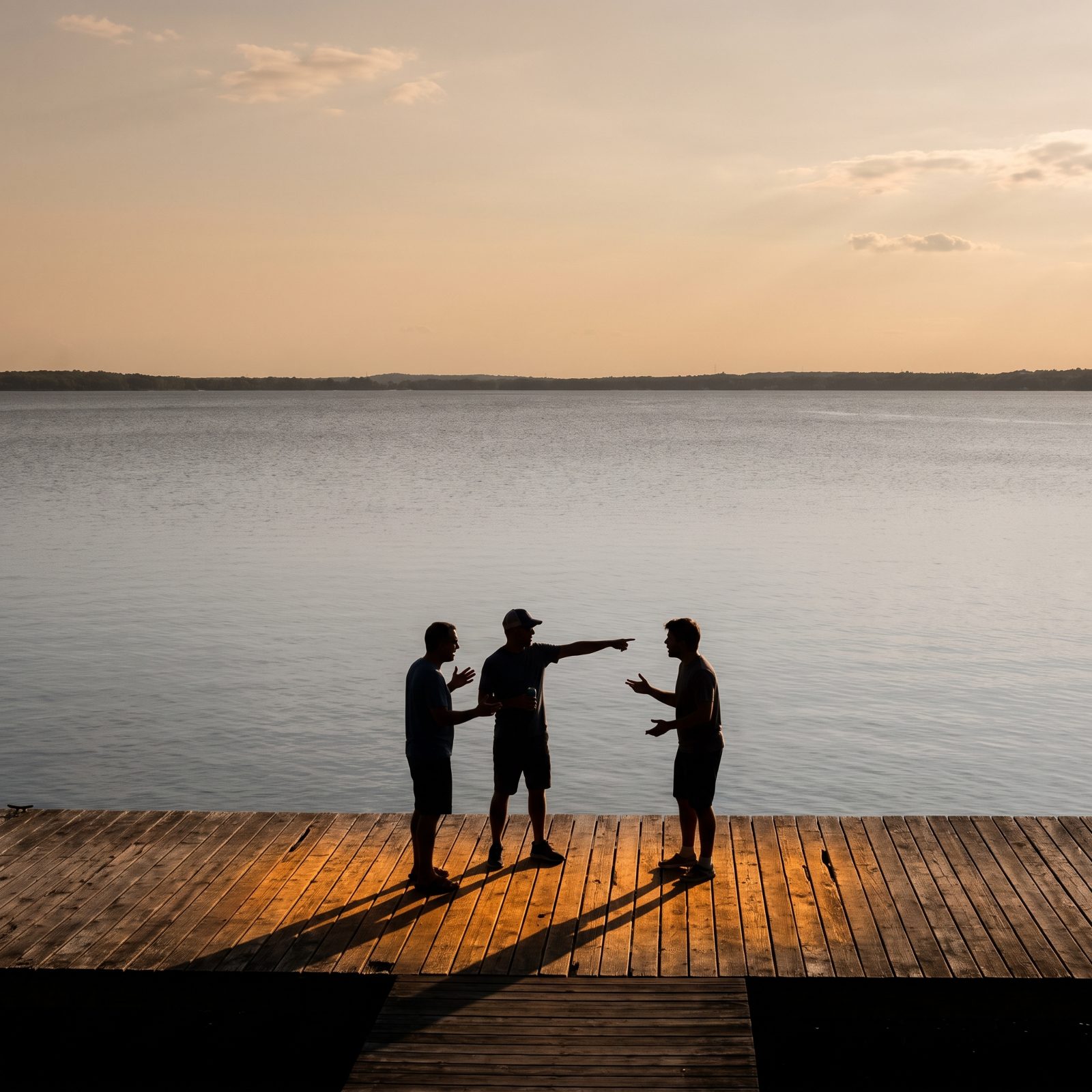
A buddy says it gently. Maybe that spot’s just played out, man. And instead of considering it, you get your back up and start listing every fish the spot ever gave you, going back a decade.
Nobody wants to admit they’ve wasted years on dead water, so the moment someone pokes the belief, you defend it harder than the evidence warrants. This is commitment and consistency at work. You’ve invested so much in the spot that publicly changing your mind would mean admitting all that investment was misplaced, and the ego would rather double down.
Watch yourself the next time a friend questions the spot. A defensive reaction instead of a curious one isn’t a sign the spot is good. It’s a sign you’re protecting something, and it isn’t the fish.
10. Seeing Other Trailers Makes the Dead Water Look Promising
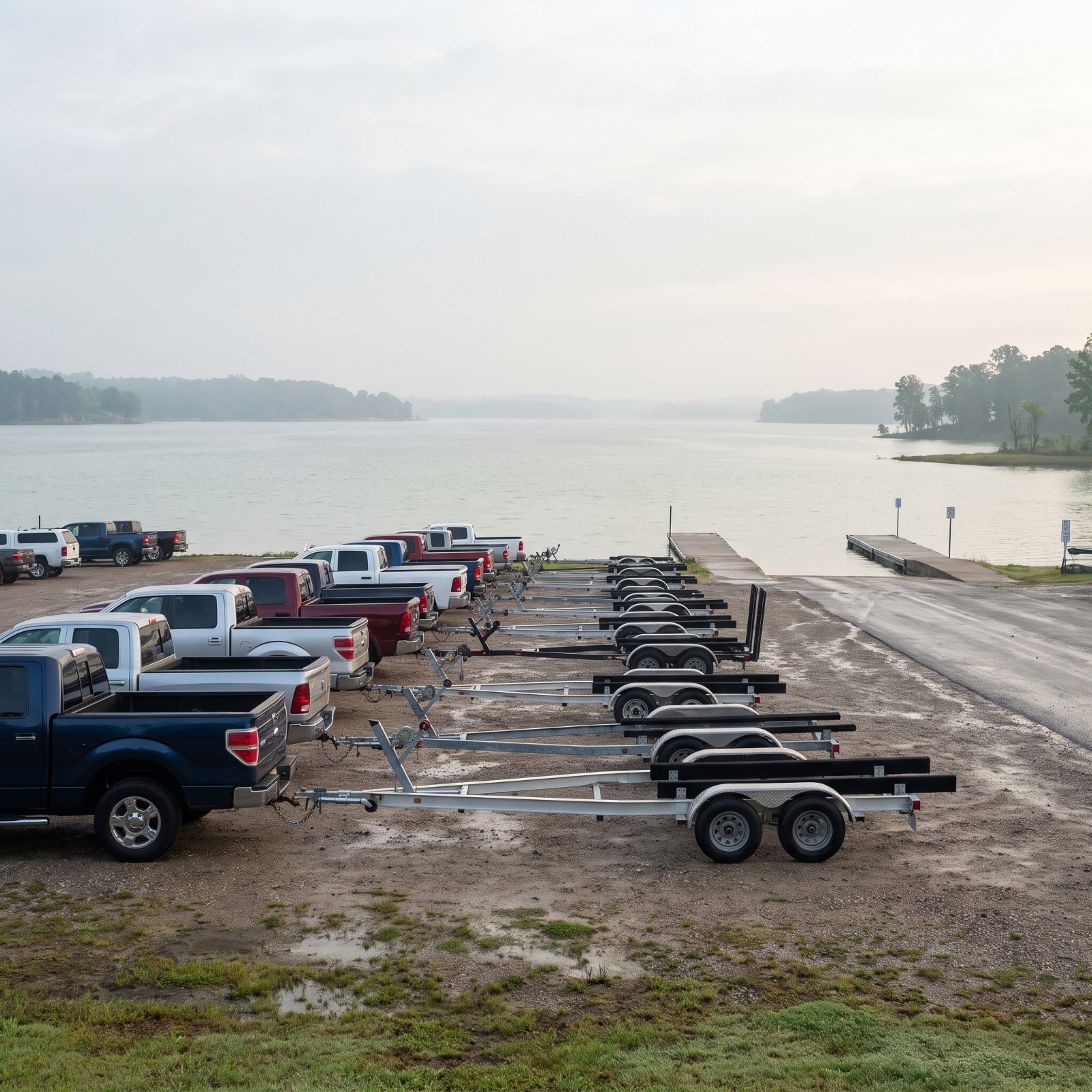
You pull into the ramp lot and it’s full. Trailers everywhere. Instantly the day feels better, like all these people can’t be wrong, the fish must be on.
That’s social proof, the same instinct that makes a packed restaurant look better than an empty one next door. When we’re unsure, we read the crowd as evidence. Trouble is, a full lot might just mean a lot of people are making the same mistake you are, out there blaming the sky on the same tired water.
9. A Sunset Bite Erases Nine Miserable Hours
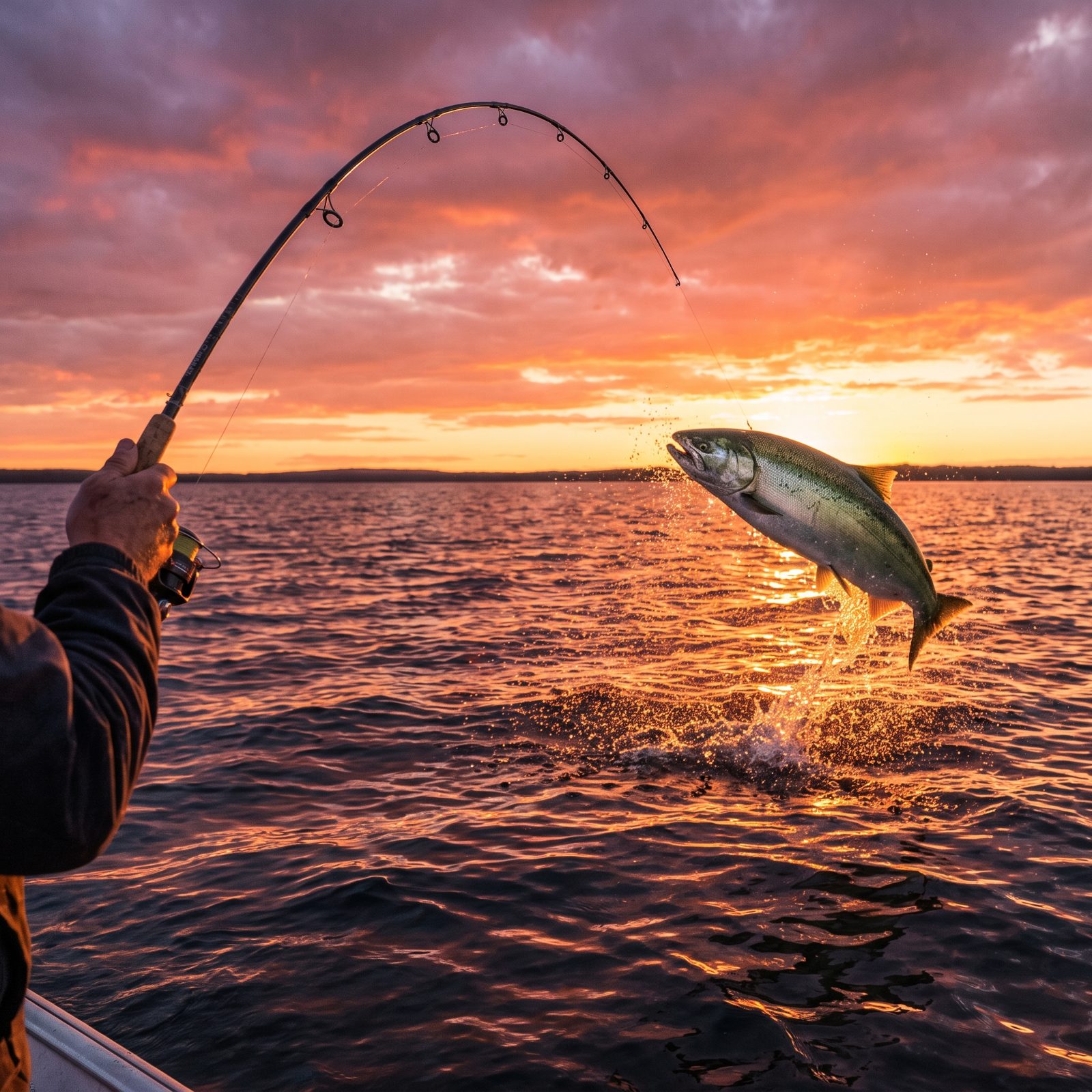
Nine hours of nothing. Sore back, sunburn, not a single bend in the rod. Then, right as the sun hits the water, something slams it. You land a good fish in the last ten minutes, and suddenly the whole miserable day was worth it.
The peak-end rule, running the show. We don’t remember experiences by their average. We remember them by the best moment and how they ended, which means a dreary day that finishes on a high gets filed away as a great trip. That’s exactly why you’ll be back at the same dead water next weekend.
I’m not saying the sunset fish wasn’t worth it. Those moments are why we do this. I’m saying your memory is a terrible accountant, and it’ll talk you into nine more wasted hours every single time.
8. The Longer the Hike, the Better You Assume Fishing Must Be
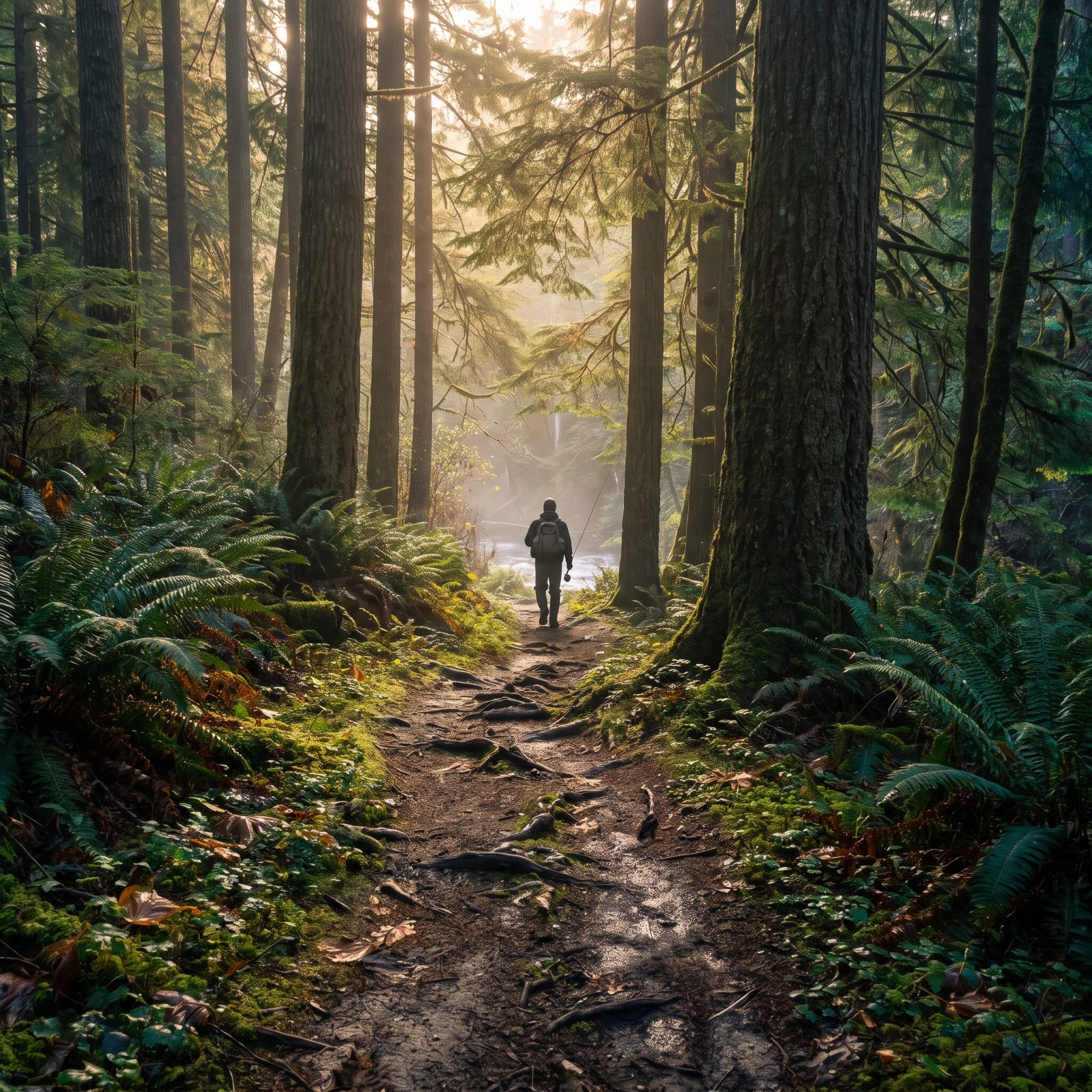
You walked two miles in over roots and a bog that nearly took your boot, and by the time you reach the creek you’ve already decided the fishing will be worth it. It almost never is. That hard-to-reach pool holds the same handful of stocked trout as the bridge pullout where retirees park their lawn chairs.
The effort rigs the verdict before you make a single cast. We assume that what costs us more must be worth more, which is why the long walk feels like a down payment on a good day instead of just a tired set of legs. Economists call it effort justification. Anglers call it the honey hole that keeps you honest.
I’ve done this more times than I’ll admit. Sweated through a shirt to reach a spot I could have outfished from the parking lot, then told myself the three dinks I caught were somehow more real because of the mileage.
7. You Change Lures Twenty Times but Never Change Locations
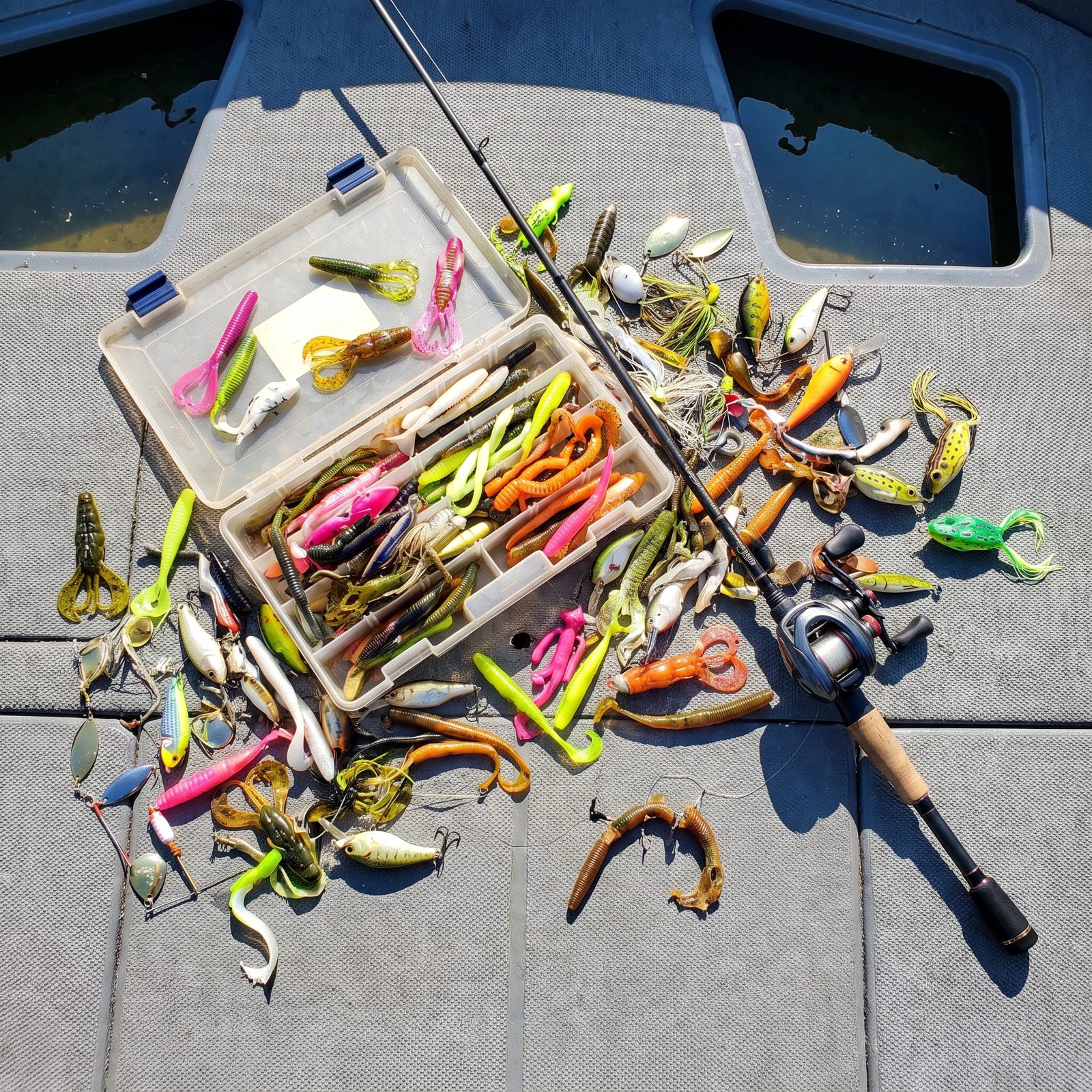
Chartreuse, then watermelon, then back to chartreuse with a red hook. Texas rig, Carolina rig, drop shot, a topwater you haven’t thrown since Clinton was president. You’ll cycle through every pocket in the box before it even occurs to you to pull anchor.
Changing lures feels like action. It feels like you’re solving the problem. Pulling up and running to a new flat feels like admitting the original call was wrong, and nobody likes doing that.
So we fiddle with the variable that’s easy to change and protect the one decision we’re emotionally attached to. The spot stays sacred while the lure takes all the blame. I will die on this hill: most slow days get fixed by the trolling motor, not the tackle box.
6. One Fish-Finder Arch Becomes the Evidence You Needed
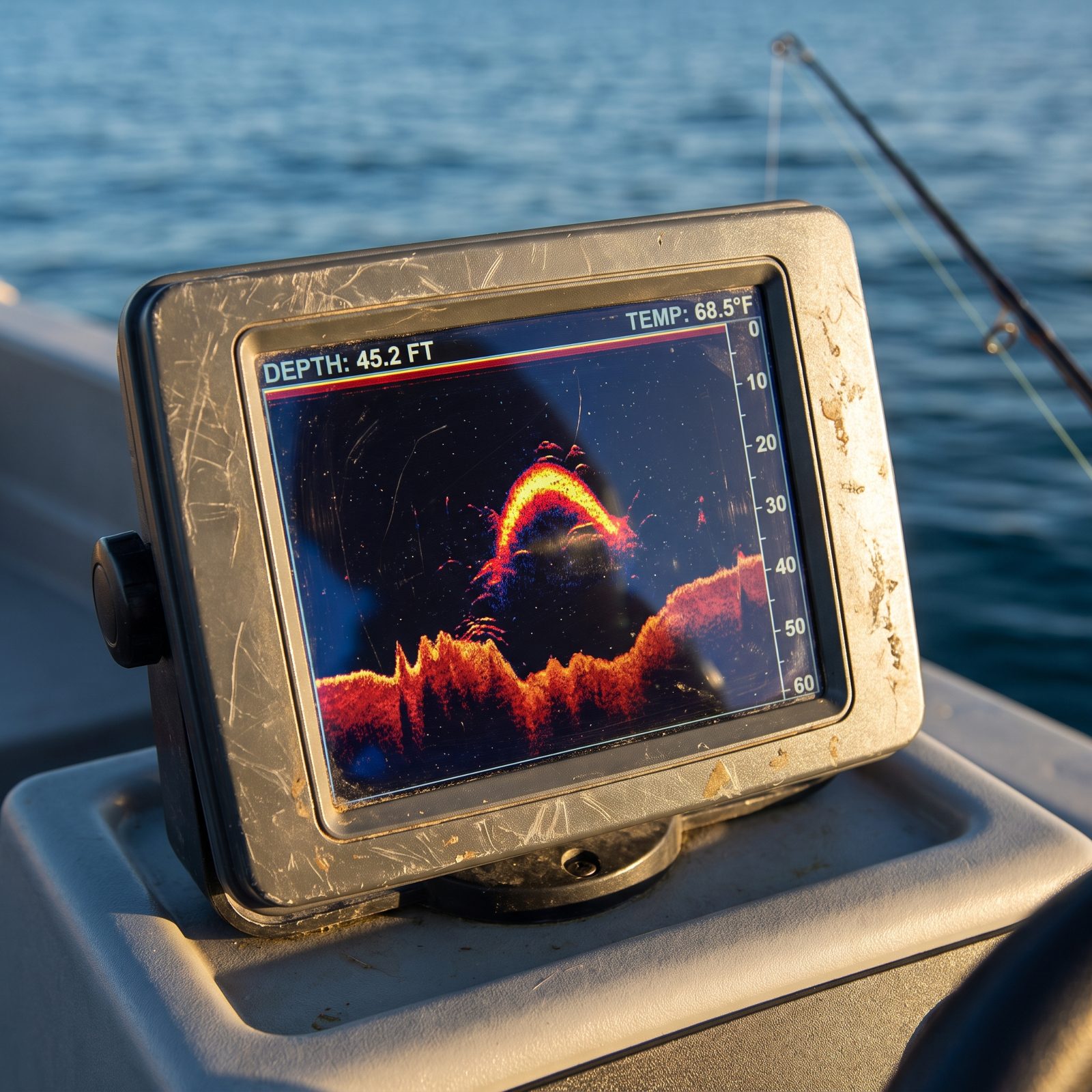
Four hours, nothing. Then one giant rainbow arch rises off the bottom and fills half the sonar screen, and suddenly the whole trip is justified. See? Fish down there. You knew it, and now you’ve got the screenshot to prove the spot is loaded.
One blob on a graph is not a pattern. It’s a single data point, and your brain treats it like a verdict because it’s the exact confirmation you came looking for. Ignore the thousands of empty pixels. Fixate on the one that agrees with you.
That’s confirmation bias working the night shift. We hunt for the shred of evidence that supports what we already believe and wave off the mountain that doesn’t. That arch might’ve been a rock pile. Might’ve been a hump of mud and weeds with nothing on it interested in your bait. Doesn’t matter. It told you what you wanted, so it’s gospel now.
5. Opening Day Tradition Matters More Than Catching Anything
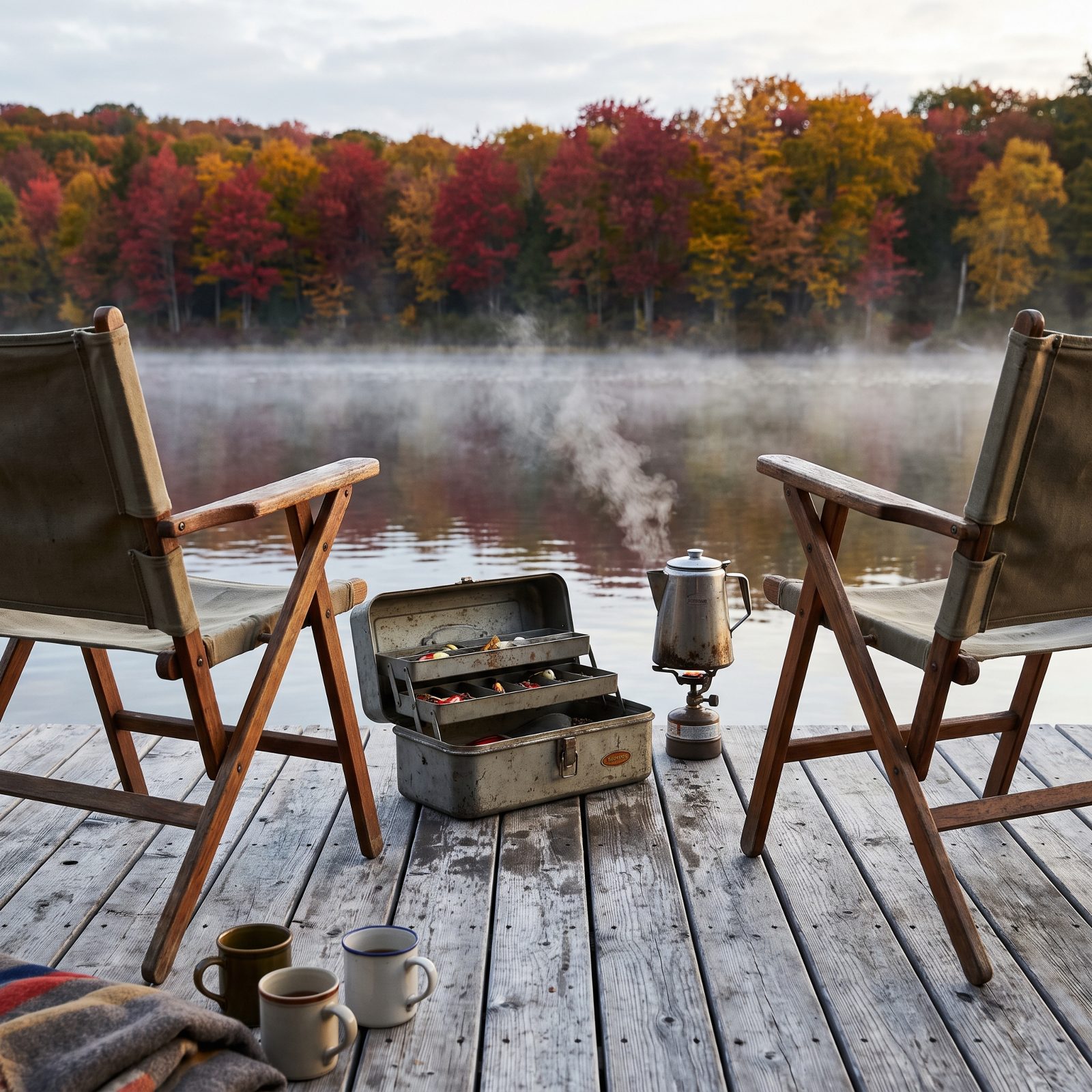
You’ve launched at the same ramp on the same morning for longer than some of your tackle has existed. The coffee ritual, the drive in the dark, the same conversation with the same buddy about the same spot. The fishing’s been mediocre for a decade. You would not dream of going anywhere else.
Because it stopped being about fish a long time ago. The spot became a tradition, and tradition carries a weight no catch count can touch. Breaking the ritual would feel like letting something go, and we’re wired to protect the things that tie us to who we are and where we’ve been.
Nothing wrong with that. Honestly, nothing at all. A dead spot that holds your history beats a hot spot full of strangers. Just be honest with yourself about which one you’re fishing for, so you don’t drive home grumpy about the empty cooler. You didn’t come for the cooler.
4. Your Fishing Mentor Loved It, So You Still Do
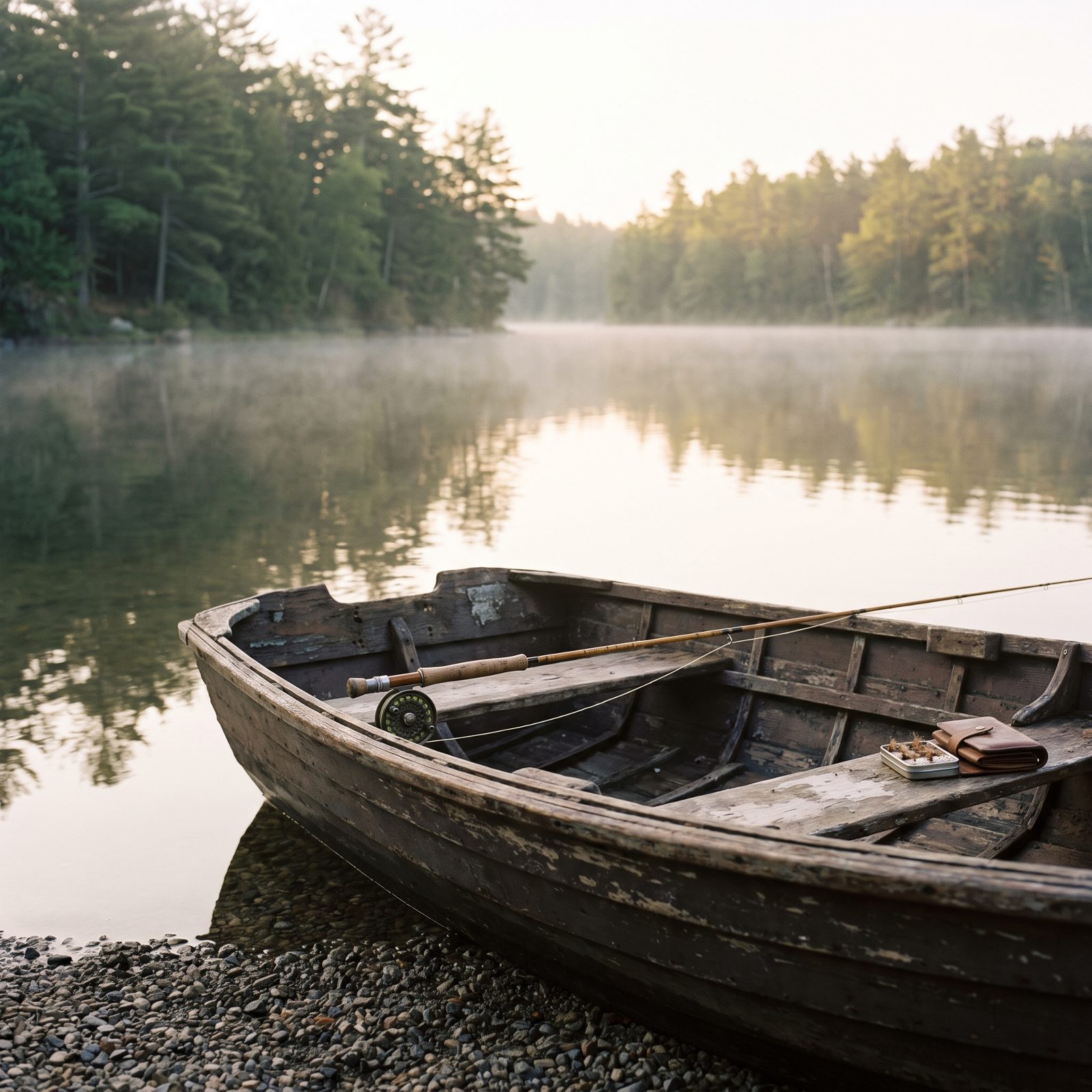
Your grandfather swore by that point. Called it the best bass water on the lake and brought you there as a kid when it probably was. He’s gone now. The fish mostly moved on too, pushed out by development or weed die-off or just time. You still fish it. Of course you do.
A spot gets its value from the hands that passed it down. When someone you respected loved a place, that esteem rubs off on the water itself, and the catch rate becomes almost beside the point. Psychologists call that borrowed glow the halo effect. You call it fishing where Grandpa fished.
There’s nothing to fix here. But notice how often we work inherited spots on inherited information, running patterns built for conditions that haven’t existed in thirty years. The love is real. The pattern may be a ghost.
3. Knowing Every Stump Feels Better Than Finding Fish
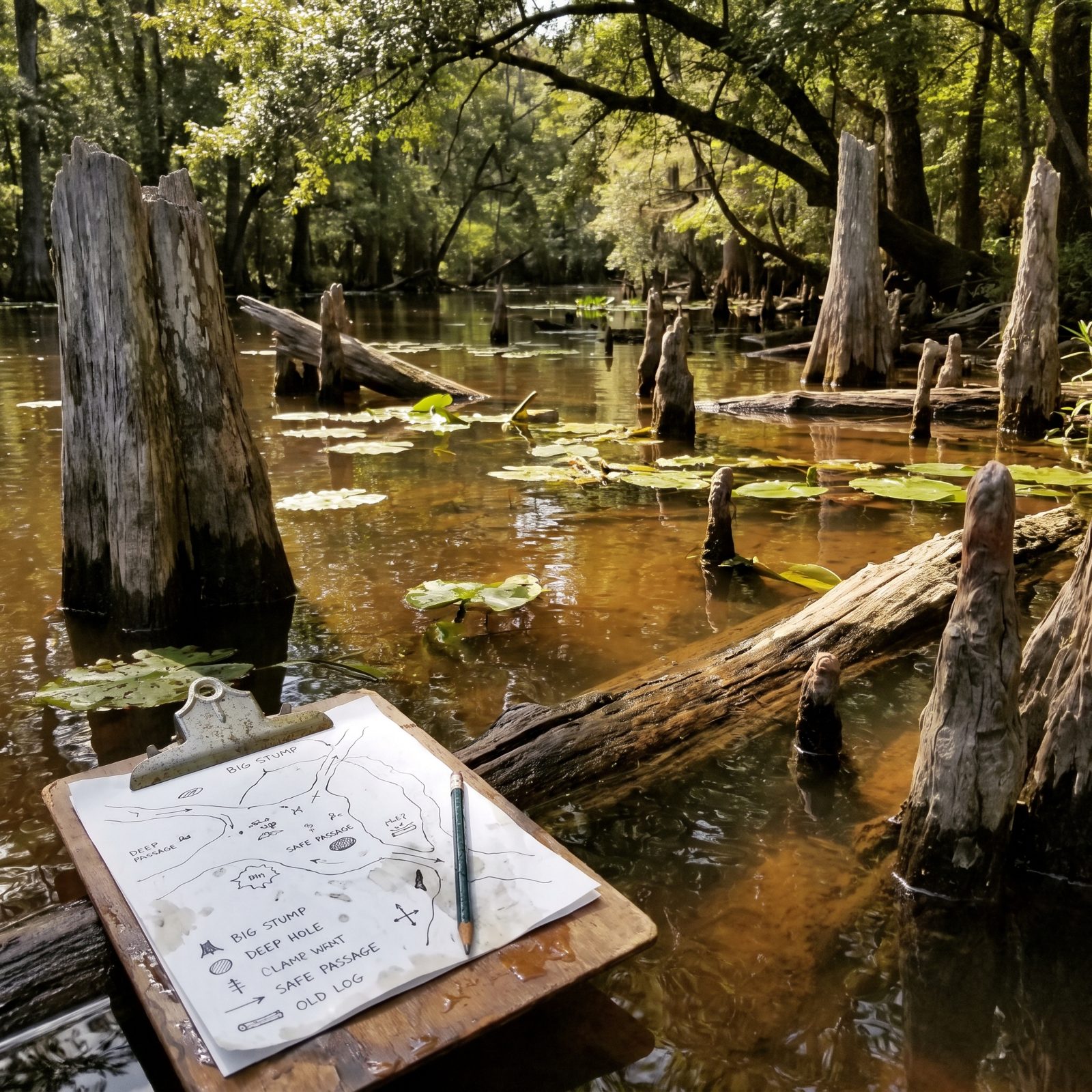
You know where every laydown sits, which stump the wind pushes your boat into, the exact spot the channel swings and the one submerged rockpile that eats a crankbait every single time. You could fish this water blindfolded. That mastery feels incredible. It also keeps you glued to a spot that stopped producing years ago.
Competence is its own reward, and we chase the feeling of knowing a place cold even when the knowing doesn’t put fish in the boat. Mastery feels like progress. It isn’t always. Sometimes it’s just a very well-mapped dead end.
Here’s the hard truth: becoming an expert on unproductive water is still becoming an expert on nothing useful. I spent two seasons perfecting my approach to a flat that hadn’t held numbers since the drought. Knew it like my own driveway. Caught almost nothing. The competence was real. The fish were not.
2. The Peace and Solitude Keep Excusing the Empty Stringer
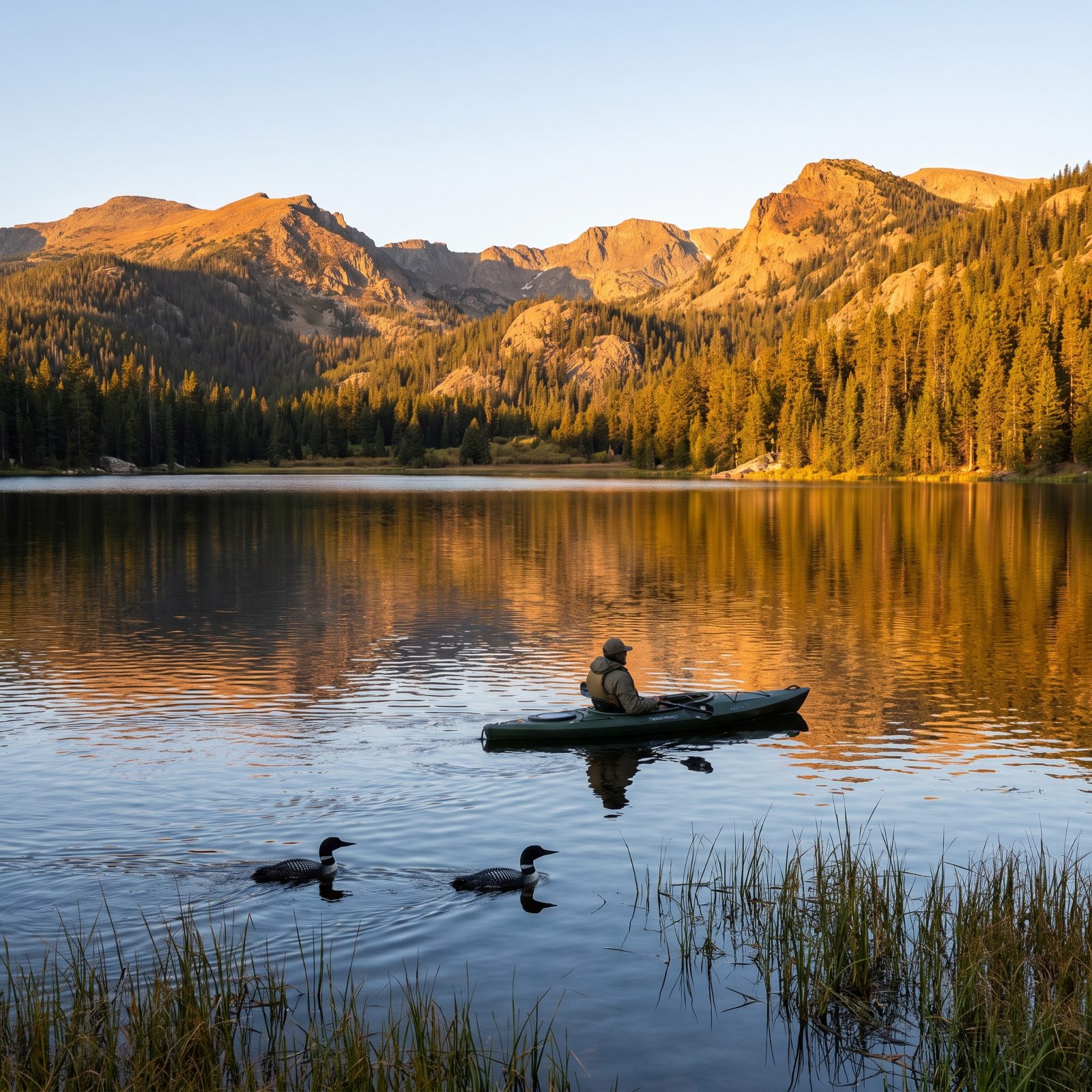
No bites again. But look at this place. Nobody else for miles, a loon calling across the cove, the water like glass and the only sound your line hissing off the reel. On a stringer-empty day the peace does the heavy lifting, and you drive home calling it a good trip.
And often it genuinely was. Watch, though, how the solitude becomes a permanent excuse, a way to never classify a spot as unproductive because the scenery kept showing up to defend it. The place is beautiful, so the fishing gets a lifetime pass.
We blend two different wants into one and then can’t tell them apart. The desire to catch fish. The desire to be somewhere quiet. Both are good, both worth driving for. Just know that solitude will cheerfully cover for dead water forever if you let it, and it asks for nothing in return.
1. You’ve Told the Trophy Story Too Often to Quit
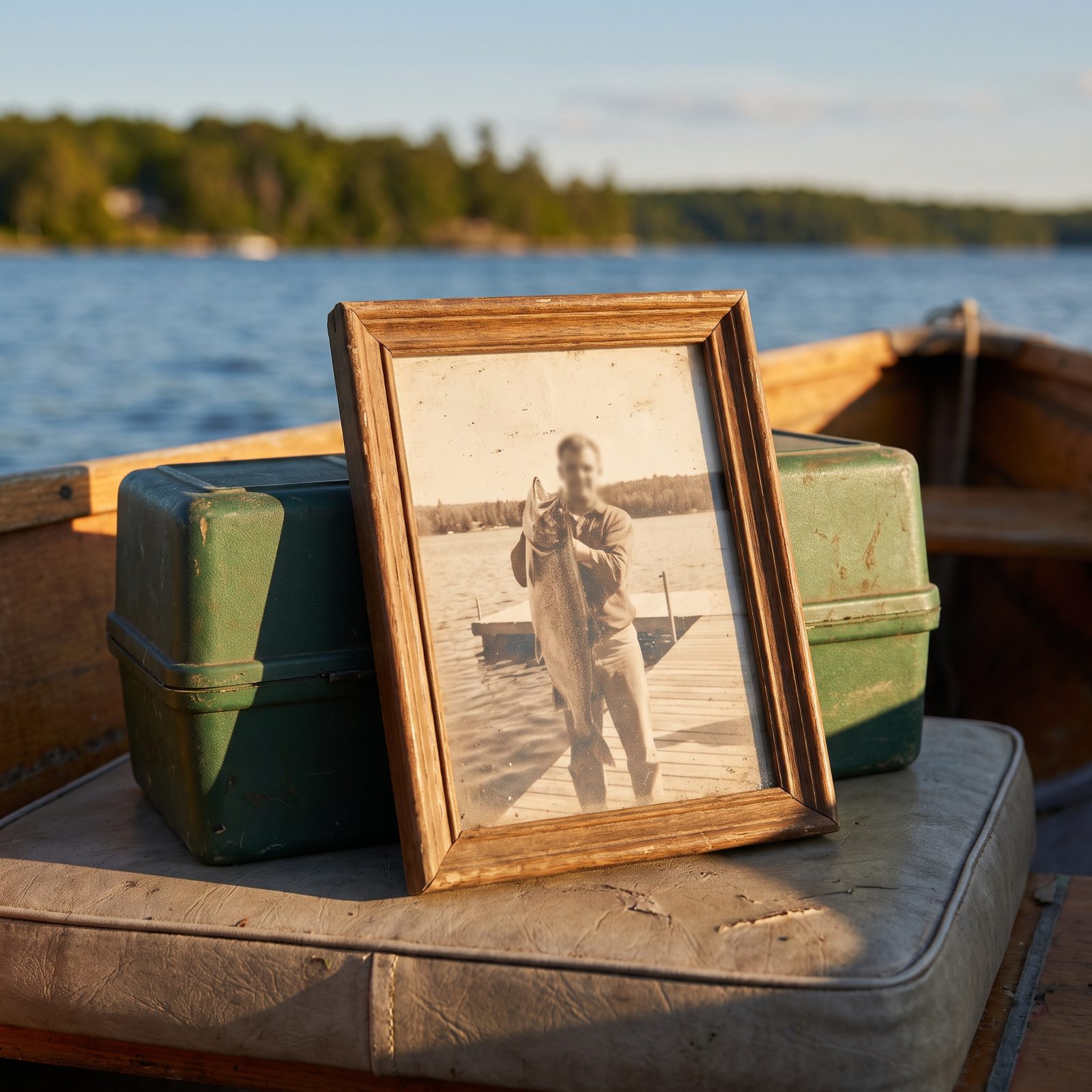
The big one came off that very point. You’ve told it at the bait shop, at the campfire, at your nephew’s wedding reception. The eight-pounder, the drag screaming, the net at the last second. That story is part of who you are now, and the point where it happened has become hallowed ground.
Quitting the spot would feel like quitting the story. As long as you keep fishing it, the legend stays alive and the possibility of a sequel stays open. Walk away and the whole thing becomes past tense, a thing that happened once and never again.
This is identity talking. We don’t just visit our best memories, we build ourselves out of them, and the setting of a defining moment gets woven straight into our sense of self. You’re not protecting the fishing. You’re protecting the version of you who caught that fish.
Some spots stop being about what you can catch and start being about who you got to be there.
So you launch again next weekend, same point, same story loaded and ready. There are worse reasons to go fishing. Just know that’s the reason, and bring a book for the slow stretches.