
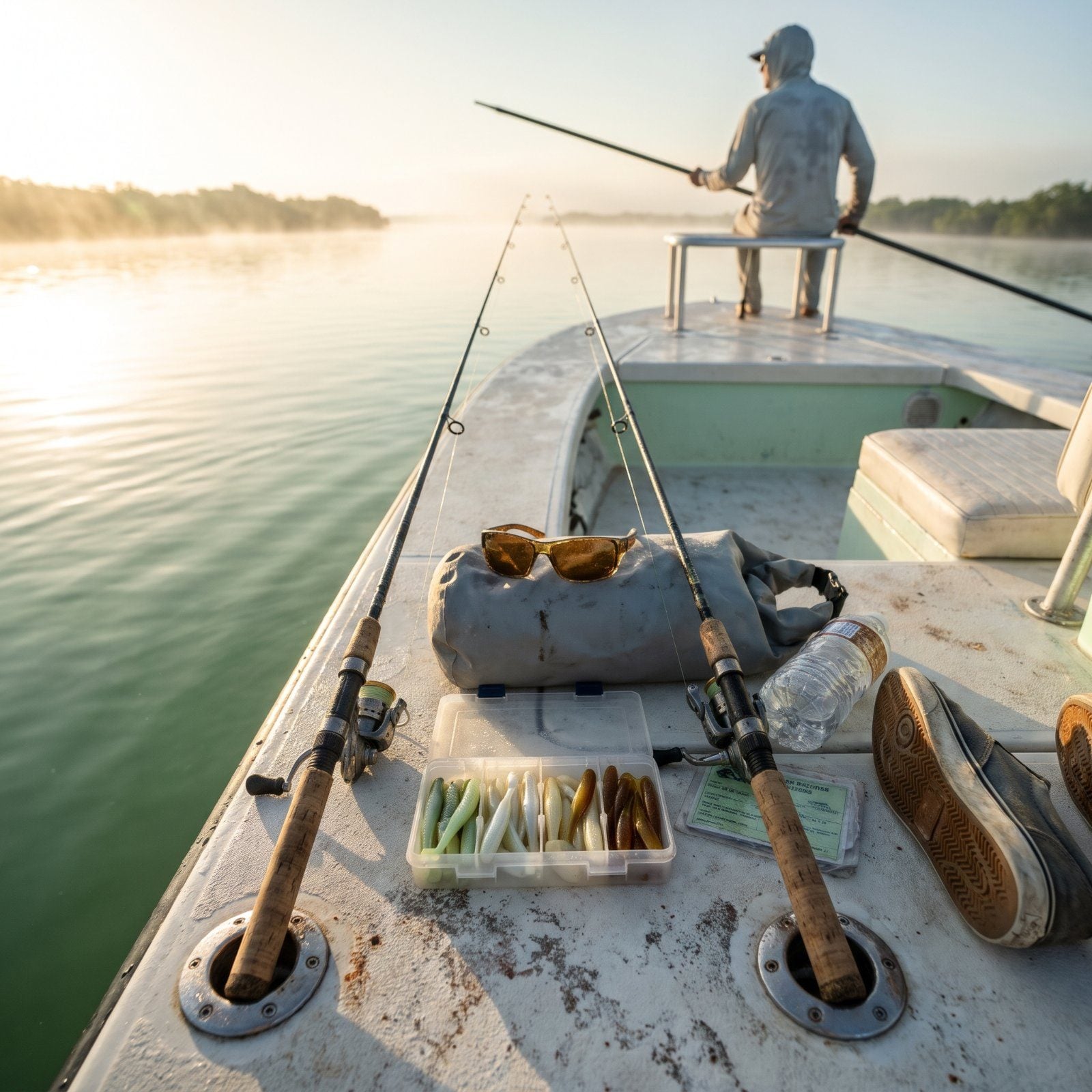
A good guide reads you before the first fish is on. It’s not judgment. He’s just watched a thousand people step onto a boat at 5:30 in the morning, and the tells are hard to miss — how you hold the rod, where you drop your bag, whether you squint at the water or see into it. None of it has anything to do with how many fish are in the lake, and all of it decides how your day goes. These are the quiet signals that tell a guide, inside the first hour, exactly who he’s working with today.
Please note that some of the images in this article were created with the assistance of AI.
39. Whether Their Claimed Experience Survives the First Few Casts
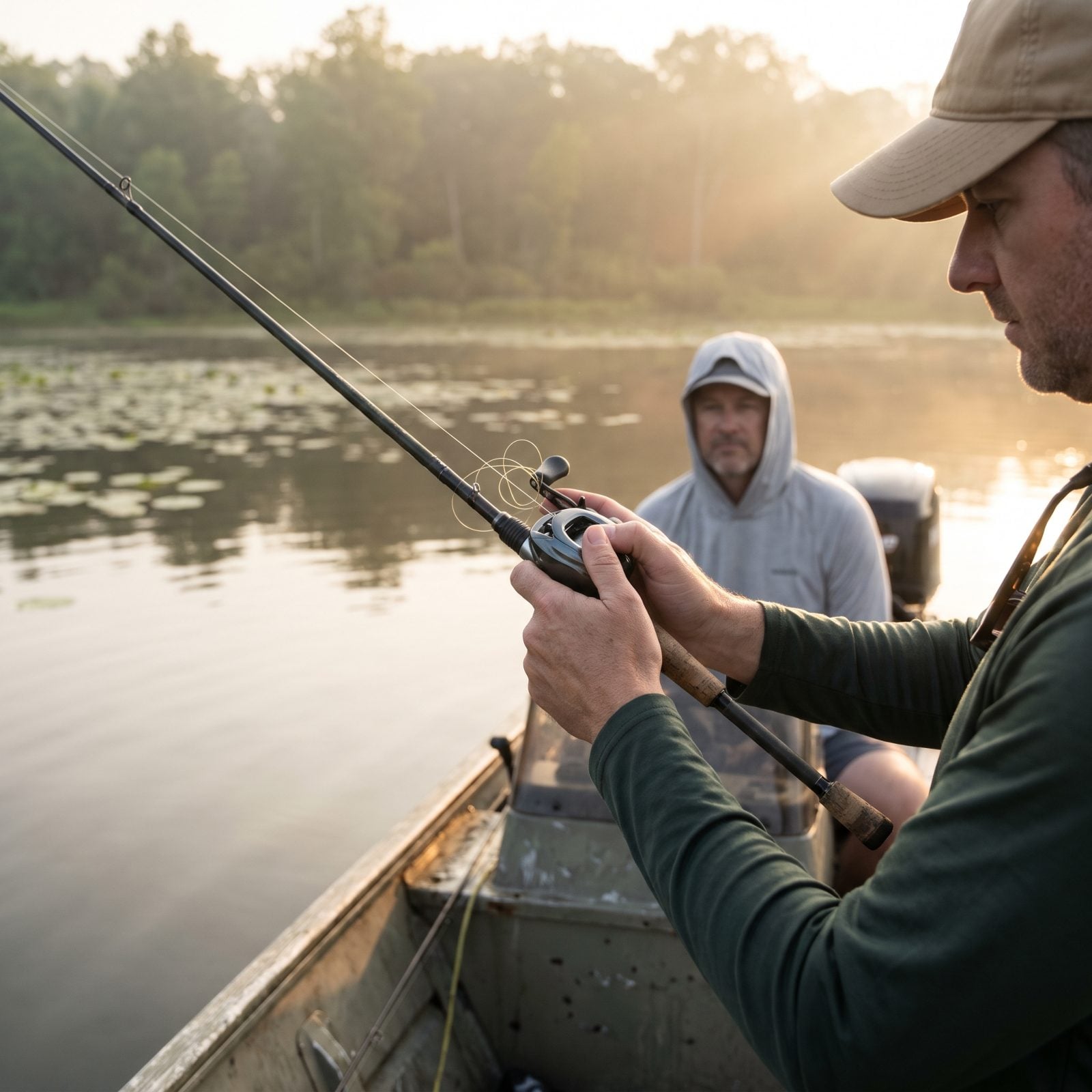
You can tell someone the Gulf Coast gave you a tarpon at fourteen. The guide isn’t listening to that. He’s watching your first three casts.
The hands give it away. A real rod hand loads the rod and lets it do the work, while the pretender muscles it — thumb late on the spool, a loop of line already peeling into a bird’s nest before the lure hits the water. None of this is a crime. The problem is the people who oversold themselves and then get prickly when the guide tries to help.
Recalling clients who called themselves experts before a day on a spooky creek, a former Yellowstone fishing guide writes “Once we got there and they started slapping the water, I knew that we were in for a long, unproductive day.”
38. Whether They Arrive Before the Agreed Launch Time
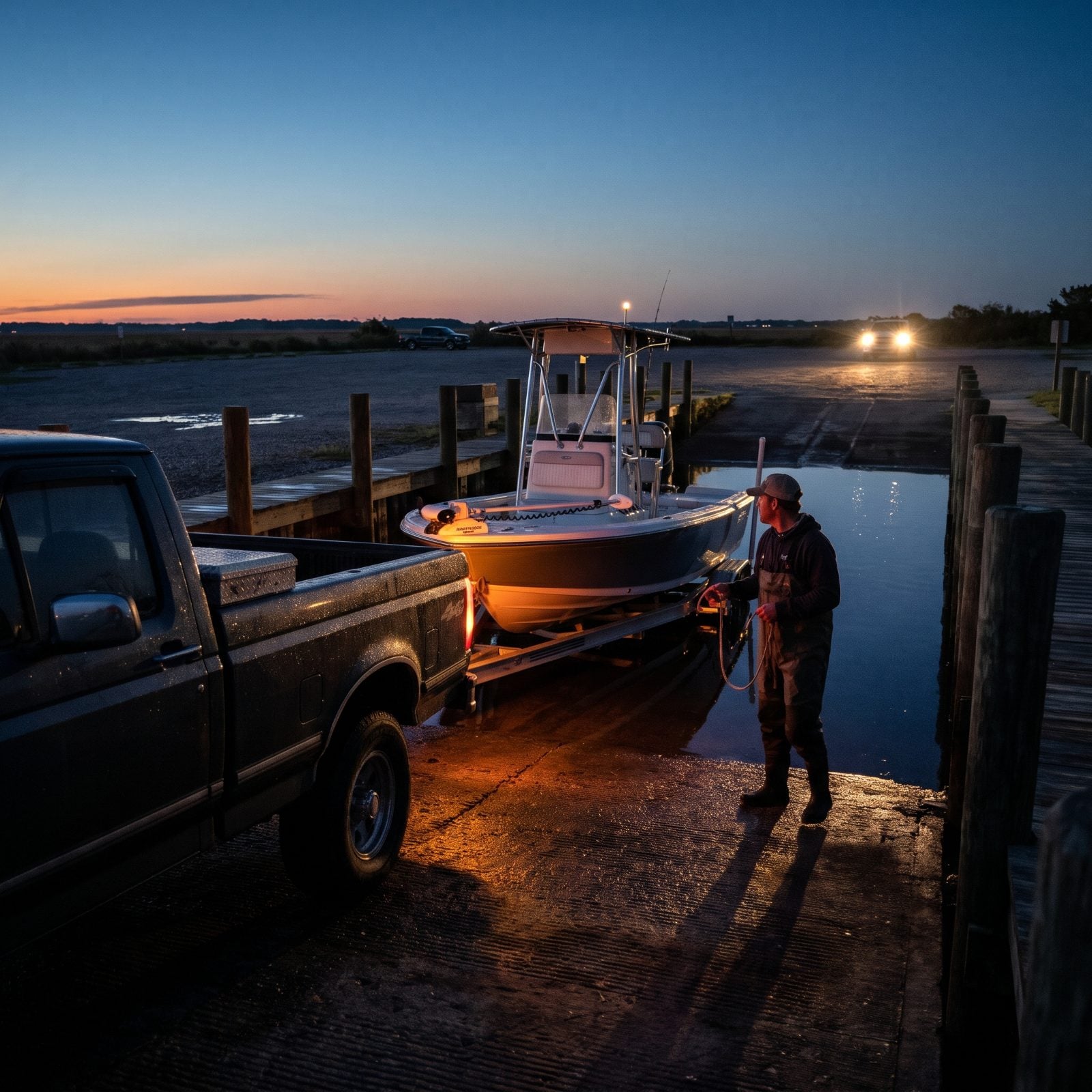
Launch time isn’t a suggestion. It’s the hinge the whole day swings on.
Say the bite window is that golden hour when the fish move shallow and feed, early, over before the sun’s properly up. You roll in late to tie your shoes and find the ramp, and you’ve just handed back the best stretch of the morning. No guide can get it back for you.
The early arriver has coffee in hand, license out, questions ready. Nothing announces a good client faster than standing on the dock before the guide does.
37. Whether Their Clothing Matches the Actual Forecast
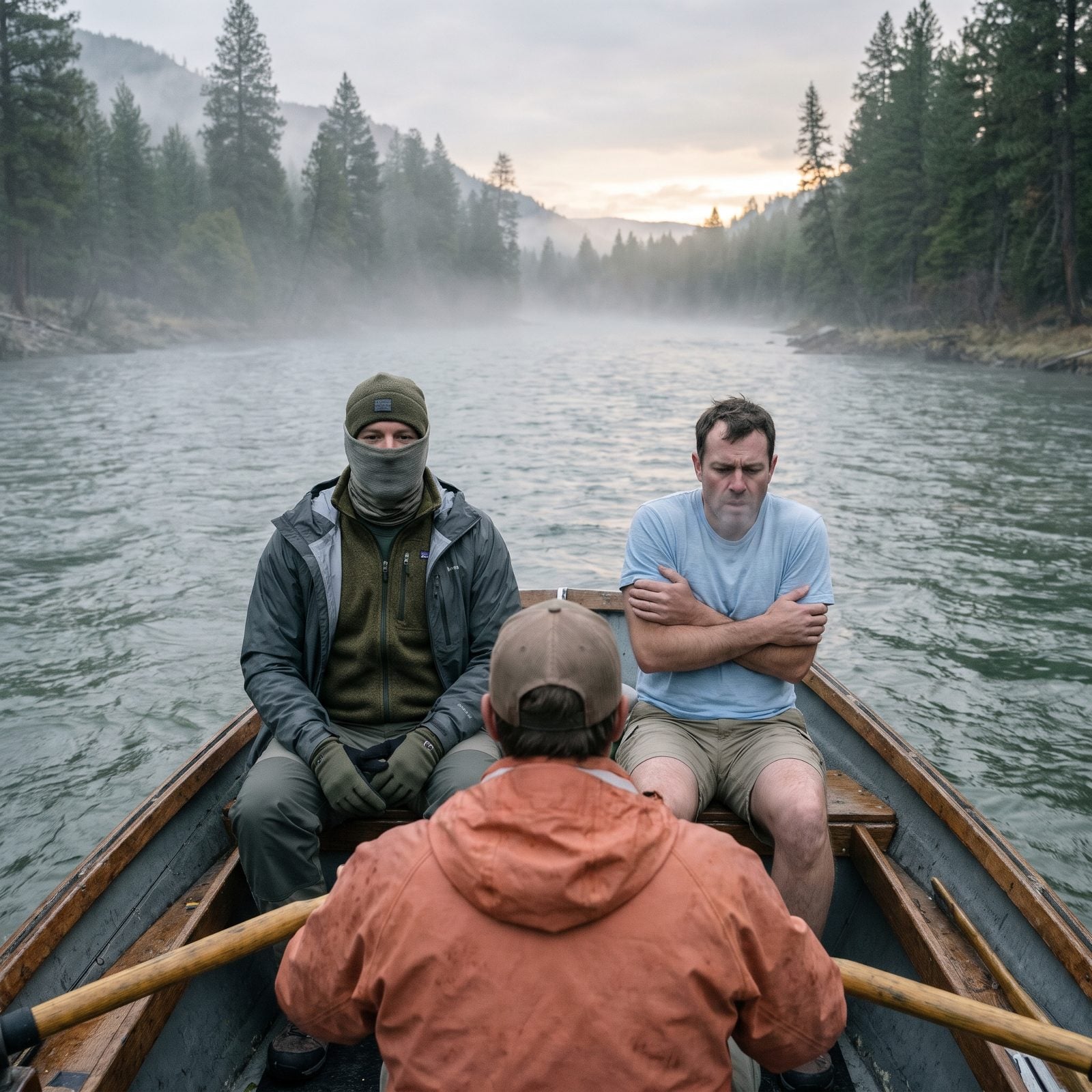
Weather on the water is a different animal than weather in the parking lot. Cooler, with wind that didn’t exist on land, and a sun that cooks you by mid-morning even when the dawn felt chilly.
A guide clocks your layers the second you step aboard. Cotton t-shirt and shorts on a cold morning tells him you’ll be miserable by cast twenty and asking to head in early. A long-sleeve sun hoodie, a shell in the bag, and something warm underneath tells him you’ve done this before.
36. Whether Their Footwear Is Safe on a Wet Deck
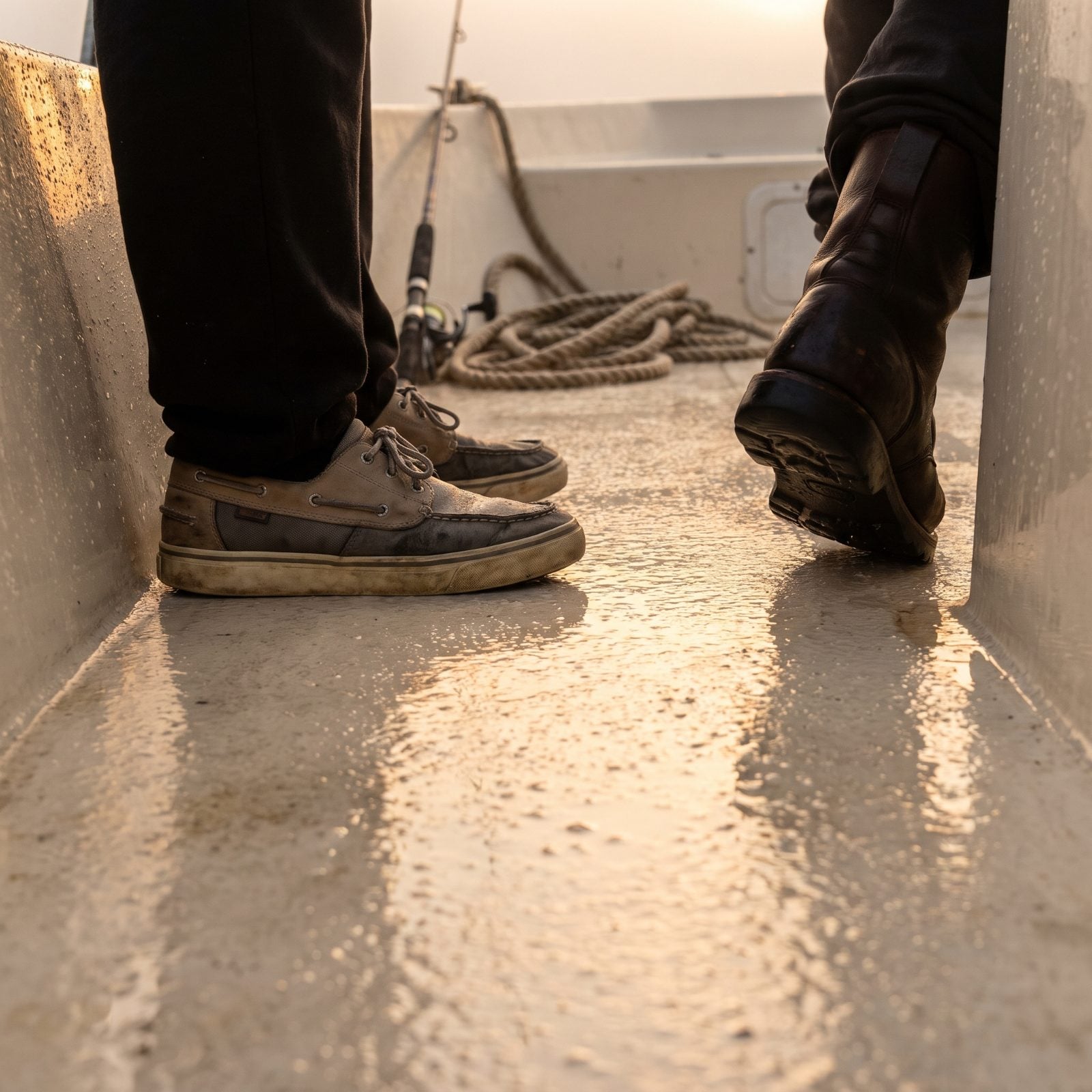
A wet fiberglass deck at dawn is a skating rink that doesn’t look like one.
Guides watch your feet first thing, because a slip on a moving boat isn’t a funny little stumble. It’s a cracked tailbone, or worse, a head on a gunwale. Smooth leather soles and street sneakers that have never met saltwater are a quiet red flag.
Closed-toe shoes with a soft, siped rubber sole grip the deck. Flip-flops don’t. The guide who sees you step aboard in sandals already knows he’ll be saying “watch your footing” all morning.
35. Whether They Brought Polarized Sunglasses
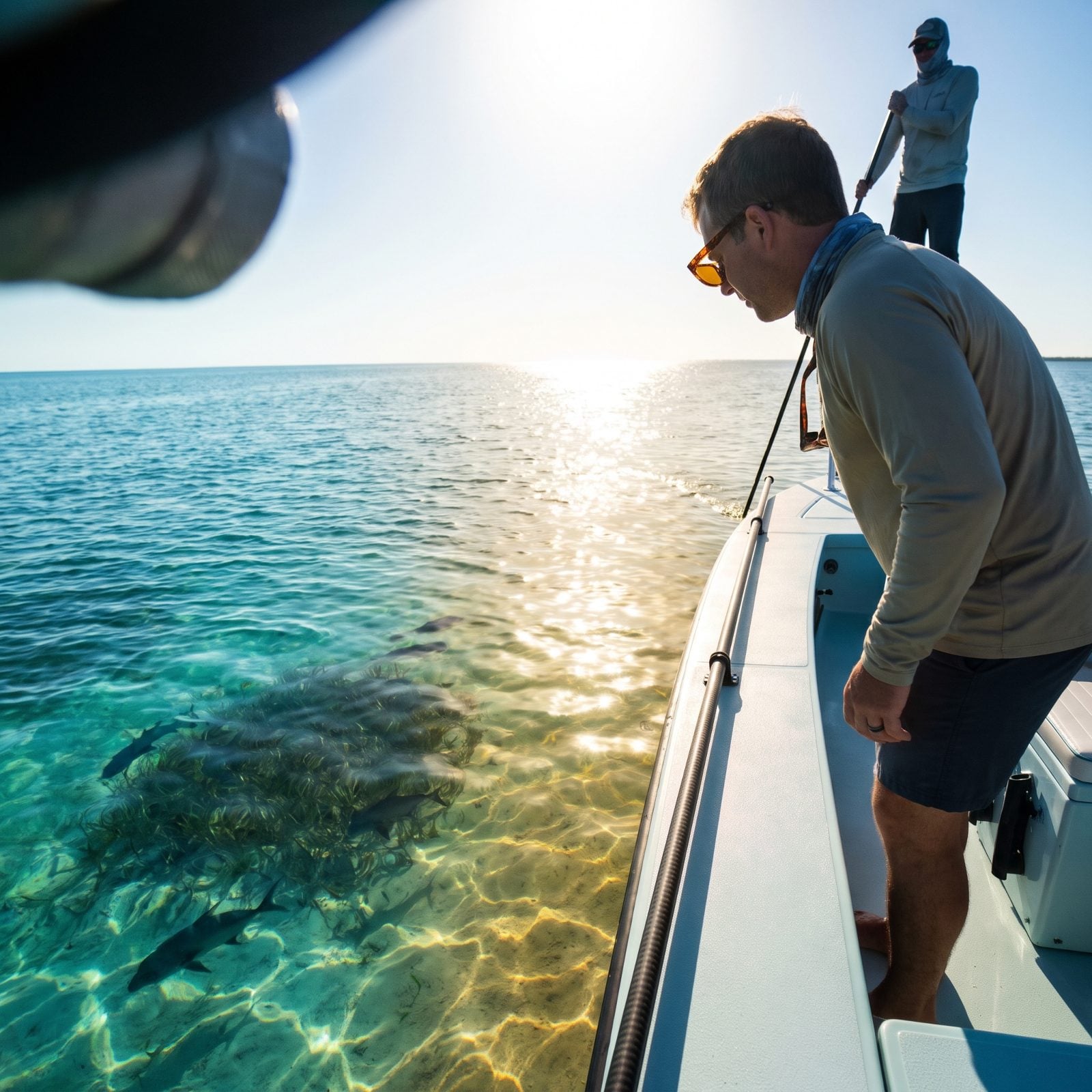
Here’s the one piece of gear people skip that actually changes whether they catch anything: polarized glasses.
Without them, the water’s surface is a mirror of glare. With them, that glare peels back and suddenly you see the grass line, the sandy pockets, the dark shadow of a fish you’re about to cast to. On a sight-fishing trip a guide can point and point, but if you’re squinting into a silver sheet, you’ll never see what he sees.
Amber or copper lenses tend to pop the contrast in shallow water. Grey works better out in the bright open stuff.
34. How Much Unnecessary Gear They Carry Aboard
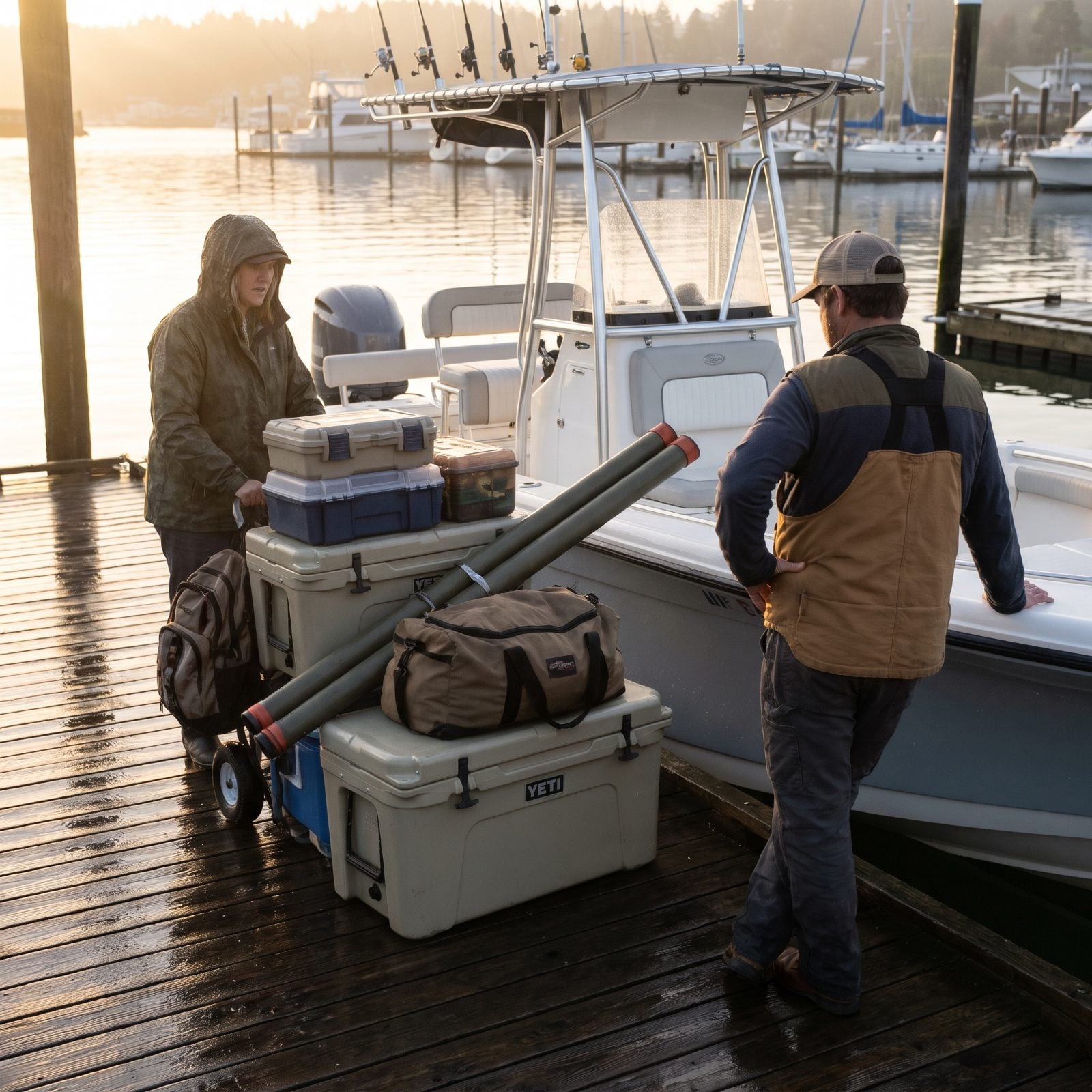
The guide has everything. That’s why you hired him. Rods matched to the species, leader already tied, the lures that are working this week — he knows, because he was out here yesterday.
So when you arrive with three tackle boxes, two spare reels, a tackle bag the size of a carry-on, and a cooler built for a week, the guide isn’t impressed. He’s calculating where it all goes on a boat with no spare room.
Bring what you actually need. A light layer, water, lunch, your license, your glasses. Trust the man whose livelihood depends on having the right gear.
33. Whether Their Tackle Is Organized or Tangled
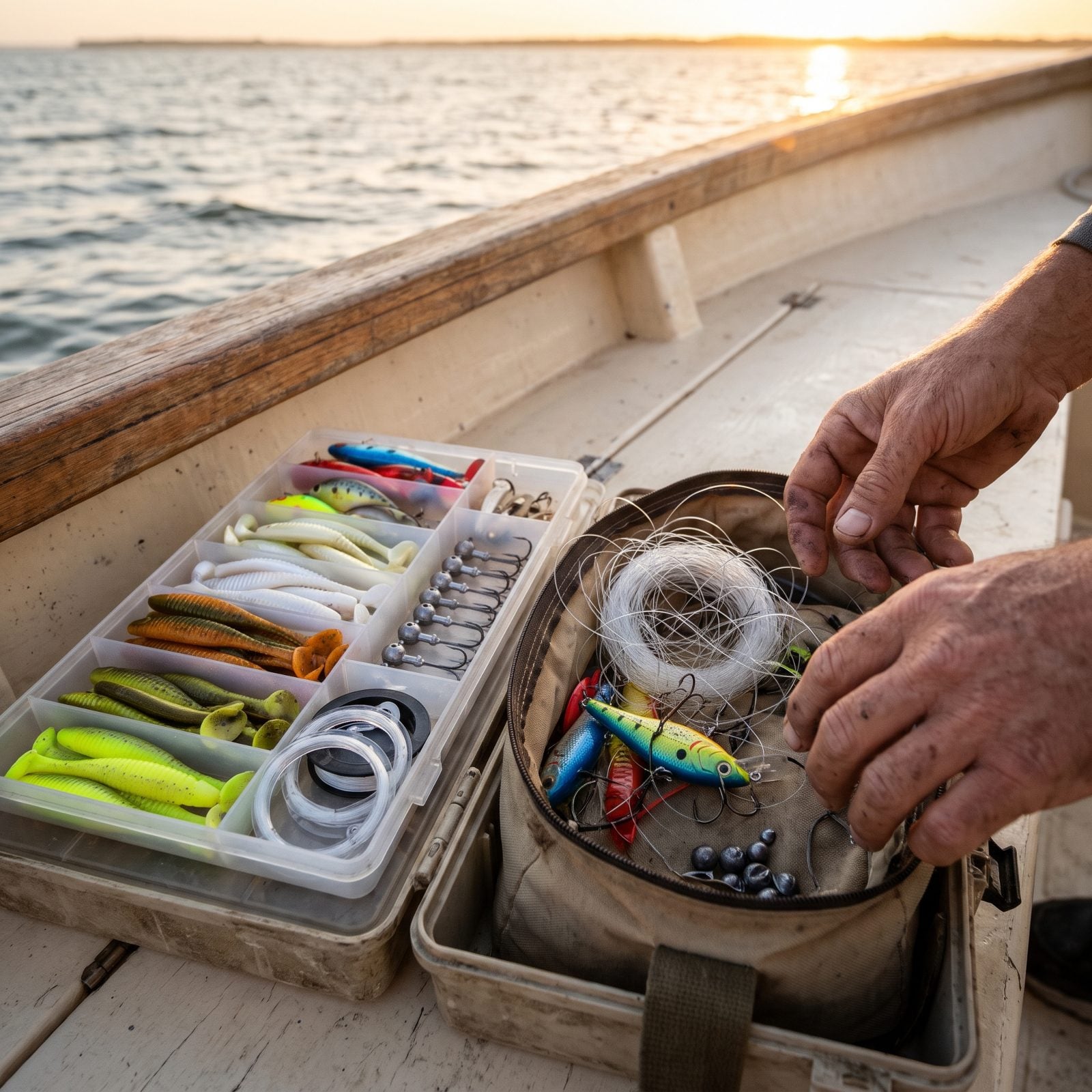
Open your tackle and the guide reads your whole relationship with fishing in about four seconds.
Soft plastics sorted, jig heads lined up, leader spooled and ready — that’s a person who respects the time on the water and won’t waste the bite window digging through a rat’s nest. A grocery bag of loose hooks fused into a lump of old line tells a different story.
It isn’t about being neat for neat’s sake. When the fish turn on, you’ve got minutes, sometimes seconds. Fumbling through tangles while the school moves off is how a hot morning goes cold.
32. Whether Their Fishing License Is Ready to Show
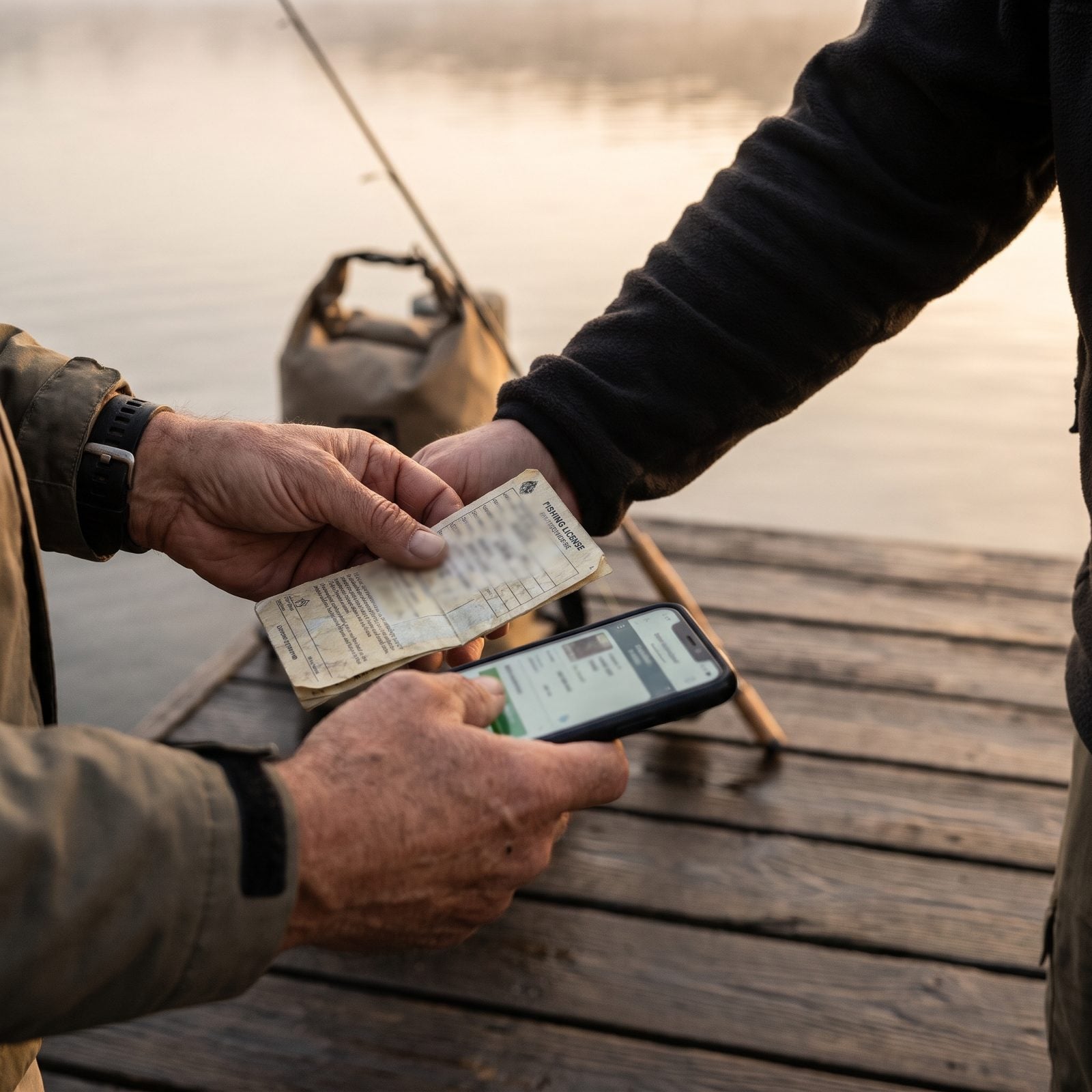
This one’s simple, and it’s the law, not the guide being fussy.
In most states you need a valid fishing license in hand, and a warden can check you right there at the dock or on the water. The guide’s reputation and permit ride on everyone aboard being legal. A client who shows up with the license already loaded on the phone or folded in a pocket is telling the guide they take the rules seriously.
The one who says “oh, I’ll just grab one later” at 5:40 in the morning, when the tackle shop opens at seven, has already cost everyone the dawn bite.
31. How Closely They Follow the Safety Briefing
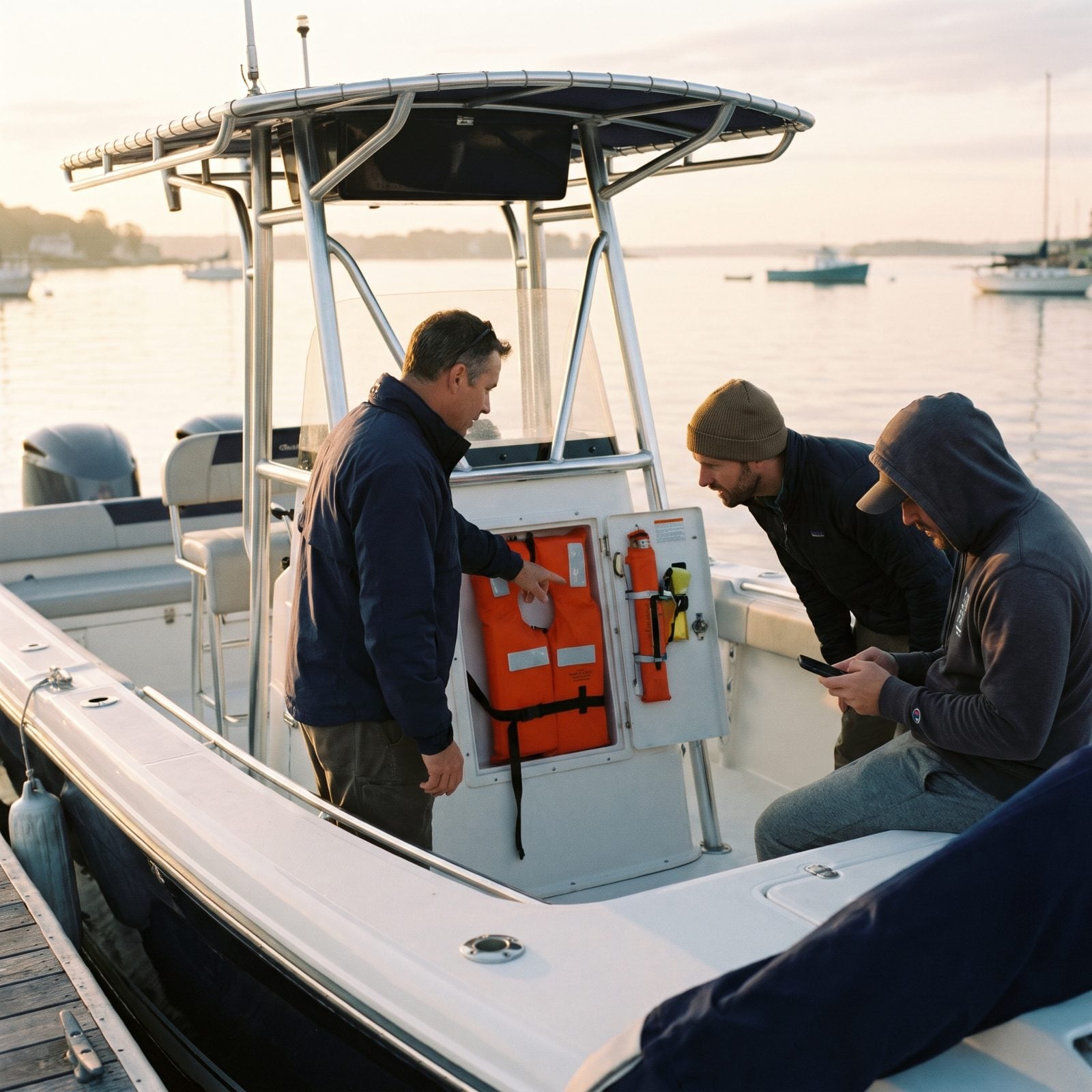
Watch who’s actually listening when the guide points out where the life jackets are and what to do if someone goes over. That’s a tell, and a big one.
The client glued to their phone during the briefing is the same one who later grabs the wrong thing in a scramble, or stands up at the wrong moment in a wake. A guide has seen how fast calm water turns. The person who makes eye contact, asks where the kill switch lanyard is, and notes where the first aid kit lives is someone the guide can trust when it counts.
It’s thirty seconds of attention. Give it.
30. Whether They Keep Bags Out of Walkways
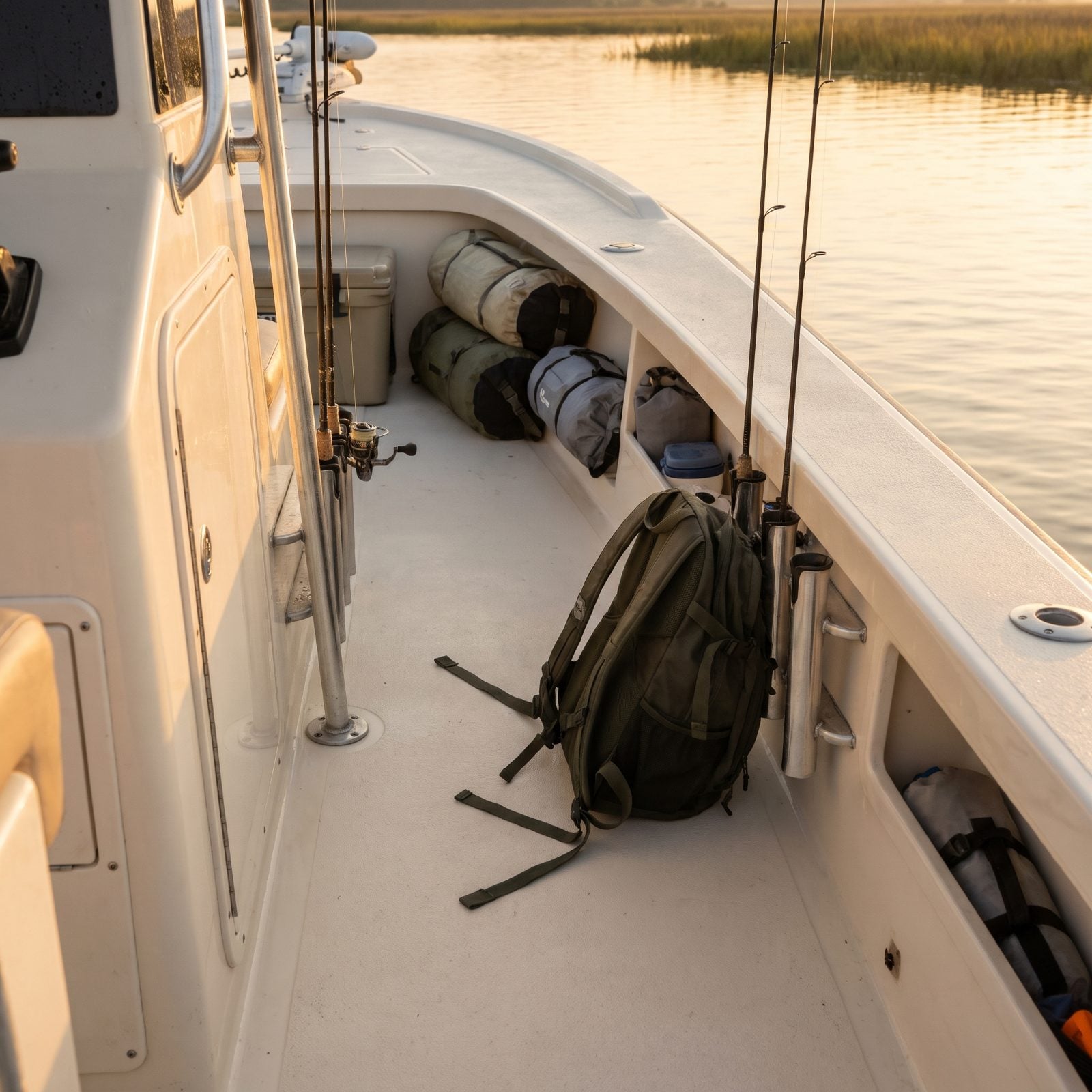
A boat deck is a workspace, not a hotel room floor. The walkways have to stay clear, because that’s where everyone moves fast when a fish is on and nobody’s looking at their feet.
Drop your bag in the middle of the deck and you’ve built a trap. Somebody fighting a fish backs up, catches a heel on your strap, and now there’s a person down and a rod snapped. The client who stows gear under the gunwale and keeps the path open without being asked earns something a guide doesn’t hand out to everyone — the quiet assumption that they belong out here.
29. How You Carry and Set Down a Rod
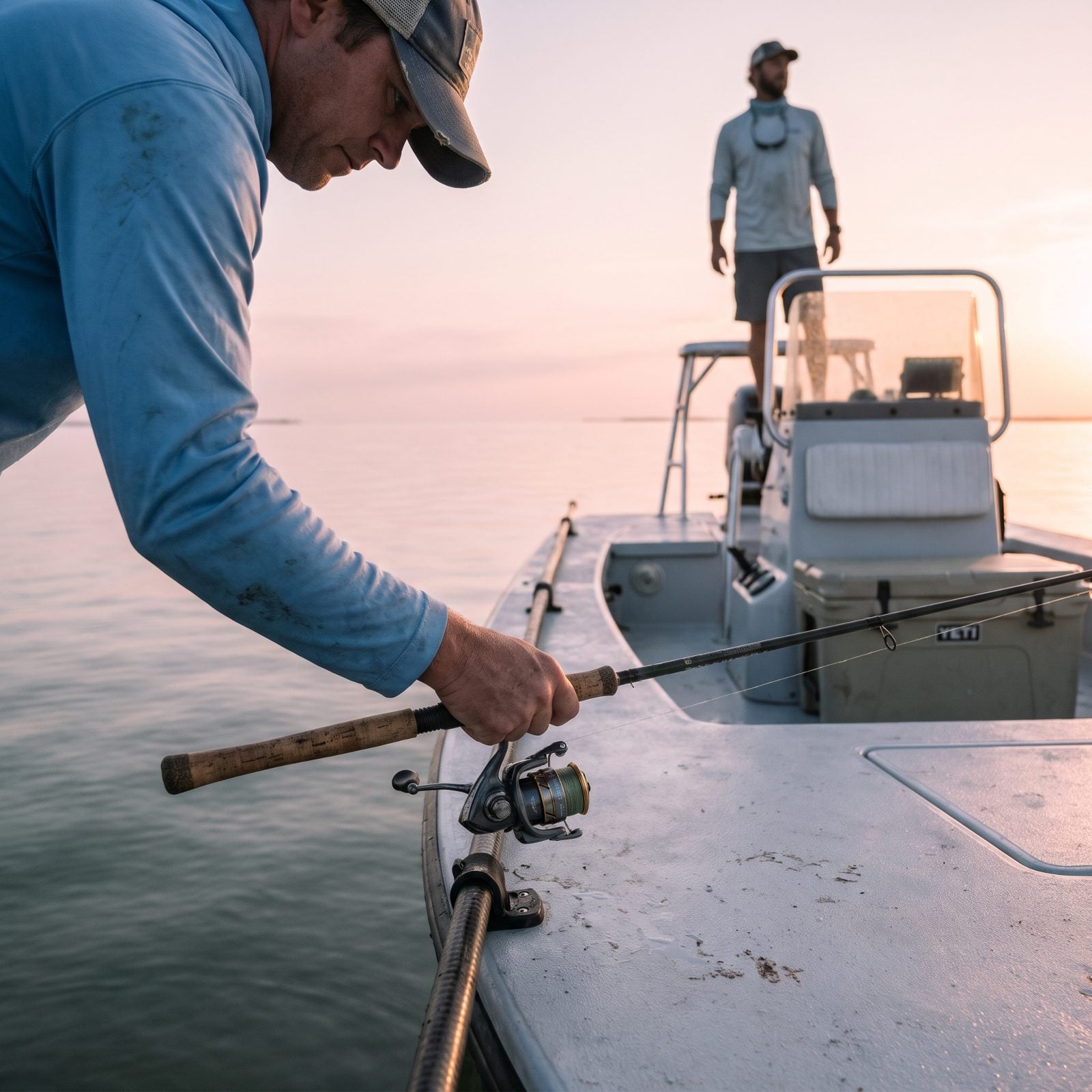
You can tell everything from how a rod goes down. One person lays it tip-up across a cooler so the guide trips over it later. Another sets it in the holder, line clear, like it’s a borrowed thing they mean to return.
Rods cost money and tips snap easy. Within the first minute a good guide knows whether you treat the gear like tools or like props. It’s not about fuss. It’s about knowing a fishing trip runs long and there’s no spare rod coming.
28. Whether You Hold a Spinning Reel the Right Way Up
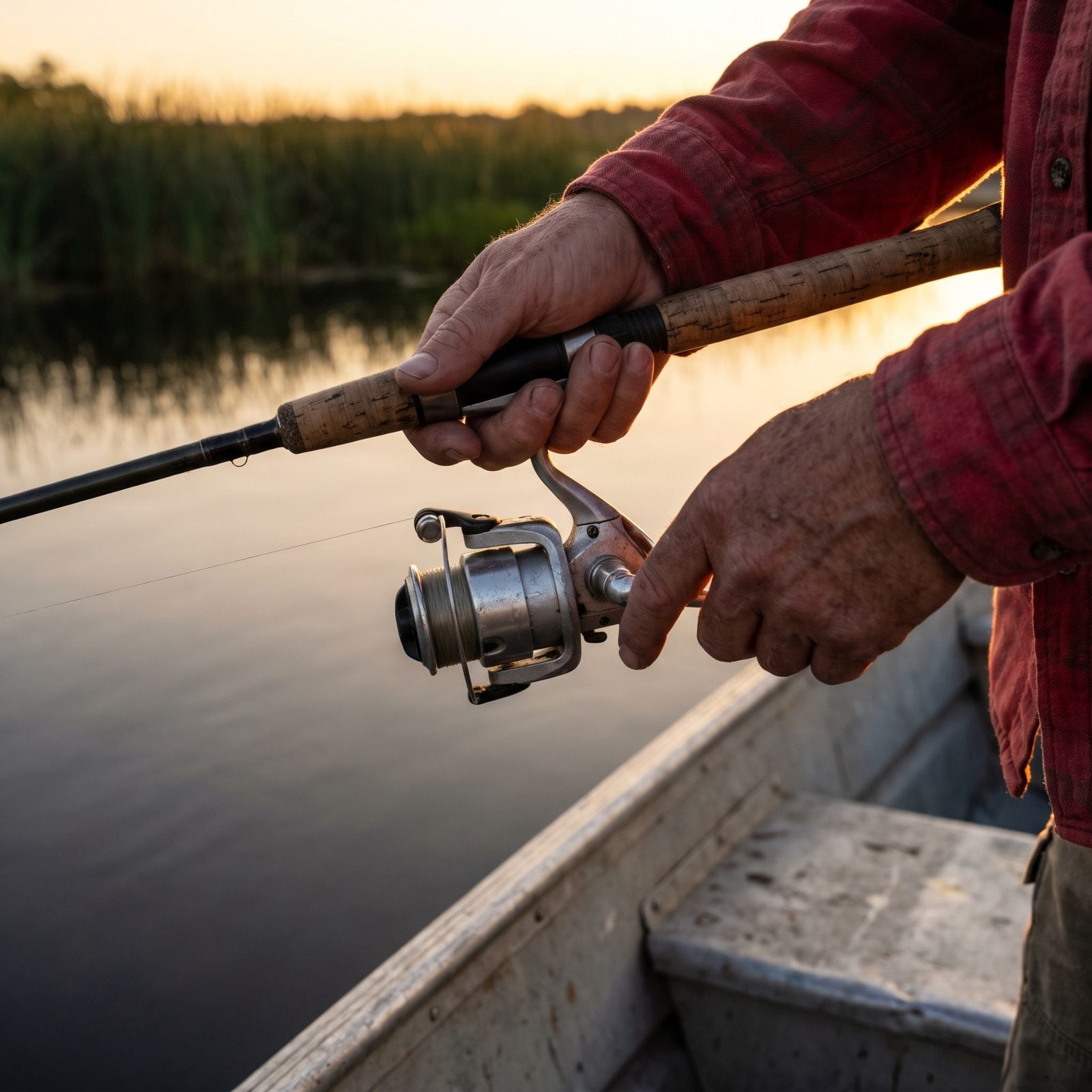
The reel hangs under the rod. Sounds obvious. You’d be surprised.
Somebody who’s only cast a few times grips it on top, the way you’d hold a baitcaster, and spends the whole morning fighting their own hand. A guide clocks the grip before you’ve loaded the cast and already knows how much coaching the day needs. No shame in it — everyone started somewhere, usually on a dock with a rod that was too big for them.
27. Whether Your Line Is Fresh or Coiled Like a Spring
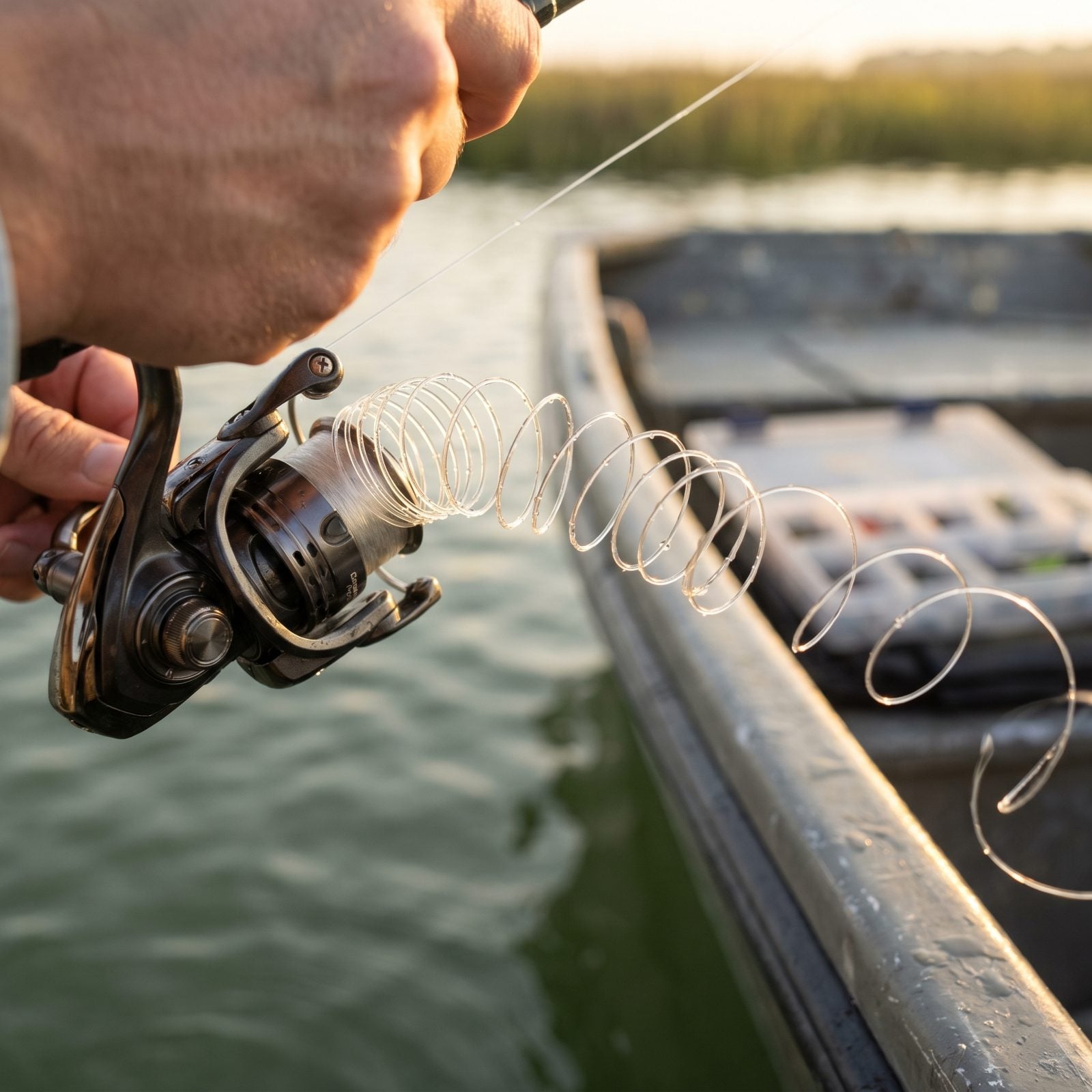
Old line is the quiet saboteur of a good day. It comes off the spool in tight coils, a memory it learned sitting in a garage across a few seasons. Those coils kill casting distance, foul on the guides, and cost you the bite you never even felt.
A guide can read your line the second it leaves the reel. Fresh line flows. Tired line springs. Respooling before a trip is one of those small habits that separates people who catch fish from people who merely own a rod.
26. Whether You Check the Drag Before the First Cast
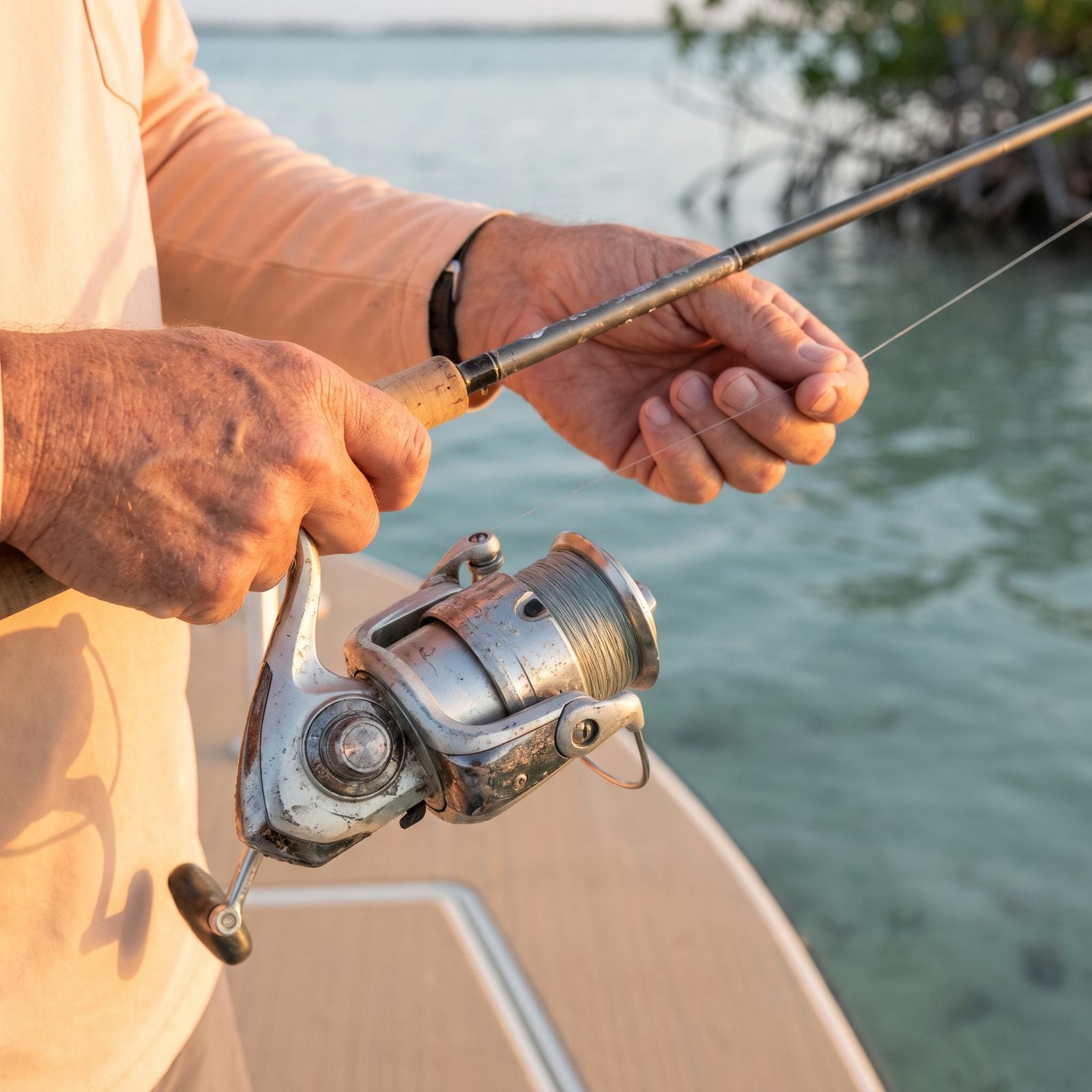
The first big fish is the worst possible moment to learn your drag is cranked down tight. The line pops, the hook pulls, and the whole boat goes quiet.
Someone who’s lost fish before checks the drag first thing — a thumb on the knob, a pull on the line, a feel for the give. Guides love this. It means they can hand you a rod and trust you won’t break it off on the first good run. Of every part on that reel, the drag is the one thing saving you from yourself.
25. How Reliably You Tie a Knot That Holds
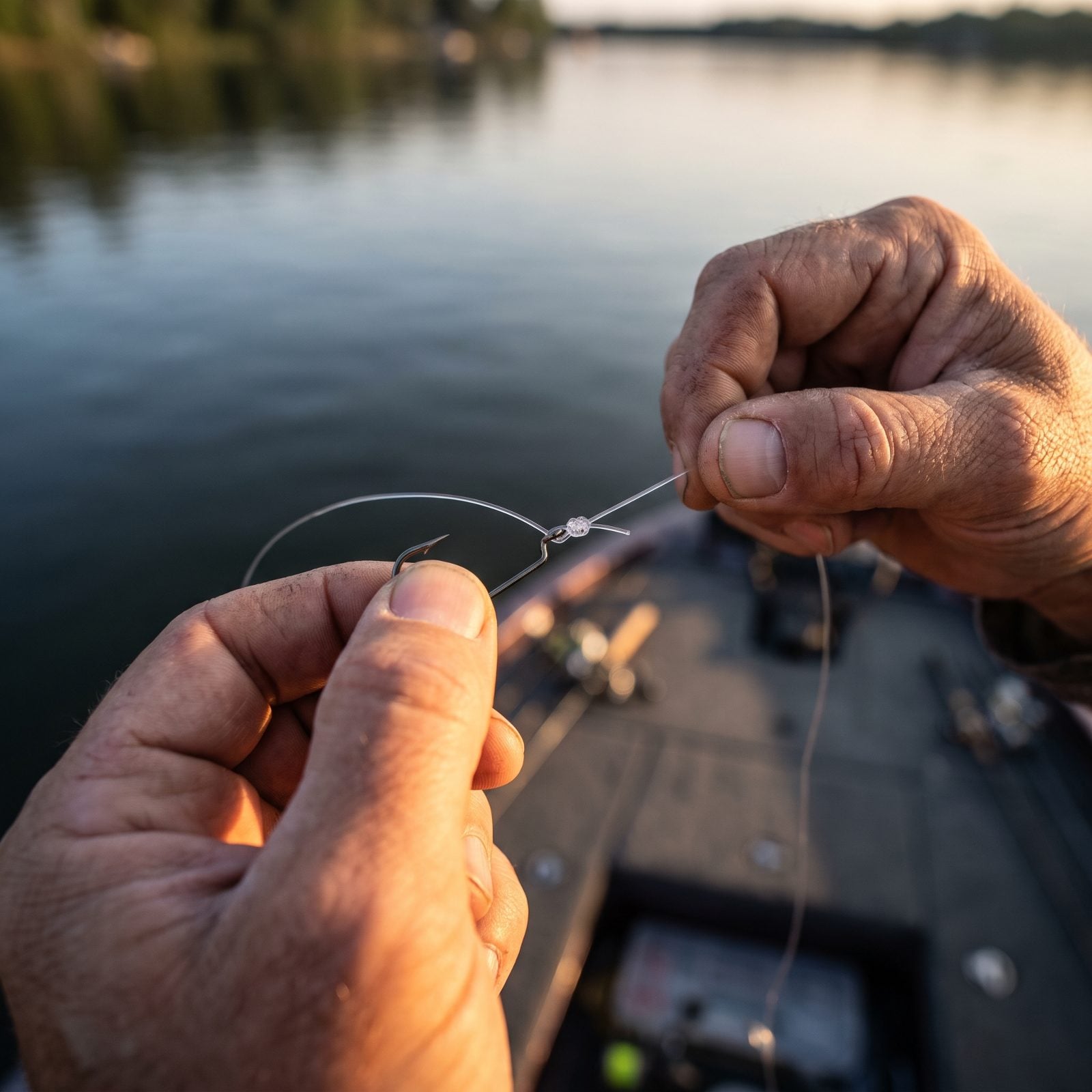
A knot is a small thing until it’s the only thing between you and a fish you’ll talk about for years.
Watch someone tie one and you learn their whole history with the sport. Steady hands. A knot or two done without thinking. Or the fumbling, the squinting, the line that pulls loose on the first strain. Most guides are glad to tie your knots all day, but they notice who can do their own. One or two done right beats a dozen you half-remember.
24. Whether Your Hook Setup Follows the Local Rules
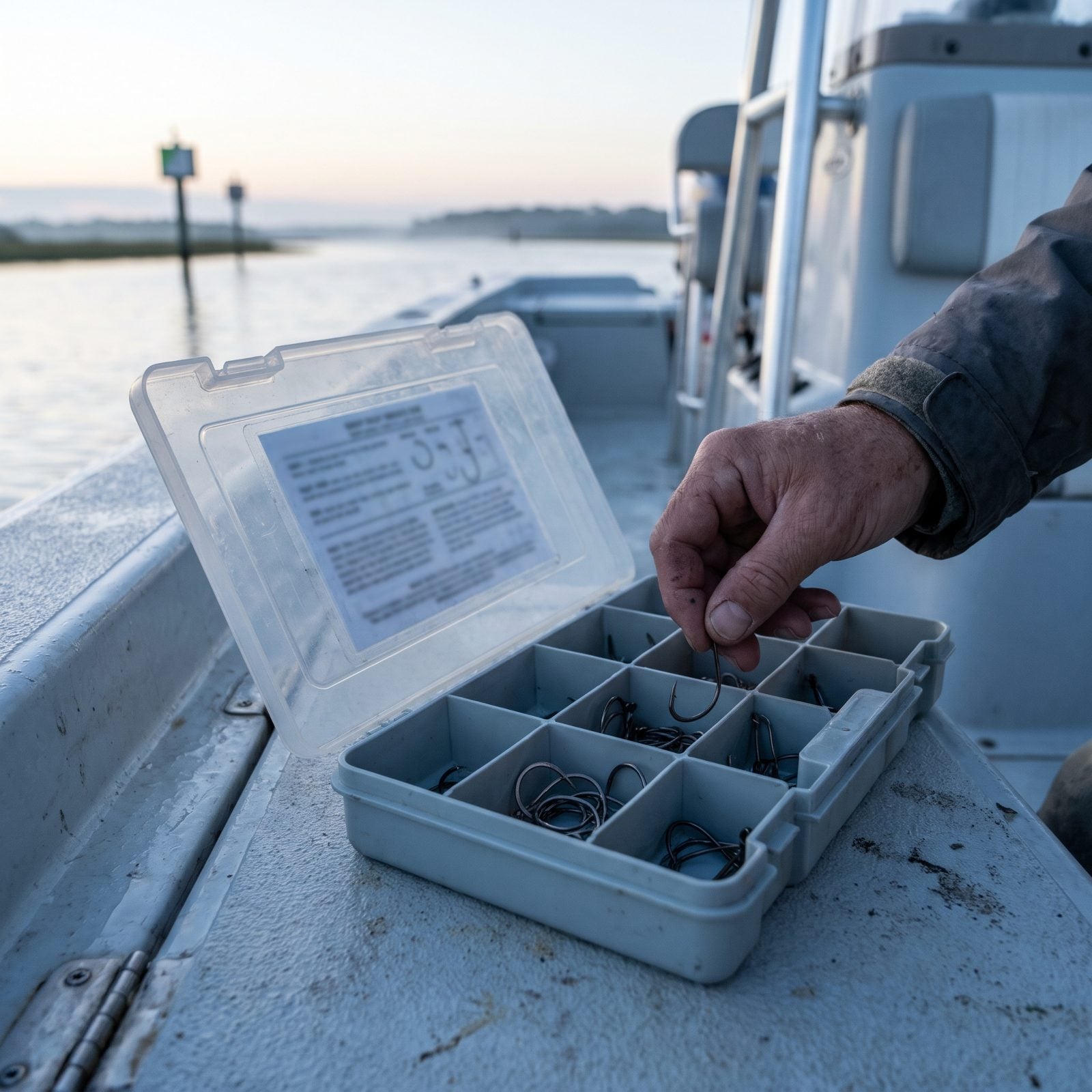
Circle hooks where circle hooks are required. Barbless where the water demands it. Single hooks on certain rivers. The rules shift by state, by species, sometimes by the particular stretch of river you’re standing in, and nobody expects you to have memorized all of them.
But a client who shows up with the right terminal tackle has done the homework, and a guide clocks that respect immediately. It says you take the resource seriously, not just the catch. When in doubt, ask before the trip — the guide knows the local rules cold, and getting it wrong can cost real money.
23. How Comfortably You Handle Live Bait
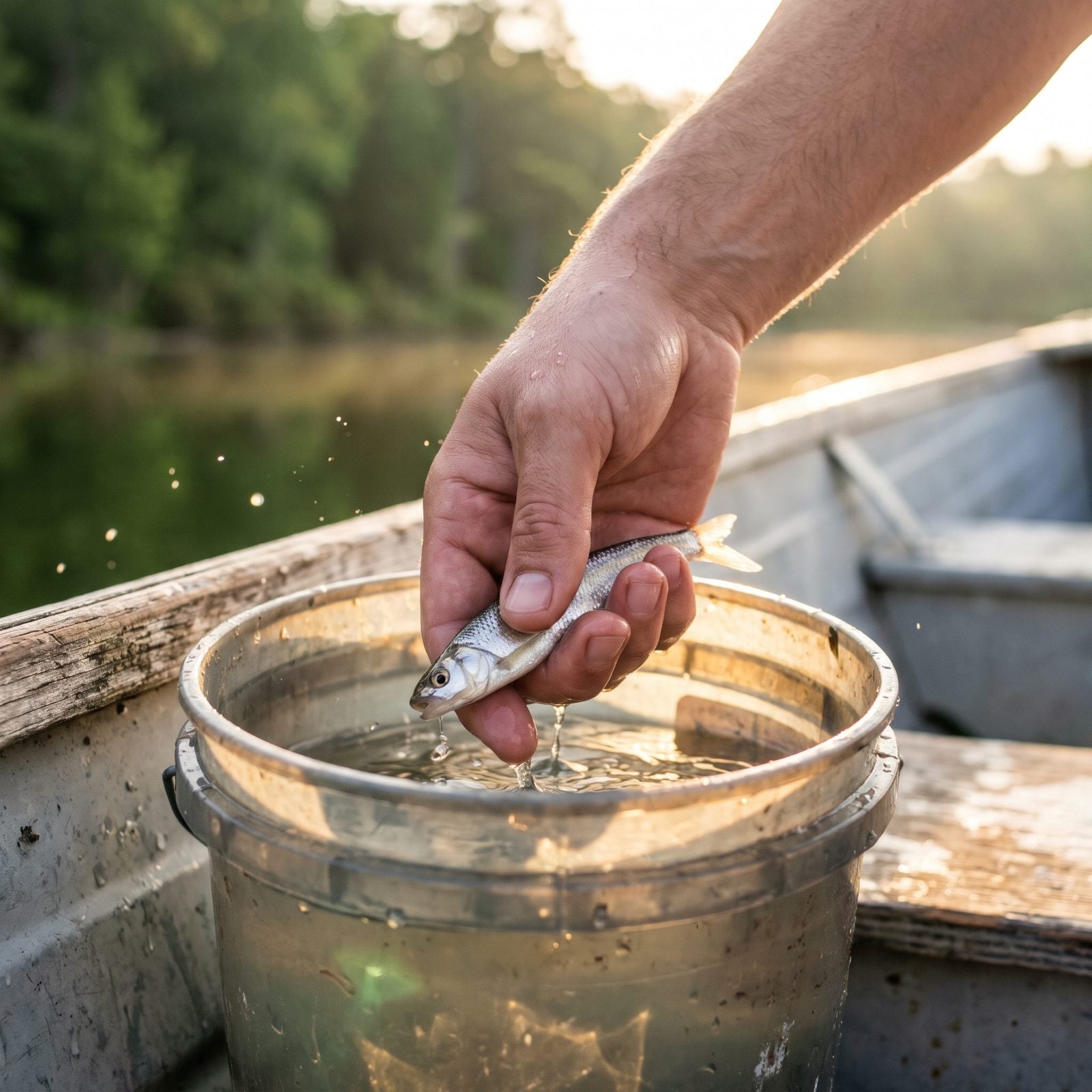
Live bait sorts people fast. Some reach into the bucket like they’ve done it a thousand times, hook a shiner through the lips in two seconds, and move on. Others hold the minnow at arm’s length like it owes them money.
No judgment on squeamishness. But a guide watches how you handle bait for a practical reason: a struggling minnow hooked wrong dies fast, and a dead bait doesn’t catch much. Comfort with the slippery, wriggling part of fishing is one of those honest tells.
22. Whether You Trust a Lure Long Enough to Work It
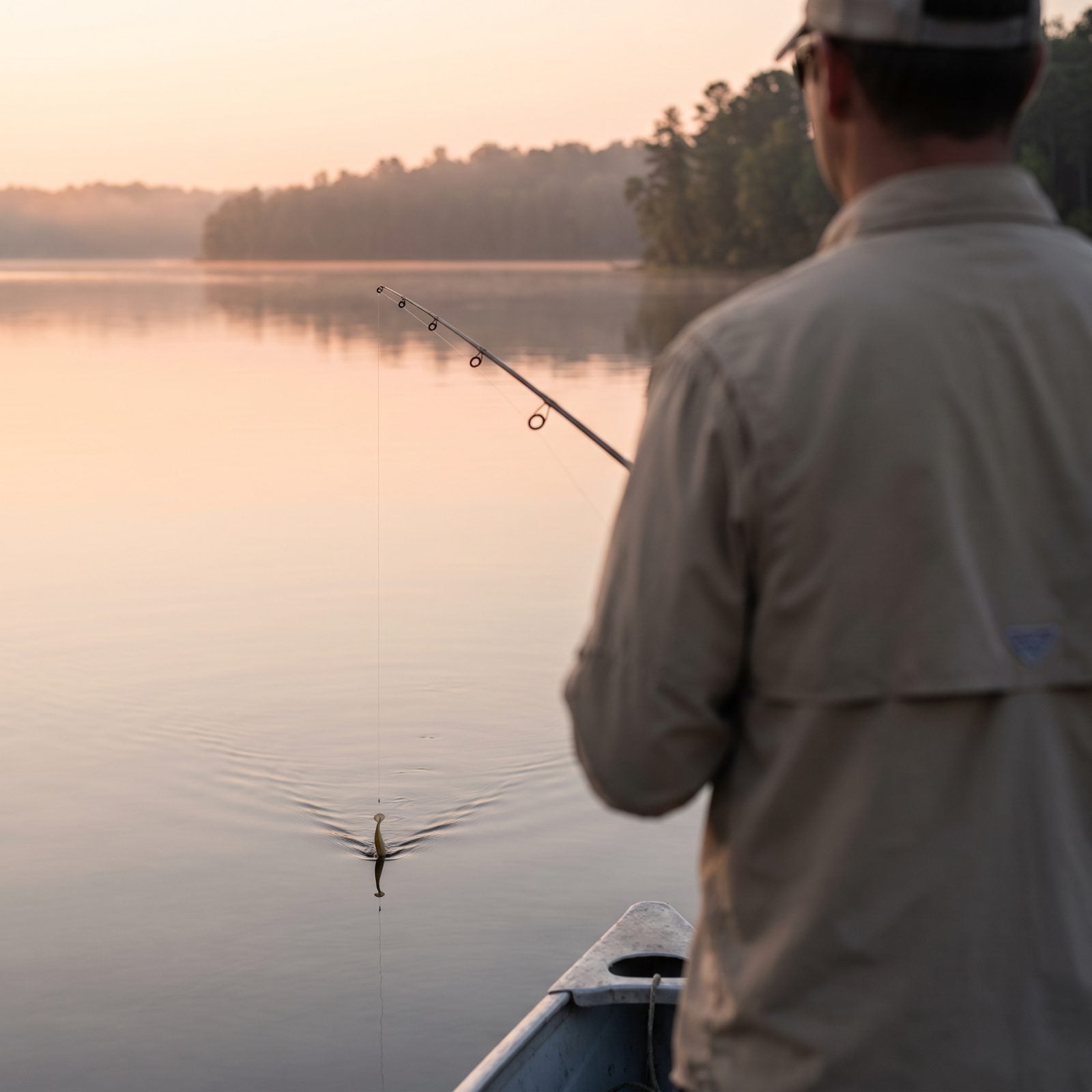
Confidence shows in the retrieve. An experienced angler picks a lure, commits, and works it long enough to give it a chance.
The less experienced swap lures every four casts, convinced the color is the problem when the real problem is they never let one swim. Guides see it constantly. Fishing rewards patience far more than it rewards gear, and the person who trusts a bait and covers a stretch of water thoroughly usually out-fishes the one with forty boxes and no faith in any of them.
21. Whether You Can Control a Baitcaster Spool
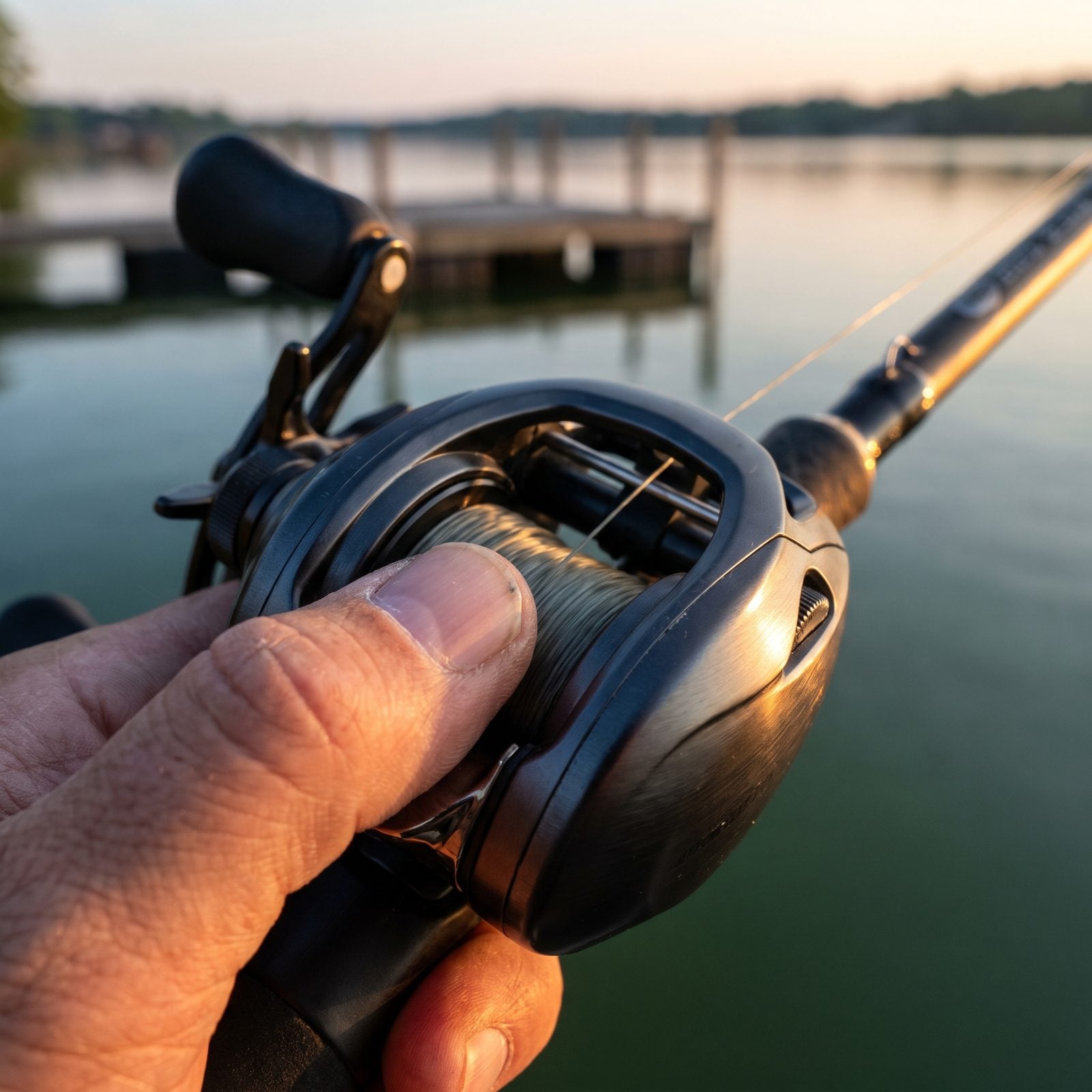
The thumb tells the truth. A baitcaster in trained hands throws tight and quiet. In untrained hands it throws a bird’s nest — that explosion of looped line that takes ten minutes to pick out while the fish move on.
Guides won’t fault anyone for sticking with spinning gear instead. But reach for a baitcaster, and they’re watching your thumb before the lure even lands. Resting its pad on the line wound on the spool is exactly where it belongs, and that single digit does all the work.
20. Whether You Check Behind You Before You Cast
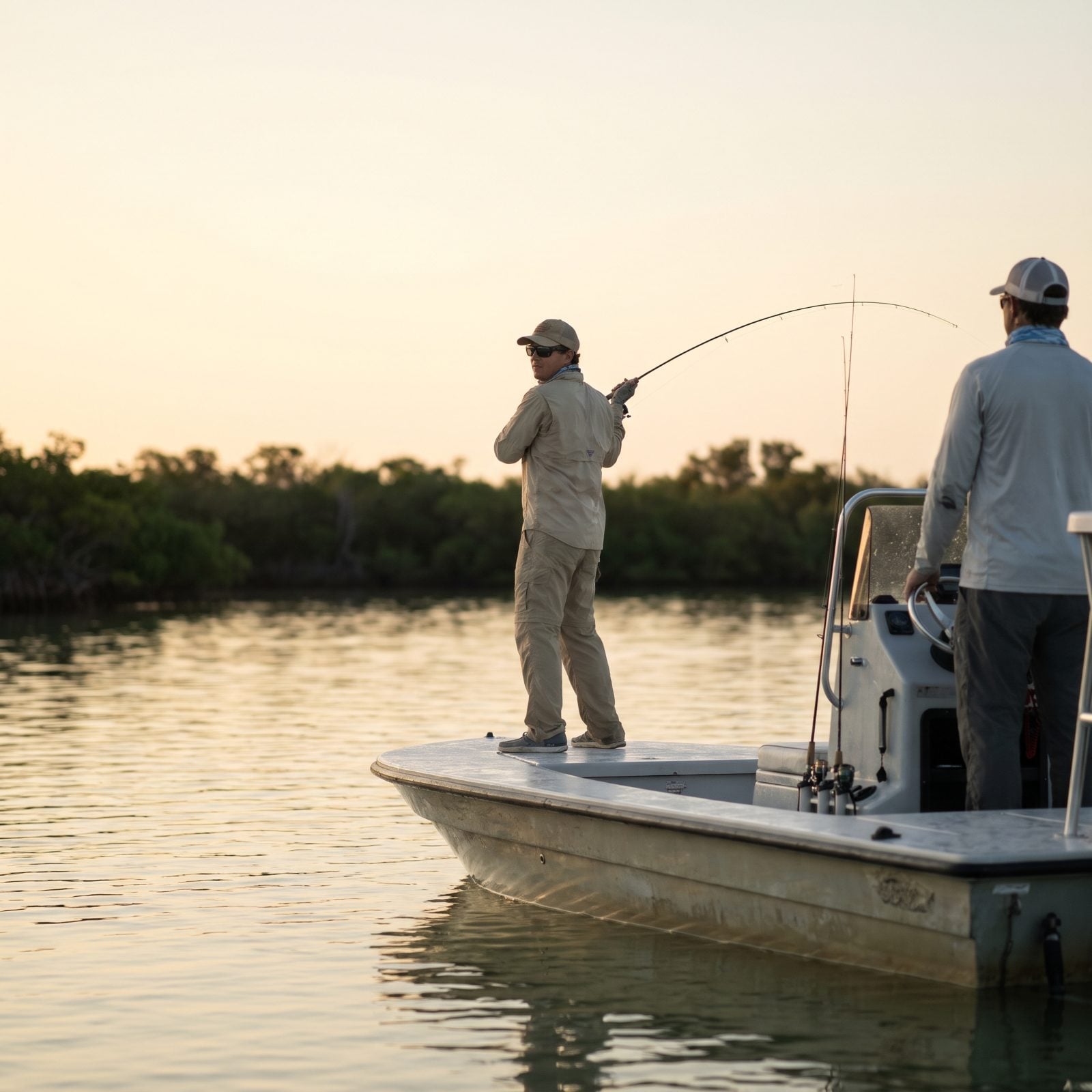
This is the one that makes a guide exhale.
A treble hook moving at casting speed can find an ear, a cheek, the back of a neck. The angler who glances back before every cast is telling the whole boat they know there are other people aboard. Clearest etiquette tell there is, and it has nothing to do with skill.
Nothing ends a morning faster than a hook in someone’s scalp and a run to the dock. So check behind you. Every cast. A guide who sees you do it unprompted relaxes for the rest of the day, and so should you.
19. How Accurately You Cast Toward Cover
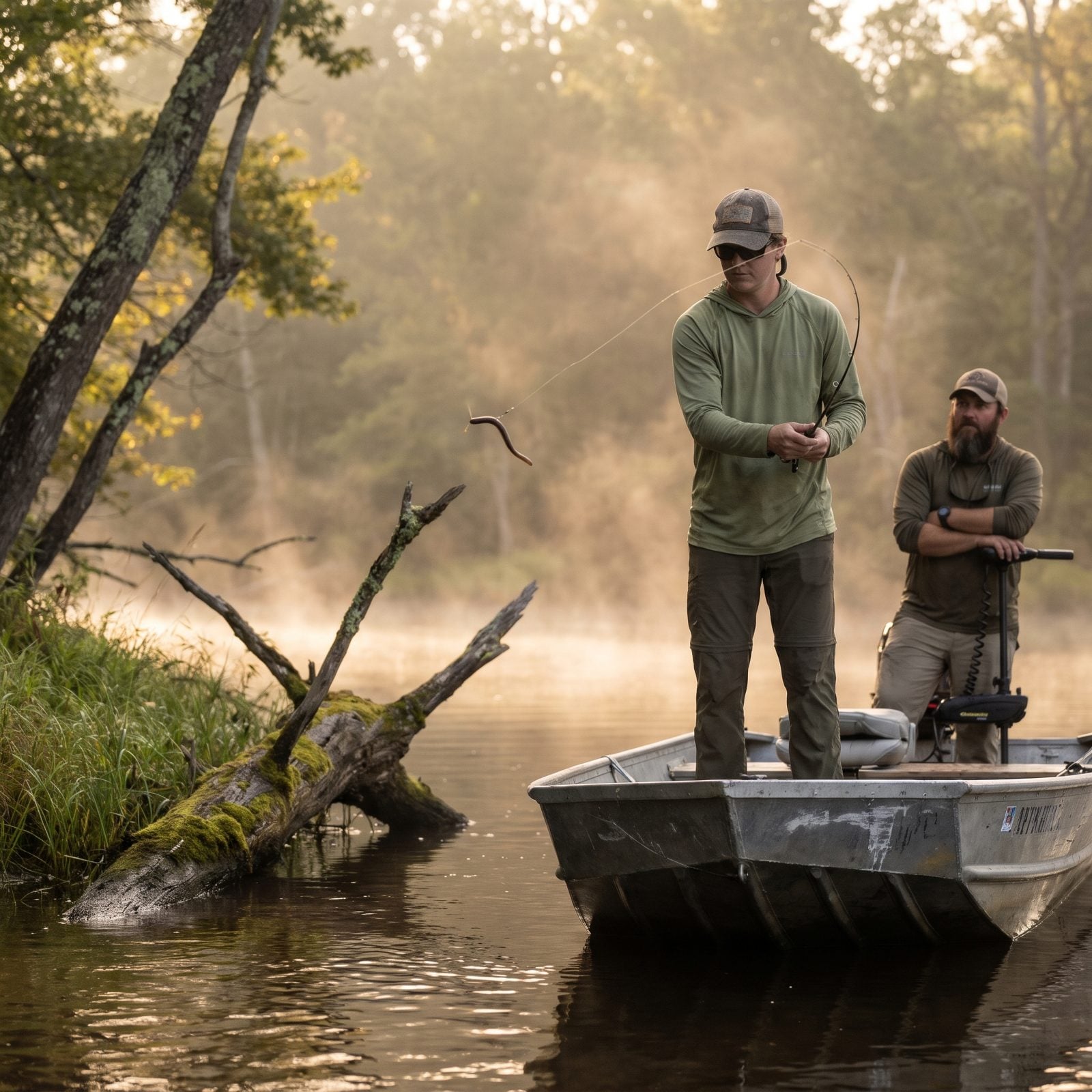
Distance impresses nobody out here. A guide watches where your lure lands, not how far it flew. The fish are tucked against that laydown, under the dock, in the one gap in the grass. Can you drop a cast into a space the size of a dinner plate?
Accuracy near cover tells a guide what kind of day they can run. Hit your spots and the structure opens up. Miss by three feet every time and the whole thing shrinks to open water and hope.
Urging rusty clients to practice casting at targets before a trip, a Florida bass fishing guide explains “We’ll fish around lily pads, laydowns, and stickups, and if we hit brackish water, you’ll see some mangroves. Foul hook ups spook fish, they require us to kill time retrieving flies or lures”
18. Whether You Chase Distance at the Expense of Control
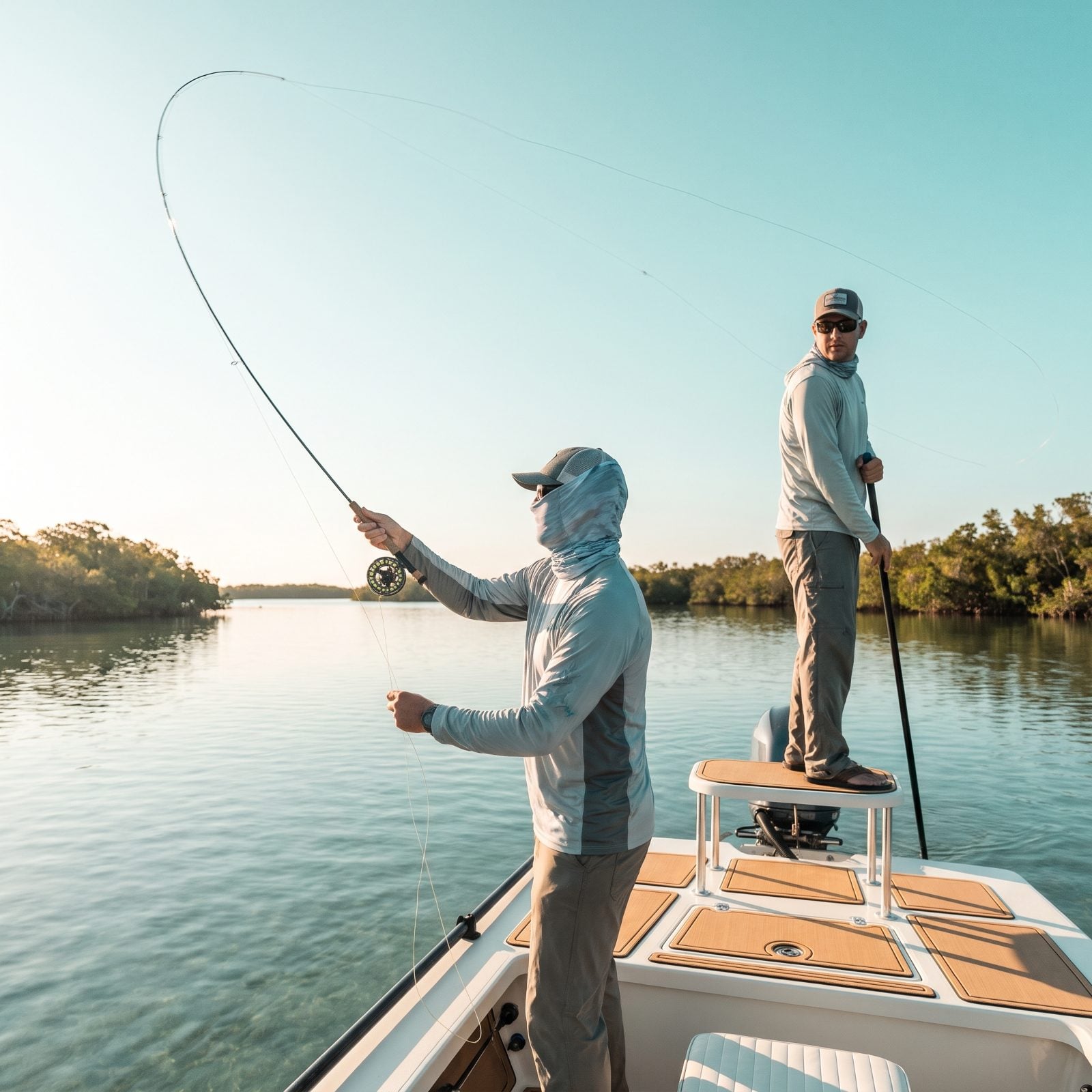
There’s a type who treats every cast like a home run swing. Big wind-up, full body, the lure rocketing toward the horizon. Looks powerful. It usually means the lure landed somewhere the fish aren’t, with forty feet of slack that’ll never telegraph a bite.
Control beats power in nearly every situation that matters out here. A guide would rather you cast forty feet clean than seventy feet sloppy. The angler who dials it back, who trades reach for precision — that’s the one they stop worrying about ten minutes in.
17. How Quickly You Adjust a Cast for the Wind
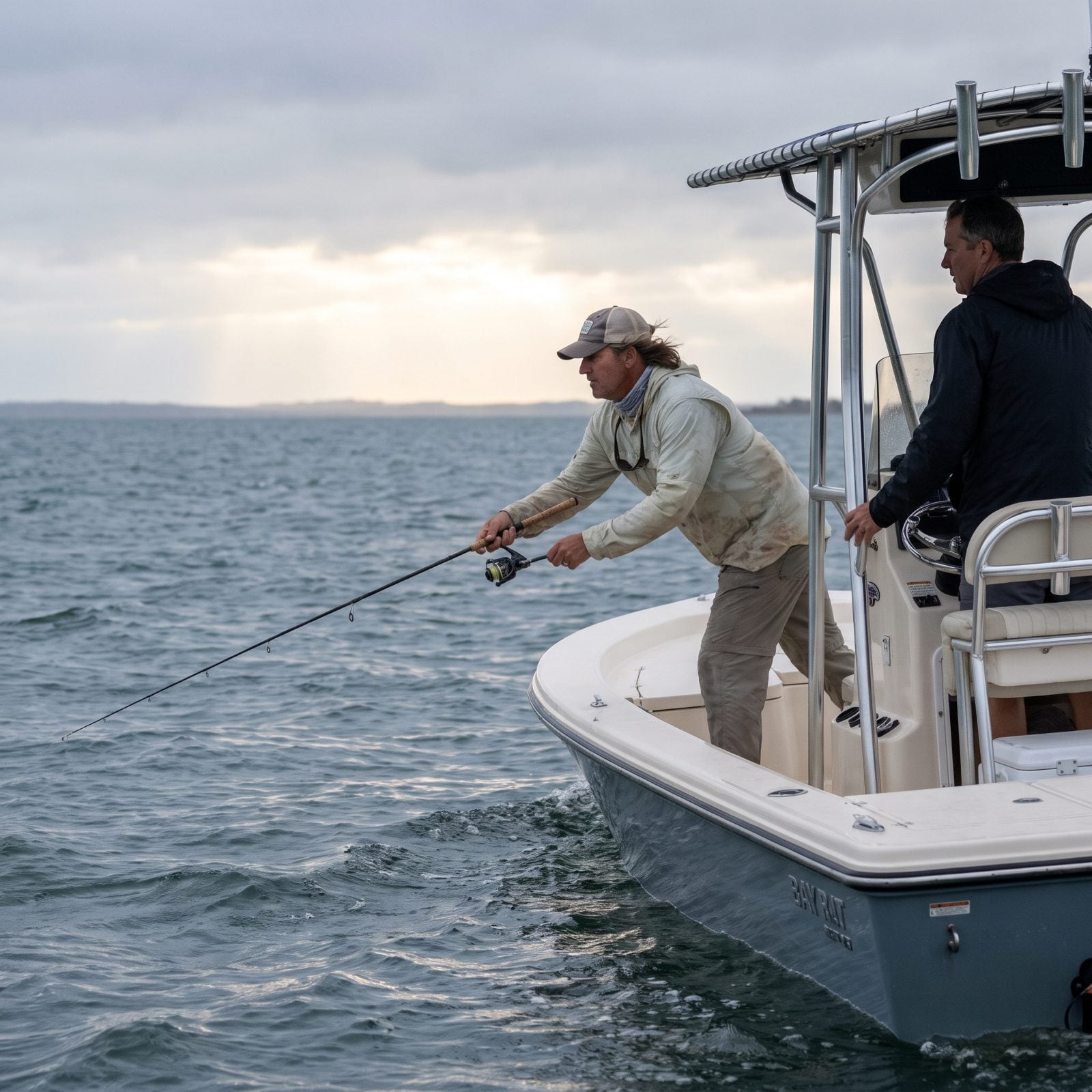
Wind is the great separator. It shows up most mornings and it ruins the cast of anyone running on autopilot.
A guide watches to see if you notice the breeze before it costs you. Do you drop the rod tip and go sidearm? Turn your body so the wind carries the lure instead of fighting it? Switch to a heavier bait without being told? The angler who adapts in two or three casts gets to fish the whole lake. The one who keeps lobbing high into a headwind gets quietly steered to the lee shore, where the fishing is worse but at least the casting is possible.
16. How Quietly You Land a Lure Near Fish
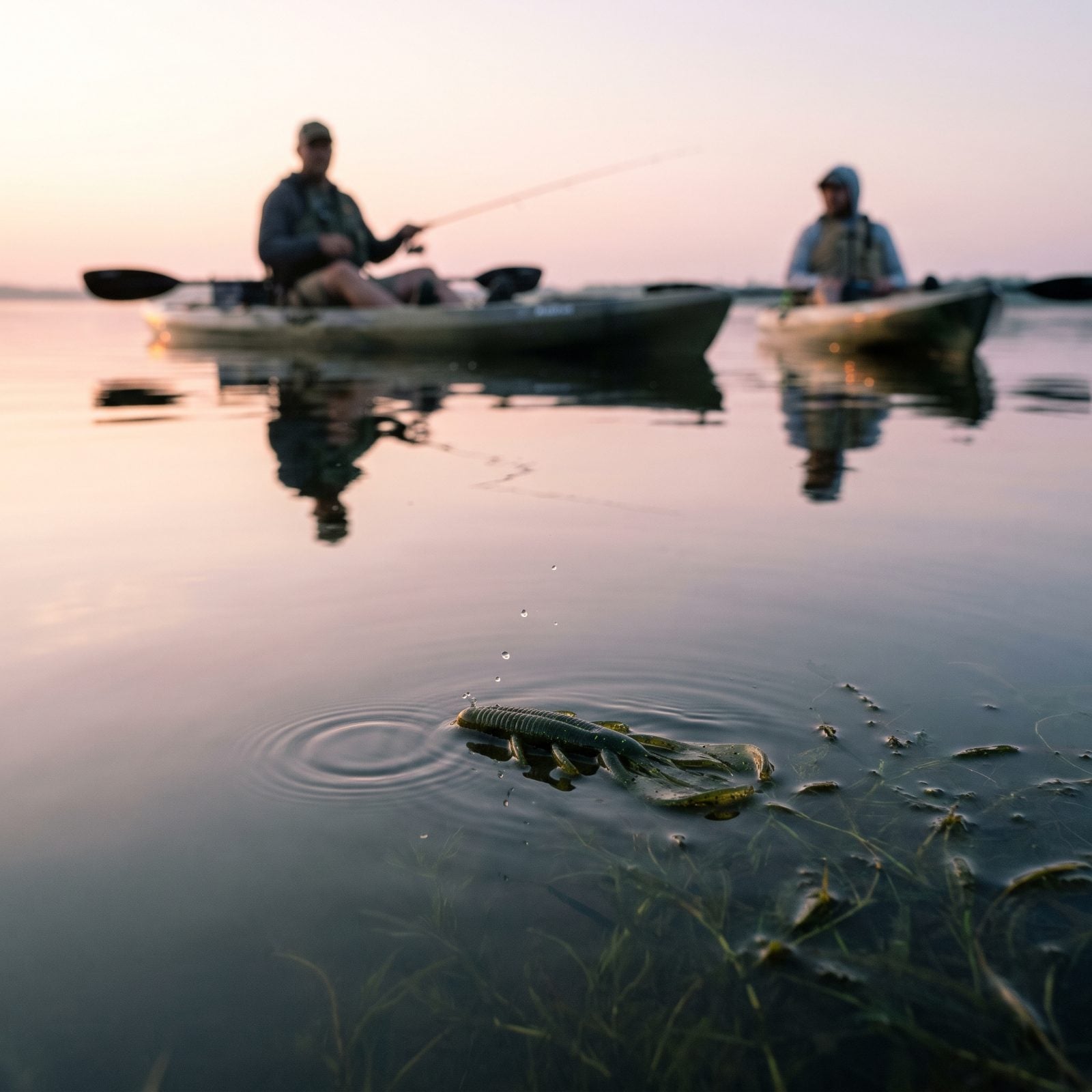
A lure that slaps down like a dropped brick sends fish scattering in skinny water. The experienced angler knows this in their hands, not their head. They feather the line with a thumb or finger at the last second so the bait kisses the surface instead of crashing in.
Guides notice the entry before anything else in the shallows. Quiet presentation is the whole difference between a spooked flat and a feeding one.
15. Whether You Control Slack Line After the Cast
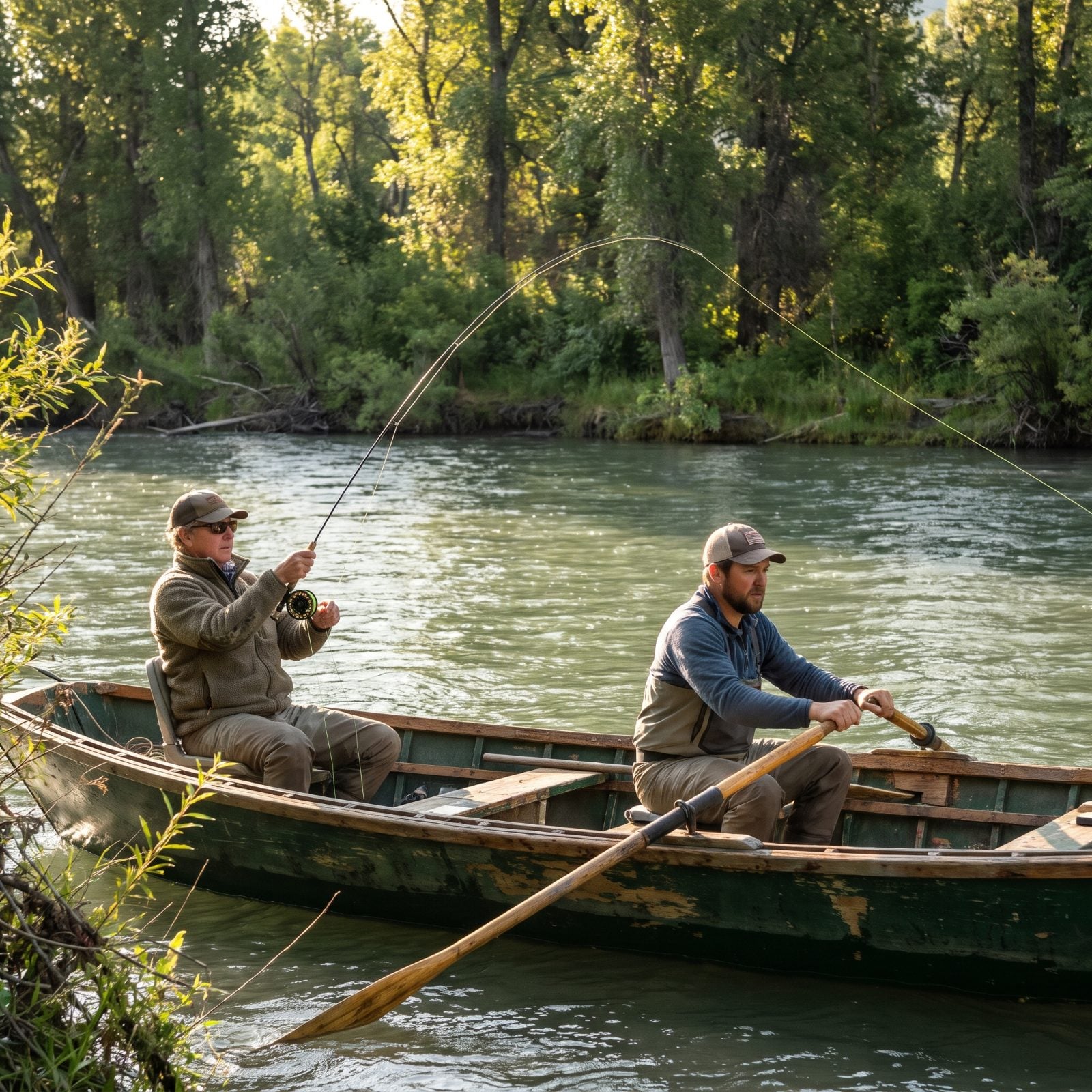
The cast is only half the job. What you do in the three seconds after the lure lands decides whether you ever feel the fish that eats it.
Slack line is a dead connection. A guide watches your rod tip and your hands the moment the bait hits. Are you reeling up the belly, raising the tip, staying in contact as the lure sinks? Or is a loop of line blowing around while a fish inhales your bait and spits it before you know a thing? Most missed bites happen right here, in the quiet seconds nobody talks about.
14. Whether You Set the Hook at the Right Moment
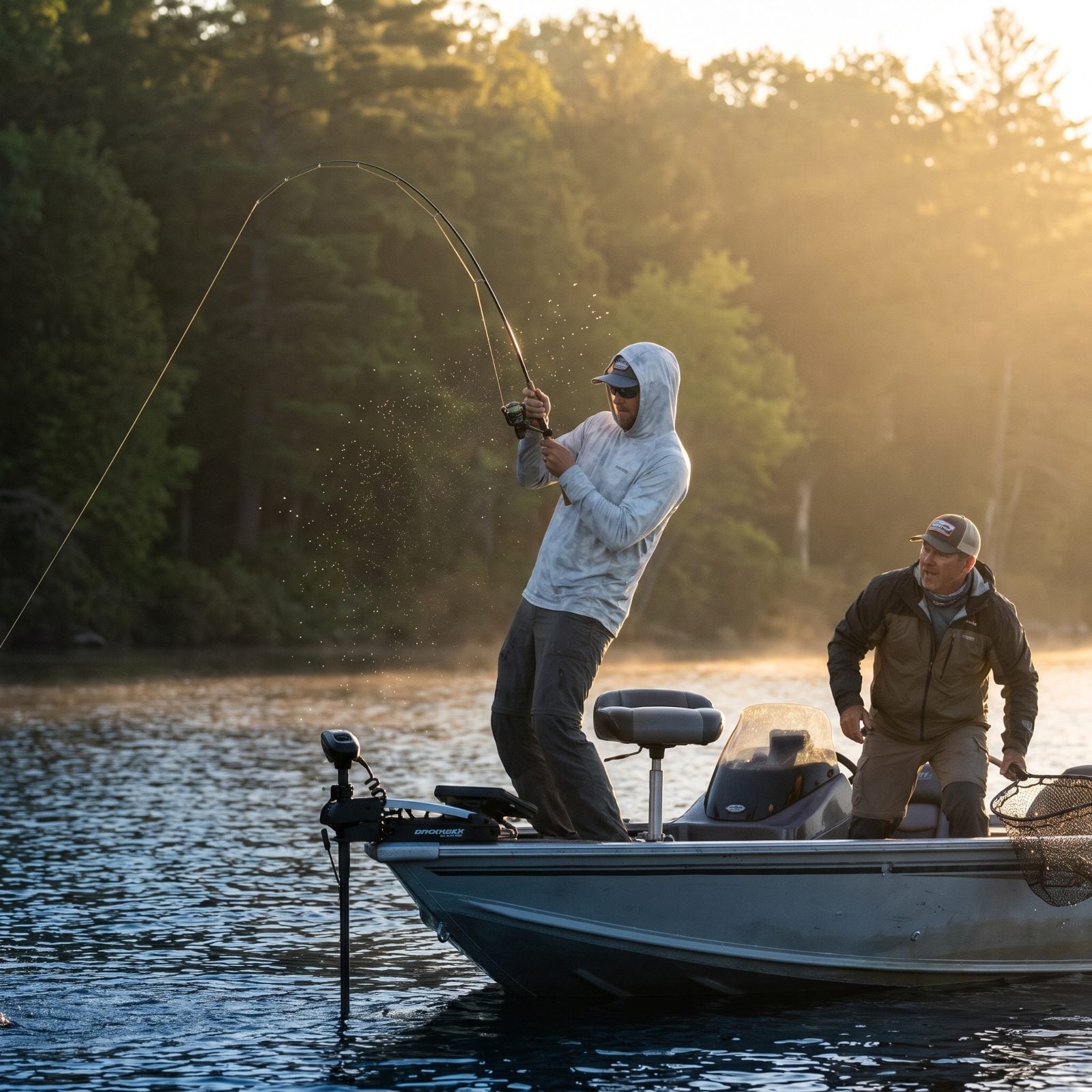
Too early and you pull the lure out of the fish’s mouth. Too late and it’s already gone, or buried in cover you’ll never pry it out of. Timing is a feel that lives somewhere between patience and reflex.
Different fish demand different sets. A bass eating a worm might want a beat of hesitation. A trout on a dry needs almost nothing. A guide clocks whether you rip into every take like it’s a bass, or whether you read the species and the bait and wait the right amount.
The fish you lose at the hookset haunt you longer than the ones that never bit.
Asked what clients misunderstand most, a Florida fishing guide says “Here in Florida, we use circle hooks. That is the hardest thing on a fishing trip for the dudes to understand how it works. You’ve got to wait.”
13. How Well You Maintain Pressure on a Hooked Fish
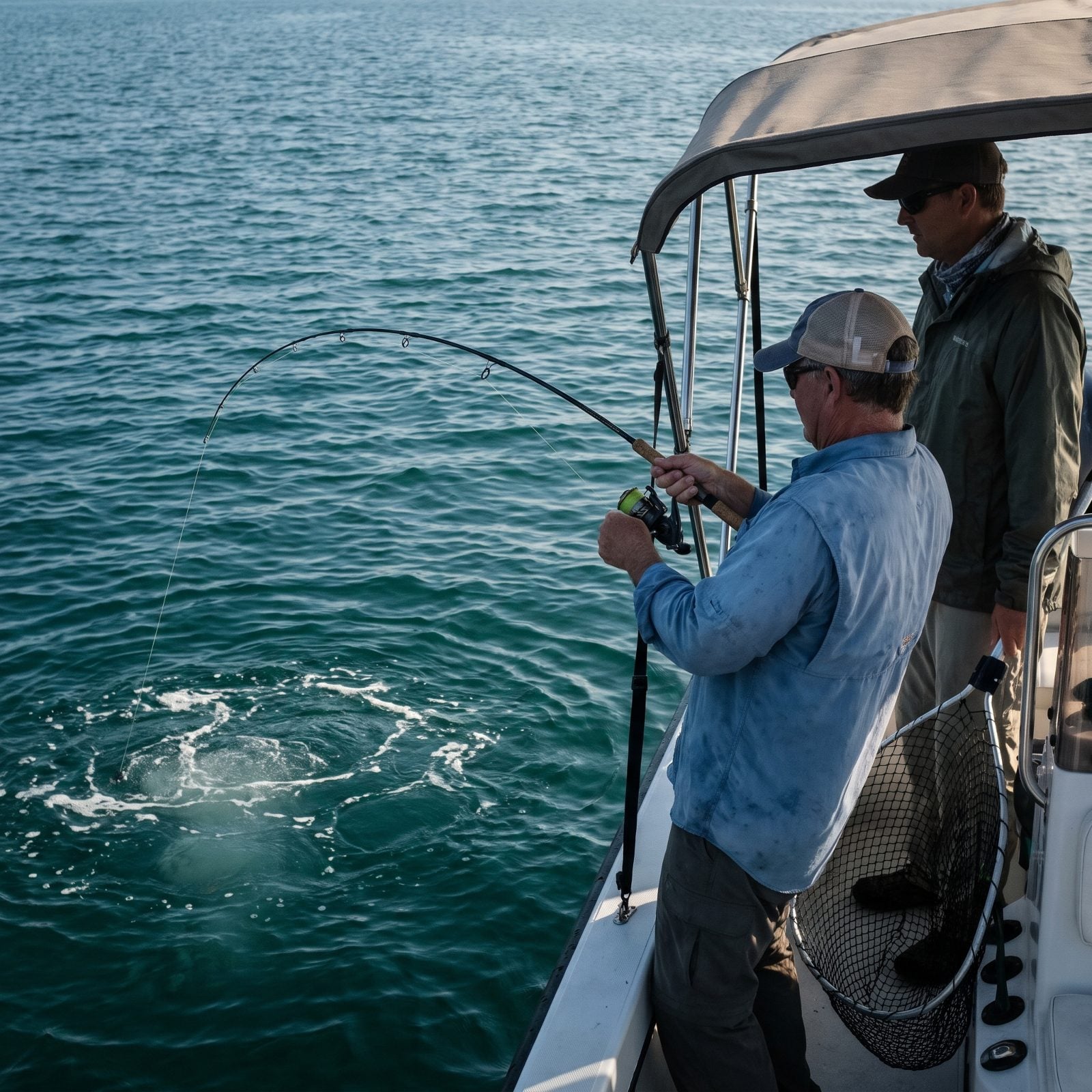
The fight is where fish are lost by people who think the fight is over. One slack moment, a dropped rod tip, a pause to grab a phone — and the hook falls free.
Steady pressure keeps that hook seated and tires the fish on your terms. A guide watches whether you keep the rod loaded and the line tight through head shakes, runs, and the moment the fish turns toward the boat. Panic when the fish surges, or bow the rod and give slack at exactly the wrong second, and you become the client a guide quietly talks through every fight.
12. Whether You Read Current Seams, Cover, and Depth Changes
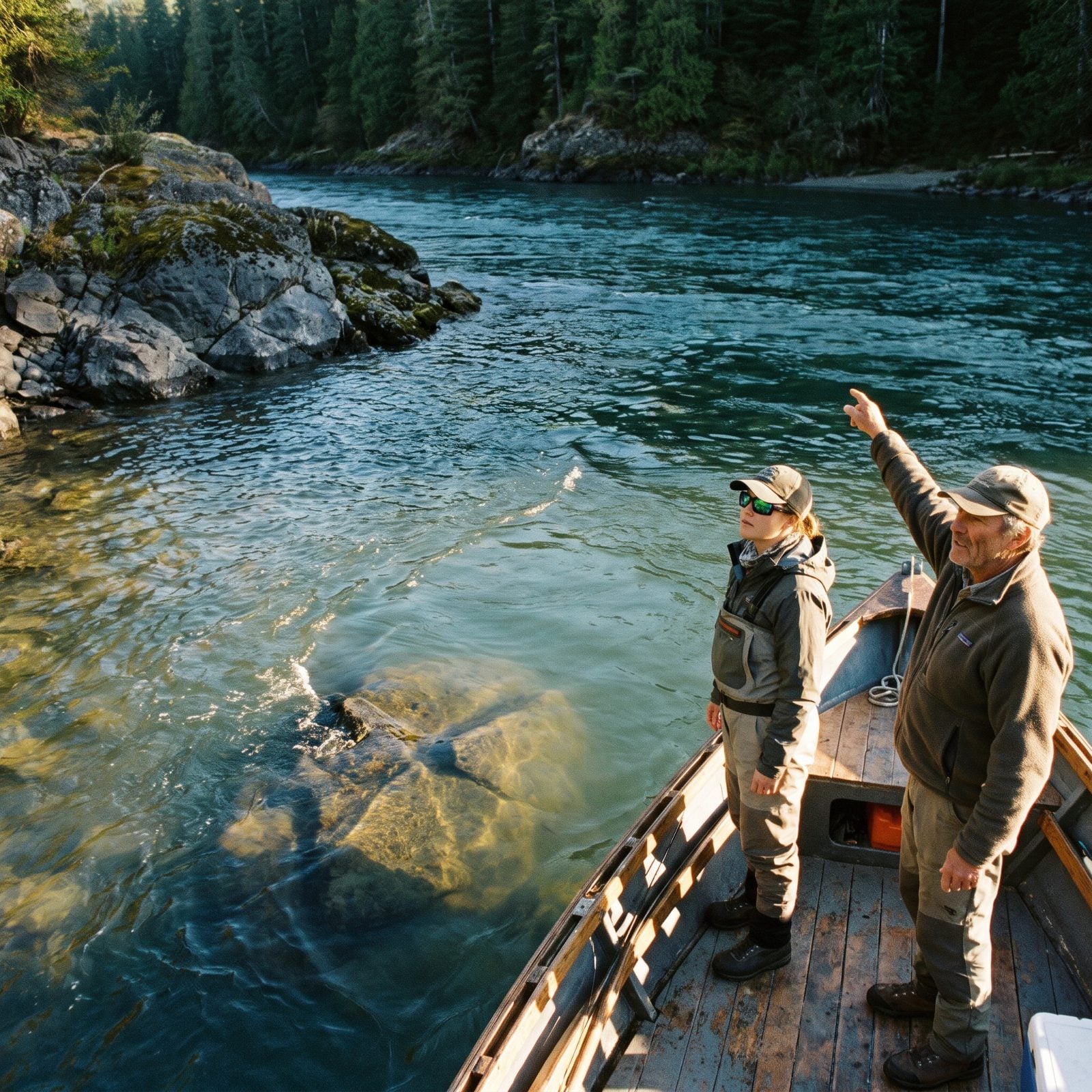
The best clients spend the first hour learning to read water, not just fish it. They clock the seam where current meets slack, the color change that marks a drop-off, the shade line under an overhanging tree.
A guide can see curiosity in how your eyes move. The angler who asks why you’re parked on this particular point, who starts spotting the structure before anyone says a word — that’s the one who’ll fish better next time without a guide at all. That’s the real goal, honestly, and any guide worth hiring is glad to see it. Pay attention to the water. The fish are a reward for noticing.
11. Whether You Notice the Baitfish, Birds, and Surface Swirls
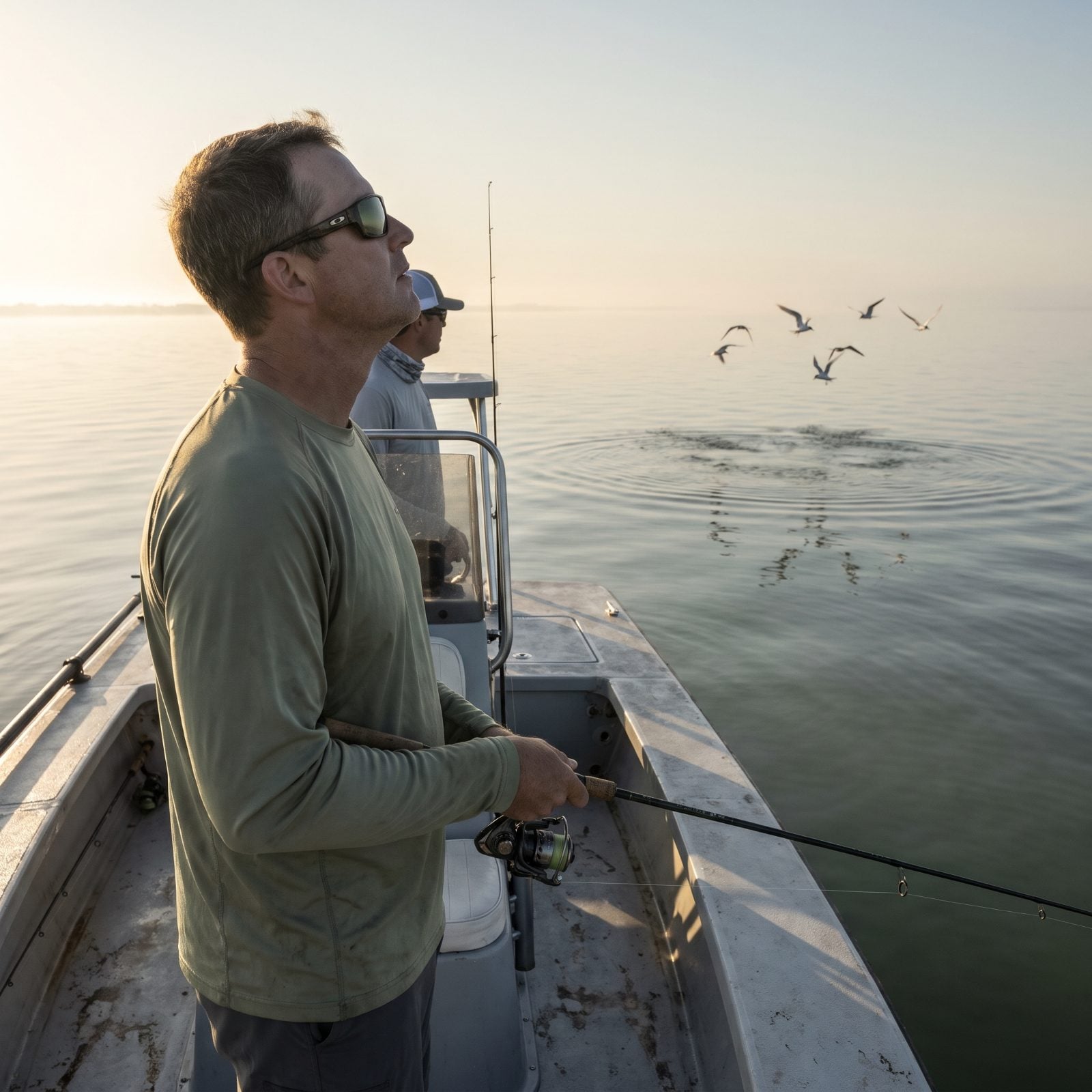
The best clients are reading the water before the guide says a word — a spray of glass minnows skittering, a single tern hovering, a soft swirl that wasn’t a wave. Those are signs, and the person who catches them is already fishing with their eyes.
You don’t have to call it out. Just look alive. A guide who watches you watch the birds knows they can trust you with a subtle bite and a long cast, while the client staring at their own feet gets fed easy fish all day and never learns why.
10. How Closely You Watch the Guide’s Demonstration
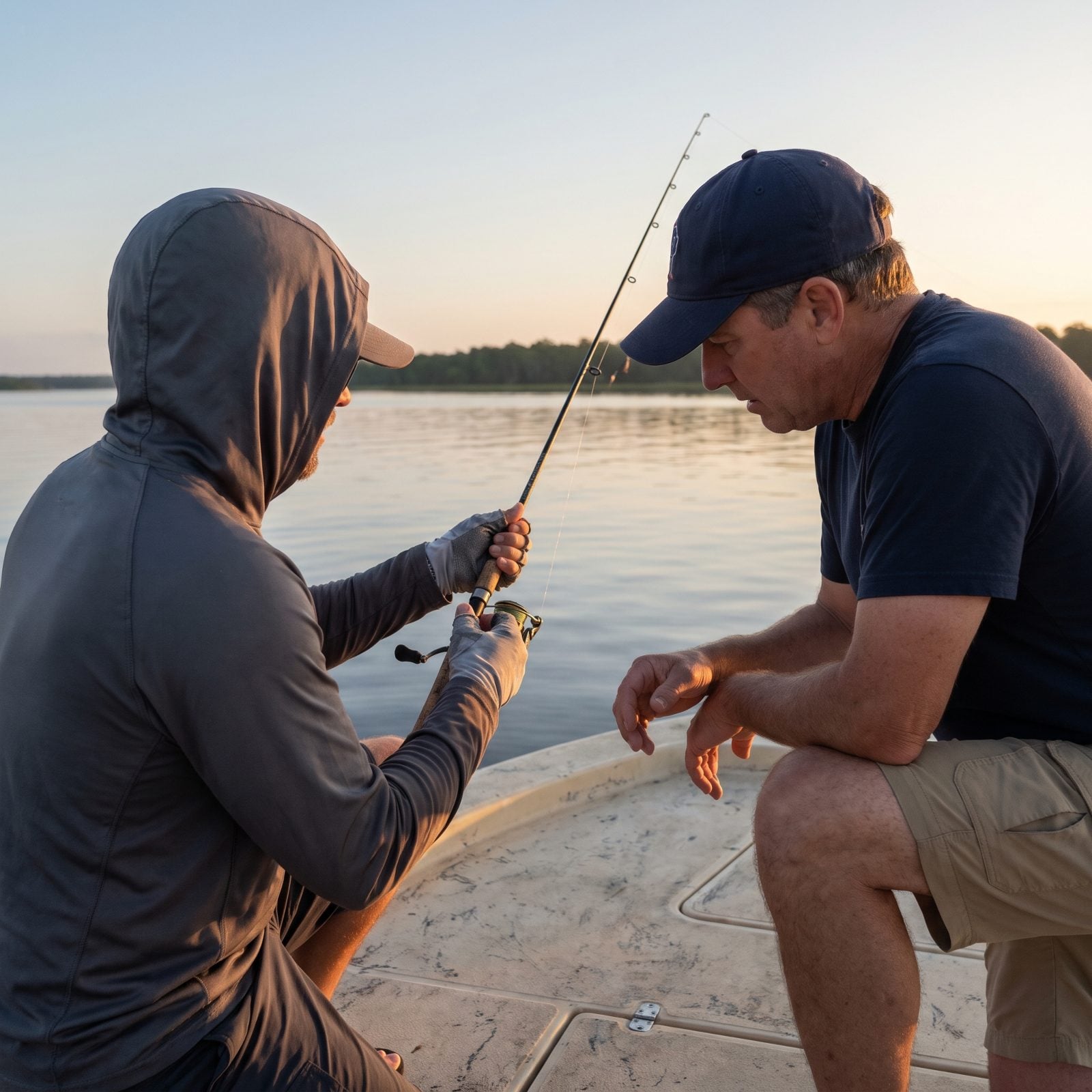
When a guide shows you a retrieve, the whole trip lives in that thirty seconds. Where the rod tip stops, how long the pause runs, the exact little twitch that makes a soft plastic look wounded instead of dead.
Lean in. Watch the hands, not the fish. The client who studies the demonstration and then copies it on the first cast saves everybody an hour of correction. The one who was scrolling through it? They’ll ask the same question four times, and the guide knows that before the first cast ever leaves the rod.
9. Whether Your Questions Actually Help You Learn
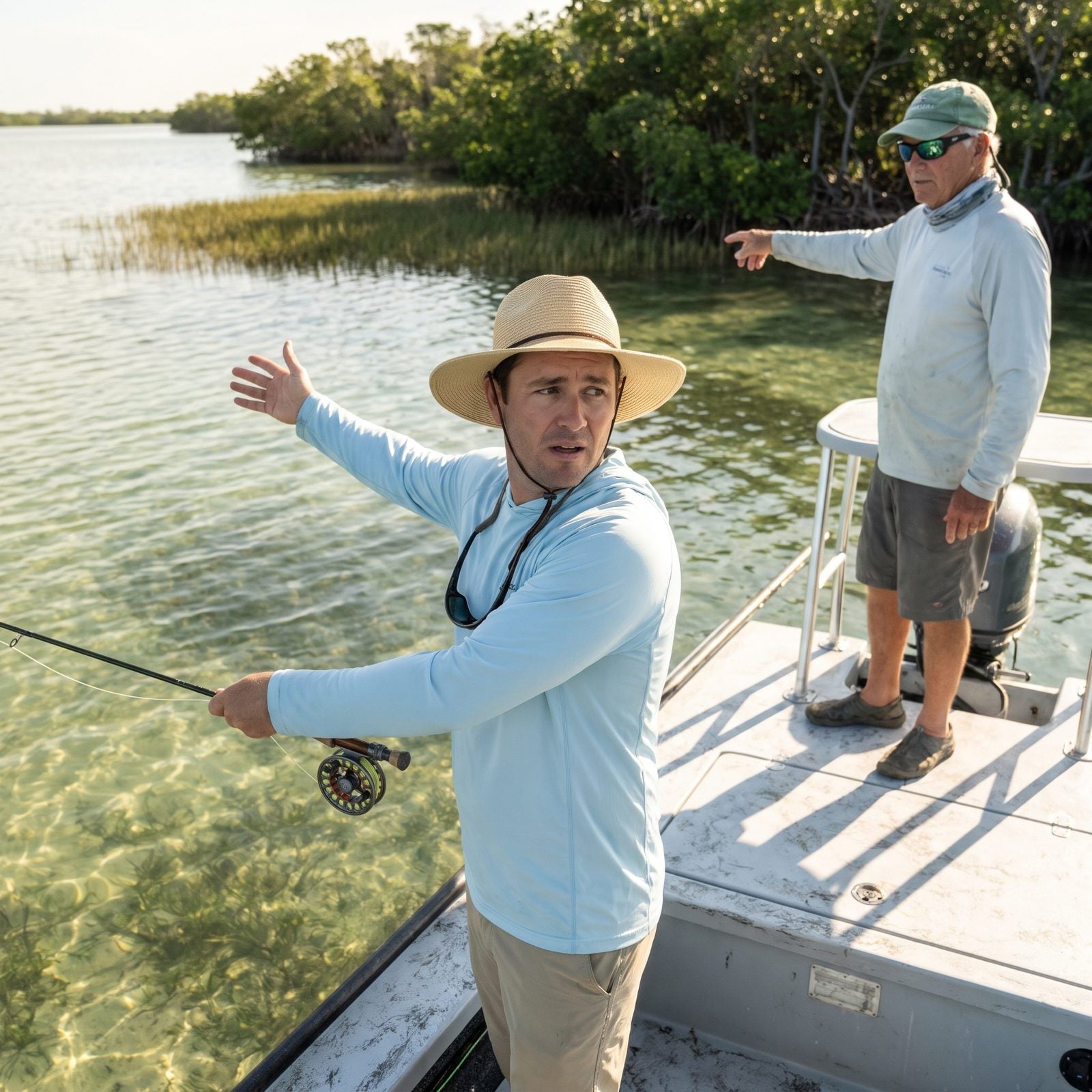
There are two kinds of questions on a boat. One moves you forward: why that grass line, why that color, why the pause after the pop. The other is just noise to fill the quiet.
Guides love a real question. It means you want to catch fish next year without them. Ask why they chose this spot, this tide, this lure, and you turn a charter into a lesson you keep. We’ve learned more from one good why than from a whole box of expensive tackle.
8. How You Respond to a Small Correction
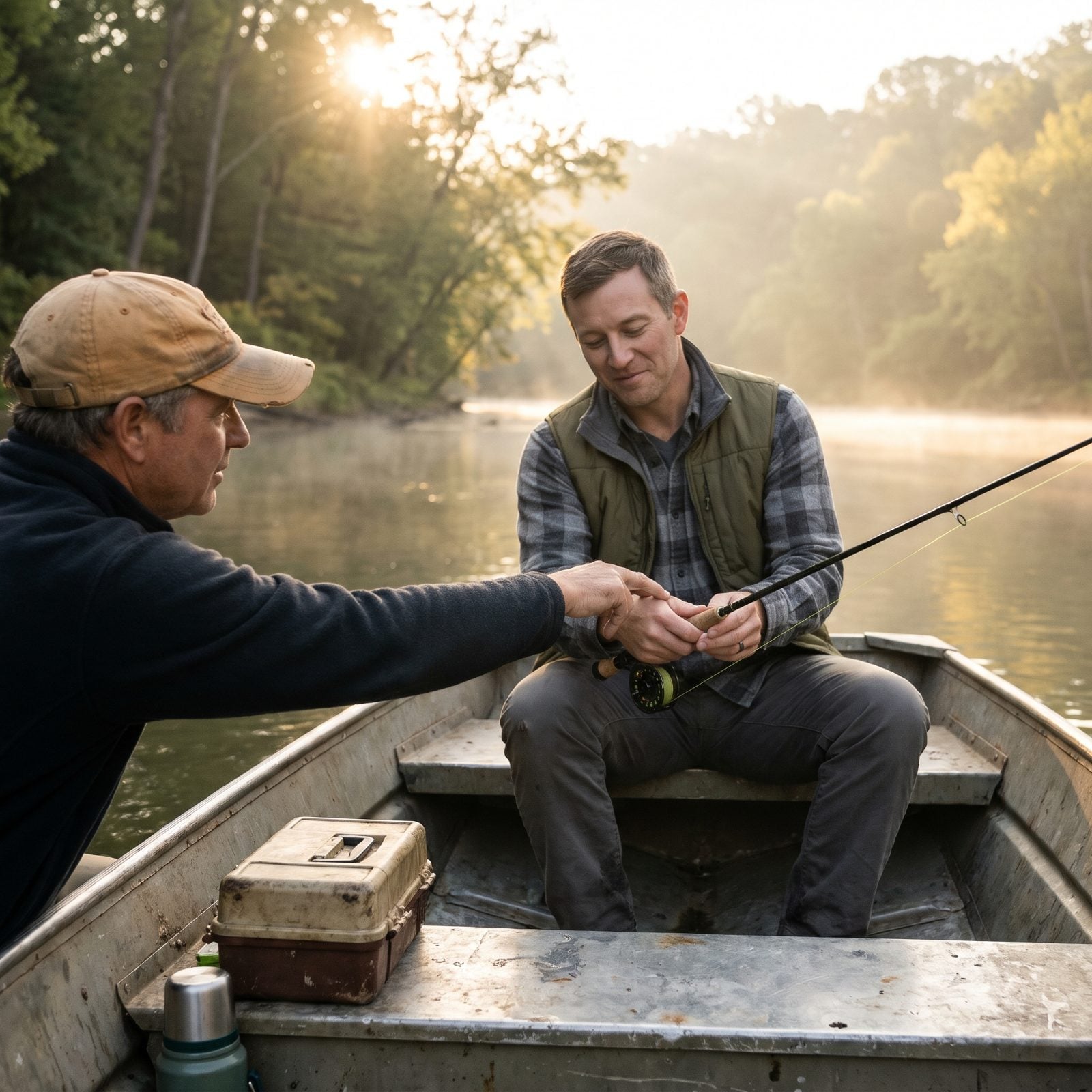
A guide will correct you fifty times in a day. Rod too high, reel too fast, casting past the fish. The correction isn’t criticism — it’s coaching, and how you take it tells the guide everything about the next eight hours.
Nod, fix it, move on. The client who adjusts without getting defensive gets better by lunch. The one who argues, or goes quiet and sulky, is teaching the guide to stop coaching and just hand over fish. That’s the worse day, and it was a choice.
7. Whether You Change an Approach That Is Not Working
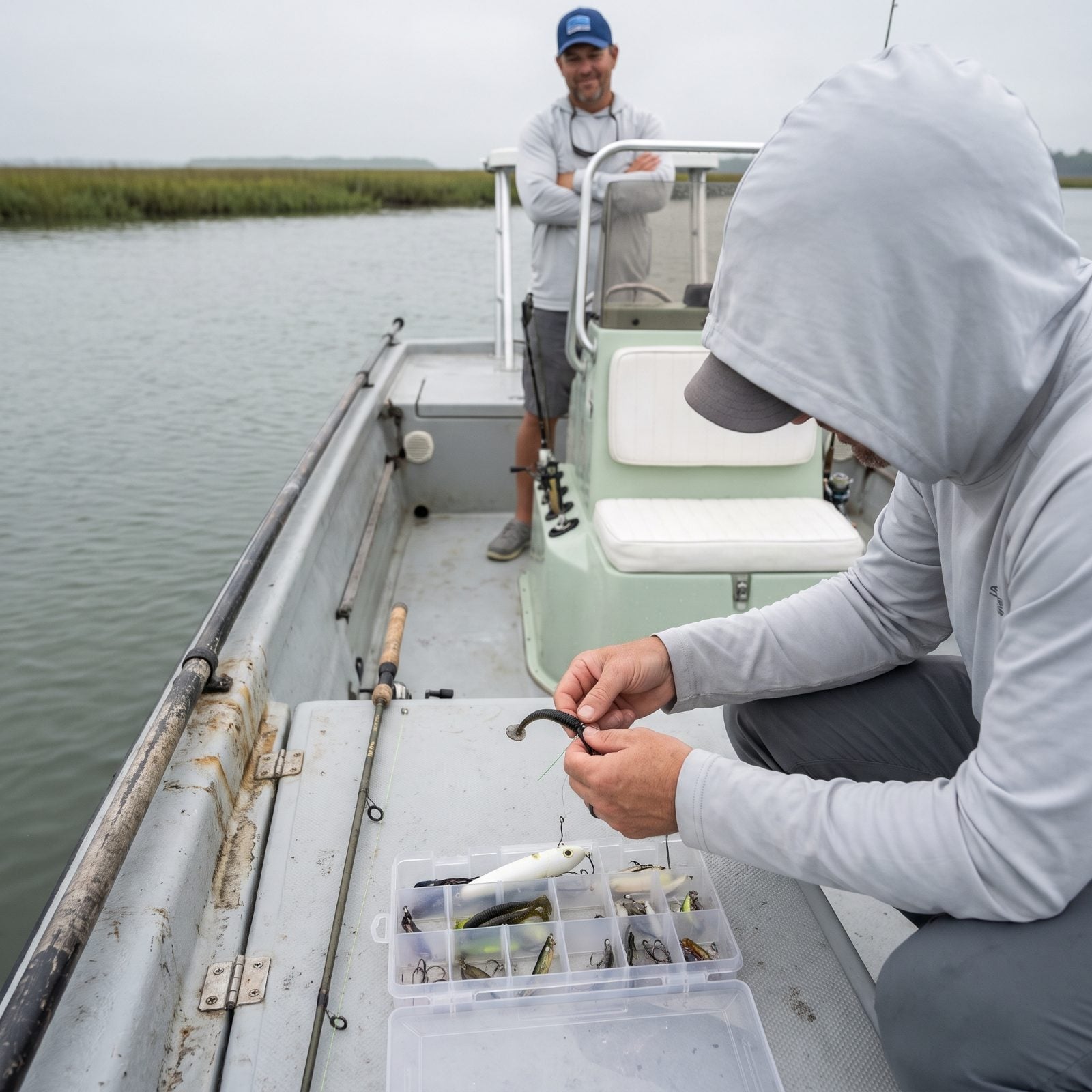
Stubborn is not the same as patient. If the topwater hasn’t moved a fish in forty minutes and the guide suggests a swap, your willingness to change lanes matters.
Good anglers hold an opinion loosely. They try the new plan, give it a fair shake, and judge by results instead of pride. The client who refuses to put down the lure they drove three hours to throw is telling the guide they’d rather be right than catch something.
Remembering clients who asked for fly advice and then ignored it, a former fly-fishing guide writes “Yet clients would insist on casting their “hot” patterns from back home. Eventually, they’d come around, but they caught fewer fish because of their belief that they knew better.”
6. How Patient You Stay During a Slow Bite
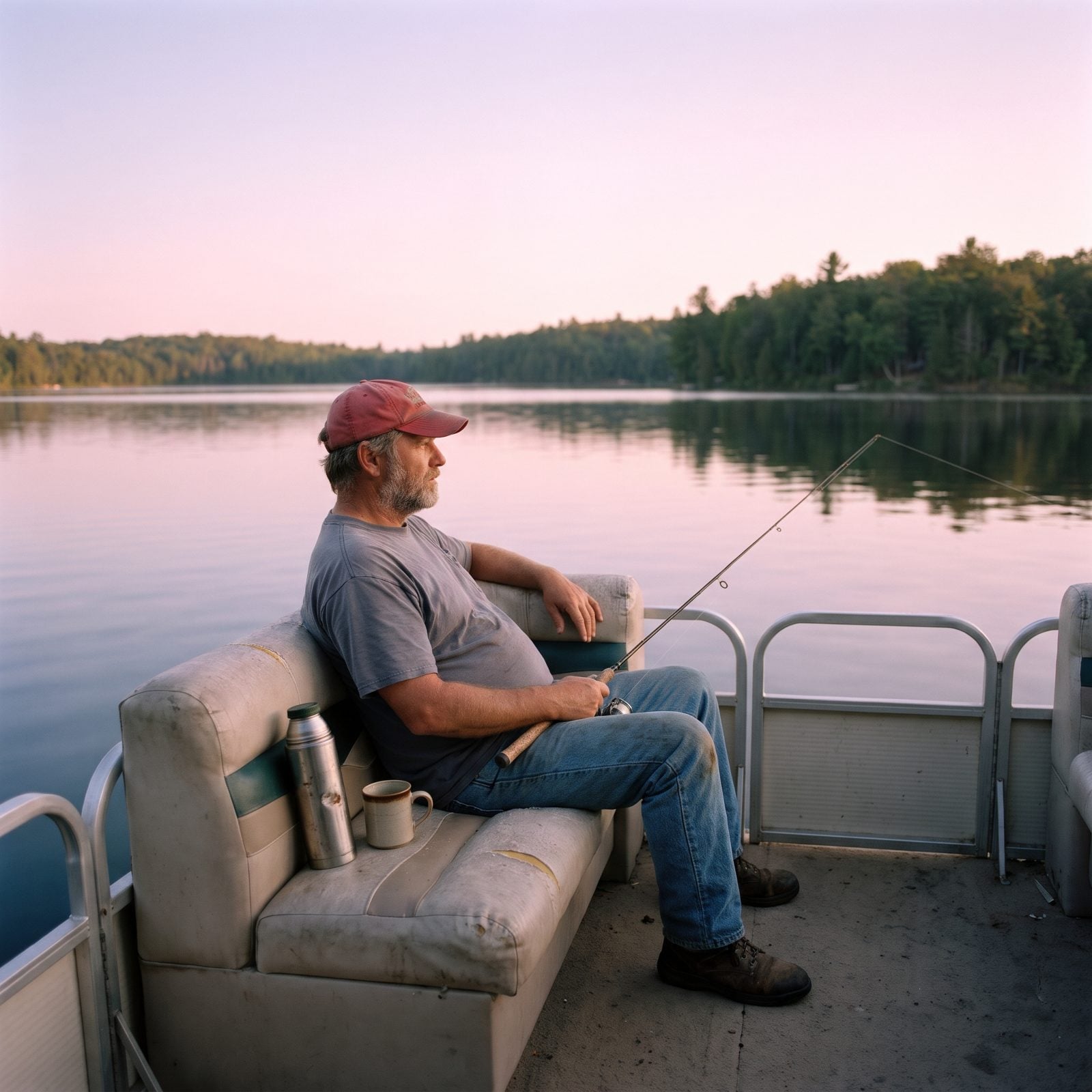
Every trip has a slow stretch. The tide goes slack, the fish go off, and the water gets quiet for an hour. What you do in that hour tells the guide more than any fish you land.
The patient angler keeps casting and keeps paying attention, treating the lull as part of the game. The restless one starts sighing, checking the time, muttering about the last guide. Fish come and go. A calm head during the dead patch is the mark of someone who actually loves this, not just the photo at the end.
5. How Often the Phone Pulls You Off the Water
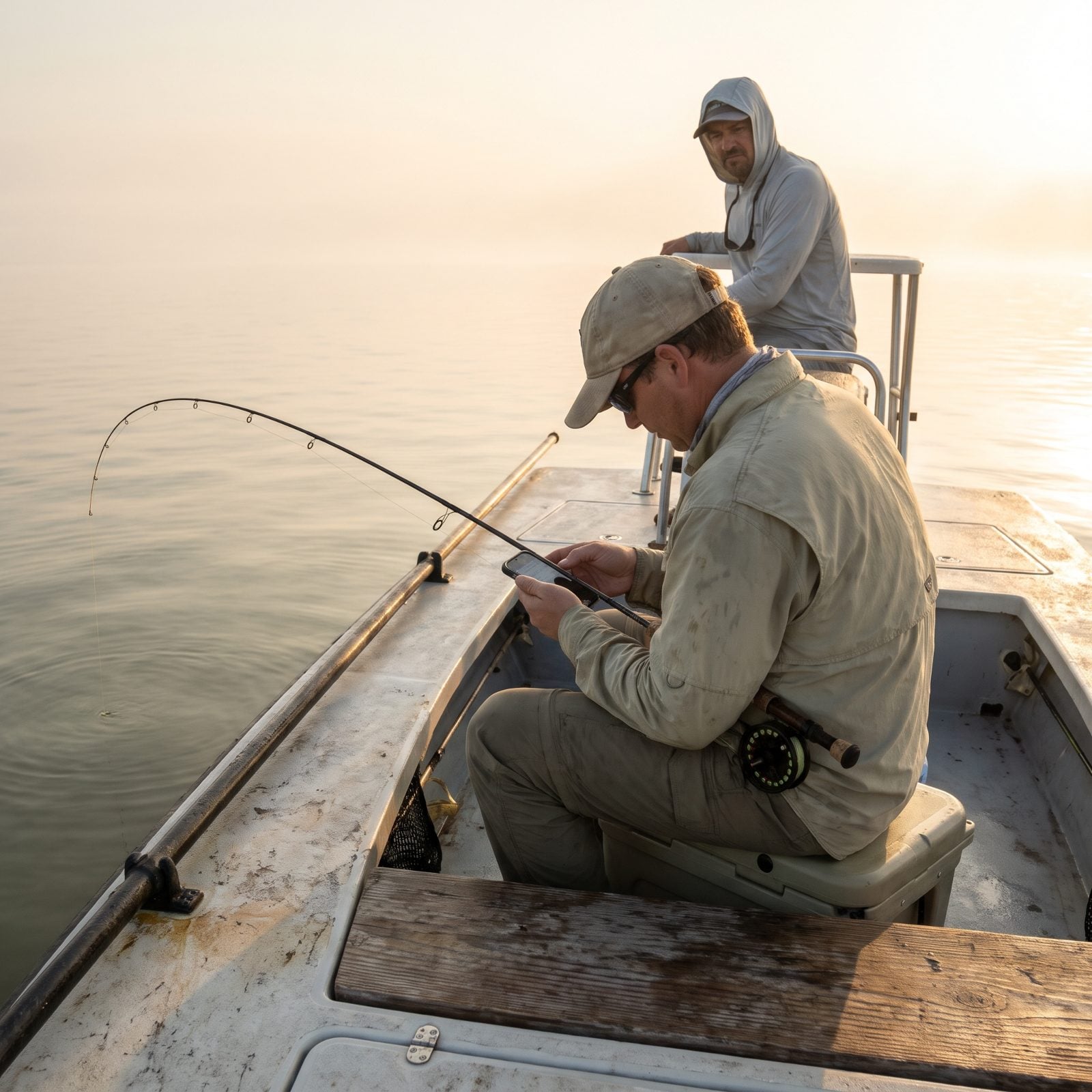
Nobody is going to lecture you about your phone. But the guide notices, every time, how long it has you.
A quick photo of a fish is fine — that’s the point. The problem is the client who misses two strikes because they’re answering email on a boat they paid good money to be standing on. You booked the day to get away from the glowing rectangle. The fish won’t wait for you to finish scrolling, and the guide has watched plenty of good bites go untouched because of it.
4. How You Treat the Guide’s Boat and Equipment
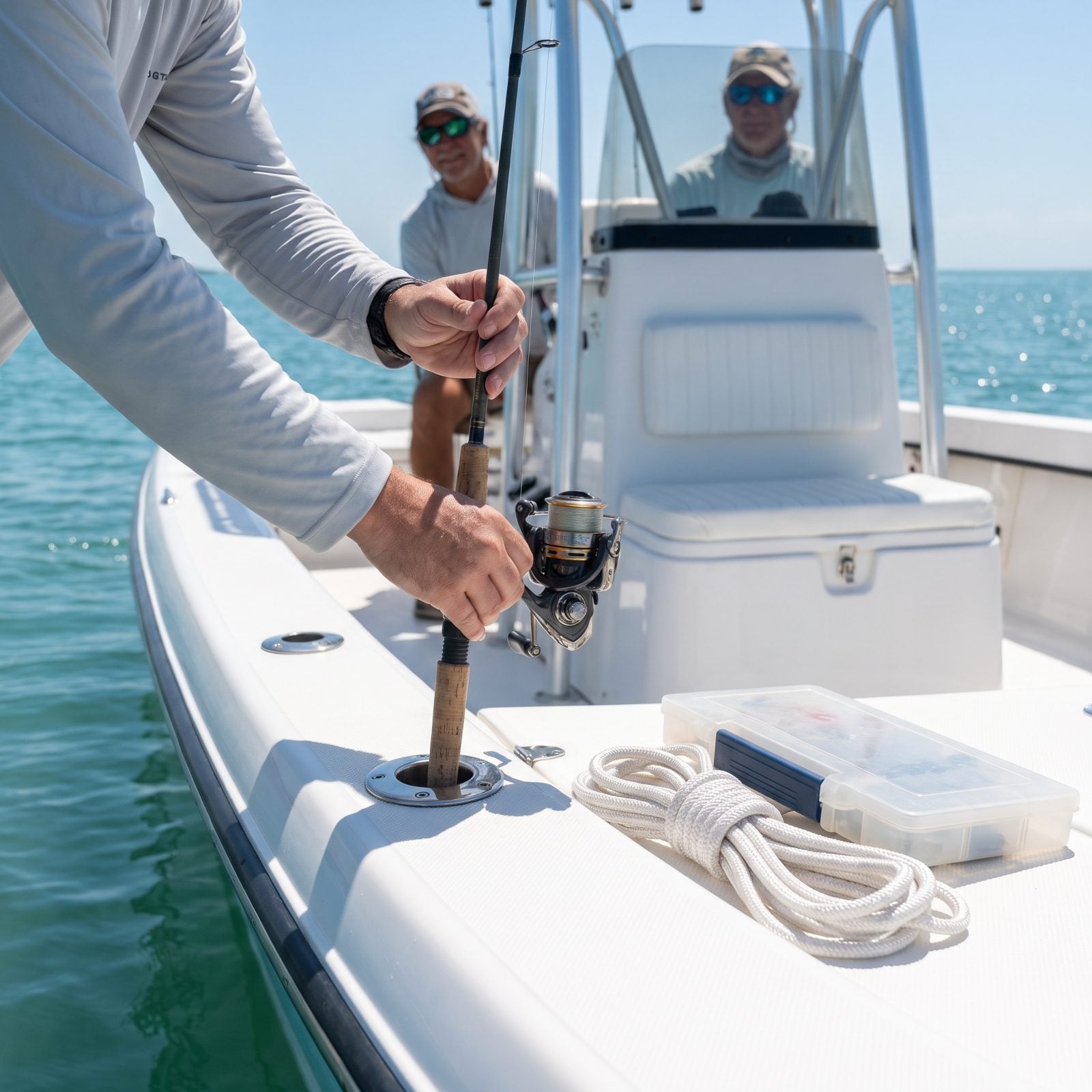
A guide’s boat is their office, their truck payment, and years of saved tips all at once. How you treat it is the fastest read there is.
Set the rod down, don’t drop it. Mind where your feet go. Keep the deck clear so nobody trips at a bad moment. The client who stows a rod in the holder instead of banging it on the gunwale earns a kind of quiet respect — and respect gets you the honey hole next time. Carelessness gets you the public flat.
Passing along his guide friends’ horror stories about careless clients, a fly-fishing writer and photographer notes “A boat is a major investment for a guide. He’s proud of it and he has to clean it after every trip.”
3. How You Speak to the Friend or Relative Fishing With You
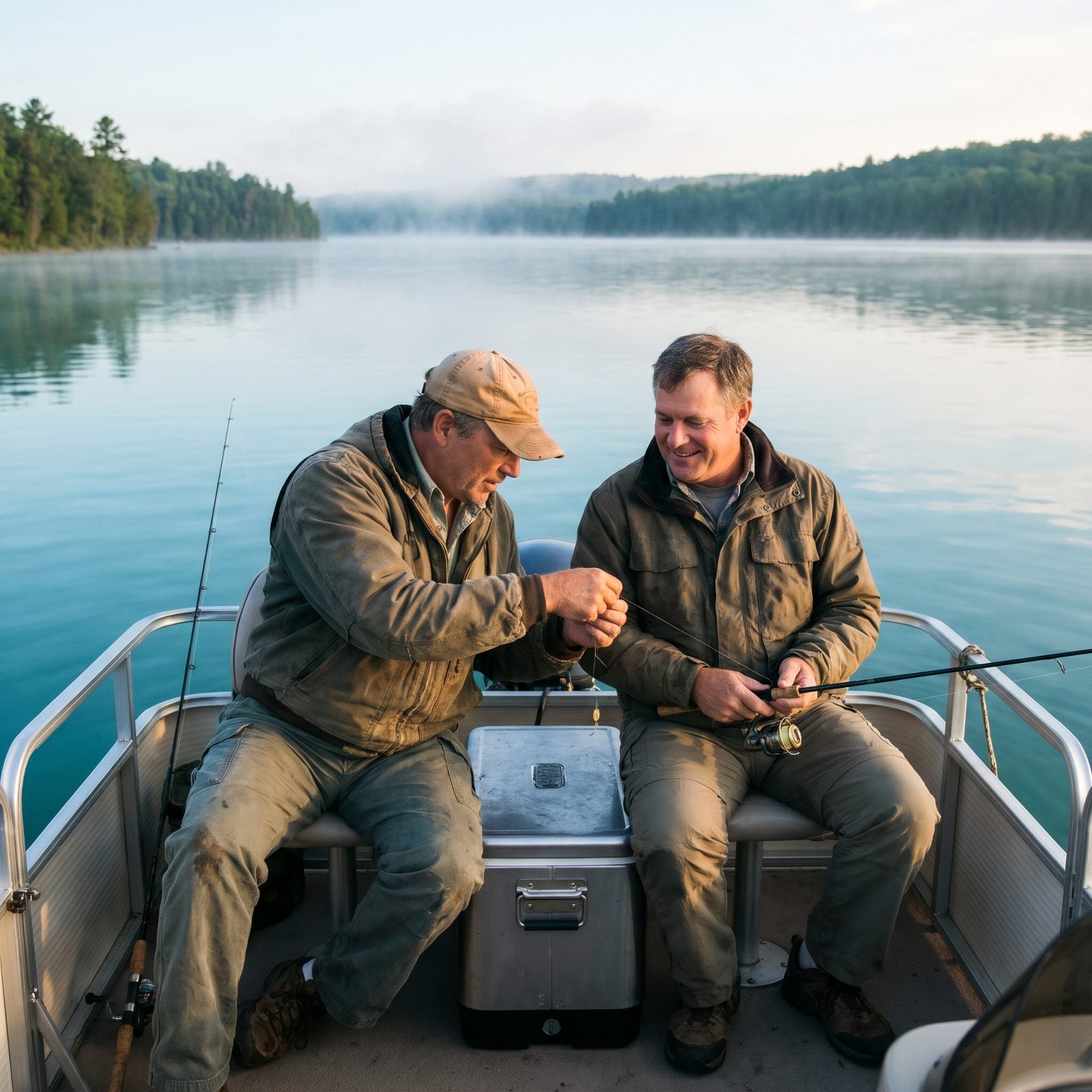
Guides watch how the boat treats itself. The way you talk to your buddy, your brother, the kid you brought along — it carries across six feet of deck loud and clear.
The angler who untangles a friend’s line without a word, who lets the other guy cast to the good fish, who laughs off a blown hookset, makes the whole boat loose and fishy. The one who snaps at their partner after every mistake poisons the air. Fish seem to feel it. We don’t know why that’s true, but ask any guide and they’ll nod.
2. How You React When a Good Fish Comes Off
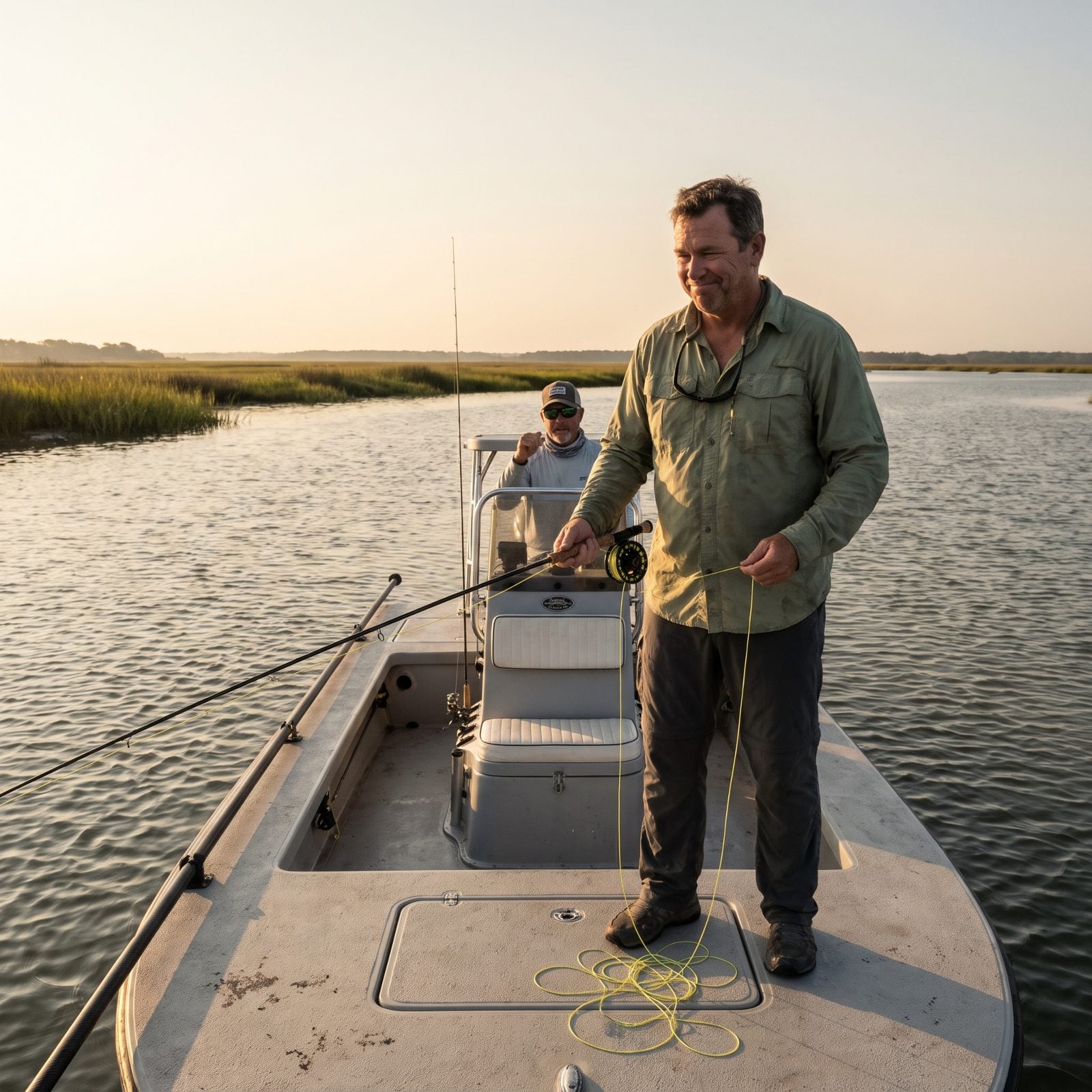
The good one always comes off at the worst time. Hook pulls, line parts, the fish throws the lure at the boat and waves goodbye. It happens to everyone, the guide included.
What you do in that second is a window straight into your character. The angler who shrugs, laughs, and makes the next cast is the one guides want back. The one who throws the rod, blames the drag, or goes silent for twenty minutes just told the whole boat the day was never really about fun. Reel up. Cast again. There’s always another fish.
1. Whether You Respect the Guide’s Request Not to Geotag the Honey Hole
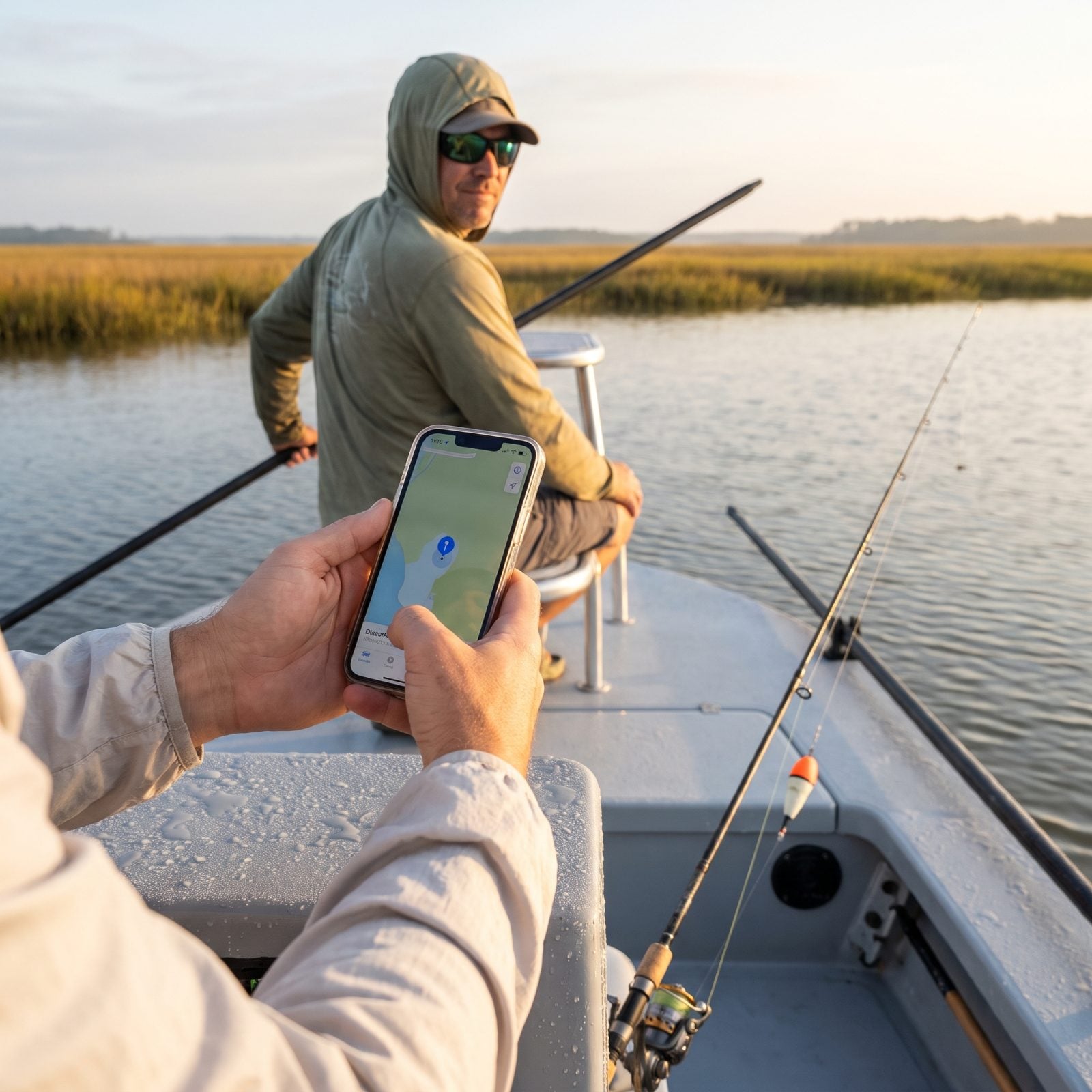
Every guide has a spot they found the hard way, poling empty flats for seasons and burning fuel and reading tide charts until a pattern finally showed itself. Then a client posts a sunrise photo with the location tag still live, and by next summer the place is a parking lot of boats that followed a dropped pin.
So the guide asks you — usually early, usually polite — to kill the geotag before you post. Your answer tells them everything. Nod and swipe the location off, and you’ve shown you understand what you’re being let into. Shrug, and you’ve just marked yourself as someone who takes without thinking twice about it.
The water is a small world. Guides talk, and the client who keeps a spot quiet gets invited back to the ones that never show up on any map.
Writing on how social media burns fishing spots, a fly-fishing magazine contributor warns “The worst thing you can do is to be too specific with your tagging.”