
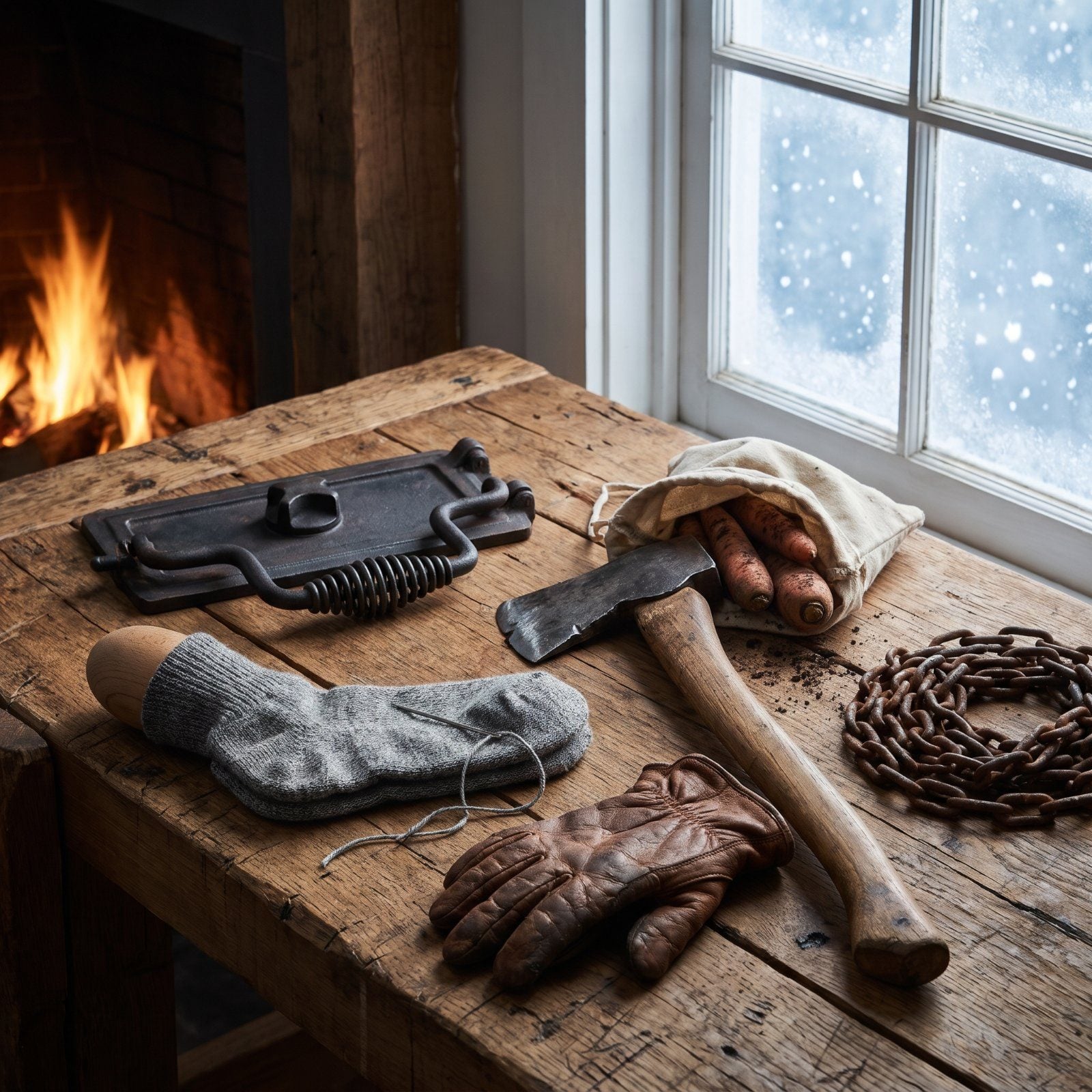
The furnace quits at 2 a.m. during an ice storm, and suddenly every soft modern convenience you own is just dead weight. Our grandparents didn’t have the luxury of a blinking thermostat. They had wool, iron, firewood, and a stack of hard-won knowledge that kept a house standing and a family fed through months of cold.
Please note that some of the images in this article were created with the assistance of AI.
Most of these skills still work. None of them replace a good furnace, a charged cell phone, or a plow truck. But a few of them, tucked in the back of your head, are the difference between a long inconvenient night and a genuinely bad one. Here are the ones worth keeping.
28. Banking a Woodstove Fire to Survive the Night
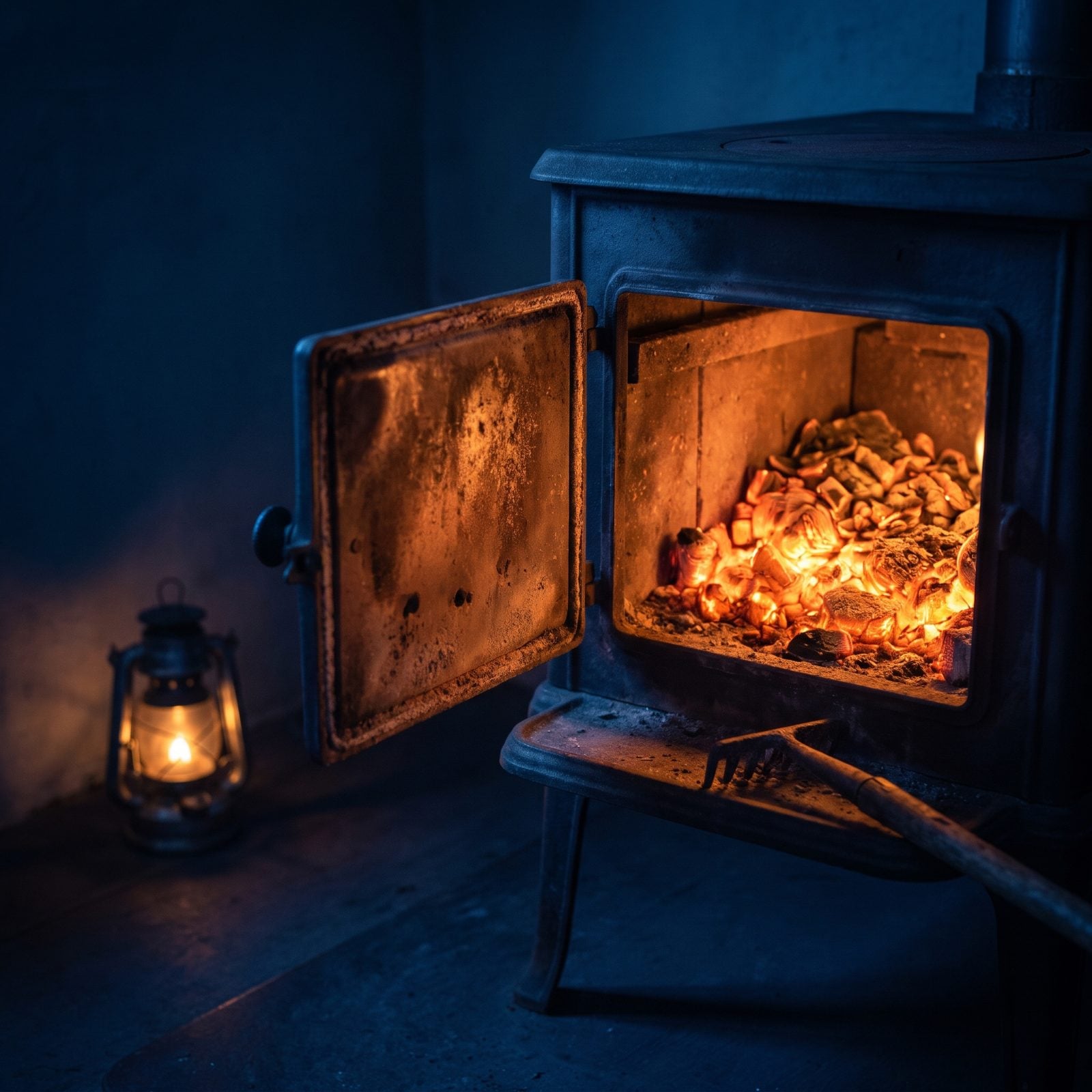
A banked fire is a slow fire you’re choosing on purpose. Rake the hot coals into a pile at the back, lay one big dense log across them (oak, hickory, anything that doesn’t burn fast), then pull ash up over the coals to choke the oxygen. You want it smoldering, not dead.
Close the air intake down to a whisper. Do it right and you wake up to live coals, one handful of kindling away from a roaring stove instead of a cold box and a pack of matches.
27. Testing Natural Ice With a Spud Bar Before You Trust It
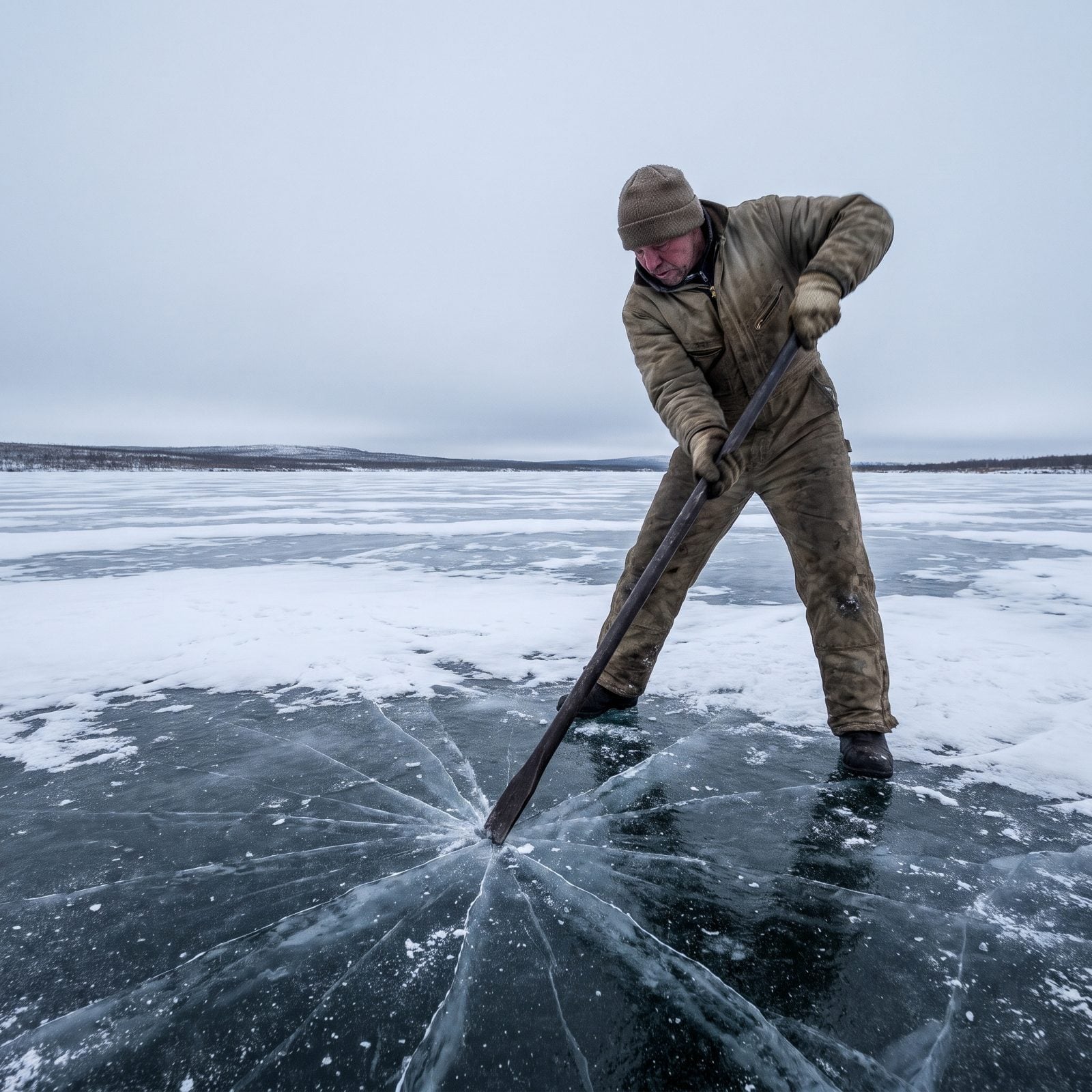
Old ice fishermen didn’t trust a number they read somewhere. They walked out swinging a spud bar, a heavy iron chisel on a handle, and they listened. One hard strike. Punch through, and you’re done walking — you back up on the same steps you came in on.
The old rule was clear, hard ice: four inches minimum for a person on foot. Cloudy, gray, honeycombed ice is weaker than it looks and gets no pass. Current, springs, and inlets eat ice from below, where you can’t see a thing. Test as you go, not once at the shore and never again.
As a fishing guide and writer from Minnesota explains, “Strike the ice with an ice spud as you walk on thin ice. Listen for a change in the sound the spud makes, and if it breaks through in one strike, turn back.”
26. Reading an Approaching Storm in the Clouds and the Wind
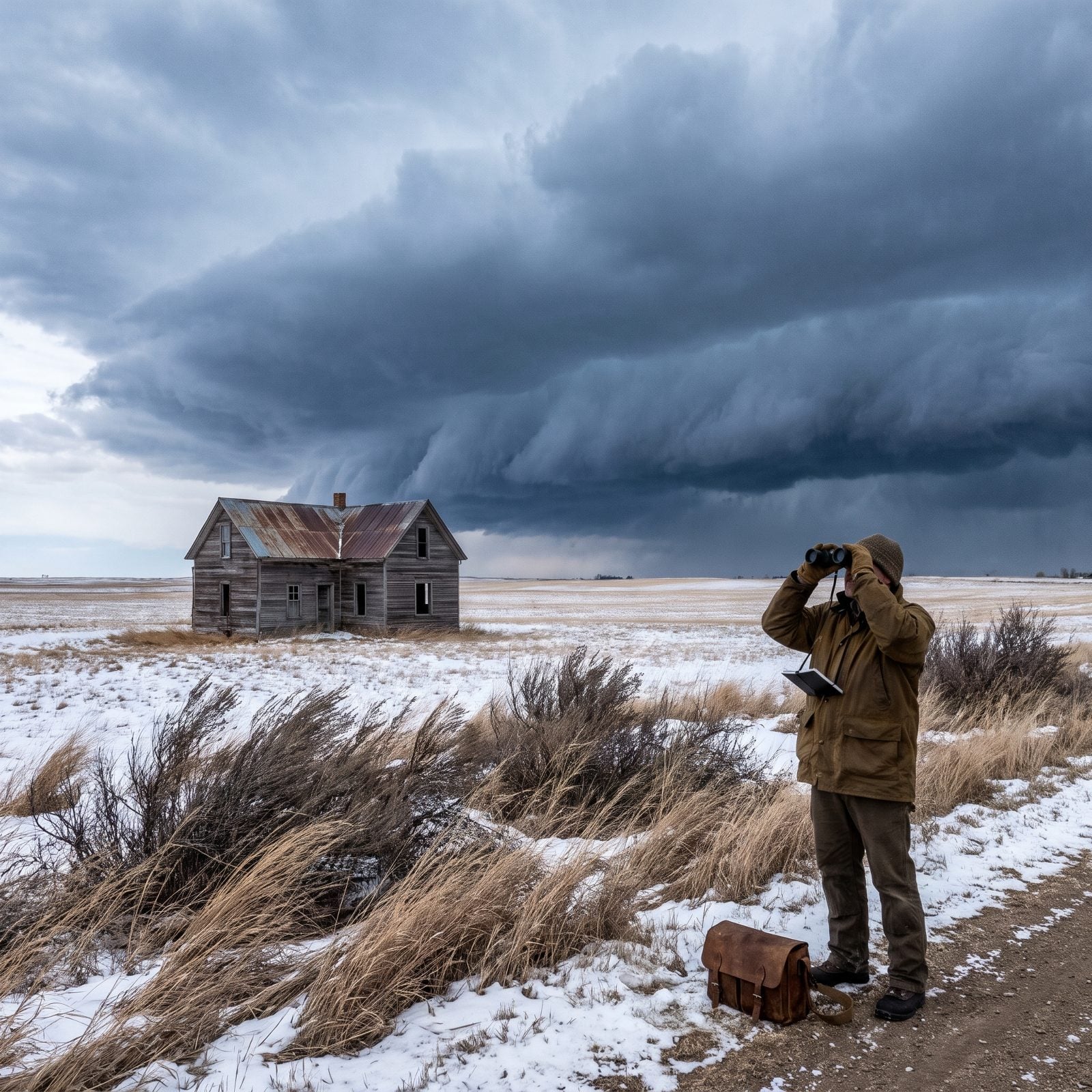
A falling barometer is a warning. A backing wind under a lowering sky is the confirmation.
Here’s the barometer in your bones. When high thin cirrus thickens and drops into a flat gray sheet, and the wind swings from west around to the east or northeast, snow is coming inside a day. And a sudden calm after a windy spell, right before a big system, often means the worst of it is about to land on you.
25. Darning a Hole in a Wool Sock Instead of Tossing It
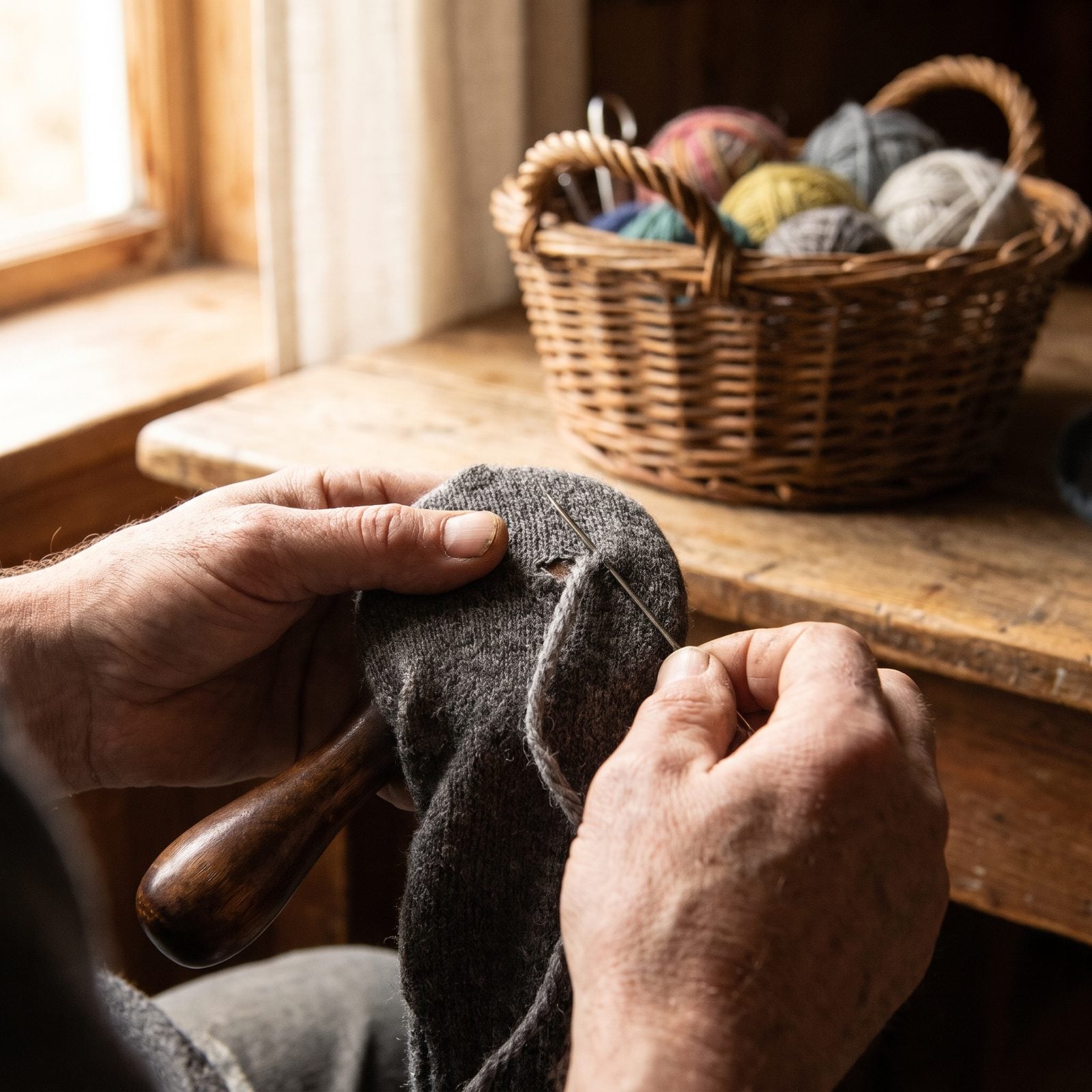
A good pair of wool socks is worth saving, and the hole almost always shows up in the same two places: the heel and the ball of the foot. Darning isn’t sewing the edges together — that just makes a hard lump that chews your foot raw.
Instead you weave a little patch of new fabric right across the gap. Stretch the sock over a darning egg (a smooth stone or a lightbulb works in a pinch), lay down parallel threads one way, then run the needle over-under the other way to fill the grid. Slower than buying new socks, sure. It’s also quieter and warmer than driving to town in a storm.
24. Thawing a Frozen Hand Pump Without Cracking the Cylinder
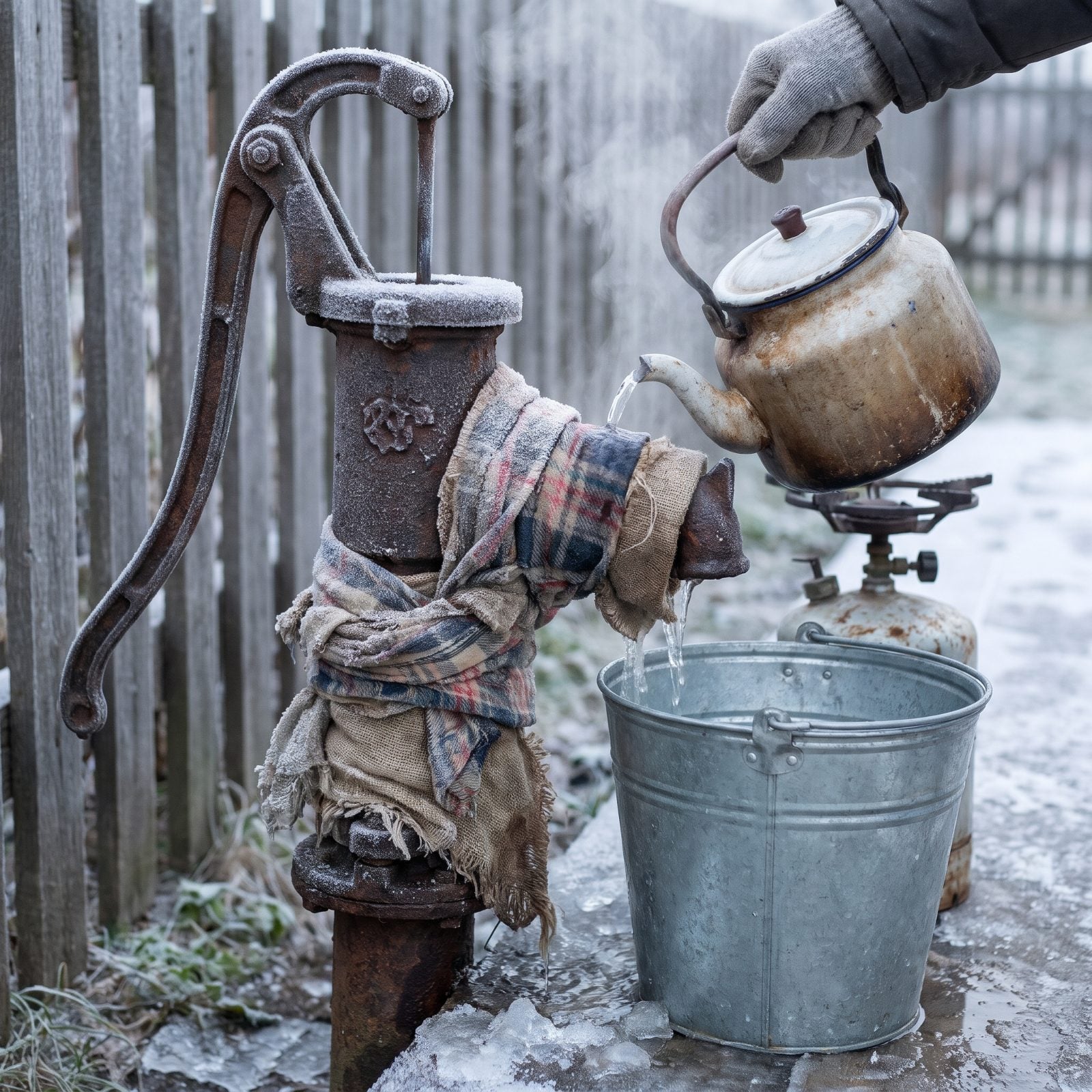
Patience is the whole skill here. A hand pump freezes because water sat in the cylinder overnight, and the fast fix — a blowtorch, or boiling water poured straight on — cracks cast iron that’s already brittle from the cold.
So you go slow. Wrap the spout in rags or a blanket, then pour hot water from the kettle over the wrapping, letting it soak through. Never straight onto bare iron. Give it time between pours. The heat soaks in gradually and the iron thaws without the thermal shock that splits it.
23. Storing Root Vegetables So a Hard Freeze Can’t Touch Them
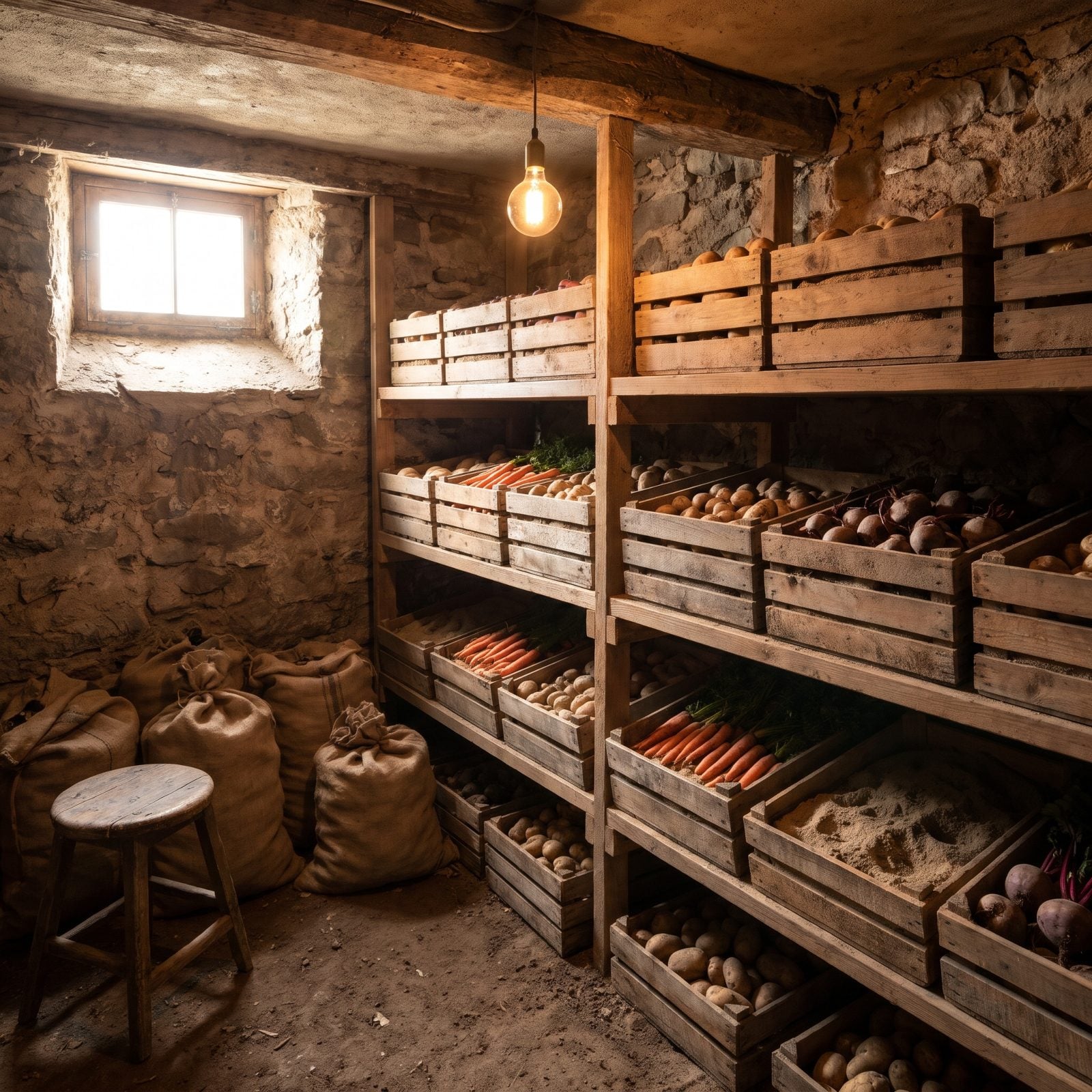
A root cellar works because the earth holds a steady temperature a few feet down, just above freezing, while the air above it goes bitter. Carrots, beets, turnips, and parsnips keep for months packed in damp sand or sawdust, which holds moisture so they don’t shrivel and keeps them from touching each other and spreading rot.
Potatoes want it a touch warmer and completely dark, or they go green and sprout. And one rule holds everything together: cull as you go. Pull anything soft or spotted the moment you see it, because one rotting turnip takes the whole bin down with it if you leave it.
For carrots, beets, and other roots, a master gardener and editor recommends this method: “Spread a layer of damp (but not wet) sand on the bottom of your container, then arrange your vegetables on top, making sure they’re not touching. Repeat, alternating between layers of sand and vegetables.”
22. Fitting Tire Chains Before the First Flake Falls
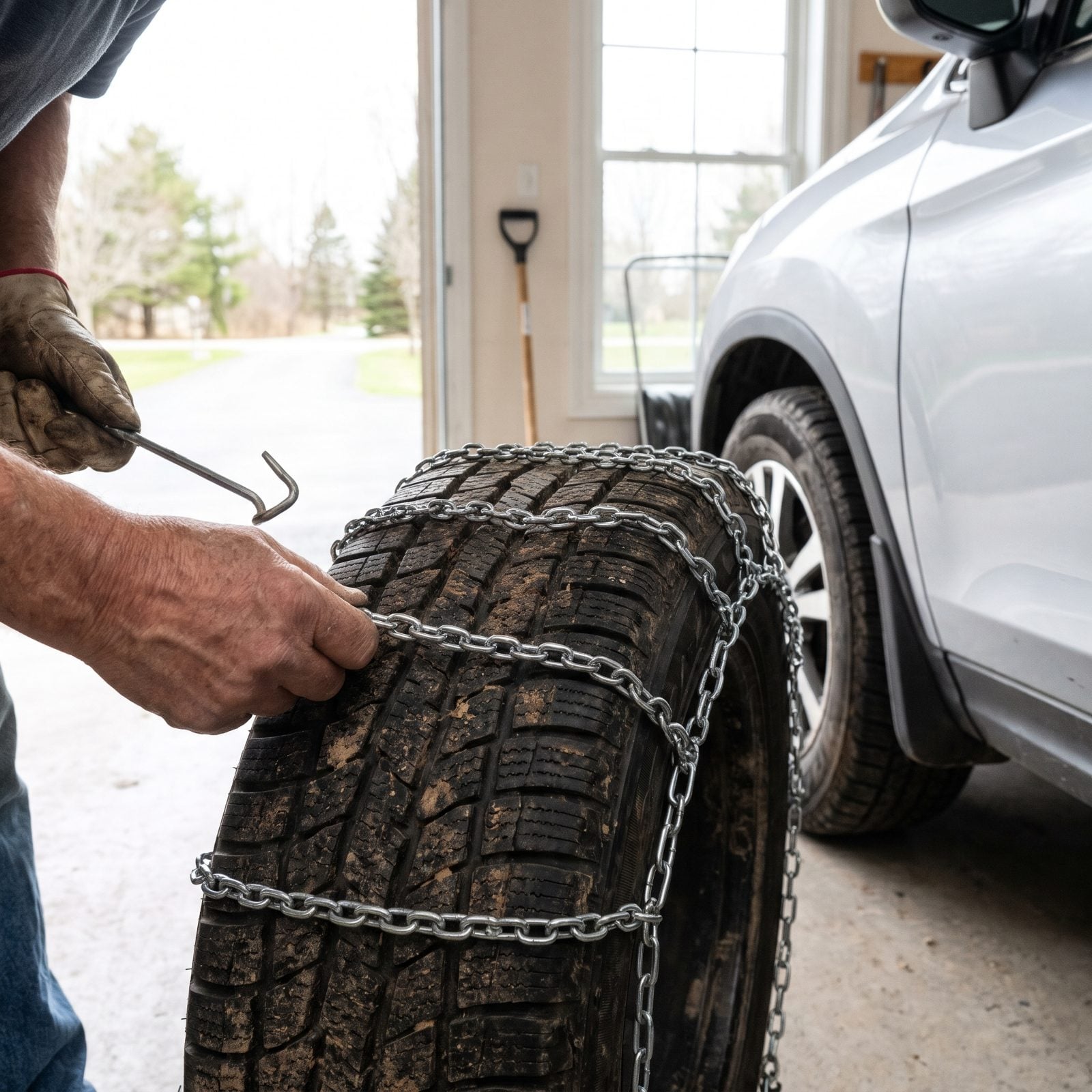
Chains go on in the garage, in the daylight, with warm hands. Not on the shoulder of a mountain pass in the dark with snow going down your collar and a line of headlights stacking up behind you.
Practice once at home on a loose spare tire before the season to learn your particular set — which way the hooks face, which direction the cams tighten, how much slack to leave. When they go on the car for real, drive a few hundred feet, stop, and re-tension. They always settle loose on the first roll. A chain thrown off at speed can wreck a brake line or a fender, so that short check after the first stretch matters more than people think.
21. Hanging Window Quilts Without Soaking Them in Condensation
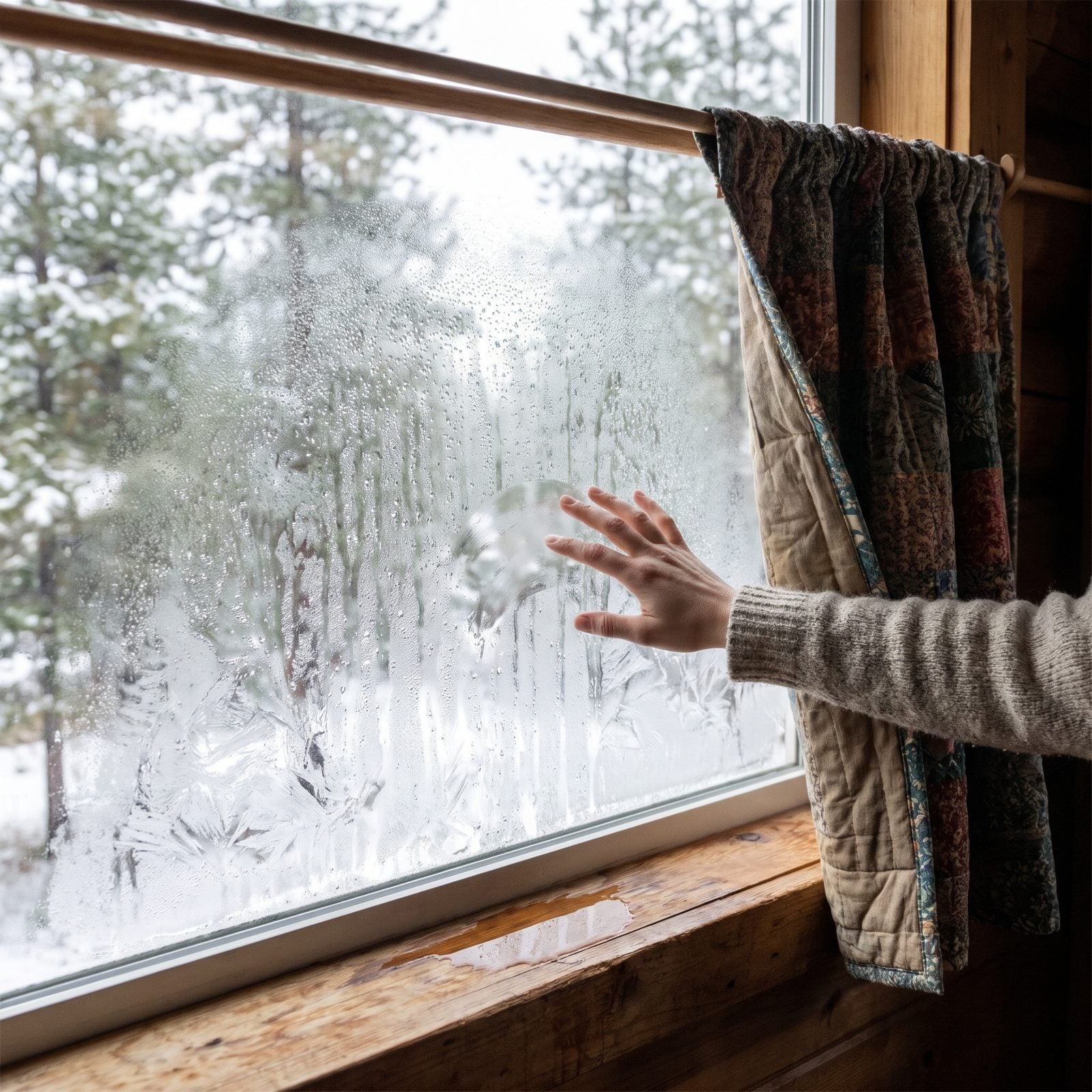
An insulated window quilt can cut the cold draft off single-pane glass dramatically. It also creates a problem nobody warns you about. Trapped warm air behind the quilt hits the freezing glass, condenses, and you get a wet sill, peeling paint, and eventually mildew on the back of your nice quilt.
So you seal the top and sides but leave a deliberate crack at the bottom, or you lift the quilt for an hour in the warmest part of the day and let the glass breathe. A tight seal all the way around looks cozier. It also quietly rots your window frame over a single winter.
20. Splitting Dry Kindling From the Heart of a Wet Log
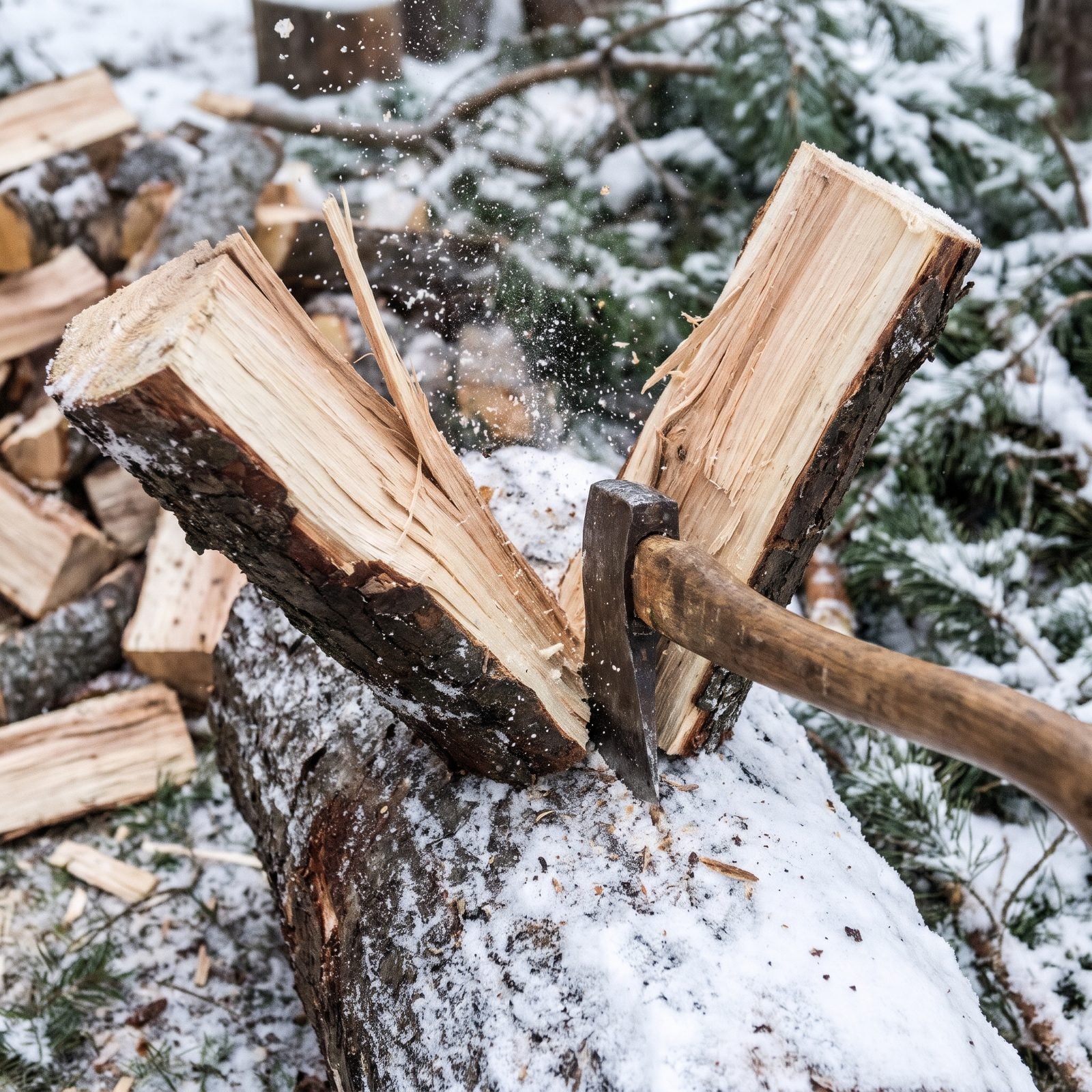
The outside of a log sitting in the woodpile is damp, iced, or snow-crusted. The heartwood at the center stayed dry. That’s where your kindling comes from.
Split a round in half, then keep splitting toward the middle and split thin dry pieces out of the pale heart. Those catch a match where the wet outer wood just hisses and smokes. Lay the log on a solid chopping block and swing the axe down into it — let the weight of the head do the work, and keep your hands on the handle, well clear of the edge.
19. Using Wood Ashes for Traction on Ice
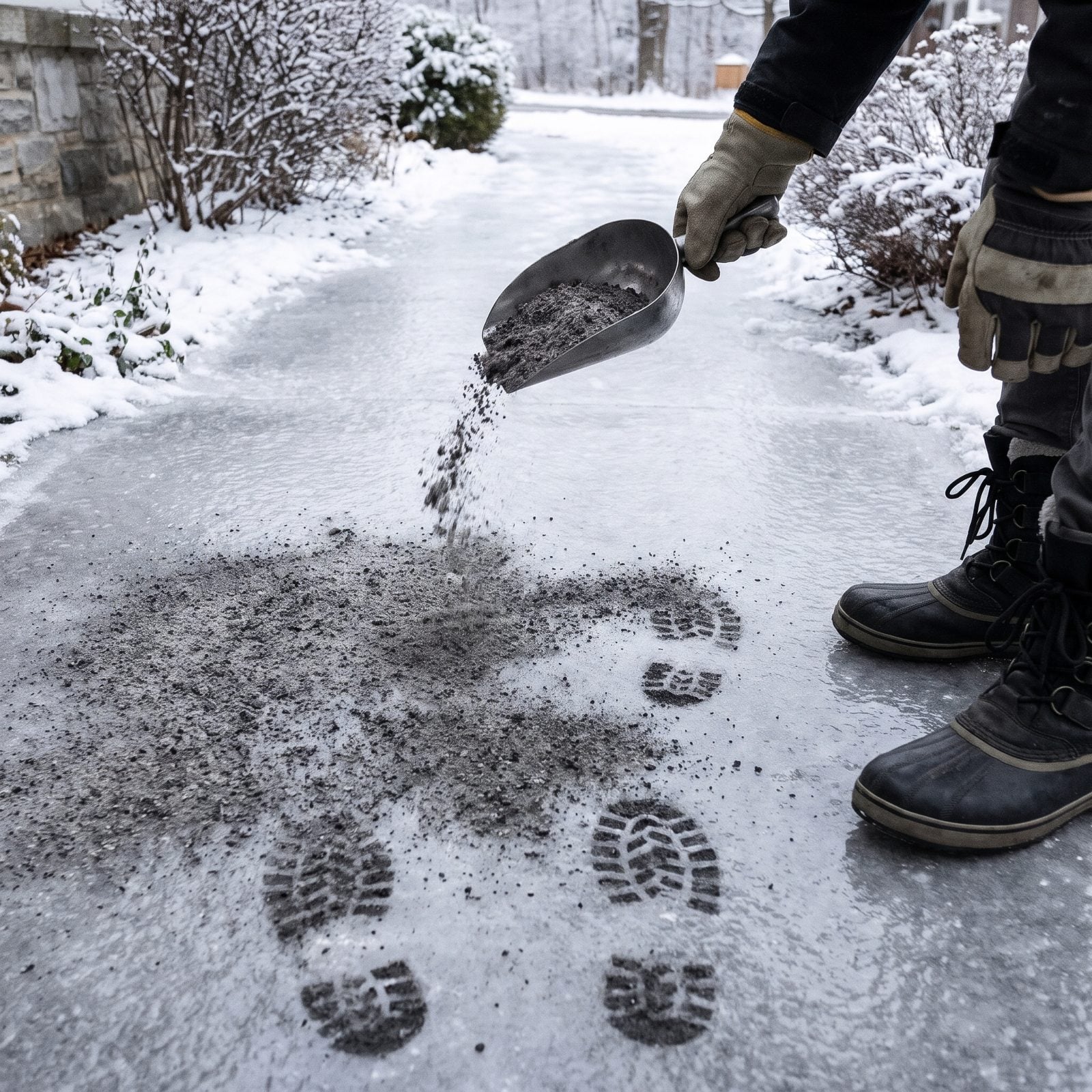
Cold fireplace ash does one thing salt can’t: it works no matter how low the temperature drops. Salt quits around 15 degrees. Ash just grabs.
Toss a few handfuls across the steps and walkway where ice glazes over. The dark grit holds your boot, and the dark color pulls in what little sun there is and softens the surface by midday. Keep the pail by the back door so you’re not hunting for it in the dark.
One catch worth knowing: ash tracks indoors on wet boots and turns your entryway gray. Shake it off outside, or you’ll be mopping instead of walking.
18. Navigating by the Low Winter Sun and Fixed Landmarks
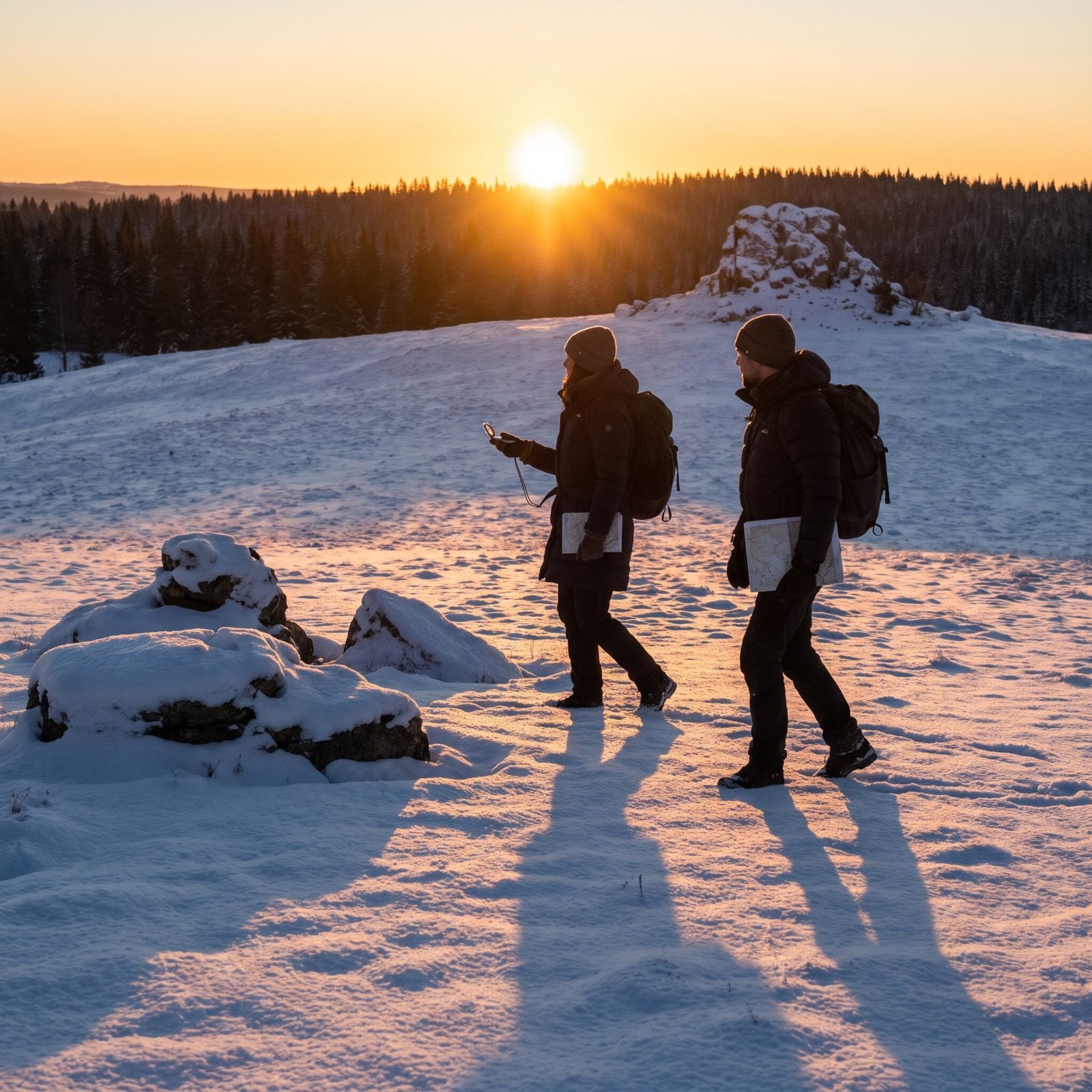
In December the sun never climbs high, and that’s exactly what makes it useful. At midday it sits low in the south, so your shadow points roughly north. Learn that and you’ve got a compass that never needs batteries.
Winter shadows run long all day, which makes them easier to read than the stubby ones of summer. Pair the sun with one fixed landmark you can’t mistake — a lone hill, a church steeple, the bend of a frozen creek. Then walk by keeping that marker steady against your path. Don’t try to guess distances out in flat white country where every rise looks like every other.
17. Spotting Hypothermia in a Tired Family Member
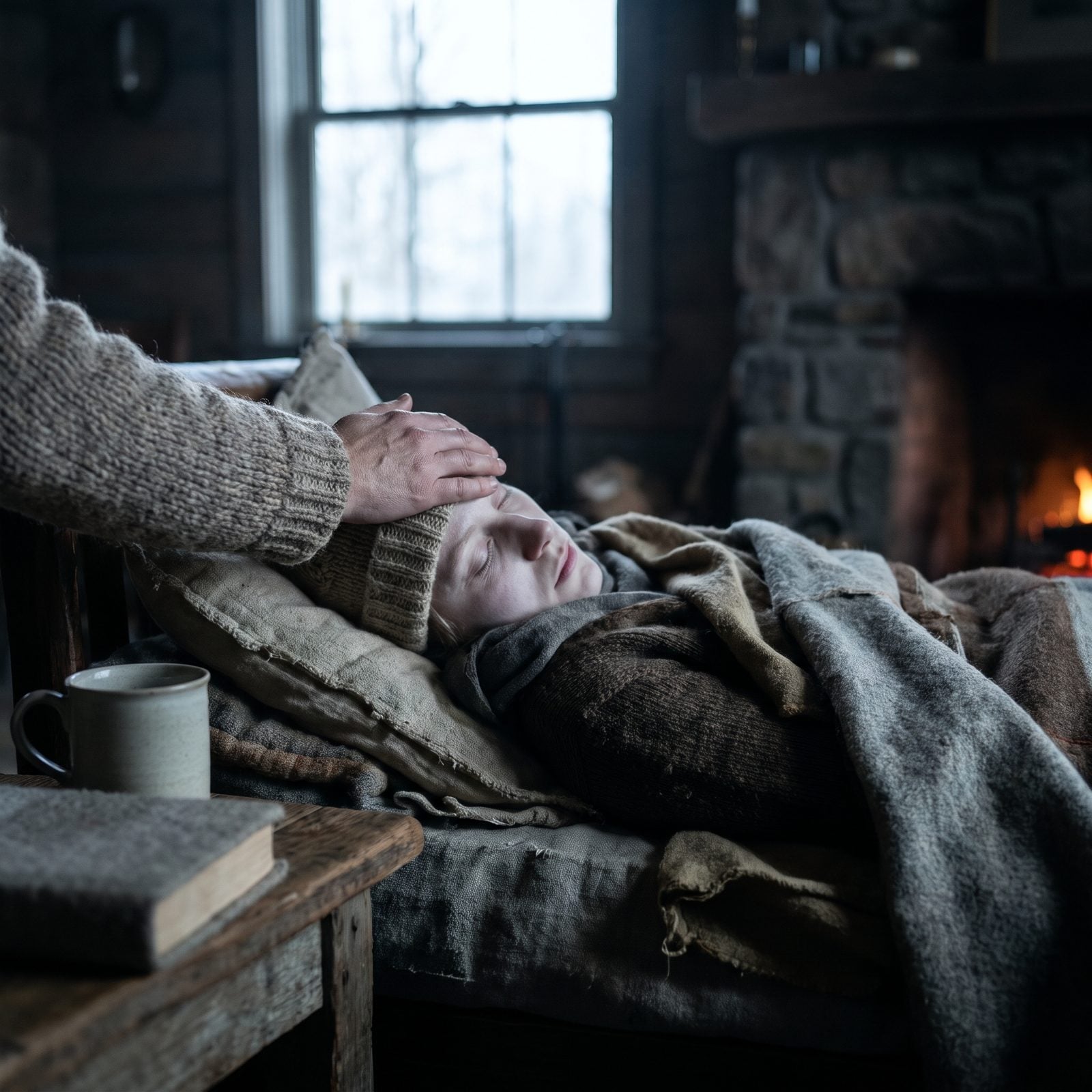
The dangerous part of hypothermia is that it doesn’t announce itself. The person just stops complaining about the cold — and that’s the sign everyone misses.
Watch for fumbling hands, slurred or sleepy speech, stumbling, and a strange flat mood. Old-timers called it “the umbles”: mumbles, stumbles, fumbles, grumbles. When someone who was shivering hard suddenly goes quiet and still, don’t read it as them toughening up. Their body is losing the fight.
Get them inside. Out of wet clothes, into dry wool, with warm drinks and warm bodies close. Call for help early if they’re confused.
In cold-weather notes written for his team, a search and rescue paramedic writes “The mnemonic used for mildly hypothermic patients is UMBLES: Fumbles, Stumbles, Tumbles, Mumbles and Grumbles.”
16. Sewing a Door Snake From Scrap Fabric and Rice
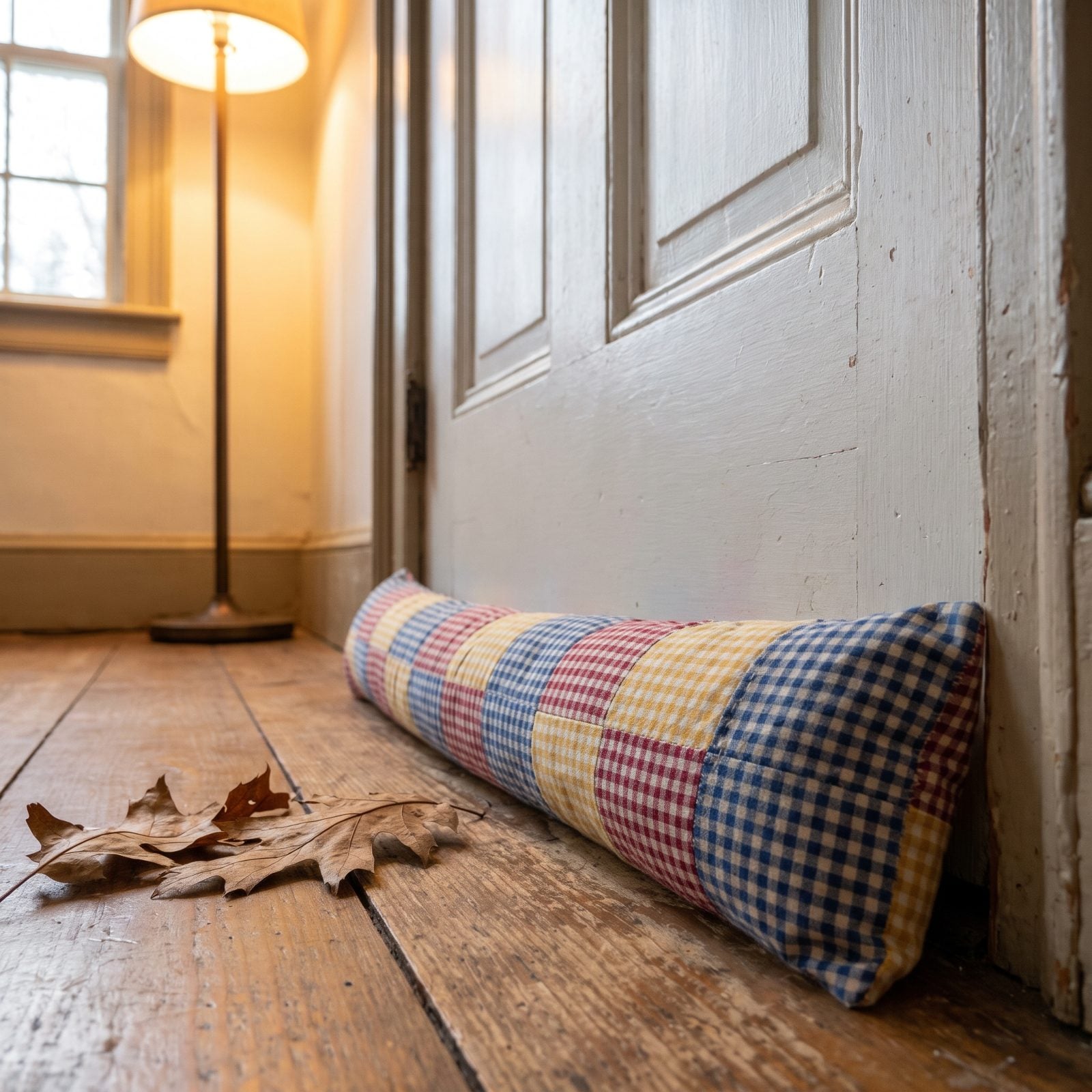
You’ve felt it — that cold river running across your ankles in a drafty room. That’s your heating dollars leaving under the door.
A door snake is just a fabric tube stuffed with rice, dried beans, or sand and laid along the gap at the threshold. Old wool trousers, a worn flannel shirt, a feed sack: all of it works. Weight matters more than looks, so pack it dense enough to stay put when the door swings.
Make it a few inches longer than the door is wide. Rice gives it enough heft to hug the floor without leaving a gap at the ends.
15. Reading Snowdrift Shapes to Judge the Wind
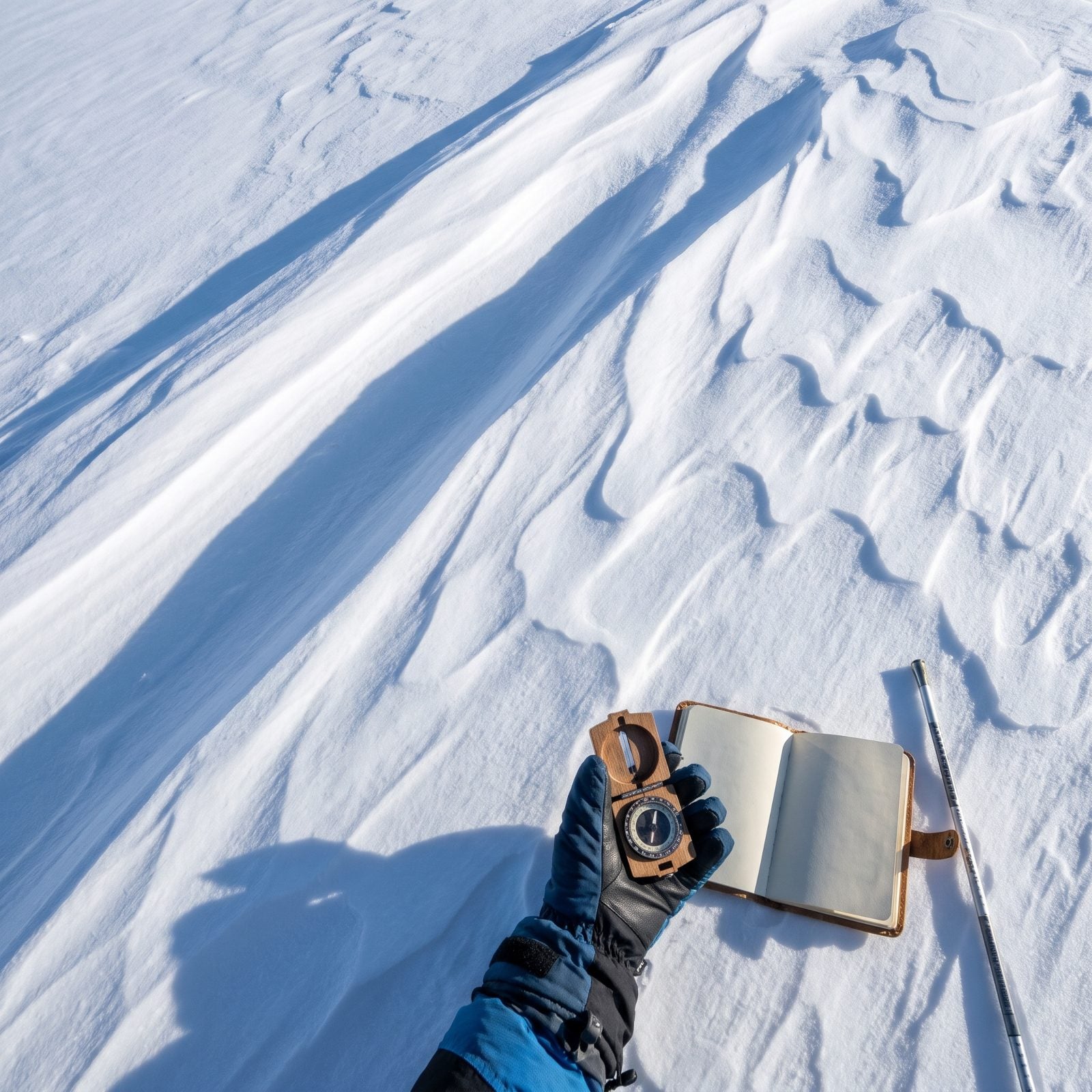
Drifts are a weather record written in snow. Read them and you know which way the wind has been driving.
Wind scours snow off the side it hits and dumps it on the sheltered side, so drifts pile deep on the downwind face of posts, buildings, and brush. The long tapered tail of a drift always points the way the wind was blowing, and the steep cliff edge — the cornice — sits on the lee side.
This matters for more than curiosity. On a trek home, keep the drift tails consistent and you’re holding a straight line. But let the wind swing and shift the drifts on you, and your old tracks mean nothing.
14. Waxing Leather Boots Against Road Slush
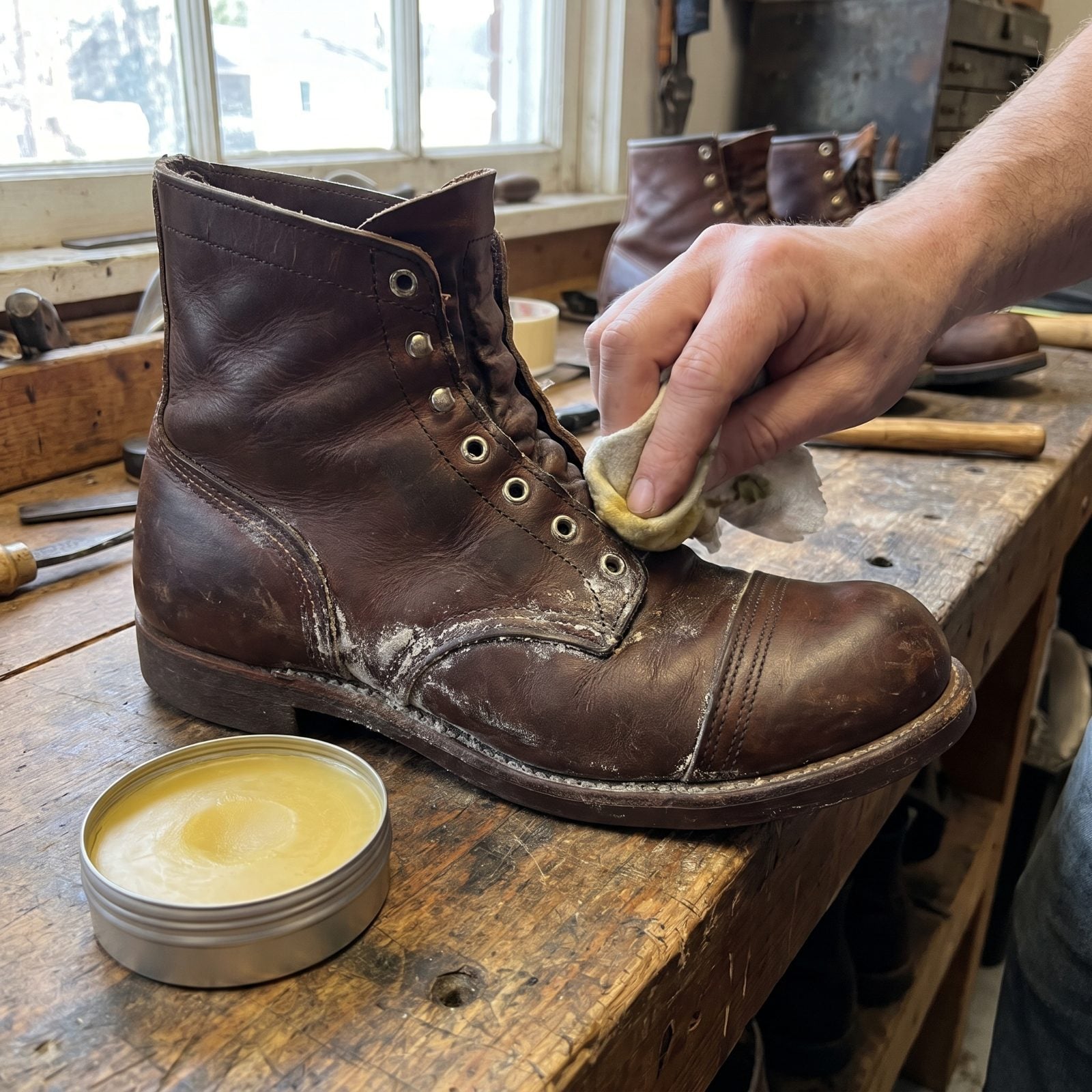
Leather drinks water, then road salt chews it apart. That white crust on your boots isn’t dirt. It’s salt pulling the oils out and cracking the hide from the inside.
Warm a paste wax or beeswax dressing slightly so it soaks in, work it into the leather with a cloth, and pay extra attention to the welt where sole meets upper — that seam is where slush sneaks through. A second coat on the toes and heels, the spots that flex and scuff hardest, buys you another winter easy.
13. Reading Chimney Smoke to Catch a Draft Problem
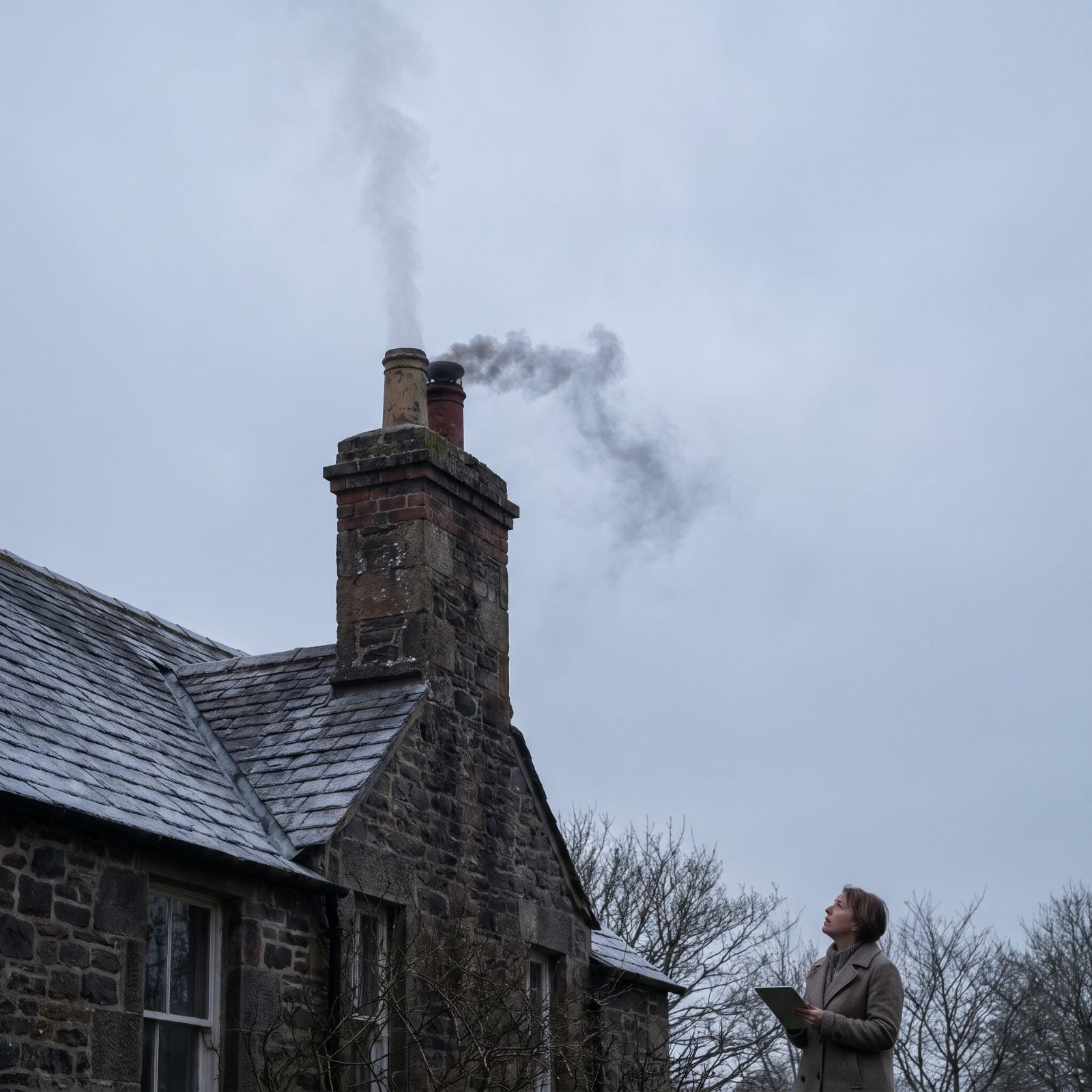
Good smoke is boring smoke. It rises thin, pale, and straight, and that tells you the fire is burning clean and the flue is drawing right.
Thick dark smoke means the fire is starving for air or the wood is wet. Smoke that rolls back down the chimney and sinks around the house points to a cold flue, a blockage, or wind pressure fighting the draft. And smoke pouring back into the room? That’s the loud version of the same warning.
Step outside now and then during a burn and look up. A chimney will tell you it’s in trouble long before the smoke alarm does.
12. Warming a Bed With a Wrapped Hot-Water Bottle
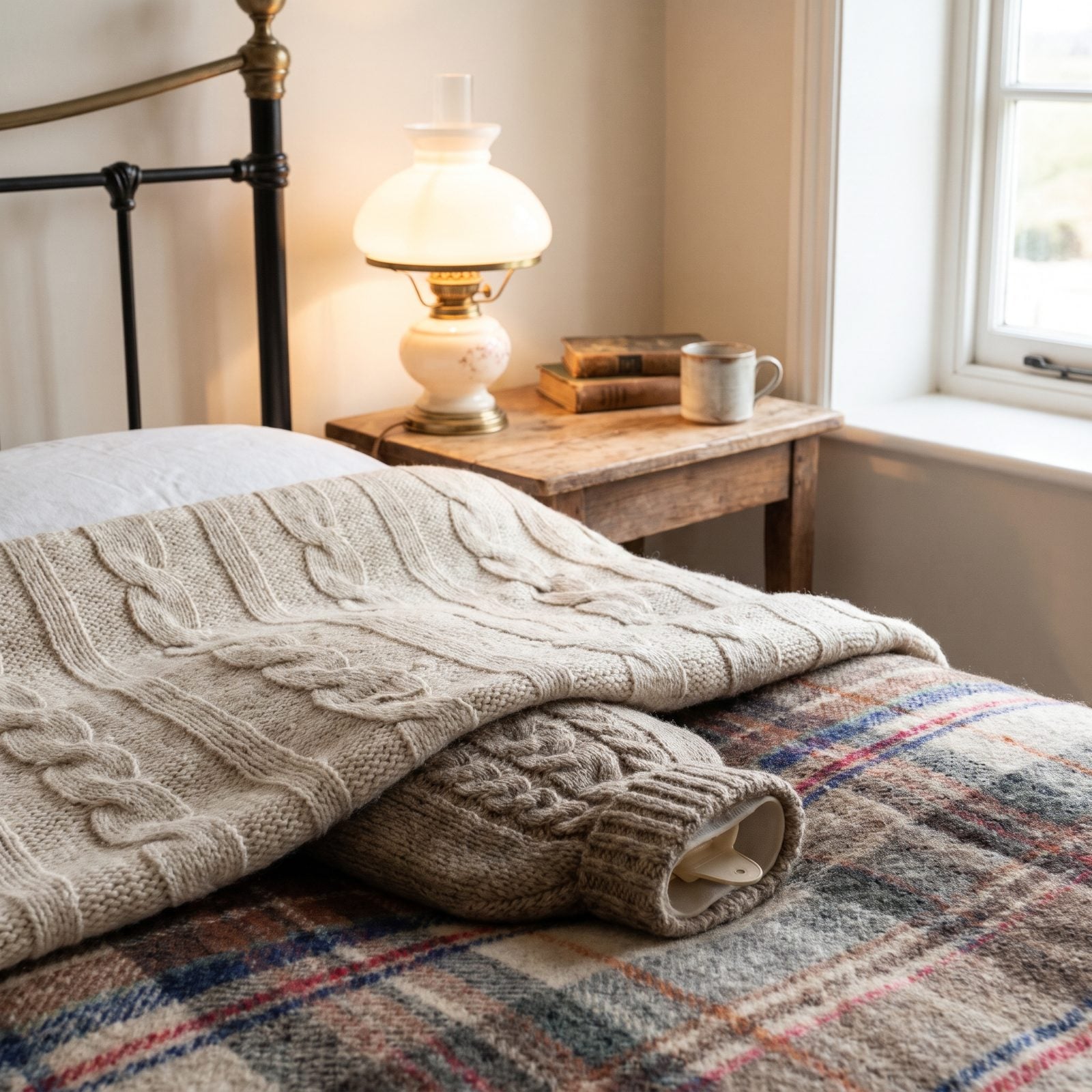
Climbing into a cold bed on a January night is its own small misery. The old fix still beats most gadgets.
Fill a rubber bottle with hot — not boiling — water, screw it tight, and wrap it in a towel or knitted cover before it ever touches the sheets. Slide it down near the foot of the bed twenty minutes before you turn in. By bedtime the cold spot is gone and the heat has spread up through the bedding.
Never fill it with boiling water and never put bare rubber against skin. Burns in bed happen every winter, and every one of them is avoidable.
11. Layering Wool Without Choking Off Your Circulation
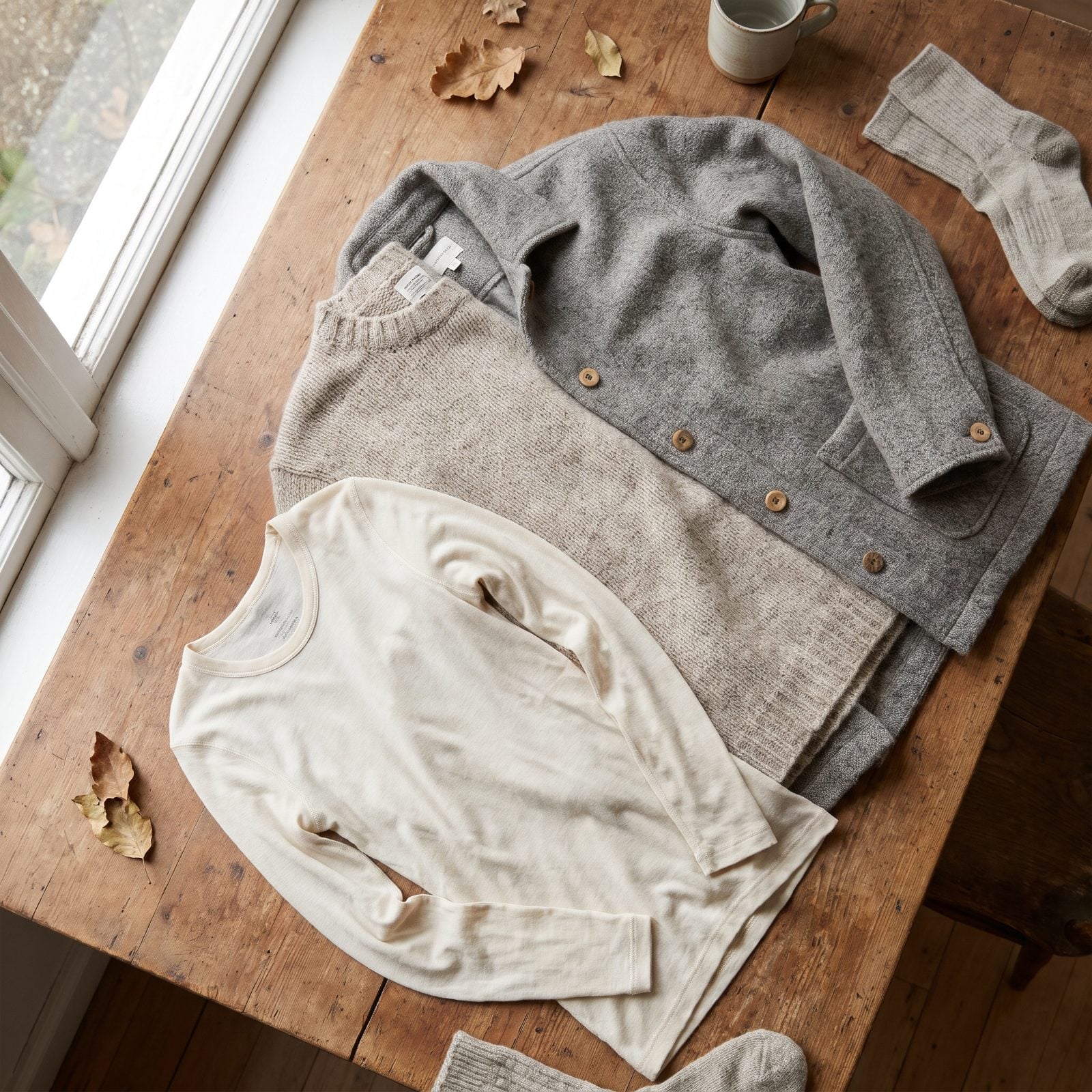
More layers isn’t automatically warmer. Jam yourself into tight ones and you crush the air pockets that actually hold heat, and you squeeze off the blood flow that keeps hands and feet alive.
Warmth comes from trapped air, not fabric alone. Base layer snug against the skin, a middle layer with loft, an outer layer with room to move — that’s the old formula, and it still wins.
- Nothing should bind at the wrists, waist, or ankles.
- Cold fingers after bundling up usually mean the layers are too tight, not too thin.
- Leave a little slack so warm air can sit in the gaps and do its job.
10. Shoveling in Short Layers During a Long Storm
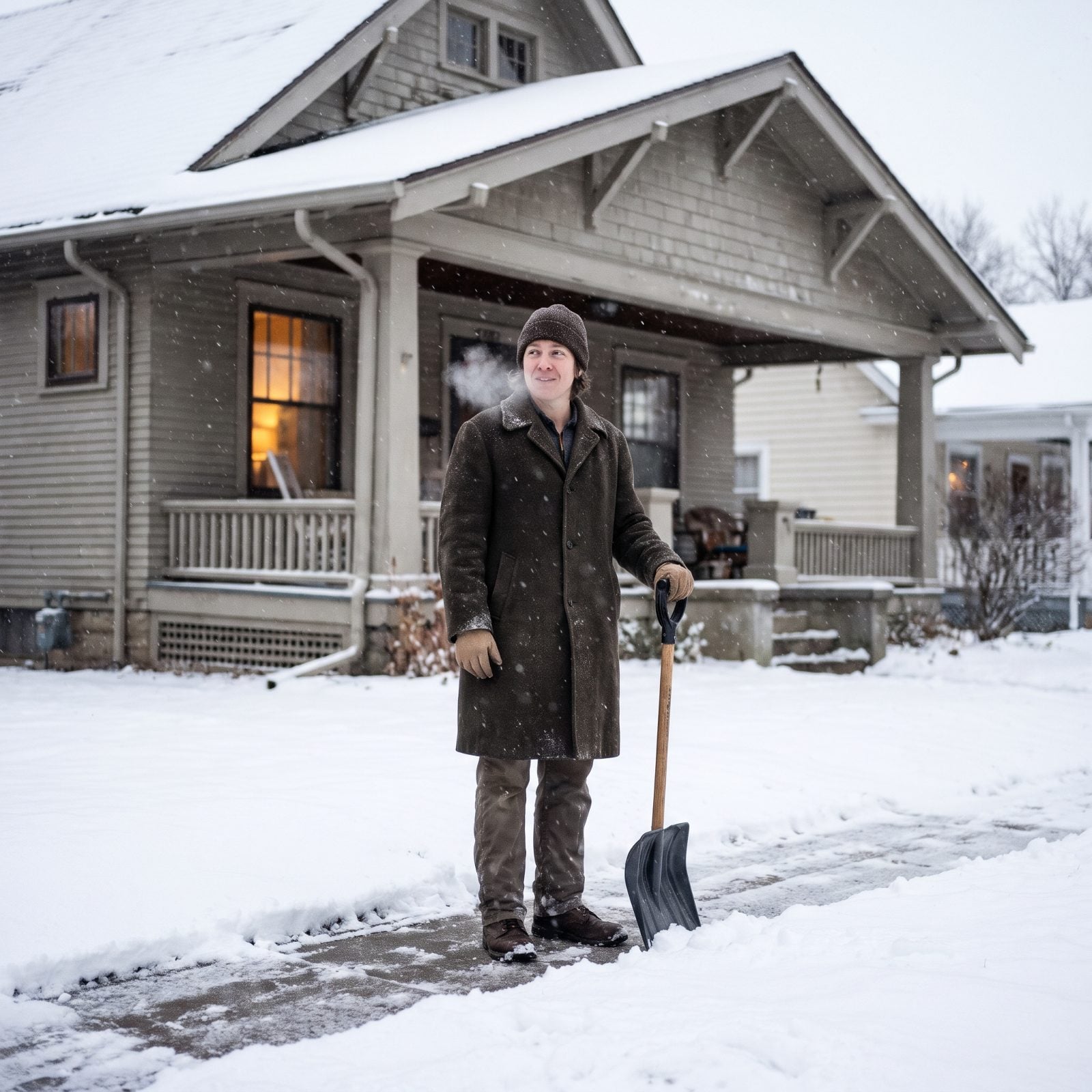
The people who hurt themselves shoveling almost always make the same mistake. They wait for the storm to finish, then try to move two feet of heavy snow in one go.
Go out two or three times during a long storm and clear a few inches each pass. Fresh snow is light. Settled, packed, day-old snow weighs far more for the same depth. Short frequent trips spread the work and keep the walk passable the whole time.
Push more than you lift. Keep your back straight and let your legs do it. And come inside before you’re wiped out, not after.
Explaining why one big push after the storm is so risky, a hospital cardiologist warns “Many heart-related events occur in people who are usually inactive. When someone who is sedentary suddenly takes on heavy shoveling after a storm, that unexpected strain can unfortunately lead to a serious emergency.”
9. Building a Compact Emergency Snow Shelter
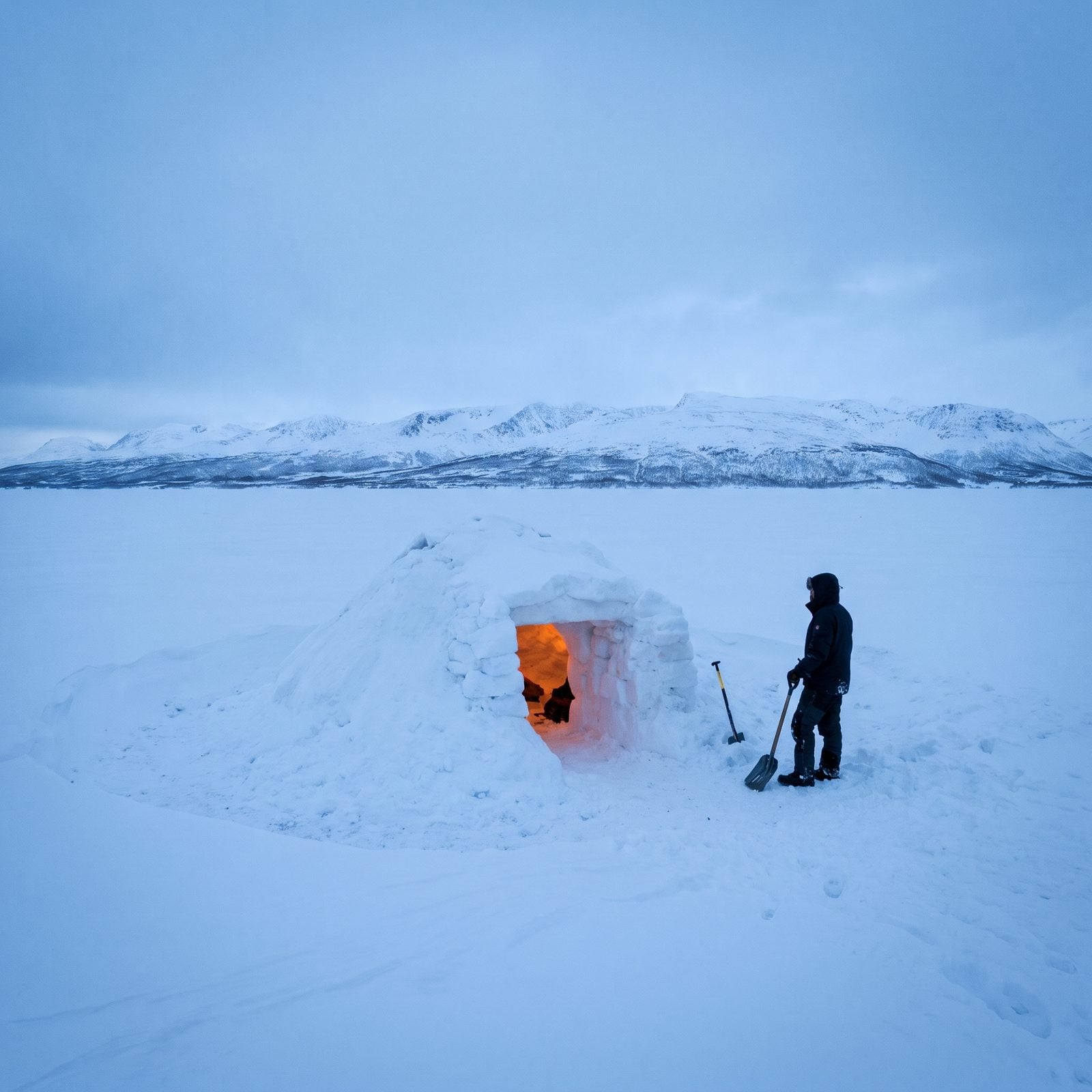
Here’s what nobody tells you: a snow cave keeps you alive because snow out-insulates most jackets. Dead air, trapped. A well-built shelter holds the inside near freezing while the night outside drops far below it.
The old method was patience. Pile the snow, let it sinter for an hour or two so the crystals lock together, then hollow it out from the low side. Keep the sleeping shelf higher than the entrance, and cold air sinks and drains out the door while you stay in the warmer pocket up top.
8. Saving Birch Bark for Winter Tinder
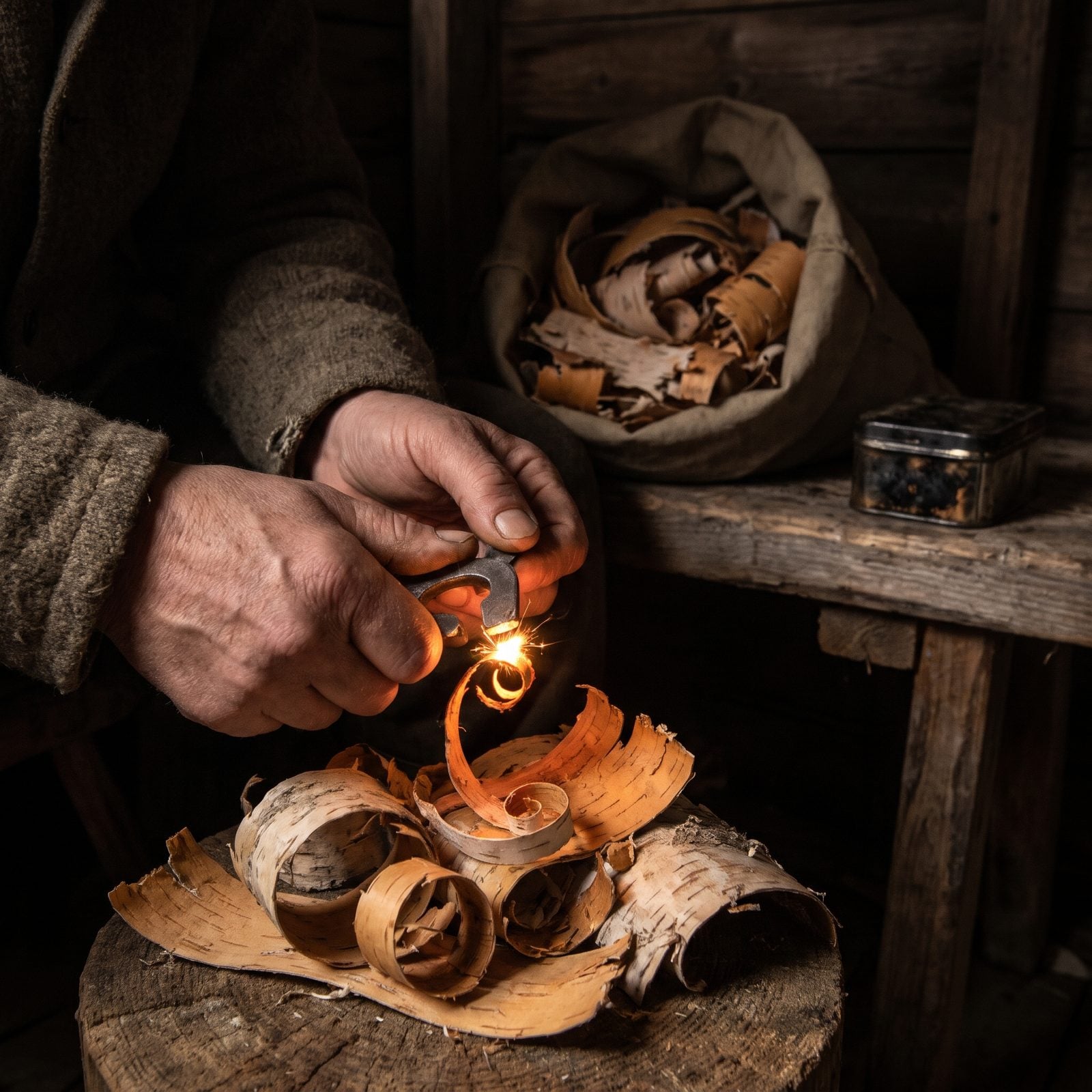
Birch bark lights wet. That’s its whole appeal. The bark is loaded with natural oils that catch from a single spark even when everything else in the woods is soaked or frozen stiff.
So collect the loose, peeling bark through the year and stash it dry. Take only the papery outer curls already lifting away. Strip the living layer off a healthy tree and you can kill it, which is both bad woodsmanship and, on most public land, against the rules.
7. Airing Bedding on a Cold, Dry Day
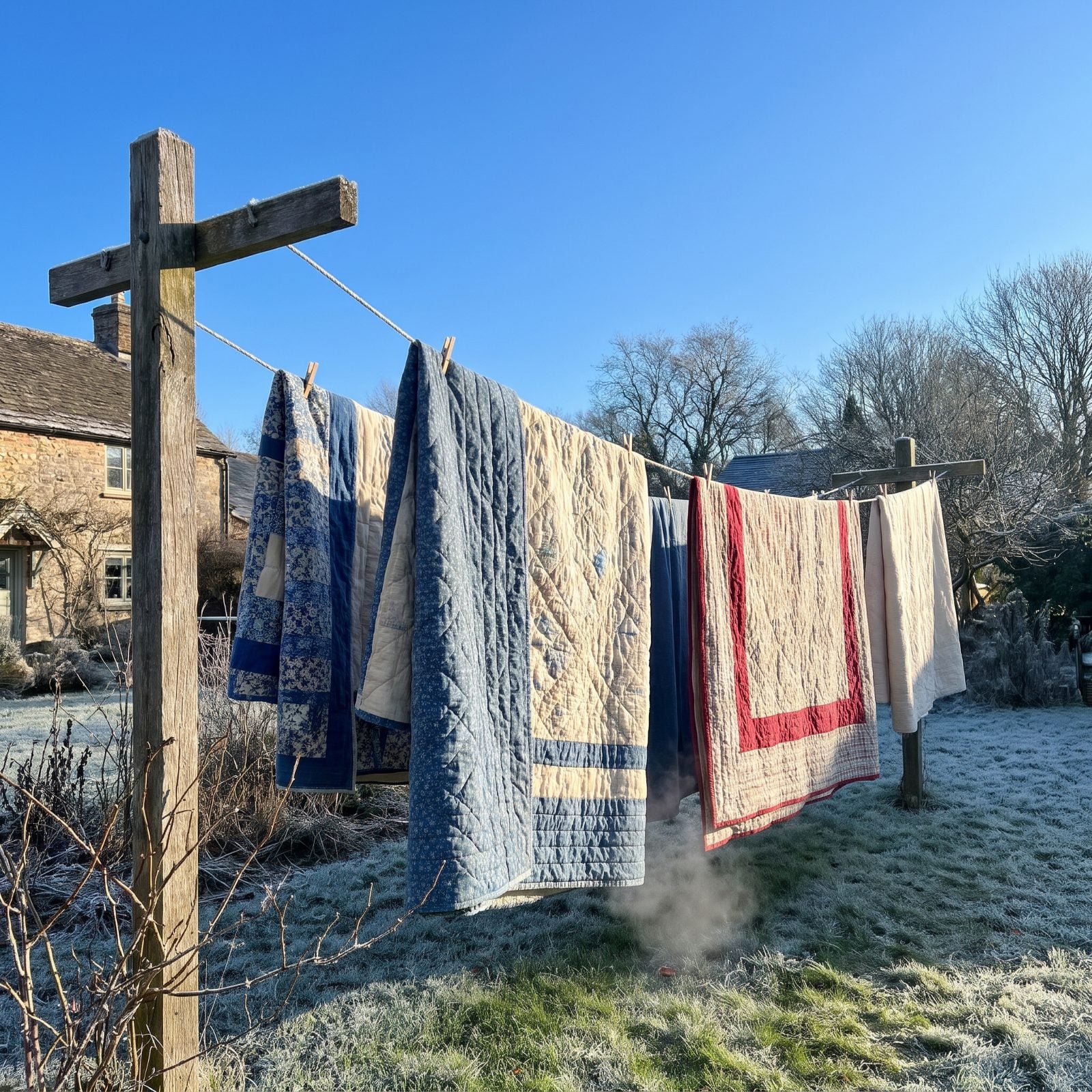
Cold, dry air pulls moisture out of bedding better than a warm humid day ever will. Sounds backwards until you’ve tried it.
Bodies shed a surprising amount of water into a mattress and blankets overnight, and in an unheated room that damp lingers and makes everything feel colder than it should. Hang the wool and quilts out on a bright, still, sub-freezing afternoon and the dry air wicks the moisture away. They come back smelling clean and sleeping noticeably warmer.
Give it an hour or two, no more. Beat the dust out before you carry them back inside.
6. Packing a Sleigh or Sled for an Emergency Trip
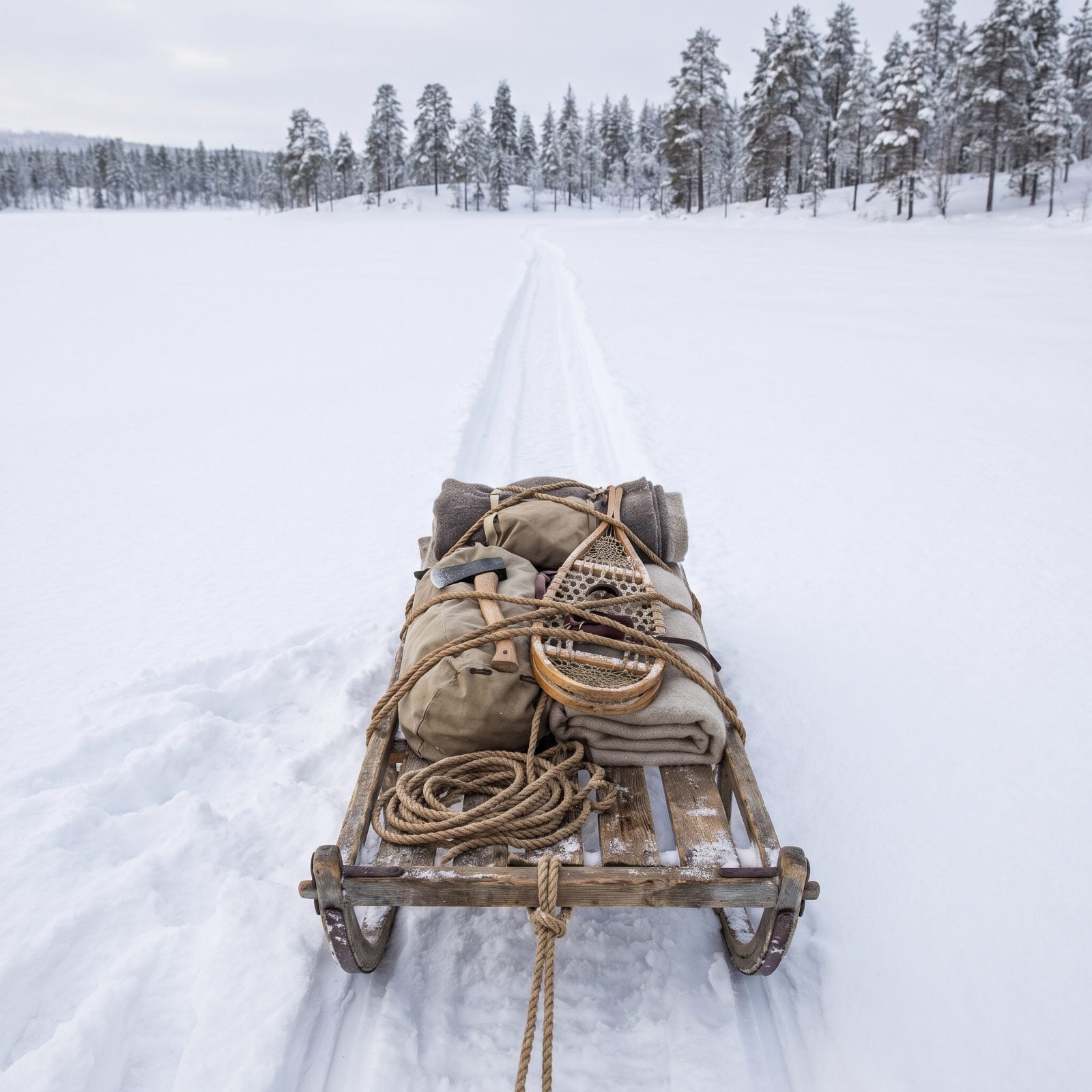
Weight low, weight centered, nothing loose. A sled that rides well won’t tip on an off-camber slope or jackknife on a downhill.
Heavy items go on the bottom and toward the middle. The things you’ll grab first — mittens, fire kit, a thermos — ride on top where cold hands can reach them without unpacking everything. And lash it all with a line you can release with one pull. Frozen knots you have to pick apart with bare fingers are their own small emergency.
5. Melting Snow Without Scorching the Pot
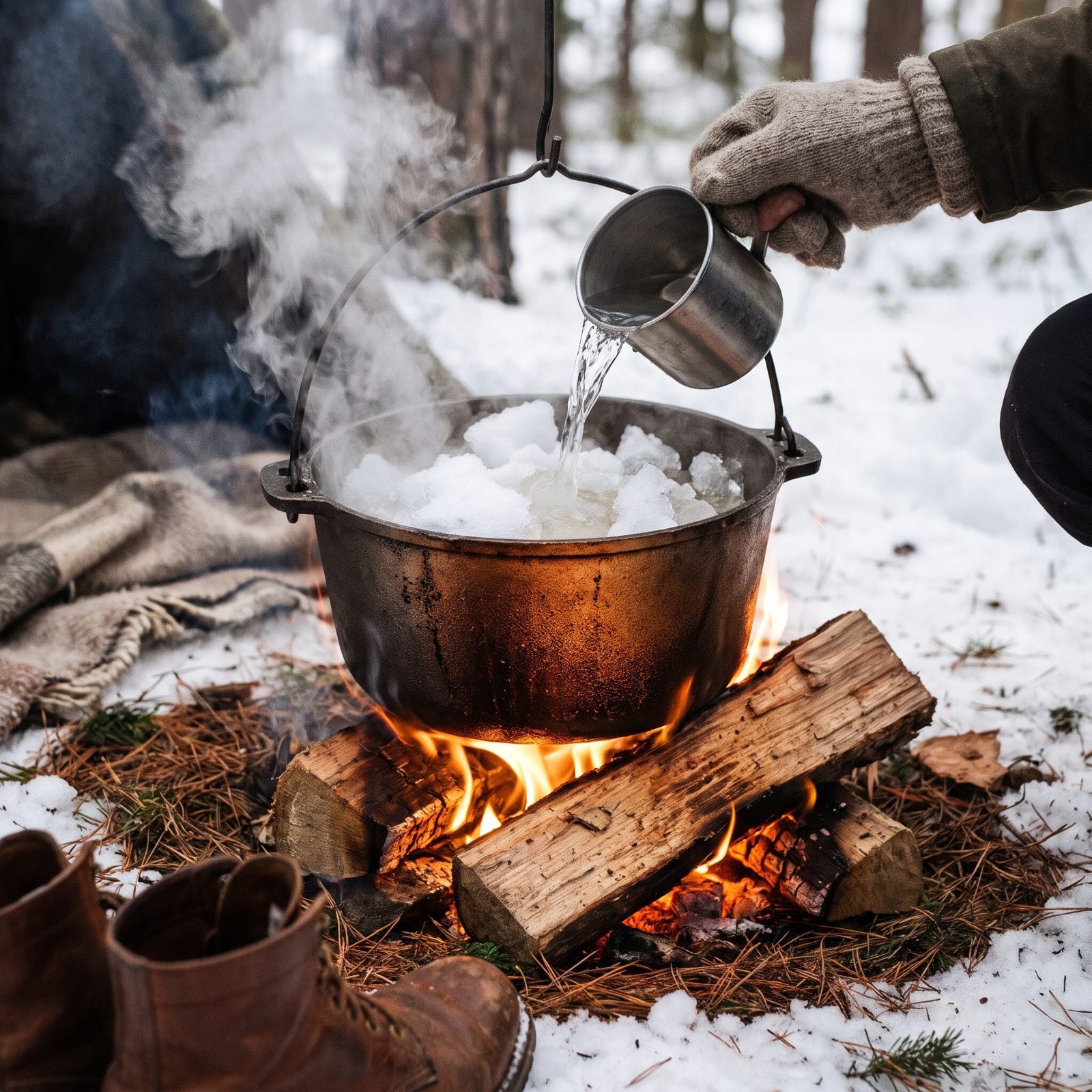
Pack a pot with dry snow, set it on a hot fire, and you’ll get the smell of burning metal and a mouthful of scorch. Snow is mostly air. The bottom of the pot touches almost nothing, overheats, and the little water that forms boils off before the rest melts.
The fix is a splash of starter water. Even a cup in the bottom gives the snow something to melt into, and the water carries heat up instead of letting the metal cook dry. Add snow slowly, a handful at a time, as the water builds.
With years of melting snow in the backcountry behind him, a veteran mountain guide says “It is important to pour a little water into the pot first and then fill it with snow, otherwise the pot may get damaged.”
4. Preventing Canned Food From Freezing and Breaking
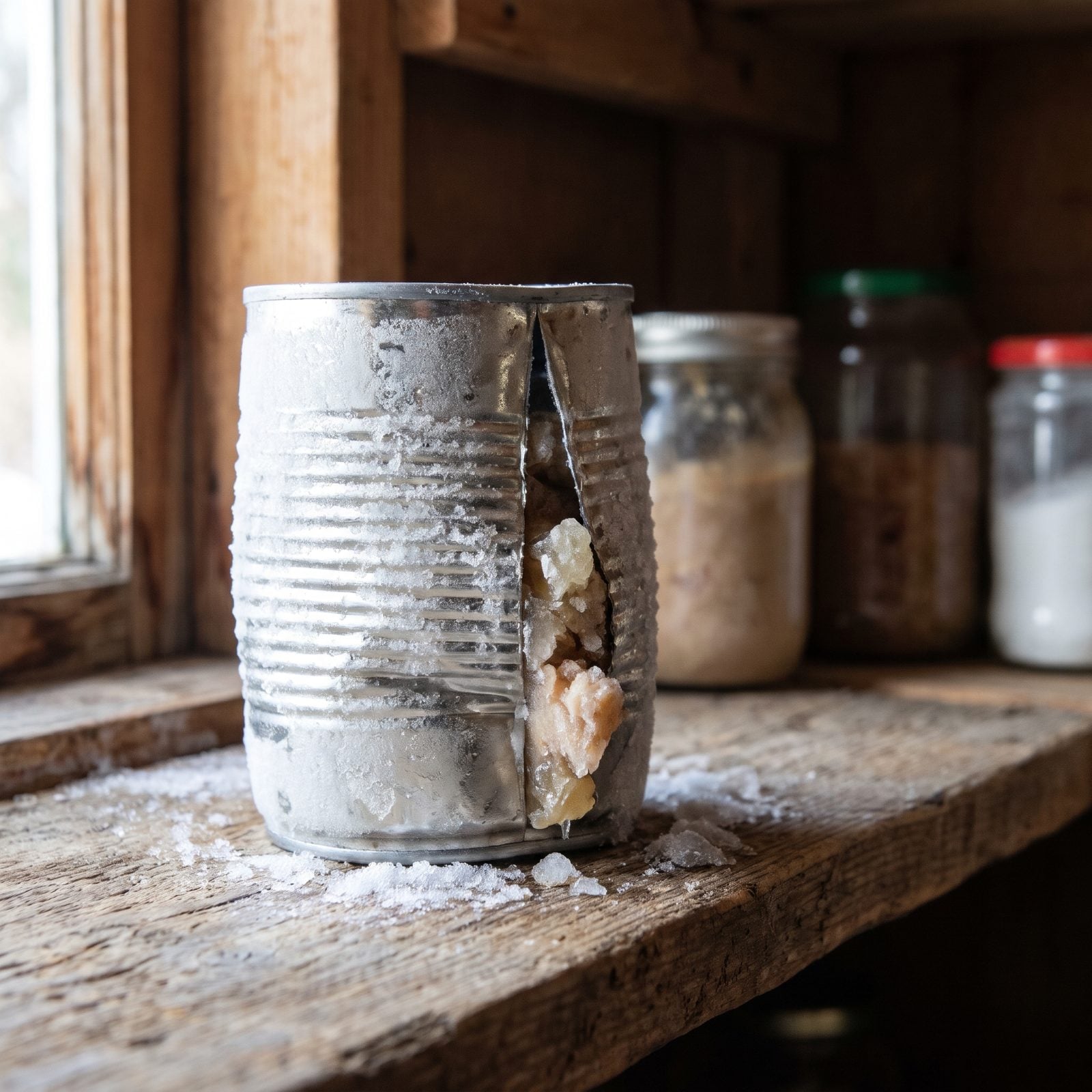
A frozen can doesn’t just spoil the food. Water expands when it freezes, and a sealed can has nowhere to send that pressure. The seam splits, the seal breaks, and what thaws out is no longer safe to eat.
Store cans and jars off exterior walls and up off cold floors. The old root cellar trick was packing them in straw or burlap, trapping a pocket of insulating air around each one and buying hours against a cold snap. A blanket over the shelf closest to the window does the same thing in a modern pantry.
If canned goods froze in storage, a university food scientist says to “first check for broken seals or seams in metal cans or broken glass jars in both commercial or home canned foods due to expansion of the food and liquid inside the container”
3. Chipping Steps Into a Packed-Snow Path
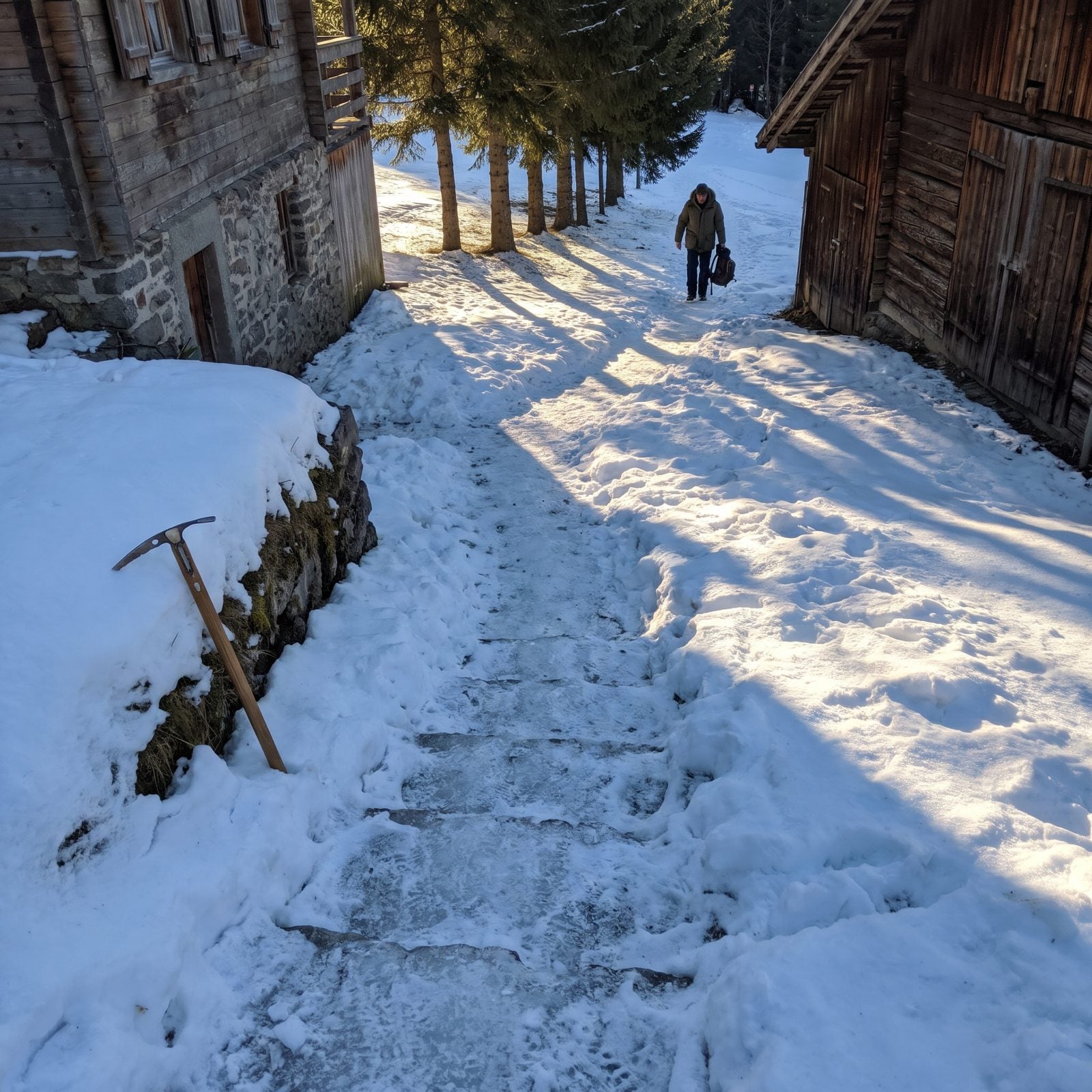
A slick slope between the house and the barn is a broken hip waiting to happen. The old answer was to make the hill hold your boot instead of fighting it.
Chip each step flat, or tilted slightly back into the slope so your weight settles into the hill rather than sliding off the edge. Cut them a little oversized, because they’ll ice over and shrink with every freeze-thaw. A handful of ash, sand, or wood chips scattered on the treads gives the sole something to grip when the surface glazes over.
Re-cut after a thaw. Rounded, glassy steps are worse than no steps at all.
2. Closing Off Unused Rooms Without Freezing Pipes
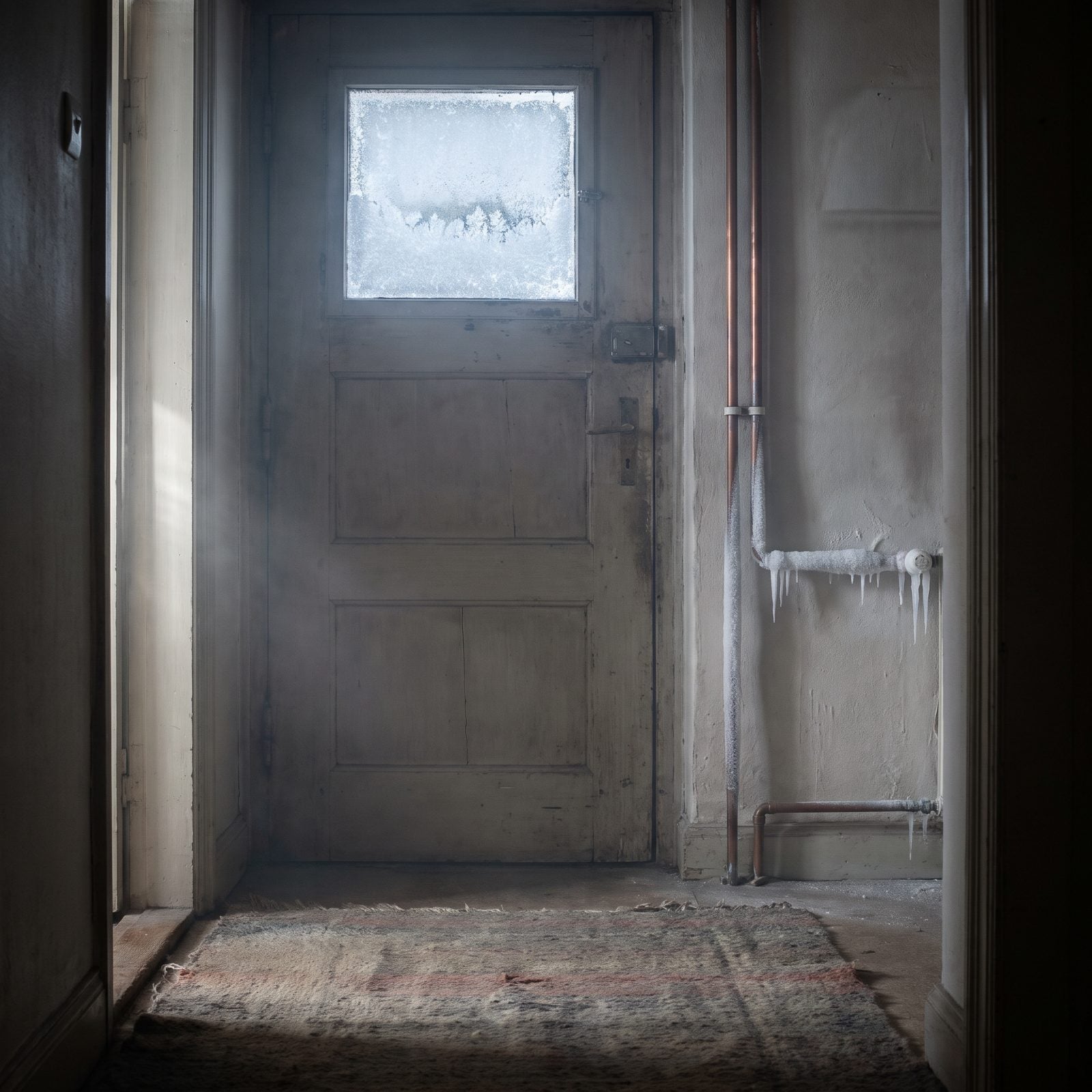
Shutting a cold room off to save heat makes sense until the pipes running through its walls freeze and burst in the night. That repair costs far more than the fuel you saved.
Here’s the compromise the old farmhouses used. Hang a heavy blanket across the doorway to block the draft, but don’t seal the room stone cold — leave the door cracked, or open a vent, so a trickle of warm air keeps the wall pipes above freezing. Where a pipe runs along an outside wall, wrap it and leave the cabinet or access panel open so household heat can find it.
1. Rewarming Numb Fingers Without Rubbing Them

Rubbing frozen fingers to warm them is an old reflex that does more harm than good. If the tissue is frostbitten, friction tears already-damaged skin, and briskly rubbing with snow — which people genuinely used to do — is worse still.
Gentle, steady warmth is the answer. Tuck the hands into your armpits, against your belly, or under a layer of wool. Warm, not hot, water works if you have it. You want slow rewarming that lets blood return on its own.