
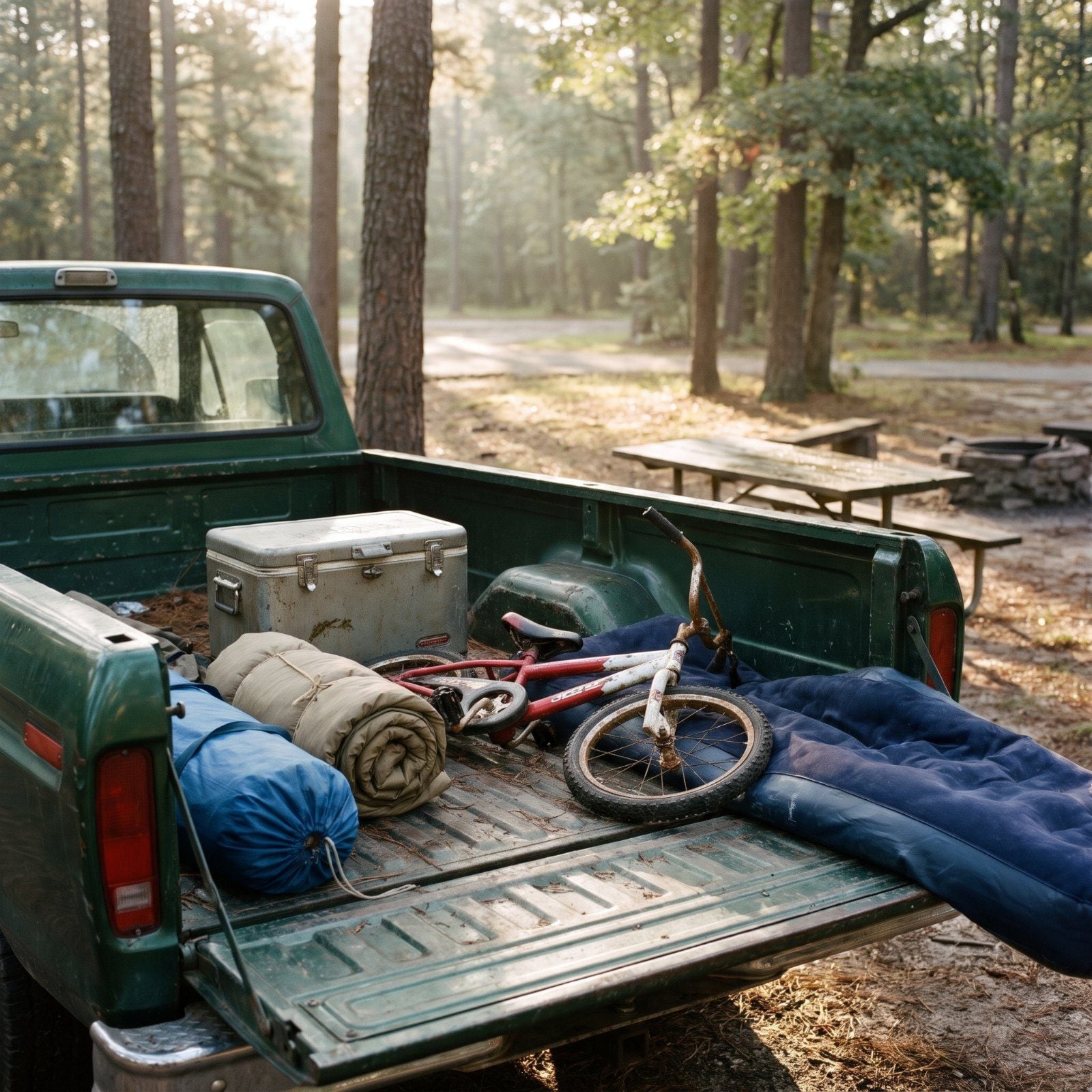
A ranger clearing a weekend loop on Monday morning fills a truck bed faster than you’d think. Not with trash, exactly. With real gear, good gear. Tents still staked, coolers still closed, a bike leaned against a post like its owner stepped away for coffee and never came back. Some of it got forgotten in the scramble to beat checkout, and some got left on purpose because hauling it home felt like more trouble than it cost. We looked at what rangers actually haul out of campgrounds, and the list says a lot about how we camp now.
Please note that some of the images in this article were created with the assistance of AI.
46. Dome Tents Left Staked to the Pad
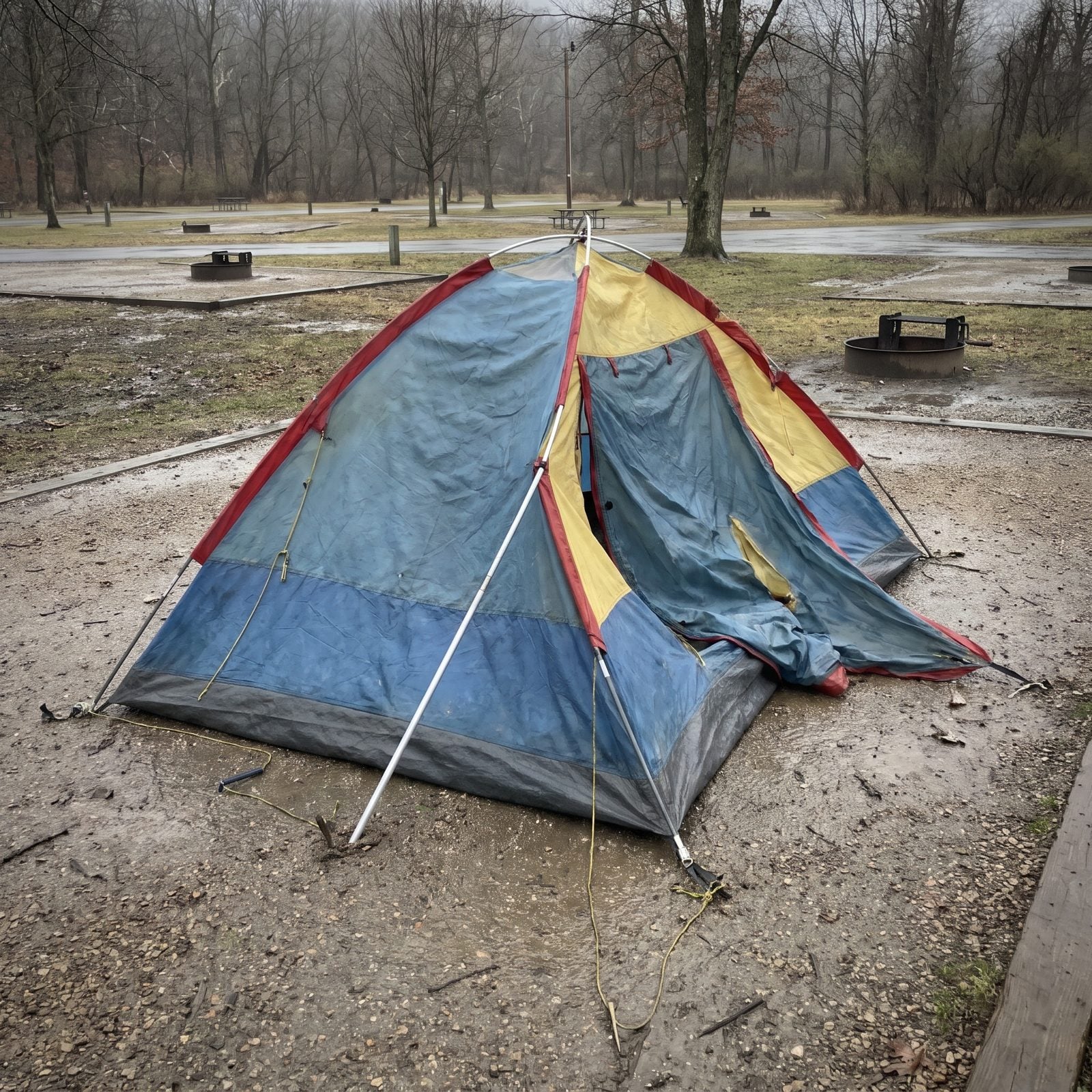
The dome tent is the one rangers find most. Somebody buys a cheap pop-up for a single trip, the poles bend, a corner floods overnight, and suddenly the thing isn’t worth the ten minutes it takes to repack wet nylon at dawn. So it stays — staked, sagging, half collapsed, like the campsite’s keeping a secret.
Here’s what most people don’t clock. A wet tent left behind doesn’t just vanish. A ranger has to break it down, carry it out, and usually trash it, because mildew sets in within a day. That’s your gear becoming someone else’s chore.
45. Portable Generators Still Topped With Fuel
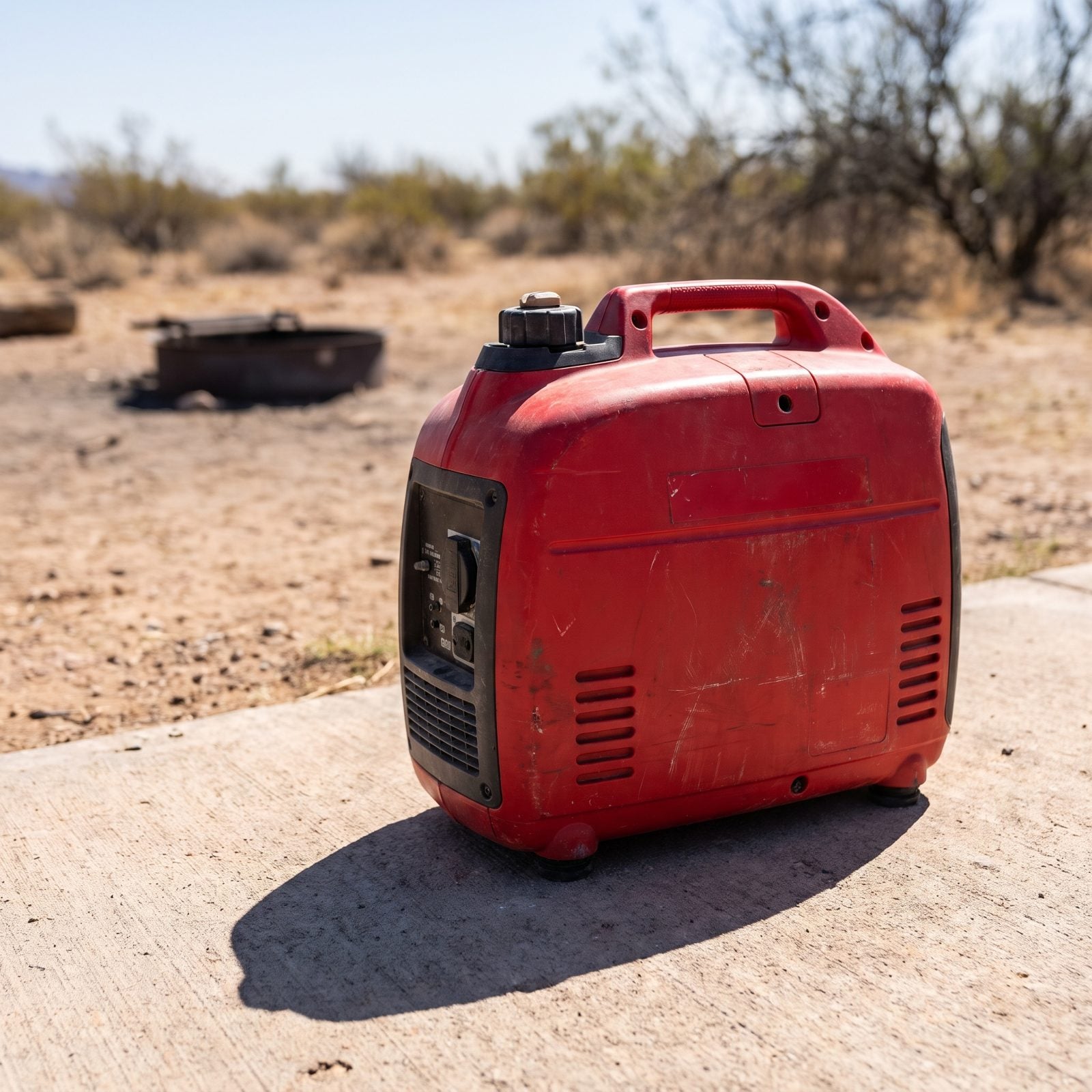
Nobody forgets a generator by accident. These get left because they’re heavy, they stink of gas, and the carburetor gummed up on day two when it wouldn’t start. Easier to drive off than to wrestle a dead one into the trunk.
The gas is the real problem. A generator with fuel still in the tank turns into a hazard the moment a ranger has to move it, and dumping that fuel safely is a job nobody signed up for. I’ve got no patience for this one. You bring a motor into the woods, you own it until it’s back in your garage.
44. Bicycles Leaned Against the Loop Signpost
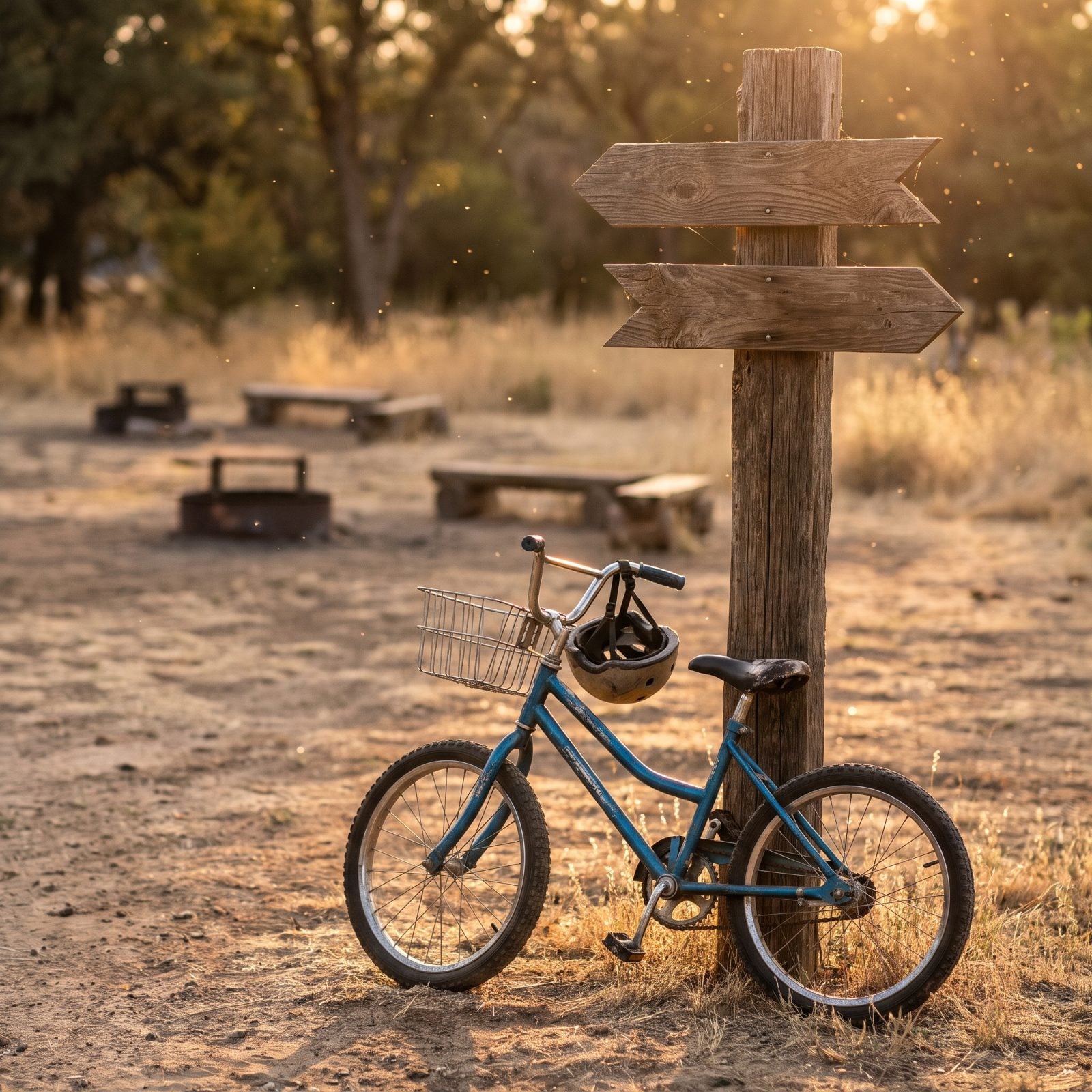
Bikes show up at the loop signpost more than anywhere else, and there’s a reason. A kid rides it all weekend, parks it near the road so it’s easy to grab, and then the family car is already loaded and nobody wants to pull the rack back out.
A half-flat tire and a little chain rust turn a decent bike into something that feels disposable. It isn’t. Most of these ride fine after ten minutes with a floor pump. Rangers hold them in lost-and-found for weeks, and the owner almost never calls.
43. Cellphones Still Charging at the Utility Post
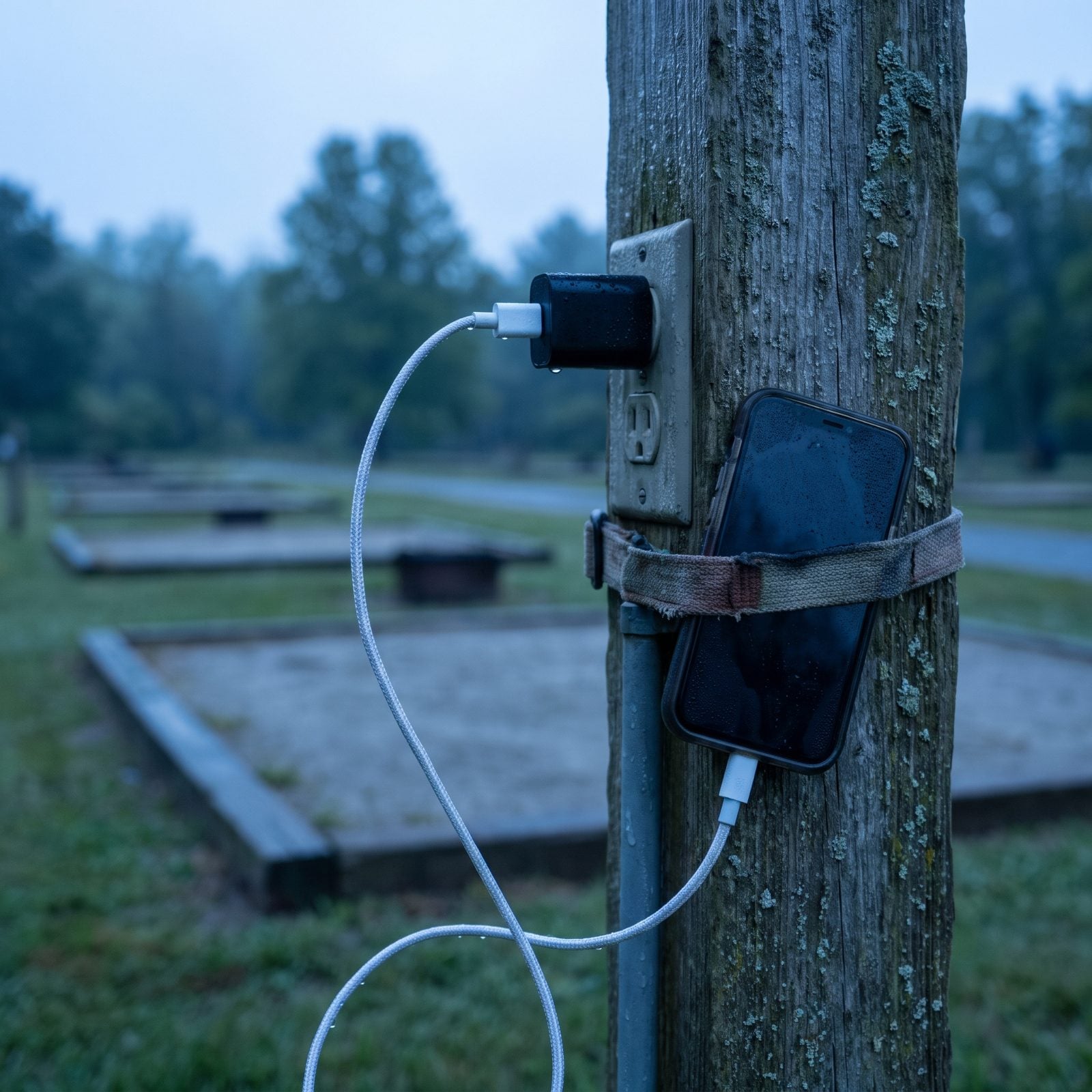
The phone at the utility post is the one that stings. Someone plugs it in to charge overnight, crawls into the tent, and in the morning rush it’s out of sight, out of mind. Then they’re forty miles down the highway before they feel the empty pocket.
Rangers find these dead and useless, screen locked, no way to reach the owner short of waiting for the panicked call to the station. Charge your phone at the post, sure. Just don’t make the post part of your camp furniture. Keep it in the tent where your hand finds it at dawn.
42. Loaded Hiking Backpacks Propped Against Trees
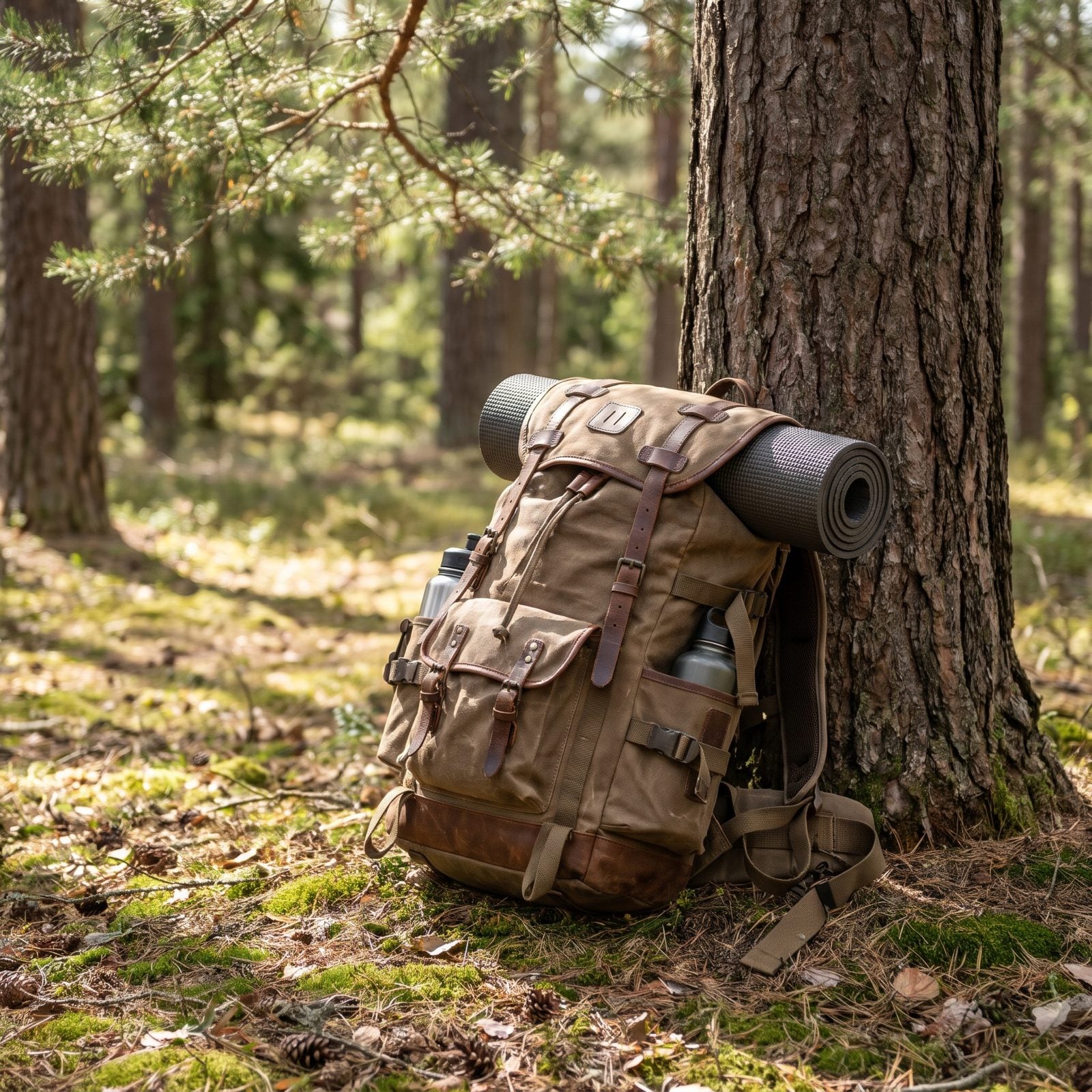
A loaded pack left behind confuses rangers more than it bothers them. These aren’t cheap. A full multi-day pack, sleeping pad rolled on, water bottle still in the mesh pocket — that’s real money and real planning. So why does it get abandoned?
Usually it’s a group trip gone sideways. Someone caught a ride out early, assumed a buddy grabbed their pack, and the buddy assumed the same. By the time anyone realizes, everyone’s home in three different towns. Rangers treat these carefully, because a loaded pack sometimes means a hiker in trouble, not just a forgetful one.
41. Coolers Full of Melted Ice and Spoiled Food
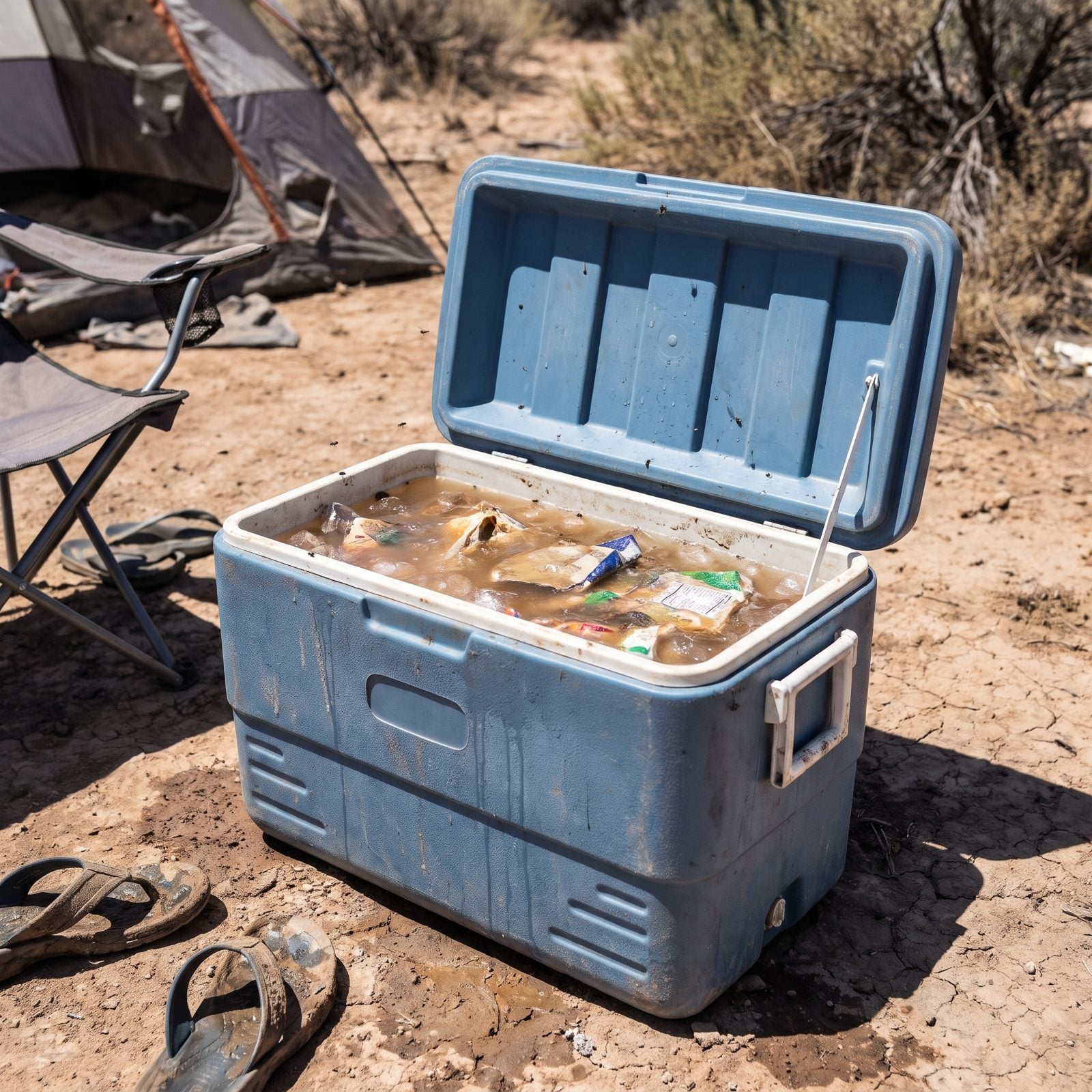
The cooler is the one rangers smell before they see it. Three days of summer heat, the last chunks of ice bobbing in murky brown water, and whatever meat didn’t get cooked floating alongside them. People leave these because the thought of opening the lid is worse than the thought of buying a new one.
I get it. Nobody wants to deal with spoiled food on a Sunday. But a reeking cooler draws every raccoon, bear, and yellowjacket within half a mile, and that becomes a safety problem for the next family who pulls into that spot.
40. Pop-Up Canopies Collapsed Over the Picnic Table
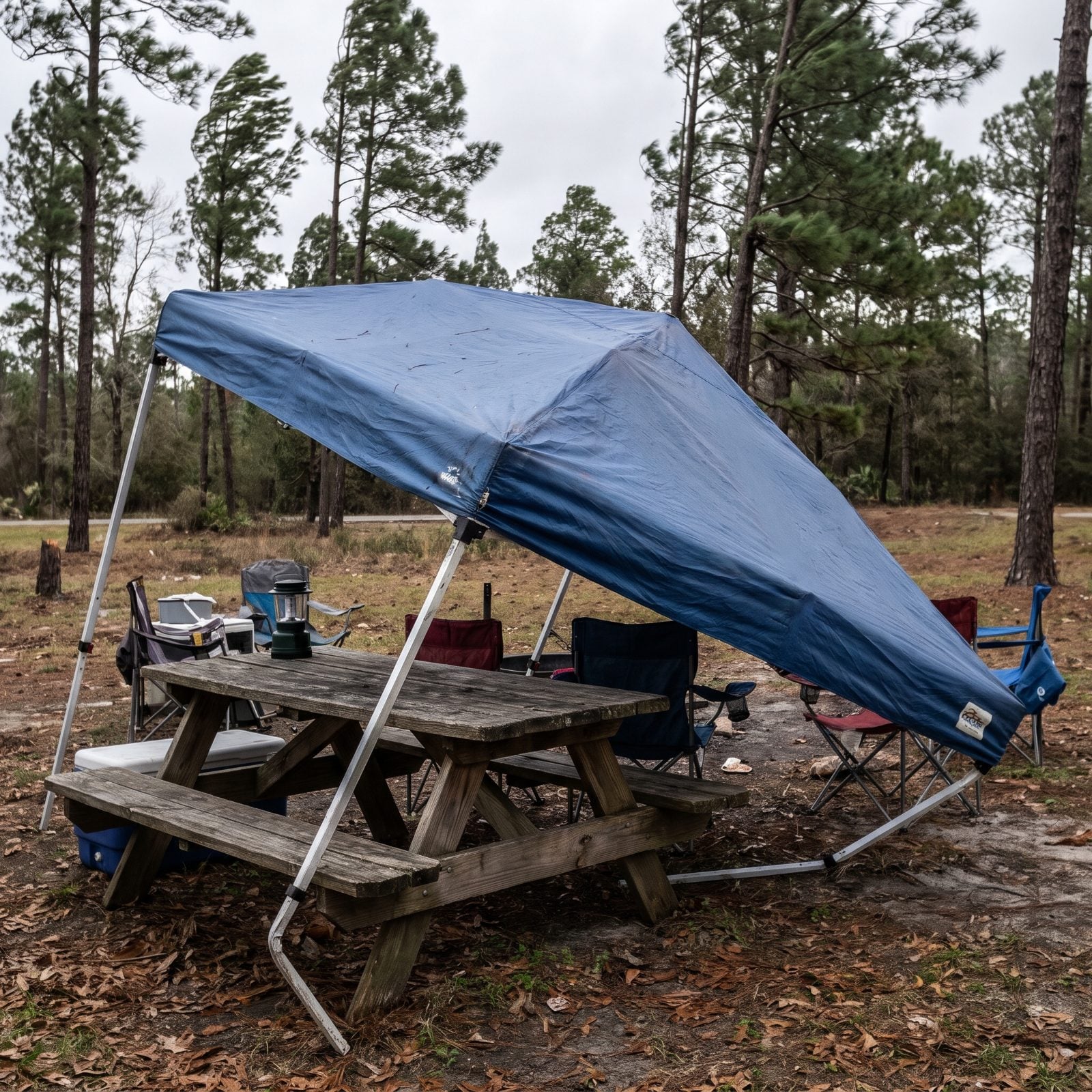
You’ve seen a pop-up canopy give up in a gust. One leg buckles, the whole thing folds like a bad card table, and suddenly that forty-second setup is a tangle of bent aluminum nobody wants to fight with. So it gets left draped over the picnic table, surrendered.
Once the frame bends, these are almost never worth repacking. Rangers haul out the collapsed ones constantly through windy stretches of the season. The frustrating part? A canopy with one bad leg still shades a table fine if you just stake the other three down properly.
39. Hammocks Still Strapped Between Two Trees
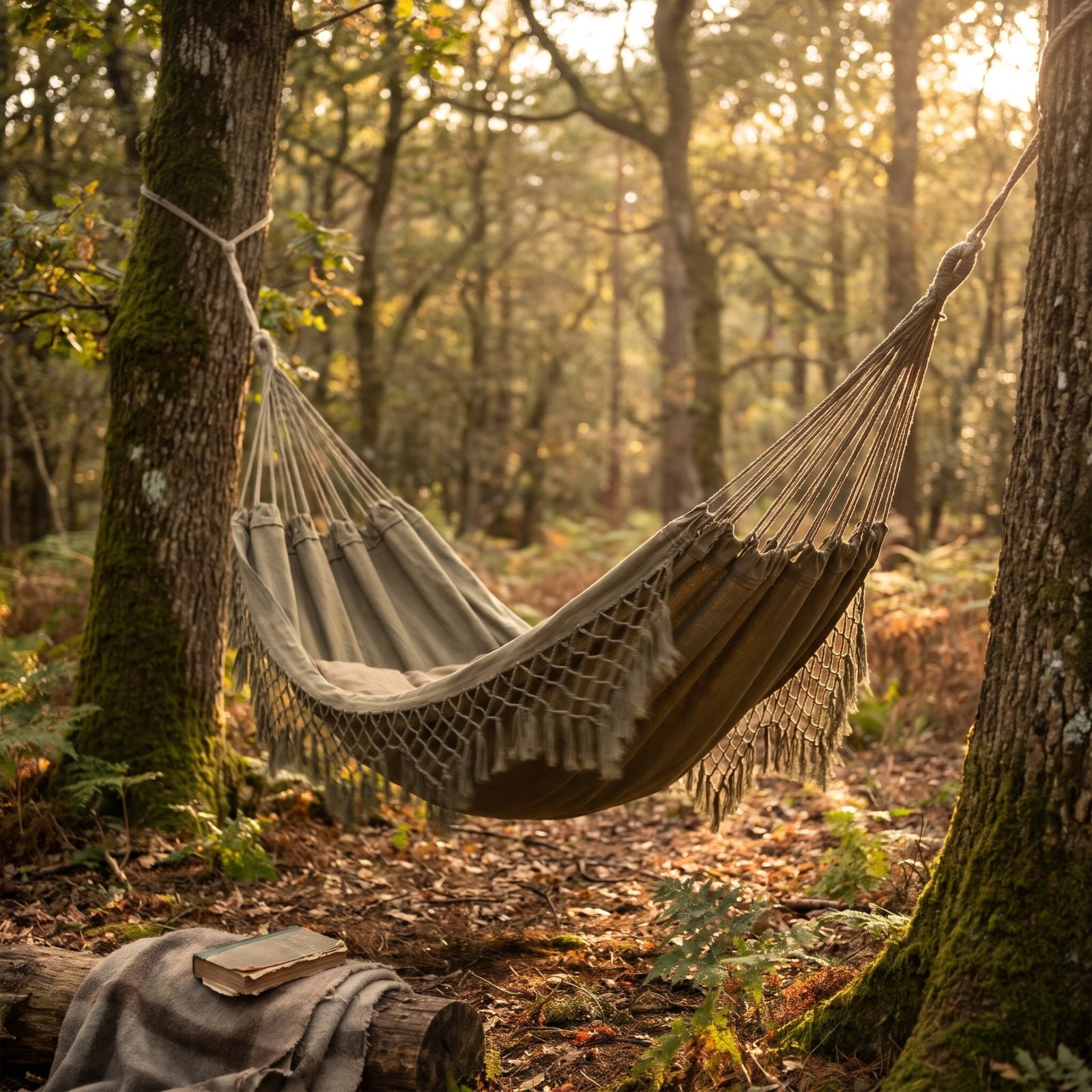
The hammock is the quiet one. It hangs there between two trees, empty, swaying a little, like its owner just got up to stretch their legs. Rangers find these still strapped because taking a hammock down means untangling cold, dew-soaked straps, and that’s just enough hassle to skip when you’re running late.
Here’s the part that matters beyond the gear. Straps left biting into bark for weeks can damage a tree, which is why some parks have rules about wide tree-friendly straps in the first place. A forgotten hammock isn’t just lost property. It’s a slow mark on the woods.
38. Sleeping Bags Stuffed Behind the Tent Pad
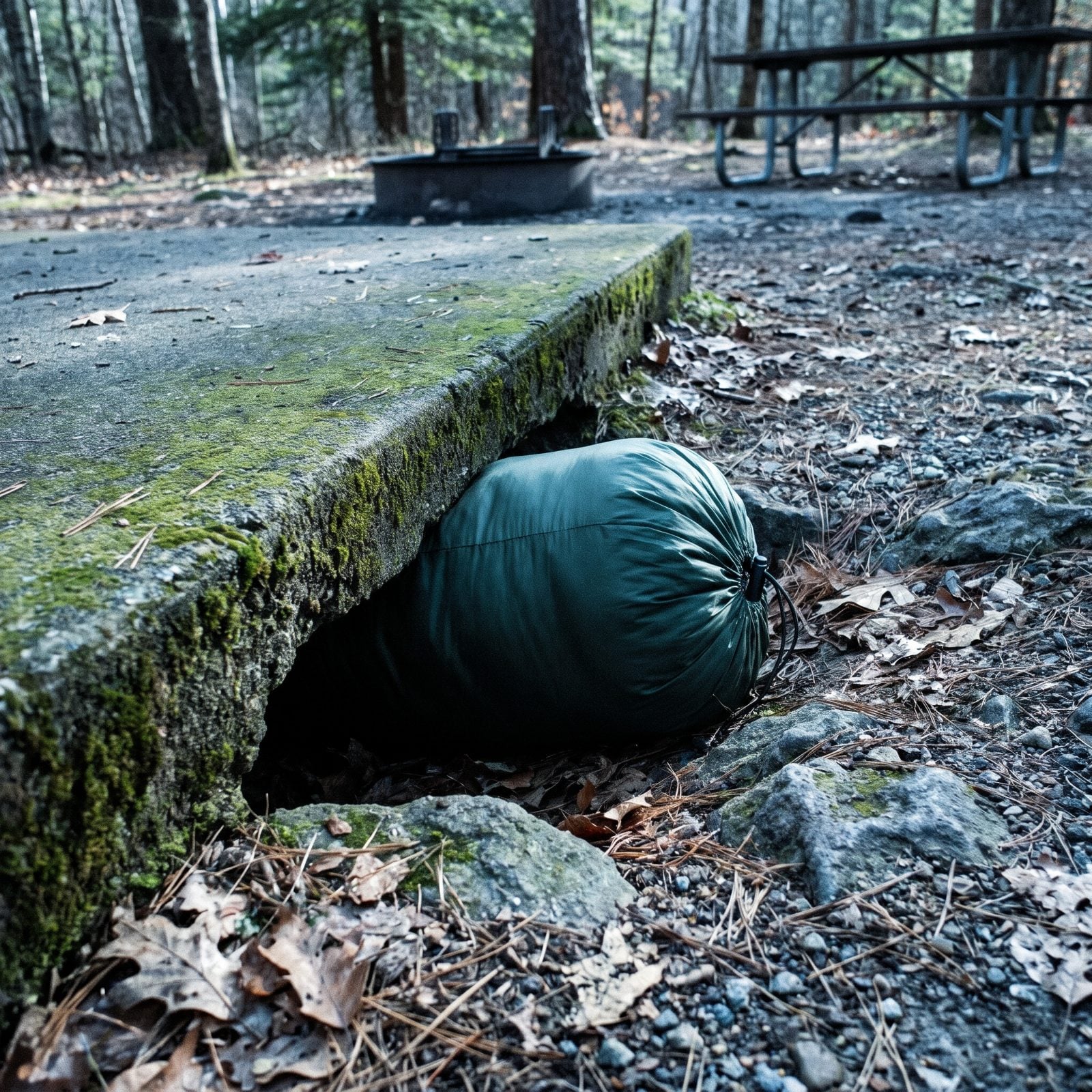
A sleeping bag stuffed behind the tent pad tells a specific story. Somebody tried to hide it. They knew leaving it was wrong, felt a flicker of guilt, and shoved it into the ferns where the next camper wouldn’t see it. The ranger always does.
Synthetic bags soak up ground moisture overnight and turn heavy and unpleasant to pack, which is the whole reason this one ends up in the brush. But a bag left in the woods never dries, never gets used again, and just rots. One rinse and a day in the sun at home would have saved it.
37. Deflated Air Mattresses Draped Over the Fire Ring
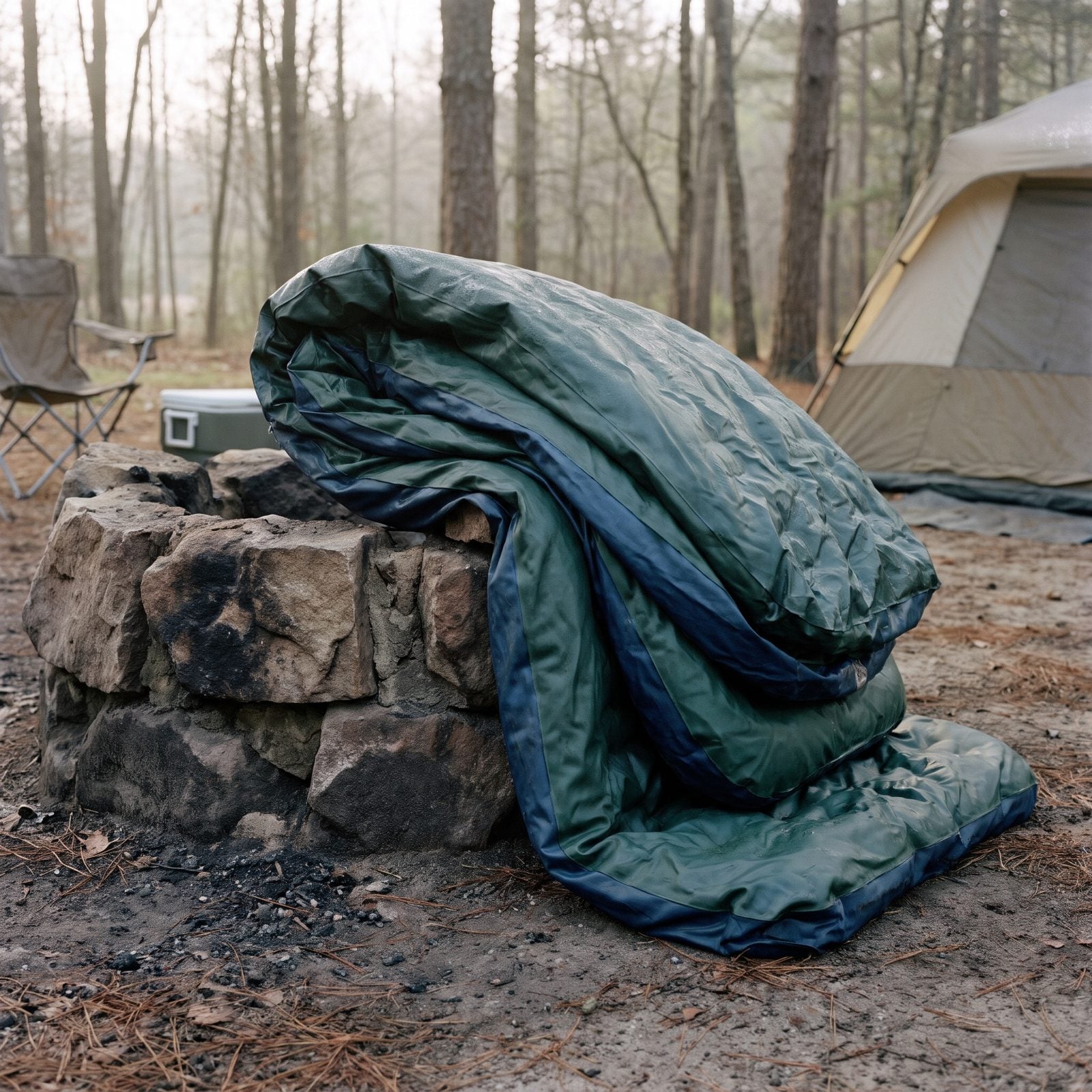
The air mattress is the most predictable find of all. It develops a slow leak on the first night, goes soft and sags by 3 a.m., and by morning the whole family has decided it owes them nothing. Folded over on itself, flat and limp, draped over the fire ring, left.
These are the definition of disposable camping gear, and that’s a shame — a cheap patch kit fixes most leaks in an afternoon. Rangers pull deflated mattresses out of fire rings constantly, half-melted ones too, where someone tried to burn it and gave up. Vinyl doesn’t burn clean. It just makes a mess and a smell nobody forgets. Pack it out and patch it, or don’t bring it at all.
36. Folding Camp Chairs Left Facing the Dead Fire
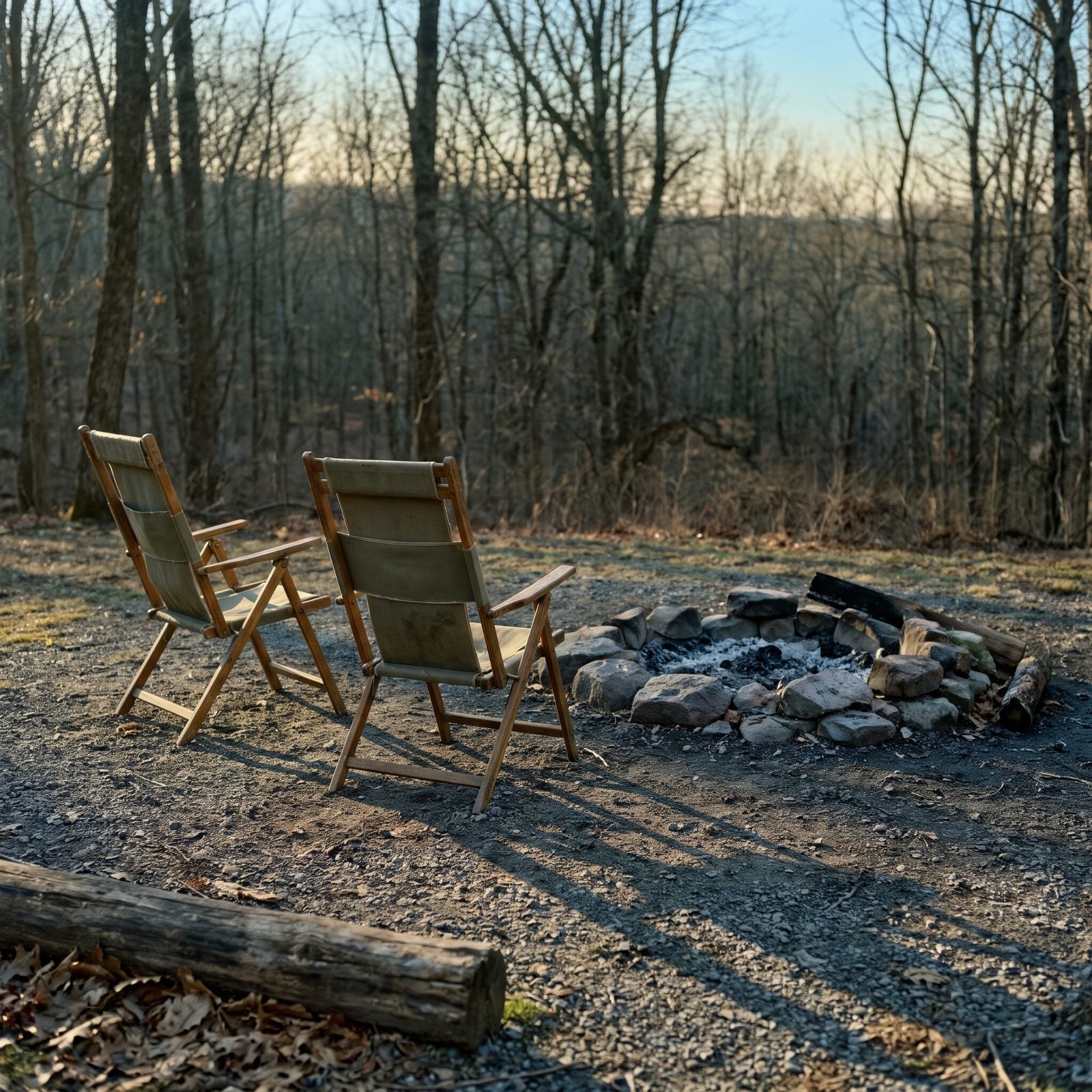
You’ve seen the scene a hundred times at a state park. Two chairs circling a fire ring, and after the last weekend of the season, one of them stays behind. The webbing stretched out years ago, the cup holder caught more rain than beer, and somewhere between tearing down the tent and the drive home, nobody wanted to carry it one more time.
Rangers find them constantly. A folding chair weighs almost nothing, which is exactly why it gets forgotten. The frame’s fine; the fabric gave up. Haul it out anyway, because a cheap chair left to rot still has to be picked up by someone, and that someone is wearing a uniform.
35. Two-Burner Camp Stoves Still Warm From Breakfast
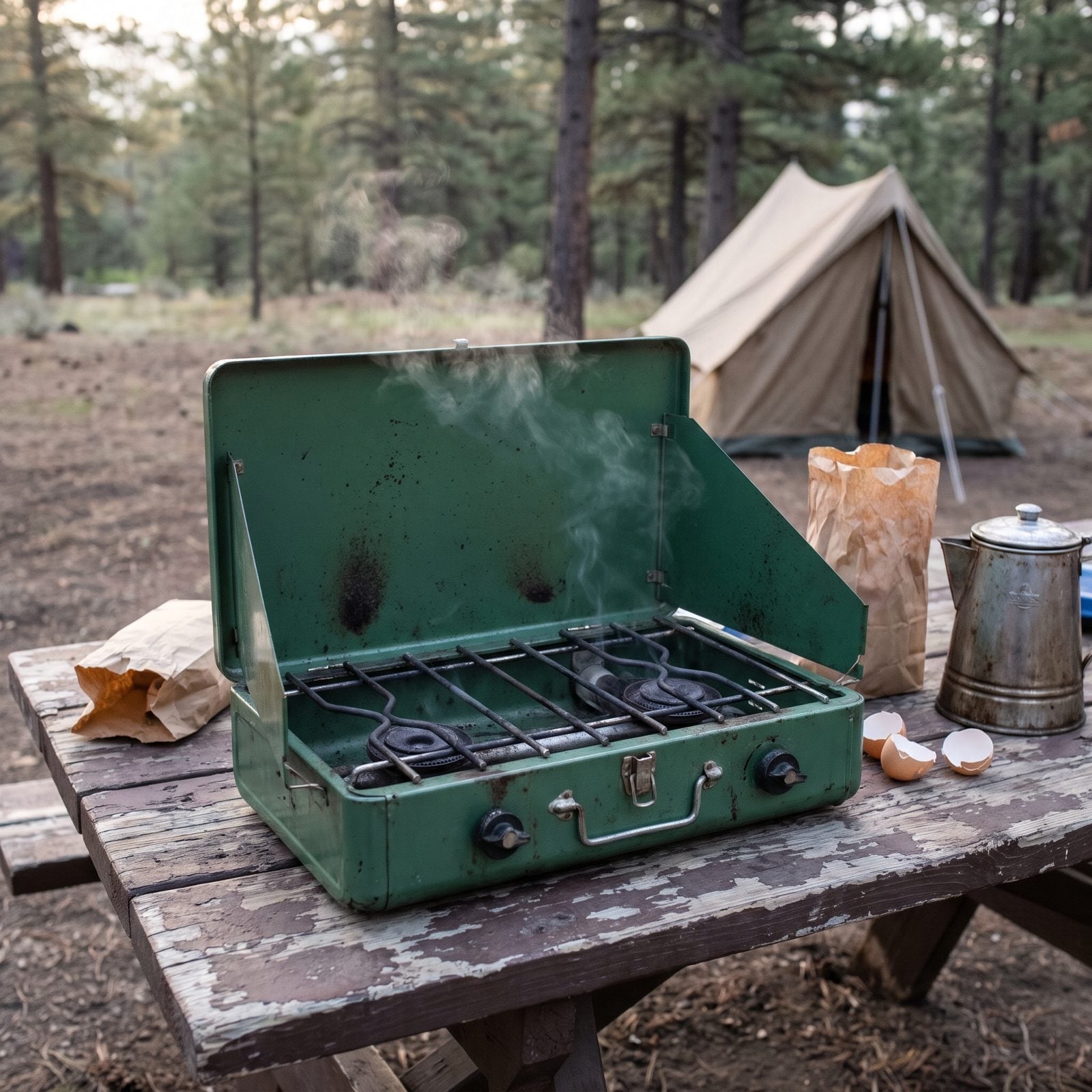
The classic two-burner never gets forgotten because it’s useless. It gets forgotten because it’s heavy and it was still cooling down when the car got packed.
Rangers pull these off picnic tables more than you’d guess. Lid propped, grease rings around the burners, and nine times out of ten the fuel line’s still hooked to a bottle somebody also walked away from. A solid stove with a dent or two, perfectly good, just orphaned on a table thirty feet from a now-empty parking spur.
34. Cast-Iron Skillets Abandoned on the Grate
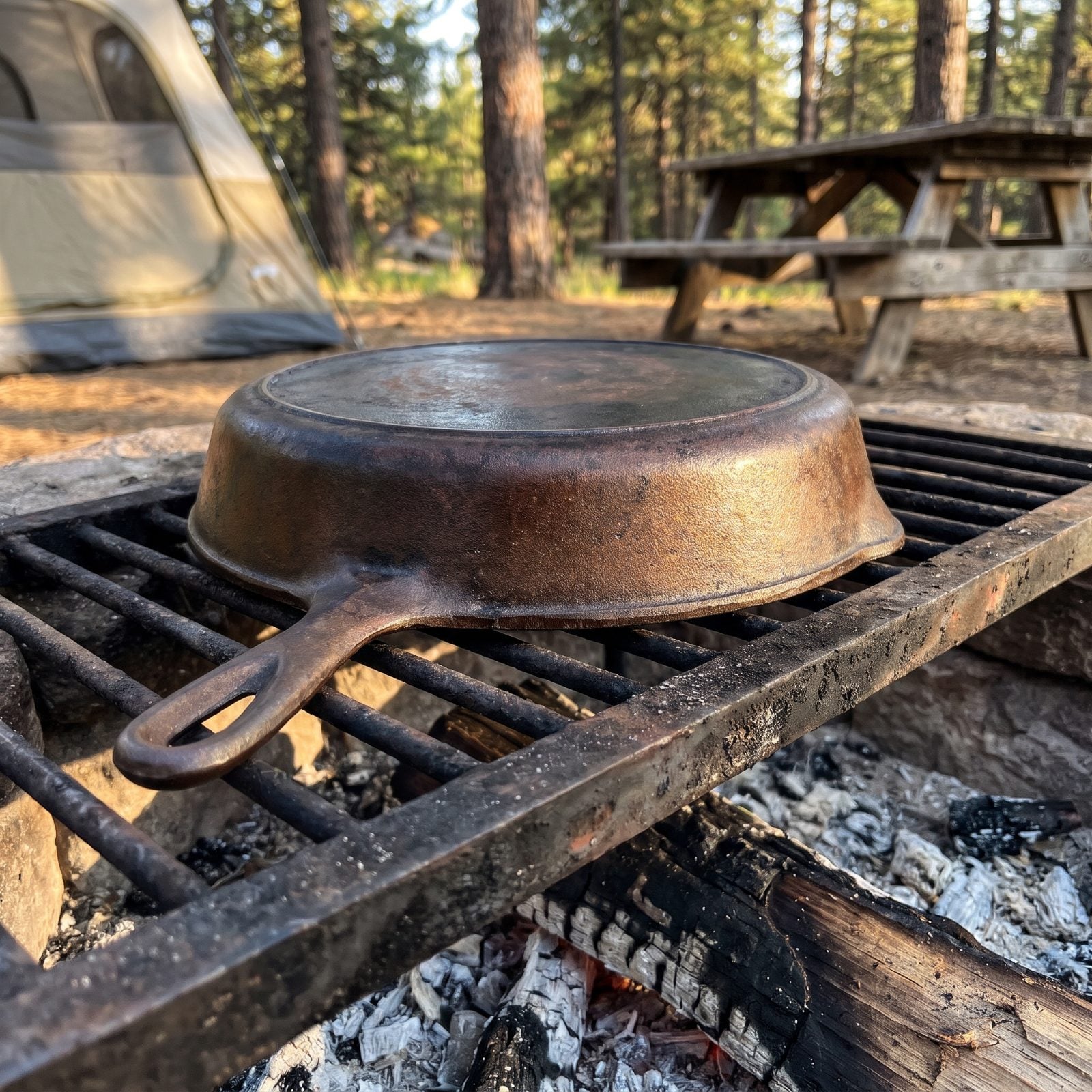
This one hurts to see. A good cast-iron skillet, seasoned over years of bacon and trout, left upside down on the grate, its bronze patina still smooth and well kept.
Rangers find them more than you’d think. Somebody fried eggs at dawn, set the pan down to cool, and it was still sitting there when the site got raked at checkout. The sad part is how easy the fix would’ve been. This one’s still in fine shape, but leave it out long enough and the weather will get to it. The pan just needed someone to carry it the last hundred feet.
33. Grill Grates Left Straddling the Fire Ring
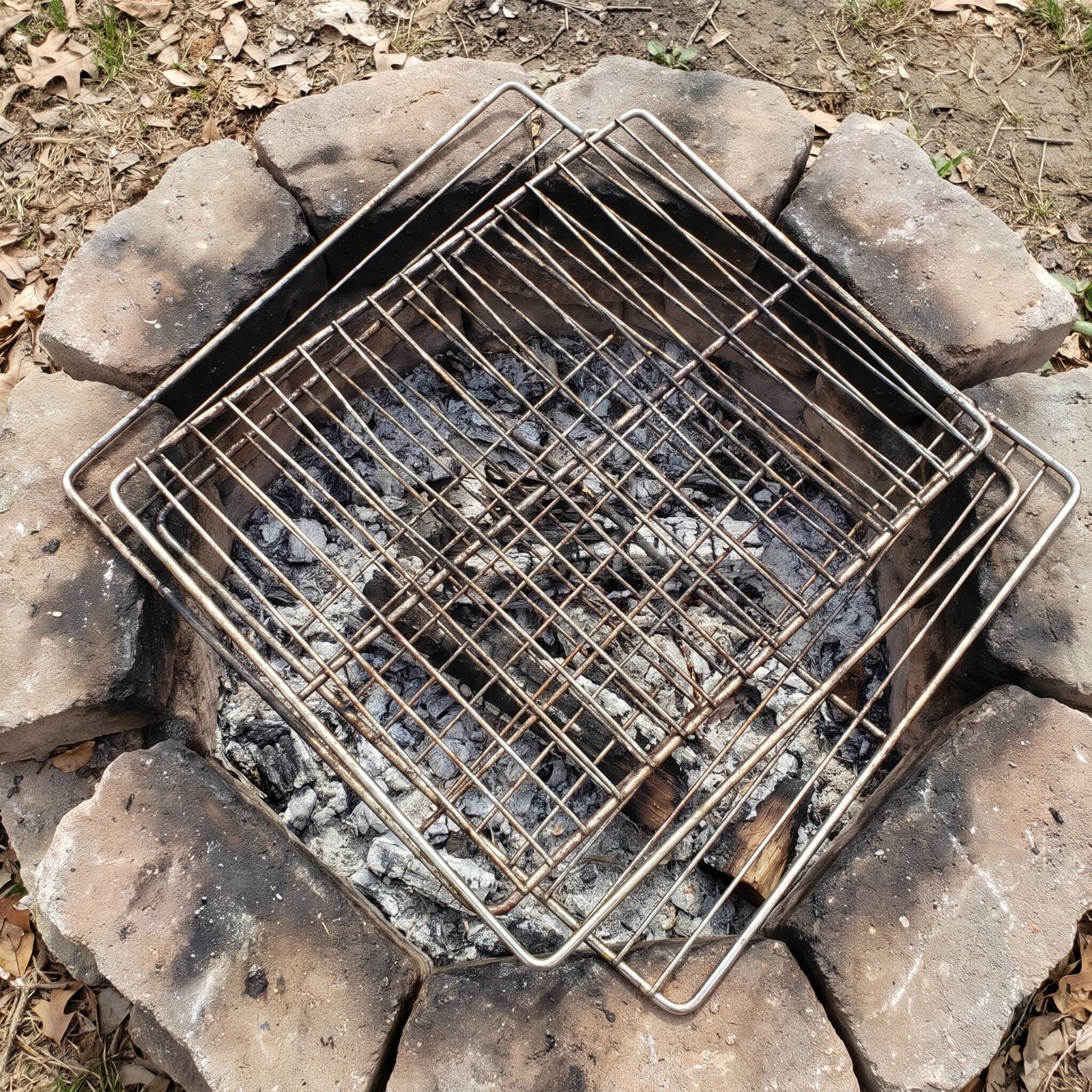
Not every grate on a fire ring belongs to the campground. Plenty are hauled-from-home cooking grates, oven racks, even old refrigerator shelves, dropped across the stones and then forgotten.
The baked grease tells the whole story. A season of burgers charred solid, never cleaned, left right where it did its last job. Rangers scrape them off the rings during cleanup, and most can’t be saved. Rust and grease have eaten them hollow.
32. Battery-Powered Lanterns Still Hanging From a Branch
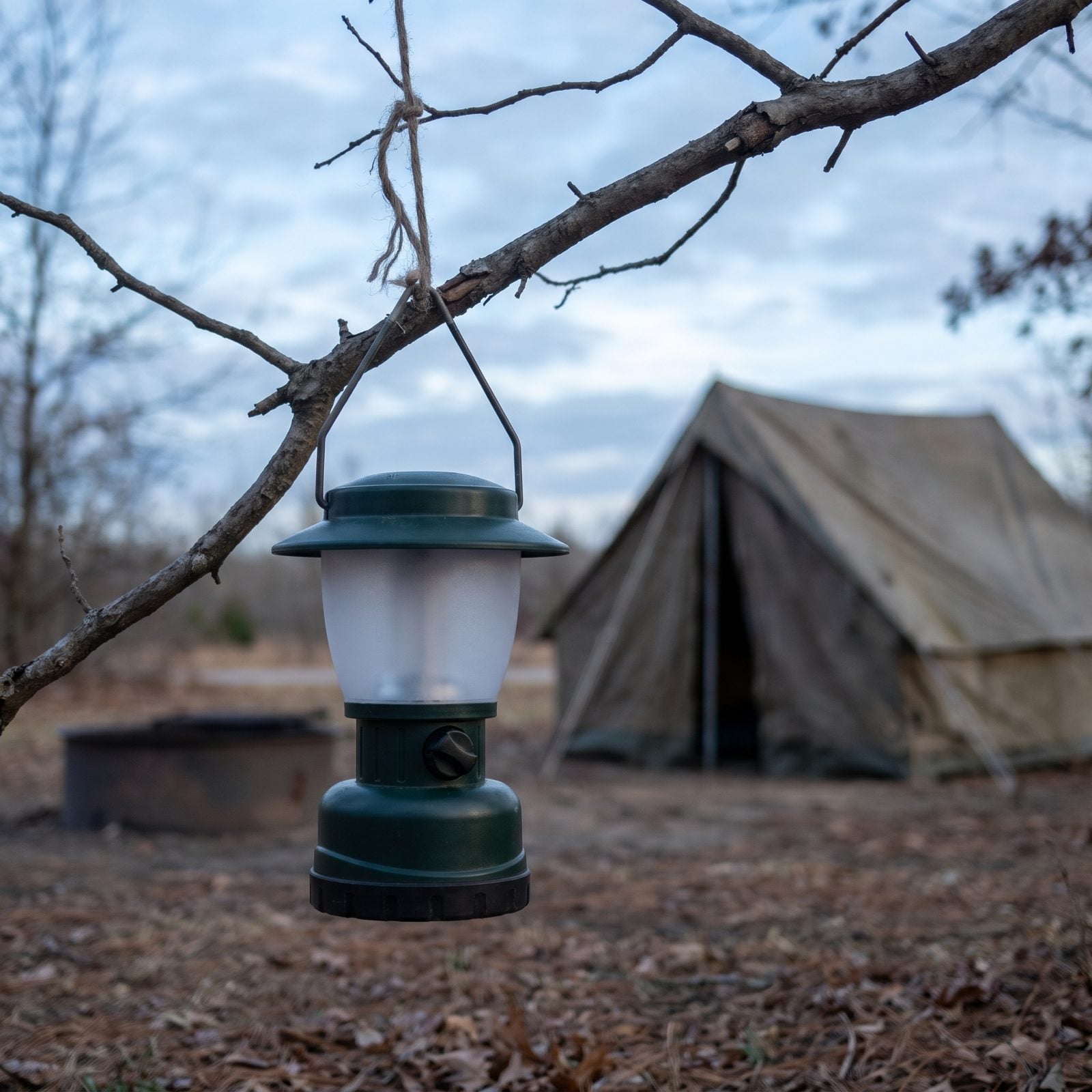
A lantern hung on a branch at dusk is easy to love and easy to forget. In the dark it’s the center of camp. Come the morning rush, it blends right into the tree.
Rangers find them swinging from low branches days or weeks later, globes fogged with condensation, batteries slowly corroding inside. And it’s the corrosion nobody warns you about. Leave batteries in a damp lantern long enough and the leak ruins the contacts, so even the ones people do retrieve often won’t light again.
31. Forgotten Bear Canisters in the Brush
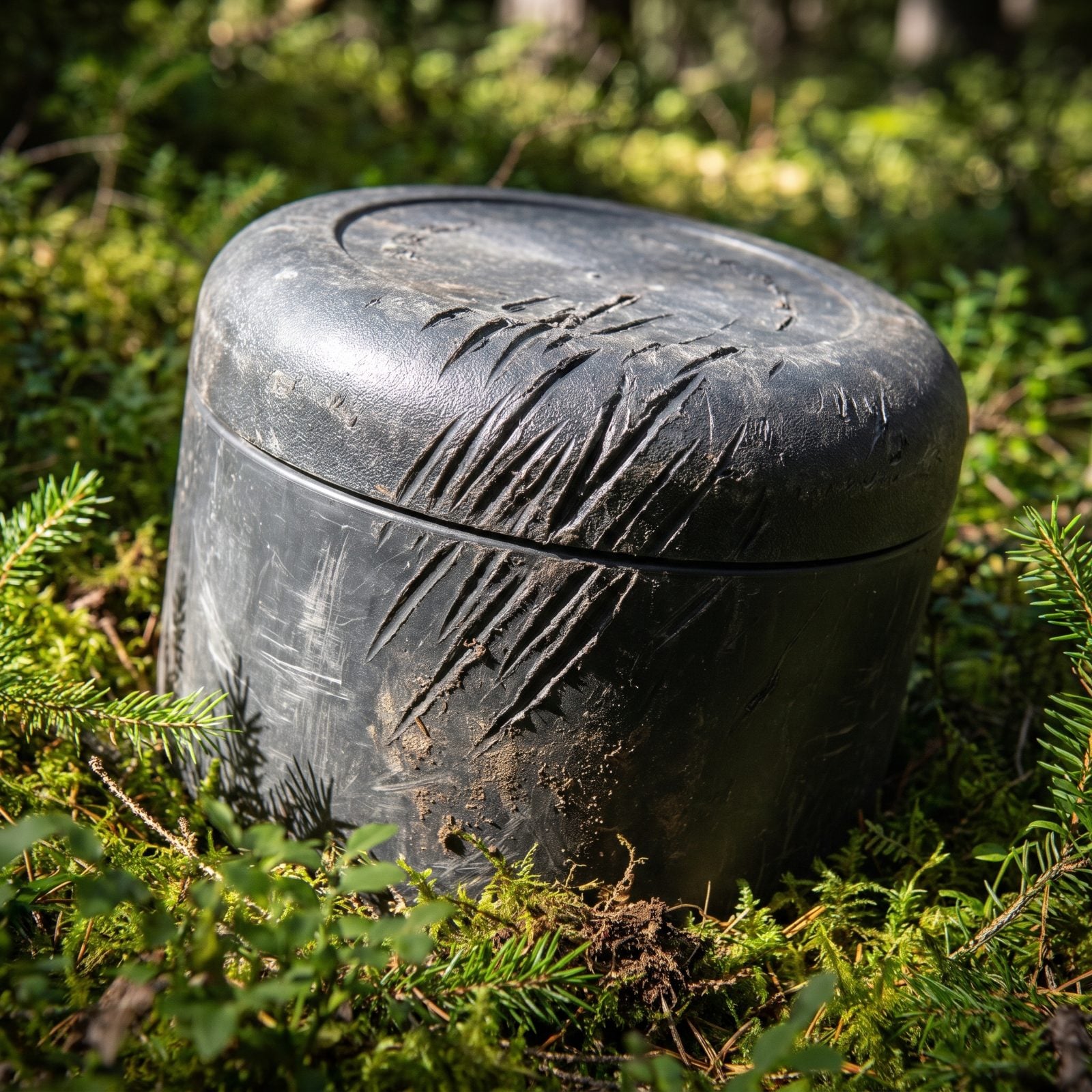
A bear canister is the one forgotten item that comes with a story written on its surface. The scratches and scuffs tell you an animal already found it and couldn’t crack it, which is exactly what it’s for. It did its job.
Backcountry rangers find them stashed in brush away from camp, right where they’re supposed to be, just never retrieved. Someone set it fifty yards out at night, then broke camp at the wrong angle in the morning and never saw it again.
30. Muddy Hiking Boots Lined Up Outside the Tent Pad
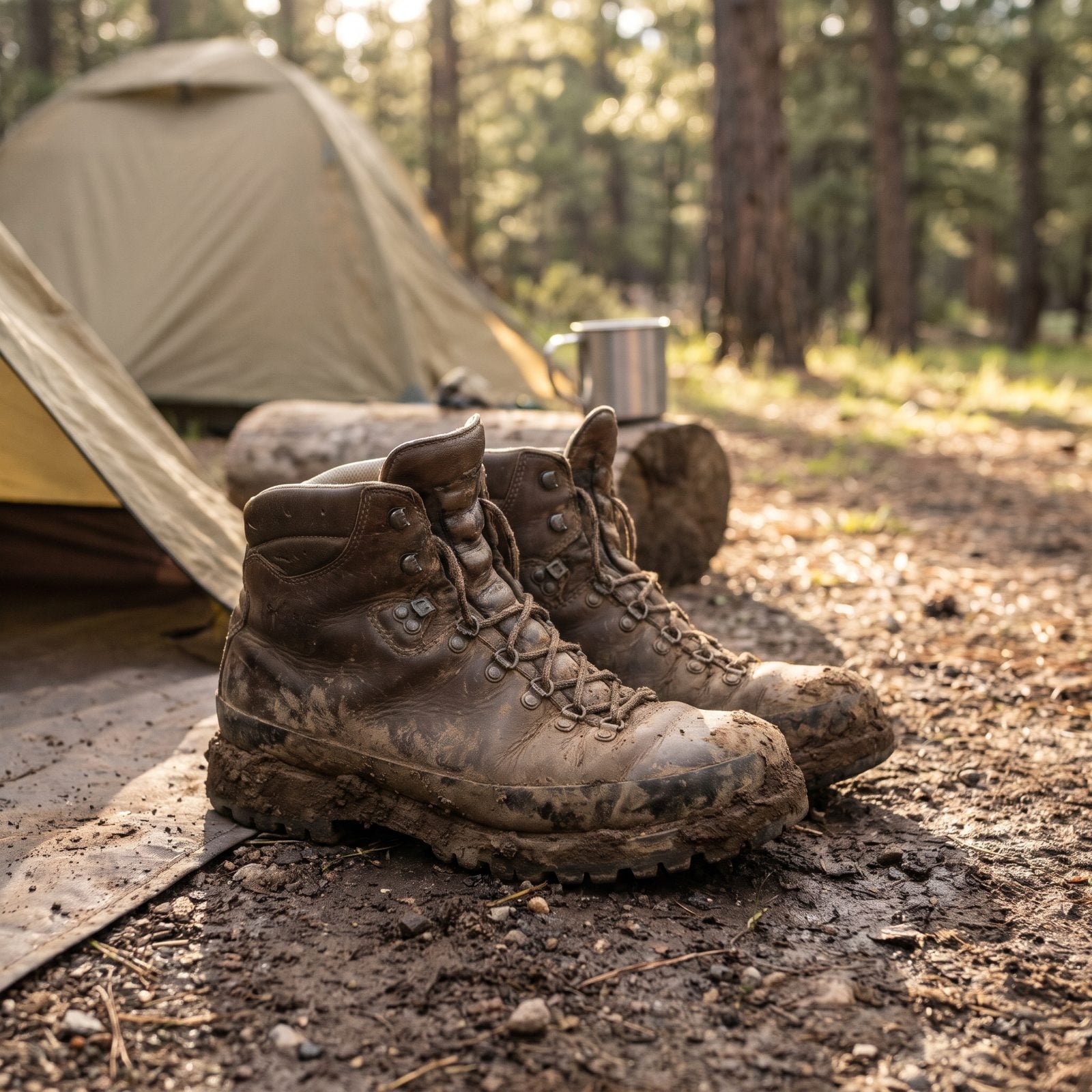
Boots left beside an empty tent pad are an odd sight, because somebody drove home without them.
They got pulled off caked in trail mud, set out to dry by the pad, then left there while camp settles in. You see a pair like this now and then, laces loose, mud drying hard, sitting right beside the empty tent pad. A broken-in pair of boots is a personal thing. Hard to replace, harder to part with, so make sure they go in the car with you when the tent finally comes down.
29. Car Keys Dropped Near the Tent Pad
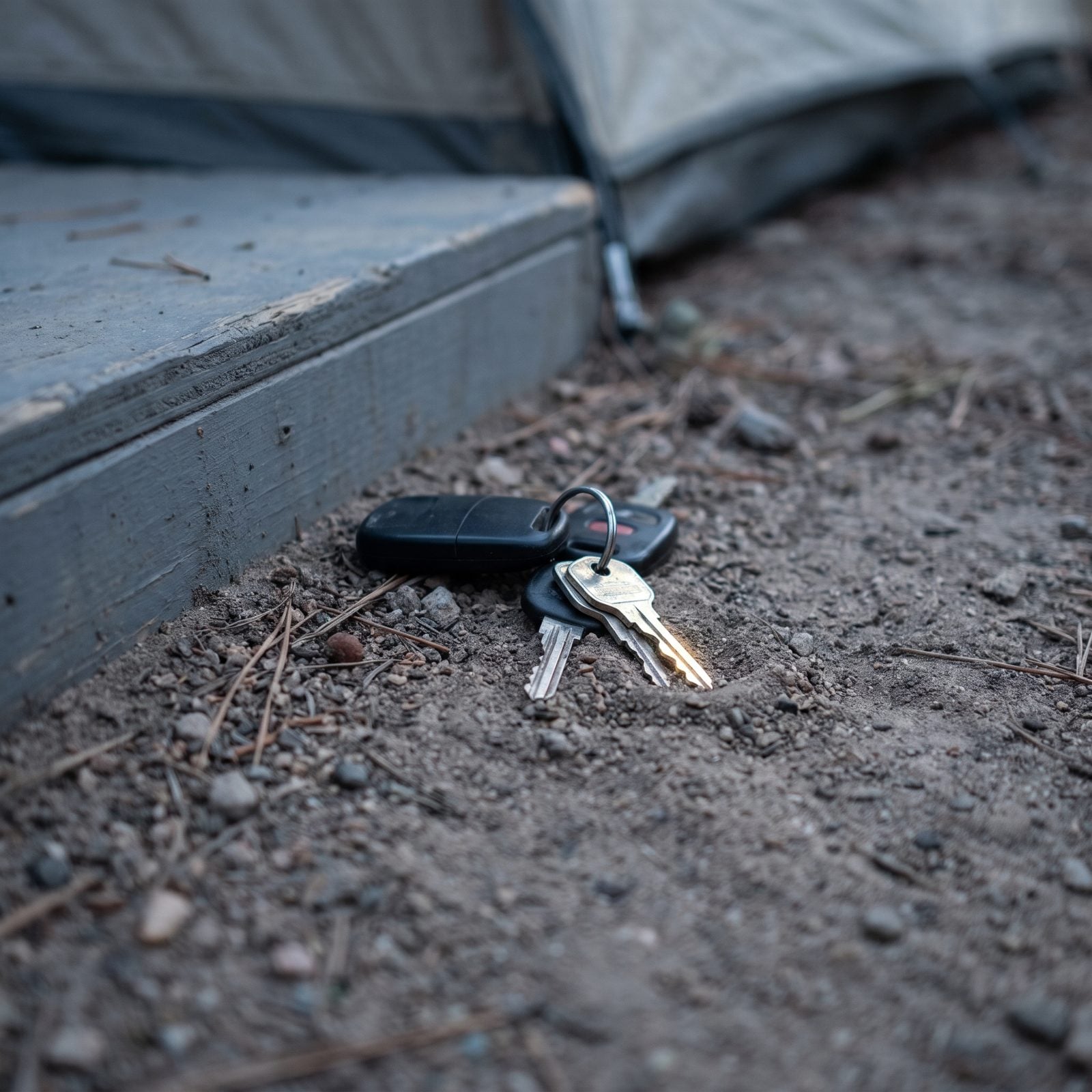
Of everything a ranger pockets at the end of a weekend, keys sting the most. The owner’s already standing at a locked car before the panic hits, and there’s nothing to do but retrace every step.
They slip out of a jacket thrown over a chair, or off a picnic table when you shake out the tablecloth, and the dirt just swallows them. Black fob on brown dirt and pine needles in early light — you could stand on them and never see them.
28. Wallets Tucked Into a Camp Chair
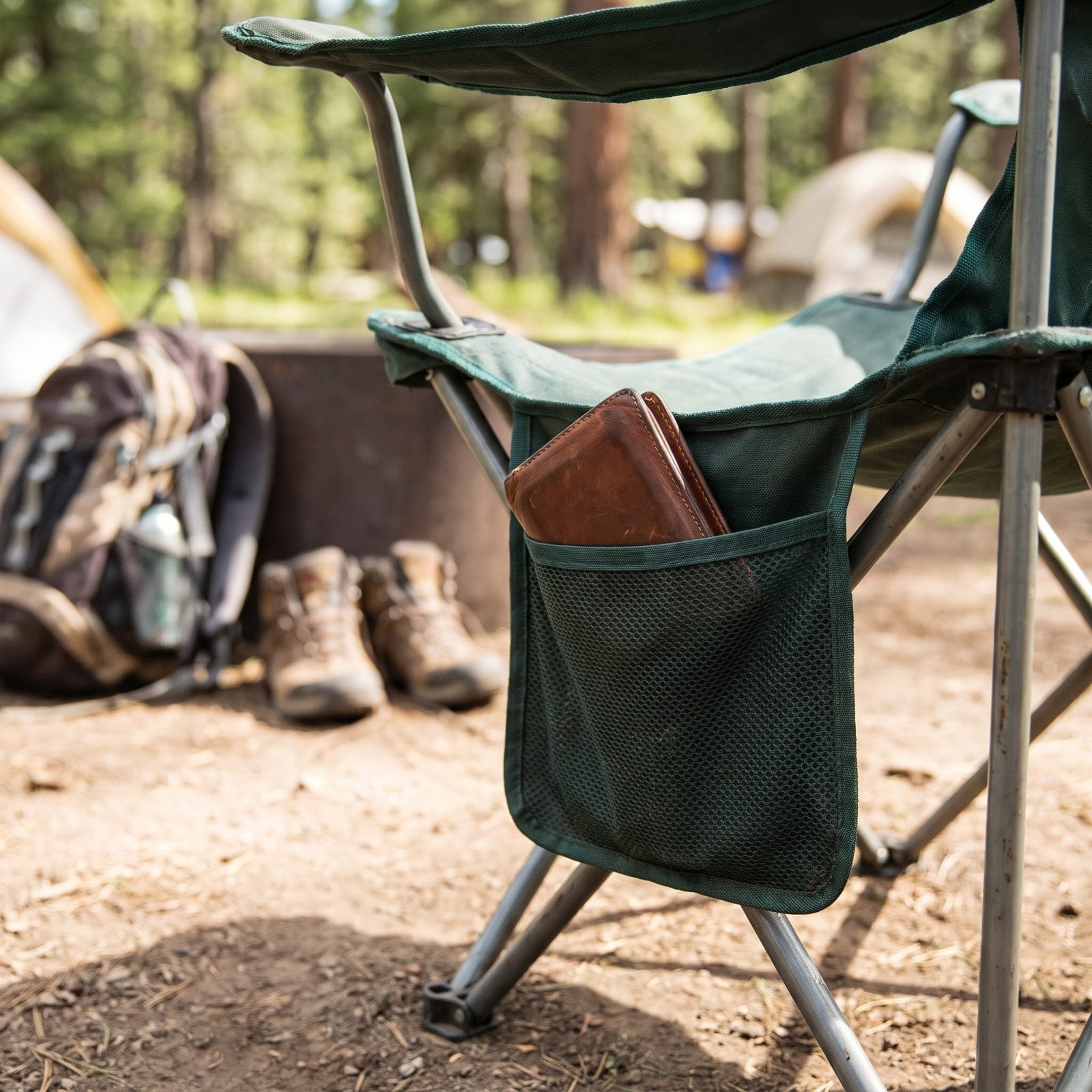
The classic. You sit down with a beer, slide the wallet into the chair pocket so it stops digging into your hip, and forget it exists — then you fold the chair into the trunk and the wallet stays behind in the grass.
Rangers find them more than you’d guess, usually with everything still inside. Cash, license, the works. Most get mailed back when there’s an ID to work from, which is one more reason to keep that license current.
27. Rings and Small Jewelry in the Dirt

Rings come off for one reason and never go back on. You take it off to wash dishes, or it slides loose when your hands shrink in cold lake water. It lands in the leaf litter and vanishes.
Wash stations and shoreline rocks — that’s where rangers turn these up. A plain band in brown dirt is nearly invisible, and the metal detector only comes out when somebody calls in a panic. If it matters to you, it goes in a zip bag in your pack the second it leaves your finger.
26. Prescription Glasses Left in Their Case
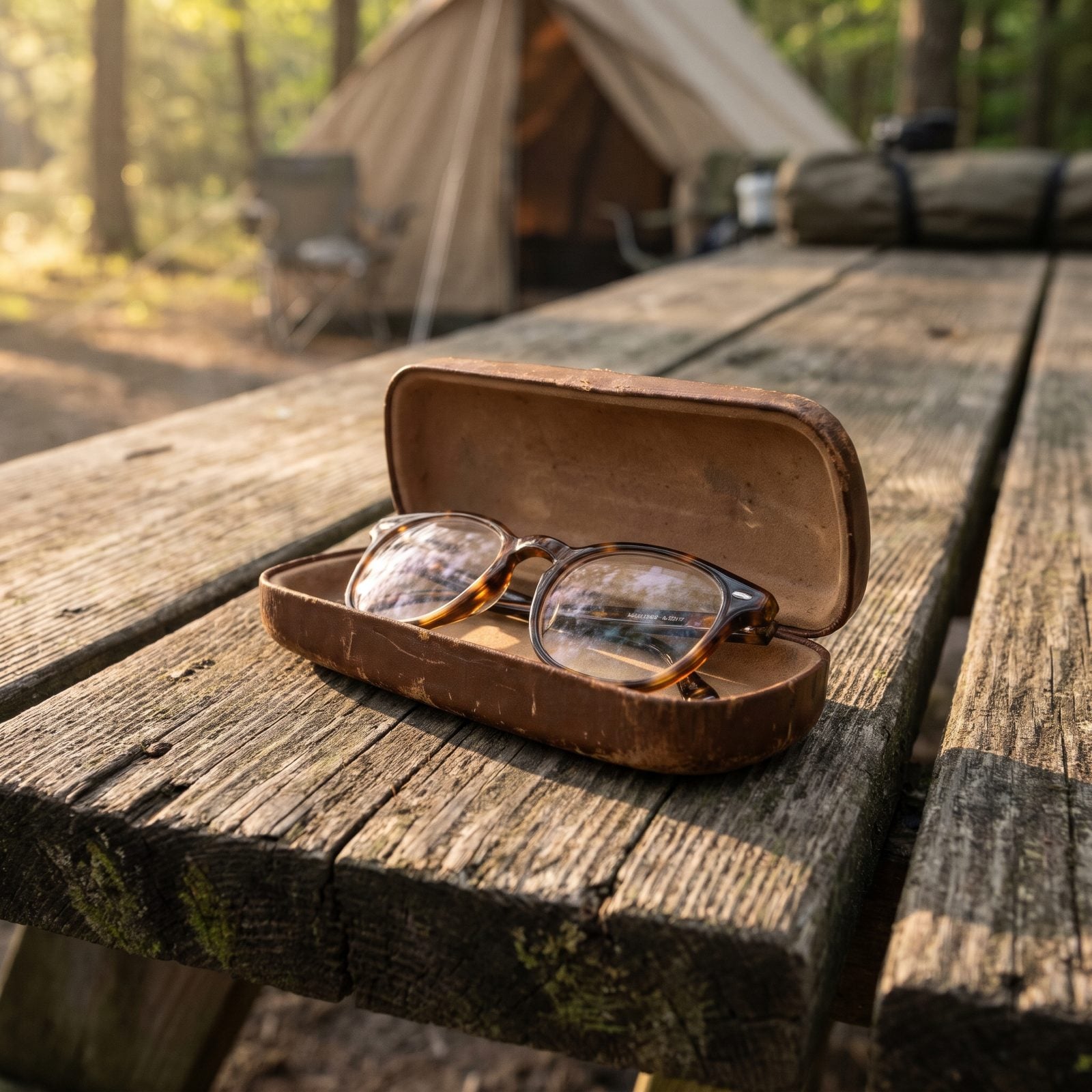
Here’s the cruel part. You take the glasses off to sleep, set the case on the table, and in the morning you pack by feel because you can’t see well enough to spot the very case you’re hunting for. Off you go, half blind, leaving your sight on the picnic bench.
Rangers hate finding these. No owner info inside, and a new pair isn’t cheap. Keep the case in the same tent pocket as your keys — one spot for the things you can’t finish the trip without.
25. Prescription Medication Left Behind
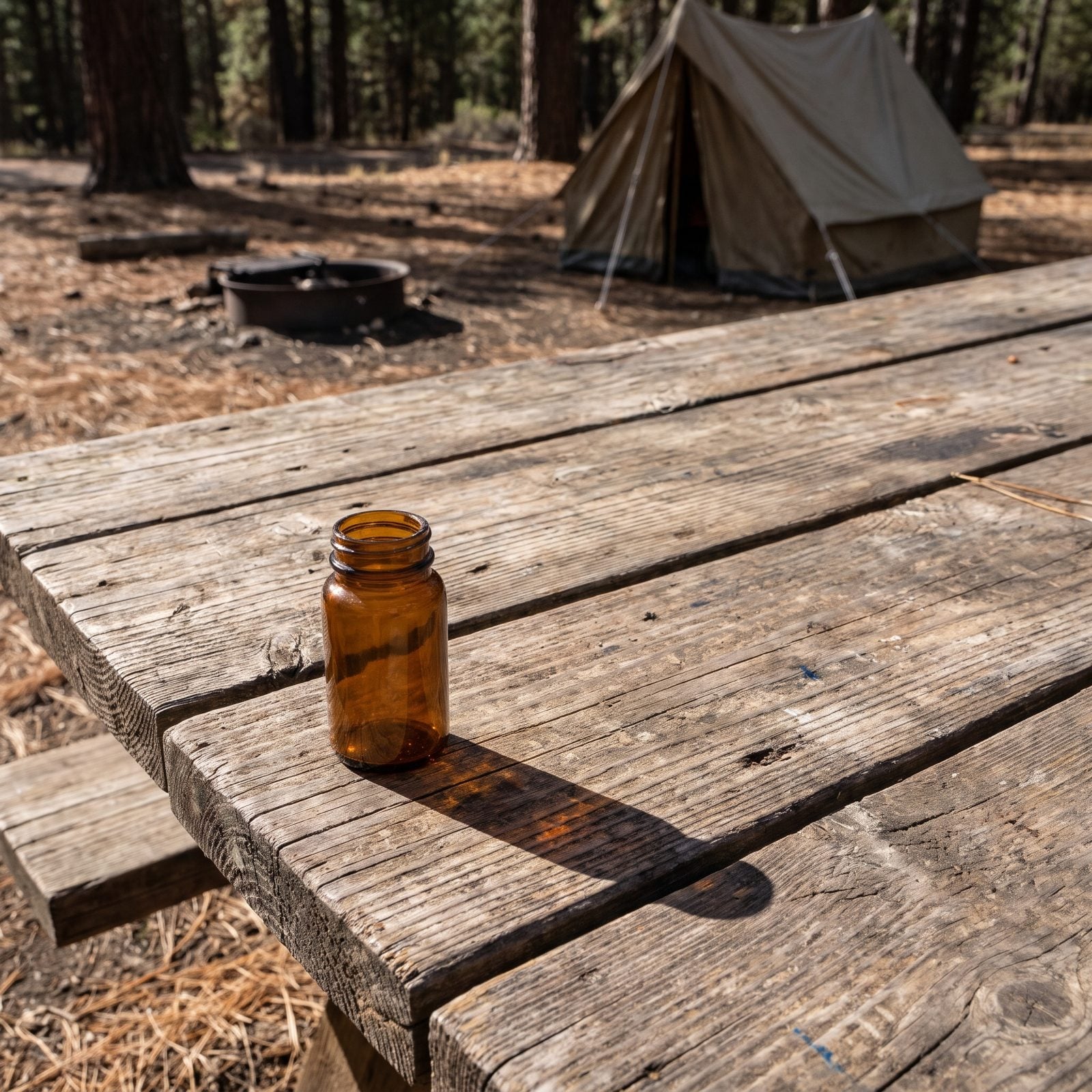
This one isn’t an inconvenience. It’s a problem. Someone drives home from a three-day trip and the blood pressure meds, the heart pills, the insulin are sitting on a rock back at the site.
Rangers take found medication seriously, and they usually can’t just drop it in the mail. Controlled substances get logged or turned over, and there are rules about all of it. So the fix is on you: pack meds in a daily organizer that lives in your pack, never loose on a table. Count them before you break camp.
24. Cameras Forgotten on the Picnic Bench
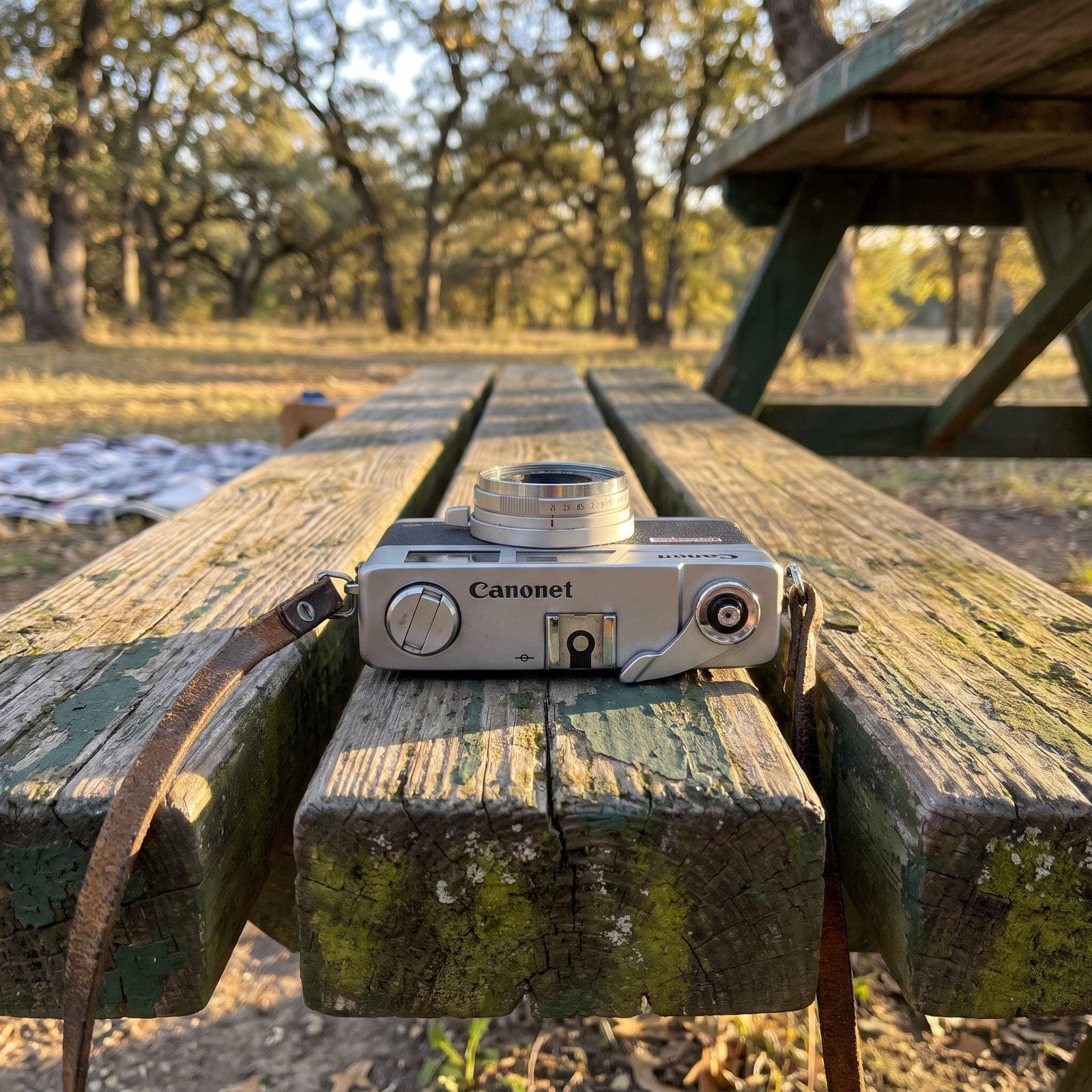
You set the camera down to pack the tent, and packing takes both hands and twenty minutes, and somewhere in there the camera just becomes part of the furniture. Rangers find them still warm on the bench, battery ticking.
The gear is replaceable. The photos aren’t. Every found camera is somebody’s whole trip they can’t get back. Loop the strap around your wrist while you break camp, or zip it into your pack before you touch anything else.
23. Binoculars Hung on a Branch and Left
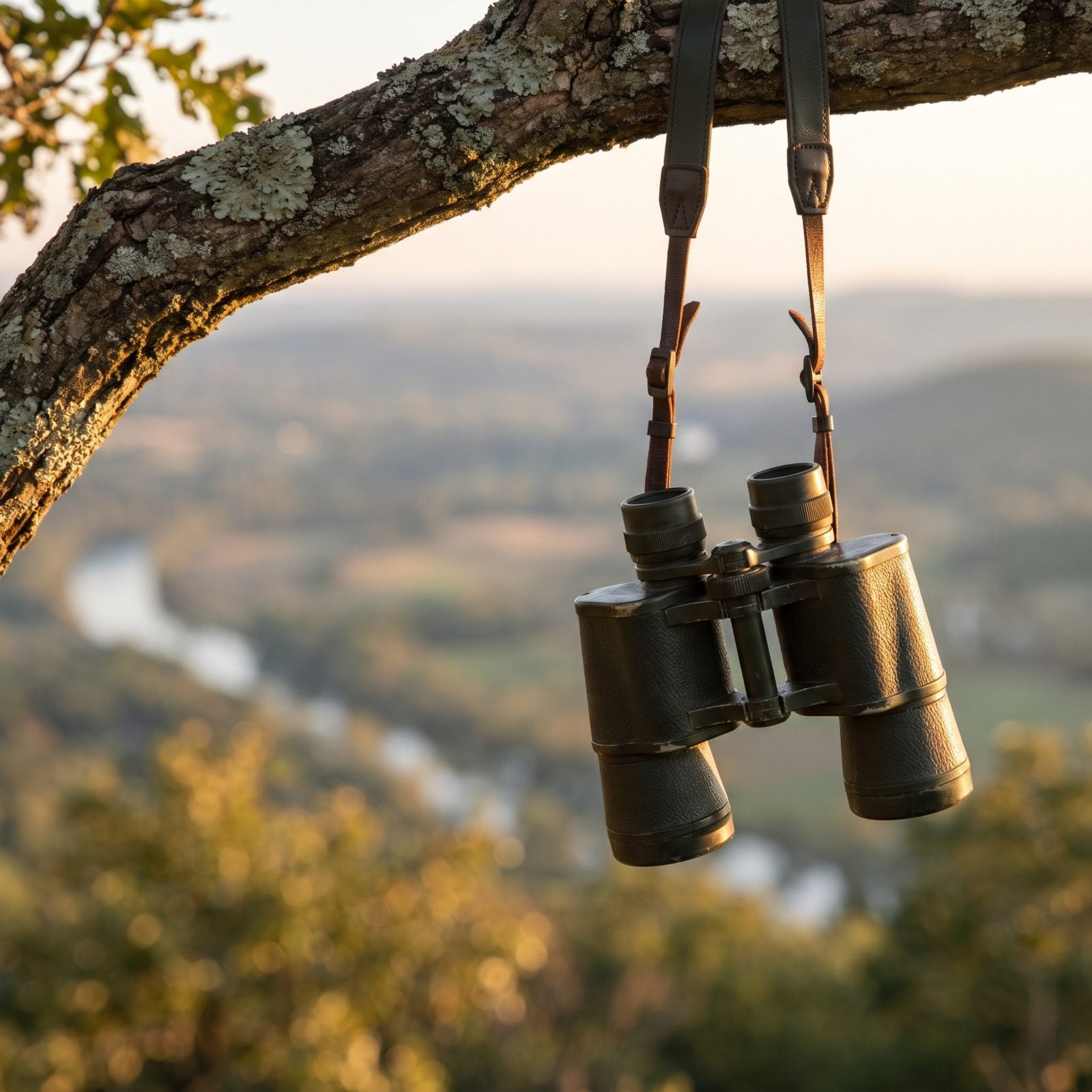
Binoculars get hung on a branch at a view site so you can grab them easily, and there they stay all weekend. Then you pack with your head down and leave them swinging in the oak.
Rangers find these at exactly the spots with the best views, which tracks. A decent pair runs real money, and good glass earns every dollar the morning a distant smudge resolves into actual eagle feathers. Count them with your other hangables before you walk away from the overlook.
22. Trekking Poles Leaning Against a Tree
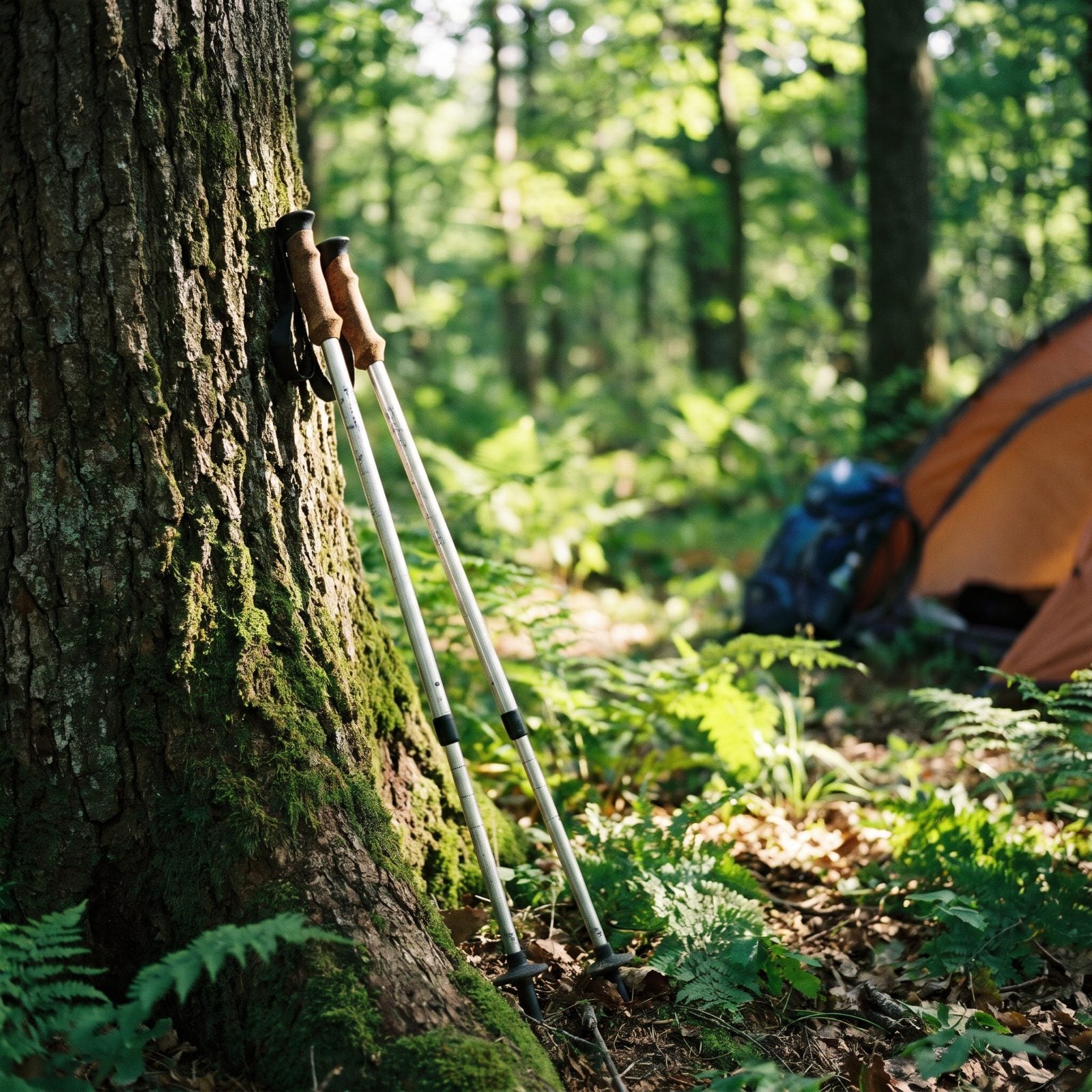
Poles get leaned against a tree the moment you reach camp, because hauling them around the site is just annoying. And a pole against bark is basically camouflage — silver against brown, vertical against vertical. You pack the car and drive off while they stand there like they belong to the forest now.
Rangers find pairs and singles both. The good ones, cork-gripped and spring-loaded, aren’t cheap, and your knees know the difference on a long downhill. Collapse them and strap them to your pack the second you’re done hiking.
21. Pocketknives and Multitools Left in the Grass
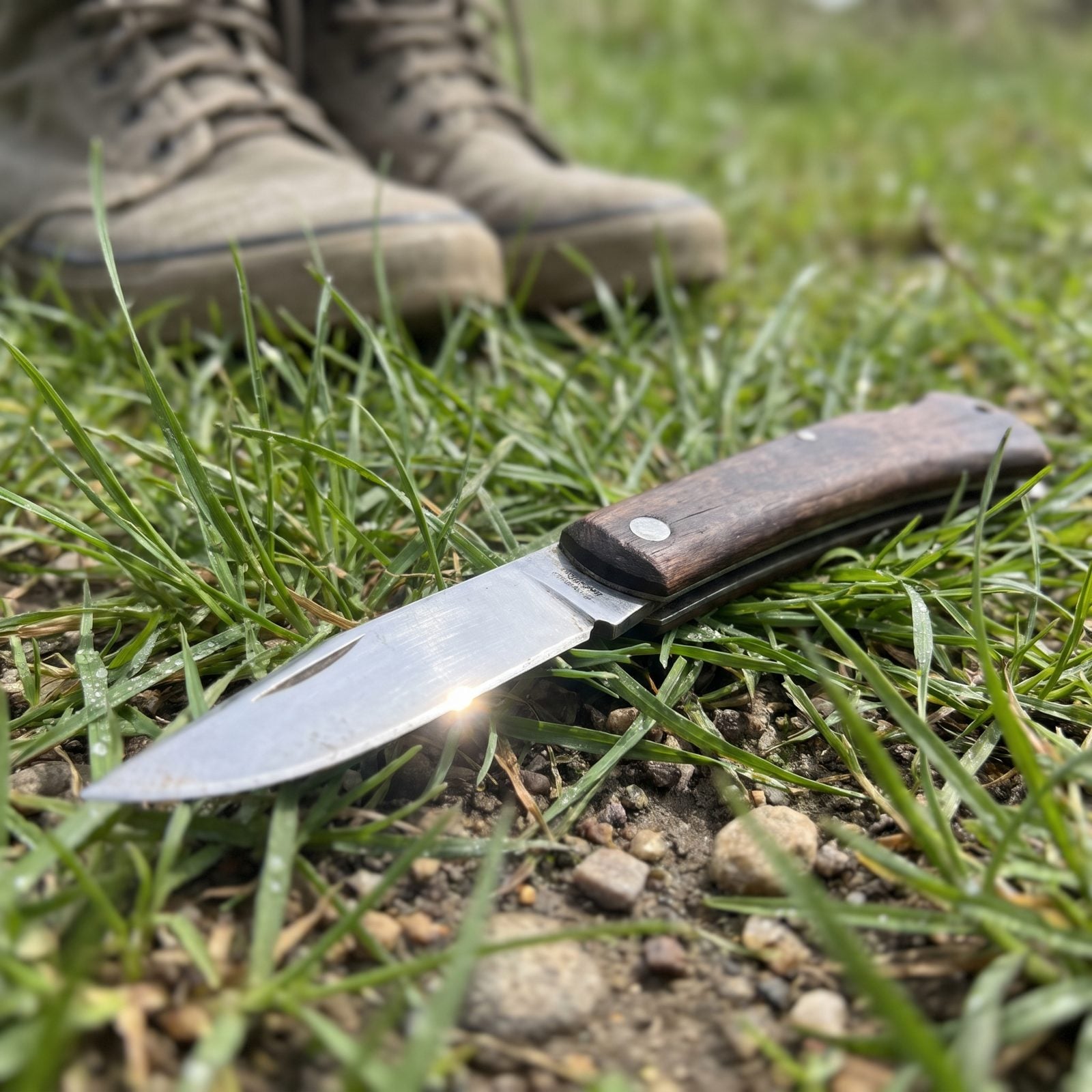
You pull the knife to cut a rope or shave kindling, set it in the grass, keep working. By the time the fire’s going you’ve forgotten it ever left your pocket, and a small folding knife in grass might as well be invisible.
Rangers find more of these than almost anything else — cheap ones, heirloom ones, all of it. A good multitool is the thing you reach for forty times a weekend, so keep it clipped in a pocket and never set it loose on the ground.
20. Fishing Rods Propped at the Water’s Edge
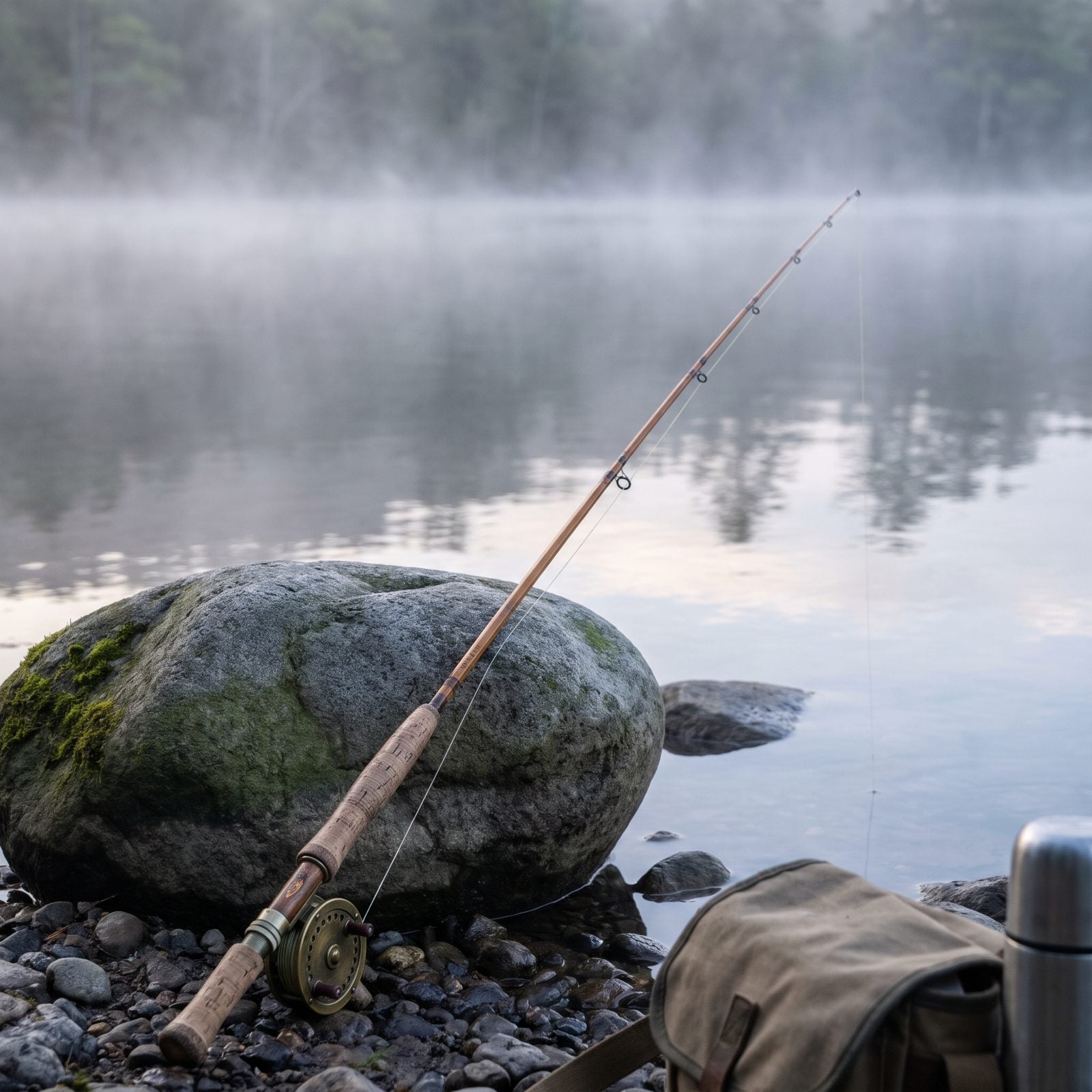
Last cast of the night, you prop the rod against a rock, planning to grab it in the morning. Then morning comes with coffee and a tent to break down and a long drive home already on your mind, and the rod stays at the shore where the light comes up without you.
Rangers find rods leaning on shoreline rocks and against trees near the water, lure still tied on. A rod and reel you’ve dialed in over years is hard to replace with a store-bought twin. Walk the shoreline once before you leave — it’s a nice last look at the water anyway, and it’s where the rod always is.
19. Tackle Boxes Left Under Picnic Tables
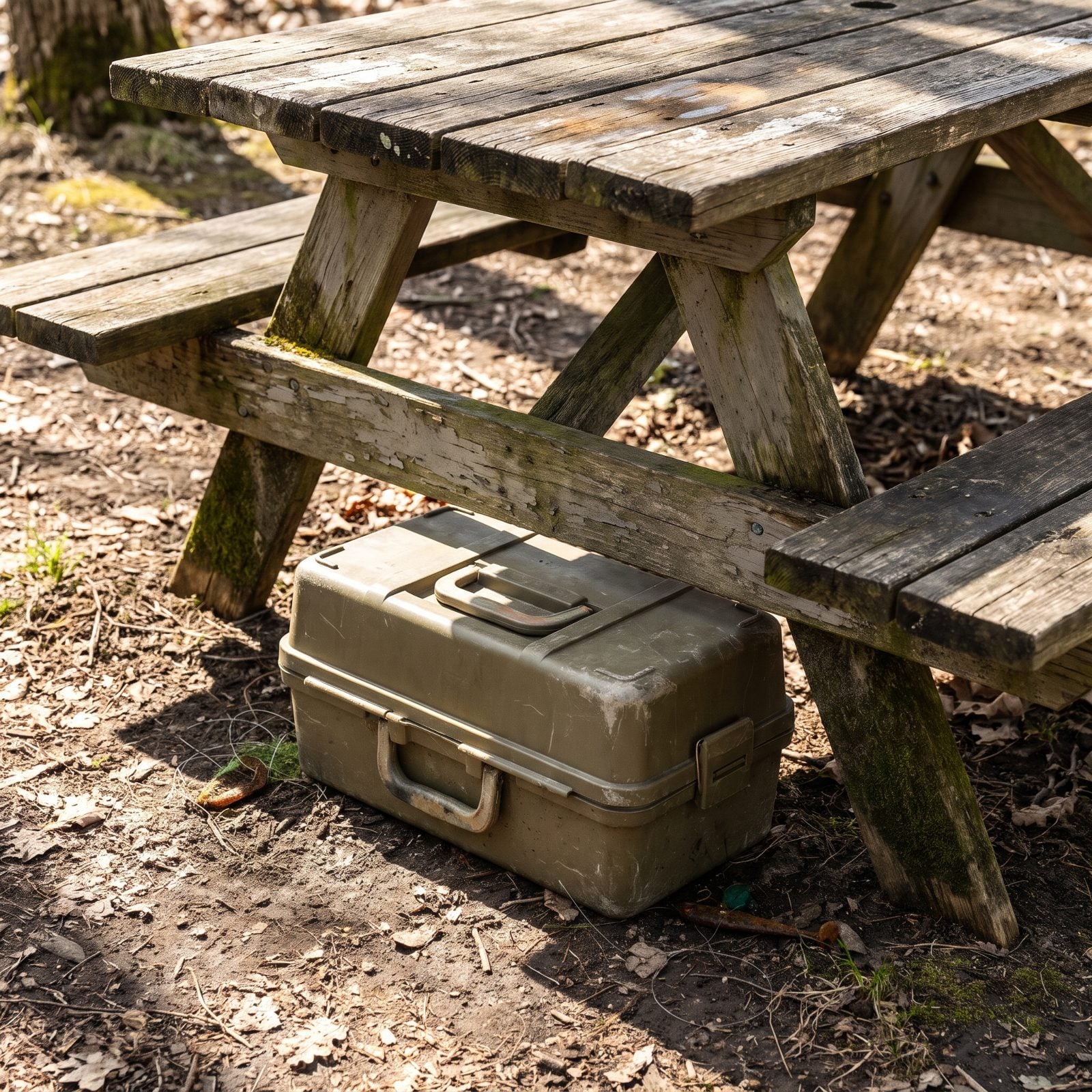
Rangers find more tackle boxes than you’d guess, usually tucked in the shade under a table where someone set it down to pack the car and then forgot it entirely. The giveaway is how tidy it looks. People snap the lid shut, fasten the latch, slide it out of the way, and never think about it again.
Nobody admits it, but a loaded box is worth real money. Hooks, jig heads, a decent pack of soft plastics — you’re looking at a couple hundred dollars walking off into the lost-and-found bin. Most campgrounds hold found gear for a month or so, then donate or toss it.
18. Tangled Coils of Monofilament Fishing Line
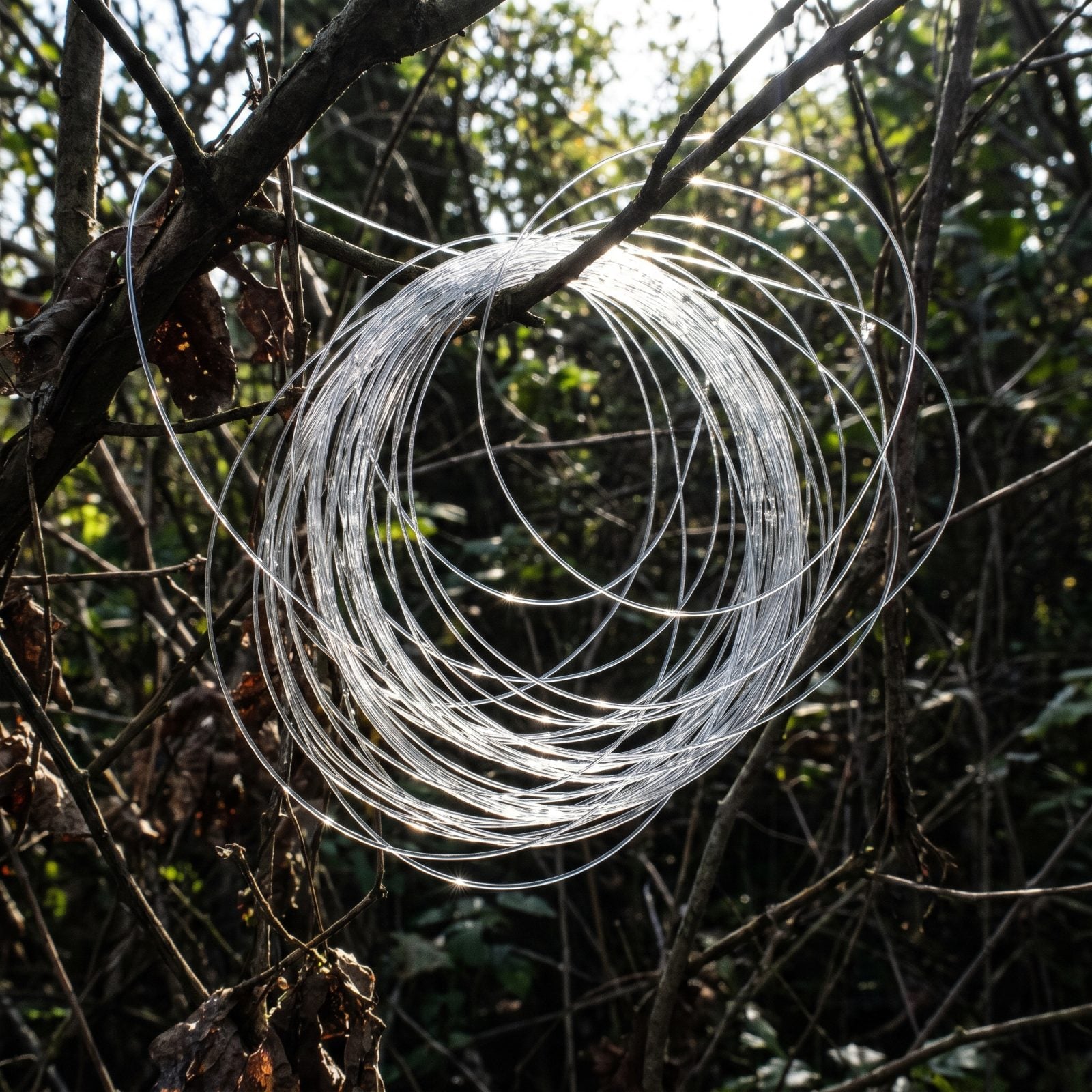
Monofilament doesn’t rot. Left in the brush, a coil of it will outlast the tent, the camper and probably the person who dropped it. That’s the quiet problem rangers hate most.
Birds and turtles get wrapped in it. A heron can lose a foot to a few yards of line nobody bothered to pocket. We’ve seen enough wildlife rescue photos to never leave a scrap behind, even the snarl that’s tempting to cut off and flick into the weeds.
Warning about monofilament line left hanging from trees and piers, a state wildlife biologist says “It is not uncommon to find dead pelicans entangled with fishing line and hooks”
17. Bait Buckets Forgotten at the Water’s Edge
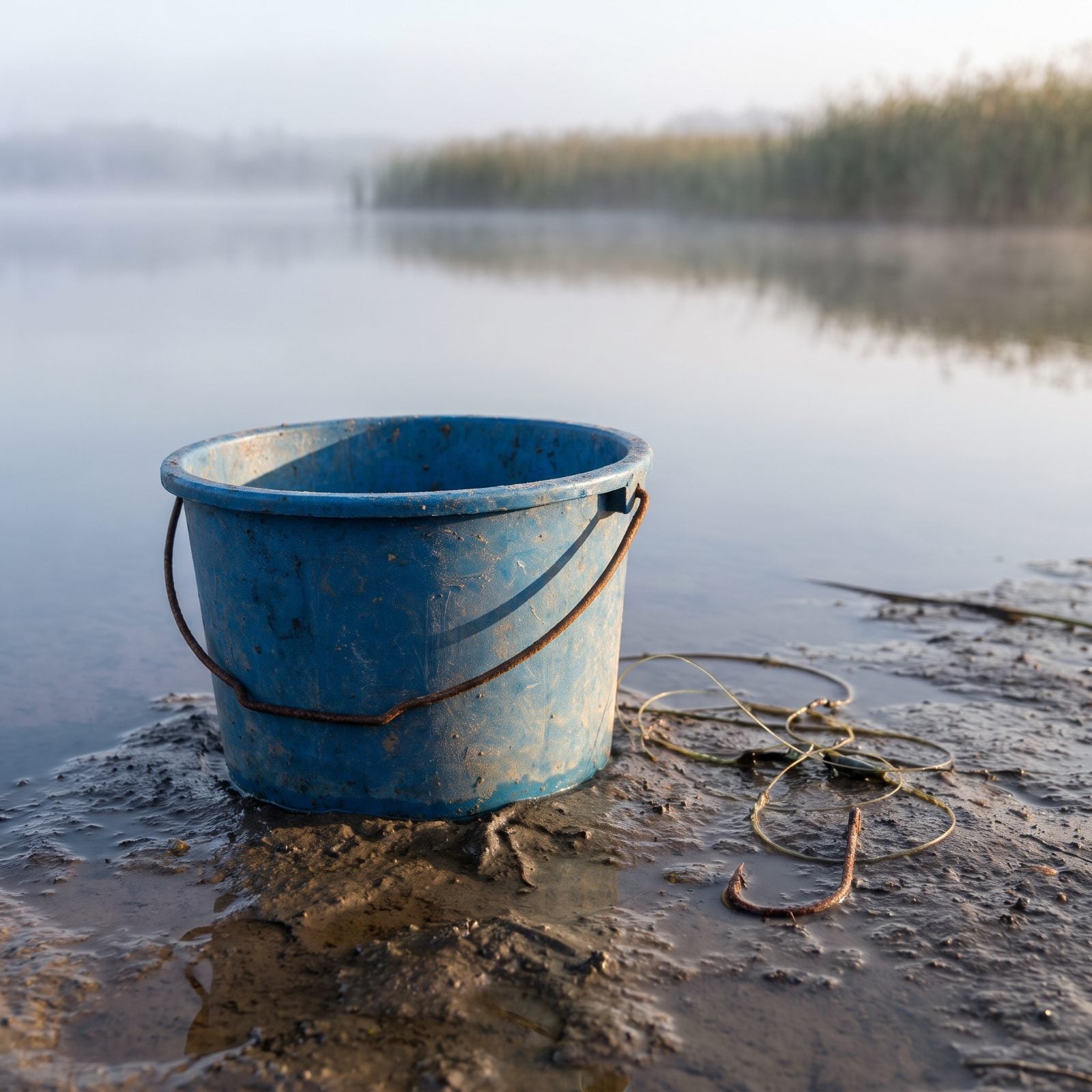
A bait bucket at a shoreline site tells its own story. Somebody launched before sunrise, had a good morning, and loaded the fish without ever thinking about the pail they set in the shallows.
What’s inside is the worry. Dump leftover shiners or fatheads into the lake and you can introduce a species that doesn’t belong there, which is how whole fisheries get wrecked. Most states have blunt rules about this: don’t release live bait into any water it didn’t come from. Rangers find the bucket. They rarely find out what already went into the lake.
16. Life Jackets Hung to Dry and Left on Posts
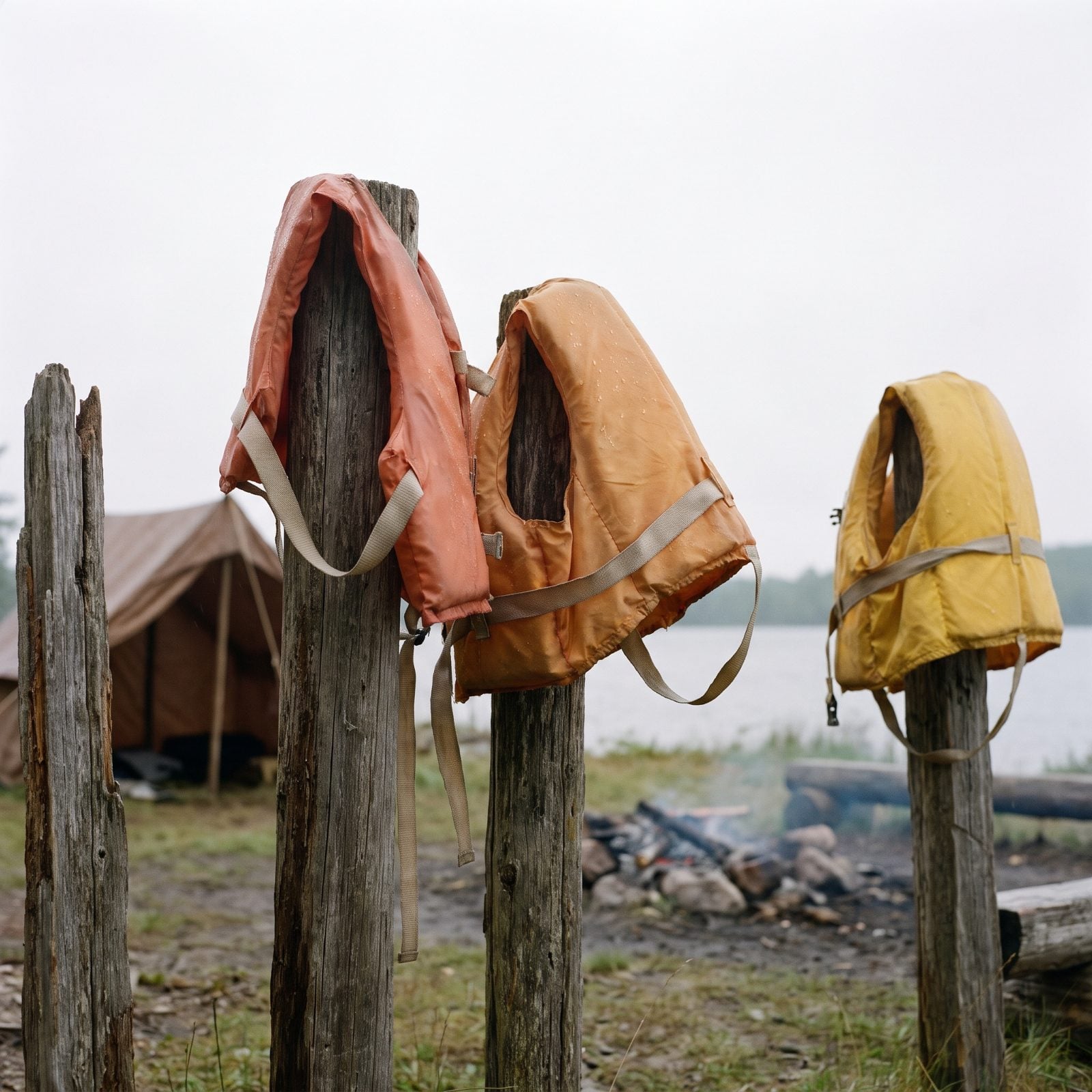
People hang wet life jackets on a post to dry after a paddle, then roll out at checkout while the vests are still damp. Rangers pull them off posts constantly, especially the kid-sized ones.
Losing a PFD isn’t like losing a hat. A properly fitted child’s vest runs real money, and the Coast Guard count is one wearable device per person on board, no exceptions. Show up at the ramp a vest short and your trip’s over before it starts.
The life jacket that dried on a post all night is the one you needed in the boat the next morning.
15. Single Paddles Leaning Against Trees
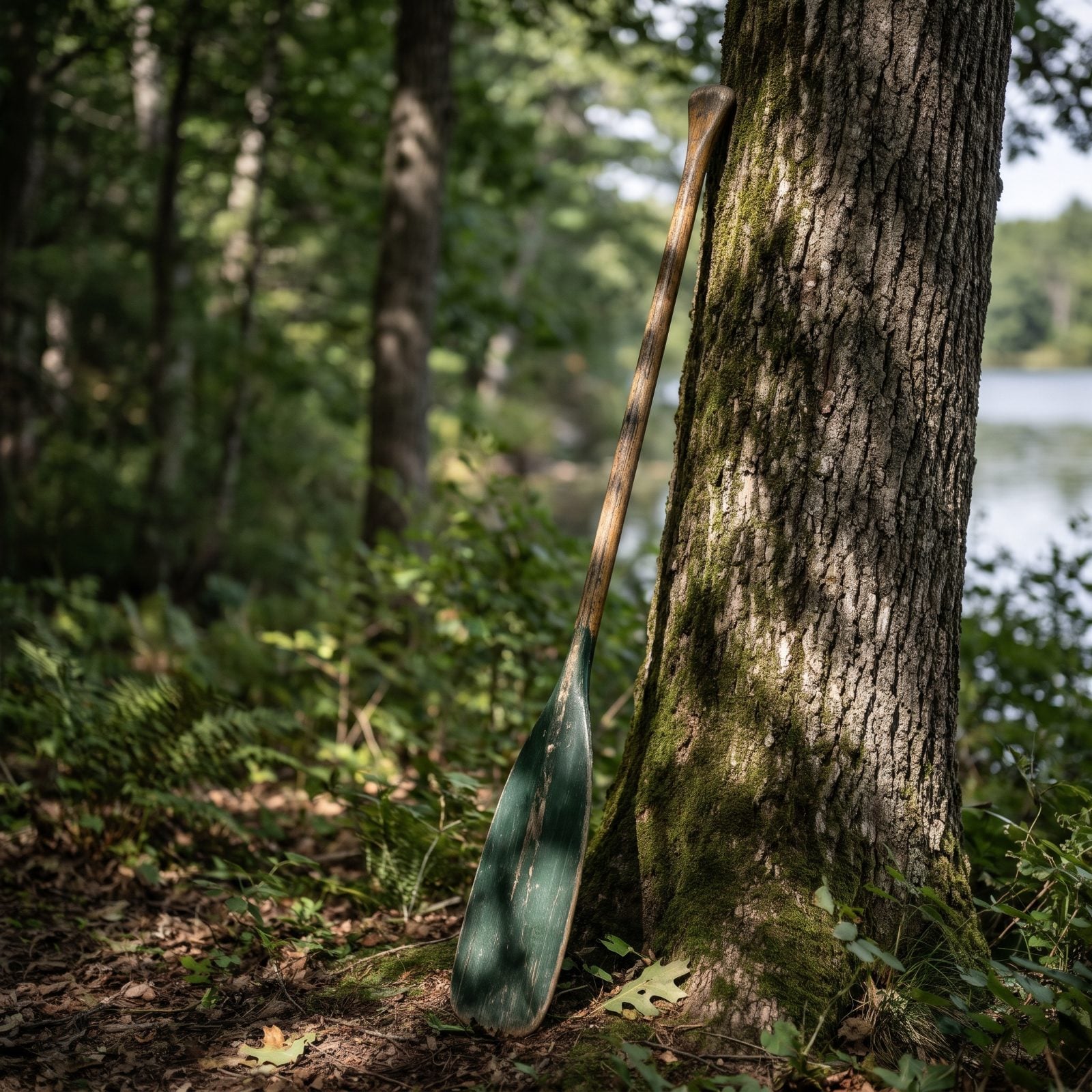
A paddle leaned against a tree looks like it’ll only be there a minute. Then the canoe goes on the roof, the straps get cinched, and the blade stays behind, standing guard over an empty site.
It happens because paddles ride separately from the boat. You carry the hull to the car first, come back for the small stuff, and one trip gets skipped. A decent wood or carbon blade costs plenty, and nobody notices it’s gone until they’re out on the water with two people and one way to row.
14. Dog Leashes Still Clipped to Picnic Tables
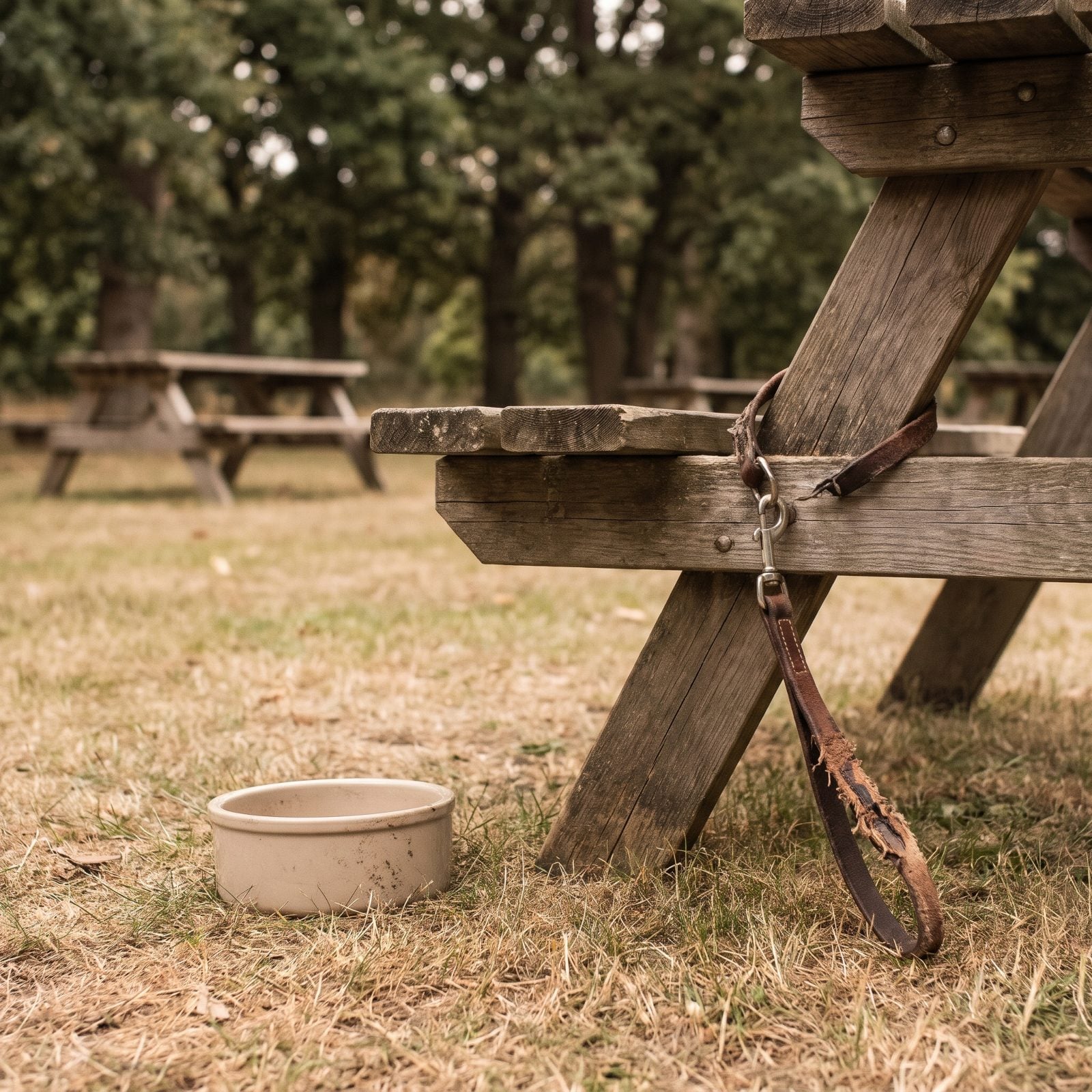
The leash clipped to the table leg stops rangers for a second. A chewed handle, an empty water bowl beside it, the flattened grass where the tent stood. The dog clearly came home. The leash didn’t make the car.
It’s a small loss and a strangely sad one. Most campgrounds require pets leashed at all times, so people keep a spare clipped to the table and grab the good one for walks. The backup gets left. Camped with a dog? Then you’ve probably owned three leashes and can only ever find one.
Listing what campground staff often find after guests leave, a Colorado campground owners’ association says of pet leashes “These are often found tethered to picnic tables. Oh, let’s not overlook the water bowl, either.”
13. A Child’s Stuffed Animal Left in the Grass

Of everything rangers carry back to the office, the stuffed animal is the one they hope gets claimed. A matted bear in the grass means a kid cried in the back seat somewhere down the highway, and a parent is going to spend the next week promising they’ll find another one just like it.
They usually sit on a shelf in the ranger station for a while, looking out the window. Some parks mail them back if there’s any way to track down the family. Call ahead. People do get the bear back, and that call is the best part of a ranger’s week.
12. Cornhole Boards Stashed Behind the Shelter
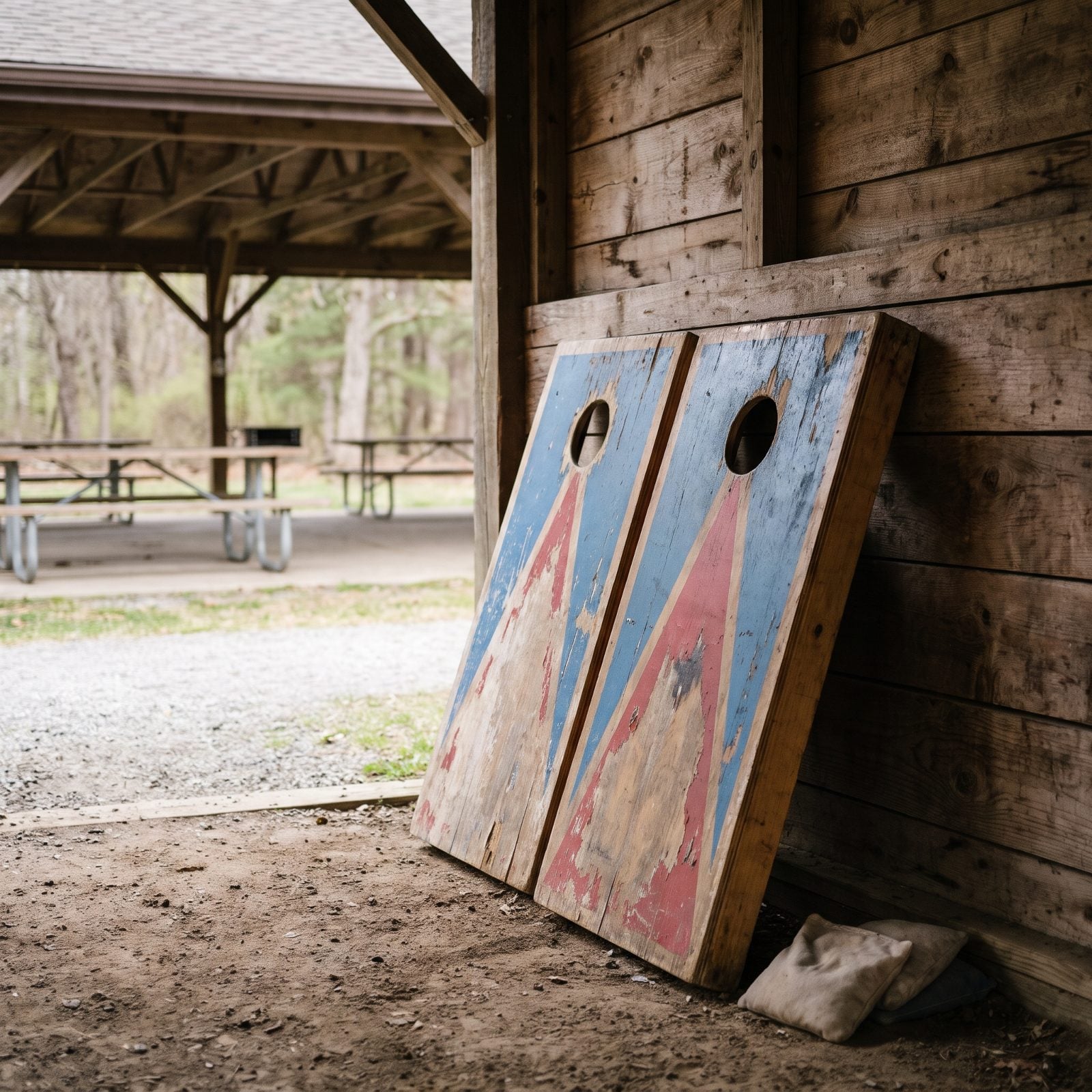
Cornhole boards are too big to lose and too annoying to carry, which is exactly why they get left. A group sets up a tournament by the shelter, the beer runs out, and come morning the boards are the last thing anyone wants to wedge into a packed trunk.
Rangers find them stashed behind shelters and lean-tos like someone meant to come back. Nobody does. A homemade set is a weekend of garage work and a whole lot of trash talk, abandoned in one shrug. The good news? These tend to find a new life as campground loaner gear — not a bad second act.
11. Tied Trash Bags Set Beside Empty Sites
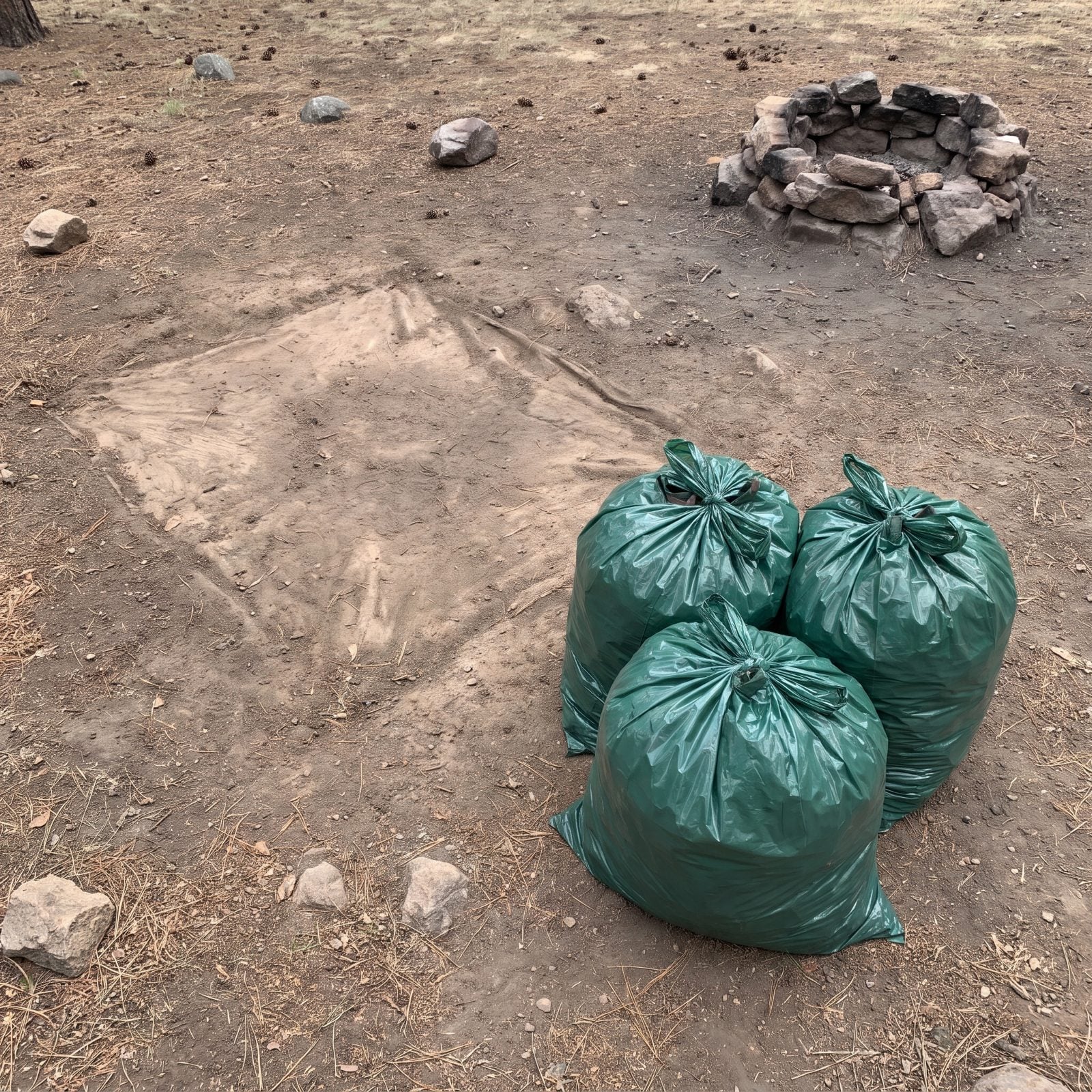
This one frustrates rangers more than true litter, because the people meant well. They bagged everything up, tied it off neat, and set it beside the post expecting a pickup that doesn’t happen at most sites. Then the raccoons find it overnight.
A tied bag left behind is still your trash. In bear country it’s worse than loose garbage because it concentrates the smell into one tempting package. Pack-it-in, pack-it-out means the bag rides home with you or you walk it to the dumpster yourself. Setting it down politely isn’t disposing of it, and the animals don’t grade on intent.
10. Broken Glass Scattered Around the Fire Ring
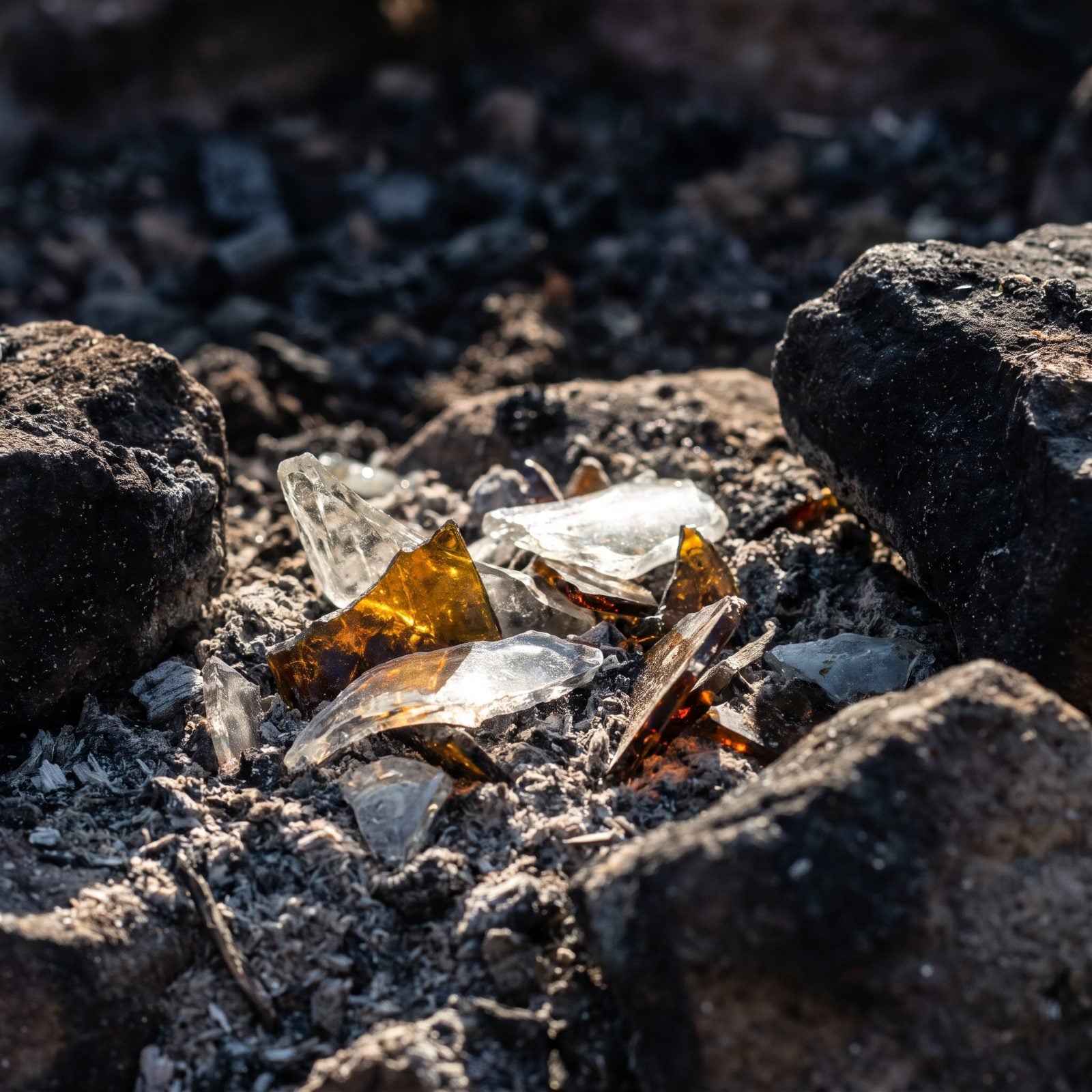
Broken glass in a fire ring is the find rangers truly dread, because it’s the one that draws blood. People toss bottles in the fire thinking the flames handle it. They don’t. Glass doesn’t burn — it shatters and scatters into the ash where the next barefoot kid steps.
What gets missed is the physics. A campfire runs hot but nowhere near hot enough to melt a bottle down. All it does is crack the thing into a field of edges that stay hidden until someone finds them the hard way. Rangers sift fire rings by hand and pull out glass that could sit there for years. Bottles go in the recycling, cans go in the trash, nothing goes in the fire.
In its guide to campfire etiquette, an Australian camping gear retailer tells campers to “only throw rubbish in the fire that is going to completely burn – aluminium foil, glass bottles/jars, steel and aluminium cans do not burn.”
9. Cigarette Butts Dropped in the Fire Pit
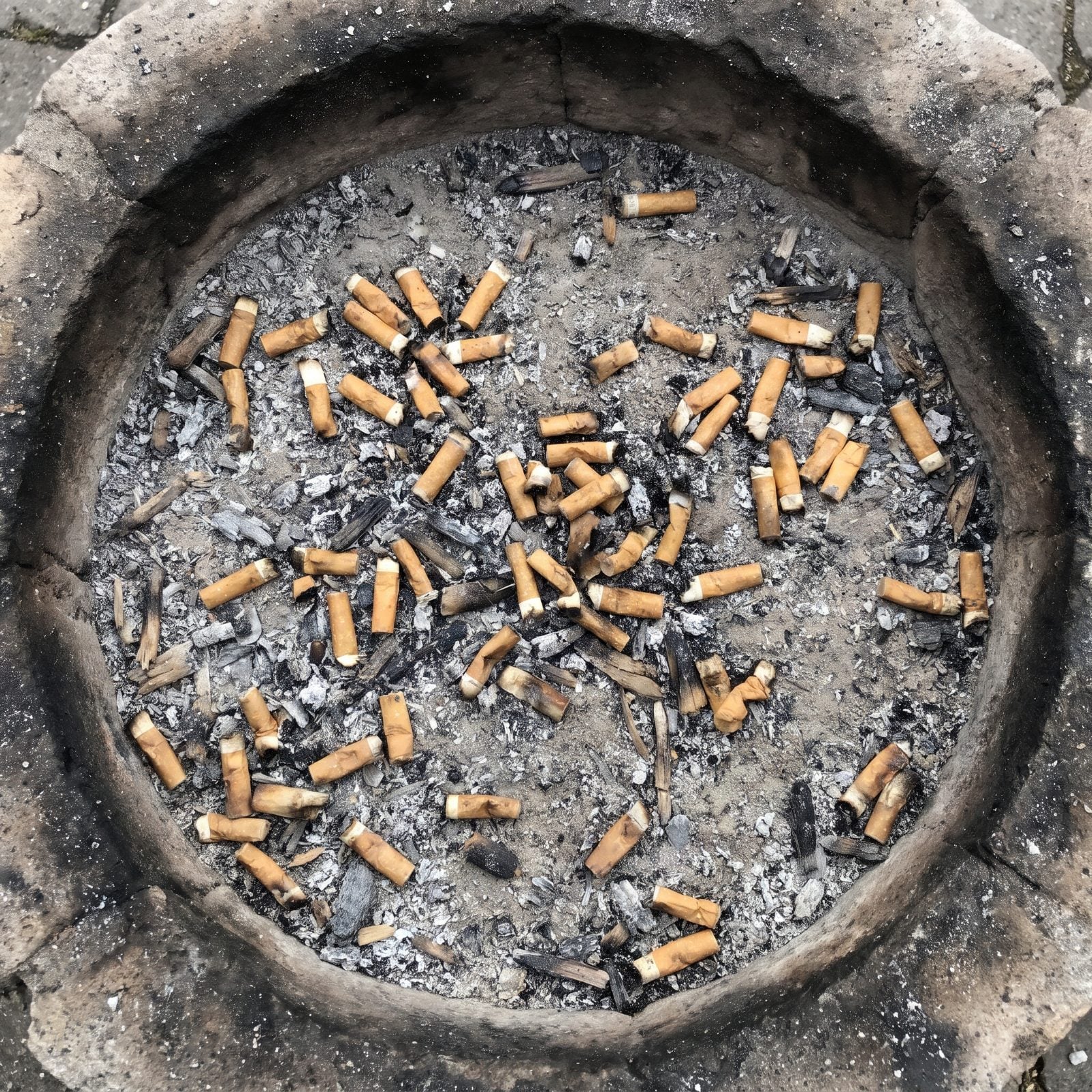
People think a fire pit is an ashtray. It isn’t. A cigarette filter is mostly plastic, so it doesn’t burn down to nothing the way a log does — it just sits there in the cold ash, white and smug, waiting for the next camper to find it.
Rangers pull these out by the handful. Worse, a butt tossed into warm ash that still has a breath of heat in it is exactly how a vacated site turns into a problem nobody saw coming.
After lab tests showing that plastic-based cigarette filters shed microfibers as soon as they touch water, an environmental engineering professor says “Microfibers in natural waters have been primarily associated with laundry and clothing. This work shows that microfibers from littered cigarette filters cannot be ignored.”
8. Disposable Diapers Left Near the Restroom
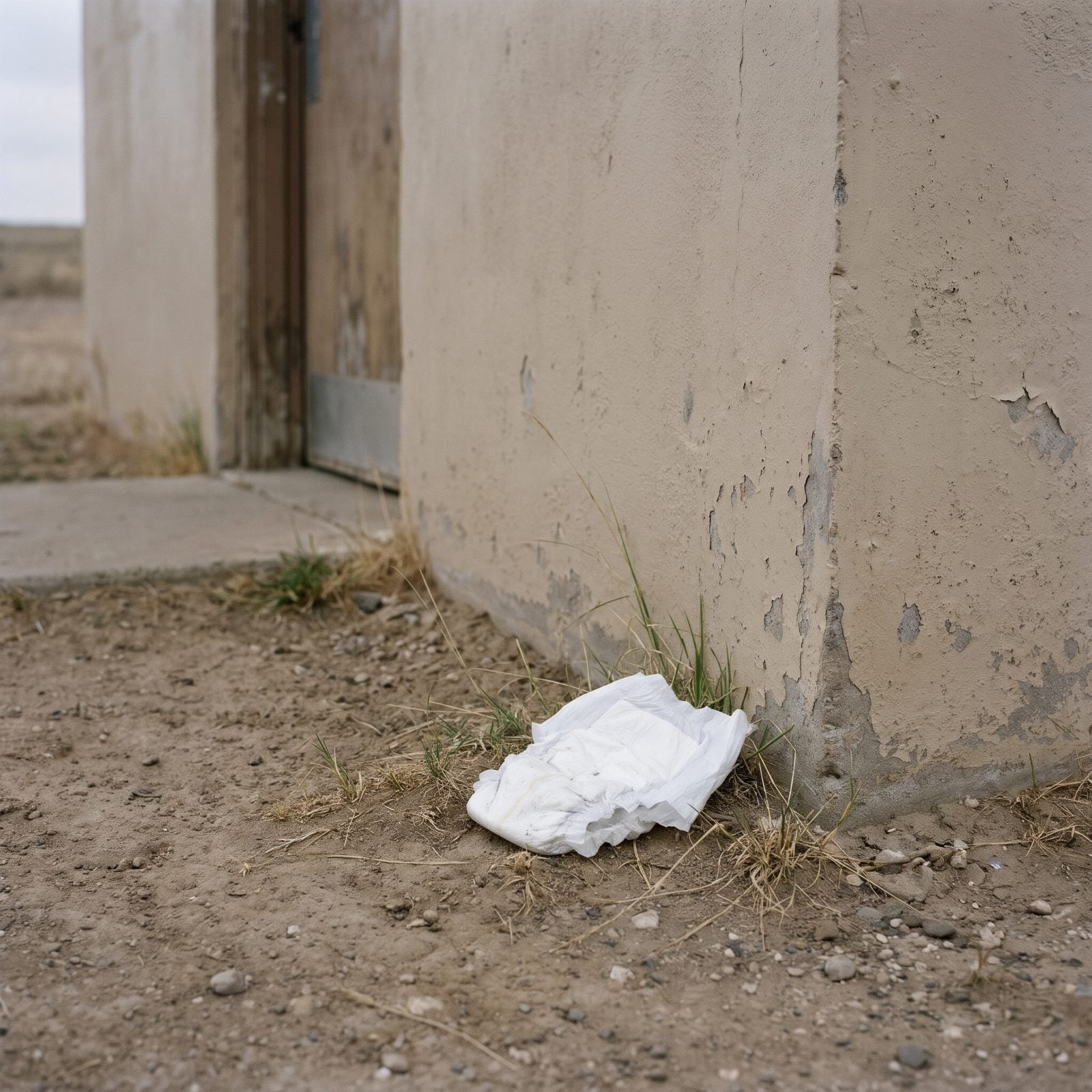
Here’s the one nobody wants to talk about. Diapers show up near restrooms because someone decided the bin two feet away was somebody else’s job to fill.
A used diaper left at a site isn’t just rude. It draws raccoons, it draws flies, and it bakes in the sun until a ranger has to deal with it wearing gloves. The restroom has a trash can. Use the trash can. I will die on this hill.
7. Ropes and Clotheslines Still Knotted Around Trunks
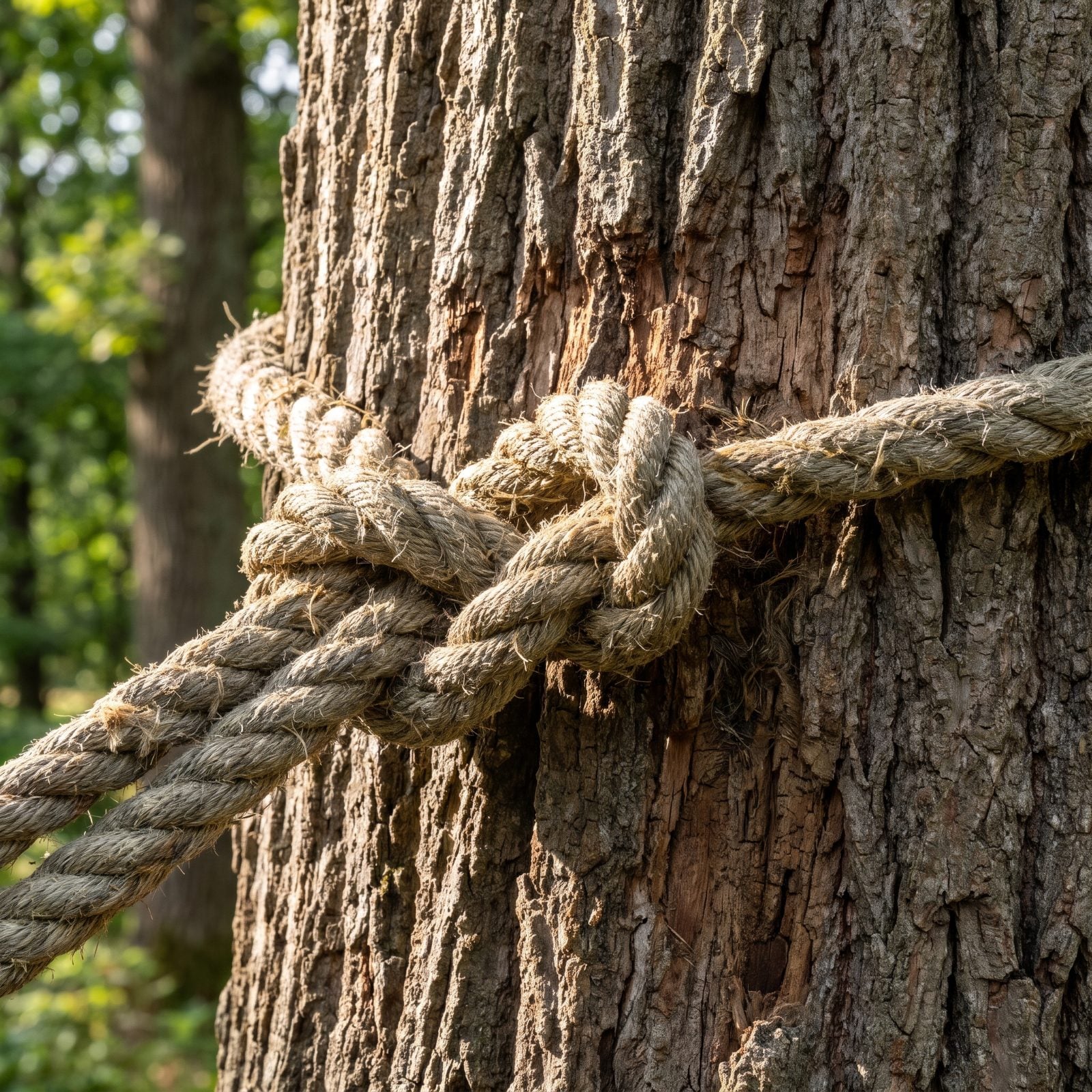
You strung a line between two trees to dry towels. Fine. Then you drove home and left it.
A rope cinched tight around a trunk will girdle a young tree if it sits there a season or two, cutting into the bark right where the tree moves its water. Rangers find clotheslines knotted so hard they have to cut them off, and thin cord does the most damage of all. If you must tie off, wide webbing and a habit of untying before you leave saves the tree and saves somebody a pocketknife.
6. Nails and Hooks Hammered Straight Into the Bark
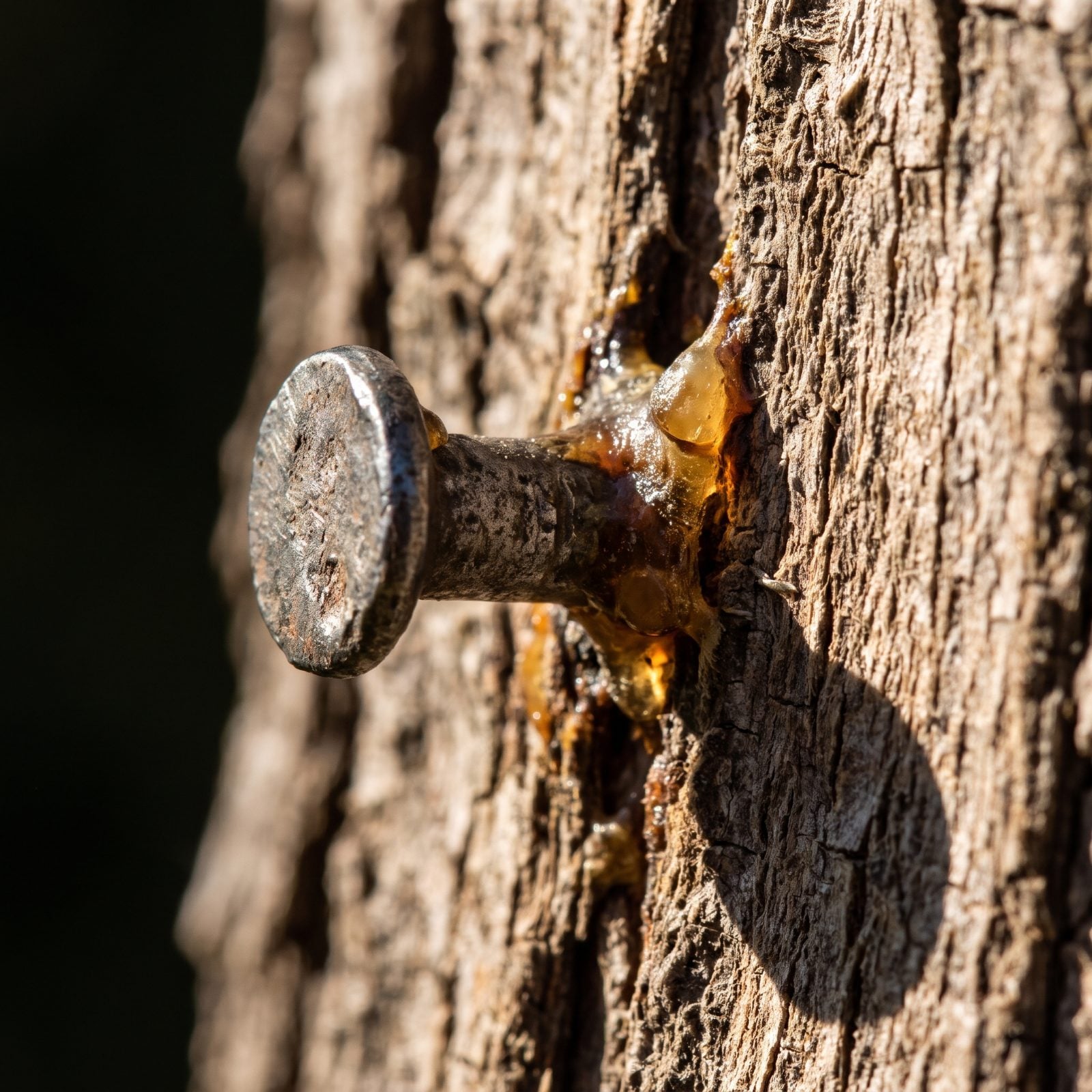
A nail in a tree is a small act of vandalism that feels like camp ingenuity in the moment. Hang the lantern, hang the wet jacket, drive it in and forget it.
Metal left in a trunk becomes a hazard that outlives your trip by decades. It rusts, the tree grows around it, and years later a chainsaw finds it the hard way. Rangers pull nails and screw-hooks out of campground trees constantly. Bring a strap, not a hammer.
Explaining what happens to hardware left in a trunk, a team of certified arborists writes “When you drive a metal fastener into a tree, the tree will try to grow around the item. Eventually, the metal pieces will often be completely enclosed in new wood.”
5. Battery String Lights Tangled in the Branches
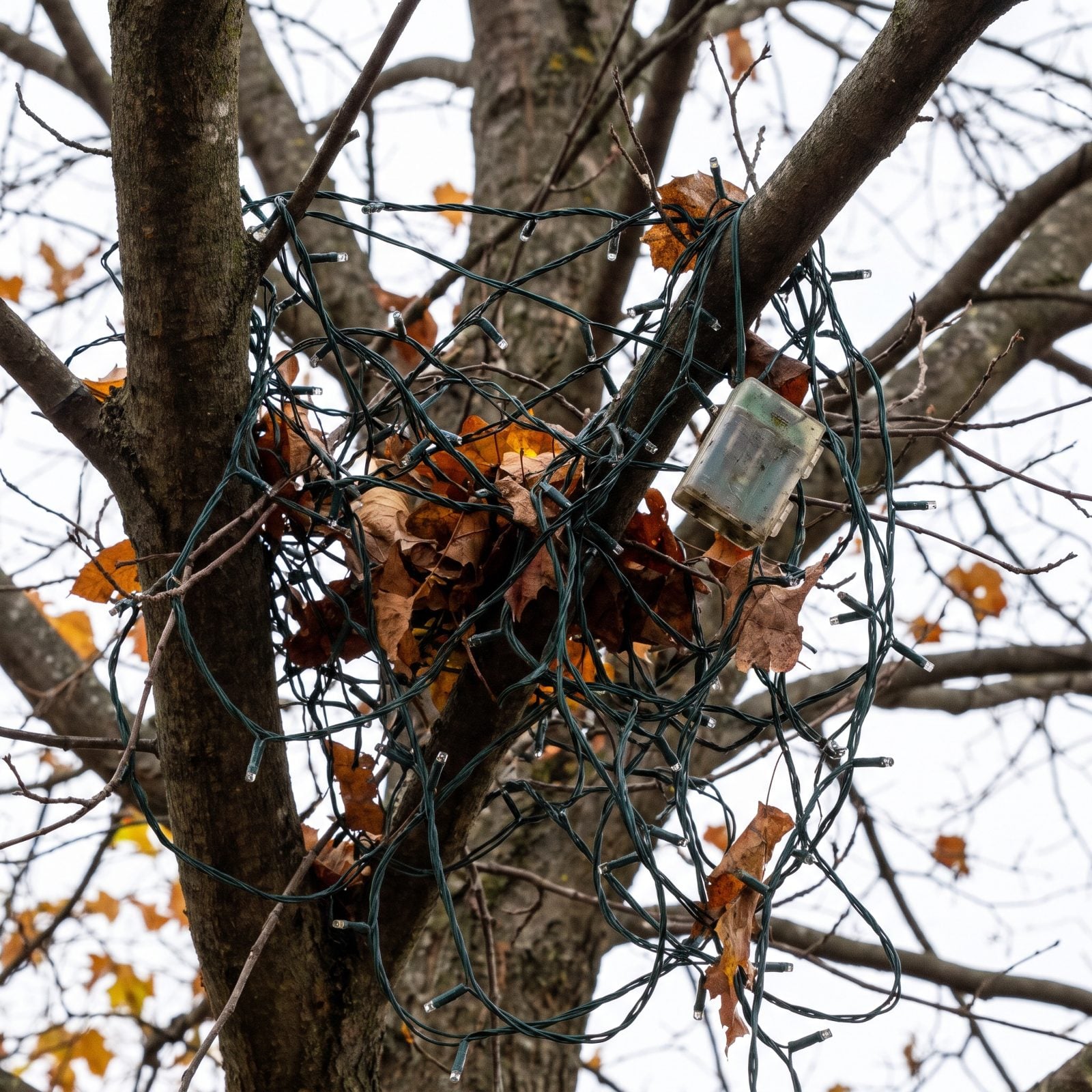
Camp lights are the new forgotten item. They go up at dusk, they look great, and the morning tear-down somehow misses the one strand buried in the branches.
Rangers find these woven so deep into the leaves they have to untangle them bulb by bulb, battery box still rattling with dead cells. The wire doesn’t rot. The plastic doesn’t break down. And a corroded battery pack leaks straight into the soil at the base of the tree. Pack the lights last so you can’t forget them.
4. RV Leveling Blocks Left at the Pad
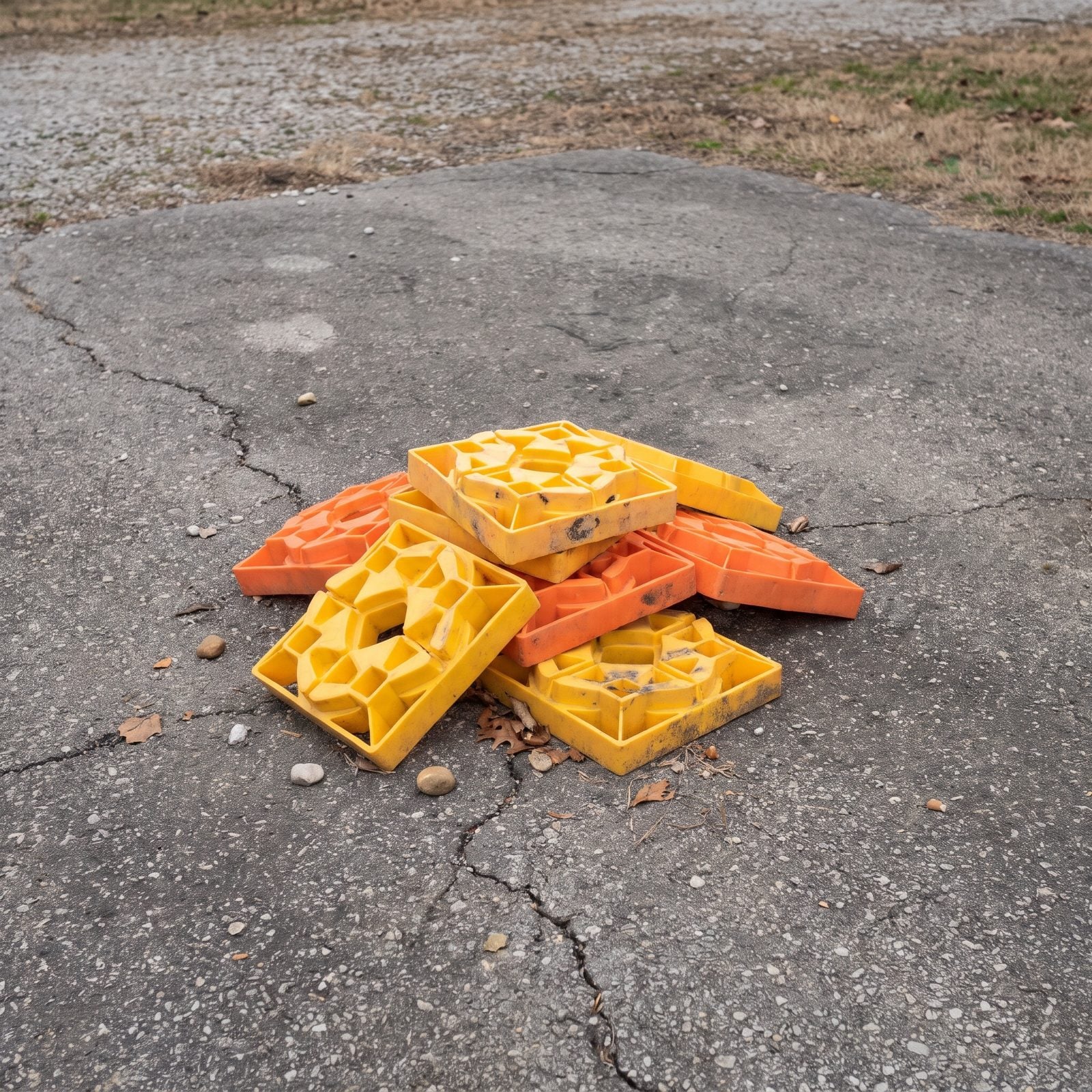
Leveling blocks get left behind more than you’d guess. You set them under the low-side tires, pull out at checkout still half-asleep, and the stack stays put on the pad.
A set runs real money, and the owner almost never comes back for it. Rangers end up with a lost-and-found drawer full of orphaned yellow plastic. Do a walk-around before you roll. The tires hide them perfectly, which is exactly why they get forgotten.
3. Outdoor RV Rugs Baked Into the Ground
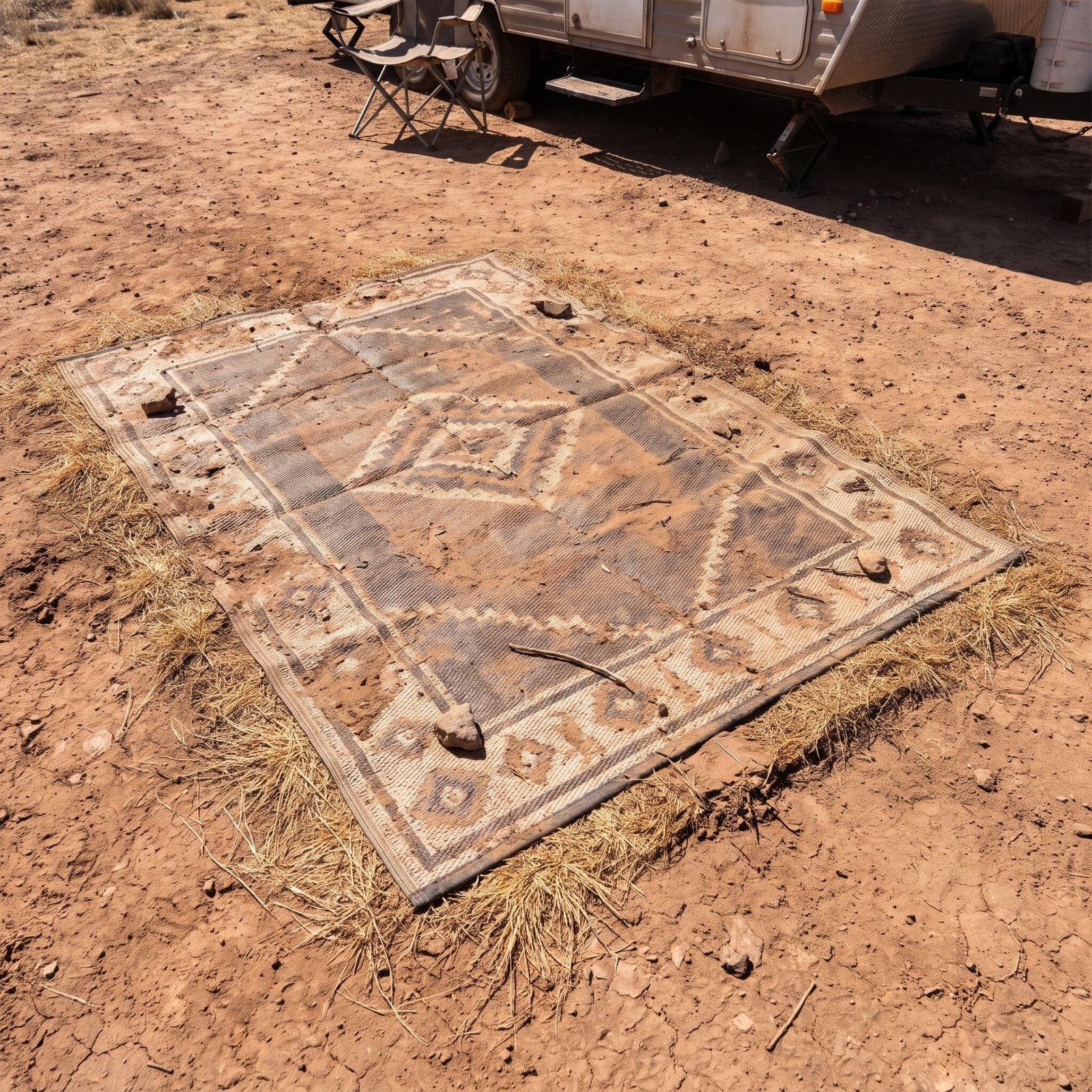
The big woven patio mat under the awning is a camping staple. It’s also heavy, awkward, and packed full of trapped dirt by the time the trip ends — which is precisely why some folks just walk away from it.
Leave a mat on the ground a few days and it kills the grass under it stone dead, leaving a pale rectangle the next camper inherits. Rangers drag them off folded with mud and ants inside. Shake it, roll it, take it home.
2. Tent Stakes Buried Where Nobody Can See Them
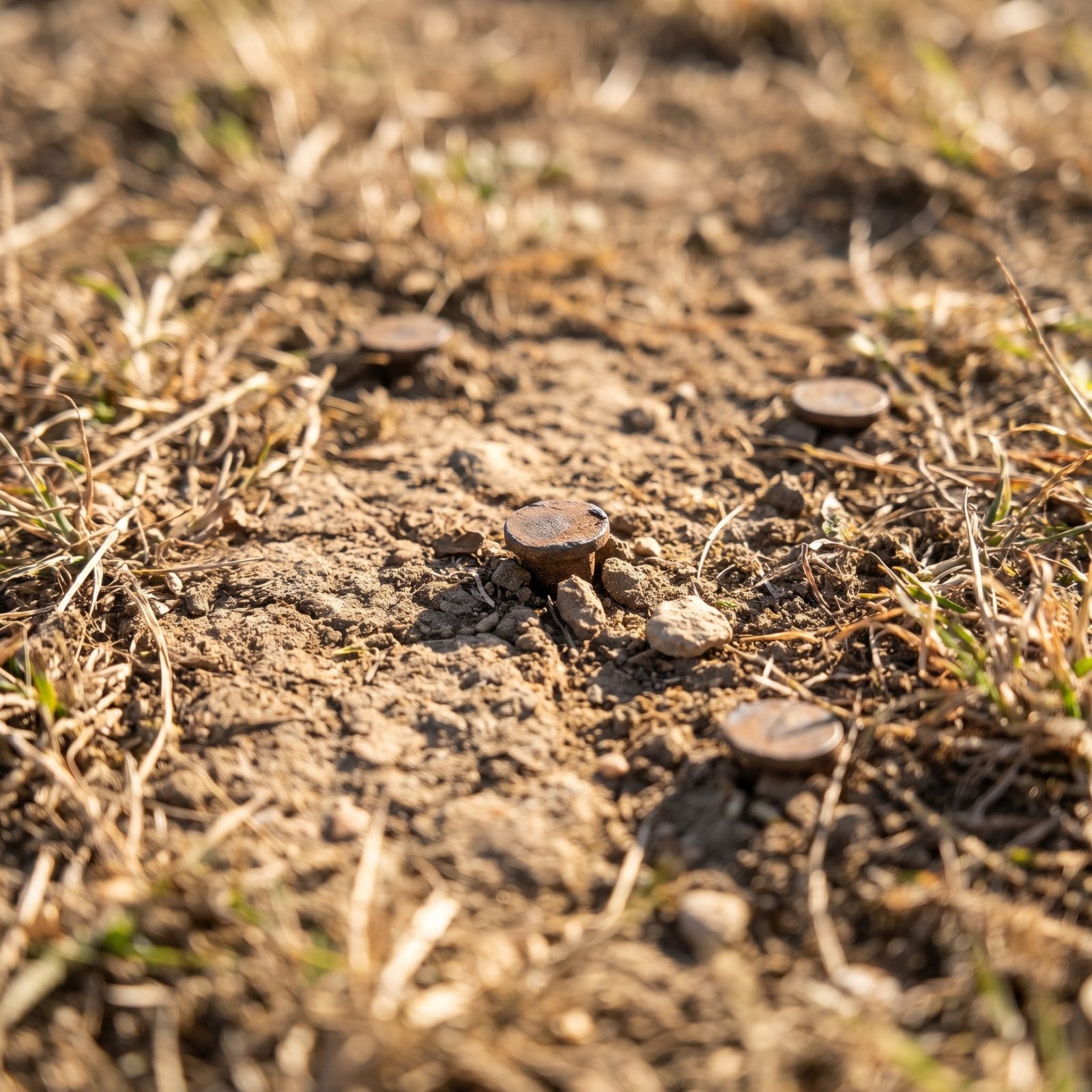
Lost stakes are the quiet menace. One or two get pounded flush, the tent comes down in a hurry, and they stay in the ground invisible until the next person steps on one barefoot.
Rangers walking a vacated pad find them with a boot or a rake. A rusted stake sticking up a half inch is a genuine hazard for the kid who sets up next. So count your stakes out and count them back in — easiest habit in camping, and the one people skip the most.
1. Kayaks Dragged Above the Shoreline and Forgotten
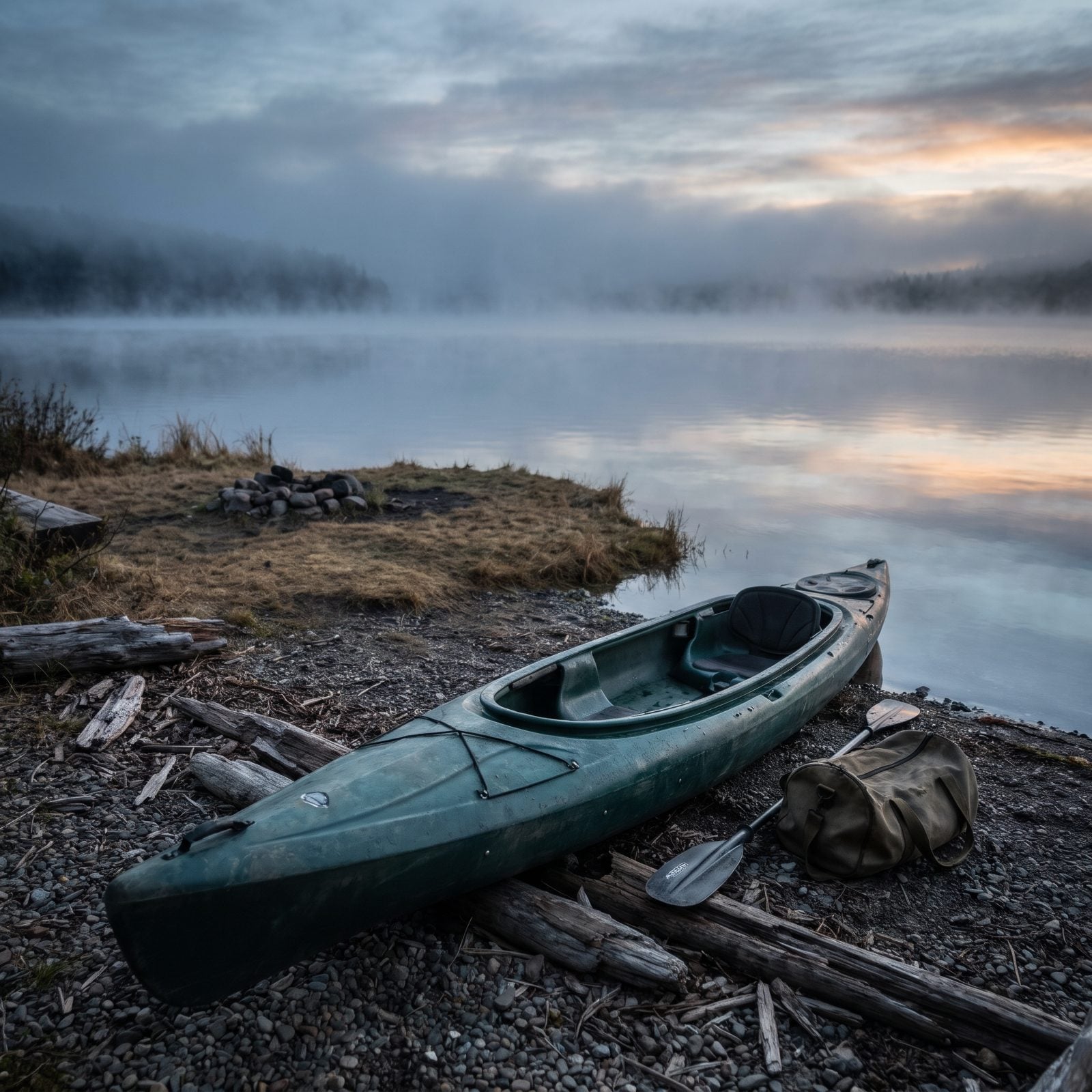
A kayak pulled above the shore and left overnight looks abandoned even when it isn’t. Rangers see them beached at vacated sites all the time, and the honest question is always the same — forgotten, or just stashed by someone coming back tomorrow?
But here’s what most people miss. An unsecured boat near the water walks off in a storm, or walks off in the hands of whoever finds it first. A kayak costs real money, which makes it a strange thing to leave to chance on a public shoreline.
Leaving it between paddles? Lock it to a tree or haul it up to your site. A boat left loose by the water is a boat you’re trusting strangers with.