The trout rose at 5:42 and were gone by six. Not 6:15. Not whenever you finished your coffee. The window opened, you were either in it or you weren’t, and the water didn’t hold the door for anybody. That’s the thing about spending real time outside — it keeps teaching the same lessons until they finally stick, usually around the fourth time you’ve been rained on or skunked or caught flat-footed by a sunset you tried to photograph instead of watch. These are the ones that eventually work their way under your skin and stay there.
Please note that some of the images in this article were created with the assistance of AI.
22. Nature Runs on Its Own Clock, Not Yours
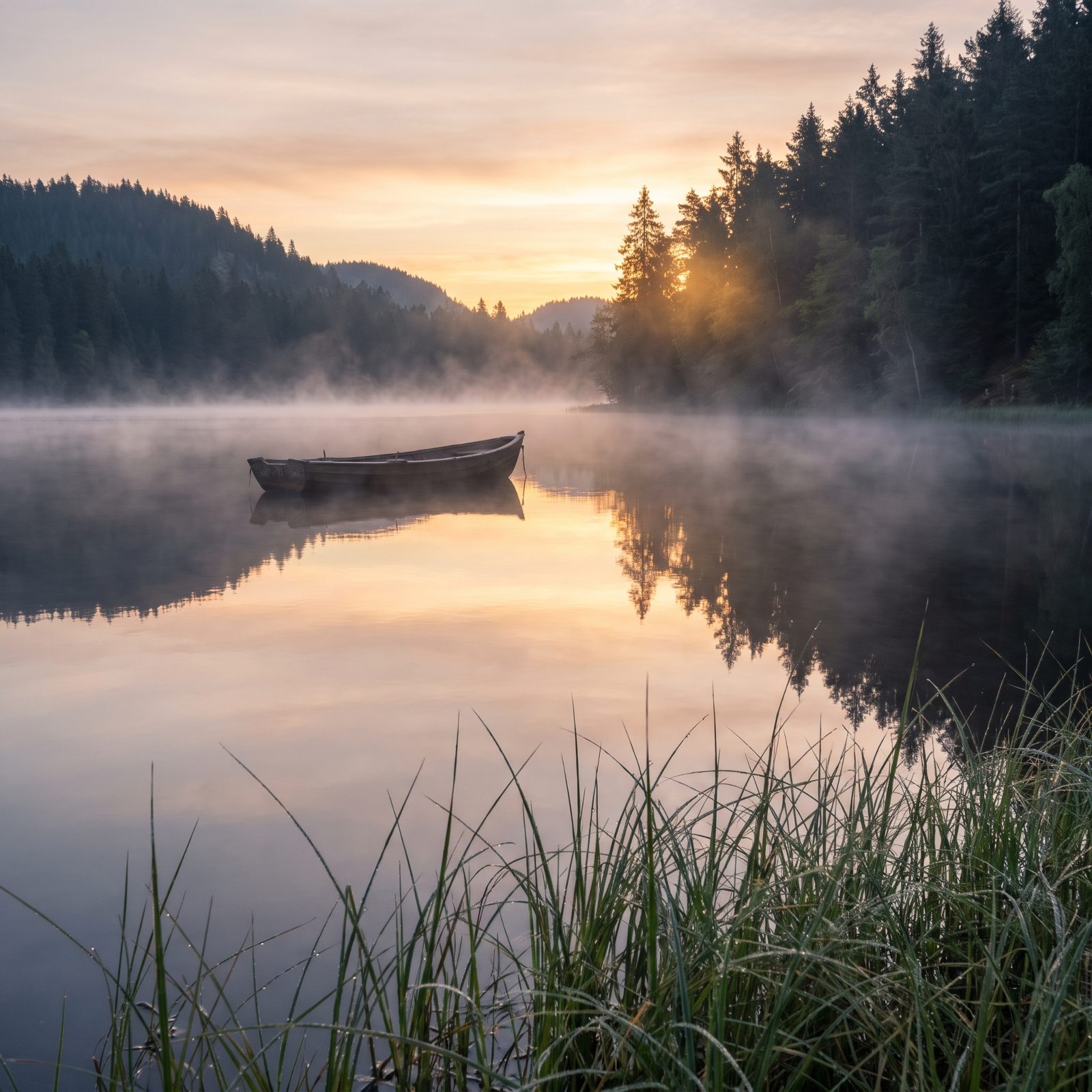
The fish feed when they feed, and the elk bugle at a time they picked, not you. You can set an alarm for 4 a.m. and drive two hours in the dark, and the trout will still rise for eleven minutes at dawn and then quit, utterly indifferent to how far you came.
Most of us fight this at first. Showing up late, leaving early, griping about timing like the river owes us something. It doesn’t. Once you stop expecting nature to accommodate your calendar, you start showing up for its calendar instead. That’s when things get good.
21. You Can’t Argue With the Weather, Only Answer It
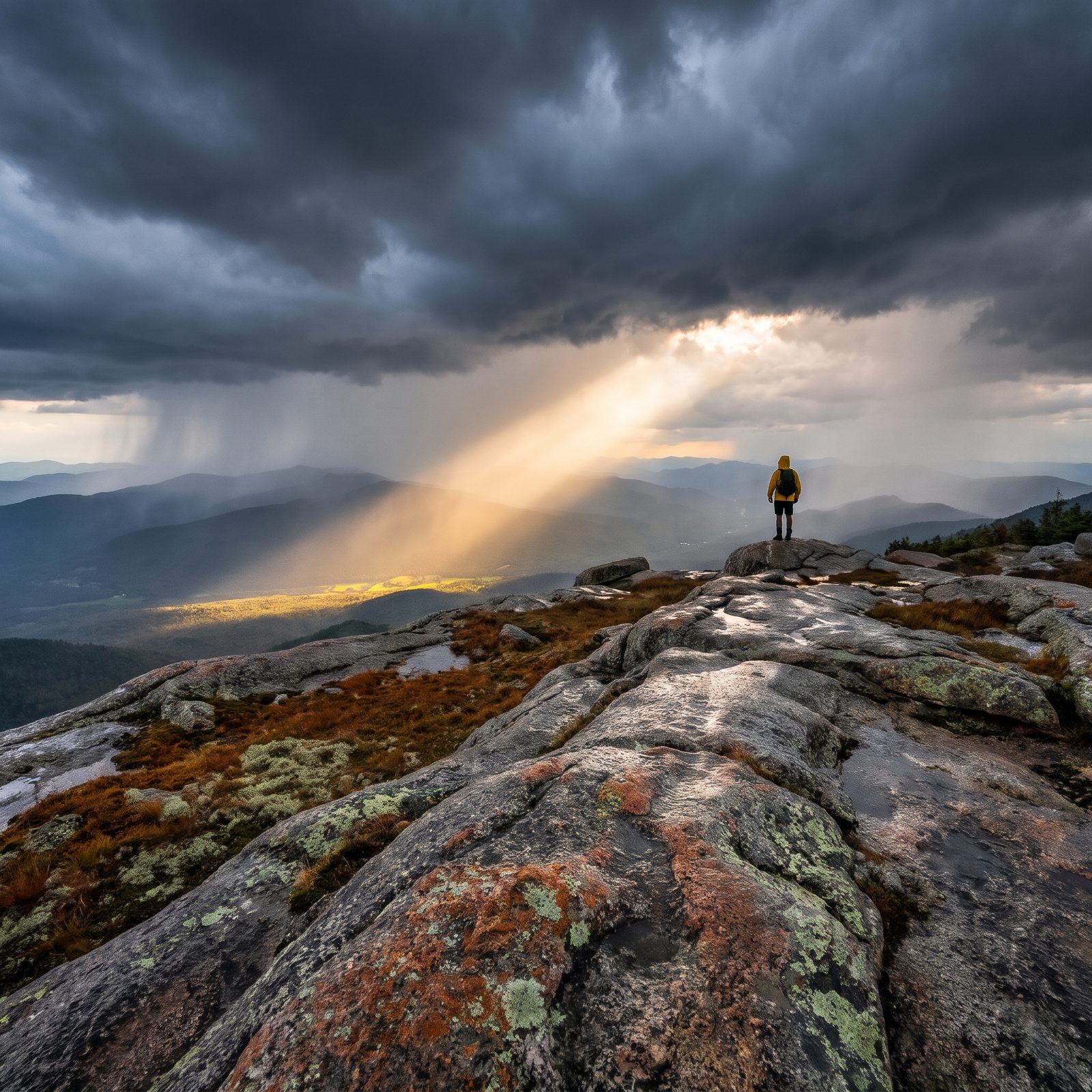
There’s no such thing as bad weather. There’s only being dressed wrong and planning worse.
Rain doesn’t have an opinion about you, wind isn’t personal, and the cold front that shut the bite down has nothing against you specifically either. Spend enough mornings getting soaked because you left the rain shell in the truck, and you learn the only variable you actually control is how you prepare and how you respond. The sky does what it does. Your mood doesn’t have to follow it down.
20. The Still Hunter Beats the Hustler Nearly Every Time
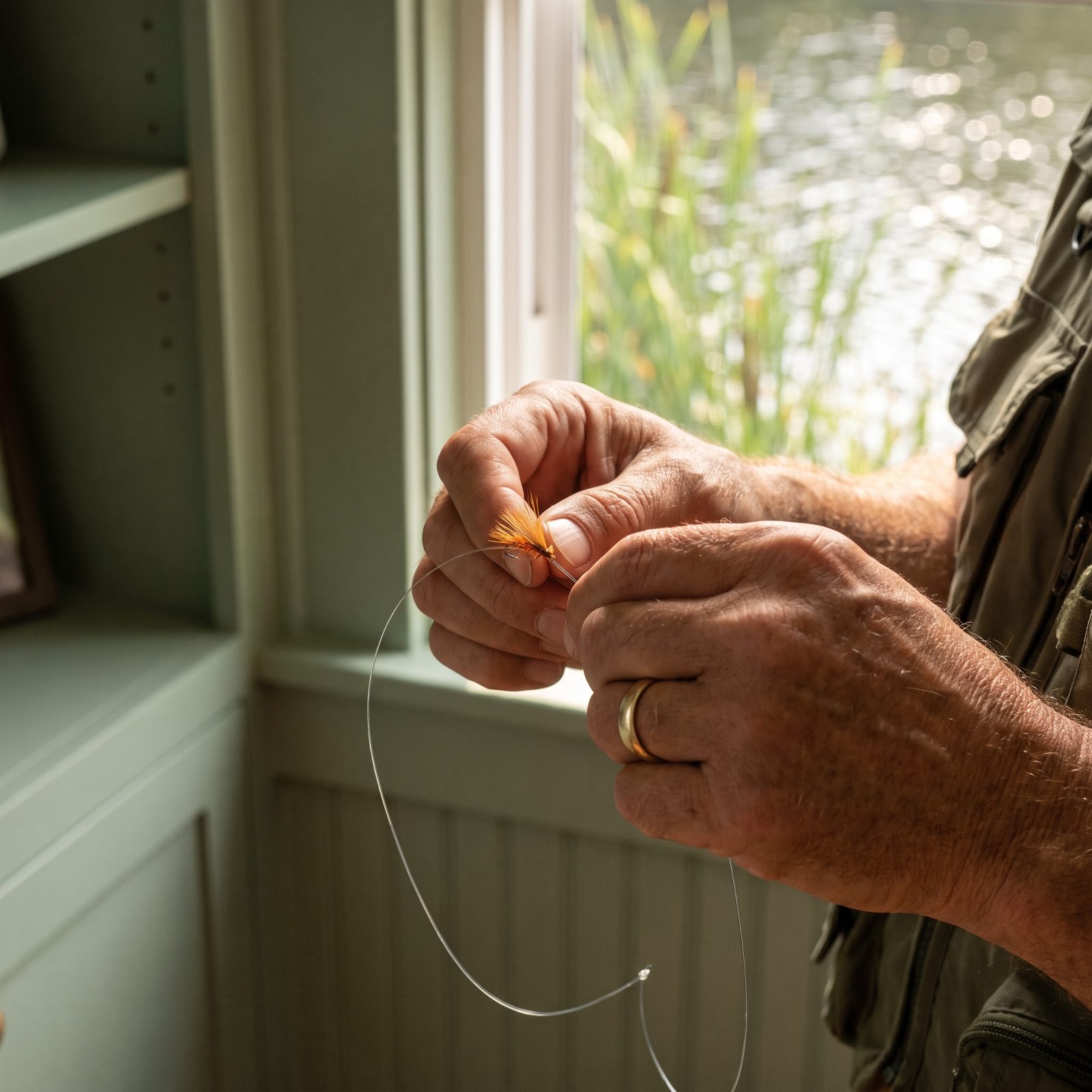
Watch a great blue heron hunt sometime. It stands in the shallows, motionless, for an eternity. Then one strike. Done.
Every impatient angler you’ll ever share a bank with covers twice the water and catches half the fish. They’re always moving, always recasting, always sure the next spot is better than this one. Meanwhile the fellow who picked one seam and worked it slow is bent into something.
Patience isn’t passive. It’s the hardest kind of discipline there is, because it looks like doing nothing while every nerve tells you to go faster.
19. A Little Every Day Outruns the Big Weekend Push
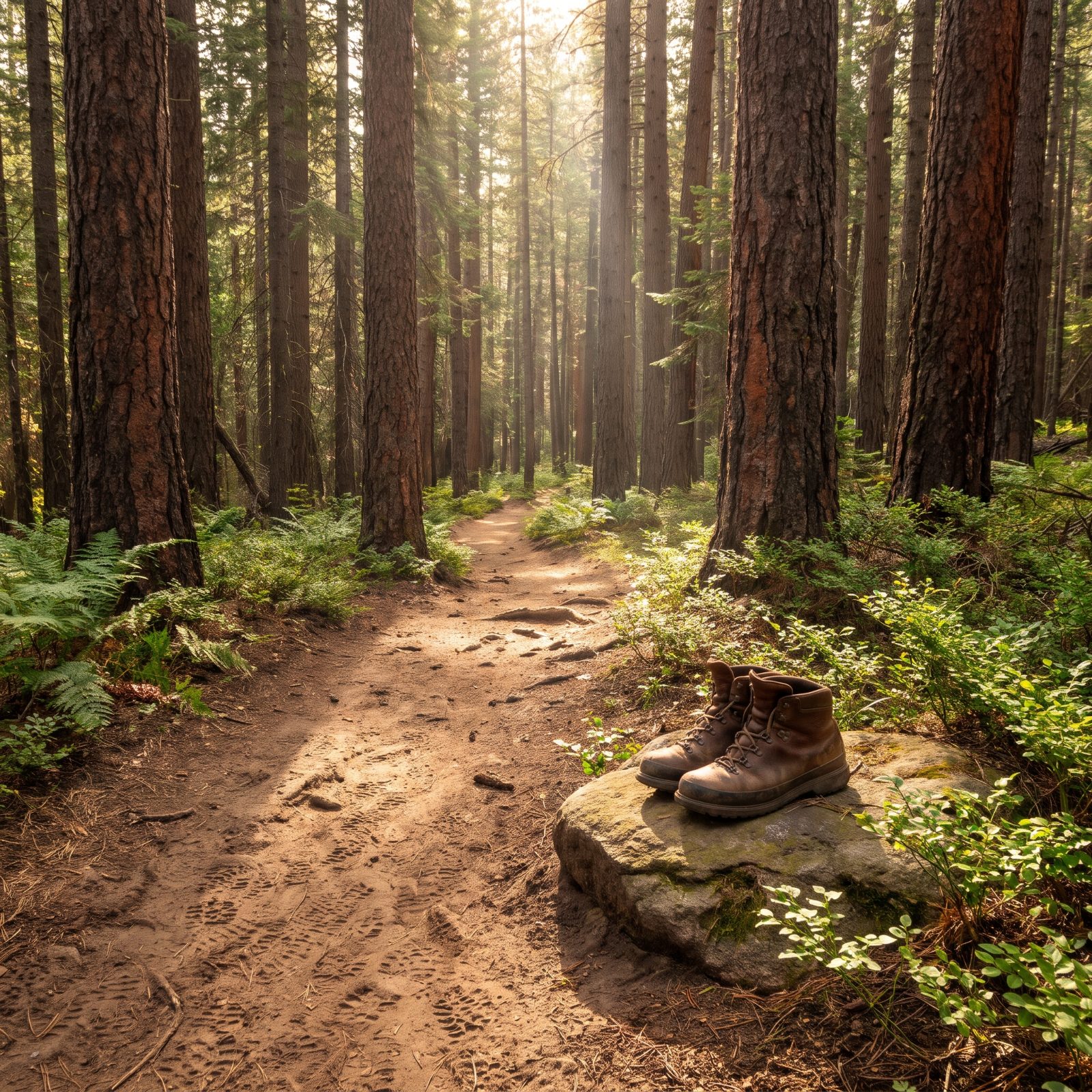
Nobody gets fit for a ten-mile hike by watching YouTube and then attempting ten miles.
The outdoors doesn’t reward intensity. It rewards frequency. Walk the neighborhood loop every morning in the dark, rain or shine, and you’ll arrive at the trailhead in June ready for anything. Cram one heroic training weekend instead, and you’ll show up with blisters and a bad attitude by mile three.
18. The Summit Is a Footnote, the Walk Is the Story
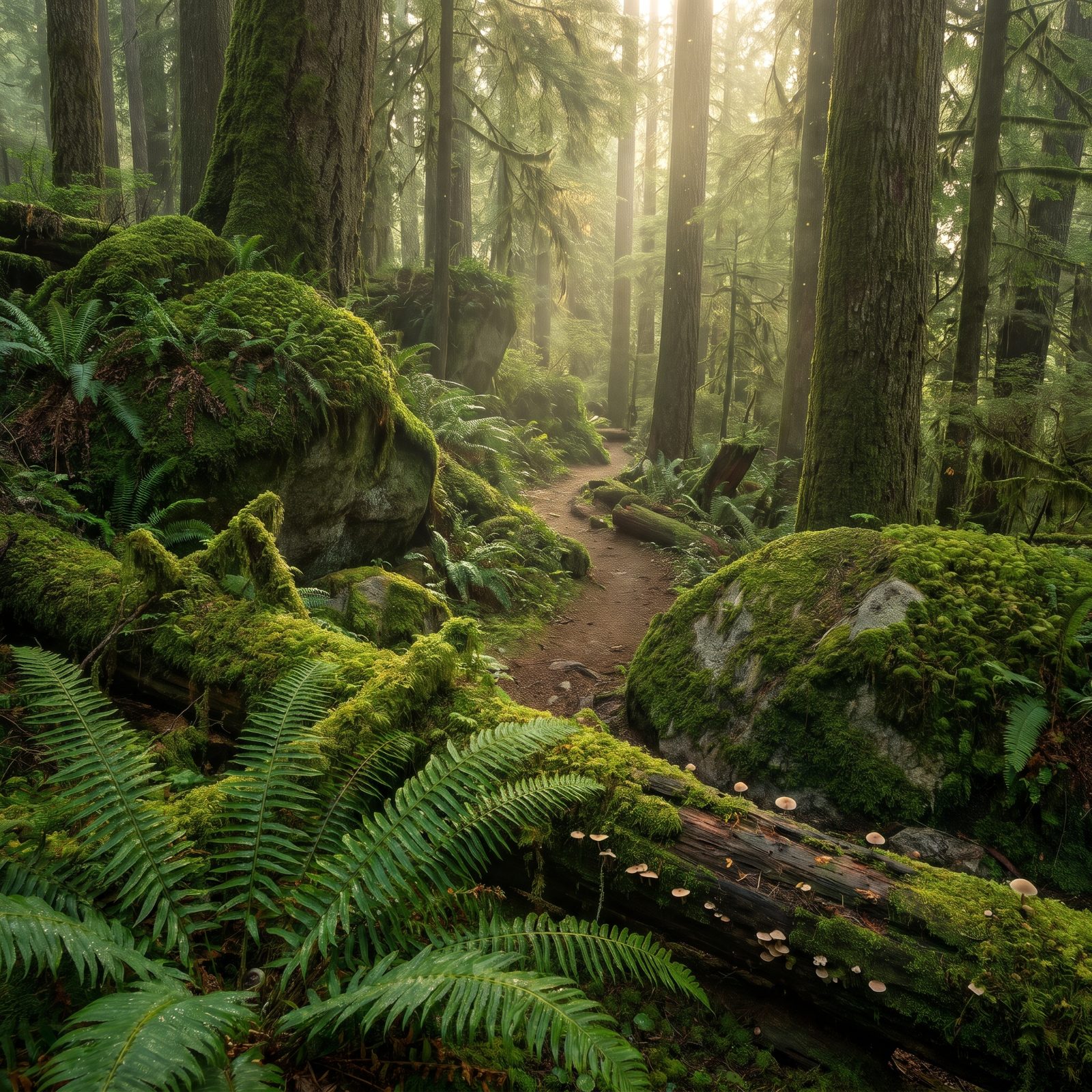
Ask anyone who’s stood on a mountaintop what they remember, and it’s rarely the summit. It’s the switchback where they spotted a pika. The creek crossing. The spot where they stopped to breathe and realized they were somewhere they’d never forget.
Goal-chasing has its place. But the outdoors keeps reminding you that the peak is often cold, crowded, and over in ten minutes. The miles getting there are where everything actually happened. Learn that one, and it bleeds into the rest of your life whether you want it to or not.
17. The Best Moments Show Up Uninvited
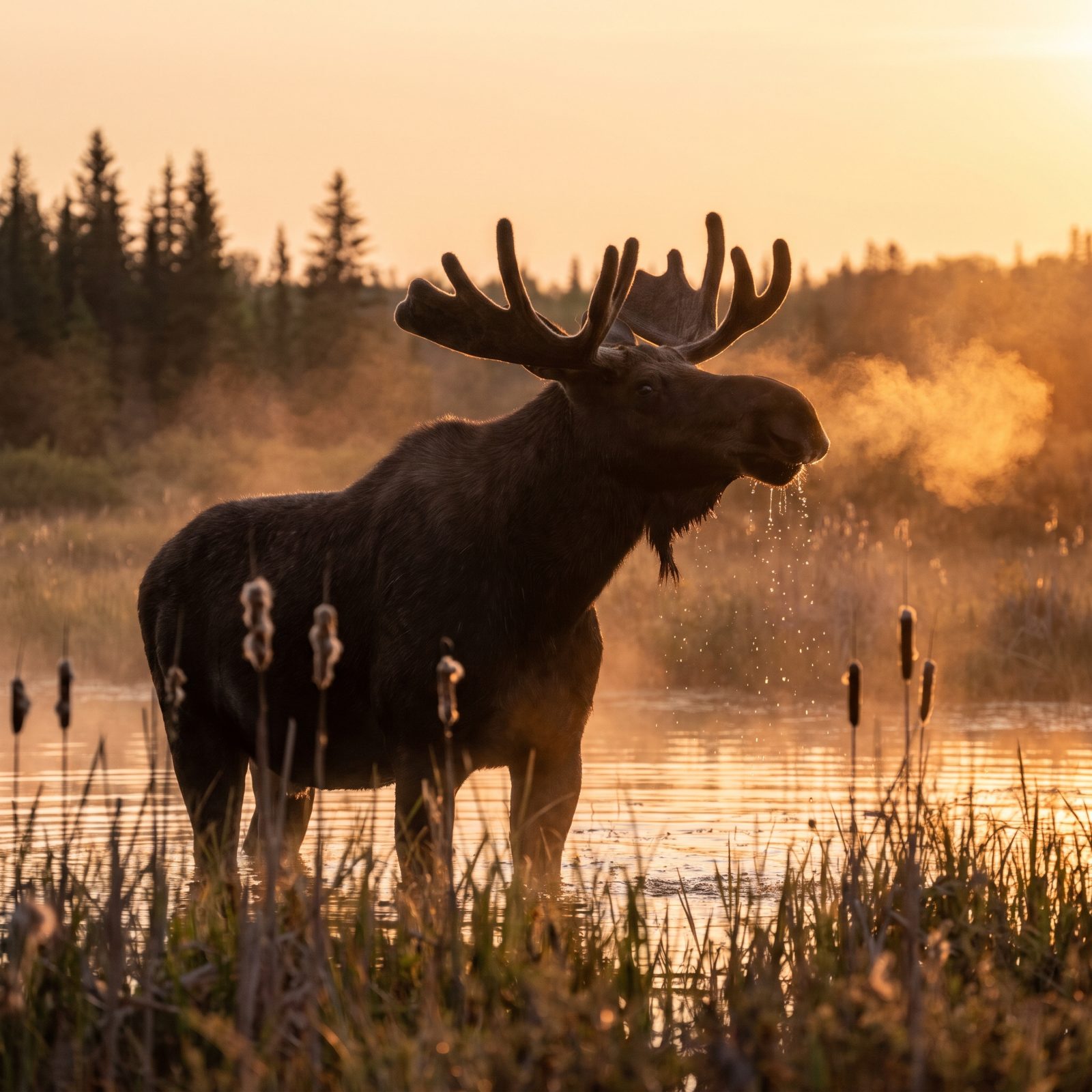
You cannot schedule a moose stepping out of the fog. You cannot book the northern lights. And the buck that walks right under your stand never once consulted your plans.
Every truly good outdoor moment we can recall arrived sideways, when we’d stopped trying to make something happen. The planned trips are fine. The magic always came in the margins, in the waiting, in the part I almost skipped.
The outdoors gives its best gifts to people who are paying attention, not people who are checking off a list.
16. Being Cold and Tired Won’t Actually Kill You
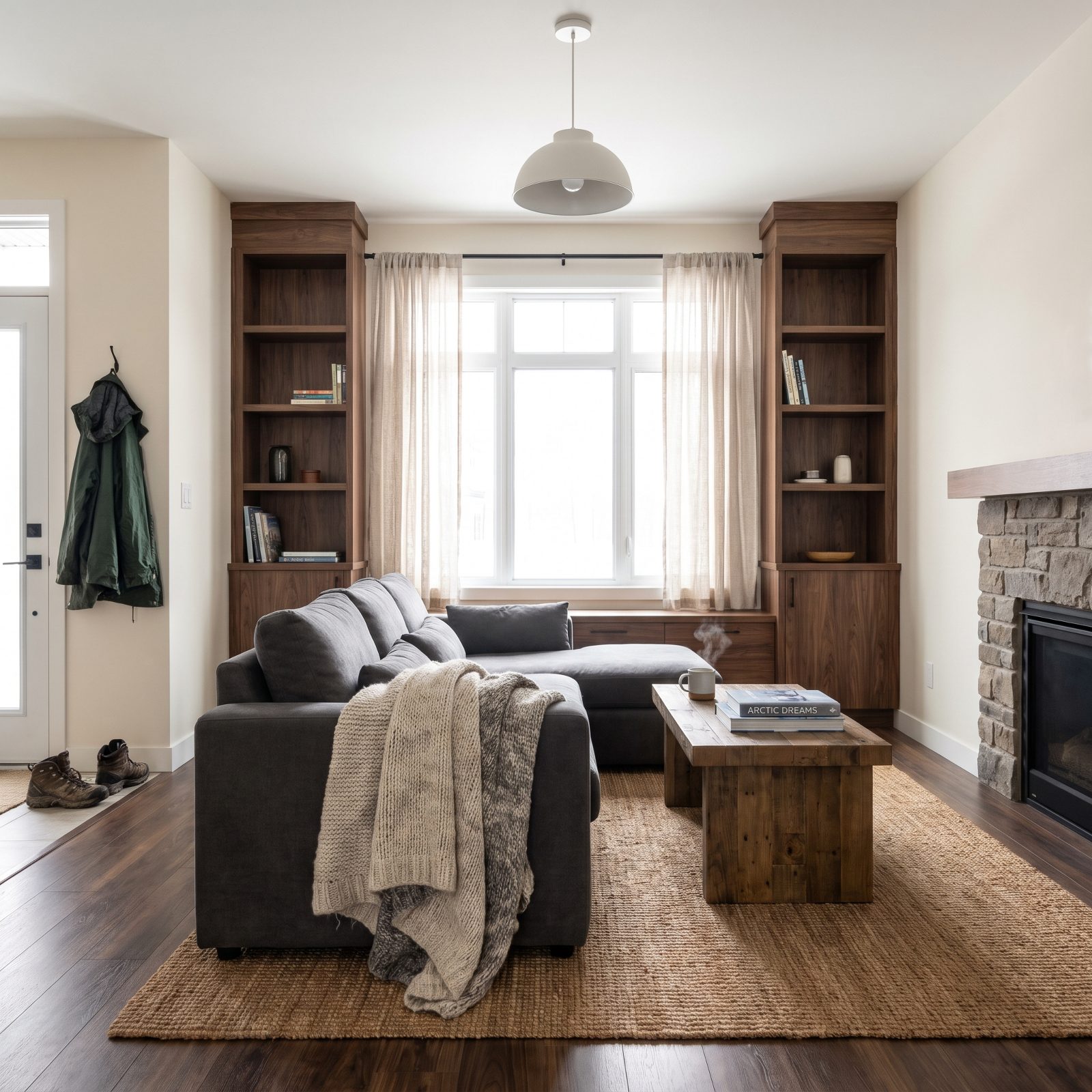
The misery is always sharpest right before it ends.
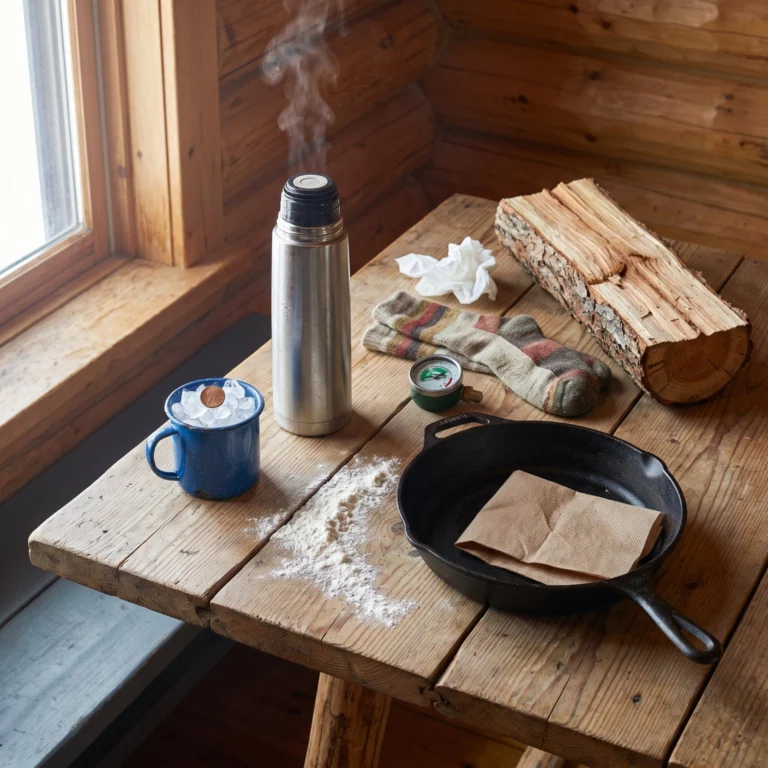
You’re soaked, your feet are numb, and the last mile back to camp feels like ten. Then you’re sitting by the fire with dry socks and hot coffee, and the whole ordeal shrinks down to a story you’ll tell for years. Discomfort outdoors has a short shelf life. It feels permanent while it’s happening and evaporates the moment you’re warm again. Knowing that in advance changes how you carry it.
15. Your Comfort Zone Has Been Lying to You
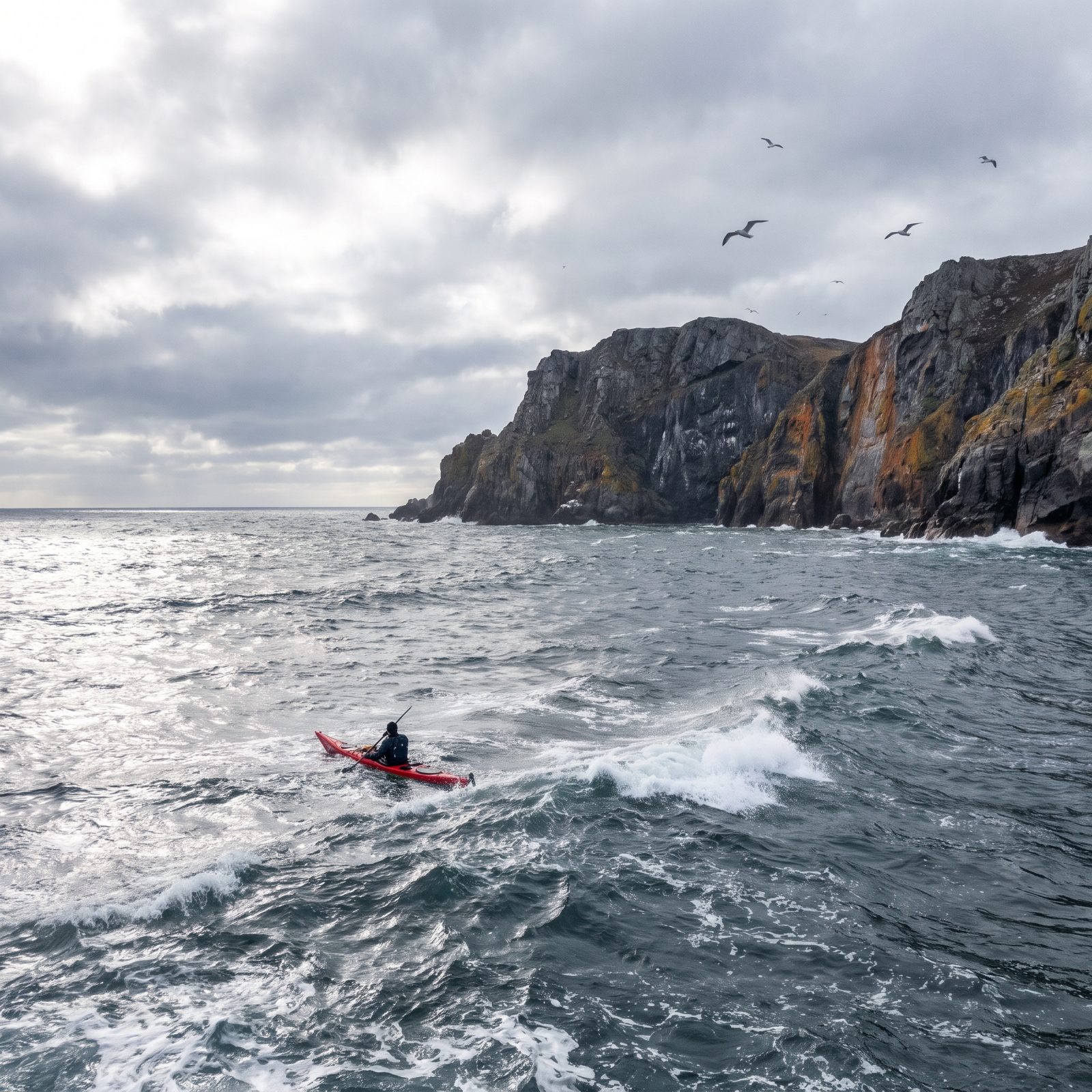
The voice that says you can’t is almost always wrong, and the outdoors proves it over and over.
You think you can’t hike that far. Then you do. The water’s too cold, the climb too steep, the portage too long — and then you’re on the other side of it, mildly amazed at yourself. Your comfort zone is a cautious little negotiator who always lowballs your actual capacity. Push past it, and the zone resets a little bigger. That’s the whole deal, really. You find out you were never as fragile as you’d been told.
14. Everything Turns in Seasons, You Included
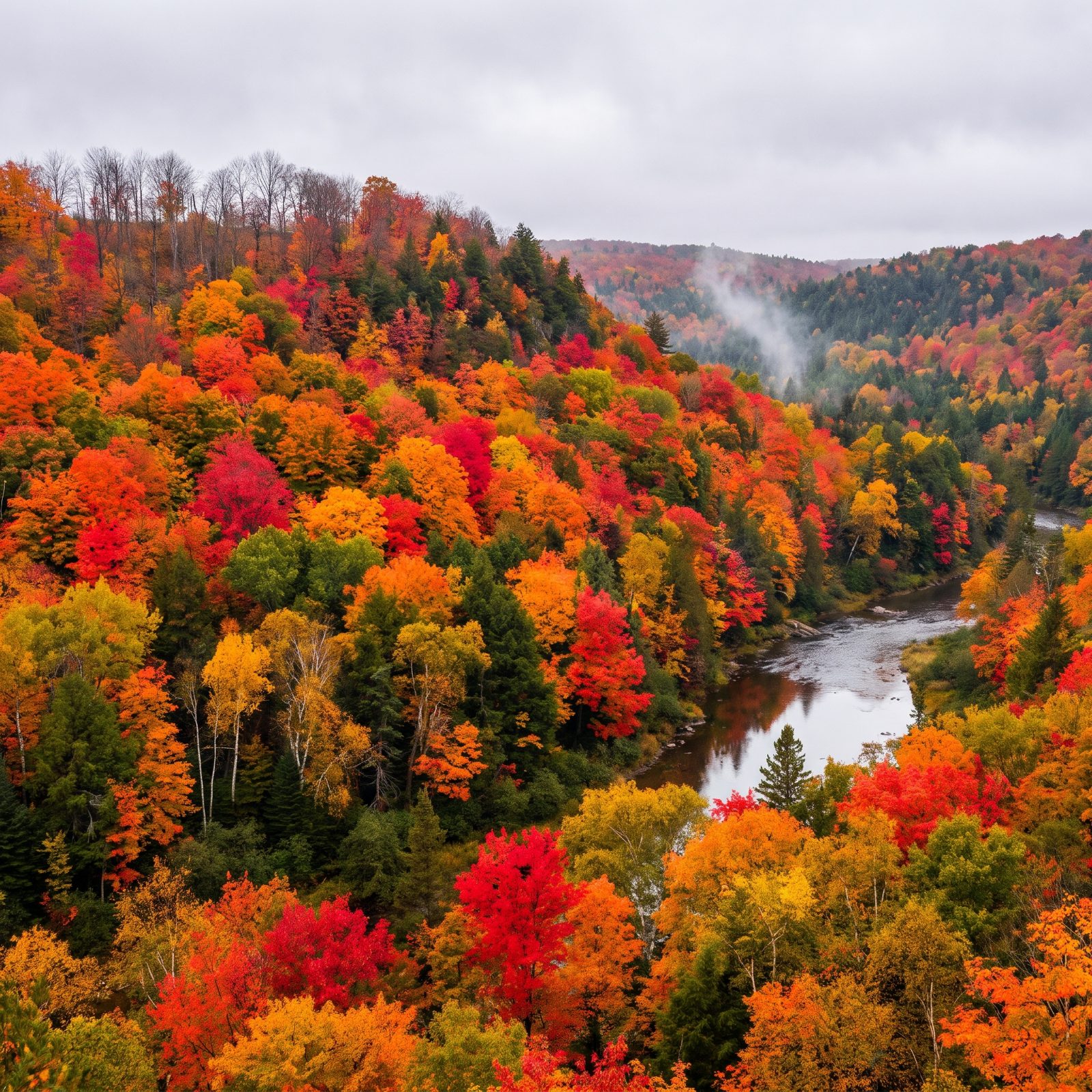
Spend enough years in the woods and you stop panicking about change.
The leaves blaze, then drop. The lake freezes, then opens. The deer move, the birds leave, the ice comes and goes. Nothing good or bad lasts, because nothing out there is built to. You start to feel it in yourself too — the seasons of energy and rest, of pushing hard and lying fallow.
The woods never apologize for winter. They just know spring is coming, and so are you.
13. Real Silence Is the Loudest Thing Out There
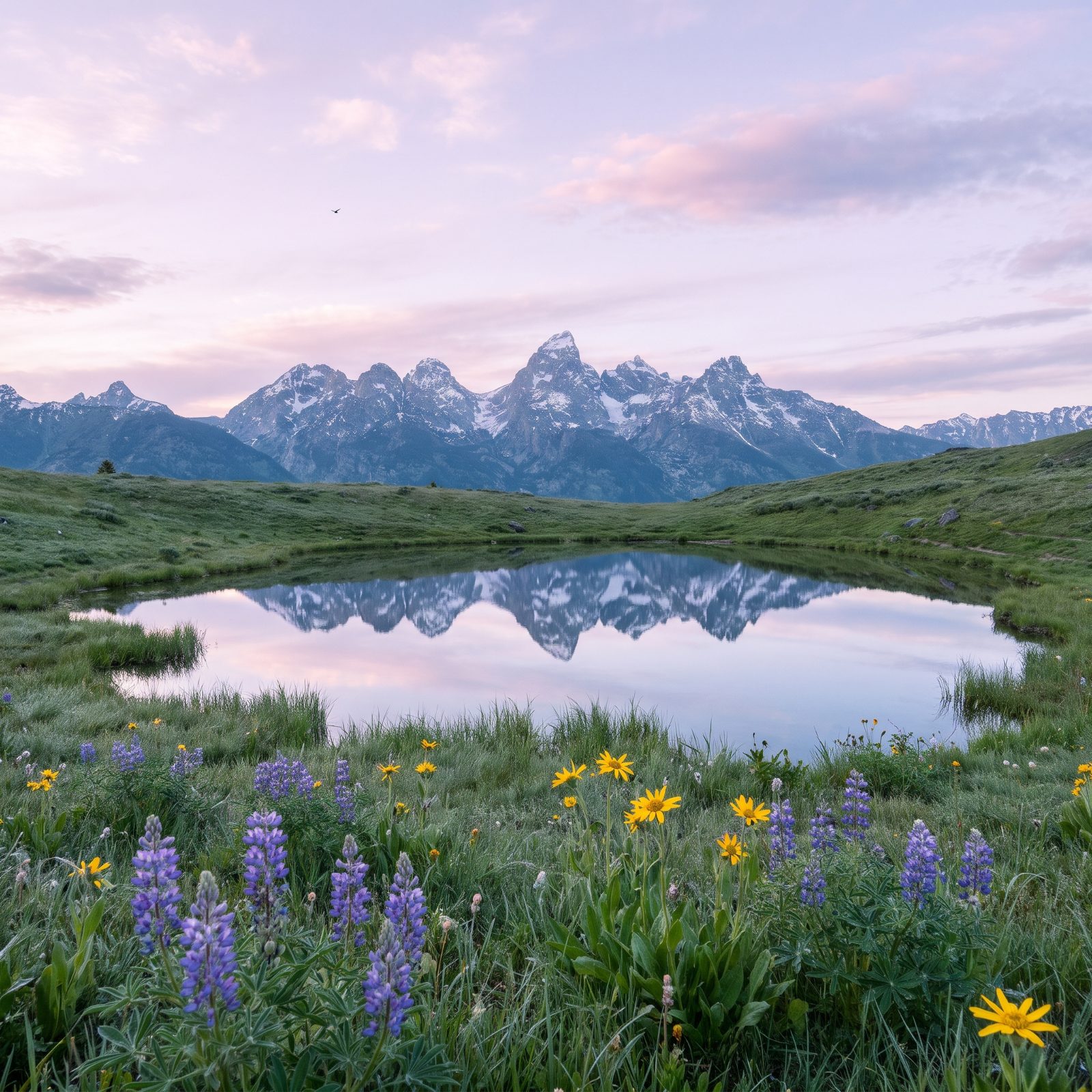
Sit still long enough in a quiet place and you realize it was never quiet at all.
The wind in the pines. Water over rock. A woodpecker two ridges over. Your own heartbeat, which you’d forgotten about. The silence we chase outdoors isn’t the absence of sound — it’s the absence of noise, which is a different thing entirely, and once you’ve felt the difference you can’t unfeel it.
That’s a lesson that outlasts most others. Not what the outdoors gives you, but what it finally lets you hear once everything else shuts up. Go find a place like that. Sit in it. Don’t bring your phone.
12. Good Company Is Quiet Company
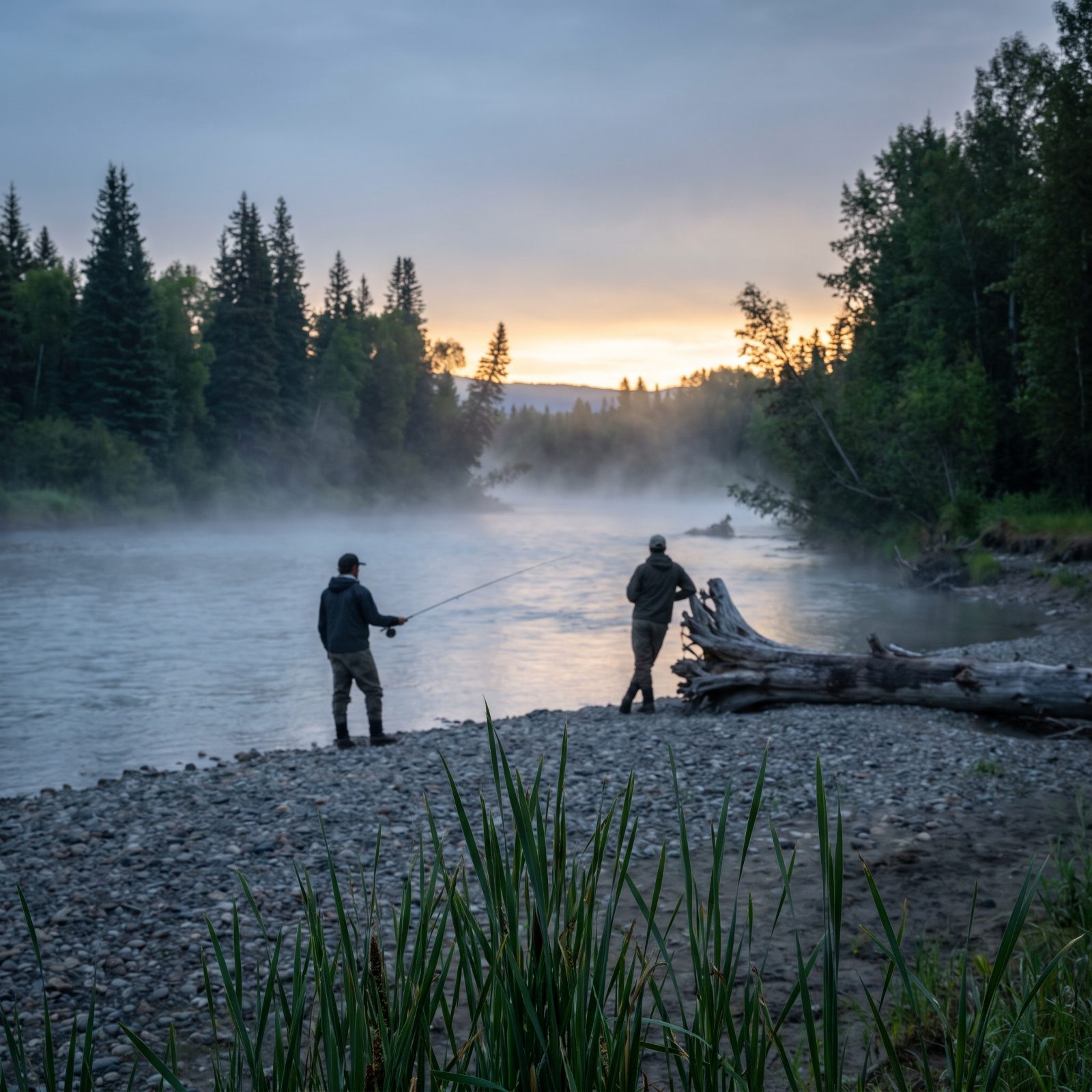
You learn fast who you can sit with in silence. The best fishing partners go whole stretches without a word, and nobody feels the need to fill the gap. That ease doesn’t come from having nothing to say — it comes from knowing you don’t have to perform for each other.
Somebody who needs constant chatter on the water wears thin by mid-morning. The one who’ll share a thermos and watch the current for an hour? That’s the keeper. The woods sort people quietly, so pay attention to who stays comfortable in the quiet with you.
11. Early Mornings Hand You the Best of the Day
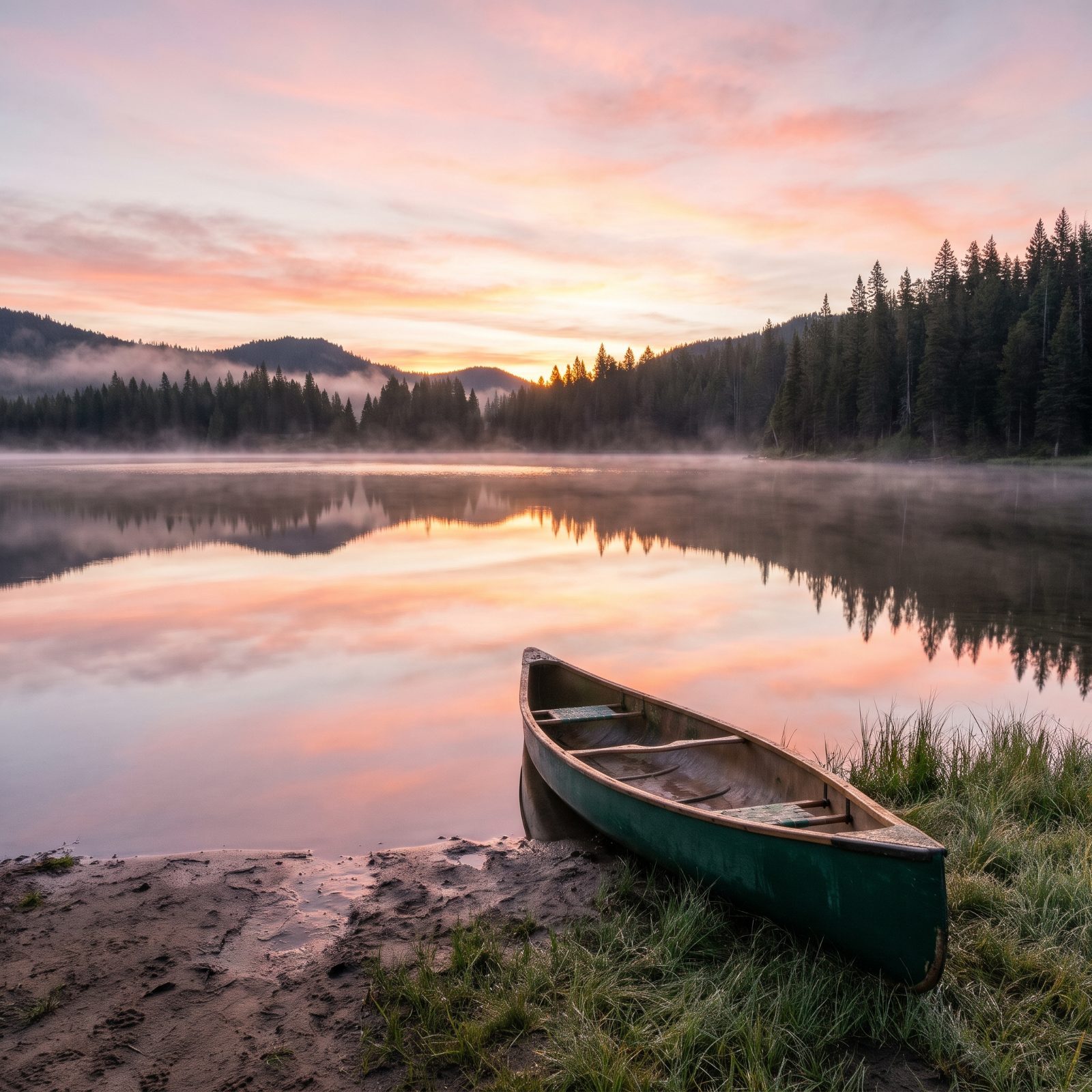
The fish bite early for a reason, and so does the whole world. Before sunrise the water lies flat, the wind hasn’t picked up yet, and the deer are still crossing the meadow before they bed down for the heat of the day.
Get up in the dark often enough and you stop resenting it. The payoff is a kind of quiet you can’t buy later. By eight o’clock everyone else is awake and the magic has burned off. We ignored this for years and slept through more good mornings than we’ll admit to anyone. Set the alarm an hour earlier than feels reasonable. That hour is where it all happens.
10. Preparation Prevents Most Disasters
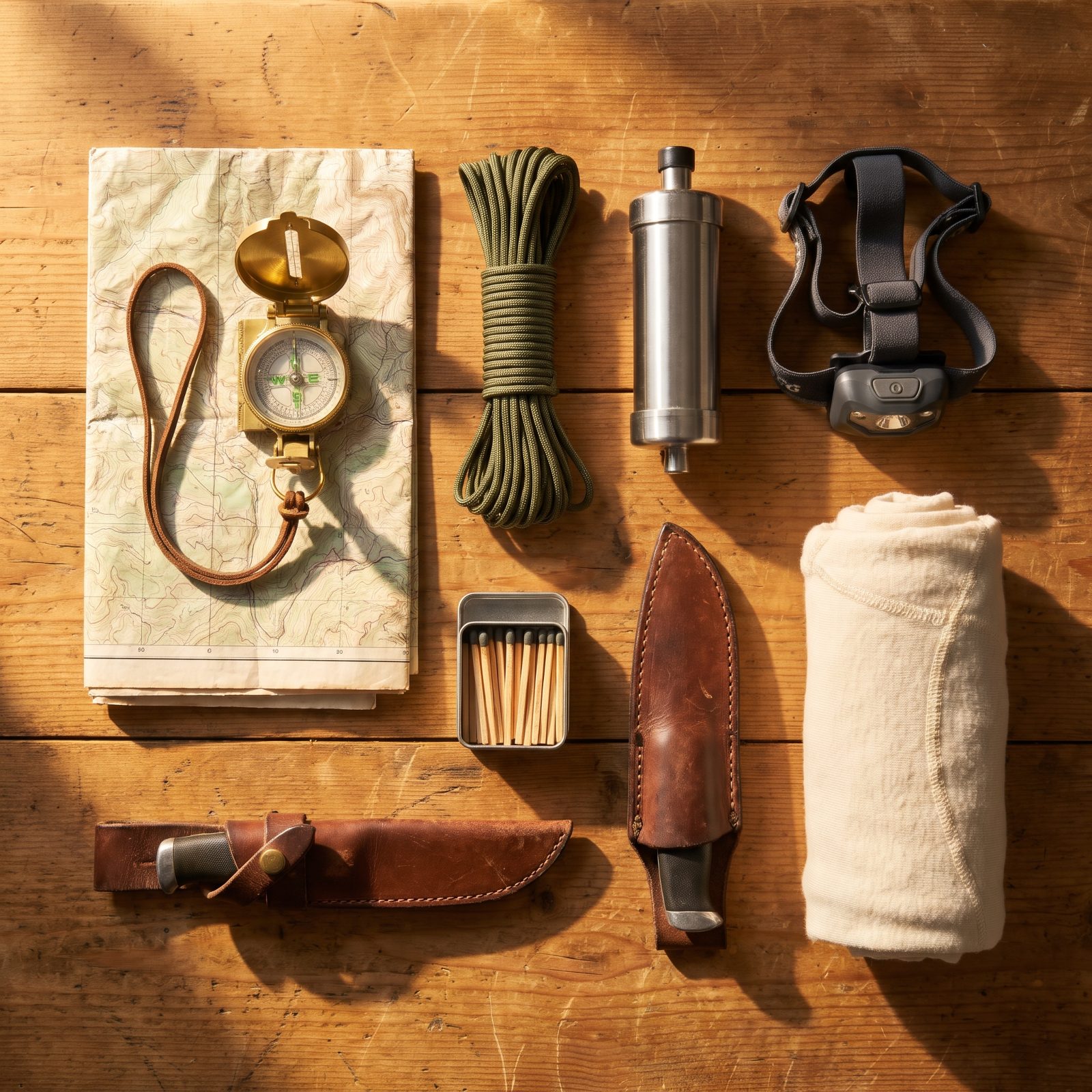
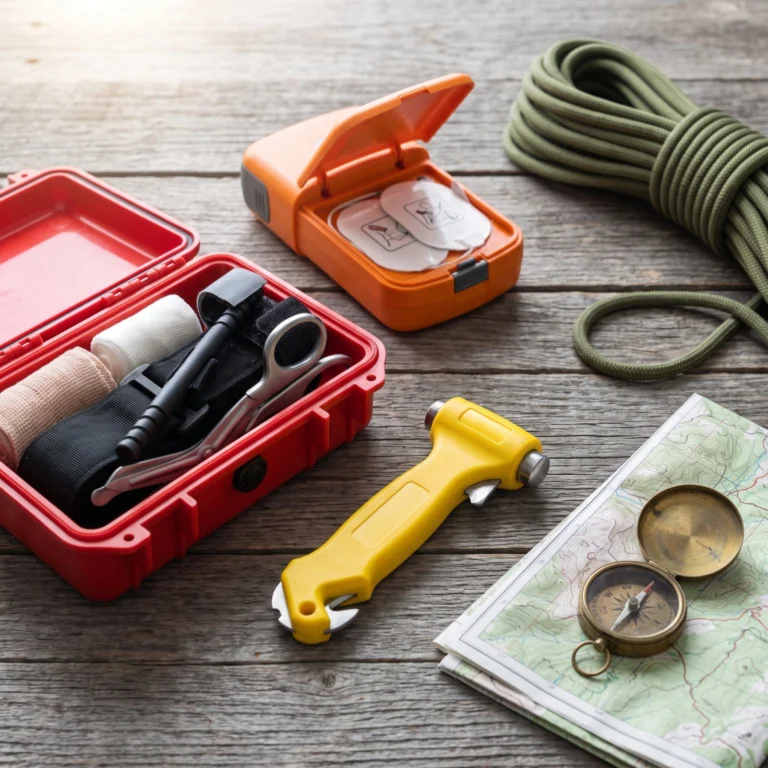
Nobody regrets keeping a first aid kit within reach. The disasters that make the news almost always trace back to something small nobody had on hand — no flashlight when the power goes out, no bandages for a bad cut, no emergency blanket when the heat fails.
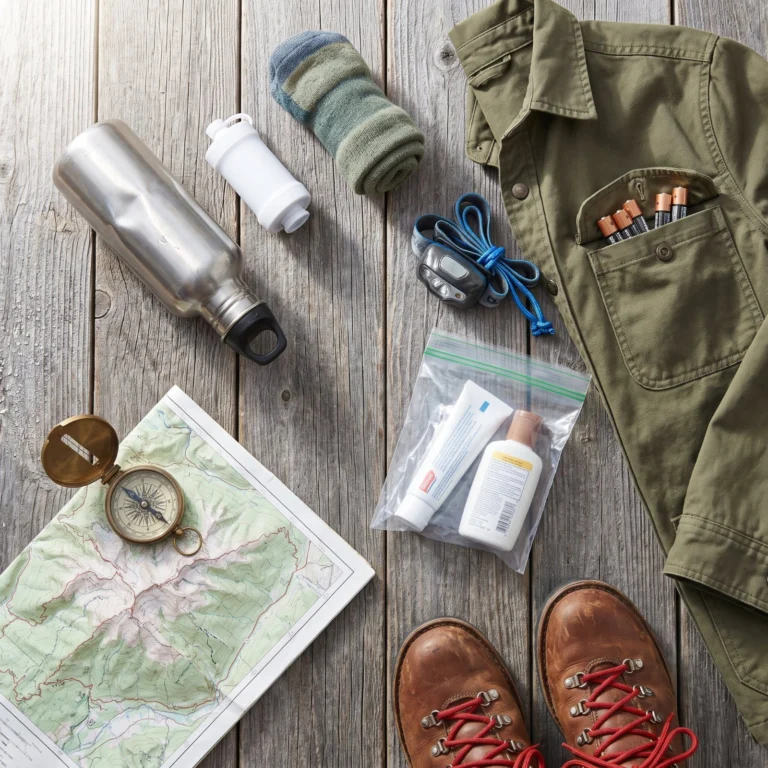
Spend the boring half hour getting your home ready. Restock the first aid kit, keep a working flashlight where you can find it in the dark, fold an emergency blanket or two nearby, and plan like the day might go sideways. Most of the time it won’t, and the kit stays zipped shut on the shelf. That isn’t wasted effort. That’s the whole idea.
9. Being Lost Can Lead Somewhere Better
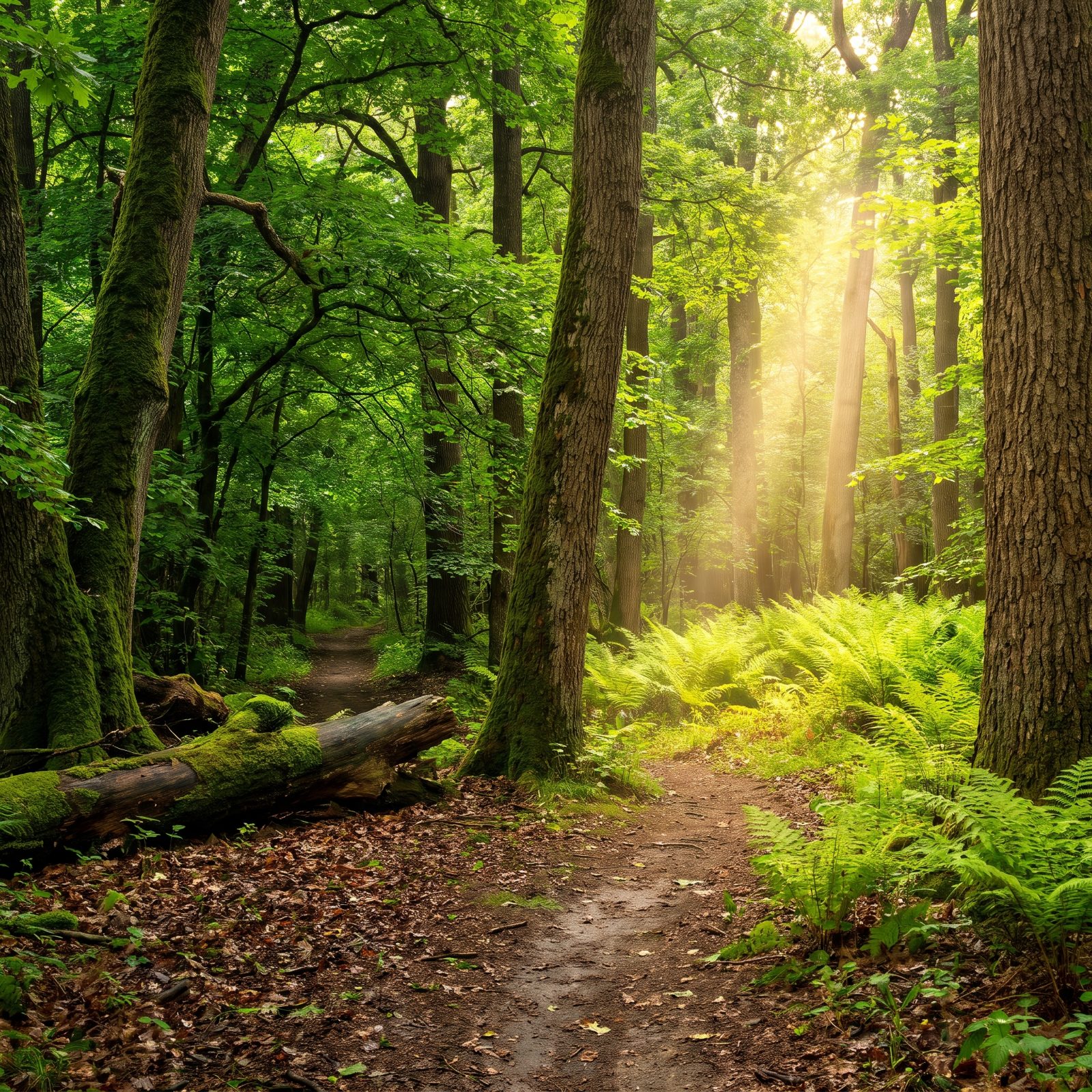
Take a wrong turn on a trail and you might find the better overlook. Push up a creek you didn’t plan to and stumble onto a pool nobody fishes. Some of the finest places we’ve ever found came from not knowing exactly where we were.
There’s a difference, though, between being a little off-route and being genuinely lost with weather coming in. One is an adventure. The other is a problem, and you’d better learn to tell them apart. But when you’ve got time, daylight, and a general sense of where north sits, letting the day wander a bit is how you find the spots that never make it into a guidebook.
8. The Map Is Never the Same as the Ground
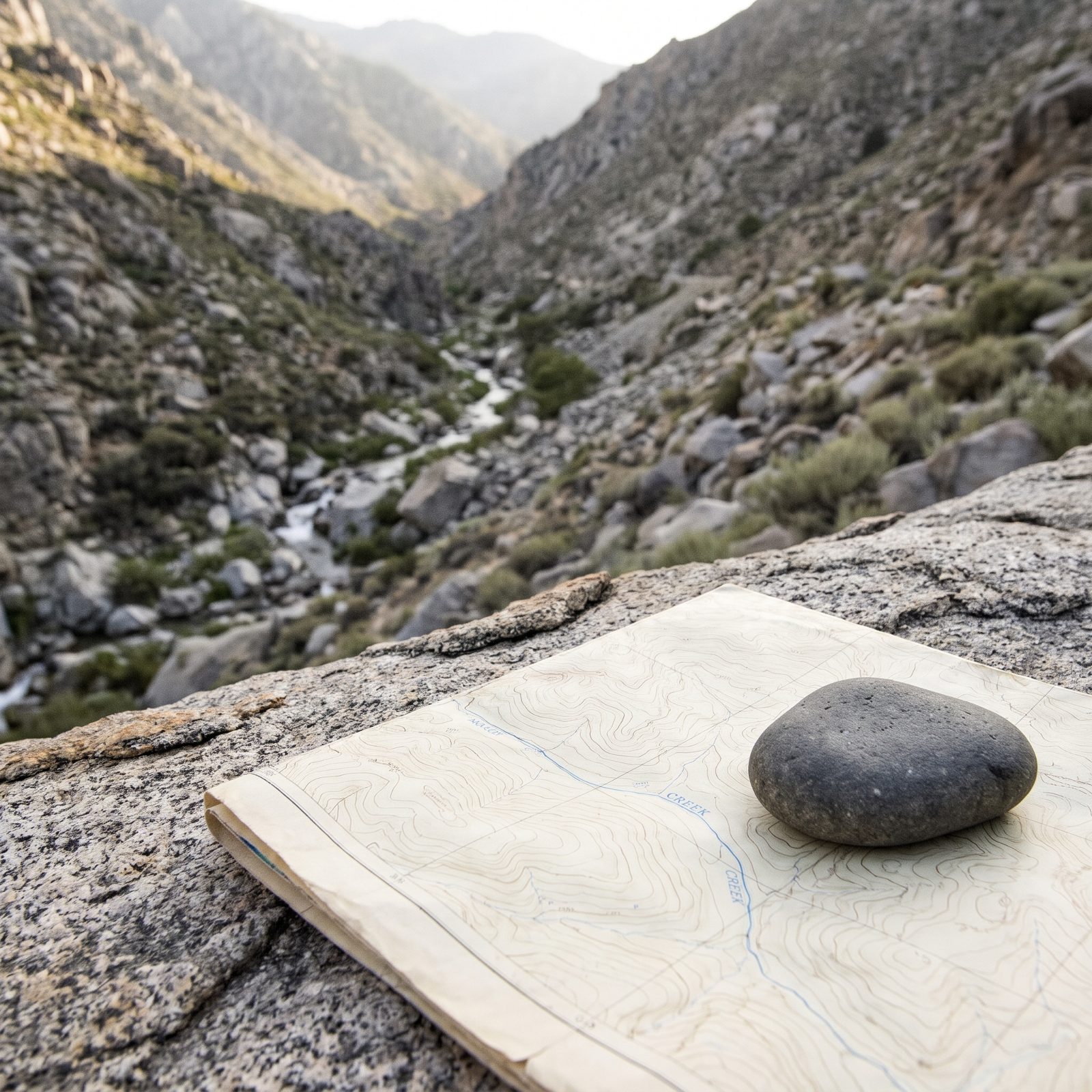
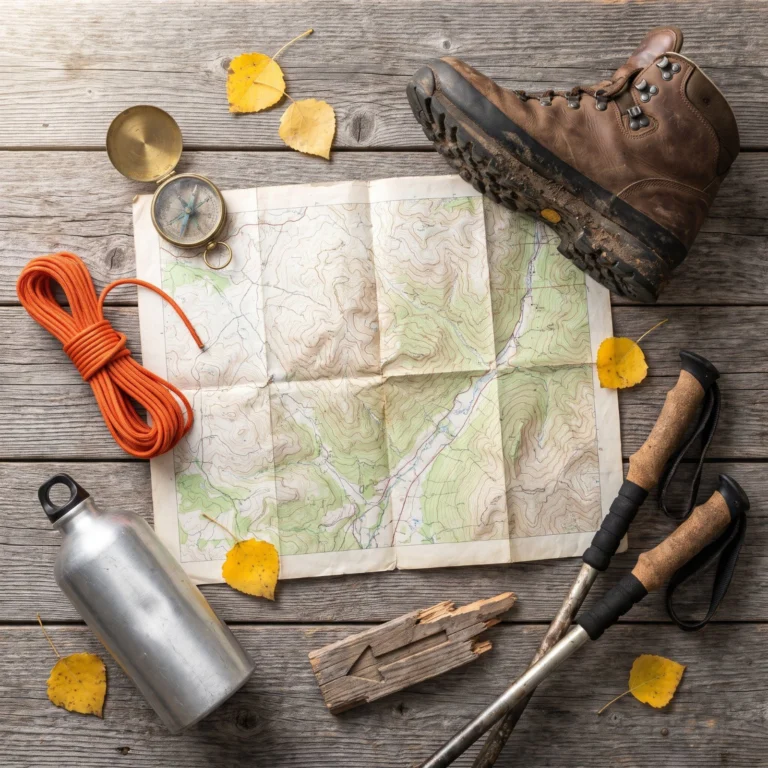
A contour line looks gentle on paper. On your legs it’s a thousand feet of loose scree that eats three hours and both your knees. The map flattens everything, and the ground couldn’t care less what the map says.
This goes past hiking. It’s the gap between the plan and the thing itself in nearly everything worth doing — you read the forecast, study the chart, feel ready, and then the wind swings, the water’s lower than you expected, the tidy blue line turns out to be a bog that swallows your boot to the ankle. Trust the map for the big picture. Trust your feet and your eyes for whatever’s actually in front of you.
7. Respect What Is Bigger and Older Than You
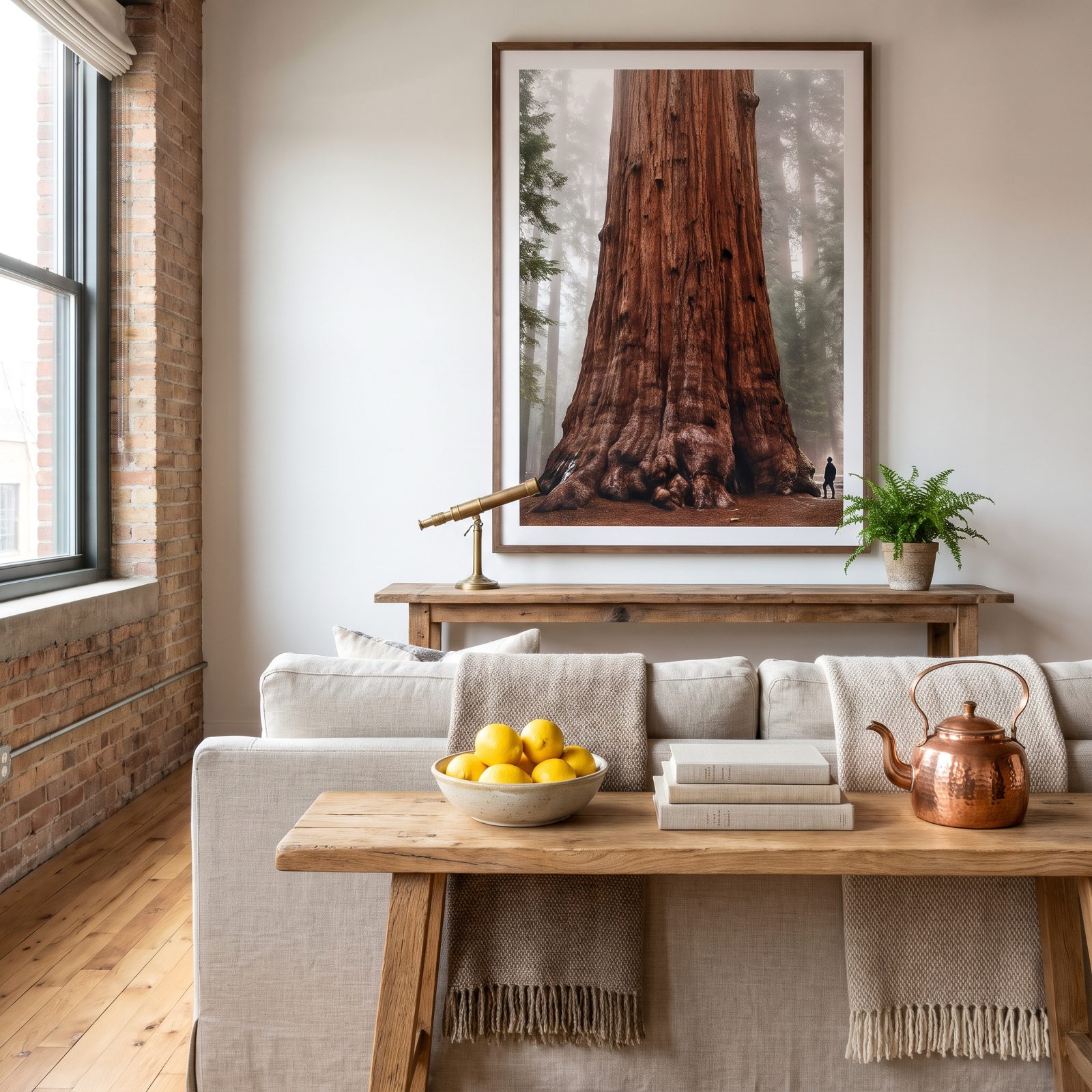
Stand at the base of a tree that was already old when your grandfather was born and something recalibrates inside you. The same jolt hits next to a grizzly’s track in soft mud, or a river running high and brown with snowmelt, or an ocean that’ll keep rolling long after you’ve driven home.
The outdoors has a way of putting you back at your actual size. That’s not a bad feeling — it’s an honest one, and the people who get hurt out there are usually the ones who forgot it. Give the big water, the big weather, and the big animals the room they’re owed. Respect isn’t fear. It’s just seeing things as they are.
6. Fear and Wonder Often Arrive Together
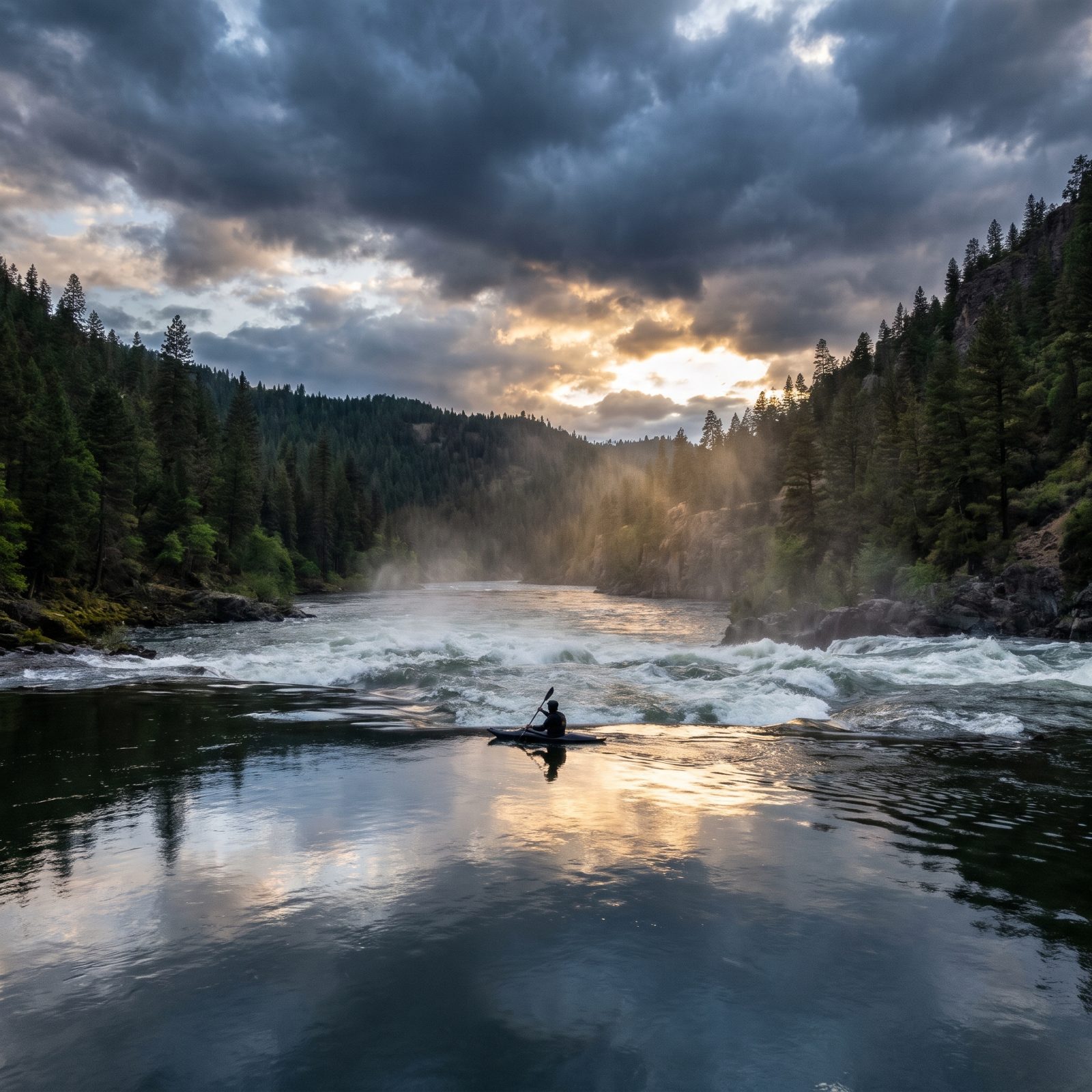
The moment a bull elk bugles close enough to feel in your chest, your heart climbs into your throat and you can’t look away. Same story with a bear across a meadow, or standing at the lip of a falls louder than you expected.
Fear and wonder run on the same wire. The things that make you catch your breath are usually the things that could, in another configuration, hurt you. That’s no reason to stay home — it’s a reason to pay attention. The best moments outside live right at that edge, where you’re a little scared and completely alive at once.
5. Hard Work Feels Different When It’s Outdoors
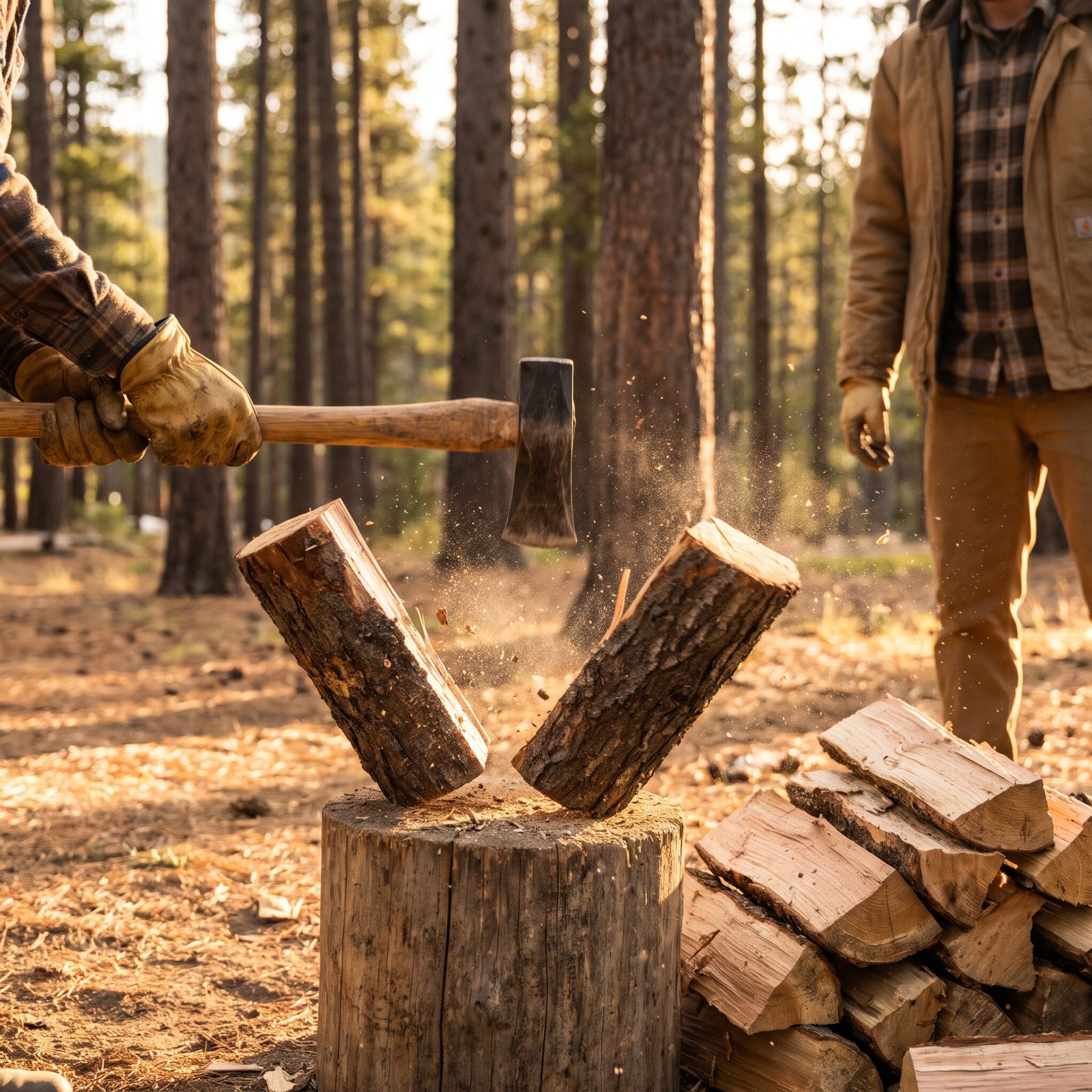
Splitting a cord of wood is a chore in your driveway. At a cabin with a fire waiting, it’s almost a pleasure. Portaging a canoe over a muddy half-mile would be flat misery at the gym, but on a lake trip it’s just part of the day, and somehow your shoulders don’t complain the same way.
Work you can see the point of lands different in the body. The wood keeps you warm. The paddle gets you to the next bay. Nothing abstract sits between the effort and the reward. We’ve never once finished stacking wood and wished we’d skipped it — and that’s a rare thing to say about hard work.
4. A Warm Fire Is Worth Any Amount of Cold
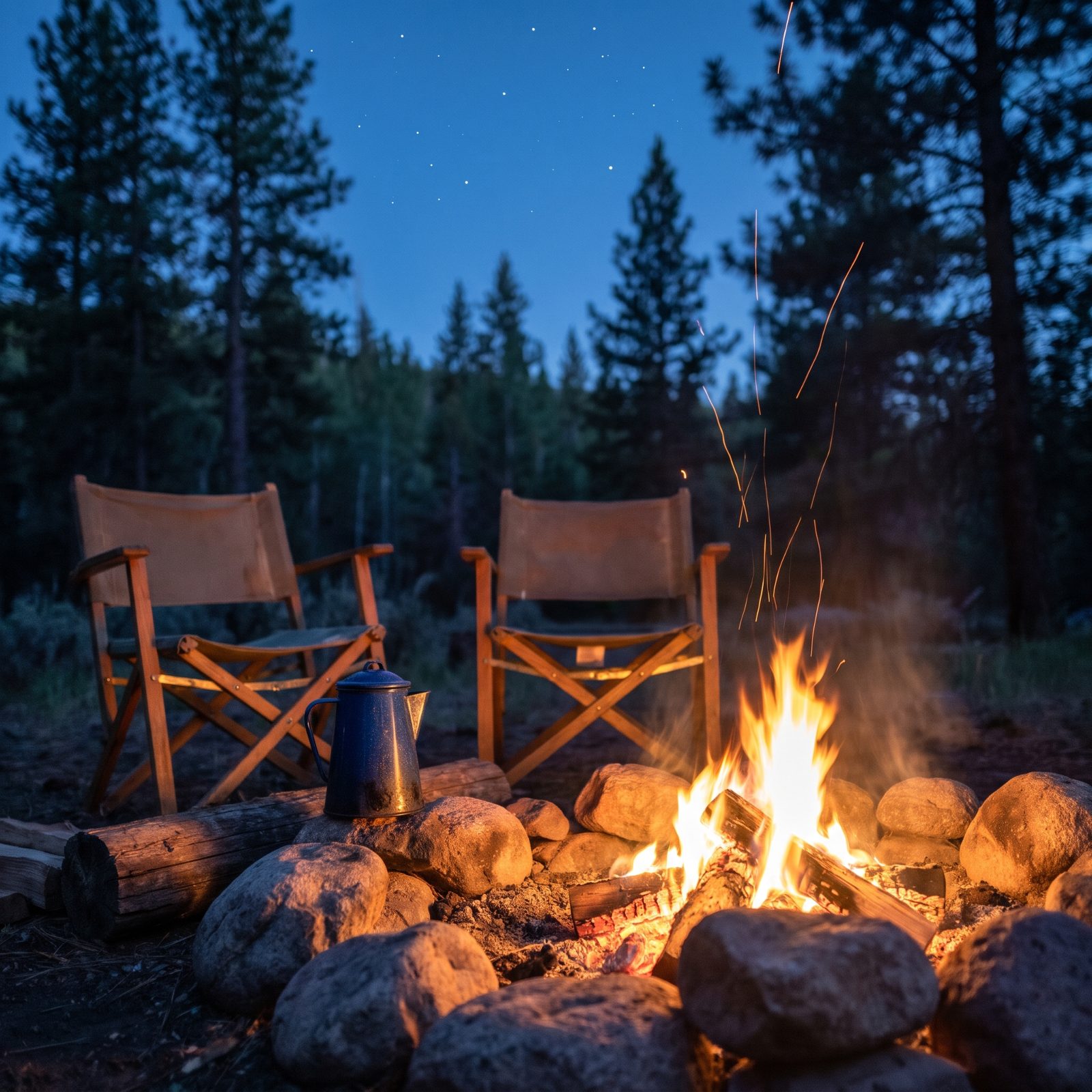
You never appreciate fire until you’ve been genuinely cold. Fingers numb, wind cutting through every layer, light fading fast. Then the first flame catches and the whole world shrinks down to that circle of warmth, and it’s enough.
A campfire is older than everything we’ve ever built. It pulls people in, slows them down, loosens tongues that stayed tight all day. Nobody checks a phone at a good fire. The cold is the price, and it’s a fair one — the warmth means more for having been earned.
3. Rest Is Earned, Not Stolen
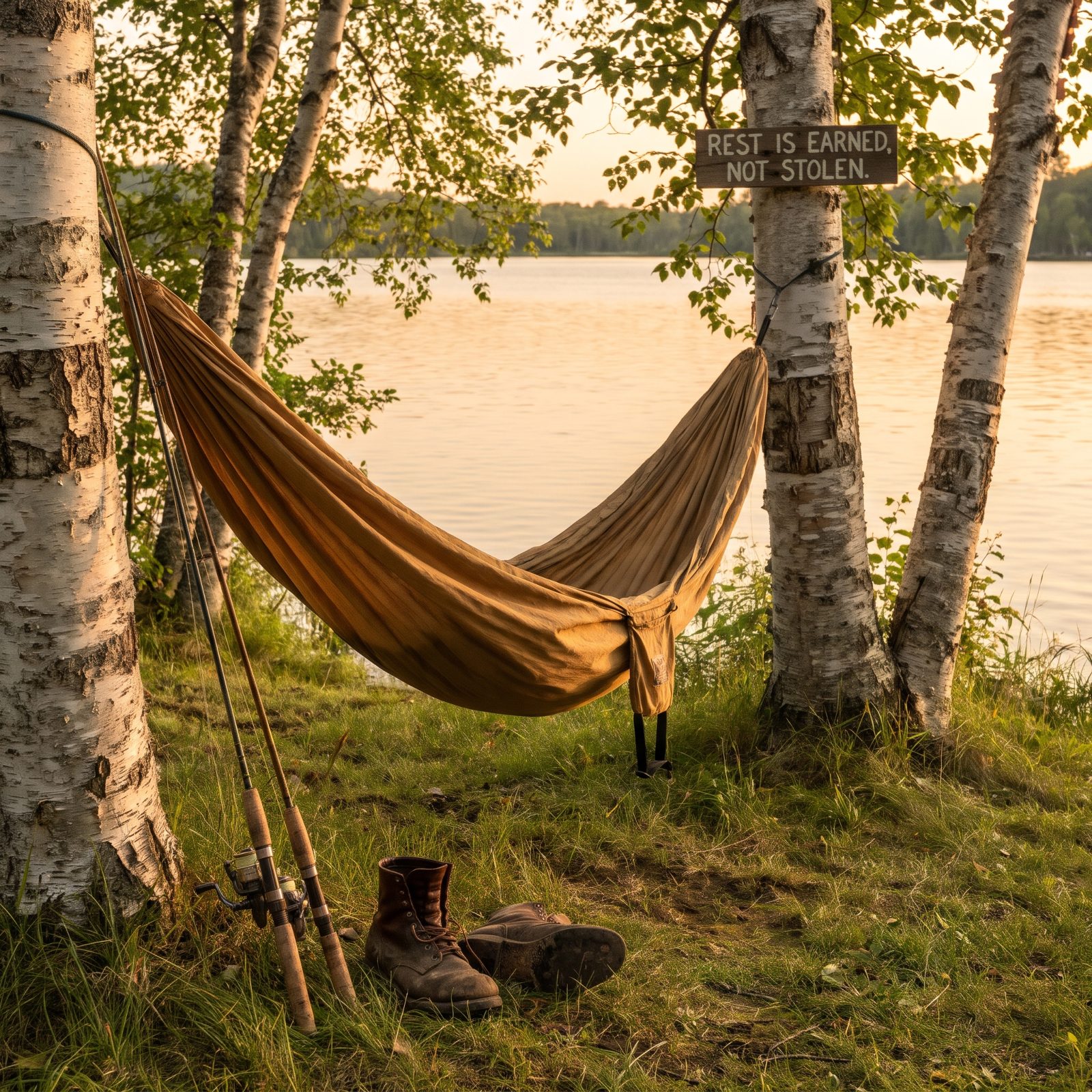
Flopping into a hammock after a long paddle hits different than flopping onto the couch after scrolling all afternoon. One is rest. The other is just stopping.
Out here the body teaches you the difference. You move all day, you eat when you’re actually hungry, and when you finally sit down by the water, that rest goes all the way to the bone. No guilt in it, because you spent something to get there. Bring that lesson home with you. The rest that counts is the kind that comes after the work, not instead of it. Go earn a quiet evening by the lake. Then take it, and don’t feel a thing but good.
2. You Need Far Less Gear Than the Catalog Swears You Do
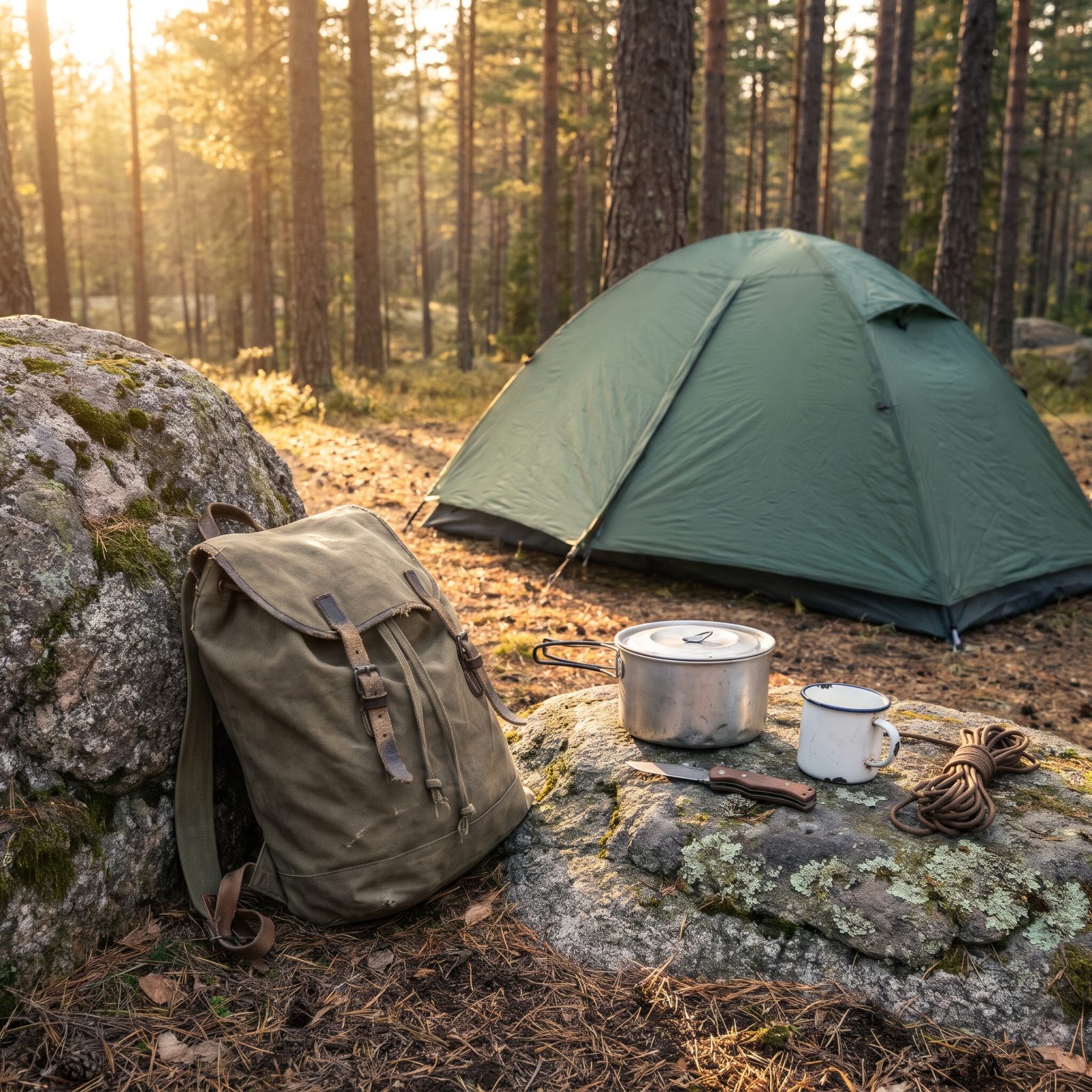
The pile you packed is bigger than the trip needs. We learned this the hard way, hauling a forty-pound bag up a three-mile trail for one overnight, sweating through a shirt we never changed and never missed. Half that weight came home untouched, which told me everything.
The outdoors runs an honest audit on your stuff. Spare gadgets stay cold in the bag, the third jacket becomes a pillow, and what you actually use fits in a space smaller than you’d guess. The rest is just insurance against a fear that never shows up.
That lesson walks back into the house with you. The kitchen drawer of single-use tools you forgot you owned. A closet of clothes worn once. Spend regular time outside and you start feeling the difference between owning a thing and needing it, and that gap runs wider than any store wants to admit.
1. Leave No Trace Is Just Good Manners Wearing Boots
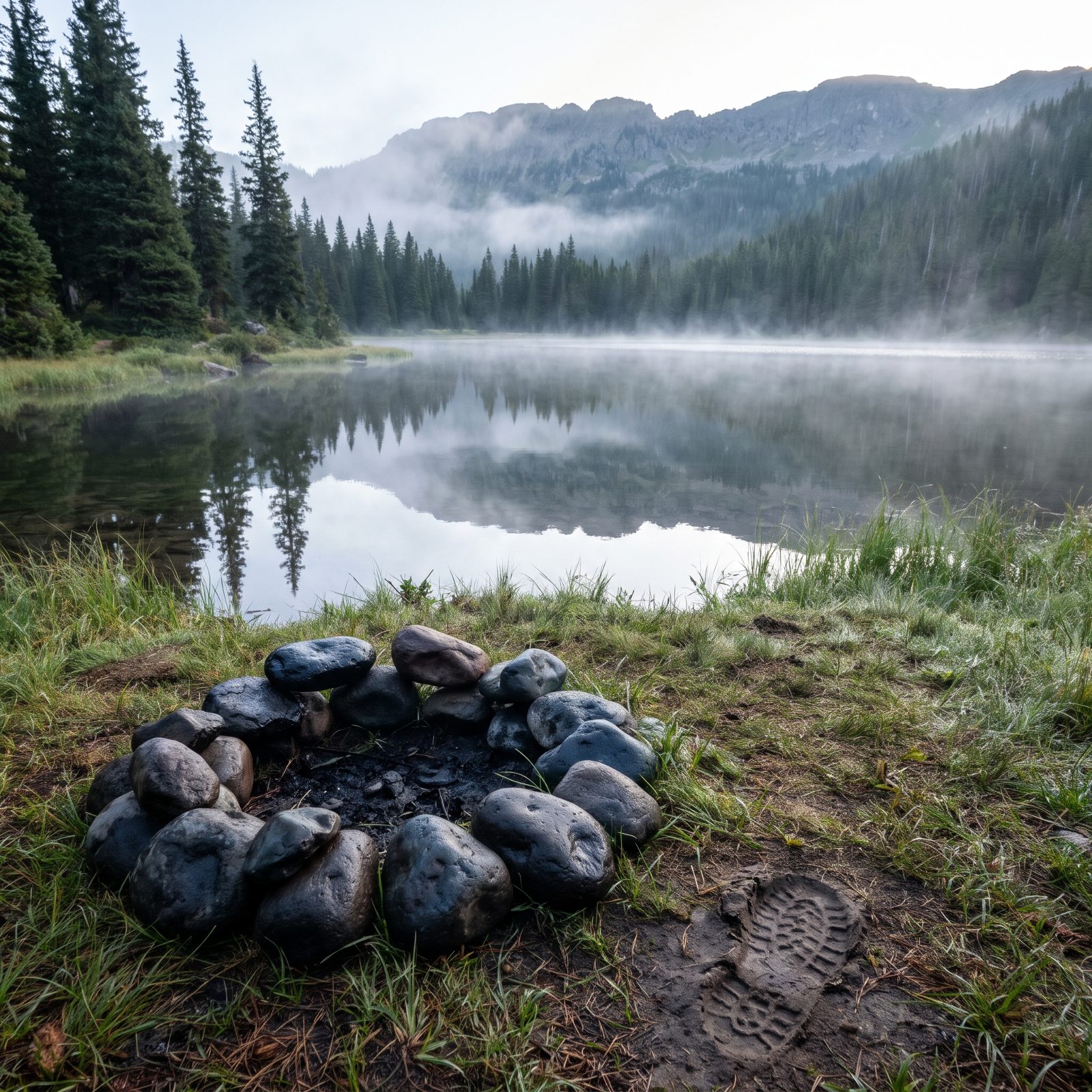
Somebody camped on this misty lakeshore before you, and they made sure you’d know it: a stone fire ring still full of charcoal and ash, and a fresh boot print pressed into the mud beside it. The best campsites are the ones where you’d never guess anyone had been there. Pack out the trash, scatter the cold ashes instead of leaving a ring full of charcoal for the next person, and leave the wildflower where it grows instead of pocketing it. None of this is complicated. It all comes down to the same old idea your grandmother probably drilled into you: leave a place better than you found it, or at least no worse.
Spend enough mornings in the woods and that habit stops being a trail rule. It becomes a way of moving through everything. You return the borrowed truck with a full tank. You don’t hog the shared trail. You leave the meeting on time because somebody else’s afternoon matters too.
Nobody’s watching out there. Doing the right thing with no audience and no reward — and honestly, no gold star coming your way ever — is the clearest test of character I know of, and the backcountry hands it to you free of charge.