
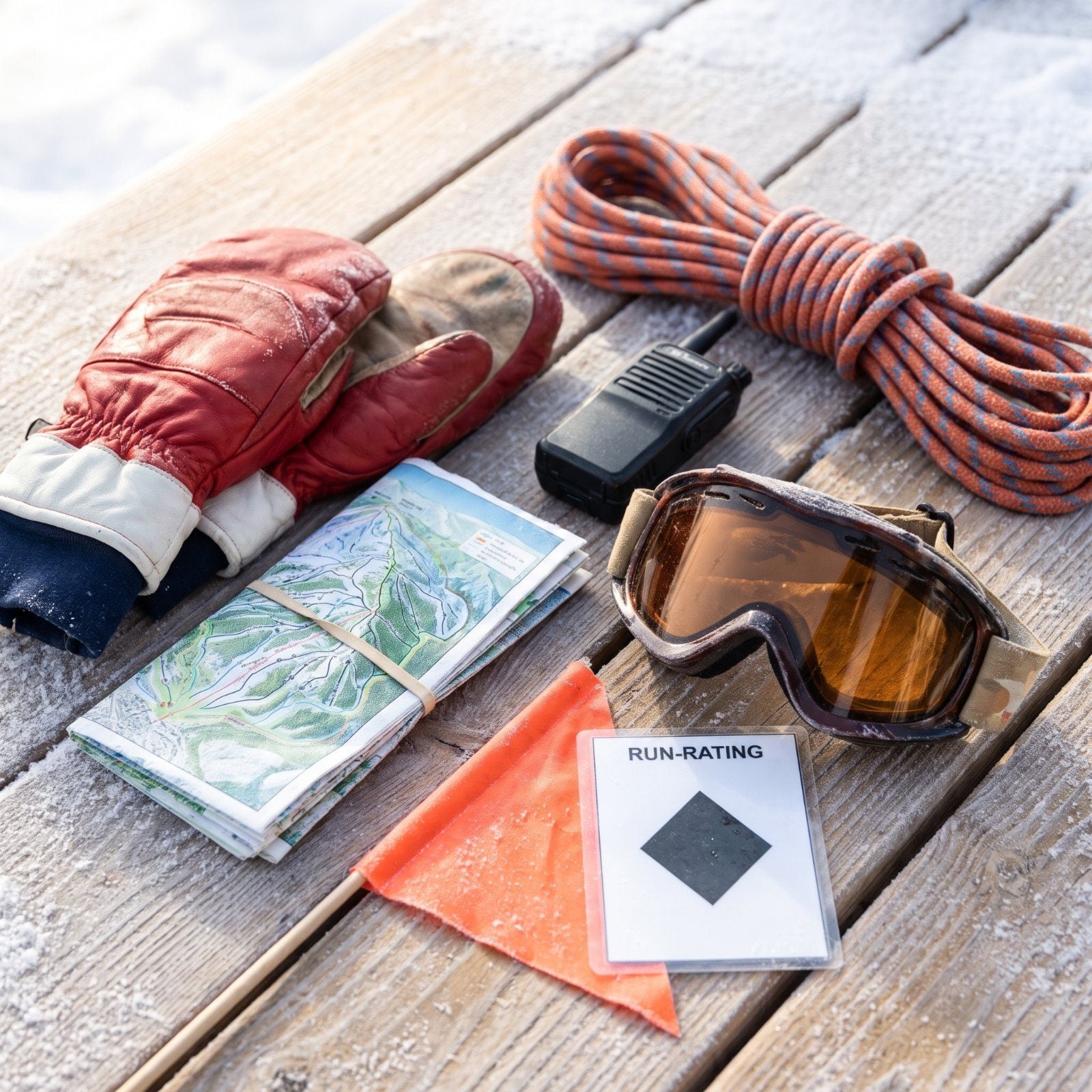
A good patroller reads a slope the way a river guide reads current. They’re not watching for the crash. They’re watching for the quiet tell that comes ten seconds before it — the shoulder already turned the wrong way, the ski that keeps drifting, the group clustered in exactly the wrong place. By the time most of us notice trouble, the patrol clocked it from the lift three turns ago. These are the signals they catch early, the small things that separate a good day from a rescue sled. Learn to see them yourself and you start skiing smarter, whether you’re on the hill or just standing in the lift line watching everyone else.
Please note that some of the images in this article were created with the assistance of AI.
33. A Beginner Being Led Onto an Advanced Trail
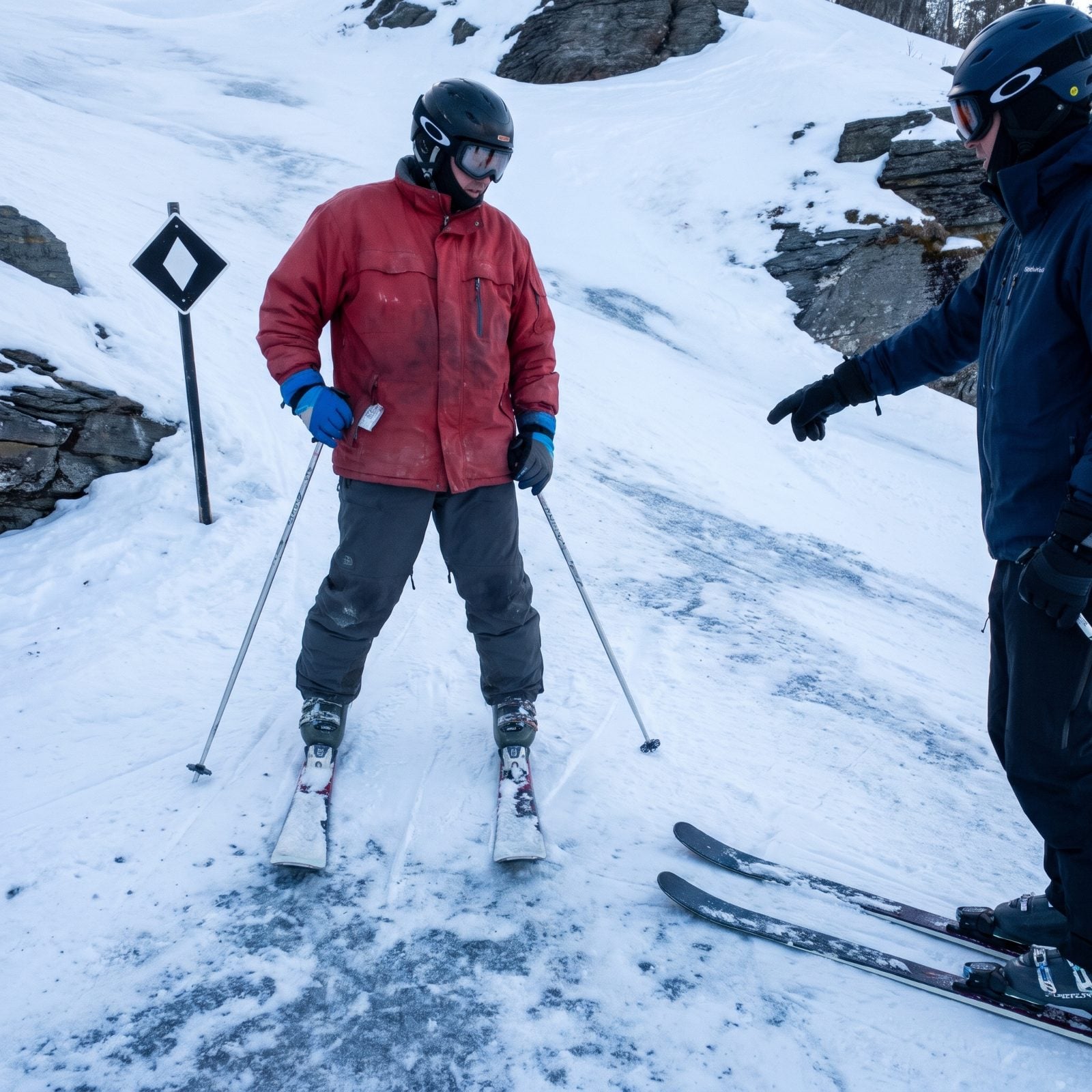
The tell is the gear mismatch. Rental skis, a jacket that doesn’t fit, poles held like they might bite, and above all a face that says I did not pick this run. Patrollers watch for the person who got talked into it by a faster friend who means well and forgets what green felt like.
That steep narrow entrance is where panic sits down and refuses to move. Once a nervous skier freezes at a black-diamond rollover, they tend to side-slip the whole thing on their edges, exhausted and spooked by the bottom. If someone is leading you somewhere your legs have not been yet, speak up at the top. The top is the only place with an easy answer.
As a ski-resort physiotherapist puts it, “When I hear about people challenging themselves to get down steep runs that are clearly beyond their limits or to keep up with more experienced skiers it either worries me or angers me!”
32. Speed Increasing Without Controlled Turns
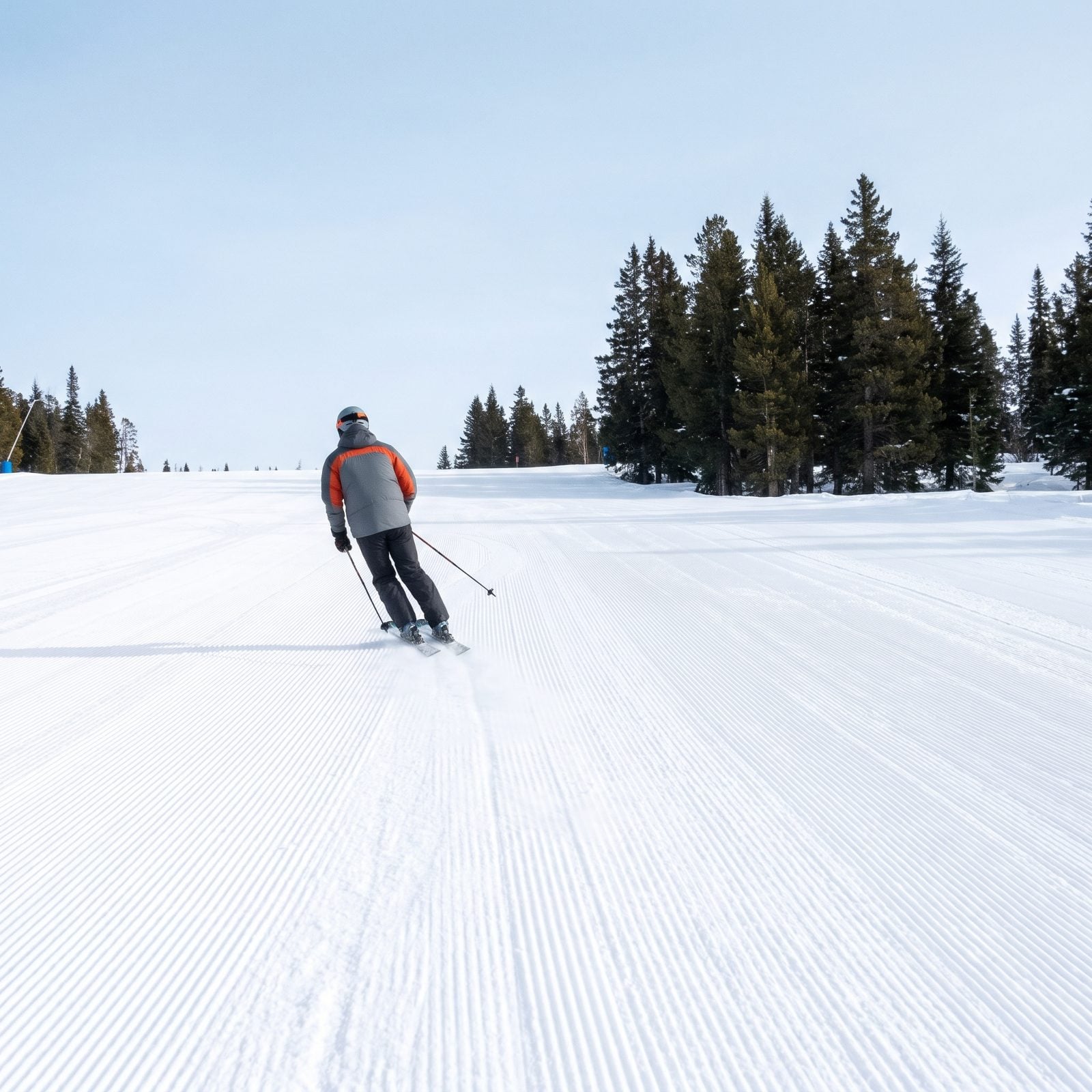
A skier in control makes a shape on the snow. A skier in trouble makes a line. When the tracks behind someone go from gentle S-curves to one long straight gun-barrel, speed is now in charge and they are just a passenger.
Patrollers hate this one because it ends fast and unpredictably. The skier isn’t choosing speed — they’ve lost the tool that controls it, which is the finished turn across the fall line. If you ever feel your own turns getting shallower and faster, that’s the moment to make one big deliberate turn uphill and shut it down. Scrub the speed before the speed scrubs you.
31. A Group Stopping Below a Blind Rollover
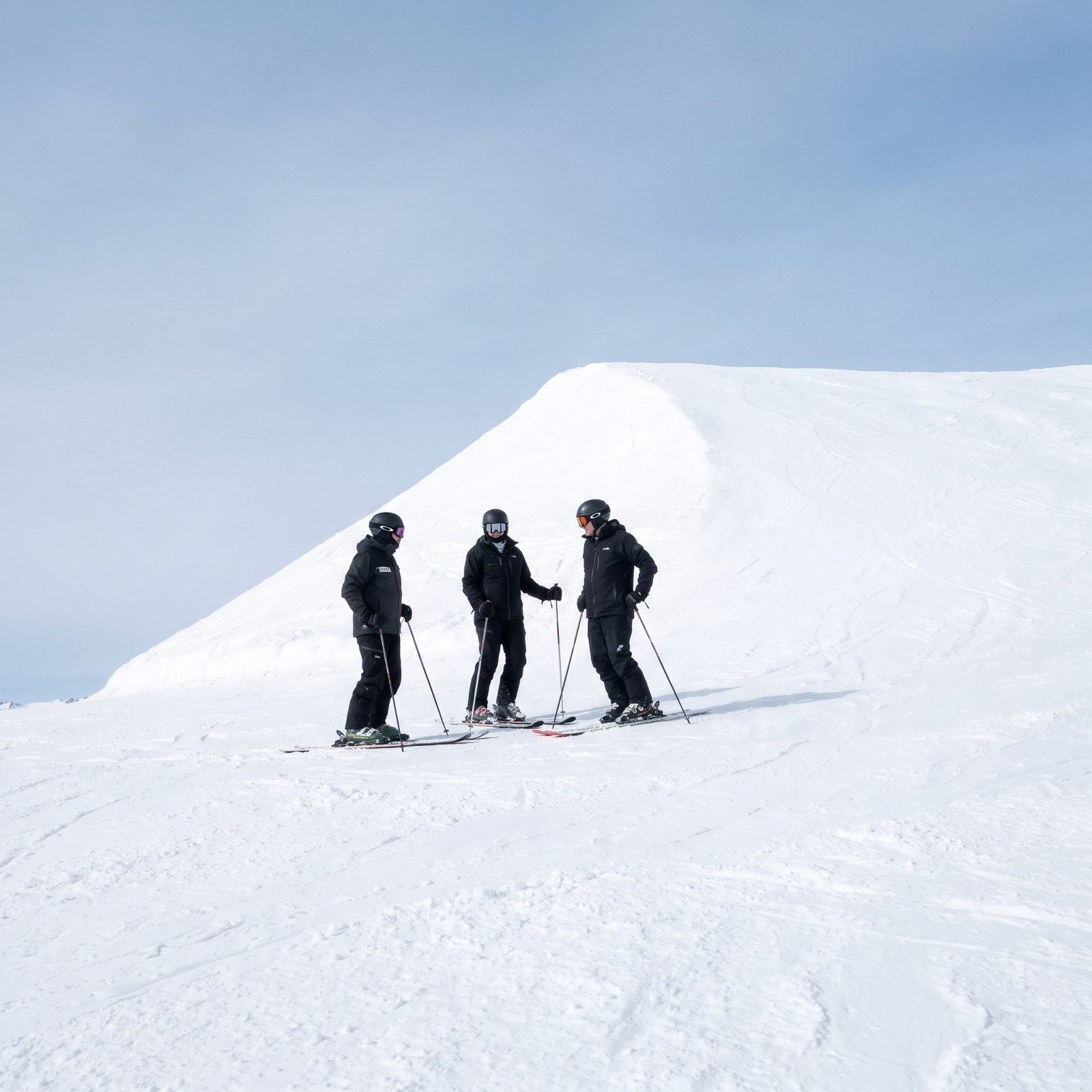
This is the stopping place that scares patrol most. A knoll, a lip, a rollover where the slope bulges and hides what is on the other side. Stop below one and you’re invisible to everyone sailing over the top at speed.
The code says rest at the side of a trail where you can be seen from above, never below a crest or in a narrow spot. Groups forget this constantly. Someone falls behind, everyone stops to regroup on the spot, and the instinct to huddle up beats any thought about sightlines. Pull over where a skier cresting the hill sees you with time to react.
30. Someone Standing in the Center of a Terrain-Park Landing
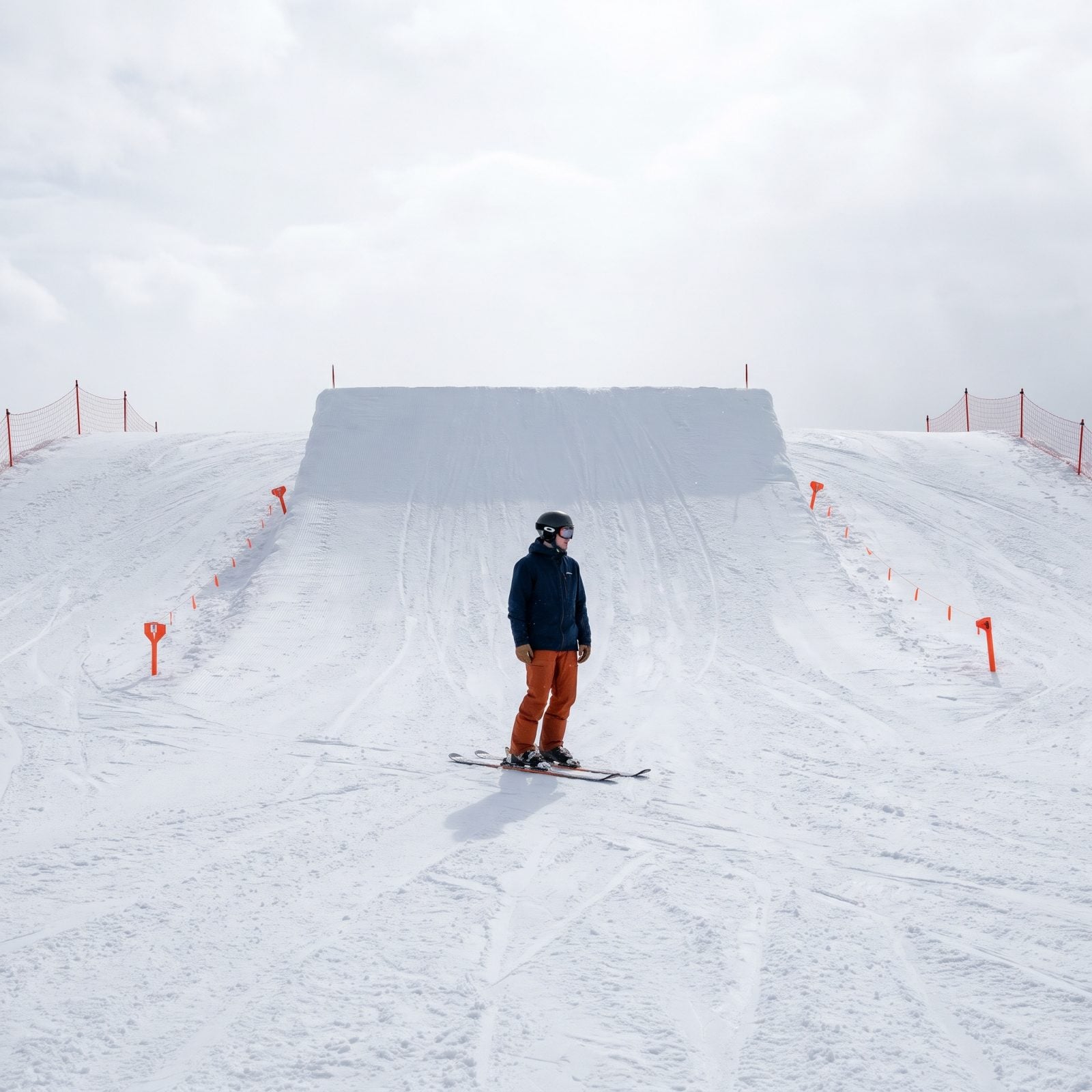
Freestyle features follow one rule above all others: never stop where a rider in the air cannot see you. The person coming off a jump is committed before they can spot you, and from their angle the landing is a blind runway.
Patrollers scan the parks for exactly this — the skier who ducked in to try a feature, missed, and is now dusting themselves off right where the next rider will touch down. Clear the landing. Move to the side wall. Call your drop if the park has a culture of it, and if you’re not sure how the park runs, watch a few people take it first.
29. A Skier Traversing Across Fast Traffic
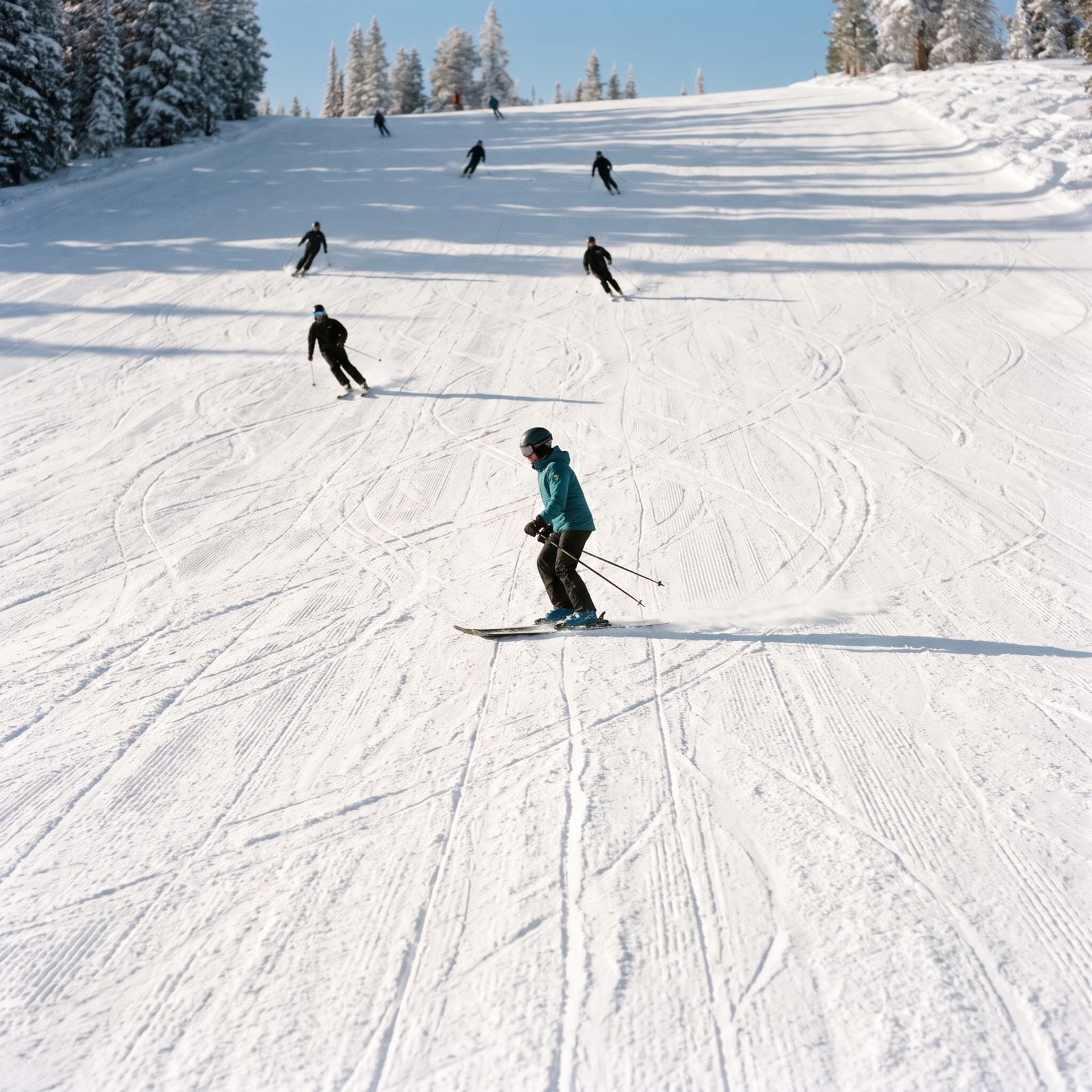
The long traverse is a merge lane with no mirrors. A skier cutting sideways across the hill to reach a different run crosses everyone descending straight down, and the two parties are looking in completely different directions.
What patrol notices is the traverser who never glances uphill. They pick a line, commit to it, and stay blind to the fast traffic bearing down from above. The uphill skier is obligated to avoid them — but counting on strangers to see you is a poor insurance policy. Look up the hill before you start a traverse, and again halfway through. One head-check costs you nothing.
28. Repeated Falls on the Same Easy Pitch
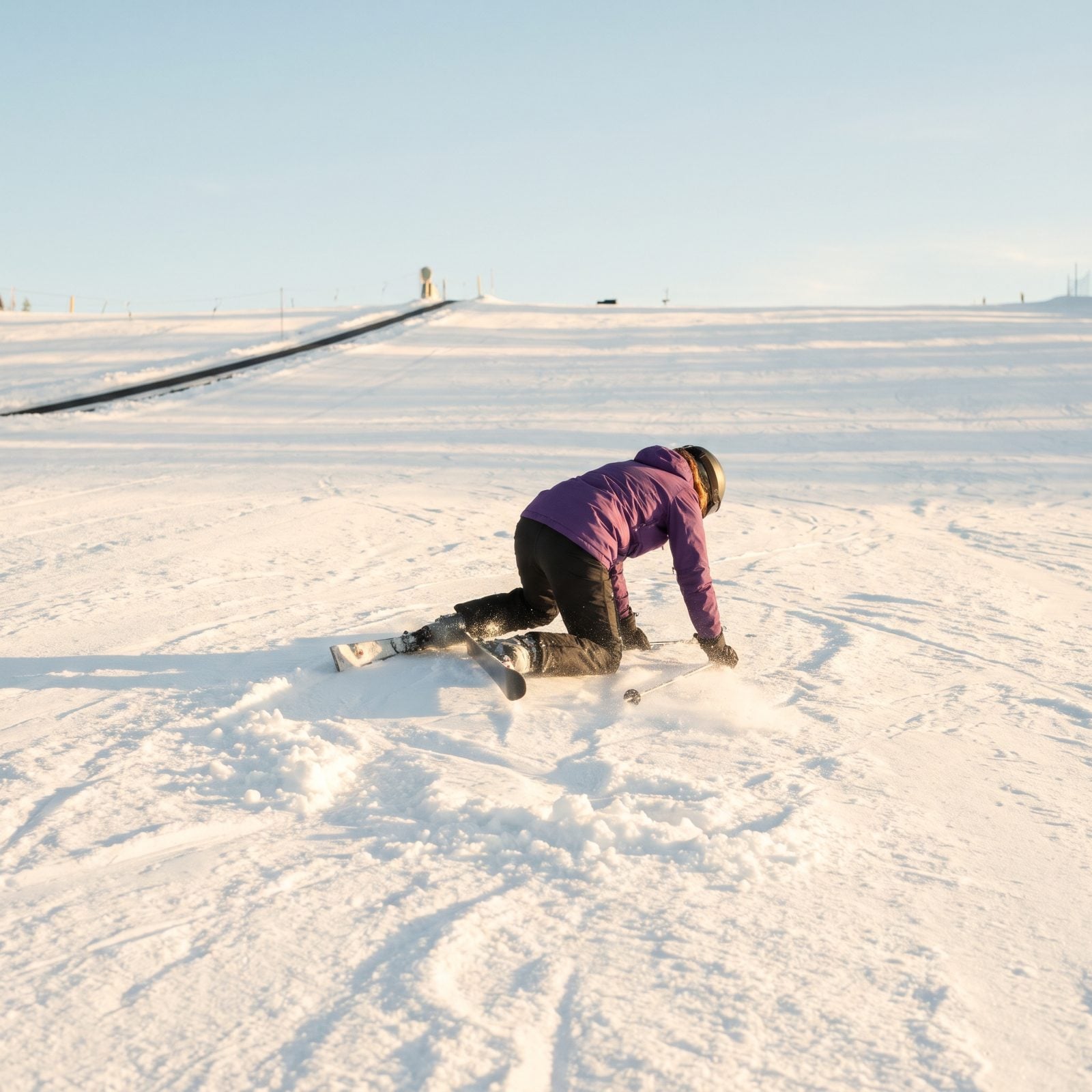
Falling on a hard run is normal. Falling over and over on an easy one is a flare. When a skier keeps going down on terrain they handled fine an hour ago, the problem isn’t the slope — it’s the legs.
Fatigue hits beginners and strong skiers alike, and it hits late in the day on the mellow run back to the lodge, the exact spot where people relax and stop concentrating. Patrol reads repeated falls on friendly terrain as a body running out of gas, which is also when the awkward slow-speed knee injuries happen. If you’re dropping on the bunny hill, you’re done. Call it and go get a hot drink.
27. A Wedge Turn That Keeps Getting Wider
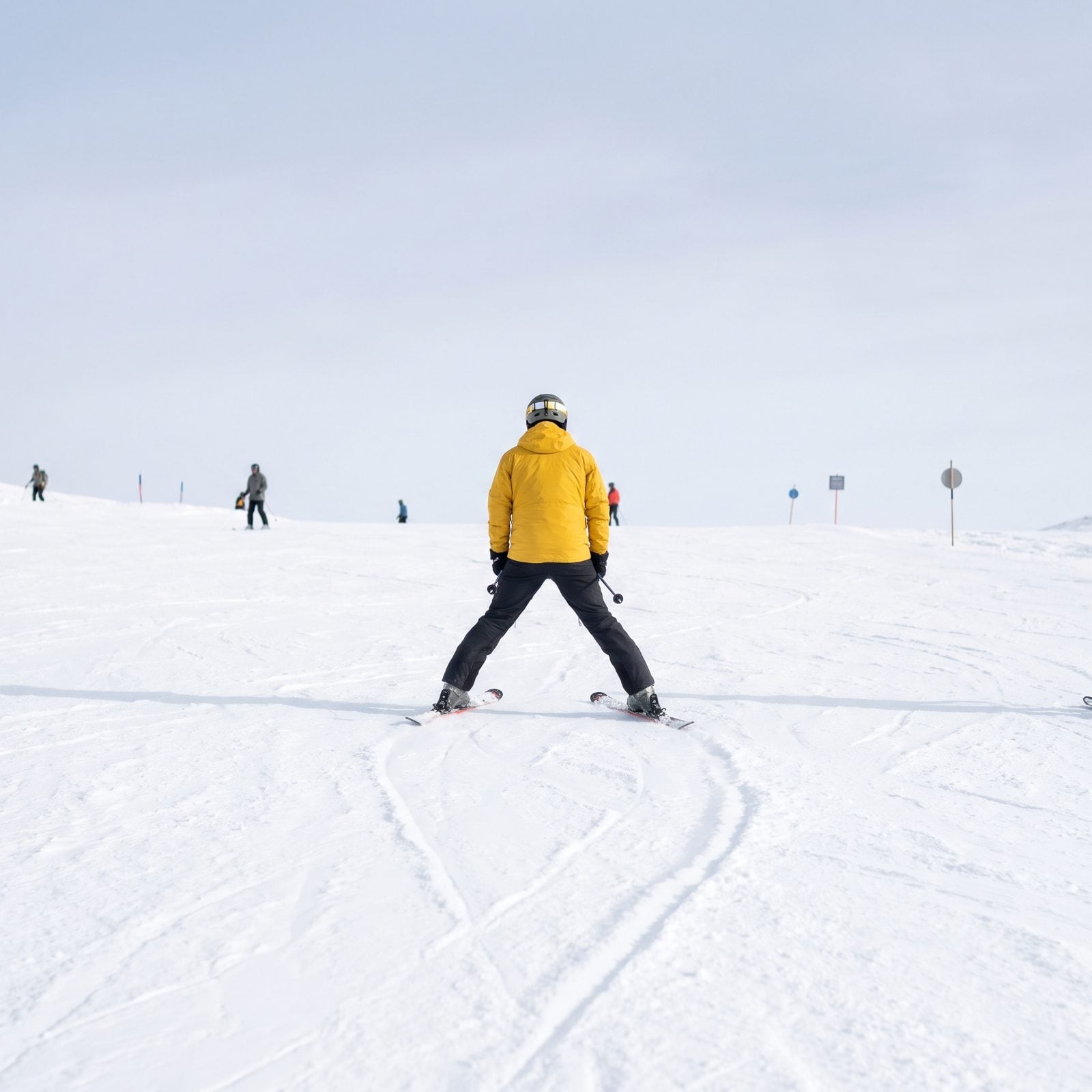
The wedge, or snowplow, is how most of us started. Tips together, tails apart, a braking triangle. It works until it doesn’t. When a skier’s wedge keeps spreading wider and wider, they’re pushing harder and harder for a brake that stopped slowing them down a while ago.
Patrol watches that widening V on steeper pitches because it means the only speed control the skier has is maxed out and failing. Past a certain steepness the wedge physically can’t hold, and the next thing is a straight-running slide or a catch-an-edge tumble. A wider wedge isn’t more brake. It’s a sign the terrain has outgrown the technique.
26. A Rigid Upright Stance on Steep Terrain
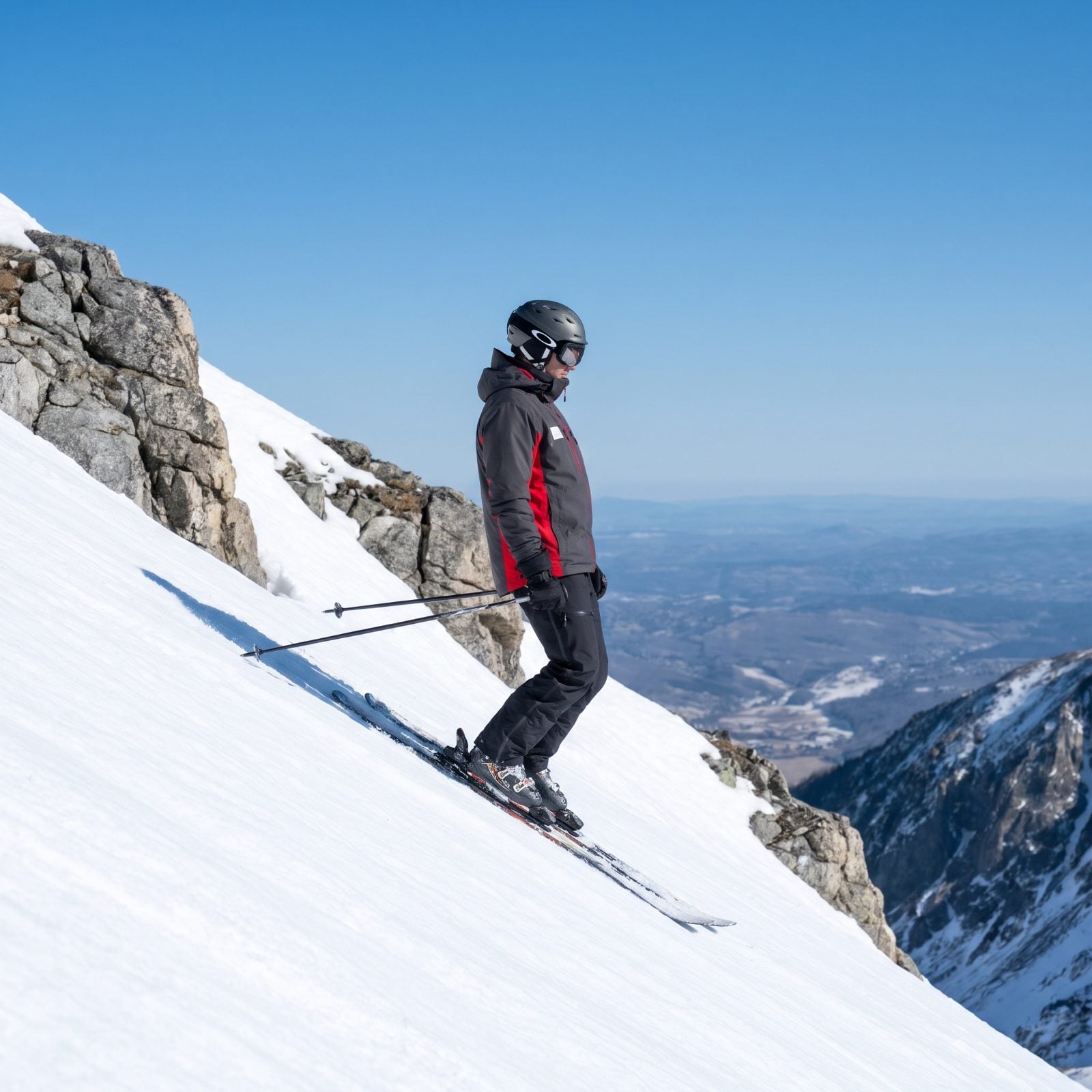
Fear stands up straight. Put a nervous skier on a steep pitch and watch the body lock — legs rigid, hips sliding back behind the boots, torso bolt upright like a fence post. It’s the exact opposite of what steep terrain wants.
Standing tall and leaning back pushes weight onto the tails, which lifts the tips and sends the skis running instead of gripping. Patrol clocks the stiff upright posture from a chairlift away because it reliably precedes a loss of edge. The fix is counterintuitive and hard to do when you’re scared: flex the ankles, get the shins into the boots, lean down the hill. Nobody feels like doing that above a drop. Everybody skis better when they do.
As a mental ski coach puts it, “Some skiers shift further back when they feel uncertain or hesitate to commit to the movement.”
25. A Skier Looking Only at Their Tips
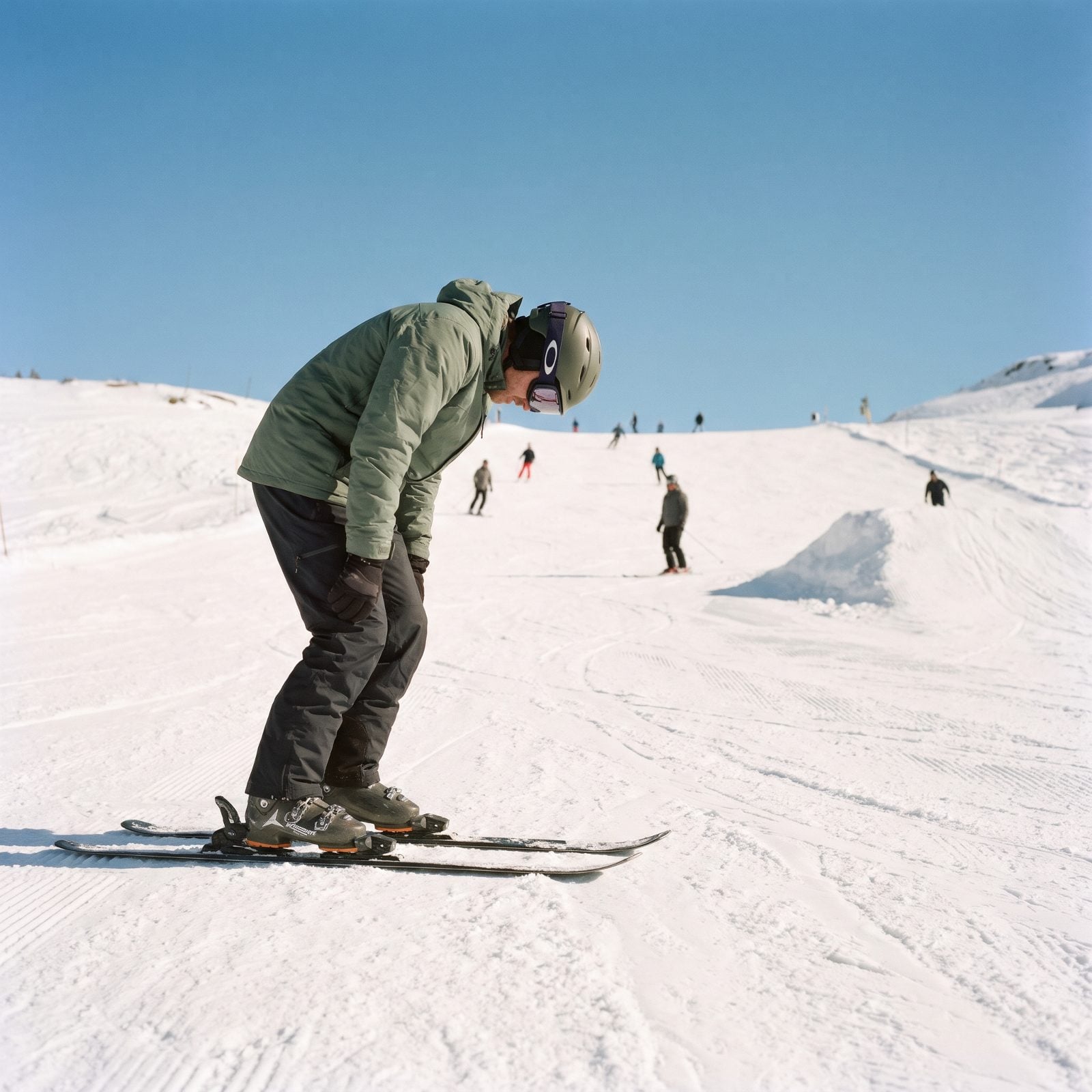
Where the eyes go, the skier goes. A head locked down on the ski tips means a brain that has shrunk its world to the next three feet of snow, and that’s a scared, overloaded skier running on instinct.
Stare at your tips and you can’t see the slow skier ahead, the icy patch, the cat-track crossing, the lift tower. You react to everything late because you meet it late. Patrollers know the downward gaze predicts collisions and surprise falls. Lift your chin and look where you want to go, a turn or two ahead, and the whole body relaxes to match. Feels unnatural at first. Do it anyway.
As a ski school instructor puts it, “Look ahead, not at your skis. Allow yourself to be a beginner, no one starts off being excellent!”
24. A Skier Who Cannot Load the Chair Independently
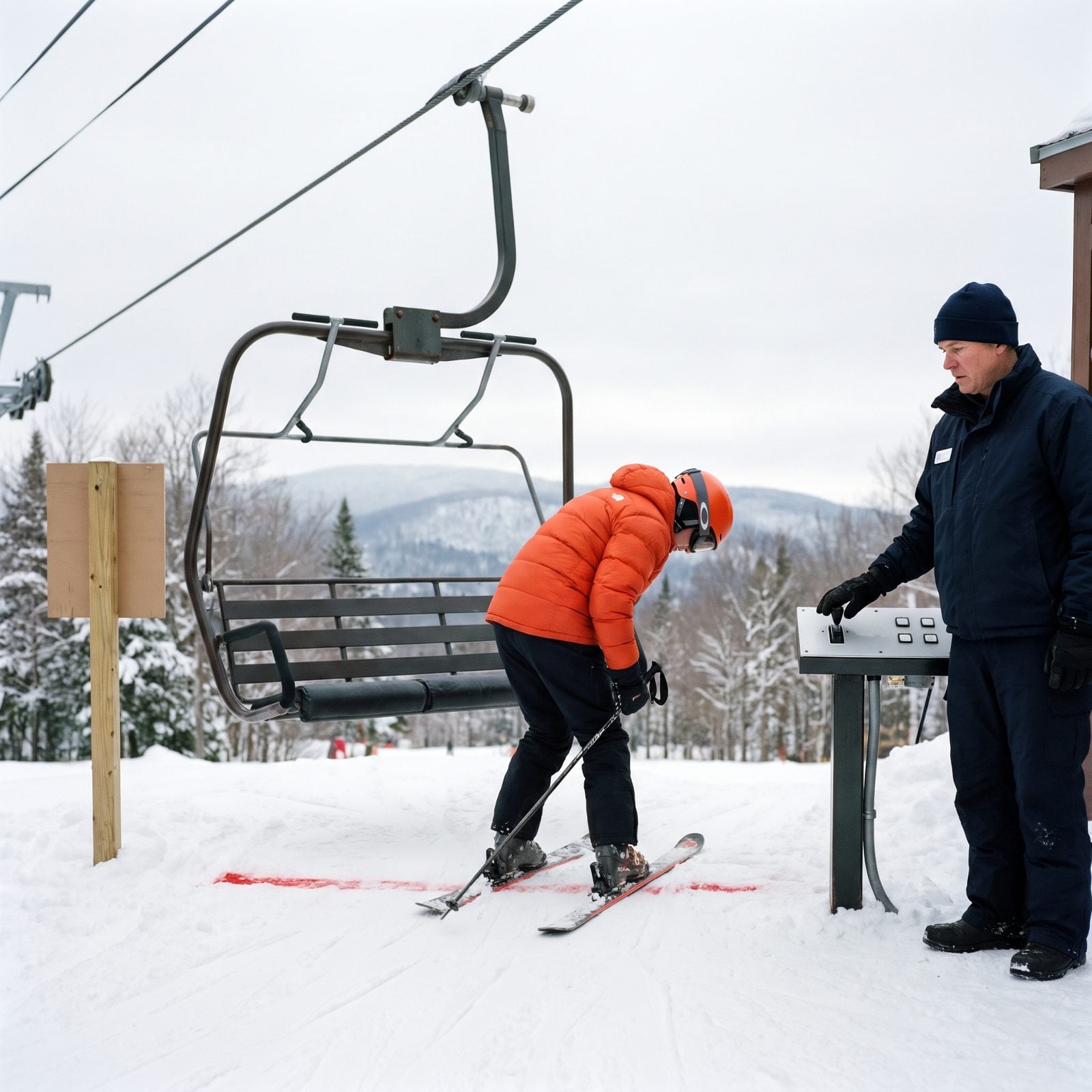
The chairlift is the one piece of the mountain that doesn’t care how brave you are. A skier who can’t slide to the load line, turn, and sit without a wrestling match is telling the lift operator something important before the day has really started.
Loading trouble is a window into everything else. If the flat approach to the chair is already a fight, the terrain that chair leads to will be worse. Attendants will slow or stop the lift for someone struggling, and a good one will quietly point them toward an easier lift and an easier run. No judgment in that. The lift is just the honest first test of whether the mountain above matches the skier below.
Asked for the one piece of advice he’d give every guest, a ski patrol director says “Know before you go. Familiarize yourself with how to use a chairlift and the terrain you want to ski.”
23. A Helmet Sitting Loose Above the Eyebrows
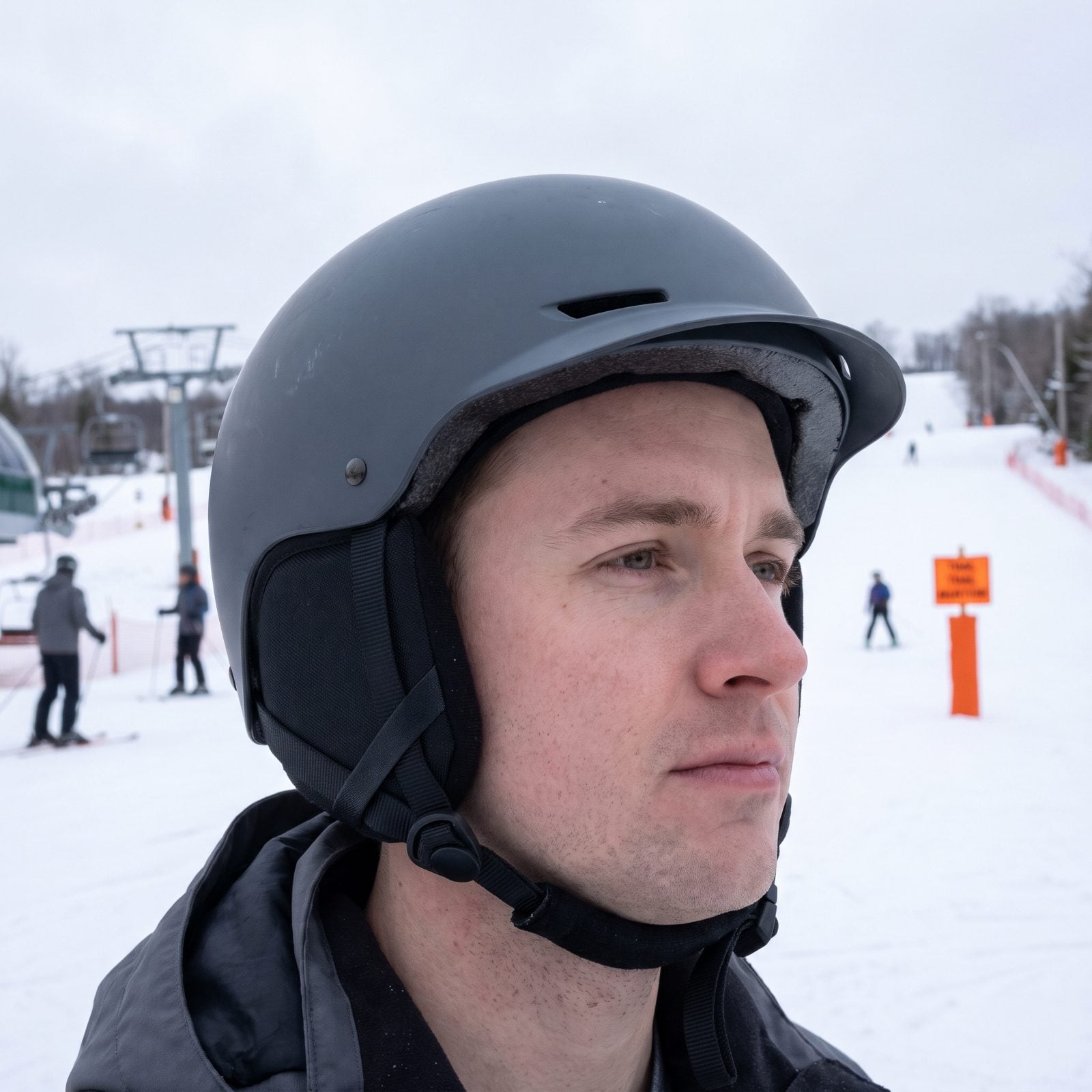
The first thing a patroller clocks is the gap. A helmet that rides high, sits back, or wobbles when you nod isn’t protecting the part of your skull that hits the snow first — it just looks like it is.
Most people never touch the dial at the back after buying it. They wear it the way it came off the shelf and then wonder why it slides forward on a hard stop. Buckled right, it sits one or two finger-widths above your brow and stays put when you shake your head. Loose foam is decoration.
22. A Backpack With Dangling Straps
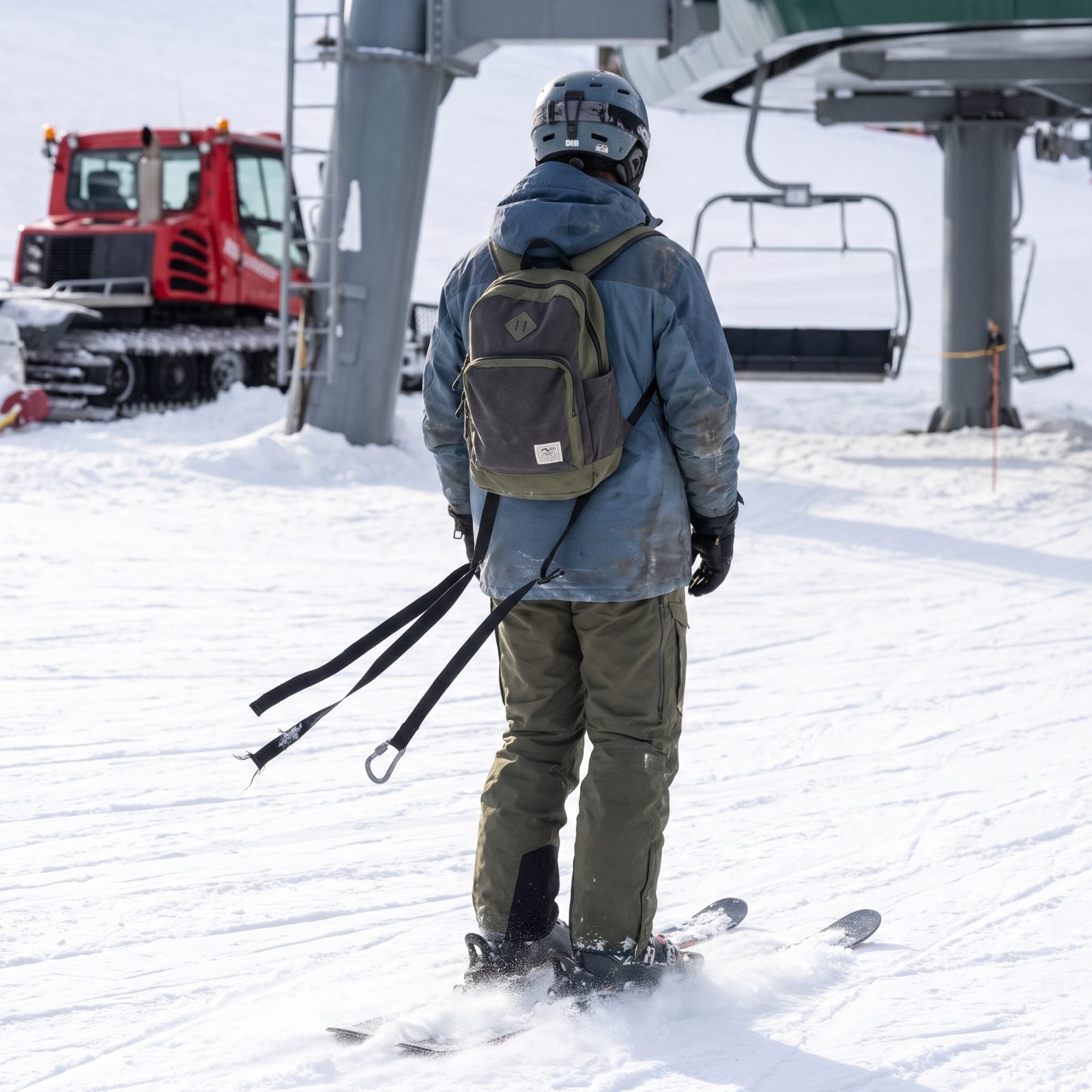
Loose straps are a snag waiting for a chairlift. Patrol has pulled too many people whose dangling strap caught the bar or a tower on the way up, and it never ends gracefully.
So cinch everything down and tuck the tails. A pack should sit tight against your back, not swing like a wind chime when you ride the lift. Got a waist belt? Use it.
21. Boot Soles Packed With Snow
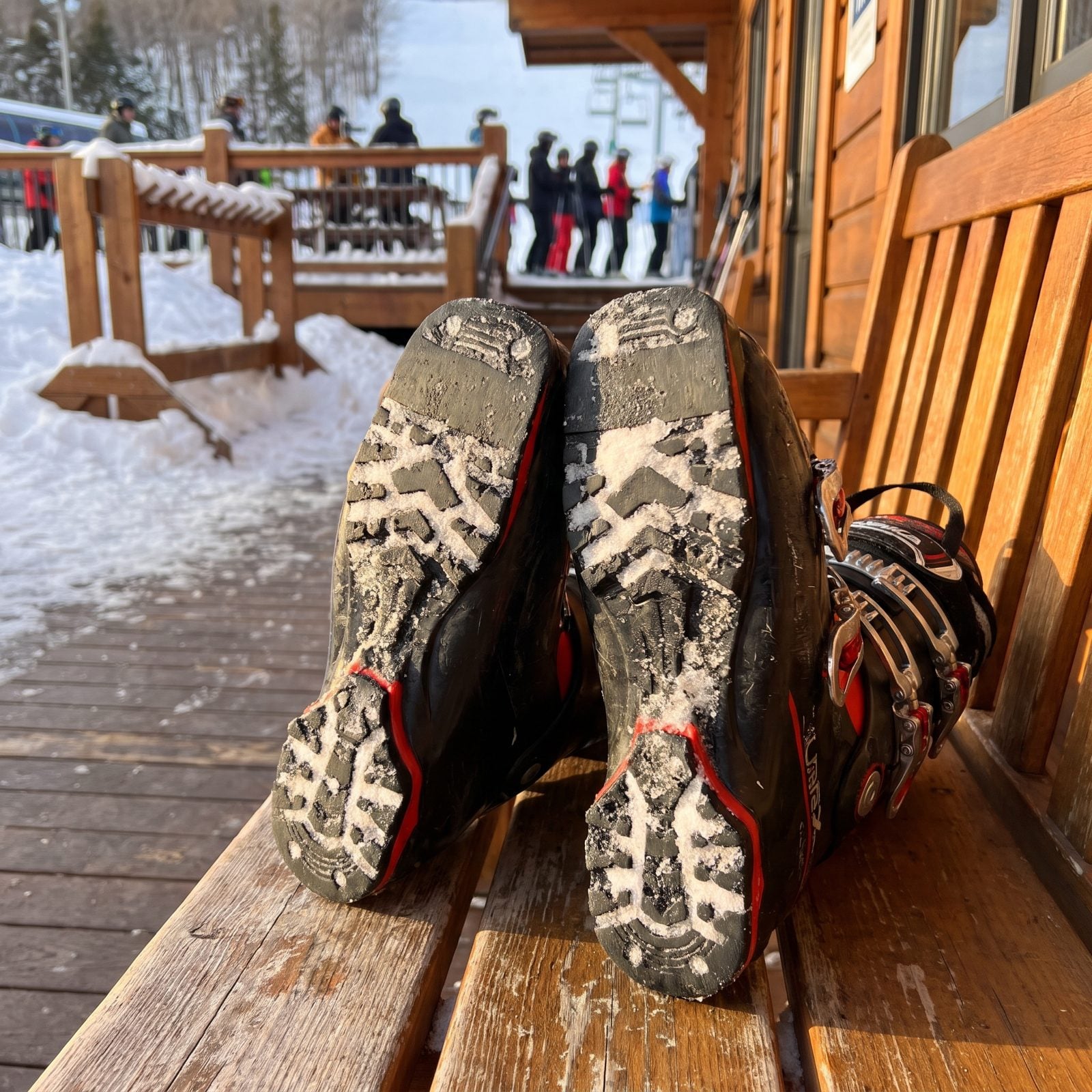
Snow jammed into a boot sole is the quiet reason bindings don’t release when they should, and the reason people slip stepping off the lift. The lugs that grip the step-in pack solid, so the toe never seats right and the whole system goes unreliable right when you can least afford it.
Knock your boots together or scrape them clean before you click in. Plenty of skiers ignore this for a whole season and eat it crossing an icy lodge deck before they connect the dots.
20. Skis That Do Not Match the Skier’s Size
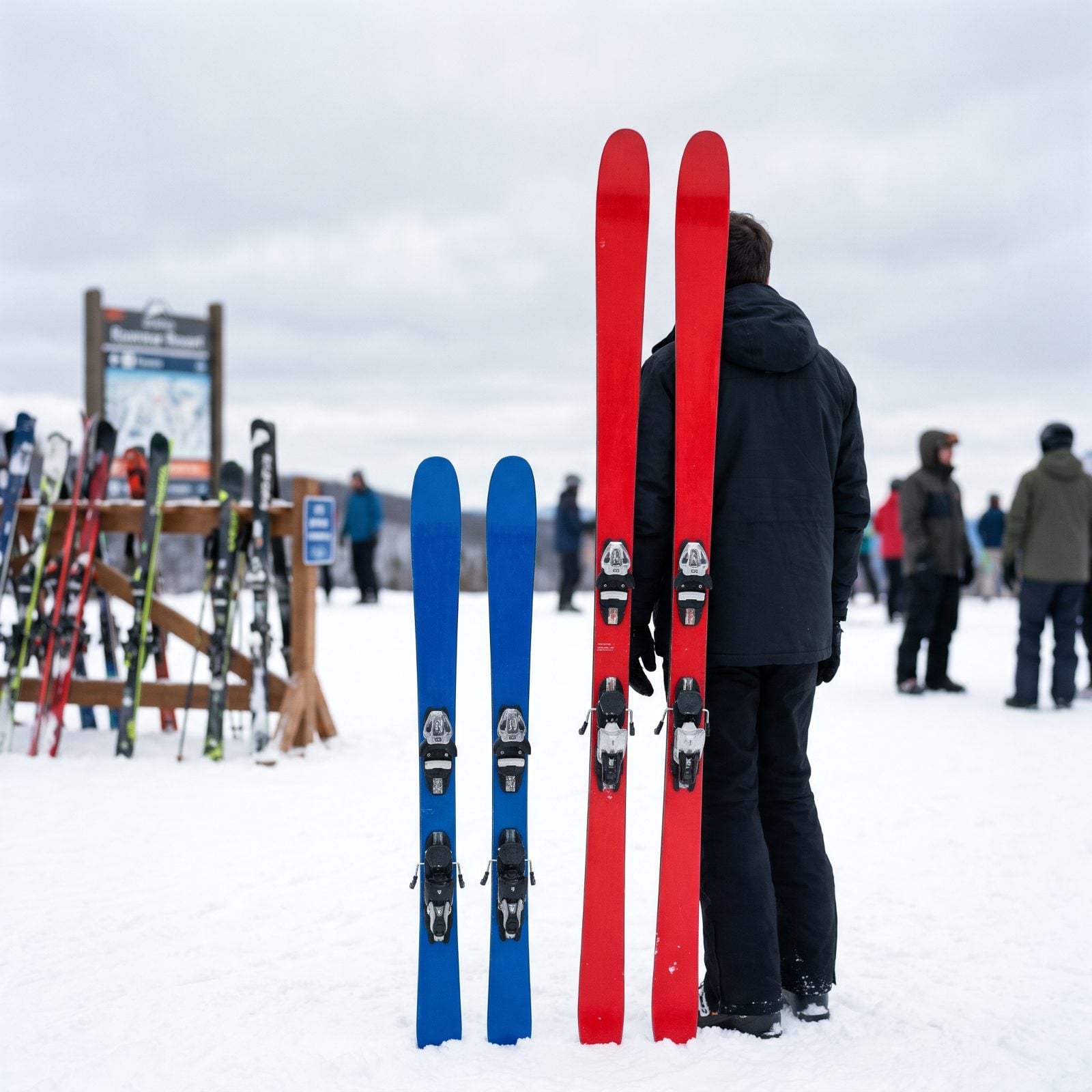
Wrong-length skis are a tell before anyone even moves. Too long and a newer skier can’t turn them, so they point straight downhill and gather speed they can’t shed. Too short and a strong skier gets chattered off the fall line in anything firm.
Length should track to height and ability, not to whatever was left on the rack at nine in the morning. Shops rush this on busy days. If the tip stands way over your nose and you’ve been at it two seasons, go ask them to swap it. They’d rather do that than send patrol after you.
19. Goggles Fogging Before the First Run
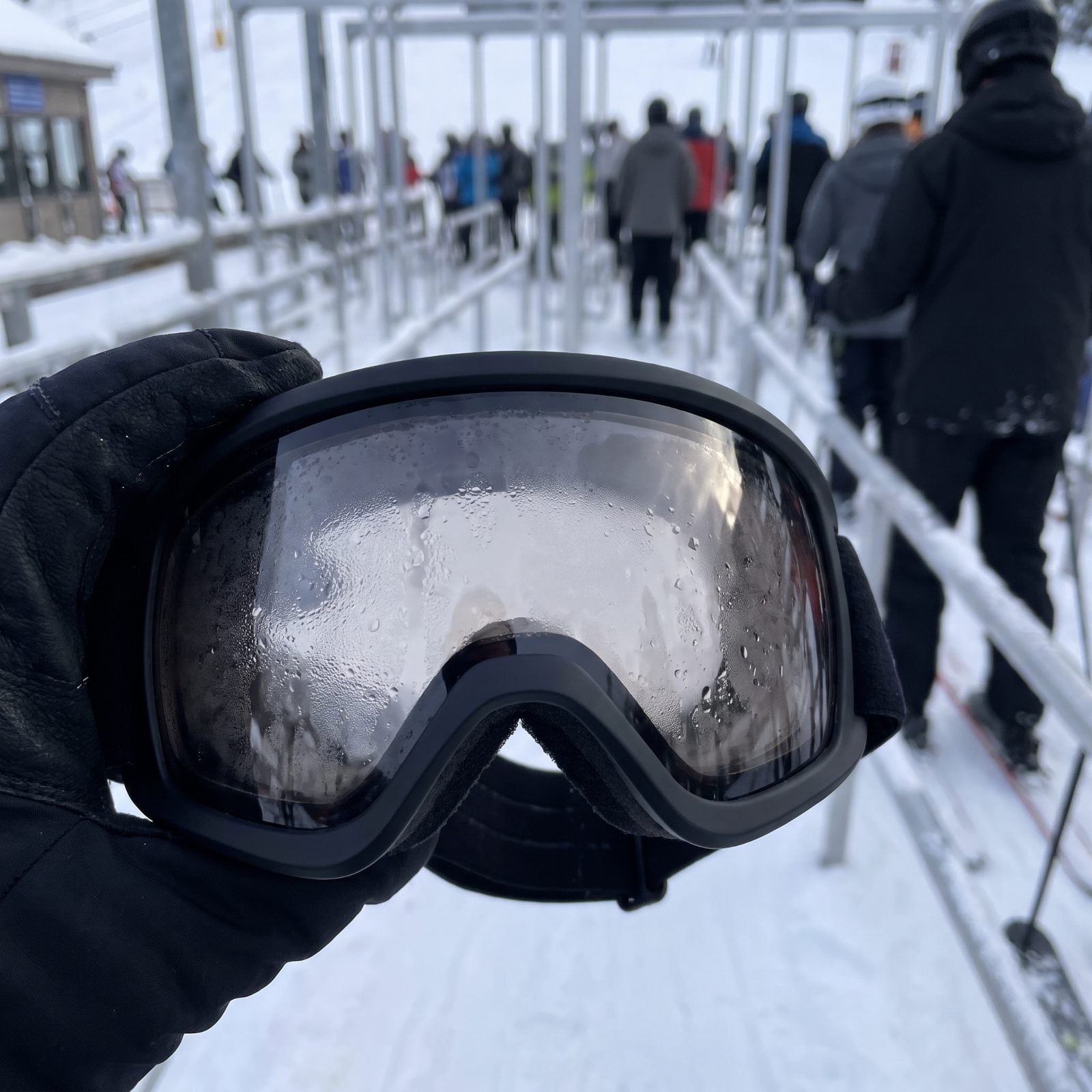
Fog in the goggles before you’ve even loaded the lift means they’ll be useless at speed. Patrol reads it as someone who can’t see what’s coming, which is how skiers find trees.
Usually it’s a vent smothered by a hat, a liner stuffed too tight, or breathing straight up into them while you stand around. Once that inner lens fogs hard, no amount of wiping fully saves it. Get airflow back before you point downhill.
18. No Eye Protection During Flat Light
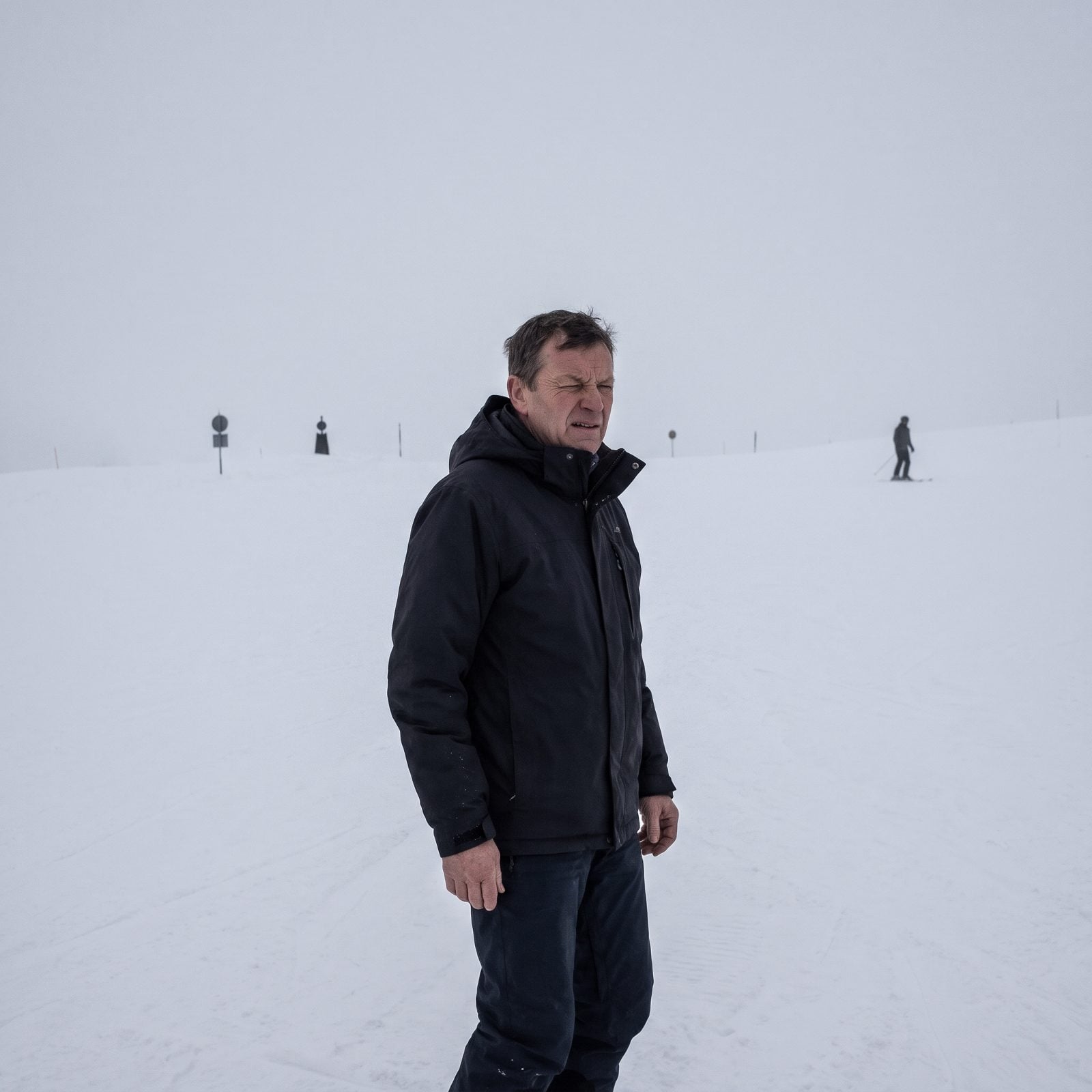
Flat light erases the mountain. No shadows, no texture, no way to tell a mogul from a dip until your legs find it. Skiing it with naked eyes is worse than skiing it blind, because you think you can see — and that confidence is what puts you on the ground.
A lens in the right tint, rose or amber, pulls contrast back out of a gray day. Blue skies fool people into leaving goggles in the car. Then the clouds roll in by noon and the whole slope turns to milk.
17. Headphones Blocking Nearly All Outside Sound
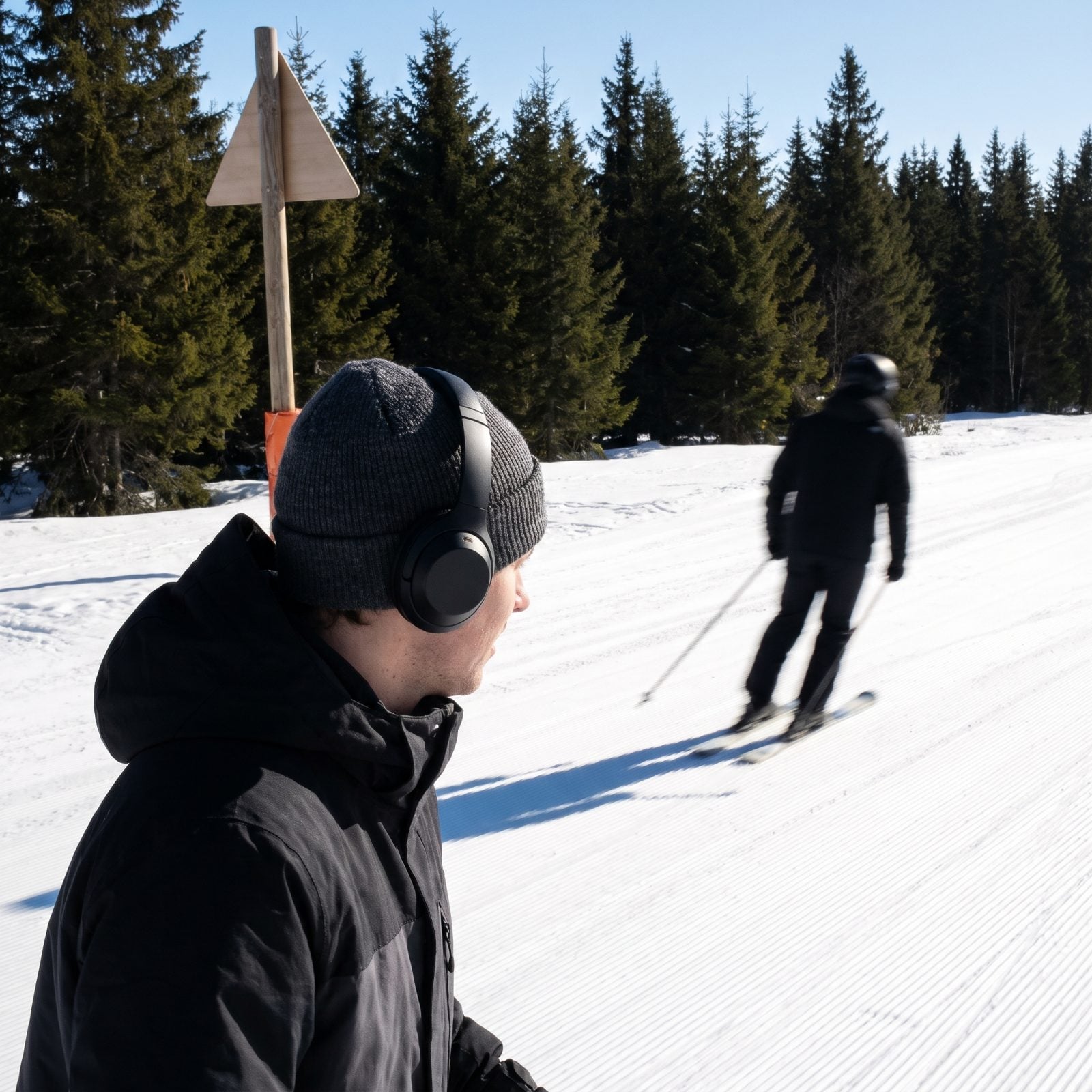
A slope talks to you. The scrape of edges behind, a shouted heads-up, a snowmobile idling around the bend — crank over-ear headphones loud enough and all of it disappears, and the skier doing twenty-plus with no clue what’s around them is the one who merges straight into traffic.
Patrol isn’t trying to spoil your playlist. They just know that music loud enough to drown the mountain is loud enough to get you clipped. One ear open, or the volume low enough to catch an edge behind you. That’s the whole ask.
On skiers who can’t hear what’s coming up behind them, a ski-industry risk director warns “They may cut you off, they may ski too close and startle you, you may take an abrupt turn not realizing someone is behind you”
16. A Heavy Backpack Throwing Off Balance
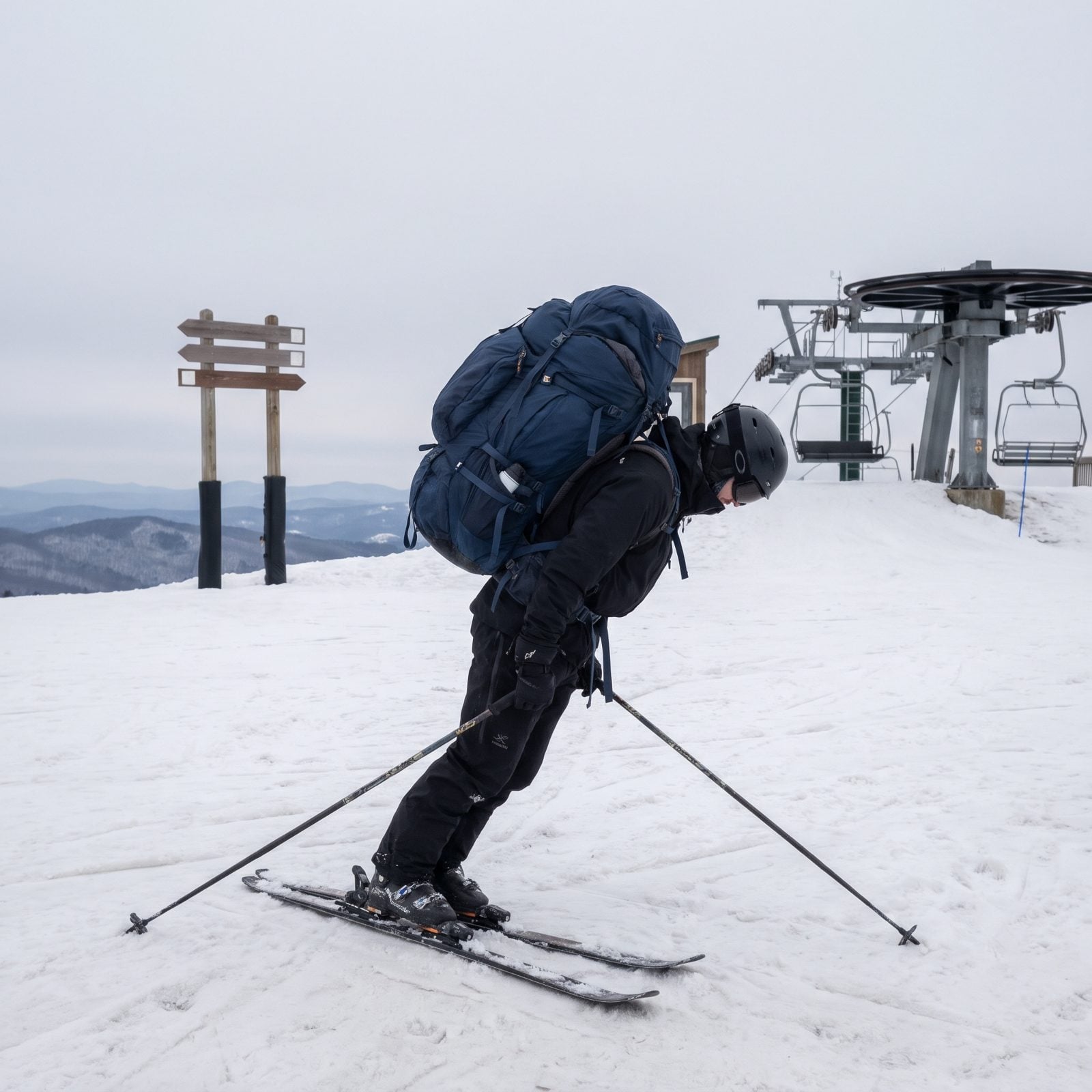
Watch someone fight their own pack at the top of a run and you already know how the day’s going to go. A heavy load sitting high and loose yanks you backward in a turn, and your edges never bite the way they should.
Weight belongs low and tight against your spine, not swinging off your shoulders like a sack of firewood. Most day skiers haul far more than they ever touch. Spare layer, water, a snack. Done.
On skis, where the weight sits matters more than how much of it there is.
15. Bare Skin Exposed in Severe Wind Chill
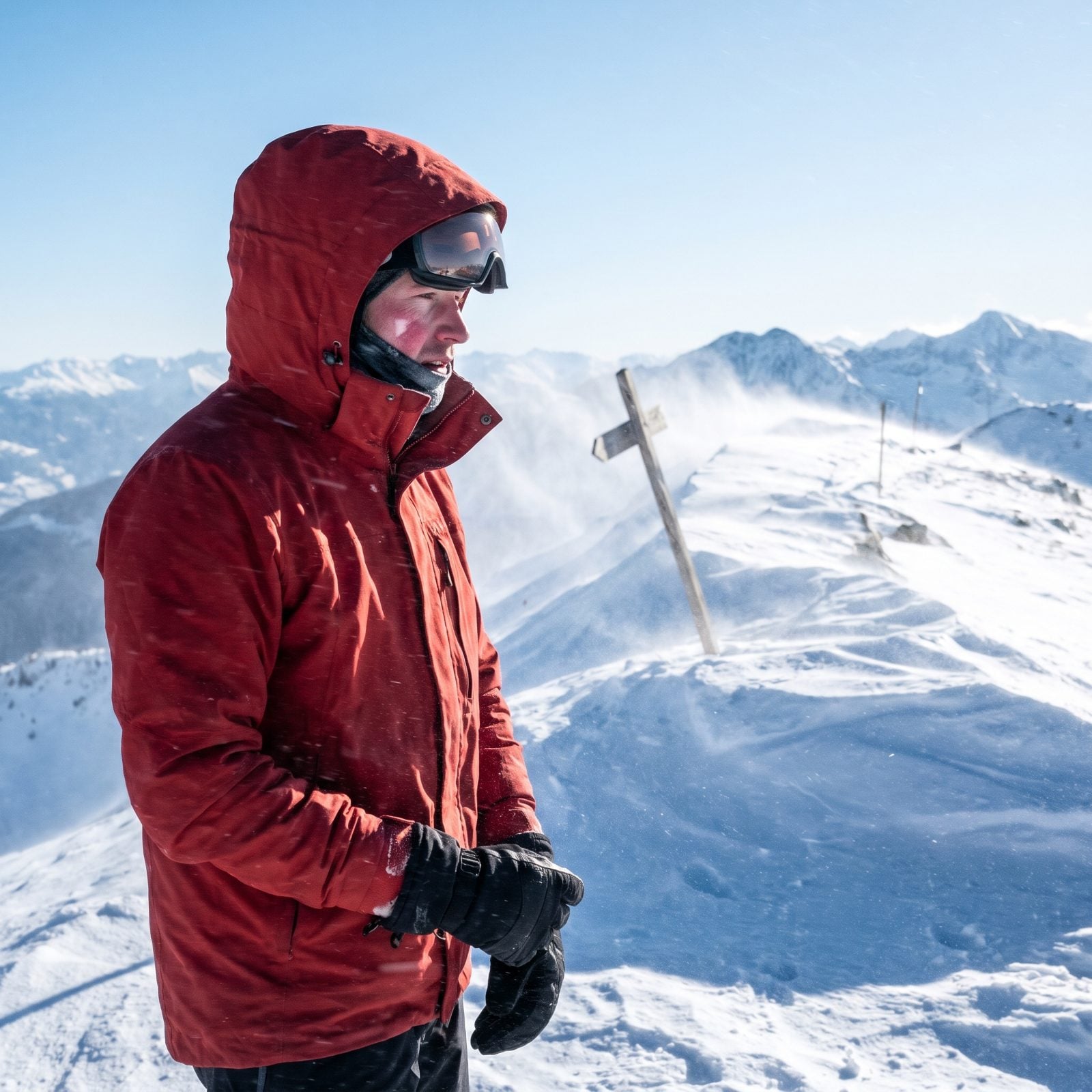
Frostbite doesn’t wait for the summit. On a windy day, exposed cheeks, wrists, and that strip of neck between collar and helmet can go numb fast — and numb skin quits warning you it’s in trouble.
A neck gaiter, long cuffs that overlap the glove, and a glance at the wind chill reading rather than the plain temperature will close those gaps. The number on the thermometer lies when the wind is up. Patrol watches for pale, waxy patches on faces in the lift line, because by the time you feel it, you’re already behind.
14. Someone Shivering in the Lift Line
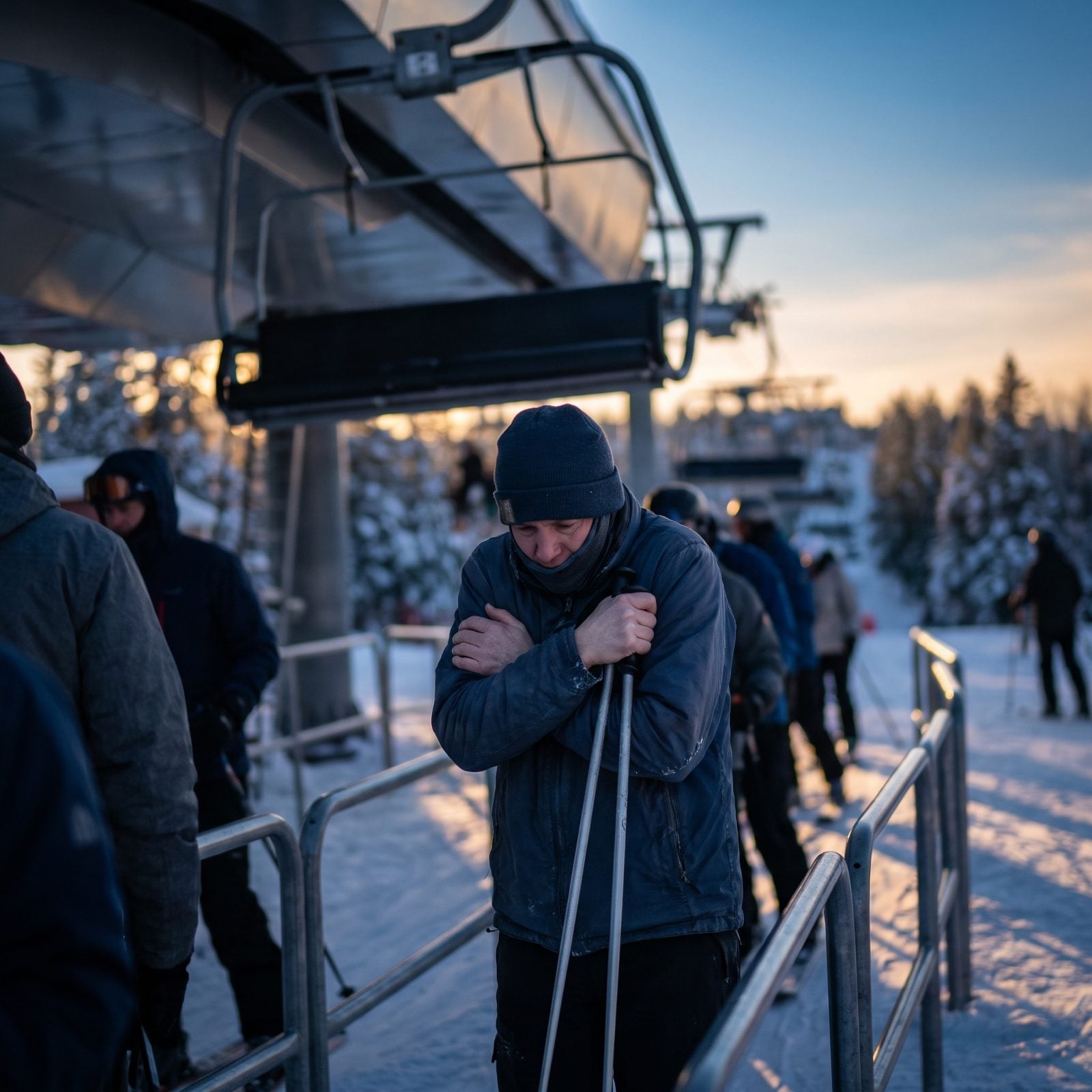
Shivering in line is the body’s last polite warning before it stops being polite. Patrol reads a hunched, trembling skier the way they read weather — something’s about to go wrong.
Once the shivering turns to fumbling fingers or slurred words, judgment goes with it, and a cold skier makes cold decisions high on the mountain. The fix is almost always the lodge, not one more run.
There’s no prize for toughing it out. Warm up, eat something, go back out as a person who can still feel their hands. The mountain will still be there.
13. A Skier Sitting Down in a Narrow Trail
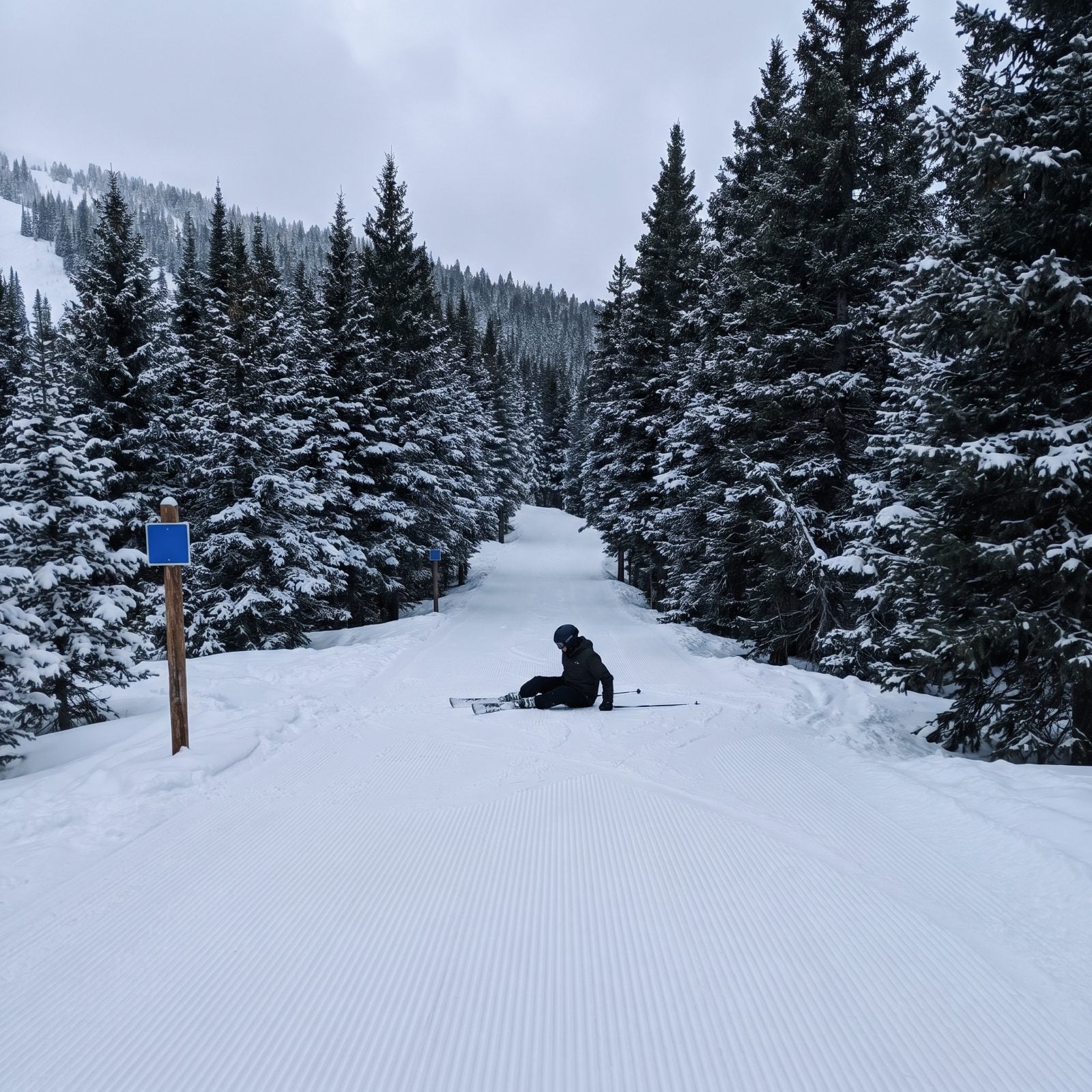
The spot tells you more than the posture. A tired skier who flops down mid-trail, right in the fall line where the run goes blind over a roll, is the one patrol watches, because anyone coming over that lip at speed has nowhere to go.
Sitting itself is fine. Sitting in a blind narrow pinch is a collision waiting on a second party. So rest at the edge, where you can be seen from above, skis pointed across the slope so you don’t slide off downhill while you catch your breath.
12. Someone Removing Skis on an Exposed Slope
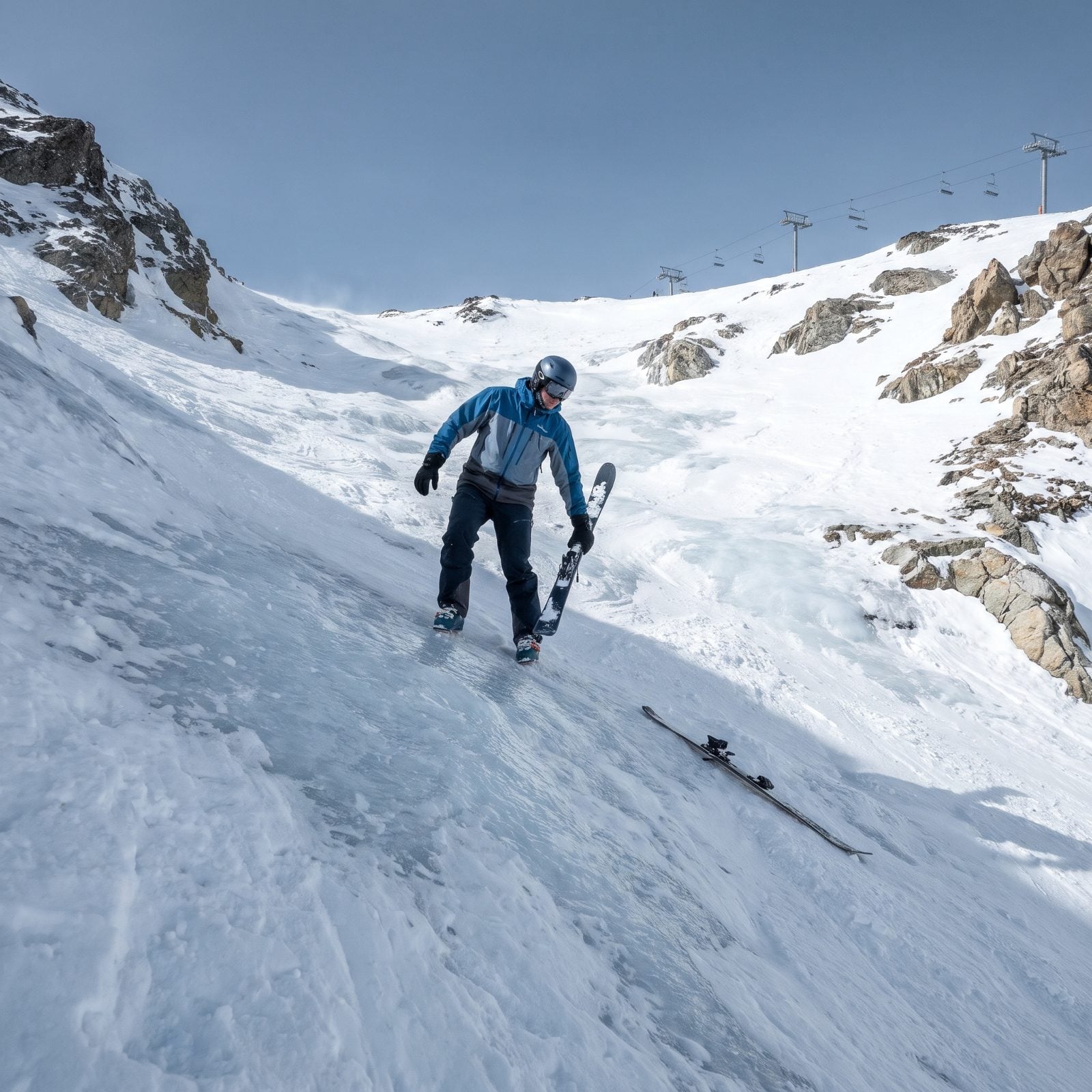
Taking a ski off on a hard, steep face is how a bad day starts. The moment the edge leaves the snow you’re standing on a surface your boot can’t grip, and a dropped ski on an icy pitch is gone — downhill, fast, and not stopping.
Patrol reads it as panic. People pull their skis when they get scared and decide to walk, which on a glazed slope is far more dangerous than sliding down on two edges. If the pitch frightens you, sidestep or sideslip with skis on and keep them between you and the mountain.
11. A Person Walking Uphill Around a Closed Gate
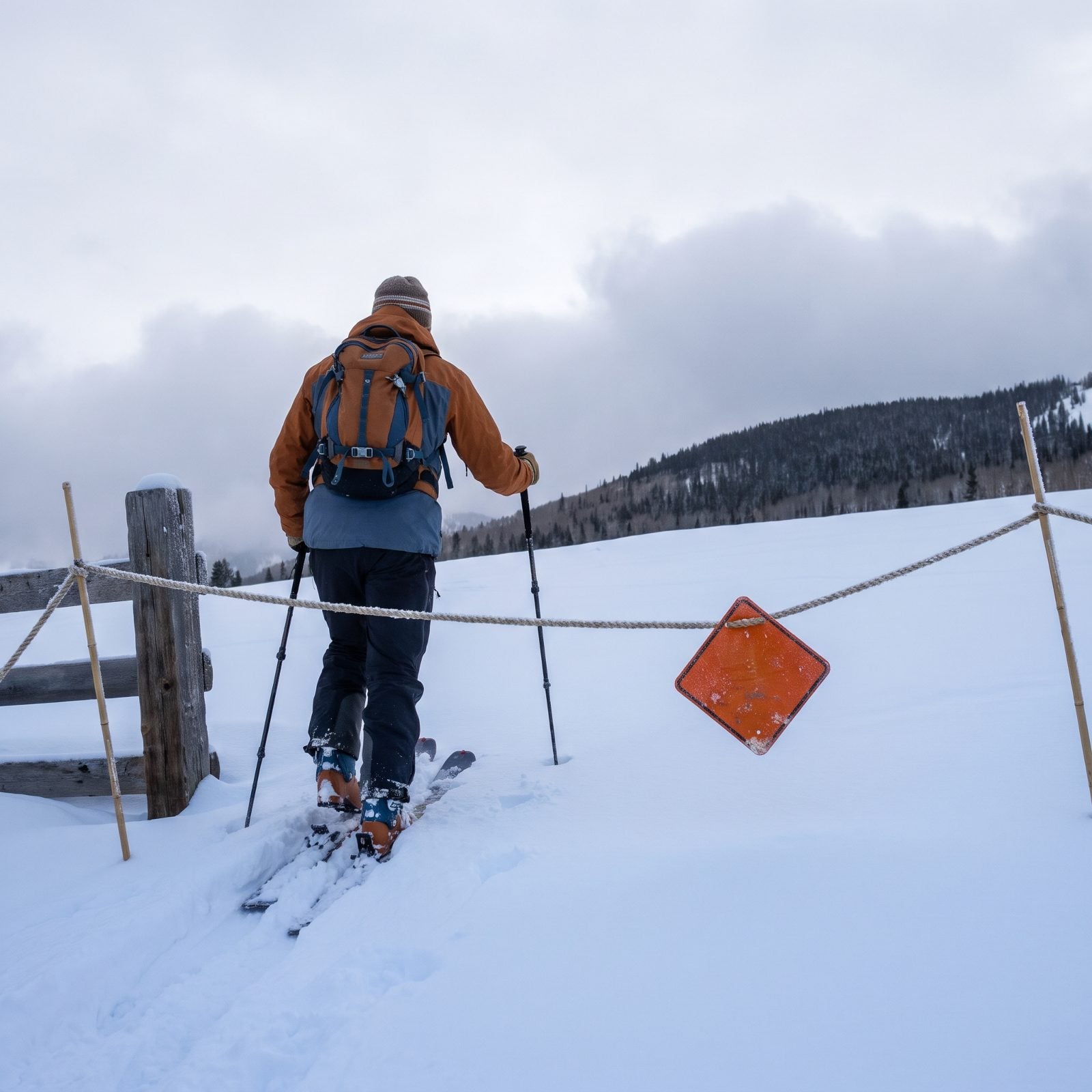
A rope is not a suggestion. When someone steps around a closed gate, patrol doesn’t see a rebel — they see a rescue that hasn’t happened yet. Closures mean something specific: avalanche work, thin cover over rocks, a cliff band under fresh snow, or terrain nobody will search tonight.
Duck a rope and you can lose your pass for the season, and in some places it comes with a fine. Worth knowing before you make the call. The closed side rarely holds the powder people imagine. It holds the reason it’s closed.
10. A Skier Ducking Into Trees Alone
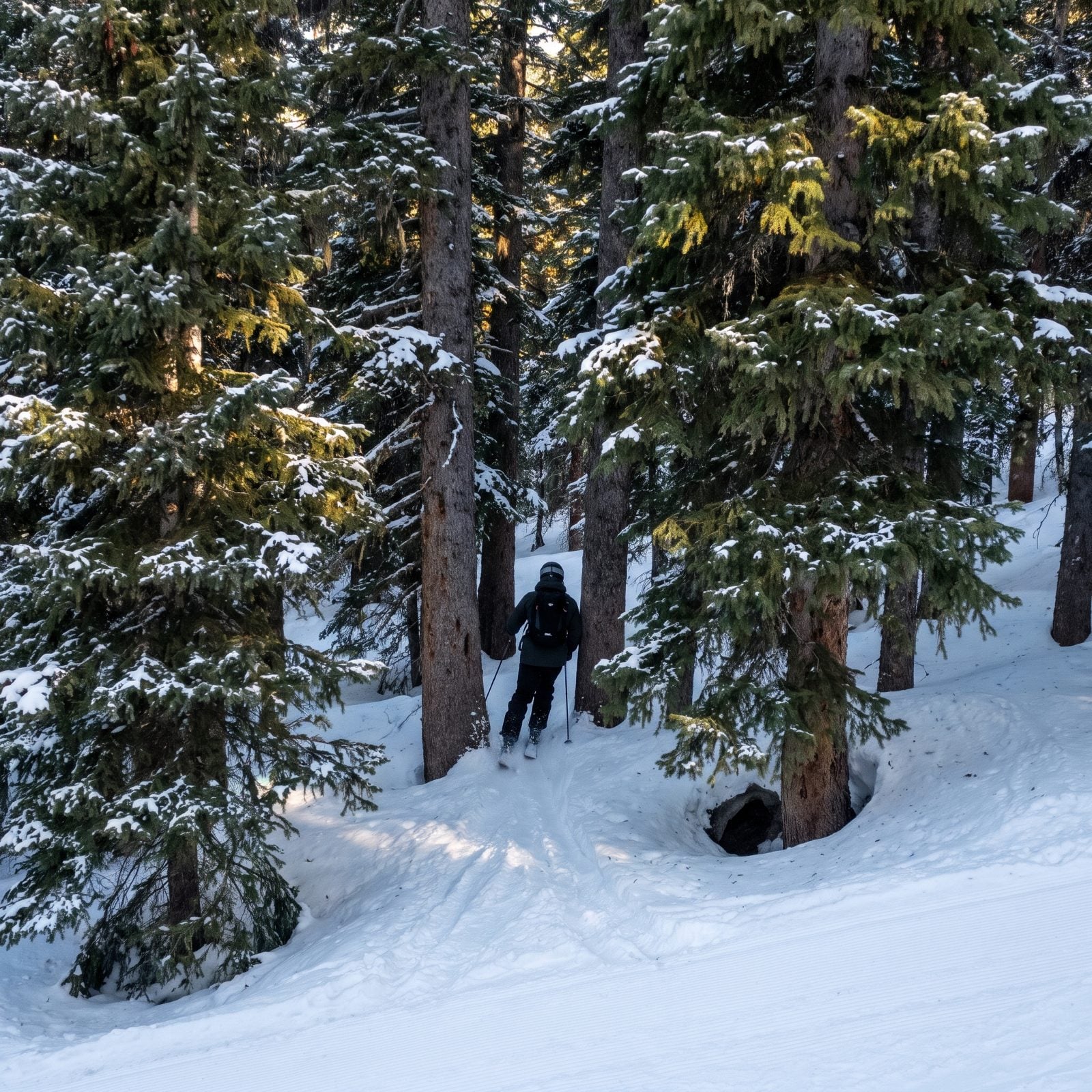
Trees are where solo skiing turns from a style into a gamble. The hazard nobody mentions is the tree well — that loose, deep snow at the base of an evergreen that a skier can fall into headfirst. You can’t climb out of one on your own. Suffocation happens fast and quiet.
A partner within sight and voice is the whole safety system in the glades, because patrol can’t watch the woods. Go in alone and go in head down, and nobody knows where to start looking.
9. People Following Unmarked Tracks Off-Piste
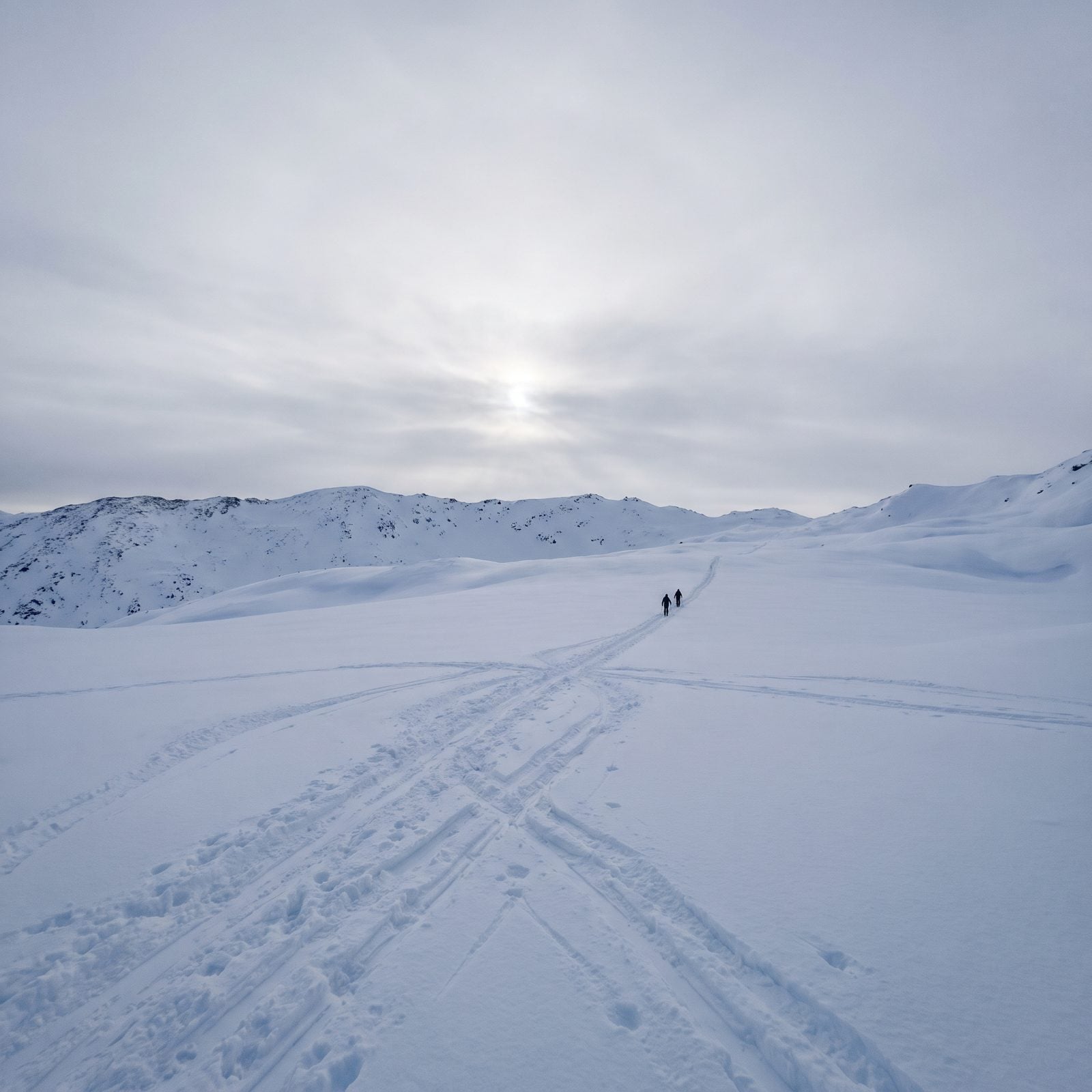
Someone else’s track is not a trail. People treat a line of old prints like proof the route goes somewhere, and it almost never means what they think. Those tracks might belong to a local who knows the exit, a group that got lucky, or a skier who ended up postholing out at dark through a drainage with no way back up.
Follow prints over a ridgeline and you can leave the ski area entirely without realizing it — into terrain nobody patrols and no lift returns from. That’s how skiers who were never in danger end up lost by dinnertime.
8. A Skier Entering Glades Late in the Day
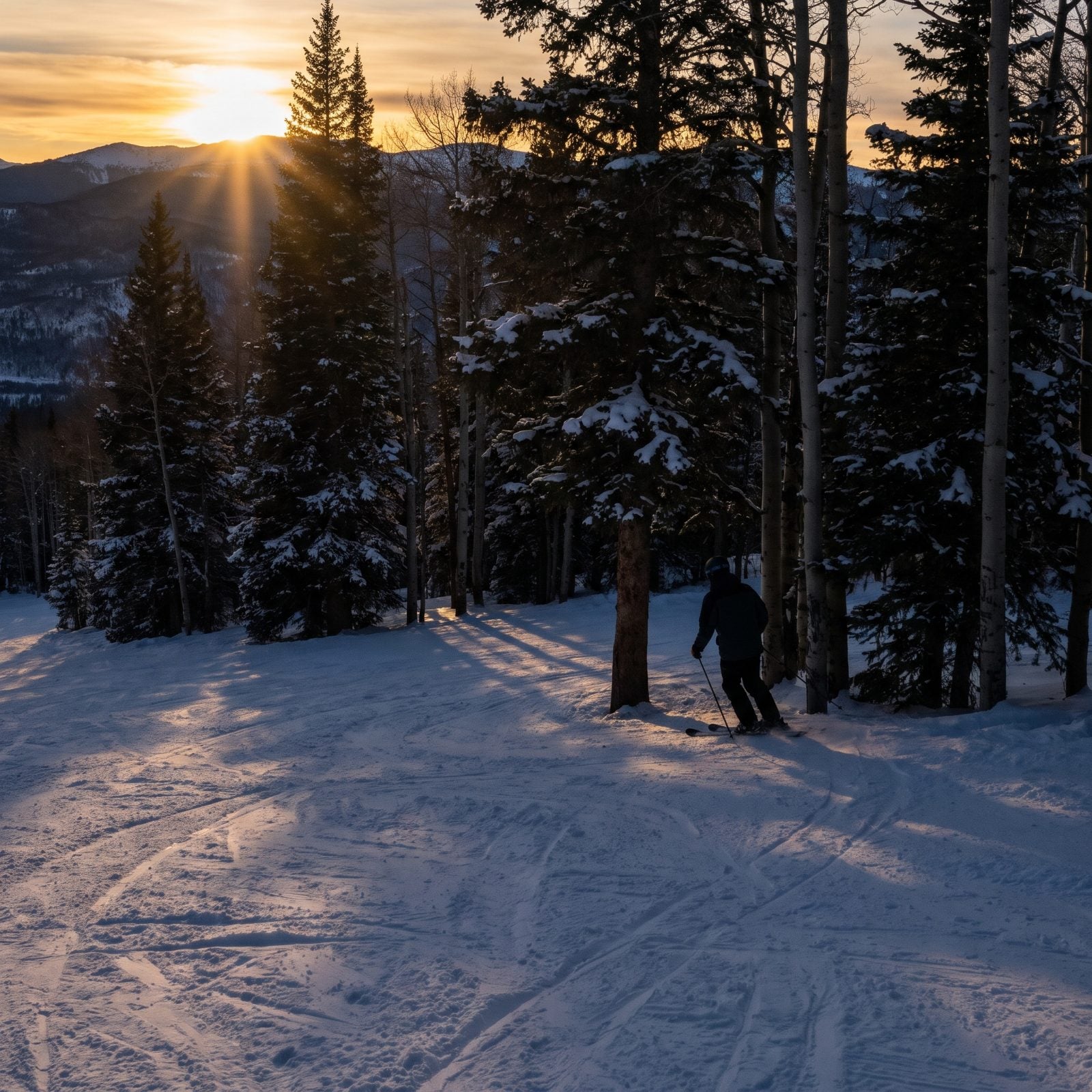
Light leaves the trees an hour before it leaves the open slopes. Drop into glades at four o’clock and patrol knows what’s coming — flat light, cold legs, and a skier who misjudges the exit because the woods went dark while they were still inside.
The mountain closes sweep from the top down. Get caught below patrol’s last pass in the trees and you’re spending the night out, or triggering a search. Timing a glade run is as much about the clock as the snow.
7. Someone Pausing Beneath a Cornice
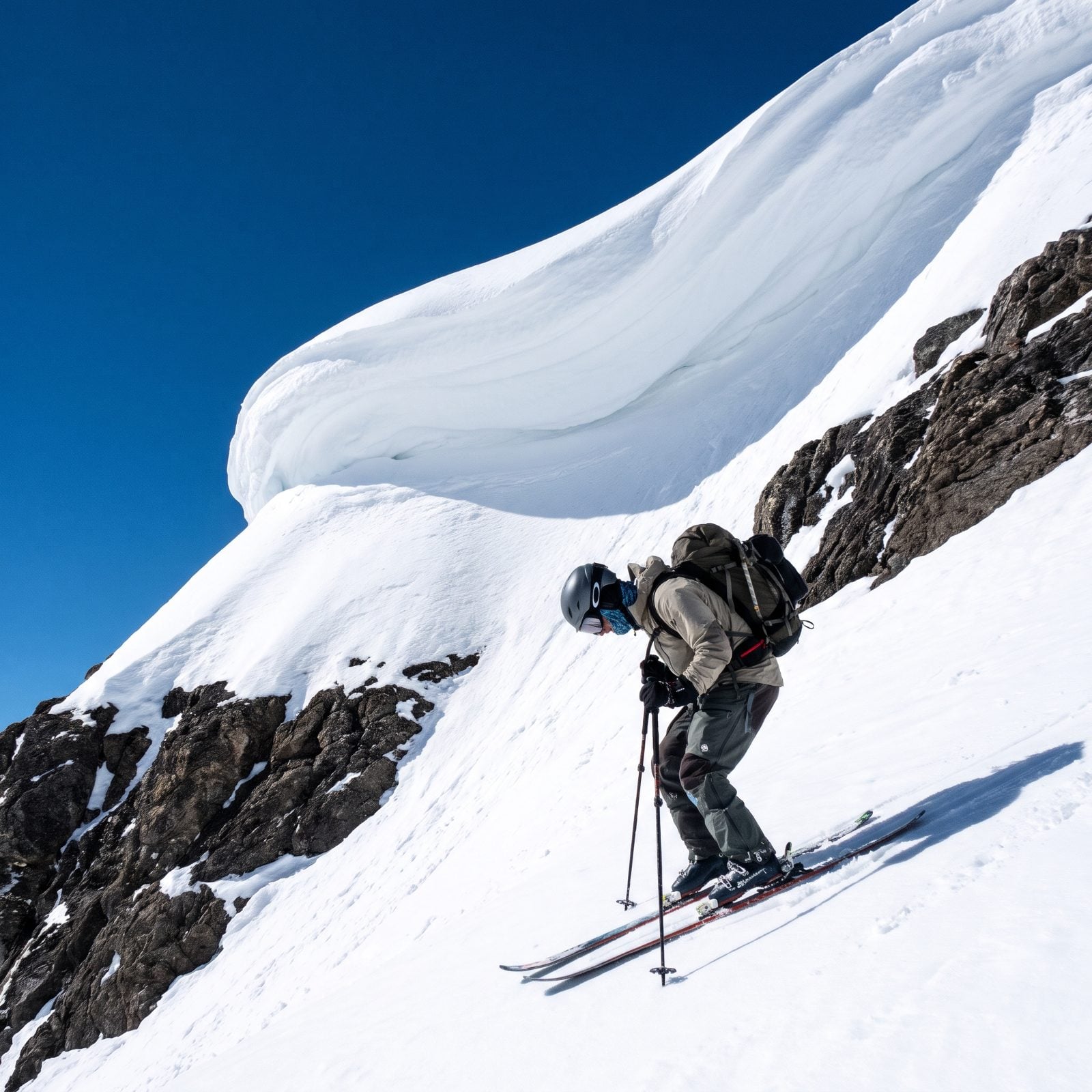
Resting in the shade of a cornice is standing under a collapsing roof. That smooth overhang of wind-packed snow can break off with no warning, especially as the day warms and the sun works on it. It doesn’t need a trigger. It needs time and heat.
Patrol flags this one from a distance, because the skier never looks up. They’re focused on the pitch, catching their wind, with tons of snow hanging over them. Have to stop near a ridge? Move out from under anything curling overhead first.
6. A Group Gathering in an Avalanche Runout
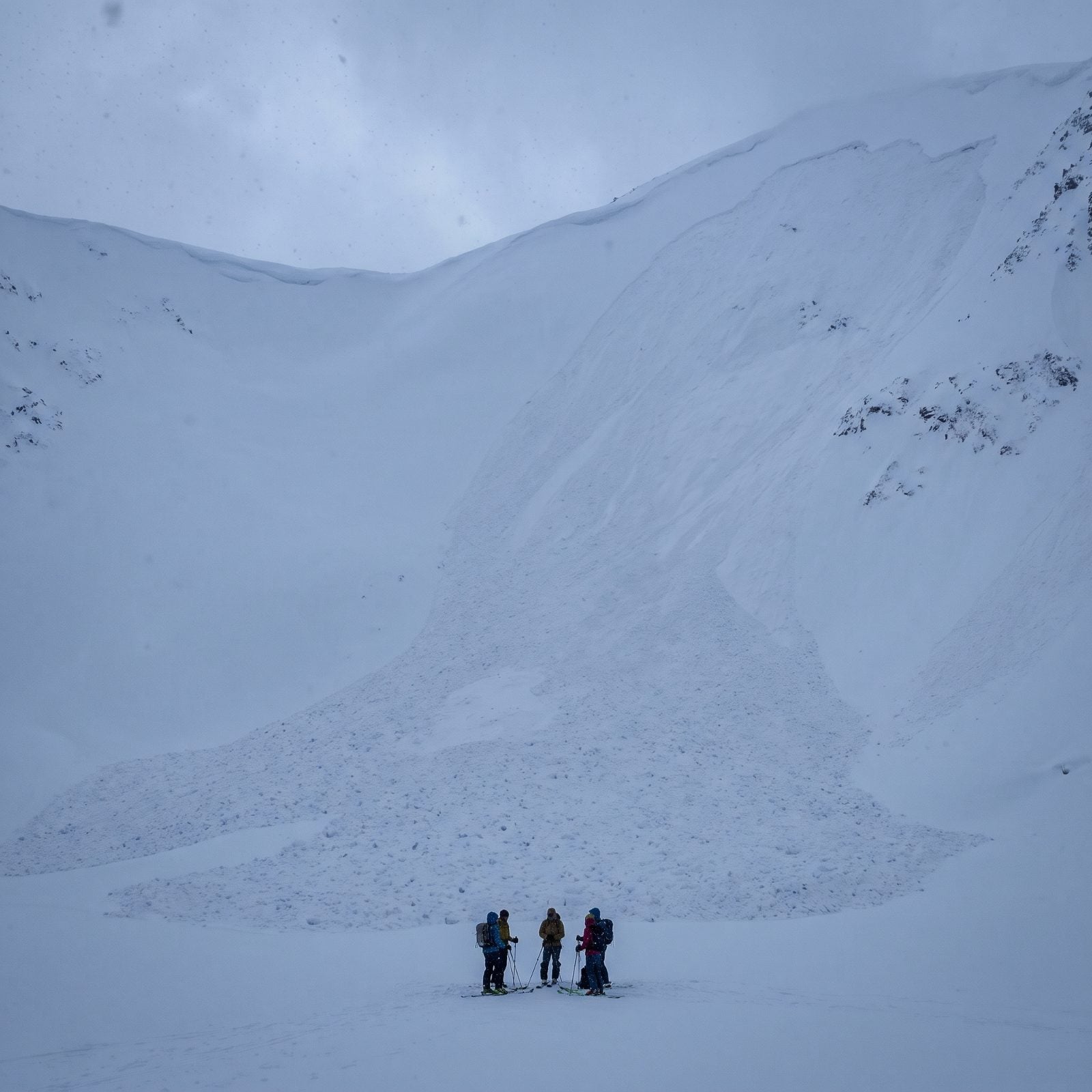
The flat bottom of a slide path looks like the safest spot on the mountain, and it’s the most dangerous. A runout is where everything that comes off the slope above ends up, and a group bunched together down there is every egg in one basket.
Spacing is the point. Patrol wants people crossing exposed terrain one at a time with eyes on each other, not standing shoulder to shoulder in the collection zone sharing a snack. If something lets go up top, a cluster in the runout gives rescuers four burials instead of one near-miss.
5. A Beacon Left Off Before Entering Avalanche Terrain
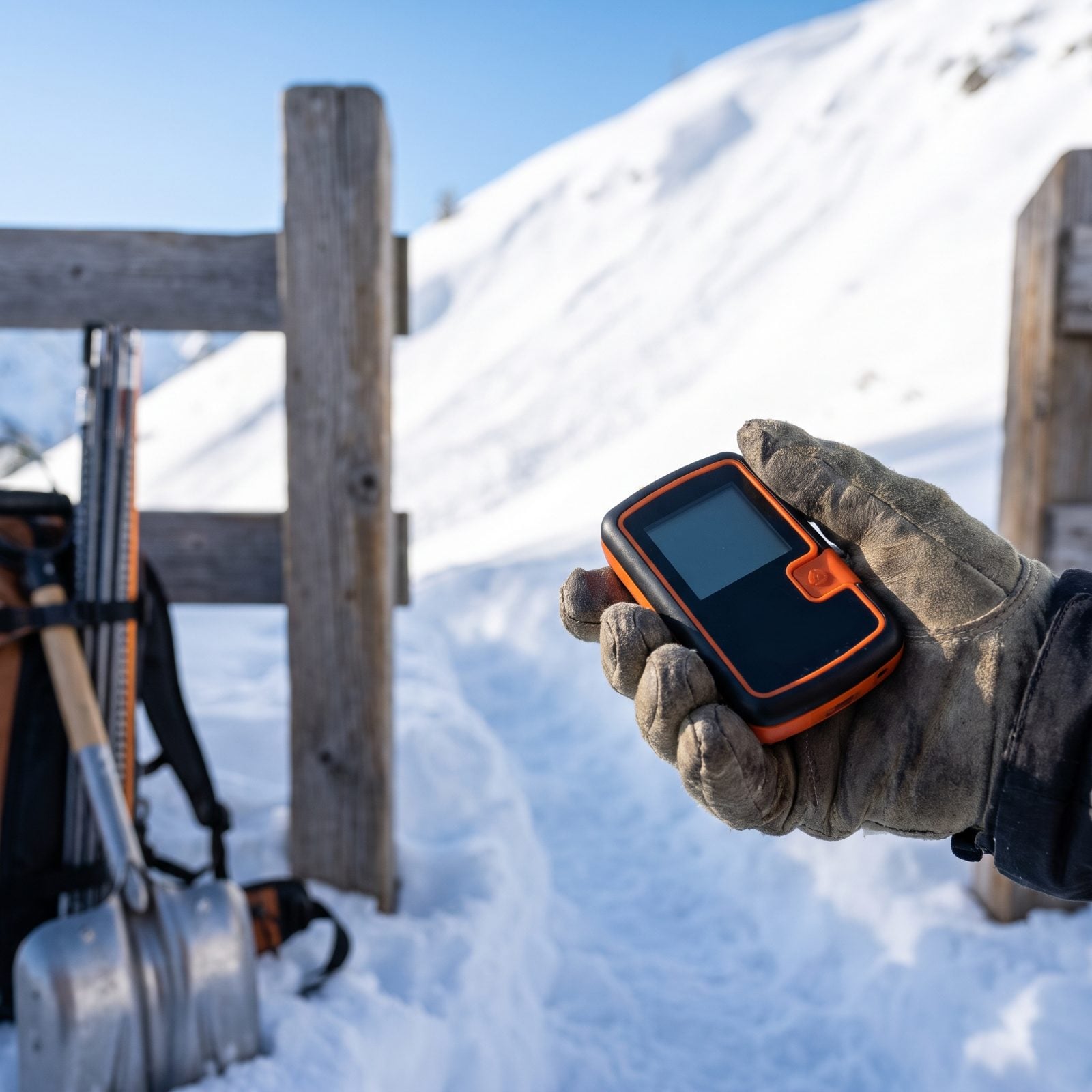
A beacon in a pocket, switched off, is a dead giveaway. Patrol notices the ones who carry the gear as decoration — strapped on because the shop said so, never turned on, never tested, no idea how to run a search.
The transceiver only works if everyone in the party has one, on and transmitting, with the skills to use it under pressure. A probe and shovel in the pack don’t help the person who can’t find the burial. Carrying avalanche gear you can’t use is worse than carrying none, because it fools you into terrain you have no business in.
4. A Skier Who Keeps Stopping to Rub One Knee
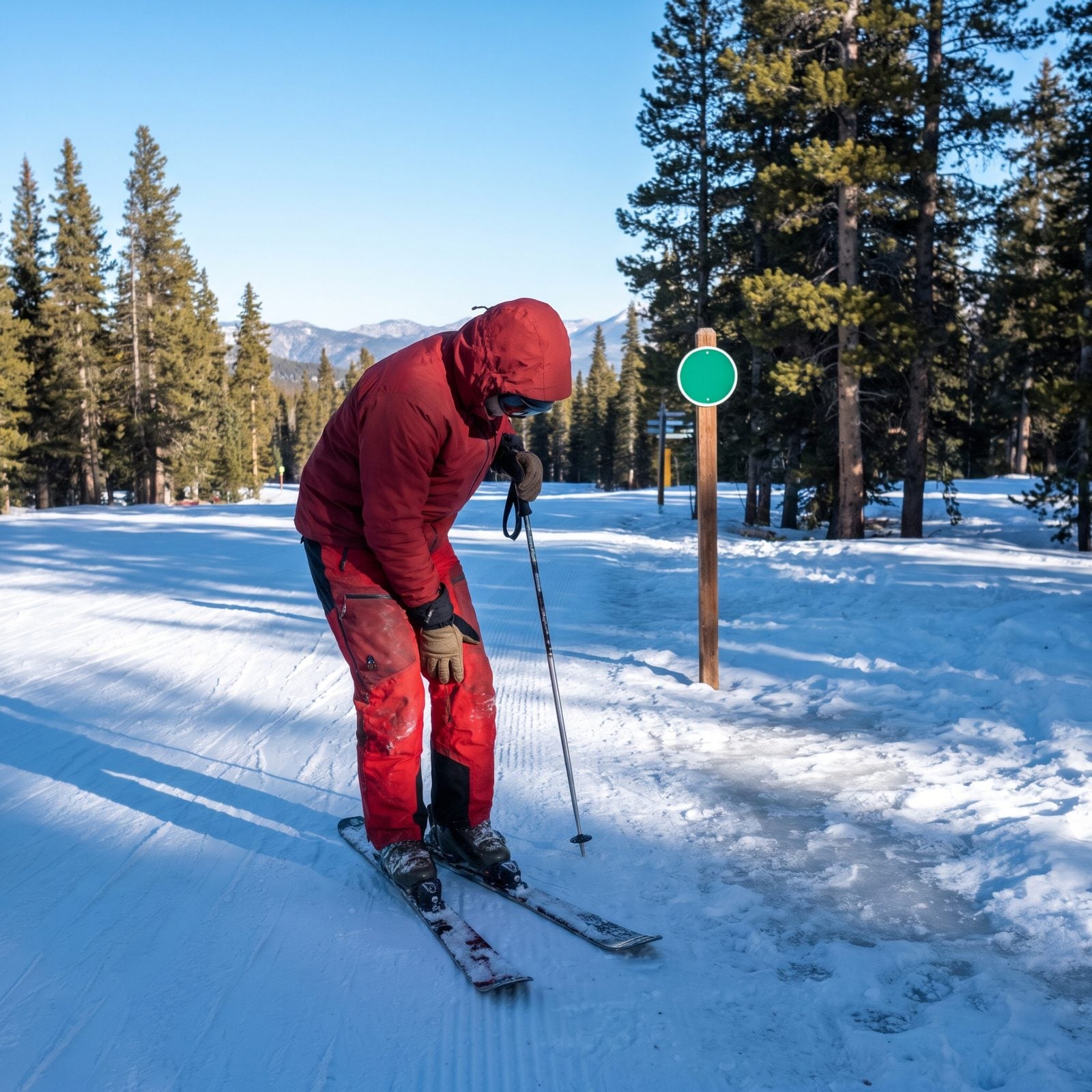
Watch how someone gets up after they stop. A tired skier flexes both legs and pushes off, but the one heading for trouble reaches for the same knee every single time, then eases weight off it before the next pitch.
Patrollers notice this because a joint that keeps getting babied on a green run is a joint about to fold on a steep one. The muscle around it is quitting. Fatigue plus a soft knee is how a routine turn becomes a season-ending twist.
If that is you, the run back to the lodge is the smart run. Nobody respects the skier who finishes the day on a stretcher.
3. Slurred Answers or Forgetting the Trail Name After a Fall
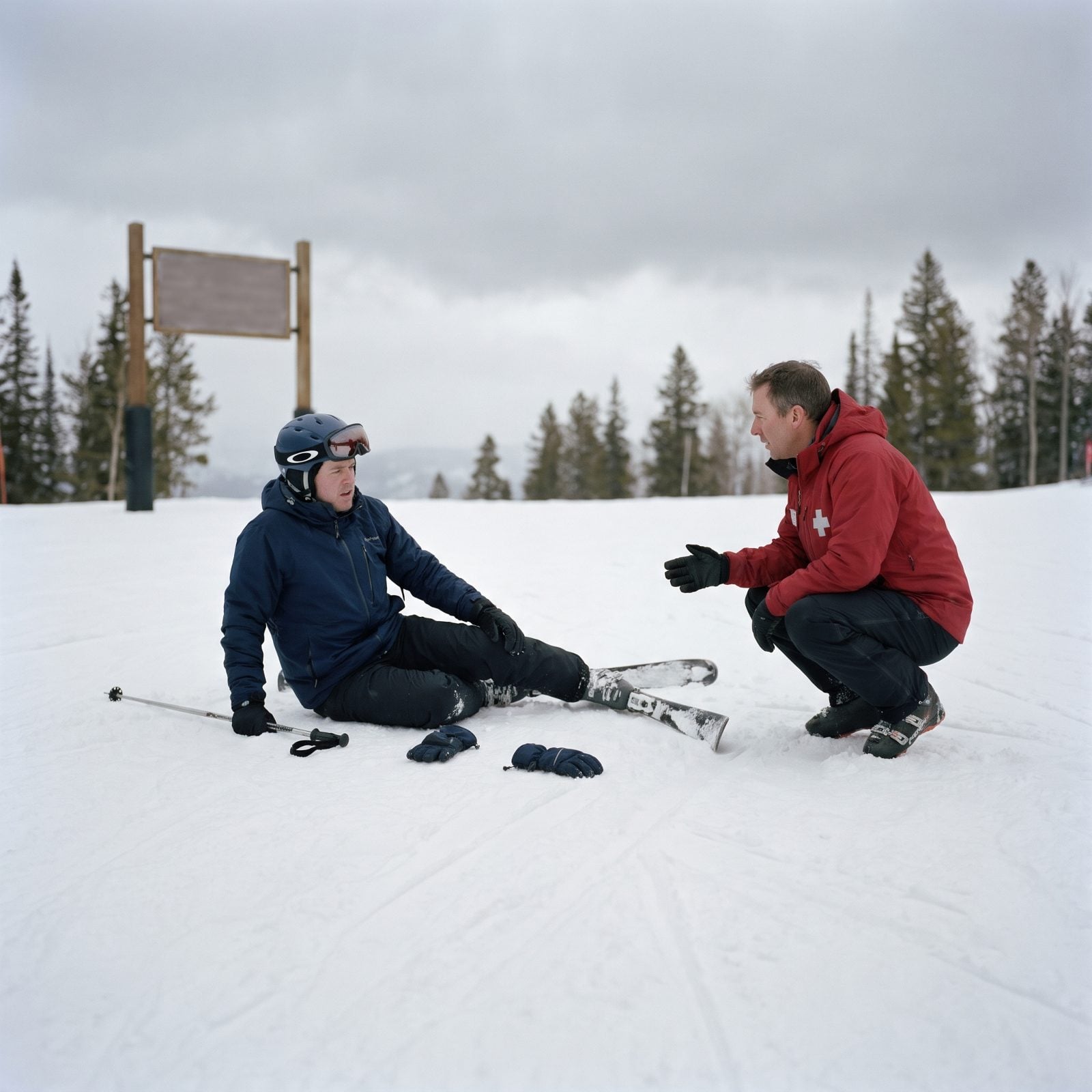
A fall is normal. The answer afterward tells you everything.
Ask a skier who just went down where they are and where they were headed. Clear, quick, maybe annoyed at the question? Good. But slow, searching, slurred, or blanking on the trail name they rode twice already — that is a head injury talking, and it does not care how tough anyone feels right now.
Patrollers drill this because concussions hide behind confidence. The person swears they are fine while struggling to name the run. Loose, rambling speech and a thousand-yard stare are louder than any complaint of a headache.
The skier who insists hardest that they’re okay is often the one who shouldn’t get back up alone.
Cold slows speech too, which muddies the picture. When in doubt, treat it as a bell rung and go get help. Pride heals faster than a brain.
2. The Skier Begging for One More Run After the Group Is Spent
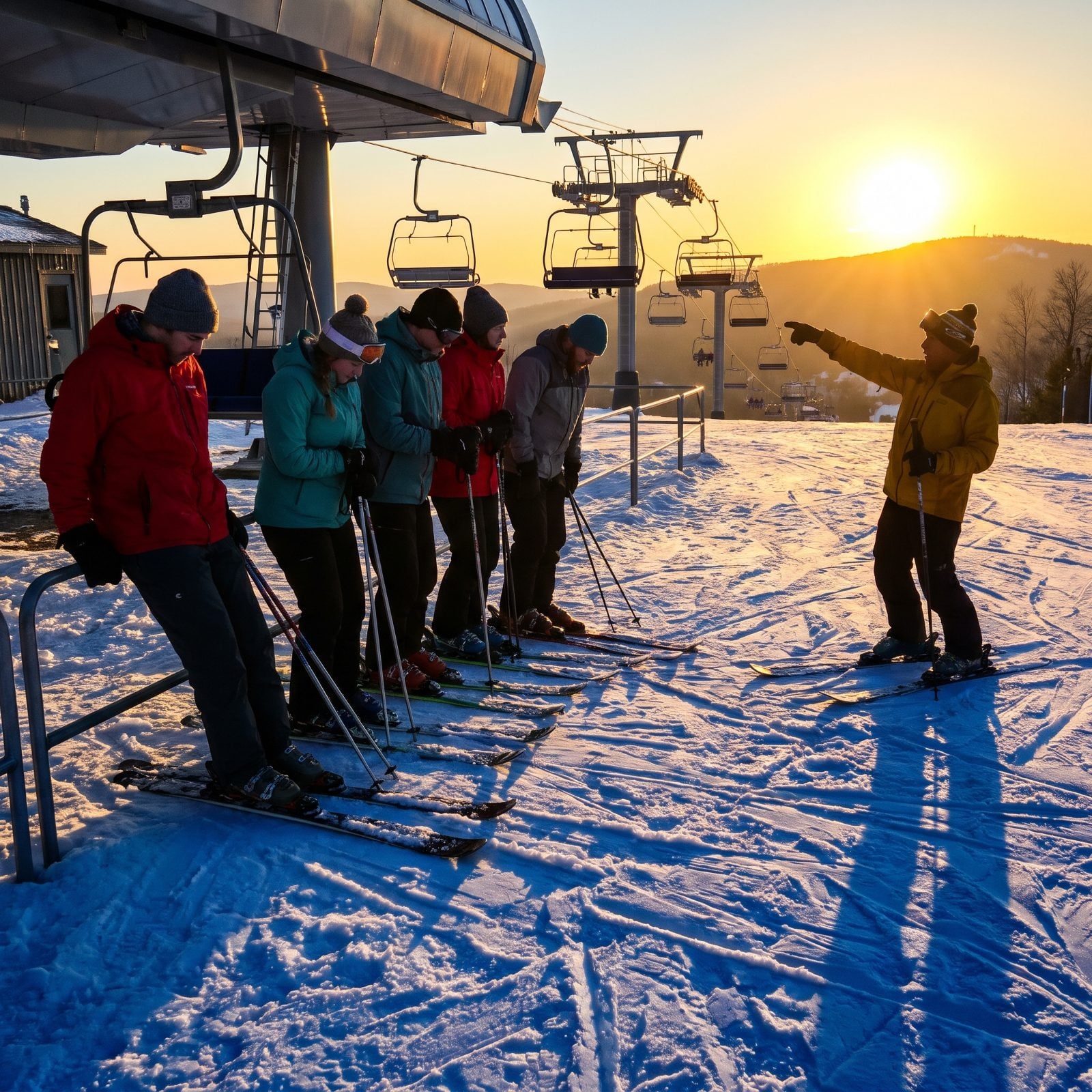
Last run of the day breaks more legs than any other. Tired muscles react late, the light goes flat, and by mid-afternoon the snow has turned to wet cement.
Patrollers clock the person pushing for one more while everyone else is slumped over their poles. That skier is running on want, not on legs. The group is the safety net — wreck the group and the straggler is alone on a mountain that is emptying out fast.
When the legs vote to quit, listen to the legs.
As an orthopedic surgery practice puts it, “Getting one last run when your body is telling you it’s time to call it quits is a formula for getting hurt.”
1. A Child Going Quiet and Still in the Cold
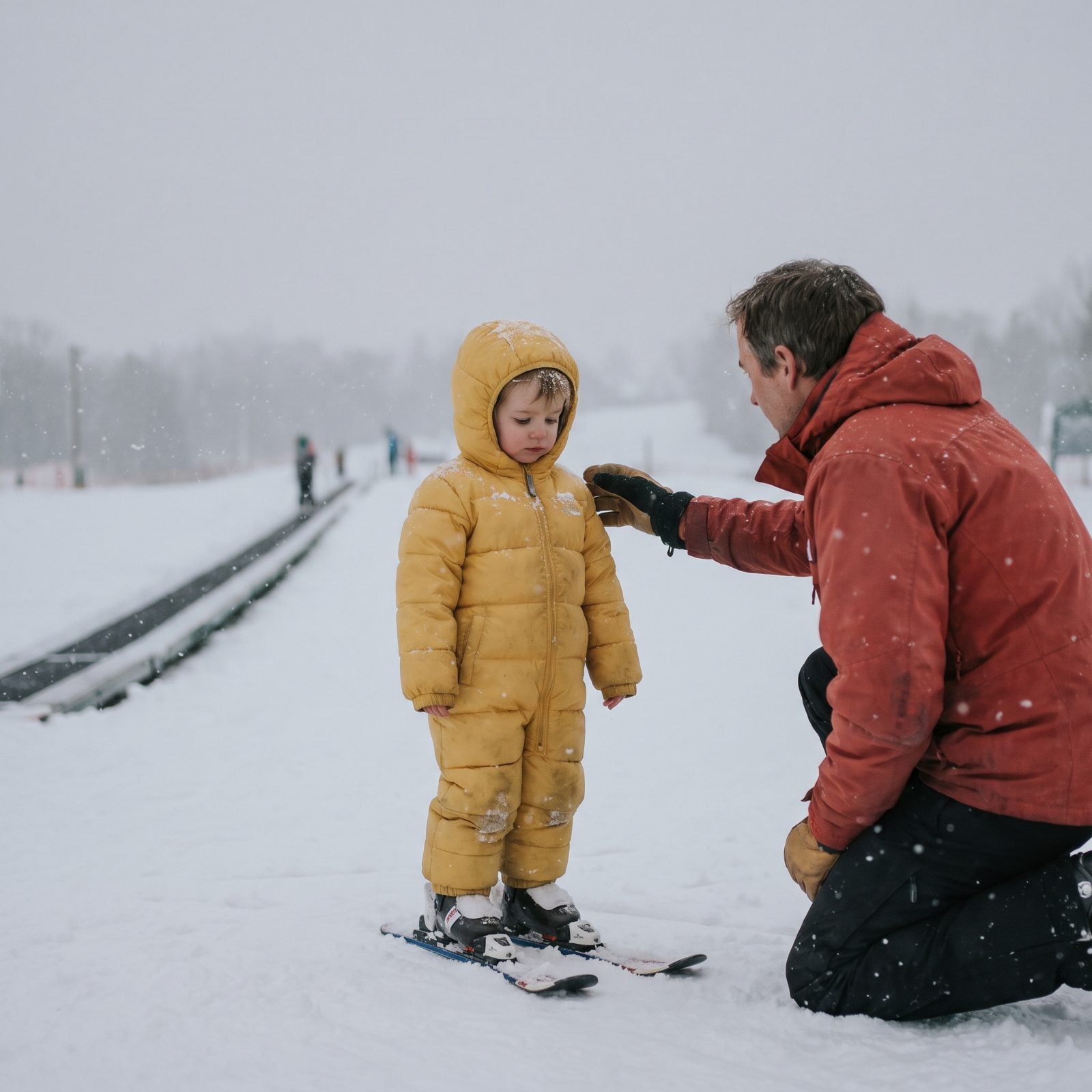
A cold kid complains. That is the healthy sound — whining, stomping, demanding cocoa, all normal.
The warning sign is the opposite. A child who was chattering an hour ago going quiet, slack, and strangely calm is a child whose body is losing the fight with the cold. Shivering stopping is not improvement. It can mean the system is giving up.
Patrollers and sharp parents watch the mood, not just the thermometer. Wet mittens. A flushed-then-pale face. A kid who stops asking for anything. Get them inside, strip the wet layers off, and skip the next run without a second thought.