
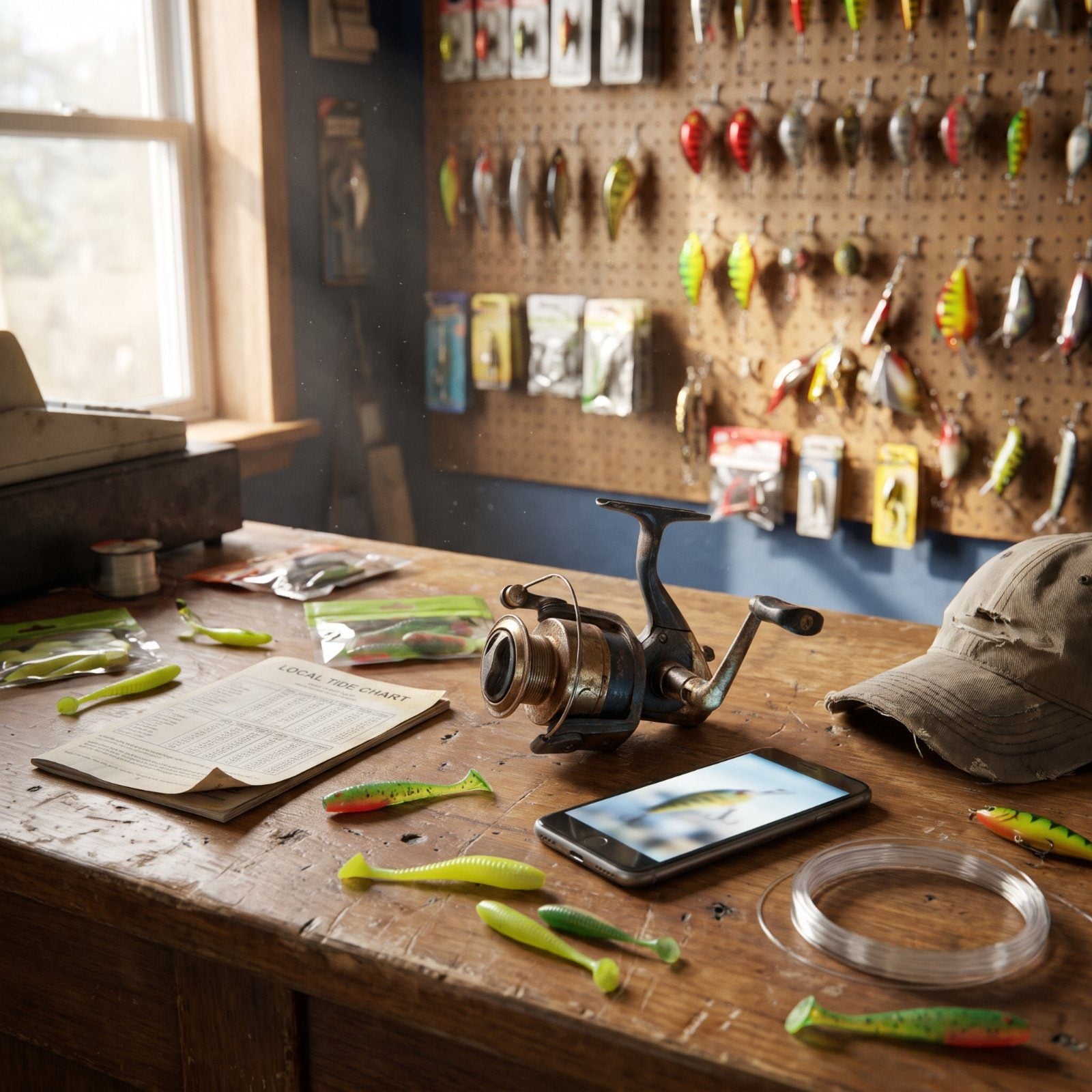
The bell over the door rings and the read starts before a word gets said. A good shop owner clocks the shoes and the hands and the way somebody drifts toward the back wall instead of the register, because thirty years behind a counter sharpens that reflex. We spent time in independent tackle shops watching the people who pour money into them, and the owners who can price a customer in four seconds flat. Some of these tells mark a sharp angler. Some mark a first cast. None of it is judgment — it’s pattern recognition, earned one Saturday rush at a time.
Please note that some of the images in this article were created with the assistance of AI.
30. They Walk In Clutching the Broken Part
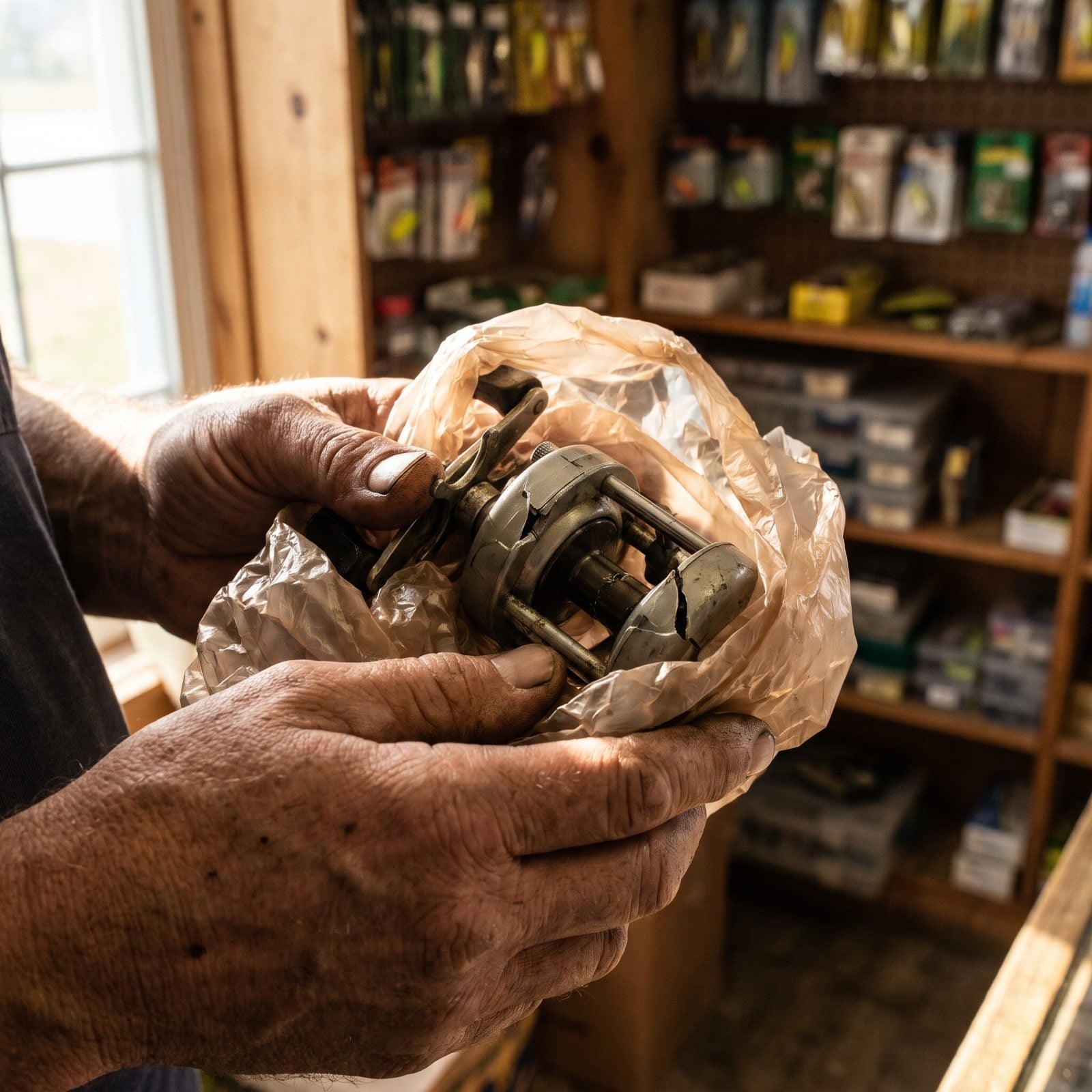
Nothing announces an experienced angler faster than a plastic bag with a broken reel inside it. They don’t describe the problem. They set the evidence on the counter and let it talk — the split side plate, the stripped gear, the snapped tip wrapped in a paper towel.
That move says they’ve learned the hard way that talking through a reel problem gets you nowhere. Bring the part, match the part, walk out with the right fix. The owner respects it immediately because it saves everyone twenty minutes of guessing.
29. They Arrive With a Screenshot of the Lure
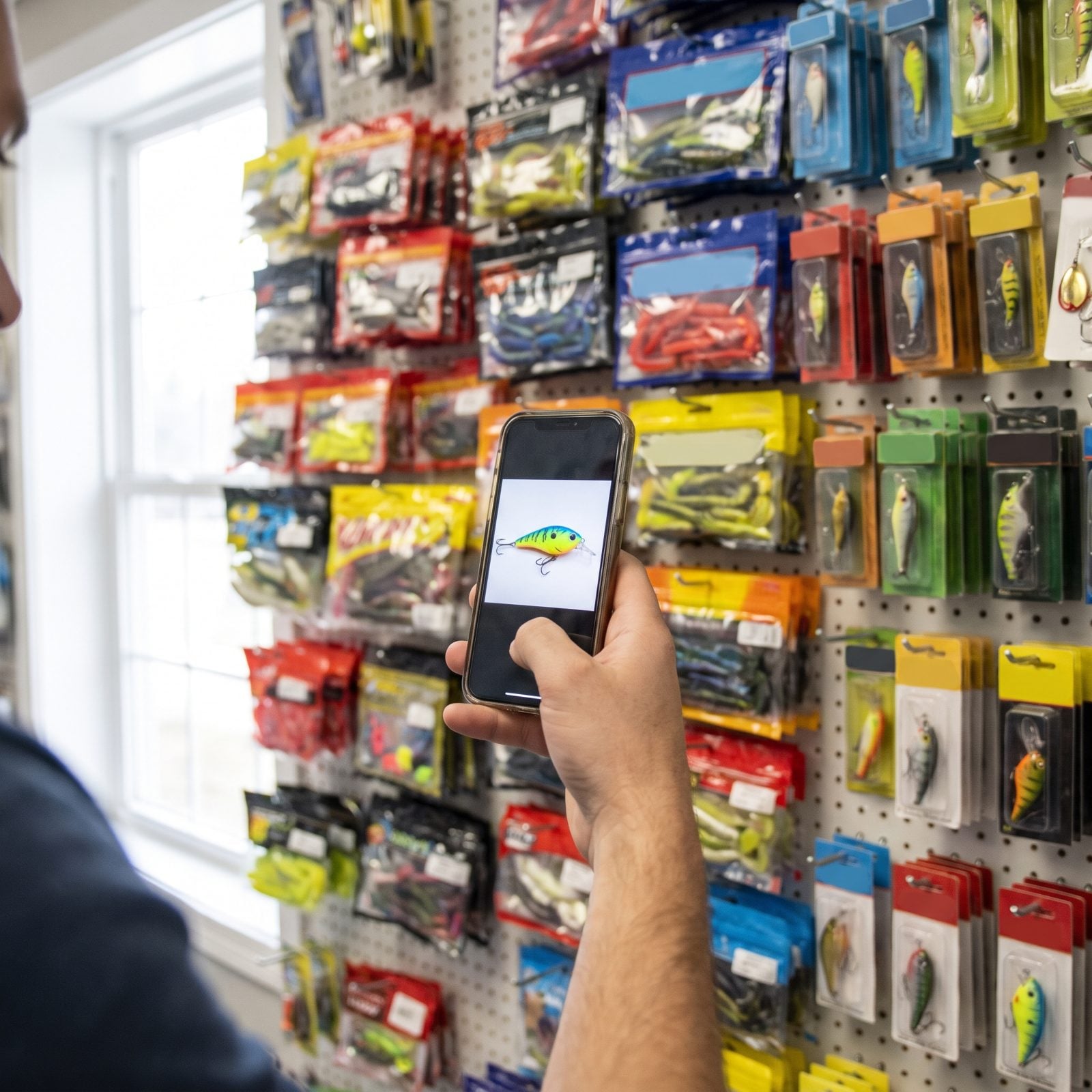
A phone held up against the lure wall is the modern bait hunt. Somebody saw a wall-hanger caught on a video, and now they’re snapping a photo of a chartreuse-and-blue crankbait to compare against a wall of five hundred hardbaits.
The owner has seen this a thousand times. They know the photo runs three colors off and the real producer was the retrieve, not the paint job. They’ll help you find the closest match anyway, because confidence in a lure is half of what makes it work.
28. They Ask What Is Actually Biting Today

This is the smartest question in the building. Not what’s the best lure, not what should I buy. Just: what’s biting right now, on your water, this week?
It tells the owner this customer values local intelligence over catalog hype. Fish move. Water temps shift. A pattern that smoked them last Tuesday goes stone cold by Friday, and the person who asks this question is outsourcing the single most perishable piece of knowledge in fishing to the one person who gets a daily report from everyone who walks in. Smart.
27. They Head Straight to the Local-Lure Wall
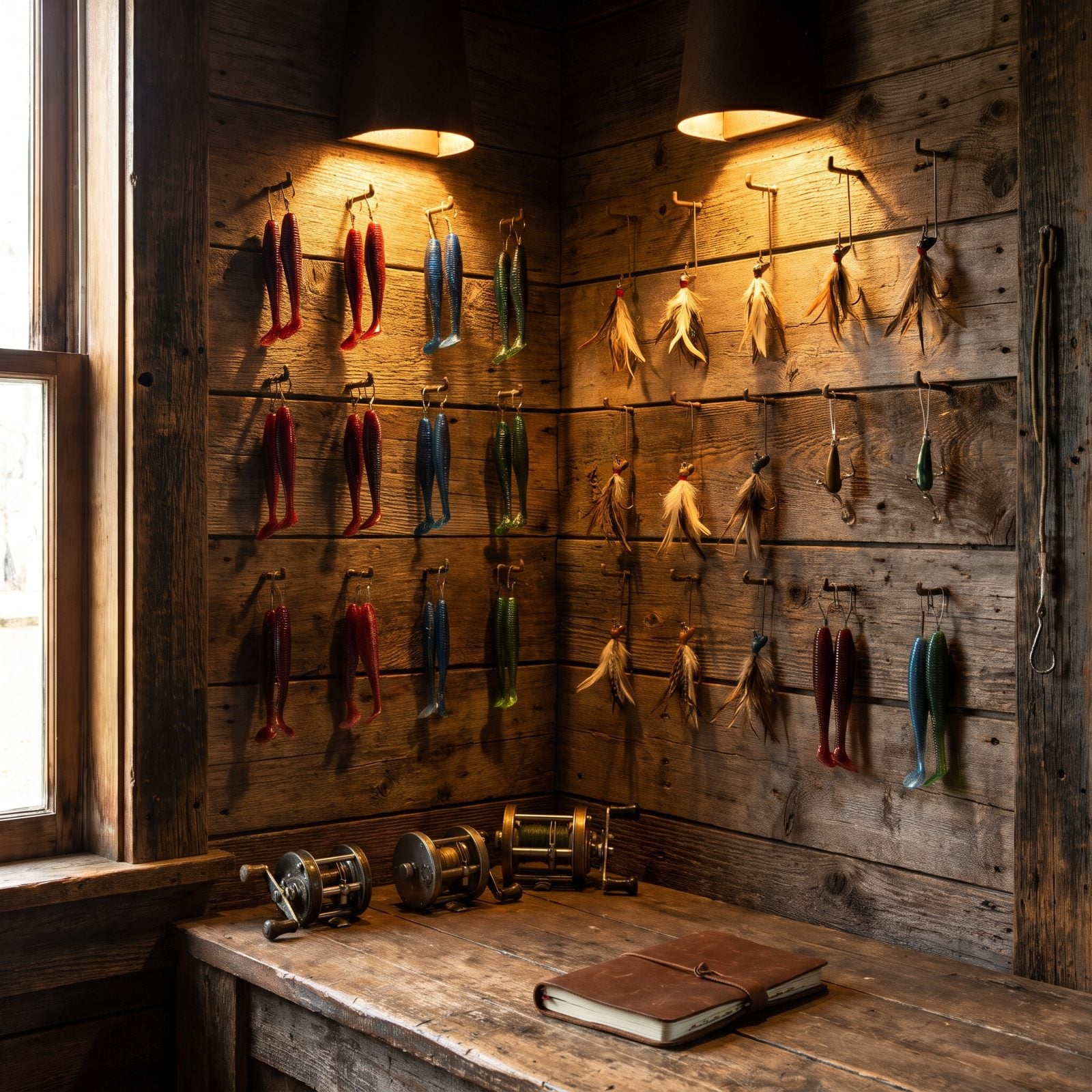
Every real tackle shop has a corner the chains can’t touch. Hand-poured plastics, jigs tied by a guy who fishes the river three mornings a week, colors mixed to match that one weird stain the local water gets after a rain.
When a customer bypasses the name-brand pegboard and makes a line for that corner, the owner knows they’re dealing with a local — or somebody who’s been tipped off by one. It’s the move of a person who already knows the best bait in the building never saw the inside of a factory.
26. They Are Dressed for the Water Already
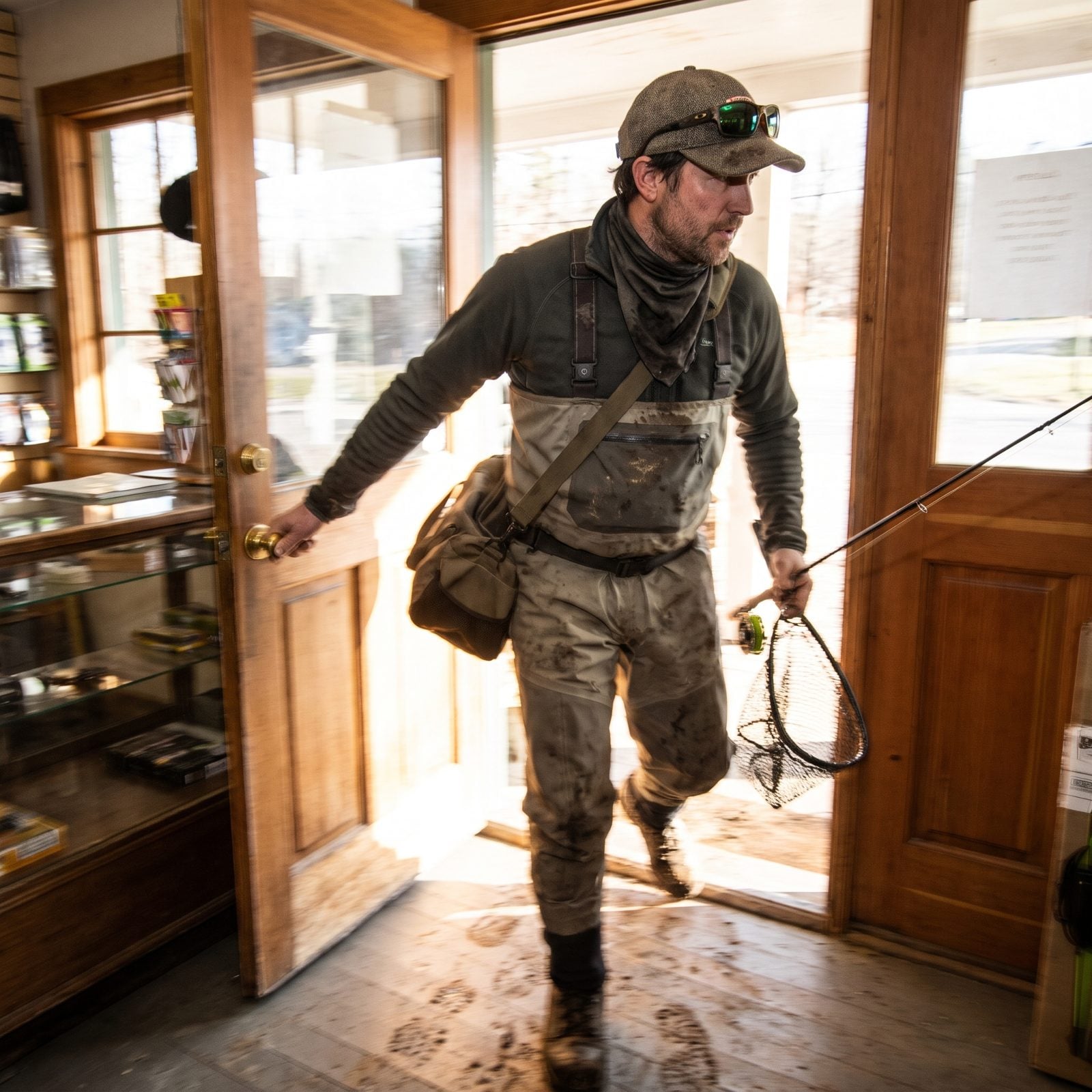
Mud on the boots. Polarized glasses pushed up on the hat. A buff still damp around the neck. This person didn’t plan a shopping trip — they planned a fishing trip, and the shop is a pit stop.
They know exactly what they need, they’ll grab it in under two minutes, and they’re already thinking about the next drift. The owner barely has to lift a finger. These are the customers who keep the lights on and never small-talk.
25. They Check the Clearance Bin Before Anything Else
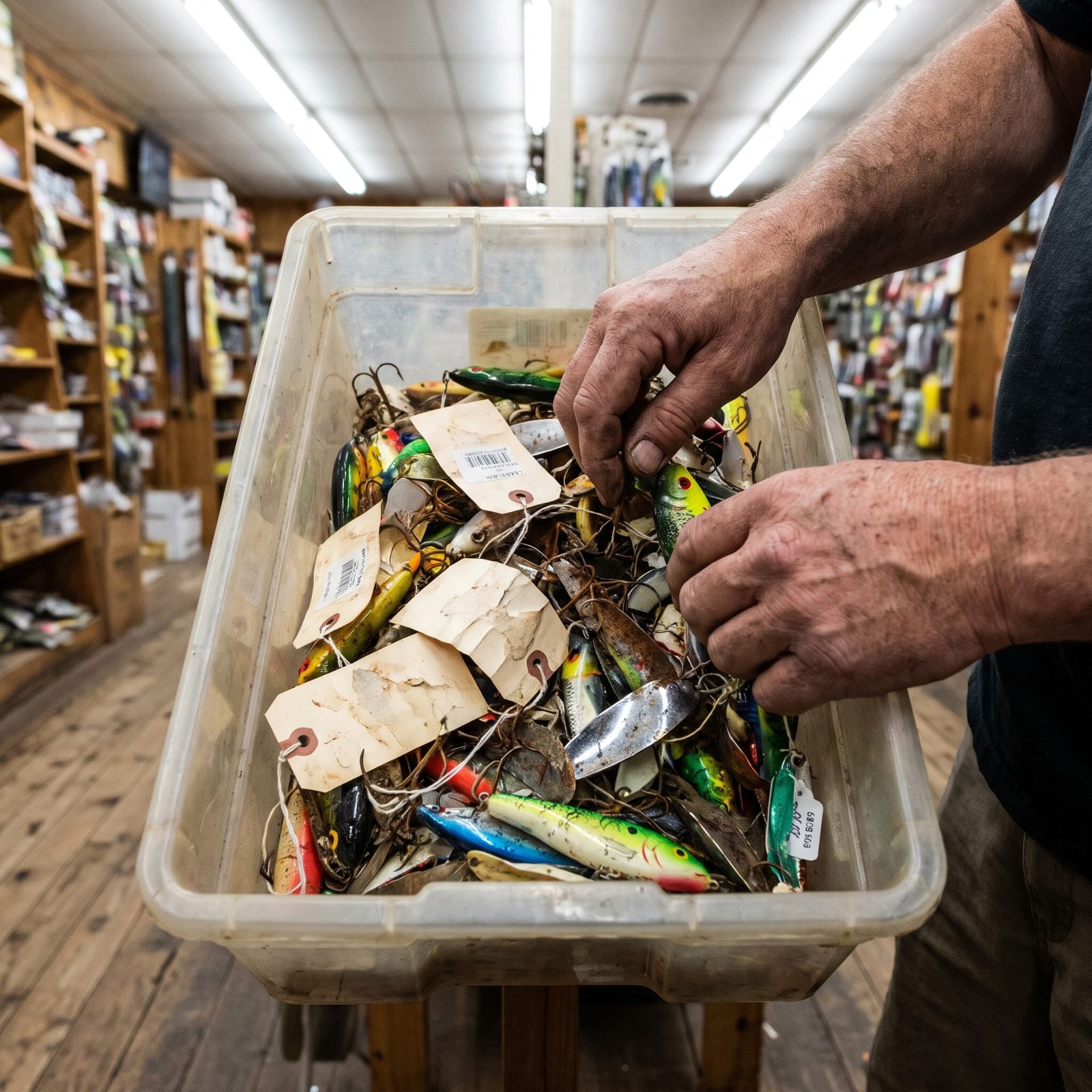
Some anglers fish the clearance bin harder than they fish the lake. And honestly, respect.
That dented-box crankbait catches the same fish as the full-price one on the wall. The bin diver knows this. They also know the bin is where you find discontinued colors that quietly worked for years before the company killed them off.
The owner reads a lot into who dives in first. It’s never about being cheap. Fish can’t read a price tag, so why pay the markup?
24. They Bring Their Own Reel to Test on a Rod
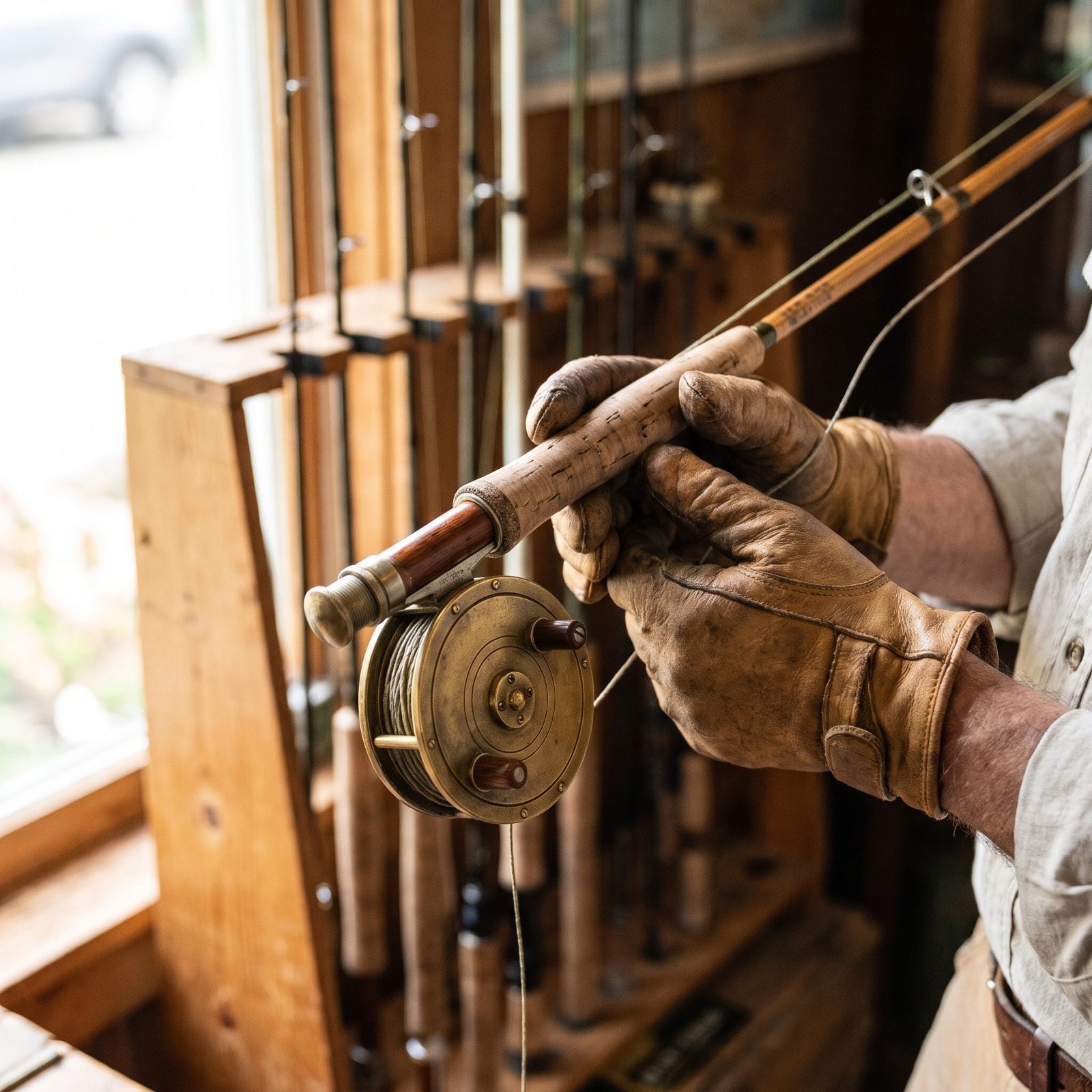
Walking in with your own reel to mount on a rod before buying? Power move. It says you understand that a rod and reel are a system, not two separate purchases.
Balance is everything. A heavy reel on a tip-heavy rod fatigues your wrist by noon. The customer who clamps their own reel on the blank and feels where it sits is buying with their hands, not the spec sheet, and the owner respects it because that’s exactly how they’d do it.
23. They Confuse Rod Power With Rod Action
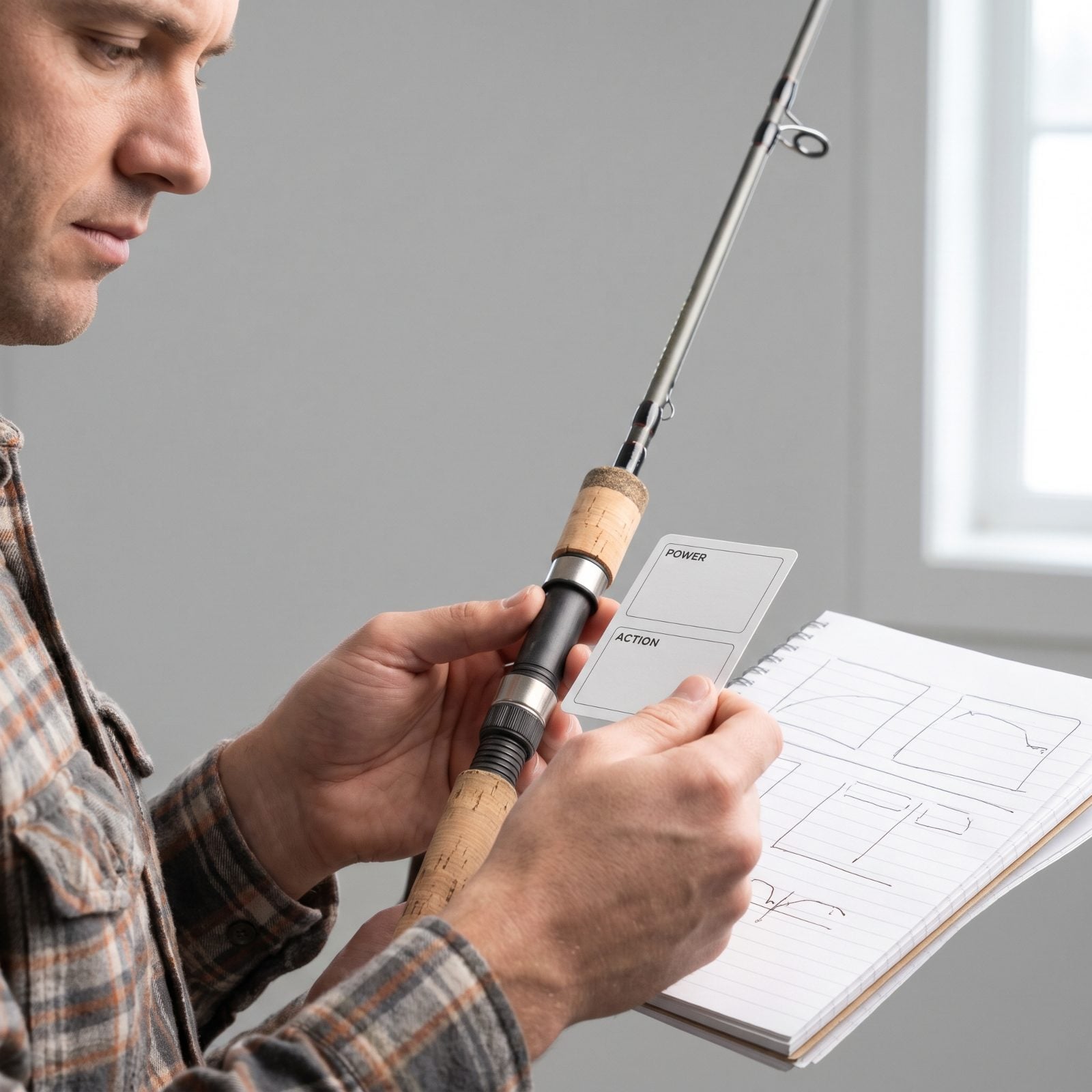
Here’s the tell of an eager learner, not an expert: mixing up power and action. Power is how much weight it takes to bend the rod. Action is where along the blank that bend happens.
Somebody asking for a “fast heavy” rod while they describe a noodle is giving themselves away, and that’s fine. The owner isn’t judging. A good one bends the blank to show the difference and sends them home with the right tool. We all got this wrong once — I bought two wrong rods before anyone bothered to explain it to me.
22. They Lower Their Voice When Naming Their Lake

The quietest moment in the shop is the most honest one.
An angler will talk loud about tackle, loud about weather, loud about the one that broke off. But ask where they’re actually fishing and the voice drops to almost nothing. A glance over the shoulder. A spot held closer than a bank PIN.
The owner never pushes. A honey hole is sacred, and a man who’ll shout his lake across the counter probably doesn’t have one worth keeping. That hush is the highest compliment in the sport. It means the fishing is good, and you just got trusted with it.
21. They Watch How the Minnows Are Swimming

Anyone can scoop a dozen shiners. The person who stands at the tank watching how the minnows hold is telling you they fish live bait the right way, and they want ones swimming strong — not the sluggish ones drifting belly-high.
Lethargic bait means a slow day on a stringer. You want minnows that dart and school tight, because a frisky shiner under a float does the work a tired one never will. Shop owners clock this instantly. It separates the folks who understand that bait is gear from the folks who think a minnow is a minnow.
20. They Check Rod Guides Against the Ceiling Lights

Raise a rod toward the lights, close one eye, and sight down the guides to see if they run dead straight. That little move tells an owner you’ve bought rods with crooked guide trains before and you’re not doing it again.
A misaligned guide pulls your cast off and wears your line faster. Most people never look. The ones who do have usually learned it the hard way, standing on a bank wondering why their distance dropped off a cliff.
19. They Squeeze Every Soft Plastic Through the Package
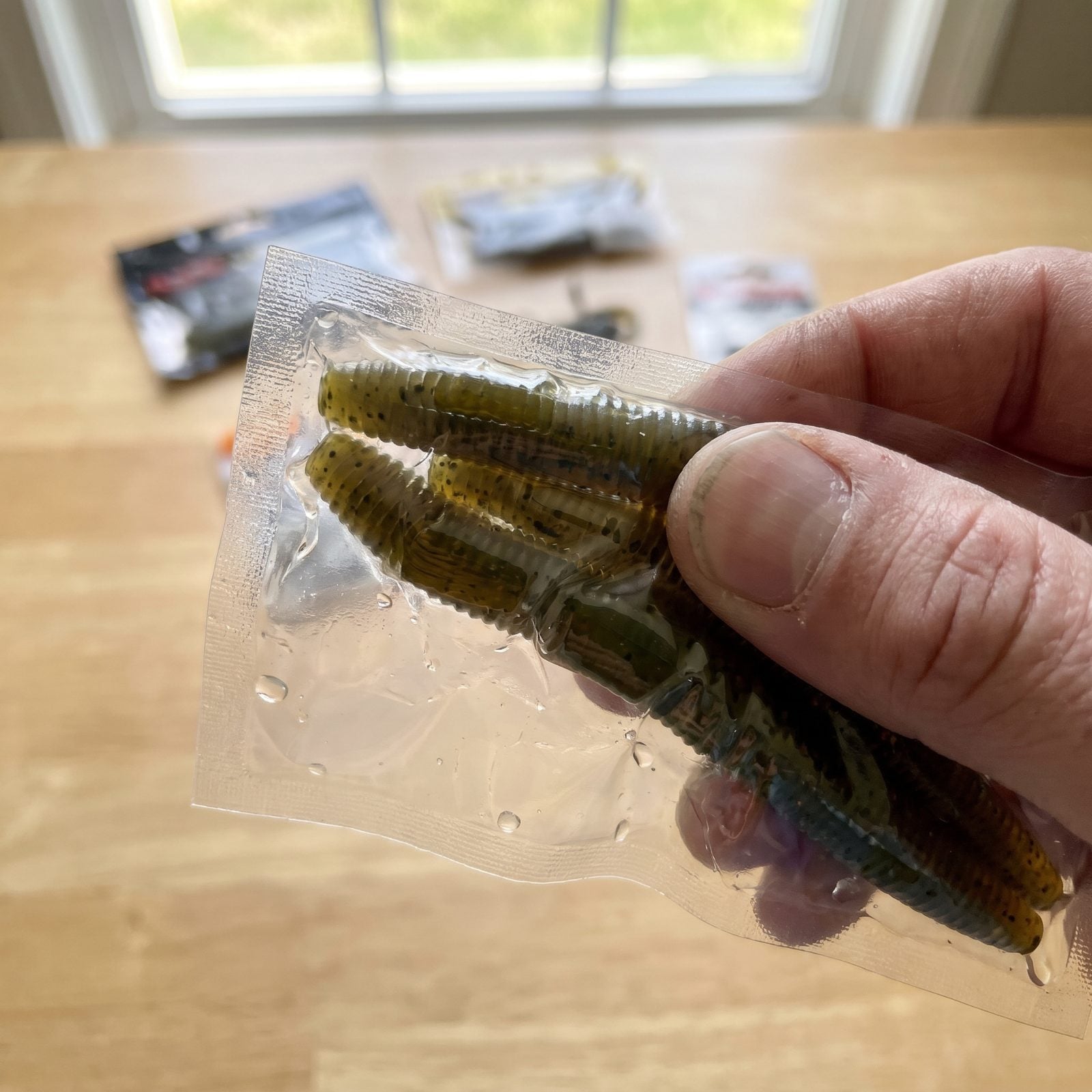
The soft-plastic squeezer is hunting for one thing: give. A bait that feels firm and rubbery through the package will feel the same to a bass, and the bass has opinions about that.
Softer plastics fold and collapse when a fish bites, which buys you an extra half-second before it spits the hook. Veterans tell a cheap stiff worm from a salt-impregnated soft one by feel alone, through the plastic, almost before their thumb finishes pressing. I used to buy whatever was on sale. The squeezers were right and I was wrong.
18. They Know the Exact Line Diameter They Need
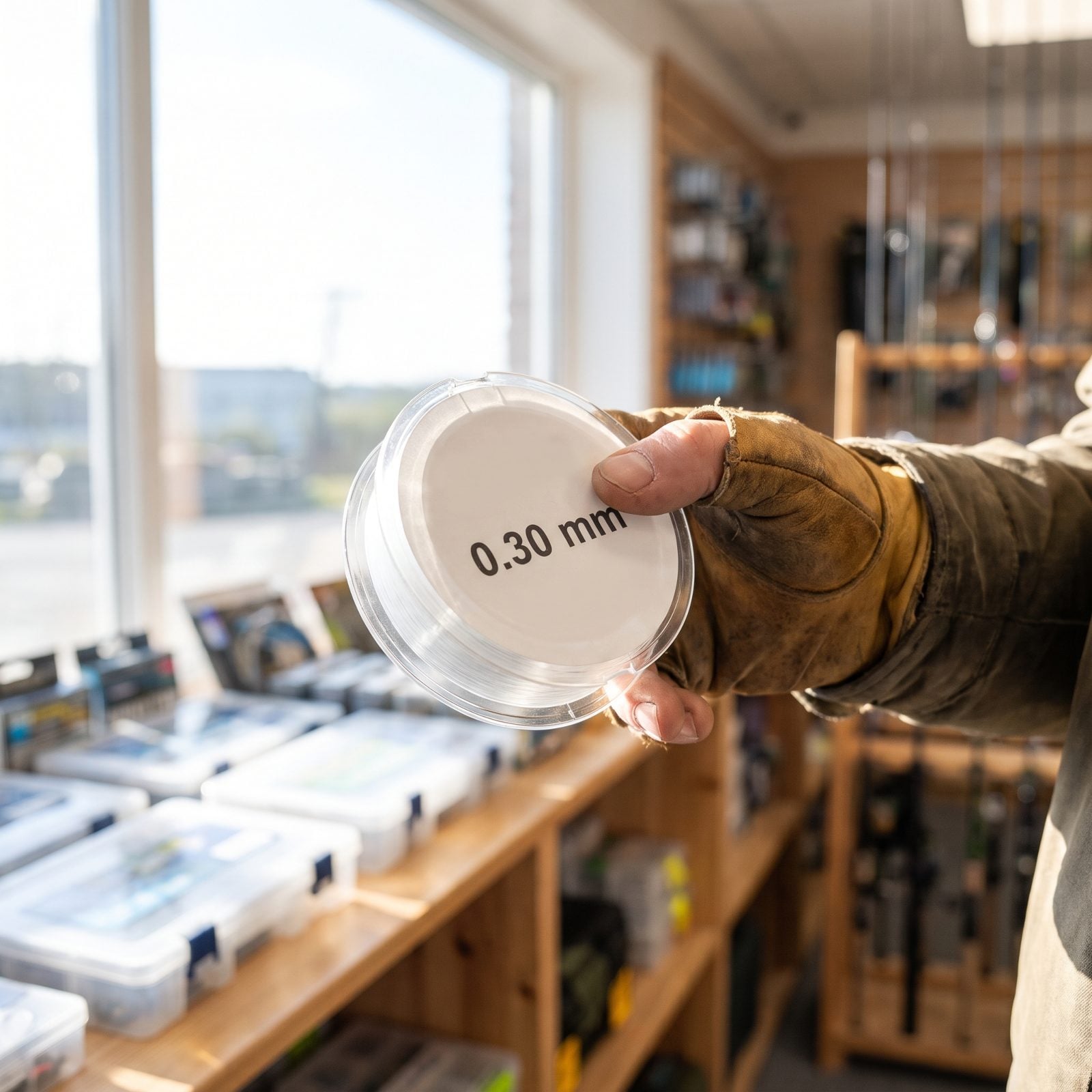
Walk in asking for “ten-pound line” and you get a conversation. Walk in asking for a specific diameter in a specific brand of fluorocarbon and the owner already knows you’ve thought about this more than most.
Pound test is a loose promise. Diameter is a fact, and two lines rated the same can differ enough to change how a lure dives and how much your rig disappears underwater. The angler who talks in thousandths of an inch isn’t showing off. They’ve just connected line size to lure action and water clarity, which is where this game actually lives.
17. They Compare Hook Points With a Fingernail
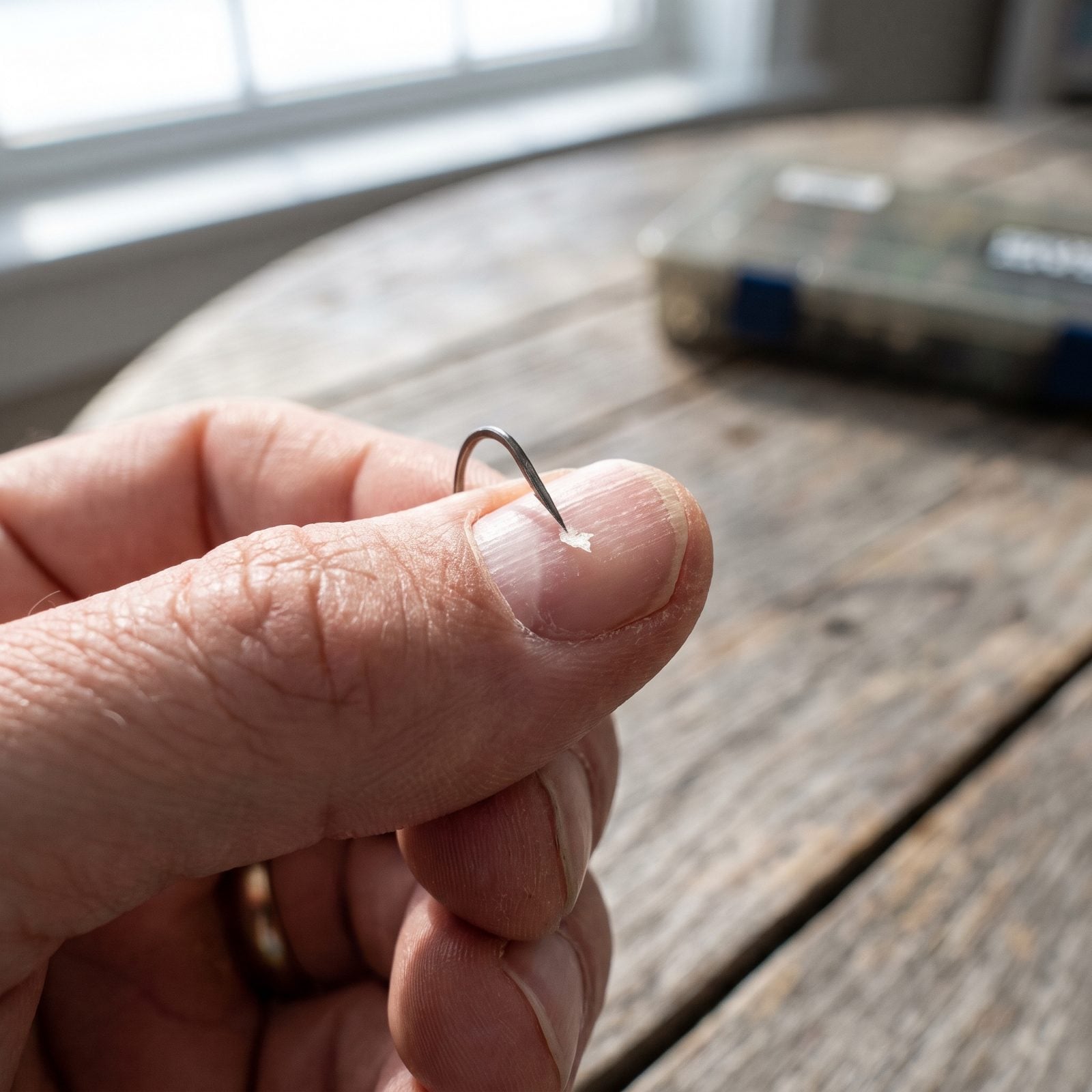
Drag a hook point across your thumbnail. If it skates, it’s dull. If it bites and catches with the faintest drag, it’s sharp enough to set.
This tell goes back generations and owners love seeing it. It means you understand the whole rig lives or dies on that one point of contact, and that even a fresh hook out of the pack can come up short. A sticky-sharp point is the difference between a solid hookset and watching a fish shake free three feet from the net.
16. They Test Drag Smoothness Before Reel Speed
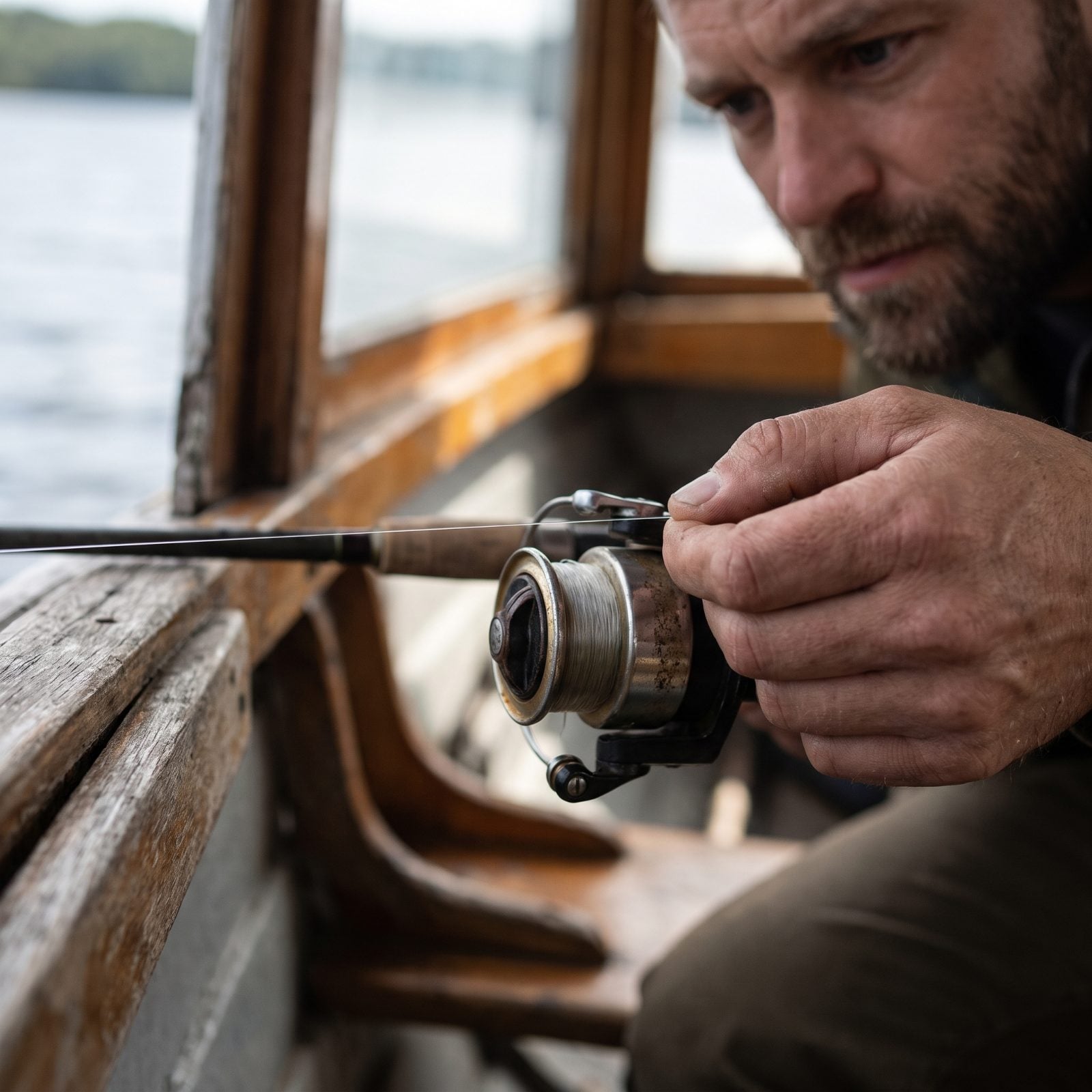
Here’s the giveaway an owner quietly respects more than any other. Instead of spinning the handle to feel the speed, the customer tightens the drag, pulls line straight off the spool by hand, and feels for whether it leaves smooth or in jerky little stutters.
Drag is what lands big fish. Retrieve speed is a number on a box. A drag that hitches and grabs will pop your line on a hard run when it matters most, and a buttery one keeps pressure steady while a fish does its level best to break off. The angler testing drag first has lost a fish to a bad one. You only make that mistake once.
15. They Buy One Lure in Six Nearly Identical Shades

Six packs of the same bait, the colors so close you’d need daylight to tell them apart. To a bystander it looks like indecision. To a shop owner it looks like someone who fishes the same water in every light the sky throws at it.
Fish read color differently in stained water, under bright sun, through overcast flat light. The angler buying green pumpkin, watermelon and smoke of the same worm isn’t confused. They’re covering a day that changes by the hour, and they’ve learned the hard way that the “wrong” shade gets ignored while its near-twin gets hammered.
14. They Recognize Old Stock by Its Packaging
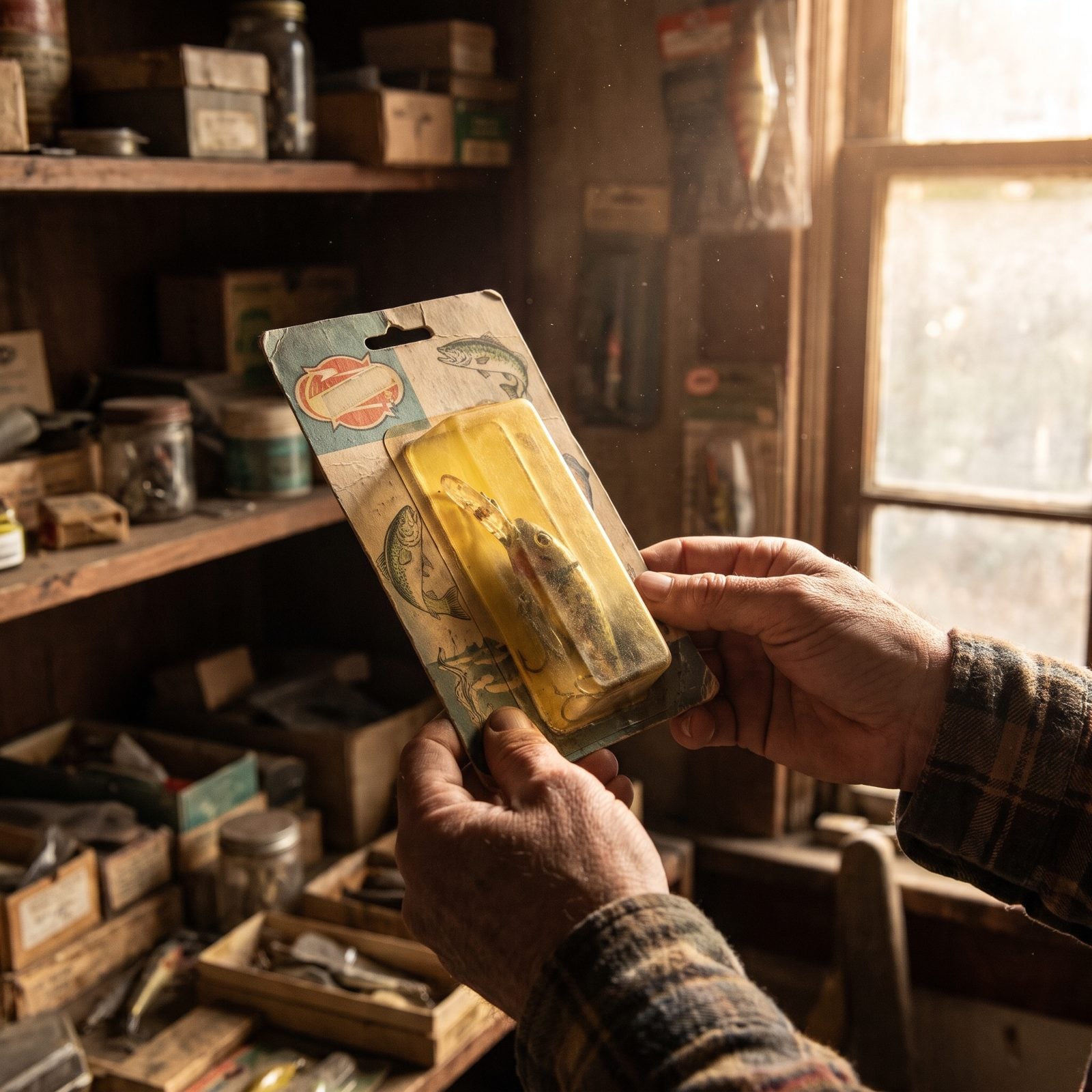
Somebody picks a pack off a dusty shelf, flips it over, and their face changes. They’ve spotted an old card design, the kind that stopped shipping years ago.
That customer knows the company changed the paint, or the hook gauge, or quietly moved production overseas. The old stock still hanging on a back peg is sometimes the version that worked, and they want it before anyone else notices. Shop owners love and dread these folks in equal measure. They’ll clean out the one good peg you forgot you had.
13. They Notice When a Favorite Hook Has Changed
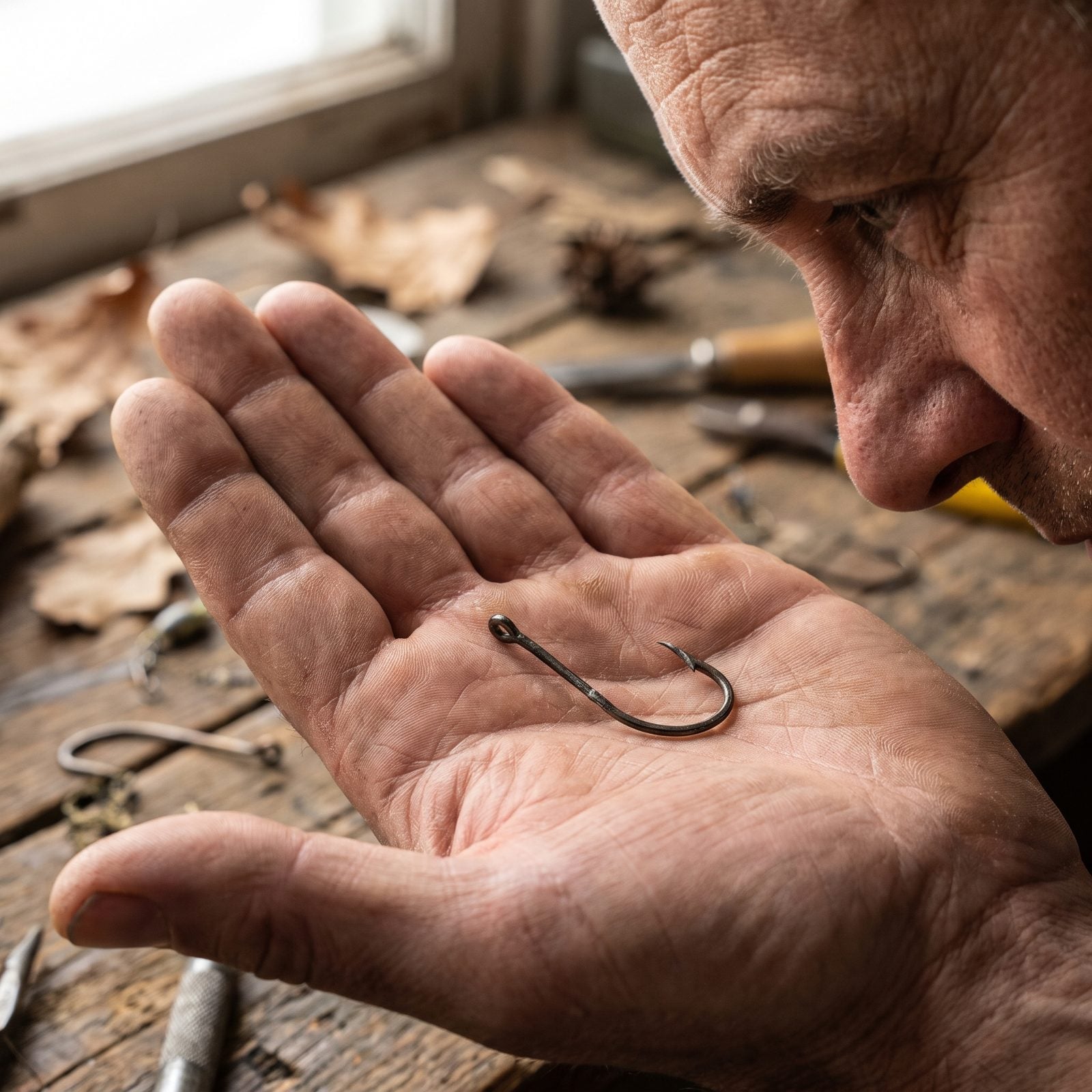
A hook is just a hook until the one you trust gets a new wire gauge.
The angler who opens a box, tips a hook into their palm, and frowns is feeling for something specific. Point geometry, a wider gap, a thinner wire that’ll straighten on a big one. Manufacturers reshape hooks quietly, and a confirmed striper or walleye regular catches it before the catalog does. When they ask whether you’ve still got the old pattern in stock, answer carefully. They already know.
12. They Count Ball Bearings as a Shortcut to Quality
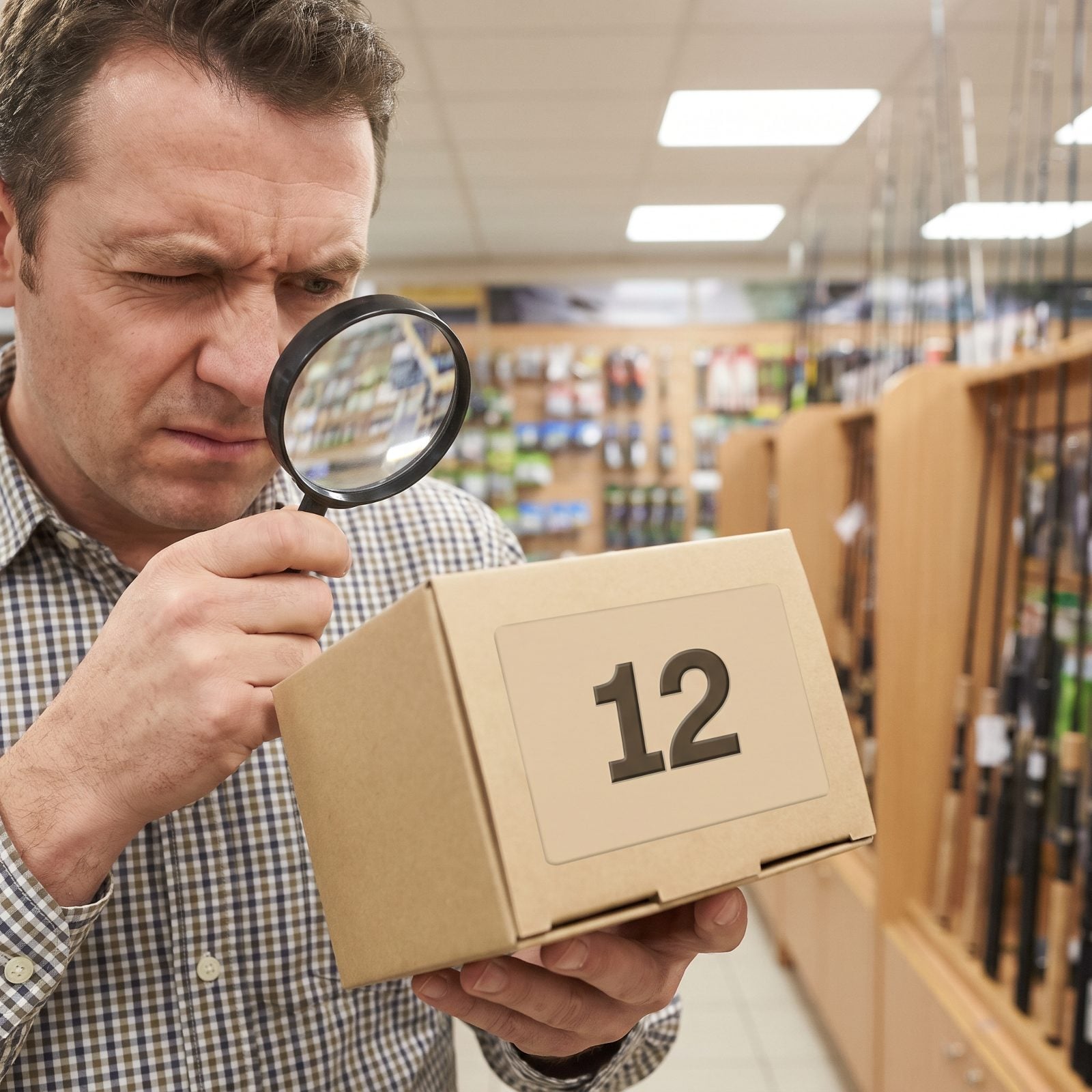
More bearings equals better reel. That’s the belief, anyway.
Customers who shop by bearing count are easy to spot. They flip the box, find the number, compare. It feels like a clean way to rank quality, and a good shop owner will gently muddy that water, because six quality bearings beat ten cheap ones that’ll grind to paste by midsummer.
What actually matters is the grade of the bearings and the seal keeping water out of them, not the headline number on the box. A reel that still spins silk-smooth after two seasons of saltwater is the real test. No box prints that.
11. They Arrive Minutes Before Closing for a Full Respool
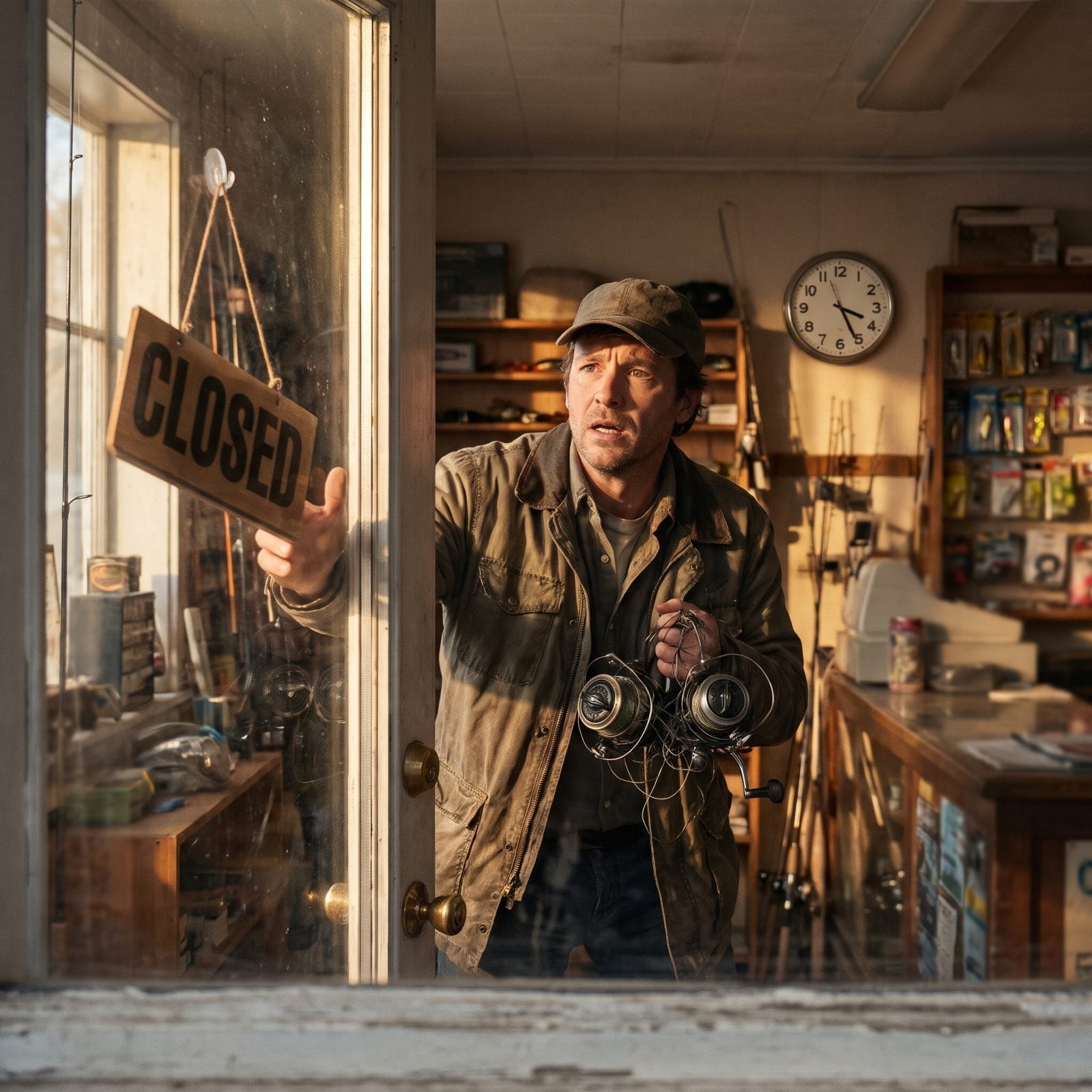
Seven minutes to close, and in walks someone with two reels and a tournament tomorrow.
A respool isn’t a thirty-second favor. You’re stripping old line, backing a braid properly, spooling under even tension so it doesn’t bite into itself on the first hard cast. The last-minute arrival means well and is genuinely stuck, so the owner usually does it anyway. Just know you’re testing a friendship when the lights are already half off.
10. They Bring a Bird’s Nest Instead of the Reel
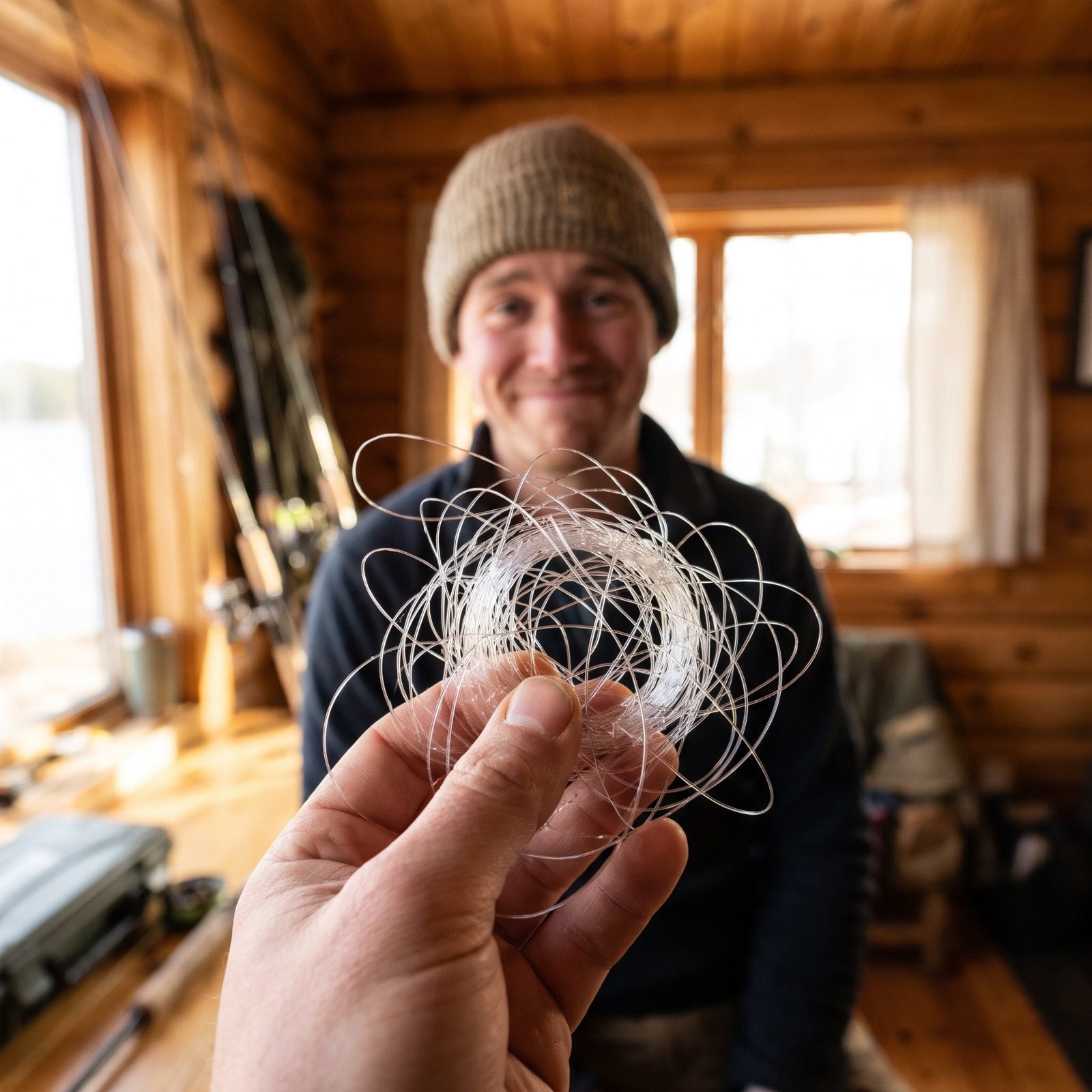
The tangle arrives before the question does. A fist-sized knot of mono, a sheepish grin, and the hope that someone behind the counter has a trick.
Everybody who throws a baitcaster has backlashed one into a bird’s nest. The spool overruns the lure, the line keeps feeding, and twenty loops pile up in half a second. There’s no magic fix. Just patience and a little more spool tension next time. The owner who picks it apart without a lecture earns a customer for life, and probably a story later.
9. They Need a Setup Their Child Can Cast
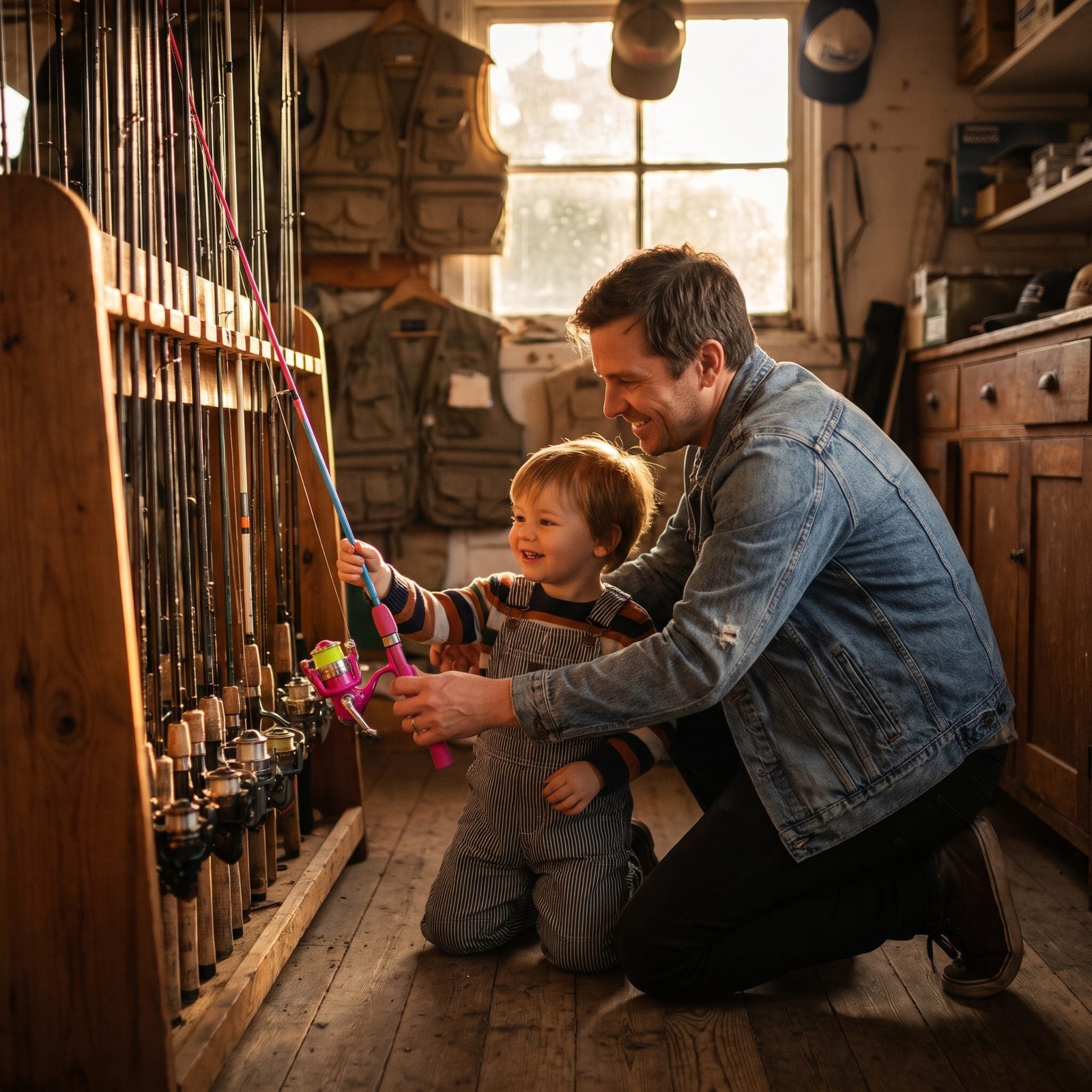
A parent walks a kid to the rod rack, and the whole calculation shifts.
They don’t want the best rod. They want the one a toddler can grip, cast without a tangle, and reel without crying. A kid-sized spinning combo, short and light, rigged with a bobber and a worm, does more for a lifelong angler than any premium outfit ever will. Shop owners get quietly invested in these sales, because they know exactly what’s riding on it. One good afternoon of catching bluegill makes the next fisherman.
8. They Choose Gear by Vehicle Storage Space

Some anglers shop with their trunk in mind before their water.
The customer eyeing a four-piece pack rod or a telescoping travel model usually drives a small car, flies to trips, or hikes into backcountry ponds nobody else bothers with. They’ve learned that a one-piece rod rattling loose in a hatchback snaps the first time a cooler slides into it. Compact gear costs a little in action and feel, and gains everything in actually making it to the fish.
A shop owner reads this fast. The question isn’t “what’s the best rod.” It’s “what fits.” Different problem entirely.
7. They Ask for Regulations Before Buying Tackle
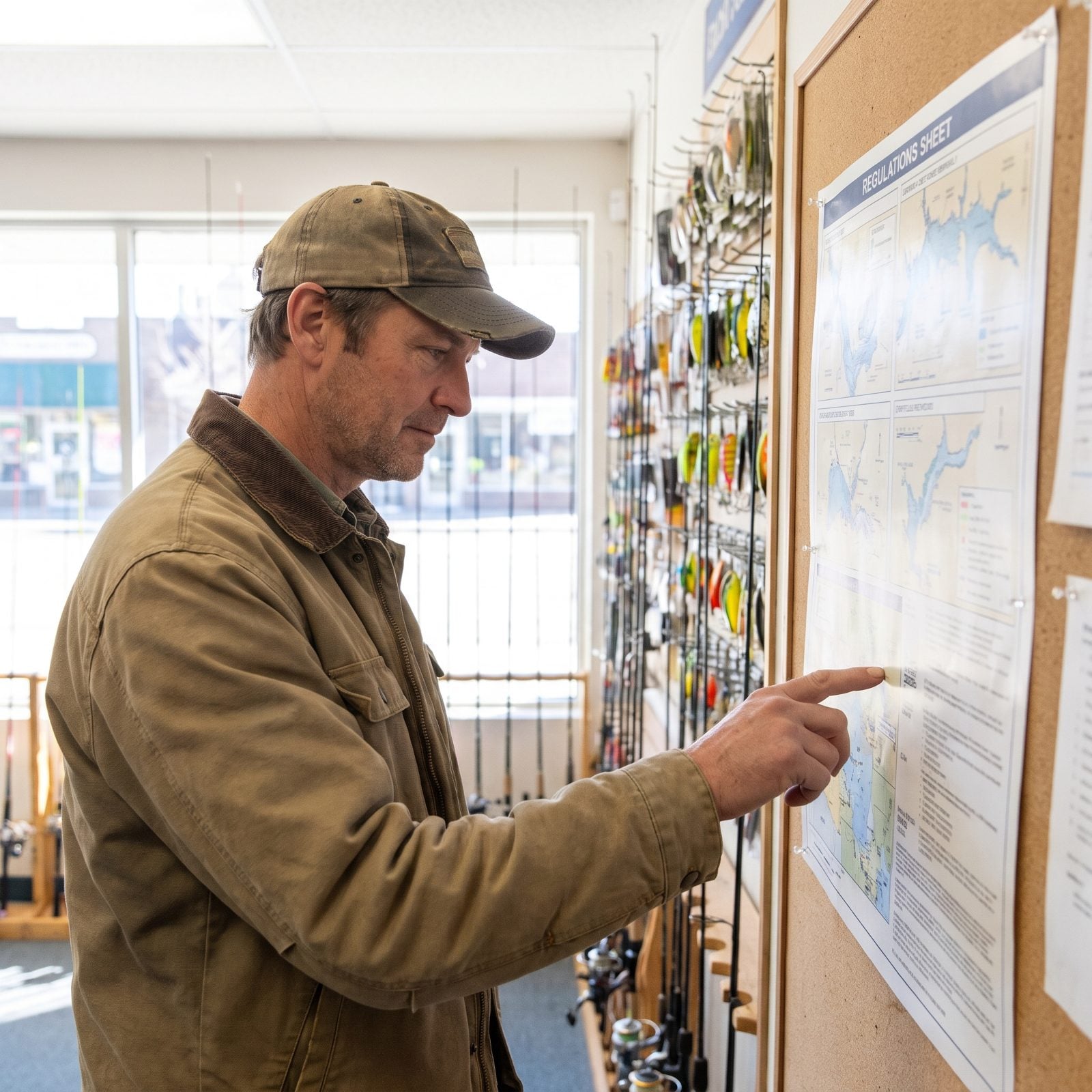
The best customer in the shop asks about the rules before the gear.
Someone who wants the size limit, the slot, the barbless requirement or the seasonal closure before they pick a single lure is telling you they plan to fish legally and come back next year. Rules change by state, by water, sometimes by the particular stretch of river you’re standing in. A shop owner who keeps the current booklet by the register respects that question. It’s the mark of an angler who intends to have fish to catch in a decade.
6. They Need Something That Will Survive Saltwater
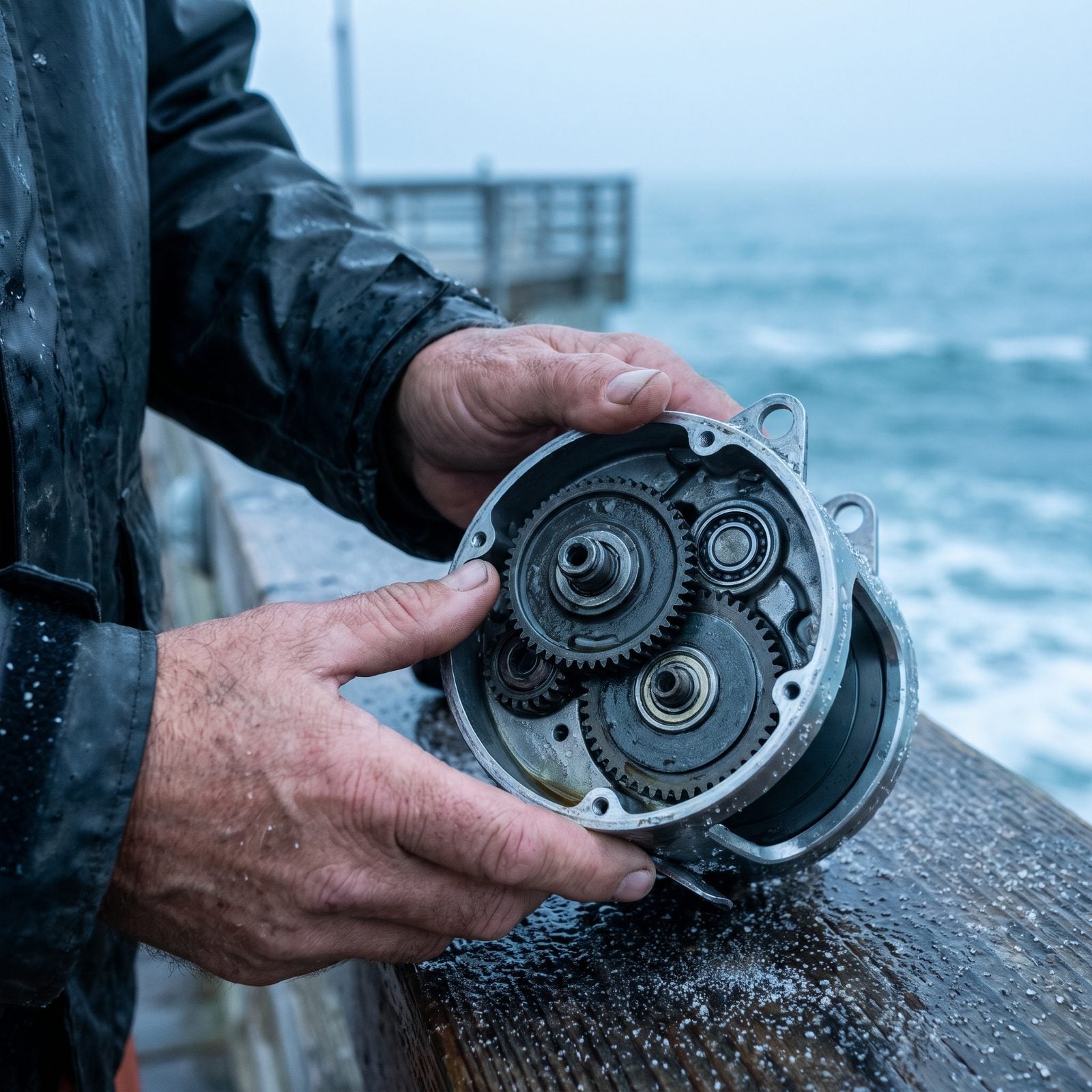
You can spot this one before a word gets said. They pick up the reel and go straight for the guts: the drag, the bearings, the seal around the spool. Freshwater buyers care how it casts. Saltwater buyers care whether it’ll still be alive come March, after some deckhand hoses the boat down wrong.
Salt is patient. It finds the one gasket you forgot and eats it. A good shop owner hears “what holds up in the surf” and already knows to steer you toward sealed drags and anodized bodies instead of whatever’s hanging on the end cap begging to be bought.
5. They Tell the Clerk Their Entire Fishing History

The purchase could take two minutes. It takes twenty. You get the whole arc: the pond they grew up on, the smallmouth that broke off in ’09, the brother-in-law who swears by a color that doesn’t exist anymore.
None of it is wasted on a sharp owner. Buried somewhere in that long ramble is exactly what they need to hear — where you fish, how often, what keeps breaking off at the worst possible moment. Half the time the clerk already has the answer and is just politely waiting for you to wind down. I do the same thing. I know I do it. And I’m not a bit sorry.
4. They Listen Closely When Regulars Start Talking
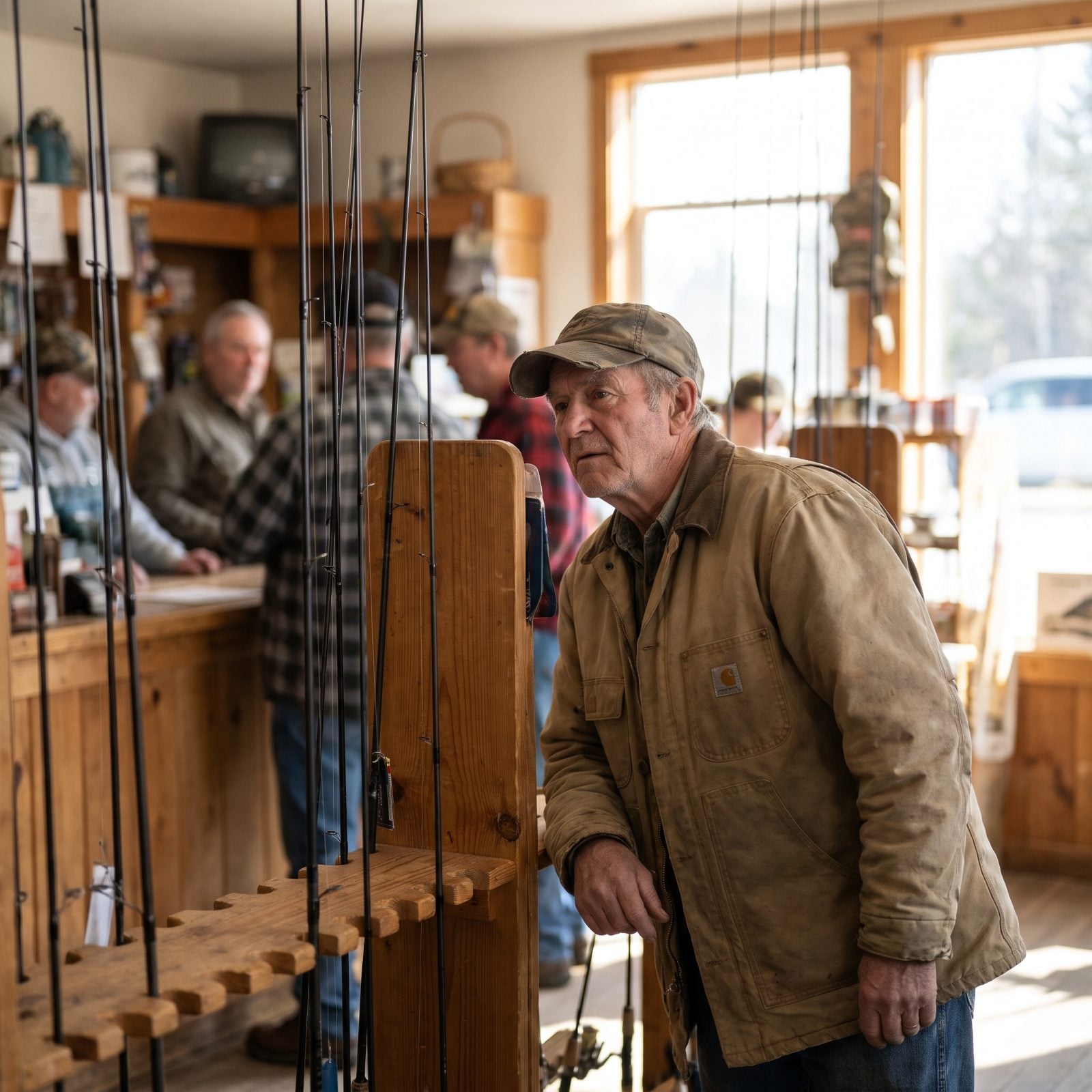
There’s always one standing a little too still by the rod rack, head tilted toward the counter where the regulars are running their mouths about what’s biting out on the flats.
Smart money. The fishing report taped to the wall tells you yesterday. The two retirees arguing over coffee tell you this morning — which creek warmed up first, which bait the stripers turned their noses up at, who got skunked and why he probably deserved it. A good owner pulls the quiet listener into the circle instead of letting him strain to overhear. That’s how a stranger turns into a regular.
3. They Treat the Shop Like a Pre-Launch Checklist
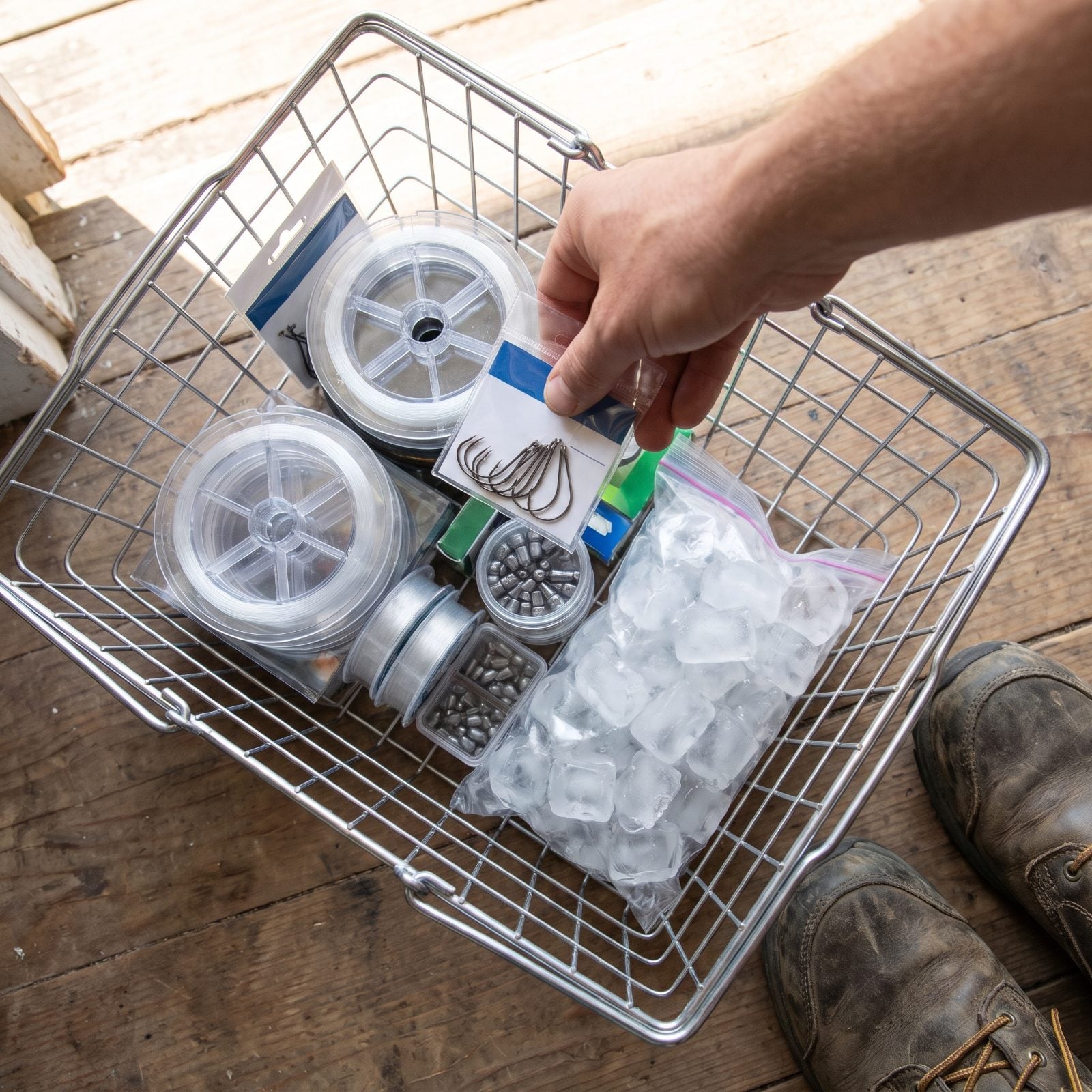
No browsing. The basket goes down on the wooden floor right by his boots, and it’s line, hooks, sinkers, a bag of ice, checked off, done. This fella launches from the ramp just down the road and learned the hard way, somewhere around 5:40 a.m. one morning, what it costs to forget something back home.
You can set your watch by them all summer. An owner who keeps the fast-movers stocked up near the front is doing these folks a genuine kindness — because every minute in the shop is a minute the bite is happening without him. Nobody in this mode wants to hear about the new rod that came in Tuesday. Ring it up. Let him go chase the tide.
2. They Are Replacing Gear Lost to a Specific Mistake
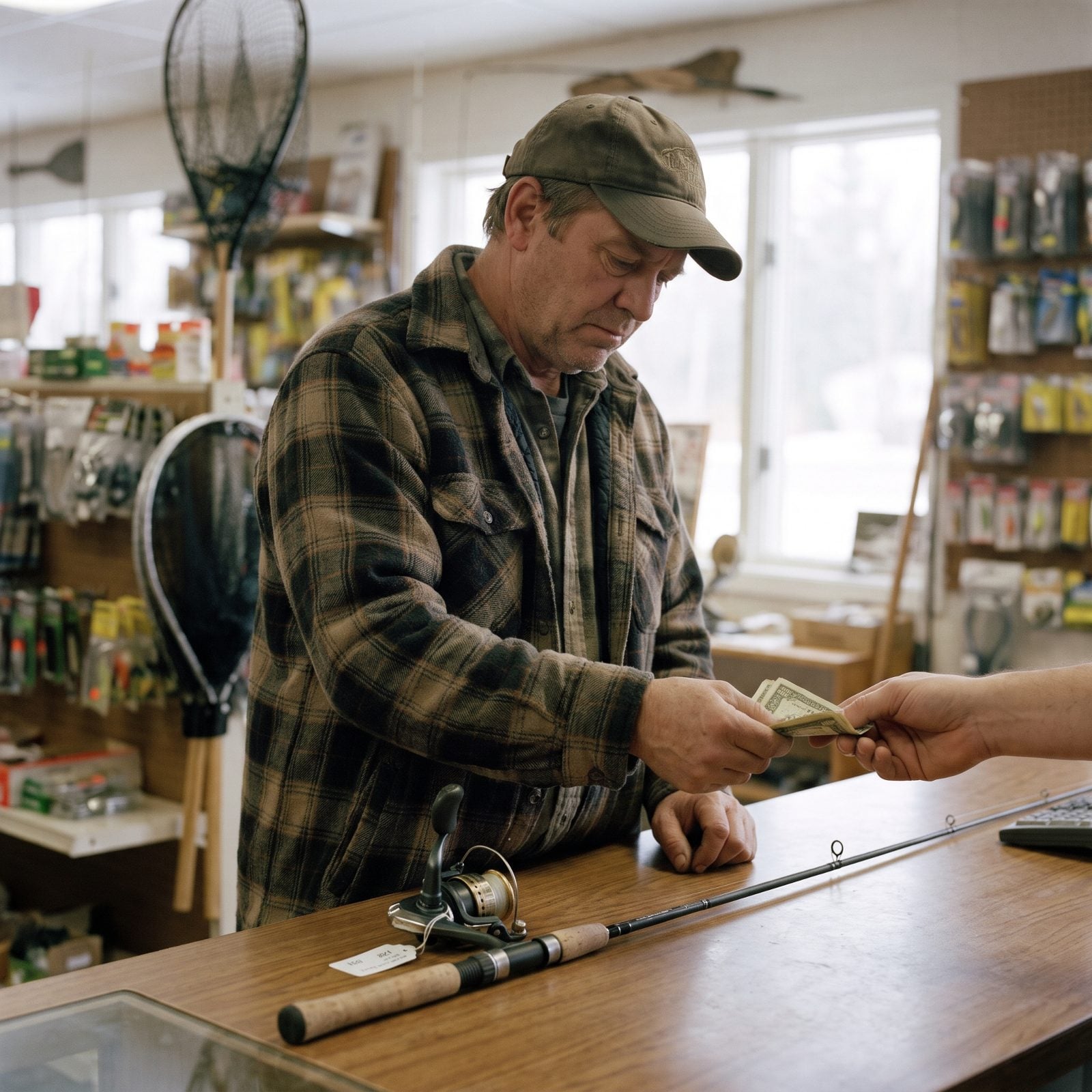
He walks in buying exactly one thing — the same rod he had last week — and he can’t quite meet your eye. The combo went over the gunwale. The pliers are down on the bottom of the lake. The whole tackle tray slid off the dock, open, in glorious slow motion, while he stood there and watched it go.
Owners have heard every version there is. The honest ones who cop to the mistake right out loud tend to earn a little grace for it. This is also the exact moment to sell a leash, a floating lanyard, a rod holder — because the guy standing at your counter has just paid his tuition and is finally, truly listening.
1. They Buy Practical Tackle Until One Nostalgic Lure Appears
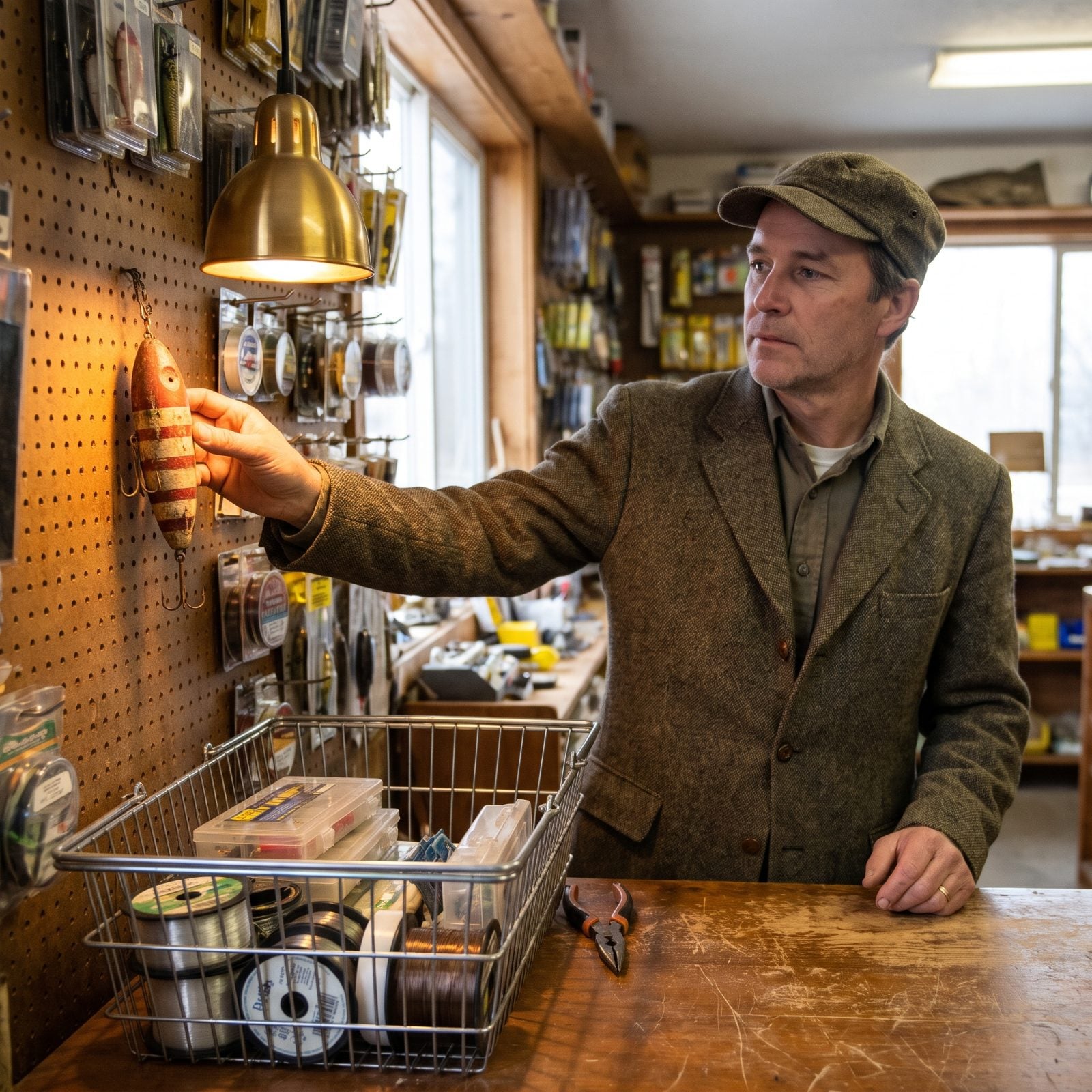
The basket says practical. Hooks, line, a reasonable jig head or two. Then he stops dead in front of the pegboard and reaches for a lure that has absolutely nothing to do with the trip he’s planning.
Every owner knows this pause. It’s the plug his father threw. The exact topwater he lost in a stump forty years back and never got his hands on again. He doesn’t need it. He will absolutely buy it, and he’ll hang it somewhere he can see it far more than he’ll ever actually tie it on.
That lure isn’t tackle. It’s a ticket back to a dock that probably isn’t even standing anymore — and no shop owner alive would dream of talking him out of it.