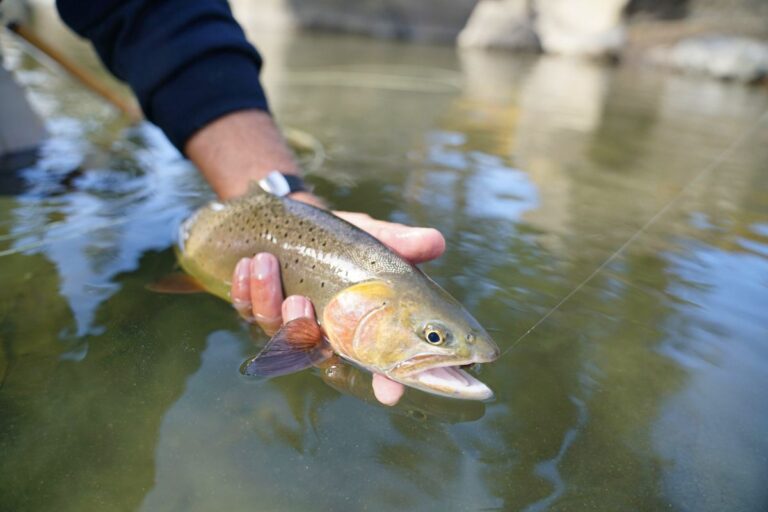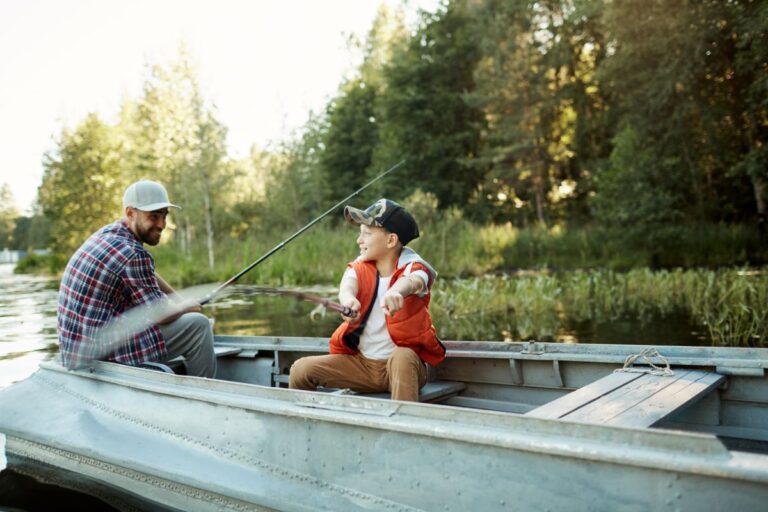
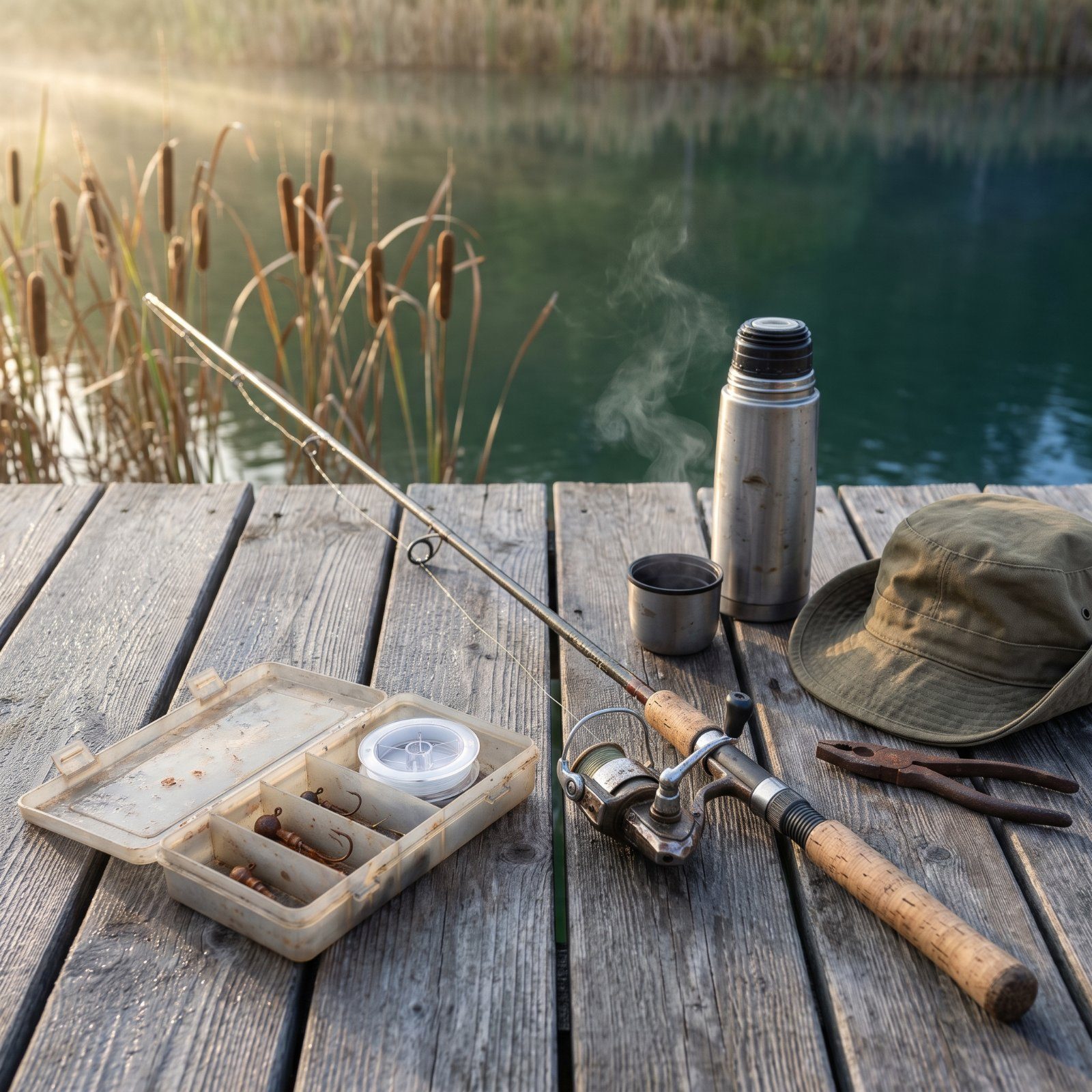
Somewhere along the way, a lot of folks turned fishing into a job they don’t get paid for. Every tap demands a hookset, every drift has to be perfect, and the anchor better land on a dime or the whole spot feels ruined. That tension follows you home and lives in your shoulders for two days. But here’s the kicker: most of the pressure is self-inflicted, which means you can set it down. These are the habits worth dropping — the ones that make a day on the water feel like rest instead of a performance review nobody asked for.
Please note that some of the images in this article were created with the assistance of AI.
35. Stop Treating Every Tap as a Strike: Watch the Bite Unfold
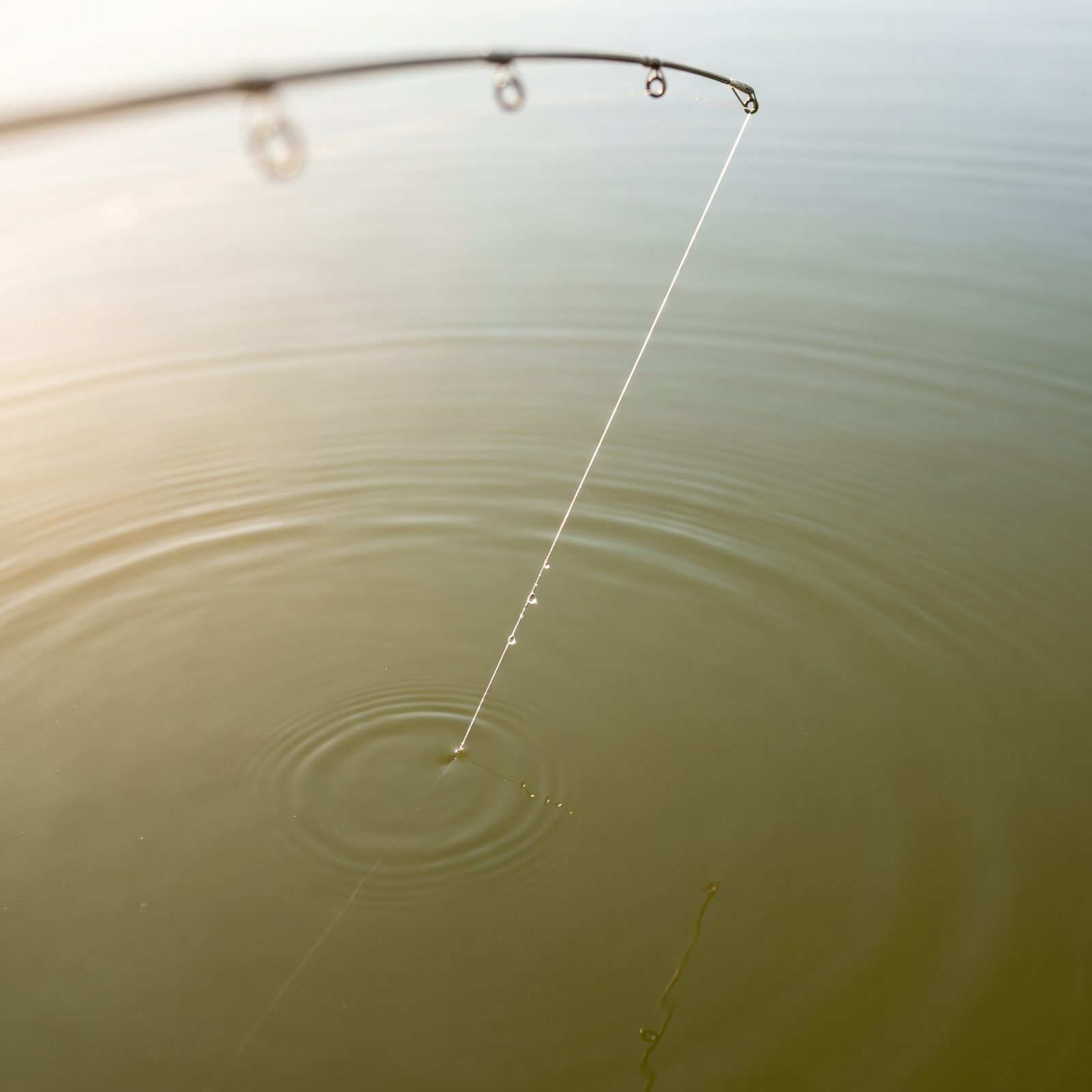
A tap is information, not a command. Panfish mouth a bait three or four times before they commit, and bass clamp and swim. Setting the hook at the first tick mostly earns you a missed fish and a jolt of adrenaline you didn’t need.
Watch instead. Let the line load up, let the rod tip tell you the fish has actually turned with the bait. You hook more, and you stop living on a hair trigger.
34. Stop Casting During Every Lull: Let the Spot Reset
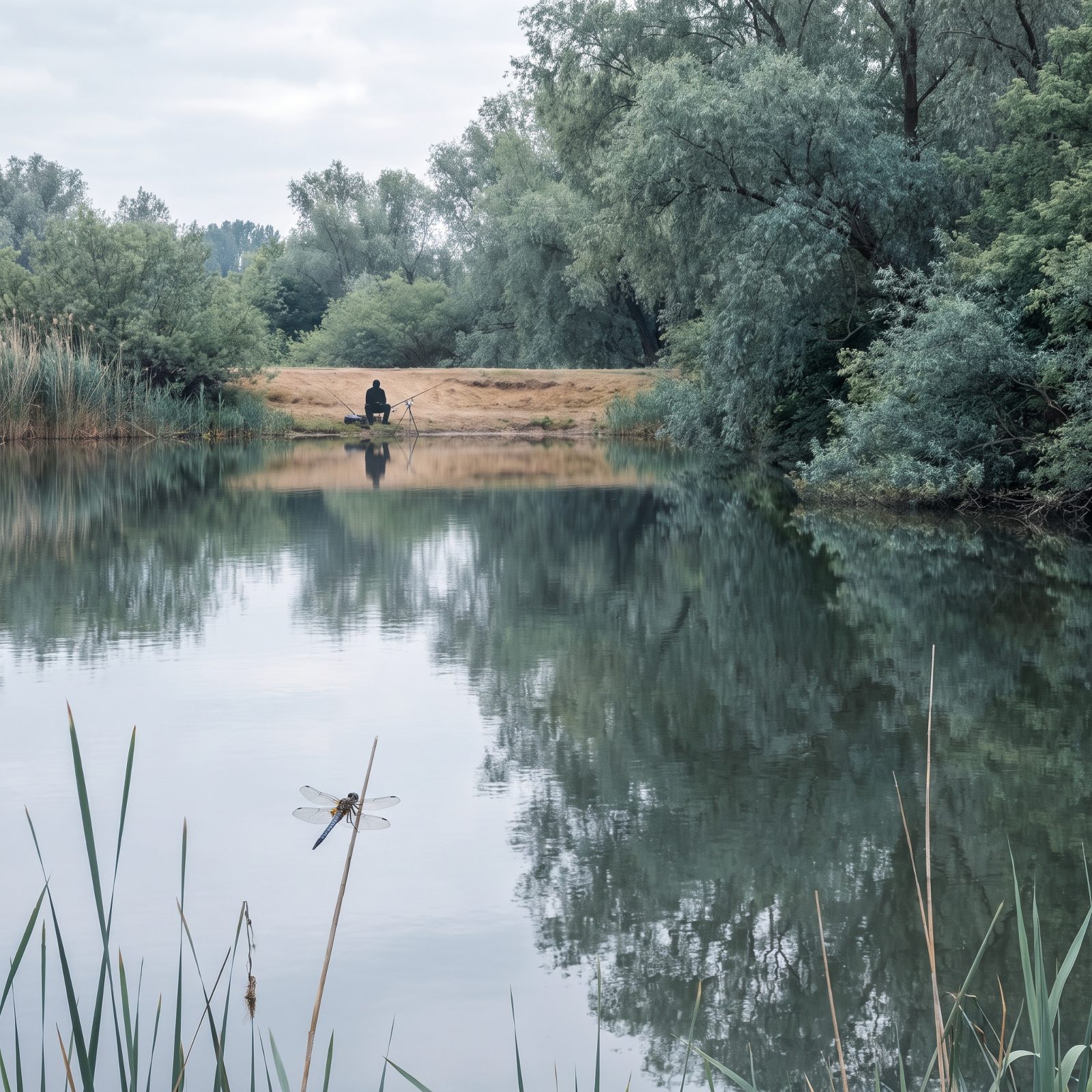
There’s a fear that if your lure isn’t in the water, you’re wasting the trip, so you fan-cast the same twenty feet until your arm aches and the fish get a parade of the same bait.
Sit for ten minutes. A spot you’ve worked hard will settle — baitfish move back in, and a wary fish eases off bottom. Then your first cast into fresh water means something. Rest is a tactic, not a failure of effort.
33. Stop Correcting a Slightly Crooked Bait: Fish It Before Re-Rigging
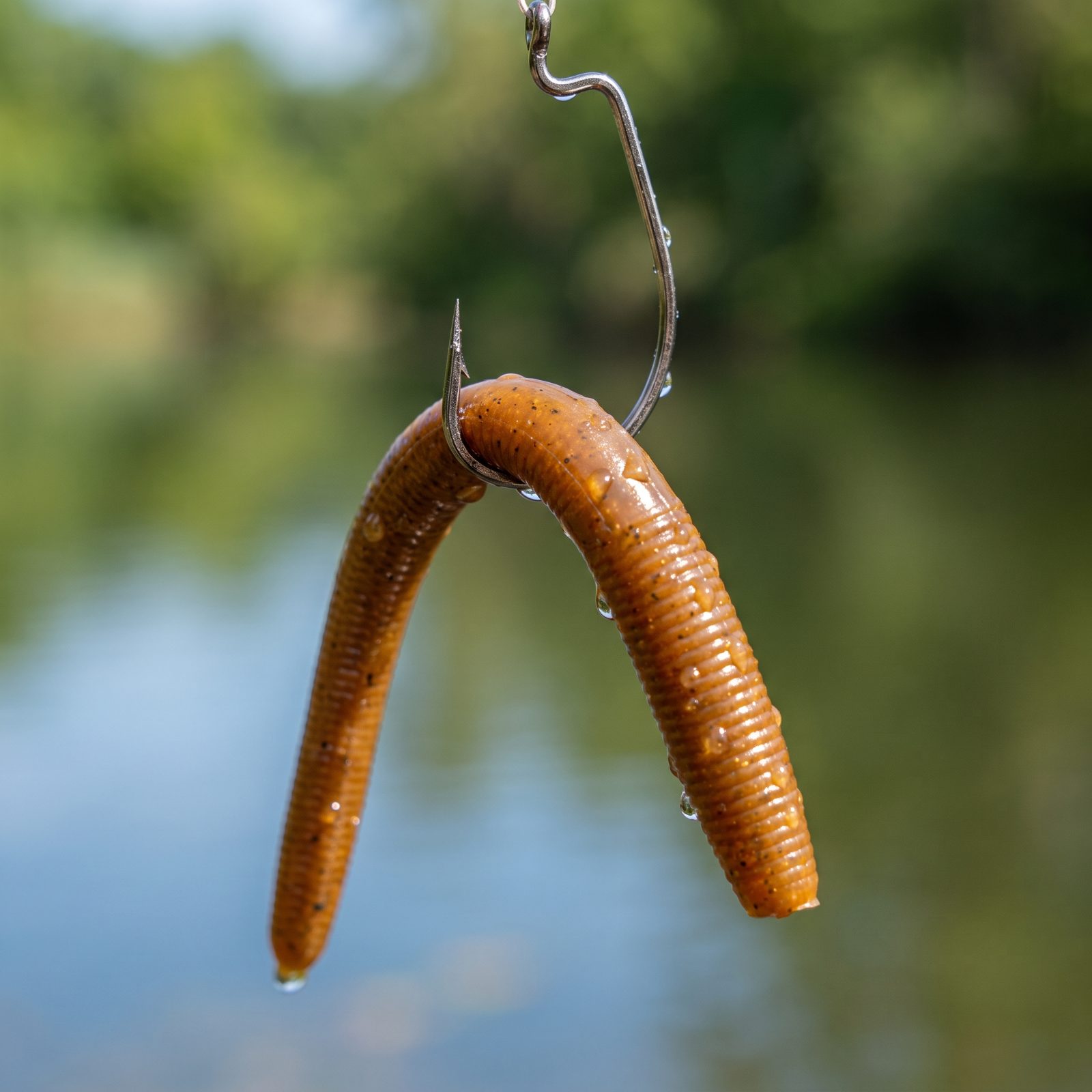
A worm sitting a hair crooked on the hook will still catch fish. Plenty of them. Yet some anglers reel in a perfectly good cast, inspect the bait like a jeweler, and re-thread it over a quarter-inch of imperfection.
Fish eat damaged, crooked, half-chewed baits all day long — they are not grading your presentation. Make the cast. If it draws nothing after a few drifts, then fix it. You’ll be shocked how rarely the crooked one costs you a bite.
32. Stop Correcting Every Imperfect Drift: Follow the Natural Current
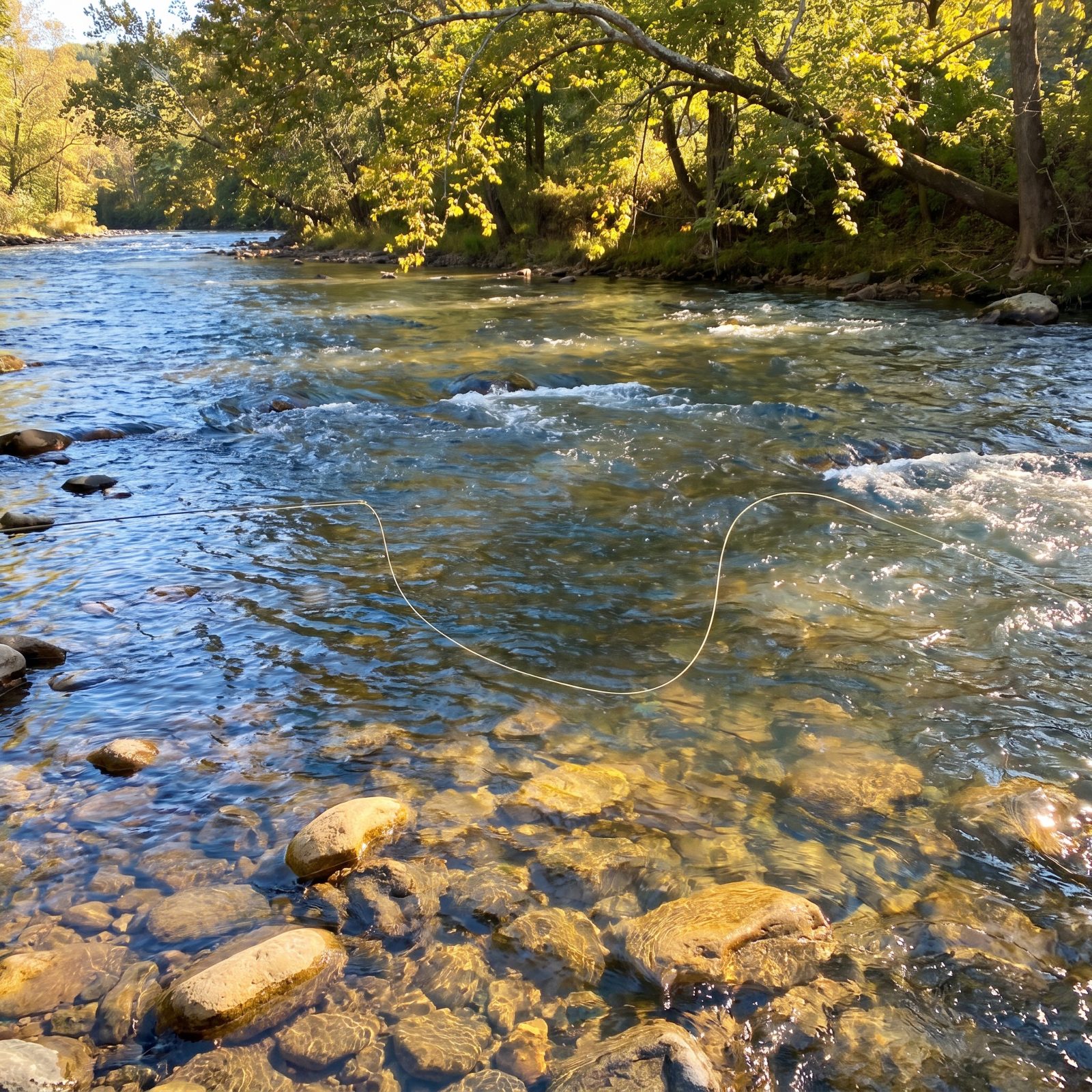
Mending line is a skill. Mending it on every single drift until you’re worn out is a compulsion.
A dead-natural drift matters in some water. But plenty of fish hit on the swing, on the drag, on the moment the fly does something slightly wrong and alive. Stop managing the current like an air traffic controller. Let the water carry it — the river has been moving things downstream a lot longer than you’ve been fishing, and it tends to put food right where fish expect it.
31. Stop Anchoring With Millimeter Precision: Accept a Productive Casting Radius
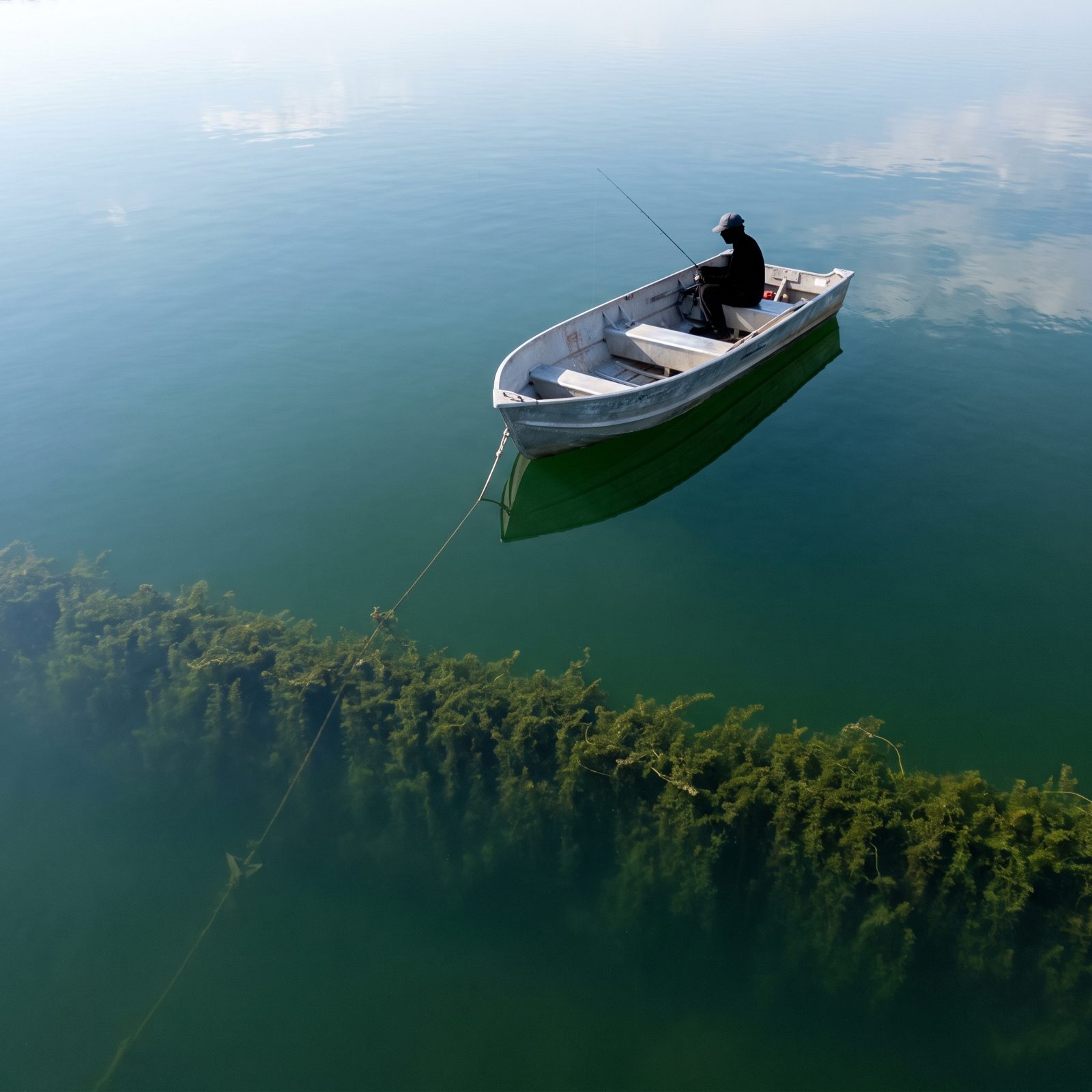
You can burn twenty minutes re-dropping an anchor to hover exactly over one brush pile while the wind pushes you three feet and your blood pressure climbs.
Most people learn this the slow way: if you can reach the spot with a comfortable cast, you’re anchored well enough. Fish move. Your casts cover an arc, not a dot. Set the hook, settle in, and fish the radius you’ve got.
30. Stop Returning to One Exact Waypoint: Explore the Surrounding Structure
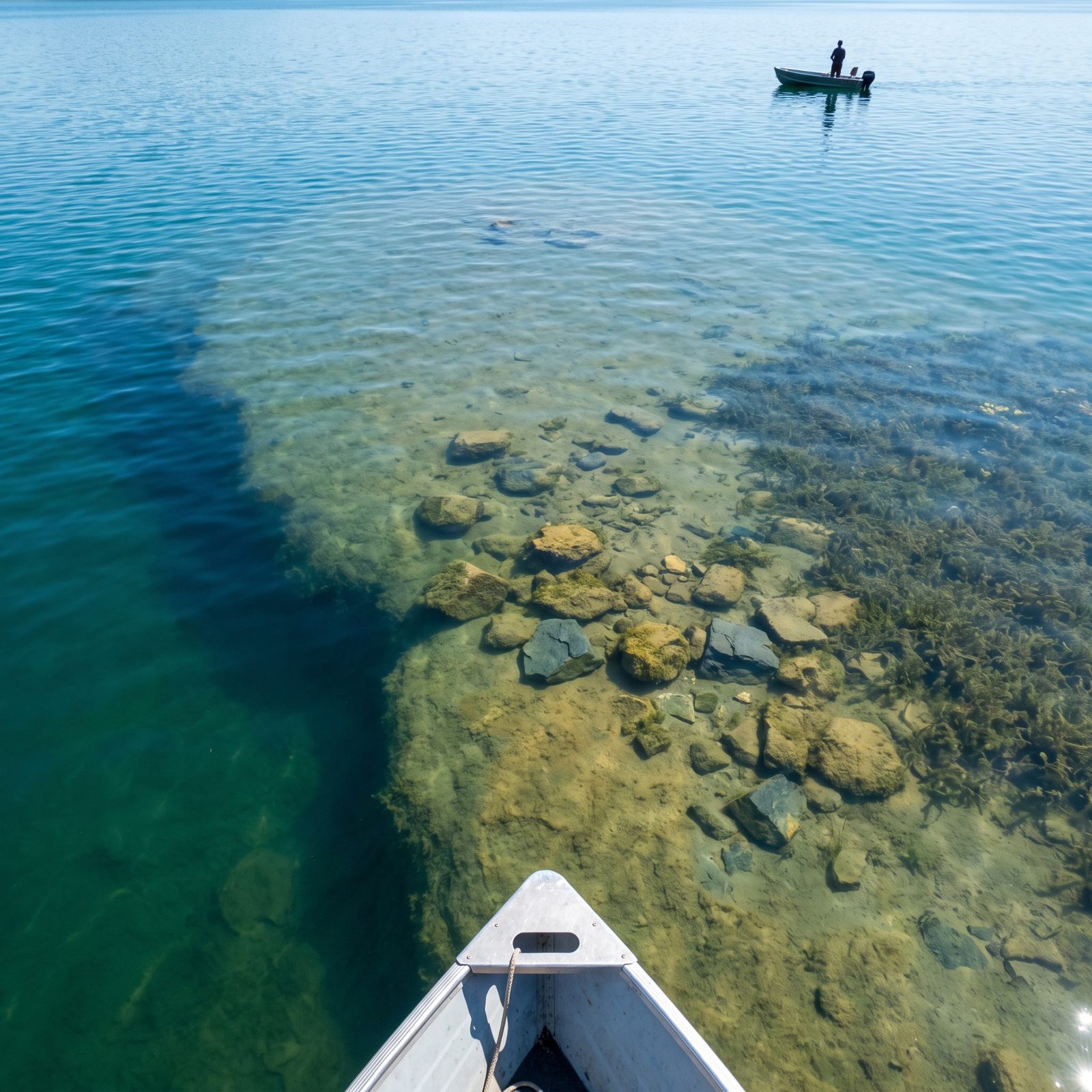
That one waypoint produced a great fish years back and now it’s a shrine. You motor to it, fish it hard, leave disappointed, and repeat the pilgrimage next trip.
The fish were never loyal to your GPS coordinate. They were using a stretch of structure, and that stretch might run forty yards. Idle the whole edge. Fish the shoulder of the point, the little rock twenty feet over, the inside turn. Curiosity outcatches loyalty every time.
29. Stop Fishing Only Textbook Cover: Try the Plain-Looking Water Beside It
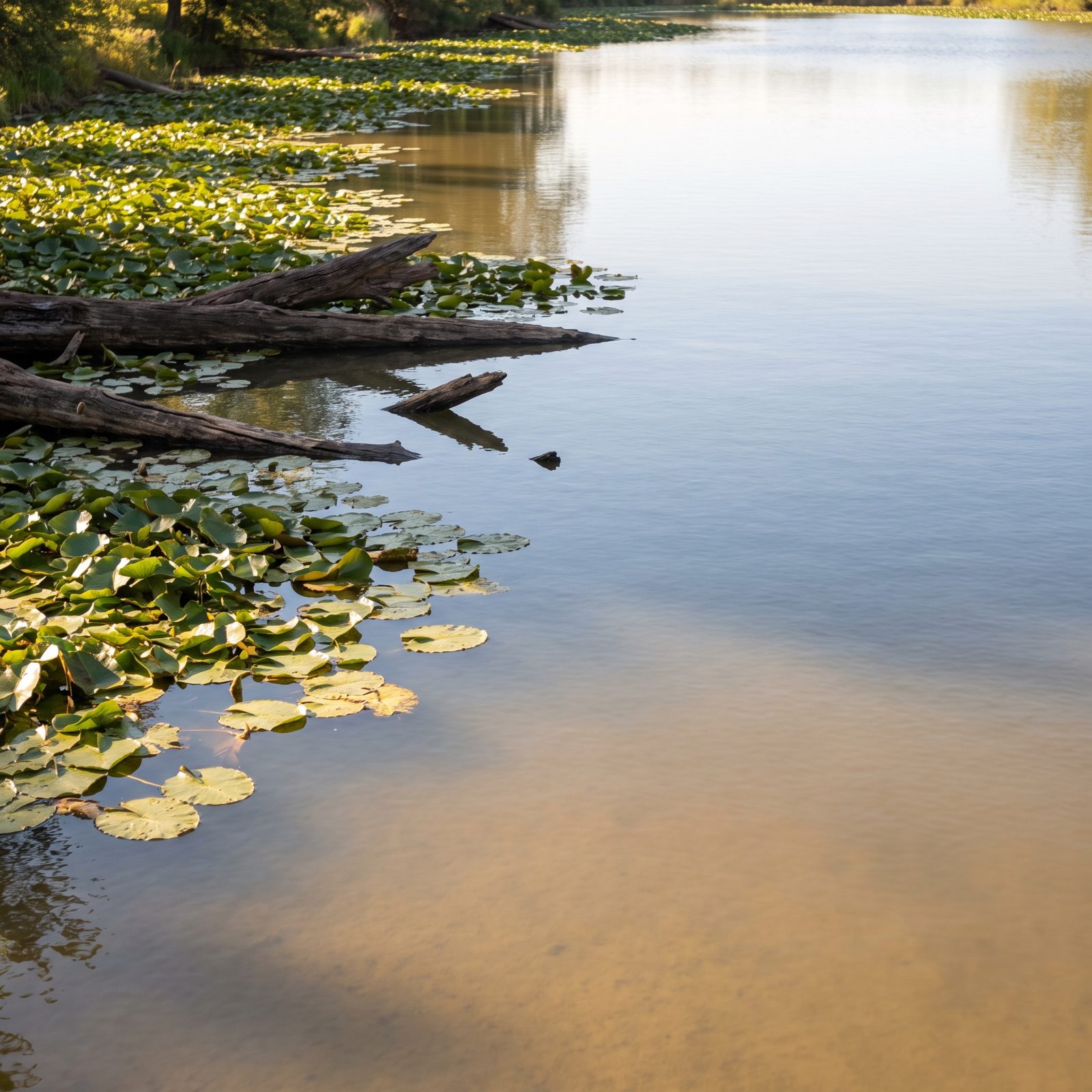
The obvious laydown gets a cast from everybody who floats by. By noon those fish have seen a dozen lures and tucked deep into the wood, uncatchable and grumpy.
The plain-looking flat next to it? Nobody bothers. There’s a subtle hard-bottom change or a lone chunk of rock out there, and the fish that want to feed often sit on it precisely because it’s uncrowded. Some of the best water looks like nothing. Throw at the boring stuff. It’s rarely as boring as it looks.
28. Stop Pulling Harder Against a Snag: Change the Angle Before Applying Force
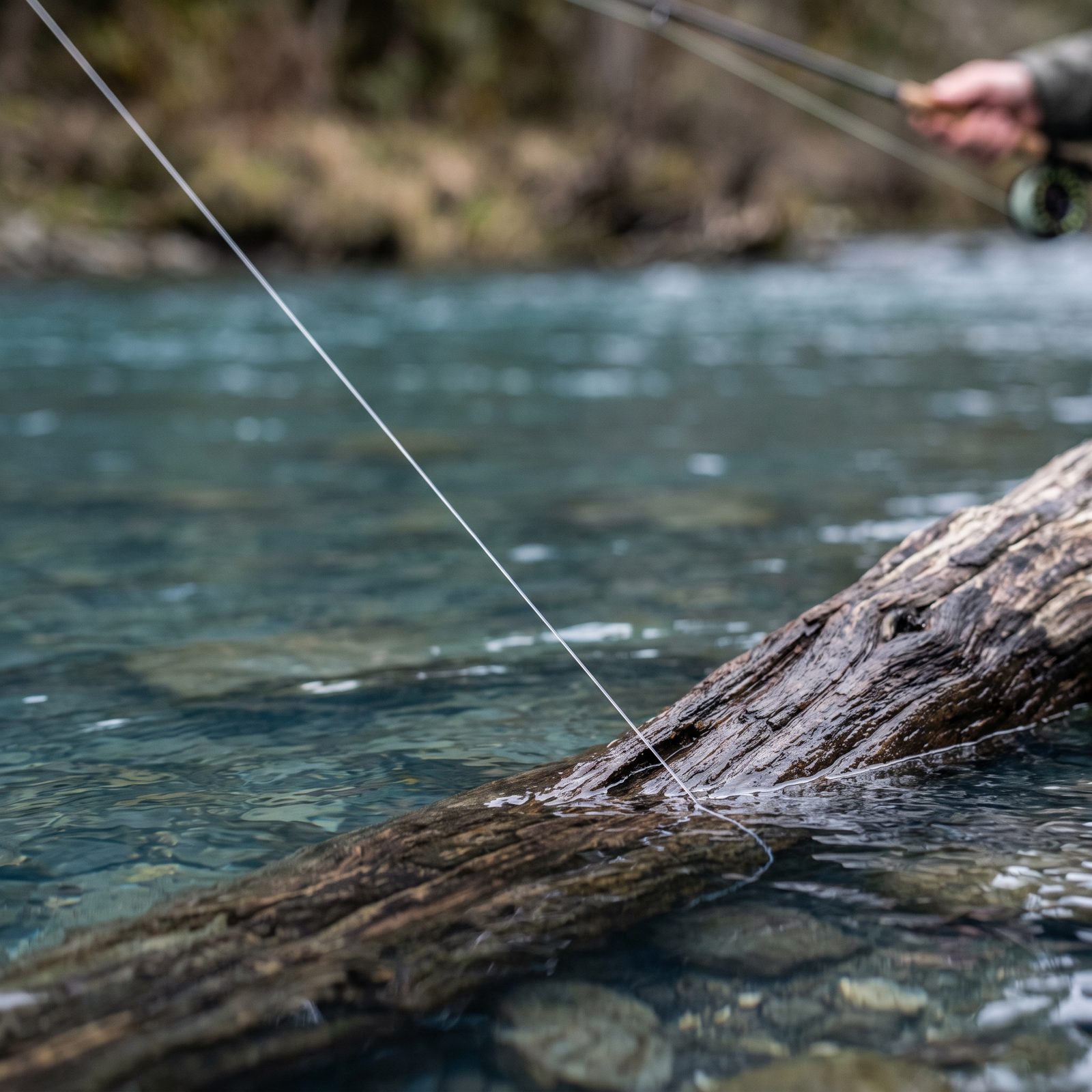
The instinct when you’re hung up is to lean back and yank. That usually drives the hook deeper into the wood and snaps you off, costing a lure and your mood both.
Move first. Idle the boat to the opposite side of the snag, or walk down the bank, and pull from a new direction. A hook that won’t budge from downstream often slides right out from upstream. Force is the last tool you reach for, not the first.
27. Stop Scheduling Chores Immediately After the Trip: Leave Room for an Unhurried Return
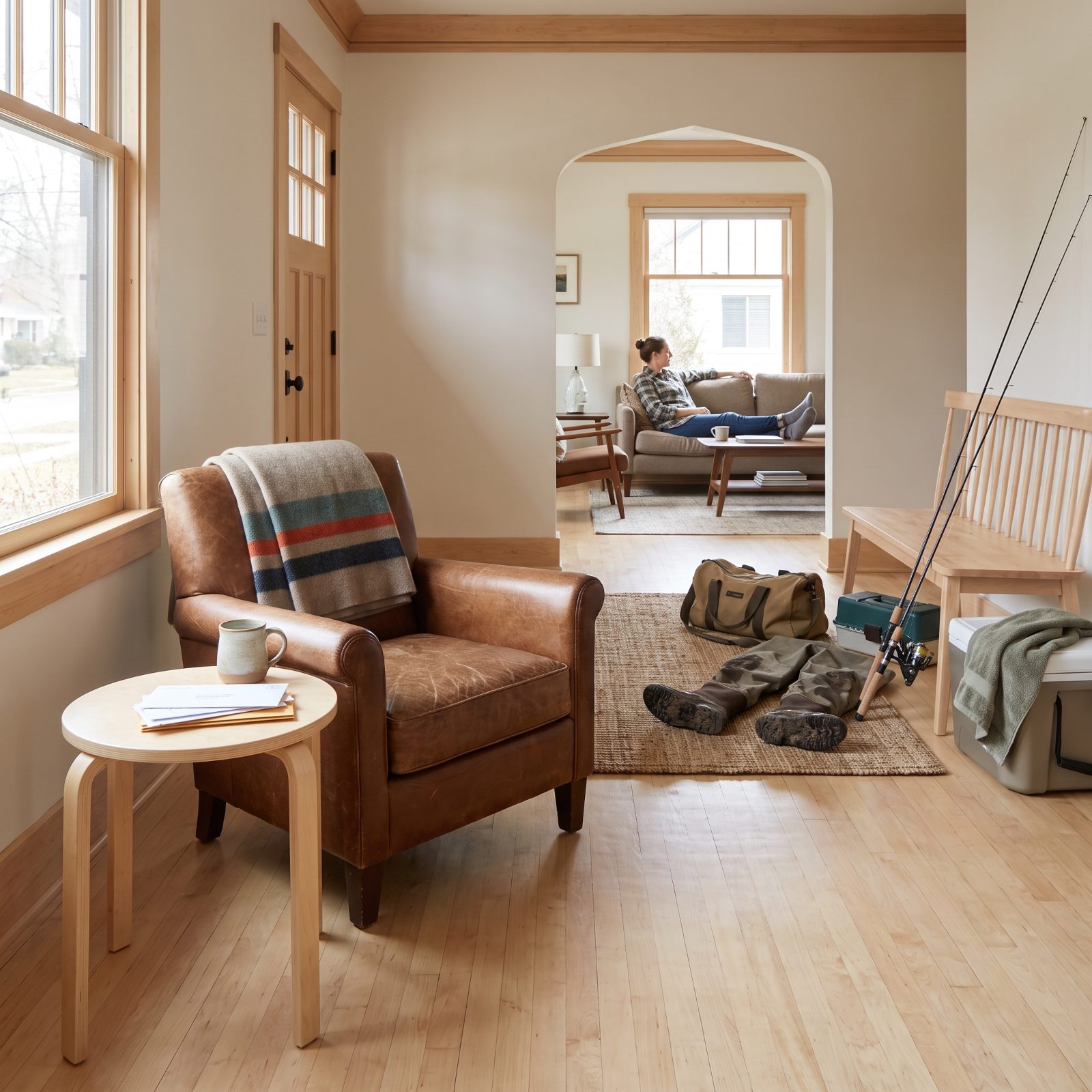
Nothing drains a good morning faster than knowing a packed afternoon is waiting the second you pull into the driveway. You end up watching the clock on the water, rushing the drive home, gutting the whole point of going.
So leave the hours after a trip loose. Let the gear sit on the coffee table for a bit. Have a mug of coffee on the couch before you unpack. The outing doesn’t end at the last cast — it ends when you’re ready for it to, and that part matters more than most folks admit.
26. Stop Fishing to an Arbitrary Departure Time: Set One Alarm and Forget the Clock
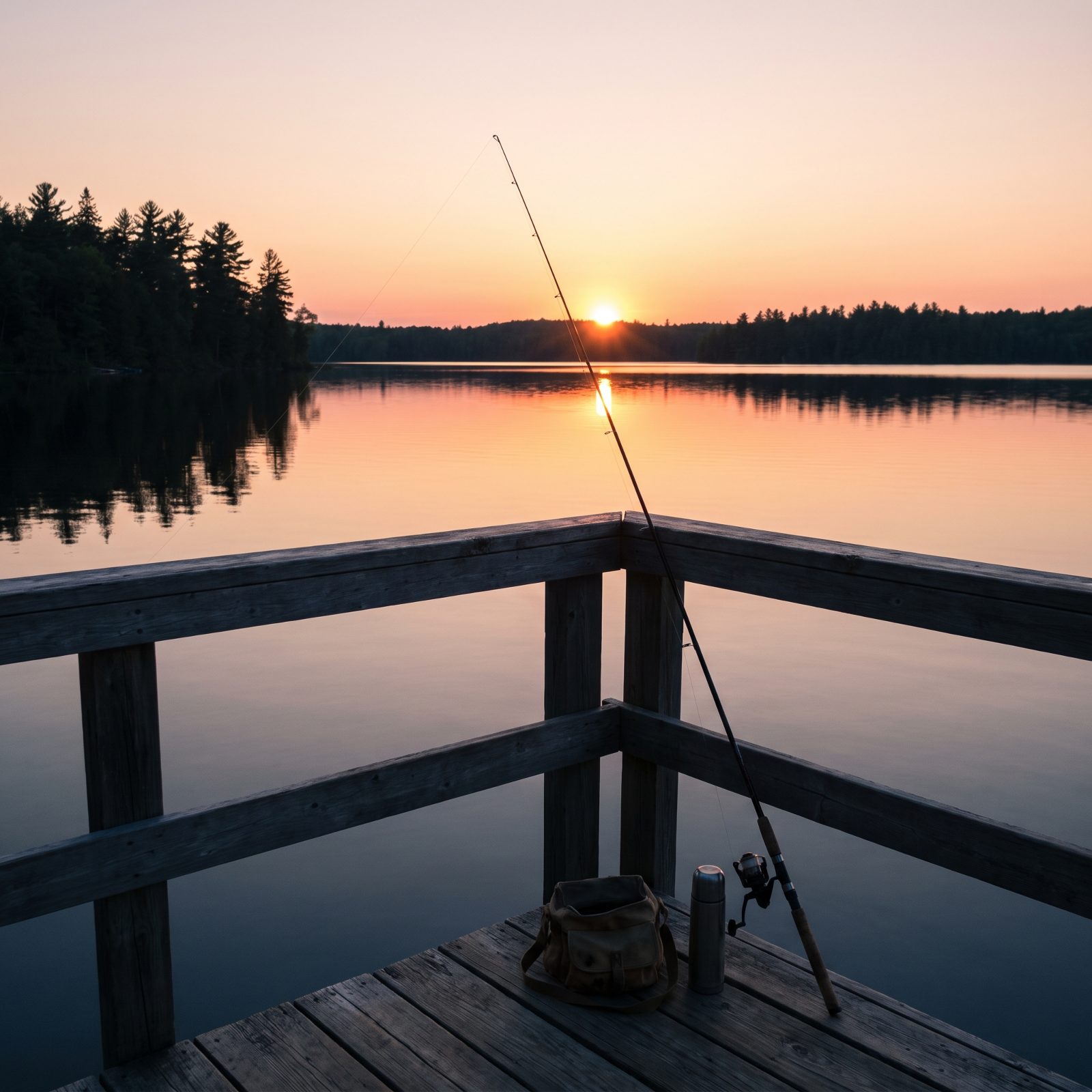
Checking the time every fifteen minutes turns fishing into a commute with a rod.
Pick your hard stop. The one time you truly need to leave — the launch closing, dinner, a drive you can’t push. Set a single alarm for it, then put the phone away. Between now and that alarm, there is no clock. Bite windows open on their own schedule, and the folks who do best are usually the ones who quit counting minutes and just stayed.
25. Stop Chasing Every Surface Splash: Let Roaming Fish Come Through
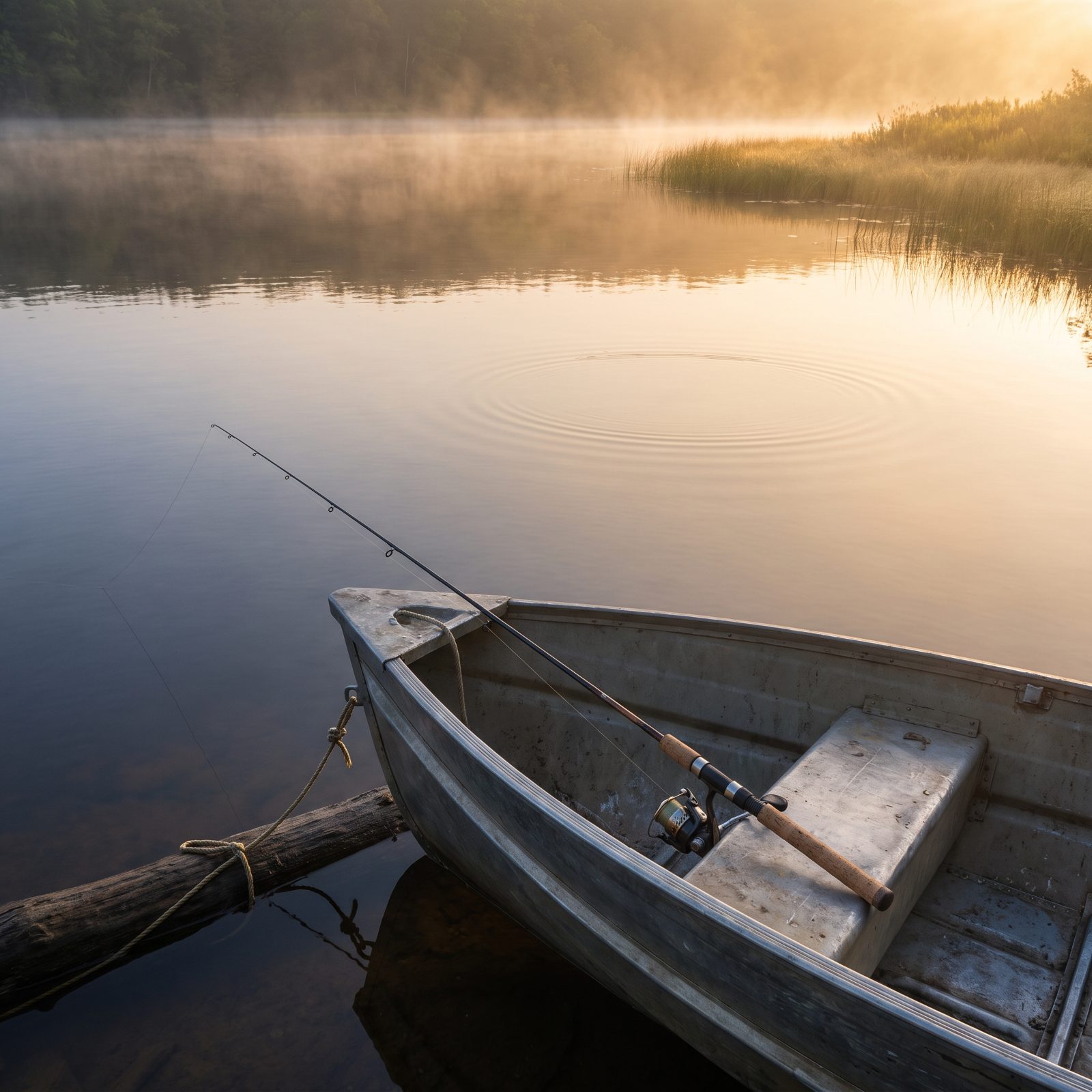
Every splash feels like a dare. A swirl forty yards off and the whole boat spins, rods swing, somebody fires a cast at water that’s already gone flat. The fish moved on three seconds ago.
Roaming fish work a loop, and they come back through. Bass, stripers, feeding trout — hold a decent lane, keep your line in water you can actually reach, and let the circuit bring them to you. Chasing burns fuel and spooks the area, and it teaches you nothing about where fish actually hold. Sitting still teaches you everything.
24. Stop Fishing at Maximum Casting Distance: Work the Controllable Water First
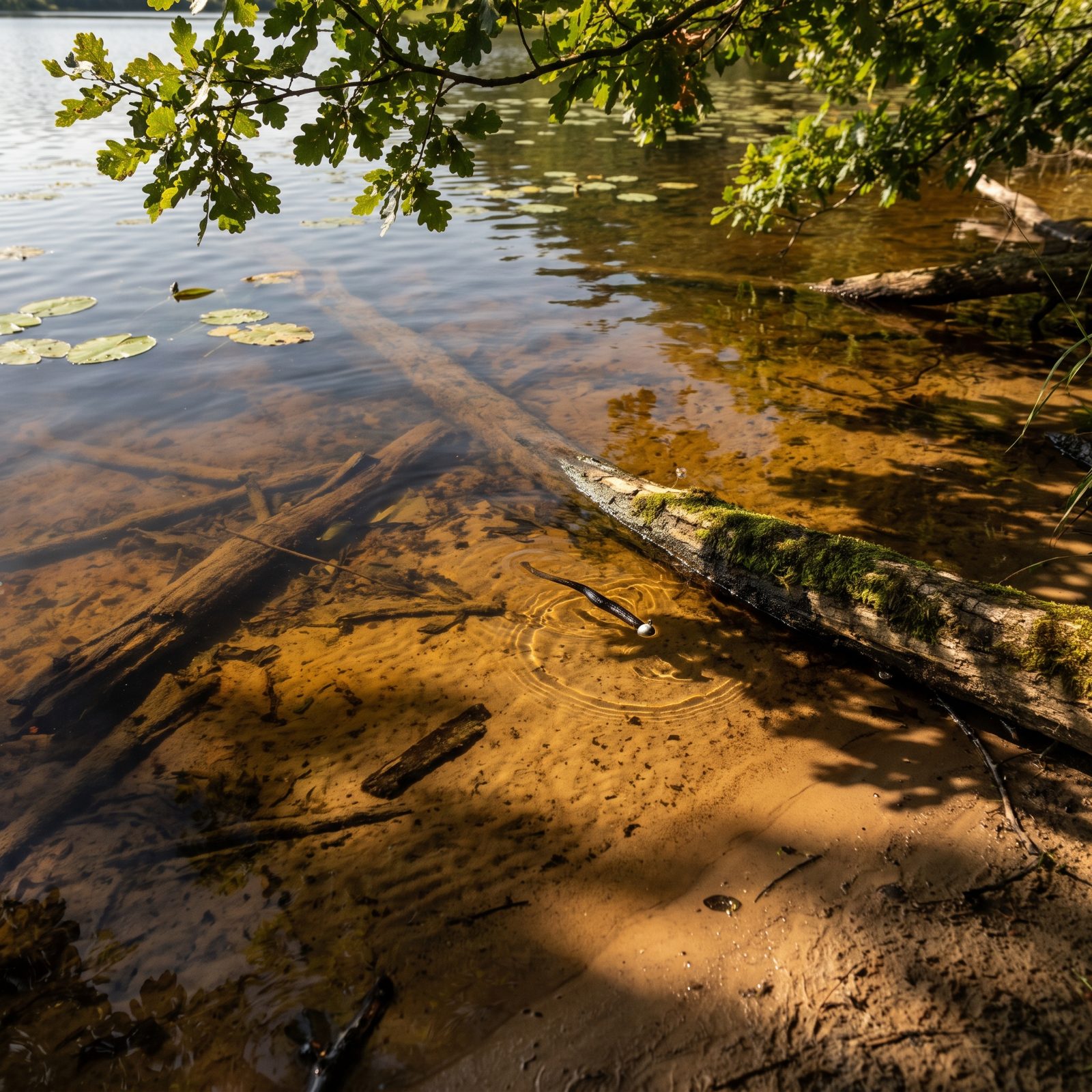
The hero cast feels productive. Bomb it to the horizon, reel it back, repeat. But at full distance you can’t feel the bottom, can’t set a hook with any authority, and can’t tell a bite from a snag until it’s already too late.
The water you control sits inside thirty feet. That’s where you detect the soft tap, where your hookset drives home, where you can slow down and read structure. Fish the close stuff first and fish it well. The far bank will still be there, and more often than not, so will the fish holding ten feet off your bow.
23. Stop Matching the Hatch Down to the Millimeter: Choose a Close, Confident Match
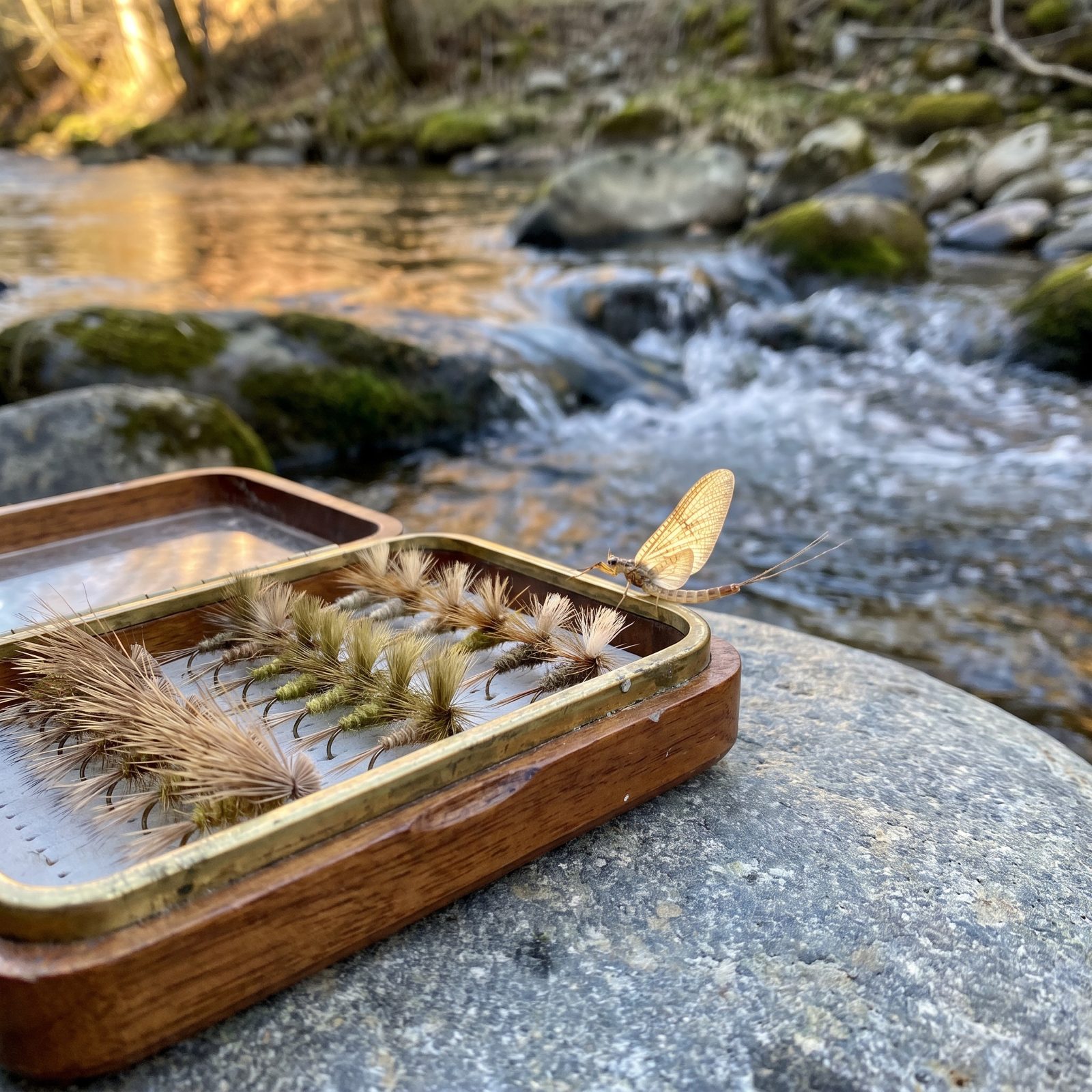
Somebody always has a theory about the exact size-18 olive the fish want on the third Tuesday of May. Good for them.
Trout and panfish react to a silhouette, a size, and a drift — not a hatch chart. Get in the neighborhood on size and color, then obsess over presentation. A close pattern drifted drag-free beats a dead ringer skating across the current every single time. The millimeter hunt is a confidence killer dressed up as diligence. Pick the fly that looks about right, tie it on, and spend the saved twenty minutes actually fishing.
22. Stop Changing Lures After Two Casts: Give Each Choice a Fair Trial
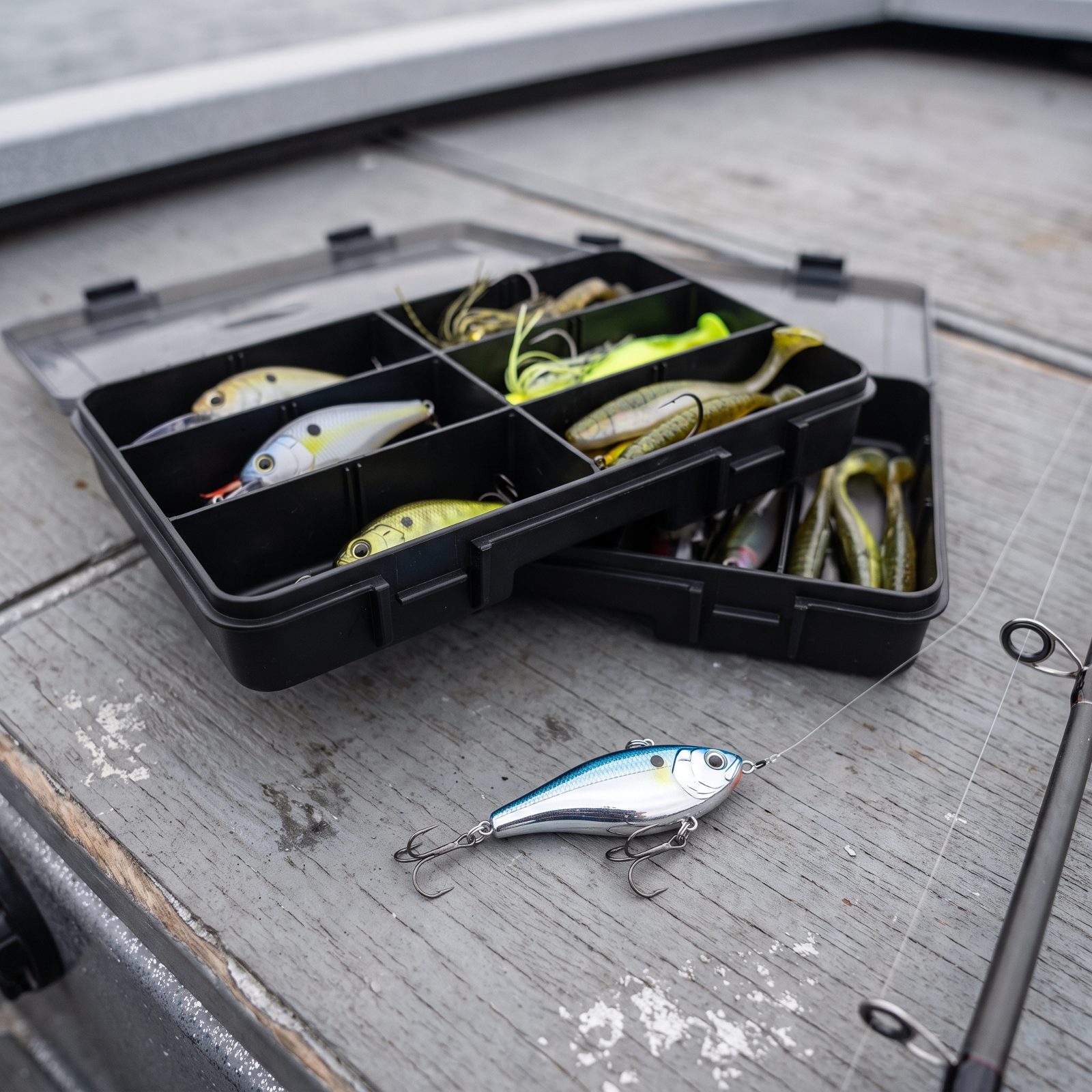
Two casts, nothing, new lure. Two more, nothing, new lure again. By noon the deck looks like a tackle shop exploded and the box is a disaster.
No lure earns a fair read in two casts. You haven’t covered the spot, haven’t varied the retrieve, haven’t let a fish talk itself into a second look. Give a bait you trust a solid stretch of honest work before you second-guess it. Half the time the problem was never the lure — it was the ten feet of water you skipped while reaching for the next one.
21. Stop Retrieving Every Lure at Tournament Speed: Slow the Presentation Down
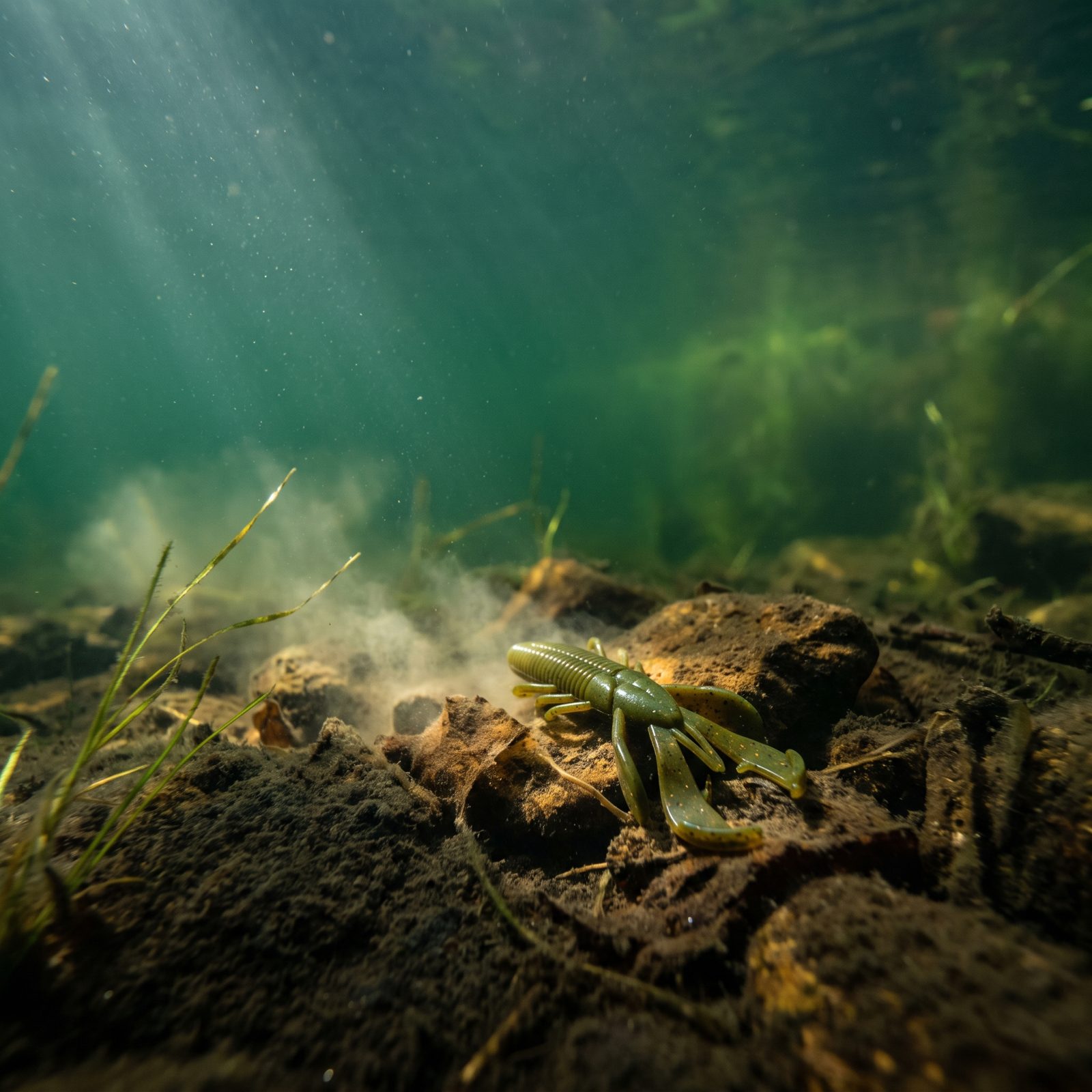
Fast retrieves feel efficient. More casts per hour, more water covered, more effort you can point to at the end of the day. The fish disagree.
Cold water, pressured fish, bright skies — almost everything that makes a day tough also makes fish slower. A bait that crawls, pauses, and sits dead on the bottom for a three-count triggers strikes a burned lure flies right past. And slowing the bait slows you, which is half the point. Your heart rate drops. You start noticing the bottom composition, the way the line twitches, the heron stalking the far shoreline. The fish come easier and so does everything else.
20. Stop Forcing the Original Target Species: Follow What Is Biting
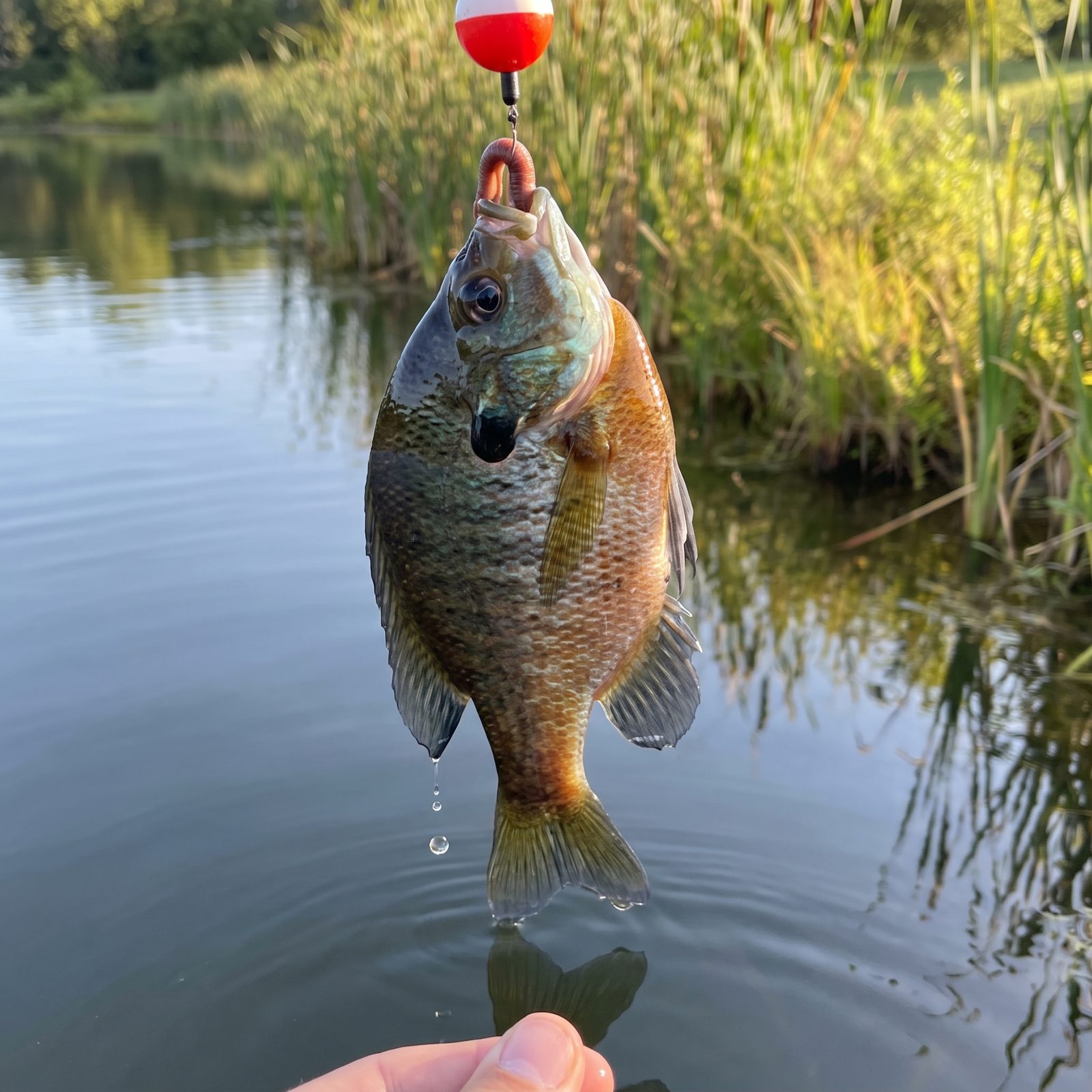
You came for walleye. The walleye did not get the memo. Meanwhile the panfish are hammering everything that moves and you’re ignoring them out of principle.
Drop the principle. A day spent catching eager bluegill beats a day grinding for a species that shut off at dawn. Follow what’s active and the outing stays alive instead of curdling into a contest of stubbornness. Some of the best days on the water start as a failed plan for something else. Check your local regs on whatever shows up, keep what you can legally keep, and let the water decide.
19. Stop Staring at the Fish Finder: Scan Once, Then Dim the Screen
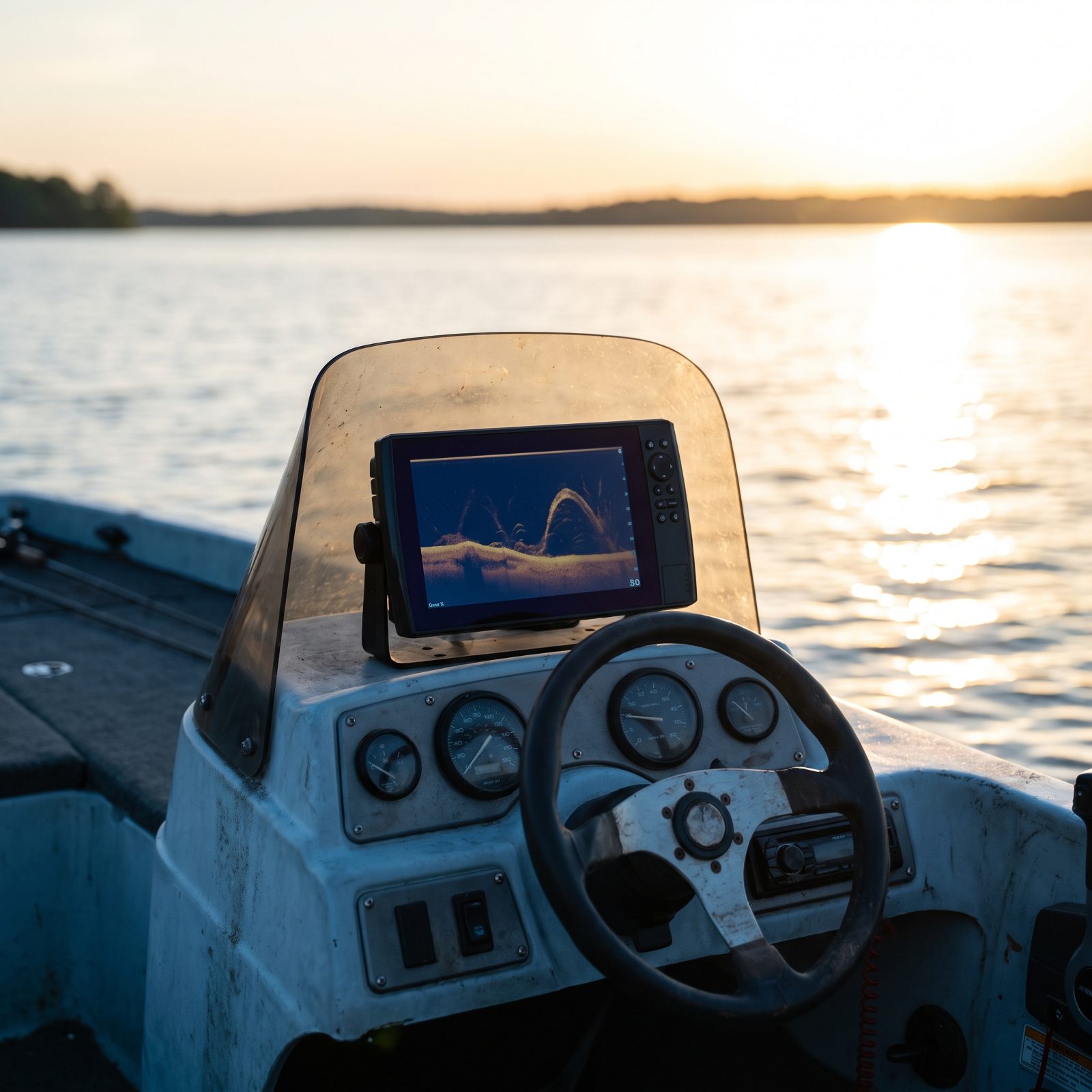
Modern sonar is a marvel, and it’s also a hole you fall into — heads down, watching arches, tweaking the color line, forgetting entirely that there’s a lake out there and a line in it.
Use the screen for what it does well. Scan a spot, find the depth and the structure, note where the bait and the marks are holding. Then dim it and fish. The fish you mark aren’t always the fish that bite, and the ones that bite won’t wait while you admire the graph. Look up. The screen will still be there if you need it.
18. Stop Checking Multiple Weather Apps: Pick One Forecast and Watch the Sky
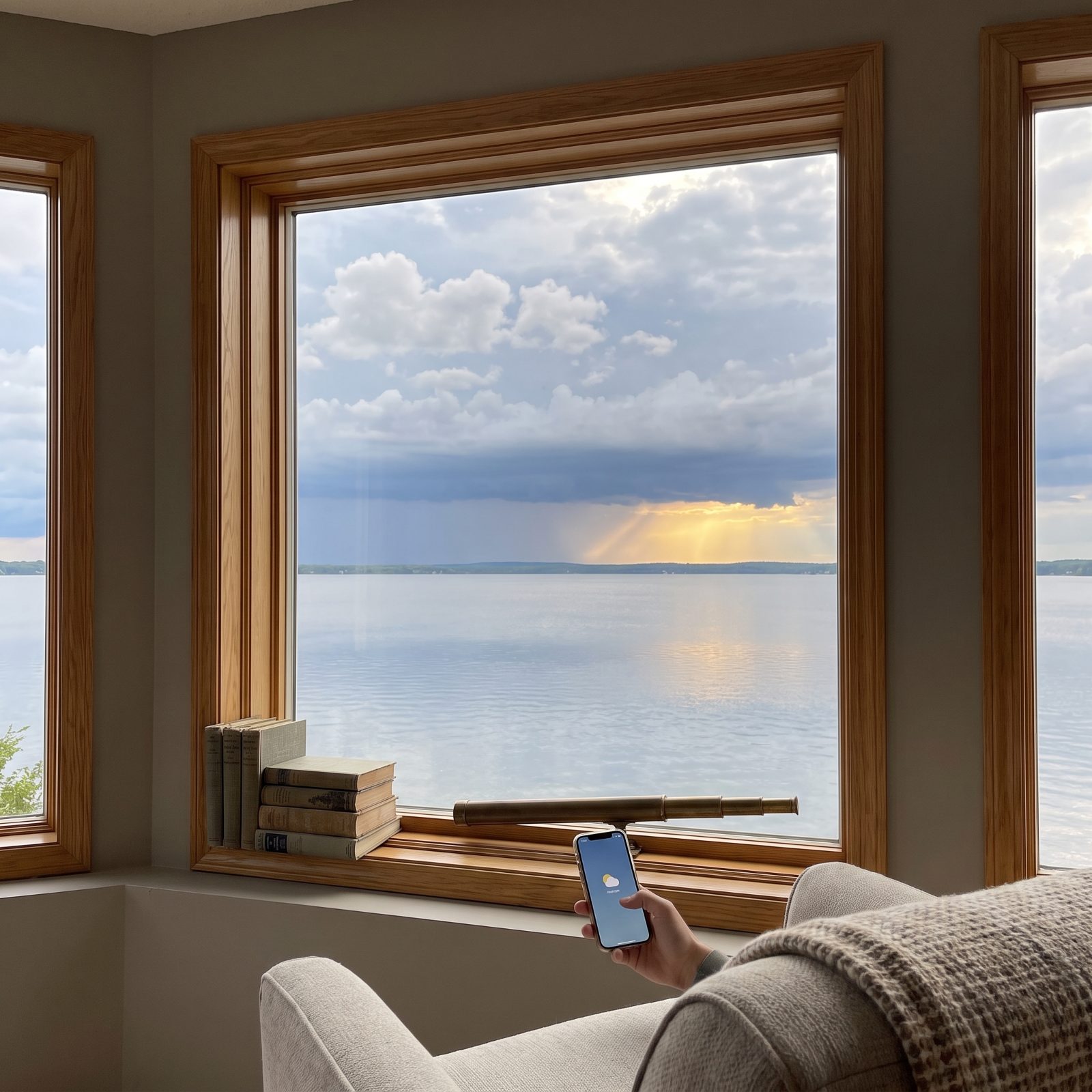
Three apps, three slightly different forecasts, and an hour lost reconciling them before you even leave the driveway. None of them agreed and none of them were right.
Pick one source you trust and let the others go. Then do the thing no app can: read the actual sky. A wall of dark cloud building, a sudden wind shift, that heavy stillness before a storm — those tell you more about the next thirty minutes than any radar refresh. Know your bail-out point and head in early when the sky says so. Lightning doesn’t negotiate, and no fish is worth it.
17. Stop Reading Fishing Reports From the Water: Commit to the Day That Actually Arrived
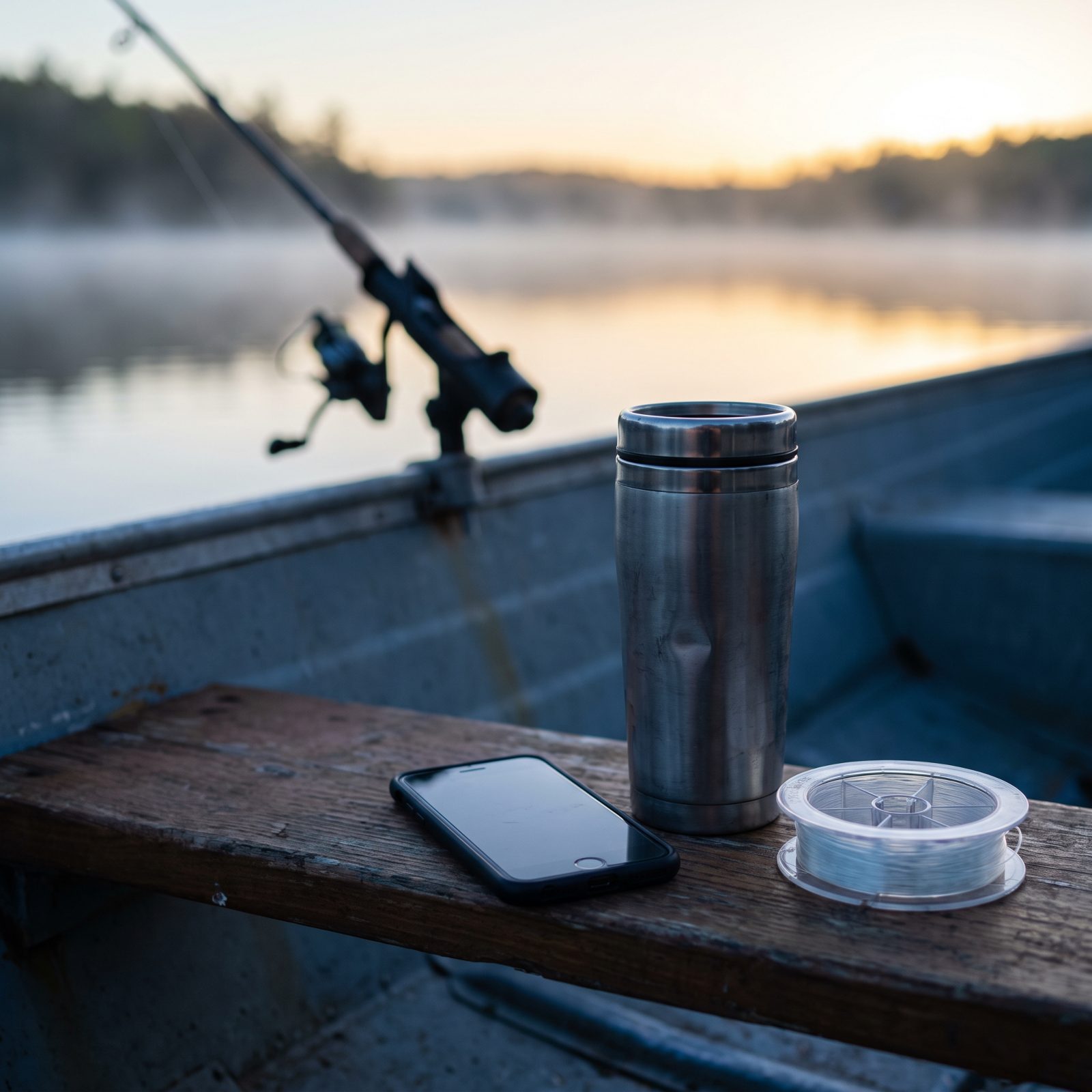
You did your homework at home. Good. Now you’re on the water refreshing a forum thread, reading about the guy who crushed them yesterday on a spot you can’t reach, feeling worse by the minute.
That report was for a different day — different wind, different pressure, different fish. The day that actually showed up is the only one you get to fish, so put the phone down and commit to it. Watch the water, trust your plan, and let whatever’s happening right now be enough. The best information on the lake is already in front of you.
The report was for a different day. The day that showed up is the only one you get to fish.
16. Stop Bringing Backup Gear for the Backup Gear: Carry One Recovery Kit
Three tackle bags. Two spare reels. A rod tube with four rods for a half-day on a pond you could spit across. The loading and unloading alone eats the first and last hour of the trip.
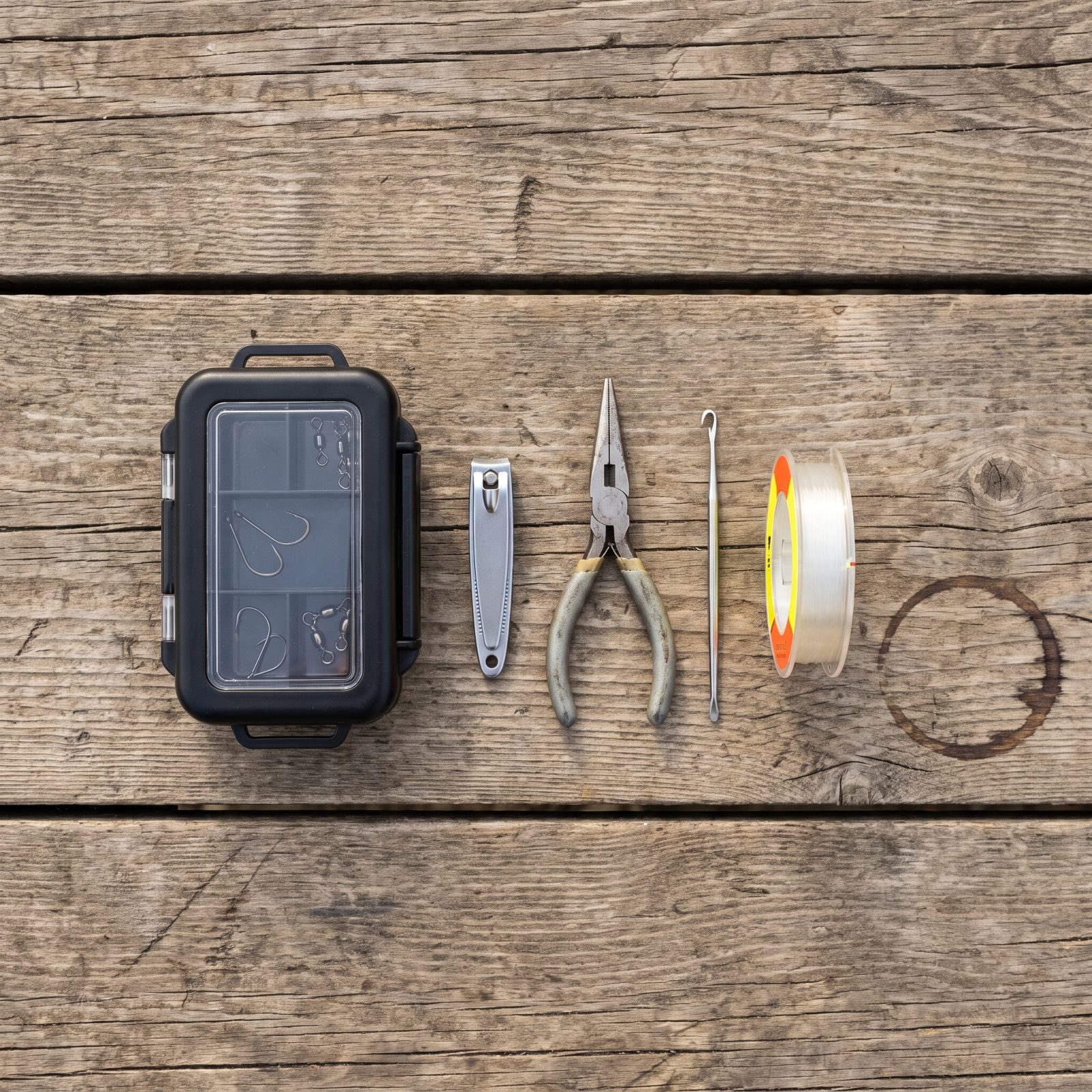
Most breakdowns on the water are small — a snapped line, a lost hook, a seized reel. One tight recovery kit handles nearly all of it: spare hooks and weights, a spool of leader, pliers, clippers, a multi-tool. Everything else is a security blanket you’re hauling to the ramp and back. Pack for the fishing you’re actually doing, not the disaster you’re bracing against. Lighter boat, lighter mind, and a whole lot less to wrestle at dusk when you’re tired and happy and ready to go home.
15. Stop Untangling Knots Mid-Bite: Keep a Pre-Tied Spare Leader Ready
The fish never wait for your knot. You get a backlash or a wind-knot right as the bite turns on, and you burn fifteen minutes picking at monofilament while the window slams shut. Everyone has done it. Miserable, every time.
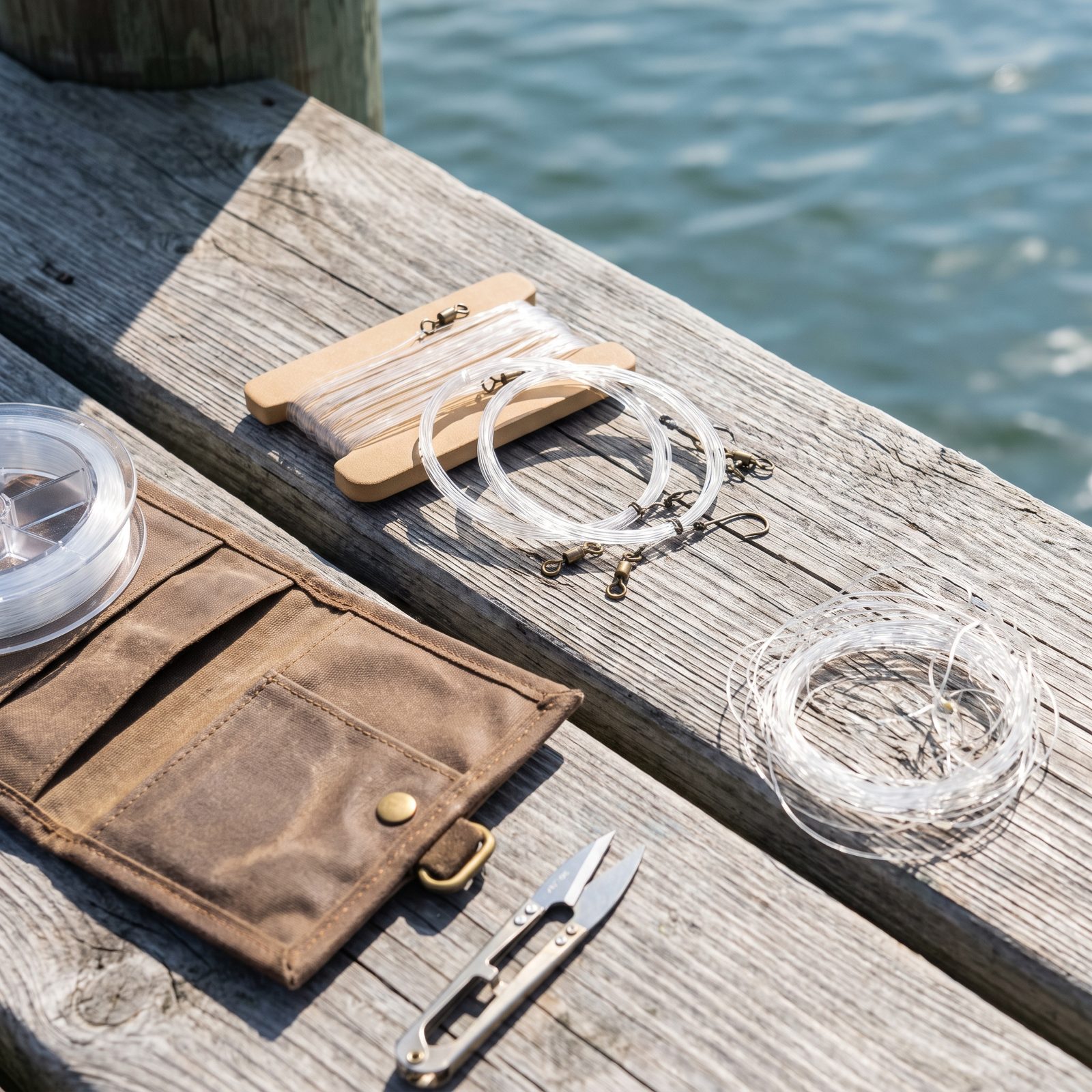
So tie two or three leaders at home. Coil them on cheap foam winders, drop them in a slim wallet, and when the line fails you clip, loop, and you’re back in the water inside a minute. The repair stops being a crisis and turns into a shrug.
14. Stop Staring at the Rod Tip: Let a Bell, Float, or Bite Alarm Do the Watching
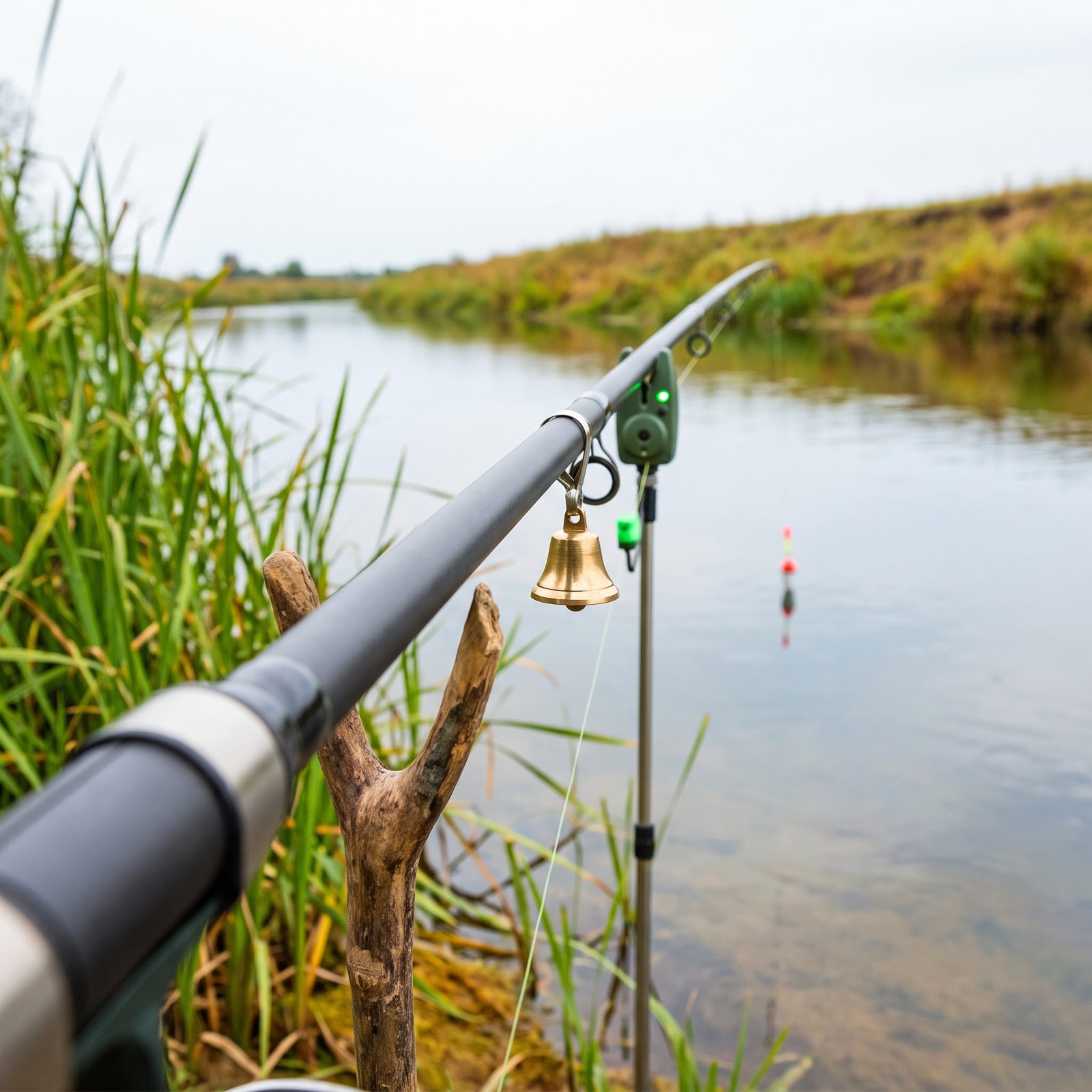
Locking your eyes on a rod tip for three hours is not focus. It’s tension dressed up as diligence.
Hand that job to a tool that never blinks — a clip-on bell, a visible float, a simple bite alarm. Now you can pour coffee, watch a heron work the shallows, actually talk to whoever came with you. The take still registers. You just get to be a person while you wait for it.
13. Stop Choking the Rod: Loosen the Hands and Drop the Shoulders
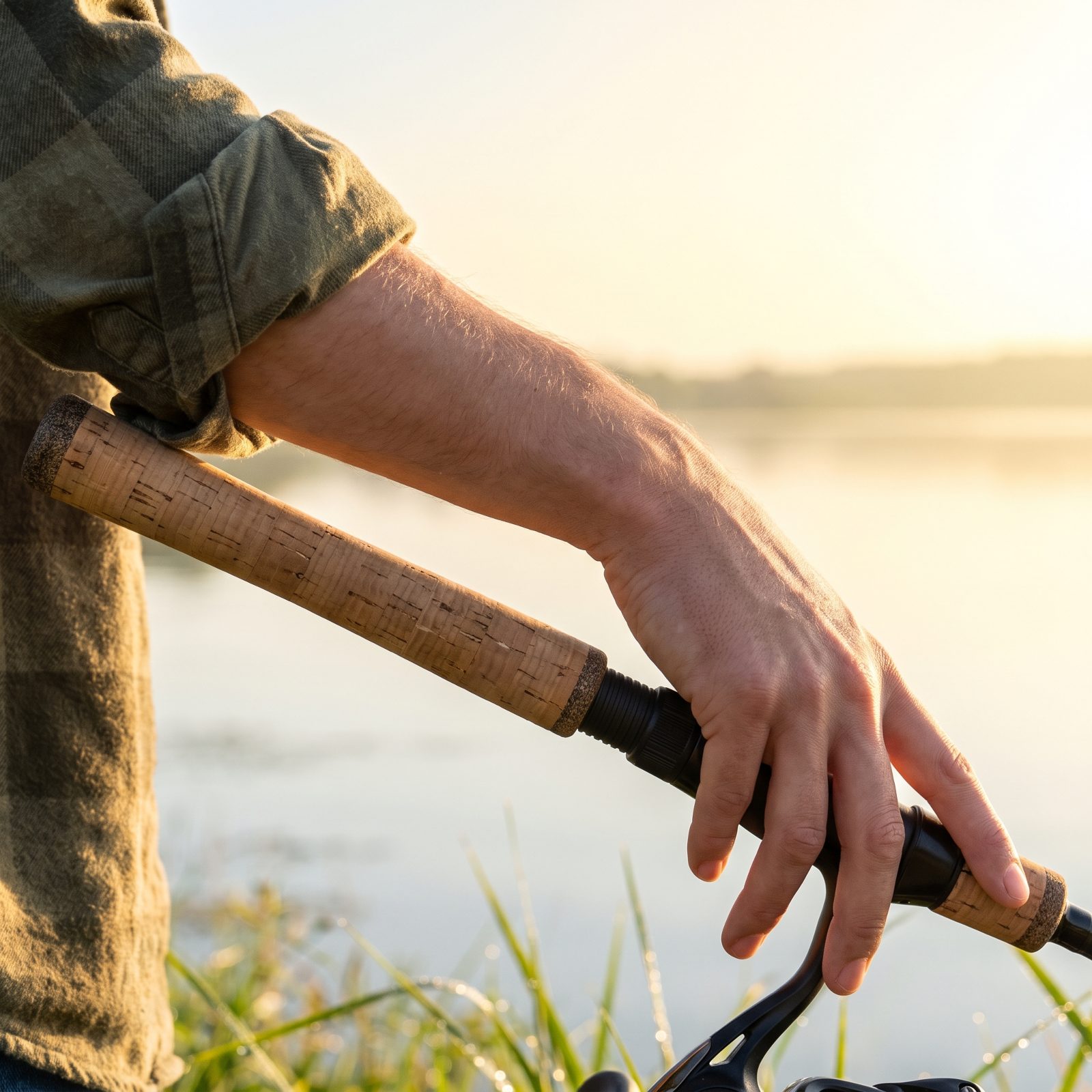
Watch most people on a slow day and the rod is clamped like it owes them money, shoulders up by the ears and forearm tight. Do that for hours and you drive home with a sore neck and nothing to show for it.
Loosen the grip. A fish hitting a rod held lightly telegraphs more through your fingers than one held in a fist — the soft hand feels the bite better and carries the mood home easier.
12. Stop Firing the Outboard for Fifty Yards: Drift, Paddle, or Ease Over on the Trolling Motor
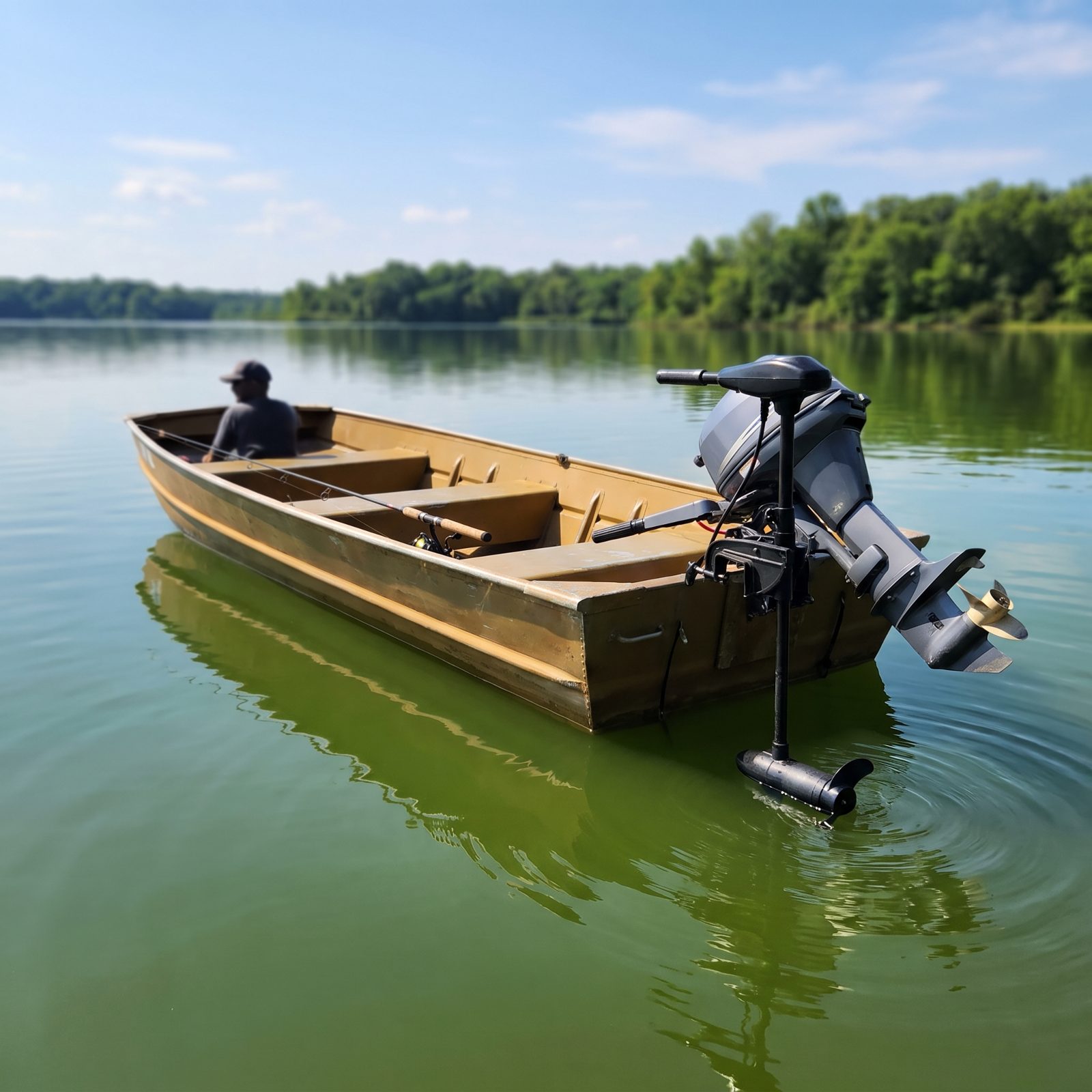
Fire the outboard between two close spots and it makes noise, kicks a wake, scatters whatever was holding on the flat, and announces to the whole lake that you’ve arrived. For a short hop it buys you almost nothing.
Let the wind push you. Pick up a paddle. Nudge over on the trolling motor. Slower approach, and the fish never hear you coming. There’s a stretch of day that only exists when the big motor is off, and honestly it’s the best part of being out there.
11. Stop Launching the Boat When the Bank Will Do: Pick the Simpler Platform
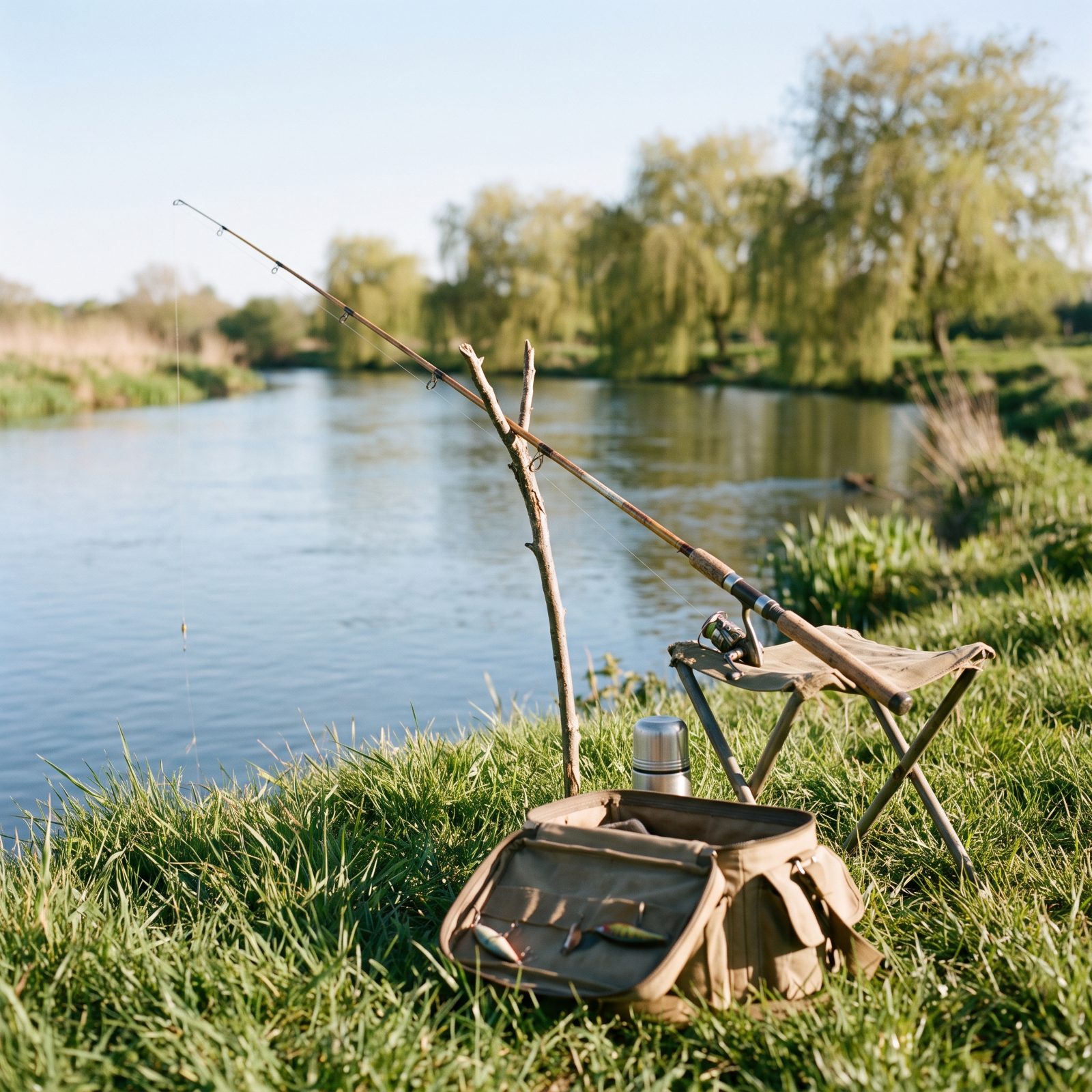
Trailering the boat means the ramp, the launch, the loading at dusk when you’re already tired, the hose-down, the straps. Some days that whole production eats the peace before your first cast.
A rod, a small bag, and a walk to a bank you can reach in sneakers — that’s fishing stripped to what matters. You lose nothing but hassle. And a short bank session scratches the itch without handing your whole day over to logistics you never wanted.
10. Stop Treating Wind as the Enemy: Let It Pick Your Route and Your Presentation
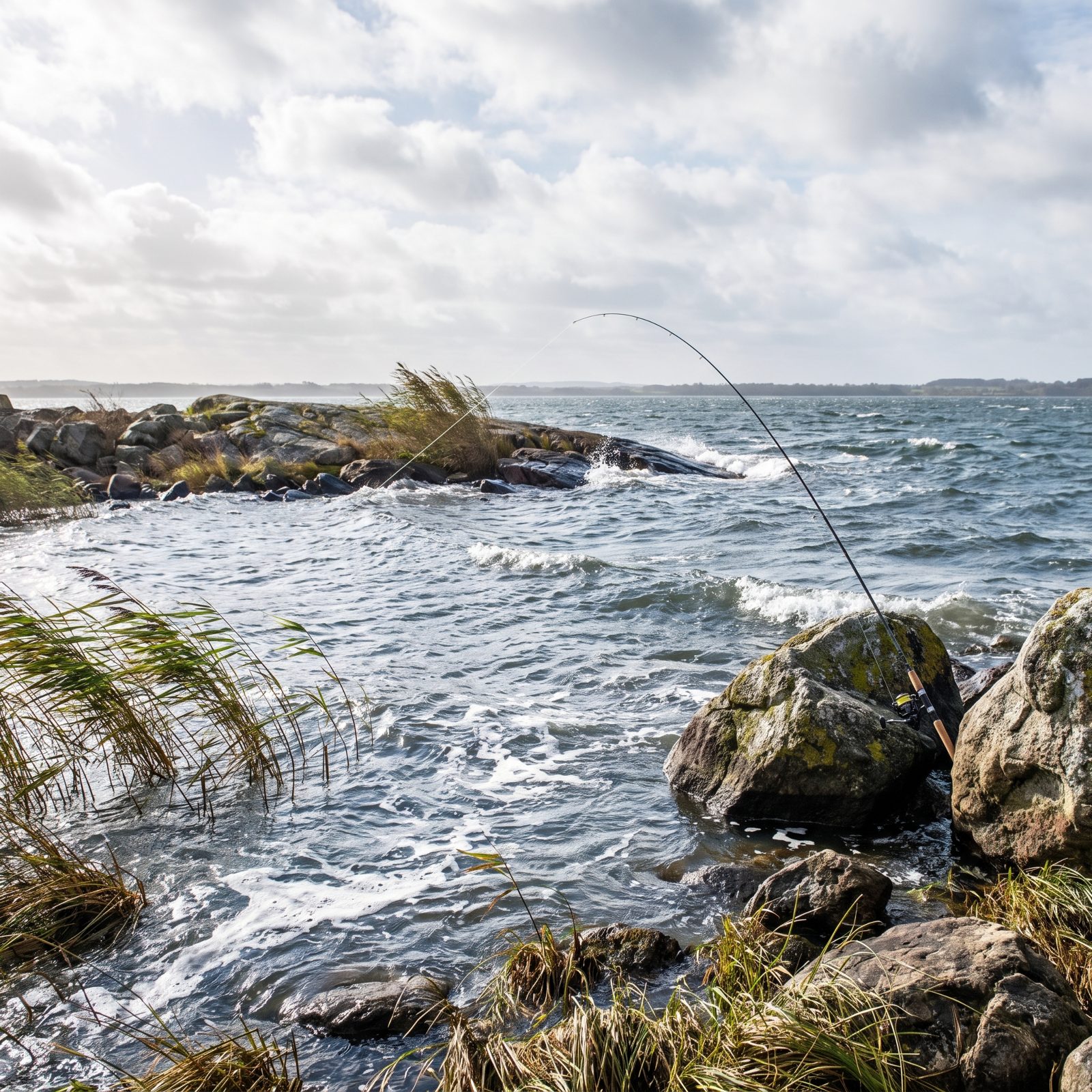
Wind feels like sabotage. It knots your line, blows your cast, chops the surface, and ruins the plan you made in the truck.
But fish stack on the windblown bank for a reason. Wind pushes bait, stirs the water, and loads up the downwind corner. Plan the route so the breeze is at your back, let it carry the drift and the retrieve, and the thing you cursed starts feeding you. Fight it and you lose. Read it and it works.
9. Stop Toughing Out Miserable Weather Out of Guilt: Pull the Plug Before the Trip Sours
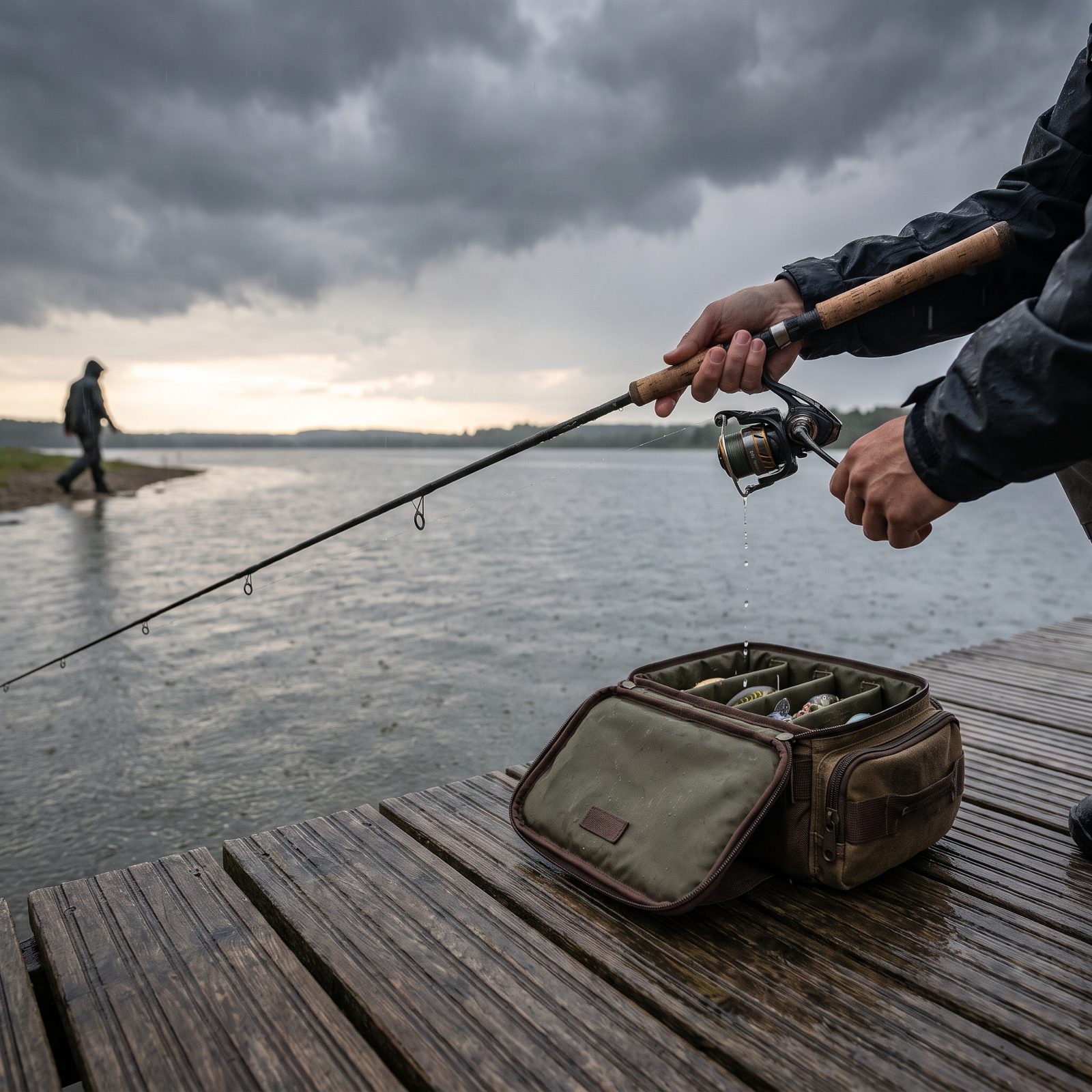
There’s a kind of pride that keeps you planted in driving rain and a dropping bite, as if leaving early means you failed. It doesn’t. It means you noticed.
Call it before the cold soaks through and the memory curdles. The trip you cut short you’ll remember fondly — the one you white-knuckled to the bitter end, not so much. Fishing is supposed to recharge you, not test your tolerance for hypothermia.
8. Stop Grinding Dawn to Dusk: Plan a Short Session That Actually Finishes
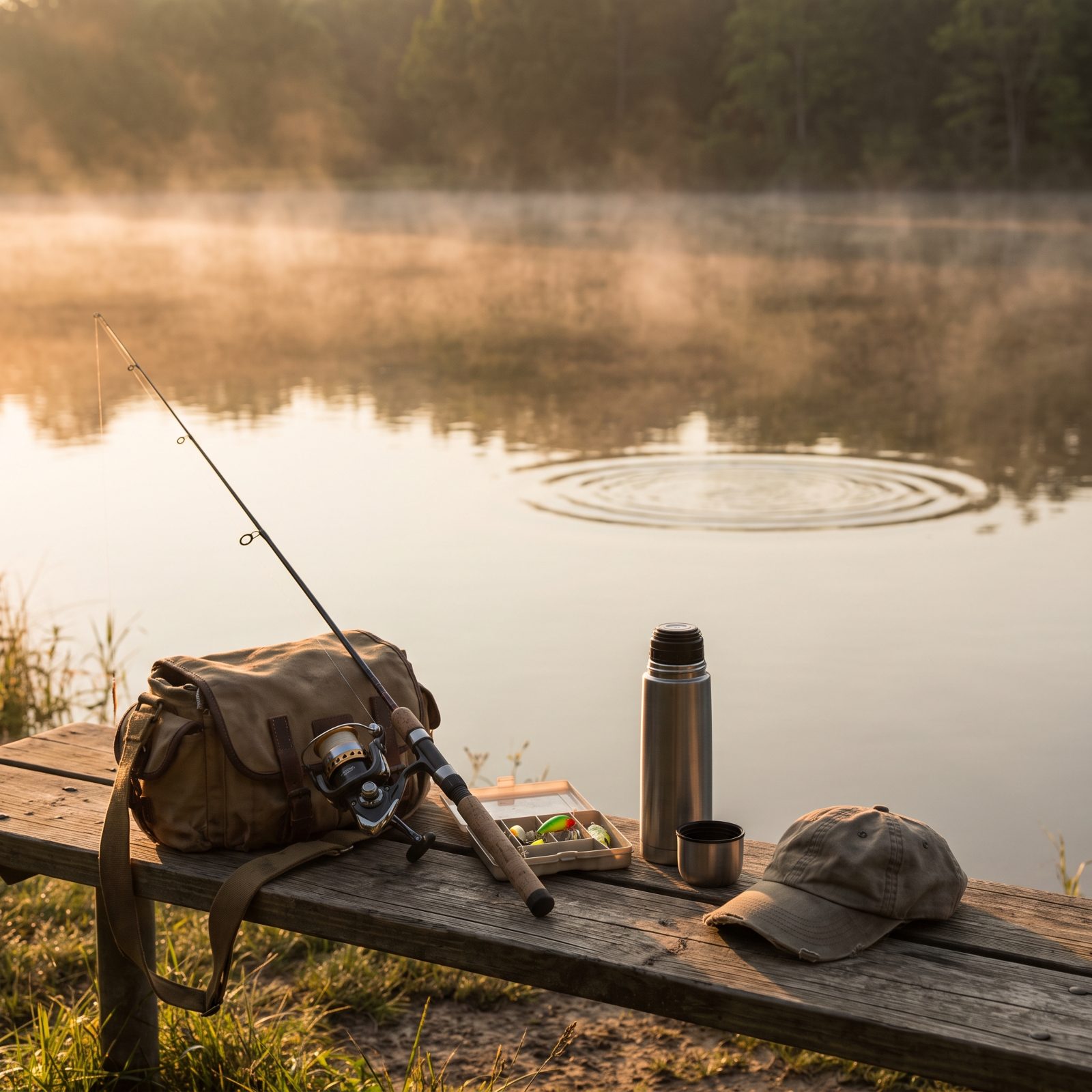
The dawn-to-dusk marathon sounds hardcore. In practice the last three hours are usually you, exhausted, flogging dead water because quitting felt like surrender.
Pick a window instead. Two hours at first light, or the last hour before dark when the fish move up. Fish it with intent, then stop. A short session you leave satisfied beats a long one you leave empty, and you come home with gas in the tank instead of running on fumes.
7. Stop Skipping Lunch to Guard the Bite: Take a Real Break on Shore or in the Boat
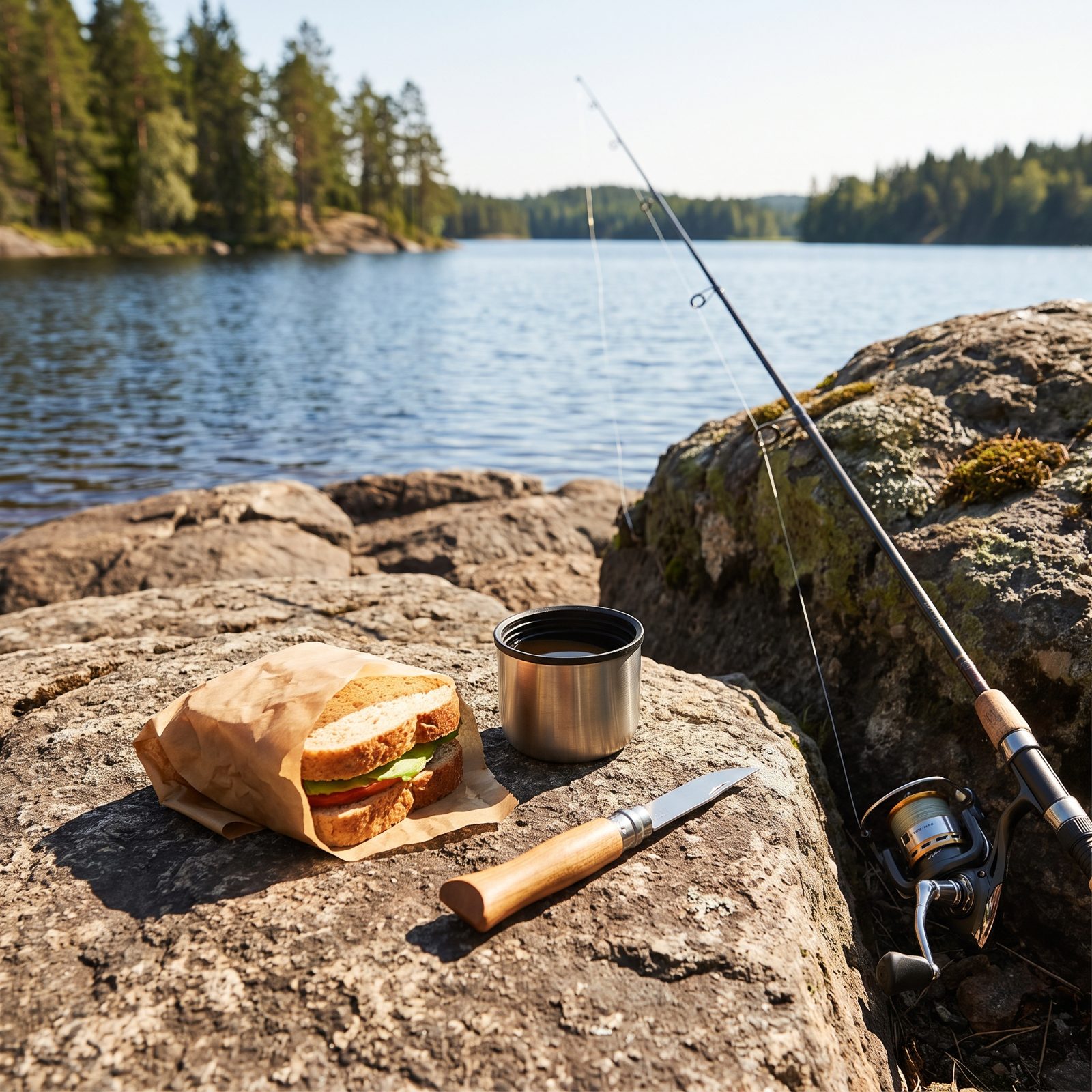
Hunger makes you sloppy. You rush casts, miss hooksets, snap at tangles, and the whole outing tilts sour — then you blame the fish, which is rich.
Beach the boat or find a flat rock and eat like it matters. Fifteen minutes with a sandwich and a thermos resets the whole afternoon. The bite you were guarding rarely vanishes, and you fish the back half sharper and happier. A real break isn’t lost time. It’s the part that makes the rest worth doing.
6. Stop Running the Trip Like a Guide: Let Your Fishing Partners Work It Out
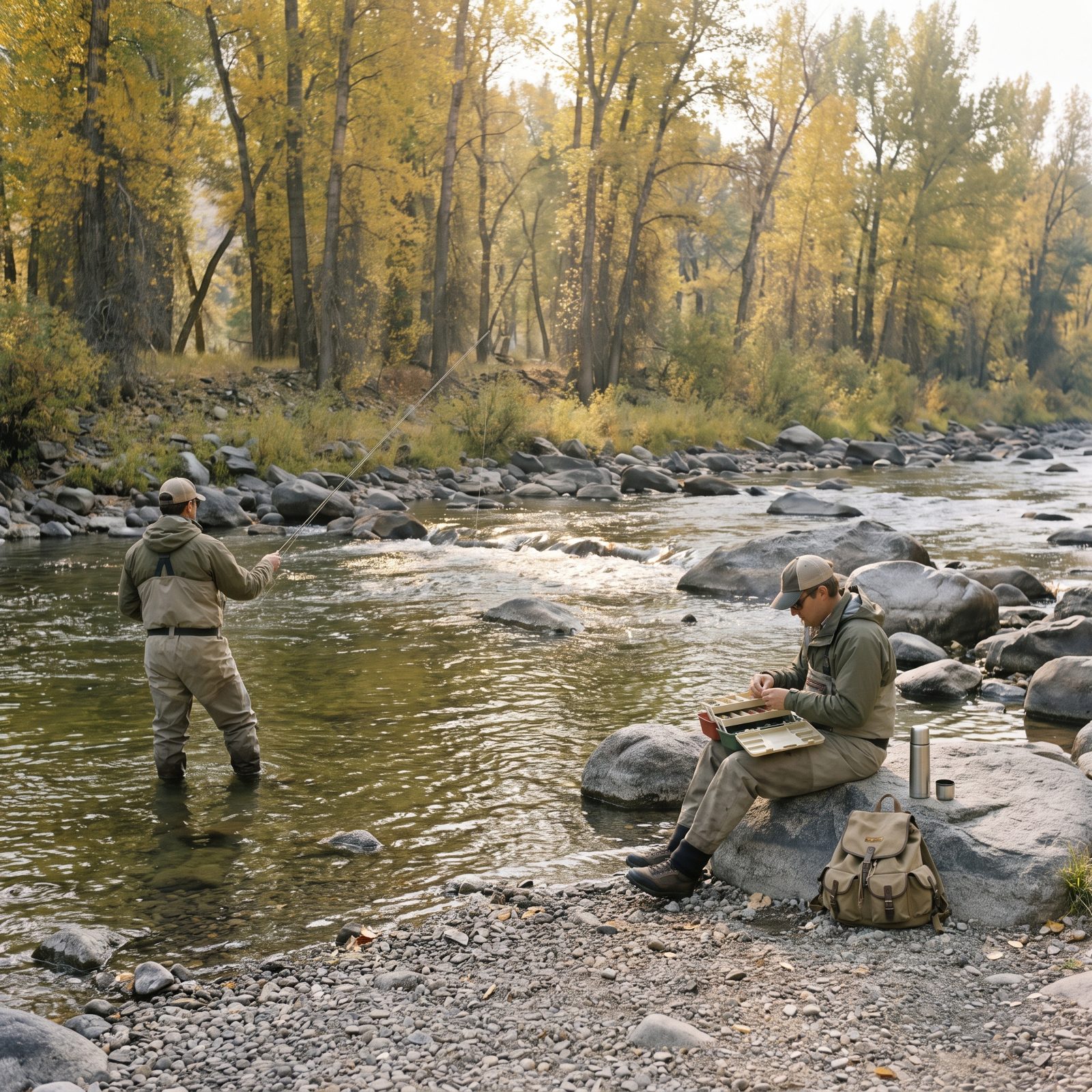
The guy who ties everyone’s knots never gets to fish. That’s the trap. You start the day teaching, you end it worn out, and somewhere around noon you realize you haven’t made a single cast you actually enjoyed.
You know the type. Can’t watch a buddy fumble a clinch knot without wading over to fix it. Helpful, sure — and a slow leak in your own good time. So let the partner lose a fish to a bad knot. He’ll tie it tighter next time, and you’ll have spent those ten minutes watching your own drift instead of his.
5. Stop Keeping Fish by Default: Release Them When Cleaning Feels Like a Second Job
Nobody talks about the back half of a good fishing day. The cleaning table, the cooler leaking onto the garage floor, the vacuum sealer you keep meaning to replace.
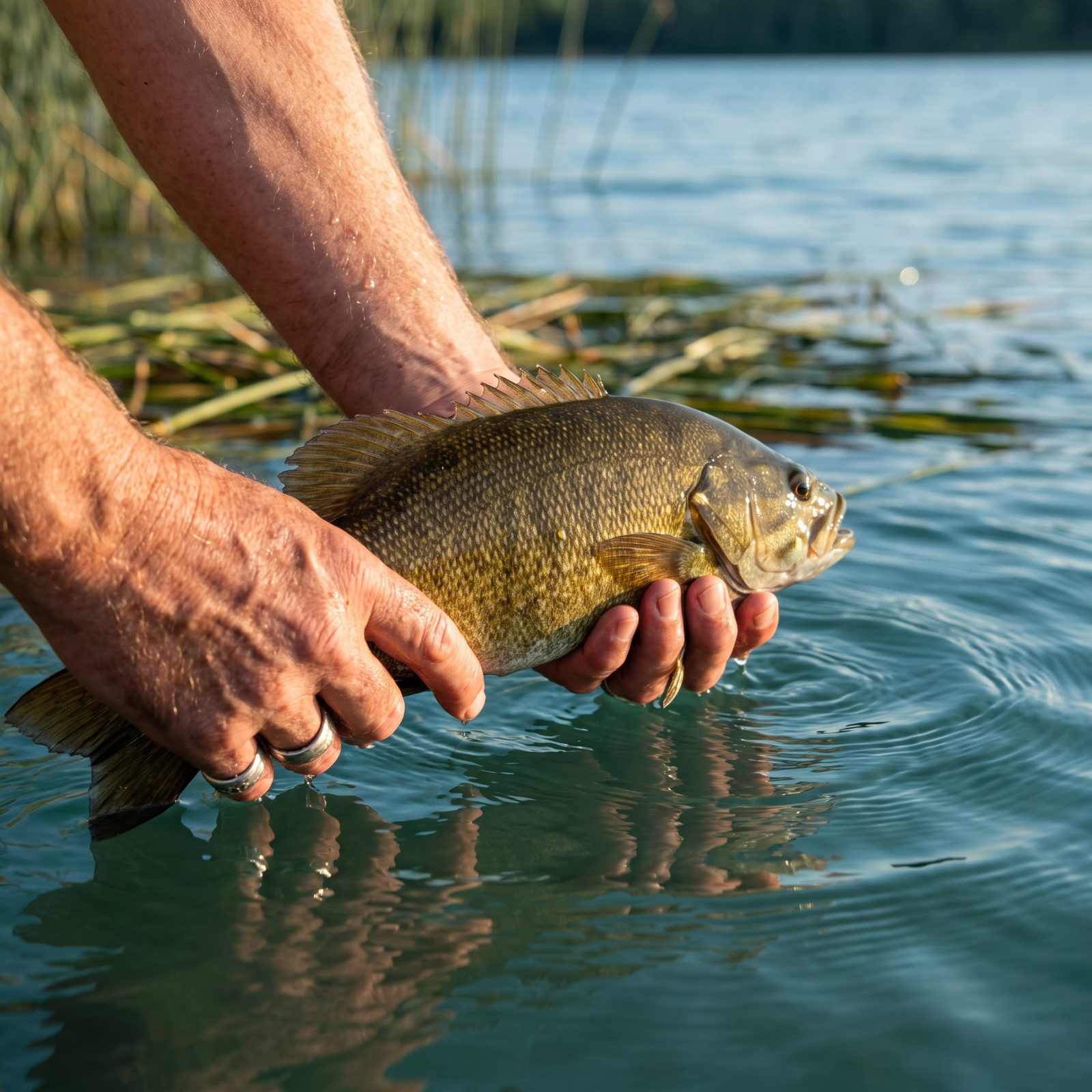
Keeping fish used to feel like the whole point, and then at some stage it flips. You come home tired with four walleye to fillet under a bad kitchen light, and the trip you loved turns into a chore you resent. Releasing more isn’t about principle for everyone, though it’s good for the fishery. Sometimes you’d just rather watch the fish kick off your palm than face the sink at nine at night.
Keep the ones you’ll genuinely enjoy eating this week. Let the rest go, and check your local limits either way.
4. Stop Answering Work Between Casts: Pick One Check-In Time and Honor It
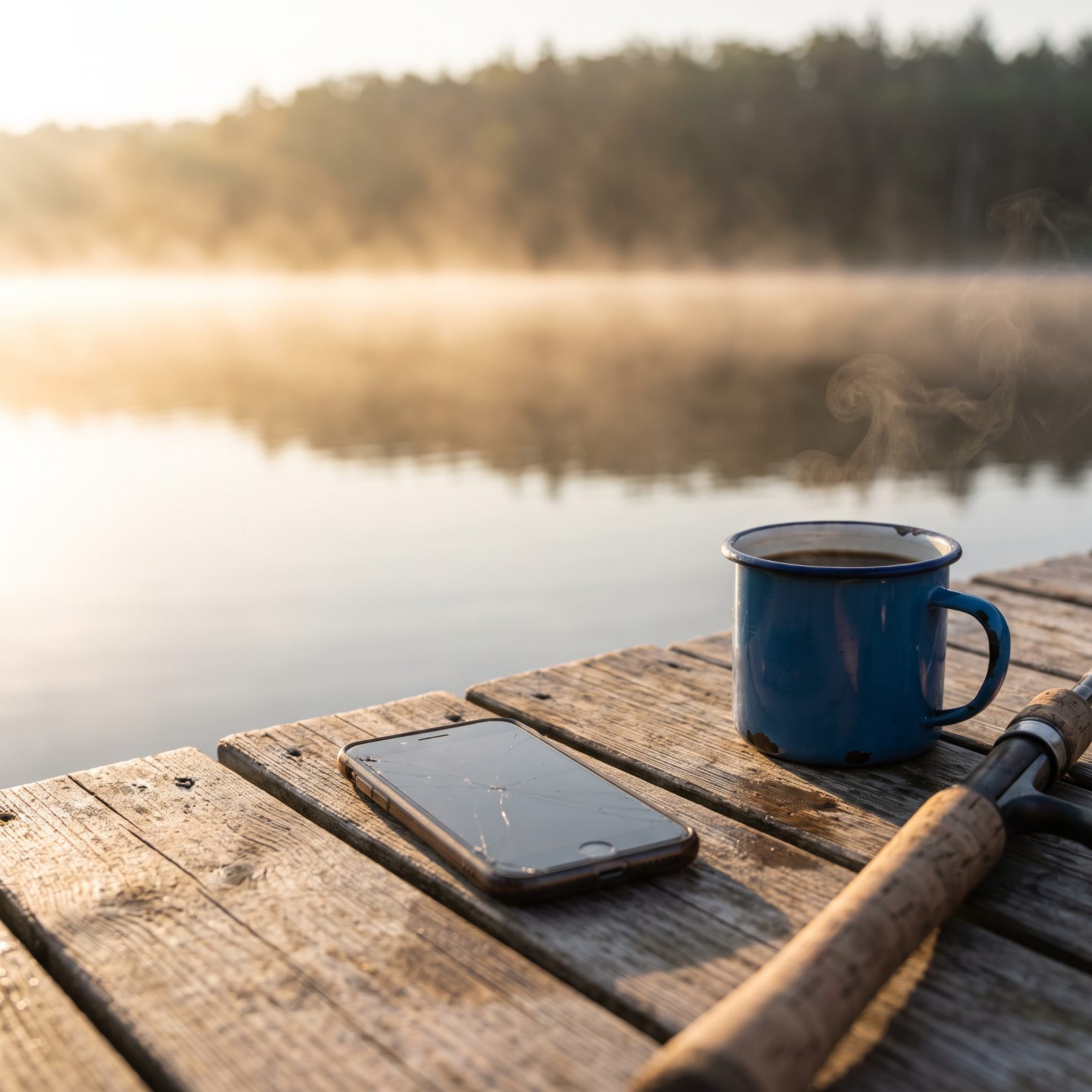
Here’s the honest math: nobody has ever landed a better fish because they answered an email at 7:40 in the morning.
The phone isn’t the enemy. The habit of glancing at it after every cast is. You break your own rhythm dozens of times before lunch and call it staying connected. It isn’t connection — it’s a leash, and you’re the one holding it.
Tell the people who need you that you’ll check at noon. Then put the thing in the dry bag, zipped, out of thumb’s reach. Your grandfather fished all Saturday with no way to be reached and the world got along fine. It’ll survive you.
3. Stop Filling Every Pause With a Podcast: Let the Water Carry the Sound
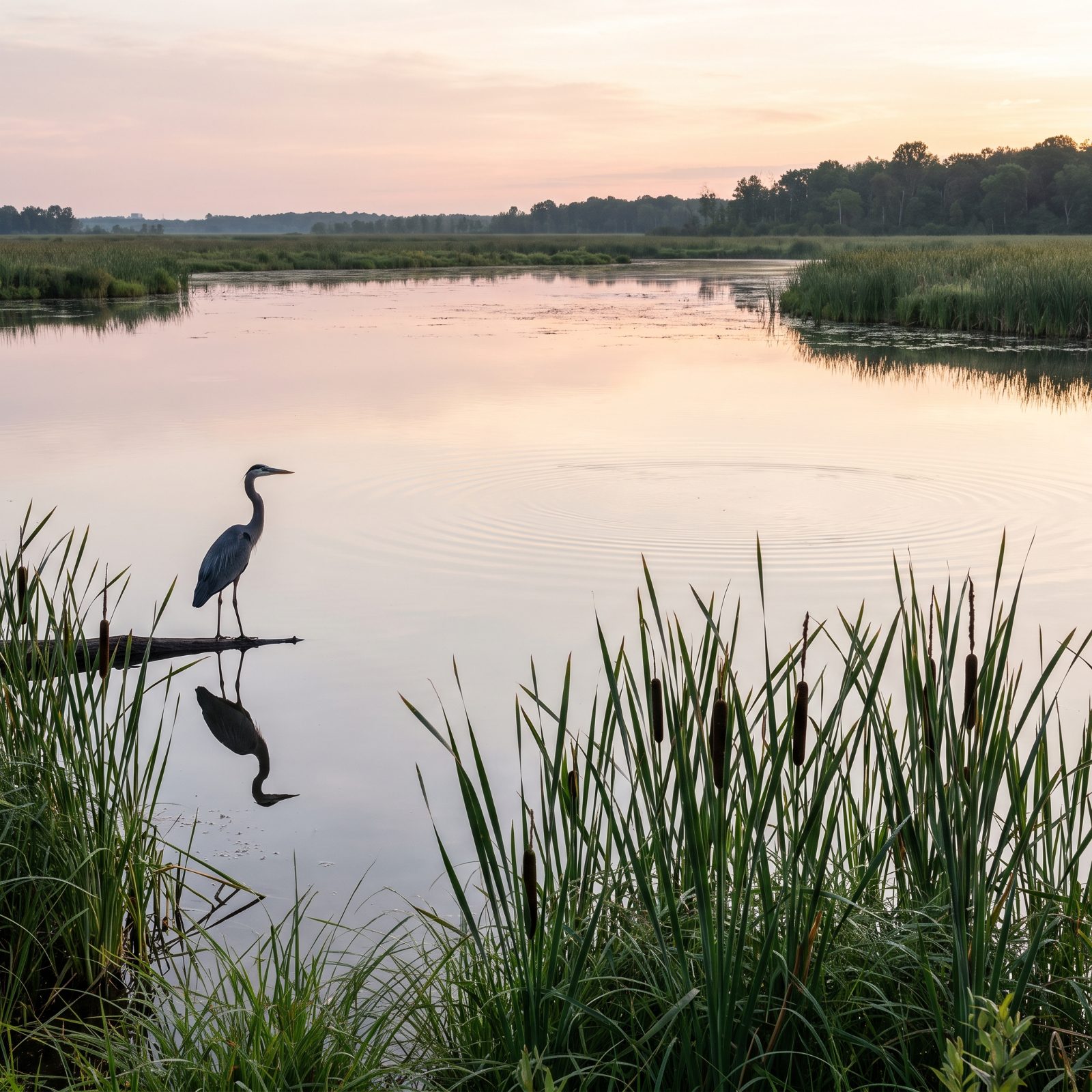
Try a whole morning with the earbuds left in the truck.
Sound used to be the thing you drove to the water for. Loons working out over the bay. A beaver tail cracking flat against the surface somewhere behind you. The specific hush of fog sitting on a river at first light, which has a texture to it if you ever let yourself hear it.
Somewhere along the line audio became armor against boredom. But a lot of what makes fishing restorative lives in exactly the gaps the podcast is busy covering up. Give those gaps back. You’ll start catching the rises you’ve been missing, and the day drops to a pace that actually feels like rest.
2. Stop Calling a Fishless Day a Failure: Count the Osprey and the Weather Instead
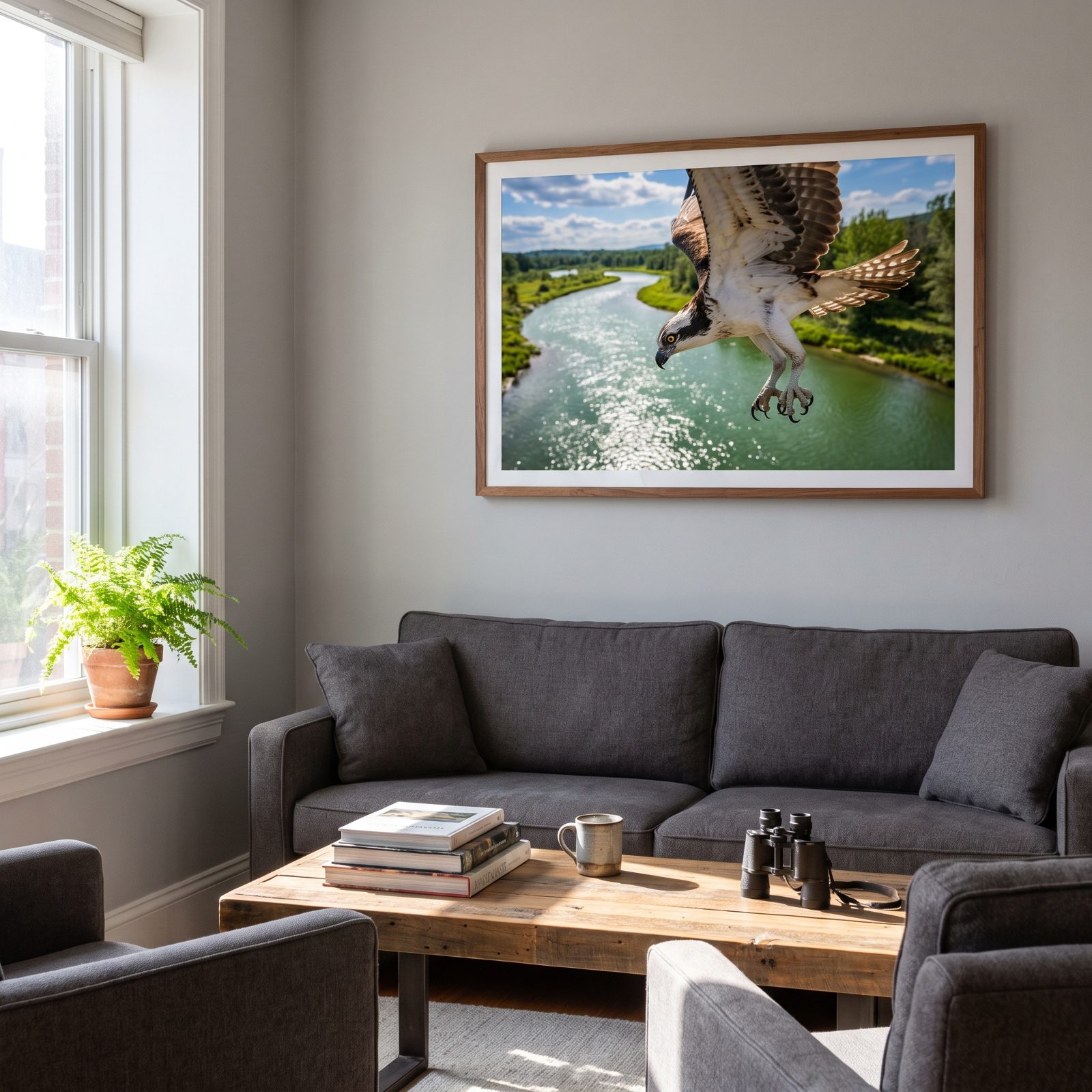
A skunk only counts against you if the fish were the only reason you came.
Reframe what gets tallied. Not the empty net — the pair of otters that worked the far bank for twenty minutes, the front that rolled in off the ridge and changed the whole color of the sky, the osprey that hit the water just off the bow, the plain fact of an unhurried hour on the water, which is harder to come by than any fish.
Sounds like consolation-prize thinking. It isn’t. The anglers who fish longest, deep into their seventies and eighties, are almost never the ones keeping score only in pounds.
1. Stop Making One More Cast After the Fun Drains Out: End on a Good One
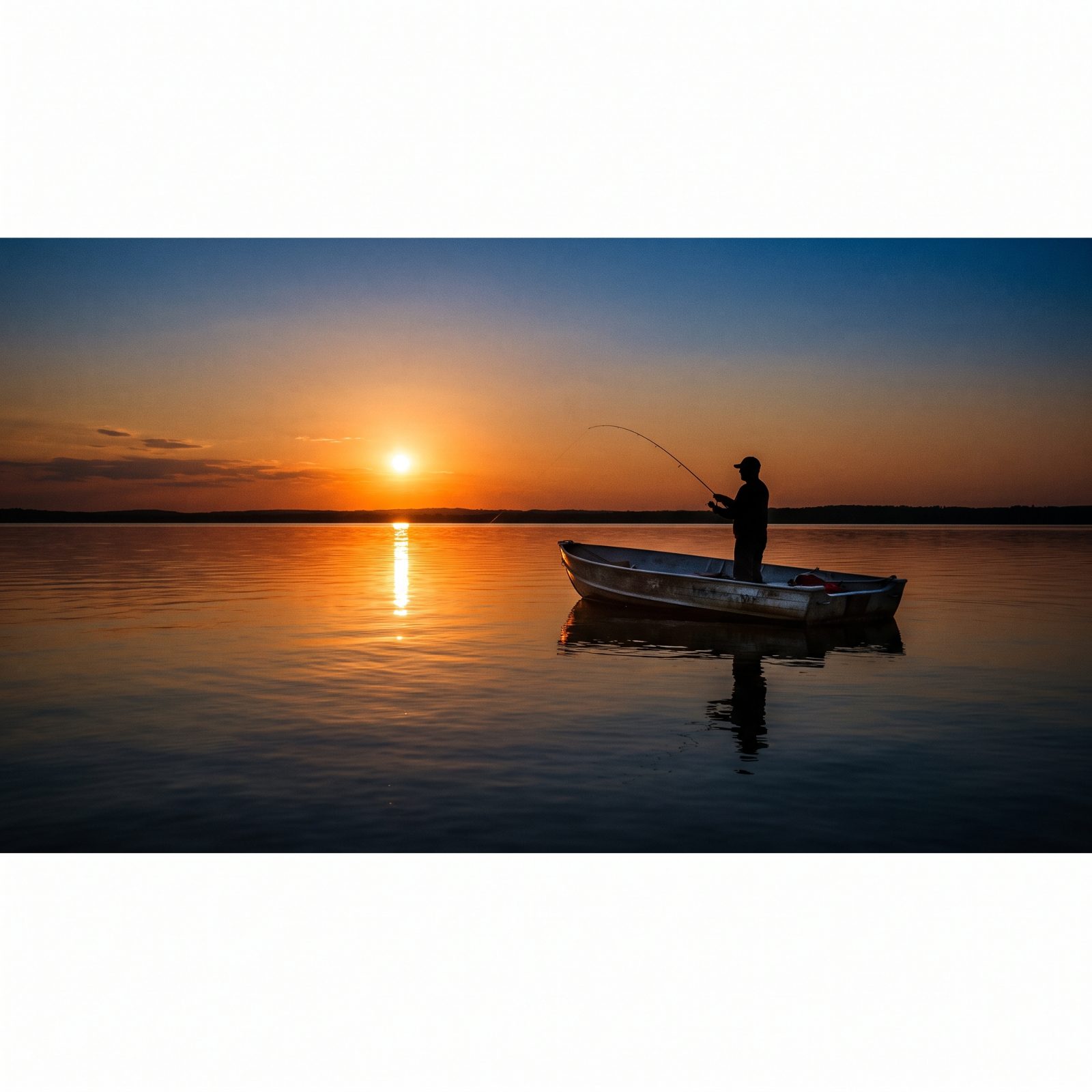
There’s a cast that happens after the enjoyment is already gone. You know the one. Arms tired, light fading, the fun quietly packed up and left an hour ago, and still you throw again because leaving feels like quitting.
Leaving isn’t quitting. It’s good sense, and it protects the memory of the day.
Best time to stop is right after something good — a clean fish, a tight drift, a moment where it all clicked. End there and you drive home satisfied instead of wrung out. Push past it and you’ve traded a great day for a merely long one. So pack up while you still want five more minutes. That wanting is what pulls you back next weekend.