There’s a lake two counties over you’ve never fished, and you’ve already decided it’s going to change everything. One grainy photo of a largemouth somebody pulled off a point, a midnight hour spent studying the shoreline on your phone, and suddenly the water you already know has nothing left to give you. We’ve all done this. Not just with lakes, either. That restless itch pulling an angler toward unfished water is the same wiring that drags people from one relationship to the next, always sure the next one is the real one — the honeymoon glow, the grass-is-greener tug, the dependable thing you quietly resent for being dependable. Same brain, different water. Here’s where the two run so close you’ll laugh, then wince.
Please note that some of the images in this article were created with the assistance of AI.
18. The Satellite View Has You Planning a Whole Future
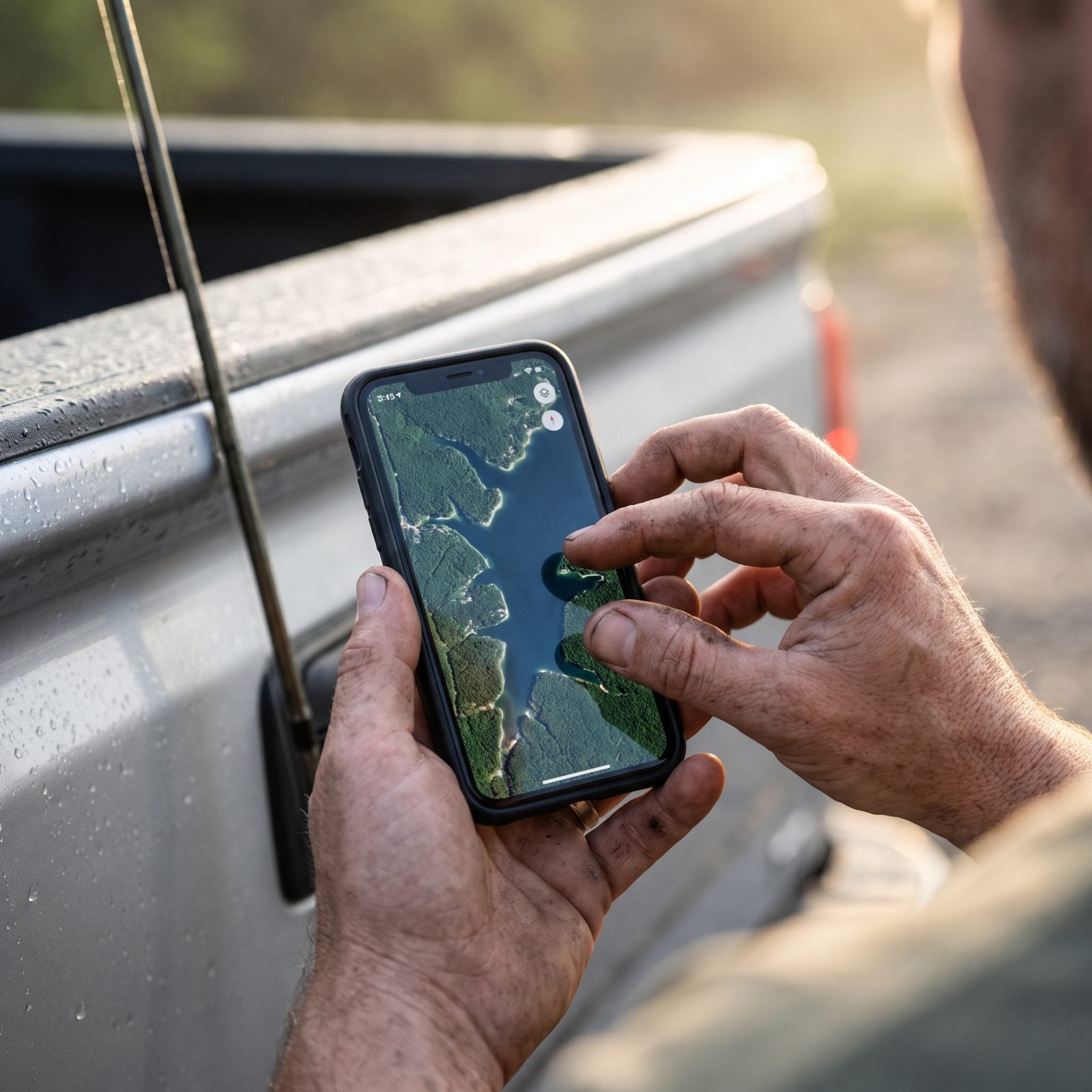
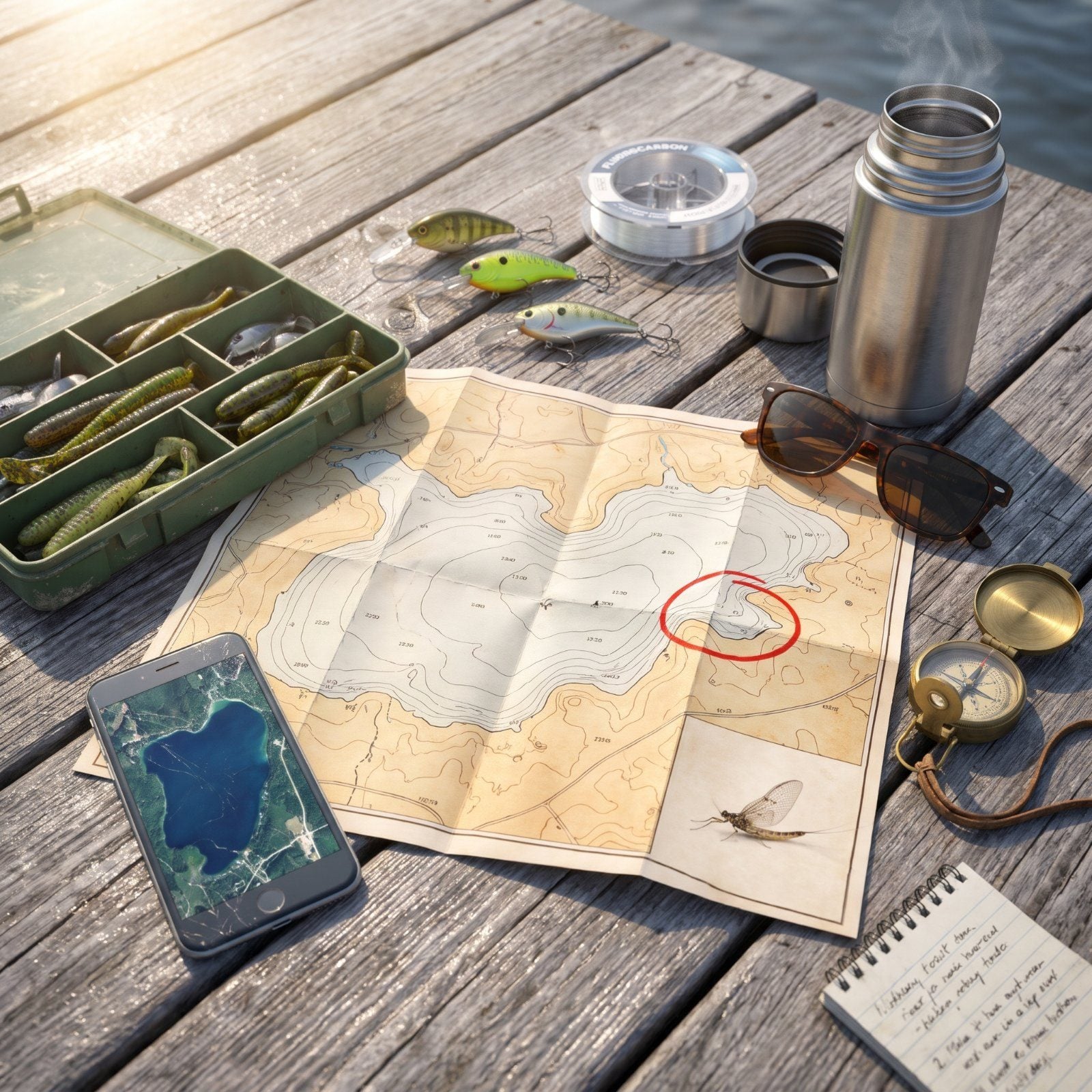
You haven’t put a boat in the water yet, but you’ve already named the spots. That cove on the north end is where the big ones stage; that submerged creek channel is your morning plan. The lake exists mostly as pixels so far, and somehow that’s enough to build a whole season around.
People do the exact same thing with a dating profile. Three photos and a clever line, and a future gets assembled out of nearly nothing. The brain fills blanks with best-case guesses, and it fills them generously, because we want the good story to be true.
17. One First-Cast Bass Starts Feeling Like Fate
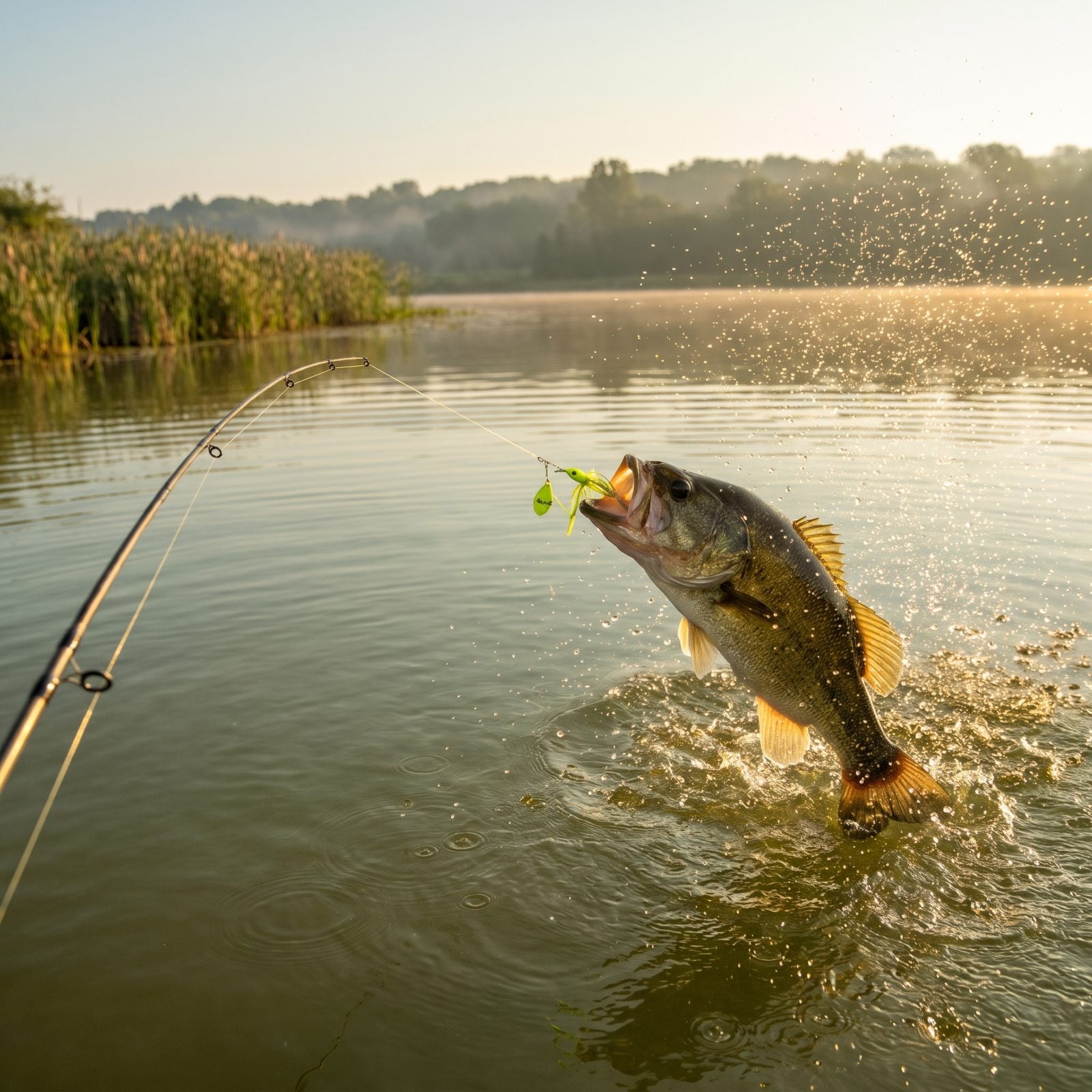
First cast, new lake. The rod loads up and there’s a solid two-pounder thrashing on the end before your coffee’s even cold, and your brain writes the headline before you’ve landed it: this place is special, this place is for me.
Same jolt as a first date that just clicks. One easy conversation and you’ve decided the universe lined it up on purpose. One good fish on the first cast proves nothing about the thousand casts to come — but try telling yourself that while you’re grinning.
This is the trap of a small sample. We treat a single lucky event like a reliable pattern, because a story with meaning feels better than a coincidence. The lake didn’t choose you. A hungry bass just happened to be in the right spot. Enjoy it anyway; hold the fate talk loosely.
16. You Crave the First Launch More Than the Fifth Trip
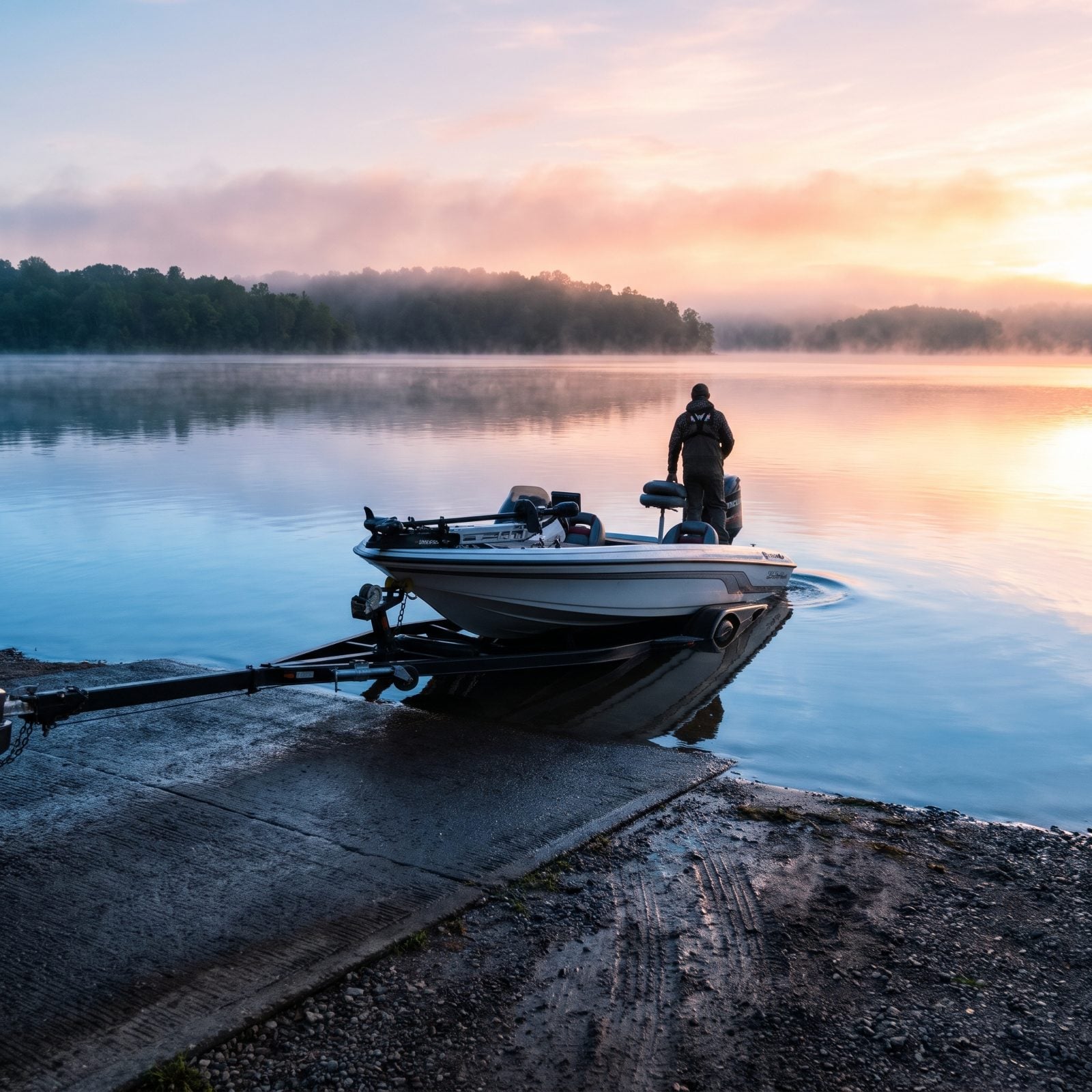
Nothing beats that first launch — new ramp, new water, the whole lake unknown and promising. By the fifth trip to the same place, the magic has leaked out somewhere and you’re already eyeing the next blue shape on the map.
This is hedonic adaptation, and it’s the quiet engine behind a lot of restless hearts. The first launch gives you a hit. Your brain gets used to it. The hit shrinks. So off you go looking for a fresh one, chasing the feeling of new rather than the fishing itself.
15. A Friend’s Trophy Photo Makes Your Lake Feel Smaller
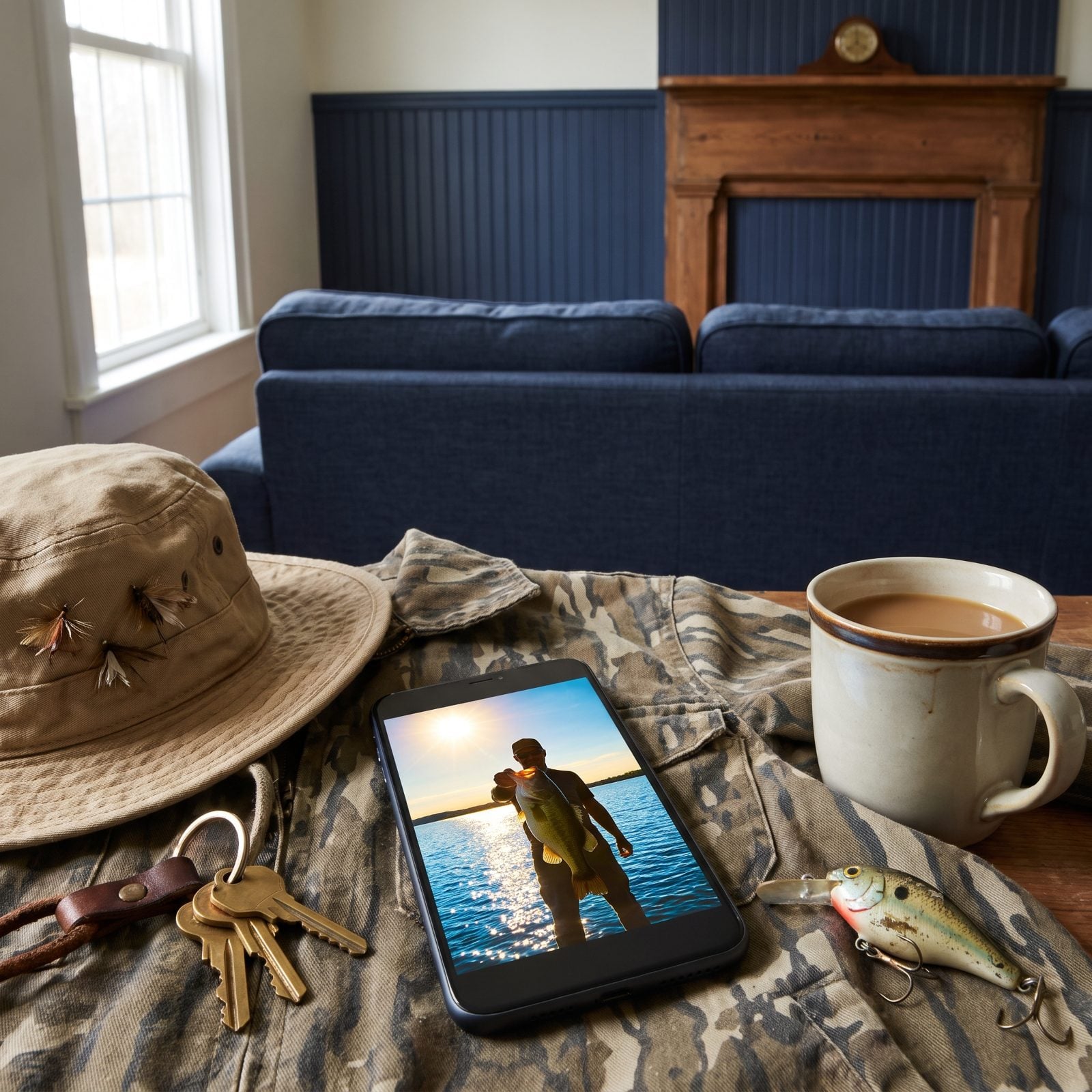
Your buddy texts a photo. A giant hanging off his thumb, grin like he invented fishing, caption bragging about a lake you’ve never been to. And your home water, the one you were happy with an hour ago, suddenly feels like a kiddie pool.
We do this to ourselves constantly now. Somebody else’s highlight reel lands on your phone and your perfectly good life shrinks by comparison. The dating version is scrolling past other people’s happy couples and feeling behind.
Nobody photographs the skunked trips, the dead mornings, the lake that looked unbeatable until it wasn’t. You’re measuring your whole ordinary season against his one best moment. That’s not a fair fight, and it was never meant to be.
14. You Blame the Lake Before You Change Your Retrieve
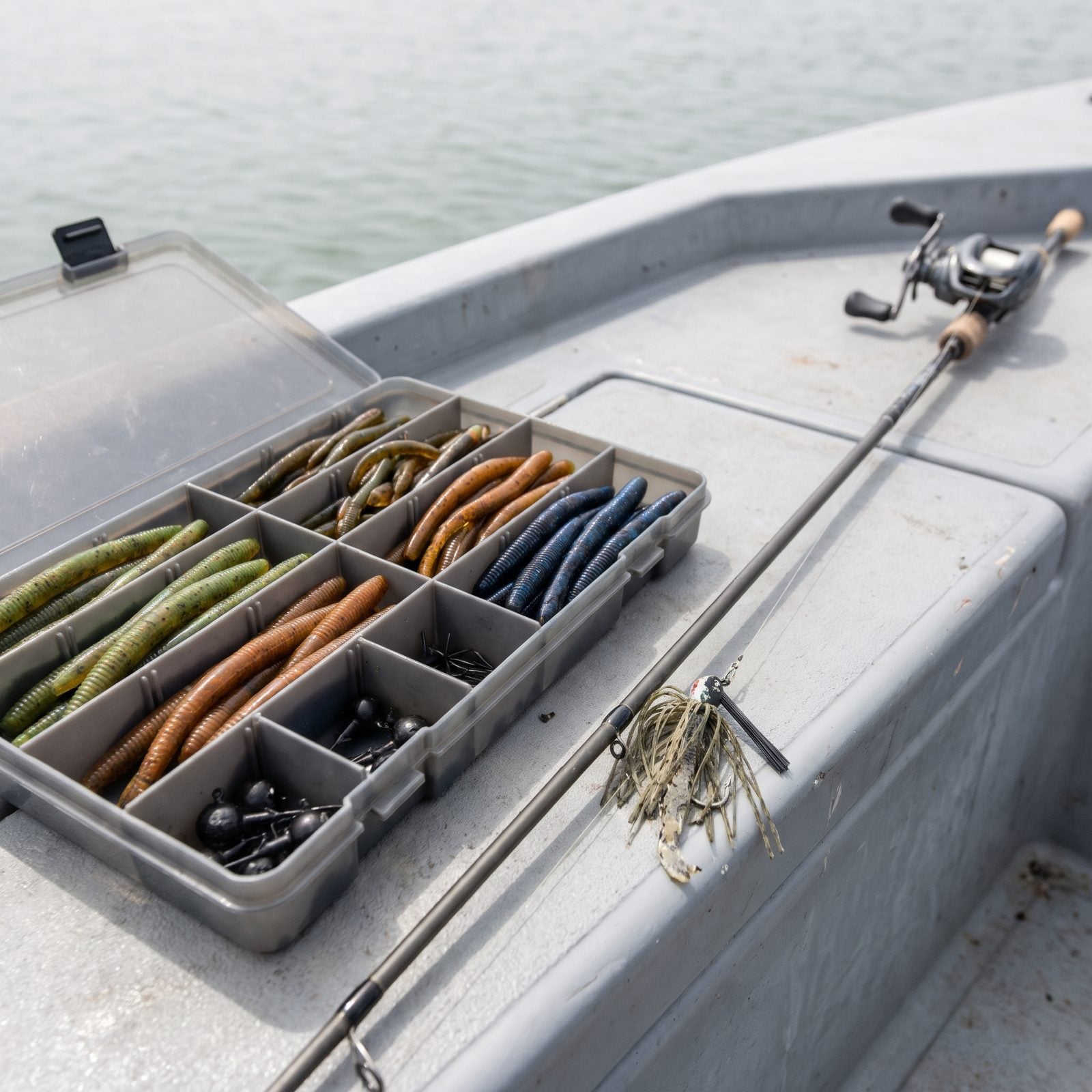
Slow day, no bites, and the verdict comes fast: this lake’s dead. Meanwhile you’ve thrown the same lure at the same speed for three hours and never once reached for the twenty other things in your box.
It’s easier to fault the water than to question the angler — the same way it’s easier to decide the last partner was the problem than to look at the pattern you keep dragging along with you.
Try slower retrieves, different depths, a color you haven’t tried, before you write off the whole place. Fish hold in the same water for years. What changes is how you work it.
13. The No-Trespassing Shoreline Somehow Looks Even Fishier
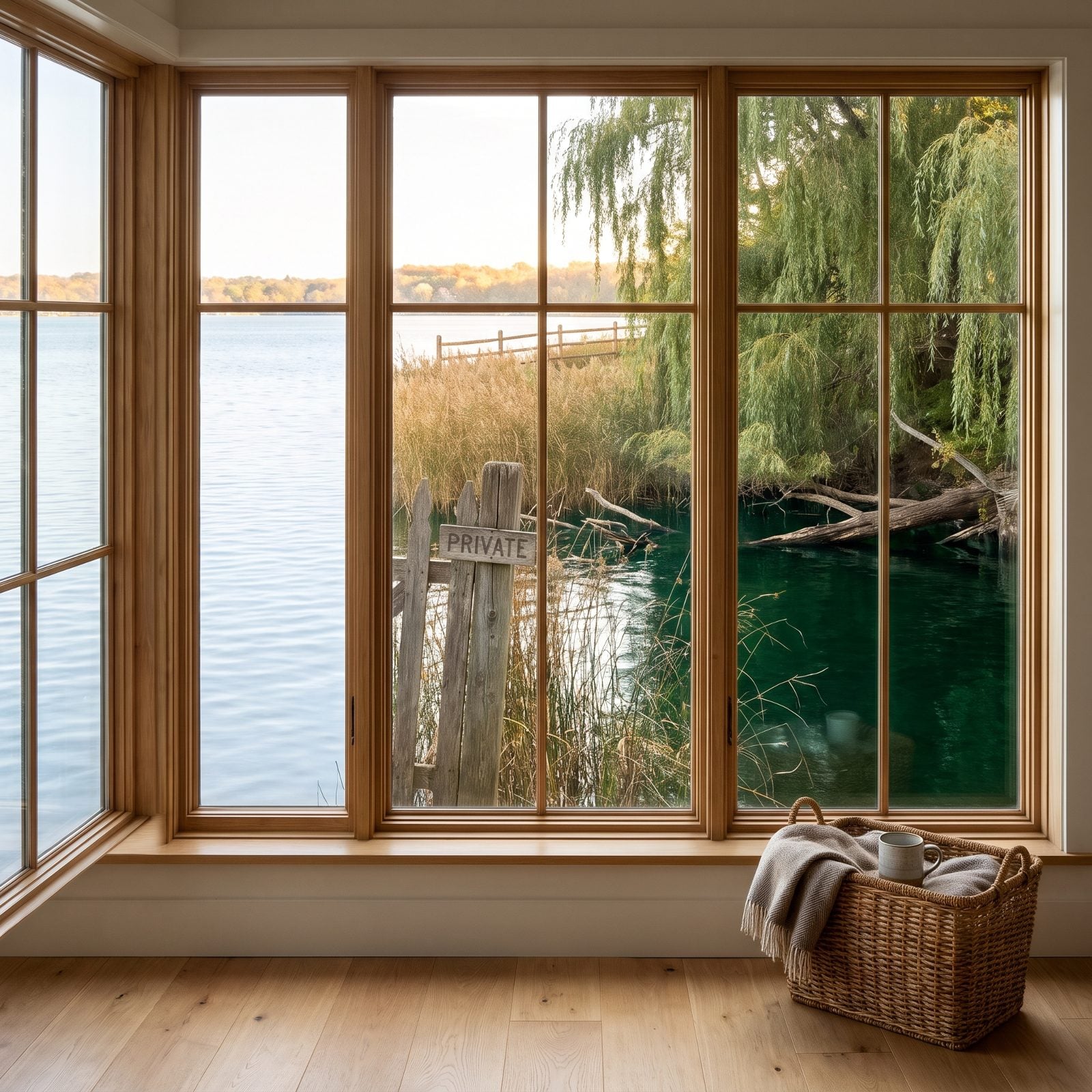
The whole lake is open to you, but your eyes keep drifting to that one fenced cove with the no-trespassing post. The water back there looks darker, deeper, holier somehow. You’d swear the biggest fish in the county are stacked up right where you can’t legally go.
That’s scarcity doing its oldest trick. What we can’t have glows brighter just because we can’t have it. People fixate on the unavailable for the same reason, chasing what’s out of reach while the open, willing option sits right in front of them.
Odds are that forbidden cove fishes about the same as the water you can reach. The fence isn’t keeping monsters in. It’s just keeping you out, and that denial is half of what makes it look so good.
12. You Chase Trophy Water and Miss the Dependable Bites
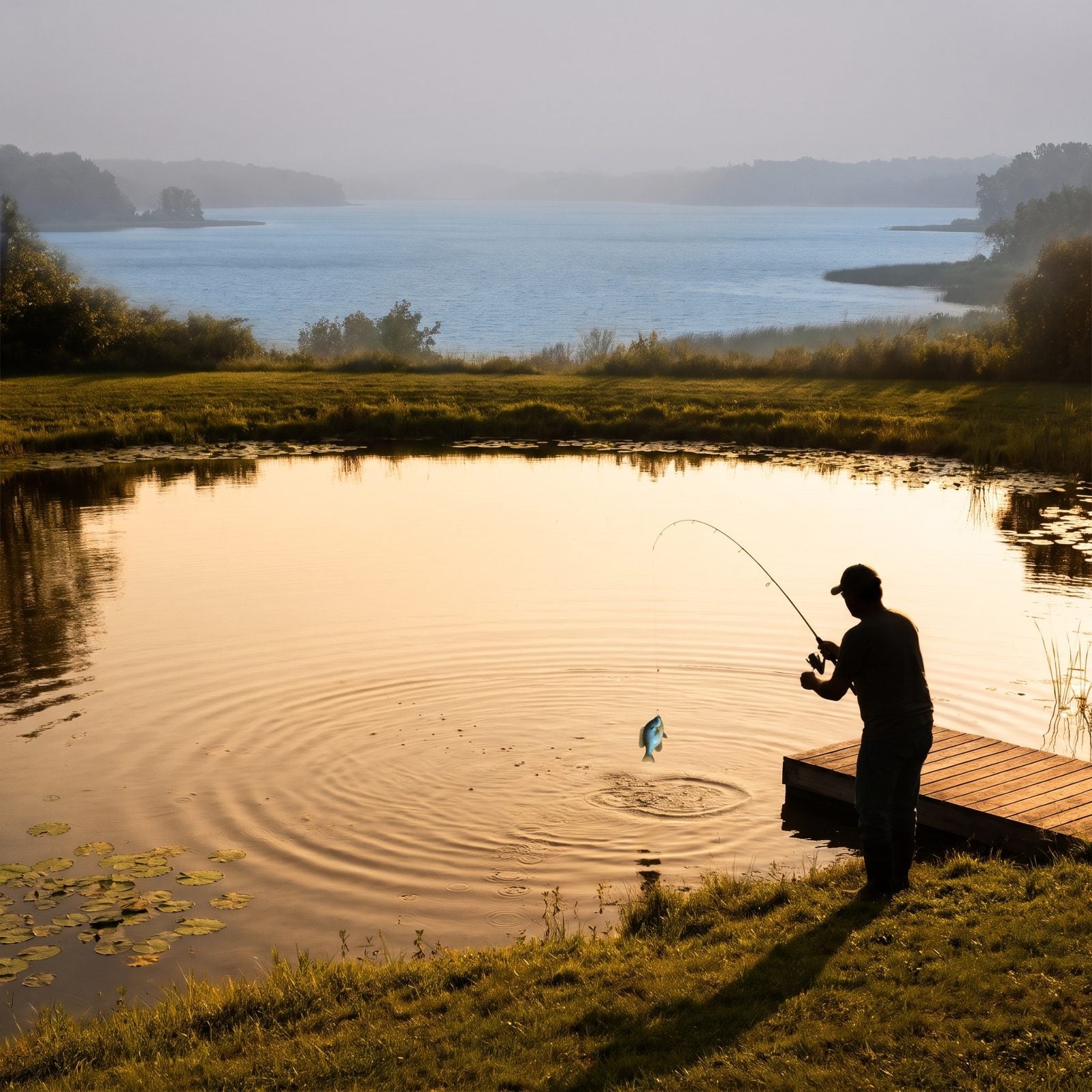
You drive two hours to the famous trophy lake, the one with the magazine reputation, and you grind all day for maybe one fish. Meanwhile the little local pond fifteen minutes from your house would’ve bent your rod twenty times before lunch.
We overvalue the dramatic and undervalue the reliable. The big story pulls harder than the sure thing. In relationships it’s the same math — chasing the exciting and unpredictable while overlooking the steady, present person who was there the whole time.
Trophy water gives you one story a year. Dependable water gives you a season of good days.
Nothing wrong with chasing a giant. Just don’t let the pursuit of the rare make you blind to the water that actually loves you back.
11. Your Phone Holds Backup Lakes You Swear Mean Nothing
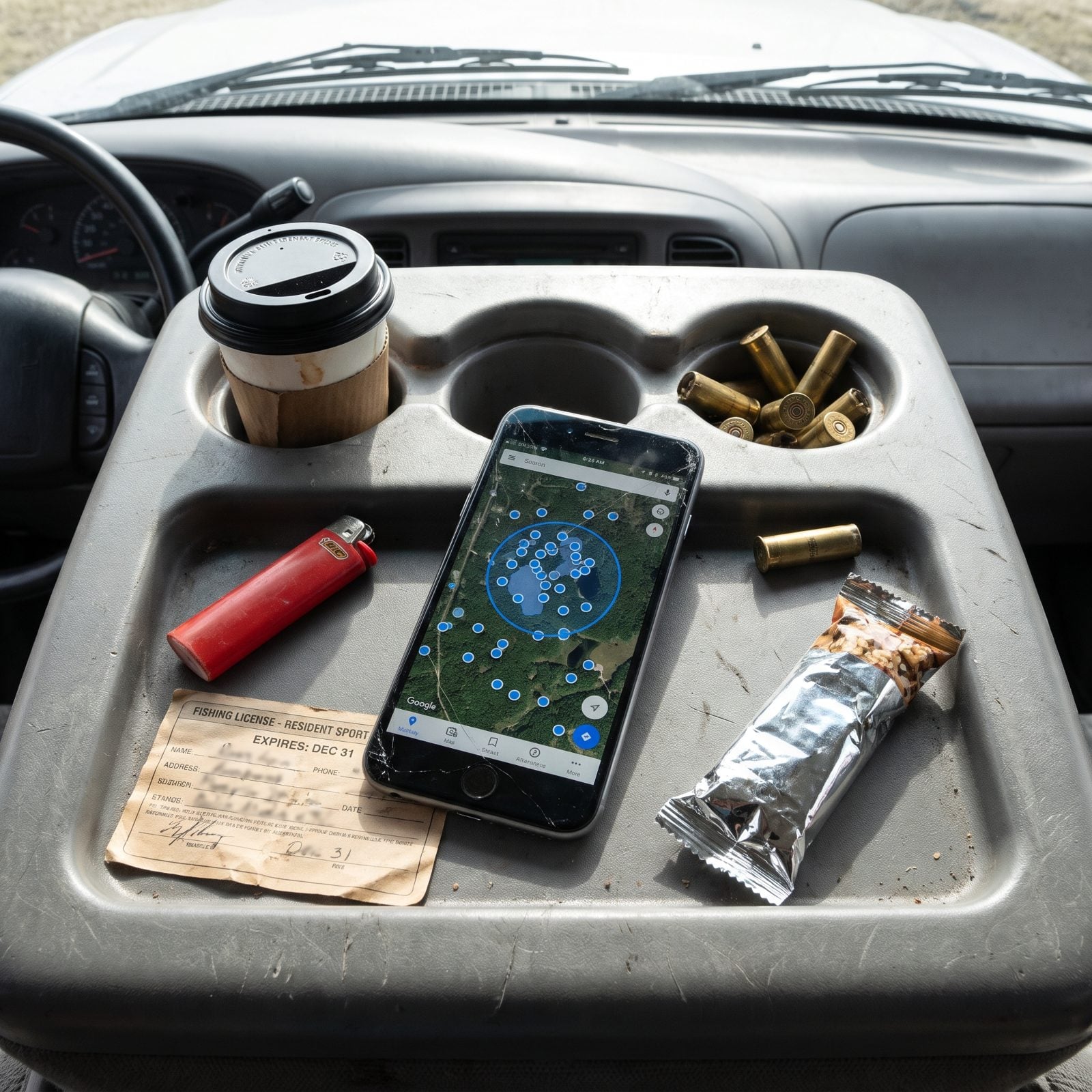
Your maps app has pins all over it — a dozen lakes you’ve never fished, each one saved for some someday, each one a little escape hatch you tell yourself you’ll probably never use. They’re just there. Just in case.
But backup options change how you treat the water you’re actually on. Knowing there’s always another lake saved, you give the current one less of yourself. You bail quicker. You commit less. Sound familiar? It’s the same hedge people run when they keep one foot out the door.
10. Every New Lake Somehow Looks Like Your Usual Type
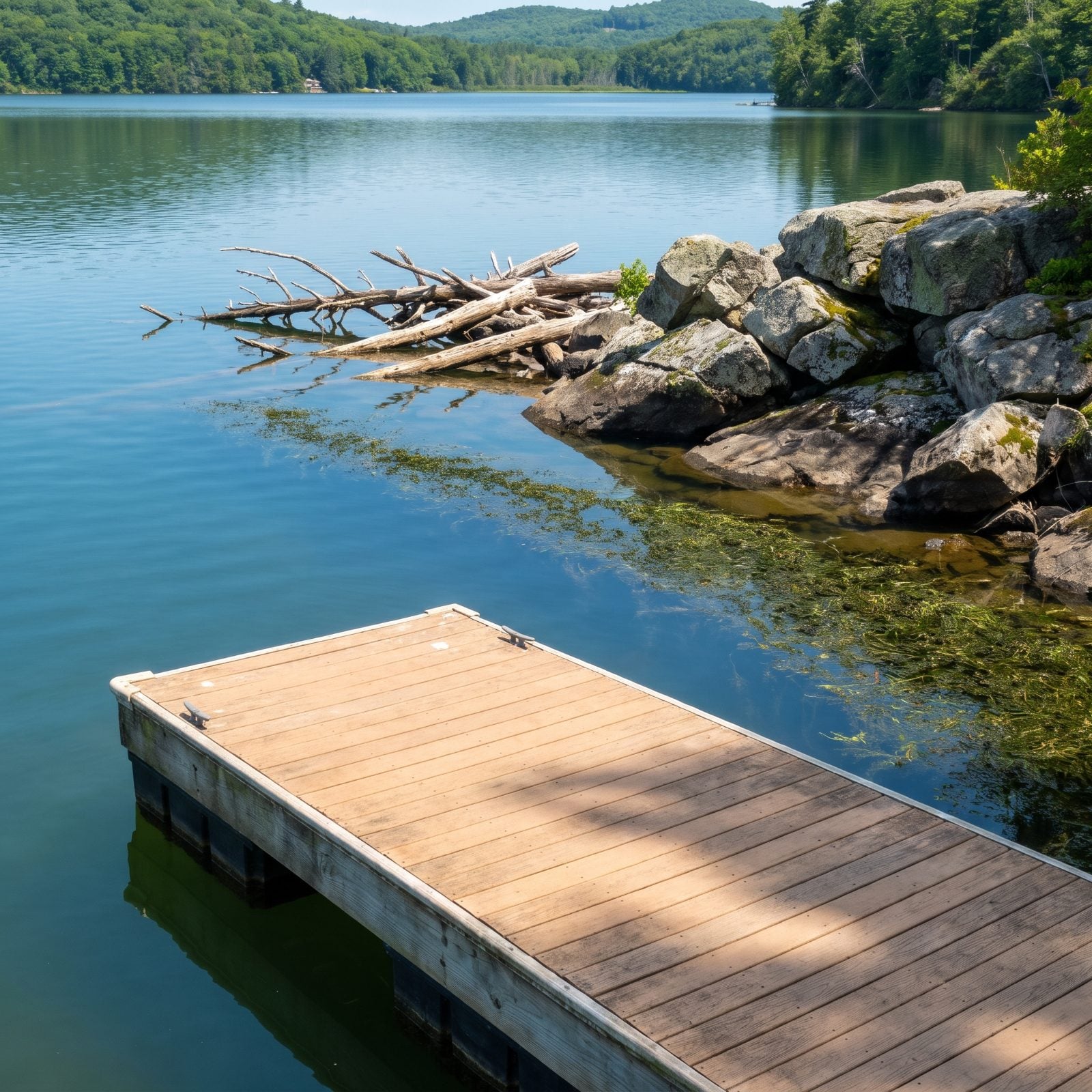
You swear this new lake is a fresh adventure. Then you look closer. Rocky point. Submerged timber. A weed line and a shaded dock. It’s the same setup you’ve fished your whole life, just with different GPS coordinates.
We think we’re seeking new experiences when we’re mostly seeking familiar ones in new packaging. People do it with partners too, cycling through what feels like variety while chasing the exact same traits every single time. The lake’s name changes. Your type doesn’t.
And that’s worth noticing, not beating yourself up over. If every lake you fall for looks the same, maybe it’s time to fish water that makes you uncomfortable — the gin-clear stuff, the muddy river, the deep lake where none of your old tricks work. That’s where you actually grow.
9. Once the Pattern Takes Work, Another Lake Looks Easier
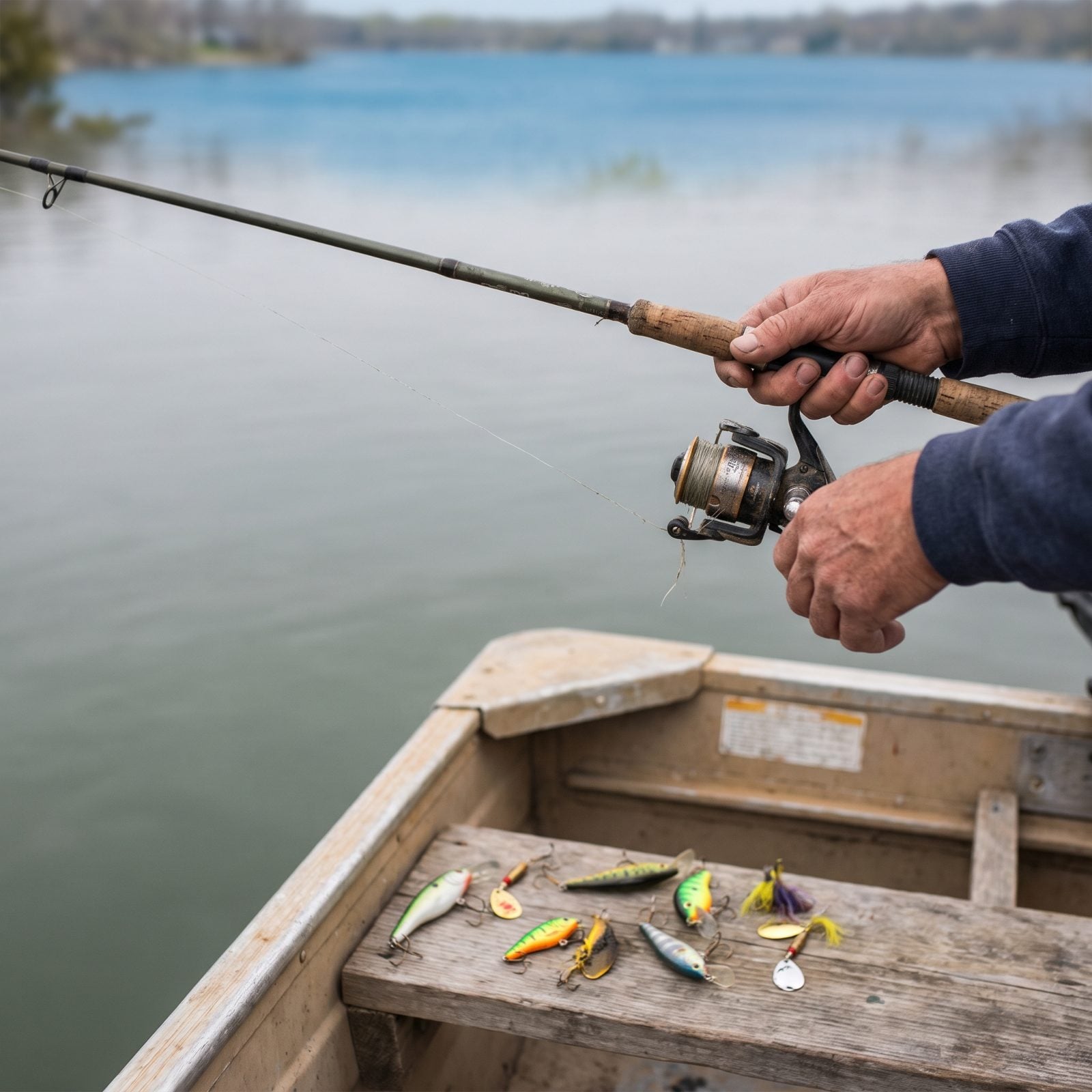
You’ve put in the hours on this lake. You know its moods, you’ve started cracking the pattern, you’re finally close to figuring it out. And right then, right when it gets genuinely hard, another lake starts whispering that it’d be so much easier.
Of course it looks easier. You haven’t failed there yet. The grind you’re feeling now is the grind that always shows up right before a place starts paying off, and quitting means starting the whole climb over somewhere new.
People abandon relationships at this exact spot — right when the easy honeymoon fishing ends and the real work begins — convinced the next one won’t require it. It always does. Every lake worth knowing makes you earn it eventually. The fresh one just hasn’t sent you the bill yet.
8. You Call the Old Honey Hole When New Water Disappoints
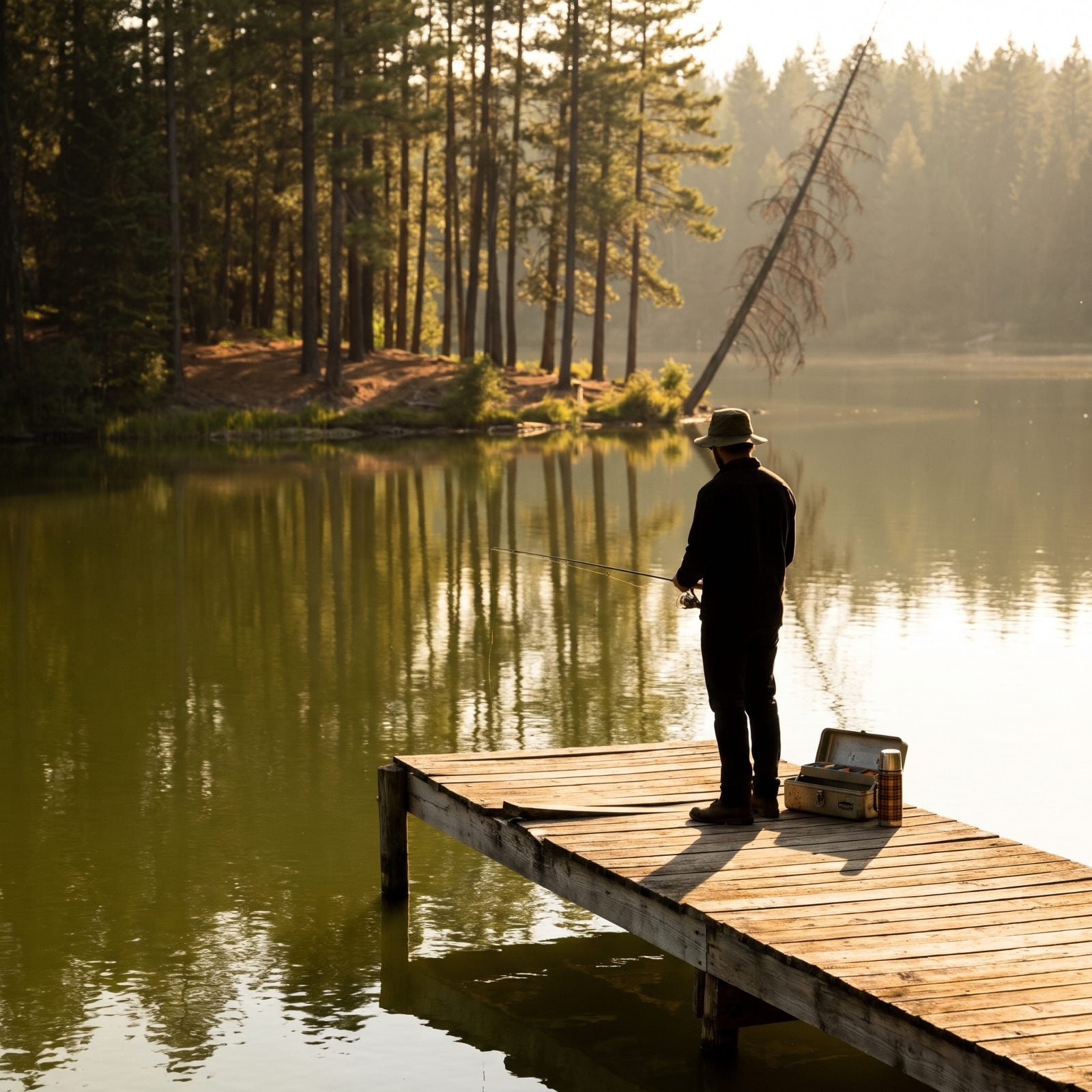
The new lake gave you nothing all morning, so around noon you point the truck back toward the pond you’ve fished since you were a kid, the one where you know exactly where the fish hold off that sunken stump. Suddenly everything feels easy again.
People do the same thing with an ex. The new person turns out to be hard work, and old familiar warmth starts looking like paradise. You remember the comfort and conveniently forget why you stopped going there.
7. You Buy Lake-Specific Lures for Your Latest Obsession
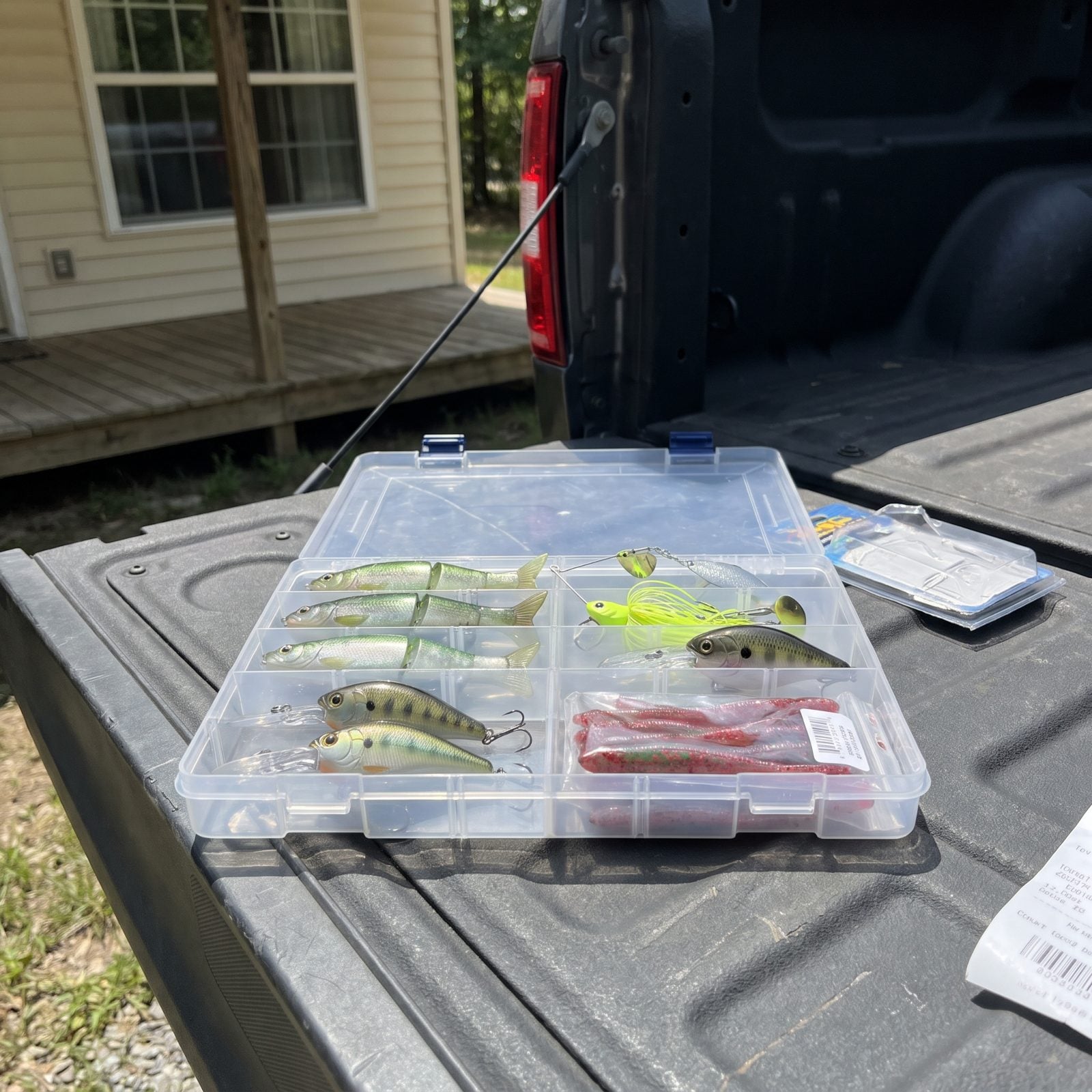
You’ve never fished this reservoir, but you’ve already dropped real money on the exact swimbait the forum guys swear by for its clear water and suspended bass. You convince yourself this lake demands a whole new approach. A new box. A new identity, honestly.
Same energy as redoing your entire wardrobe when you start seeing someone new. Different person, different version of you, and out comes the credit card to fund the transformation.
The spending isn’t really about the lures or the clothes. It’s commitment theater. By putting money down up front, you’re telling yourself this one matters, which makes you believe it more. The purchase is the promise.
6. A Two-Hour Drive Makes Every Ripple Seem More Special
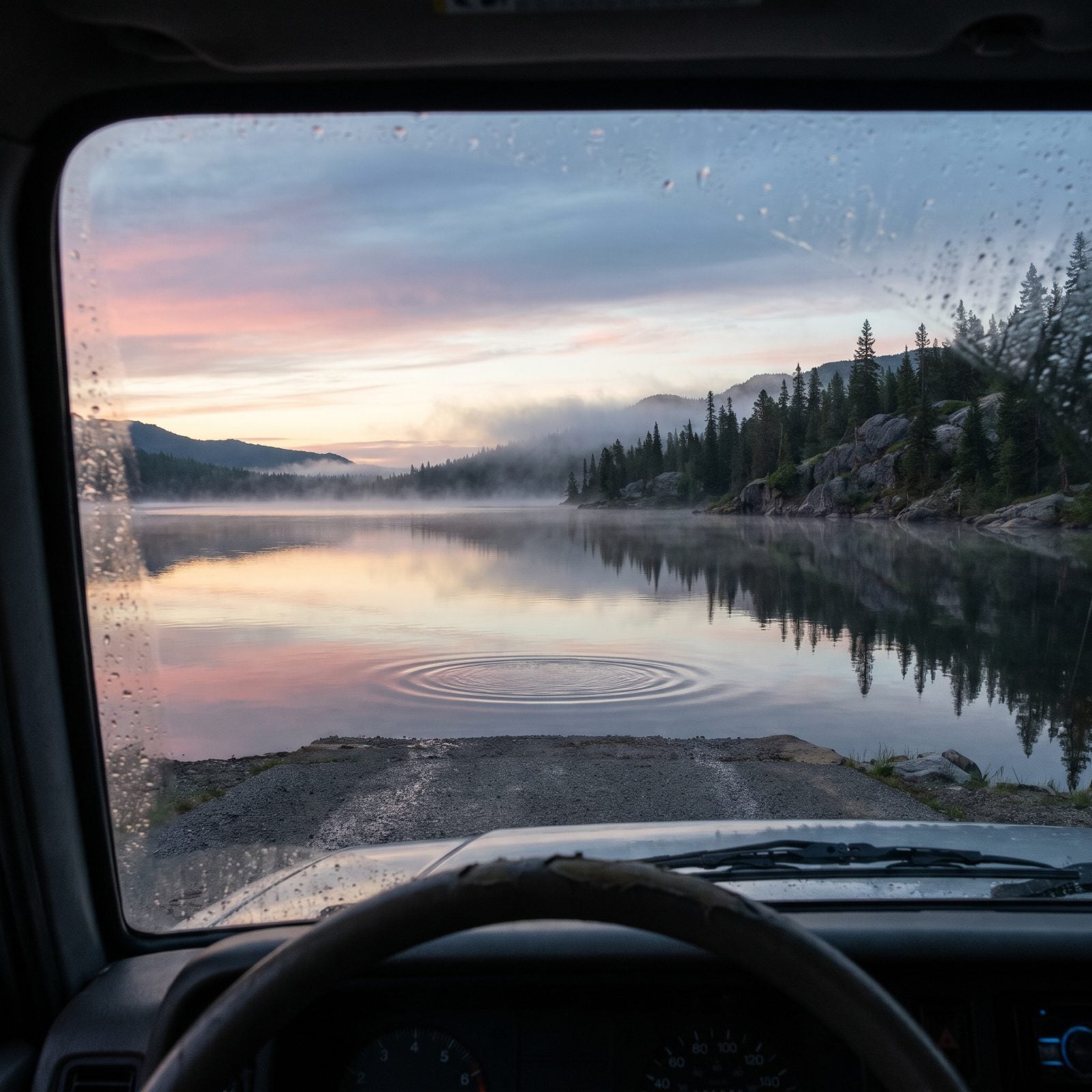
You drove two hours in the dark to get here, and the first fish swirl you see on the surface feels almost holy. Back home that same little splash wouldn’t have earned a second glance.
Distance does strange things to value. Someone you meet on a trip across the country seems more exciting than ten perfectly good people in your own zip code, purely because of the miles.
5. Locals Mention Stumps and Crowds; You Hear Giant Bass
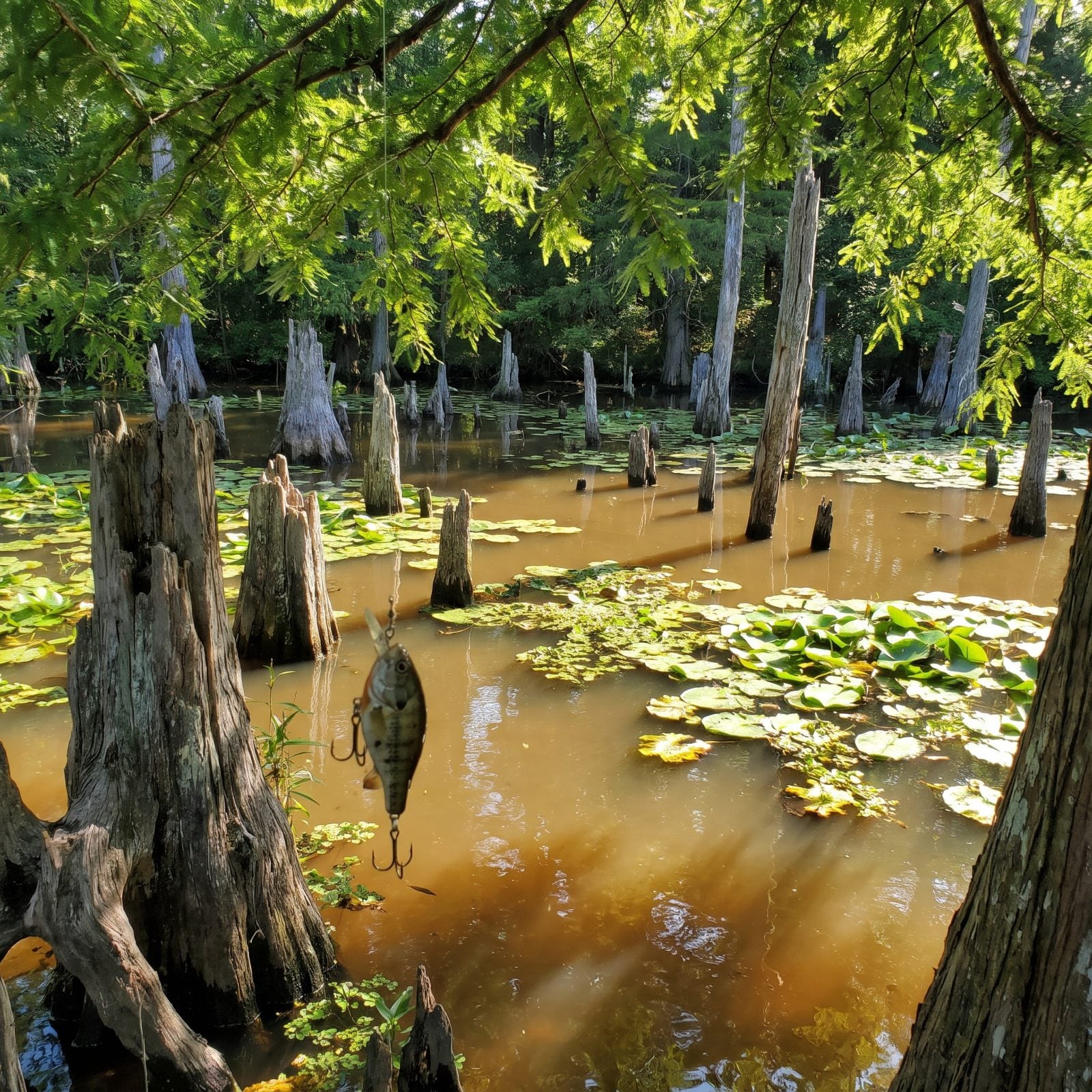
The guy at the gas station warns you the lake is thick with stumps that’ll chew up your lower unit and the ramp gets jammed by seven on weekends. What your brain hears is: nobody pressures these fish, so they must be enormous.
We’ve all done this with a person too. A friend says the new flame is “a lot” and you translate it instantly into passionate and misunderstood. The red flags arrive pre-painted green.
This is confirmation bias with the volume cranked up. Once you’ve decided a place or a person is the one, every scrap of information gets bent to fit. Warnings become features. You don’t hear the problem — you hear the version of the story you already wanted.
4. You Remember the Lunker, Not the Broken Boat Ramp
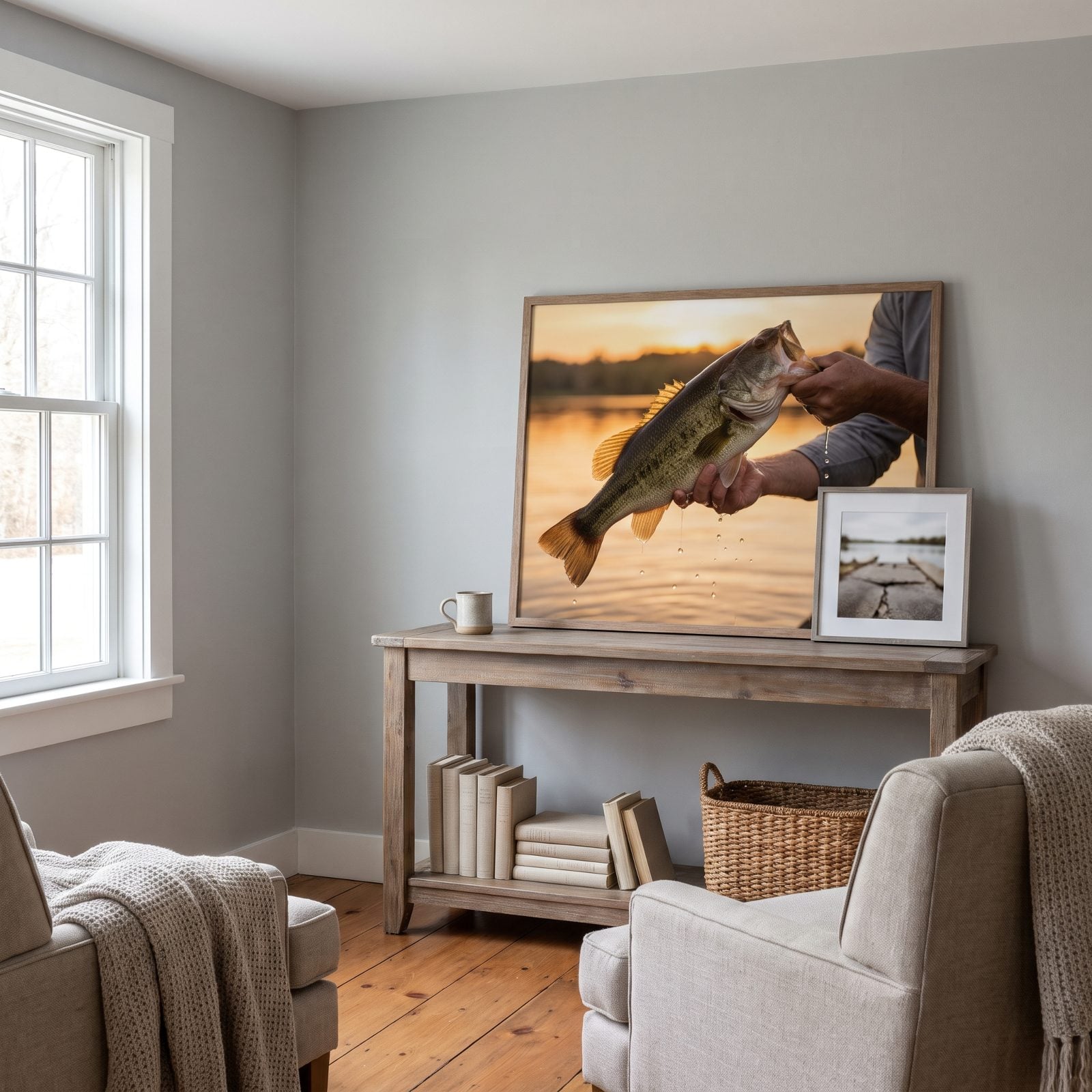
That lake had a cracked ramp, a sunburn, a tangled anchor rope, and a four-pounder that absolutely smoked your drag at sunset. Ask you about it a month later and you’ll only talk about the bass.
Memory does the editing for you. The bad day on the water shrinks to a footnote and the one great fish becomes the whole trip.
We don’t remember the days. We remember the moments, and the moments lie.
Same reason people idealize a past relationship. The arguments fade and the one perfect weekend somehow stands in for the entire thing. Psychologists call it the peak-end rule: our brains rate an experience by its best moment and its ending, not its average. That lunker rewrote the whole ledger.
3. A Packed Parking Lot Proves You Chose Well
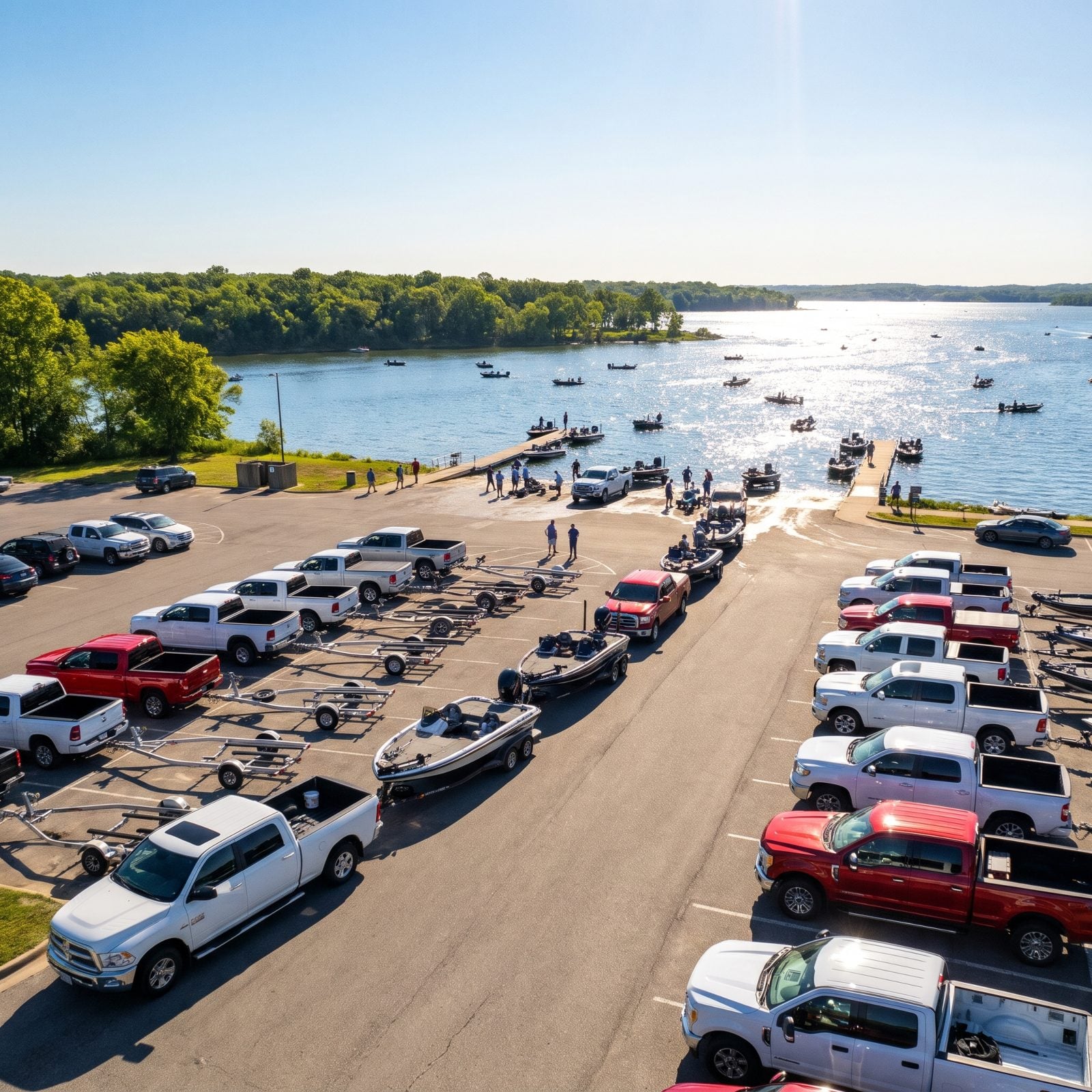
You pull into the launch and the lot is jammed, trailers backed up to the road, boats stacking at the ramp. Instead of groaning about the crowd, part of you relaxes. Clearly this lake is worth fishing, otherwise why would all these people be here?
It’s the same reason a busy restaurant with a wait feels better than the empty one next door. And it’s why someone gets more appealing the moment other people start showing interest.
2. You Compare Today’s Skunk to Another Lake’s Highlight Reel
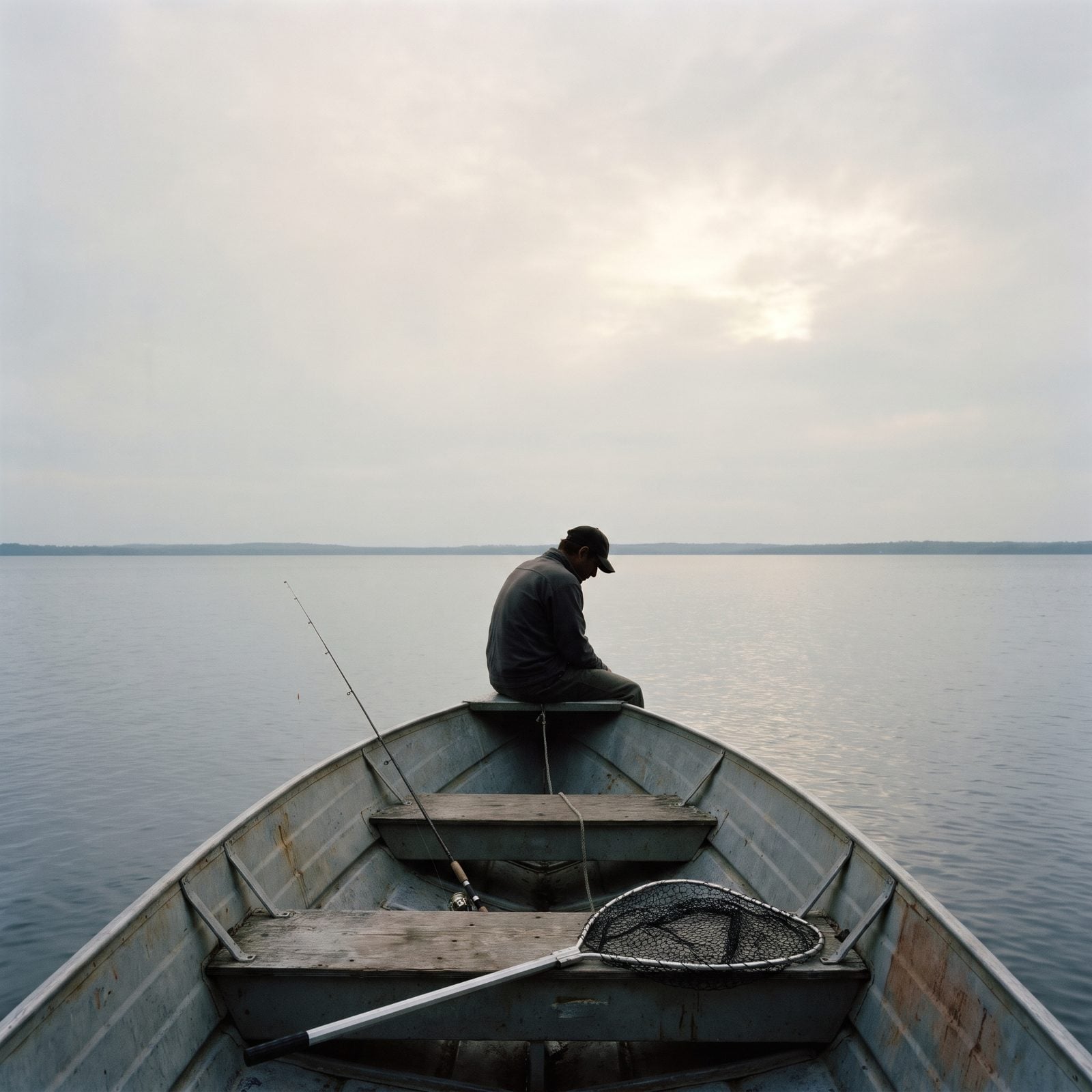
Not a single bite all day. And while you sit there watching your line go nowhere, your mind drifts to that other lake where you doubled up on fat smallmouth last fall. You’re not comparing today to a normal day over there. You’re comparing it to the best day you ever had there.
That’s a rigged contest, and you lose every time.
People do this to a partner constantly, measuring an ordinary Tuesday against the cherry-picked greatest hits of someone from the past. Real against remembered. The fair fight was never offered. Today’s slow water doesn’t stand a chance against a memory you’ve already polished.
1. A New Lake Lets You Forget Last Season Happened
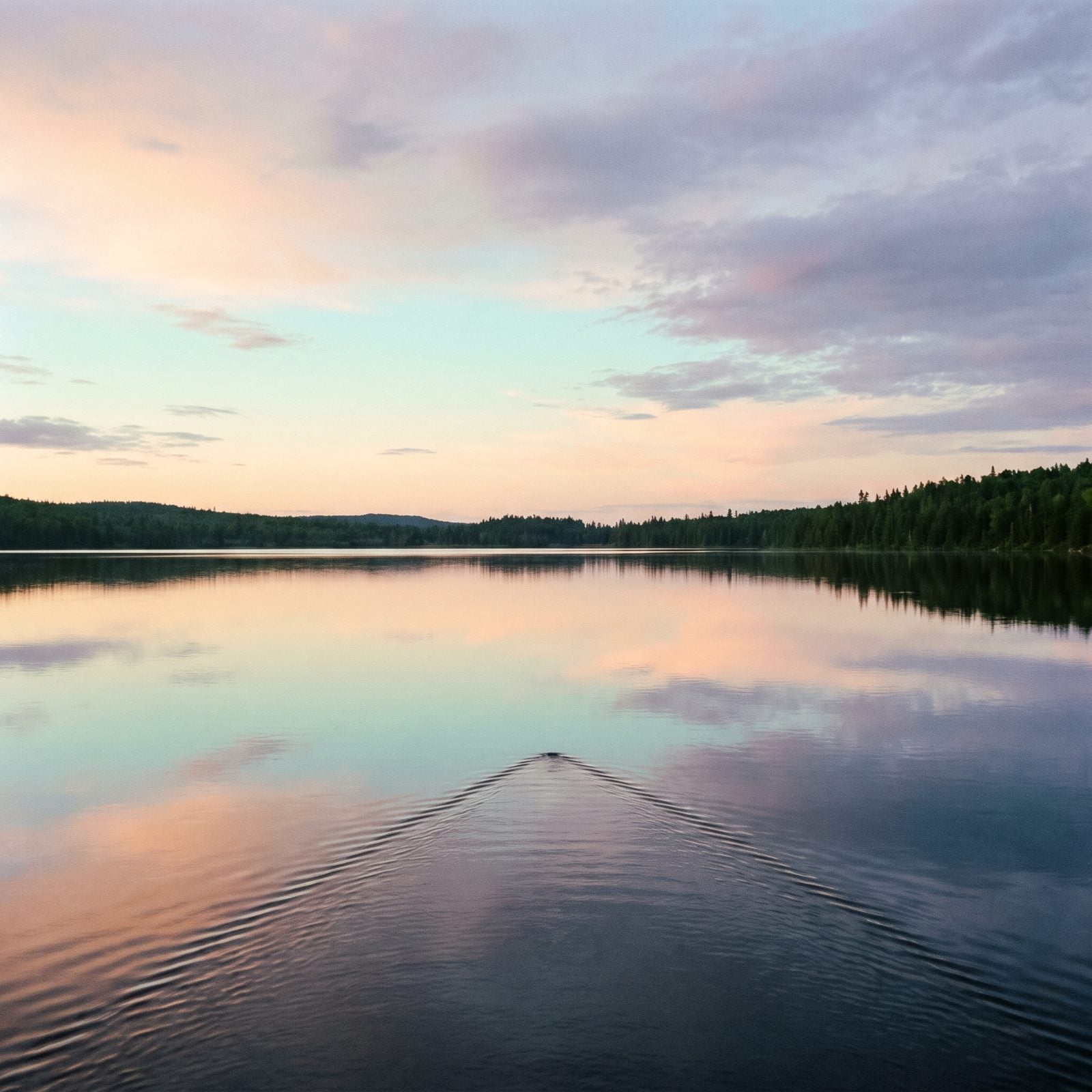
Last season on your home lake was rough. The weather dialed you out, you lost fish, and you started to feel like you’d forgotten how to fish entirely. A brand-new lake fixes all of that in one drive. Nobody here has seen you fail. You get to be the confident version of yourself again.
That clean-slate pull is exactly why some people chase a new relationship the second a hard one ends. The new person carries none of your history. No baggage, no record, no evidence.