
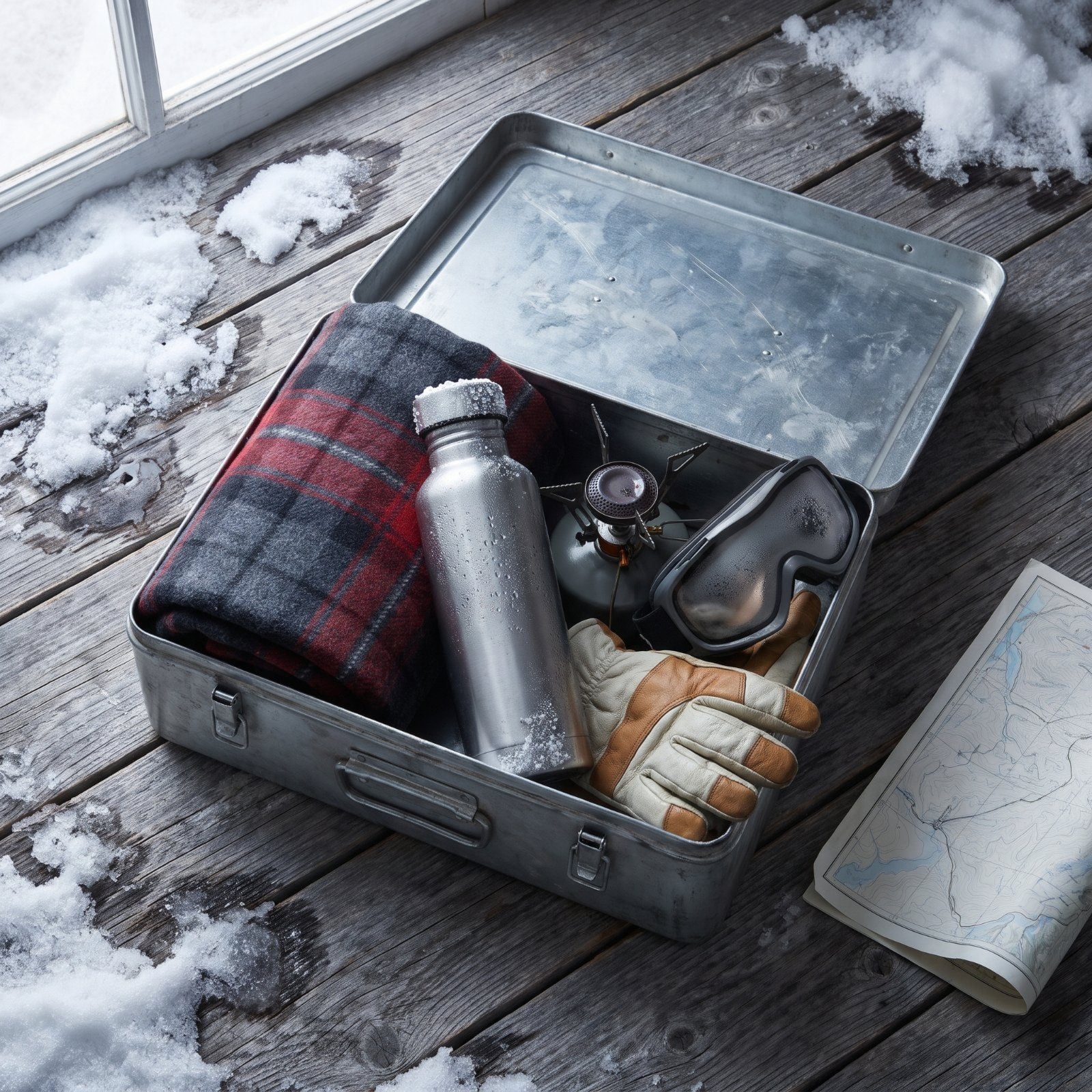
The brandy flask in the old mountaineering films always looked like a good idea. A nip, a ruddy glow, and the climber soldiers on. In the real cold, that flask is one of the fastest ways to bleed off heat you can’t spare. Movies have trained generations to do exactly the wrong thing when snow, ice and wind close in. Some of these mistakes feel like plain common sense, which is precisely what makes them so dangerous — your gut is wrong and it sounds right. Below are the big ones, and what actually keeps a body alive when the temperature drops and the trailhead is a long way behind you.
Please note that some of the images in this article were created with the assistance of AI.
40. Myth: A Shot of Whiskey Warms You Up
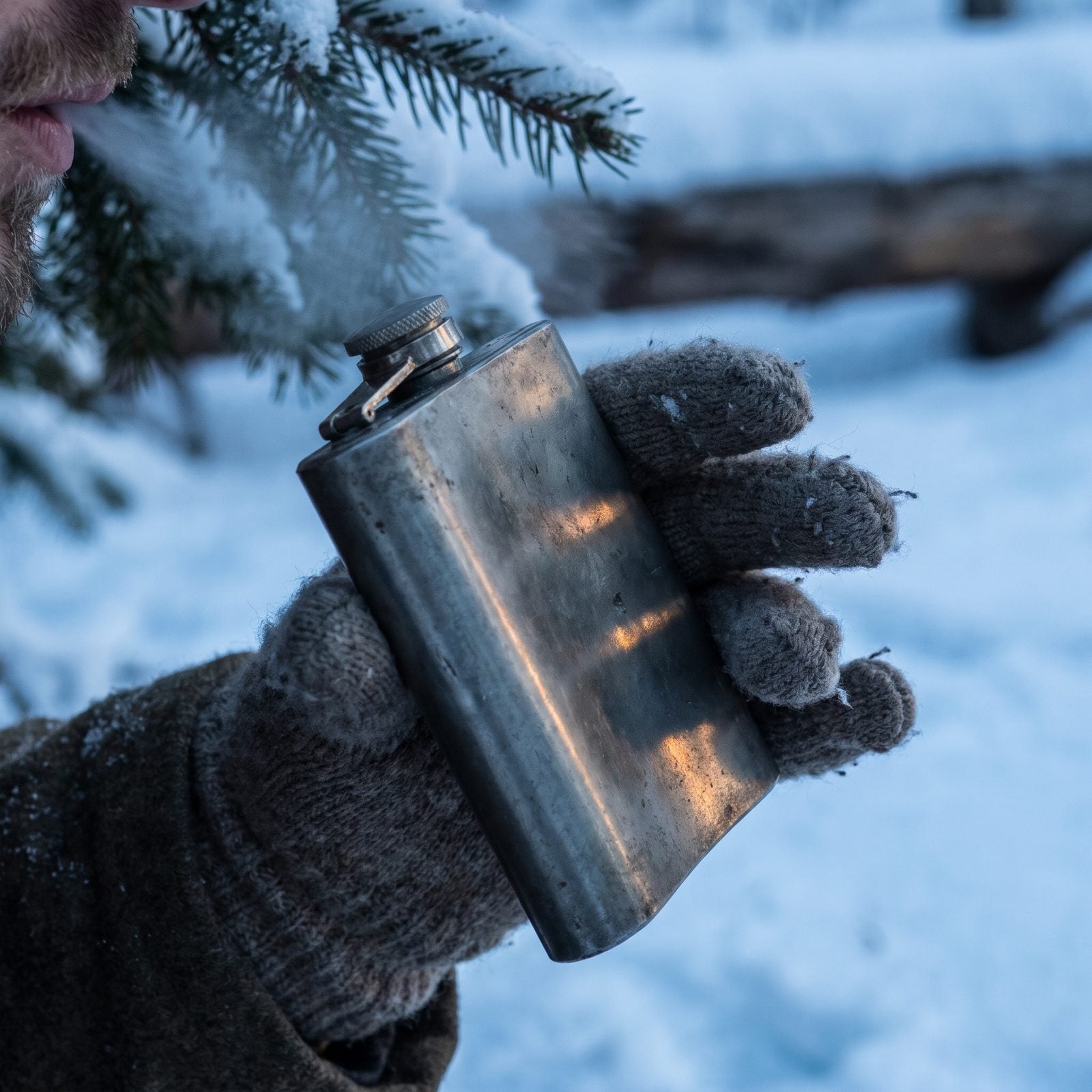
Alcohol dilates the blood vessels near your skin. That rush of warmth you feel is real — it’s heat leaving your core on a one-way trip to the surface, where the wind strips it away. Your temperature actually drops faster.
It dulls the shivering reflex too, along with the judgment that tells you to get out of the wind. People who’ve had a few feel fine right up until they don’t, and the warm flush is the cruelest part of the whole thing because it’s so convincing.
As a hospital physician puts it, “What alcohol actually does is it dilates your blood vessels and causes you to lose heat, so alcohol can actually make hypothermia worse and put you more at risk of hypothermia”
39. Myth: Just Eat Snow When You Run Out of Water
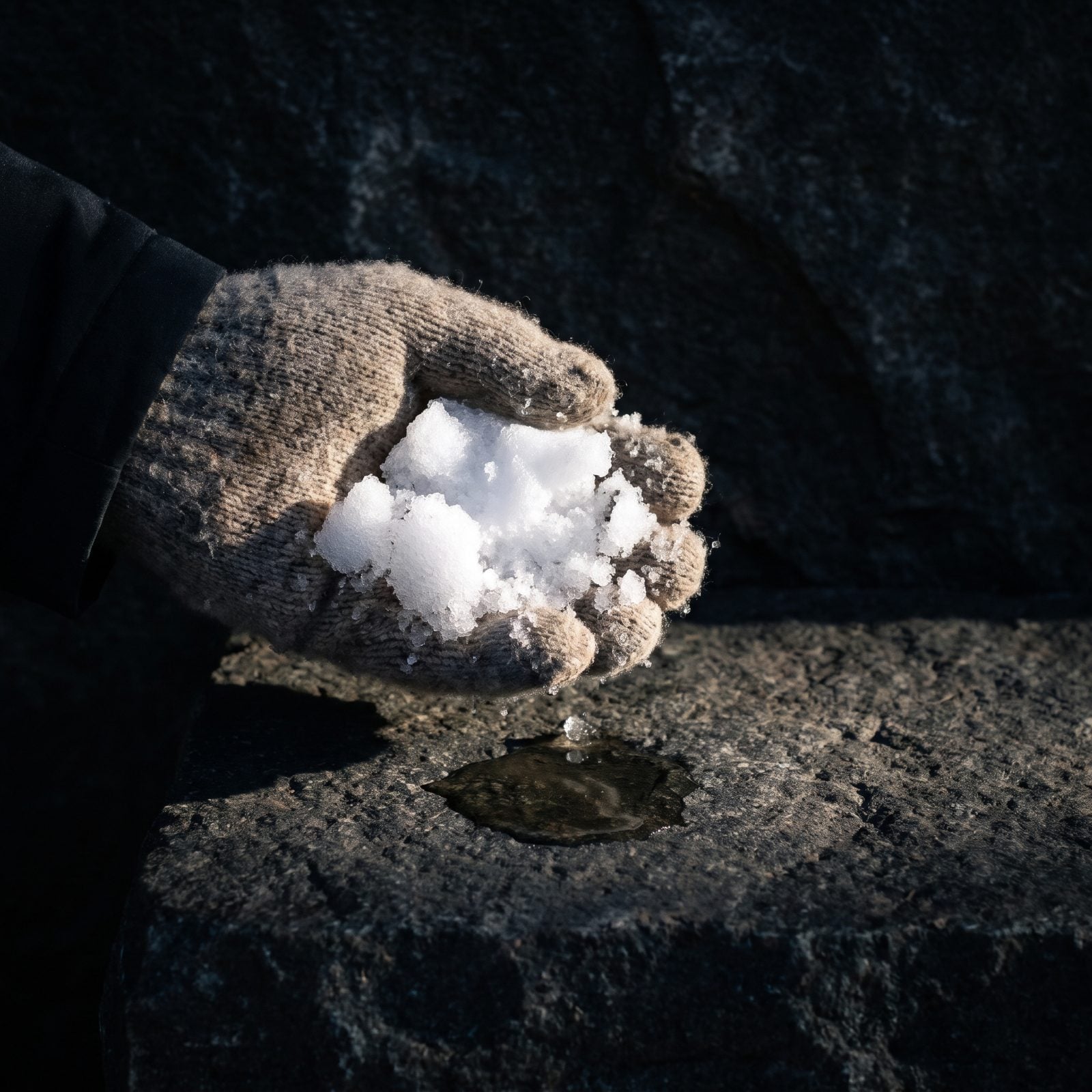
Snow is mostly air. A big mouthful gives you a thimble of water and takes a surprising amount of body heat to melt — heat you’re already short on. Keep it up long enough in real cold and you’ve dropped your core temperature to gain next to nothing.
It can also chap and crack the inside of your mouth, which hurts and invites infection. Melt it first. A stove, a fire, even body heat against a water bottle inside your jacket beats eating it raw every time.
38. Myth: Rub Frostbitten Fingers Hard to Bring Them Back
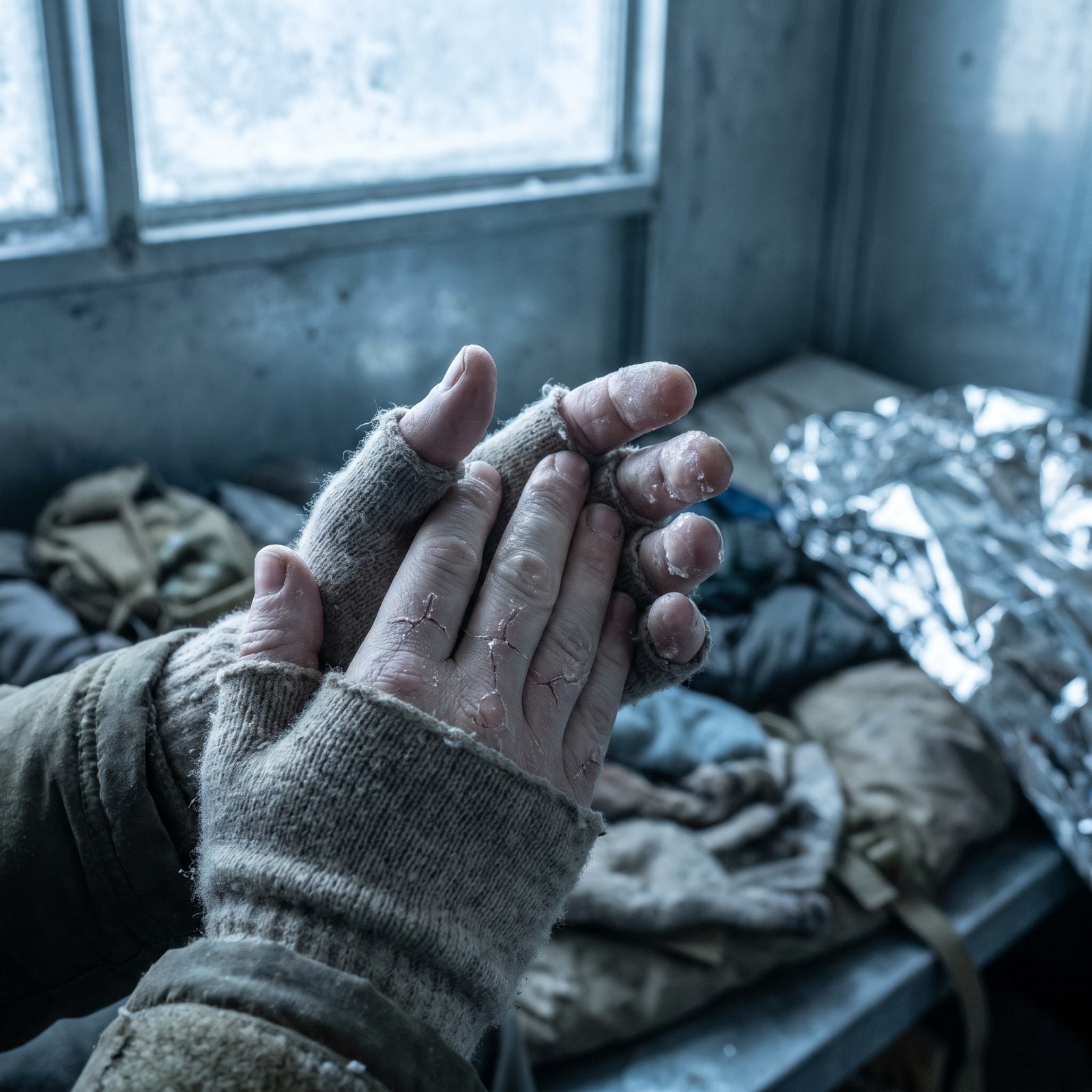
Frostbitten tissue is full of ice crystals. Rub it — especially the old trick of packing it with snow — and you drag those crystals through the cells like broken glass. Tissue that might have healed becomes tissue that has to come off.
Real rewarming is slow and gentle. Warm water, body to body, patience. And don’t thaw a frostbitten foot miles from the car if there’s any chance it’ll refreeze, because freeze-thaw-freeze does far more damage than staying frozen until you reach help.
37. Myth: Run the Car Heater to Stay Warm When You’re Stuck
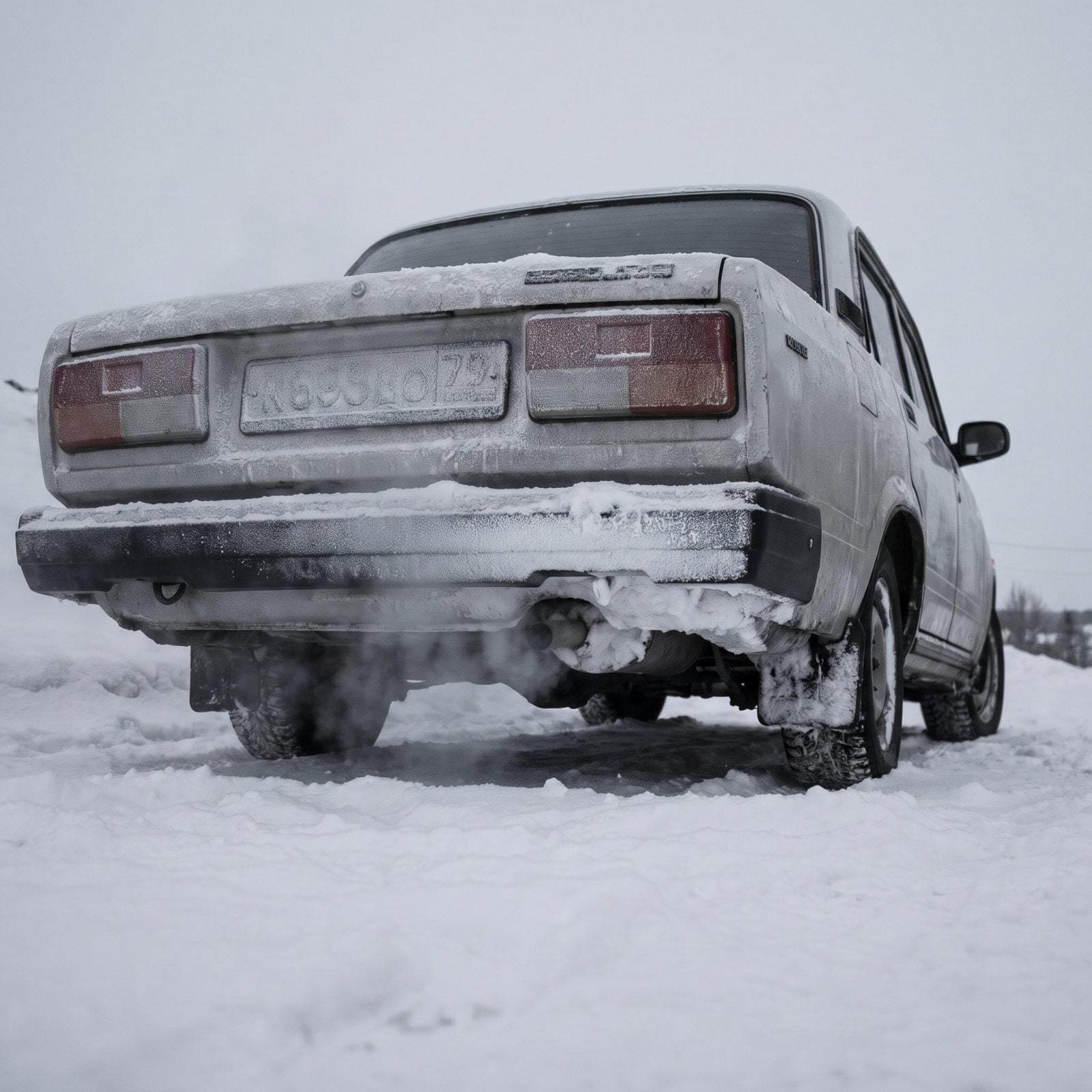
Drifting snow packs around a tailpipe and the exhaust has nowhere to go but back up through the floor. Carbon monoxide has no smell. People get sleepy, decide to rest their eyes, and don’t wake up. It happens every winter.
The fix is boring and it works: run the engine in short bursts, maybe ten minutes an hour, and before every start get out and clear the snow away from the exhaust pipe. Crack a downwind window an inch while it runs. A blanket and a candle lantern will outlast a tank of gas anyway.
36. Myth: A Stove Inside the Tent Is Fine If You Leave the Flap Open
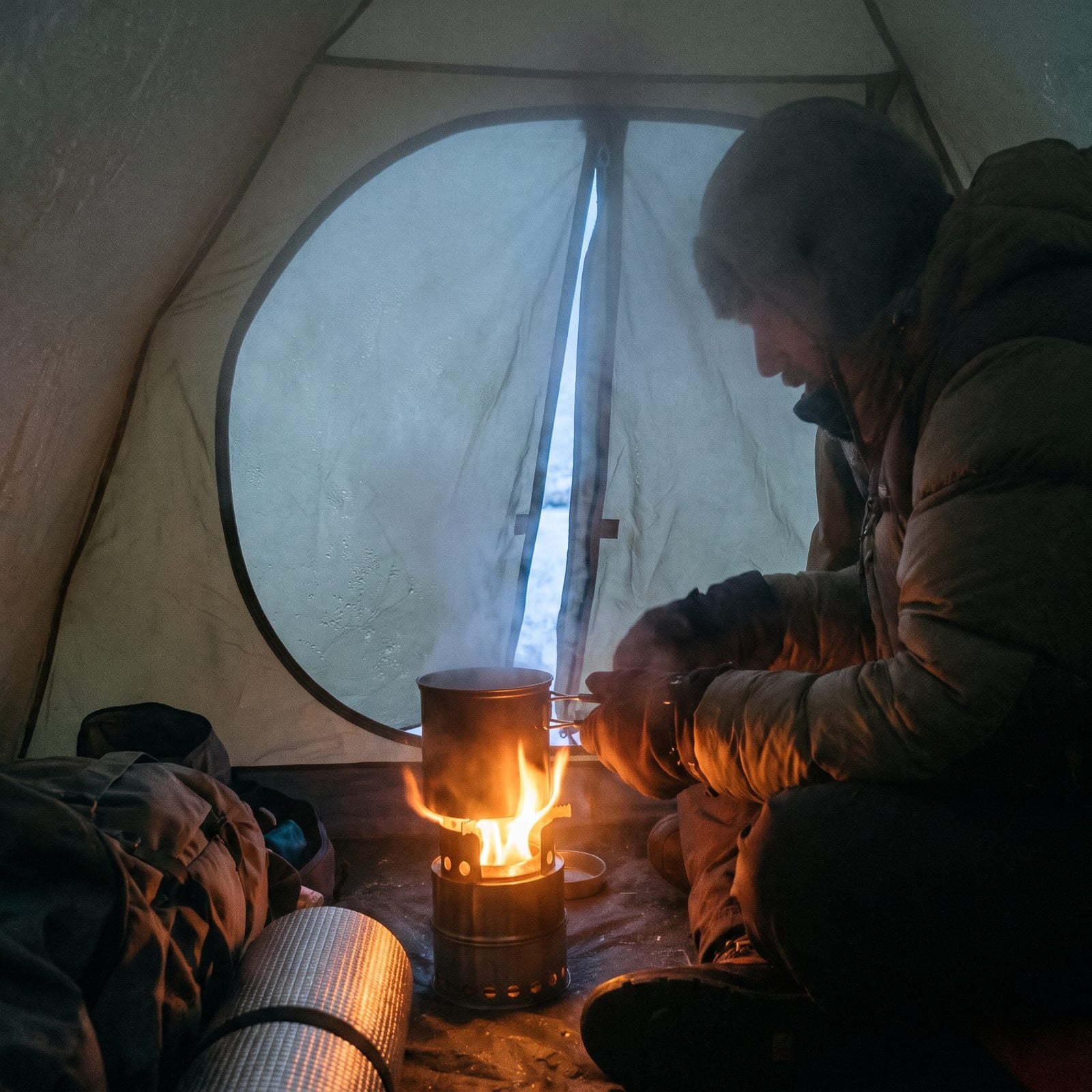
A cracked flap feels like ventilation. It isn’t, not even close. Any flame inside an enclosed shelter burns oxygen and pumps out carbon monoxide faster than a small gap can clear it, and in cold still air the gas just pools around you while you sleep.
Cook in the open, or in a vestibule with the whole end thrown wide, and never nod off with anything burning. Here’s the quieter truth: the tent traps your body heat better than you’d ever guess. That’s why it’s warmer inside. No stove required.
35. Myth: If the Lake Ice Looks White, It’ll Hold You
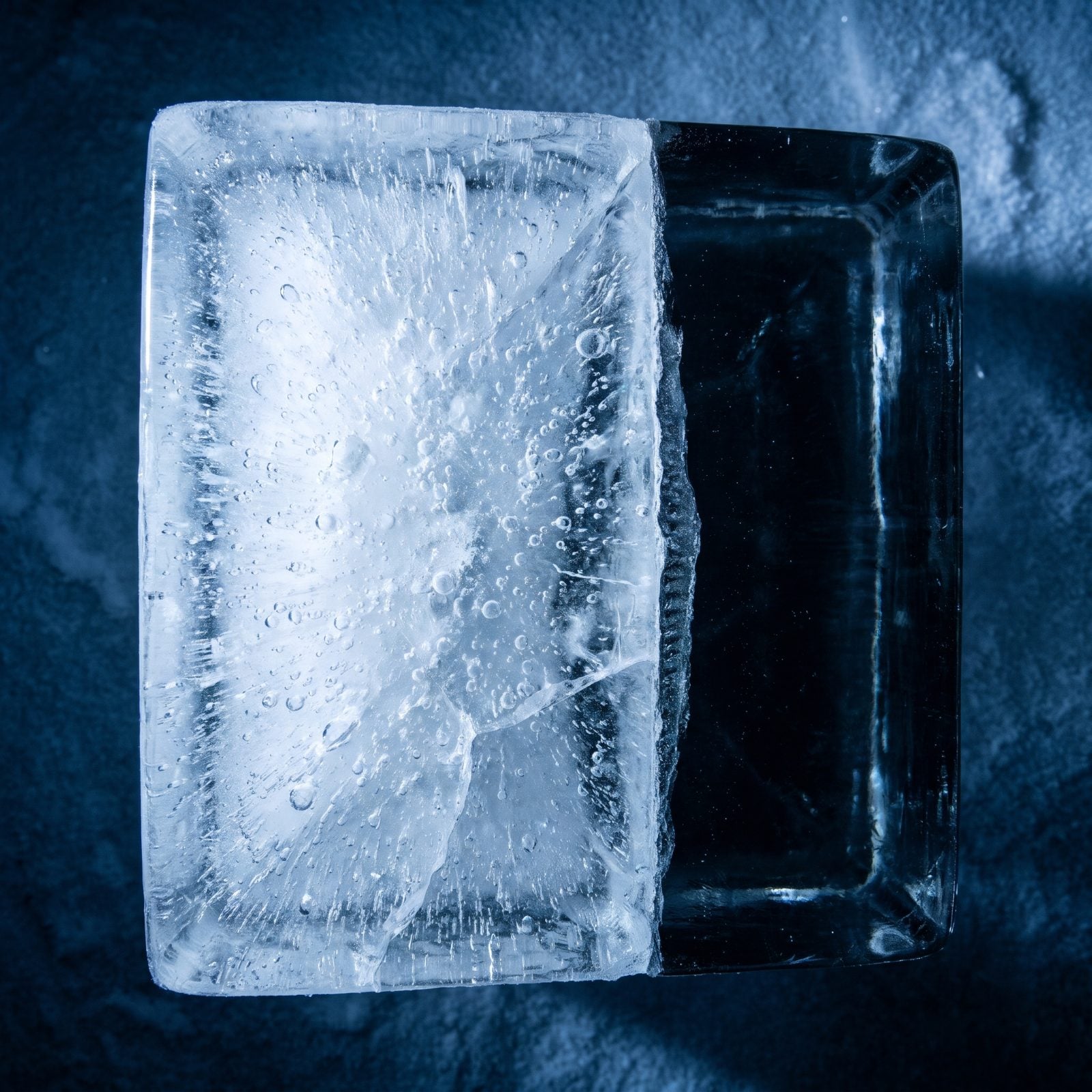
White ice, sometimes called snow ice, forms when slush freezes. It’s porous and weak — about half as strong as the clear black ice that scares people off. The dark, clear stuff that looks sketchy is usually the ice you can actually trust.
Thickness lies too. Near inlets, over springs, around docks and under pressure ridges, ice can be inches thinner a single step from solid. Check as you go. And never trust a whole lake because one spot held your weight.
34. Myth: Avalanches Only Come Down During a Storm
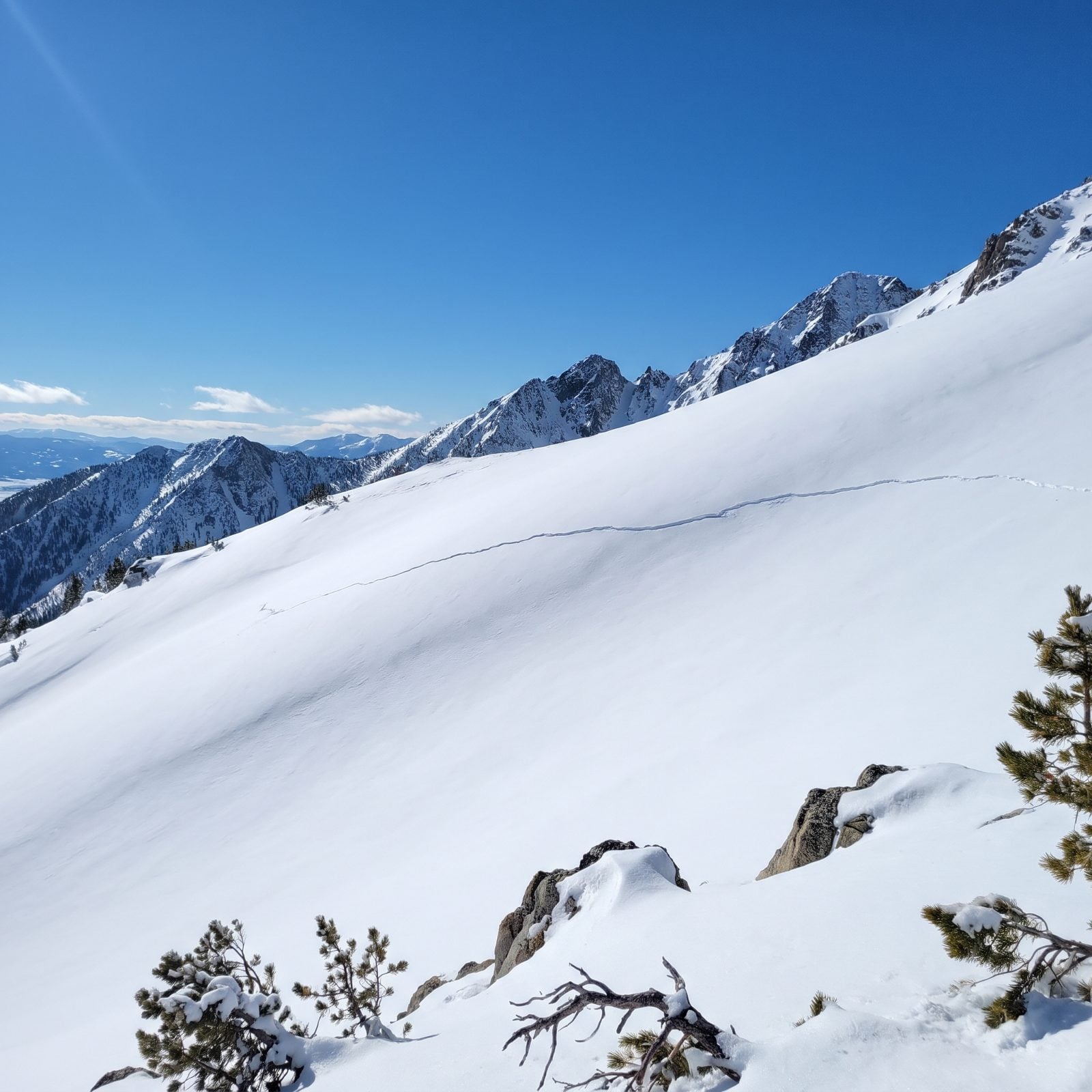
The clear blue day after a dump is often the most dangerous one on the mountain. New snow sits unbonded on the old layers underneath, and warming sun — or just the weight of a skier dropping in — can be all it takes to pull the trigger. Plenty of slides release on gorgeous mornings without a cloud in the sky.
Slope angle matters more than weather. Most avalanches let go on terrain between about 30 and 45 degrees. Read the forecast, carry a beacon, shovel and probe, and know how to use them cold. The mountain doesn’t care that the storm ended yesterday.
33. Myth: Pull Someone From the Ice and the Danger’s Over
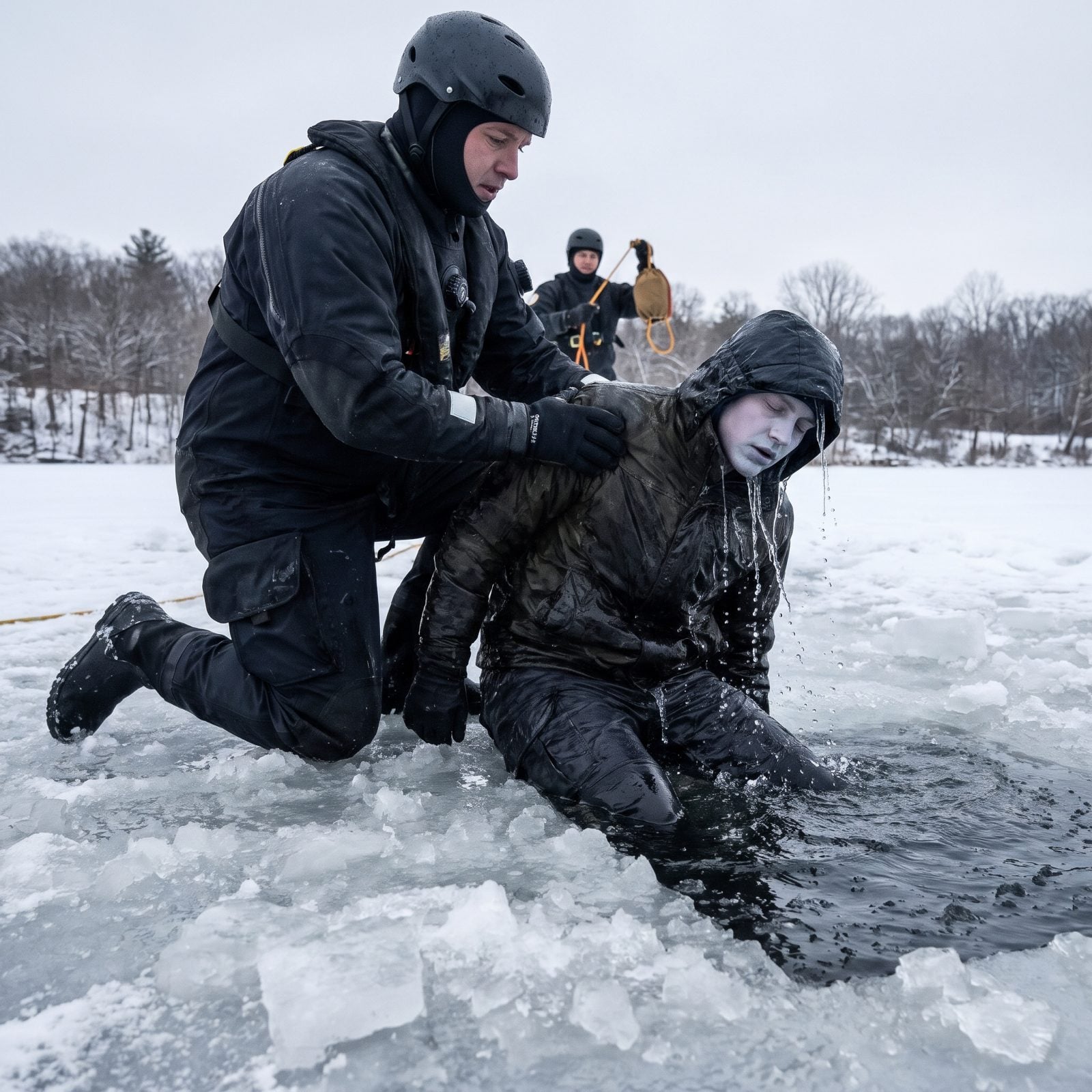
Getting someone out of the water is step one, not the finish line. Core temperature keeps dropping after the rescue — a phenomenon called afterdrop, as cold blood from the limbs circulates inward. People have collapsed minutes after reaching dry land.
So strip the wet clothes, get them dry and insulated from the ground, handle them gently, and keep them flat. Rough movement can set off dangerous heart rhythms in a deeply chilled body. Then warm them slowly and get help moving your way. Ashore is where the real work begins.
32. Myth: Warm a Hypothermia Victim Up Fast
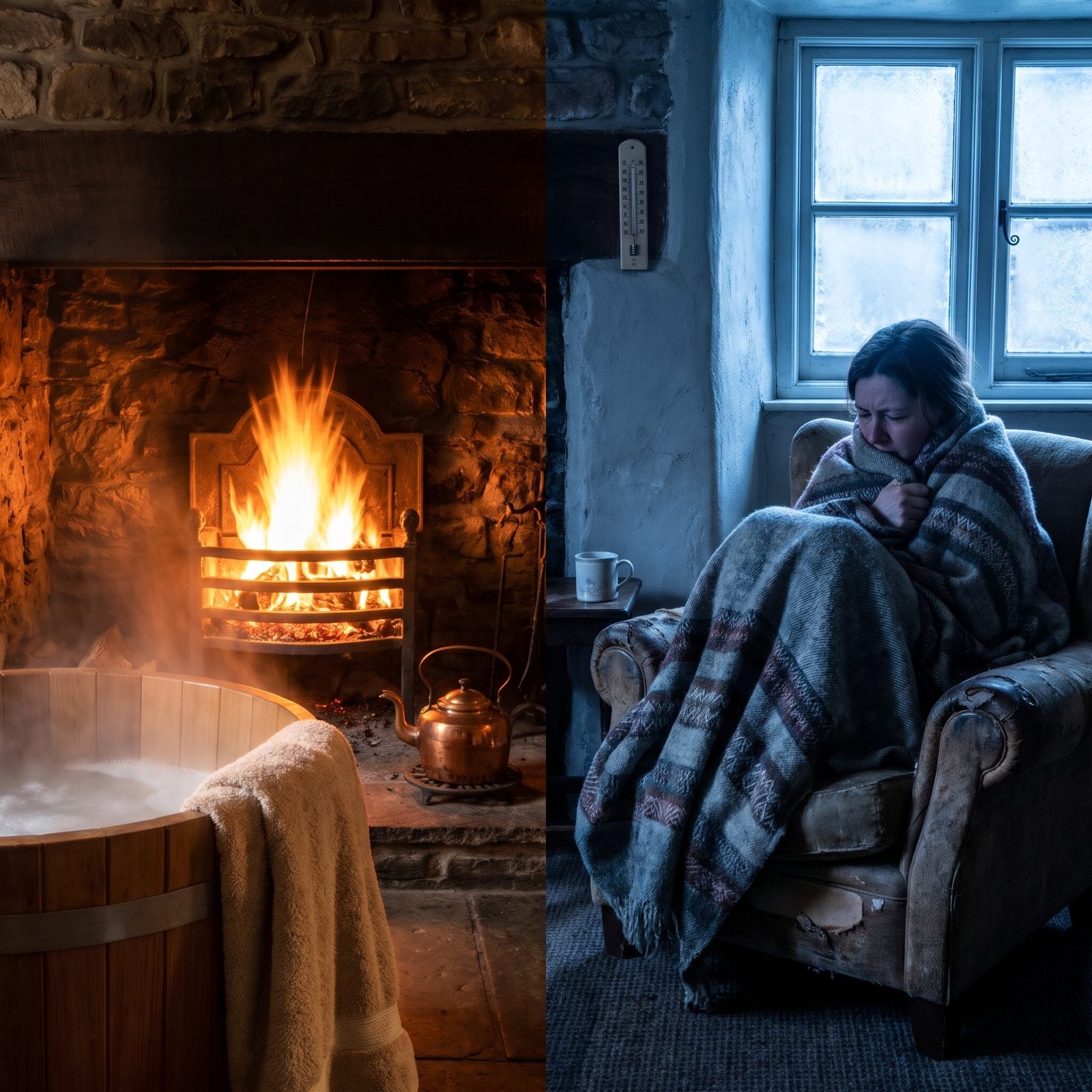
The movie move is to throw the shivering hero into a hot bath or plant them right against the fire. In real hypothermia that can stop a heart. Rapid rewarming floods cold, acidic blood from the extremities back toward the core, and that can tip the heart into a lethal rhythm.
Slow and steady is the rule. Dry layers. Insulation from the ground. Warm sweet drinks if they’re alert, warm packs at the chest, neck and groin rather than the arms and legs, and gentle handling the whole way through.
31. Myth: Four-Wheel Drive Means You Won’t Slide
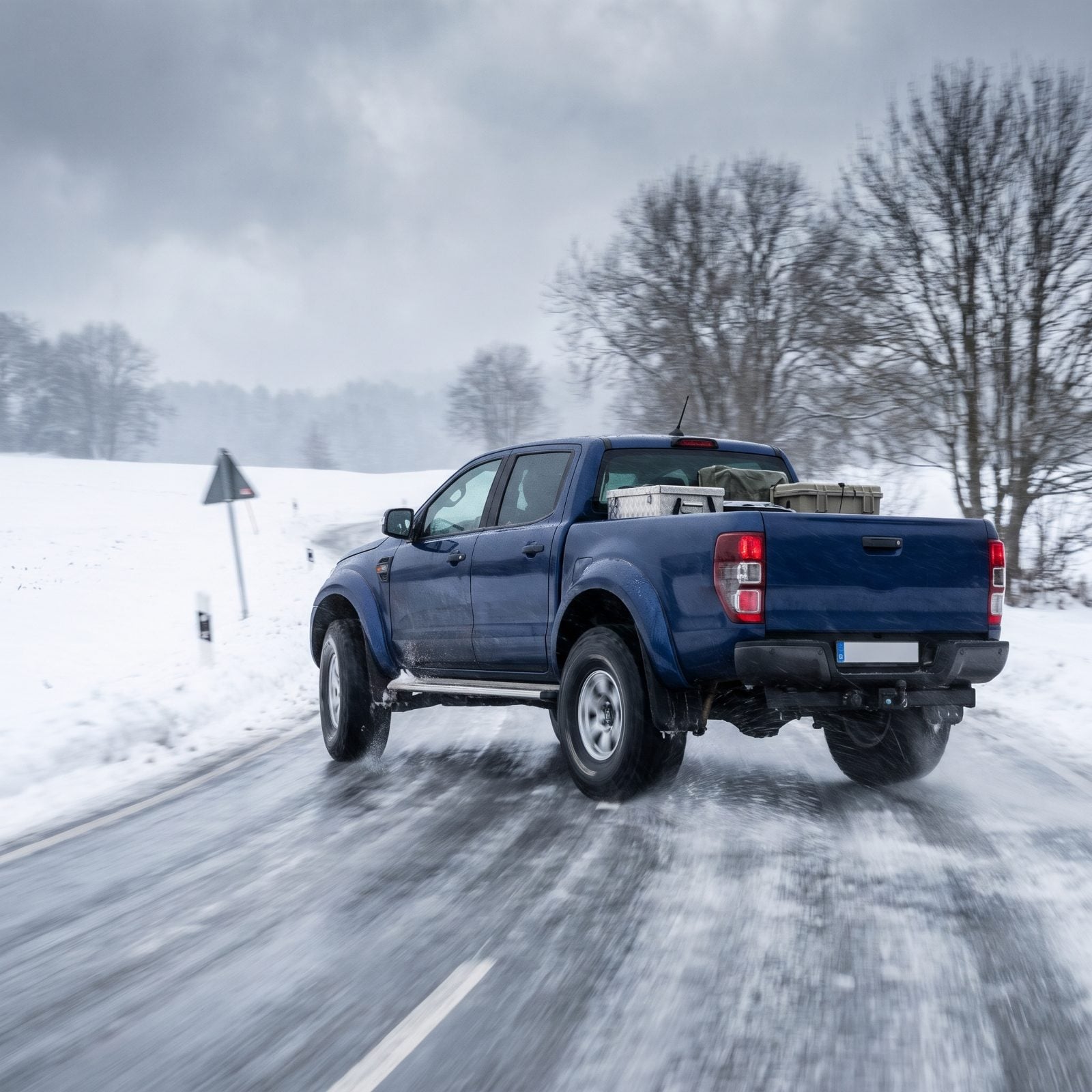
Four-wheel drive helps you get moving. It does nothing to help you stop or turn on ice — those are jobs for your tires and your brakes, and all four wheels sliding is still all four wheels sliding. Big capable trucks spin off roads constantly because the driver mistook traction for control.
Winter tires — the real ones, with soft cold-weather rubber and proper tread — do far more for your safety than the drivetrain ever will. Slow down, double your following distance, and respect that a heavy 4×4 takes longer to stop, not shorter. Confidence is the thing that puts you in the ditch.
30. Myth: Gasoline Is a Safe Way to Start a Wet Fire
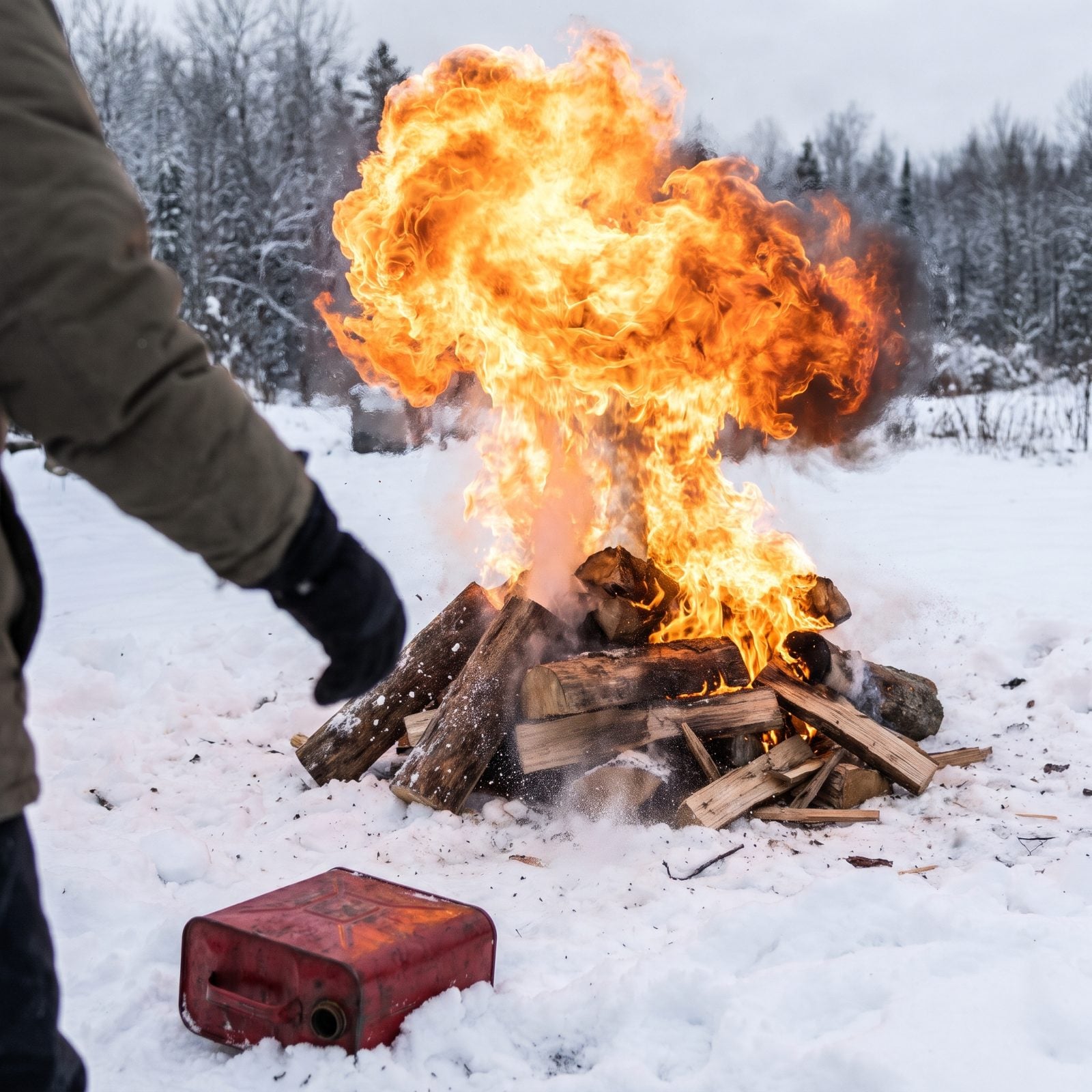
In the film, a splash of gas and a flick of the lighter turns soggy logs into a roaring blaze. Reality is uglier. Gasoline vaporizes fast in cold air, and the vapor drifts well past the wood you poured it on, so you light what you think is a damp log and the fireball comes right back up your arm.
What actually works is boring and reliable: dry tinder you brought with you. Cotton balls soaked in petroleum jelly, a candle stub, fatwood, birch bark. Build small, feed it patiently. Fire-starting in snow is a tinder problem, not a fuel-volume one.
29. Myth: A Snow Cave Cannot Collapse
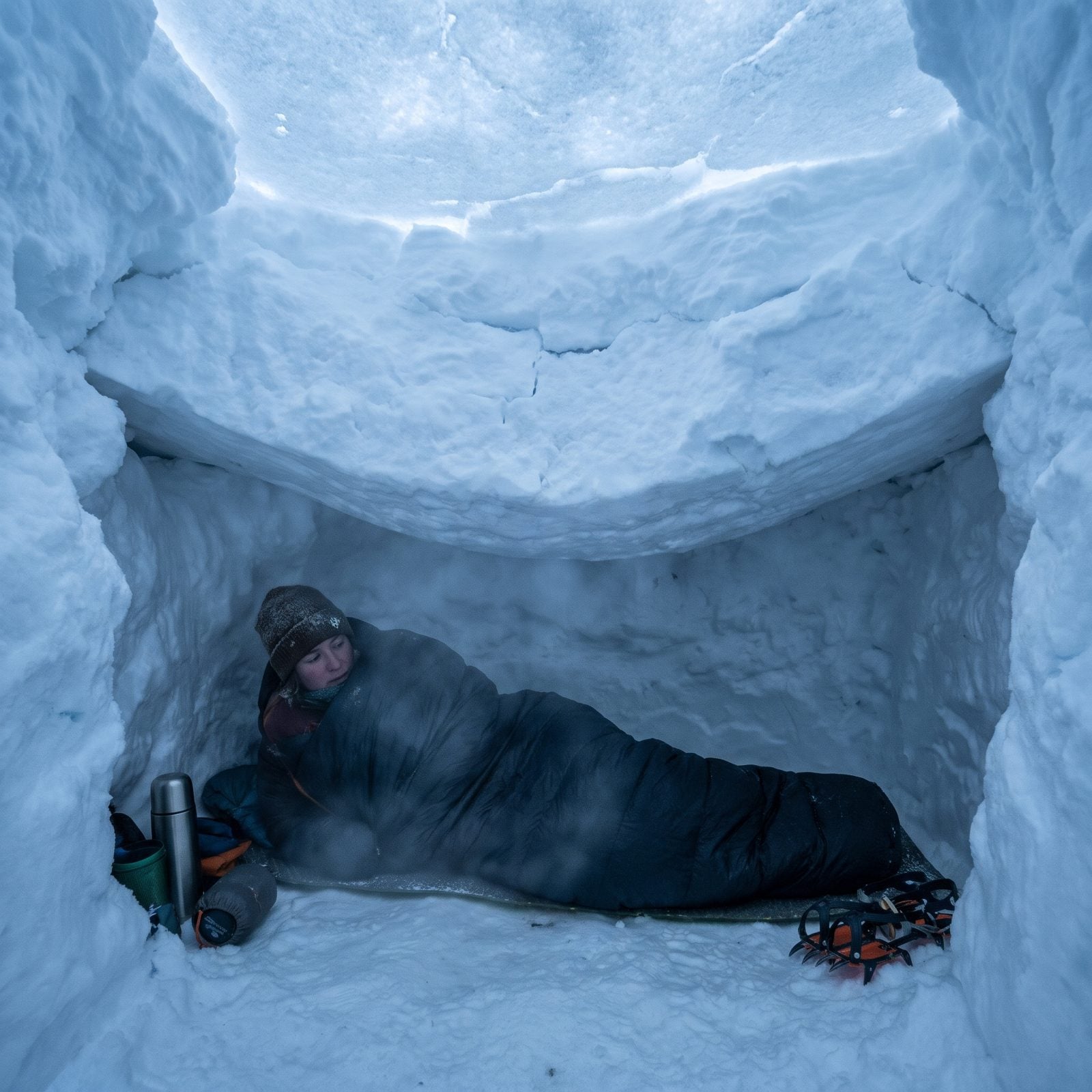
Snow caves save lives. They also fail, and a buried sleeper doesn’t hear the ceiling come down until it’s on his chest. Wet snow, a warm night, or a roof dug too thin all tip the odds against you.
Good ones follow rules. Keep the ceiling at least a foot thick and domed, not flat, so weight loads outward. Punch a ventilation hole and keep it clear, because a candle and a human breathing in a sealed space burn through oxygen fast. And mark the entrance tall, so a partner can still find it when snow drifts over the door overnight.
28. Myth: Night Travel Is Safer Because Frozen Snow Is Firmer
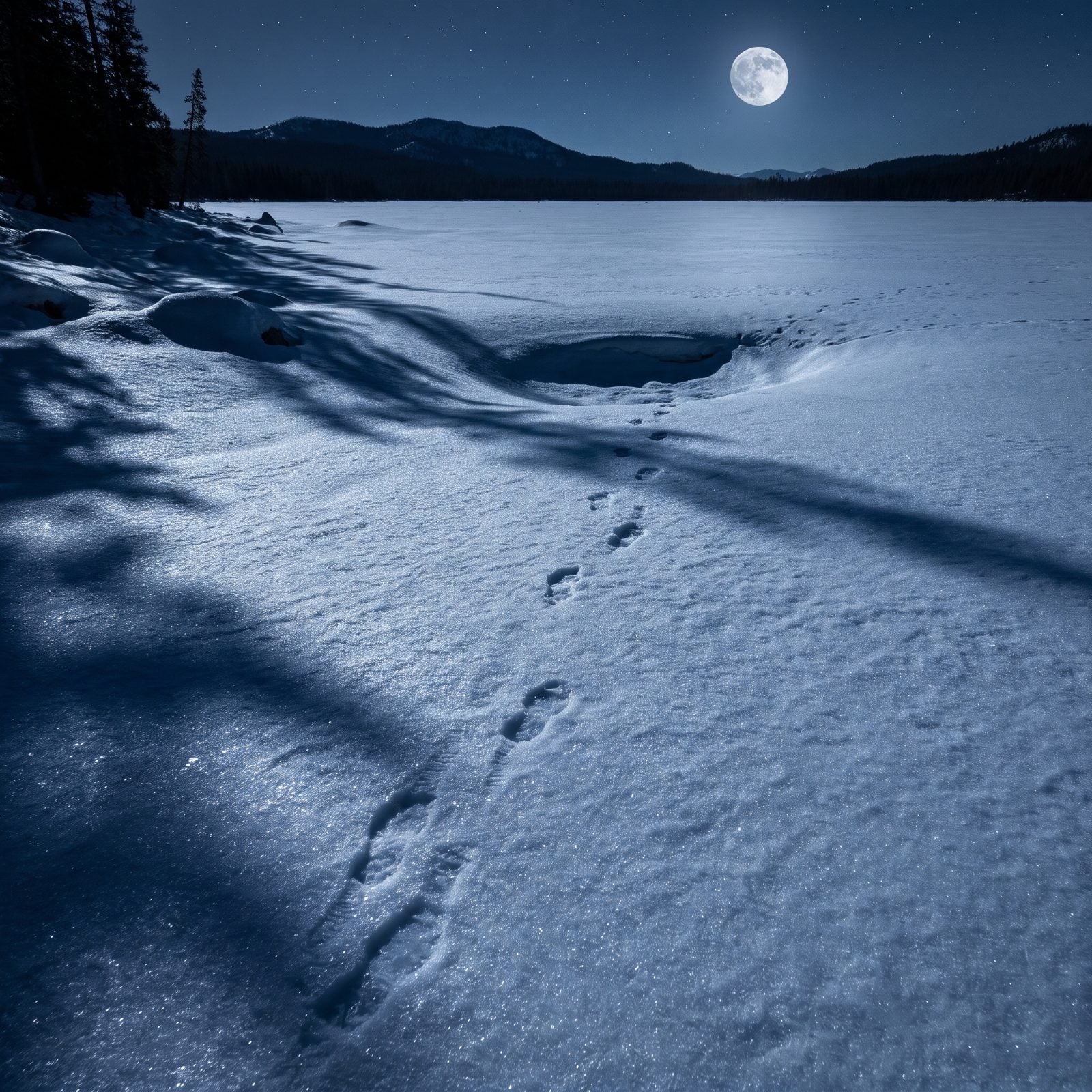
There’s truth buried in this one, which is what makes it dangerous. Refrozen snow does carry weight better than afternoon slush. But traveling at night trades a firmer surface for the inability to read terrain.
You can’t see the thin crust over a drainage, the cornice edge, the buried creek. Cold peaks in the pre-dawn hours, and one wrong step in the dark that soaks a leg becomes a frostbite emergency fast. So if the snow is softening dangerously by day, the fix is to start before first light and stop early — not to walk blind through the coldest stretch of the night.
27. Myth: Snow Bridges Over Creeks Are Naturally Strong
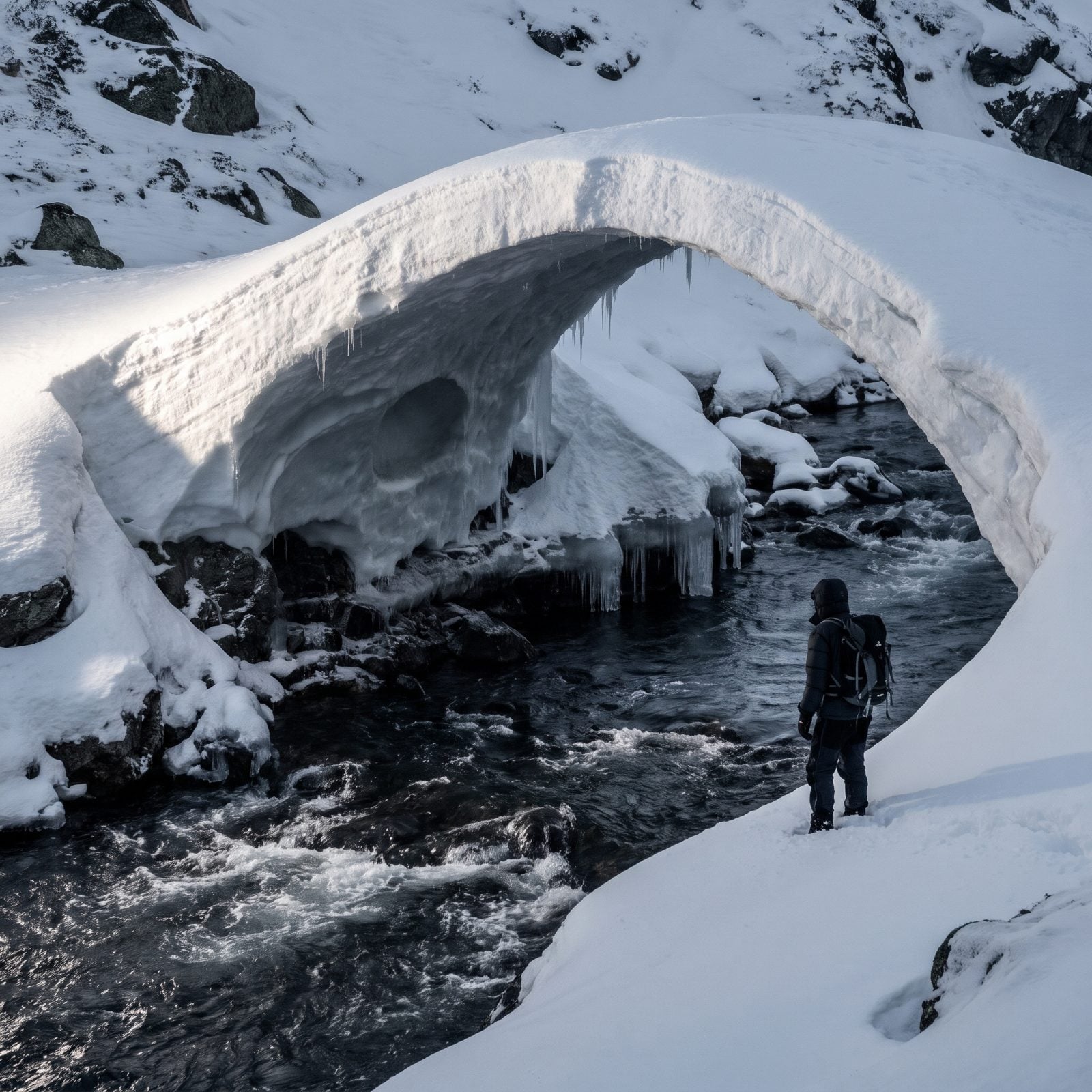
A clean white span across a creek looks like a sidewalk. Underneath, moving water has been hollowing it out all winter from below, and the strongest-looking bridges are often the most undercut.
The hero in the film strides across without a thought. A real person who breaks through lands in cold running water, gets swept under the snow, and can’t claw back out through the lip. If you must cross, probe ahead, look for the narrowest span near solid ground, and keep your pack straps loose so you can shed it if you go in.
26. Myth: Avalanches Cannot Occur Below the Tree Line
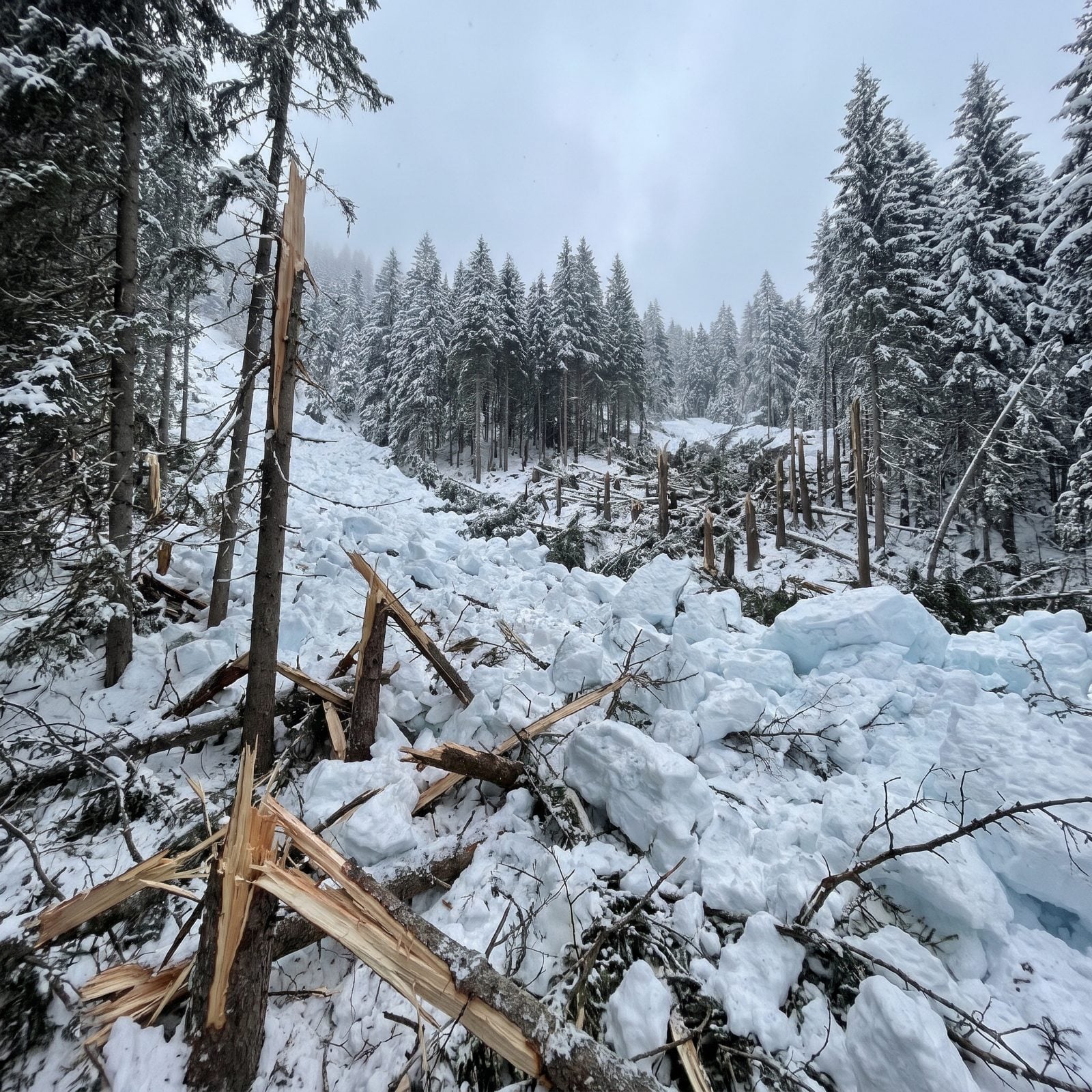
People treat tree cover like a force field. The trees mean you’re safe, the thinking goes. Not true — avalanches release through trees all the time, and a forested slope steep enough to slide will slide.
Dense old-growth timber can help anchor a snowpack. Scattered trees won’t, and a run started above can tear right through them. What matters is the slope angle, not the greenery. Most slab avalanches release on slopes somewhere between 30 and 45 degrees, treed or not.
25. Myth: Outrunning an Avalanche Is a Realistic Escape Plan
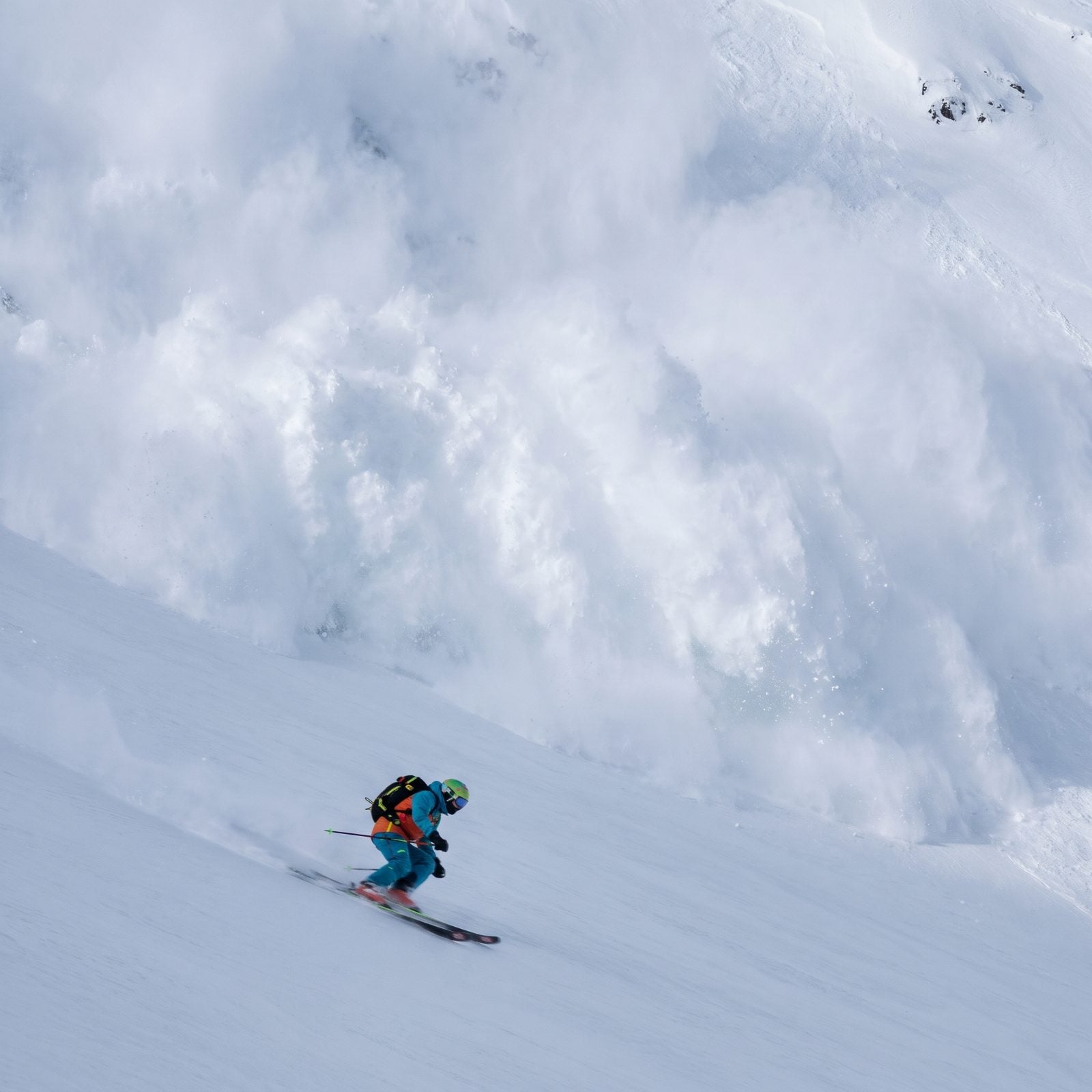
The chase scene is a lie of physics. A big slide moves at highway speed, and you cannot ski, run, or snowmobile downhill faster than that for long.
Escape, when it works, happens sideways. If you’re caught near the edge, you fight to move off the moving slab toward solid snow, not down the fall line ahead of it. Better yet is never being on the slab when it releases, which is why reading the forecast and the terrain beats any heroic sprint.
24. Myth: An Avalanche Beacon Prevents Burial
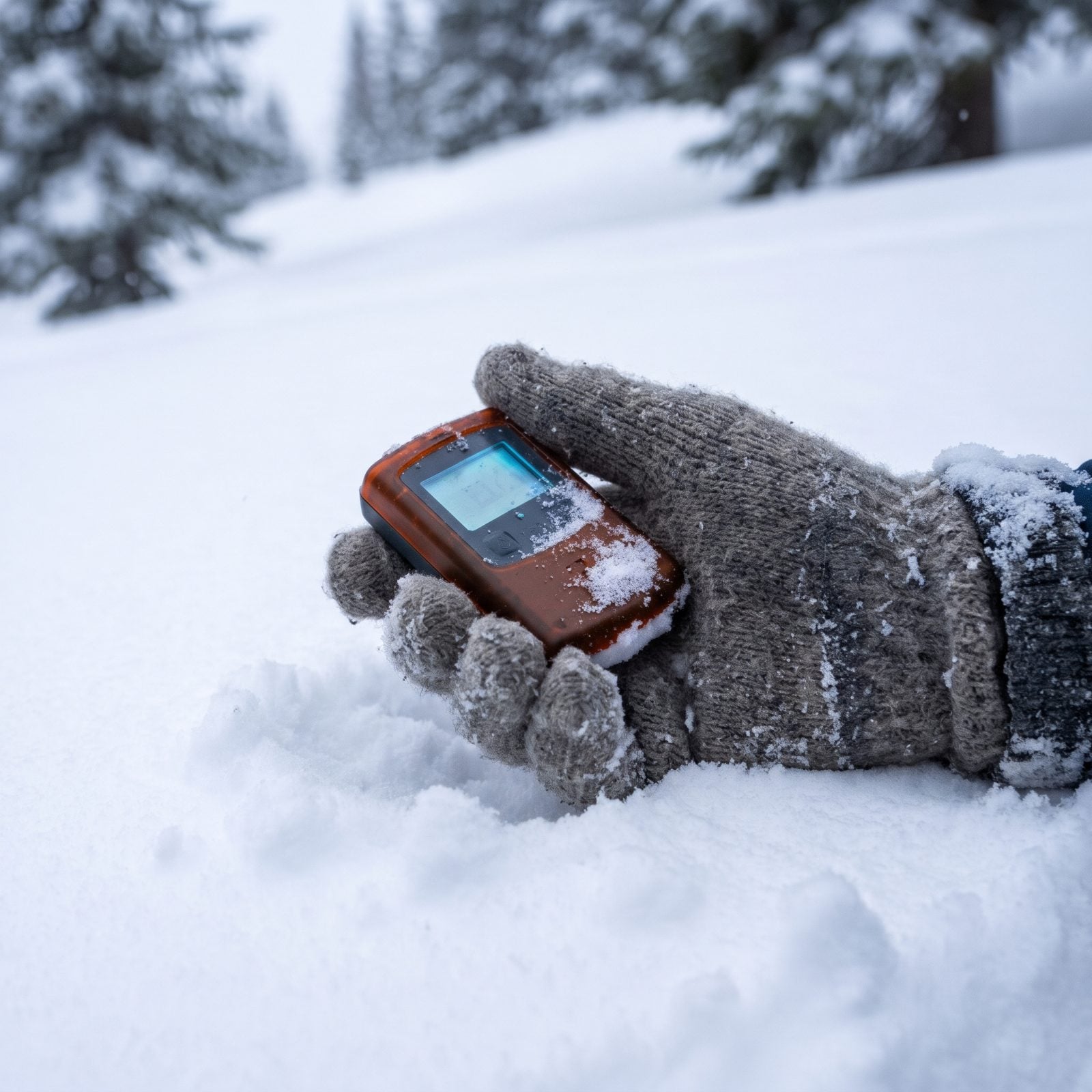
A beacon doesn’t stop you from getting buried. It only helps someone else find you faster, and the gap between those two ideas is life and death.
Worn right, a transceiver turns a frantic search of acres into a focused dig over minutes, and minutes are everything under the snow. But it needs partners who are nearby, carrying their own beacons, shovels and probes, and who actually practice the search. A beacon on a solo traveler is a locator for the recovery team, not a rescue device.
23. Myth: A Lone Traveler Can Reliably Dig Out After an Avalanche Burial
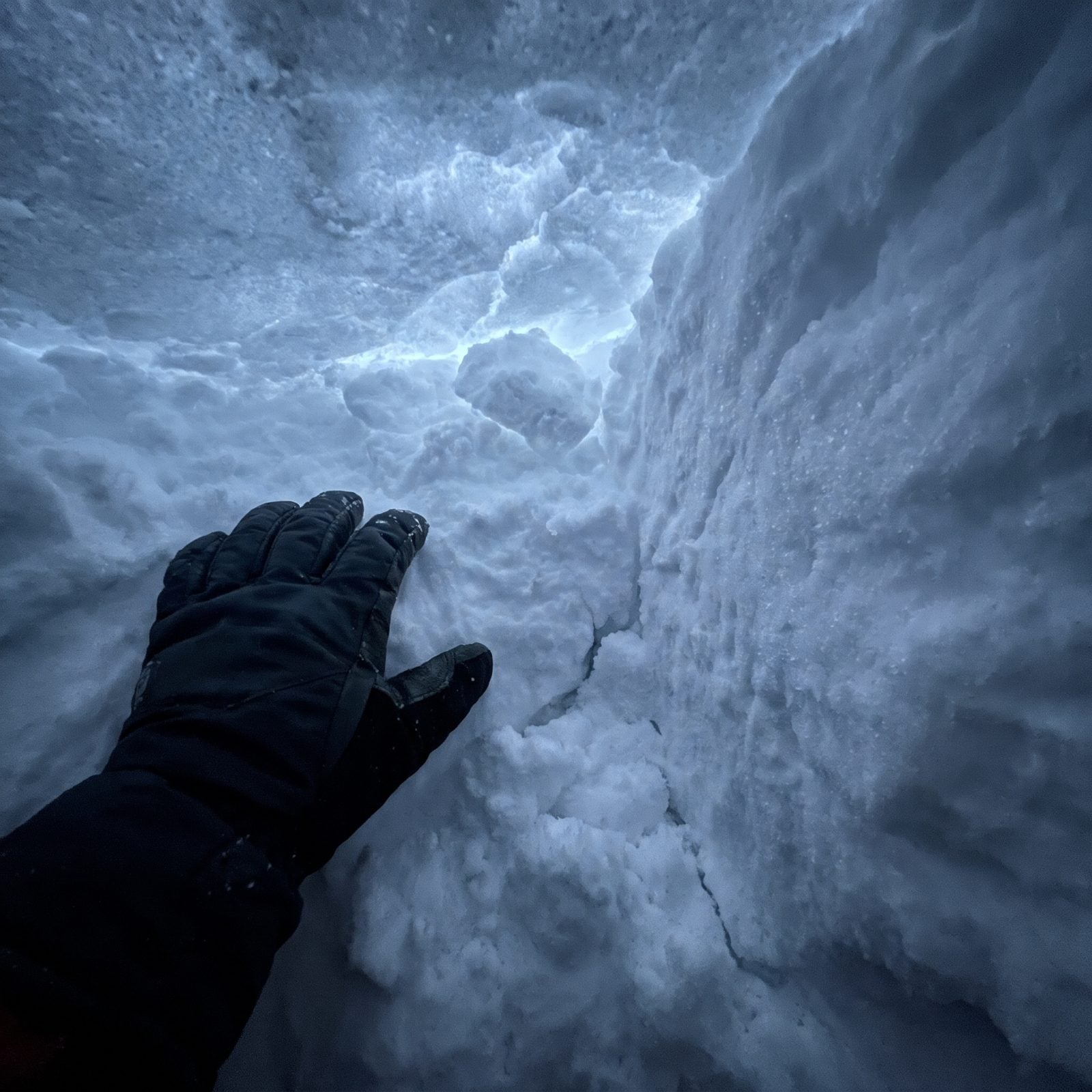
Settled avalanche debris isn’t soft powder. It sets like wet concrete within seconds of stopping, and a fully buried person usually can’t move an arm, let alone dig.
Many victims can’t even tell which way is up once they’re packed in. The real survival tools, then, are the ones used before and above the snow: avoiding the slope, carrying an airbag pack to stay nearer the surface, and traveling with partners who can locate and excavate you.
The lone survivor clawing free in the final act makes a great ending. Out here it’s the decision that writes the obituary. Travel with people, carry the gear, and read the forecast before you leave the truck.
22. Myth: Sleeping Directly on Snow Is Fine With a Good Coat
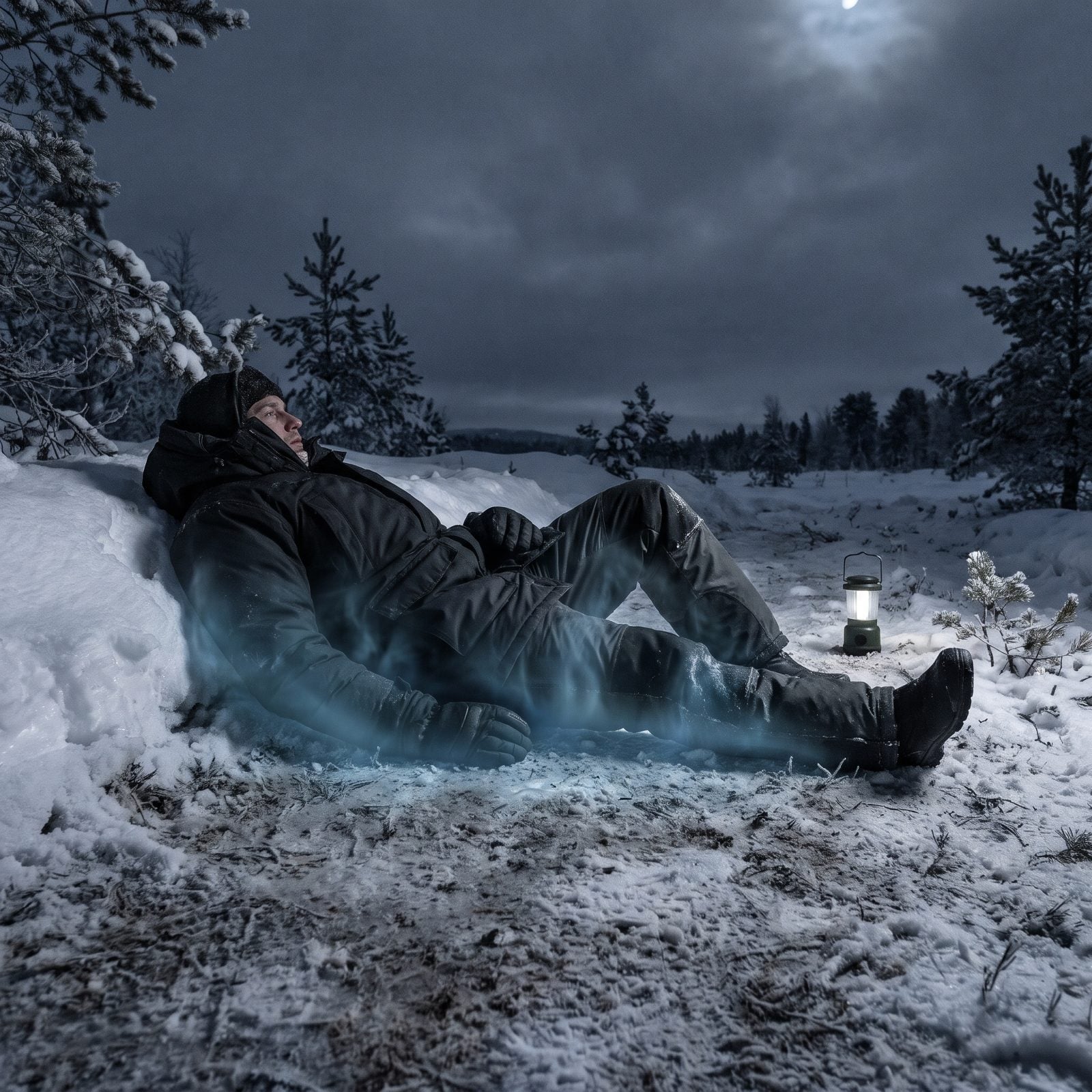
The ground is the thief nobody suspects. Your coat insulates the air around you, but snow pulls heat straight out of your back through conduction, which moves warmth far faster than still air does. You can be wrapped in the best down bag made and still lose the fight if you’re lying flat on frozen ground.
What works is a barrier underneath. A closed-cell foam pad, piled spruce boughs, a stack of dry packs — anything that breaks contact between your body and the snow. We’ve seen people obsess over the top layer and forget the one that matters more.
21. Myth: A Big Shelter Is Warmer Than a Small One
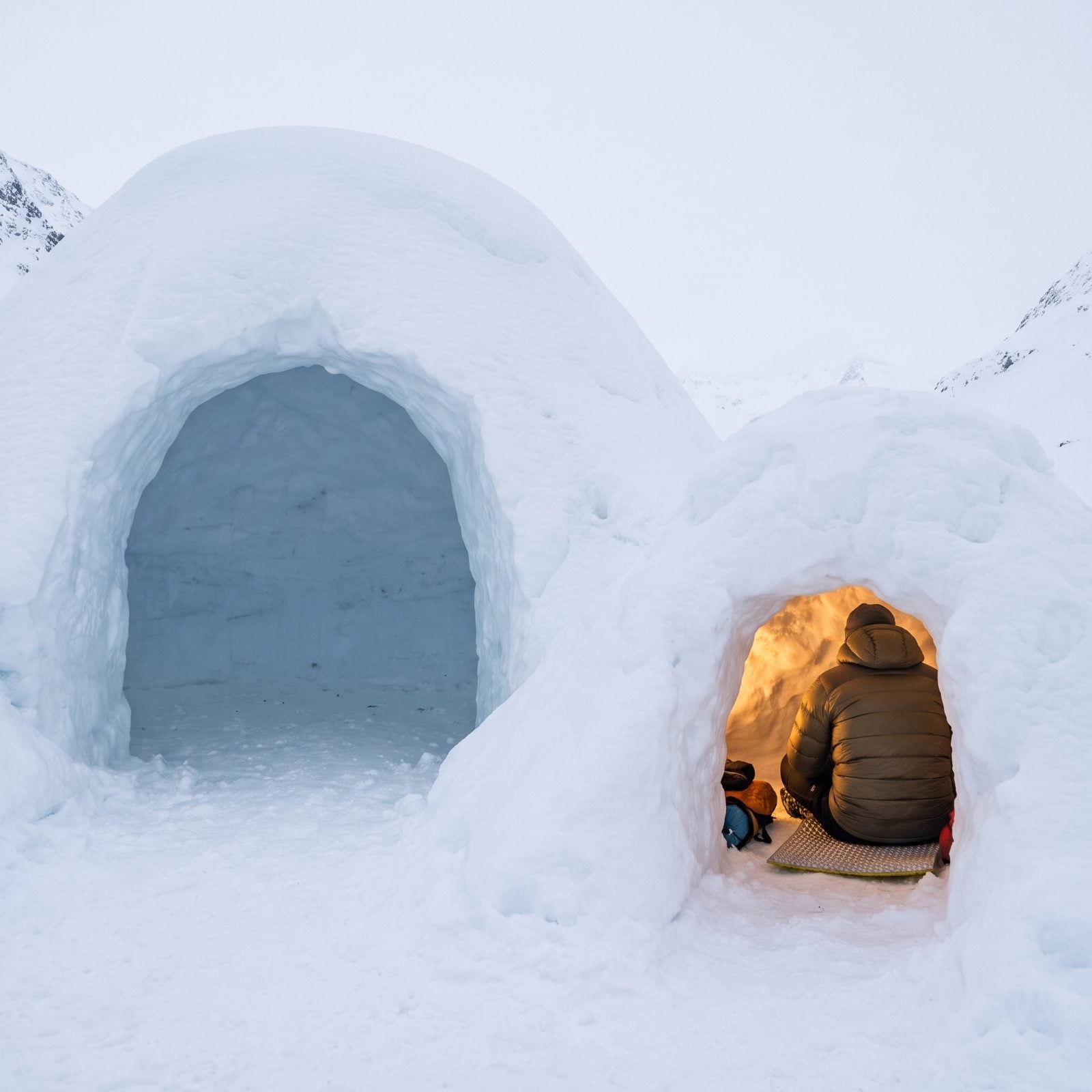
Movies love the roomy snow cave with space to stretch out. Reality: every cubic foot of air inside is air your body has to heat, and a shelter big enough to stand in is a shelter working against you.
Small wins in the cold. A snow cave or quinzhee sized just large enough to lie down and sit up traps body heat fast and holds it. It’s a classic first-timer mistake: digging a roomy snow palace and then shivering all night in it. Make it snug enough that it feels almost cramped. That’s correct.
20. Myth: Running Constantly Prevents Hypothermia
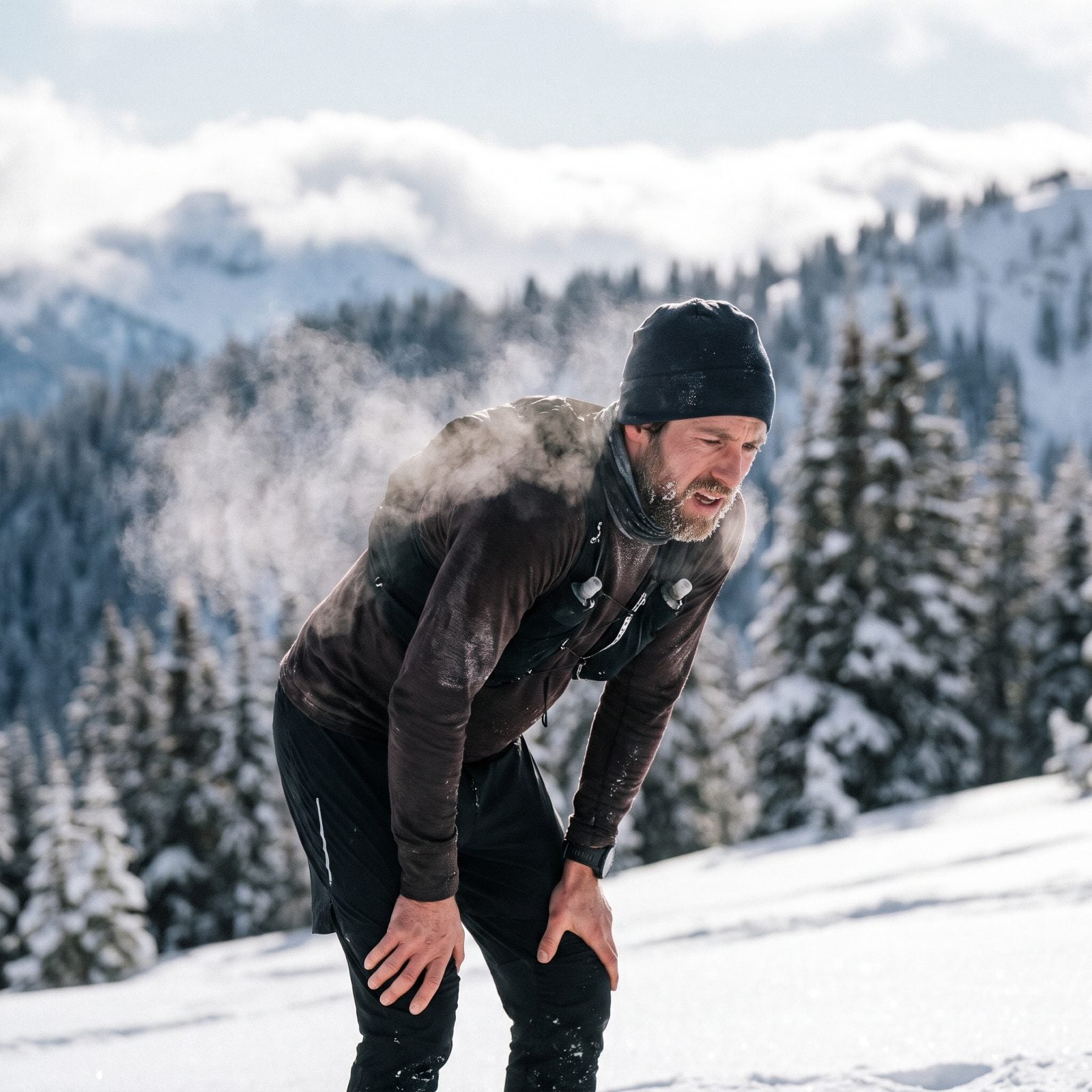
Here’s the trap. Hard exertion makes heat, sure, but it also makes sweat, and sweat soaks your base layers. That wet clothing against your skin strips warmth away the second you slow down or stop. You’ve traded short-term heat for long-term soaking.
Steady and dry beats frantic and sweaty every time. Move at a pace you can hold without breaking a sweat, shed a layer before you overheat, and put it back on before you cool down. The body you’re trying to save is the one that stays dry.
19. Myth: Cruise Control Is Helpful on Icy Roads
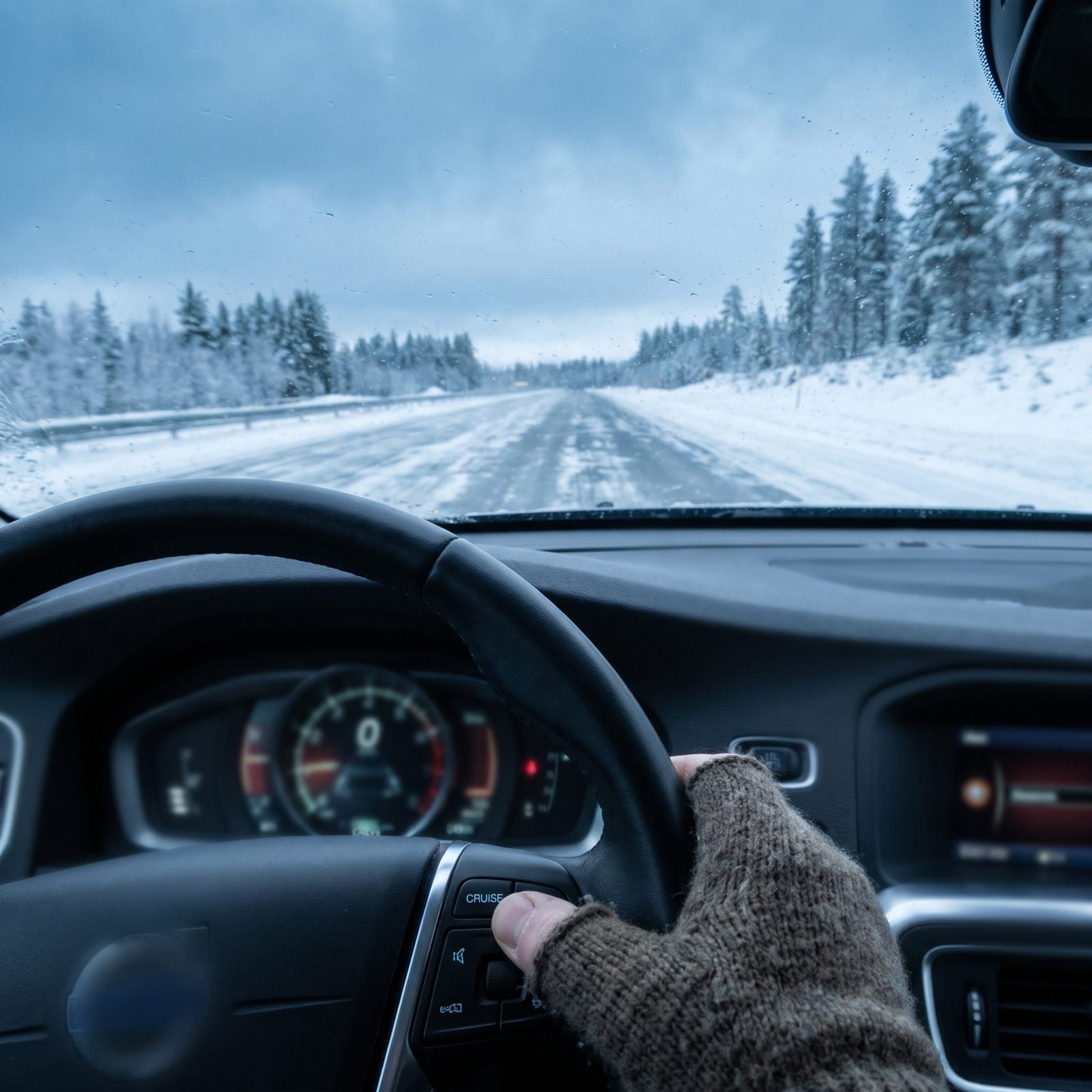
Cruise control on ice is a short road to the ditch. The system doesn’t feel traction. When a wheel slips, cruise control reads it as the car slowing down and feeds in more throttle, spinning the tires right when you need them gripping.
Keep your foot on the pedal and your own judgment in charge. You want to feel the road through the gas, ease off the instant things get loose, and never hand that decision to a computer that can’t see the ice ahead. Save the convenience for dry pavement.
18. Myth: Braking Hard Is the Best Response to a Skid
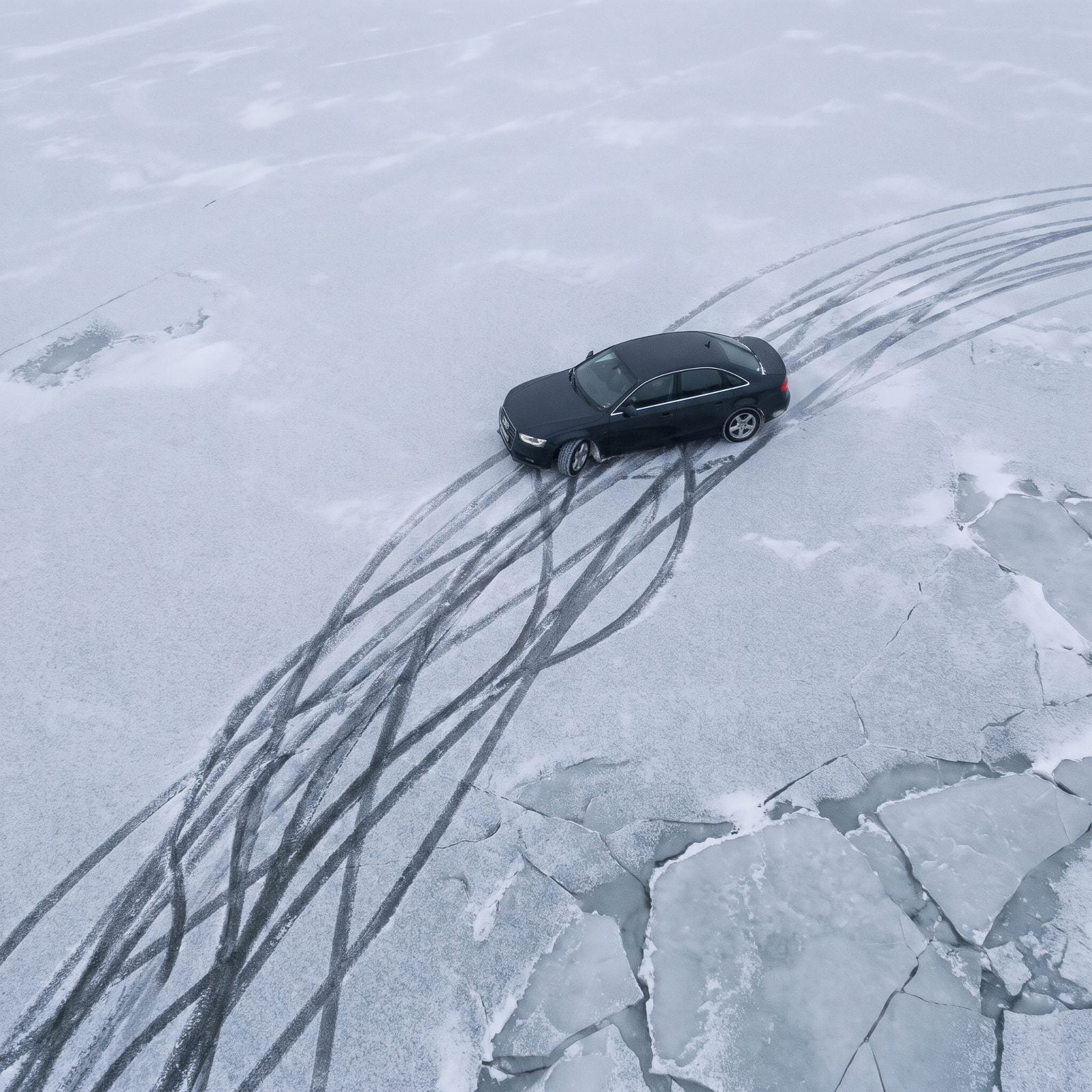
Slamming the brakes in a skid is pure instinct and pure mistake. Locked wheels can’t steer and can’t grip. On ice, a panic stomp turns a recoverable slide into a spin you’re just a passenger for.
So ease off the gas, look where you want the car to go, and steer gently in that direction. In a rear-wheel skid, turn into it. With anti-lock brakes you can apply steady pressure and let the system pulse, but you still steer your way out. Smooth inputs. The car will usually come back to you if you don’t fight it.
17. Myth: Rocks From a Stream Are Safe to Heat Beside a Fire
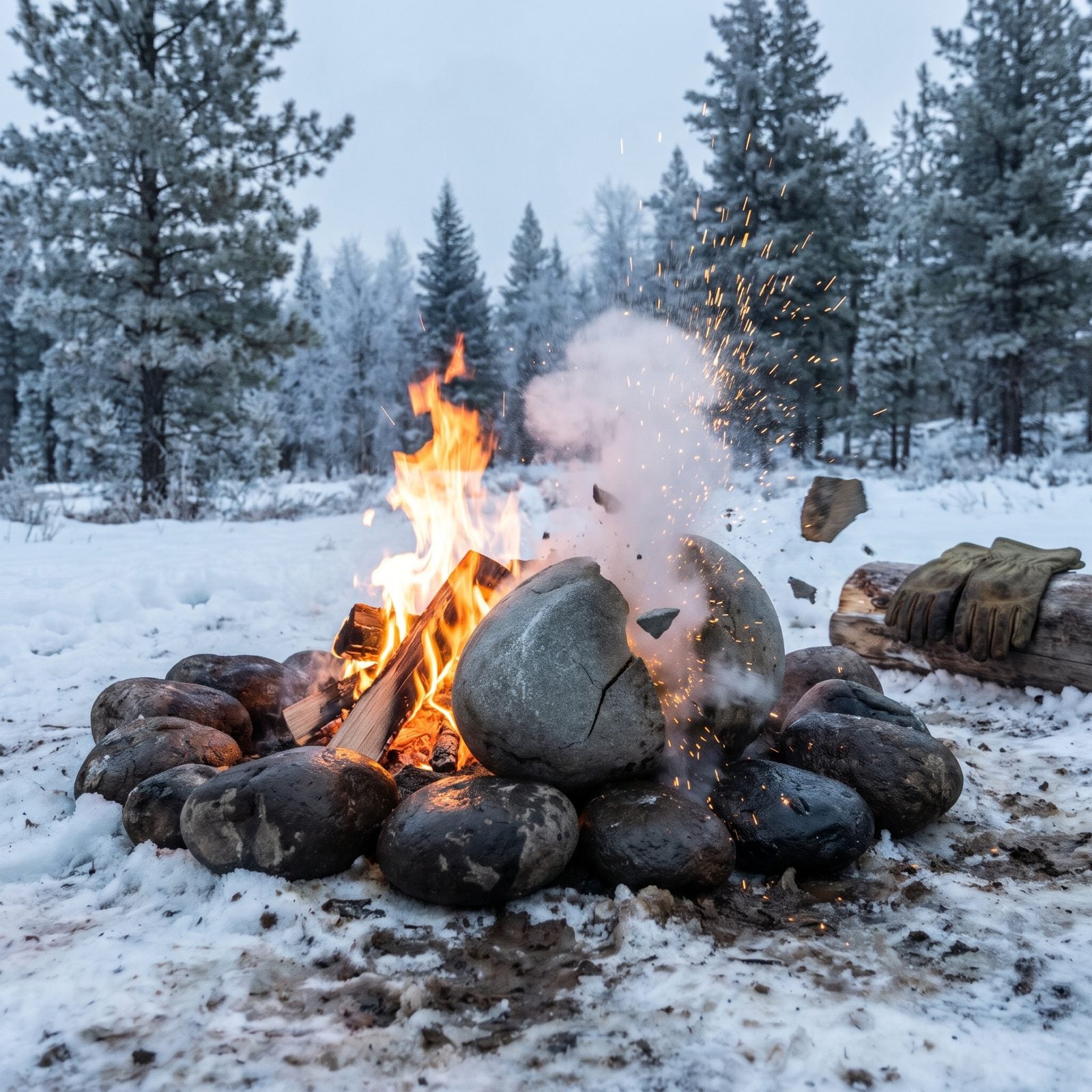
This one isn’t in most movies, but it belongs here because it genuinely hurts people. Rocks pulled from a stream or riverbed hold trapped moisture inside them. Heat them hard beside a fire and that water turns to steam with nowhere to go. The rock can crack, pop, or in rare cases burst and throw hot fragments.
Gather dry stones from high ground instead, and keep them off the fire’s edge if you’re heating them for warmth. A stone that’s been underwater all season is holding a surprise you don’t want delivered at eye level.
16. Myth: A Fire Should Be Built Directly Beneath Snowy Branches
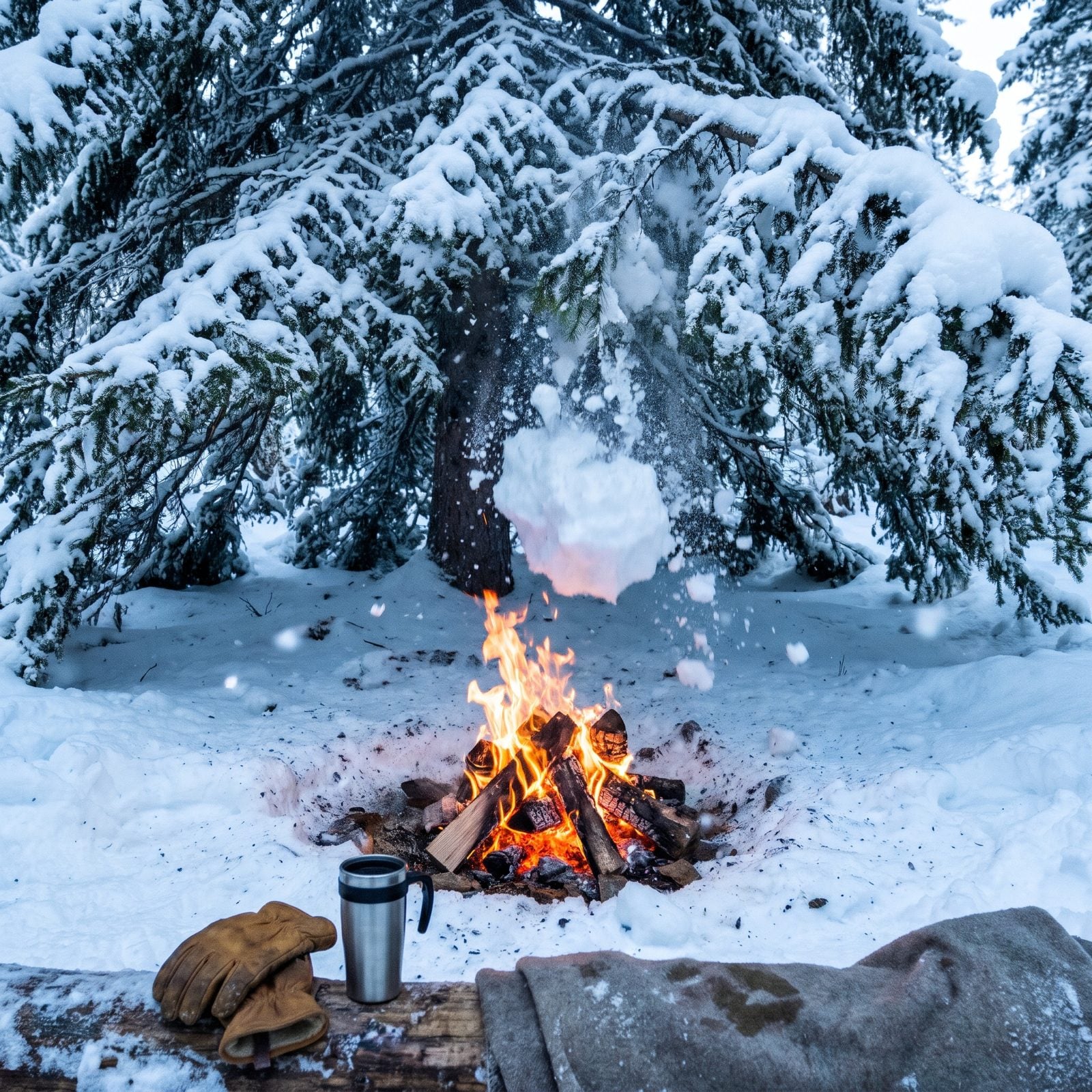
Rising heat does exactly what you’d expect: it melts the snow load on the branches above. That snow comes down in a heavy, wet dump, right onto the one fire keeping you alive. We’ve watched a good fire die under a single branch unloading its winter’s worth of powder.
Build in the open, clear of anything hanging overhead. Stomp down a flat platform or lay a base of green logs so the fire doesn’t sink into the snowpack and drown itself. And look up before you strike a match — the ceiling matters as much as the ground.
15. Myth: Matches Are Enough Without Prepared Tinder
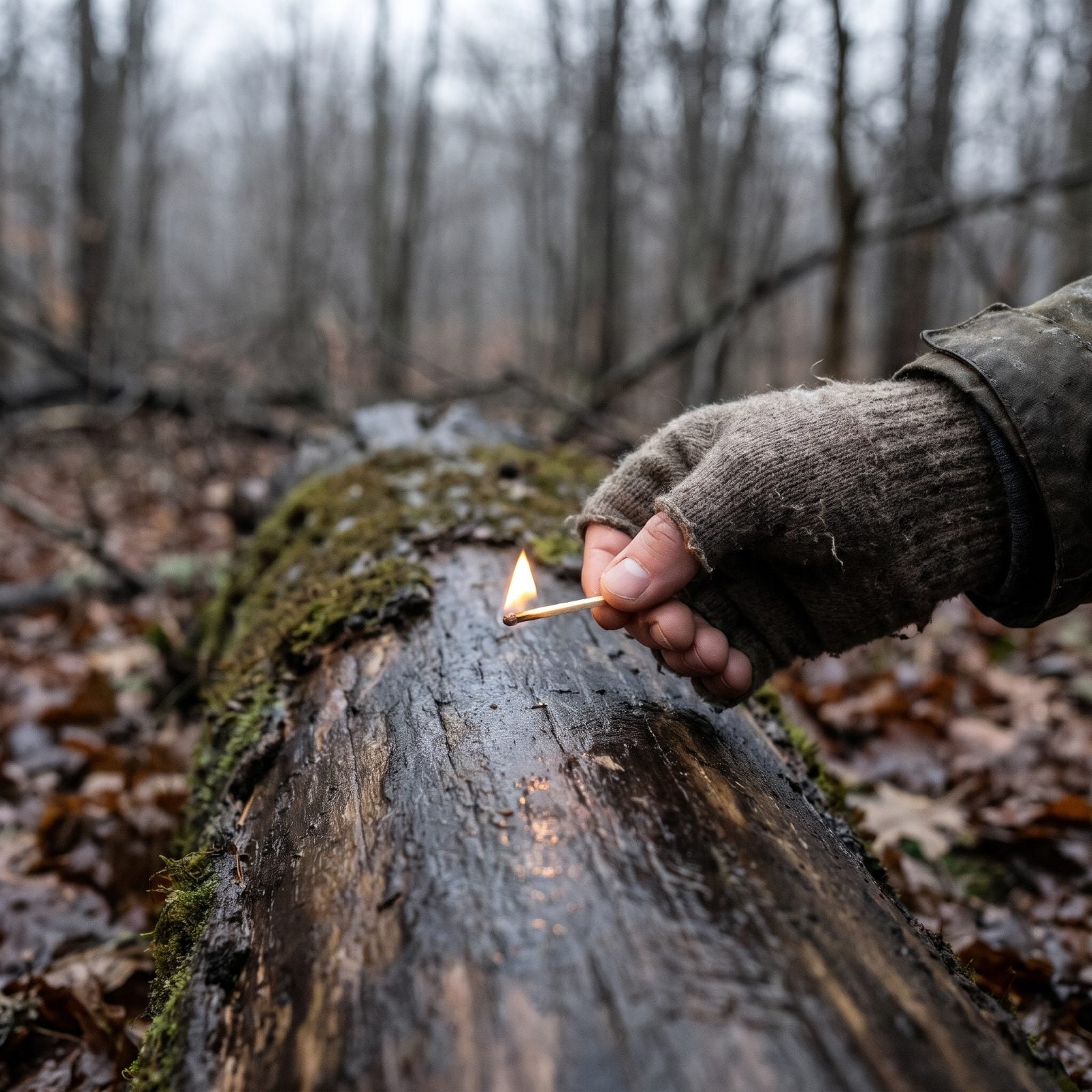
The movie hero strikes one match against a wet log and the whole thing roars to life. Try that in real snow and you’ll burn through your matches before anything catches. A match gives you a few seconds of flame. Without something dry and fine waiting to take it, those seconds are gone and so is the match.
Carry prepared tinder — cotton balls smeared with petroleum jelly, birch bark curls, dryer lint, fatwood shavings. Keep it in a waterproof bag and have the nest built before you ever strike a spark. The match isn’t the fire. The tinder is. The match just gets invited.
14. Myth: Walking Downhill Always Leads You to Civilization
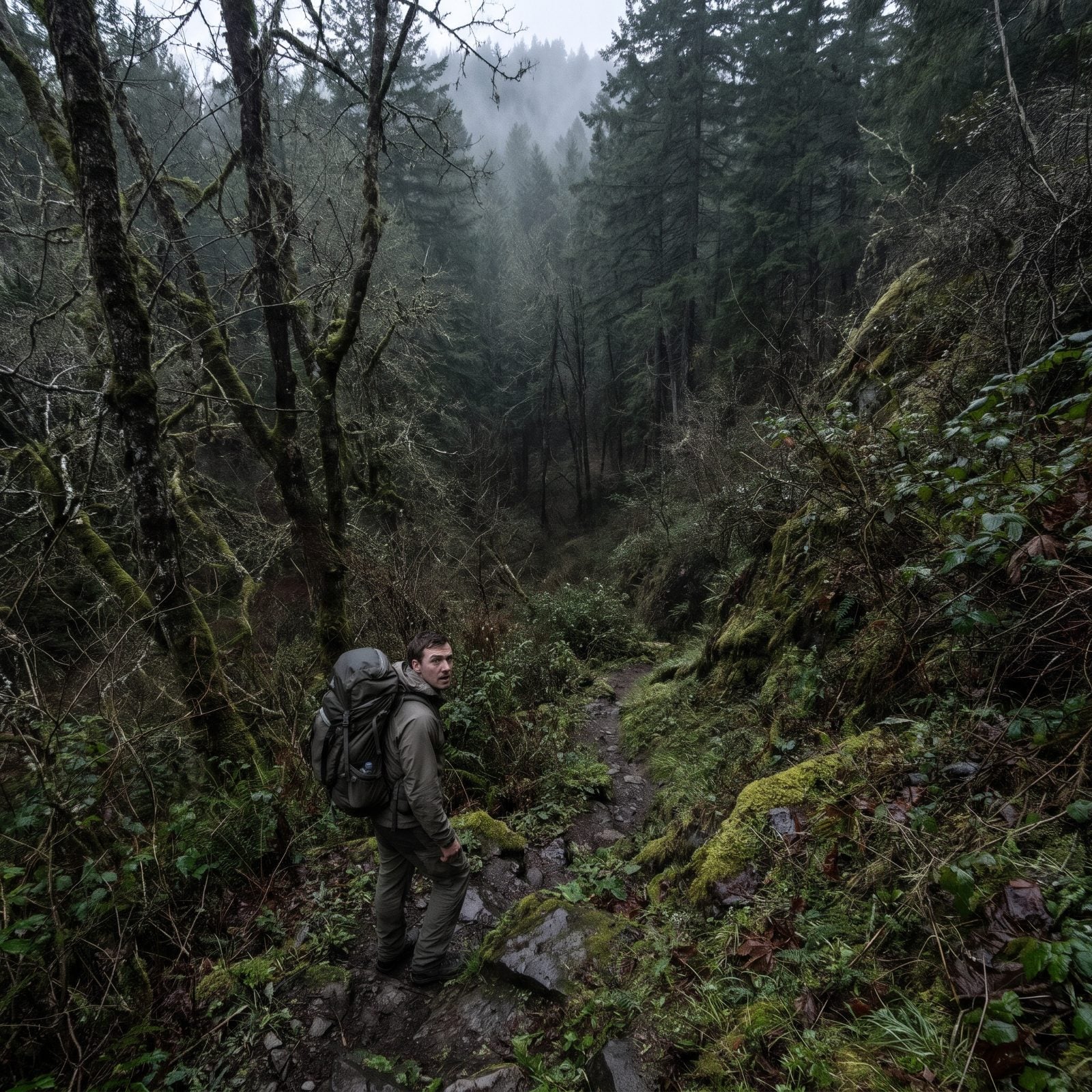
Downhill feels like progress. Gravity’s on your side, your boots want to go, and movie logic says water runs down and people live by water. Eventually, sure. But in real mountain country, following the fall line drops you into terrain traps — cliff bands, box canyons, drainages packed with deadfall you can’t climb through.
Search teams concentrate on ridges and open slopes, not the bottom of a thick creek gully where you’re invisible and stuck. Lost and uninjured? High and open beats low and hidden nearly every time.
13. Myth: Following Animal Tracks Will Lead You to Safety
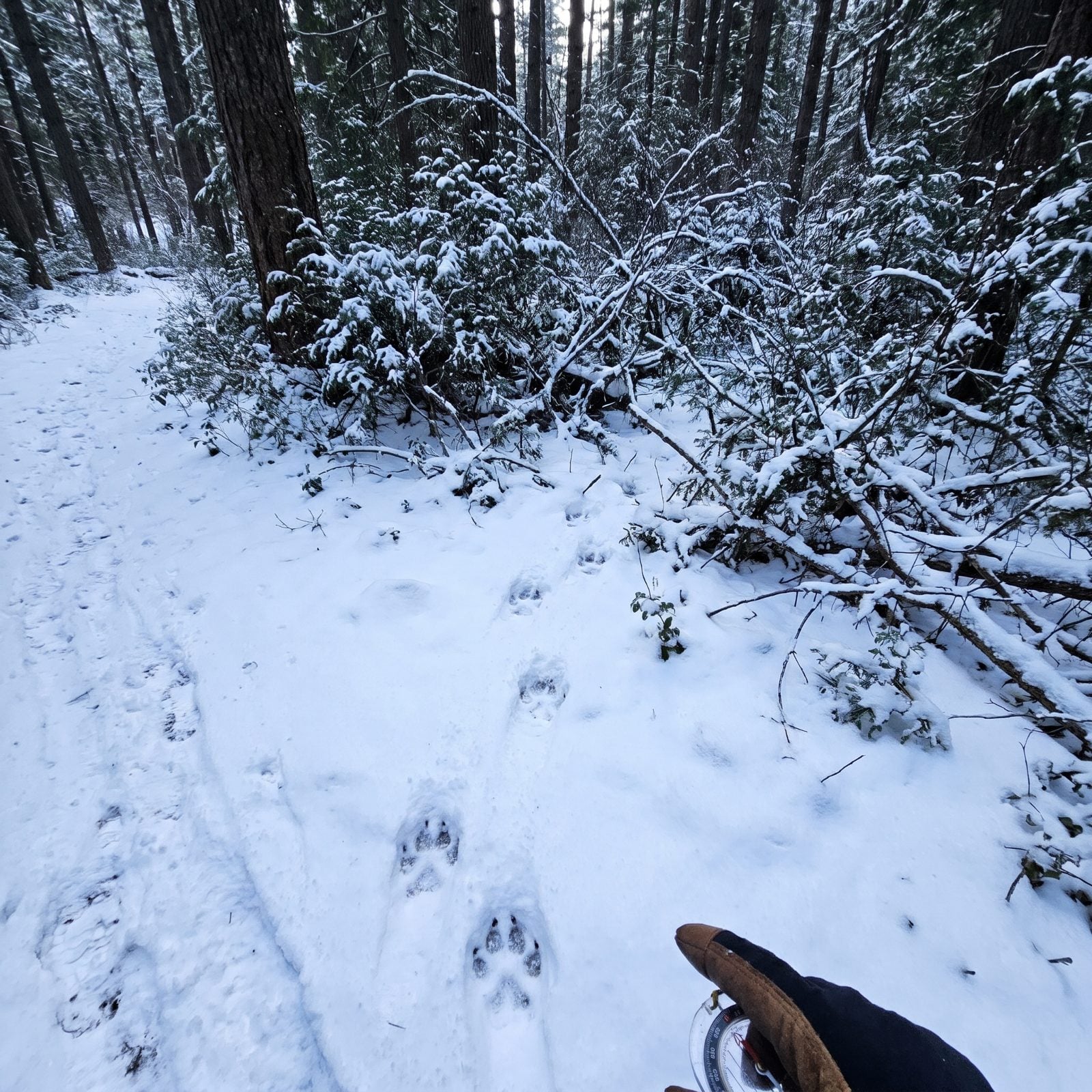
Animals know the terrain. That part’s true. The problem is they’re going where they need to go: a bedding area in heavy timber, a south-facing browse slope, a den. None of that is a trailhead.
Deer and elk also move through ground a two-legged human has no business attempting, and their trails braid and vanish constantly. Follow them long enough and you’ll end up deeper in the backcountry than when you started — less daylight, and a false sense that you’re onto something.
12. Myth: Your Phone’s GPS Makes a Paper Map Pointless
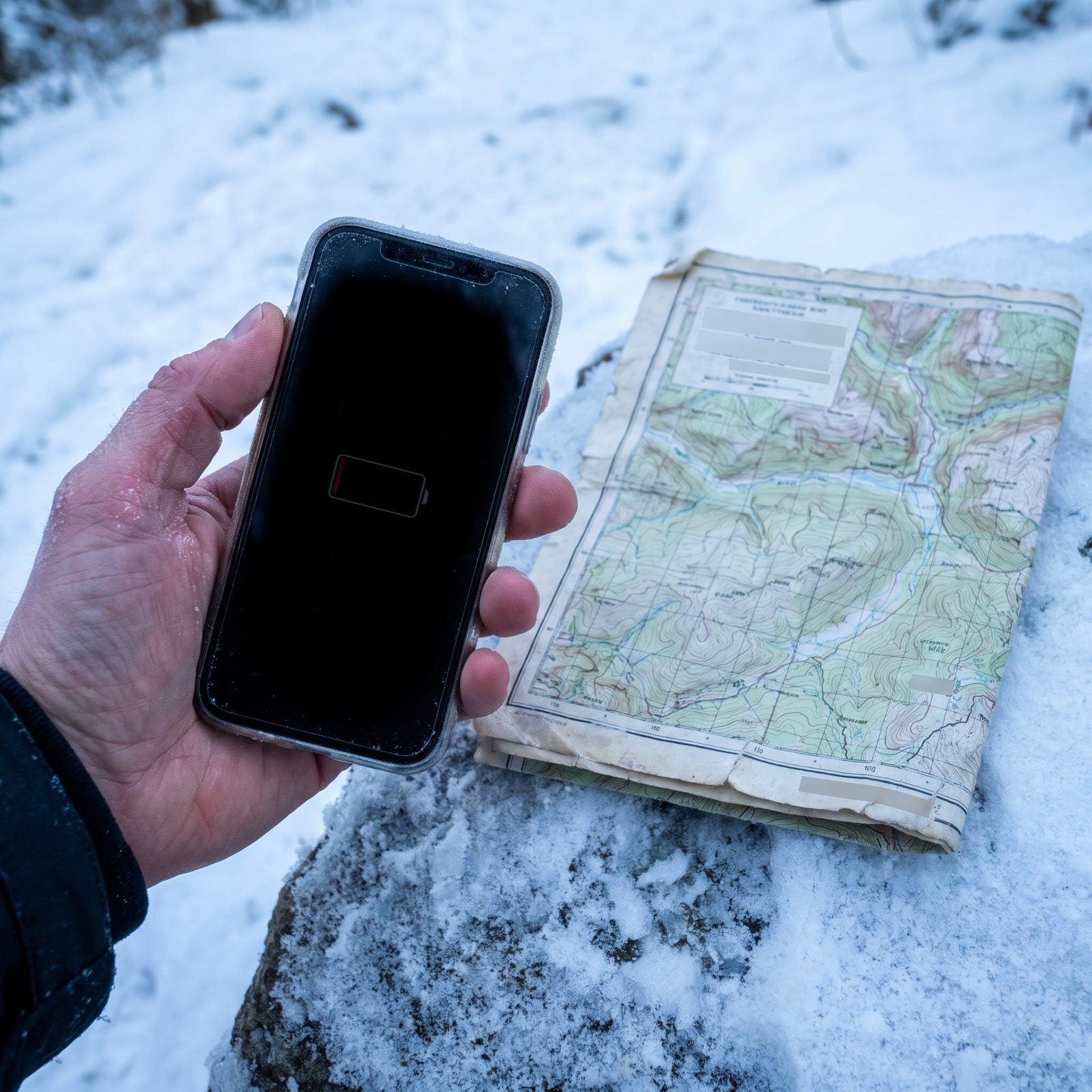
Cold kills batteries, and it’s rarely subtle about it. A phone that read 60 percent in your warm truck can die outright at single digits, and lithium cells don’t give much warning on the way down. Now stack on no signal, a cracked screen, and a glove you can’t peel off without losing feeling in your fingers.
A paper topo and a baseplate compass weigh almost nothing and never need charging. Plenty of experienced hikers I’ve shared a trailhead with trust the map first and treat the phone as backup — not the other way around.
11. Myth: Search Planes Spot People Easily Against White Snow
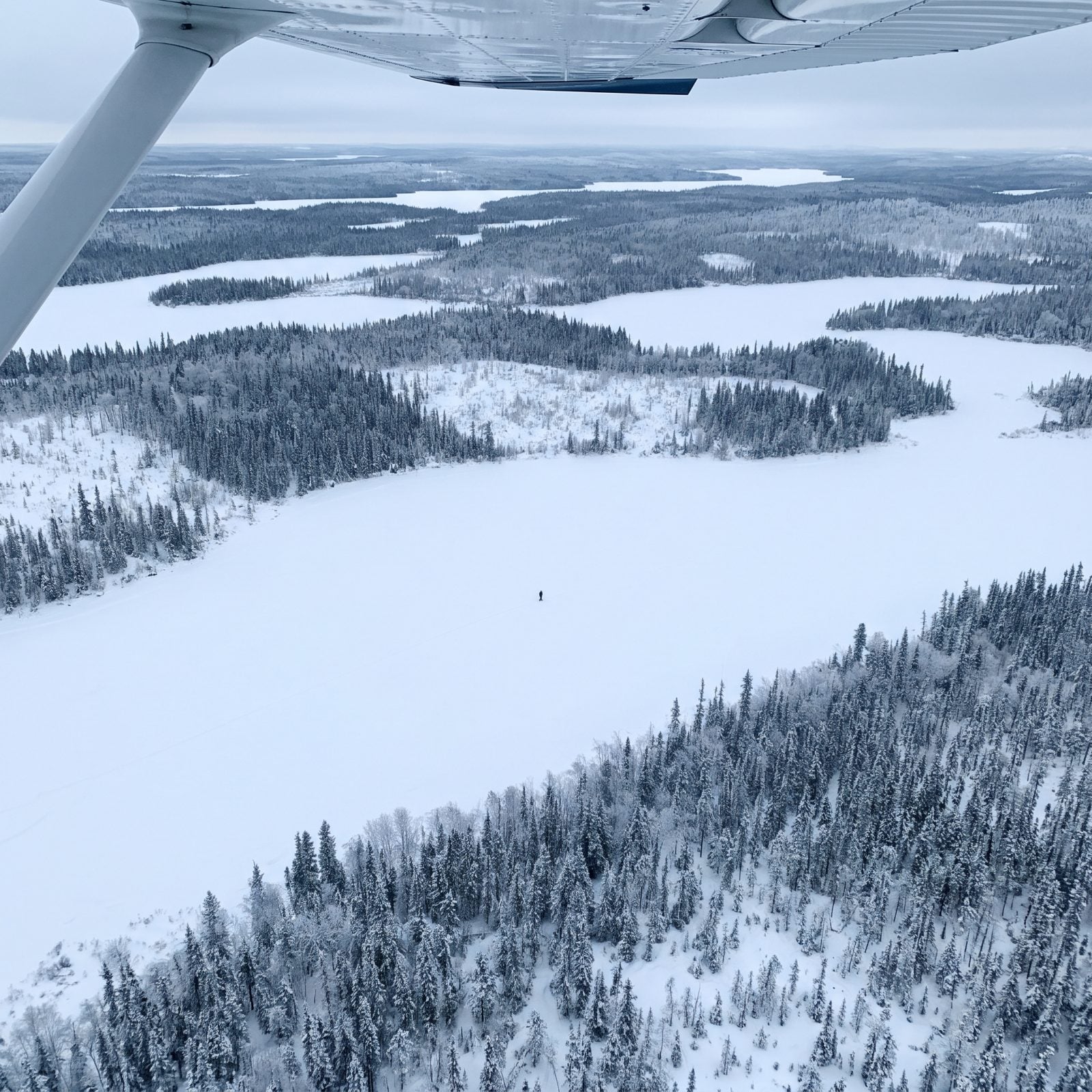
From a few hundred feet up, a standing person is a dark pencil dot moving through a world of white and green. Movies frame the rescue chopper locking straight onto the lone figure waving. Real spotters are scanning miles of monotonous terrain in minutes, often in bad light, and they miss people on the first pass all the time.
What they catch is contrast and pattern. Nature doesn’t make straight lines or perfect triangles. A stamped-out shape in the snow, a bright tarp, three objects in a row — any of that reads as human from the air long before you do.
10. Myth: Keep Wandering and You’ll Be Easier to Find
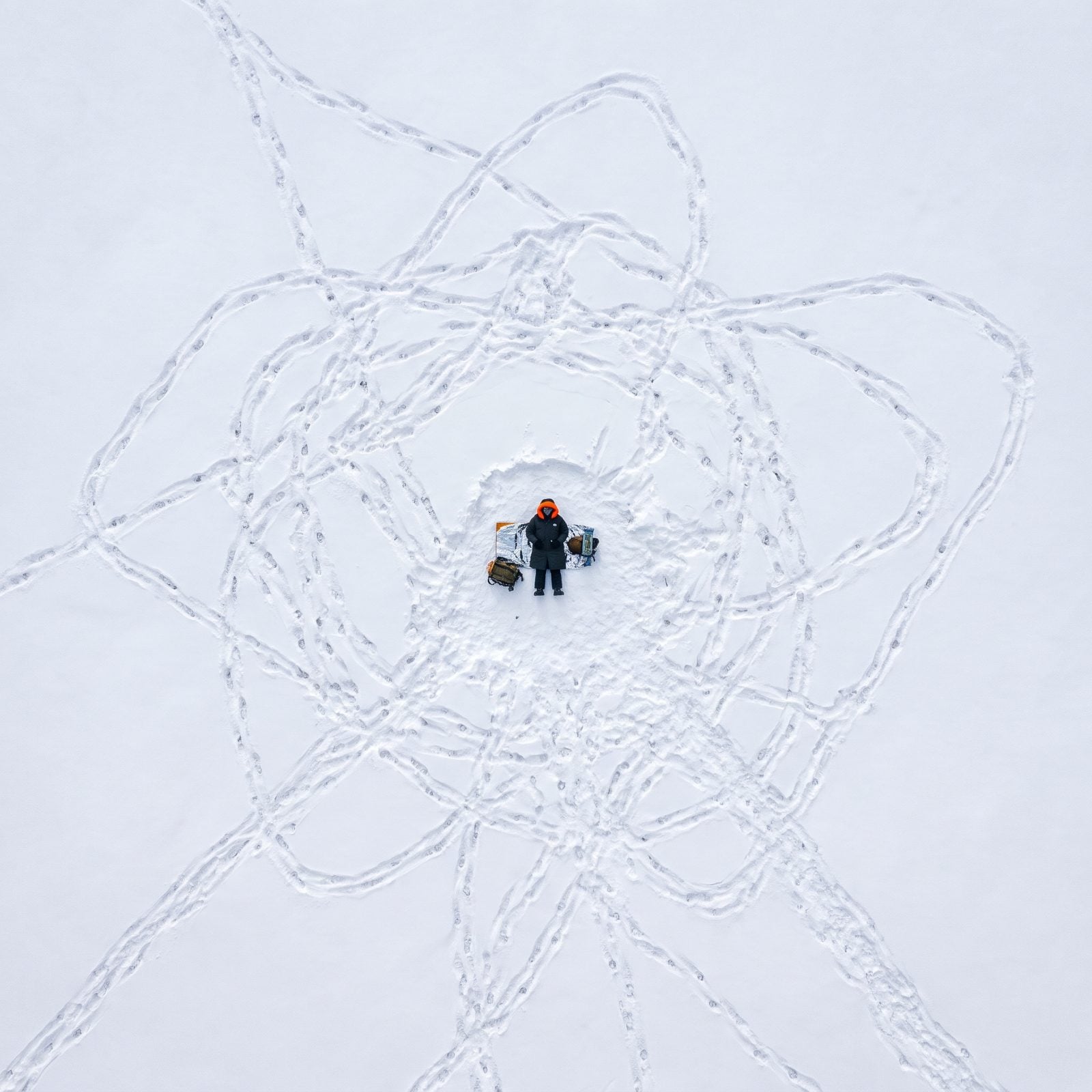
The instinct is to keep moving, to do something. But a moving target is a nightmare for searchers. They work outward from your last known point, and every mile you drift multiplies the ground they have to cover.
Once you know you’re lost, stop, shelter, and make yourself findable. Build a fire. Mark the snow. Stay put.
9. Myth: Hunger Will Get You Before the Cold Does

You can survive weeks without food. You can die of hypothermia in a few hours, sometimes a lot less if you’re wet and the wind is up. That reversal is the single most important thing movies get backward.
Your body burns through warmth fast when it’s fighting the cold, and the first casualties are your hands and your clear thinking. Shelter, dry insulation, and heat come before you ever think about a snare or a fishing line. Food is a later problem. Cold is right now.
8. Myth: Drinking Your Own Urine Is Safe When Water’s Frozen
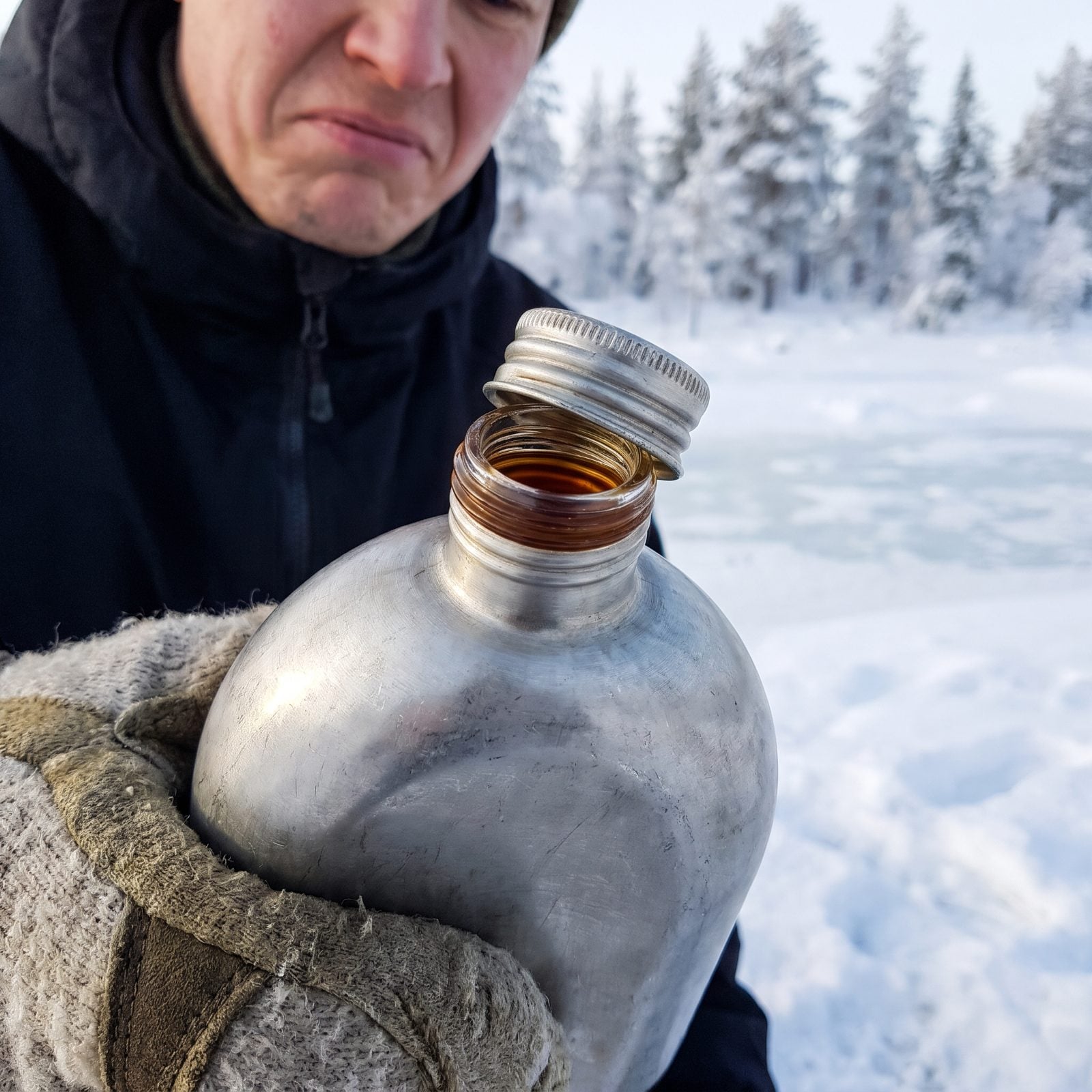
The desert-movie staple makes a return in snow stories, and it’s wrong in both climates. Urine is a concentrated waste product loaded with salts and metabolic junk. Drinking it makes your kidneys work harder and dehydrates you faster, and in the cold it does nothing a mouthful of melted snow couldn’t do better.
You’re almost never truly out of water in winter. You’re surrounded by it. The real trick is getting it into liquid form without freezing yourself doing it.
7. Myth: You Can Brew Tea From Any Evergreen Needle
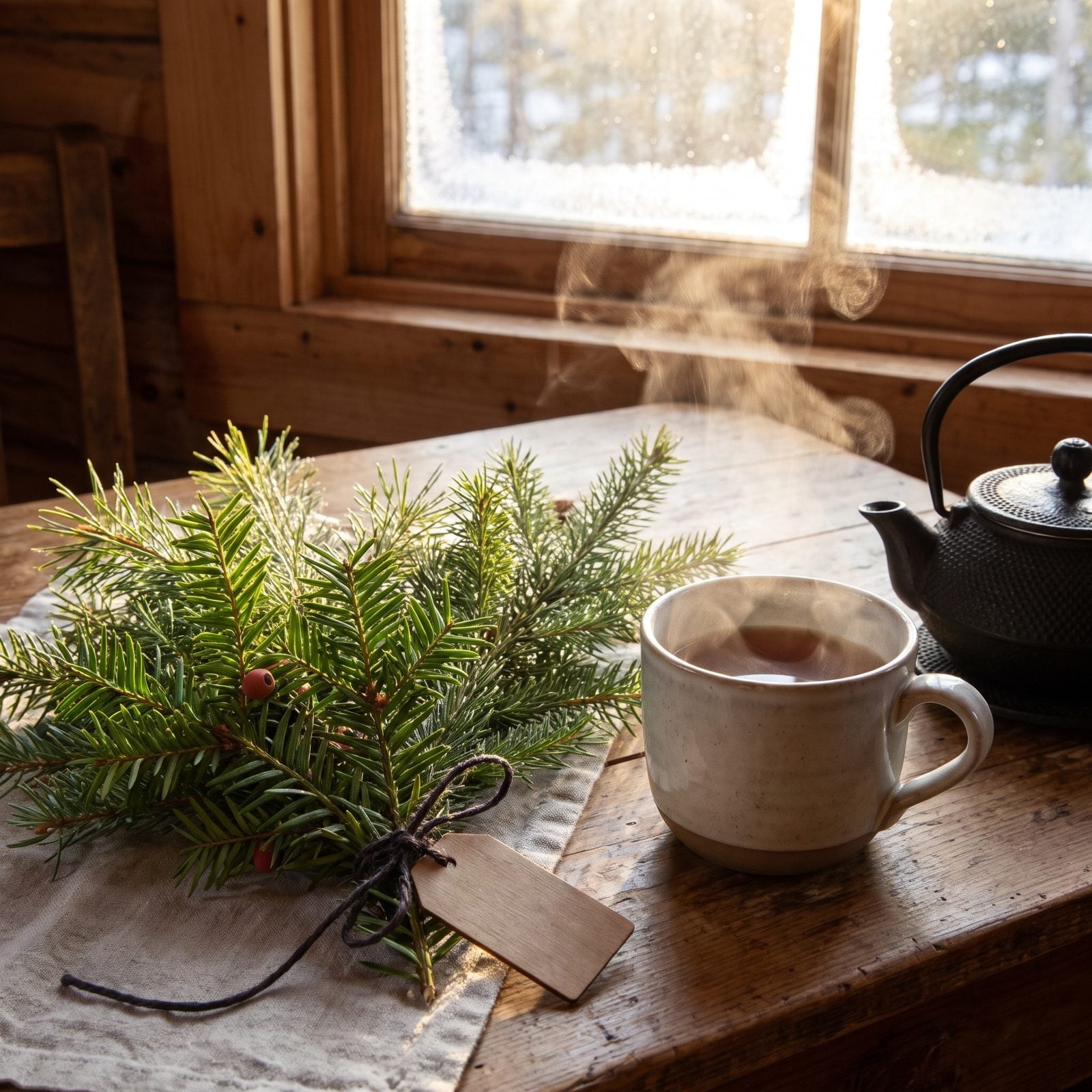
Pine and spruce needle tea is a real thing — rich in vitamin C, and a pleasant morale boost on a cold morning. The catch? Not every green needle on a conifer is friendly.
Yew is the one that gets people. It looks like a soft, dark evergreen, grows widely, and is seriously toxic. Ponderosa pine needles carry a known risk for pregnant women and livestock. If you can’t confidently name the tree, you don’t brew from it. A warm drink isn’t worth guessing on something that can stop your heart.
6. Myth: Fresh Snowmelt Is Automatically Clean to Drink
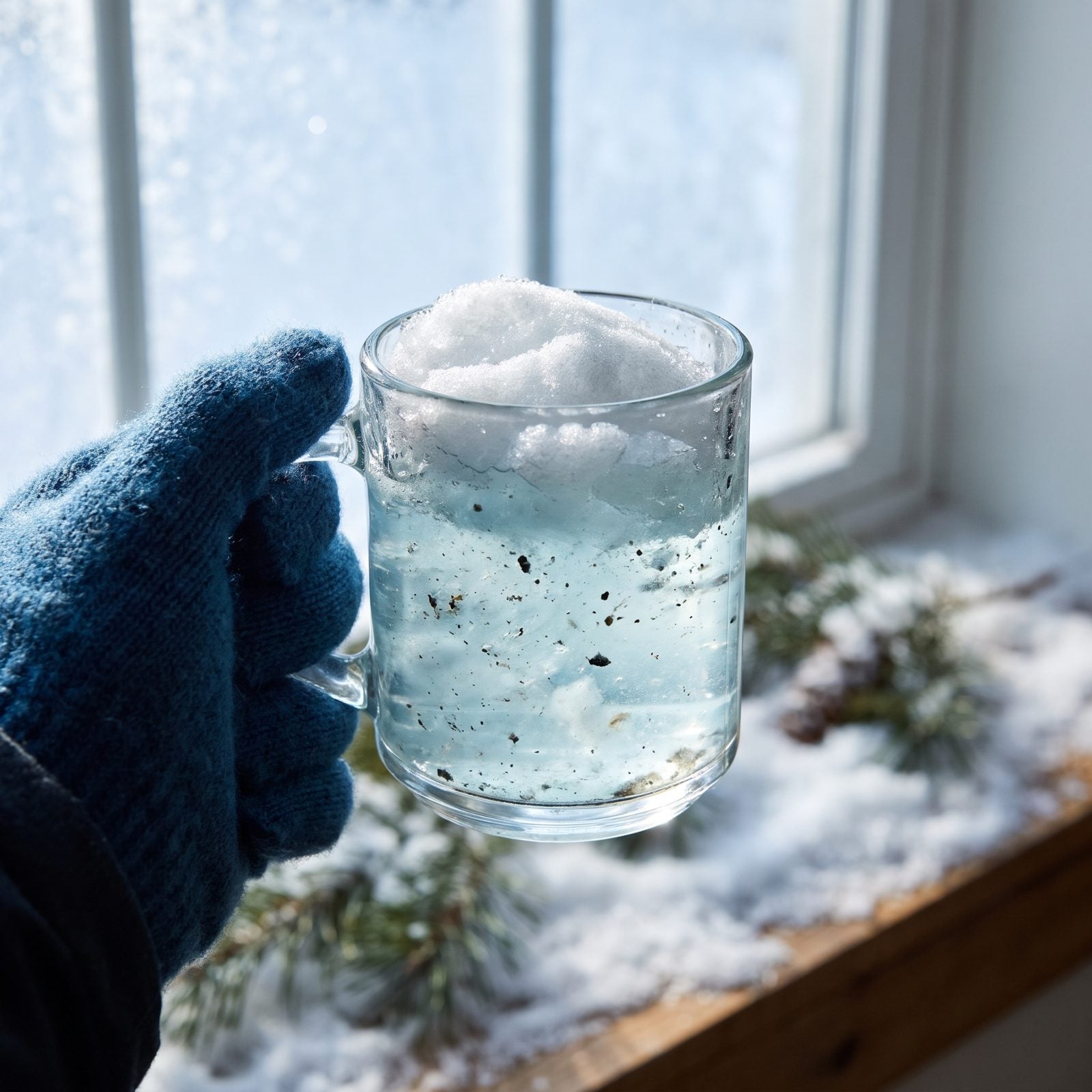
White and pristine, straight from the sky, so it must be pure. Not quite. Snow scavenges whatever’s floating in the air and sitting on the ground: dust, soot, animal waste if it fell near a trail, and up high, parasites like Giardia that survive just fine in cold water.
Eating snow straight also chills your core, which is the last thing you want out there. Melt it in a pot, and if you’ve got the means, boil or filter it. Clean-looking is not the same as clean.
5. Myth: Playing Dead Works on Every Bear You Meet
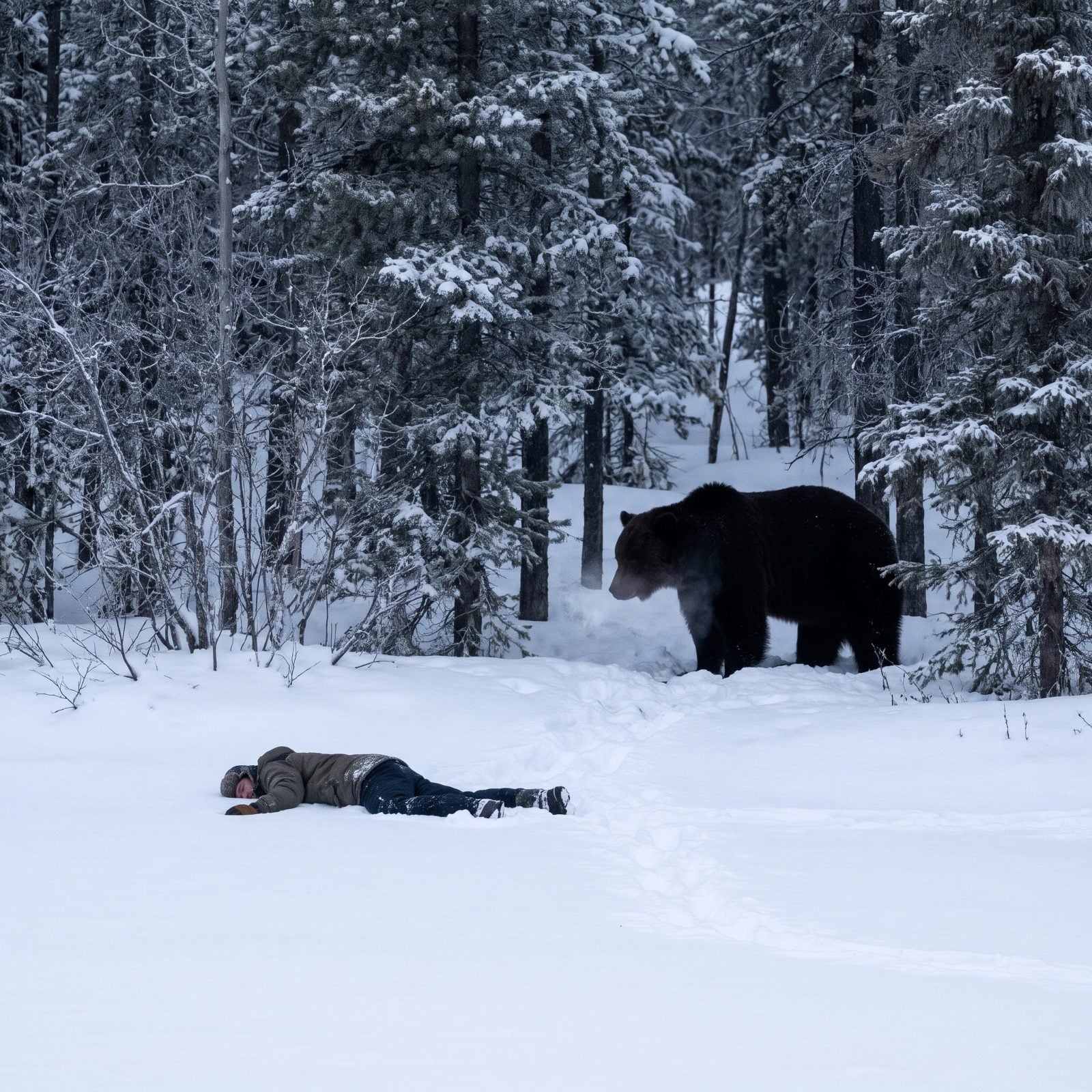
The advice depends entirely on the bear, and getting it wrong flips a survivable encounter into a deadly one.
Playing dead is for defensive grizzly attacks, where a startled mother is trying to neutralize a threat and will leave once you’re no longer one. Try that with a black bear, or with any bear stalking you or treating you as food, and you’ve just laid down a meal. Those situations call for the opposite: get big, get loud, and fight back with everything you’ve got.
Honestly, the thing that actually saves people isn’t knowing which script to run. It’s bear spray, kept where you can reach it in two seconds, and the plain fact that most bears want nothing to do with you anyway.
4. Myth: Shivering Means Hypothermia Is Still Mild
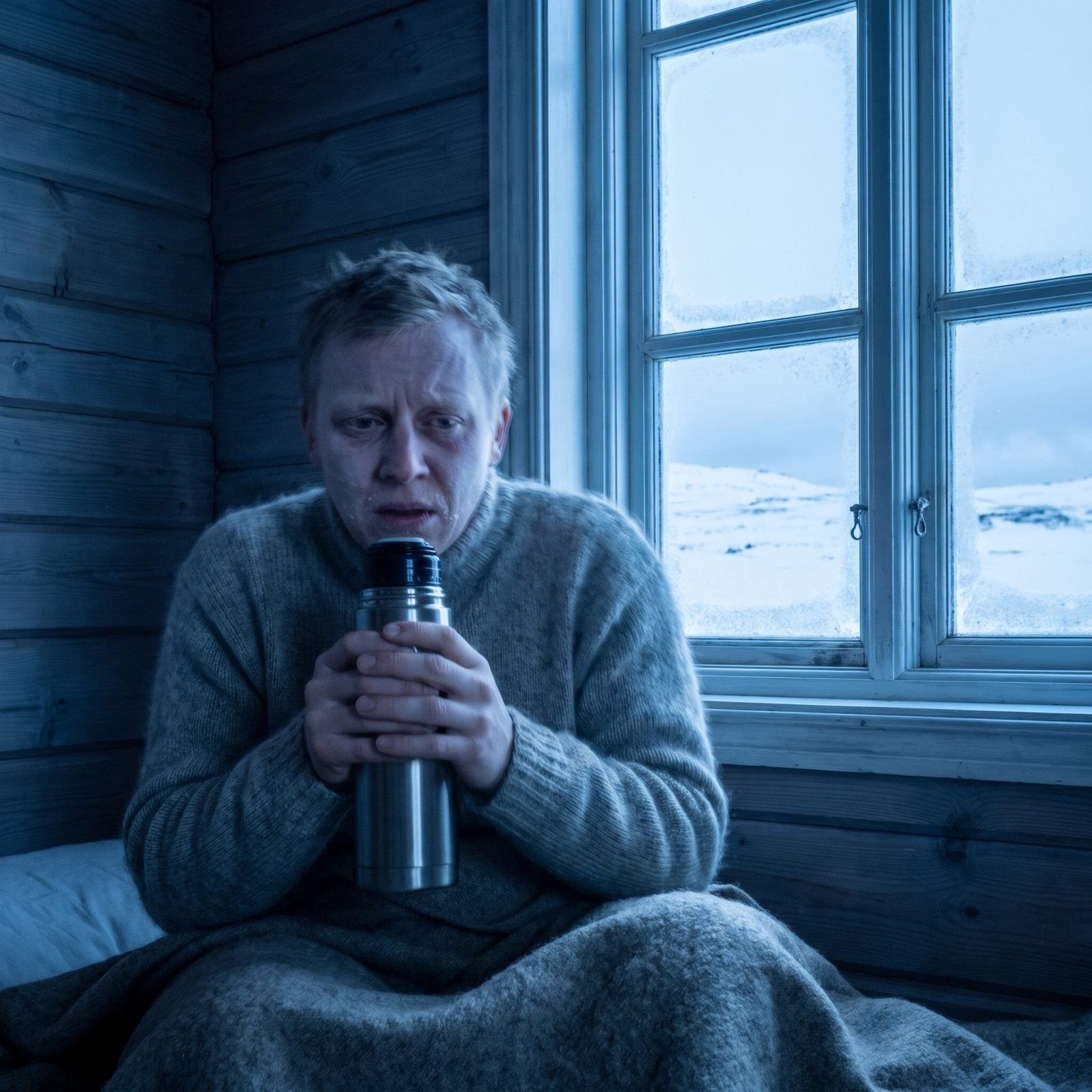
Shivering is good news, mostly. It means the body is still fighting, still cranking out heat the hard way. The dangerous moment is when it stops.
People read a calm, no-longer-shivering person as someone who’s warmed up, and it’s usually the opposite. Once core temperature drops far enough the shivering reflex quits, because the body simply can’t run that machinery anymore. A victim who was shaking ten minutes ago and now seems peaceful? Heading the wrong direction, fast.
So don’t wait for violent shivering to take cold seriously, and never relax because it stopped. Get the person out of the wind, strip the wet layers, pile on dry insulation, and warm the core first — not the hands and feet.
3. Myth: Confusion in the Cold Is Just Ordinary Fatigue
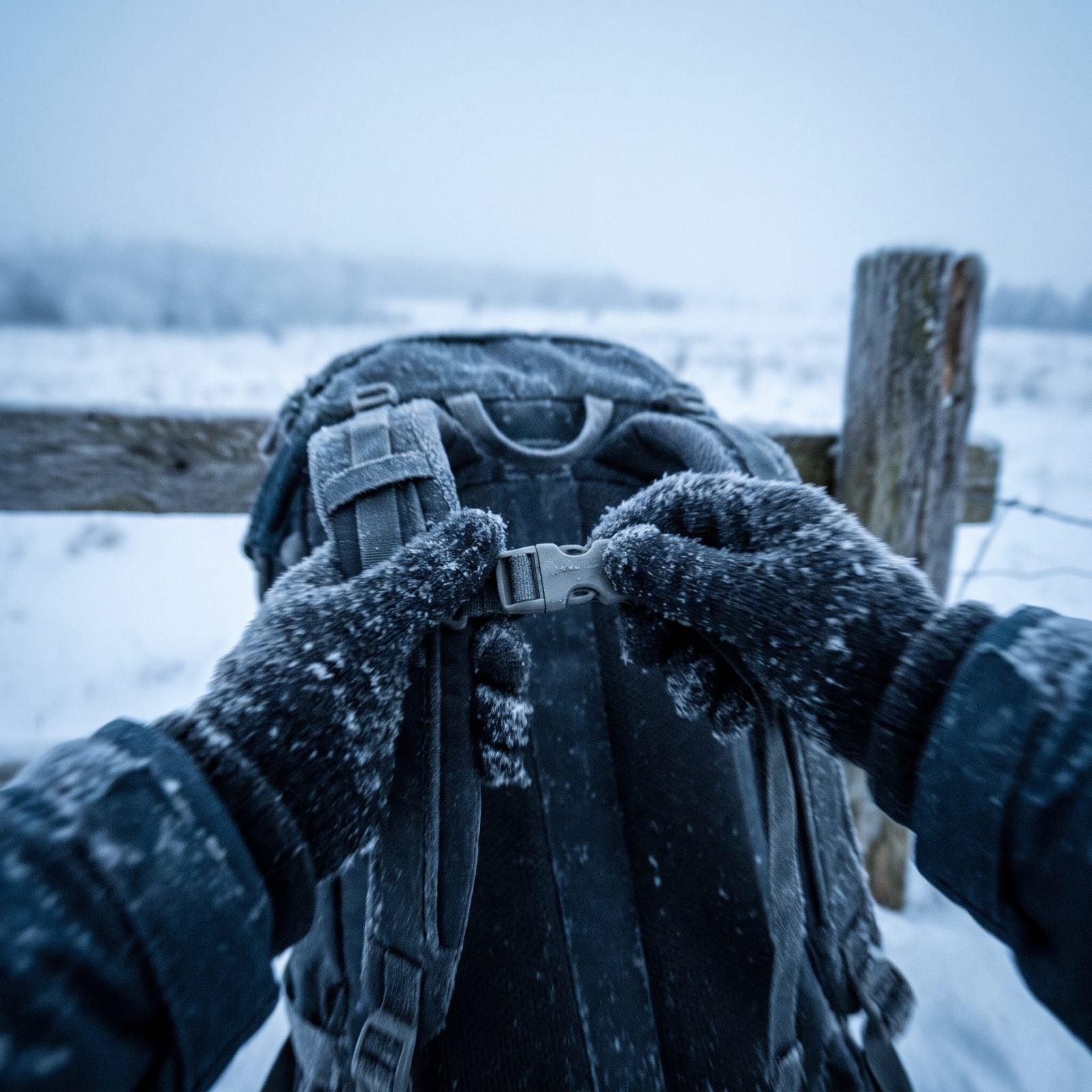
Cold doesn’t announce itself with drama. It arrives as bad decisions.
Movies show hypothermia as a dramatic collapse, but the real early tell is quieter and far easier to wave off: slurred speech, fumbling with simple tasks, poor judgment, repeating yourself. There’s even a grim field name for the pattern — the “umbles,” when someone stumbles, mumbles, fumbles and grumbles. We’ve all blamed that fog on a long day. Out in the cold, though, it can be the brain itself cooling down.
If you’re with someone whose thinking goes sideways, treat it as a medical emergency, not a personality quirk. The person least able to notice their own confusion is the one it’s happening to.
The classic sign isn’t passing out. It’s making a choice you’d never make warm.
2. Myth: Someone With Hypothermia Should Walk It Off
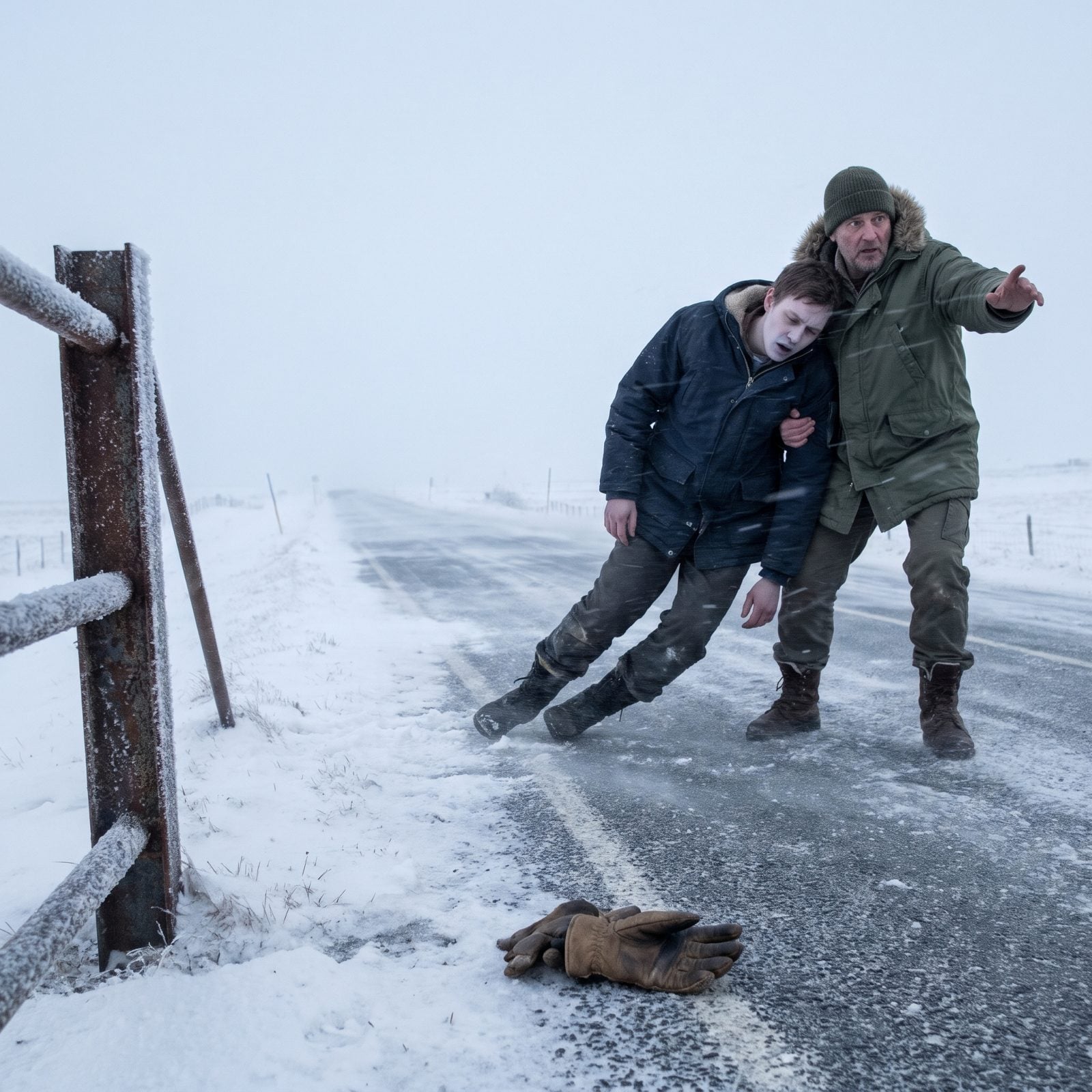
Movement feels like the fix. Past a point, it isn’t.
In moderate to severe hypothermia, cold blood pools out in the arms and legs. Force someone to hike and you churn that chilled blood back to the heart in a rush — and a heart at low temperature is twitchy and irritable. Rough handling or a sudden burst of exertion can tip it into a fatal rhythm. That’s the part the “just keep moving” movies never bother to mention.
Mild case, fully alert, shivering hard? Gentle movement and shelter make sense. But someone confused, clumsy or barely shivering needs to be handled slow and kept horizontal, insulated from the ground, warmed in place while you get help coming.
1. Myth: Frostbite Always Hurts Enough to Notice Immediately
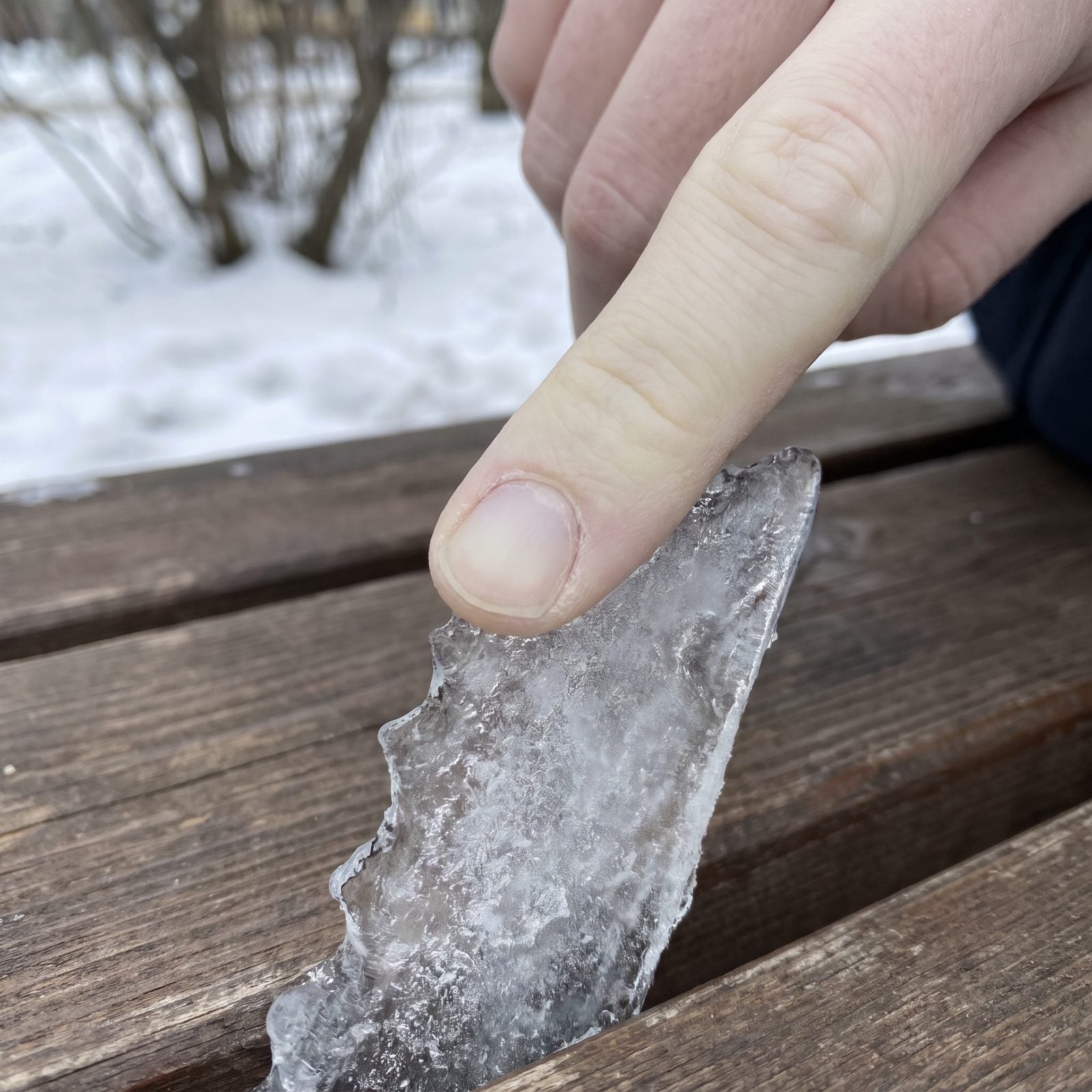
The cruel trick of frostbite is that the warning system shuts off first.
As tissue freezes, the nerves go quiet. Skin turns pale or waxy, firms up, goes numb — and the person feels fine. By the time that deep aching pain sets in, you’re often well past the early stage. Plenty of serious frostbite happens to folks who simply weren’t hurting enough to stop and look.
In brutal cold, check exposed skin by sight and feel, especially nose, ears, cheeks and fingertips. Don’t trust pain to flag it. Rewarm gradually with body heat or warm — not hot — water. And here’s the one most people get wrong: never rub frozen skin with snow. That old movie move grinds ice crystals through the tissue and makes everything worse.