Hollywood has killed more people than any grizzly ever has. Not with its own hands, but through the confident nonsense that lodges in our heads over decades of popcorn and dim theaters. The hero kicks the car door open underwater. The medic shocks a flatline back to life. On screen it all looks perfectly reasonable, and that’s the problem, because a real emergency arrives and the reflex those movies installed sends you the wrong direction at the worst possible second. Good news, though. The real answers are simpler than the fiction, and they actually work.
Please note that some of the images in this article were created with the assistance of AI.
44. Myth: A Dead Snake Can’t Bite
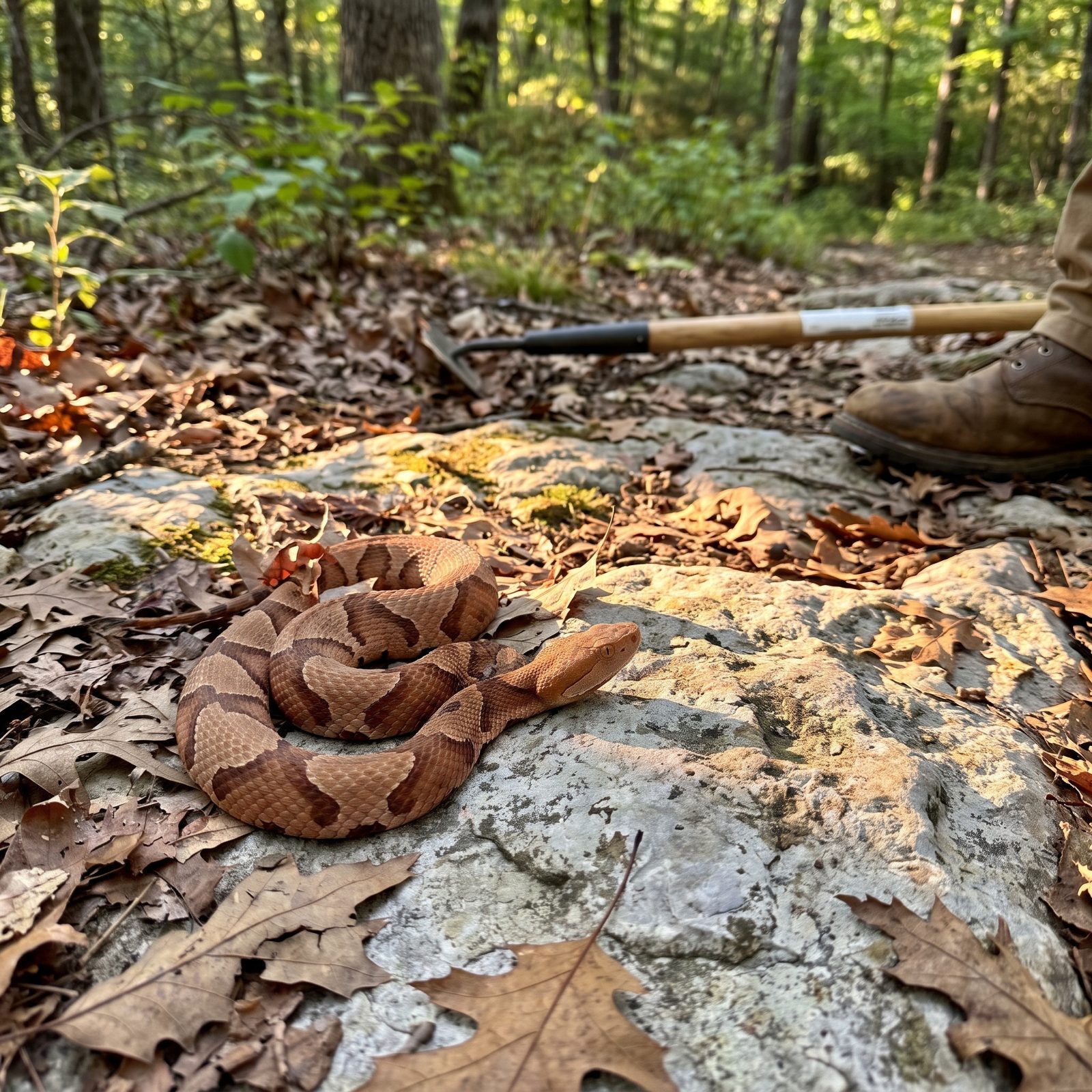
You’ve seen it in a hundred westerns. The hero shoots the rattler, tosses the limp body aside, maybe picks it up to show the camera, clean and safe. Real snakes don’t read the script.
A snake’s bite is a reflex, not a decision, and that reflex can fire for an hour or more after the animal is dead or decapitated. A severed head with venom glands still loaded is arguably more dangerous than a live snake, because it only does one thing now, and that thing is strike. People get envenomated every year collecting “dead” snakes for a photo.
Leave it where it lies. If you have to move a carcass, use a long-handled shovel or a stick, never bare hands, and stay well clear of the head end. The trophy shot isn’t worth the antivenom bill.
43. Myth: Pull Someone From Cold Water and They’re in the Clear
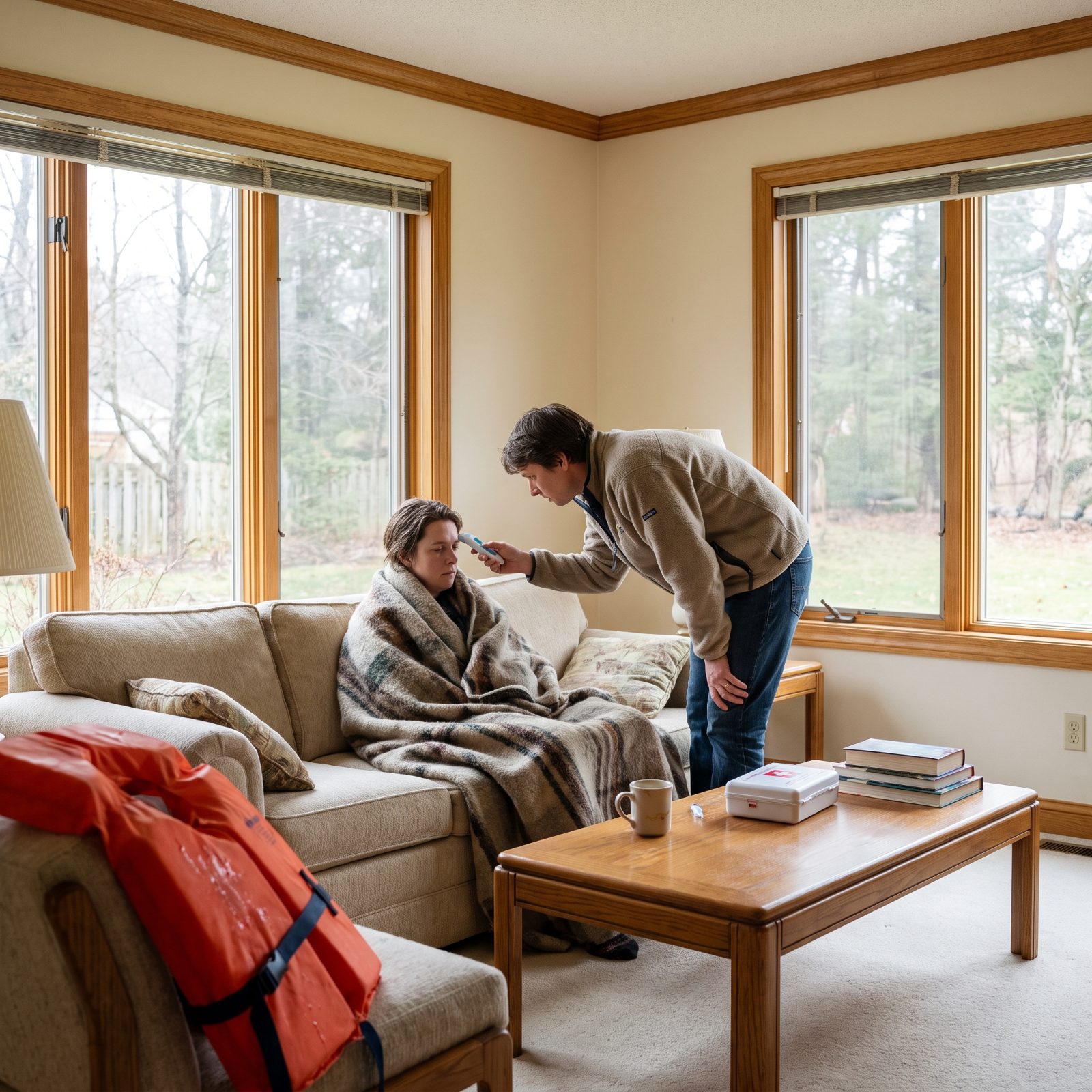
Somebody goes through the ice, gets hauled out coughing, and the movie cuts to them shivering by a fire, cracking a joke. Crisis over. In reality the dangerous part may be just starting.
Cold water pulls blood toward the core. Yank a hypothermic person upright and get them moving, and cold, acidic blood from the limbs can wash back to the heart and trigger a fatal rhythm. It’s called rescue collapse, and it has killed people who were fully conscious and talking on the bank.
Keep them horizontal. Move them gently, cut away wet clothes, wrap them in dry layers, and insulate them from the ground. Then call emergency services, because rewarming is a medical event, not a campfire.
42. Myth: A Drowning Person Waves and Yells for Help

Movies drown people loudly. Flailing arms, shouting, big dramatic splashes. That’s the single most dangerous drowning myth going, because actual drowning is almost silent.
A drowning person can’t call out. The body prioritizes breathing over speech, and the arms instinctively press down on the water to keep the mouth up, so there’s no waving. It lasts twenty to sixty seconds, then they’re under. A child drowning three feet from a parent often goes unnoticed, and that detail wrecks me every time I read it.
Watch for the signs: head low and tipped back, mouth right at the waterline, body vertical with no kicking, eyes glassy or shut, hair over the face. Compare that with a calm back-float like the one pictured: body horizontal, face and chest above the surface, legs stretched out behind. That’s a swimmer resting, not one in trouble. If you’re ever unsure, ask “are you okay?” A real swimmer answers. A drowning person can’t.
Real drowning makes no noise. If you’re waiting to hear a scream, you’re waiting for something that isn’t coming.
41. Myth: Defibrillator Paddles Restart a Flatline
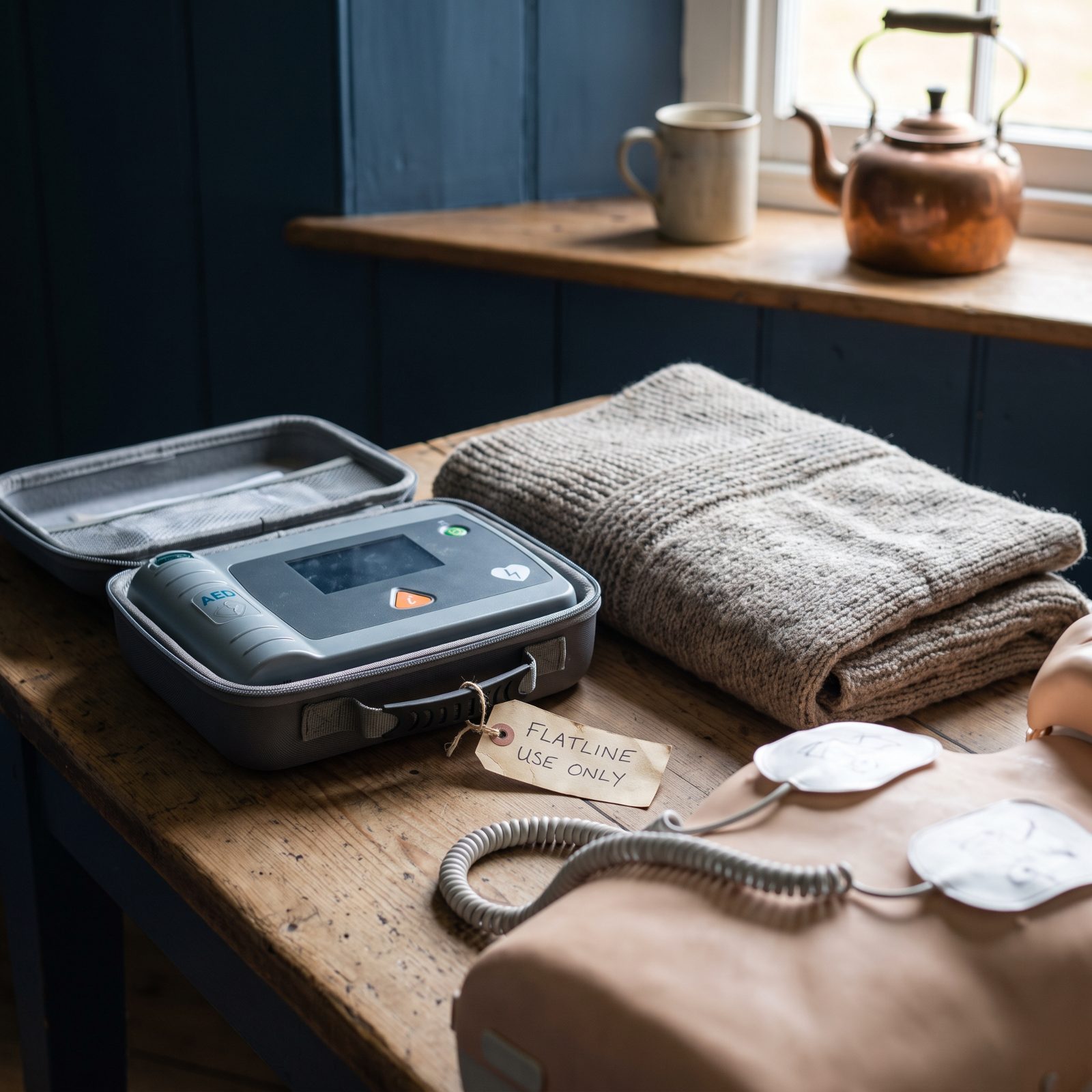
The oldest trick in the medical drama: the monitor flatlines, the doctor grabs the paddles, yells clear, and the patient jolts back to life. Pure fiction, and so is the handwritten “FLATLINE USE ONLY” tag tied to the AED pictured here. That label gets it exactly backwards: a defibrillator cannot shock a flatline.
A flatline, or asystole, means no electrical activity at all, so there’s nothing for a shock to correct. Defibrillators only help with specific chaotic rhythms like ventricular fibrillation. Shocking a flatline does nothing, and believing otherwise wastes the only thing that matters: compressions.
If someone collapses and isn’t breathing normally, start hard, fast chest compressions and send someone for an AED. Turn it on and do exactly what the voice tells you. The device decides whether a shock is useful. Your job is to keep blood moving and never stop until help arrives.
40. Myth: A Tourniquet Means You’ll Lose the Limb
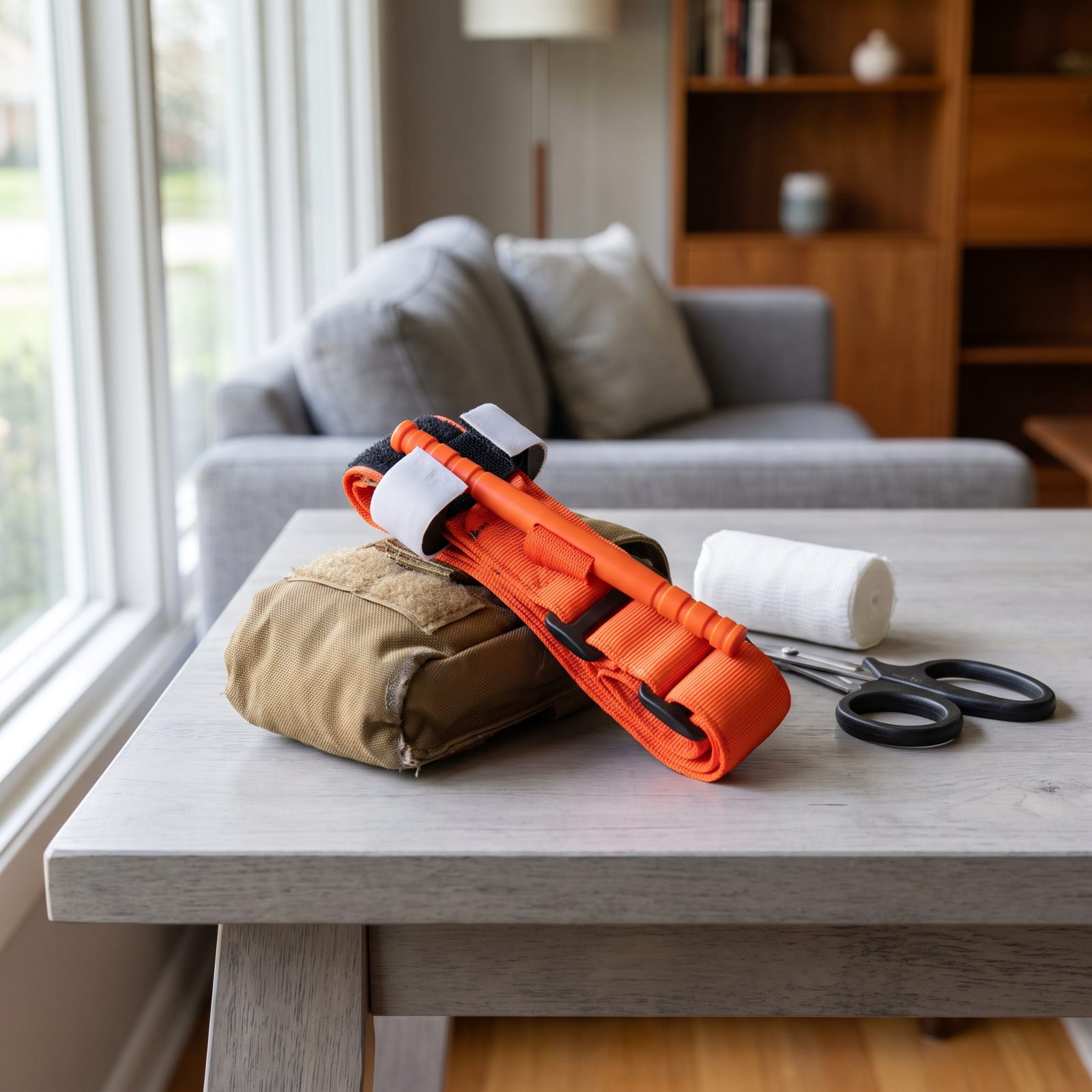
Every war movie treats the tourniquet as a last resort, the thing you only reach for once you’ve accepted the limb is gone. That hesitation has cost people their lives.
Here’s the correction the medical world made the hard way. A properly applied tourniquet left on for a couple of hours almost never costs a limb, while bleeding out in minutes definitely costs a life. Battlefield data turned the old thinking on its head, and civilian trauma care followed right behind.
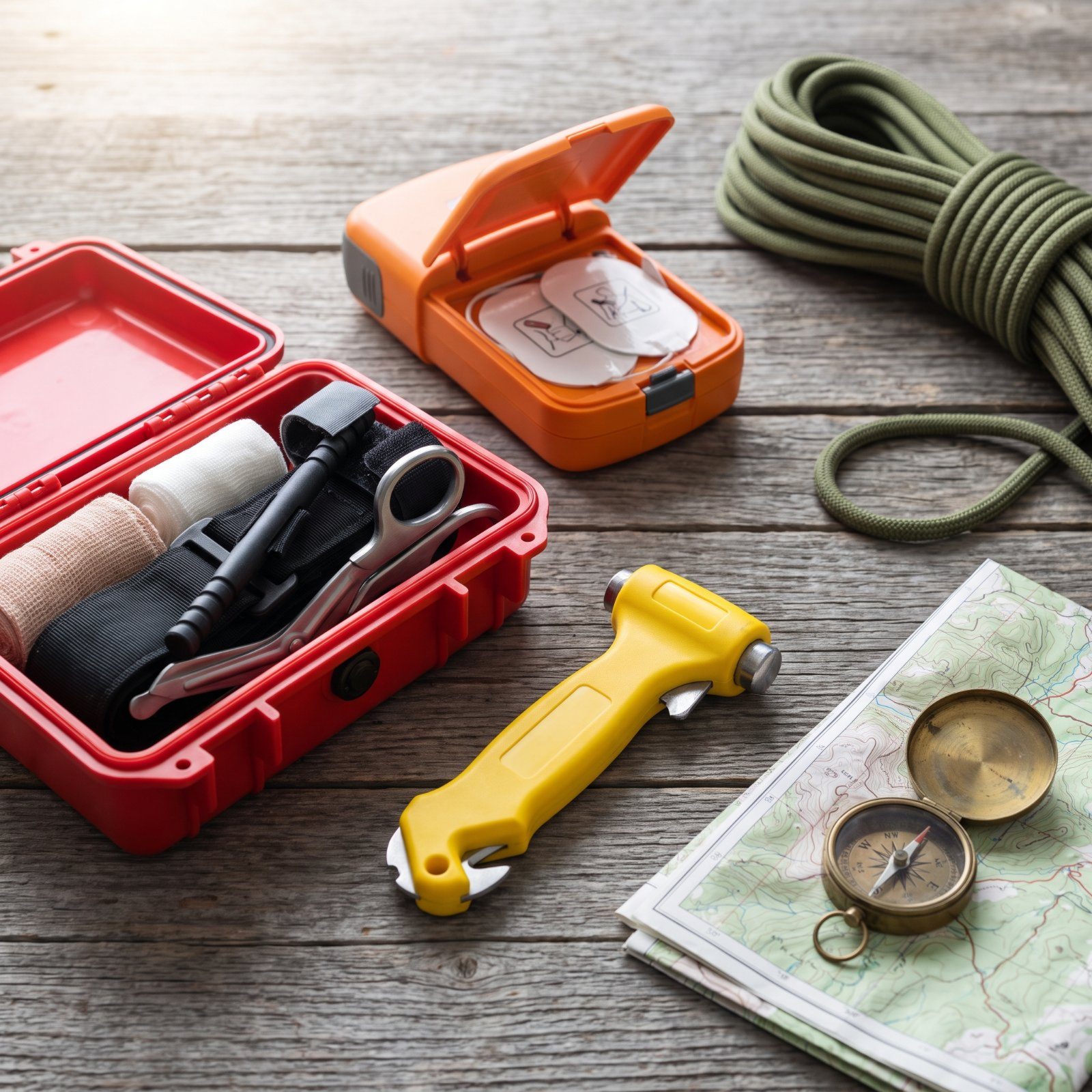
If direct pressure won’t stop major bleeding from an arm or leg, apply a real tourniquet two to three inches above the wound, tighten until the bleeding stops, and note the time. Don’t loosen it to “check.” And a belt as a tourniquet is mostly a myth too; it won’t apply enough pressure. Carry a real one.
39. Myth: You Can Just Open the Door of a Sinking Car
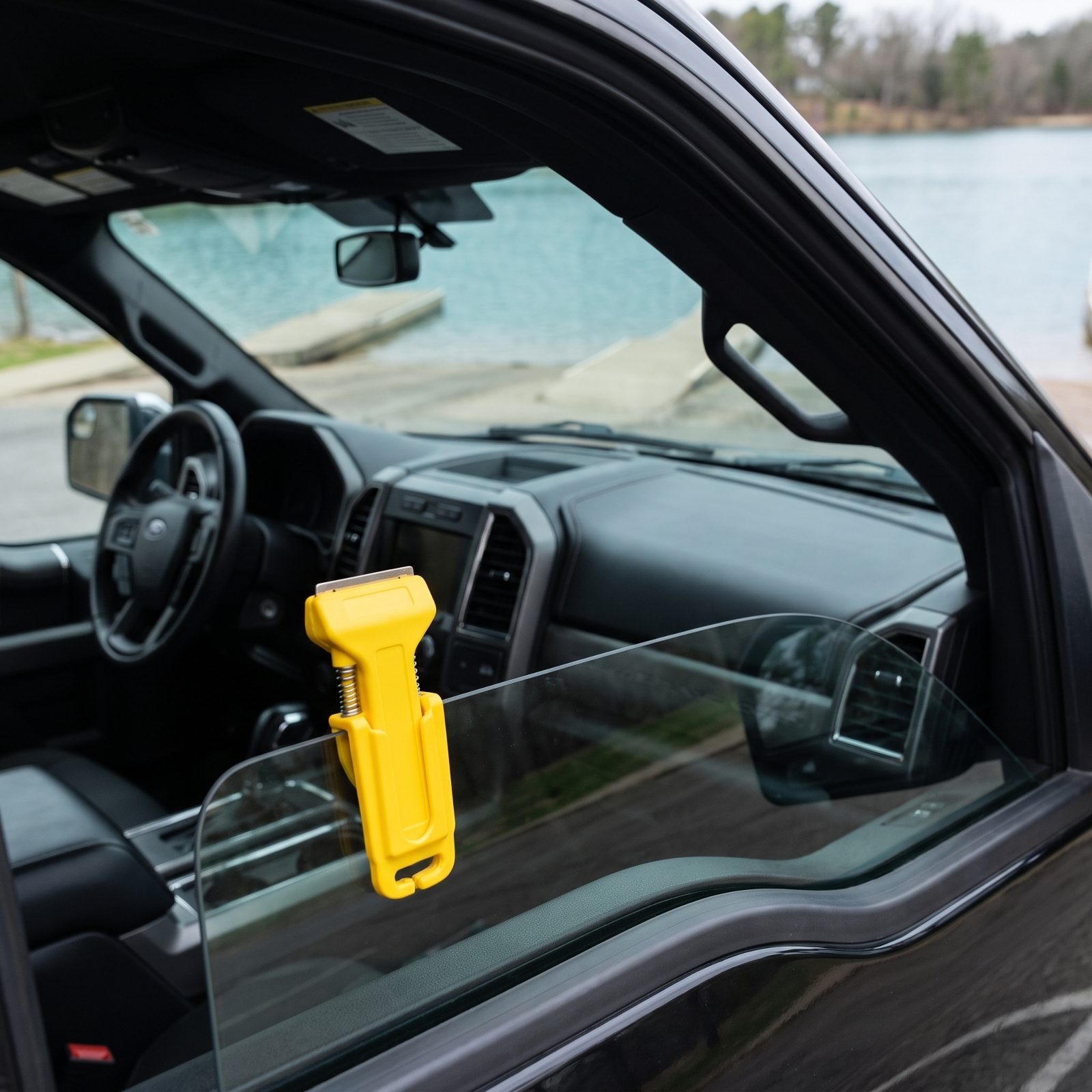
Action heroes shoulder-check a car door open ten feet underwater like it’s nothing. Try that in real life and you’ll drown in the attempt.
Once water rises past the door’s midpoint, the pressure outside can be hundreds of pounds against the panel. You physically cannot open it until the cabin floods enough to equalize, and by then you may be out of air. The door is a trap.
So go for the window instead. The second you hit water, unbuckle yourself, unbuckle the kids, and get a window open or broken while there’s still air in the cabin. Power windows sometimes work for a moment after submersion, but don’t count on it. Keep a spring-loaded glass-breaker clipped where you can find it blind. Side glass shatters; a center punch or dedicated tool does it in one strike. Windshields are laminated and won’t give.
38. Myth: A Cave Keeps You Safe From Lightning
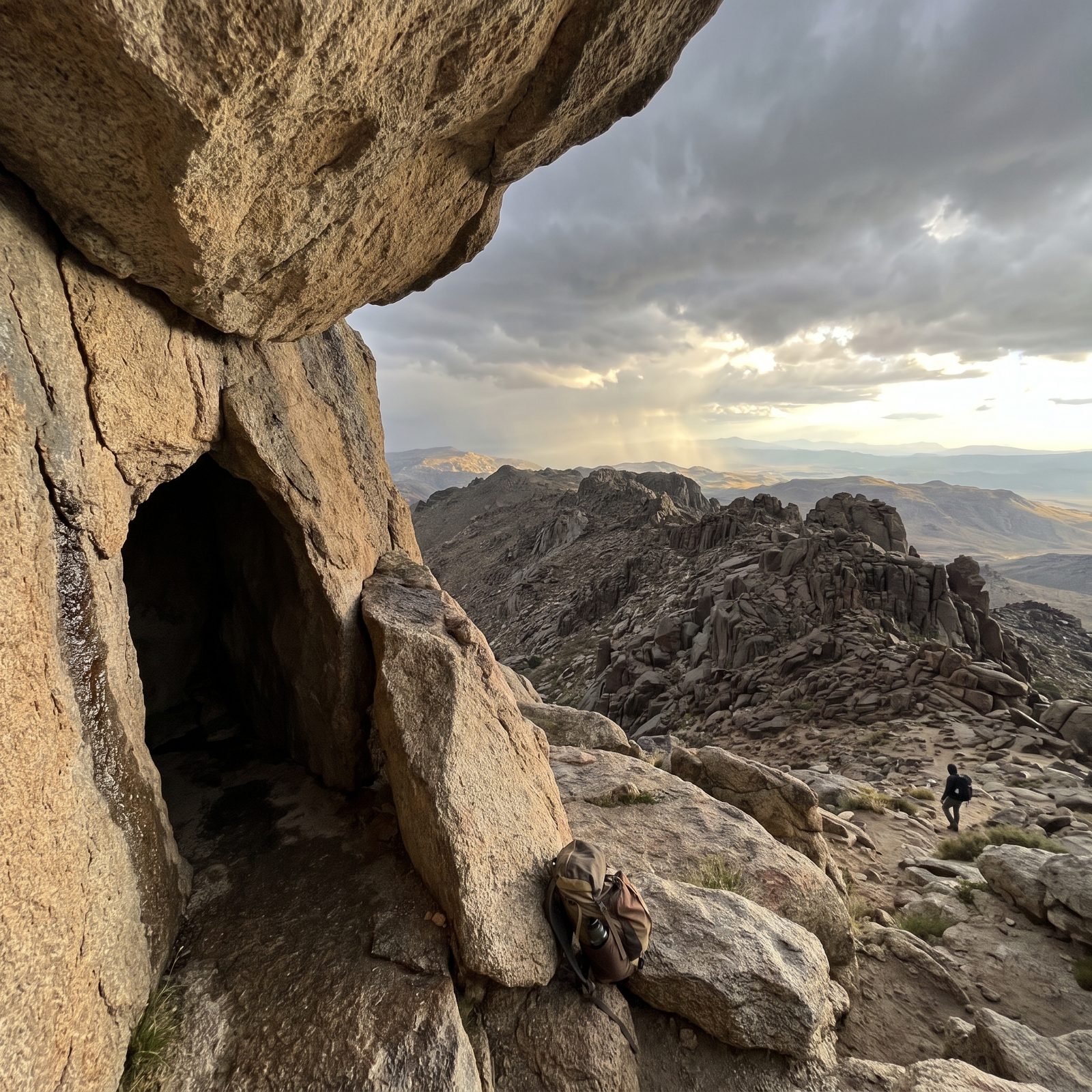
A cave feels like the obvious move when the sky turns on you. Solid rock overhead, shelter from the rain, safe as houses. For lightning, a shallow cave is one of the worst spots you can pick.
Current loves to travel along surfaces, and a cave mouth or overhang can act like a shortcut, arcing across the opening right where you’re huddled. Crouch in that gap and you’ve put yourself in the path. Deep caves are a different story, but a shallow scoop in the rock offers almost nothing.
If a substantial building or a hard-topped vehicle is reachable, head there. Stuck outdoors? Get off ridgelines and away from lone tall trees, find lower ground, and crouch low on the balls of your feet to minimize contact with the ground. Don’t lie flat. And wait out at least thirty minutes after the last thunder before you move.
37. Myth: A River Will Stop a Wildfire Cold
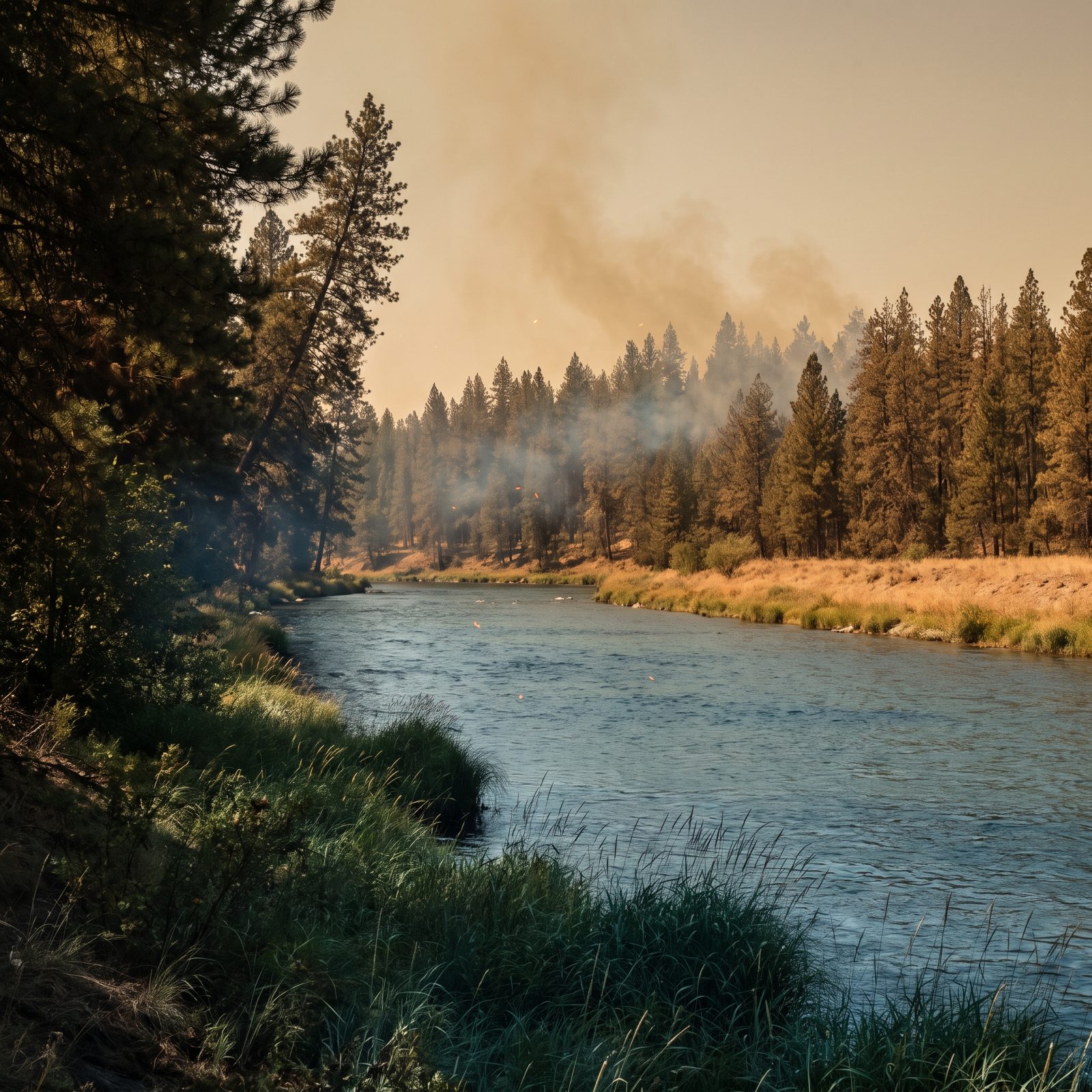
Cross the river, you’re safe. It’s a clean idea and movies lean on it hard. Water equals firebreak. Wildfires don’t respect the geometry.
A running crown fire throws embers, sometimes lofting burning debris hundreds of yards on the wind. Those embers skip right over a river and start fresh on the far bank. You can wade across, catch your breath, and watch the fire arrive from behind you minutes later.
Treat water as one factor, not a guarantee. The real question is fuel. A wide, barren gravel bar, a parking lot, a plowed field, or a big lake gives you room. A narrow creek fringed with dry brush on both sides gives you nothing. When fire is in the area, follow evacuation orders early, because leaving late is how people get pinned between two fronts.
36. Myth: Wet Clothing Shields You From Fire Heat
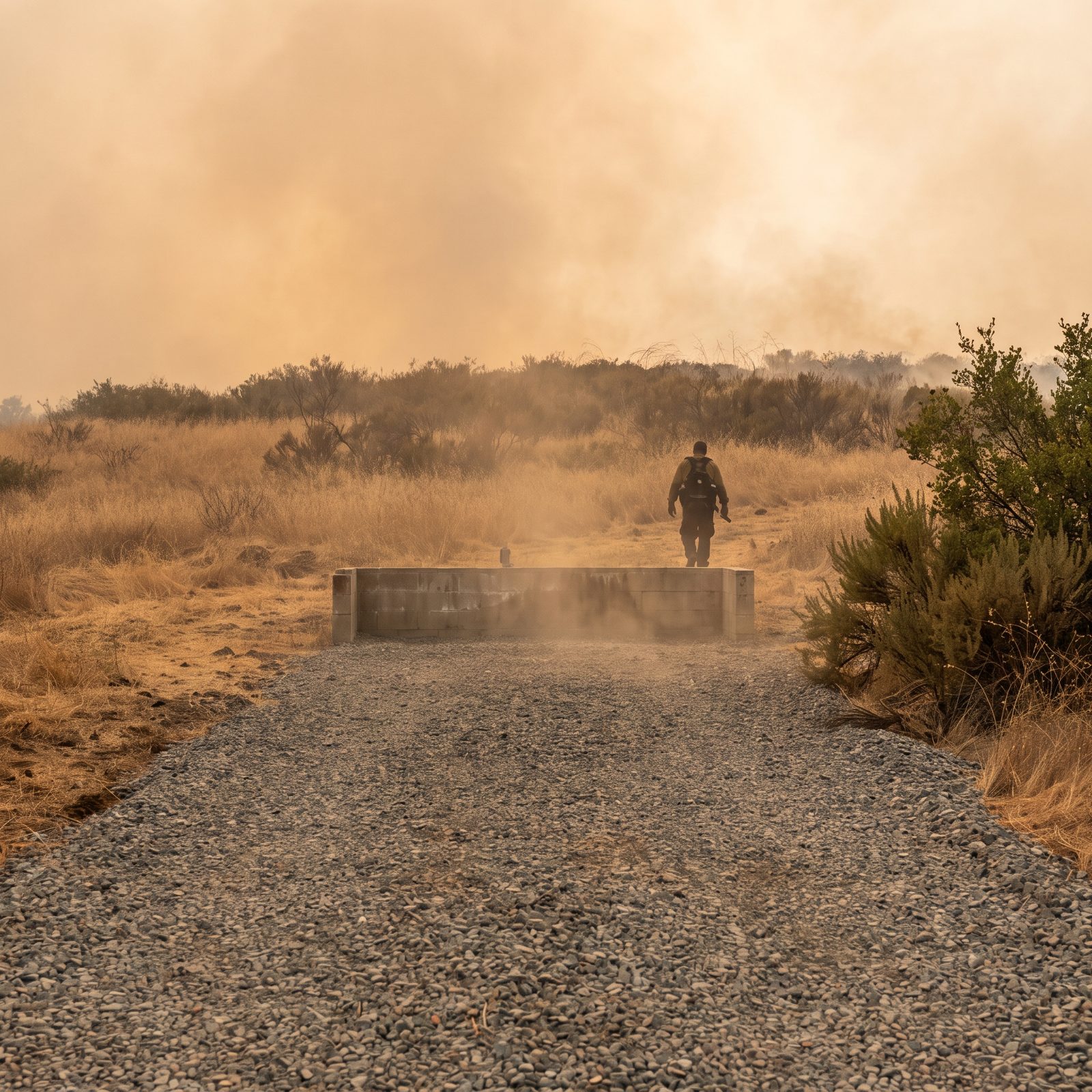
Soak your shirt and run through the flames, says the movie. It buys the hero a dramatic dash down a burning hallway. It buys a real person severe burns.
Radiant heat from a serious fire can climb high enough that wet fabric turns into a scalding layer pressed against your skin, and the water flashes to steam fast. A damp bandana over the mouth may help briefly with airborne particles, but no wet clothing protects you from the heat of advancing flame. It’s comfort, not armor.
Distance and a real refuge beat any fabric trick. Put non-combustible ground, a cleared zone, or a solid building between you and the fire. If you’re ever caught in the open with nowhere to run, firefighters are trained to use deployed shelters and cleared ground, not wet jackets. The plan is always to not be there, by leaving early.
35. Myth: Smash the High-Rise Window for Fresh Air

Trapped by smoke, high up, so you break the window for air. It looks like relief. It can turn a survivable room into a flue.
Fire feeds on oxygen and moves toward it. Open a window on the wrong side of a burning building and the pressure differential can pull smoke and flame straight into your room, or feed a fire below that then climbs toward the fresh opening. Worse, a broken window you can’t close is permanent; you’ve lost control of your own air.
Keep windows shut unless firefighters tell you otherwise, or it’s your only exit and crews are below to catch you. Seal the door gaps with wet towels or clothing, stay low where the air is cleanest, call for help and tell them exactly where you are, and signal at the window with a flashlight or cloth. A sealed room buys you time. A broken window can spend it all at once.
34. The Myth That Clean Air Always Waits at Floor Level in a Fire
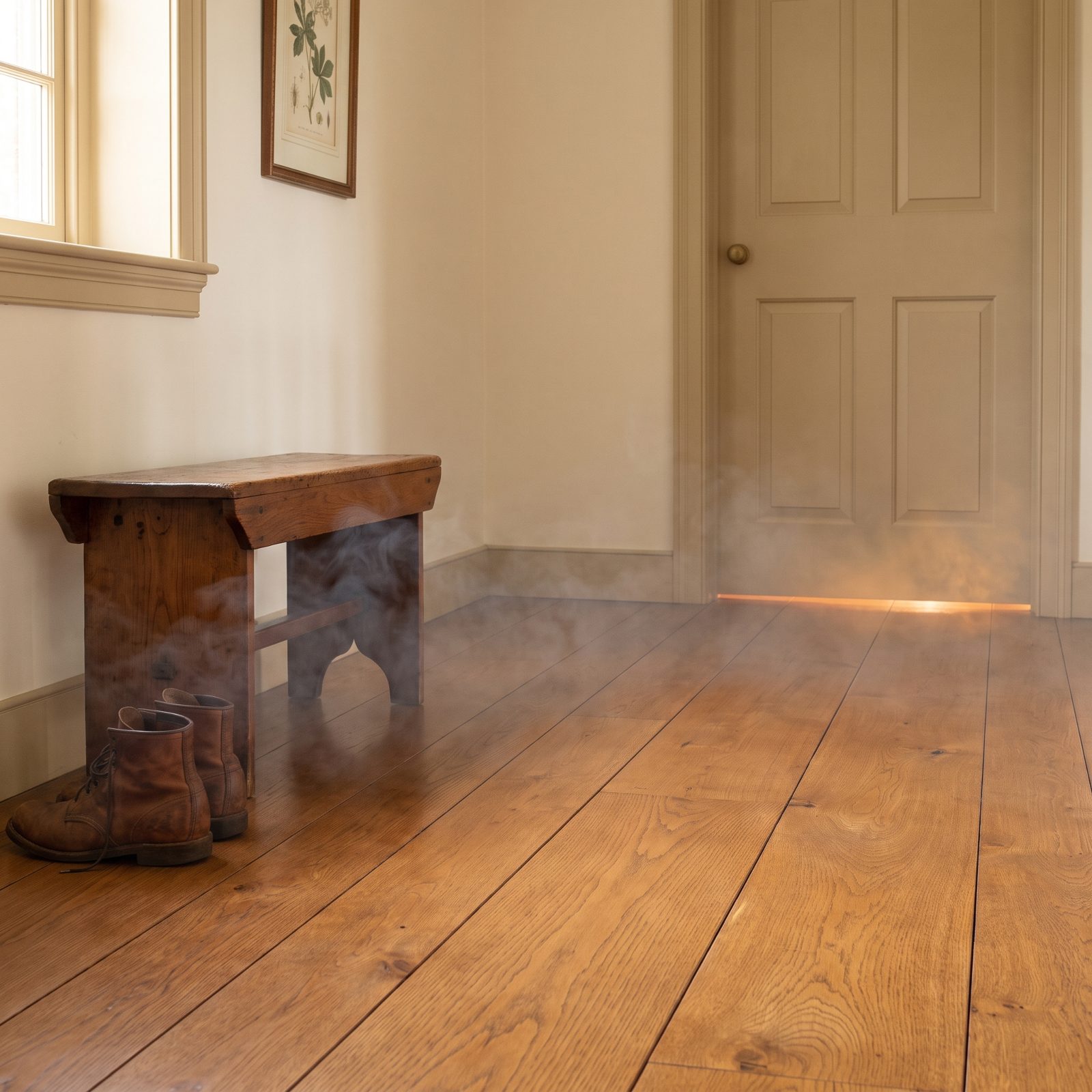
Movies love the image of a hero sucking in a clean breath an inch above the rug. Floor air often runs cooler and clearer early on, but not always: smoke that has cooled, such as smoke from a smouldering fire or smoke that has travelled far from its source, can drift low and hang right over the floor. Hot smoke rises, and then heat and ventilation keep that layer sinking from the ceiling. Crack a door, let a window fail, leave the HVAC fan running, and that clean zone drops to your nose in seconds.
The mistake is treating low air as a place to rest and think. It isn’t. It’s a short loan, not a savings account.
Stay low only while you move, and move now toward an exit you already know. Count the doorways to your way out before anything ever goes wrong, because you won’t be reading signs through grey smoke.
33. The Myth of the Wet Towel That Makes Smoke Safe to Breathe

A wet cloth over the face turns up in nearly every fire scene, and it feels like doing something smart. Here’s the hard truth: cloth can snag soot and the big particles, but it does almost nothing against carbon monoxide, hydrogen cyanide, and the other invisible gases that actually kill people in fires. Those slip right through the weave.
Worse, trusting a towel can make you linger in a room you should have already left. That delay is the real danger.
Use a cloth only as a minor help while you’re on your way out. The plan is escape. If you’re trapped and can’t reach an exit, seal the door gaps, get to a window, and signal for help.
32. The Myth That an Overpass Is the Safest Spot in a Tornado

There’s old footage of people huddled under an overpass while a twister roars past, and it spawned one of the deadliest pieces of folk wisdom going. An overpass is not shelter. The gap underneath acts like a nozzle, wind speeds up as it squeezes through, and debris gets funneled straight at you.
People have died under overpasses doing exactly what they thought was smart. The structure channels the storm instead of blocking it.
Get into a sturdy building. Lowest floor, smallest interior room, away from windows, under something heavy. Caught in a car with no shelter nearby and the tornado still distant? Driving at right angles away from its path beats parking under concrete.
31. The Myth That Opening Windows Equalizes Tornado Pressure

Cracking the windows to “let the pressure out” is a tornado habit handed down for generations, and it’s wrong on both counts. A tornado doesn’t pop a sealed house like a balloon, and if the storm wants your windows, they’ll go whether they’re open or shut. All you’ve done is invite flying glass and rain inside.
You also spent precious seconds doing it. Those seconds belonged to getting yourself to cover.
Skip the windows. Move immediately to the most protected interior space you have, a basement or a windowless room in the center of the structure, and stay put until it passes.
30. The Myth That Quicksand Swallows People Whole
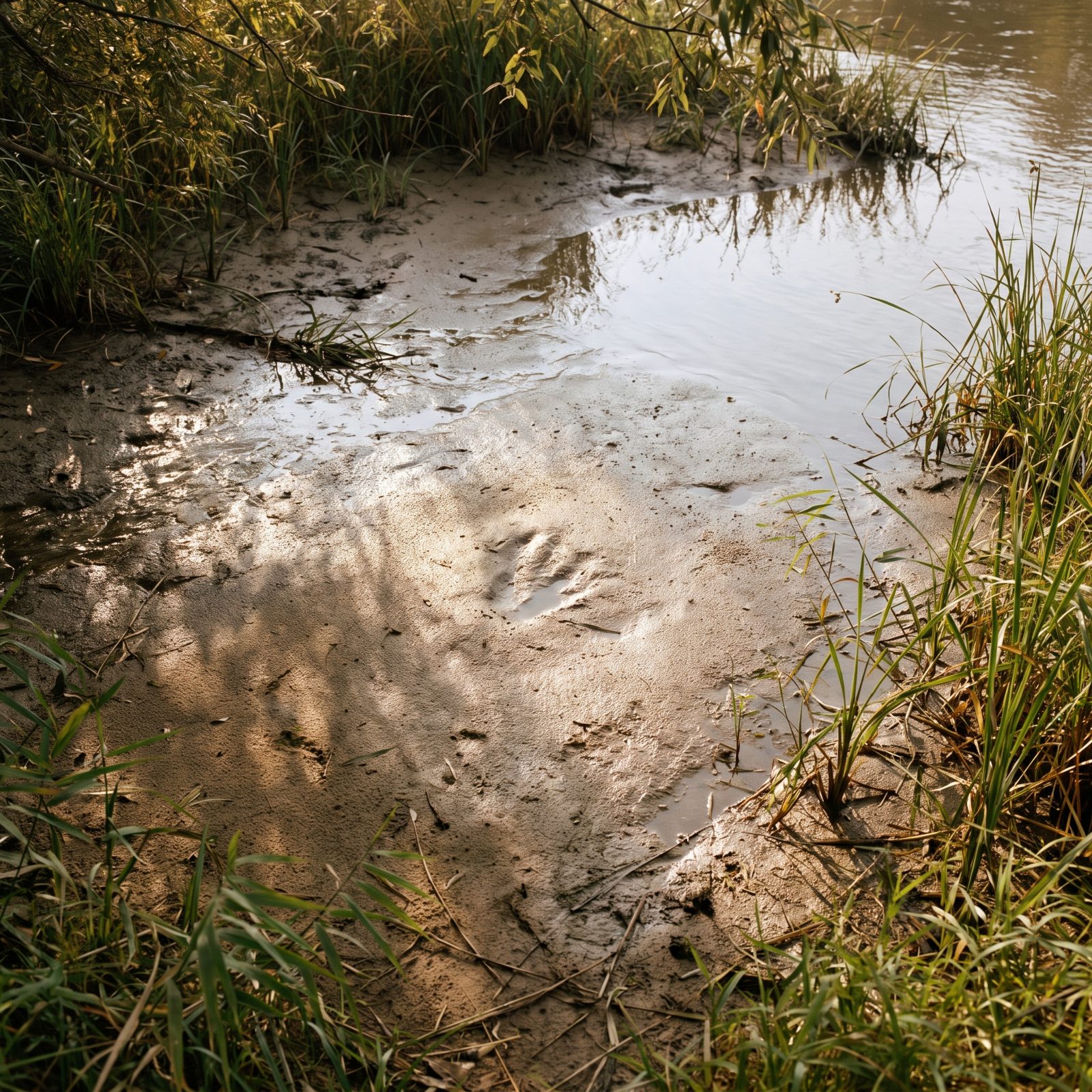
Decades of adventure films show quicksand dragging people under until only a hat floats on the surface. Reality is less dramatic and more annoying. Quicksand is denser than your body, so it usually won’t pull you past your waist. The genuine danger is exhaustion from thrashing, or getting pinned while a tide creeps in or the sun drops.
Fight it, yank your legs straight up, and the sand grips harder. Panic is the killer here, not the sand.
Lean back to spread your weight, keep your face up, and free one limb at a time with slow, patient wiggles. Think minutes, not seconds. Rushing just wears you out.
29. The Myth That Running Across Thin Ice Spreads Your Weight
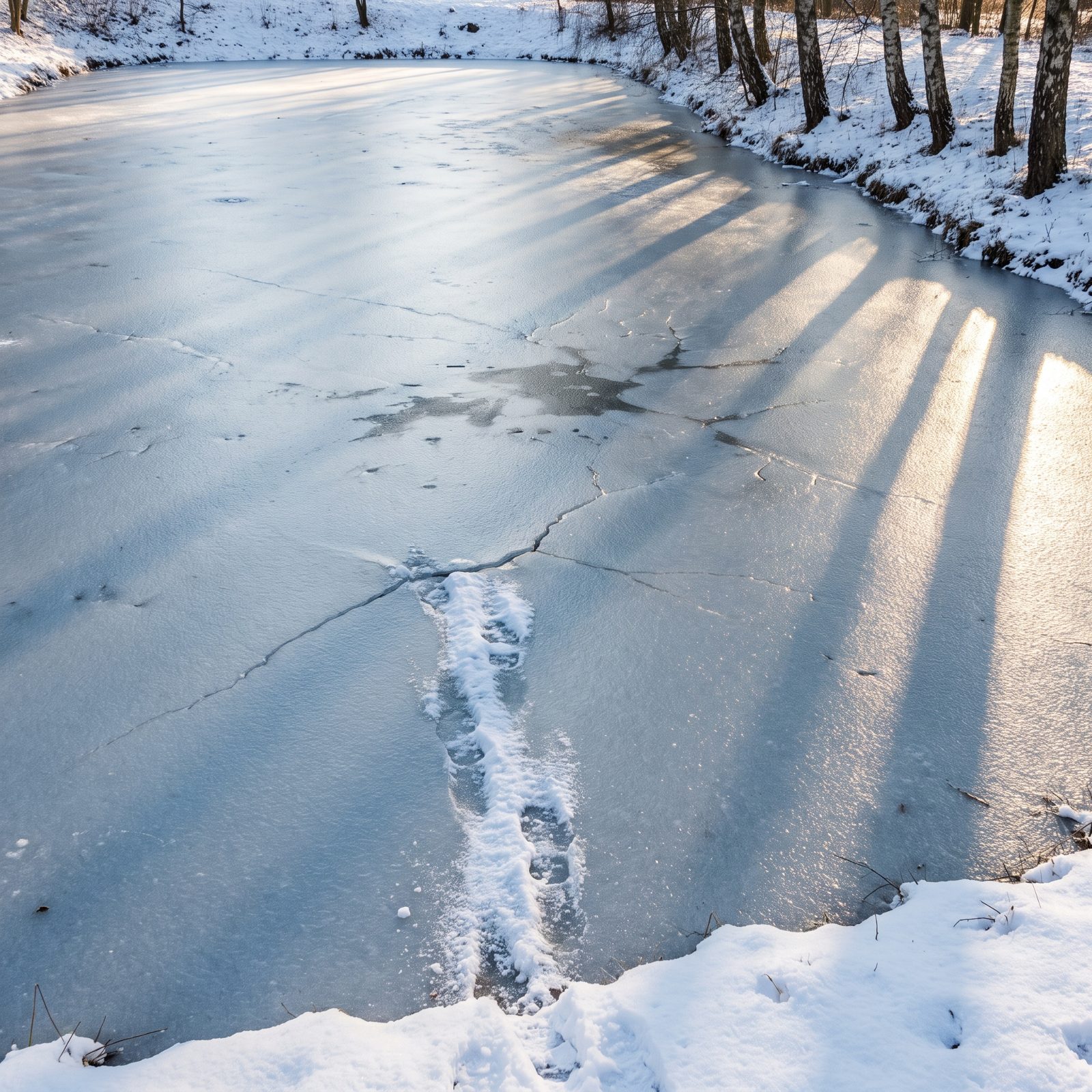
The old “run fast and your weight won’t settle” idea sounds almost scientific. It’s nonsense. Momentum doesn’t make you lighter, and running blind can carry you straight onto the thinnest stretch, usually the middle, where springs or current have eaten the ice from below.
Break through at speed and you go in deep and disoriented.
If the ice feels wrong, stop. Turn and retreat along the exact path you came, since that ice already held you. Suspect it’s breaking? Drop and crawl to spread your weight over a wider area. Honestly, the safest ice is the ice you tested with a spud bar before you ever stepped out.
28. The Myth That Swimming Hard Saves You After Falling Through Ice

Film characters who fall through ice flail and claw upward in a burst of panic. In cold water that burst is gone fast, and every failed scramble pulls you back under while it bleeds off heat you can’t spare.
The ice you walked out on held your weight, so the edge back that way is your best bet. Face the direction you came from. Get your arms onto solid ice, kick hard to bring your body level like a seal, and work your torso out flat instead of trying to stand. Then roll away from the hole. Keep rolling until you’re on ice you trust.
You have roughly one minute of useful breath control and about ten minutes of real muscle function. Spend both getting flat and out, not fighting the hole.
27. The Myth That Cactus Pulp Is a Reliable Desert Drink
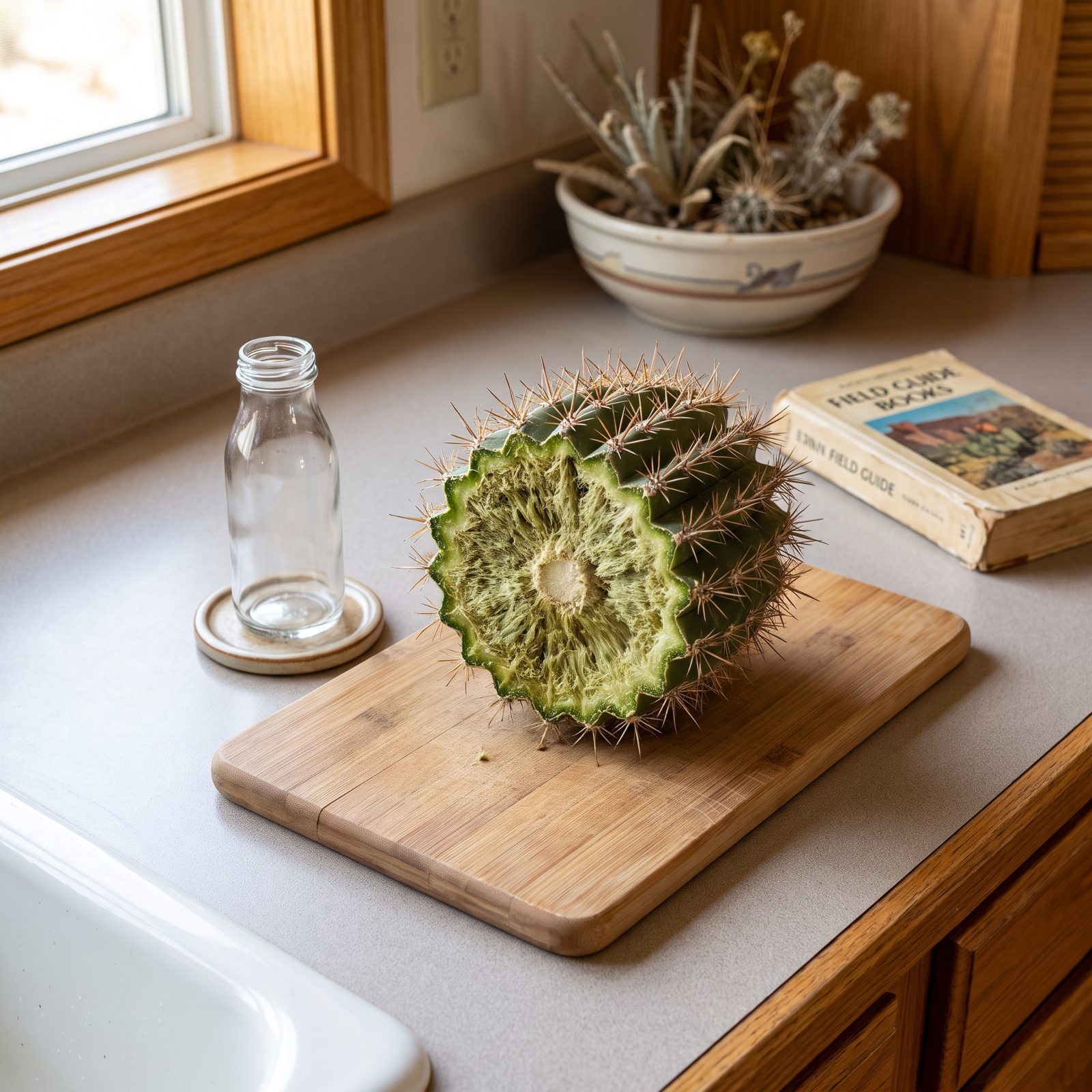
Slice open a cactus, squeeze out a cool drink, keep walking. Great in a movie. Out in the actual desert, most cacti hold a bitter, alkaline fluid locked up in fiber, not a canteen of clean water. Several species, the common barrel cactus included, can set off vomiting and diarrhea, which dehydrates you faster than drinking nothing at all.
Losing fluids to nausea in brutal heat is a nightmare you cooked up for yourself.
Carry more water than you think you need, and know your refill points before you set out. Prickly pear fruit is edible and holds some moisture, but it’s a snack, not a water plan. The desert punishes improvisers.
26. The Myth That Eating Snow Is a Fine Way to Stay Hydrated
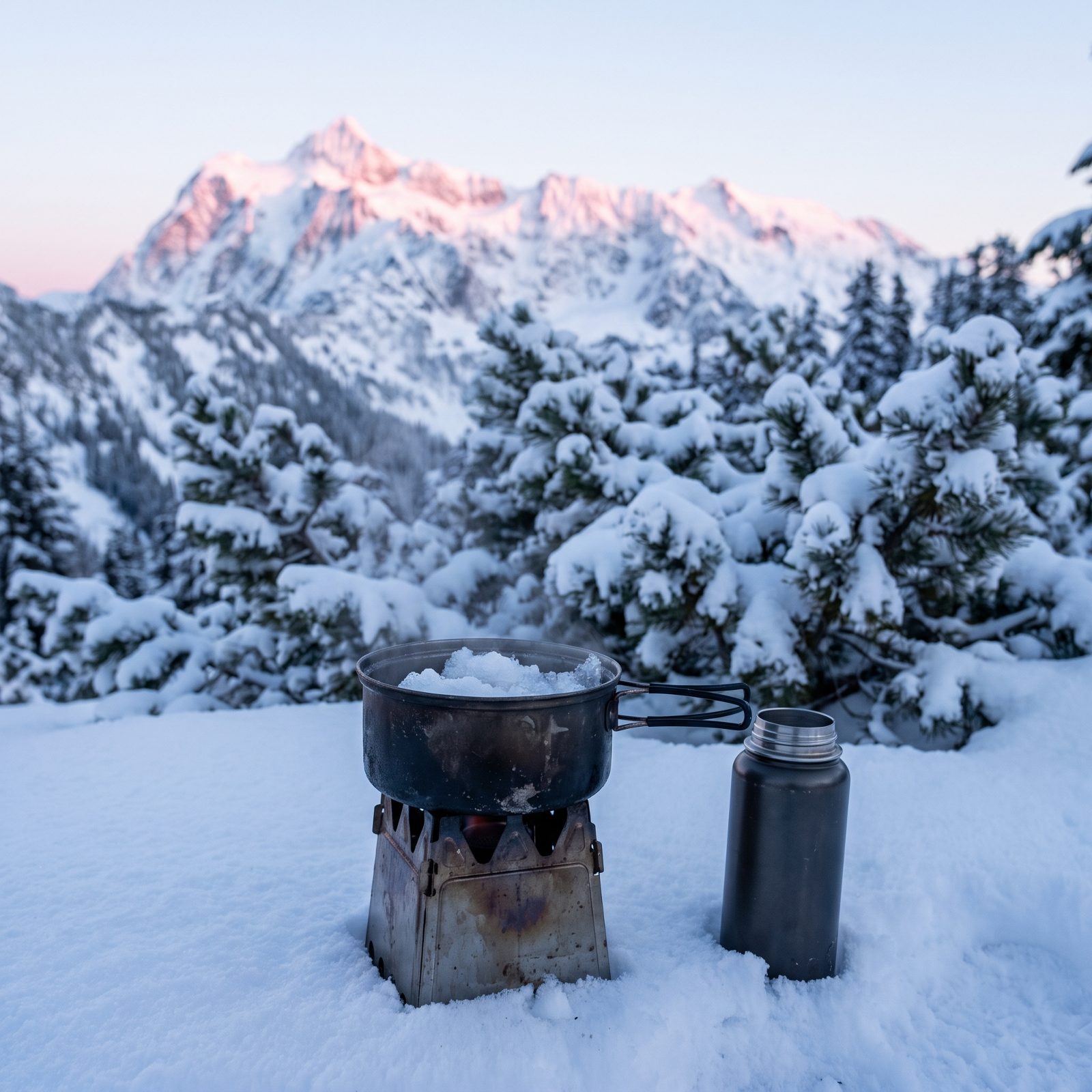
Grabbing a handful of snow looks resourceful on screen. Your body hates it. Snow is mostly air, so a mouthful gives you barely any water, and melting it inside you burns core heat you’re already fighting to keep in a cold emergency. You can nudge yourself toward hypothermia while trying to stay hydrated.
Melt snow over a stove or a fire first, warm it if you can, then drink. No heat source? Let it melt in a bottle tucked inside your jacket rather than eating it straight.
25. The Myth That Drinking Urine Buys You Extra Survival Time
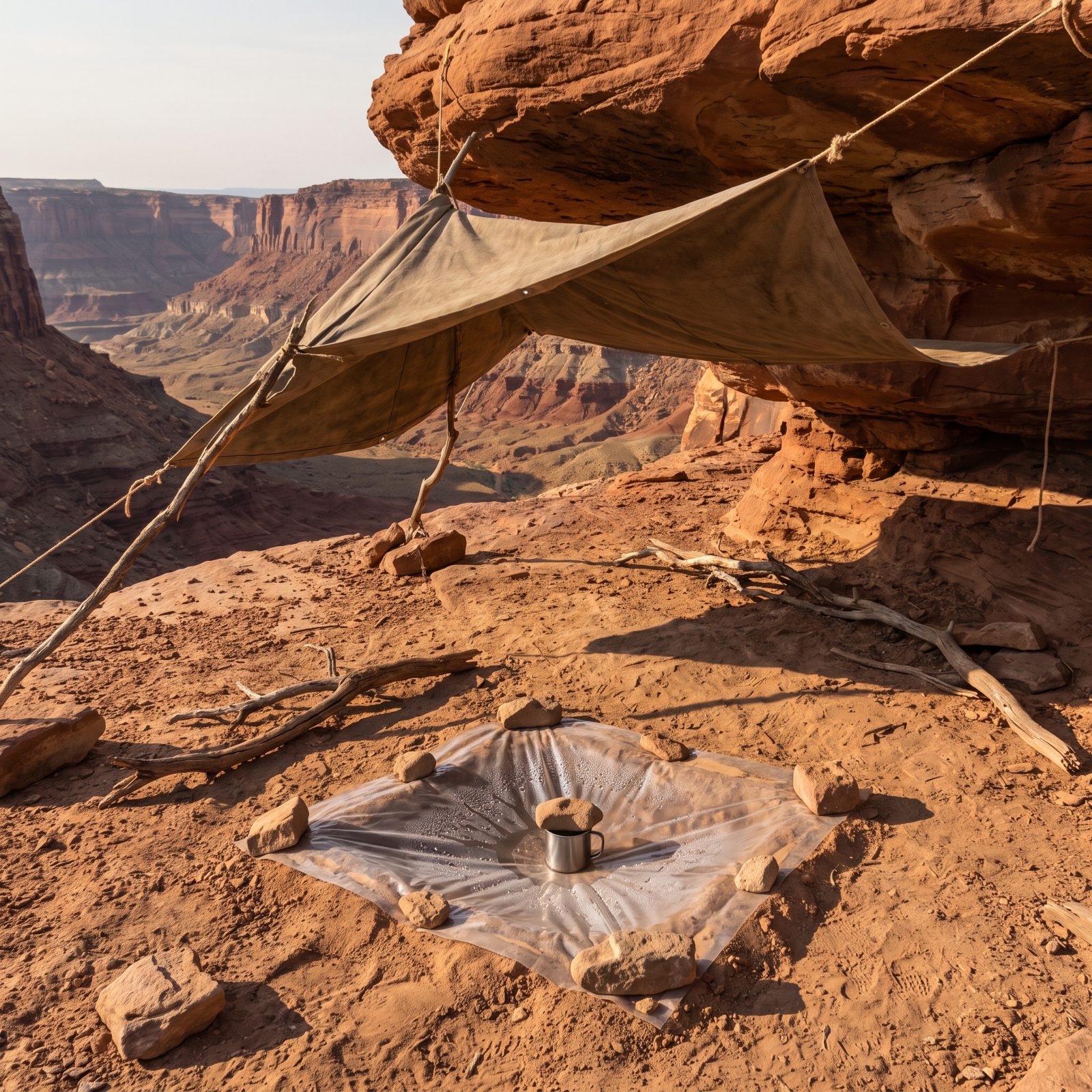
The desperate character gulping their own urine is a survival-movie staple, and it’s exactly backward. Urine carries salts and waste your kidneys already worked to flush out. As dehydration deepens, that fluid gets more concentrated, so drinking it forces your body to process more salt it can’t afford, speeding up the spiral.
It feels like action. It’s a step backward.
Spend that energy on things that actually extend your odds: get out of the sun and into shade, cut your exertion, and set up real water collection like a solar still or a rain and dew catch. Rescue favors people who shelter and conserve, not those who drink what their body threw out.
24. Myth: Sipping Seawater Will Keep You Alive on a Raft
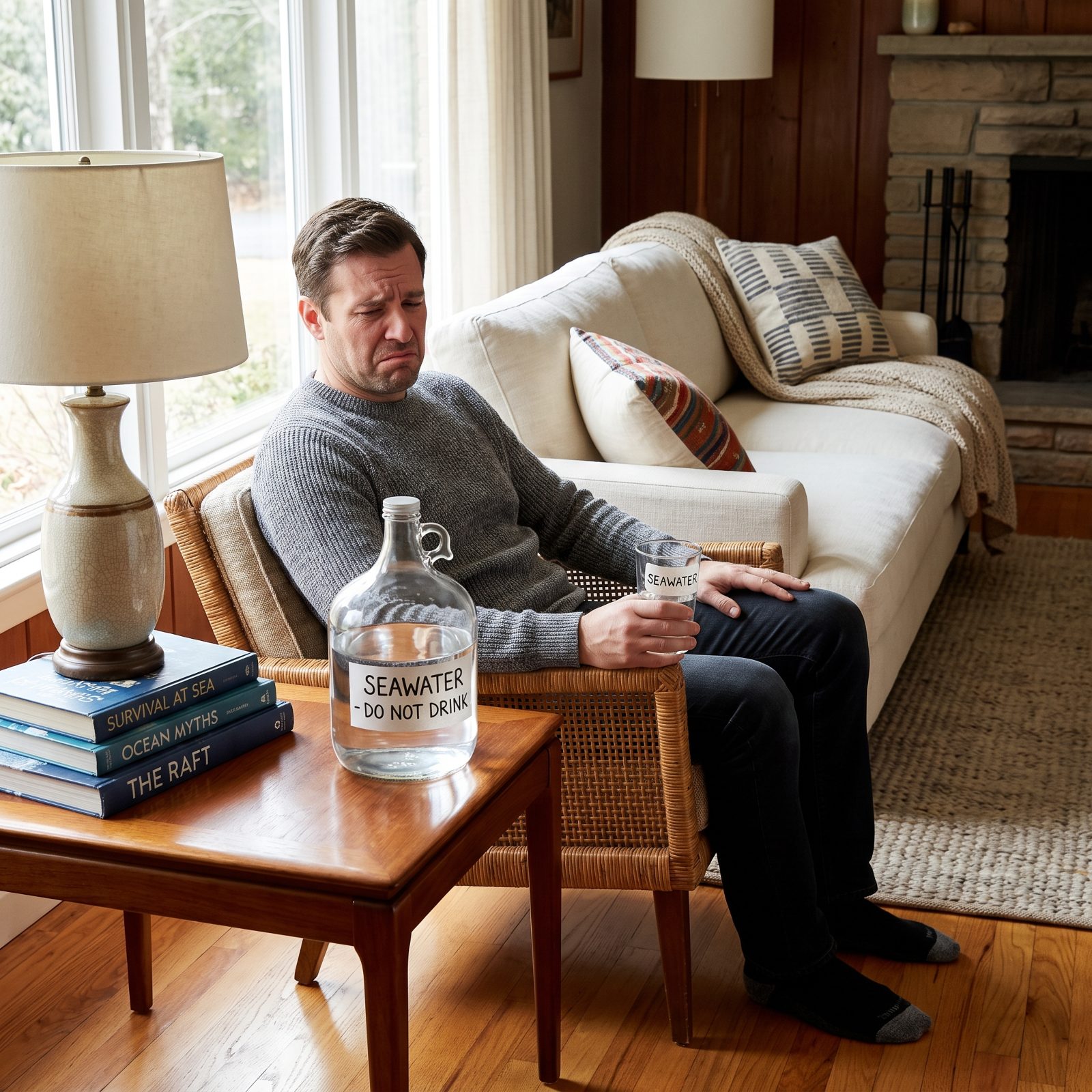
Movie castaways tip back a mouthful of ocean and carry on. In real life, that mouthful is a loan with brutal interest.
Seawater runs several times saltier than your blood, which means drinking it forces your kidneys to pull water from your own tissues just to flush the excess. Every sip leaves you drier than before. You speed up the exact thing you’re trying to outrun.
So catch rain. A tarp, a poncho, any clean container will do, and you can rig condensation off a sheet of plastic at dawn. A hand-pump desalinator, if it made it into the kit, is your lifeline. And when there’s no fresh source yet? Going without a while beats poisoning yourself with the sea.
23. Myth: If the Mountain Stream Runs Clear, Drink Freely
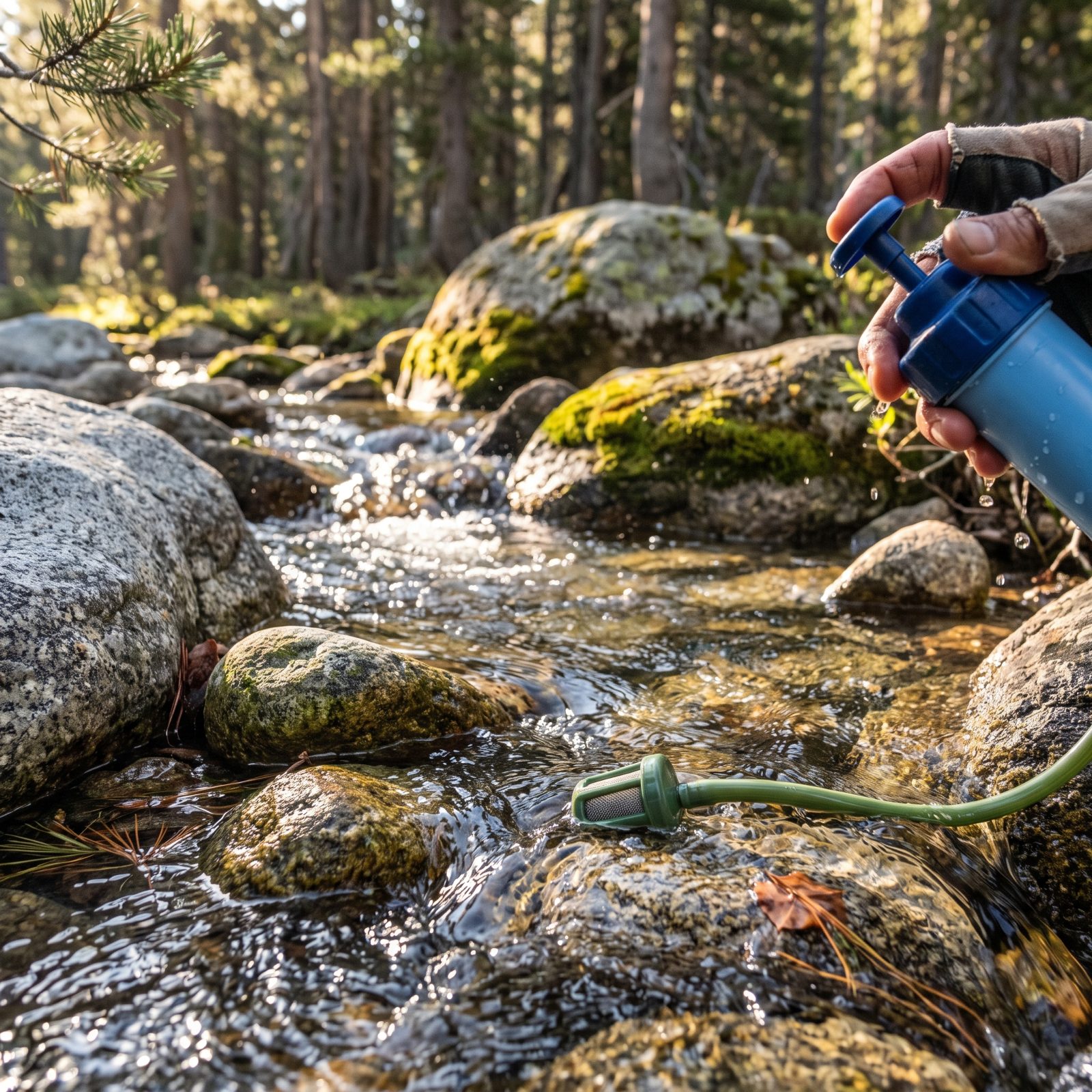
Cold, clear, straight off the rock. It looks like the purest thing on earth. That’s the trap.
Clarity tells you nothing about what’s living in there. Giardia, Cryptosporidium, and bacteria are invisible, and a single elk carcass or beaver colony upstream can seed miles of beautiful-looking water. Trust your eyes and the bill comes due later — a week of cramps and worse, often days after you’re already home and feeling smug about it.
Run it through a filter rated for protozoa and bacteria, or bring it to a rolling boil for a minute, or treat it with chemical tablets and wait out the full dwell time. Draw from flowing sources over stagnant pools when you can. Small effort. Miserable alternative.
22. Myth: Moss Grows on the North Side, So You’re Never Lost
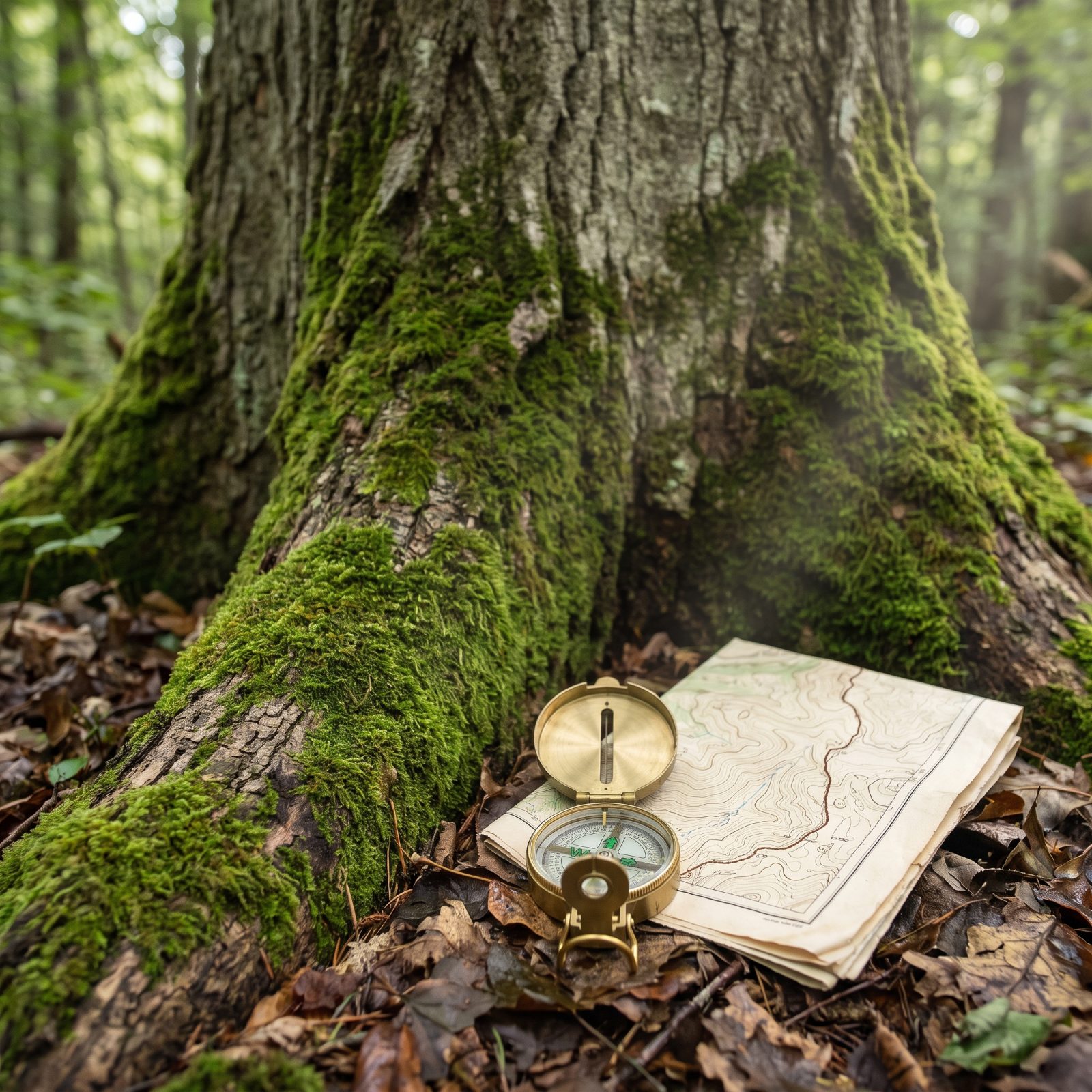
Moss does not care about the compass. It grows where there’s moisture and shade, so on a wet day in thick timber you’ll find it circling the whole trunk, every side of it.
Bet your direction on moss and you’ll walk confidently into the wrong valley. Shade pattern, slope, prevailing wind, rainfall — all of it shoves moss around far more than any tidy cardinal rule ever could.
Carry a baseplate compass and a map, and know how to set a bearing before you ever need to. In open country the sun’s arc gets you oriented, and at night you can find Polaris off the Big Dipper. Handrail features — ridgelines, rivers, powerlines — keep you honest between fixes.
21. Myth: Follow Any Stream Downhill and You’ll Hit a Town
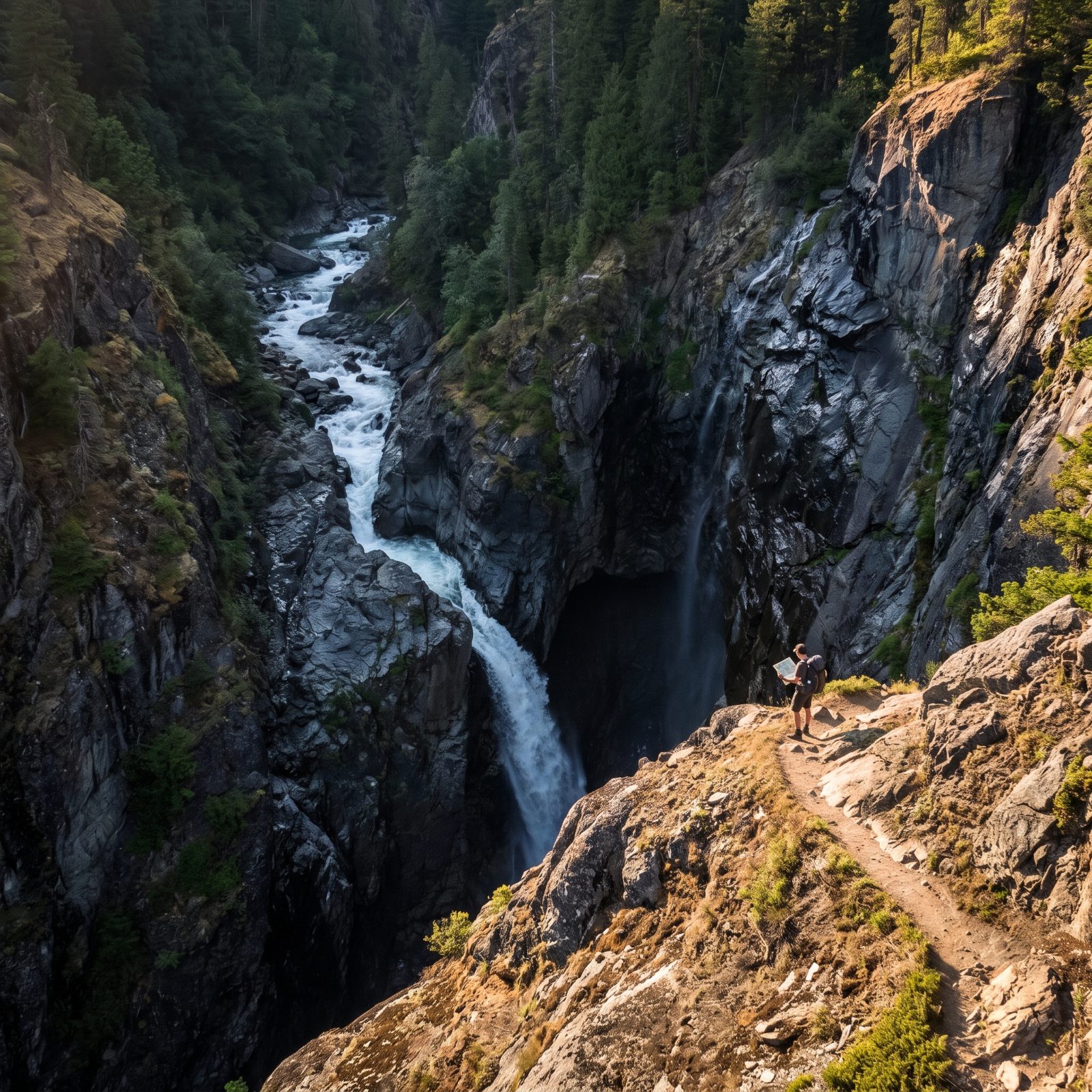
It’s the oldest trick in the adventure movie. Find water, follow it down, civilization appears. Sometimes it works. Often it ends at a cliff.
Streams owe you nothing in the way of a gentle grade. They cut into gorges, drop over waterfalls, braid into swamp, or run straight out into empty backcountry basins miles from the nearest road. Commit to a drainage you can’t climb back out of and you’ve turned a bad day into a search-and-rescue call.
Read the map before you move a step. Across much of North America the better odds come from gaining a ridge, where you get sightlines, cell signal, and easier walking. No terrain information at all? Staying put and signaling usually beats bushwhacking blind down a canyon in the dark.
20. Myth: Finding Food Is Your First Job When You’re Stranded
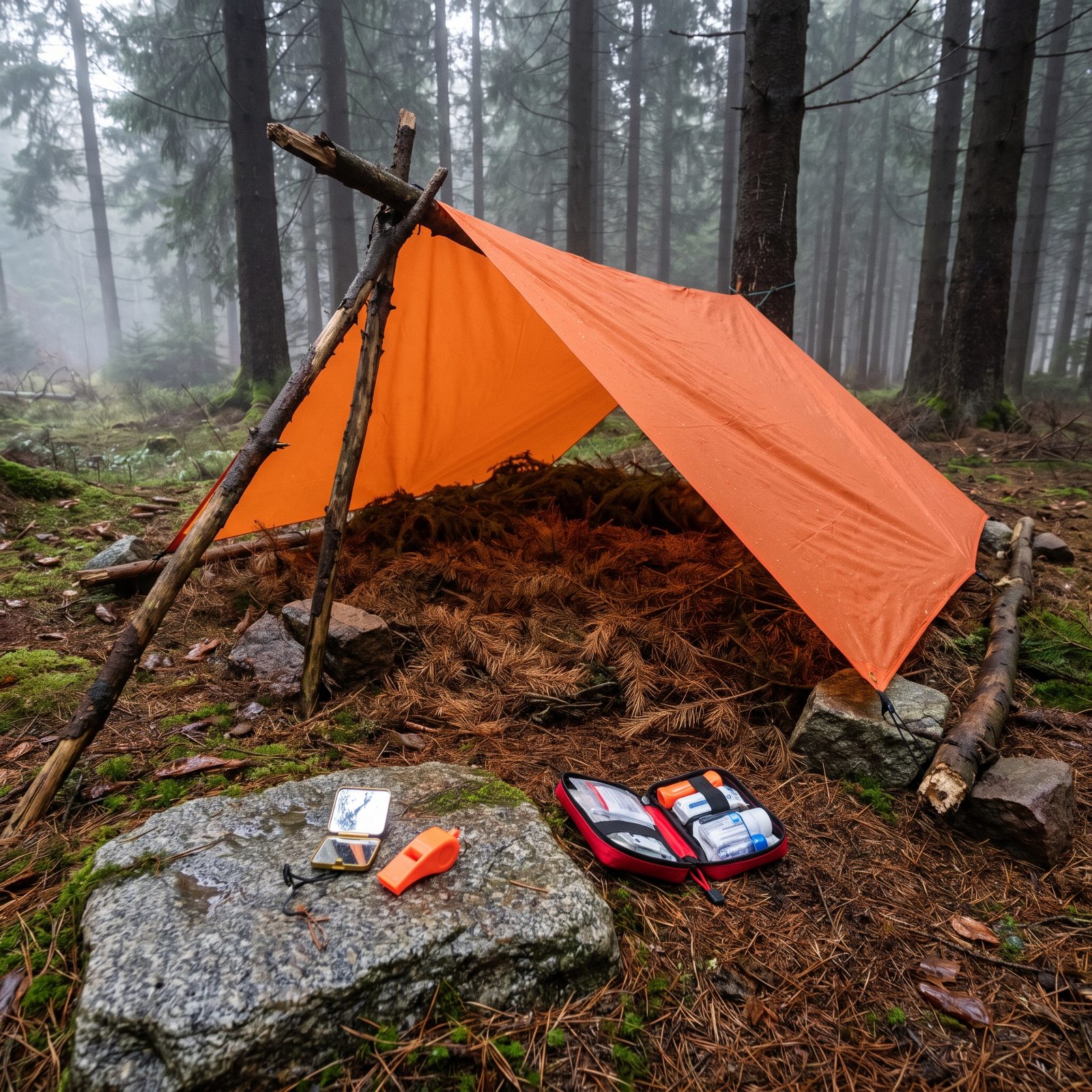
Survival shows love the fishing spear and the berry hunt. Food makes for good television. It’s also rarely the thing that kills people.
You can last weeks without food. Exposure can finish you in hours, and an untreated wound or serious dehydration gets dangerous fast. Burning daylight foraging while you’re soaked and cold is solving the wrong problem entirely.
Work the order that actually keeps you breathing: deal with immediate hazards, stop any bleeding, build shelter from wind and wet, set out signals, then handle water. Food comes after all of that is squared away. People chase it first because hunger feels urgent — but hunger isn’t the clock that matters here.
19. Myth: When the Vehicle Dies, Start Walking
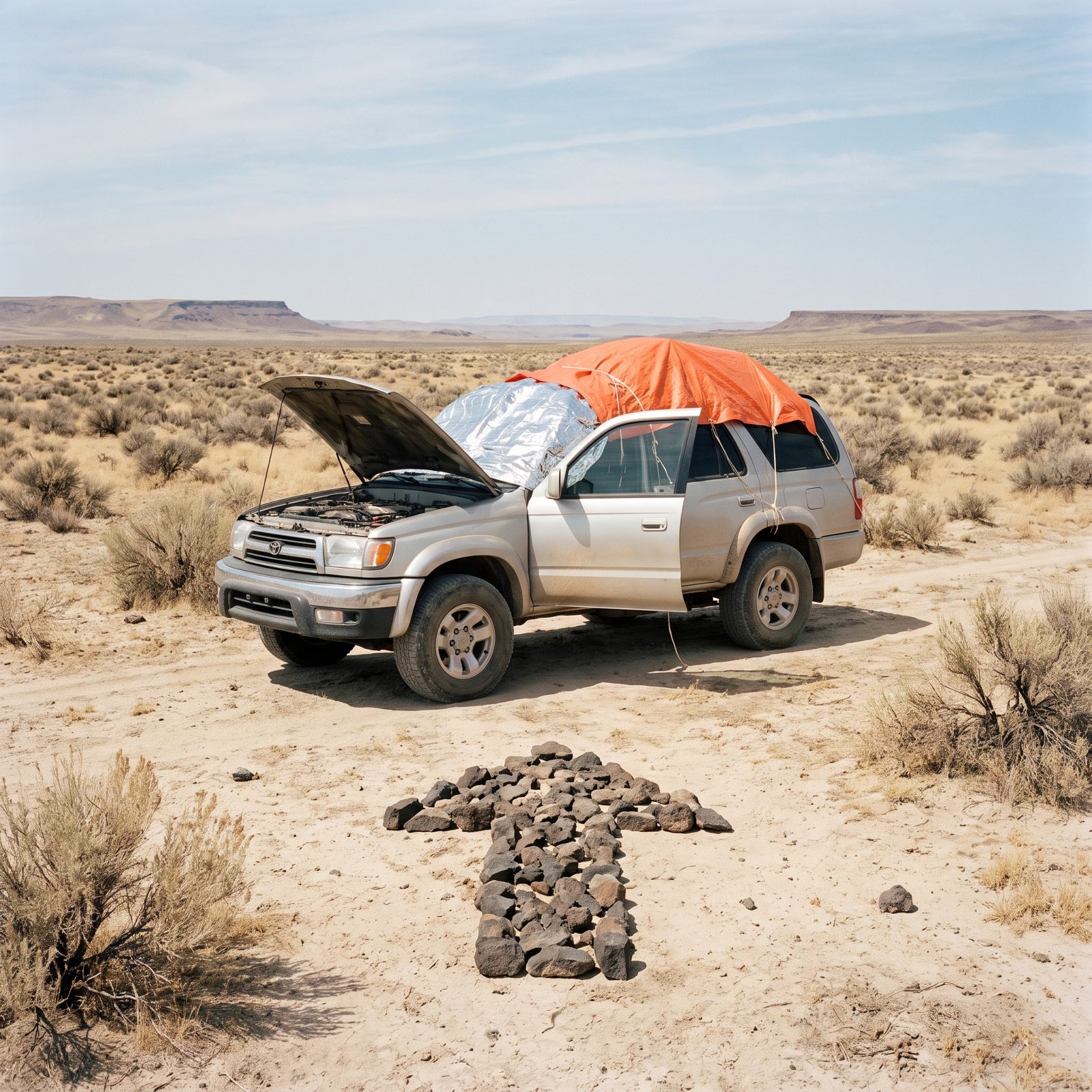
The hero in the film abandons the crashed truck and marches off into the wild. In reality, that truck may be the smartest thing he’s got going for him.
A vehicle is a huge, metallic, oddly-colored object that searchers can spot from the air far more easily than a person creeping along under tree cover. It’s shelter from sun, wind, and rain, and a container for whatever gear you packed. Leave it, and you trade a findable landmark for a moving needle in a very large haystack.
Stay put unless the vehicle is genuinely unsafe or help is close and certain. Make yourself bigger. Raise the hood, spread bright fabric, lay out ground signals, run the horn or lights in short bursts if the battery can spare it. Then wait smart.
18. Myth: Cross the Desert at Noon Because You Can See Everything
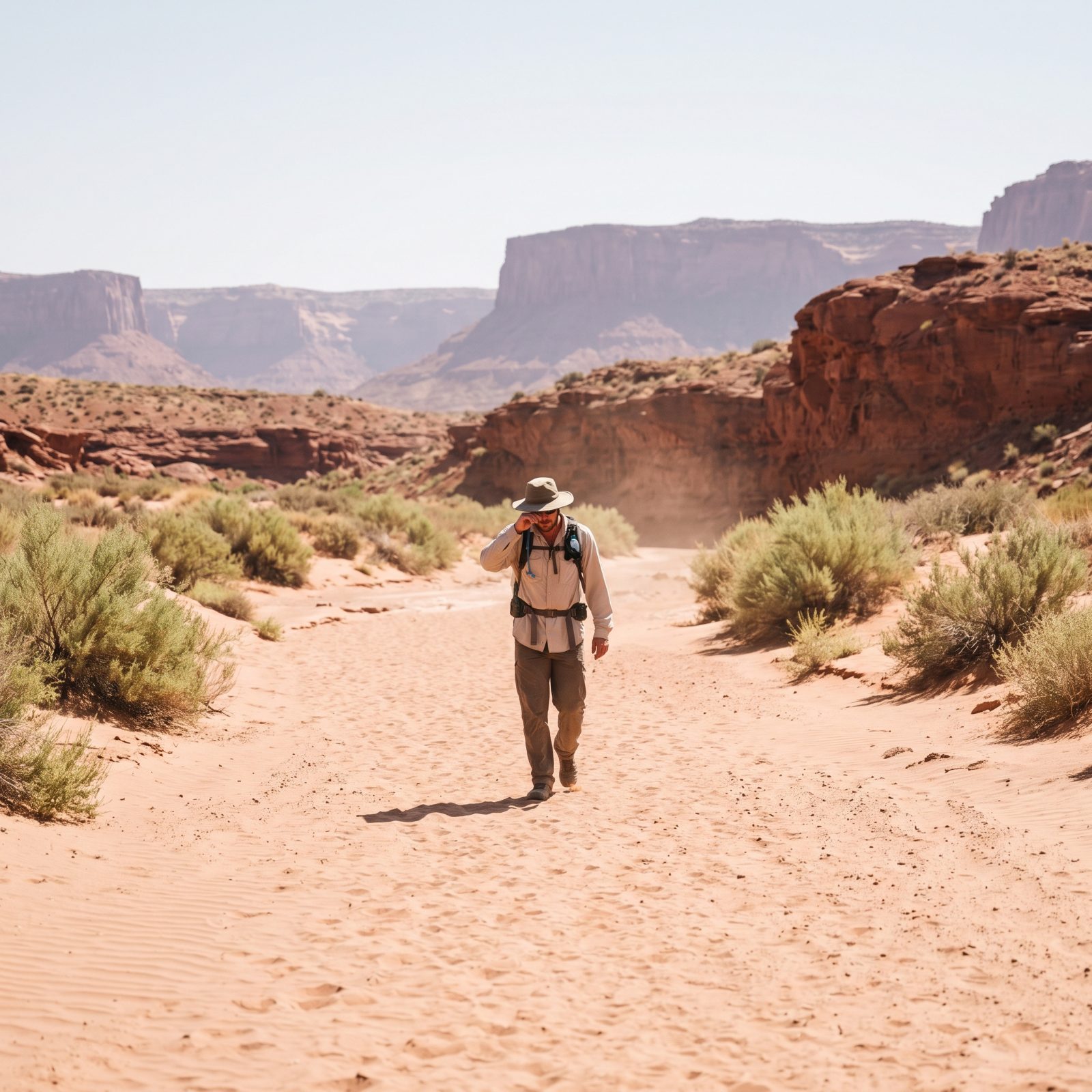
Midday feels safe because you can see for miles. Your body disagrees, violently.
Peak heat drives sweat loss through the roof, and in dry desert air that water is gone before you ever feel it leave. Marching at noon can double or triple your fluid needs and tip you into heat illness before you understand what’s happening. Good visibility counts for nothing if you collapse under that gorgeous sightline.
Move in the cool of early morning and evening, or after dark with care. Through the hottest stretch, rest in shade, keep covered, and sip water on a schedule rather than waiting for thirst to nag at you. The desert rewards patience and punishes hurry — it has always been that way.
17. Myth: Strip Down to Beat the Heat and Avoid Heatstroke
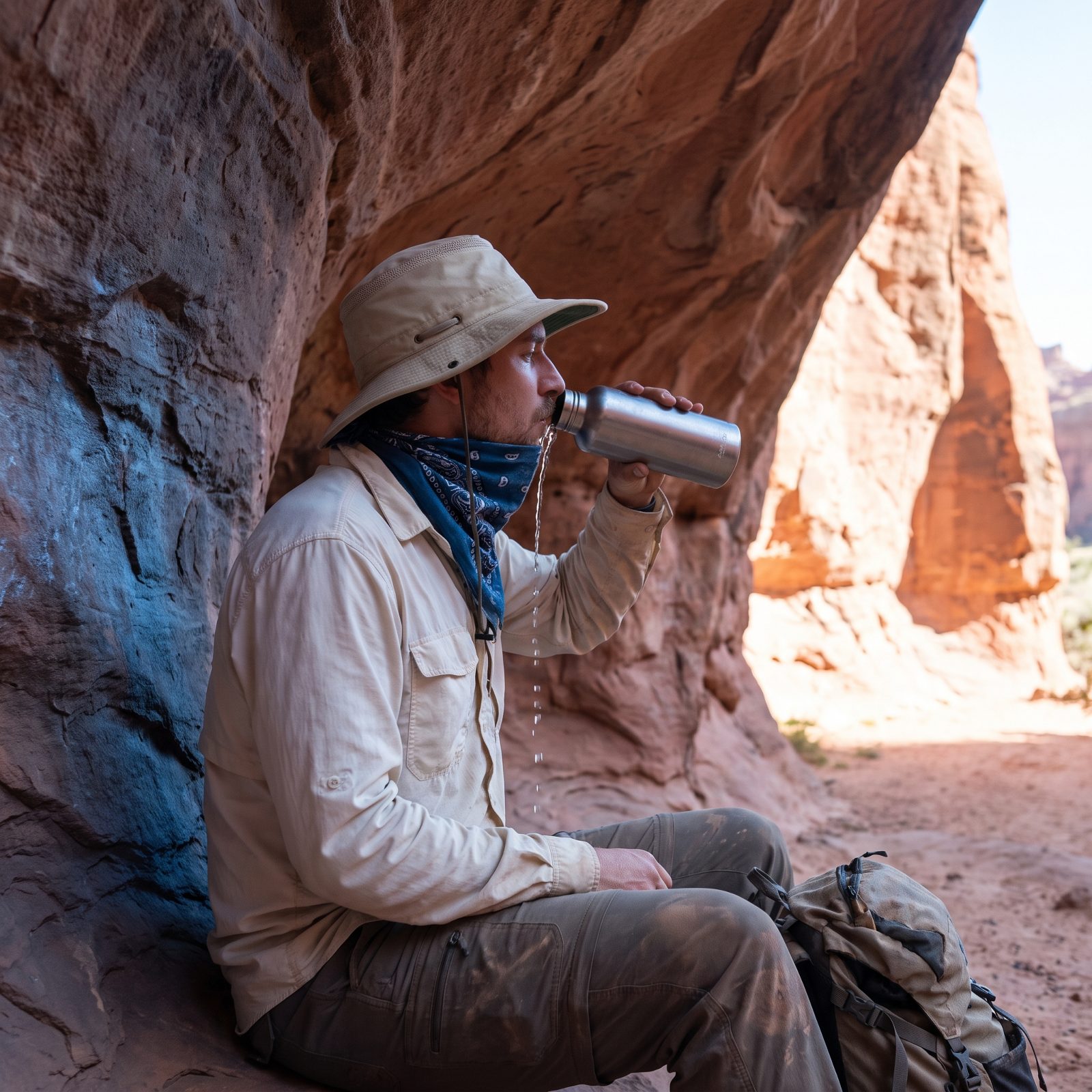
Tearing your shirt off in blazing sun feels like relief. It’s a mistake.
Bare skin soaks up radiant heat from the sun and the ground, and it sunburns — which wrecks your body’s ability to shed heat and cool itself. In hot, dry air, exposed skin loses moisture faster, too. You end up hotter and more dehydrated, not less.
Keep loose, light-colored, breathable layers on to block radiant heat while letting sweat evaporate. Wet a bandana or hat and let it cool you as it dries. Get into shade, drink. And if someone shows confusion, hot dry skin, or stops sweating altogether, that’s a medical emergency — cool them aggressively and call for help now, not in a minute.
16. Myth: A Shot of Whiskey Warms You Up in the Cold
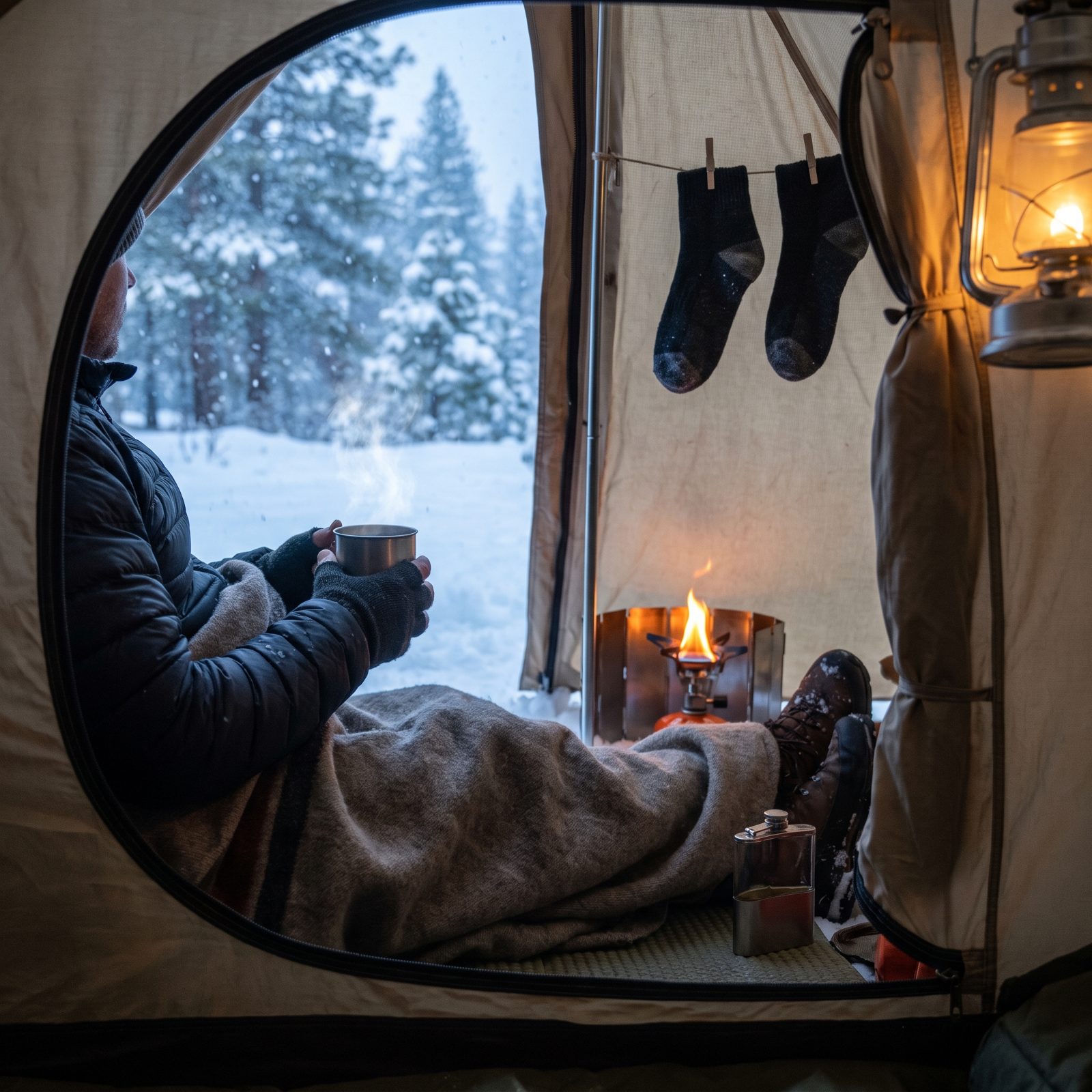
The flask by the fire is a cozy image. It’s also exactly backward.
Alcohol opens up the blood vessels near your skin, so you feel a flush of warmth while your core dumps heat faster. Pile on the way it dulls judgment and masks shivering, and you’ve got a drink that quietly accelerates hypothermia while convincing you you’re doing great.
Fight cold with insulation and shelter instead. Get out of the wind, swap wet layers for dry, pile on anything that traps air, and drink warm, sweet, nonalcoholic fluids if the person can swallow safely. Save the whiskey for the drive home — the one you’re now around to take.
15. Myth: As Long as Someone Is Shivering, Hypothermia Isn’t Serious
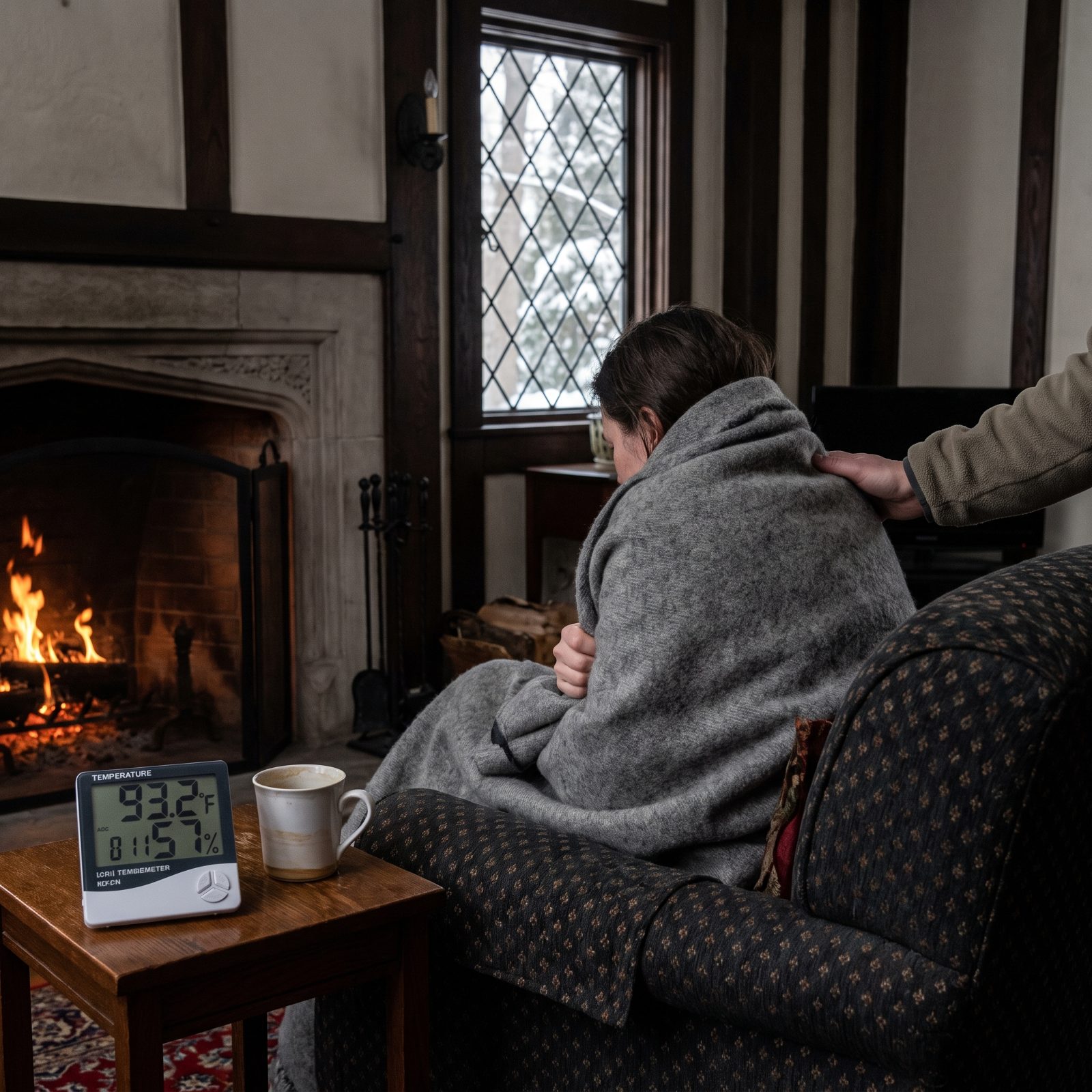
Everyone knows shivering means cold. Fewer people know what it means when the shivering stops.
As hypothermia deepens, the body can lose the ability to shiver at all, so a casualty who goes still, clumsy, confused, or oddly calm may be getting worse rather than better. Wait for violent shivering as your danger signal and you miss the exact moment things turn critical.
Watch behavior and coordination, not just the shakes. Slurred speech, stumbling, fumbling fingers, apathy, bad decisions — treat all of it as serious. Move the person to shelter, insulate them from the ground, add dry layers and wind protection, handle them gently, and get help fast. With severe hypothermia, calm, quick action beats any clever trick every time.
14. Myth: Cut the Snakebite and Suck Out the Venom
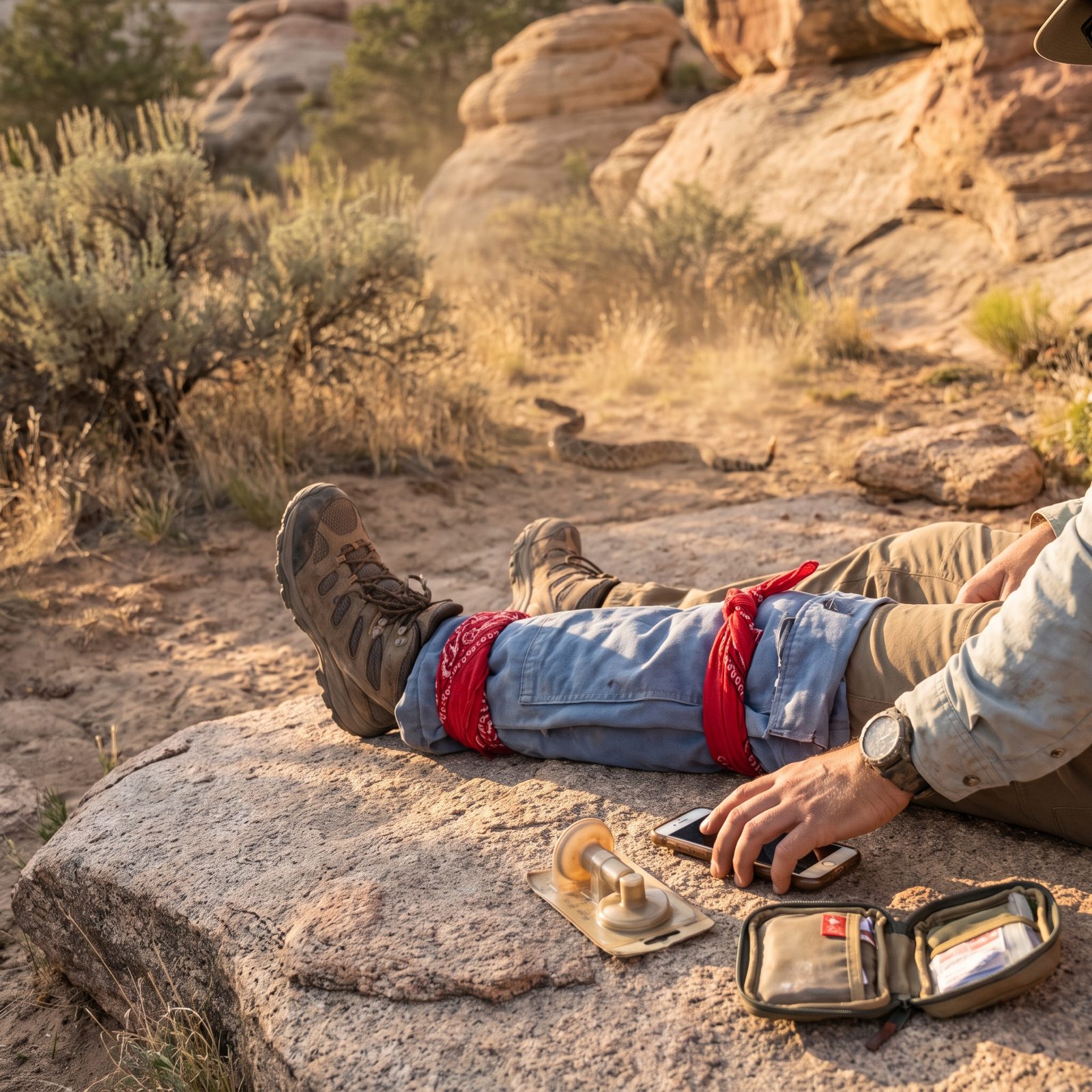
Every Western ever filmed taught the same lesson: slash an X over the fang marks, put your mouth on it, spit, repeat, look heroic. Great scene. Terrible medicine.
Cutting the skin just hands the venom a wider doorway into your bloodstream, and it opens you to infection. Suction removes almost nothing — a plunger-style pump like the one lying on that rock got tested years back and pulled out a fraction of a percent. You’d do more damage with the knife than the snake managed with its fangs.
So keep the bitten limb still and lower than the heart, strip off rings and watches before the swelling starts, and get to a hospital for antivenom. Don’t run. Don’t knot bandanas tight around the limb like tourniquets. Don’t ice it. Note the snake’s color if you can do it safely, but never chase it down for a photo.
13. Myth: Pee on a Jellyfish Sting to Kill the Pain

A sitcom made it famous, and now half the people on the beach swear urine is a cure. It isn’t. It can make things worse.
The trouble is the stinging cells left behind on your skin — nematocysts — which keep firing. Rinse them with fresh water or urine and you change the salt balance around them, which can set off another round of discharge. More pain, not less.
Get out of the water. Pluck off the visible tentacles with tweezers or a gloved hand, never bare fingers. For a lot of species vinegar helps stop the cells from firing, and hot water somewhere around scalding-but-bearable eases the ache. Local advice varies coast to coast, so read the posted signs. And if there’s trouble breathing, or the sting crosses the face or mouth, call for emergency help.
12. Myth: Yank the Knife or Bullet Out Right Away
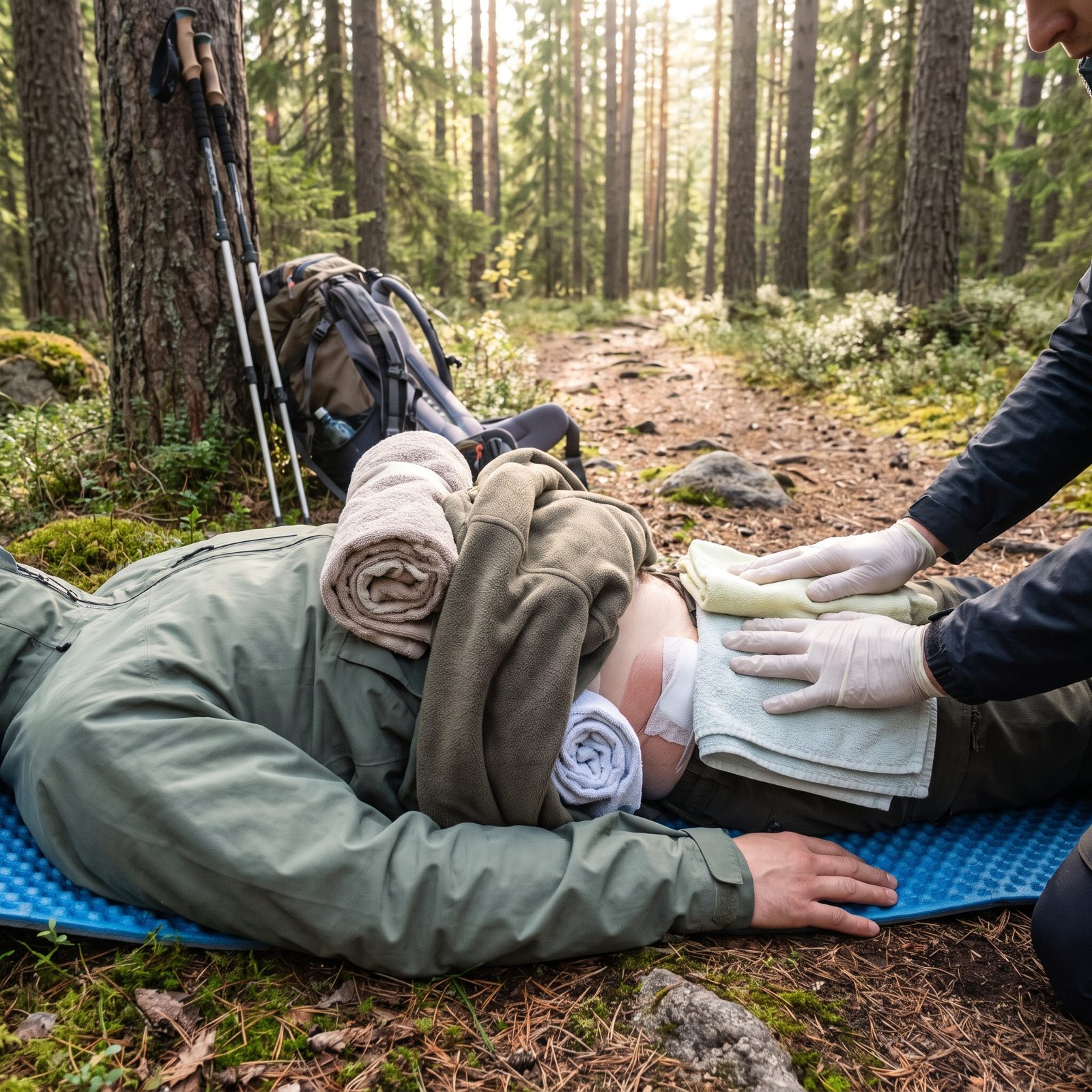
The action-movie reflex is to grip the handle, grit your teeth, and pull. In real life that’s often the fastest way to turn a survivable wound into a fatal one.
An embedded object can be acting like a cork, pressing against a severed vessel and slowing bleeding you can’t even see. Pull it and you release that pressure, open a path for massive blood loss, and tear more tissue on the way out.
Leave it where it is. Bandage over the wound without disturbing whatever is inside, brace rolled towels or clean cloth alongside it to hold it steady, and call for trained help. Let the surgeon pull it, in a room with everything on hand to stop the bleeding that follows.
11. Myth: Let a Knocked-Out Person Sleep It Off
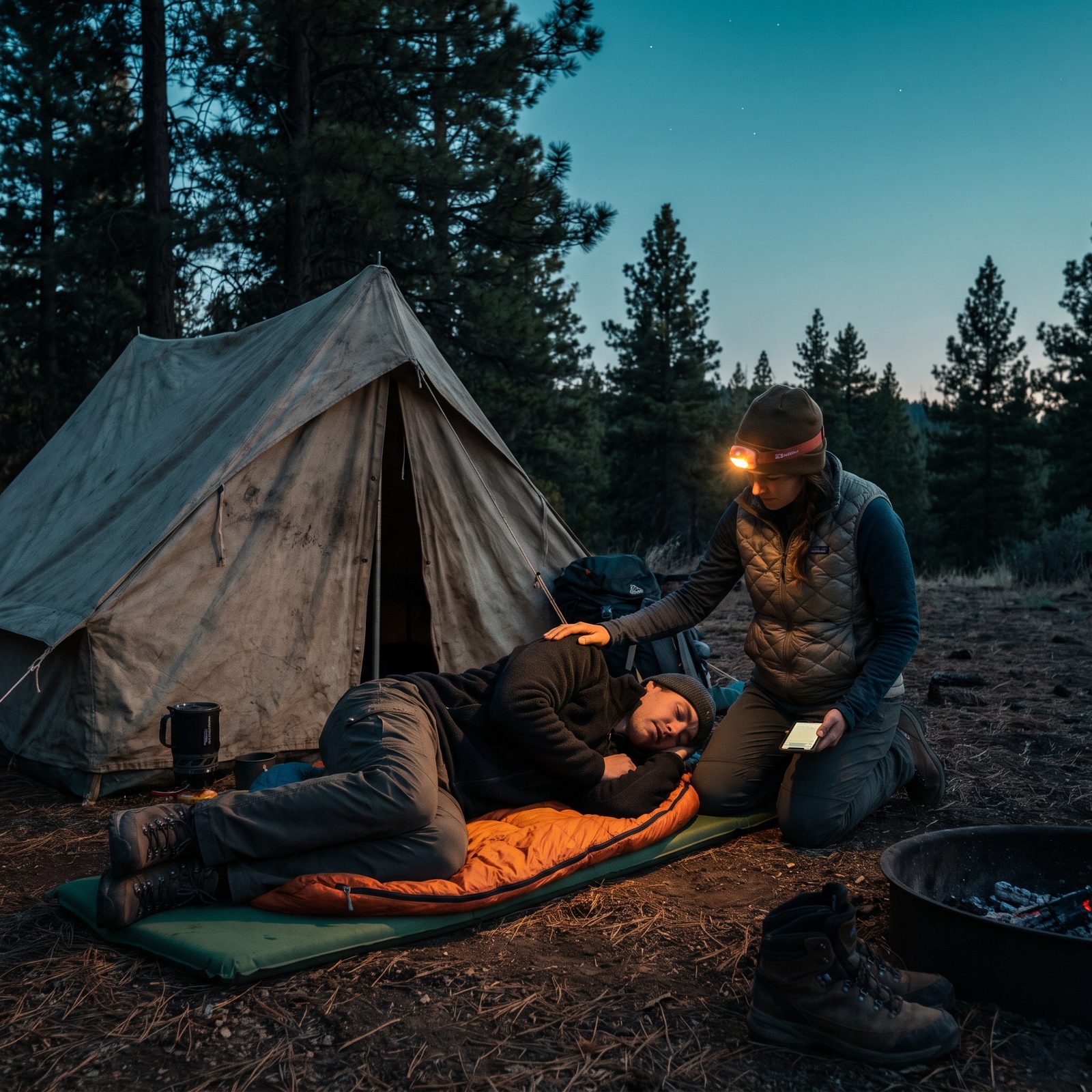
Someone takes a hard fall off a ledge, goes limp, then comes around groggy. The movie move is to wave it off — let him rest, he’ll shake it by morning. That advice has killed people.
Losing consciousness, even for a few seconds, can mean the brain took a real hit. Bleeding inside the skull builds slowly, and the stretch where someone seems fine is exactly when a bleed can be growing underneath. Let them drift into unmonitored sleep and nobody notices breathing slowing, or stopping.
If they’re breathing and you don’t suspect a spine injury, roll them onto their side into the recovery position. Watch the breathing constantly. Call emergency services for any loss of consciousness, confusion, repeated vomiting, unequal pupils, or a headache that keeps getting worse. Rest is fine. Someone stays awake and watches.
10. Myth: A Few Chest Pumps and They Gasp Back to Life
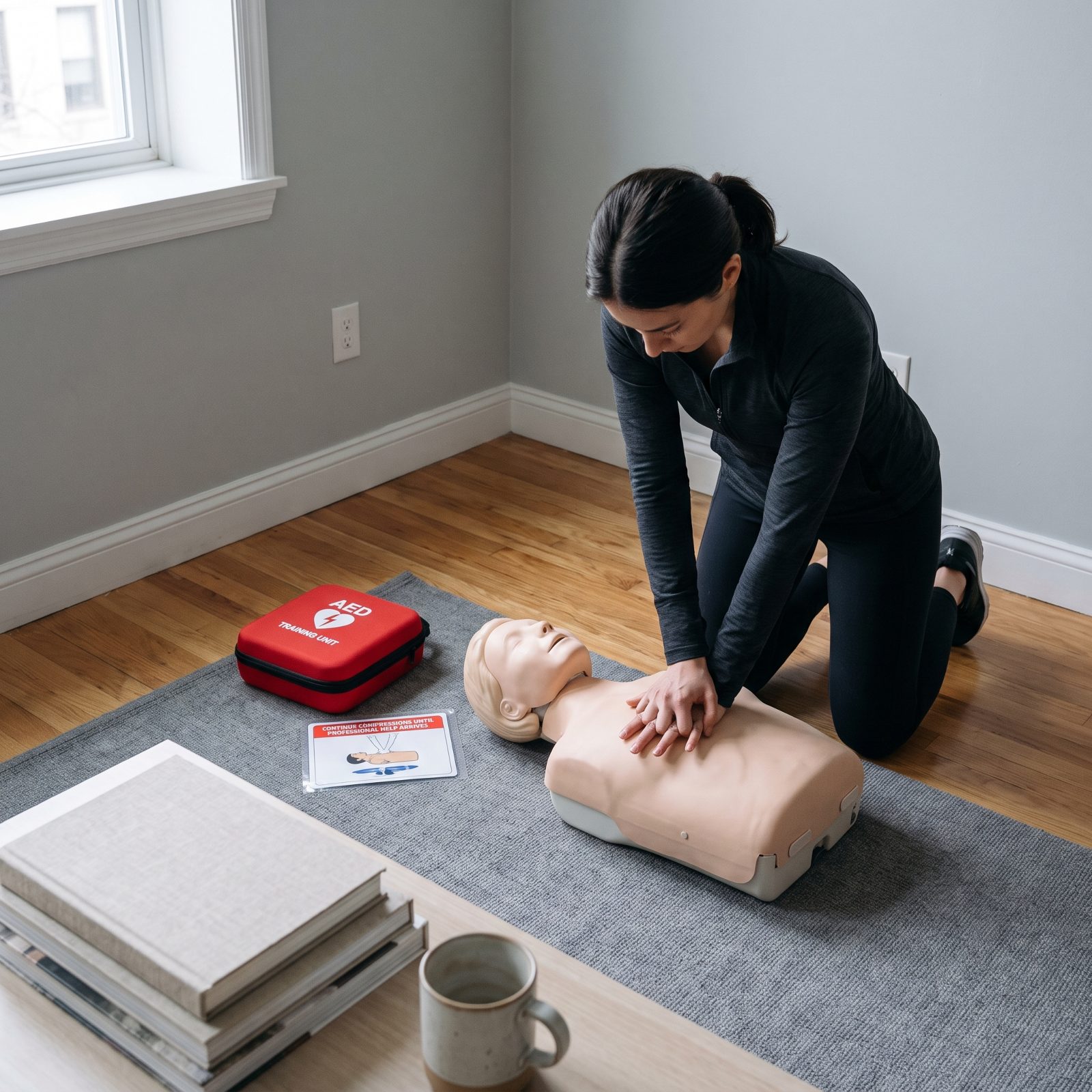
On screen, a couple firm shoves to the chest and the drowning victim coughs, sits up, and asks what happened. Real CPR almost never looks like that.
Here’s what it actually does. CPR doesn’t restart a stopped heart — its whole job is to keep oxygen-rich blood moving to the brain and organs until a defibrillator or paramedics can do the restarting. People who expect that gasp any second tend to quit too early, right when the pressure matters most.
Push hard and fast in the center of the chest, about two inches deep, somewhere around a hundred-plus compressions a minute. Don’t stop unless a trained person takes over or you’re attaching an AED. Switch the AED on and do exactly what the voice says. Keep going until help arrives, even when it feels like nothing’s happening.
9. Myth: Jam Something Between a Seizing Person’s Teeth
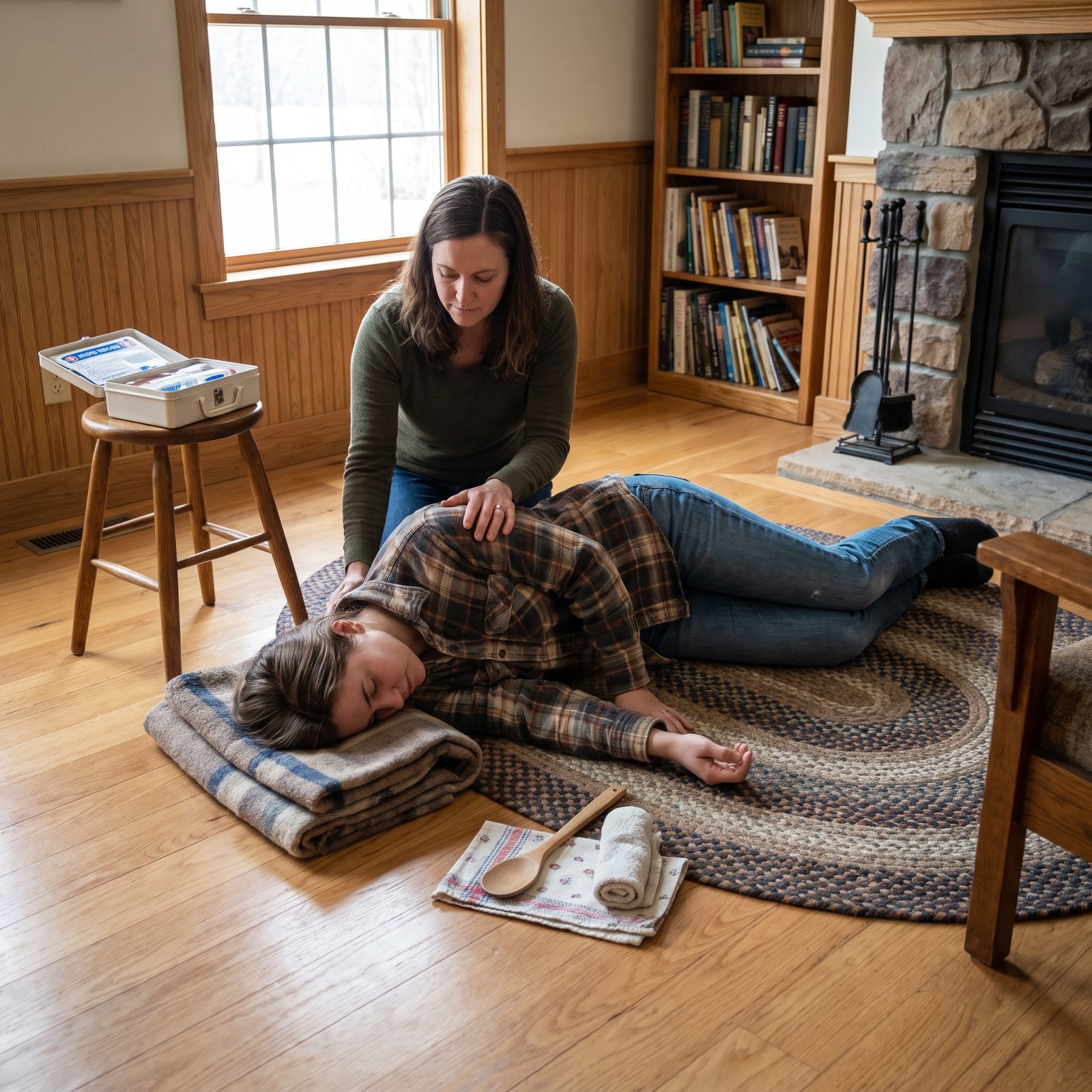
Decades of TV drama convinced people a seizing person will swallow their tongue, so you’d best wedge a wallet or a stick or a spoon between their teeth. Please don’t.
Nobody swallows their tongue. What an object actually does is crack their teeth, drive fragments toward the airway, or get your fingers badly bitten during a clench strong enough to snap wood. You pile new injuries onto a situation that was going to pass on its own.
Clear the hard objects away. Cushion the head with something soft — a folded jacket works. When the jerking stops, roll them onto their side to keep the airway clear, then stay with them while they surface, confused. Call for help if the seizure runs past five minutes, repeats, or it’s their first.
8. Myth: Tip the Head Back to Stop a Nosebleed
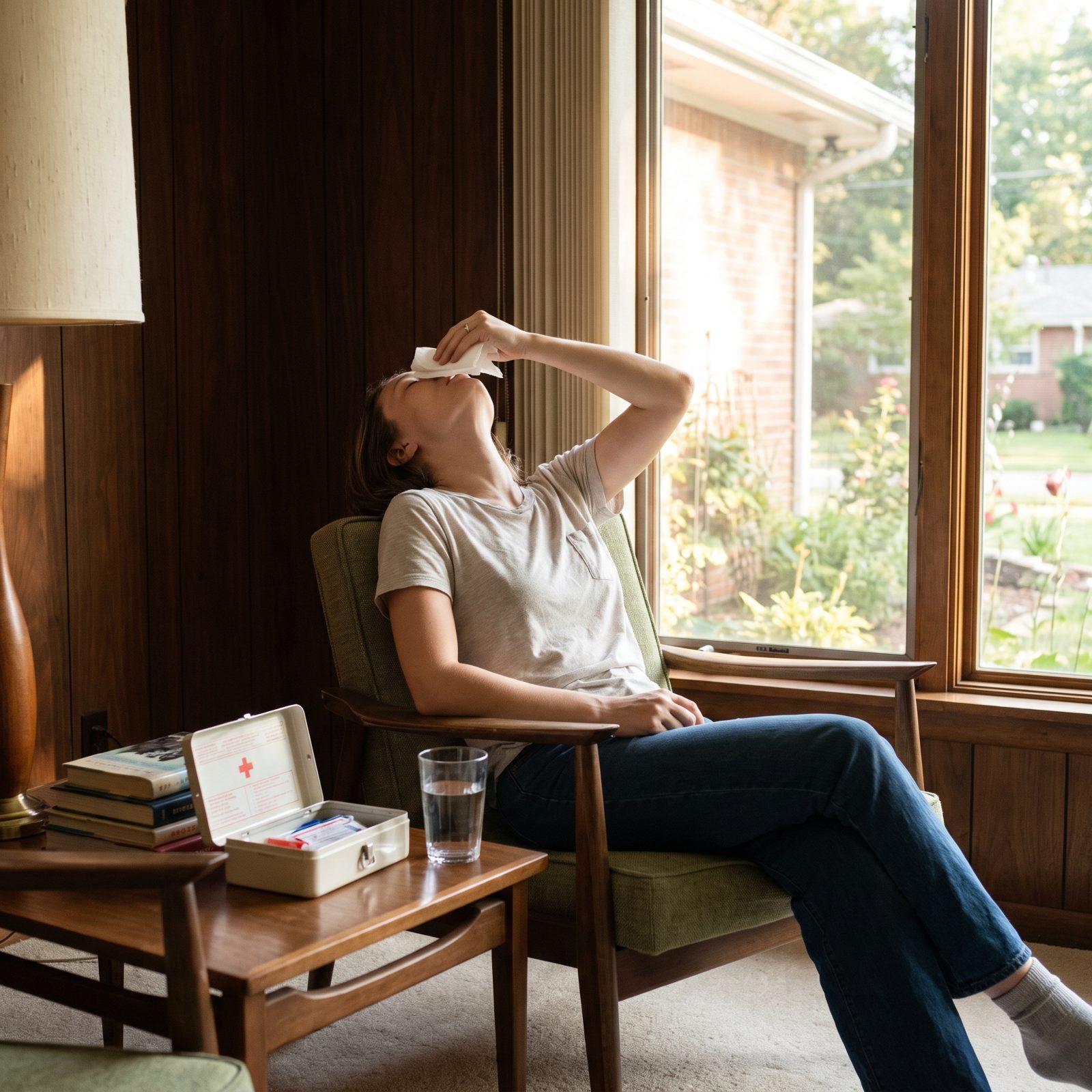
Tilt your head back, someone always says, and the whole family does it wrong together. All that does is reroute the blood straight down your throat.
Swallowed blood irritates the stomach and can leave you nauseous or vomiting, and it hides how much you’re actually losing. The bleeding feels like it slowed. You just stopped seeing it.
Lean forward instead. Pinch the soft part of the nose, below the hard bridge, and hold firm pressure for ten full minutes without peeking. Breathe through your mouth. Most nosebleeds quit on their own if you leave the pinch alone. Get help if it won’t stop after twenty minutes, follows a serious head injury, or the flow is heavy.
7. Myth: Slather Butter on a Serious Burn
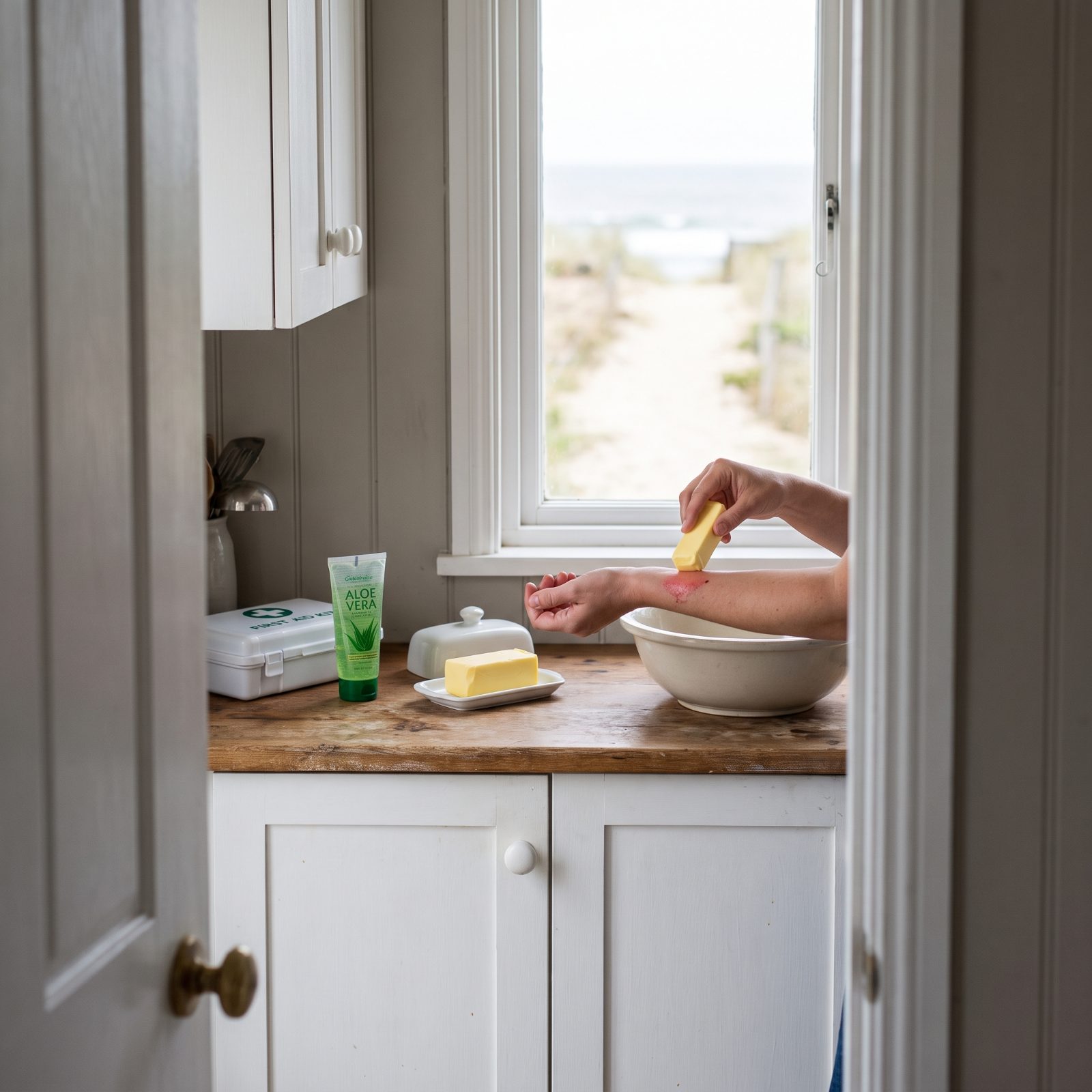
Grandma’s remedy, handed down like a family recipe: butter on a burn. One of the most stubborn bad ideas in first aid.
Fat and grease seal heat into the tissue, so the burn keeps cooking under the coating. They also drag bacteria onto skin that’s just lost its defenses, and they make the wound harder to clean and read later. Toothpaste, ice, and egg whites all belong in that same no pile.
Cool it with clean running water for at least twenty minutes, as soon as you can after the burn. Pull off rings and tight clothing near the area before the swelling starts. Cover it loosely with cling film or a clean, non-fluffy dressing. For anything deep, charred, bigger than your palm, or on the face, hands, or groin, get medical care.
6. Myth: If an Animal Eats It, It’s Safe for You

The survival-show logic sounds airtight: watch what the animals eat, copy them, stay alive. The woods are packed with counterexamples.
Birds gorge on berries that would land a person in the hospital. Deer browse plants our livers can’t process. A squirrel’s gut shrugs off toxins ours never could. Matching an animal’s menu is a coin flip with your life, and the old universal edibility test from the manuals is slow and unreliable anyway.
Eat only what you can identify with total certainty, ideally from a region-specific guide you studied before the trip. When in doubt, go without. A healthy adult survives weeks without food. One wrong handful of berries can end the trip in hours.
5. Myth: Raw Fish Is Fine When You’re Desperate
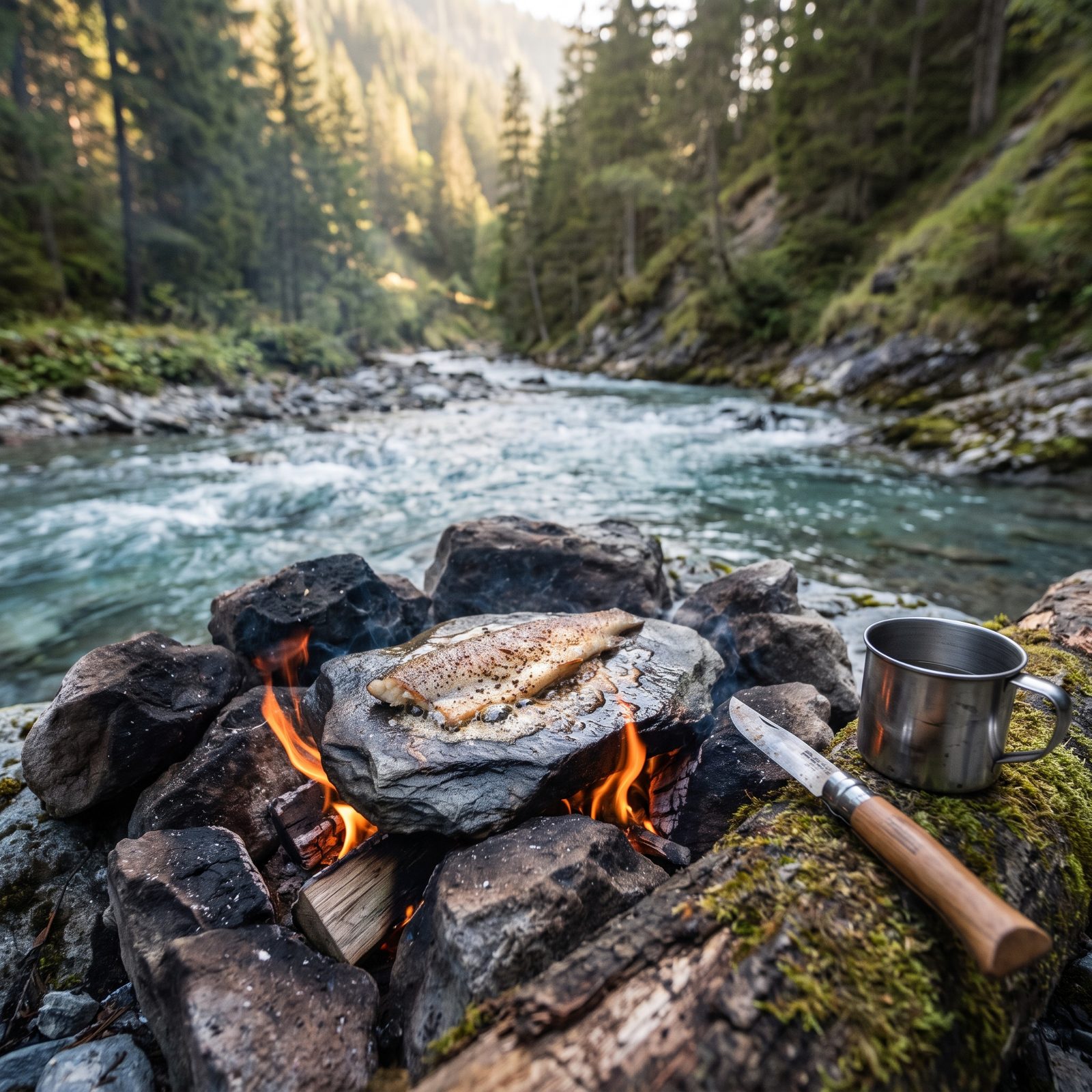
You’ve seen it a hundred times: hero catches a fish, bites in raw, nods like it’s sushi night. Great television. Risky reality.
Freshwater fish especially can carry parasites and bacteria that leave you doubled over with vomiting and diarrhea — which, out in a survival situation, means dehydration you simply can’t afford. A few fish carry toxins that heat won’t touch, sure. But heat absolutely kills the parasites and bugs, and those are what’s coming for your gut.
If you’ve got any way to make fire, cook verified edible fish all the way through, until the flesh turns opaque and flakes apart. Build a small contained flame and lay it on a flat rock or a green stick. The fuel a fire costs you is cheaper than days flattened by illness miles from the trailhead.
4. Myth: Playing Dead Works With Every Bear
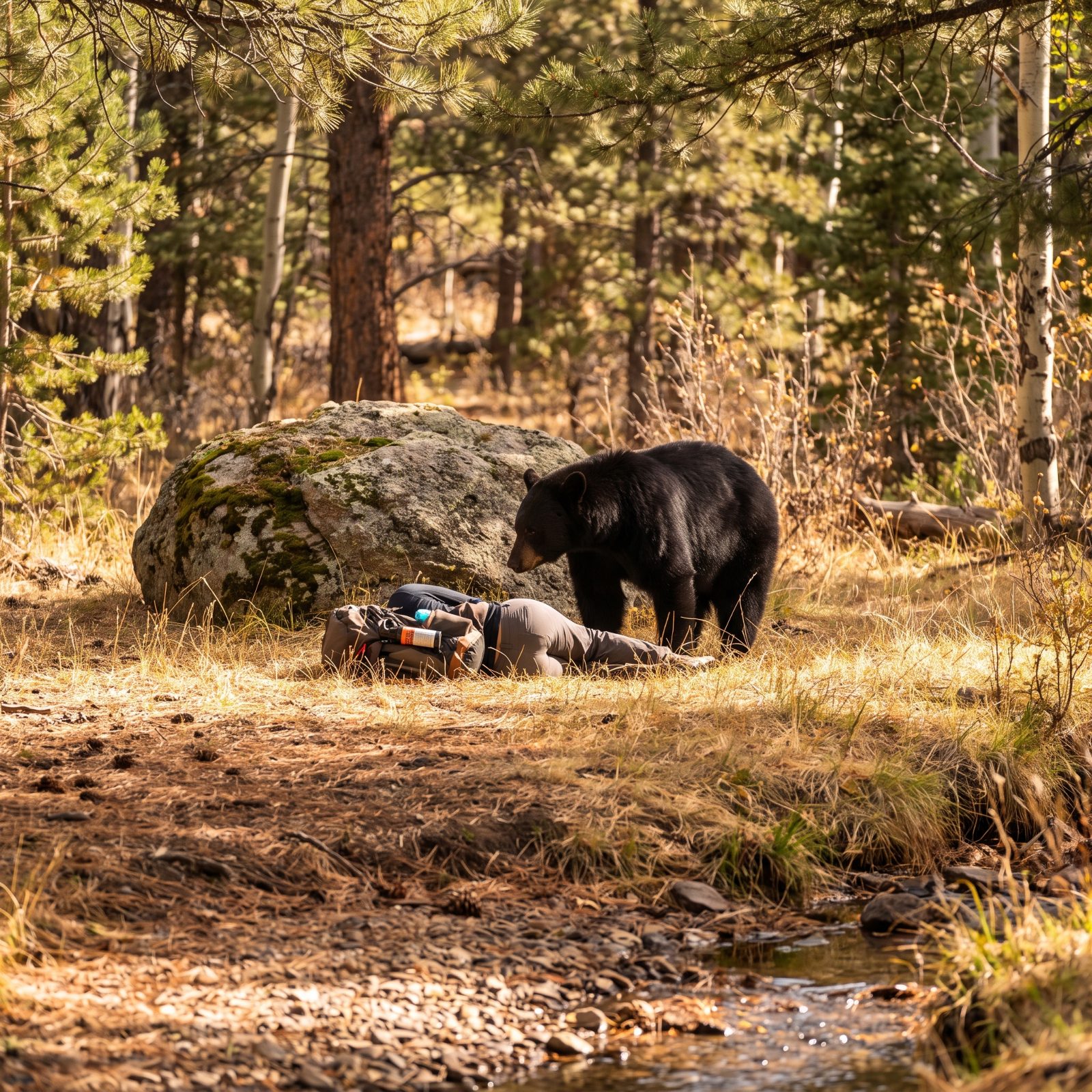
The movies teach one trick for every bear: drop, curl up, hope it loses interest. Trouble is, that advice fits exactly one scenario and can get you hurt in another. A startled mother grizzly guarding cubs often backs off once you stop reading as a threat, so playing dead genuinely helps there. But a curious or predatory black bear sees a motionless person as an easy meal, and lying still is about the worst move you can make.
So it comes down to the species and what the bear actually wants. Defensive grizzly charge? Protect your neck, lie face down, and stay put until it leaves. A black bear that keeps closing the distance is a different problem — get loud, get big, and swing for everything you’ve got if it makes contact. Carry bear spray where your hand finds it in a second, and read the posted guidance for whatever country you’re walking into.
3. Myth: Punching a Shark in the Nose Is a Foolproof Escape
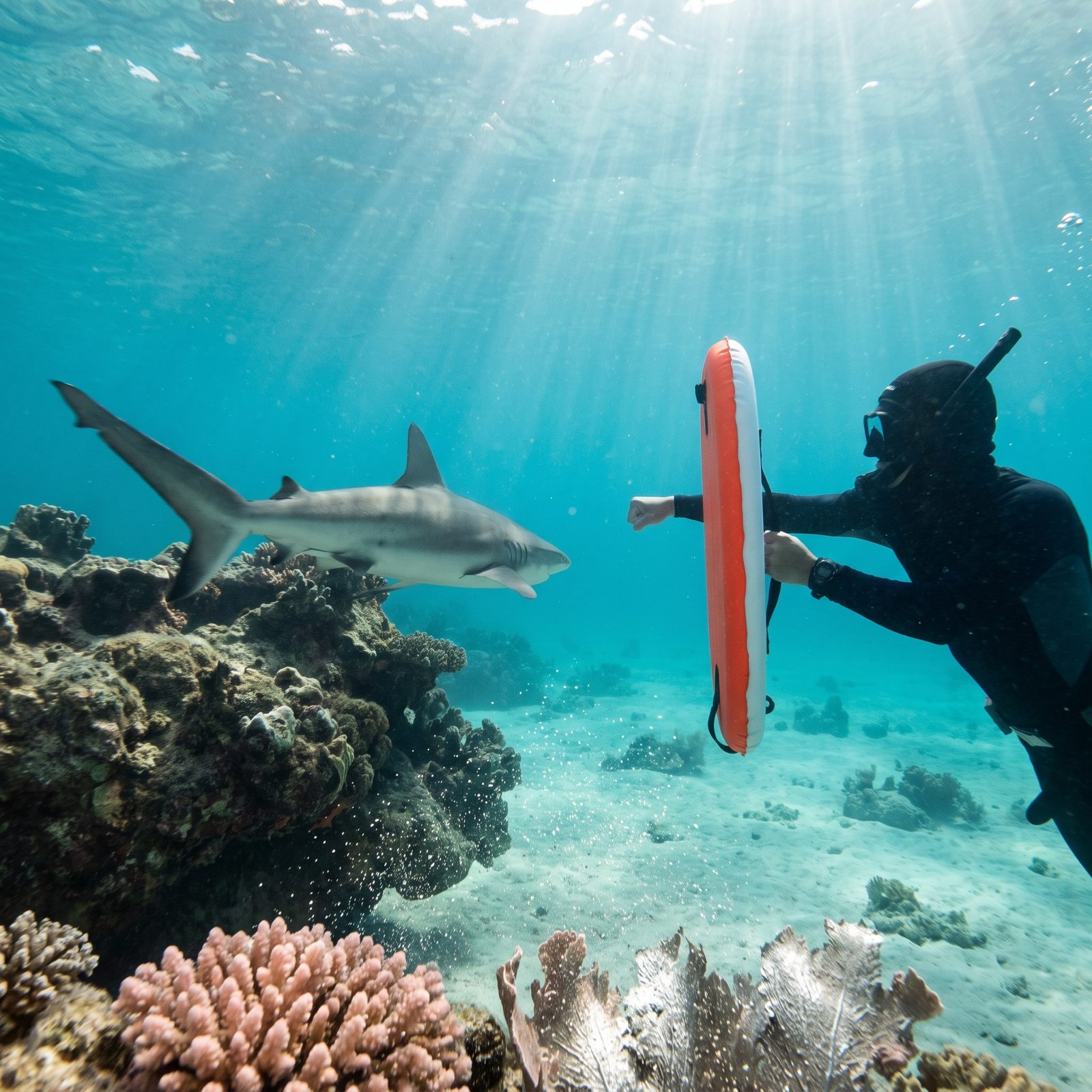
Hitting a moving shark in the nose, underwater, with your bare fist, is a lot harder than the ocean thriller made it look. A shark is faster than you, denser than you, and not waiting politely for a clean shot. Swing and miss, and your hand drifts straight toward a mouth full of teeth. Even a solid hit rarely ends an attack the way the screen promises.
Keep your eyes locked on the animal rather than turning your back to swim off, since sharks go for prey that isn’t watching. Put something solid between you and it — a dive board, a spear gun, a camera housing, a rolled-up fin, whatever’s in your hands. Guard your core, back toward a boat or shore with slow deliberate strokes, and get out of the water. Panic splashing just rings the dinner bell louder.
2. Myth: Gasoline Is a Sensible Way to Start a Campfire
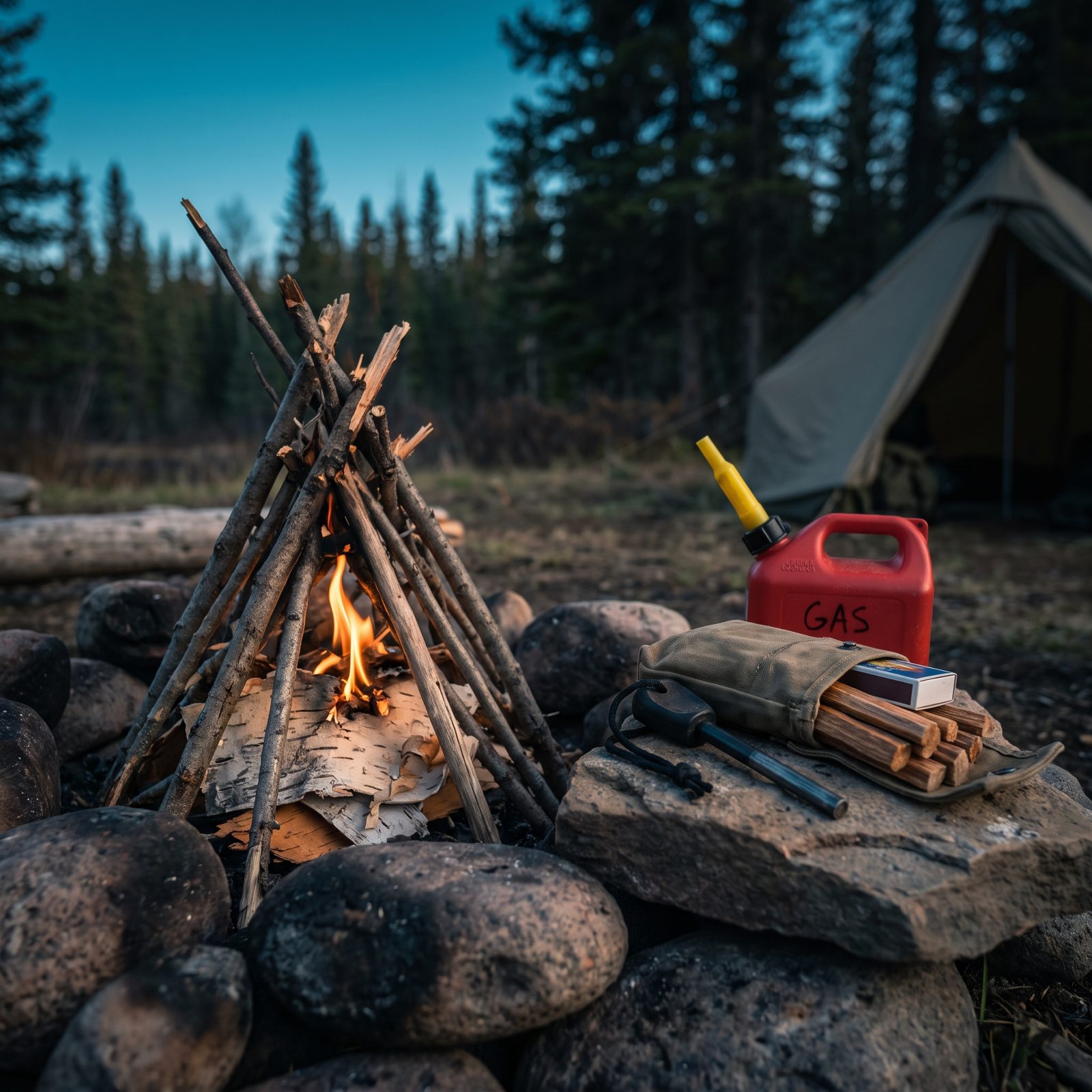
This is the one that actually scares me, because I see it at campsites all the time. The fire won’t catch, patience runs out, and the gas can comes off the truck. On screen it’s a satisfying whoosh. In real life, gasoline vapor spreads across the ground and up into the air before the liquid ever ignites, and those vapors can flash back to the open can in your hand.
That’s how people lose eyebrows, skin, and sometimes a great deal more. Gasoline doesn’t hand you a controllable flame. It hands you an uncontrolled one with your body standing in the middle of it.
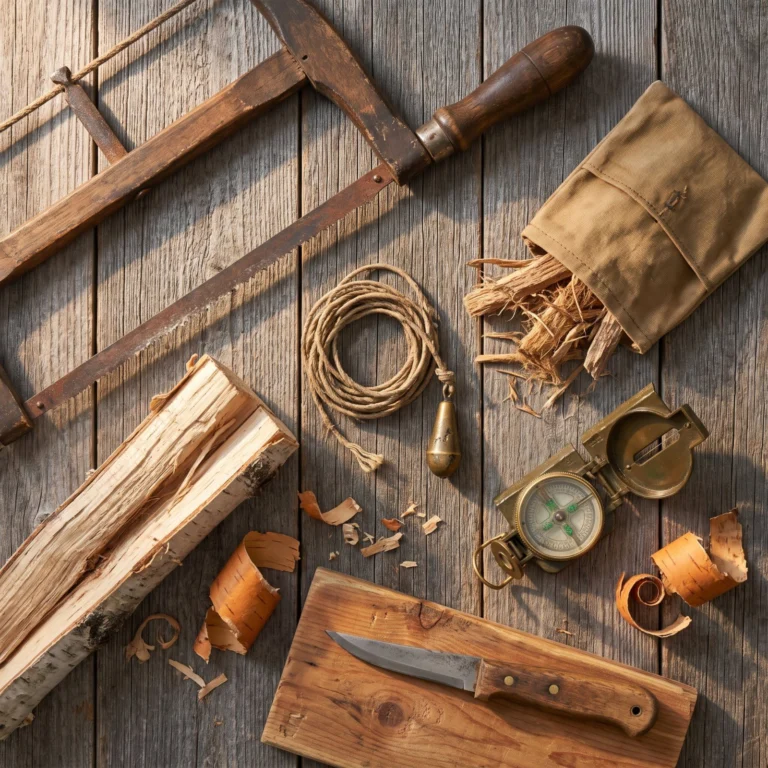
Build the thing properly instead. Fine dry tinder at the base, birch bark or fatwood, kindling stacked loose enough to breathe, then a ferro rod or stormproof matches. Keep an approved fire starter in your kit for wet days. Done right, a fire lights with a spark, not a bang.
1. Myth: A Gunshot Is an Unmistakable Distress Signal
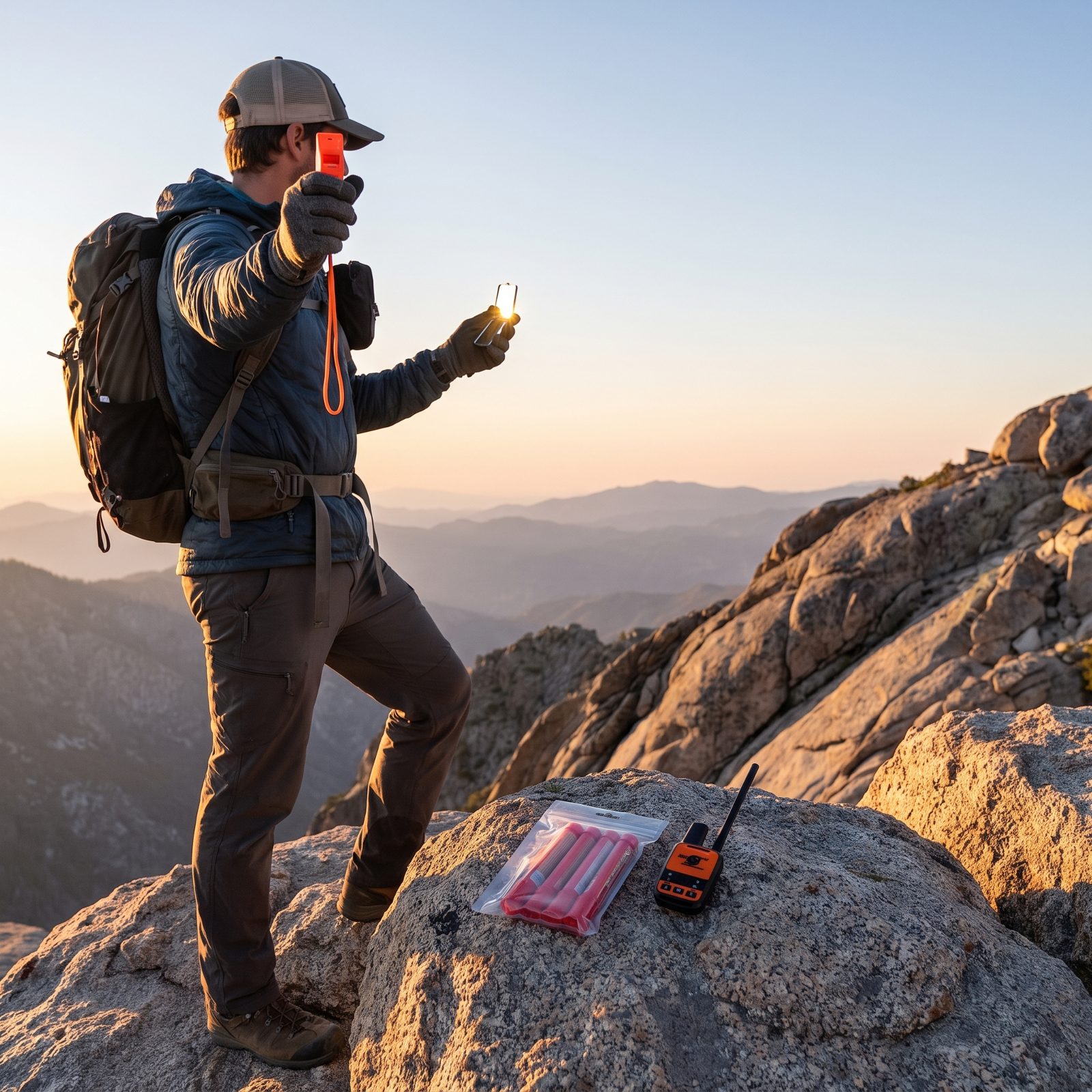
Three shots in the backcountry means “help me,” according to every survival movie. Out in real country, a gunshot is just another gunshot. Nobody blinks during hunting season. Whoever hears it has no way to know if it’s a distress call, a hunter, or somebody plinking cans — and a rifle in the hands of someone exhausted and scared adds a hazard nobody needs.
You also chew through ammunition fast, and a signal that gets ignored isn’t a signal at all. The recognized tools exist for a reason. A whistle carries farther than your voice and costs you no breath, and three blasts repeated is the understood distress pattern. A mirror flashes to aircraft miles off. A satellite messenger or personal locator beacon drops your exact coordinates in front of rescuers.
Pack those. Learn them cold. Keep the firearm for what it’s actually for.