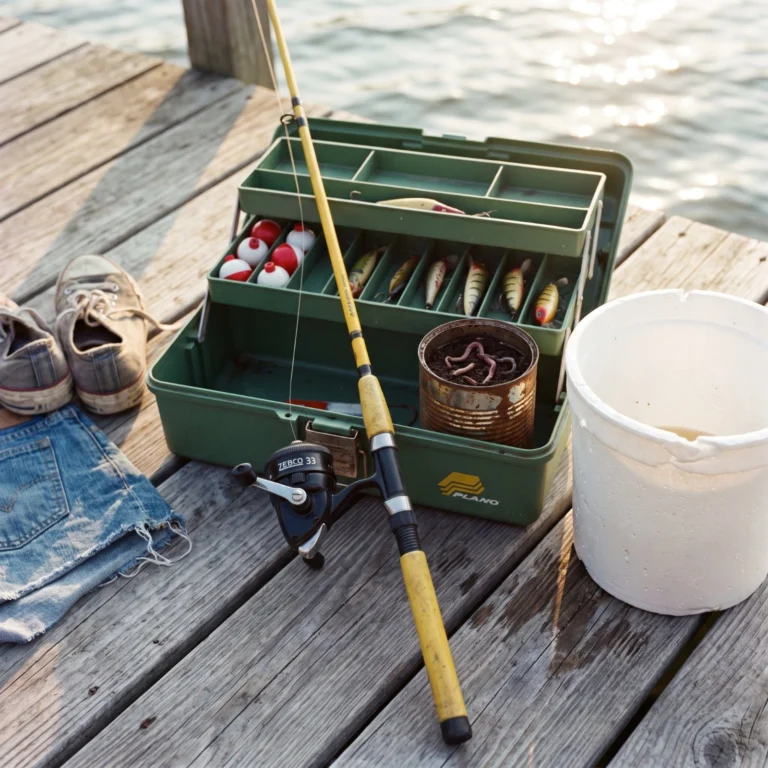
The worm bucket sat on the garage floor the night before, lid cracked, dirt smell leaking out, and you’d check it twice before bed like it might escape. Some of us learned math in a classroom and patience on the end of a dock, and only one of those stuck. Fishing with your father wasn’t really about the fish. The fish were the excuse. What you actually caught was a set of small moments you didn’t know you were collecting until you were old enough to want them back. Here are the ones that tend to find everybody who spent their childhood holding a rod beside the man who handed it to them.
Please note that some of the images in this article were created with the assistance of AI.
23. The 4 A.M. Wake-Up That Felt Impossible Then and Precious Now
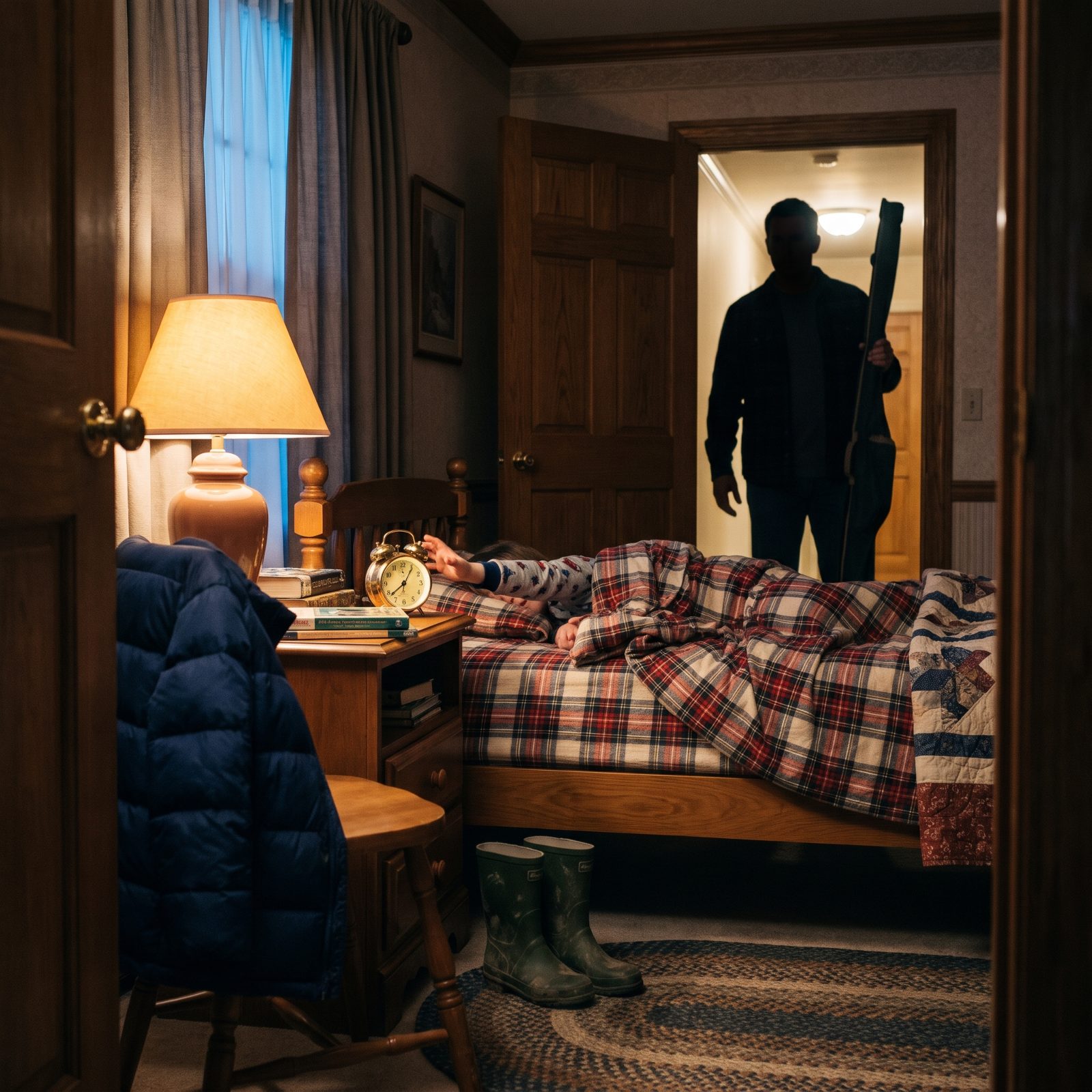
Nobody wakes up willingly at four. You remember the hall light glowing behind him, just his shape in your doorway with the long rod case in his hand, your arm flopping out from under the plaid blanket to slap at the brass alarm clock, your eyes glued shut, the sour certainty that you were the only kid in your whole class dragged out of bed on a Saturday for this.
Then you grew up and understood. He was tired too. He’d worked all week and spent his one morning off hauling you out of bed so the two of you could stand in the dark together. He chose you over sleep, every week, and never once said so out loud.
22. Riding in the Truck Before Sunrise With the Radio Turned Low
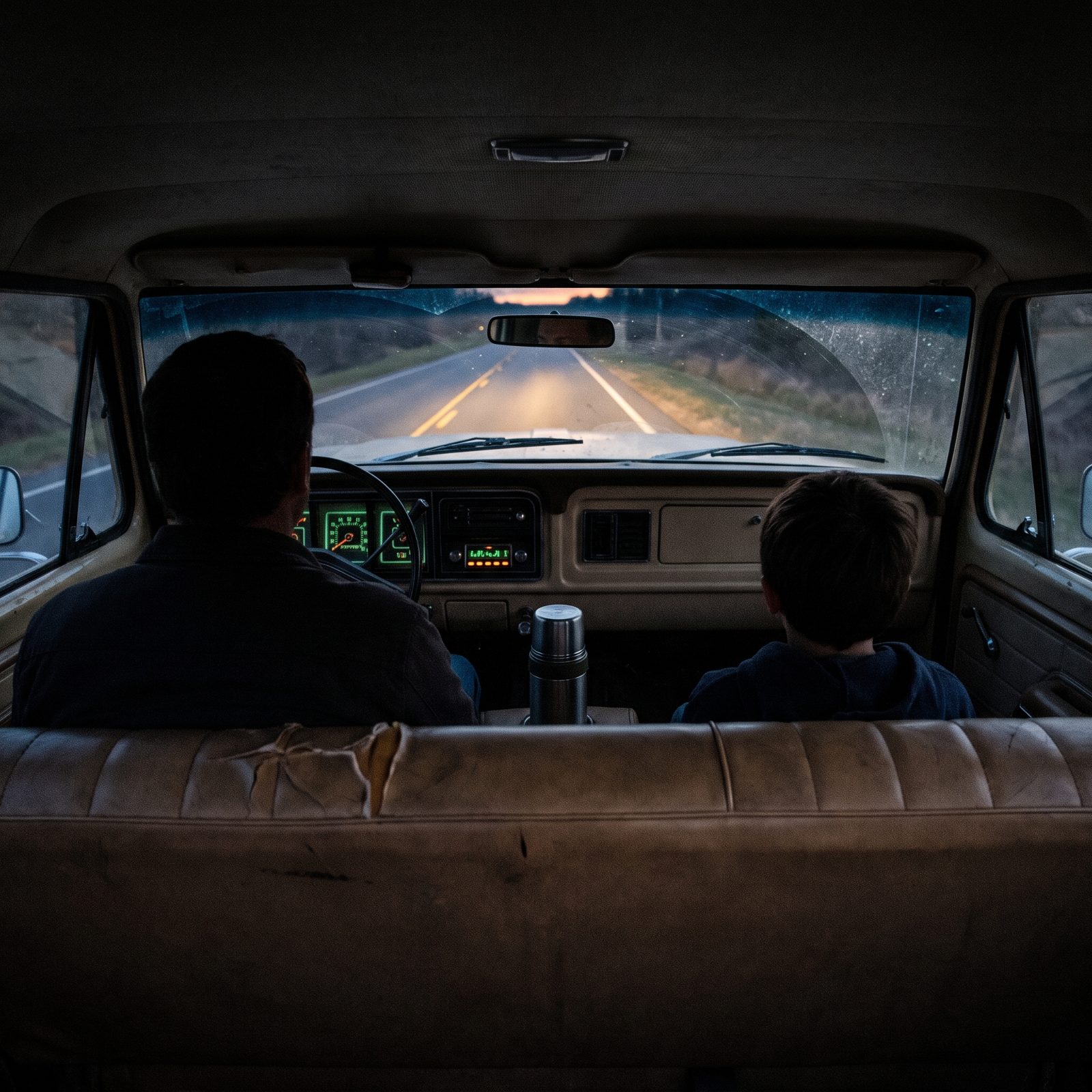
Dark cab, just the dashboard lit. The heater ticked, and some country station played low enough to mean don’t talk yet, just wake up slow.
You didn’t need conversation, and that was the point. Riding shotgun in the dark beside a man who never felt the need to fill silence taught you something no lecture could reach: being near someone is sometimes the whole gift. You watched the road unspool and the sky slide from black to gray to the first smear of pink, and without a word for it, you felt completely safe.
21. One Thermos of Coffee for Him, Hot Cocoa Poured for You
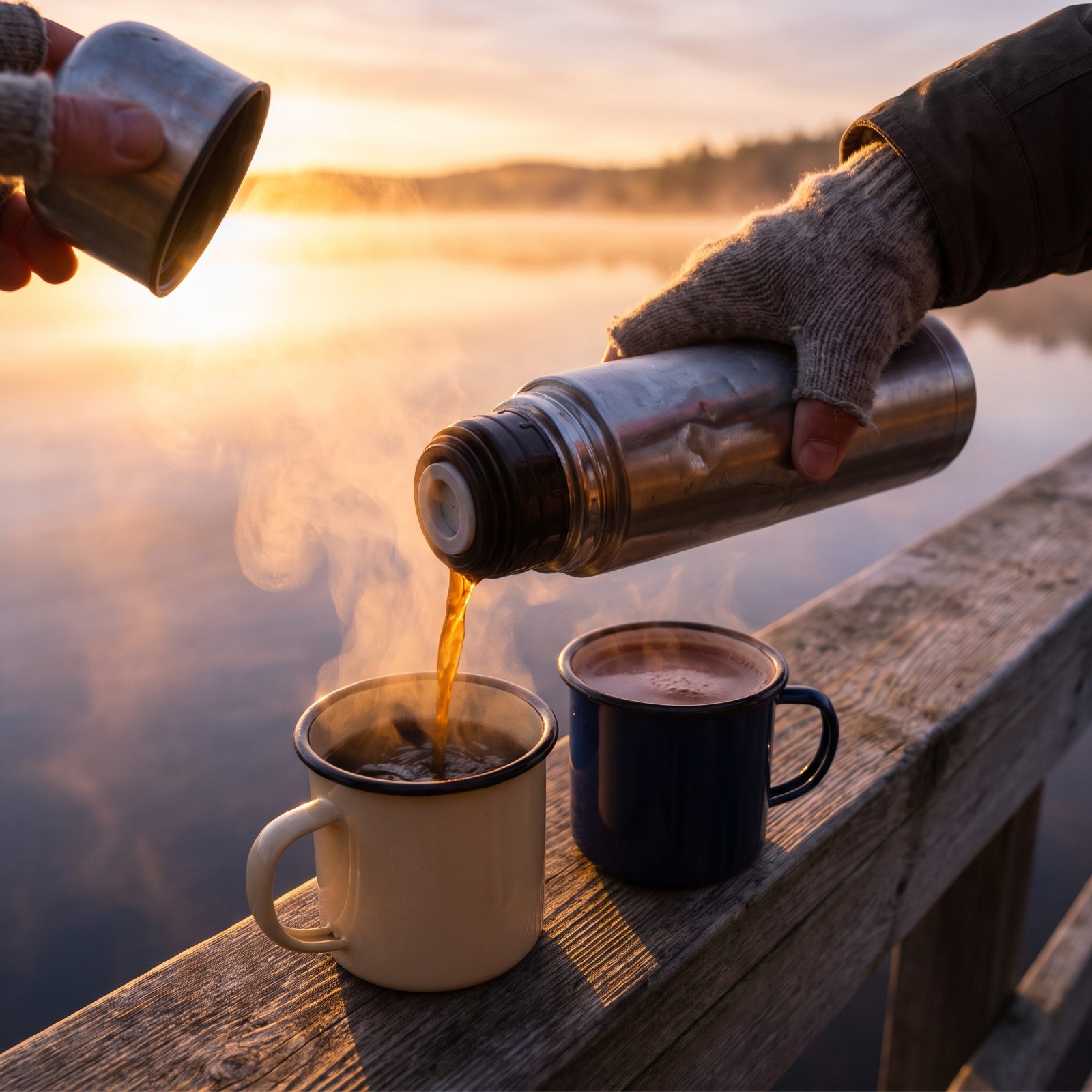
His thermos was the grown-up one. Black, bitter, poured into the cap that doubled as a cup. Yours came from the same thermos sometimes, or a second one, and it was cocoa with a wrinkled skin on top that you pretended not to mind.
That skin. Some of us still think about it.
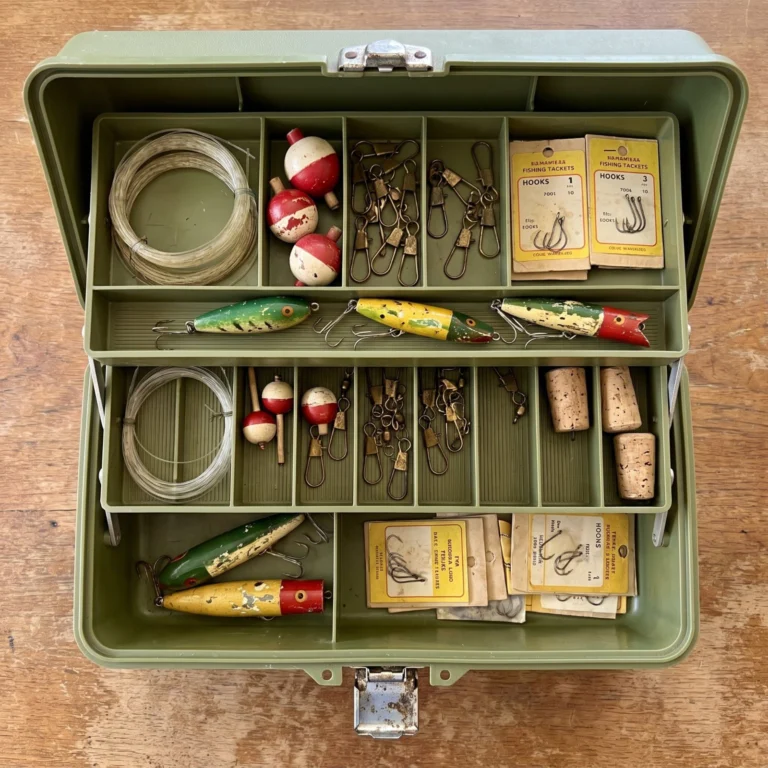
20. The Tackle Box That Smelled Like Oil, Plastic and Old Bait
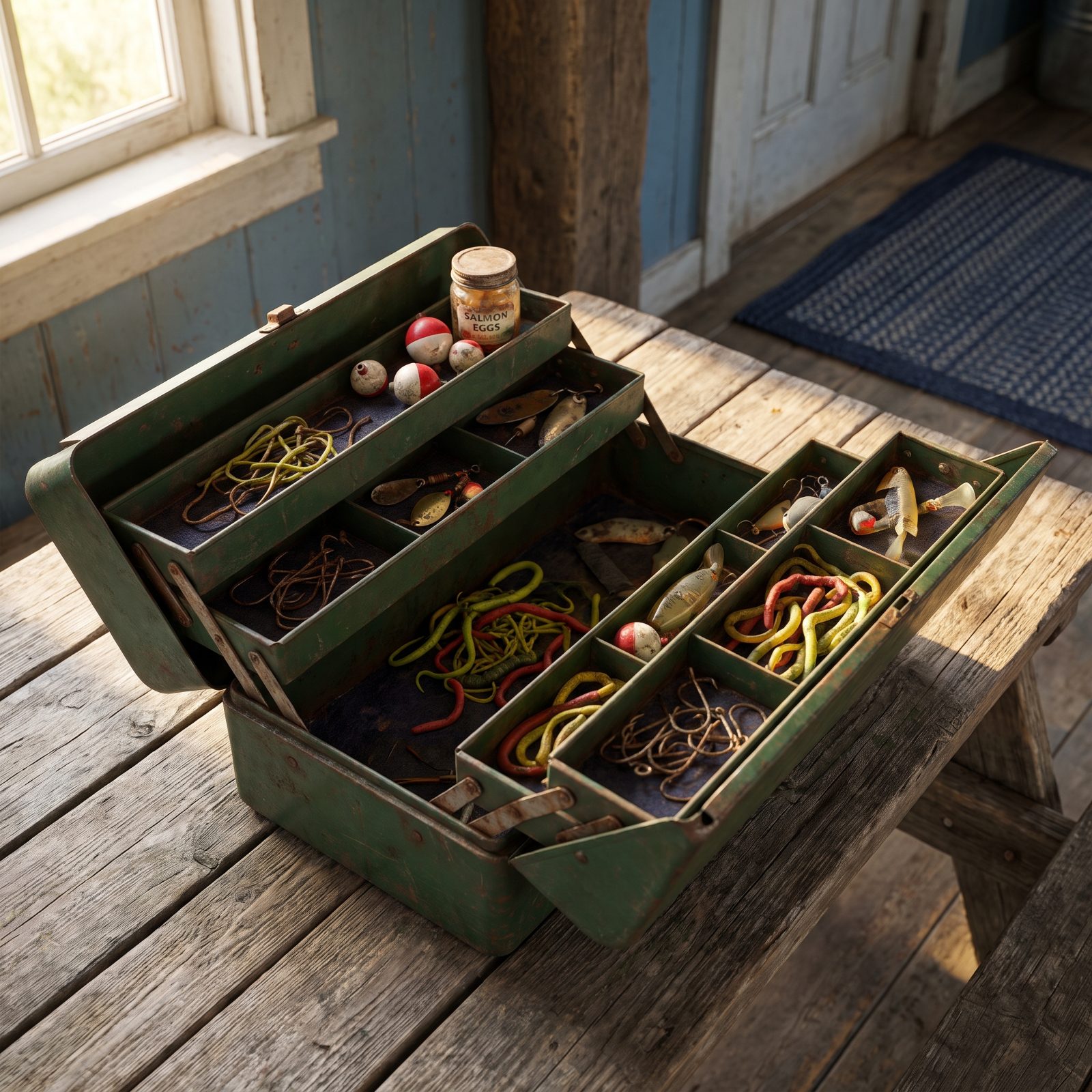
You could find that box blindfolded by smell alone. Machine oil, warm plastic worms, a ghost of dried bait that never fully left. Lift the lid and the whole thing exhaled at you.
Every compartment was a small dig site. Lures he’d caught fish on, lures he hadn’t touched in a decade, a tangle of leaders, a dried-up jar of something that used to be bait. The organization made sense only to him. You weren’t allowed to rearrange it, and you learned why the first and only time you tried.
19. Dad Baiting the Hook Because You Refused to Touch the Worms
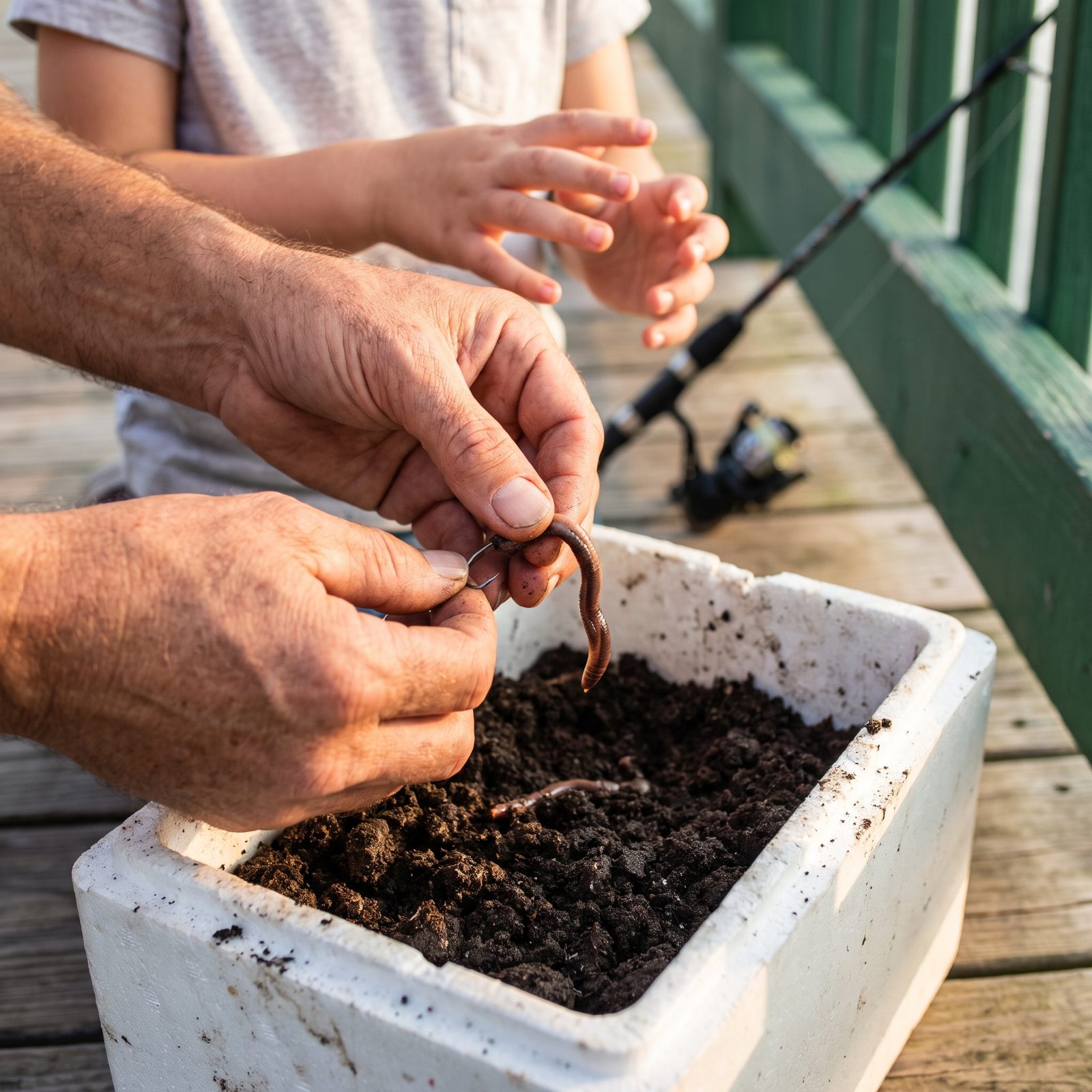
The worms were a bridge too far. All that wriggling, the dirt, the way they curled around your finger. You wanted the fish but not the part that got you there, which is pretty much childhood in one sentence.
So he did it. Every time, never making you feel small about it, big fingers working the hook through while you looked away. Somewhere along the line most of us crossed over and started baiting our own. The first time you did it without flinching, you felt about ten feet tall, and he pretended not to notice on purpose.
18. The Lucky Lure You Were Forbidden to Lose
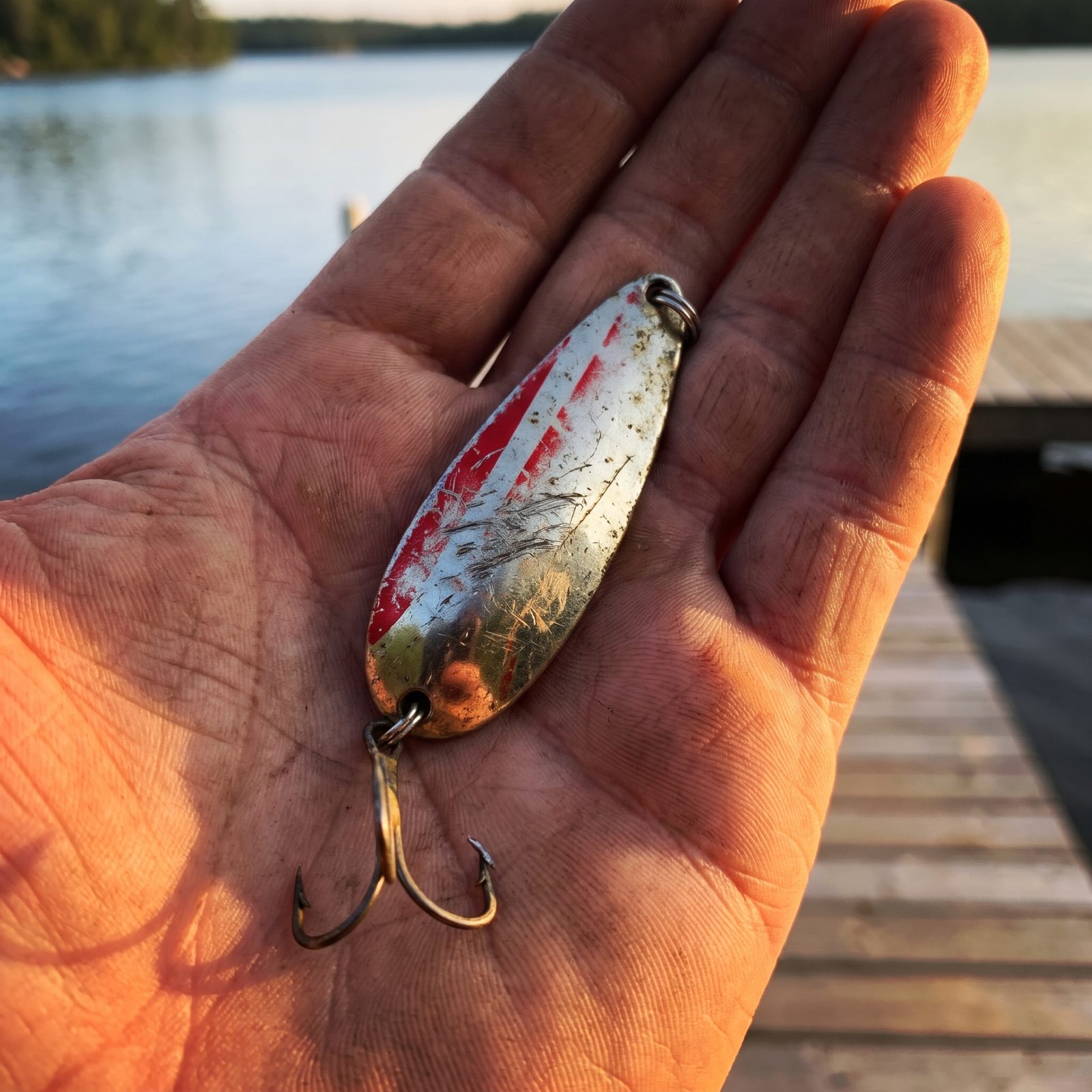
Every family had one. A lure that had caught something legendary once and, from that day on, carried a job far bigger than fishing. You could use it, barely, under supervision, with the clear understanding that losing it was not survivable.
It was scuffed down to bare metal and probably no better than the dozen others in the box. Didn’t matter. Belief is its own kind of tackle. When he finally let you tie it on yourself? That was a ceremony, and you knew it.
A lucky lure doesn’t catch more fish. It makes you fish more carefully, and that catches more fish.
17. Learning Patience by Watching a Red-and-White Bobber for Hours
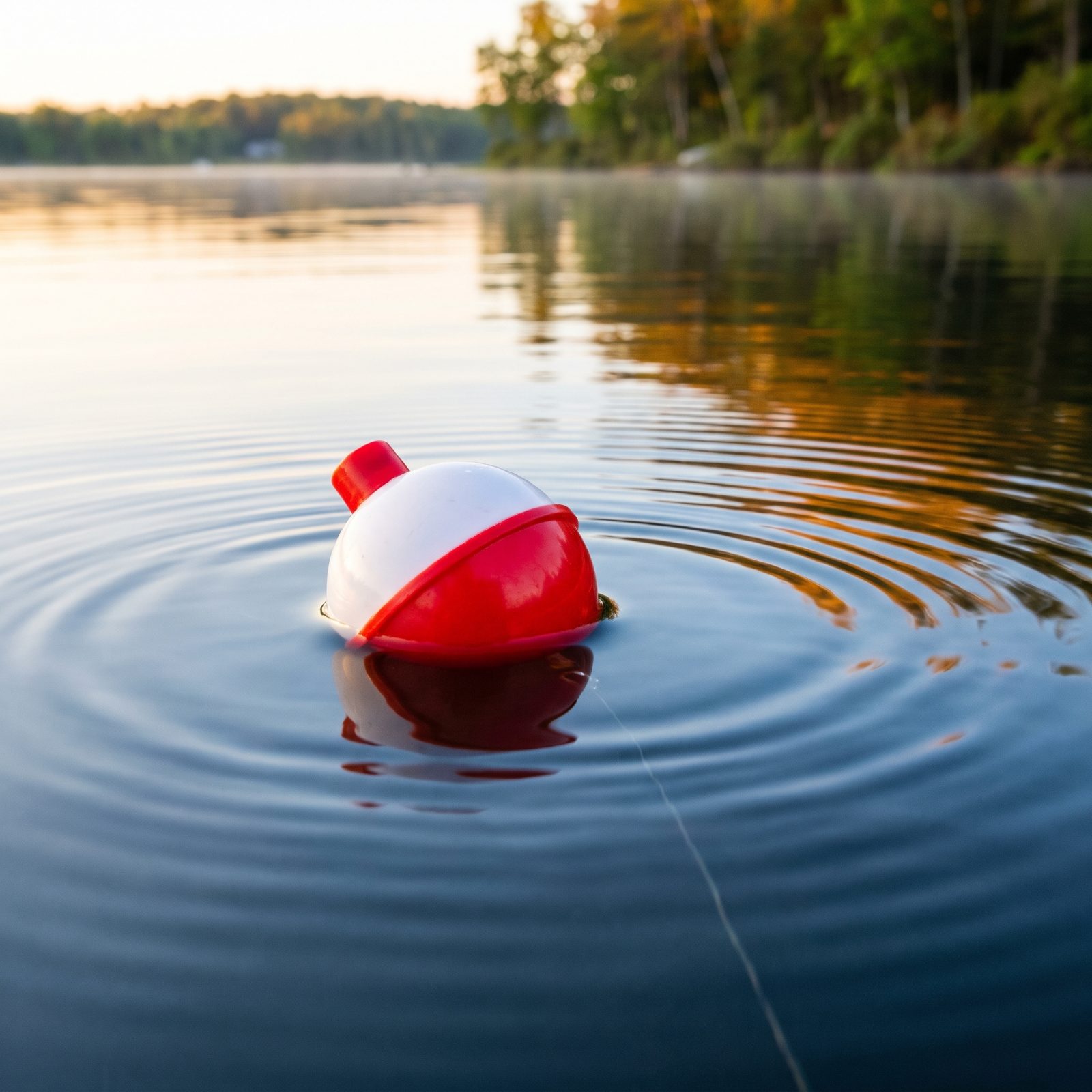
Hours. You watched that little float like it owed you money, and any dip or twitch sent your heart up into your throat.
Most of the time it just sat there. That was the lesson hiding inside the boredom: good things make you wait, and the waiting isn’t wasted. Kids raised on screens never get this training. You did, standing on a dock, learning that attention is a muscle and patience is just attention that refuses to quit.
16. The Lecture About Keeping Your Line Tight
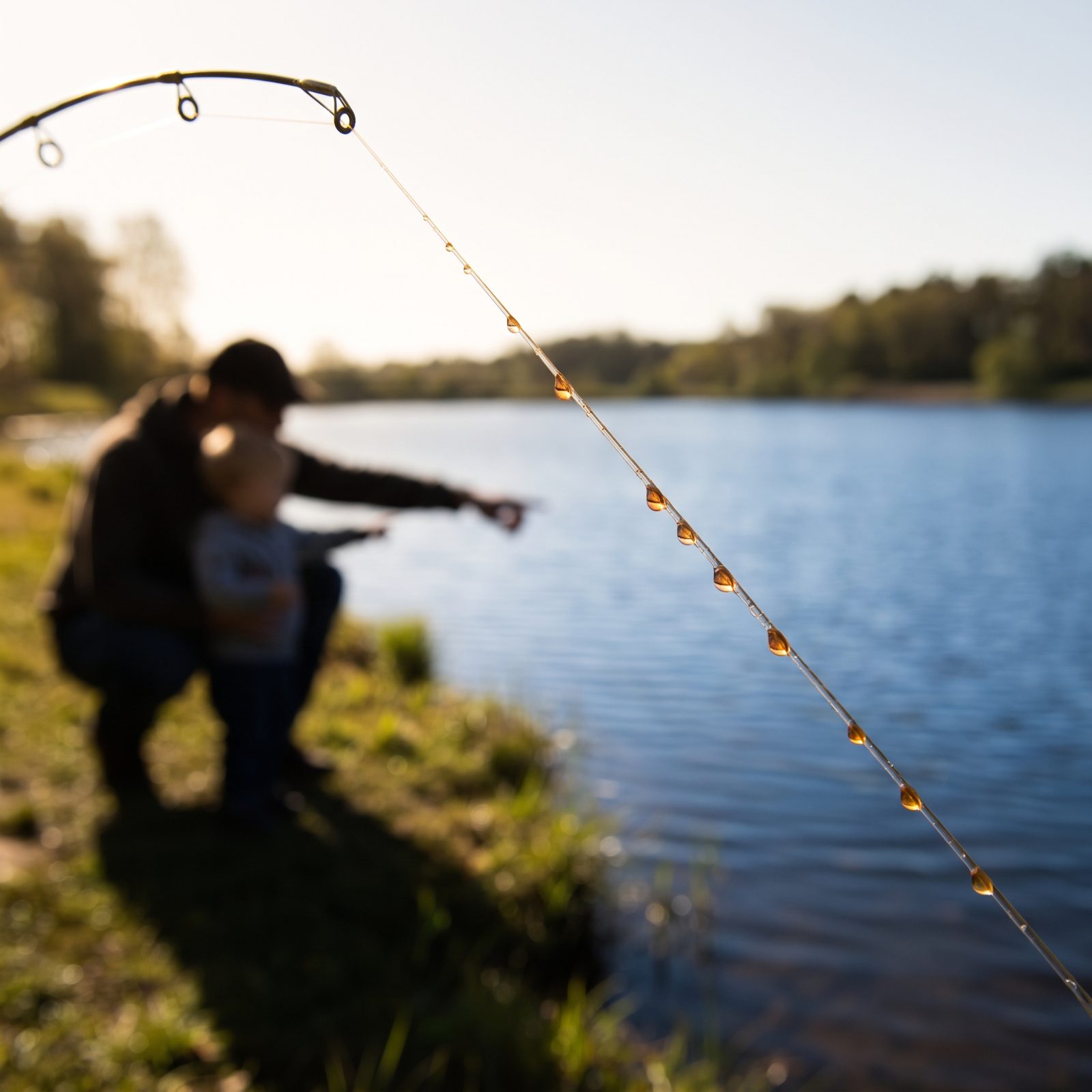
Slack line, missed fish. He said it a hundred times and you heard it zero times, right up until a bass spat the hook and left you staring down at a limp rod.
That lecture was never really about fishing. Keep tension on the thing that matters. Stay ready. Don’t drift off the second it goes quiet, because quiet is usually right before something happens. You didn’t know he was teaching you how to show up for anything at all. You thought he was just being a nag about your reel.
15. Untangling a Backlash While Dad Calmly Talked You Through It
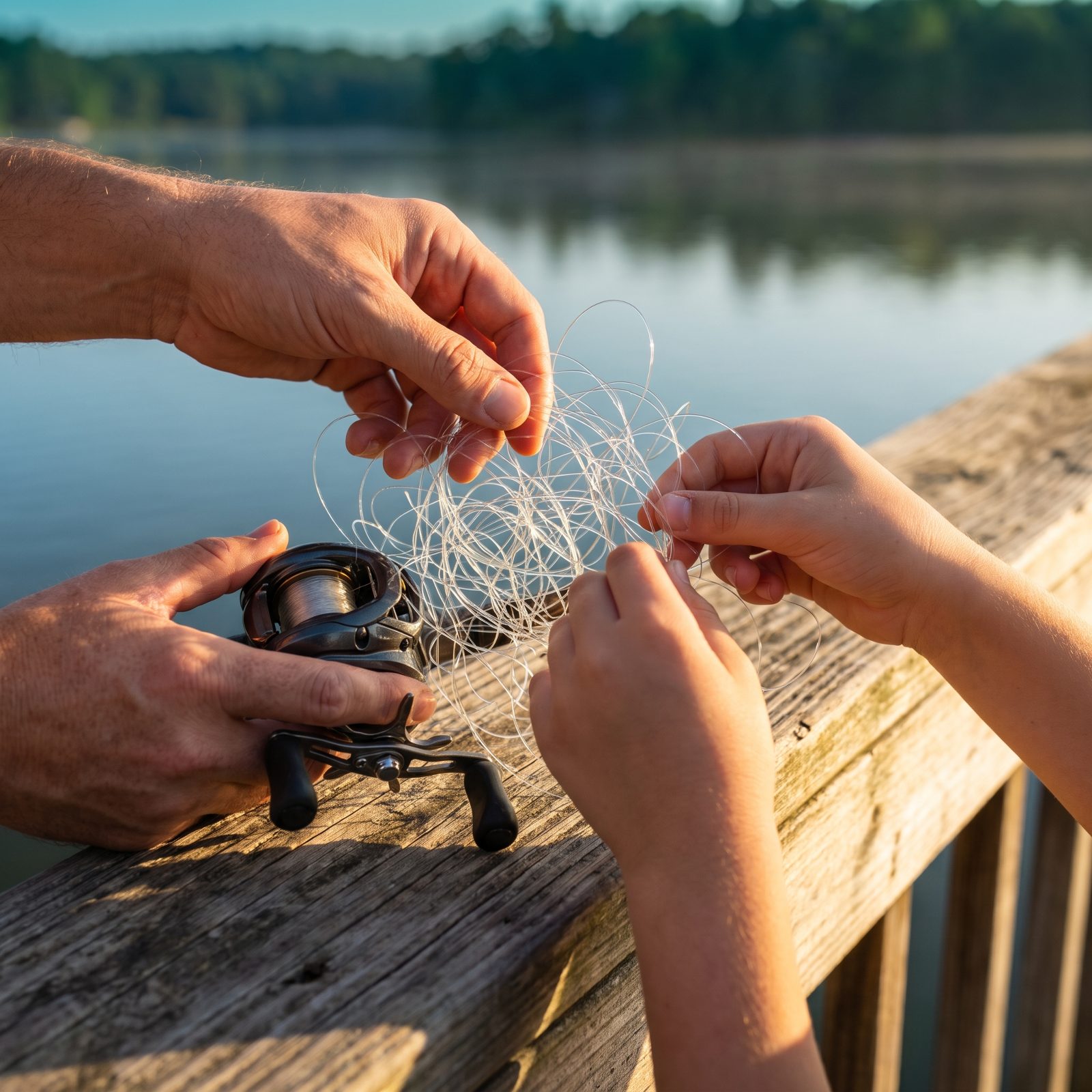
You thumbed the cast wrong and the reel vomited a bird’s nest so bad it looked permanent. You were about ready to cry, or hurl the whole rod into the lake.
He didn’t take it from you. That’s the part that stays. He sat down, said we’ll get it, and walked you through each loop while his own line sat dead in the water. He could have fixed the thing in thirty seconds. Instead he let it eat twenty minutes so you’d learn how. That patience was the real lesson, and most of us didn’t have the sense to notice it for about thirty years.
14. Dad’s One ‘Secret Spot’ He Swore Everyone Else Had Ruined
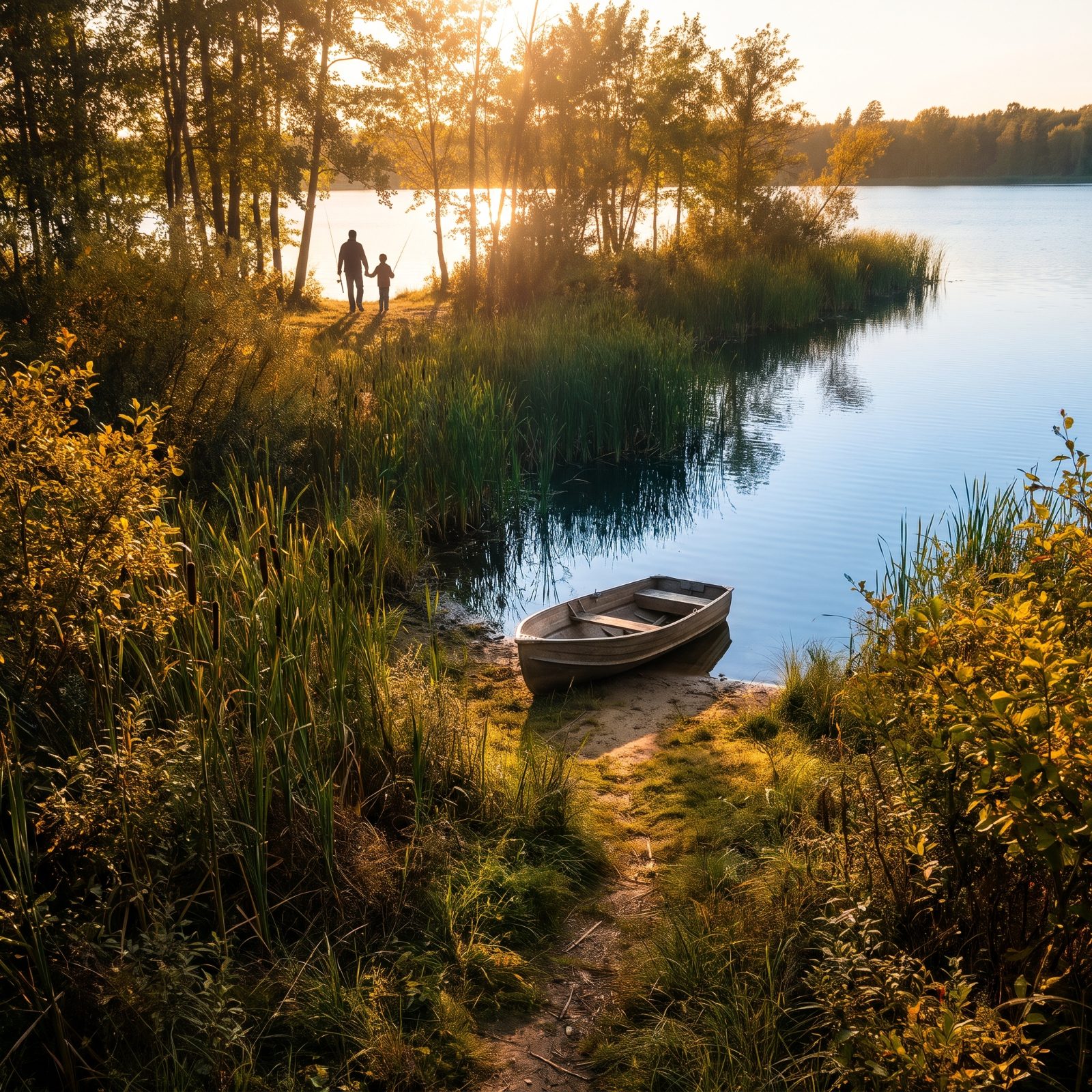
Every father has the spot. The bend, the cove, the stretch of bank only he knew about, and he’d swear to you with total conviction that it used to be loaded before all the other guys found it and wrecked the place.
Was it ever actually better? Probably not. The fishing there was fine on a good day and dead on a bad one, same as anywhere else. But it was his. Taking you there meant letting you in on the one piece of the world he’d staked out as his own.
You have the spot now too. You tell your own version of the story, and you mean it every bit as much as he did.
13. Learning to Read the Water for Where Fish Hold
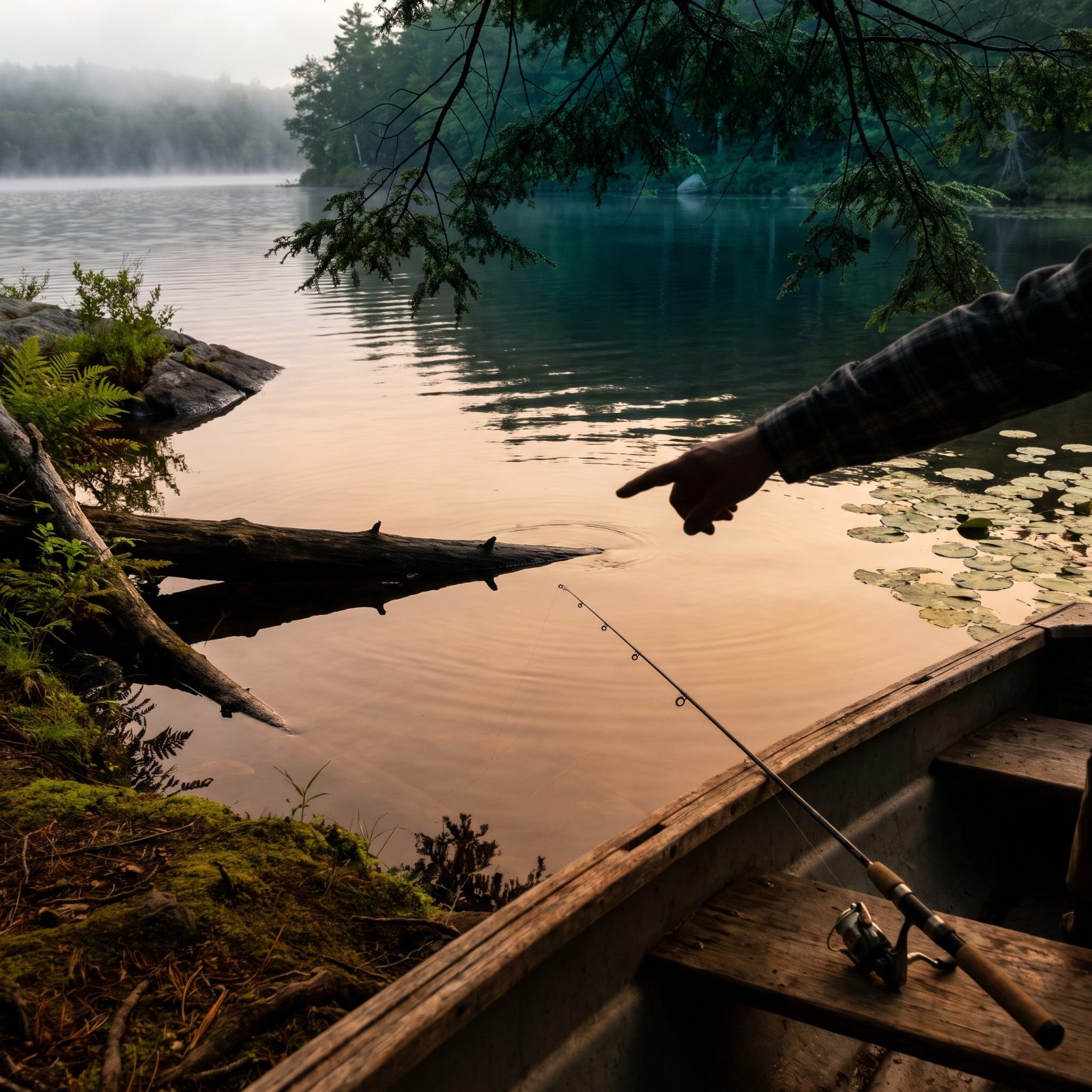
Before you could cast worth a thing, you were learning to look. Dad would cut the motor and just sit, eyes moving across the surface like he was reading something written there — the seam where fast water met slow, the shadow under the dock, the dark hole off the point.
He’d point and say, “There. They’re sitting right there.” Half the time he was right, which seemed like witchcraft to a kid.
It wasn’t witchcraft. It was years of paying attention. Fish want structure, shade, and an easy meal, and once you know that, the whole lake starts whispering. Nobody tells you this part: the reading comes before the casting, and it never stops being the better skill.
12. The Exact Way Dad Tied His Knots, Now in Your Hands
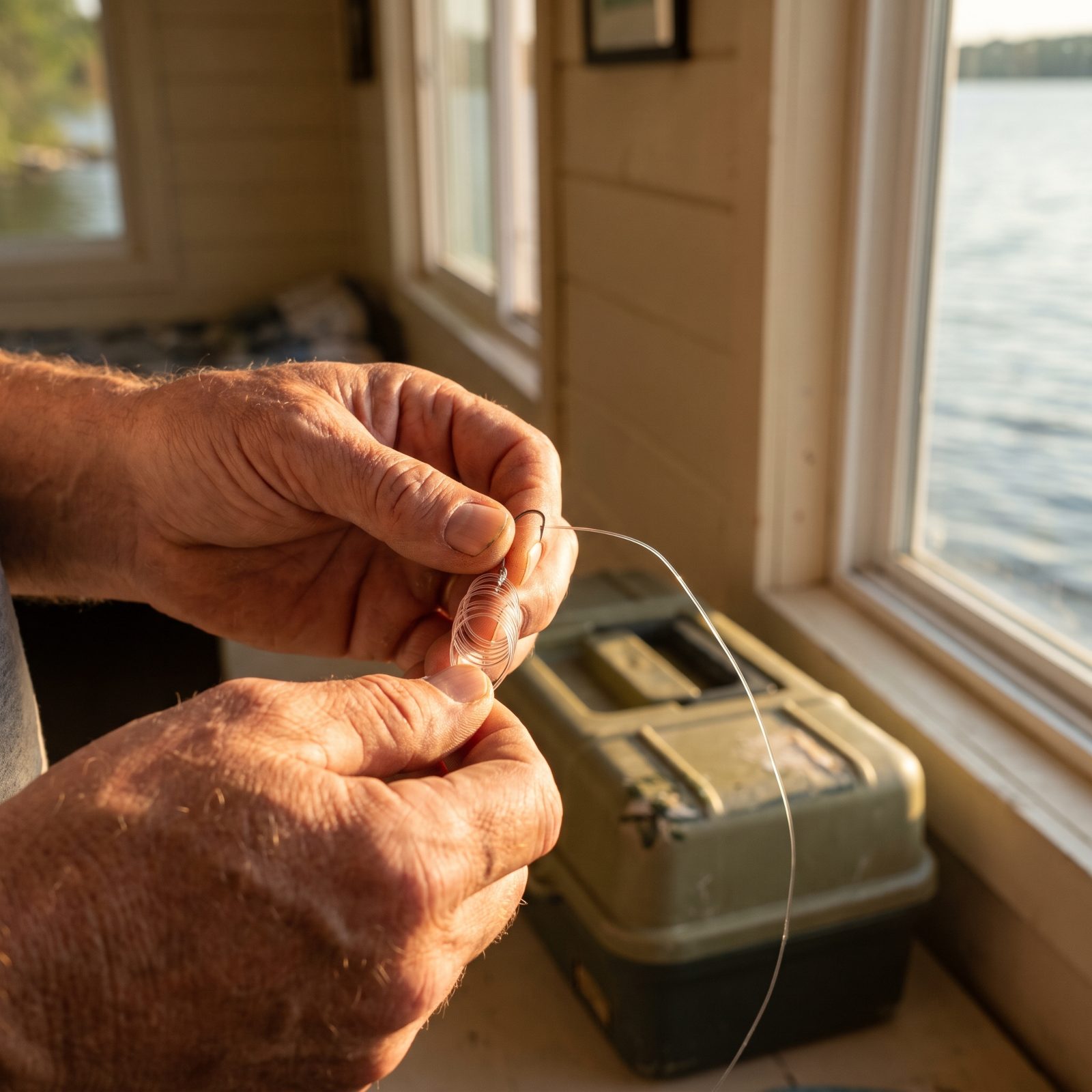
Some men tie a clinch knot. Dad had his own way of doing it, a little twist at the end that wasn’t in any book, and he probably learned it from his own father the same way you learned it from him.
You didn’t realize you’d absorbed it until years later, standing on a riverbank, your fingers doing the motion without a single thought. Five wraps, back through the loop, pull slow so it doesn’t burn. His hands, in your hands now.
That’s the quiet inheritance of fishing. No ceremony — just a muscle memory passed down that outlives the man who gave it to you.
11. The First Time You Were Trusted With the Trolling Motor
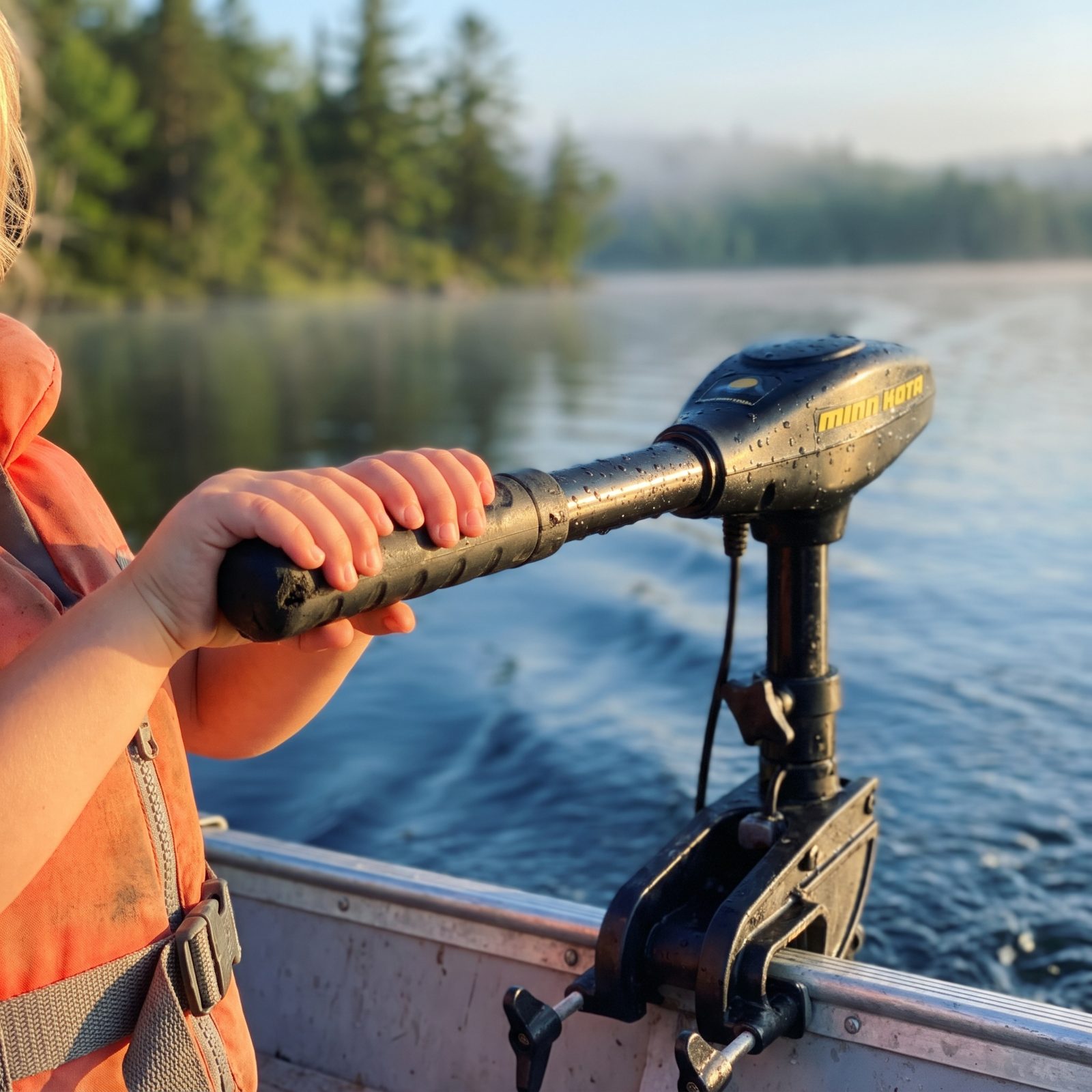
This was the promotion that mattered.
Not a new rod. Not a bigger boat. The day Dad finally said, “Here, you steer us down the bank,” and handed over the trolling motor like a set of car keys.
Your heart hammered. You gave it too much throttle, swung the bow into the reeds, overcorrected, and nearly knocked him off his seat. He didn’t yell. He just said, “Easy. Little touches,” and let you figure out the rest.
Being trusted with the boat meant you weren’t cargo anymore. You were crew.
10. Your First Fish and Dad’s Quiet, Proud Nod
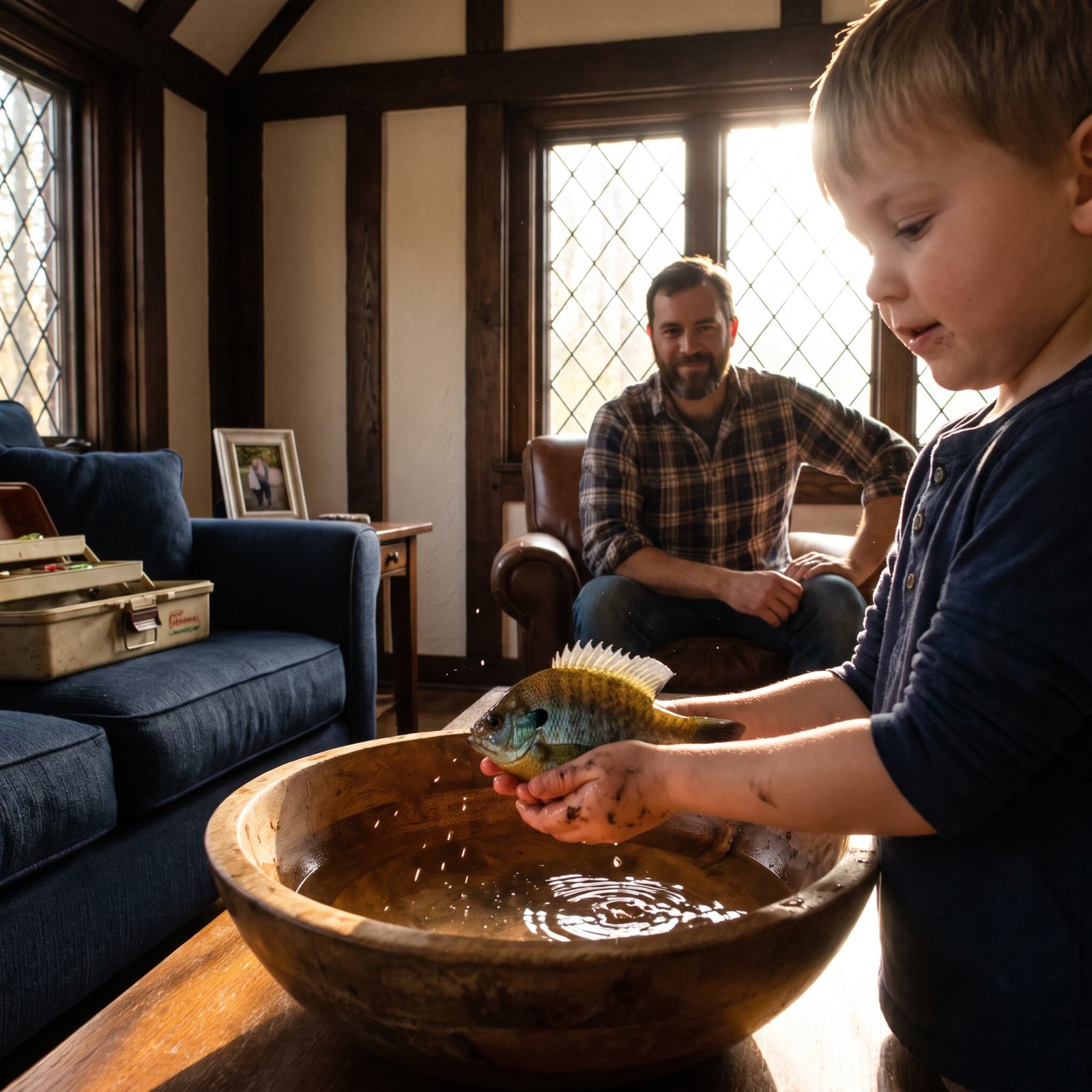
It was probably a bluegill the size of your palm. Doesn’t matter. To you it was a marlin.
You carried it straight into the living room, dripping all over the coffee table, then cradled it over a wooden bowl of water, eyes glued to that fish, while Dad watched from his armchair by the window. You looked up for the one reaction that counted more than anything. And there it was. No whooping, no big speech, just a slow nod and a small smile that said more than words would have.
Men of that generation didn’t hand out praise easily, which is exactly why that nod burned itself into your memory. You spent years chasing bigger fish partly to see it again.
9. Being Handed the Rod When the Big One Hit
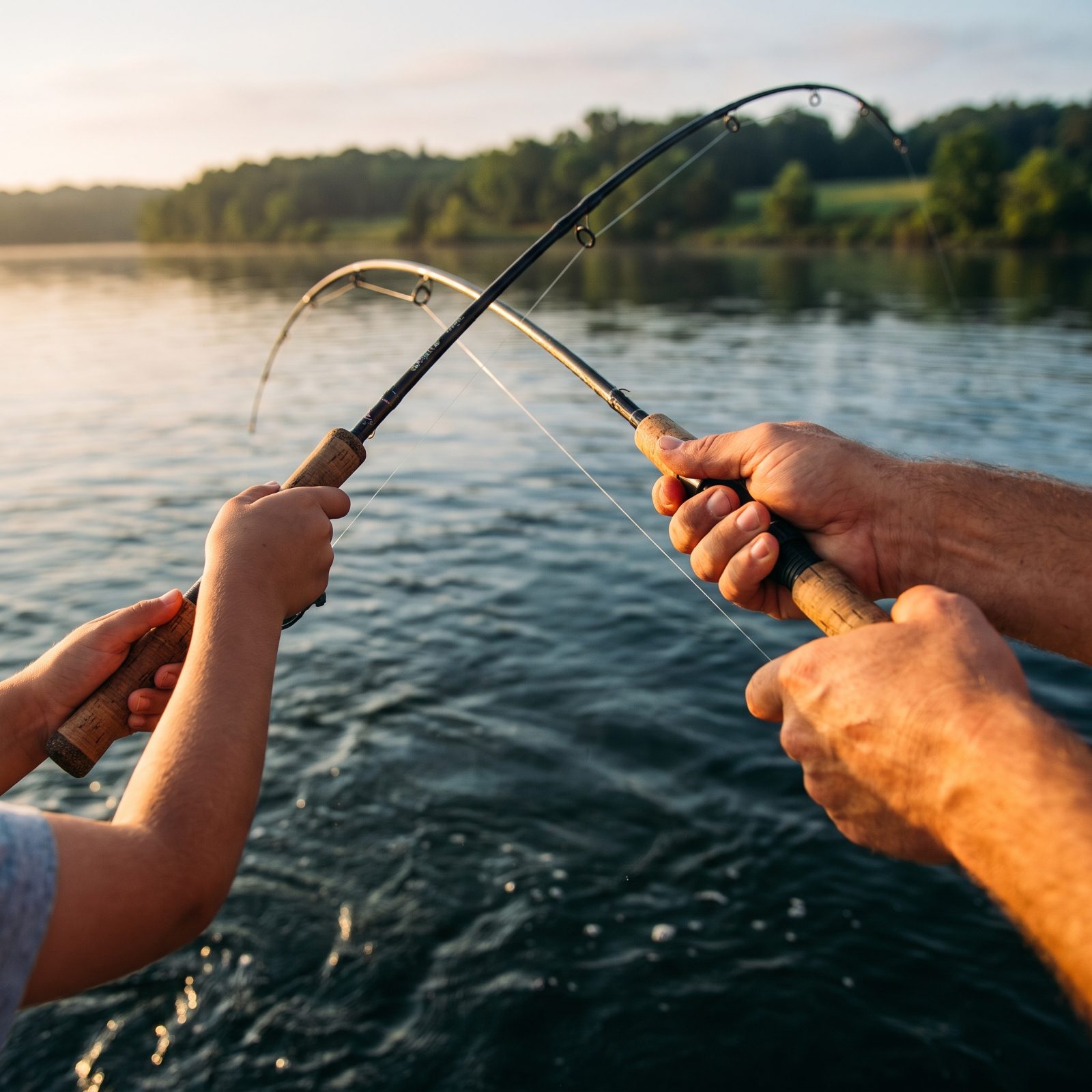
His rod tip bent hard and everyone’s heart stopped. Something big was on. And then Dad did the thing you never forgot.
He handed you the rod.
He could have fought it himself. It was his trip, his tackle, his chance at a trophy. Instead he put the rod in your small shaking hands and coached you through it. “Rod tip up. Don’t horse it. Let it run, let it run, now pull.”
Whether you landed it or lost it halfway to the boat, it stopped being his day the second he passed you that rod. Most kids don’t recognize that gift until they’re old enough to have handed one over themselves.
8. Getting the Net Ready Too Early and Spooking the Fish
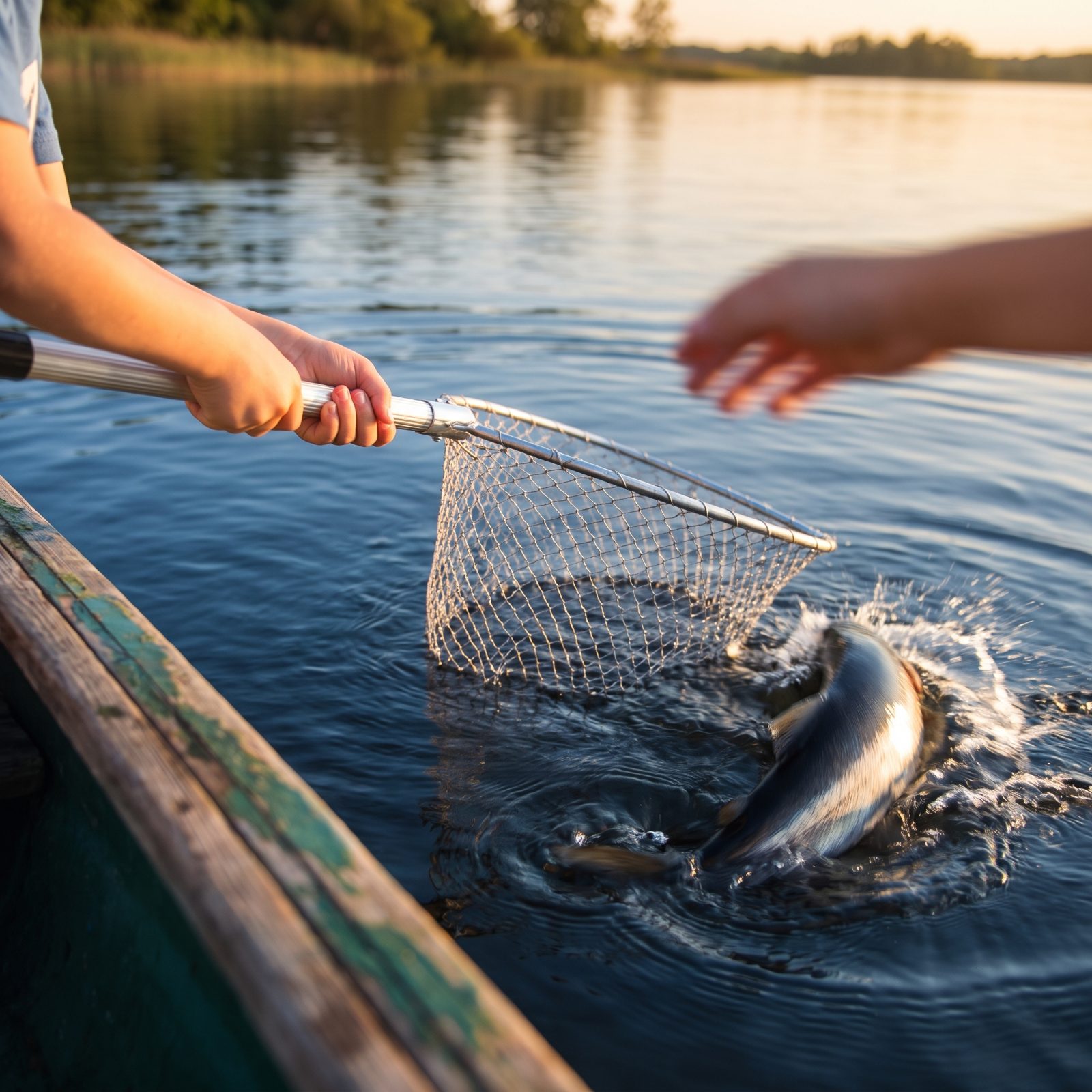
Your job was simple: wait with the net, stay out of the way until Dad said go.
You could not wait. You jabbed that net in way too soon, the fish saw the shadow, bolted, threw the hook, and vanished. The silence afterward was loud.
Dad probably groaned. Maybe he laughed. Either way you learned the hard lesson every netter learns eventually — the net comes in low and late, head-first, and never a second before the fish is beat. Scare one off like that and it stays with you. Do it as an adult and you feel eight years old all over again.
7. The Photo of You Holding a Fish Nearly Your Size
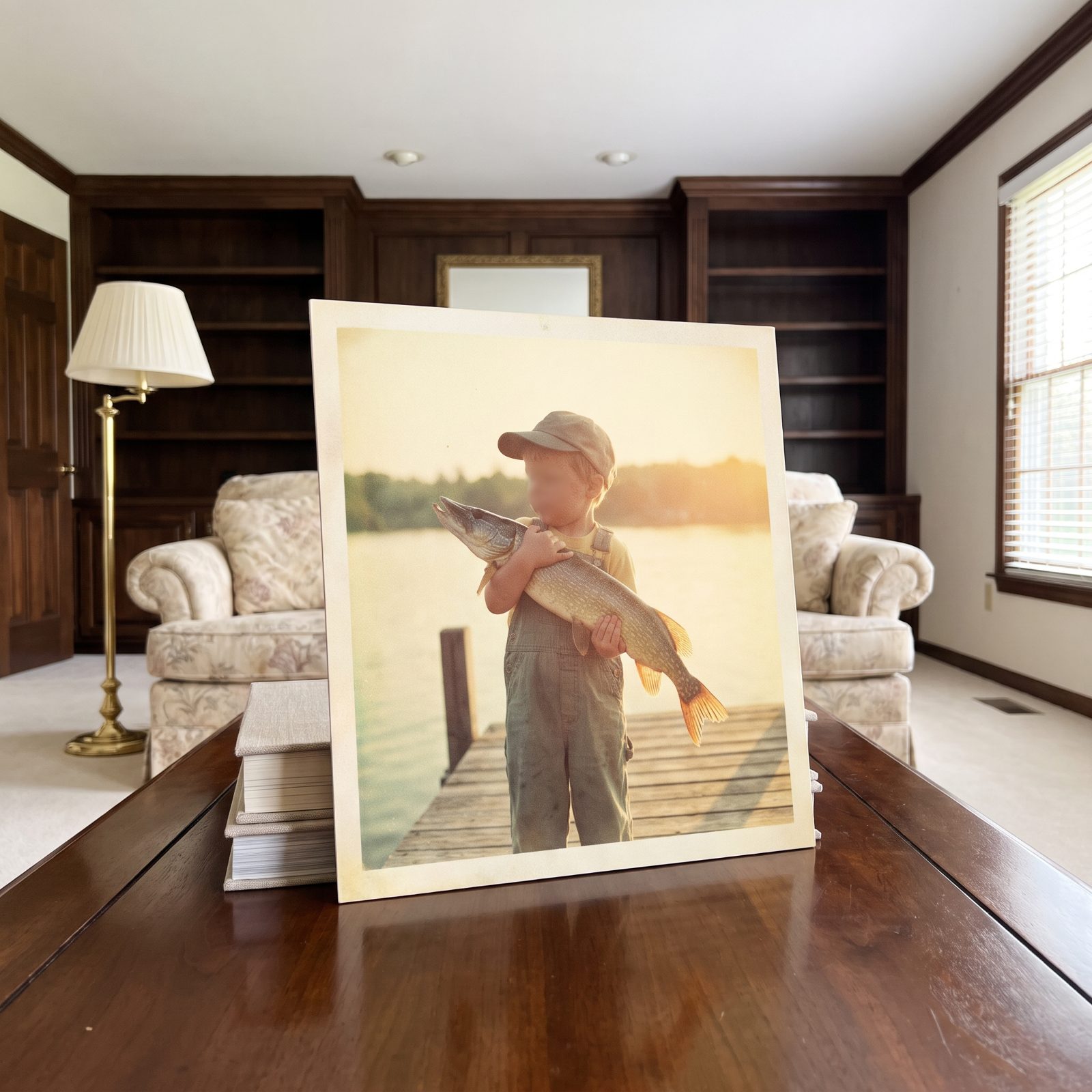
Every family that fished has this photo.
You, grinning or squinting into the sun, holding a fish up with both arms like you could barely manage the weight. Because you could barely manage the weight. It really was almost as big as you.
The picture lives somewhere now — a shoebox, a hallway frame, a magnet on an old fridge. The colors have gone soft and yellow. And every time it surfaces, you remember exactly how the fish smelled and how your arms burned holding it up long enough for Dad to find the button on the camera.
6. The Sandwiches That Somehow Tasted Better on the Water
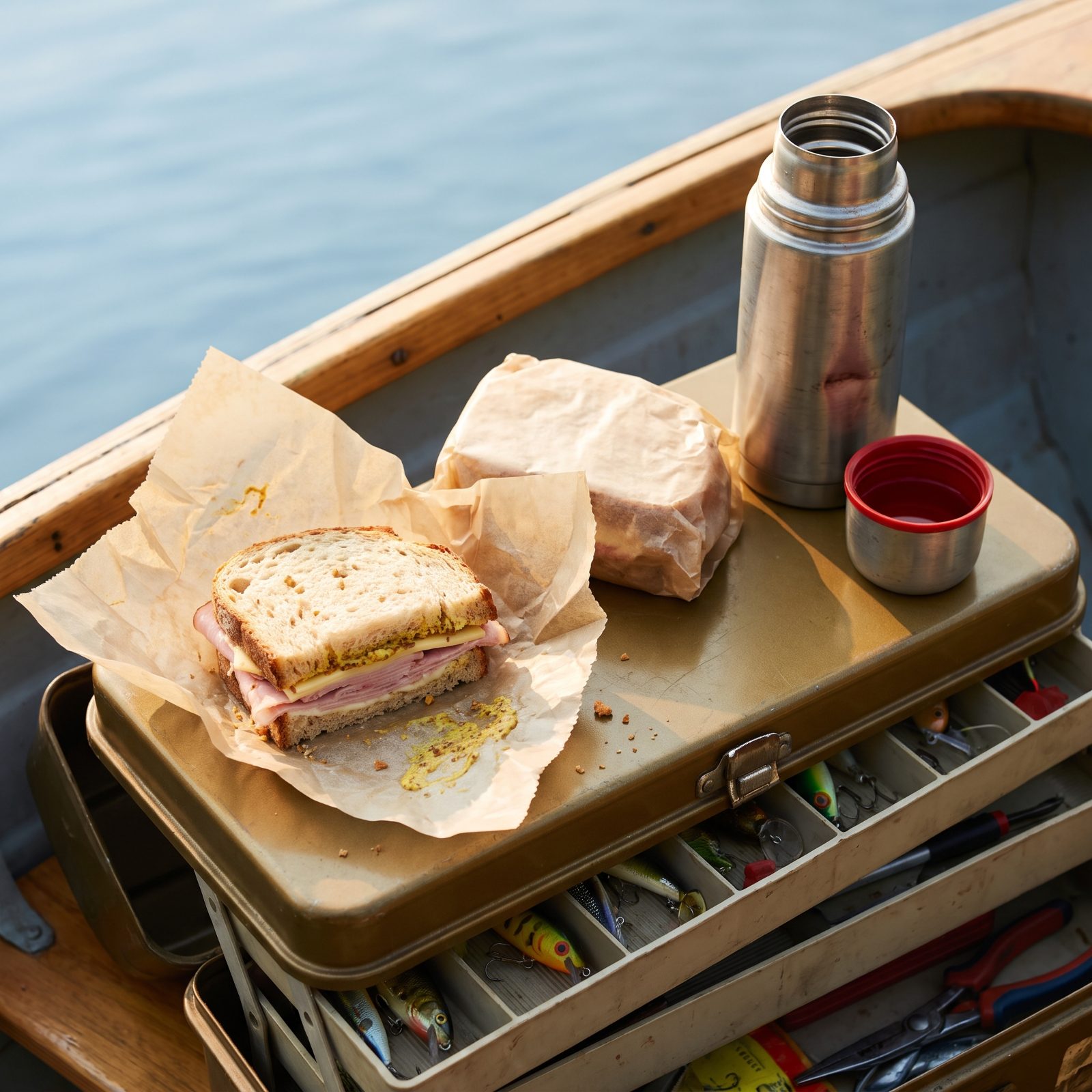
Grainy wheat bread. Ham and Swiss, a smear of seedy mustard. A little warm from sitting in the cooler all morning, the bread gone slightly damp. At home you’d have barely noticed it.
On the water it was the best meal of your life.
Something about the open air, the hunger that comes from an early start, the salt on your fingers from the bait — food just hits different out there. Scientists would tell you it’s the fresh air and exertion. Dad would tell you to stop talking and eat before the fish start biting again, and he was usually right about which mattered more.
5. Getting Soaked in a Surprise Downpour and Laughing About It
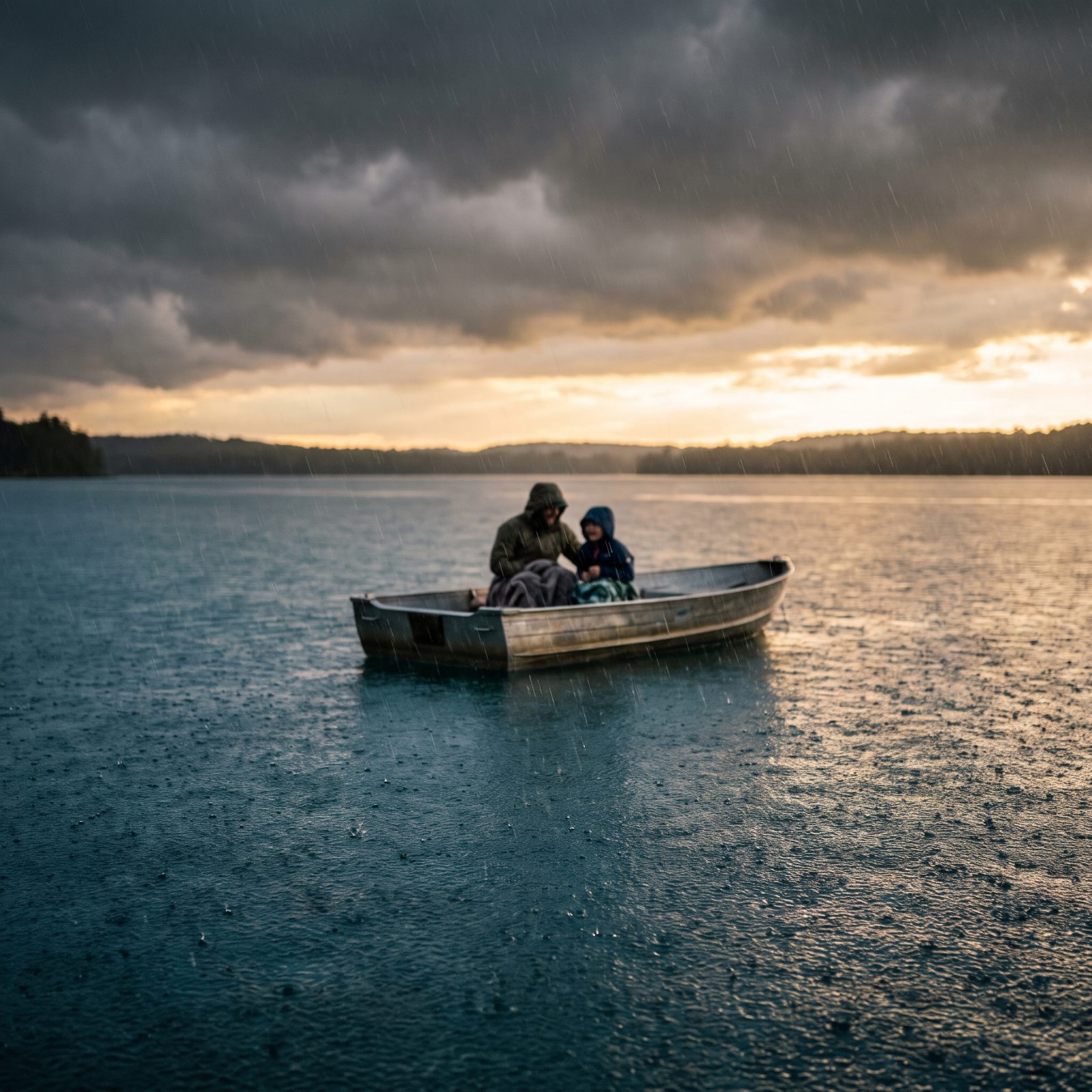
No warning. Blue sky one minute, then the far shore goes grey and the wall of rain comes across the water toward you, fast.
Too far from the ramp to beat it, so you didn’t try. You just got drenched, both of you, soaked straight through, line still in the water. And at some point Dad started laughing, which made you laugh, and there you sat — two idiots in a downpour too stubborn to quit.
You never caught a thing in that rain. Didn’t matter. You’d remember that storm long after you forgot every fish you boated that whole summer.
4. Dad’s Ever-Growing Stories About the One That Got Away
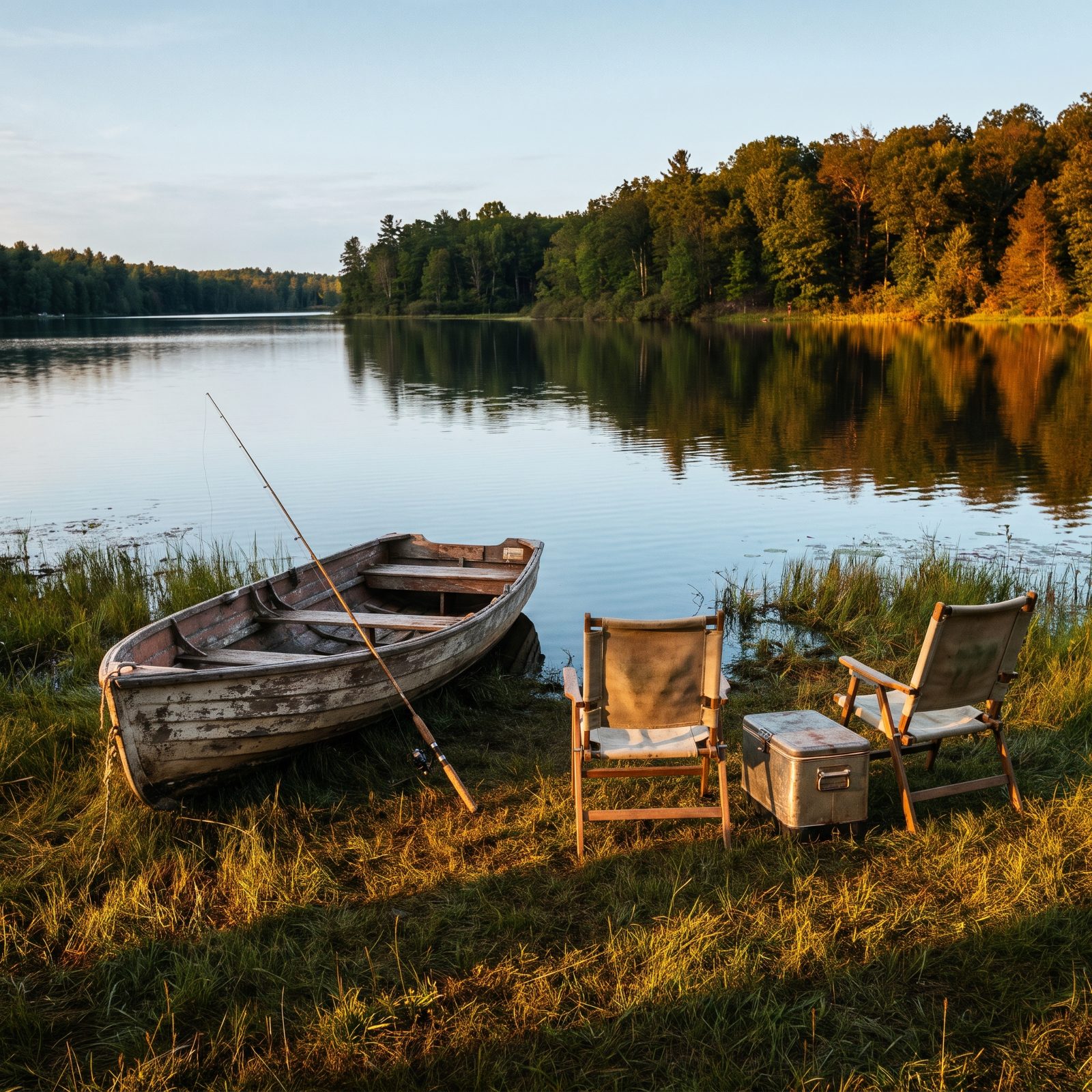
You were there the day it happened. You know for a fact that fish was maybe four pounds.
By the next telling it was six. A year later it had shoulders. By the time your own kids heard the story it had become a creature that nearly pulled the boat under, broke two feet of leader, and looked Dad dead in the eye before diving.
You never corrected him. The fish that got away isn’t a lie — it’s a story getting better, and the stretching of it is half the reason men fish at all.
You catch yourself doing it now. Same fish. Same growing. It was never really about the size. It was about keeping the day alive at the dinner table long after the water went still. So you let the fish grow, and you pass it down, exactly the way he did.
3. Learning to Clean a Fish at the Kitchen Sink
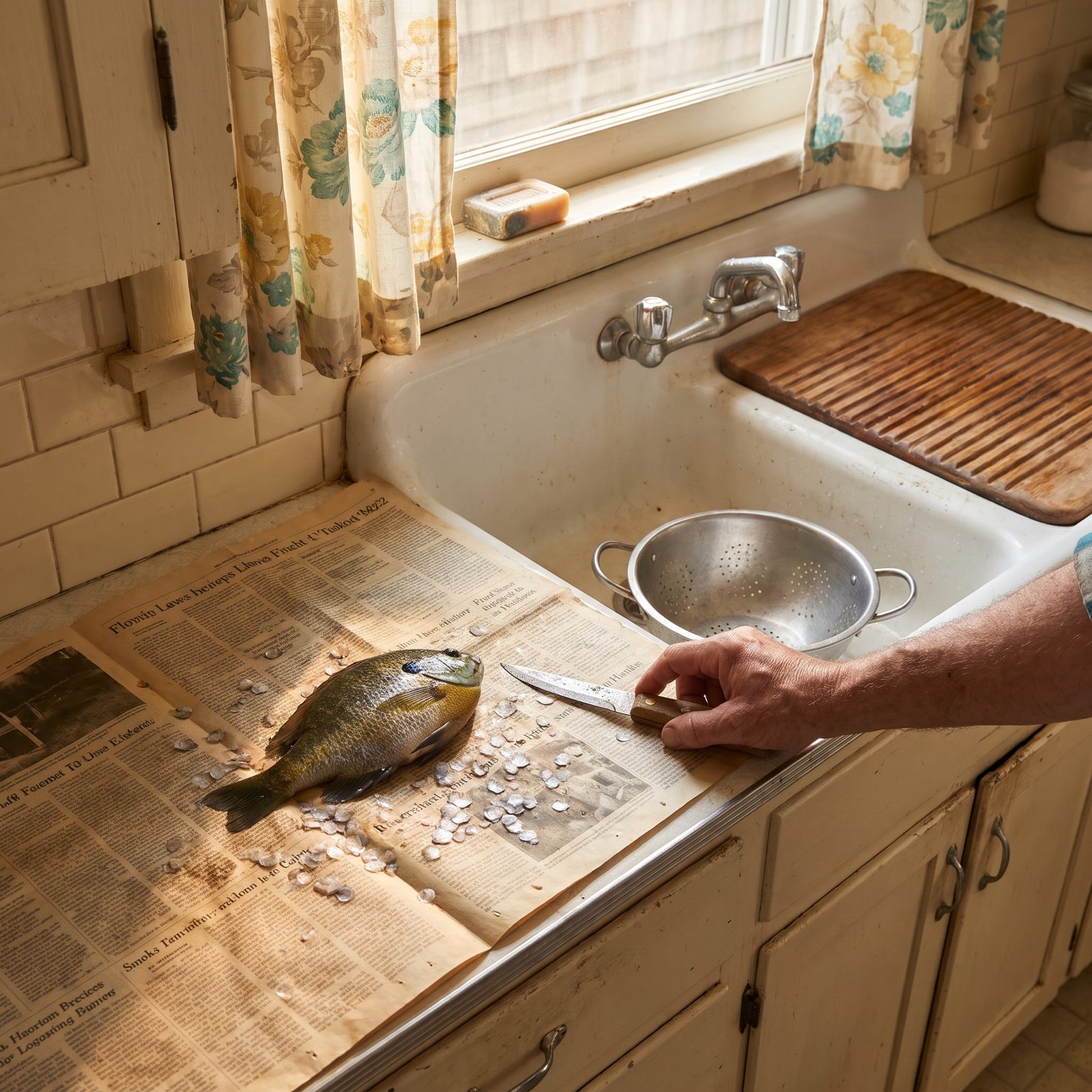
The first one was gross and you flinched. Everyone did.
Then you watched how the knife went in behind the gill, how the thumb worked the scales backward, how the whole thing turned matter-of-fact instead of squeamish. You got handed the knife before you felt ready — and that was the point. Cleaning the catch at the sink was where the fun part ended and the respect part started: the fish on the line becomes the food on the plate, and you don’t get one without doing the other.
Plenty of us still clean a fish exactly the way we were shown. Same grip, same order of operations, no idea there was ever another method.
2. Falling Asleep on the Drive Home, Rod Still in the Back Seat
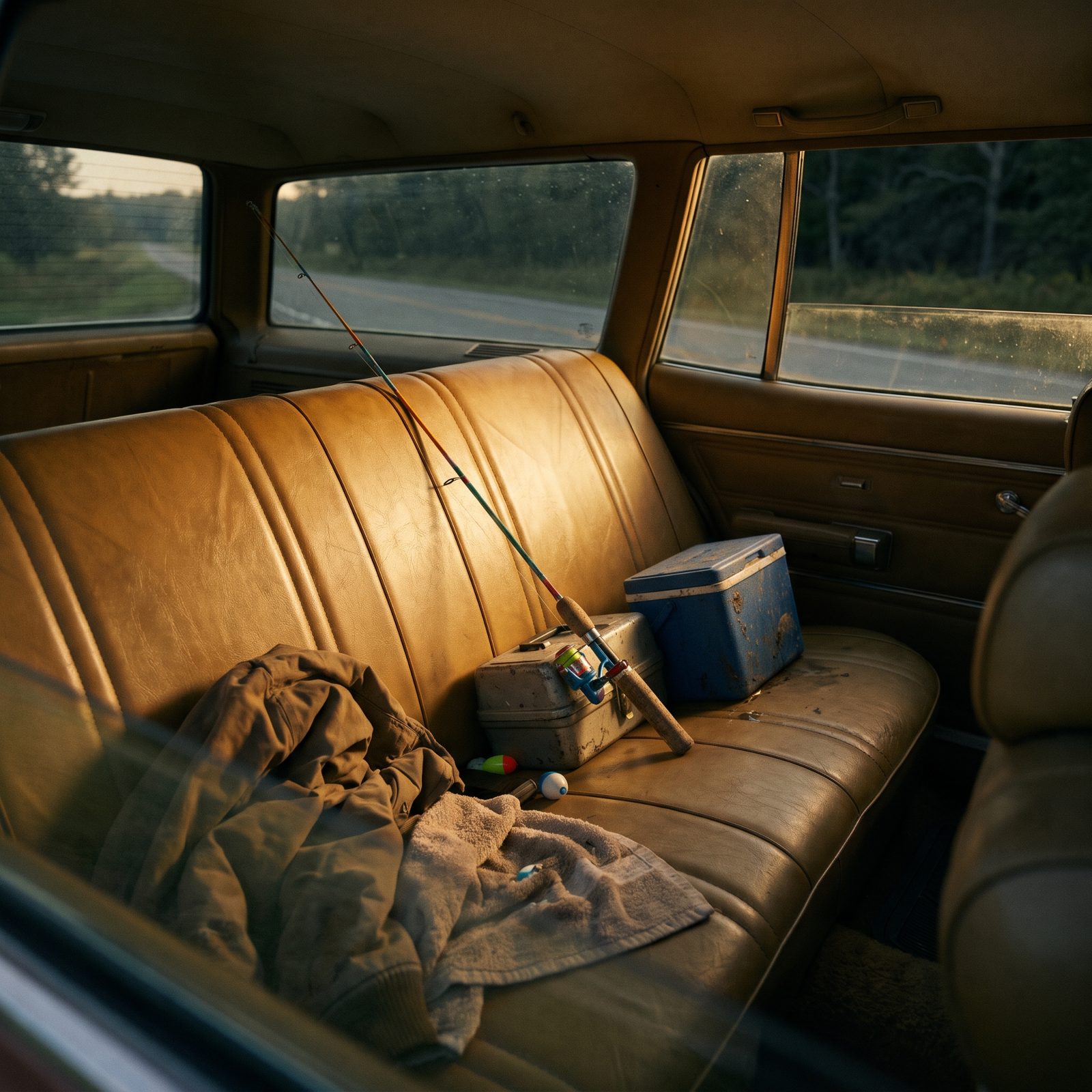
You never made it the whole way awake. The hum of the tires, the heater, the smell of lake water drying on everything — it put you out before the first stop sign.
The part you only appreciate now? You got carried in. Someone hauled the cooler, racked the rods, and lifted a half-asleep kid into bed without a word about it. That exhaustion was earned. A full day of sun and casting and not catching much, and it drained you in the best way a day can.
1. Still Hearing His Voice Every Time You Set the Hook
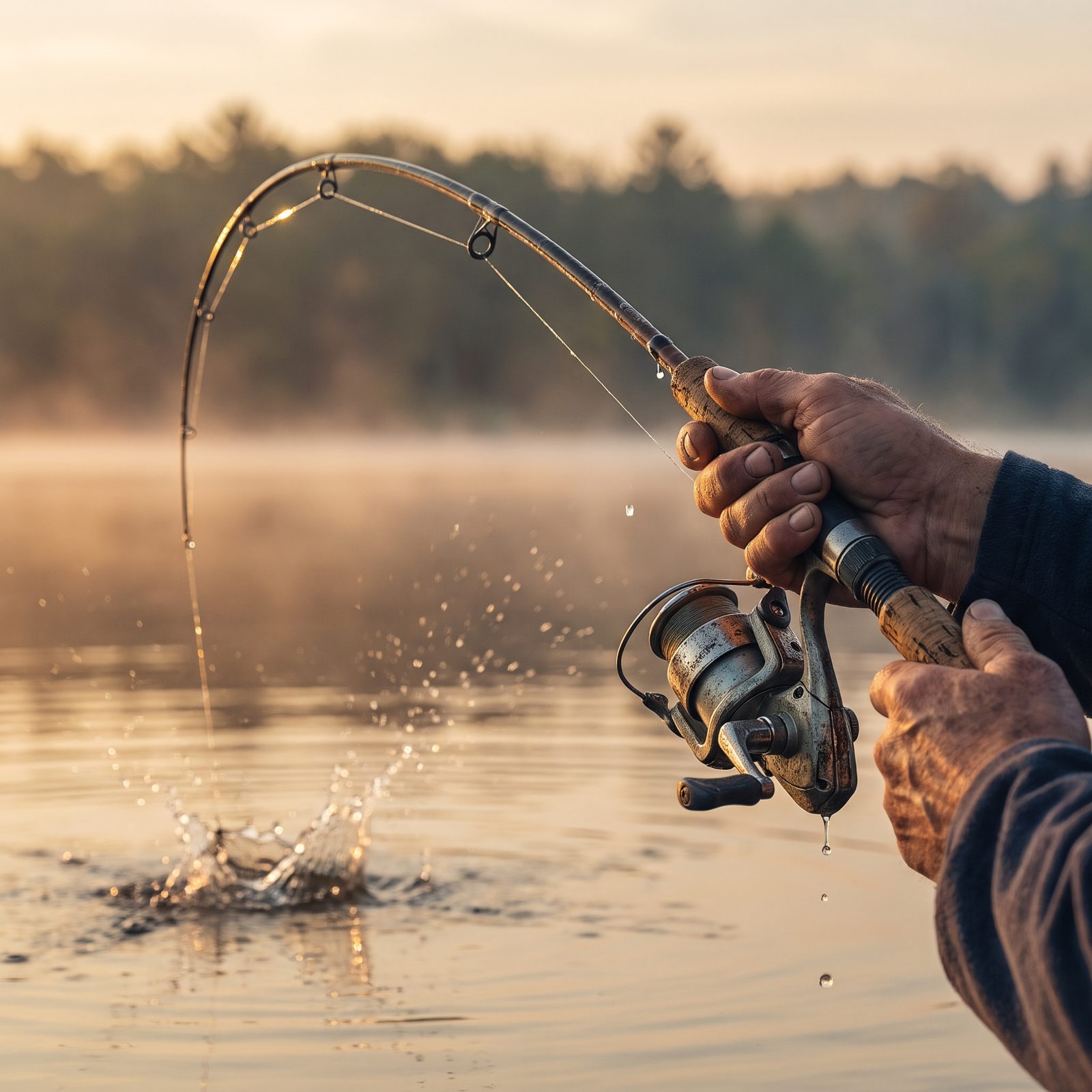
Set the hook. Not hard, just firm. A quick lift of the wrist.
You can still hear it — that short instruction delivered a thousand times until it stopped being instruction and became reflex. The rod loads, the line goes tight, and before you even think about it your arm does the thing you were taught to do forty years ago. The voice shows up in that half-second, unbidden, same tone, same words.
That’s the strange gift of it. The people who teach us to fish hand us a motion the body keeps long after they’re gone. You feel the tug, you set the hook, and for one second they’re in the boat again. Nobody warns you it works that way. You just find out.