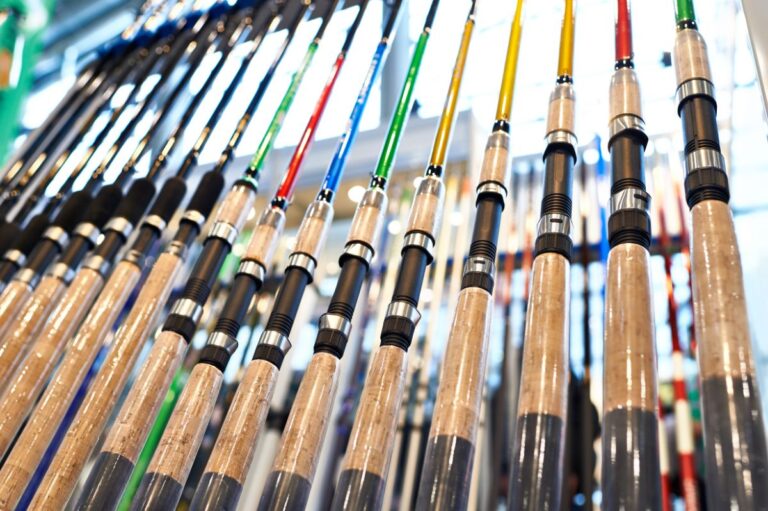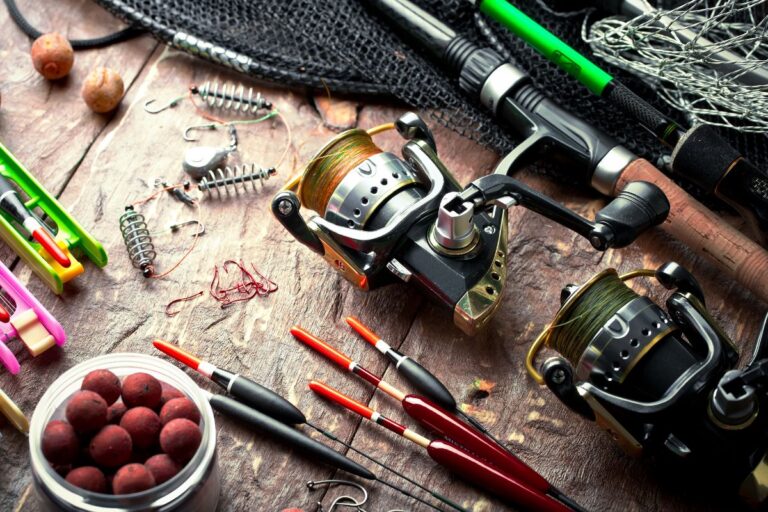
There’s a specific kind of restlessness that hits around a tackle shop on a slow Saturday. You’ve got rods that work. You’ve caught fish on all of them, and yet you’re standing in the baitcaster aisle feeling like your whole setup has betrayed you somehow.
Please note that some of the images in this article were created with the assistance of AI.
That itch is the same wiring that makes a decent employee update a resume on a Tuesday night for no reason. Nothing’s broken. The grass over there is a slightly greener shade of green, and our brains are brutal at ignoring it. The chase, the upgrade, the clean-slate fantasy — same fuel whether you’re swapping spinning reels or swapping cubicles. Here’s where the two lives rhyme, and why the part of you doing the swapping is more predictable than you’d like to admit.
17. The Same Tackle Box Starts Feeling Like a Rut

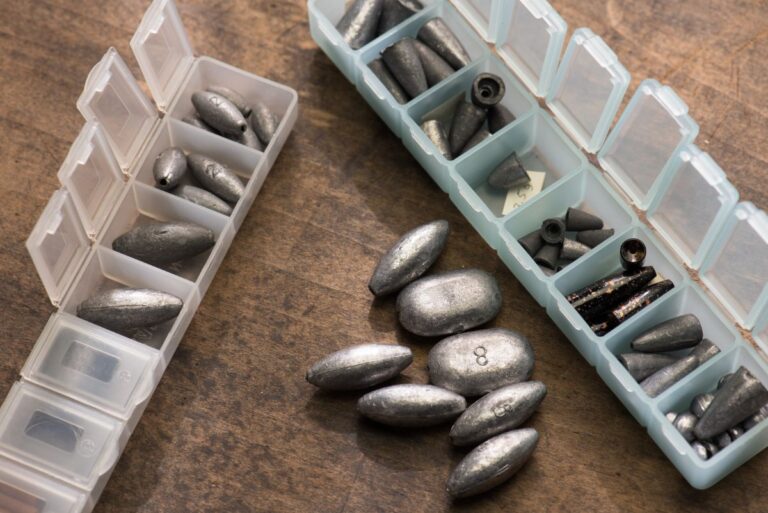
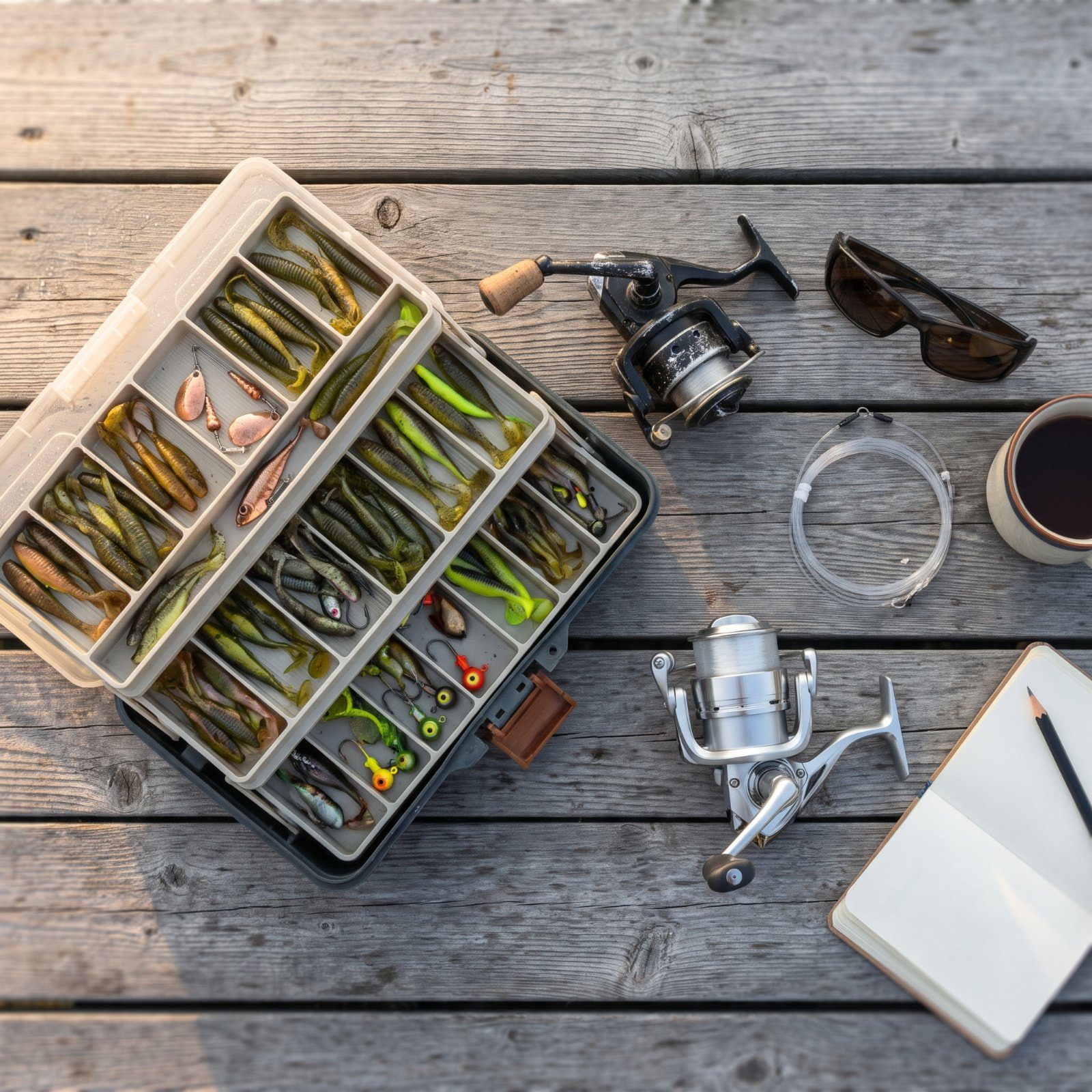
Nothing’s wrong with it. That’s the frustrating part. Every lure in that box has caught fish, the box opens and closes and floats if you drop it off the boat, and still — sometime around year four — it starts to feel less like a tool and more like a cubicle you’ve outgrown.
This is hedonic adaptation doing its quiet work. The pleasure of any possession, or any paycheck, fades on a predictable curve. What thrilled you at purchase becomes the baseline, and the baseline feels like nothing. A good worker hits the same wall at a solid job: same desk, same commute, same competent boss, and one morning the whole thing reads as a rut even though every box is checked.
The box didn’t change. Your brain recalibrated what ‘normal’ feels like, then mistook normal for inadequate. I’ve reorganized a tackle tray at 11pm just to feel something new about gear I already own. That’s the itch talking, not the gear.
16. You Blame the Reel After a Backlash-Filled Morning
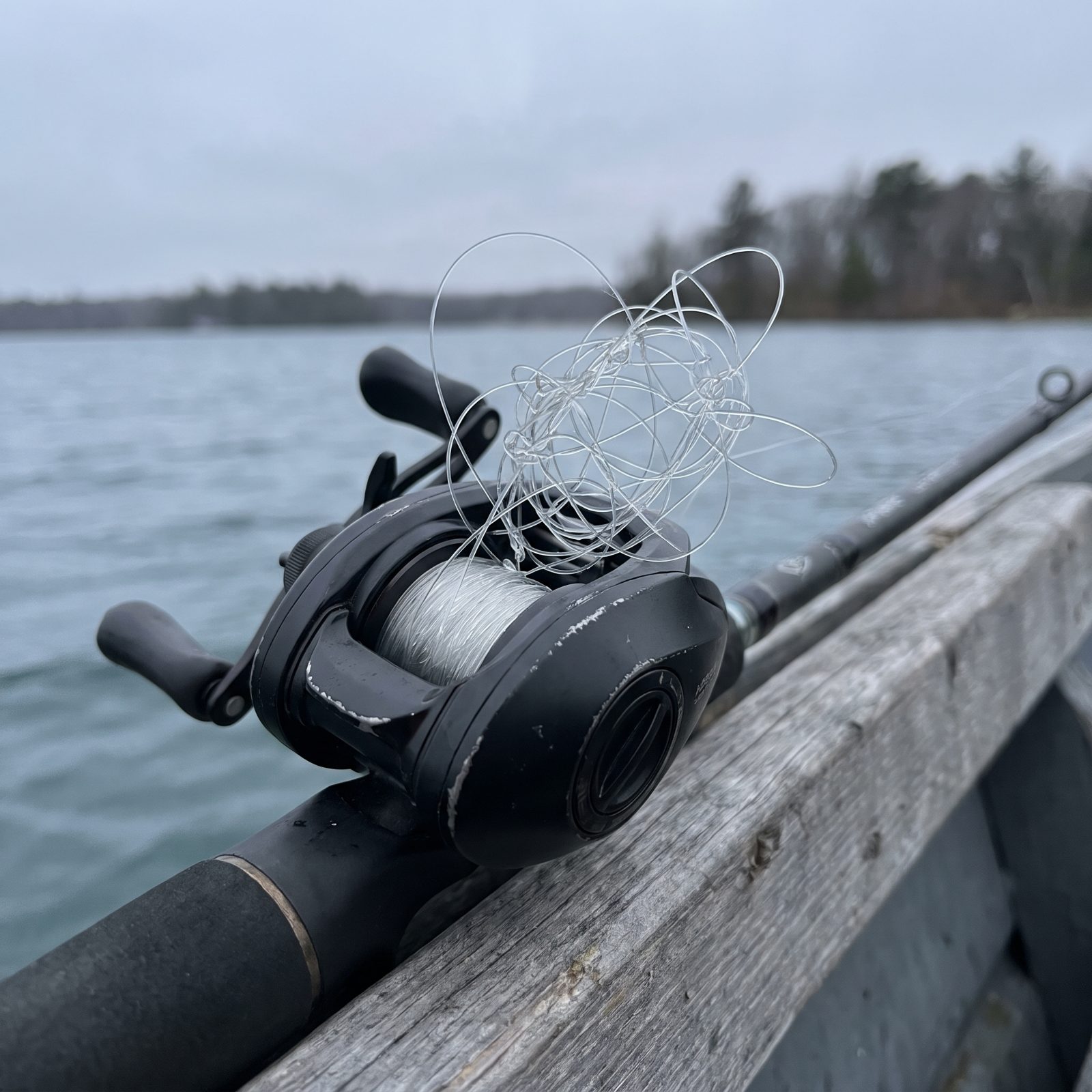
Three backlashes before 8am. The thumb is tired, the patience is gone, and somewhere in there the thought arrives fully formed: this reel is garbage. Not the thumb. The reel.
That’s self-serving bias — the same reflex that makes a bad quarter the manager’s fault and a good one your own doing. When outcomes go sideways, we protect the ego by pointing the blame outward. The reel gets fired the way a job gets quit after a stretch of rough mornings that were, if we’re honest, partly us.
Here’s the tell: upgrade the reel, keep the untrained thumb, and the nests come back within a week. New water, same problem. I’ve lived this one more than once.
15. A New Rod Feels Perfect Until the Honeymoon Ends
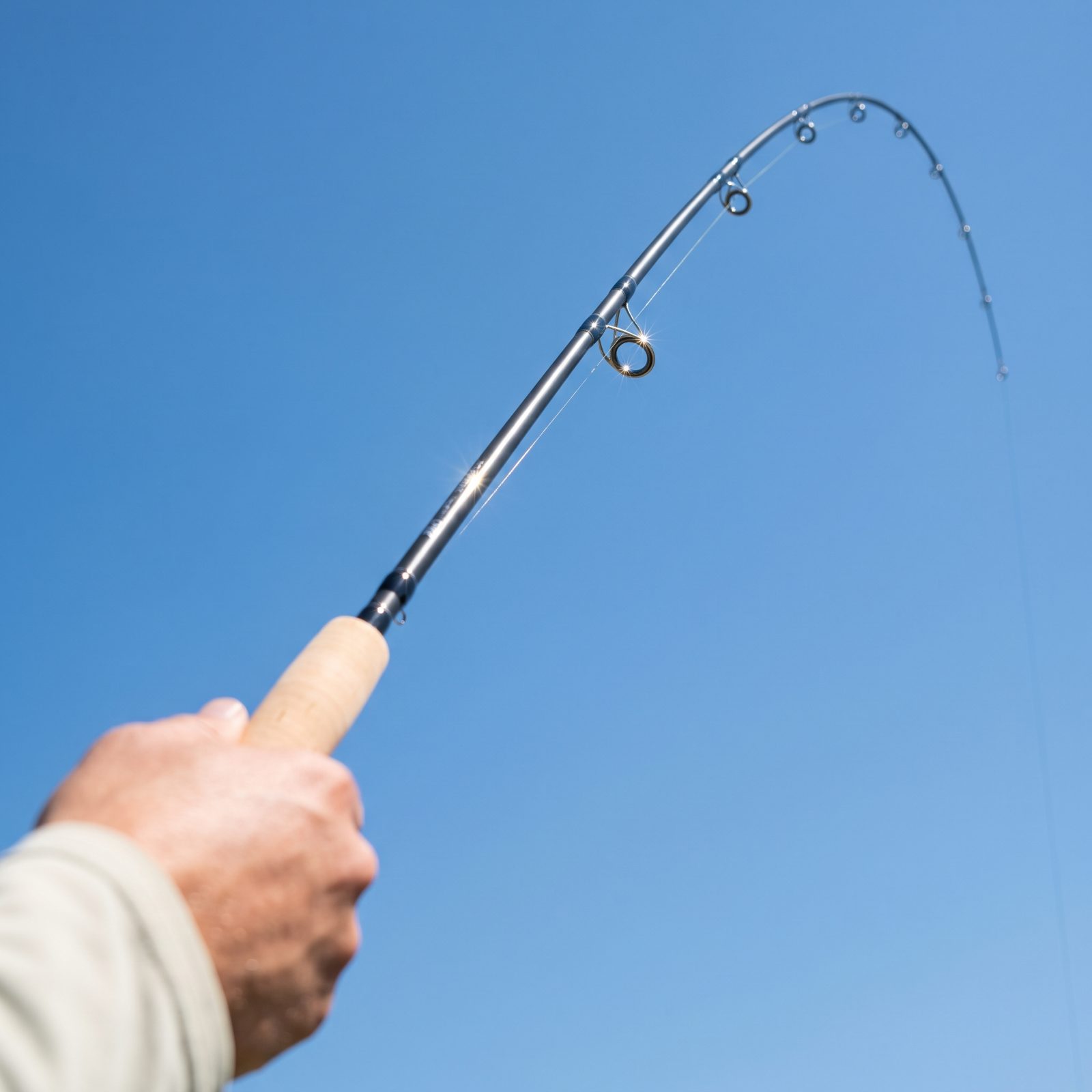
The first week with a new rod is a love affair. Every cast feels crisper. Every hookset lands cleaner. You’re convinced this one changed everything.
Give it a month. The rod becomes just the rod. The casts that felt like magic become normal, the normal becomes invisible, and the little gripe you overlooked at purchase starts getting loud. New job, same arc — the first weeks glow, the free lunches feel generous, and then it’s just work again.
Psychologists call this the hedonic treadmill, and it’s the engine behind a whole industry. The high is real. It’s also temporary by design, which is why the same person buys the same kind of high again next spring.
The rod didn’t get worse. The novelty wore off, and you called that a flaw in the rod.
14. Your Buddy’s Hot Lure Makes Yours Look Obsolete
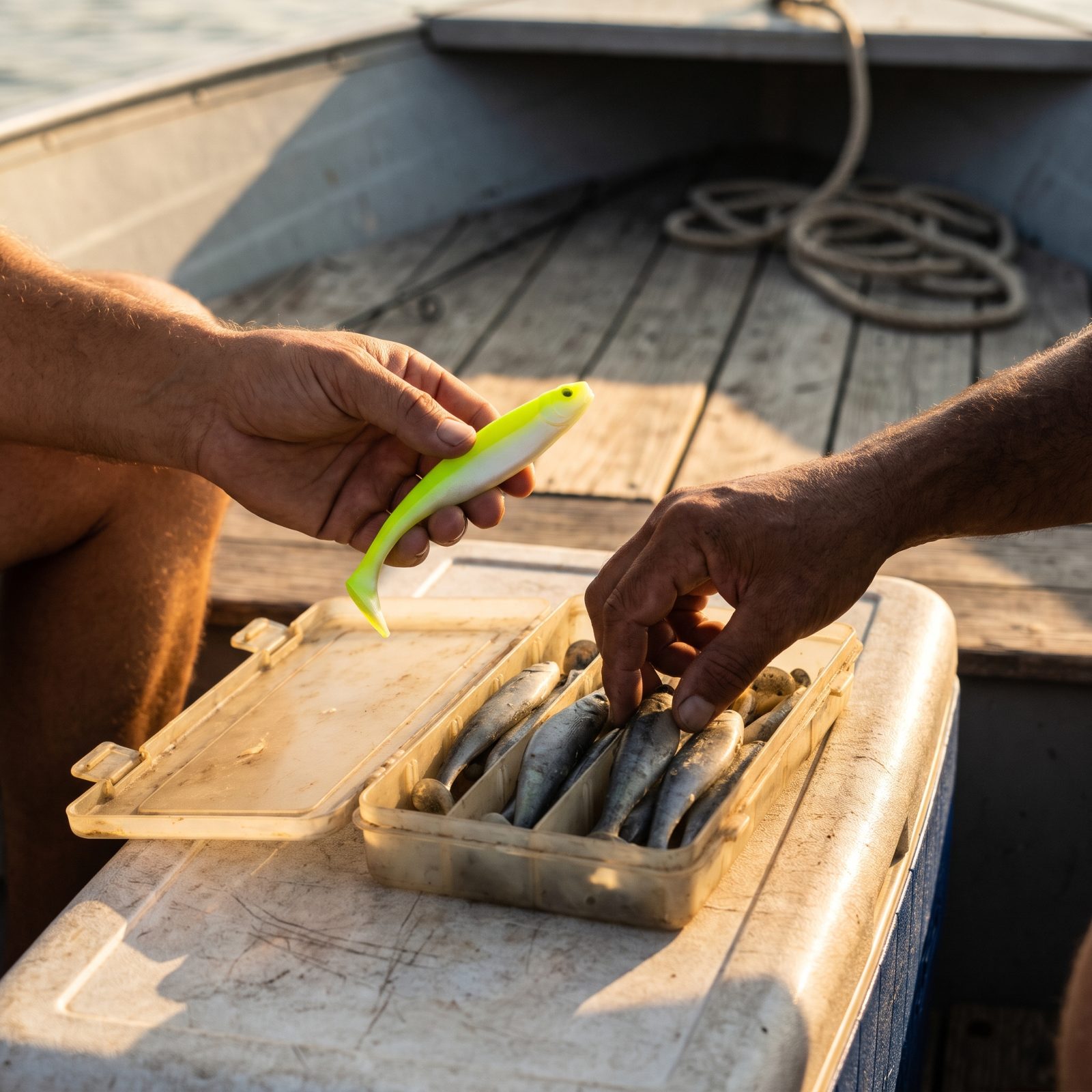
Your buddy pulls three fish in twenty minutes on some swimbait you’ve never seen, and suddenly the tray you trusted all morning looks like a drawer of junk.
Social proof hits hard out on the water. We treat other people’s success as evidence, so when a friend outfishes us, the fastest story our brain reaches for is that he has better gear. It’s the same thing that empties an office when one coworker lands a flashy new job and everyone else starts wondering if they’re stuck.
Maybe it was the lure. More likely it was presentation, position, or dumb luck about which side of the boat held fish. But by the drive home you’ve already got the swimbait in your cart.
13. You Shop for Better Casting Instead of Practicing It
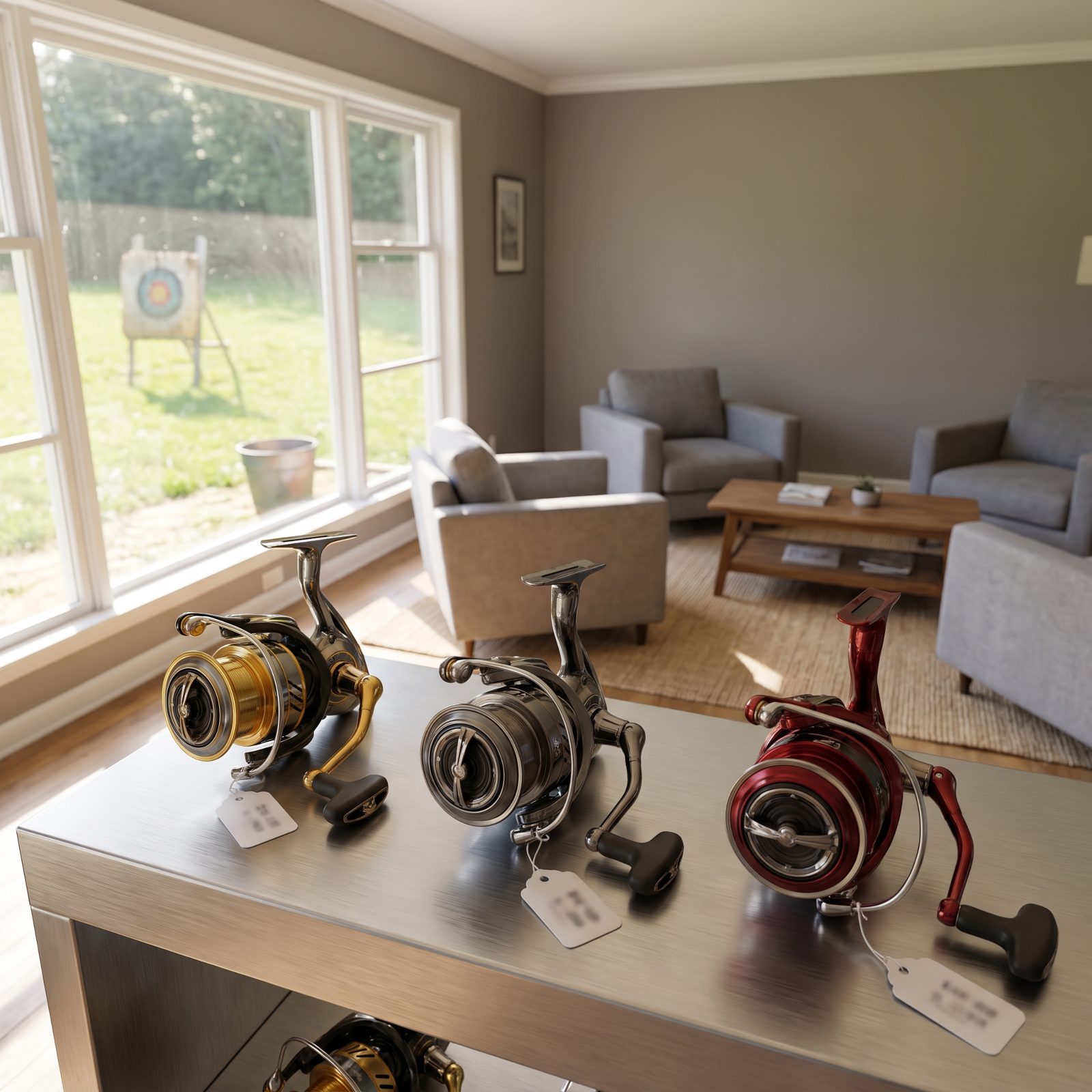
Your accuracy’s off. The fix is free: twenty minutes in the backyard with a casting plug, three evenings a week. Instead you spend two hours reading reel reviews.
Buying feels like progress. Practicing feels like admitting you’re not there yet. We reach for the purchase because it’s a clean, fast action with a dopamine hit at checkout, while the slow grind of skill offers nothing for weeks. Same dodge as job-hopping to escape a weakness you could just develop right where you are.
New reel, same wrist. The gear was never the bottleneck.
12. You Buy Surf Gear for the Angler You’ll Become
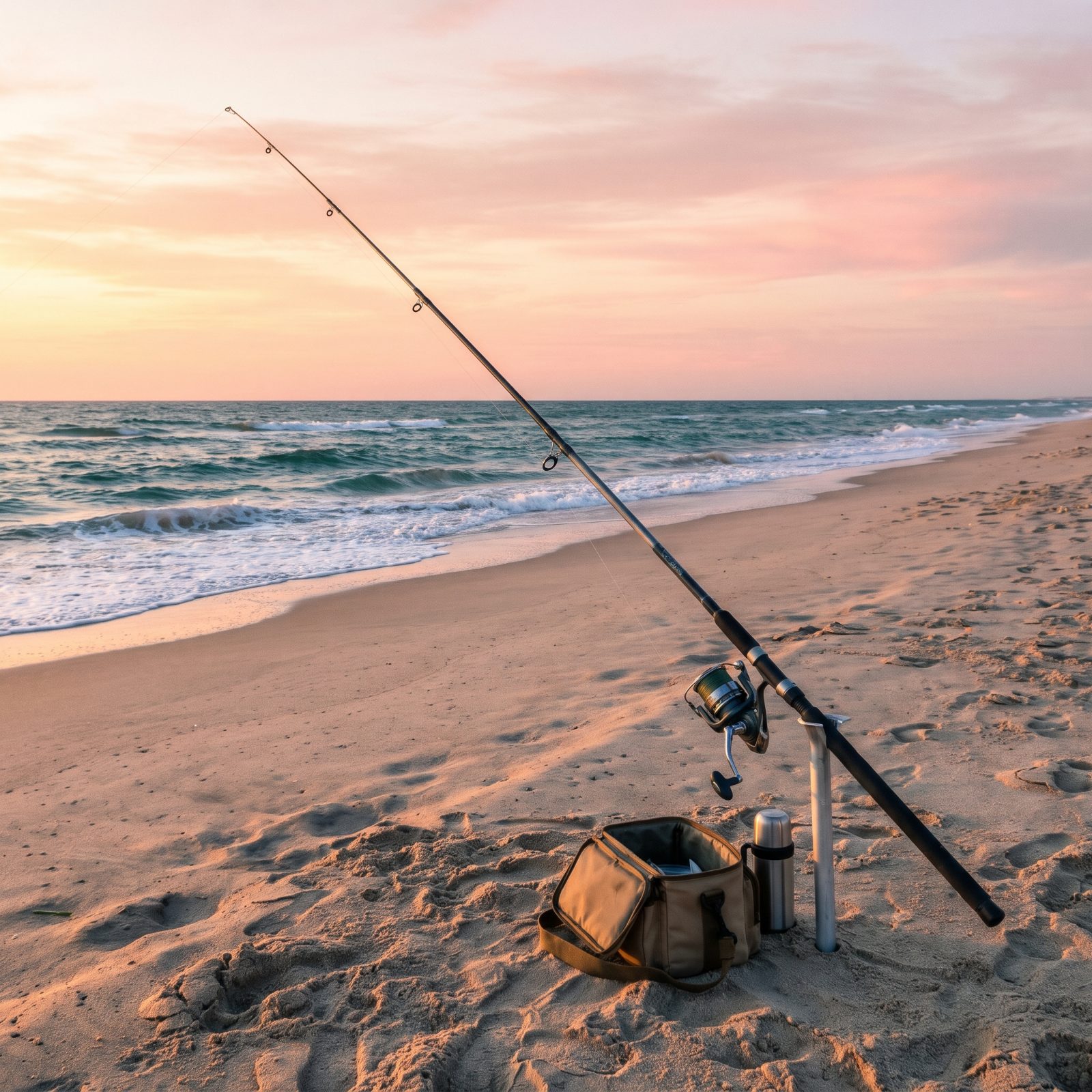
You fish freshwater. You’ve surfcast maybe twice. And yet here you are buying a twelve-foot surf rod and a reel the size of a coffee can for the saltwater life you’re going to live, someday, probably.
This is identity signaling aimed inward. We buy gear for our aspirational self — the angler we picture becoming — because the purchase feels like a down payment on that identity. Same move as taking a job for the title you want to grow into rather than the work actually in front of you.
The rod leans in the garage. The future self doesn’t show up on schedule. I’ve got a surf setup that’s seen the beach exactly once, and I’d buy it again, which tells you everything about how this works.
11. A Premium Rod Says You’re Serious Before You Cast
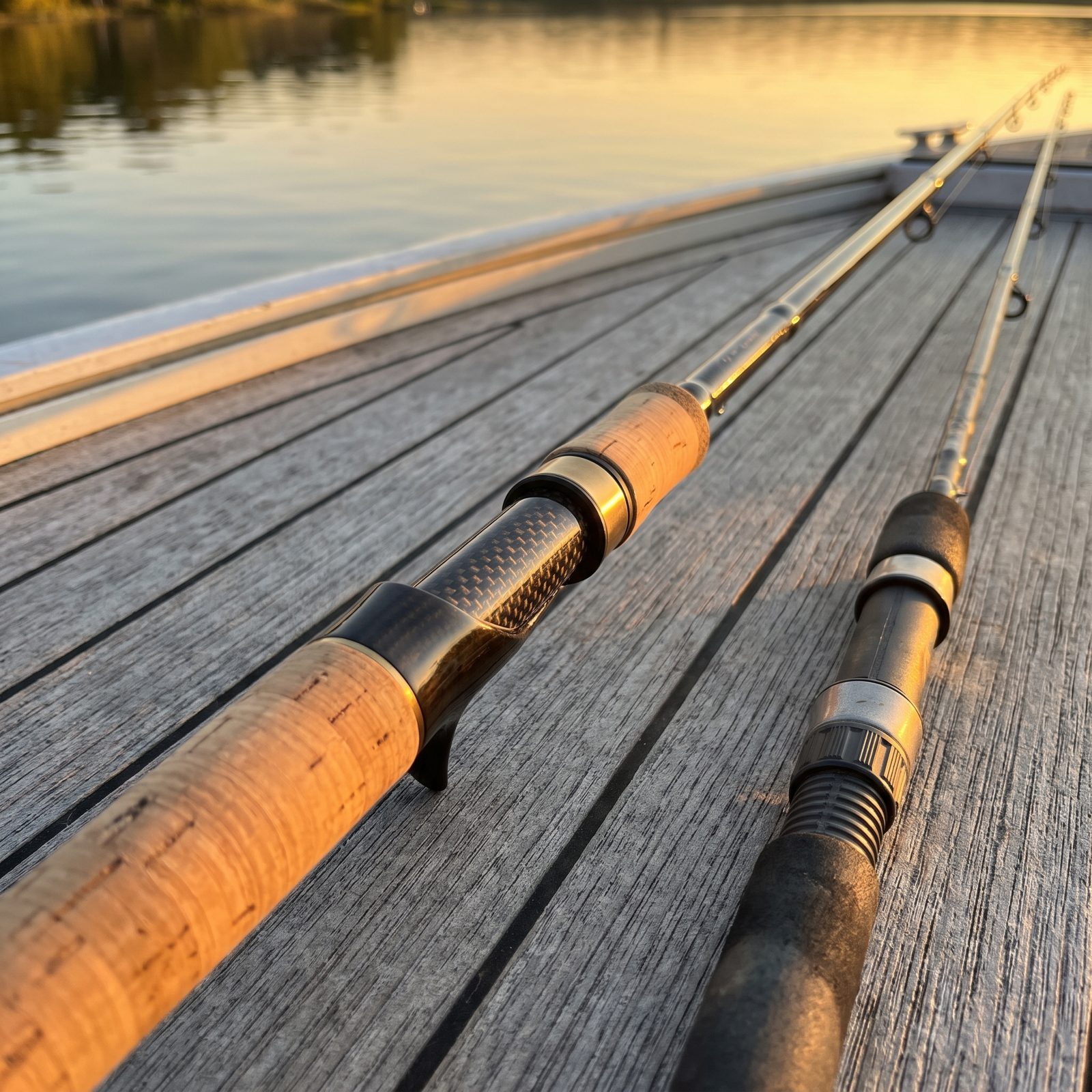
Walk the dock with a top-tier rod and you feel it before you make a cast. People glance. You stand a little straighter. The gear is doing social work the fish will never see.
Status signaling runs deep, and tackle is a cheap way to broadcast commitment. A premium rod tells the dock you’re a serious angler the way a prestige employer on a business card tells a room you’ve arrived. The signal matters even when the actual performance gap is tiny.
And it usually is tiny. A mid-range rod catches the same fish. But the premium one says something about you, and we’ll pay real money to say things about ourselves.
10. Bad Warranty Service Can End Years of Brand Loyalty
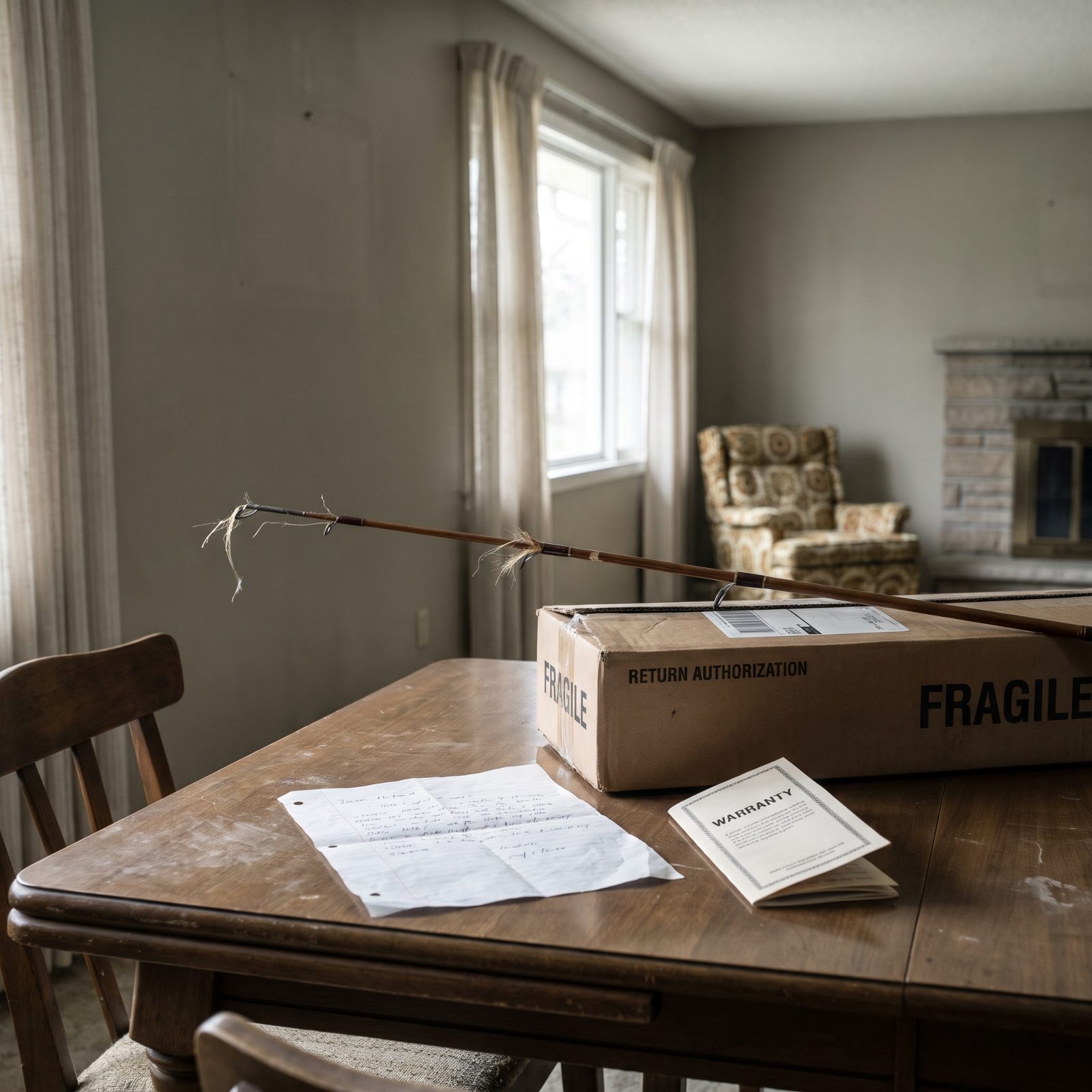
Ten years, one brand. Rods, reels, line, all of it. Then a rod snaps just past a guide wrap, its tip splintering into a frayed mess of strands, the warranty claim drags for six weeks, and someone on the phone treats you like a stranger. That’s it. Done.
Loss aversion flips the whole relationship. A single bad experience outweighs a decade of good ones because we feel losses roughly twice as hard as equivalent gains. The brand that earned a thousand good casts loses you over one rude phone call, exactly the way a loyal employee walks after one insulting performance review that erased years of goodwill.
Not fair to the brand, or the boss. It’s just how the math feels from the inside. One cut goes deeper than a hundred favors.
9. New Water Makes Your Old Setup Feel Like the Wrong Fit
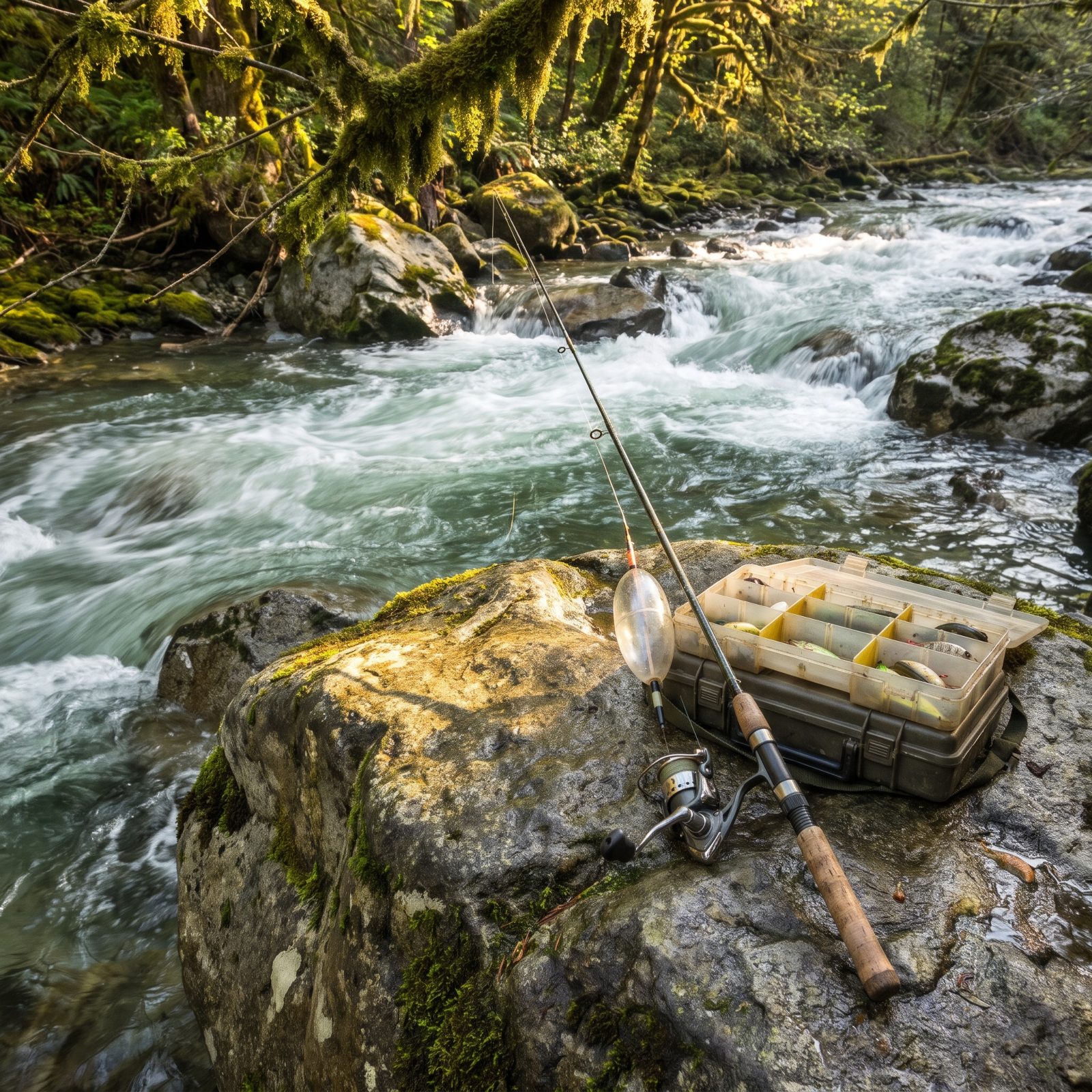
Your lake setup is dialed. Then a buddy invites you to a fast trout river, and suddenly your gear feels wrong — too heavy, too clumsy, built for a fight that isn’t happening here.
Context reframes everything. The same rod that felt perfect on familiar water feels inadequate the moment the environment shifts, and that shift makes you want new gear you may not actually need. A worker feels the same jolt moving teams: skills that shone in the old group suddenly feel out of sync in the new one, so they start eyeing the exit.
Sometimes the water genuinely calls for different tackle. More often the old setup adapts fine once you learn the new water instead of blaming the rod for not knowing it yet.
8. A Backup Combo Makes Leaving the Old One Less Risky
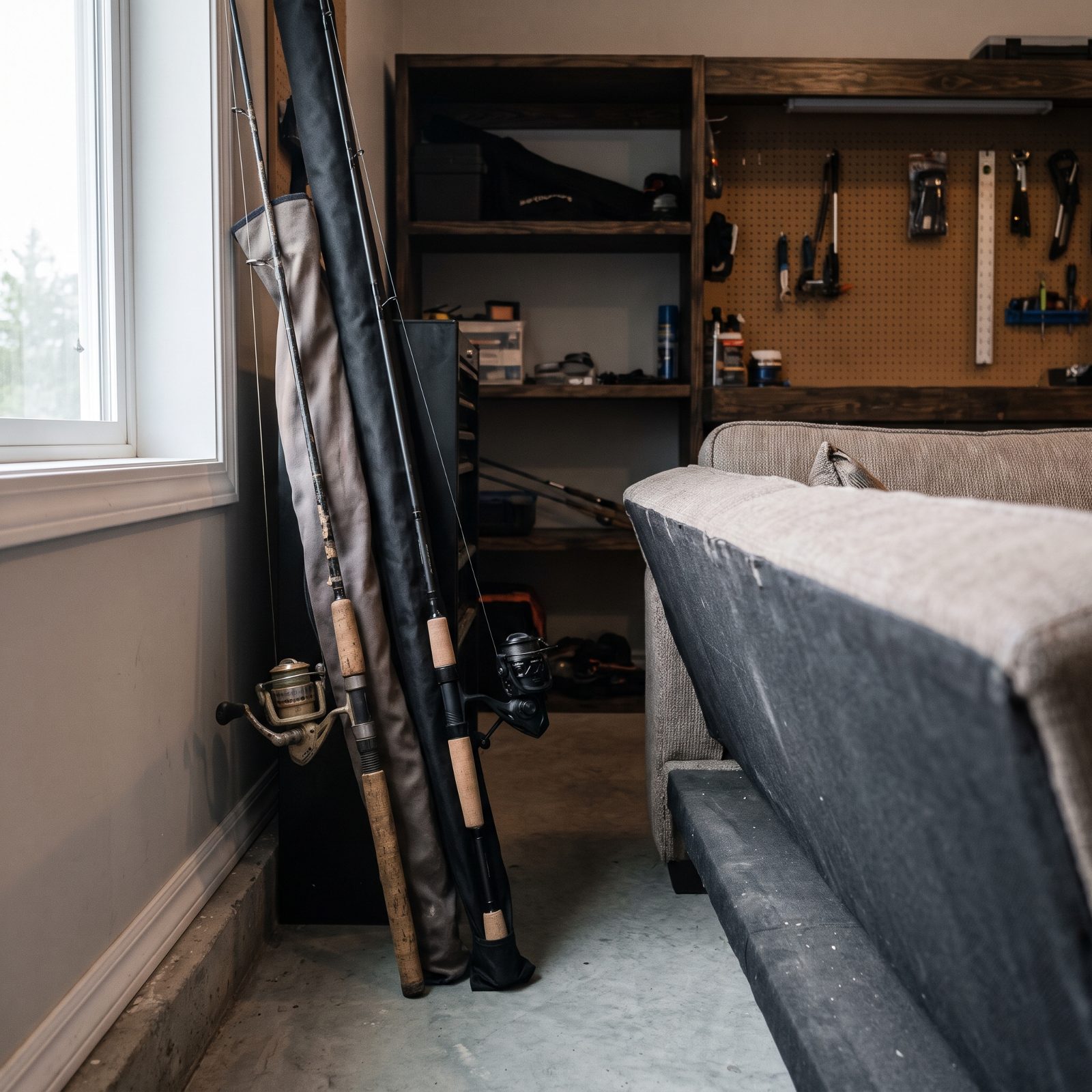
You won’t retire the trusty old combo until there’s a new one ready to take its place. The backup has to be sitting there, rigged and tested, before you’ll let the old one go.
That’s risk aversion building a bridge. We rarely leap into empty space — we build the landing first, which is why so few people quit a job without the next one lined up. The backup combo is the offer letter. Only once it exists does the old gear become expendable.
Smart, honestly. But notice what it means: the itch to replace came first, and the backup is just the permission slip that lets you act on it without feeling reckless. The restlessness was always leading. The safety net just made it easy to follow. Rig a backup, and you’ve already half-decided to move on.
7. A Generous Return Window Makes Experimenting Feel Safer
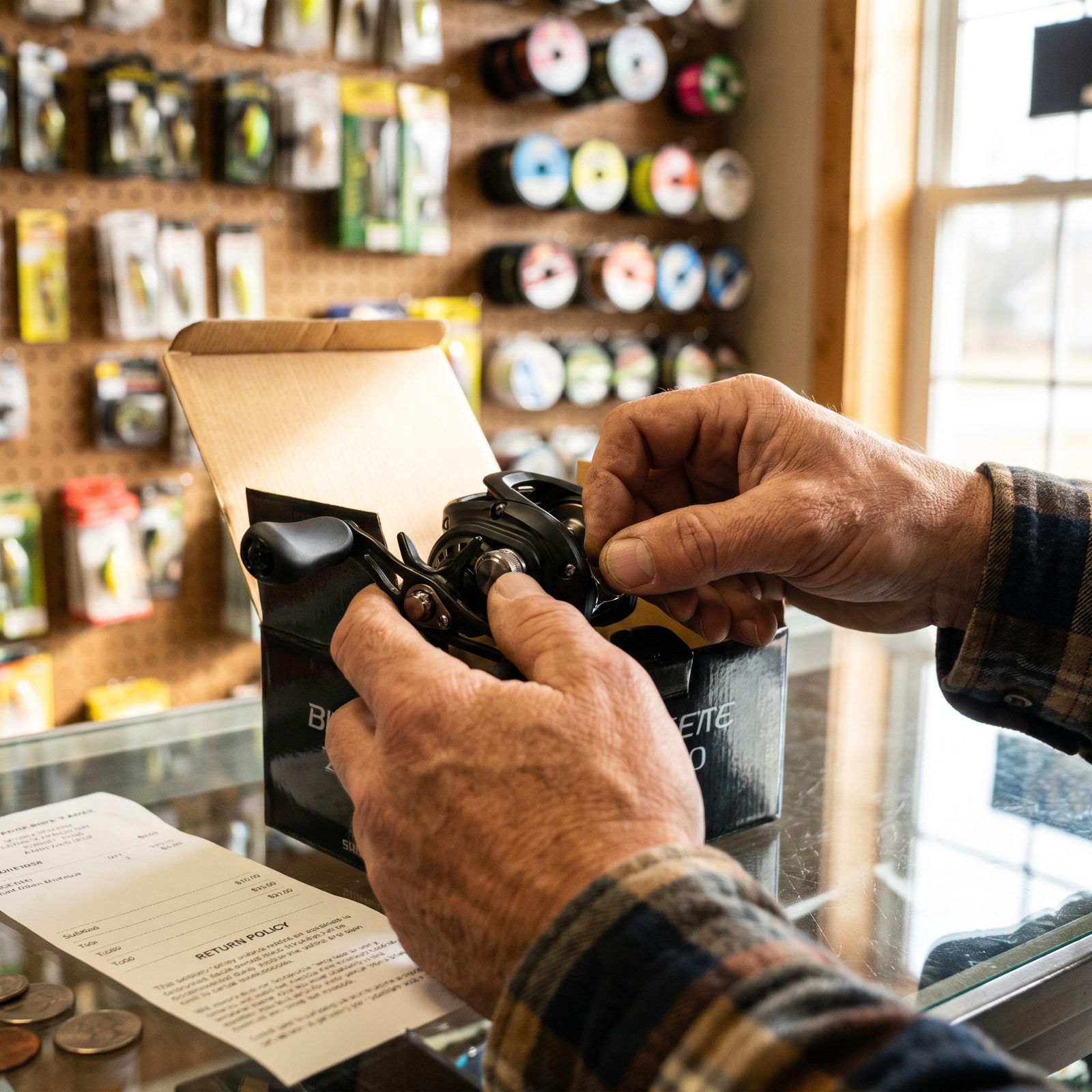
You know the little voice at the counter. “If it doesn’t cast right, I’ll just bring it back.” A thirty-day window turns a gamble into an errand, and the new reel stops being a commitment. It’s a trial now, and trials are easy to say yes to.
The same reasoning talks a worker into a new job. Ninety-day probation cuts both ways, and worst case, you bounce. What makes the entrance feel safe is the exit being easy.
Call it the psychology of a reversible decision. We’ll leap at a choice we think we can undo far faster than one we can’t, even when the undoing almost never happens. You rarely drive back to return the reel. The new hire rarely walks after a bad month. The door you never open still did its job, it got you through the one you did.
6. A Clearance Sticker Makes Switching Brands Feel Responsible
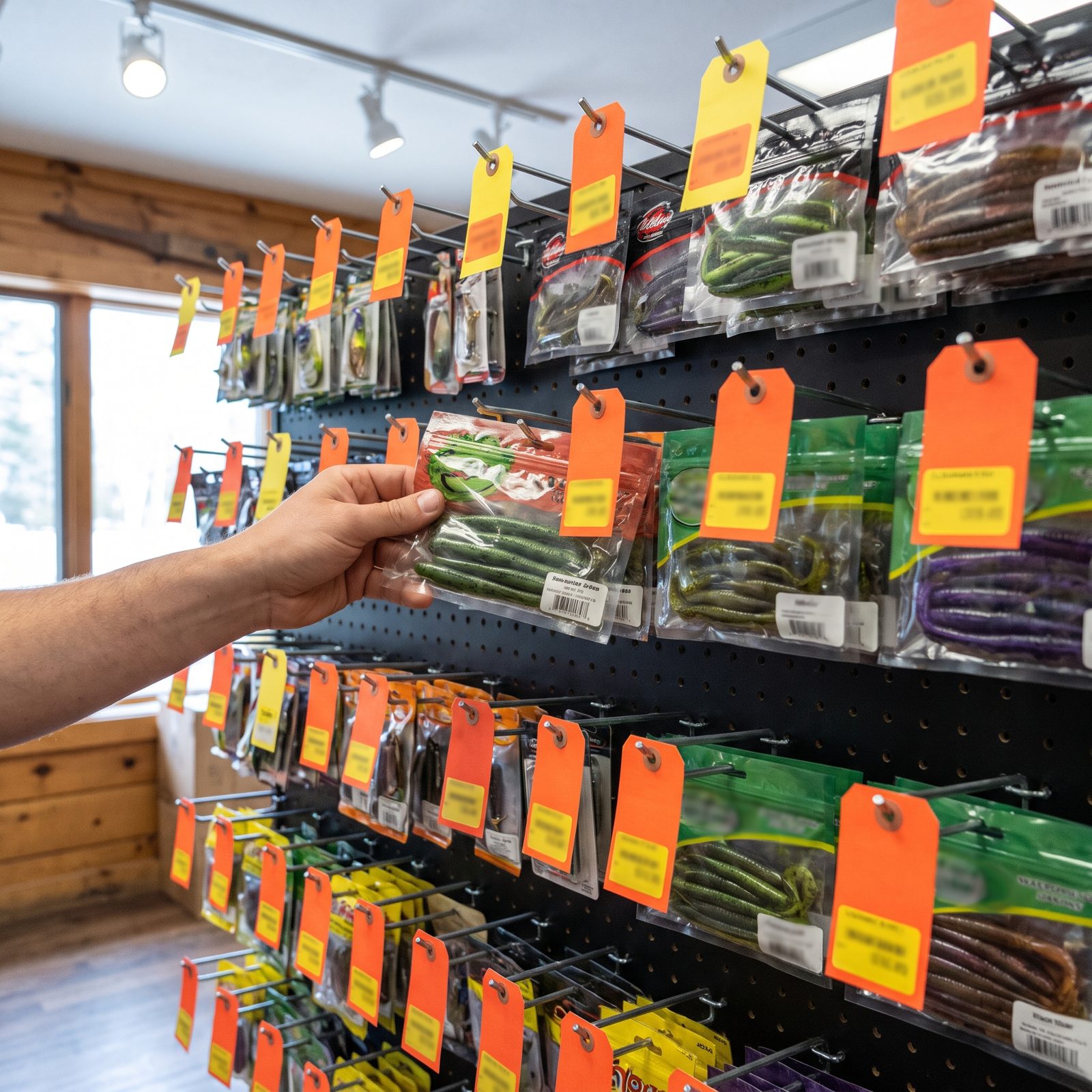
Half off. You weren’t even in the market for a new soft-plastic worm brand, but at that price, walking away feels wasteful. The discount flips the whole thing on its head. Buying becomes the sensible move, and leaving it on the shelf feels like the mistake.
Workers do this with jobs that come with a raise attached. You weren’t unhappy exactly, but a fifteen percent bump? Turning that down starts to feel irresponsible, like leaving money on the table.
What’s actually happening is anchoring plus a dodge of regret. The original price sets a reference point, so the lower number reads as pure gain rather than money still leaving your pocket. You don’t buy the worms. You buy the gap between what it was and what it is. And the fish, as always, has no idea what it cost.
5. Limited-Edition Colors Create Deadlines Fish Never Asked For
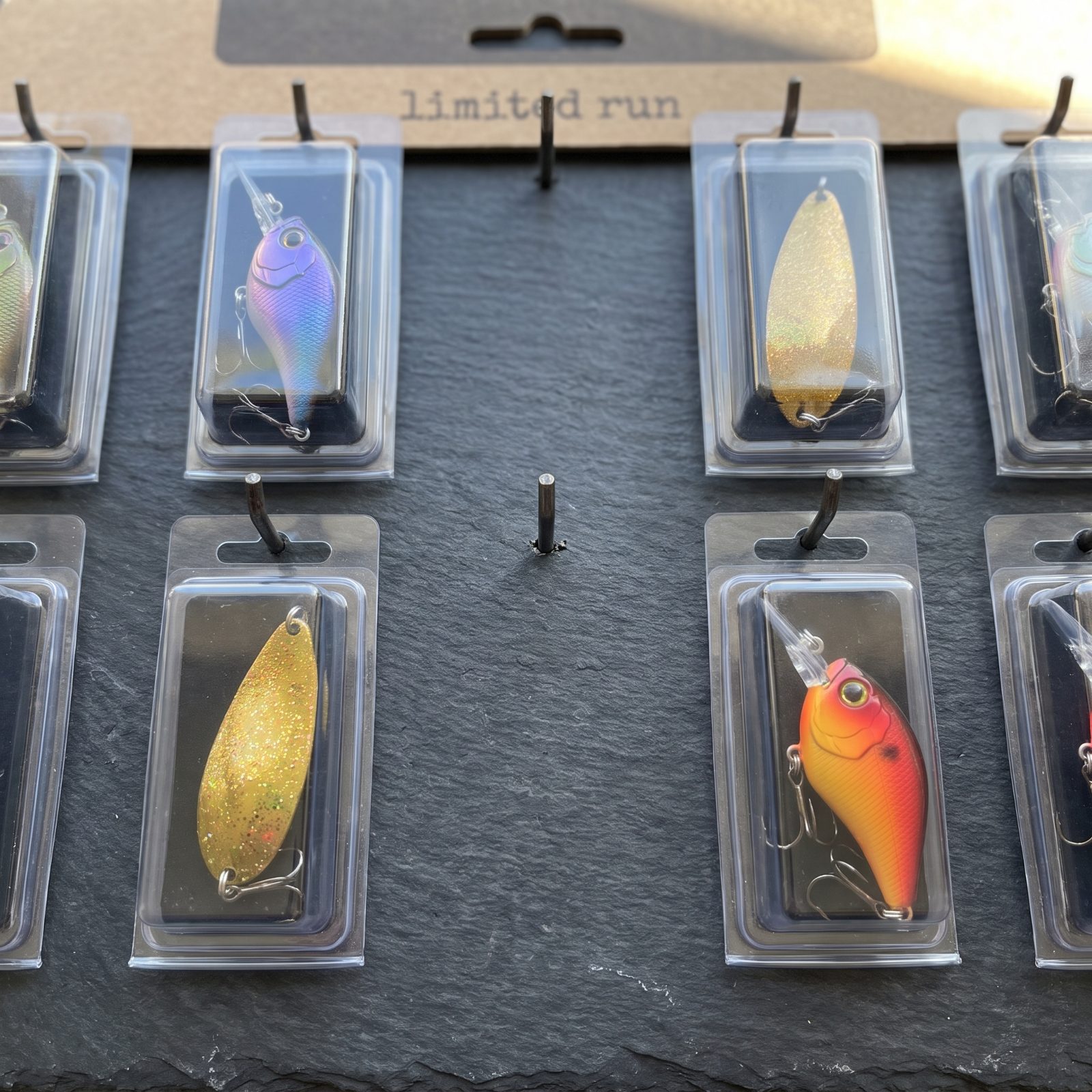
A bass does not care that the color is called “Autumn Craw, 2024 only.” It cannot read the header card. But you can, and that “only” lands like a starting gun. Buy it now or wonder about it forever.
The job version is a posting that says “applications close Friday,” or the recruiter who happens to mention three other candidates. A role you’d have mulled over for a month now demands an answer this week.
Scarcity hijacks judgment. The moment something might run out, we want it more and think about it less. That limited color isn’t catching more fish, and the urgent job isn’t a better job. The deadline just manufactures a desire you didn’t have on Monday.
4. You Read Reviews Until Someone Blesses Your Favorite Choice

You already want the rod. Have wanted it since the parking lot. But you open your phone and start reading reviews anyway, scrolling past the lukewarm ones, lingering on the guy who swears it changed his life. You’re not researching. You’re hunting for permission.
Job seekers run the same dance on company review sites, skimming past the complaints that match their worries and nodding at the praise that matches their hopes. You read until a stranger agrees with what you’d already decided.
This is confirmation bias wearing the costume of due diligence. We don’t gather evidence to find the answer, we gather it to feel better about the answer we picked back in the parking lot. The honest version takes five minutes and ends with “I just wanted it.” I’ve done the three-hour version more than once, and I’d be lying if I said it ever changed my mind.
3. Fishing Forums Make Constant Upgrades Look Completely Normal

Scroll a tackle forum for an hour and owning four reels starts to look modest. Everyone’s running the latest, everyone’s got a “build,” and the guy posting about his twelfth rod this year gets likes instead of side-eye. Your overstuffed garage suddenly feels reasonable. Maybe even a little behind.
Workers pick up the same signal from a certain corner of professional networking, where a new title every eighteen months reads as ambition rather than restlessness. Stay put too long and you start to feel stalled, not steady.
Social proof does the heavy lifting. We take our cues for “normal” from the people around us, and when they’re all upgrading, the baseline creeps. The trouble is that a forum baseline skews heavy, because the gear-obsessed post the most. You’re not comparing yourself to average anglers. You’re comparing yourself to the ones who can’t stop buying.
2. Opening Day Gives Every Gear Change a Fresh Excuse
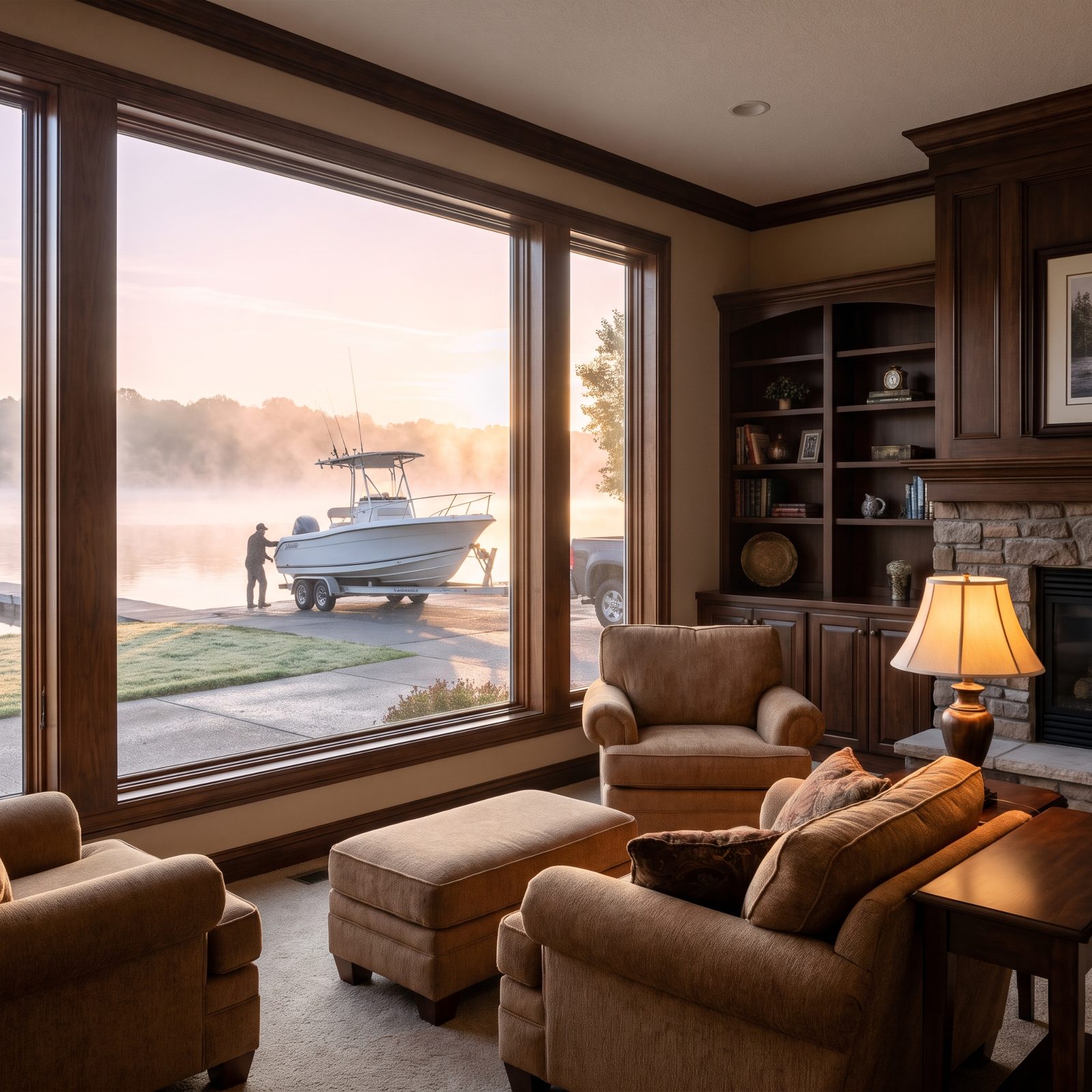
Opening day arrives and the slate feels wiped clean. New season, new rod, maybe a new line class, why not. The calendar flip hands you permission to redo the whole setup, because this isn’t the same year that treated you poorly. It’s a beginning. And beginnings deserve new gear.
People pull this with the new year, the new quarter, the birthday with a zero in it. Those milestones become launching pads for big changes that would have felt reckless on an ordinary Tuesday.
A fresh date doesn’t change the water. It changes your willingness to rewrite the story.
Researchers call it the fresh-start effect. A meaningful date draws a mental line between the old self who made the old mistakes and the new self who’s going to do it right this time. The fish in that lake never got the memo about opening day. You did, and that’s enough to justify the new reel.
1. After a Slow Season, New Tackle Restores Some Control
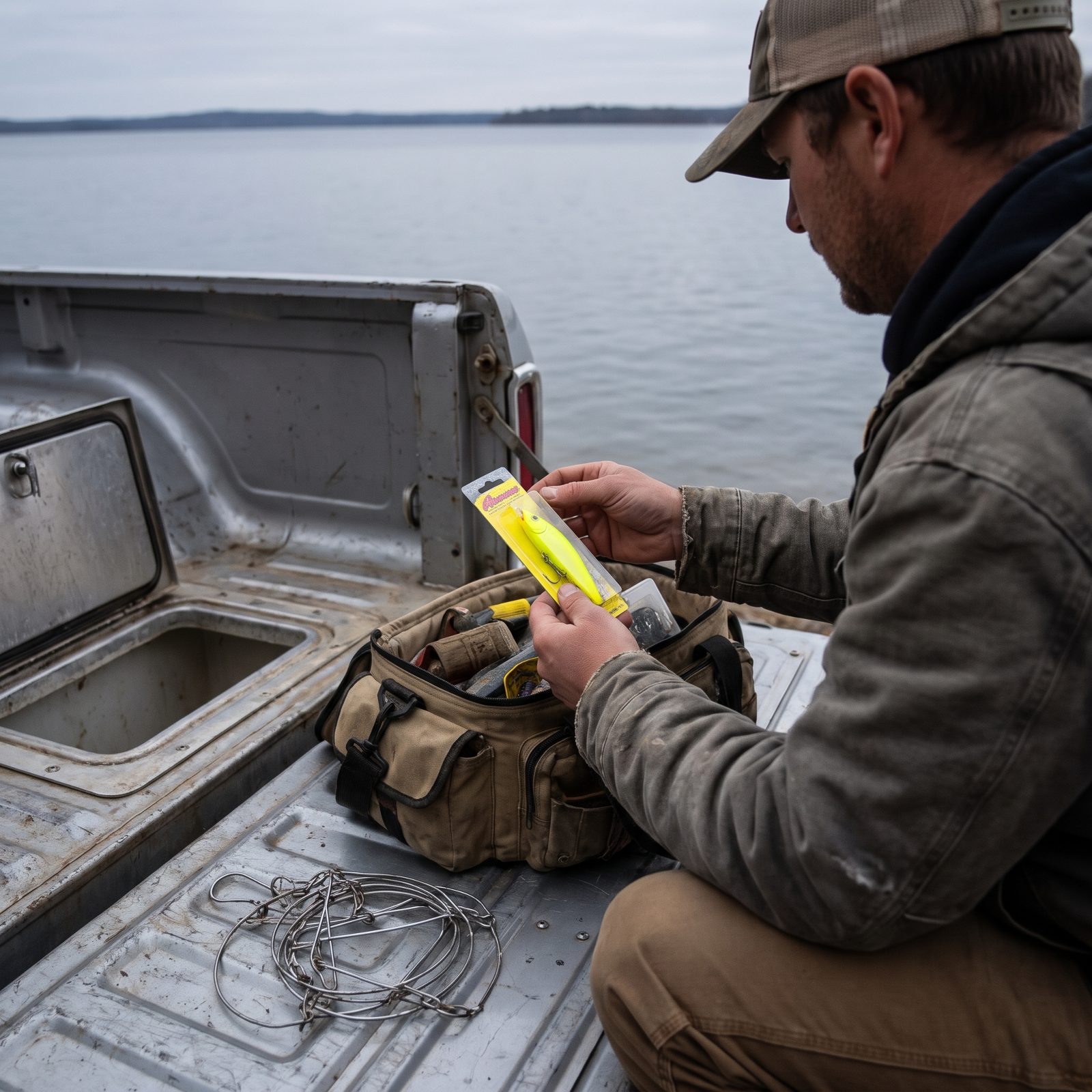
A stretch of empty livewells does something to a person. You start to feel like the water’s against you, like your skill quietly left the building. So you buy. A new lure, a better line, something, anything, because doing something beats sitting in the slump.
Workers reach for the same lever. A bad quarter, a project that flopped, a review that stung, and the resume is open before you know it. The job change becomes a way to grab the wheel back when everything feels out of your hands.
This is the illusion of control plus action bias, that deep human itch to do something rather than wait, even when waiting is the smarter play. The slow season was probably weather, water temp, dumb luck. None of it was the tackle. But you can’t buy better weather, and you can buy a new crankbait, so that’s the lever you pull.