
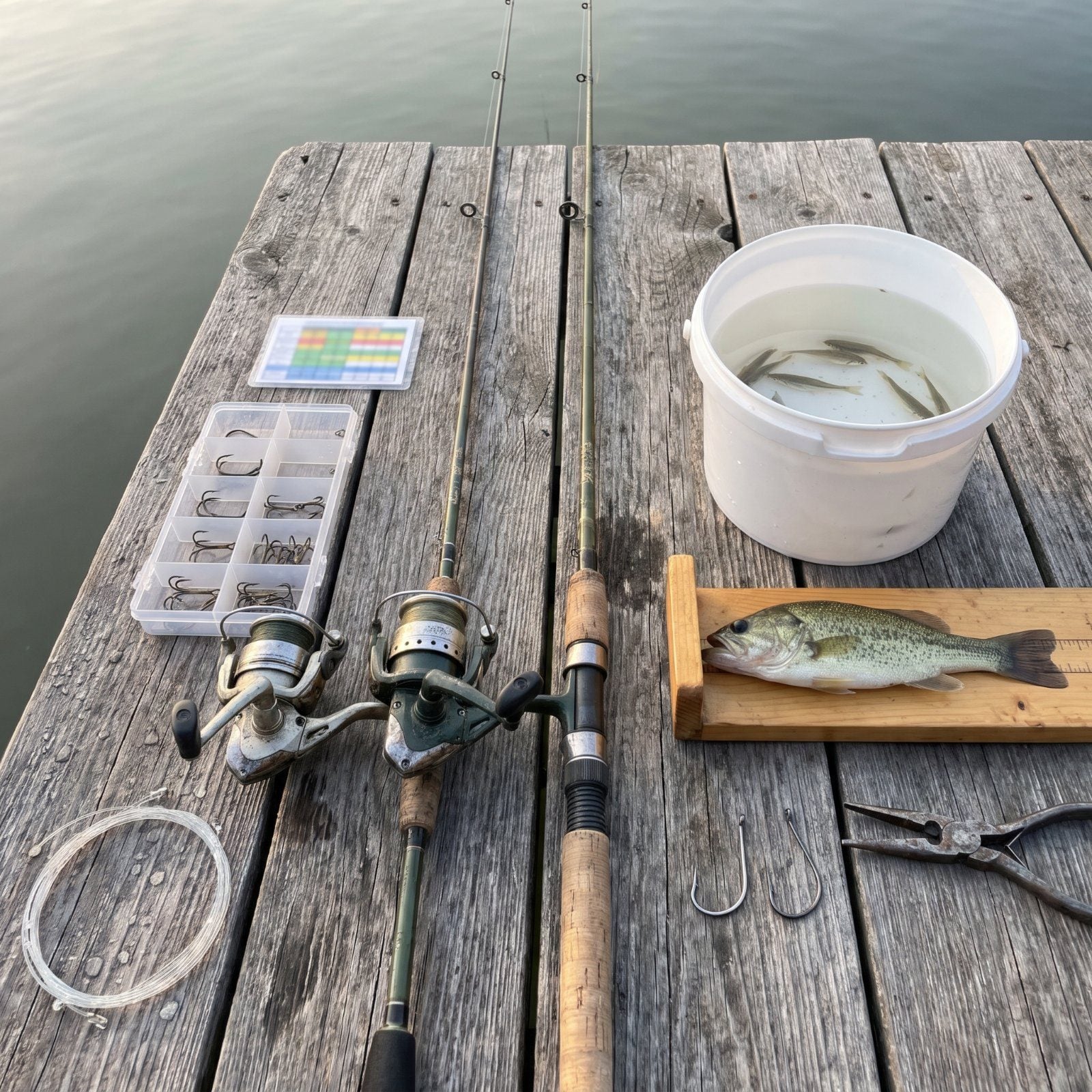
A warden walking the bank already knows more than you think. Before the small talk, before the license check, their eyes have swept the scene and logged a dozen details — how many rods are bent toward the water, what’s floating in your bait bucket, whether that hook still carries a barb. None of it is random. Wardens read a fishing spot the way a hunter reads tracks, and most of what trips anglers up isn’t dishonesty. It’s not knowing what the person in the green shirt is looking at. So here’s what gets noticed first, the stuff that lets you stay right with the rules without the knot in your stomach.
Please note that some of the images in this article were created with the assistance of AI.
36. The Number of Lines Actually in the Water
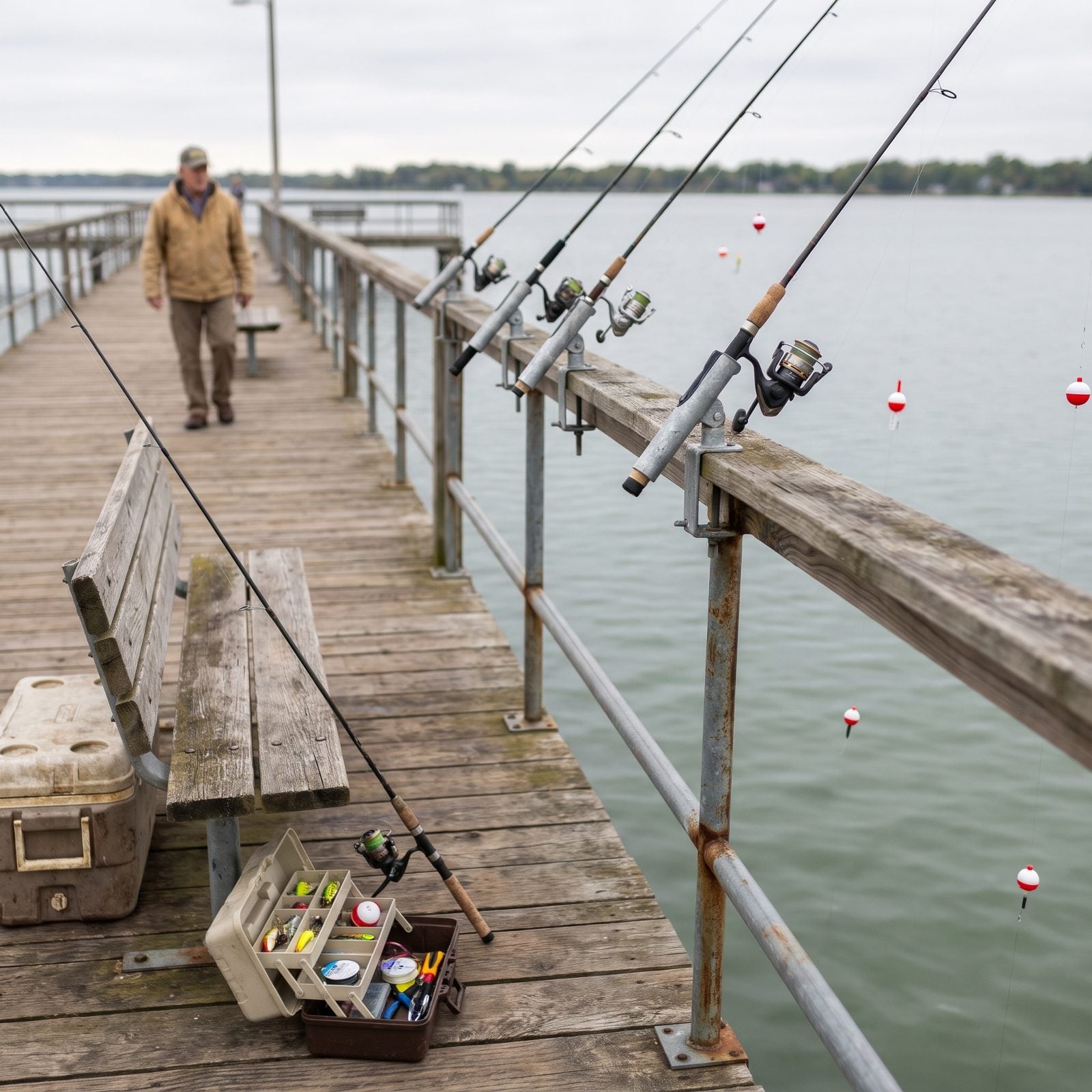
Most states cap how many lines you can run per person — often one, two, or three depending on where you’re standing. A warden counts rods the second they clear the brush, then counts anglers. The math is instant.
Where people get burned is the extra rod set out for a buddy who wandered off to the truck. If the line’s in the water and nobody licensed is tending it, the count still runs against someone. Keep your spare rods dry and racked until a licensed hand is on them.
35. A Baited Rod Left Unattended
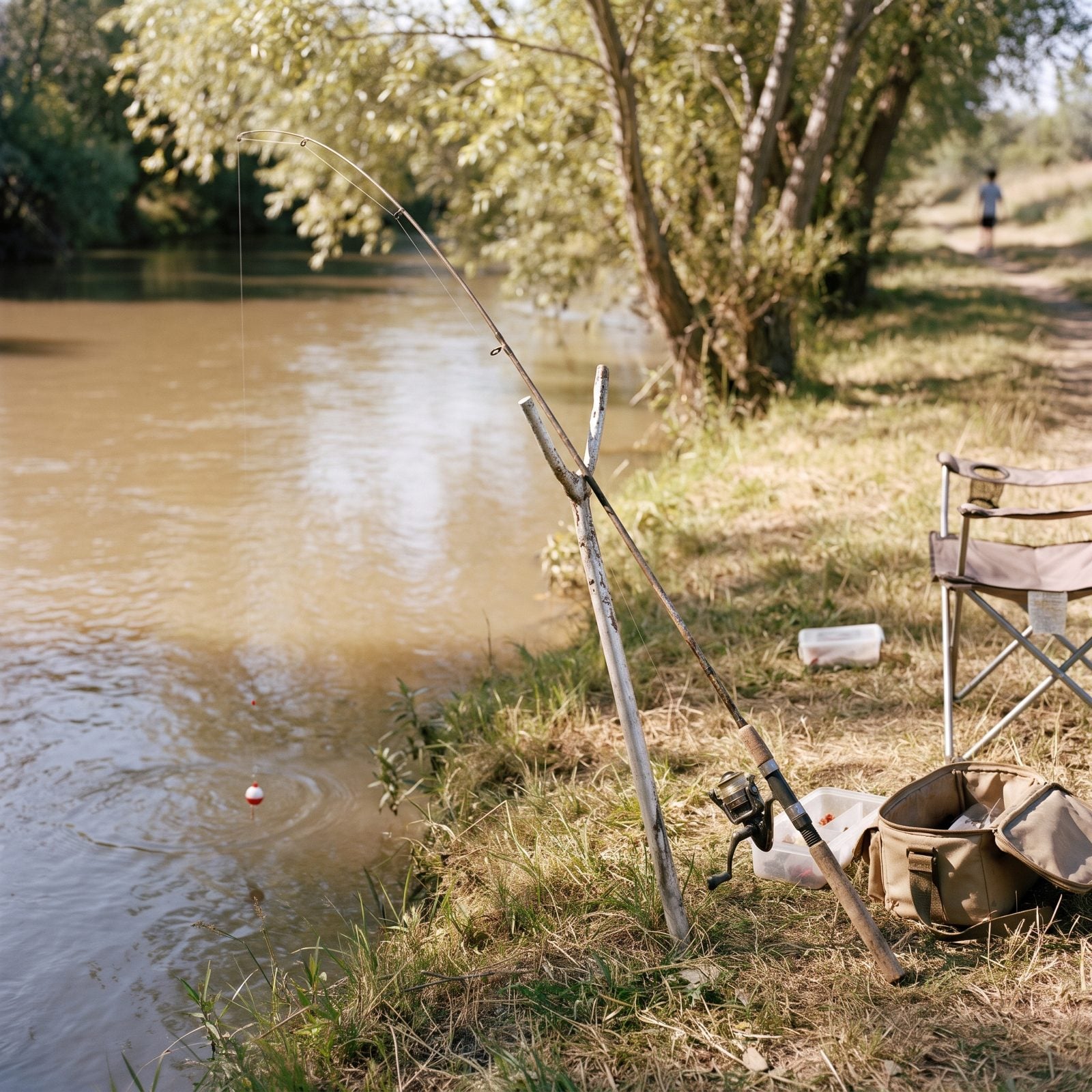
Walk away from a baited hook sitting in the water and you’ve crossed a line in most states. The rule exists because an unattended rig keeps fishing with nobody watching the catch, which means short fish and over-limits go unchecked.
“Attended” usually means within sight and reach, close enough to react. Running up to the truck for thirty seconds? That’s a gray area some wardens let slide and others don’t. Reel in before you leave the bank. Ten seconds, and you’ve skipped the whole conversation.
34. Who Casts and Tends Each Rod
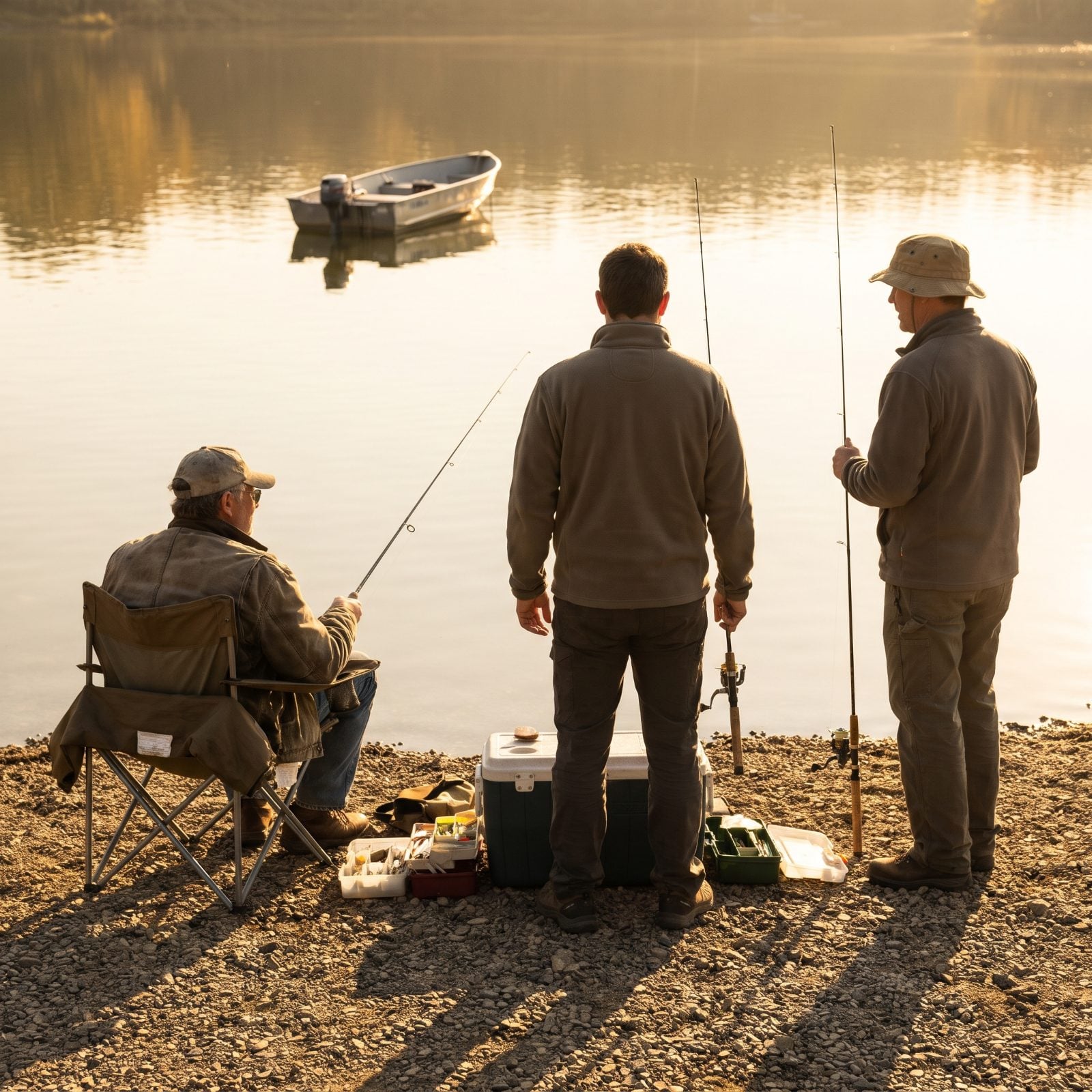
Line limits are per person, not per family, and a warden watches who’s actually working each rod. One angler running six rods while three bystanders stand around “just watching” doesn’t fly, even if everyone’s licensed.
The flip side matters too. A kid holding a rod who isn’t yet licensed may be fine under a youth exemption, though that varies wildly by state. And the honest version is this: wardens generally aren’t hunting for reasons to write a ticket over a family afternoon. They want the lines to match the people. Sort out who holds what before anyone casts.
33. Natural Bait on Artificial-Lures-Only Water
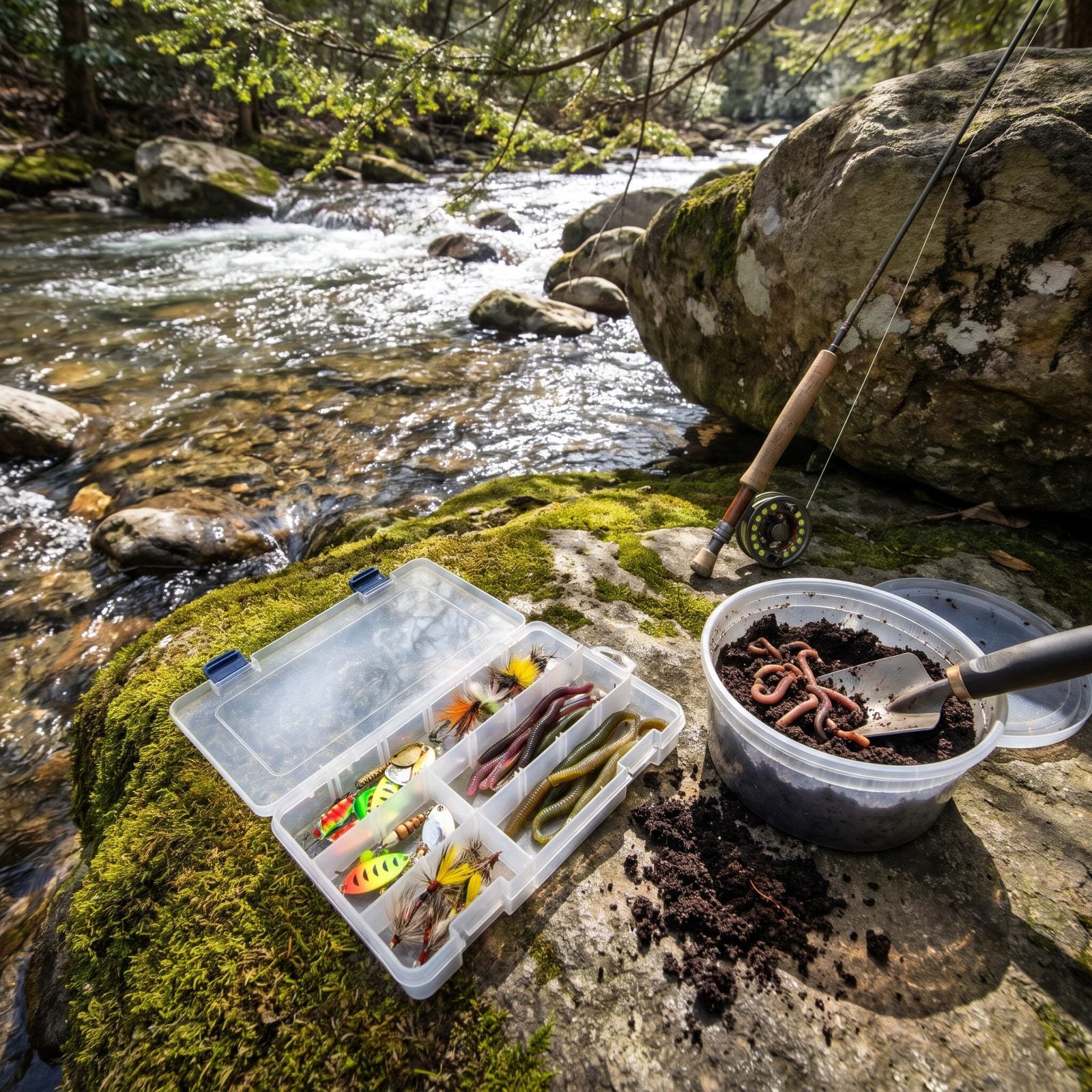
On artificial-only water, that tub of nightcrawlers in your bag is a problem even if it’s still closed. Wardens look for bait containers, dirt-stained fingers, and the little clues that live bait came along for the ride.
These restrictions usually sit on trout streams and special-regulation stretches where the water’s managed to hold wild fish. Scented soft plastics live in a murky middle ground — some states call them artificial, some don’t. If you’re on a creek with a sign you didn’t read closely, assume bait stays in the truck.
32. The Species Swimming in a Live-Bait Bucket
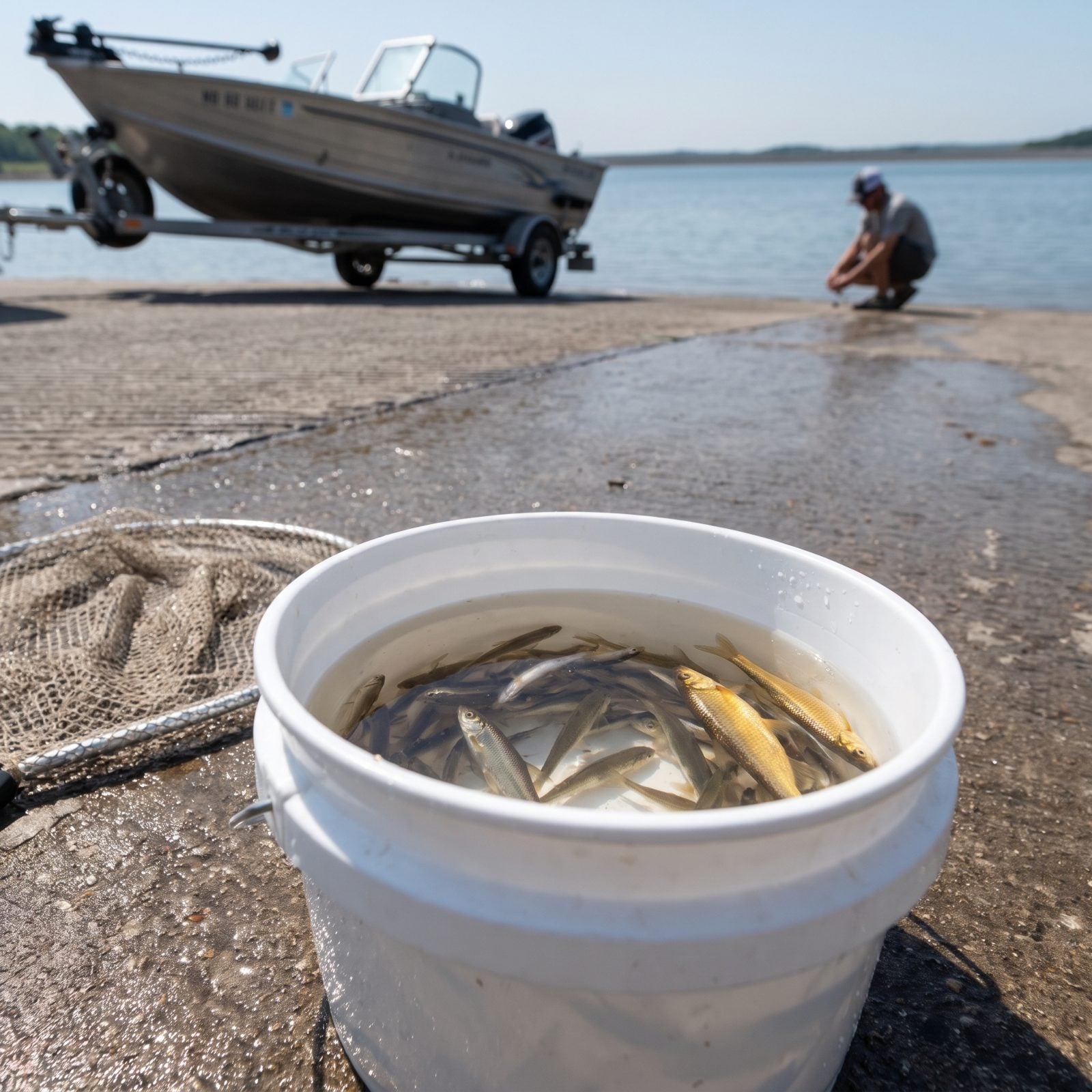
Scoop a glance into your bait bucket and a warden can tell a lot. Many states ban moving live bait between waters, and some outlaw certain species outright because of the invasive-spread risk. A bucket of wild-caught minnows from the wrong source is its own violation.
Gizzard shad, certain carp, anything that could carry disease into a clean watershed — all of it draws real attention. Buy your bait from a shop with a receipt and dump the leftovers in the trash, never the lake. Nobody wants to be the reason a water gets closed to bait.
31. Barbs on Hooks in Barbless-Only Water
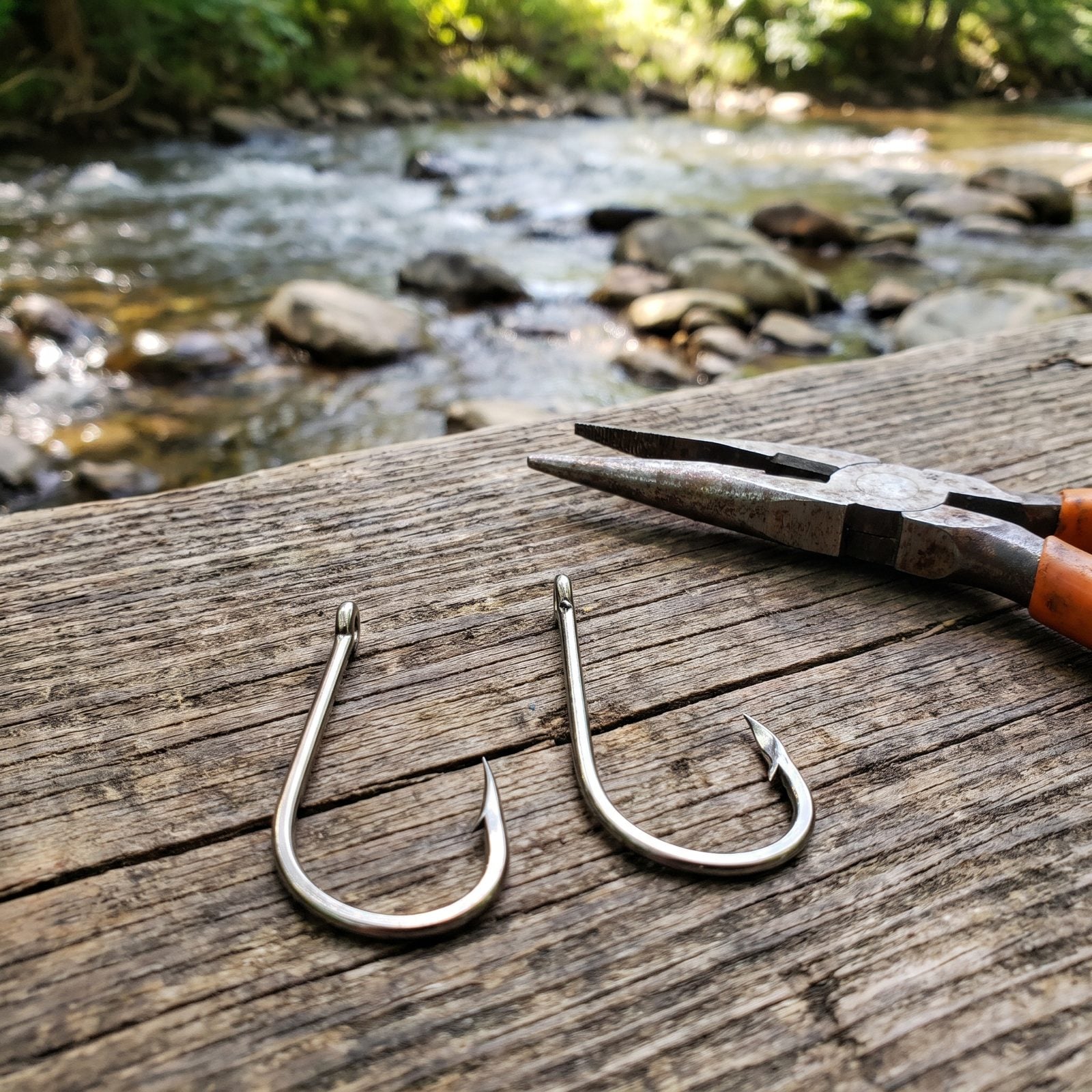
Barbless water is common on managed trout and salmon stretches, and checking a hook takes a warden about two seconds with their fingers. Run your thumb up the point. If it catches, it’s barbed.
And here’s what nobody mentions: pinching a barb with pliers is legally fine in almost every barbless area. You don’t need to buy special hooks. Flatten the barb on your regular ones and you’re compliant. Do it at home, though — not on the bank, fumbling with cold hands while someone watches.
30. Treble Hooks Where Only Single Hooks Are Allowed
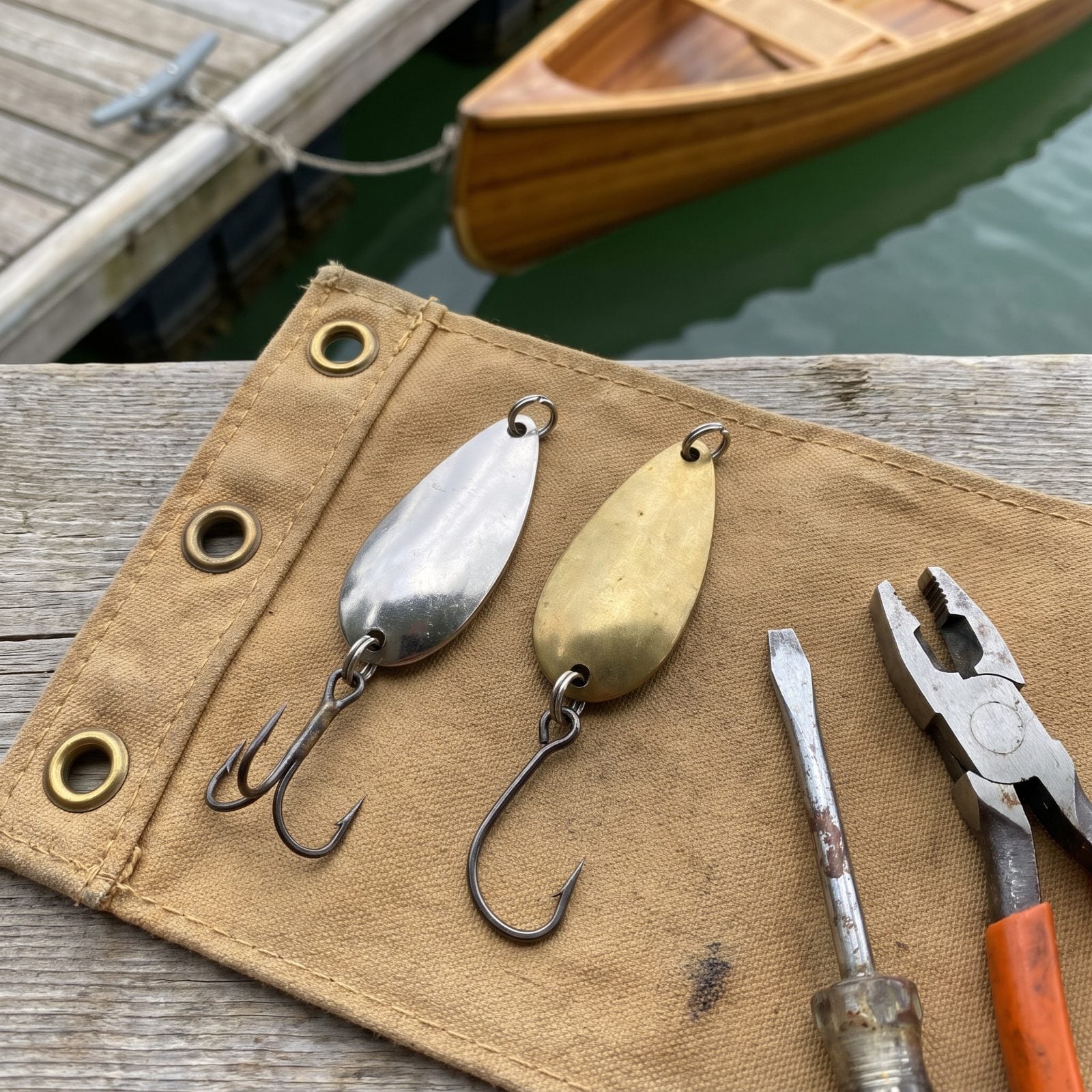
Single-hook regulations turn up on fisheries where hooking injury needs to stay low, and a treble on your lure stands out immediately. Wardens know exactly which baits ship with trebles from the factory, so they eye your spoons and crankbaits.
Swapping trebles for single siwash hooks on a split ring is cheap and takes minutes at the vise. Fewer points also means fewer tangled nets and faster releases, which is half the reason the rule exists in the first place.
29. How Many Hooks Are Tied to One Line
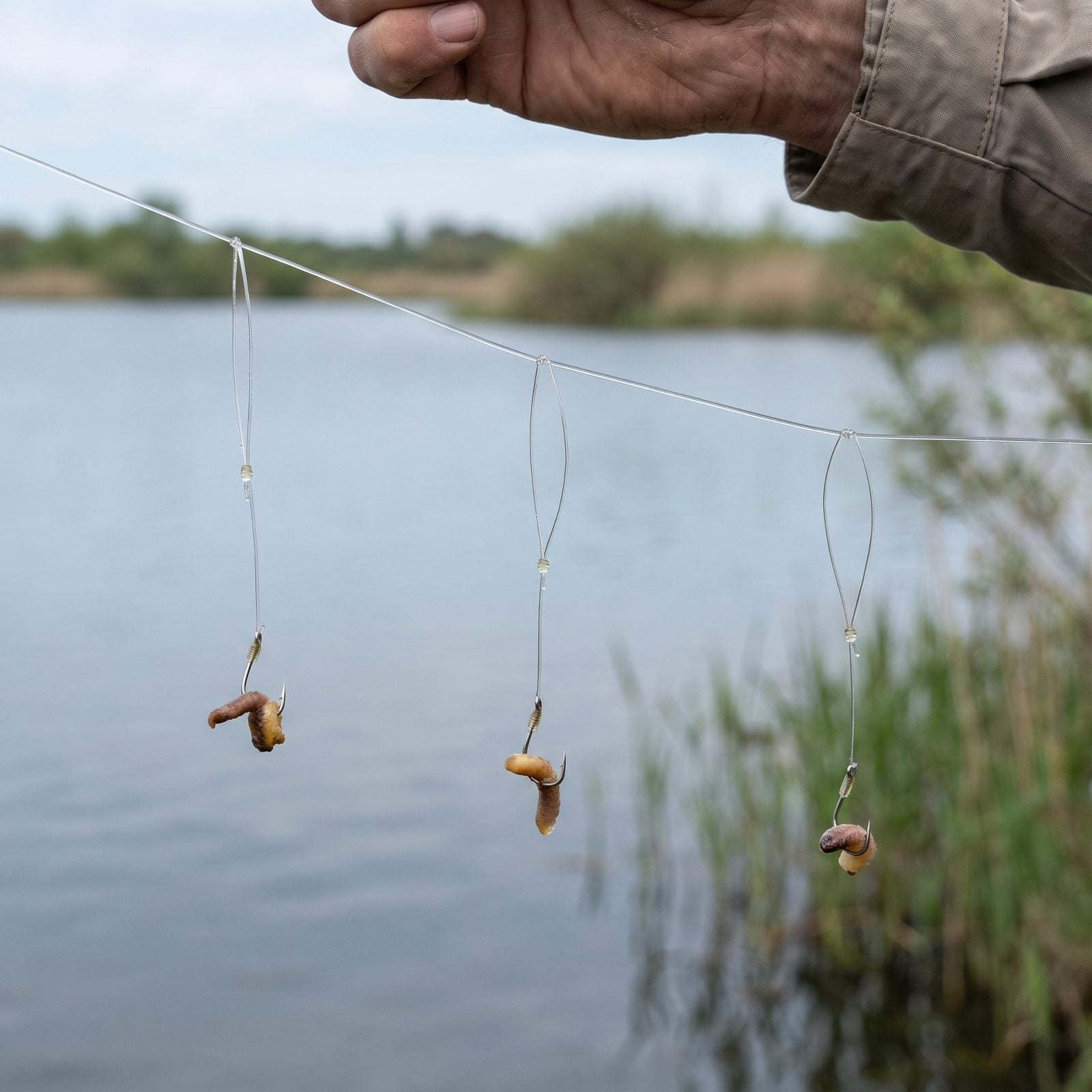
Plenty of anglers don’t realize there’s often a cap on hooks per line, not just lines per person. Tie three dropper hooks on a single rig in a water that allows two, and you’ve broken a rule you never knew existed.
Wardens look at terminal rigs — especially crappie spreads and sabiki-style strings loaded with hooks. The limit changes by state and sometimes by species. Count your hooks the way you’d count your lines. Both numbers matter.
28. Weighted Snagging Rigs Instead of Conventional Tackle
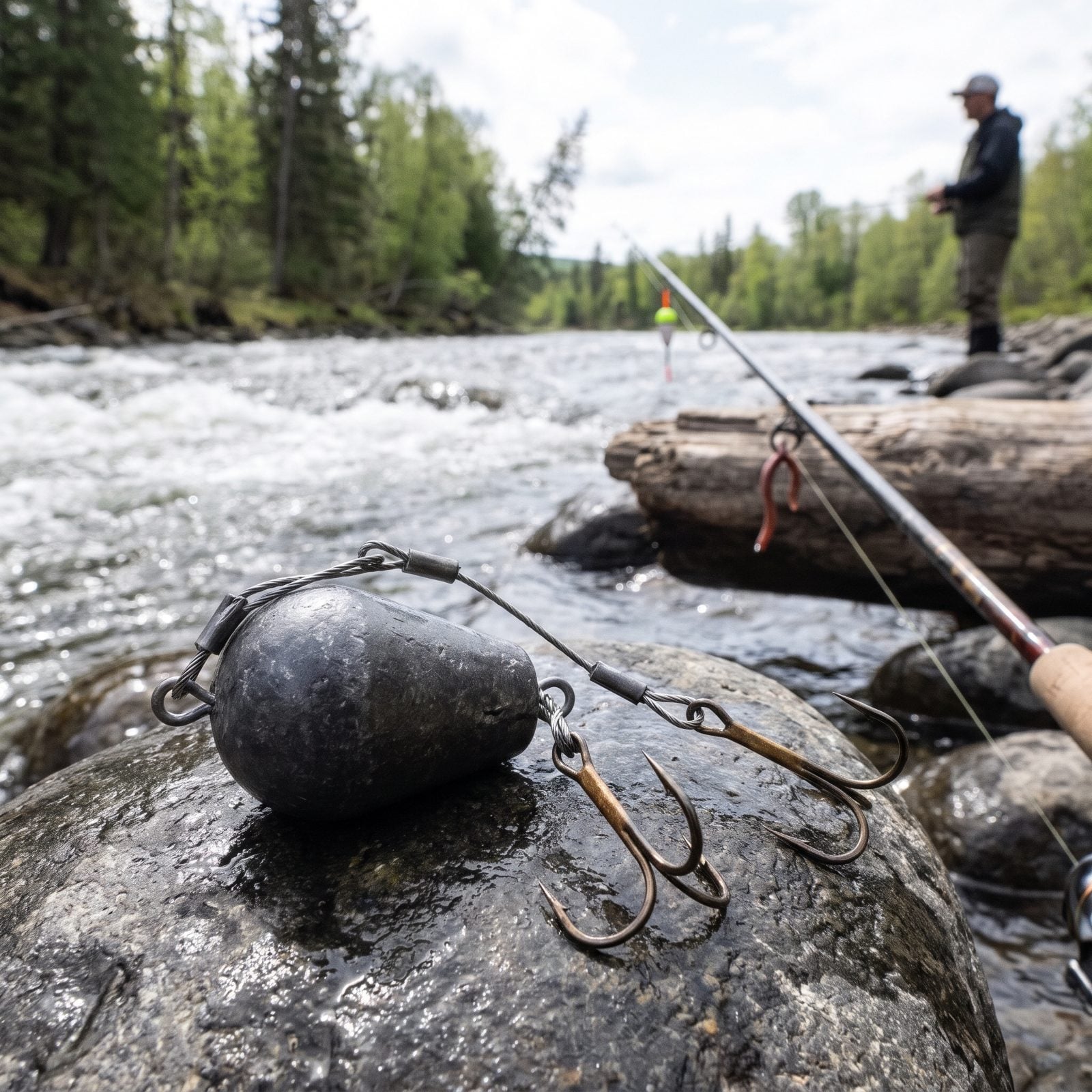
Snagging means dragging weighted treble hooks through fish to foul-hook them in the body instead of the mouth, and it’s illegal almost everywhere for game fish. The rig gives itself away: heavy weight, oversized bare trebles, a token worm left hanging off the rod rather than on a hook, a yanking retrieve.
Wardens watch the motion more than the tackle. A sharp, repeated sweep of the rod on a rig with nothing on the hooks reads as snagging from fifty yards. And a legal fish hooked outside the mouth usually has to go back too — that’s where a warden’s attention lands fast.
27. The Number and Spacing of Ice-Fishing Tip-Ups
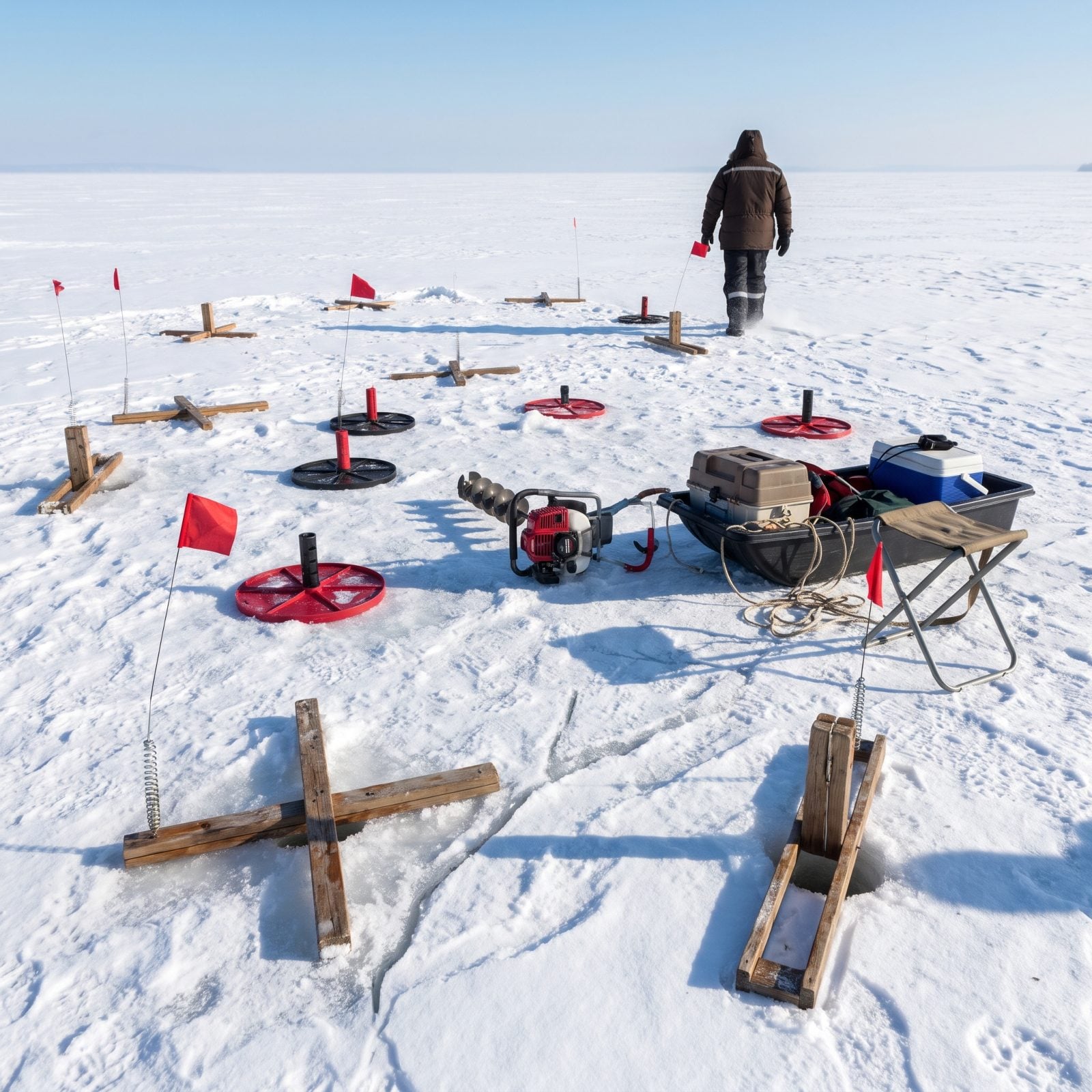
Ice season brings its own line math. Most northern states let you run multiple tip-ups, often more than open-water rods, but there’s still a hard number per angler — and wardens count the flags across the ice.
Spacing rules show up too. Some states require your holes stay within a set distance of each other, or within sight, so you can’t blanket half the lake with lines and tend them lazily. A warden sweeping the ice counts tip-ups, matches them to anglers, and clocks how far-flung they are.
Mark your holes, keep your spread tight, and don’t wander off to the shack leaving flags unwatched past whatever your state allows. It’s the ice-season version of an unattended rod, and it reads exactly the same.
26. Chum Hitting the Water Where Baiting Fish Is Banned
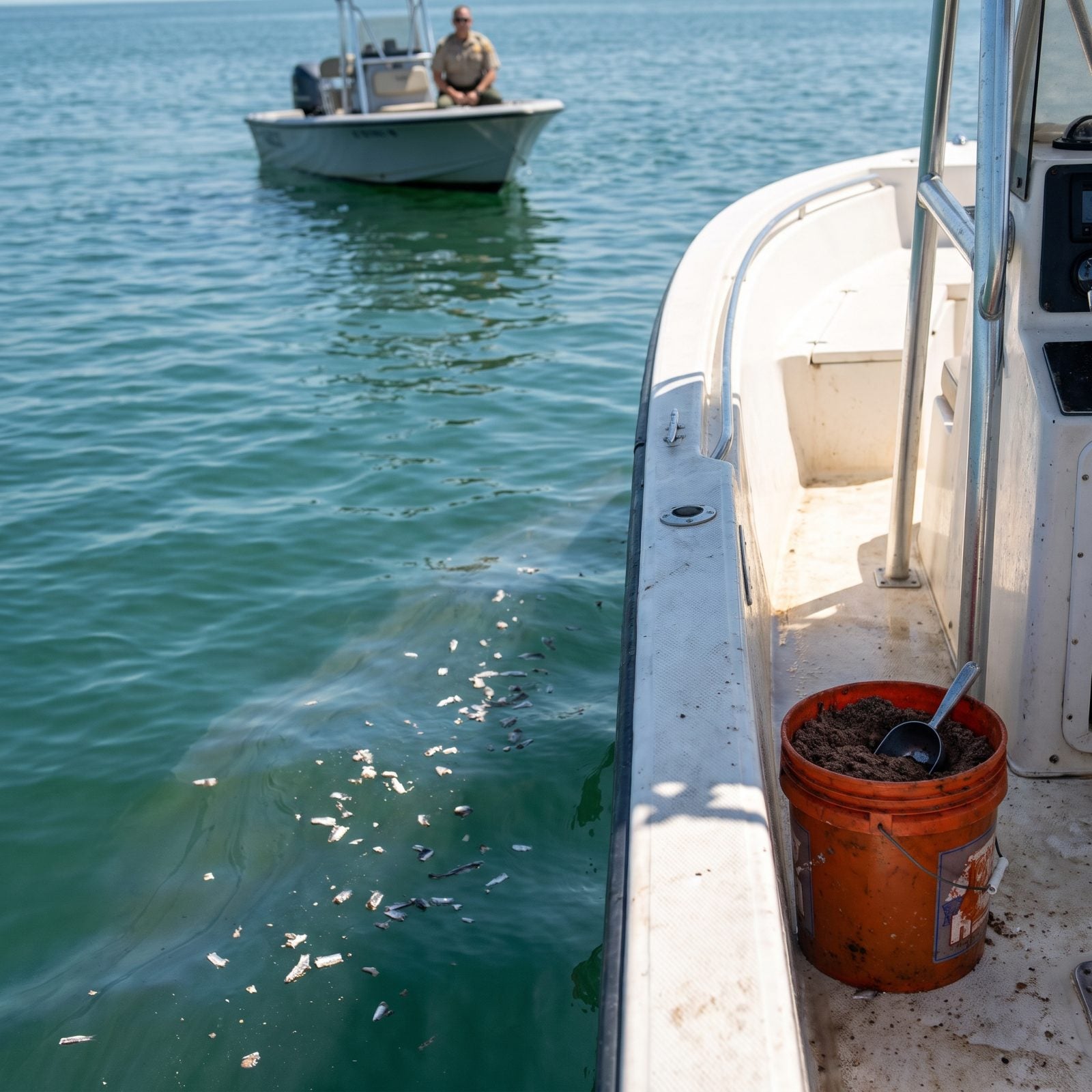
Chum is legal in plenty of places and flatly banned in others. Some lakes prohibit it to stop disease from spreading. Some trout streams ban it to keep the fishery fair. And the warden sees the slick before he ever sees the bucket.
The giveaway isn’t the chum itself. It’s a feeding frenzy where there’s no reason for one — bait raining down steady, fish stacking under the boat like somebody rang a dinner bell.
25. Every Species in the Catch, Named One at a Time
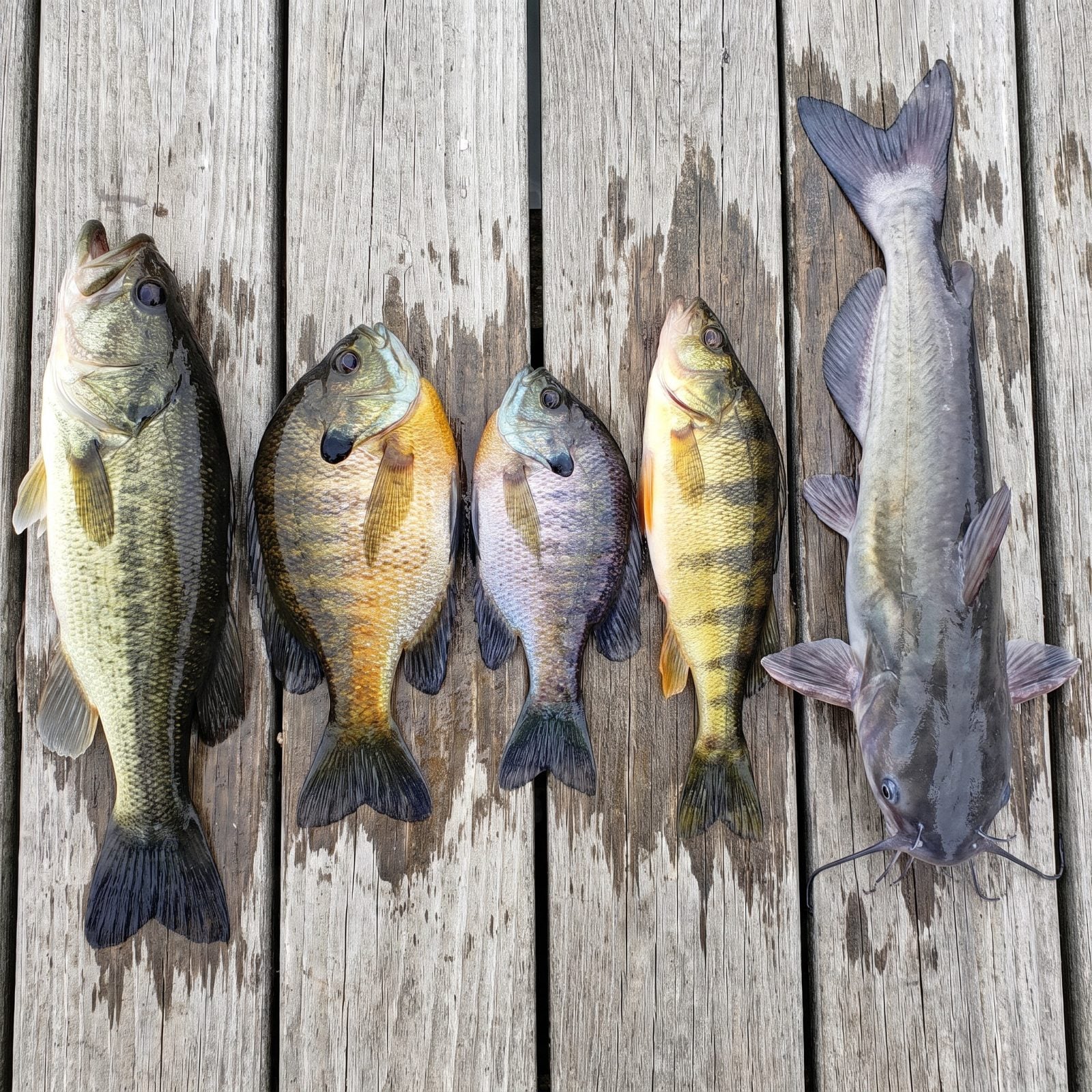
A warden counts species before he counts fish. Limits are rarely one tidy number across the board. On the same lake, the same day, you might keep a pile of panfish, a modest handful of bass, and almost no walleye.
Mixed-bag anglers trip here constantly. Five of this, two of that, a lone muskie somebody wasn’t sure about. Every species carries its own rulebook, and a cooler full of different fish is really a cooler full of different limits stacked on top of each other.
24. The Total Headcount in the Cooler
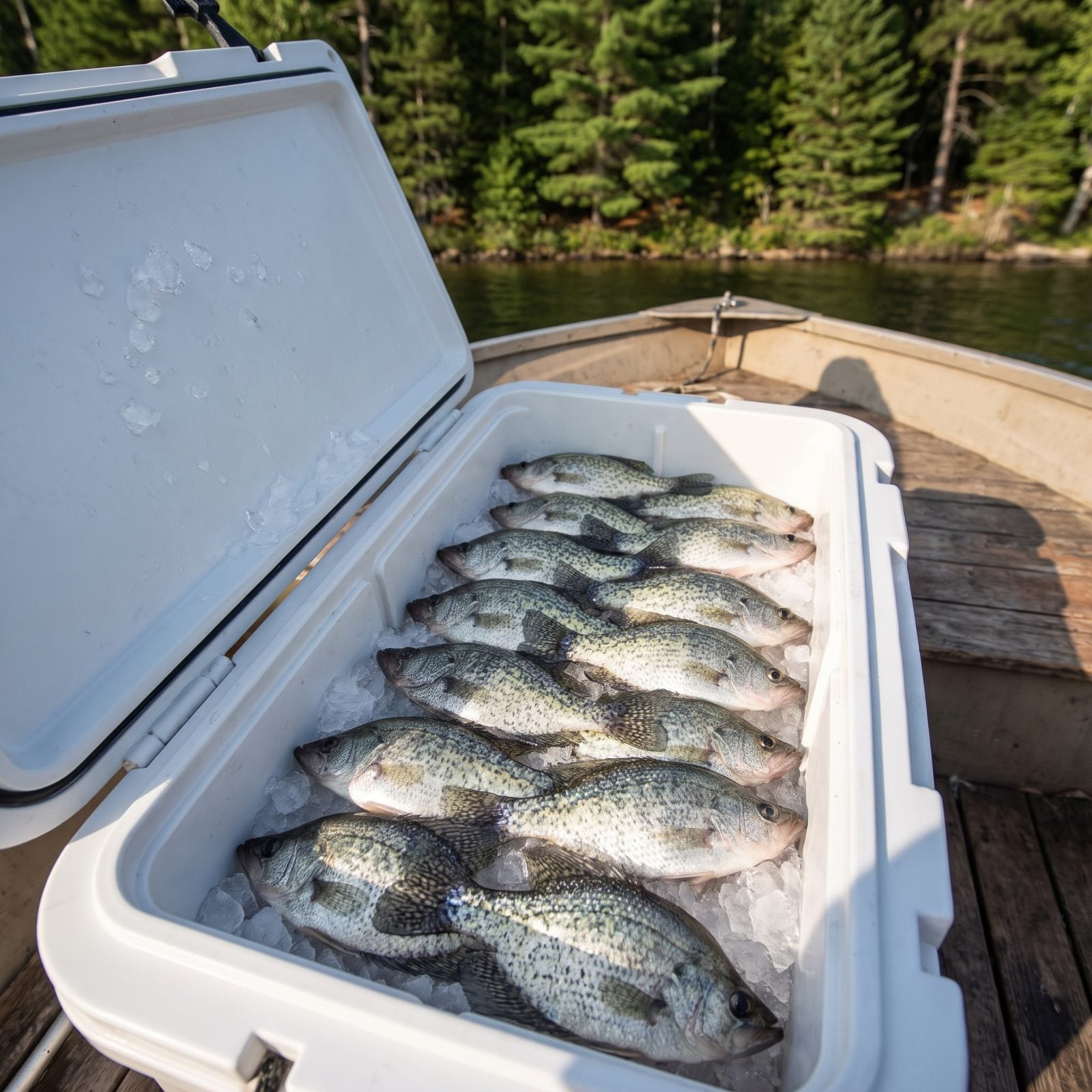
The simplest check there is. How many fish, how many people, does the math hold up — and a warden can estimate a stringer’s count from the dock before he’s close enough to say hello.
Group fishing is where it gets people. Four anglers, one big cooler, nobody quite sure who caught what. The number itself is easy. It’s the honesty of it where the real conversation starts.
23. The Runt at the End of the Stringer
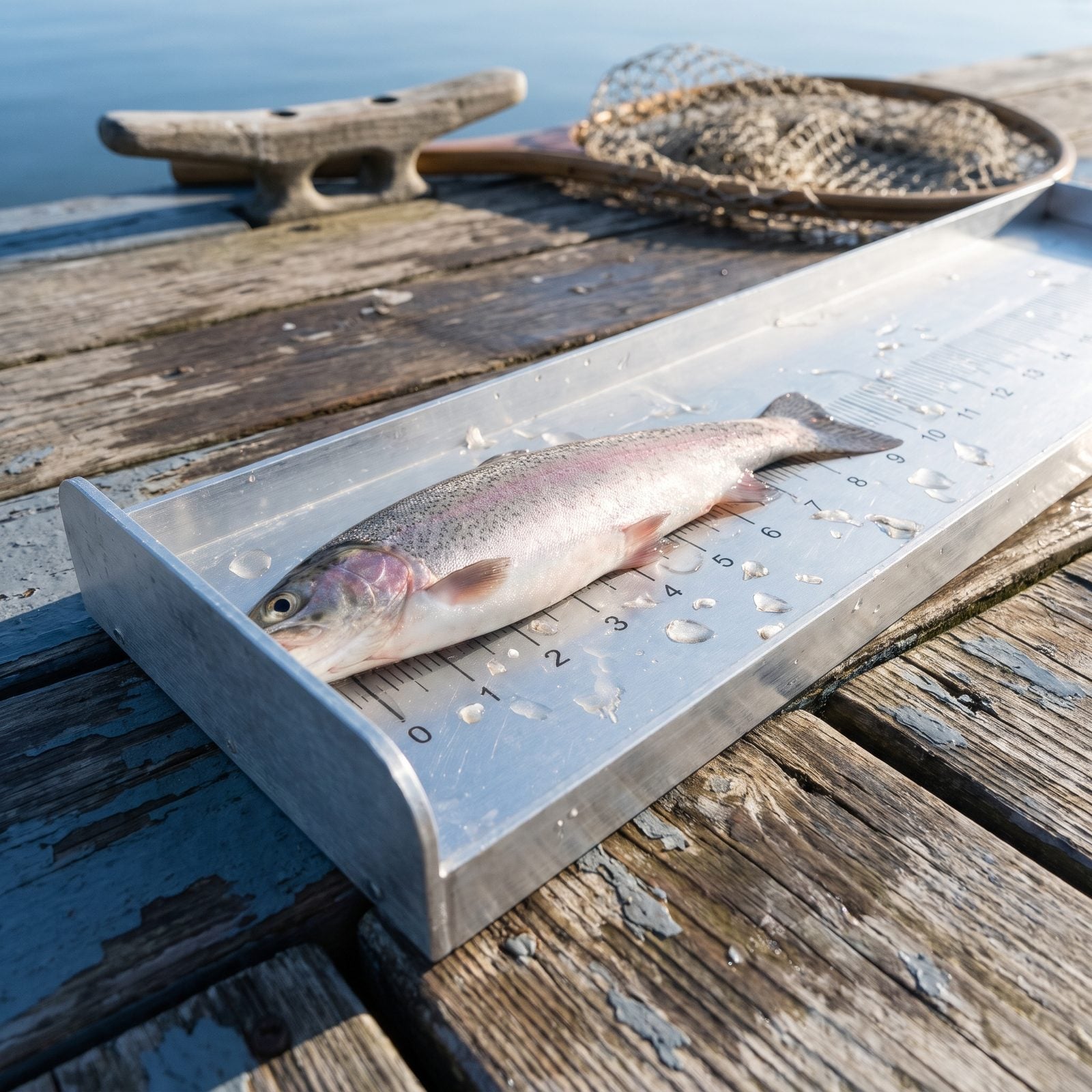
Minimum length laws are strict, and a warden’s eye goes straight to the smallest fish on the line. That borderline one you talked yourself into keeping? He’s going to put it on a board.
Measure the questionable ones twice, pinch the tail, and if it’s close, let it swim.
Here’s the part that catches honest people. A fish measured with the tail fanned out reads shorter than one measured with the tail pinched together. Wardens measure with the mouth closed and the fish lying natural. Learn their method and measure your own the same way.
22. Fish Sitting Dead Center in a Protected Slot
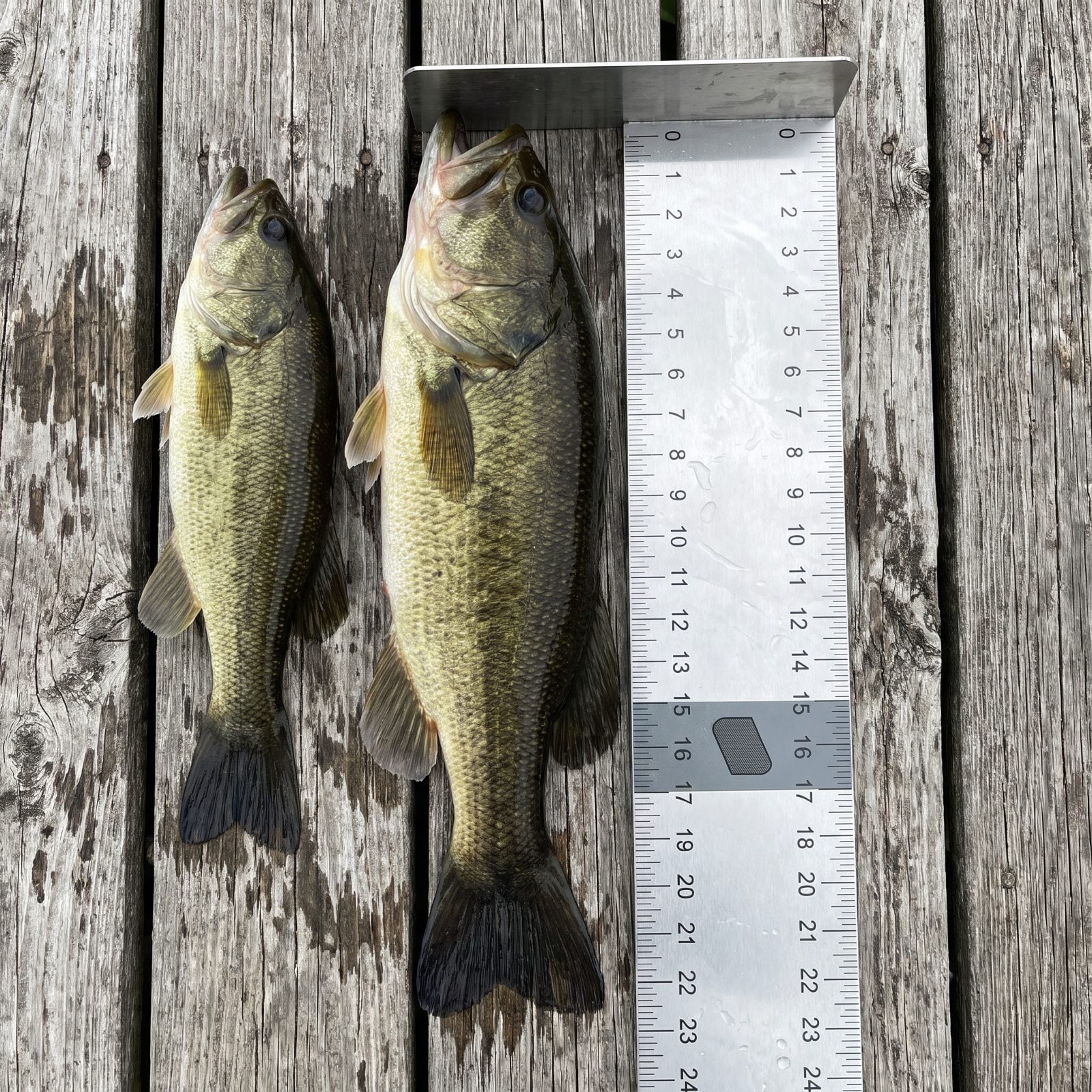
Slot limits confuse more anglers than any other rule out there, and wardens know it. A protected slot means you keep fish under a certain size and over a certain size, while the ones in the middle go back. The keepers and the throwbacks swap places from what you’d expect.
So a warden looks for the mid-sized fish — the ones folks figure are prime eating. On a slot-managed lake those are exactly the fish that should’ve gone over the side.
21. A Species in the Box During Its Closed Season
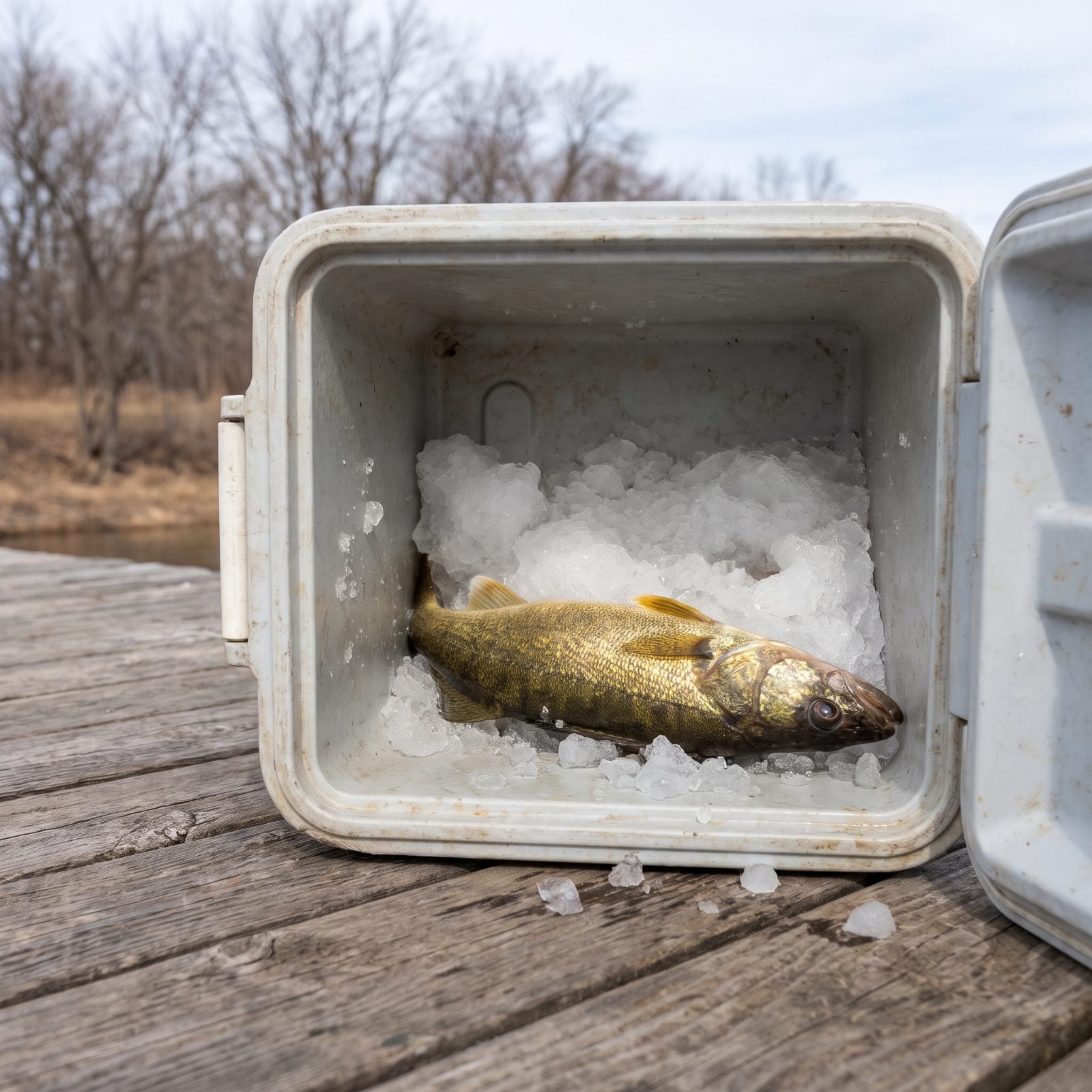
Season dates are the easiest rule to forget. You’ve fished a lake for years, the fish are chewing, and it slips your mind that this one species closed last week to let it spawn.
A warden, though, knows the calendar cold. The right fish at the wrong time of year gets a hard second look. Spring is the dangerous stretch — spawning closures move around by species and water, and the fish that were legal in April often aren’t come May.
20. Clipped Fins That Tell a Fish’s Whole Story
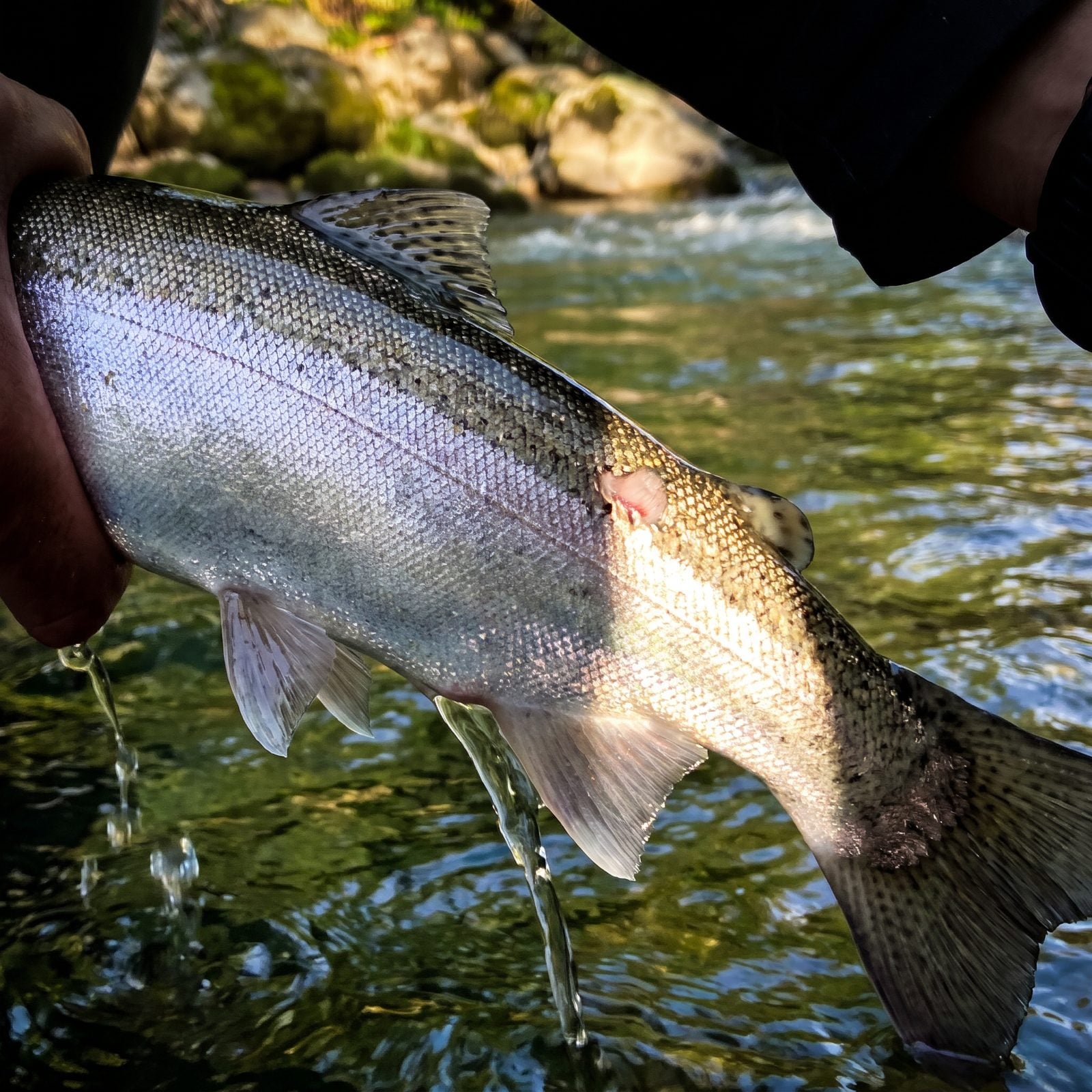
On many rivers you can keep hatchery fish and have to release wild ones, and the whole difference comes down to a single clipped fin. Hatchery crews snip the adipose fin before stocking, so a healed smooth spot where that little fin should be marks a keeper.
Wardens catch this instantly on salmon and steelhead water. A wild fish with its adipose fin intact goes back, no exceptions. Miss it and you’ve killed the exact fish the whole rule exists to protect.
19. Whatever’s Swimming in the Livewell
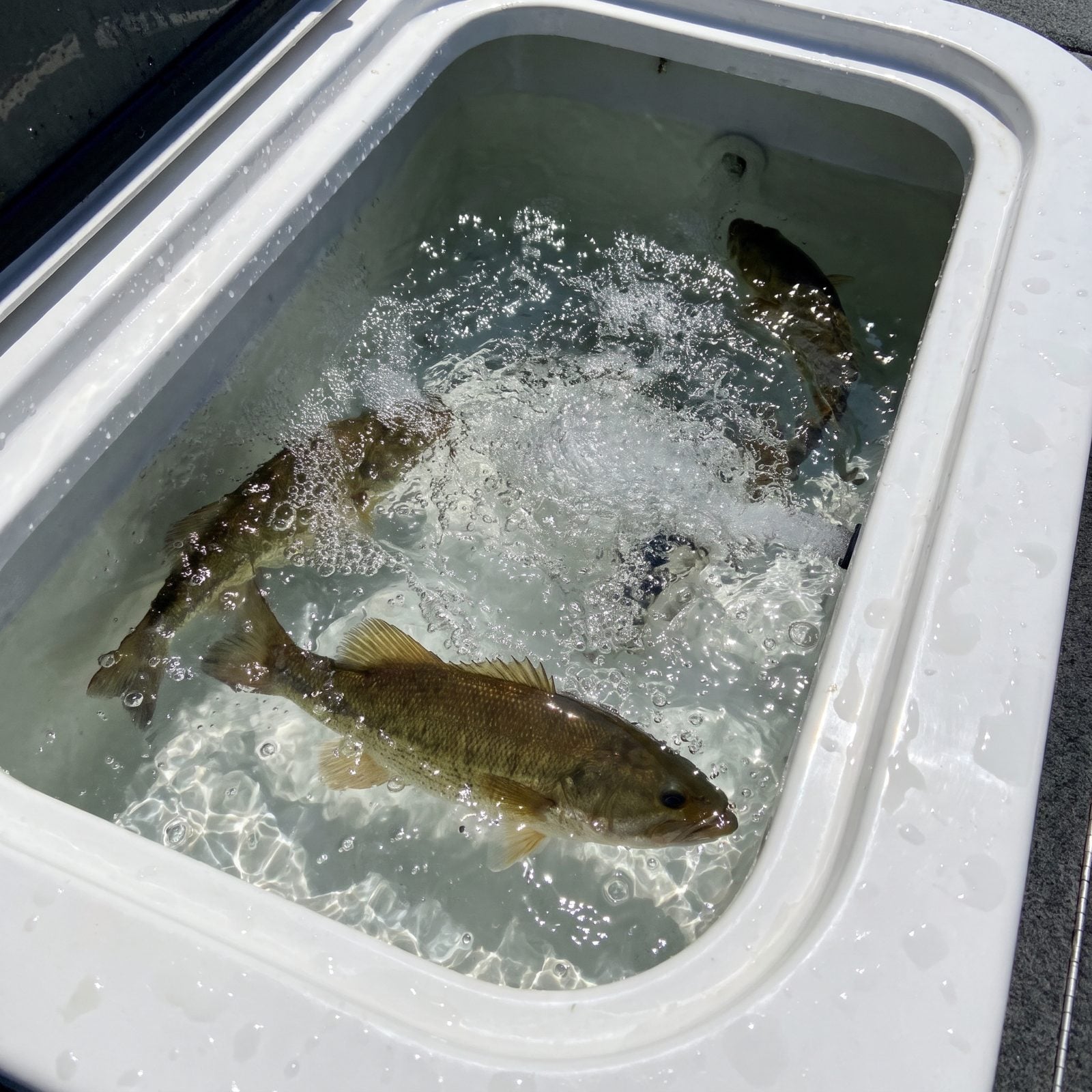
Tournament anglers live in their livewells, and so does the warden’s attention. Everything in there counts toward your limit the second it’s in the boat, culling or not. Out of sight is not out of count.
Culling rules matter here too. Some places let you swap fish; in others, once it’s in the well it’s yours. The warden wants to see what’s alive, what’s legal, and whether the well’s holding one fish too many.
18. One Group’s Catch Spread Across Four Coolers
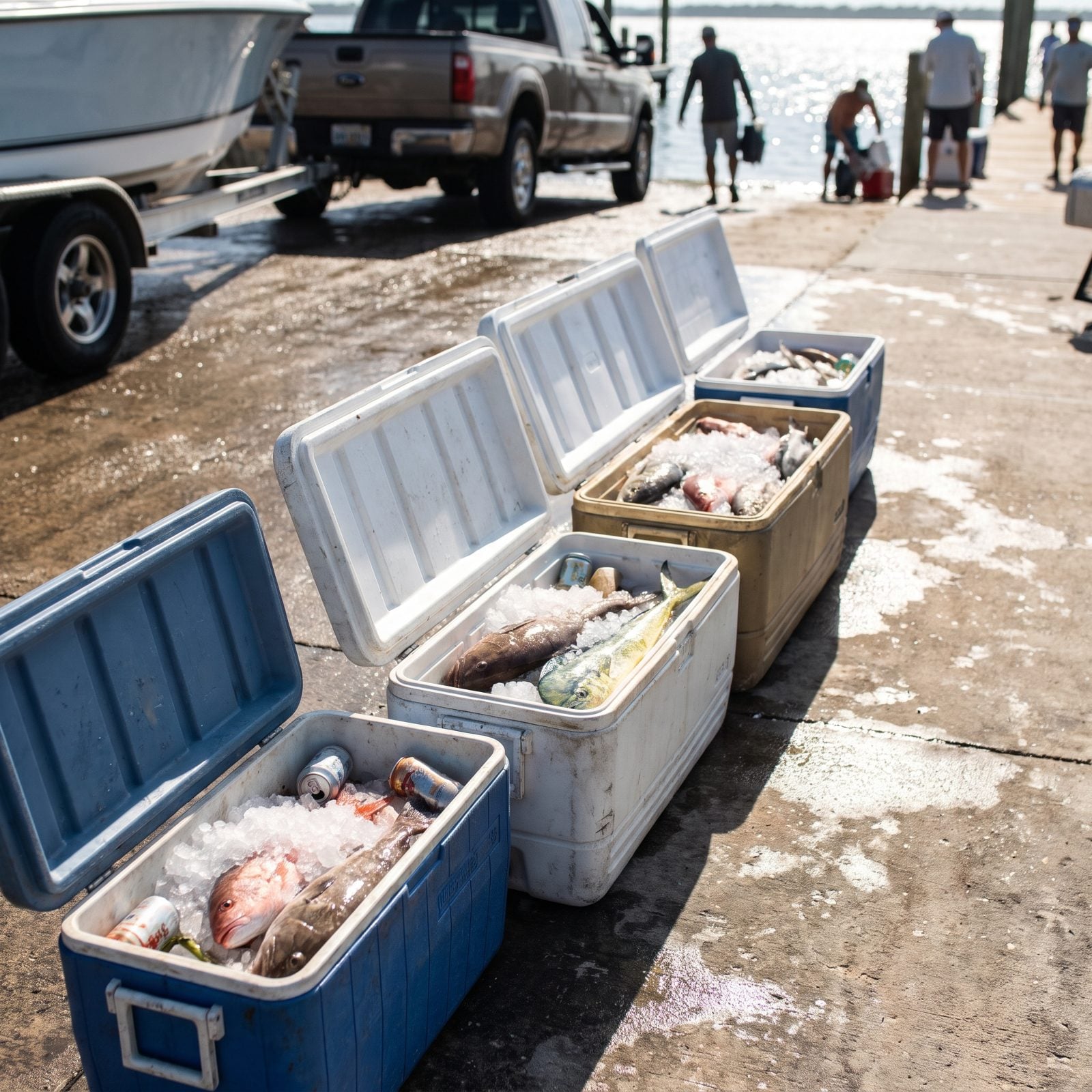
Splitting a catch across containers is an old trick, and wardens have seen it a thousand times. Four coolers, four stories, one group hoping nobody bothers to add it all up.
The law looks at the total, not how cleverly it’s divided. A possession limit stands whether it’s piled in one bucket or scattered across the whole truck bed. A warden will ask everyone to open everything, and the math gets done regardless.
17. Fish Already Filleted Before the Cleaning Station
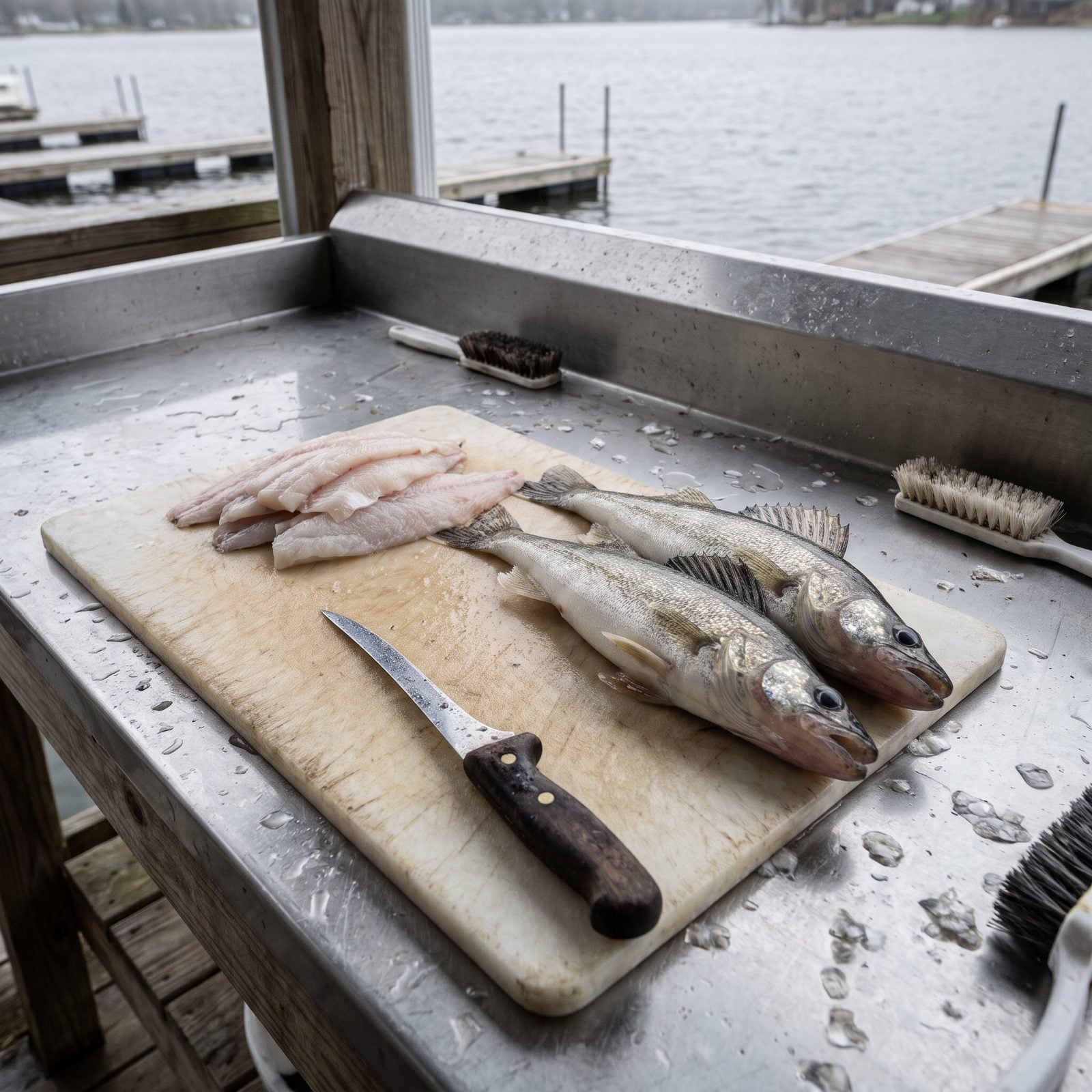
A fillet can’t be measured, and half the time it can’t even be identified by species. That’s exactly why so many states require fish stay whole, or at least keep the skin and a patch attached, until you’re home or off the water.
A warden can’t verify a length limit on a boneless slab, so premature filleting draws questions fast. Know your state’s transport rule before you reach for the knife. Some let you fillet at the ramp, plenty don’t, and a cooler of anonymous fillets is a conversation that rarely ends well.
16. Whether Processed Fish Still Wear Their Required Skin Patches
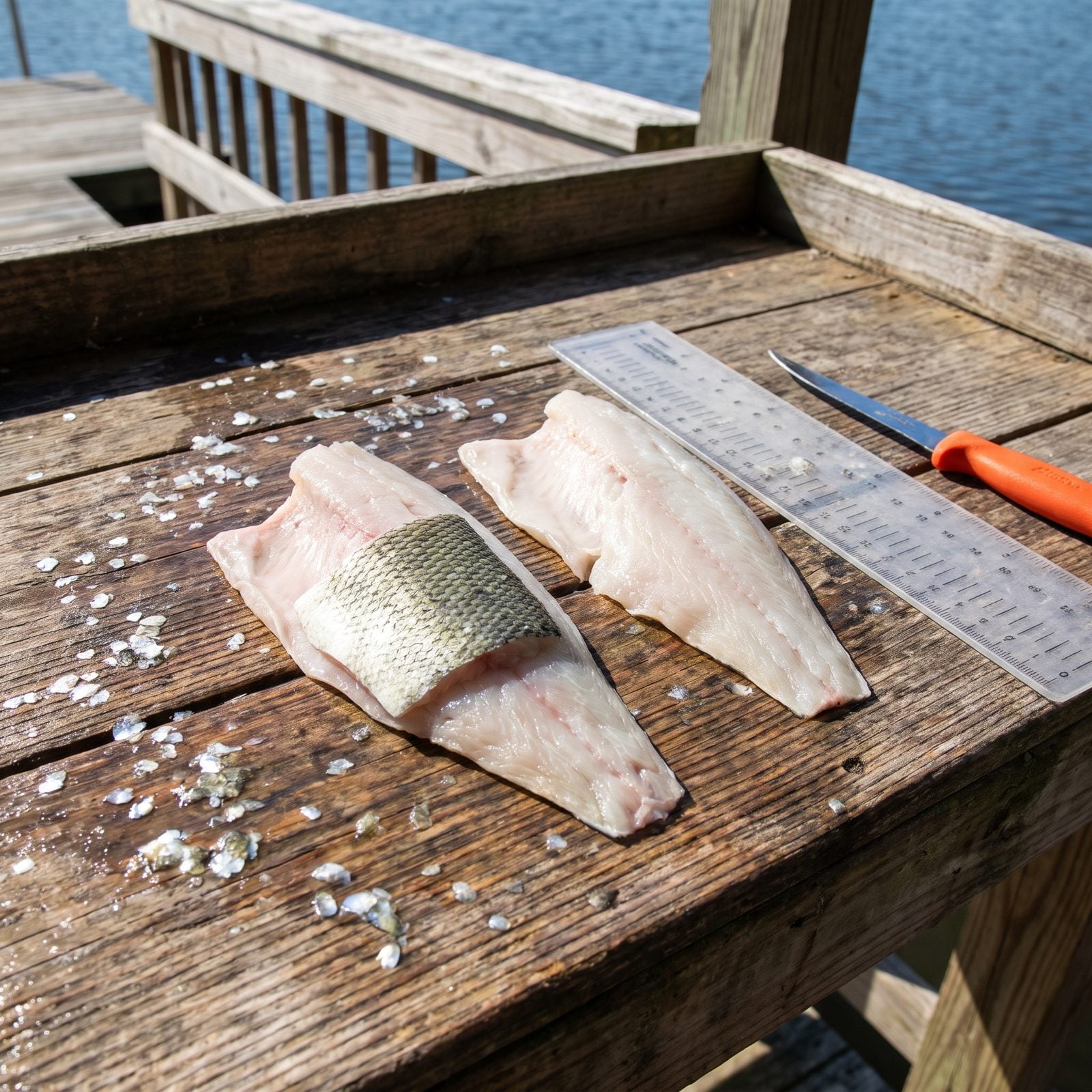
A lot of states require you to leave a patch of skin on filleted fish, and it sounds fussy until you understand why. A naked white fillet of bass looks identical to a naked white fillet of something that’s out of season or over your limit. The skin is the ID card.
Wardens check this first on a cleaning table because nothing’s easier to confirm. Skin attached, species obvious, length still measurable. A loose square of skin just laid on top of the flesh doesn’t count, because nobody can prove it came from that fillet. Peel it off and suddenly nobody can prove what you caught or whether it was legal.
15. Harvest Tags That Aren’t Attached, Punched, and Dated
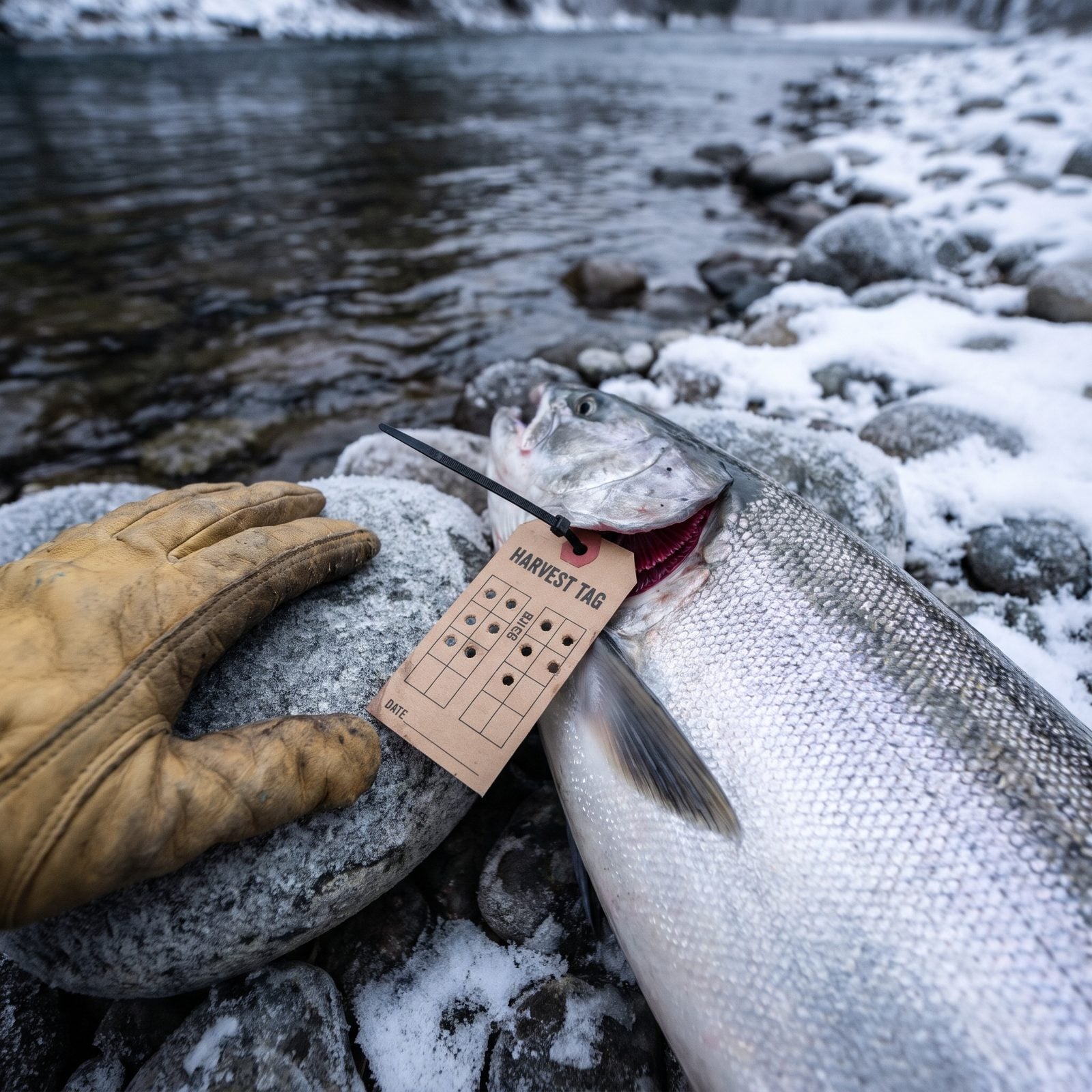
Tagged species — certain salmon, sturgeon, or a trophy fish depending on where you are — come with rules that trip up honest people constantly. The tag has to be filled out, physically attached, and the date validated the moment you decide to keep the fish. Not when you get home. Not when you remember on the drive.
An officer looks for three things: is it on the fish, is it punched once, for today — not a dozen holes scattered across the grid, does it match what’s in your cooler. A loose tag rattling around a tackle box reads the same as no tag at all. Anglers have lost once-in-a-decade fish over a tag punched in a dozen boxes with the date line left blank.
14. Dead Undersized Fish Tossed in the Weeds Behind You
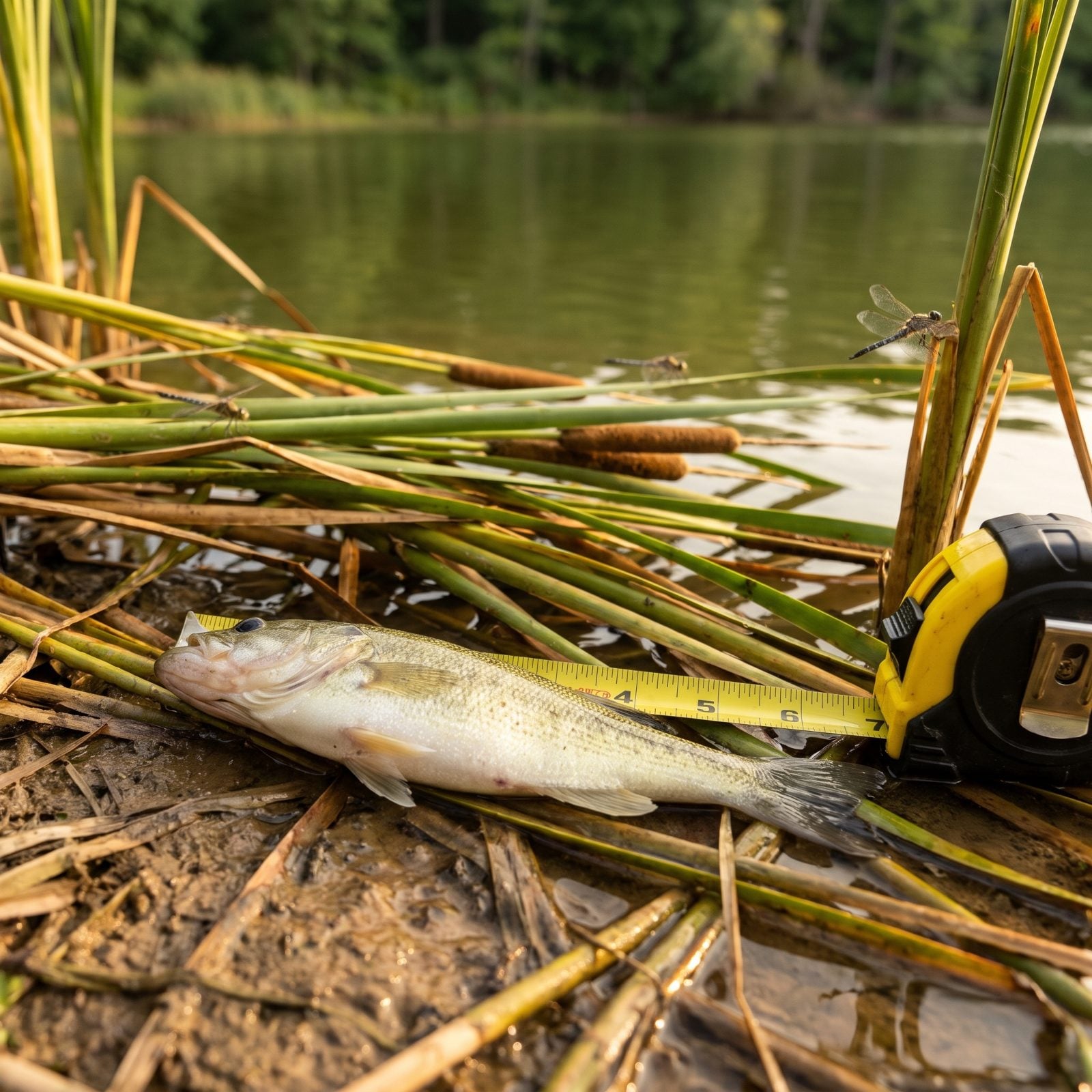
Nobody thinks about this one. You catch a short fish, measure it, decide it’s too small, and chuck it up the bank instead of back in the water — and now you’ve got a problem. That fish is a harvested fish. A dead, undersized, harvested fish.
Wardens walk the shoreline and the weed line for exactly this: a gull working one spot, a cloud of flies, a pale belly in the grass. Wasting game fish is its own violation in most states, separate from the size limit altogether. Release the short ones gently and get them swimming again. That’s the whole lesson.
13. Hook Wounds That Say a Fish Was Snagged, Not Bitten
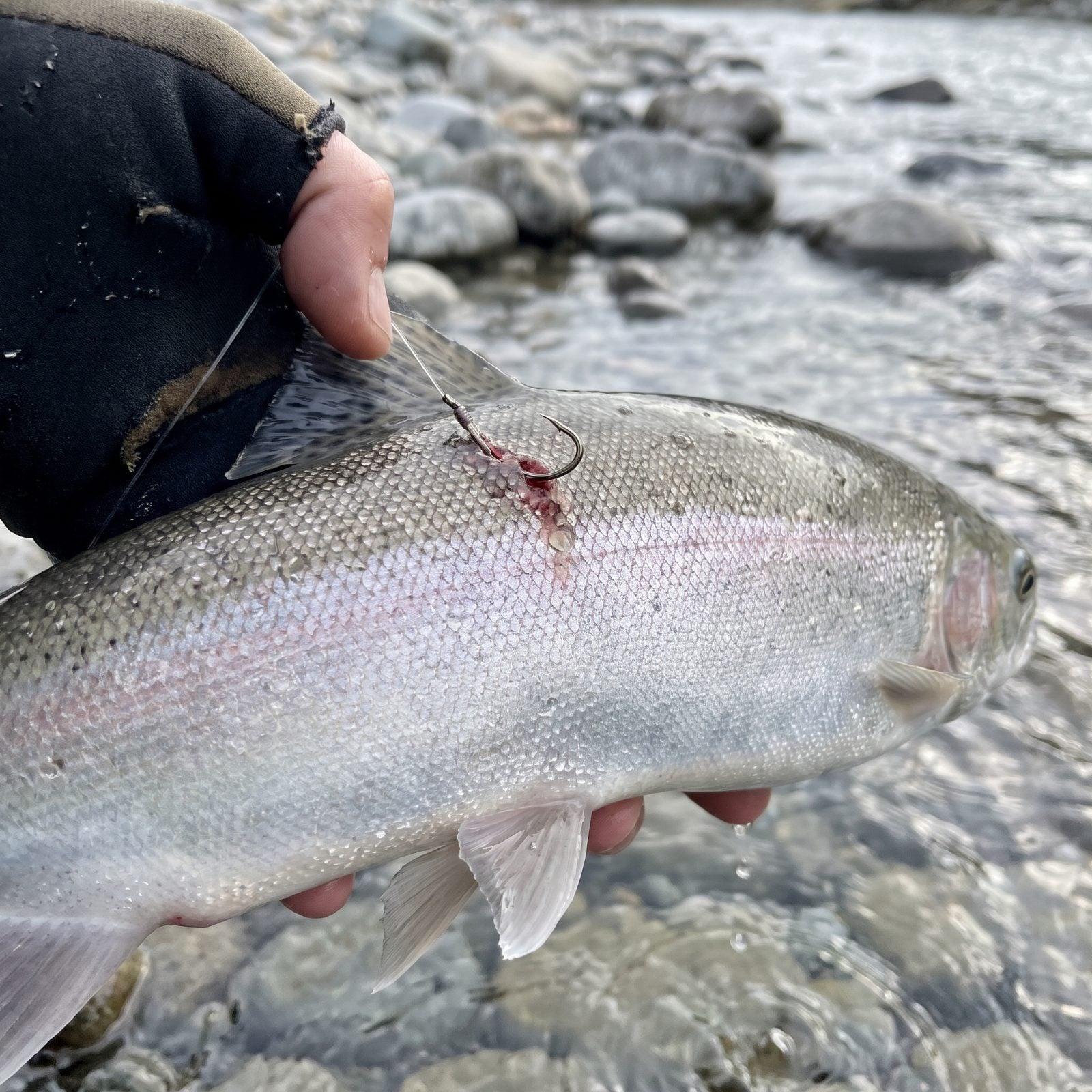
Where the hook sits tells a story. A fish hooked in the corner of the mouth took the bait, while a fish hooked in the back, the belly, or the tail got snagged. On rivers with salmon and steelhead, foul-hooking is often illegal, and you’re required to let a foul-hooked fish go rather than keep it.
An experienced warden reads the hook hold in two seconds. They’ll also clock a fish bleeding from the flank or scarred across the body. This isn’t about catching you in a slip-up. Snagging tears up fish and skips the entire point — getting one to actually commit and bite.
12. Game Fish Chopped Up and Used as Cut Bait
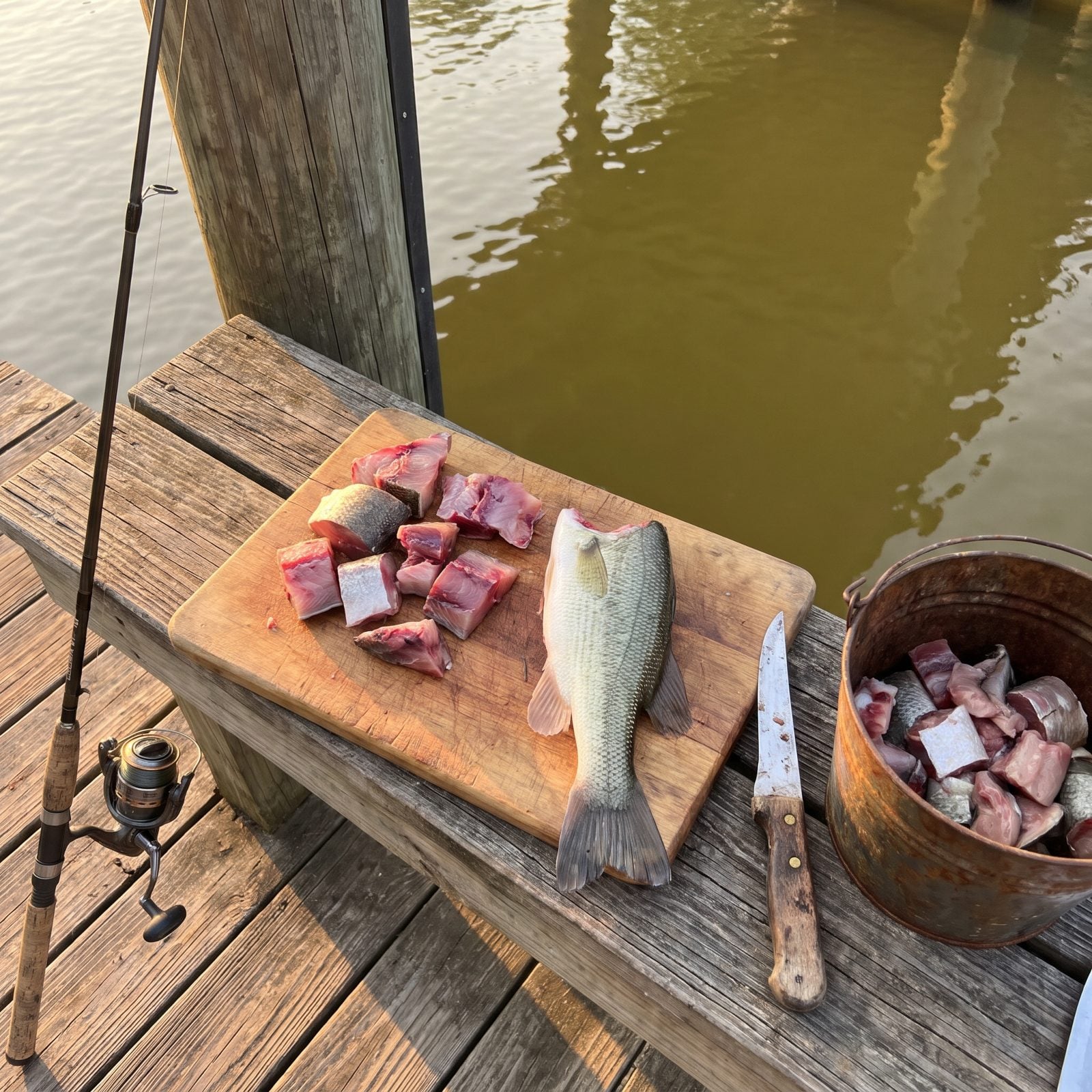
Cut bait is legal in plenty of places, with plenty of species. The catch is which species. Chopping up a bluegill or a shad you’re allowed to use? Fine. Chopping up a game fish — a bass, a walleye, a trout — to soak for catfish is usually a flat-out violation, even when the fish measured legal.
Wardens poke through bait buckets. A recognizable game-fish tail or a patch of distinctive scales in the chum tells them everything. The rule catches weekend anglers off guard every season. Game fish get managed as sport, not as grocery for your hook.
11. Live Fish Riding in a Bucket From One Lake to the Next
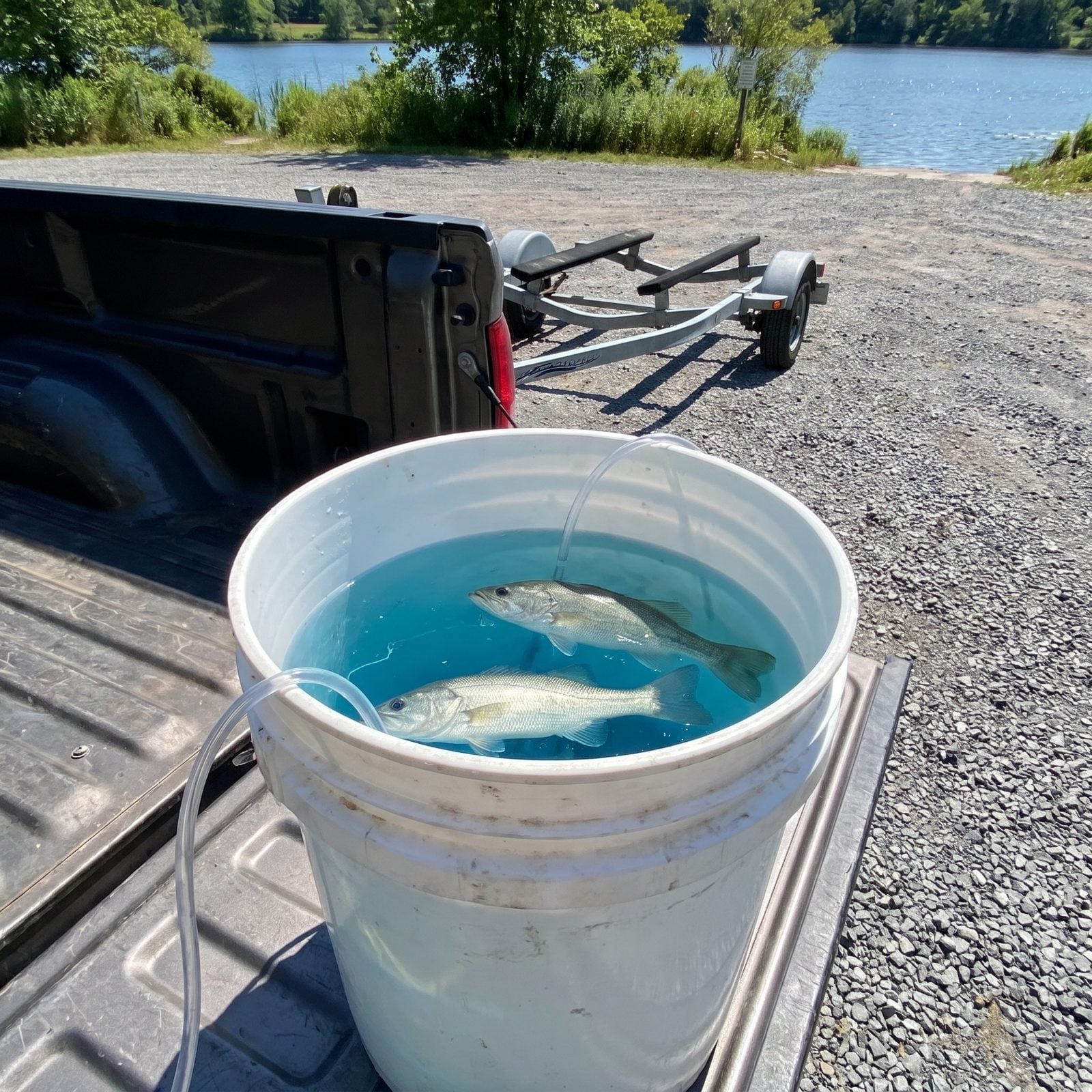
Moving live fish between bodies of water is one of the quietest, most damaging things an angler can do. It’s how invasive species jump watersheds, how whirling disease and viral outbreaks spread from lake to lake. Most states ban transporting live fish, hauling live-bait water, even draining a livewell away from the launch.
An officer at a ramp notices a bucket sloshing in a truck bed, an aerator humming where it shouldn’t, a cooler of fish still swimming. Usually the explanation is innocent enough — somebody wanted to stock their pond. The damage from that one good intention can outlast the person who caused it by decades.
10. Casting From the Wrong Side of a Boundary Marker
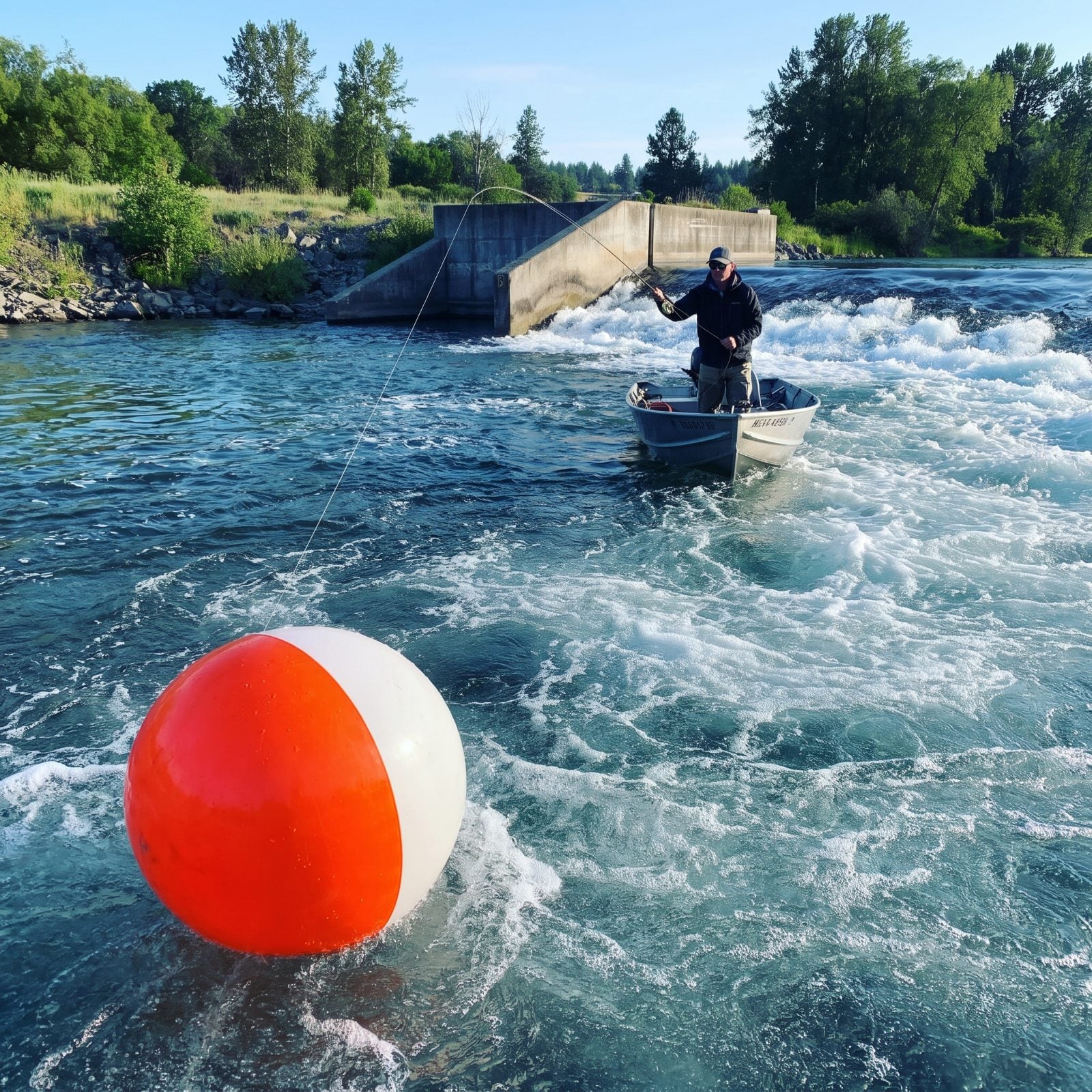
Those orange-and-white buoys are there for a reason — usually a boundary between open water and a closed sanctuary, a refuge, or a neighboring jurisdiction. And the rule isn’t where your boat sits. It’s where your line ends up.
You can sit well back from the buoy and still be fishing illegally if your casts reach it — or end up hooked on the buoy itself. Wardens watch the arc of the line and where it ends up. Know which side of the marker is yours, and keep every cast honest. The fish stacked up on the forbidden side are almost always the reason that buoy exists at all.
9. Fishing Inside a Dam’s Safety Exclusion Zone
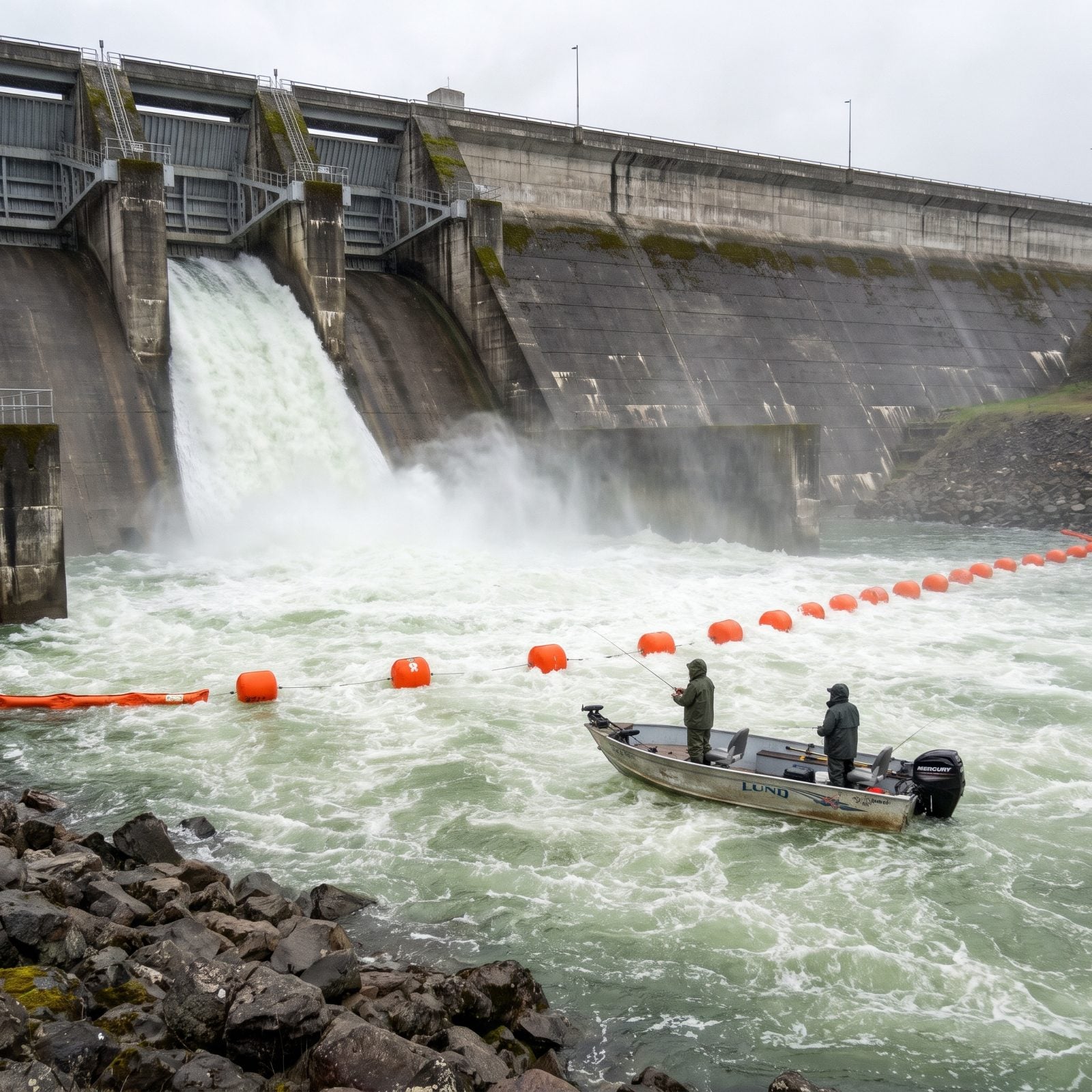
Tailwaters hold fish because the turbulent, oxygen-rich water below a dam is a feeding lane. They also kill anglers. A dam can release water with almost no warning, and the boil that forms below the gates will pull a boat under faster than you can start a motor.
The exclusion zone gets marked with buoys and booms, and it’s no suggestion. Wardens and dam operators both watch it hard. Cross into it and the citation is the least of your concerns — that calm-looking water can go from flat to violent in under a minute.
8. Fishing After Posted Closing Time or During Restricted Night Hours
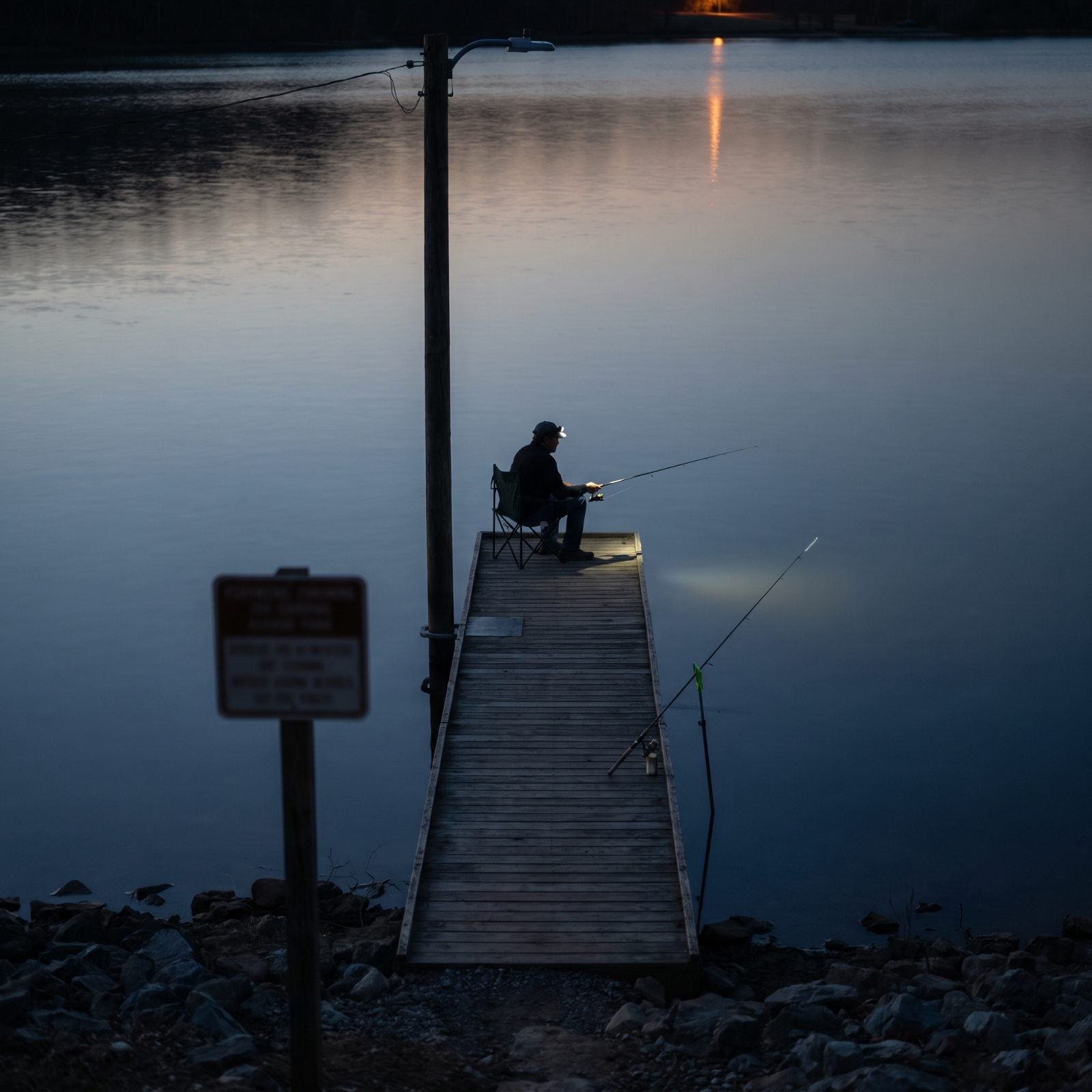
Plenty of waters close at a set hour, and plenty restrict night fishing to protect spawning species or just to clear the park after dark. That angler out there at two in the morning might be perfectly legal — or breaking three rules at once, depending entirely on the sign at the gate.
Wardens patrol these spots precisely because people assume nobody’s checking at night. A headlamp bobbing on a pier past closing is an easy flag. Read the posted hours before you settle in. The fish that bite after dark are the exact reason some of those closures exist.
7. Rods Quietly Handed Off as the Warden Walks Up
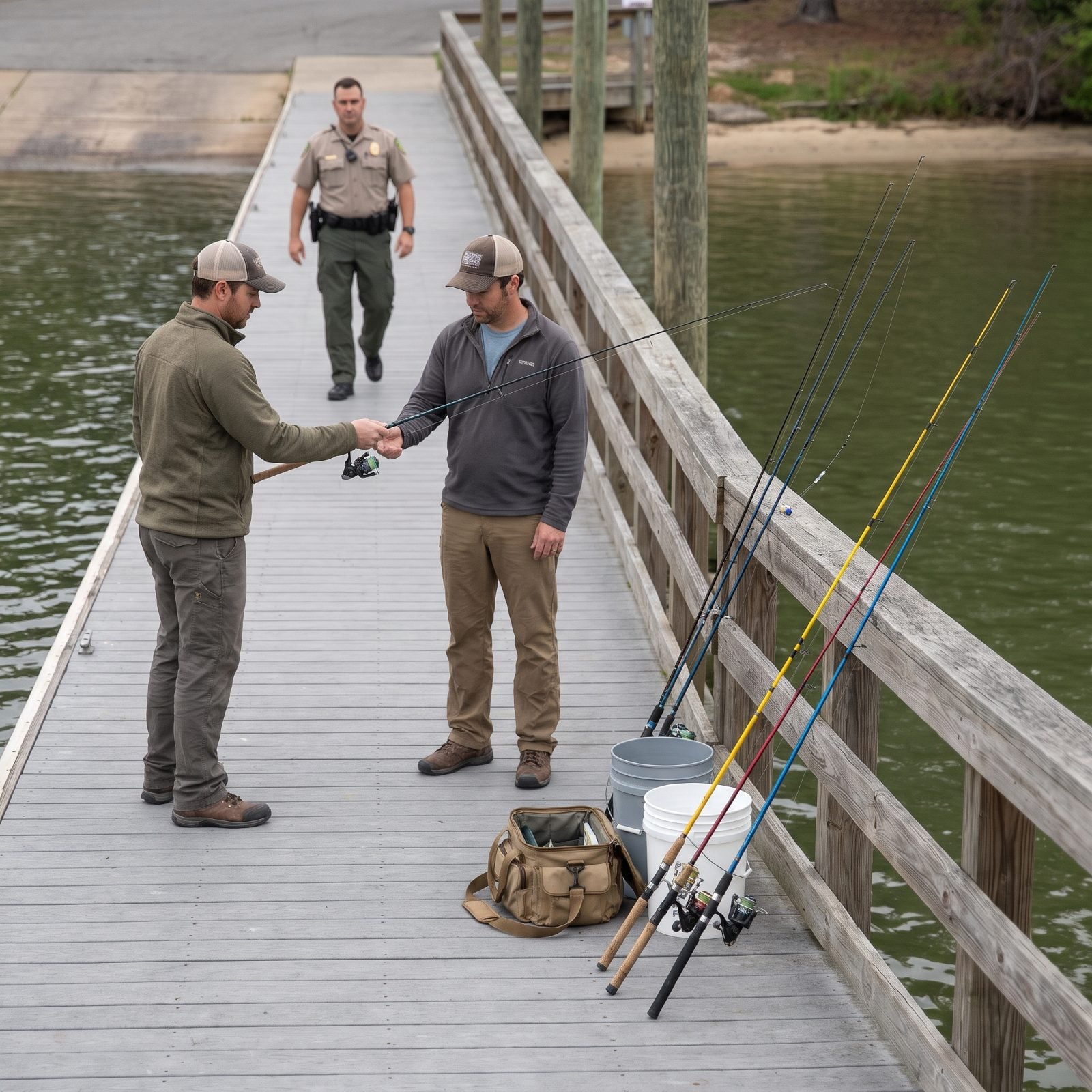
Wardens are trained to clock this one from a hundred yards out. An approach begins, and suddenly a rod changes hands. Usually it means someone’s fishing without a license and trying to pin it on a buddy who has one, or someone’s running more lines than the law allows and spreading them around the dock.
The move almost never works. An officer counts rods, counts people, counts licenses, and watches hands. A sudden handoff just confirms there was something worth hiding in the first place. If everyone on the dock is licensed and within their line limit, there’s nothing to pass to anyone.
6. Tackle Quietly Slipped Into the Brush or a Truck Cab
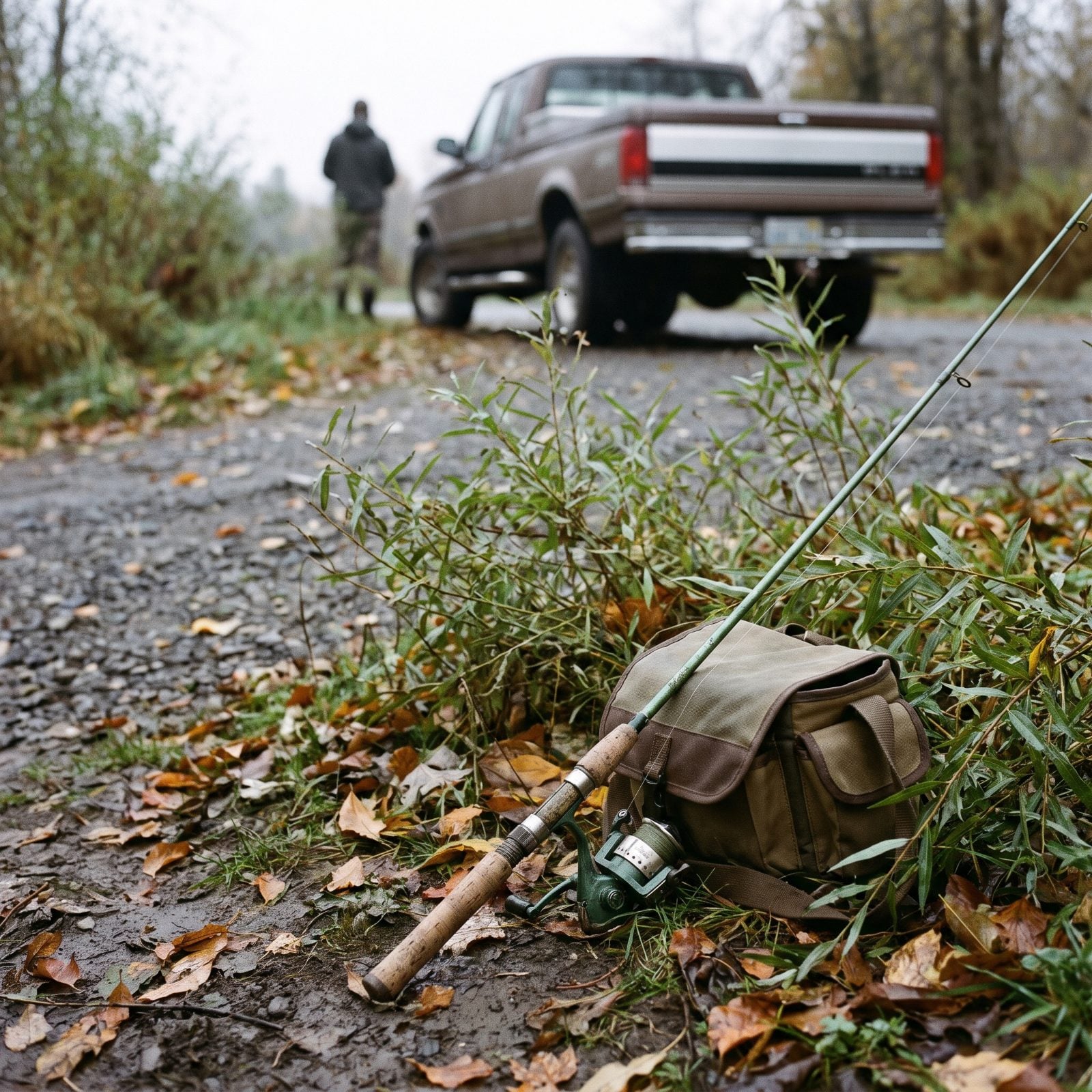
Sudden tidiness is the tell. A warden walking up watches hands, not faces, and rods that get stashed behind brush or shoved into a cab the moment a uniform appears read as a flag — even when nothing’s wrong.
Most of the time it’s innocent, honestly. An extra rod rigged and ready, a second pole for a kid who wandered off. But hiding gear whispers that you’re over your line limit, and a warden is trained to catch exactly that whisper. So stay put. Keep your lines where they are. The honest move and the relaxed move look identical, which is the whole point.
5. Registration Numbers That Are Faded, Peeling, or Missing
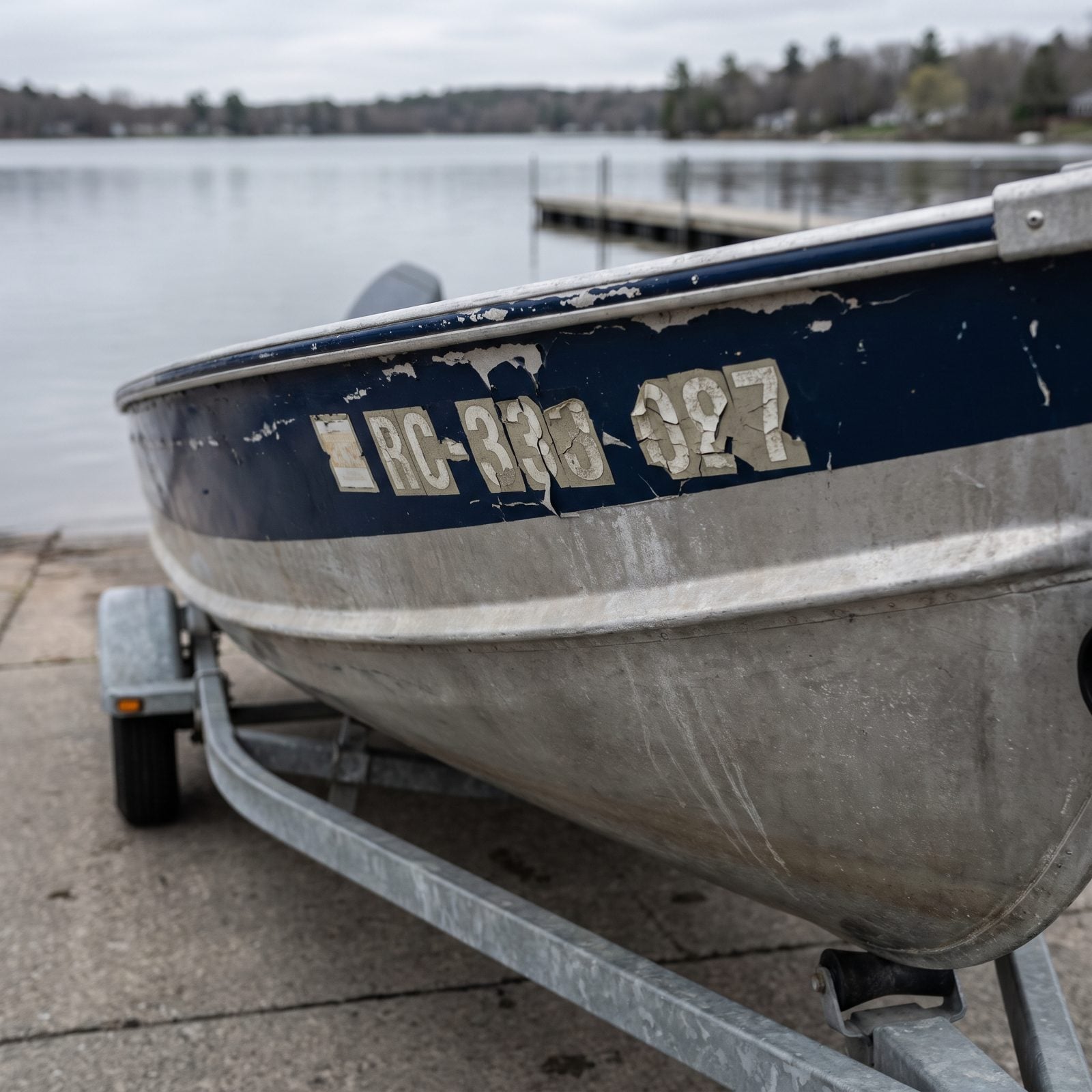
This one’s visible from fifty yards. Hull registration numbers have to be a certain size, a contrasting color, and readable from a distance. Faded decals, numbers peeled half off, or the dreaded blank bow — any of those pulls a warden straight to your ramp.
Cheap to fix, easy to ticket. Frustrating combination. Your registration also has to be current, and the sticker needs to match the paperwork aboard. Nobody loves digging through a glove box for a damp certificate, but a warden will ask, and he’ll wait while you find it.
4. Whether There’s a Wearable Life Jacket for Every Soul Aboard
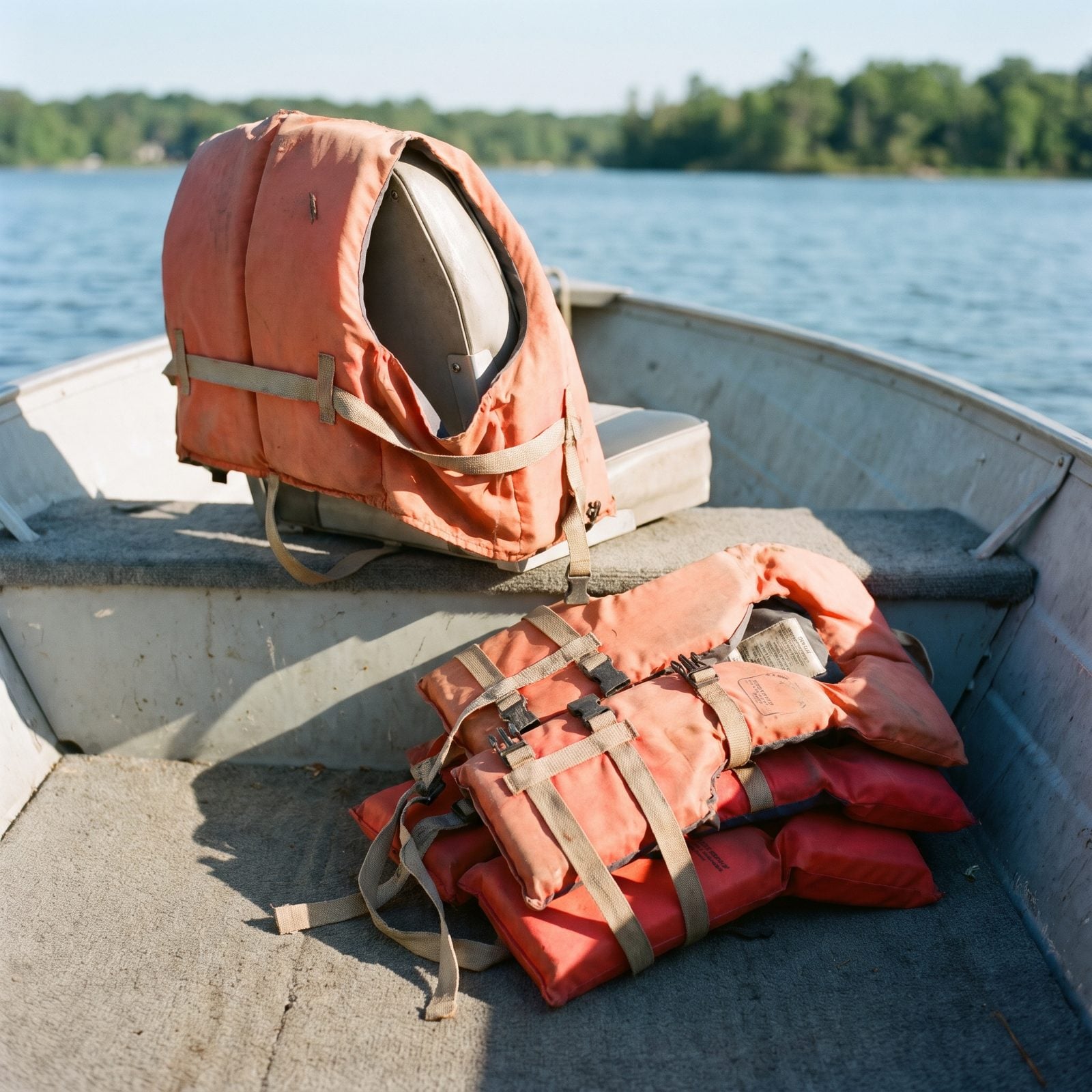
The count matters more than the condition. Federal rules require a wearable, Coast Guard-approved life jacket for every person on the boat, and a warden will count heads against vests before anything else.
Here’s where people get caught flat. The jackets have to be accessible, not buried under three bags of gear in a bow locker, and they have to actually fit the people aboard — a child-sized vest doesn’t count for an adult. Boats over sixteen feet also need a throwable cushion or ring. Dull math, all of it. It’s also the thing most likely to matter on the one day something goes sideways.
3. The Kill-Switch Lanyard Clipped to the Operator (or Not)
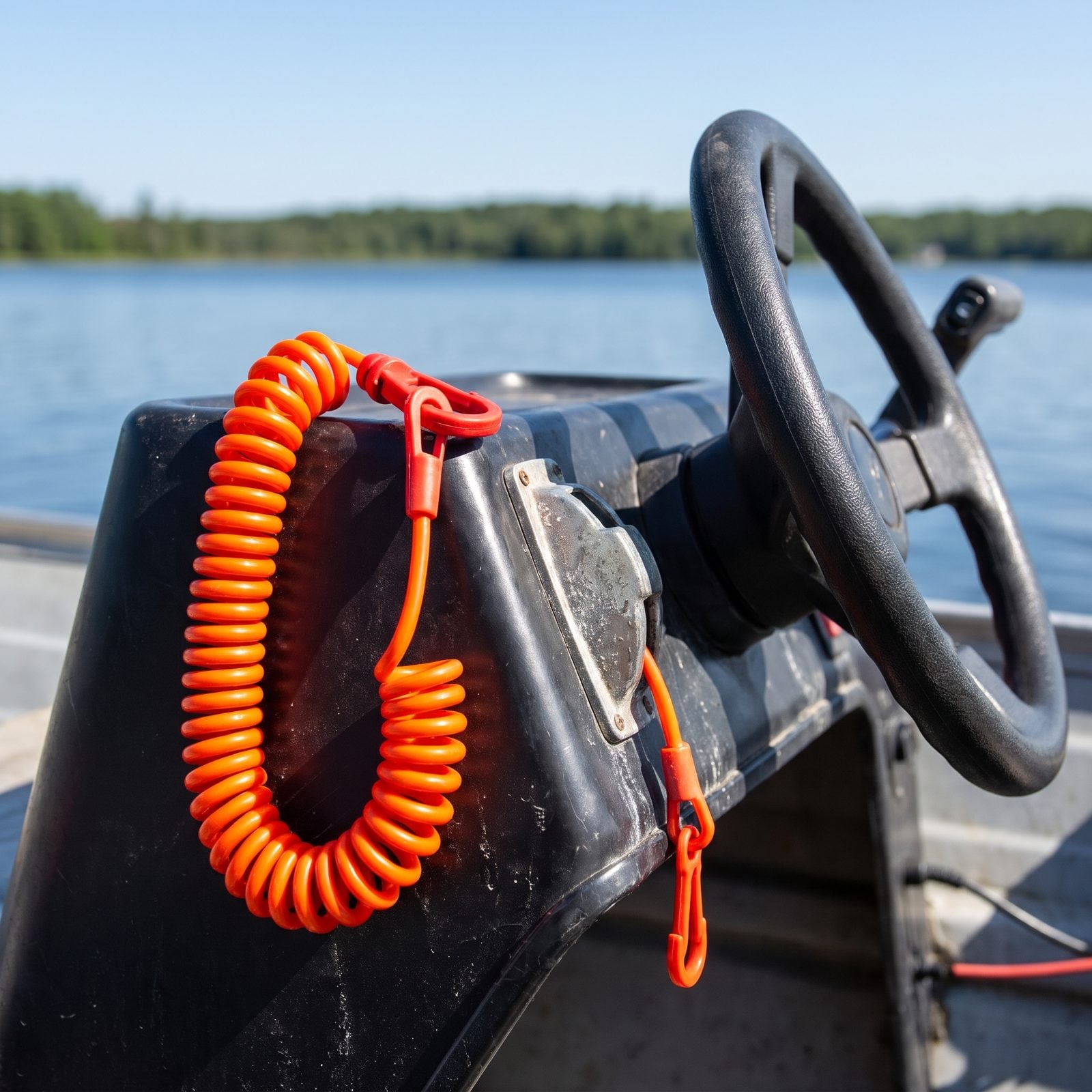
This one’s newer, and a lot of boaters still don’t know it exists. Federal law now requires operators of most boats under twenty-six feet to use the engine cut-off lanyard once the boat is on plane. Clip it to your vest, your belt, your wrist — anything that keeps you connected to the helm.
A warden sees that orange coil dangling loose off the console and he knows it wasn’t in use. The physics are grim and simple. An operator thrown from a running boat leaves it circling with the throttle wide open, and that’s how people get run over by their own hull. The lanyard kills the engine the instant you go overboard. Clip in. Takes a second.
2. Aquatic Weeds Trailing From Your Boat Trailer
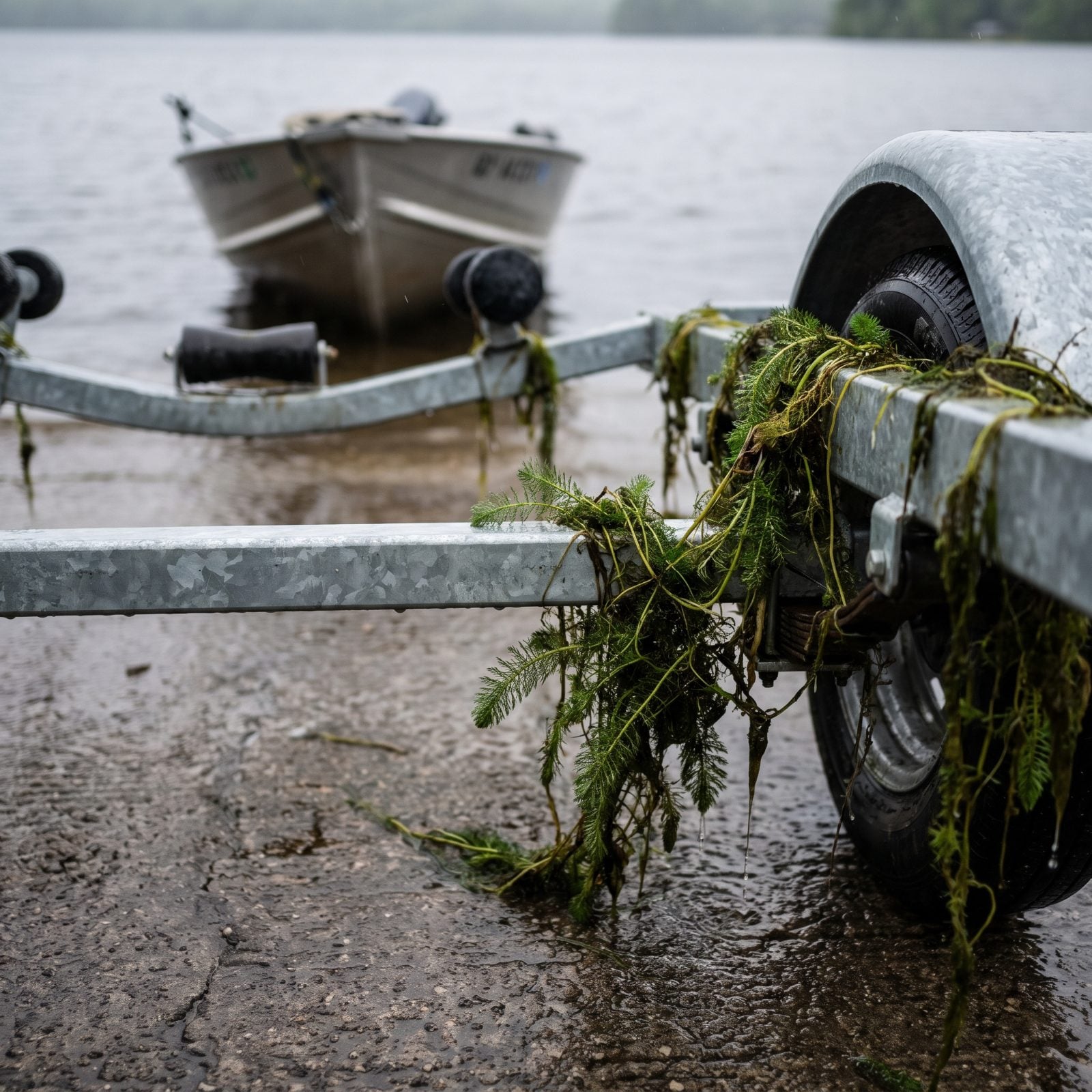
A warden at the ramp looks at your trailer before he looks at you. Strands of milfoil, hydrilla, or any aquatic weed hanging off the axle mean you might be hauling an invasive hitchhiker to the next lake.
Clean, drain, dry. That’s the whole rule, and most states enforce some version of it, a few with checkpoints and fines. Pull the plug, scrape the weeds, dump the livewell. Dirty trailers move zebra mussels and weeds that choke out a fishery for good. Five minutes at the ramp and you’ve saved a lake you probably want to come back to.
1. Fish Tucked Under Gear, Tarps, or a Layer of Ice
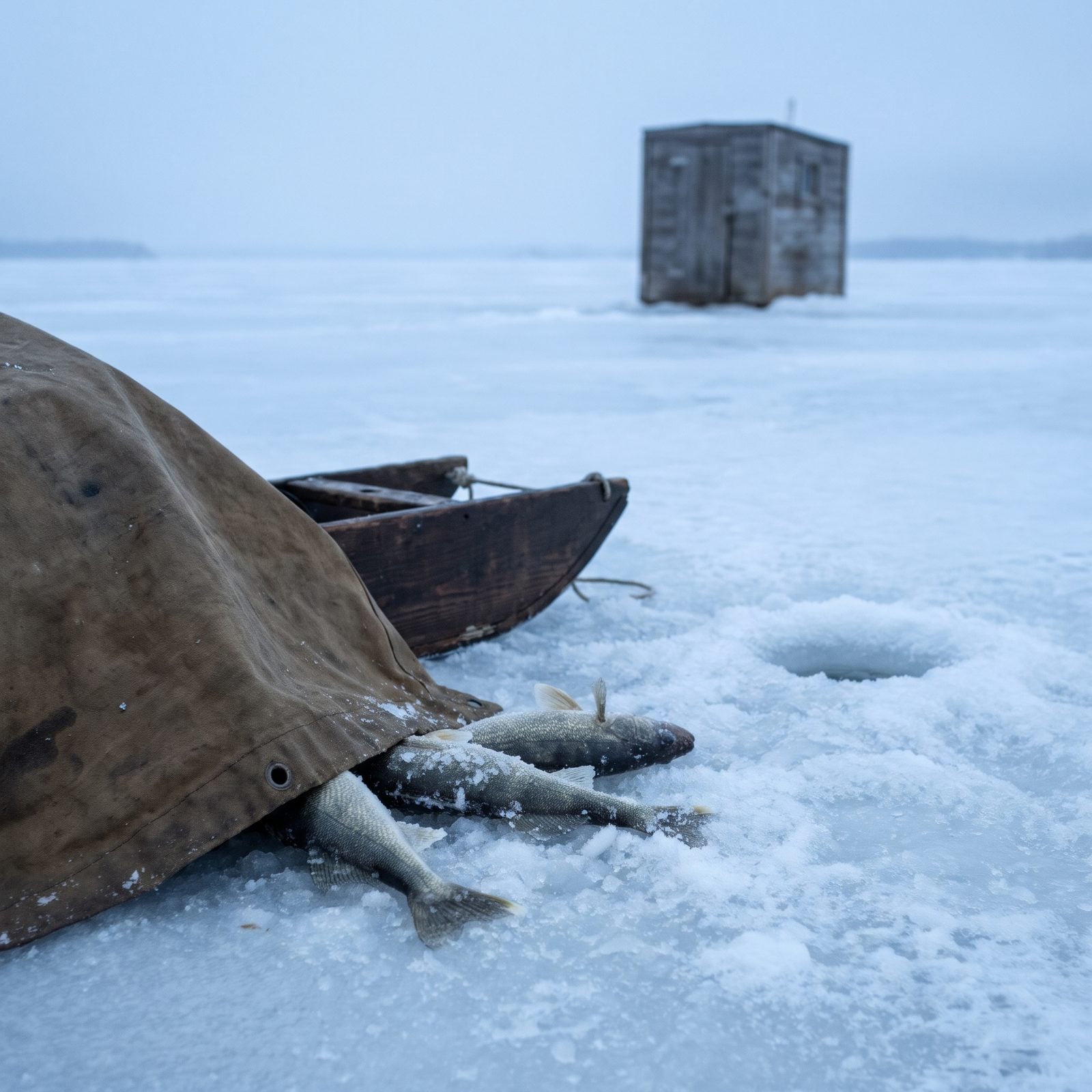
Concealment is the loudest thing an angler can do without saying a word. Fish shoved under a tarp, tucked beneath gear, or buried in slushy ice on a hard-water day tell a warden exactly where to look first.
Wardens check for creel limits and minimum size, and out on the ice they’ll ask you to lay your catch out flat. An undersized walleye hidden in the snow stops being a mistake and becomes intent, and that single word changes how the conversation goes. Keep your fish on a visible stringer or in an open cooler. If it’s legal, there’s no reason to hide it, and hiding a legal fish just buys you a longer stop.