
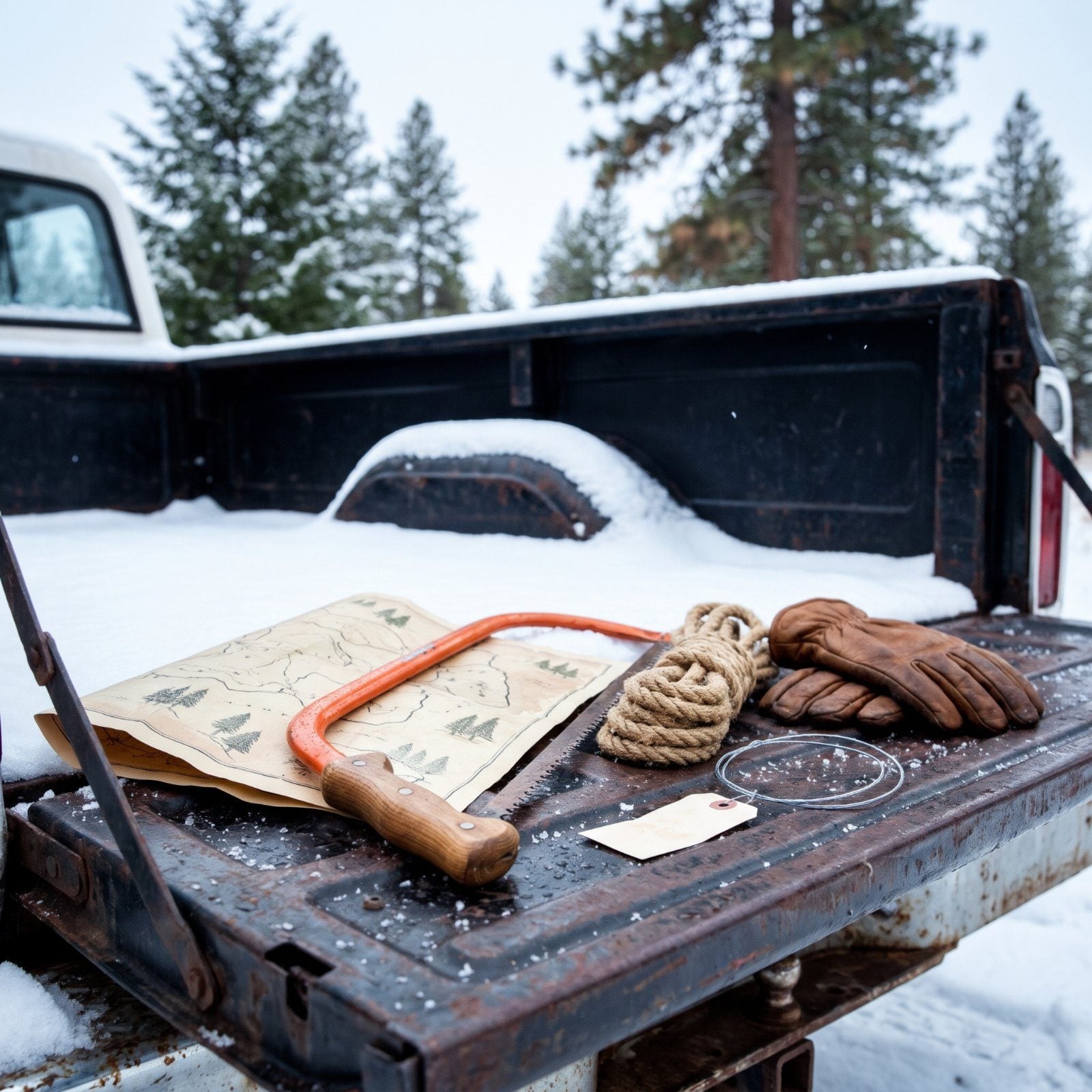
A saw, a tag in your glove box, and a forest road closing under three inches of fresh snow. Cutting your own tree on public land is one of the best cheap traditions left in this country, and also one of the easiest to botch without ever meaning to.
Please note that some of the images in this article were created with the assistance of AI.
Most of the trouble is paperwork, boundaries, and timing. None of it’s hard once you know where the lines sit. Here’s what to square away before you load the saw.
36. Cutting Inside a Protected Wilderness Area
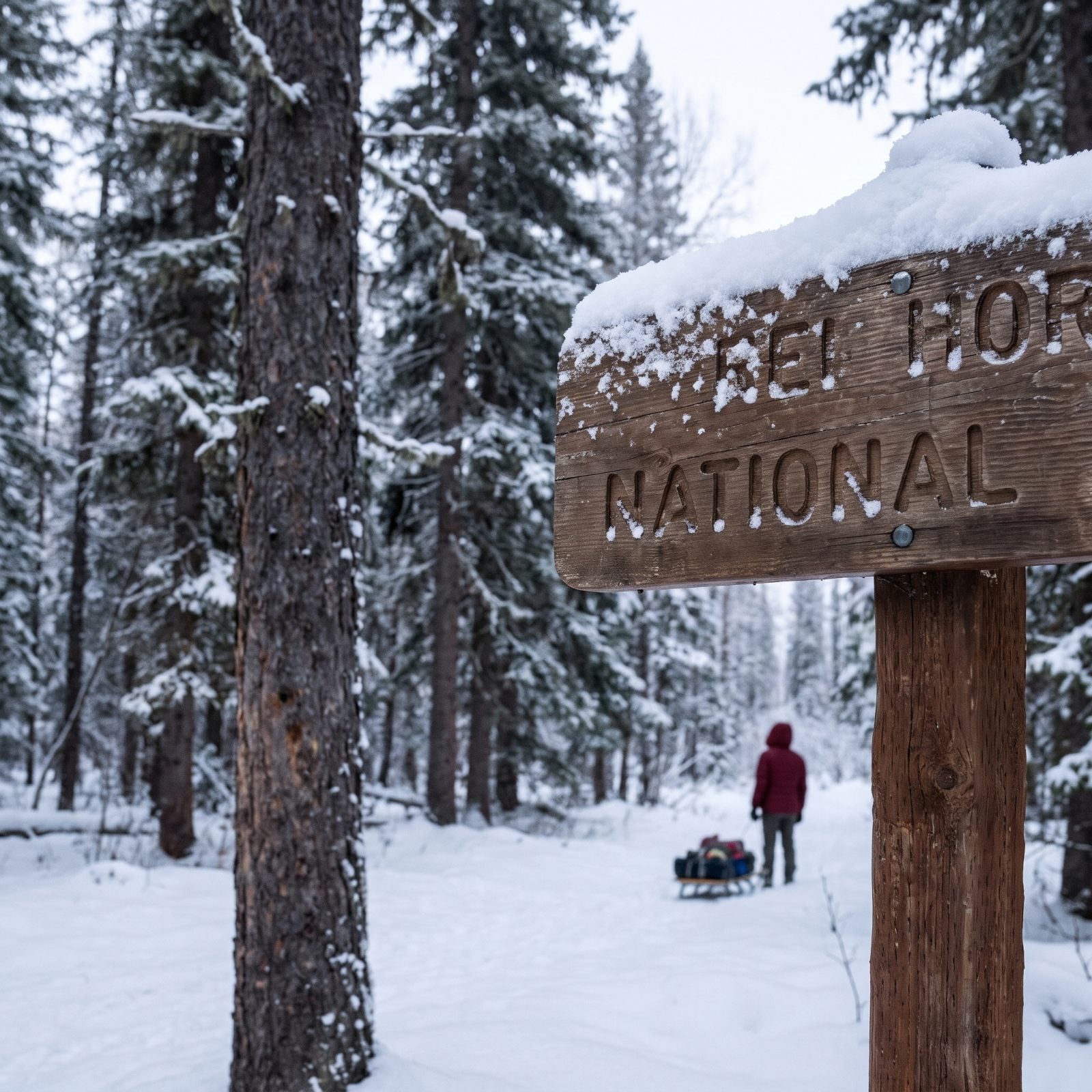
That untouched stand of fir just past the trailhead looks like the obvious score. It’s also probably the one place your permit doesn’t cover. Designated wilderness areas, research natural areas, and most campground loops are off limits no matter what tag you’re holding.
Cut there and you’re looking at a fine, a lecture from a ranger, and the tree riding home on the truck as evidence of a bad call. Skip it.
Pull up the forest’s motor vehicle use map and the cutting boundaries together before you leave the car. Wilderness lines are drawn clearly. Stay a comfortable margin inside the legal zone and you never have to guess.
35. Buying a Permit for the Wrong National Forest
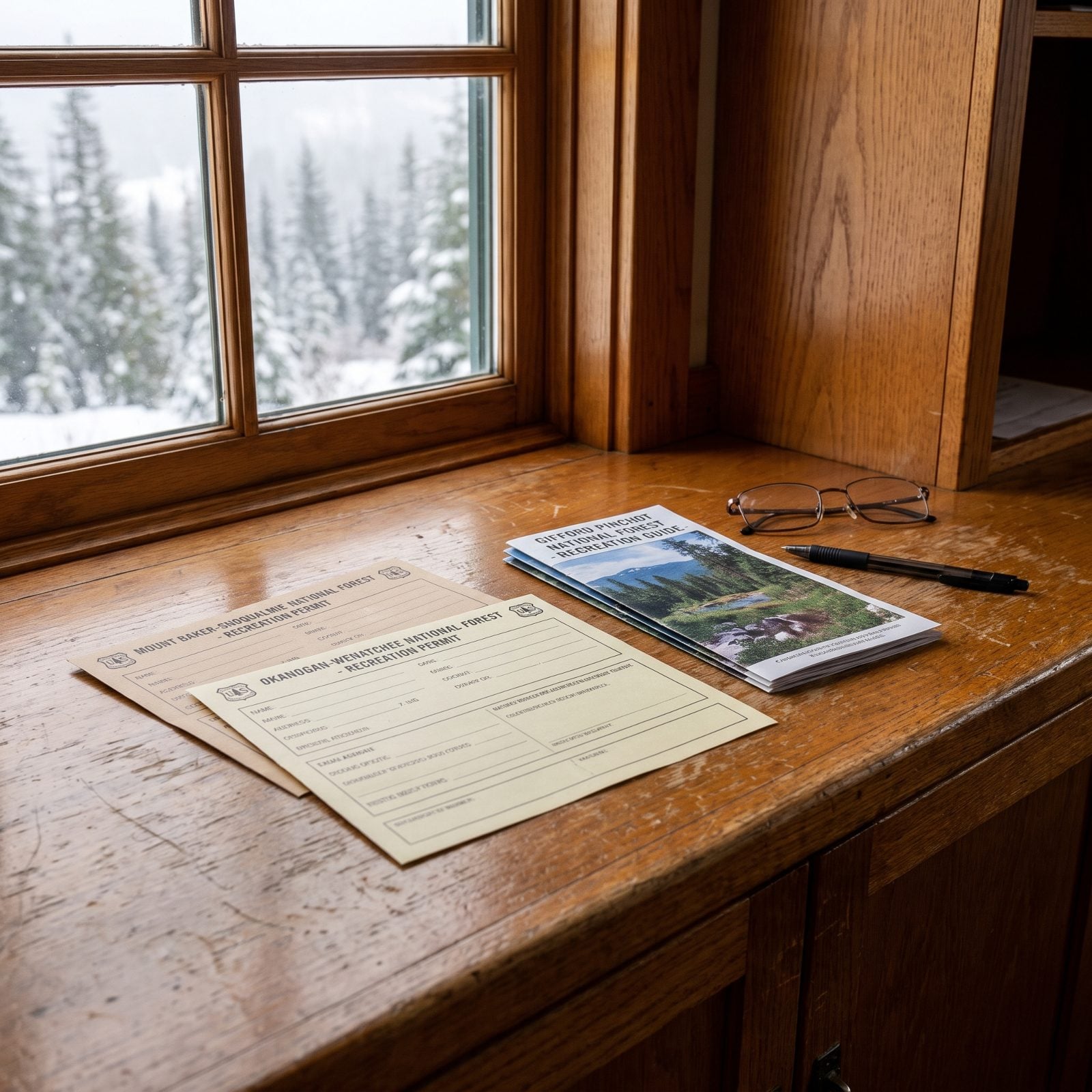
Permits are forest-specific. The one you grabbed online for the forest an hour north does nothing for the forest you actually drove to, even if the trees look identical and the ranger districts share a border.
Every national forest runs its own program, its own price, its own rules about where and when. A valid-looking tag from the wrong jurisdiction is still an invalid tag on the ground you’re standing on.
Check the exact forest name and district on your permit against the entrance sign, not the general region. When two forests sit side by side, that single line is easy to cross without noticing.
34. Ignoring the Official Cutting-Season Dates
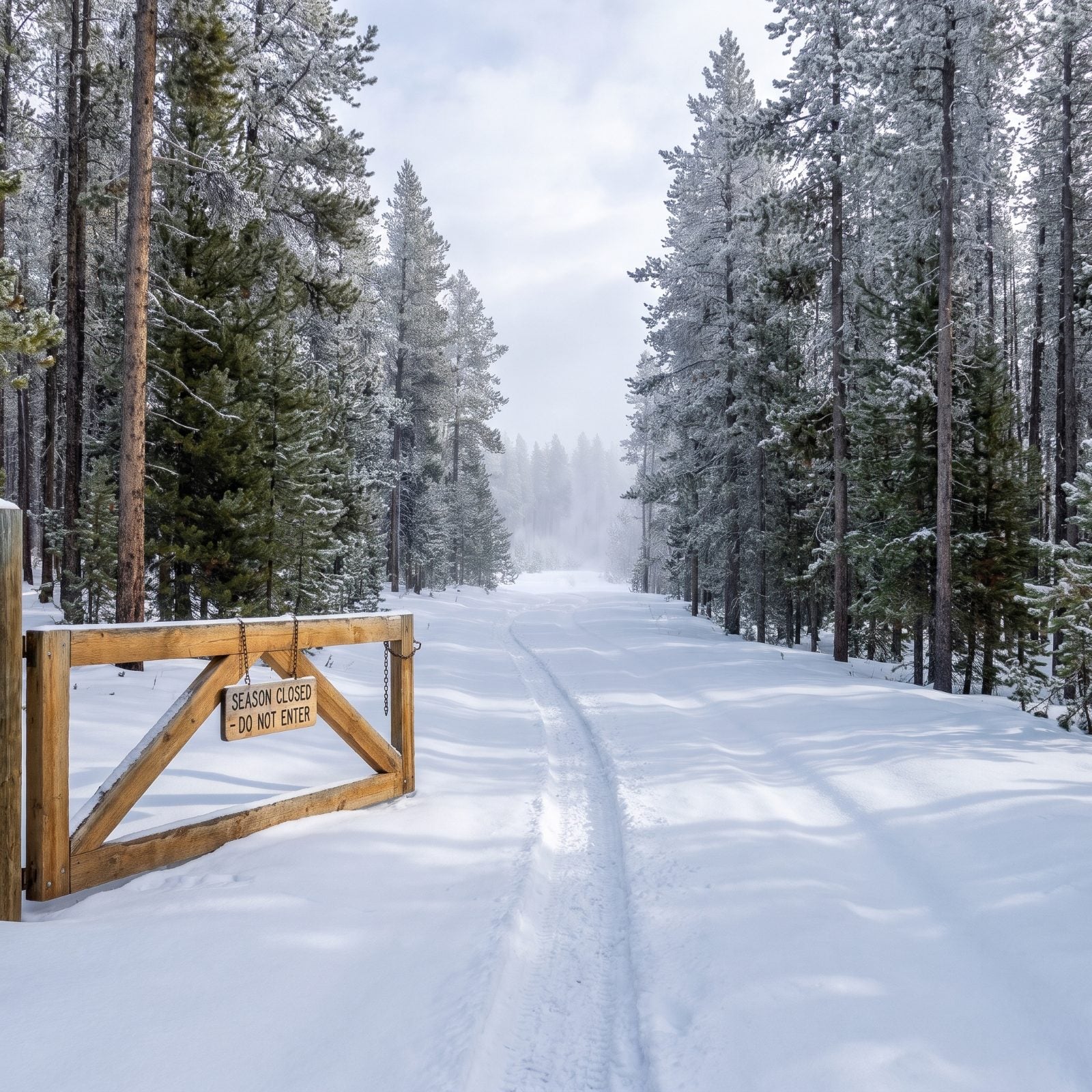
The season has a start and an end, and neither one cares about your weekend plans. A lot of forests open sales in mid-November and shut them down well before Christmas, sometimes the moment permits sell out.
Show up a day after the window closes and you’ve driven two hours for nothing, or worse, cut a tree during a stretch when it isn’t allowed.
Look up the cutting dates when you buy, not the week you want to go. And check the gate schedule too. Roads that are open in November get locked once the snow gets serious, and a legal season does you no good behind a closed gate.
33. Using an Outdated Christmas Tree Cutting Map
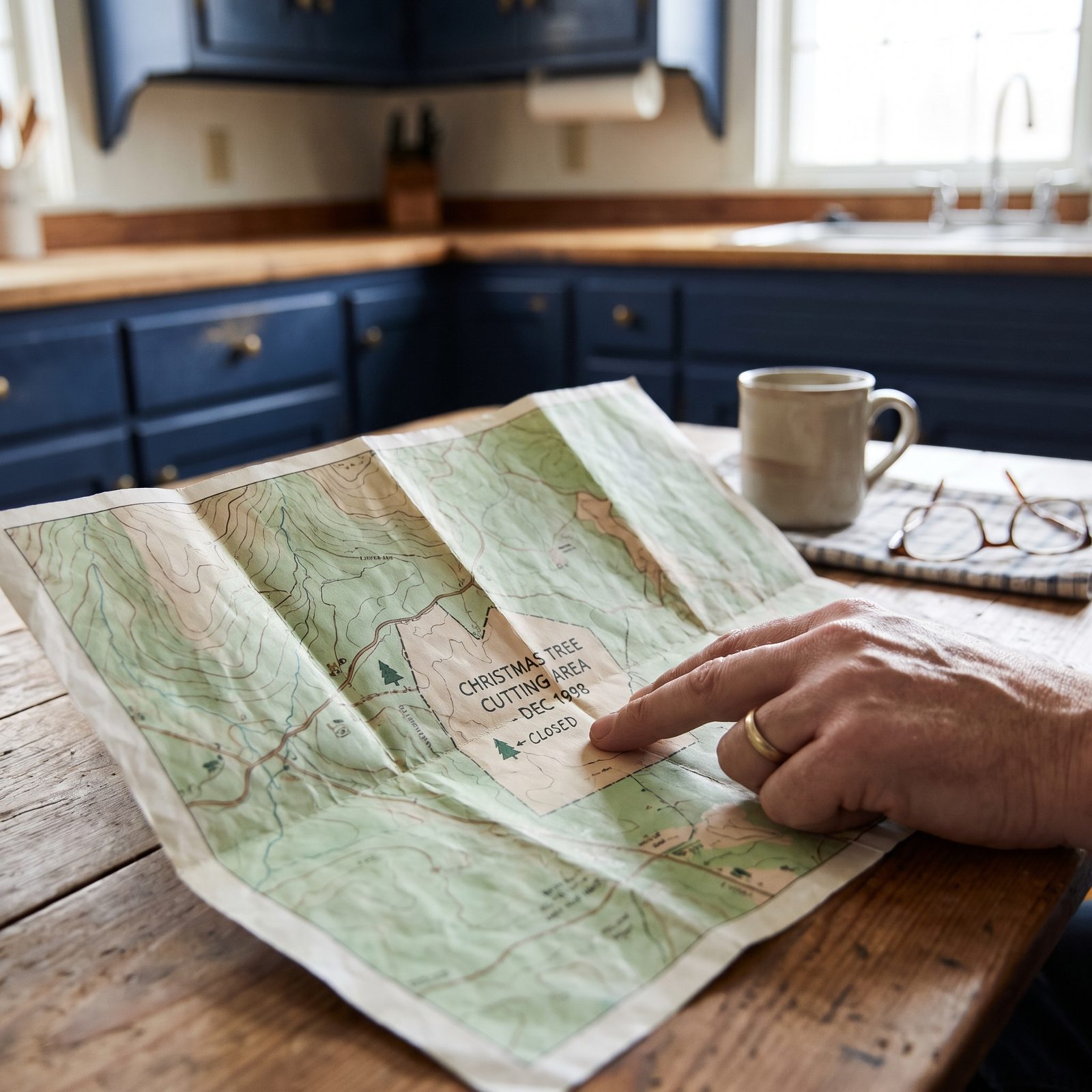
That map you saved to your phone three winters ago feels trustworthy. Boundaries move, though. Closures shift with logging, fire recovery, and road damage, and last year’s legal zone can be this year’s no-go.
Grab the current year’s map and permit together, straight from the forest’s site or the district office. If the file doesn’t say the right season on it, it’s the wrong file.
32. Leaving the Permit at Home
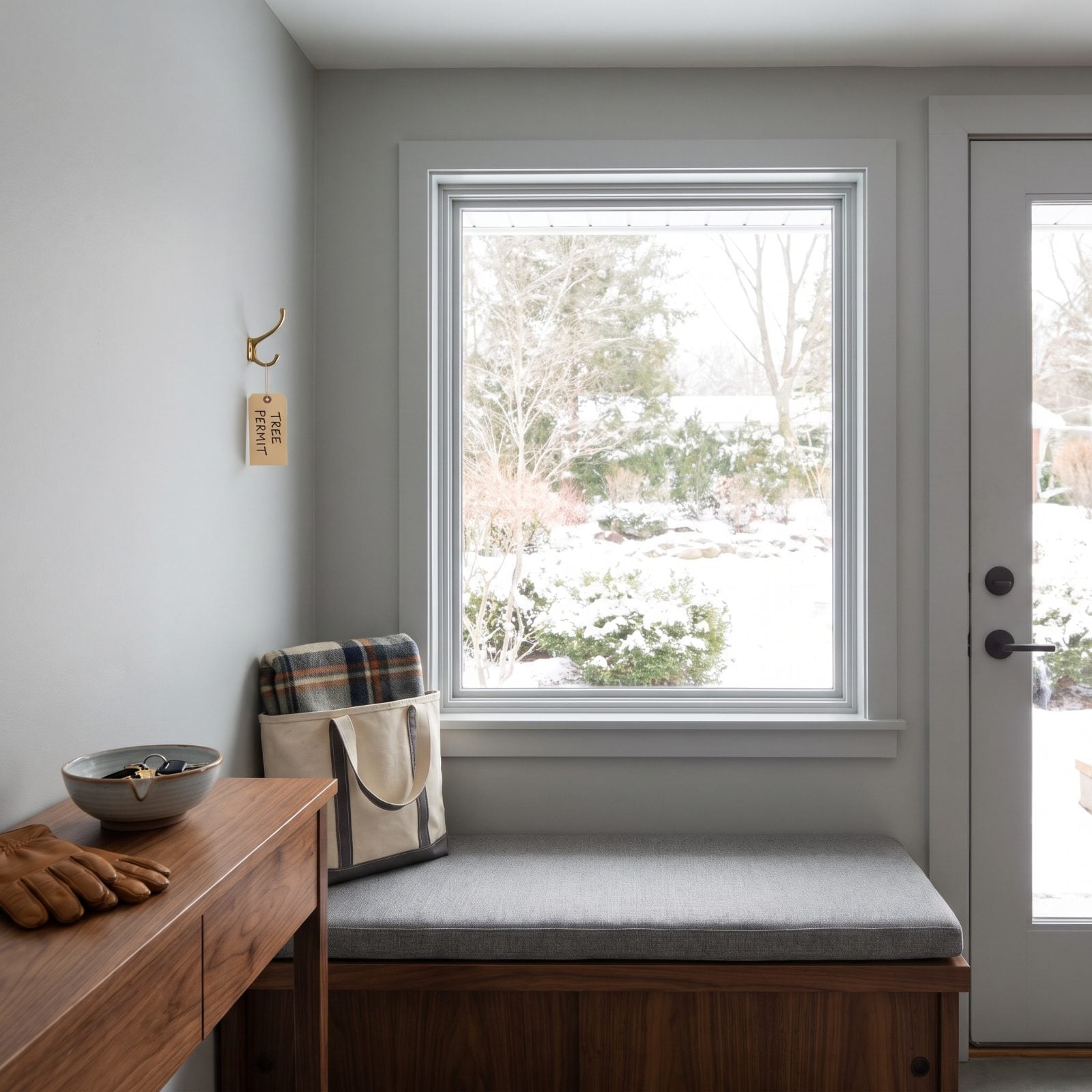
You bought it. You printed it. And it’s sitting on the kitchen counter next to the car keys you also almost forgot. A permit that isn’t with you in the field doesn’t count, and “I have it at home” is a conversation no ranger wants to have in twenty-degree weather.
Put the permit in the truck the night before, not the morning of. Clip it to the visor. If the forest requires it on your person while cutting, stuff a copy in your jacket pocket too.
31. Giving a Nontransferable Permit to Someone Else

A neighbor can’t make it, so you hand off the spare permit. Feels neighborly. On most forests it’s also not allowed, because these tags are issued to a person and don’t transfer. The permit is tied to whoever bought it, and swapping names turns a legal cut into an illegal one with your name on the paper.
If someone else wants a tree, they buy their own. The permits are cheap, usually ten or twenty bucks, and the whole program runs on that money landing in the right account.
30. Cutting More Than One Tree per Permit
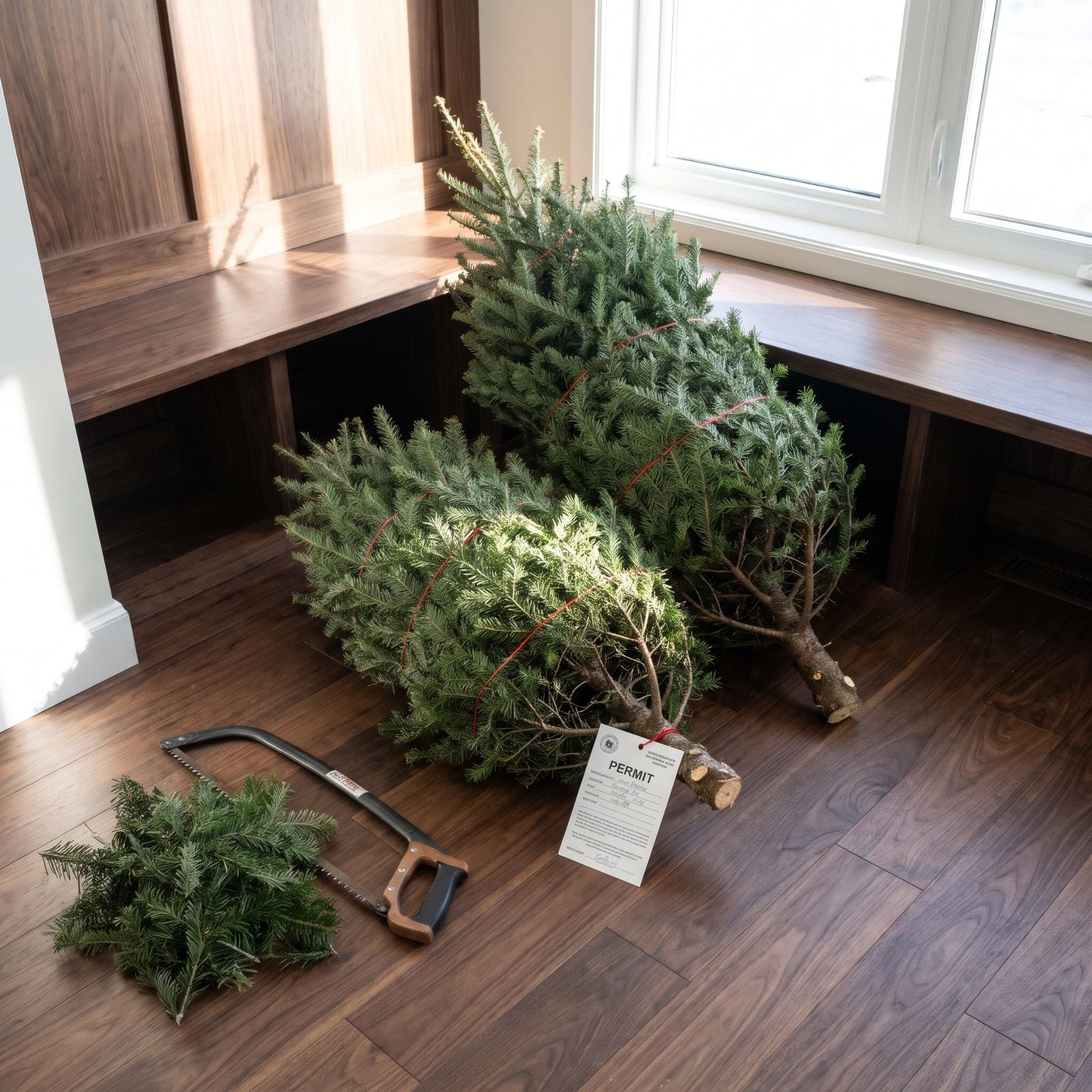
One permit, one tree. Simple rule, and surprisingly easy to fudge when you spot a better one on the way out and figure nobody will notice the second tag is blank.
Each tag covers a single tree. Cutting a backup, a bonus for the in-laws, or a spare because the first one looks lopsided from this angle is a violation even if you’d happily pay for another.
Want a second tree? Buy a second permit. And cut the one you take low, inside six inches of the ground where the forest asks, so the stump isn’t a shin-cracker for the next family through.
29. Waiting Too Long to Attach the Tree Tag
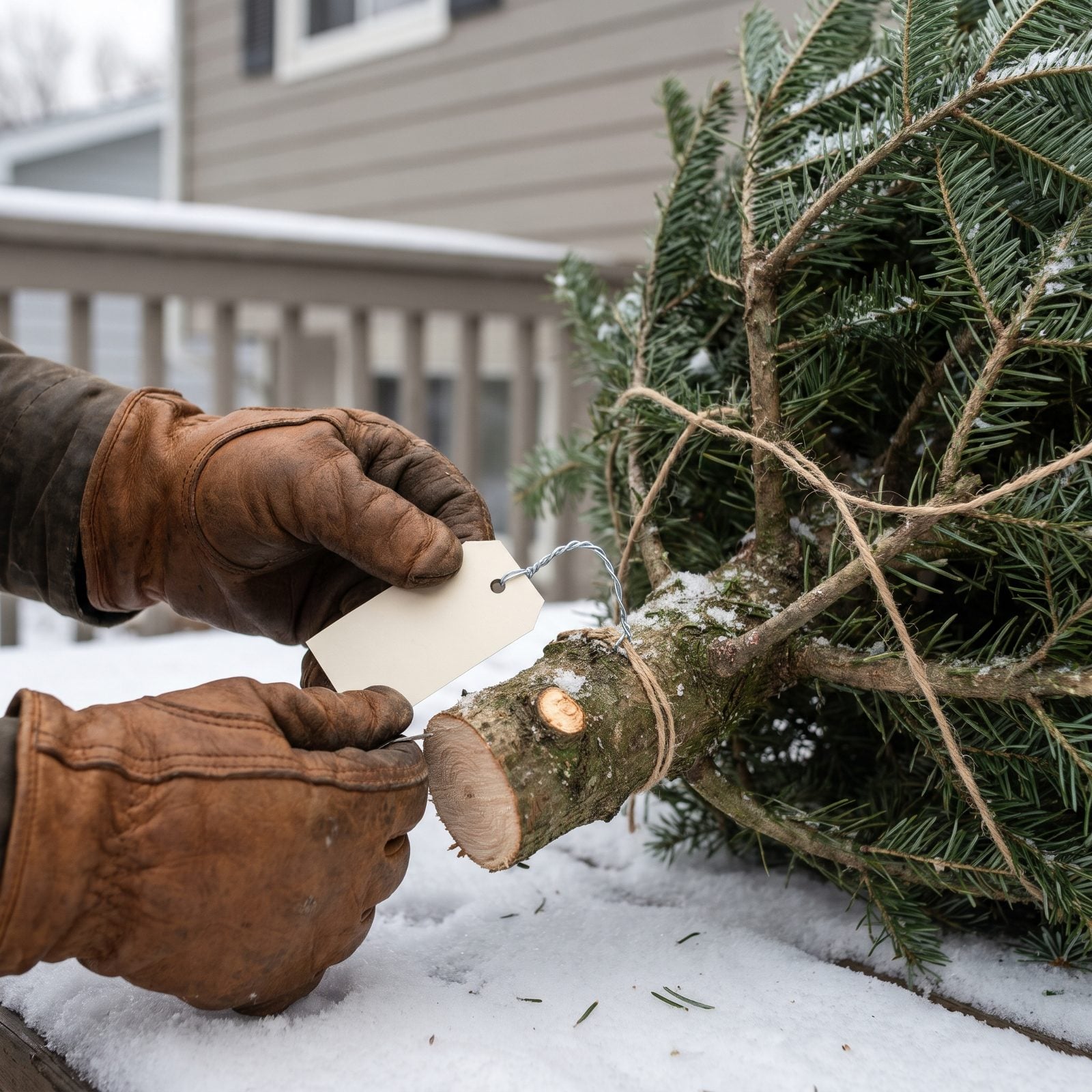
You cut the tree, you’re cold, and the tag can wait until you get back to the truck. That’s the moment a ranger walks up, and a cut tree with no tag attached looks exactly like a stolen tree.
Most forests want the tag fixed to the trunk right where you cut it, before you move it. So do it there. Loop the wire, pinch it tight, done. Fifteen seconds and you’ve settled the question before anyone asks.
28. Removing the Permit During the Drive Home
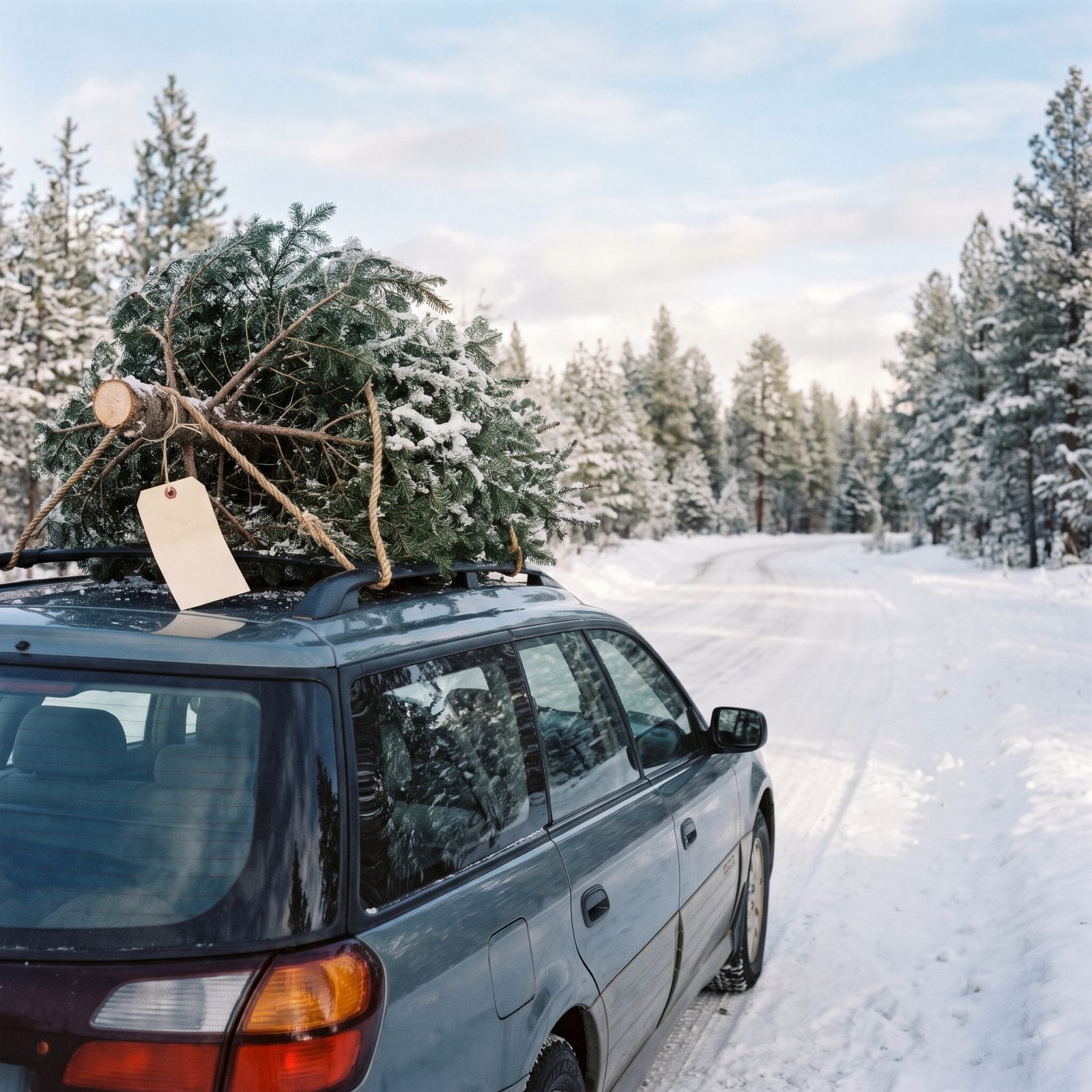
Tree’s on the roof, you’re on the highway, and somewhere along the way the tag works loose, or you peel it off to keep as a memento. Now you’re hauling a tree with no proof it’s legal.
The tag stays on until the tree is home. Tie it firmly before you load up, where it won’t flap off at sixty. It’s your receipt, your proof, and your answer to anyone who asks where the tree came from.
27. Wandering Outside the Designated Cutting Area
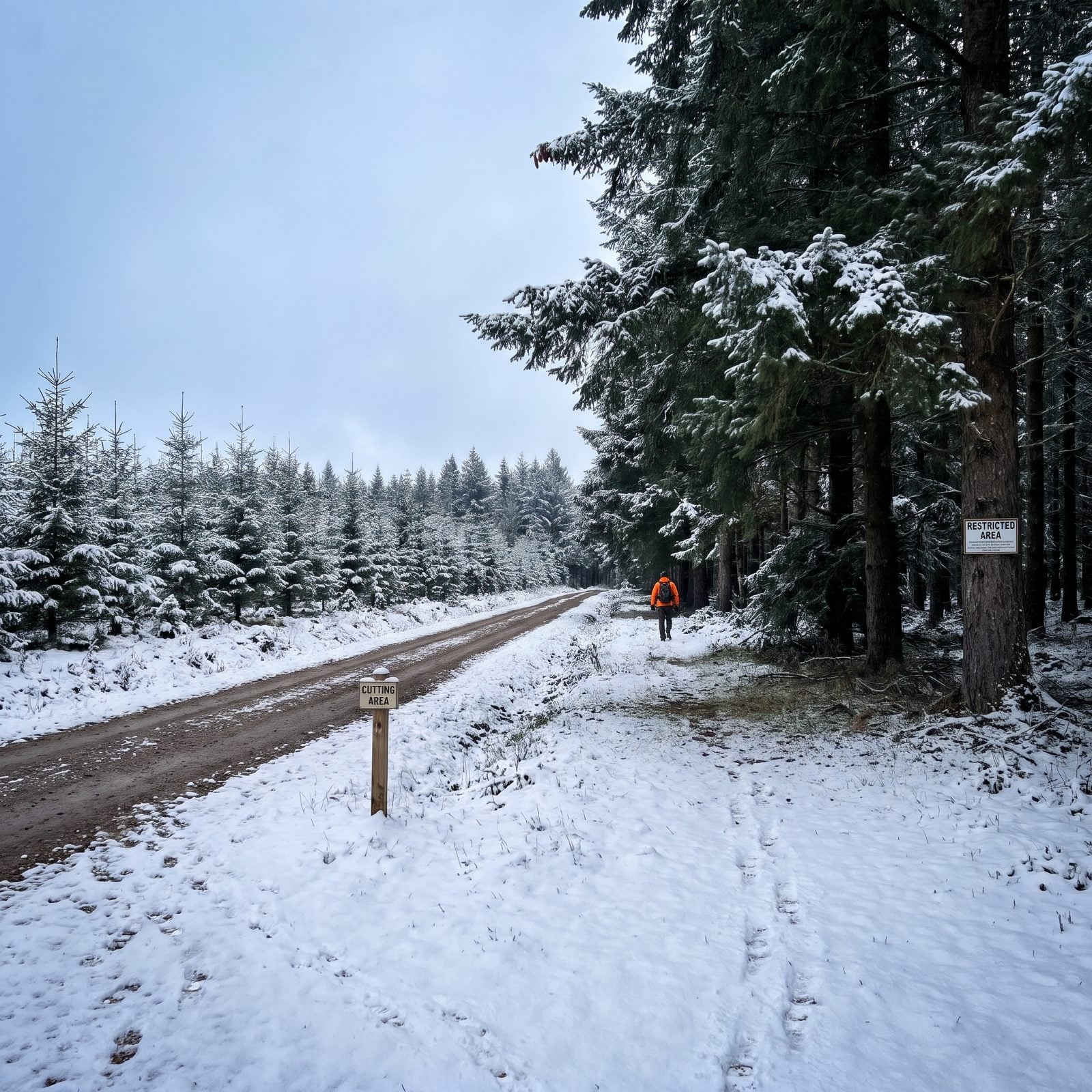
The tree line keeps going, so you keep going, one stand deeper and then one more, chasing a fuller shape. Three ridges later you’re well past the cutting zone and don’t know it.
Designated areas have edges, often tied to a road number, a drainage, or an elevation band, and those edges aren’t marked with fences out in the trees.
Keep the truck and the road in sight, or at least on your GPS. Fewer families than you’d think ever check their actual position against the legal boundary, and it’s the quiet mistake that catches good people off guard. Pick a tree you can carry back to the road without leaving the zone to do it.
26. Mistaking a Private Inholding for Public Land
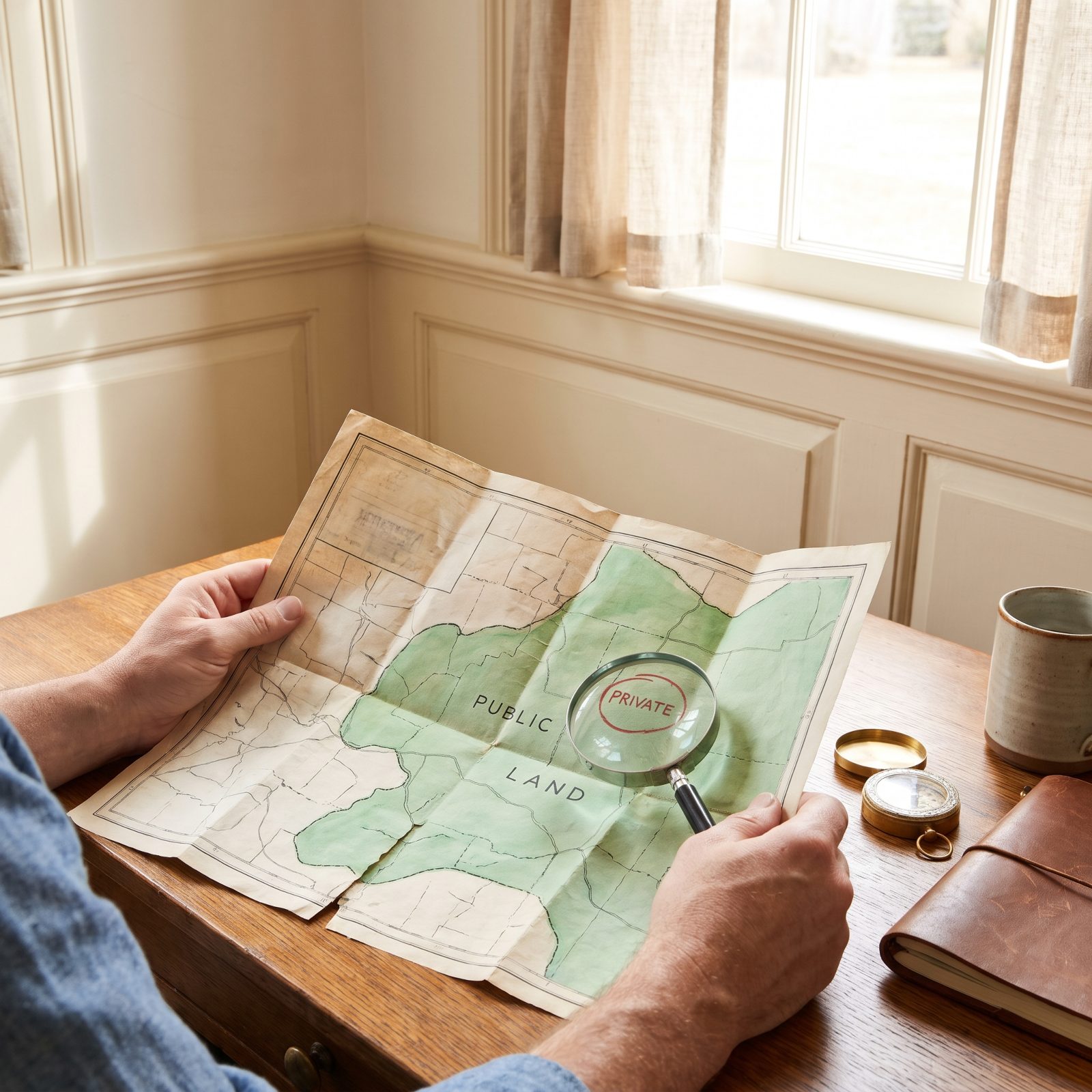
A forest looks like one unbroken thing from the road. It isn’t. Scattered through many national forests are private parcels called inholdings, and they belong to somebody with a driveway and a deed. The trees look identical to the ones on public ground, which is exactly the problem.
Cut on an inholding and you’ve taken someone’s property, permit or no permit. That’s a conversation with a landowner you don’t want, and possibly a citation on top of it.
Pull the motor vehicle use map or the ownership layer before you leave home. Can’t confirm a spot is public? Treat it as private. Turning around over a boundary you can’t prove is never something you’ll regret.
25. Crossing Onto Tribal Land Without Authorization
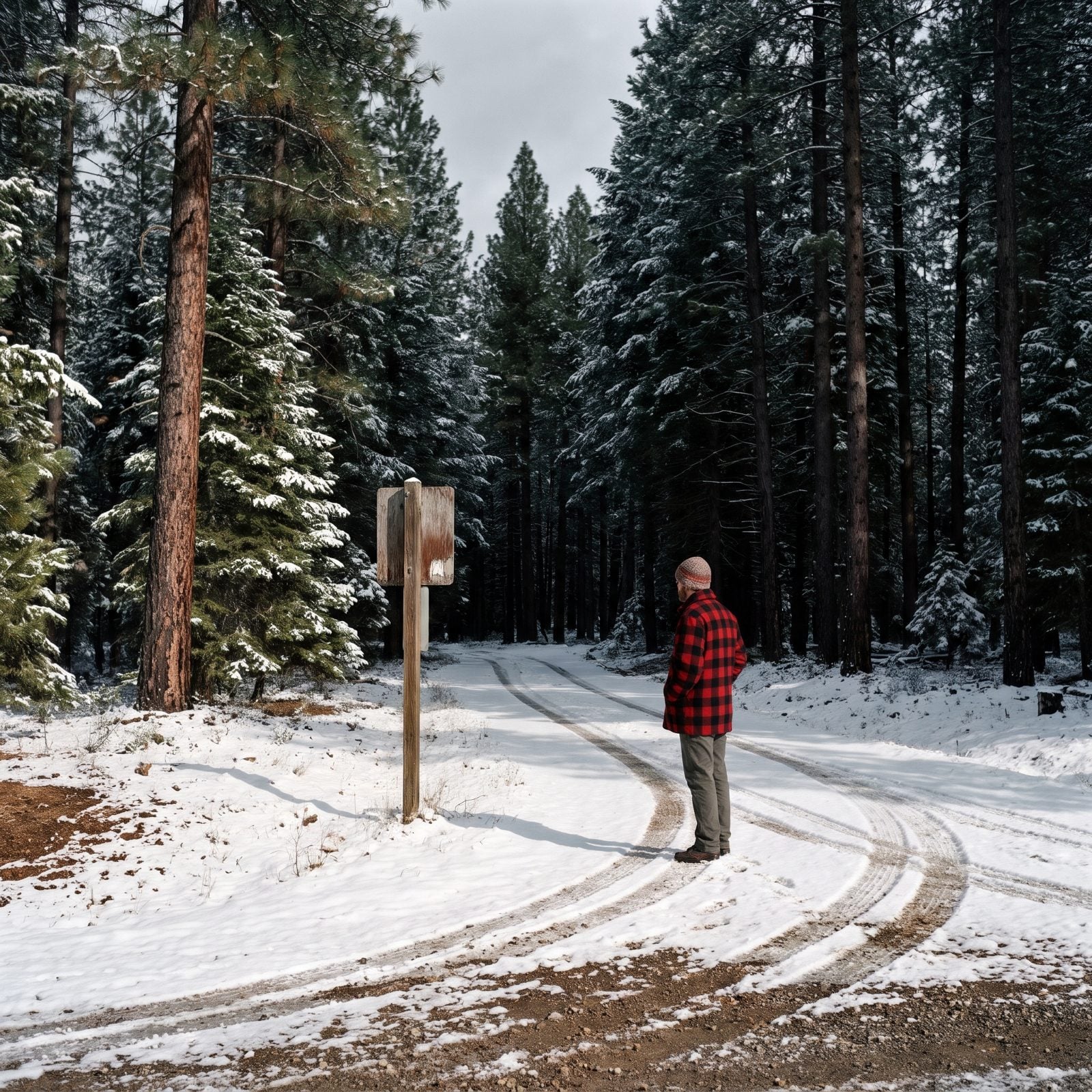
Forest boundaries and tribal boundaries don’t always line up with anything you can see. One ridge over, the land can belong to a sovereign nation with its own rules, its own permits, and no obligation whatsoever to honor your Forest Service slip.
Harvesting there isn’t a paperwork slip-up. It’s trespass on another government’s territory, and the consequences run from a firm escort out to real legal trouble.
Check whether reservation land borders your harvest area before you go. If it does, stay well clear. And don’t assume an unmarked road means it’s open — when the ownership gets complicated, pick a simpler spot.
24. Cutting Within a Developed Campground
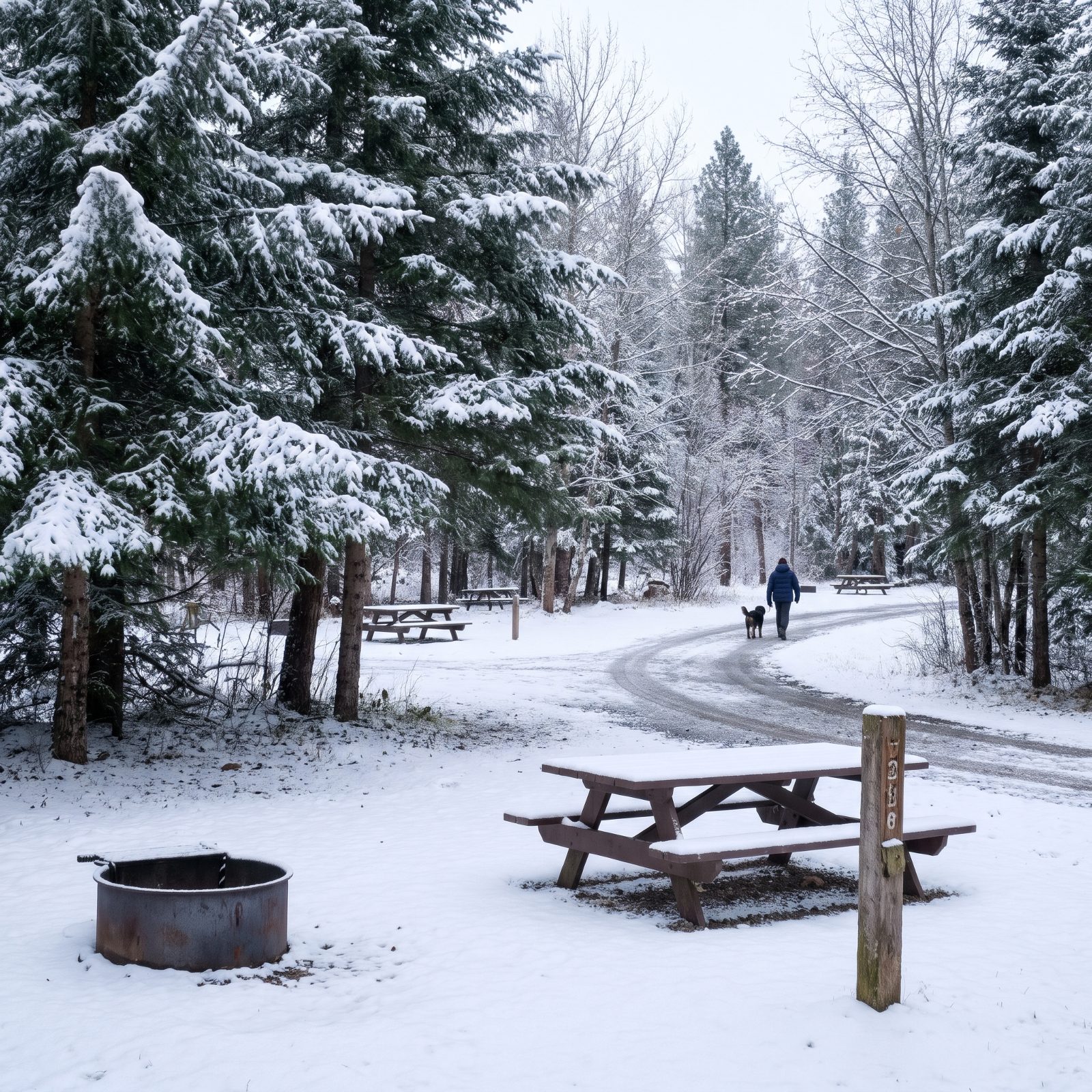
The trees around a campsite look like fair game, especially when the place is shut for winter and nobody’s around. They’re off the table.
Developed recreation areas — campgrounds, picnic sites, trailhead loops — almost always sit outside the general harvest zone. Those trees are doing a job. Shade in July, a windbreak, the whole reason the spot feels like a spot. Cut one and you’ve thinned something for everyone who camps there next summer, and you’ve broken the terms of your permit besides.
Harvest in dispersed areas instead, the unmanaged backcountry where the permit actually applies. Simple test: if there’s a fire ring, a numbered post, or a vault toilet nearby, you’re in the wrong place.
23. Entering an Active Timber-Sale Area
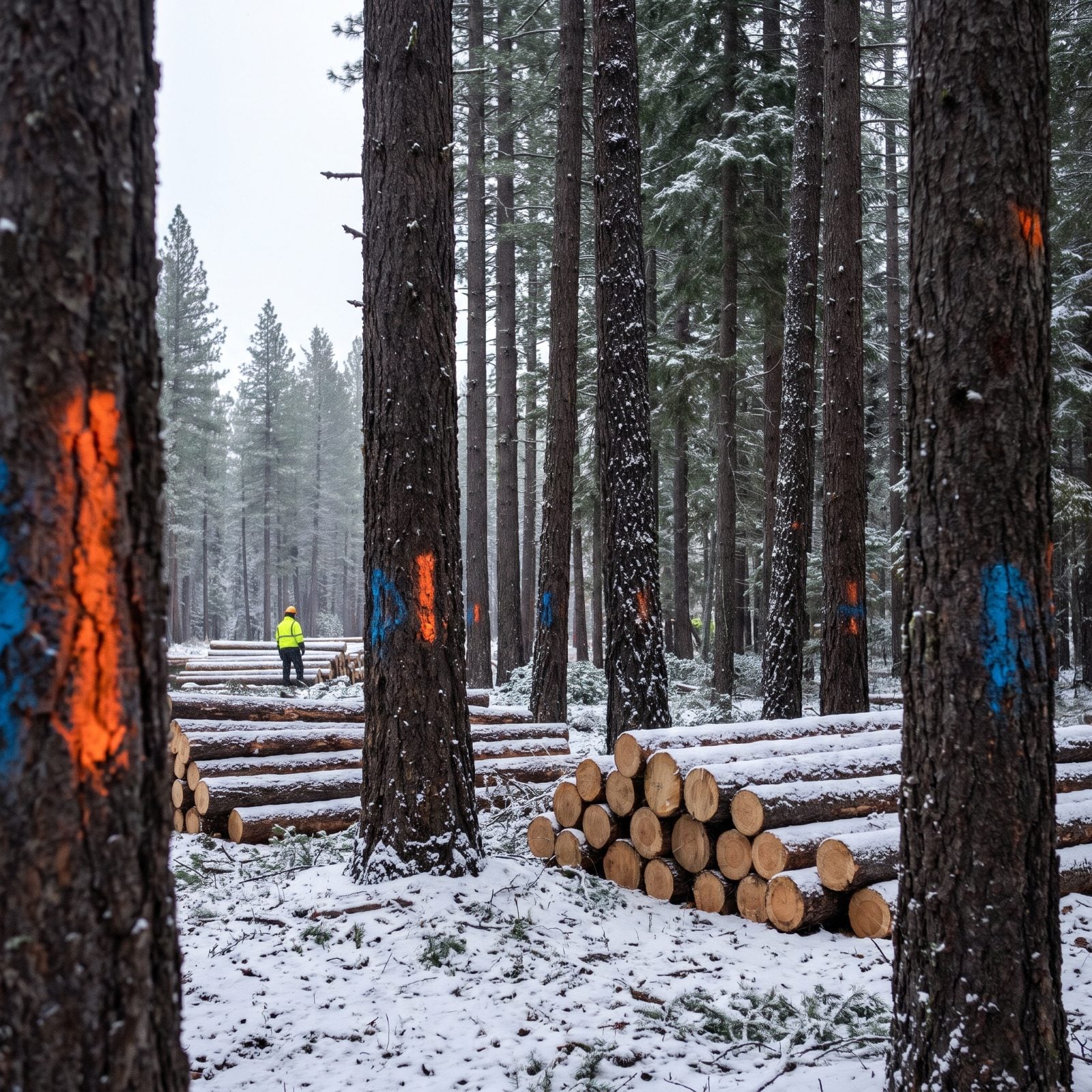
Paint marks on trunks and a neat deck of stacked logs mean one thing: someone bought the right to work this ground, and heavy equipment may roll through any day. Not where you want to be wandering with a handsaw and kids in tow.
Beyond the plain danger of felling and skidding operations, those trees are already spoken for under contract. Cut there and you’ve stepped into a commercial sale, which lands you squarely in the wrong.
See boundary blazes, flagging, or fresh equipment tracks? Back out. Active sales usually get noted at the ranger district when you buy your permit, so ask which areas to avoid before you drive off.
22. Walking Past a Temporary Closure Sign
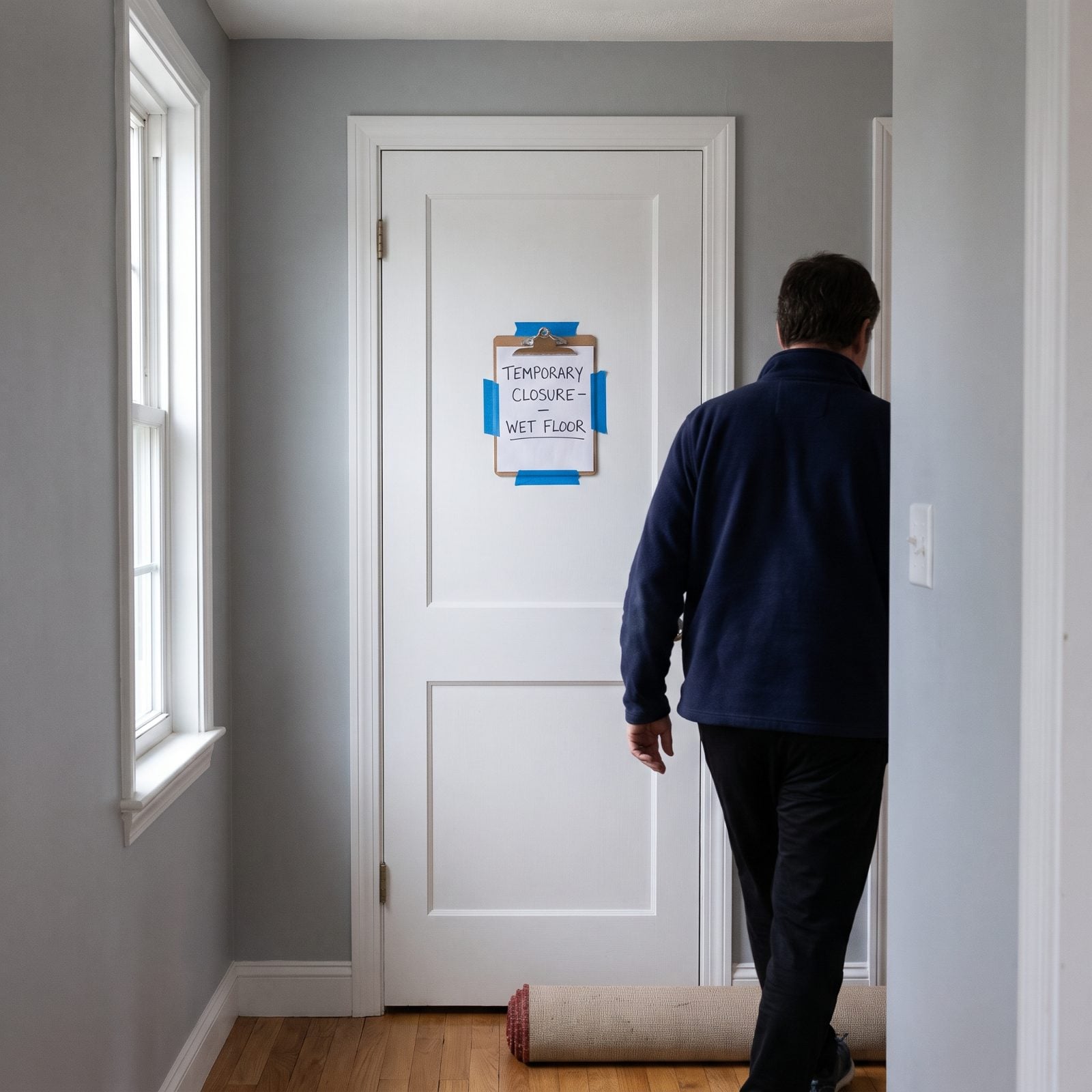
A closure sign taped to a hallway door feels like a suggestion when the room beyond it is dead quiet and the floor probably looks fine. It isn’t a suggestion.
Rooms get closed for reasons you can’t always read from the door — a freshly mopped floor, a new finish still drying, slick boards just waiting to catch a heel. Push past one and you may be trampling exactly what the closure protects, and you’re risking a nasty fall on top of it.
Read the sign, take the hint, go somewhere open. There’s always another room that nobody has closed off for a reason.
21. Ignoring Required Stream and Lakeshore Buffers
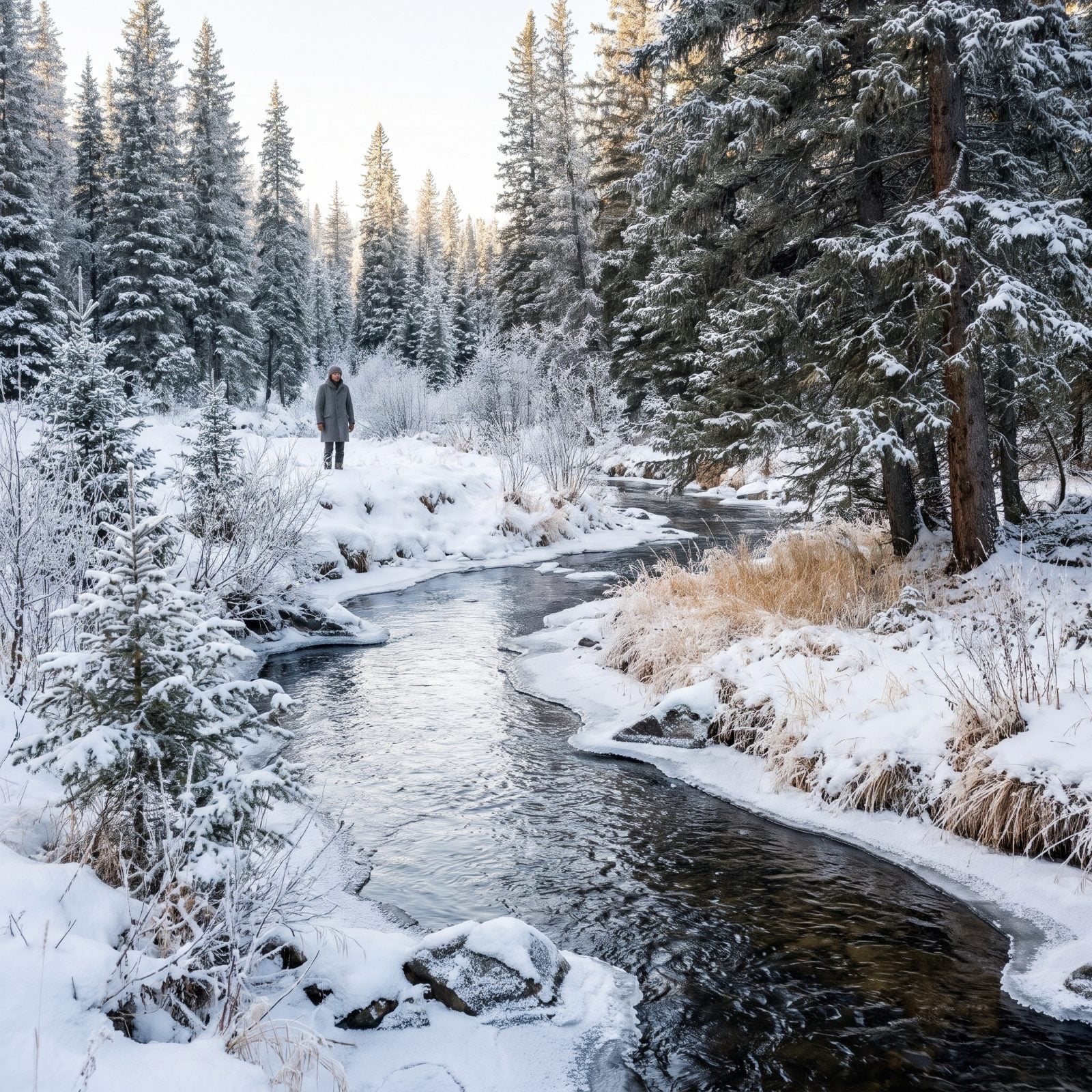
The firs closest to a creek or lakeshore are often the fullest ones, dark green and thick from all that water. Leave them standing.
Streamside trees hold the bank together and shade the water that fish depend on. Most permits require you to stay back a set distance from any stream, spring, or lake, and that strip of green is doing quiet work for the whole watershed.
Pace off the buffer your permit lists — usually a good hundred feet or more — before you pick a tree. Near water, just walk uphill and away until the ground feels dry underfoot, then start looking.
20. Cutting Too Close to a Forest Road
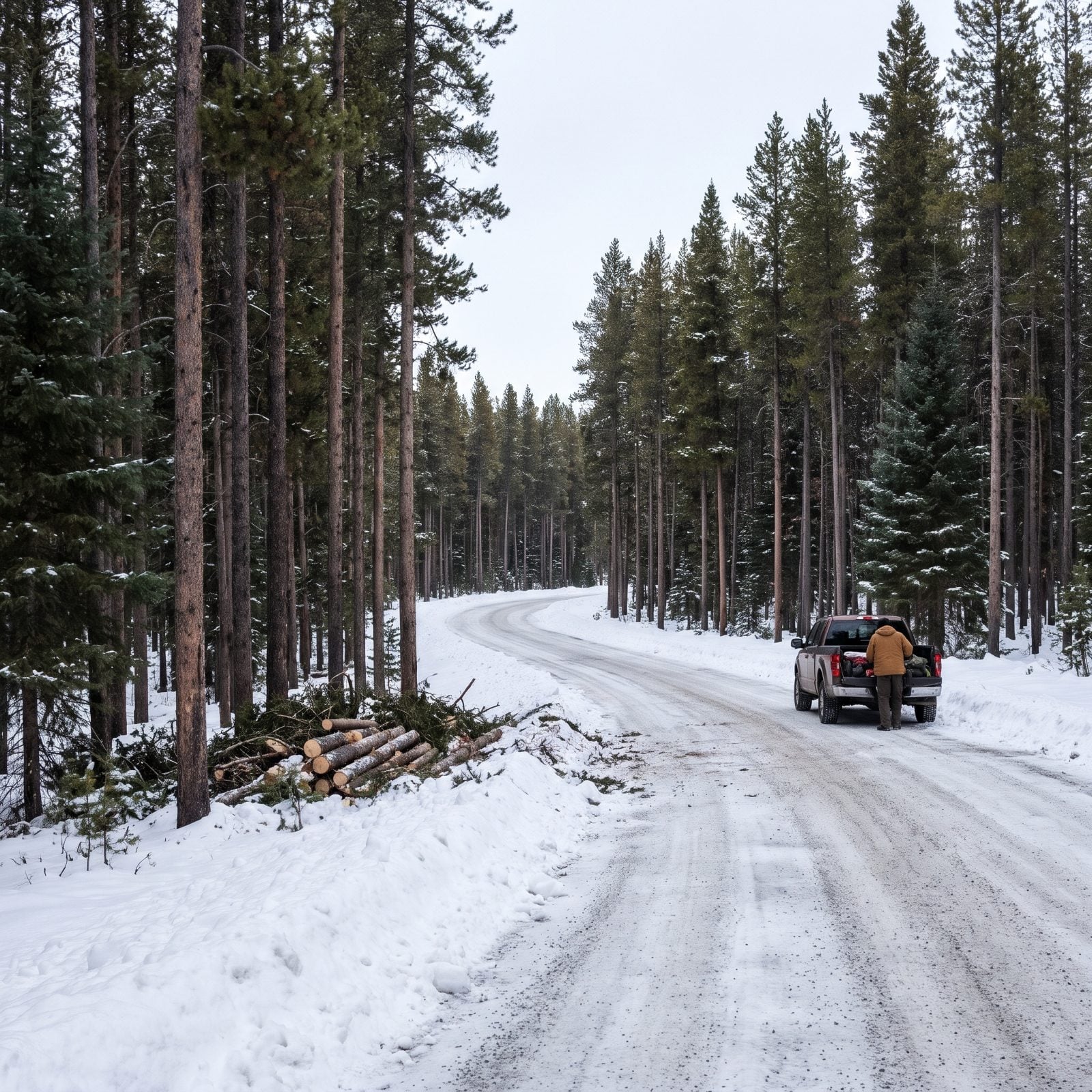
The trees right along the road tempt you because you barely have to carry anything. That convenience is exactly why the rule exists.
Roadside trees screen the drive, cut glare, and keep the forest from looking stripped where everyone can see it. Most districts set a minimum distance you have to walk off the roadway before cutting — often a hundred feet or so — to keep those corridors intact.
Park safely, then hike in past the first row of trees before you start looking. Yes, it means dragging the tree a little farther. Your back will complain. The forest will look better for the next person who drives through, and that’s the trade.
19. Ignoring Setbacks From Designated Trails
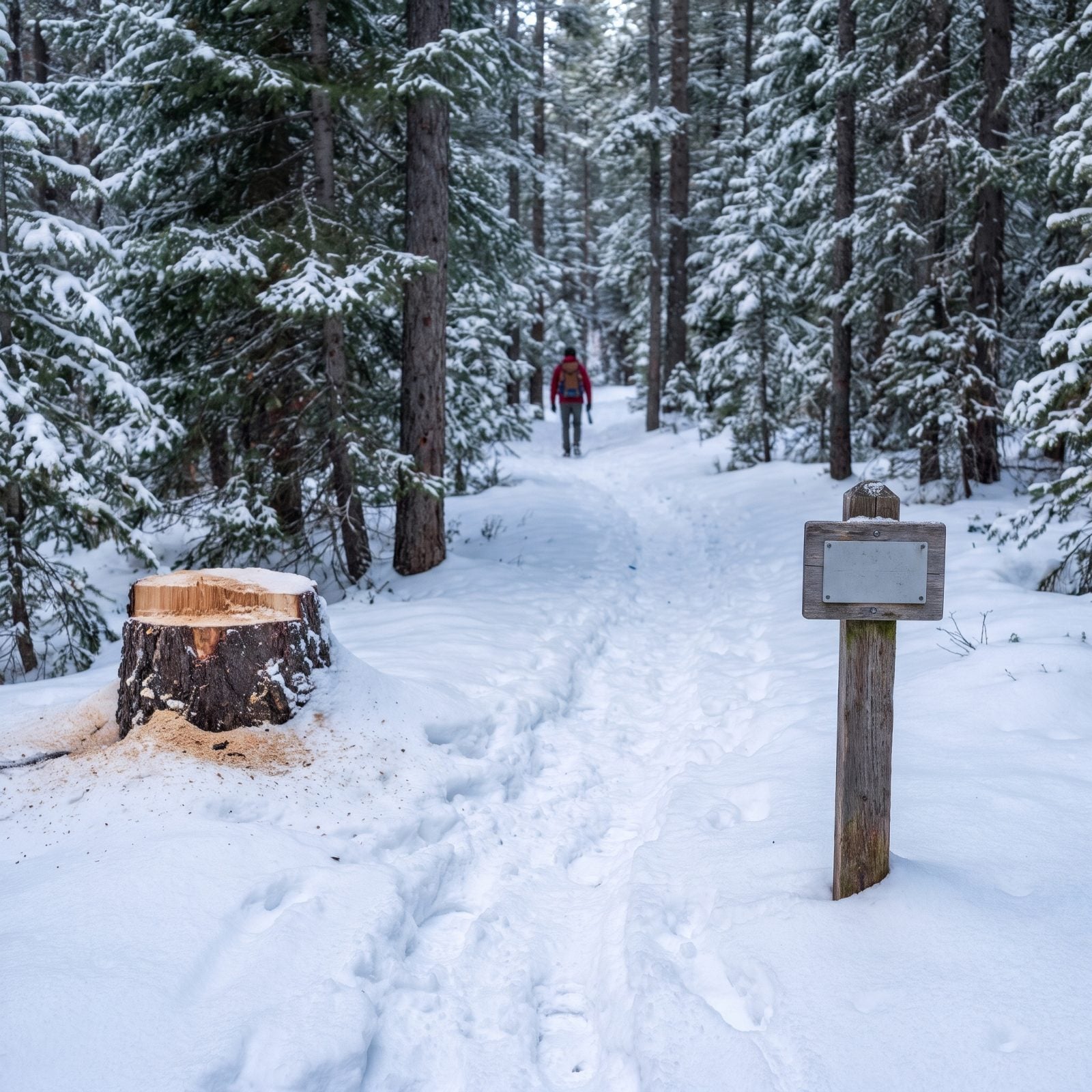
A trail cuts a clean green tunnel through the woods, and the firs lining it are easy to reach from the path. Usually protected too.
The trees along a route are part of why people hike it in the first place. Thin them out and the trail loses the thing that made it worth walking. Districts often require a setback from any designated trail so the view stays intact for hikers, skiers, and snowshoers coming through all winter long.
Step off the path, walk back into the timber until the trail is out of sight, and cut there. If a passing snowshoer can watch you work, you’re too close.
18. Choosing a Tree Species the Permit Excludes
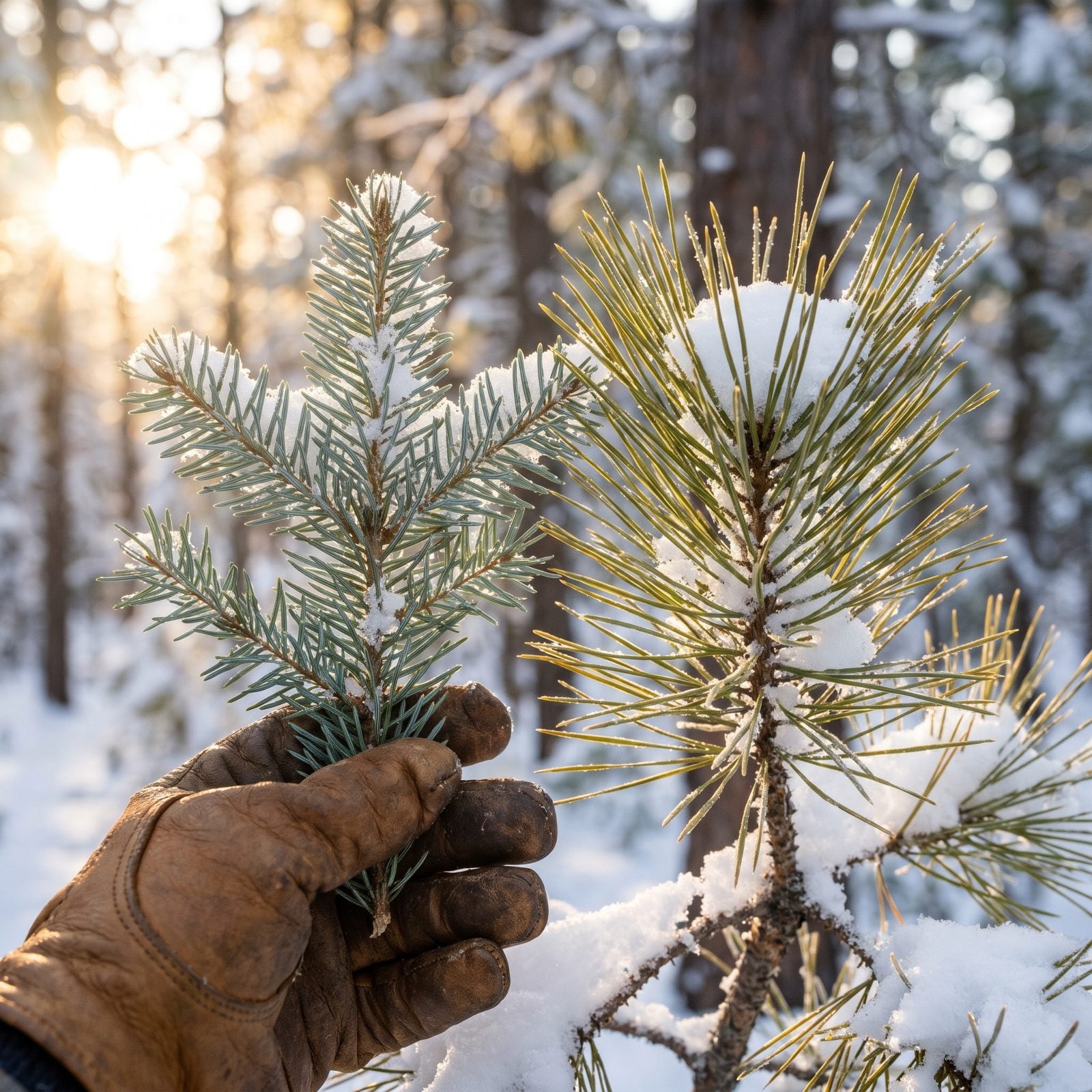
Not every conifer in the forest is on the menu. Many permits name exactly which species you can take, and the reason is management, not whim.
Districts often steer cutting toward overcrowded species that need thinning, like lodgepole or white fir, while protecting others that grow slowly or run scarce in that stand. Take the wrong one and you’ve worked against the very plan the permit was written to support.
Read the species list and learn to tell a fir from a spruce from a pine before you head out. Needle shape and arrangement give it away. A field guide on your phone settles most arguments at the trunk.
17. Taking a Tree Taller Than the Local Limit
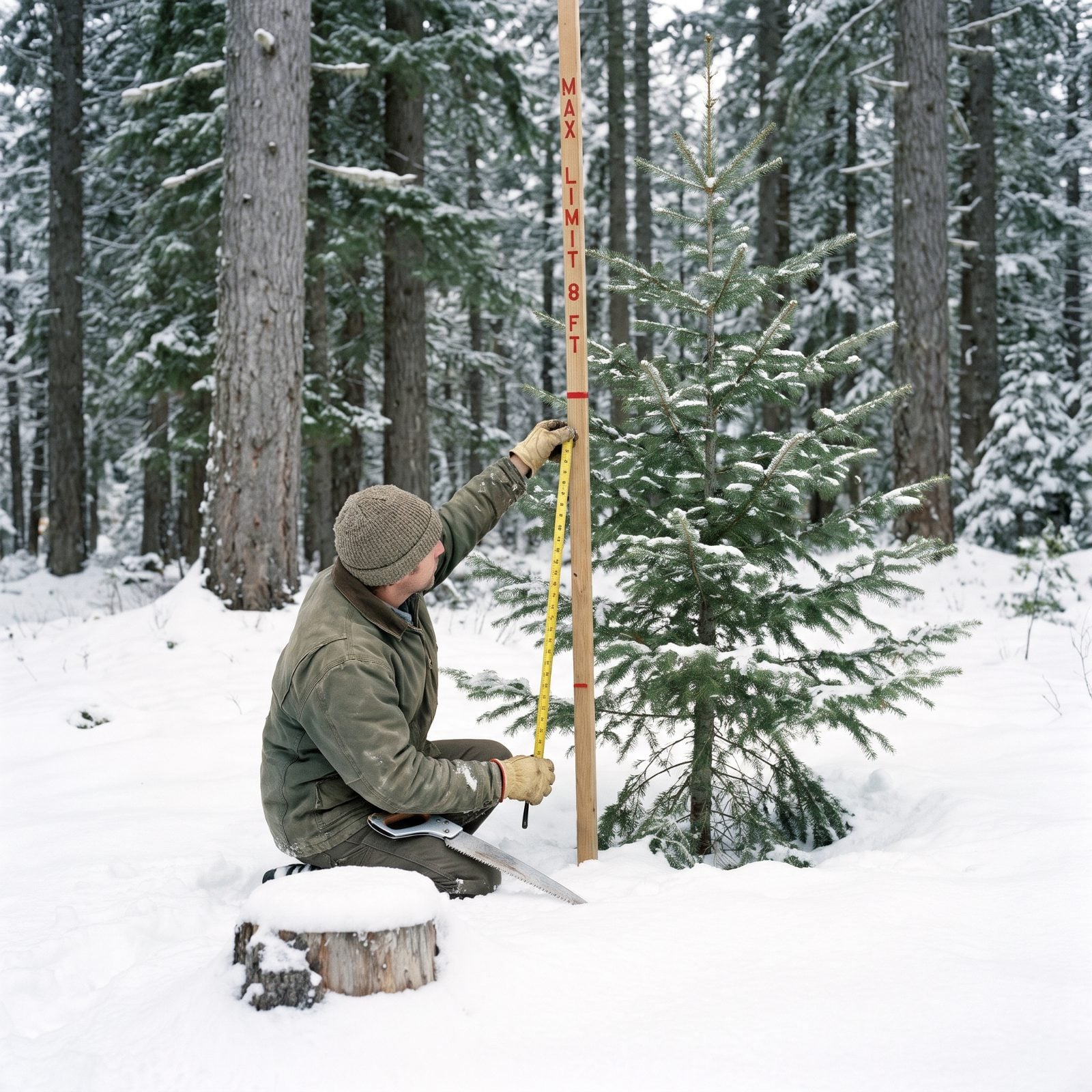
Every tag comes with a height limit, and it’s almost always smaller than you’d guess. People eyeball a tree, call it good, and bring home something that sat two feet over the line.
The cap keeps harvesting focused on small trees that thinning benefits, not the maturing ones a forest needs to keep growing. An oversized cut also tends to leave a tall, ragged stump — which brings us to the quiet rule that goes with it.
Cut Low and Measure First
Most permits want the stump kept low, often six inches or less, so the forest floor stays clean and no stob is left to trip over. Measure the standing tree against your tag’s limit before the saw touches bark, and cut near the ground. A small tree you can carry out in one trip is almost always the right one anyway.
16. Cutting a Trunk Wider Than the Allowed Diameter
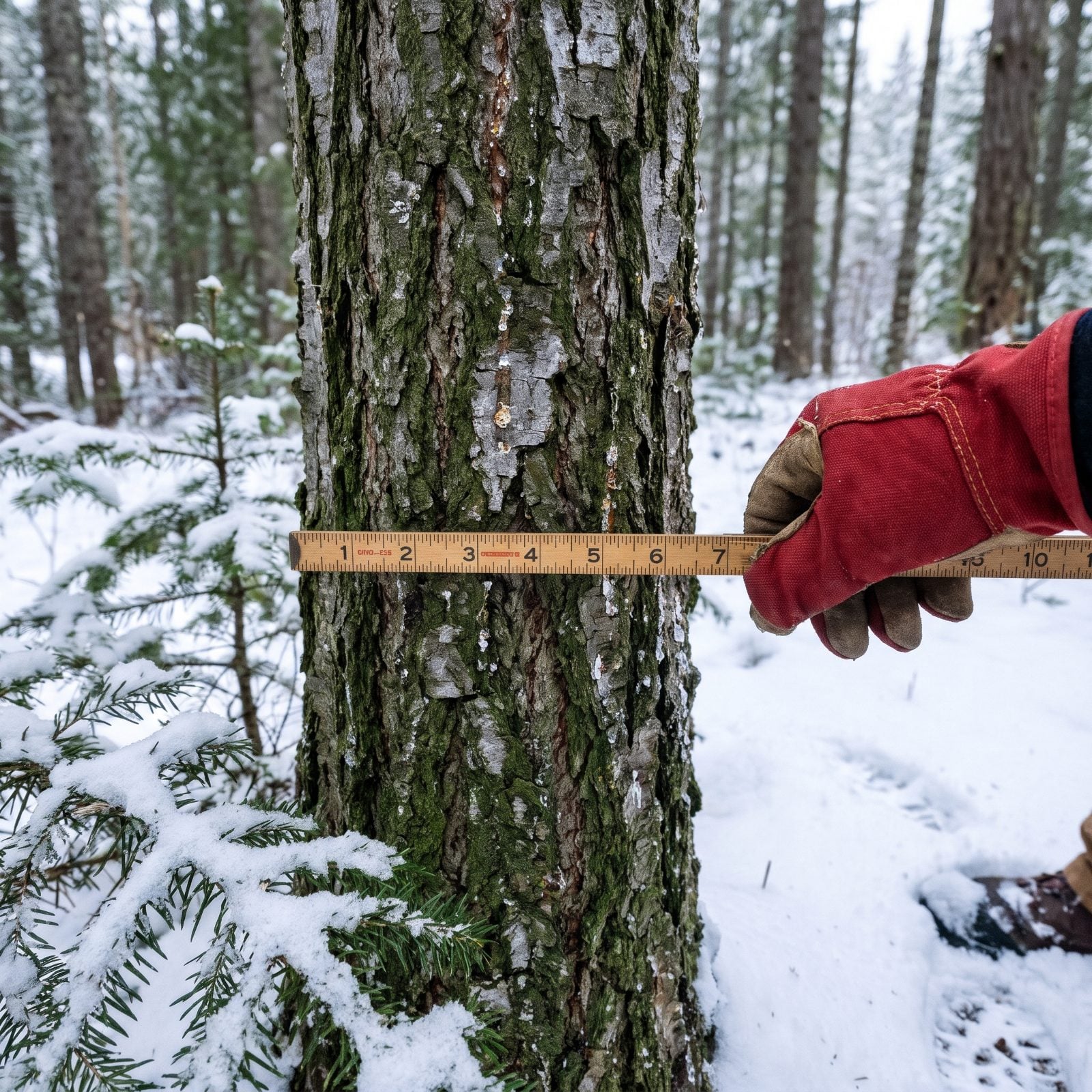
Most permits cap the trunk diameter, usually around six inches at the stump, sometimes less. People eyeball it. They grab the fullest tree in the clearing, run the saw, and only later realize the butt was closer to eight inches across.
That oversized trunk is a problem twice over. It can draw a fine during a tag check, and a trunk that wide rarely fits a standard stand once you get it home, so you end up whittling the base in the garage anyway.
Carry a tape measure or a pre-cut stick the width of your limit, and wrap it around the base before the blade touches wood. Ten seconds, argument settled.
15. Digging Up a Live Tree by Its Roots
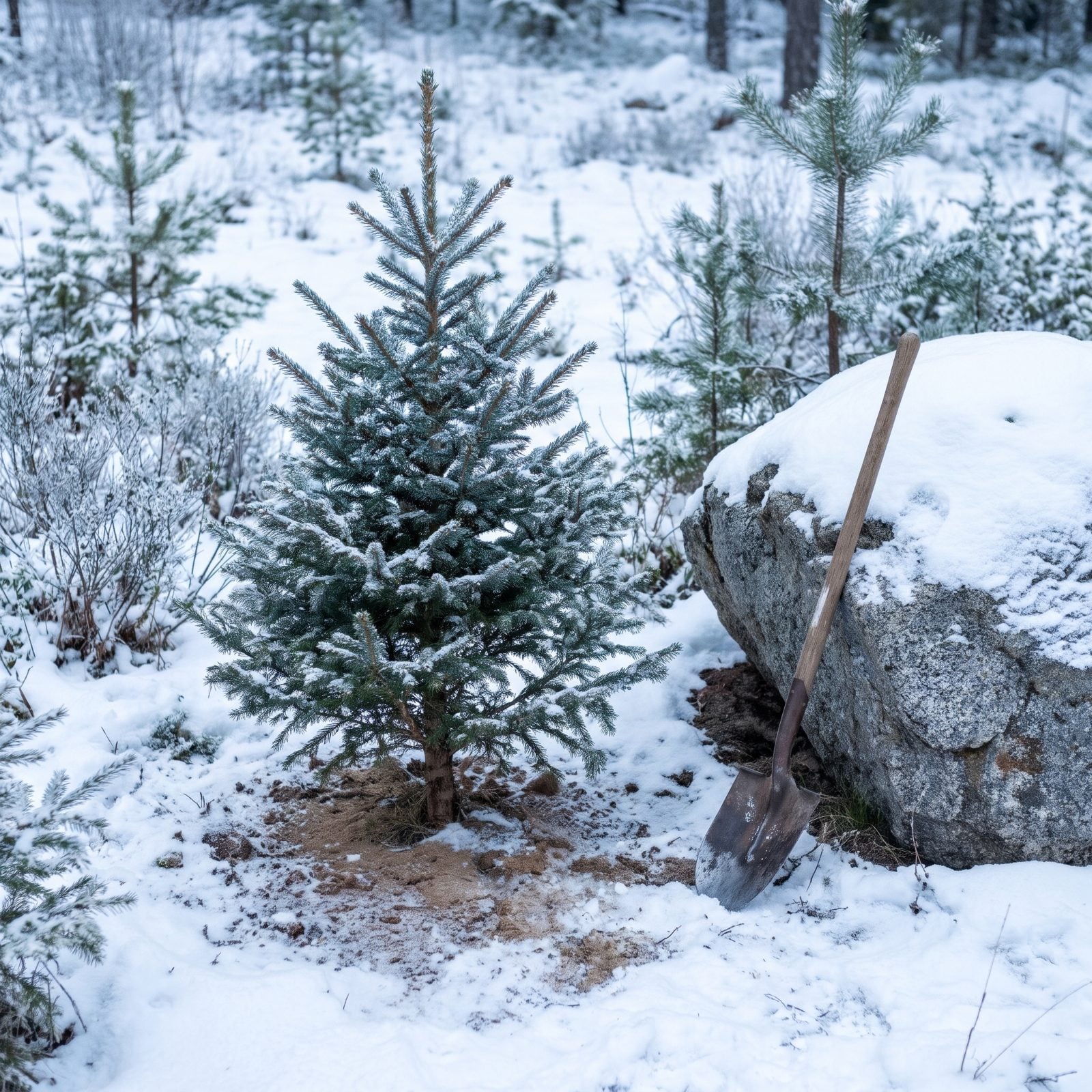
The thinking goes like this: dig it up with the root ball intact, plant it in the yard after the holidays, keep it alive. Sounds thrifty. Sounds green.
It’s almost always banned. A personal-use permit covers a cut tree, not a transplanted one, and pulling roots tears up the soil and the seedlings around it. Most of those dug trees die in the yard anyway from the shock of the move.
Want a living tree for the yard? Buy a potted one from a nursery. A forest permit means you cut, you haul, you leave the roots in the ground.
14. Taking a Standing Dead Tree Without Permission
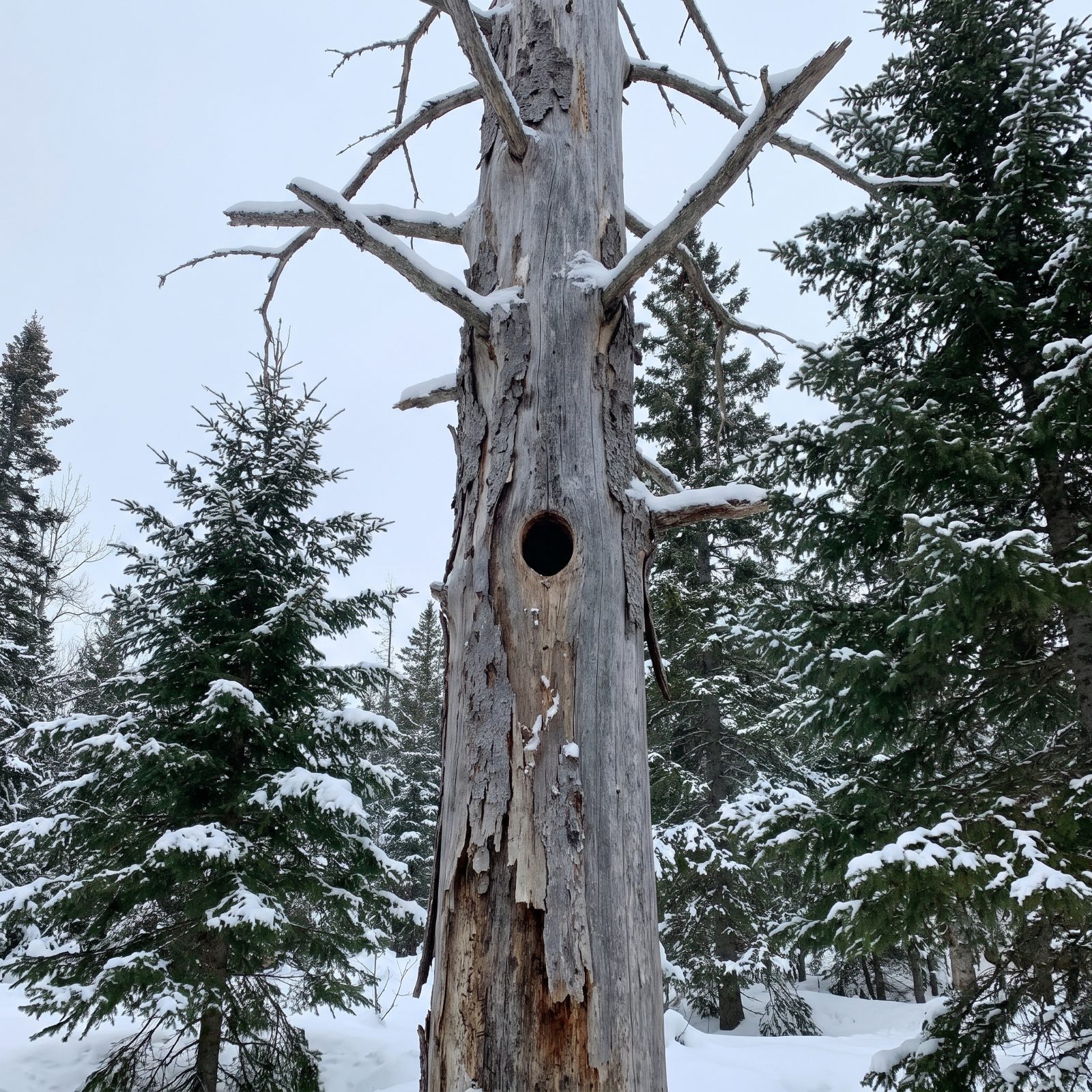
A standing dead tree looks like a freebie. It’s already dead, so who cares, right?
Forests care, and so does the firewood permit system, separately. Dead standing timber falls under different rules than a green Christmas tree, and a lot of it is left on purpose. That gray snag is prime real estate: woodpeckers nest in it, owls roost in it, insects feed half the food chain off it.
Your Christmas tree permit is for a live tree of the species and size listed. Read what the tag actually allows before you decide the dead one is fair game. When in doubt, call the ranger district and ask.
13. Cutting a Tree Marked for Research or Management
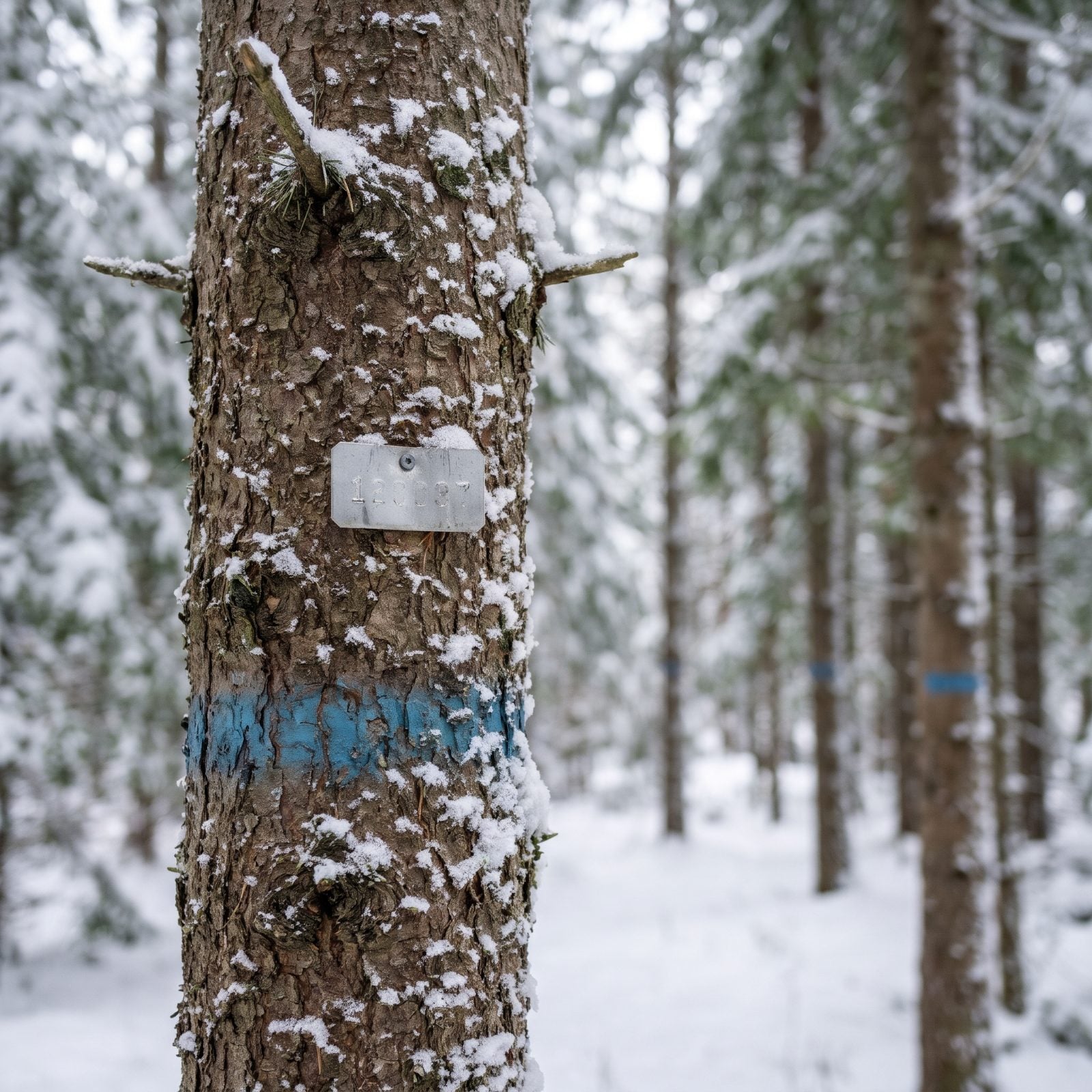
You spot the full, symmetrical one with a ribbon or a dab of paint on the trunk, figure somebody flagged the best tree in the lot, and take it.
Those marks mean the opposite. Paint bands, numbered tags and flagging usually signal a research plot, a seed tree, or a stem the forest is managing on purpose. Cut it and you wreck data that took years to collect.
Leave anything marked, tagged, ribboned or painted exactly where it stands. Pick a plain, unmarked tree instead. And if a whole area is flagged off, that’s your cue to harvest somewhere else entirely.
12. Disturbing a Tree With an Active Nest or Den
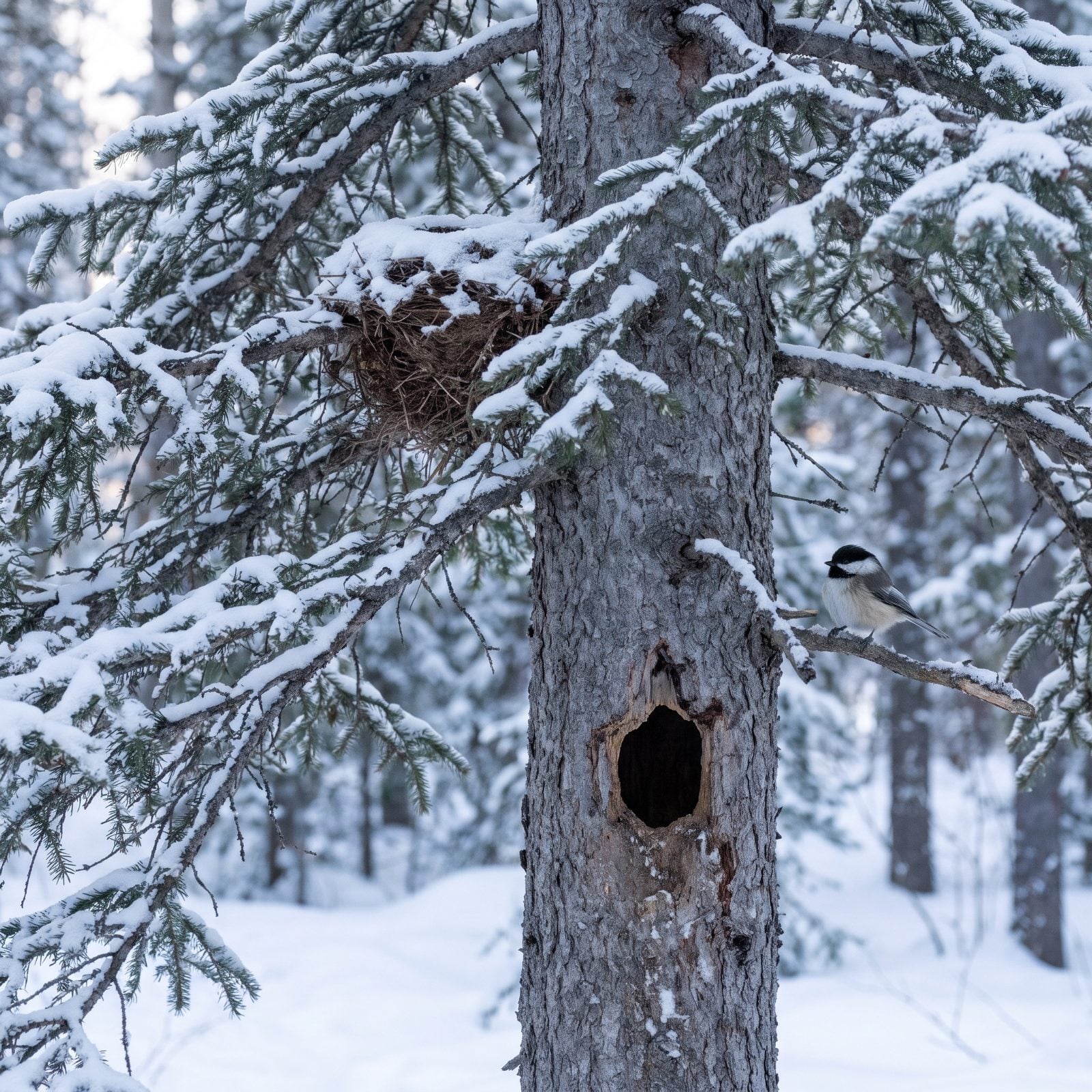
Winter trees aren’t empty. Check the branches before you cut.
A nest, a drey, a cavity with a den inside — easy to miss under snow, and they don’t stop mattering just because the leaves are gone. Squirrels overwinter in dens, some birds reuse their nests, and felling the wrong tree can kill animals you never saw and land you crosswise with wildlife protections.
Walk a full circle around any tree before the saw comes out. Look up into the crown, check the trunk for holes, listen for a second. If anything’s living in there, pick a different tree. There are plenty.
11. Taking Extra Boughs Without a Separate Permit
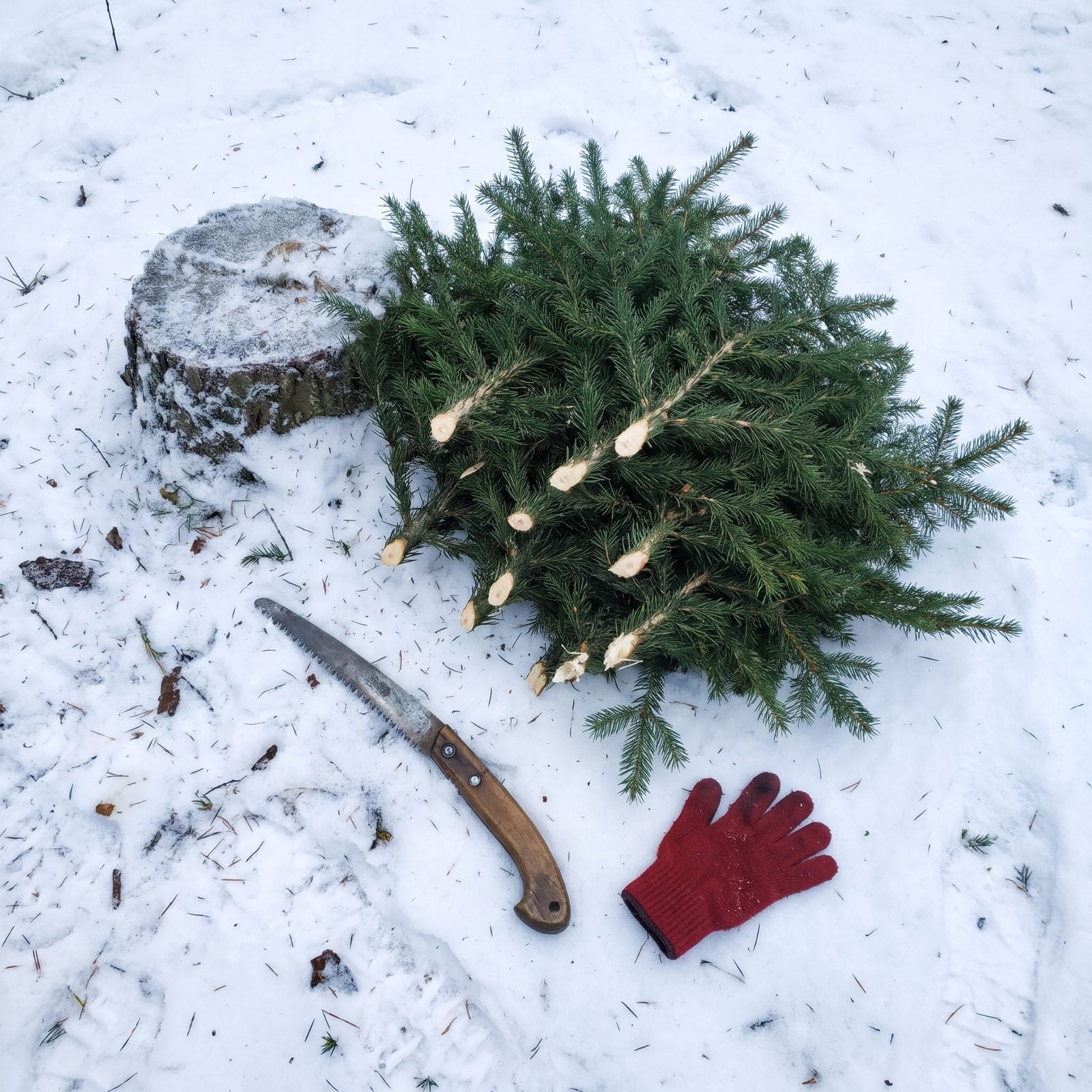
While you’ve got the saw out, you figure you’ll grab an armful of boughs for a wreath and some greenery for the mantel. Free decorations, right there.
Not under your tree permit, they aren’t. A Christmas tree tag covers one tree, full stop. Collecting boughs, greens or cones for crafts usually needs a separate forest-products permit, and gathering them without one is its own violation even when your tree is perfectly legal.
Want the extras? Ask the ranger district for a boughs or greens permit when you buy your tree tag. Cheap, quick, and it keeps the whole trunk-to-mantel haul clean.
10. Reselling a Tree Harvested Under a Personal-Use Permit
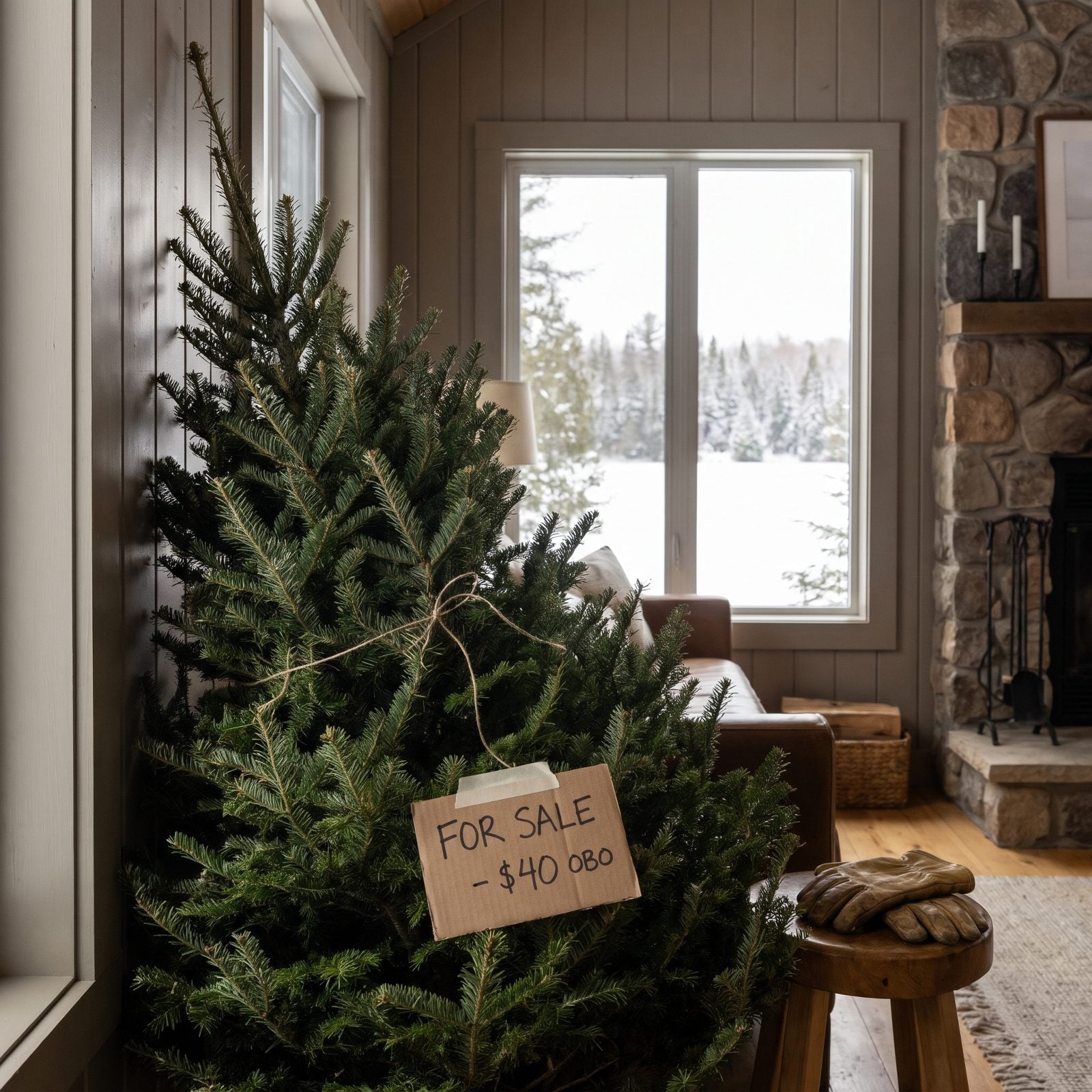
A personal-use permit is exactly that. The tree goes in your living room, or your mother’s, and that’s where the line sits.
Flip it on a corner lot or sell a truckload to neighbors and you’ve crossed into commercial territory — a different permit, a different fee, a different set of rules entirely. Doing it on a personal tag is one of the surer ways to turn a cheap outing into a real penalty.
Want to sell trees? That’s a commercial permit conversation with the forest office. The personal tag ends at your own front door.
9. Transporting a Pest-Infested Tree Across a Quarantine Line
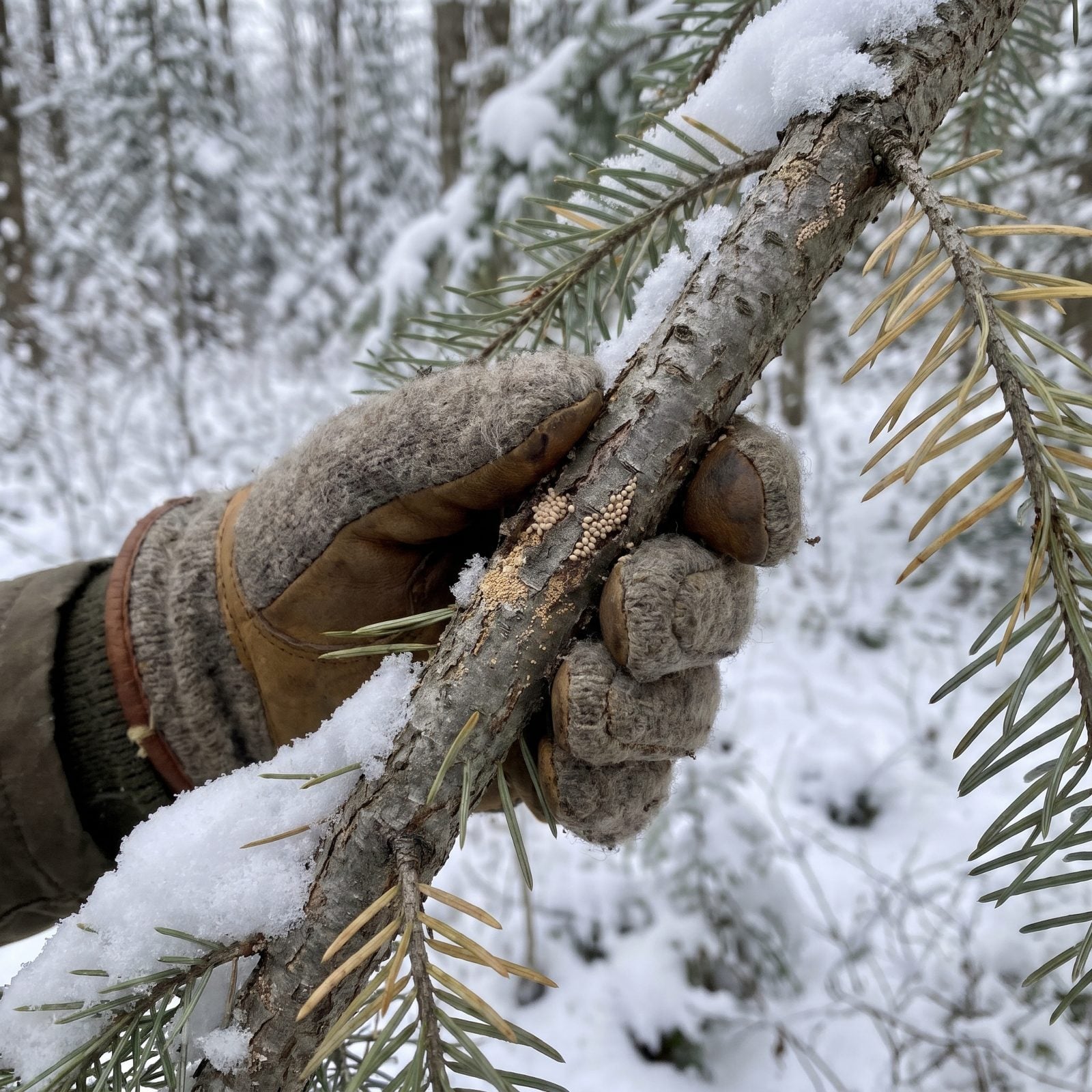
Some regions sit inside pest quarantines, drawn up to stop insects like gypsy moth or certain bark beetles from hitchhiking into clean forests on cut wood. A tree from inside that line can carry egg masses you’d never notice under the snow.
Haul it across the boundary and you risk seeding a fresh infestation, plus a fine on top. These quarantines exist because moving infested wood is one of the main ways such pests jump a long way in a hurry.
Check whether your harvest area or your drive home crosses a quarantine zone. Shake the tree out before loading, look over the trunk and branches for egg masses, and don’t move firewood or greenery across lines you’re not sure about.
8. Assuming Chainsaws Are Permitted Everywhere

The chainsaw feels like the obvious tool. Grab it, drop the tree in thirty seconds, go home.
But some areas restrict or ban them — especially near wilderness boundaries, under fire-risk conditions, or where hand tools are the rule to keep noise and disturbance down. Show up with a chainsaw where only hand saws are allowed and you’ve got yourself a quick violation, and a Christmas tree barely needs one anyway.
A good bow saw or folding pruning saw drops a six-inch trunk in a couple of minutes. Check your forest’s rules on power tools before you load up. And honestly? The hand saw is quieter and more pleasant out there. We’ll take the silence over two-stroke fumes every time.
7. Running a Chainsaw During Fire Restrictions
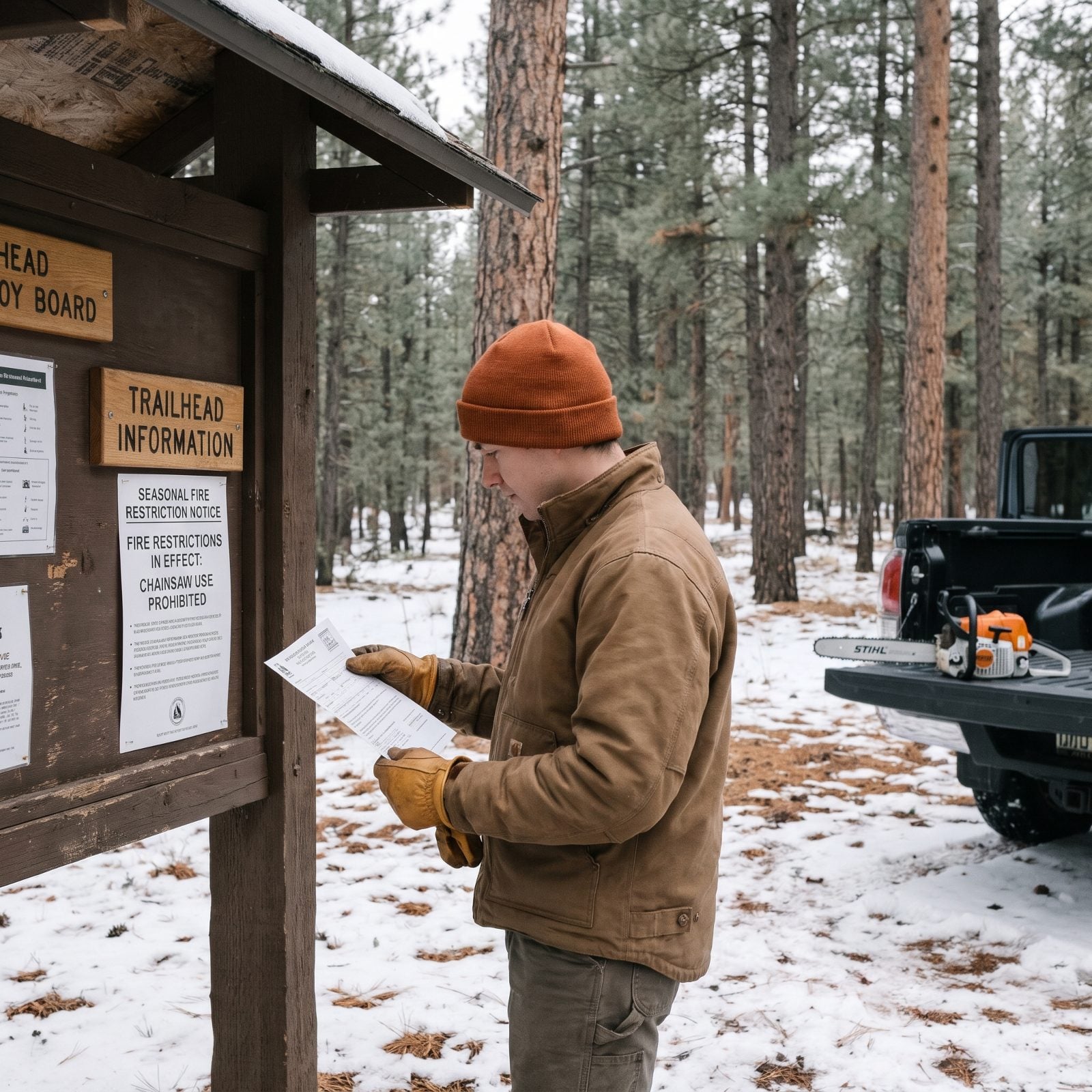
Fire restrictions don’t clock out just because there’s snow on the ground. Plenty of western forests sit bone dry under a thin crust of white, and a chainsaw throws sparks whether it’s December or July. Run one during a restriction order and you’re looking at a fine, a confiscated saw, and the slim but real chance of torching country that hasn’t seen rain in weeks.
Check the current fire order for your forest before you load the truck. Districts post them online and at ranger stations, and the rules shift week to week. When saws are off the table, bring a bow saw or a sharp hand saw instead — a six-foot tree falls fast with either one.
6. Using Power Equipment Without a Spark Arrestor
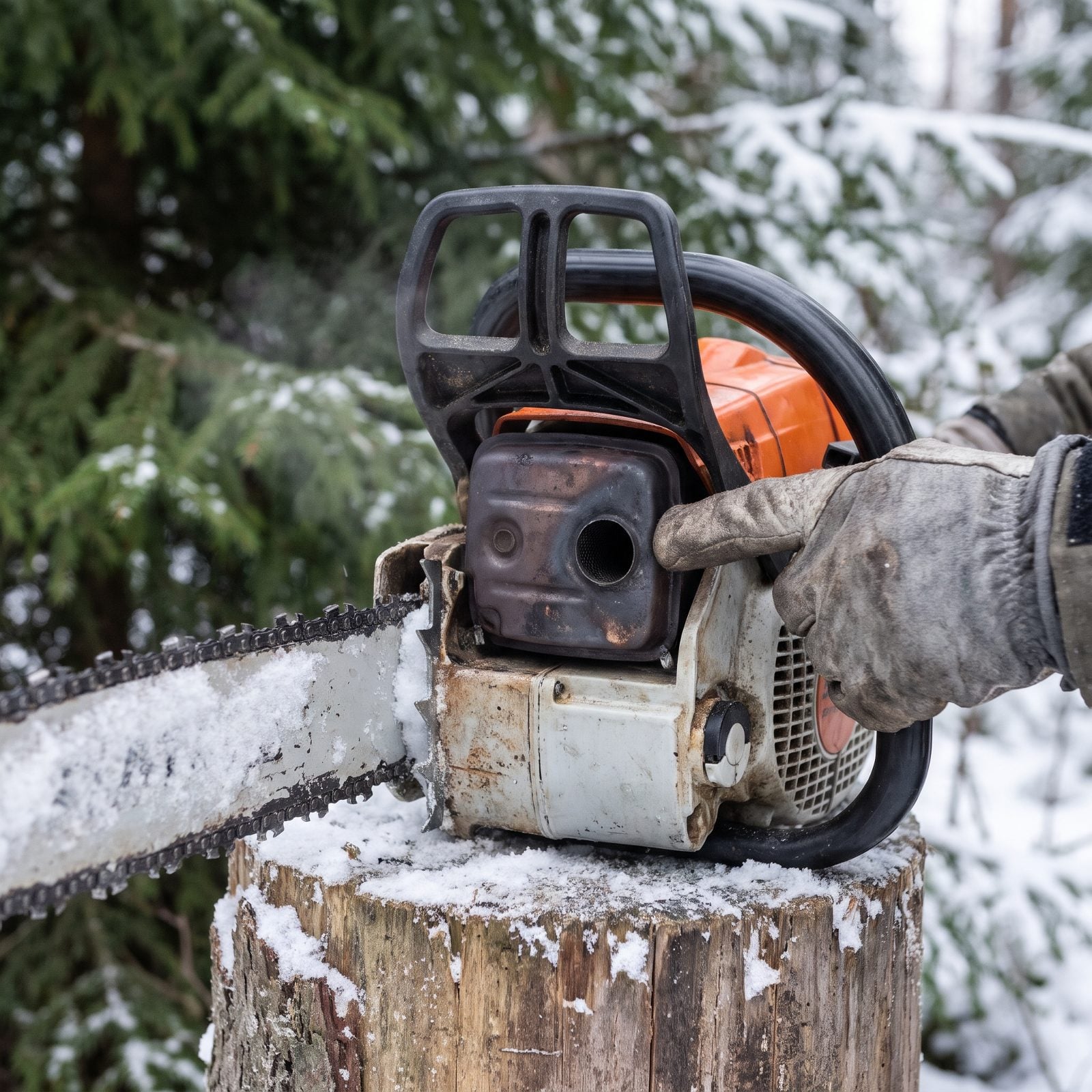
That little screen bolted over your saw’s exhaust isn’t decoration. A spark arrestor catches the glowing bits of carbon a two-stroke engine spits out, and in dry forest those specks land in duff and smolder for hours before anyone notices.
Federal land requires an approved, working spark arrestor on any internal combustion equipment used off a paved road. Skip it or run one that’s clogged and burned through, and you’re both breaking the rule and quietly carrying a fire-starter into the woods. Pull the screen, look for gaps and heavy carbon buildup, clean or replace it before the trip. On old saws the screen sometimes disintegrates entirely — which is an embarrassing thing to discover in the field. Five dollars and ten minutes fixes it.
5. Parking Without a Required Recreation Pass
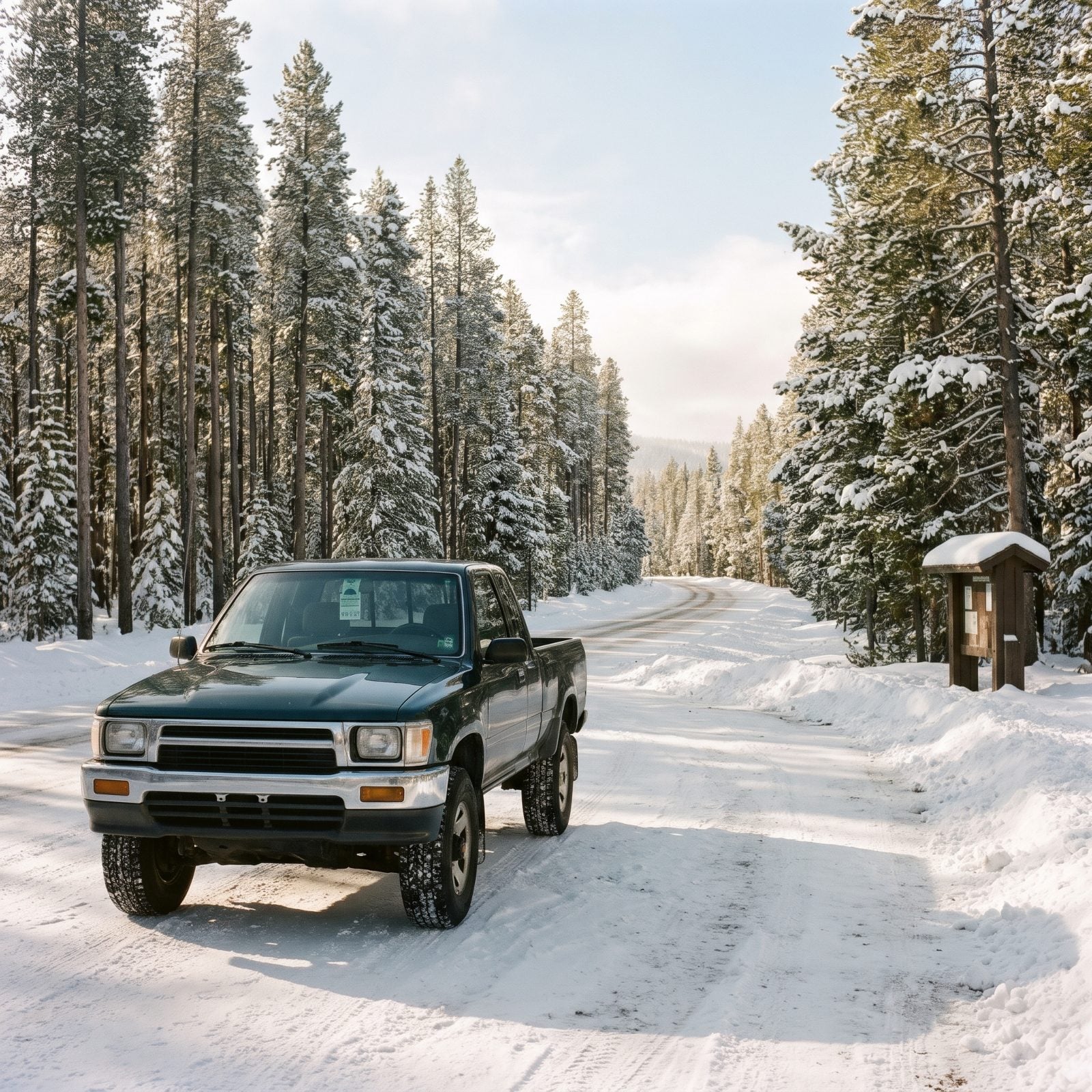
The permit for the tree and the pass for the parking are two different things. People grab the cutting tag and assume they’re covered, then come back to a ticket tucked under the wiper because the trailhead or Sno-Park needed its own fee.
Day-use fees and winter recreation passes fund the plowing that lets you reach the trees at all. Find out before you go whether your access point charges one, buy it ahead if you can, and hang or display it exactly as the sign directs. Some forests bundle parking into the tree permit. Many don’t. A little guesswork on the mirror beats a citation you argue about in February.
4. Blocking a Gate, Road or Snowplow Turnaround
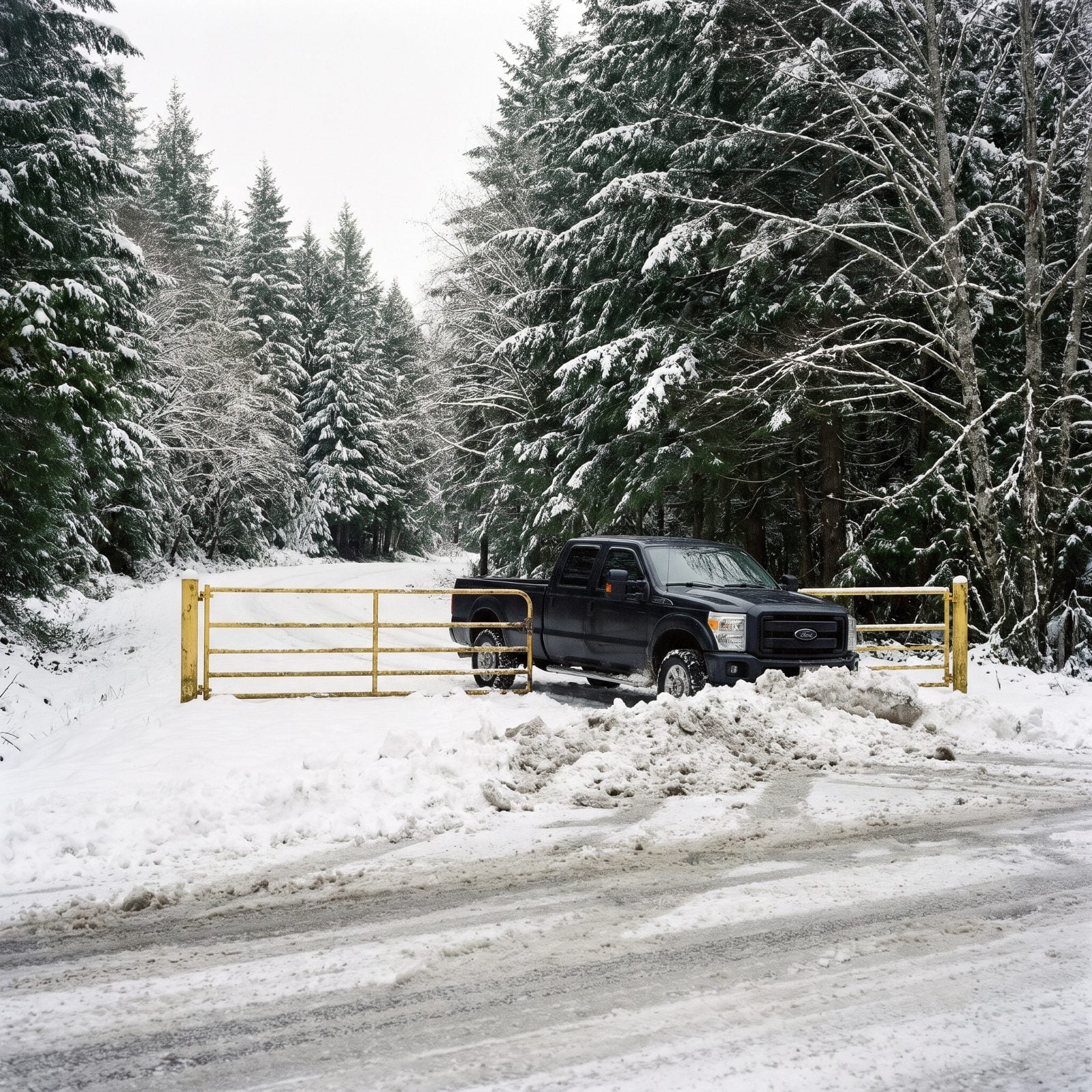
You’ve seen it. One truck nosed in sideways at the mouth of a forest road, and suddenly nobody else can get through, a plow can’t turn, and an emergency vehicle has nowhere to go.
Those gates, pullouts and widened loops exist for working traffic, and one vehicle parked across them can shut down an entire drainage. Block a plow turnaround in December and the road behind you may sit uncleared until you move. Pull fully off the traveled way, leave gates exactly as you found them — open or closed — and never set up where a snowplow needs the swing. If the only spot is the turnaround, it isn’t a spot.
3. Driving Cross-Country to Reach the Perfect Tree
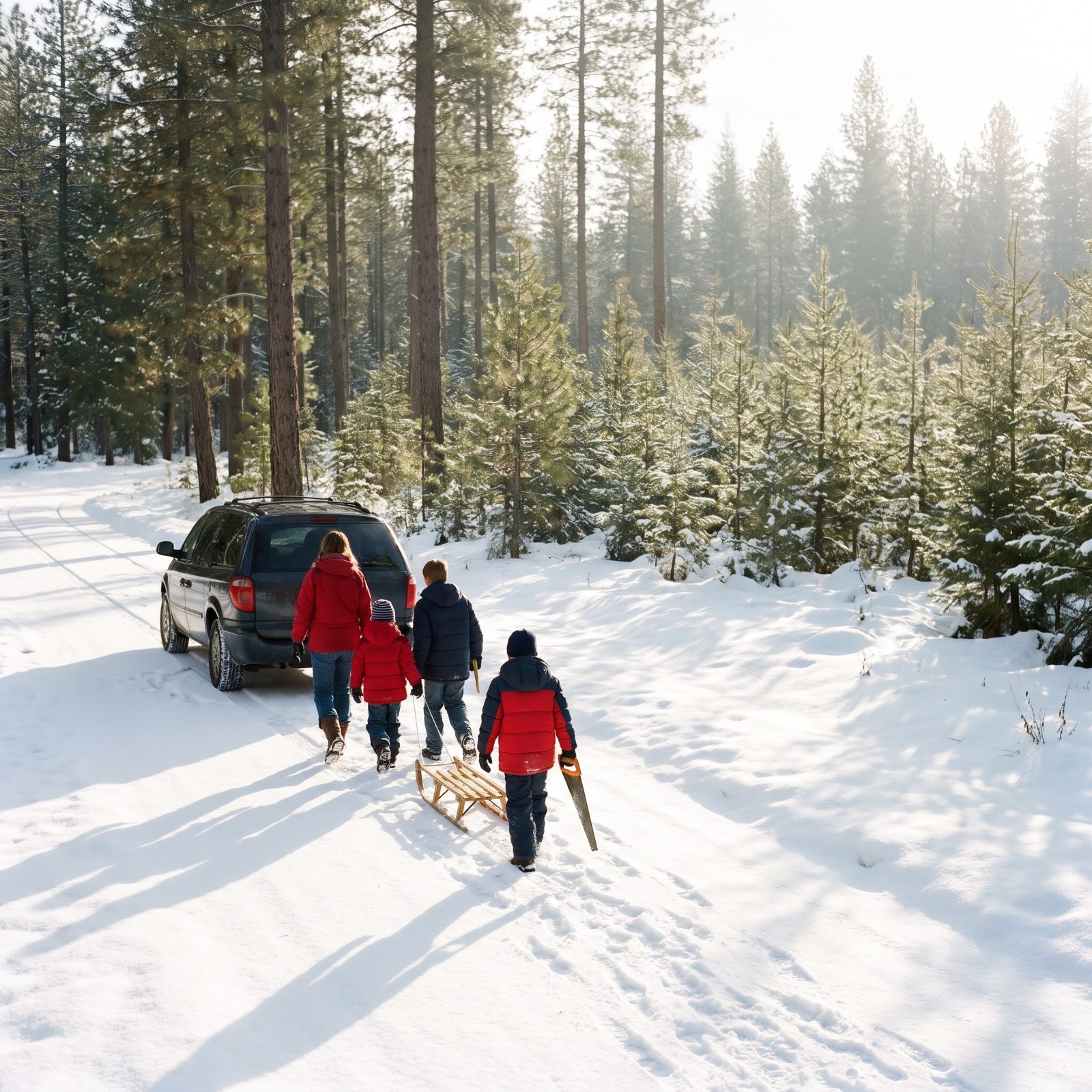
The best tree is almost always a short walk from your couch, and the urge to drive across the country for one wrecks more Christmas outings than any other mistake.
Before the travel guides and road maps on the coffee table become a cross-country route, look at what’s already in your living room. The cost you can’t see from the map is real: days of driving, fuel, motels, a tree that dries out on the long ride home. Then there’s the potted tree sitting right by the radiator, which happens constantly. Stay home, kneel on the rug, then saw. Keep a cardboard box handy to collect the trimmed branches. Honestly, the few minutes on your knees by the window is half the point of the whole trip.
2. Leaving Cut Limbs and Slash in a Dangerous Pile
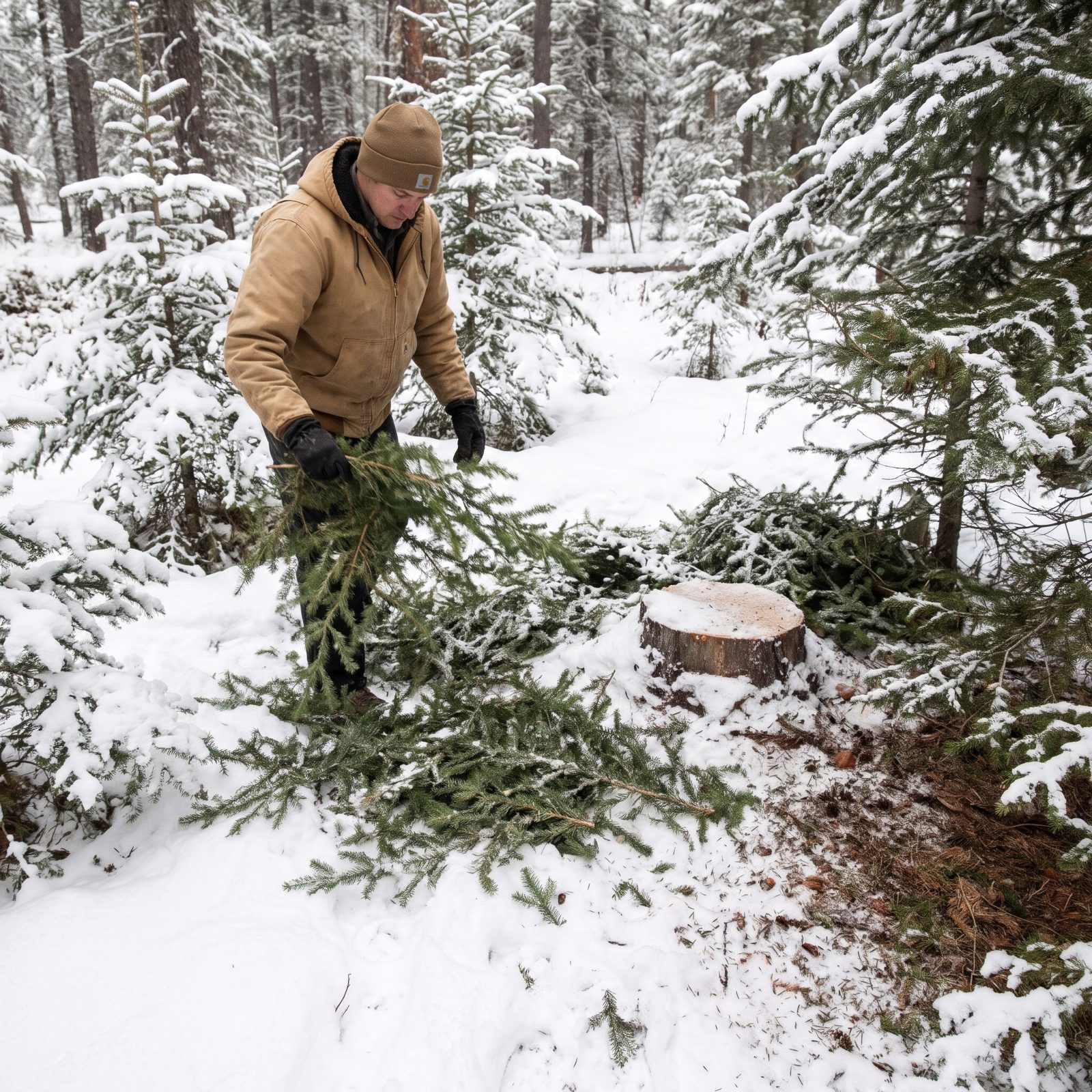
After the tree’s down you’re left with trimmed limbs and the top you cut off, and the lazy move is to heap it all in one spot and walk away.
A tall slash pile dries into fuel, hides stumps that catch snowmobiles and skis, and makes it look like somebody treated the forest as a dumpster. Most forests ask you to lop and scatter instead: cut the branches short, spread them flat against the ground where they’ll settle into the snow and rot down over the seasons. Cut your stump low — under six inches if the rules say so — so nothing’s left standing to trip over once the snow melts. Five extra minutes, and the spot looks like you were never there.
1. Topping a Large Tree Instead of Taking a Whole Tree
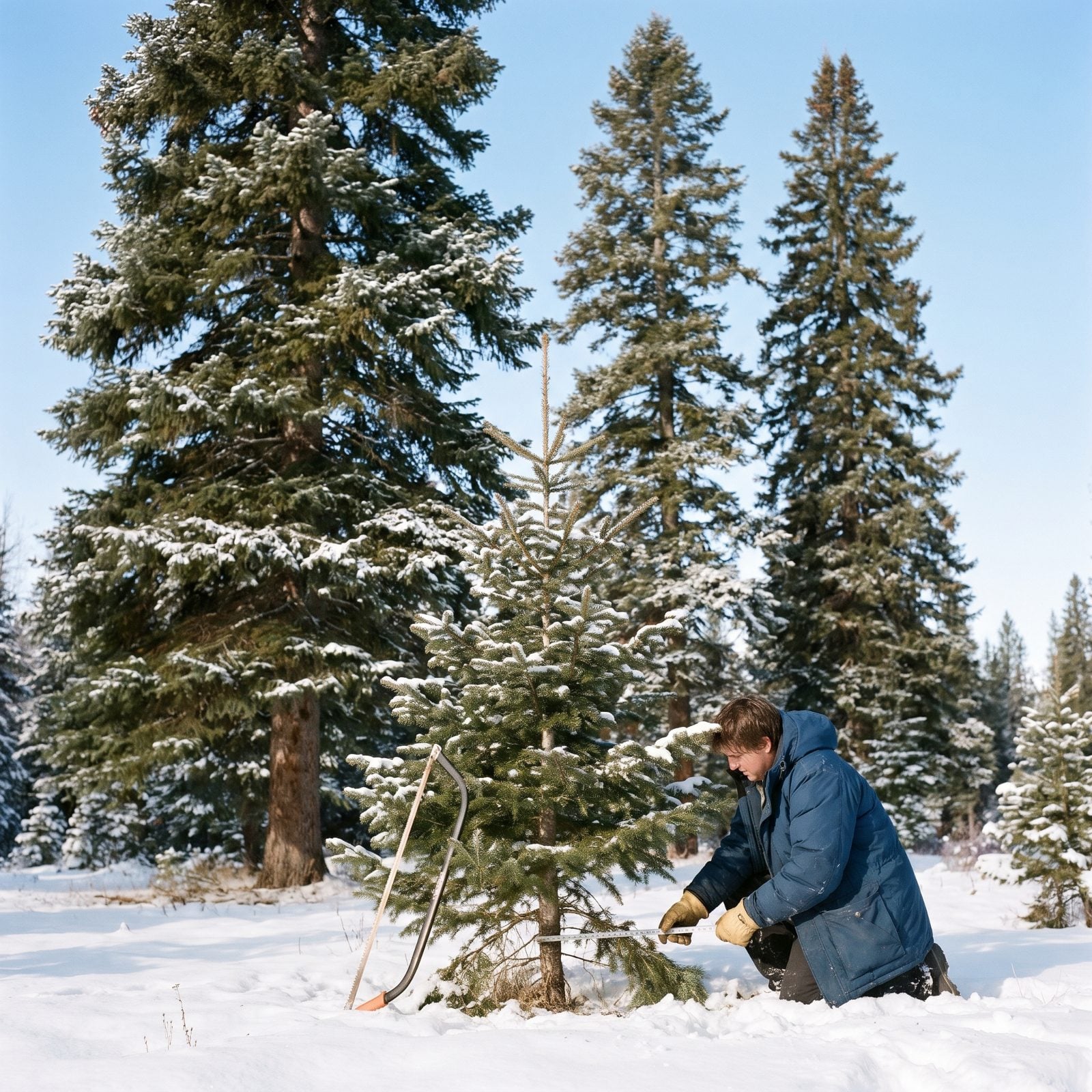
Cutting the top out of a thirty-foot tree ruins it and almost always breaks the rules. A topped conifer rarely recovers its shape, stands there deformed for decades, and your permit almost certainly says take the whole tree — not a piece of one.
Permits set a maximum trunk diameter at the base, often measured a few inches above the ground, and the idea is that you harvest a small tree whole. That thinning actually helps the forest by opening crowded stands. Measure the base before you cut. If the trunk’s too thick for your permit, it’s the wrong tree, no matter how good the top looks from below. Find a young one in the right size class and take it from the ground up.