
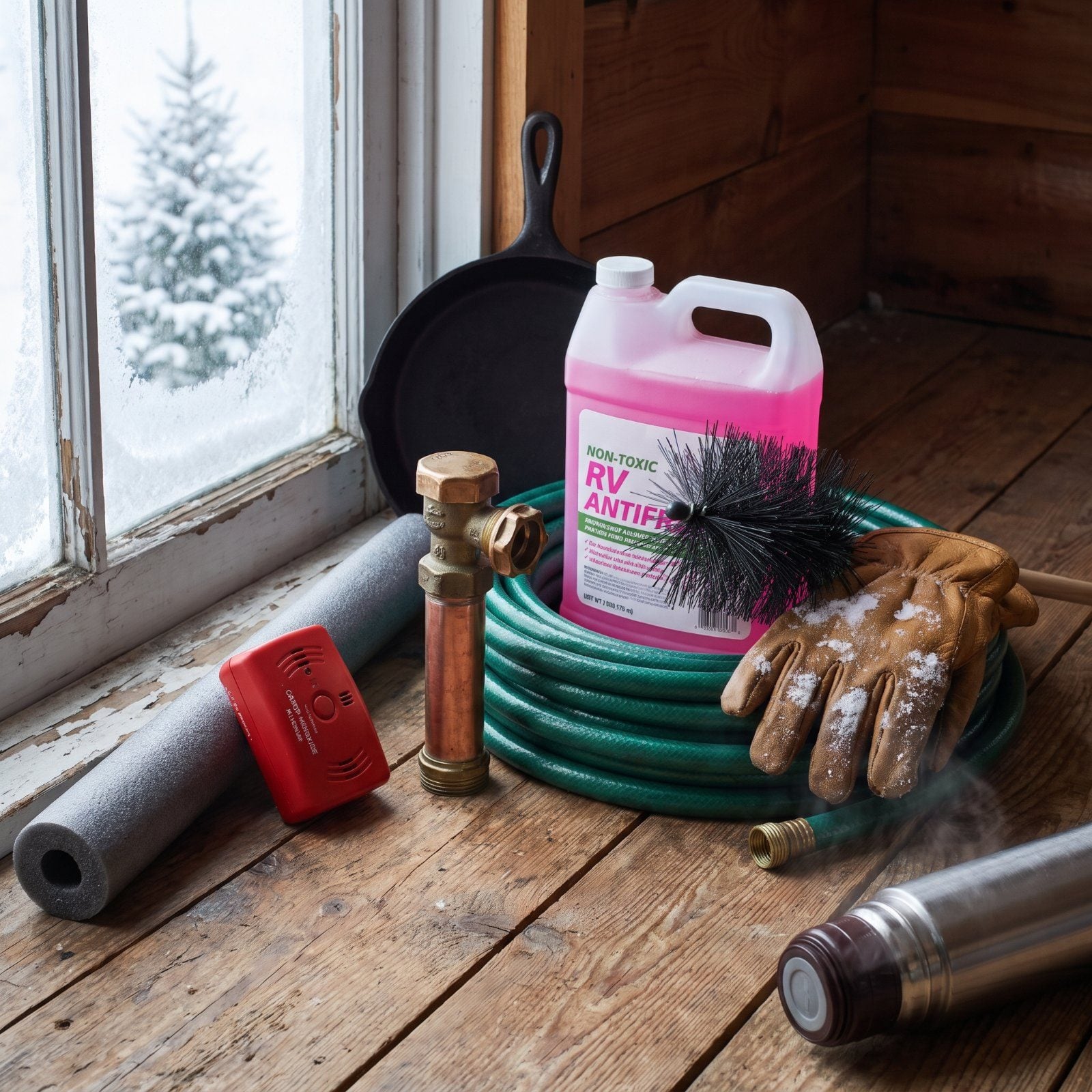
The first hard freeze doesn’t knock. It shows up overnight and starts quietly breaking things you forgot to think about — a cracked pipe behind a wall, a chimney that should’ve been swept in October, a generator that won’t start the moment the power dies.
Please note that some of the images in this article were created with the assistance of AI.
None of this is complicated, though. The owners who sail through winter aren’t smarter than the rest of us; they just did a handful of boring things back in the fall while everyone else learns the hard way. Here’s the list worth reading before the snow flies.
43. Failing to Drain or Insulate Vulnerable Water Lines
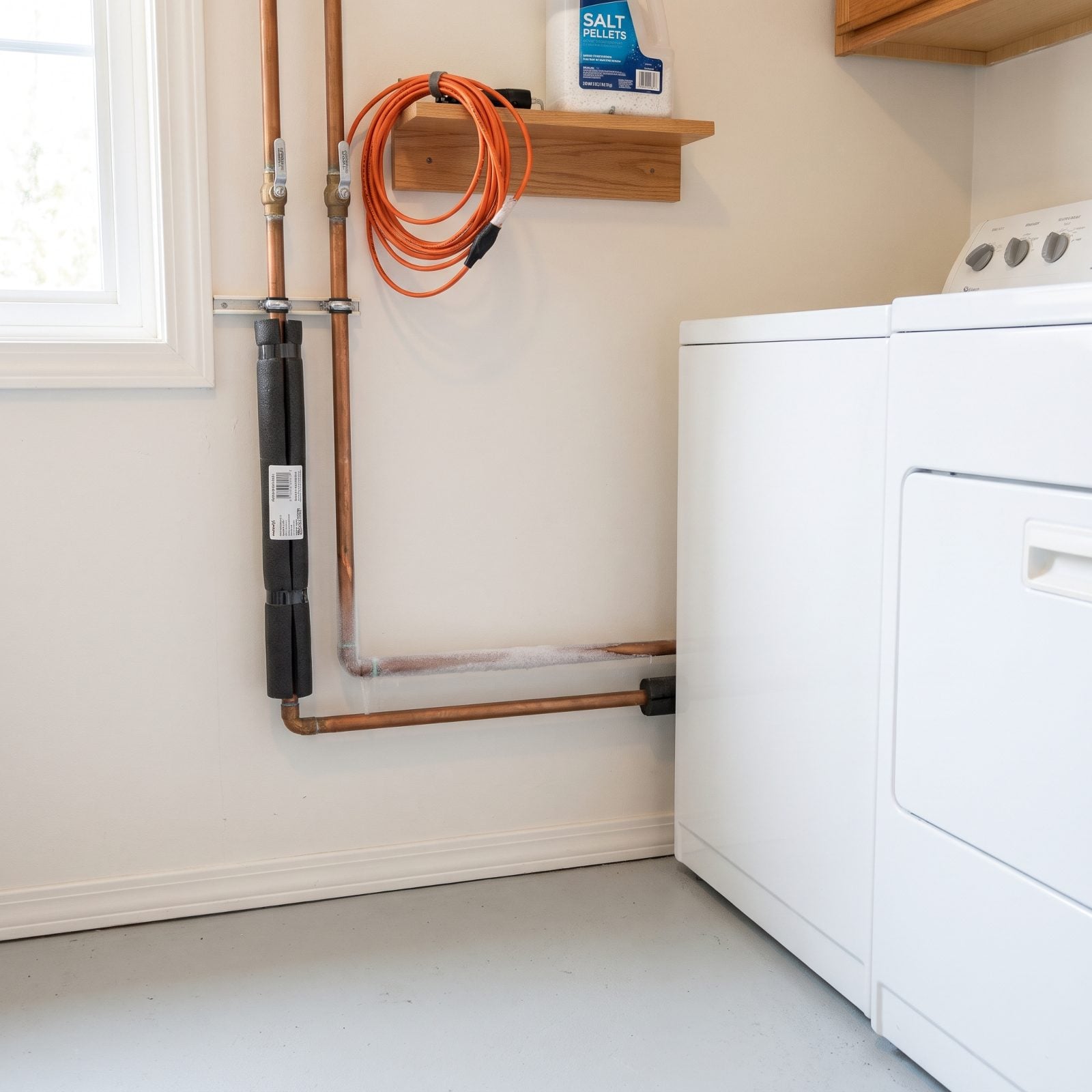
You shut the water off for a weekend trip, feel smart about it, and come back to a ceiling stain shaped like a country nobody’s heard of. Killing the main is only half the job. It’s the water still sitting in the lines that freezes, expands, and cracks copper like an eggshell.
The pipes that bite you hide near exterior walls, in crawlspaces, anywhere the wind can find them. Drain the whole system by opening the lowest faucet and letting it run dry, or keep a trickle moving on the coldest nights if you’re staying put. For the lines you can actually reach, foam sleeves and thermostatic heat tape earn their keep the first time the mercury hits zero.
42. Lighting the First Fire in an Unswept Chimney
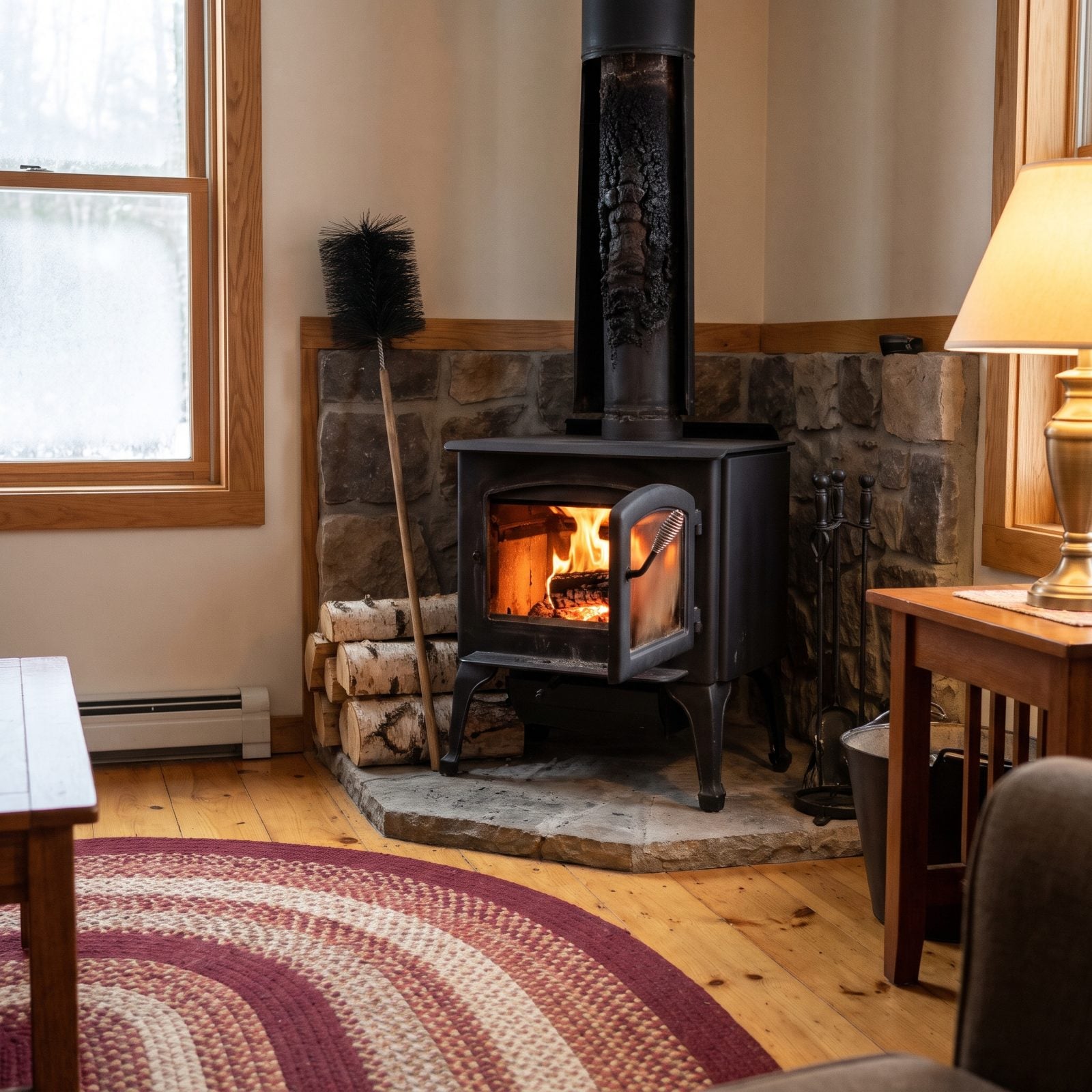
That first cold snap makes a fire feel urgent. You load the stove, strike a match, and settle in without a thought for whatever the previous owner left baked onto the flue walls.
Creosote is what gets you. A summer of dampness and an old season of fires leave a tarry glaze inside the chimney, and that glaze ignites. A flue fire sounds like a jet engine and can crack the liner or get the roof going before you’ve finished your coffee. So have the chimney swept and inspected before the first burn, every year, no exceptions. Burn seasoned hardwood — not green wood, not construction scraps — and keep an extinguisher near a hot stove the way you’d keep one near a grill.
A chimney sweep costs less than the deductible on a chimney fire. I’ve never met anyone who regretted the appointment.
41. Forgetting Smoke and Carbon Monoxide Alarms

Wood stove. Propane range. A generator humming somewhere out back, maybe a kerosene heater for the bad nights. A winter cabin runs on combustion, and combustion makes carbon monoxide — which you cannot smell, see, or feel coming.
This is one of those hazards that doesn’t hand out second chances. People fall asleep warm in a sealed-up cabin and simply don’t wake up. Put a working CO alarm on every level and near every sleeping area, add smoke alarms, and test the whole lot the day you arrive. Go with battery-powered units and keep a box of spare AA batteries handy, since the grid will drop at the worst possible moment. Write the install date on the back with a marker and swap them when they age out.
40. Using an Untested or Improperly Connected Generator
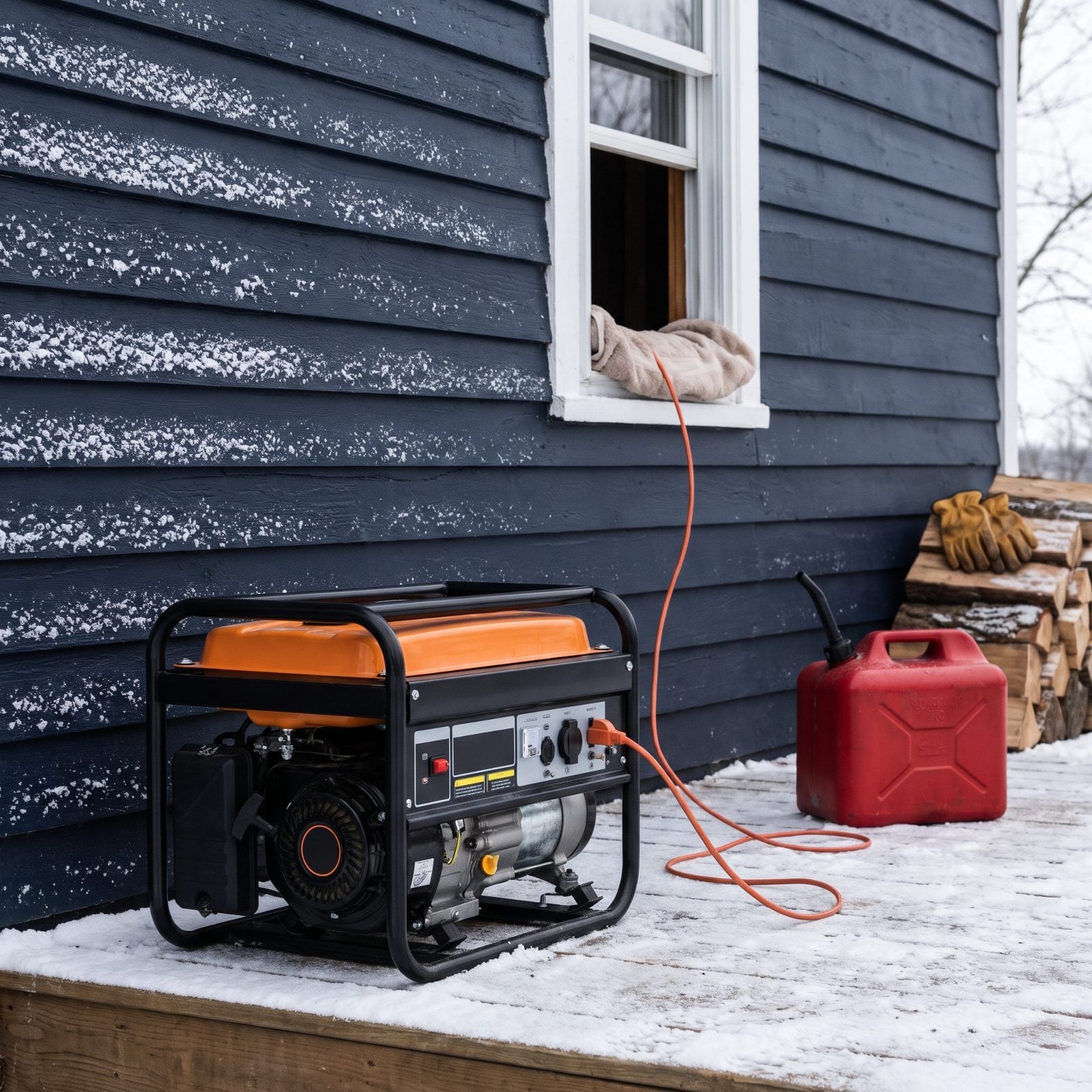
The generator you bought in a panic after the last storm is still in the box. A blackout is not the moment to learn the pull cord, the choke, and which cords actually fit the thing.
Two things go wrong. An untested generator usually won’t start when you need it, because old fuel gums up the carburetor over the off-season. And far worse: people run them in a garage, on a porch, or too close to a window, and the exhaust drifts right inside. Run it outdoors, well away from doors and windows, never under a roof. Test it in the fall, keep fresh fuel with stabilizer on hand, and if you want it wired into the panel, pay an electrician for a proper transfer switch. Back-feeding through a wall outlet can kill a lineman miles down the road.
39. Assuming the Well House Will Stay Warm Enough
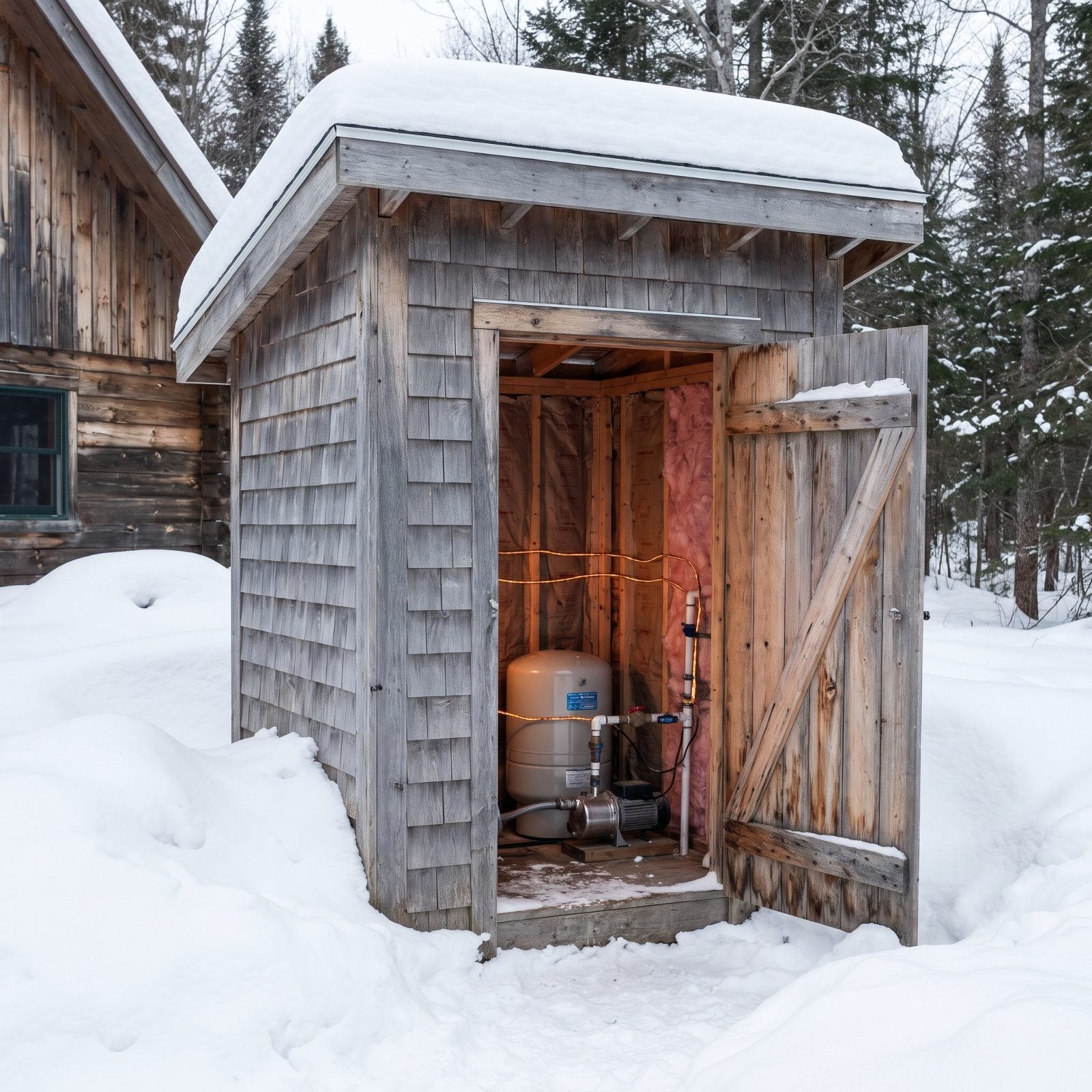
A well house looks sturdy enough to shrug off a cold night. Then the pump freezes, the pressure tank cracks, and you’re hauling water in buckets while a well contractor who’s booked three weeks out takes his time.
Here’s the trouble: an uninsulated pump shed holds roughly the same temperature as the air outside. Fine in October. Fatal at twenty below. Insulate the walls, seal the gaps where wind sneaks in, and add a thermostatically controlled heat source rated for the space. A heat lamp on a smart plug or a pipe heat cable usually handles it. Then confirm the thing actually runs before the real cold arrives, not during it.
38. Using the Wrong Antifreeze in Traps and Toilets
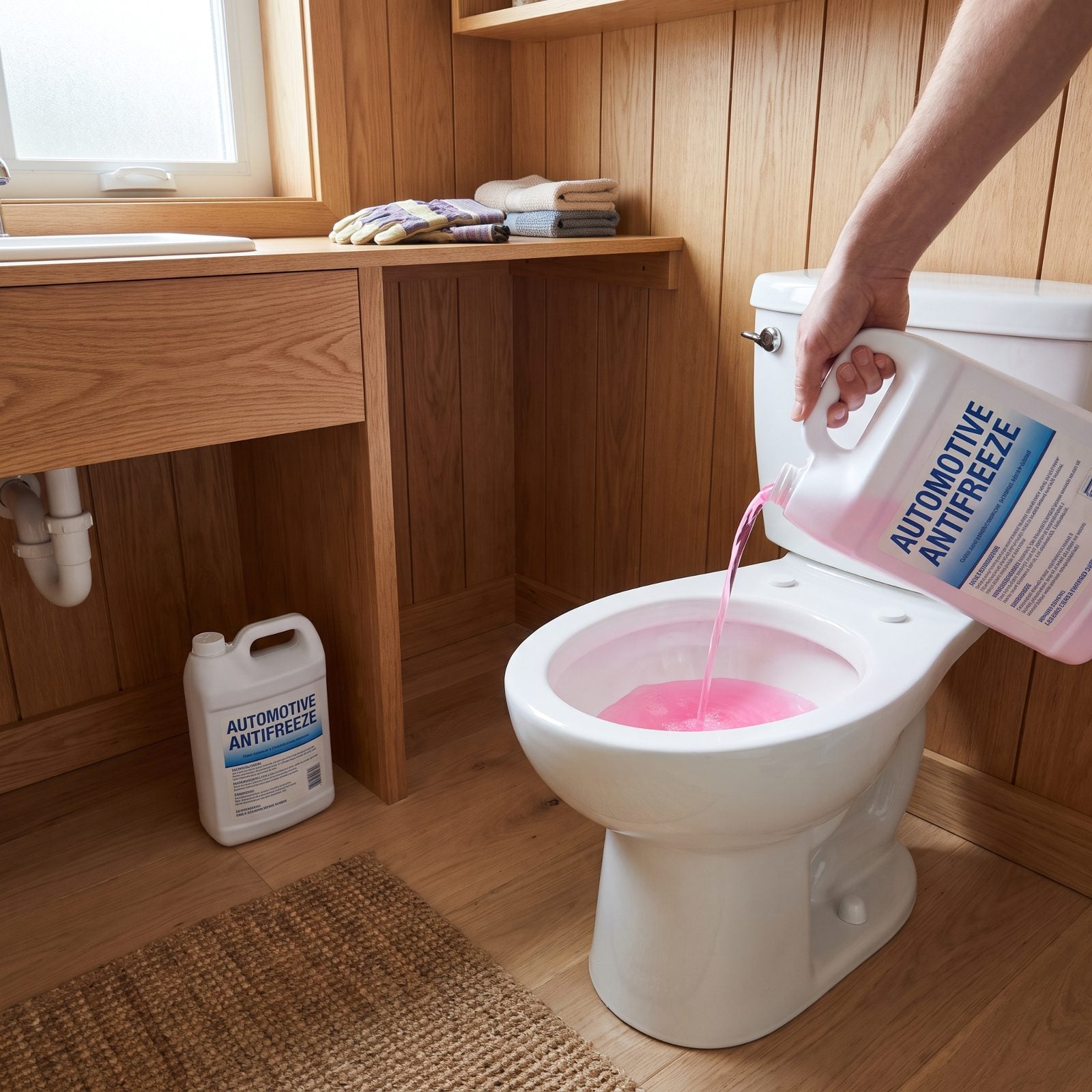
You remember that drain traps and toilet bowls hold standing water, and standing water freezes and cracks porcelain. Good. Then you reach for the pink automotive antifreeze under the workbench — and that’s where it goes sideways.
Automotive antifreeze is ethylene glycol, and it’s poisonous to people, pets, and anything that drinks from your septic. What you actually want is the non-toxic RV and marine stuff made from propylene glycol, and don’t go by color, because both kinds can be pink, so read the label. Pour it into every sink and shower trap, the toilet bowl and tank, and any floor drains once you’ve drained the lines. Keep the jugs labeled, and keep the ethylene glycol for your truck where it belongs.
37. Leaving a Seasonal Water Heater Full
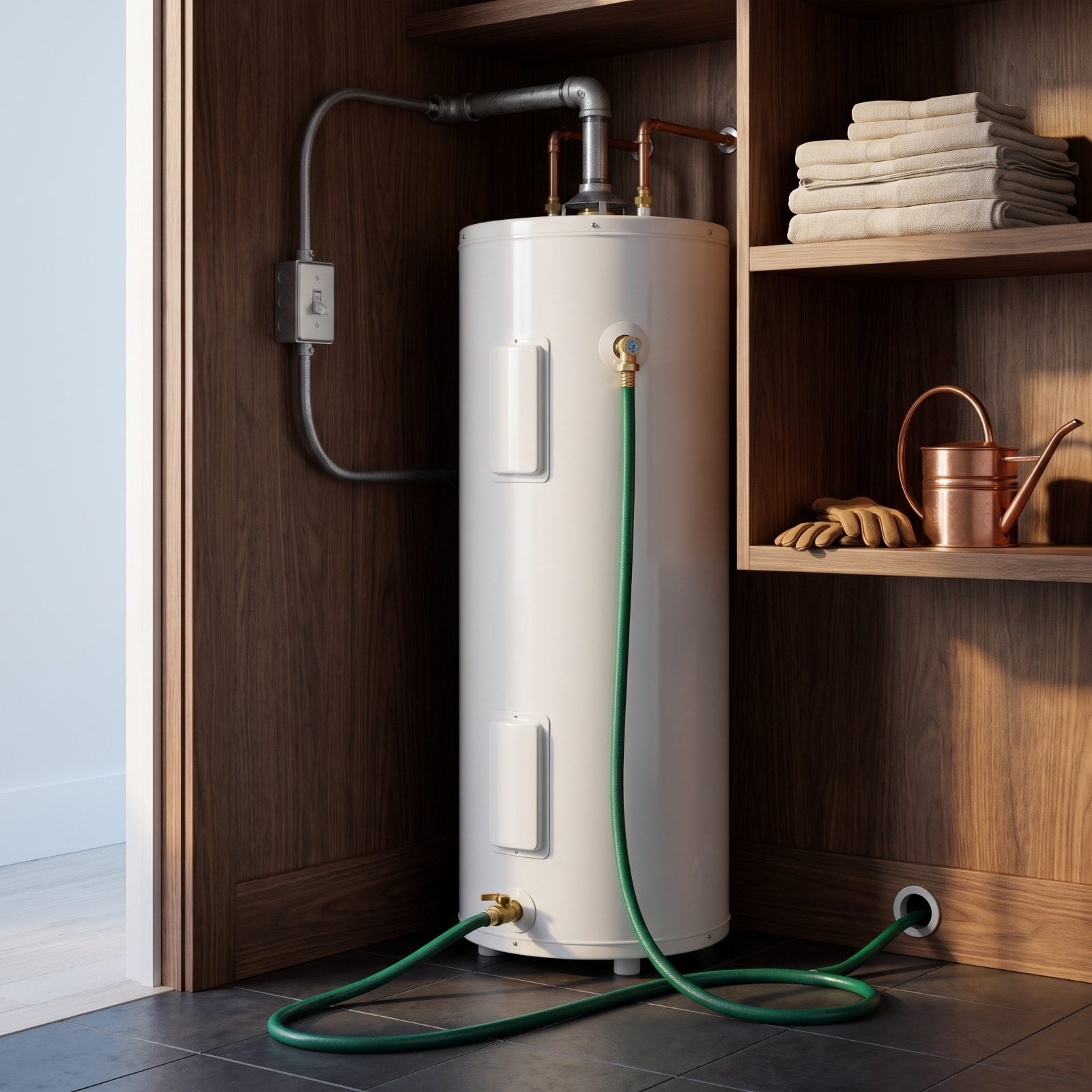
A full tank of water in an unheated cabin is a forty-gallon ice bomb waiting for January.
When all that water freezes, it can split the tank or snap the inlet and outlet fittings, and you won’t know a thing until spring, when you flip everything back on and the floor goes shiny. So before you close up: cut the power or gas to the heater, shut the cold supply, crack a hot tap to break the vacuum, and drain the tank fully through the bottom valve with a hose whose other end runs to a floor drain or outdoors. Leave that drain valve open all winter so any sneaky condensation has somewhere to go. Twenty minutes of work. One saved tank.
36. Leaving Garden Hoses Attached to Outdoor Spigots
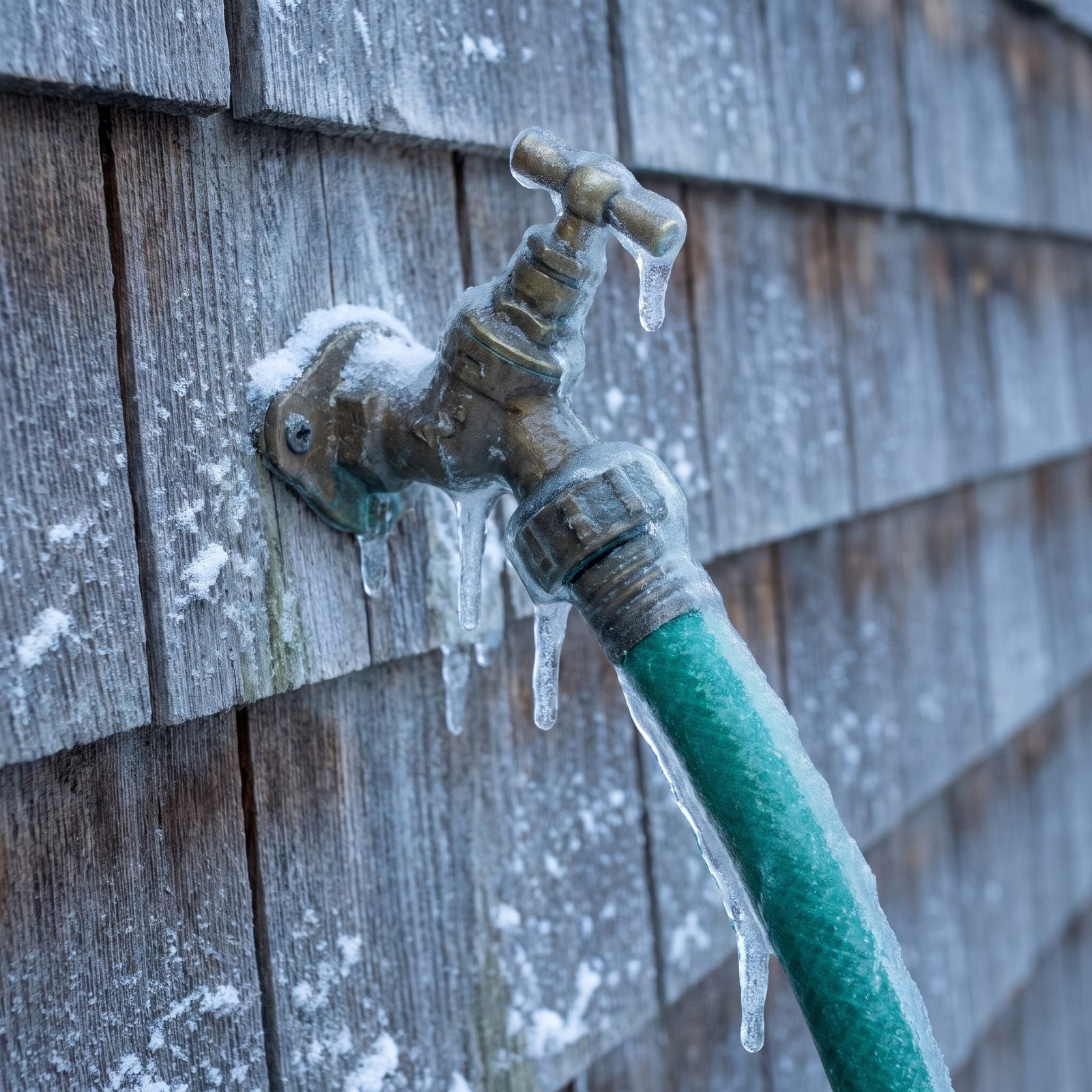
A hose left screwed onto the outdoor spigot is the smallest mistake on this list and one of the most common. It looks harmless. It isn’t.
The hose traps water against the spigot and back into the pipe behind the wall. When that freezes, the ice expands inward and splits the pipe inside the wall, so you won’t find the damage until you turn the water on in spring and it sprays straight into the framing. Disconnect and drain every hose before freeze-up. Got frost-free spigots? They still need the hose off to drain properly. Coil the hoses, stash them somewhere they won’t crack, and shut off any interior valve feeding the outdoor lines.
35. Skipping a Septic Inspection Before Freeze-Up
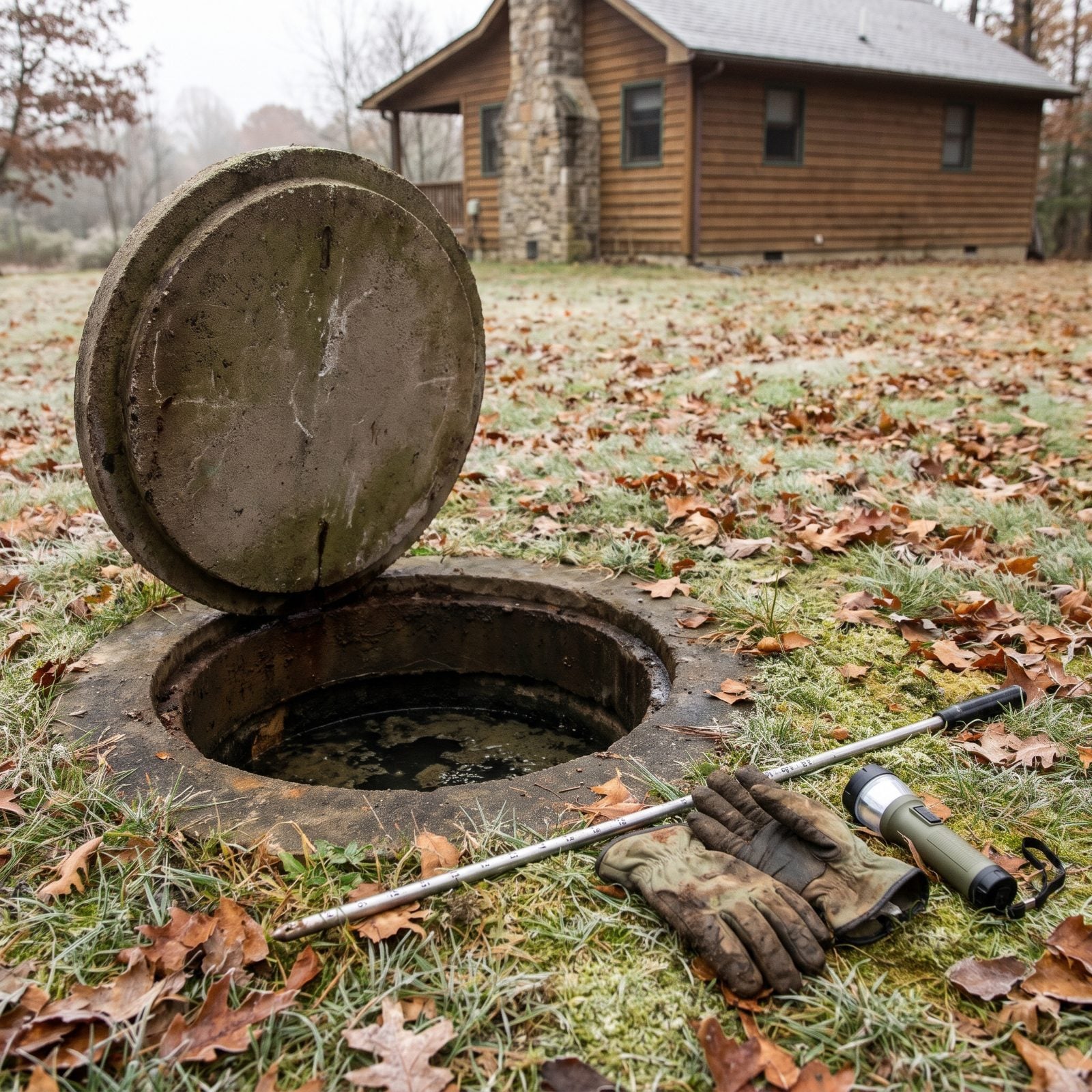
Nobody thinks about the septic system until it quits cooperating, and winter is the worst possible time for it to act up, because the ground is locked solid and no one’s coming out to dig.
A tank that’s due for pumping or a line showing trouble will not fix itself under four feet of frozen soil. A slow backup in February means jackhammering frozen earth to reach the problem, and that bill is ugly. Get the tank inspected and pumped if it’s near capacity before the ground freezes. And if the cabin sits empty for long winter stretches, ask the inspector how to keep the system healthy on low use — bacteria need warmth and regular flow to keep doing their work.
34. Driving a Plow Over the Septic Leach Field
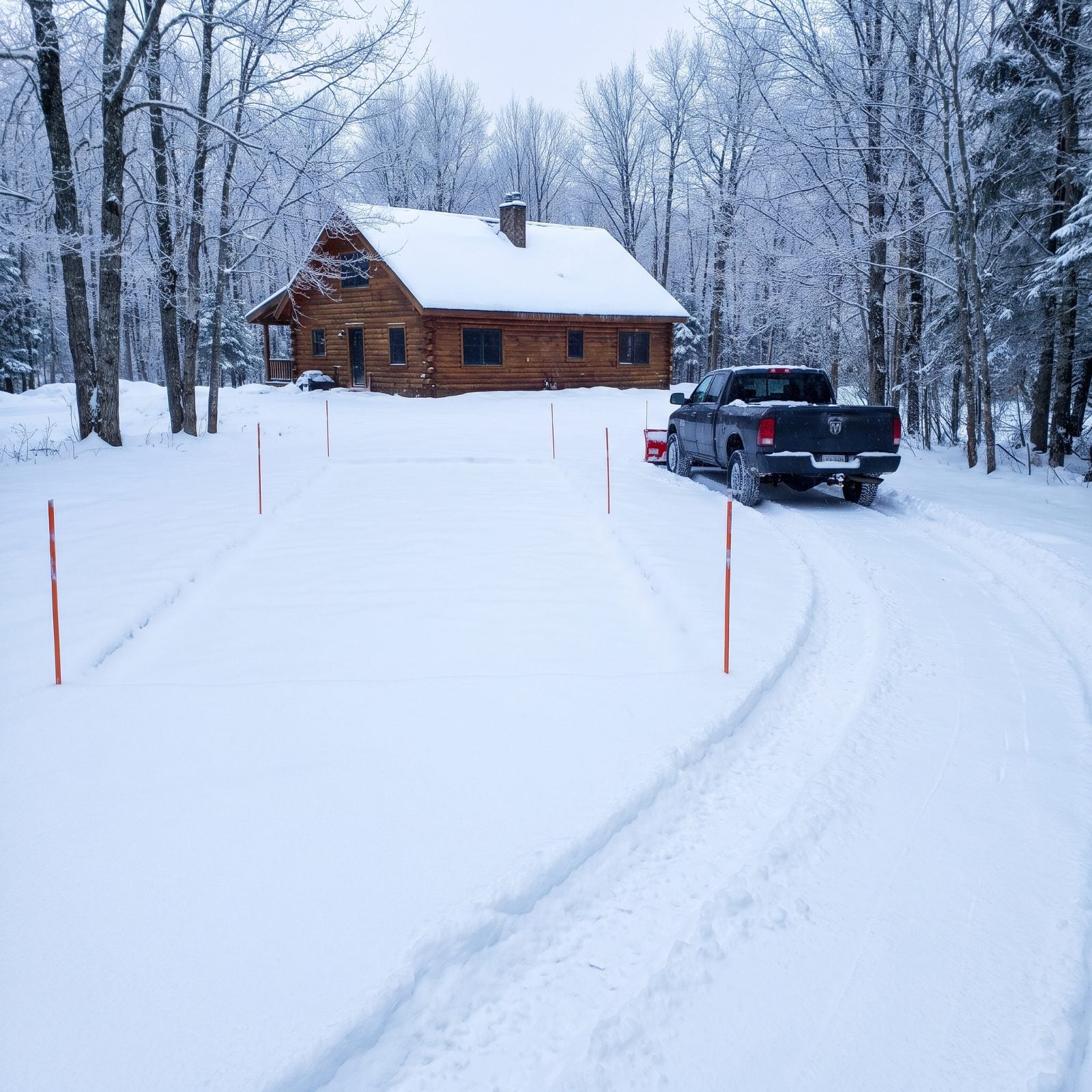
The snow’s deep, the plow’s running, and the easiest turnaround happens to be that flat open stretch of yard. That flat open stretch is almost always the leach field.
Here’s the quiet damage. Snow is an insulator, and the leach field leans on that snow blanket to keep the soil below from freezing solid. Pack it down with a plow or a truck and you strip away the insulation, compact the soil, and risk a frozen field that can’t take wastewater until the spring thaw. The shallow pipes underneath can crack under the weight, too. Mark the field edges with tall stakes in the fall so you can spot them in a whiteout, then route every bit of vehicle and plow traffic around it. Let the snow sit there undisturbed. It’s doing a job.
33. Buying Too Little or Poorly Seasoned Firewood
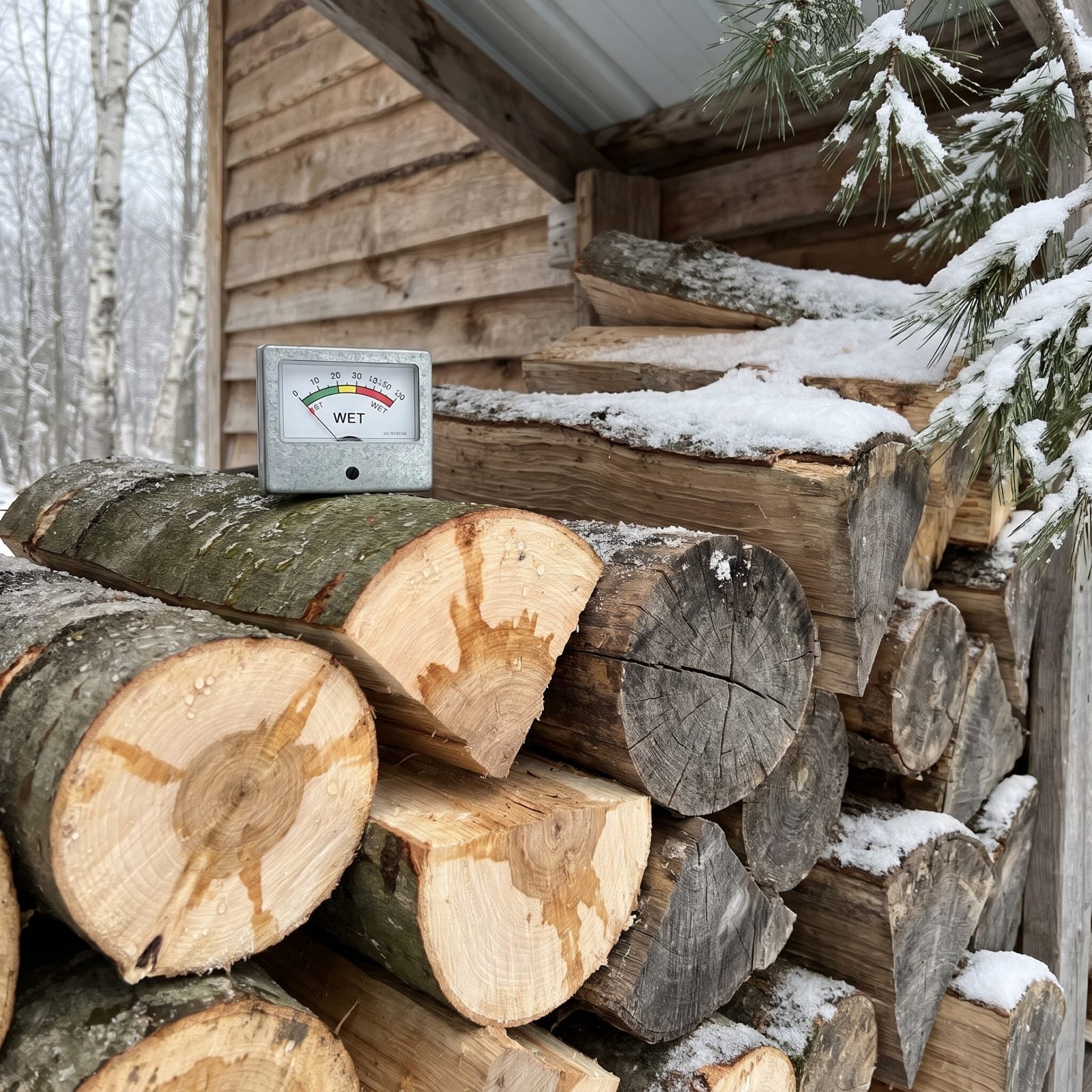
Green wood is a heartbreak you buy on purpose. A face cord stacked in October looks like plenty until you realize half of it hisses and sulks instead of burning. Wood needs six months to a year of drying before it gives you real heat, and a cord of unseasoned maple can still be heavy with water.
On a cold night the cost is brutal. Wet wood burns cool, coats your flue with creosote, and runs out faster than you’d guess, because you end up feeding the stove twice as often just to stay warm.
So order more than you think you need, and order it early. The logs with gray checked ends and a hollow knock when you tap two together are ready. Fresh, damp ends? That pile is next year’s heat, not this year’s.
32. Letting the Woodstove Smolder for Hours
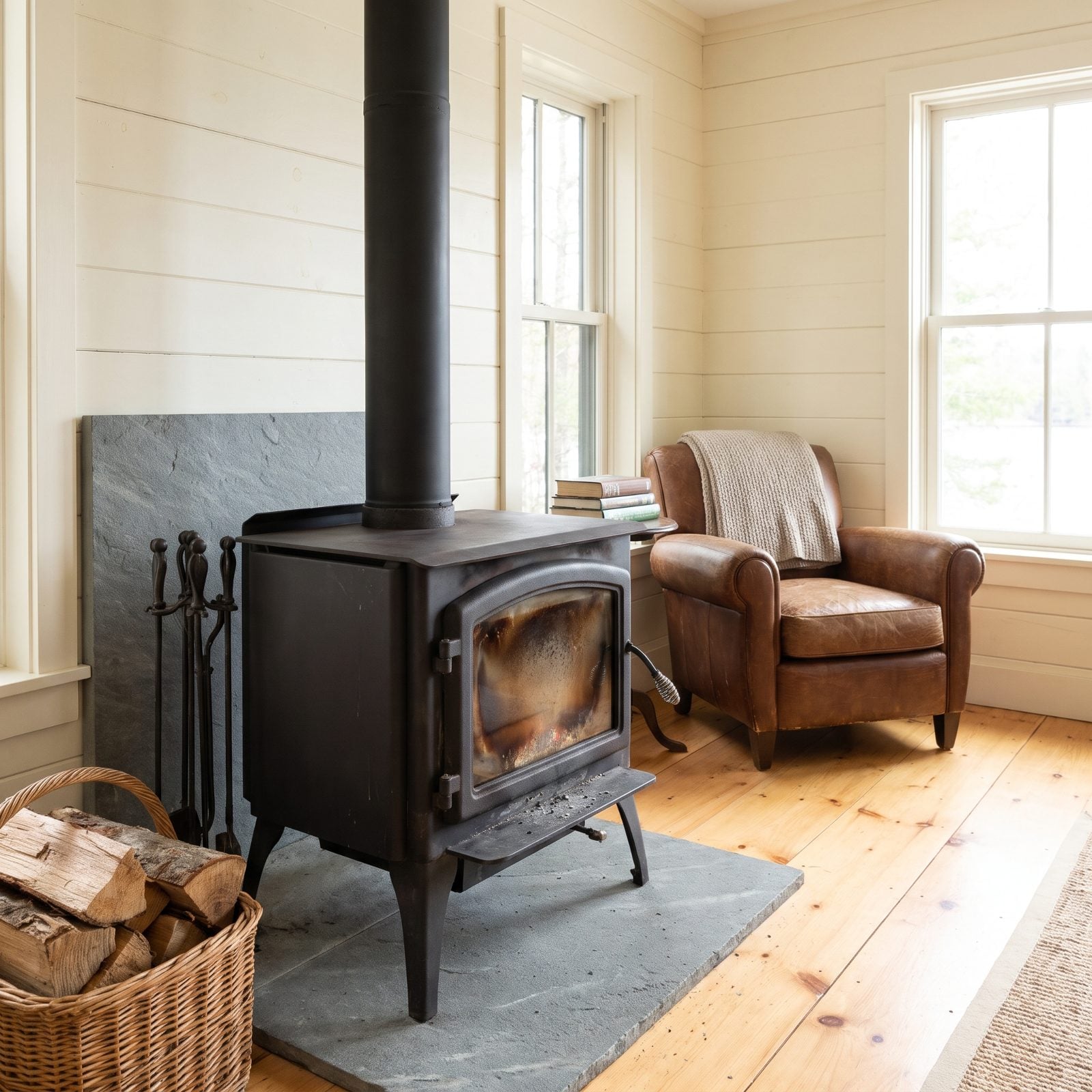
Choking the air down to make a load last all night feels thrifty. It isn’t. A smoldering fire burns incomplete, and all that unburned smoke condenses inside your chimney as creosote, the tarry stuff that fuels chimney fires. You also get less heat, because a cool, oxygen-starved fire sends most of its energy straight up the flue instead of into the room.
Run the stove hot enough to keep the fire bright and the glass clear. Load it properly, let it build a strong burn, then damp down only partway. Glass keeps blackening? You’re starving it.
31. Dumping Hot Ashes Into a Combustible Container
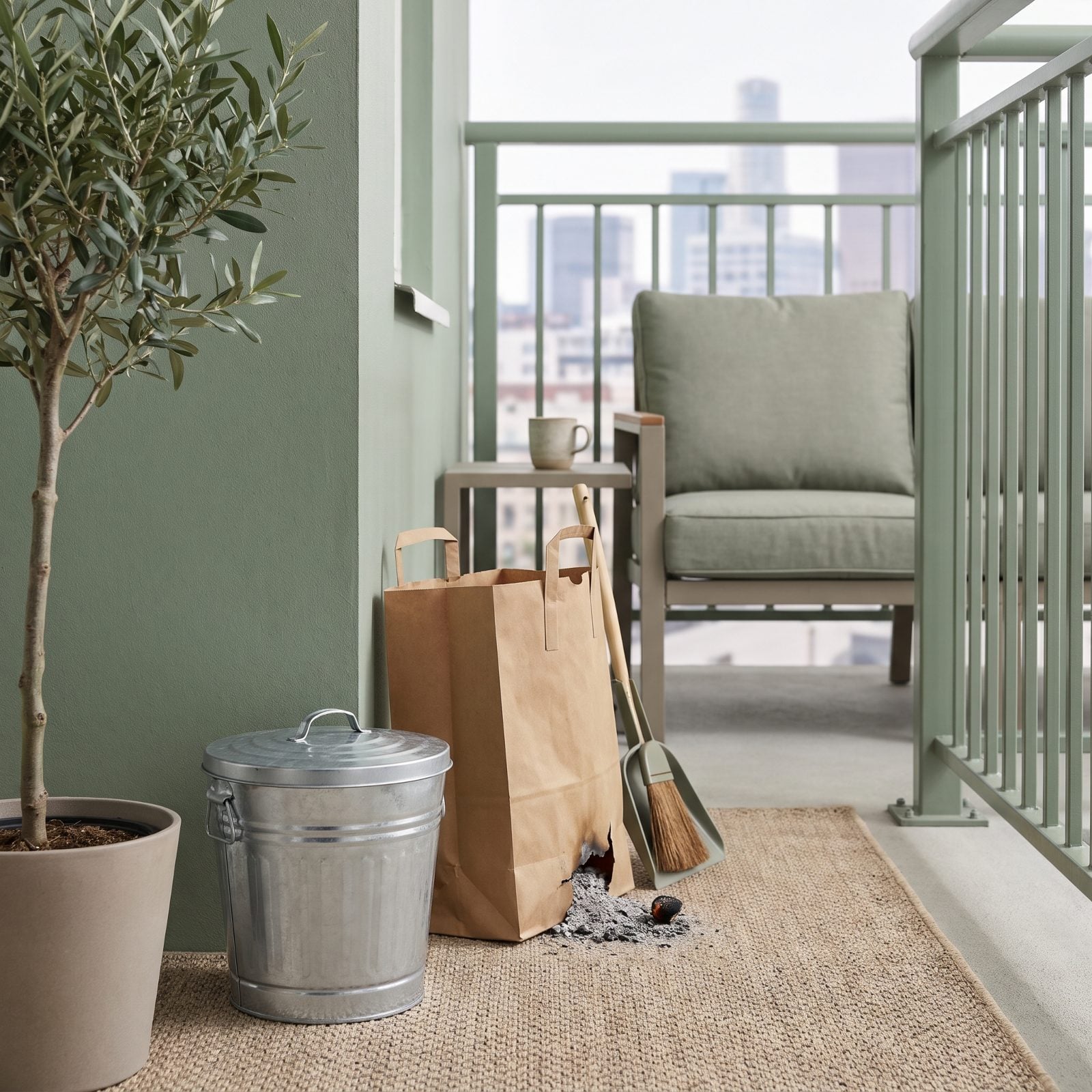
Ashes play dead. You scoop out a shovelful the morning after, see no glow, and tip them into a paper bag or a plastic bin by the door. Those coals can hold enough heat to start a fire half a day later. Plenty of cabins have burned to the foundation this exact way.
Use a metal ash bucket with a tight lid, nothing else. Set it on bare dirt, concrete, or snow, well away from the wall and anything that burns, and let the ashes sit a few days before you dump them. When in doubt, pour water over the whole thing. There’s no prize for doing this casually.
30. Skipping the Furnace’s Prewinter Service

The furnace that ran fine in March does not owe you anything in January. Dust, a cracked igniter, a tired blower motor — none of it announces itself until the night it drops to minus ten and the system quits. And finding an HVAC tech on a holiday weekend during a cold snap is a special kind of misery.
Book the service in the fall, before everyone else remembers. A tech checks the heat exchanger for cracks, cleans the burners, and swaps the filter. That cracked heat exchanger matters most of all, because it leaks carbon monoxide, which turns this from an inconvenience into something worse.
29. Waiting Too Long to Arrange a Propane Delivery
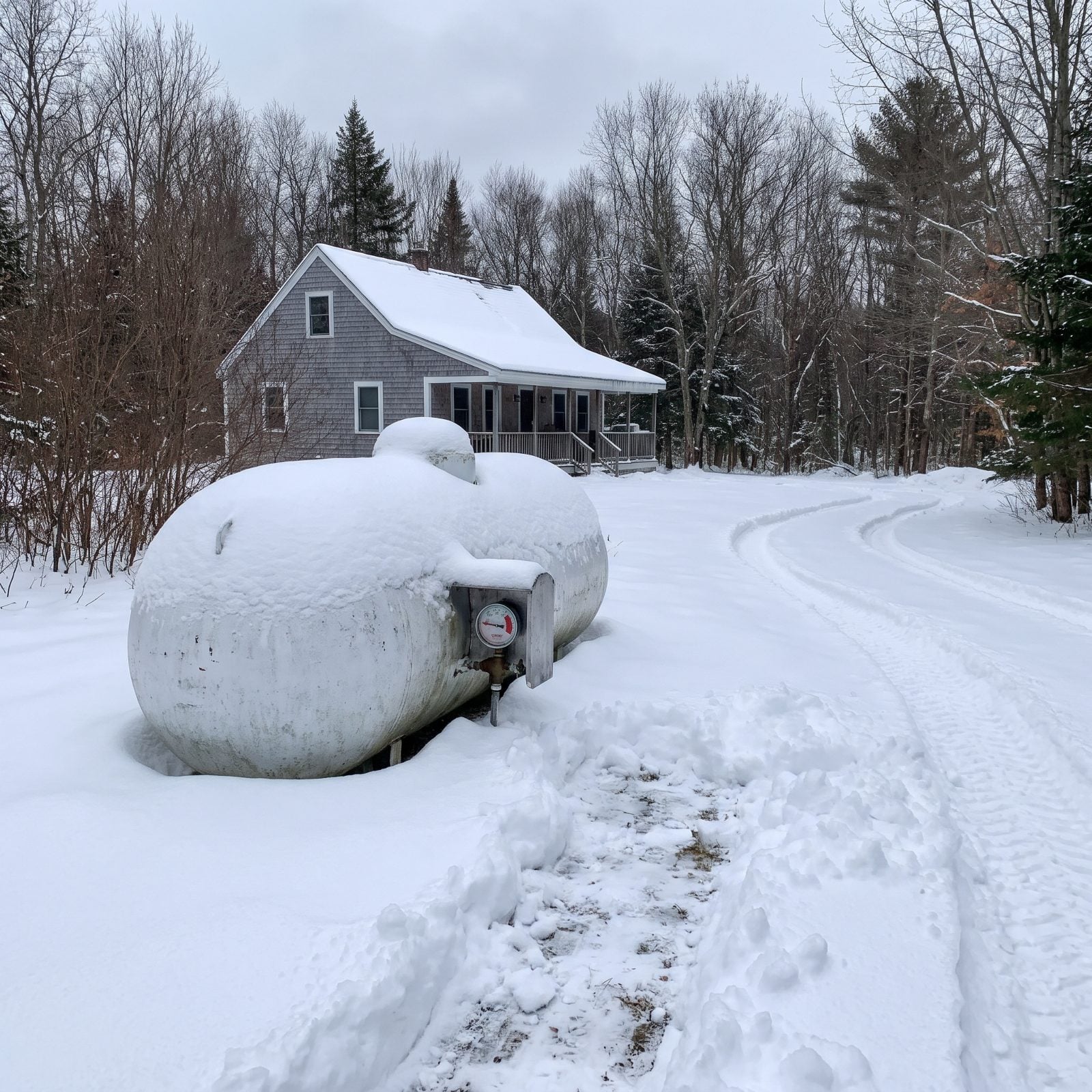
The gauge reads a quarter full and you figure you’ll call next week. Then a storm rolls in, the roads slick over, and the delivery company is three days backed up because everyone else waited too. Now you’re out of heat with no quick fix.
Most suppliers tell you to refill at around a third of a tank, and that number buys you a buffer against bad weather and busy schedules. Set up automatic delivery if your supplier offers it, or mark the gauge on your calendar.
Running a tank bone dry is worse than inconvenient. The lines can lose pressure, and the system may need a technician to purge air and relight pilots before it’ll work again.
28. Relying on a Single Heat Source
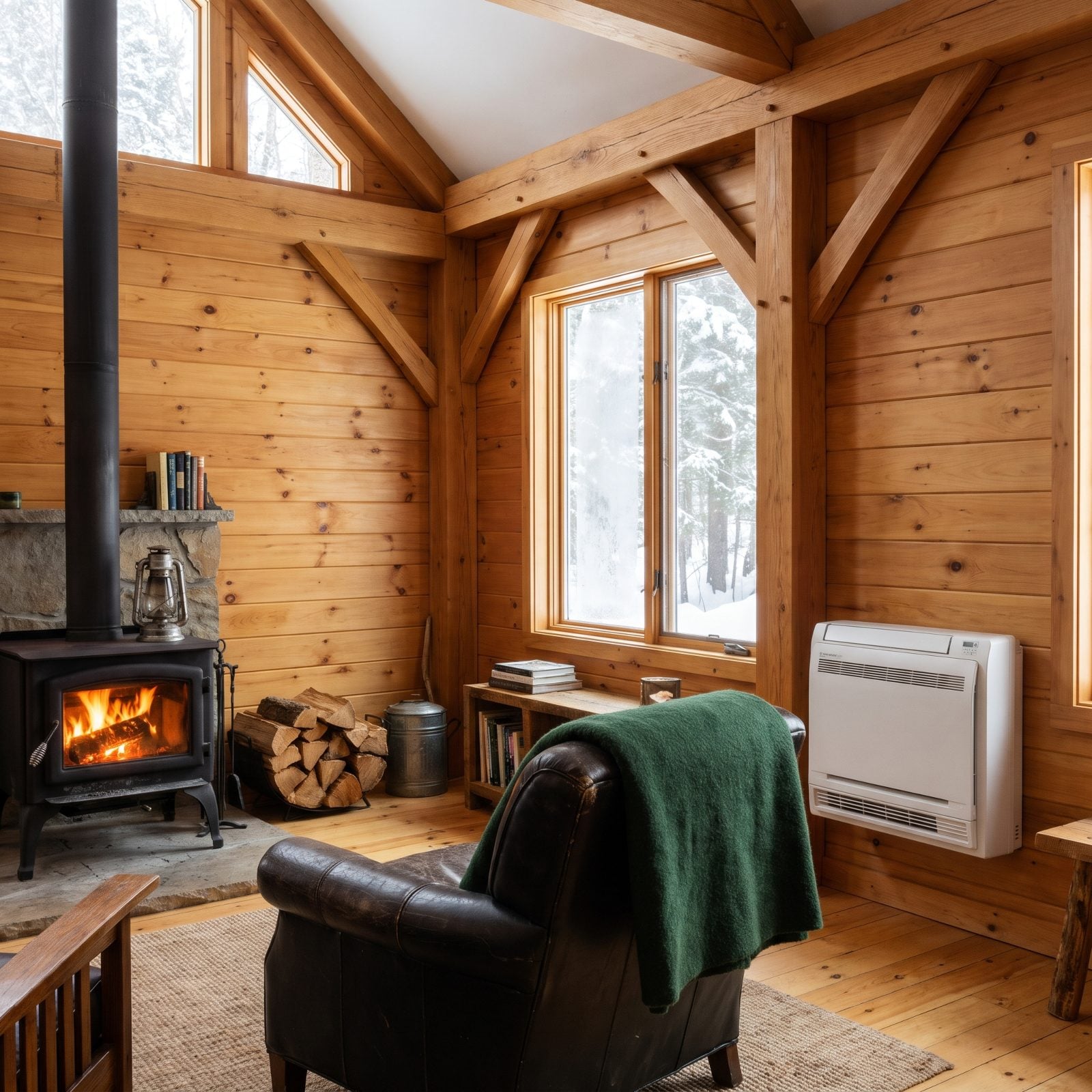
One heat source is a plan until it fails. The power goes out and your electric furnace is useless. Or the propane runs dry and the woodstove is your only hope, except you never kept wood on hand because you never needed it.
A cabin wants a backup that doesn’t share a failure point with the main system. Heat with propane? Keep a woodstove ready. Burn wood? Have a few days of electric heat in reserve. The whole trick is that the two should fail for different reasons, so one going down doesn’t drag the other with it.
27. Running Portable Heaters on Extension Cords
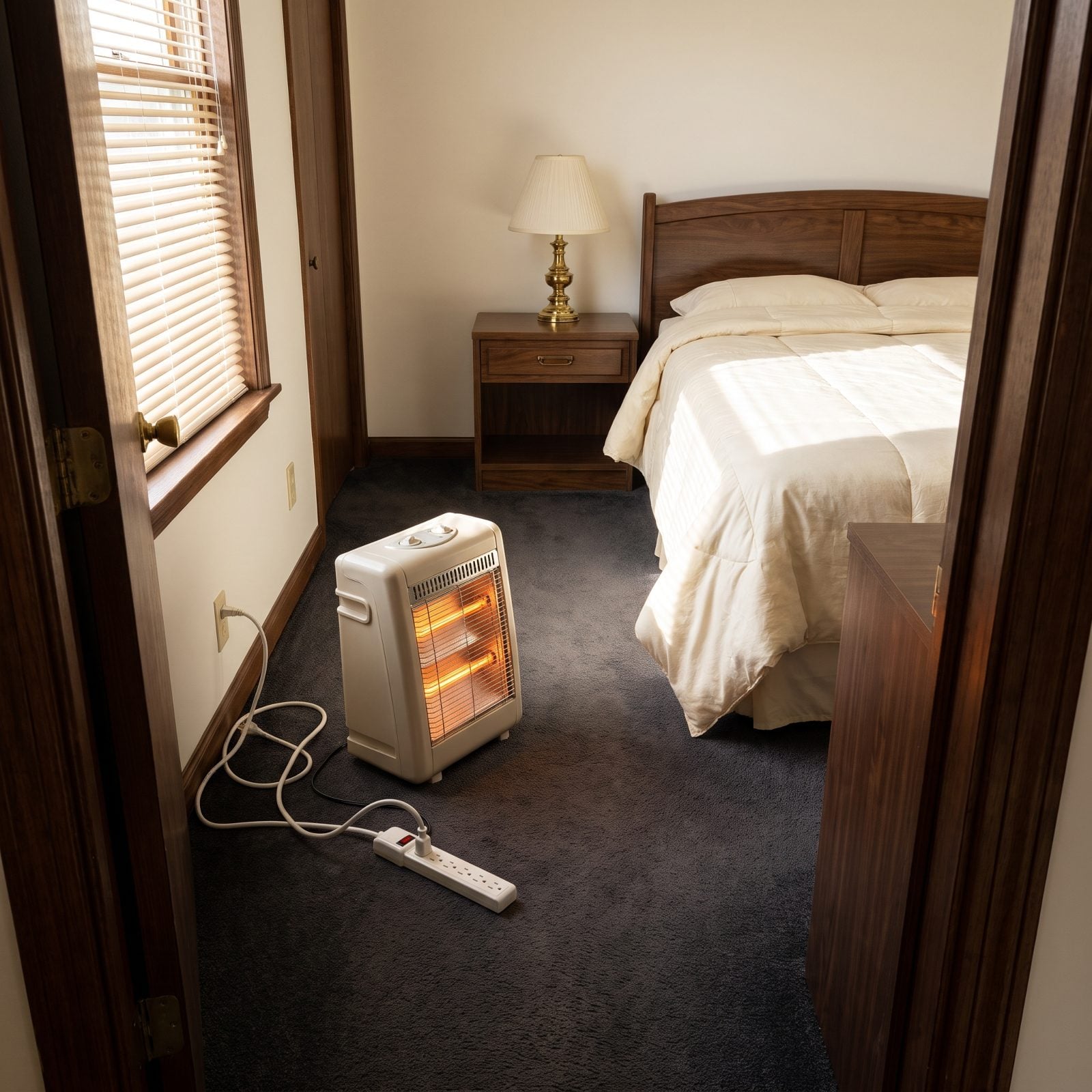
A space heater pulls more current than most extension cords can handle, and a cord that overheats doesn’t trip a breaker before it melts the insulation and starts smoking. This is one of the quietest ways a cabin catches fire overnight.
Plug portable heaters straight into a wall outlet, every time. Keep them three feet from anything that burns, off rugs and blankets, and never leave one running while you sleep. Need heat in a corner with no nearby outlet? That’s a job for a different heating method, not a longer cord.
26. Keeping the Fire Extinguisher Out of Reach
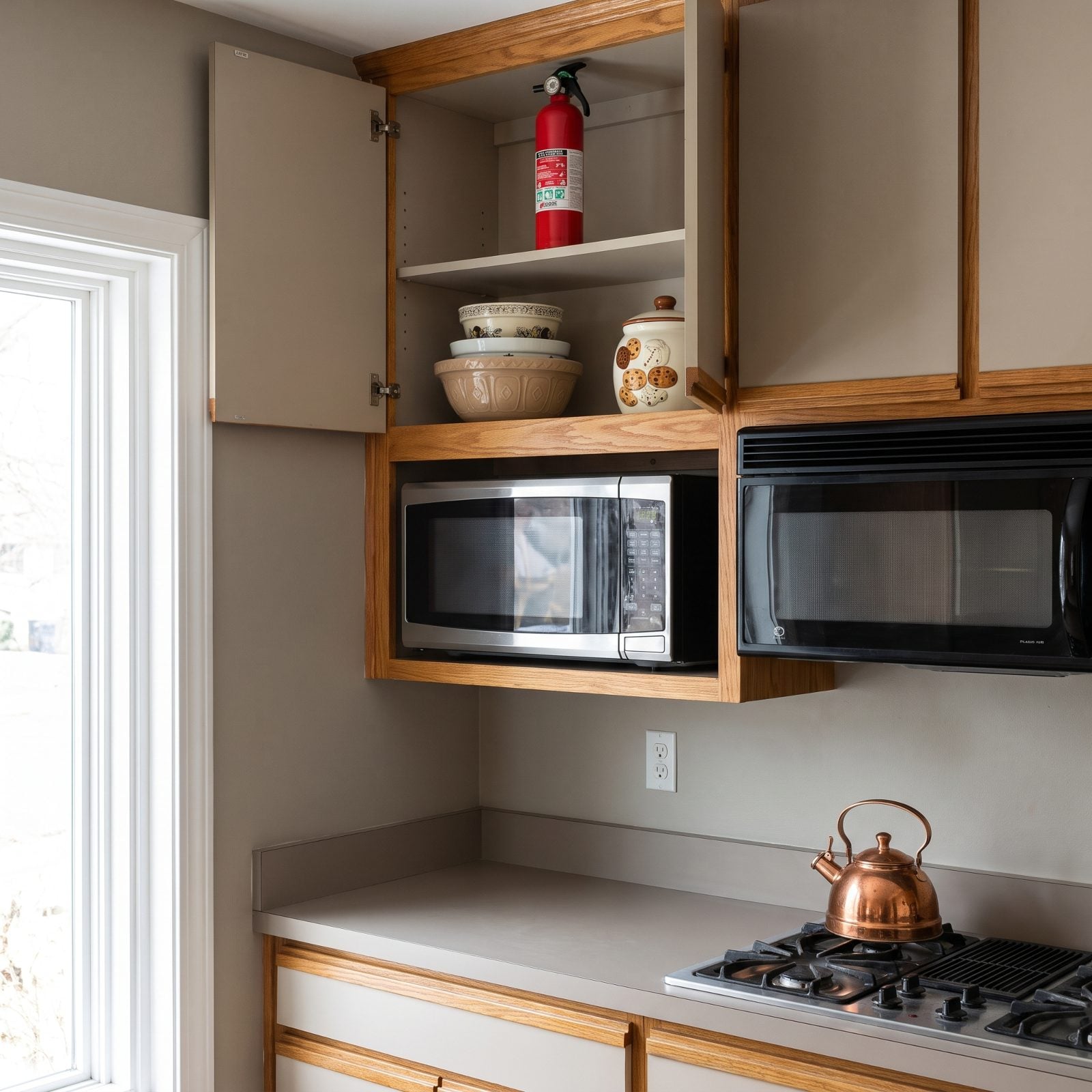
Buying a fire extinguisher and shoving it in the back of a closet is the kind of thing that feels responsible and helps nobody. A grease fire gives you seconds, not minutes. If you have to dig past snowshoes and a vacuum to find the thing, it may as well be back at the hardware store.
Mount one near the kitchen and another near the woodstove, both on the wall where you can grab them in the dark. Check the gauge now and then, keep the needle in the green, and make sure everyone staying at the cabin knows where they are and how to pull the pin.
25. Arriving Without Emergency Drinking Water
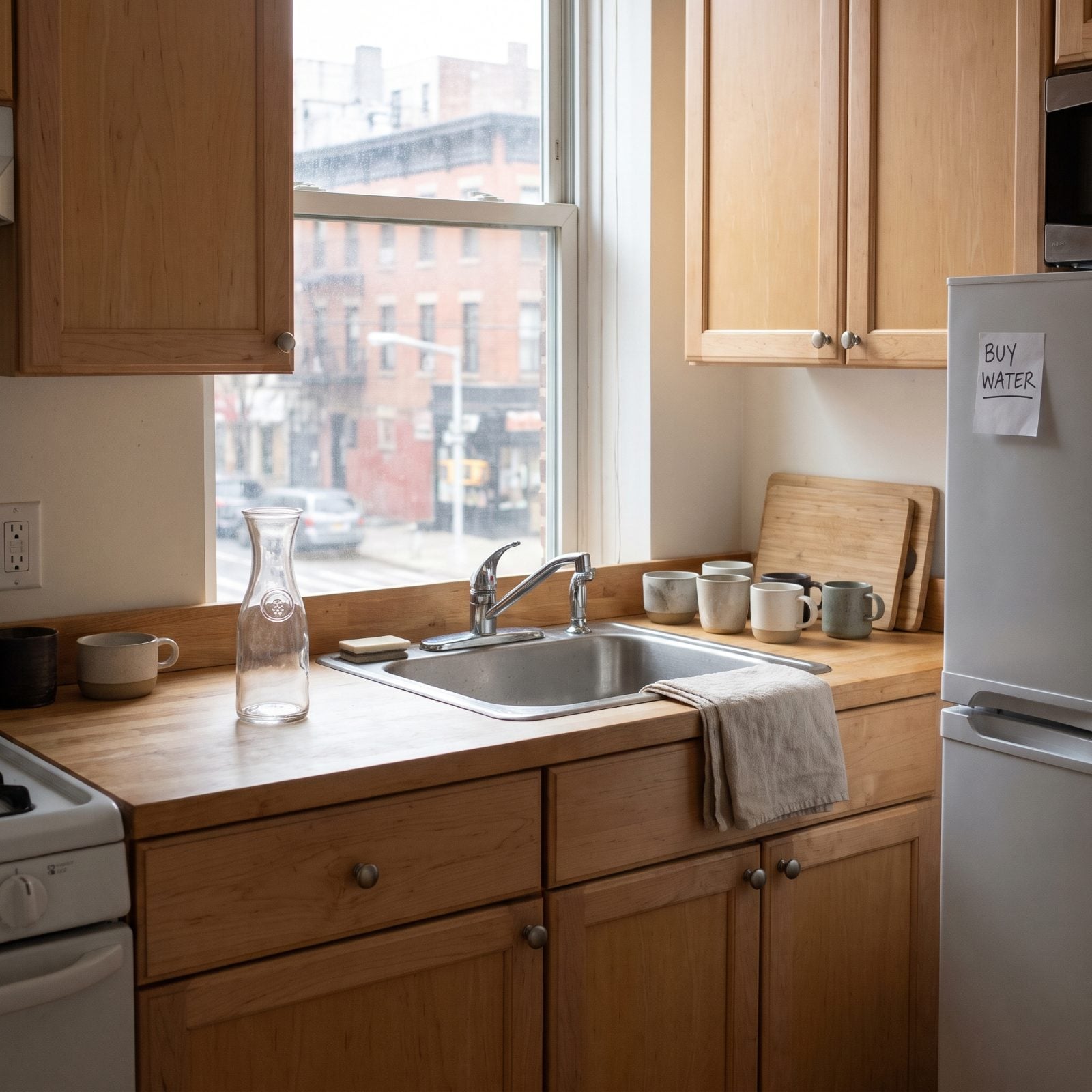
City habits don’t survive a cold snap. A cabin on a well loses water the second the power quits, because the pump needs electricity, and a cabin on frozen lines loses it when the pipes ice over. Either way you turn the tap and nothing comes out, and now you can’t drink, cook, or flush.
Keep a few days of drinking water stored before winter sets in — a gallon per person per day is the old rule of thumb. Store some extra in jugs for flushing. A cabin without running water is a camping trip you didn’t plan, and the first thing you’ll miss is the simplest.
24. Ignoring Gaps Around Doors and Windows
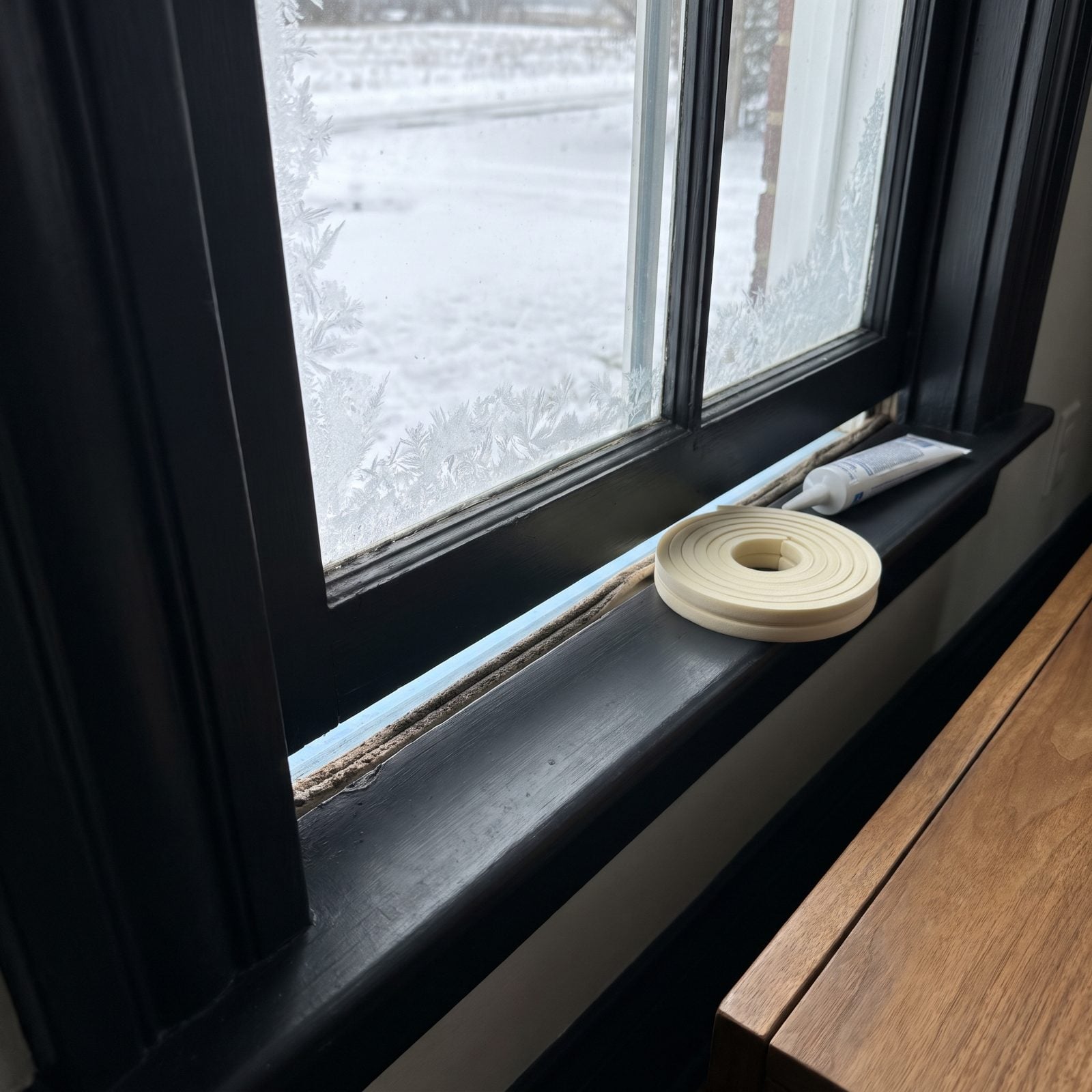
Cold doesn’t kick the door down. It seeps. A finger-width gap under a door or cracked weatherstripping around a window bleeds heat all winter, and you pay for it in firewood and propane without ever seeing where it went. Hold a lit candle near the frame on a windy day and watch the flame lean toward the leak.
Caulk the fixed gaps, swap out crumbling weatherstripping, and add a door sweep where the draft comes in under the threshold. A Saturday afternoon of work, and it’s the cheapest upgrade in the whole place.
An old cabin will never be airtight, and you don’t want it to be — a little air exchange keeps the place from getting stuffy. But there’s a difference between breathing and bleeding. Close the big leaks and let the small ones be.
23. Blocking Soffit Vents and Trapping Roof Moisture
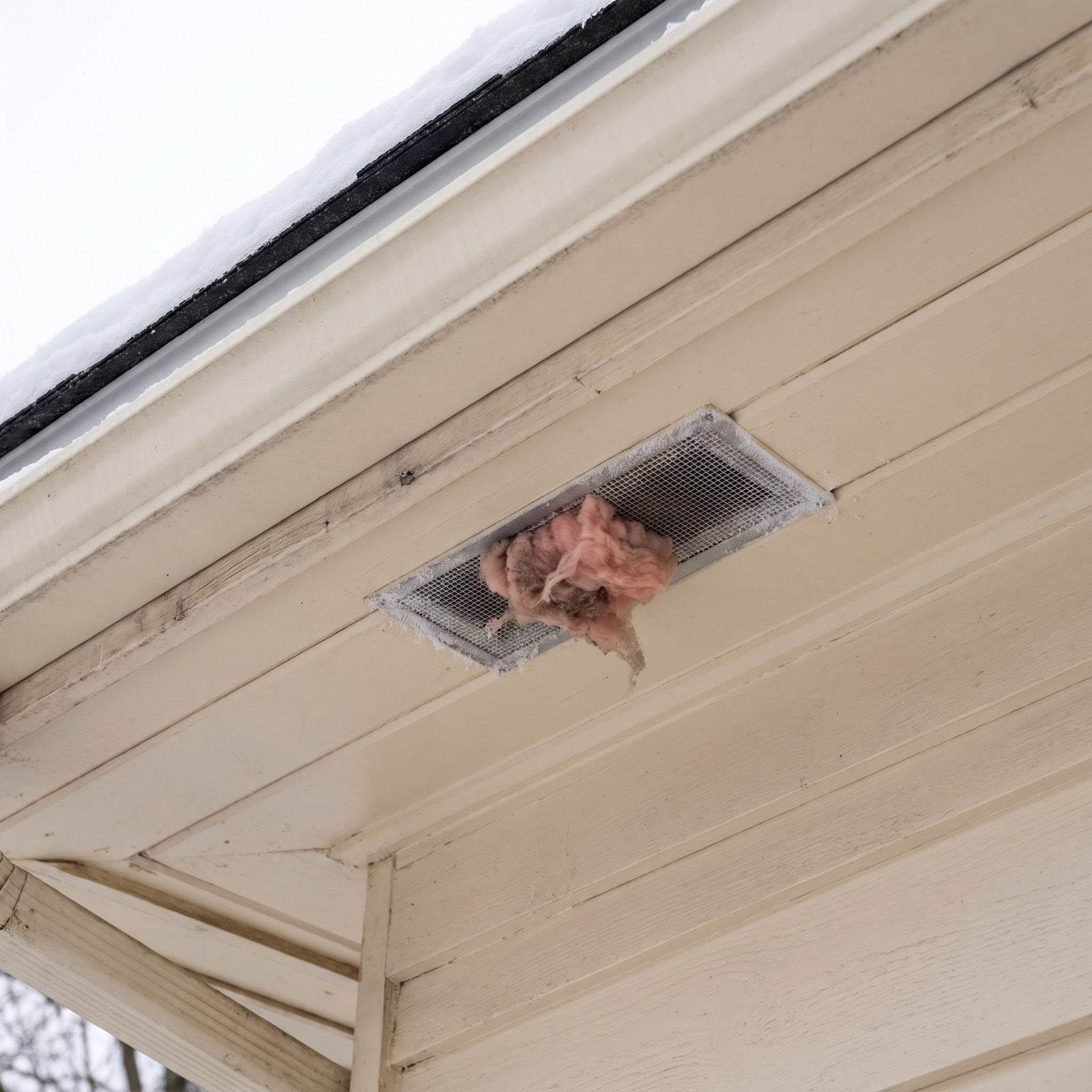
You crank the heat, the attic warms, and that warm moist air needs somewhere to go. If your soffit vents are stuffed with insulation or painted shut, it goes nowhere — it condenses on the cold underside of your roof deck and sits there all winter.
That’s how you get soft sheathing, black mold, and insulation that mats down and quits doing its job. By spring the damage is already done, hidden above your head where you won’t think to look until a stain shows up on the ceiling.
So walk the eaves before the snow flies. Pull any insulation that’s crept into the vent slots, add baffles so there’s a clear channel from soffit to ridge, and make sure the ridge vent isn’t buried. Cold attic, dry roof. That’s the whole trick.
22. Leaving Gutters Packed With Autumn Debris
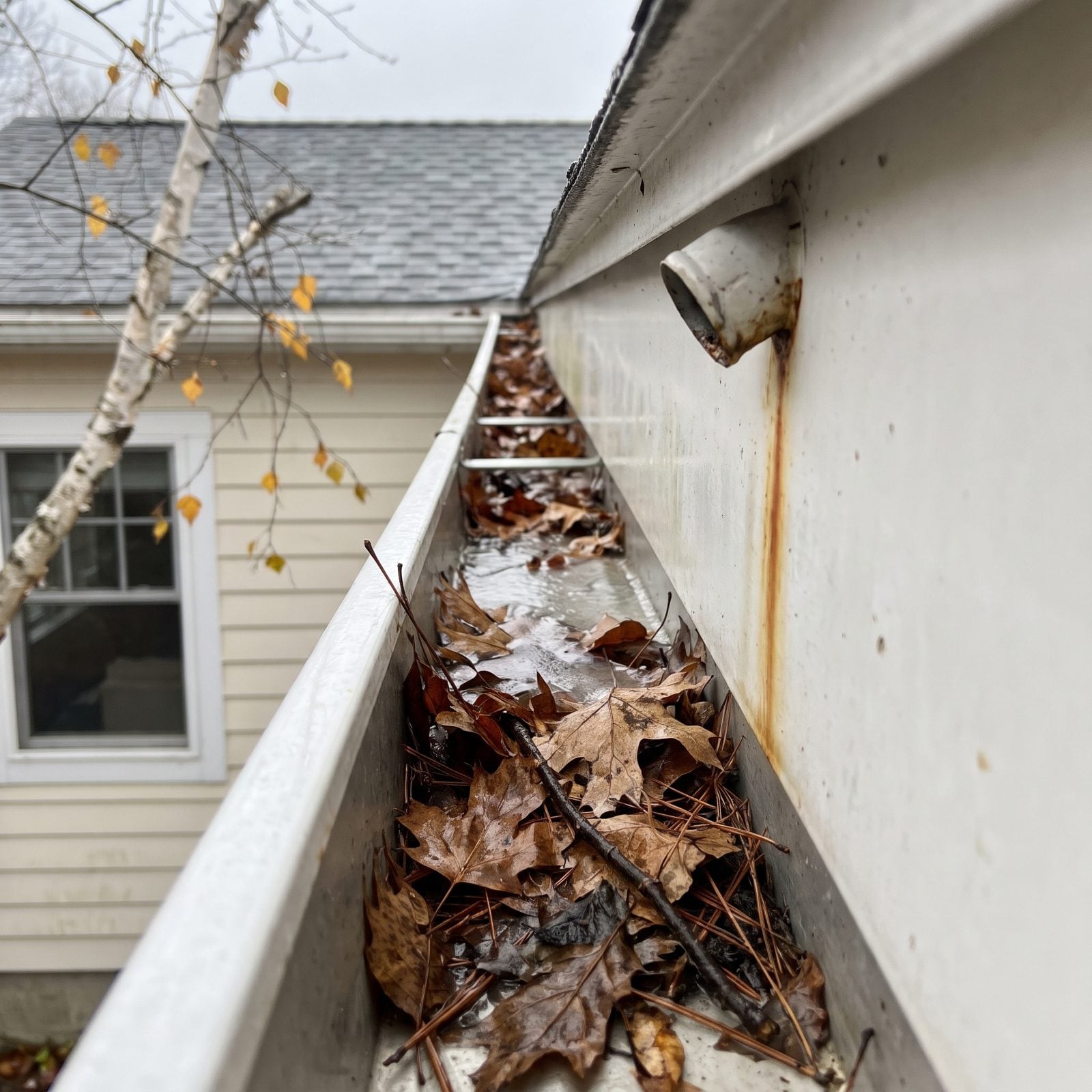
Those gutters full of leaves looked harmless in October. Then the first freeze turned them into a dam.
Water that can’t drain backs up under your shingles and freezes along the eave, and come the thaw it finds its way into the fascia and down the interior wall. A clogged gutter in a cold climate isn’t a lawn chore you skipped — it’s the opening act of an ice dam.
Clear every run before the ground freezes. Flush the downspouts, make sure they carry water well away from the foundation, and check the hangers while you’re up there. I put this off one fall and spent the next one replacing a rotted corner board. Learn from that.
21. Ignoring Roof Snow and Ice-Dam Warning Signs
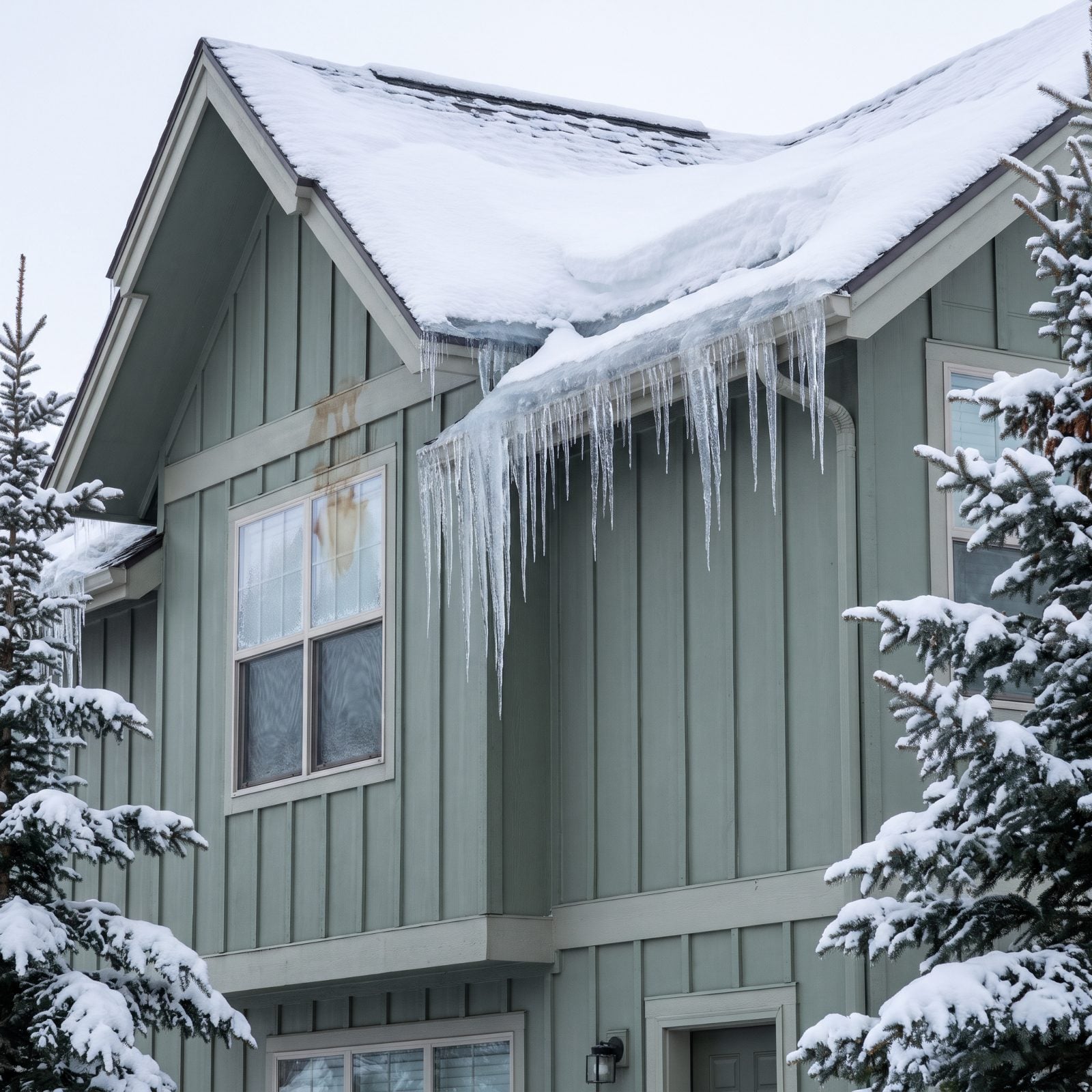
Icicles the size of your arm are not charming. They’re a bill.
A row of heavy icicles along one eave means snow is melting from below, running to the cold edge, and refreezing. That ridge of ice traps the next round of meltwater and shoves it up under your shingles. Watch for brown stains spreading on the ceiling or paint bubbling where wall meets roof.
After every big storm, pull snow off the lower few feet of roof with a long-handled rake, working from the ground. Never climb up to chip at ice — that’s how people fall. The lasting fix is a cold attic: air sealing and insulation so heat never reaches the roof deck in the first place.
20. Leaving the Crawlspace Open to Arctic Air
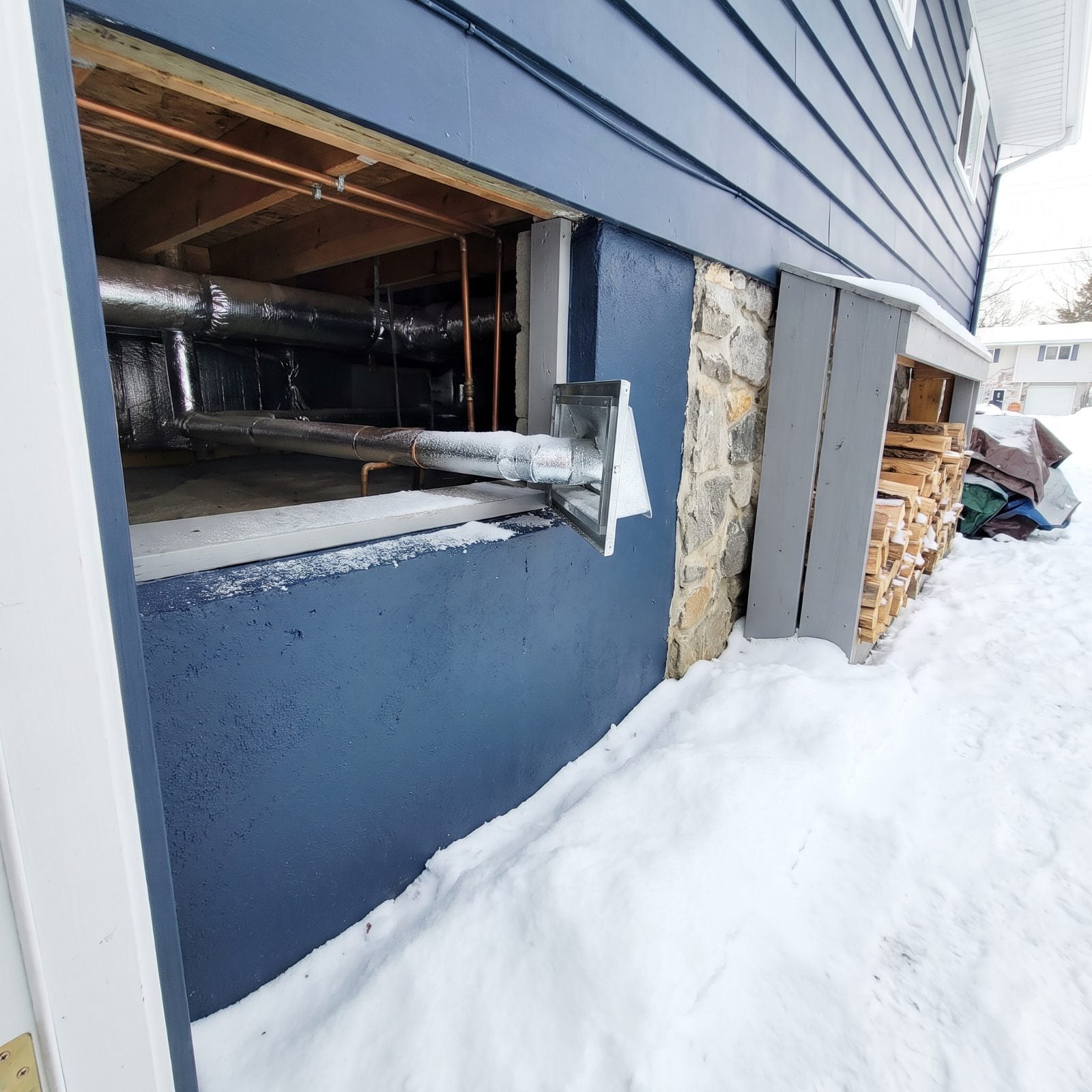
Summer crawlspace vents keep things dry and breezy. Leave them gaping in January and you’ve built a wind tunnel straight across your water lines.
The floor goes cold, the pipes freeze, and that first burst happens at the worst possible time — usually while you’re two hours away with your boots off. A crawlspace open to arctic air is the most common reason a cabin’s plumbing dies over winter, full stop.
Close or insulate the vents before hard freeze. Seal gaps in the skirting, wrap exposed supply lines with pipe insulation and heat tape rated for the job, and leave a safe heat source if the space holds plumbing. And check that a fallen skirting panel hasn’t left a hole. Cold air finds every one.
19. Failing to Mark the Driveway and Culvert Edges
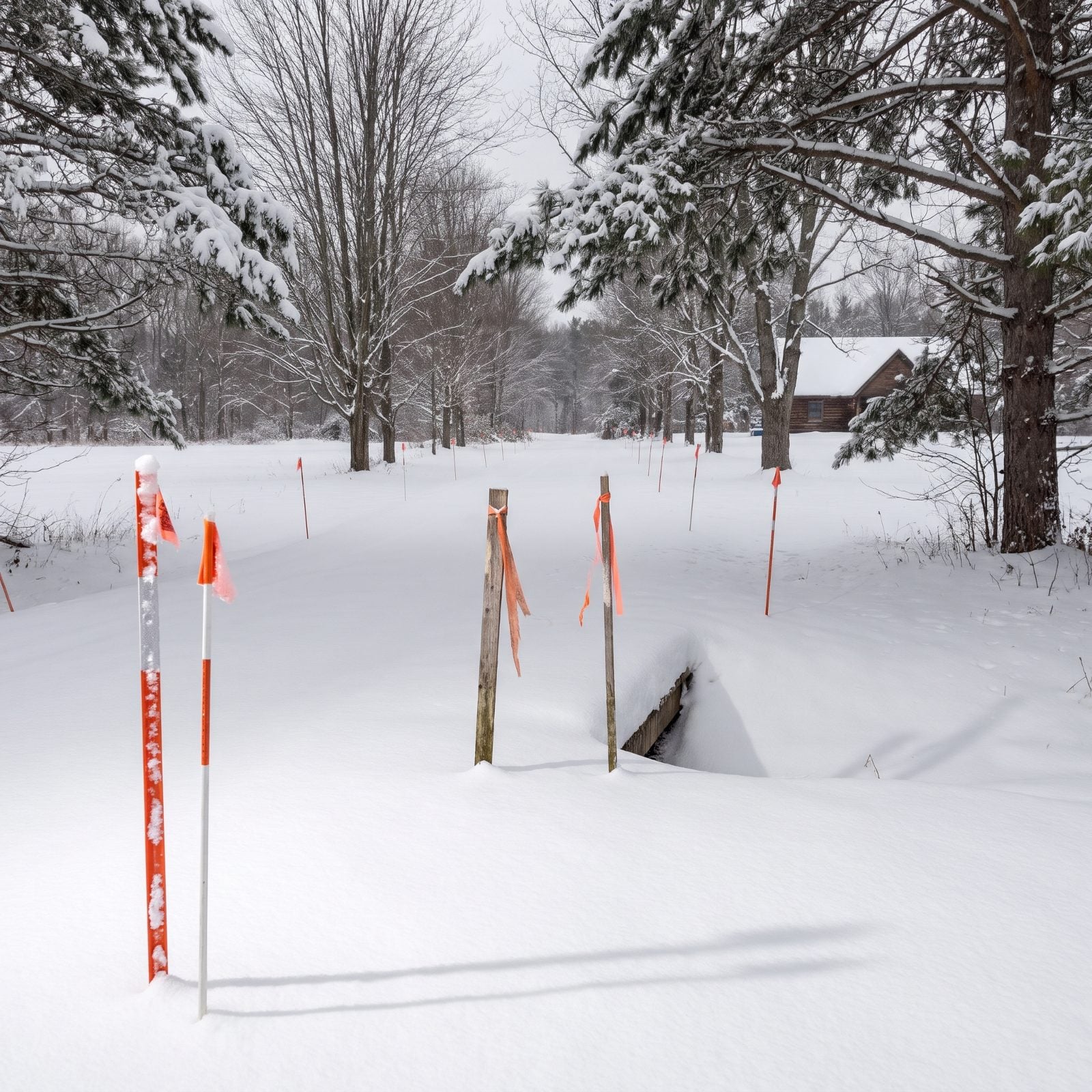
Fresh snow erases everything — the gravel edges, the ditch, the shoulder where solid ground drops off into a culvert. It all reads as one smooth white surface, and you’ll find the soft spot with a tire.
A plow driver who doesn’t know your lane can tear up turf, clip the culvert, or drop a wheel into the ditch. And a dropped wheel on a remote drive means a tow truck you’ll wait hours for, assuming you can even reach one.
Set reflective markers along both edges before the snow, with taller ones flanking any culvert or steep shoulder. Space them close enough that you always see the next two ahead. A few dollars and an afternoon, and the plow guy stops having to guess where your driveway actually runs.
18. Waiting for the First Storm to Hire a Plow
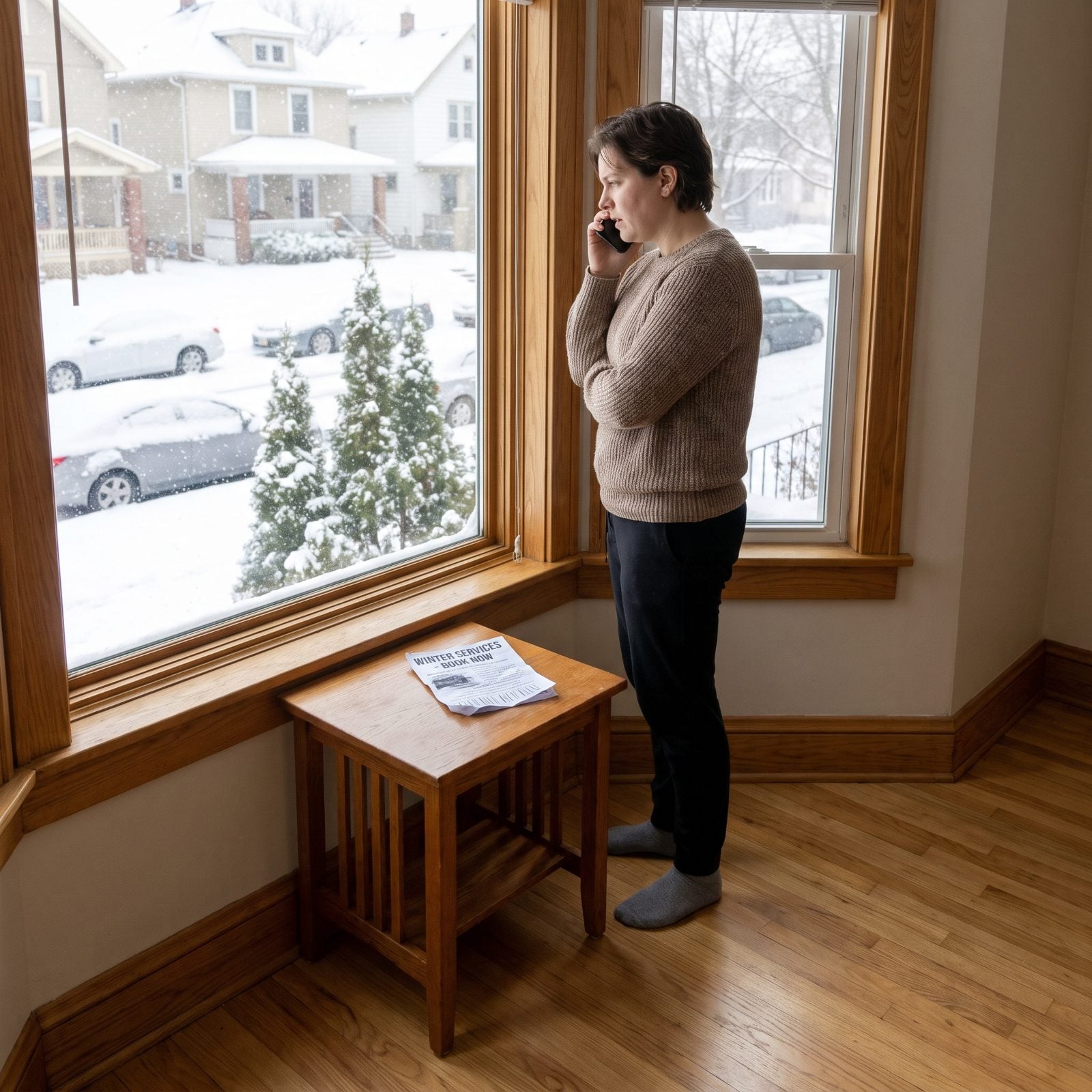
You figure you’ll call a plow when it snows. So does everyone else on your road. By then the good operators are booked solid and running two days behind.
Which leaves you snowed in, or shoveling a hundred feet of driveway by hand — which is exactly how people over 40 end up with a cardiac scare in January.
Line up a contractor in the fall, before a single flake has fallen. Settle the price, the trigger depth, and whether they do per-push or seasonal. Walk the lane with them so they know your edges and where you want the snow piled. A handshake in October beats a voicemail into a whiteout.
17. Parking Where Roof Snow or a Plow Can Trap the Vehicle
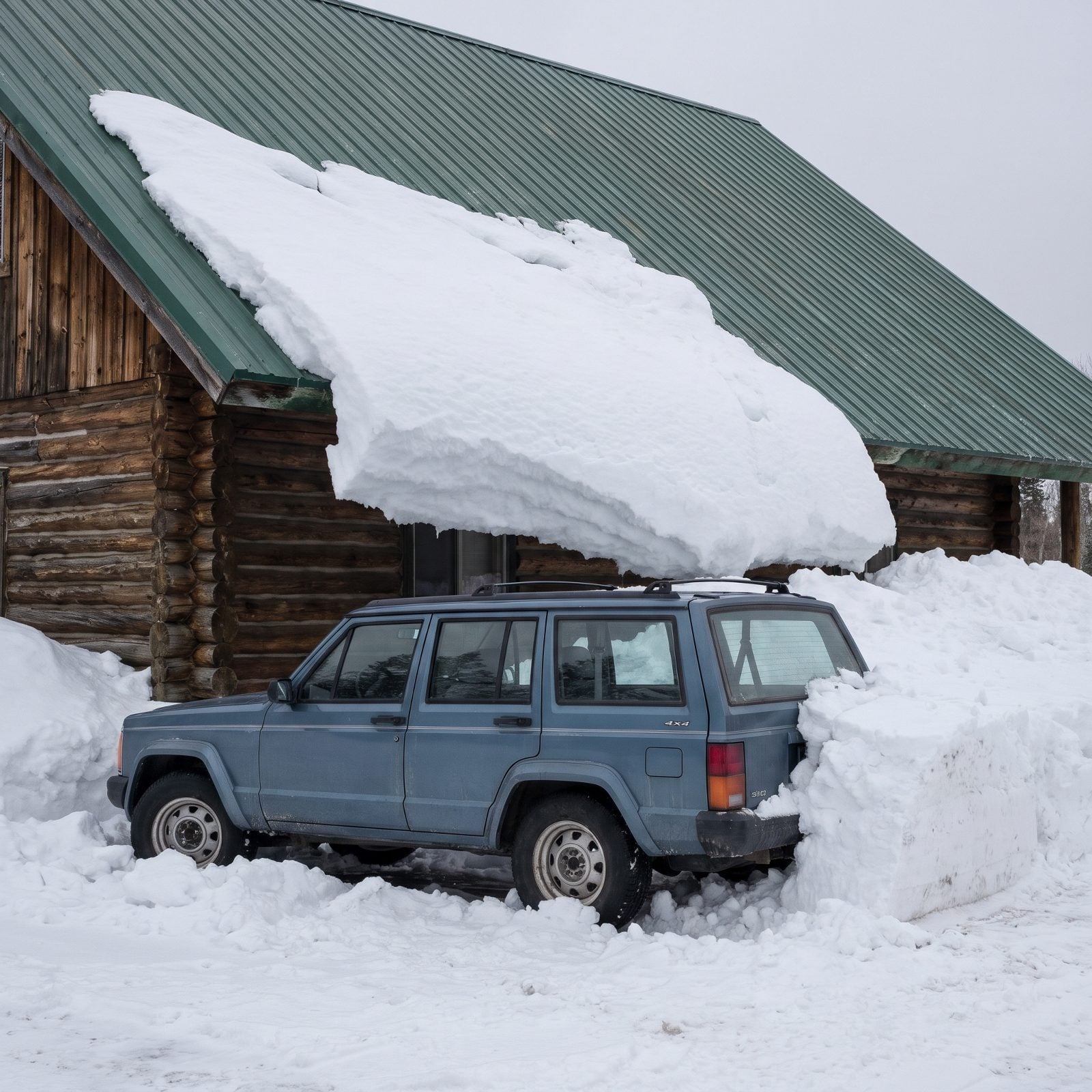
Metal roofs shed snow in one sudden avalanche, usually on the first warm afternoon. Park under that eave and you’ll come back to a windshield and hood buried under a few hundred pounds of it.
The other trap is quieter. The plow comes through, pushes a wall of snow behind your bumper, and now you’re dug in until you find a shovel and your patience.
Park clear of the drip line on any sloped roof, especially steel. Tell your plow where to stack snow so it never walls you in. And back in when you can — that way, if you do have to dig out, you’re only clearing one end.
16. Driving In Without Snow Tires or Chains
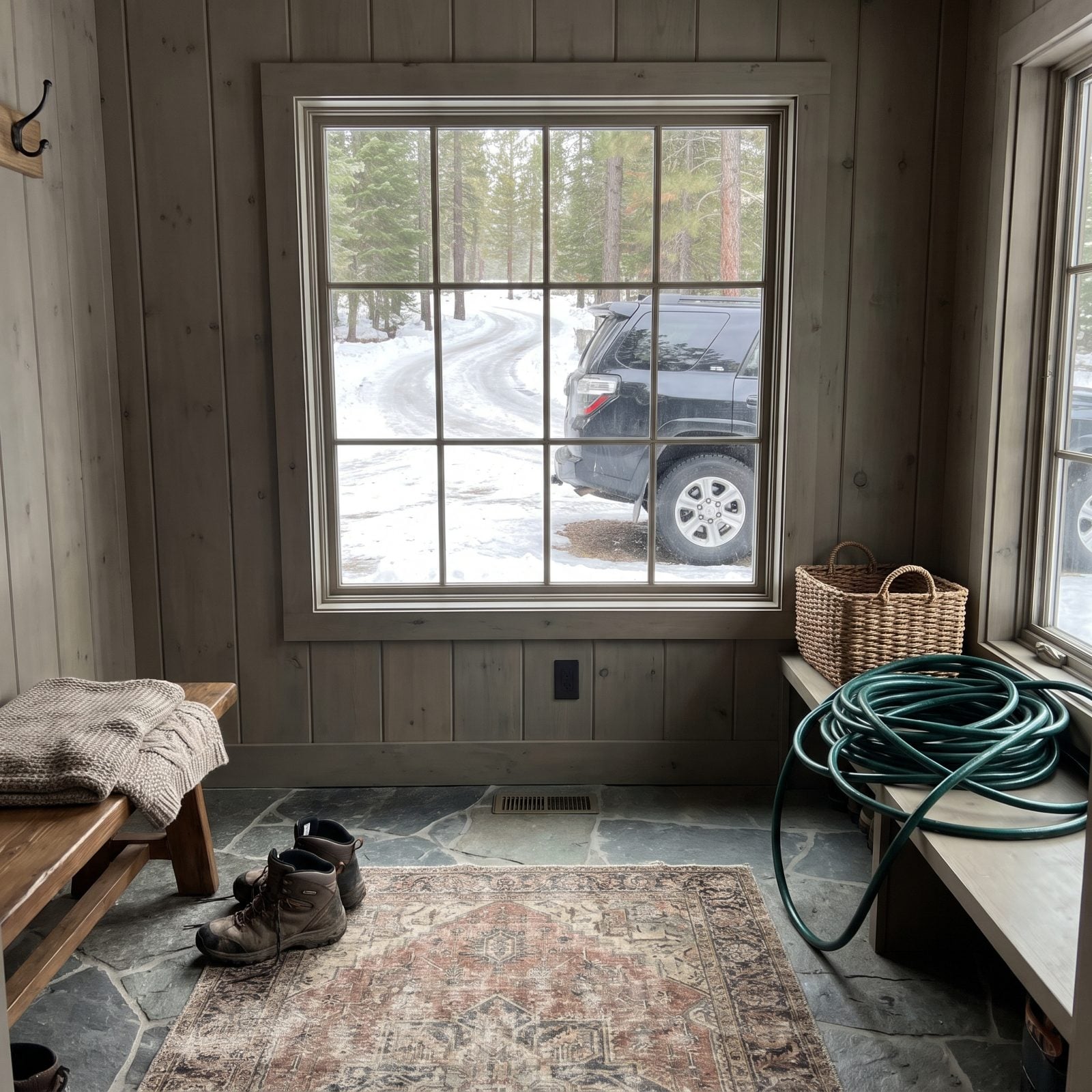
All-season tires are a polite lie. On a packed snow grade they turn into hockey pucks, and most cabin access roads have at least one hill that matters.
Spin out halfway up and you’re sideways in the ditch, blocking the only way in or out. A set of dedicated winter tires — the kind stamped with the mountain-snowflake symbol — is the best money you can spend on getting in and out safely.
Run them on all four. Keep a set of chains in the trunk for the days the road turns to glare ice, and know how to put them on before you’re doing it in the dark with numb fingers. Practice in the driveway once. Future you will be grateful.
15. Letting the Vehicle’s Fuel Tank Run Low
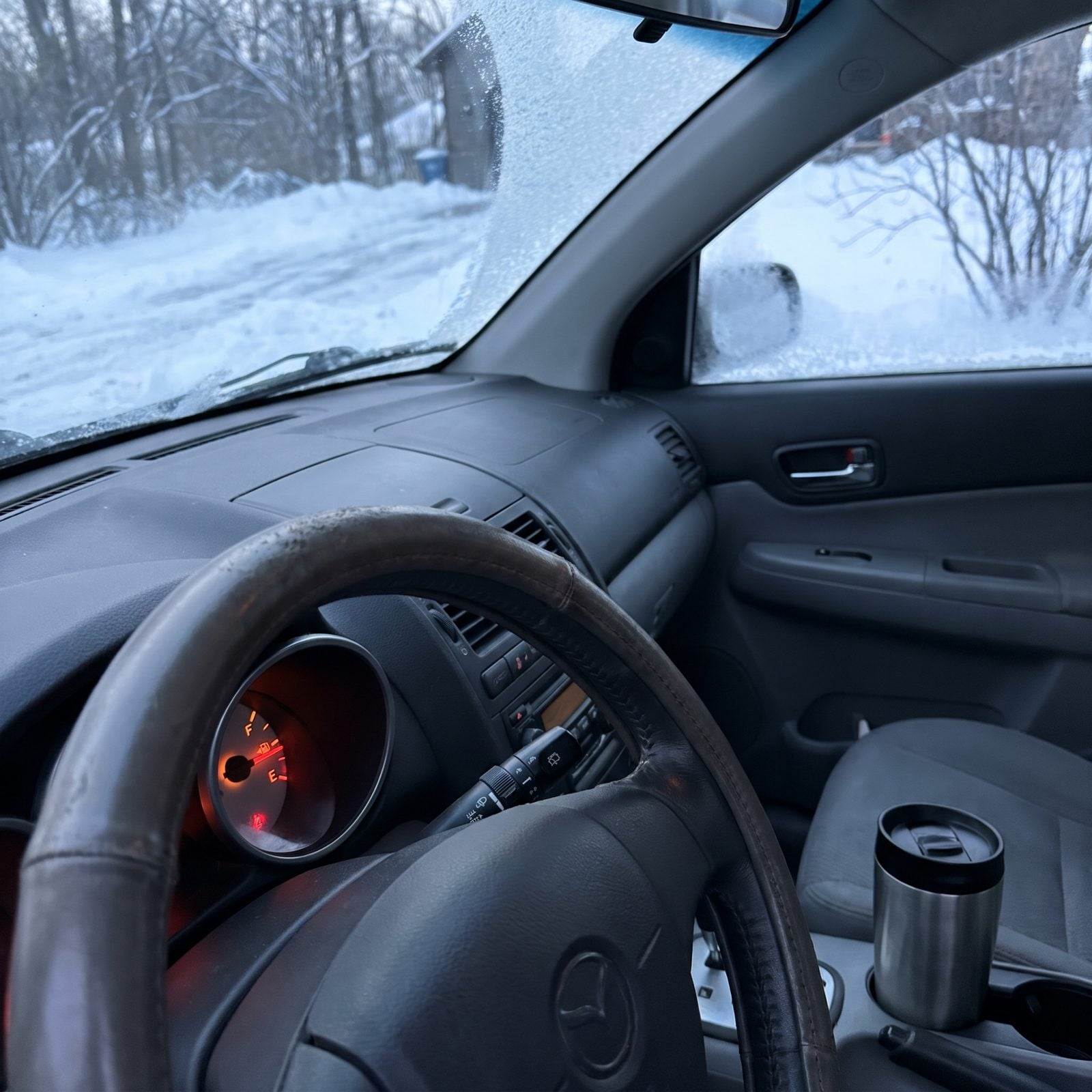
Running the tank down to a quarter all summer is a city habit. Out at the cabin, the gas station is twenty minutes off and might be closed, and a stranded car with no fuel is a car with no heat.
Keep it at least half full all winter. A fuller tank means fewer trips in bad weather, it cuts down on condensation and fuel-line freeze, and if you ever get stuck it buys you hours of running the engine for warmth. Fill up before you leave town, not after. Alright, go top it off.
14. Skipping a Cold-Weather Vehicle Emergency Kit
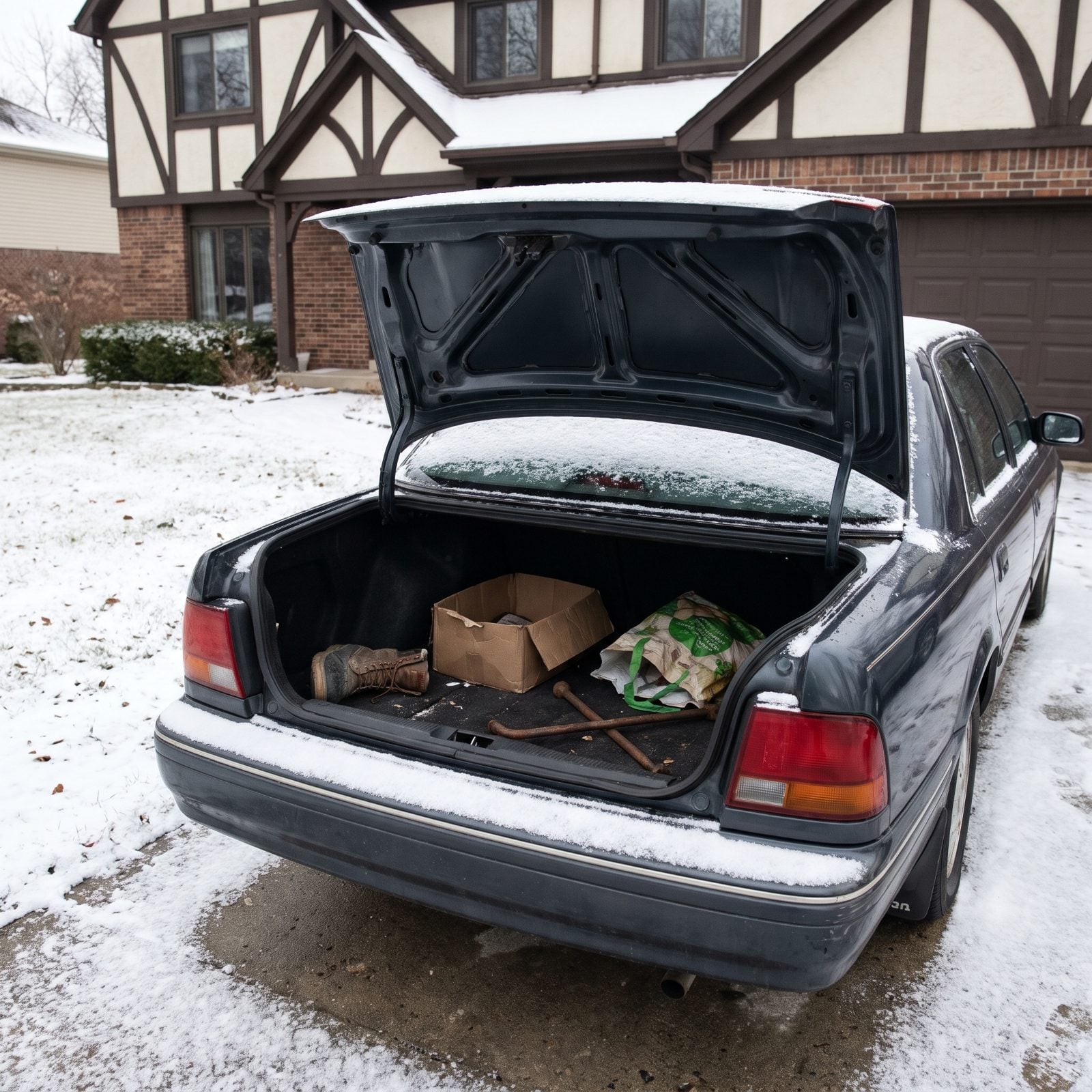
Nobody plans to be stuck on a back road at dusk with the temperature dropping. That’s exactly why you pack for it in October.
A proper cold-weather kit lives in the trunk from first freeze to spring thaw. Build it once and forget it until you need it:
- A wool blanket and extra hat and gloves, because heat loss is the real danger when you’re stranded.
- A folding shovel plus a bag of sand or cat litter for traction under a stuck tire.
- Jumper cables, a flashlight with spare batteries, water, and a few dense snacks.
Add a charged power bank for your phone and a basic first-aid kit. It weighs almost nothing and takes up a corner of the trunk, and the one time it earns its keep, it earns it completely.
13. Assuming Cell Service Will Work During a Storm
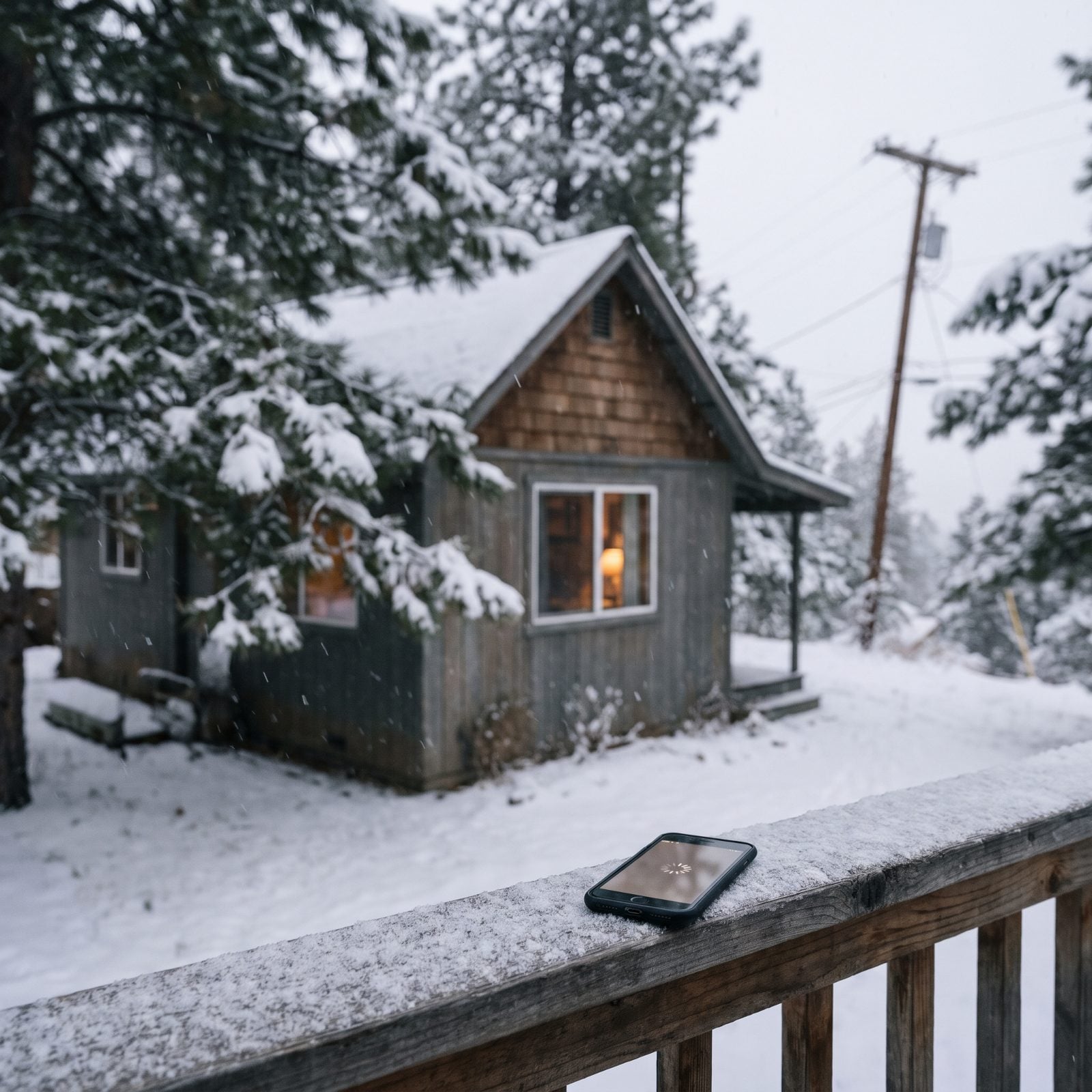
You pull into the driveway for your first December weekend, snow coming sideways, and you check the bars out of habit. One flickering notch, then nothing. The tower on the next ridge is overloaded, iced, or offline, and your plan to call for a plow or a doctor just evaporated.
That gap always shows up at the worst possible moment, because storms knock out cell service right when roads close and pipes freeze.
Fix it before you ever need it. Get a satellite messenger or a satellite phone, keep a landline if the line still exists, and find the one reliable signal spot on the property. I spent a whole winter convinced the hill behind the woodshed had service. It does not.
12. Having No Plan if the Only Access Road Closes
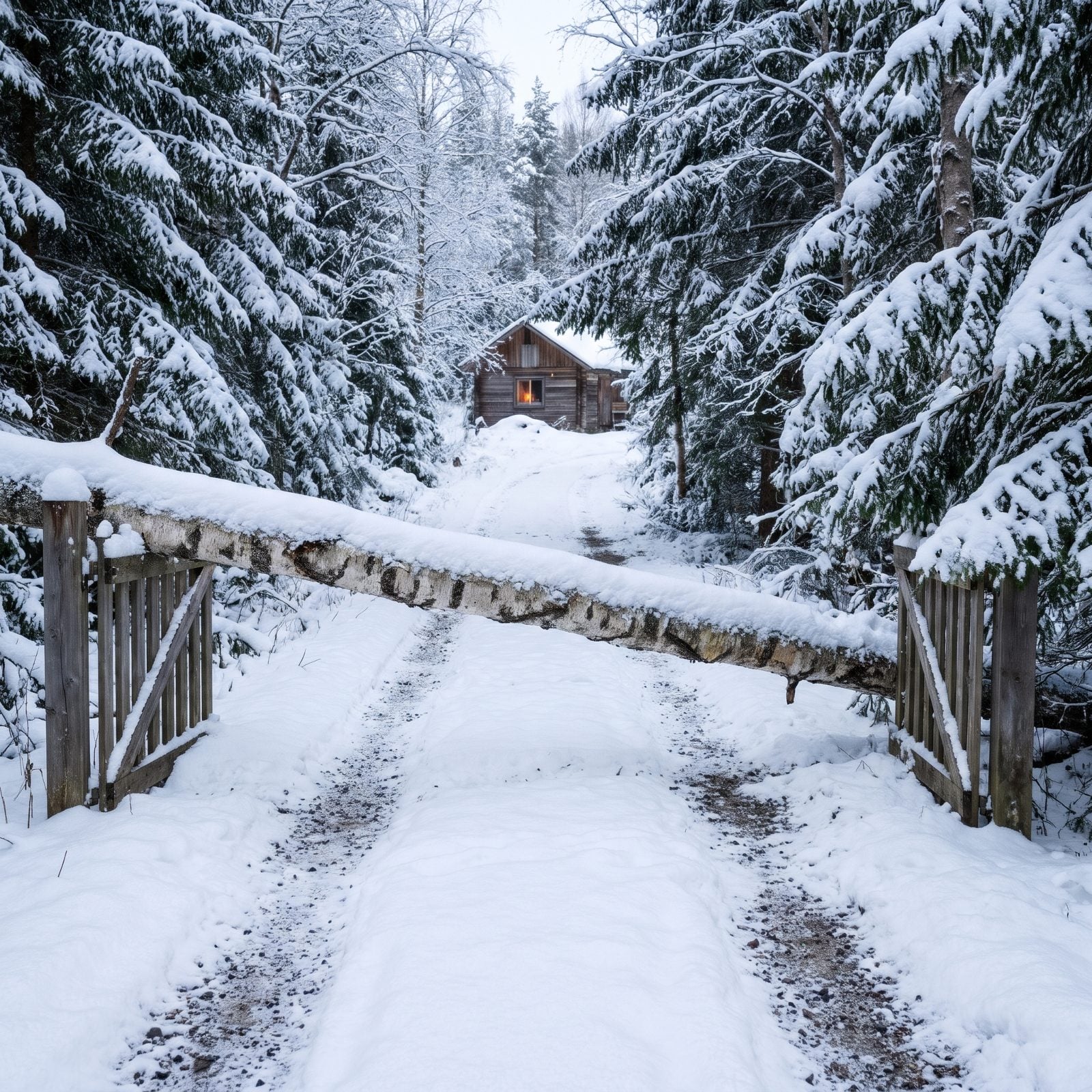
Most cabins hang off one road. One culvert, one grade, one tree that decides to come down across it. When that road closes you’re either stuck in or stuck out, and neither one is fun.
Picture it. Friday night, a limb drops across the lane two miles up, and the county won’t touch a private road. You can’t get in. And if you were already inside, you can’t get out until the spring equipment finally shows up.
So walk the road in fall and note the pinch points, the steep sections, the single bridge that worries you. Keep a chainsaw, a tow strap, traction boards, and a bag of sand in the truck. Trade phone numbers with whoever plows nearby. Sort all this out before the snow flies, because calling around during a storm is how you lose a whole night.
11. Leaving the Cabin Address Hidden From Responders
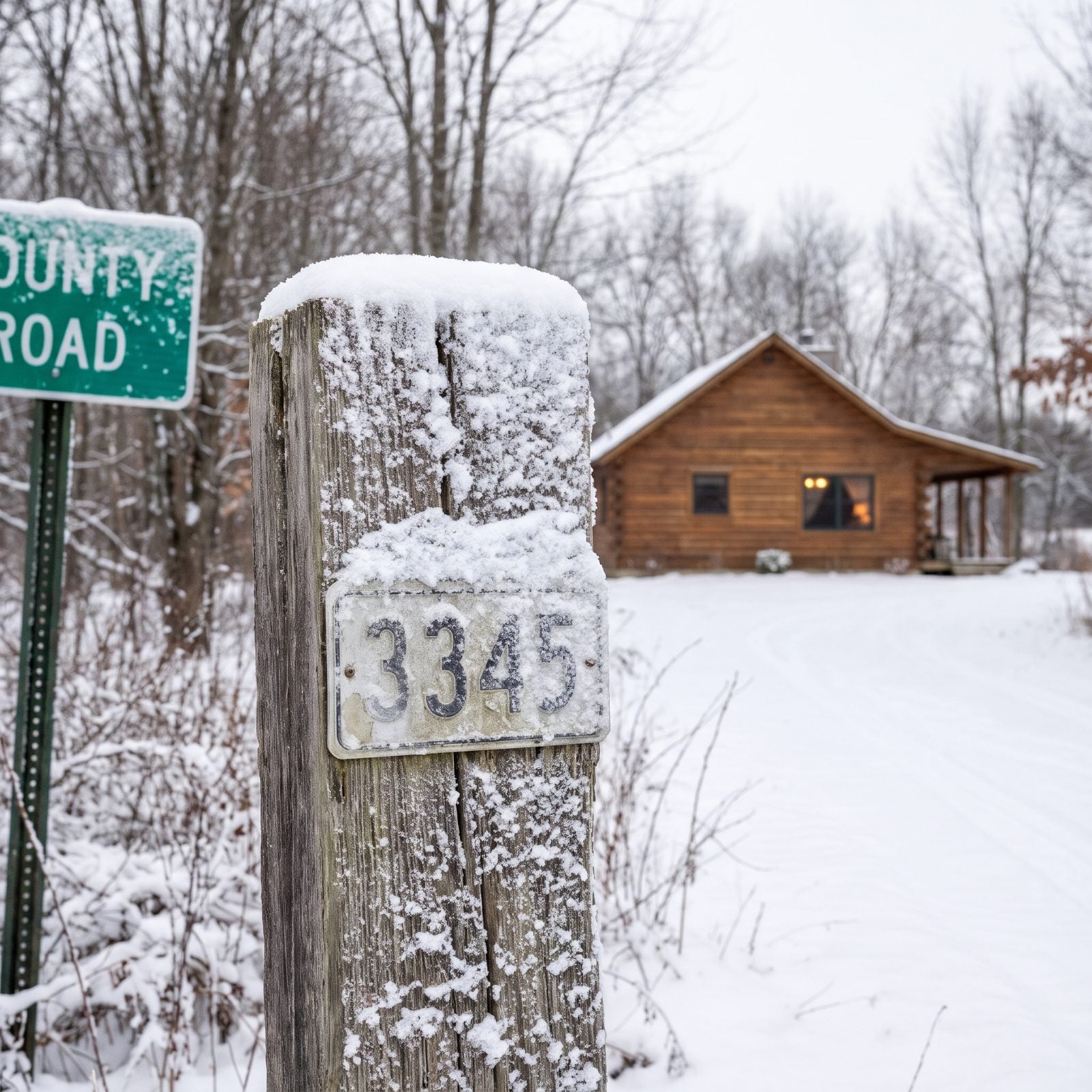
An ambulance can’t help an address it can’t find. Rural cabins sit behind unmarked drives, down shared lanes, past three identical mailboxes, and at night in a snowstorm the driver is just guessing.
The cost shows up in minutes you don’t have, with a crew circling to find a number buried under a drift.
Post reflective address numbers at the road and again at the cabin. Register your location with the county 911 office and ask them to put your GPS coordinates on file. Drop a pin and save it in your phone. Then — and people forget this part — clear the snow off the sign after every storm, because a marker you can’t read is the same as no marker at all.
10. Ignoring Dead Trees and Hanging Limbs Near the Cabin
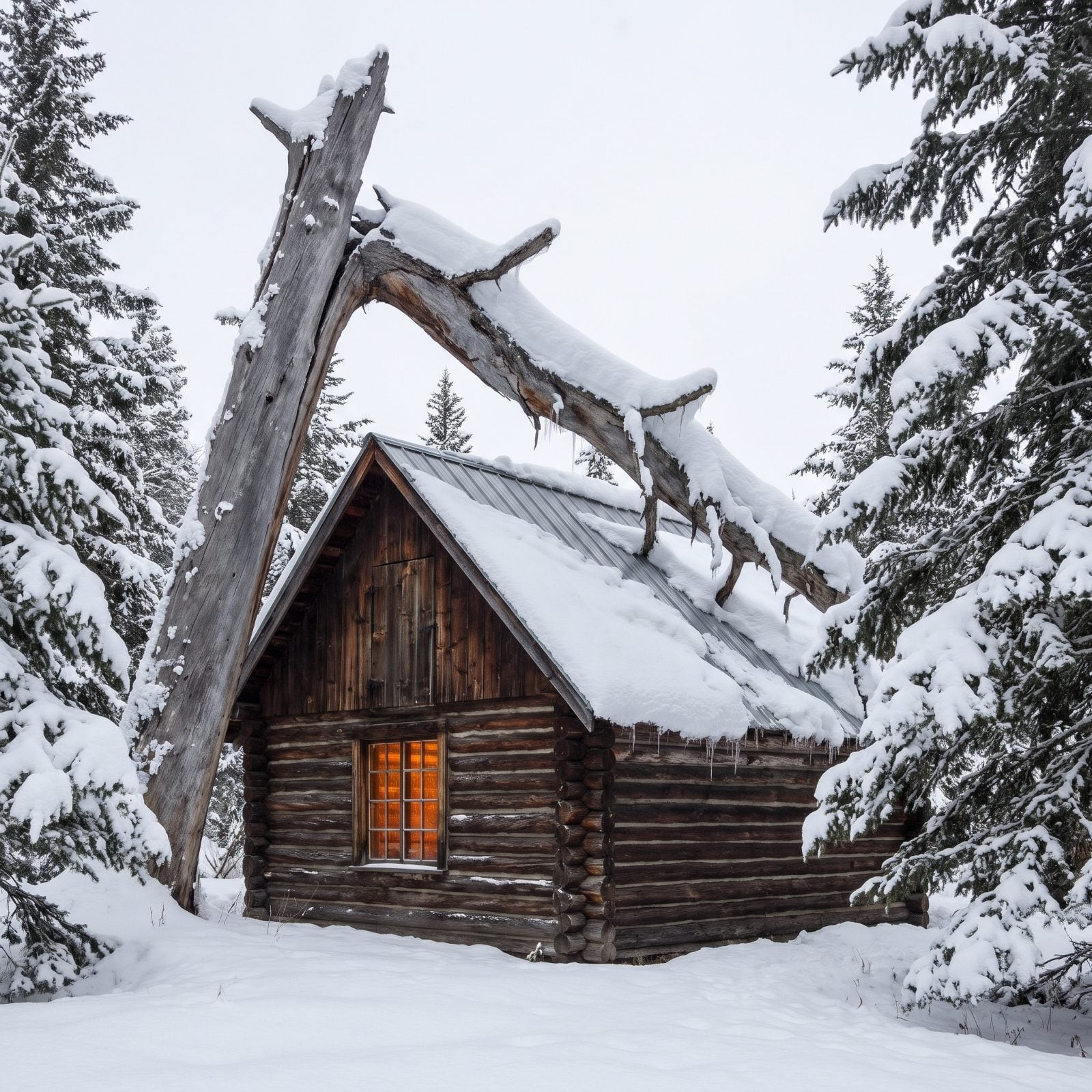
Snow and ice are patient. They load every branch, find the weak trunk, and wait for the gust. A dead tree that stood fine all summer becomes a thousand pounds of leverage aimed straight at your roof.
You’ve seen the aftermath on a neighbor’s place — a limb through the eave, a tarp over the hole, a whole spring spent on repairs that a chainsaw could have prevented back in October.
Walk the perimeter before the first snow. Look for dead crowns, split trunks, limbs that hang over the roof or the parking spot. Take down the obvious hazards yourself if they’re small, and hire an arborist for the tall ones leaning toward the cabin. I lost a shed to a widow-maker I’d been ignoring for two years. Don’t be me.
9. Leaving Food and Trash Where Wildlife Can Reach It
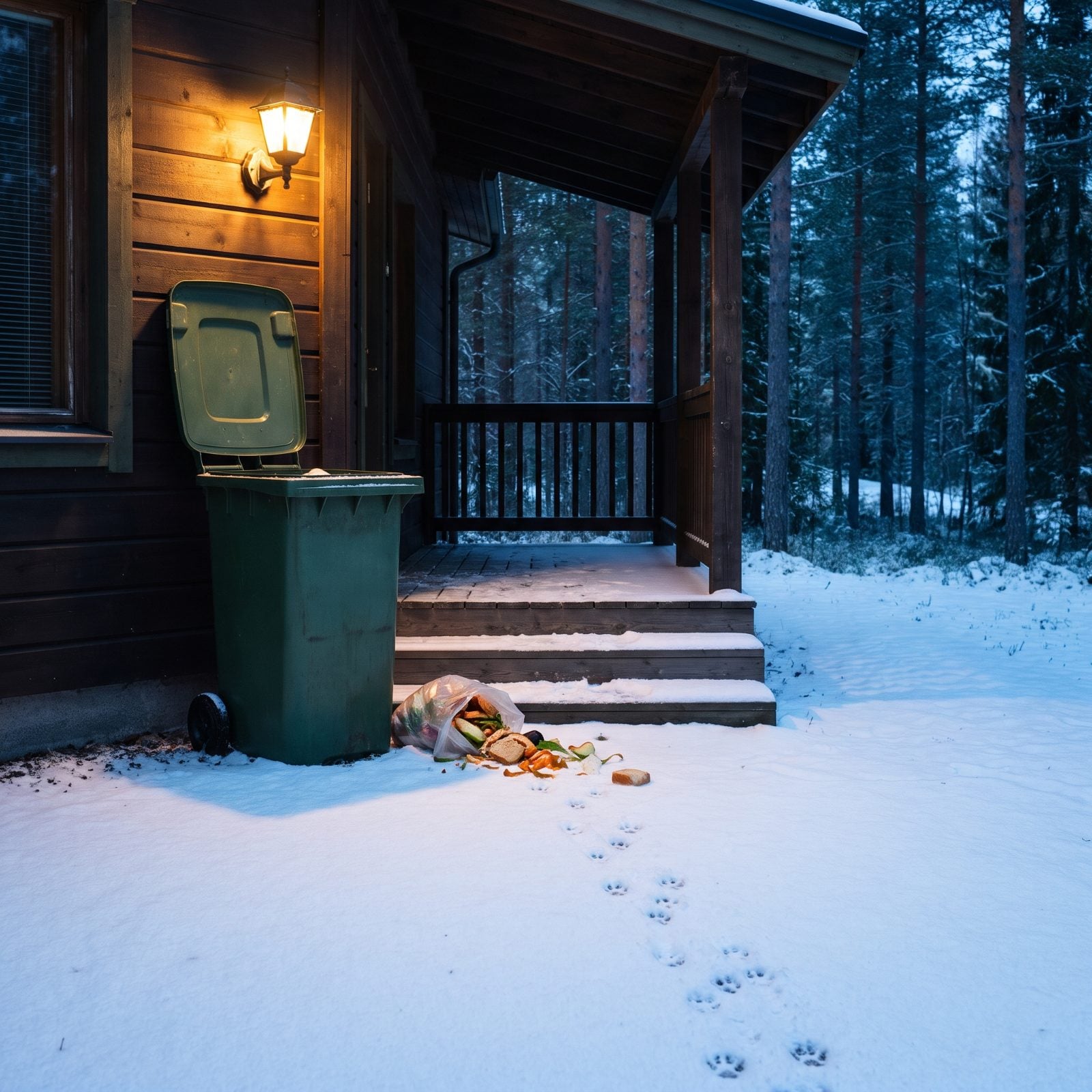
Winter doesn’t put every animal to sleep. Mice, raccoons, foxes, and across much of the country a bear roused by a warm spell — they all still forage, and an easy porch reads as an open invitation.
Leave a bag of trash or a bird feeder out and you’ve trained something to keep coming back. That repeat visitor eventually means a torn screen or a busted door.
Store trash in a sealed, hard-sided bin indoors or in a locked outbuilding. Haul garbage out when you leave instead of letting it ripen over a vacancy. Keep pet food and grease inside. Pull feeders in bear country. Clean the grill. You want a cabin that smells like nothing worth the walk.
8. Ignoring Mouse-Sized Openings Around the Cabin
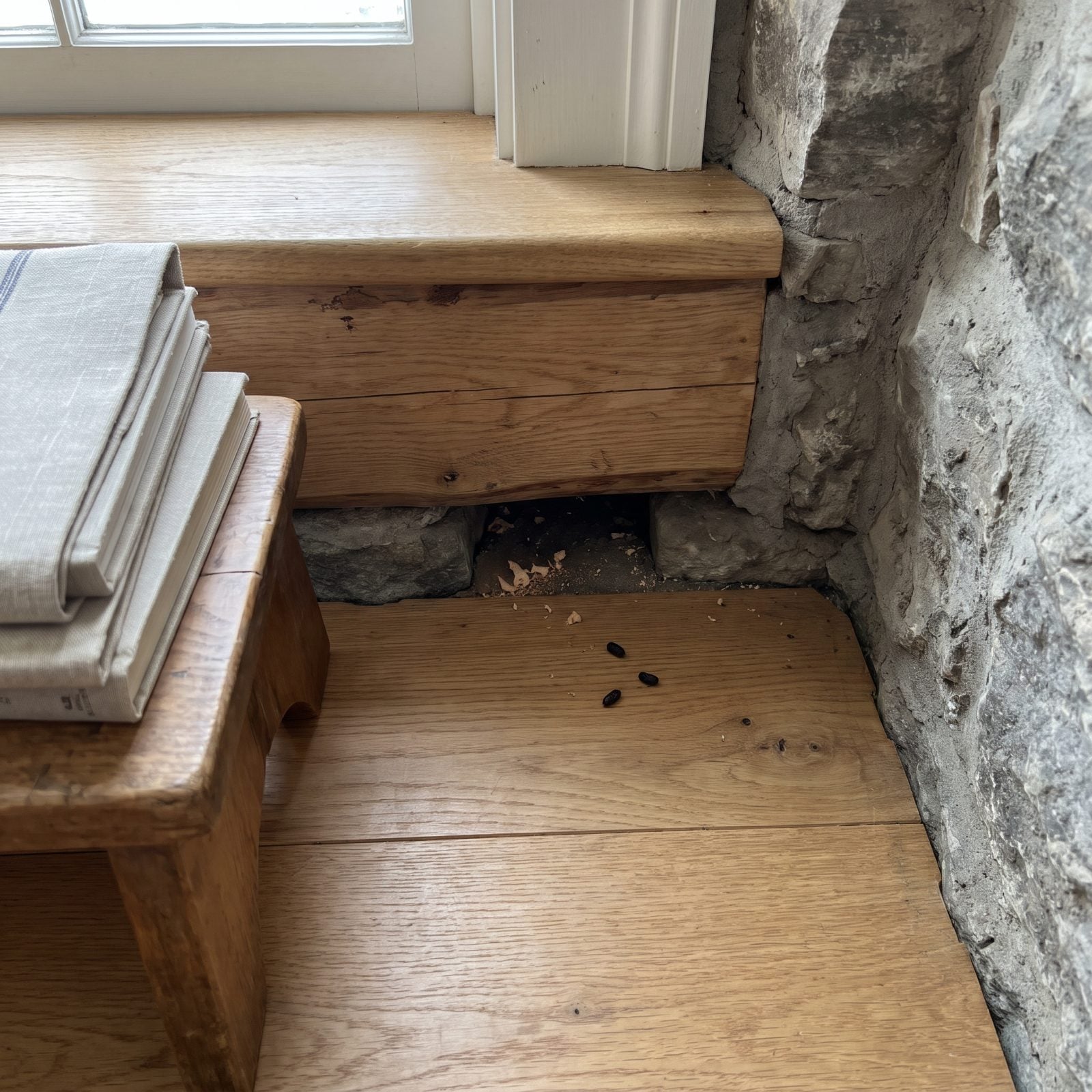
A mouse fits through a hole the size of a dime. Chew on that the next time you shrug at a gap by the sill log or the dryer vent. No open door required — just the dime.
Once inside, they nest in the insulation, gnaw the wiring, foul the silverware drawer, and leave a mess that greets you come spring. And chewed wiring isn’t a nuisance. It’s a fire risk.
Get down on your hands and knees in daylight and find the light coming through. Pack copper mesh or steel wool into the gaps, caulk the small ones, screen every vent. Check where pipes and wires pass through the walls. Mice follow the warmth, and your cabin is the warmest thing for a mile in any direction.
7. Failing to Confirm Winter and Vacancy Insurance Coverage
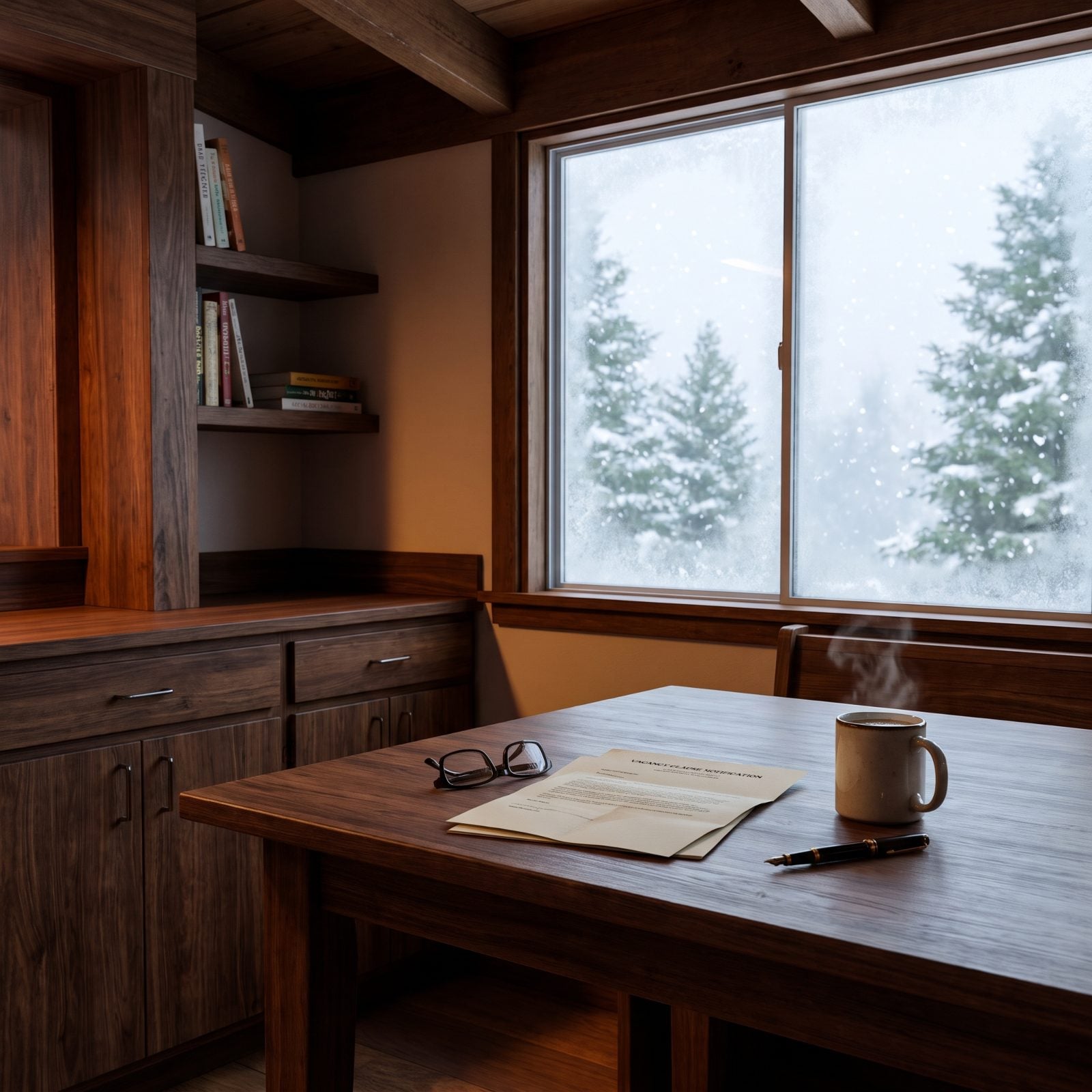
Watch out for the clause that catches people: many policies restrict or deny coverage on a dwelling left unoccupied for a stretch. Your year-round homeowner’s logic does not automatically carry over to a cabin that sits empty from January to April.
Find out in spring, after a burst pipe, and you may learn the frozen-pipe claim is excluded because the heat was off and nobody checked the place. That’s a five-figure lesson nobody wants.
Call your agent before winter and say the words out loud — seasonal, vacant, unheated at times, remote. Ask what’s required to keep coverage valid. Some insurers want the heat maintained, the water shut off, or regular documented check-ins. Get the vacancy terms in writing, and keep a log of your visits. Boring work. Beats arguing over a claim in April.
6. Leaving Without a Local Caretaker or Trusted Neighbor
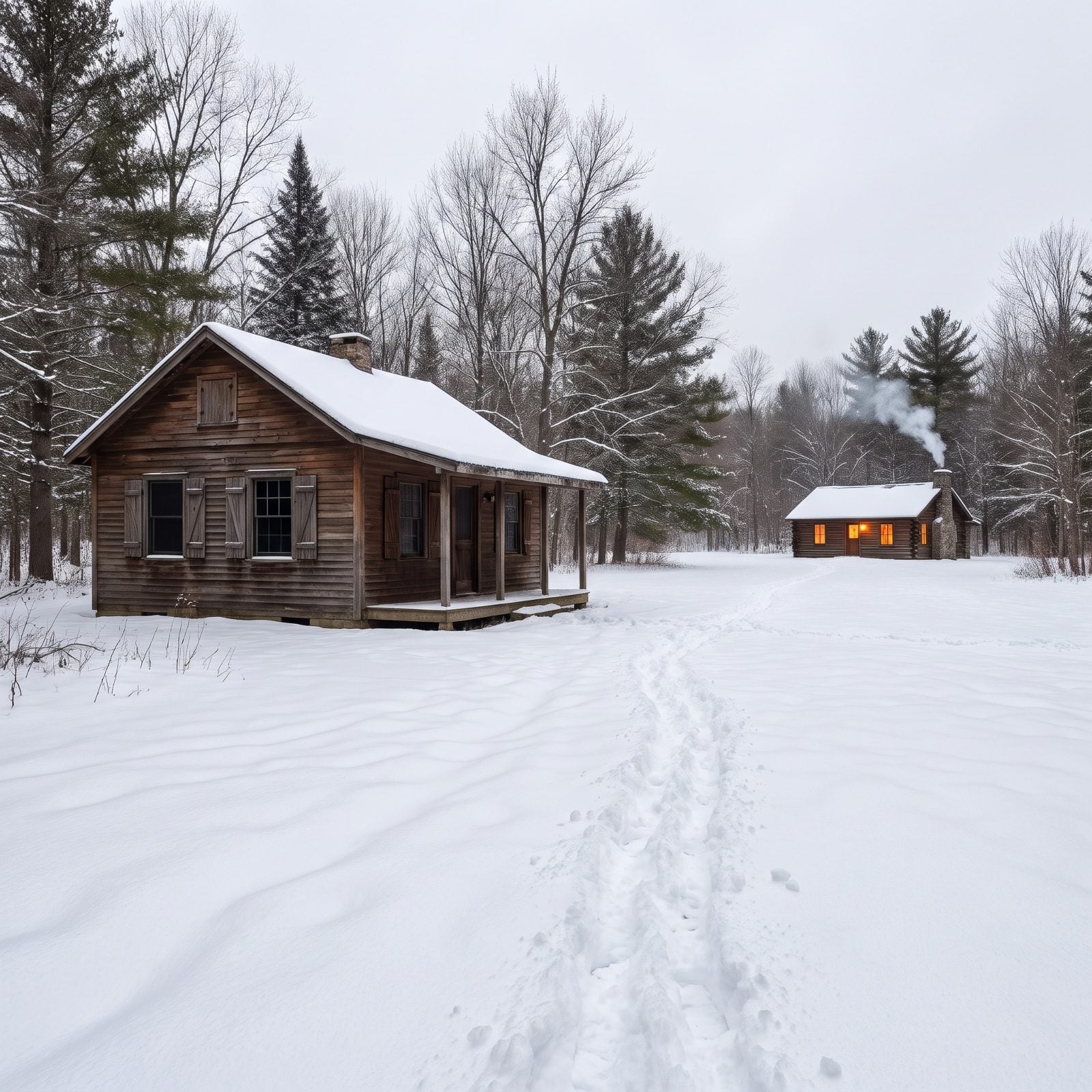
A cabin left alone for three months is a cabin nobody is watching. The furnace quits on a Tuesday, the pipes freeze Wednesday, and you find out at spring thaw when you walk into standing water with the ceiling on the floor.
Eyes on the place change everything. A neighbor who notices no smoke from the chimney, a drift piling against the door, a dark window that ought to glow — that person buys you the hours that separate a nuisance from a disaster.
Find a local caretaker or a nearby year-rounder and work out a real arrangement, paid or neighborly. Give them a key, your number, and permission to act. Bring them coffee. Shovel their walk. These relationships are the cheapest insurance you’ll ever buy, and they tend to come with good fishing advice attached.
5. Operating Without Remote Freeze and Leak Sensors
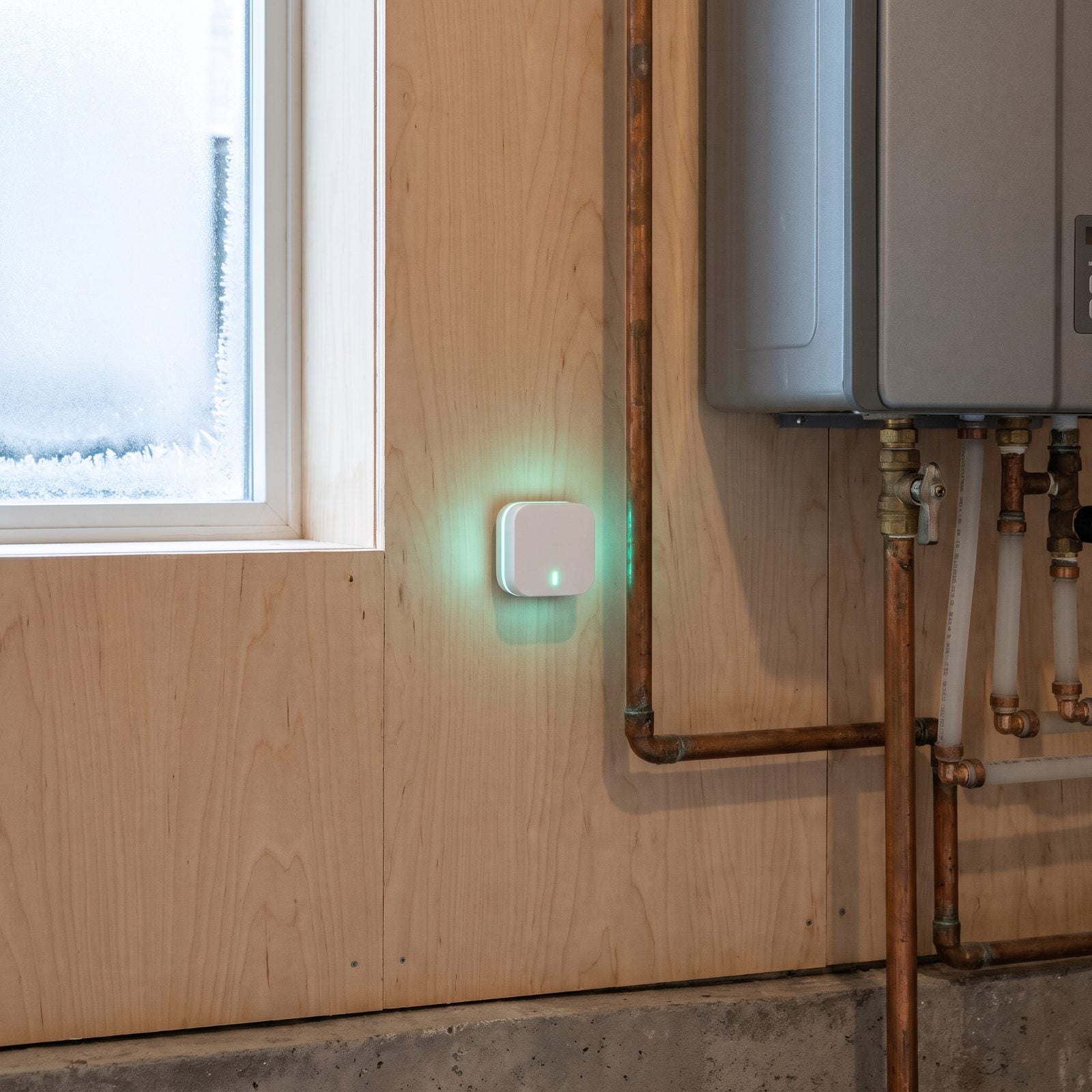
You can’t watch a pipe from two hundred miles away. A cheap sensor can, and it’ll text you the moment the utility room drops toward freezing or a drip starts under the sink.
Without that warning, a small problem runs for weeks unseen. A pinhole leak soaks the subfloor. A dipping furnace turns into a burst line and a flooded cabin by the time anyone arrives.
Install a remote temperature sensor and a water-leak detector that report over wifi or cellular. Add a smart thermostat you can check from home. Plenty of systems trigger an automatic water shutoff the instant they sense a leak. It’s the single best money a remote cabin owner spends — one late-night alert that lets a neighbor flip off the main pays for the whole setup.
4. Understocking Shelf-Stable Food and Essential Medicine
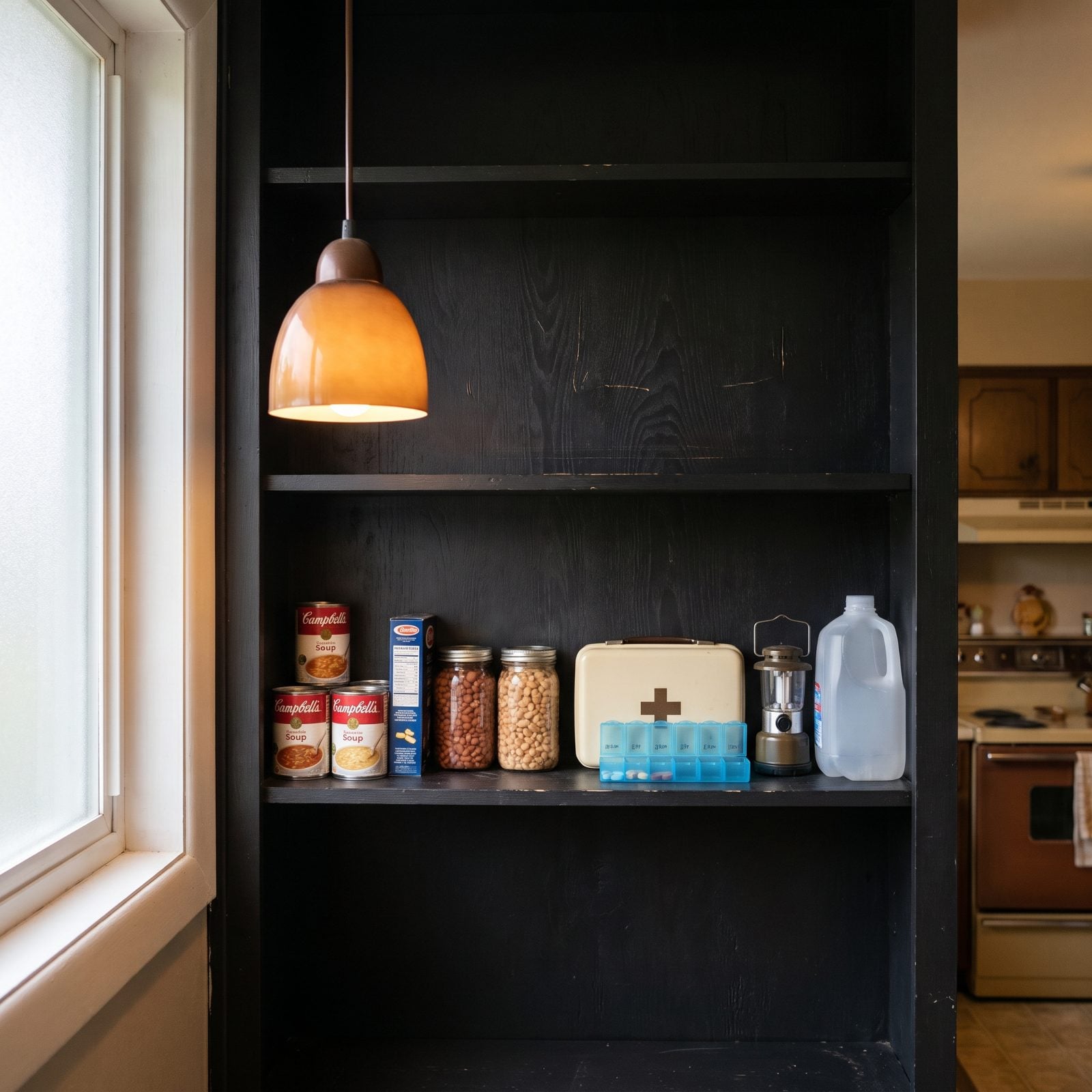
A storm can pin you in for a week. The road closes, the plow runs behind, and the nearest store is a long stretch of impassable grade away. Suddenly the half-empty pantry and the couple days of heart medication in your travel case become a genuine problem.
Stock the cabin like you expect to be stuck, because sooner or later you will be. Keep a couple weeks of shelf-stable food, water you can reach without the pump, a camp stove with fuel, batteries, and a proper first-aid kit. Carry extra of any prescription you can’t skip, and keep it at the cabin, not just in your bag. Rotate it so nothing expires on you.
None of this is dramatic prepping. It’s just the line between a cozy snowed-in weekend and a miserable one. Stock the shelf. Then go split some firewood.
3. Depending on Candles as the Only Outage Lighting
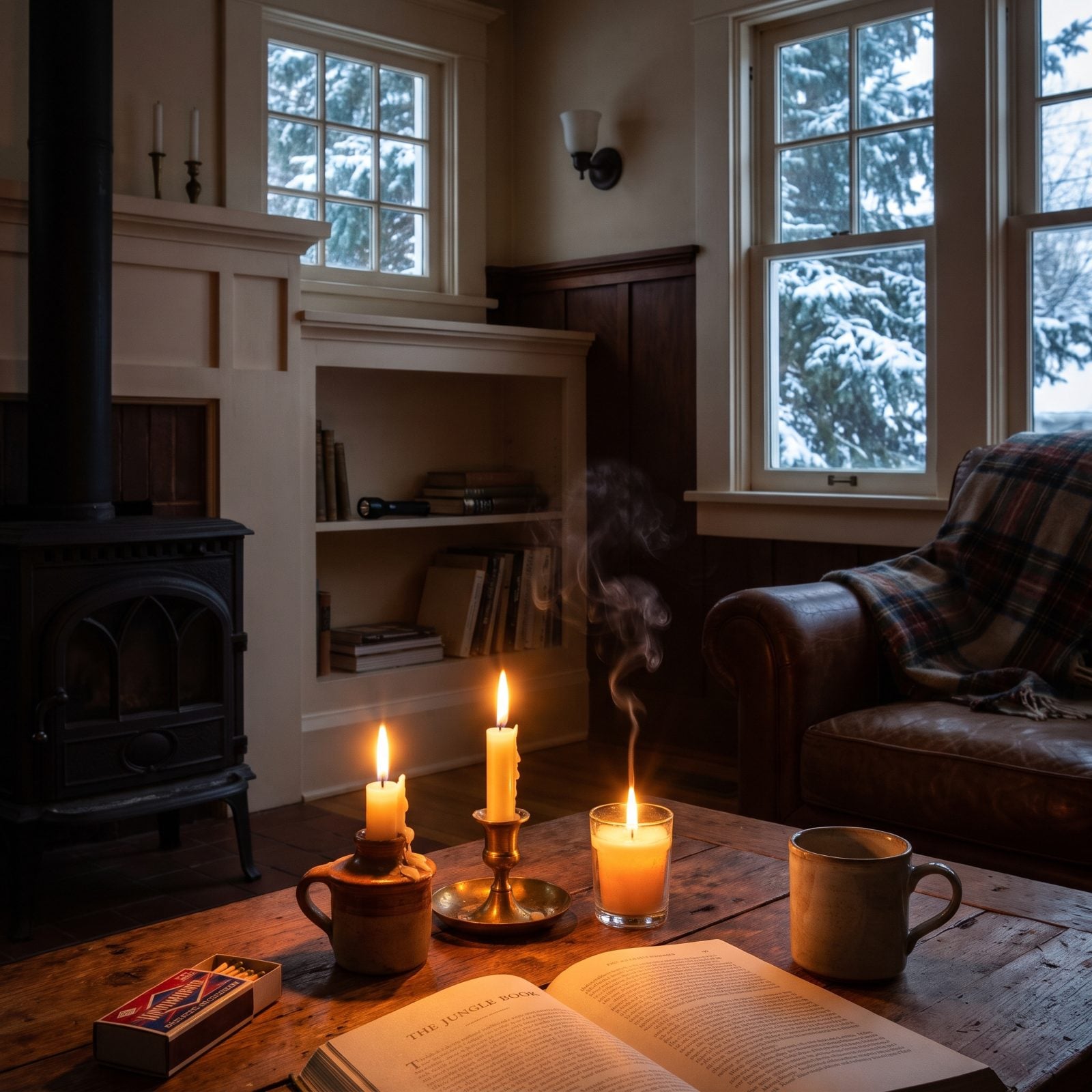
The first winter outage hits and you reach for the drawer full of dinner-party candles. Charming for about ten minutes. Then you need to find the breaker panel, carry a mug across a dark room, or check on the woodstove — and you learn fast that an open flame you have to hold is the worst possible light for a cabin.
Candles tip. Pets knock them over. A dropped one on a dry log mat, in a building hours from the nearest fire truck, is how bad nights start. And they throw almost no useful light past arm’s reach.
So keep a headlamp per person, a couple of battery lanterns in spots everyone knows, and a stash of fresh batteries you actually rotate through. Candles are fine for mood. They are not a plan.
2. Letting Snow Block a Secondary Exit
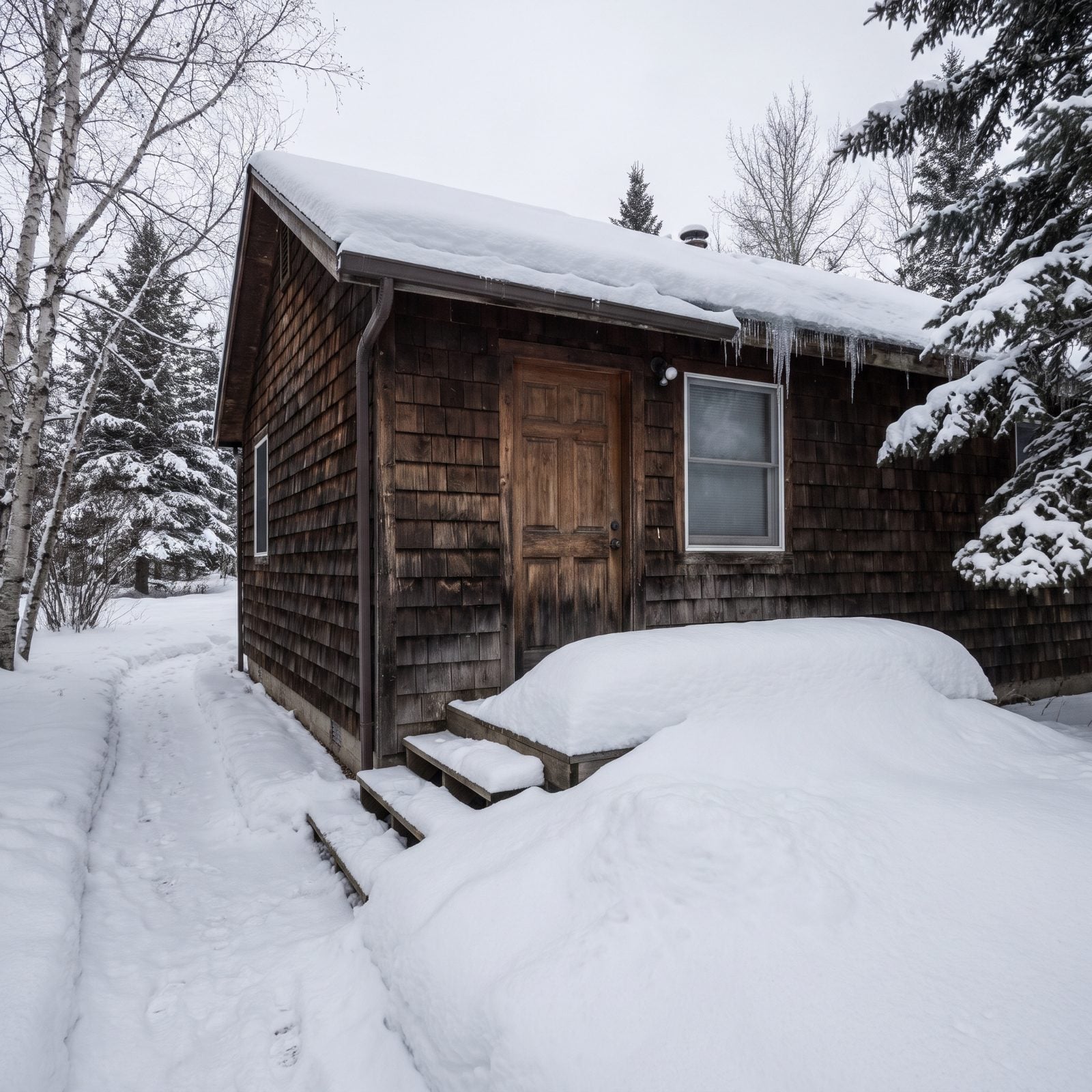
You shovel the front path because that’s the door you use. Meanwhile the back door, the basement walkout, the deck slider — all of them slowly vanish under a drift until, by February, they’re frozen shut behind two feet of crusted snow.
But a cabin fire doesn’t check which door is convenient. Neither does a woodstove backdraft or a propane issue. If a chimney fire has you heading out and the only clear door is the one near the kitchen, you’ve got no second option.
Clear every exit after each snowfall, not just the one you like. Keep paths to the propane tank and the electrical panel open too. Ten extra minutes with the shovel. I’ve never once regretted spending them.
1. Walking Onto Lake Ice Without Checking Its Thickness
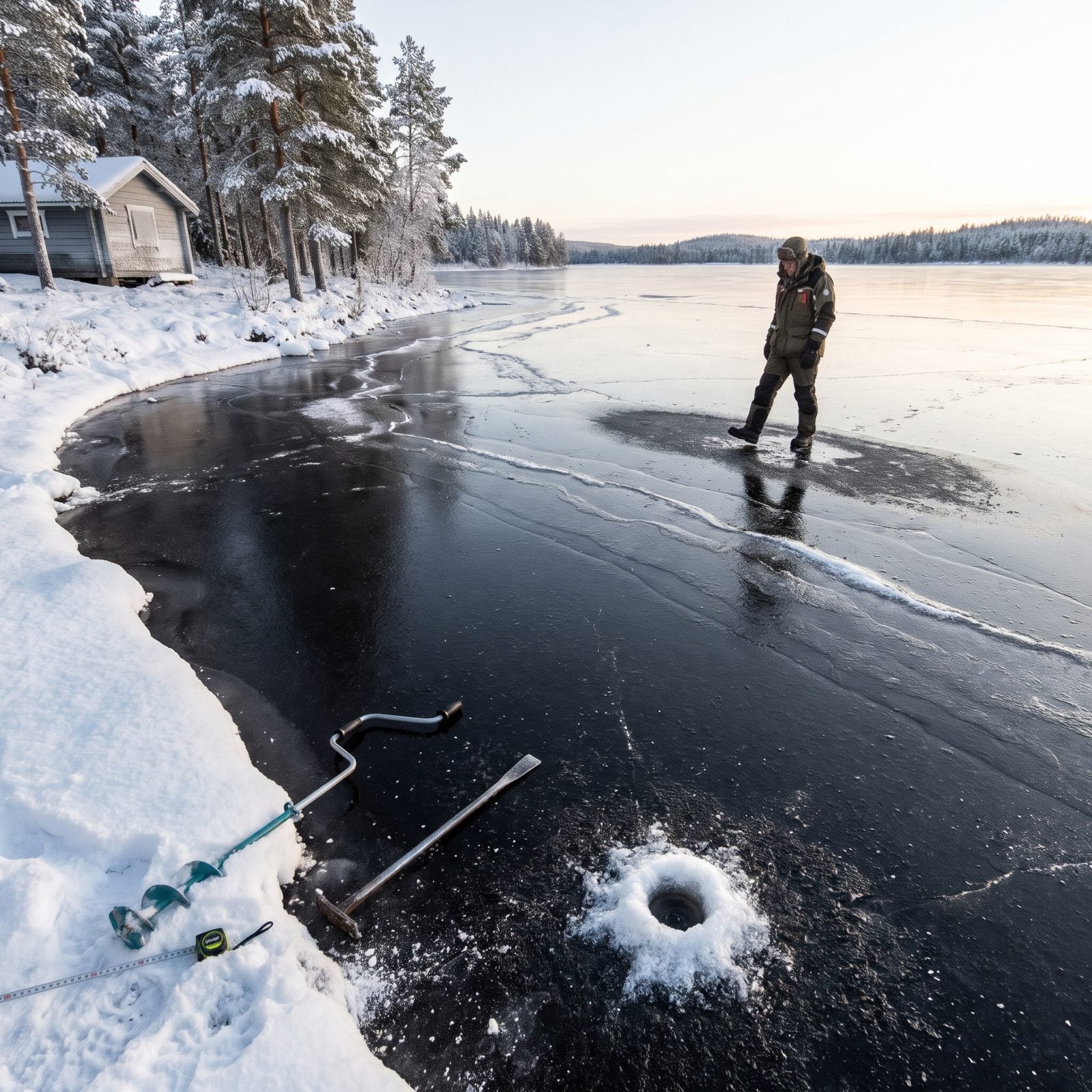
The lake looks solid. Hard freeze, no slush, a neighbor swears he saw someone out there last week — so you walk. First-winter owners do this because the ice near shore feels bombproof, and near shore it often is. Thirty feet out is a different lake entirely.
Thickness varies wildly across a single surface: springs, currents, that spot by the inlet that never fully locks up. Four inches of clear ice holds a person. Three doesn’t, and going through in January water leaves you minutes.
Drill test holes with an auger as you go. Check thickness every so often, carry ice picks around your neck, and never go out the first time alone. I know people who’ve skated that lake for thirty years and they still check every single time. Call it caution if you want. I call it the reason they’re still around.