
The hero stumbles into the cabin, blue-lipped and half-frozen, and someone hands him a steaming mug. Cue the swelling music. He’s fine by the next scene. Great cinema, terrible survival advice. Holiday movies have taught generations of us a comforting fiction about cold weather, and most of it will get you hurt if you ever need it for real. Cold doesn’t care about your warm fuzzy feelings. It’s patient, quiet, and it kills people who feel like they’re doing everything right. Here’s where the movies lie, and what the cold actually does when the camera stops rolling.
Please note that some of the images in this article were created with the assistance of AI.
41. The Flask of Whiskey That ‘Warms You From the Inside Out’
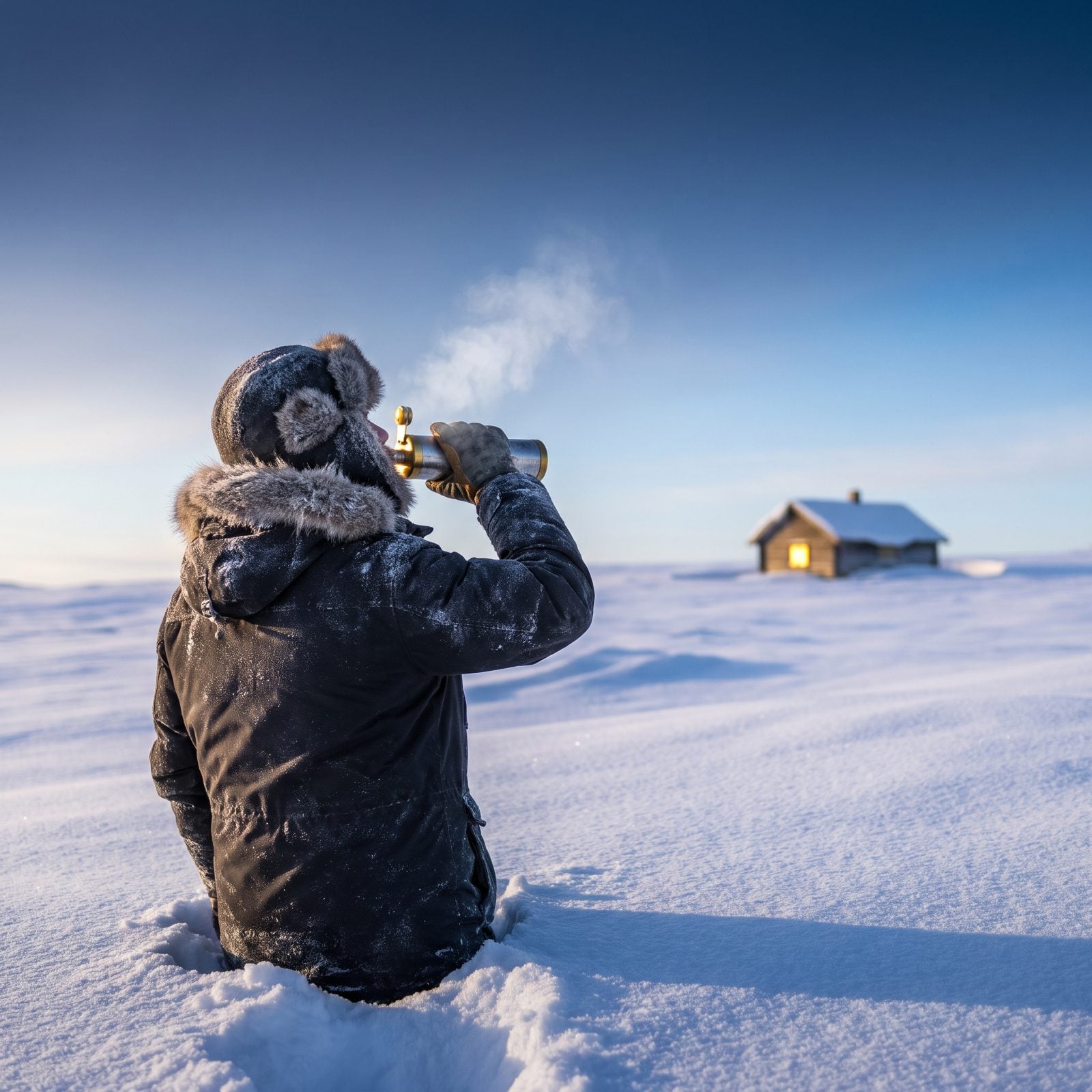
That warm flush you feel after a shot of whiskey is a lie your skin tells you. Alcohol dilates the blood vessels near the surface, so warm blood from your core rushes outward and you feel toasty for a minute. Then that blood dumps its heat into the freezing air and comes back cold. You’ve just turned your body into a radiator for the cold to drain.
So you feel warmer while your actual core temperature drops faster. The movie hands the frozen traveler a flask and he perks right up. In reality, that’s the setup for hypothermia, not the cure.
40. A Hot Cocoa That Instantly Reverses Severe Hypothermia
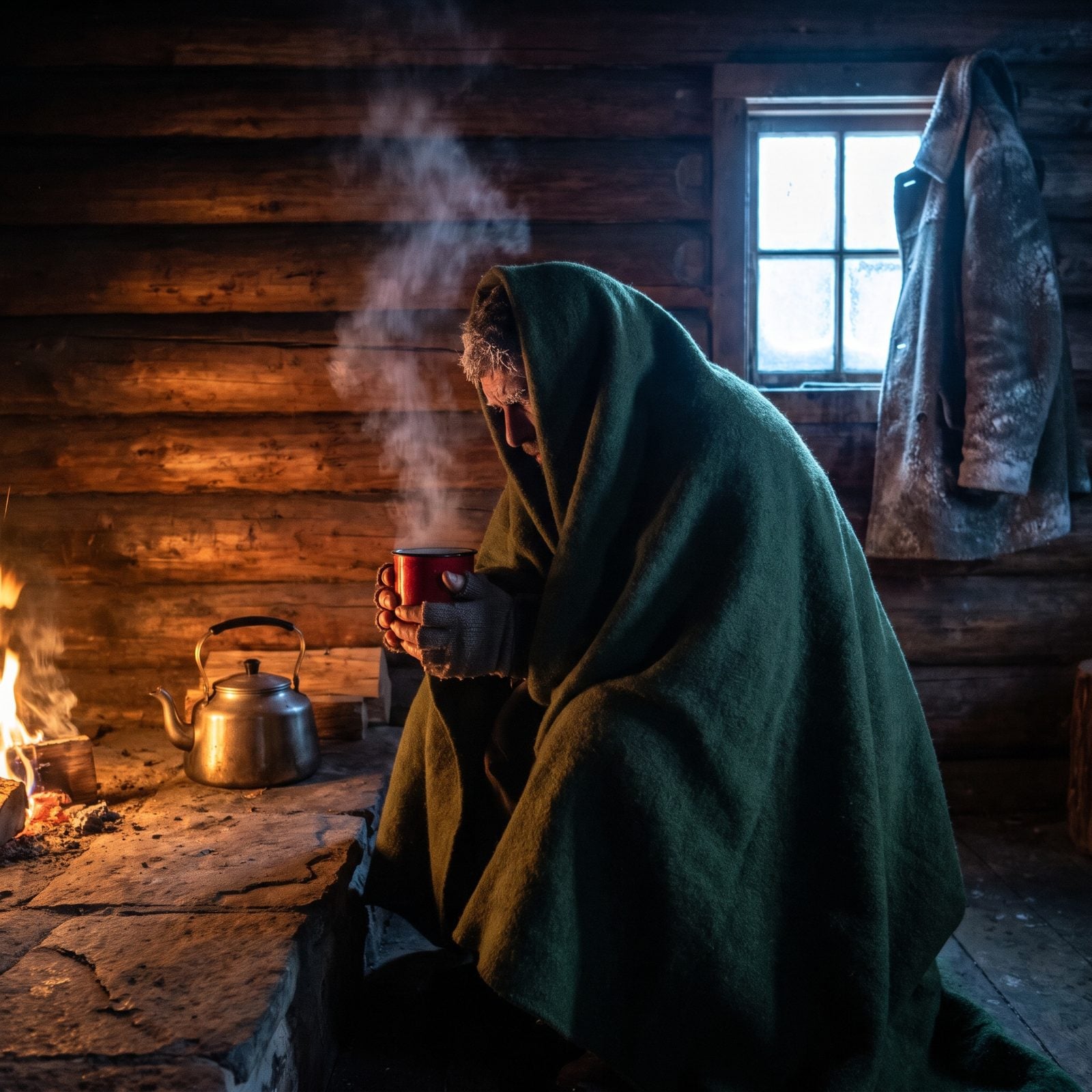
A hot drink feels like medicine in the movies. One sip and the half-dead hiker is cracking jokes. The problem: a mug of cocoa carries almost no heat relative to the mass of a chilled human body. You could drink a gallon and barely nudge your core.
And it gets worse. Warming a severely hypothermic person too fast, or the wrong way, can trigger what rescuers call afterdrop, where cold blood from the limbs floods back to the heart and the temperature actually falls further. Severe hypothermia is a slow, careful, medical rewarming job. It is not a beverage.
The mug is for the mildly chilled and the fully conscious. Anyone confused, stiff, or barely responsive needs a rescue, not a refill.
39. Eating Handfuls of Snow to ‘Stay Hydrated’
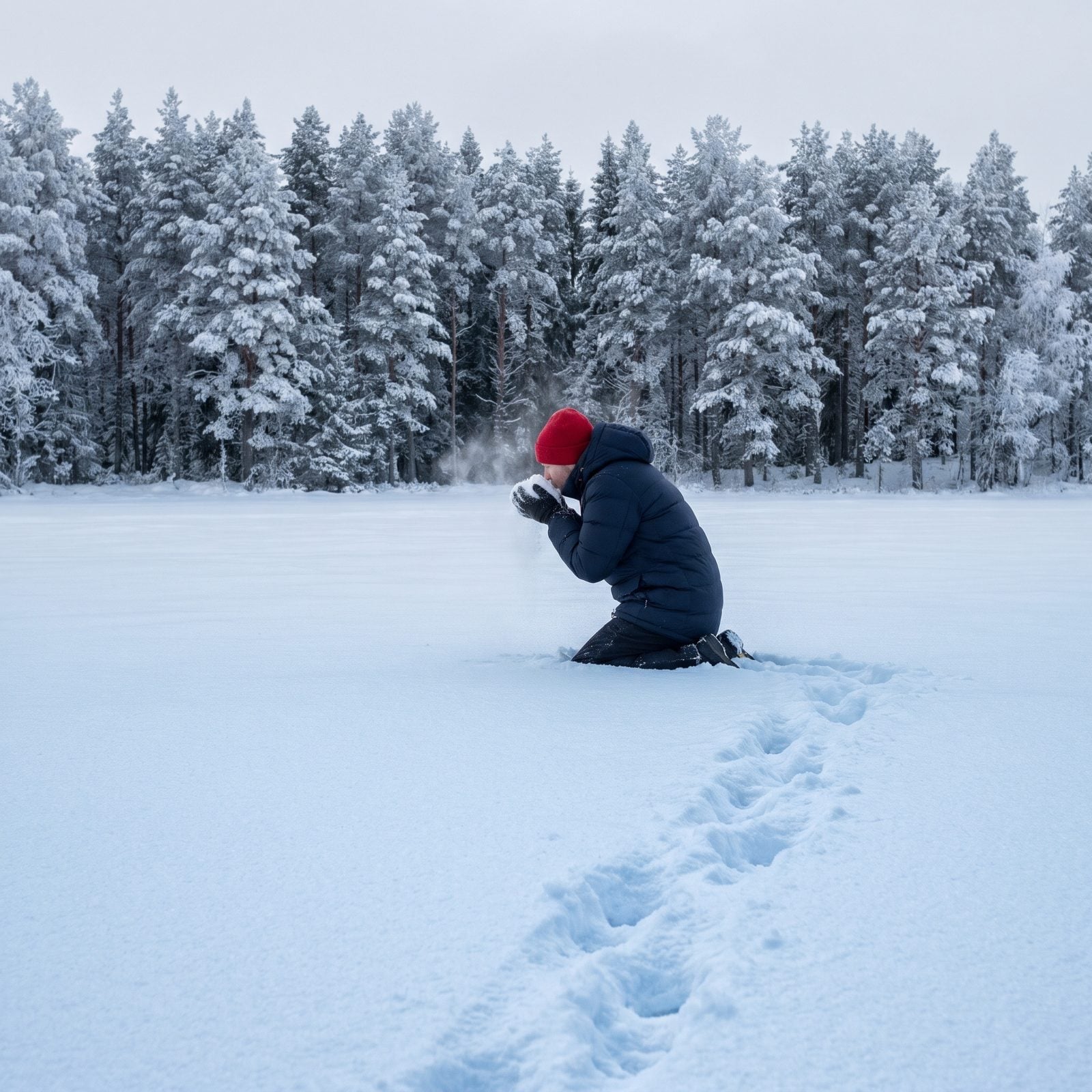
Snow is water, so eating it seems obvious. The math works against you, though. Your body has to melt that snow and bring it up to body temperature before it’s any use, and that costs heat you cannot spare when you’re already cold. Every mouthful chills your mouth, throat, and core at the exact moment you can least afford it.
Melt the snow first if you possibly can, even against your body inside a bottle, then drink it. I’ve watched people proudly chomp snow on a cold hike thinking they were being smart. They were just getting colder and wondering why.
38. The Cozy Cotton Sweater as Cold-Weather Armor
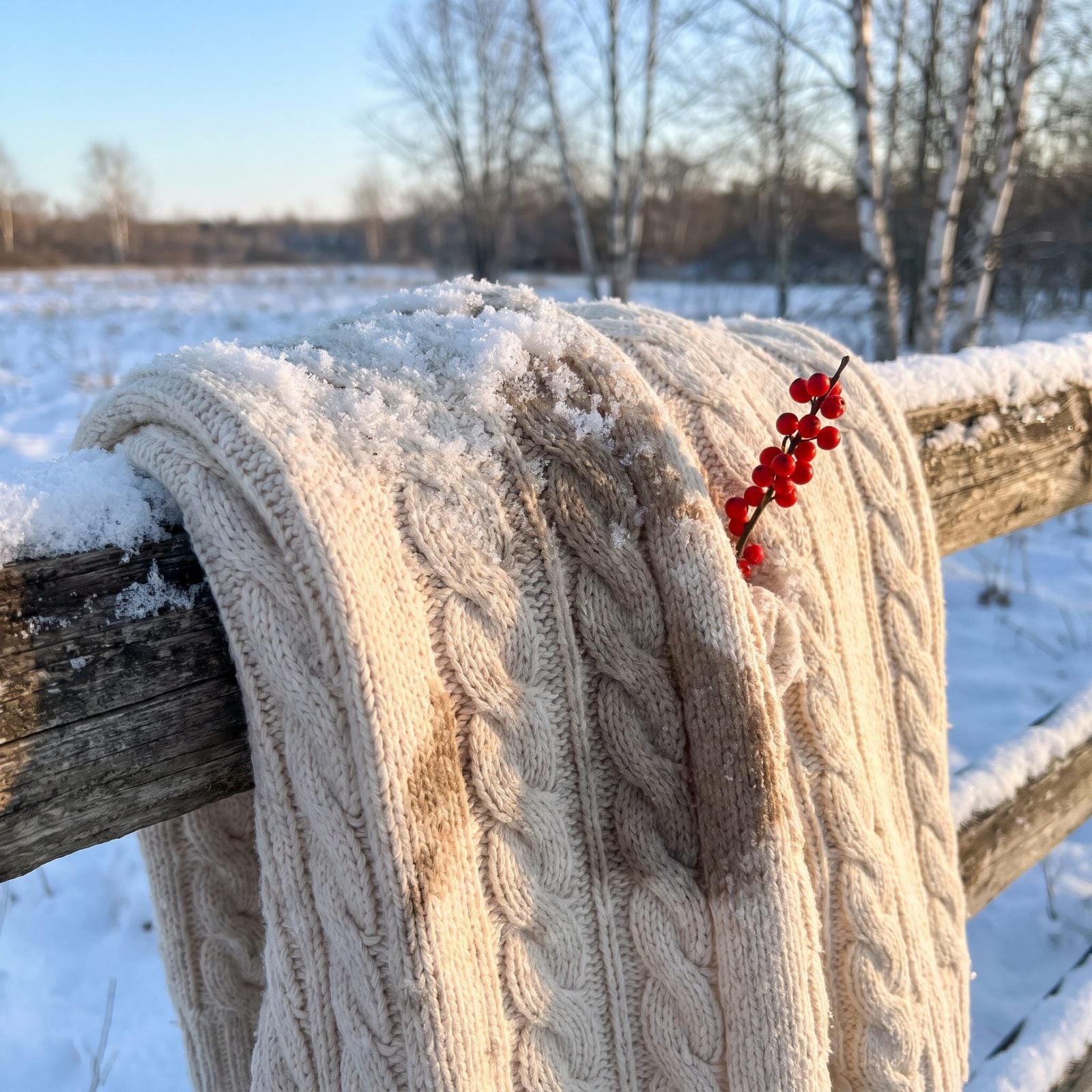
Cotton kills. Outdoor people say it so often it sounds like a bumper sticker, but it’s true. Cotton soaks up sweat and snow and holds it against your skin, and wet fabric pulls heat out of you far faster than dry air ever could. That picture-perfect oatmeal knit the movie hero wears into the blizzard? One of the worst possible choices.
Wool keeps insulating when it’s damp. Synthetics wick and dry. Cotton just gets heavy, cold, and clingy, and then it stays that way for hours. Save the chunky cotton sweater for the couch by the fire where it belongs.
37. One Giant Coat Instead of Several Layers
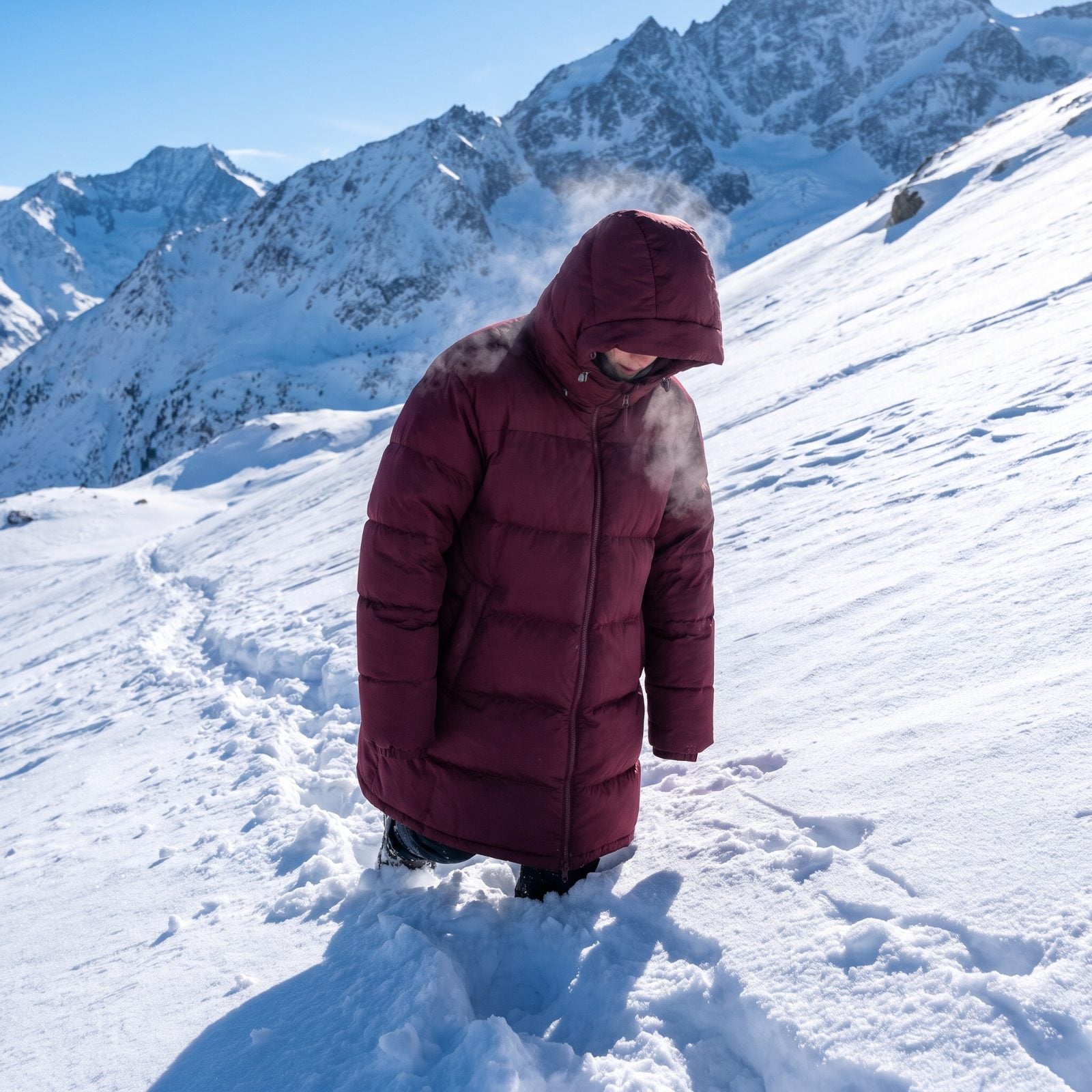
The biggest coat in the closet is not the warmest system you can build. Layers beat bulk. The trapped air between thin garments is what actually insulates you, and you can add or shed a piece as you heat up and cool down.
Sweat in one giant immovable coat and you’ve soaked your only insulation with no way to vent. Now you’re wet from the inside. A base layer, a mid layer, and a shell let you regulate as you move, stop, and move again. The single enormous parka is a movie prop. The layering system is what keeps real people alive.
36. Wet Clothes That ‘Dry Off’ While You Keep Walking
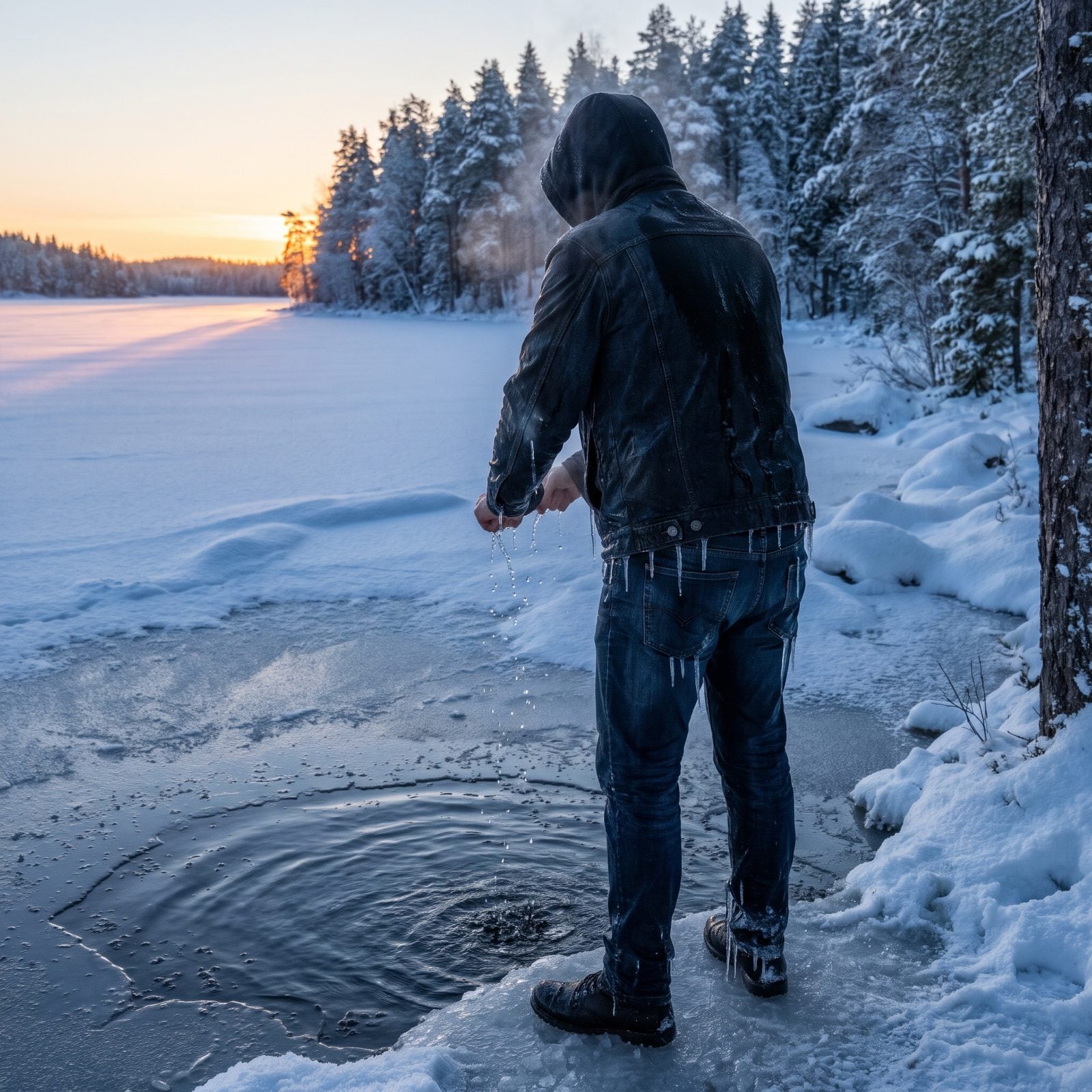
Fall through the ice in a movie and the character shivers for a scene, then dries out by the fire and carries on. Fall through the ice in real life and you’re in a true emergency the moment you climb out.
Wet clothing drains body heat many times faster than dry clothing, worse still with wind. Walking it off doesn’t dry it. It just keeps feeding your warmth to the cold while you move. The real move is to get the wet layers off and get into anything dry, fast, even if it means stripping down in brutal cold.
35. Losing ‘Half Your Body Heat Through Your Head’
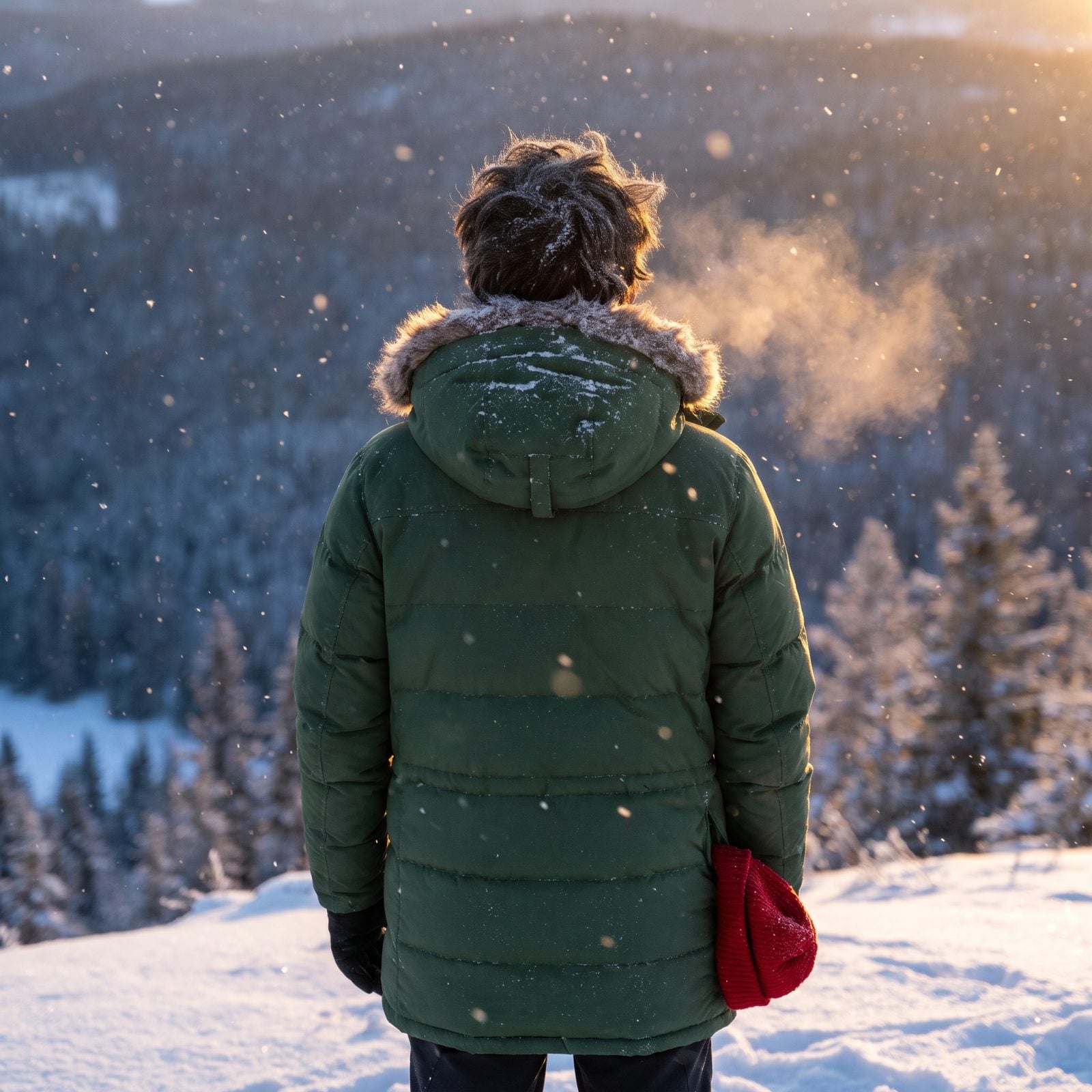
This one traces back to a badly run military study in which volunteers were bundled in cold-weather suits but left bareheaded. You lose heat through any exposed skin, roughly in proportion to how much of it is uncovered. Your head is not a magic chimney.
That said, wear the hat. Not because your scalp is special, but because an uncovered head is uncovered surface area, and when you’re already cold, every bit counts. The myth is wrong. The hat is still a good idea. Both things are true at once, which the movies never manage.
34. Shivering as a Sign You’re ‘Handling It Fine’
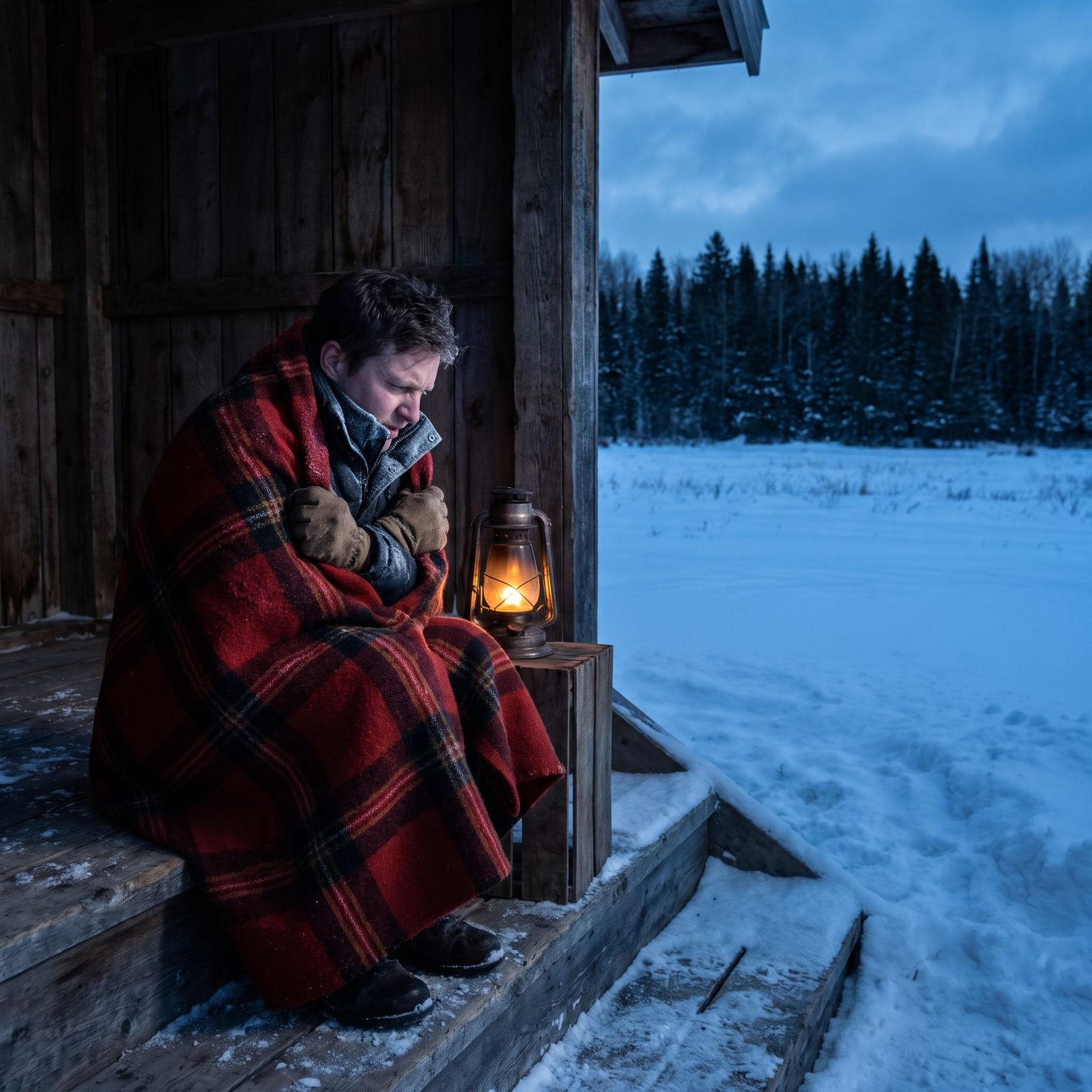
Shivering is not your body coasting. It’s your body burning fuel in a panic to make heat, and it means your core temperature has already started dropping. Part of how doctors define mild hypothermia is the onset of shivering.
Treat it as an alarm, not an all-clear. And here’s the darker twist the movies skip entirely: when shivering stops, that’s usually worse, not better. It can mean your body has run out of the energy to keep trying. Shivering is a warning light on the dashboard, and the moment it switches off is the moment to really worry.
33. Hypothermia That Announces Itself With Dramatic Collapse
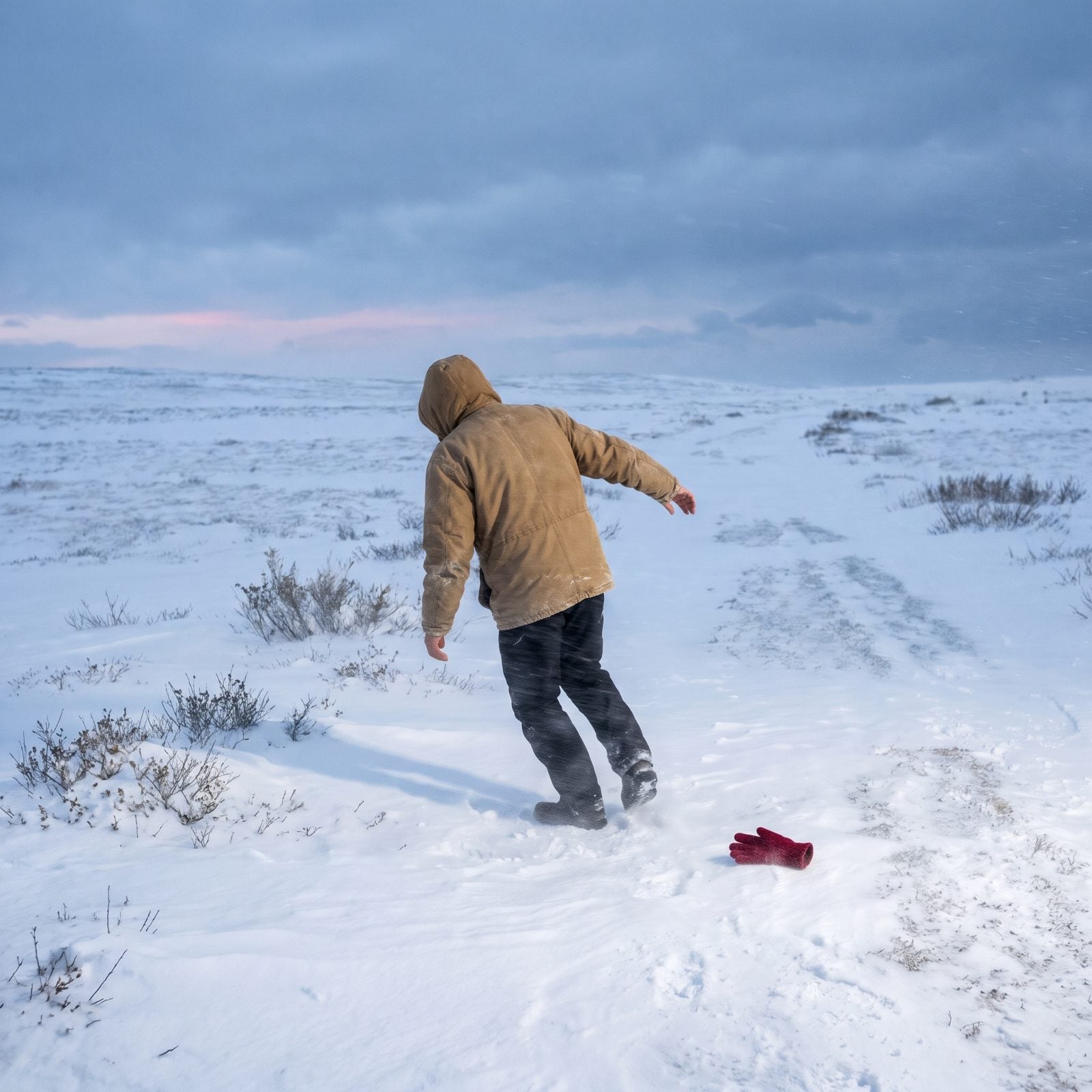
Movie hypothermia is loud. Clutched chests, dramatic stumbling, a big swoon into the snow. The real thing is sneaky and stupidly quiet. It shows up as fumbling fingers, slurred speech, poor decisions, and a strange lack of concern about any of it.
Rescuers have a grim shorthand for the warning signs: the umbles. Stumbles, mumbles, fumbles, grumbles. The dangerous part is that the person is rarely the one who notices, because the cold has already dulled their judgment. You’re far more likely to spot it in your hiking partner than in yourself, which is exactly why you don’t go out alone in serious cold. The goal is getting them back somewhere warm and sheltered, out of the wind, to rewarm gently.
32. Letting the Freezing Person ‘Just Rest Their Eyes’
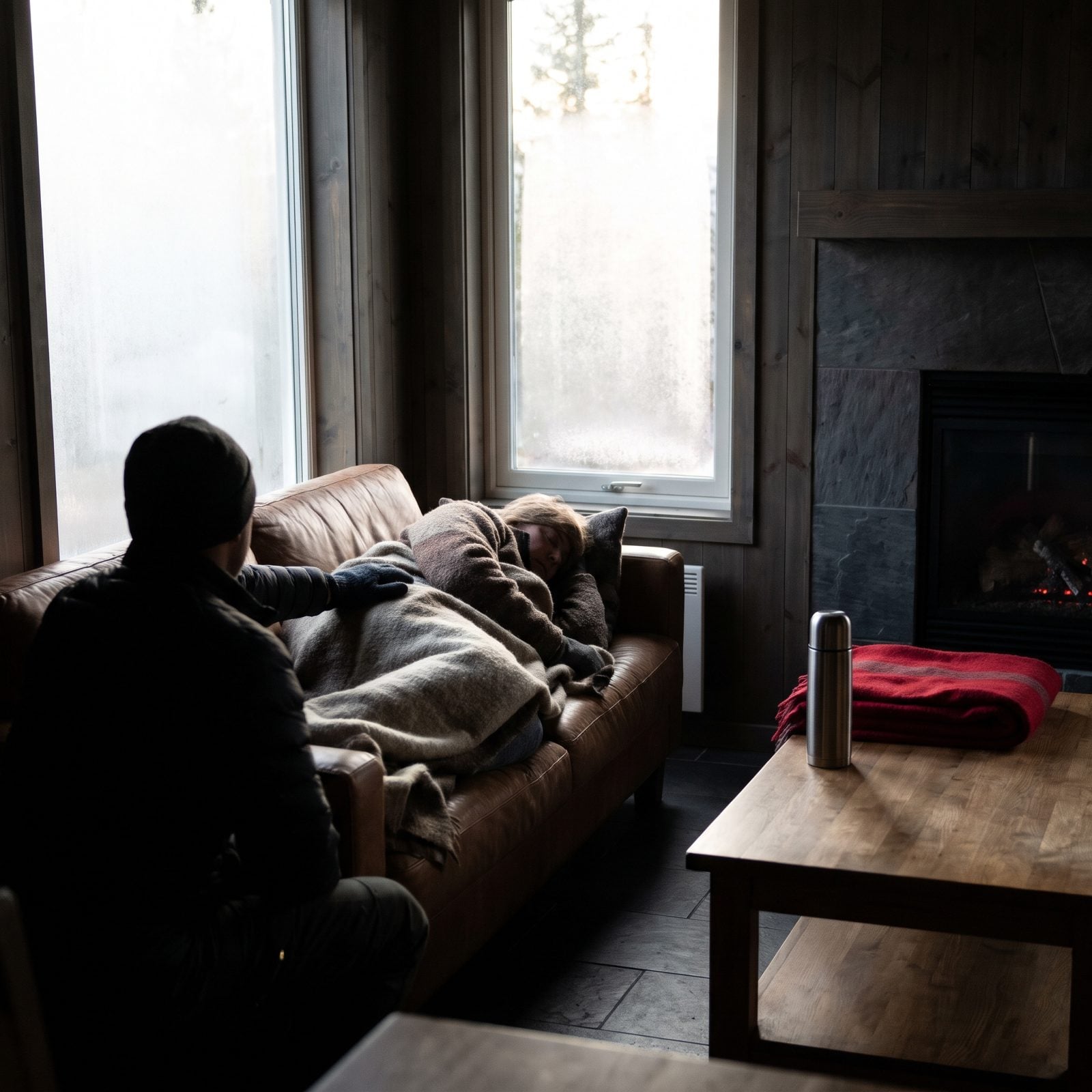
“Let him sleep, he’s exhausted.” It’s the kindest-sounding line in every freezing-cabin scene, and it’s how people die.
In advanced hypothermia, drowsiness is the cold shutting the system down, not the body recovering. A person who nods off in that state may never wake up. So keep them conscious, keep them talking, keep adding gentle warmth, and get real help moving. That sleep looks so peaceful on screen, but out here it’s the thing you have to fight hardest against. The cold is patient. It would love nothing more than for you to let them rest their eyes.
31. Myth 1: Rubbing Frostbitten Skin Back to Life
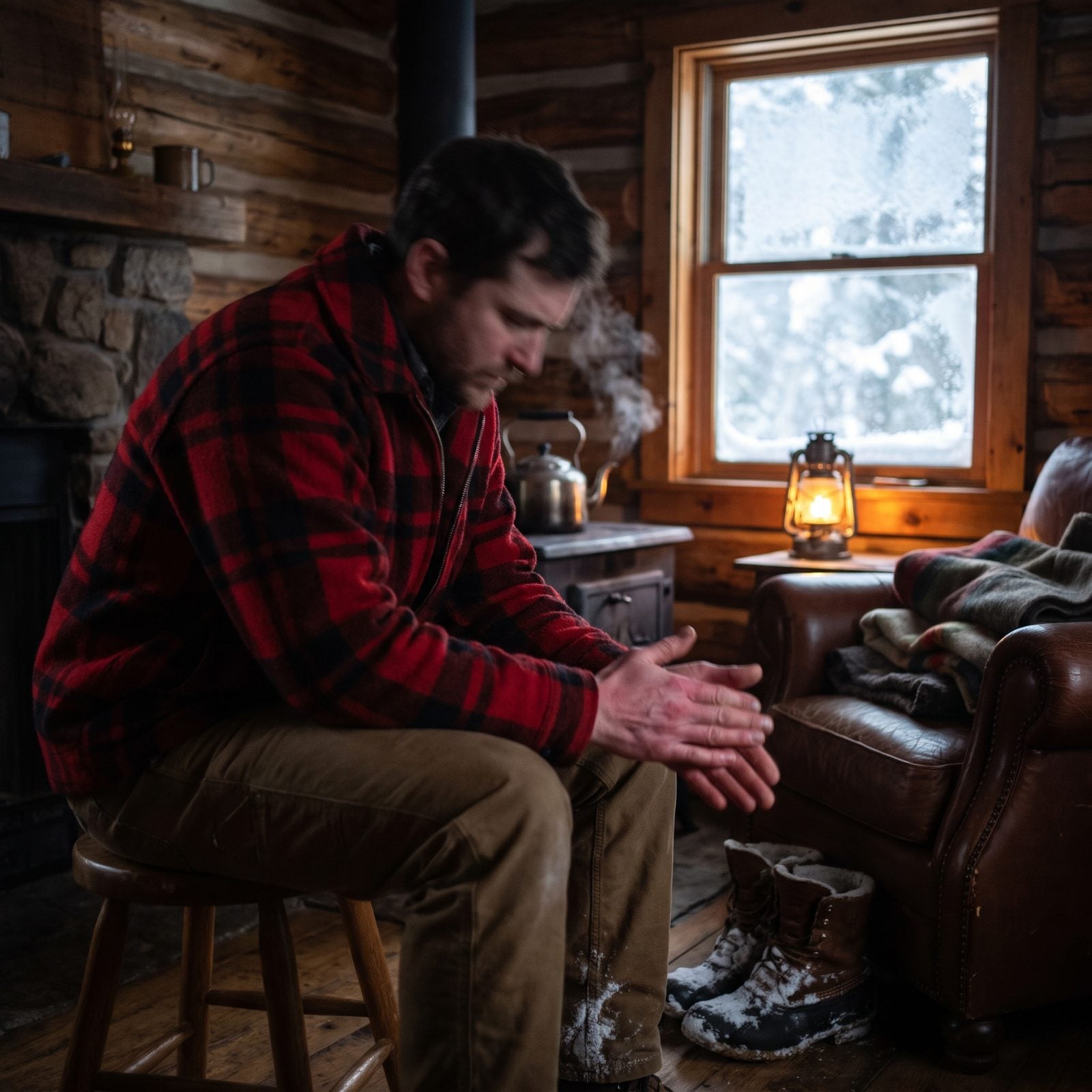
The classic rescue beat: someone drags the frozen character inside and briskly rubs their hands to get the blood moving. Looks caring. It’s actually a way to cause more damage.
Frostbitten tissue is full of ice crystals. Rub it — or worse, pack snow on it the way old westerns loved to do — and you grind those crystals through the cells, tearing them apart. You trade numb skin for dead skin.
30. Myth 2: Dunk the Frostbite in Scalding Hot Water
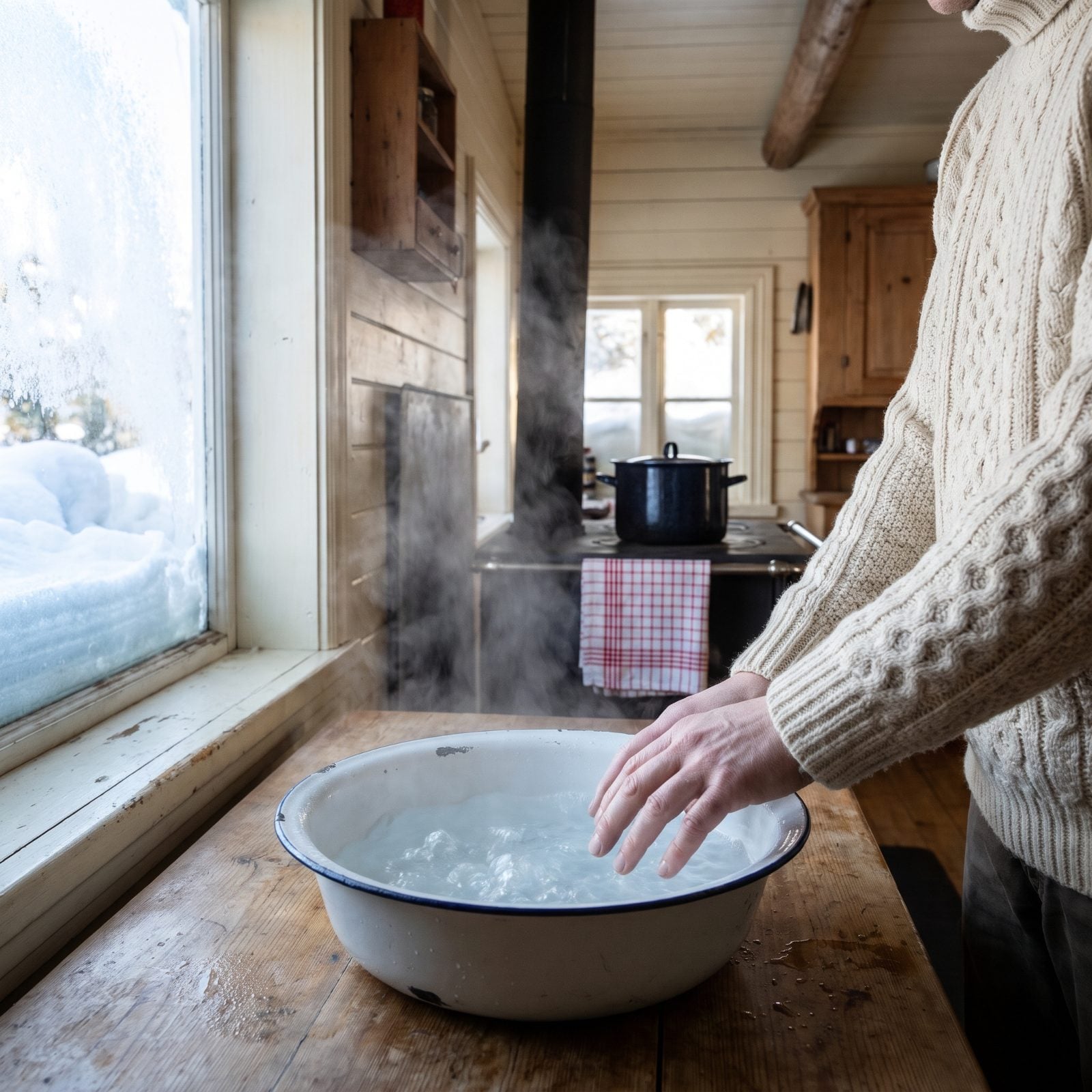
Hot water feels like the obvious fix. It’s the wrong temperature by a wide margin.
Thawing frostbite is real first aid, but the water needs to be warm, not hot — think comfortable bathwater, somewhere around body temperature. Scalding water on numb tissue that can’t feel pain burns the person on top of the cold injury, and they literally can’t tell you it’s too hot.
Here’s the trap movies skip entirely. Never thaw a frostbitten limb if there’s any chance it could refreeze. A toe that thaws, refreezes, and thaws again fares far worse than one left frozen until you reach help. In the field, partial thawing is often the wrong call.
29. Myth 3: Park the Hypothermic Hero Next to a Roaring Fire
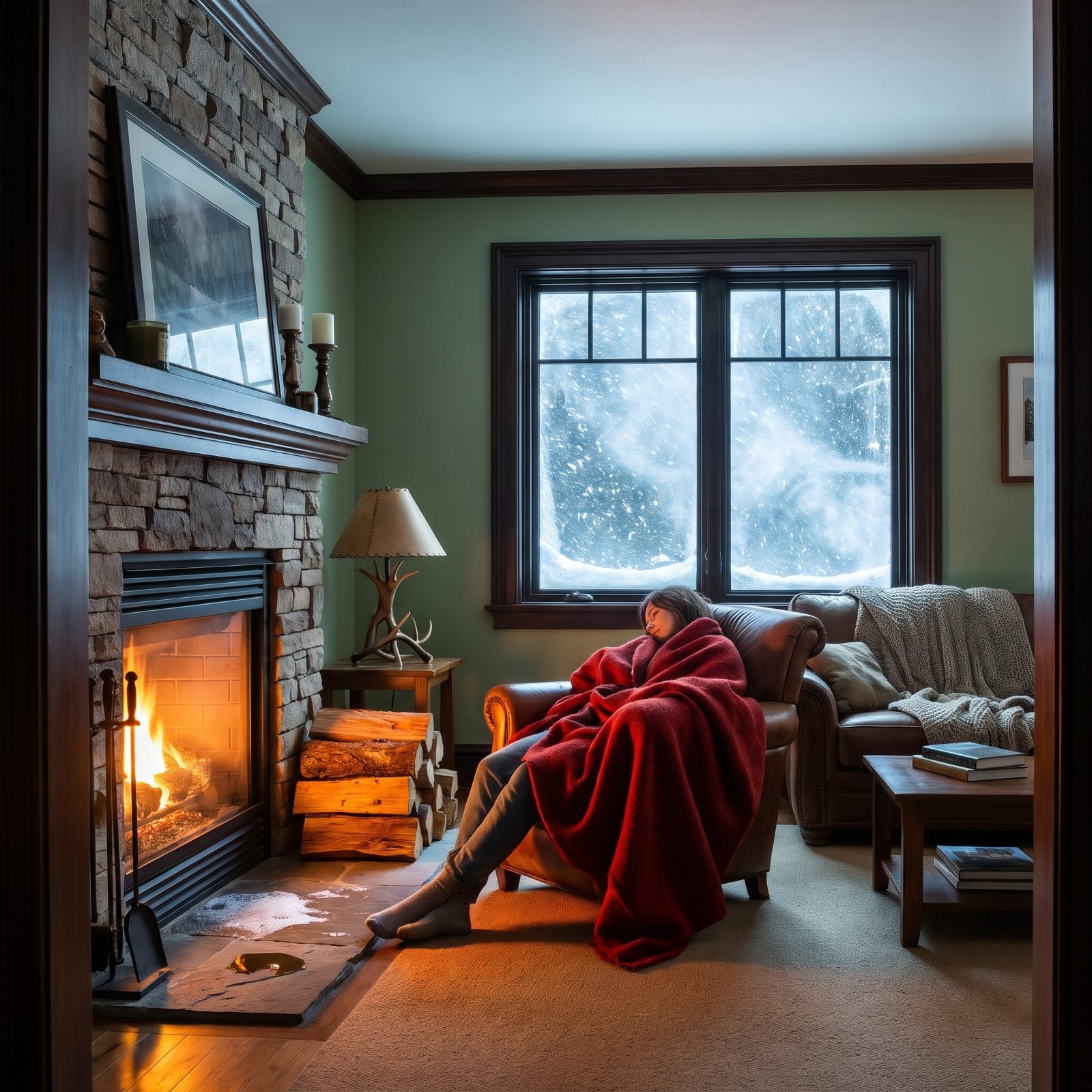
You know the shot. Blizzard outside, giant fire inside, the shivering survivor shoved right up against the flames until color returns to their cheeks. Warm, golden, and potentially deadly for someone genuinely hypothermic.
Fast external heat on a severely cold body can cause what rescuers call afterdrop, where cold blood from the limbs rushes back toward the core and the heart. Core temperature drops further, the heart strains, and a roaring fire warms the skin while the inside stays dangerously cold.
What you want instead is gentle, gradual rewarming. Dry layers. Insulation from the ground. Warmth to the core and trunk, and careful handling, because a cold heart is an irritable one.
28. Myth 4: Keep the Shivering Victim Walking It Off
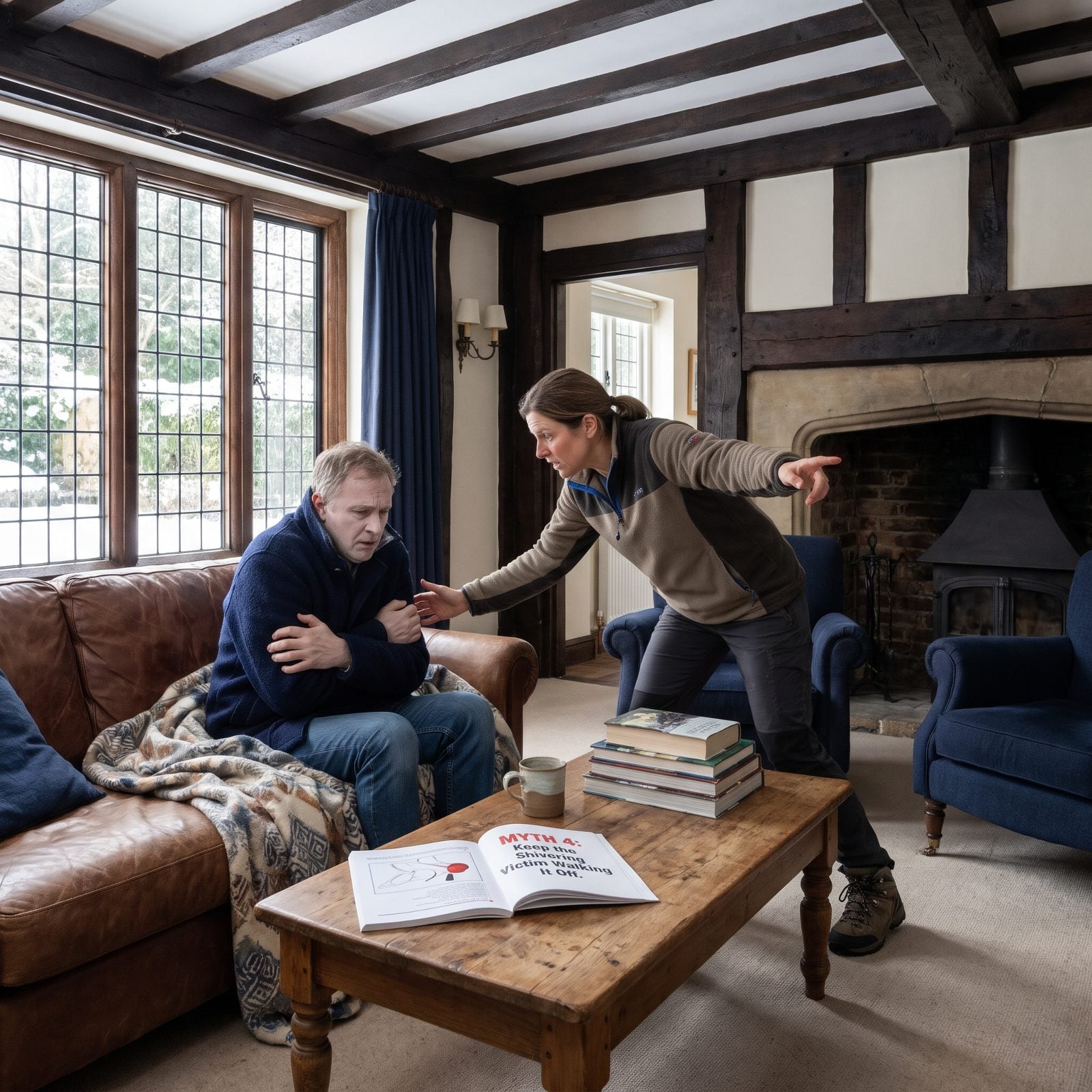
“Come on, keep moving, don’t stop!” A staple of every frozen-trek scene. For someone already hypothermic, it can be exactly the wrong instruction.
Movement burns the warm blood pooled in the core out to cold muscles, and exertion can trigger that same afterdrop that kills people during rescue. Moderate to severe hypothermia calls for stabilizing, insulating, and warming — not marching.
There’s a window early on where gentle activity toward shelter helps: the person is still shivering hard and thinking clearly. Once the shivering stops, coordination fails, or confusion sets in, the walking-it-off plan is over. Now you’re in handle-with-care territory.
27. Myth 5: Just Follow the River Downstream to Town
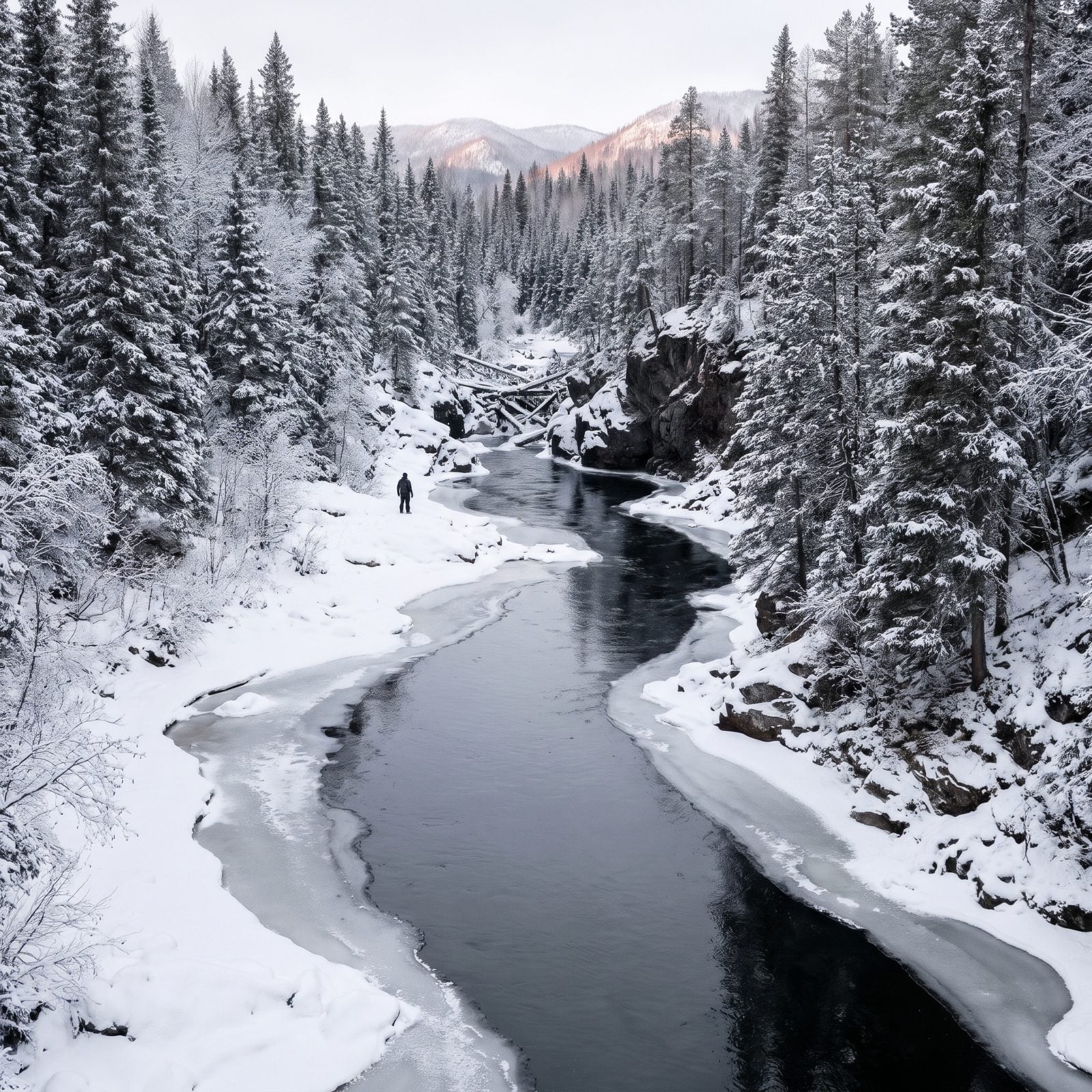
The lost-in-the-woods script loves this one. Find water, follow it down, civilization appears. Reality is pickier.
Rivers in rugged country run through gorges, box canyons, swamps, and cliff bands that no human can follow on foot. In winter, downstream travel also drags you toward thin ice, overflow, and open water right when you most need to stay dry. Plenty of rivers lead to more wilderness, not a town.
26. Myth 6: The North Star Will Guide You Through a Whiteout
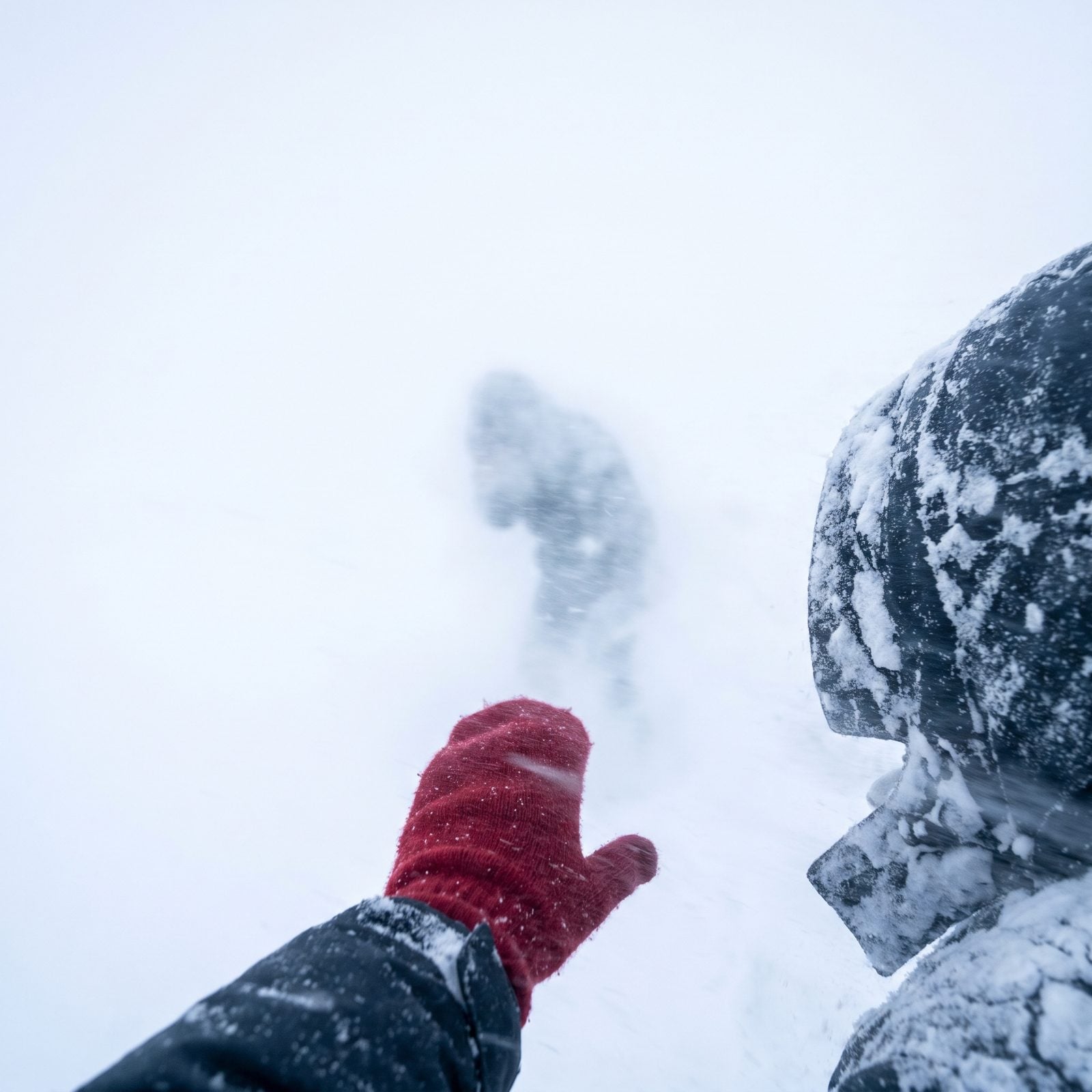
Movie navigation is tidy. Hero glances up, finds the North Star, strides off confidently into the night. A true whiteout erases that option.
In a whiteout you can’t see the sky, the horizon, or often your own feet. There’s no star to find. And even on a clear night, Polaris only gives you a rough direction, not a safe route around a frozen lake or off a cornice.
When the world goes white, stop. Shelter. Wait it out rather than wander — people have died walking in circles a short distance from where they’d have been found.
25. Myth 7: My Phone’s GPS Replaces a Map and Compass
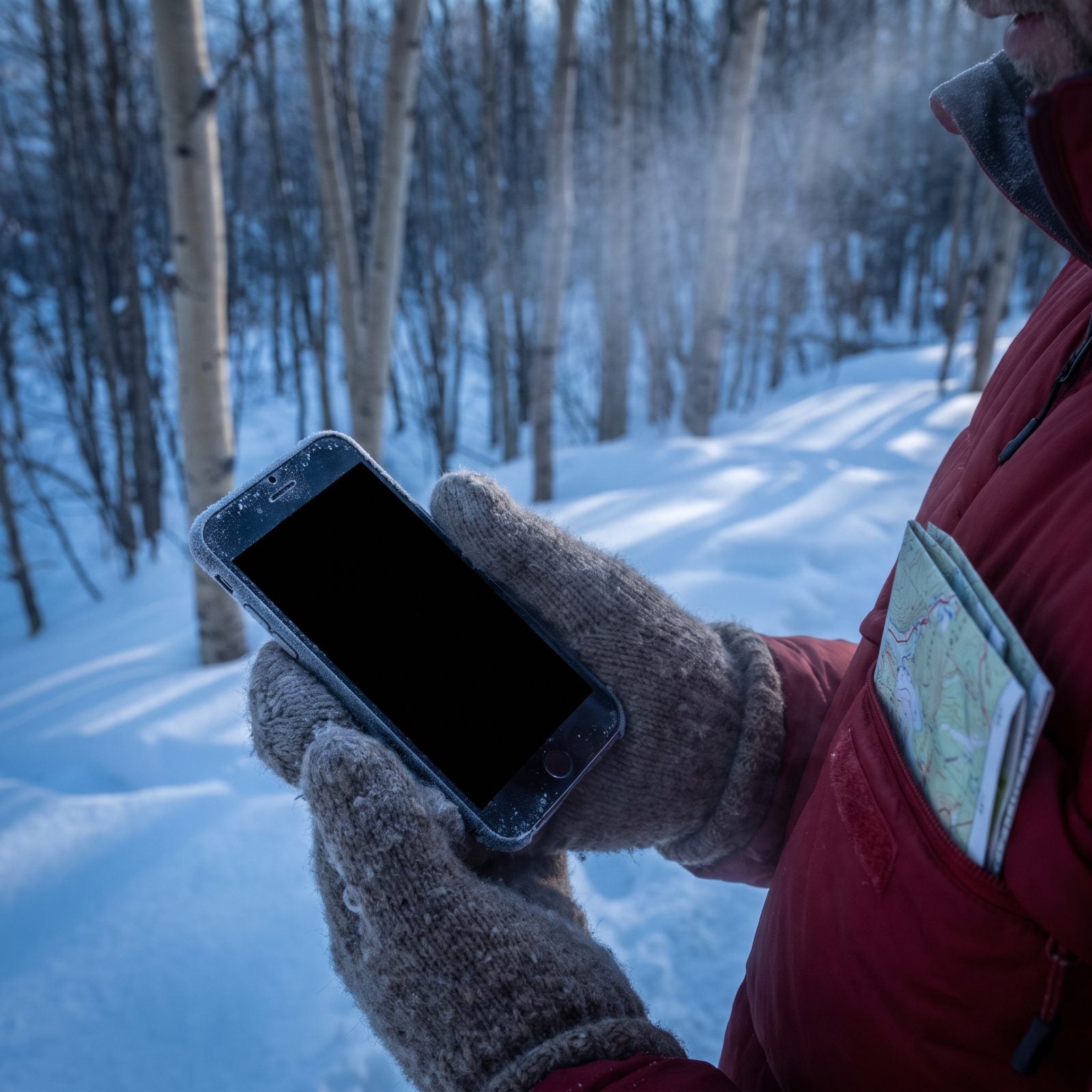
Cold kills batteries. Fast.
A lithium battery reading more than half full in a warm pocket can drop to nothing in minutes of hard cold, and a frozen phone sometimes just shuts off. Add no signal, a cracked screen, a drop in deep snow, and your glowing map is a dead rectangle.
A paper map and a baseplate compass have no battery, no signal requirement, and nothing that bricks them at the worst moment. They weigh almost nothing. Knowing how to use them is the part people skip.
24. Myth 8: Your Footprints Will Still Be There for the Walk Back
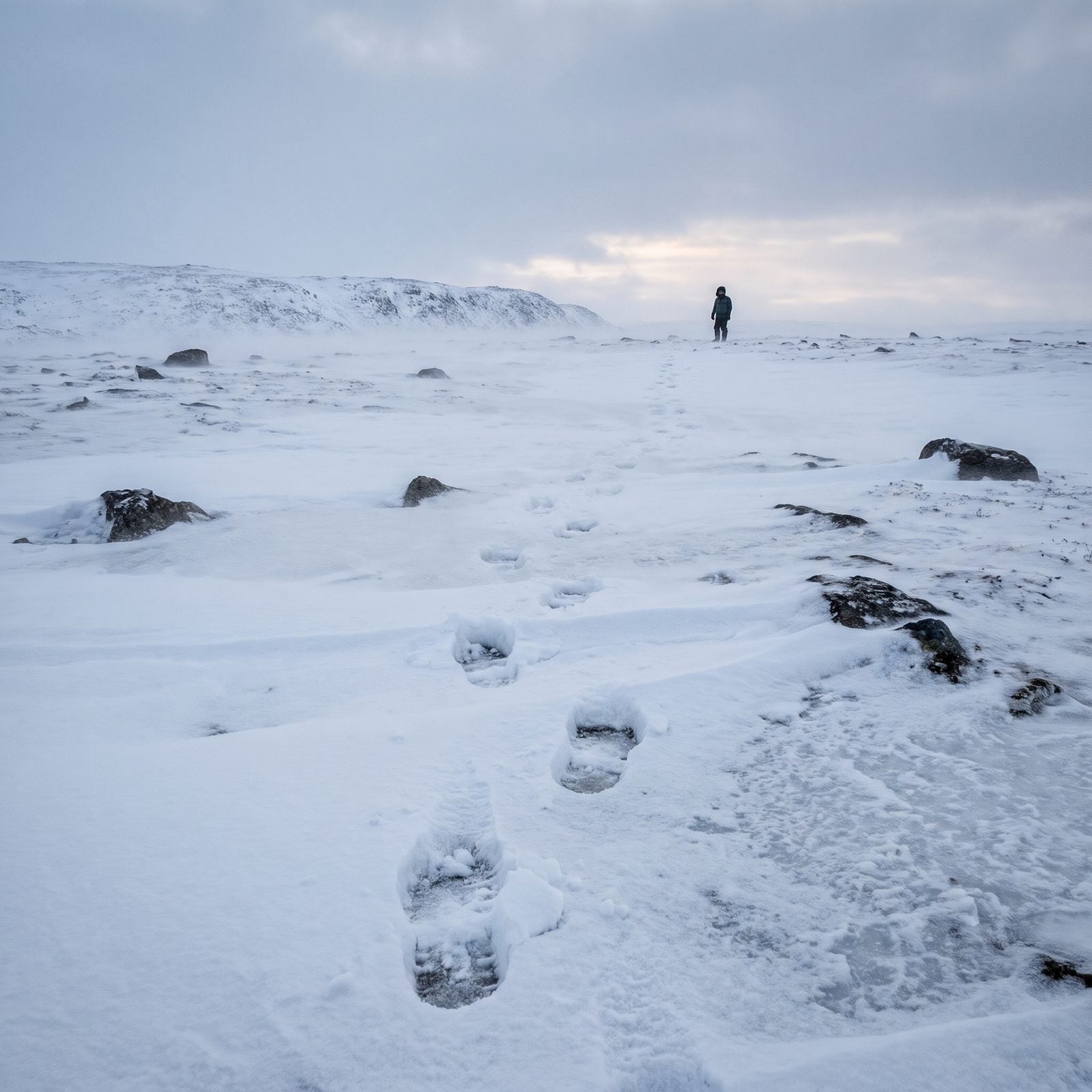
The confident protagonist marks their path by their own footprints, and it works fine right up until the weather has other plans.
Wind fills tracks in minutes on open ground. Fresh snow buries them. Spindrift smooths a field like it was never touched. By the time you turn around, the breadcrumb trail you were counting on can be gone, and now you’re lost somewhere you thought you had solved.
Deliberate markers you can actually find again beat trusting the snow to remember where you went. The snow does not care about your return trip.
23. Myth 9: Cut Across the Frozen Lake, It’s a Smart Shortcut
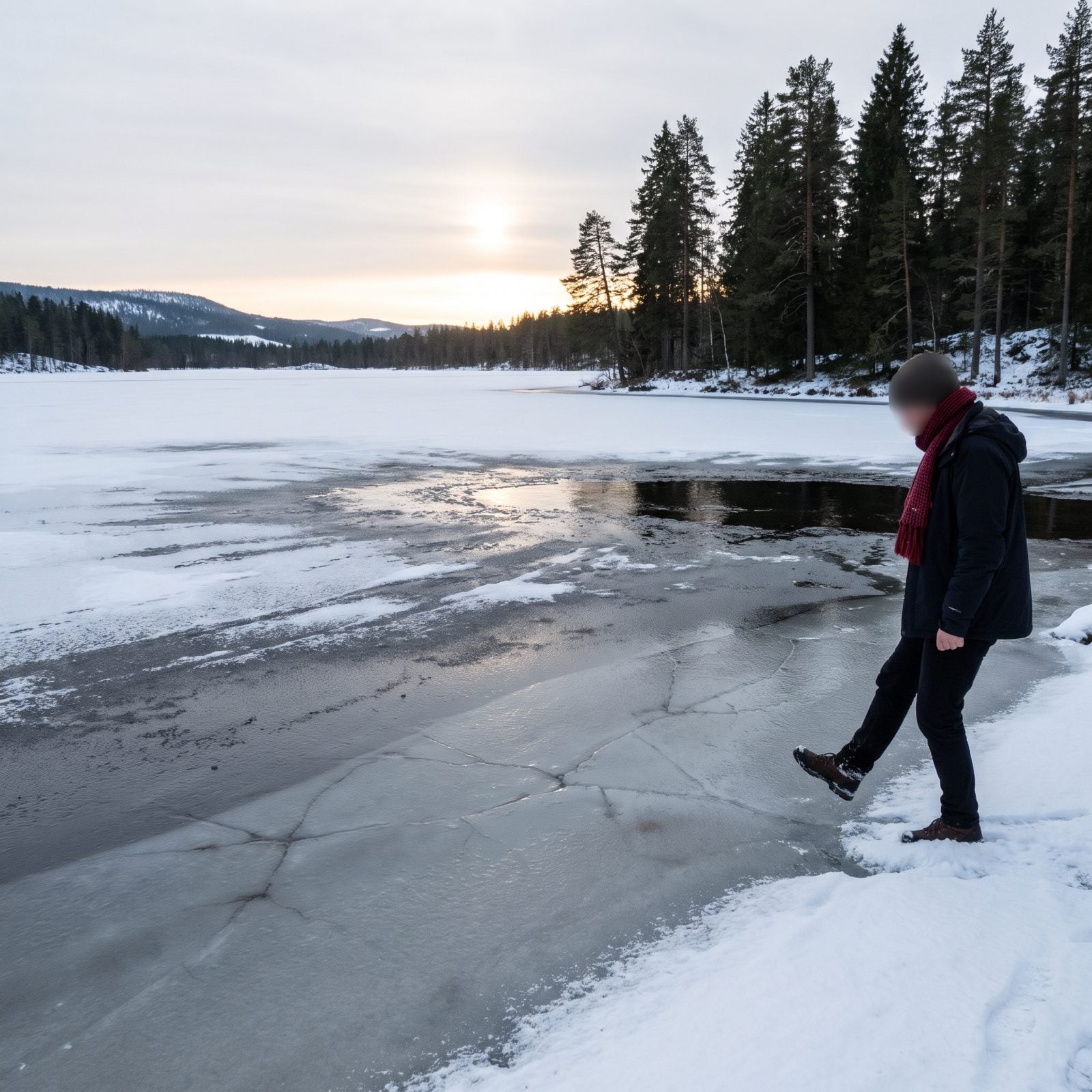
A frozen lake in a film is a flat, friendly shortcut, maybe a skating scene on top. Out here, lake ice is one of the great liars in nature.
Ice thickness varies wildly across a single lake. Springs, currents, inlets, and pressure cracks create weak spots that look identical to solid ice from shore. Early and late season ice is especially treacherous, and those grey, dark, or slushy patches are warnings, not shadows.
22. Myth 10: Leave the Stranded Car and Go Find Help
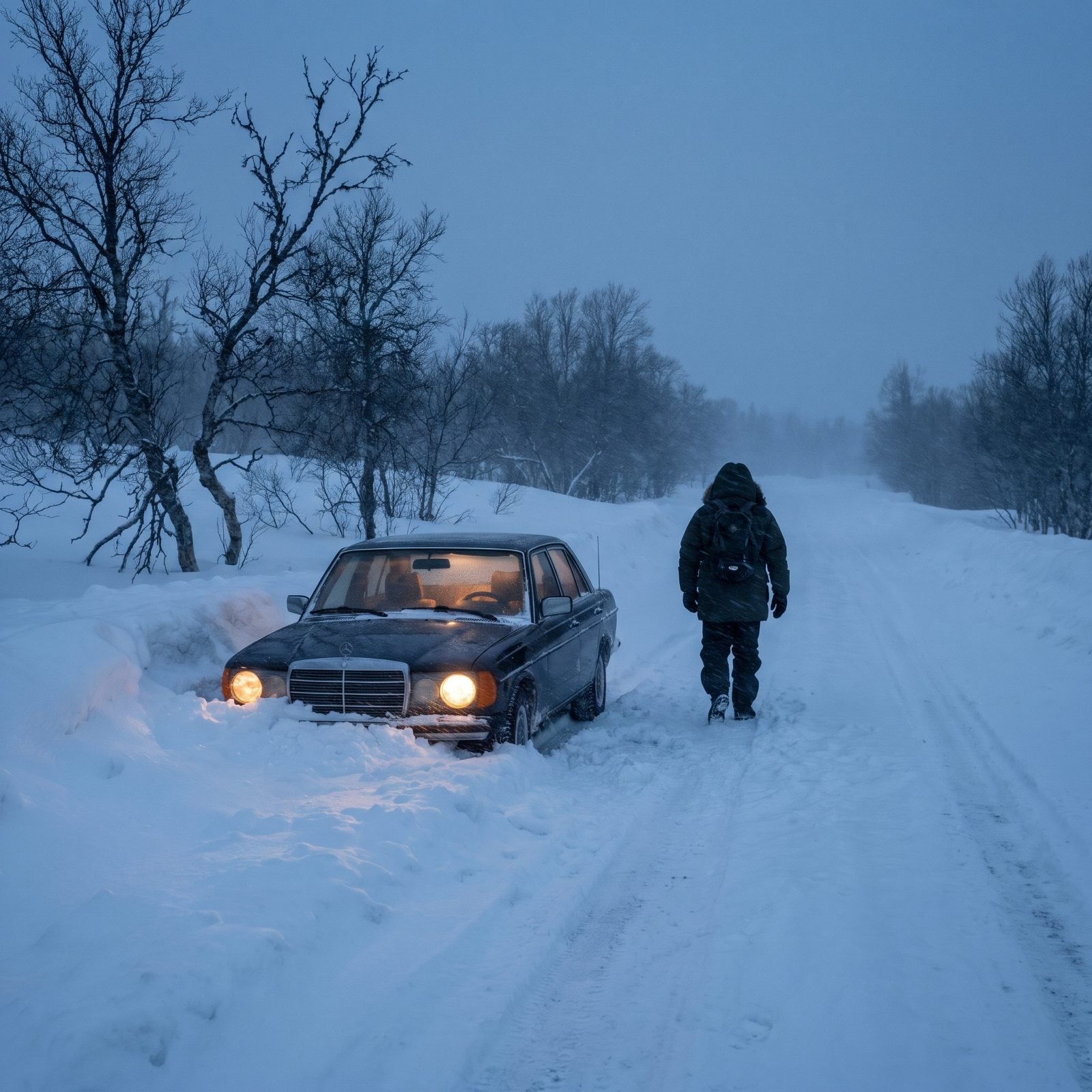
Every snowbound driving scene ends with someone trudging off down the road to find help. In most real winter breakdowns, that’s the move that gets people killed.
Your car is shelter, insulation from the wind, and the single biggest thing searchers can spot from the road or the air. On foot in a storm you’re small, exhausting yourself, and getting wet — which is how hypothermia starts. Searchers find vehicles far more often than wandering people.
Stay with the car unless it’s genuinely unsafe or help is close and certain. Run the engine briefly for heat with the exhaust pipe kept clear of snow, crack a window, and make yourself visible. A blanket, water, and a flashlight in the trunk are worth more than any clever plan to hike out.
21. A Phone With No Bars Cannot Reach Any Emergency Network
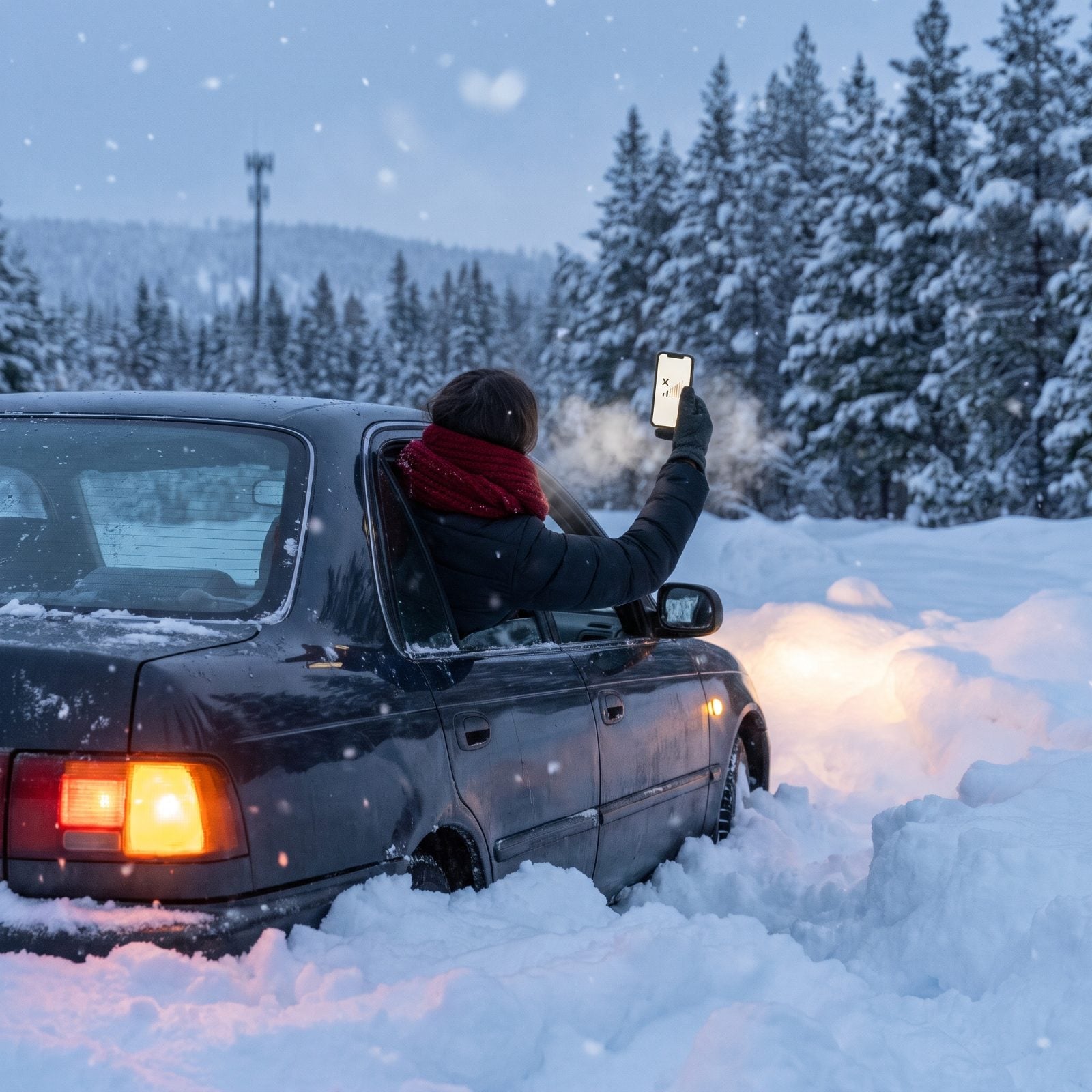
The movie version: zero bars, phone useless, hero resigns himself to fate by the fireplace. Real cold doesn’t work that way.
In the US, any phone can dial 911 even with no bars and no carrier, as long as it catches a sliver of signal from any network nearby. Your own carrier might be dead while a competitor’s tower on the next ridge is wide awake. And here’s the useful part: a call that won’t connect sometimes goes through as a text, because texts need far less signal and keep retrying in the background.
20. A Snow-Buried Tailpipe Is Harmless While the Engine Runs
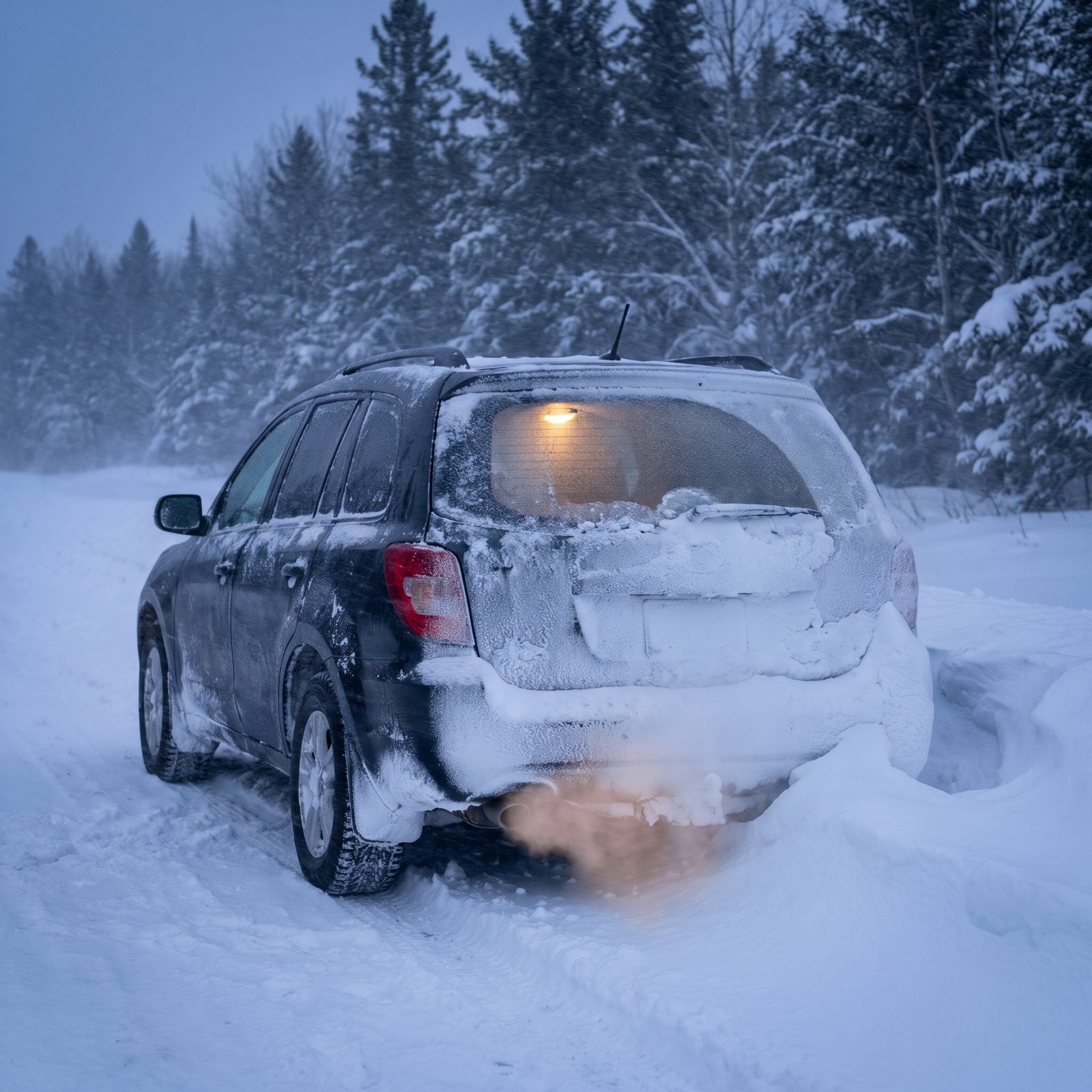
Characters nap cozily in a snowed-in car, heater humming, and wake up fine for the next scene. That nap can kill you.
A tailpipe packed with snow has nowhere to send exhaust, so carbon monoxide backs up and seeps into the cabin. It’s colorless, odorless, and it makes you sleepy before it makes you dead. You don’t smell danger. You just feel like resting your eyes.
Run the engine in bursts, not continuously. Ten minutes an hour buys you heat without flooding the cabin, and before every start, someone checks the pipe is clear.
19. A Single Candle Can Safely Heat a Sealed Car
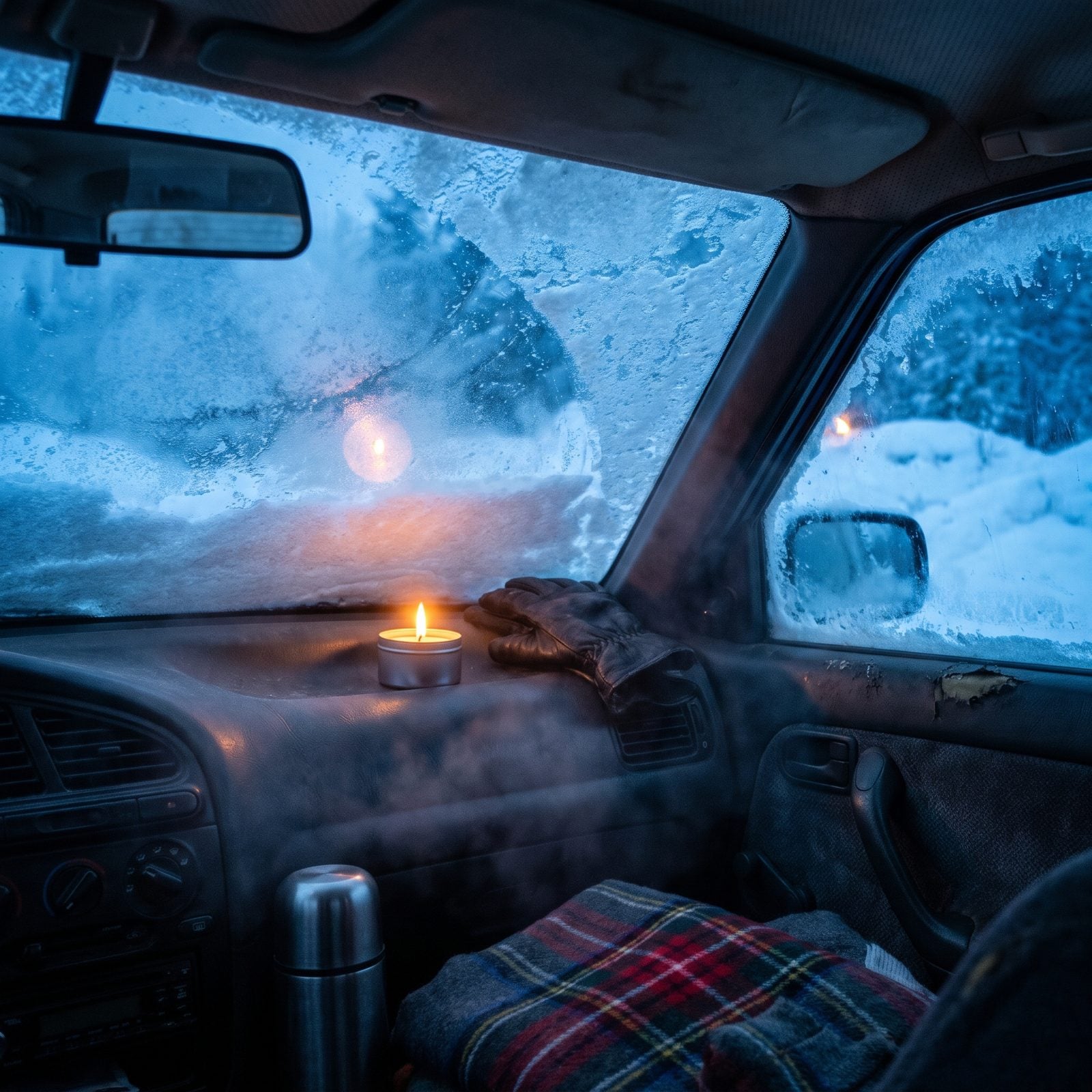
A survival candle in a stranded car is genuinely useful. The myth is that you can seal every gap and let it run like a little furnace.
Flames eat oxygen and produce their own carbon monoxide, and in a tight, sealed cabin that adds up faster than people think. There’s a second trap. The candle throws real warmth only inches away, so folks lean closer and drape a blanket near the flame, and now you’ve got a fire going inside a metal box you can barely climb out of.
18. Four-Wheel Drive Makes a Truck Nearly Impossible to Strand
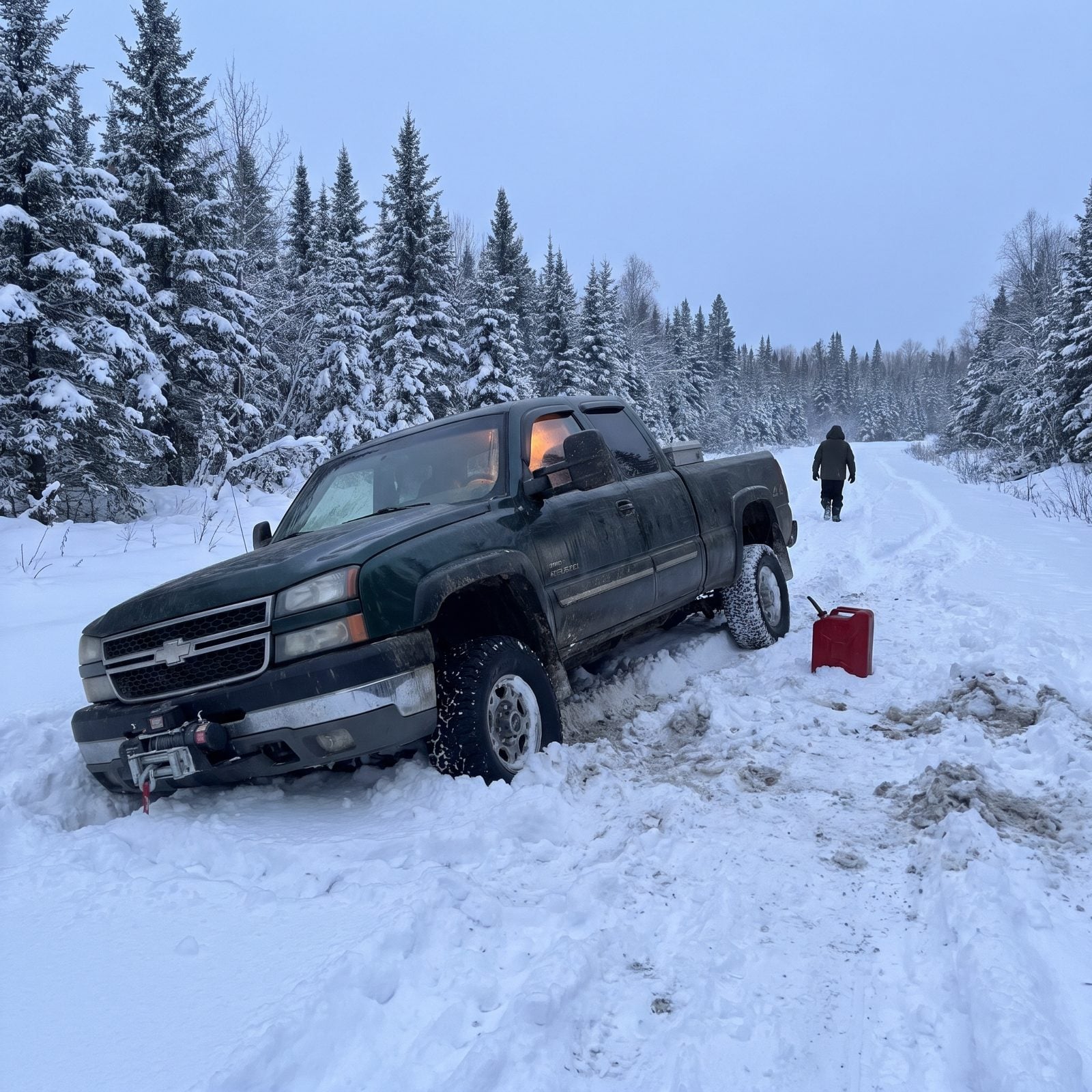
Four-wheel drive sends power to all four wheels. That’s it. It does nothing for stopping, nothing for steering on ice, and nothing at all once you’ve driven somewhere a two-wheel-drive car would’ve sensibly turned around.
The hero in the big truck pushes deeper into the storm because the dash says 4×4. Then the snow climbs past the bumper, the diffs start dragging, and all four wheels spin in unison going absolutely nowhere. More capability just means you get further from help before you’re stuck.
I’ve watched confident drivers blow right past the point of good judgment precisely because the badge told them they were invincible. Clearance and tires matter more than drivetrain. And the smartest move is usually the one you make three miles earlier, back when turning around is still easy.
17. Pouring Boiling Water on an Icy Windshield Is a Quick Fix
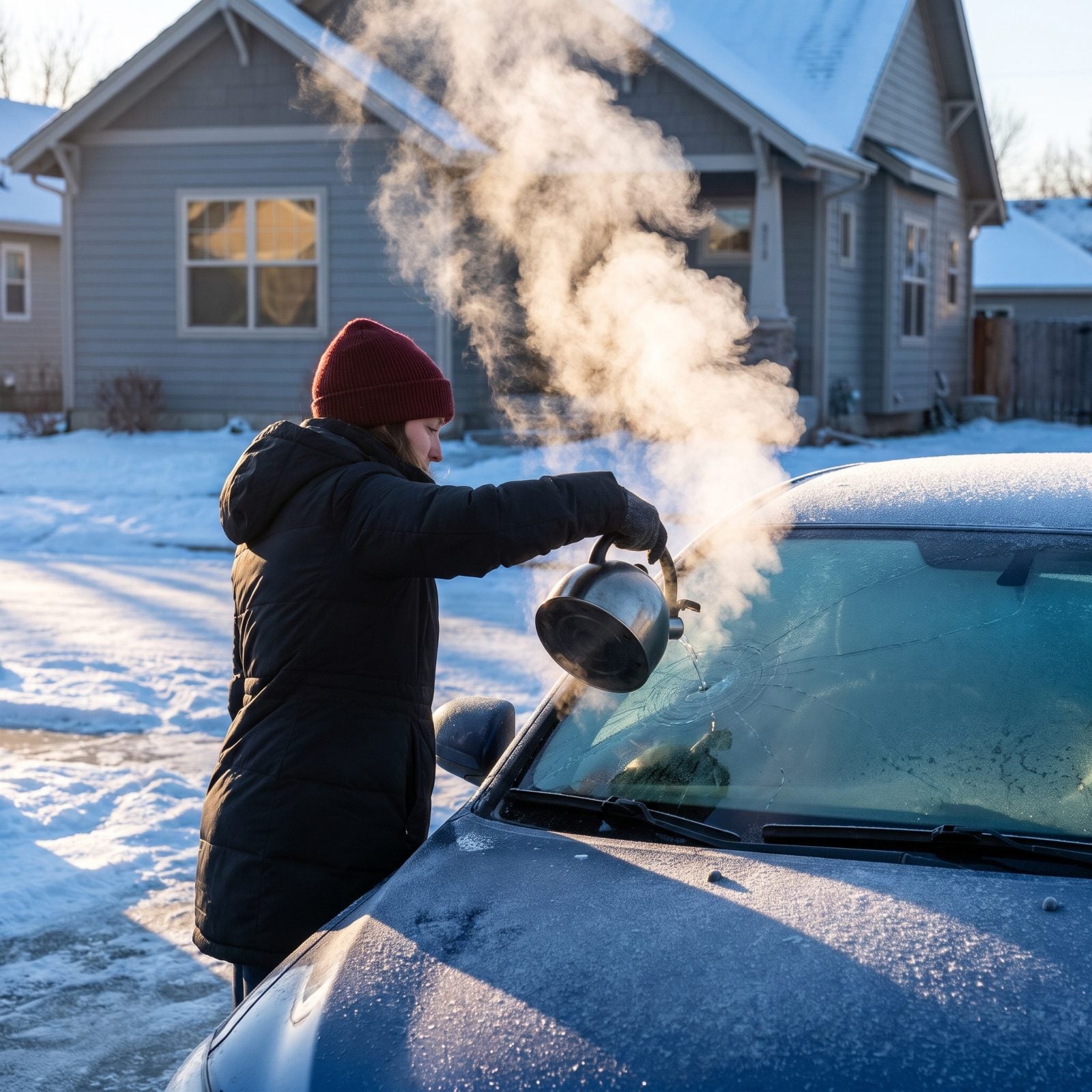
You’ve seen the frazzled movie commuter dump a kettle on the windshield and roar off to save the day. Try it and you may be calling a glass shop instead.
Glass that’s been sitting at well below freezing doesn’t love a sudden rush of near-boiling water. The outer surface expands fast while the cold inner layer lags behind, and that stress can crack or shatter it, especially if there’s already a chip hiding somewhere. Then the leftover water refreezes into a slicker, thicker mess than you started with.
Lukewarm water, a real scraper, and a running defroster do the job without the drama.
16. Other People’s Footprints Prove the Ice Is Safe
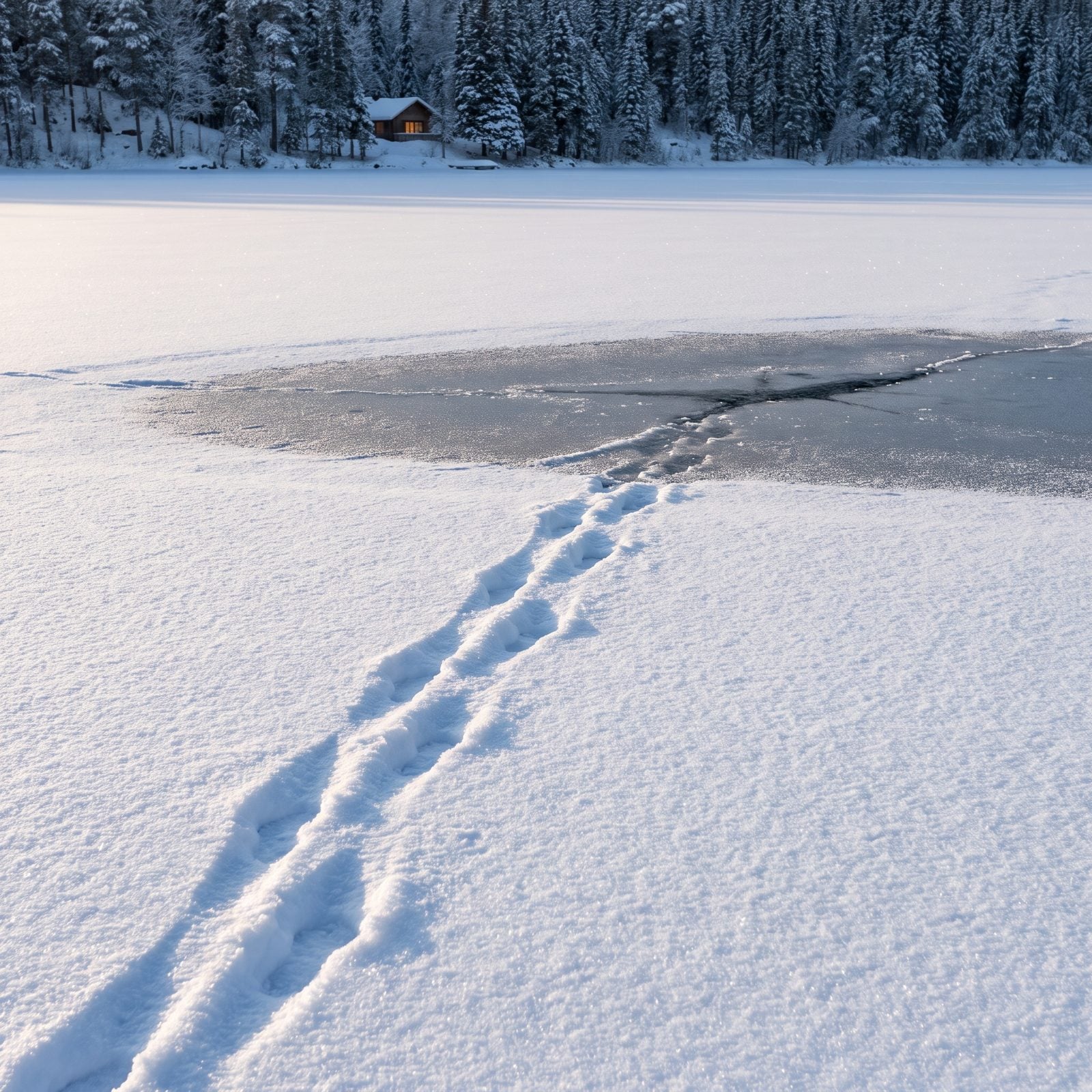
There’s a reassuring movie beat where someone points at tracks and says, “See, people walk here all the time.” Footprints prove exactly one thing: that the ice held somebody, once, at a weight and temperature you can’t see.
Ice shifts hour to hour. A warm afternoon, a day of sun, a current eating at the underside, and the path that held yesterday has gone rotten today. You don’t know when those prints were made, how heavy that person was, or whether they even made it back.
Measure it yourself or stay off. Borrowed confidence is the cheapest thing on a frozen lake and the most expensive.
15. Stand Up Immediately After Pulling Yourself From Broken Ice
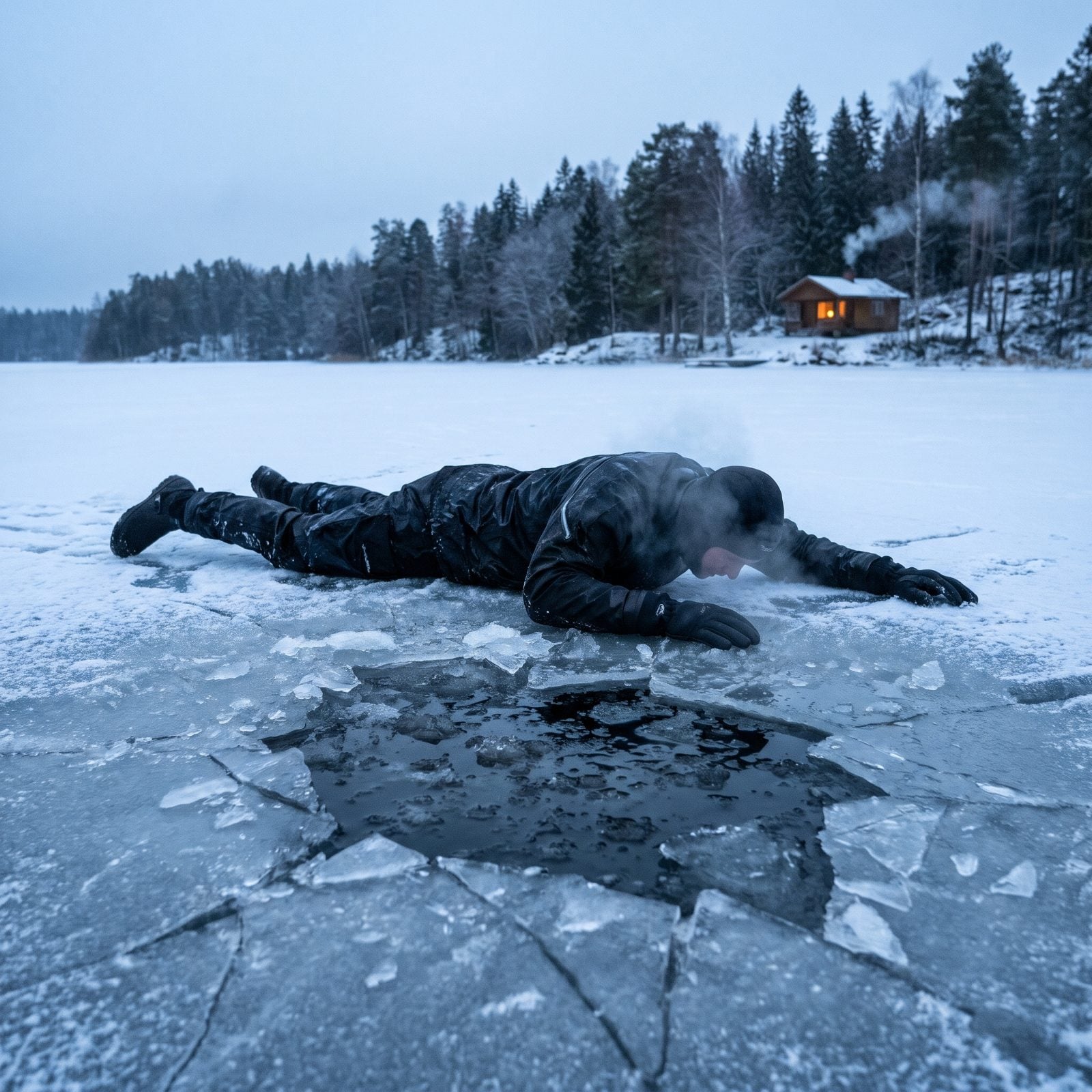
Getting out of the water is only half of it. The ice that failed under you failed for a reason, and standing up dumps your whole body weight onto a dinner-plate-sized patch of that same weak ice.
Stay flat. Roll or crawl away from the hole, back the direction you came from, spreading your weight across as much surface as you can until you’re well onto solid ice. Then get up and get warm fast, because the clock on cold-water shock and hypothermia is already running.
14. A Fast Runner Can Outrun an Avalanche
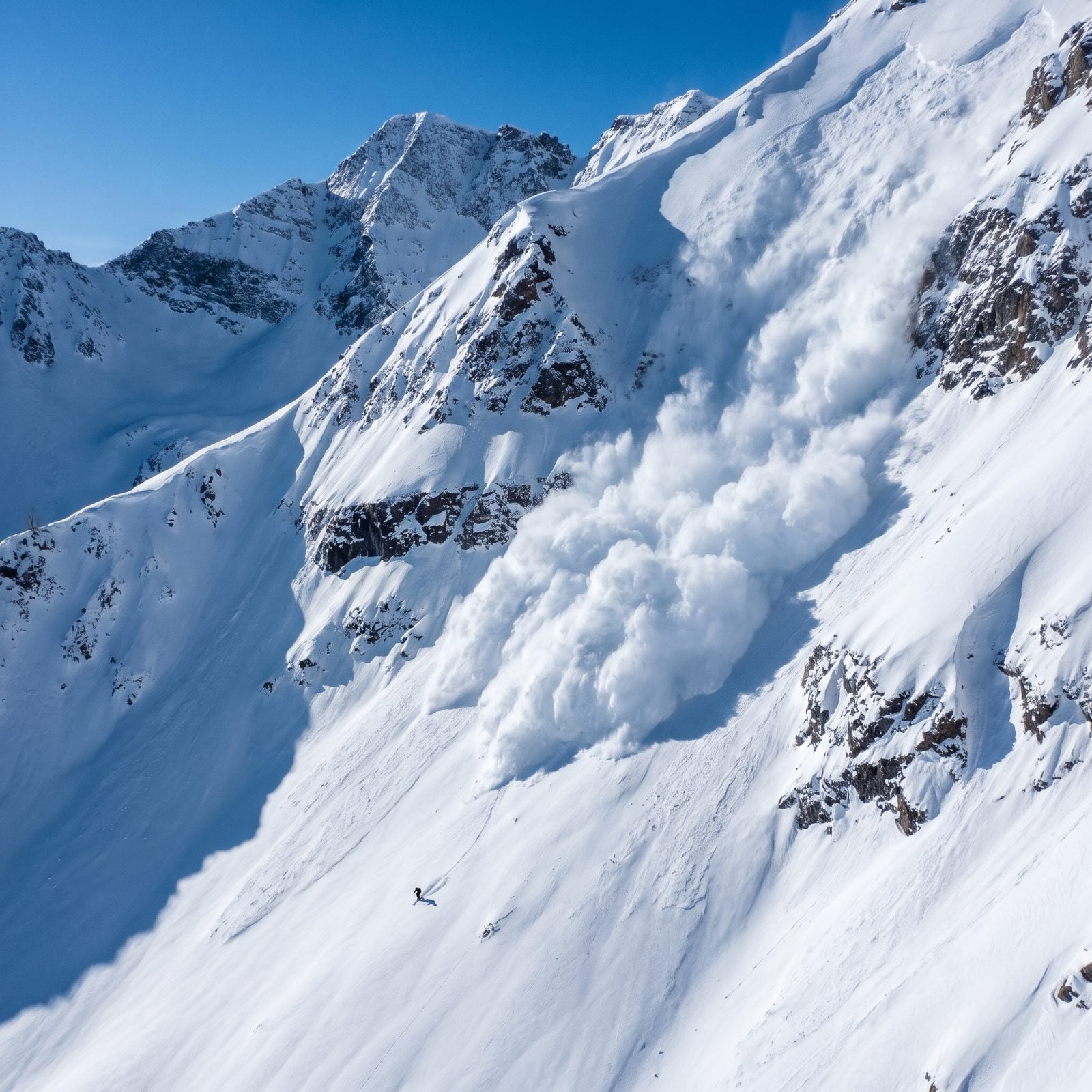
The chase always ends with the hero sprinting just ahead of the snow and diving to safety at the last second. Nobody outruns an avalanche.
A slab can hit highway speeds within seconds, and you’re trying to flee uphill or sideways on skis or snowshoes. The math never works. By the time you see it move, the gap is already closing faster than any human sprint.
Surviving avalanche terrain happens long before the slope ever lets go: reading conditions, checking the forecast, carrying a beacon, shovel, and probe, and simply not standing on a loaded slope at the wrong moment. Speed is a Hollywood fantasy. Judgment is the whole game.
13. A Big Tree Will Reliably Shield You From an Avalanche
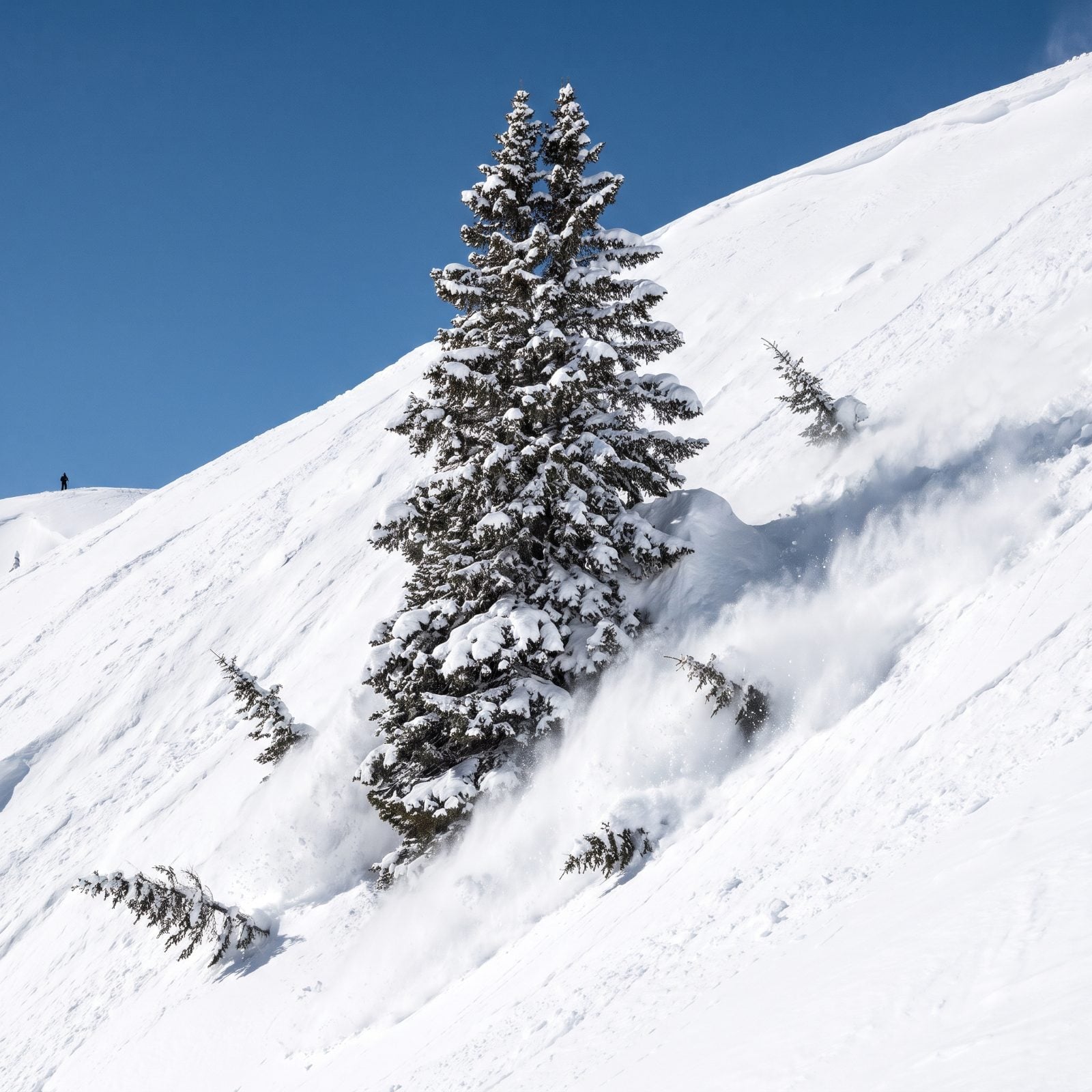
This is the one that gets dressed up as clever survival instinct: duck behind the big pine and let the snow wash past.
A moving slide carries enough force to snap mature trees like matchsticks, and even when a trunk holds it turns into a brutal trap. Snow piles up on the uphill side, you get slammed into solid wood at speed, or pinned against it and buried as the flow stacks in behind you. Trees also tend to mark where the snow runs deepest.
The honest answer is grim. There’s no reliable tree, rock, or crouch that beats a serious slide, and the real defense is staying off that terrain when the signs say no. The mountain doesn’t care how good a movie it would make.
12. Yelling Nonstop After the Avalanche Snow Settles
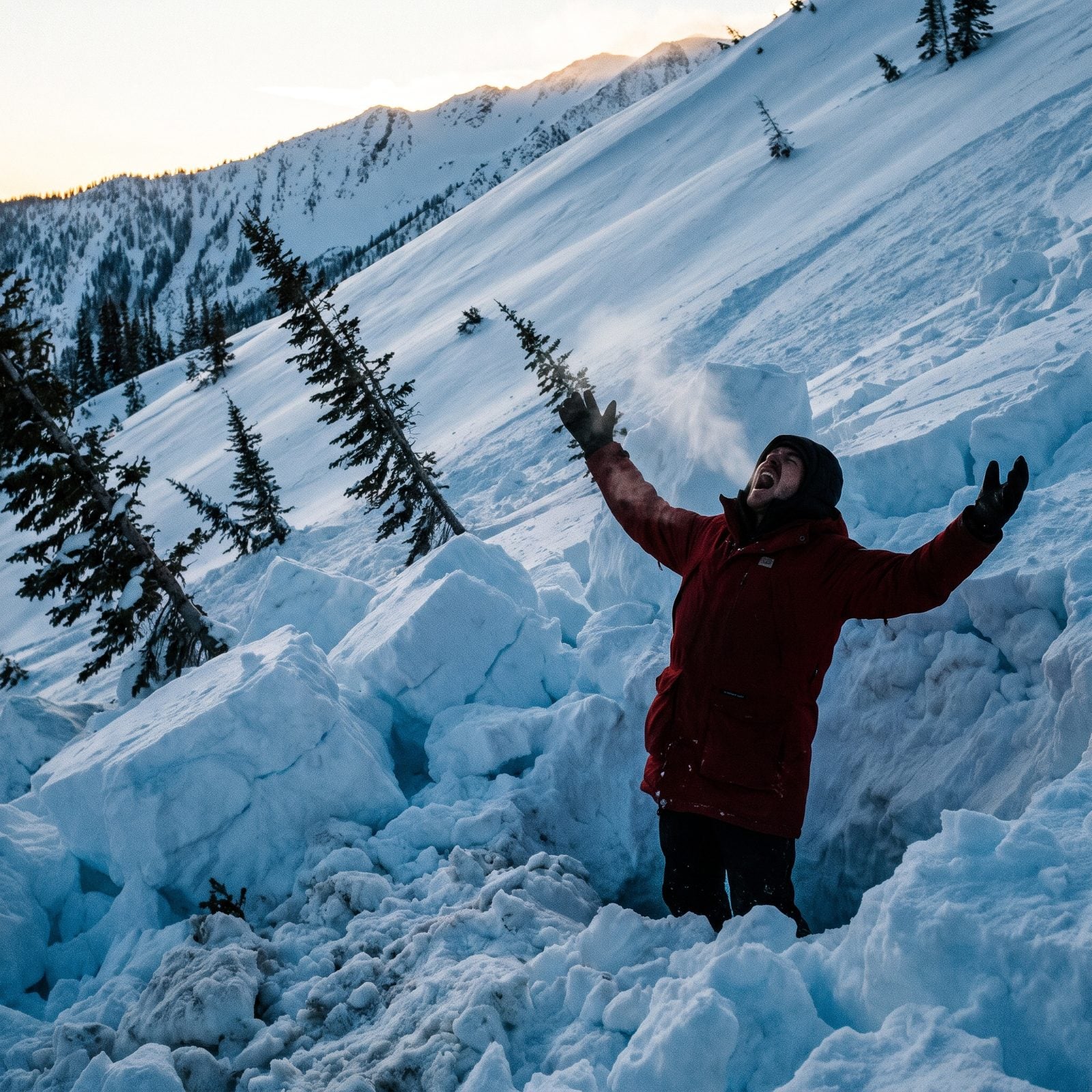
Movies love the hero who screams a friend’s name until a muffled voice answers from under the snow. Reality is quieter, and worse. Settled avalanche debris sets up like concrete and swallows sound, so the person buried can sometimes hear you while you almost never hear them. All that shouting burns oxygen and energy you’ll want for digging.
What actually saves people is a transceiver, a probe, and a shovel, used fast. Survival odds fall off a cliff after fifteen minutes. So you dig. You don’t perform a monologue.
11. Loud Noises Set Off Most Avalanches
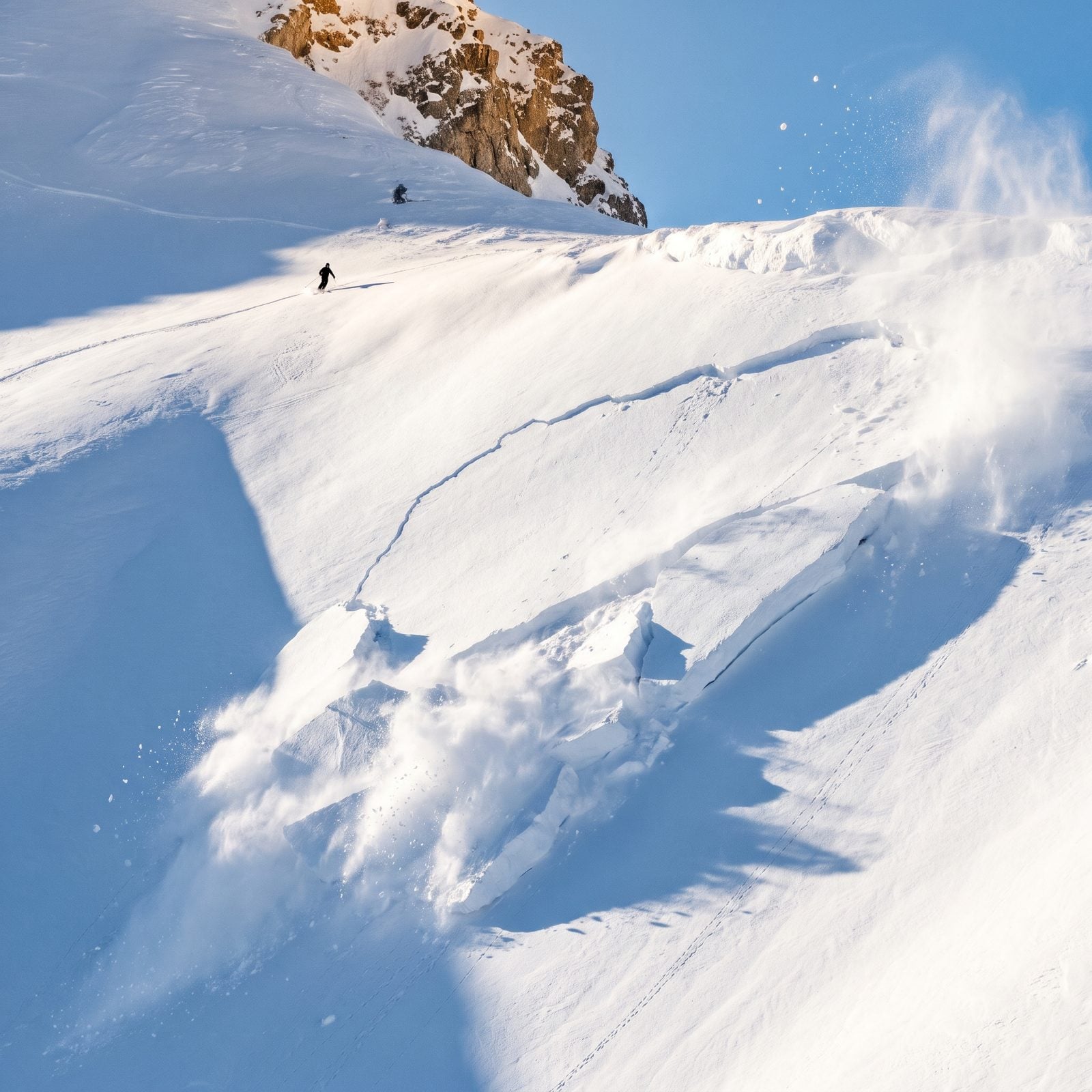
The yodel that brings the mountain down is pure Hollywood. Sound pressure from a shout or a gunshot comes nowhere near enough to shear a buried weak layer. Forecasters have tested it. Noise isn’t on the list.
Weight and stress trigger slides. A skier cutting across a loaded slope, new snow piling on an unstable layer, warming through the day, a cornice letting go. The classic danger sits on slopes around 30 to 45 degrees, exactly the pitch that looks fun to ride. Read the terrain, check the forecast, and forget about your voice. Worry about where your skis are pointed.
10. A Flat Clearing Is Safe With Steep Slopes Looming Above
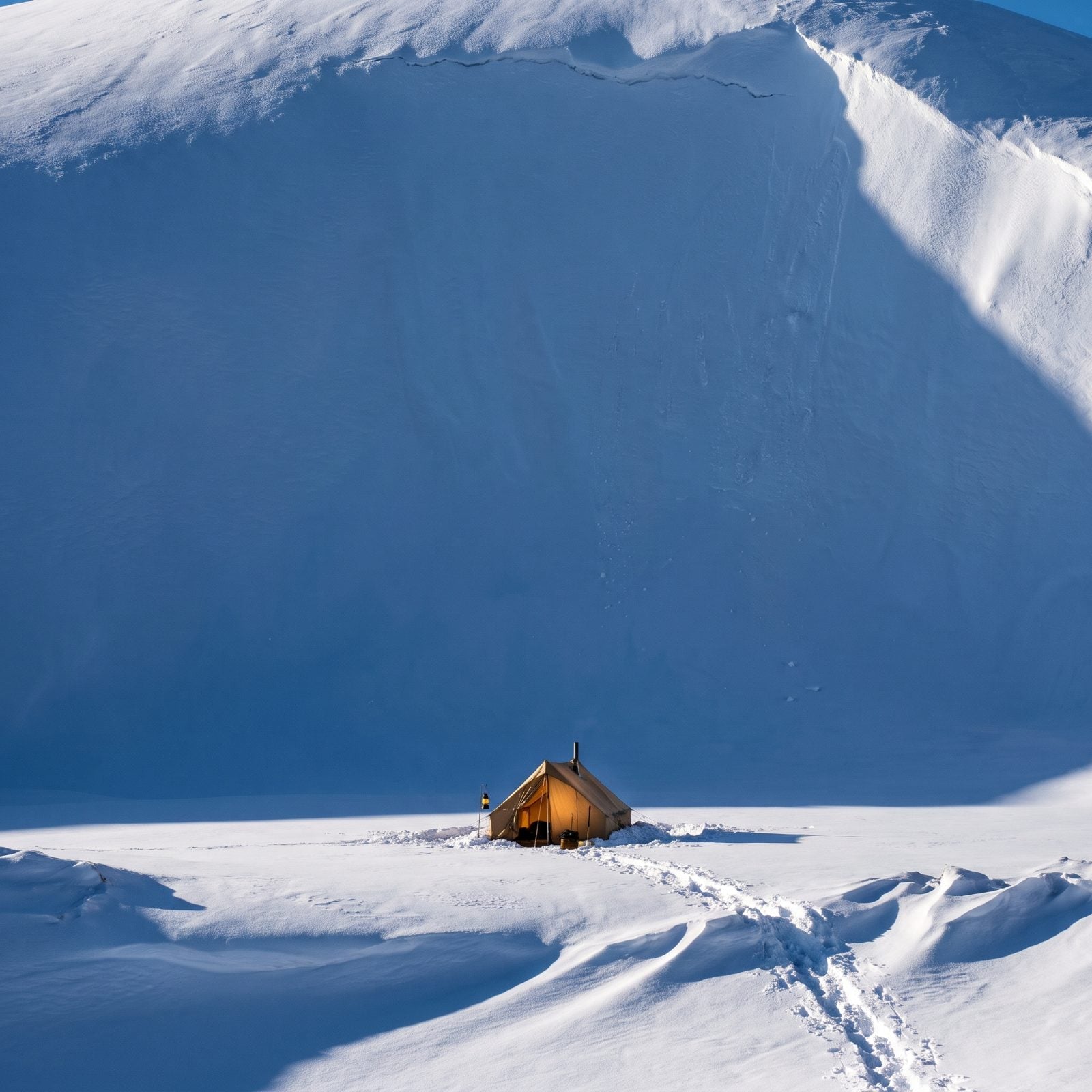
Flat ground feels like safety. Your brain reads level and relaxes. But a slide doesn’t stop where the slope stops — it runs out across the flat below, sometimes a long way, and that sheltered clearing at the foot of a steep face is called a runout zone for a reason.
The gentle meadow under the big white wall is exactly where the debris piles up. Experienced folks look up, not just down. Before you pitch a tent, check what’s hanging above you.
9. A Snow Shelter Doesn’t Need Ventilation
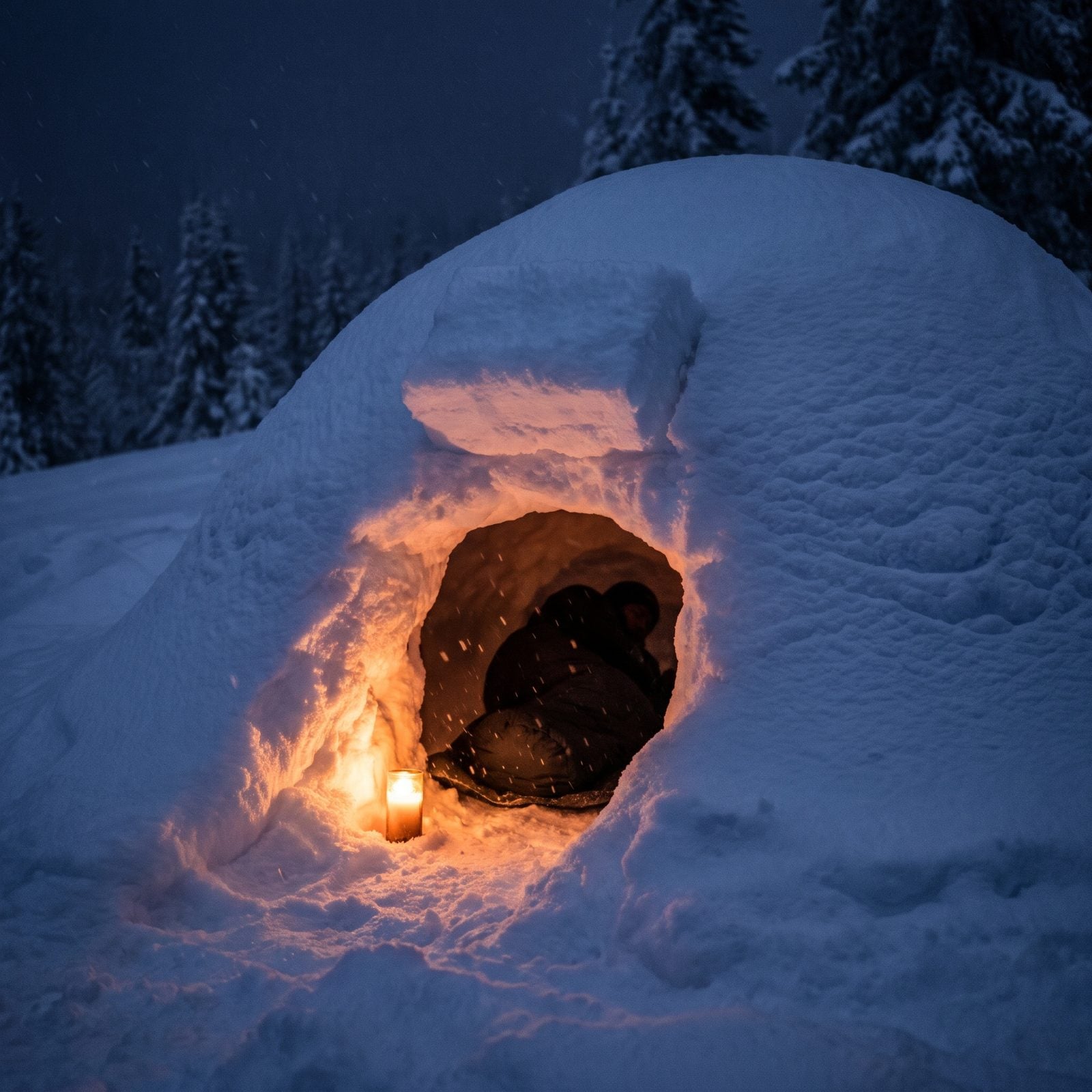
This is the one that actually kills people, and movies never show it because suffocating quietly in your sleep makes bad cinema. A snow cave seals tight. Snow is a decent insulator, which also makes it a decent lid, so your breath and any flame you light for warmth burns up oxygen and pumps out carbon dioxide with nowhere to go.
Poke a vent hole through the roof. Then keep it clear through the night as snow drifts over it — the drift never sleeps. A candle inside earns its keep three times over: light, a little heat, and a canary. If the flame starts to struggle, your air is going bad. Watch that flame.
8. Anyone Can Throw Up an Igloo in a Few Minutes
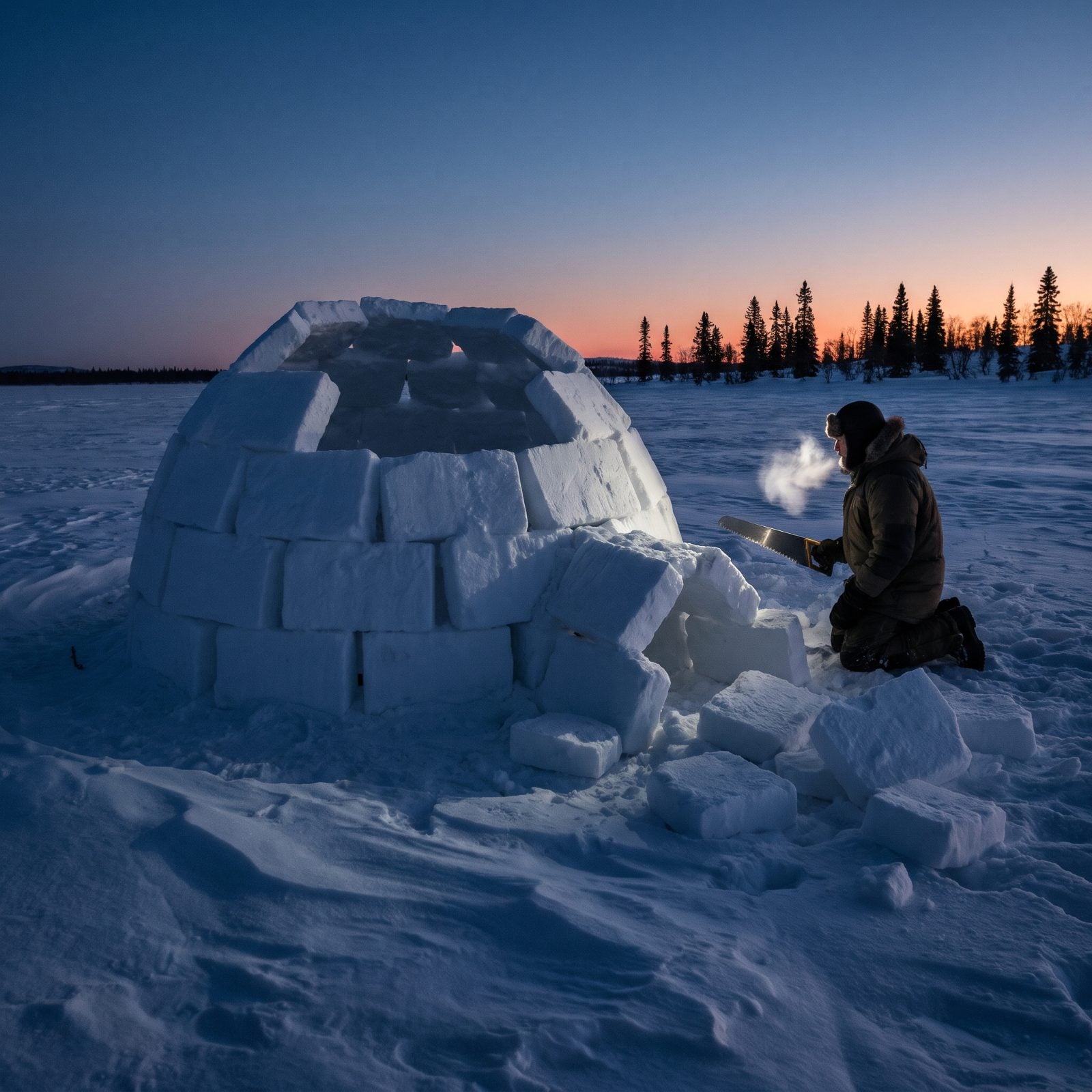
A real igloo is skilled, slow work, not a quick afternoon project. The blocks have to be cut from wind-packed snow of the right density, trimmed to lean inward, and set in a rising spiral so the dome holds its own weight. Someone who knows the technique still needs a couple of hours. A first-timer? The thing collapses, again and again, while the light fades and the cold deepens.
Most people stranded in the snow are far better off with a quinzhee or a snow trench. Pile snow, let it settle, hollow it out. Less glamorous. Far more forgiving.
7. A Thick Blanket Makes Sleeping Right on the Snow Fine
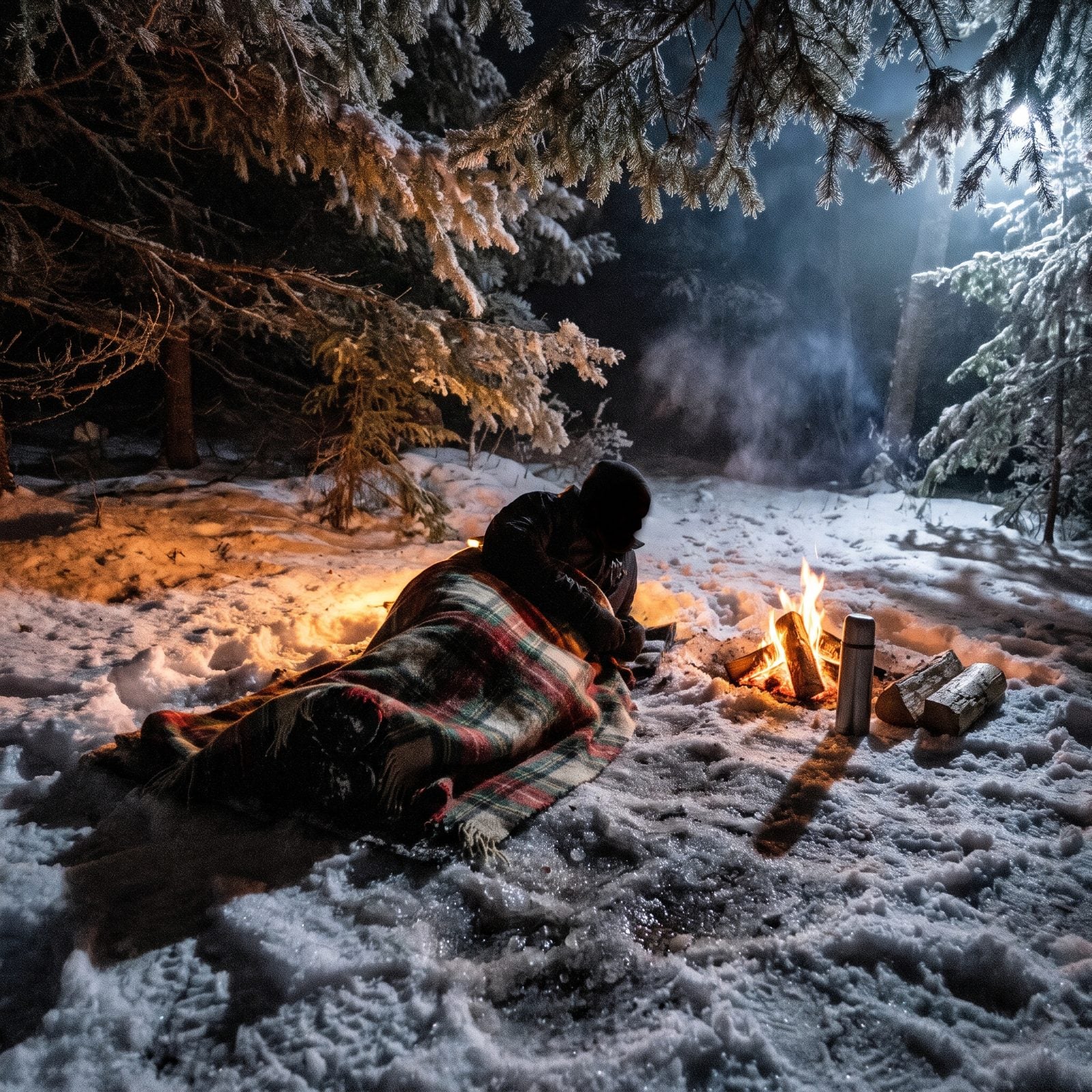
Pile on all the blankets you want. If you lie straight on the snow, the ground wins. Cold pulls heat out of your body by direct contact far faster than cold air does, and a blanket piled on top does nothing about the surface you’re pressed against. Worse, your body weight crushes that insulation flat exactly where you need it most.
The fix is what’s under you, not over you. A foam pad, a thick layer of pine boughs, a backpack — anything that breaks contact with the frozen ground. Trappers figured this out a century ago. The movies forgot it.
6. An Emergency Foil Blanket Makes Its Own Heat
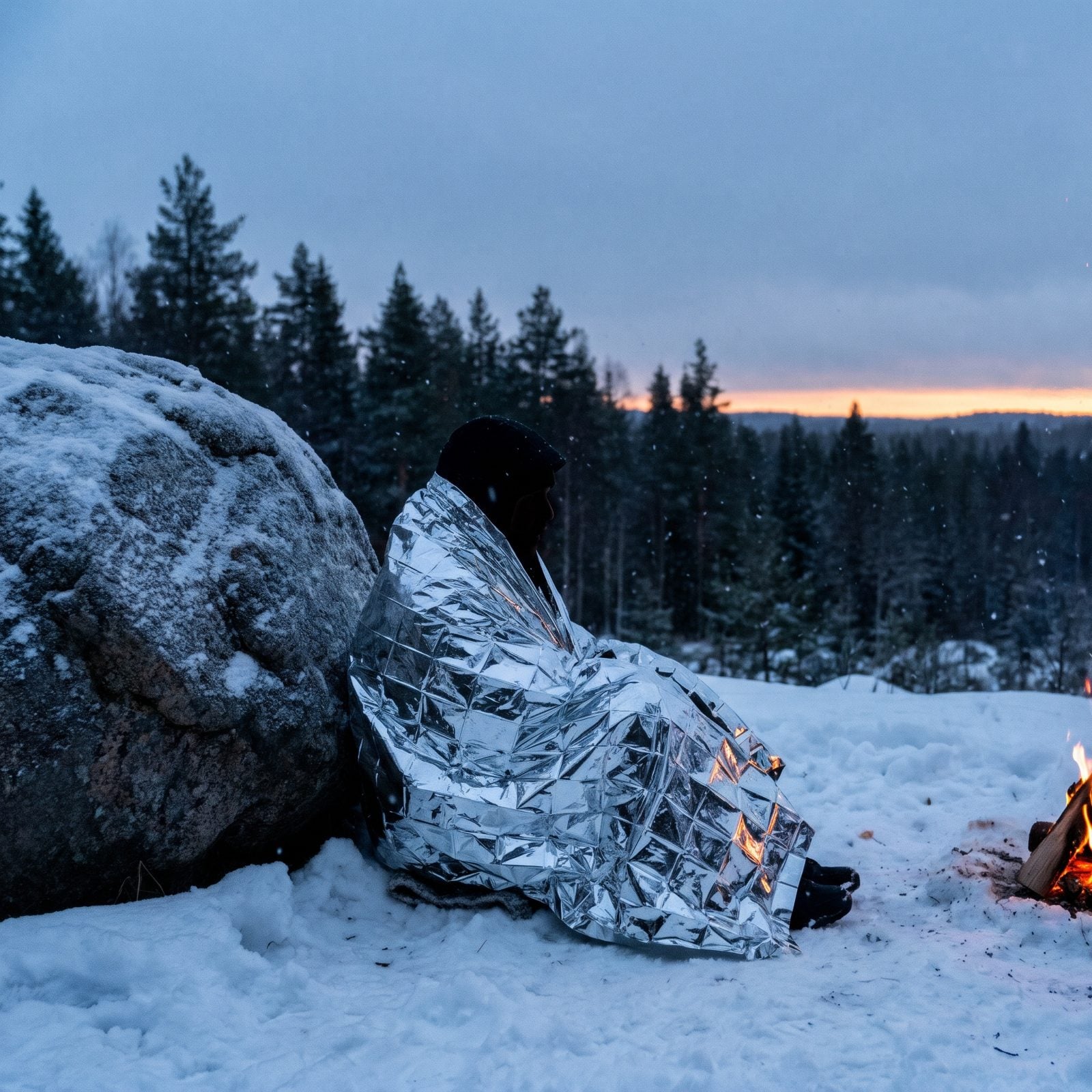
That shiny silver sheet is a reflector, not a furnace. It bounces a chunk of your radiated body heat back at you, which is genuinely useful, but it makes exactly zero warmth of its own. Wrap it around someone who’s already gone cold and still, with no heat left to reflect, and you’ve got a candy wrapper.
It works best early, before you’ve lost the fight, and better still with a windbreak and something insulating underneath. Thin as it is, it tears easy, and it does nothing against ground cold. Good tool. No magic in it.
5. One Giant Bonfire Beats a Small Controlled Fire
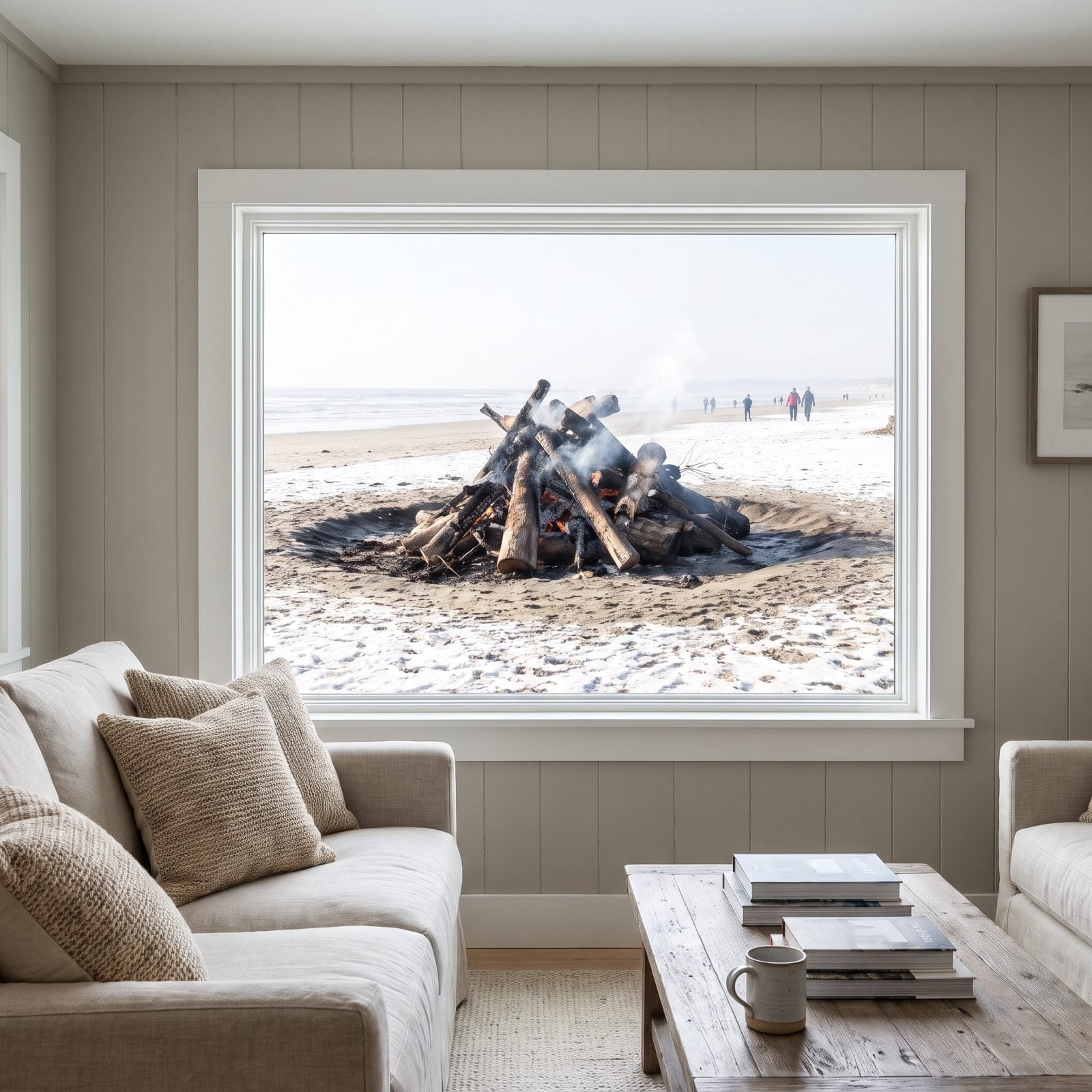
A roaring wall of flame looks heroic and does a lousy job of keeping you warm. Stand close to a big bonfire and it drives you back with heat you can’t even use from six feet away. It chews through your wood supply in an hour, throws sparks onto your gear, and lights up your whole position like a beacon.
A small, tended fire you can crouch right over does more actual good. Build a reflector of logs or a snow wall behind it and the heat comes back toward you instead of leaking off into the night. Slow and controlled beats big and dramatic, every cold night of the year.
4. Gasoline Is a Smart Way to Revive a Dying Campfire
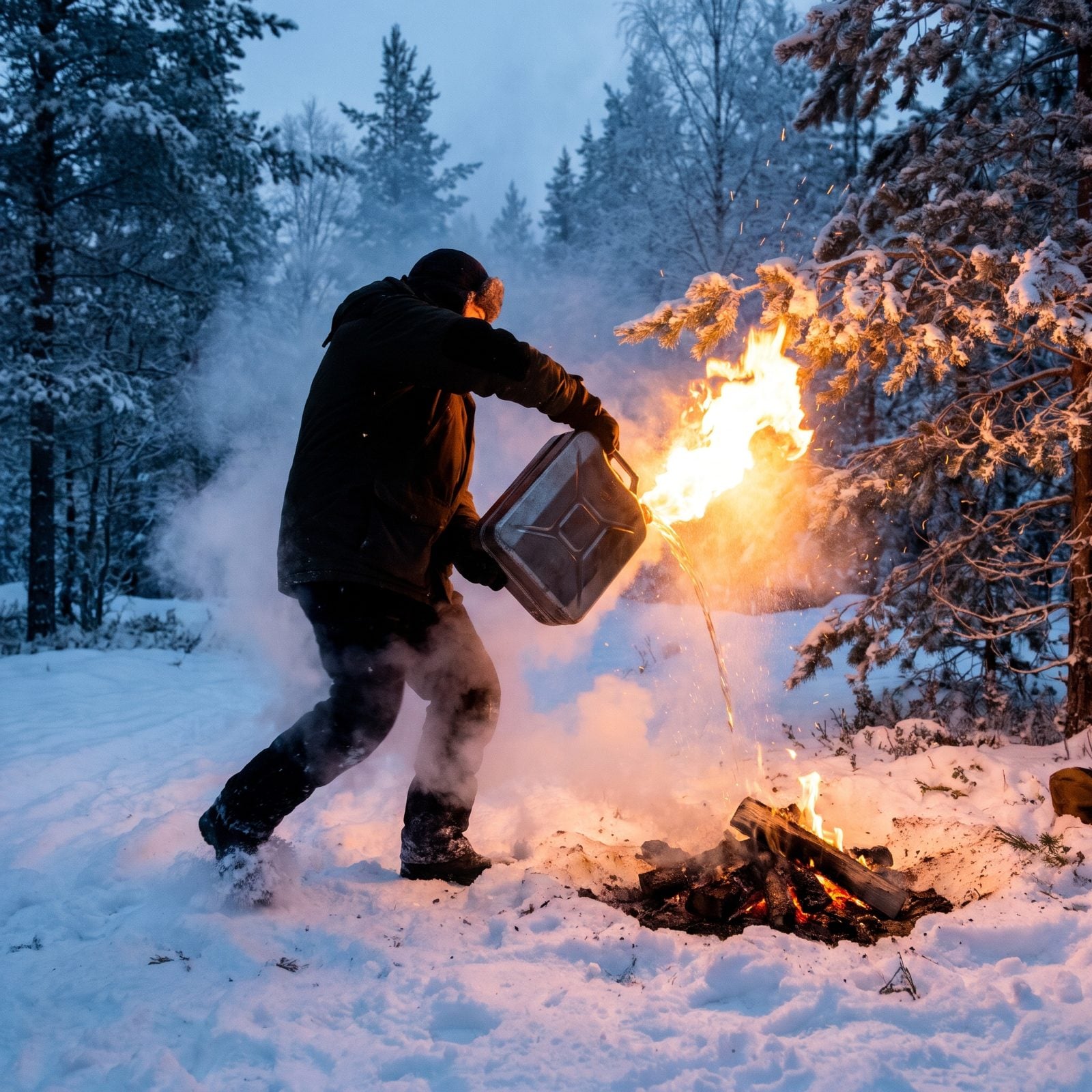
No. Just no. Gasoline doesn’t really burn — its vapor explodes, and that vapor spreads invisibly through the cold air around the embers. Pour it on a dying fire and the flame climbs the stream straight back to the can in your hands. People lose eyebrows, faces, and worse doing this, every single winter.
Fire fading? The answer is dry tinder, better airflow, and patience. Shave a dead branch into fine curls, feed it slowly, blow at the base. A dying fire wants attention, not accelerant.
3. A Charcoal Grill Can Safely Heat an Indoor Room
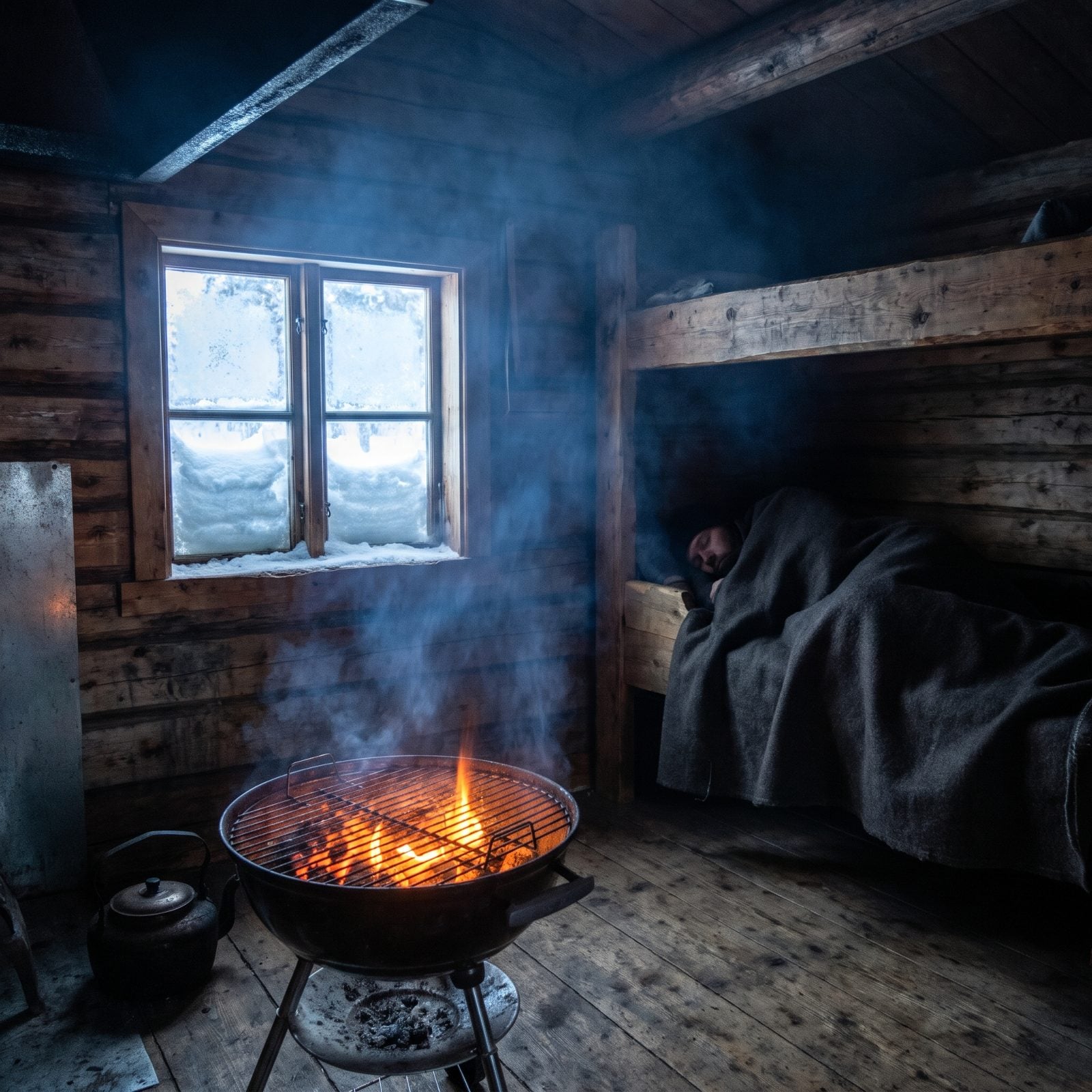
This is the deadliest myth on the list, and the one that feels most reasonable at the time. You’re freezing, the grill’s got hot coals, the cabin’s sealed up tight, so you bring it in. Charcoal burning in a closed space floods the room with carbon monoxide. No smell, no warning, no second chance. People fall asleep warm and simply don’t wake up.
Charcoal grills, camp stoves, generators — any combustion stays outside. Always. And if you’re truly desperate for heat indoors, cracking a window won’t save you either. There’s no safe version of this one.
2. The Little Propane Heater Can Hum All Night While You Sleep
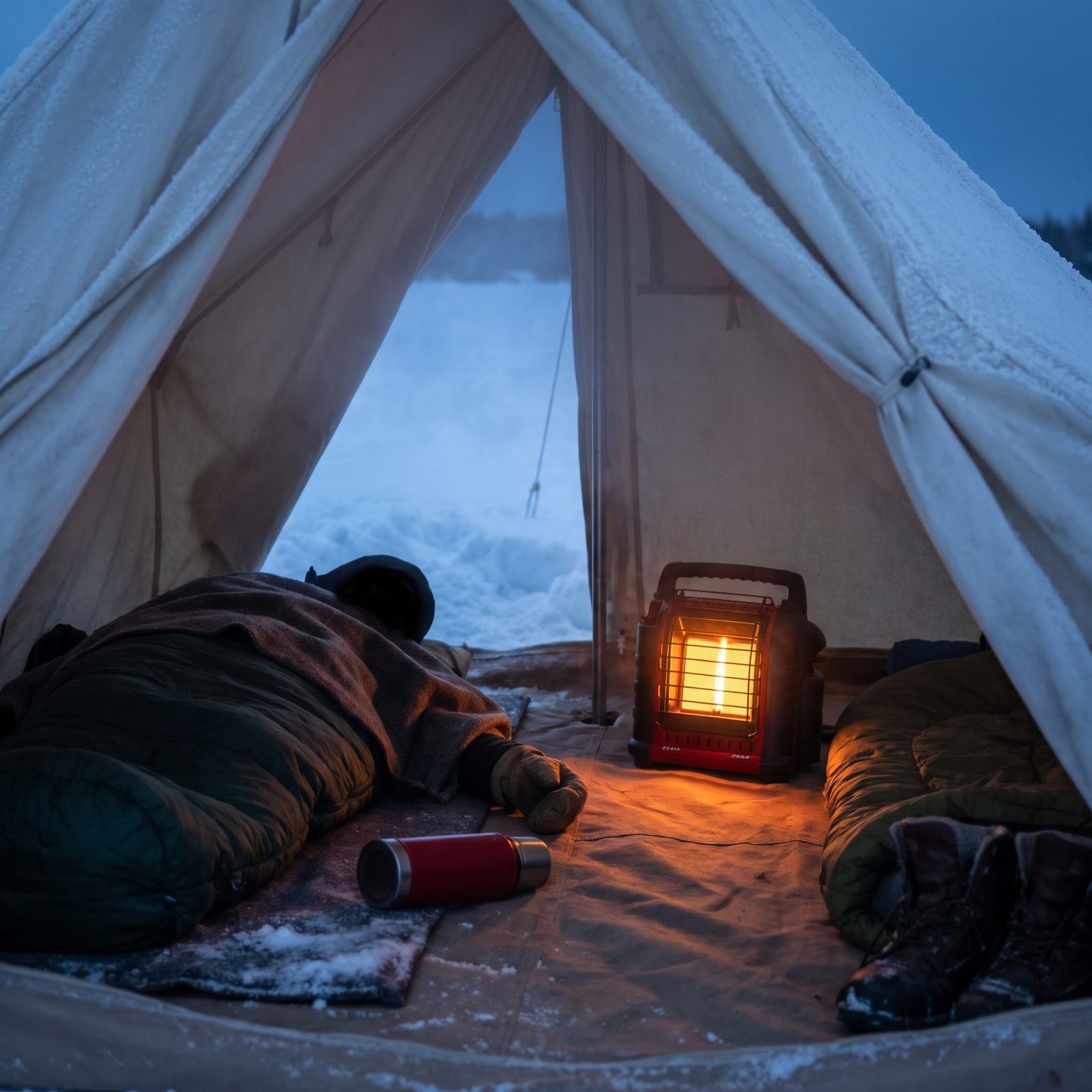
Movies love the cozy shot — the heater glowing while snow piles up outside and everyone drifts off warm. It plays like comfort. It’s closer to a trap.
Here’s what that glow is actually doing. Catalytic and radiant propane heaters burn oxygen and throw off carbon monoxide, so when you seal a tent against the cold and cut the airflow, that invisible gas builds while you sleep. You don’t smell it. You don’t cough. You just get drowsy, which in a zipped-up tent at night feels like nothing more than being tired after a long day on the trail. People have died this way. They died warm.
So run a heater only while you’re awake, with the flaps actually open, and kill it before you crawl into the bag. The real overnight work gets done by a good sleeping bag and a dry base layer. The heater just takes the chill off before bed.
1. A Tongue Stuck to Frozen Metal Should Just Be Yanked Loose
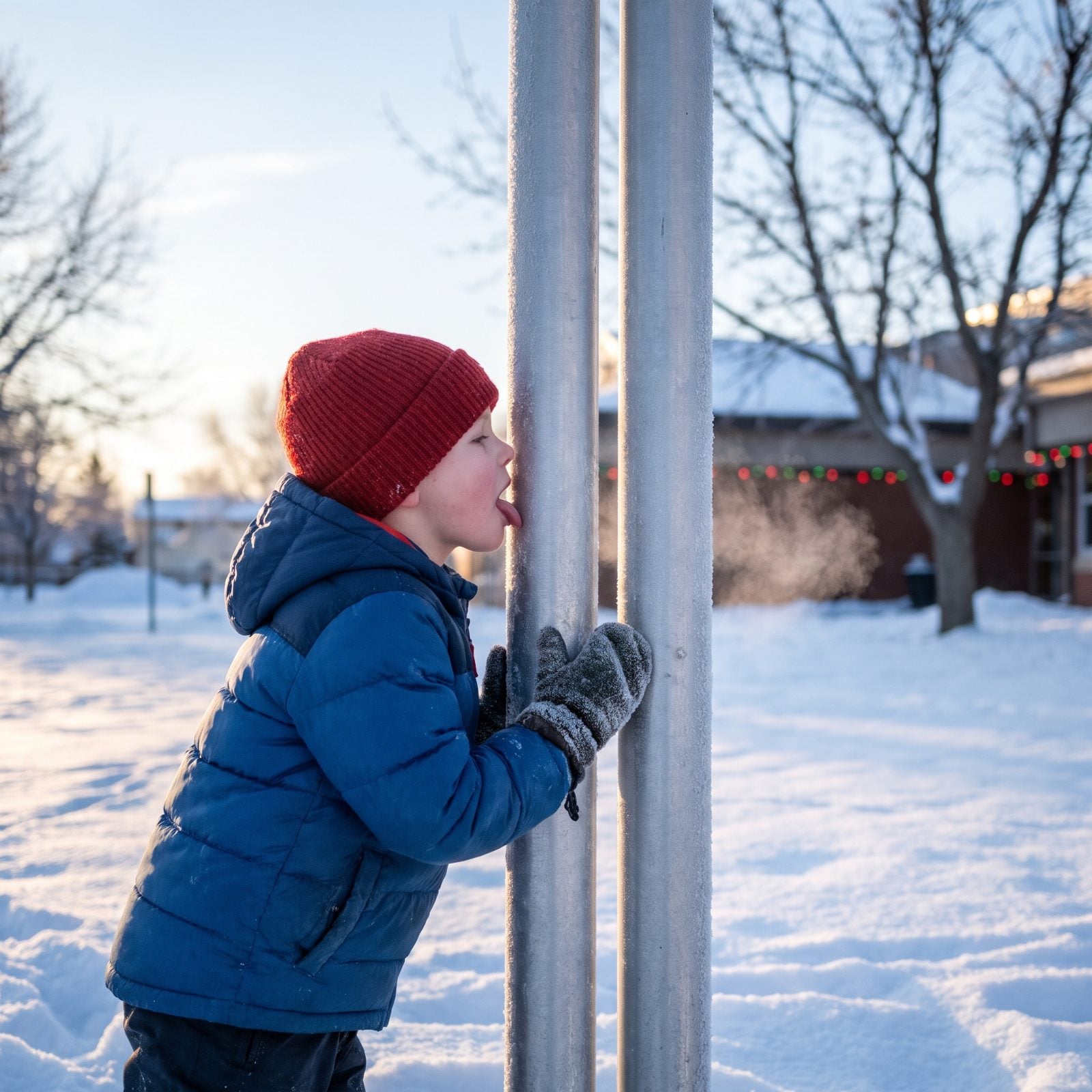
Everyone knows the scene — the dare, the pole, the tongue, the panic. Then the movie plays it for laughs, or the kid rips free and runs off fine. Real life is stingier with second chances.
Warm, wet skin bonds to cold metal the instant it touches, because the moisture freezes in the gap. Yank hard and you tear the skin right off your tongue. That bleeds a lot, heals slowly, and sits in one of the few spots on your body you physically cannot leave alone. The fix is boring. Stay put, pour warm water over the contact point, and wait for the ice to melt until the tongue releases on its own. Breath or a cupped warm hand does the same job, just slower.
No water handy? Keep the mouth warm and wait it out. Panic is the only thing that turns a weird moment into a trip to urgent care.