
Yosemite’s valley floor in July feels like a parking lot with a view. Nobody mentions the quiet math when they book the famous parks: more people, more shuttle buses, more shoulder-to-shoulder overlooks. But there’s a whole second tier of parks out there with the same granite and the same bears and the same dark skies, pulling a fraction of the foot traffic. Some take real effort to reach. Others sit a few hours off the interstate and get ignored anyway. We pulled together the ones worth the trouble, the trailheads where you can stand alone at dawn with nothing but moving water and wind in your ears. Here’s where to go when you want the park to yourself.
Please note that some of the images in this article were created with the assistance of AI.
28. Gates of the Arctic National Park, Roadless Wilderness Beneath the Brooks Range
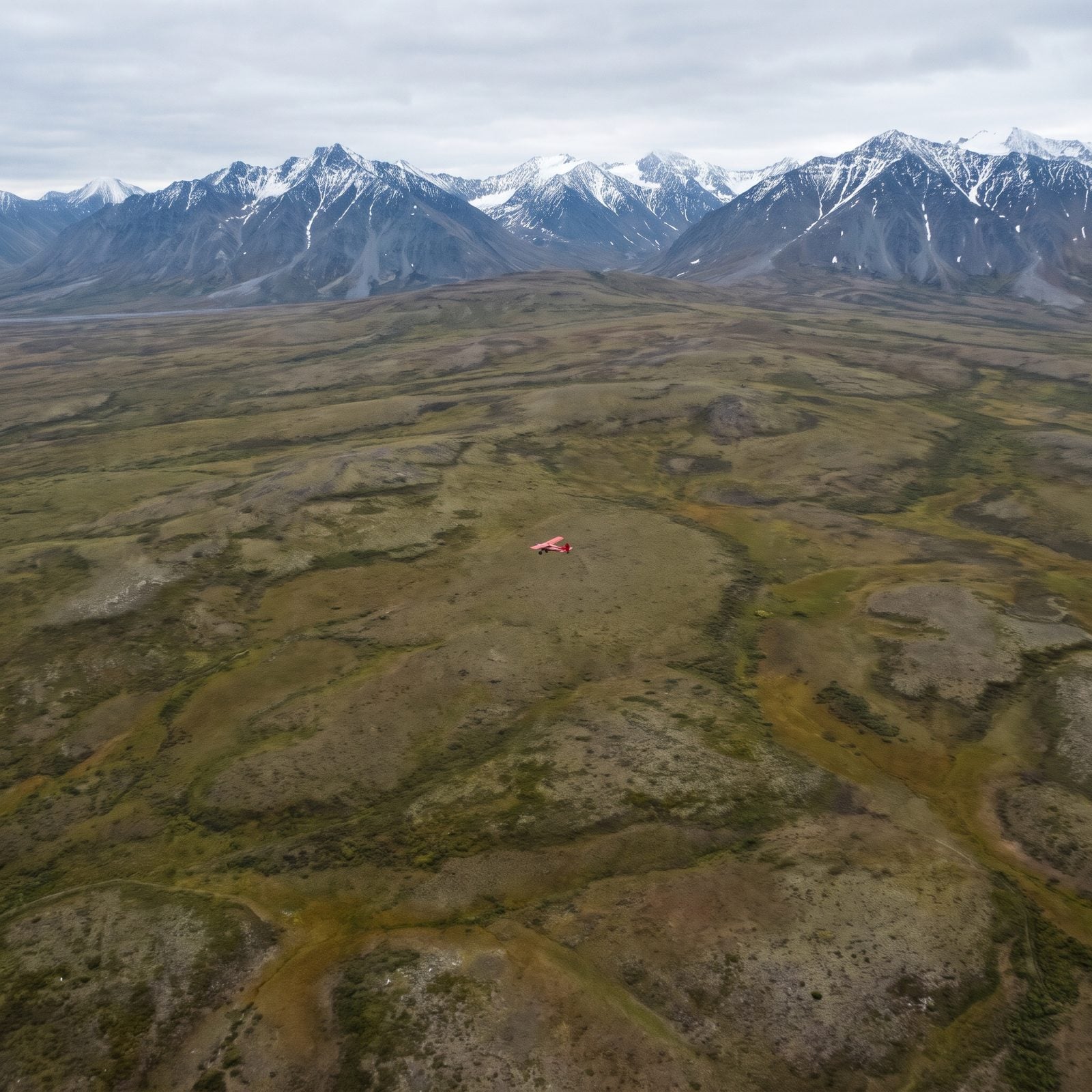
There are no roads here. None. No trails either, no campgrounds, no visitor center you can drive to. You get in by bush plane or you walk across the tundra, and either way you’re committing to a place that does not meet you halfway.
That’s exactly why it stays empty. Gates of the Arctic sees only a few thousand visitors a year, a tiny trickle next to what Yellowstone takes in before lunch. What you trade the convenience for is the real thing: caribou herds, the Brooks Range going red in August, rivers nobody has stuck a sign on.
27. Kobuk Valley National Park, Empty Dunes Above the Arctic Circle
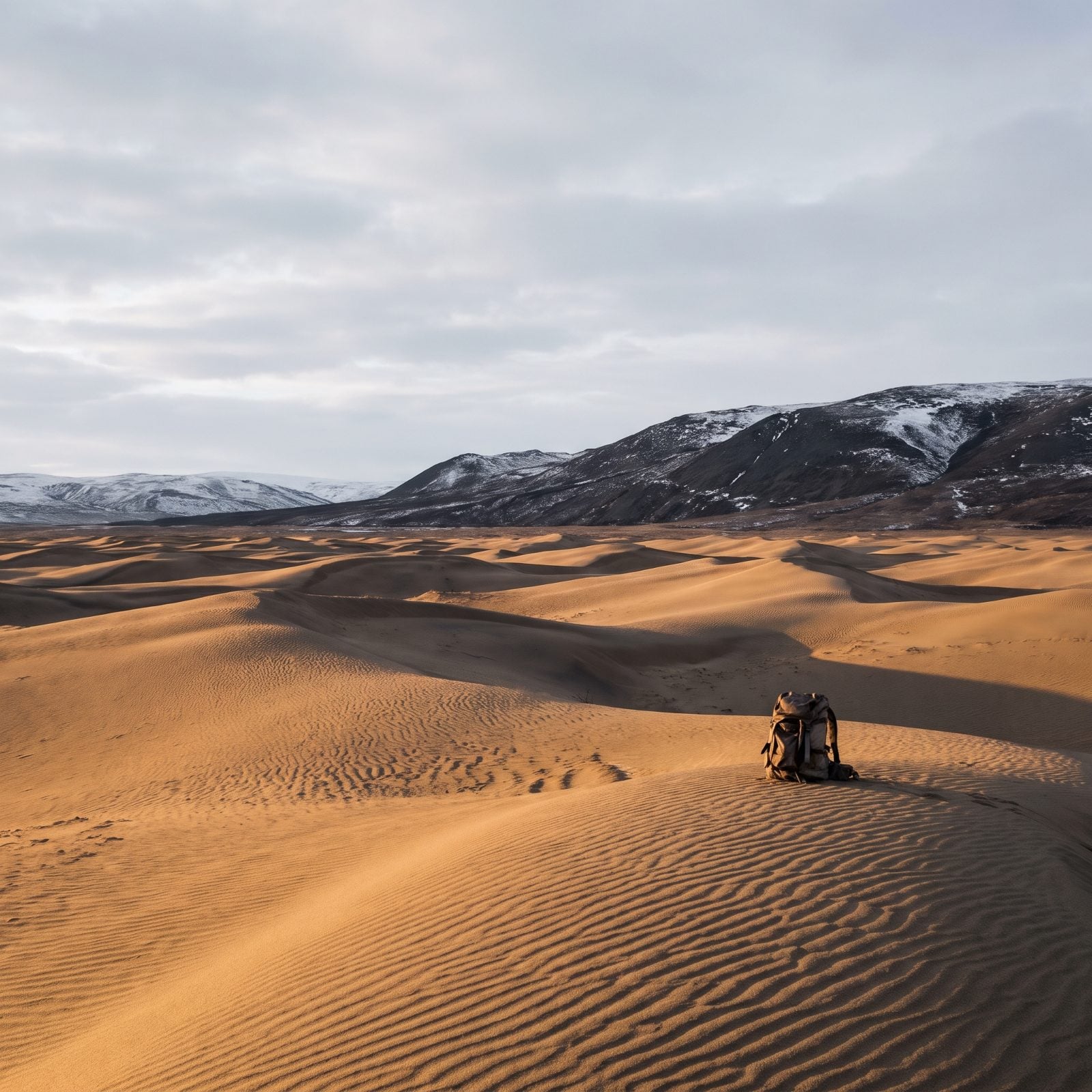
Sand dunes. Above the Arctic Circle. It sounds like a mistake, and the first time you watch the Great Kobuk Sand Dunes rise out of the boreal forest, it feels like one too.
These are leftovers from ancient glaciers grinding rock into powder, a sprawl of shifting sand where you’d expect nothing but tundra. Kobuk Valley is one of the least visited parks in the entire system. No roads reach it. Most people who bother to come are here for one thing: the caribou migration crossing the Kobuk River, a spectacle that’s run on the same schedule for thousands of years and plays to almost no audience.
26. Lake Clark National Park, Turquoise Water, Volcanoes and Bear-Watching Shores
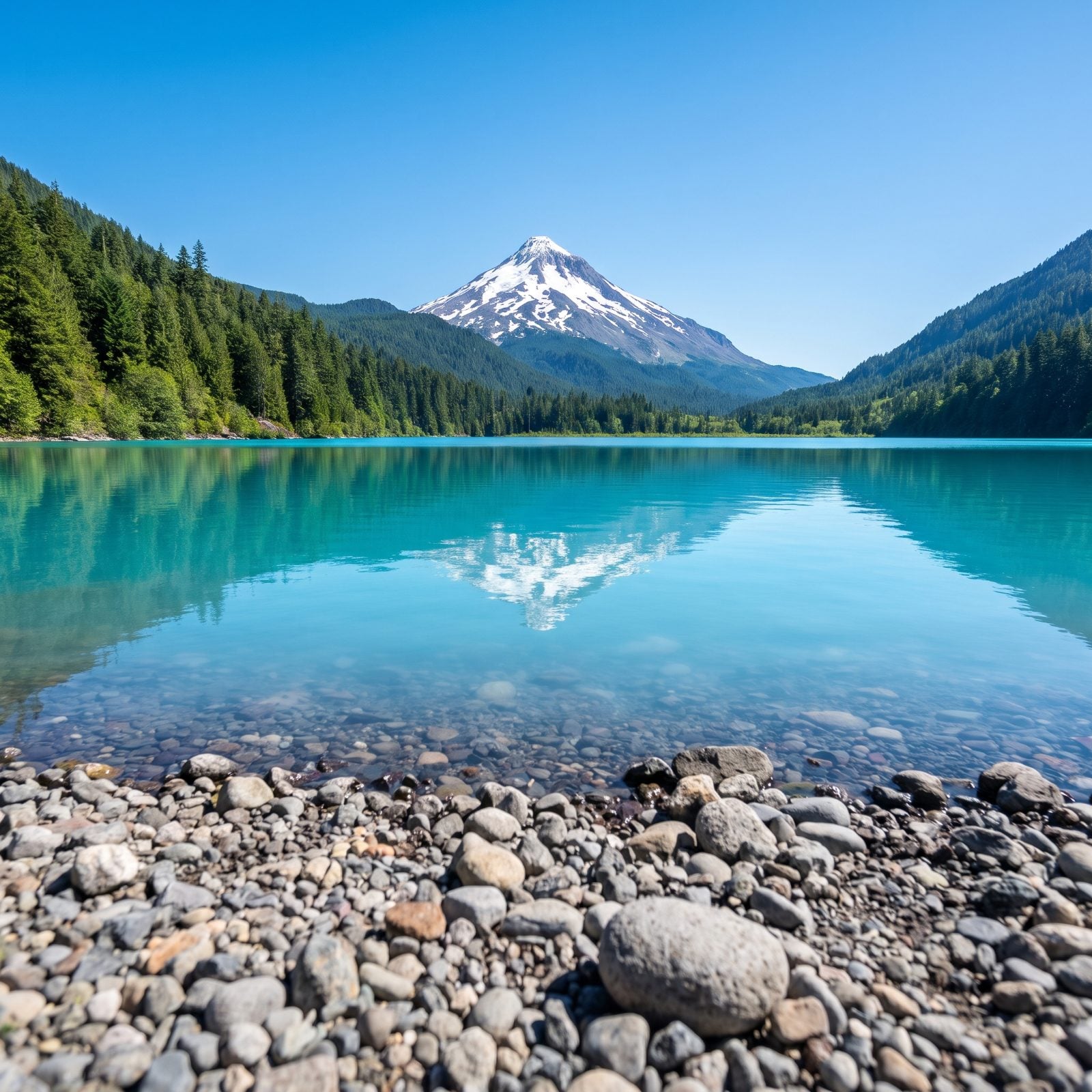
The water genuinely is that color. Glacial rock flour suspended in the lake scatters the light into a turquoise so intense your photographs come out looking faked. Lake Clark gives you that, plus active volcanoes and some of the best brown bear viewing anywhere, minus the reservation lottery and jammed platforms you’ll fight at Katmai next door.
You fly in from Anchorage, usually by floatplane. Silver Salmon Creek and Chinitna Bay are where the bears dig for clams and graze the sedge flats at low tide. Guides keep their distance. So should you.
25. Wrangell, St. Elias National Park, Alaska Wilderness Larger Than Switzerland
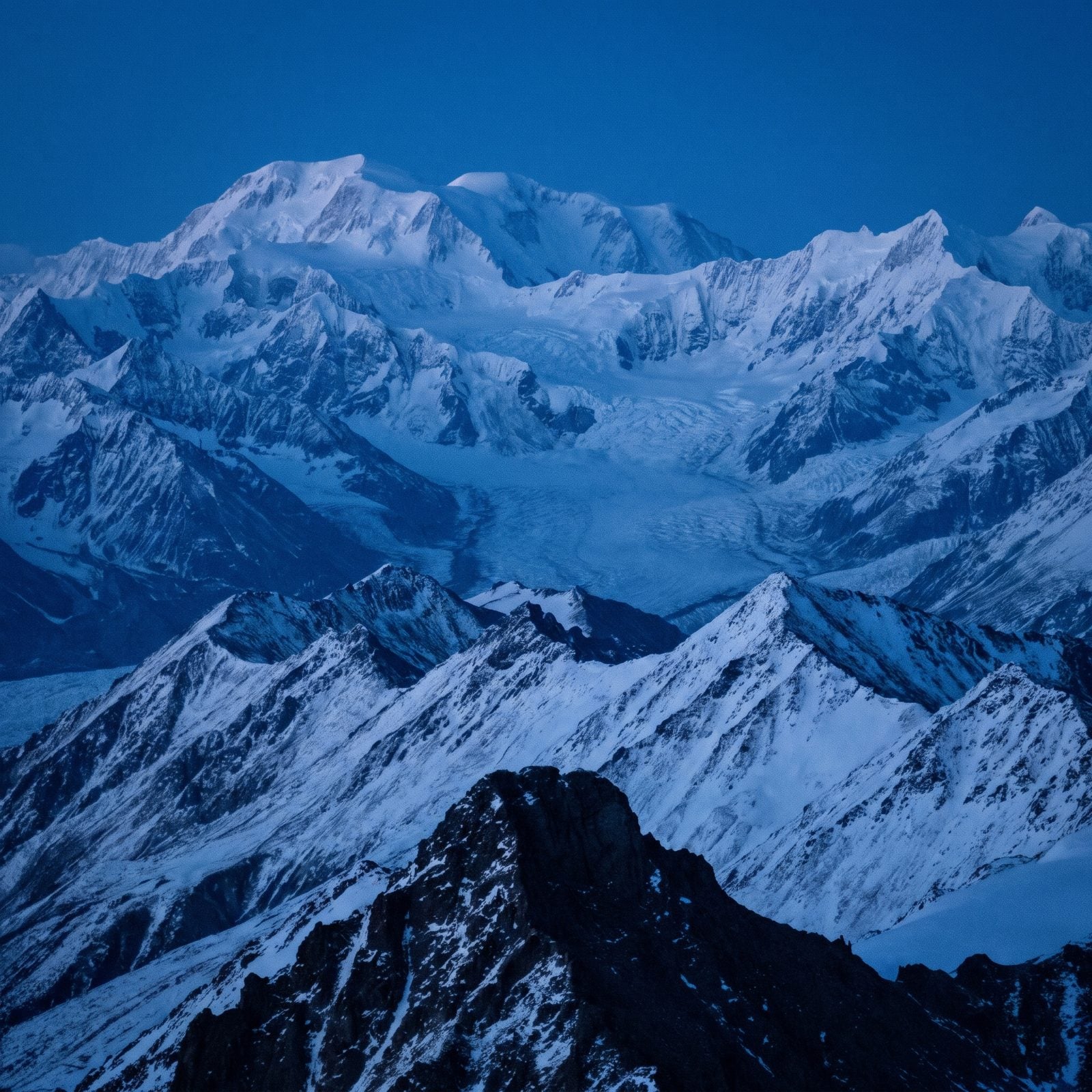
It’s bigger than nine states. Wrangell-St. Elias sprawls across a chunk of Alaska larger than Yellowstone, Yosemite and Switzerland combined. The scale is hard to hold in your head until you drive the gravel McCarthy Road and realize you’ve been inside one park for hours and still aren’t through it.
Four major mountain ranges collide here. Glaciers the size of counties. The old copper-mining town of Kennecott sits preserved at the end of the road, its red mill buildings standing against the ice. Strap on crampons and hike out onto Root Glacier, and you’ll likely have whole stretches of blue ice to yourself.
24. National Park of American Samoa, Rainforest Trails Above a South Pacific Reef
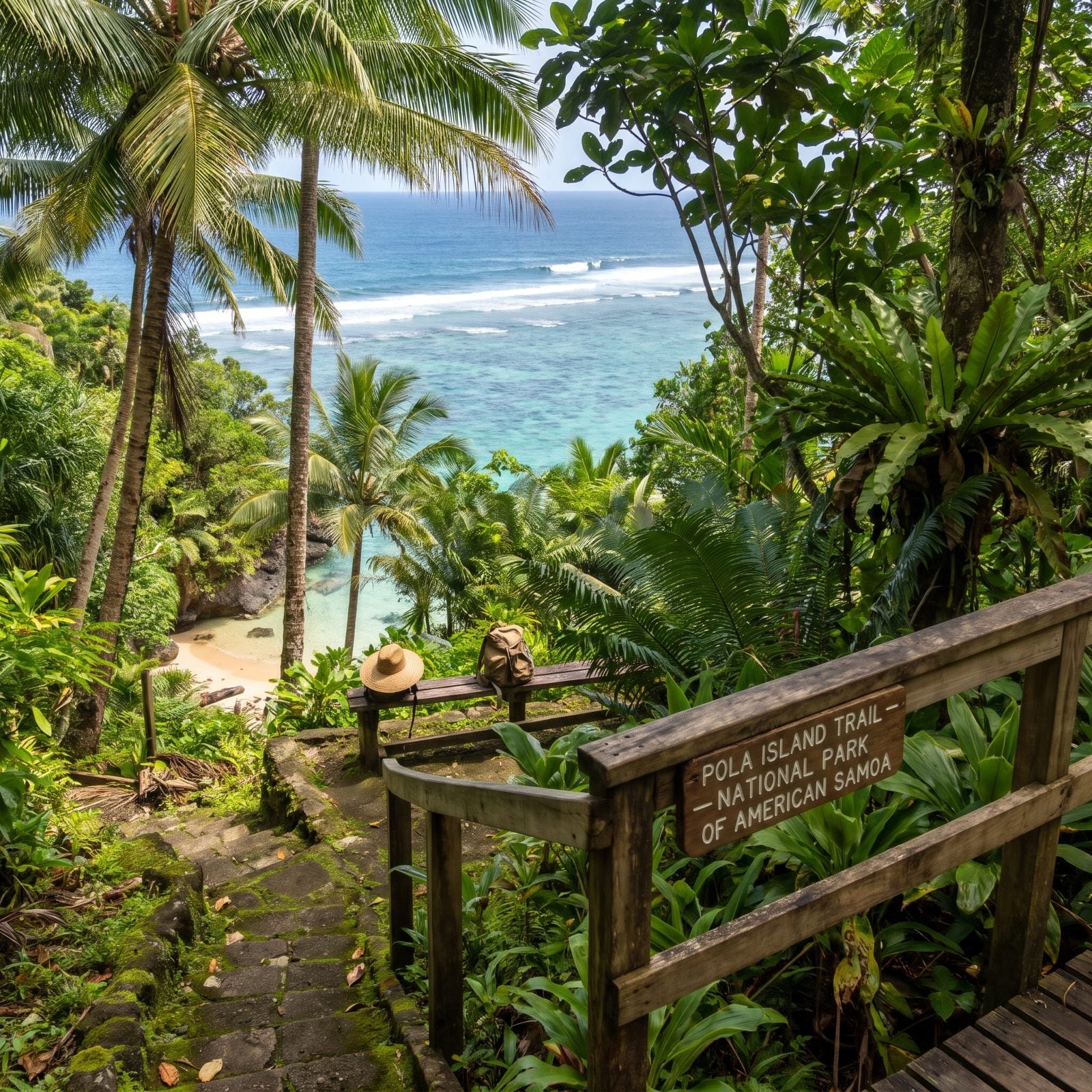
The only U.S. national park south of the equator, and almost nobody goes. Reaching American Samoa means a long flight from Honolulu, and that distance keeps the visitor numbers among the lowest in the system.
What waits is rainforest-covered volcanic ridges dropping straight into coral reef. Snorkel over giant clams and sea turtles in the morning, then hike through paleotropical forest humming with flying foxes come afternoon. The park works hand in hand with local villages, so you arrive as a guest in a living Samoan community rather than a tourist rattling around a cordoned-off preserve.
23. Isle Royale National Park, A Solitary Island Wilderness in Lake Superior
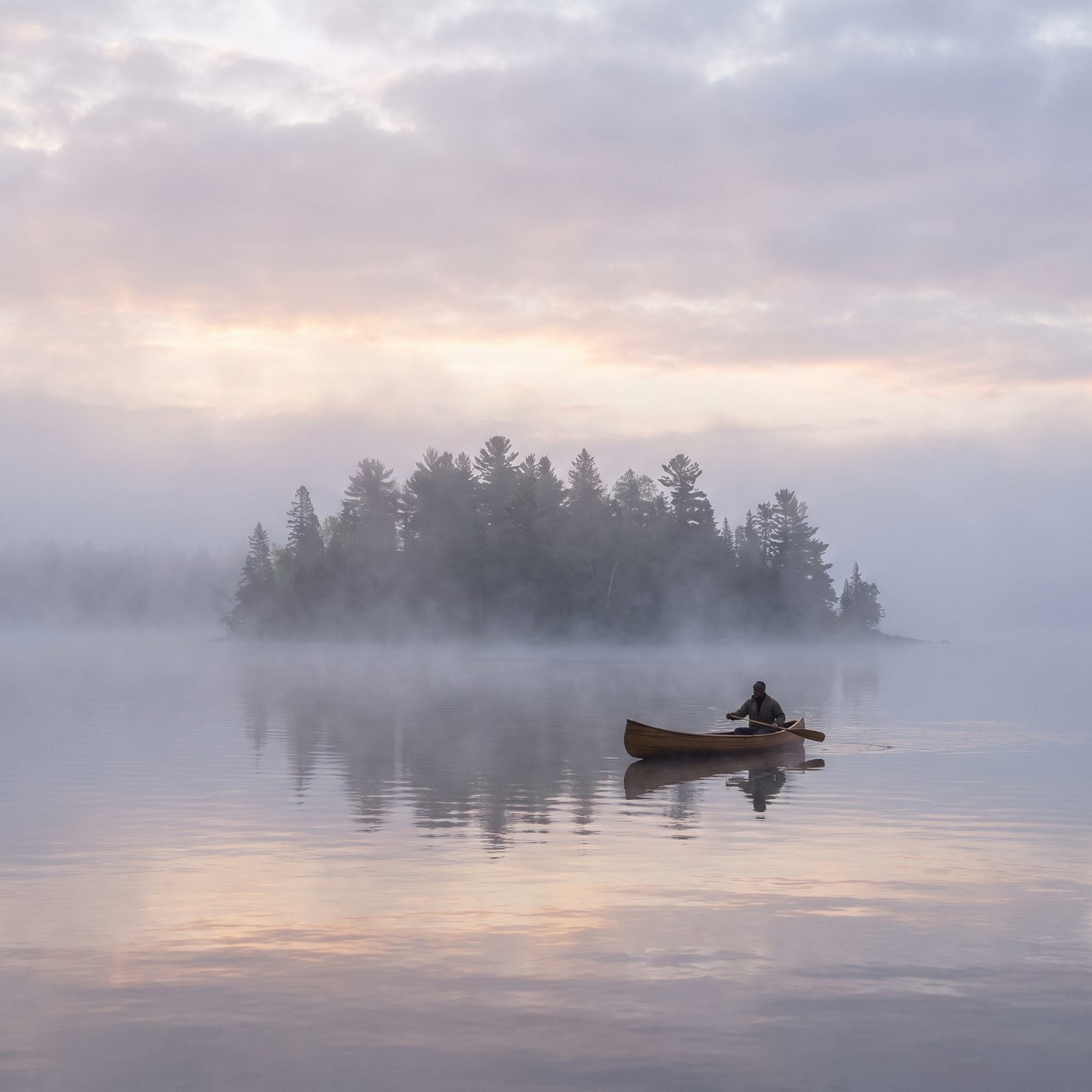
You reach it by boat or seaplane, nothing else, and it shuts down entirely for winter. That’s part of why Isle Royale ranks among the least visited parks in the lower 48, and why the people who do make it out stay for days, backpacking a roadless island in the middle of Lake Superior.
The wolves and moose here are famous among biologists for the longest-running predator-prey study on earth. For the rest of us? Miles of quiet trail, cold clear water, and nights with no light but the stars.
More people visit Yellowstone in a single day than visit Isle Royale in an entire year.
22. North Cascades National Park, Jagged Peaks and Turquoise Alpine Lakes
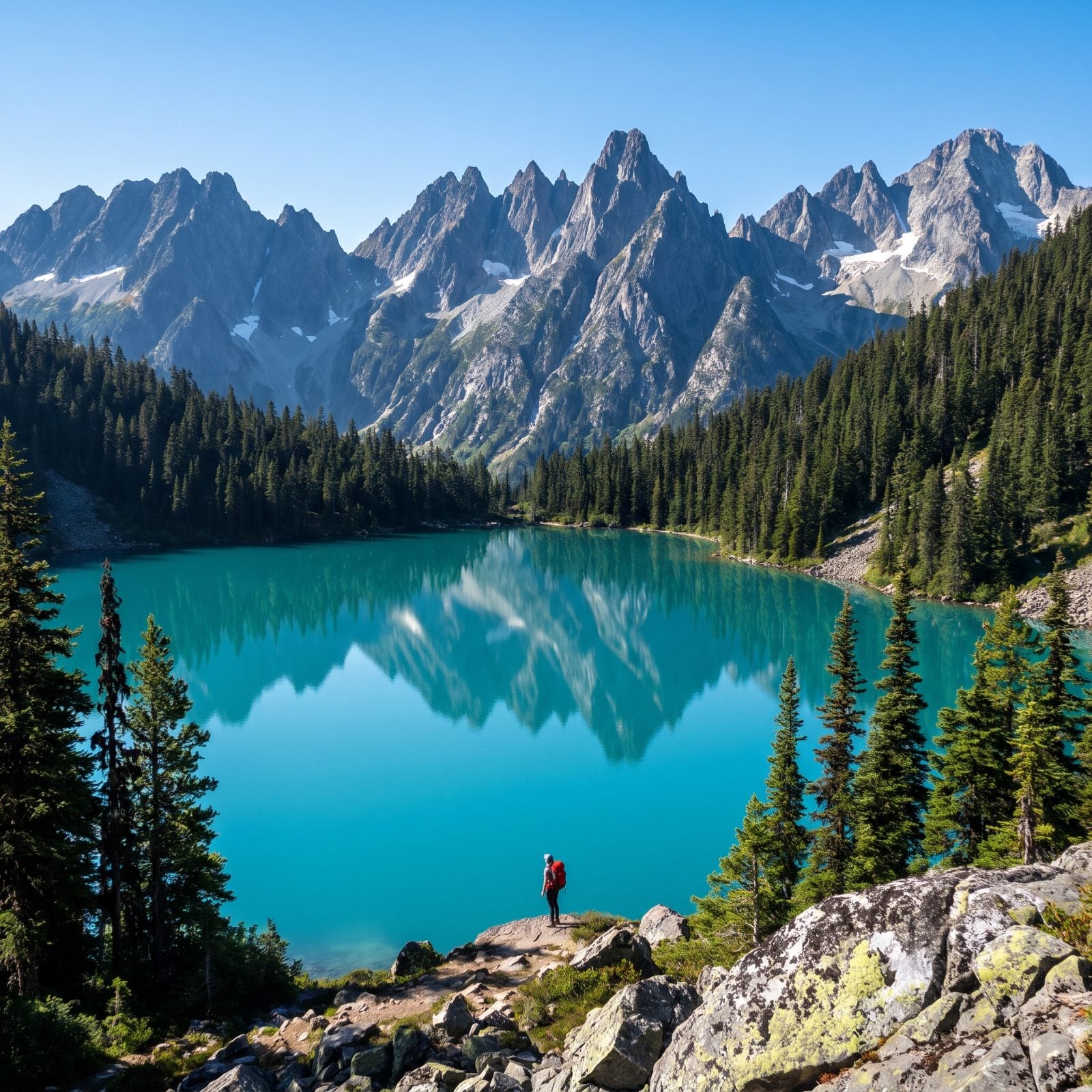
Three hours from Seattle, and most people have never set foot in it. North Cascades holds more glaciers than any park outside Alaska, and peaks so sharp and tightly packed that locals call it the American Alps.
Diablo Lake’s unreal turquoise comes straight off that ice. Drive the North Cascades Highway in fall when the larches turn gold and you’ll pull over at overlooks with nobody else there. The backcountry demands fitness and route-finding. But the day hikes off the highway are open to anyone willing to show up.
21. Great Basin National Park, Ancient Bristlecones Beneath Exceptionally Dark Skies
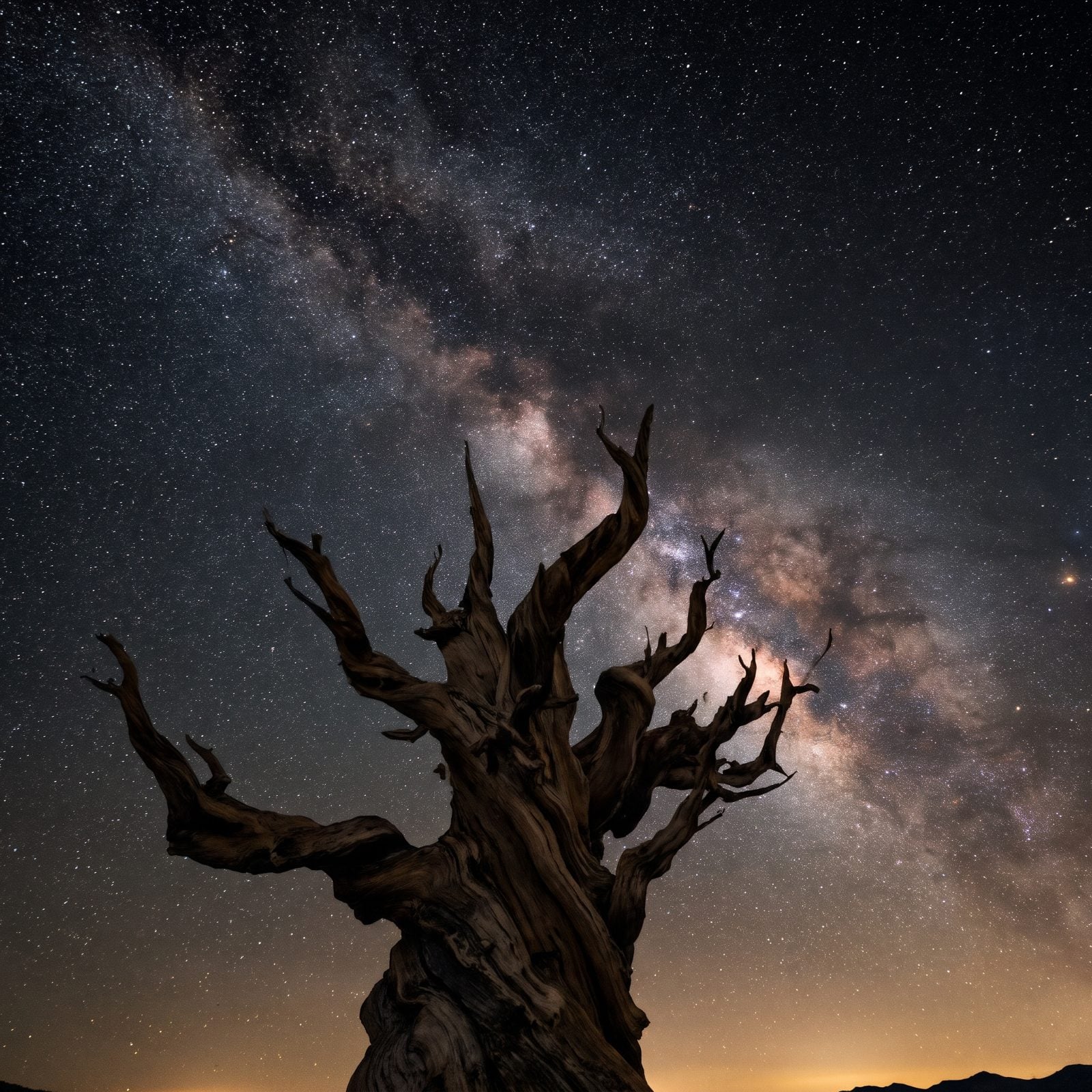
Nevada, near the Utah line, in the middle of nowhere, which is precisely the point. Great Basin sits so far from any city that it holds some of the darkest skies in the country, a certified Dark Sky park where the Milky Way casts a shadow.
By day you’ve got the bristlecone pines, trees that have been alive for thousands of years, older than the pyramids. There’s a limestone cave to tour and a glacier near the top of Wheeler Peak. Hardly anybody shows up.
20. Congaree National Park, A Floodplain Forest of Towering Champion Trees
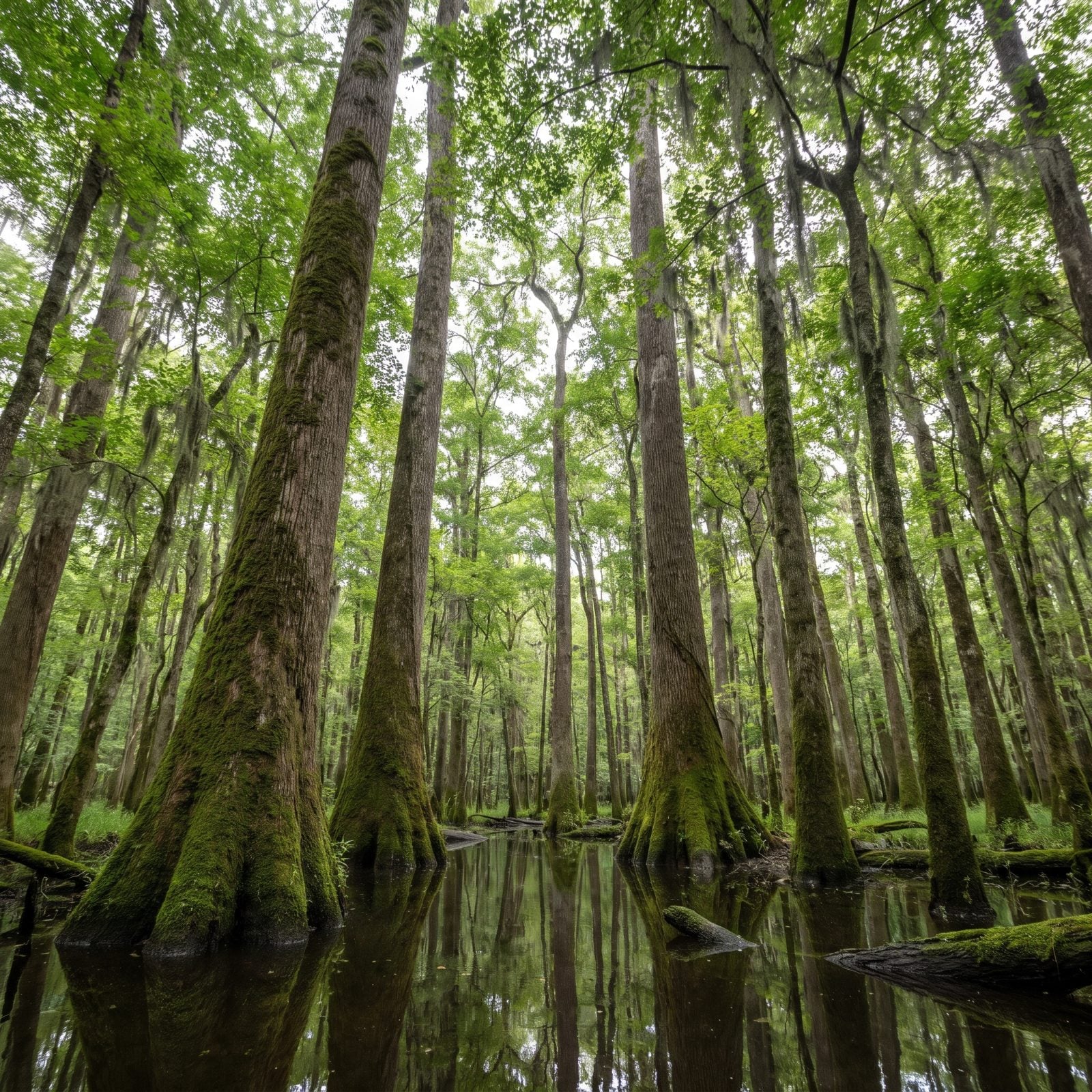
The tallest deciduous forest left in the eastern United States, and it’s a swamp nobody talks about. Congaree protects one of the biggest stretches of old-growth bottomland hardwood anywhere, loblolly pines pushing past 160 feet, champion trees that loggers somehow never reached.
Half an hour from Columbia, and free to enter. The boardwalk loop keeps your feet dry through the floodplain, and if you’ve got a canoe, Cedar Creek winds you deep into the quiet. Go in late spring for the synchronous fireflies, a flashing display only a handful of places on earth manage to produce.
19. Guadalupe Mountains National Park, Fossil Reefs and the Roof of Texas
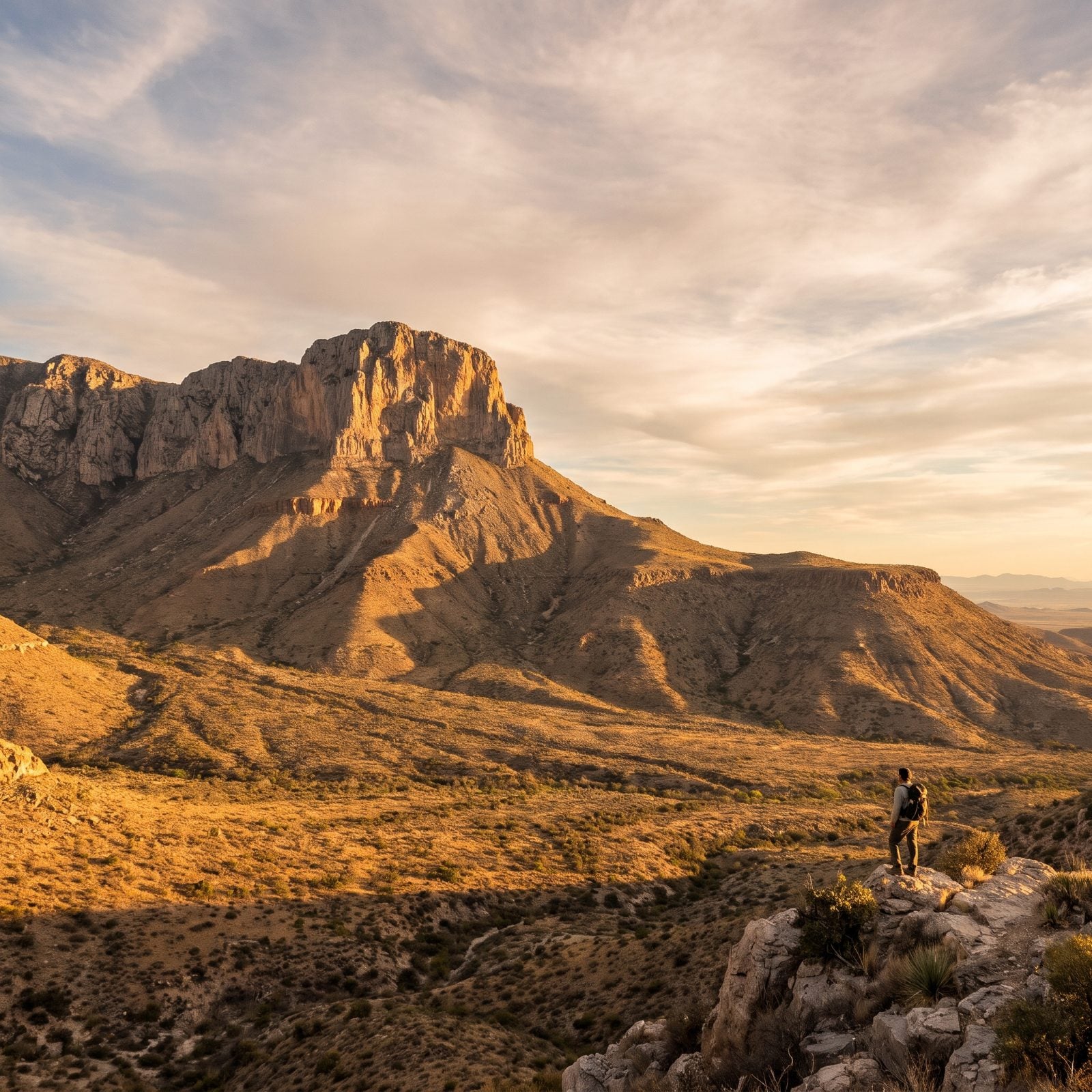
The highest point in Texas sits inside what used to be an ocean reef. Guadalupe Mountains is a fossilized Permian reef shoved up out of the desert, and the trail up Guadalupe Peak climbs to 8,751 feet with the whole Chihuahuan Desert spread below.
Most drivers blow past it on the way to Carlsbad Caverns an hour north. Their loss. Come in late October and McKittrick Canyon turns red and gold with bigtooth maples, a scrap of New England hidden in West Texas, and you’ll have the switchbacks mostly to yourself.
18. Channel Islands National Park, Sea Caves and Wildlife Off California’s Coast
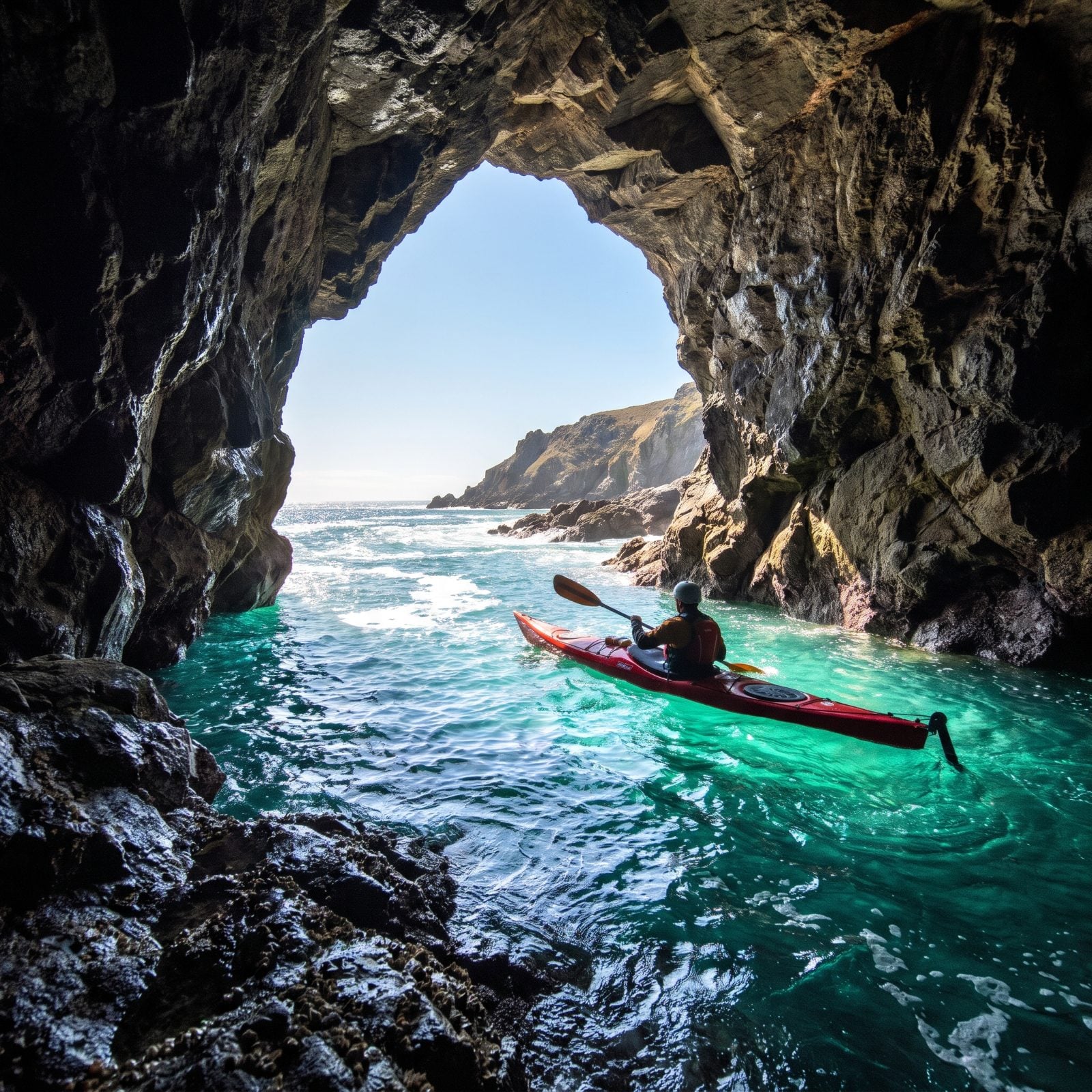
Twenty miles of open water thins a crowd better than any ranger ever could. You reach these islands by boat, usually out of Ventura, and the ferry alone weeds out the casual drop-in traffic that chokes the mainland parks.
The island fox lives here and nowhere else. A gray creature the size of a house cat, it nearly vanished two decades ago and clawed back from the edge. Paddle a kayak into the sea caves along Santa Cruz Island at the right tide and the water glows an impossible blue.
17. Lassen Volcanic National Park, Steaming Ground and Clear Mountain Lakes
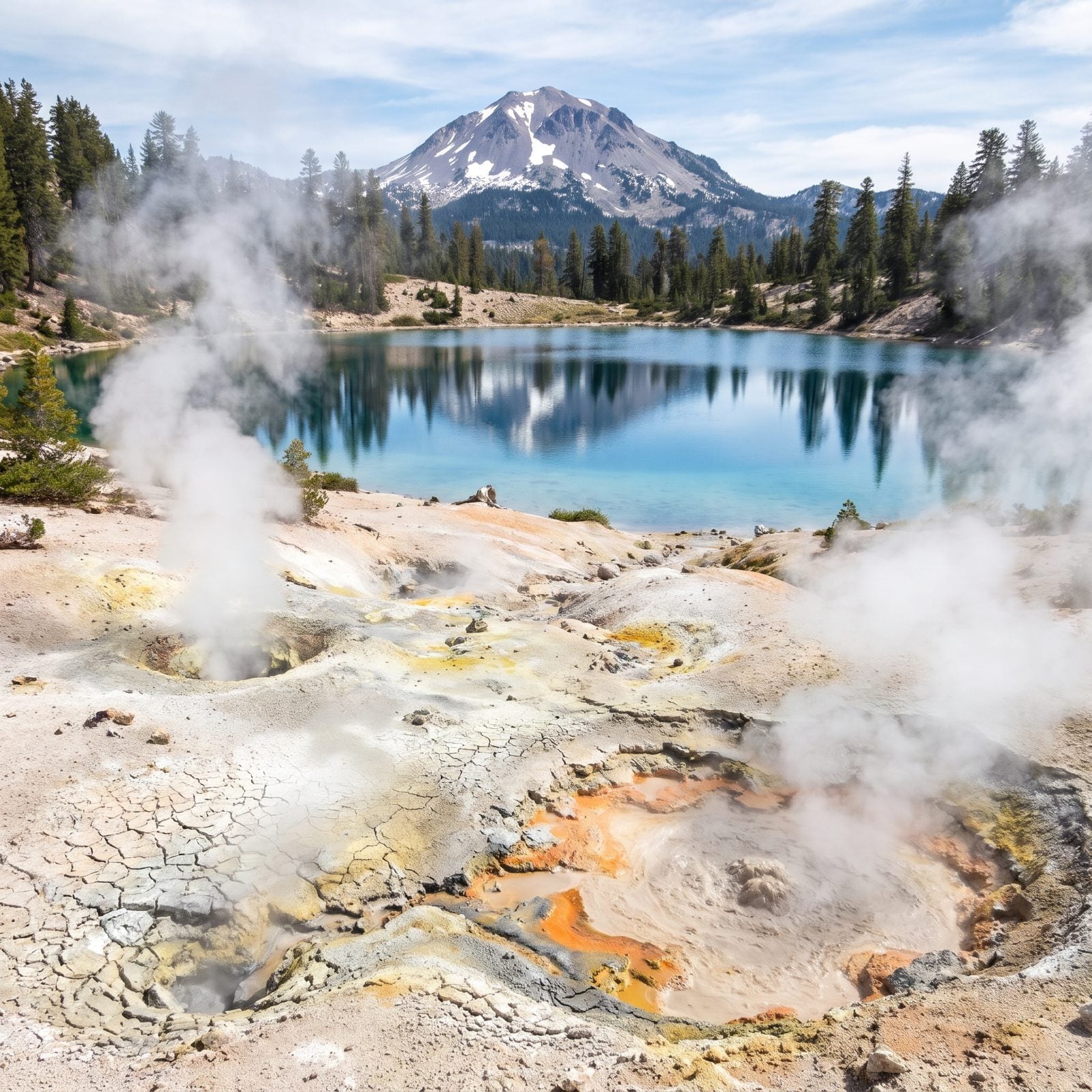
Most people drive right past Lassen on the way to somewhere famous. Their loss.
This is one of the few places on earth where all four types of volcano sit in one park. The ground hisses and spits at Bumpass Hell, mud pots plopping like a forgotten pot on the stove, the whole basin reeking of sulfur in a way that’s oddly satisfying. Walk twenty minutes to Lake Helen and the water goes glass-clear and ice-cold, mountains doubled on the surface. Summer is short up here, and the high road often doesn’t fully open until June, so plan around the snow.
16. Pinnacles National Park, Volcanic Spires Beneath Circling Condors
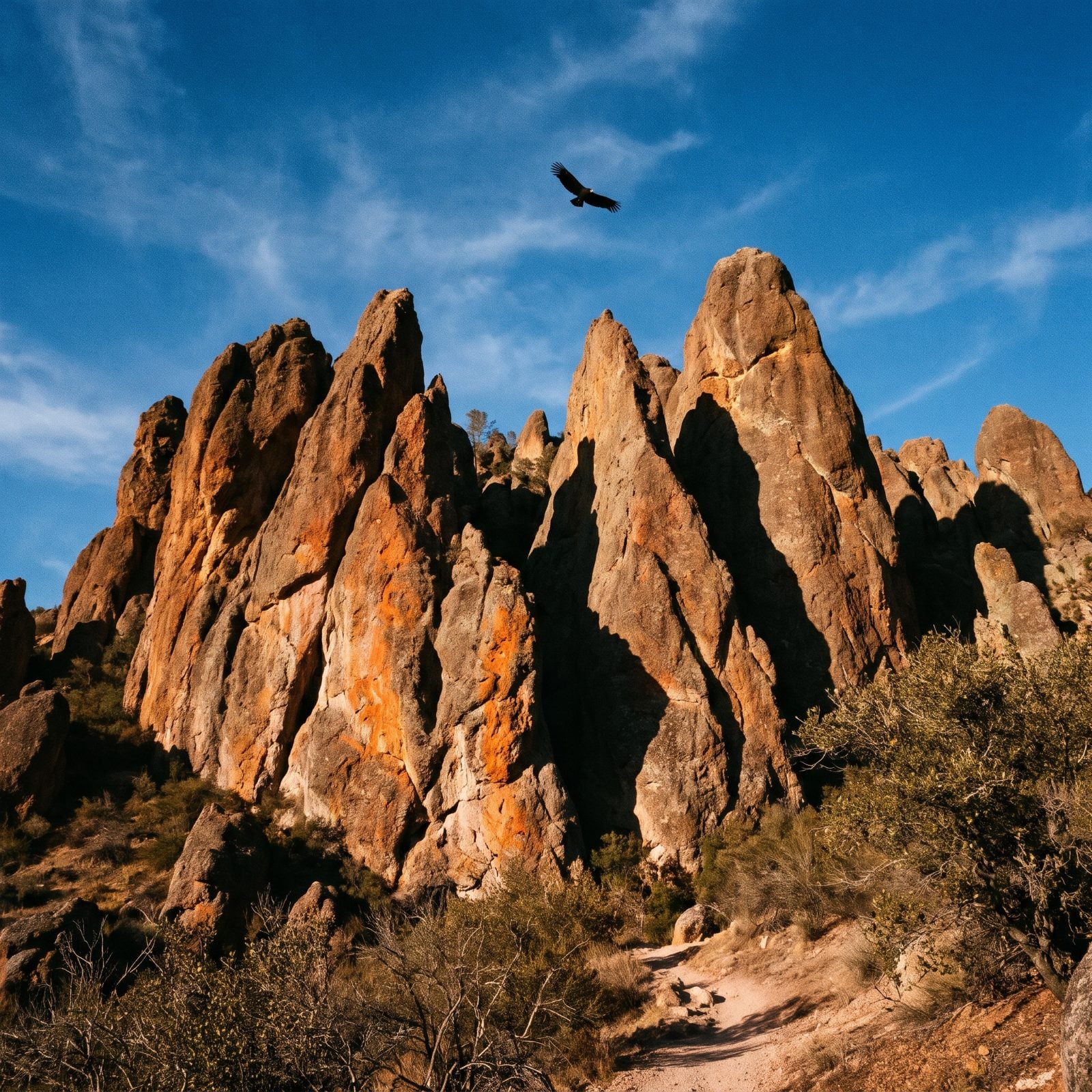
The rock here used to live 200 miles south. The San Andreas Fault dragged these volcanic spires north over millions of years, which is the kind of fact that makes you feel very small and very temporary.
Pinnacles is one of the last strongholds of the California condor, a bird with a ten-foot wingspan that was down to a couple dozen individuals in the 1980s. Look up near the High Peaks and you might catch one riding a thermal. The talus caves, formed by boulders wedged into narrow canyons, flood in wet years, so check before you go. Bring a headlamp either way.
15. Black Canyon of the Gunnison National Park, Sheer Cliffs Around a Shadowy Gorge
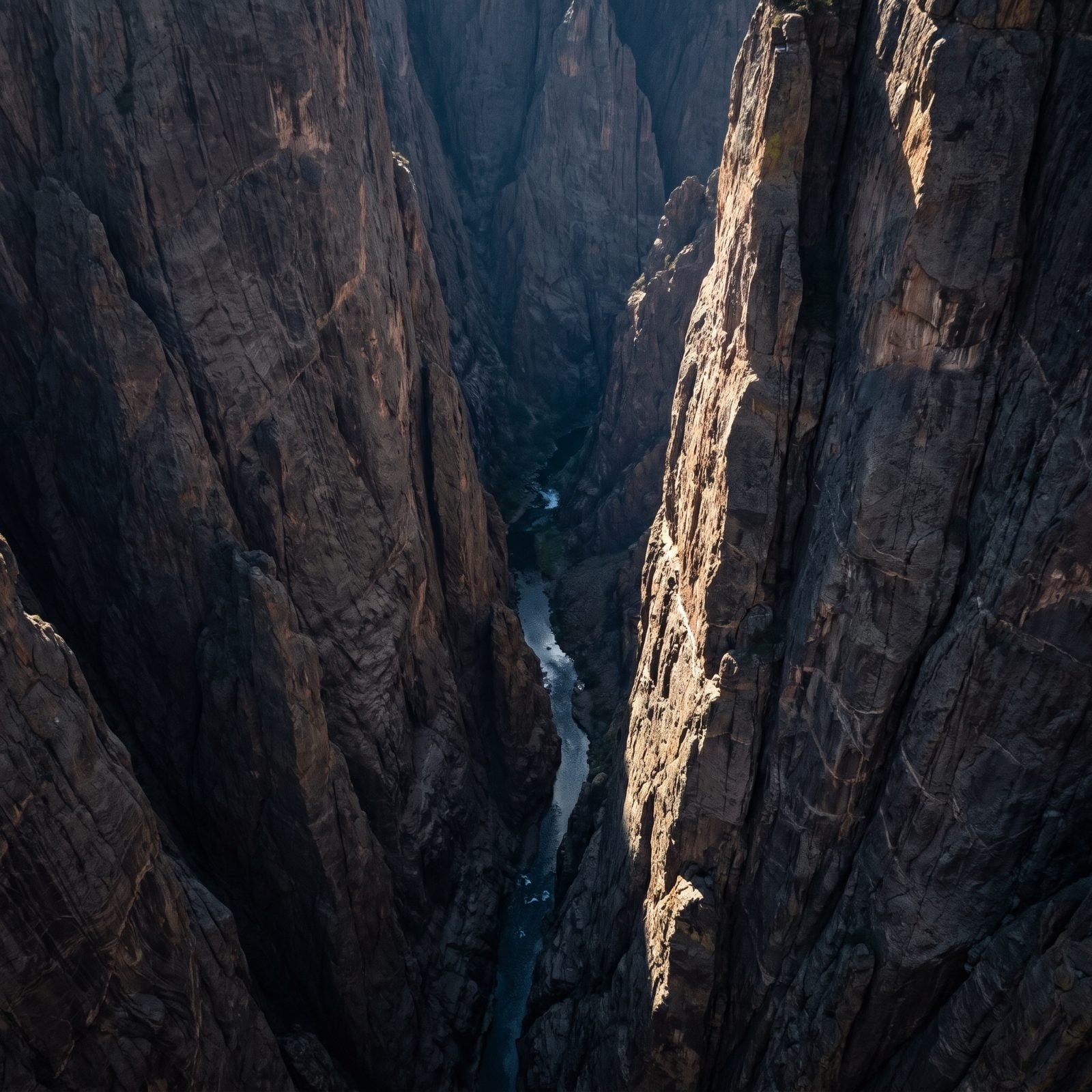
Some stretches of this canyon get less than an hour of direct sunlight a day. That’s where the name comes from. Stand at the Painted Wall overlook and the drop runs over 2,000 feet to a river you can barely hear.
The gneiss walls are nearly two billion years old, pinstriped with pink veins of pegmatite that catch the last light. This is no park for casual canyon-floor wandering. The inner routes are unmaintained, brutally steep scrambles that demand a permit and real care. But the rim drives and overlooks give you the full vertigo with none of the risk.
The canyon is narrow enough in places that you could throw a rock across it, and deep enough that the rock would fall for ten full seconds.
14. Voyageurs National Park, A Water-Based Wilderness of Lakes and Islands
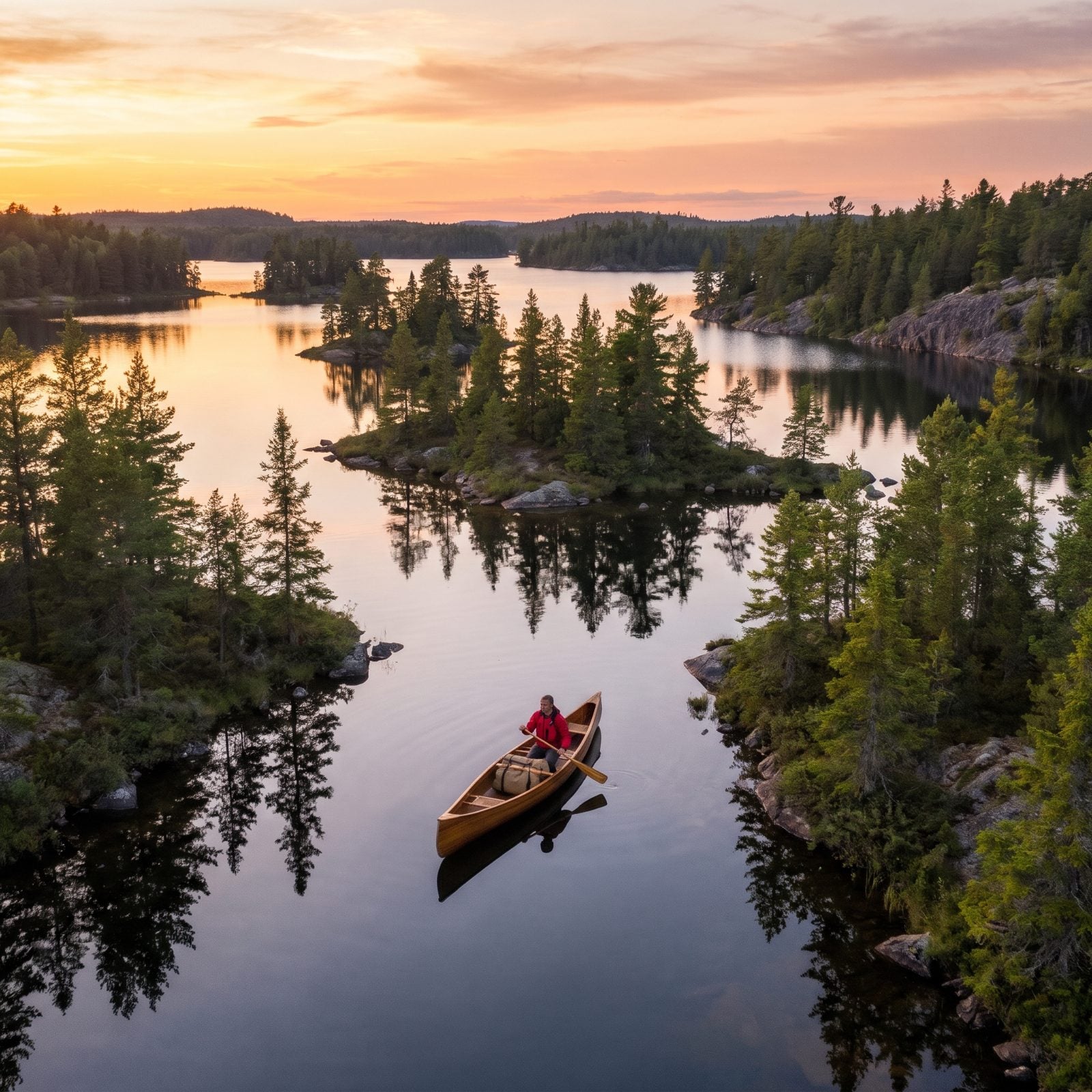
You can’t really drive into most of this park. Nearly a third of it is water, and the best of it is reached only by boat, which is exactly why it stays so quiet.
Rent a houseboat or paddle a canoe through the chain of big lakes and you’re following the same routes French-Canadian fur traders ran 300 years ago. In the right season the aurora sometimes burns green and violet across the whole northern sky, mirrored in the still water below. Loons call across the dark. It’s one of the few places left where the dark is actually dark.
13. Wind Cave National Park, Rolling Prairie Above a Maze of Boxwork Caverns
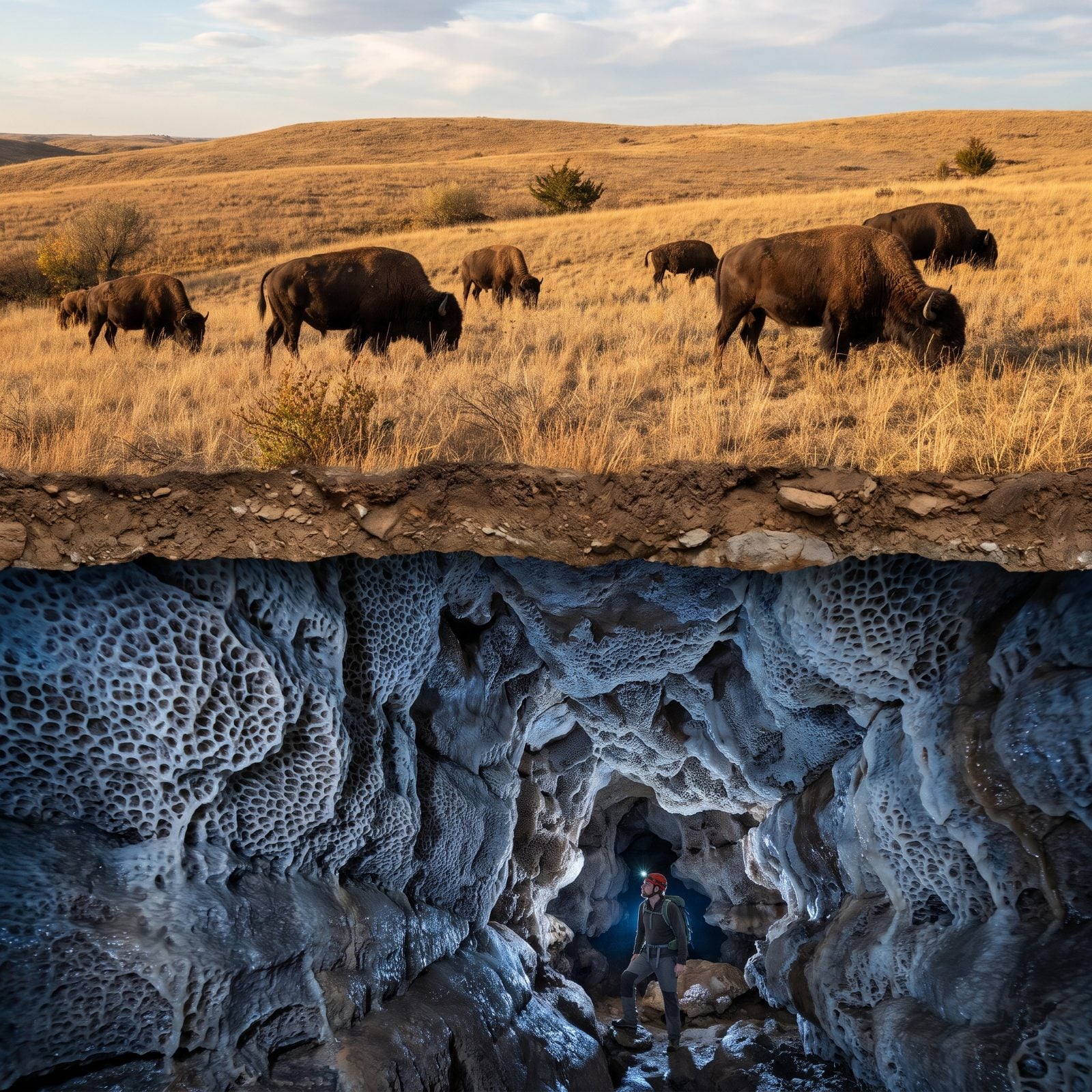
Two parks in one, stacked on top of each other. Up top, bison and pronghorn move across one of the last stands of mixed-grass prairie in the country while prairie dogs bark warnings from their towns.
Down below sits one of the longest caves on earth, famous for boxwork, a honeycomb lattice of thin calcite fins that hangs from the ceiling like a stone beehive. Rare almost everywhere else, common here. The cave breathes, air pushing in and out of the natural entrance with changing pressure, and that’s actually how the whole thing was discovered. Tours are ranger-led, so book ahead in summer.
12. Mesa Verde National Park, Ancestral Cliff Dwellings Beneath Desert Alcoves
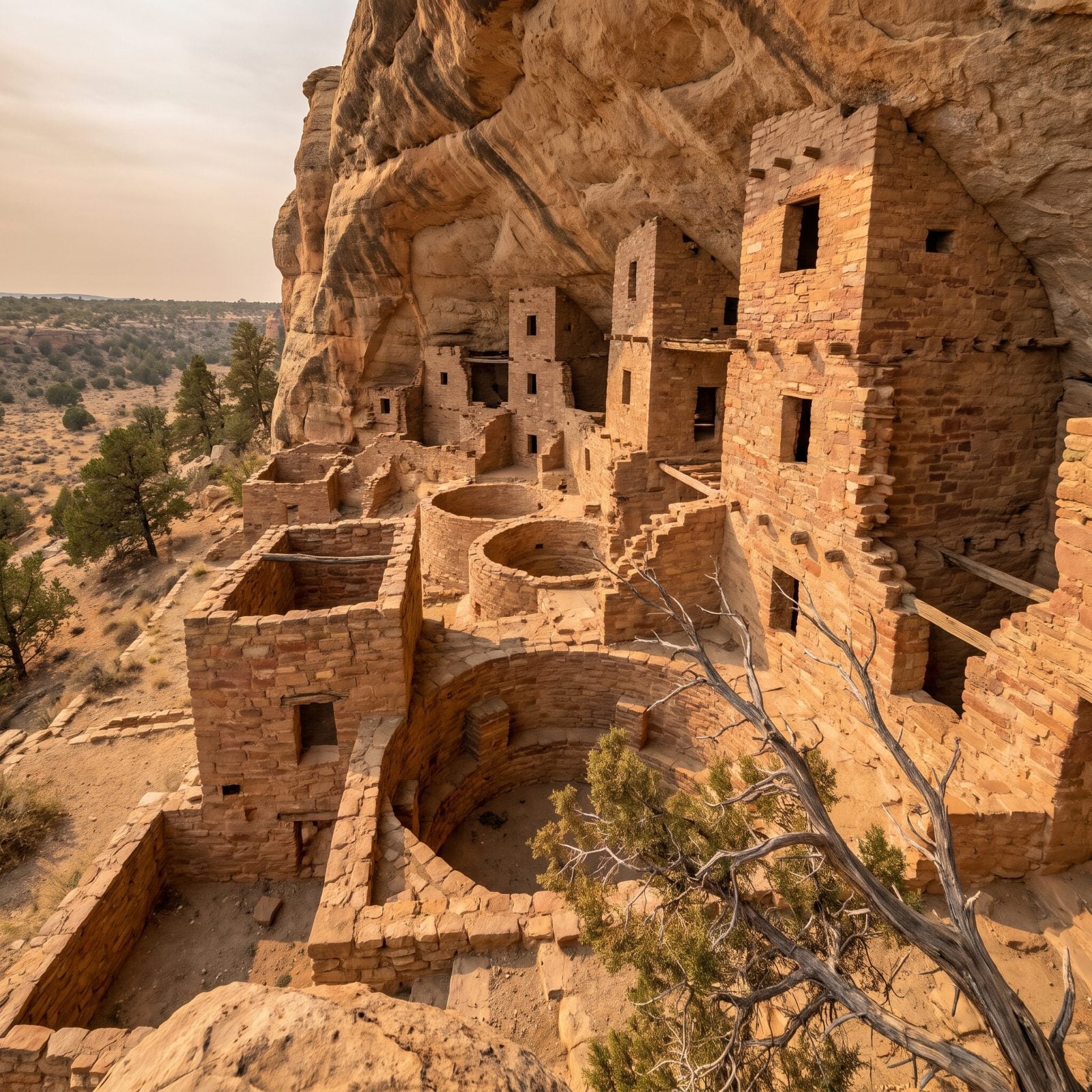
People lived in these cliffs for more than 700 years, then walked away around 1300 AD. We still argue about exactly why. Drought, resource strain, probably both.
Cliff Palace, tucked under a massive sandstone overhang, holds roughly 150 rooms and still stands. Look at it from across the canyon and you feel the distance of those centuries land in your chest. The ranger-led tours require tickets, and some involve ladders and tight squeezes, so know your comfort level before signing up. Come in spring or fall. Summer bakes the mesa and fills the lots.
11. Petrified Forest National Park, Rainbow Badlands and Stone Logs
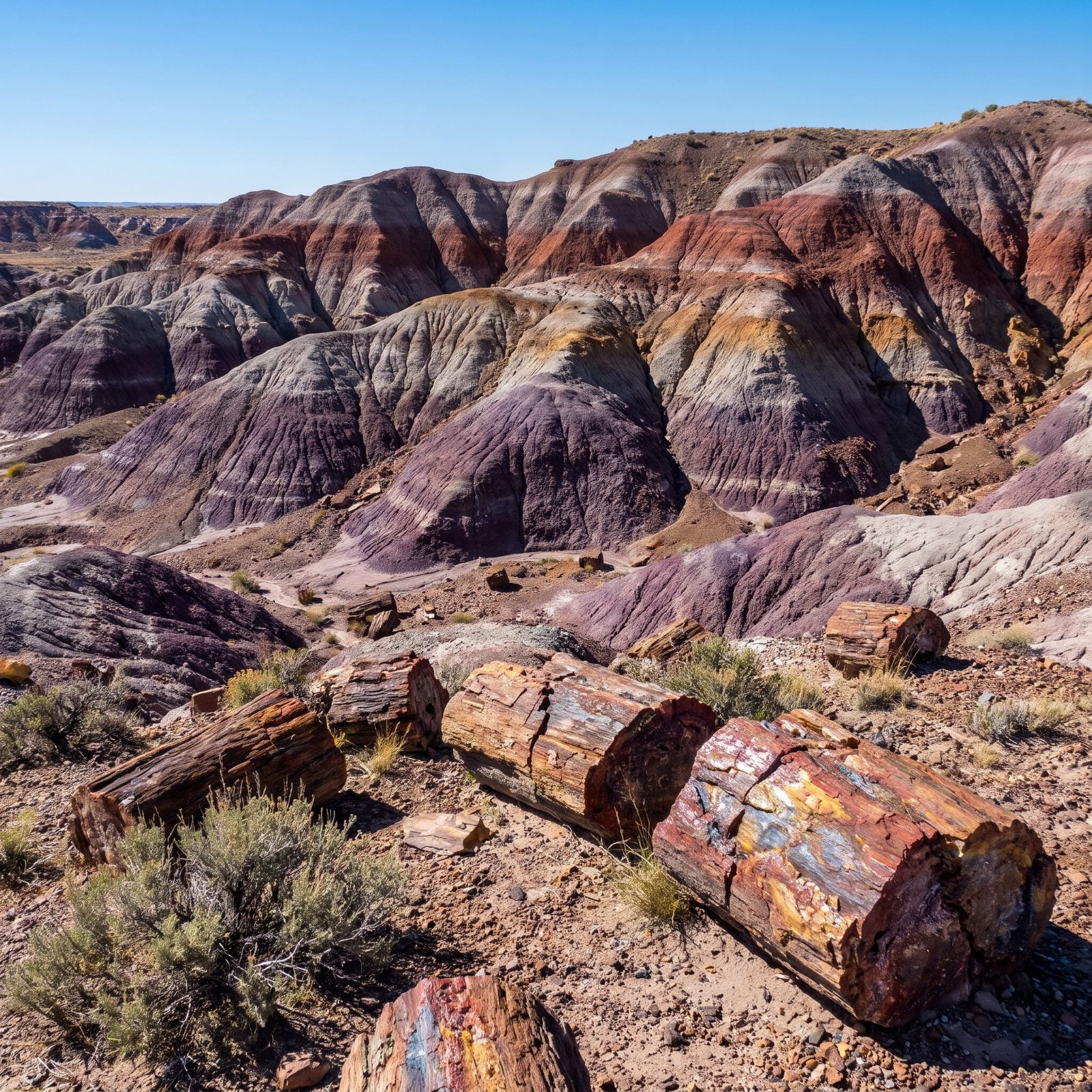
The logs look like fallen trees. They’re solid stone, quartz and agate that replaced the wood cell by cell over 200 million years, and a cut end can shine purple and amber like a geode.
Don’t pocket a piece. People do, and legend says it brings bad luck, but the real reason is simpler: the park bleeds its petrified wood to souvenir hunters year after year. The Blue Mesa trail winds through banded hills of lavender and rust that look painted on. Short, easy loop. Scenery that punches way above the effort.
10. Carlsbad Caverns National Park, Cathedral-Sized Chambers Deep Underground
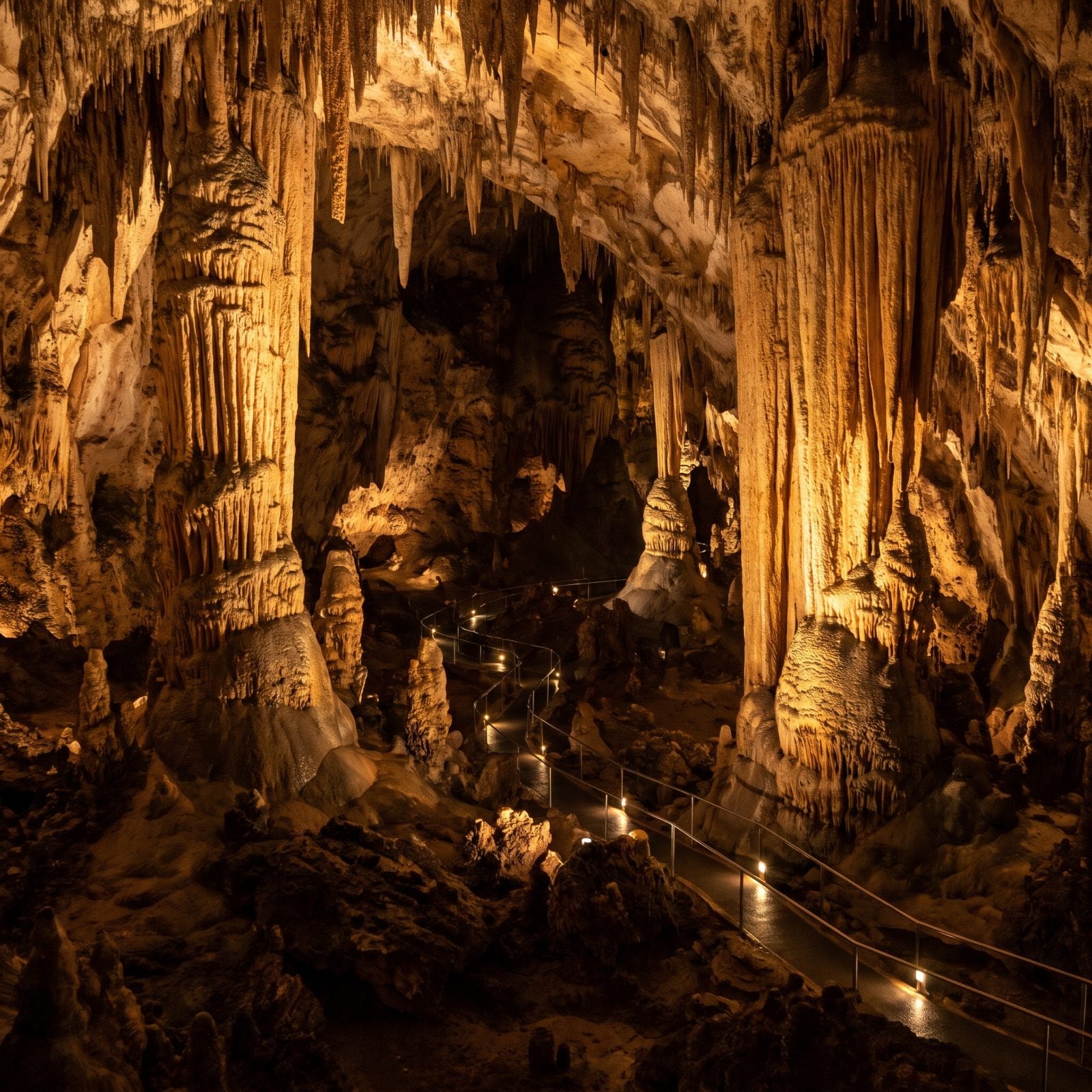
You descend over 750 feet into the earth, and the main chamber could swallow several football fields whole. The silence down there has weight to it.
Formations drip from the ceiling and climb up from the floor, a few of them hundreds of thousands of years old and still growing a hair each year. Come at dusk in summer and hundreds of thousands of Brazilian free-tailed bats pour out of the natural entrance in a spiraling ribbon that can last a half hour or more. Rangers run evening programs for it. Bring a light layer, because the cave holds a steady chill no matter what the desert’s doing up top.
9. Big Bend National Park, Desert Solitude Along the Rio Grande
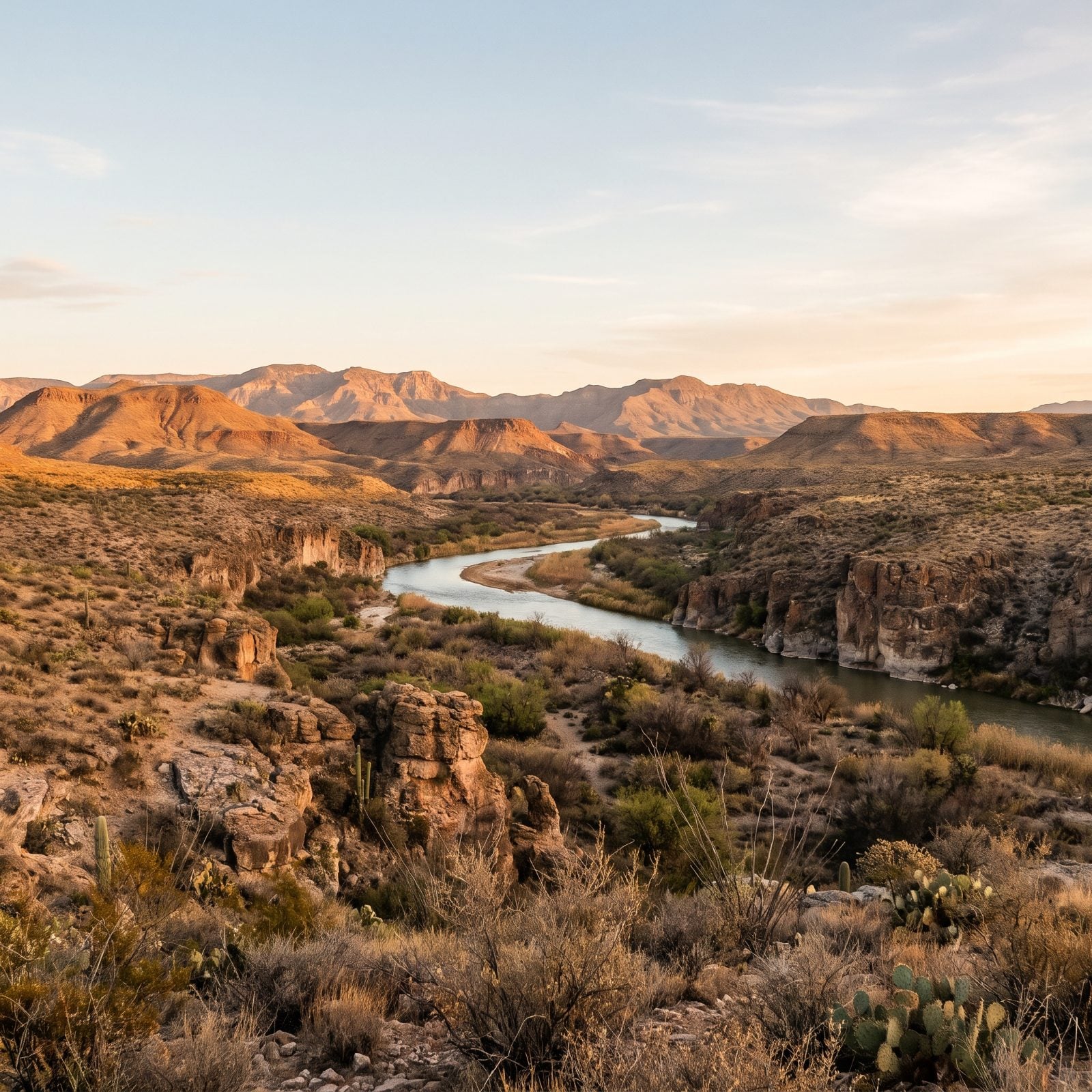
Big Bend is one of the most remote parks in the lower 48, which is its entire appeal. The nearest real airport is hours away. You have to want to be here, and wanting it keeps the place empty.
Three ecosystems collide in one park: river canyon, Chihuahuan desert, and the cool high forests of the Chisos Mountains, where it can run 20 degrees cooler than the valley floor. At Santa Elena Canyon the Rio Grande knifes between cliffs that shoot straight up. And the night sky here ranks among the darkest in the country. Lie back and the Milky Way gets so bright it almost looks fake.
8. Great Sand Dunes National Park, North America’s Tallest Dunes Below Snowy Peaks
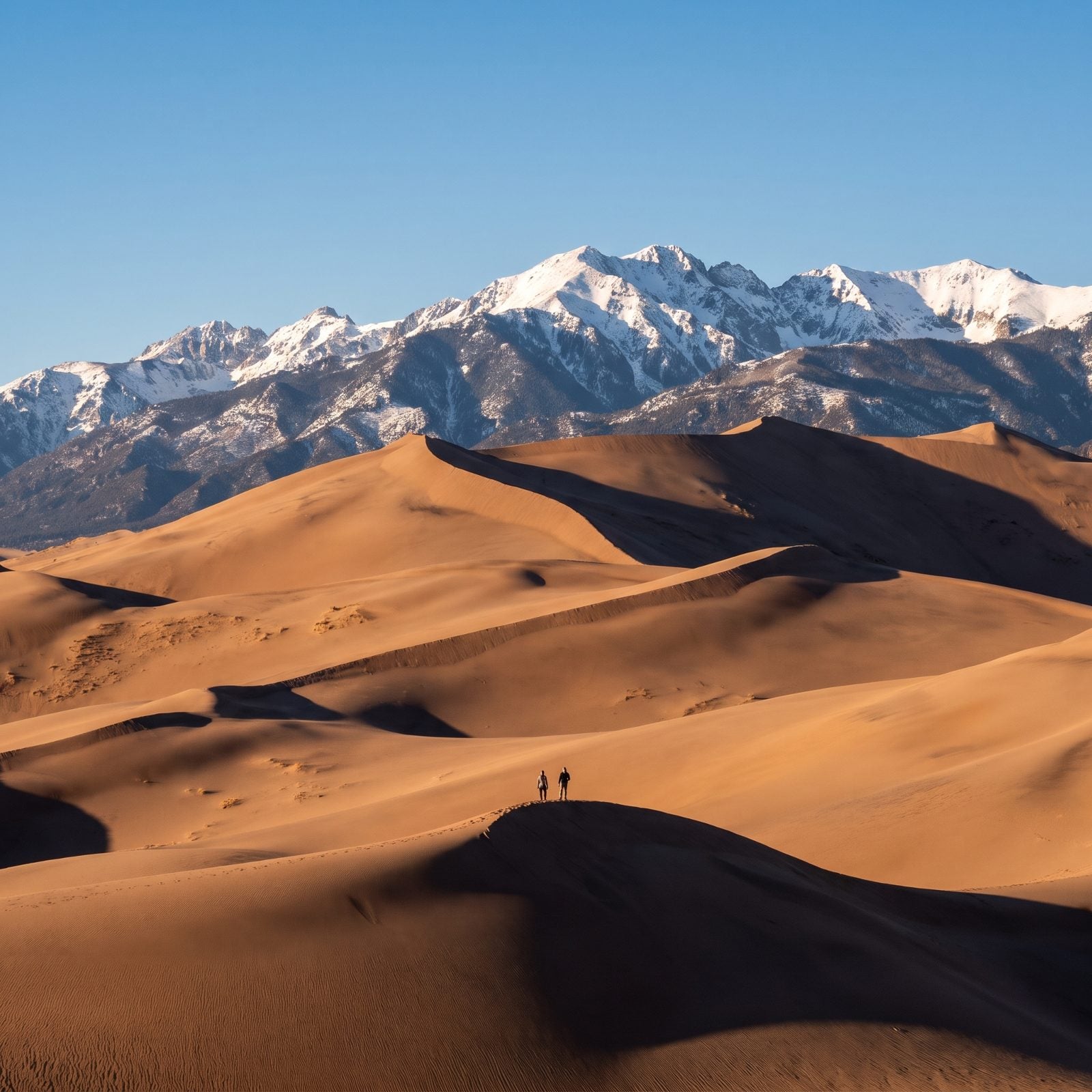
Sand dunes in Colorado. It sounds made up until you see it. These are the tallest in North America, the highest pushing around 750 feet, and they sit at the foot of 13,000-foot peaks that hang onto their snow well into June. That contrast is the whole show, and no photo really prepares you for standing in it.
Nobody warns you how brutal the climb is. Loose sand swallows every step, and the surface gets scorching on a summer afternoon, hot enough to blister a bare foot. So go early or go at dusk. Bring sand sleds if you want to ride down, because the park store runs out.
7. Kings Canyon National Park, Granite Walls and Giant Sequoia Groves
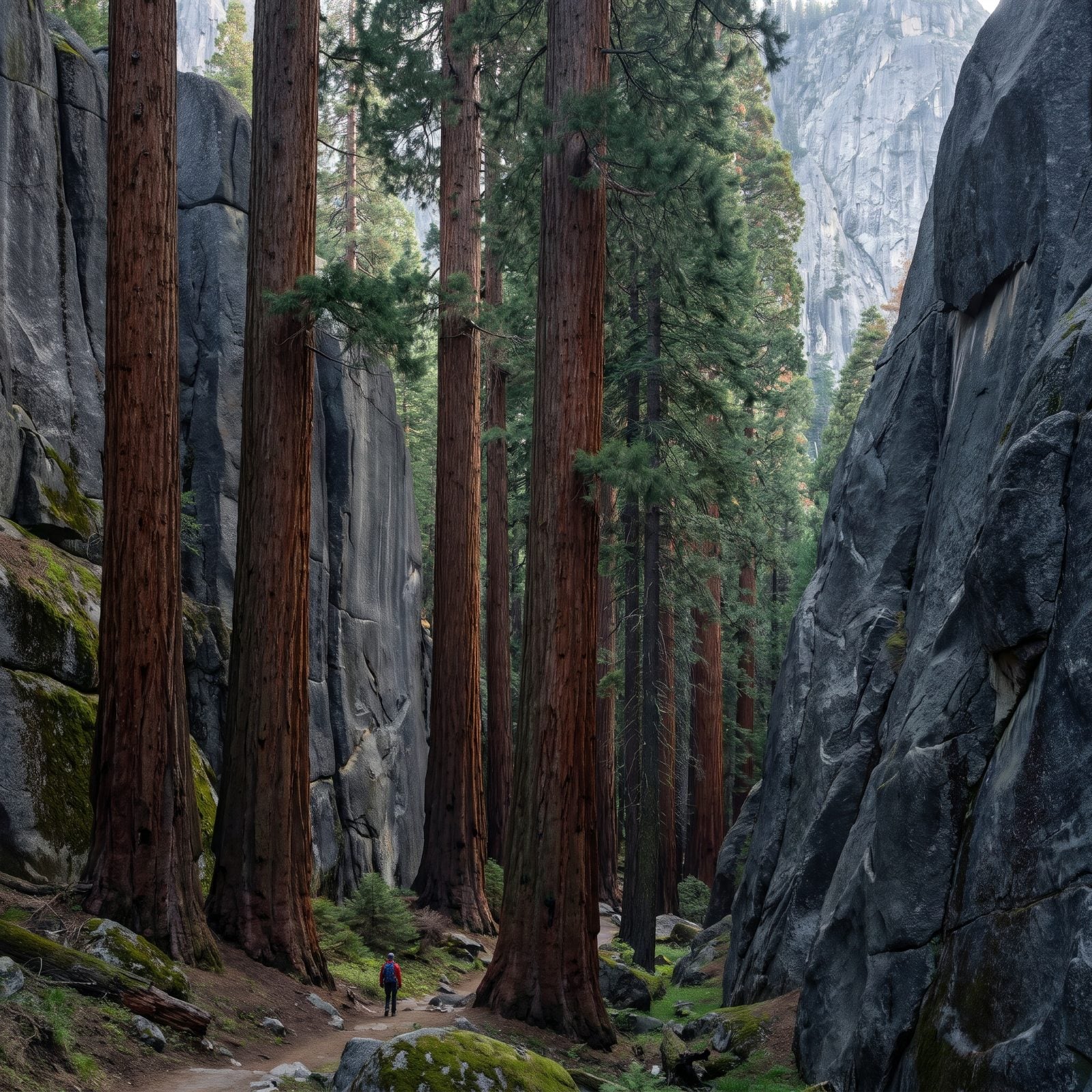
Everyone funnels into Yosemite, a few hours north, and skips the canyon that John Muir called deeper than its famous neighbor. Their loss. Kings Canyon has the same glacier-carved granite and the giant sequoias, including General Grant, the nation’s Christmas tree, and a tiny fraction of the people.
Highway 180 dropping into the canyon is one of the great roads in the country, falling thousands of feet past sheer rock to the river at the bottom. It closes in winter. And the backcountry here connects to some of the wildest terrain in the Sierra, with permits far easier to land than the Yosemite lottery nightmare.
6. Biscayne National Park, Coral Reefs and Mangrove Islands Reached by Boat
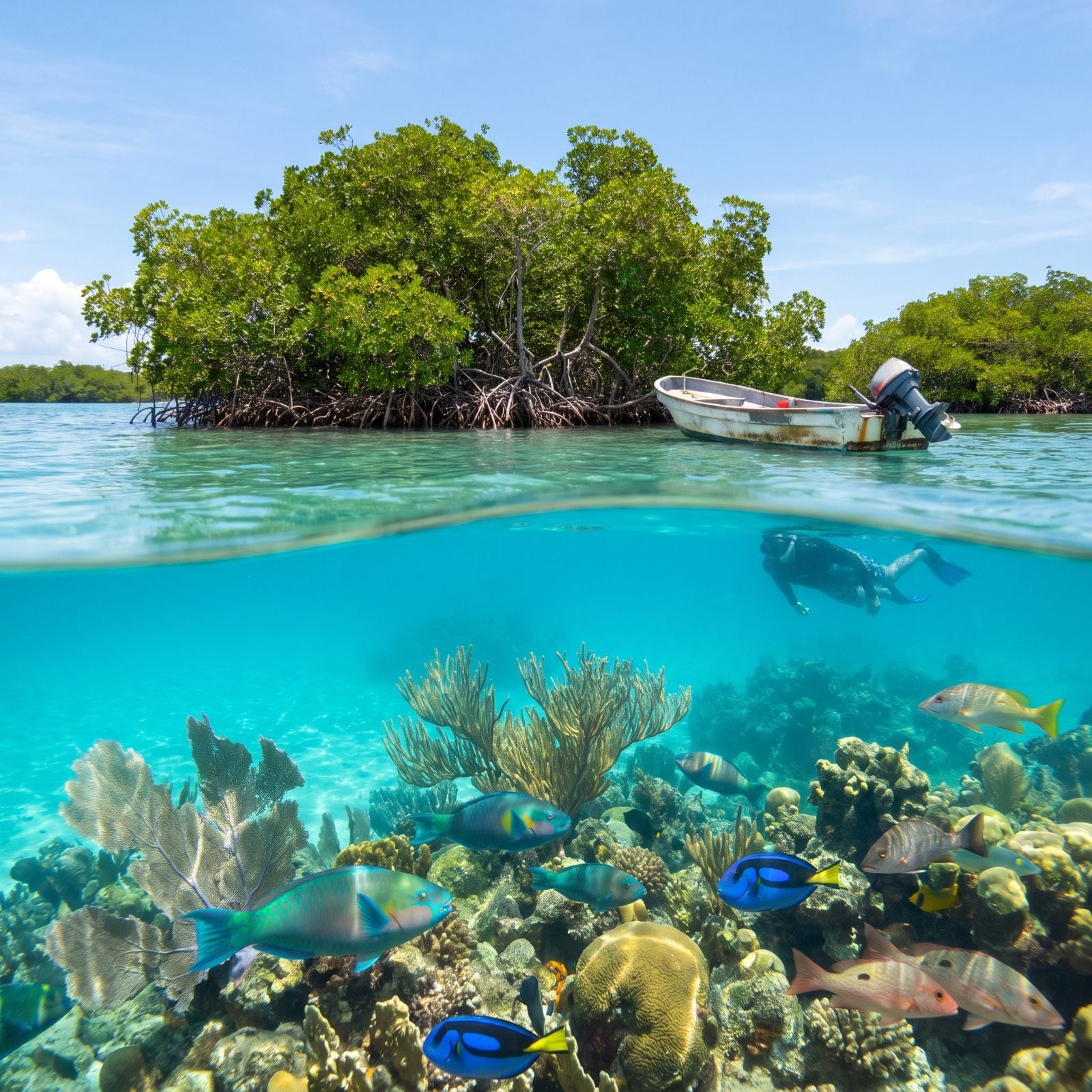
The catch that keeps the crowds away: almost all of this park is underwater. No roads cross it. No trail runs its length. To see Biscayne you need a boat, a snorkel, or a tour out of the visitor center.
That barrier is also the gift. Just off Miami’s sprawl sits living coral reef, shipwrecks, and mangrove shoreline that looks the way South Florida did before the condos went up. The water is bath-warm and clear, the fishing is good, and the quiet, half an hour from a major city, is the part that gets people.
5. Virgin Islands National Park, Reef-Filled Bays and Tropical Forest Trails
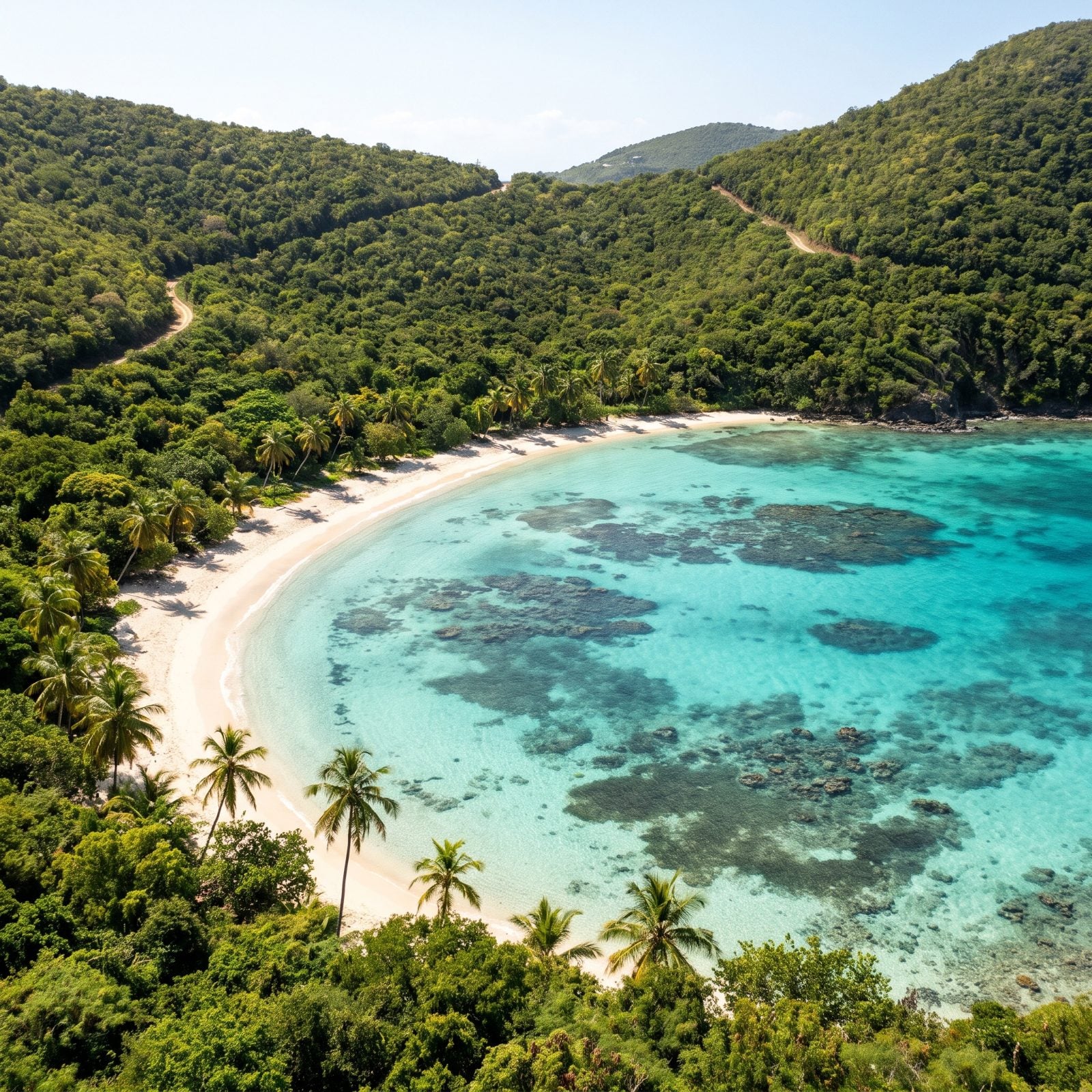
Most of the island of St. John is protected national park, yet most visitors to the Virgin Islands never leave the cruise-ship bars on St. Thomas. Reef-filled bays on one side. Dry forest trails climbing old Danish sugar plantation ruins on the other.
Trunk Bay gets the postcards and the small entrance fee. Go instead to the quieter coves where you can wade out and snorkel over reef with nobody else in the water. Reaching the park takes a ferry, which thins the herd nicely. And bring reef-safe sunscreen, because the regular stuff bleaches coral and the island takes that seriously.
4. Theodore Roosevelt National Park, Painted Badlands Filled With Bison
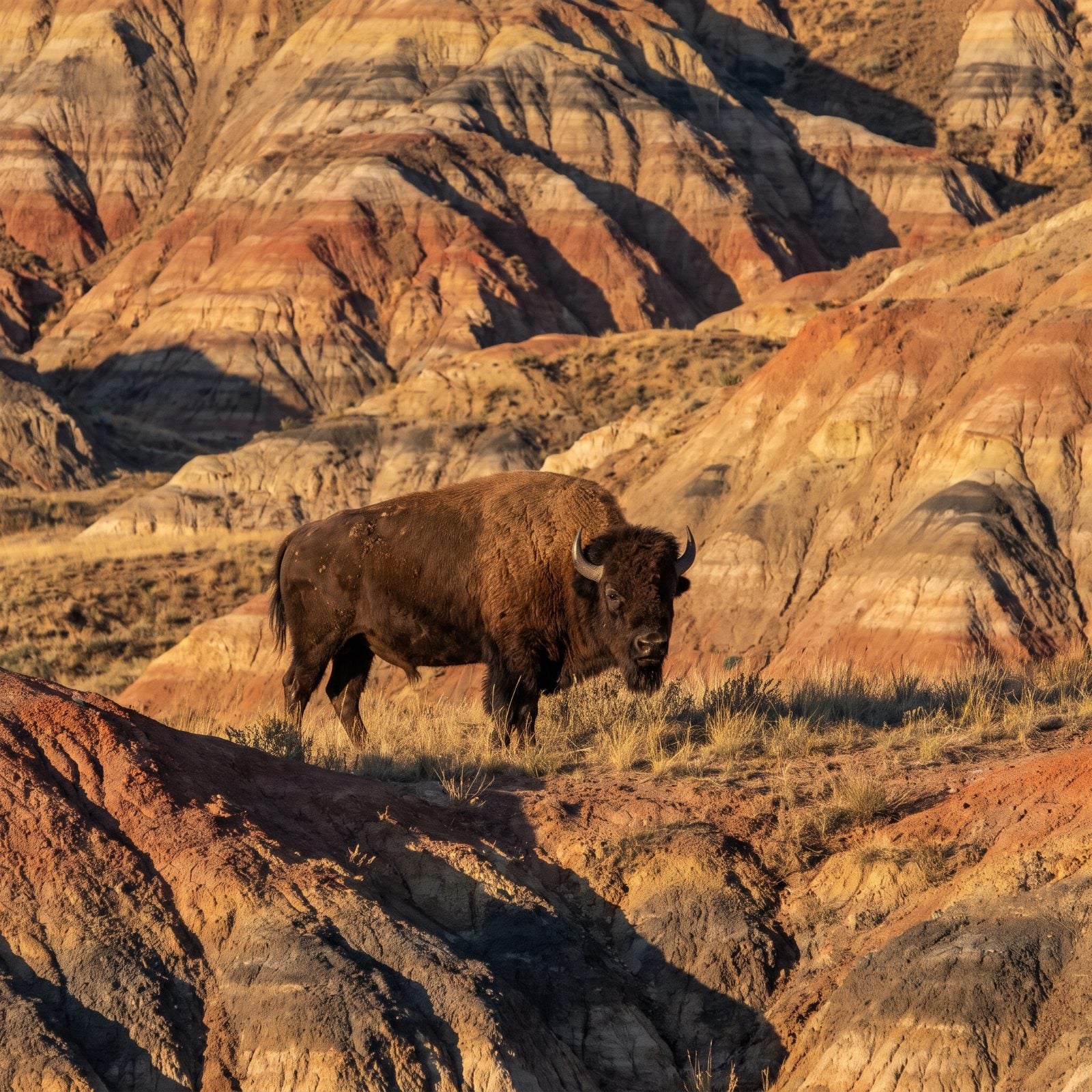
Almost nobody road-trips here on purpose, and that’s exactly why it’s worth the drive. Tucked into western North Dakota, it preserves the badlands that reshaped a young Teddy Roosevelt after he came out to ranch and grieve. Layered buttes in rust and gray, prairie that runs clean to the horizon, and bison. Lots of bison.
Drive the scenic loop at dawn and you’ll likely share the road with a herd, plus wild horses, prairie dog towns, and the occasional elk. It’s one of the best wildlife-viewing parks in the lower 48, and you can often do the whole loop without passing another car. Give the bison distance. They look slow. They aren’t.
3. Katmai National Park, Brown Bears Fishing at Brooks Falls
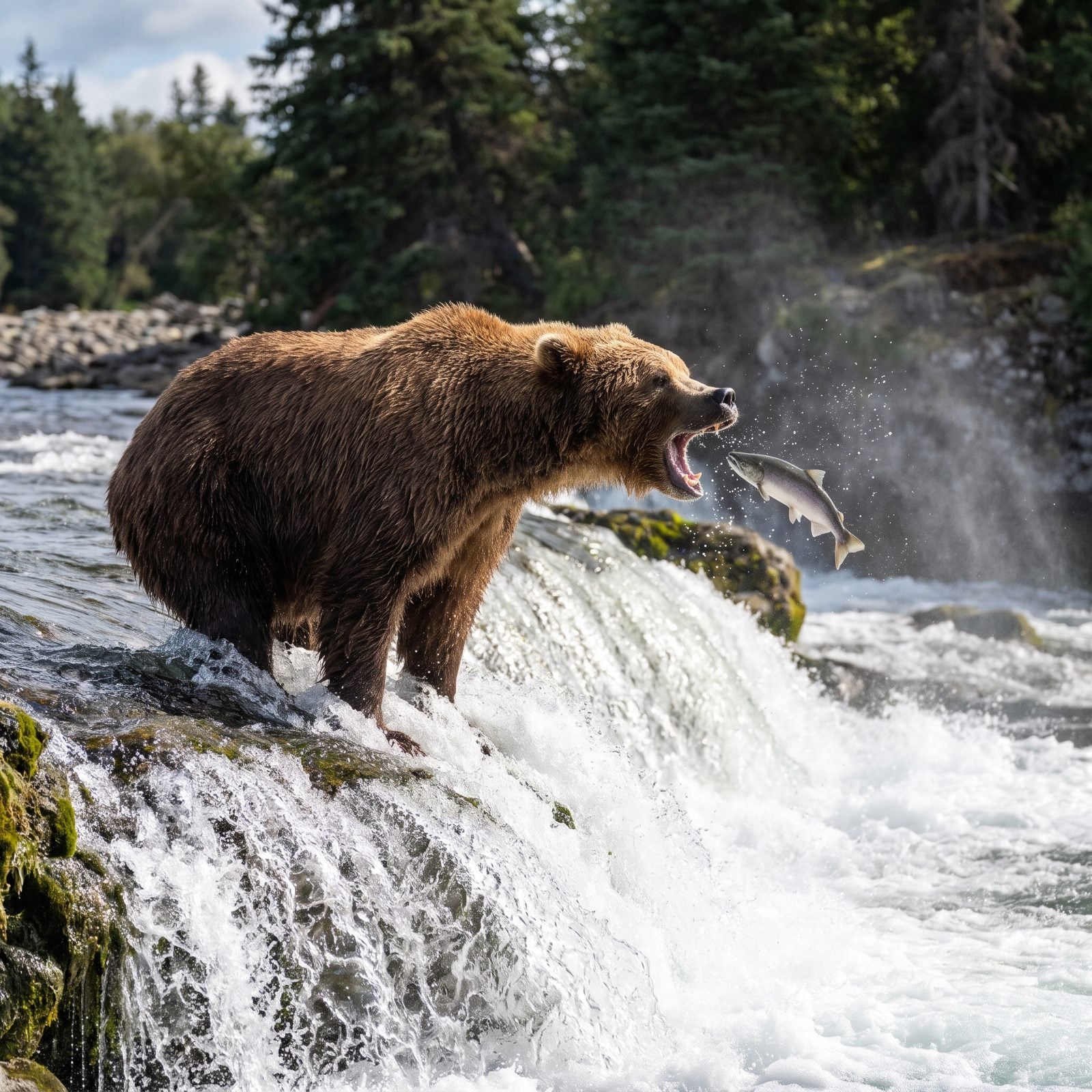
You’ve seen the photo even if you don’t know the name: a brown bear at the top of a waterfall, jaws open, a silver salmon leaping straight into its mouth. That’s Brooks Falls, in Katmai, and come July the bears pile in to gorge on sockeye.
Getting here is the filter. No roads. You fly to King Salmon, then take a floatplane to the lodge or camp. It costs real money and takes real effort. In exchange you stand on a viewing platform a stone’s throw from one of the densest gatherings of brown bears anywhere on earth.
2. Kenai Fjords National Park, Tidewater Glaciers Along a Roadless Coast
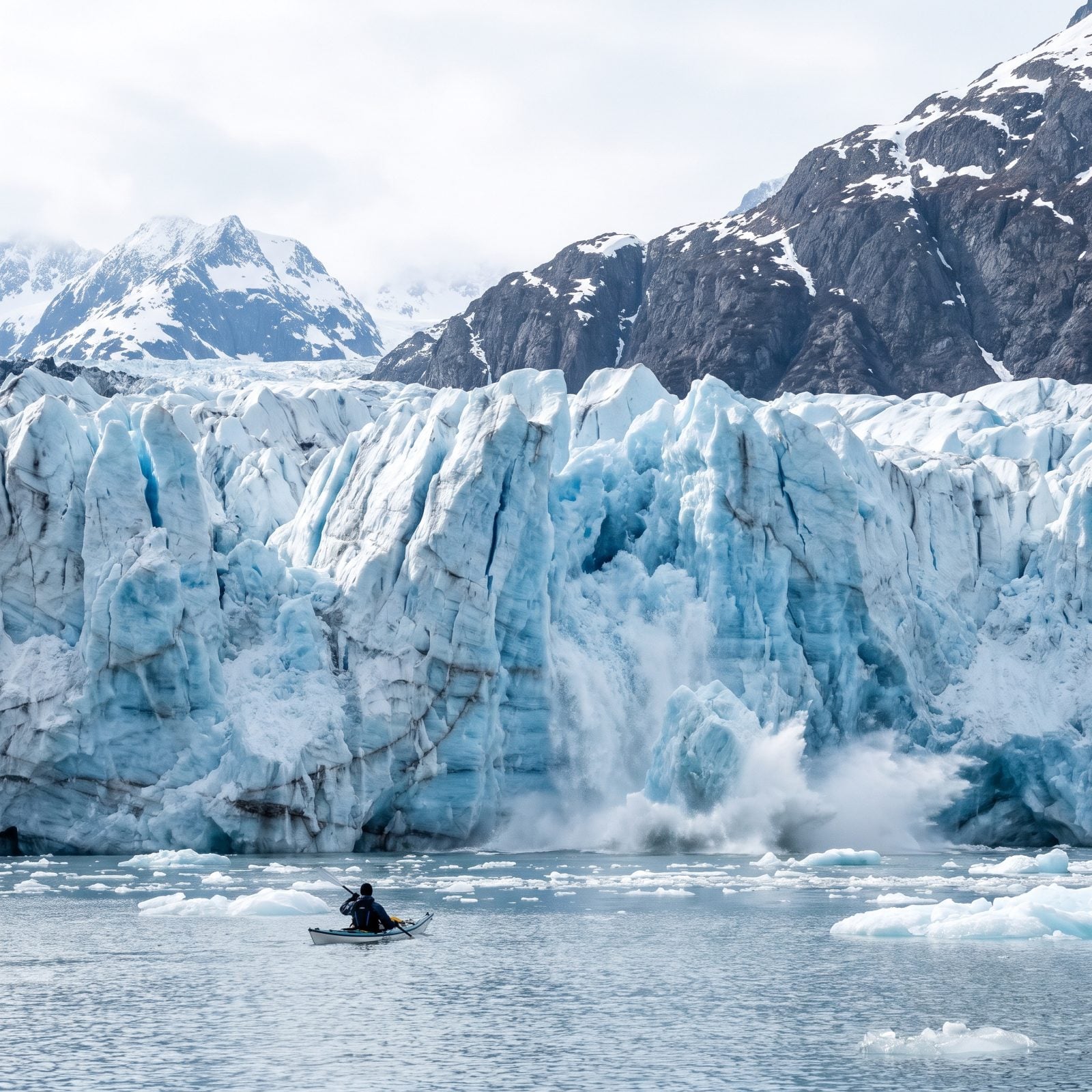
Nearly half this park sits under the Harding Icefield, a sheet of ice so vast it feeds dozens of glaciers spilling toward the sea. Most of the coastline has no road at all. You reach it by boat out of Seward, and the boat ride is the point.
You’ll watch glaciers drop house-sized ice into the water with a crack like a rifle shot, and most trips turn up orcas, humpbacks, sea otters, puffins, and sea lions hauled out on the rocks. Prefer solid ground? The trail to Exit Glacier and up to the icefield overlook is one of the few parts you can reach by car.
1. Dry Tortugas National Park, An Island Fortress Surrounded by Clear Gulf Water
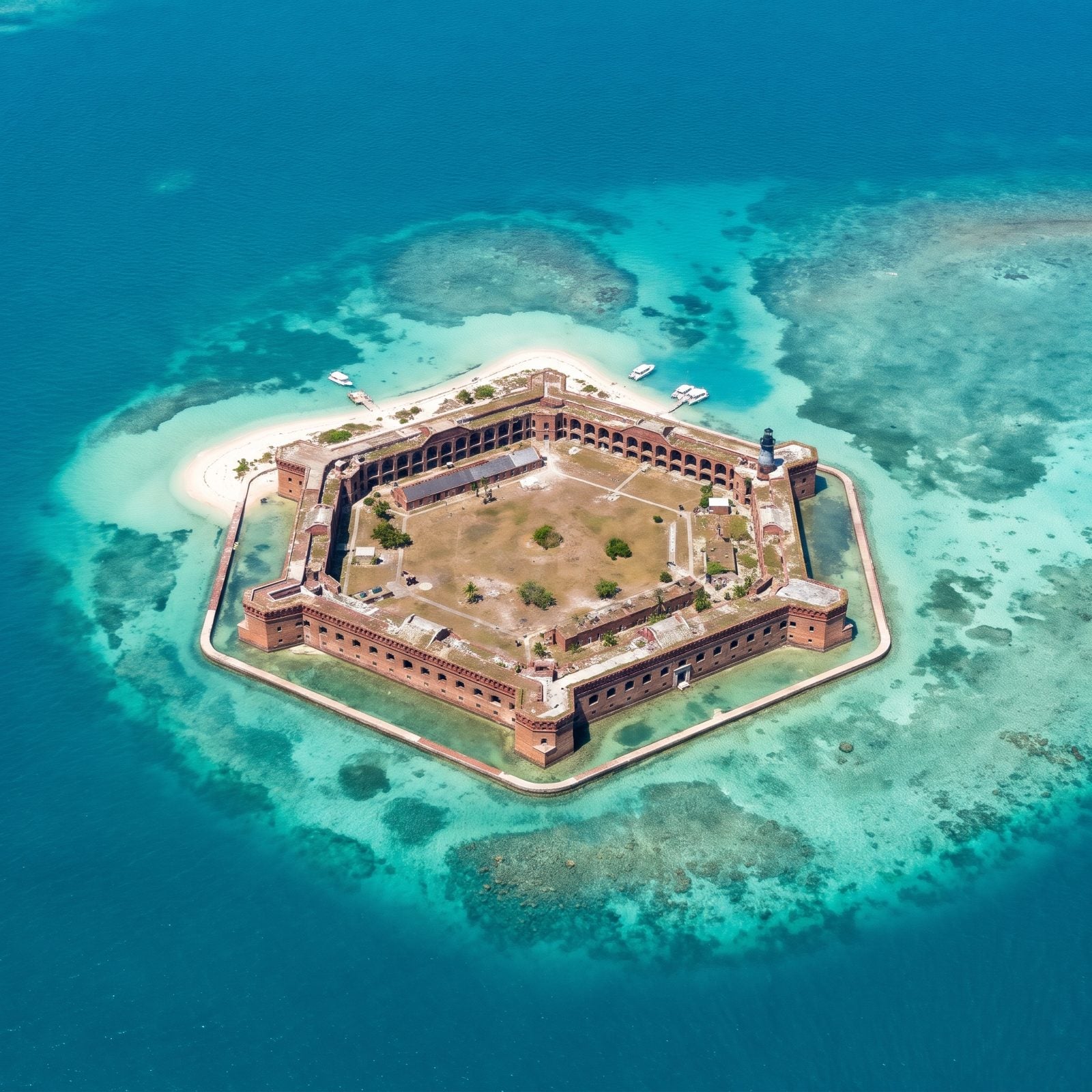
Seventy miles past Key West, out where the Gulf of Mexico meets open ocean, sits a massive 19th-century brick fort on a speck of sand. Fort Jefferson was never finished, briefly held the doctor who treated Lincoln’s assassin, and now anchors one of the most remote parks in the whole system.
The water around it is the clearest you’ll find in the continental U.S. You can snorkel right off the beach over coral and shipwreck. Ferry or seaplane only, which keeps numbers low. Camping on the island is primitive in the hauled-in-everything sense, and the night sky out there, with no light pollution for seventy miles, is worth the effort alone.