
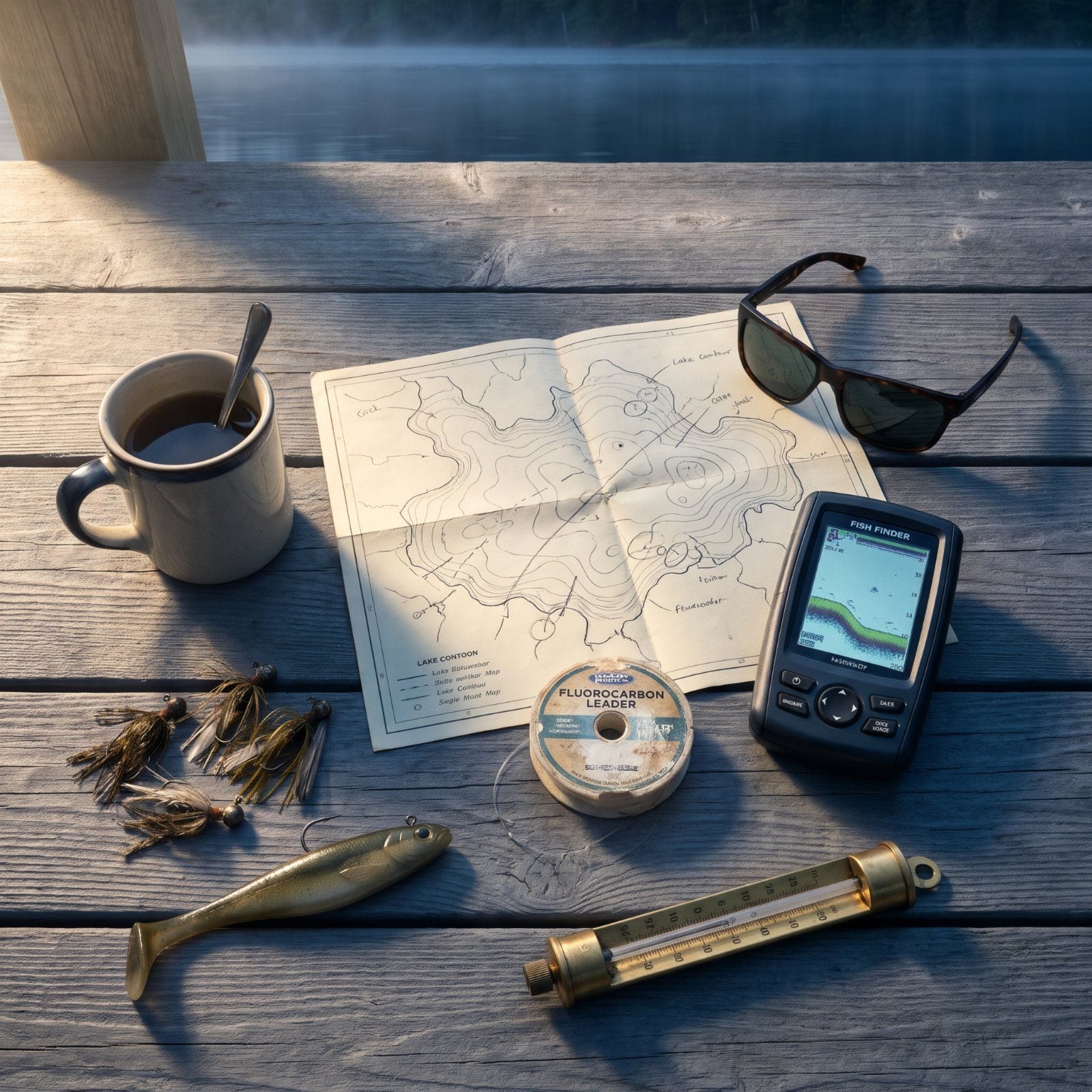
Some lakes lie about what they hold. You drive past, read the boat ramp sign, see nothing special on the surface, and keep going to the water everyone already fishes. Meanwhile the big ones sit down there, fat and old, in a lake that never made a magazine. The clues are there if you know where to look. Not in the brag photos — in the sonar screen, the forage base, the stuff local anglers won’t say out loud at the gas station. Here’s what tells you a plain-looking lake is sitting on fish worth driving for.
Please note that some of the images in this article were created with the assistance of AI.
39. Large Fish Arches Appear Below the Thermocline
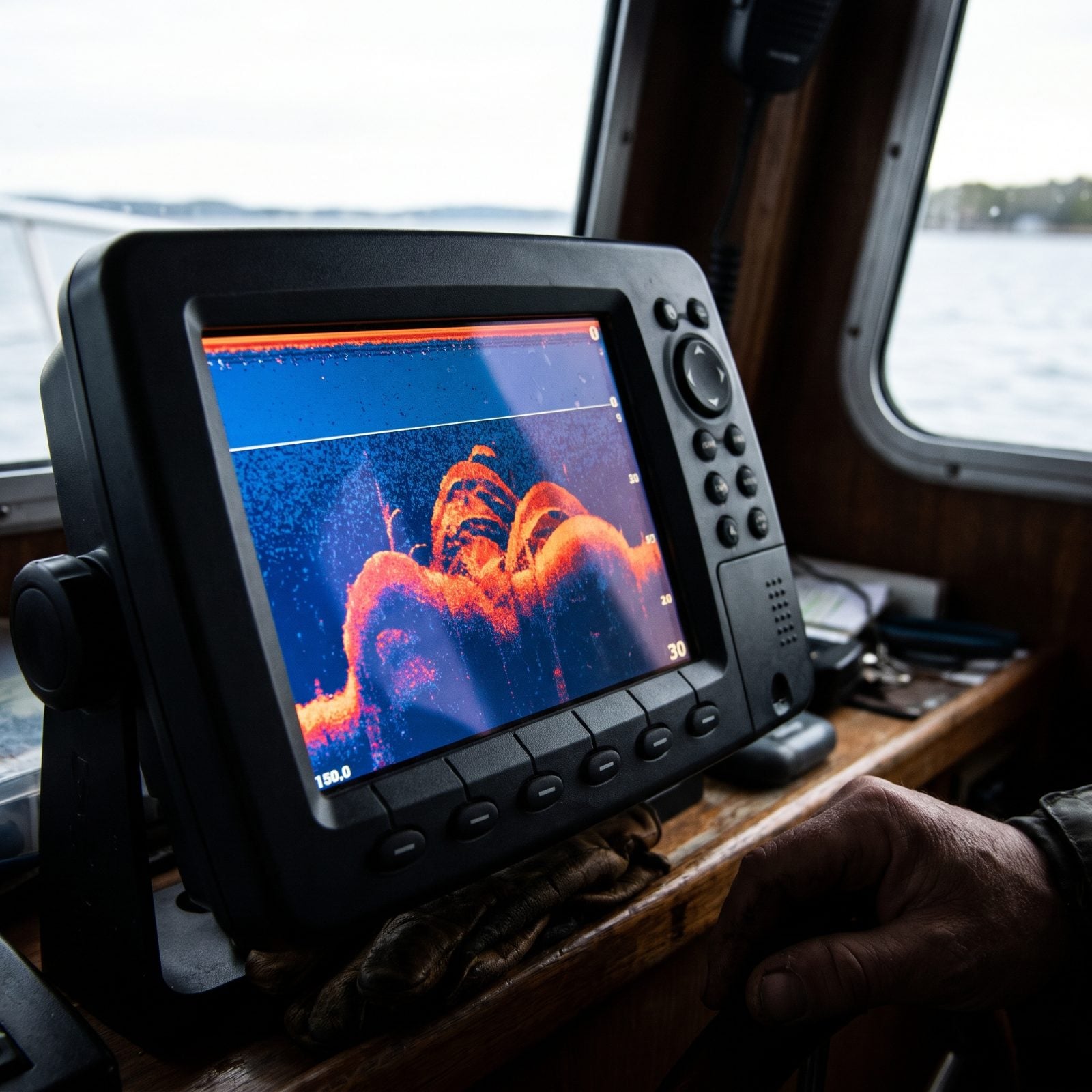
Most anglers stop reading sonar at the bait. The forage schools up high, the screen lights up, and that’s where the eyes go. Look lower. A fish holding alone below the thermocline — where the oxygen still works but the crowd doesn’t bother — is almost never small.
Big fish earn that real estate. Cooler water, no competition, an easy ambush on anything that drifts down to them. On the screen, don’t mistake the red and orange humps of bottom structure for fish; a real fish shows as a distinct arch suspended above them.
38. Heavy Fish Break Off Anglers Using Proper Tackle
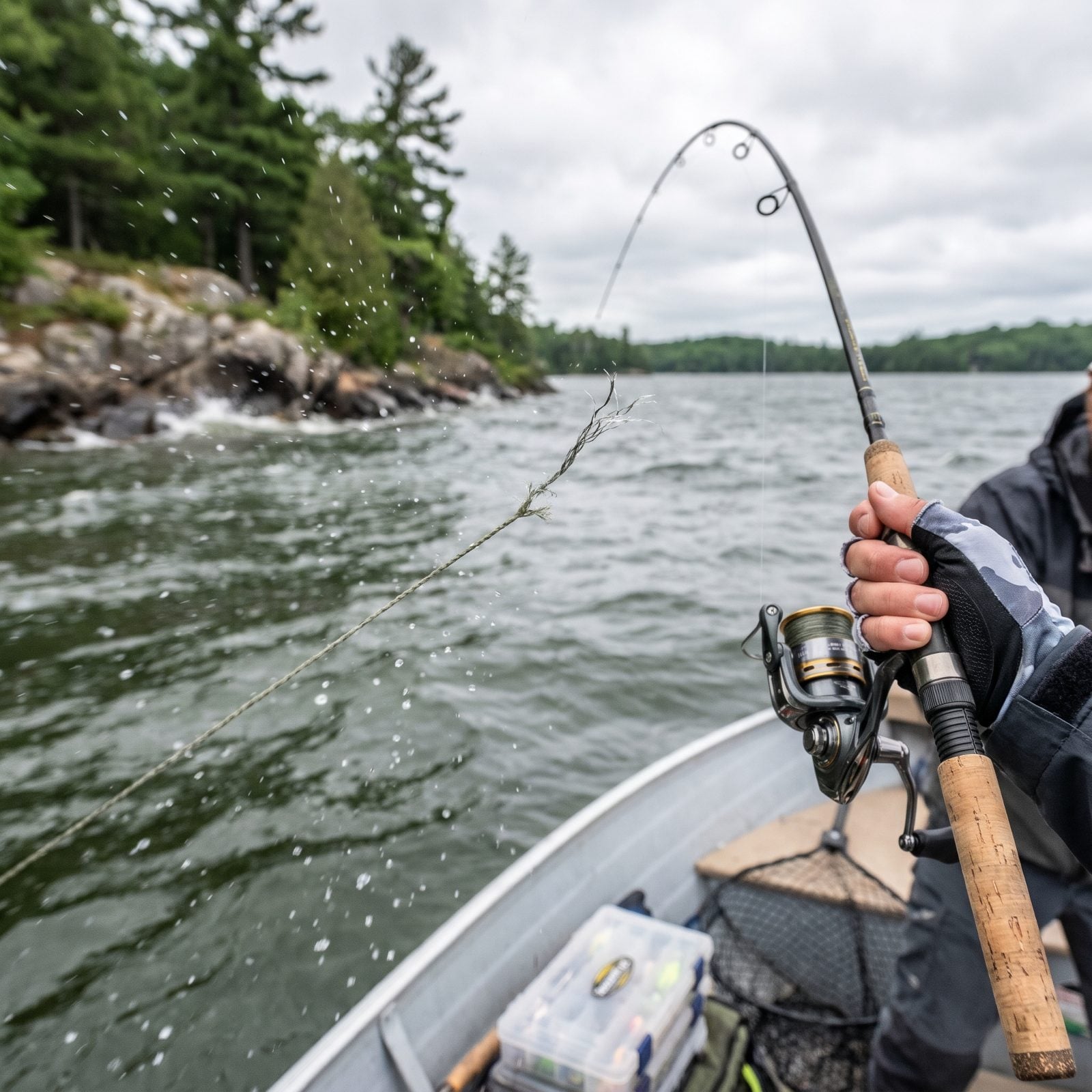
There’s a difference between losing a fish and getting beaten by one. If decent anglers running fifteen-pound line and healthy drag keep getting smoked at a particular lake, pay attention. Snapped line on good tackle, over and over, isn’t bad luck repeating itself — it’s a pattern, and the pattern has teeth.
I’ve broken off on fish I never saw and spent the whole drive home building them up in my head. Sometimes that’s ego, sure. But when it keeps happening to competent people on the same stretch of water, the fish doing the breaking are real, and they’re big enough to do it on purpose.
37. A Single Massive Wake Crosses a Quiet Cove
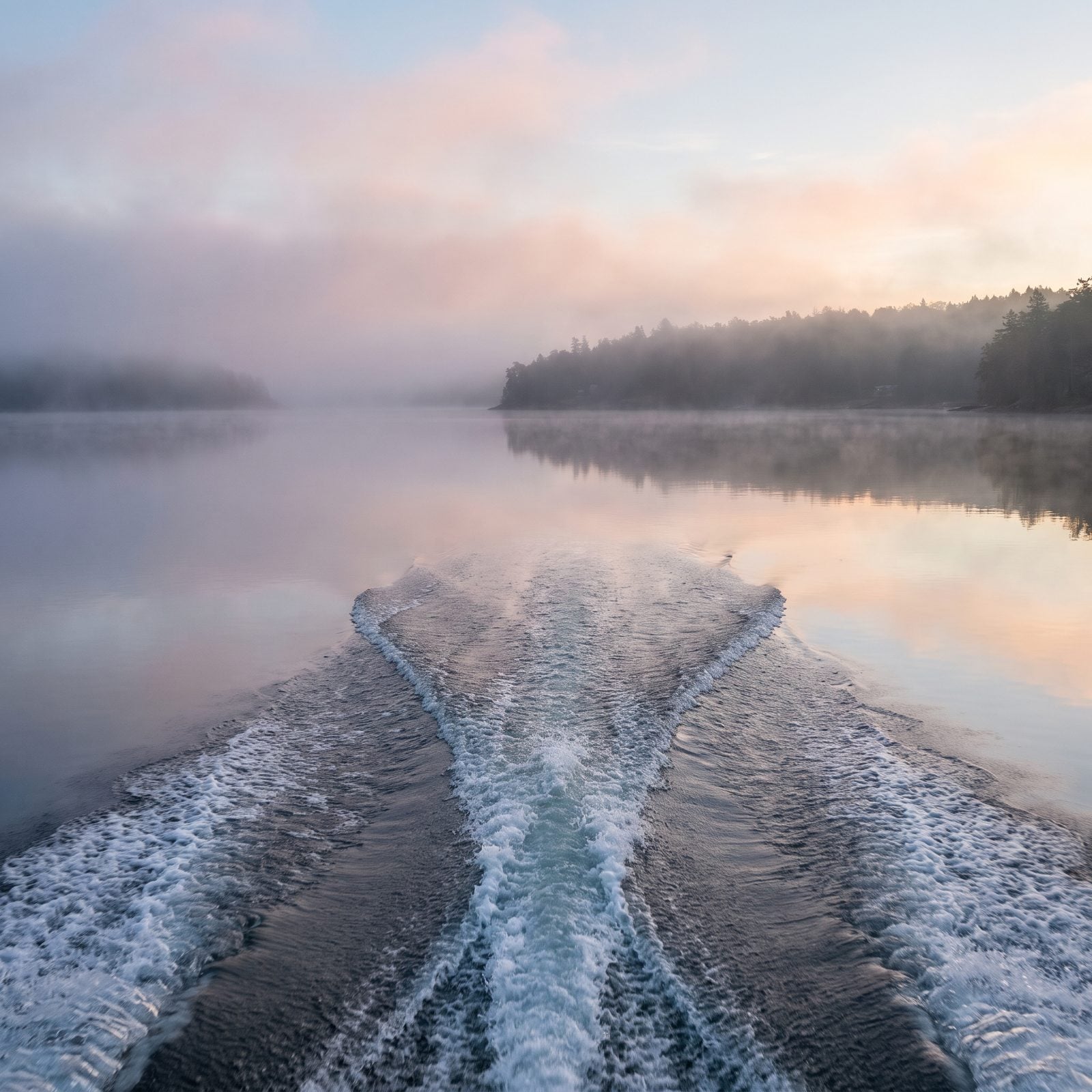
A quiet cove tells on its residents. When the water is dead flat at first light and a single heavy wake pushes across it, something with real horsepower just moved. Not wind. Not a carp rolling. A big fish, pushing water.
You’ve watched a wake like that and felt your stomach drop before your brain caught up to it. What gives a big fish away is the width of the wake. A little one barely dimples the surface, while a heavy fish leaves wide arms spreading out behind it, and in a silent cove you can read that from fifty yards.
36. Ice Anglers Mark Solitary Giants Beneath Roaming Bait
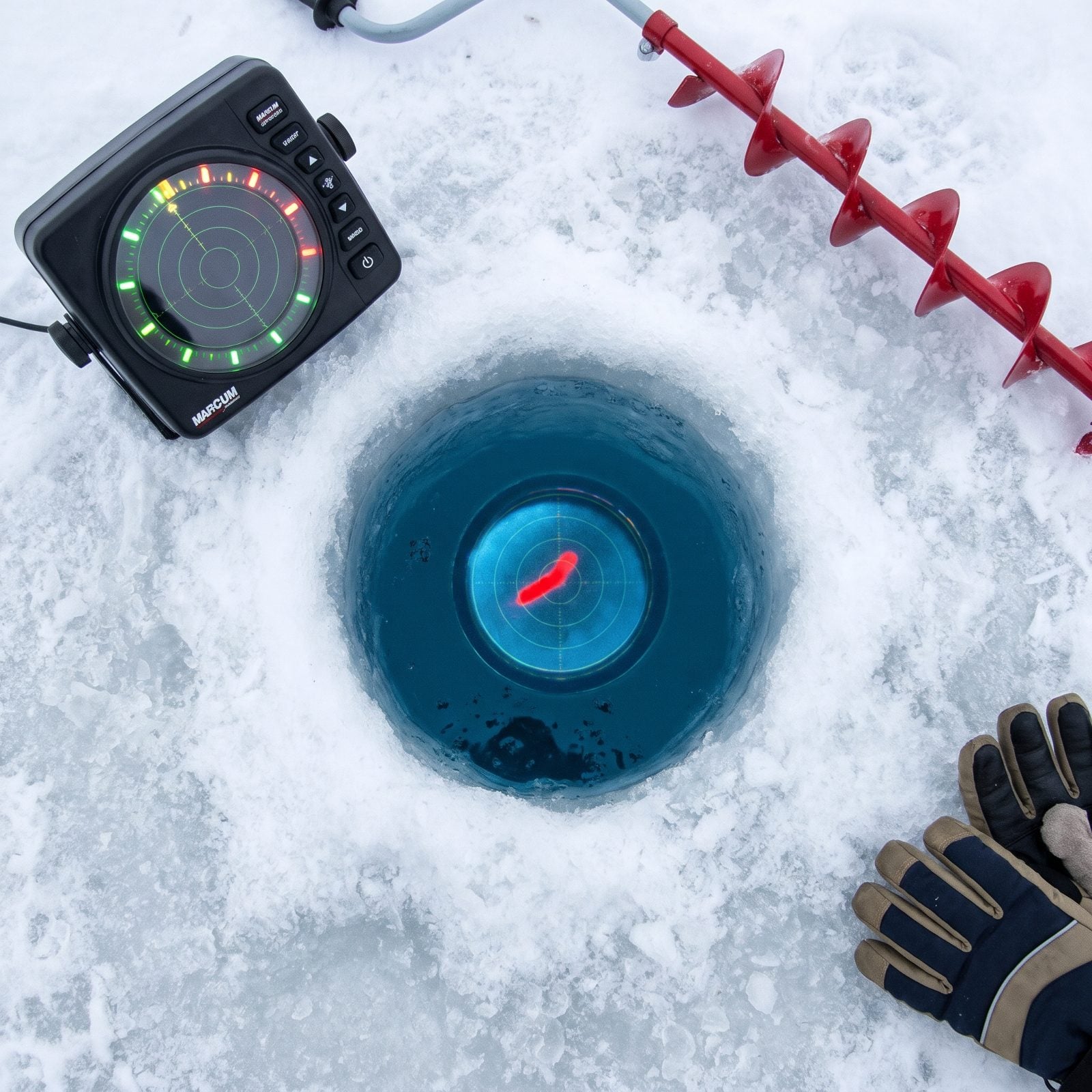
Winter strips a lake down to the truth. With a flasher running clean below you through the ice, there’s nowhere for a big fish to hide its signal. When the dial lights up with scattered green, yellow and red segments all the way around, you have to read through the clutter for the one heavy, stubborn red mark that refuses to budge. That’s your target.
Little fish chase bait around the water column. The old ones let the bait come to them. A solitary deep mark that holds its depth while everything above it scatters is usually a predator that doesn’t need to work very hard anymore — and hasn’t for years.
35. Night Anglers Report Unexplained Drag-Screaming Runs
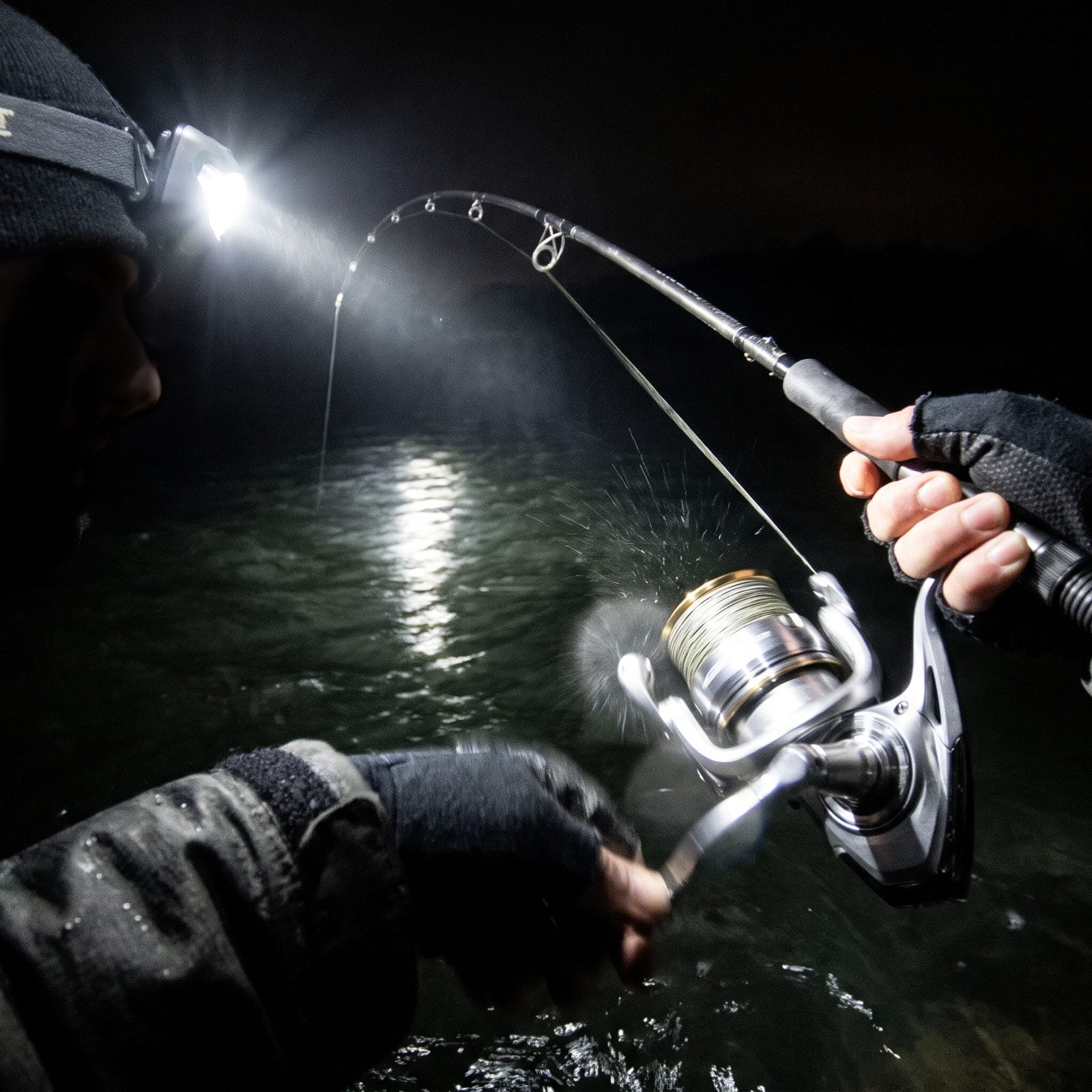
Big fish get bold after dark. The pressure drops, the boats go home, and the old ones that spent all day buried in cover slide up into the shallows to feed where you’d never find them at noon.
So listen to the night crowd. When catfish or walleye anglers keep talking about runs that peeled drag before they could even set the hook, something heavy is cruising those shorelines after sunset. The hookups that end in a straightened hook or a snapped knot aren’t exaggeration. Darkness is when a lake’s biggest fish stop being careful.
34. Local Anglers Quietly Release Their Best Catches
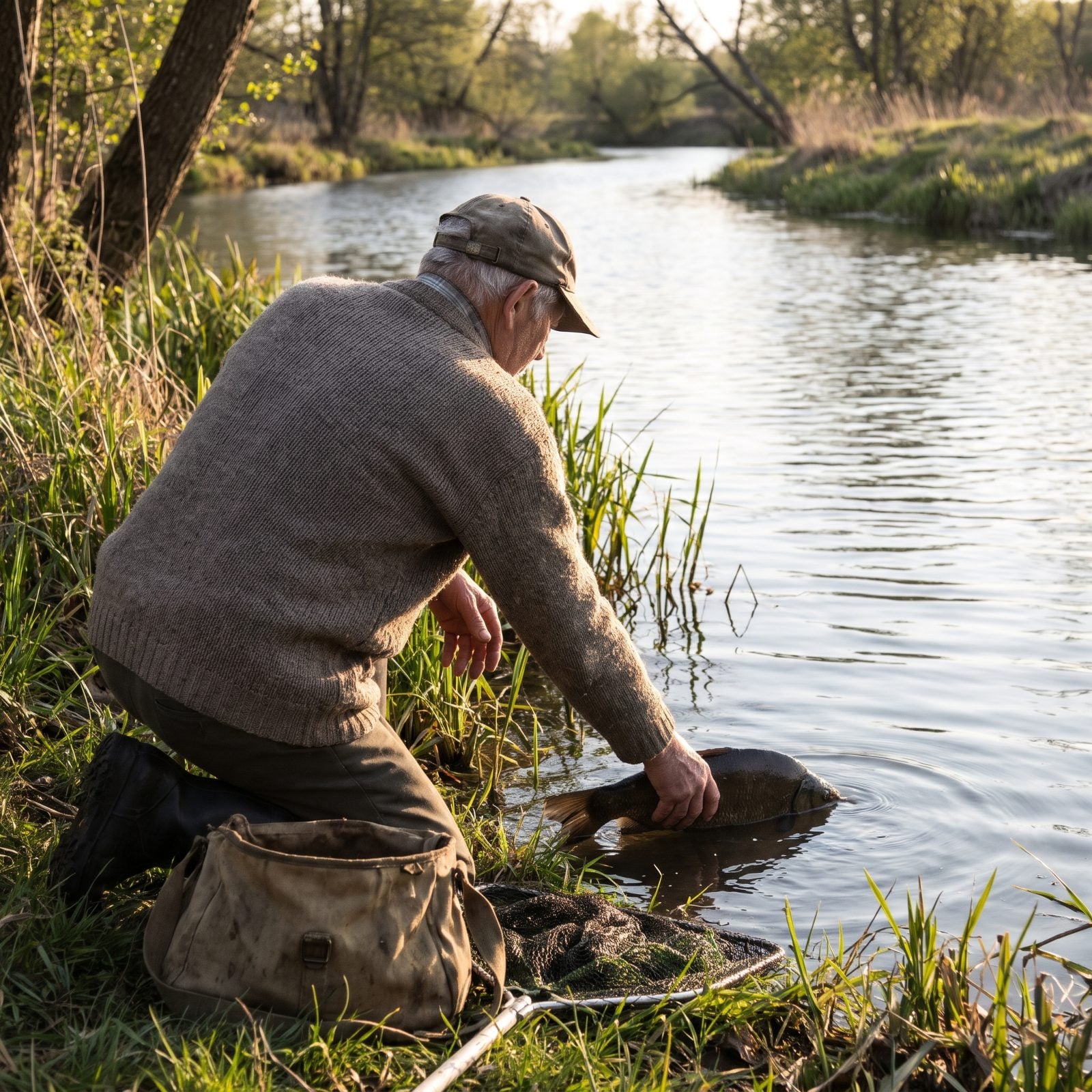
The best tell is the one nobody says out loud. On a lake with genuine giants, the local sharps go quiet. No hero shots on the bank, no favourite bends traded over beers. They slip the big ones back without a word and let you assume the fishing is slow.
Silence on the riverbank is its own kind of fishing report.
You learn to read the absence. Someone who clearly knows the water downplays it, smiles, and tells you it’s “pretty dead out there” — and that’s often exactly the water holding the fish they’re protecting. Always within the rules, always within the limits, just kept close to the chest.
33. The Lake Has an Abundant Cisco Population
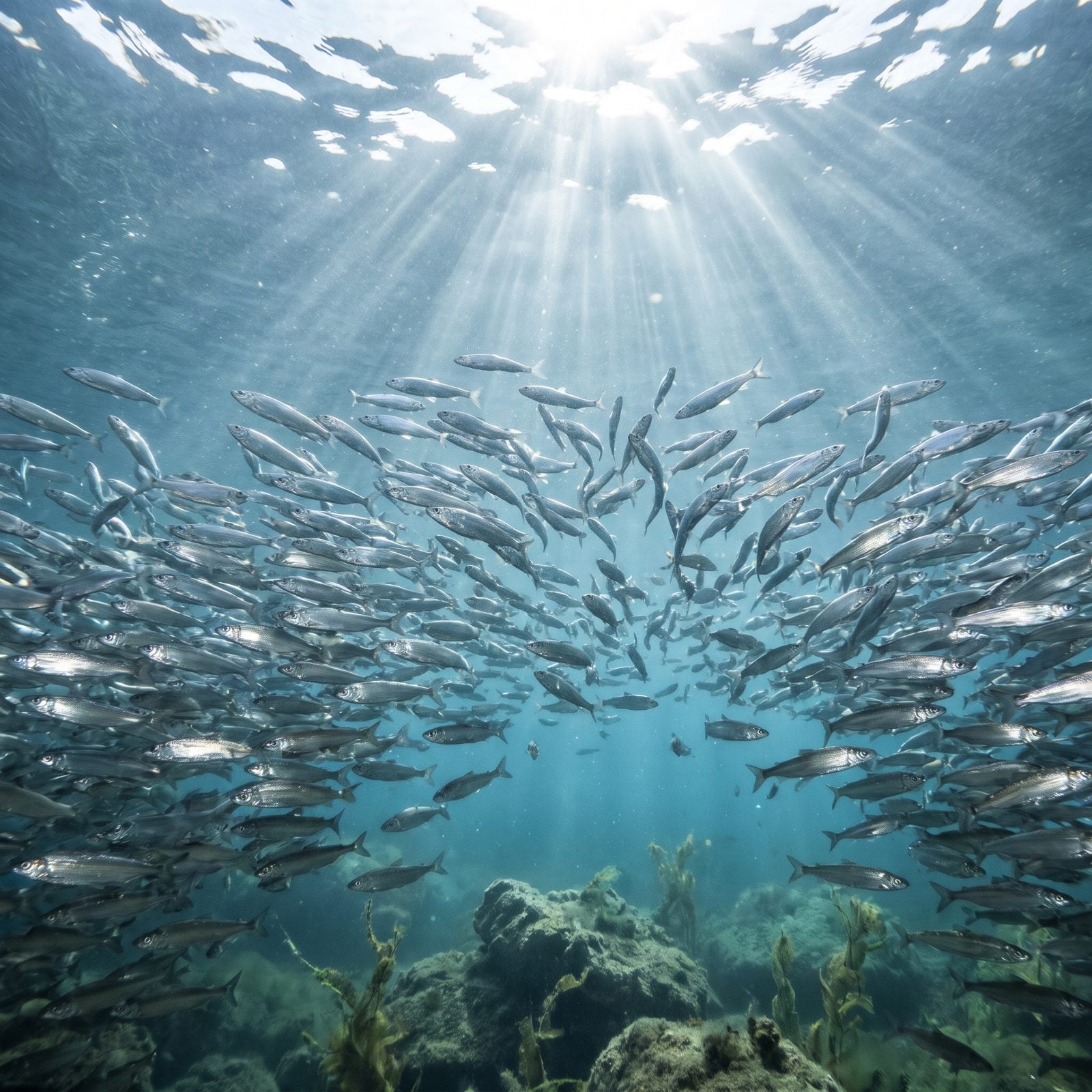
Want to know why some northern lakes grow absurd pike, lake trout, and walleye? Cisco. Also called tullibee, these fatty cold-water baitfish are the richest meal a predator can eat, and lakes that hold them tend to grow fish that look inflated.
Think of a cisco population as a free-protein economy — oily, abundant, and parked deep where the big predators like to live. If a lake’s fisheries survey or the guy behind the bait counter mentions ciscoes, you’ve found a place where fish don’t just survive. They get heavy. And the forage base is the one thing almost nobody checks before they fish a new lake.
32. Schools of Gizzard Shad Reach Impressive Sizes
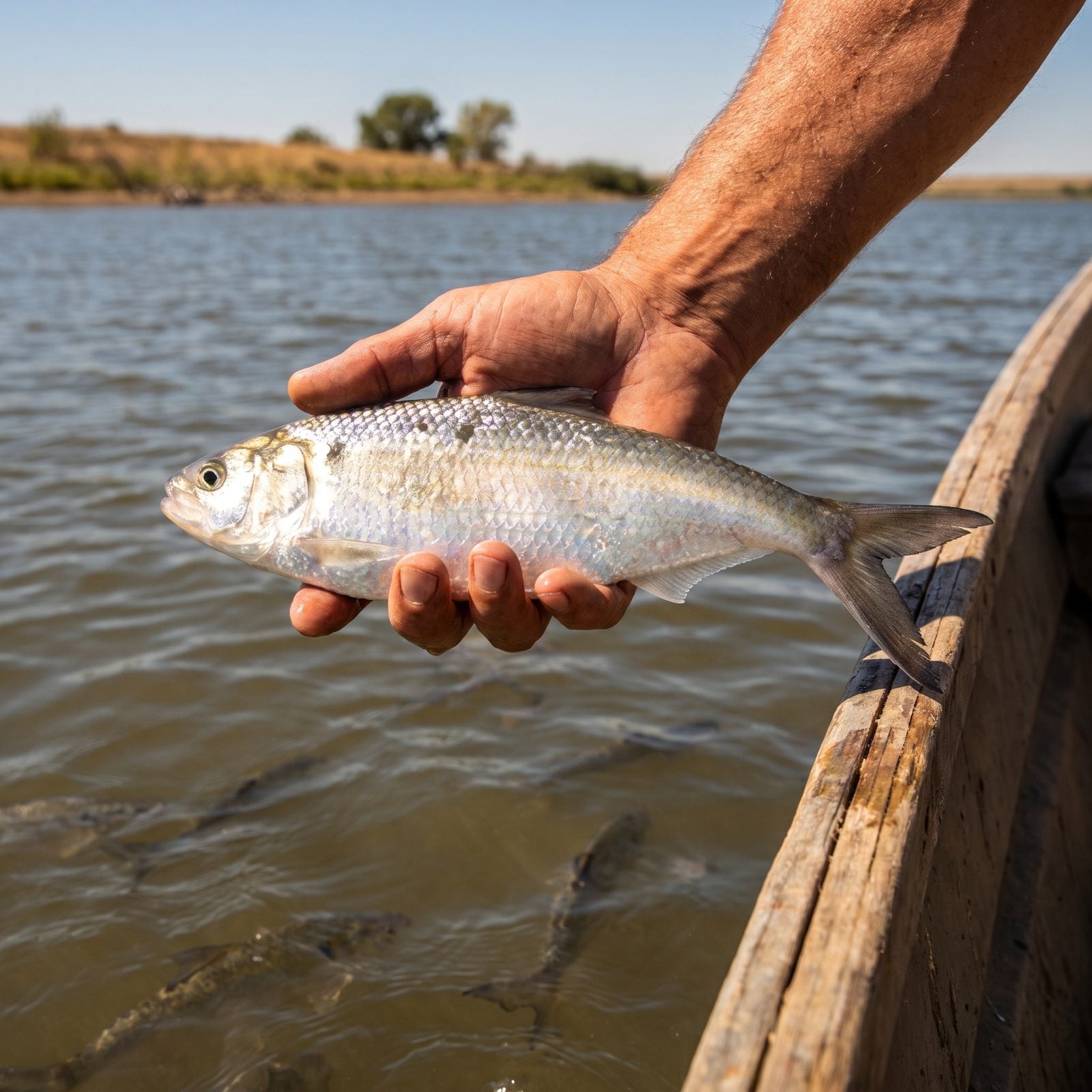
In warmer reservoirs, gizzard shad are the engine. Grow big shad and something interesting happens. Once those shad get too large for the average bass or crappie to choke down, only the true giants can handle them.
That size filter is the whole story. A lake stacked with eight-inch shad is a lake where small predators go hungry and large predators eat like kings — the big get bigger while the little guys stall out. Watch for shad flipping at the surface come evening. The bigger they look, the bigger whatever’s eating them has to be.
31. Big Bluegills Thrive Along the Weed Edges
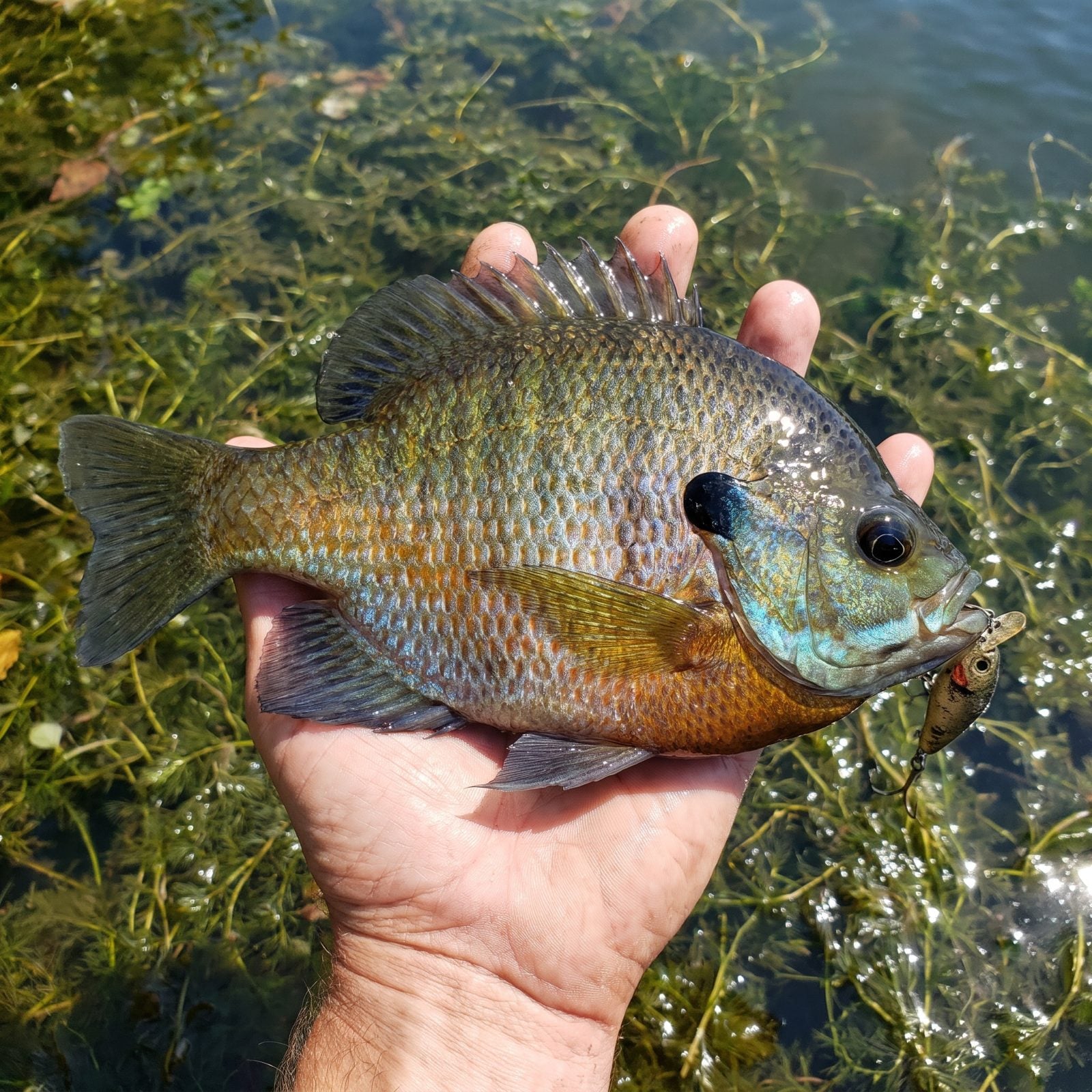
Don’t overlook the panfish. A lake growing genuine dinner-plate bluegills along its weed edges is quietly telling you something about the whole fishery.
Big gills need two things: good habitat and predators keeping their own numbers in check. When those bluegills get hand-sized and thick through the shoulders, it usually means the bass and pike are doing their job thinning out the small stuff. A balanced, healthy system grows big everything. Read the panfish and you’re reading the predators hunting them.
30. The Lake Produces Unusually Large Rough Fish
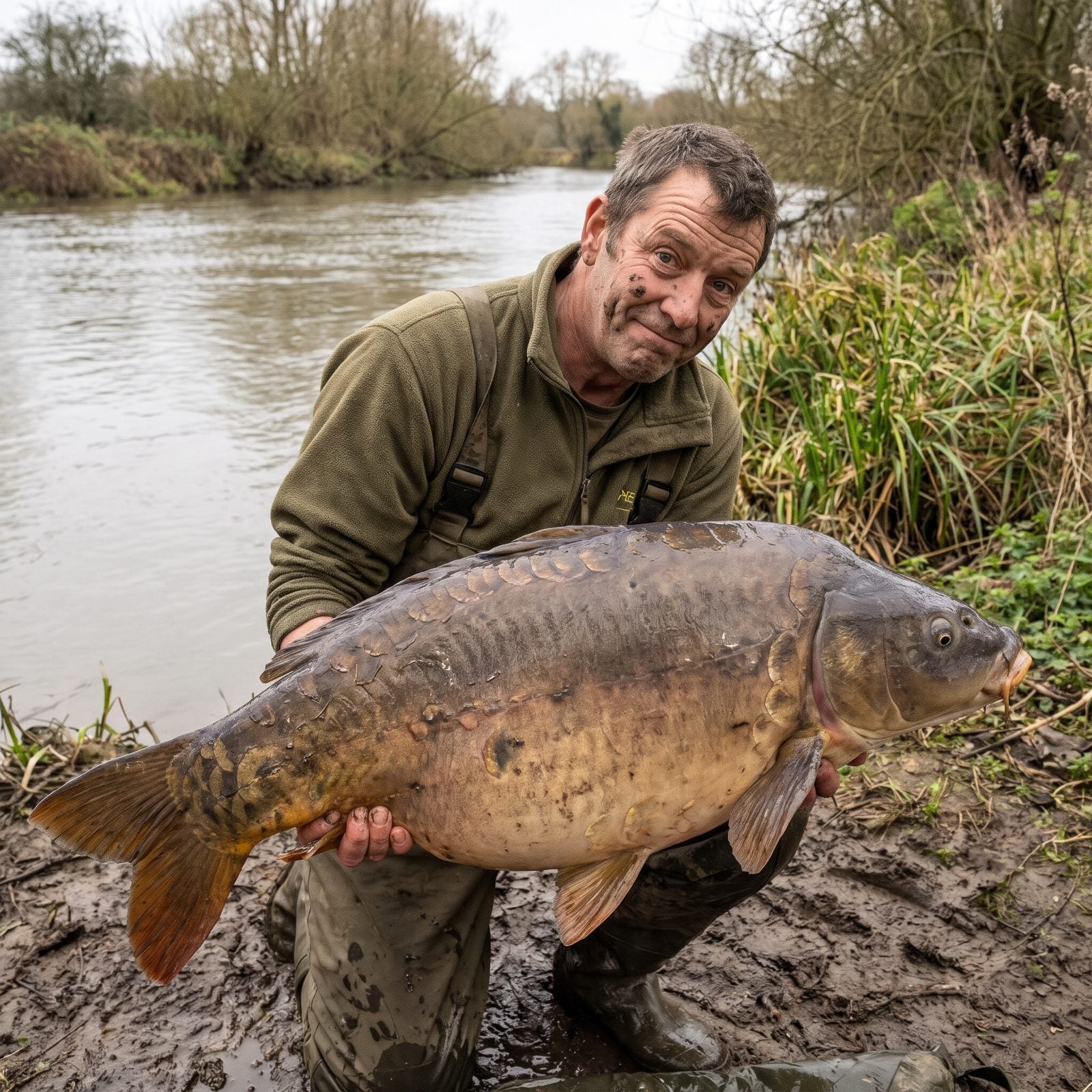
Here’s one most game-fish anglers dismiss, and I used to be one of them. Big carp, big drum, big buffalo. If the rough fish in a lake run oversized, the lake is fertile. Full stop.
Large rough fish mean the water is rich with food, well-oxygenated, and productive top to bottom. That same fertility feeds everything in the system, predators included. A lake that grows a thirty-pound carp has the groceries to grow a trophy bass or catfish right alongside it. Call the rough fish the canary, except this canary is fat and healthy, which is the whole point.
Nobody drives past a lake and thinks about the carp. They should.
29. Crayfish Carpet the Rocky Shallows
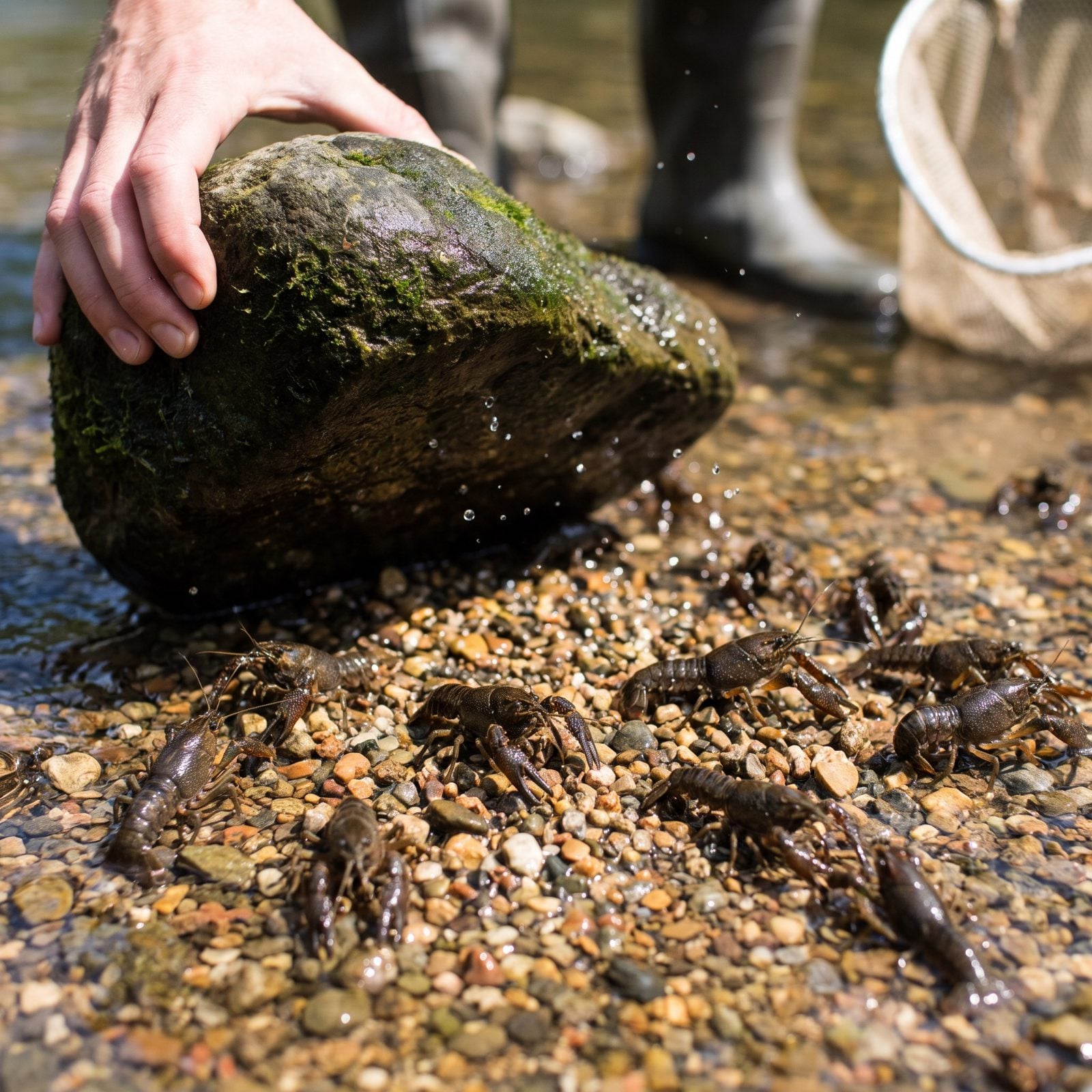
Flip a few rocks along a windblown gravel bank in June. If crayfish scatter in every direction, you’ve found a protein factory. Smallmouth, big bluegill, channel cats and oversized bass all gorge on them, and a crawfish-heavy lake grows fish with shoulders.
Here’s the part people miss. A lake loaded with craws often gets written off as having ‘no baitfish,’ because nobody’s marking shad clouds on sonar. The fish don’t care. They’re down in the rock eating like kings, getting fat and old while everyone else looks for the wrong clue.
28. A Submerged River Channel Cuts Across the Basin
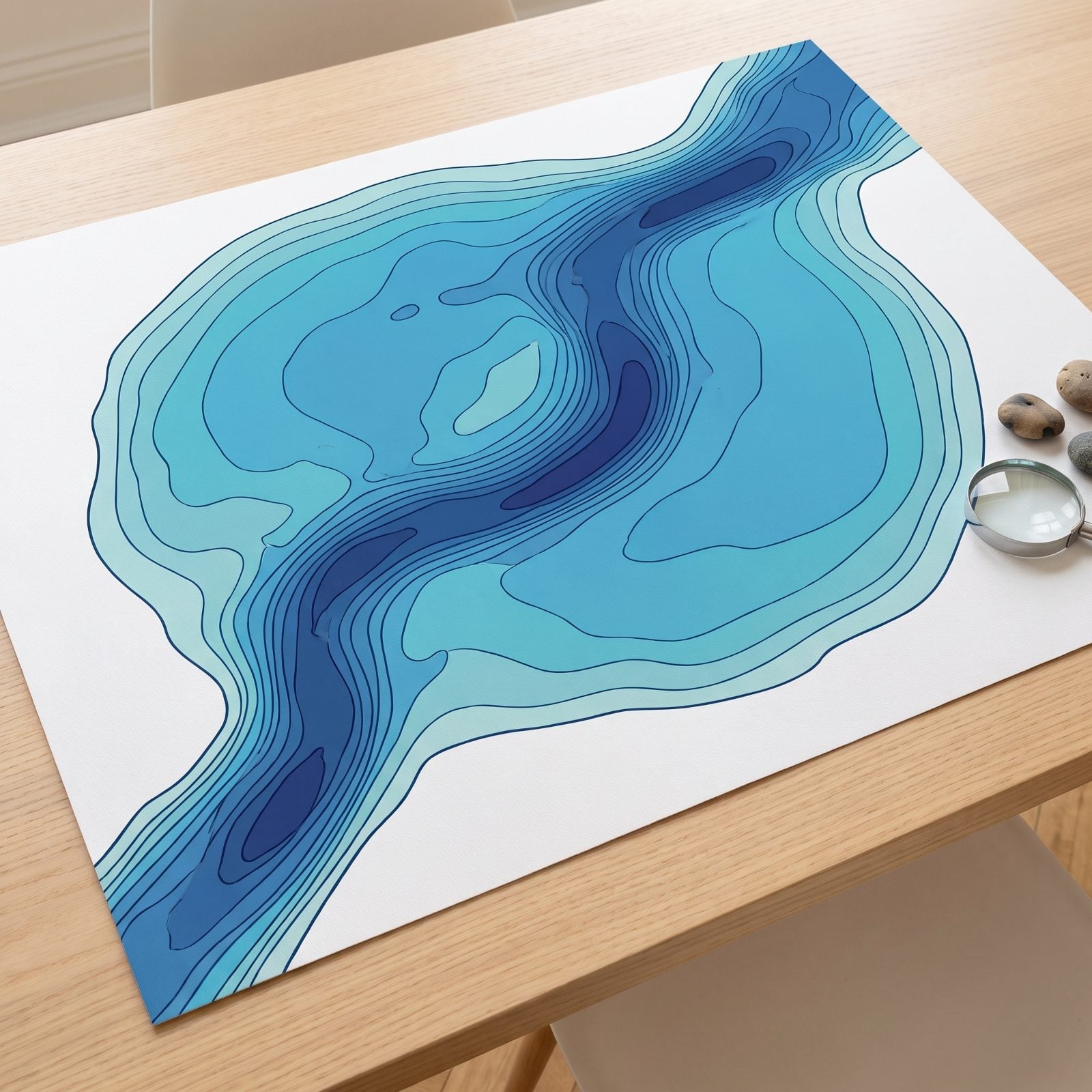
Old river channels are highways. When a reservoir floods a river valley, that original streambed keeps running along the bottom, and fish ride it between deep wintering water and shallow feeding grounds without ever exposing themselves.
Find where a channel bends hard against a flat or swings near a point. That’s your ambush spot, and it produces year after year because the bend crowds current, bait and predators into one small patch of a huge lake. Most anglers never find it. It doesn’t show from shore.
27. Sharp Breaklines Sit a Cast from the Feeding Flats
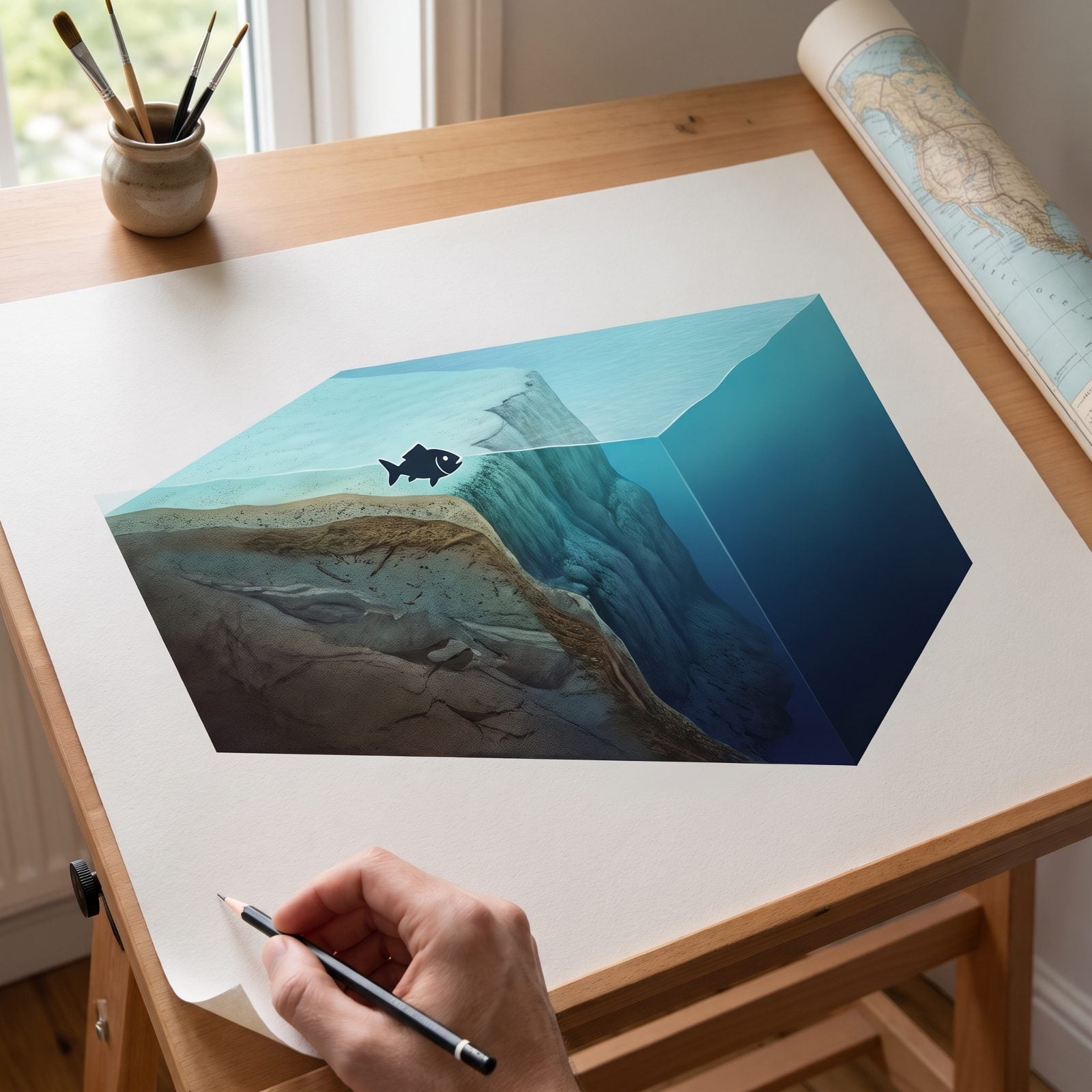
Fish are lazy about commuting. A flat that drops fast into deep water right at its edge lets a big fish feed in two feet, then slide to safety in twenty without crossing open ground.
Gentle slopes make fish travel. Sharp ones stack them. I ignored breaklines for years and fished the middle of the flat like an idiot, wondering why I caught nothing but dinks. The giants were sitting on the lip the whole time, laughing at me.
26. Deep Water Borders the Spawning Bays
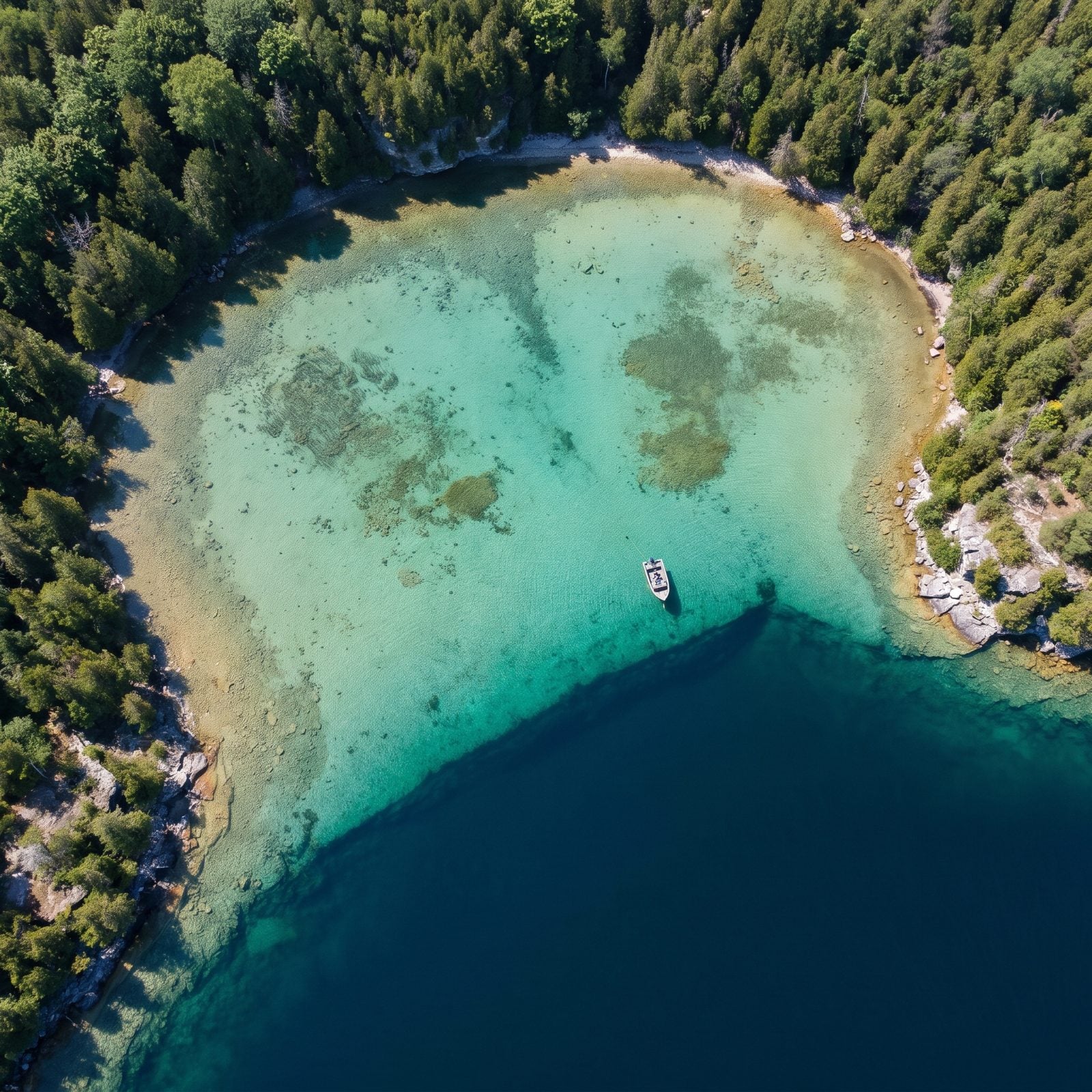
The biggest females spawn where they can disappear fast. A bedding bay with deep water right at its mouth gives a heavy fish a quick exit when a cold front, a boat or a predator shows up.
Shallow bays that only connect to more shallow water get the small, nervous fish. The ones next to a channel or a sharp drop hold the heavyweights, and those same fish stage in that deep water for weeks before and after the spawn. That staging zone is where patience pays.
25. Standing Timber Keeps Going Far Below the Surface
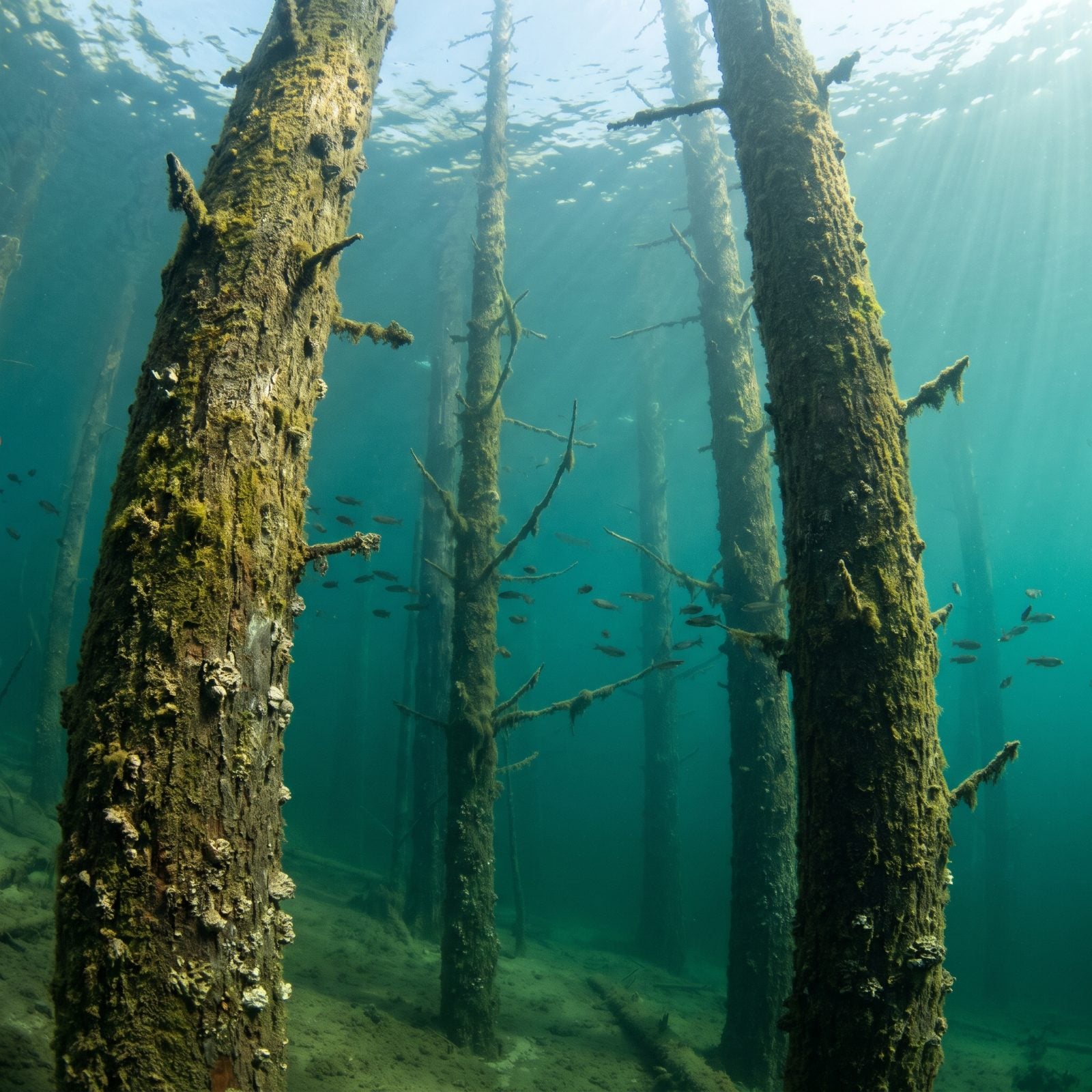
A stump field in six feet of water is nice. Standing timber that keeps rising from forty feet down grows the real monsters.
Vertical trees let a big fish change depth without leaving cover, following bait up and down the column while staying hidden the whole time. Crappie, walleye and big bass all pile into it. The trick is finding the tallest trees in the deepest water. Those go unmarked on old maps and uncrowded on busy weekends, which is exactly what makes them worth the hunt.
24. Isolated Rock Piles Rise Out of the Deep
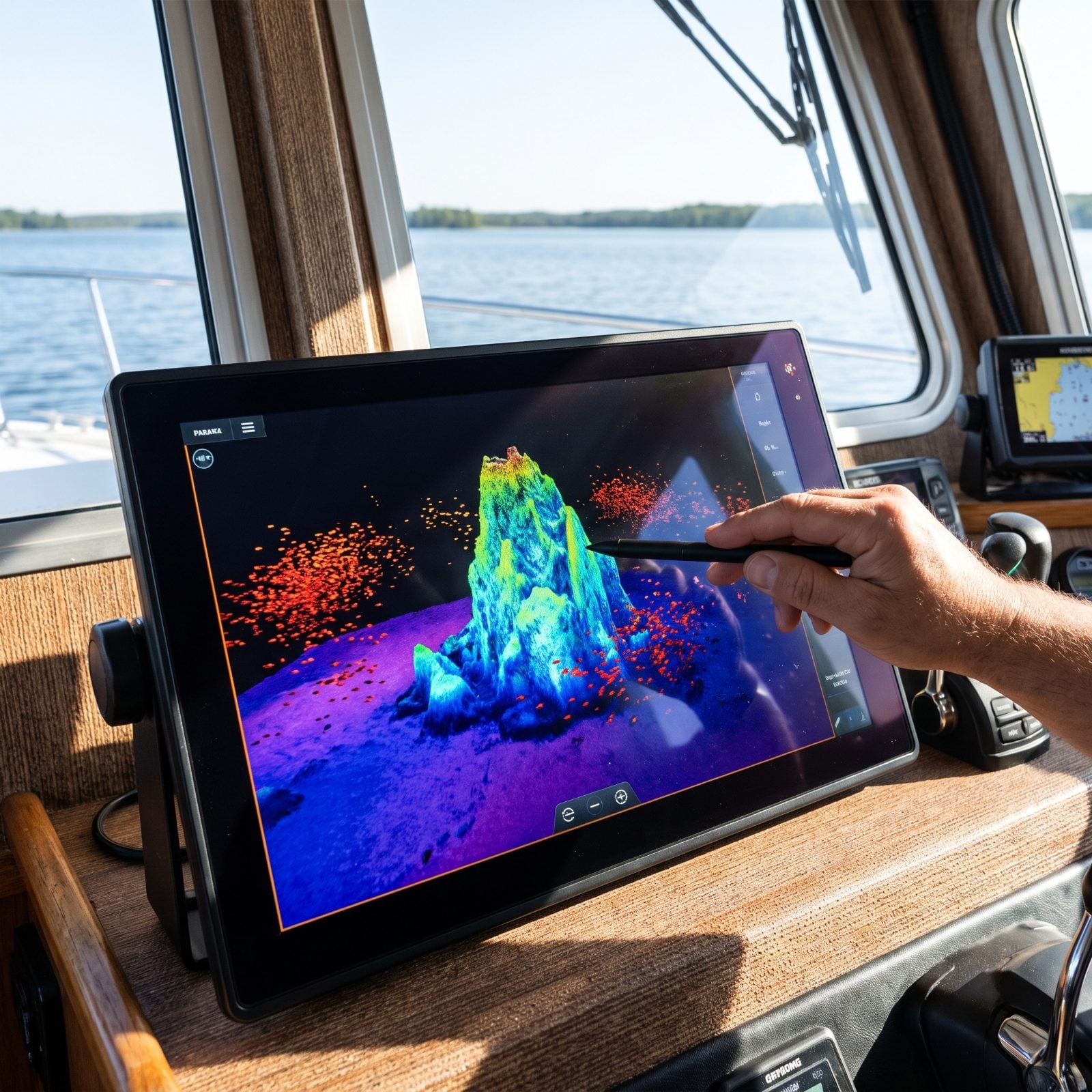
One towering rock pile in the middle of a soft-bottom basin pulls everything to it. The whole area orients around it because it’s the only hard cover for a hundred yards in any direction.
Spots like this get beat up fast, so a pile nobody’s found stays loaded with big, uneducated fish. Finding it is the hard part. They’re offshore, deep and invisible from the surface, which is exactly why the one you stumble onto might not have seen a lure all year.
23. An Old Roadbed Runs Beneath the Surface
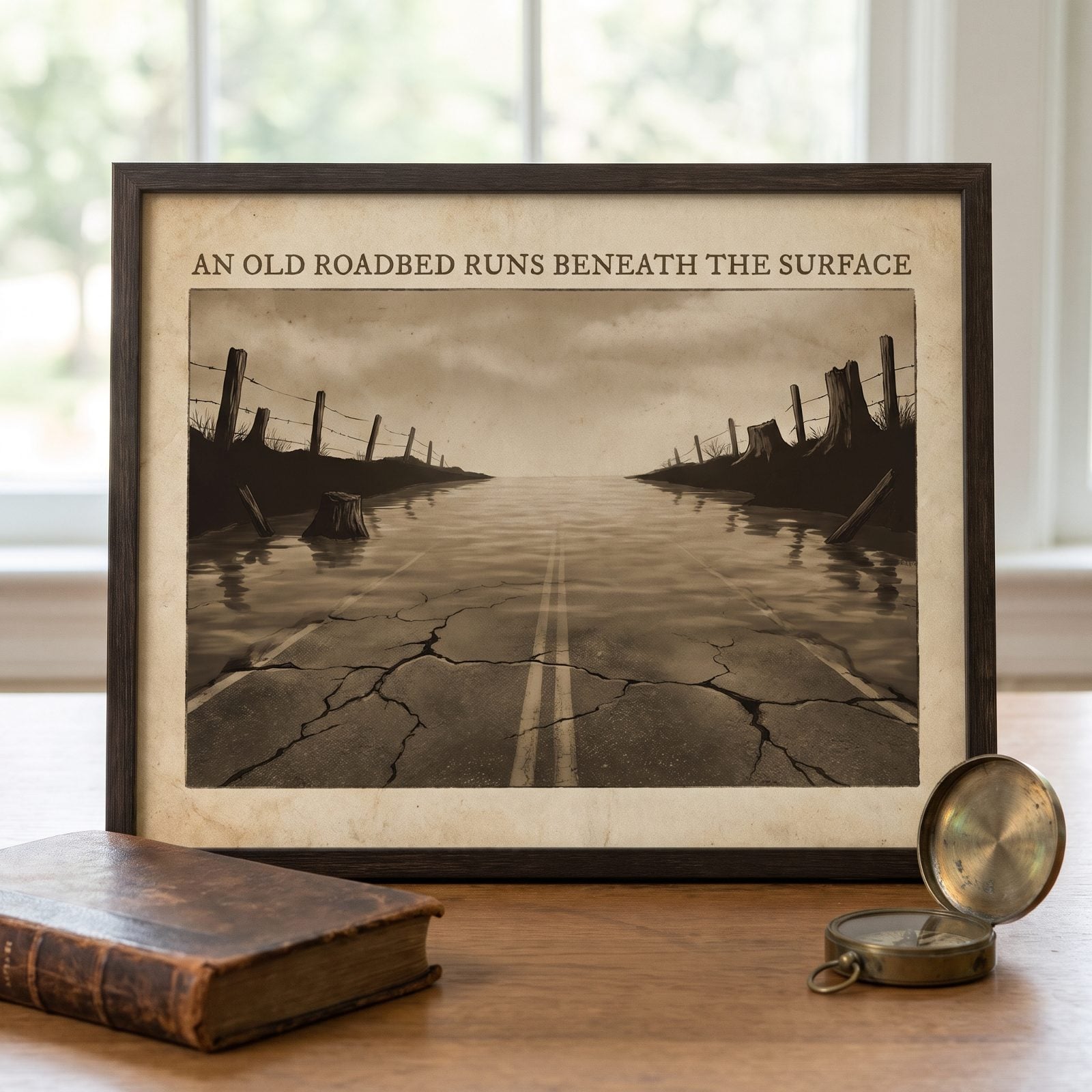
Before the dam went in, there were roads. The valley flooded, but those roadbeds stayed put, and they make some of the best overlooked structure in any reservoir.
Think about what a roadbed gives you. A raised hard-bottom path, old culverts, bridge rubble, the ditches running alongside — all stacked in one place, and fish patrol it like a sidewalk. Dig up the historical topo maps from before the lake filled and you can trace exactly where the pavement runs. Almost nobody does that homework. The ones who do catch fish off water everyone else calls featureless.
22. Offshore Humps That Never See a Lure
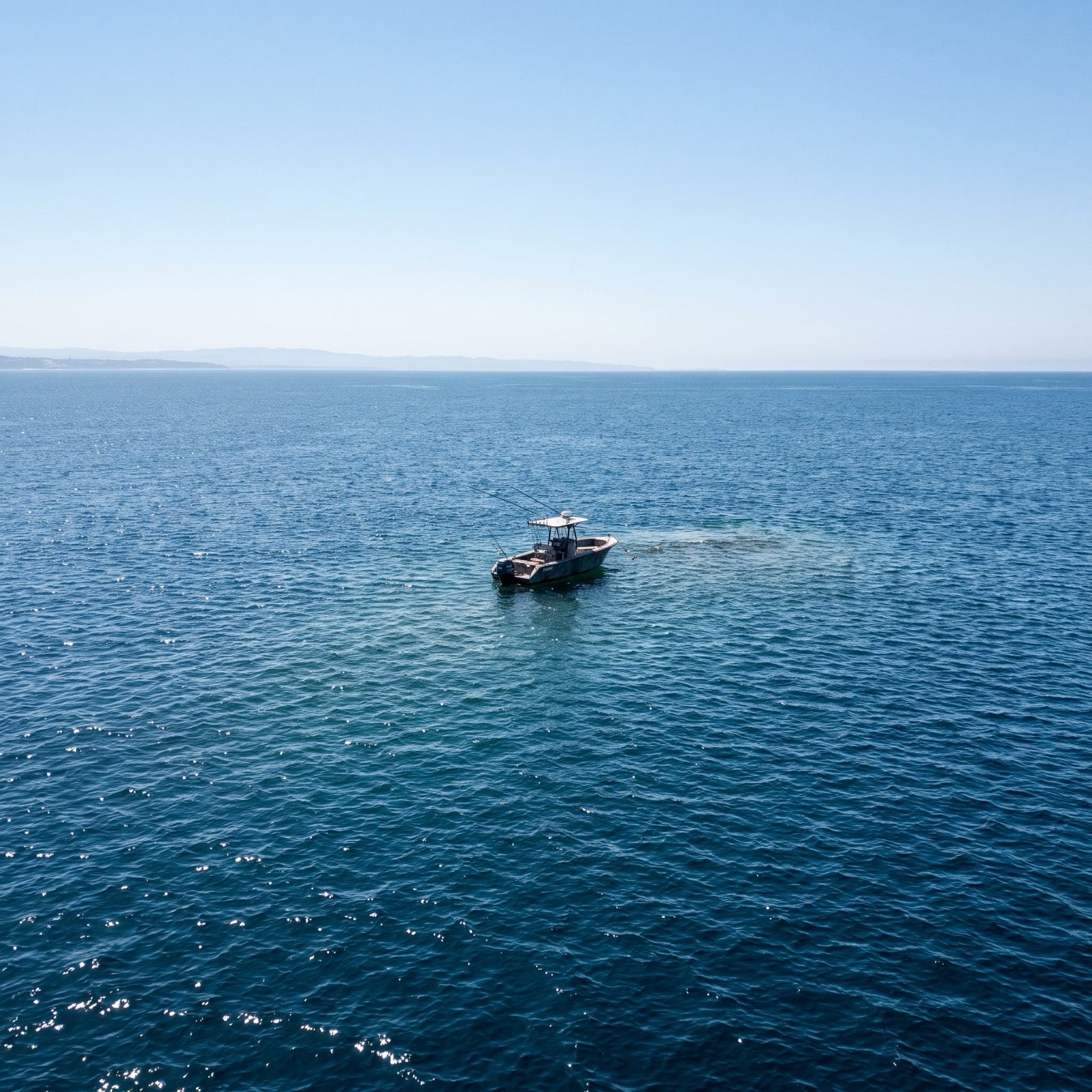
Most people fish the bank. They always have. So an offshore hump topping out at twelve feet, half a mile from shore, can go an entire season without a single cast.
Big fish learn where the boats go. Give them a quiet, structure-rich spot away from the traffic and they settle in and grow. Pressure, or the lack of it, is a habitat factor folks forget about. Find the hump nobody fishes and you’ve found fish that have never been taught what a crankbait means.
21. Green Weedlines Reach Into Deeper Water
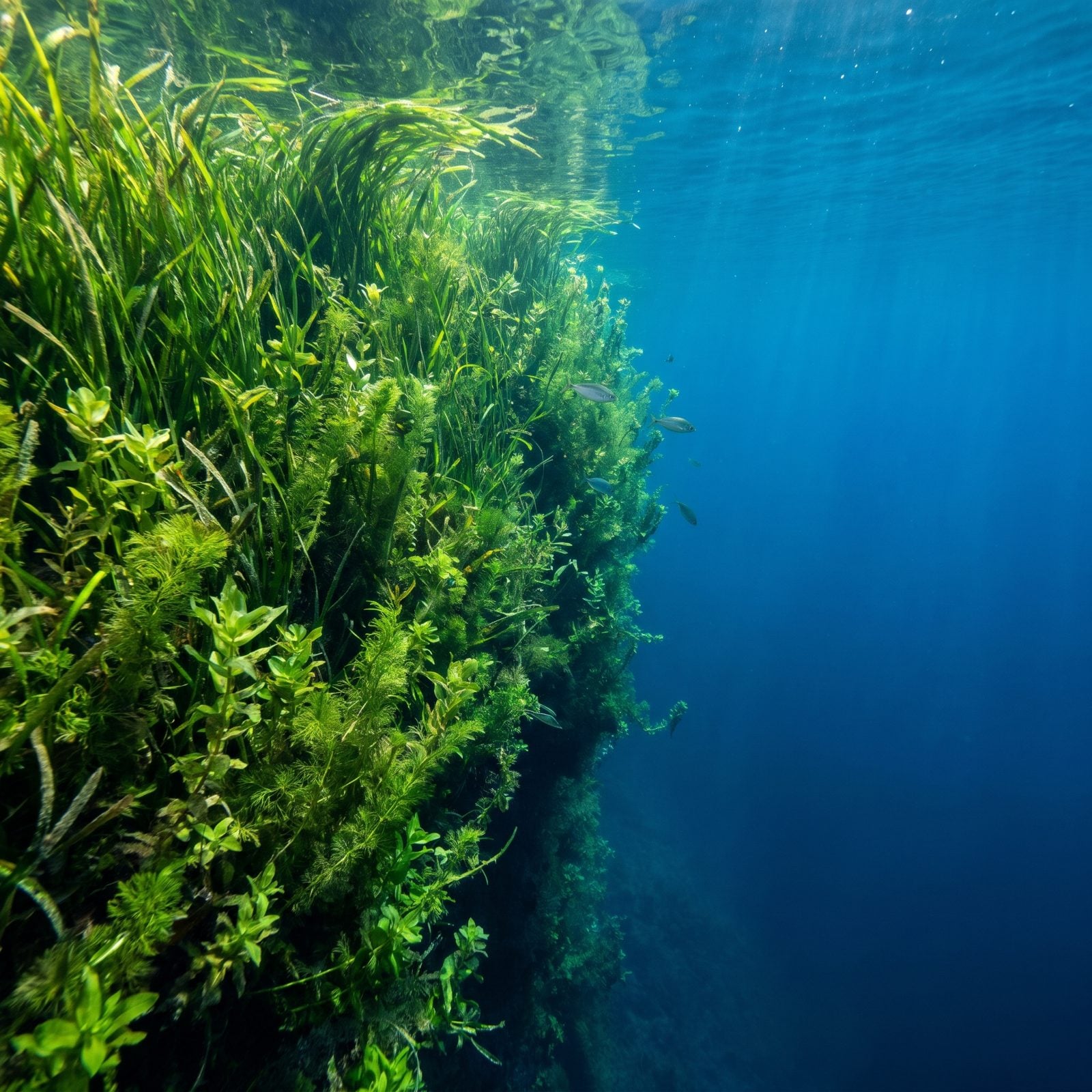
Weeds that grow in eight feet are decent. Weeds that stay green and healthy out to fourteen or sixteen feet tell you something better: the water’s clear enough and fertile enough to grow big fish.
The deepest healthy weed edge on a lake is often its single most reliable big-fish spot.
That outer edge is cover, oxygen, ambush and a bait pantry, all in one line. Pike, walleye, bass and jumbo perch work it. Deep-growing cabbage and coontail beat matted surface slop every time, because the big ones feel safe hunting where the green meets the open bottom.
20. Cold Springs Carve Out Thermal Refuges
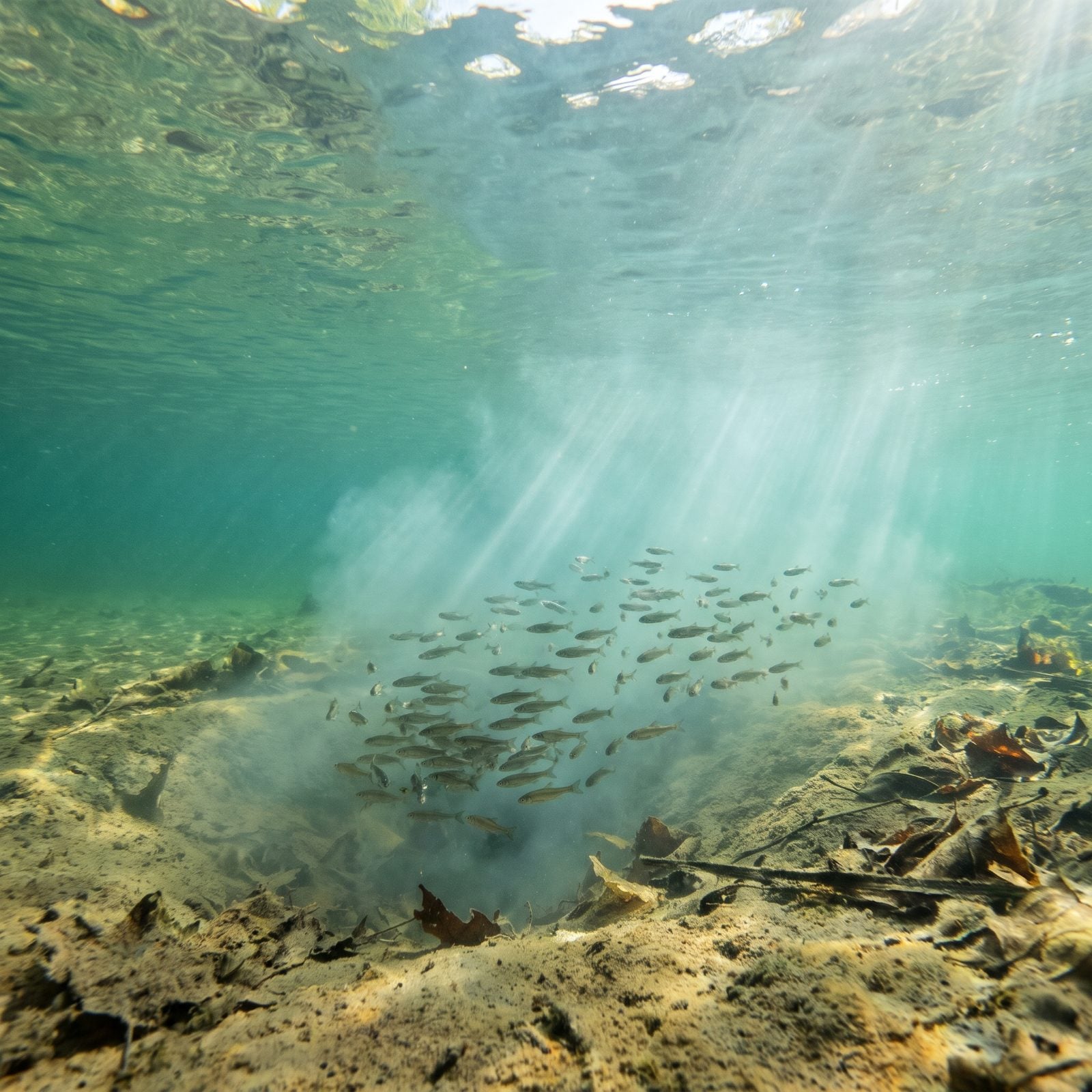
Come August, the shallows cook and the deep water goes stale with no oxygen. A cold spring becomes an oasis. Even a small one creates a pocket of cool, oxygenated water that trout, walleye and big bass will crowd into.
Look for them where a hillside drops into the lake, where a tiny creek runs cold and clear right through a drought, or where fog clings to one patch of water on a chilly fall morning. These refuges are small and most folks walk right past them. The fish figured them out a long time ago.
19. Current Pinch Points Concentrate Passing Forage
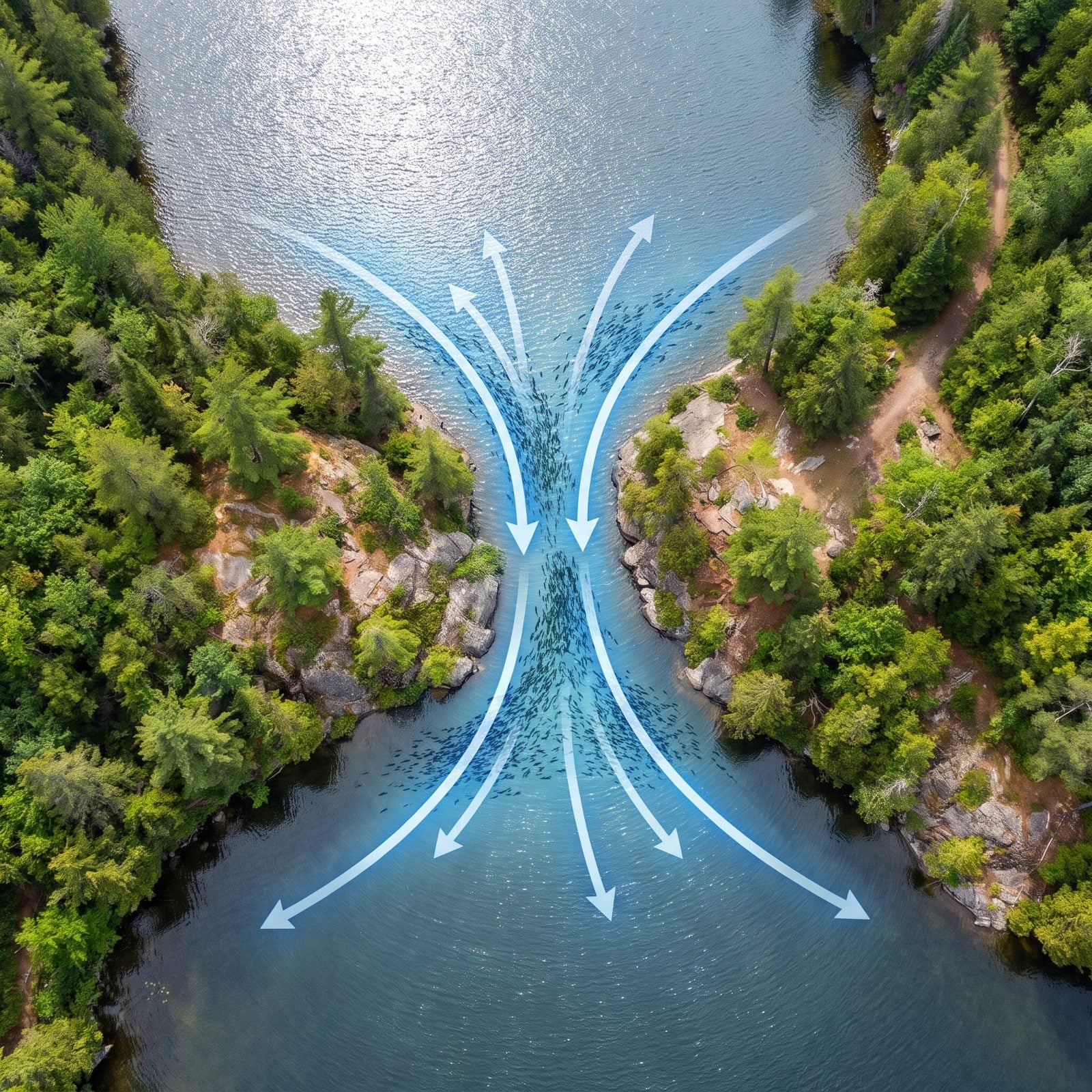
Find the spot where the lake narrows and water has to squeeze through, and you’ve found a cafeteria that never closes. Necks between basins, channel swings under a bridge, the gap beside a submerged point — they all do the same thing. They force forage to funnel through a small window, and big fish learn that math faster than we do.
The giveaway isn’t subtle once you know to look. A seam where fast water meets slow. A dense swarm of baitfish packing the whole channel and spilling out into both basins every morning, yet most anglers idle right past without thinking trophy. Which is exactly why it stays overlooked.
18. Dissolved Oxygen Holds Strong Down in Trophy Water
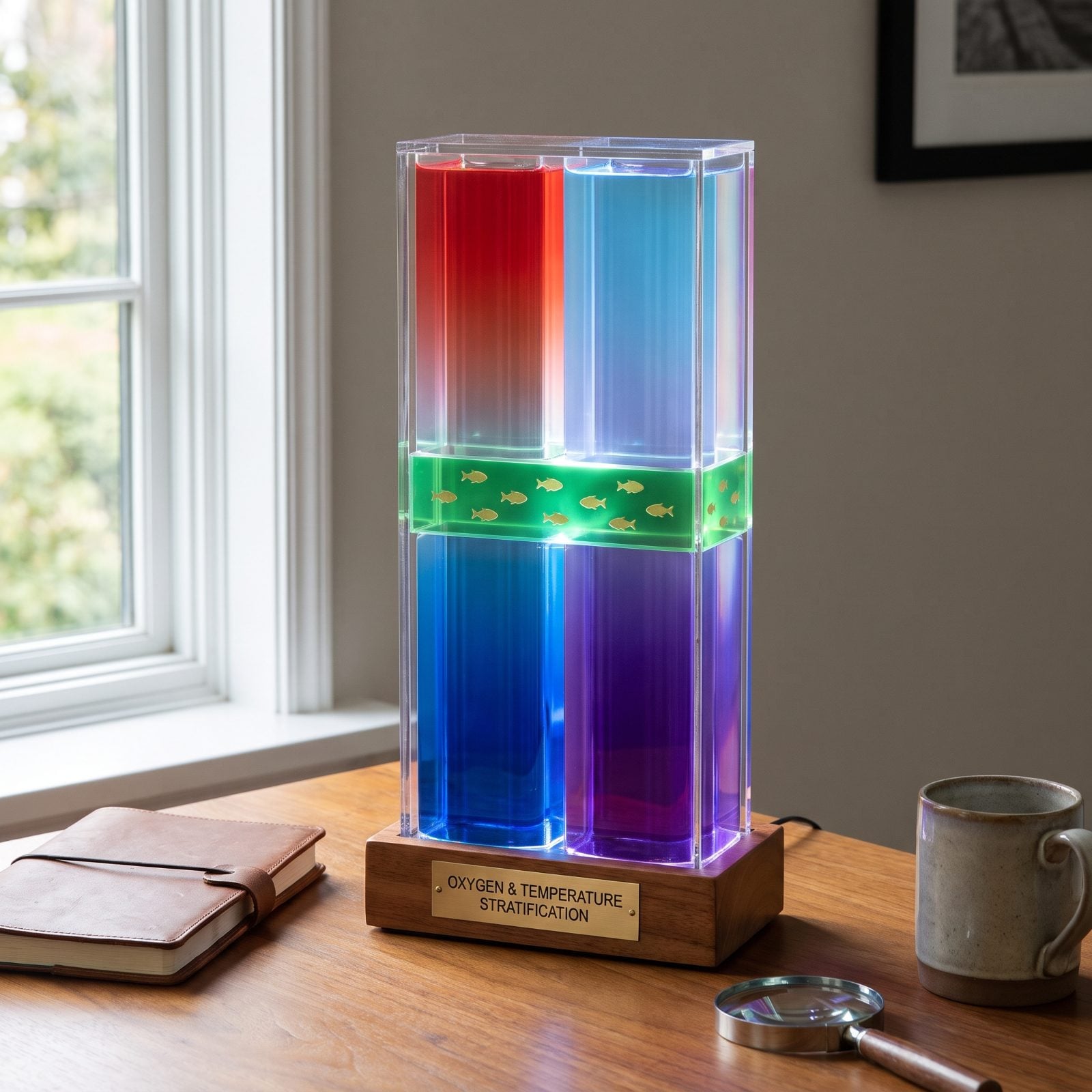
Every lake has a depth below which fish simply can’t breathe in late summer. That’s the thermocline story most folks already know. The interesting lakes are the ones where oxygen stays decent well below the warm surface layer.
Give a lake good flow, cool inflow, or the right shape, and the oxygen reaches deeper than normal. That opens up cool, livable water big fish can hold in right through August — deep, comfortable, and almost entirely unbothered.
A twenty-dollar dissolved oxygen check tells you more than a week of blind casting. I ignored this for years and wondered why the dog days killed my catch rate. The answer was floating four feet under my boat the whole time.
17. An Old Quarry Section Adds Extreme Depth
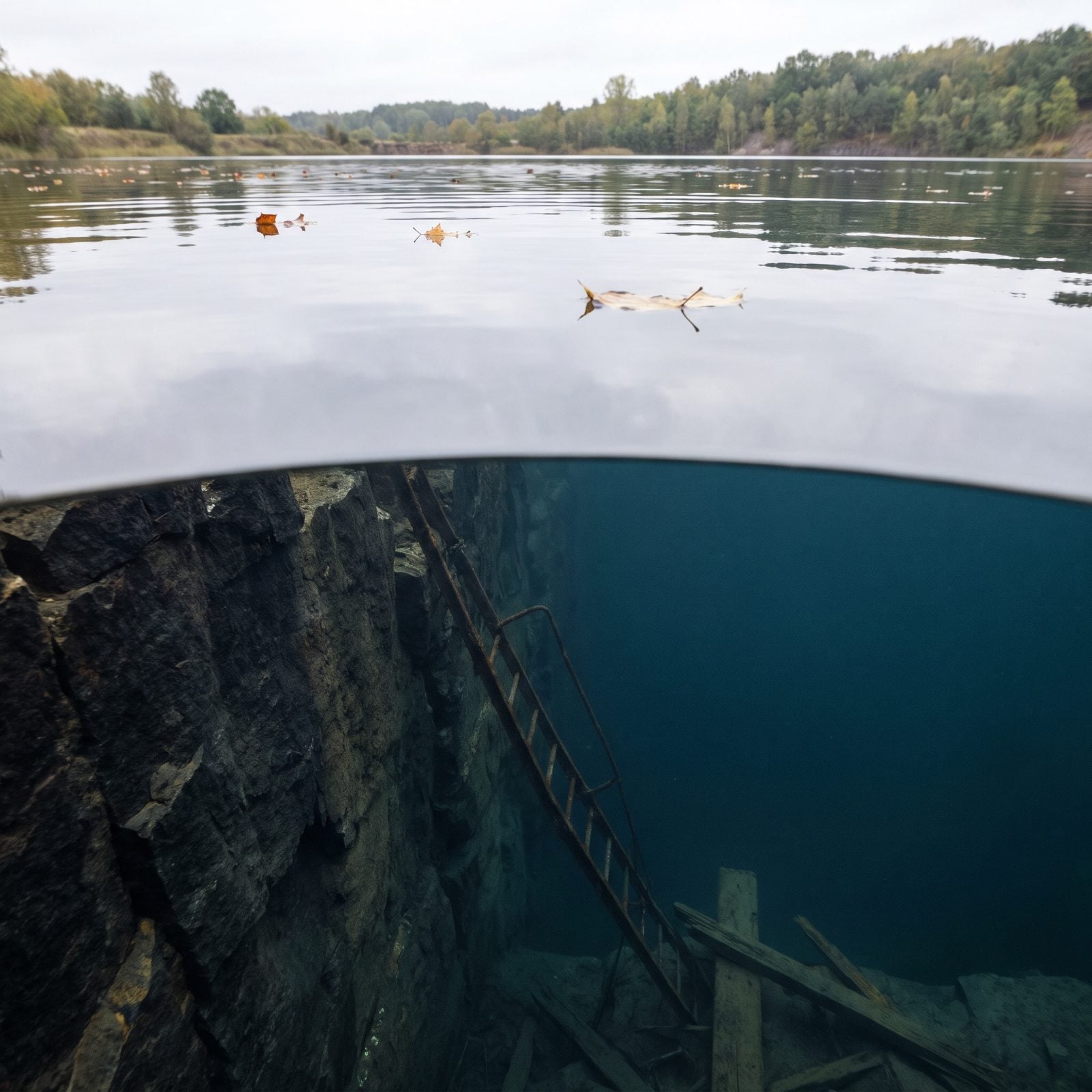
Flooded quarries are liars in the best way. From the bank, the water looks like any other pond. Drop a sonar beam, though, and the bottom falls out from under you — forty feet, sixty, sometimes a hundred straight down against cut-stone walls no natural lake would ever produce.
All that depth is a refuge. Big fish ride the vertical rock to stay cool, stay hidden, and dodge the pounding that beats up the shallows. Most anglers never scan past the shoreline, so for them the deep part may as well not exist.
16. Flooded Orchards or Foundations Still Sit Underwater
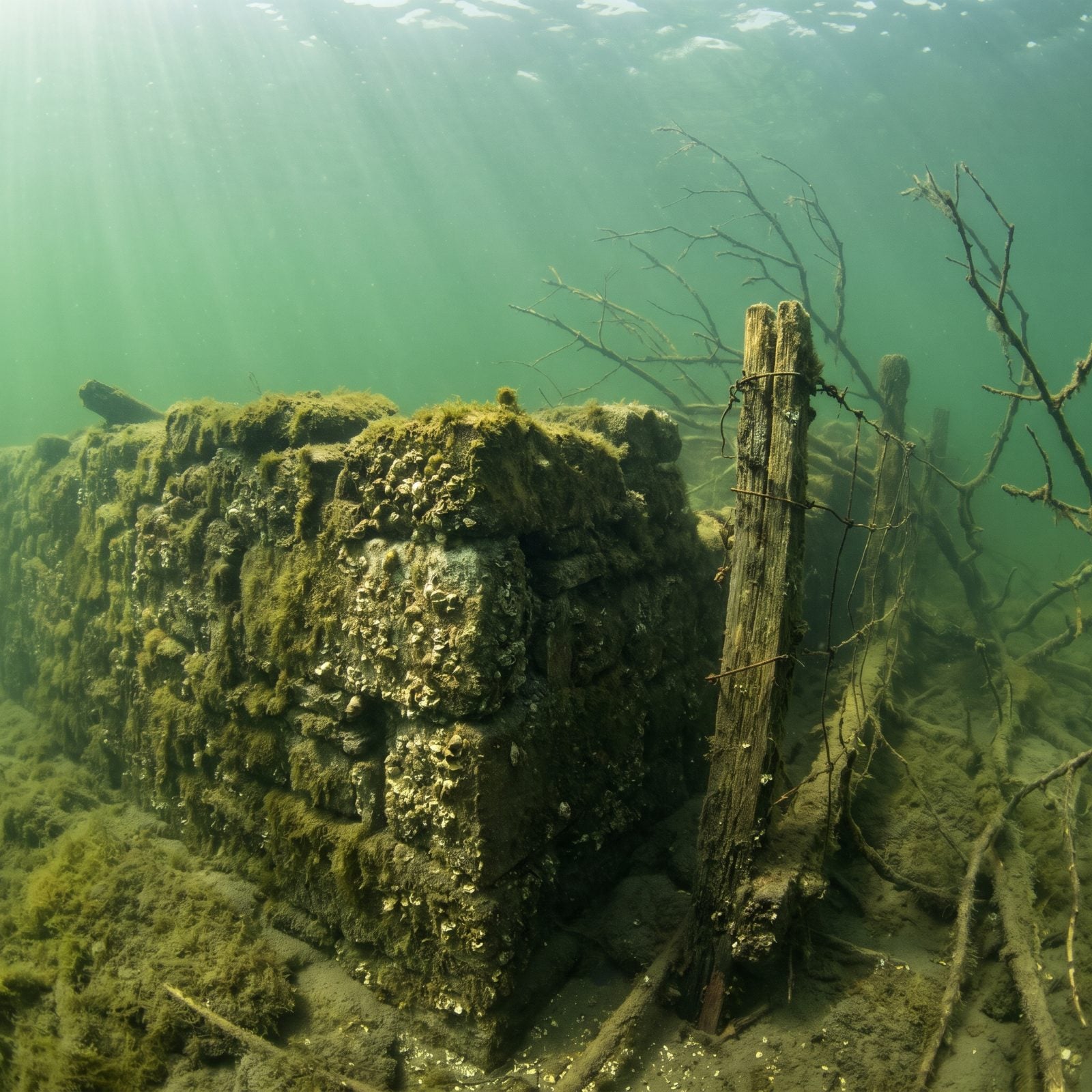
When a valley gets flooded to make a reservoir, the past doesn’t always get bulldozed first. Orchards, fence lines, barn foundations, whole old roadbeds end up sitting on the bottom, and decades later they’re still down there holding fish.
Straight rows of long-dead trees. A stone foundation with right angles no natural bottom ever grew. Edges like these hand predators their ambush points and give baitfish somewhere to tuck in — a whole little ecosystem built on somebody’s forgotten farm.
15. Fishing Pressure Piles Up Near the Boat Ramp
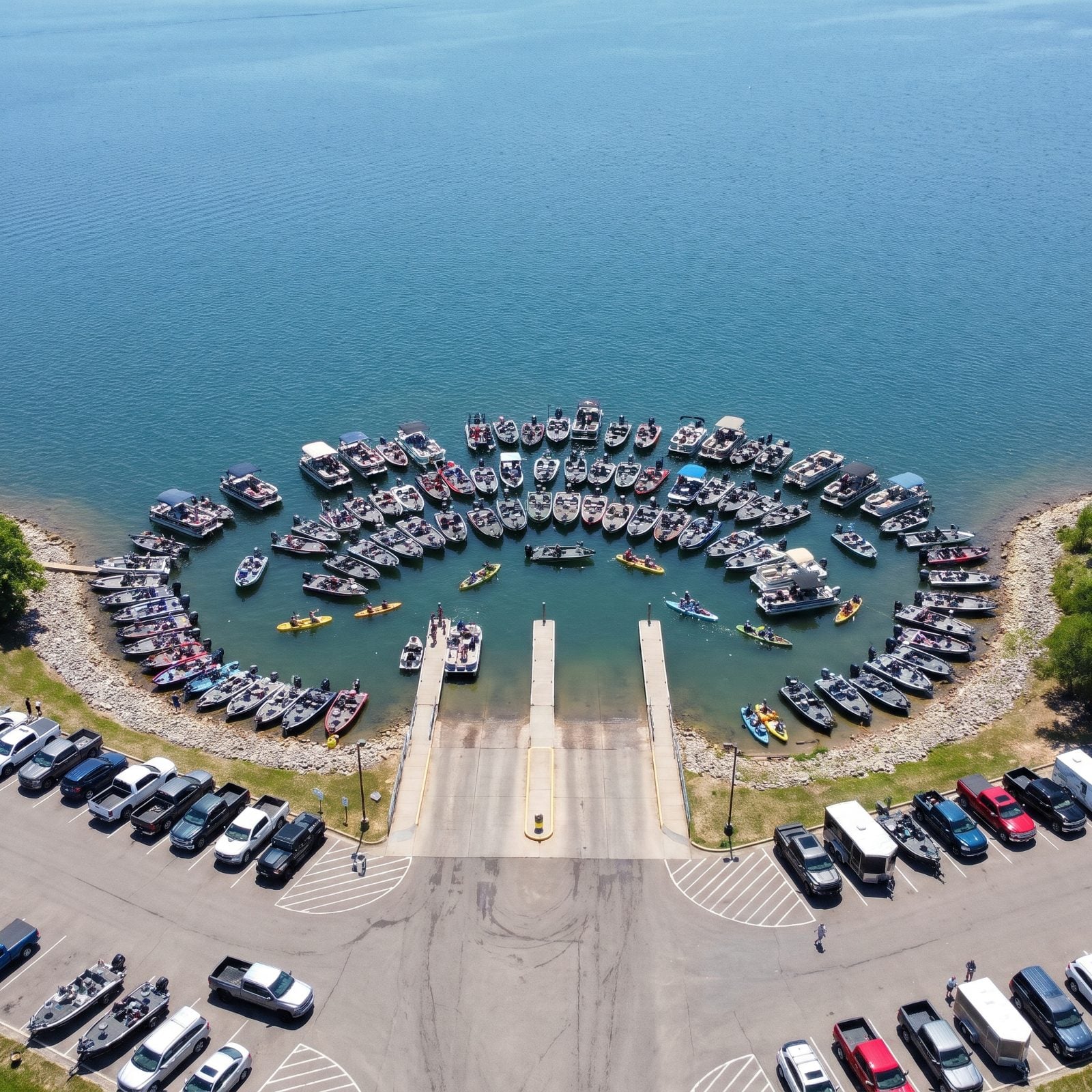
Watch where the boats go after launch. Most of them stop within sight of the ramp. It’s human nature — you back the trailer in, motor out, and start casting before the first coffee wears off.
So the water closest to the launch gets hammered day after day, and the big fish there either get caught or learn to be impossible. The flip side is the gift. Push past the easy water, around a point or two, and the pressure drops off a cliff.
I’ve found more good fish by motoring an extra fifteen minutes than by any lure I’ve ever tied on.
14. Few Boats Bother When It Turns Cold
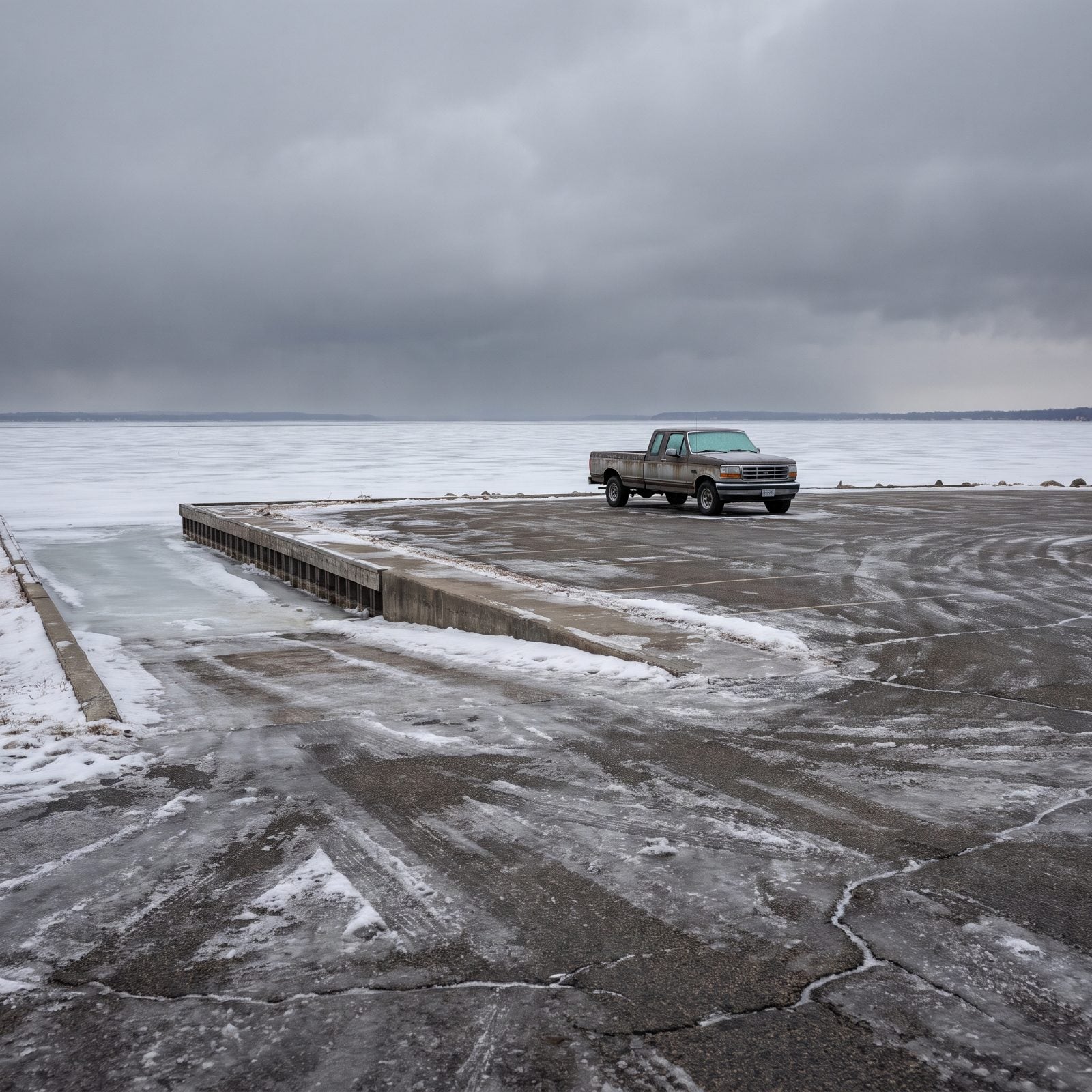
The parking lot tells the whole story. Come the first hard cold snap, the ramp empties out and stays that way till spring. Nobody wants numb fingers.
What the fair-weather crowd misses is that cold water holds some of the biggest, most catchable fish of the year. Metabolism slows, big predators feed up before winter, and the ones that spook easy in July turn downright reckless once it’s forty degrees. The whole lake belongs to whoever’s willing to layer up.
13. Dense Cover Makes Standard Lures a Nightmare
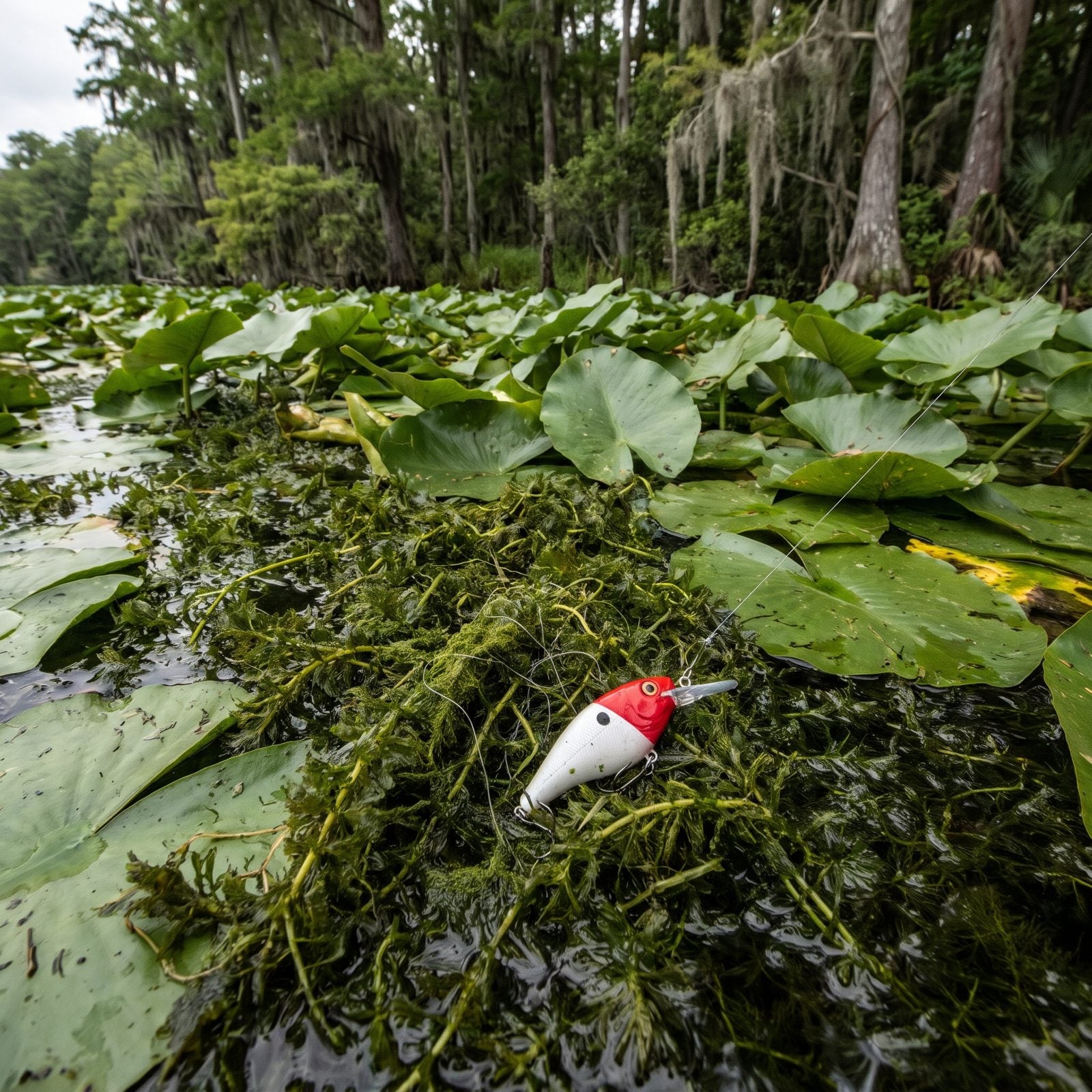
Some stretches of cover are so thick that most tackle just can’t go there. Matted hydrilla, solid lily pad fields, flooded timber knotted with brush — throw a standard lure in and you’ll spend more time picking off salad than fishing.
So most people skip those spots. And the fish know it. The nastiest, most unfishable cover on the lake is often where the oldest fish live, precisely because almost nobody can slip a bait in there cleanly.
12. Clear Water Keeps the Big Fish Far Offshore
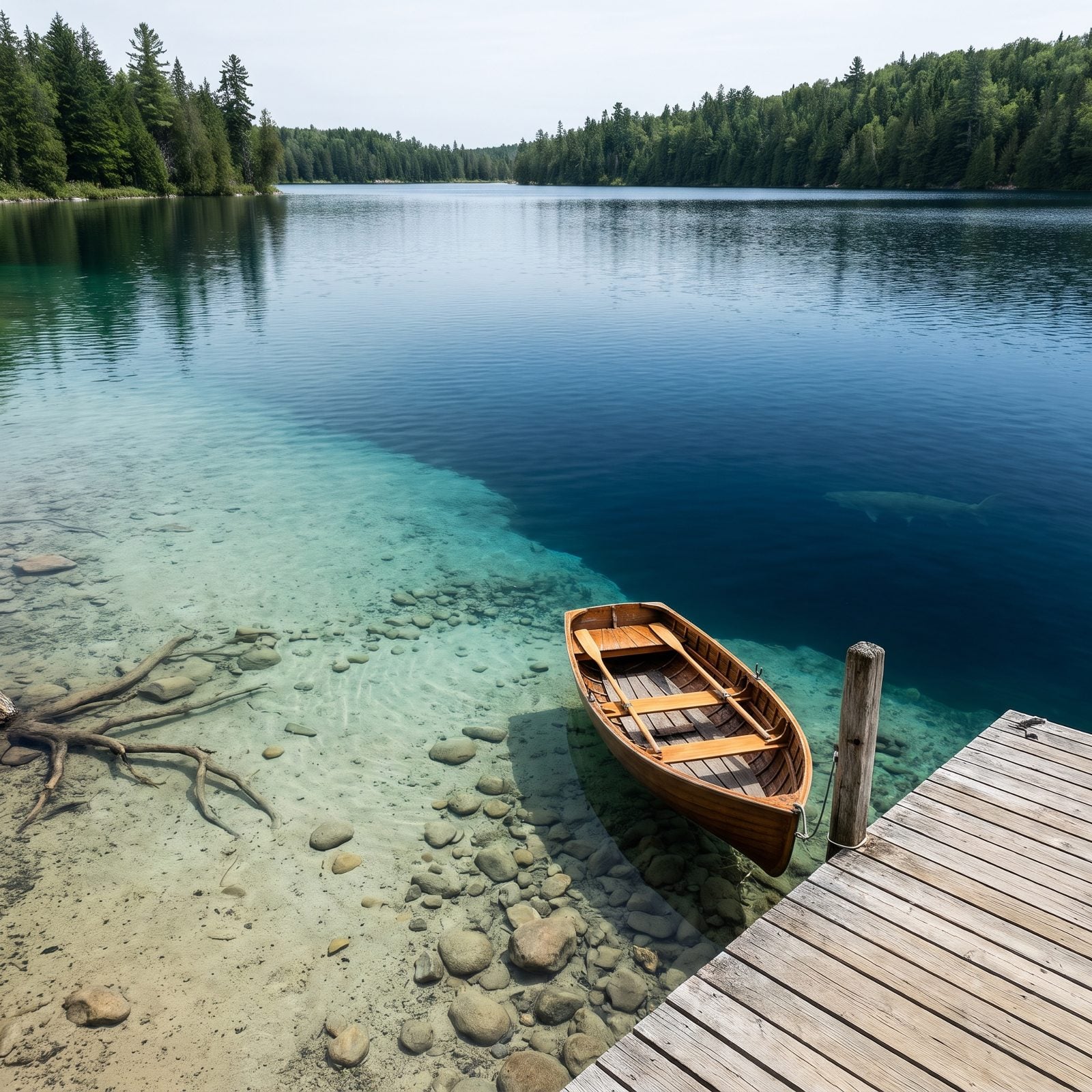
Clear water fools people. You can see the bottom, you spot no big fish near shore, so you figure the lake is barren. Wrong read.
In clear lakes, big fish feel exposed in the shallows, and any predator that didn’t learn to spook simply never grew old. So the trophies pull way out, holding over offshore humps, deep weed edges, and main-lake structure where distance and depth give them the cover the shallows can’t.
Everyone fishing the visible bank is fishing where the smart old fish refuse to be. It’s the most common mistake on a clear lake, and I made it for a good long while before the sonar set me straight.
11. Old Stocking Records List Long-Lived Predators
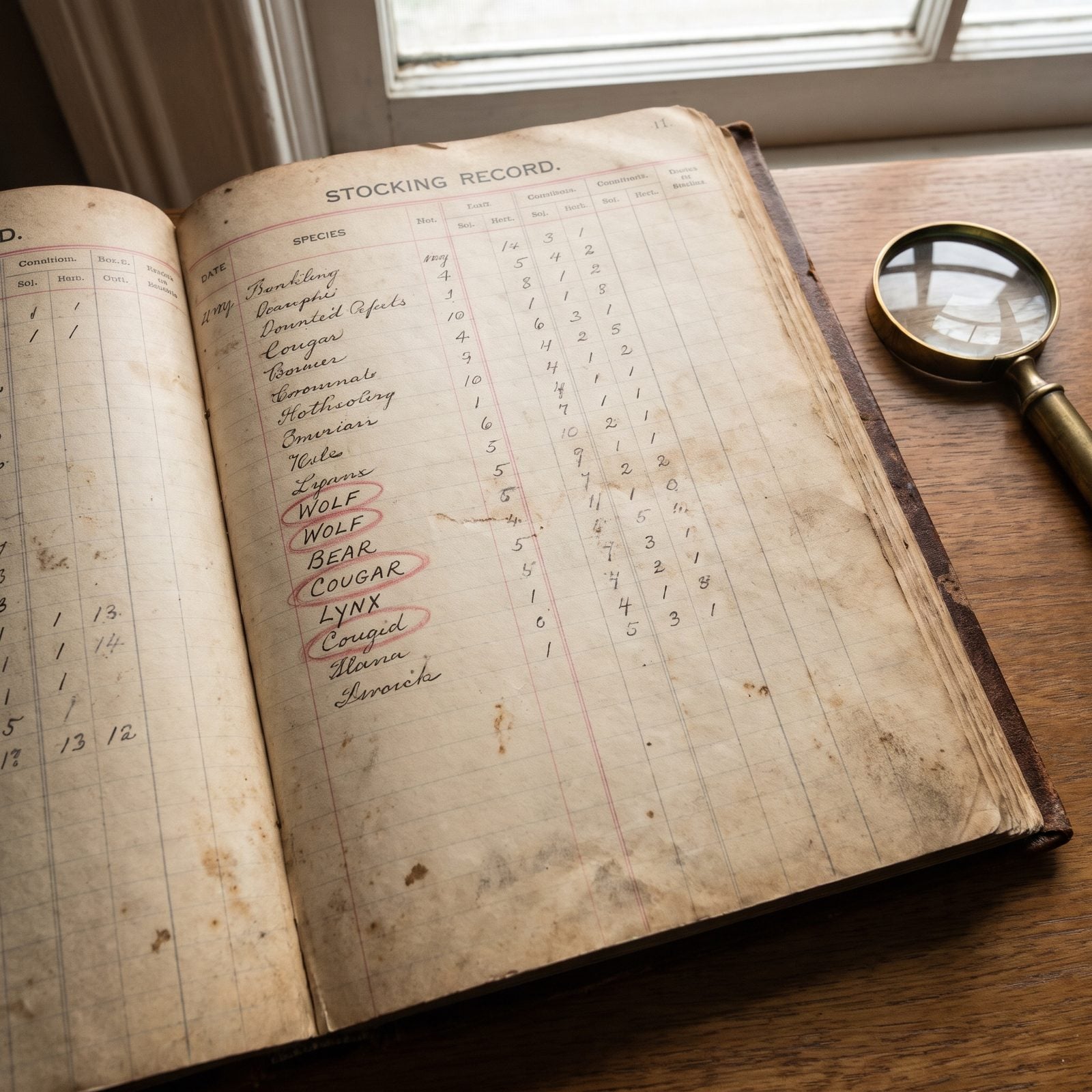
State wildlife agencies keep stocking records, and most of them are public. Worth an afternoon of your life.
What you’re hunting for is history. A lake stocked long ago with big predators — muskie, pike, lake trout, flathead catfish — has had time for them to grow. These fish can live well over a decade, and lake trout sometimes past twenty-five years. If they went in when disco was on the radio and the lake doesn’t get much pressure, do the arithmetic.
10. Special Regulations Quietly Protect Older Year Classes
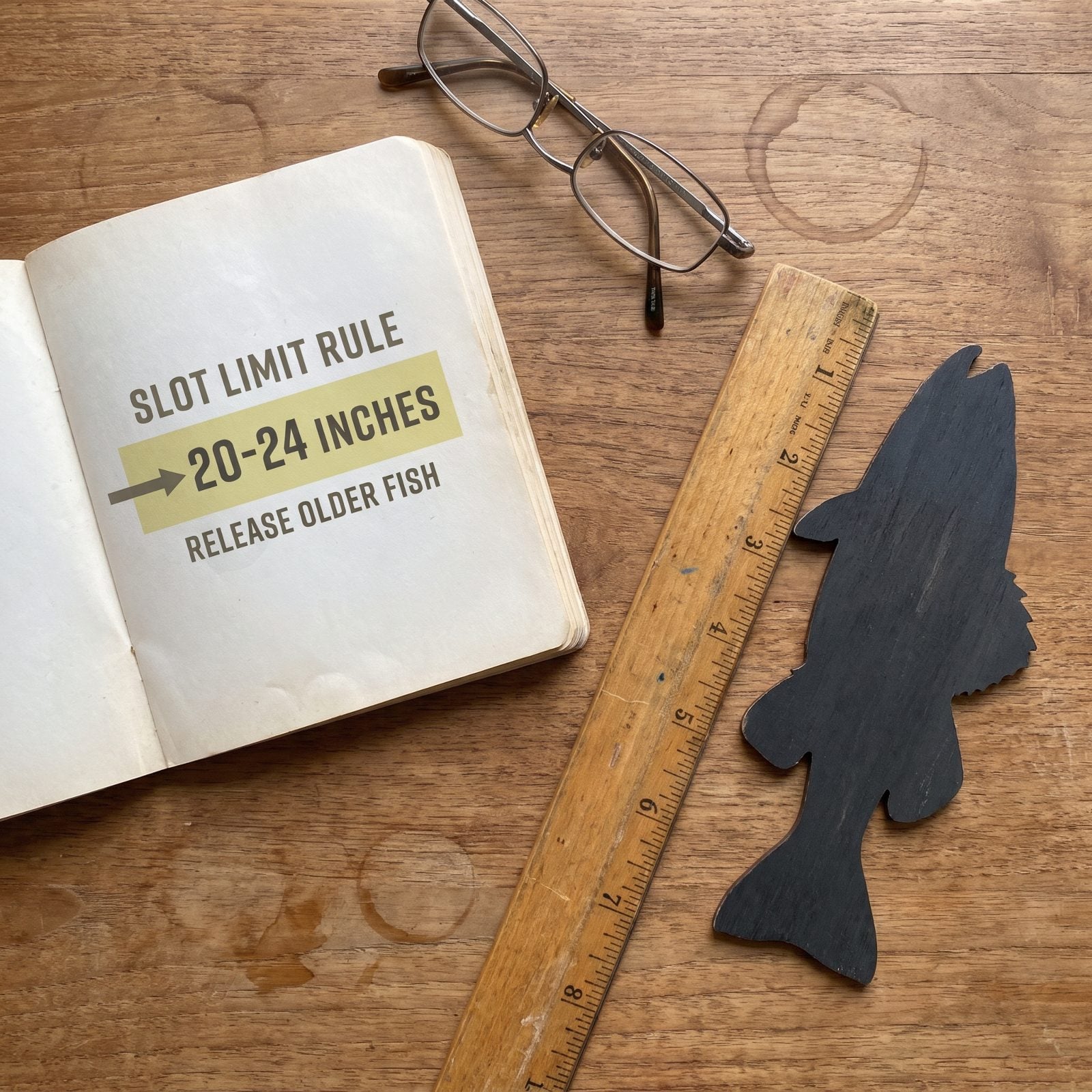
Read the regs before you read the forums. A protective slot limit, a one-fish bag, a catch-and-release-only stretch — these rules aren’t bureaucratic noise. They’re a tell.
Special regulations exist to guard certain size classes and let fish grow old. Where they’ve been in place for years, you’ll often find more big fish than on a lake with wide-open harvest, because the law has been quietly stacking up aged, heavy fish while the rest of the state kept hauling them home.
The regulation itself is doing the work a decade of your fishing couldn’t. Respect the slot, release the old ones, and the lake keeps its secret for next season too.
9. Several Strong Year Classes Survived Back to Back
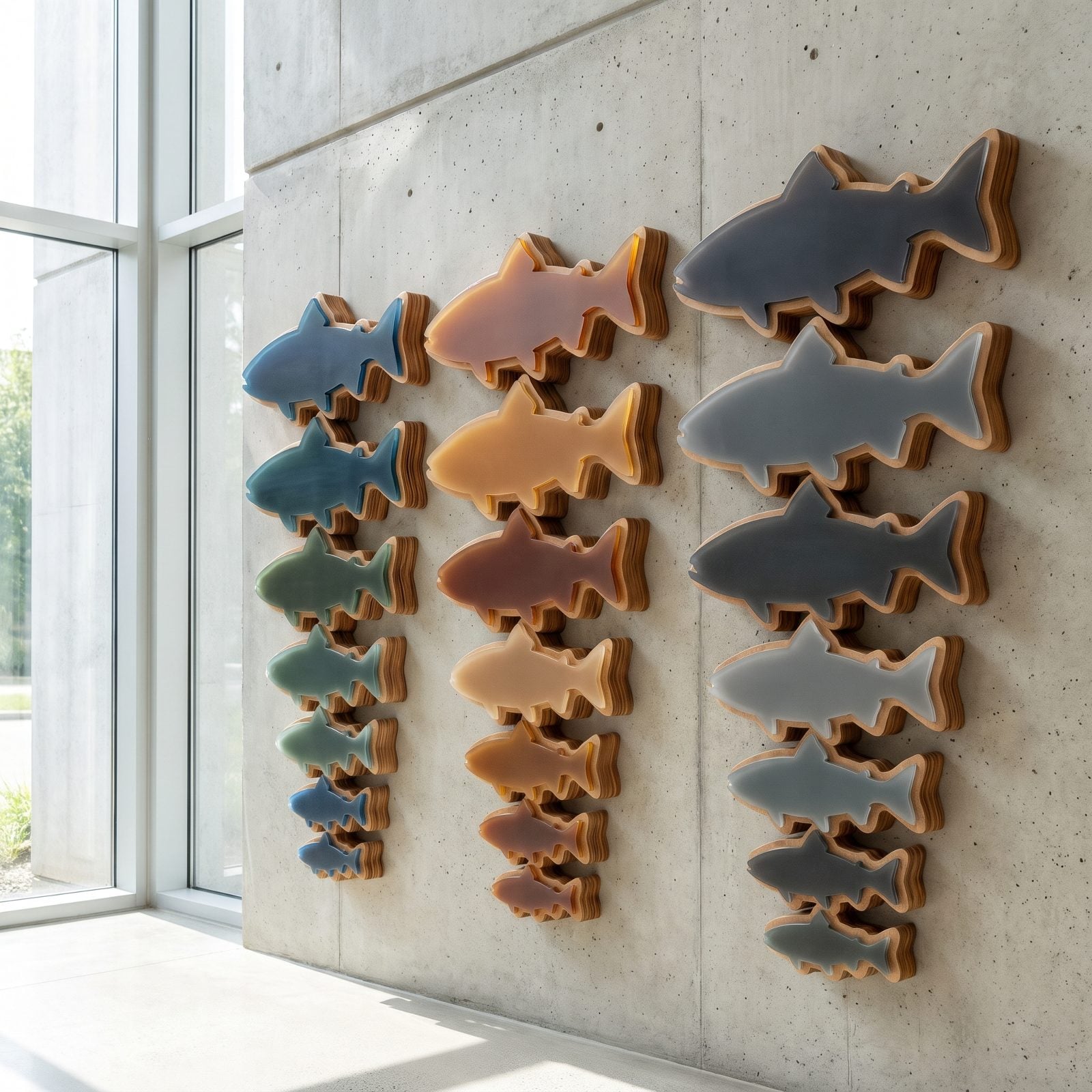
Multiple good year classes stacked together is the single best predictor of future giants. One lucky spawn fades. But when three or four strong hatches survive in a row, you get a thick wall of fish all pushing through the slow years into real size at the same time.
You can read this in a creel or survey report without a biology degree. Look for a length-frequency chart with several humps, not one — each hump is a cohort that beat the odds. Give those fish a decade and a chunk of them end up in trophy territory.
8. The Lake Has Dodged Winterkill for Years Running
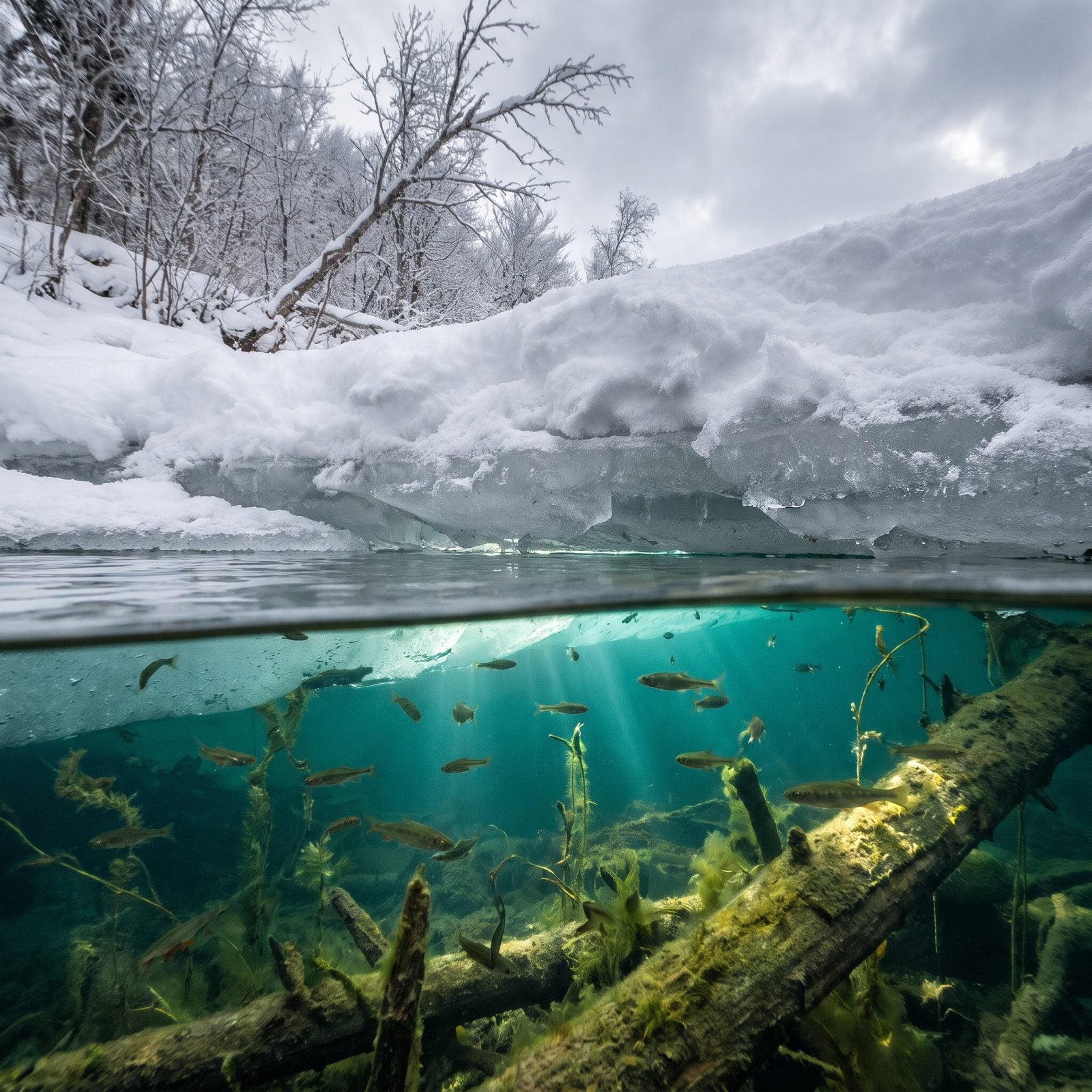
Winterkill is the quiet killer of trophy potential. A shallow, fertile lake can suffocate under thick ice and heavy snow when oxygen crashes, and it wipes out the oldest, biggest fish first because they need the most dissolved oxygen.
A lake that hasn’t killed in a decade or more has something going for it — enough depth, enough flow, a spring seep, aeration, something. So ask around. Old-timers remember the bad winters and the belly-up shorelines that followed. If nobody can recall the last big kill, those fish have simply been allowed to keep getting older. And older is bigger.
7. Water Levels Hold Steady Through the Spawn
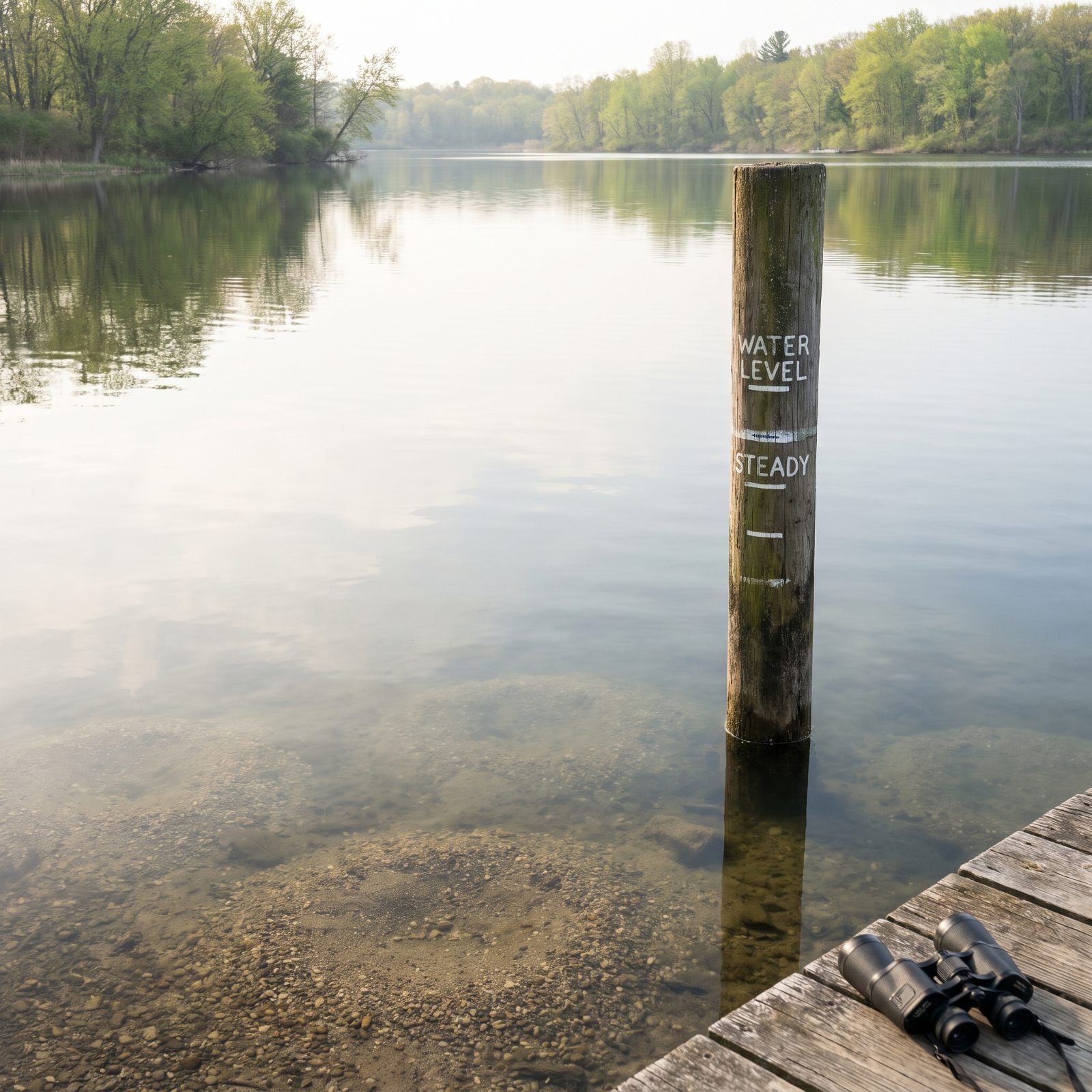
Stable spring water levels do more for a fishery than most anglers ever credit. When a reservoir drops a couple feet in late April, it strands nests, cooks eggs in the sun, and dries out the shallow cover fry depend on. Do that a few years running and you gut the next generation before it starts.
Lakes that hold steady through spring — natural systems and well-managed dams — protect those nests. Check the gauge data if it’s a managed water. A flat line through May is a green light nobody else is reading.
6. A Connected Marsh Pumps Out Young Fish by the Thousand
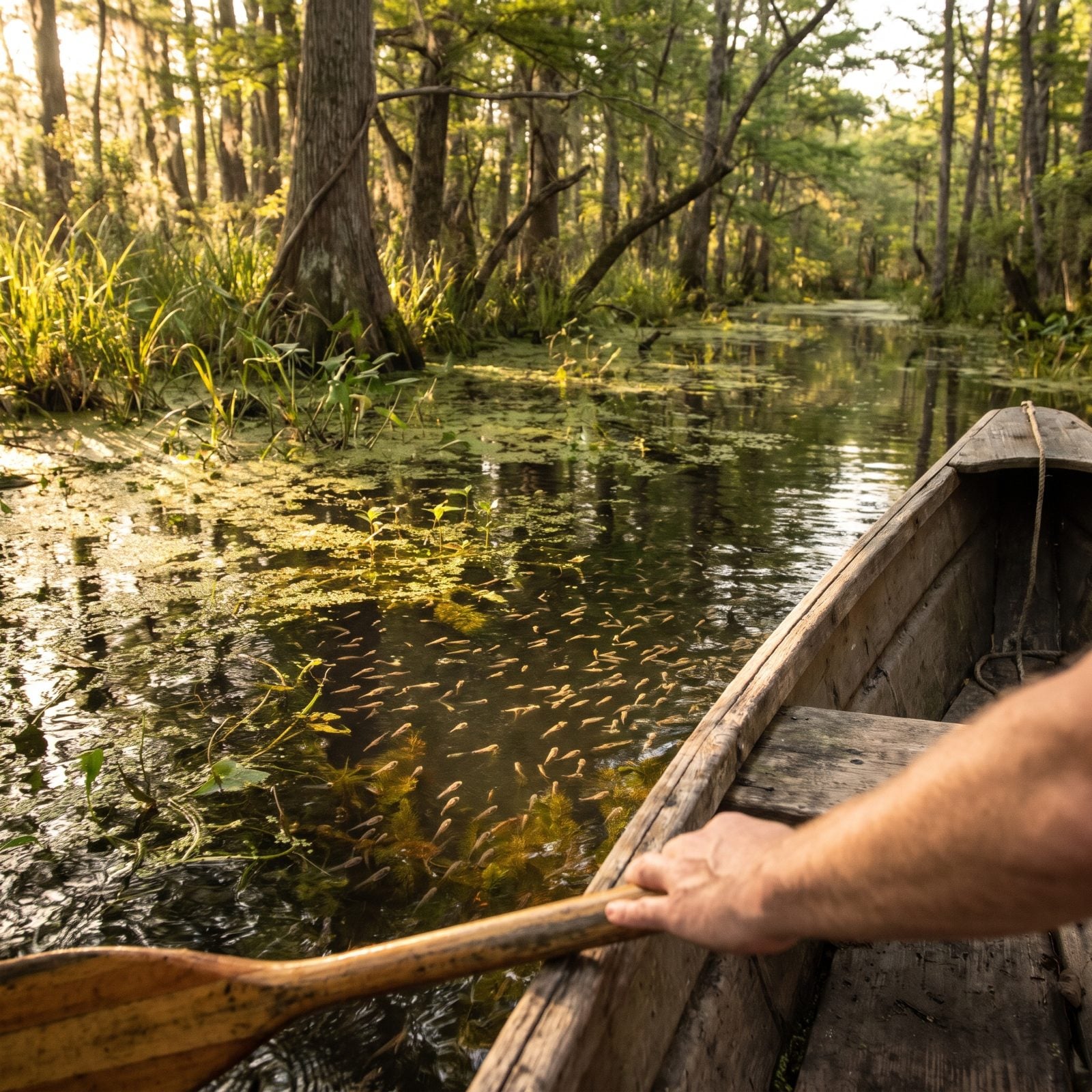
That backwater marsh you can barely nose a boat into is a nursery. Warm, weedy, shallow water loaded with bugs and cover is where fry survive their first dangerous summer, and a lake plumbed into a healthy marsh gets a yearly flood of juveniles the main basin could never produce alone.
Those fish grow up and spread into the big water, and a few reach giant size. The marsh is why. If your lake has a connected wetland that locals dismiss as “just a swamp,” that swamp is quietly building your trophy population one hatch at a time.
5. Old Fish Grow Slowly but Live a Remarkably Long Time
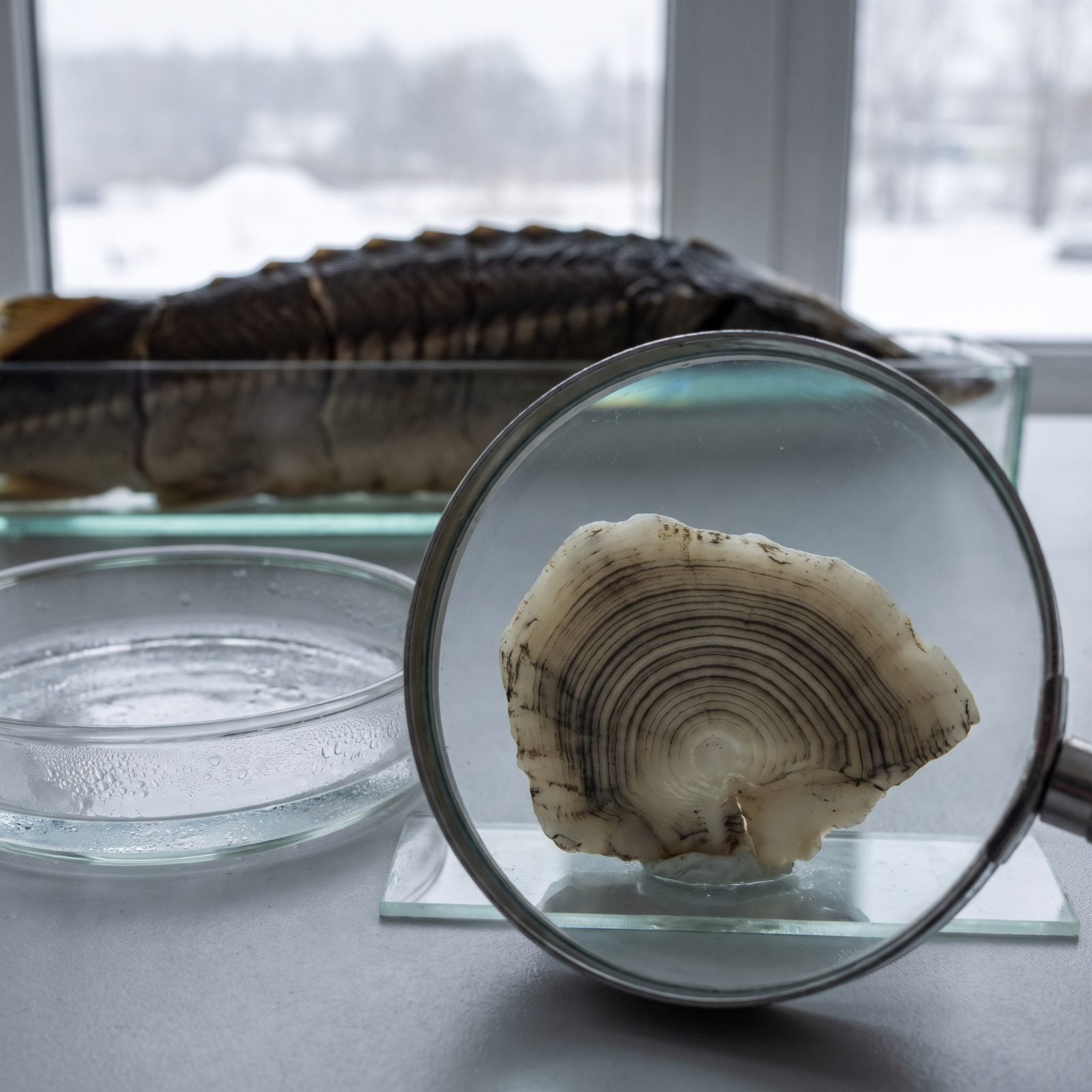
Slow growth sounds like bad news. Sometimes it’s the opposite. In cold, lower-productivity lakes fish add length grudgingly, but they also live a long, long time — and longevity is what builds a true giant.
A lake trout or muskie in cold water might take fifteen years to reach a size a southern fish hits in six. The difference is the northern fish doesn’t stop at six; it just keeps going for decades. When survey data shows modest annual growth paired with old, old age structure, you’re looking at a slow-cooker trophy factory.
4. Creel Surveys Show Few Fish but Heavy Averages
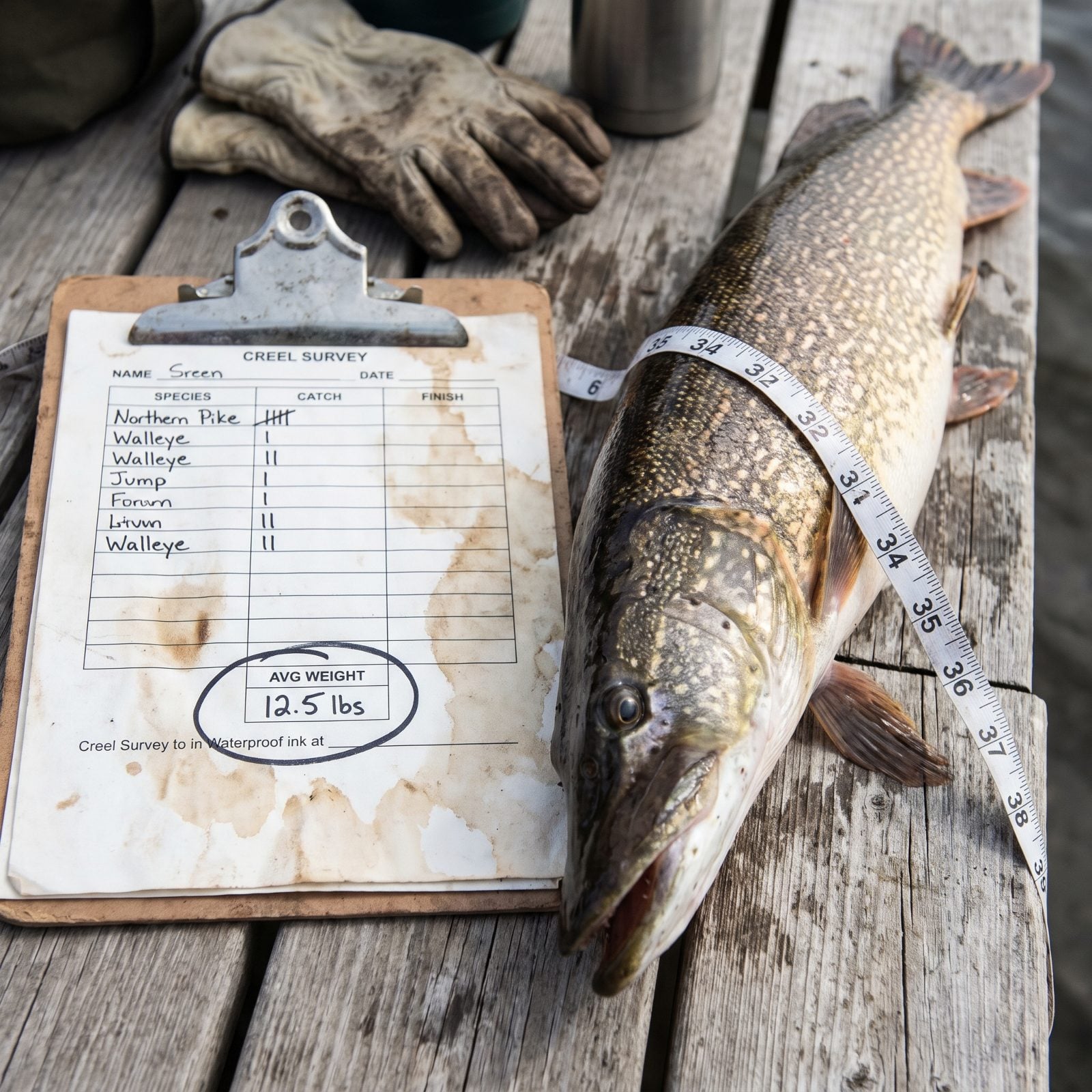
Low catch rates scare anglers off. They shouldn’t always. A creel survey tallying five northern pike and a string of walleye alongside a high average weight is describing a very specific kind of lake: not many fish, but the ones there are big.
That usually means low density, less competition for forage, and individuals that grow fat instead of fighting over scraps. It’s harder fishing. You’ll have slow days. But the payoff per bite is enormous, and the crowds that chase fast action went somewhere else and left it to you.
3. Tournament Bags Spike When Conditions Turn Ugly
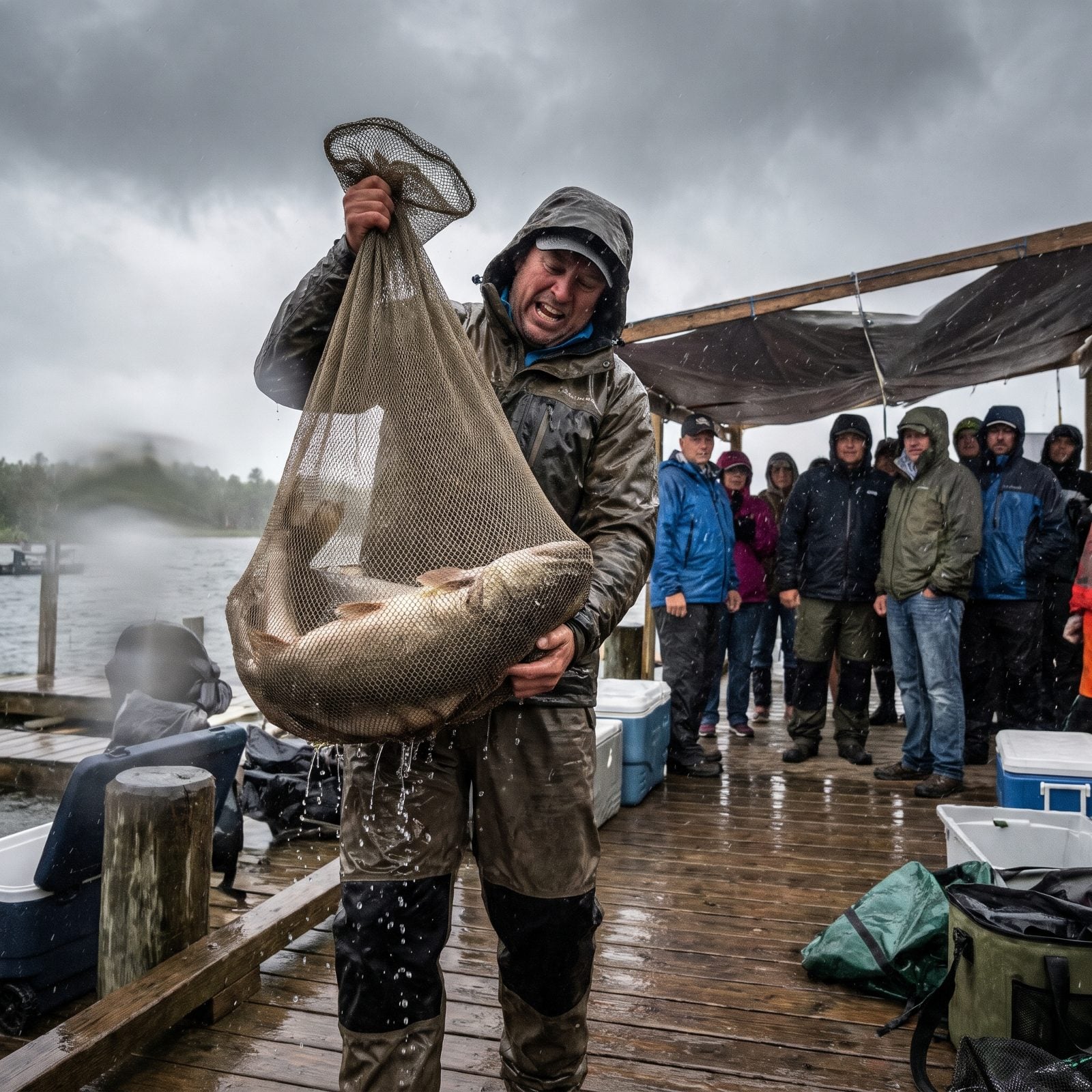
Watch what tournaments weigh on the worst days. On bluebird easy conditions almost any decent lake produces respectable bags. The tell is the brutal day — cold front, wind, falling water, when most anglers struggle to find a single keeper.
If a lake still coughs up heavy limits under that misery, it holds a real density of quality fish. The lake is carrying the anglers, not the other way around. Dig up a few seasons of local tournament results and pay special attention to the rough weekends. That’s the truth serum.
2. Biologists Keep Netting Big Fish Where Nobody Fishes
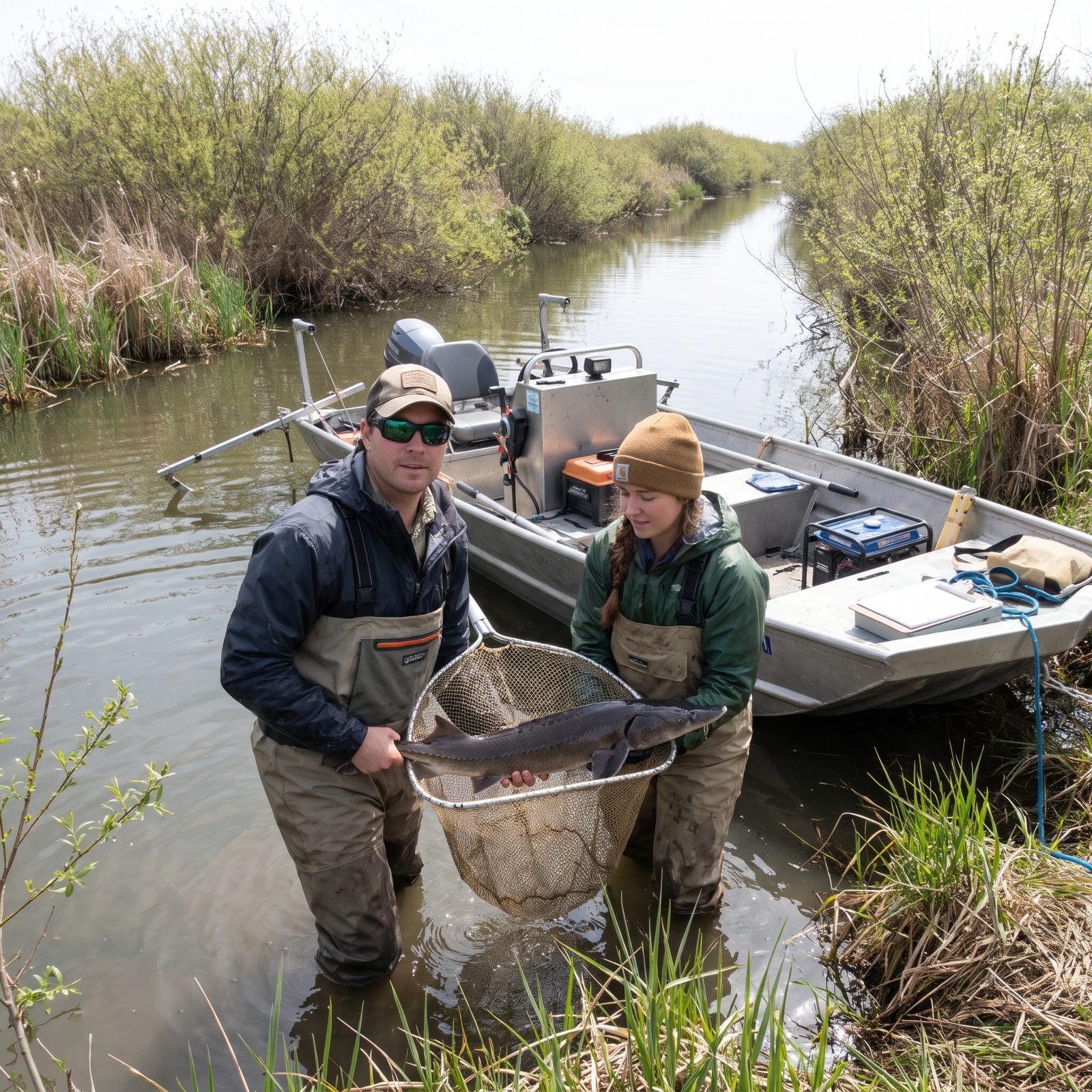
The most valuable line in any survey report is where the big fish showed up. Netting and electrofishing crews cover water anglers ignore: deep rock, offshore humps, the middle of nowhere. When they keep sampling large fish out there, it tells you the giants live somewhere you’ve never cast.
Everybody beats the obvious points and docks. Meanwhile the biggest fish sit on an isolated mid-lake hump marked in the agency data and nowhere on a popular fishing map. Read the report, note the habitat, go fish the spot the crowd can’t be bothered to find.
1. Faded Photos on the Bait-Shop Wall Show Giants from This Water
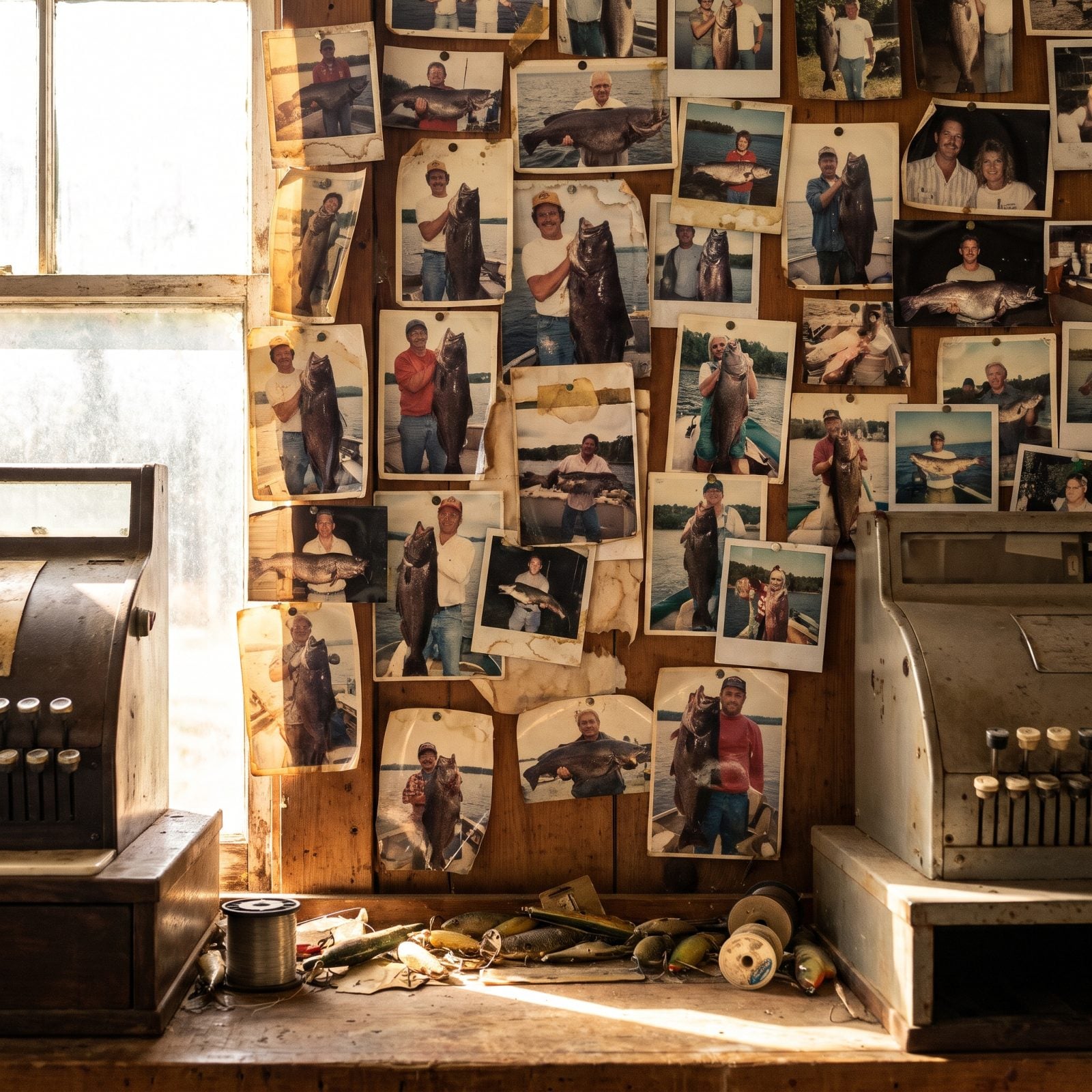
Don’t overlook the wall by the register. Faded photos of big fish from the same lake, spread across years and decades, are a record no spreadsheet captures. They tell you the water has grown giants before, over and over, which means the genetics and the conditions to do it again are already sitting there.
One old photo is a fluke. A cluster of them — different anglers, different years, same dock in the background — is a pattern. Honestly, I’ve found better lakes staring at a corkboard than reading press releases. Trophy water remembers. Ask the person behind the counter what the lake used to give up, then go see if it still does.