
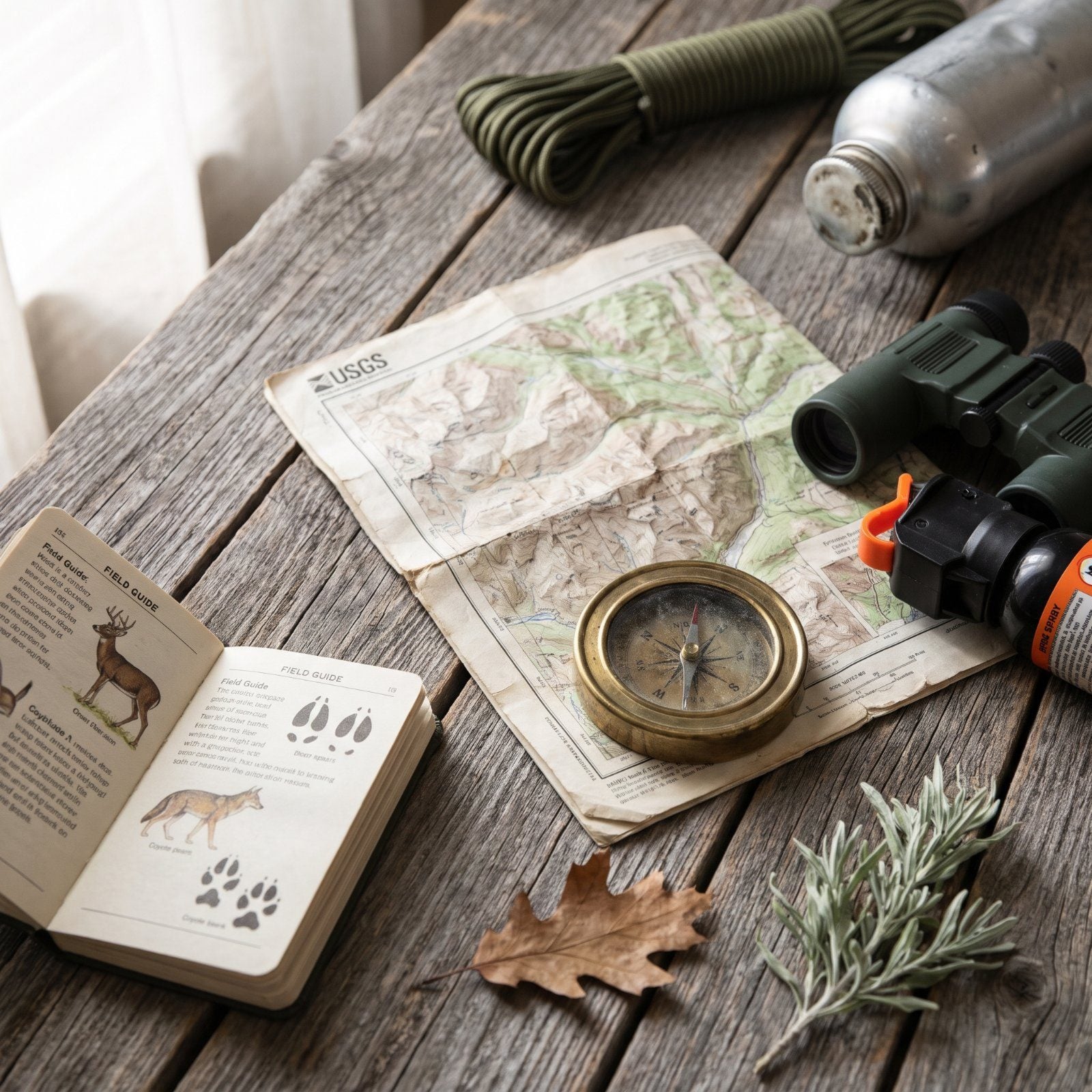
A deer standing stock-still twenty feet off the trail is not posing for your camera. It’s deciding whether to run. Most of the trouble people get into with wildlife starts with a misread, a kind gesture, or a careless moment that felt harmless at the time. You don’t have to be reckless to disturb an animal — you just have to misunderstand what it’s telling you. The good news? Reading a trail animal is a learnable skill, and most of the costly mistakes come down to a handful of habits worth breaking. Here’s what dawn in the backcountry teaches you about leaving animals alone.
Please note that some of the images in this article were created with the assistance of AI.
41. A Motionless Animal May Be Frightened, Not Friendly
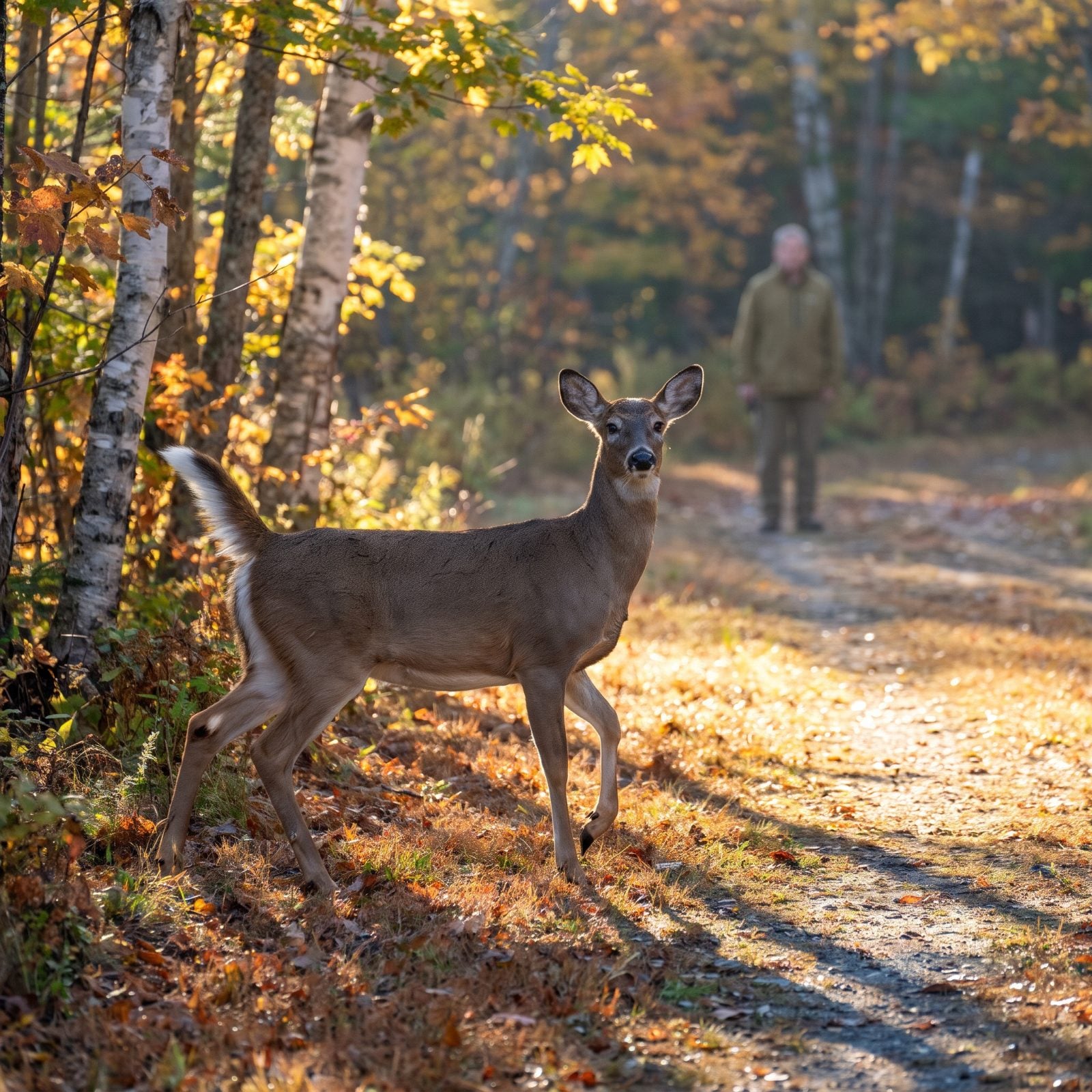
Stillness looks like calm. It almost never is. A deer that drops its head to graze, then snaps it up and locks eyes on you, is not relaxed — that’s a prey animal doing math. The frozen posture, ears forward, one leg cocked, is the pause before the sprint. People read it as a photo op and step closer, which is exactly the wrong move.
Watch the tail and the ears instead of the eyes. A flicking tail, pinned ears on an elk, or a head that keeps bobbing up means you’re already too close. Back off while it still has the choice to stay.
40. Feeding One Animal Can Harm the Whole Population
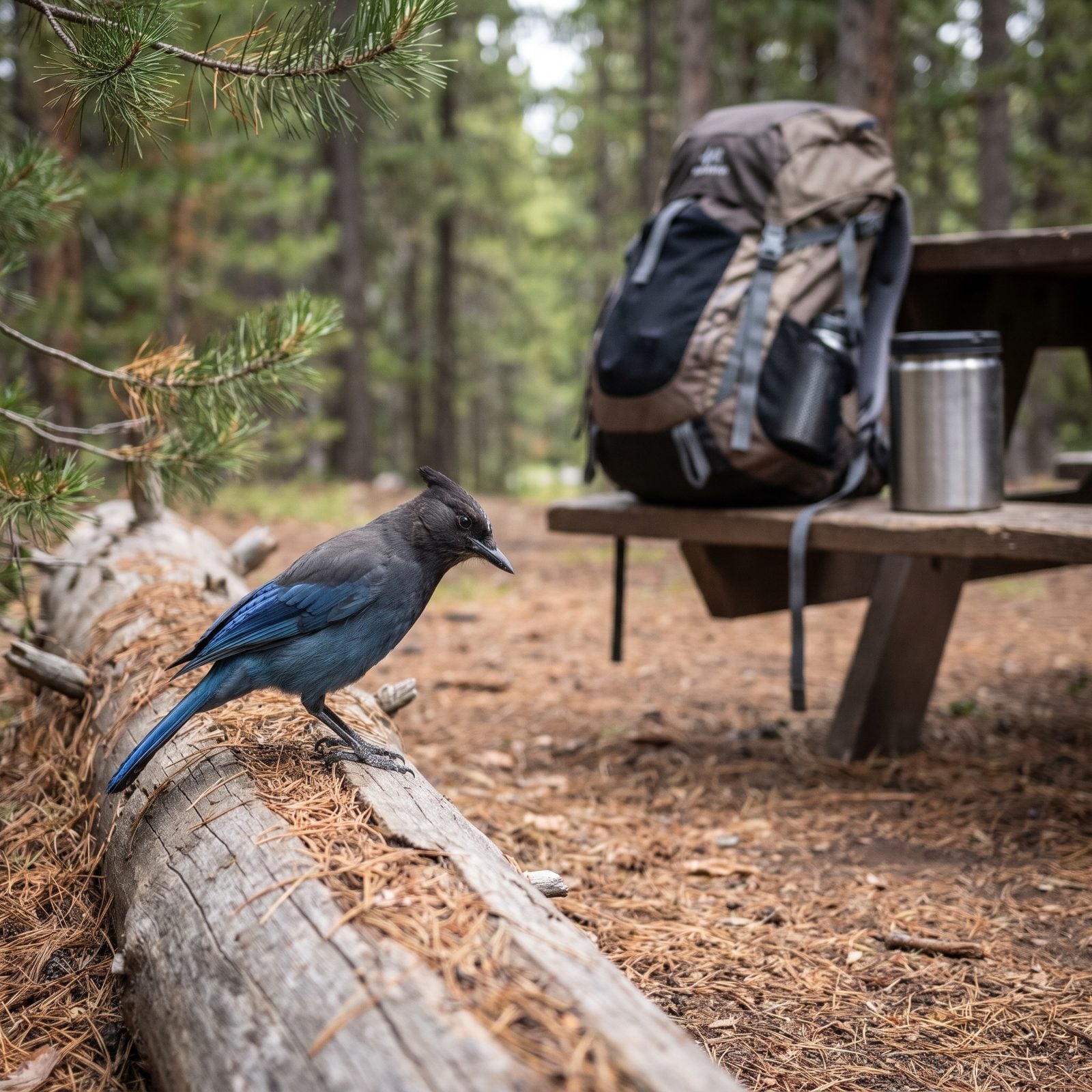
Hand a chipmunk a cracker and you feel generous. What you’ve actually done is enroll it in a bad habit that outlives your visit. Animals that learn to beg stop foraging properly, crowd roadsides and campgrounds, and raise young that never learned to find real food. Jays that get fed trail mix feed it to nestlings that can’t digest it.
And the fed animal is usually the dead animal. Bears that associate people with food get relocated, then euthanized when relocation fails. A squirrel that bites a toddler’s finger gets blamed for a problem a snack created. The kindness runs one direction and the cost runs the other.
39. Give Wildlife a Clear Escape Route
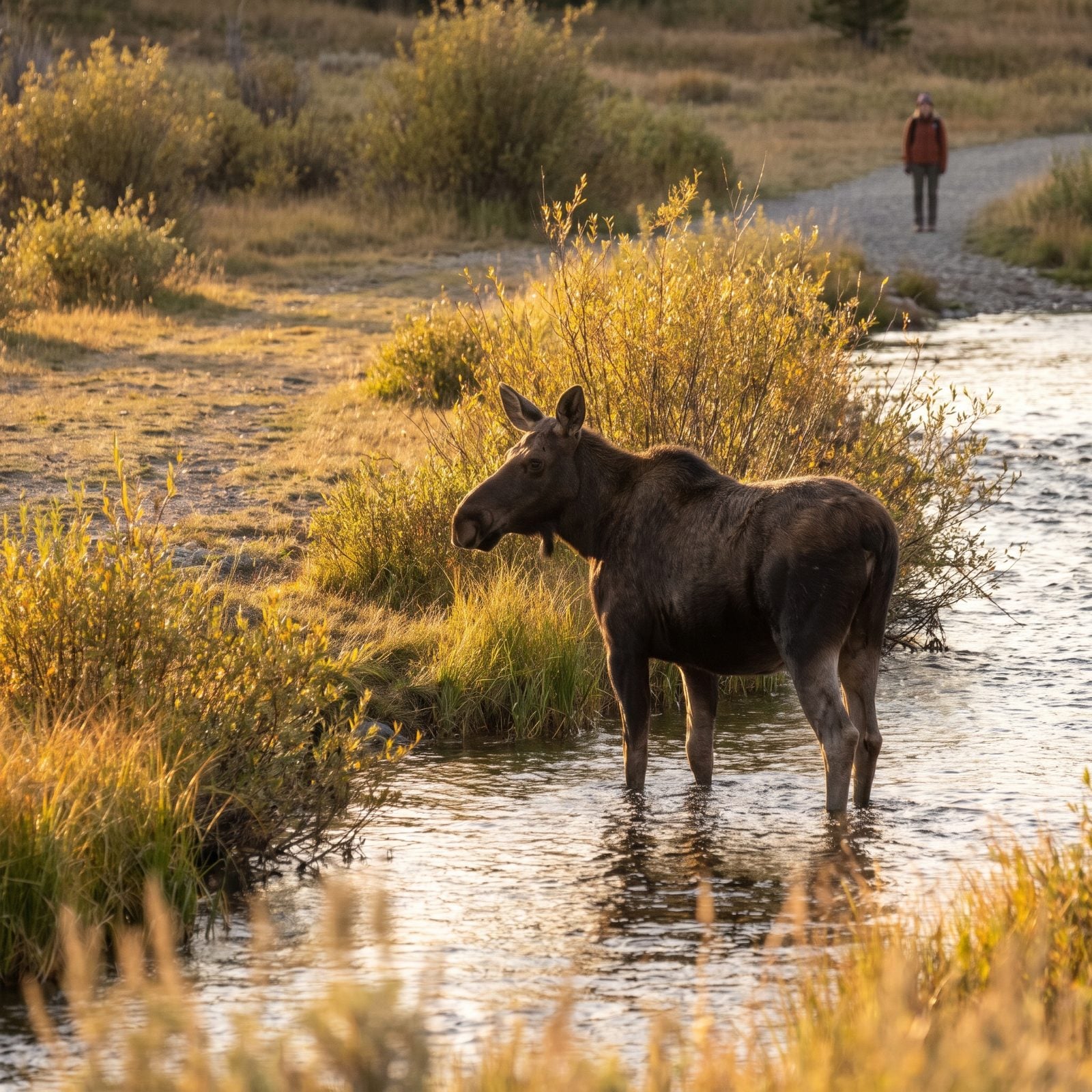
Never stand between an animal and where it wants to go. That’s the whole rule, and it prevents most of the ugly encounters on crowded trails. An animal that feels cornered has only one way out, and it will take it through you if it has to. Moose, especially, will charge when they can’t retreat, and a moose outweighs your decision-making.
Picture a cow moose at a river crossing with willows on one side and the water on the other. Step onto the trail she needs and you’ve closed her exit. Give her the gap. Step off the trail, let her pass, and the standoff dissolves on its own.
38. Dogs Can Trigger Chases, Attacks, and Nest Abandonment
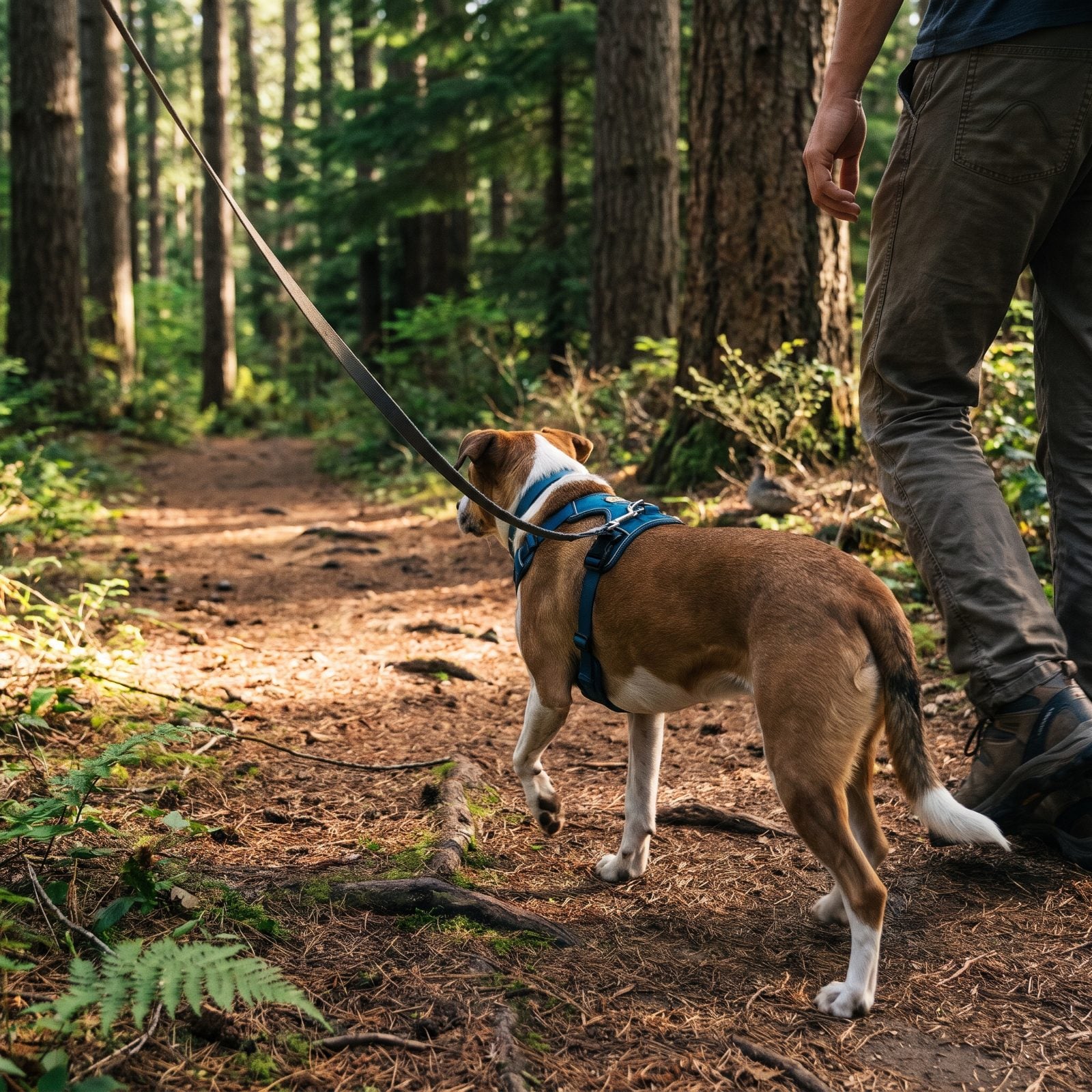
To a coyote, a fox, or a nesting grouse, your dog isn’t a pet. It’s a predator that smells like one and moves like one. Even a friendly dog off-leash reads as a threat, and the response can be a defensive attack or something quieter and worse: a bird abandoning a nest it never returns to.
Ground-nesting birds are the ones nobody sees get hurt. A dog crashing through brush in May can flush a female off eggs that chill in minutes. Leash laws in wildlife areas aren’t bureaucratic fussiness — they’re written in response to real losses.
37. Headphones Can Hide an Animal’s Warning Signals
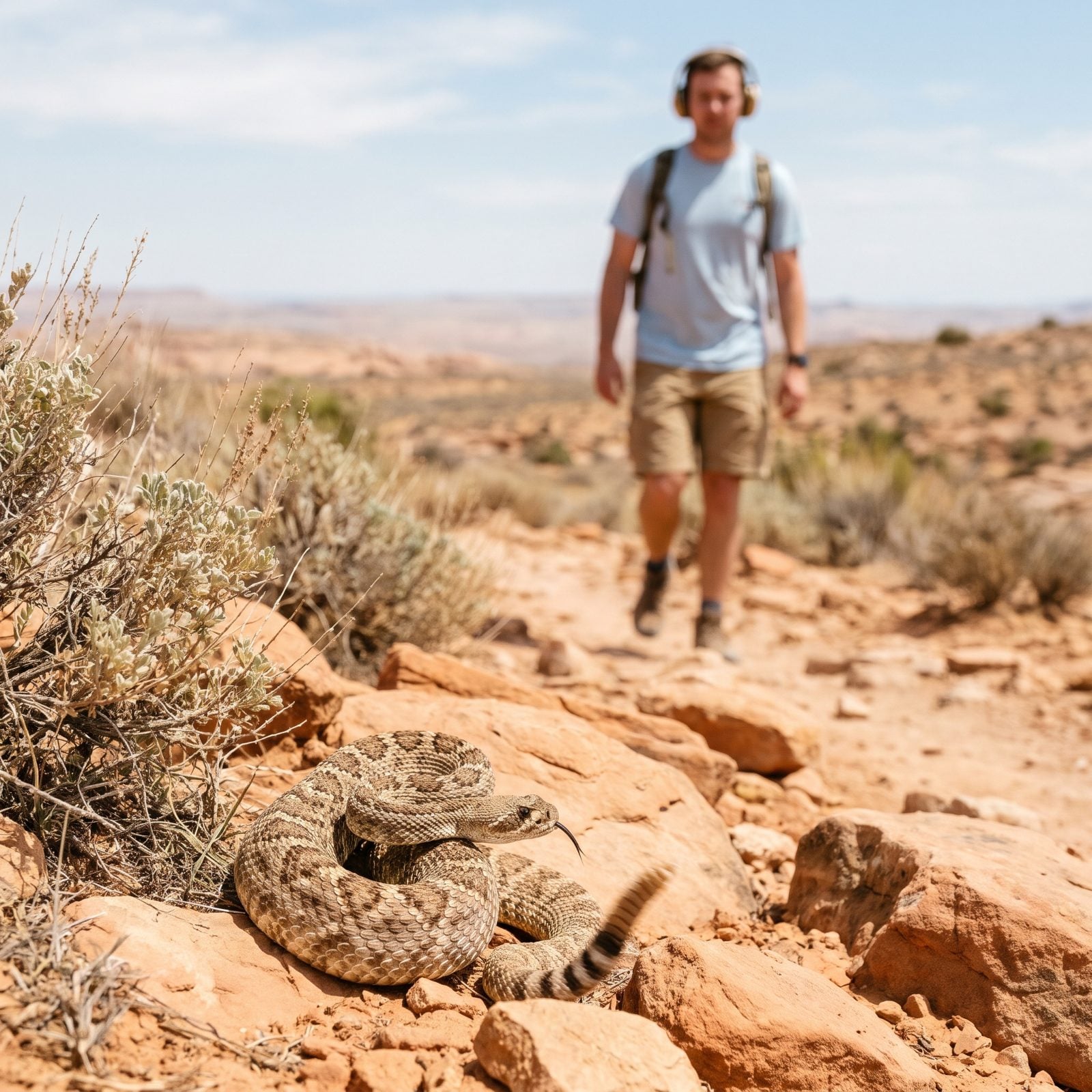
A rattlesnake’s whole safety system is a sound. So is an elk’s bugle, a beaver’s tail slap, and the alarm chatter of a squirrel that spotted a mountain lion before you did. Plug both ears into a podcast and you’ve switched off the backcountry’s early-warning network.
Hearing is how you catch the branch crack behind you, the hoofbeats of something moving fast, the buzz under the rock you’re about to step over. Run one earbud, not two, if you need the music. Better yet, save it for the drive home.
36. Water Sources Need Extra Space in Dry Country
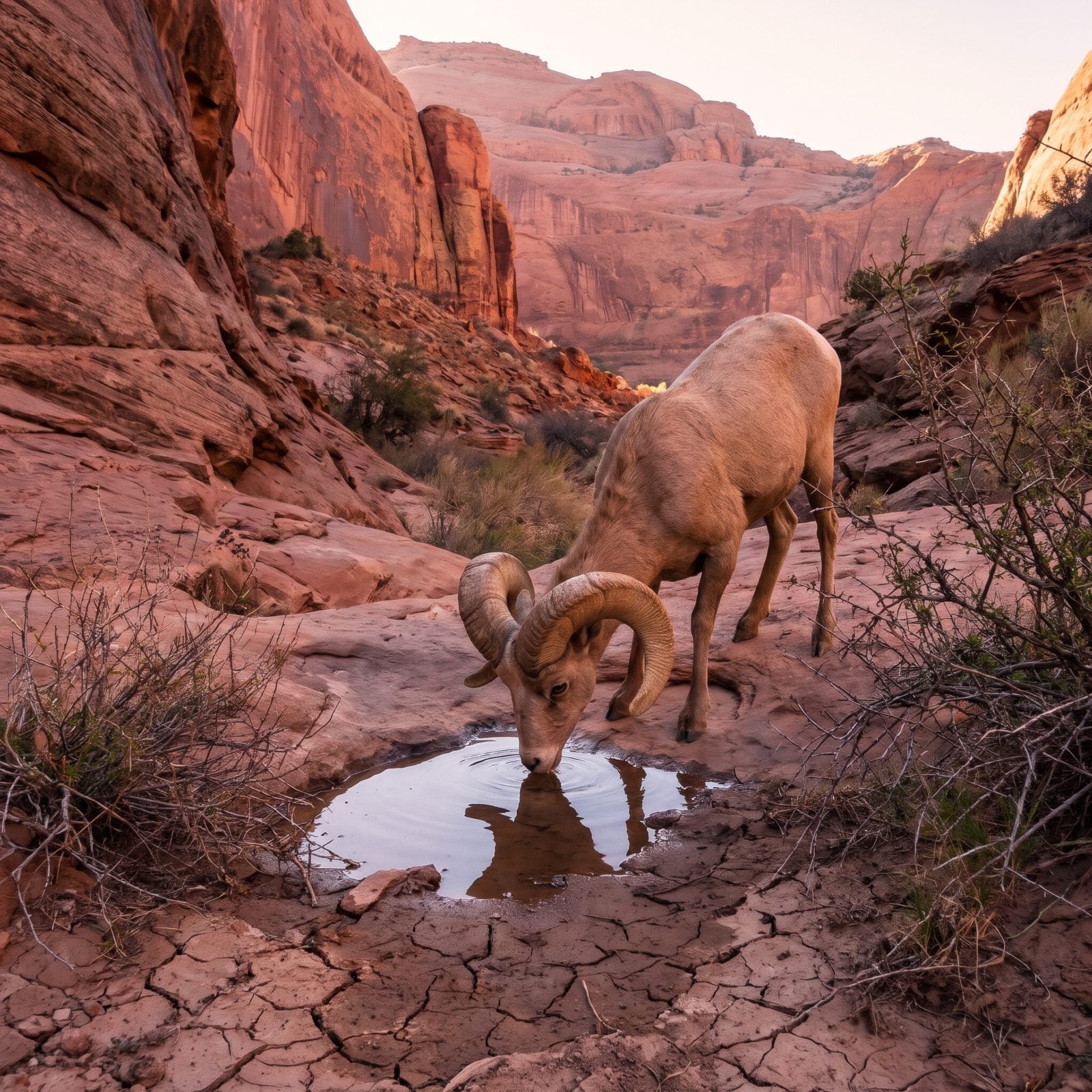
In the desert, water isn’t scenery. It’s survival, and every drinking source is a bottleneck where animals that otherwise avoid each other are forced to line up. A spring, a tinaja, a shrinking stock tank in August — these are the busiest intersections in the whole ecosystem, and your presence at one can keep thirsty animals back for hours.
A bighorn that detours around a hiker loitering at the only water for miles pays for it in a landscape with no second option. Fill your bottles and move well off. Eat lunch somewhere else. Let the water do its real job.
35. Crowds Can Trap an Animal Without Touching It
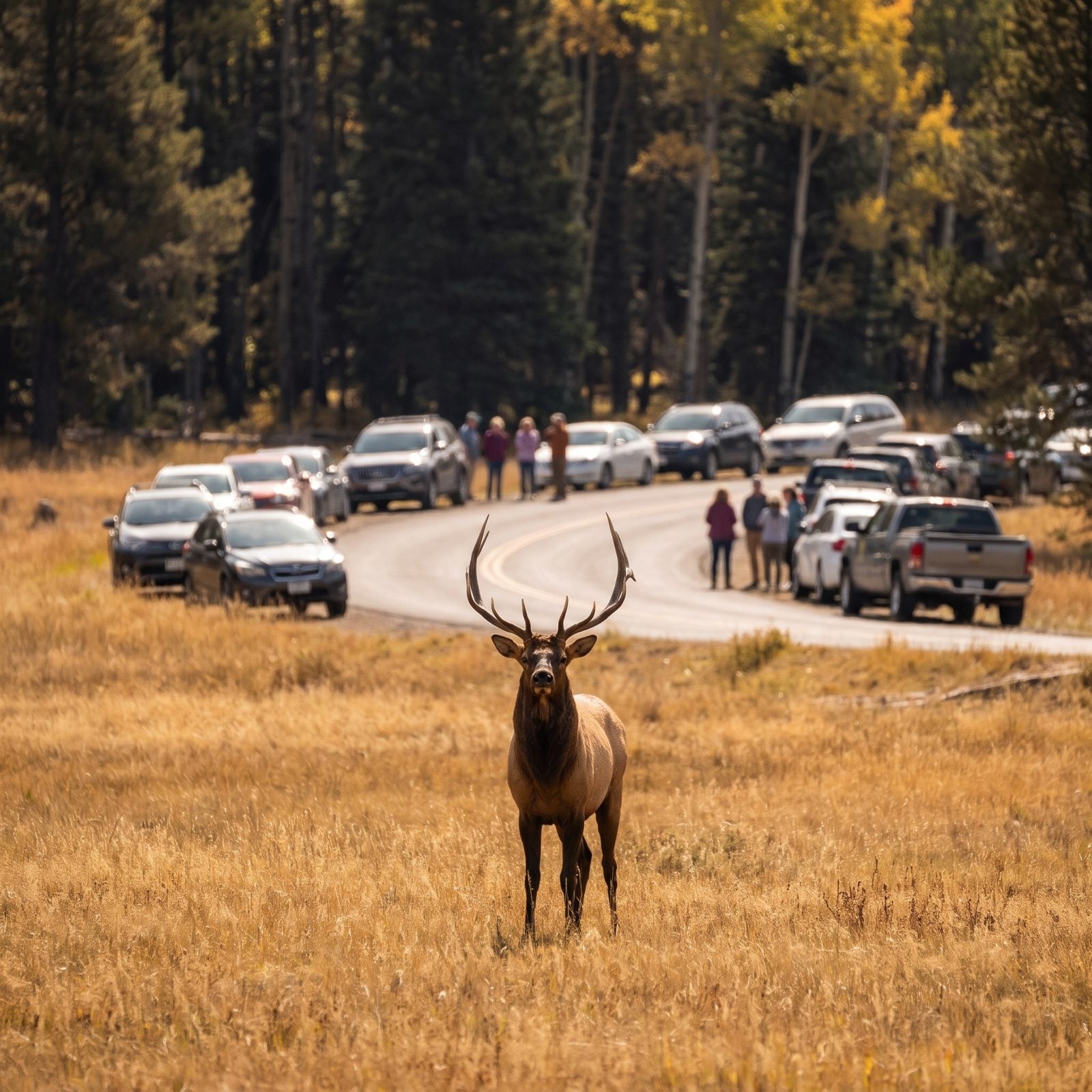
Nobody in a wildlife jam thinks of themselves as the problem. Each person is just one more phone, standing at a respectful distance. Add thirty of those together and you’ve built a wall around an animal that now can’t move in any direction without someone stepping into its path.
This is how a single elk ends up penned against a road by a crowd that would swear it never crowded anything. The animal reads the semicircle of bodies as a trap, because it is one.
Roll up on a cluster of people watching something, and the helpful move is often to not join them. The animal needs one fewer person, not one more.
34. Geotagging Can Put Rare Animals and Nests at Risk
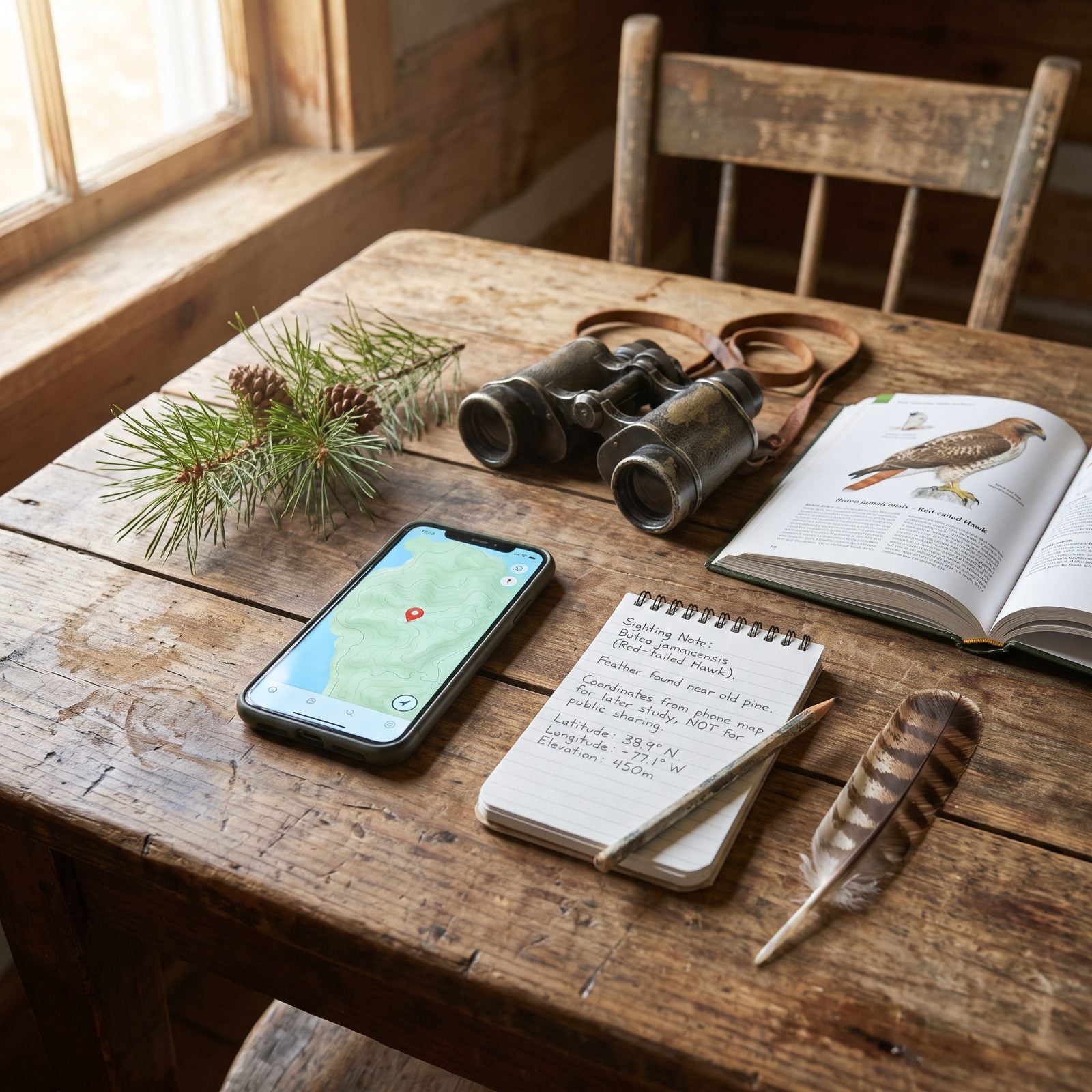
You found a den of fox kits, or a great horned owl on a nest, and you want to share it. Drop a pin, post the photo, and within a week that spot can draw a parade of tripods, flash photography, and foot traffic that drives the parents off. The internet does not forget coordinates.
Nesting raptors and rare species are the most vulnerable. A single viral location has emptied nest sites before the chicks fledged. Post the picture if you must. Strip the location data and keep the where to yourself.
33. Seasonal Closures Protect Invisible Nests and Dens
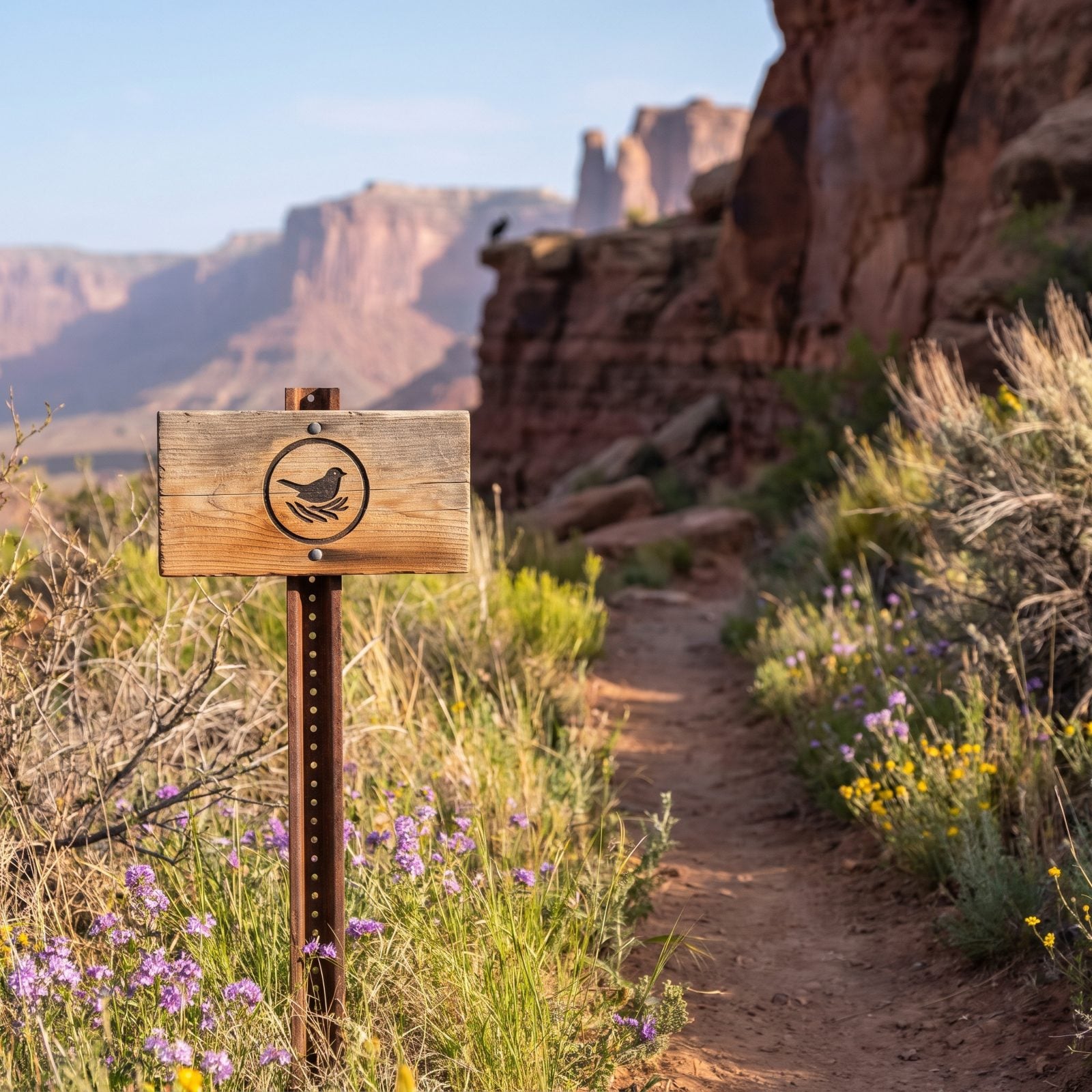
A closed trail in April feels like an overreaction. The place looks empty. That’s the point. What the closure protects are the things you can’t see: a peregrine nest on a cliff ledge, a bear den under a deadfall, elk calving in the meadow where nothing appears to be happening.
Managers don’t close trails for fun. They close them because a disturbed nest fails and a bear roused from its den burns reserves it can’t replace. Walk around the sign and you might never know what you cost — and that right there is the trouble with it.
32. Most Solitary Young Animals Do Not Need Rescue
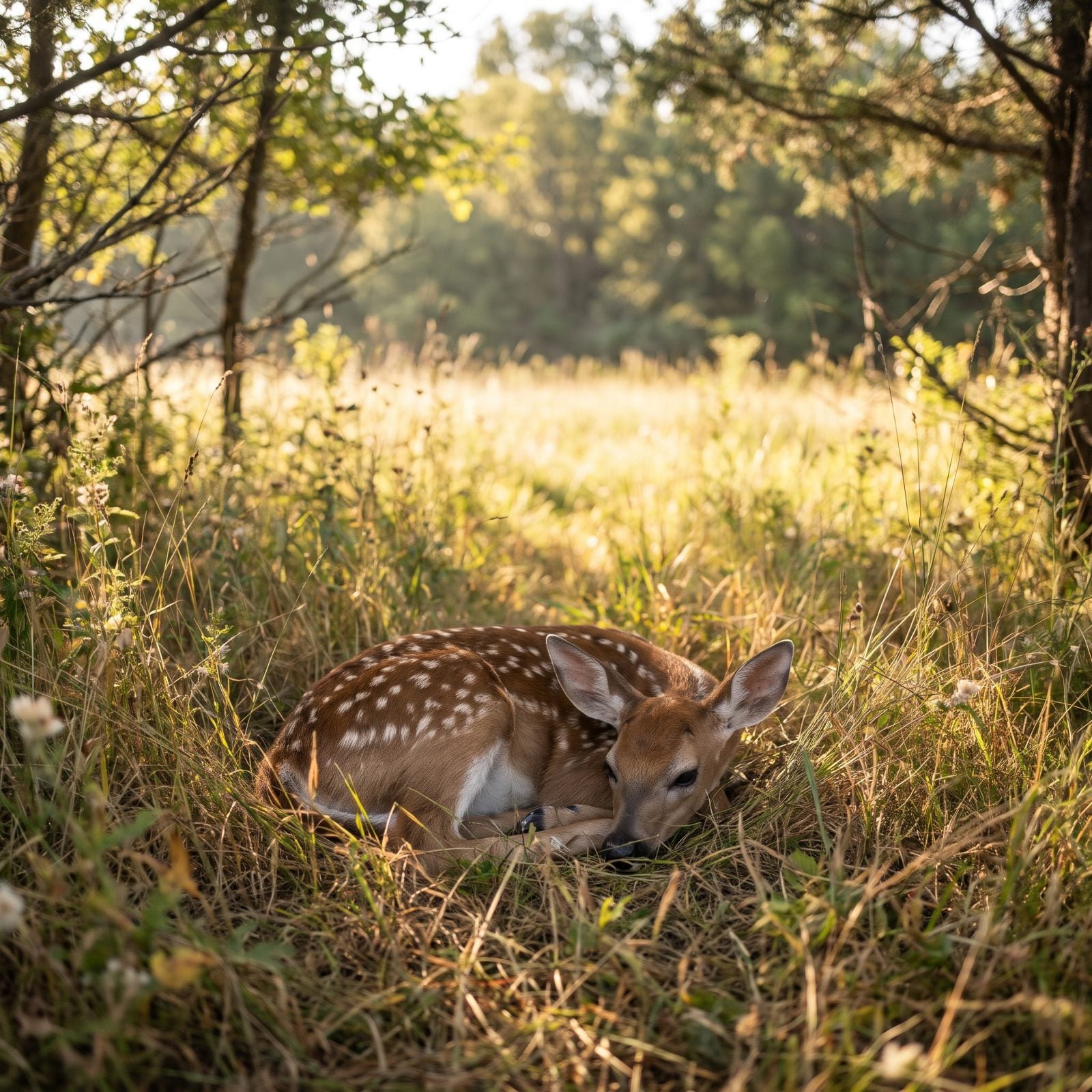
You find a fawn curled alone in the grass, no mother in sight, and every instinct says save it. Don’t. That fawn is doing exactly what it’s supposed to. Does leave their young hidden and still for hours because a fawn has almost no scent and a predator can’t find what doesn’t move. The mother is nearby and she will return.
Same with fledgling birds hopping on the ground with stubby tails. That’s a normal, ground-bound stage, and the parents are feeding it from the brush. Pick it up and you’ve kidnapped a healthy animal.
Genuine orphans exist, but they’re rare, and the only right move is to call a licensed wildlife rehabilitator and describe what you see. Let them make the call. Your job is to walk away and tell someone qualified, not to hold the thing and hope.
31. Bear Cubs Mean the Mother Is Close and Already Watching You
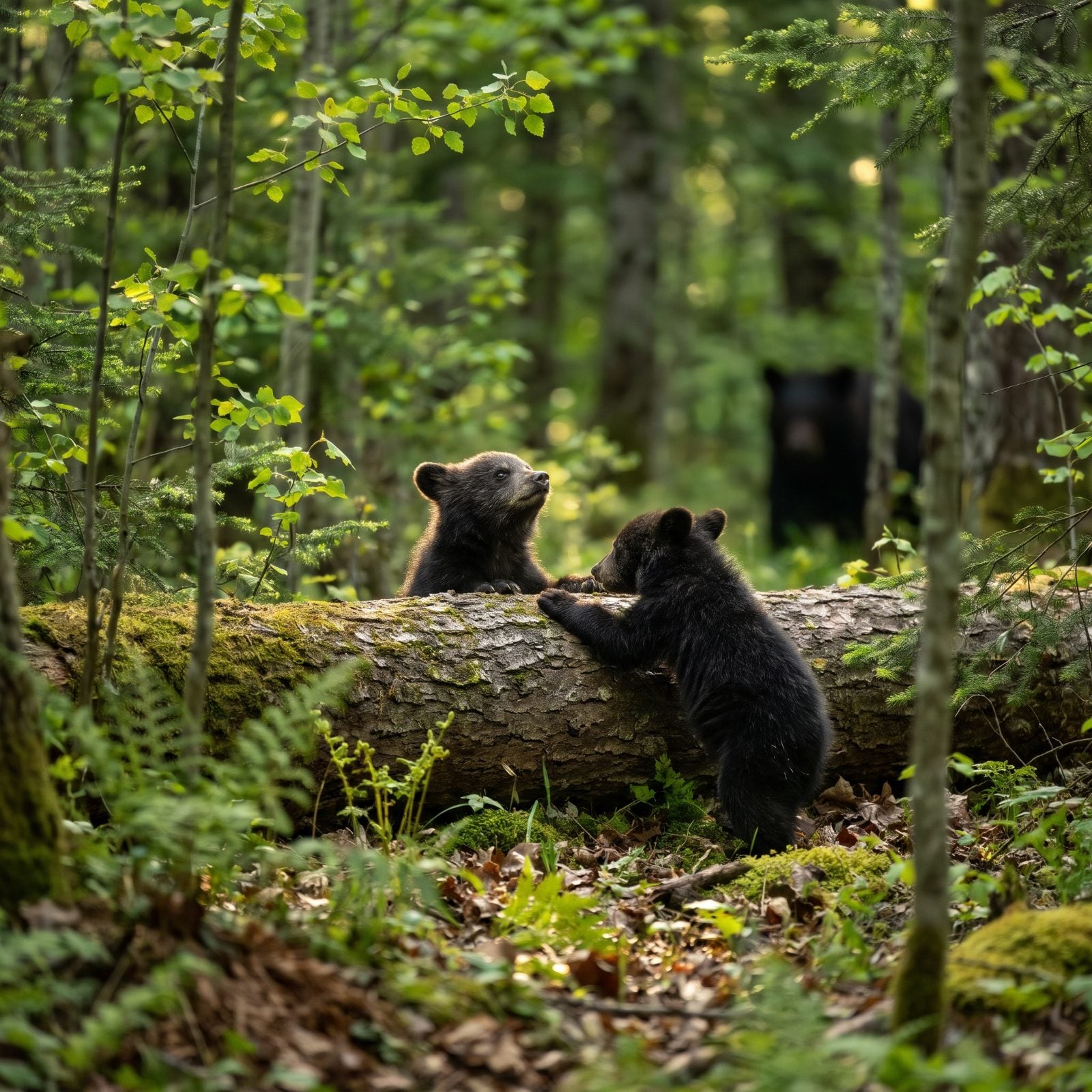
A cub by itself is never by itself. Where there’s one, there’s a mother within a few hundred yards who has almost certainly clocked you before you clocked the cub. That’s the dangerous part. People stop, reach for a camera, and inch closer for the shot — and every one of those moves slides you between a sow and her baby, which is the single most reliable way to get charged by a bear in North America.
See a cub? Back away the direction you came, calm and without turning it into a sprint. You don’t need to see the mother to believe in her.
30. Bear Spray Buried in Your Pack Might as Well Be at Home
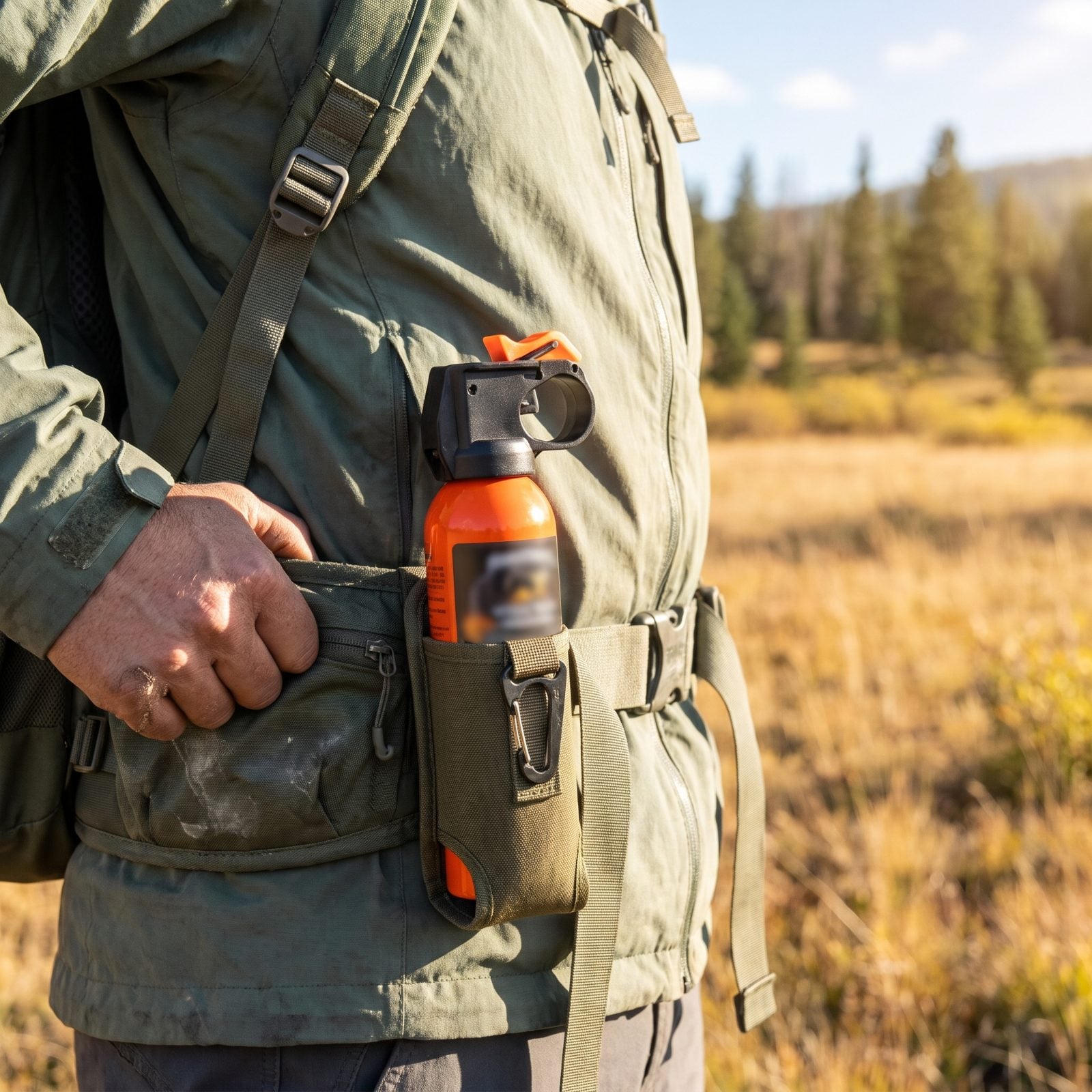
A charging bear covers fifty feet in about a second and a half. You do not have time to shrug off a pack, dig past your lunch, and find the canister. Spray that isn’t already in your hand or on your hip is useless.
Carry it on a chest or hip holster where you can reach it without looking, and practice the draw a few times at home so your hands know the motion. It has to work when your brain has gone white with adrenaline and your fine motor skills have left the building.
29. Spraying Your Gear With Bear Spray Does the Opposite of What You Think
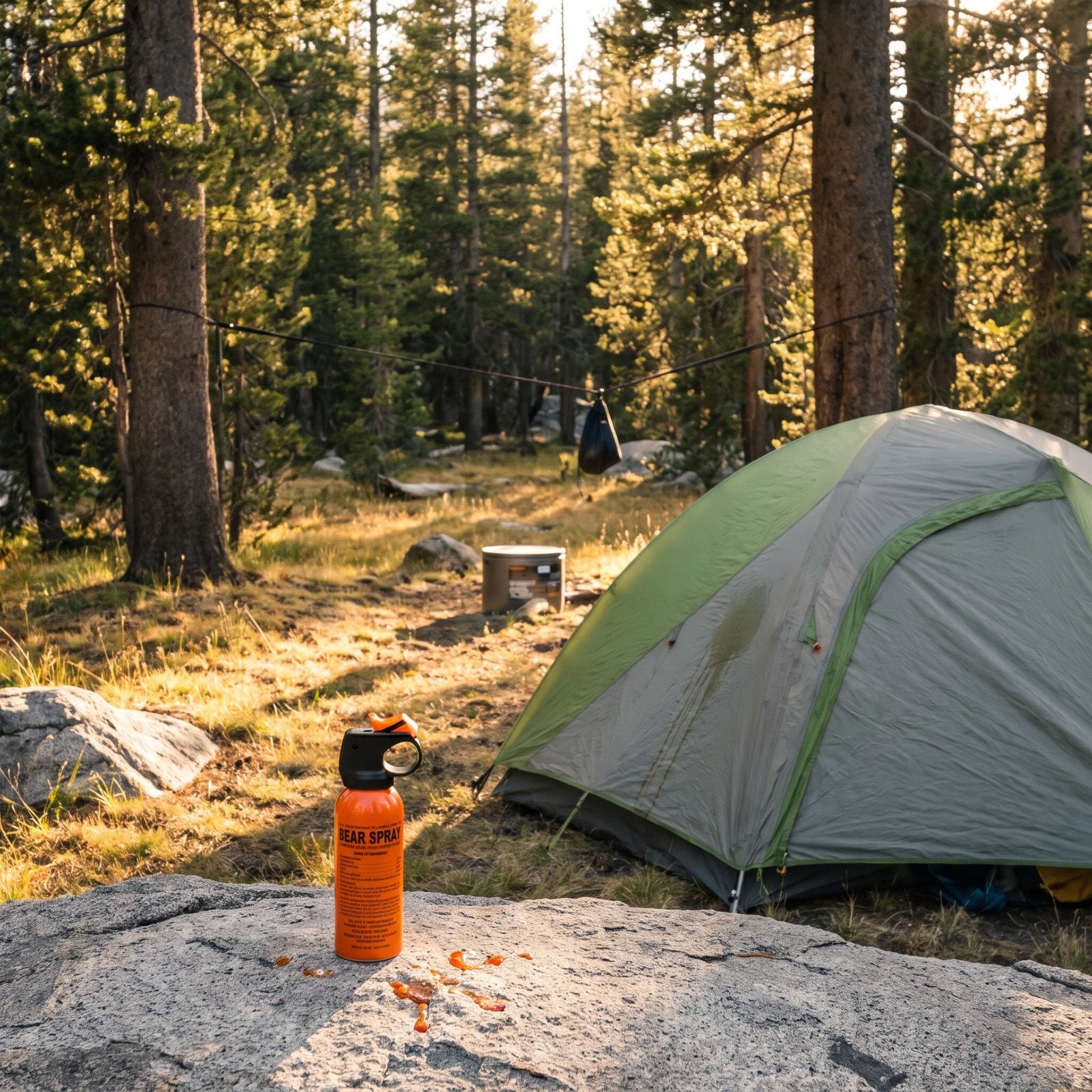
Every season someone sprays their tent, their boots, or their pack like it’s mosquito repellent. It does the exact reverse. Once the capsaicin residue settles it becomes an attractant, and curious bears investigate the smell rather than avoid it.
Bear spray is a defensive tool, fired directly at an approaching animal, close range, into its face. That’s it. Sitting on your gear it has no preventive value whatsoever — and treating it that way can draw the very thing you’re afraid of straight to your sleeping bag.
28. A Black Bear Can Be Brown and a Grizzly Can Be Nearly Black
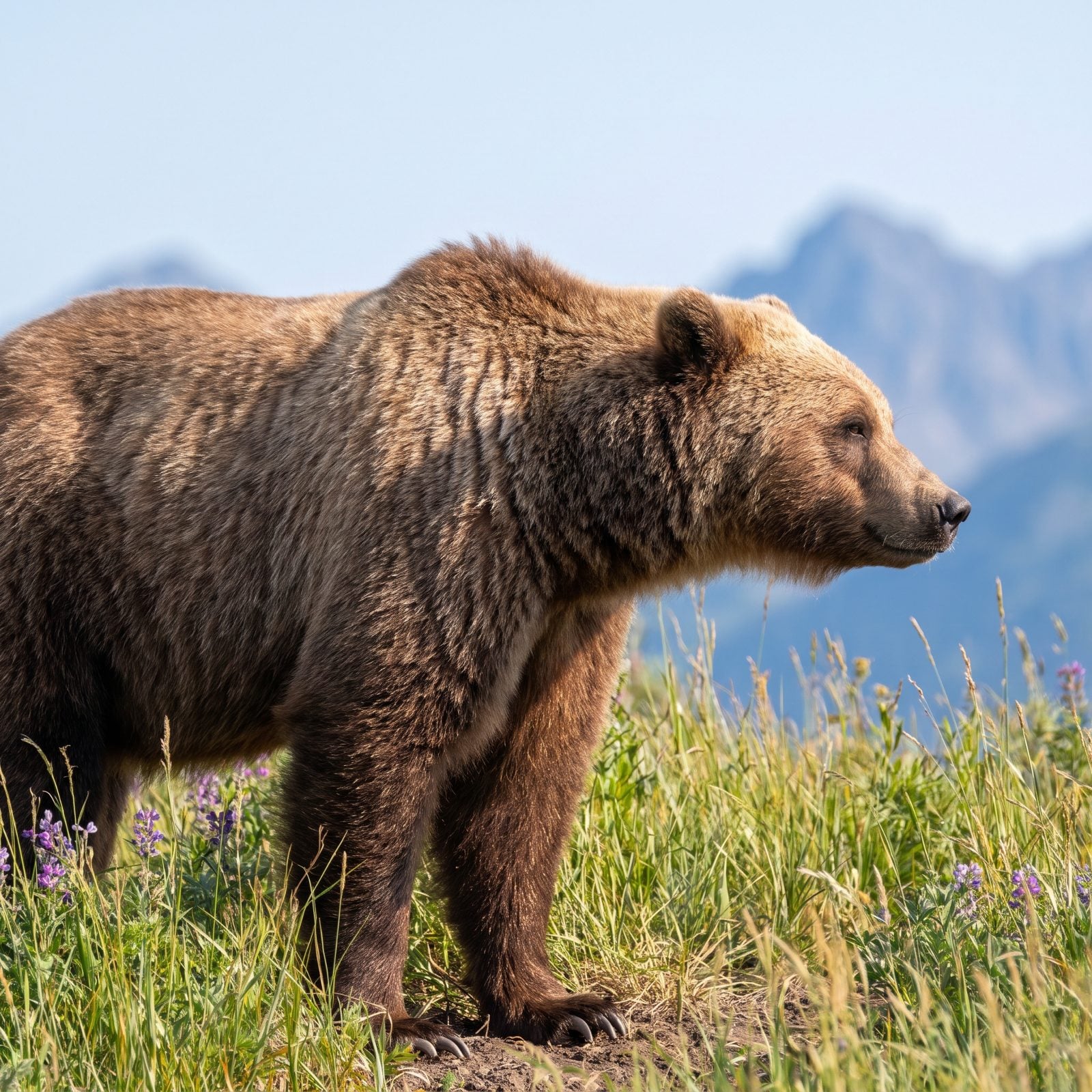
Color is the worst way to tell these two apart, and plenty of people stake their safety on it anyway. Black bears come in cinnamon, blond, and brown. Grizzlies run from pale silver-brown to nearly black. The coat tells you almost nothing.
Body shape tells you everything. A grizzly carries a pronounced shoulder hump, a dished face, and long front claws. A black bear has a flatter shoulder line, a straight facial profile, and a taller-eared, doggier look. The distinction isn’t academic — the recommended response to a defensive encounter differs between the two species. Learn the shapes, not the colors.
27. When a Moose Pins Its Ears and Raises Its Hackles, It Is Already Done Warning You
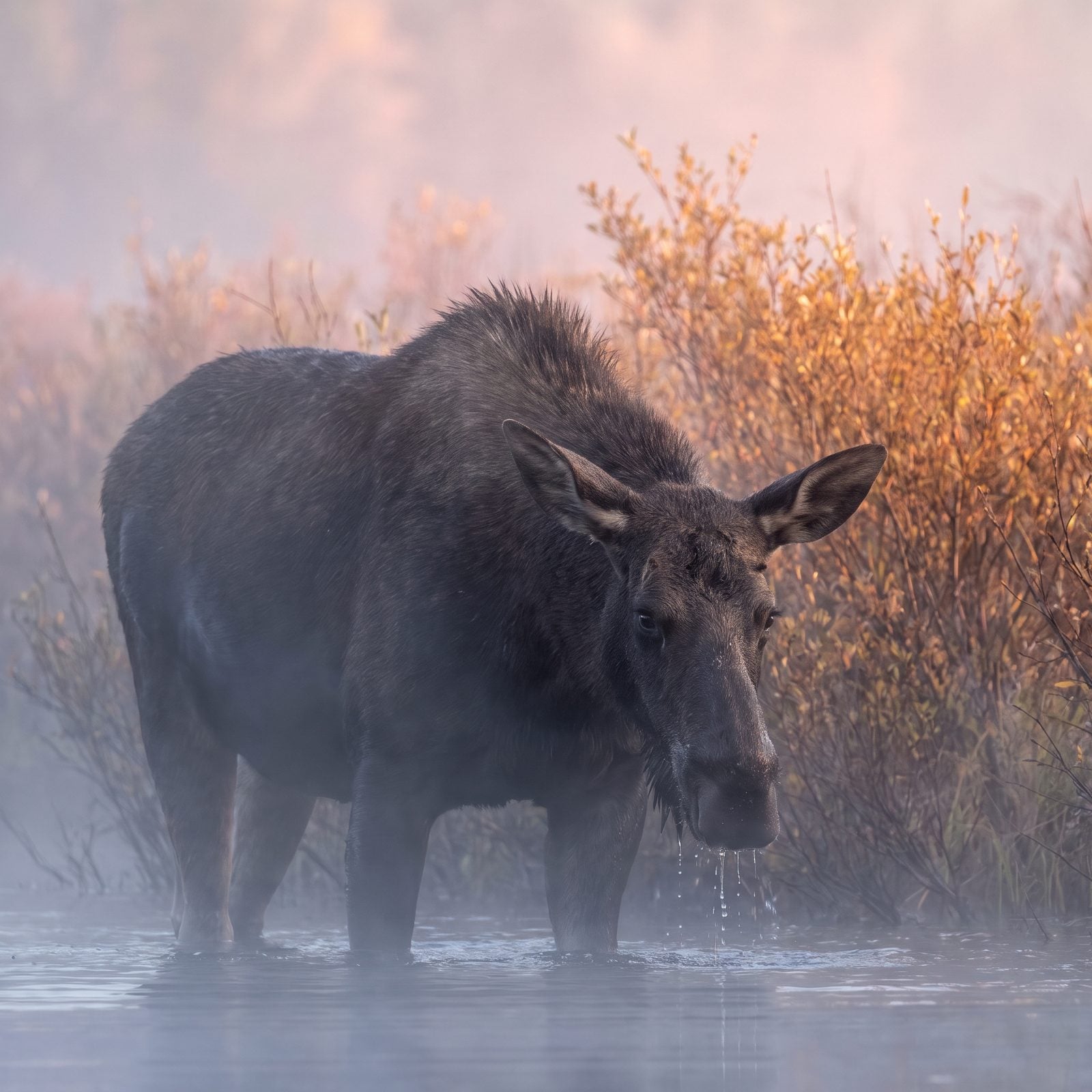
In parts of North America, moose injure more people than bears do, and almost nobody treats them with the respect that number deserves. They look like slow, dopey giants. They are neither.
Watch the ears and the neck. Flattened ears, raised hackles along the shoulders and back, lip-licking, a lowered head — all of it means a moose has moved past annoyance into warning. Get a solid tree between you and it. Unlike with a bear, you run from a charging moose, and you run for cover. A thousand-pound animal with that kind of temper is not something you stand your ground against.
26. That Bison Grazing by the Boardwalk Can Hit 35 Miles an Hour
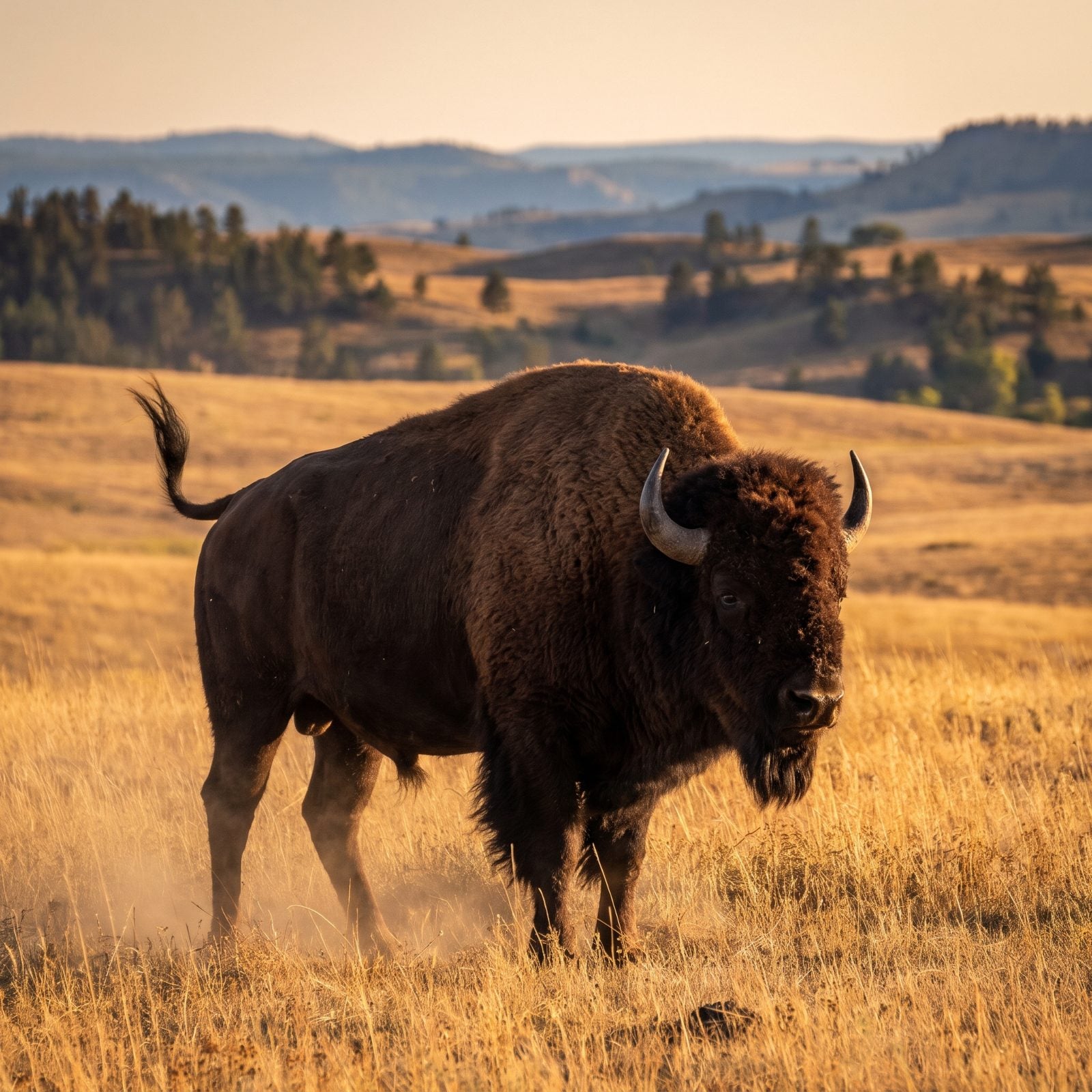
Bison gore more visitors in Yellowstone than any other animal, and the reason is almost comic: people assume a creature that spends all day eating grass can’t move. It can, and fast. A bison runs around 35 miles an hour and pivots like a rodeo horse.
The raised tail is your cue. A relaxed bison lets its tail hang. A tail standing straight up often means it’s about to charge or defecate, and you don’t want to gamble on which. Stay at least 25 yards back — more if it’s between you and anywhere you want to go.
25. A Bugling Bull Elk in September Is a Completely Different Animal
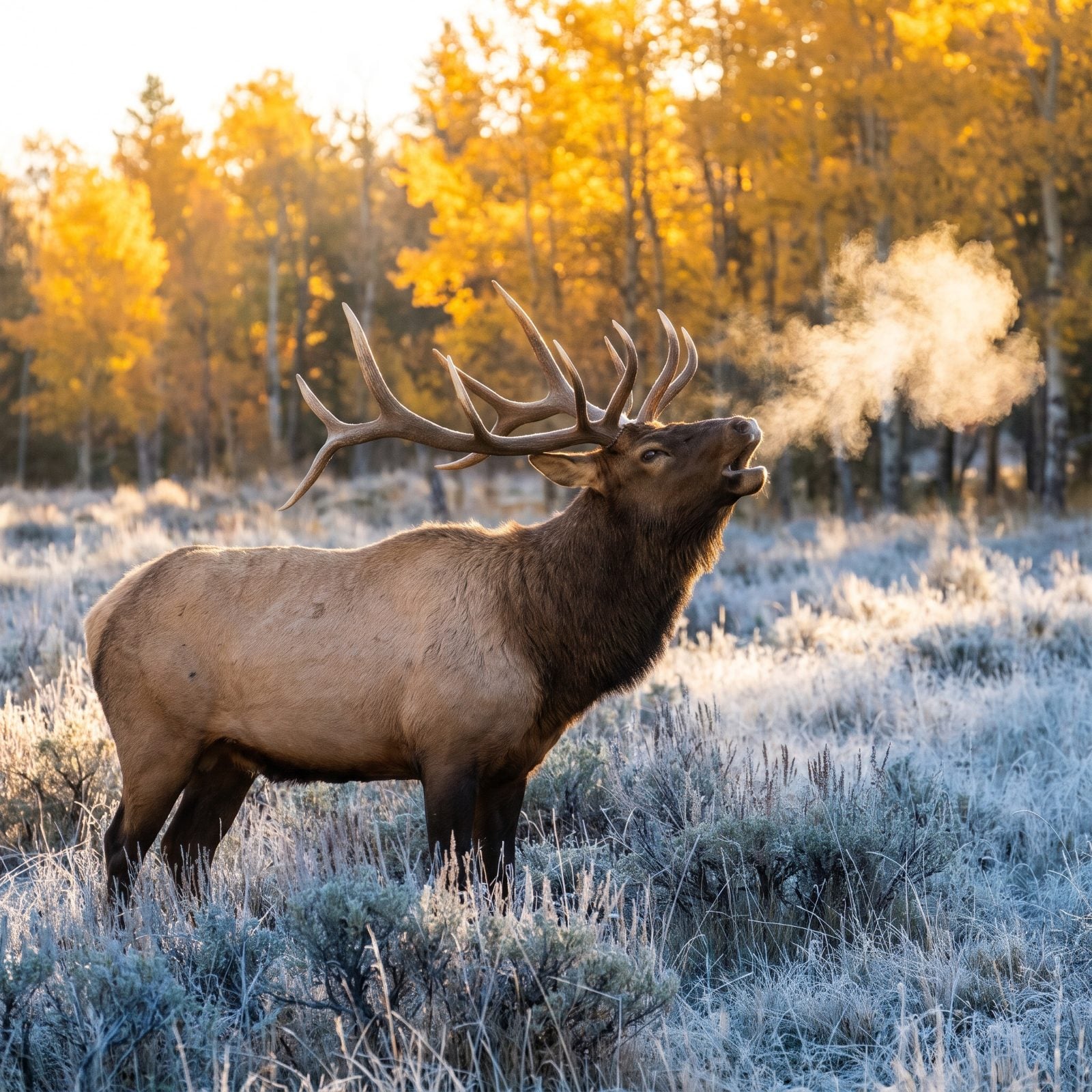
In July, an elk grazing a meadow will wander off if you give it a little space. Come late September, that same animal might come at you.
The rut flips a switch. Bulls are flooded with hormones, defending harems, far more willing to charge anything that crosses their line. The distance you’d give a summer elk doubles or triples during the fall breeding season. A bugling bull that turns to face you, lowers his antlers, or thrashes a bush is telling you to leave. Give rutting elk a wide, respectful berth, and never get between a bull and his cows.
24. The Mountain Goat Walking Toward You Wants Your Salt, Not Your Company
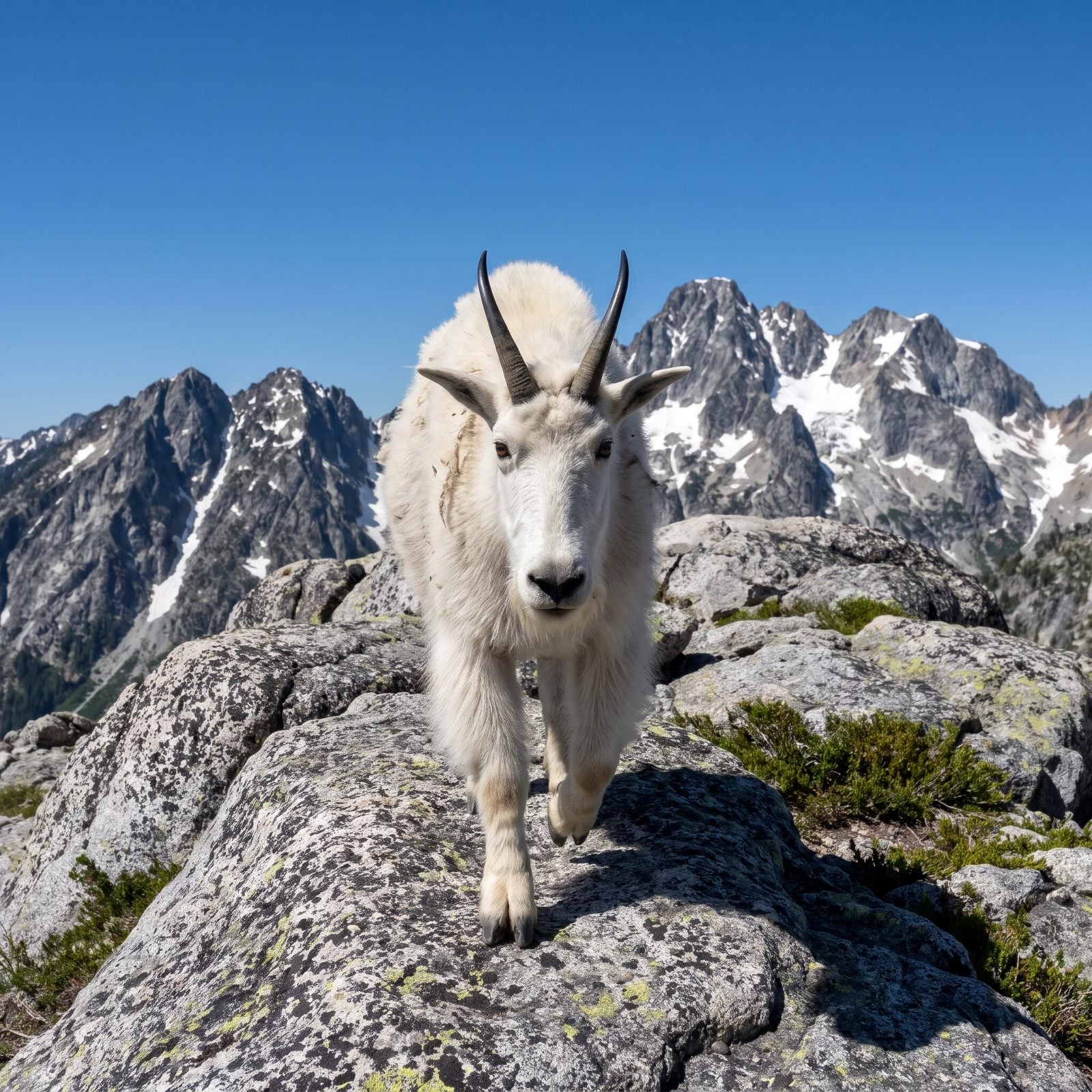
In heavily visited areas, mountain goats sometimes approach hikers, and it reads as friendly. It isn’t. They’re after the salt in your sweat and your urine, and a goat habituated to that reward turns pushy, then aggressive — all of it attached to a set of sharp horns.
Don’t let one get close, however calm it seems. Move away, make yourself look larger, and never pee near the trail where you’re resting. In a few parks these habituated goats have hurt people. A wild animal that associates humans with salt is trouble waiting to happen, and stopping it starts with you not feeding the habit.
23. If You Run From a Mountain Lion, You Just Became Prey
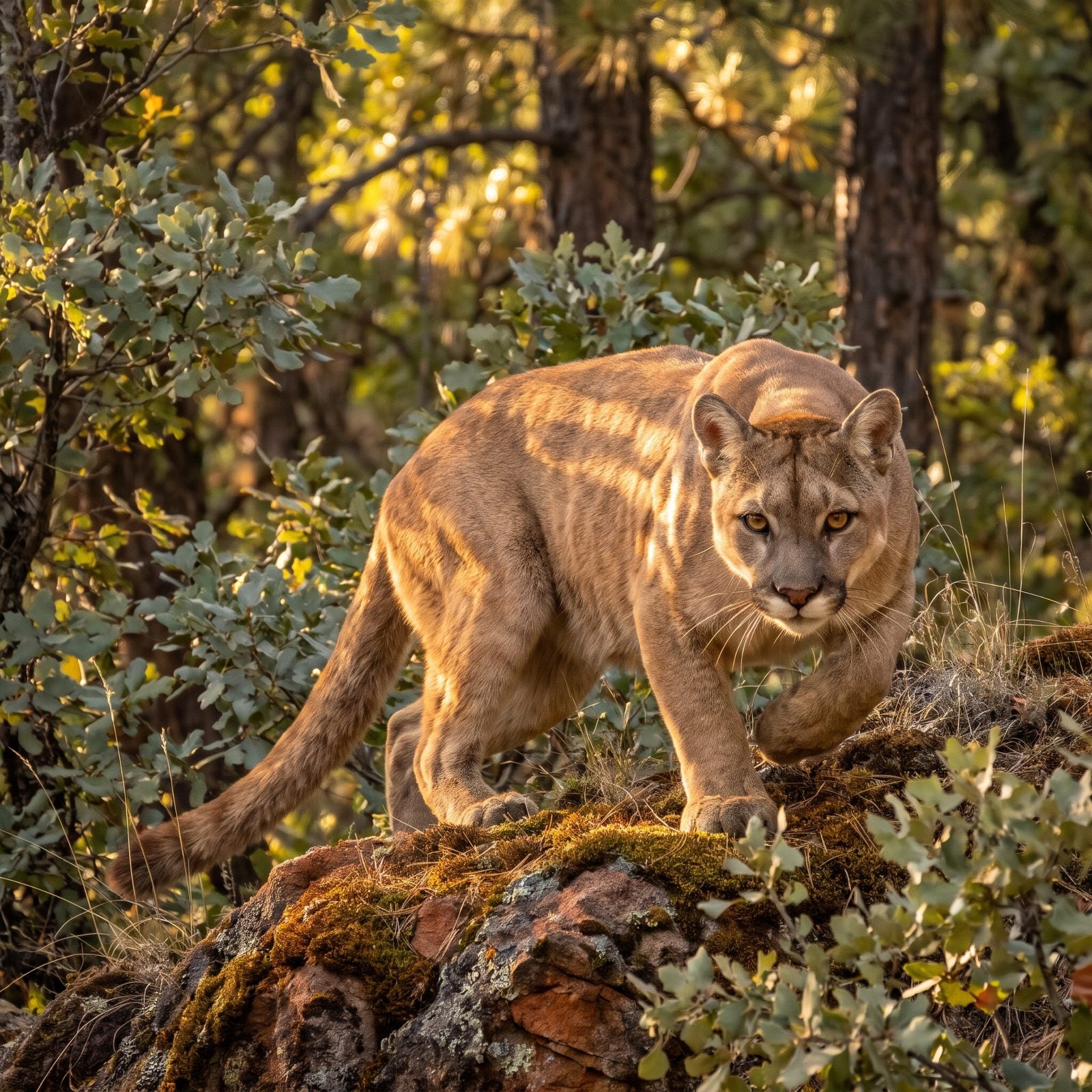
A sprinting human triggers something ancient in a mountain lion. Movement away at speed reads as fleeing prey, and the chase instinct does the rest. Running is the worst thing you can do.
In the rare event a lion stares you down, do the opposite of everything your legs are screaming. Stand tall. Make yourself big. Open your jacket, raise your arms, shout in a firm low voice, and back away slowly while facing it. If it attacks, you fight, aiming for the face and eyes. Most people hike cougar country for decades and never see one, which is exactly how the cat prefers it.
22. A Coyote That Won’t Back Off Should Be Chased, Not Photographed
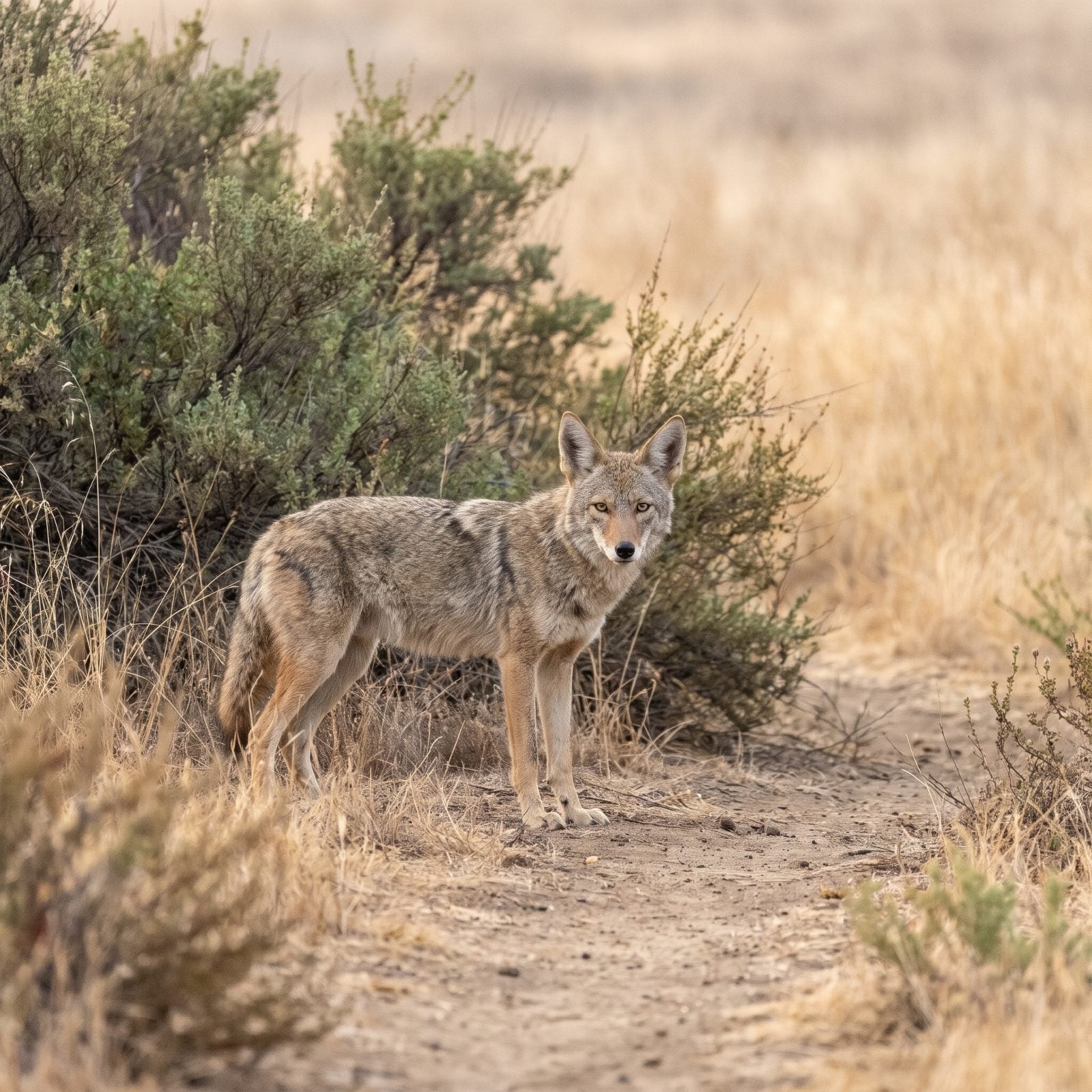
A coyote that holds its ground, follows you, or acts curious instead of skittish has learned that people mean food. That boldness is a problem, and the fix runs against every instinct to admire it.
Haze it. Yell, wave your arms, throw small objects in its direction, make yourself loud and unpleasant to be around. You’re reteaching it that humans are a threat, not a buffet. Standing quietly and filming it is the worst thing you can do, because calm attention rewards the behavior. A wild coyote should want nothing to do with you. When one doesn’t, your job is to remind it why.
21. Wild Horses Are Not Petting-Zoo Animals
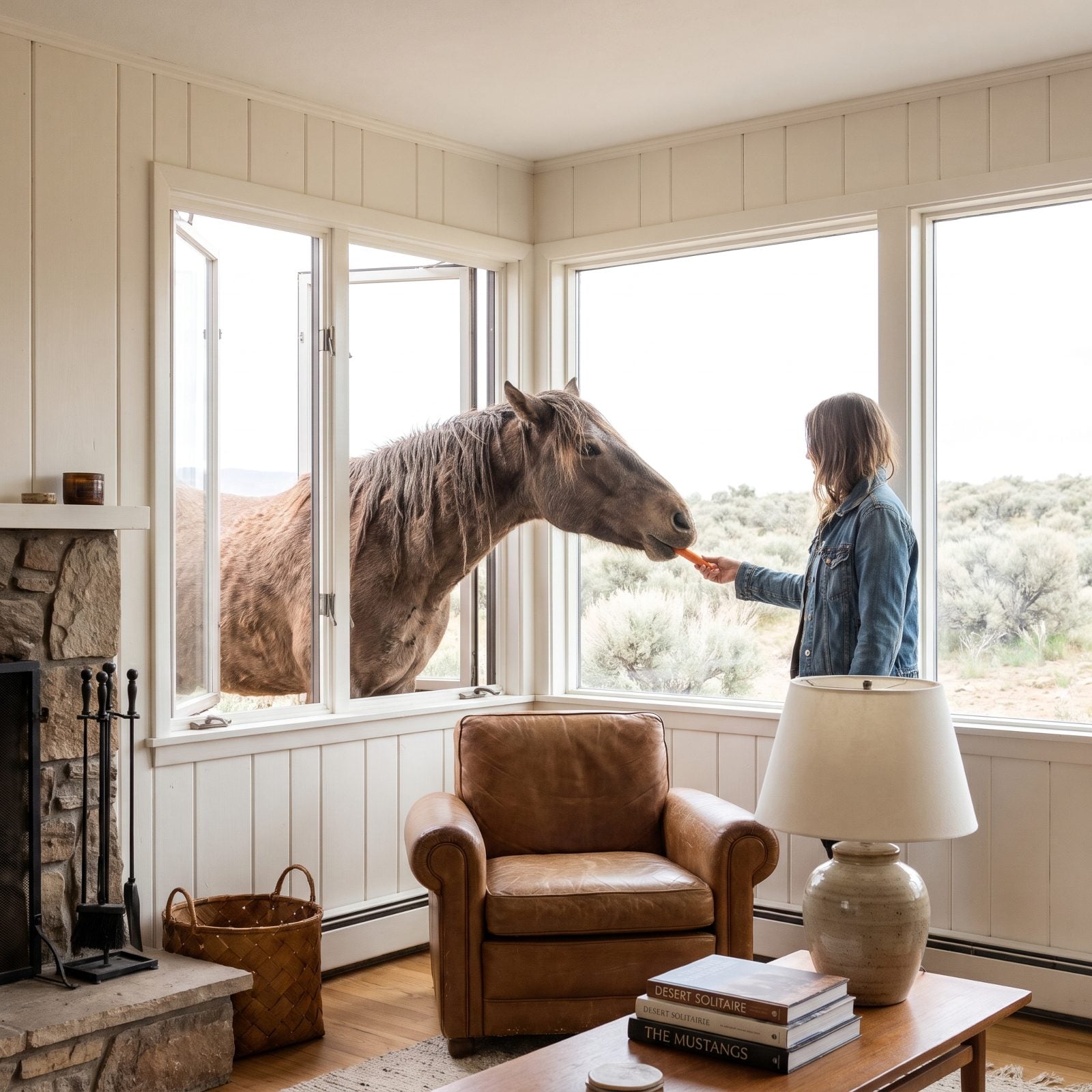
They look tame because they’re calm. They are not tame. A wild horse that takes a carrot from your hand is tolerating you, not inviting you, and the switch from tolerating to kicking happens in a quarter second with no buildup you’ll catch in time.
Places like the Outer Banks and the Pryor Mountains lose this fight every year to people offering carrots. A hind leg from a horse that size breaks bones, and those front teeth bite. Stay back the length of a school bus and you’ll actually see more of what they do anyway — the nipping, the herd shuffle, the lead mare keeping order.
20. Javelinas See Poorly but Defend Themselves at Close Range
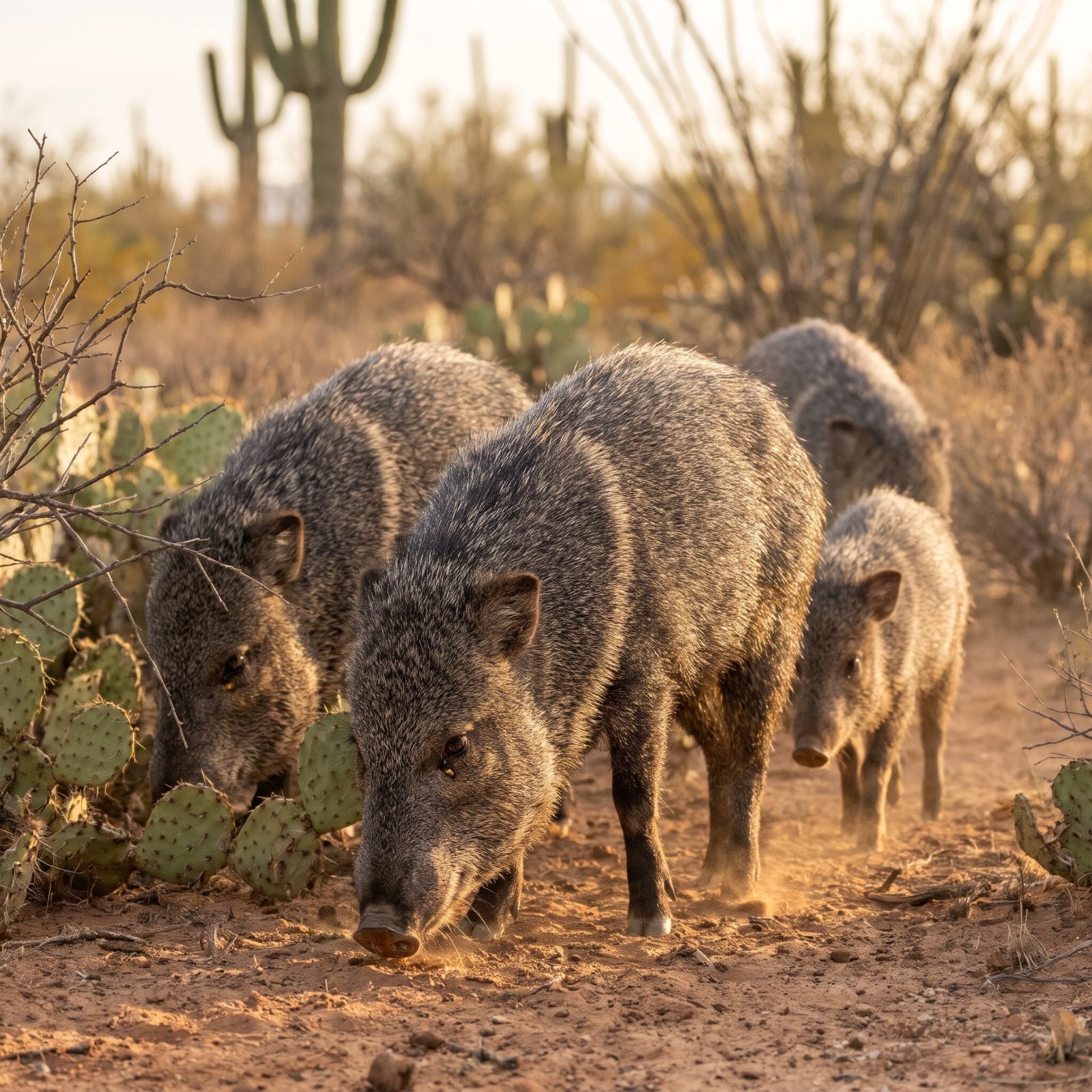
A javelina can barely see you. It smells and hears you just fine, though, and when something startles it up close it does one of two things — bolts, or snaps those tusks your way. Both happen fast.
You’ll run into them around southern Arizona and Texas, rooting through campgrounds and desert trails at dawn and dusk. The real hazard is a dog. A javelina reads a dog as a coyote, which it hates, and a leashed one that gets charged drops you right in the middle of the fight. Give them room to leave and they almost always take it.
19. Wild Pigs Can Charge When Cornered or Protecting Piglets
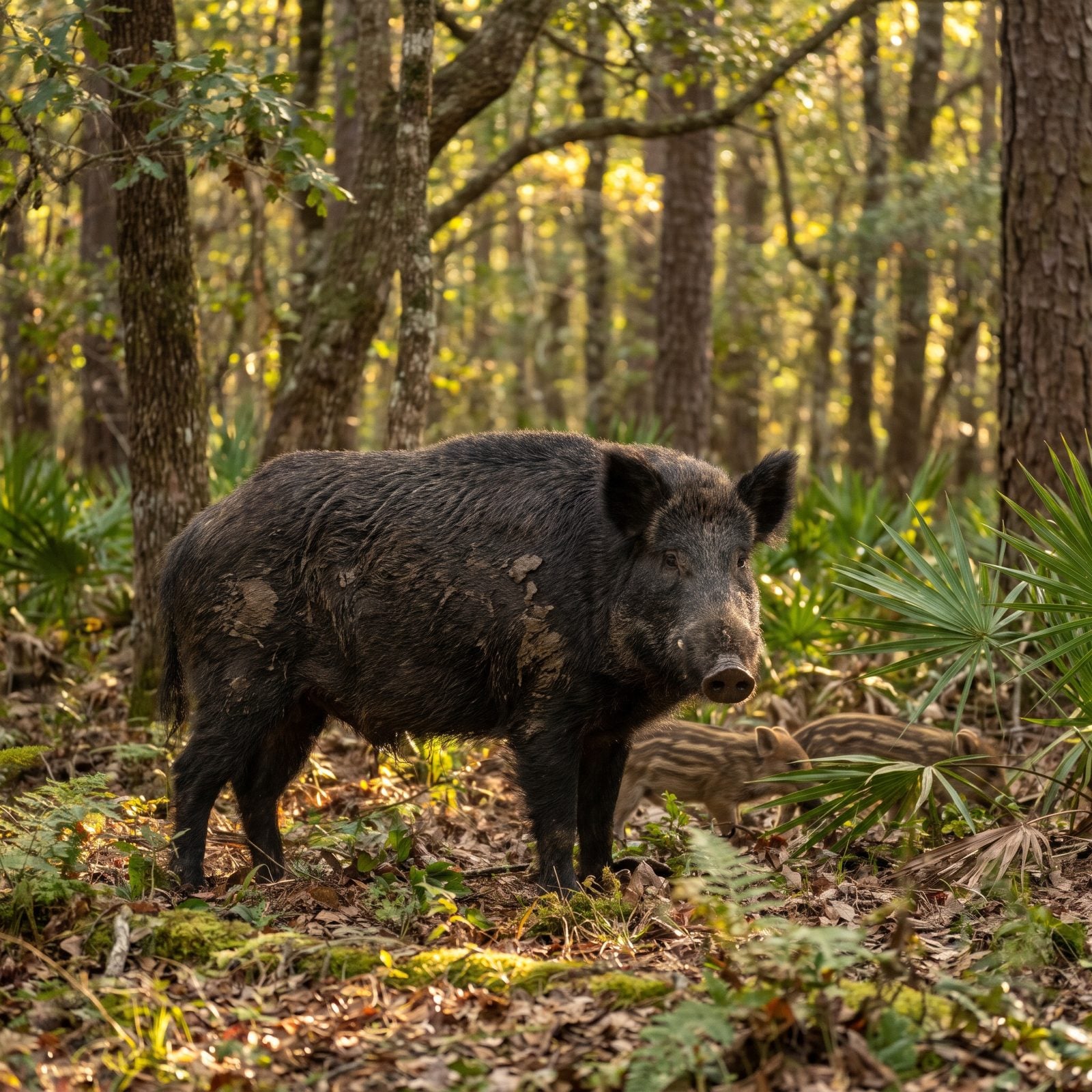
Feral hogs have spread across most of the South and well beyond, and a sow with a litter is one of the few animals here that will come at you on purpose. She weighs more than you think, moves faster than you’d guess, and those lower tusks are built for exactly this.
The mistake is curiosity. You hear rustling, you spot stripy piglets, you lean in for a look. Back out the way you came instead. A boar can clear a short burst at highway-on-ramp speed, and a tree or a big rock between the two of you is worth more than any amount of standing your ground.
18. A Raccoon Seen in Daylight Is Not Automatically Rabid
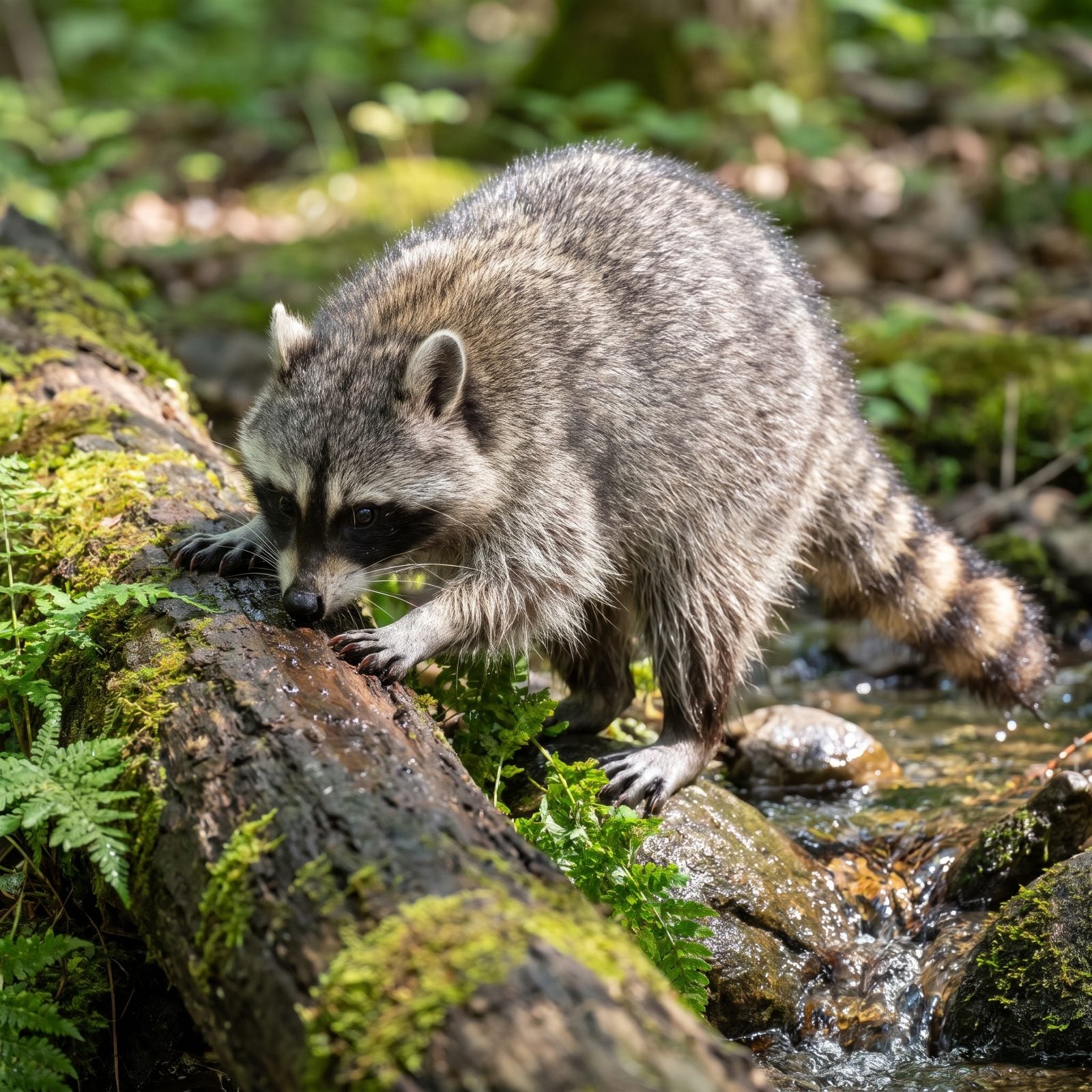
The myth is stubborn: raccoon out in the daytime means rabies. It usually doesn’t. A nursing mother needs the extra food and will forage at noon. One raiding a cooler at a busy campsite just figured out that people mean snacks.
Behavior is what signals trouble, not the clock. Stumbling, circling, a strange raspy call, drooling, or flat-out fearlessness paired with aggression. A raccoon calmly doing raccoon things in the sun is a raccoon with a schedule to keep.
Either way, you don’t close the distance. Secure your food, back off, let it be a raccoon.
17. A Skunk Gives Warnings Before It Sprays
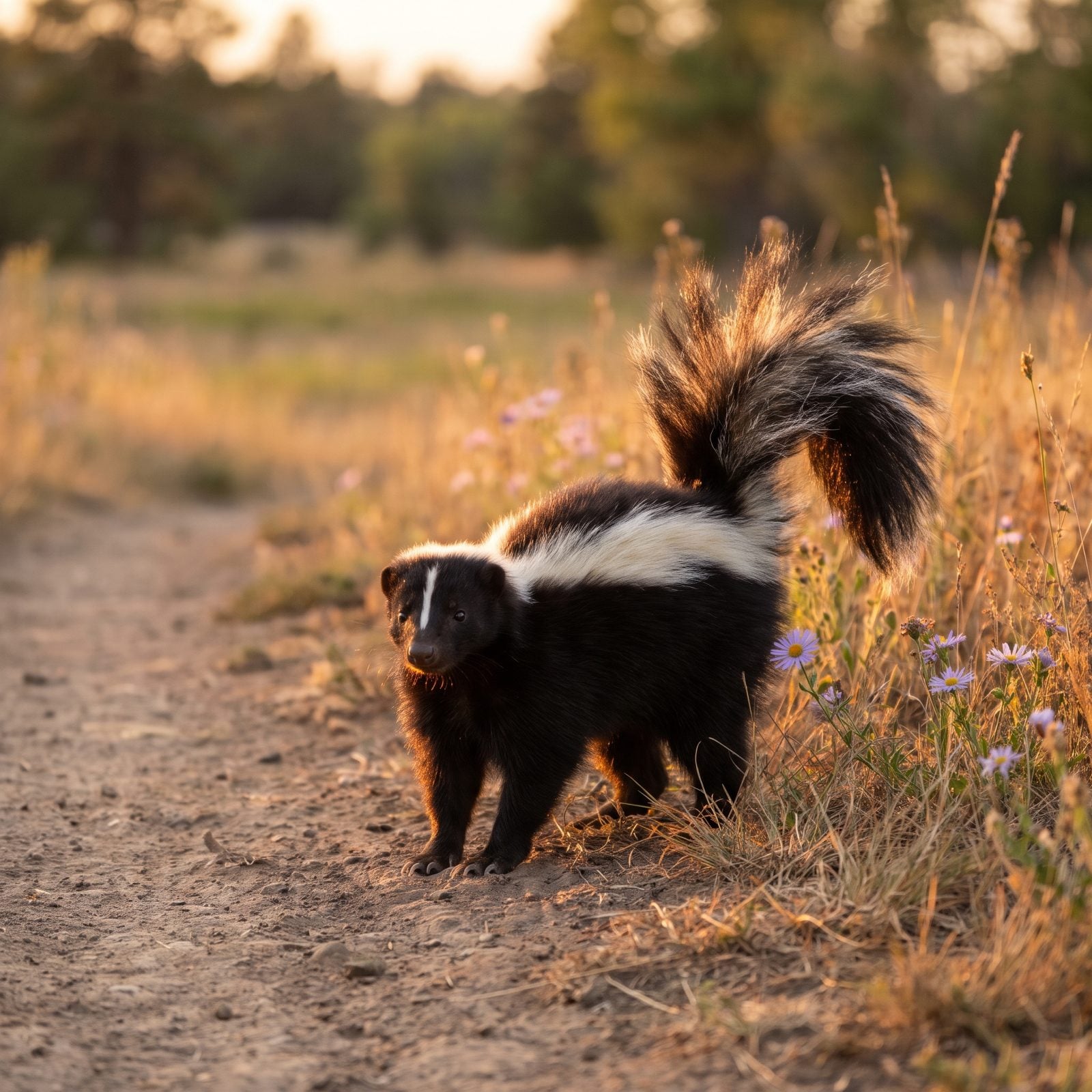
Skunks are the honest ones. They’d rather not spray — making more of that stuff costs them, and it leaves them briefly defenseless — so they warn you first.
The warnings are clear once you know them:
- Stamping the front feet, quick and repeated.
- Raising and fanning that bushy tail.
- A short charge or hiss to make the point.
- Spotted skunks go further and do a handstand before firing.
See any of that, stop, then back away slowly without turning your back. The range runs about ten feet and they aim for the face. Freeze, retreat, and most of the time you walk away clean.
16. Porcupine Quills Are Released by Contact, Not Shot Through the Air
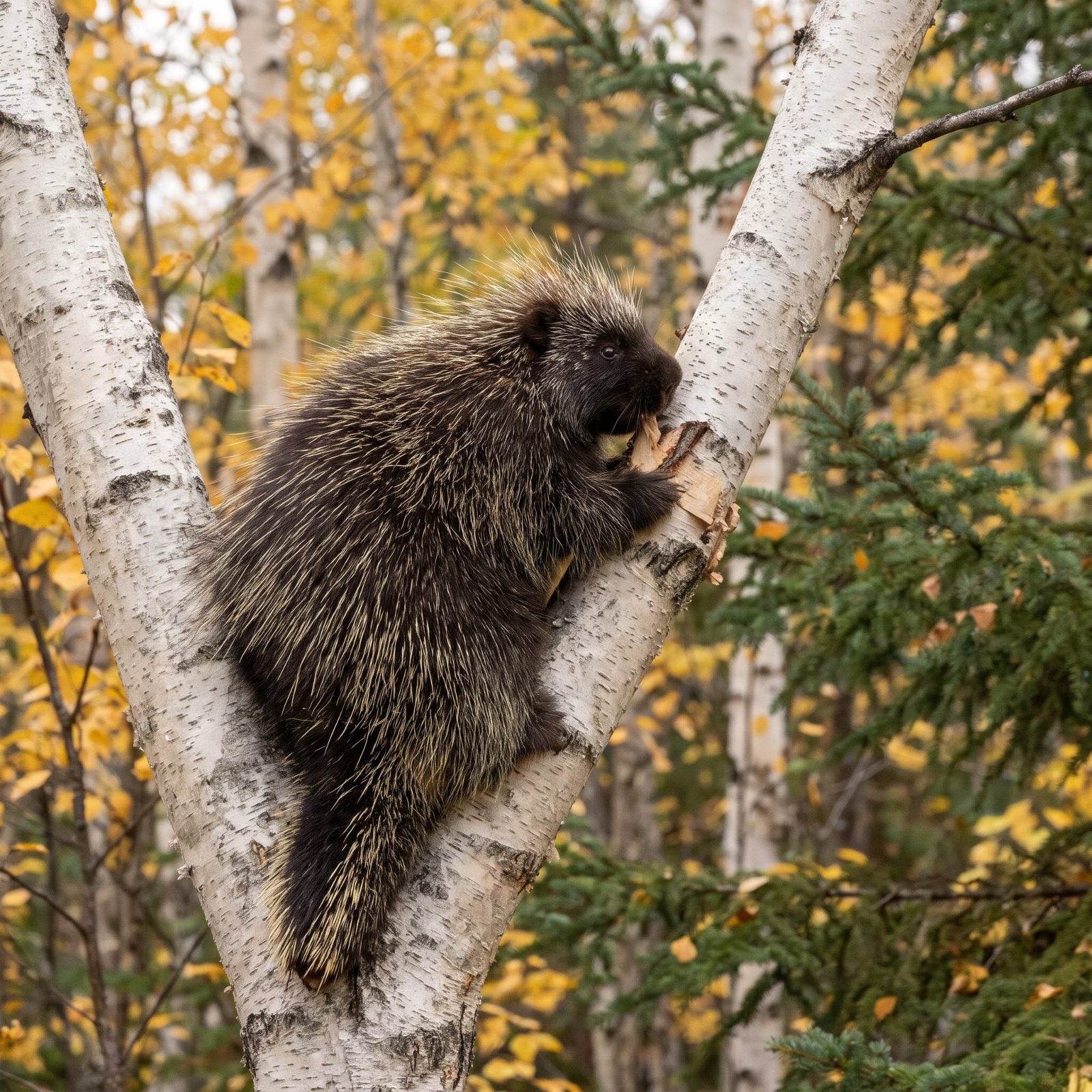
No, it can’t throw them. That’s the campfire story. A porcupine’s quills come loose on contact, which means every quilled dog on earth ran into the porcupine — not the other way around.
The animal itself is slow and would rather be left alone. The quills are the problem for whatever touches them: barbed tips that work deeper into tissue with every movement and muscle flex. Which is exactly why a vet, not your pliers, handles a quilled dog.
15. A Grounded Bat Should Never Be Picked Up Barehanded
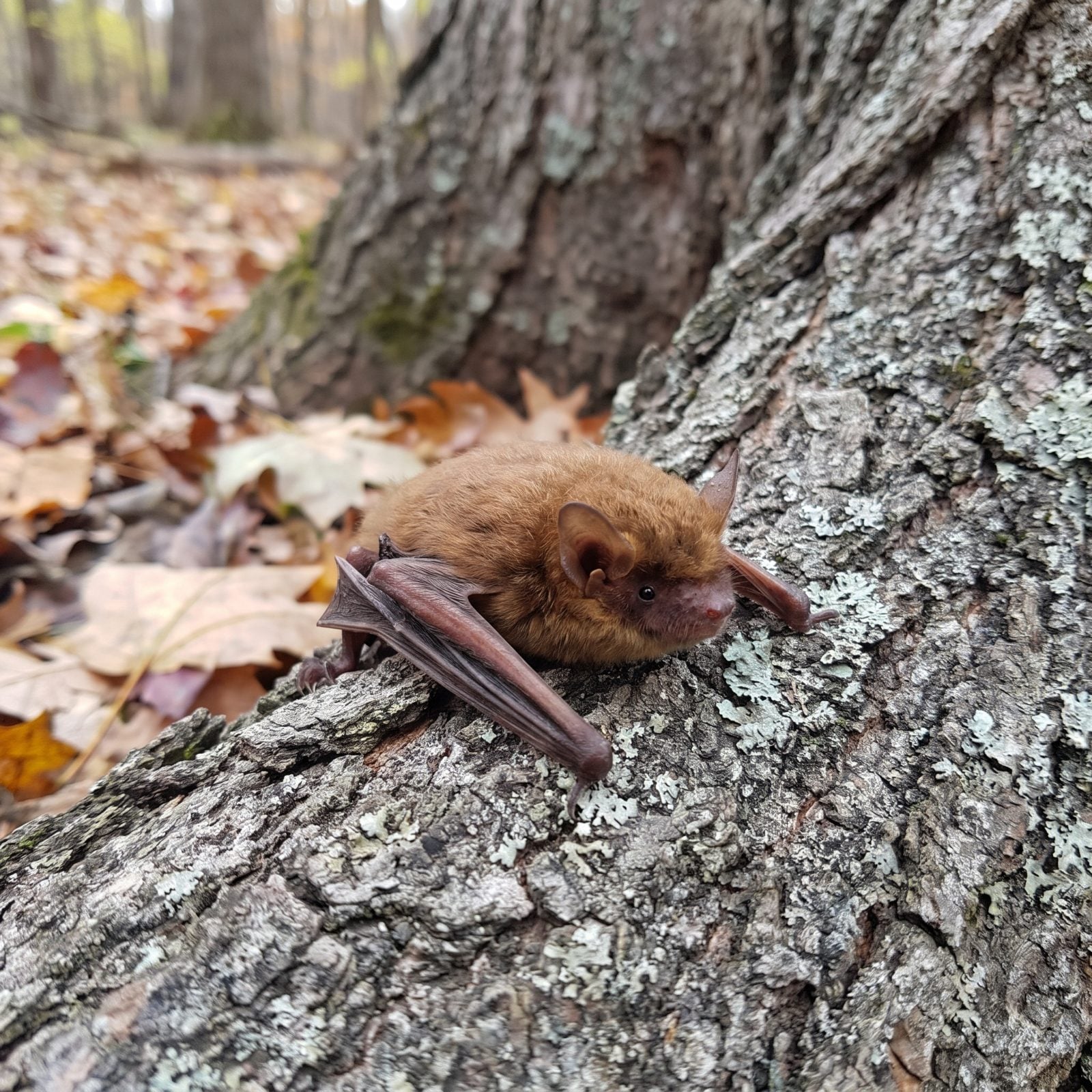
A bat on the ground in the open is almost always sick, hurt, or dying, and your instinct to help it is exactly the wrong one. Bats are a leading source of rabies exposure in the U.S., and a bite from a small one can be so faint you don’t feel it.
The rule isn’t up for debate: don’t touch it. Not with a glove you trust, not wrapped in your jacket. If you have to contain it for a kid or a pet’s safety, cover it with an upturned box and call animal control or a wildlife rehabber.
I know it feels cold to walk past a struggling animal. Walking past is the help it needs from you.
14. Rattlesnakes Do Not Always Rattle Before Striking
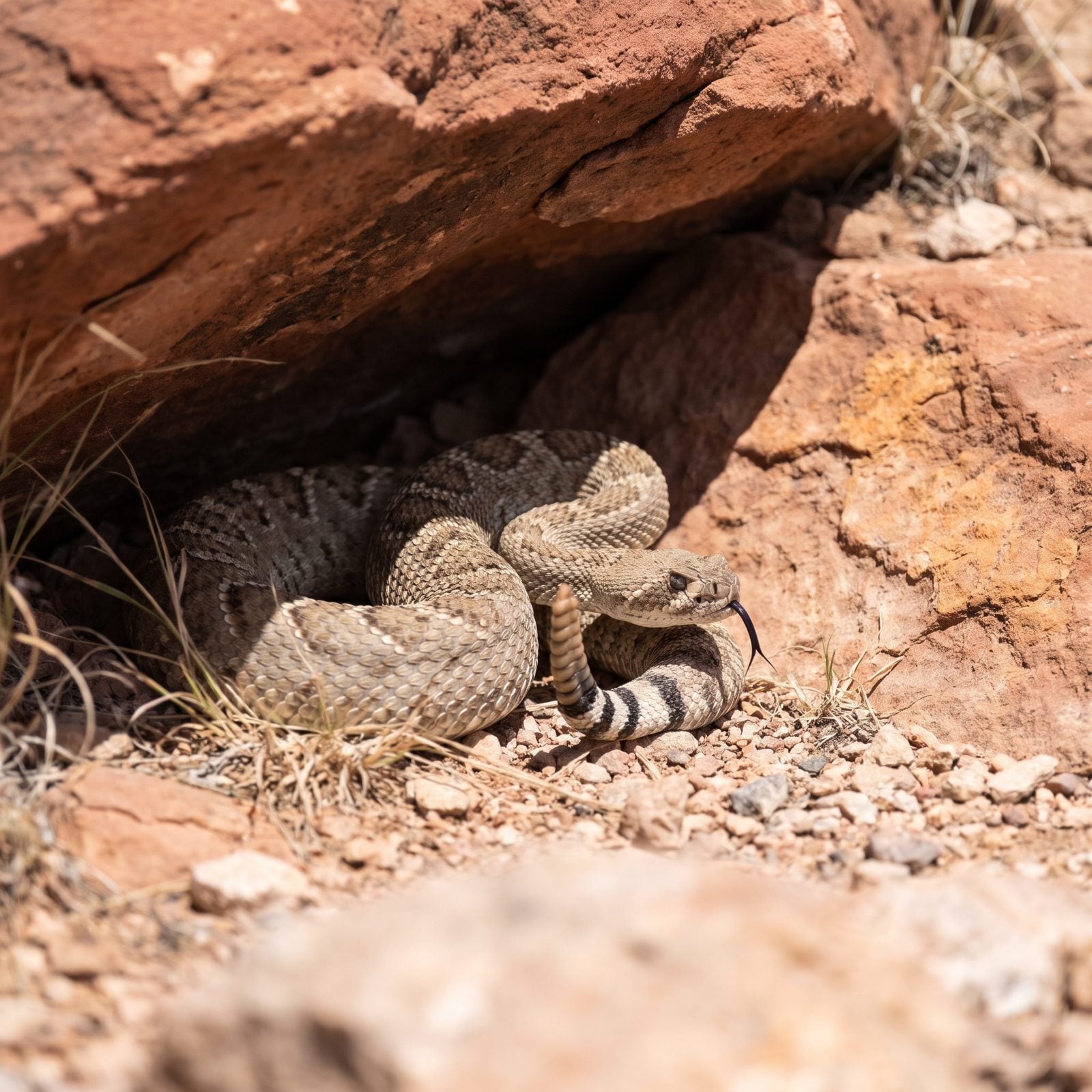
The buzz is a courtesy, not a guarantee. A rattlesnake rattles when it feels it has to, and plenty stay silent to avoid drawing attention — especially the young ones, or the ones that have learned noise brings trouble.
So don’t rely on sound. Watch your feet and your hands. Most bites land on ankles and fingers, from people stepping over logs they didn’t look behind or reaching onto rock ledges they couldn’t see. Warm afternoons, snakes lie in shade. Cool mornings, they stretch out in the sun.
13. Alligators Can Launch From the Water’s Edge
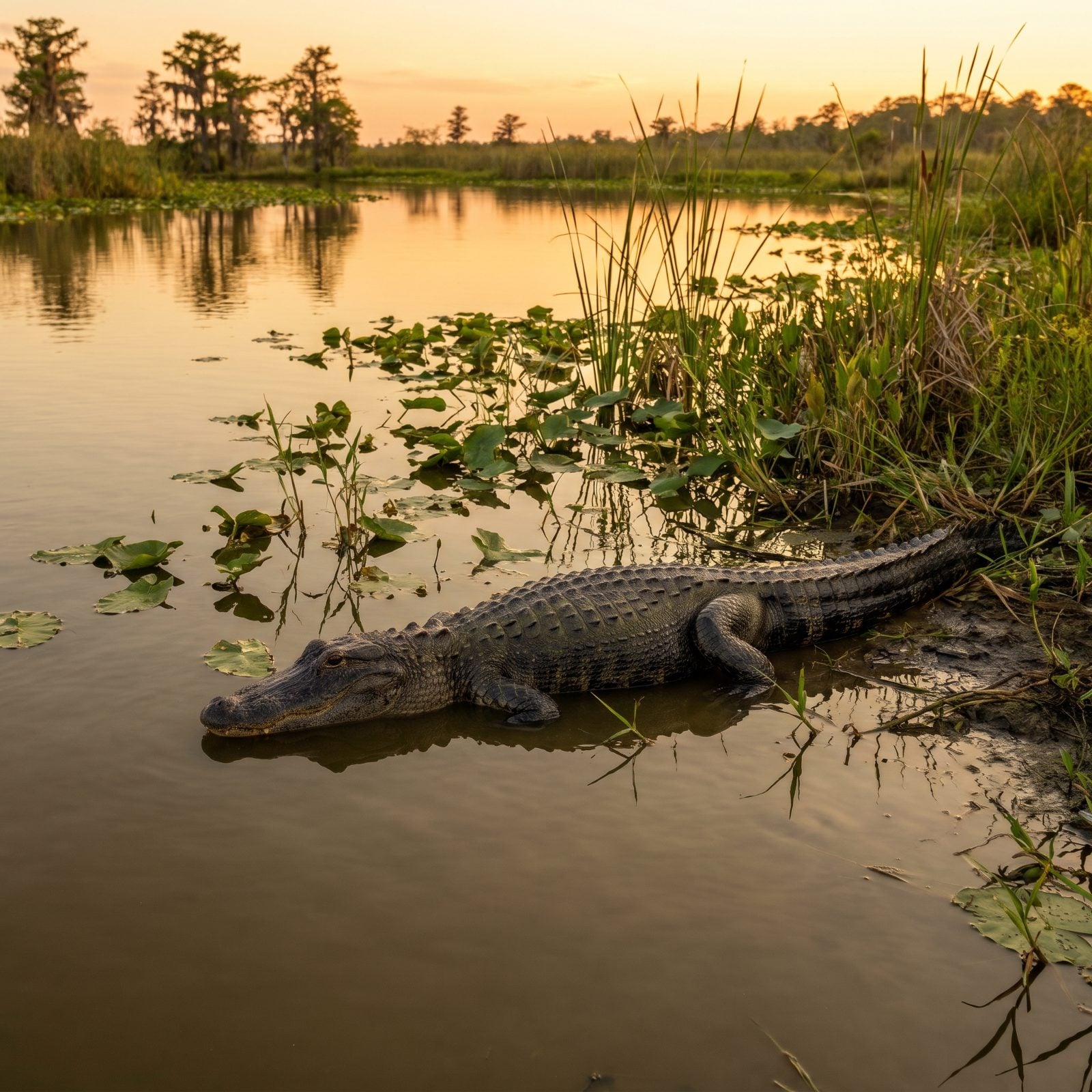
Still water, still gator, and then it isn’t. An alligator at rest looks like a log — that’s the whole problem — and from the bank it can lunge several feet in a blink to grab anything that wandered too close to the edge.
In Florida and across the Gulf states, the shoreline itself is the danger line. Keep back from the water on marsh trails and boardwalks. Keep dogs away from it entirely, since they read as perfect-sized prey. And never feed an alligator — a fed gator has lost its fear of people, and that’s the one that ends up on the news.
12. A Turtle Should Be Moved Only Across the Path It Chose
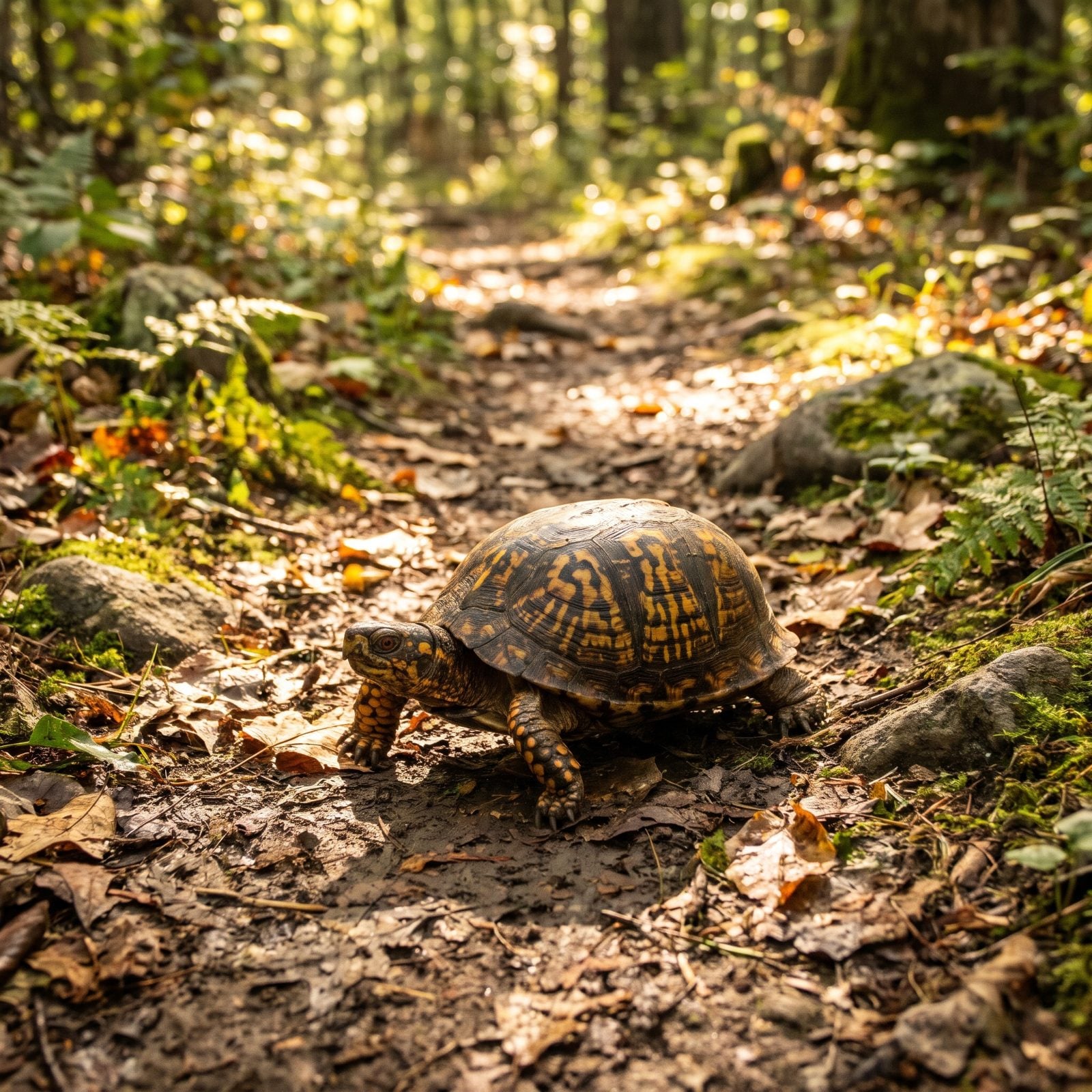
Helping a turtle across a road is good. Helping it across in the direction you’ve decided it should go is not. A turtle headed somewhere has a reason — often a nesting site it’s used for years — and turning it around just means it tries again into traffic.
Move it the way it was already facing, set it down just off the shoulder, keep it low to the ground. If a box turtle has already ended up indoors, don’t keep it. Don’t relocate it miles away to “somewhere safer” either. Take it back to the exact spot where you found it. Its whole life happens inside a few acres, and a well-meaning detour can erase that.
11. Desert Tortoises Empty Their Bladder When Lifted, and That Can Kill Them
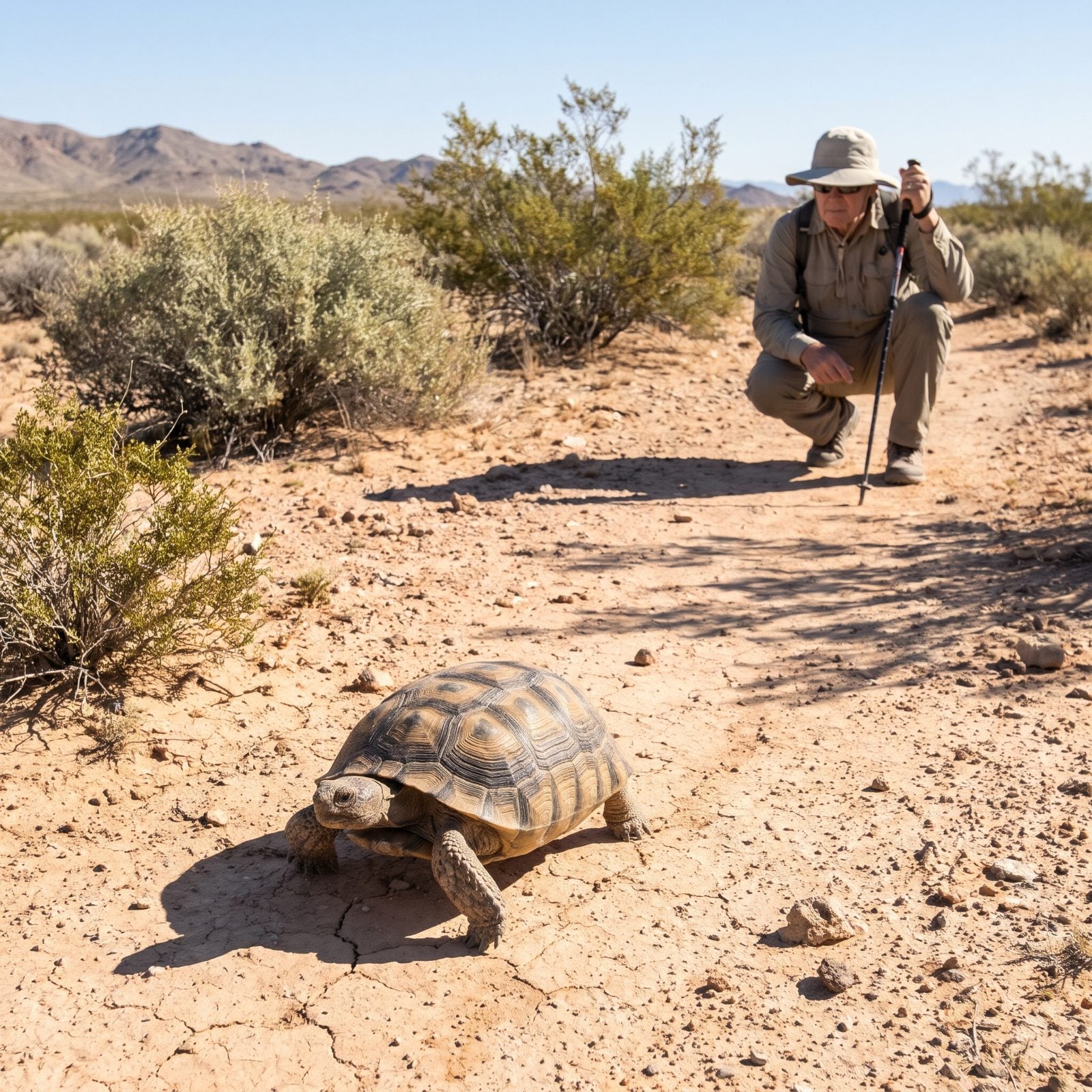
A desert tortoise carries a season’s worth of water in its bladder. Lift one in a panic and it may dump that whole reserve on your boots. In the Mojave or Sonoran heat, that spill can be a death sentence before the next rain ever shows up.
People mean well. They spot a tortoise near a road and want to move it, or they pour bottled water over its head thinking they’re doing a kindness, and both can backfire badly. If a tortoise is genuinely stuck in a roadway, move it a short distance in the direction it was already headed, low to the ground, and only when there’s real danger.
10. That Bird Buzzing Your Head on the Trail Is Guarding Eggs, Not Attacking You
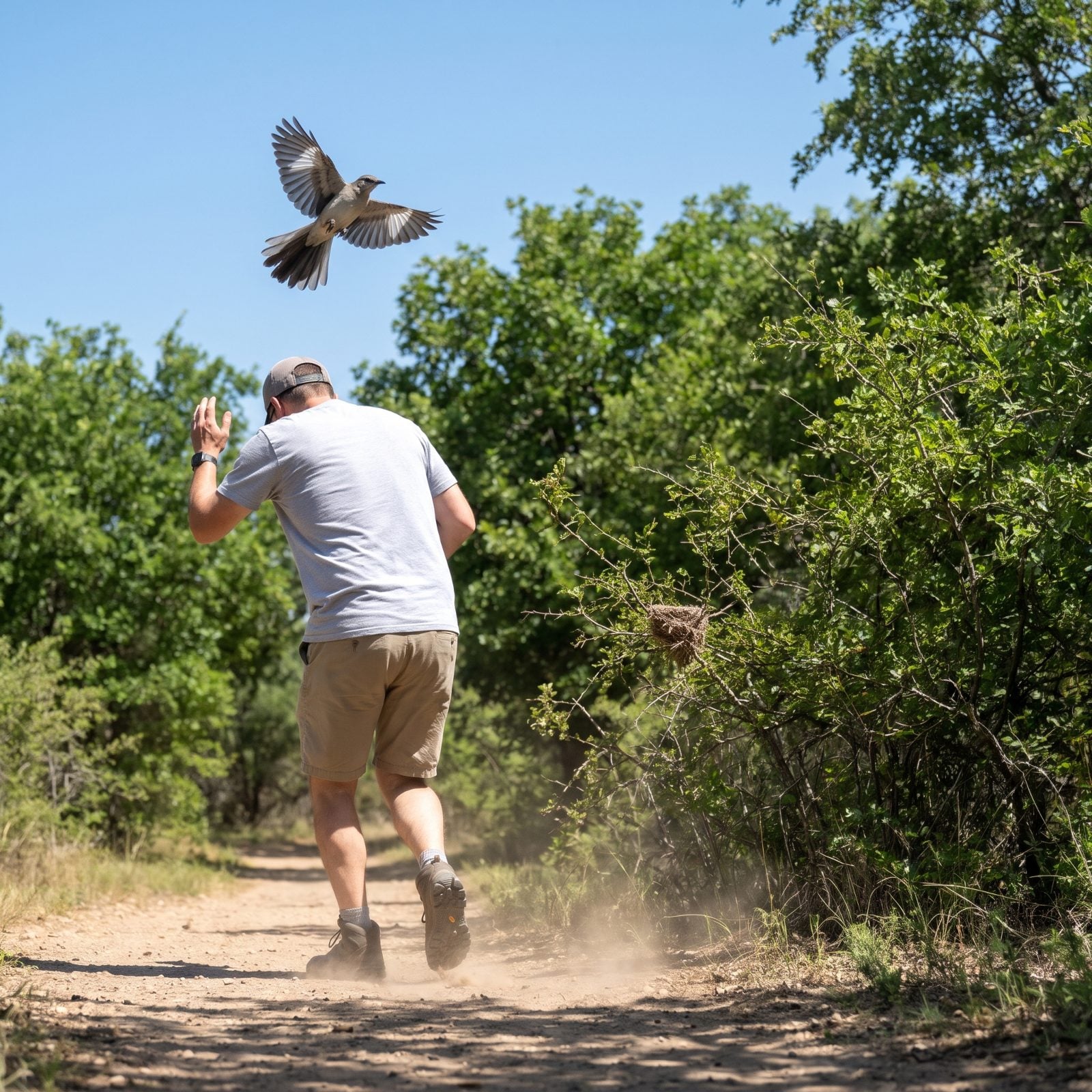
The dive-bomb has a radius, and it ends the moment you leave it. Mockingbirds, red-winged blackbirds, and jays will come at your head during nesting season because you wandered too close to something you can’t even see. They aren’t hunting you. They’re shoving you back past an invisible line.
Don’t swat. Don’t stop to film it, and whatever you do, don’t double back for a better angle. Keep moving in a straight line and the attacks fade within a few steps. The bird isn’t crazy — it’s doing exactly what a parent does, and your cooperation is the fastest way to let it get back to the eggs.
9. A Killdeer Dragging a ‘Broken’ Wing Is Lying to Save Its Chicks
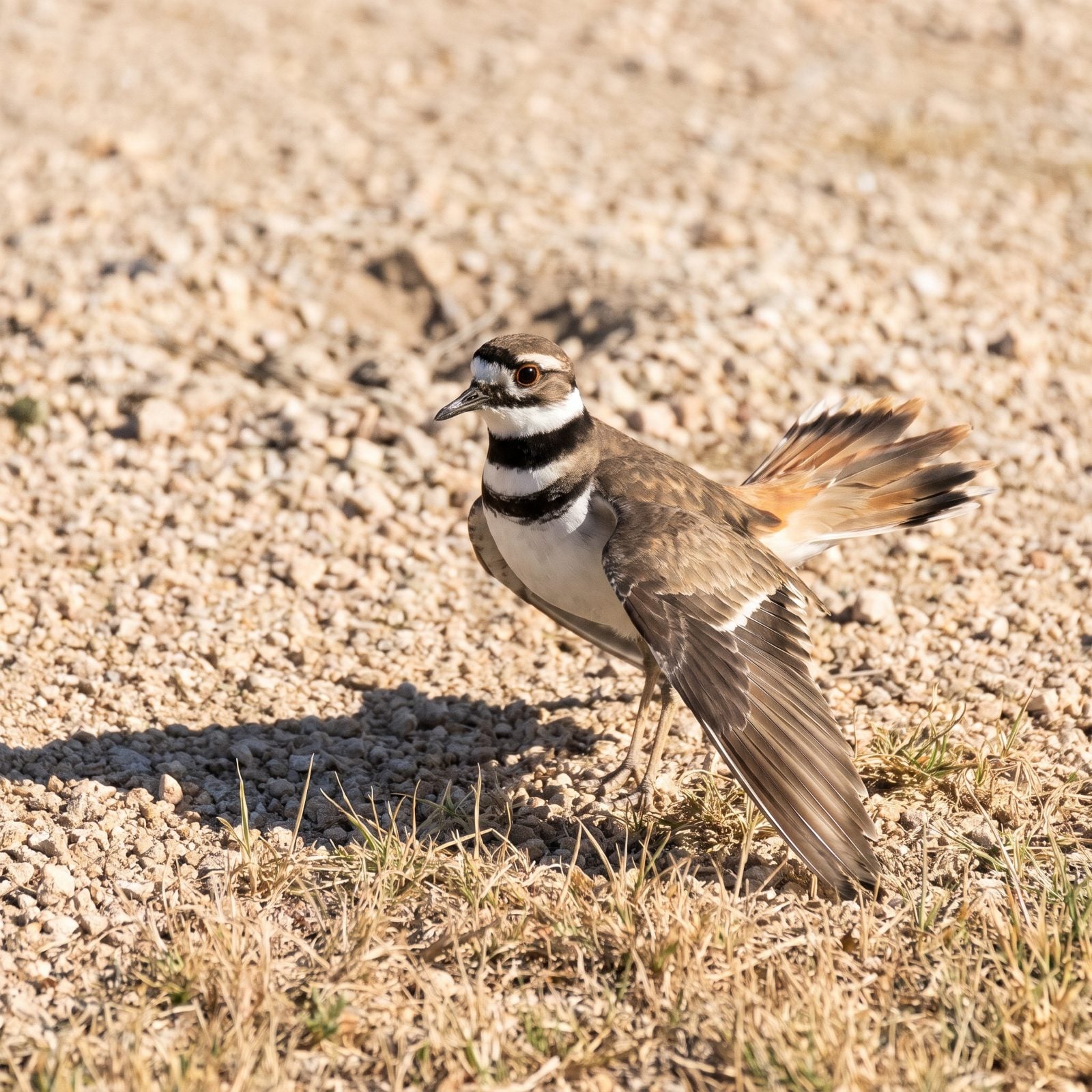
Killdeer and other ground-nesters put on a show when you get close. The bird flops along the dirt with a wing splayed like it’s wrecked, hauling you away from the nest. Follow it and you’ve been played — which is exactly what you want to happen.
The real danger is the opposite move. Stop and scan the ground for the “hurt” bird and you might spot the nest instead: four speckled eggs sitting in a bare scrape that looks like nothing at all. Now you’re a threat to the actual thing it’s protecting. So let the act work. Walk away and give the bird the win.
8. Playing Owl Calls From Your Phone Pulls Birds Off Food and Territory
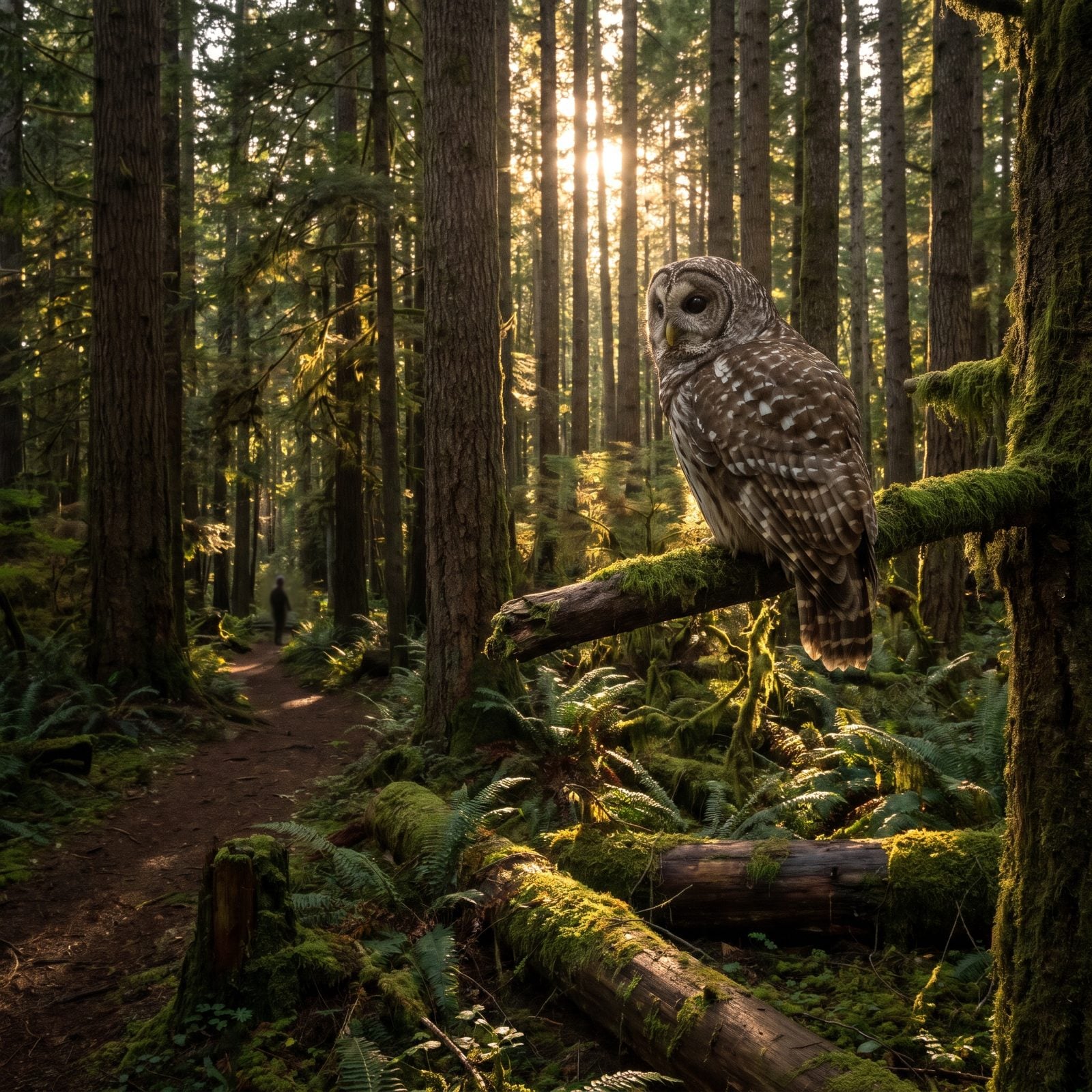
Call playback feels harmless. You tap your phone, an owl answers, you get a thrill. What you’ve actually done is convince that owl a rival has moved onto its turf.
It leaves its perch, burns energy it needs, and squares off against a threat that doesn’t exist. Do it in a popular spot and the bird gets ambushed by this phantom intruder a dozen times a week. Some protected areas ban playback outright for exactly this reason. For sensitive or declining species like the spotted owl, the disruption is anything but trivial.
7. Sandhill Cranes Will Jab With a Spear-Like Bill If You Crowd Their Colt
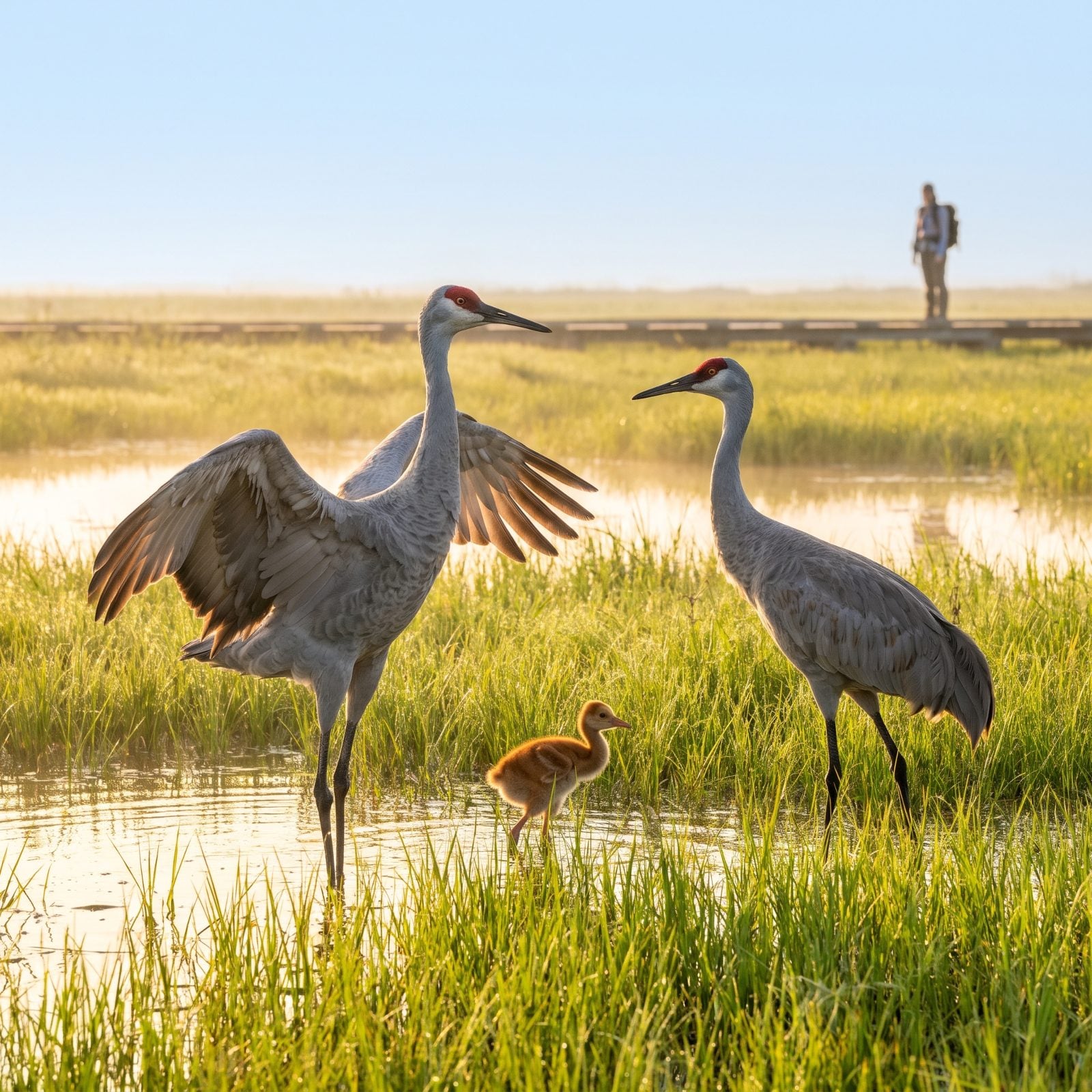
A crane standing four feet tall doesn’t look dangerous until you crowd its chick. Then the wings go up, the bird closes the gap fast, and that long bill turns into a weapon. Cranes have run coyotes off with it. Somebody expecting a cute family photo can walk away with a gash across the forearm instead.
These are big, confident birds. The colt wandering through the grass is the one thing they will not back down over, so give the whole group a wide berth, especially in spring. A long lens does everything a close approach does, minus the blood.
6. Marmots Love the Salt on Your Pack Straps, Your Boots, and Your Poles
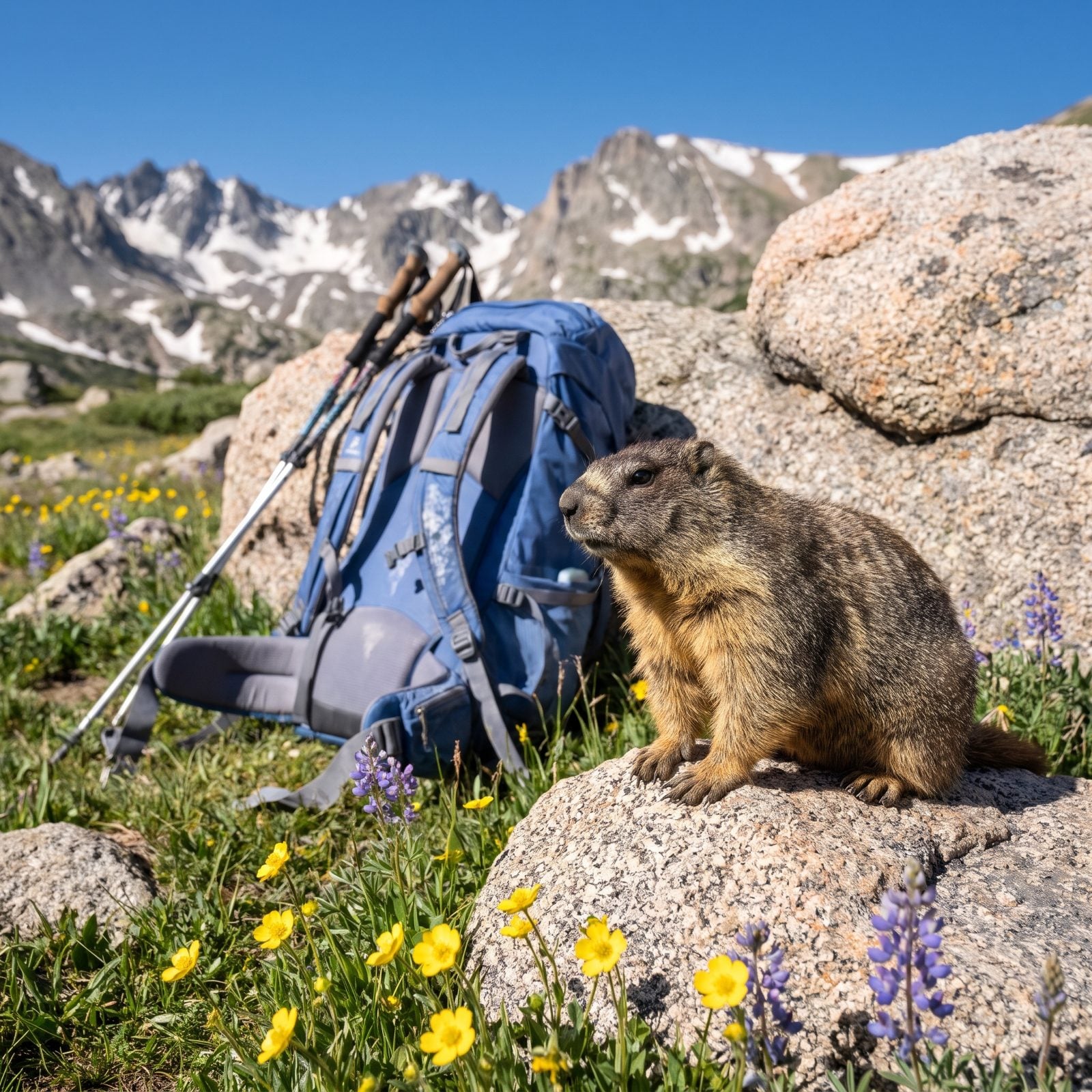
Marmots aren’t after your lunch. They’re after your sweat. The salt that soaks into pack straps, boot tongues, and trekking pole grips is a mineral jackpot to a rodent up high, and they’ll chew straight through nylon to reach it.
In the Sierra, marmots have built a reputation for gnawing car wiring and backpack buckles. Leave your gear splayed out on a sunny pass and you might come back to shredded straps. Hang your pack, keep the poles together, and don’t leave salty gear baking in the open while you doze in the sun.
5. Stepping Into a Salmon Stream Can Crush a Nest You Can’t See
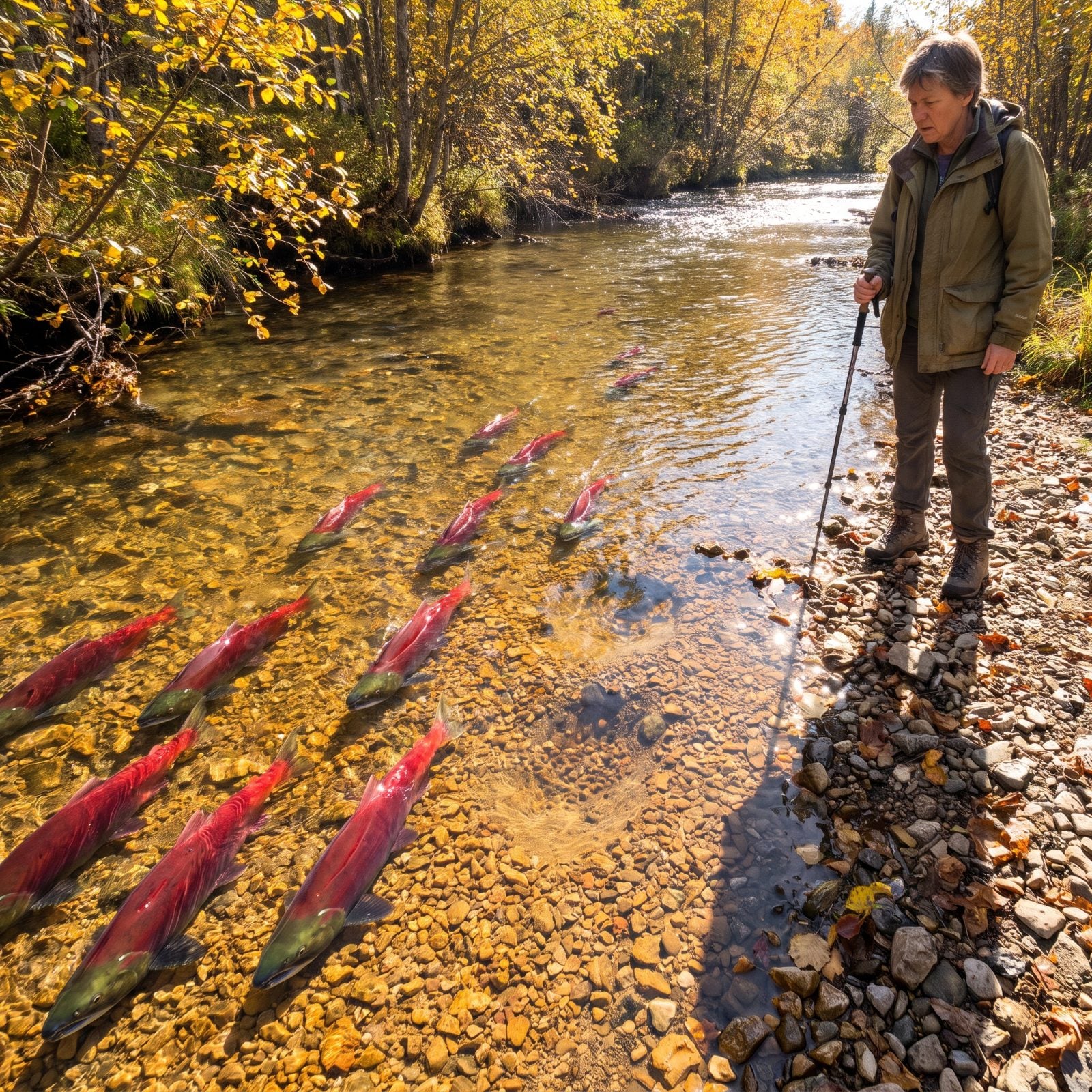
The salmon run is one of the best shows in the woods, and it’s easy to wreck without ever knowing you did. Those pale, scooped-out patches in the gravel are redds — nests where thousands of eggs sit buried just under the surface. Wade across one and a single footstep kills the next generation.
Watch from the bank. Crossing mid-channel where the gravel looks clean and bright is tempting, but that’s precisely where the fish prefer to dig. If you have to cross, use a bridge or a deep pool, never the shallow riffles the salmon are working.
4. Launching a Drone Over Wildlife Can Make an Animal Run Off a Cliff
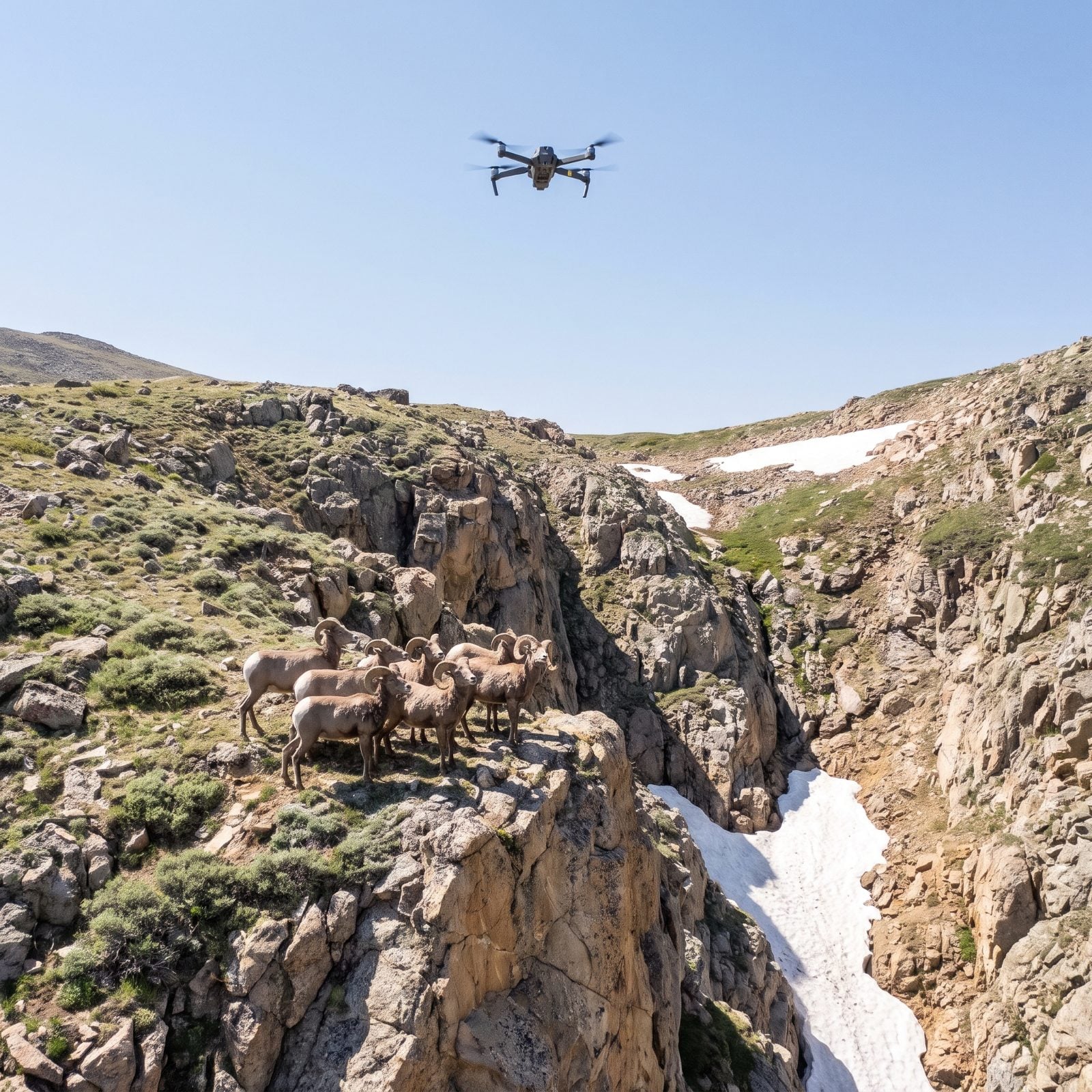
To an animal that has never seen one, a drone reads like a predator stooping from above. Bighorn sheep, nesting raptors, whole herds of elk — they clock that buzzing dot as a threat and they move, sometimes in a flat panic, sometimes right off dangerous terrain.
At the nest it gets worse. A hovering drone can flush a bird of prey off its eggs long enough for them to chill or for a raven to swoop in and raid. That’s why most national parks ban drone launches entirely. No footage is worth a mother abandoning her young.
3. Spooking a Deer in January Burns Fat It Can’t Afford to Lose
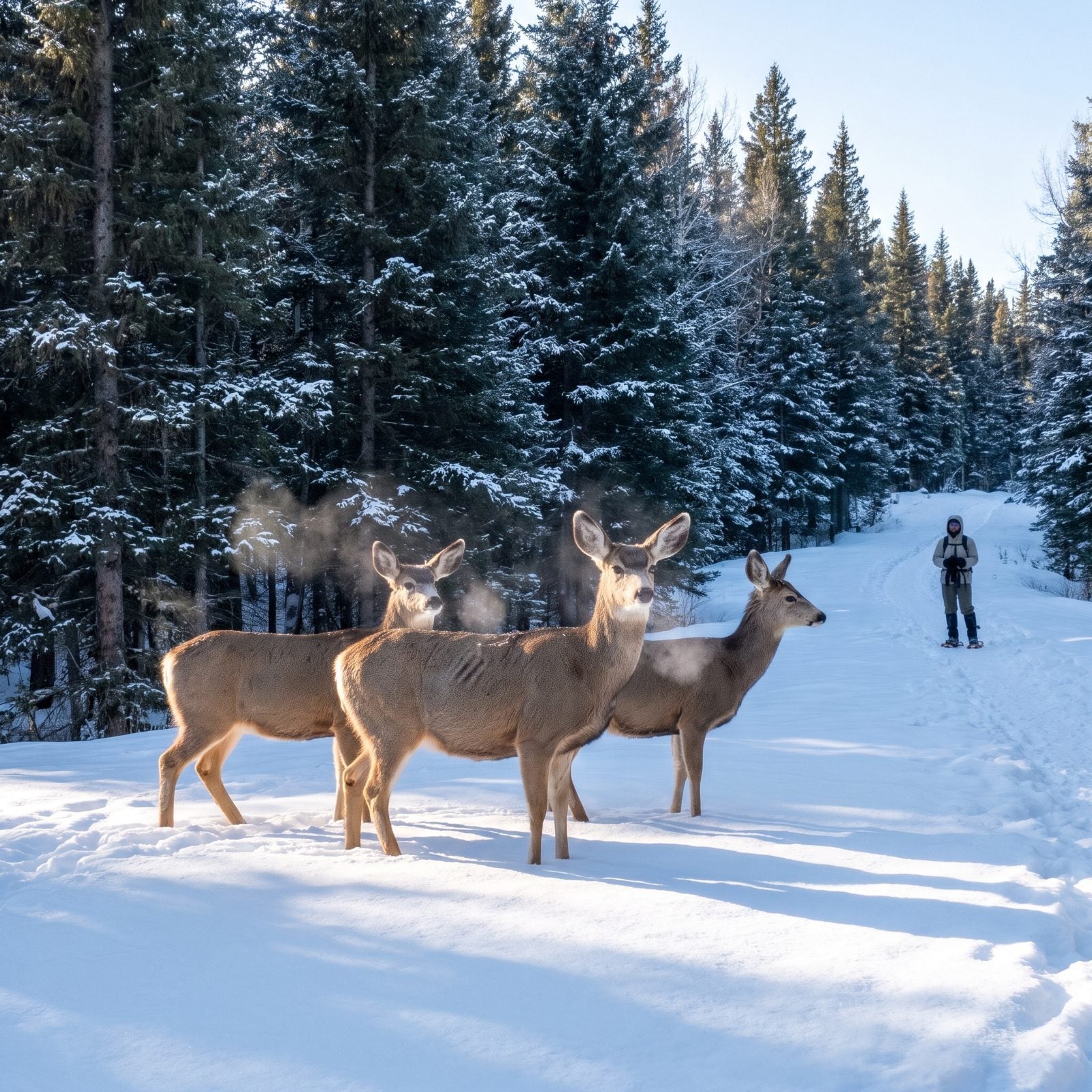
Winter wildlife looks peaceful. It’s actually running on fumes. Deer, elk, and moose spend the cold months slowly draining a fat reserve they can’t top off, because the food is buried and the days are short.
Every time you push an animal into a run through deep snow, it spends calories it has no way to replace. Do that enough across a hard winter and the math turns fatal, which is why some areas close seasonally to protect wintering herds. Keep your distance bigger than usual. Keep your dog leashed. Treat a resting animal in snow like something you simply must not disturb.
2. That Hole Under the Rock Is a Den, and You Should Keep Walking
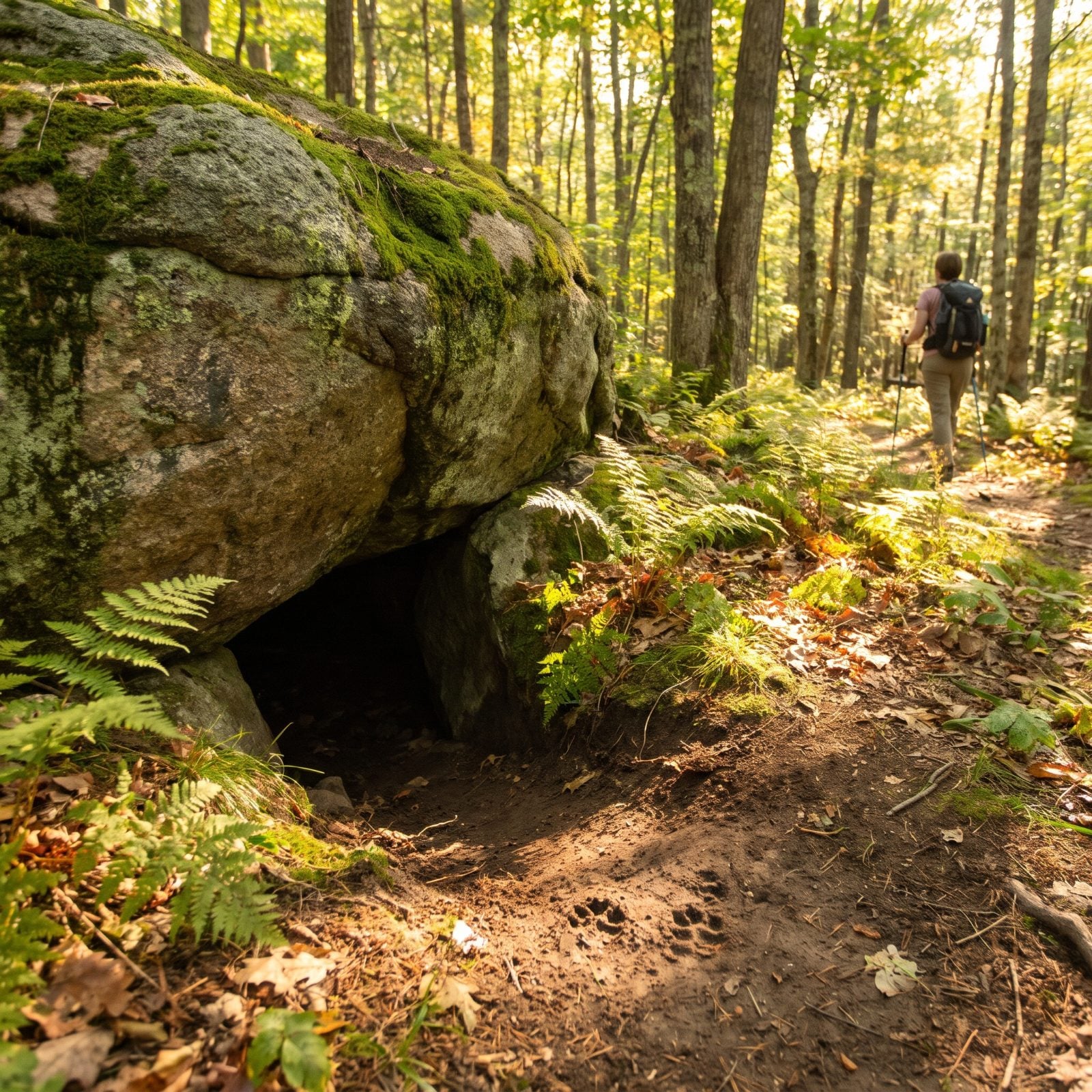
Curiosity about a den is how a good hike goes sideways. A worn burrow under a rock, a dark hollow at the base of a tree, a packed-dirt entrance with tracks fanning out — all of it says something lives here, and it may be home right now.
Stick your head in and you might meet a bear, a fox with kits, or a skunk that strongly disagrees with your plan. Even an empty den isn’t safe to poke at — your scent lingering at the entrance can spook a mother into abandoning it and hauling her young elsewhere. Nothing to gain, plenty to lose. Note it, leave it, keep walking.
1. A Fresh Carcass Means Turn Around and Leave
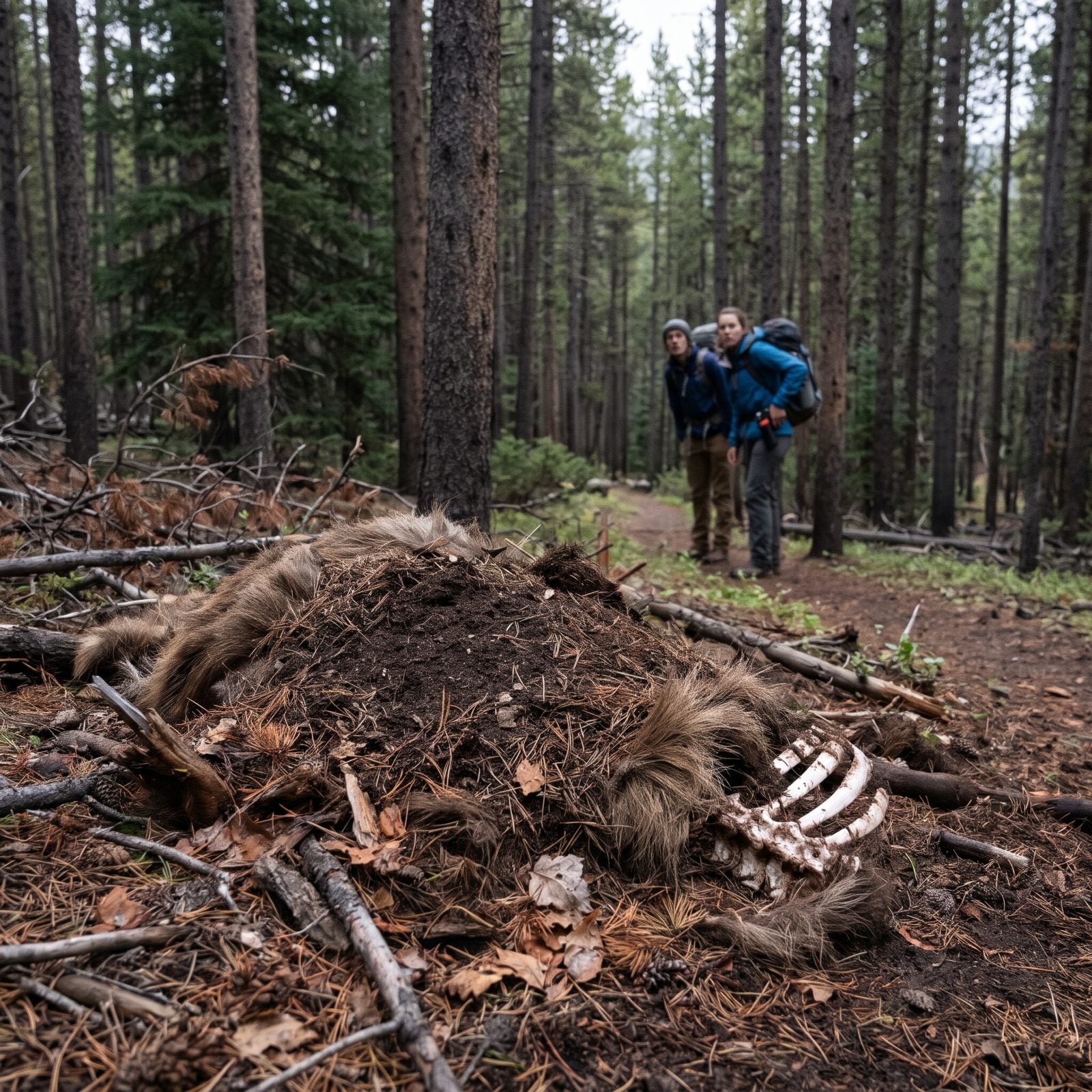
Torn-up dark dirt, tufts of hair strewn across the needles, bare ribs sticking up out of what’s left. That’s a kill site. A bear or a mountain lion killed whatever’s under there, ate its fill, and left the rest to finish later — and it’s usually bedded close by, watching, with zero interest in sharing.
People misread this constantly. They spot the carcass and get curious, or they figure the animal wandered off for good. It didn’t. Of all the sign you’ll read on a trail, a fresh kill is the one that should turn you around instead of drawing you in for a closer look.
Back out the way you came. Don’t circle for a photo, don’t poke the remains, don’t follow the scattered hair to see where it leads. Give it a wide berth. Report it to the ranger station if the area sees much foot traffic.