
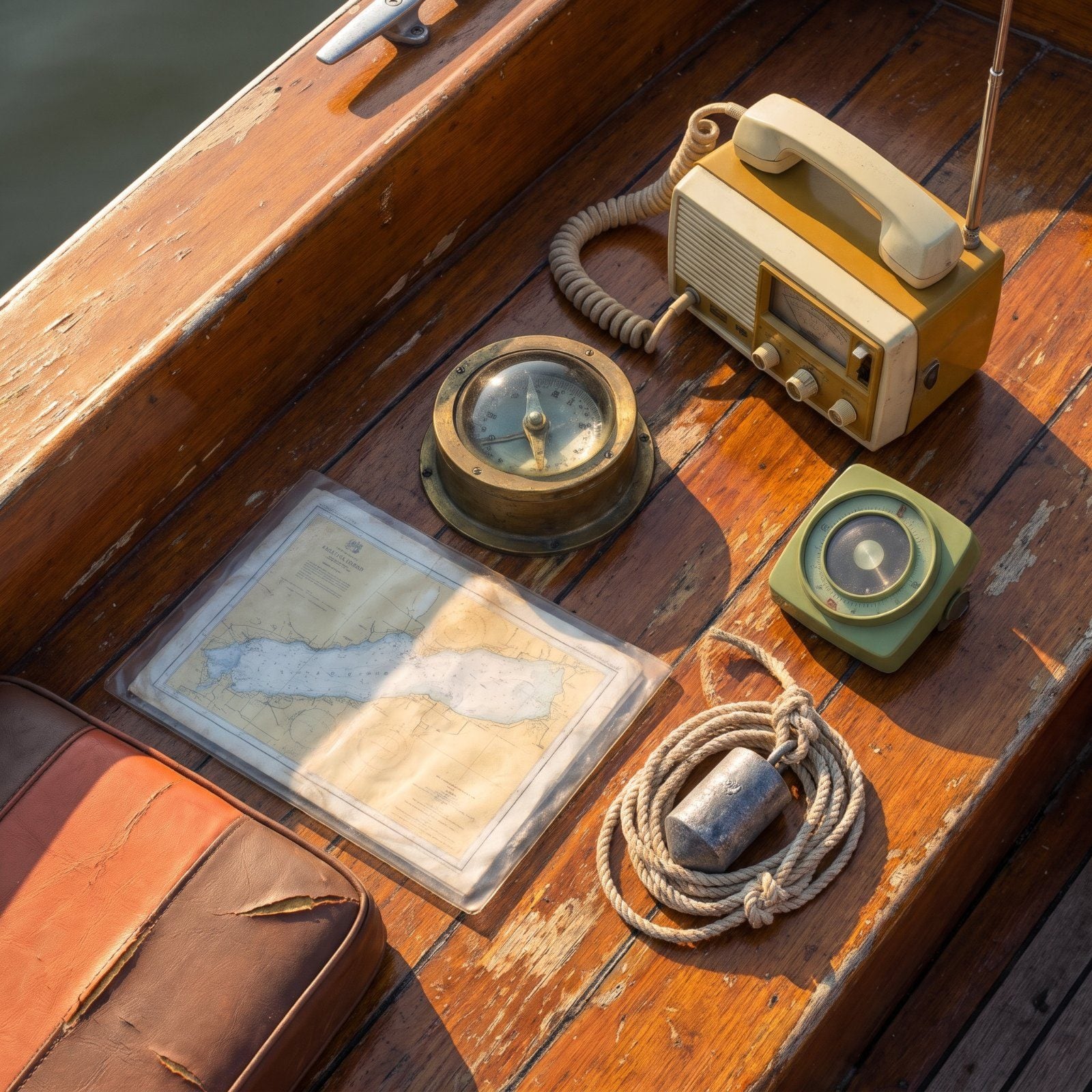
Open the console hatch on an old aluminum runabout and you find a graveyard of good ideas. Knobs with no screen behind them, a radio the size of a toaster, a spool of cotton line wrapped around a chunk of lead. None of it talks to your phone, and none of it ever needed to. There was a time when finding fish and finding your way home meant reading dials, counting knots, and trusting your ears. The gear below got a whole generation of weekend anglers out and back. Most of it still would.
Please note that some of the images in this article were created with the assistance of AI.
35. The Rotating-Dial Flasher That Painted Fish in Red Light
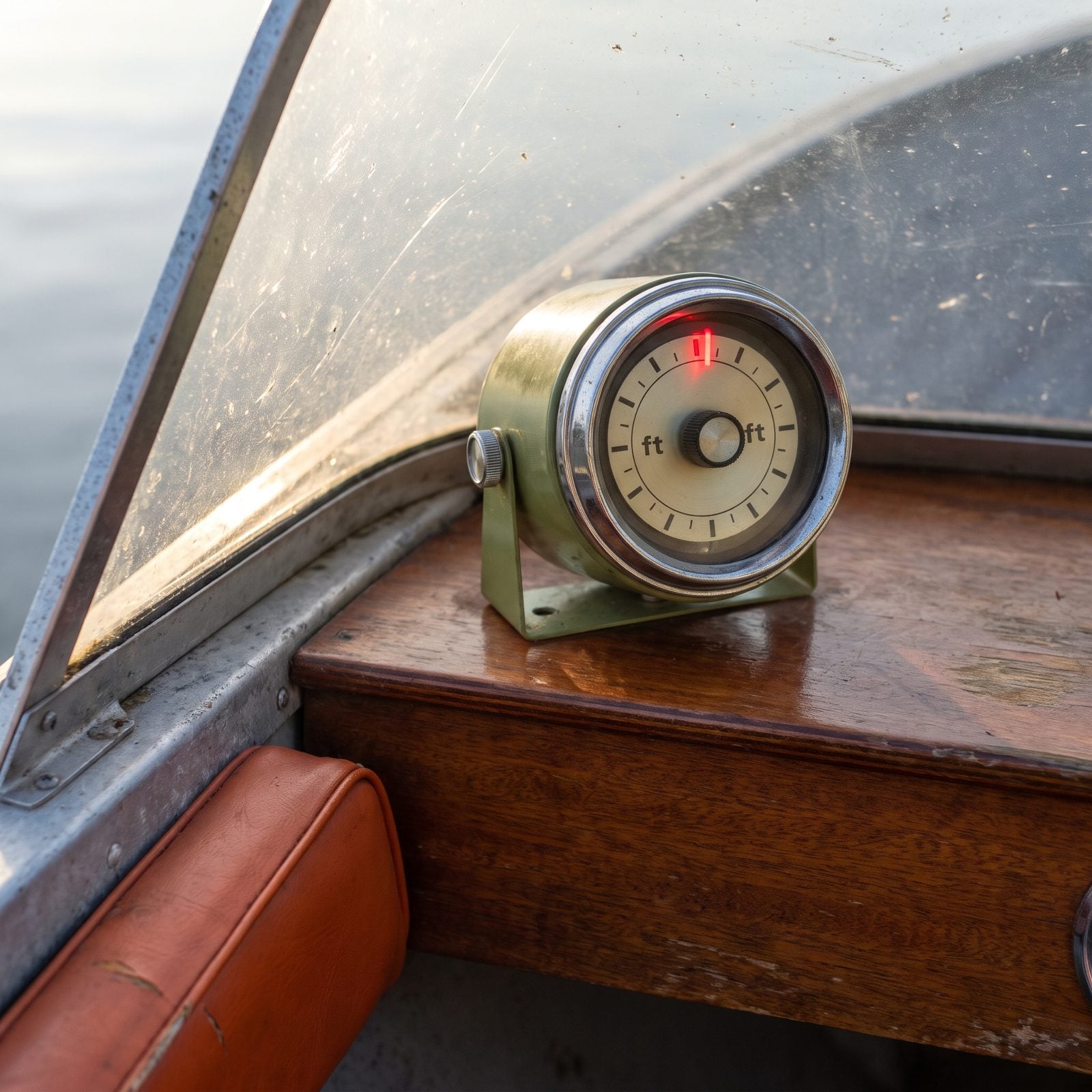
Before fish showed up as cartoon icons on a screen, they showed up as a flicker of red light spinning around a dial, and you learned to read that blip like Morse code. A fat, bright band at the bottom meant hard structure. A thin, faint line was mud. And a little arch flashing between the two? That was lunch.
What trips up anyone raised on color sonar is that a flasher updates in real time, constantly, with no history scrolling by. You watch the light and you think. It rewards attention and punishes daydreaming.
Explaining how to read the bottom band on a flasher dial, a fishing television show crew writes “If you are fishing in rock, gravel, or densely packed sand, the bottom will look like a thick red band.”
34. The Paper-Graph Recorder That Inked Every Dropoff
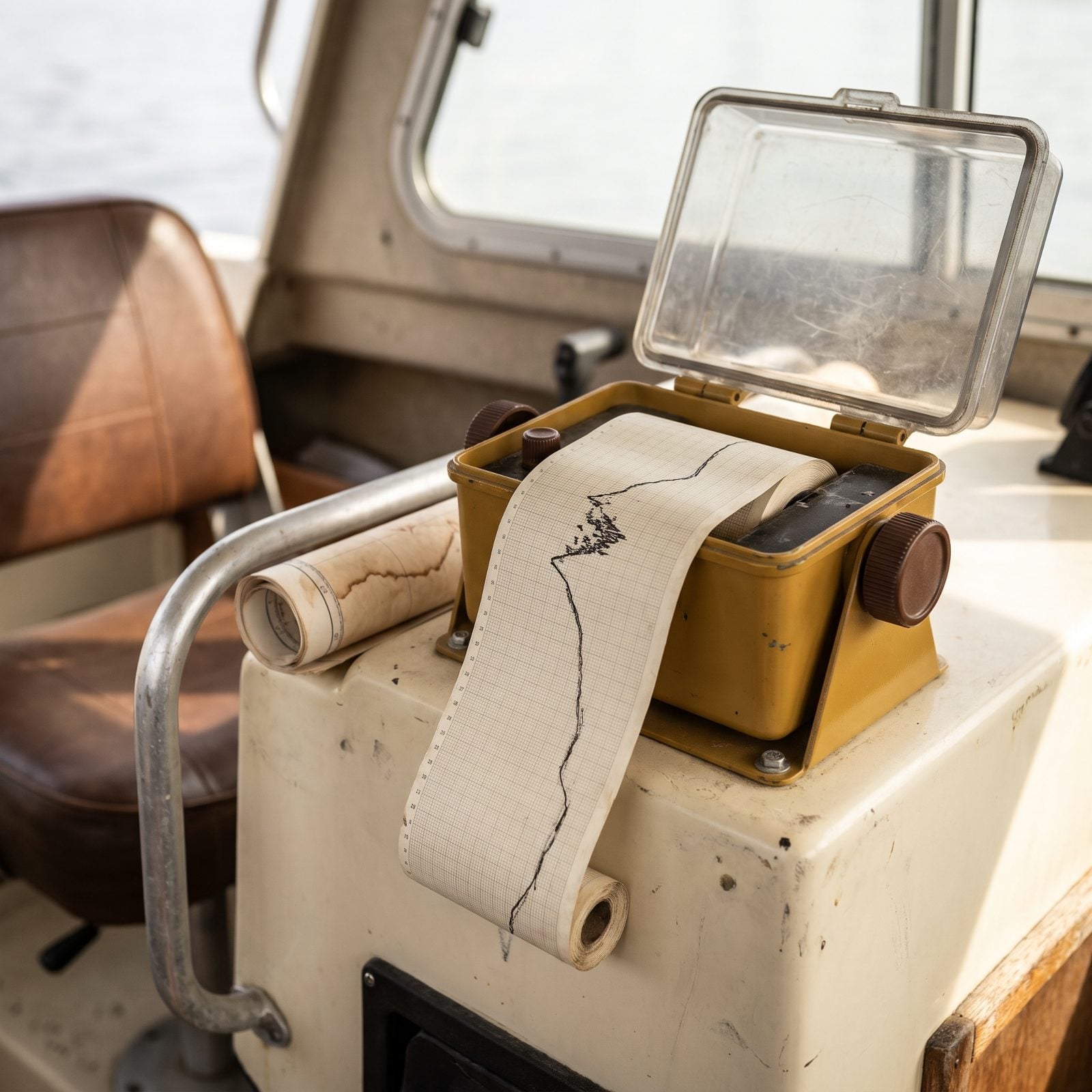
This was the first fish finder that handed you a receipt. A stylus burned a line into moving paper, drawing the bottom as you idled across it, inking out dropoffs and humps and brush piles and baitfish clouds in grey and black, a strip you could roll up and study after supper.
Guides used to mark their best spots right on the paper with a pencil and save the rolls. The catch? The paper ran out, cost money, and jammed at the worst moment. I’ve heard more than one old-timer describe fishing with a flashlight in one hand because the recorder ate the roll at dawn.
Looking back on why anglers held onto their chart recorders even after LCD units arrived, a bass fishing historian notes “A paper graph had infinite resolution because the signal was burned into the paper throughout the entire stroke of the stylus.”
33. The Paddle-Wheel Knotmeter Clicking Away Underfoot
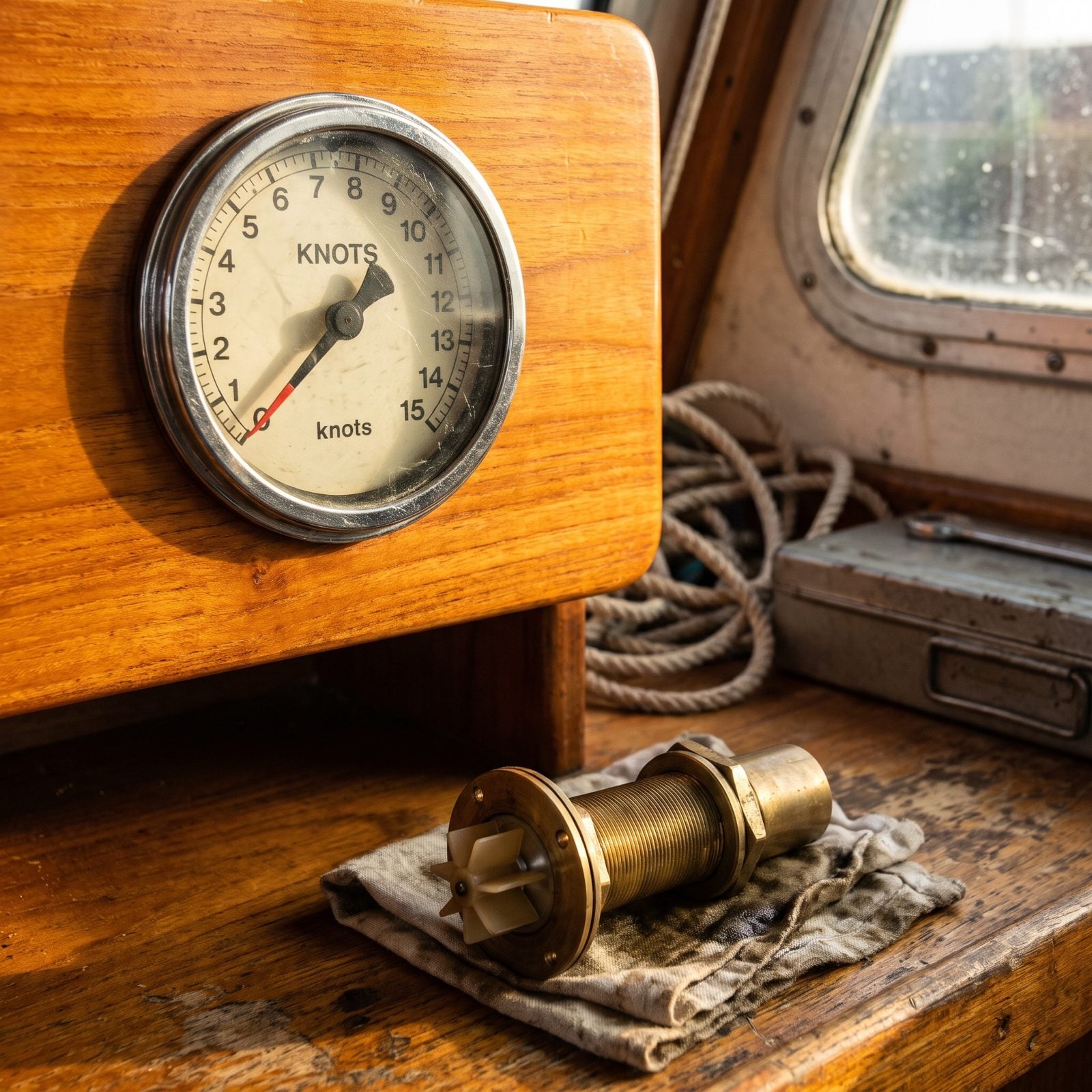
A tiny paddle wheel poked through the hull and spun as you moved. Faster you went, faster it spun, and a needle crept up a dial marked in knots. That’s it. No satellites, no batteries draining, just water turning a wheel.
It mattered more than you’d think for trolling. Dial in two knots for walleye, bump it up for salmon, and the needle told you whether the current was lying to your throttle. The weak spot was the wheel itself. Weeds, a stray minnow, a barnacle, and it would freeze solid until you reached down and cleared it by hand.
32. The LORAN-A Receiver That Found You by Radio Waves
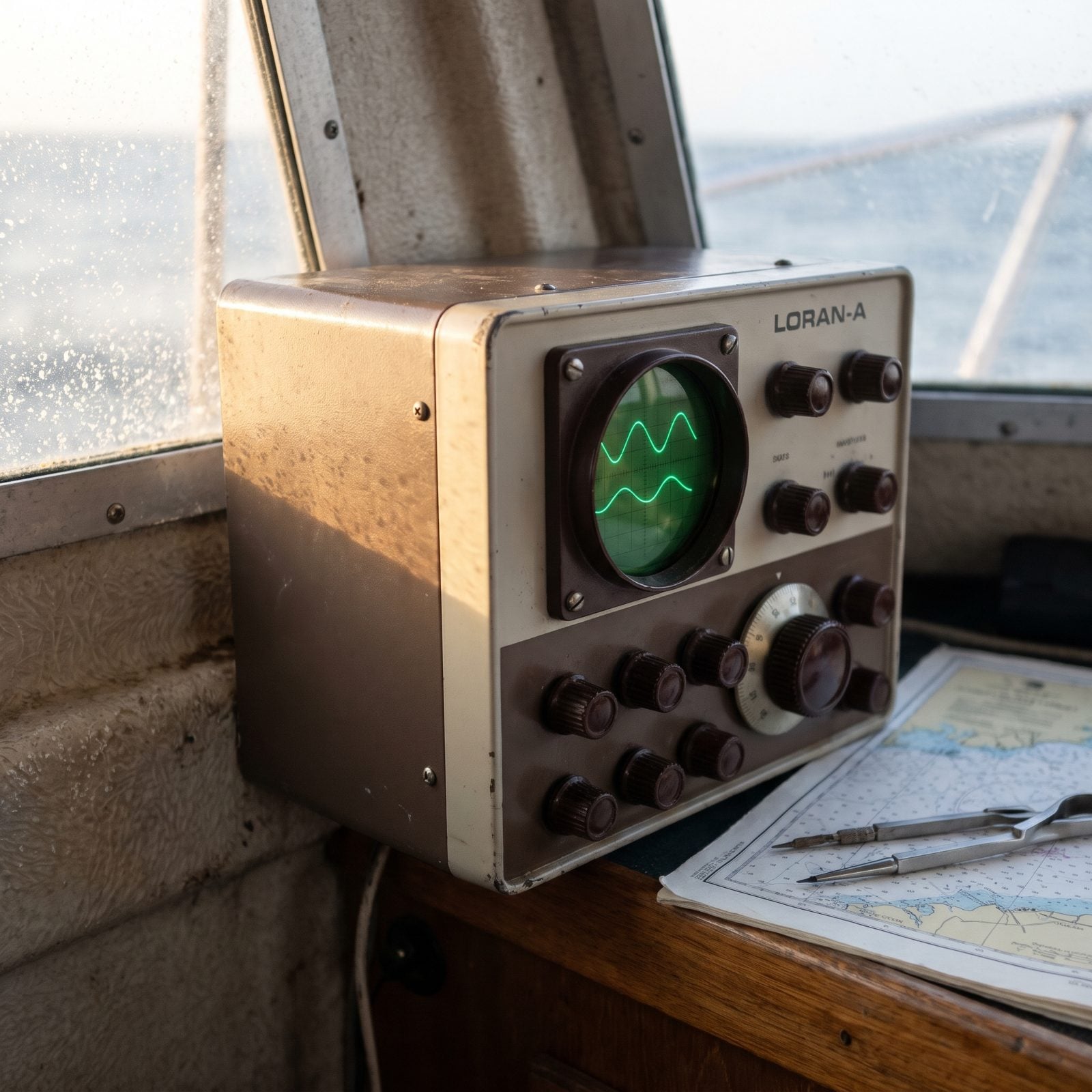
This was GPS before anyone dreamed of GPS. LORAN-A worked by timing radio pulses from shore stations, and your job was to line up two wavy green traces on a little screen until they matched. Read the numbers, cross-reference a special chart, and you had a rough position.
Nobody under forty has squinted at that screen trying to overlay two blips while a swell rocked the boat. It was slow, finicky, and useless close to shore. But offshore cod and tuna crews lived by it, and when it worked you could motor back to the same wreck in fog that hid the bow.
31. The Radio Direction Finder With Its Swiveling Loop
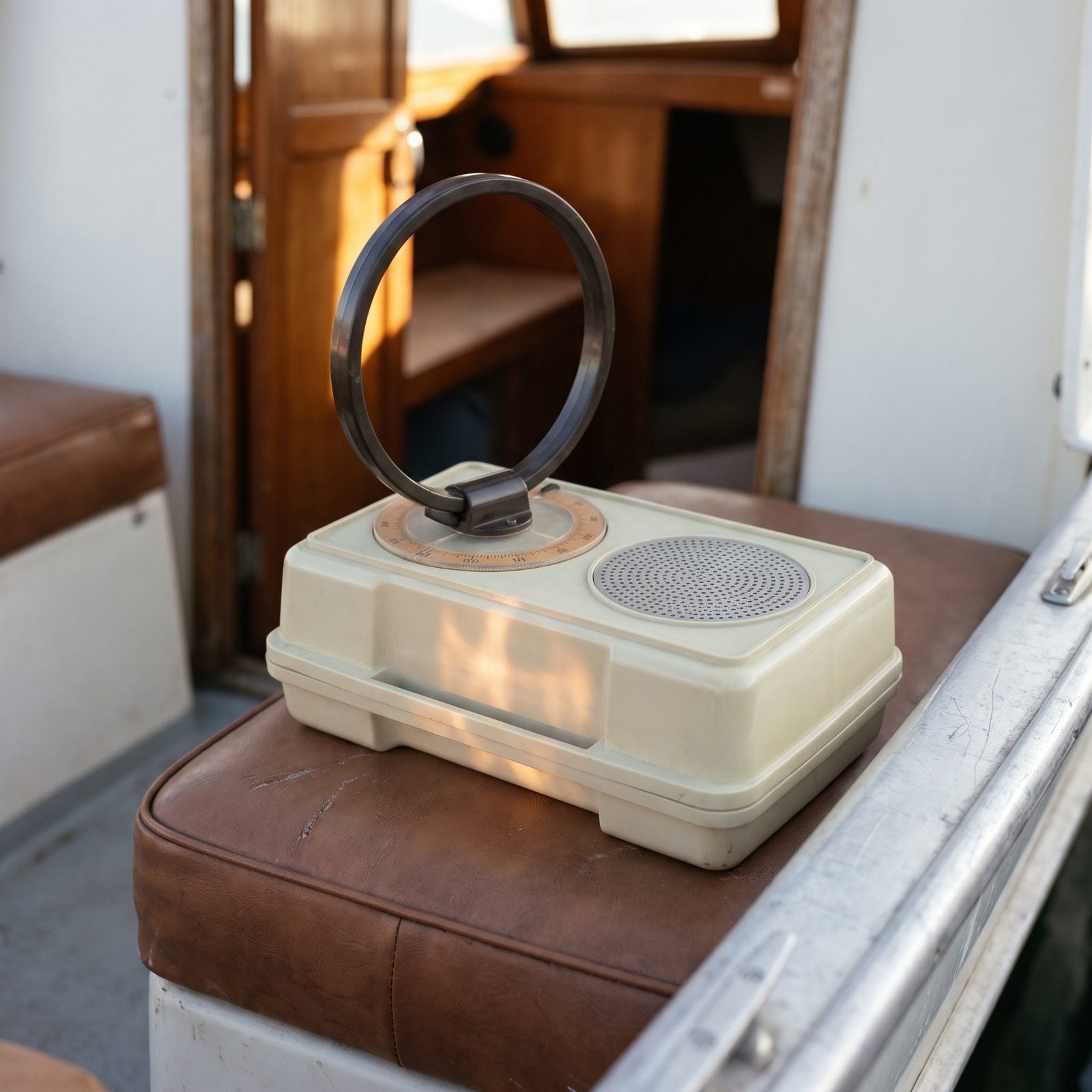
You’d twist the loop antenna on top until the beacon’s signal faded to a null, then read the bearing off the dial. Do that with two stations and the lines crossed right where you were. Navigation by ear, basically, listening for a hole in the static.
Fishermen used them to home in on harbor beacons when the shoreline vanished. Clumsy by today’s standards, and prone to error near sunrise and sunset when the signals bent. Still, there’s something satisfying about finding your way home by rotating a knob and listening for silence.
30. The Crystal-Controlled VHF That Only Spoke a Few Channels
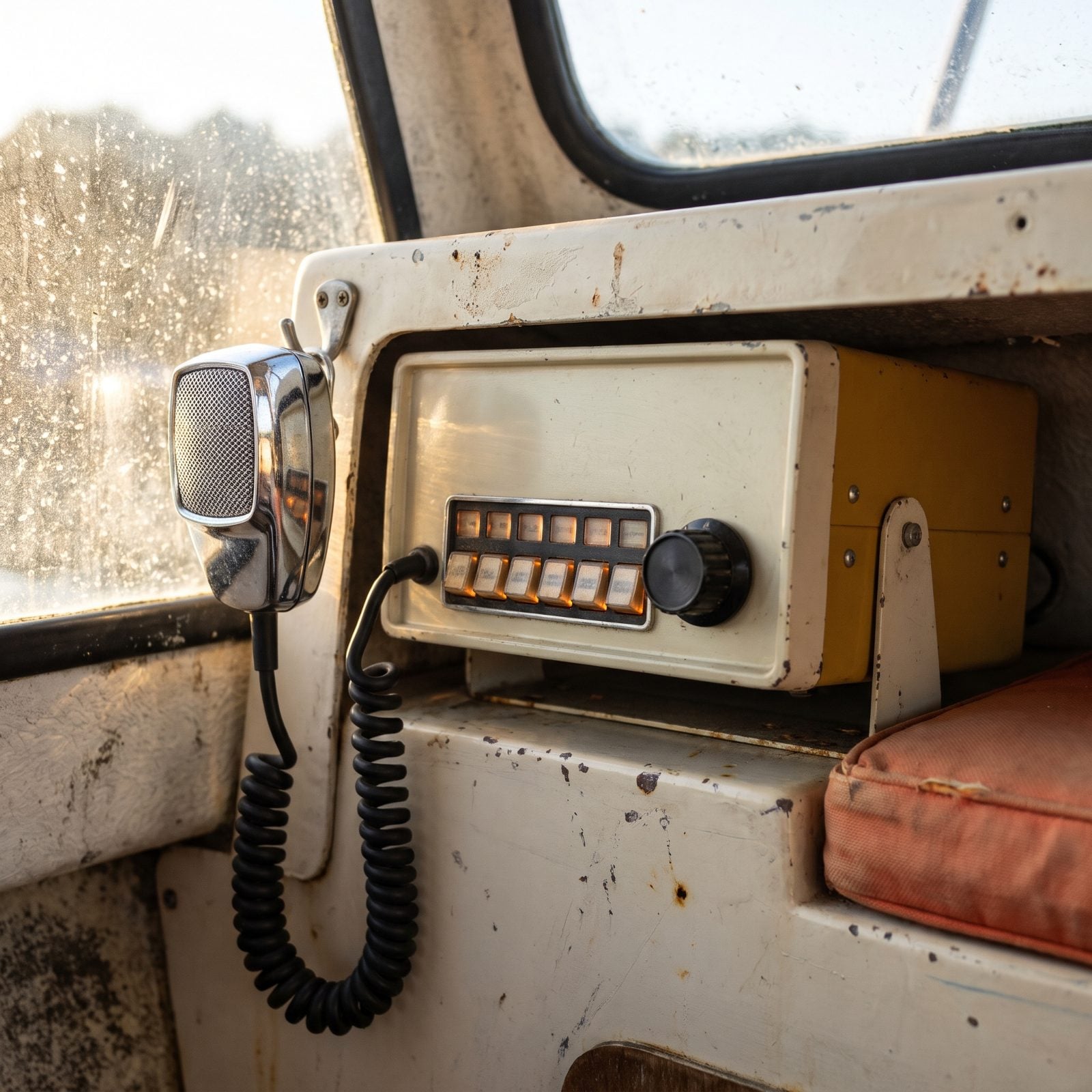
Early VHF sets didn’t have a channel knob you could spin to anything. Each channel needed its own little quartz crystal plugged inside, and crystals cost money, so most boats were wired for a handful: the hailing channel, a weather station, maybe a chat frequency and the Coast Guard.
Want more channels? Buy more crystals and install them. That’s wild to anyone who grew up scrolling through dozens of channels on a cheap handheld. The upside was dead simplicity. Pick up the mic, key up, and your voice went out loud and clean.
29. The Folded Paper Lake Chart Sweating in Its Plastic Sleeve
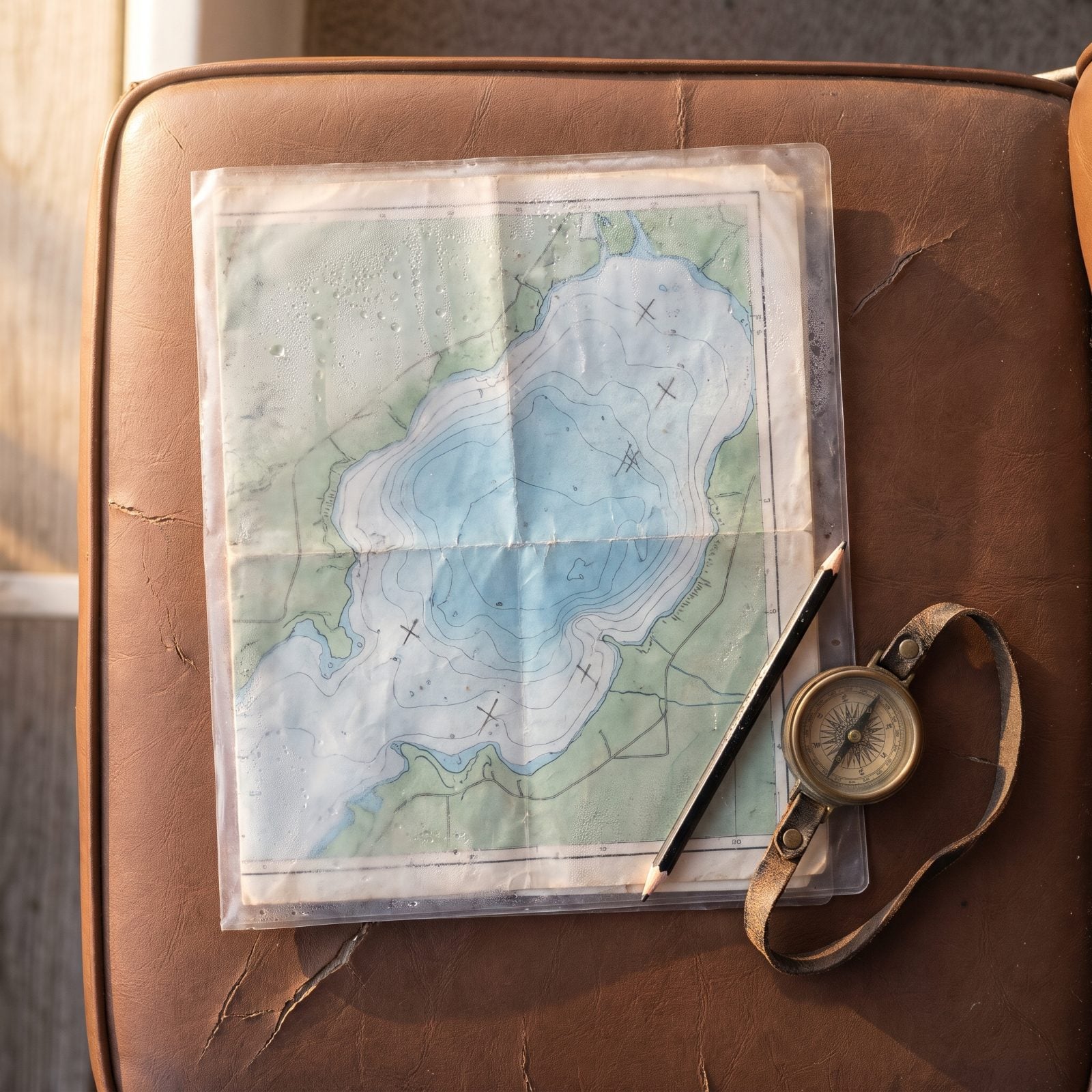
Your whole navigation system folded into eighths and lived in a zip-top plastic sleeve under the seat. The chart showed depth contours, the boat ramp, the island with the good bass, and wherever you grease-penciled an X last summer.
Here’s what younger anglers miss. Those penciled marks were a lifetime of knowledge no app could hand you: the spot where the creek channel bent, the submerged roadbed, the stump field that held walleye in July. The plastic sleeve always fogged up and the folds tore through, but you’d tape it and keep it another decade.
28. The Lead Weight and Knotted Line That Measured Water by Hand
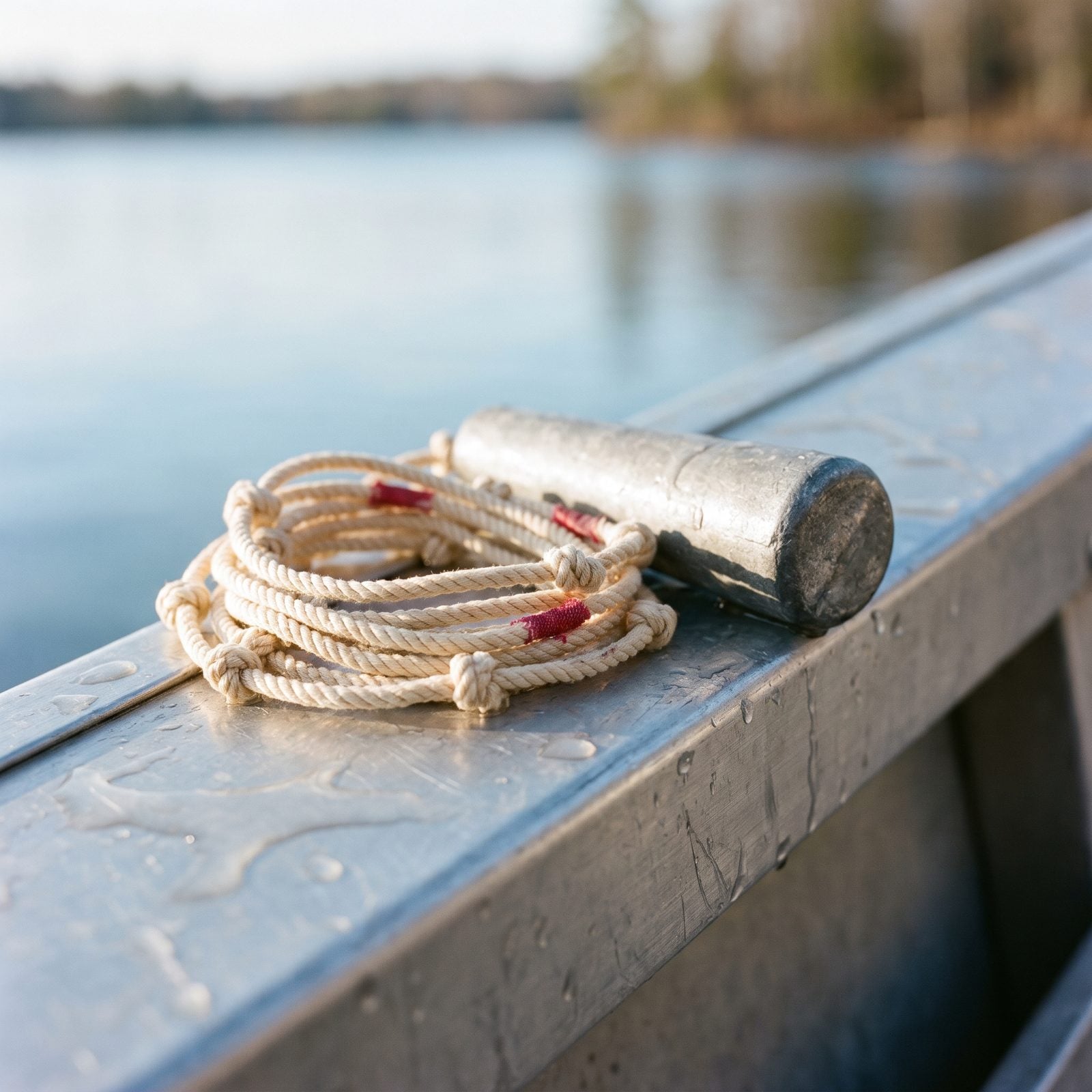
The oldest trick on the boat, and the only one that never breaks. A chunk of lead on a line marked with knots at measured intervals. Drop it till it hits bottom, count the knots that went under, and you know your depth. Sailors have done it the same way for thousands of years.
Most anglers under forty have never held one. But smear a little grease or wax in the hollow bottom of the lead and it comes up carrying a sample of what’s down there, sand or mud or gravel, telling you exactly what you’re sitting over. No sonar does that. When everything electronic quits, this is the one that still answers.
27. The Hand-Cranked Windshield Wiper
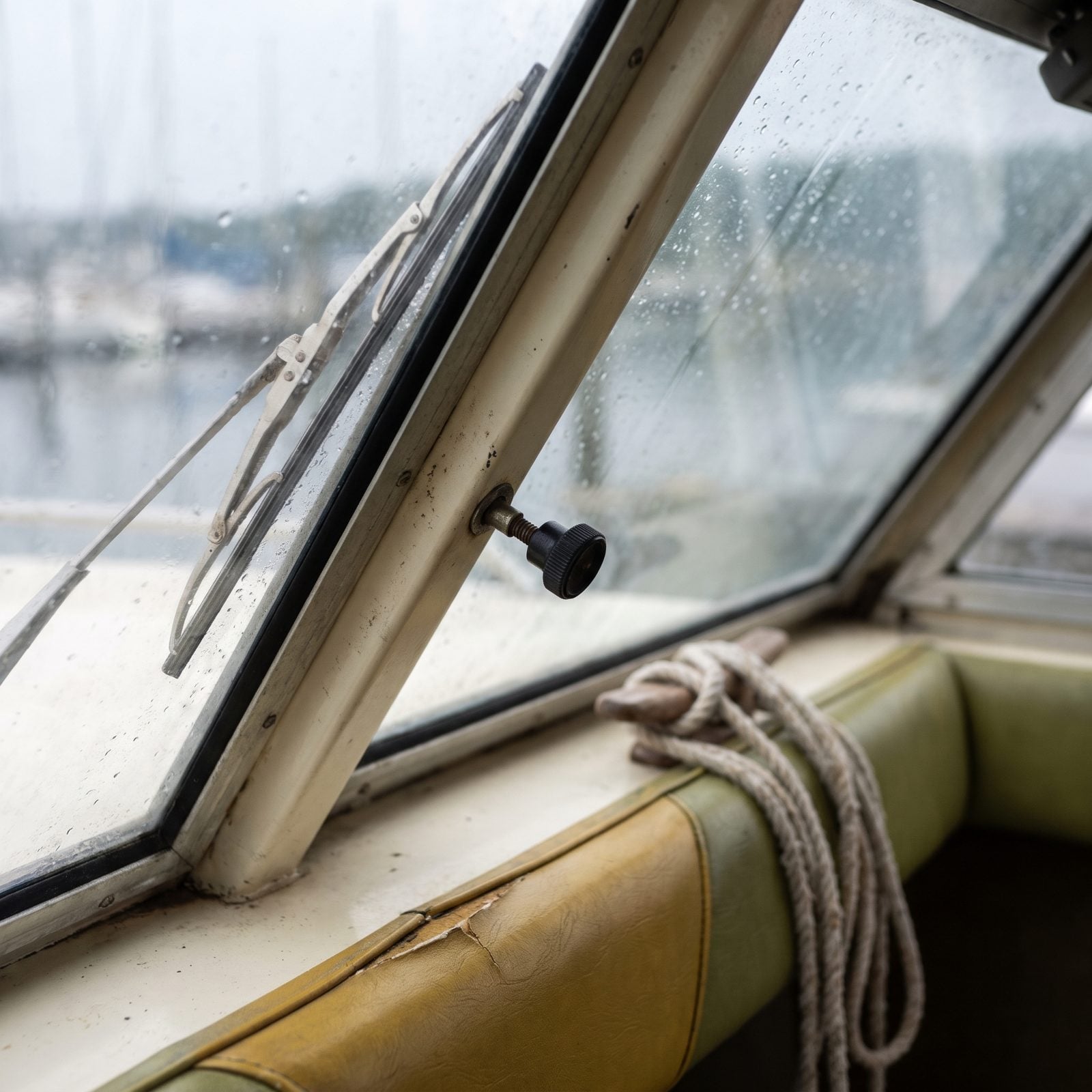
You turned it with your hand. That was the whole machine. A crank down at the blade’s pivot, off at the lower corner of the pane, ran a single blade, so when spray came off the chop or a squall rolled in, you cranked it yourself while steering with the other hand.
Nobody under forty has done this on purpose. Modern boats run electric wipers, or just a hydrophobic coating and a prayer. The hand-cranked version never drained a battery, never seized, never cost you a service call — it failed only when your arm got tired.
26. The Cigarette-Lighter Handheld Spotlight
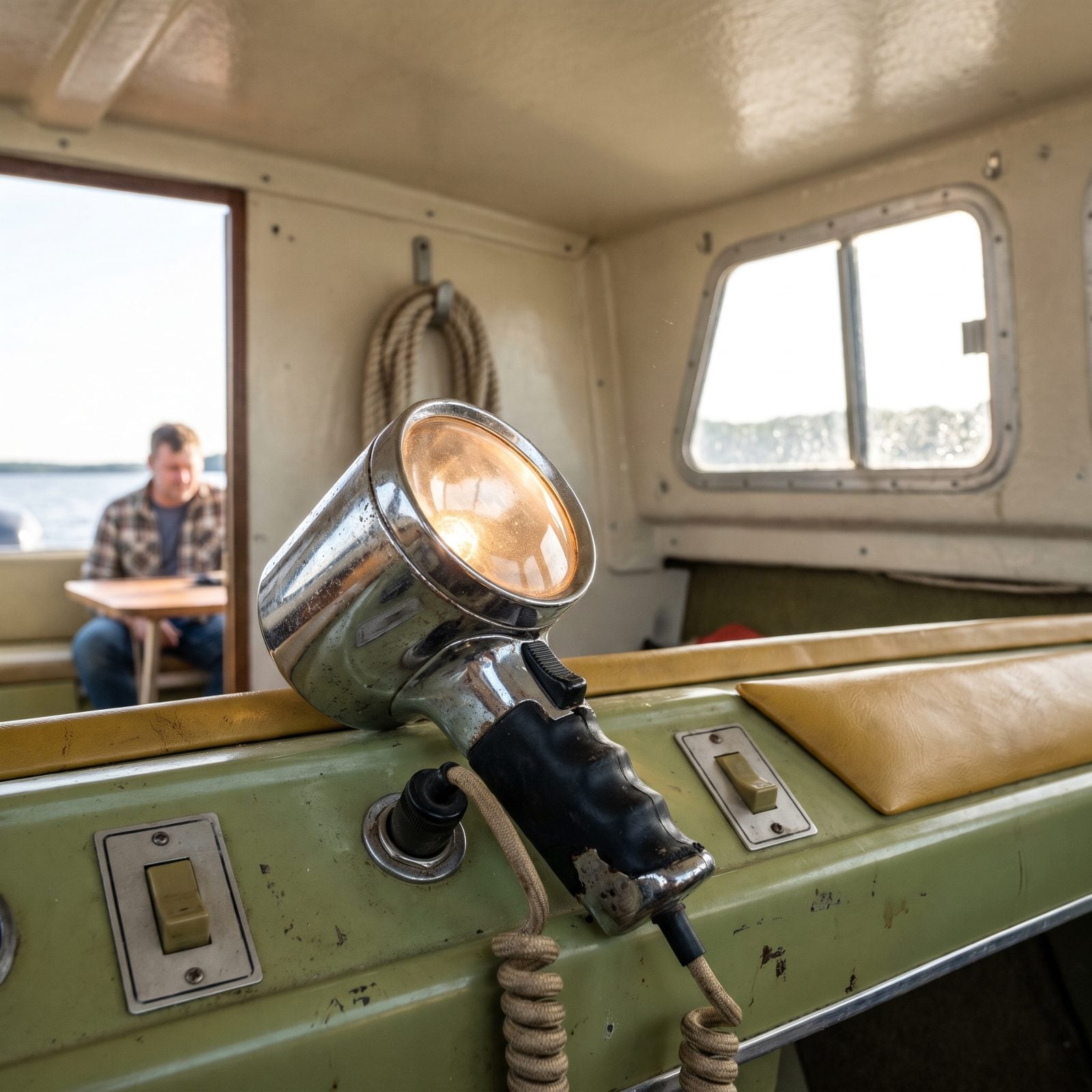
Twelve volts and a cord that never quite reached. The handheld spotlight lived in the glovebox or clipped under the dash, and when you had to pick a channel marker out of the dark or find your slip after a long day, you plugged it into the lighter socket and swept the beam across the water.
These things got hot enough to cook on. The bulb was a sealed incandescent that drew serious current, so you learned not to run it long with the engine off — unless you enjoyed a dead start. Today a cheap LED headlamp does more and sips power. But there was something honest about a beam you could feel through the handle.
25. The Portable Transistor Weather Radio
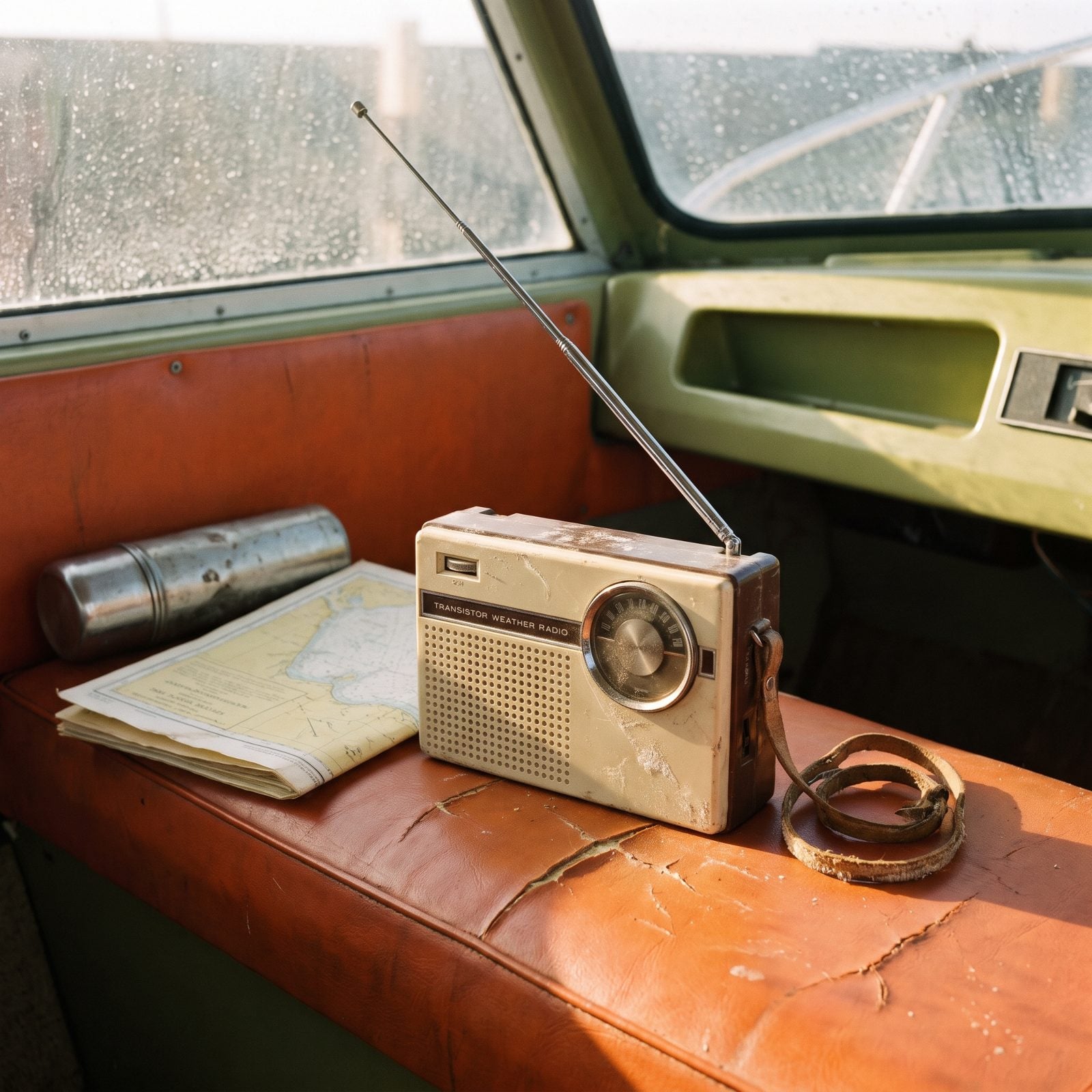
Before the phone in your pocket told you everything, a plastic box told you one thing: whether to stay out or run in.
NOAA weather channels went live across the 1970s, and a transistor radio tuned to that flat robotic voice was the most useful gear on a lot of boats. You’d listen to the marine forecast three times, because the loop repeated, and make your call on the second pass.
Younger anglers check an app that updates by the minute, which is better, honestly. But the app needs signal. A transistor radio needed a nine-volt battery and a telescoping antenna, and it worked twenty miles from the nearest town.
24. The Spare Incandescent Navigation Bulb Kit
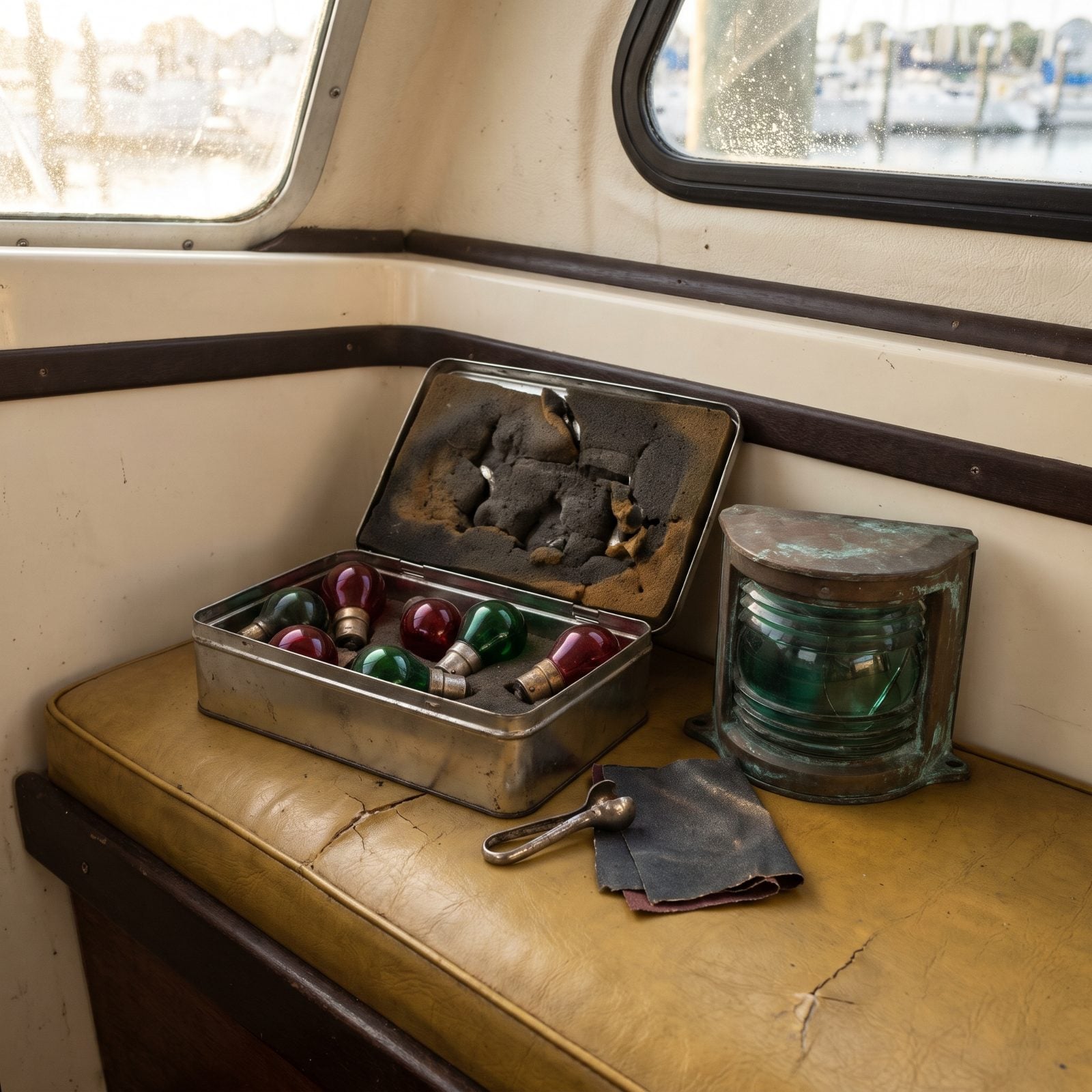
Running lights ran on filaments back then, and filaments die. So you carried a little kit of spares — bayonet-base bulbs in red, green and white — because getting caught after sunset with a dark stern light was a ticket and a hazard both.
The bulbs burned hot and dim by today’s standards, and they’d fail on a cold morning or a hard landing. Replacing one in the dark with wet hands taught you patience.
LED nav lights last for years now, and most people never touch them. But a spare bulb kit weighed nothing and saved your night more than once.
23. The Six-Gallon Steel Outboard Fuel Tank
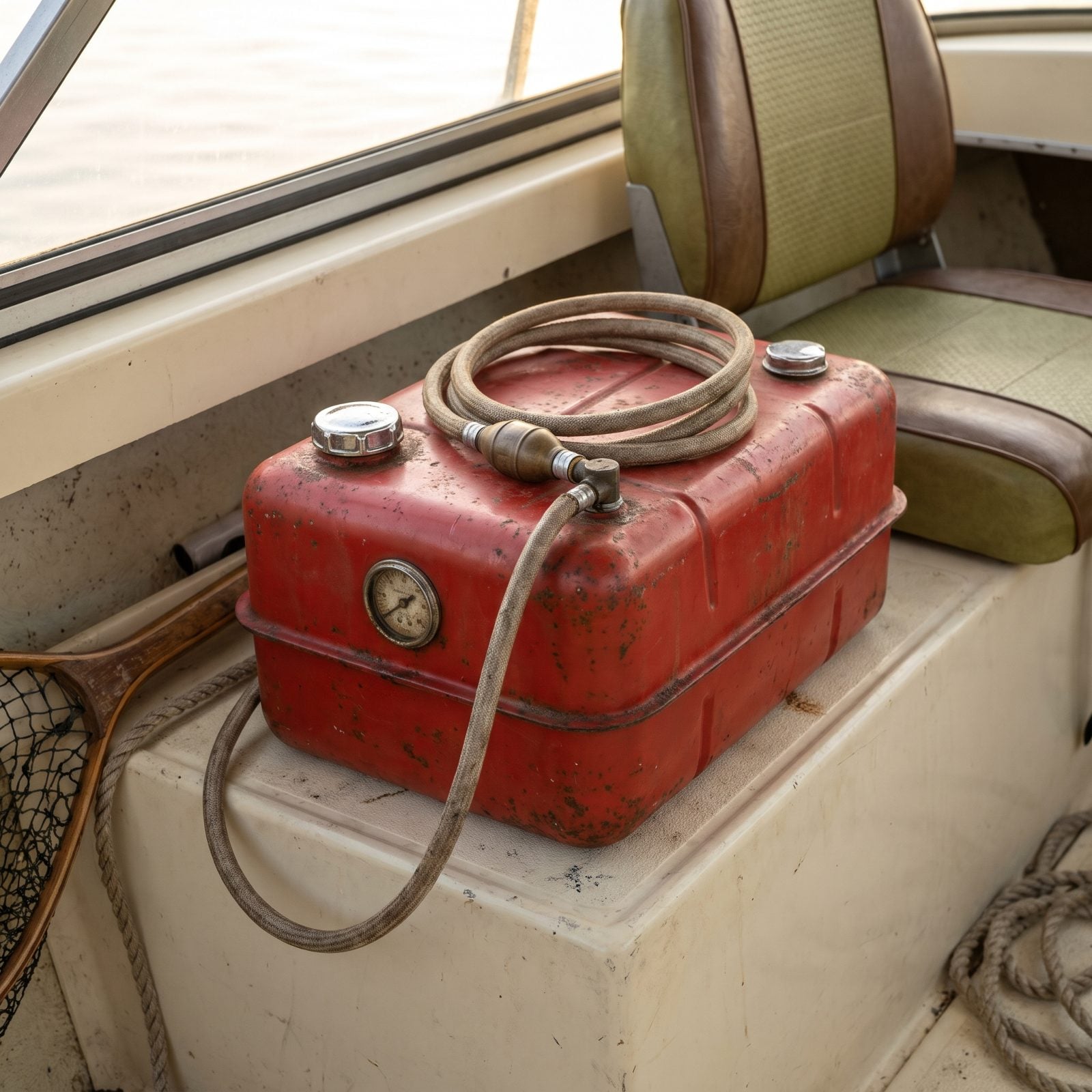
Red steel, six gallons, a brass-tipped fuel line coiled on top. The tank once sat on a deck and you primed it by hand before every start — forget, and the motor coughed and quit a hundred feet off the dock.
They rusted from the inside and dented from the outside, and the pressed-steel seams eventually wept. Plastic tanks replaced them because plastic doesn’t rust. Fair enough.
But a steel tank felt like it belonged somewhere. You could kick it, sit on it, or park it on a coffee table beside the fruit bowl. Try that with the hollow plastic ones.
22. The Graduated Cup for Measuring Two-Stroke Oil
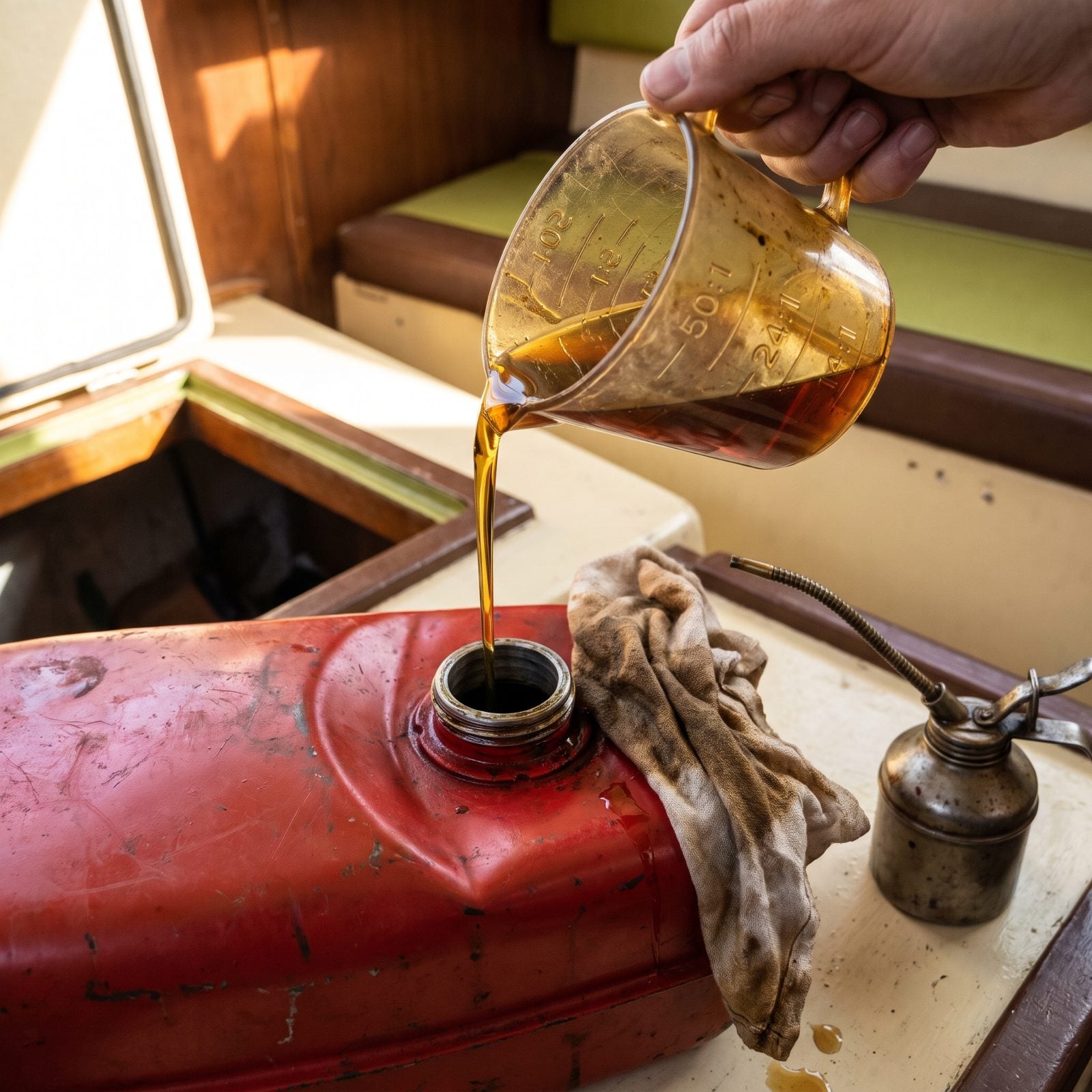
Before oil injection did the math for you, you did it yourself with a plastic cup. The old outboards burned a premixed blend, and getting the ratio wrong cost you a seized powerhead or a plug fouled solid.
Fifty to one. Twenty-four to one. The ratio depended on the motor and the decade, and the cup had the lines molded right into the side so you could measure by eye over a rocking deck.
Nobody mixes gas on a modern four-stroke. The chemistry is handled for you, which is genuinely better. But the guy who carried a measuring cup and actually read the markings never smoked out an engine.
In a guide to premix ratios on older two-stroke outboards, a marine parts retailer advises “A measuring jug or a marked squeeze bottle is worth having in the boat; guessing by eye is how engines end up on the wrong ratio.”
21. The Manual Outboard Choke Knob
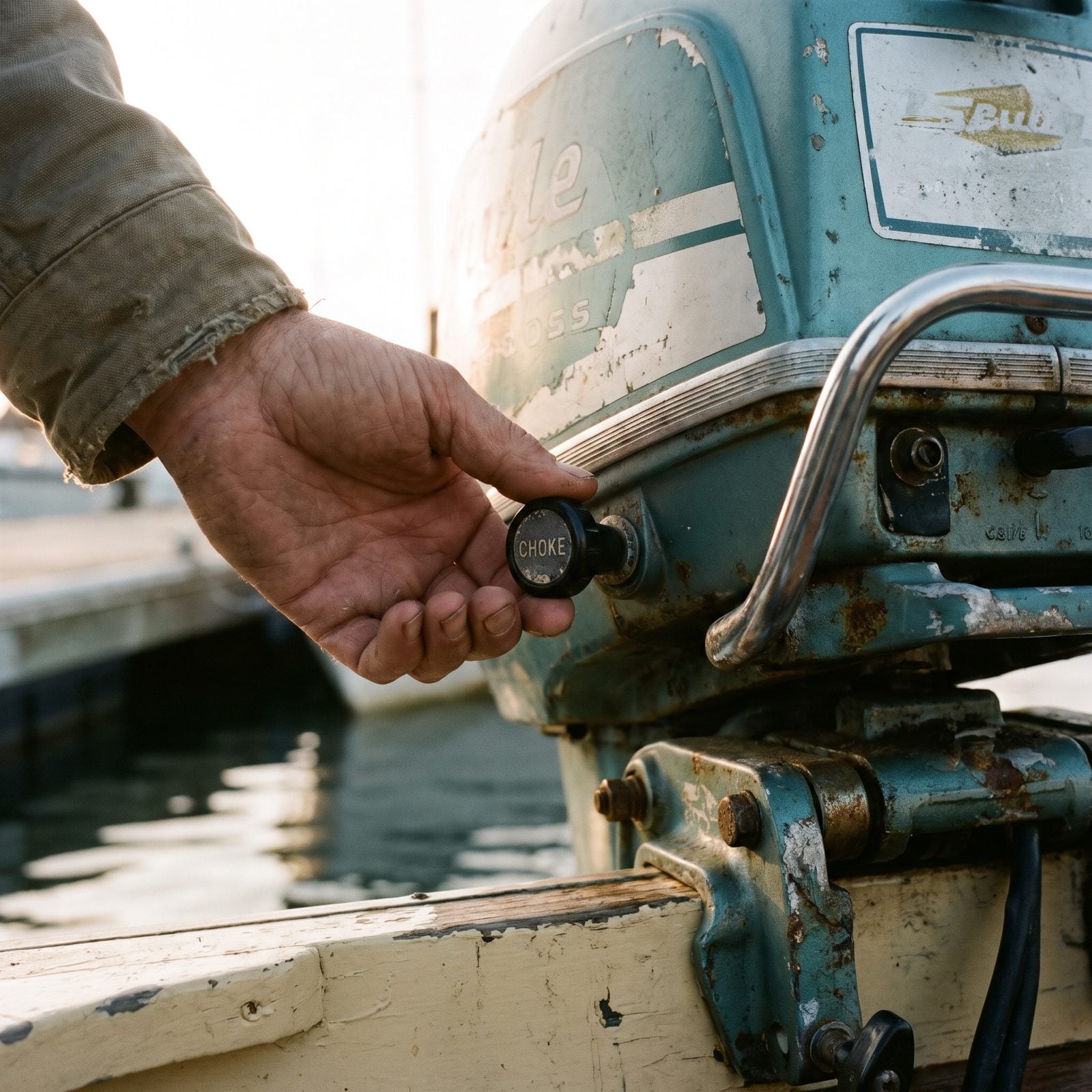
Cold morning, you pulled the choke out. Motor caught, you pushed it halfway. Warmed up, all the way in. Three positions, and your own ear told you where to leave it.
Younger anglers turn a key or push a button, and a computer handles the cold start without a thought. Which is wonderful, until it isn’t. A manual choke never needed a sensor and never threw a code — it just needed you to listen.
20. The Pull-Cord Outboard Starter
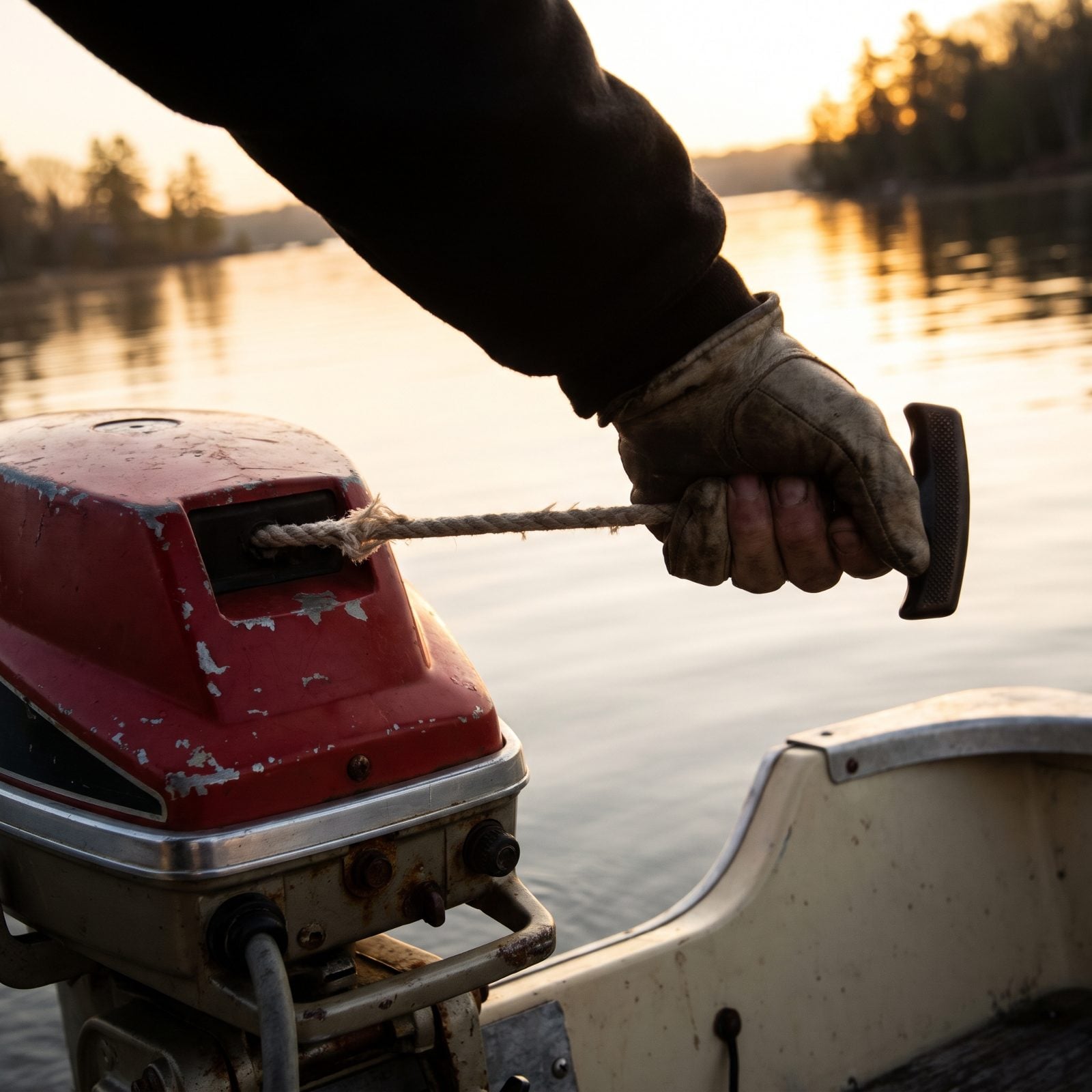
Your shoulder knew how many pulls your motor wanted.
The recoil starter was the whole ritual. Prime the bulb, set the choke, brace a knee against the transom and yank. Some days it fired on the first pull and you felt like you’d done something. Some days you pulled until your arm burned and questioned every decision that led you to the water.
Electric start made all of that optional, and I won’t pretend my shoulder misses it. But a pull-cord motor started anywhere, with a dead battery, in the middle of nowhere. That counts for something when you’re six miles out and the sun’s going down.
19. The Emergency Starter Rope Wrapped Around the Flywheel
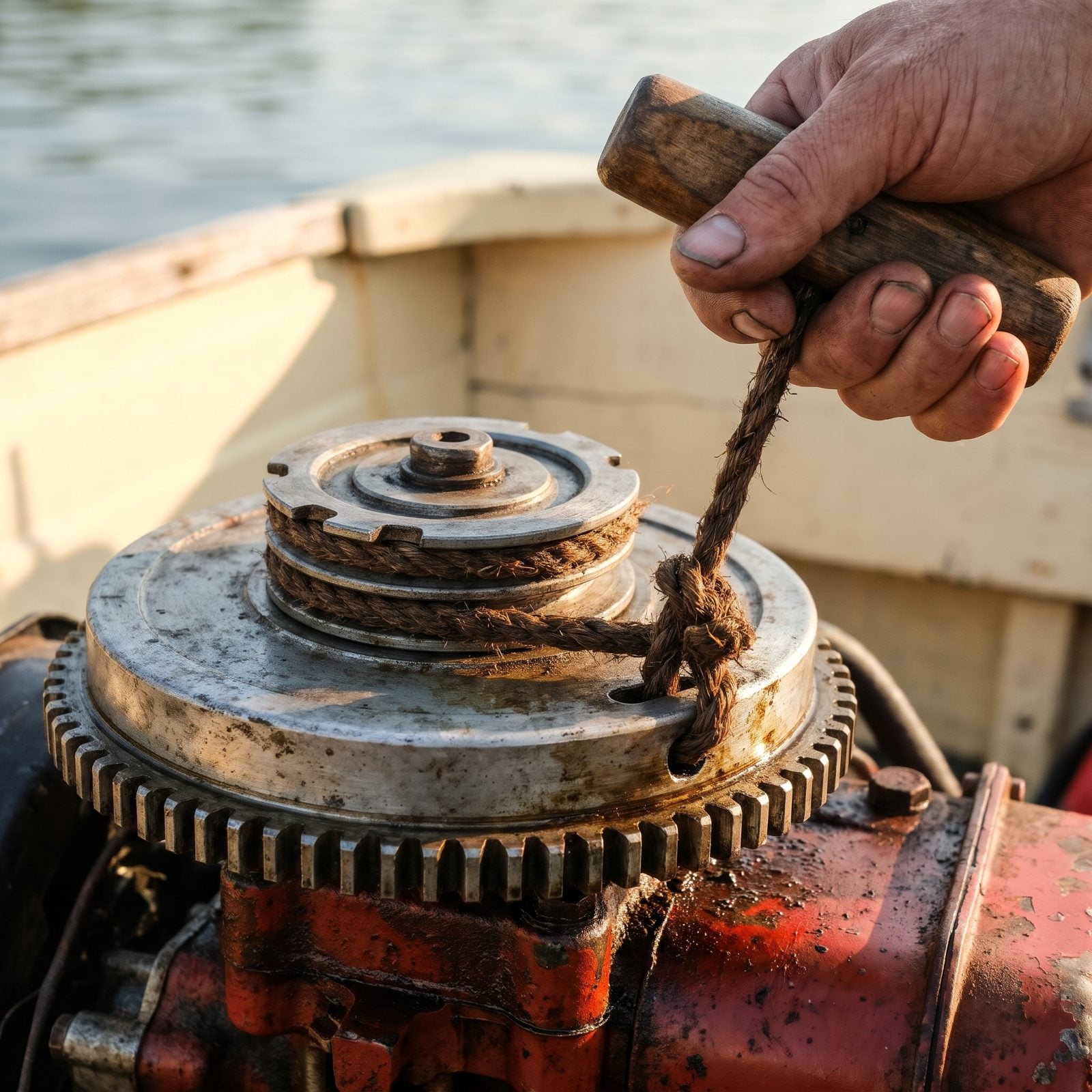
When the recoil mechanism broke — and it always eventually broke — you pulled the cowling and started the motor by hand. A length of rope wound around the pulley on top of the flywheel, its free end knotted to a wooden handle gripped in your fist, and you pulled like your trip home depended on it. Because it did.
This is the trick nobody teaches anymore. Almost nobody needs it. Modern motors are sealed and electric and they rarely strand you the old way.
Still, the old-timers kept a short length of rope stashed with the toolkit for exactly this. It weighed nothing and it meant the difference between drifting and driving. I’d call it the most quietly reassuring piece of gear on a 1970s boat, and the one almost no young angler has ever had to use.
18. Replacement Propeller Shear Pins
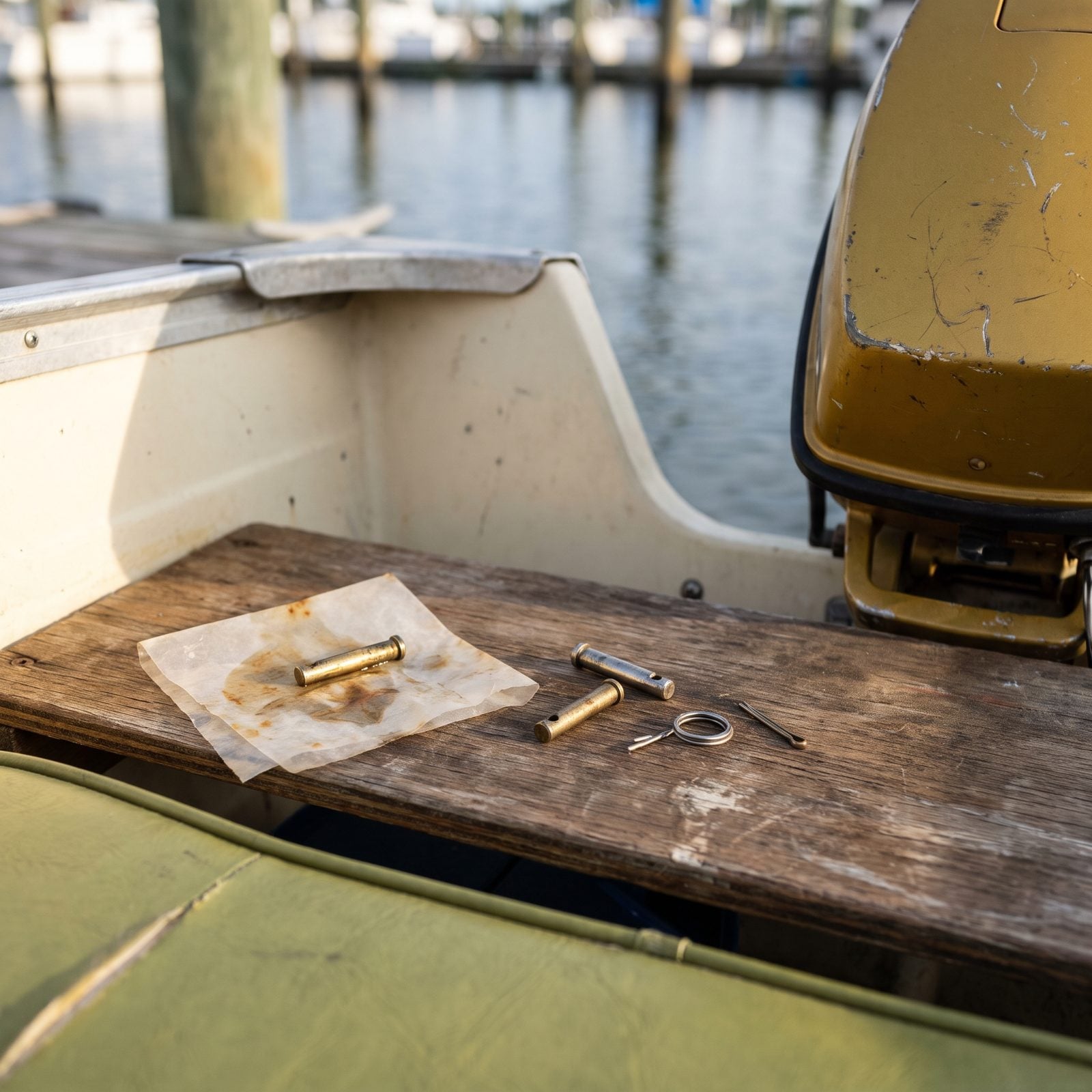
A little brass pin stood between you and a very long row home. On an old outboard the prop didn’t bolt straight to the shaft; a soft shear pin held it, and when you clipped a rock or a submerged stump the pin snapped on purpose. Better a fifteen-cent pin than a bent prop or a cracked lower unit.
Every careful angler carried spares, usually in a film canister or taped inside the cowling. Modern props use a rubber hub that soaks up the shock instead, so most anglers under forty have never snapped one. Never cursed one. Never fumbled for a cold replacement while the current pushed them toward the shallows.
Describing the older and smaller outboards that still rely on them, a longtime outboard mechanic explains “These are brass or soft stainless pins that connect the prop to the shaft. They’re designed to snap on impact, protecting your lower unit gears.”
17. Metal Spark-Plug Service Tin
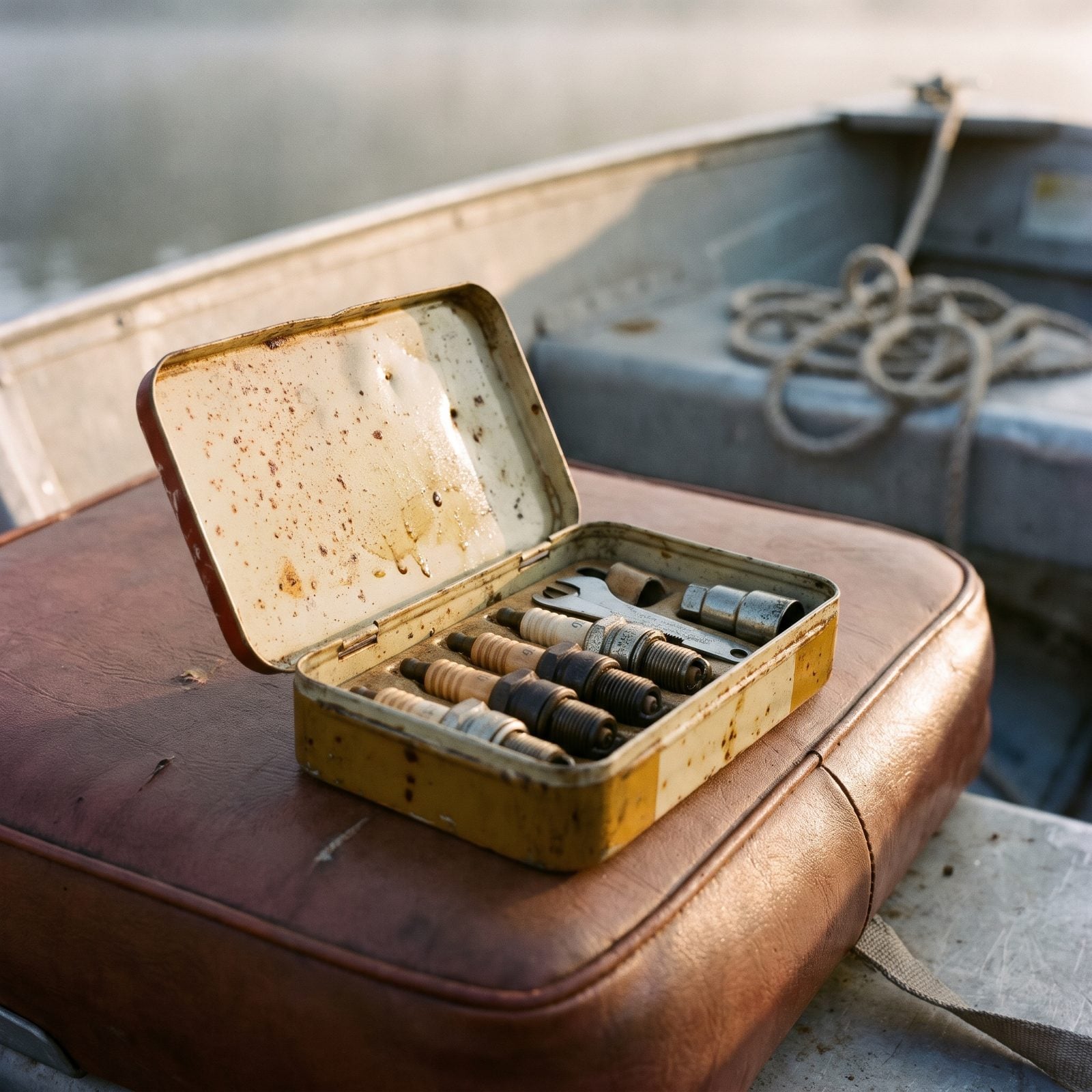
Two-stroke outboards fouled plugs the way a wood stove throws ash. Rich mix, oil in the gas, a long idle while you worked a weed line, and then the motor stumbled and died on you.
So you kept a tin — a fresh set of plugs, a gap gauge, a socket worn smooth at the handle. Pulling a hot plug on a drifting boat and swapping it out was a basic skill, not a reason to call for a tow. Today’s fuel-injected and four-stroke rigs almost never foul, and I’d wager most younger anglers couldn’t tell you what a fouled plug smells like. It smells like a morning that just got longer.
16. Coffee Can Kept as an Emergency Bailer
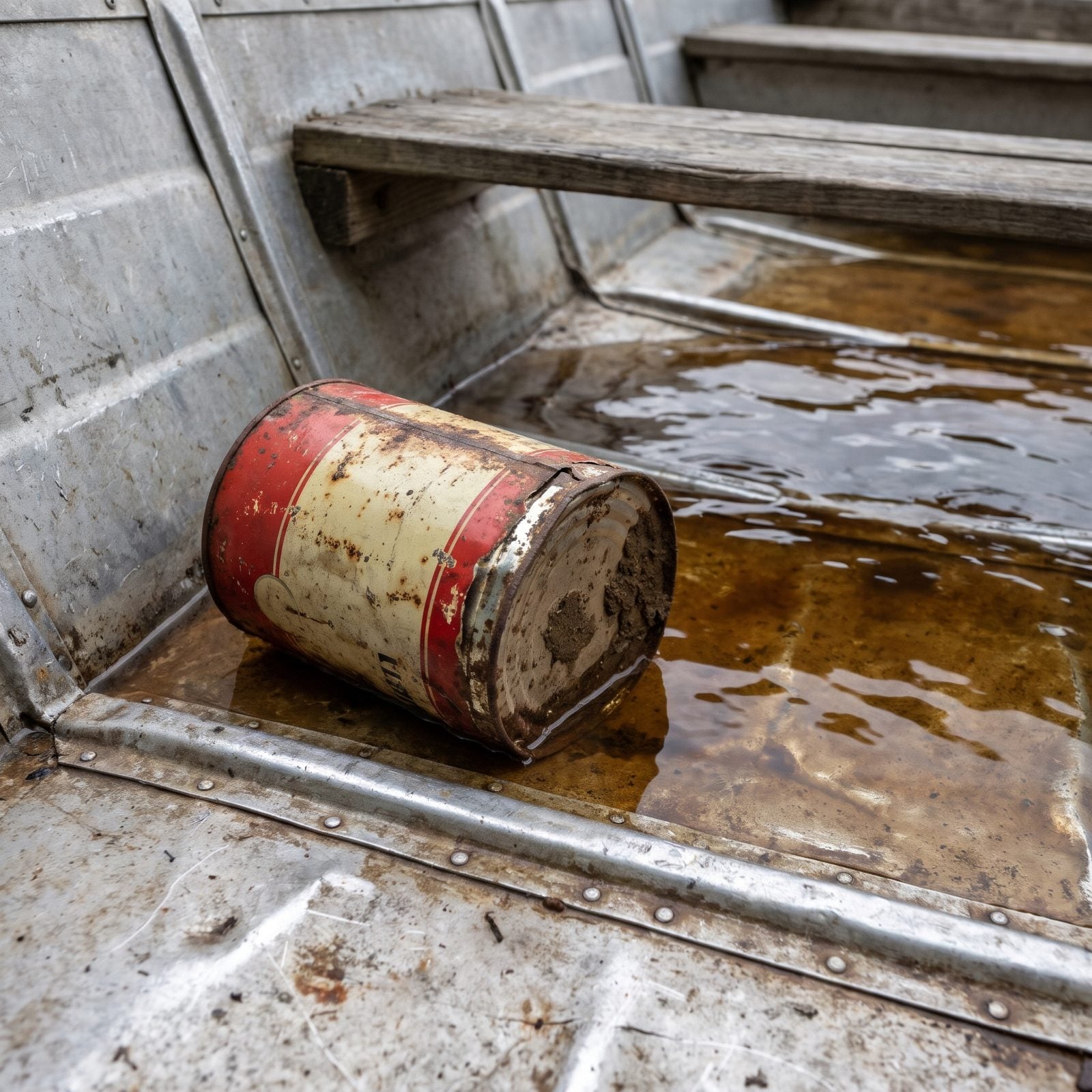
The humblest piece of safety gear ever carried: an old coffee can, its dirt-crusted lid still crimped on top, riding in the bilge under the seat. When water came in faster than you liked, you pried off the lid and scooped. That’s it.
It never needed a battery, never clogged, never failed a float switch, and a kid could work it. I still think every small boat should carry something exactly like it, bilge pump or no — because electrical things quit at the worst possible moment and a can does not.
15. Hand-Operated Piston Bilge Pump
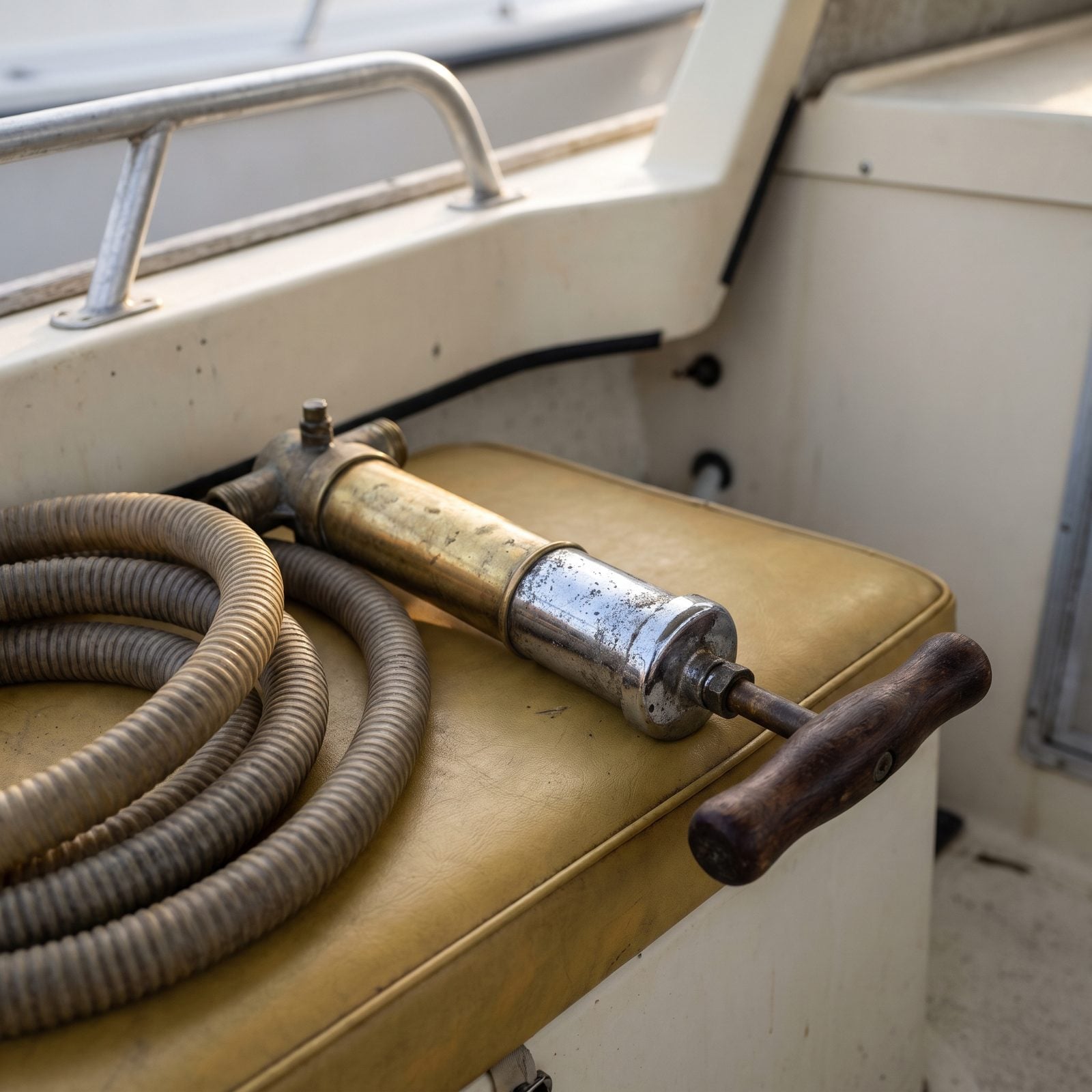
Before float switches and twelve-volt pumps got cheap and reliable, you moved water the way your arm said you could — a piston or diaphragm pump with a long handle, worked by hand, hose over the side.
It was slow, and it was work. You felt the water leave by the ache in your shoulder. But it didn’t care about your battery, and on a small boat that mattered more than anyone wanted to admit. Electric bilge pumps are a genuine upgrade. Still, a backup hand pump on a wet day is cheap insurance, and almost nobody under forty keeps one aboard anymore.
14. Tie-Front Kapok Life Jacket
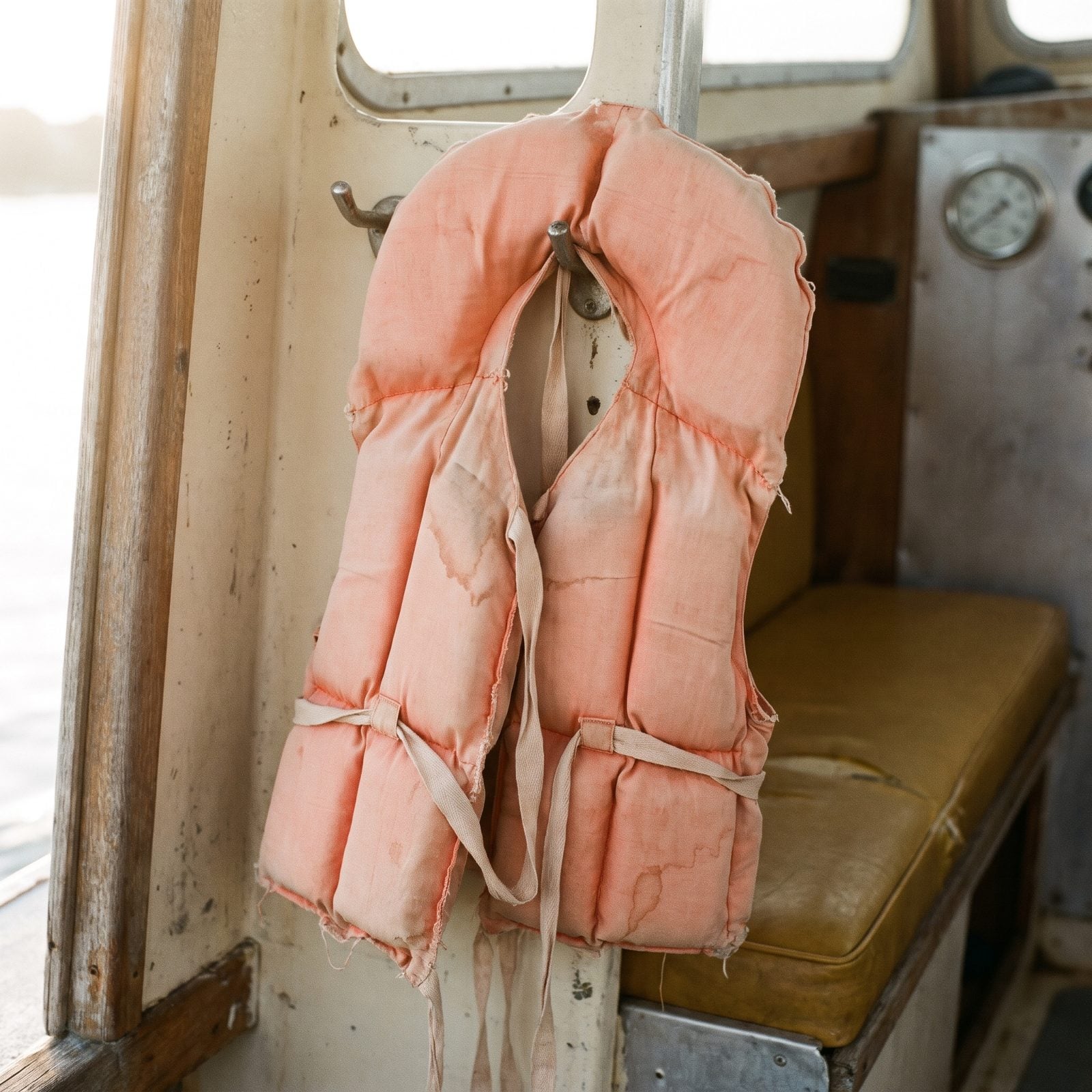
Scratchy, stiff, and the color of a traffic cone left too long in the sun. The kapok life jacket was a canvas-covered collar stuffed with blocks of kapok, a fluffy plant fiber that floats, and you tied it on with cotton tapes across your chest.
Nobody loved wearing one, and that was the problem. It rode up around your ears and chafed your neck, so people hung it on a peg instead. The kapok also waterlogged over the years as the inner bladders split, quietly losing its float while looking perfectly fine.
13. Kapok-Filled Throwable Seat Cushion
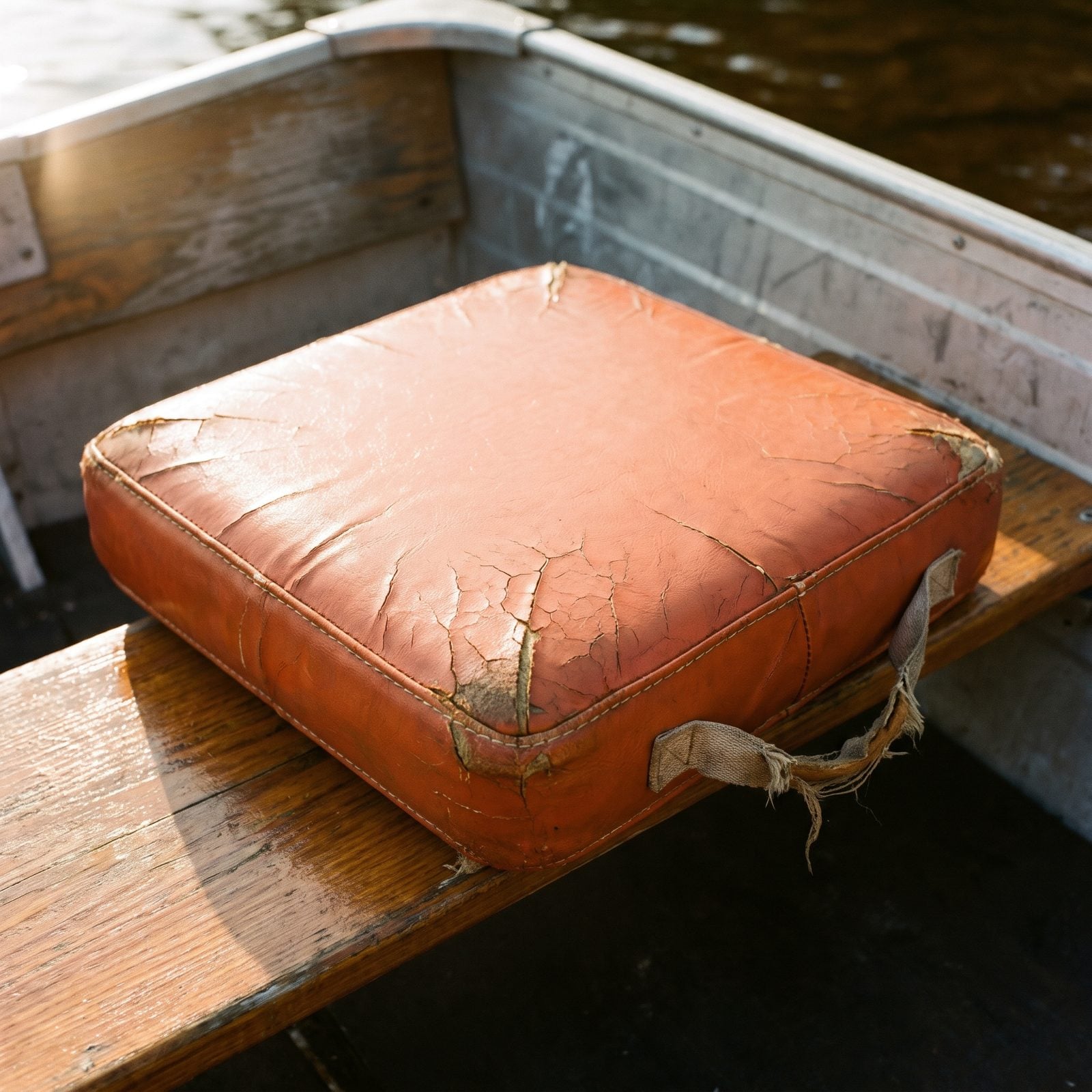
Double duty. Through the day it was the cushion under your backside on a hard bench; in an emergency you grabbed the straps and threw it to someone in the water.
Square, orange, vinyl-covered, filled with the same kapok as the jackets. Every small boat seemed to have two or three, cracked and sun-faded, doing their quiet job as seats until the one morning they weren’t seats anymore. Younger anglers mostly carry a dedicated throwable ring or horseshoe now, and they’ve never sat on their safety gear for eight hours straight.
12. Wooden Oars in Galvanized Oarlocks
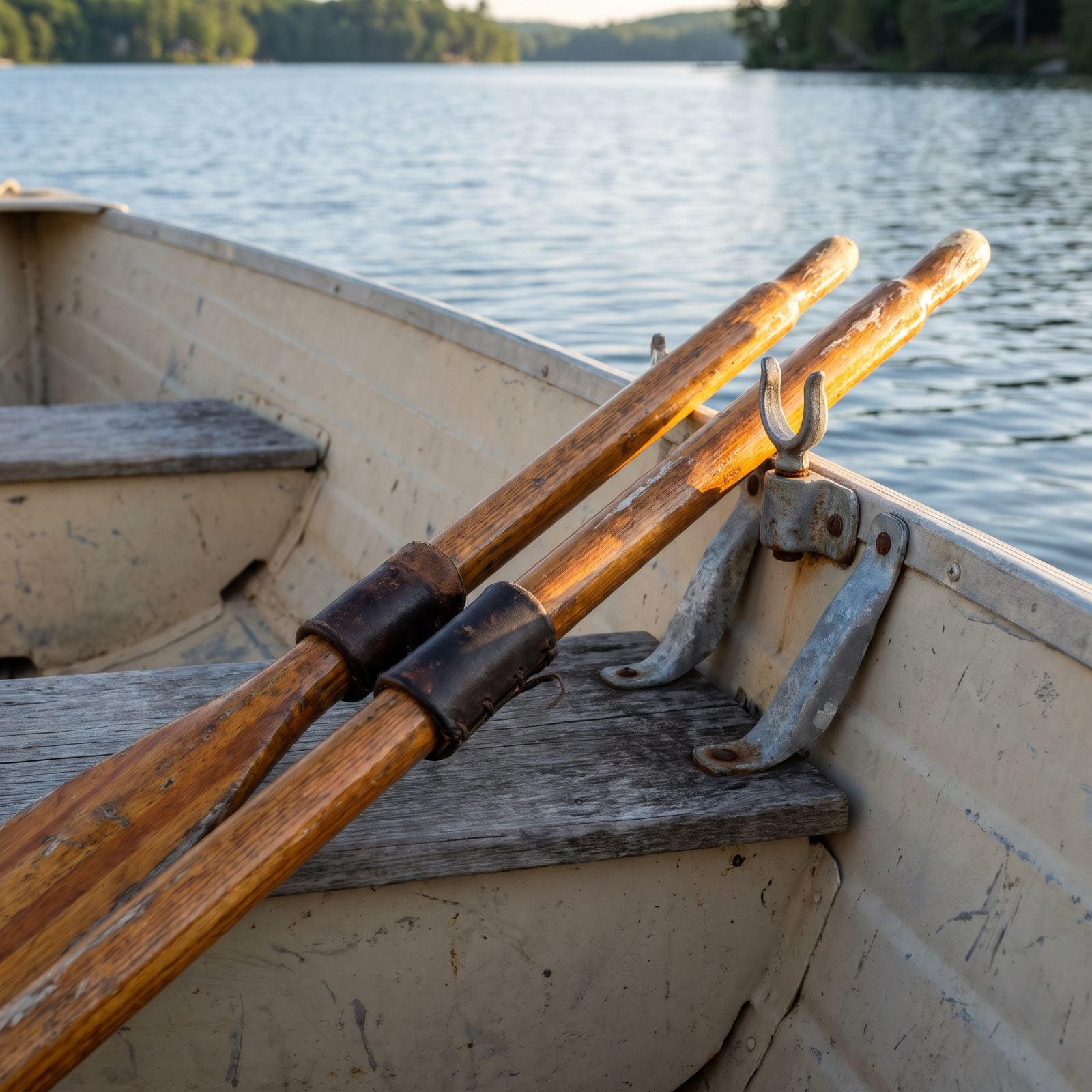
When the motor quit, the oars were the plan.
Wooden oars sat in galvanized oarlocks on nearly every small fishing boat, blades stowed across the seats, leather collars worn soft at the pivot. They weren’t decoration. A dead outboard a mile from the ramp meant you rowed, and you were glad they were there.
Electric trolling motors and reliable kickers pushed oars off most boats, and that’s progress, mostly. But a trolling motor runs a battery flat, and an oar never does. There’s a reason old-timers still tuck a paddle under the gunwale — dead-silent, dead-simple, always ready.
11. Danforth Anchor With a Manila-Rope Rode
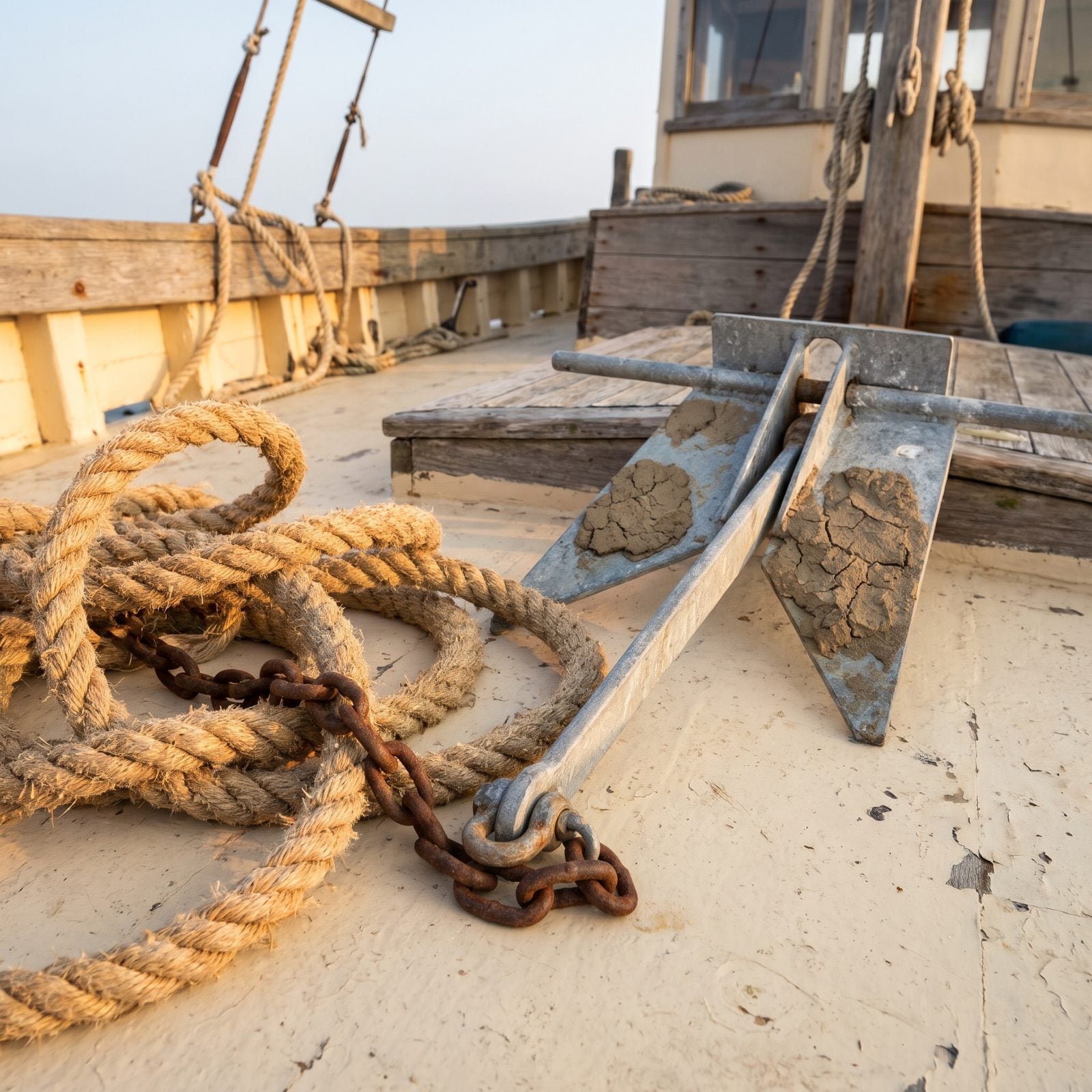
The anchor stayed, but the rope it hung from gave away its age. A galvanized Danforth with its flat, hinged flukes is still a fine anchor today. What changed is the rode. In the seventies it was often manila — natural fiber rope that smelled of hemp and stiffened like a board when it dried.
Manila rotted from the inside. It looked sound, then parted under load, and you lost the anchor and everything below it. Nylon replaced it because nylon stretches, doesn’t rot, and holds its strength wet. A good trade.
10. Cotton Dock Lines With Hand-Spliced Eyes
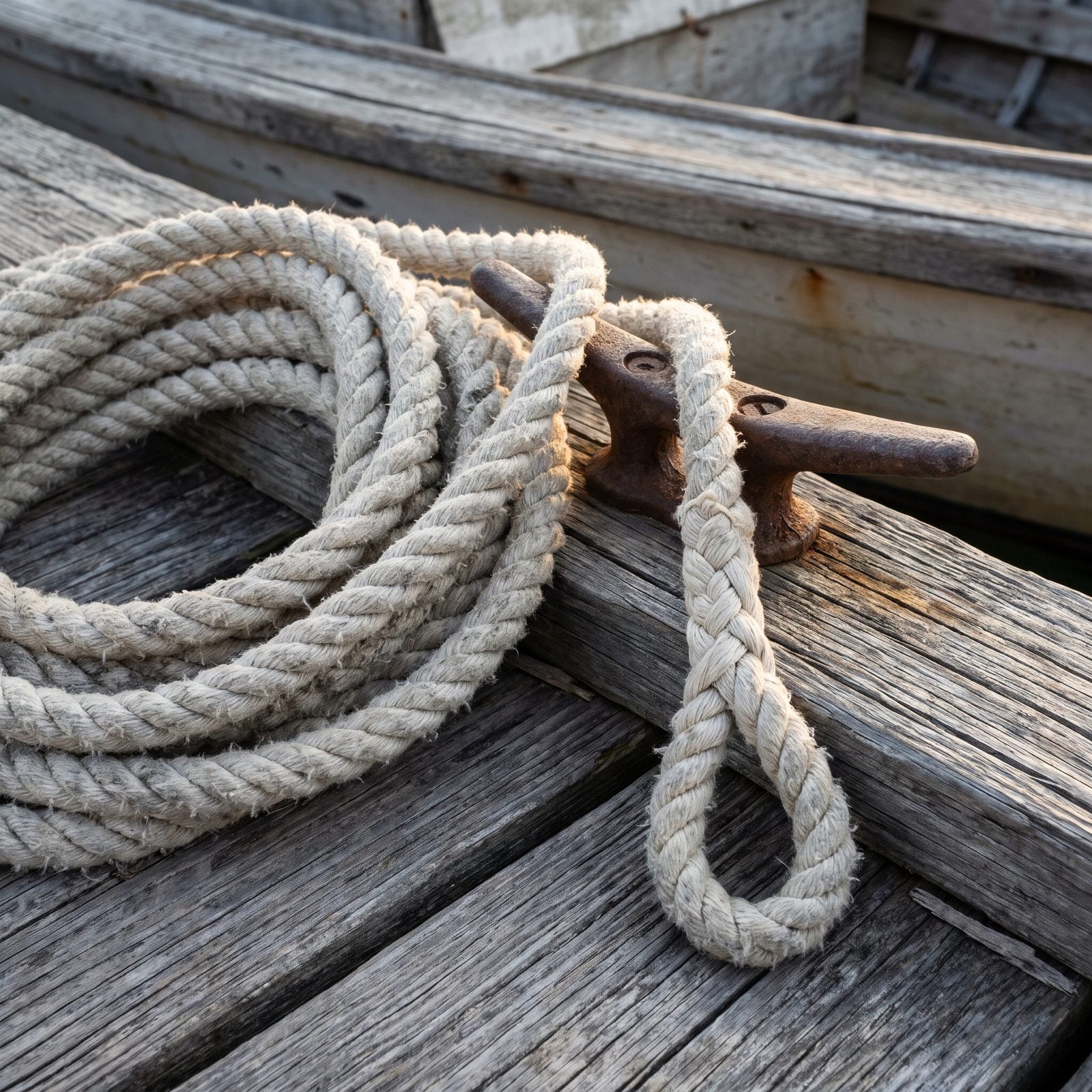
Soft in the hand, and a point of quiet pride. Cotton dock lines coiled easy and handled easy, and a boat owner who knew his craft finished each end with a hand-spliced eye instead of a knot. A splice holds nearly full strength; a knot weakens the line right where it bites.
Cotton’s trouble was rot and mildew. Leave it wet in a locker and it went punky, smelled sour, failed without warning. Braided nylon and polyester took over — stronger, rot-proof, and most came off the shelf with the eye already spliced. Which means a good many younger boaters have never learned to tuck a splice themselves. Shame, really. It’s a fine thing to learn on a slow afternoon, and you’ll never buy a pre-made dock line again without feeling a little soft about it.
9. The Perforated Galvanized Minnow Bucket
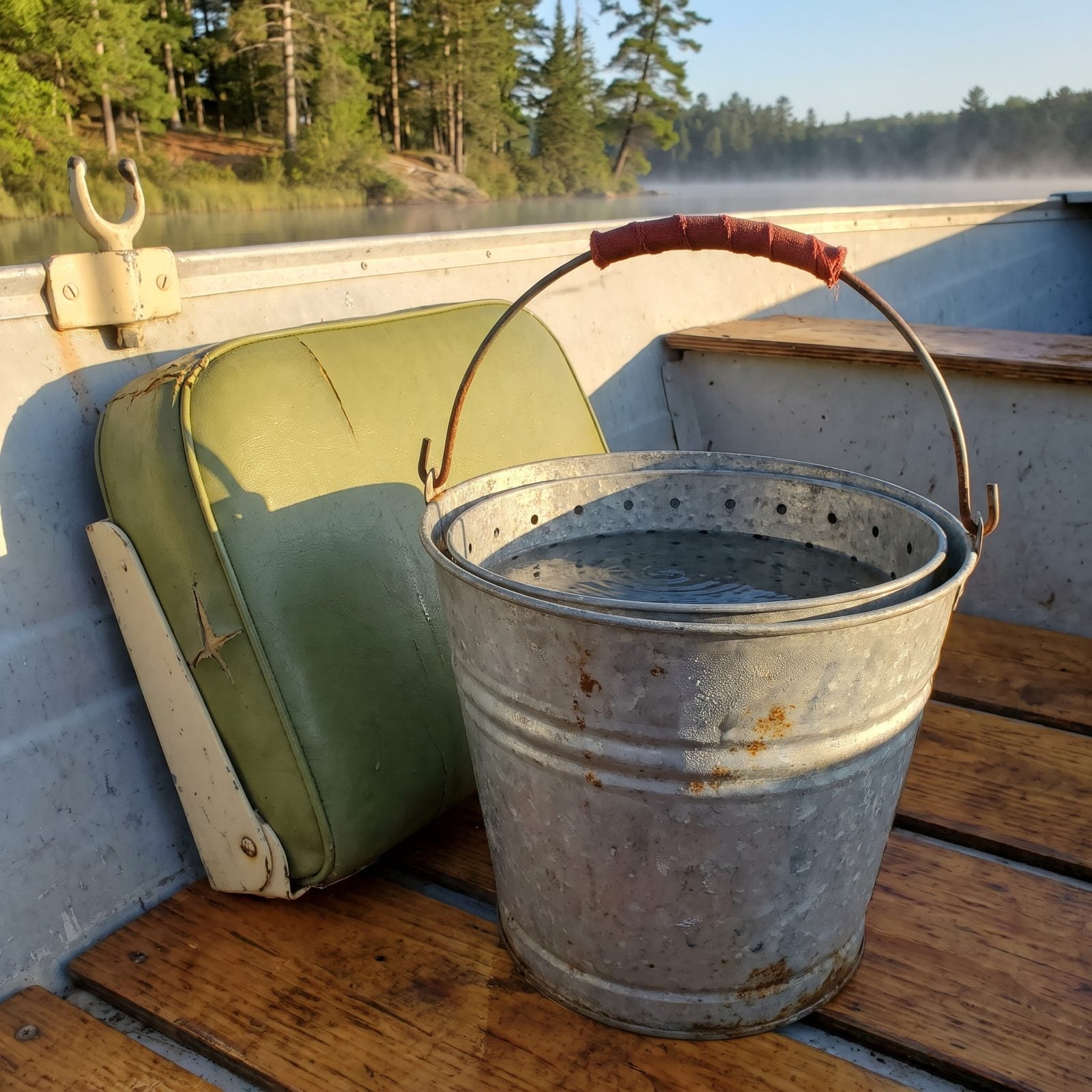
Two buckets in one, that was the whole trick. The perforated inner liner lifted straight out, so you could set your minnows down in the lake to keep the water cold and oxygenated, then haul them up when you motored to the next spot. No aerator. No battery. Just physics and a wire handle.
Younger anglers buy a foam bucket with a bubbler and call it modern. Fair enough. But the galvanized version never ran out of charge, never buzzed all night, and lasted decades. I’ve seen one still in service that’s older than most bass boats.
8. The Metal Chain Fish Stringer
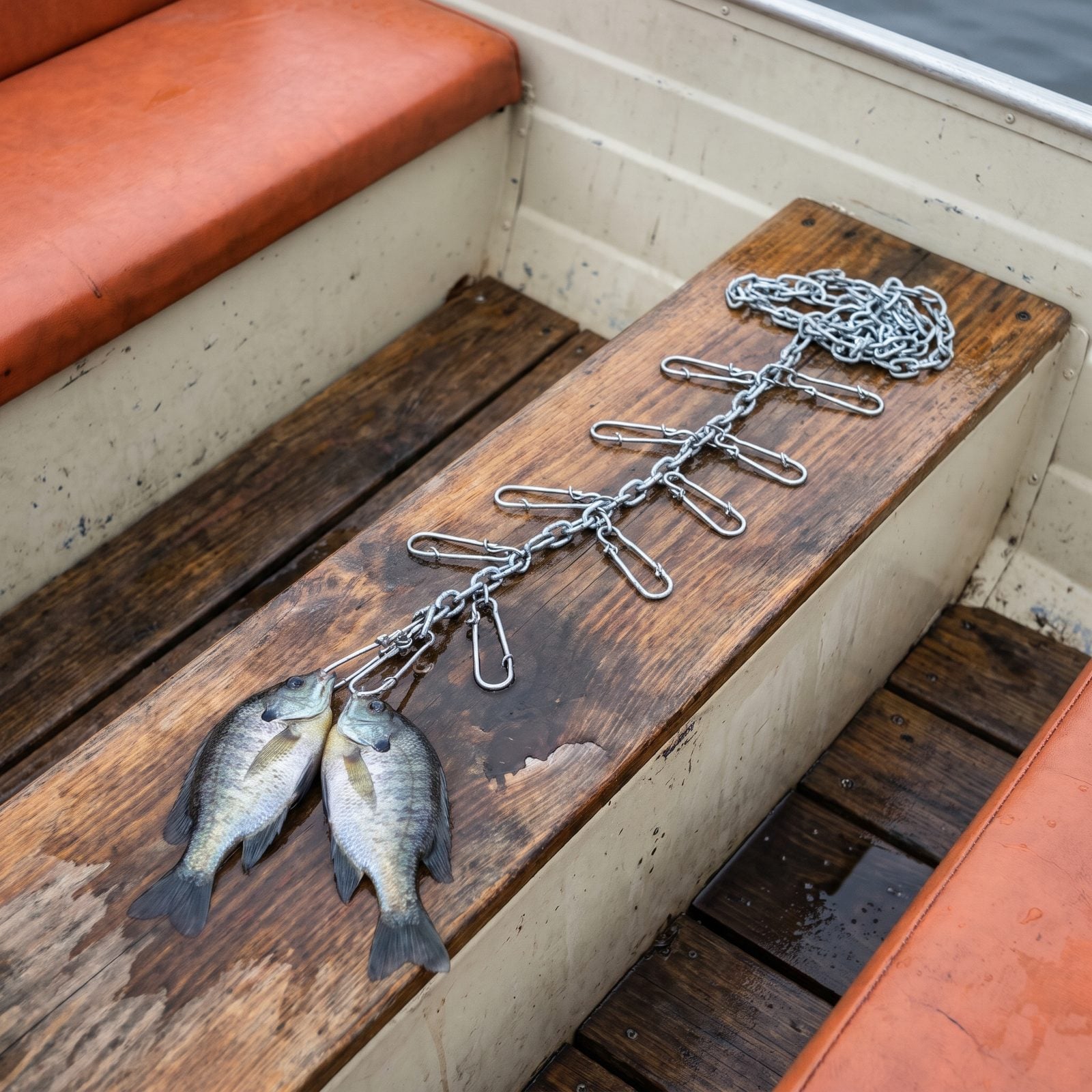
The chain stringer was loud, heavy, and brutally effective. Each fish got its own snap clip through the lip. You dropped the whole string over the side and let the lake do the refrigeration.
Catch-and-release culture made these half-forgotten, and that’s mostly a good thing. But if you’re keeping a legal limit for the pan, nothing beats it. The rope-and-needle stringer is cheaper. The chain is the one that lasts a lifetime and never rots through on you at the worst moment.
7. The Cantilever Steel Tackle Box
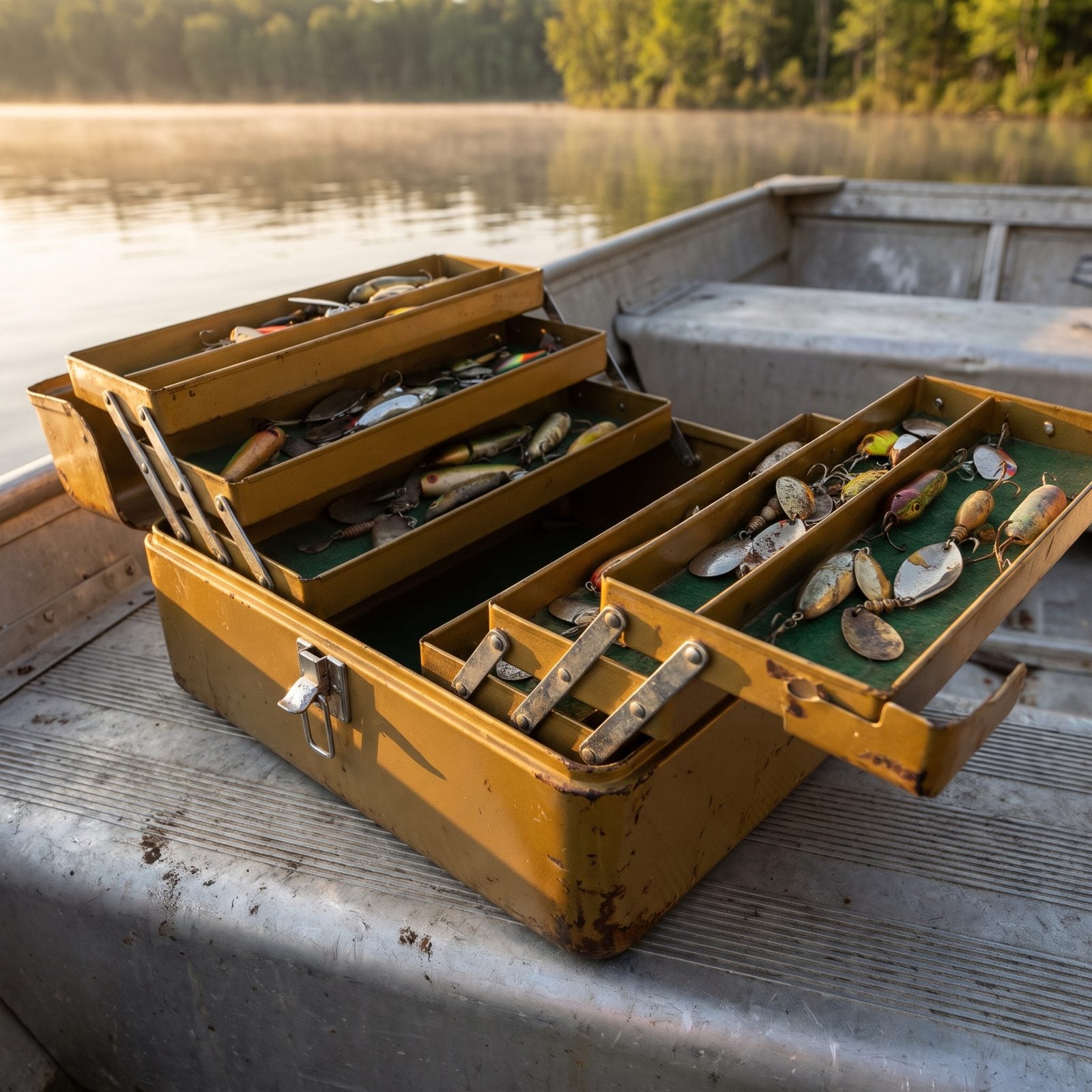
Open the lid and the steel arms lifted the trays up and out in a staircase, every compartment right there in front of you. No digging. The whole thing weighed a ton, which is exactly why nobody makes them from steel anymore. Plastic is lighter and it floats, and those are real advantages.
Still, I’ll admit a soft spot. A loaded steel cantilever box has a heft that a tackle bag never will. It felt like you owned something. Mine had a dent in the lid from a dropped anchor and I never fixed it.
6. The Casting Reel Spooled With Braided Dacron Line
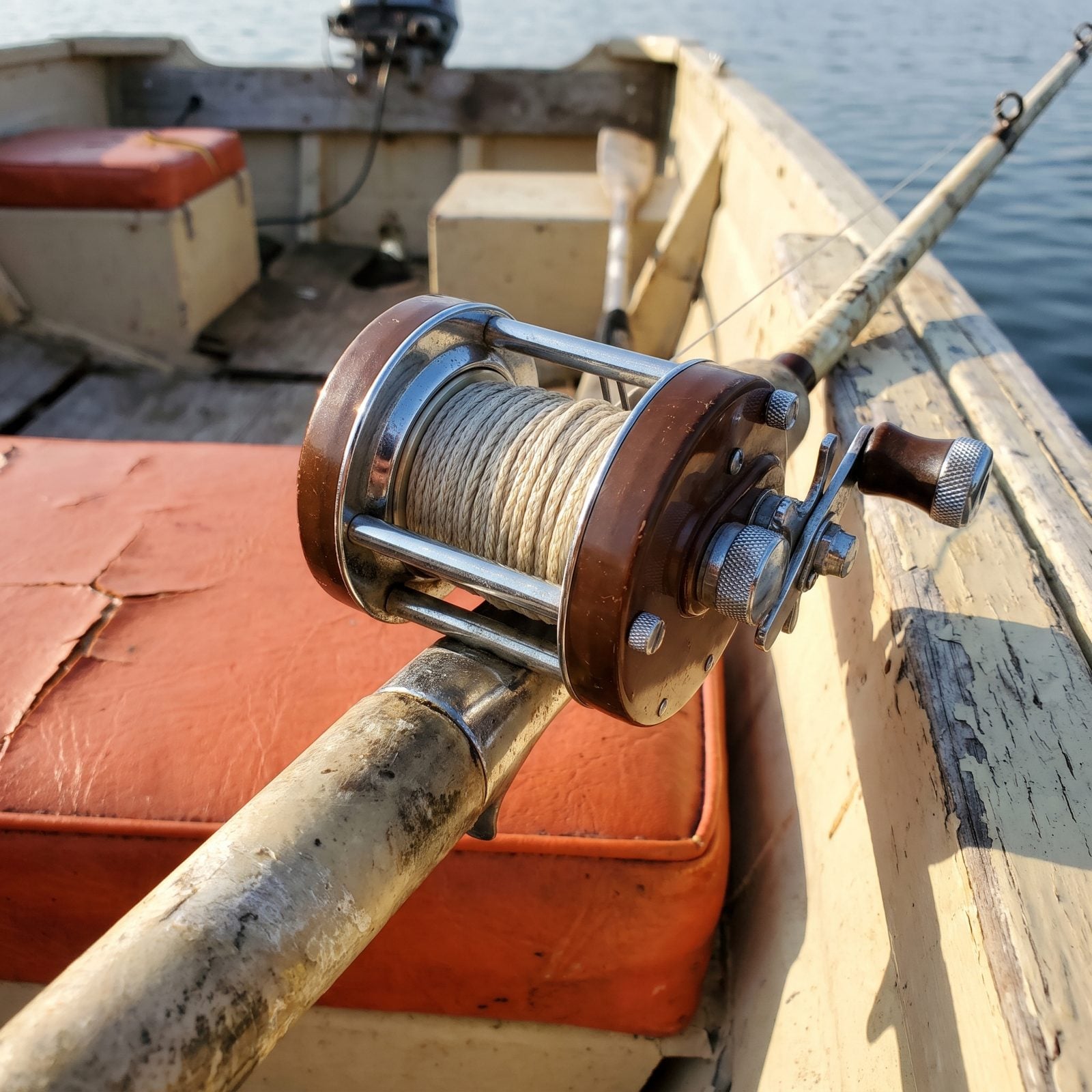
Dacron was the braided line before braid meant what it means now. Low stretch, strong for its diameter, and it sat on those old round casting reels like it belonged there. Trollers and muskie hunters swore by it because it didn’t balloon out behind a deep-running plug.
Modern superlines are thinner and tougher, no argument. But Dacron had a feel, a directness, that monofilament never matched. You knew the second a fish breathed on your lure. A lot of the guys who grew up on it never fully trusted the slick new stuff.
5. The Wooden-Handled Landing Net With Cotton Mesh
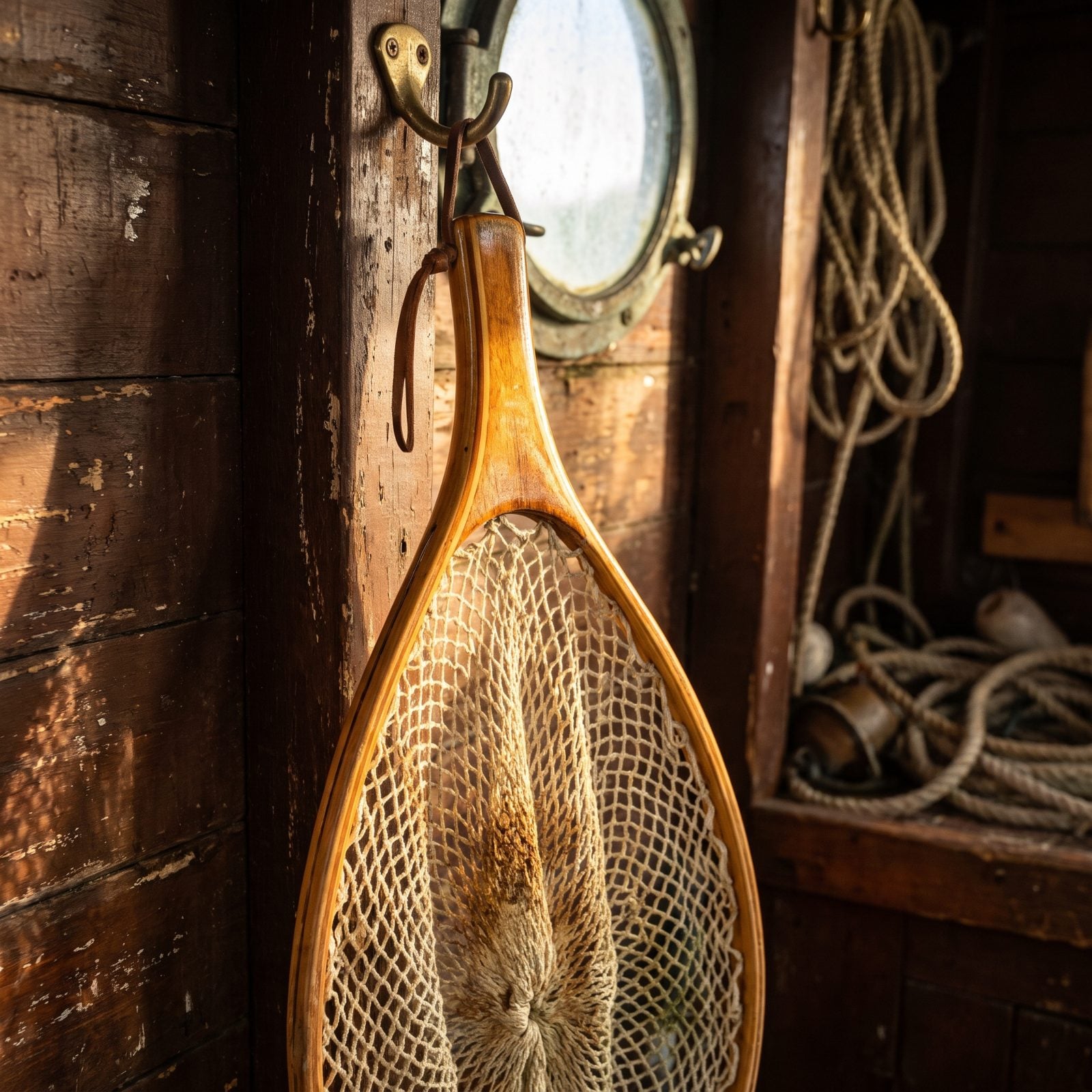
Cotton mesh was soft on the fish and hard on the owner. It soaked up water, held smell, mildewed if you stored it wet, and rotted through eventually no matter how careful you were. The varnished hardwood handle, though. That was a thing of beauty.
Rubber and coated nylon nets replaced cotton for good reasons. They dry fast and don’t tear hooks out of a thrashing fish. I don’t miss wrestling a treble out of wet cotton at dusk. But I kept the old net on the garage wall anyway, because some things you don’t throw out.
4. The Clamp-On Vinyl Swivel Fishing Seat
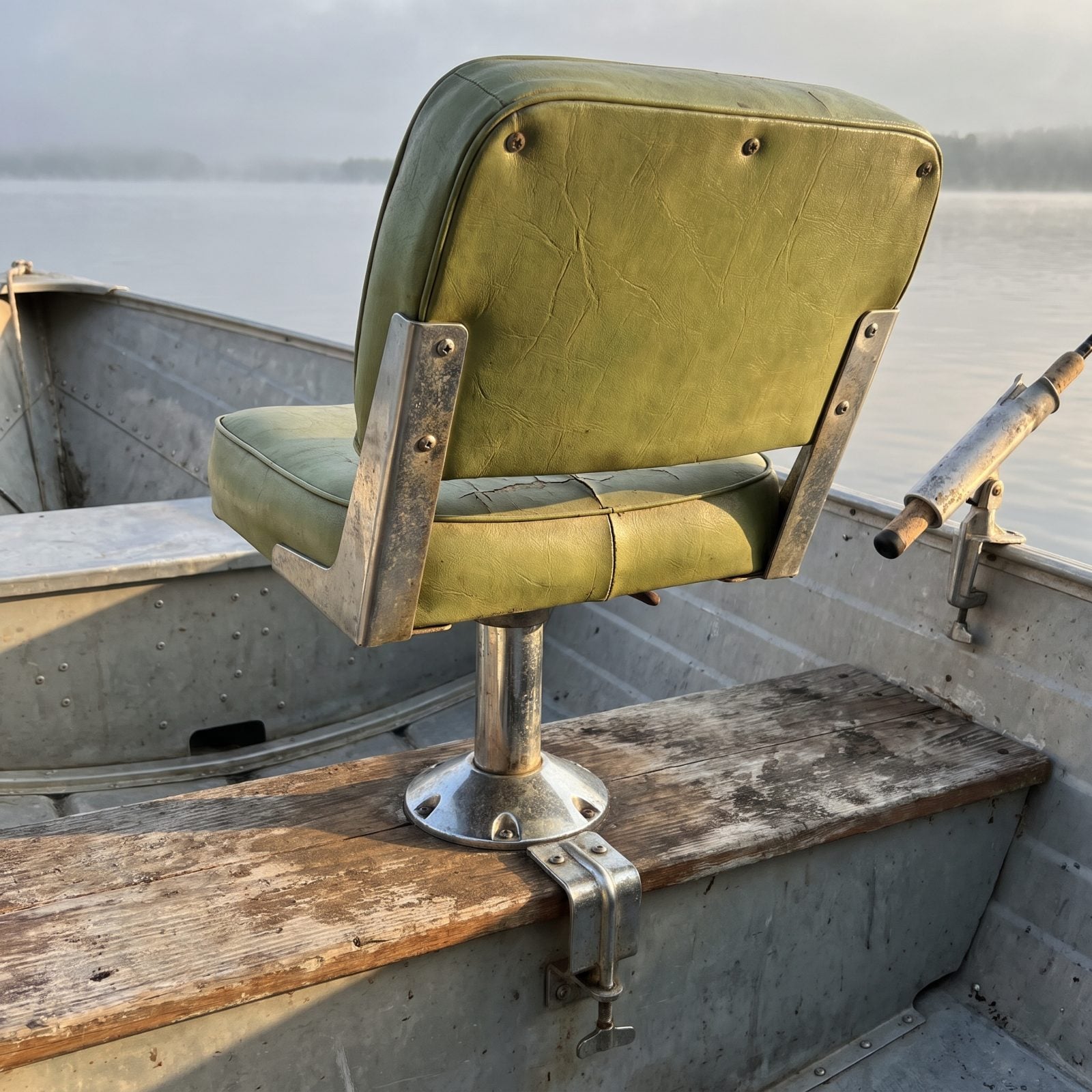
You clamped it onto a flat bench seat, and suddenly you had a chair that swiveled and had a back. Game changer in a flat-bottomed boat where the alternative was a wood plank and a sore spine. The avocado vinyl cracked in the sun and the swivel squeaked, but it beat sitting on aluminum all day.
Bass boats come with molded pedestal seats now, bolted in and padded like a recliner. The clamp-on version was the aftermarket upgrade of its day, and every rig built from a kit got one eventually.
3. The Glass-Lined Vacuum Bottle in a Metal Case
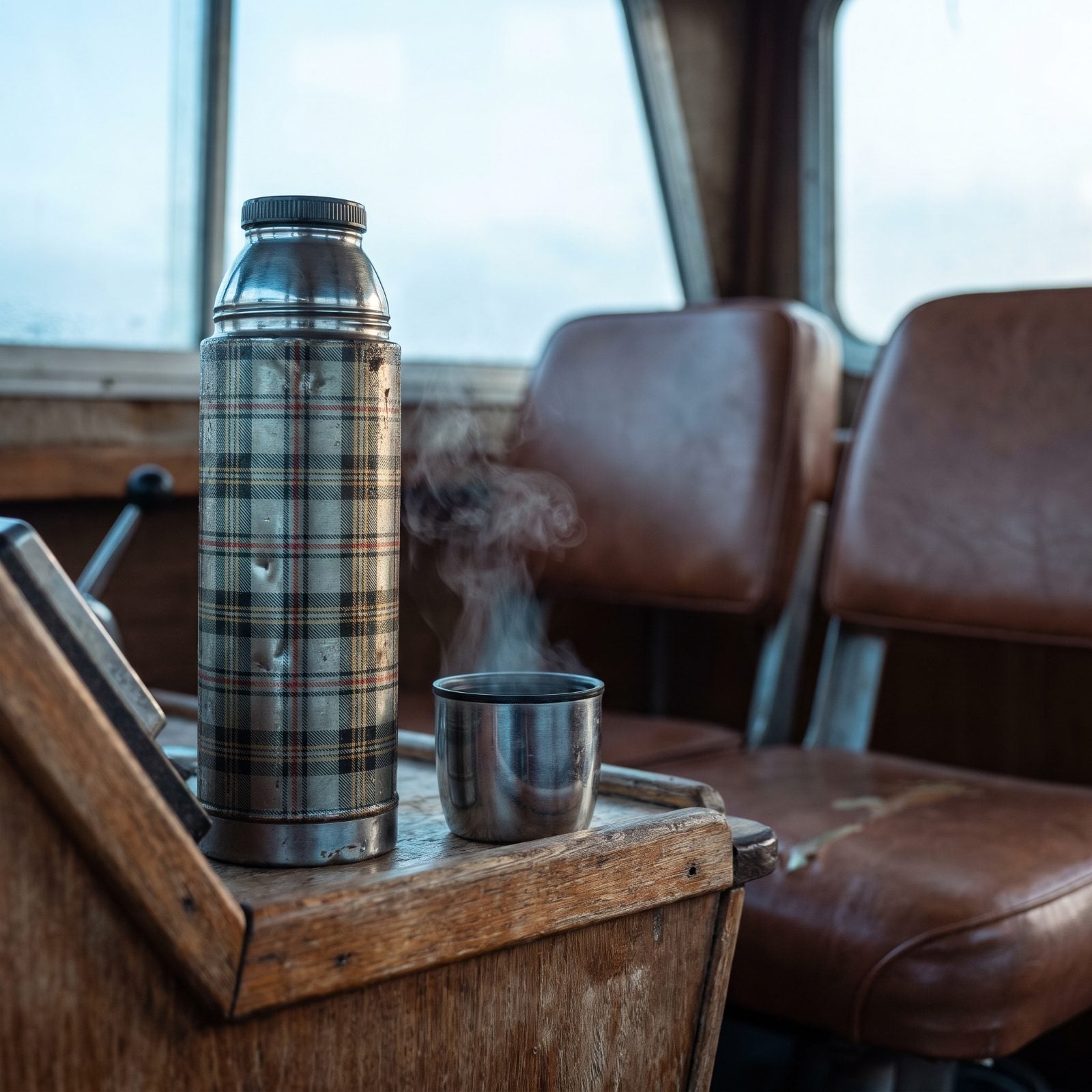
The one piece of gear that kept you human before sunup. A glass-lined vacuum bottle held coffee hot for hours, and the metal case protected the fragile glass liner from the knocks of a bouncing boat. Drop it too hard and you’d hear the liner shatter inside, a sound every old-timer dreaded.
Stainless steel bottles are tougher and they don’t break when you look at them wrong. But nothing kept coffee quite as hot as a good glass liner, and there’s a reason your grandfather hung onto the same battered bottle for years and years. Pour the first cup in the dark, hands wrapped around the chrome cap. That part hasn’t changed. The bottle has.
2. The White-Gas Lantern and Its Box of Spare Mantles
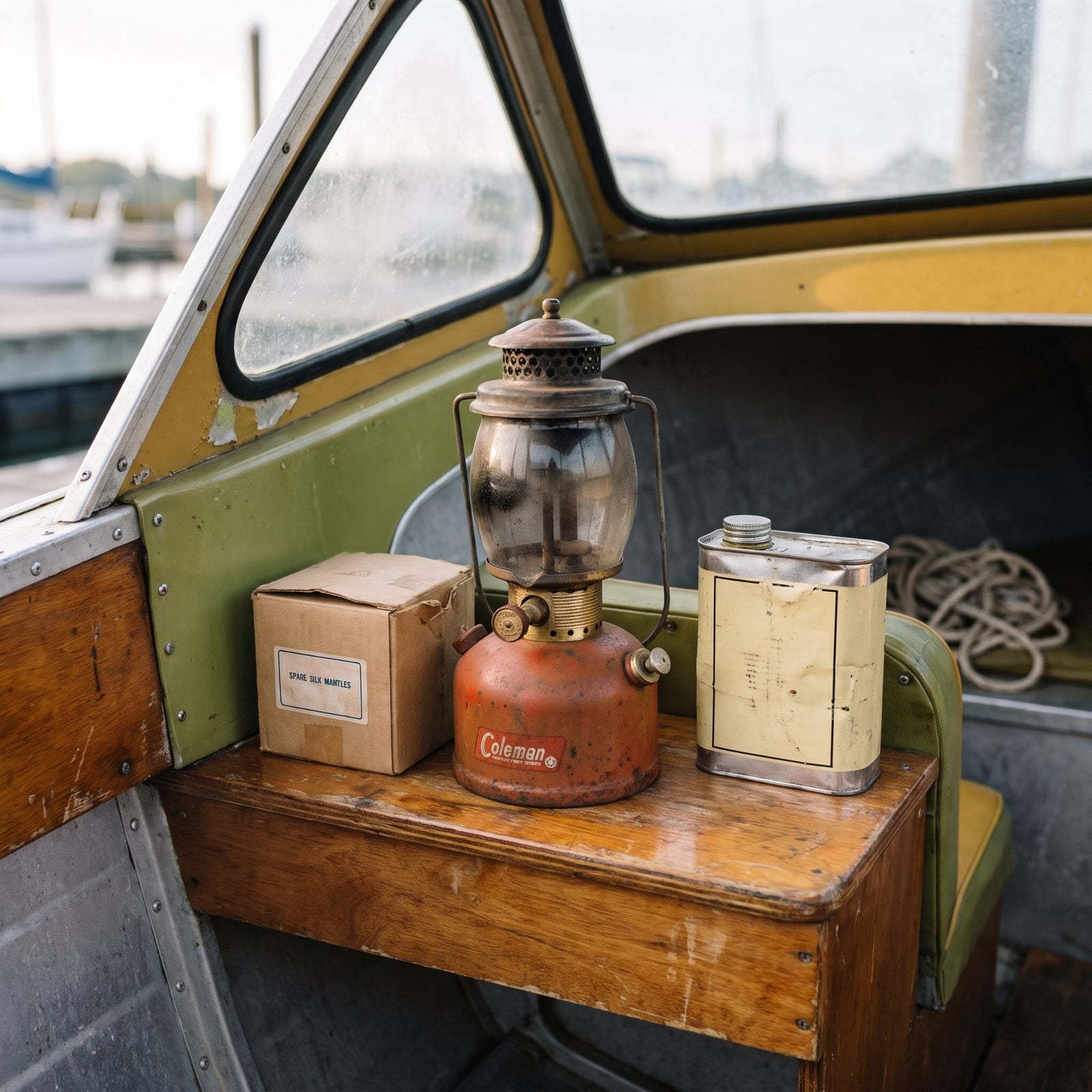
Before LED panels clipped to the gunwale, light on a night trip came hissing out of a pressurized white-gas lantern. You pumped the tank, held a match near the generator, and the mantles flared into a glow bright enough to rig a line by. The mantles were the catch. Those fragile silk socks turned to ash the first time you lit them, and one careless elbow reduced them to powder, which is why any boat worth its salt carried a spare box.
Younger anglers never touch the things. Why would they? A rechargeable work light does the job without the fuel smell or the burn risk. But the old-timers kept one aboard anyway, and they had their reasons. It threw real heat on a cold dawn, and it never died because somebody forgot to charge it the night before.
1. A Waterproof Tin of Highway Emergency Flares
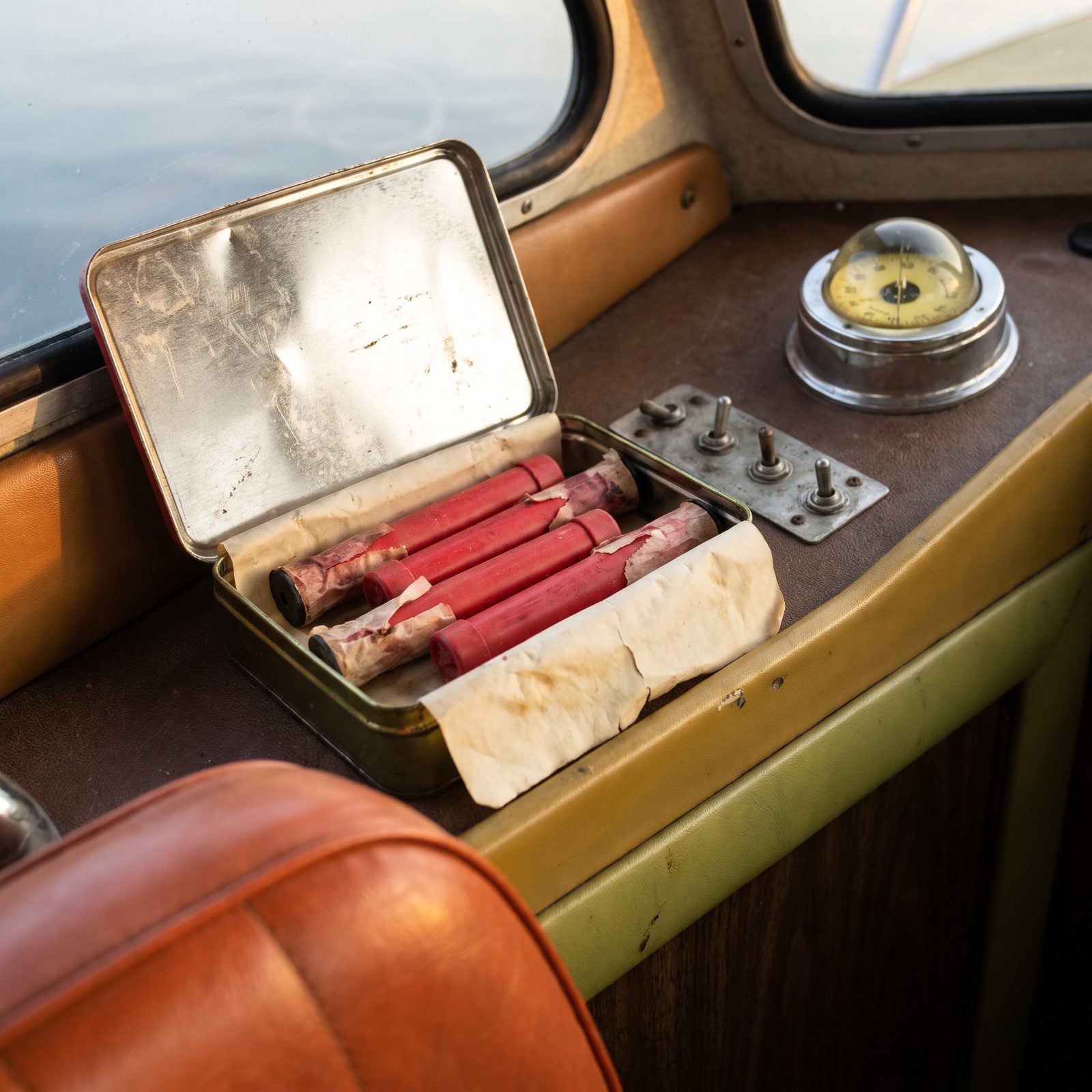
Highway flares rode in a watertight tin inside a lot of tackle lockers back then, and most people have forgotten why. Here’s the reason. Marine signal flares ran expensive and came with hard expiration dates, while the red roadside flares you could grab at any auto parts counter burned bright, cost next to nothing, and doubled as a fire starter on a damp bank when nothing else would catch.
Keeping them dry was the whole game. A soggy striker is a useless striker, so they went in a flat tin with a snug lid, tucked somewhere high and clear of the bilge spray.
These days that corner gets handled by proper Coast Guard approved marine flares and electronic distress lights. Smarter, legal, less likely to drip molten slag on a fiberglass deck. Still — there was something reassuring about a tin of dry fire you could grab blind in the dark.