

A good bait shop owner has read a thousand anglers before coffee. The door chimes, somebody walks in, and the whole story is already on the floor behind them before a word gets said. The mud, the salt, the way the rod rides in their hand — none of it is a guess. It’s pattern recognition built over decades of watching who comes back with fish and who comes back with excuses. These are the small, honest tells that let a counter veteran know where you fished, when you got there, and roughly how long you’ve been doing this.
Please note that some of the images in this article were created with the assistance of AI.
32. The Mud Still Clinging to Their Boots

Mud talks. The owner doesn’t even need to ask where you’ve been. Gray silt that smears means a soft river bottom, somewhere slow and deep. That orange-red clay? Bank fishing a stocked pond off a county road. The pale, almost chalky stuff is a drained reservoir margin, and it means you walked out farther than you probably should have.
What really gives you away is how wet it still is. Mud that’s cracking and flaking has dried on the drive in, so you’ve been out since first light. Fresh and shining means you just came off the water and ran out of bait early. Both tell the owner how your morning went before you say a word.
31. The Dried Salt Spray on Their Clothing
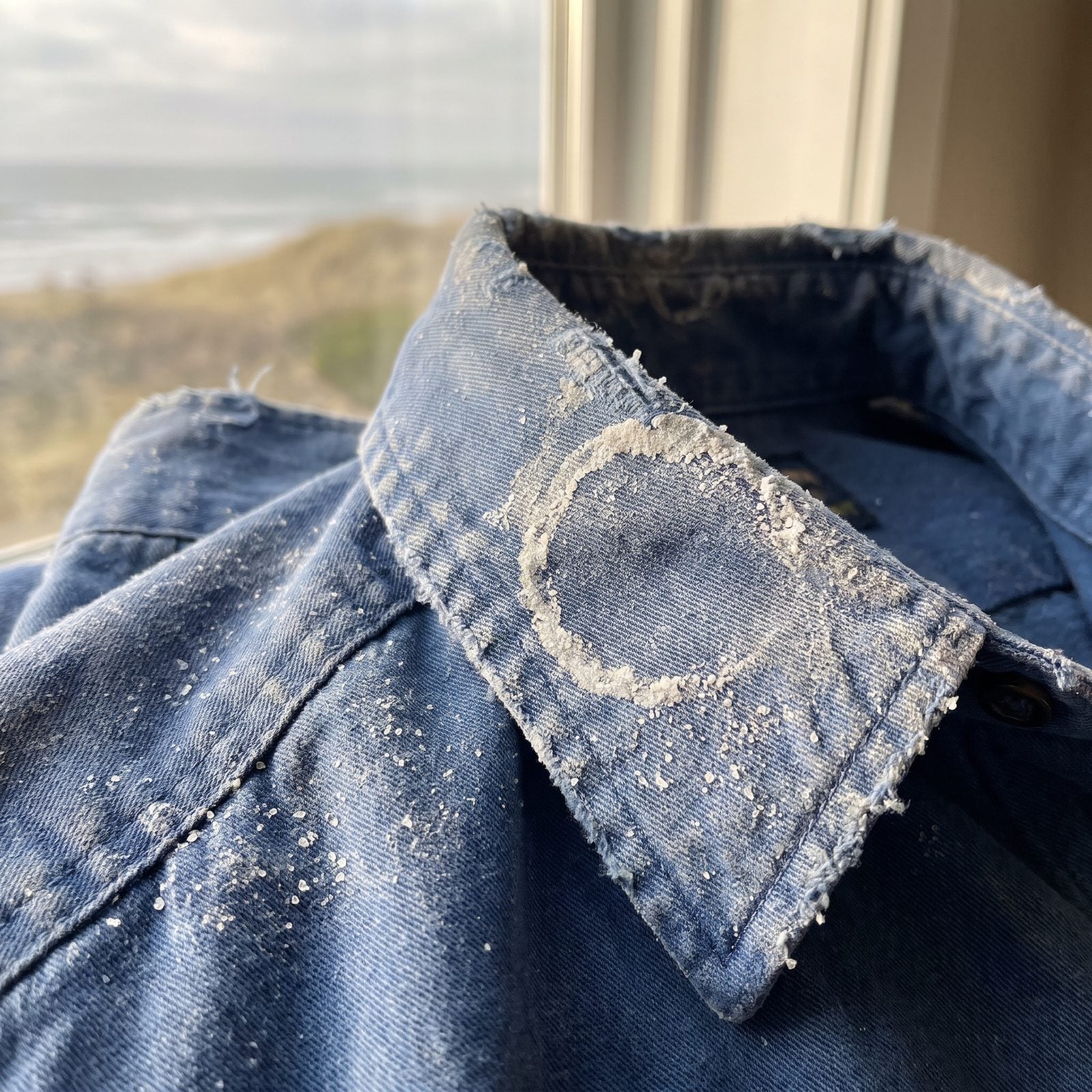
Salt leaves a signature nobody can wash out fast enough. Those white chalky rings on a shirt collar and cuffs mean real spray, the kind you only get running a boat into a chop or standing in the wash on a jetty. It’s a different animal than a little dried sweat — it sits on the fabric in a crusty bloom.
An owner clocks where the salt landed. High on the shoulders and hat brim says you took green water over the bow offshore. Just the lower legs and boots means surf or waist-deep wading. And heavy salt on a brand-new shirt? That tells them you fish hard but bought your gear last week.
30. The Sand Packed Into Their Surf Cart Wheels
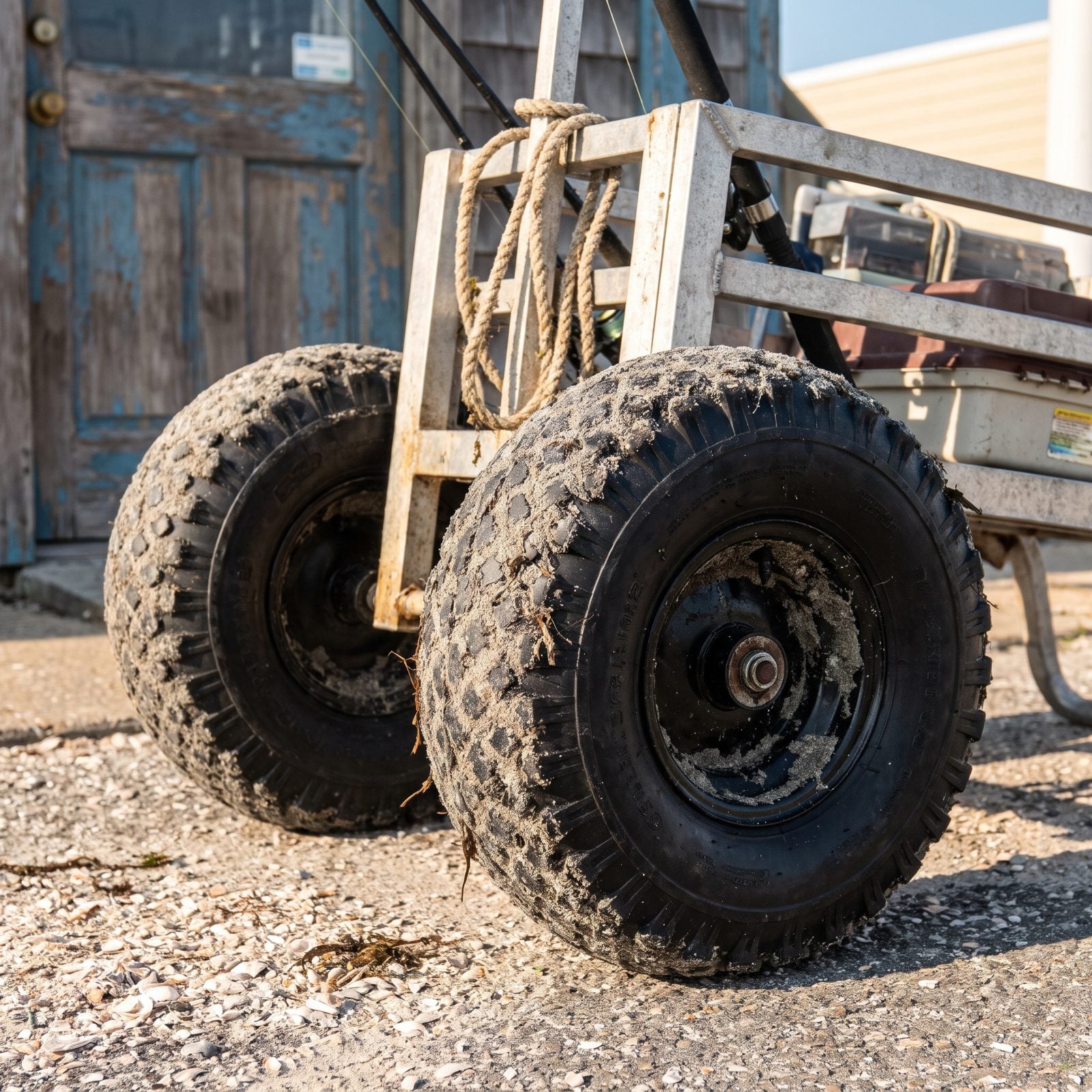
Surf anglers roll in loud, and the cart gives them up before they reach the counter. Fat balloon tires packed with wet sand mean a long haul down a soft beach, and the deeper it’s wedged into the tread, the farther they walked past the easy spots.
The real tell is the setup riding on that cart. Sand spikes, a cooler, and two long rods means a committed sit — bait soaking, patience. One rod and a bag of lures means they’re walking and casting, hunting fish on foot. The owner reads the rig and knows exactly which bait to point them toward.
29. The Fish Slime Already on Their Sleeves
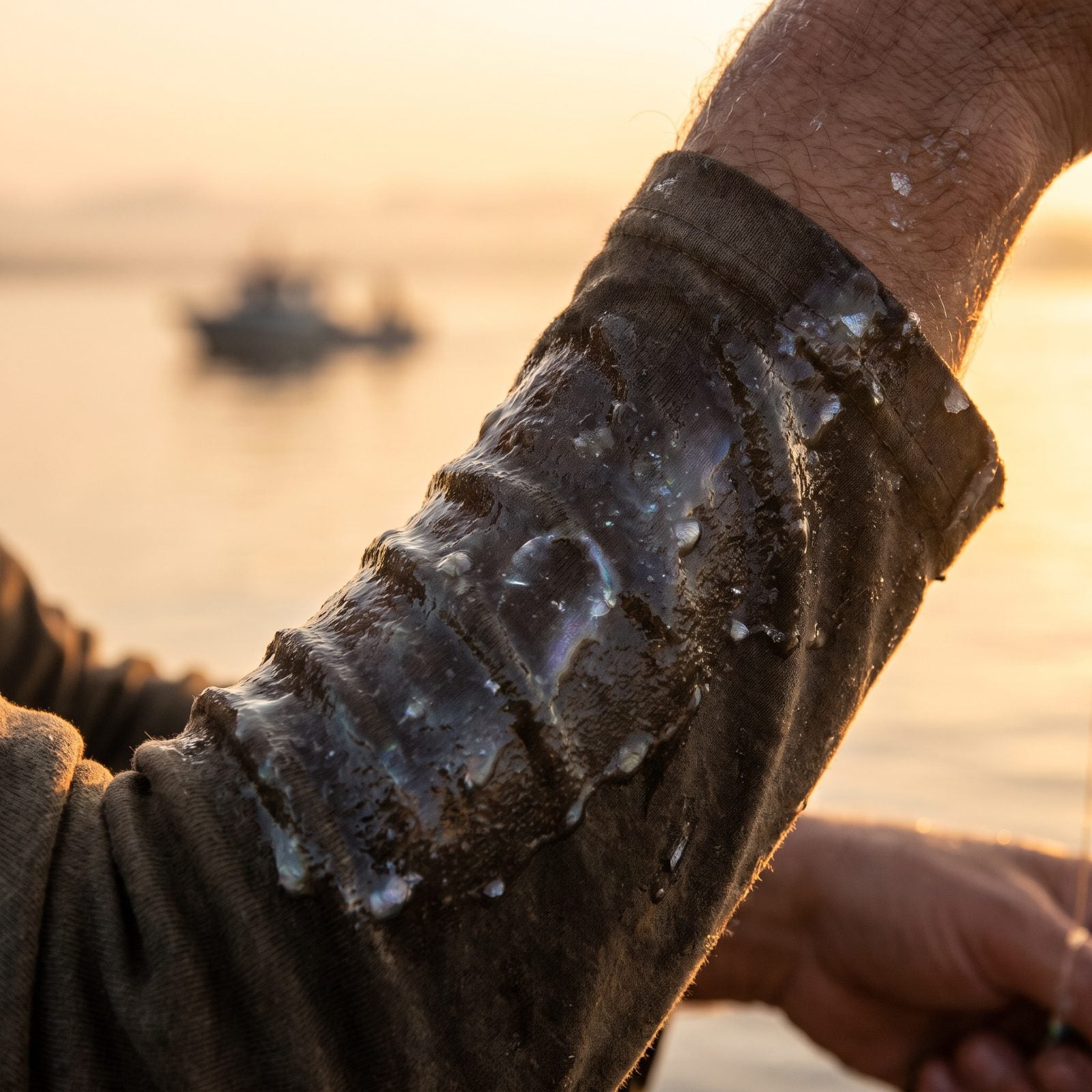
Slime means fish, and fish before breakfast means you’re serious. The owner sees that smear on your forearm and knows the morning already paid off. But the detail that matters is the scale.
Big silver scales stuck to a sleeve say something with size, maybe a striper or a nice bass. Fine scattered slime with no scales points to catfish or a bunch of small panfish handled fast. And a stripe of slime right where you’d pin a fish against your body to unhook it? That tells the owner you fish alone and move quick. People fishing with a buddy tend to use the net and keep cleaner.
28. The Polarized Glasses They Keep Within Reach
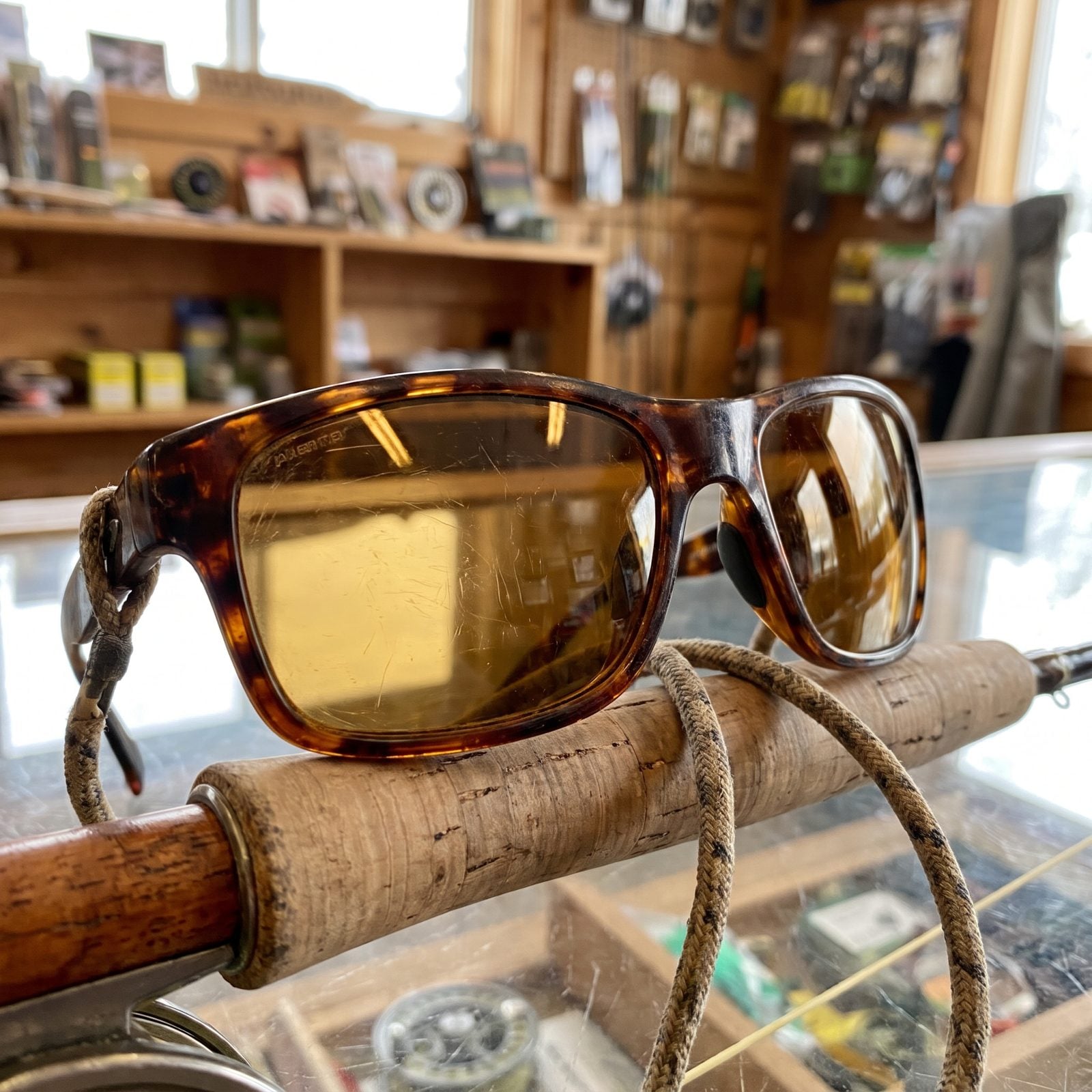
The glasses say more than the rod sometimes. An angler who keeps polarized lenses close, on a retainer, scuffed and salt-flecked, is somebody who sight-fishes. They’re reading the water, watching for cruising fish and bottom structure, not just chucking bait and waiting on a bobber to dip.
Lens color is a quiet giveaway too. Amber and copper tints lean toward shallow freshwater and inshore sight-casting. Gray or blue mirrors point to bright open water offshore. Ask about tides and water clarity while wearing a beat-up pair of good polarized glasses, and the owner already knows you don’t need the beginner speech.
27. The Headlamp That Signals a Predawn or Night Trip
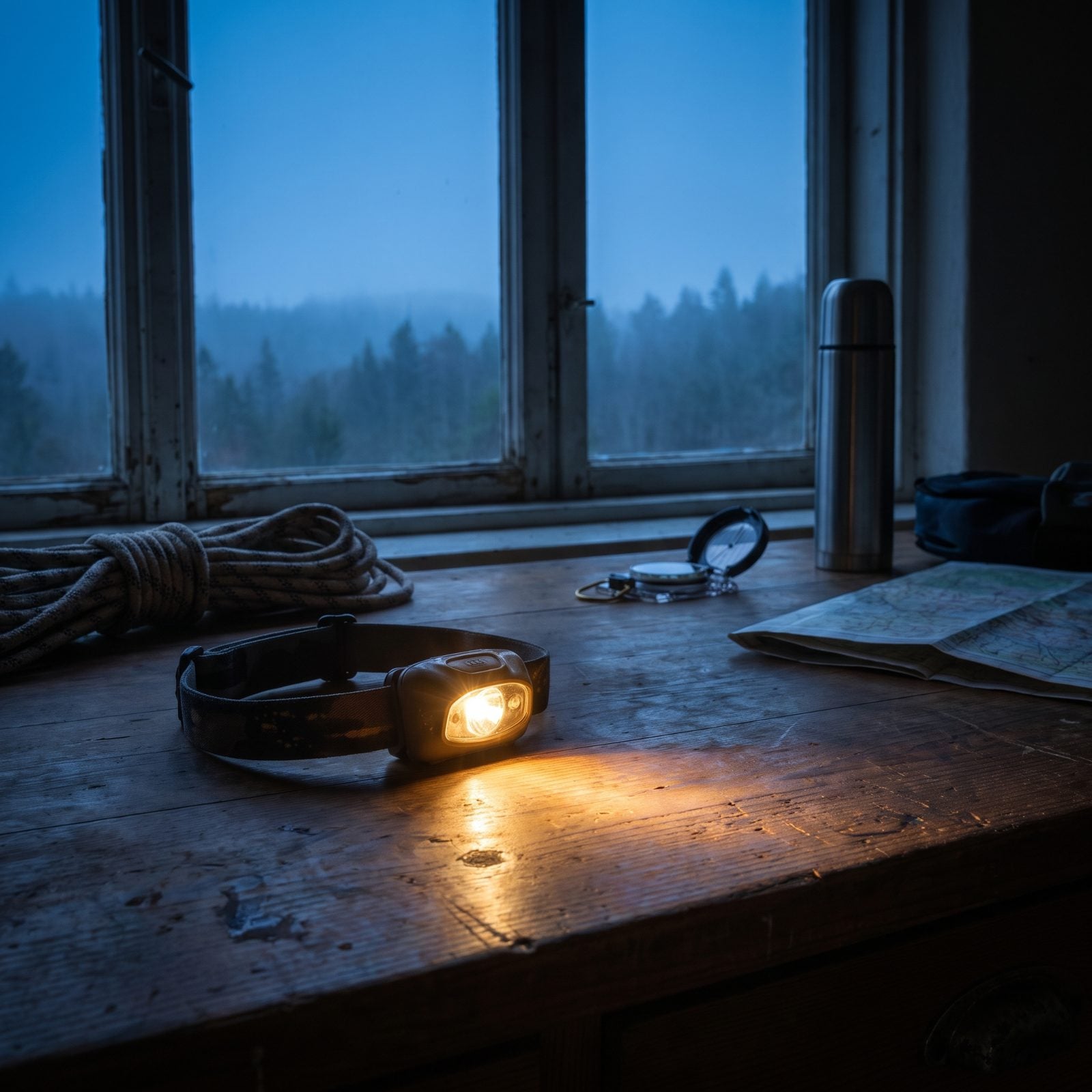
A headlamp on the counter before sunup is a schedule, written out. It means this person planned to be on the water in the dark, chasing a bite window most people sleep right through.
The owner looks for the red filter. A headlamp with a red mode belongs to somebody who knows white light kills your night vision and spooks fish in shallow water — that’s experience. A cheap white-only light clipped to a new hat means somebody read a tip online and is trying it out. Both are welcome. Only one of them already knows to ask about the night bite.
Making the case for a red-first headlamp on night trips, a fly fishing magazine editor explains “A white flash resets your dark adaptation for twenty to thirty minutes, while a dim red beam lets you tie a knot, wade, and land a fish with most of your night vision intact.”
26. The Broken or Missing Rod Tip They Need Replaced
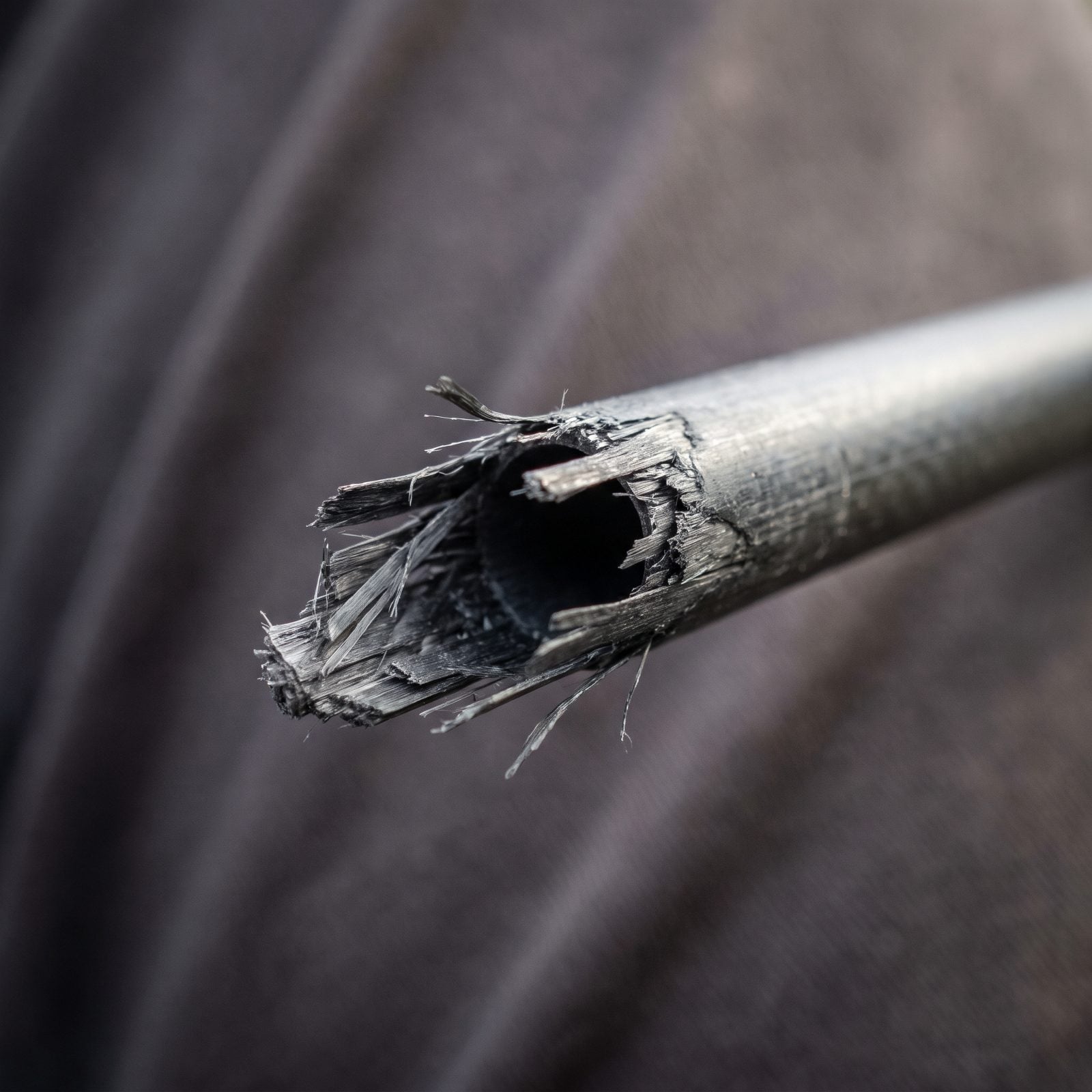
A broken rod walks in and the whole story comes with it. How it snapped tells the owner more than the customer realizes.
A clean break right at the top guide usually means a car door or a ceiling fan, nothing to do with fishing at all. A splintered break down on a thick section, right at the ferrule, means a real fight, or high-sticking a fish straight up at the net, which is the single most common way good rods die. See that splinter and the owner knows you hooked something worth remembering, right before the blank gave way.
Answering a reader worried about breaking a new rod, a fly fishing site’s editors point out that “Many rods meet their fate off the water—slammed in car doors, stuck in ceiling fans, or someone tripping on a propped-up rod.”
25. The Spinning Reel Mounted on a Casting Rod
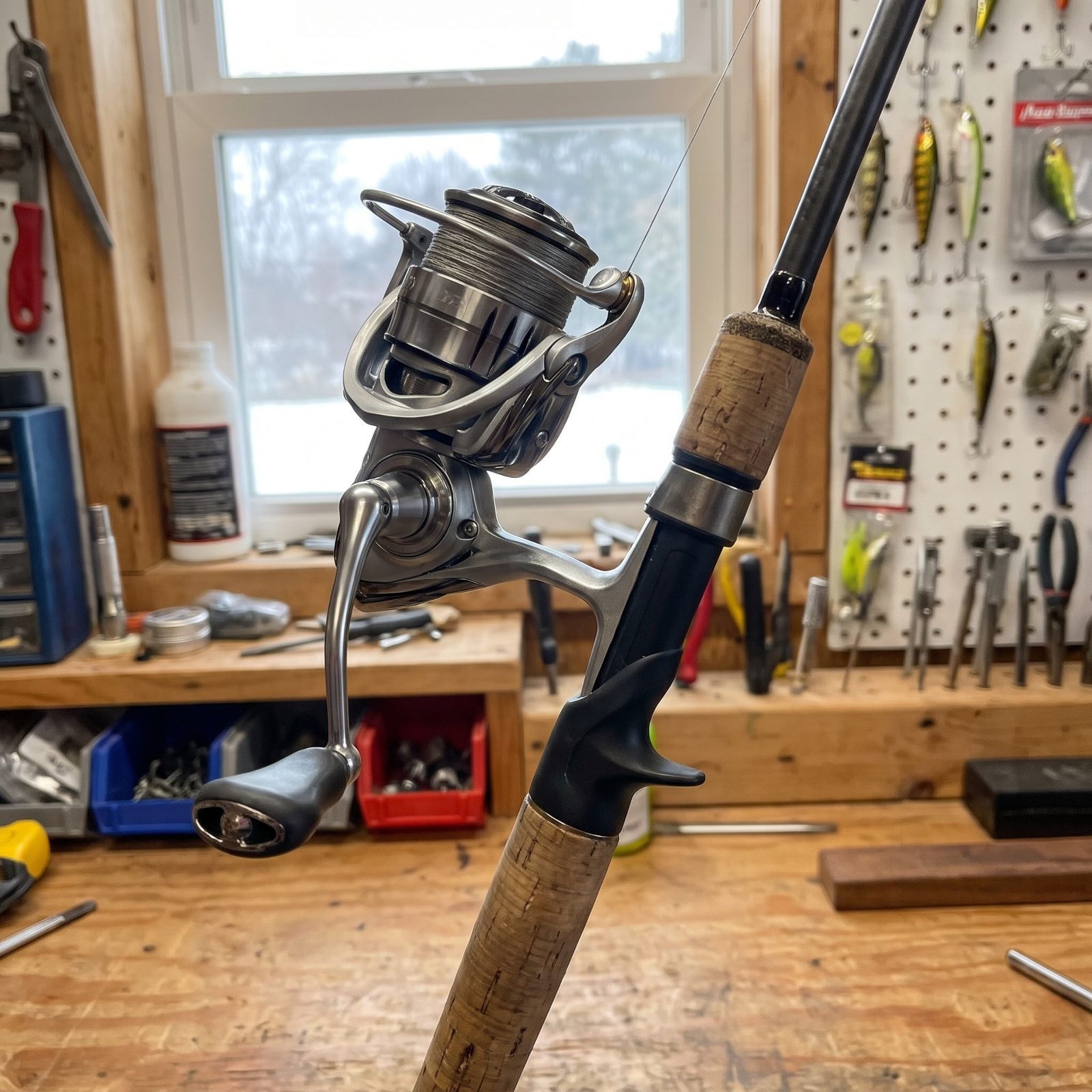
This one makes an owner wince, gently, and never out loud. A spinning reel on a casting rod gives away the whole experience level in a glance — the little guides are too small to tame the coils peeling off the spool, the trigger grip sticks up where a spinning rod has none, and the thing casts like a wet sock.
Here’s the part the owner won’t say unless asked: it’s an honest mistake, and almost everybody made some version of it starting out. The good ones nod, grab the right rod, and let the customer discover it themselves. Nobody learns to fish by getting lectured at the counter. They learn by catching one, finally, on gear that actually works.
24. The Nearly Empty Line Spool
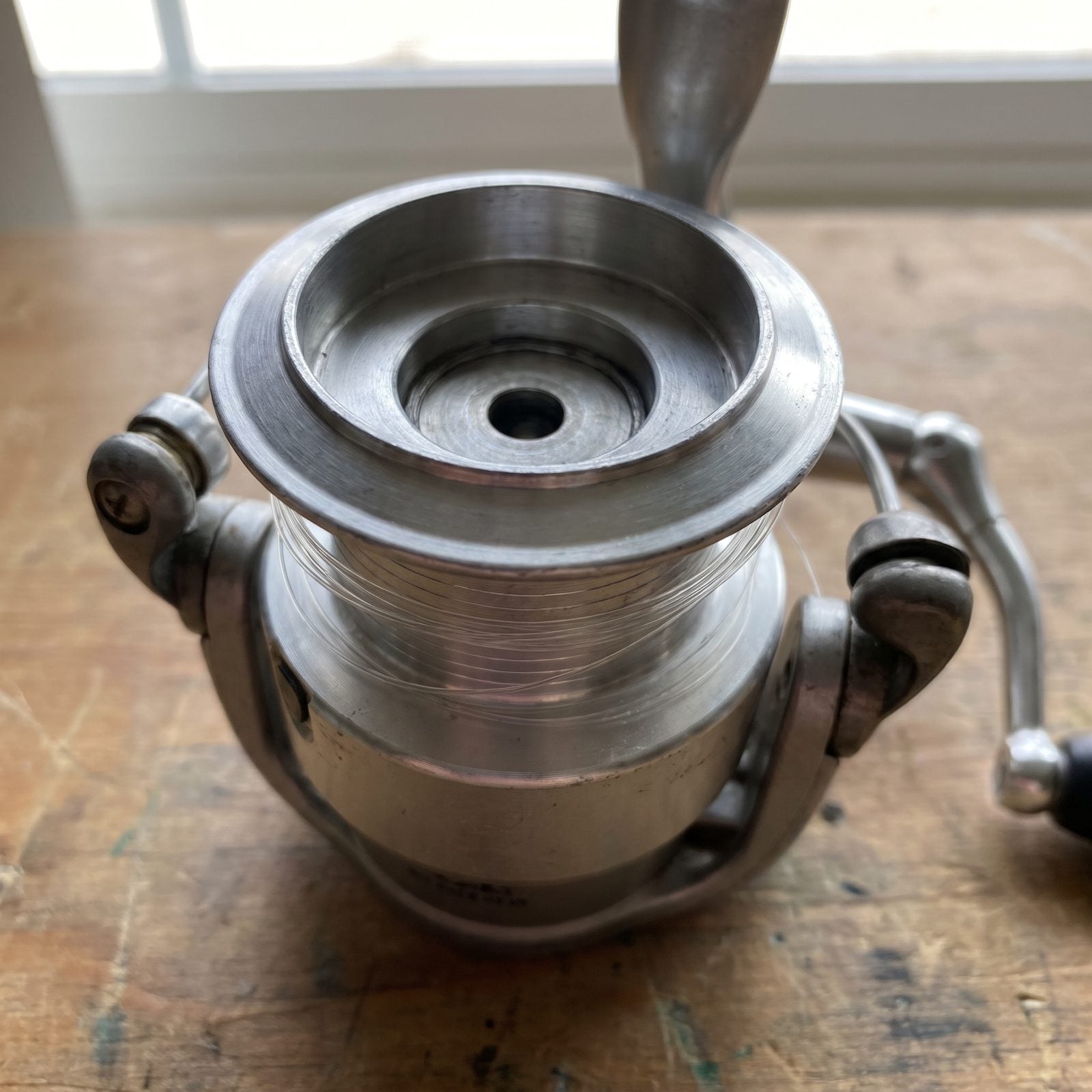
We can tell how a morning is about to go before you even open your wallet. A reel spooled down to the arbor means one of two things: you fish a lot, or you’ve been meaning to re-line since last spring and never got around to it.
Here’s what people miss. Low line shortens your cast and robs you of fight length when a good fish takes you deep, and by the time the spool shows metal, your drag is working off a smaller diameter that makes everything grabbier and less forgiving.
23. The Old Monofilament Curled Like a Slinky
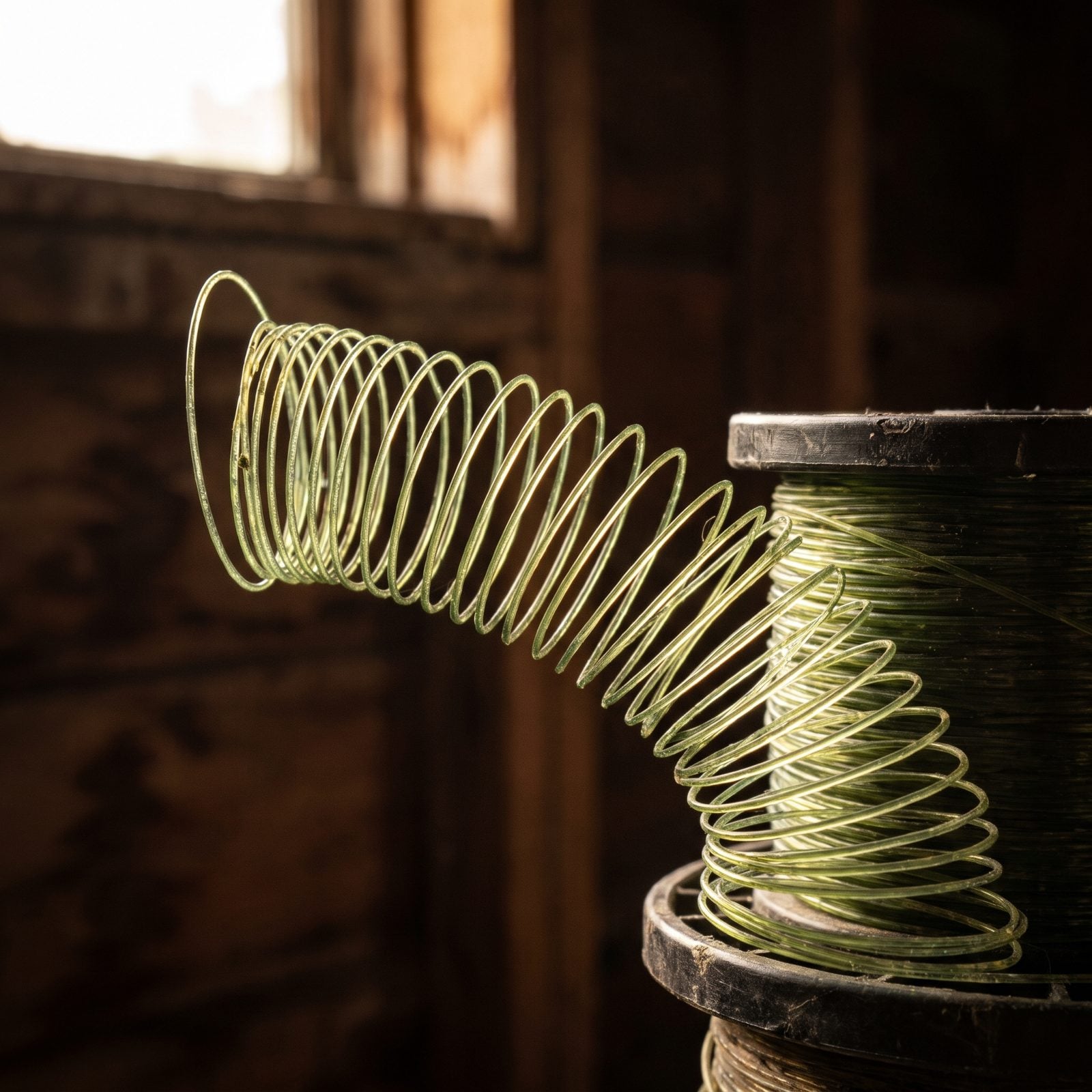
Line that springs into tight coils the second it leaves the spool has been sitting there for years. Mono takes a set. Sun, heat in a hot garage, plain old time — it remembers the shape of the spool and flat refuses to lie straight.
That memory costs you. Coiled line bellies on the surface, hides strikes, and snarls at the rod tip. If your line is doing its best phone-cord impression, it’s working against you on every cast.
22. The Nicked or Frayed Leader Near the Lure
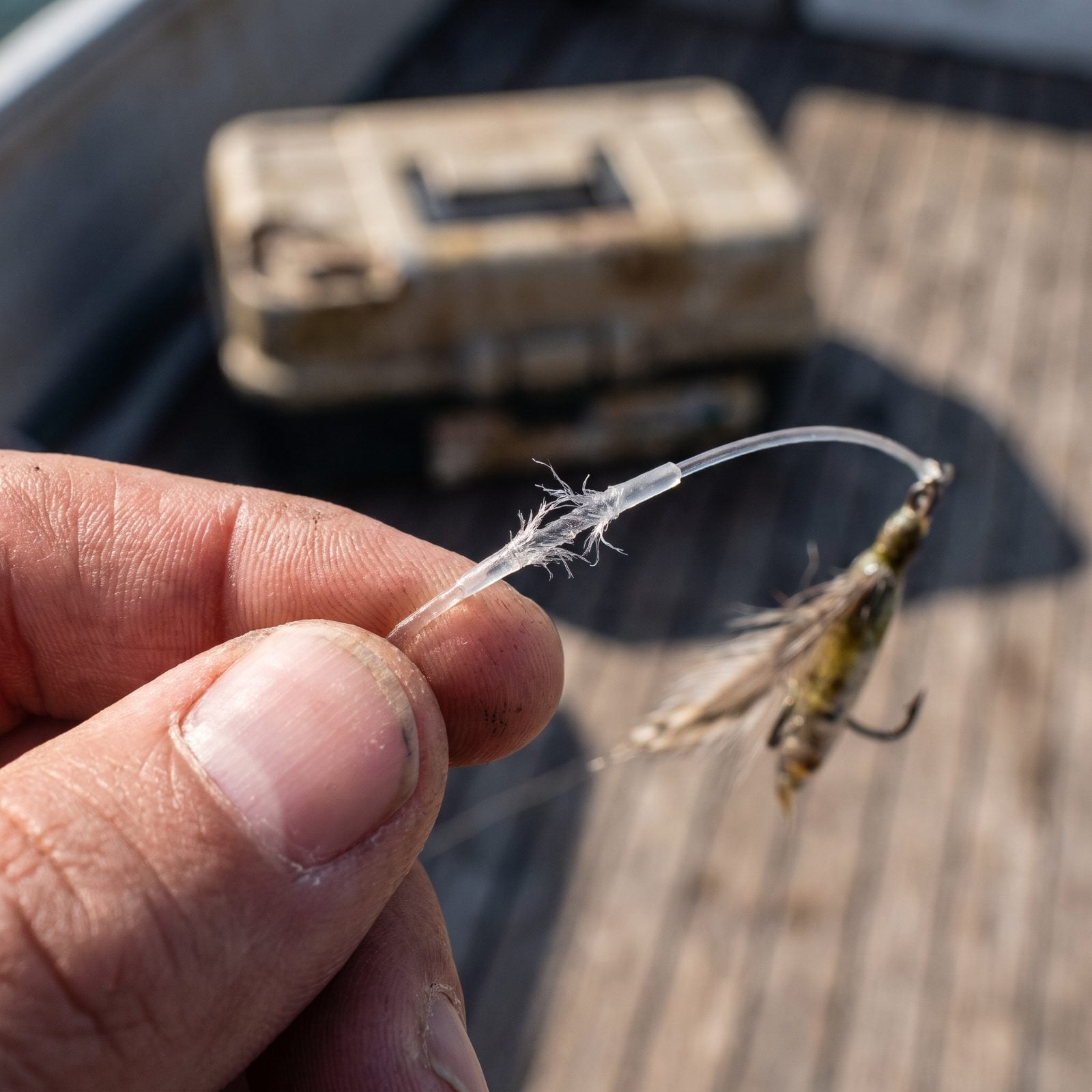
Run your fingers down the last foot of someone’s leader and the whole story is right there. A fuzzy, cloudy, nicked section near the lure says they’ve been dragging it through rocks, oyster bars, and dock pilings — or they’ve landed a few toothy fish and never re-tied.
Abrasion is where big fish are lost. That chewed-up section might test at half its rating, and you won’t notice until the hookset snaps it clean.
Re-tie the second you feel grit on that leader. Costs you two minutes. Beats watching a personal best swim off with your bait in its lip.
21. The Knot With an Extra-Long Tag End
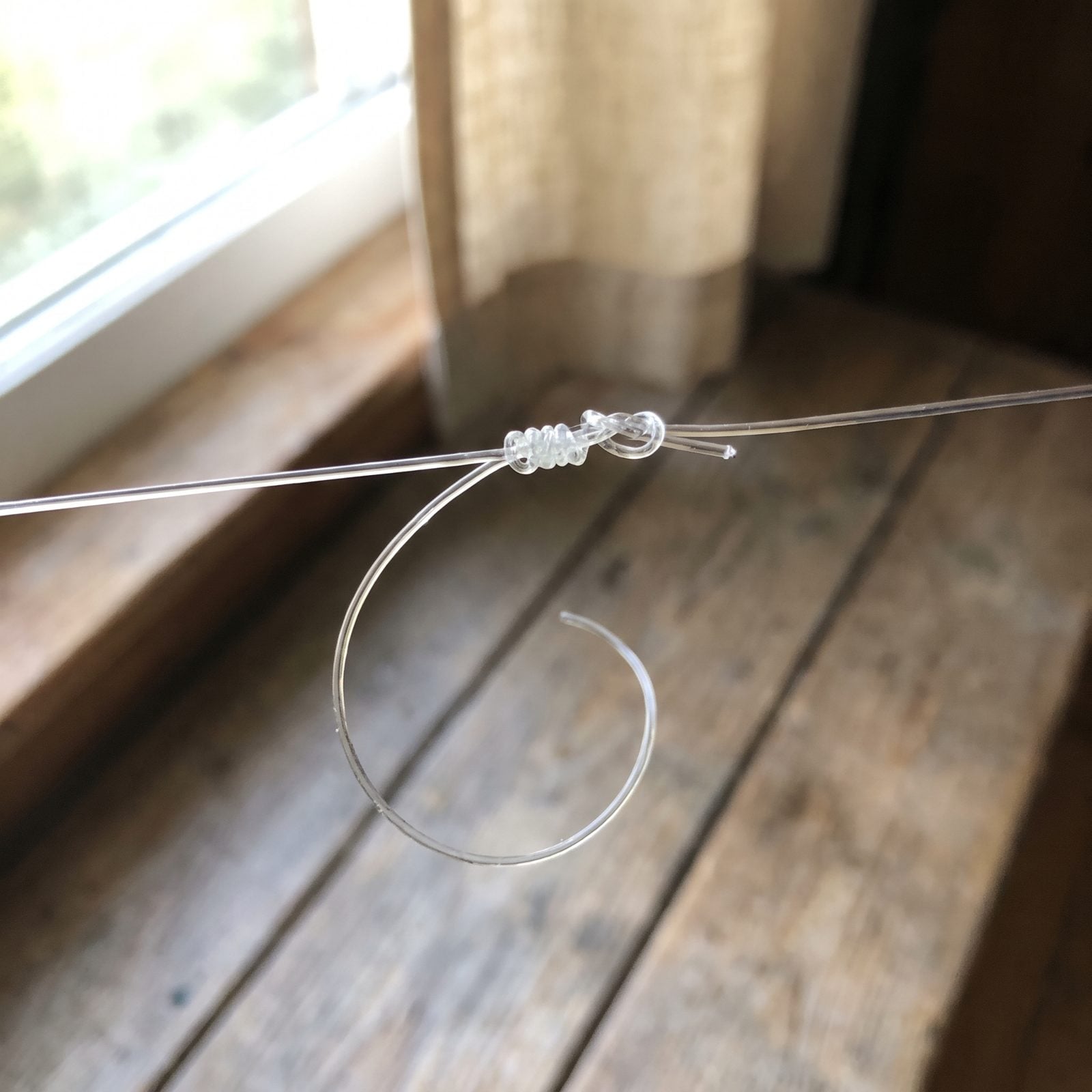
An inch of tag end flapping off a knot tells us you’re newer to this, and that’s fine — we were all there once. The long tag catches weeds, spooks line-shy fish, and sometimes slips the knot loose before it ever gets tested.
The knot isn’t wrong. The finish just isn’t there yet.
Trim it close, leave a sliver, not a wand. And wet every knot before you cinch it. Dry mono generates heat as it tightens, and that heat weakens the very spot you’re counting on.
20. The Snap Swivel Clipped to Every Lure
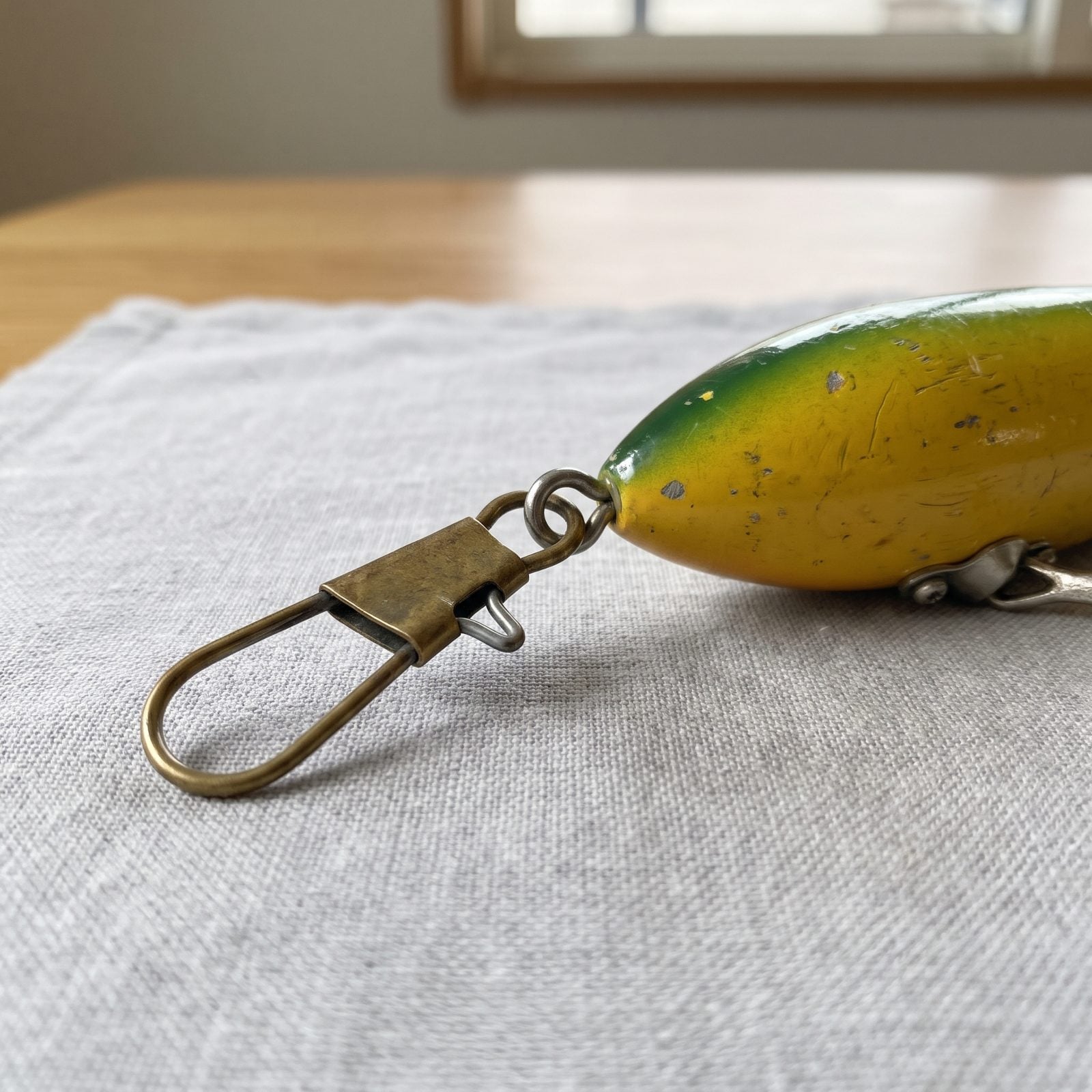
A snap swivel hung off the front of a crankbait is a quick read for us. Convenient, sure — you change lures fast without re-tying. But that chunk of metal on the nose deadens the action of a bait that was tuned to wobble free.
On finesse presentations and light line, the snap can be the reason fish follow but won’t commit. Clip one onto a big saltwater plug? Different story, totally fine. Knowing when the shortcut costs you is the whole game.
19. The Treble Hook Swinging Loose From the Rod

When a rod walks in with the lure just swinging, hook flopping against the blank, we notice. Folks who’ve been at this a while hook the bend into a guide or a hook keeper and reel the line tight — keeps the lure still, keeps the points out of your thumb.
A loose treble on a carried rod is how you end up barbed in a car seat, a dog, or yourself. I’ve pulled a hook out of my own palm walking a trail. Once was plenty.
18. The Rust Blooming Across Their Hooks
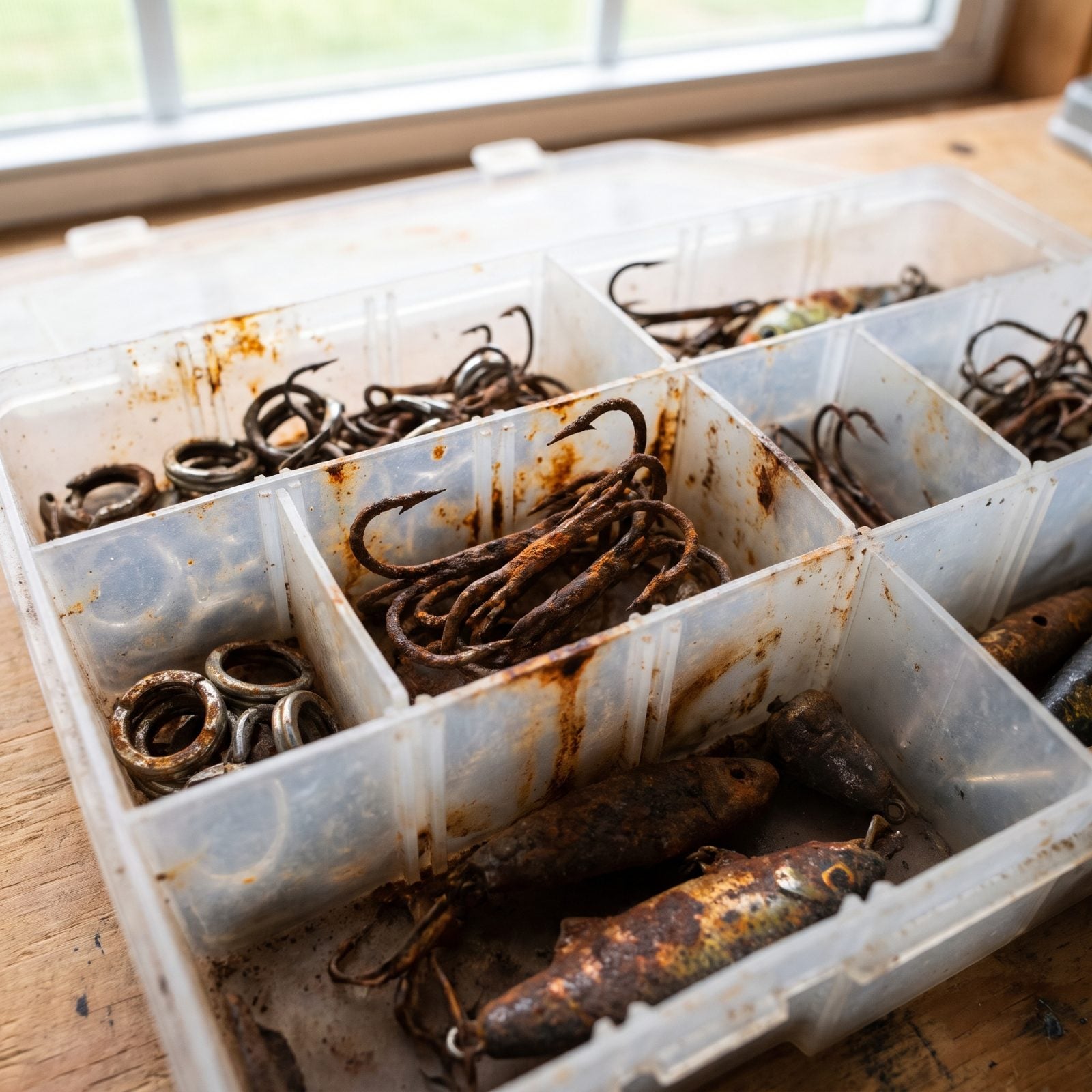
Open a tackle tray and the rust tells its own story. Orange creeping across the points means the box went away wet, probably after a saltwater trip, and probably more than once.
Here’s the part that matters. Rust dulls a point and weakens the wire right at the bend, so a rusted hook flexes and straightens on a hard fish — or it just won’t bite into the jaw on a good hookset.
Dry everything before it goes back in the box. Toss a couple rust-prevention tabs in the tray. Replace whatever’s too far gone. Cheap insurance against a lost fish.
Explaining why tackle that goes back in the box wet turns orange, one fishing writer notes that “Any moisture left on a hook in your tackle box can start rust on that hook and the rust can spread like wildfire to other hooks”
17. The Lure Scarred by Repeated Strikes
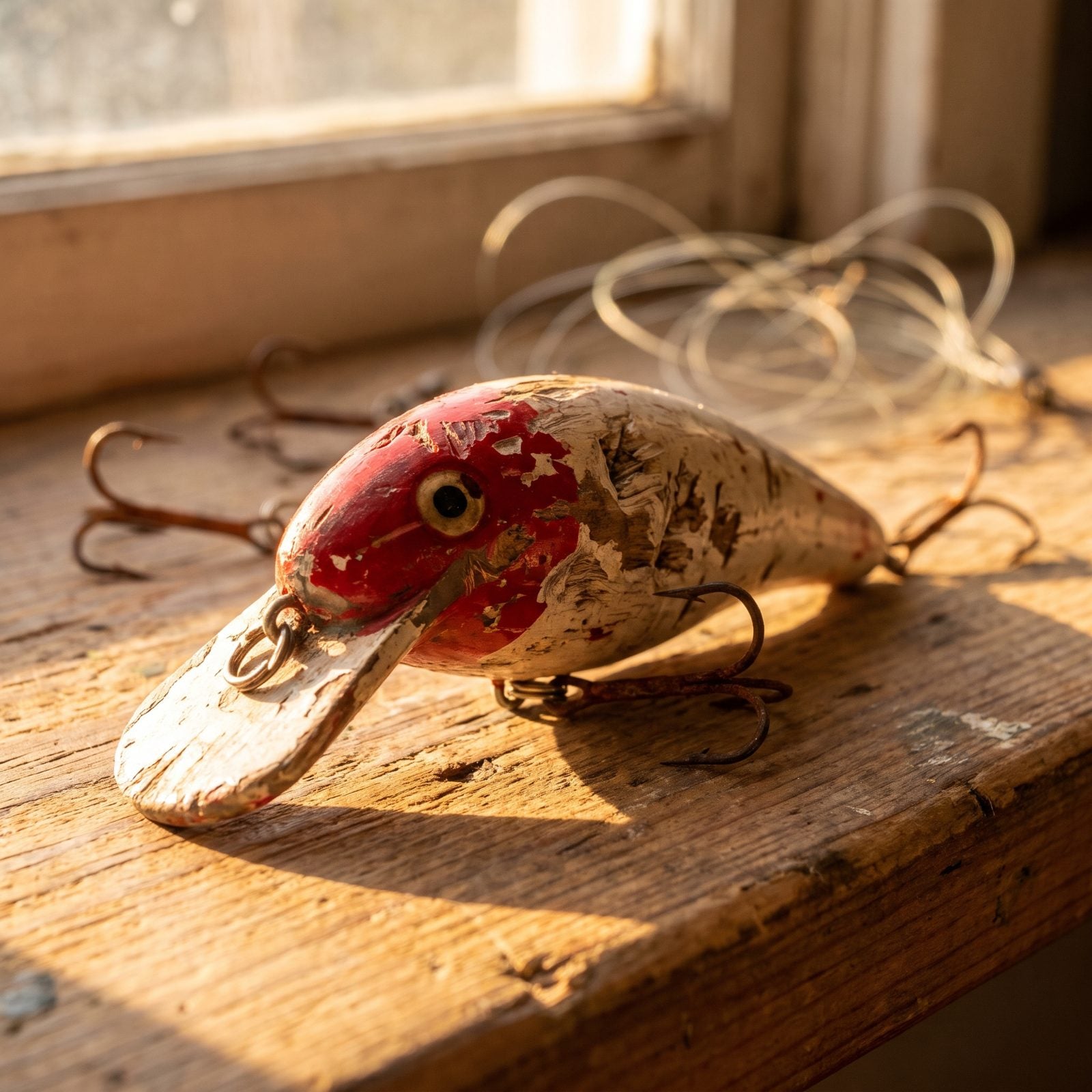
A lure chewed up with tooth rake and scraped paint is a badge, and we read it instantly. That bait catches fish, and the person throwing it knows exactly where to throw it.
New anglers sometimes worry the scars ruin a lure. They don’t. Fish strike the silhouette and the wobble, not the paint job. Some of the best producers in any tackle box look like they lost a bar fight.
16. The Empty Bait Package Brought In for a Match
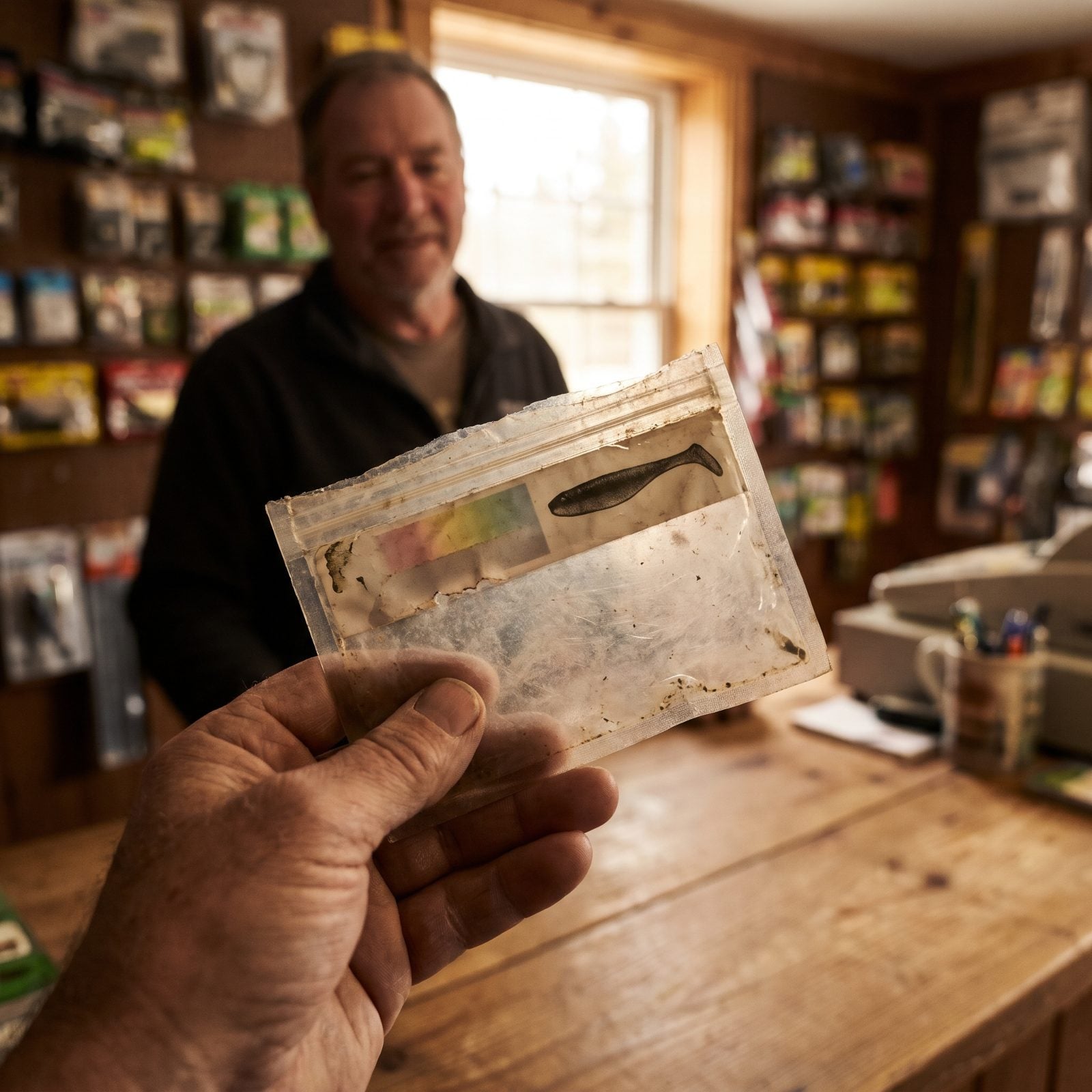
Someone who walks in holding a beat-up, empty soft-plastic package knows precisely what’s working. They found a swimbait that produced, ran out, and came back for more of the exact same thing. Sharp angler.
We love that customer. It cuts the guesswork clean out — hand us the empty package with the paddle-tail on the label and we’ll match it off the pegboard in ten seconds, or point you to the closest thing we stock.
If you ever hit on a hot bait, hang on to the empty package. Beats standing in the aisle trying to remember whether it was the 3-inch or the 4-inch paddle tail.
15. The Tiny Jig Suspended Under a Slip Float
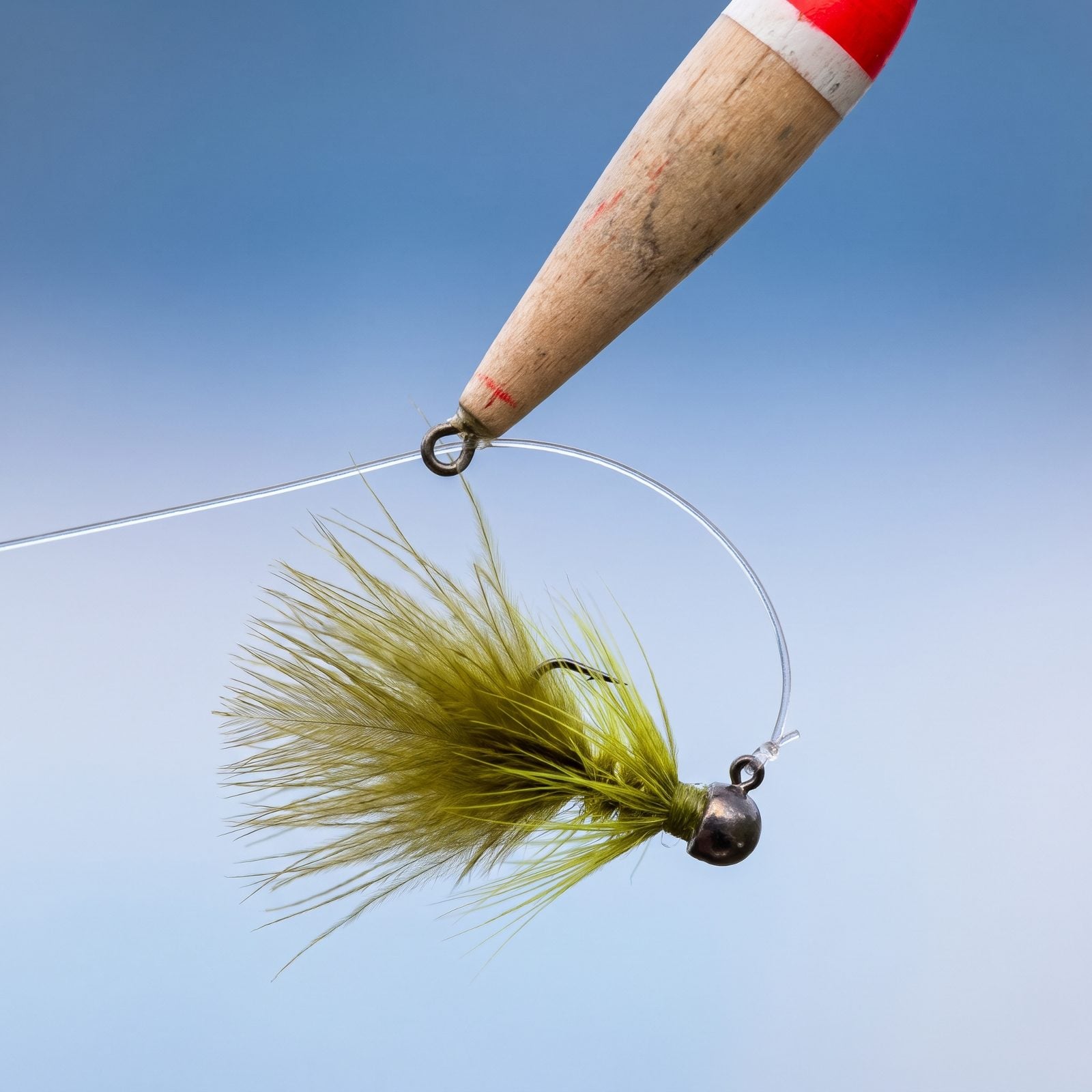
A micro jig hung under a slim pencil float is a tell for us: this person is after crappie or panfish, and they’re fishing them shallow.
The short, fixed leader is the clever part. With only a few inches of line between float and jig, the jig hangs right where you set it, and the tapered pencil float shows the lightest take. Slip floats can go deeper, but when fish are holding near the surface, a fixed rig is simpler and quicker to cast.
14. The Wire Leader Rigged Ahead of a Spoon
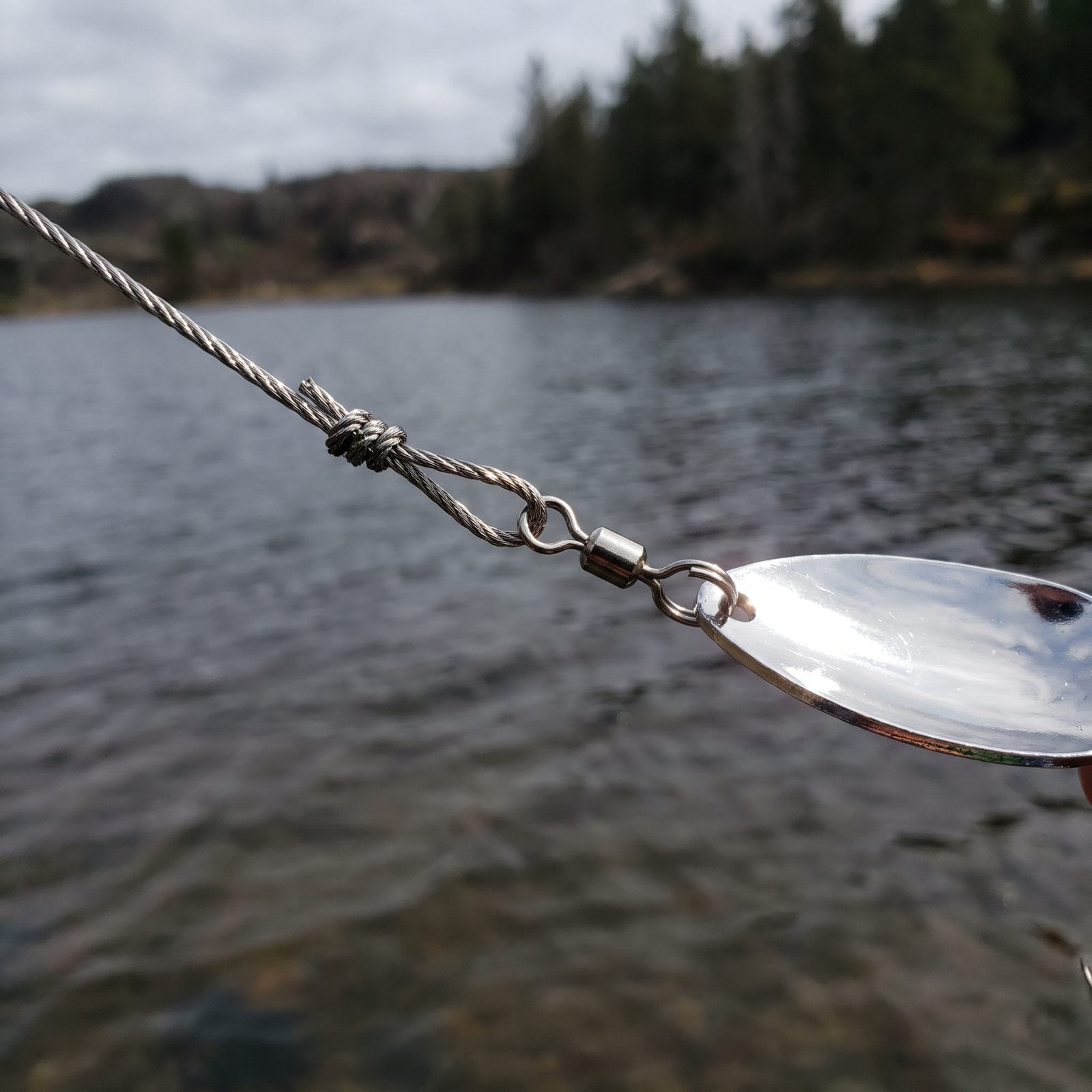
A wire leader is a confession. It means toothy fish — pike or musky inland, mackerel or barracuda on the coast. Nobody rigs single-strand steel for bluegill.
What separates the serious from the hopeful is swivel quality. A good ball-bearing swivel ahead of a spinning spoon keeps the whole rig from twisting your line into a rat’s nest by the third cast. Cheap barrel swivels tell us somebody is about to have a frustrating afternoon and doesn’t know it yet.
13. The Ultralight Trout Rig Spooled With Thin Line
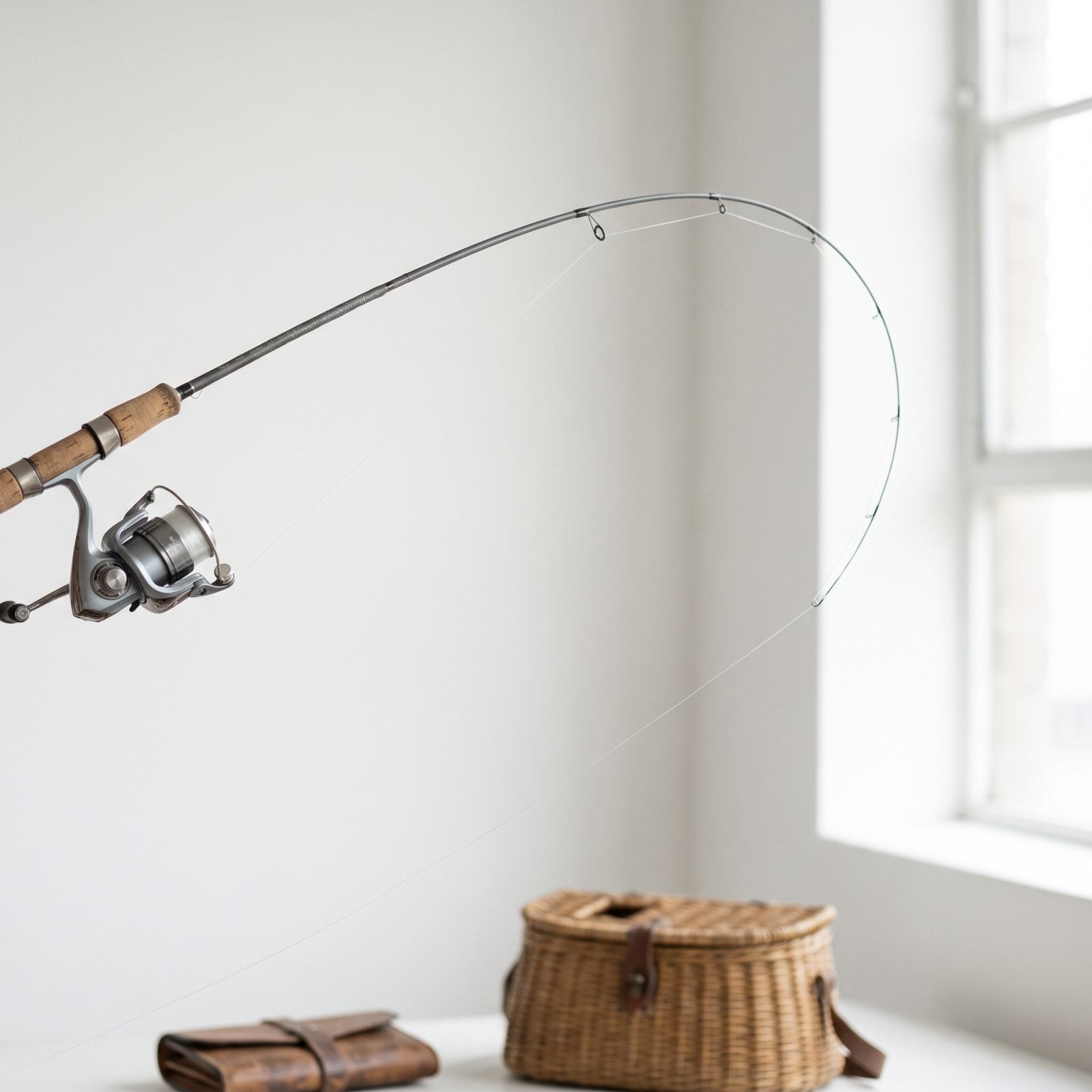
Pick up this rod and it bends under its own tip. That whippy, noodly ultralight paired with hair-thin four-pound line means stream trout, and probably moving water where a heavy outfit would spook everything in the hole.
What tells you this person knows the game is line diameter, not bait. Confident trout anglers go lighter than feels comfortable. The nervous ones overcompensate with eight-pound line that lands like a cable, then wonder why the fish quit biting.
12. The Insulated Container Keeping Nightcrawlers Cool
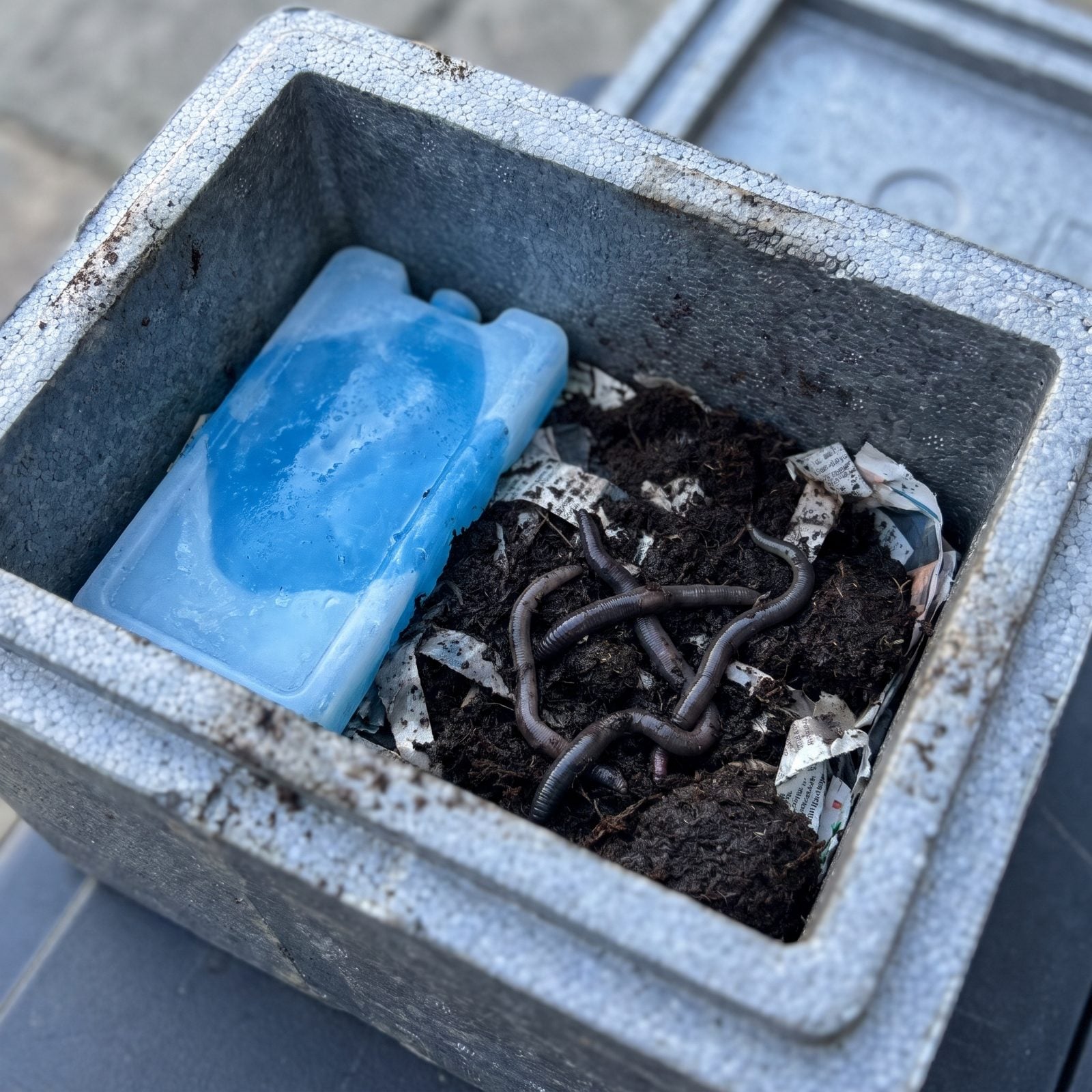
Worms don’t look like much of a clue until you notice the ice pack. An insulated box with a chilled pack means this angler knows nightcrawlers turn to mush fast in a hot truck, and they’re protecting bait for a full day out.
It’s a small habit that separates the once-a-summer crowd from the regulars. Nobody insulates their worms the first few trips. You do it after you’ve reached into a sun-baked tub of sludge once and decided never again.
11. The Cricket Cage Hanging From Their Tackle Bag
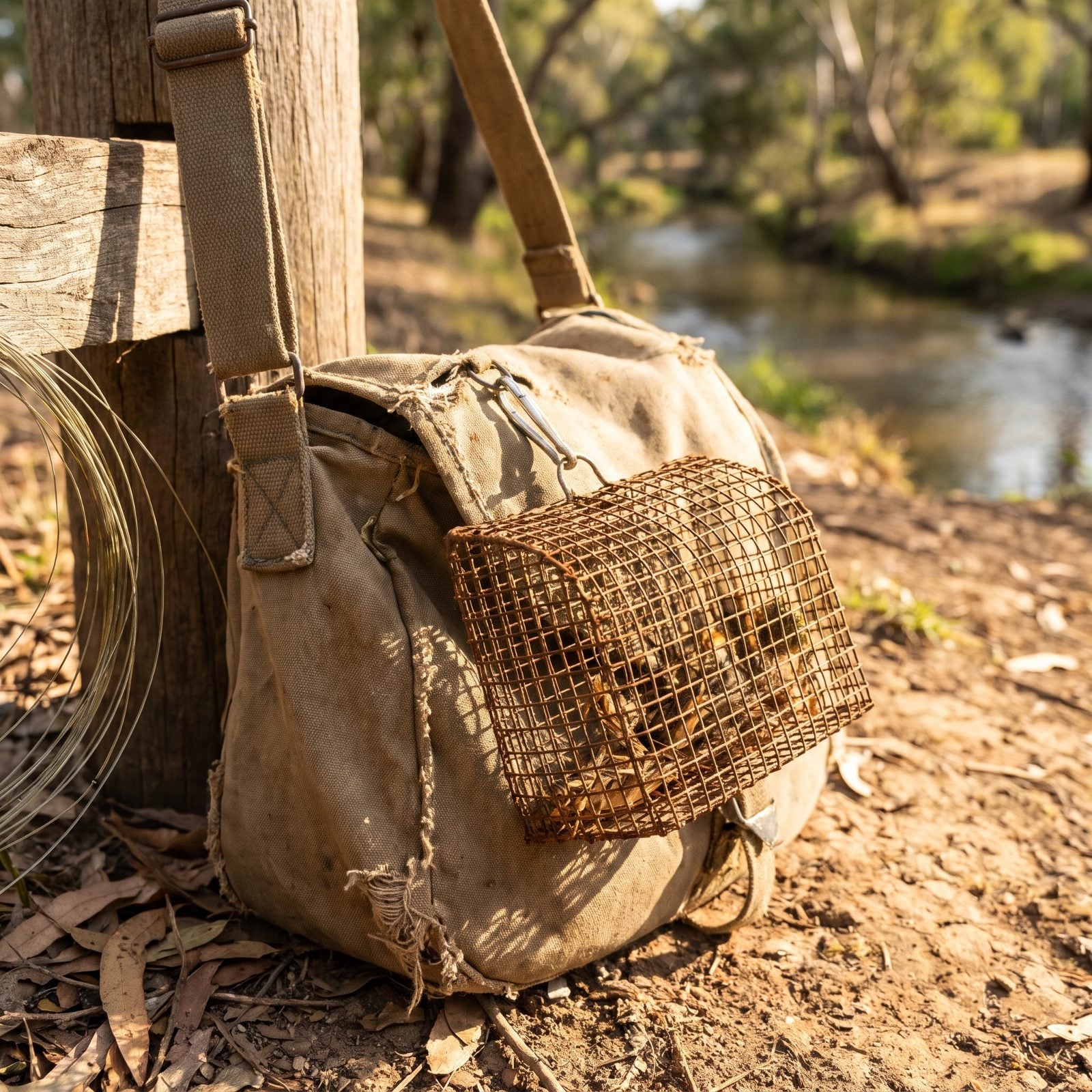
Crickets mean bream. Full stop. A cricket cage clipped to a tackle bag tells us this person is after bluegill and shellcracker around beds or brush, probably with a long cane pole or a light rod and a cork.
There’s a regional honesty to it too. Cricket fishing runs deep through the South, and somebody who turns up with their own cage and a tube feeder has been doing this since they were knee-high. Hand them a container of crickets and watch how fast they load that feeder. The speed is the whole résumé.
10. The Cast Net Draped Over a Dedicated Bucket
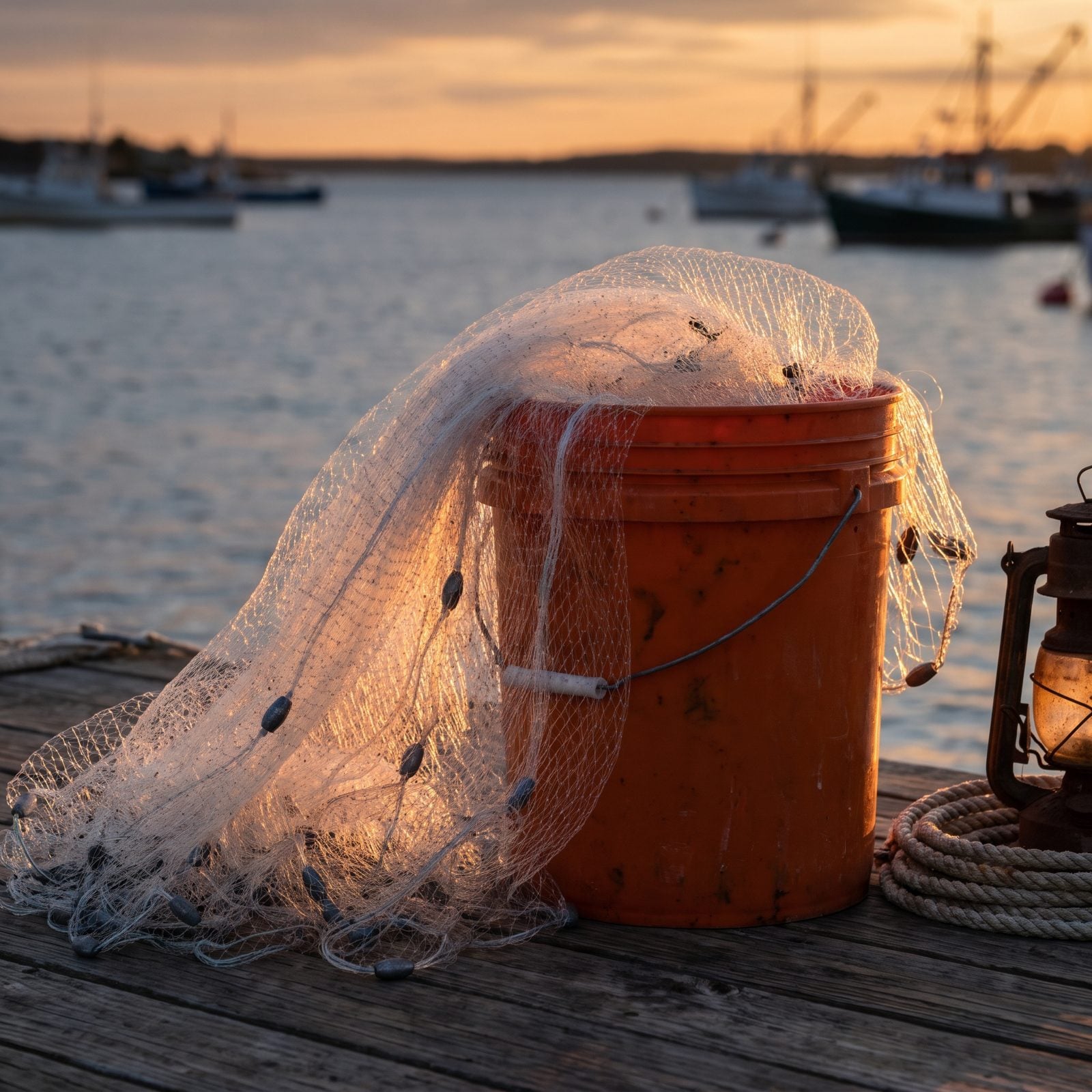
A cast net changes the whole read. This person catches their own bait, which means they’re fishing for predators that want live finger mullet, menhaden or shrimp, and they’d rather throw a net than pay for a scoop.
Condition matters. A folded, salt-rinsed net with no tangles belongs to somebody who throws it clean and dry on command. A wadded ball of mono knotted a dozen times over belongs to somebody still learning the toss — no shame in it, but we can tell.
9. The Size and Shape of Their Landing Net

Another tell sits by the door. A net is a whole plan folded into one tool.
A huge deep-bag net with a long handle says big fish — muskie or catfish or stripers — and somebody who intends to land them without horsing. A dainty trout net with fine mesh says cold streams and careful release. Either way, rubber-coated mesh is the real signal, because it means this angler cares about the fish’s slime coat and plans to let most of them swim.
Show up with no net at all and we already know you’re either very confident or about to lose the best fish of the day right at your feet. Grab one off the rack on your way out. Trust me on that.
8. The Long-Handled Pliers Packed for Toothy Fish
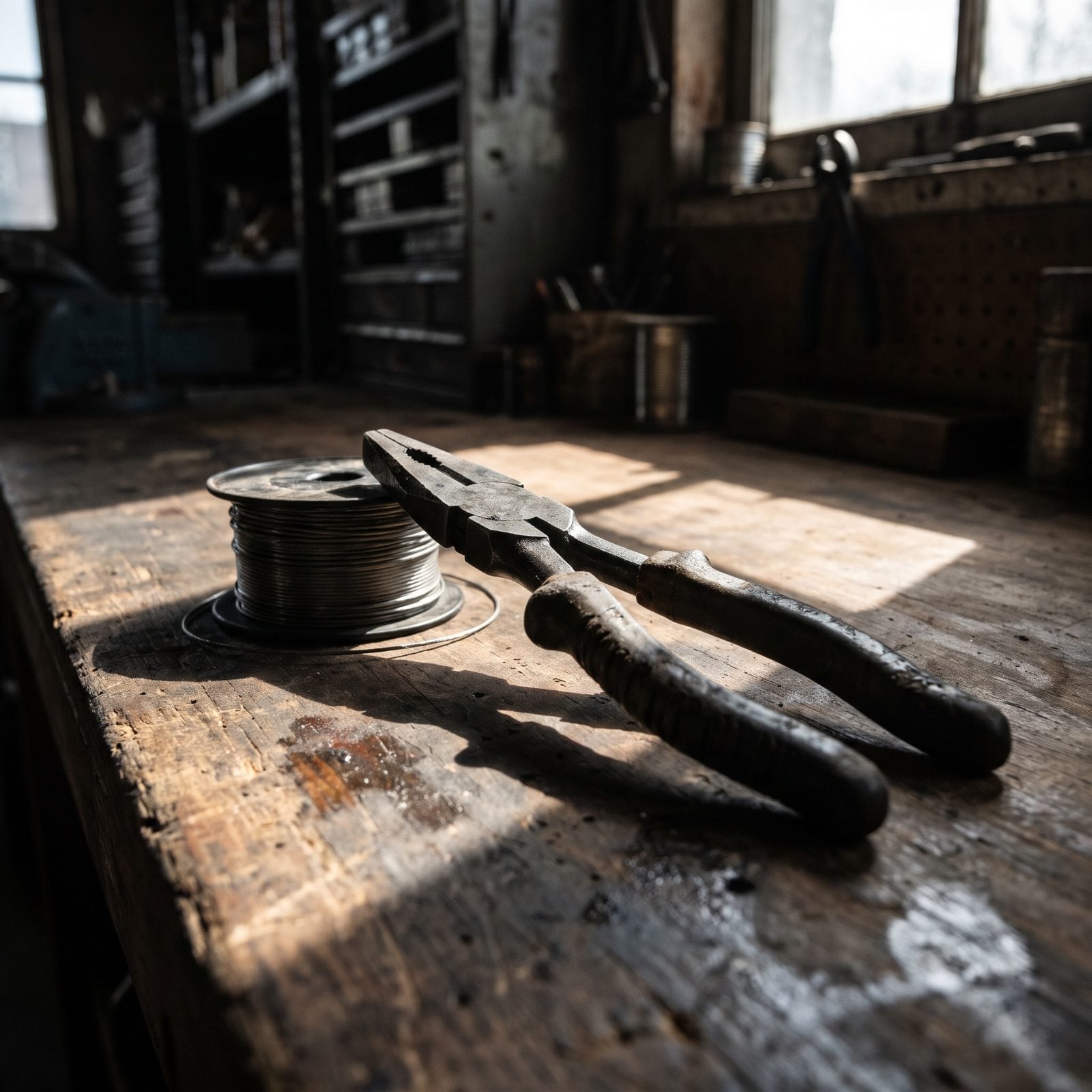
Long-handled pliers and a spool of wire leader on the workbench tell you everything. You don’t buy those for bluegill. That’s a pike, musky, or toothy saltwater setup, and those long handles mean you’ve been bitten before and decided once was enough.
Beginners reach for short needle-nose and keep their fingers near the hook. People who’ve unpinned a northern with teeth like a bandsaw buy the long-handled, heavy-jawed version and a spool of wire instead. You can read a man’s scars off his tackle.
7. The Fillet Knife and Cooler Prepared for a Legal Harvest
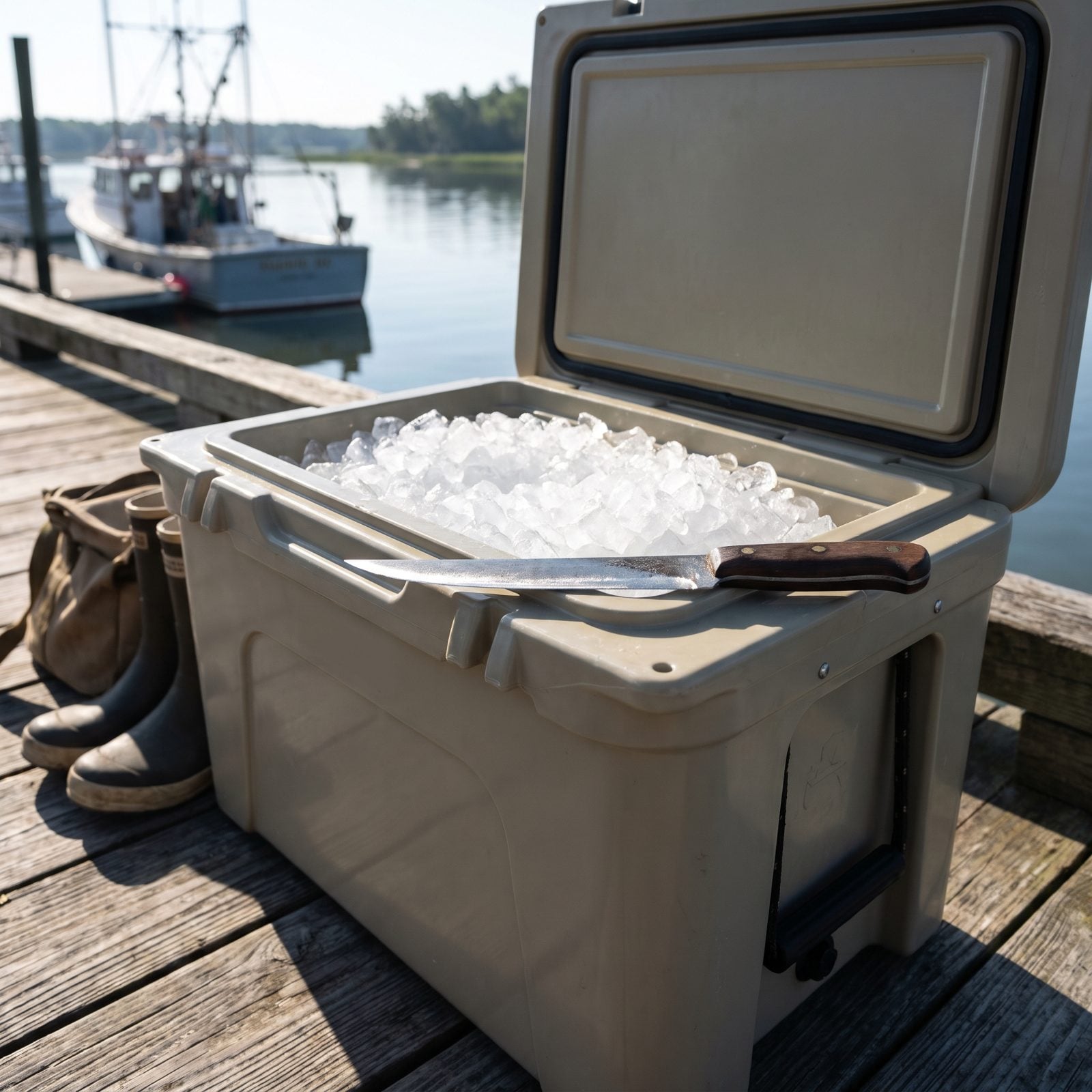
Ice bought first thing in the morning changes the read entirely. A full cooler and a sharp fillet knife mean you came to bring dinner home, not just to fish.
The tell isn’t the knife. It’s whether the cooler already has ice in it before anything’s been caught. That’s a person who keeps fish cold from the second they come over the gunwale — the difference between good table fare and something you’ll apologize for at dinner.
6. The Chest Pack Arranged for Wading Water
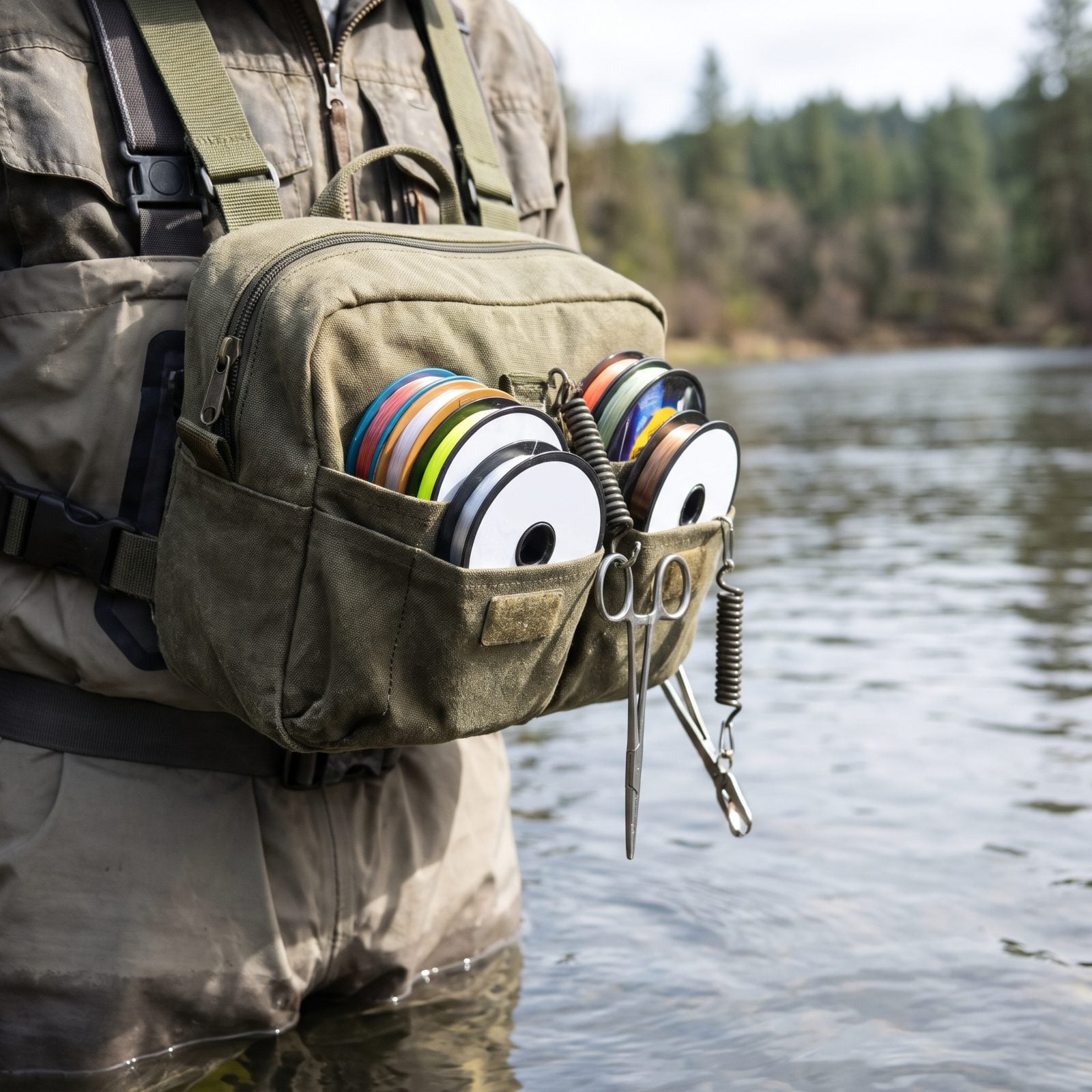
A chest pack instead of a tackle box means you’re going in the water, not sitting on it. Everything rides high and dry for a reason.
Look closer and the arrangement tells the rest. Nippers on a zinger, hemostats clipped where a thumb can find them blind, fly boxes sorted by water type. That’s muscle memory, not shopping. Spend enough mornings thigh-deep in a cold stream and you pack this way without thinking, because fumbling for tippet while a rise fades teaches you fast.
5. The Kayak Crate Visible Through the Shop Window
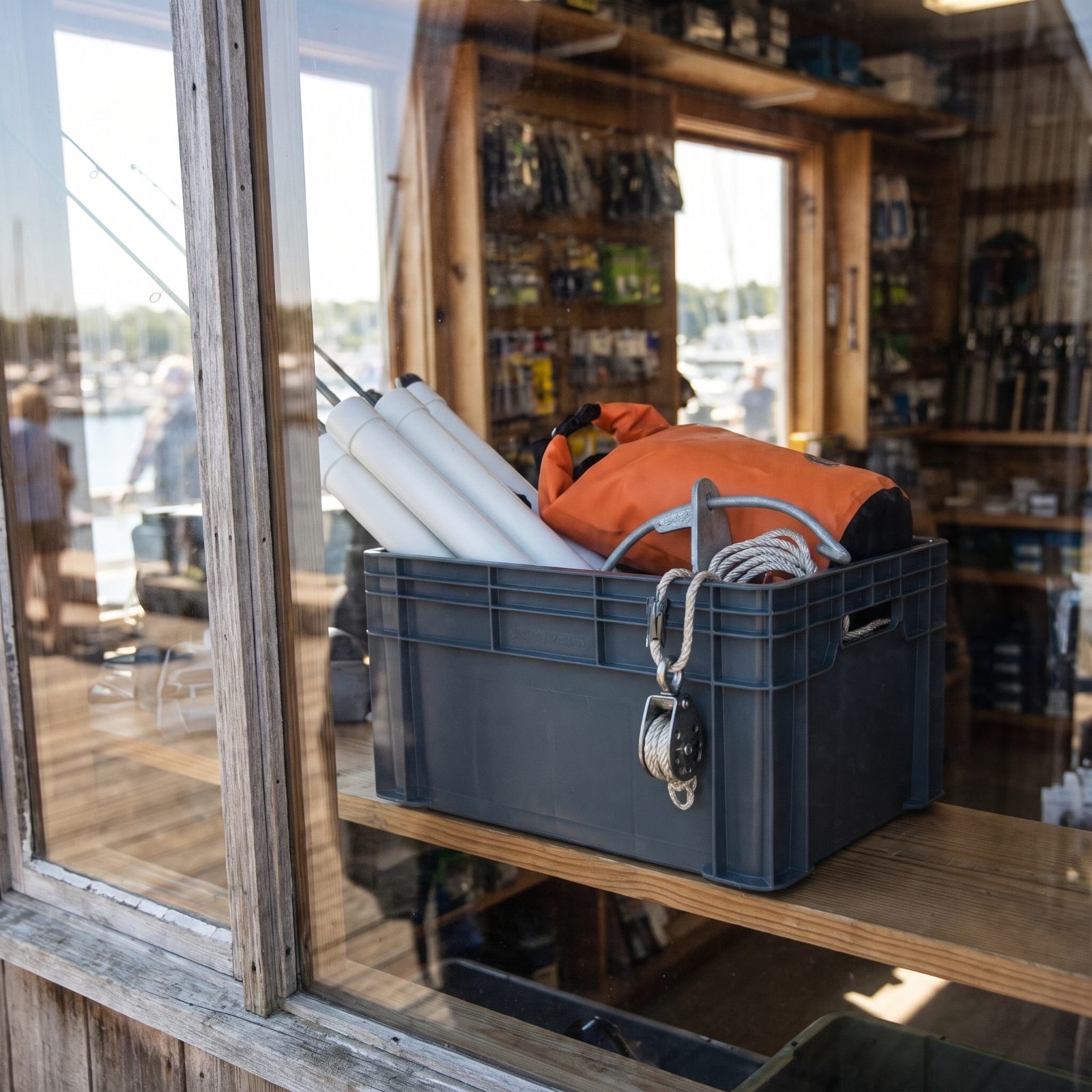
The crate in the back of a kayak is a résumé. PVC rod tubes, an anchor trolley, a dry bag bungeed down, maybe a fish finder zip-tied to the gunwale.
Nobody rigs a kayak like that on their first trip. A setup like that gets built over seasons, one frustration at a time, each addition solving a problem the water handed you personally. The owner sees the crate and knows not to over-explain. You’ve already figured out the hard parts.
4. The Tournament Numbers Displayed on Their Boat
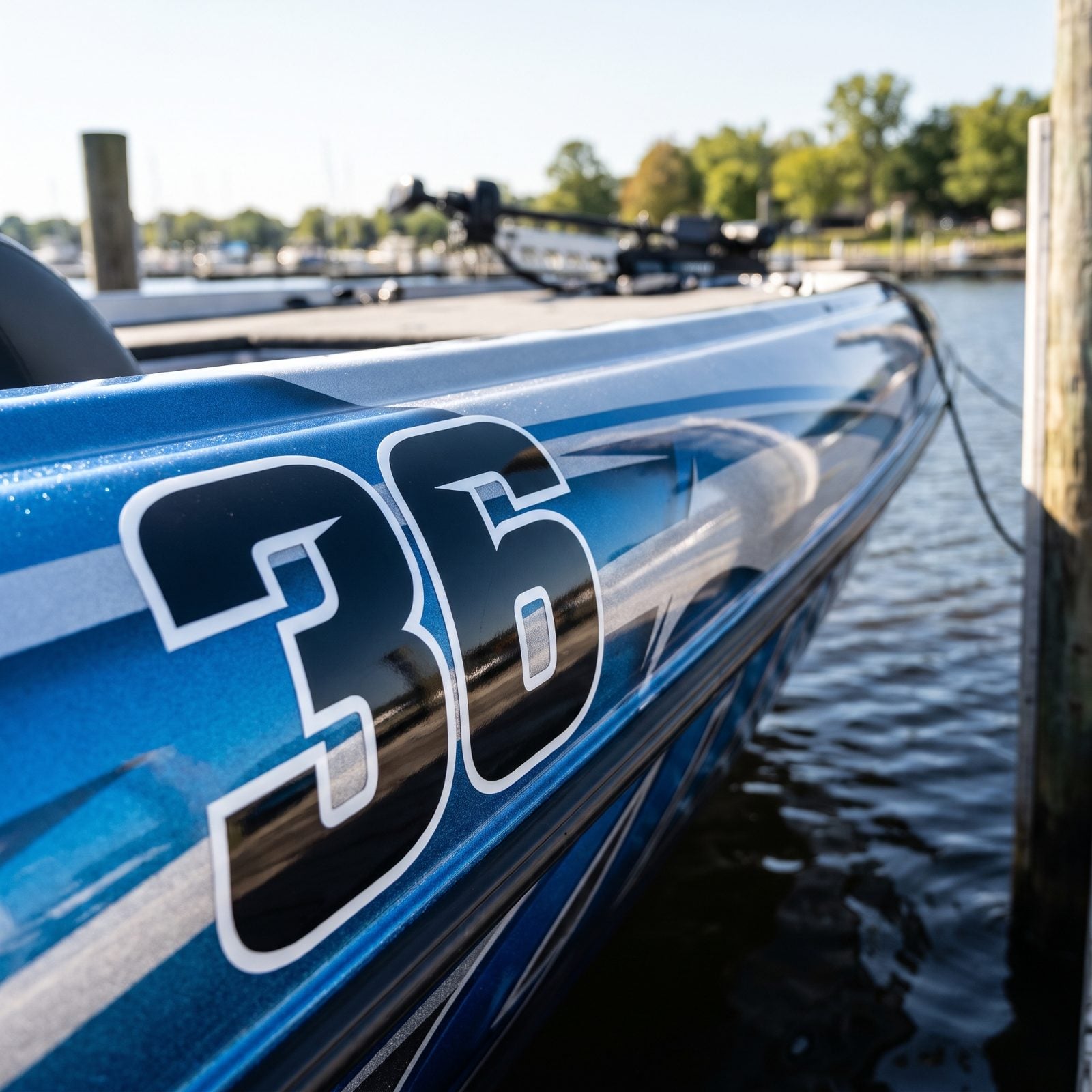
Contestant decals and a wrapped hull cut the small talk short. This angler fishes for money, or at least for standing, and knows the water better than most locals.
So the owner adjusts. No point suggesting the honey hole everybody’s heard of. A tournament angler wants the obscure stuff — what’s been biting since the cold front, whether the bite moved deep, which color nobody’s throwing yet. They’re buying information as much as tackle, and they’ll know in a heartbeat if you’re guessing.
3. The Out-of-State Plate in the Parking Lot

An out-of-state plate, dusty from a long haul, flips the owner into a different mode. You drove a long way to fish here, which means you need local knowledge more than another crankbait.
This is where a good bait shop earns its keep. The traveler gets the real briefing: where to launch, what’s legal, which ramp silts up at low water, and the lure that’s been working that the online forums won’t catch onto for another week. A friendly out-of-state plate is a chance to send someone home with a story.
2. The Phone Already Open to a Fishing Map
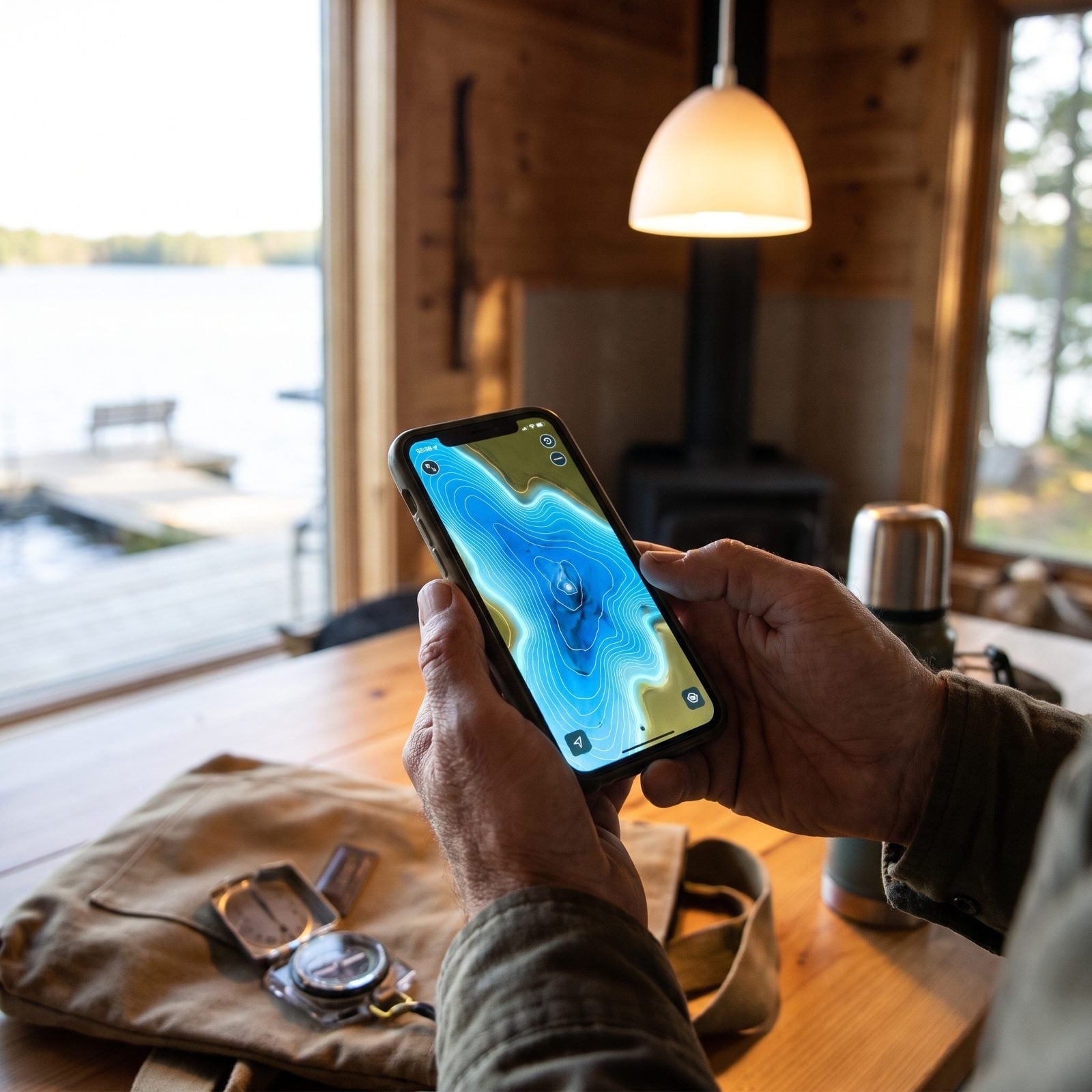
A phone already open to a contour map says you did your homework before you walked in. You’re not asking where the fish are. You’re confirming a theory.
And the questions change shape. No broad ones — you get pointed instead: is that hump still holding fish, does the creek channel there still have current, what depth are they sitting at. That’s a person who thinks in structure and water temperature, and the owner can talk shorthand without filling in the basics.
1. The Way They Check the Shop’s Catch Board First
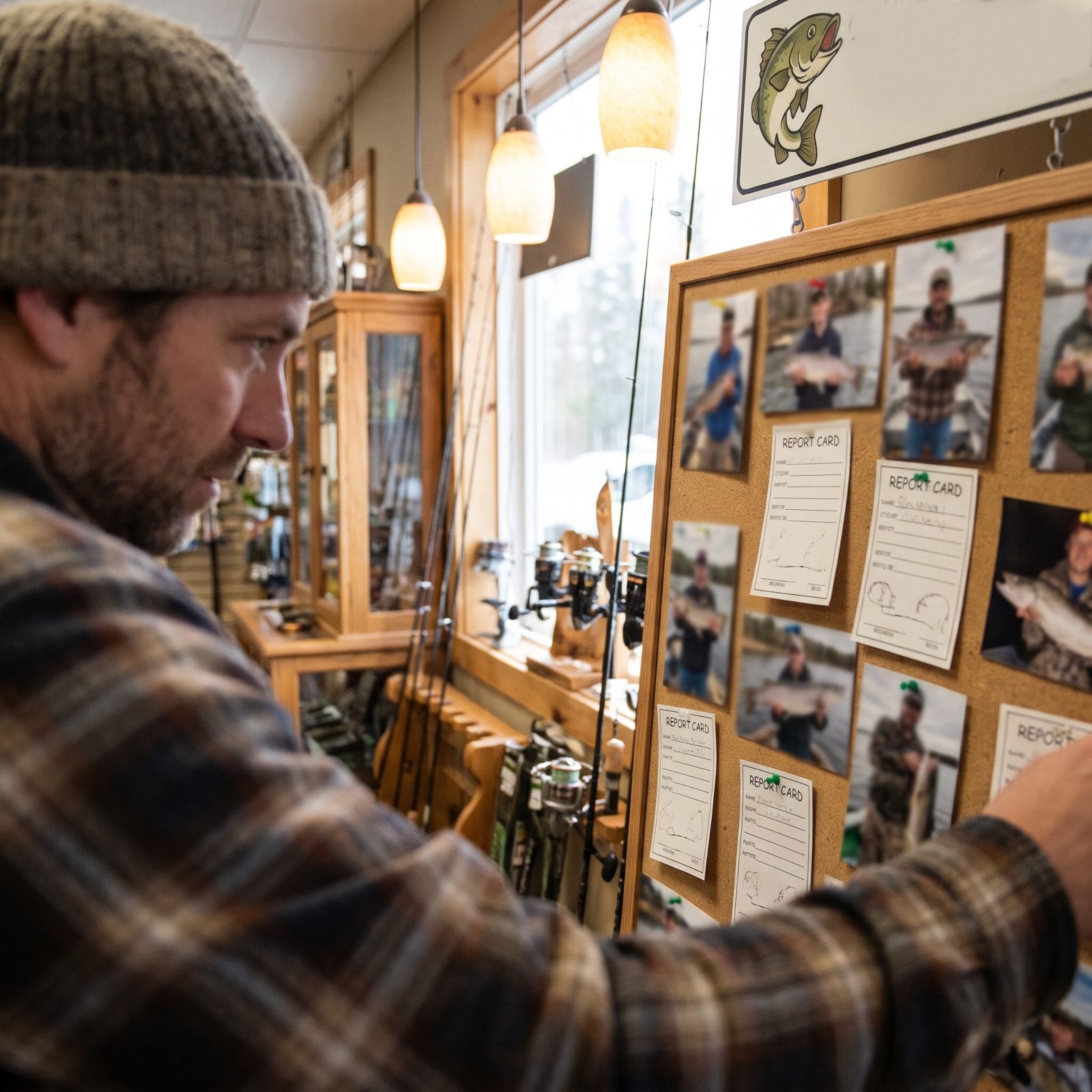
Watch where the eyes go first. Newcomers drift toward the lure wall. The experienced ones go straight to the catch board.
They read it like a stock ticker — what species, what size, how recent, which bait caught it. A few seconds in front of those curling Polaroids tells a sharp angler more than a ten-minute chat, because photos don’t exaggerate the way fishermen do. That instinct to gather data before spending a dime is the mark of someone who’s been burned by hype before.