The boat looked right in the parking lot. Low sun on the hull, the kind of shine that makes grown men stop walking. You knew in about four seconds you were going to own it, then spent the next three months convincing yourself the decision came from your head.
Please note that some of the images in this article were created with the assistance of AI.
It didn’t. Boat buying is one of the few purchases where the heart signs the check and the brain just notarizes it. The same wiring that makes people stay in bad jobs, keep ugly couches, and marry the person their friends approve of also makes anglers commit to a hull that fights their water, their budget, and the way they actually fish.
Here’s where the mind quietly plays you, and why catching it is the only thing standing between you and years of payments on a slip you never use.
14. You Fall for the Gelcoat Before the First Sea Trial
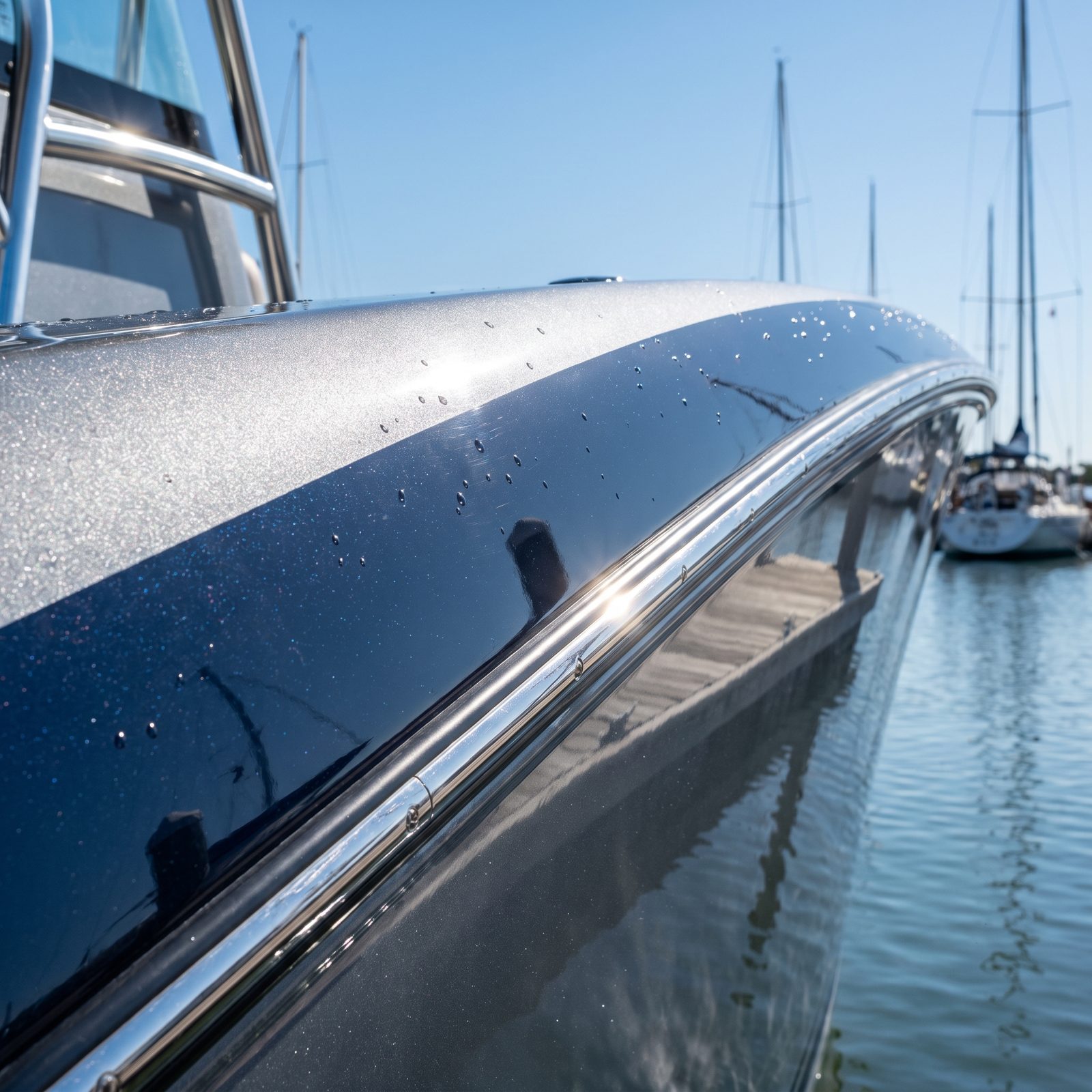
The shine gets you first. A fresh gelcoat under good light looks like a promise, and your brain reads that promise as competence. If the finish is this good, the logic runs, everything underneath must be too. That’s the halo effect. One attractive trait bleeds its glow onto every trait you can’t actually see.
You’ve done this with people. The firm handshake, the nice shoes, and suddenly you trust someone you’ve known for ninety seconds. Same reflex, more fiberglass. The hull that handles chop, the bilge that stays dry, wiring that won’t corrode in two seasons, none of it announces itself in a parking lot.
We’ve all fallen for shine. Plenty of us have bought a trailer based almost entirely on how the wheels looked. The surface tells a story and we swallow every word.
13. One Smooth Test Ride Erases Every Warning Sign
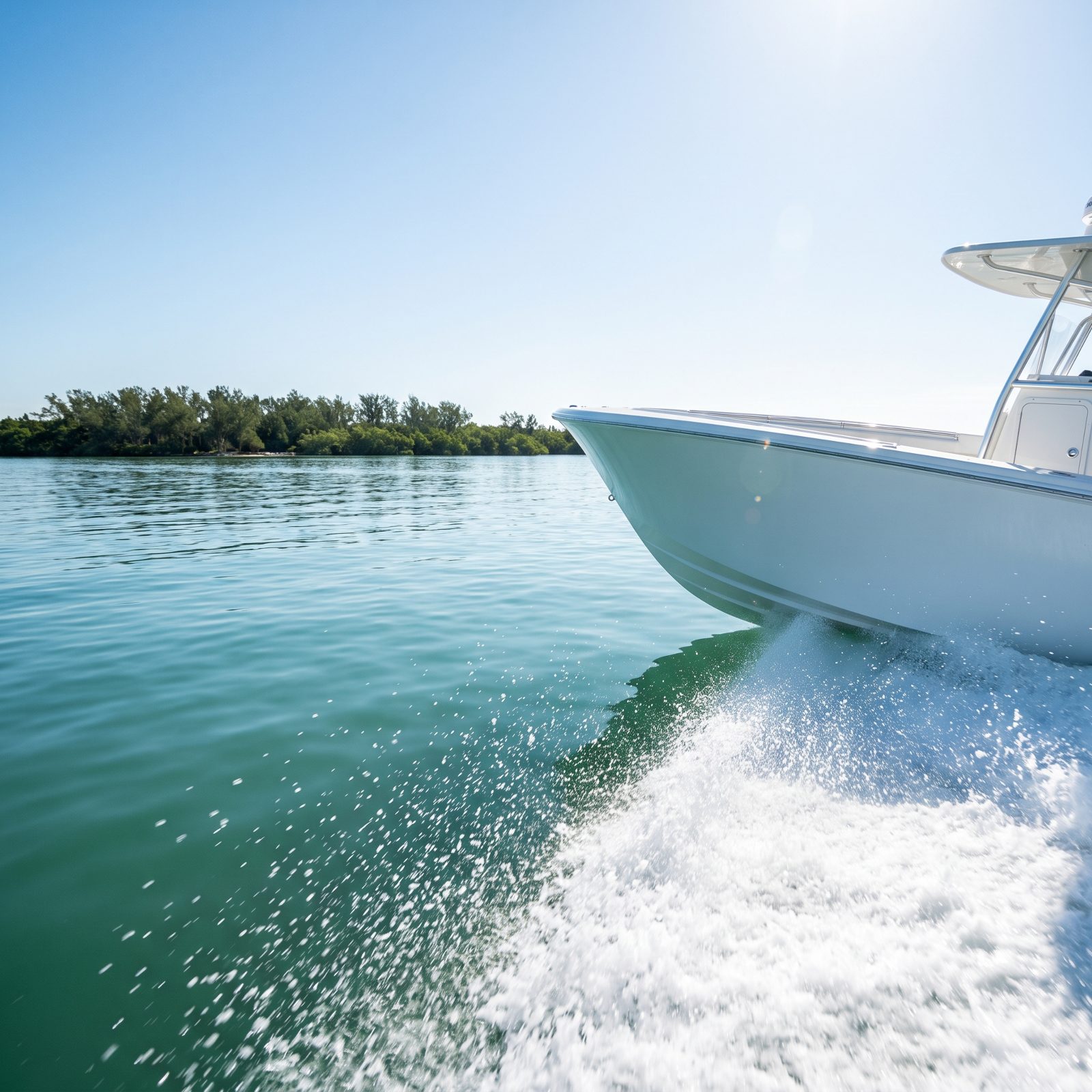
Every dealer picks the day. Flat water, light wind, a route that steers well clear of the open fetch where real conditions live. The boat behaves like a dream because it was staged to, and one glorious twenty-minute run overwrites a year of reviews that warned you about the exact things you never got to feel.
Recency bias, doing its quiet work. The most recent experience outweighs everything before it, so the smooth ride sits on top of the stack while the forum complaints sink to the bottom of your memory.
Think about the car you bought because the one test drive felt right, on empty streets, in good weather. The boat version costs more and floats. You won’t feel that slamming ride in a two-foot chop until you’ve already signed, trailered it home, and promised your buddy you’d take him out Saturday.
12. You Buy the Boat Your Fishing Buddies Will Admire
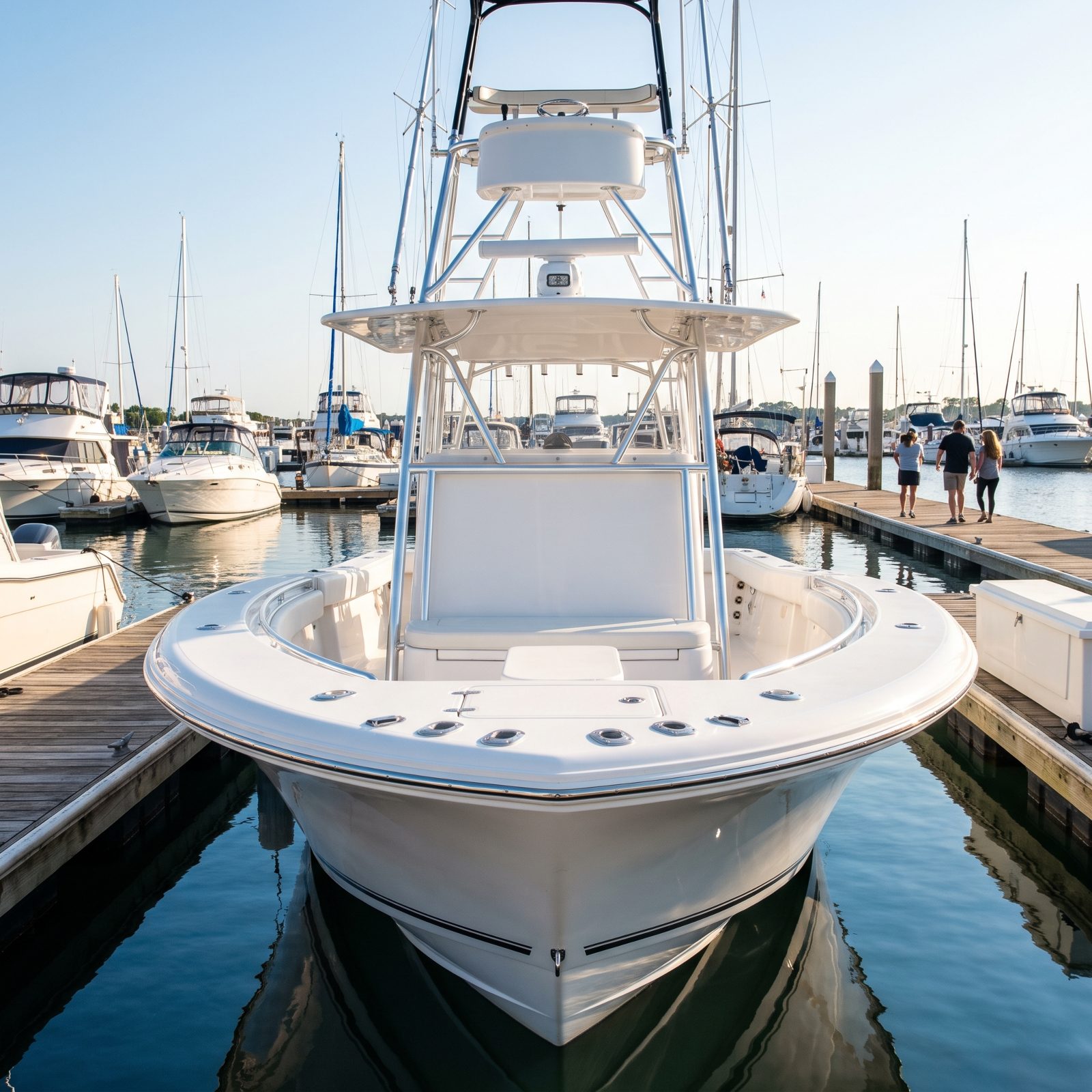
Be honest about who you were picturing when you chose it. Not the fish. Not the water. The ramp. That moment you back down and the other guys glance over and clock the boat.
Status signaling, older than money itself. We buy things to tell a story to people whose opinion we claim not to care about. The boat that draws nods at the launch is rarely the boat that fishes your home lake best. It’s the one that reads well at thirty feet.
And here’s the trap tucked inside the trap: your buddies forget about your boat in a week. They’re too busy thinking about their own. You’re the only one still paying for the impression every month.
11. You Pick the Familiar Brand Despite Its Obvious Shortcomings
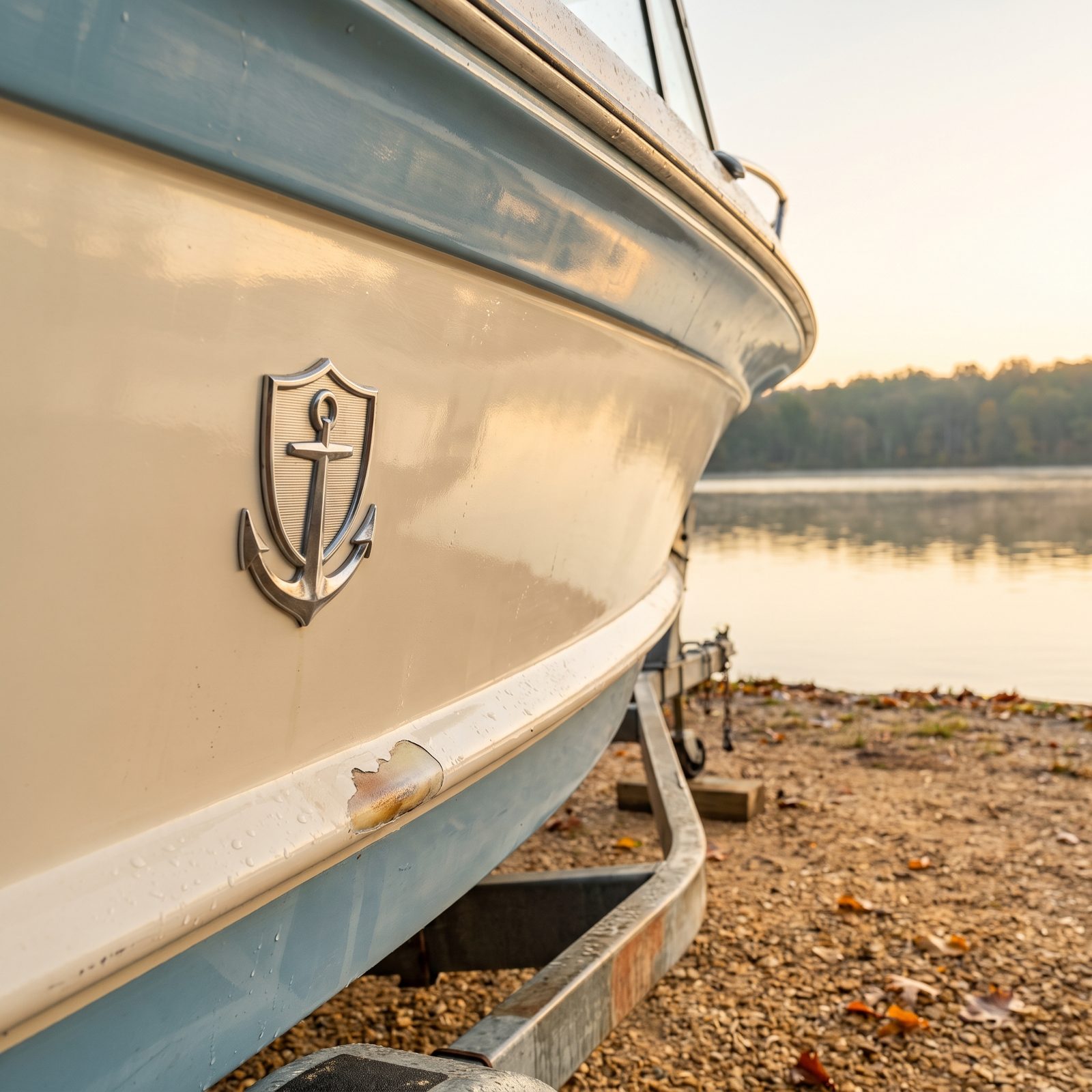
You grew up with the name. Maybe your dad ran one. The brand feels like a known quantity even when the specific model has a reputation for soft floors or thirsty motors, and you talk yourself right past all of it because familiarity feels like safety.
Psychologists call it the mere-exposure effect. We prefer what we’ve seen before, purely because we’ve seen it before. Repetition reads as reliability to the brain, which is exactly why the ad you’ve watched a hundred times sells you a boat your gut would reject from a stranger.
The shortcomings don’t vanish because you know the logo. They just get a hall pass. You end up defending flaws you’d never tolerate from a brand you’d never heard of. That’s the real tell.
10. You Settle for One Boat After Scrolling Through Hundreds

You open the marketplace with a plan and close it with a headache. Aluminum or fiberglass, tiller or console, used from three states away or new on the lot. By listing number sixty, every boat looks the same and none of them feels right, so you grab the next decent one just to make the scrolling stop.
Choice overload. More options don’t make us happier or sharper. Past a certain point they paralyze us, then shove us toward whatever ends the discomfort fastest. The famous jam study found shoppers bought more when offered six flavors than they did when offered two dozen.
So you don’t choose the best boat. You choose the one that lets you stop choosing. And the relief of deciding gets mistaken for the rightness of the decision.
9. The Dealer’s Deadline Rushes You Past the Marine Survey
“I’ve got another guy coming to look at it tomorrow.” You’ve heard that line, and it works, because scarcity shortcuts our judgment. The second something might vanish, we want it more and think about it less.
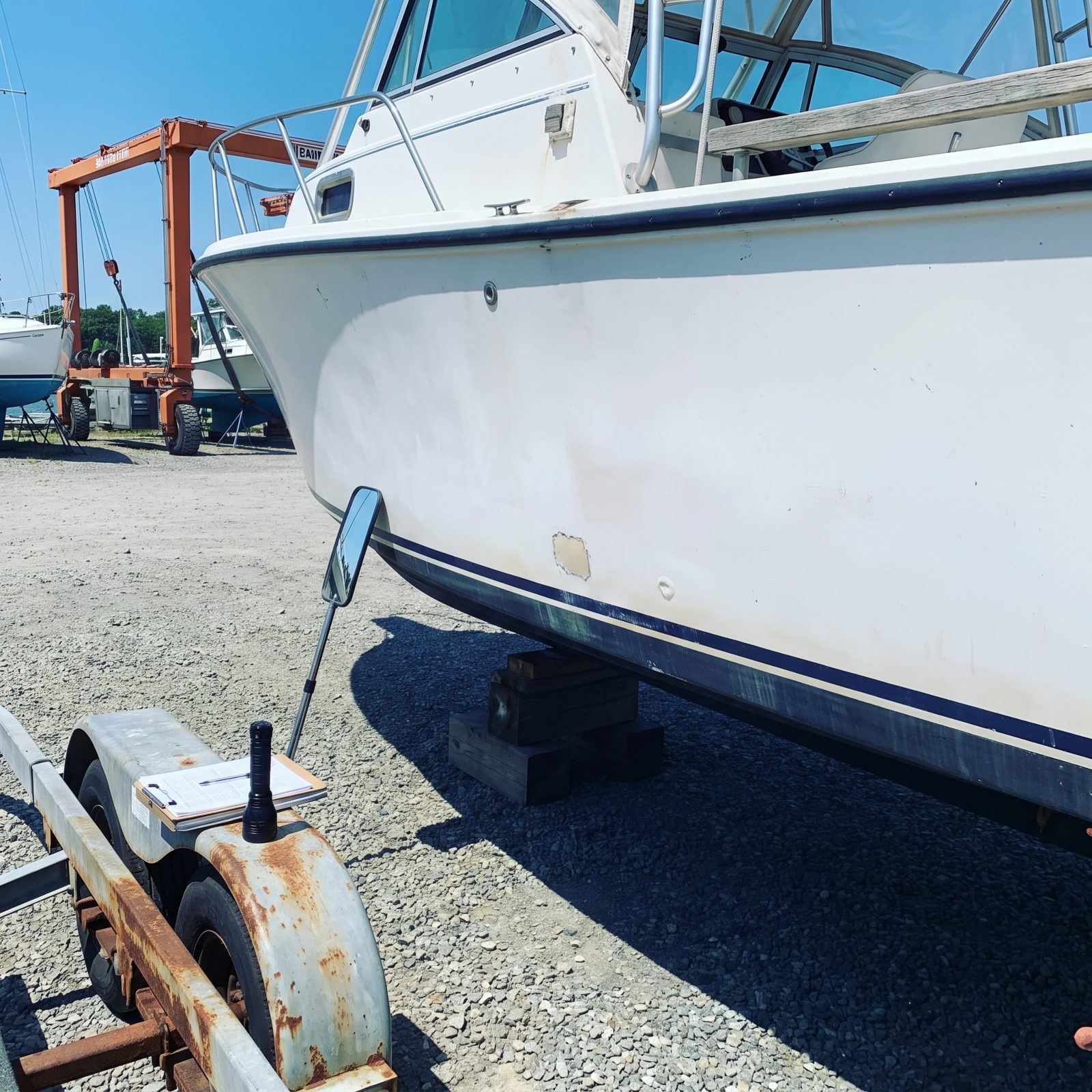
So you skip the survey. The haul-out, the moisture meter on the transom, the compression test on the motor, all of it feels like fussy delay when the clock is running. The deadline is almost always manufactured. The hidden rot usually isn’t.
A survey costs a few hundred dollars and buys you leverage, truth, and the right to walk. Loss aversion makes the fear of losing the boat louder than the fear of buying a bad one. So flip it. The boat you lose to a survey was never the deal. The one you buy blind is the one that empties your account at the first repair.
8. You Picture Trophy Trips Instead of Your Usual Saturdays
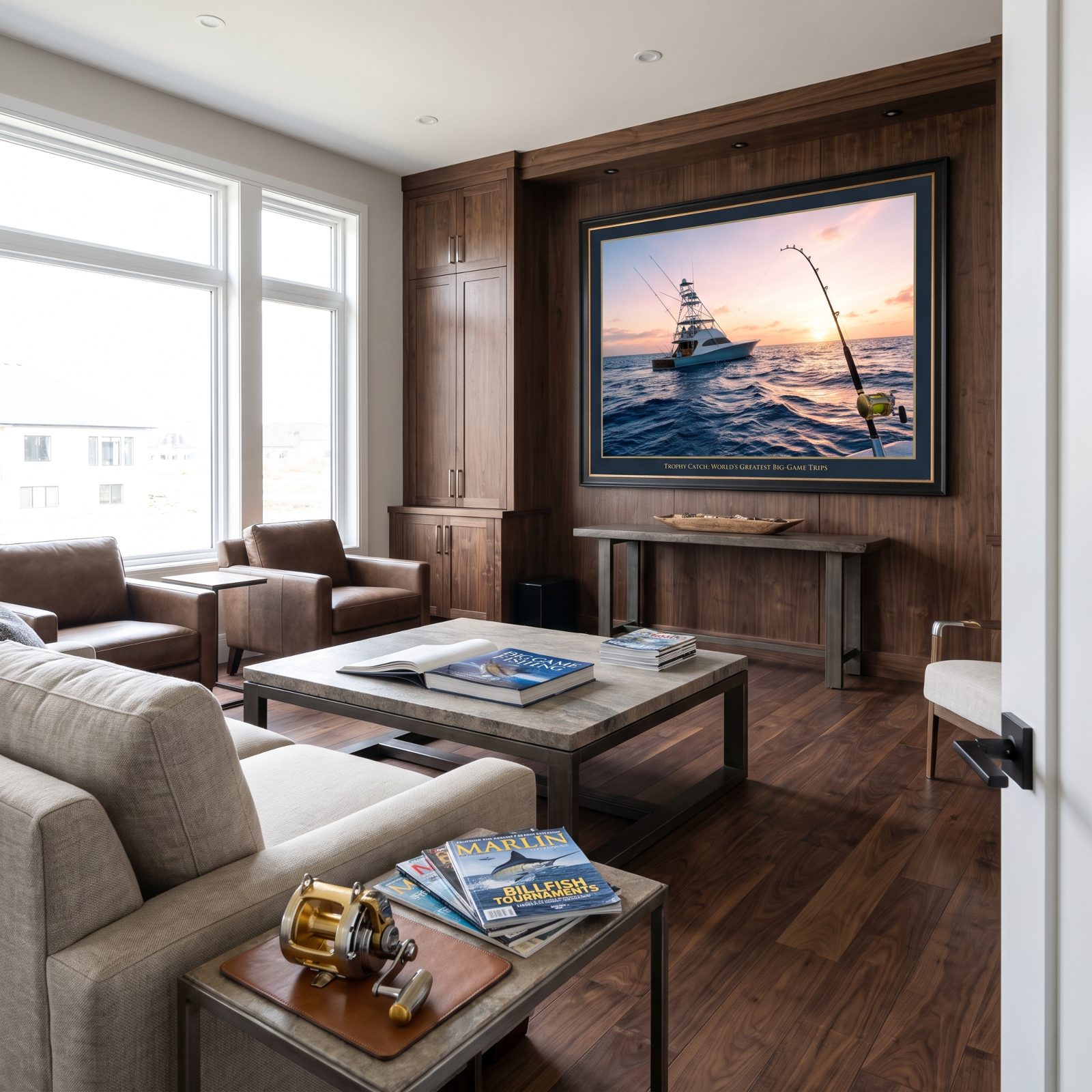
You buy the boat for the trip you take twice a year and ignore the forty Saturdays you actually fish. The offshore canyon run. The week in the Keys. Meanwhile your real life is a quiet local reservoir, a couple of hours after work, usually solo.
The planning fallacy, dressed up in daydreams. We imagine the exceptional version of our future and spec our purchases to match it, then live the ordinary version and feel the mismatch every weekend.
That big offshore rig is overkill for the pond, a pain to launch alone, thirsty for a trip you rarely make. The boat that matched your usual Saturday would have made you happier fifty weekends out of fifty-two.
7. You Buy More Boat Than Your Tow Vehicle Can Handle
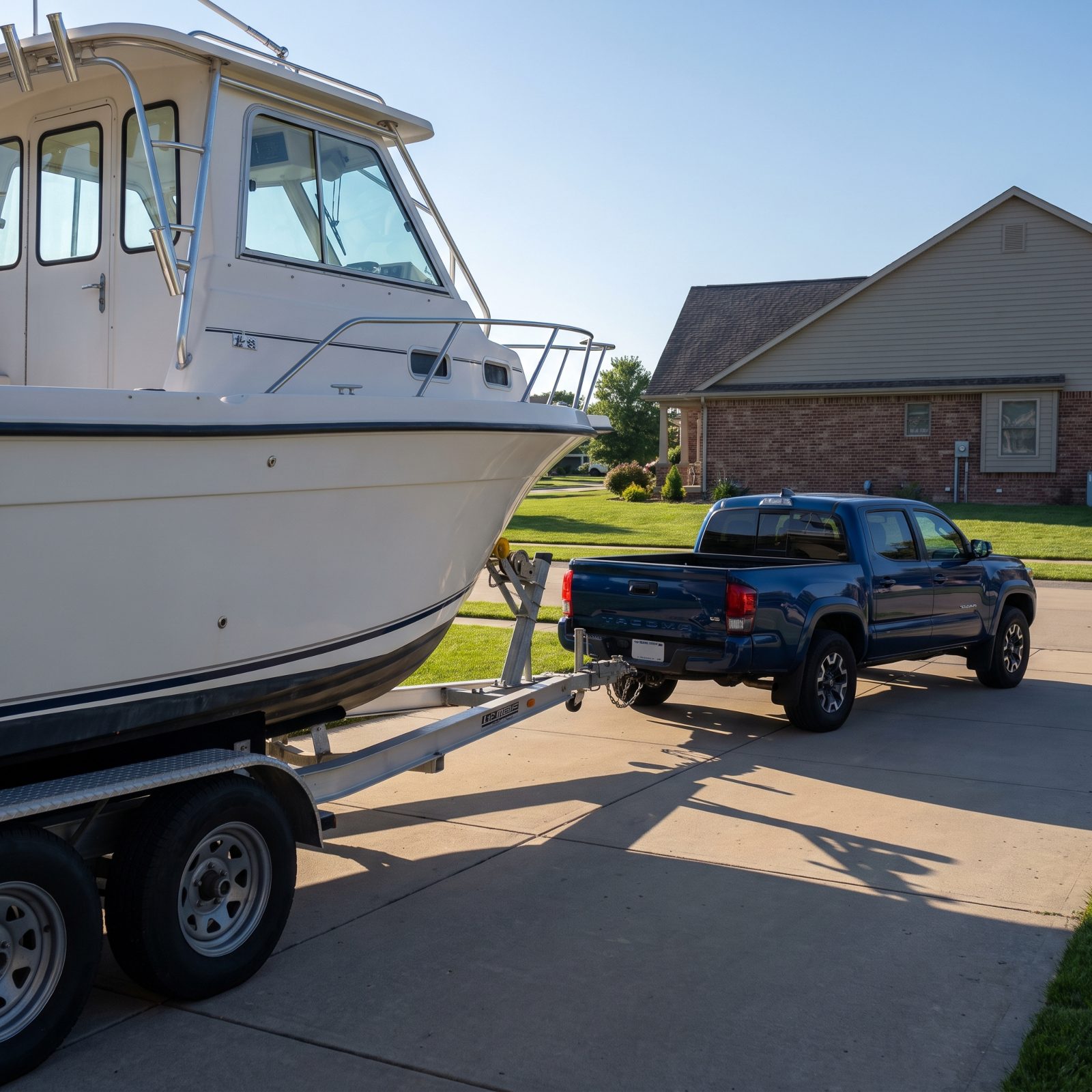
The boat fit the budget. It did not fit the truck. You find this out on a hill with a crosswind, white-knuckling the wheel while the trailer tries to drive you.
Nobody wants to admit the real cost is a new tow vehicle, so the mind just edits that line out. It’s a sunk-cost mindset running backward. You’ve already committed to the boat you love, so you quietly downgrade every obstacle, including the small matter of whether your current truck can stop five thousand pounds in the rain.
Tow ratings aren’t marketing. They’re physics. And the gap between “it moves the trailer” and “it controls the trailer at highway speed with a payload” is exactly where people get hurt. Match the boat to the truck you own, or budget honestly for the truck you’ll need. There is no third door.
6. You Price the Payment but Forget Fuel, Slips, and Insurance
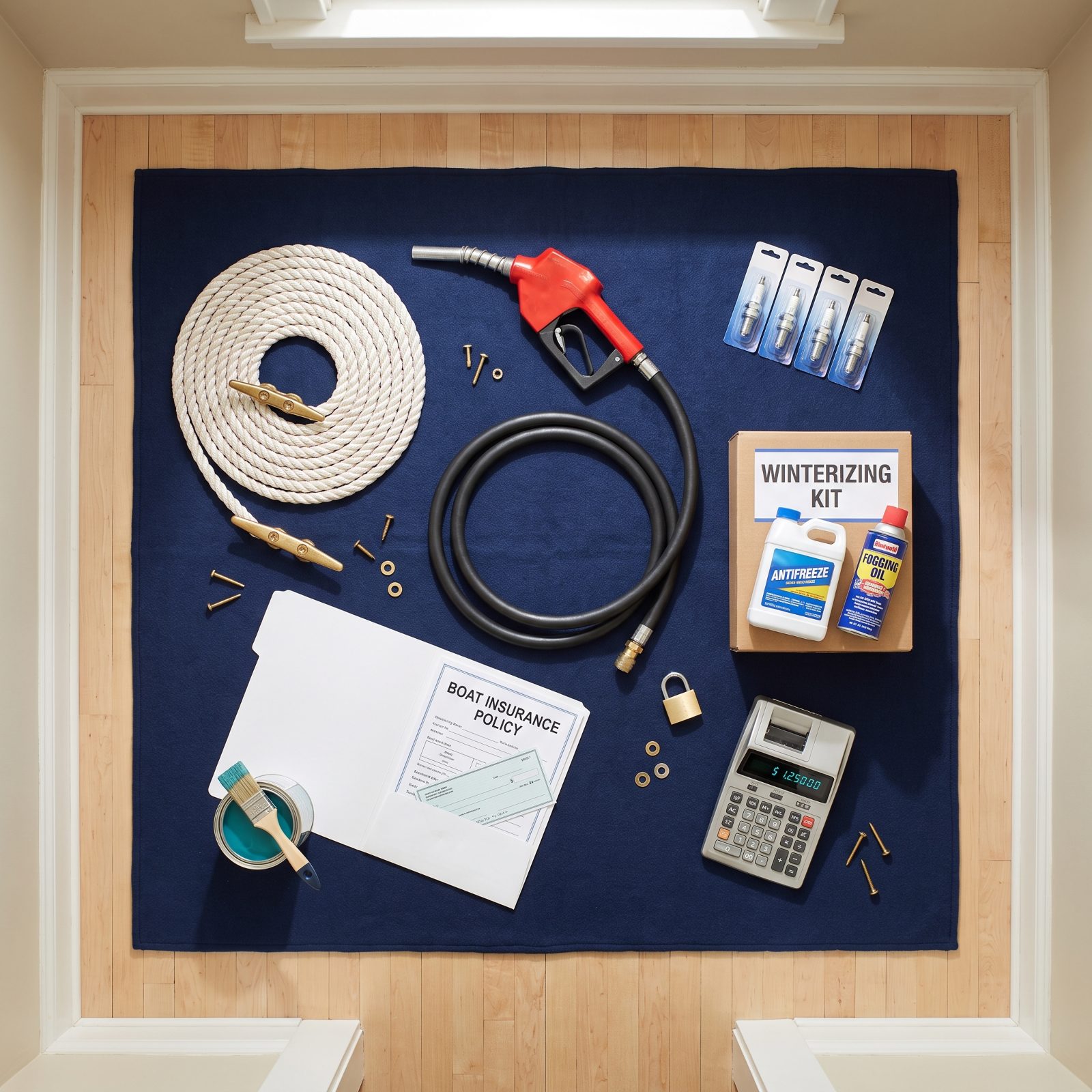
The salesperson talks in monthly payments because a payment feels small and the full number feels like a wall. You anchor on the one you can swallow and wave off the rest.
Anchoring bias. The first number you hear becomes the reference point, and everything after it gets measured against a figure that was never the real cost. The real cost is the payment plus fuel plus the slip plus insurance plus the haul-out plus the winterizing plus the thing that breaks in August.
Boat people have a grim joke about the two best days. The day you buy it and the day you sell it. The stretch between is a slow leak of expenses nobody quotes you upfront.
5. You Buy for Today and Ignore Your Changing Fishing Habits
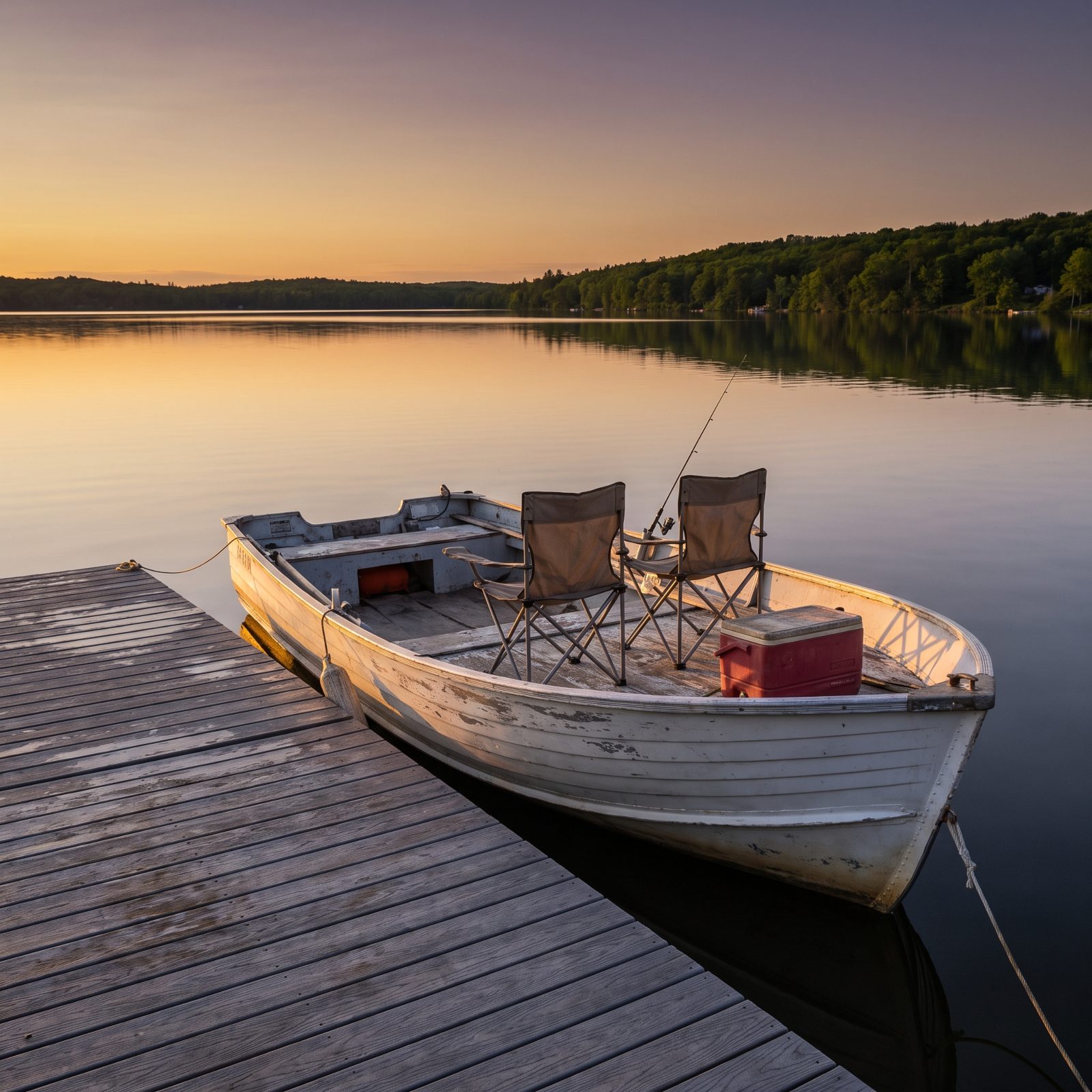
You buy the boat that fits the angler you are right now. The guy who runs forty miles at dawn, stands all day, climbs over the gunwale like it’s nothing. Then your knees change their mind. Your trips get shorter, and you start caring more about a comfortable seat and an easy boarding step than top-end speed.
We’re terrible at predicting our future selves. Psychologists call it the end-of-history illusion, the stubborn belief that who you are today is who you’ll stay. You’ve grown and changed for decades, yet you assume the growing is done.
The boat that suited you at fifty-two can feel like a punishment at sixty. So buy for the trajectory, not the snapshot. Easy access, a stable platform, a layout that works when fishing becomes less about conquest and more about the water, the light, and an afternoon with someone you like. A boat like that ages with you. The other one gets sold at a loss while you quietly admit you saw it coming.
4. You Assume That Soft Deck Will Be an Easy Fix
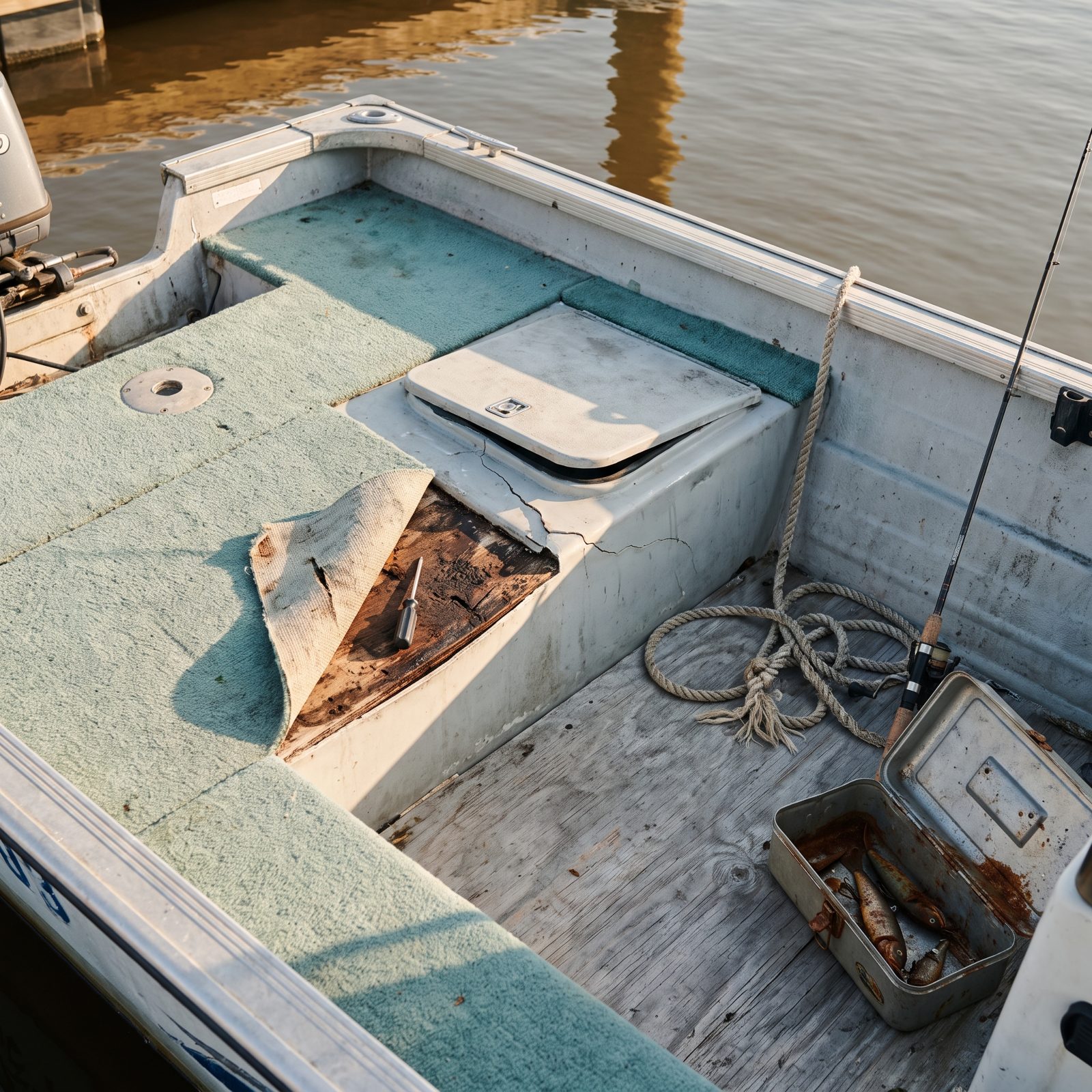
You step aboard, feel that little give underfoot near the console, and your brain does the math it wants to do: a weekend, a sheet of marine ply, some epoxy, a case of your preferred beverage. Easy. You’ve watched the videos.
It’s the same trick that talks people into buying the fixer-upper house with the sloping floor, that cheerful conviction that anything will take less time and less money than it ever actually does. Psychologists call it the planning fallacy, and boats wear it like a second coat of gelcoat. Soft deck is almost never just deck. Water that softened the plywood has been living in the stringers and the transom core for years, quietly, and that’s the repair that eats a summer.
The cheerful estimate in your head is not a lie. It’s optimism doing what optimism does, which is forget every previous project that ran triple.
3. One Perfect Fishing Day Makes You Forgive Five Breakdowns
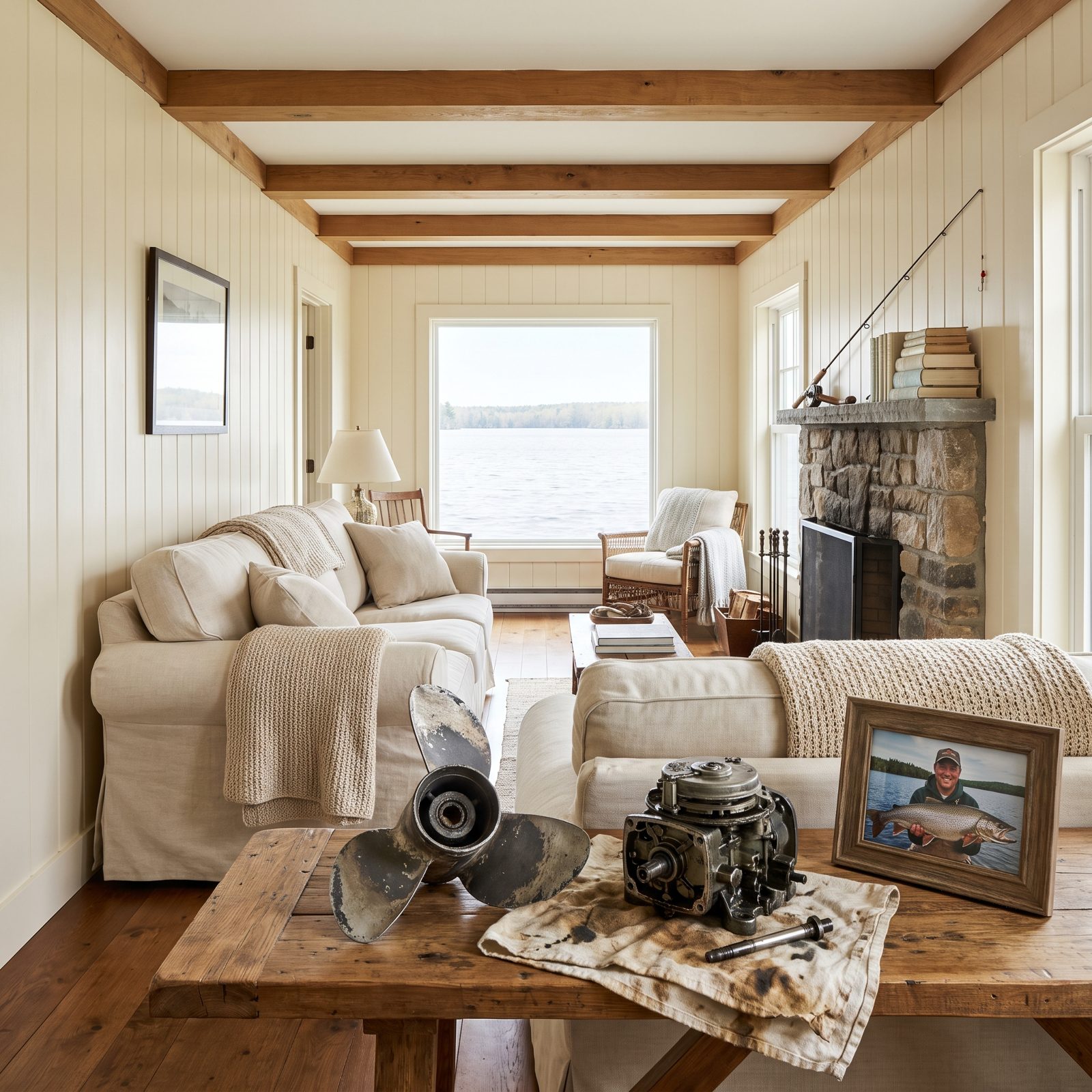
Five trips this season ended at the ramp with a dead battery, a fouled impeller, a bilge pump that chose chaos. Then one evening everything holds, the fish come up in the last hour of light, and you motor home grinning like the boat never wronged you at all.
That grin is doing something sneaky. Your brain weights the peak and the ending of an experience far more than the dull middle — the peak-end rule, the reason people remember a vacation by its best afternoon and forget the three days of rain. Your boat has learned to pay you in peaks.
The breakdowns fade into fog. The sunset fish becomes the whole story.
Most of us have done this. Described a boat to a buddy as reliable twenty minutes after it stranded us, because the fishing was that good. The memory isn’t lying. It’s just editing, and it edits in the boat’s favor every time.
2. You Keep Paying Because You Already Replaced the Outboard
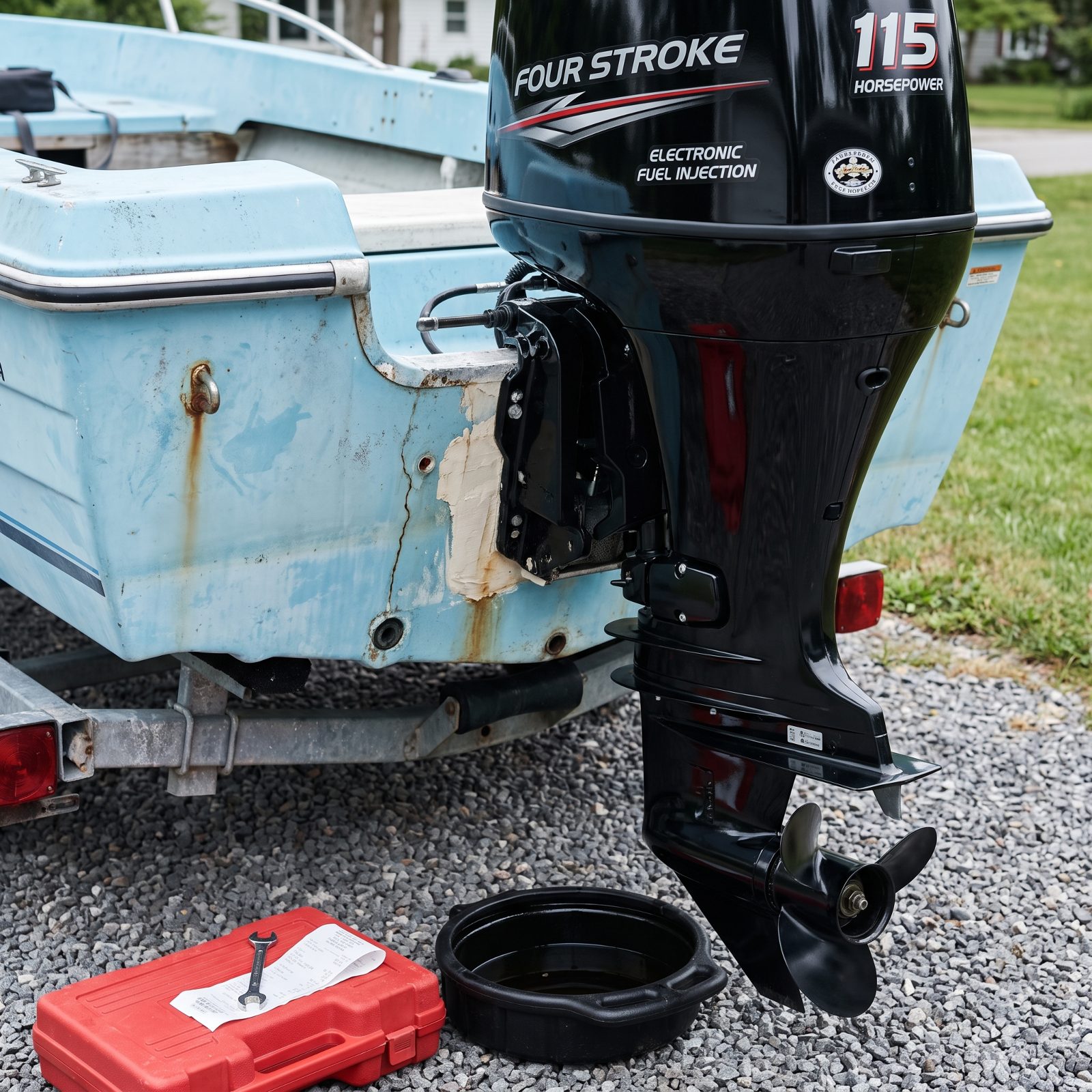
The old motor died, so you dropped serious money on a new four-stroke. Pristine cowling, smells like the future. Now the trailer bearings go, then the fuel lines, then the wiring, and each time you reach for the card, one thought answers before any other: I can’t walk away, I just put a brand-new engine on it.
That’s sunk cost, plain as day. The money you already spent is gone no matter what you decide next, but it sits in your chest like a vote. Every new repair feels like protecting the last one. The new outboard didn’t just power the boat — it anchored you to it.
Here’s the uncomfortable part. A great engine can be the exact reason a bad boat stays in your life for three more years. The right question was never whether this hull deserves a good motor. It was whether you’d buy this whole rig again today, at today’s price, knowing what you now know. If the honest answer is no, that shiny outboard belongs on a different boat.
1. You Defend the Purchase Harder After Your Mechanic Objects
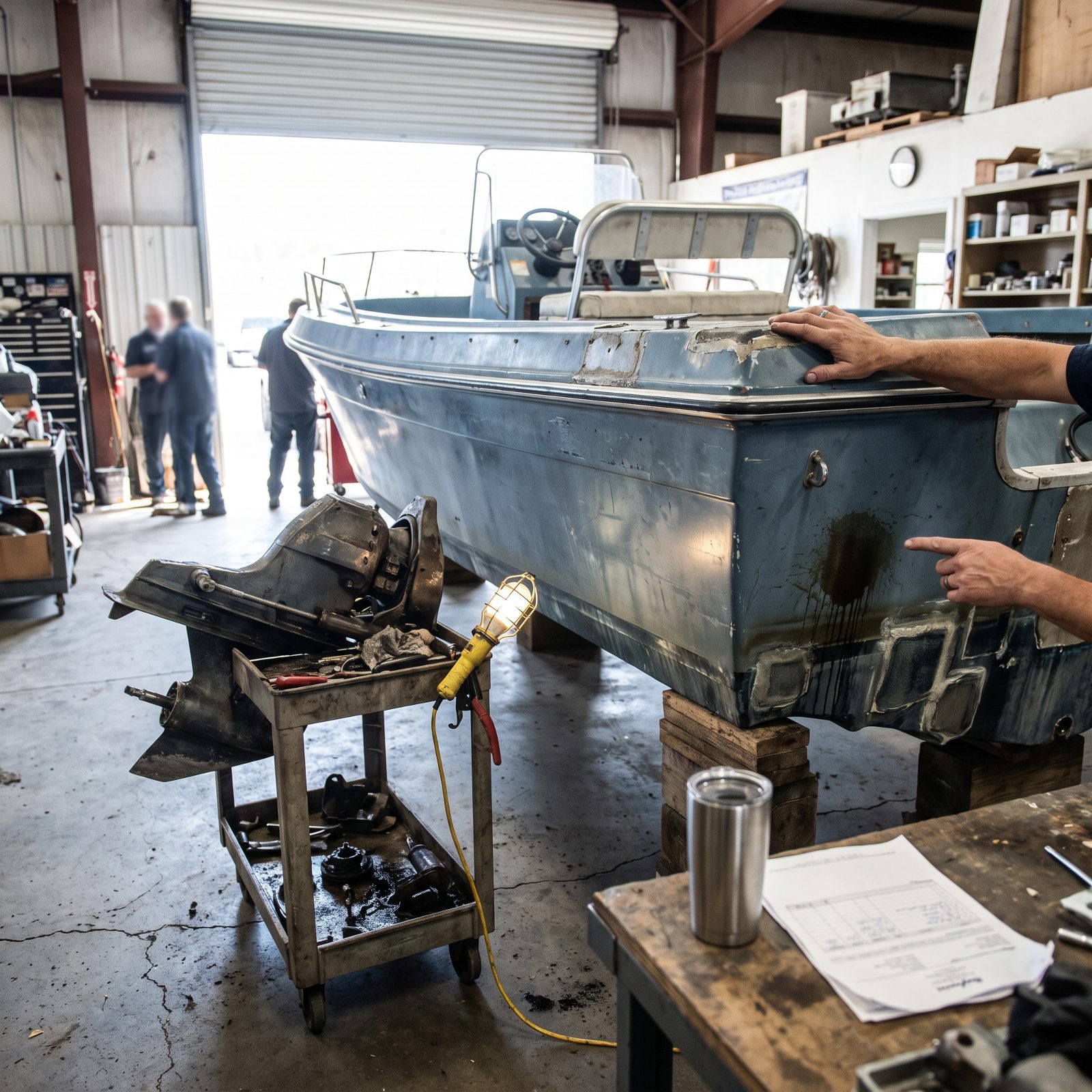
Your mechanic wipes his hands, sighs the sigh, and tells you straight: this hull has fought him three times, you’d be smarter to sell it. And something strange happens. Instead of nodding, you feel yourself gearing up to argue for the boat like it’s your kid at a parent-teacher conference.
The more someone pushes against a choice we’ve committed to, the harder we dig in. Psychologists call it reactance — that itch to protect your own freedom the second it feels challenged. Add a little confirmation bias and you’ll suddenly remember every good day on the water and conveniently misplace the tow truck receipts.
The cruel twist is who you’re arguing with. The mechanic has no reason to lie. He gets paid either way. His objection is the most honest signal you’ll ever get about that boat, and it’s the one you’re built hardest to fight.
So next time you catch yourself defending a purchase to the one person qualified to judge it — stop talking. That heat in your chest isn’t proof you’re right. It’s proof you’ve been found out.