You will defend a stretch of water you have no business defending. You’ll drive past three good holes to reach the one you fished as a kid, the one that quit producing around the time gas hit two dollars a gallon, and you’ll tell yourself there’s a reason. There’s always a reason. The truth is messier than that, and funnier. The same wiring that keeps people in the wrong relationship, chasing the one who got away and ignoring every red flag flapping in the breeze, is exactly what governs how an angler picks water. We watched the way men choose, judge, and commit to a spot. It reads like a dating profile. Here’s the part where you see yourself.
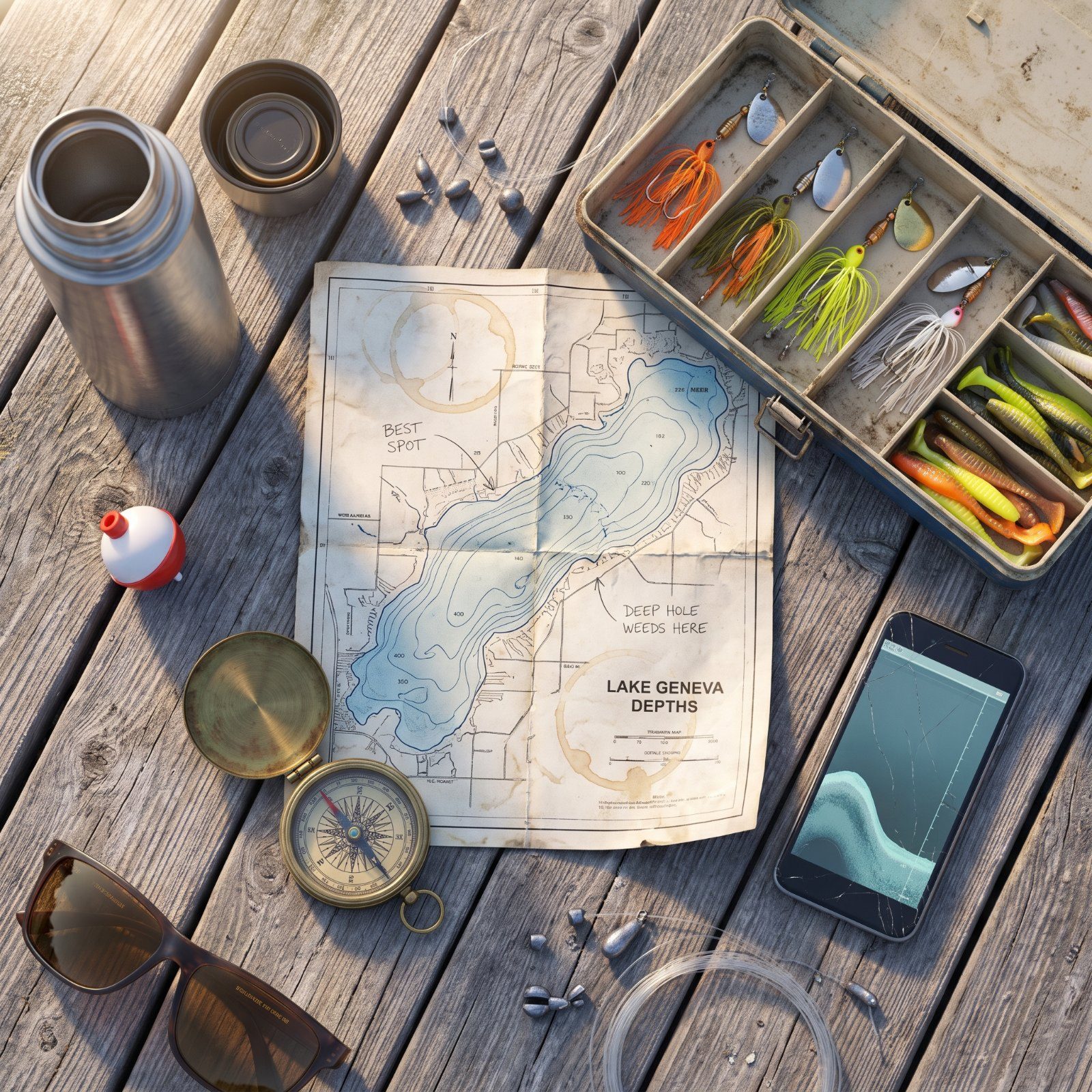
Please note that some of the images in this article were created with the assistance of AI.
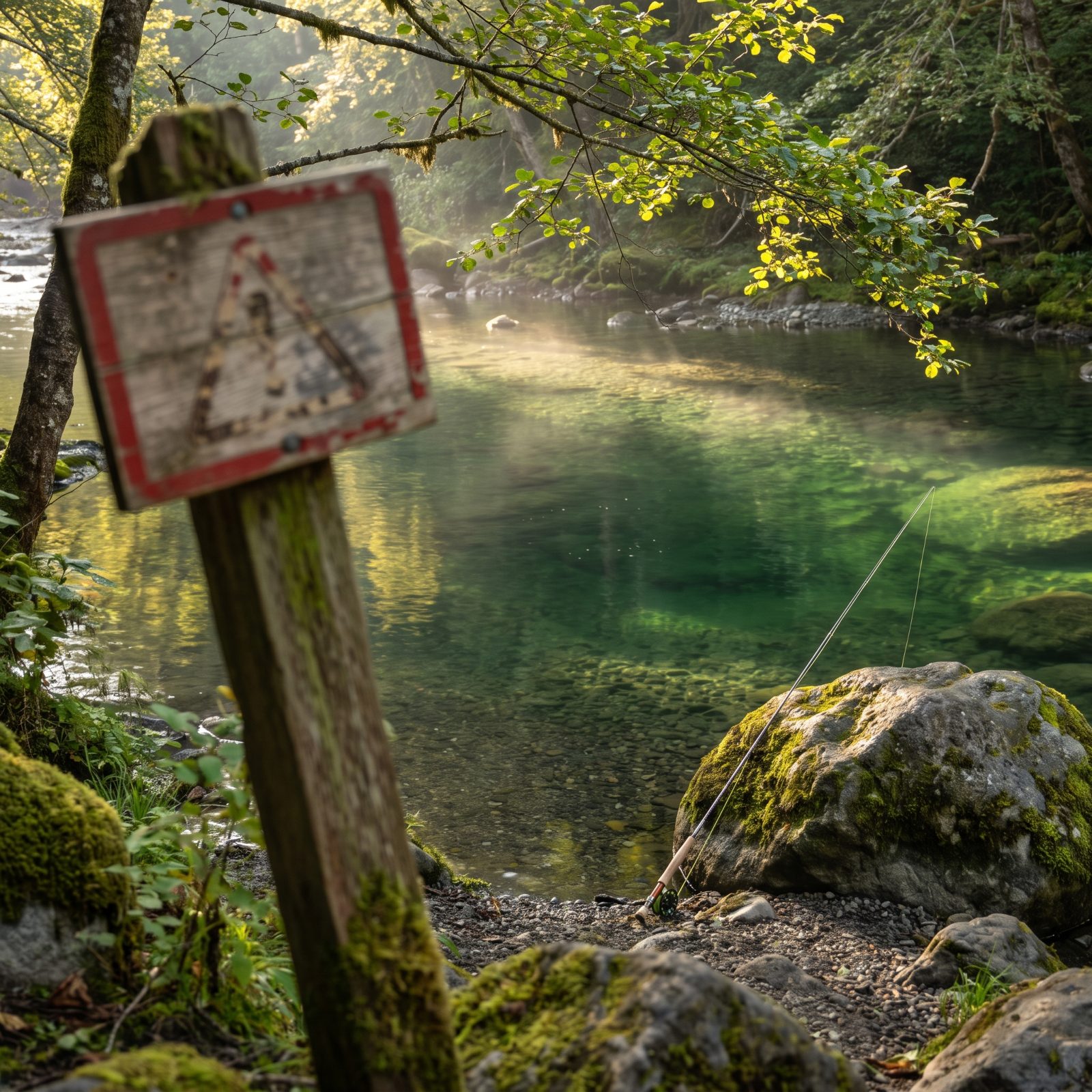
14. You Ignore Posted Warnings When the Water Looks Perfect
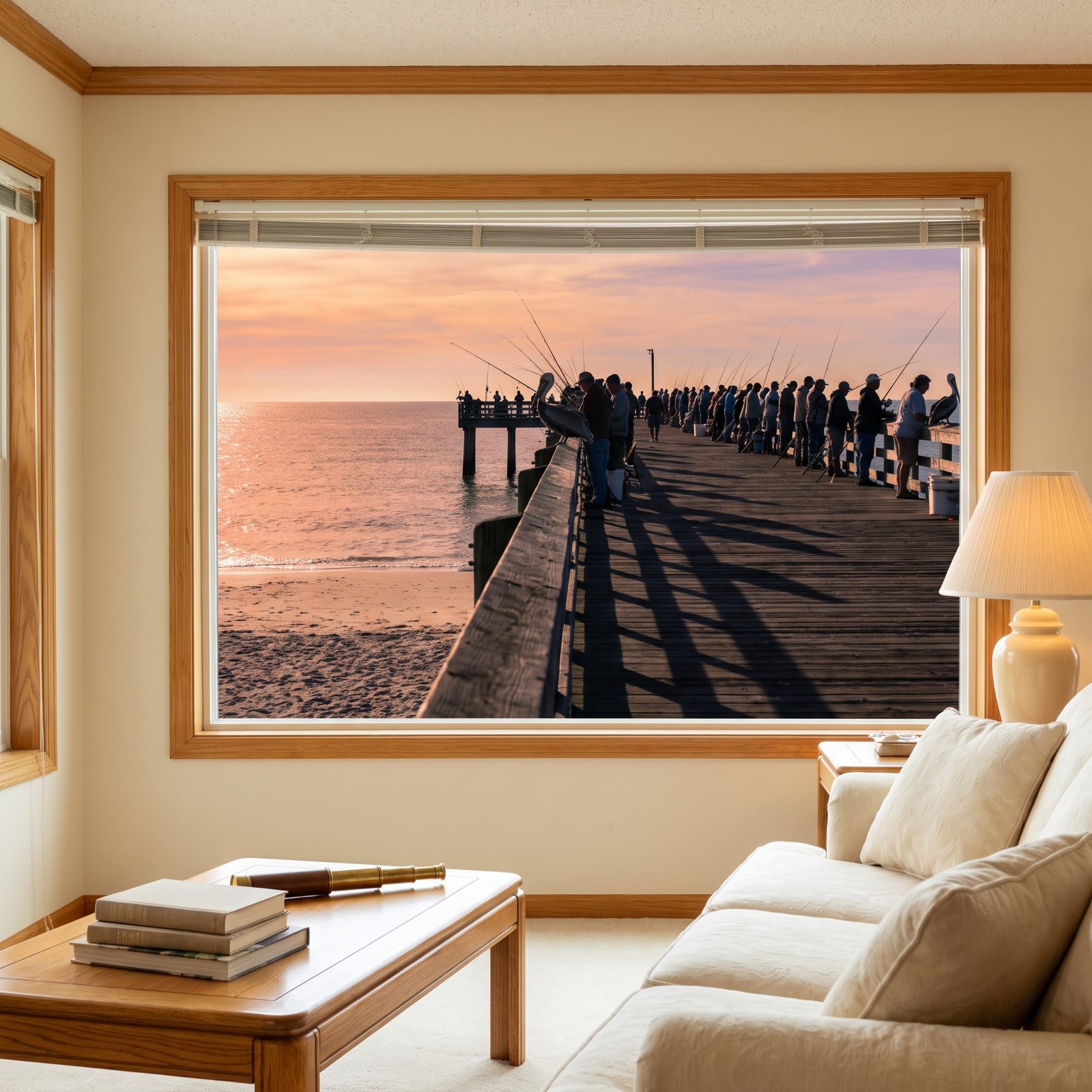
13. You Trust a Packed Pier More Than Your Fish Finder
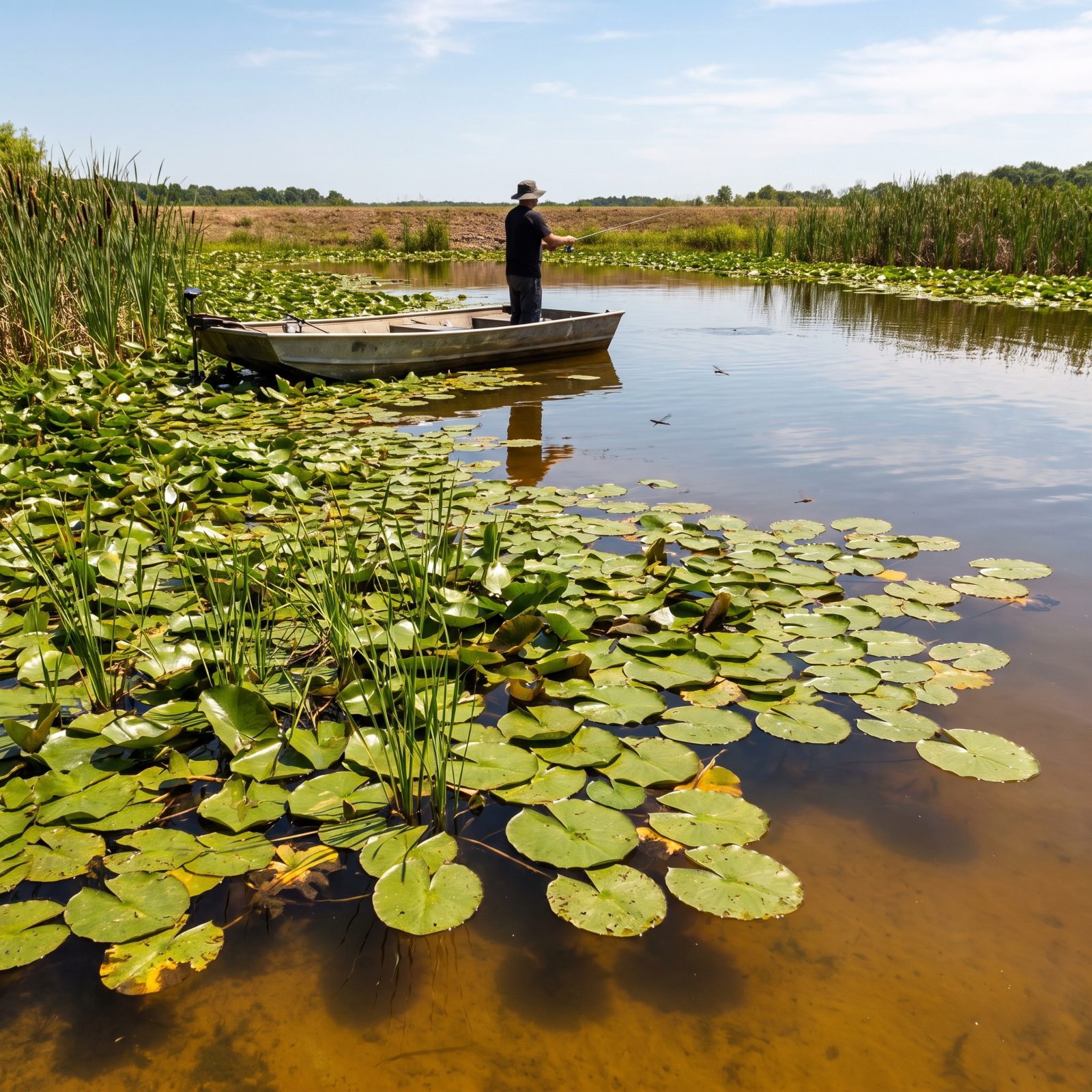
12. You Choose Water That Matches How You Actually Fish
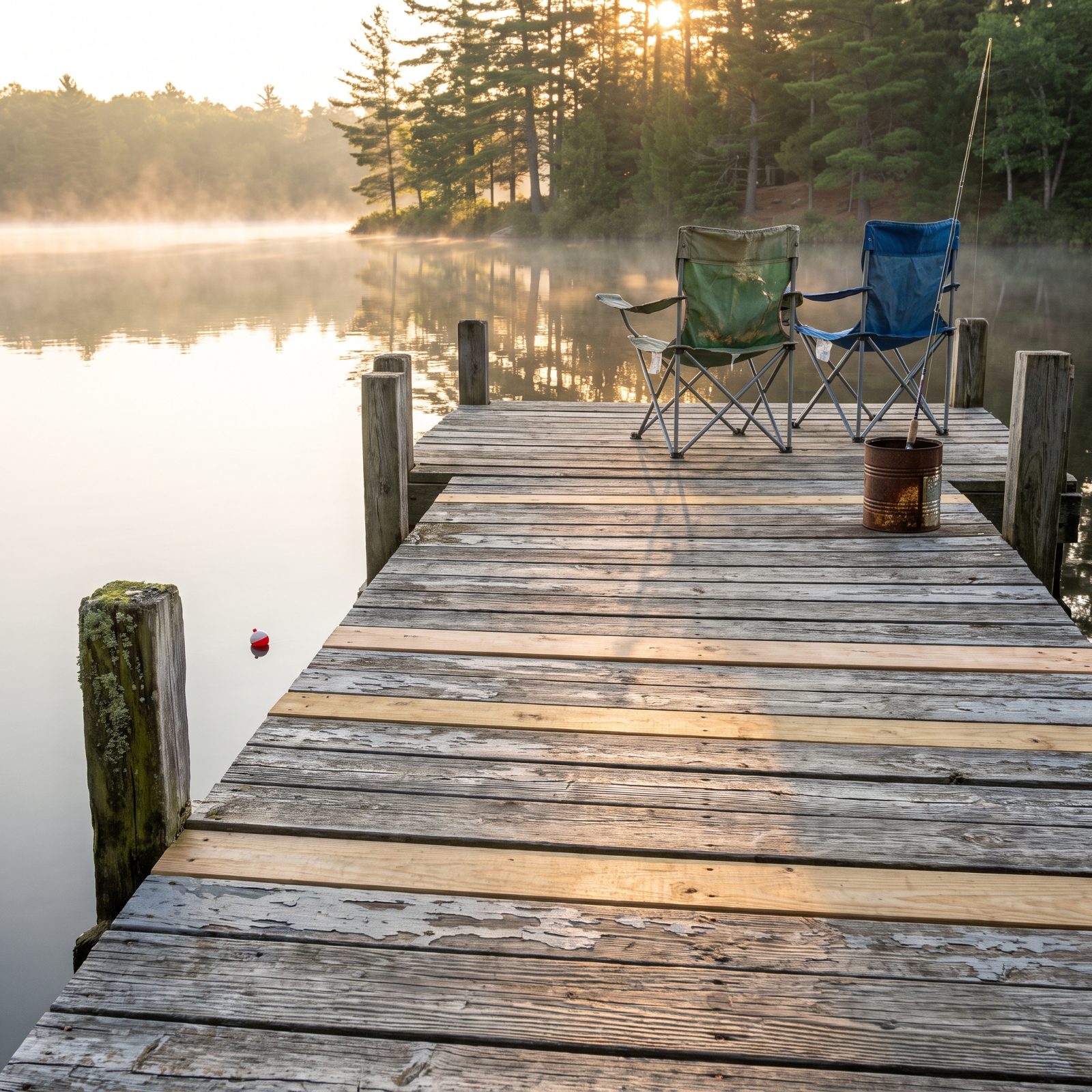
11. You Fish the Same Dock Because Your Dad Did
10. You Keep Fishing Yesterday’s Hot Spot Long After It Cools
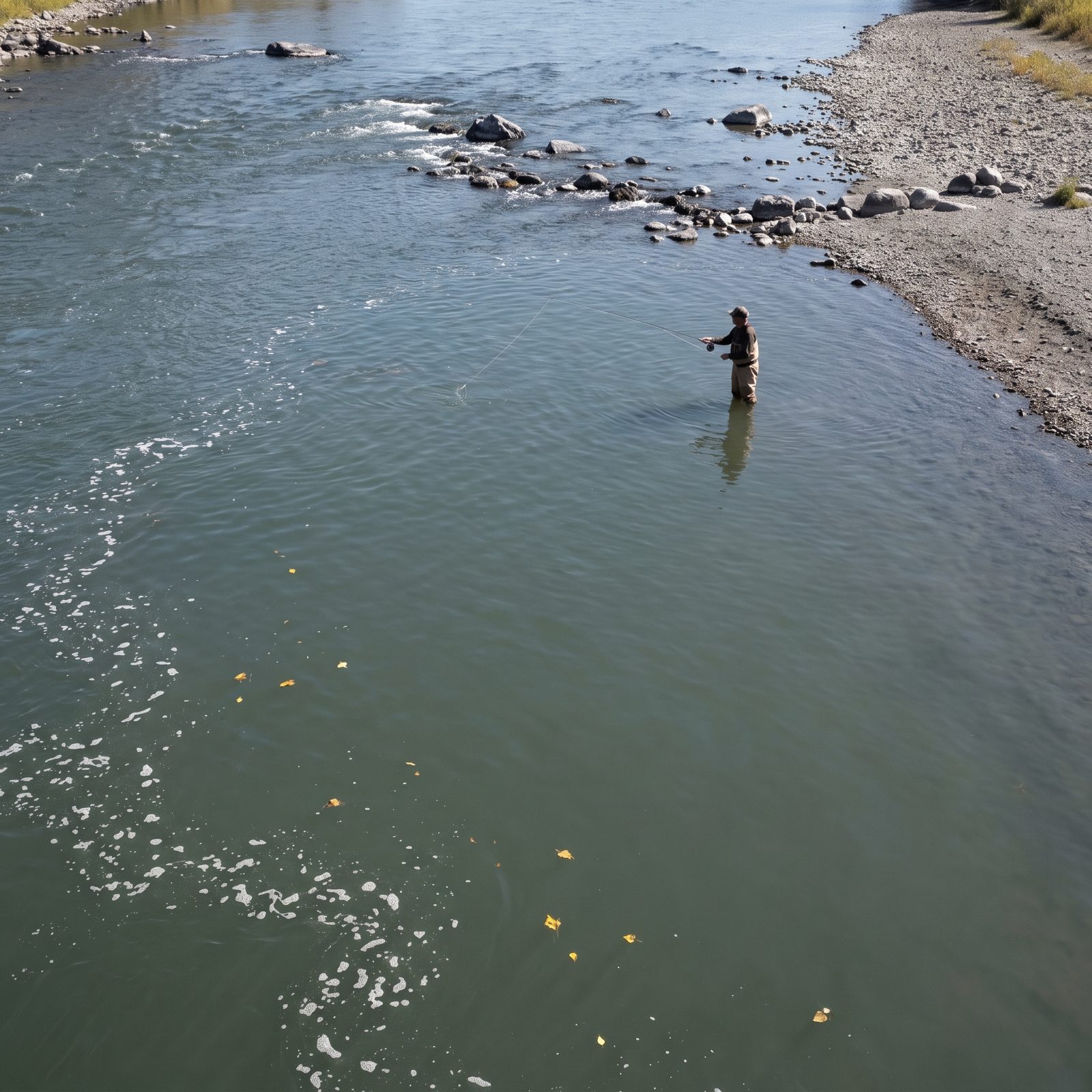
9. One Surprise Strike Makes You Forgive Hours of Nothing
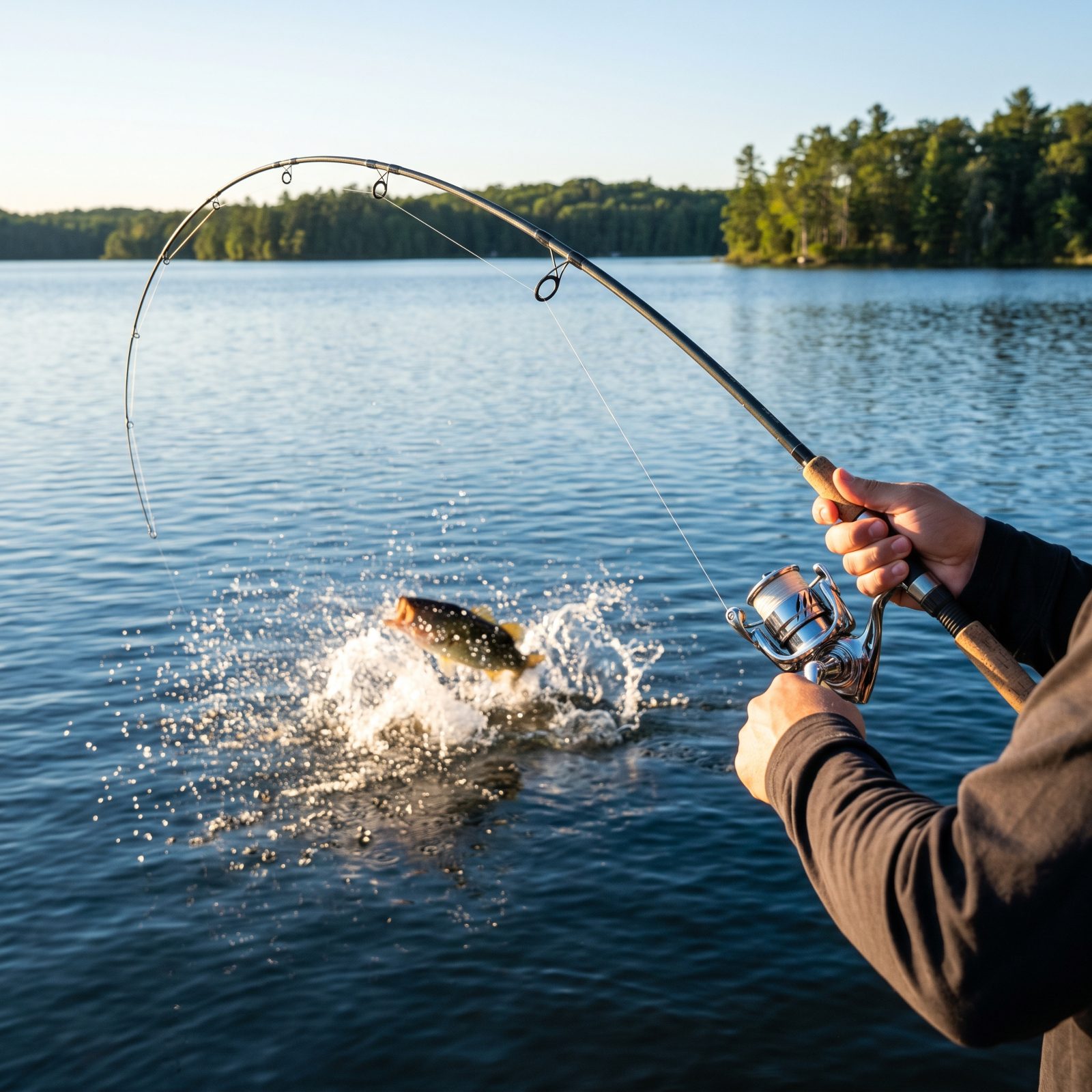
8. You Stay Because Moving All That Tackle Feels Exhausting
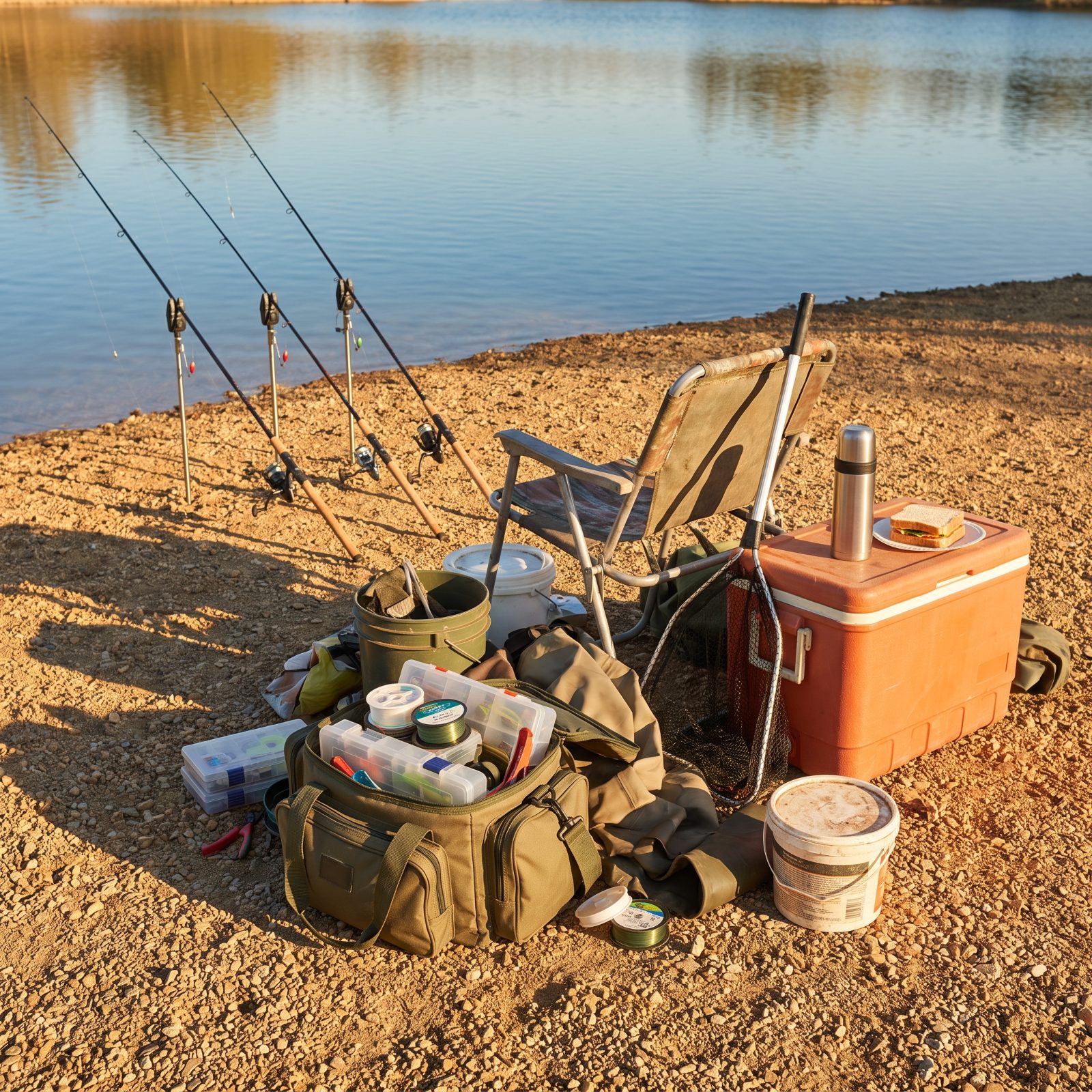
7. You Need a Backup Spot Before Leaving the Wrong One
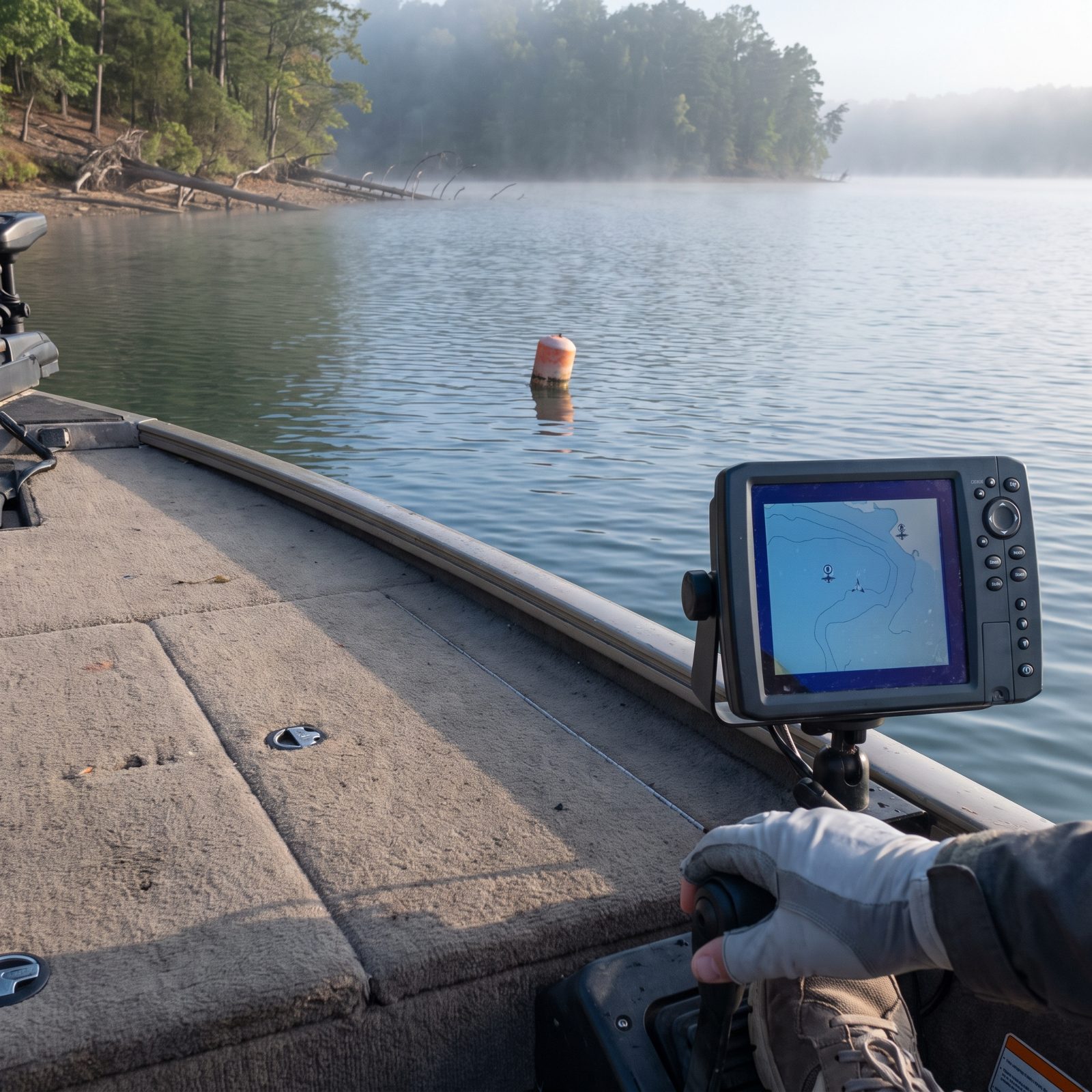
6. You Ask Three Locals, Then Choose the Answer You Wanted

5. You Keep Scouting Because the Next Bend Might Be Better
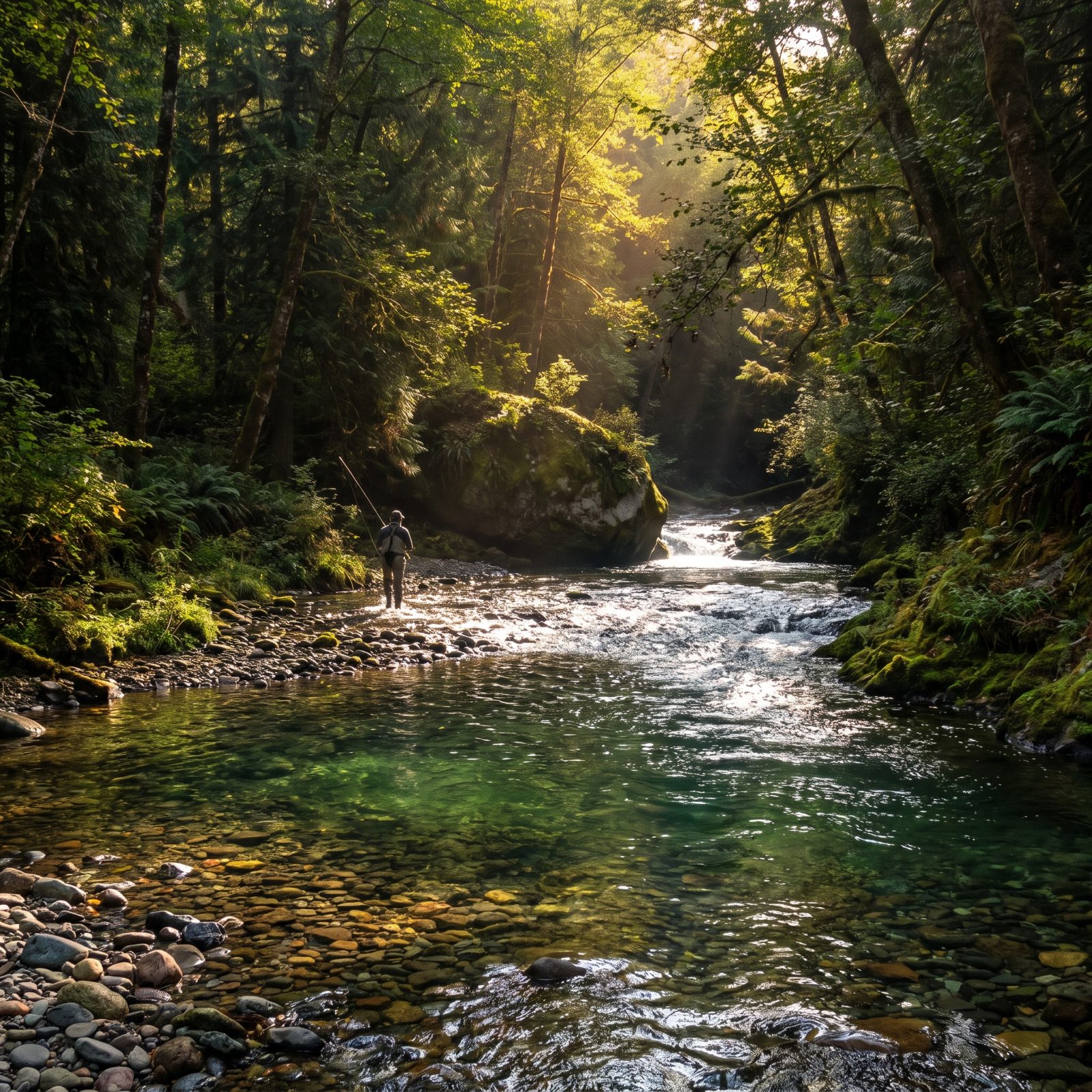
You arrive at a good pool. Fish are rising, the light is right, and within twenty minutes you’re already wondering what’s around the next bend. So you hike up past perfectly fishable water, because the stretch you haven’t seen yet feels like it has to be better. The one you can’t see is the one that owns you.
This is the fishing version of the person who spends every date half-looking over your shoulder. The grass-is-greener loop runs on a simple glitch: your brain scores known rewards against imagined ones, and imagination never has to show its work. The pool in front of you is real, with real flaws you can see. The next bend is pure potential, and potential wins a rigged fight every time.
Sometimes the next bend really is better. More often it’s the same water you left, and you’ve burned your best light hiking instead of fishing. The anglers who catch the most aren’t the ones who covered the most ground — they’re the ones who stopped, worked a spot hard, and gave it a fair chance to prove itself before moving.
4. You Call It Your Spot Before Learning the Tides
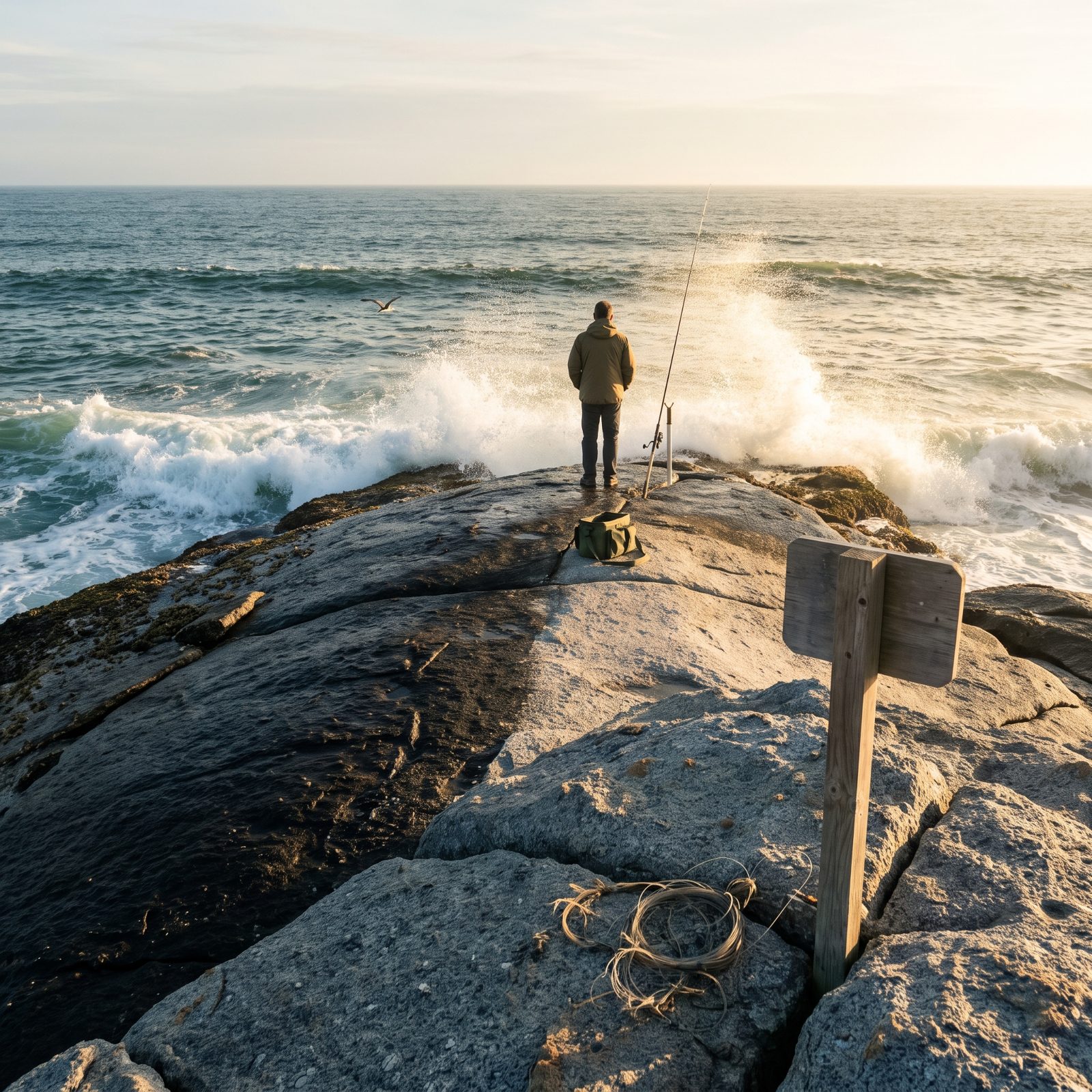
You find it on a Tuesday evening when the light is perfect and a fish hits on your third cast, and by the drive home it already has a name in your head. Your spot. You tell a buddy about it like you discovered a country you plan to annex. You haven’t checked a tide chart, you don’t know what this rock does at low water, and you have no idea the fish were only there because the current shoved bait into that corner for maybe forty minutes before moving on.
We do the same thing with people. One good night and the whole future gets penciled in. Psychologists call it the halo effect, where a single strong first impression bleeds into everything else and we patch the gaps with hope instead of evidence. The one great cast becomes proof the place is great, when really it was proof of one great cast and nothing more.
Learn the tide before you learn to love it. The water tells you what it really is around the third visit. Not the first.
3. You Blame the Spot When You Brought the Wrong Lure
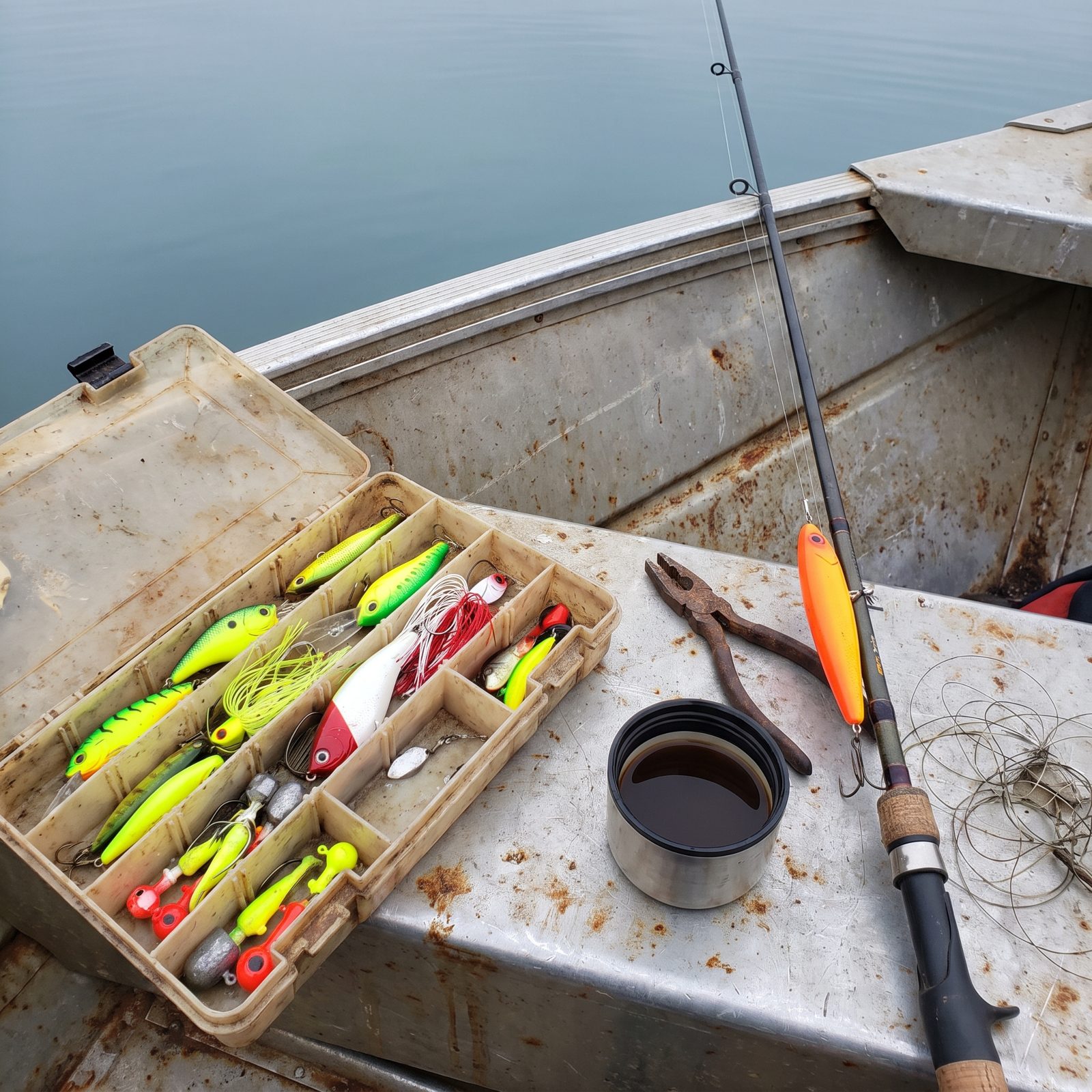
Slow morning, and nothing wants what you’re throwing. The fish are down there — you can mark them — and they ignore everything in your box. So you decide out loud that the spot is dead. Fishing pressure. Water got too warm. Somebody must have hammered it last weekend. Anything but the obvious: you tied on the loud crankbait when the fish wanted a quiet little worm fished slow.
Call it the self-serving bias. It runs the same in a boat as it does in a bad week at work. When it goes well, it was us; when it goes badly, it was the conditions, the tackle, the luck, the other guy. The ego protects itself by shipping the blame somewhere outside our own hands, and the spot can’t defend itself, so the spot takes the fall.
We’ve all done this more times than we’ll admit. Cursed a honey hole that produced beautifully two weeks later for a friend who simply downsized. The water hadn’t changed. We had. Before you write a place off, change your lure, then change your attitude. Usually in that order.
2. You Make the Long Drive Because Hard-to-Reach Feels Special
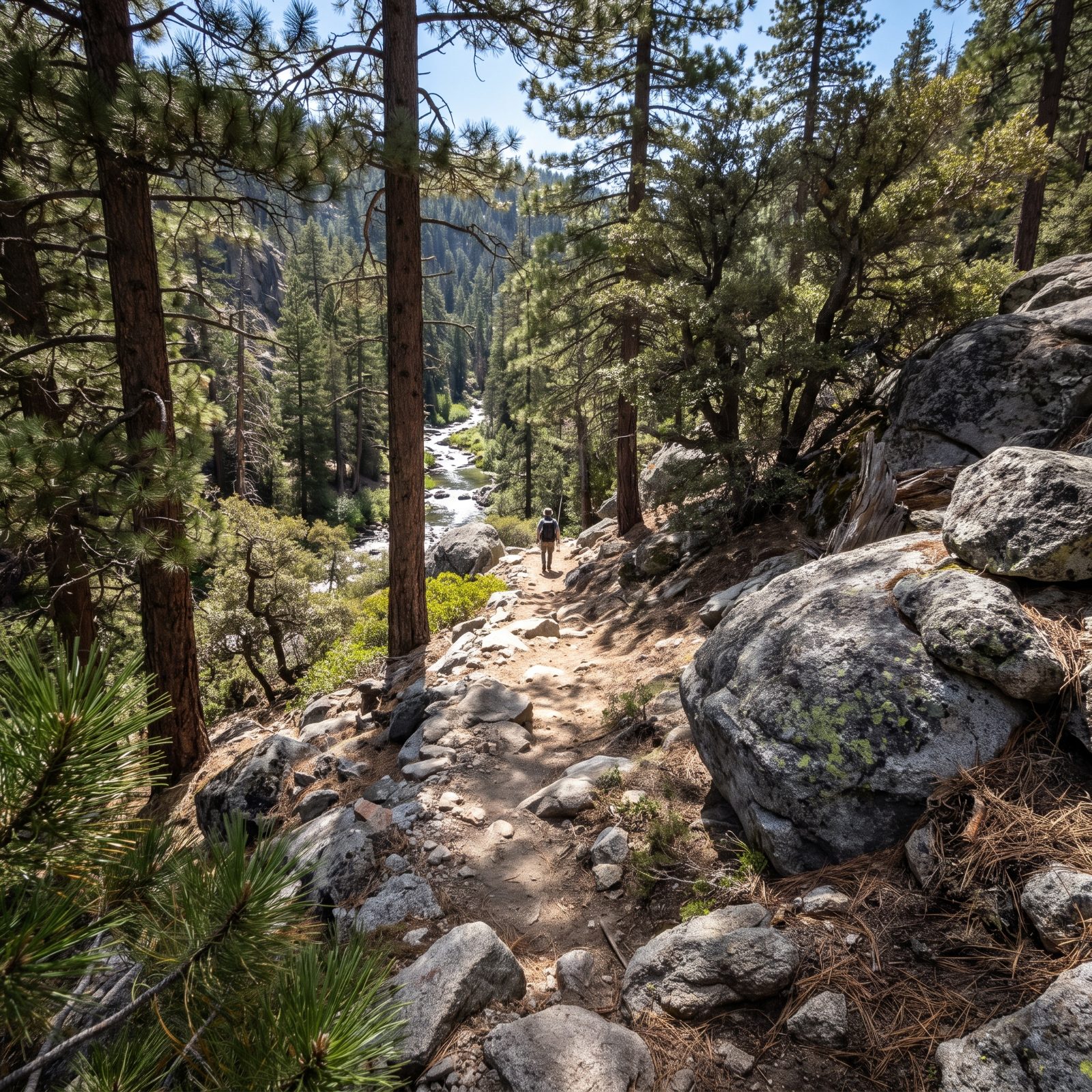
There’s a creek you can park beside and fish in slippers, and you almost never go. Instead you drive two hours, hike forty minutes over bad rock, and fish water that — if you’re honest — holds the same trout as the easy spot, maybe fewer. But it feels better. It feels earned. You caught these the right way.
The harder you work for the water, the better the fish tastes, even when it’s the same fish.
That’s effort justification at work, cousin to the IKEA effect. We value what cost us something. A fish from the hard-won spot isn’t bigger — it’s heavier in the part of the brain that keeps score. We tell ourselves the difficulty is the quality, when often the difficulty is just difficulty.
None of this is bad, mind you. The walk in is half the point, and some of the best mornings we’ve had were the ones that half-killed me getting there. Just know you’re buying solitude and a story — not necessarily more fish.
1. You Love a Spot More Once Another Angler Finds It
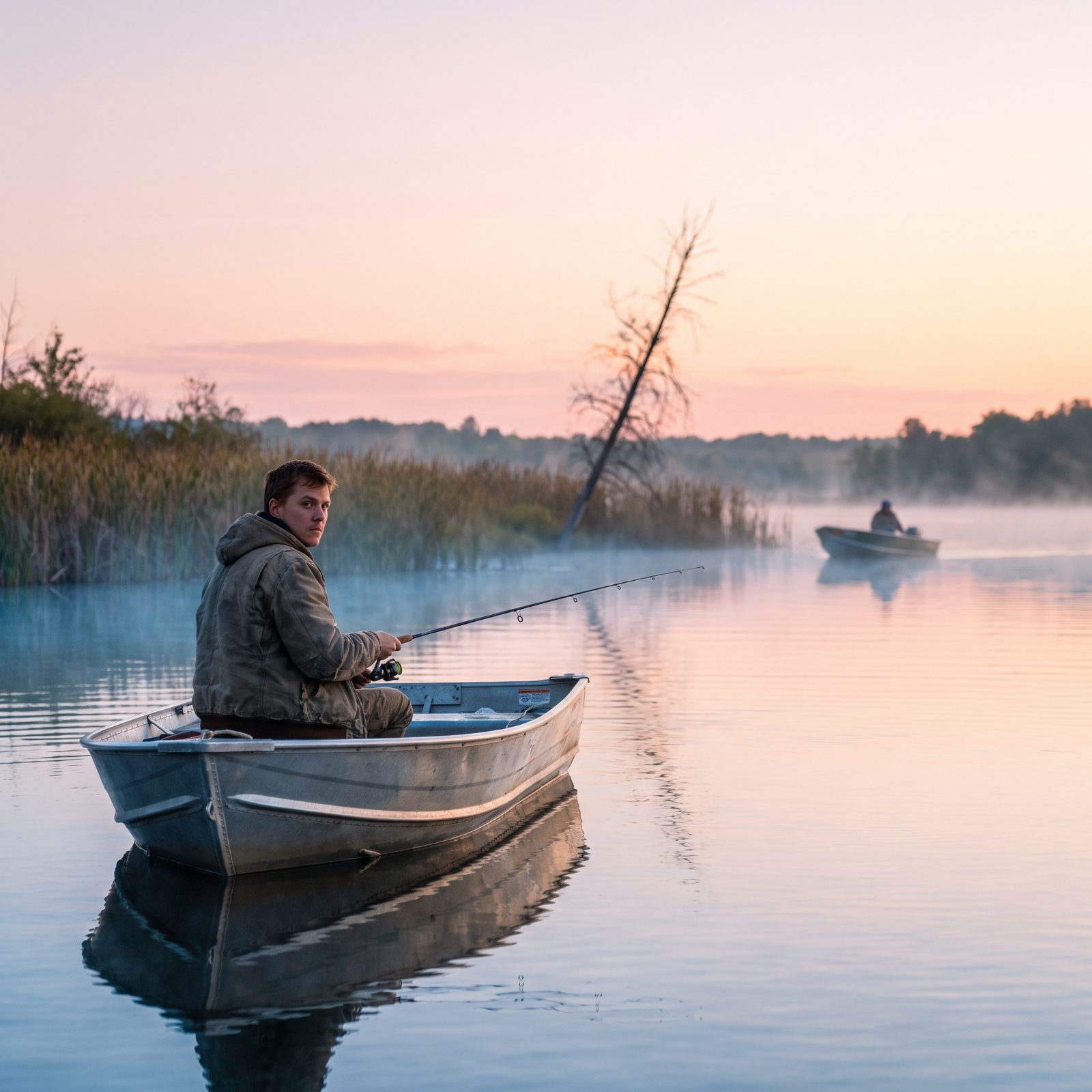
You had the cove to yourself for months and it was fine. Good, even. Then one morning a second boat slides in and starts working your shoreline, and something odd happens inside you. Not just annoyance — a little surge of pride. See, somebody else knows. I wasn’t wrong about this place. The spot you half took for granted suddenly feels like prime real estate, precisely because someone else wants it.
Social proof flips the switch. We read other people’s desire as information, and if a stranger drove all the way out here too, the water must be worth it — and by extension our judgment must be sharp. A little scarcity sneaks in behind it. The moment a thing can be lost, the moment it’s shared, it gets more precious. The empty cove was just a cove. The contested cove is a trophy.
So next time a boat crowds your quiet cove, catch the feeling before the irritation does. That little glow is your own wiring, telling on you.