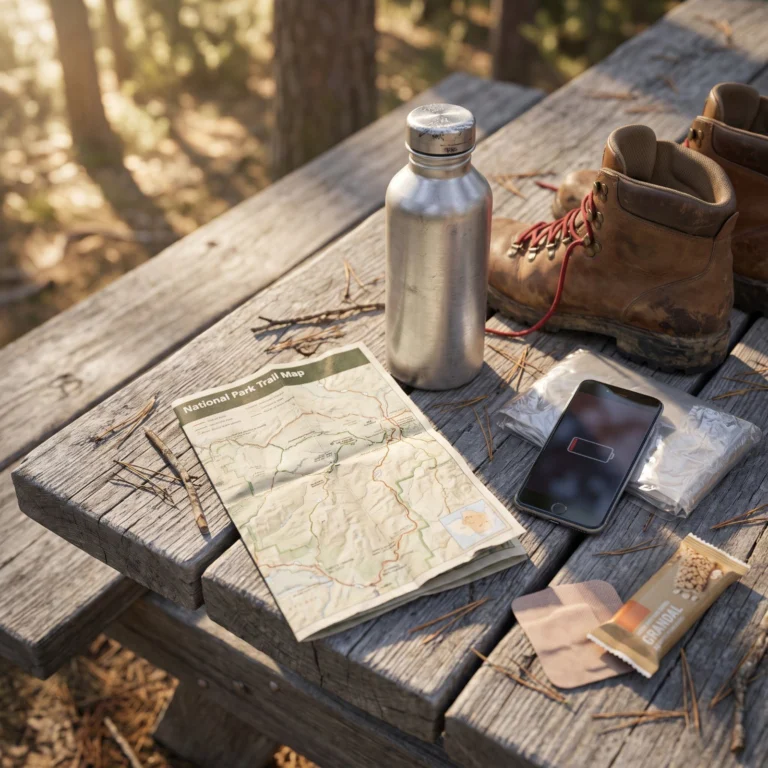
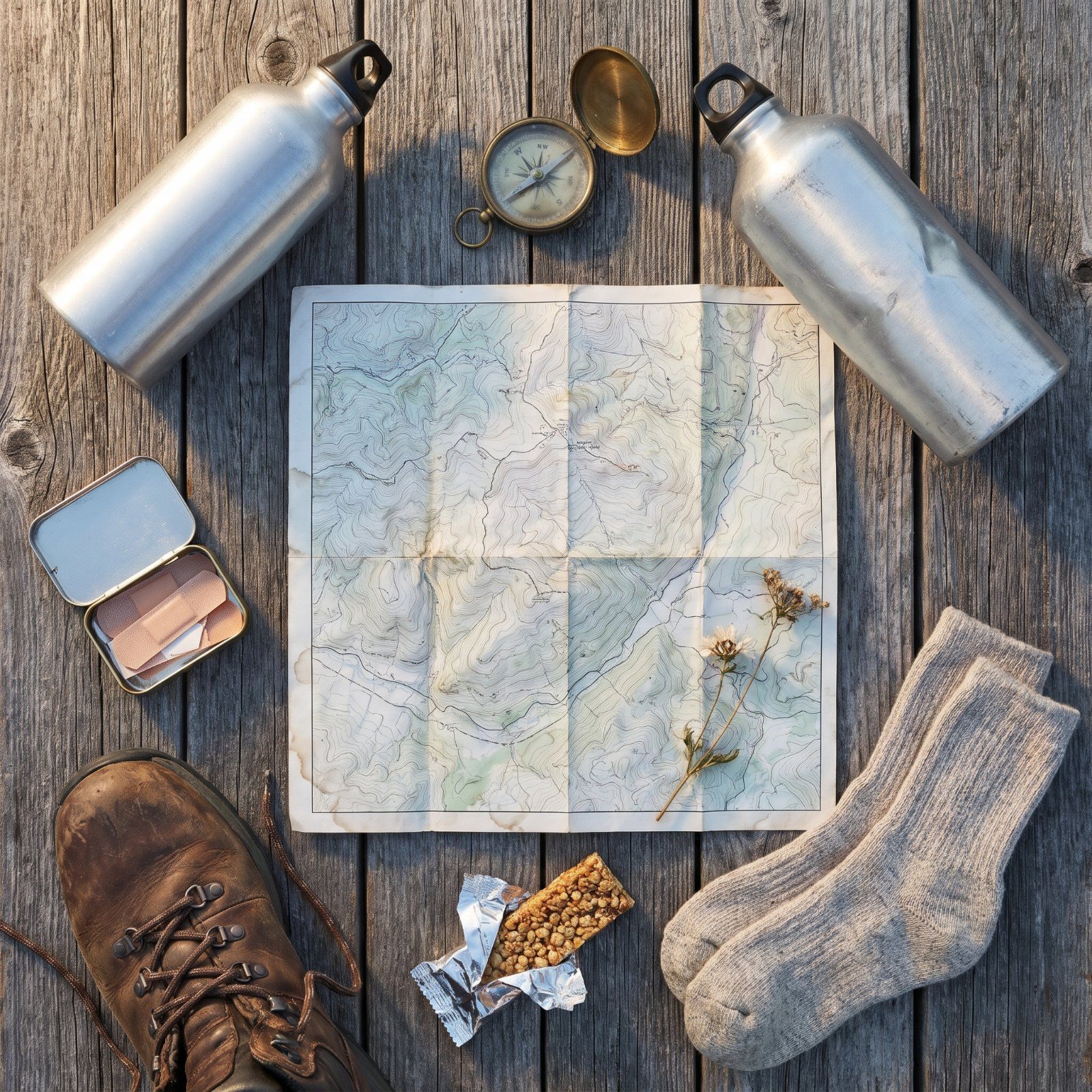
Four miles in, your feet are screaming and the person who talked you into this trail is a quarter mile ahead, cheerful as a Labrador. You knew at the trailhead the pace was wrong. You said nothing. Sound familiar? The same wiring that keeps us grinding up a punishing trail long past the point of sense keeps us in the wrong relationship, the wrong apology, the wrong Tuesday night. We hate backtracking. We mistake confidence for competence, and we swallow the blister until the whole group suffers for it. What follows are the self-sabotaging moves hikers make on the mountain, and the quieter versions we make with the people we love. You’ll recognize yourself in at least a few. That’s the point.
Please note that some of the images in this article were created with the assistance of AI.
19. You Pick Trail Partners by Vibes, Not Walking Pace
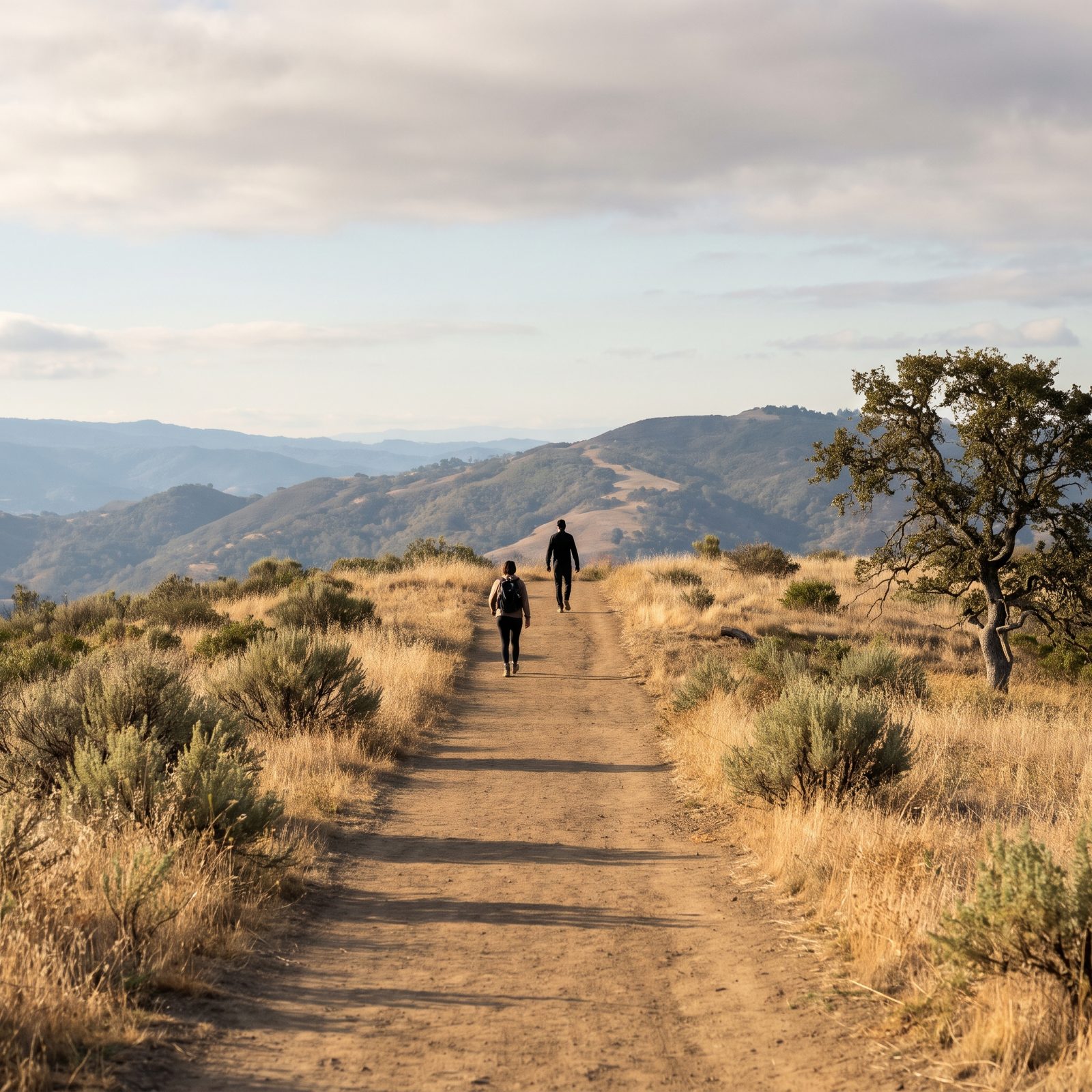
You met at a backyard cookout, hit it off over beers, and three weeks later you’re planning a fourteen-mile loop together. The conversation was easy. You never once asked how fast the other person actually walks, and by mile three that gap between you is a canyon with nobody enjoying it.
We do the same thing with people. Chemistry at the bar tells you nothing about whether two lives move at the same speed. Call it the halo effect: one good trait — great company, a great laugh — and your brain quietly assumes the rest of the traits are great too. They aren’t. Pace is a compatibility problem, not a personality problem.
18. You Choose the Photogenic Trail, Not the Suitable One
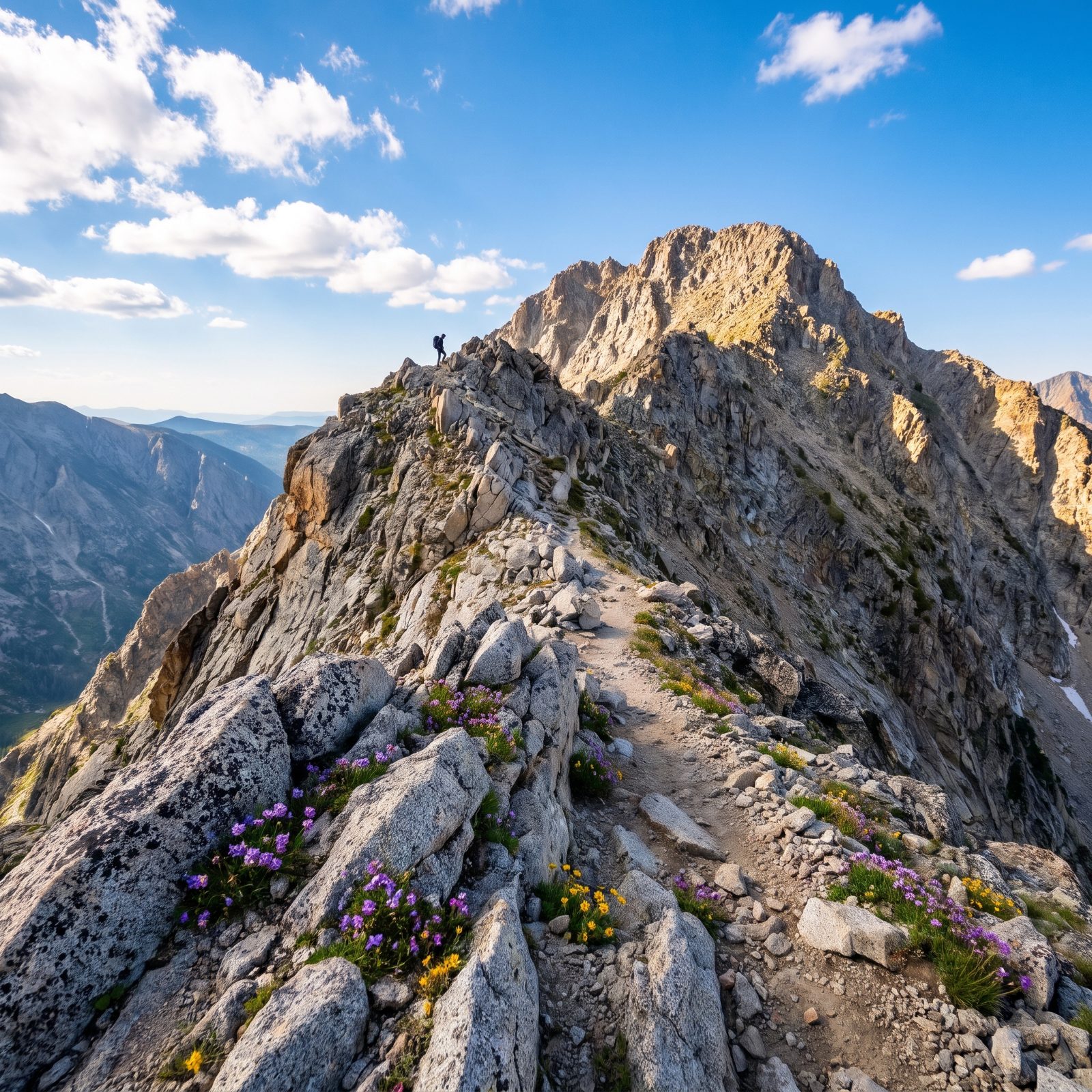
The picture did it. Somebody posted that summit shot with the lake behind it and the clouds doing something cinematic, and you booked the trip without once reading the elevation profile. Several thousand feet of gain packed into a handful of miles. You found that out on the switchbacks.
Here’s how we fall for people, houses, jobs — we fall for the listing photos before we’ve seen the floor plan. The image is curated. The daily reality of a steep climb per mile is not. Attraction runs on the highlight reel. Staying power runs on the fine print nobody bothers to glamorize.
17. You Wear Brand-New Boots Straight Onto the Mountain
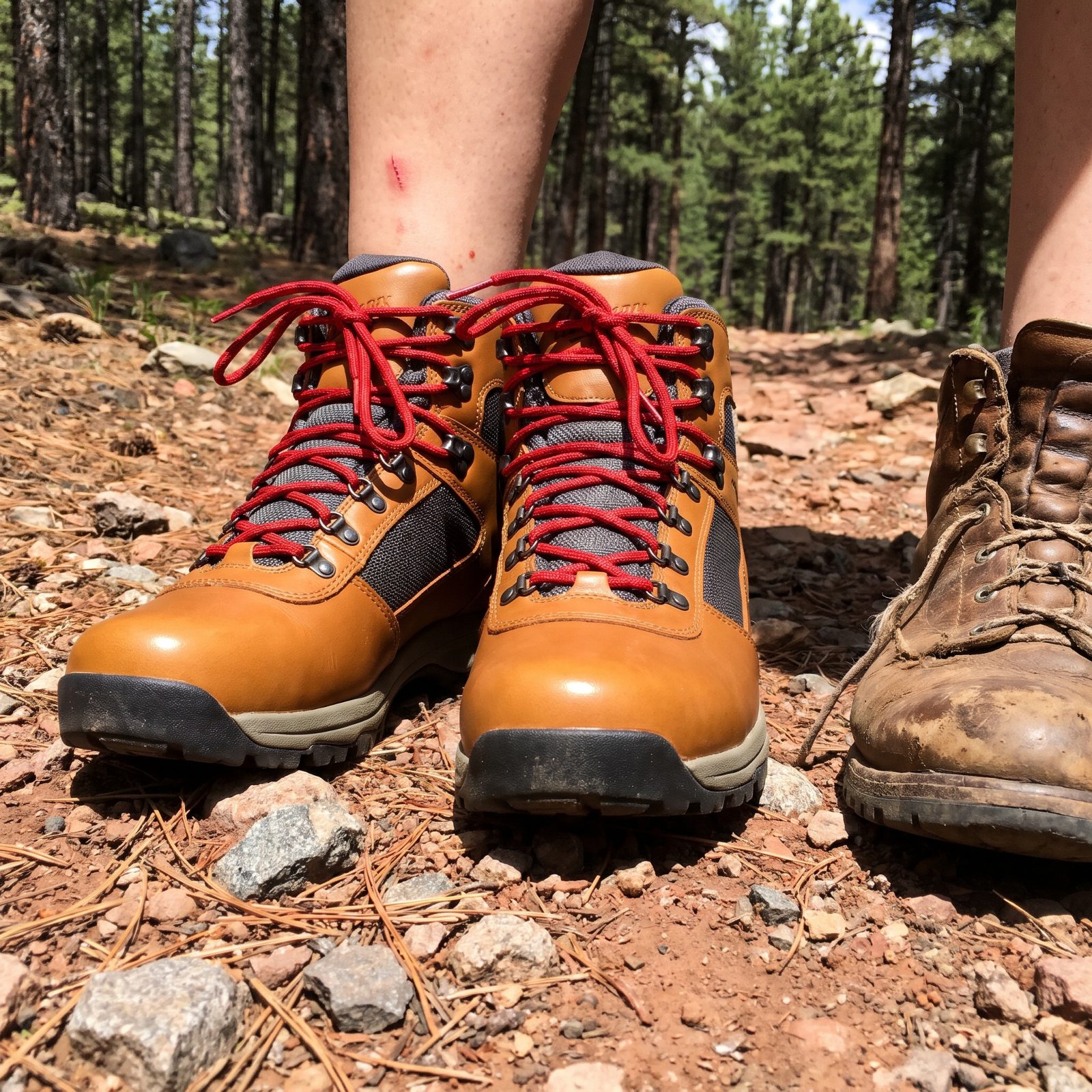
The box was so satisfying to open. Stiff leather, perfect tread, that new-boot smell. Then you laced them up for the first time at the trailhead — roughly the worst possible place to find out where they rub.
We rush the untested thing into a high-stakes situation all the time. A new relationship, barely three dates deep, and suddenly we’re meeting the whole family at Thanksgiving. Nothing has been broken in yet, so the discomfort shows up exactly when there’s no graceful way to stop and adjust. Comfort gets earned in low-stakes miles. You can’t demand it on the hardest day.
16. You Hide a Blister Until Everyone’s Day Gets Worse
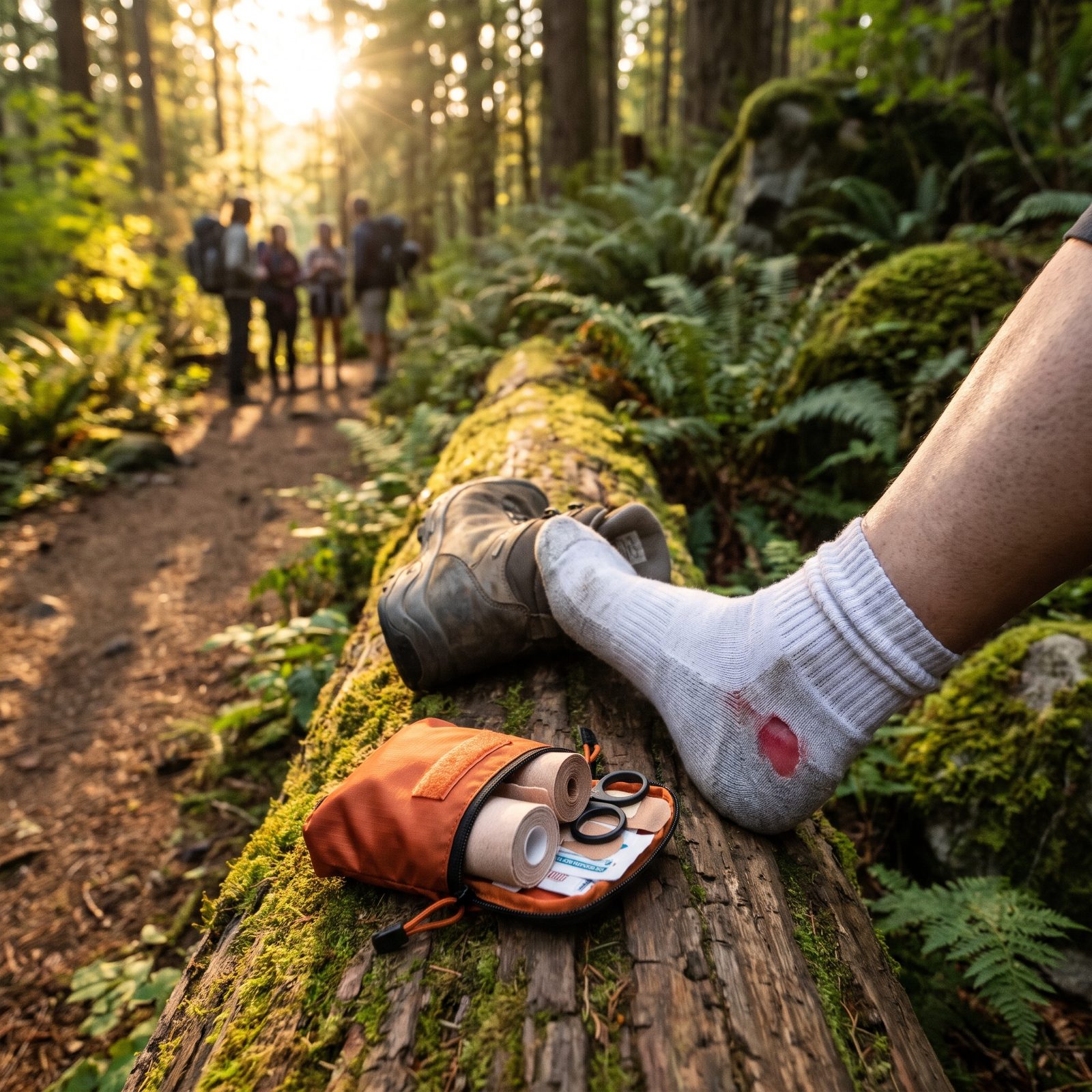
The hot spot started at mile two. You felt it, you knew exactly what it was, and you said nothing — admitting it felt like complaining. So you walked another six miles on it until it became a genuine wound and the whole group had to stop, dress it, and reroute. One honest sentence at mile two would’ve cost you thirty seconds.
We swallow the small hurt in relationships the identical way. The little resentment, the thing that bugged us, the hot spot in the conversation. Nobody wants to be the one who makes it awkward. So it festers, and by the time it finally comes out it’s not a hot spot anymore. It’s a blowup that wrecks the whole day.
The small truth, spoken early, is a bandage. Swallowed, it becomes a wound the whole group has to stop for.
15. You Follow the Fastest Hiker Until Your Legs Revolt
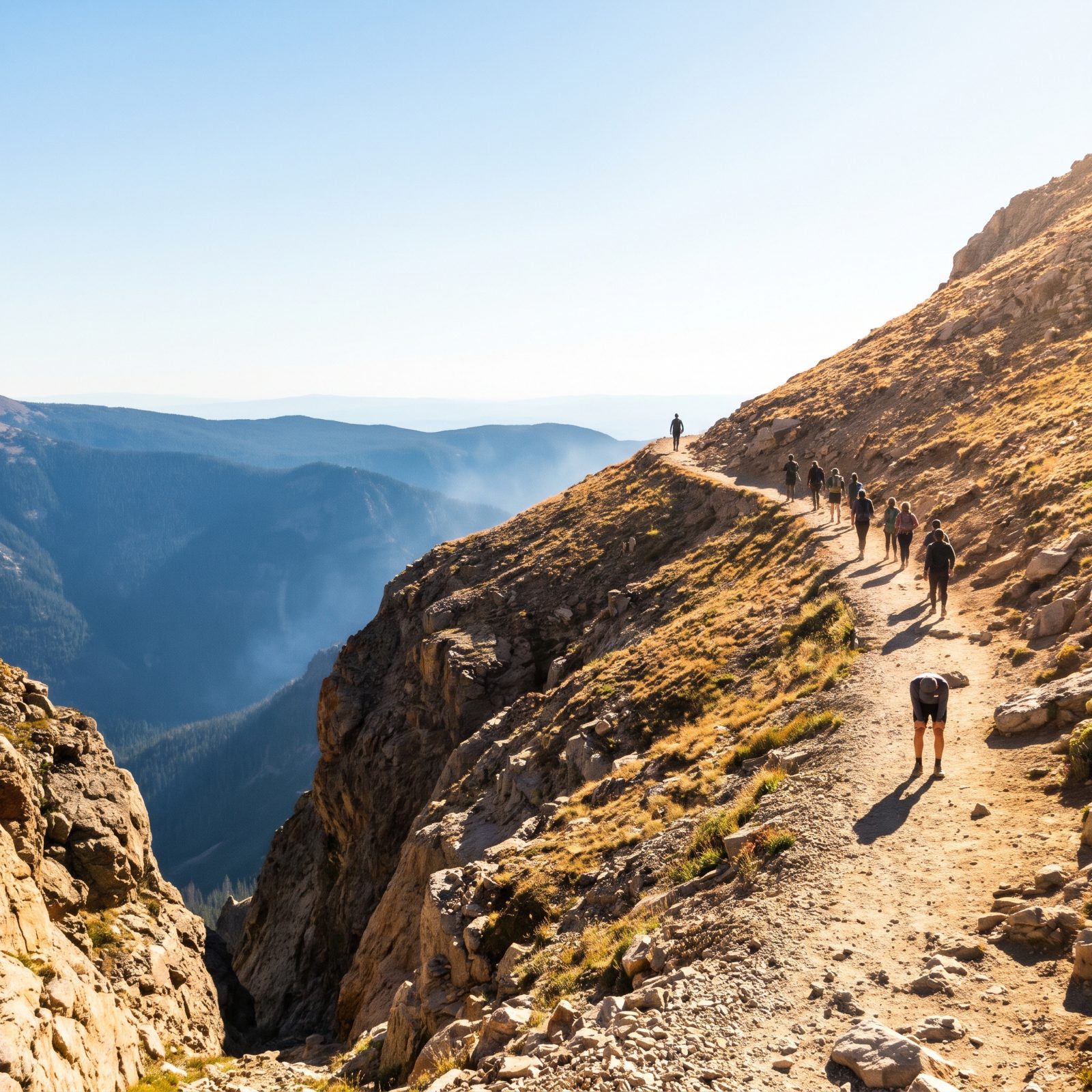
There’s always a rabbit in the group — the one who sets a blistering pace and never seems to breathe hard. And there’s always the rest of us, matching that pace out of pride until our quads turn to concrete and the fun drains clean out of the afternoon.
We pace our relationships to the faster partner all the time. Their ambition, their timeline, their social calendar becomes the default speed, and we quietly grind ourselves down trying to keep up rather than admit we need a different rhythm. Social proof does the dirty work here. If everyone else seems fine with the pace, you assume the problem is you.
14. You Let the Group’s Confidence Replace Your Map
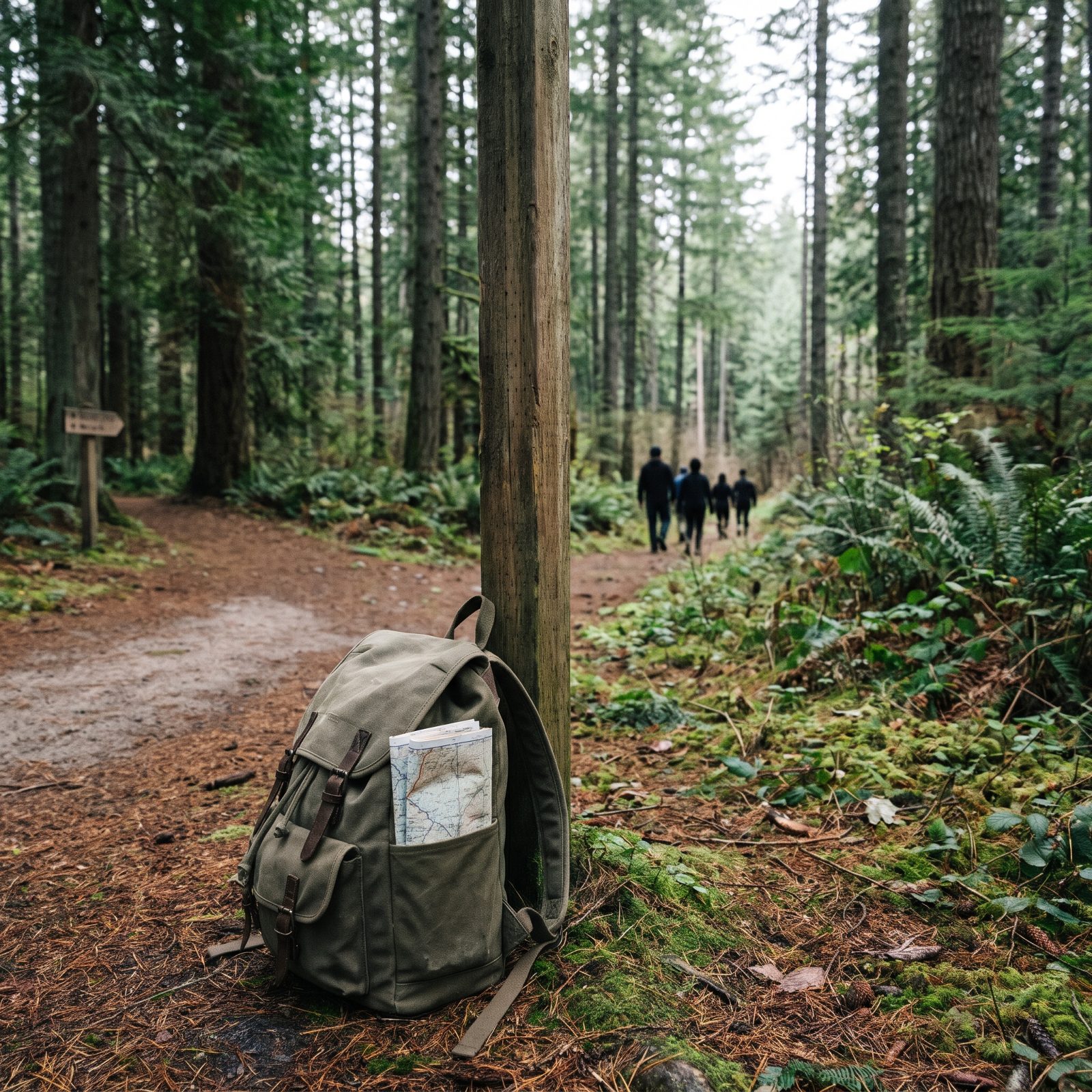
You had the map. You had a sense the group was heading down the wrong spur. But everyone else seemed so sure, striding along, nobody even slowing at the fork — so you folded your doubt up and followed. Twenty minutes later the trail dead-ends, and the map is still in your pocket.
Confidence is contagious, and it makes a terrible substitute for information. In relationships we hand our own read of the situation over to whoever sounds most certain, letting their conviction override that quiet “this doesn’t feel right.” Loudness isn’t accuracy. A sure voice at the fork should make you check the map, not skip it.
13. You Push a Struggling Friend to Protect the Itinerary
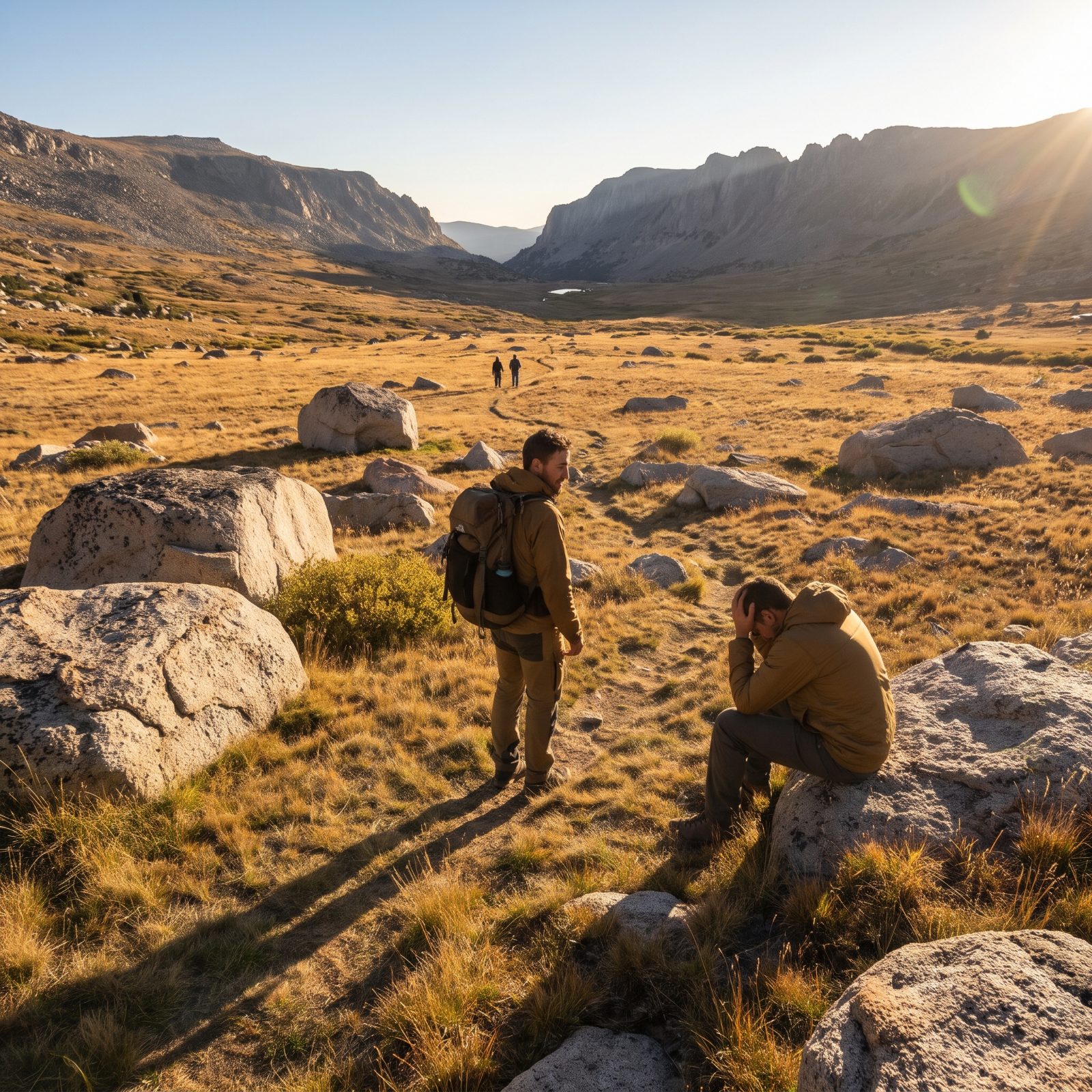
Your friend is gassed. Sitting on a rock, not talking, giving every signal the tank is empty. But the itinerary says summit by two, cars by six, dinner at seven. So you nudge. Come on, you’ve got this, just one more push. You’re protecting the schedule at the expense of the person.
We do this when we care more about the plan than the human inside it. The wedding date, the house timeline, the five-year plan — all barreling forward while the partner beside us runs quietly on fumes. The schedule becomes the priority, and the person becomes an obstacle to it.
12. You Keep Taking the Wrong Trail to Avoid Backtracking
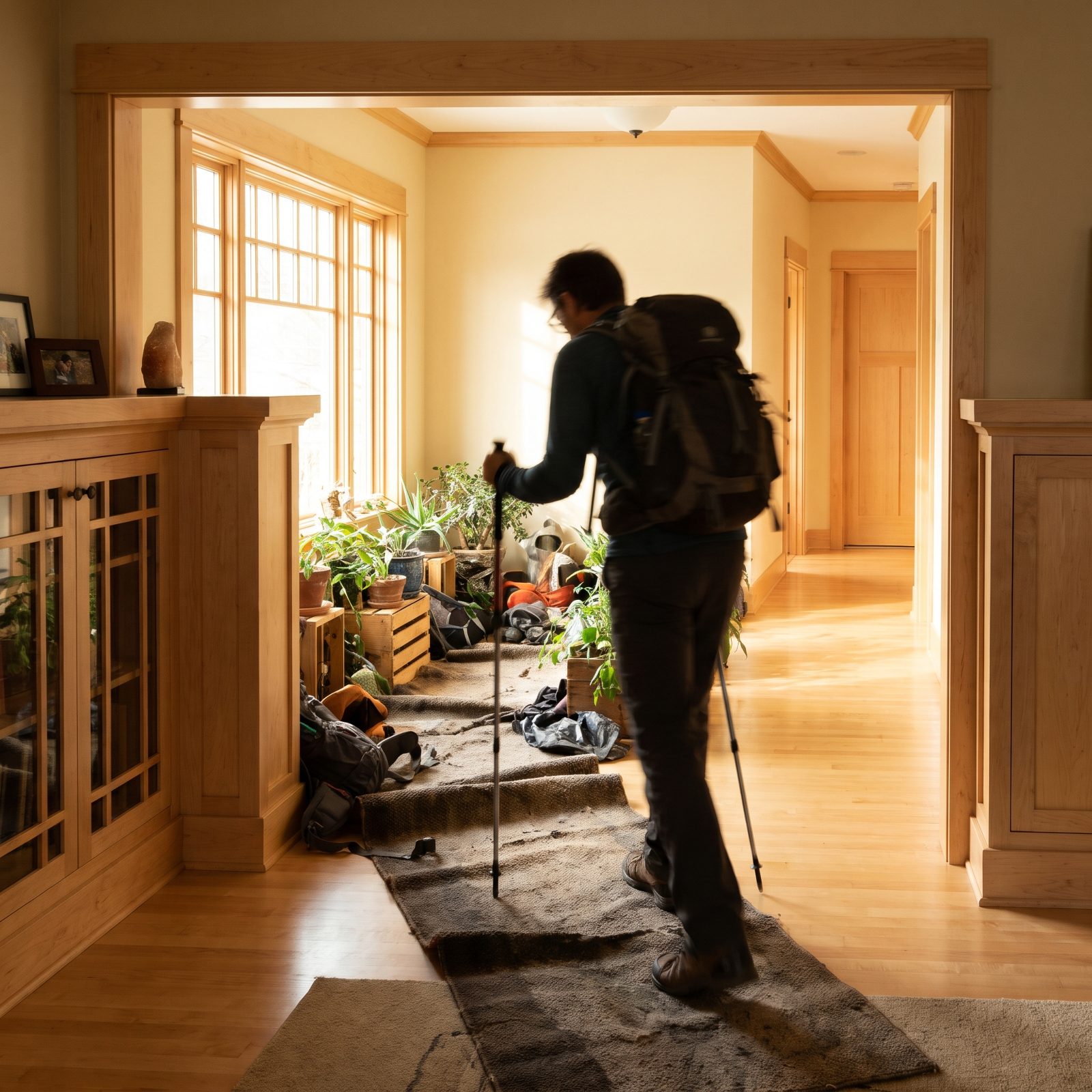
Twenty minutes down the wrong trail, you know it’s wrong. The honest move is to turn around and eat those twenty minutes. But turning around feels like admitting the mistake, so you keep going, hoping the path loops back toward right. It doesn’t. It just gets wronger and farther from the car.
Sunk cost, plain as day. We stay on the wrong path in love for the same reason — we’ve already invested so much time, so many years, that turning back feels like declaring all of it wasted. So we press on, stacking bad miles on bad miles, when the only thing those earlier miles ever bought us was information.
Backtracking isn’t failure. Backtracking is the fastest route to the place you actually wanted to go.
11. You Trust Summit Fever More Than Your Turnaround Time
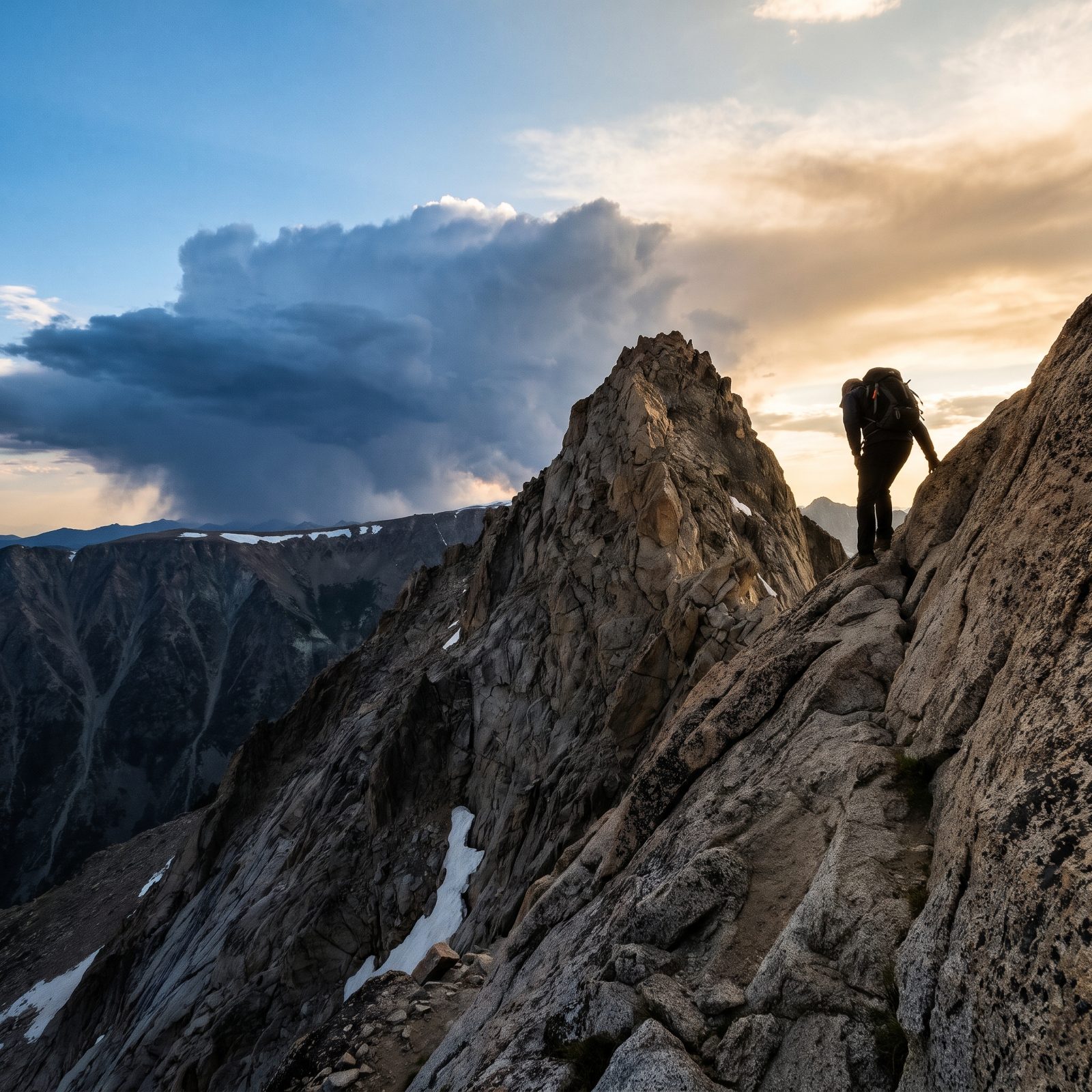
Mountaineers have a name for the deadliest mistake in the sport: summit fever. You set a turnaround time at dawn, calm and clear-headed, knowing you head down by two whether you reach the top or not. Then two o’clock arrives, the summit is right there, and you talk yourself into just a little further. People die making that trade. The top is optional. Getting down is not.
We make the same trade with our own limits in relationships. We set a boundary when we’re calm, then abandon it in the heat of wanting the thing — just one more chance, one more try, we’re so close. Whatever’s dangling in front of us hijacks the clear-eyed decision we made earlier, back when we could actually think.
The best climbers turn around a hundred feet from the top and live to come back. The discipline isn’t in the wanting. It’s in honoring the decision you made before the wanting took over.
10. You Start Late and Assume Sunset Will Wait
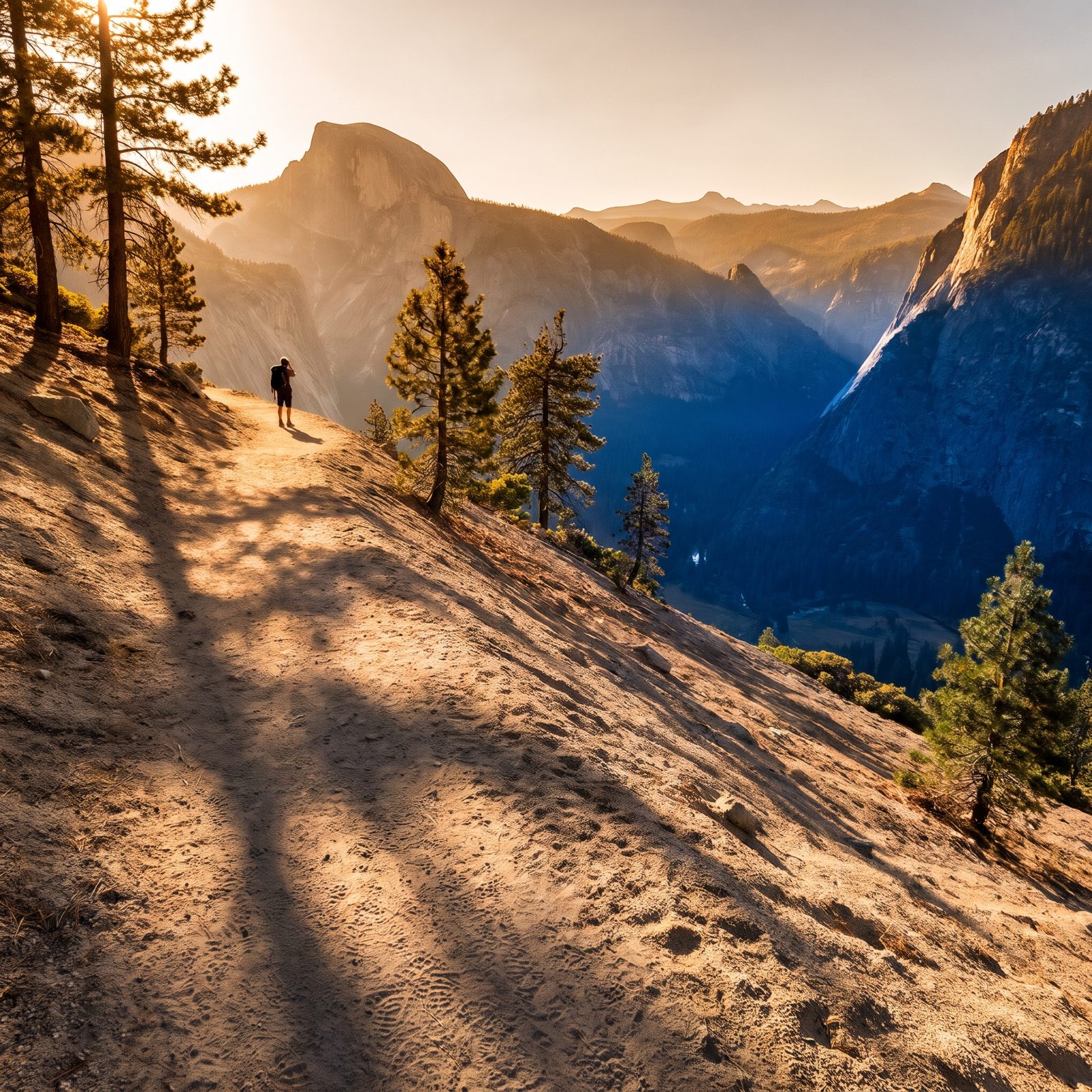
You roll into the lot after a leisurely breakfast, lace up at noon, and tell yourself the eight-mile loop is “basically downhill on the way back.” As far as you’re concerned, the sun is bolted to the sky. It’ll hold the door.
It won’t. Dark arrives on schedule and faster than you planned, and now you’re picking your way down scree by phone flashlight, lying to yourself about how close the car is.
This is the planning fallacy, the stubborn human habit of assuming the best-case timeline while ignoring every past trip that ran long. We do the same thing with love. We start a relationship we know needs real time and attention, then dole out scraps of evening after everything else got the good hours. And we assume the other person will just wait at the trailhead of their patience, headlamp off, no complaints.
9. You Ignore the Forecast Because the Sky Looks Friendly
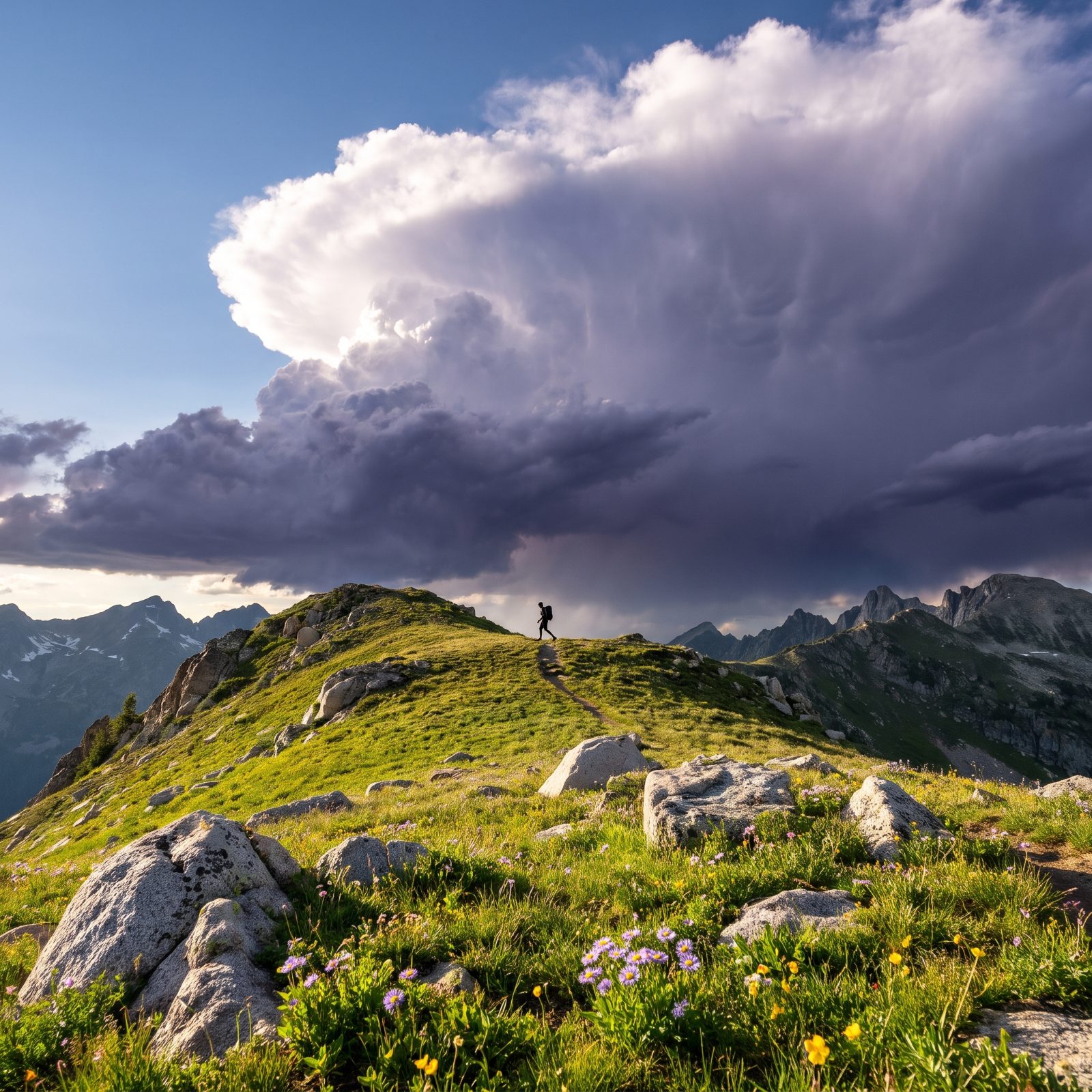
The weather app flashed a yellow triangle this morning. You glanced out the window, saw blue, and decided the radar was being dramatic. Afternoon thunderstorms in the high country are as reliable as a church bell, but the sky looked so agreeable at 8 a.m.
Confirmation bias runs this one. Given mixed signals, you weigh the evidence that matches what you already want and quietly discount the rest. You wanted the hike, so the forecast became background noise.
Same move wrecks relationships. Early on, the small warnings show up: the sharp word, the broken plan, the flash of contempt. And we look right past them because the overall sky looks friendly and we’ve already decided we’re going. The forecast was never the enemy. Ignoring it was.
8. You Let One Rain Cloud Cancel the Whole Day
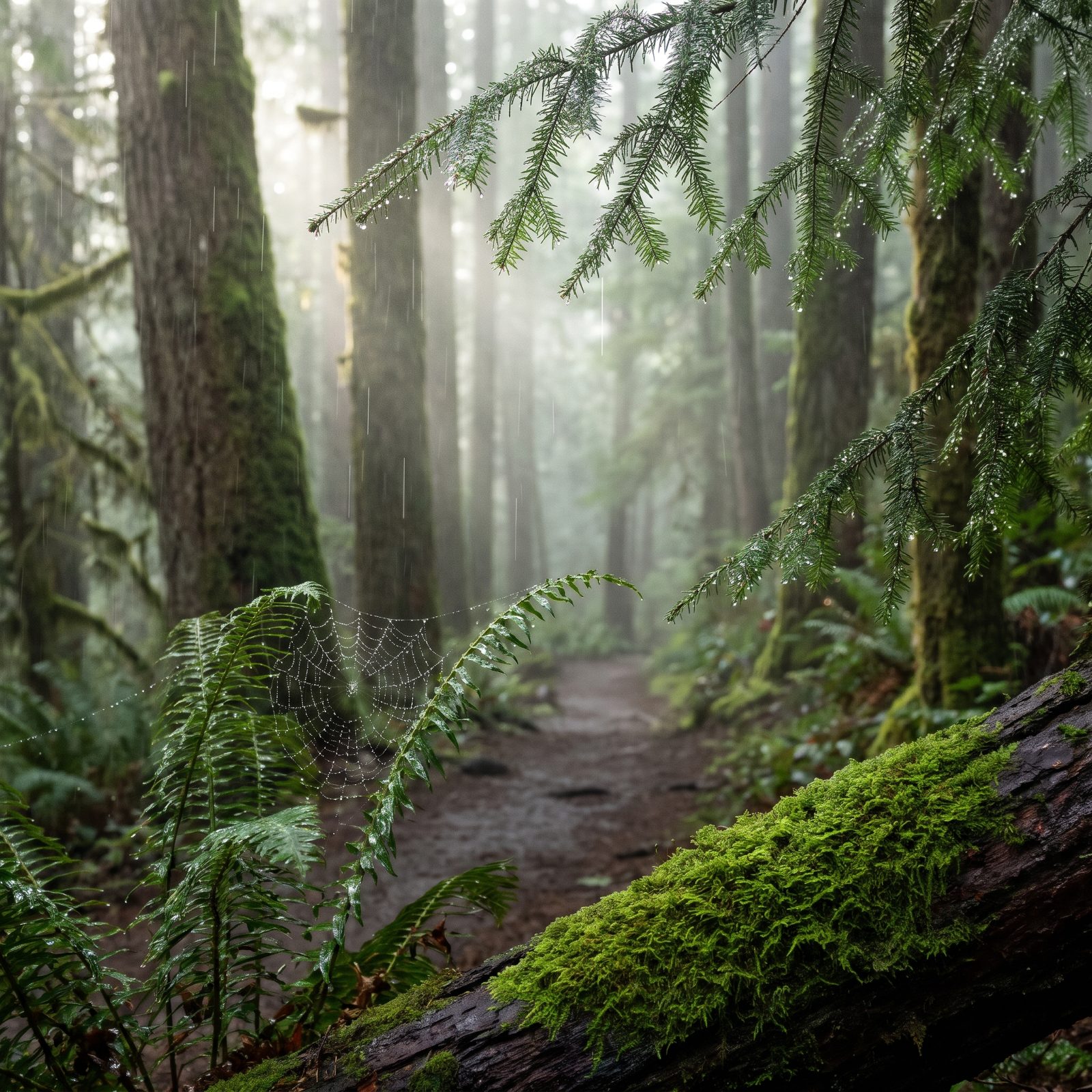
A single gray cloud rolls over the ridge, a few drops speckle your jacket, and you pack it in before you even reach the first overlook. The whole day written off because the weather briefly misbehaved.
Meanwhile the hikers who waited it out got twenty minutes of drizzle followed by the best light of the week, the trail to themselves, moss glowing, nobody around.
Catastrophizing does this. One bad moment gets treated as the verdict on the entire outing. We do it to relationships constantly. One tense dinner, one off week, and the mind leaps straight to “this isn’t working.” We confuse a passing cloud for a changed climate. Most hard patches are weather, not season. You learn the difference by staying on the trail a little longer than feels comfortable.
7. You Treat Every Rest Stop Like Personal Failure

Every time your legs ask to stop, you hear a voice calling it quitting. So you push through, jaw set, lungs burning, convinced that the real hikers never sit down. By mile five you’re cooked, cramping, and no happier for the suffering.
Call it the grind mentality: the belief that worth gets measured by refusing to pause. It burns people out on trails and in marriages alike.
In relationships it shows up as never admitting you need a breather, never saying you’re tired, treating any ask for space or help as a confession of weakness. You white-knuckle it until something gives. But a rest stop isn’t failure, on the trail or at home. It’s maintenance. The strongest hikers sit down on purpose, eat something, look at the view, and start again. Plenty of us spend years thinking rest makes us soft. Skipping it just makes us slow and miserable.
6. You Pack Three Stoves Because Uncertainty Feels Worse
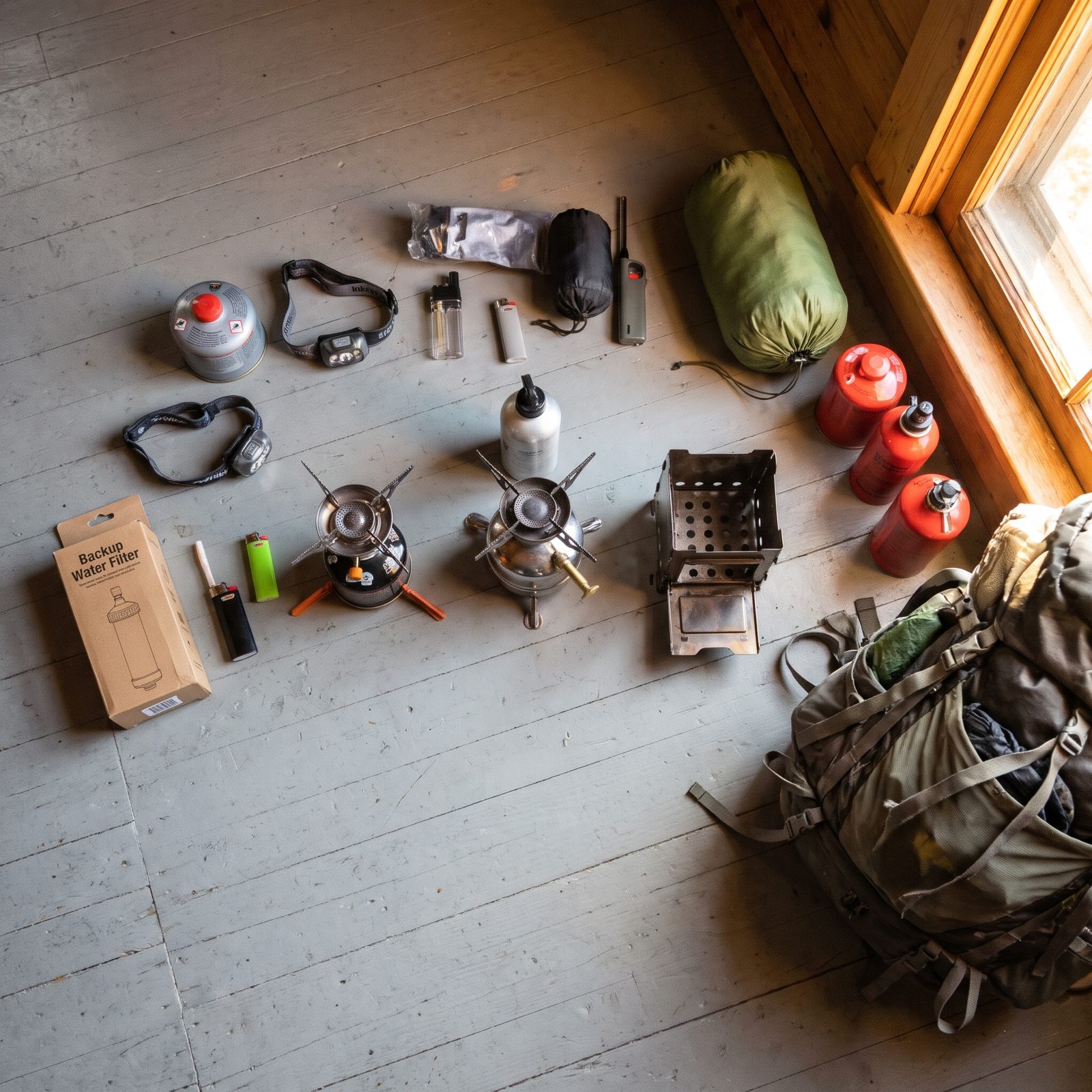
Three stoves. A canister one, a liquid-fuel one, and a little wood burner, because what if one fails, what if the fuel’s bad, what if, what if. Your pack weighs forty-five pounds for an overnight, and you’re hauling your own anxiety up the mountain in aluminum form.
Over-preparation feels like safety but it’s really loss aversion dressed up as diligence. The pain of a missing item looms so much larger than the cost of carrying ten things you’ll never touch.
People hedge in love the same way. Keeping an ex on read, stashing a dating app “just in case,” never fully committing because a backup feels like protection. The trouble is the weight. All that insurance against the small chance of loss guarantees you a worse walk every single step. At some point you have to pick one stove and trust it.
5. You Pack Almost Nothing Just to Prove You’re Tough
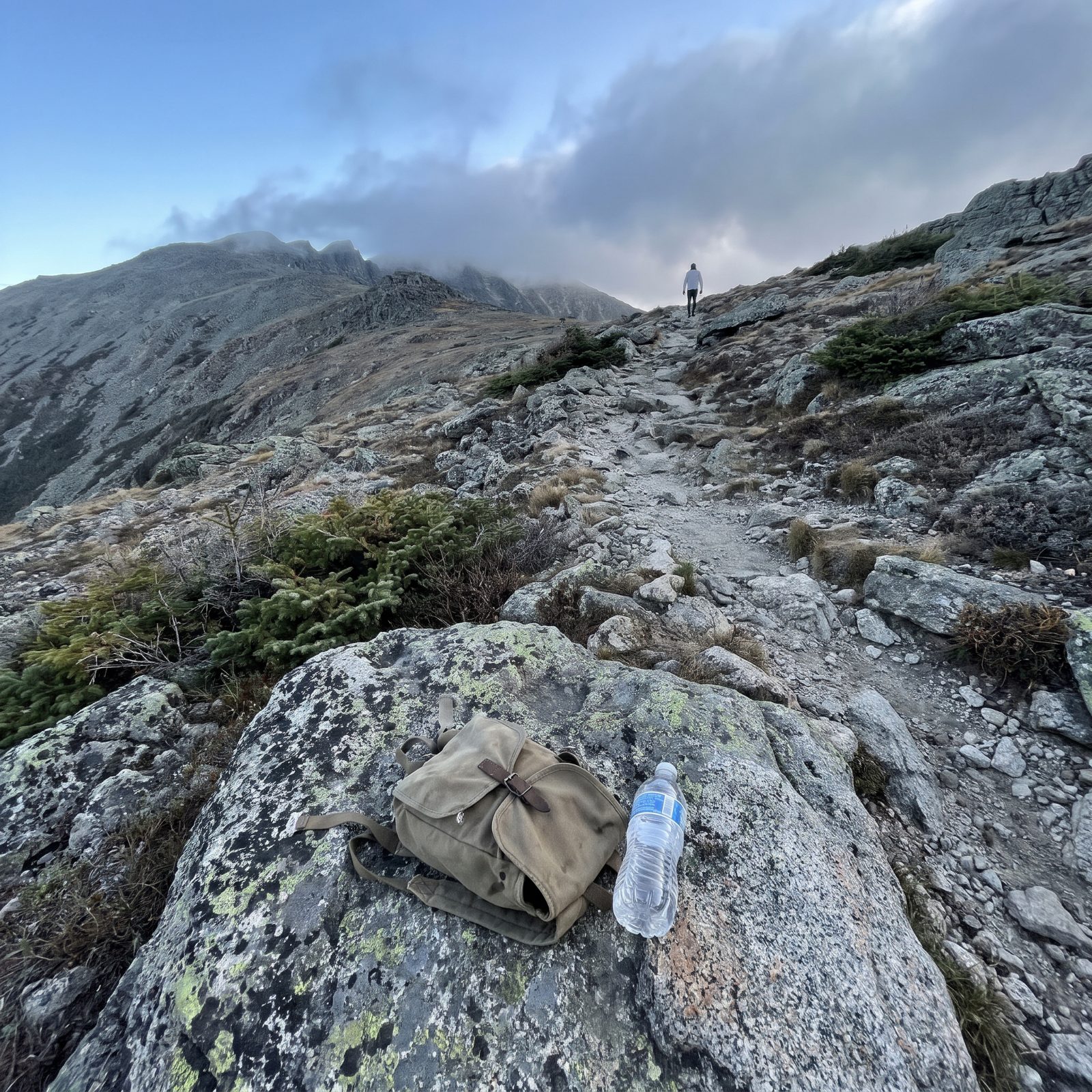
The opposite failure, and just as common. No rain layer, half a bottle of water, no map, because carrying “extra” offends your self-image. You travel light. You’ve got this. The mountain is impressed.
The mountain is not impressed. The mountain is indifferent, and when the temperature drops and the trail splits unmarked, your identity as a tough, low-maintenance hiker becomes a liability.
This is identity signaling overriding good judgment. We underpack to perform self-sufficiency, and we pull the identical trick in relationships by refusing to show need. “I’m easy. I don’t require much. I’m not one of those high-maintenance people.” Sounds like strength. It’s often just pride starving a thing of what it actually needs to survive. Carrying the rain shell isn’t weakness. Admitting you want to be loved well isn’t neediness. Bring the layer.
4. You Let Loud Headphones Erase Every Warning Around You
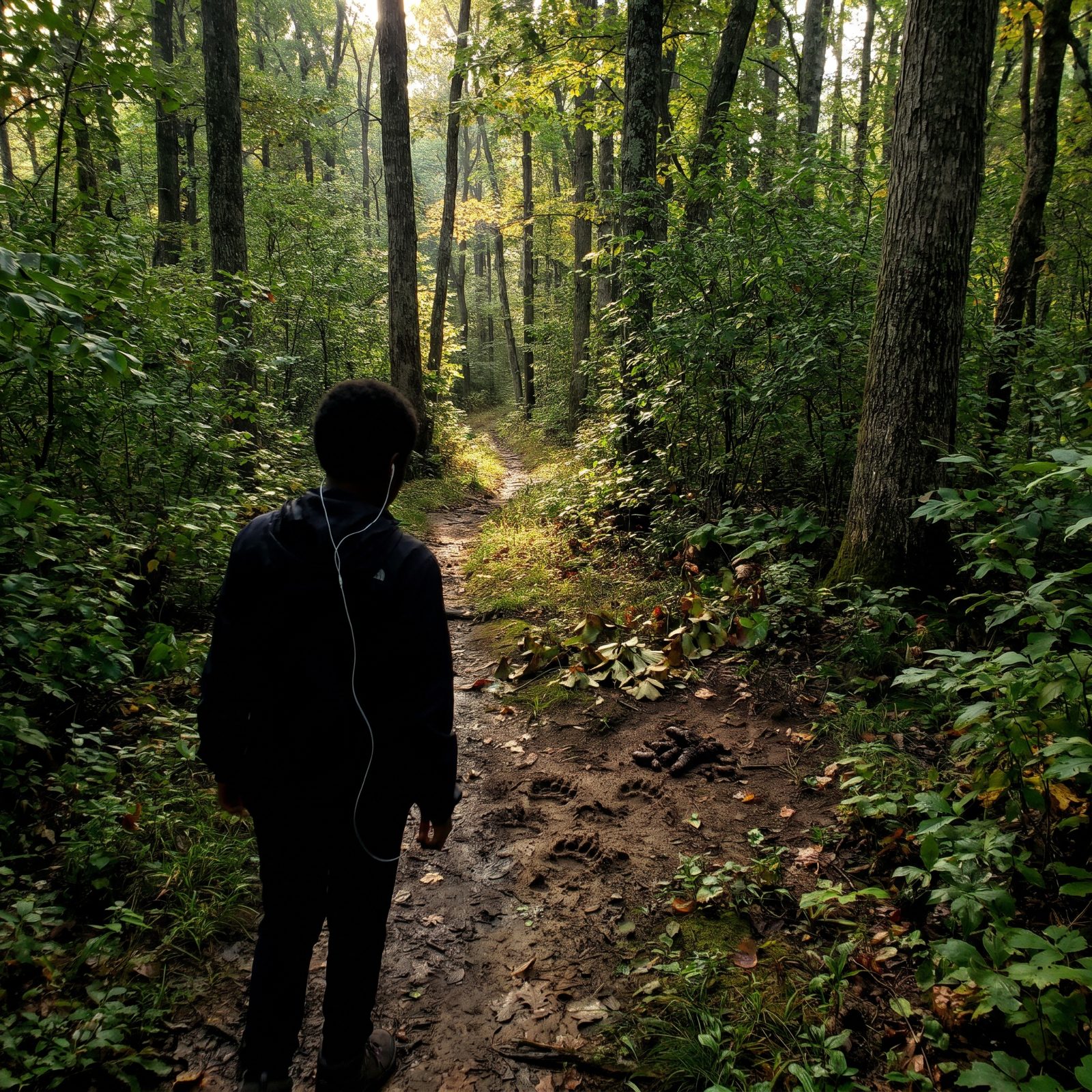
Volume up, podcast rolling, you float down the trail in your own private soundtrack. And you miss it all: the snapped branch, the warning huff, the rattle in the grass, the other hiker calling out that the bridge is washed out ahead.
Tuning out the environment feels great right up until the environment has something urgent to say.
Relationships break on this exact habit. We get comfortable and stop listening. The partner drops hints, shifts tone, goes quiet in a new way, and we miss every signal because we’ve got the volume up on our own narrative. Attentiveness is the whole game out there and in here. The woods are always talking. So is the person across the table. You just have to take the headphones out long enough to hear it.
3. You Drain Your Phone on Summit Photos Before Emergencies
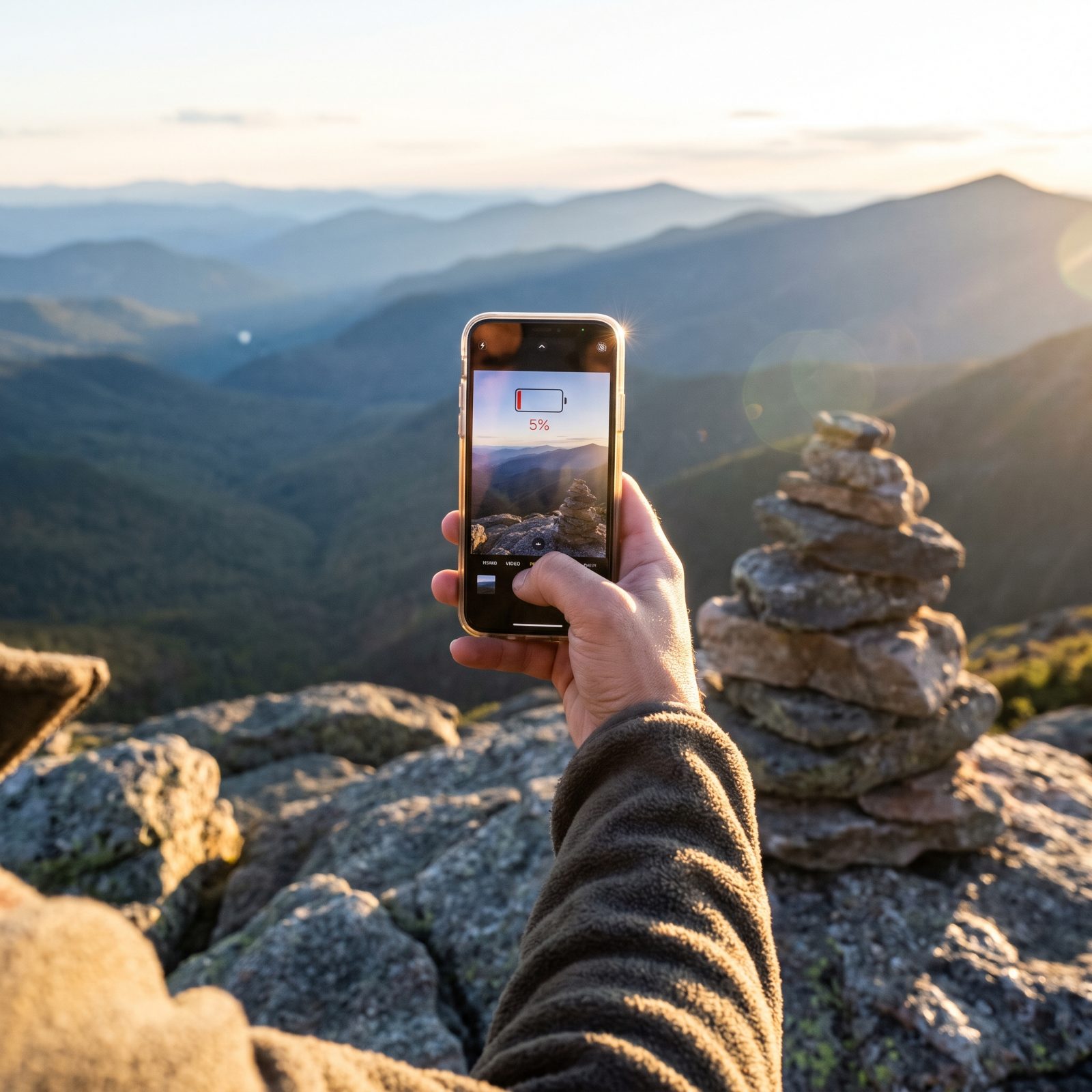
You hit the top and the phone comes out. Panoramas, forty near-identical shots of the same ridge, a video pan with narration, a few for the group chat. By the time you’re ready to head down, the battery’s nearly dead, and that’s the one thing that could call for help.
Present bias is the culprit, the mind’s deep tilt toward the reward in front of you over the need you can’t feel yet. The summit is now. The emergency is hypothetical. So the now wins.
In love it looks like spending every ounce of energy on the fun, visible parts, the trips and the highlight reel, while the unglamorous maintenance that would carry you through a hard stretch goes neglected. Peak photos are great. Just don’t burn the whole battery on the view and have nothing left when the weather turns.
2. You Hike Alone and Tell Nobody Where You’re Going
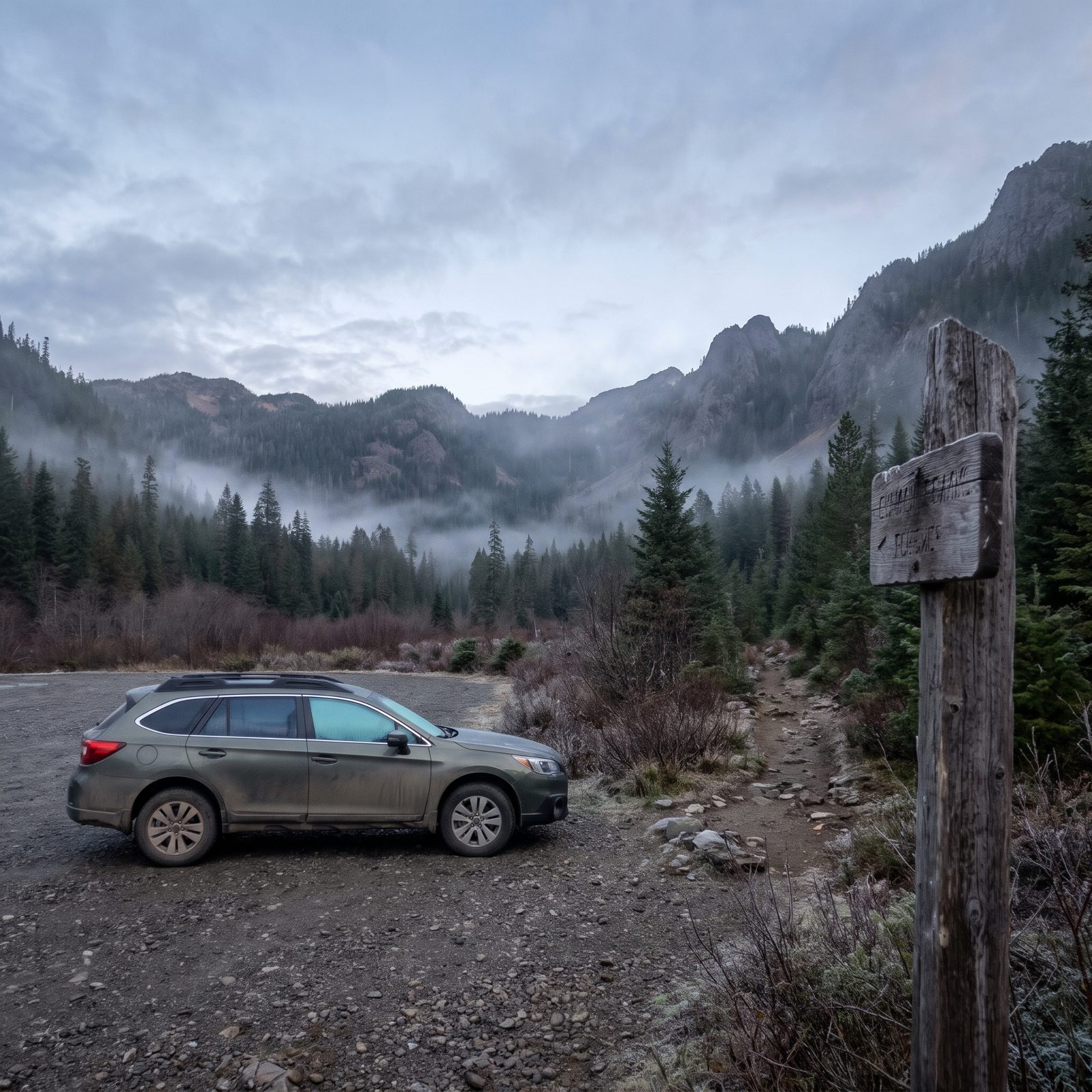
Solo trip, remote trailhead, one car in the lot. You didn’t tell anyone your route. Didn’t text a return time. Nobody on earth knows where you are, and if an ankle rolls on a rock four miles in, nobody will come looking, because nobody knows to.
We frame this as independence. It’s really a refusal to be found, a quiet belief that needing a safety net is a kind of weakness.
The relationship version is the person who keeps their inner life sealed, who never lets anyone know the real coordinates of how they’re doing. Asked how they are, they say “fine” and vanish into dense cover. You can be fiercely independent and still leave a trip plan. You can keep your own mind and still tell someone where you actually are. Being locatable isn’t the same as being dependent.
1. You Expect the Summit to Fix Your Bad Mood
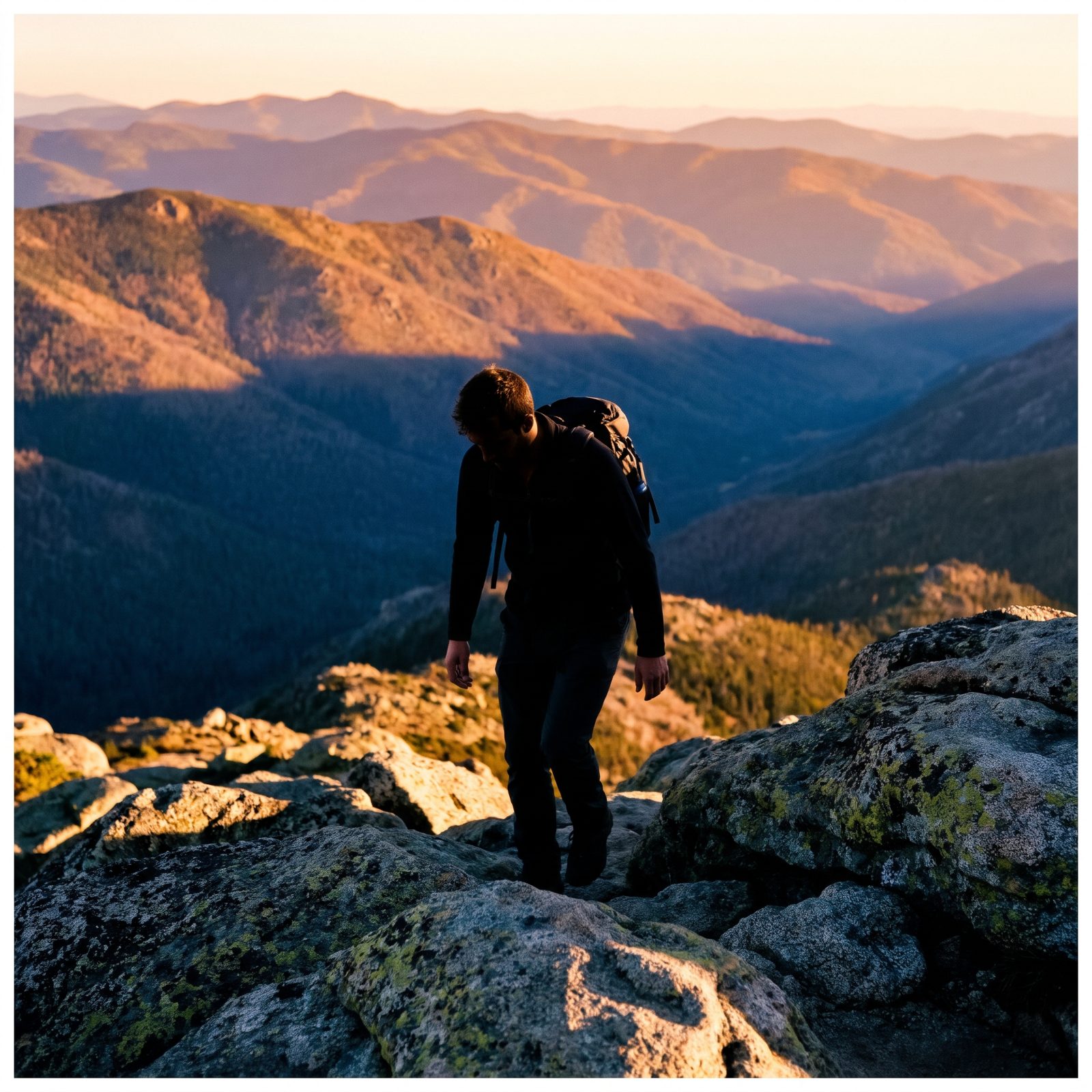
You climbed four hours in a funk, telling yourself the top would sort you out. The view would do the work. You’d stand up there, feel the surge, come down a new person.
You reach the summit. The view is everything the photos promised. And you feel… about the same. Still cranky, still carrying whatever you carried up, mildly annoyed that the mountain didn’t hold up its end of a deal it never agreed to.
This is the arrival fallacy, the belief that reaching the destination will deliver a feeling the destination can’t actually supply. A view is a view. It can’t reach inside and rearrange your mood.
We do this to people worse than we do it to mountains. We expect the right partner, the wedding, the big relationship milestone to fix something that was never theirs to fix. Then we resent them for failing. No summit was ever going to do that job. Neither is any person. You climb with your mood, not toward some place that erases it. Knowing that going in makes the whole walk lighter.