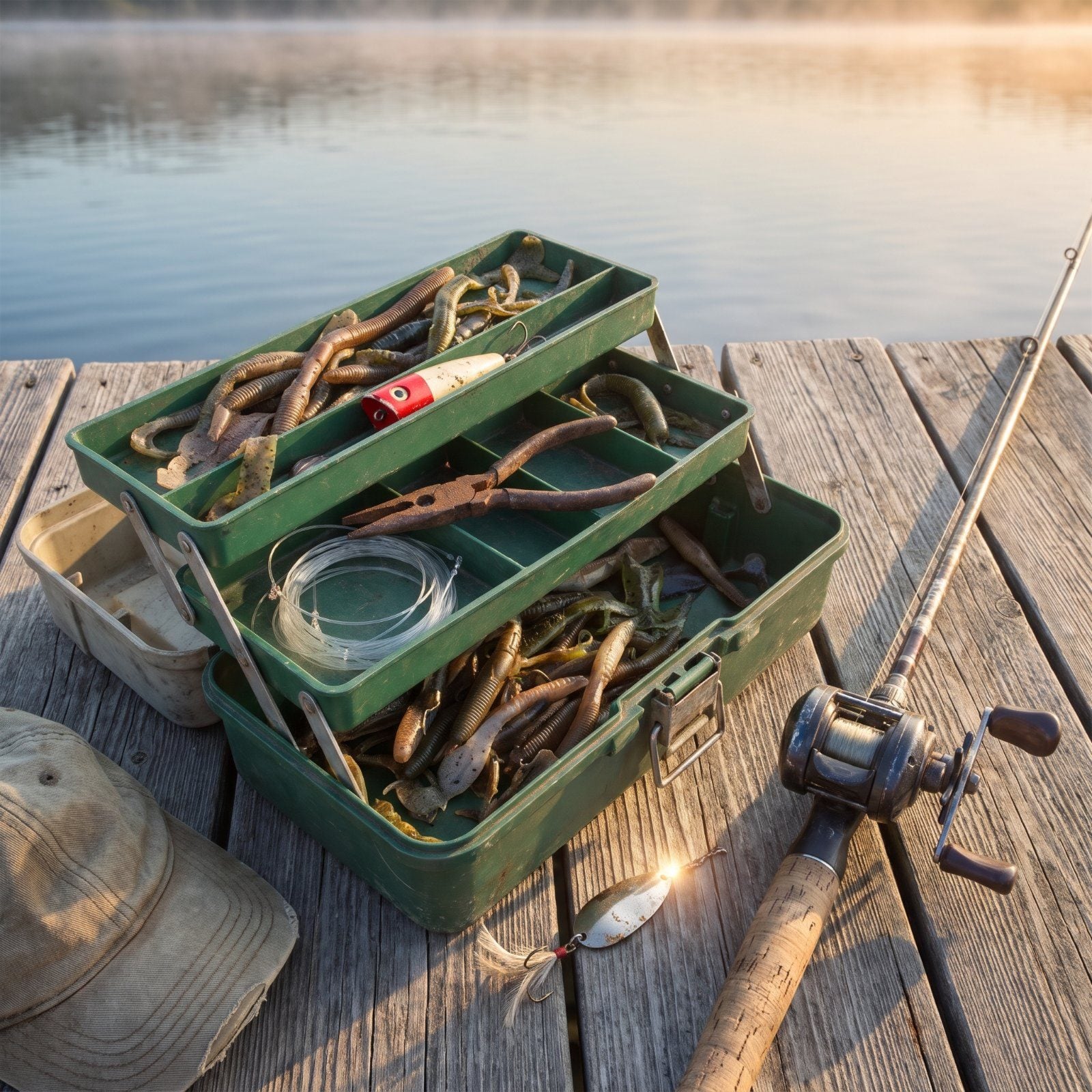
Nobody remembers the thirty bass they boated on a good morning. They remember the one that rolled up at the side of the boat, gave them a look, and threw the hook back like a returned gift. That fish lives rent-free for years. So does the person who got away.
Please note that some of the images in this article were created with the assistance of AI.
Almost nobody admits it, but the way we handle fishing regret runs on the exact same wiring as the romantic kind. Selective memory. Stubborn attachment to the thing that flopped. Blind faith in the shiny option that let us down. Read these and you’ll laugh, then wince, then quietly recognize yourself in both boats at once.
18. You Still Replay the Fish That Spat the Hook
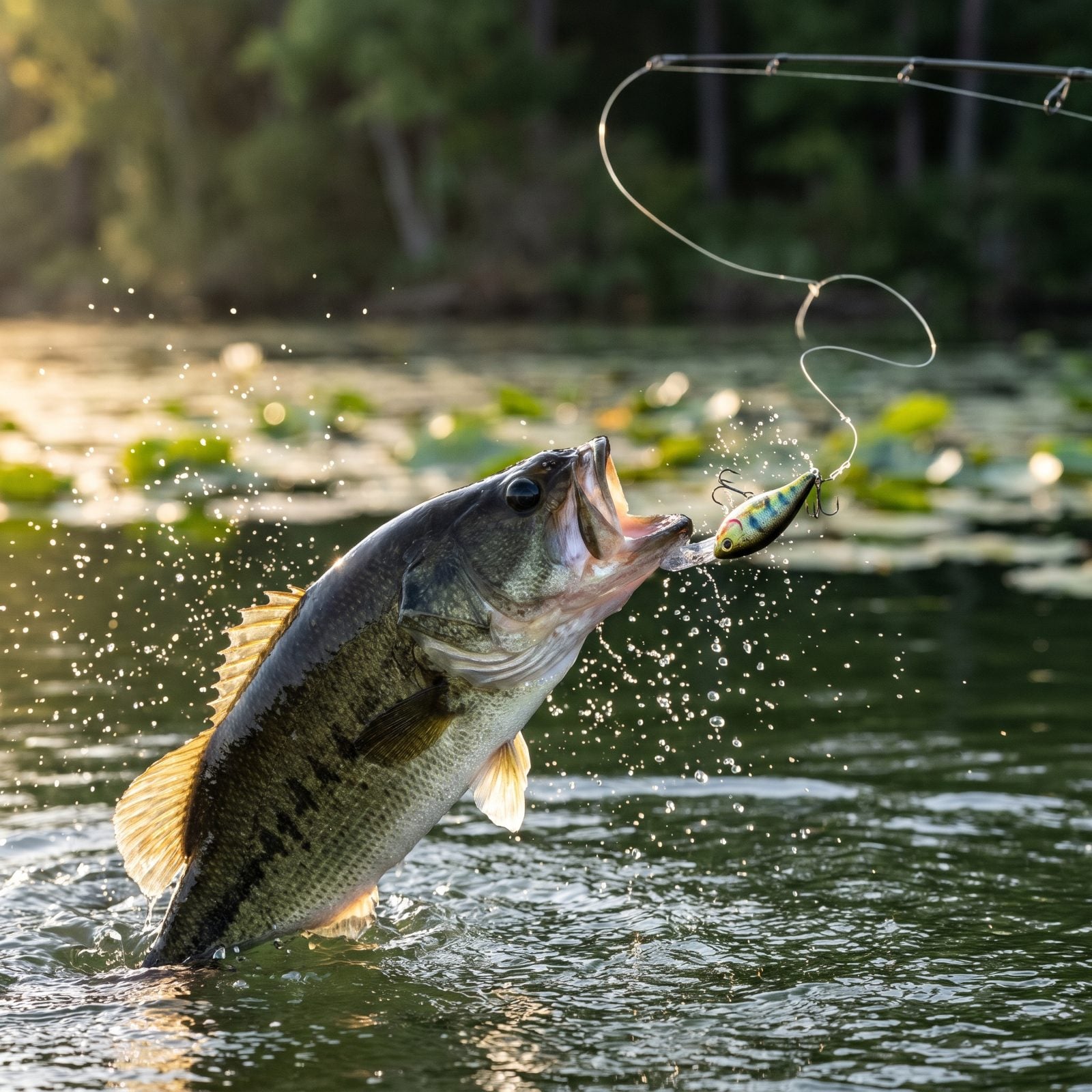
It happened six years ago and you can still describe the exact swirl, the weight that felt bigger than anything you’d landed that season, the headshake, the slack line that meant it was gone. You’ve told the story so many times the fish has grown a few inches in every retelling.
That’s the same reel of film that runs after the relationship that nearly was. We don’t obsess over the ones that worked out. We obsess over the near-miss, because the brain treats an almost as an open loop it keeps trying to close.
Psychologists call it the Zeigarnik effect: unfinished things stick far harder than finished ones. A landed fish is resolved. It goes in the cooler and out of your head. The one that spat the hook never got filed away, so it keeps surfacing. Same reason you still think about the person who left mid-sentence.
17. You Trust the Flashiest Lure Before It Proves Anything
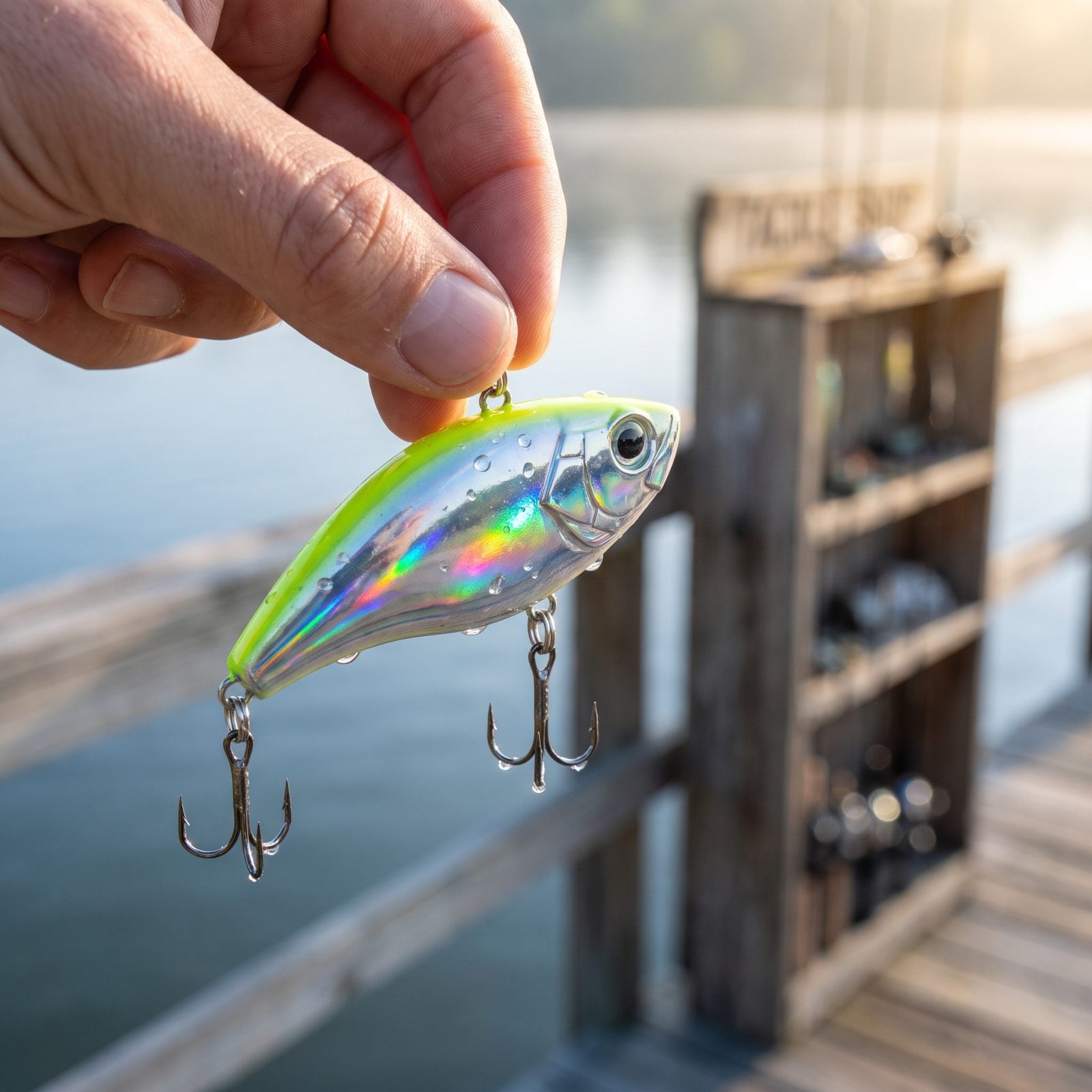
The tackle shop had you at the holographic finish. It flashed under the fluorescent lights, cost twice what you planned to spend, and you were sure it would catch everything in the lake. You tied it on first thing and fished it hard for an hour while the beat-up worm in your bag sat ignored.
We do this with people too. The one who walks in with the right look, the easy charm, the confident entrance, gets the benefit of the doubt before earning a thing. Good packaging, we figure, means good insides.
It’s the halo effect. One attractive trait, a shine, a smile, and we extend credit to every other quality we haven’t tested yet. That old soft plastic has outfished the chrome bait a hundred to one. But shine talks louder than track record, and we keep falling for the pitch.
16. You Fish the Lake Everyone Warned You About
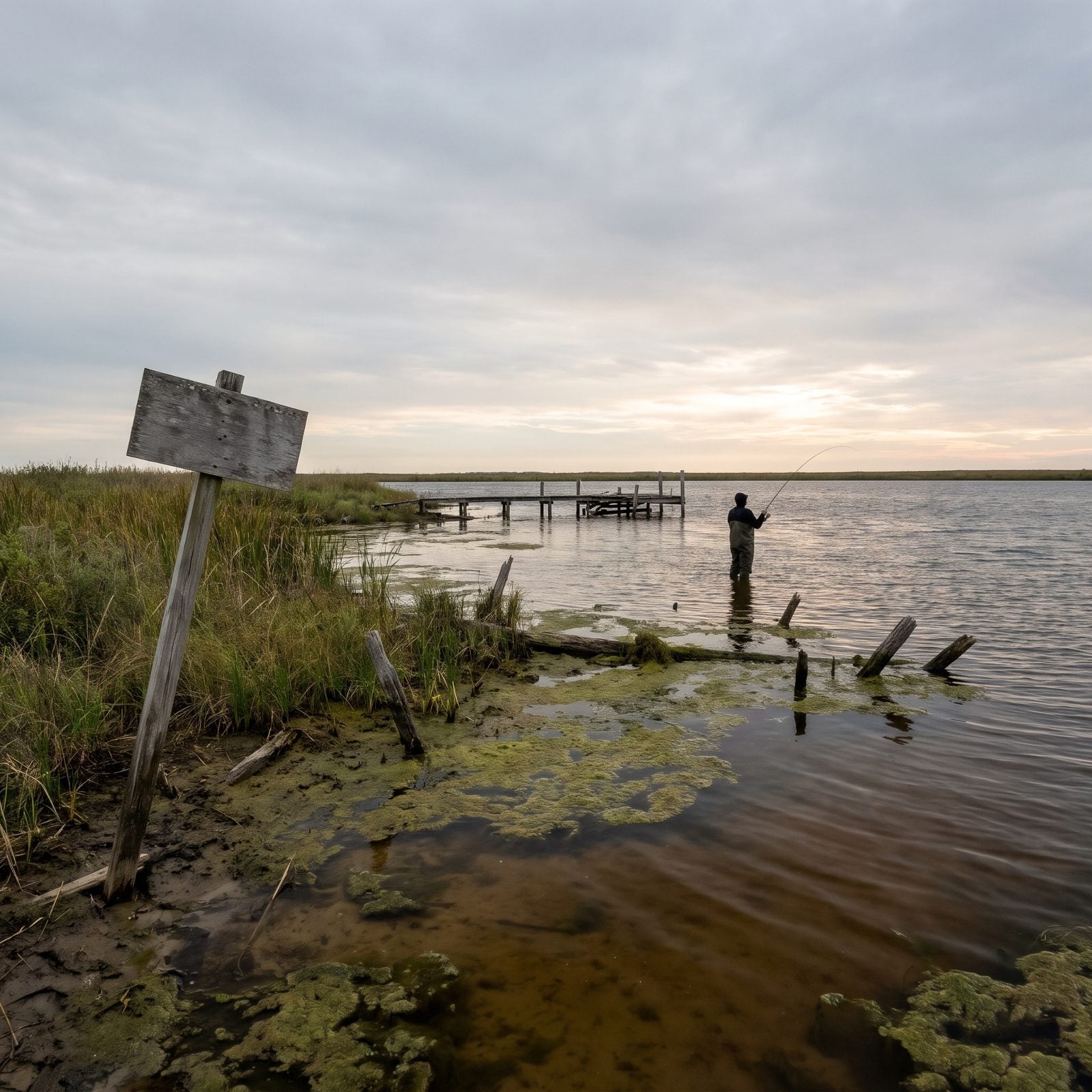
Every regular at the ramp told you that lake was dead. Pressured, skunked out, not worth the gas. You went anyway. Three times. Caught almost nothing and told yourself the others just didn’t fish it right.
You know the romantic version. Friends raise an eyebrow at someone’s reputation, and the warning only cranks up the pull. We hear the red flag as a challenge instead of information.
Part of it is reactance, the gut pushback against being told what not to do. The rest is the hero fantasy, the belief that we’ll be the one to crack what everyone else gave up on. The lake doesn’t care about your optimism. Neither does the reputation. Sometimes the warning was just true.
15. You Want the Fish More Once It Refuses You
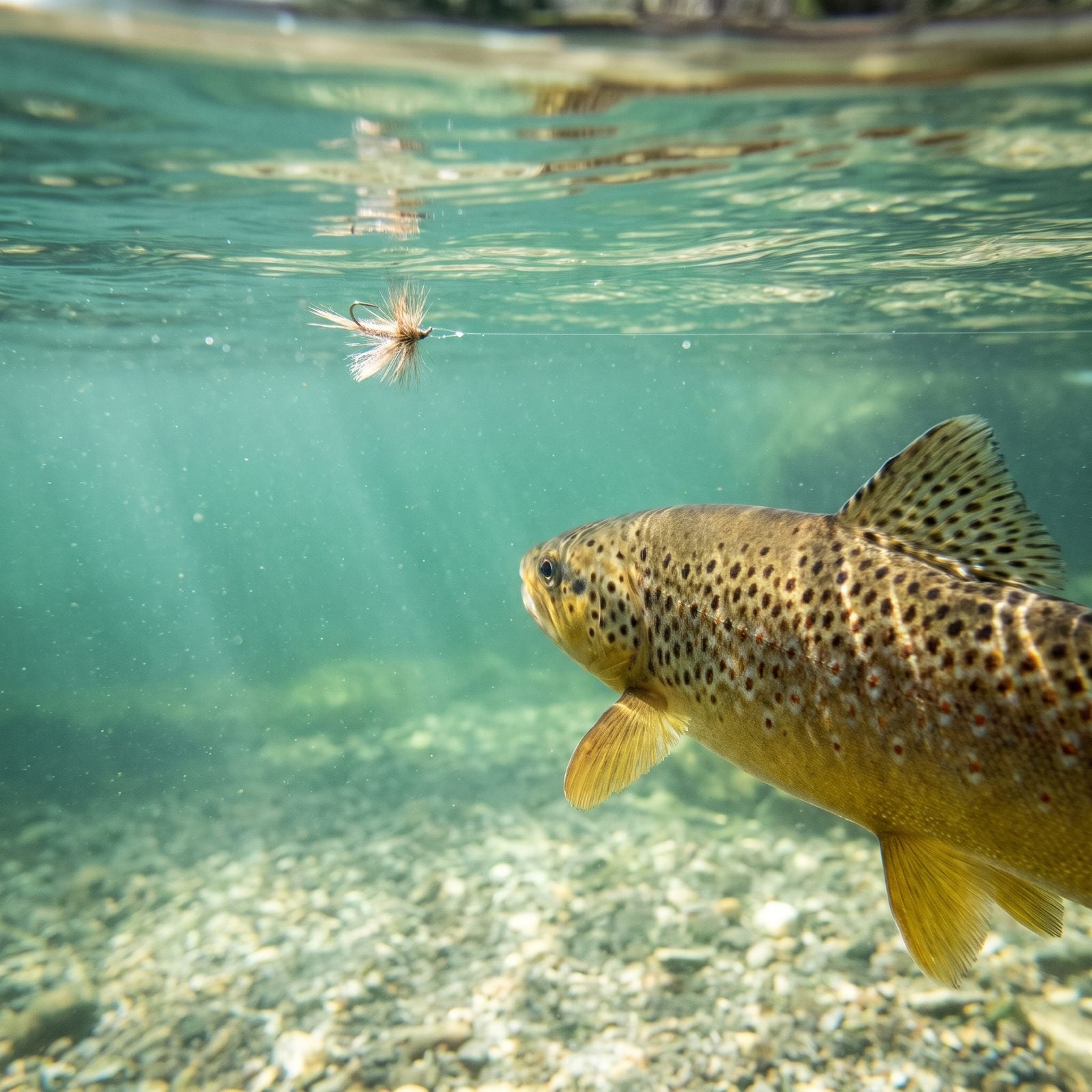
You drifted the fly past that trout eleven times. It rose, inspected, turned away. By cast number eight you’d forgotten every other fish in the river. You had to have that one, and the wanting got stronger with every refusal.
Nothing cranks up desire like a clean rejection. The person who’s a little unavailable suddenly becomes the most interesting one in the room. The one who texts back instantly? Less so.
Scarcity does this to us. We pile value onto what resists us, because availability reads as cheap and difficulty reads as worth. That trout isn’t a better fish than the dumb one that hammered your fly on the first drift. It just made you work, and the work made you believe.
14. You Pass Steady Bites Chasing One Trophy
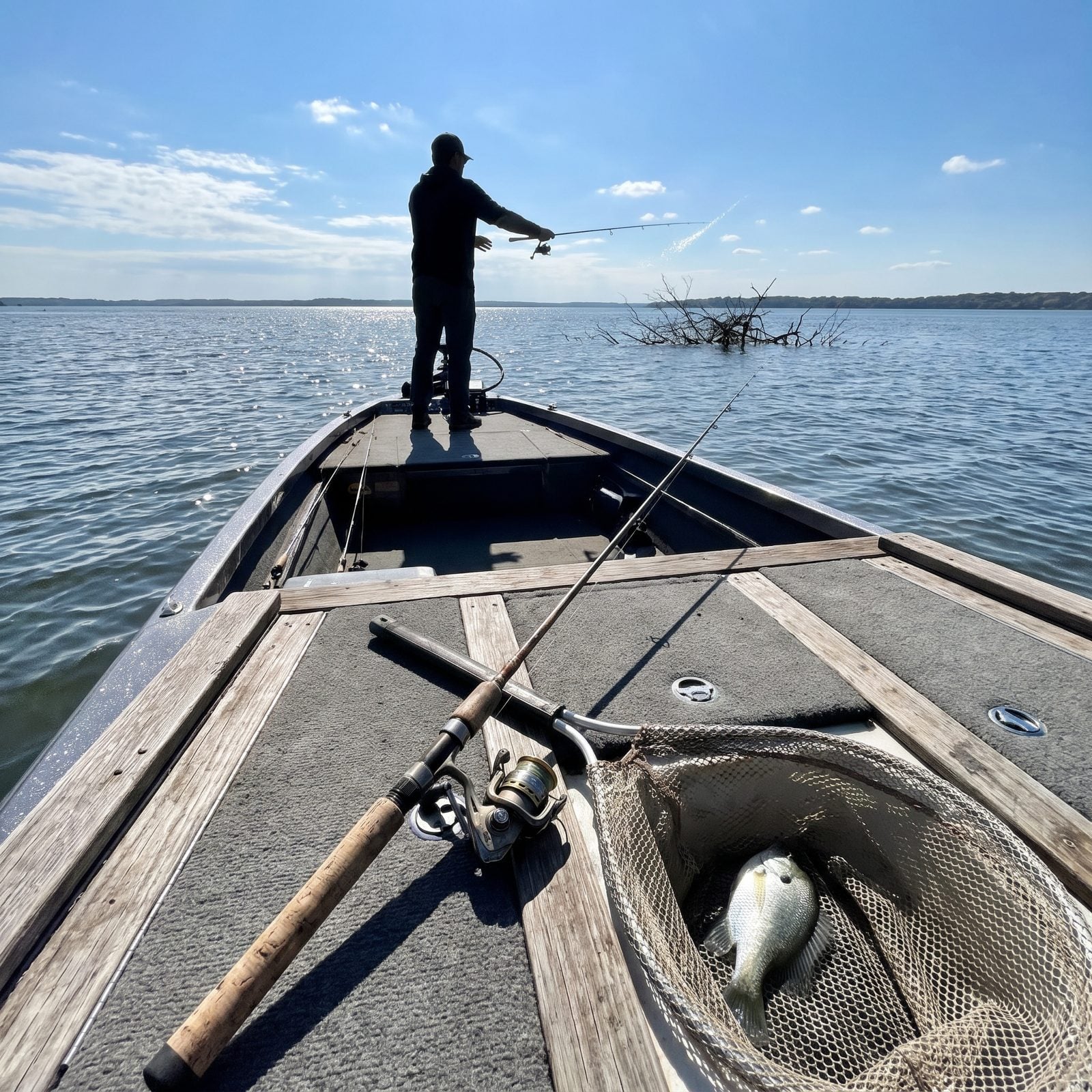
The bluegill were biting every cast off the dock. Easy, steady, a cooler full by noon if you wanted it. But you heard a ten-pounder had come off the far point, so you ran up there and threw big baits at nothing for three hours.
This is the person who’s good, kind, right there, reliable, passed over because somewhere out there might be someone more exciting. We let the possible perfect sabotage the available good.
Economists call it the opportunity cost trap, but the everyday version is simpler: we discount the sure thing in front of us because its certainty feels boring. The trophy might not exist. The steady bite definitely does. Most people figure that out about a decade too late, at the dock and in life.
13. You Pack So Many Lures That None Feels Right
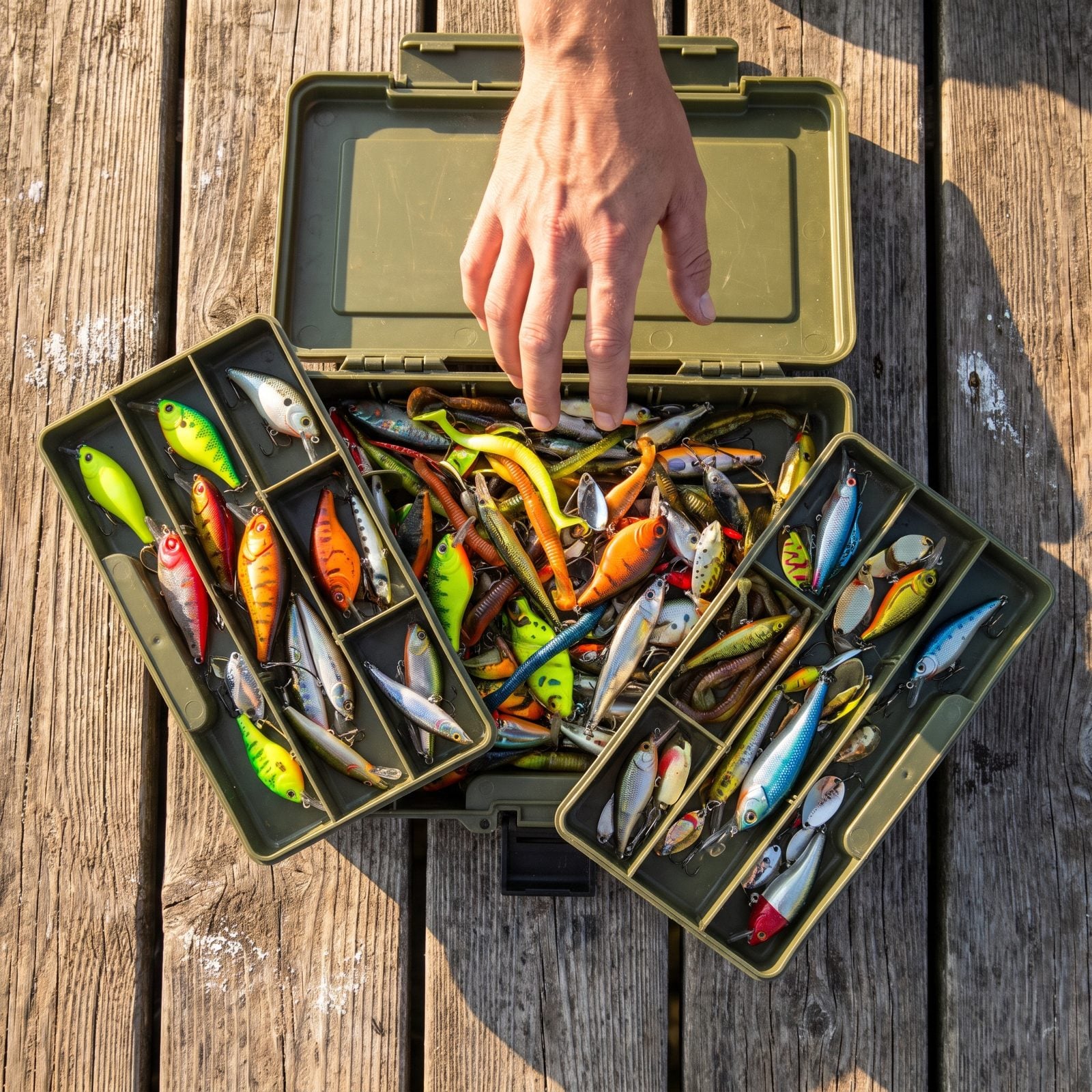
Two hundred lures and you stood there ten minutes, unable to tie on a single one.
You’ve got a bag for every condition, every depth, every mood a fish might be in. And on the water you freeze, cycling through options, convinced the right one is still buried in a tray you haven’t checked. Meanwhile the fish are feeding and you’re untangling your own indecision.
More options were supposed to make you a better angler. They made you worse. The same thing wrecks us when every choice sits on the table at once and none feels committable, because more is always theoretically out there somewhere.
Psychologists have a name for it: choice overload, the well-documented finding that too many options tank satisfaction and stall the decision entirely. A guy with three confident lures outfishes the guy with three hundred nervous ones every time. Fewer, better, and actually in the water beats a bag full of maybes.
12. You Measure Your Catch Against Everyone at the Dock
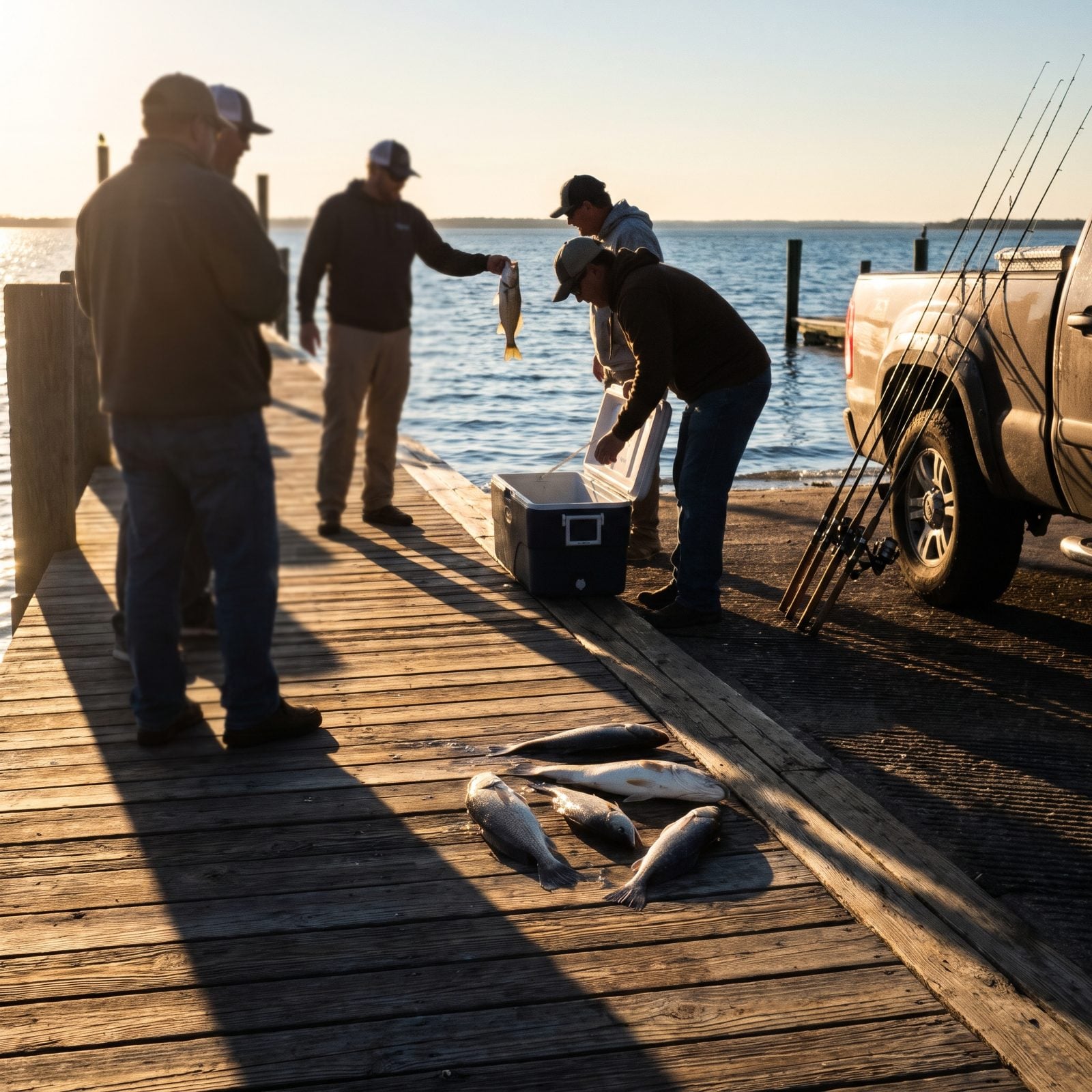
You had a fine morning. A respectable stringer, a couple of solid keepers, a day you’d have called a win driving in. Then you pulled up to the ramp, saw somebody’s cooler, and your whole day shrank.
Suddenly the fish that thrilled you an hour ago aren’t enough. We do this with our lives too, cruising along content until we catch sight of somebody else’s highlight reel and start recalculating our own worth.
Social comparison runs deep in us. We don’t judge what we have in absolute terms. We judge it against whoever’s standing nearby. The fish didn’t get smaller. The reference point changed. The only cure is to quit measuring your day by somebody else’s cooler, which is easy to say and nearly impossible at a crowded dock.
11. You Stay on a Dead Bite Because You’ve Invested Hours
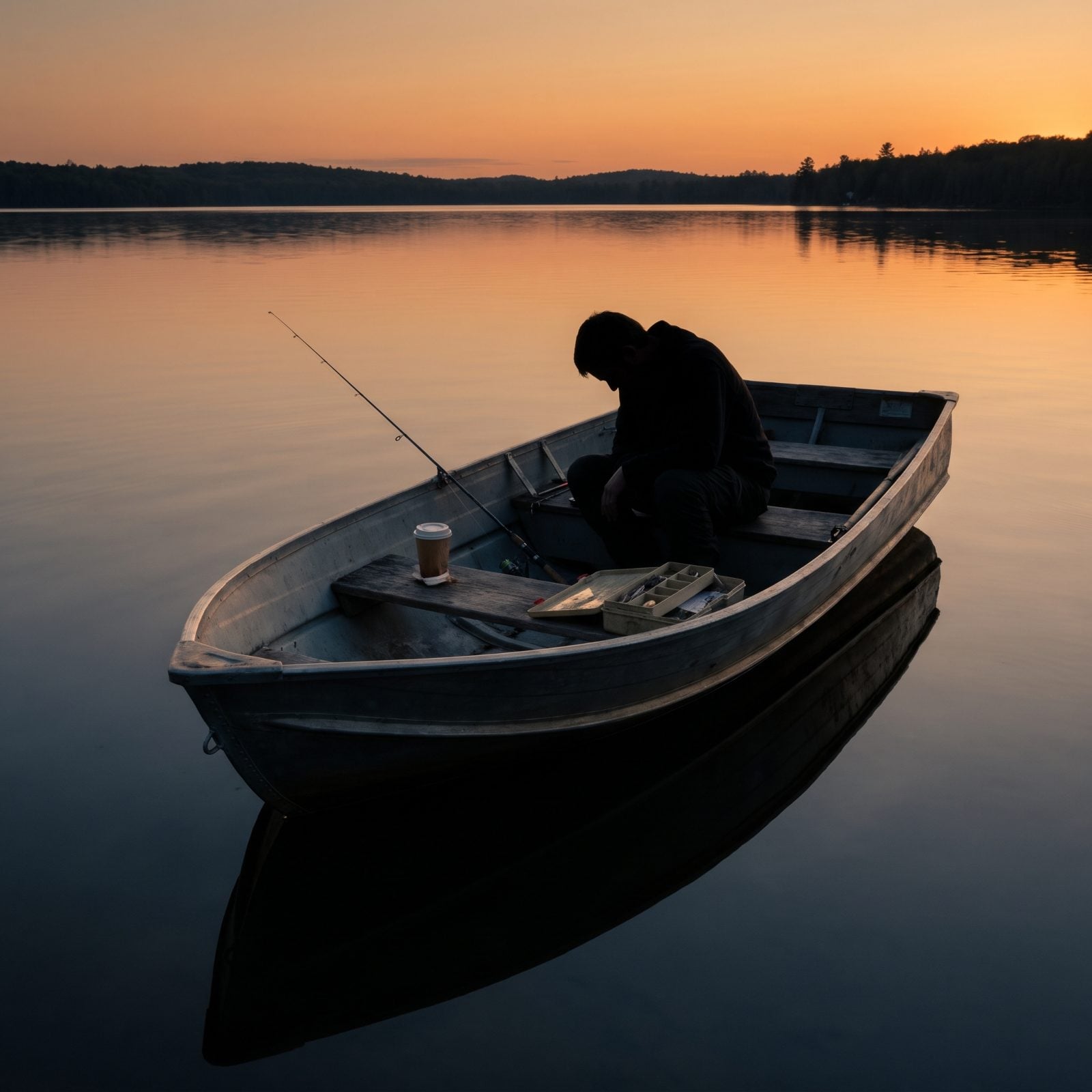
The bite died two hours ago. You know it’s dead. Every instinct says move. But you’ve been anchored on this spot since dawn, you’ve burned the whole morning here, and leaving now would mean admitting those hours were wasted. So you stay.
Same logic keeps people parked in situations long past the point of hope. Not because it’s working, but because walking away would mean the time already spent counts for nothing.
The sunk-cost fallacy. One of the most expensive mistakes the human brain makes. The hours are gone either way, and staying won’t claw them back. The only question that matters is whether the next hour’s better here or somewhere else, and the honest answer is almost always somewhere else.
The time you already spent is gone. The only thing you still control is the next cast, and whether it happens here or somewhere with fish.
10. You Promise One Last Cast at Least Twelve Times
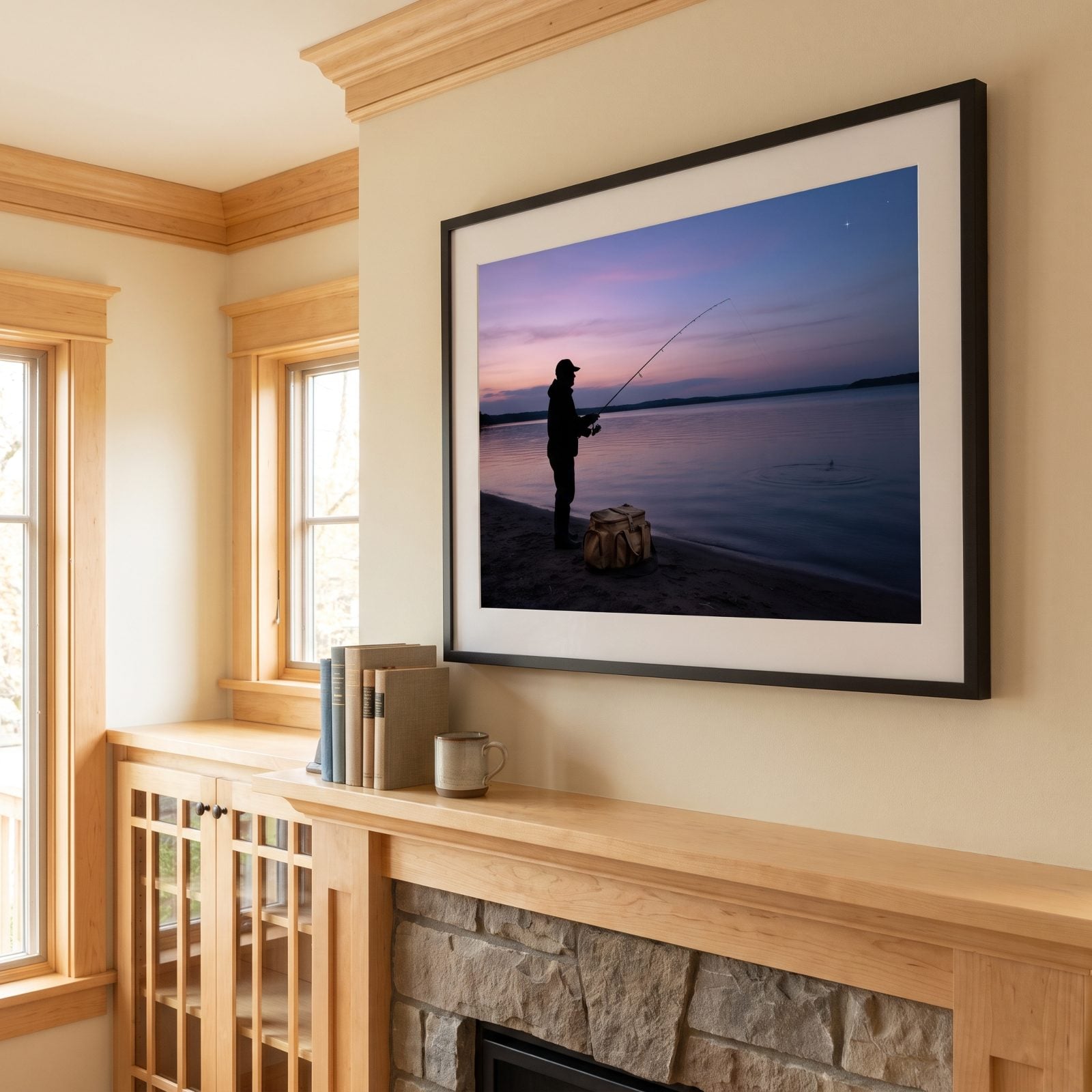
“One more cast.” You said it at sunset, again when the mosquitoes came out, and once more when you literally could not see your lure hit the water. You packed the bag, then unpacked the rod. The last cast is a beautiful lie we tell ourselves twelve times a night.
It’s the same reluctance that keeps a goodbye stretching at the door, the one-more-minute that becomes an hour. We don’t want the good thing to be over, so we negotiate with the ending.
Endings trigger a small grief, and the brain fights it by stalling. Each “last cast” is a tiny bargain against the fact that the day is done. Nobody’s ever caught the fish of a lifetime on cast fifteen of twelve. But we keep hoping, because hope is cheaper than accepting it’s time to go home.
9. You Switch Lures Just Before the Bite Turns On
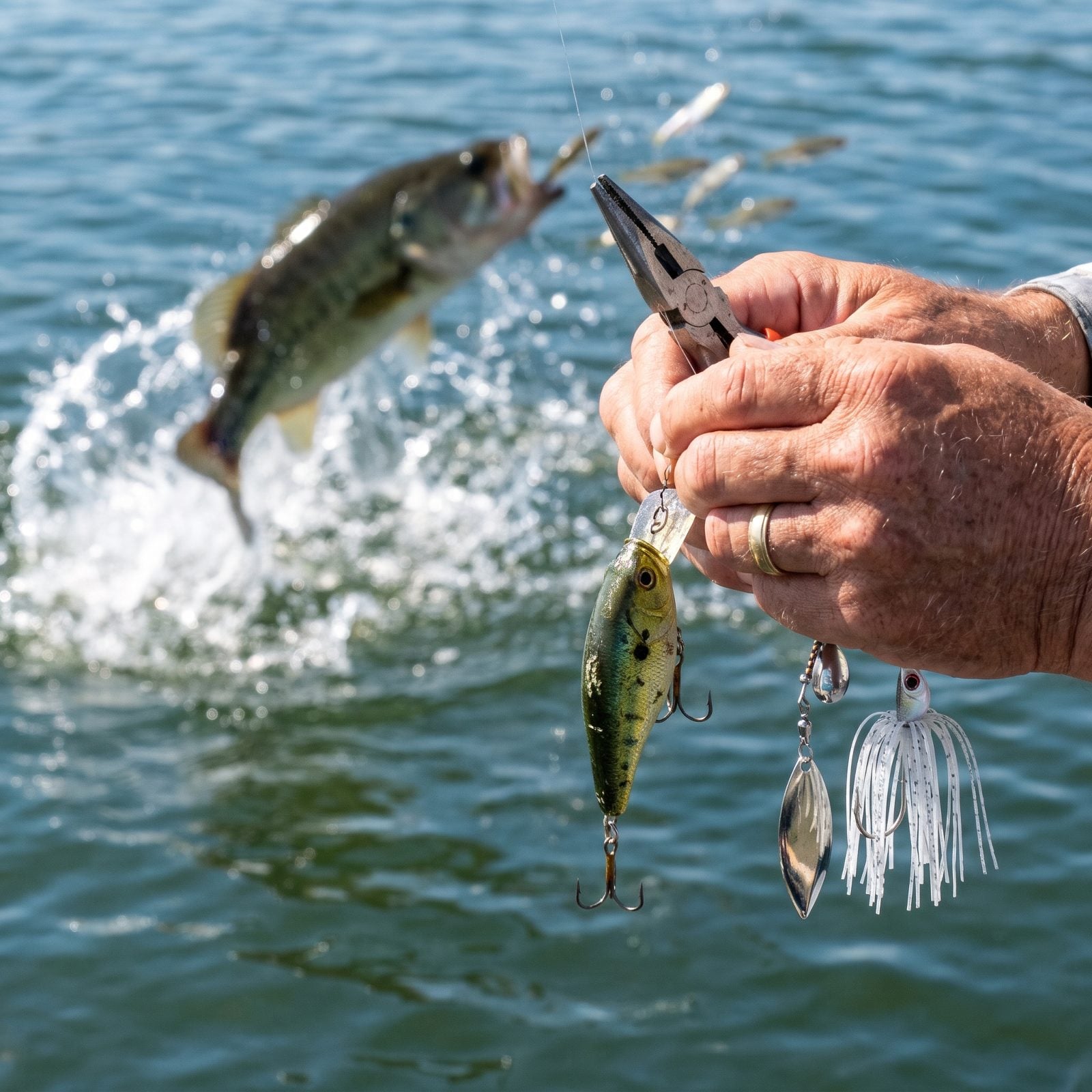
You’d thrown that crankbait an hour with nothing to show. Right as you clipped it off and started rigging a soft plastic worm, the water exploded. The bite had just turned on. You’d done everything right and quit one cast too soon.
Oldest regret there is. Giving up on the thing right before it was about to work. The person who walked away the week before it would have clicked. The effort abandoned at the last mile.
Our patience runs on a timer that almost never matches reality’s. We expect results on our schedule, and when they don’t come, we assume we’re on the wrong path and switch. But fish don’t read our clock. Sometimes the only difference between skunked and a limit is staying with it ten minutes longer than felt reasonable. The bite was coming. You just couldn’t see it yet.
8. You Keep the First Legal Fish When Clouds Roll In
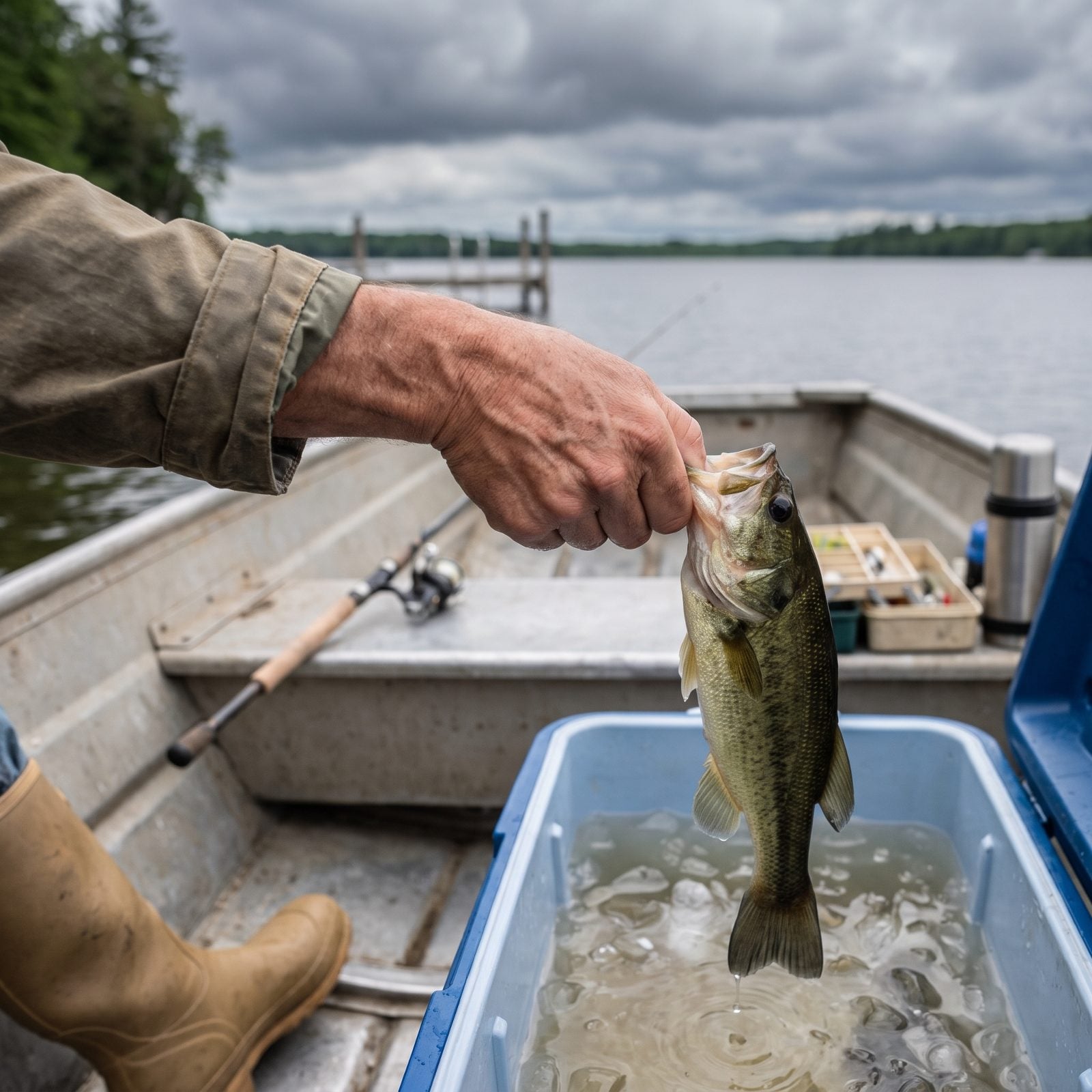
Clouds roll in, the bite feels like it’s dying, and you keep the first legal fish that hits the boat. Not the one you wanted — just the one that showed up when the sky looked mean. An hour later the weather holds, the better fish are chewing, and your limit is already half-filled with the nervous choice.
Love does the identical thing. You commit when you’re scared the window is closing, not because the person is right, but because the storm might come and you don’t want to be out there empty-handed.
That’s loss aversion running the boat. Going home with nothing weighs heavier than holding out for something good. So you grab the sure thing to make the dread stop, and you trade all that upside for the warm relief of not losing.
7. One Missed Strike Makes You Doubt the Whole Tackle Box
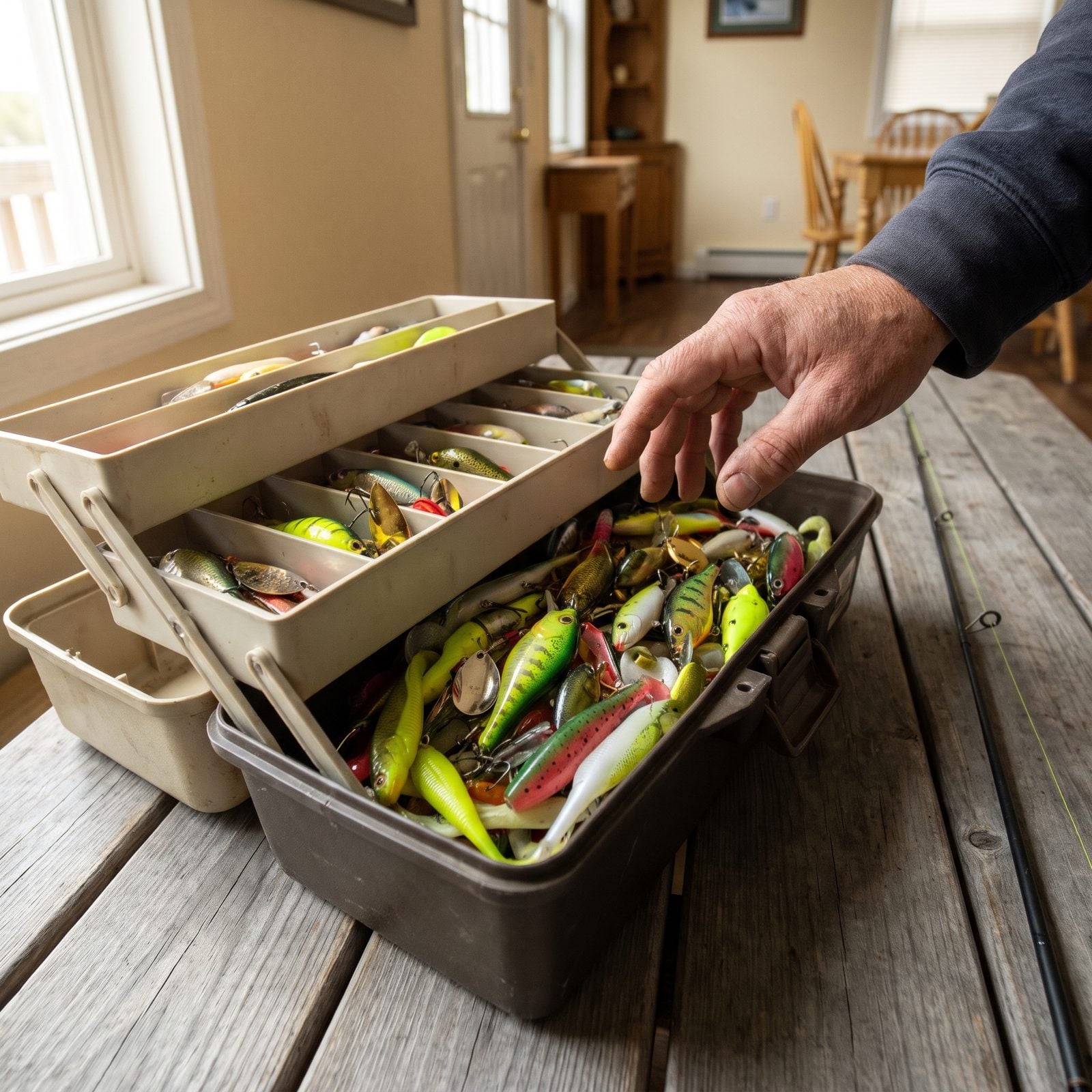
You feel a thump, swing, and come up with nothing. Suddenly the lure that’s caught a hundred fish is garbage. You open the box and stare. Wrong color? Wrong approach? Should’ve been throwing the other thing the whole time? One missed strike and you’re ready to burn the tackle tray down.
It’s the same spiral after a bad date or an argument that landed wrong — a single miss and you’re questioning your judgment, your type, your entire read on people.
Blame negativity bias. One sour moment outshouts a dozen good ones, because the brain is wired to remember what hurt so it won’t get hurt twice. The fish you landed don’t get a vote. The one that spit the hook runs the whole meeting.
6. You Blame the Line When You Set the Hook Late
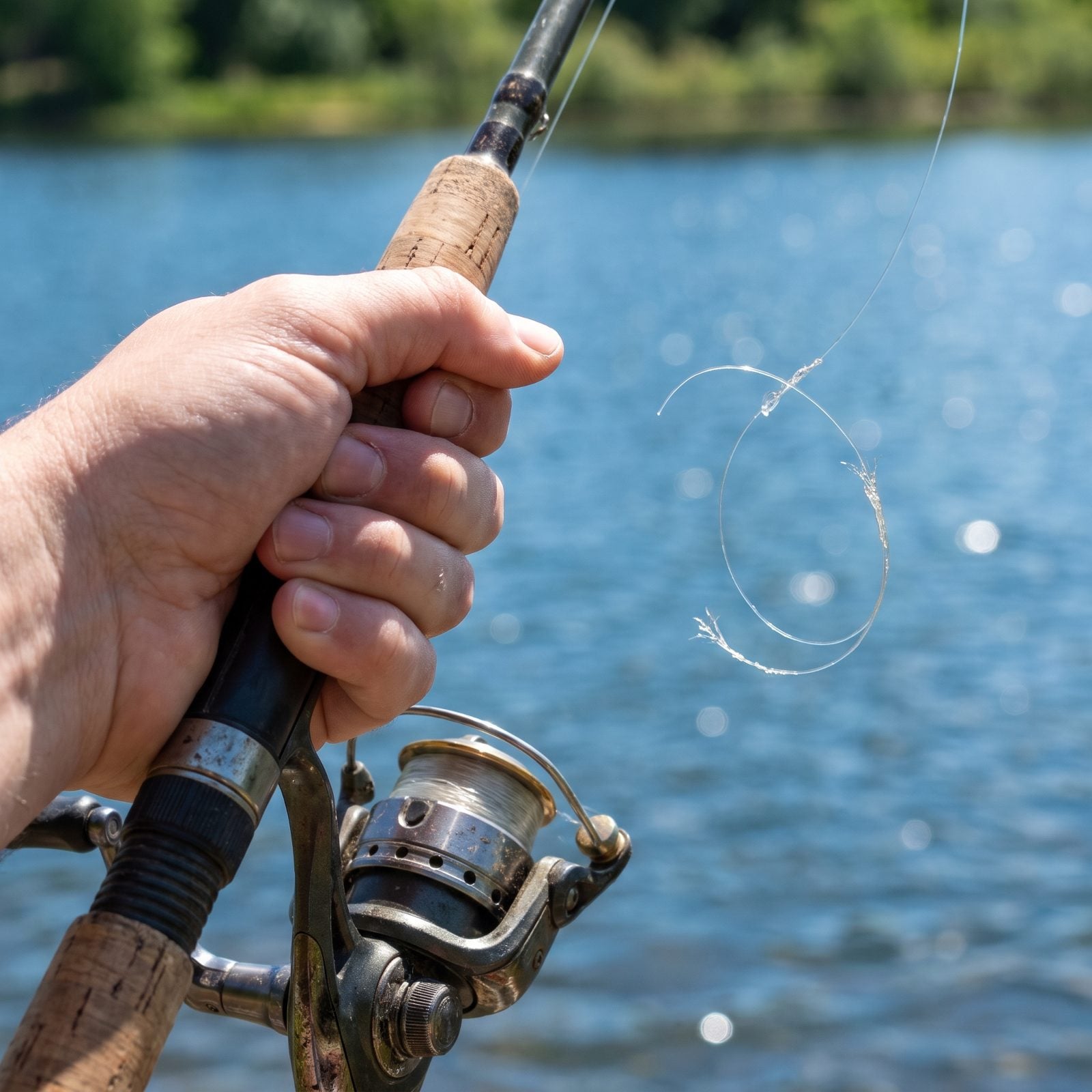
The hook set came a beat too late. You were daydreaming, or half-watching another rod, and by the time you swung the fish was gone. So what do you say out loud? Bad knot. Old line. Dull hook. Anything but the truth, which is that you weren’t paying attention.
We do this with people we let slip. The relationship didn’t fade because we stopped showing up — it was the timing, the distance, their schedule. The story protects the ego, and the ego is grateful.
The line almost never breaks. You just didn’t swing in time, and admitting that costs more than a spool of mono.
Psychologists call it the self-serving bias. Wins are our skill, losses are bad luck or someone else’s fault. Feels like honesty. It’s really a soft place to land so we don’t have to look at our own hands.
5. You Scroll Reports From the Weekend You Skipped

You couldn’t make it out Saturday. Now it’s Sunday morning and you’re scrolling the reports, watching everyone else hoist slabs under a bluebird sky, each photo a small knife. The lake you skipped turned on the second you decided to sleep in. Of course it did.
Same ache as watching the one you let go build a whole happy life without you, served up in a feed you cannot stop refreshing.
This is the grass-is-greener engine, powered by a highlight reel. Nobody posts the four skunked hours before the one good fish. You’re measuring your quiet Saturday against everyone’s best five seconds, and the whole comparison was rigged before you ever picked up the phone.
4. You Buy New Tackle to Forget Getting Skunked
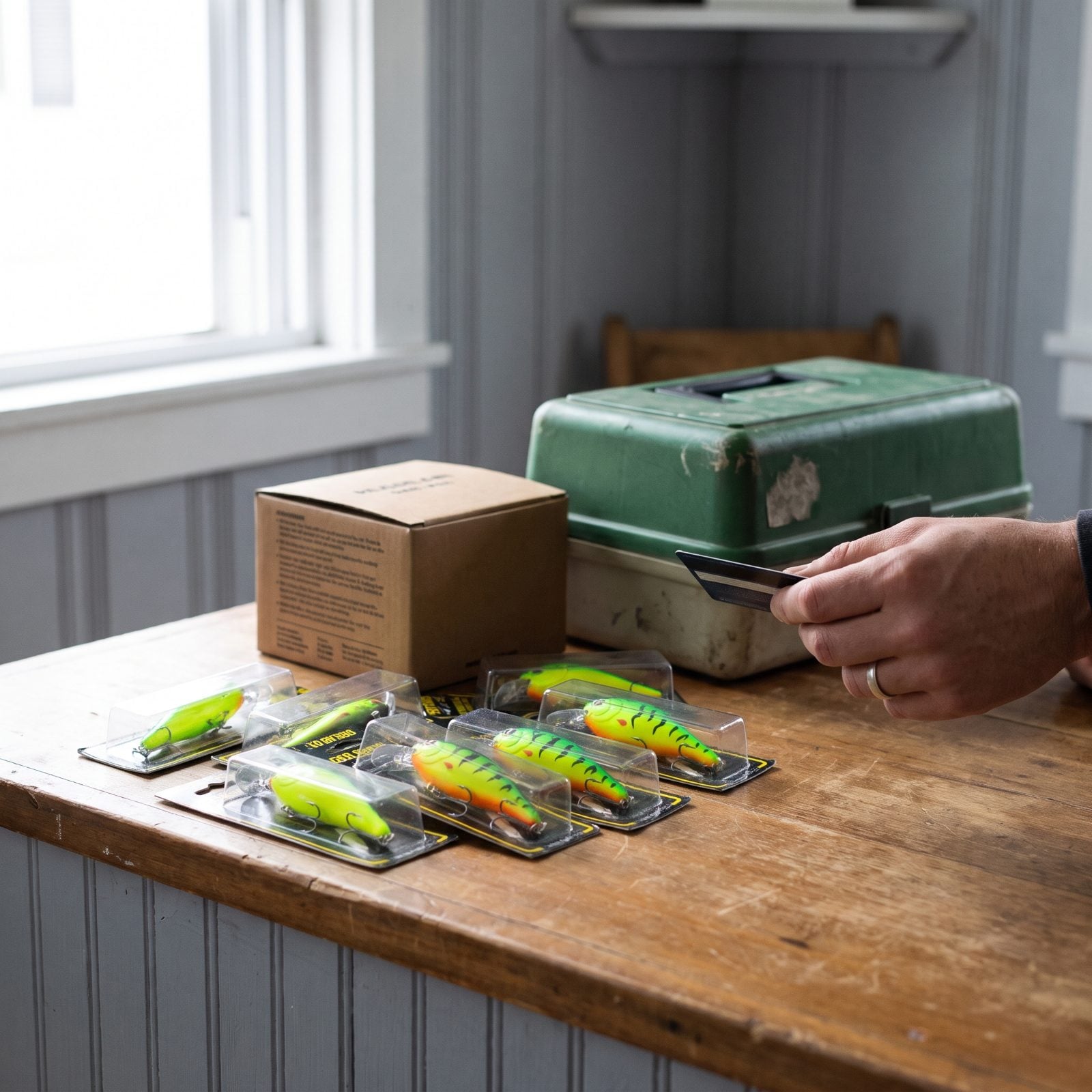
Zero fish all day. You drive home past the tackle shop and somehow end up inside, loading the counter with crankbaits you don’t need and a reel to replace one that works fine. The purchase feels like progress — a fresh start that’ll fix whatever went wrong out there.
It’s the rebound in rod-and-reel form. New gear, new haircut, new everything, all to paper over the sting of coming up empty.
The gear was never the problem. The fish weren’t biting, the water was off, you fished the wrong spot. But a receipt hands you a feeling of control, and control is exactly what a skunk steals. You’re not buying lures. You’re buying the story that next time will be different.
3. You Return to the Spot That Peaked Once
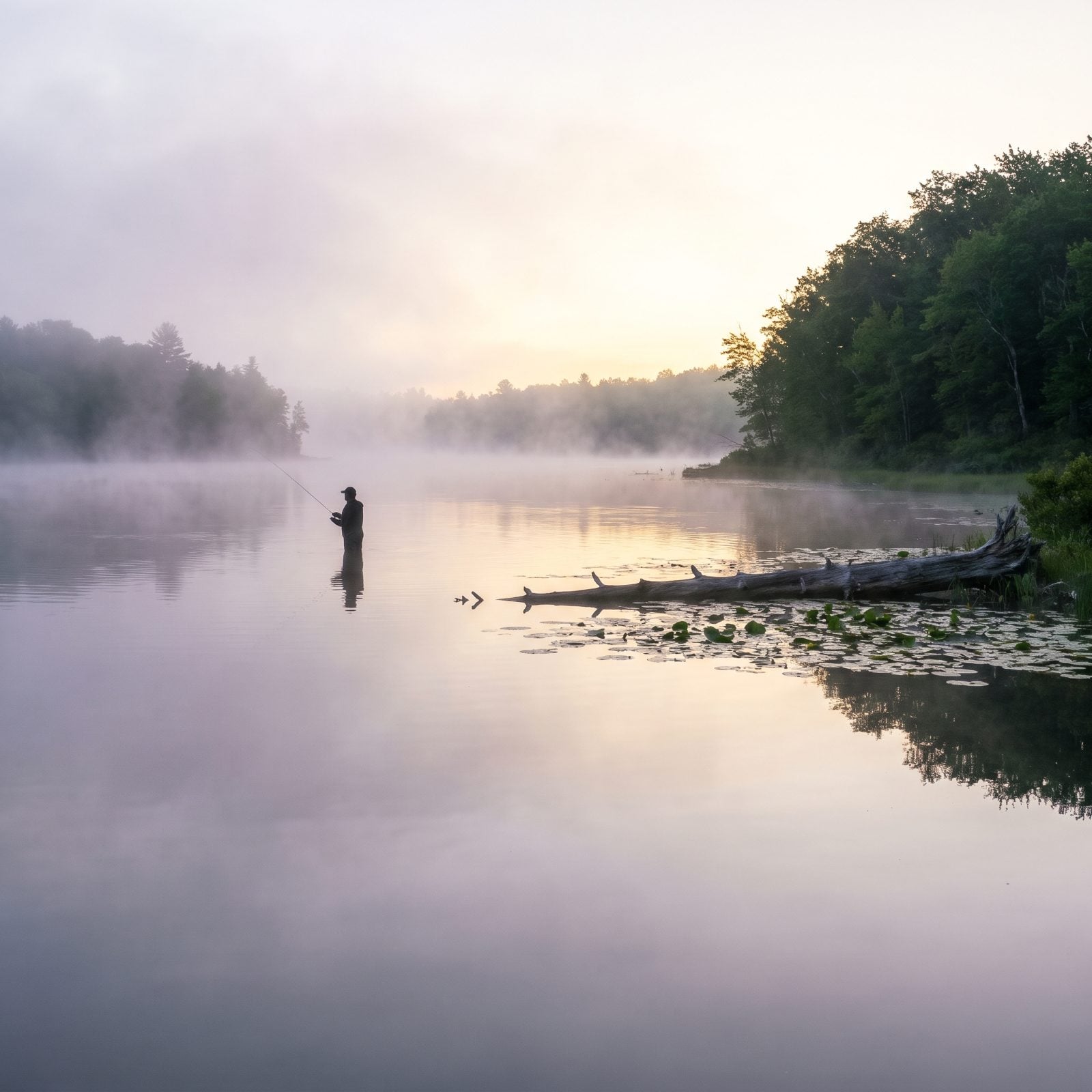
There’s a cove where you once had the day of your life. Fish on every cast, a story you still tell. So you go back. And back. The spot’s been dead for three seasons — the structure changed, the bait moved on — but you keep anchoring on that same submerged log because of what it was once.
You know the equivalent in people. The place you keep returning to, hoping it’ll feel the way it felt that one impossible year.
Nostalgia is a persuasive liar. It loops the single magic session on repeat and quietly deletes all the slow mornings that followed. The spot didn’t betray you. It just can’t reproduce a day that was always part luck, part timing, part being exactly who you were back then.
2. Your Biggest Fish Grows Every Time You Retell It
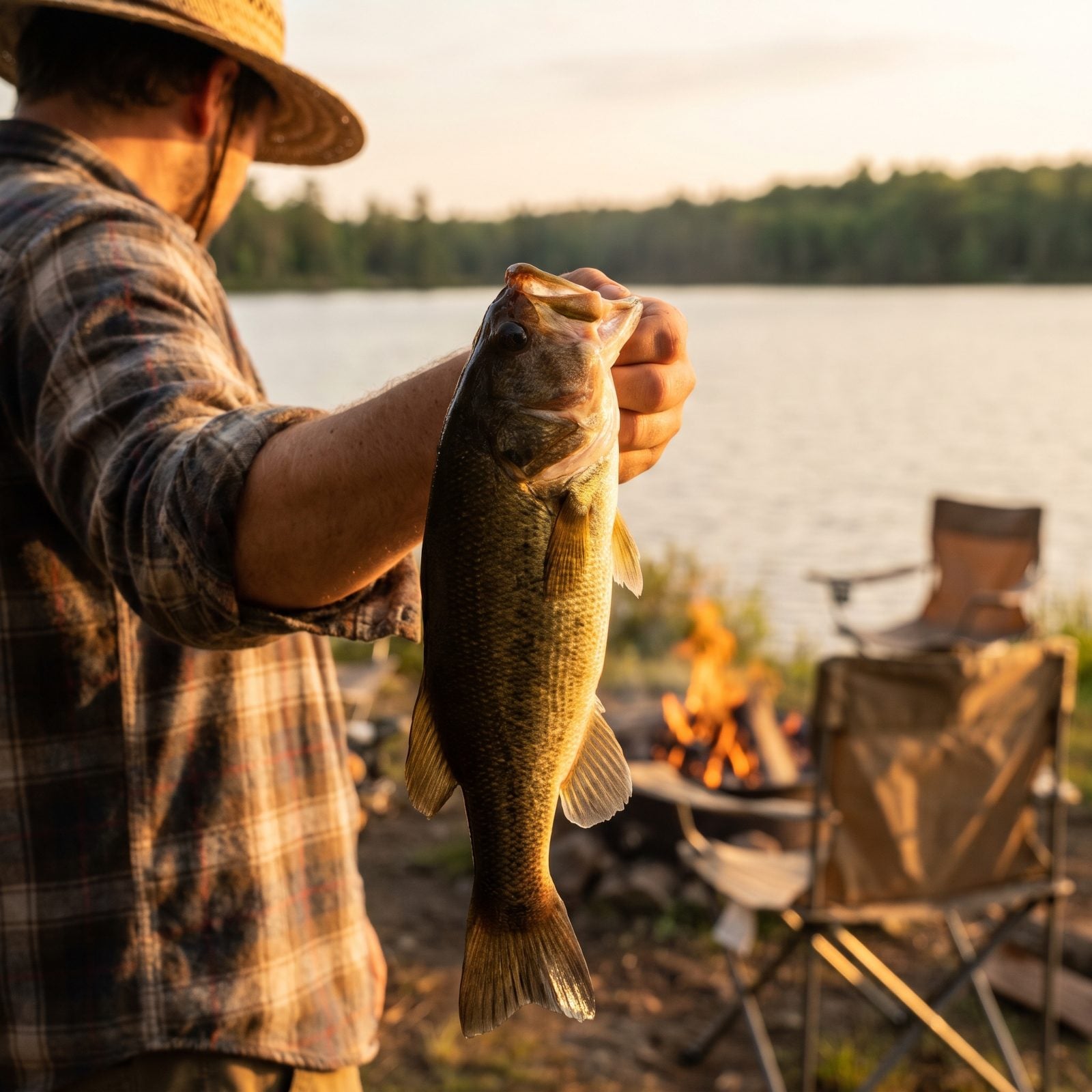
It was a solid fish. Maybe four pounds. By the third telling it’s pushing six, and by the holiday dinner it’s a trophy that nearly pulled you overboard. You’re not lying, exactly. The fish just grows a little every time your hands go up to show the size.
Old romances do this too. The person gets kinder in memory, the good nights get longer, the laughter gets brighter, and the reasons it ended quietly shrink.
Each retelling rewrites the original. The brain doesn’t replay a memory — it rebuilds it from the last version, so the embellishment becomes the new truth. Tell it enough times and even you believe the six-pounder. The real fish is gone. The legend ate it.
1. You Post the Sunset and Forget to Mention the Skunk
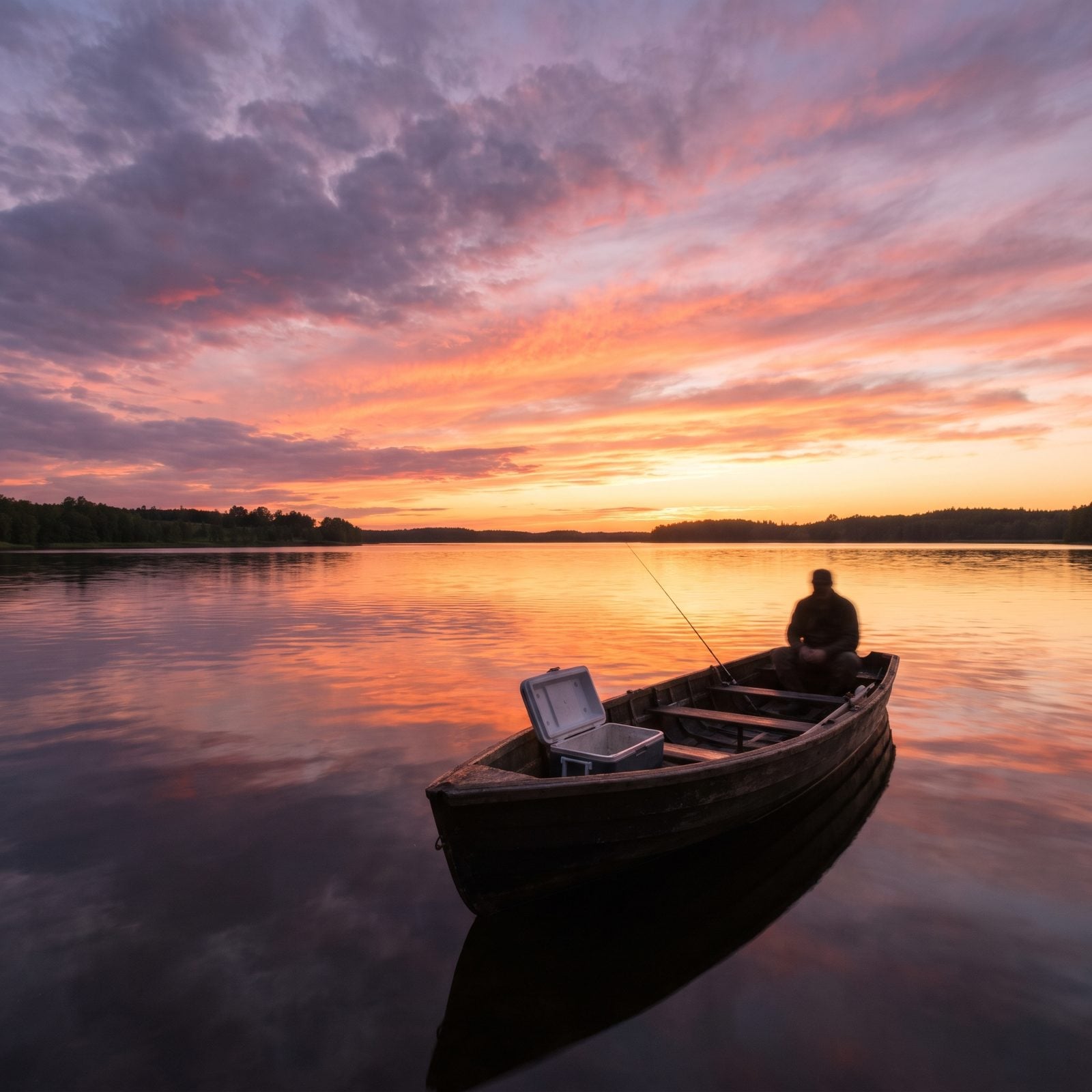
Skunked. Nine hours, not a single bite. But that sunset torched the sky orange and pink, so you snap it, post it, caption it something peaceful about a day well spent on the water. Everyone double-taps. Nobody knows the cooler went home as empty as it came.
We curate love the same way — the anniversary photo, the smiling dinner, the caption about how lucky we are, posted on a day the whole thing was quietly falling apart.
Less dishonesty than impression management, the editing we all do to present the best frame. Here’s the strange part: do it long enough and you start believing your own caption. The sunset becomes the memory of the day, and the skunk slides off into the water where nobody has to look at it.